




 LinkedIn
 Researchgate
 Instagram
 X
X Facebook
 WhatsApp
 Reddit
 Mail
MailSARS-CoV-2 contains four main structural proteins: spike (S), membrane (M), envelope (E), and nucleocapsid (N) proteins. All the proteins and subcellular structures of CoVs are promising targets for SARS-CoV-2 research.
Articles
All
-
All
-
Scientific Reviews
-
EDM
-
Blog
Most Recent
-
Most Recent
-
Oldest
-
 Scientific Reviews
-
 Scientific Reviews
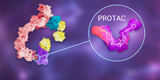
PROTAC, which exploit the ubiquitin-proteasome pathway to specifically degrade target proteins. PROTACs not only solve the problem of undruggability but they also have other advantages compared to traditional drug targeting strategies.
Scientific Reviews
PROTAC, which exploit the ubiquitin-proteasome pathway to specifically degrade target proteins. PROTACs not only solve the problem of undruggability but they also have other advantages compared to traditional drug targeting strategies. -
 Scientific Reviews
PROTAC — Target Selection and Design
Scientific Reviews
PROTAC — Target Selection and Design2022-07-08
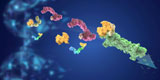
A PROTAC molecule consists of three components: a target protein binding ligand, an E3 ligase ligand, and a linker connecting these two moieties. Here, we will discuss the conventional approaches for the rational design of PROTAC molecules. -
 Scientific Reviews
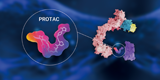
BacPROTACs is composed of a POI ligand, a chemical linker and a ClpCNTD anchor. BacPROTACs can induce in vitro and in vivo degradation of non-eukaryotic proteins in bacteria without the ubiquitin proteasome system.
Scientific Reviews
BacPROTACs is composed of a POI ligand, a chemical linker and a ClpCNTD anchor. BacPROTACs can induce in vitro and in vivo degradation of non-eukaryotic proteins in bacteria without the ubiquitin proteasome system. -
 Scientific Reviews
RNA therapeutics have changed the landscape of drug development, which possess broader spectrum of drug targets, simplicity and efficiency in development and manufacturing.In this article, we will discuss the underlying mechanisms of RNA-based drugs on the market or in clinical stages.
Scientific Reviews
RNA therapeutics have changed the landscape of drug development, which possess broader spectrum of drug targets, simplicity and efficiency in development and manufacturing.In this article, we will discuss the underlying mechanisms of RNA-based drugs on the market or in clinical stages. -
 Scientific Reviews
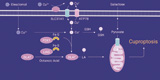
Tsvetkov et al. published in Science and demonstrated a copper-induced programmed cell death — Cuproptosis. As a novel programmed cell death, excess copper triggers abnormal aggregation of lipoylated proteins in TCA cycle and clearance of Fe-S cluster proteins, ultimately leading to cell death.
Scientific Reviews
Tsvetkov et al. published in Science and demonstrated a copper-induced programmed cell death — Cuproptosis. As a novel programmed cell death, excess copper triggers abnormal aggregation of lipoylated proteins in TCA cycle and clearance of Fe-S cluster proteins, ultimately leading to cell death. -
 Scientific Reviews
A comprehensive explanation of ferroptosis
Scientific Reviews
A comprehensive explanation of ferroptosis2022-09-15
Ferroptosis is a new type of RCD that depends on iron and characterized by the accumulation of lipid peroxides. In this article, we will pay our attention on ferroptosis and briefly discusses its mechanism. -
 Scientific Reviews
It's has been proved that p53, as a tumor suppressor gene and immune guardian, may become a destroyer through its own mutation. Moreover, the mechanism of p53 was found to be related to ferroptosis. This article mainly explores the mechanism between p53 and ferroptosis in detail.
Scientific Reviews
It's has been proved that p53, as a tumor suppressor gene and immune guardian, may become a destroyer through its own mutation. Moreover, the mechanism of p53 was found to be related to ferroptosis. This article mainly explores the mechanism between p53 and ferroptosis in detail. -
 Scientific Reviews
Autophagy, derived from the Greek meaning "eating of self", plays an indispensable role in maintaining homeostasis. p27 is an inhibitor of cyclin CDKs, but how p27 regulates autophagy remains unknown. This article will cover the mechanism of autophagy and p27-related cell cycle regulation.
Scientific Reviews
Autophagy, derived from the Greek meaning "eating of self", plays an indispensable role in maintaining homeostasis. p27 is an inhibitor of cyclin CDKs, but how p27 regulates autophagy remains unknown. This article will cover the mechanism of autophagy and p27-related cell cycle regulation. -
 Scientific Reviews
AlphaFold2 can predict disease-related protein structures at low cost, and then find potential drugs for these diseases through drug repositioning, virtual screening, and other methods. ZINC is a public database summarizing information about billions of compounds. AlphaFold2 + ZINC20 speeds up the virtual screening process and improves the computing speed.
Scientific Reviews
AlphaFold2 can predict disease-related protein structures at low cost, and then find potential drugs for these diseases through drug repositioning, virtual screening, and other methods. ZINC is a public database summarizing information about billions of compounds. AlphaFold2 + ZINC20 speeds up the virtual screening process and improves the computing speed. -
 Scientific Reviews
CMA (chaperone-mediated autophagy) plays an essential role in maintaining neuronal protein stability and preventing neurodegeneration. In this article, we will comprehensively clarify the role of CMA in the occurrence and development of neurodegenerative diseases.
Scientific Reviews
CMA (chaperone-mediated autophagy) plays an essential role in maintaining neuronal protein stability and preventing neurodegeneration. In this article, we will comprehensively clarify the role of CMA in the occurrence and development of neurodegenerative diseases. -
 Scientific Reviews
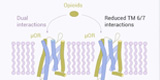
As powerful pain relievers, the opioids morphine and fentanyl have been "checked" by their side effects (listed as controlled substances). How to reduce its side effects? What is its mechanism? This research will explore its mechanism.
Scientific Reviews
As powerful pain relievers, the opioids morphine and fentanyl have been "checked" by their side effects (listed as controlled substances). How to reduce its side effects? What is its mechanism? This research will explore its mechanism. -
 Scientific Reviews
Efferocytosis is the process in which phagocytes remove programmed dead cells. It prevents secondary necrosis of dying cells from releasing harmful cell contents (such as oxides and proteases) that may cause inflammation. Here, we will introduce three stages of efferocytosis: Find, Eat, Digest.
Scientific Reviews
Efferocytosis is the process in which phagocytes remove programmed dead cells. It prevents secondary necrosis of dying cells from releasing harmful cell contents (such as oxides and proteases) that may cause inflammation. Here, we will introduce three stages of efferocytosis: Find, Eat, Digest. -
 Scientific Reviews
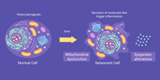
Understanding the mechanism of aging not only has guiding significance for prolonging human life but also has important clinical significance for the prevention and treatment of diseases in the elderly population , thus, improving their life quality and well-being.
Scientific Reviews
Understanding the mechanism of aging not only has guiding significance for prolonging human life but also has important clinical significance for the prevention and treatment of diseases in the elderly population , thus, improving their life quality and well-being. -
 Scientific Reviews
Mammalian cells can also photosynthesize like plants! Photosynthesis can improve cell anabolism and exhibit good clinical effect in degenerative diseases (osteoarthritis).
Scientific Reviews
Mammalian cells can also photosynthesize like plants! Photosynthesis can improve cell anabolism and exhibit good clinical effect in degenerative diseases (osteoarthritis). -
 Scientific Reviews
The latest study of Cell magazine "Neural mechanism underlying depressive-like state associated with social status loss" considers social factors as a breakthrough point. It has been found that the downward transition of social status induces depression-like behavior in mice whereas improves the depressive state by restoring their social environment.
Scientific Reviews
The latest study of Cell magazine "Neural mechanism underlying depressive-like state associated with social status loss" considers social factors as a breakthrough point. It has been found that the downward transition of social status induces depression-like behavior in mice whereas improves the depressive state by restoring their social environment. -
 Scientific Reviews
PROTAC - Design Strategy for Targeting
Scientific Reviews
PROTAC - Design Strategy for Targeting2023-04-23
Protein degradation targeting chimera (PROTAC) is a technology that uses the ubiquitin proteasome pathway to silent target protein. However, PROTAC still has problems such as solubility, membrane permeability, and selectivity. In this article, we have summarized three strategies for optimization: light-controlled linker, PAC molecule, and specific E3 ligase. -
 Scientific Reviews
Mitophagy:Mechanisms and Detection
Scientific Reviews
Mitophagy:Mechanisms and Detection2023-05-25
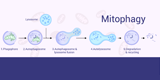
About 60 years ago, Christian de Duve first used the term "autophagy" to describe his observation of the degradation of mitochondria and other intracellular structures in lysosomes of rat liver. Over the years, autophagy has remained a beloved topic of research by the National Natural Science Foundation of China (NSFC).Today, let's talk about mitochondrial autophagy. -
 Scientific Reviews
Structure of Lipid Droplets
Scientific Reviews
Structure of Lipid Droplets2023-06-15
Huh? Lipid droplets? Organelles? In the past, biological data usually only show the traditional organelles, such as mitochondria, Golgi apparatus, endoplasmic reticulum, etc., lipid droplets are often not mentioned by people. Today, we will make a systematic explanation of lipid droplets, so that everyone has a clear understanding! -
 Scientific Reviews
How to Perform Western Blot?
Scientific Reviews
How to Perform Western Blot?2023-07-13
Western blot is one of the most frequently performed experiments in molecular biology, biochemistry and immunology. This article describes in detail how to do WB. -
 Scientific Reviews
Are frozen cells always damaged? Is the survival rate of revived cells low? When is it appropriate to freeze cells? What should be considered when reviving them? Today, we're sharing a guide to avoid pitfalls in cell freezing and revival!
Scientific Reviews
Are frozen cells always damaged? Is the survival rate of revived cells low? When is it appropriate to freeze cells? What should be considered when reviving them? Today, we're sharing a guide to avoid pitfalls in cell freezing and revival! -
 Scientific Reviews
SPR, which stands for Surface Plasmon Resonance, essentially works by detecting the interaction between ligands and analytes on a biosensor chip. This in turn allows us to probe the properties and structure of substances. With this technology, we can analyze molecules, proteins, DNA, and various organic and inorganic substances in samples in real-time with precision.
Scientific Reviews
SPR, which stands for Surface Plasmon Resonance, essentially works by detecting the interaction between ligands and analytes on a biosensor chip. This in turn allows us to probe the properties and structure of substances. With this technology, we can analyze molecules, proteins, DNA, and various organic and inorganic substances in samples in real-time with precision. -
 Scientific Reviews
Science | A "new" mechanism for non-ubiquitinated Midnolin-proteasomal degradation pathway
Scientific Reviews
Science | A "new" mechanism for non-ubiquitinated Midnolin-proteasomal degradation pathway2024-04-26
“ubiquitin-mediated protein degradation” won the Nobel Prize in Chemistry in 2004! In fact, proteasomes degrade not only ubiquitinated proteins but also non-ubiquitinated ones. The mechanism remains shrouded in mystery. After reading this piece today, you might have a lightbulb moment! -
 Scientific Reviews
Common Questions and Solutions for WB
Scientific Reviews
Common Questions and Solutions for WB2024-05-09
Come to understand the common problems and solutions of WB, and better complete the experiment! -
 Scientific Reviews
Still struggling to find the preparation methods for various solutions? Save your time! Here comes a nanny-level tutorial!
Scientific Reviews
Still struggling to find the preparation methods for various solutions? Save your time! Here comes a nanny-level tutorial! -
 Scientific Reviews
STZ Induced Diabetes Models
Scientific Reviews
STZ Induced Diabetes Models2024-06-13
Spotlight: How can STZ Help Diabetes Research? -
 Scientific Reviews
Degrade target proteins through the autophagy-lysosome pathway including LYTAC, AUTAC, and ATTEC have gained increasing attention in recent years due to their significant research potential!
Scientific Reviews
Degrade target proteins through the autophagy-lysosome pathway including LYTAC, AUTAC, and ATTEC have gained increasing attention in recent years due to their significant research potential! -
 Scientific Reviews
Streptavidin-Biotin System
Scientific Reviews
Streptavidin-Biotin System2024-08-03
Streptavidin strongly binding small molecule biotin is one of the most popular non-covalent coupling methods. Streptavidin can be coupled to various carriers such as magnetic beads and agarose matrix, and become a highly specific affinity medium to capture various biotin-labeled ligands. -
 Scientific Reviews
Science’s 2023 Breakthrough: GLP-1R Agonists
Scientific Reviews
Science’s 2023 Breakthrough: GLP-1R Agonists2024-08-13
GLP-1RAs, which achieved great success in 2023 and draws people’s attention back to obesity treatments and GLP-1 therapies worldwide, was chosen as the breakthrough of year 2023 by Science [2]. -
 Scientific Reviews
Cuproptosis, How much do you know?
Scientific Reviews
Cuproptosis, How much do you know?2024-08-22
Cells die in a variety of ways, including apoptosis, pyroptosis, necrosis, and ferroptosis......And, of course, cuproptosis. So, how much do you know about cuproptosis? -
 Scientific Reviews
Recently, Mol Cell reported the discovery of the first ferroptosis marker, Hyperoxidized PRDX3! Let’s take a look together~
Scientific Reviews
Recently, Mol Cell reported the discovery of the first ferroptosis marker, Hyperoxidized PRDX3! Let’s take a look together~ -
 Scientific Reviews
Cuproptosis's Knowledge Points!
Scientific Reviews
Cuproptosis's Knowledge Points!2024-09-25
With the establishment of the cuproptosis mechanism related research has attracted more and more attention from major journals. Expect to use the sharp sword of cuproptosis to stab the tumor cells. -
 Scientific Reviews
How they used PKH 26 for cellular studies?
Scientific Reviews
How they used PKH 26 for cellular studies?2024-10-21
We are thrilled to highlight our client study using PKH 26 (MedChemExpress) , a red fluorescent dye that has proven invaluable for in vitro cell labeling and tracing. This innovative research, published in the Journal of Nanobiotechnology. -
Scientific Reviews
Delve into the intricate networks that govern mitochondrial quality control. By examining key mechanisms such as biogenesis, mitochondrial dynamics (fission and fusion), proteolysis, and mitophagy. -
 Scientific Reviews
Unlocking the Power of Intermittent Fasting: The 16+8 Method
Scientific Reviews
Unlocking the Power of Intermittent Fasting: The 16+8 Method -
 Scientific Reviews
Advancing Chronic Kidney Disease Research with GJ103 and Lamin B1 Antibody!
Scientific Reviews
Advancing Chronic Kidney Disease Research with GJ103 and Lamin B1 Antibody! -
 Scientific Reviews
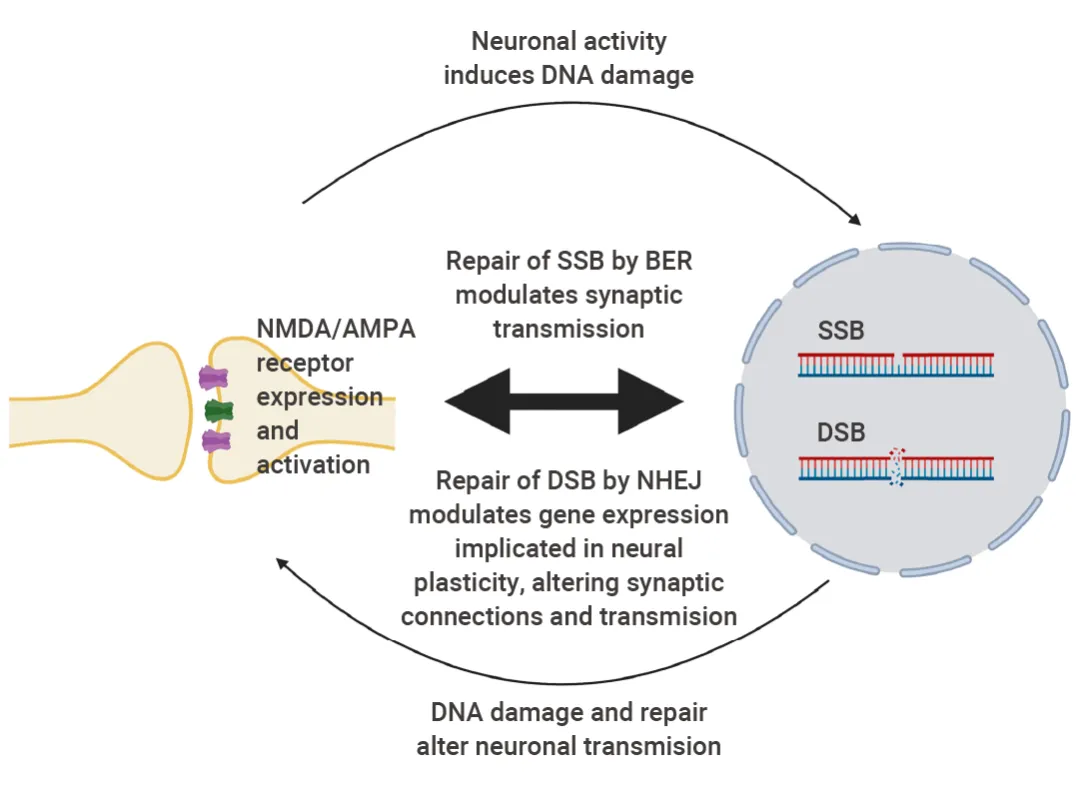
When you hear "inflammation" and "DNA damage," you might immediately think of disease or injury. However, in brains, these two processes are key steps in forming long-term memories, particularly related to specialized cells in our brain called hippocampal neurons.
Scientific Reviews
When you hear "inflammation" and "DNA damage," you might immediately think of disease or injury. However, in brains, these two processes are key steps in forming long-term memories, particularly related to specialized cells in our brain called hippocampal neurons. -
 Scientific Reviews
Autophagy is a fundamental process that degrades various components within the cell.
Scientific Reviews
Autophagy is a fundamental process that degrades various components within the cell. -
 Scientific Reviews
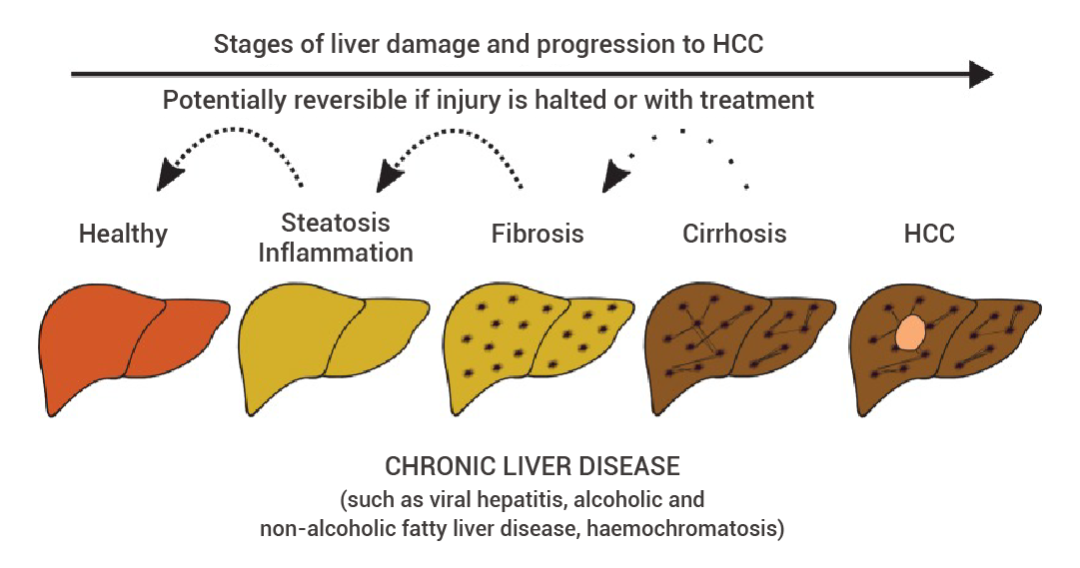
This article will tell you about the common methods of modeling liver disease in animal models.
Scientific Reviews
This article will tell you about the common methods of modeling liver disease in animal models. -
.jpg) Scientific Reviews
nside cells, the homeostasis and degradation of proteins is a precisely regulated process. If proteins cannot be degraded in time, it may lead to the occurrence of various diseases such as neurodegenerative diseases and cancer. This article will tell you the process of how proteins are recognized, labeled and then degraded!
Scientific Reviews
nside cells, the homeostasis and degradation of proteins is a precisely regulated process. If proteins cannot be degraded in time, it may lead to the occurrence of various diseases such as neurodegenerative diseases and cancer. This article will tell you the process of how proteins are recognized, labeled and then degraded! -
 Scientific Reviews
This article introduces some common cardiovascular disease models, inducers, modeling protocols and successful modeling cases in the research.
Scientific Reviews
This article introduces some common cardiovascular disease models, inducers, modeling protocols and successful modeling cases in the research. -
 Scientific Reviews
Do you feel confused when you start culturing cells? This article will show you the basic methods and steps of cell culture!
Scientific Reviews
Do you feel confused when you start culturing cells? This article will show you the basic methods and steps of cell culture! -
 Scientific Reviews
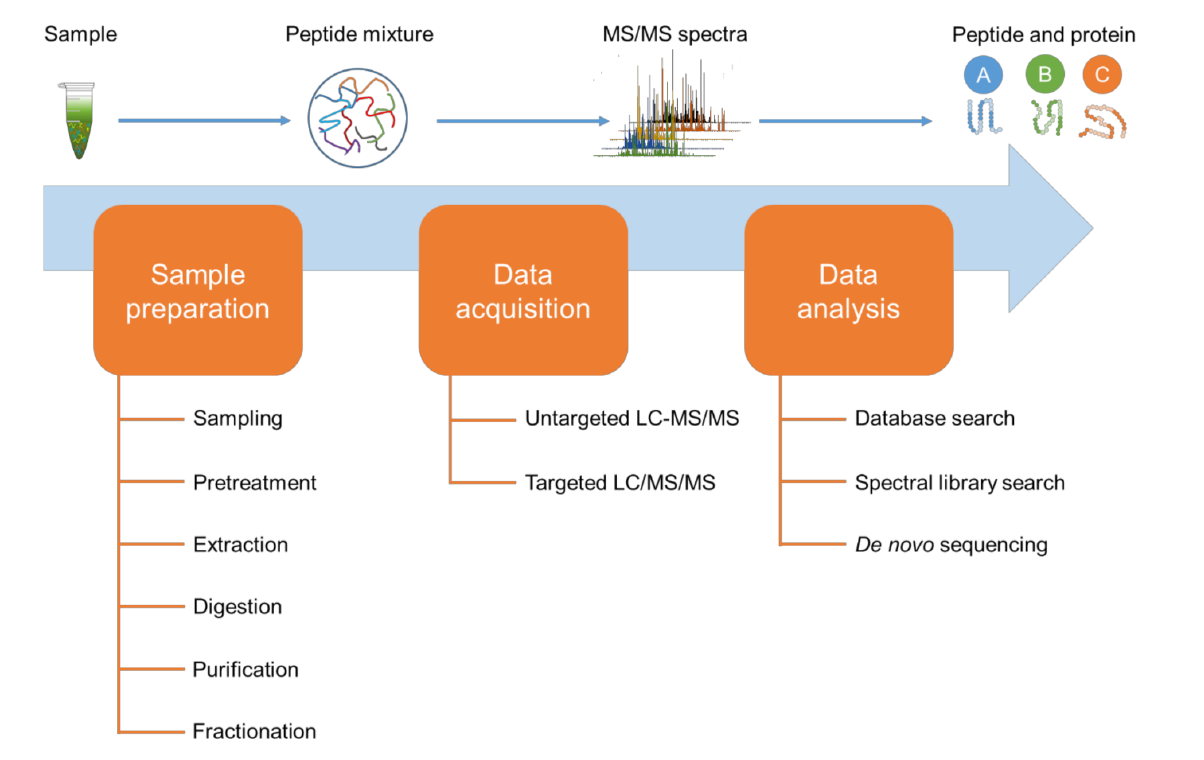
As a pivotal branch in the post - genomic era, proteomics is committed to comprehensively elucidating the types, abundances, structures, functions, and interactions of all proteins within living organisms. This article will tell you the key steps of proteomics sample preparation based on mass spectrometry. This article will tell you the key steps of proteomics sample preparation based on mass spectrometry.
Scientific Reviews
As a pivotal branch in the post - genomic era, proteomics is committed to comprehensively elucidating the types, abundances, structures, functions, and interactions of all proteins within living organisms. This article will tell you the key steps of proteomics sample preparation based on mass spectrometry. This article will tell you the key steps of proteomics sample preparation based on mass spectrometry. -
 Scientific Reviews
Western blotting is a crucial and fundamental technique in life science research. It plays a significant role in exploring protein expression and function. The following article will comprehensively and thoroughly elaborate on the specific procedures and detailed key points of this experiment.
Scientific Reviews
Western blotting is a crucial and fundamental technique in life science research. It plays a significant role in exploring protein expression and function. The following article will comprehensively and thoroughly elaborate on the specific procedures and detailed key points of this experiment. -
 Scientific Reviews
In this issue, we will conduct an in-depth interpretation from the dimensions of nanoparticle design, mechanism of action, in vivo and in vitro efficacy, and immune regulation, revealing how this research brings new hope for the treatment of invasive tumors through interdisciplinary innovation!
Scientific Reviews
In this issue, we will conduct an in-depth interpretation from the dimensions of nanoparticle design, mechanism of action, in vivo and in vitro efficacy, and immune regulation, revealing how this research brings new hope for the treatment of invasive tumors through interdisciplinary innovation! -
 Scientific Reviews
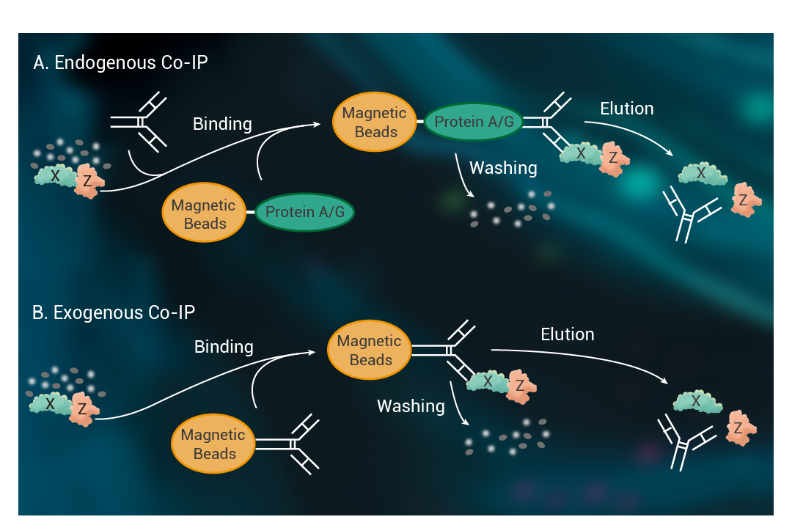
In protein biology, Co-IP is a powerful tool to uncover protein "social networks." But poorly performed, it easily becomes an awkward lab "meet-and-greet." Today, we discuss making Co-IP experiments elegant and efficient—so you pull down target proteins with confidence and precision.
Scientific Reviews
In protein biology, Co-IP is a powerful tool to uncover protein "social networks." But poorly performed, it easily becomes an awkward lab "meet-and-greet." Today, we discuss making Co-IP experiments elegant and efficient—so you pull down target proteins with confidence and precision. -
 Scientific Reviews
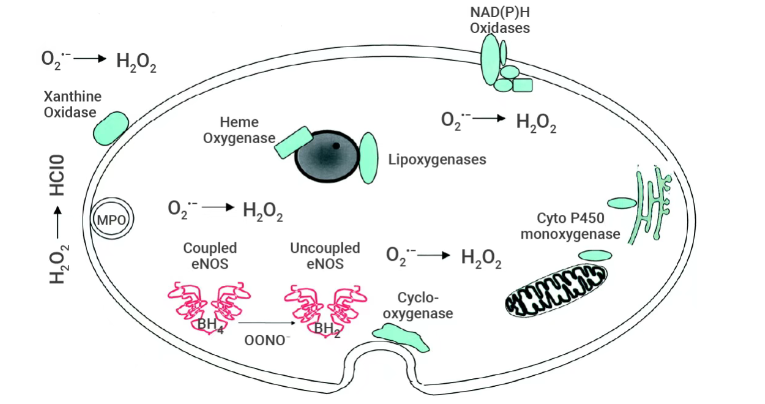
The article introduces the mechanisms of ROS generation and the methods for their detection.
Scientific Reviews
The article introduces the mechanisms of ROS generation and the methods for their detection. -
 Scientific Reviews
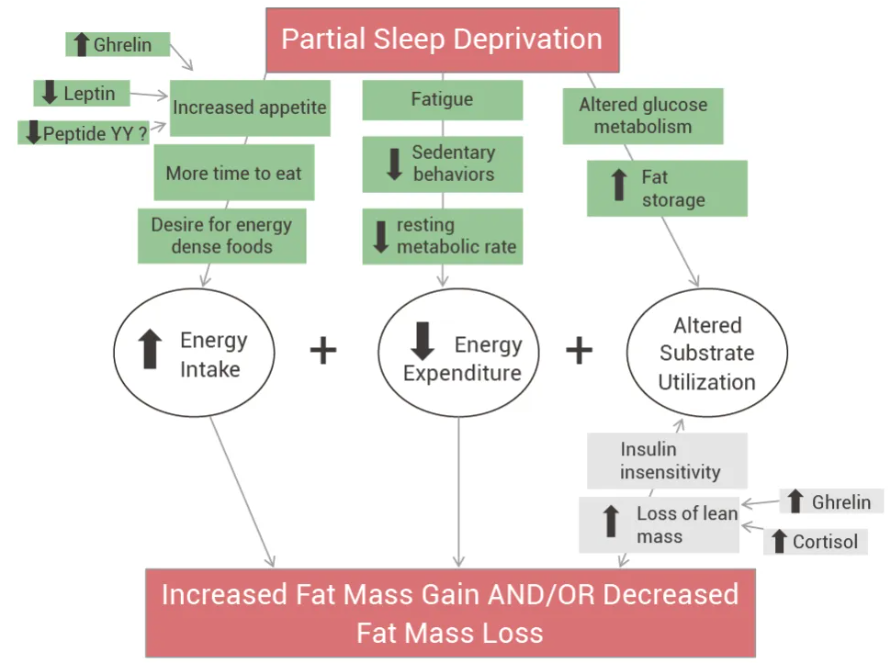
Have you ever noticed that after staying up late, your appetite—especially for high-calorie foods—gets out of control? If this sounds familiar, today’s article might offer some good news.
Scientific Reviews
Have you ever noticed that after staying up late, your appetite—especially for high-calorie foods—gets out of control? If this sounds familiar, today’s article might offer some good news. -
 Scientific Reviews
Generating Stable Cell Lines with Lentivirus
Scientific Reviews
Generating Stable Cell Lines with Lentivirus2025-09-16
A step-by-step protocol of establishing stable cell lines using lentivirus -
 Scientific Reviews
A groundbreaking study in Nature Communications reveals the key mechanism behind Idiopathic Pulmonary Fibrosis and identifies an existing drug with the potential to counter it.
Scientific Reviews
A groundbreaking study in Nature Communications reveals the key mechanism behind Idiopathic Pulmonary Fibrosis and identifies an existing drug with the potential to counter it. -
 Scientific Reviews
Finding adipogenic induction media too expensive and tricky to prepare? This comprehensive guide to 3T3-L1 adipogenic differentiation simplifies the process, helping you achieve great results!
Scientific Reviews
Finding adipogenic induction media too expensive and tricky to prepare? This comprehensive guide to 3T3-L1 adipogenic differentiation simplifies the process, helping you achieve great results! -
Scientific Reviews
For all the protein research folks out there, techniques like IP and Co-IP are no stranger, right? And of course, there's a faster and more convenient go-to tool—Protein A/G magnetic beads! In this article, let's chat about how these beads work their magic in classic experiments like IP and Co-IP. -
Scientific Reviews
Microglia– the only immune cells within the brain parenchyma. With advancements in imaging technologies, people’s understanding of microglia has shifted from being viewed as 'resting' cells to 'highly active' cells, particularly due to their dynamic processes that seem to be probing surrounding tissues and monitoring neuronal activity. This has made microglia a focal point of research in the field of neuroscience. -
Scientific Reviews
Cracking the PROTAC Permeability Barrier: CD36-Mediated Endocytosis as a Potential Breakthrough2025-12-03
This article provides an in-depth analysis of cutting-edge literature revealing CD36 as a key mediator of cellular uptake for PROTACs and bRO5 compounds. By structurally optimizing PROTAC molecules to enhance their affinity for CD36, membrane permeability can be markedly improved, leading to significantly enhanced antitumor efficacy. -
 Scientific Reviews
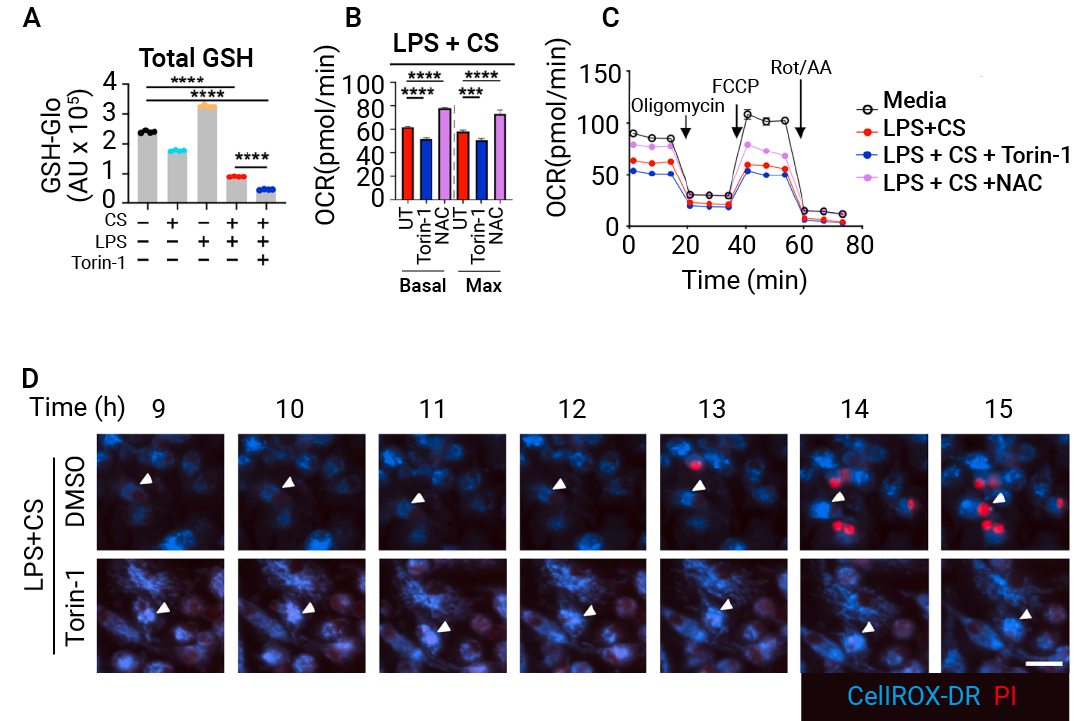
A November 2025 Cell study discovers Mitoxyperilysis, a new mTOR-regulated, caspase-independent cell death pathway driven by innate immune and metabolic dysregulation via mitochondrial-plasma membrane contact and oxidative damage, and verifies its potential to induce tumor necrosis for cancer therapy with key regulators including BAX, BAK1 and BID.
Scientific Reviews
A November 2025 Cell study discovers Mitoxyperilysis, a new mTOR-regulated, caspase-independent cell death pathway driven by innate immune and metabolic dysregulation via mitochondrial-plasma membrane contact and oxidative damage, and verifies its potential to induce tumor necrosis for cancer therapy with key regulators including BAX, BAK1 and BID. -
 Scientific Reviews
In the hunt for the next ‘GLP-1,’ amylin therapeutics, which have shown strong weight-loss results in clinical trials, have become a major focus for both multinational pharma and the scientific community.
Scientific Reviews
In the hunt for the next ‘GLP-1,’ amylin therapeutics, which have shown strong weight-loss results in clinical trials, have become a major focus for both multinational pharma and the scientific community. -
 Scientific Reviews
Essential for High-Impact Papers: Present Your CCK-8 Experimental Results in a More Outstanding Way!
Scientific Reviews
Essential for High-Impact Papers: Present Your CCK-8 Experimental Results in a More Outstanding Way!2026-03-18
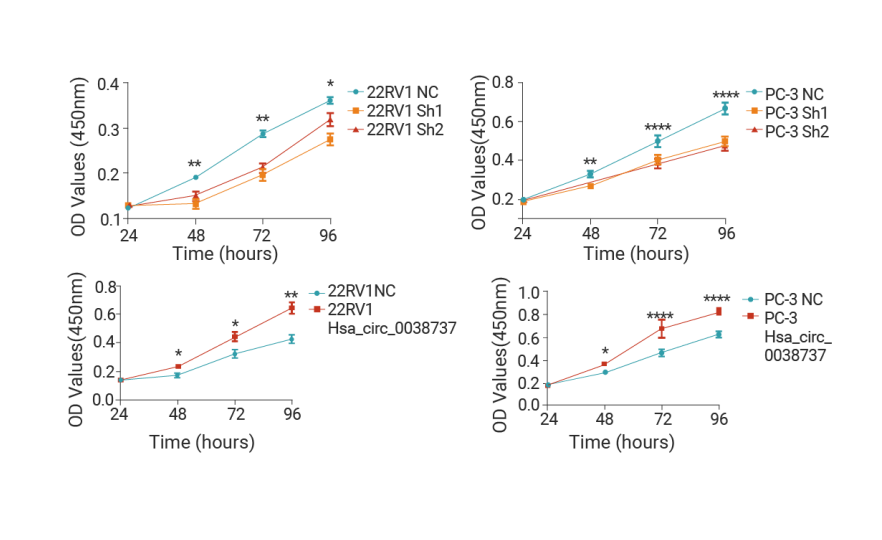
CCK-8 is a widely used WST‑8‑based reagent for cell proliferation and cytotoxicity assays. It features high sensitivity, reliable results and easy operation, and is applicable to cell viability analysis, drug screening and growth inhibition testing. -
 Scientific Reviews
Molecular glue degraders have evolved from a serendipitous observation to one of the most dynamic and transformative fields in biomedical research.
Scientific Reviews
Molecular glue degraders have evolved from a serendipitous observation to one of the most dynamic and transformative fields in biomedical research. -
 Scientific Reviews
GLP-1 and Obesity Research
Scientific Reviews
GLP-1 and Obesity Research2026-08-14
Obesity substantially increases the risk of chronic diseases such as T2D and cardiovascular disease. The breakout success of GLP-1 therapies has spotlighted GLP-1R and a wave of emerging obesity targets. -
 EDM
Targeting the ‘Undruggable’ with PROTACs
EDM
Targeting the ‘Undruggable’ with PROTACs2025-06-18
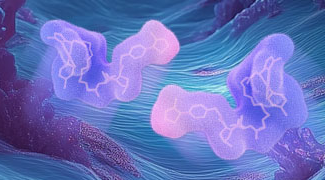
This review introduces the fundamental principles and mechanisms of PROTACs, highlights recent advances in molecular design and clinical development, and discusses emerging opportunities and remaining challenges in targeted protein degradation. -
 EDM
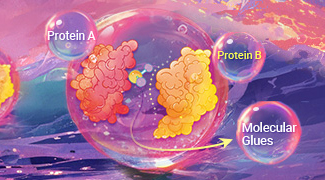
This review discusses recent progress in molecular glue technologies, illustrating how targeted protein degradation strategies enable the modulation of previously undruggable proteins.
EDM
This review discusses recent progress in molecular glue technologies, illustrating how targeted protein degradation strategies enable the modulation of previously undruggable proteins. -
 EDM
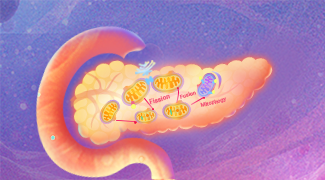
This review discusses β-cell dysfunction driven by mitochondrial impairment, outlines mitochondrial quality control networks, and summarizes strategies to restore mitochondrial function.
EDM
This review discusses β-cell dysfunction driven by mitochondrial impairment, outlines mitochondrial quality control networks, and summarizes strategies to restore mitochondrial function. -
 EDM
Review mitophagy regulation, disease mechanisms, and therapeutic advances to guide future research and drug development.
EDM
Review mitophagy regulation, disease mechanisms, and therapeutic advances to guide future research and drug development. -
 EDM
Explore lysosomal nutrient sensing, quality control, cellular adaptation, disease mechanisms, and emerging therapeutic approaches.
EDM
Explore lysosomal nutrient sensing, quality control, cellular adaptation, disease mechanisms, and emerging therapeutic approaches. -
 EDM
Review the evolution of molecular glues from serendipitous discovery to rational design, highlighting how emerging targets and advances in screening, proteomics, structural biology, and AI are expanding the druggable proteome.
EDM
Review the evolution of molecular glues from serendipitous discovery to rational design, highlighting how emerging targets and advances in screening, proteomics, structural biology, and AI are expanding the druggable proteome. -
 EDM
Explore how mitochondrial quality control, inflammatory signaling, and metabolic–epigenetic reprogramming regulate cellular senescence and the SASP, along with strategies to restore mitochondrial homeostasis.
EDM
Explore how mitochondrial quality control, inflammatory signaling, and metabolic–epigenetic reprogramming regulate cellular senescence and the SASP, along with strategies to restore mitochondrial homeostasis. -
 Blog
AZD5991, a macrocyclic molecule with high selectivity for Mcl-1, reduces Mcl-1 protein in AZD5991-sensitive but not in AZD5991-resistant MM cell lines.
Blog
AZD5991, a macrocyclic molecule with high selectivity for Mcl-1, reduces Mcl-1 protein in AZD5991-sensitive but not in AZD5991-resistant MM cell lines. -
 Blog
CF53 is a highly potent, selective and orally active inhibitor of BET protein, with anti-tumor activity in acute leukemia and breast cancer cell lines.
Blog
CF53 is a highly potent, selective and orally active inhibitor of BET protein, with anti-tumor activity in acute leukemia and breast cancer cell lines. -
 Blog
HJB97 is a BET PROTAC inhibitor with good anti-tumor activity, and effectively blocks the degradation of BRD2, BRD3, and BRD4 proteins induced by BETd-260.
Blog
HJB97 is a BET PROTAC inhibitor with good anti-tumor activity, and effectively blocks the degradation of BRD2, BRD3, and BRD4 proteins induced by BETd-260. -
 Blog
A Lead PROTAC BRD9 Chemical Degrader
Blog
A Lead PROTAC BRD9 Chemical Degrader2019-04-06
PROTAC BRD9 Degrader-1 is a lead PROTAC BRD9 chemical degrader and a selective probe useful for the study of BAF complex biology. -
 Blog
COH000 is an allosteric, covalent and irreversible inhibitor of SUMO-activating enzyme, with an IC50 of 0.2 μM for SUMOylation in vitro.
Blog
COH000 is an allosteric, covalent and irreversible inhibitor of SUMO-activating enzyme, with an IC50 of 0.2 μM for SUMOylation in vitro. -
 Blog
PhiKan 083 is a carbazole derivative, which binds to the surface cavity and stabilizes Y220C (a p53 mutant), with a Kd of 167 μM.
Blog
PhiKan 083 is a carbazole derivative, which binds to the surface cavity and stabilizes Y220C (a p53 mutant), with a Kd of 167 μM. -
 Blog
IITZ-01 is a potent lysosomotropic autophagy inhibitor with single-agent antitumor activity, with an IC50 of 2.62 μM for PI3Kγ.
Blog
IITZ-01 is a potent lysosomotropic autophagy inhibitor with single-agent antitumor activity, with an IC50 of 2.62 μM for PI3Kγ. -
 Blog
Y06036 is a potent and selective BET inhibitor for potential treatment of castration-resistant prostate cancer. With nanomolar inhibition.
Blog
Y06036 is a potent and selective BET inhibitor for potential treatment of castration-resistant prostate cancer. With nanomolar inhibition. -
 Blog
BTR-1 potently inhibits cell growth. It induces S phase arrest, affects DNA replication. Dose-dependently induces cytotoxicity in leukemic cell lines.
Blog
BTR-1 potently inhibits cell growth. It induces S phase arrest, affects DNA replication. Dose-dependently induces cytotoxicity in leukemic cell lines. -
 Blog
Y06137 is a potent and selective BET inhibitor, which binds to the BRD4(1) bromodomain with a Kd of 81 nM. Antitumor activity.
Blog
Y06137 is a potent and selective BET inhibitor, which binds to the BRD4(1) bromodomain with a Kd of 81 nM. Antitumor activity. -
 Blog
NRX-252262 is a β-catenin:β-TrCP interaction enhancer, and its cognate E3 ligase, SCFβ-TrCP, induces mutant β-catenin degradation, with an EC50 of 3.8 nM
Blog
NRX-252262 is a β-catenin:β-TrCP interaction enhancer, and its cognate E3 ligase, SCFβ-TrCP, induces mutant β-catenin degradation, with an EC50 of 3.8 nM -
 Blog
TAK-981 is a selective inhibitor of the SUMOylation enzymatic cascade, with potential immune-activating and antineoplastic activities
Blog
TAK-981 is a selective inhibitor of the SUMOylation enzymatic cascade, with potential immune-activating and antineoplastic activities -
 Blog
TD-428 is a Highly Specific BRD4 Degrader
Blog
TD-428 is a Highly Specific BRD4 Degrader2019-04-29
TD-428, a immunomodulatory drug analog, is a highly specific BRD4 degrader with a DC50 of 0.32 nM. TD-428 reduces c-Myc levels more efficiently than JQ1. -
 Blog
SLLN-15 is an oral activ enhancer of autophagy that activates cytostatic macroautophagy/autophagy in triple-negative breast cancer (TNBC).
Blog
SLLN-15 is an oral activ enhancer of autophagy that activates cytostatic macroautophagy/autophagy in triple-negative breast cancer (TNBC). -
 Blog
A1874 is a nutlin-based and BRD4-degrading PROTAC with a DC50 of 32 nM. Effective in inhibiting many cancer cell lines proliferation
Blog
A1874 is a nutlin-based and BRD4-degrading PROTAC with a DC50 of 32 nM. Effective in inhibiting many cancer cell lines proliferation -
 Blog
BSJ-03-123, a Degrader with Proteome-wide Selectivity for CDK6 (PROTAC). Induces a G1 cell-cycle arrest without a measurable increase in apoptosis.
Blog
BSJ-03-123, a Degrader with Proteome-wide Selectivity for CDK6 (PROTAC). Induces a G1 cell-cycle arrest without a measurable increase in apoptosis. -
 Blog
FT671 is a potent, non-covalent and selective USP7 inhibitor with an IC50 of 52 nM and binds to the USP7 catalytic domain with a Kd of 65 nM.
Blog
FT671 is a potent, non-covalent and selective USP7 inhibitor with an IC50 of 52 nM and binds to the USP7 catalytic domain with a Kd of 65 nM. -
 Blog
ZM223 is a non-sulfamide NEDD8 activating enzyme (NAE) inhibitor, with IC50 value of 100 nM in cells. ZM223 has potential to treat colon cancer.
Blog
ZM223 is a non-sulfamide NEDD8 activating enzyme (NAE) inhibitor, with IC50 value of 100 nM in cells. ZM223 has potential to treat colon cancer. -
 Blog
MS4077 is an anaplastic lymphoma kinase (ALK) PROTAC (degrader) with a Kd of 37 nM for binding affinity to ALK. Efficacy for breast cancer and lung cancer.
Blog
MS4077 is an anaplastic lymphoma kinase (ALK) PROTAC (degrader) with a Kd of 37 nM for binding affinity to ALK. Efficacy for breast cancer and lung cancer. -
 Blog
VL285, is a Potent VHL Ligand
Blog
VL285, is a Potent VHL Ligand2019-05-24
VL285 is a Potent VHL Ligand. -
 Blog
SNIPER(TACC3)-1 targets the TACC3 protein for degradation via the ubiquitin-proteasome pathway. SNIPER(TACC3)-1 induces cancer cell death.
Blog
SNIPER(TACC3)-1 targets the TACC3 protein for degradation via the ubiquitin-proteasome pathway. SNIPER(TACC3)-1 induces cancer cell death. -
 Blog
IWP-O1, a Highly Potent Porcupine Inhibitor, Functions by Preventing the Secretion of Wnt Proteins
Blog
IWP-O1, a Highly Potent Porcupine Inhibitor, Functions by Preventing the Secretion of Wnt Proteins2019-06-03
IWP-O1 is a Porcupine (Porcn) inhibitor, with an EC50 of 80 pM in L-Wnt-STF cells. IWP-O1 functions by preventing the secretion of Wnt proteins[ -
 Blog
SJFδ, a 10-atom Linker PROTAC, Degrades p38δ
Blog
SJFδ, a 10-atom Linker PROTAC, Degrades p38δ2019-06-11
SJFδ, a 10-atom Linker PROTAC, Degrades p38δ, degrades p38δwith strong capacity. SJFδ degrades p38δ with a DC50 of 46.17±9.85 nM and a Dmax of 99.41±3.31%. -
 Blog
Gboxin is an oxidative phosphorylation inhibitor that targets glioblastoma. Gboxin inhibits the activity of F0F1 ATP synthase and shows antitumour activity.
Blog
Gboxin is an oxidative phosphorylation inhibitor that targets glioblastoma. Gboxin inhibits the activity of F0F1 ATP synthase and shows antitumour activity. -
 Blog
Ralimetinib (LY2228820) is a selective and ATP-competitive inhibitor of p38 MAPK α/β, with IC50s of 5.3 and 3.2 nM, respectively. Anti-tumor activity.
Blog
Ralimetinib (LY2228820) is a selective and ATP-competitive inhibitor of p38 MAPK α/β, with IC50s of 5.3 and 3.2 nM, respectively. Anti-tumor activity. -
 Blog
BAY-11-7082 inhibits the proliferation and induces the apoptosis of U266 cells through inhibiting NF-κB pathway. BAY 11-7082 ameliorates experimental diabetic neuropathy by modulating neuroinflammation and improving antioxidant defence.
Blog
BAY-11-7082 inhibits the proliferation and induces the apoptosis of U266 cells through inhibiting NF-κB pathway. BAY 11-7082 ameliorates experimental diabetic neuropathy by modulating neuroinflammation and improving antioxidant defence. -
 Blog
S130, Targeting ATG4B, Inhibits Autophagy and Activates Apoptosis in Colorectal Colon Cancer
Blog
S130, Targeting ATG4B, Inhibits Autophagy and Activates Apoptosis in Colorectal Colon Cancer2019-06-19
S130 is a high affinity, selective inhibitor of ATG4B (a major cysteine protease) with an IC50 of 3.24 µM. S130 suppresses autophagy flux. -
 Blog
TAS4464 is a highly potent and selective inhibitor of NEDD8 activating enzyme (NAE), with an IC50 of 0.955 nM. TAS4464 shows antitumor activity.
Blog
TAS4464 is a highly potent and selective inhibitor of NEDD8 activating enzyme (NAE), with an IC50 of 0.955 nM. TAS4464 shows antitumor activity. -
 Blog
MRT67307, a dual IKKε/TBK1 inhibitor, inhibits ULK1 and ULK2 with IC50s of 45 and 38 nM, respectively. MRT67307 blocks mTOR-dependent autophagy.
Blog
MRT67307, a dual IKKε/TBK1 inhibitor, inhibits ULK1 and ULK2 with IC50s of 45 and 38 nM, respectively. MRT67307 blocks mTOR-dependent autophagy. -
 Blog
CCT020312, the G1/S checkpoint activator, is a selective EIF2AK3/PERK activator. CCT020312 elicits EIF2A phosphorylation in cells.
Blog
CCT020312, the G1/S checkpoint activator, is a selective EIF2AK3/PERK activator. CCT020312 elicits EIF2A phosphorylation in cells. -
 Blog
SBI-0206965 is a selective and cell permeable autophagy kinase ULK1 inhibitor with IC50s of 108 nM for ULK1 and 711 nM for the highly related kinase ULK2 .
Blog
SBI-0206965 is a selective and cell permeable autophagy kinase ULK1 inhibitor with IC50s of 108 nM for ULK1 and 711 nM for the highly related kinase ULK2 . -
 Blog
ERD-308 is a highly potent PROTAC degrader of ER for ER+ breast cancer treatment. ERD-308 induces >95% of ER degradation at concentrations as low as 5 nM.
Blog
ERD-308 is a highly potent PROTAC degrader of ER for ER+ breast cancer treatment. ERD-308 induces >95% of ER degradation at concentrations as low as 5 nM. -
 Blog
JG-98, an Hsp70 inhibitor, binds tightly to a conserved site on Hsp70 and disrupts the Hsp70-Bag3 interaction. JG-98 shows anti-cancer activities.
Blog
JG-98, an Hsp70 inhibitor, binds tightly to a conserved site on Hsp70 and disrupts the Hsp70-Bag3 interaction. JG-98 shows anti-cancer activities. -
 Blog
MZP-55 is a selective PROTAC degrader of BRD3/4, shows no obvious effect on BRD2. MZP-55 exhibits excellent activity in cancer research.
Blog
MZP-55 is a selective PROTAC degrader of BRD3/4, shows no obvious effect on BRD2. MZP-55 exhibits excellent activity in cancer research. -
 Blog
dBET6 is a potent PROTAC degrader of BET, shows high affinity to BRD4(1), and possess good efficacy in T cell acute lymphoblastic leukemia activity.
Blog
dBET6 is a potent PROTAC degrader of BET, shows high affinity to BRD4(1), and possess good efficacy in T cell acute lymphoblastic leukemia activity. -
 Blog
GSK2643943A is a Novel DUB Inhibitor
Blog
GSK2643943A is a Novel DUB Inhibitor2019-07-25
GSK2643943A is a novel deubiquitylating enzyme (DUB) inhibitor. GSK2643943A targets USP20/Ub-Rho and shows an IC50 of 160 nM. -
 Blog
MT-802 is a potent BTK degrader based on PROTAC technology, with a DC50 of 1 nM. MT-802 has potential to treat C481S mutant chronic lymphocytic leukemia.
Blog
MT-802 is a potent BTK degrader based on PROTAC technology, with a DC50 of 1 nM. MT-802 has potential to treat C481S mutant chronic lymphocytic leukemia. -
 Blog
CA-5f is a potent late-stage macroautophagy (autophagy) inhibitor via inhibiting autophagosome-lysosome fusion. CA-5f increases LC3B-II and SQSTM1 protein.
Blog
CA-5f is a potent late-stage macroautophagy (autophagy) inhibitor via inhibiting autophagosome-lysosome fusion. CA-5f increases LC3B-II and SQSTM1 protein. -
 Blog
ACBI1 is a PROTAC Degrader of BAF Complex
Blog
ACBI1 is a PROTAC Degrader of BAF Complex2019-08-07
ACBI1 is a potent PROTAC degrader of BAF ATPase subunits SMARCA2, SMARCA4 and PBRM1, with DC50s of 6 nM, 11 nM and 32 nM in MV-4-11 cells, respectively. -
 Blog
dMCL1-2 is a potent and selective degrader of myeloid cell leukemia 1 (MCL1) based on PROTAC, which binds to MCL1 with a KD of 30 nM.
Blog
dMCL1-2 is a potent and selective degrader of myeloid cell leukemia 1 (MCL1) based on PROTAC, which binds to MCL1 with a KD of 30 nM. -
 Blog
CP-10 is a Specific PROTAC Degrader of CDK6
Blog
CP-10 is a Specific PROTAC Degrader of CDK62019-08-25
CP-10 is a PROTAC with highly selective, specific, and remarkable CDK6 degradation (DC50=2.1 nM), which has anti-cancer activity. -
 Blog
ARV-825 is a PROTAC, and acts as a potent BRD4 degrader, with Kds of 90 and 28 nM for BRD4 BD1 and BRD4 BD2, respectively.
Blog
ARV-825 is a PROTAC, and acts as a potent BRD4 degrader, with Kds of 90 and 28 nM for BRD4 BD1 and BRD4 BD2, respectively. -
 Blog
GMB-475 is a PROTAC BCR-ABL1 degrader, overcomes BCR-ABL1-dependent drug resistance, targets BCR-ABL1 protein and recruits the E3 ligase Von Hippel Lindau.
Blog
GMB-475 is a PROTAC BCR-ABL1 degrader, overcomes BCR-ABL1-dependent drug resistance, targets BCR-ABL1 protein and recruits the E3 ligase Von Hippel Lindau. -
 Blog
dBET57 is a potent and selective degrader of BRD4BD1 based on the PROTAC technology and mediates recruitment to the CRL4CRBN E3 ubiquitin ligase.
Blog
dBET57 is a potent and selective degrader of BRD4BD1 based on the PROTAC technology and mediates recruitment to the CRL4CRBN E3 ubiquitin ligase. -
 Blog
MD-224 is a human MDM2 degrader based on the PROTAC concept. MD-224 induces rapid degradation of MDM2 at concentrations <1 nM in human leukemia cells.
Blog
MD-224 is a human MDM2 degrader based on the PROTAC concept. MD-224 induces rapid degradation of MDM2 at concentrations <1 nM in human leukemia cells. -
 Blog
CP5V is a Specific PROTAC Degrader of Cdc20
Blog
CP5V is a Specific PROTAC Degrader of Cdc202019-11-20
CP5V is a PROTAC, which specifically degrades Cdc20 by linking Cdc20 to the VHL/VBC complex for ubiquitination followed by proteasomal degradation. -
 Blog
PK11007 is a Mild Alkylating Agent with Anticancer Activity and induces mutant p53 cancer cell death by increasing reactive oxygen species (ROS) levels.
Blog
PK11007 is a Mild Alkylating Agent with Anticancer Activity and induces mutant p53 cancer cell death by increasing reactive oxygen species (ROS) levels. -
 Blog
SD-36 is a Selective PROTAC STAT3 Degrader
Blog
SD-36 is a Selective PROTAC STAT3 Degrader2019-12-06
SD-36 is a potent, efficacious and selective PROTAC STAT3 degrader (Kd=50 nM) and achieves complete tumor regression in vivo. -
 Blog
MG-277 works as a PROTAC molecular glue, inducing degradation of a translation termination factor, GSPT1 to achieve its potent anticancer activity.
Blog
MG-277 works as a PROTAC molecular glue, inducing degradation of a translation termination factor, GSPT1 to achieve its potent anticancer activity. -
 Blog
MS432 is a first-in-class and highly selective PD0325901-based VHL-recruiting PROTAC degrader for MEK1 and MEK2 with good anti-cancer activity.
Blog
MS432 is a first-in-class and highly selective PD0325901-based VHL-recruiting PROTAC degrader for MEK1 and MEK2 with good anti-cancer activity. -
 Blog
KB02-JQ1 is a highly potent and selective PROTAC BRD4 degrader that degrades nuclear proteins by engaging CUL4-DDB1 E3 ubiquitin ligases DCAF16.
Blog
KB02-JQ1 is a highly potent and selective PROTAC BRD4 degrader that degrades nuclear proteins by engaging CUL4-DDB1 E3 ubiquitin ligases DCAF16. -
 Blog
GPP78 is a potent Nampt inhibitor. GPP78 is cytotoxic to neuroblastoma cell line SH-SY5Y cells. GPP78 has anti-cancer and anti-tumor activity.
Blog
GPP78 is a potent Nampt inhibitor. GPP78 is cytotoxic to neuroblastoma cell line SH-SY5Y cells. GPP78 has anti-cancer and anti-tumor activity. -
 Blog
AKOS-22, a VDAC1 Oligomerization and Apoptosis Inhibitor, Protects Against Mitochondrial Dysfunction
Blog
AKOS-22, a VDAC1 Oligomerization and Apoptosis Inhibitor, Protects Against Mitochondrial Dysfunction2020-02-15
AKOS-22 is a potent mitochondrial protein VDAC1 and apoptosis inhibitor. AKOS-22 protects against Mitochondrial Dysfunction. -
 Blog
TCH-165 is a modulator of proteasome assembly, which increases 20S levels and facilitates 20S-mediated protein degradation, such as IDPs, α-syn, and tau.
Blog
TCH-165 is a modulator of proteasome assembly, which increases 20S levels and facilitates 20S-mediated protein degradation, such as IDPs, α-syn, and tau. -
 Blog
6RK73 is a covalent irreversible and specific UCHL1 inhibitor,which specifically inhibits UCHL1 activity in breast cancer.
Blog
6RK73 is a covalent irreversible and specific UCHL1 inhibitor,which specifically inhibits UCHL1 activity in breast cancer. -
 Blog
CCT367766, a PROTAC-based Pirin-targeting PDP, exhibits a moderate affinity for the CRBN-DDB1 complex and reveals a good affinity for Pirin and CRBN.
Blog
CCT367766, a PROTAC-based Pirin-targeting PDP, exhibits a moderate affinity for the CRBN-DDB1 complex and reveals a good affinity for Pirin and CRBN. -
 Blog
E64FC26 is a highly potent pan-style inhibitor of the protein disulfide isomerase (PDI) family with anti-myeloma activities.
Blog
E64FC26 is a highly potent pan-style inhibitor of the protein disulfide isomerase (PDI) family with anti-myeloma activities. -
 Blog
TL13-112 is a PROTAC Degrader of ALK
Blog
TL13-112 is a PROTAC Degrader of ALK2020-04-15
TL13-112 is a selective ALK-PROTAC degrader and inhibits ALK activity. TL13-112 is comprised of the conjugation of Ceritinib and the ligand pomalidomide . -
 Blog
TL13-12 is a Selective ALK-PROTAC Degrader
Blog
TL13-12 is a Selective ALK-PROTAC Degrader2020-04-21
TL13-12 can induce receptor tyrosine kinase anaplastic lymphoma kinase degradation in non small cell lung cancer cells. PROTAC ALK degrader. -
 Blog
ARCC-4 is a low-nanomolar AR degrader, and effectively degrades clinically relevant AR mutants associated with antiandrogen therapy.
Blog
ARCC-4 is a low-nanomolar AR degrader, and effectively degrades clinically relevant AR mutants associated with antiandrogen therapy. -
 Blog
UT-34 is a potent, selective and orally active second-generation pan-androgen receptor (AR) antagonist and degrader with anti-prostate cancer efficacy.
Blog
UT-34 is a potent, selective and orally active second-generation pan-androgen receptor (AR) antagonist and degrader with anti-prostate cancer efficacy. -
 Blog
HM03 is a potent and selective HSPA5 inhibitor with anticancer activity. HSPA5 plays a key role in monitoring protein transport through the cell.
Blog
HM03 is a potent and selective HSPA5 inhibitor with anticancer activity. HSPA5 plays a key role in monitoring protein transport through the cell. -
 Blog
XZ739 is a PROTAC BCL-XL Degrader
Blog
XZ739 is a PROTAC BCL-XL Degrader2020-06-18
XZ739 is a PROTAC BCL-XL Degrader. XZ739 is potent against various cancer cell lines. PROTAC is an emerging therapeutic modality. -
 Blog
MYLS22 is a first-in-class and selective optic atrophy 1 (OPA1) inhibitor with anti-angiogenesis and anti-cancer activity.
Blog
MYLS22 is a first-in-class and selective optic atrophy 1 (OPA1) inhibitor with anti-angiogenesis and anti-cancer activity. -
 Blog
RA-9 is a potent and selective proteasome-associated DUBs inhibitor with favorable toxicity profile and anticancer activity.
Blog
RA-9 is a potent and selective proteasome-associated DUBs inhibitor with favorable toxicity profile and anticancer activity. -
 Blog
HLI373 represents a potential drug-able lead for the development of therapeutically efficacious inhibitors of Hdm2. Hdm2 is an ubiquitin protein ligase.
Blog
HLI373 represents a potential drug-able lead for the development of therapeutically efficacious inhibitors of Hdm2. Hdm2 is an ubiquitin protein ligase. -
 Blog
GSK621 is a potent and specific AMPK activator and induces autophagy and apoptosis in acute myeloid leukemia (AML) cells.
Blog
GSK621 is a potent and specific AMPK activator and induces autophagy and apoptosis in acute myeloid leukemia (AML) cells. -
 Blog
RA375, a RPN13 inhibitor, inhibits proteasome function in muscle. RA375 is highly active against cell lines of multiple myeloma and diverse solid cancers.
Blog
RA375, a RPN13 inhibitor, inhibits proteasome function in muscle. RA375 is highly active against cell lines of multiple myeloma and diverse solid cancers. -
 Blog
SJF620 is a Potent PROTAC BTK Degrader
Blog
SJF620 is a Potent PROTAC BTK Degrader2020-09-26
SJF620 is a potent PROTAC BTK degrader with improved pharmacokinetic properties. Contains a Lenalidomide analog for recruiting CRBN. -
 Blog
BSJ-04-132 is a potent and selective Ribociclib-based CDK4 degrader (PROTAC) and does not induce CDK6 and IKZF1/3 degradation with anti-cancer activity.
Blog
BSJ-04-132 is a potent and selective Ribociclib-based CDK4 degrader (PROTAC) and does not induce CDK6 and IKZF1/3 degradation with anti-cancer activity. -
 Blog
BSJ-03-204 is a potent and selective Palbociclib-based CDK4/6 dual degrader (PROTAC) and does not induce IKZF1/3 degradation with anti-cancer activity.
Blog
BSJ-03-204 is a potent and selective Palbociclib-based CDK4/6 dual degrader (PROTAC) and does not induce IKZF1/3 degradation with anti-cancer activity. -
 Blog
KB02-SLF is a PROTAC-based nuclear FKBP12 degrader. KB02-SLF promotes nuclear FKBP12 degradation by covalently modifying DCAF16 (E3 ligase).
Blog
KB02-SLF is a PROTAC-based nuclear FKBP12 degrader. KB02-SLF promotes nuclear FKBP12 degradation by covalently modifying DCAF16 (E3 ligase). -
 Blog
DT2216 is a potent and selective BCL-XL degrader based on PROTAC technology. DT2216 inhibits leukemia and has potent anti-cancer activity.
Blog
DT2216 is a potent and selective BCL-XL degrader based on PROTAC technology. DT2216 inhibits leukemia and has potent anti-cancer activity. -
 Blog
dTRIM24 will be a useful tool to further probe the function of TRIM24 by rapid chemical depletion in hematopoietic cancers and other biological contexts.
Blog
dTRIM24 will be a useful tool to further probe the function of TRIM24 by rapid chemical depletion in hematopoietic cancers and other biological contexts. -
 Blog
ZXH-3-26 is a Selective PROTAC BRD4 Degrader
Blog
ZXH-3-26 is a Selective PROTAC BRD4 Degrader2020-11-17
ZXH-3-26 is a Selective PROTAC BRD4 Degrader and allows pharmacologic targeting of BRD4 without significant inhibition or degradation of BRD2/3. -
 Blog
BETd-260 is a Potent PROTAC BET Degrader
Blog
BETd-260 is a Potent PROTAC BET Degrader2020-11-18
BETd-260 is a highly potent, efficacious, and promising BET degrader. -
 Blog
SIAIS178 is a potent and selective BCR-ABL degrader based on PROTAC technology by recruiting VHL E3 ubiquitin ligase. SIAIS178 has anticancer activity.
Blog
SIAIS178 is a potent and selective BCR-ABL degrader based on PROTAC technology by recruiting VHL E3 ubiquitin ligase. SIAIS178 has anticancer activity. -
 Blog
GNE-987, a potent chimeric BET degrader, exhibits picomolar cell BRD4 degradation activity. GNE-987 can be used in PROTAC-Antibody Conjugate (PAC).
Blog
GNE-987, a potent chimeric BET degrader, exhibits picomolar cell BRD4 degradation activity. GNE-987 can be used in PROTAC-Antibody Conjugate (PAC). -
 Blog
BI-3663 is a highly selective PTK2/FAK PROTAC (DC50=30 nM), with cereblon ligands to hijack E3 ligases for PTK2 degradation.
Blog
BI-3663 is a highly selective PTK2/FAK PROTAC (DC50=30 nM), with cereblon ligands to hijack E3 ligases for PTK2 degradation. -
 Blog
dFKBP-1 induces potent and dose-dependent degradation of FKBP12 in 293FT-WT cells. A facile and general new strategy to control target protein stability.
Blog
dFKBP-1 induces potent and dose-dependent degradation of FKBP12 in 293FT-WT cells. A facile and general new strategy to control target protein stability. -
 Blog
UNC6852 is a chemical degrader that targets polycomb repressive complex 2 (PRC2). Anti-proliferative in diffuse large B cell lymphoma cell lines.
Blog
UNC6852 is a chemical degrader that targets polycomb repressive complex 2 (PRC2). Anti-proliferative in diffuse large B cell lymphoma cell lines. -
 Blog
VZ185 is a highly selective, potent, and rapid dual degrader with a slight preference for BRD9 over BRD7.
Blog
VZ185 is a highly selective, potent, and rapid dual degrader with a slight preference for BRD9 over BRD7. -
 Blog
MZP-54 is a Selective BRD3/4 PROTAC Degrader
Blog
MZP-54 is a Selective BRD3/4 PROTAC Degrader2020-12-02
MZP-54 is a PROTAC that would link together specific VHL ligand and BET bromodomain ligand. MZP-54 induces degradation of BRD3/4. -
 Blog
BI-3802, a BCL6 degrader, inhibits the BCL6 BTB domain. BI-3802 induces the polymerization of BCL6 and promotes BCL6 degration depended on E3 ligase SIAH1.
Blog
BI-3802, a BCL6 degrader, inhibits the BCL6 BTB domain. BI-3802 induces the polymerization of BCL6 and promotes BCL6 degration depended on E3 ligase SIAH1. -
 Blog
JH-XI-10-02, a highly Potent CDK8 Degrader, modulates the CDK8 protein levels. A viable therapeutic strategy in cancer.
Blog
JH-XI-10-02, a highly Potent CDK8 Degrader, modulates the CDK8 protein levels. A viable therapeutic strategy in cancer. -
 Blog
dCBP-1 is a potent and selective degrader of p300/CBP based on PROTAC. dCBP-1 is exceptionally potent at killing multiple myeloma cells.
Blog
dCBP-1 is a potent and selective degrader of p300/CBP based on PROTAC. dCBP-1 is exceptionally potent at killing multiple myeloma cells. -
 Blog
PR-619 is a Broad-Range DUB Inhibitor
Blog
PR-619 is a Broad-Range DUB Inhibitor2021-02-20
PR-619, a broad-spectrum deubiquitinating enzyme (DUB) inhibitor, induces ER stress and ER-stress related apoptosis. -
 Blog
CC-90001 is a potent, selective, and orally active inhibitor of JNK. CC-90001 can be used for the research of idiopathic pulmonary fibrosis (IPF).
Blog
CC-90001 is a potent, selective, and orally active inhibitor of JNK. CC-90001 can be used for the research of idiopathic pulmonary fibrosis (IPF). -
 Blog
IMT1 is a first-in-class specific and noncompetitive human POLRMT inhibitor for mitochondrial transcription disorders related diseases.
Blog
IMT1 is a first-in-class specific and noncompetitive human POLRMT inhibitor for mitochondrial transcription disorders related diseases. -
 Blog
Conglobatin inhibits proliferation and induces apoptosis by binding to N-terminus of Hsp90 and disrupting Hsp90-Cdc37 complex formation.
Blog
Conglobatin inhibits proliferation and induces apoptosis by binding to N-terminus of Hsp90 and disrupting Hsp90-Cdc37 complex formation. -
 Blog
YUM70 inhibits GRP78. Induces endoplasmic reticulum stress-mediated apoptosis. Pancreatic cancer. Acts as a novel anticancer agent.
Blog
YUM70 inhibits GRP78. Induces endoplasmic reticulum stress-mediated apoptosis. Pancreatic cancer. Acts as a novel anticancer agent. -
 Blog
LC-2 is a potent and first-in-class PROTAC capable of degrading endogenous KRAS G12C, with DC50s between 0.25 and 0.76 μM.
Blog
LC-2 is a potent and first-in-class PROTAC capable of degrading endogenous KRAS G12C, with DC50s between 0.25 and 0.76 μM. -
 Blog
LYN-1604 is a Potent ULK1 Activator
Blog
LYN-1604 is a Potent ULK1 Activator2021-04-24
LYN-1604, a potent ULK1 activator, induces cell death involved in ATF3, RAD21, and caspase3, accompanied by autophagy and apoptosis. -
 Blog
PROTAC MDM2 degrader MD-222 is highly potent and effective in inducing degradation of MDM2 and in activating wild-type p53 in cells.
Blog
PROTAC MDM2 degrader MD-222 is highly potent and effective in inducing degradation of MDM2 and in activating wild-type p53 in cells. -
 Blog
Butaprost is a selective prostaglandin E receptor (EP2) agonist. Butaprost can effectively mitigate kidney fibrogenesis in various fibrosis models.
Blog
Butaprost is a selective prostaglandin E receptor (EP2) agonist. Butaprost can effectively mitigate kidney fibrogenesis in various fibrosis models. -
 Blog
Lenalidomide, a CRBN ligand, is an orally active immunomodulator that effective treatment for myelodysplastic syndrome and multiple myeloma.
Blog
Lenalidomide, a CRBN ligand, is an orally active immunomodulator that effective treatment for myelodysplastic syndrome and multiple myeloma. -
 Blog
AUTAC4 is a mitochondria-targeting autophagy-targeting chimera, which can be used for the study of mitochondrial dysfunction.
Blog
AUTAC4 is a mitochondria-targeting autophagy-targeting chimera, which can be used for the study of mitochondrial dysfunction. -
 Blog
ARV-110 is an orally active, specific androgen receptor (AR) PROTAC degrader. ARV-110 can be used for the research of prostate cancer.
Blog
ARV-110 is an orally active, specific androgen receptor (AR) PROTAC degrader. ARV-110 can be used for the research of prostate cancer. -
 Blog
BSJ-4-116 is a highly potent and selective CDK12 degrader (PROTAC). BSJ-4-116 exhibits potent antiproliferative effects.
Blog
BSJ-4-116 is a highly potent and selective CDK12 degrader (PROTAC). BSJ-4-116 exhibits potent antiproliferative effects. -
 Blog
EMD527040 is a highly selective αvβ6 antagonist with antifibrotic activities.
Blog
EMD527040 is a highly selective αvβ6 antagonist with antifibrotic activities. -
 Blog
SJ6986 is a selective and orally active GSPT1/GSPT2 degrader, displaying selectivity over classical IMiD neosubstrates, such as IKZF1/3
Blog
SJ6986 is a selective and orally active GSPT1/GSPT2 degrader, displaying selectivity over classical IMiD neosubstrates, such as IKZF1/3 -
 Blog
DP-C-4 is a CRBN-Based dual PROTAC for EGFR and PARP could provide an effective study for cancer diseases.
Blog
DP-C-4 is a CRBN-Based dual PROTAC for EGFR and PARP could provide an effective study for cancer diseases. -
 Blog
XY028-140 is a potent and selective PROTAC-based CDK4/6 degrader, which can inhibit RB-E2F signaling and reduce CDK4 and CDK6 protein levels.
Blog
XY028-140 is a potent and selective PROTAC-based CDK4/6 degrader, which can inhibit RB-E2F signaling and reduce CDK4 and CDK6 protein levels. -
 Blog
NRX-2663 is a potent enhancer of the interaction between β-catenin SCFβ-TrCP, potentiates the ubiquitylation of mutant β-Catenin by β-TrCP.
Blog
NRX-2663 is a potent enhancer of the interaction between β-catenin SCFβ-TrCP, potentiates the ubiquitylation of mutant β-Catenin by β-TrCP. -
 Blog
SIM1 is a PROTAC Based BET Family Degrader
Blog
SIM1 is a PROTAC Based BET Family Degrader2021-08-11
SIM1 is a potent von Hippel-Lindau (VHL)-based trivalent PROTAC capable of degradation for all BET family members. -
 Blog
Iberdomide (CC-220) is an orally active cereblon (CRBN) E3 ligase modulator (CELMoD) with antitumor and immunostimulatory activities。
Blog
Iberdomide (CC-220) is an orally active cereblon (CRBN) E3 ligase modulator (CELMoD) with antitumor and immunostimulatory activities。 -
 Blog
IACS-010759 is an orally active, potent mitochondrial complex I of oxidative phosphorylation (OXPHOS) inhibitor with antitumor activity.
Blog
IACS-010759 is an orally active, potent mitochondrial complex I of oxidative phosphorylation (OXPHOS) inhibitor with antitumor activity. -
 Blog
Ganetespib (STA-9090) is a HSP90 Inhibitor
Blog
Ganetespib (STA-9090) is a HSP90 Inhibitor2021-10-14
Ganetespib is a unique Hsp90 inhibitor that exhibits potent and sustained antitumor effects in a broad range of malignancies. -
 Blog
MB710 is a stabilizer of oncogenic p53 mutation Y220C. MB710 binds to the Y220C pocket and stabilizes p53-Y220C, with a Kd of 4.1 μM.
Blog
MB710 is a stabilizer of oncogenic p53 mutation Y220C. MB710 binds to the Y220C pocket and stabilizes p53-Y220C, with a Kd of 4.1 μM. -
 Blog
Spautin-1 is a specific and potent autophagy inhibitor which inhibits ubiquitin-specific peptidases, USP10 and USP13.
Blog
Spautin-1 is a specific and potent autophagy inhibitor which inhibits ubiquitin-specific peptidases, USP10 and USP13. -
 Blog
Lonidamine, an antitumor agent and an indazole derivative, interferes with energy-yielding processes in cancer cells.
Blog
Lonidamine, an antitumor agent and an indazole derivative, interferes with energy-yielding processes in cancer cells. -
 Blog
MS4322 is a first-in-class PRMT5 degrader and a valuable chemical tool for exploring the PRMT5 functions in vitro and in vivo.
Blog
MS4322 is a first-in-class PRMT5 degrader and a valuable chemical tool for exploring the PRMT5 functions in vitro and in vivo. -
 Blog
Alda-1 is a potent ALDH2 Agonist
Blog
Alda-1 is a potent ALDH2 Agonist2021-12-30
Alda-1 ameliorates H2O2-induced Achilles tendinopathy. Alda-1 could be used for preventing Achilles tendinopathy. -
 Blog
MS170 is a PROTAC AKT Degrader
Blog
MS170 is a PROTAC AKT Degrader2022-02-27
MS170 is a CRBN-recruiting degrader, the AKT proteolysis targeting chimera (PROTAC) degrader. -
 Blog
AUTAC2 is a FKBP12-targeting autophagy-mediated degrader (AUTAC). AUTAC2 contains an FBnG and an SLF moiety.
Blog
AUTAC2 is a FKBP12-targeting autophagy-mediated degrader (AUTAC). AUTAC2 contains an FBnG and an SLF moiety. -
 Blog
Oprozomib (PR-047) is an orally active peptide epoxyketone proteasome inhibitor.
Blog
Oprozomib (PR-047) is an orally active peptide epoxyketone proteasome inhibitor. -
 Blog
Epoxomicin is an epoxyketone-containing natural product and a selective and irreversible proteasome inhibitor. Cross the blood-brain barrier.
Blog
Epoxomicin is an epoxyketone-containing natural product and a selective and irreversible proteasome inhibitor. Cross the blood-brain barrier. -
 Blog
DD1, a proteasome inhibitor, targets Bax activation and P70S6K degradation during acute myeloid leukemia (AML) apoptosis.
Blog
DD1, a proteasome inhibitor, targets Bax activation and P70S6K degradation during acute myeloid leukemia (AML) apoptosis. -
 Blog
PU-H54 is a potent purine-based (PU) Grp94-selective inhibitor. PU-H54 has the potential for the research of breast cancer.
Blog
PU-H54 is a potent purine-based (PU) Grp94-selective inhibitor. PU-H54 has the potential for the research of breast cancer. -
 Blog
MS159 is a frist-In-class nuclear receptor binding SET NSD2 PROTAC degrader for multiple myeloma research.
Blog
MS159 is a frist-In-class nuclear receptor binding SET NSD2 PROTAC degrader for multiple myeloma research. -
 Blog
ARV-471 is an oral estrogen receptor PROTAC degrader for breast cancer. ARV-471 robustly degrades ER in ER-positive breast cancer cell lines.
Blog
ARV-471 is an oral estrogen receptor PROTAC degrader for breast cancer. ARV-471 robustly degrades ER in ER-positive breast cancer cell lines. -
 Blog
ARD-69 is a potent PROTAC androgen receptor degrader and induces degradation of AR protein in AR-positive prostate cancer cell lines.
Blog
ARD-69 is a potent PROTAC androgen receptor degrader and induces degradation of AR protein in AR-positive prostate cancer cell lines. -
 Blog
Golcadomide is a potent and orally active CRBN E3 ligase modulator with immunomodulating and antineoplastic activities.
Blog
Golcadomide is a potent and orally active CRBN E3 ligase modulator with immunomodulating and antineoplastic activities. -
 Blog
SOR-C13 is a high-affinity TRPV6 antagonist with an IC50 value of 14 nM. SOR-C13 is used for Advanced Solid Tumors Research
Blog
SOR-C13 is a high-affinity TRPV6 antagonist with an IC50 value of 14 nM. SOR-C13 is used for Advanced Solid Tumors Research -
 Blog
U7D-1 is a selective USP7 PROTAC degrader. U7D-1 induces apoptosis in Jeko-1 cells and shows anticancer activity.
Blog
U7D-1 is a selective USP7 PROTAC degrader. U7D-1 induces apoptosis in Jeko-1 cells and shows anticancer activity. -
 Blog
A947 is a selective SMARCA2 (PROTAC). A947 also is a moderately selective SMARCA2 degrader. A947 can be used for the research of cancer.
Blog
A947 is a selective SMARCA2 (PROTAC). A947 also is a moderately selective SMARCA2 degrader. A947 can be used for the research of cancer. -
 Blog
SJ988497 is a cell permeable PROTAC JAK2 degrader that degrades JAK2 in vitro and in vivo, and shows anticancer activity against leukemia.
Blog
SJ988497 is a cell permeable PROTAC JAK2 degrader that degrades JAK2 in vitro and in vivo, and shows anticancer activity against leukemia. -
 Blog
MMRi62, a Ferroptosis inducer targeting MDM2-MDM4. MMRi62 shows a P53-independent pro-apoptotic activity against PDAC cells.
Blog
MMRi62, a Ferroptosis inducer targeting MDM2-MDM4. MMRi62 shows a P53-independent pro-apoptotic activity against PDAC cells. -
 Blog
TD1092 is a pan-IAP degrader, degrades cIAP1, cIAP2, and XIAP. TD1092 inhibits NF-κB pathway and epithelial-mesenchymal transition (EMT).
Blog
TD1092 is a pan-IAP degrader, degrades cIAP1, cIAP2, and XIAP. TD1092 inhibits NF-κB pathway and epithelial-mesenchymal transition (EMT). -
 Blog
SIAIS100 is a Potent BCR-ABL PROTAC Degrader
Blog
SIAIS100 is a Potent BCR-ABL PROTAC Degrader2023-01-10
SIAIS100 is a potent BCR-ABL PROTAC degrader with an DC50 value of 2.7 nM. SIAIS100 can be used to research chronic myeloid leukemia (CML). -
 Blog
YX-2-107 is a PROTAC that selectively degrades CDK6.
Blog
YX-2-107 is a PROTAC that selectively degrades CDK6. -
 Blog
Coibamide A is an N-methyl-stabilized cytotoxic depsipeptide with antiproliferative activity. Coibamide A induces autophagosome accumulation.
Blog
Coibamide A is an N-methyl-stabilized cytotoxic depsipeptide with antiproliferative activity. Coibamide A induces autophagosome accumulation. -
 Blog
SZUH280, a potent and selective PROTAC HDAC8 degrader, ,shows antitumor activity in an A549 nude mouse model.
Blog
SZUH280, a potent and selective PROTAC HDAC8 degrader, ,shows antitumor activity in an A549 nude mouse model. -
 Blog
MS8815 is a selective EZH2 PROTAC degrader. MS8815 can be used for the research of triple-negative breast cancer (TNBC),
Blog
MS8815 is a selective EZH2 PROTAC degrader. MS8815 can be used for the research of triple-negative breast cancer (TNBC), -
 Blog
ML-SA5 is a potent TRPML1 cation channel agonist with some anticancer activity and can inhibit tumour growth.
Blog
ML-SA5 is a potent TRPML1 cation channel agonist with some anticancer activity and can inhibit tumour growth. -
 Blog
SG-094 is a potent TPC2 inhibitor with antiproliferative effects. SG-094 can be used for the research of cancer.
Blog
SG-094 is a potent TPC2 inhibitor with antiproliferative effects. SG-094 can be used for the research of cancer. -
 Blog
dBRD9 is a PROTAC (proteolysis targeting chimera) and can be used as a selective valuable probe for degrading BRD9.
Blog
dBRD9 is a PROTAC (proteolysis targeting chimera) and can be used as a selective valuable probe for degrading BRD9.
Products
All
-
All
-
Inhibitors & Agonists
-
Isotope-Labeled Compounds
-
Fluorescent Dye
-
Peptides
-
Recombinant Proteins
-
Antibodies
-
Screening Libraries
-
Kits
-
Inhibitory Antibodies
-
Reference Standards
-
Induced Disease Models Products
-
GMP Small Molecules
-
Biochemical Assay Reagents
-
Natural Products
| Cat. No. | Product Name | Information | Application | Publication |
|---|---|---|---|---|
| HY-15763 | Erastin |
Erastin is a ferroptosis inducer. Erastin exhibits the mechanism of ferroptosis induction related to ROS and iron-dependent signaling. Erastin inhibits voltage-dependent anion channels (VDAC2/VDAC3) and accelerates oxidation, leading to the accumulation of endogenous reactive oxygen species. Erastin also disrupts mitochondrial permeability transition pore (mPTP) with anti-tumor activity. Furthermore, Erastin can block the uptake of cystine mediated by SLC7A11 and also spares UMRC6-EV and -C91A cells from disulfidptosis under glucose starvation.
|
|
905
|
| HY-B0015 | Paclitaxel |
Paclitaxel is a naturally occurring antineoplastic agent and stabilizes tubulin polymerization. Paclitaxel can cause both mitotic arrest and apoptotic cell death. Paclitaxel also induces autophagy.
|
Lung Cancer
Prostate Cancer
Pancreatic Cancer
Viral Infection
Digestive System Inflammation
Cardiovascular Disease
|
396
|
| HY-D1055 | MitoSOX Red |
MitoSOX Red is a live cell fluorescent probe that specifically targets mitochondria and is cell membrane permeable. MitoSOX Red enters mitochondria and is oxidized by superoxide but not by other ROS or RNS generating systems. The oxidized MitoSOX Red then binds to nucleic acids in mitochondria/nucleus, producing strong red fluorescence. MitoSOX Red can be used as a fluorescent indicator to specifically detect superoxide. In addition, superoxide dismutase (SOD) can prevent the oxidation of MitoSOX Red.
Excitation/emission wavelength: 510/580 nm. |
|
328
|
| HY-15534 | JC-1 |
JC-1 (CBIC2) is an ideal fluorescent probe widely used to detect mitochondrial membrane potential. JC-1 accumulates in mitochondria in a potential dependent manner and can be used to detect the membrane potential of cells or purified mitochondria. In normal mitochondria, JC-1 aggregates in the mitochondrial matrix to form a polymer, which emits strong red fluorescence (Ex=585 nm, Em=590 nm); When the mitochondrial membrane potential is low, JC-1 cannot aggregate in the matrix of mitochondria and produce green fluorescence (ex=510 nm, em= 527 nm).
|
|
245
|
| HY-112879 | Mito-TEMPO |
Mito-TEMPO is a mitochondria-targeted antioxidant. Mito-TEMPO induces mitophagy by activating the PINK1/Parkin pathway, inhibits NLRP3 inflammasome activation, restores mitochondrial membrane potential, and improves renal function and podocyte injury. Mito-TEMPO regulates Ca2+ homeostasis, inhibits Bnip3 overexpression, shortens action potential duration, and exerts antiarrhythmic effects. Mito-TEMPO reverses premature senescence, reduces trabecular bone loss, and decreases cell apoptosis. Mito-TEMPO can be used in studies of chronic kidney disease, age-related cardiac dysfunction, postmenopausal osteoporosis, and ischemic stroke.
|
|
186
|
| HY-B0011 | Docetaxel |
Prostate Cancer
Pancreatic Cancer
Viral Infection
Digestive System Inflammation
Non-Small Cell Lung Cancer
Lung Adenocarcinoma
Lung Squamous Cell Carcinoma
HER-2 Positive Breast Cancer
Triple-Negative Breast Cancer
Metastatic Breast Cancer
|
175
|
|
| HY-K0601 | JC-1 Mitochondrial Membrane Potential Assay Kit |
MCE JC-1 Mitochondrial Membrane Potential Assay Kit uses JC-1 to detect the mitochondrial membrane potential in variety of cell types, as well as intact tissues and isolated mitochondria. |
|
169
|
| HY-13433 | Thapsigargin |
|
158
|
|
| HY-13434 | Ionomycin |
Ionomycin (SQ23377) is a potent, selective calcium ionophore and an antibiotic produced by Streptomyces conglobatus. Ionomycin (SQ23377) is highly specific for divalent cations (Ca>Mg>Sr=Ba). Ionomycin (SQ23377) promotes apoptosis. Ionomycin also induces the activation of protein kinase C (PKC).
Source: Streptomyces conglobatus |
|
138
|
| HY-13520 | Nocodazole |
Digestive System Disease
Lung Cancer
Leukemia/Lymphoma/Myeloma
Digestive System Inflammation
Alzheimer's Disease
Parkinson's Disease
|
130
|
|
| HY-15575 | VcMMAE |
VcMMAE (mc-vc-PAB-MMAE) is a agent-linker conjugate for ADC with potent antitumor activity by using the anti-mitotic agent, monomethyl auristatin E (MMAE, a tubulin inhibitor), linked via the lysosomally cleavable dipeptide, valine-citrulline (vc).
|
|
97
|
| HY-14275 | Verapamil |
Verapamil ((±)-Verapamil) is a calcium channel blocker and a potent and orally active first-generation P-glycoprotein (P-gp) inhibitor. Verapamil also inhibits CYP3A4. Verapamil has the potential for high blood pressure, heart arrhythmias and angina research.
|
Neurological, Eye or Ear Disease
Metabolic or Endocrine Disease
Ovarian Cancer
Viral Infection
Hypertension
|
93
|
| HY-B0166A | L-Ascorbic acid sodium salt |
L-Ascorbic acid sodium salt (Sodium ascorbate), an electron donor, is an endogenous antioxidant agent. L-Ascorbic acid sodium salt selectively inhibits Cav3.2 channels with an IC50 of 6.5 μM. L-Ascorbic acid sodium salt is also a collagen deposition enhancer and an elastogenesis inhibitor.
|
Environmental Pollutants
Calcium Channel
Endogenous Metabolite
Apoptosis
Reactive Oxygen Species (ROS)
|
91
|
| HY-B0166 | L-Ascorbic acid |
L-Ascorbic acid (L-Ascorbate), an electron donor, is an endogenous antioxidant agent. L-Ascorbic acid inhibits selectively Cav3.2 channels with an IC50 of 6.5 μM. L-Ascorbic acid is also a collagen deposition enhancer and an elastogenesis inhibitor. L-Ascorbic acid exhibits anti-cancer effects through the generation of reactive oxygen species (ROS) and selective damage to cancer cells.
|
Neurological, Eye or Ear Disease
Pancreatic Cancer
Digestive System Inflammation
Glucose Metabolism
SARS-CoV-2 Infection
Hypertension
|
91
|
| HY-L089 | Mitochondria-Targeted Compound Library |
Mitochondria plays an important role in many vital processes in cells, including energy production, fatty-acid oxidation and the Tricarboxylic Acid (TCA) cycle, calcium signaling, permeability transition, apoptosis and heat production. At present, it is recognized that many diseases are associated with impaired mitochondrial function, such as increased accumulation of ROS and decreased OXPHOS and ATP production. Mitochondria are recognized as one of the most important targets for new drug design in cancer, cardiovascular, and neurological diseases, etc. Some small molecule drugs or biologics can act on mitochondria through various pathways, including ETC inhibition, OXPHOS uncoupling, mitochondrial Ca2+ modulation, and control of oxidative stress via decrease or increase of mitochondrial ROS accumulation.
MCE supplies a unique collection of 1,182 mitochondria-targeted compound that mainly targeting Mitochondrial Metabolism, ATP Synthase, Mitophagy, Reactive Oxygen Species, etc. MCE Mitochondria-Targeted Compound Library is a useful tool for mitochondria-targeted drug discovery and related research.
|
|
89
|
| HY-D0985A | TMRE |
Rhodamine dyes are membrane-permeable cationic fluorescent probes that specifically recognize mitochondrial membrane potentials, thereby attaching to mitochondria and producing bright fluorescence, and at certain concentrations, rhodamine dyes have low toxicity to cells, so they are commonly used to detect mitochondria in animal cells, plant cells, and microorganisms.
|
|
87
|
| HY-L046 | Anti-Cardiovascular Disease Compound Library |
Cardiovascular diseases (CVDs) are a group of disorders of the heart and blood vessels which include coronary heart disease, cerebrovascular disease, peripheral arterial disease, rheumatic heart disease, etc. CVDs are the number 1 cause of death globally. Smoking, unhealthy nutrition, aging population, lack of physical activity, arterial hypertension, or diabetes can promote cardiovascular disease like myocardial infarction or stroke. It is multifactorial and encompasses a multitude of mechanisms, such as eNOS uncoupling, reactive oxygen species formation, chronic inflammatory disorders and abnormal calcium homeostasis. Antioxidant, anti-inflammatory and anti-diabetes agents may reduce the cardiovascular disease risk.
MCE supplies a unique collection of 2,468 compounds with confirmed anti-cardiovascular activity. These compounds mainly target metabolic enzyme, membrane transporter, ion channel, inflammation related signaling pathways. MCE Anti-Cardiovascular Disease Compound Library can be used for cardiovascular diseases related research and high throughput and high content screening for new drugs.
|
|
84
|
| HY-L060 | Cytoskeleton Compound Library |
The cytoskeleton is responsible for contraction, cell motility, movement of organelles and vesicles through the cytoplasm, cytokinesis, intracellular signal transduction, and many other functions that are essential for cellular homeostasis and survival. It accomplishes these tasks through three basic structures: F-actin, microtubules, and intermediate filaments (IFs). The cytoskeleton is a dynamic structure where the three major filaments and tubules are under the influence of proteins that regulate their length, state of polymerization, and level of cross-linking. Since cytoskeleton is involved in virtually all cellular processes, cytoskeletal protein aberrations are the underlying reason for many pathological phenotypes, including several cardiovascular disease syndromes, neurodegeneration, cancer, liver cirrhosis, pulmonary fibrosis, and blistering skin diseases.
MCE designs a unique collection of 2,313 cytoskeleton-related compounds mainly focusing on the key targets in the cytoskeleton signal pathway and can be used in the research of cytoskeleton signal pathway and related diseases.
|
|
84
|
| HY-L075 | Anti-Lung Cancer Compound Library |
Lung cancer is a major global health problem, as it is the leading cause of cancer-related deaths worldwide. Lung cancer is divided into two categories: small cell lung cancer and non-small cell lung cancer (NSCLC). Non-small cell lung cancer accounts for about 85 percent of lung cancers.
As with all cancers, lung cancer may be treated with surgery, chemotherapy, radiation therapy, targeted therapy, immunotherapy or a combination thereof. Targeted therapy is one of the most exciting developments in lung cancer medicine, especially for NSCLC. Extensive genomic characterization of NSCLC has led to the identification of molecular subtypes of NSCLC that are oncogene addicted and exquisitely sensitive to targeted therapies. These include activating mutations in epidermal growth factor receptor (EGFR) and BRAF or echinoderm microtubule-associated protein-like 4 (EML4)-anaplastic lymphoma kinase (ALK) fusions and ROS1 receptor tyrosine kinase fusions. These are important targets for target therapy.
MCE offers a unique collection of 3,061 compounds with identified and potential anti-lung cancer activity. These compounds target lung cancer’s major targets and signaling pathways. MCE anti-lung cancer compound library is a useful tool for anti-lung cancer drugs screening and other related research.
|
|
84
|
| HY-L076 | Drug-Induced Liver Injury (DILI) Compound Library |
Drug-induced liver injury (DILI; also known as drug-induced hepatotoxicity) is caused by medications (prescription or OTC), herbal and dietary supplements (HDS), or other xenobiotics that result in abnormalities in liver tests or in hepatic dysfunction that cannot be explained by other causes. Drugs are an important cause of liver injury. Drug-induced hepatic injury is the most common reason cited for withdrawal of an approved drug.
DILI is thought to occur via several different mechanisms. Among these are direct impairment of the structural (e.g., mitochondrial dysfunction) and functional integrity of the liver; production of a metabolite that alters hepatocellular structure and function; production of a reactive drug metabolite that binds to hepatic proteins to produce new antigenic drug-protein adducts, which are targeted by hosts’ defenses (the hapten hypothesis); and initiation of a systemic hypersensitivity response (i.e., drug allergy) that damages the liver.
MCE Drug-induced Liver Injury (DILI) Compound Library contains a unique collection of 641 hepatotoxicity causing compounds and is a powerful tool to research DILI and other drug toxicities. This library can be used to understand the mechanisms of DILI, identify biomarkers for early DILI prediction, and allow timely recognition during drug development, thus finally achieving successful DILI prevention and assessment in the pre-marketing phase.
|
|
84
|
| HY-L180 | Mitophagy Compound Library |
Mitochondrial autophagy refers to the selective encapsulation and degradation of damaged mitochondria by cells through the autophagy mechanism, thereby maintaining mitochondrial and cellular homeostasis. The concept of mitochondrial autophagy has received extensive attention since it was proposed. Current studies have shown that the mechanisms of mitochondrial autophagy can generally be divided into two categories: Ubiquitin-dependent pathways and Ub-independent pathways. In addition, mitochondrial autophagy is a research hotspot related to the pathogenesis of neurodegenerative diseases, cardiovascular diseases, cancer, metabolic diseases and other clinical diseases. Therefore, high-throughput screening based on mitochondrial autophagy can effectively screen out compounds that are closely related to the occurrence of diseases and analyze their mechanisms.
MCE can provide a library of 655 mitophagy compounds, which can be used for drug development and mechanism research in cancer, immunity, infection and other hot research fields.
|
|
84
|
| HY-L182 | Fatty Acids Compound Library |
Fatty acids (FAs) are the main components of lipids. The synthesis of fatty acids mainly involves the Triglyceride (TG) cycle and De Novo Lipogenesis (DNL). Fatty acids which exist widely in organisms are components of cell membranes and play an indispensable role in cell signaling. In addition, FFAs can be taken up from circulating plasma by all mitochondria-containing cells, and they are metabolized by β-oxidation and the citric acid cycle to release large amounts of energy in the form of ATP. Abnormal fatty acid metabolism is associated with the occurrence and development of cardiovascular diseases, diabetes, fatty liver, hyperthyroidism, and other diseases.
MCE offers a unique collection of fatty acid compounds. Fatty Acids Compound Library is an important tool for the study of energy metabolism and drug development of metabolism-related diseases.
|
|
84
|
| HY-L064 | Glutamine Metabolism Compound Library |
Glutamine is an important metabolic fuel that helps rapidly proliferating cells meet the increased demand for ATP, biosynthetic precursors, and reducing agents. Glutamine Metabolism pathway involves the initial deamination of glutamine by glutaminase(GLS), yielding glutamate and ammonia. Glutamate is converted to the TCA cycle intermediate α-ketoglutarate (α-KG) by either glutamate dehydrogenase (GDH) or by the alanine or aspartate transaminases (TAs), to produce both ATP and anabolic carbons for the synthesis of amino acids, nucleotides and lipids. During periods of hypoxia or mitochondrial dysfunction, α-KG can be converted to citrate in a reductive carboxylation reaction catalyzed by IDH2. The newly formed citrate exits the mitochondria where it is used to synthesize fatty acids and amino acids and produce the reducing agent, NADPH.
Cancer cells display an altered metabolic circuitry that is directly regulated by oncogenic mutations and loss of tumor suppressors. Mounting evidence indicates that altered glutamine metabolism in cancer cells has critical roles in supporting macromolecule biosynthesis, regulating signaling pathways, and maintaining redox homeostasis, all of which contribute to cancer cell proliferation and survival. Thus, intervention in glutamine metabolic processes could provide novel approaches to improve cancer treatment.
MCE owns a unique collection of 1,827 compounds targeting the mainly proteins and enzymes involved in glutamine metabolism pathway. Glutamine Metabolism compound library is a useful tool for intervention in glutamine metabolic processes.
|
|
83
|
| HY-L087 | Anti-Obesity Compound Library |
Obesity is widely recognized as the largest and fastest growing public health problem and is associated with numerous chronic disorders including osteoarthritis, obstructive sleep apnea, gallstones, fatty liver disease, reproductive and gastrointestinal cancers, dyslipidemia, hypertension, type 2 diabetes, heart failure, coronary artery disease, stroke, etc. Although obesity has long been associated with serious health issues, it has only recently been regarded as a disease in the sense of being a specific target for medical therapy. Obesity may be viewed as the dysregulation of two physiological functions, appetite regulation and energy metabolism, which combine to create disordered energy balance. Consequently, developing obesity treatments that target novel pathways is a growing focus for both biopharmaceutical industries.
MCE Anti-Obesity Compound Library owns a unique collection of 3,741 compounds, which mainly target signaling pathway of controlling appetite, fatty acid metabolism and energy expenditure, etc. This library is a useful tool for discovery anti-obesity drugs.
|
|
83
|
| HY-L108 | Antidepressant Compound Library |
Depression is a serious global affective disorder and one of the most common neurological diseases whose clinical manifestations are low mood, loss of interest, anhedonia, loss of energy, and fatigue, people with major depressive disorder (MDD) can even have suicidal thoughts and behaviors.
Currently available antidepressants have significant limitations, including a long time lag for a therapeutic response (weeks to months) and low response rates. This is particularly problematic for a disease with a high suicide rate. Therefore, the development of new antidepressant drugs is particularly urgent.
MCE offers a unique collection of 3,059 compounds with antidepressant activities or targeting the unique targets of depression. MCE Antidepressant Compound Library is a useful tool for exploring the mechanism of depression and discovering new drugs for depression.
|
|
83
|
| HY-L118 | Sodium Channel Blocker Library |
Sodium channels conduct sodium ions (Na+) through a cell's plasma membrane that are the source of excitatory currents for the nervous system and muscle. Na channels are classified according to the trigger that opens the channel for such ions, i.e. either a voltage-change (Voltage-gated, voltage-sensitive, or voltage-dependent sodium channel also called VGSCs or Nav channel) or a binding of a substance (a ligand) to the channel (ligand-gated sodium channels). Dysfunction in voltage-gated sodium channels correlates with neurological and cardiac diseases, including epilepsy, myopathies, pain and cardiac arrhythmias. Sodium channel blockers are used in the treatment of cardiac arrhythmia, pain and convulsion.
MCE offers a unique collection of 199 sodium channel blocker and antagonists, all of which have the identified inhibitory effect on sodium channels. MCE Sodium Channel Blocker Library can be used for neurological and cardiac diseases drug discovery and sodium channel research.
|
|
83
|
| HY-L133 | Cuproptosis Compound Library |
Copper is an important co-factor of all biological enzymes, but if the concentration exceeds the threshold of maintaining the homeostasis mechanism, copper will lead to cytotoxicity. This death mechanism has been named "Cuproptosis".
The mechanism of cuproptosis distinct from all other known mechanisms of regulated cell death, including apoptosis, pyroptosis, necroptosis, and ferroptosis.
Copper combine with the lipoylated components of the tricarboxylic acid cycle (TCA), leading to lipoylated protein aggregation and subsequent loss of iron-sulfur cluster proteins, ultimately resulting in protein toxicity stress and cell death. Studies have shown that the necessary factors for cuproptosis include the presence of glutathione, mitochondrial metabolism of galactose and pyruvate, and glutamine metabolism.
Targeted regulation of cuproptosis is a potential choice to treat cancer, rheumatoid arthritis, and other diseases. For example, up-regulation of LIPT1 may inhibit the occurrence and development of tumors by destroying TCA in mitochondria and then inducing cuproptosis.
MCE supplies a unique collection of 446 cuproptosis-related compounds, all of which act on the targets or signaling pathways related to cuproptosis and may have in inhibitory or activated effect on cuproptosis. MCE Cuproptosis Library is a useful tool for drug research related to cancer, rheumatoid arthritis, and other diseases.
|
|
83
|
| HY-L144 | Mitochondrial Protection Compound Library |
Normal mitochondrial function is critical for maintaining cellular homeostasis because mitochondria produce ATP and are the major intracellular source of free radicals. Cellular dysfunctions induced by intracellular or extracellular insults converge on mitochondria and induce a sudden increase in permeability on the inner mitochondrial membrane, the so-called mitochondrial membrane permeability transition (MMPT). MMPT is caused by the opening of pores in the inner mitochondrial membrane, matrix swelling, and outer membrane rupture. The MMPT is an endpoint to initiate cell death because the pore opening together with the release of mitochondrial cytochrome c activates the apoptotic pathway of caspases.
The normal operation of mitochondrial function is important for maintaining normal cell death and treatment of mitochondrial diseases. MCE offers a unique collection of 1,112 compounds with identified and potential mitochondrial protective activity. MCE Mitochondrial Protection Compound Library is critical for drug discovery and development.
|
|
83
|
| HY-L155 | Mitochondrial Toxicity Compound Library |
Mitochondria, as the main place of energy supply in life, is essential to maintain normal life activities. Mitochondrial dysfunction is associated with common diseases, such as cardiovascular diseases, neurodegenerative diseases, diabetes and cancer. The heart, brain and liver rely heavily on mitochondrial function as the main organs for drug metabolism. In addition, mitochondria is also a target of many drugs, some of which induce organotoxicity by inducing mitochondrial toxicity.
MCE contains 545 mitochondrial toxic compounds, which can be used as tool compounds for drug development and disease mechanism research.
|
|
83
|
| HY-L185 | Anti-Fibrosis Compound Library |
Fibrosis is a kind of repair response to long-term tissue damage, which is mainly manifested by excessive deposition of extracellular matrix (ECM) and scar formation. Myofibroblasts are the main generating cells of extracellular matrix, and their activation process is related to various pathological mechanisms including Oxidative stress, chronic inflammation and cytokine secretion. Fibrosis can occur in many organs, such as kidneys, liver, heart, lungs, etc. Continuous fibrosis can lead to the destruction of the normal structure of tissues and organs, and if not controlled in time, may cause organ failure or even life-threatening.
MCE contains 2,568 compounds targeting ant-fibrosis targets such as TGF-β, PI3K, Wnt, MMP, etc. These compounds have clear or potential anti-fibrosis activity and can be used for mechanism research and drug screening of fibrosis diseases.
|
|
83
|
| HY-L193 | PBCRBS Traditional Chinese Medicine Compound Library |
Since ancient times, promoting blood circulation for removing blood stasis (PBCRBS) has been one of the most popular research contents in the area of traditional Chinese medicine (TCM) and integrated medicine. Rhizoma, Persicae Semen, Carthami Flos, Curcumae Longae Rhizoma and so on are common TCM with PBCRBS characteristic. Studies have shown that the mechanism of action of PBCRBS TCM is to promote blood circulation (improving cardiovascular and cerebrovascular functions, physical and chemical properties of blood, platelet and coagulation system and other physiological functions) and remove blood stasis (anti-myocardial ischemia, cerebral ischemia, inhibition of platelet aggregation, anti-coagulation, anti-thrombosis, etc.). Not only that, PBCRBS TCM has anti-infection, inhibit inflammation, regulate immune function, inhibit immune response, inhibit abnormal tissue proliferation and other functions. Therefore, PBCRBS TCM has high research value in all- field disease research fields.
MCE can supply 1,006 monomer component from more than a hundred sources of PBCRBS TCM, which can be used in TCM studies, drug development and mechanism-based studies.
|
|
83
|
| HY-L204 | Lactic Acid Metabolic Compound Library |
Lactic acid metabolism is one of the key metabolic pathways within living organisms. It plays a crucial role not only in cellular energy conversion but is also closely related to a variety of physiological and pathological processes. The production and clearance of lactic acid are important indicators of cellular metabolic balance, and its abnormal regulation may lead to conditions such as lactic acidosis, muscle fatigue, and hereditary metabolic diseases. Moreover, lactic acid is closely related to the malignancy of tumors and is considered a biomarker for malignant tumors and poor prognosis. Lactic acid can serve as a metabolic substrate to support the metabolic needs of tumor cells under hypoxic conditions, and it can also cause acidification of the tumor microenvironment, suppress immune cell function to promote immune evasion, and induce drug resistance in tumor cells. Currently, targeting lactic acid-lactylation and its related metabolic pathways has become a new research avenue for cancer treatment. In-depth exploration of the molecular mechanisms of lactic acid metabolism can help in screening lead compounds that regulate the lactic acid metabolism.
MCE contains 582 small molecule compounds targeting enzymes involved in lactic acid metabolism. This library is of significant value for researching the role of lactate metabolism in the mechanisms of diseases.
|
|
83
|
| HY-L225 | Cardiotoxic Compound Library |
Drug development is both expensive and time-consuming, with approximately one-third of drug discontinuations caused by severe adverse drug reactions (ADRs). Among these, drug-induced cardiotoxicity (DICT) is one of the primary reasons for late-stage clinical drug failures and market withdrawals. To date, cardiotoxicity has been observed in multiple drug classes, such as anticancer drugs, antipsychotics, antidepressants, antibiotics, and neurodegenerative disease medications. To reduce cardiac ADRs, it is crucial to determine the clinical relevance of DICT to treatment, elucidate the underlying molecular mechanisms, identify reliable biomarkers, and develop new diagnostic and therapeutic approaches.
MCE offers 260 cardiotoxicity compounds, including some FDA-approved drugs as well as inhibitors/blockers of the hERG potassium channel.
|
|
83
|
| HY-L227 | Amino Acid Metabolite Compound Library |
Amino acids are the fundamental components that sustain life activities, playing roles in ATP generation, promoting nucleotide synthesis, and maintaining cellular redox balance. Moreover, dysregulation of amino acid consumption is a significant potential regulatory mechanism leading to impaired anti-tumor immunity in immune cells. The normal functioning of immune cells relies on amino acid metabolic pathways to obtain energy and materials, and upon activation, they reprogram their metabolism to support growth, proliferation, and effector functions. Additionally, metabolic disorders of specific amino acids (such as branched-chain amino acids, glutamine, and arginine) can exacerbate mitochondrial dysfunction and oxidative stress, thereby promoting myocardial fibrosis and cardiac cell damage. Therefore, conducting research related to amino acid metabolism holds promise for discovering potential drugs for diseases related to cancer, immunity, and metabolism.
MCE can provide 195 kinds of metabolites of amino acid metabolic pathways, which can be used for drug screening in various diseases such as cancer, immune disorders, metabolic diseases, mitochondrial-targeted diseases
|
|
83
|
| HY-L257 | Azide PROTAC Linker Library |
Linkers, as key structural units in PROTAC molecules that connect the two functional ends, not only determine the overall molecular conformation and spatial compatibility but also directly influence the stability of the ternary complex, as well as cellular permeability and degradation efficiency. In recent years, with the widespread application of click chemistry in medicinal chemistry, the incorporation of bioorthogonal reactive groups such as azides (-N3) into PROTAC linker design has become an emerging research focus, providing an important tool for modular assembly and rapid structural optimization.
The MCE Azide PROTAC Linker Library contains 0 linkers specifically designed for targeted protein degradation molecule design and optimization. These linkers serve as efficient “click handles,” enabling rapid and highly selective covalent coupling with alkyne reaction partners, thereby facilitating modular assembly and structural diversification of PROTAC molecules. In drug development, this design not only improves the efficiency of molecular construction but also significantly accelerates the screening and optimization of lead compounds. Meanwhile, by tuning linker properties such as length, flexibility, and polarity, the ability to form ternary complexes and degradation activity can be optimized.
|
|
83
|
| HY-L923 | Ion Channel Lead-like Compound Library |
Ion channels are key proteins on the cell membrane that regulate the flow of ions across membranes. They participate in nearly all physiological processes, including nerve conduction, muscle contraction, heart rhythm, and pain perception. Abnormalities in their function can lead to various serious diseases such as arrhythmia, epilepsy, hypertension, neuropathic pain, and cancer. Therefore, ion channels are highly valuable drug targets—over 15% of approved drugs target ion channels currently, demonstrating their irreplaceable therapeutic value in cardiovascular, neurological, and analgesic fields.
MCE has collected a library of over 5,000 reported ion channel-related bioactive compounds targeting major sites such as Na+ channels, K+ channels, Ca2+ channels, GABA receptors, iGluRs, and others. Using AI models, these compounds are characterized through both 2D representations (molecular fingerprints, pharmacophores) and 3D representations (3D conformation) to screen for a collection of lead-like compounds highly similar to known active molecules. Additionally, an hERG channel prediction algorithm integrating XGB and ISE mapping strategy is employed to assess and exclude potential cardiotoxicity in the library.. This step significantly reduces safety risks in subsequent screenings, particularly for ion channel drug development related to cardiovascular systems (e.g., Nav1.5, Cav1.2), effectively minimizing failures due to hERG inhibition and serving as a valuable tool for ion channel drug screening.
|
|
83
|
| HY-LD002 | DEL B Kit Regular Library |
The discovery of hit molecule is a cornerstone of drug development. Among the diverse tools available, DNA-encoded libraries have emerged a revolutionary platform for high-throughput screening. Compared with traditional HTS, DEL features shorter screening processes, lower costs, simpler assays, and larger library capacities.
DEL Construction utilizes split-and-pool synthesis, a combinatorial chemistry approach that involves iterative splitting, reaction, and pooling. This strategy enables rapid, exponential assembly of fragments in minimal steps without the need for individual compound synthesis andassoicicated isolation or purification steps, thus greatly reducing overall costs. The technology enables simultaneous affinity screeningof massive compound collections to target proteins in a single step. By coupling chemical structures with unique DNA barcodes, each compound is tagged with a distinct DNA sequence for convenient tracking and decoding.DELs readily enable the construction and efficient screening of libraries containing millions to billions of compounds. As a result, DEL screening combines the dual advantages of high efficiency and low cost, making DEL a transformative technology in modern drug discovery.
The DEL kit consists of 50 independent libraries with a total scale of 100 billion compounds. It is constructed through stepwise combinatorial chemistry strategies involving 2-, 3-, and 4-round synthesis. By employing diverse scaffolds and flexible linking strategies, it encompasses various ring systems, linear frameworks, and heterocyclic structures. Screening can be achieved solely through affinity, independent of target-specific activity detection methods. This library is suitable for DEL screening against a wide range of targets.
|
|
83
|
| HY-W009724 | 2-Aminoethyl diphenylborinate |
2-Aminoethyl diphenylborinate (2-APB) is a cell-permeable inhibitor of Inositol triphosphate receptor (IP3R). 2-Aminoethyl diphenylborinate also inhibits the store-operated Ca2+ (SOC) channel and activates some TRP channels (V1, V2 and V3). Additionally, 2-Aminoethyl diphenylborinate has inhibitory effects on vasospasm. At high concentrations, it exhibits specific anti-inflammatory and antioxidant effects in neural tissue.
|
|
82
|
| HY-N0488 | Vincristine sulfate |
Vincristine (Leurocristine; NSC-67574; 22-Oxovincaleukoblastine) sulfate is a microtubule inhibitor that disrupts microtubule polymerization by binding to β-tubulin (with a Ki of 85 nM in bovine), arrests the cell cycle and induces apoptosis. Vincristine sulfate inhibits cell replication, tumor blood flow and the proliferation of various cancer cells, while triggering effects such as oxidative stress, inflammation, calcium overload, epithelial-mesenchymal transition and peripheral neuropathic pain. Vincristine sulfate upregulates the expression of various transporters and nuclear receptors, and enriches gastric cancer stem-like cells. Vincristine sulfate is used in research related to various tumors including acute lymphoblastic leukemia, lymphoma, melanoma, gastric cancer, solid tumors and sarcomas.
|
Neurological, Eye or Ear Disease
Digestive System Disease
Lung Cancer
Viral Infection
Digestive System Inflammation
|
79
|
| HY-16569 | Colchicine |
Colchicine, an orally active alkaloid, is a potent tubulin inhibitor and a microtubule disrupting agent. Colchicine inhibits microtubule polymerization with an IC50 of 3 nM. Colchicine is also a competitive antagonist of the α3 glycine receptors (GlyRs). Colchicine prevents non-steroidal anti-inflammatory drug (NSAID)-induced small intestinal injury by inhibiting activation of the NLRP3 inflammasome. Colchicine has extensive anti-inflammatory, immunosuppressive and strong anti-fibrosis effects and has the potential for gouty arthritis research.
|
Digestive System Disease
Lung Cancer
Prostate Cancer
Viral Infection
Coronavirus Infection
Depression
Pain
Autoimmune Disease
Digestive System Inflammation
Alzheimer's Disease
Lung Fibrosis
|
77
|
| HY-17412 | Minocycline hydrochloride |
Minocycline hydrochloride is an orally active, potent and BBB-penetrated semi-synthetic tetracycline antibiotic. Minocycline hydrochloride is a hypoxia-inducible factor (HIF)-1α inhibitor. Minocycline hydrochloride shows anti-cancer, anti-inflammatory, and glutamate antagonist effects. Minocycline hydrochloride reduces glutamate neurotransmission and shows neuroprotective properties and antidepressant effects. Minocycline hydrochloride inhibits bacterial protein synthesis through binding with the 30S subunit of the bacterial ribosome, resulting in a bacteriostatic effect.
|
Bacterial
Antibiotic
HIF/HIF Prolyl-Hydroxylase
Apoptosis
MDM-2/p53
Potassium Channel
Calcium Channel
Metabolic or Endocrine Disease
Breast Cancer
Colorectal Cancer
Prostate Cancer
Leukemia/Lymphoma/Myeloma
Pancreatic Cancer
Ovarian Cancer
Viral Infection
Bacterial Infection
Depression
Digestive System Inflammation
Cardiovascular Disease
SARS-CoV-2 Infection
Lung Fibrosis
|
76
|
| HY-15162 | Monomethyl auristatin E |
Monomethyl auristatin E (MMAE; SGD-1010) is a synthetic derivative of dolastatin 10 and functions as a potent mitotic inhibitor by inhibiting tubulin polymerization. MMAE is widely used as a cytotoxic component of antibody-drug conjugates (ADCs) to treat several different cancer types.
|
|
61
|
| HY-108841 | Raleukin |
Raleukin (Kineret) is a recombinant, nonglycosylated human interleukin-1 receptor (IL-1R) antagonist. Raleukin significantly reduces neutrophil accumulation in blood vessels and brain infarct volume as well as improves motor coordination performance in ischemic stroke mice model. Anakinra can be used to study chronic inflammatory disorders like rheumatoid arthritis and cardiovascular recurrence post-myocardial infarction.
Species: Human |
|
57
|
| HY-B0445A | NAD sodium |
NAD sodium is an orally effective cofactor and homeostatic regulator. NAD sodium can be reduced to β-nicotinamide adenine dinucleotide (NADH) during coupling with reactions that oxidize organic substrates. NAD sodium can be converted to β-nicotinamide adenine dinucleotide (NADH) and passes to the inside of mitochondria, which indirectly generates ATP. NAD sodium can be used for the research of non-alcoholic fatty liver disease, obesity, and glucose intolerance.
|
|
53
|
| HY-13813 | Blebbistatin |
Blebbistatin is a selective non-muscle myosin II (NMII) inhibitor, promotes directional migration of corneal endothelial cells (CECs) and accelerates wound healing, and better preserves cell junctional integrity and barrier function. Blebbistatin blocks cell migration.
|
|
49
|
| HY-D0711 | Indocyanine green |
Indocyanine green (Foxgreen) is a low toxicic fluorescent agent that has been widely used in medical diagnostics, such as determining cardiac output, hepatic function, and liver blood flow, and for ophthalmic angiography (Ex/Em = 785/813 nm).
|
|
49
|
| HY-D0984 | TMRM |
Rhodamine dyes are membrane-permeable cationic fluorescent probes that specifically recognize mitochondrial membrane potentials, thereby attaching to mitochondria and producing bright fluorescence, and at certain concentrations, rhodamine dyes have low toxicity to cells, so they are commonly used to detect mitochondria in animal cells, plant cells, and microorganisms.
|
|
44
|
| HY-D0984A | TMRM Perchlorate |
Rhodamine dyes are membrane-permeable cationic fluorescent probes that specifically recognize mitochondrial membrane potentials, thereby attaching to mitochondria and producing bright fluorescence, and at certain concentrations, rhodamine dyes have low toxicity to cells, so they are commonly used to detect mitochondria in animal cells, plant cells, and microorganisms.
|
|
44
|
| HY-B0282 | Acetylcholine chloride |
Acetylcholine chloride (ACh chloride), a neurotransmitter, is a potent and BBB-permeable cholinergic agonist. Acetylcholine chloride is a modulator of the activity of dopaminergic (DAergic) neurons through the stimulation of nicotinic acetylcholine receptors (nAChRs). Acetylcholine chloride inhibits p53 mutant peptide aggregation in vitro.
|
|
33
|
| HY-W250119 | Calcium disodium edetate hydrate |
Calcium disodium edetate hydrate (EDTA disodium calcium salt hydrate) is a metal chelator and antifungal agent. Calcium disodium edetate hydrate chelates Mn2+, damages mitochondria, and interferes with carbohydrate metabolic pathways, particularly the synthesis of pyruvate in glycolysis. Calcium disodium edetate hydrate inhibits Penicillium digitatum and delays conidial germination. Calcium disodium edetate (hydrate) enhances the host defense system of citrus fruits. Calcium disodium edetate hydrate is applicable to research related to citrus green mold.
|
|
29
|
| HY-D0816 | Rhodamine 123 |
Rhodamine dyes are membrane-permeable cationic fluorescent probes that specifically recognize mitochondrial membrane potentials, thereby attaching to mitochondria and producing bright fluorescence, and at certain concentrations, rhodamine dyes have low toxicity to cells, so they are commonly used to detect mitochondria in animal cells, plant cells, and microorganisms.
|
|
29
|
| HY-13441 | (-)-Blebbistatin |
(-)-Blebbistatin is a selective inhibitor of the ATPase activity of non-muscle myosin II.
|
|
29
|
| HY-18980 | Rottlerin |
Rottlerin, a natural product purified from Mallotus Philippinensis, is a specific PKC inhibitor, with IC50 values for PKCδ of 3-6 μM, PKCα,β,γ of 30-42 μM, PKCε,η,ζ of 80-100 μM. Rottlerin acts as a direct mitochondrial uncoupler, and stimulates autophagy by targeting a signaling cascade upstream of mTORC1. Rottlerin induces apoptosis via caspase 3 activation. Rottlerin inhibits HIV-1 integration and Rabies virus (RABV) infection.
|
|
26
|
| HY-N6687 | Calcimycin |
Calcimycin (A-23187) is an antibiotic and a unique divalent cation ionophore (like calcium and magnesium). Calcimycin induces Ca2+-dependent cell death by increasing intracellular calcium concentration. Calcimycin inhibits the growth of Gram-positive bacteria and some fungi. Calcimycin also inhibits the activity of ATPase and uncouples oxidative phosphorylation (OXPHOS) of mammalian cells. Calcimycin induces apoptosis and autophagy.
Source: Streptomyces chartreusensis |
|
26
|
| HY-15417 | ML-7 hydrochloride |
ML-7 hydrochloride is a selective and highly specific myosin light chain kinase (MLCK) inhibitor that acts as a trabecular meshwork (TM) relaxant. ML-7 hydrochloride enhances Quinocetone (HY-123581)-induced phosphorylation of ERK, p38 MAPK and JNK, attenuates Akt activation, and promotes apoptosis of hepatocellular carcinoma cells. ML-7 hydrochloride reduces Th2 cytokine secretion by inhibiting MLCK, while alleviating smooth muscle hyperplasia and collagen deposition. As a non-antibiotic adjuvant, ML-7 hydrochloride restores the sensitivity of drug-resistant bacteria to Tigecycline (HY-B0117). ML-7 hydrochloride can be used in research related to glaucoma, hepatocellular carcinoma, asthma, and Klebsiella pneumoniae infection.
|
|
25
|
| HY-D0086 | DIDS sodium salt |
DIDS sodium salt (MDL101114ZA) is a dual inhibitor of ABCA1 and VDAC1. DIDS also inhibits RAD51, inhibiting RAD51-mediated homologous pairing and strand exchange reactions. DIDS inhibits anion exchange and binding to red blood cell membranes, inhibits the activation of caspase-3 and -9, and can be used in cancer research.
|
|
23
|
| HY-W105518 | L-Carnitine tartrate |
L-Carnitine tartrate is a highly polar, small zwitterion. L-Carnitine tartrate is an essential co-factor for the mitochondrial β-oxidation pathway. L-Carnitine tartrate functions to transport long chain fatty acyl-CoAs into the mitochondria for degradation by β-oxidation. L-Carnitine tartrate is an antioxidant. L-Carnitine tartrate can ameliorate metabolic imbalances in many inborn errors of metabolism[3].
|
|
22
|
| HY-17389 | Genipin |
Genipin ((+)-Genipin) is a natural crosslinking reagent derived from Gardenia jasminoides Ellis fruits. Genipin inhibits UCP2 (uncoupling protein 2) in cells. Genipin has a variety of bioactivities, including modulation on proteins, antitumor, anti-inflammation, immunosuppression, antithrombosis, and protection of hippocampal neurons. Genipin also can be used for type 2 diabetes research.
|
|
22
|
| HY-K1060 | Mitochondria Isolation Kit for Cultured Cells |
MCE Mitochondria Isolation Kit for Cultured Cells enables the fast and efficient isolation of intact mitochondria from cells using differential centrifugation. |
|
21
|
| HY-129122 | VBIT-4 |
|
20
|
|
| HY-109037 | Mavacamten |
Mavacamten (MYK461) is an orally active modulator of cardiac myosin, with IC50s of 490, 711 nM for bovine cardiac and human cardiac, respectively.
|
|
16
|
| HY-12273 | DMH-1 |
DMH-1 is a selective BMP inhibitor. DMH-1 upregulates the expression of SOX1. DMH-1 increases cardiomyocyte progenitor cells and promotes the differentiation of mouse embryonic stem cells into cardiomyocytes. DMH-1 induces the differentiation of hiPSC-derived neural progenitor cells into β3-tubulin-positive neurons.
|
|
15
|
| HY-F0001 | NADH disodium salt |
NADH disodium salt (Disodium NADH) is an orally effective reduced coenzyme. NADH disodium salt plays a role in regenerating electron donors during cellular energy metabolism, including glycolysis, β-oxidation, and the tricarboxylic acid (TCA) cycle. NADH disodium salt regulates calcium homeostasis by promoting the opening of IP3-gated Ca2+ channels and inhibiting Ryanodine receptor, and affects mitochondrial function through direct interaction with VDAC. NADH disodium salt is used in cytoprotective studies related to cerebral ischemic injury, neurodegenerative diseases, aging, and signal transduction.
|
|
11
|
| HY-108937 | NSC 15364 |
Neurological, Eye or Ear Disease
Digestive System Disease
Digestive System Inflammation
Cardiovascular Disease
|
10
|
|
| HY-100912 | W-7 hydrochloride |
W-7 hydrochloride is a selective calmodulin antagonist. W-7 hydrochloride inhibits the Ca2+-calmodulin-dependent phosphodiesterase and myosin light chain kinase with IC50 values of 28 μM and 51 μM, respectively. W-7 hydrochloride induces apoptosis and has antitumor and vascular relaxing activity. W-7 hydrochloride is a blocker of Kv4.3 and can be used for research of arrhythmias.
|
|
10
|
| HY-K1061 | Mitochondria Isolation Kit for Tissue |
MCE Mitochondria Isolation Kit for Tissue enables the fast and efficient isolation of intact mitochondria from tissue using differential centrifugation. |
|
10
|
| HY-135885 | VBIT-12 |
|
9
|
|
| HY-15579 | MMAF |
MMAF (Monomethylauristatin F) is a potent tubulin polymerization inhibitor and is used as a antitumor agent. MMAF (Monomethylauristatin F) is widely used as a cytotoxic component of antibody-drug conjugates (ADCs) such as vorsetuzumab mafodotin and SGN-CD19A.
|
|
9
|
| HY-P9921 | Trastuzumab emtansine |
Trastuzumab emtansine (Ado-Trastuzumab emtansine) is an antibody-drug conjugate (ADC) that incorporates the HER2-targeted antitumor properties of trastuzumab with the cytotoxic activity of the microtubule-inhibitory agent DM1 (HY-19792). Trastuzumab emtansine can be used for the research of advanced breast cancer.
|
|
8
|
| HY-P99974 | Nab-Paclitaxel |
Nab-Paclitaxel (Nanoparticle albumin-bound Paclitaxel) is an albumin-bound nanoparticle formulation of Paclitaxel (HY-B0015). Nab-Paclitaxel is composed of albumin and the active pharmaceutical ingredient Paclitaxel, in which human albumin is used as an excipient to disperse and stabilize particles and carry the main drug. Nab-Paclitaxel is a solvent-free taxane with higher response rates and improved tolerability. Nab-Paclitaxel displays less toxicity and greater antitumor activity. Nab-Paclitaxel is more readily available for tumor cell uptake in three rhabdomyosarcoma, seven neuroblastoma cell lines, and one ostersarcoma cell line Nab-Paclitaxel can be studied in cancer research for example breast cancer and solid tumors. (The product specifications below only indicate the effective content of Paditaxel, the actual albumin quality depends on the batch; the ratio of each ingredient in this product is Paditaxel: albumin -1:7~1:11).
|
Non-Small Cell Lung Cancer
HER-2 Positive Breast Cancer
Triple-Negative Breast Cancer
Metastatic Breast Cancer
|
8
|
| HY-N0391A | L-Citrulline DL-malate |
L-Citrulline (DL-malate) is an organic compound commonly used as a nutritional supplement. It boosts the body's production of nitrogen oxides, improves circulation and athletic performance, and reduces muscle fatigue. In addition, L-Citrulline DL-malate also plays an important role in some industrial fields, for example, it is used in the field of agriculture to enhance plant immunity.
|
|
7
|
| HY-D2295 | Mito-FerroGreen |
Mito-FerroGreen is a mitochondria-specific Fluorescent indicator used to detect mitochondrial Fe2+ levels (excitation: 488 nm; emission: 500-550 nm). Mito-FerroGreen can be applied to research related to colorectal cancer and chronic heart failure.
|
|
7
|
| HY-15552 | Podofilox |
Podofilox (Podophyllotoxin) is a potent inhibitor of microtubule assembly and DNA topoisomerase II.
|
|
6
|
| HY-W250303A | Malic acid disodium hydrate |
Malic acid disodium hydrate is an organic compound that is commonly used as a food additive, buffering agent, and nutritional supplement. It contains sodium and malic acid. Malic acid disodium hydrate has a variety of properties that make it suitable for these applications, including the ability to enhance food flavor, improve texture, and regulate acidity. In addition, due to its potential health benefits, including improved energy production, reduced fatigue, and enhanced athletic performance, Malic acid disodium hydrate can be used as a dietary supplement.
|
|
5
|
| HY-W250303 | Malic acid disodium salt |
Sodium DL-Malate is an organic compound commonly used as a food additive, buffer and nutritional supplement. It contains sodium and malic acid. Malic acid disodium salt has several properties suitable for these applications, including the ability to enhance food flavor, improve texture and regulate acidity. Additionally, it can be used as a dietary supplement due to its potential health benefits, including improved energy production, reduced fatigue, and enhanced athletic performance.
|
|
5
|
| HY-W018772 | D-Ribose(mixture of isomers) |
D-Ribose(mixture of isomers) is an energy enhancer, and acts as a sugar moiety of ATP, and widely used as a metabolic therapy supplement for chronic fatigue syndrome or cardiac energy metabolism. D-Ribose(mixture of isomers) is active in protein glycation, induces NF-κB inflammation in a RAGE-dependent manner.
|
|
5
|
| HY-D0098 | Fluorescein-5-maleimide |
Fluorescein-5-maleimide (N-(5-Fluoresceinyl)maleimide) is a fluorescent dye. Fluorescein-5-maleimide can be used to detect the redox state of thiols in eukaryotic cells. Fluorescein-5-maleimide can label peptides and is used to detect negatively charged nanoparticles. Fluorescein-5-maleimide can also label actin to explore its interaction with cardiac myosin-binding protein C (cMyBP-C), which helps in developing small molecule modulators for heart failure. Fluorescein-5-maleimide can screen mutant proteins that contain cysteine residues. The excitation wavelength of Fluorescein-5-maleimide is 494 nm, and the emission wavelength is 519 nm.
|
|
5
|
| HY-W127780 | Rhodamine 6G perchlorate |
Rhodamine dyes are membrane-permeable cationic fluorescent probes that specifically recognize mitochondrial membrane potentials, thereby attaching to mitochondria and producing bright fluorescence, and at certain concentrations, rhodamine dyes have low toxicity to cells, so they are commonly used to detect mitochondria in animal cells, plant cells, and microorganisms.
|
|
4
|
| HY-P99016C | Enfortumab (powder) |
Enfortumab (powder) is a humanized derived anti-Nectin-4 antibody that can be conjugated with the highly efficient microtubule disruptor MMAE (HY-15162) to generate the antibody agent conjugate (ADC) Enfortumab vedotin-ejfv (HY-P99016A). Enfortumab (powder) can be used for the study of locally advanced and metastatic urothelial carcinoma.
|
|
4
|
| HY-106262 | Delcasertib |
Delcasertib (KAI-9803) is a potent and selective δ-protein kinase C (δPKC) inhibitor. Delcasertib (KAI-9803) could ameliorate injury associated with ischemia and reperfusion in animal models of acute myocardial infarction (MI).
|
|
4
|
| HY-106262B | Delcasertib hydrochloride |
Delcasertib (KAI-9803) hydrochloride is a potent and selective δ-protein kinase C (δPKC) inhibitor. Delcasertib (KAI-9803) hydrochloride could ameliorate injury associated with ischemia and reperfusion in animal models of acute myocardial infarction (MI).
|
|
4
|
| HY-N0227 | 7-epi-Taxol |
7-epi-Taxol is an active metabolite of taxol, with activity comparable to that of taxol against cell replication, promoting microtubule bundle formation and against microtubule depolymerization.
|
|
4
|
| HY-N2146 | Combretastatin A4 |
Combretastatin A4 is a microtubule-targeting agent that binds β-tubulin with Kd of 0.4 μM.
|
|
4
|
| HY-D0309 | Rhodamine 6G |
Rhodamine dyes are membrane-permeable cationic fluorescent probes that specifically recognize mitochondrial membrane potentials, thereby attaching to mitochondria and producing bright fluorescence, and at certain concentrations, rhodamine dyes have low toxicity to cells, so they are commonly used to detect mitochondria in animal cells, plant cells, and microorganisms.
|
|
4
|
| HY-14233 | Omecamtiv mecarbil |
Omecamtiv mecarbil (CK-1827452) is a selective cardiac myosin activator.
|
|
4
|
| HY-112537A | D-Glucose 6-phosphate dipotassium |
D-Glucose 6-phosphate dipotassium is a key central node metabolite in glucose metabolism. It serves as the initiating metabolite for glycolysis and the pentose phosphate pathway, as well as a substrate for glycogen synthesis. D-Glucose 6-phosphate dipotassium acts as a metabolic stress signal, which activates the mTOR pathway to promote protein synthesis, especially when phosphoglucose isomerase (PGI) is inhibited, thereby participating in cardiac remodeling processes. D-Glucose 6-phosphate dipotassium can be used in research related to non-insulin-dependent diabetes mellitus and heart failure.
|
|
3
|
| HY-145237 | BM213 |
BM213 is a selective C5aR agonist, with an EC50 of 59 nM. BM213 specifically activates the C5a-C5aR1 axis, which in turn promotes neutrophil extracellular trap (NET) formation and exacerbates inflammatory responses. BM213 significantly induces ventricular dilationin, promotes myocardial ROS production, and induces cardiomyocyte apoptosis in rats. BM213 can be used for the study of myocardial ischemia/reperfusion (I/R) injury.
|
|
3
|
| HY-N0824 | Syringin |
Syringin (Eleutheroside B) is an active natural phenolic glycoside possessing various pharmacological activities, including anti-inflammatory, anti-irradiation, anti-osteoporosis and anticancer activities. Syringin also can be used to enhance memory, relieve fatigue, improve human cognition and protect ischemia heart against cerebrovascular damage, etc.
|
Cancer
Neurological, Eye or Ear Disease
Inflammation or Immune System Disease
Cardiovascular Disease
|
3
|
| HY-139465 | Aficamten |
Aficamten (CK-274) is a potent cardiac myosin inhibitor with an IC50 of 1.4 μM. Aficamten can be used for the research of hypertrophic cardiomyopathy (HCM).
|
|
3
|
| HY-12522S | PF-06380101-d8 |
PF-06380101-d8 (Aur0101-d8) is a deuterium labeled PF-06380101 (HY-12522). PF-06380101, an Auristatin microtubule inhibitor, is a cytotoxic Dolastatin 10 analogue.
|
|
2
|
| HY-17435 | 4'-Demethylepipodophyllotoxin |
4'-Demethylepipodophyllotoxin (4'-DMEP) is an intermediate compound that inhibits microtubule assembly.
|
|
2
|
| HY-128777 | WEHI-9625 |
|
2
|
|
| HY-113447 | 11-Dehydrocorticosterone |
11-Dehydrocorticosterone is a endogenous corticosteroid. 11-Dehydrocorticosterone can be a source of transcriptionally active glucocorticoid in cardiac myocytes and fibroblasts. 11-Dehydrocorticosterone can increase SGK mRNA expression in cardiac fibroblast.
|
|
2
|
| HY-120870 | para-Nitroblebbistatin |
para-Nitroblebbistatin is a derivative of Blebbistatin (HY-13813) and an inhibitor of myosin II. para-Nitroblebbistatin is photostable, non-cytotoxic, and non-phototoxic. para-Nitroblebbistatin can serve as an ideal substitute for Blebbistatin (HY-13813) to study the role of myosin II in physiology, development, and cell biology.
|
|
2
|
| HY-P4094 | CTP |
CTP (cardiac targeting peptide) can transduce cardiomyocytes in vitro. CTP leads to efficient and specific transduction of heart tissue in mice model. CTP can be reversibly linked (e.g. via enolases, thiol groups) to cargo (e.g. miRNAs) for delivery specifically to cardiomyocytes over all other organs.
|
|
2
|
| HY-P1428A | RFRP-1(human) TFA |
RFRP-1(human) TFA is a potent endogenous NPFF receptor agonist (EC50 values are 0.0011 and 29 nM for NPFF2 and NPFF1, respectively). Attenuates contractile function of isolated rat and rabbit cardiac myocytes. Reduces heart rate, stroke volume, ejection fraction and cardiac output, and increases plasma prolactin levels in rats.
|
|
1
|
| HY-E70182 | Hyaluronidase 2 |
Hyaluronidase 2 (EC:3.2.1.35; HYAL2) is a hyaluronidase. Hyaluronidase 2 cleaves high-molecular-weight hyaluronan into intermediate, ~20 kDa, and tetrasaccharide fragments. Hyaluronidase 2 directly interacts with CD44 and ERM proteins, reduces CD44 hyaluronan binding capacity and ERM activation. Hyaluronidase 2 can be used for the research of gliomas, inflammatory bowel disease, congenital heart defects, heart failure.
|
|
1
|
| HY-W795960 | D-myo-Inositol 1,4,5-trisphosphate sodium salt |
D-myo-inositol 1,4,5-trisphosphate sodium salt is a widely distributed intracellular second messenger. D-myo-inositol 1,4,5-trisphosphate sodium salt acts as a potent agonist of the Ins (1,4,5) P3 receptor with an EC50 of 0.12 μM and inhibits bovine PLC-δ1, with an IC50 of 5.4 μM for binding and an IC50 of 12.4 μM for hydrolysis. D-myo-inositol 1,4,5-trisphosphate sodium saltis metabolized into Ins (1,4) P2 and Ins (1,3,4,5) P4. D-myo-inositol 1,4,5-trisphosphate sodium salt mediates various cellular processes, including growth, development, fertilization, secretion, contraction and neuromodulation. D-myo-inositol 1,4,5-trisphosphate sodium salt inhibits PIP2 hydrolysis and Ca2+-ATPase activity. D-myo-inositol 1,4,5-trisphosphate sodium salt is used for cardiac preconditioning, exerts cardioprotective effects and mimics ischemic preconditioning. D-myo-inositol 1,4,5-trisphosphate sodium salt is applied in studies related to intracellular calcium and phosphoinositol signaling pathways.
|
|
1
|
| HY-106150 | Eniporide |
Eniporide (EMD 96785) is a Na(+)/H(+) exchange (NHE) inhibitor. Eniporide specifically inhibits the NHE-1 isoform. Eniporide improves cardiac performance inhibition associated with myocardial ischemia/reperfusion in animals, and limits infarct size in experimental models. Eniporide regulates cardiac performance and high-energy phosphate content in clinically relevant pig models of CPB and cardiac arrest.
|
|
1
|
| HY-P2196 | ELA-32(human) |
ELA-32 (human) is a potent critical cardiac developmental peptide that acts through the G-protein–coupled apelin receptor.
|
|
1
|
| HY-D2171 | AF488 DBCO |
AF488 DBCO is a fluorescent dye and also a click chemistry reagent that can label azide-containing biomolecules. AF488 DBCO mediates the coupling reaction with azide-modified 2'-OMe RNA oligonucleotides. DBCO is a bioorthogonal partner of azides and enables covalent coupling without copper (Ex/Em = 470/520 nm).
|
|
1
|
| HY-16022 | Acetyldigitoxin |
Acetyldigitoxin (Digitoxin 3'''-Acetate) is a cardiac glycoside. Acetyldigitoxin can come from the leaves of Digitalis species. Acetyldigitoxin reduces the heart rate and can be used for cardiac failure rasearch.
|
|
1
|
| HY-P99177 | Enibarcimab |
Enibarcimab is a humanized, non-neutralizing monoclonal antibody targeting adrenomedullin (ADM). Enibarcimab binds to the N-terminus of ADM, retains ADM in the circulation, and mobilizes interstitial ADM to increase the level of active bio-ADM, ultimately stabilizing blood vessels. Enibarcimab can be used in research related to septic shock and acute heart failure.
Species: Human |
|
1
|
| HY-B1742 | Proxyphylline |
Proxyphylline is a methylxanthine derivative used as a cardiac stimulant, vasodilator and bronchodilator.
|
|
1
|
| HY-P99891 | Rovelizumab |
Rovelizumab is a humanized monoclonal leukointegrin antibody. Rovelizumab is a monoclonal antibody directed against the CD11/CD18 cell adhesion proteins. Rovelizumab can be used for research of multiple sclerosis (MS), hemorrhagic shock, myocardial infarction (MI) and stroke.
Species: Human |
|
1
|
| HY-B2246S | L-Carnitine-d9 chloride |
L-Carnitine-d9 (chloride)e is the deuterium labeled L-Carnitine chloride. L-Carnitine chloride, a highly polar, small zwitterion, is an essential co-factor for the mitochondrial β-oxidation pathway. L-Carnitine chloride functions to transport long chain fatty acyl-CoAs into the mitochondria for degradation by β-oxidation. L-Carnitine chloride is an antioxidant. L-Carnitine chloride can ameliorate metabolic imbalances in many inborn errors of metabolism.
|
|
1
|
| HY-15933 | TOPS |
TOPS is a chromogenic substrate. TOPS undergoes an oxidative coupling reaction with 4-aminoantipyrine in the presence of H2O2 and nanocrystalline cobalt selenide. TOPS is used in studies related to uric acid detection.
|
|
1
|
| HY-N6998 | Paederosidic acid |
Paederosidic acid is isolated from P.?scandens with anticancer and anti‐inflammation activities. Paederosidic acid inhibits lung caner cells via inducing mitochondria-mediated apoptosis.
|
|
1
|
| HY-N4104 | Agaric acid |
Agaric acid (Agaricinic Acid) is an orally active inhibitor of adenine nucleotide translocase found in specific fungi. Agaric acid can inhibit the biofilm formation of various bacteria such as Salmonella. Agaric acid can also induce mitochondrial permeability transition, prompting mitochondria to release Ca2+, disrupting the transmembrane potential, and causing mitochondrial swelling. In addition, Agaric acid can also inhibit citrate transport in liver mitochondria and participate in the inhibition of fatty acid synthesis, affecting multiple metabolic processes.
Source: Polyporus officinalis, Polyporus igniarius |
Metabolic or Endocrine Disease
Digestive System Disease
Bacterial Infection
Digestive System Inflammation
|
1
|
| HY-129139 | Cyanidin-3-O-arabinoside |
Cyanidin-3-O-arabinoside is a p38 MAPK phosphorylation inhibitor. Cyanidin-3-O-arabinoside reduces the expression of VDAC1, inhibits mtROS accumulation, reverses cellular senescence, blocks excessive mitochondrial calcium influx, reduces the formation of mitochondria-associated endoplasmic reticulum membranes, and suppresses the VDAC1-IP3R1 interaction. Cyanidin-3-O-arabinoside activates hair follicle stem cell proliferation and improves the condition of slowed hair growth. Cyanidin-3-O-arabinoside is applicable to research related to colon cancer and androgenetic alopecia.
|
|
1
|
| HY-W016647 | For-Met-OH |
For-Met-OH (N-Formylmethionine) can be involved in the translation process of bacteria, chloroplasts, and mitochondria. For-Met-OH plays different roles in different species and organelles, such as promoting the formation of protein complexes in mitochondria and acting as a degradation signal in bacteria and yeast. The level of For-Met-OH is closely related to certain diseases, for example, For-Met-OH is a potential biomarker for metabolic disorders and poor prognosis in critically ill patients.
|
|
1
|
| HY-105066 | Davunetide |
Davunetide is an eight amino acid snippet derived from activity-dependent neuroprotective protein (ADNP), a neurotrophic factor that exists in the mammalian CNS. Davunetide possesses neuroprotective, neurotrophic and cognitive protective roperties. Davunetide, a microtubule-stabilizing peptide, interacts with and stabilises neuron-specific βIII-tubulin in vitro. Davunetide penetrates the blood-brain barrier and is non-toxic. Davunetide inhibits Aβ aggregation and Aβ-induced neurotoxicity.
|
|
1
|
| HY-128700 | Nicotinic acid mononucleotide |
Nicotinic acid mononucleotide acts as a SARM1 inhibitor and a NAD+ biosynthesis intermediate, with an IC50 value of 93.3 μM against SARM1. Nicotinic acid mononucleotide exerts axon-protective effects, delays axonal degeneration, elevates NAD+ levels, enhances Sirt1 activity, improves myocardial capillary density and alleviates myocardial fibrosis. Nicotinic acid mononucleotide reverses diabetic cardiomyopathy in diabetic mice by increasing myocardial NAD+ levels. Nicotinic acid mononucleotide is applicable to research related to cancer, multiple sclerosis, diabetic cardiomyopathy, neurodegenerative diseases and Huntington's disease.
|
|
1
|
| HY-W008646 | 7,8-Dihydro-L-biopterin |
7,8-Dihydro-L-biopterin is a NOS uncoupling inducer with blood-brain barrier permeability, and it is a reduced non-conjugated pteridine. 7,8-Dihydro-L-biopterin is the main metabolite of 4-amino-tetrahydro-L-biopterin, and it undergoes photooxidation to form biopterin. 7,8-Dihydro-L-biopterin promotes the conversion of nitric oxide synthase to a superoxide-producing form, thereby increasing oxidative stress levels in the renal outer medulla and inducing apoptosis. 7,8-Dihydro-L-biopterin is sensitive to the inhibitory effect of SOD, and it can be applied to research related to salt-sensitive hypertension, moderate to severe traumatic brain injury, and neurodegenerative diseases.
|
|
1
|
| HY-D1696 | MitoTracker Orange CMTMRos |
MitoTracker Orange CMTMRos is a fluorescent dye that labels mitochondria within live cells utilizing the mitochondrial membrane potential (Ex/Em: 551/576 nm).
|
|
1
|
| HY-113168 | Butyrylcarnitine |
Butyrylcarnitine is an endogenous metabolite found in plasma. Elevated levels of Butyrylcarnitine are closely associated with abnormalities in lipid and energy metabolism. Butyrylcarnitine can serve as a diagnostic and prognostic indicator for certain diseases, such as heart failure and head and neck cancer.
|
|
1
|
| HY-D2171A | AF488 DBCO ditriethylamine |
AF488 DBCO ditriethylamineis a fluorescent dye and also a click chemistry reagent that can label azide-containing biomolecules. AF488 DBCO ditriethylaminemediates the coupling reaction with azide-modified 2'-OMe RNA oligonucleotides. DBCO is a bioorthogonal partner of azides and enables covalent coupling without copper (Ex/Em = 470/520 nm).
|
|
1
|
| HY-109128 | Danicamtiv |
Danicamtiv (MYK-491), an inotropic agent, is a selective allosteric activator of cardiac myosin. Danicamtiv increases cardiac systolic function and preserves mechanical efficiency.
|
|
1
|
| HY-P99205 | Glembatumumab |
Glembatumumab is a fully human IgG2 monoclonal antibody directed against the extracellular structural domain of GPNMB expressed in human breast cancer and melanoma. Glembatumumab can be coupled to the microtubule inhibitor monomethyl auristatin E to form glembatumumab vedotin. Glembatumumab vedotin is an antibody-agent coupling (ADC) with antitumor activity.
Species: Human |
|
1
|
| HY-W012722 | 4-Methyl-2-oxopentanoic acid |
4-Methyl-2-oxopentanoic acid (α-Ketoisocaproic acid) is a metabolite of L-leucine and is involved in energy metabolism. 4-Methyl-2-oxopentanoic acid increases endoplasmic reticulum stress, promotes lipid accumulation in preadipocytes and insulin resistance by impairing mTOR and autophagy signaling pathways. 4-Methyl-2-oxopentanoic acid also causes oxidative damage, leading to cognitive deficits, inhibits α-ketoglutarate dehydrogenase activity, acts as an oxidative phosphorylation uncoupler and metabolic inhibitor. 4-Methyl-2-oxopentanoic acid acts as a nutrient signal and stimulates skeletal muscle protein synthesis. 4-Methyl-2-oxopentanoic acid can be used in the study of maple syrup urine disease.
|
|
1
|
| HY-KD1029 | Mito Red Kit |
Mito Red is a red-fluorescent fluorescent probe that specifically labels mitochondria in living mammalian cells. |
|
1
|
| HY-N7052 | Tubulysin I |
Tubulysin I is a highly cytotoxic anti-microtubule toxin (anti-microtubule toxins) that is synthesized as an ADC cytotoxin (ADC Cytotoxin). Tubulysin I can be isolated from the myxobacteria Archangium geophyra and Angiococcus disciformis. Tubulysin I displays extremely potent cytotoxic activity in mammalian cells, including multidrug-resistant cell lines, with IC50 values in the low nanomolar range. Tubulysin I inhibits microtubule/tubulin polymerization and leads to cell cycle arrest and apoptosis.
Source: Myxobacteria |
|
/
|
| HY-18204S1 | Valsartan-d3 |
Valsartan-d3 is the deuterium labeled Valsartan. Valsartan (CGP 48933) is an angiotensin II receptor antagonist and has the potential for high blood pressure and heart failure research.
|
|
/
|
| HY-N7050 | Tubulysin G |
Tubulysin G is a highly cytotoxic anti-microtubule toxin (anti-microtubule toxins) that is synthesized as an ADC cytotoxin (ADC Cytotoxin). Tubulysin G can be isolated from the myxobacteria Archangium geophyra and Angiococcus disciformis. Tubulysin G displays extremely potent cytotoxic activity in mammalian cells, including multidrug-resistant cell lines, with IC50 values in the low nanomolar range. Tubulysin G inhibits microtubule/tubulin polymerization and leads to cell cycle arrest and apoptosis.
Source: Myxobacteria |
|
/
|
| HY-N2347 | Tubulysin C |
Tubulysin C is a highly cytotoxic anti-microtubule toxin (anti-microtubule toxins) that is synthesized as an ADC cytotoxin (ADC Cytotoxin). Tubulysin C can be isolated from the myxobacteria Archangium geophyra and Angiococcus disciformis. Tubulysin C displays extremely potent cytotoxic activity in mammalian cells, including multidrug-resistant cell lines, with IC50 values in the low nanomolar range. Tubulysin C inhibits microtubule/Tubulin polymerization and leads to cell cycle arrest and apoptosis.
Source: Archangium gephyra and Angiococcus disciformis |
|
/
|
| HY-136610S | Chlorpyrifos-oxon-d10 |
Chlorpyrifos-oxon-d10 is the deuterium labeled Chlorpyrifos-oxon. Chlorpyrifos-oxon, an active metabolite of Chlorpyrifos, is a potent phosphorylating agent that potently inhibits AChE. Chlorpyrifos-oxon can induce cross-linking between subunits of tubulin and disrupt microtubule function.
|
|
/
|
| HY-113447S | 11-Dehydrocorticosterone-d10 |
11-Dehydrocorticosterone-d10 is the deuterium labeled 11-Dehydrocorticosterone (HY-113447). 11-Dehydrocorticosterone is a endogenous corticosteroid. 11-Dehydrocorticosterone can be a source of transcriptionally active glucocorticoid in cardiac myocytes and fibroblasts. 11-Dehydrocorticosterone can increase SGK mRNA expression in cardiac fibroblast.
|
|
/
|
| HY-107131 | ALM-201 |
ALM-201 is a peptide inhibitor of angiogenesis targeting microtubule. ALM-201 can inhibit cells migration, tubule formation and microvessel formation. ALM-201 can be used for the research of cancer.
|
|
/
|
| HY-B0817S | Pyridaben-d13 |
Pyridaben-d13 is the deuterium labeled Pyridaben. Pyridaben is a mitochondrial electron transport inhibitor (METI) acaricide that promotes the formation of damaging oxygen and nitrogen radicals. Pyridaben selectively inhibits complex I (NADH dehydrogenase) with an IC50 value of 2.4 nM (assay sites: rat liver and bovine heart mitochondria). Pyridaben also significantly inhibits rat mitochondrial mtNOS function.
|
|
/
|
| HY-W018772S | D-Ribose-18O |
D-Ribose-18O is the 18O labeled D-Ribose. D-Ribose is an energy enhancer, and acts as a sugar moiety of ATP, and widely used as a metabolic therapy supplement for chronic fatigue syndrome or cardiac energy metabolism. D-Ribose is active in protein glycati
|
|
/
|
| HY-P990995A | Etalanetug (Mouse IgG2a) |
Etalanetug (Mouse IgG2a) (7G6 Antibody) is a mouse monoclonal antibody targeting the HVPGG motif in the microtubule-binding domain of tau protein. Etalanetug (Mouse IgG2a) reduces the levels of insoluble tau protein in multiple brain regions and inhibits the seeding and spread of pathological tau protein. Etalanetug (Mouse IgG2a) is applicable to research related to Alzheimer's disease.
|
|
/
|
| HY-B0592S | Trandolapril-d5 |
Trandolapril-d5 is a deuterium labeled Trandolapril (RU44570). Trandolapril is an orally active angiotensin converting enzyme (ACE) inhibitor for hypertension and congestive heart failure (CHF).
|
|
/
|
| HY-B1746R | Pyridoxamine 5′-phosphate (Standard) |
Sacubitril (sodium) (Standard) is the analytical standard of Sacubitril (sodium). This product is intended for research and analytical applications. Sacubitril sodium is a potent and orally active NEP (neprilysin) inhibitor, with an IC50 of 5 nM. Sacubitril sodium enhances the tone of the natriuretic peptide (NP) system and exerts significant antihypertensive effects. Sacubitril sodium is a component of the heart failure medicine LCZ696. Sacubitril sodium can be used for the research of heart failure, hypertension and COVID-19.
|
|
/
|
| HY-W018772S9 | D-Ribose-d-3 |
D-Ribose-d-3 is the deuterium labeled D-Ribose. D-Ribose is an energy enhancer, and acts as a sugar moiety of ATP, and widely used as a metabolic therapy supplement for chronic fatigue syndrome or cardiac energy metabolism. D-Ribose is active in protein g
|
|
/
|
| HY-165346 | Cuspidoside |
Cuspidoside is a cardiac glycoside and can be used for the research of cardiovascular disease, such as heart failure.
|
|
/
|
| HY-P2696 | EP 80317 |
EP 80317 is a selective CD36 ligand. EP 80317 protects the heart against damage and dysfunction elicited by myocardial ischaemia and reperfusion (MI/R), along with a transient reduction in peripheral lipolysis. EP 80317 can be used for the study of cardiovascular disease.
|
|
/
|
| HY-12879G | IWP-4 (GMP) |
IWP-4 (GMP) is the GMP-grade form of IWP-4 (HY-12879). IWP-4 is a Wnt inhibitor with an IC50 of 25 nM. IWP-4 specifically inhibits casein kinase 1δ/ε (CK1δ/ε), with an IC50 of 1.06 μM against wild-type CK1δ, 1.02 μM against the CK1δ kinase domain, and 7.07 μM against CK1ε; it shows enhanced inhibitory activity against the M82F CK1δ mutant (IC50 = 0.14 μM). IWP-4 is applicable to research related to cancer, Alzheimer's disease (AD), and heart failure.
|
|
/
|
| HY-P11911 | Cyclo(Val-Val-Ile-d-Ala-Trp(7-Br)-Gly) |
Cyclo(Val-Val-Ile-d-Ala-Trp(7-Br)-Gly) is a cyclic peptide containing 7-bromotryptophan, designed as a precursor for Sonogashira cross-coupling to generate a BODIPY-conjugated probe selective for prefibrillar Aβ1−42 oligomers.
|
|
/
|
| HY-W653461 | 4,5-Dimethyloctane |
4,5-Dimethyloctane is a product from n-pentane/iso-butane coupling.
|
|
/
|
| HY-B0399G | L-Carnitine (GMP) |
L-Carnitine (GMP) is L-Carnitine (HY-B0399) produced by using GMP guidelines. GMP small molecules work appropriately as an auxiliary reagent for cell therapy manufacture. L-Carnitine, a highly polar, small zwitterion, is an essential co-factor for the mitochondrial β-oxidation pathway. L-Carnitine functions to transport long chain fatty acyl-CoAs into the mitochondria for degradation by β-oxidation. L-Carnitine is an antioxidant. L-Carnitine can ameliorate metabolic imbalances in many inborn errors of metabolism.
|
|
/
|
| HY-164107 | Auristatin S |
Auristatin S is a potent Auristatin payload. Auristatin S binds to the vinca-binding site on tubulin, thereby inhibiting microtubule assembly and inducing cell cycle arrest and apoptosis. Auristatin S acts as a cytotoxic component of antibody-drug conjugates (ADCs) and exerts target-specific cytotoxicity against cancer cells. Auristatin S can be used in the research of lymphoma, anaplastic large cell lymphoma and Hodgkin lymphoma.
|
|
/
|
| HY-125857B | Cytochrome C (Saccharomyces cerevisiae) |
Cytochrome C (Saccharomyces cerevisiae) is a type C cytochrome located in the intermembrane space of the mitochondria. As an electron carrier, Cytochrome C (Saccharomyces cerevisiae) transfers electrons between complex III (cytochrome c reductase) and complex IV (cytochrome c oxidase, CIV) of the respiratory chain. Cytochrome C (Saccharomyces cerevisiae) can play a crucial role in triggering apoptosis by being released from the mitochondria into the cytosol.
|
|
/
|
| HY-D3484 | AF 532 carboxylic acid |
AF 532 carboxylic acid is a derivative of Alexa Fluor 532 containing a carboxylic acid group; it is used for amide coupling reactions (Ex/Em = 531/554 nm) .
|
|
/
|
| HY-N10511 | GM1a Ganglioside oligosaccharide |
GM1a Ganglioside oligosaccharide is a semisynthetic form of ganglioside GM1. Ganglioside GM1 is the natural receptor for cholera toxin and plays an important role not only in general growth regulation but also in the coupling of hormone-induced responses.
|
|
/
|
| HY-N11250 | Scillaren A |
Scillaren A is a cardiac glycoside, can be isolated from the bulbs of D. coromandeliana.
|
|
/
|
| HY-18204S3 | (Rac)-Valsartan-d9 |
(Rac)-Valsartan-d9 is deuterium labeled Valsartan. Valsartan (CGP 48933) is an angiotensin II receptor antagonist and has the potential for high blood pressure and heart failure research.
|
|
/
|
| HY-P990194 | Anti-Mouse MHC Class I (H-2Kd) Antibody (HB-159) |
Anti-Mouse MHC Class I (H-2Kd) Antibody (HB-159) is a mouse-derived IgG2a κ type antibody inhibitor, targeting to mouse MHC Class I. Anti-Mouse MHC Class I (H-2Kd) Antibody (HB-159) reacts with the mouse H-2Kd MHC class I alloantigen. Anti-Mouse MHC Class I (H-2Kd) Antibody (HB-159) can be used for immunology research, such as cardiac graft.
Species: Mouse |
|
/
|
| HY-D3306 | Tubulin-RedTracker |
Tubulin-RedTracker is a paclitaxel-derived fluorescent microtubule-binding probe. Tubulin-RedTracker induces F-actin cytoskeleton defects at relatively high concentrations. (Ex/Em=652/669).
|
|
/
|
| HY-Y0747S1 | Iodobenzene-d2 |
Iodobenzene-d2 is the deuterium labeled 1-Iodobenzene. Iodobenzene can undergo Ullmann coupling reaction on copper catalyst to generate biphenyl. Iodobenzene can undergo Suzuki reaction with phenylboronic acid to generate biphenyl.
|
|
/
|
| HY-N15196 | Andrographolide-lipoic acid |
Andrographolide-lipoic acid is an Andrographolide (HY-N0191) analogue, which is formed by the coupling of Andrographolide and Lipoic acid (HY-18733). Andrographolide-lipoic acid inhibits NF-κB and has anti-diabetic and β-cell protective activities.
|
|
/
|
| HY-148978R | 18:0,18:1 PS sodium (Standard) |
Resorantel (Standard) is the analytical standard of Resorantel. This product is intended for research and analytical applications. 18:0,18:1 PS sodium is the dominant phosphatidylserine subtype in cells, exosomes and HIV particles. It is abundant in the brain and is essential for maintaining membrane structure, lipid raft organization and intracellular trafficking. 18:0,18:1 PS sodium mediates interleaflet membrane coupling through cholesterol-dependent interactions with very long-chain sphingolipids, and can induce the clustering of glycosylphosphatidylinositol-anchored proteins. In addition, clusters formed by the binding of 18:0,18:1 PS sodium to cholesterol not only facilitate the proper distribution of cholesterol in lipid bilayers, but also effectively protect cholesterol from oxidative damage.
|
|
/
|
| HY-148031 | MC-Ala-Ala-Asn-PAB-PNP |
MC-Ala-Ala-Asn-PAB-PNP is a peptide, can be used to synthesize specifically activated micromolecular target coupling body.
|
|
/
|
| HY-124410S | Mitoquinol-d15 |
Mitoquinol-d15 is deuterium labeled Mitoquinol (HY-124410). Mitoquinol is an orally active mitochondria-targeted antioxidant. Mitoquinol can regulate mitochondrial respiration and oxidation. Mitoquinol inhibits ROS production, and improves phagocytosis and glycolysis in ethanol-exposed macrophages via the HIF-1α-PFKP axis. Additionally, Mitoquinol can partially alleviate heat stress-induced decreases in growth performance, inflammatory responses, and metabolic disorders in pigs.
|
|
/
|
| HY-145547S | 1-Myristoyl-2-hydroxy-sn-glycero-3-phosphoethanolamine-d27 |
1-Myristoyl-2-hydroxy-sn-glycero-3-phosphoethanolamine-d27 (14:0 Lyso PE-d27) is the deuterium labeled 1-Myristoyl-2-hydroxy-sn-glycero-3-phosphoethanolamine. 1-Myristoyl-2-hydroxy-sn-glycero-3-phosphoethanolamine (14:0 Lyso PE) is a lysophospholipid with a phosphoethanolamine head and a myristoyl tail. The free amine group can conjugate with NHS active ester or coupled with carboxylic acid in the presence of a coupling agent. It also induces transient increases in intracellular calcium in PC12 cells .
|
|
/
|
| HY-120286 | K-13 |
K-13 is a cyclic peptide compound synthesized by a specific organozinc reagent. Its synthesis process involves intermolecular and intramolecular Negishi cross-coupling reactions and is one of the shortest routes reported for the synthesis of such cyclic peptides.
Source: M. halophytica exilisia |
|
/
|
| HY-P10104 | Smac-N7, Penetratin conjugated |
Smac-N7, Penetratin conjugated is a caspase activator derived from the second mitochondria-derived activator of caspases (SMAC).
|
|
/
|
| HY-P1876D | Cys-NLS |
Cys-NLS is a cysteine-containing nuclear localization signal peptide derived from the simian virus 40 large T antigen, which enhances nuclear import. Cys-NLS can undergo a coupling reaction through the common backbone of Cys.
|
|
/
|
| HY-P2687 | Ularitide |
Ularitide (Urodilatin), natriuretic peptide, is a vasodilator. Ularitide binds to and activates renal receptors. Ularitide also regulates renal dopamine metabolism Ularitide can be used in the research of heart failure.
|
|
/
|
| HY-A0084S | Procainamide-d4 hydrochloride |
Procainamide-d4 hydrochloride is deuterated labeled Procainamide. Procainamide hydrochloride is an antiarrhythmic agent used in the study of cardiac arrhythmias.
|
|
/
|
| HY-P11472 | Keratin K18-C |
Keratin K18-C is a phosphopeptide corresponding to amino acids 26-38 of human K18, with a cysteine residue added at the end for coupling. Keratin K18-C can be coupled to Keyhole limpet hemocyanin via m-maleimidobenzoyl-N-hydroxysuccinimide ester.
|
|
/
|
| HY-P5315 | eNOS pT495 decoy peptide |
|
/
|
|
| HY-P991921 | TNX-1500 |
TNX-1500 is a crystallizable fragment-modified anti-CD154 antibody. TNX-1500 contains the hu5c8 fragment antigen-binding (Fab) domain from Ruplizumab (HY-P99315) and an IgG4 Fc region engineered to reduce FcγRIIa binding. TNX-1500 has significantly weaker binding affinity to FcγRI, FcγRIIaH, FcγRIIbF, FcγRIIIaF, and FcγRIIIaV compared to hu5c8 (Kd values: 8.7 nM, 7100 nM, 4900 nM, 8000 nM, 6000 nM respectively). TNX-1500 prolongs nonhuman primate renal allograft survival, prolongs nonhuman primate cardiac allograft survival. TNX-1500 can be used for the research of allograft rejection[1].
Species: Human |
|
/
|
| HY-W099504S | 1-Heptanol-d15 |
n-Heptyl Alcohol-d15 is the deuterium labeled 1-Heptanol. 1-Heptanol (n-Heptyl alcohol) is a linear primary fatty alcohol. 1-Heptanol selectively inhibits the activating phosphorylation of SAPK/JNK and reduces the phosphorylation level of IκB-α. 1-Heptanol increases plasma membrane fluidity, decreases membrane thermal stability, alters the coupling kinetics of STIM1-ORAI1, inhibits the production of ROS and LTC4, and induces the expression of HSP70. 1-Heptanol is used in the fragrance industry due to its pleasant odor.
|
|
/
|
| HY-P991928 | SGN-CD48A Antibody |
SGN-CD48A Antibody an anti-human CD48 antibody. SGN-CD48A Antibody can generate antibody drug conjugate (ADC) (SGN-CD48A) with a microtubule inhibitor Monomethyl auristatin E (MMAE) (HY-15162). SGN-CD48A Antibody can be used for the study of multiple myeloma.
Species: Human |
|
/
|
| HY-163315 | YPLP |
YPLP is a yeast-derived peptide Tyr-Pro-Leu-Pro, which exhibits activity in anti fatigue mechanisms through the nuclear factor erythroid-2-related factor 2 (Nrf2)- and AMP-activated protein kinase (AMPK) pathway. YPLP is orally active.
|
|
/
|
| HY-P1219 | Jingzhaotoxin-III |
Jingzhaotoxin-III is a potent and selective blocker of Nav1.5 channels, with an IC50 of 348 nM, and shows no effect on other sodium channel isoforms. Jingzhaotoxin-III can selectively inhibit the activation of cardiac sodium channel but not neuronal subtypes, and hopefully represents an important ligand for discriminating cardiac VGSC subtype.
|
|
/
|
| HY-120521 | Urodilatin |
Urodilatin is an analogue of ANF-(99-126). Urodilatin is a diuretic-natriuretic regulatory peptide. Urodilatin can be used for research of acute renal failure, congestive heart failure, and bronchial asthma, etc.
|
|
/
|
| HY-N15743 | Anti-Heart Failure Agent 2 |
Anti-Heart Failure Agent 2 (Compound 1) is an anti-heart failure agent with anti-inflammatory activity found in processed Cornus officinalis. Anti-Heart Failure Agent 2 inhibits NO release in LPS-induced RAW264.7 cells. Anti-Heart Failure Agent 2 alleviates myocardial ischemia-reperfusion injury, reduces myocardial infarction size, and improves myocardial histopathological changes. Anti-Heart Failure Agent 2 is promising for research of heart failure.
|
|
/
|
| HY-P11124 | MGF24 |
MGF24 is a modified protease-resistant MGF derivative. MGF24 protects dopaminergic neurons from 6-Hydroxydopamine (6-OHDA) (HY-113028)-induced apoptosis by inducing Heme oxygenase-1 (HO-1). MGF24 activates PKC-ε, which in turn activates Nrf2, up-regulating HO-1. MGF24 has neuroprotective activity and reduces myocardial infarct size in sheep models of myocardial ischemia. MGF24 can be used for neurological diseases like stroke, nerve injury and amyotrophic lateral sclerosis research.
|
|
/
|
| HY-P10285S | d-KLA Peptide-d30 |
d-KLA Peptide (D-(KLAKLAK)2)-d30 is the deuterium labeled d-KLA Peptide (HY-P10285). d-KLA Peptide, KLA peptide (HY-P5345) isomer, is a pro-apoptosis peptide. d-KLA Peptide can specifically target mitochondria and induce apoptosis by destroying the mitochondrial membrane. d-KLA Peptide increases caspase 3/7 activity, exerts proapoptotic activity and enhances antitumor efficacy in mouse melanoma models.
|
|
/
|
| HY-P10162 | Ac-DMQD-AMC |
Ac-DMQD-AMC is an inhibitor of caspase-3. Ac-DMQD-AMC is an aromatic amine using aminium-based coupling reagent HATU in the presence of 2,4,6-trimethylpyridine (TMP).
|
|
/
|
| HY-P3631 | SALMF amide 2 |
SALMF amide 2, a neuropeptide S2 from the starfish Asterias rubens, is involved in the regulation of eversion of the cardiac stomach in starfish.
|
|
/
|
| HY-P11638 | Mitochondrial-targeted peptide BP29 |
Mitochondrial-targeted peptide BP29 is a mitochondria-targeted iron chelator linked to a mitochondria-homing SS-peptide. Mitochondrial-targeted peptide BP29 protects human primary skin fibroblasts against ultraviolet A-induced oxidative damage to mitochondrial membranes, ATP depletion, and necrotic cell death. Mitochondrial-targeted peptide BP29 prevents hydrogen peroxide-induced oxidative stress and cytotoxicity in both healthy and Friedreich's ataxia skin fibroblasts. Mitochondrial-targeted peptide BP29 can be used for the research of Friedreich's ataxia.
|
|
/
|
| HY-P2696A | EP 80317 acetate |
EP 80317 acetate is a selective CD36 ligand. EP 80317 acetate protects the heart against damage and dysfunction elicited by myocardial ischaemia and reperfusion (MI/R), along with a transient reduction in peripheral lipolysis. EP 80317 acetate can be used for the study of cardiovascular disease.
|
|
/
|
| HY-P4565 | Phe-Arg-Arg-Gly |
Phe-Arg-Arg-Gly is a polypeptide that can be used for agent coupling.
|
|
/
|
| HY-W701476 | Ethyl phenylglyoxylate-d5 |
Ethyl phenylglyoxylate-d5 (Ethyl benzoylformate-d5; Phenylglyoxylic acid ethyl ester-d5) is the deuterium labeled Ethyl phenylglyoxylate (HY-W016618). Ethyl phenylglyoxylate (Ethyl benzoylformate), the ethyl ester of phenylglyoxylic acid, is used as a synthetic reagent. Ethyl phenylglyoxylate is also a poor substrate but a potent inhibitor of chicken liver carboxylesterase. Additionally, Ethyl phenylglyoxylate exhibits photoreactivity, where its excited triplet carbonyl can initiate intermolecular hydrogen abstraction, radical coupling and cross-linking reactions.
|
|
/
|
| HY-P10052 | CBO-P11 |
CBO-P11 specifically binds to receptor of VEGFR-2 and is used as targeting ligand for tumor angiogenesis. CBO-P11 is modified with a nearinfrared cyanine dye bearing an alkyne function, allowing both “click” coupling on azido-modified nanoparticles and fluorescence labelling.
|
|
/
|
| HY-N20270 | Trichosanthis fructus extract |
Trichosanthis fructus extract is an extract of Trichosanthis fructus that can be used in research on angina pectoris, heart failure, myocardial infarction, pulmonary heart disease, and cerebral ischemia.
|
|
/
|
| HY-15552S | Podofilox-d6 |
Podofilox-d6 is the deuterium labeled Podofilox. Podofilox (Podophyllotoxin) is a potent inhibitor of microtubule assembly and DNA topoisomerase II.
|
|
/
|
| HY-Y1009S | Methoxyacetic acid-d3 |
Methoxyacetic acid-d3 is the deuterium labeled Methoxyacetic acid (HY-Y1009). Methoxyacetic acid is a metabolite of ethylene glycol monomethyl ether. When the concentration of methoxyacetic acid reaches a certain level, it can inhibit the respiratory function of hepatic mitochondria and testicular mitochondria. Methoxyacetic acid is somewhat toxic.
|
|
/
|
| HY-DY1027 | Indocyanine green (solution) |
Indocyanine green (Foxgreen) (solution) is a low toxicic fluorescent agent that has been widely used in medical diagnostics, such as determining cardiac output, hepatic function, and liver blood flow, and for ophthalmic angiography (Ex/Em = 785/813 nm) .
Solvent and concentration: DMSO: 10 mM |
|
/
|
| HY-B1505G | Acefylline (GMP) |
Acefylline (Theophyllineacetic acid) (GMP), a xanthine derivative, is an Adenosine Receptor antagonist. Acefylline (GMP) is a peptidylarginine deiminase (PAD) activator. Acefylline (GMP) is also a bronchodilator and cardiac stimulant that inhibits rat lung cAMP phosphodiesterase isoenzymes. Acefylline (GMP) can be used in asthma research.
|
Neurological, Eye or Ear Disease
Inflammation or Immune System Disease
Blood or Cardio-cerebrovascular Disease
|
/
|
| HY-A0144AR | Etilefrine hydrochloride (Standard) |
Etilefrine hydrochloride (Standard) is the analytical standard of Etilefrine hydrochloride (HY-A0144A). This product is intended for research and analytical applications. Etilefrine hydrochloride is a sympathetic nerve agonist and AMPK activator that selectively targets α1/β1 adrenergic receptors. Etilefrine hydrochloride stimulates α1 adrenergic receptors, leading to contraction of vascular smooth muscle and increased peripheral resistance. Etilefrine hydrochloride also stimulates β1 receptors to enhance myocardial contractility and increase heart rate, thereby increasing blood pressure and improving cardiac output. Etilefrine hydrochloride also bidirectionally regulates the AMPK/Akt pathway and modulates the phosphorylation levels. Etilefrine hydrochloride can be used in cardiovascular research, such as postural hypotension, chylothorax, and improving low cardiac output.
|
|
/
|
| HY-P3430 | JM3A |
JM3A is a highly specific peptoid reagent that targets newly appears cell surface vimentin (CSV) on tumor-transformed early lung cancer cells. JM3A can detect and stain CSV by coupling with fluorophores.
|
|
/
|
| HY-N10272 | (±)-Avenaciolide |
Avenaciolide is an antifungal bis-γ-lactone found in Aspergillus avenaceus. Avenaciolide has also antibacterial action. Avenaciolide is a specific inhibitor of glutamate transport in rat liver mitochondria. Avenaciolide interferes with the ability of ADP to stimulate the rate of glutamate oxidation.
Source: Aspergillus avenaceaus |
|
/
|
| HY-B1729S1 | Phenoxyethanol-d4 |
Phenoxyethanol-d4 is the deuterium labeled Phenoxyethanol. Phenoxyethanol has a broad spectrum of antimicrobial agent. Phenoxyethanol is an uncouple agent in oxidative phosphorylation from respiration and competitively inhibits malate dehydrogenase. Phenoxyethanol is used as a preservative in cosmetic, vaccine, and textile, et al.
|
|
/
|
| HY-D3250 | PYSNO |
PYSNO is a lysosome-targeted fluorescent probe based on a pyridazinone skeleton (λem=515-565 nm, λex=405 nm) that can be used to track nitric oxide (NO) production in vivo. PYSNO exhibits a rapid, highly sensitive and highly selective "turn-on" response to endogenous and exogenous NO by blocking photoinduced electron transfer and regulating radiative decay rates. PYSNO enables precise in vivo monitoring in a mouse model of myocardial fibrosis and can be applied to the research of related diseases.
|
|
/
|
| HY-N15744 | Anti-Heart Failure Agent 3 |
Anti-Heart Failure Agent 3 (Compound 2) is an anti-heart failure agent with anti-inflammatory activity found in processed Cornus officinalis. Anti-Heart Failure Agent 3 inhibits NO release in LPS-induced RAW264.7 cells. Anti-Heart Failure Agent 3 alleviates myocardial ischemia-reperfusion injury, reduces myocardial infarction size, and improves myocardial histopathological changes. Anti-Heart Failure Agent 3 is promising for research of heart failure.
|
|
/
|
| HY-W018772S7 | D-Ribose-d-1 |
D-Ribose-d-1 is the deuterium labeled D-Ribose. D-Ribose is an energy enhancer, and acts as a sugar moiety of ATP, and widely used as a metabolic therapy supplement for chronic fatigue syndrome or cardiac energy metabolism. D-Ribose is active in protein g
|
|
/
|
| HY-P992212 | Anti-CD62L Antibody (DREG-200) |
Anti-CD62L Antibody (DREG-200) is a human monoclonal antibody targeting CD62L/L-selectin. Anti-CD62L Antibody (DREG-200) binds to residues 45, 46 and 47 of L-selectin, and blocks L-selectin-mediated interactions, neutrophil rolling, adhesion, aggregation, secondary anchoring, as well as leukocyte rolling on ligands. Anti-CD62L Antibody (DREG-200) reduces myocardial necrosis, coronary endothelial dysfunction, and neutrophil migration driven by neutrophil microparticles. Anti-CD62L Antibody (DREG-200) exerts cardioprotective effects in feline models. Anti-CD62L Antibody (DREG-200) can be used in studies related to myocardial ischemia-reperfusion injury. The recommended isotype control is Mouse IgG1 kappa (HY-P99977).
Species: Human |
|
/
|
| HY-D3531 | TAMRA-C6-acid |
TAMRA-C6-acid is a derivative of TAMRA (tetramethylrhodamine) featuring a carboxylic acid group for use in amide coupling reactions. TAMRA-C6-acid is primarily used for further bioconjugation and derivatization (Ex/Em = 553/576 nm).
|
|
/
|
| HY-N0859A | Schisanhenol B |
Schisanhenol B is one of the active ingredients of schisandra chinensis. Schisanhenol B is a tyrosinase inhibitor. Schisanhenol B has good binding activity with PIK3CG and can be used in the study of heart failure.
|
|
/
|
| HY-P991895 | PLG-101 |
PLG-101 is a human anti-CD8 antibody. PLG-101 can be used in research on acute myocardial infarction .
Species: Human |
|
/
|
| HY-N15745 | Anti-Heart Failure Agent 4 |
Anti-Heart Failure Agent 4 (Compound 3) is an anti-heart failure agent with anti-inflammatory activity found in processed Cornus officinalis. Anti-Heart Failure Agent 4 inhibits NO release in LPS-induced RAW264.7 cells. Anti-Heart Failure Agent 4 alleviates myocardial ischemia-reperfusion injury, reduces myocardial infarction size, and improves myocardial histopathological changes. Anti-Heart Failure Agent 4 is promising for research of heart failure.
|
|
/
|
| HY-W018772S4 | D-Ribose-13C-3 |
D-Ribose-13C-3 is the 13C labeled D-Ribose. D-Ribose is an energy enhancer, and acts as a sugar moiety of ATP, and widely used as a metabolic therapy supplement for chronic fatigue syndrome or cardiac energy metabolism. D-Ribose is active in protein glyca
|
|
/
|
| HY-15581S | MMAD-d8 |
MMAD-d8D is a deuterated form of MMAD, which is a microtubule disrupting agent.
|
|
/
|
| HY-107629 | Flutax 1 |
Flutax 1 is a fluorescent Paclitaxel (HY-B0015) derivative, which can be used for microtubule staining (Ex/Em = 495 nm/520 nm).
|
|
/
|
| HY-P3894 | P34cdc2 Kinase Fragment |
P34cdc2 Kinase Fragment is associated with the completion of DNA replication in yeast mitosis. P34cdc2 Kinase can phosphorylate mitogen-activated protein 2 (MAP2) to regulate microtubules polymerization in Xenopus oocytes meiosis.
|
|
/
|
| HY-W014240S1 | Chlorpropham-d7 |
|
/
|
|
| HY-P4754 | Microtubule-Associated Protein (142-161) (human) |
Microtubule-Associated Protein (142-161) (human) is a polypeptide that can be found by peptide screening. Peptide screening is a research tool that pools active peptides primarily by immunoassay. Peptide screening can be used for protein interaction, functional analysis, epitope screening, especially in the field of agent research and development.
|
|
/
|
| HY-P3436A | WLSEAGPVVTVRALRGTGSW TFA |
WLSEAGPVVTVRALRGTGSW TFA is a cardiomyocyte-targeting peptide that specifically recognizes tenascin X on the surface of cardiomyocytes. WLSEAGPVVTVRALRGTGSW TFA can serve as a targeting ligand to conjugate with various therapeutic carriers (drugs, genes, exosomes, nanoparticles, etc.) for research on cardiovascular diseases (such as myocardial infarction, heart failure).
|
|
/
|
| HY-164107A | Auristatin S TFA |
Auristatin S TFA is a potent Auristatin payload. Auristatin S TFA binds to the vinca-binding site on tubulin, thereby inhibiting microtubule assembly and inducing cell cycle arrest and apoptosis. Auristatin S TFA acts as a cytotoxic component of antibody-drug conjugates (ADCs) and exerts target-specific cytotoxicity against cancer cells. Auristatin S TFA can be used in the research of lymphoma, anaplastic large cell lymphoma and Hodgkin lymphoma.
|
|
/
|
| HY-P11729 | Mitochondria rRNA blocker |
Mitochondria rRNA blocker is a PCR blocker based on peptide nucleic acid (PNA). Mitochondria rRNA blocker targets the conserved 16S rRNA sequence of mitochondria and can be used in research involving PCR, sequencing, and gene detection.
|
|
/
|
| HY-P1129 | AR-M1896 |
AR-M1896 is a GalR2 selective agonist with a binding IC50 of 1.76 nM for rat GalR2. AR-M1896 can be used for the research of acute myocardial infarction and neuropathic pain.
|
|
/
|
| HY-P992358 | GSK2394002 |
GSK2394002 is an antibody inhibitor targeting ADAMTS-4 and ADAMTS-5, with cartilage-penetrating ability following systemic administration. GSK2394002 inhibits the release of aggrecan-derived neoepitopes and reduces cartilage degradation, exhibiting the potential to relieve pain, alleviate hyperalgesia and inhibit the progression of joint damage. GSK2394002 also induces potentially irreversible cardiovascular effects such as increased mean arterial pressure and myocardial ischemia in cynomolgus monkeys.
Species: Human |
|
/
|
| HY-N2348 | Tubulysin D |
Tubulysin D is a highly cytotoxic anti-microtubule toxin (anti-microtubule toxins) that is synthesized as an ADC cytotoxin (ADC Cytotoxin). Tubulysin D can be isolated from the myxobacteria Archangium geophyra and Angiococcus disciformis. Tubulysin D displays extremely potent cytotoxic activity in mammalian cells, including multidrug-resistant cell lines, with IC50 values in the low nanomolar range. Tubulysin D inhibits microtubule/Tubulin polymerization and leads to cell cycle arrest and apoptosis.
Source: Archangium geophyra、Angiococcus disciformis |
|
/
|
| HY-P11812 | MLS peptide |
MLS peptide is a Mitochondria-targeting peptide. MLS peptide participates in respiratory chain function via encoding Cytochrome C oxidase.
|
|
/
|
| HY-P991590 | 1D09C3 |
1D09C3 is a fully human anti-HLA-DR monoclonal antibody. 1D09C3 induces apoptosis and cell death involving a cascade of events, including ROS generation, JNK activation, mitochondrial membrane depolarization, and AIF release from mitochondria. 1D09C3 shows potent anti-tumor activity and increases overall survival and median survival in JVM-2 cells and GRANTA-519 cells xenograft mice models. 1D09C3 can be used for the researches of cancer, such as chronic lymphocytic leukemia (CLL).
Species: Human |
|
/
|
| HY-D2341 | 6FC-GABA-Taxol |
6FC-GABA-Taxol is a fluorescent probe with cell permeability, which is formed by connecting 6FC to the anticancer drug Taxol (HY-B0015) via γ-aminobutyric acid (GABA). 6FC-GABA-Taxol can bind to microtubules in living cells and image them through confocal microscopy. Additionally, 6FC-GABA-Taxol enables the quantification of microtubule binding using flow cytometry without the addition of efflux inhibitors.
|
|
/
|
| HY-B1729S | Phenoxyethanol-d2 |
Phenoxyethanol-d2 is the deuterium labeled Phenoxyethanol. Phenoxyethanol has a broad spectrum of antimicrobial agent. Phenoxyethanol is an uncouple agent in oxidative phosphorylation from respiration and competitively inhibits malate dehydrogenase. Phenoxyethanol is used as a preservative in cosmetic, vaccine, and textile, et al.
|
|
/
|
| HY-78824 | Glycine, N-[(1,1-dimethylethoxy)carbonyl]thio-L-phenylalanyl-, methyl ester |
Glycine, N-[(1,1-dimethylethoxy)carbonyl]thio-L-phenylalanyl-, methyl ester (compound 3b) is a polypeptide compound containing sulfamide, can be used to synthesis peptide-agent coupling compounds.
|
|
/
|
| HY-N11636 | Ganoderic acid S |
Ganoderic acid S is a positional isomer of ganoderic acids, that can be isolated from the fermented mycelia of Ganoderma lucidum. Ganoderic acid S can induce apoptosis in HeLa cells through the mitochondria pathway.
Source: Ganoderma lucidum |
|
/
|
| HY-P2307A | Tat-NR2Baa TFA |
Tat-NR2BAA TFA is the control peptide of Tat-NR2B9c (HY-P0117), inactive. The sequence of Tat-NR2BAA TFA is similar to Tat-NR2B9c, but it has a double-point mutation in the COOH terminal tSXV motif, making it incapable of binding PSD-95. Tat-NR2B9c is a membrane-permeant peptide and disrupts PSD-95/NMDAR binding, correlate with uncoupling NR2B- and/or NR2A-type NMDARs from PSD-95.
|
|
/
|
| HY-P10640 | [Sar1,Thr8]-Angiotensin II |
[Sar1,Thr8]-Angiotensin II is a potent angiotensin II antagonist. [Sar1,Thr8]-Angiotensin II does not alter cardiac performance. [Sar1,Thr8]-Angiotensin II might be safe for patients with cardiac disease.
|
|
/
|
| HY-P991940 | JBH492 Antibody |
|
/
|
|
| HY-W018772S6 | D-Ribose-d |
D-Ribose-d is the deuterium labeled D-Ribose. D-Ribose is an energy enhancer, and acts as a sugar moiety of ATP, and widely used as a metabolic therapy supplement for chronic fatigue syndrome or cardiac energy metabolism. D-Ribose is active in protein gly
|
|
/
|
| HY-P11041 | VS-IP1 |
VS-IP1 is an interfering peptide that blocks viperin-mediated STAT1 degradation, thereby preventing coxsackievirus B3 (CVB3)-induced acute heart failure (AHF).
|
|
/
|
| HY-D1916 | ATTO 594 |
ATTO 594 is a Fluorescent dye (excitation/emission = 603/626 nm). ATTO 594 is covalently conjugated to Mucin via carbodiimide coupling.
|
|
/
|
| HY-B0209S | Metolazone-d7 |
Metolazone-d7 is deuterium labeled Metolazone. Metolazone (SR-720-22) is primarily used to treat congestive heart failure and high blood pressure.
|
|
/
|
| HY-W754654 | Epothilone B-d3 (synthetic) |
Epothilone B-d3 (synthetic) is the deuterium labeled Epothilone B (HY-17029). Epothilone B is a microtubule stabilizer with a Ki of 0.71μM. It acts by binding to the αβ-tubulin heterodimer subunit which causes decreasing of αβ-tubulin dissociation.
|
|
/
|
| HY-W099504S1 | 1-Heptanol-d7 |
1-Heptanol-d7 is the deuterium labeled 1-Heptanol. 1-Heptanol (n-Heptyl alcohol) is a linear primary fatty alcohol. 1-Heptanol selectively inhibits the activating phosphorylation of SAPK/JNK and reduces the phosphorylation level of IκB-α. 1-Heptanol increases plasma membrane fluidity, decreases membrane thermal stability, alters the coupling kinetics of STIM1-ORAI1, inhibits the production of ROS and LTC4, and induces the expression of HSP70. 1-Heptanol is used in the fragrance industry due to its pleasant odor.
|
|
/
|
| HY-W741940 | Evomonoside |
Evomonoside is a type of cardiac glycoside compound. Evomonoside exhibits significant in vitro anticancer activity, especially having nanomolar inhibitory concentrations against gastric cancer cell lines. Evomonoside has typical cardiac toxicity risks, including arrhythmias and conduction abnormalities. Evomonoside can be used for research on gastric cancer.
|
|
/
|
| HY-P991906 | TRPH-222 Antibody |
TRPH-222 Antibody (CD22-4AP Antibody) is an anti-human CD22 antibody site-specifically modified at one site per heavy chain to express formylglycine (FG), allowing site-specific conjugation of a maytansinoid payload, a protease-insensitive spacer, and a functional group for coupling to an aldehyde on antibody FG residues. TRPH-222 Antibody can generate antibody drug conjugate (ADC) (TRPH-222) with an ADC payload and a linker. TRPH-222 Antibody can be used for the study of NHL (non-Hodgkin's lymphoma).
Species: Human |
|
/
|
| HY-P11702 | f-MFFINTLTL |
f-MFFINTLTL is a formylated nonapeptide and a natural ligand from mitochondria or bacteria. f-MFFINTLTL serves as a tool chemical stimulant for the specific activation of sensory neurons expressing the specific vomeronasal receptor (V2rf2).
|
|
/
|
| HY-D3340 | AMCA-PEG4-acid |
AMCA-PEG4-acid is a derivative of AMCA featuring a carboxylic acid group for use in amide coupling reactions. It incorporates a PEG4 linker to enhance solubility and reduce steric hindrance (Ex/Em = 347/444 nm).
|
|
/
|
| HY-W099504S2 | 1-Heptanol-d1 |
1-Heptanol-d1 is the deuterium labeled 1-Heptanol. 1-Heptanol (n-Heptyl alcohol) is a linear primary fatty alcohol. 1-Heptanol selectively inhibits the activating phosphorylation of SAPK/JNK and reduces the phosphorylation level of IκB-α. 1-Heptanol increases plasma membrane fluidity, decreases membrane thermal stability, alters the coupling kinetics of STIM1-ORAI1, inhibits the production of ROS and LTC4, and induces the expression of HSP70. 1-Heptanol is used in the fragrance industry due to its pleasant odor.
|
|
/
|
| HY-103271 | Bax inhibitor peptide, negative control |
Bax inhibitor peptide, negative control is a inhibitor of Bax. Bax inhibitor peptide, negative control inhibits Bax translocation to mitochondria and Bax-mediated apoptosis in vitro.
|
|
/
|
| HY-P11743 | Mitochondrial penetrating peptide |
Mitochondrial penetrating peptide is a peptide sequence (FrFKFrFK-CONH2) that selectively transports cargo into mitochondria. Mitochondrial penetrating peptide possesses special physicochemical properties, enabling it to selectively translocate dinuclear Ru (II) polypyridine complexes into mitochondria of living mammalian cells without the aid of solvents or membrane permeabilization treatments, thus achieving precise mitochondrial localization and enrichment of the complexes while excluding their distribution in the nucleus. Mitochondrial penetrating peptide enables dynamic monitoring of mitochondrial oxygen concentration and ROS production in living mammalian cells via changes in the luminescence lifetime of the coupled Ru (II) complex.
|
|
/
|
| HY-109128S1 | Danicamtiv-d3 |
Danicamtiv-d3 (MYK-491-d3) is a deuterated labeled Danicamtiv (HY-109128). Danicamtiv (MYK-491), an inotropic agent, is a selective allosteric activator of cardiac myosin. Danicamtiv increases cardiac systolic function and preserves mechanical efficiency.
|
|
/
|
| HY-D3153 | PbQ |
PbQ is a tubulin inhibitor (with an IC50 of 5 μM against goat tubulin) and a fluorescent probe for cuprous ions Cu (I). PbQ can penetrate the membrane of peripheral blood mononuclear cells, form a stable 1:1 complex with Cu+ ions, and exhibits low toxicity and good biocompatibility toward macrophage cell lines. In addition, PbQ promotes tubulin degradation and disrupts the microtubule network in lung epithelial cells without affecting actin. PbQ also possesses genotoxicity by forming DNA base adducts, and it can activate caspase-3 and apoptosis-related genes, induce loss of mitochondrial membrane potential, and trigger cell apoptosis. PbQ can be used in studies related to chronic obstructive pulmonary disease.
|
|
/
|
| HY-P10846 | HYNIC-CTP |
HYNIC-CTP is a conjugate of HYNIC and CTP (cardiac-targeting peptide). HYNIC-CTP can bind with the radionuclide 99mTc through HYNIC acting as a chelator, forming 99mTc-HYNIC-CTP. 99mTc-HYNIC-CTP is specifically taken up by the heart and used for cardiac imaging, thereby facilitating research into heart diseases.
|
|
/
|
| HY-13689G | Go 6983 (GMP) |
Go 6983 GMP is Go 6983 (HY-13689) produced by using GMP guidelines. GMP small molecules works appropriately as an auxiliary reagent for cell therapy manufacture. Go 6983 is a dual inhibitor targeting Suv39h1/2 (KMT1A/KMT1B) and PKC, as well as a transcriptional activator capable of inducing DNA hypomethylation. Go 6983 stimulates the transcription of Prdm14 by reducing Suv39h1/2 protein levels, decreasing histone modifications in the Prdm14 promoter region, and increasing the recruitment of RNA polymerase II. Go 6983 induces genome-wide DNA hypomethylation by inhibiting de novo methyltransferase expression and increasing Tet1/Tet2 levels, thereby promoting self-renewal and pluripotency maintenance of stem cells. Meanwhile, Go 6983 can block PKC-mediated signaling pathways to reduce the expression of EMT-related genes and eliminate the upregulation of antioxidant genes downstream of NRF2. Go 6983 is mainly used in mechanism studies related to myocardial ischemia/reperfusion injury.
|
|
/
|
| HY-107080 | RPR-109891 |
RPR-109891 is an orally active glycoprotein IIb/IIIa peptide antagonist. RPR-109891 can decrease platelet count and reduce platelet survival time. RPR-109891 can be used for the research of cardiovascular disease, such as myocardial infarction.
|
|
/
|
| HY-D3359 | Cy5.5 bis-acid |
Cy5.5 bis-acid is a derivative of Cyanine5.5 (Cy5.5) containing carboxylic acid groups, used for amide coupling reactions (Ex/Em = 675/694 nm).
|
|
/
|
| HY-16569B | Colchicine,suitable for plant cell culture |
Colchicine,suitable for plant cell culture, an orally active alkaloid, is a potent tubulin inhibitor and a microtubule disrupting agent. Colchicine inhibits microtubule polymerization with an IC50 of 3 nM. Colchicine is also a competitive antagonist of the α3 glycine receptors (GlyRs). Colchicine prevents non-steroidal anti-inflammatory drug (NSAID)-induced small intestinal injury by inhibiting activation of the NLRP3 inflammasome. Colchicine,suitable for plant cell culture can be used for plant cell culture.
|
|
/
|
| HY-103321 | N-Acetyl-L-leucyl-L-leucyl-L-methional |
N-Acetyl-L-leucyl-L-leucyl-L-methional is a Calpain II inhibitor with an IC50 of 0.24 μM against porcine Calpain II. N-Acetyl-L-leucyl-L-leucyl-L-methional forms a stable tetrahedral adduct with the thiol group at the active site of Calpain II, thereby inhibiting proteolytic activity. N-Acetyl-L-leucyl-L-leucyl-L-methionally inhibits cathepsins in a non-selective manner. N-Acetyl-L-leucyl-L-leucyl-L-methional reduces SARS-CoV-2 infection levels in human coronary artery endothelial cells in vitro. N-Acetyl-L-leucyl-L-leucyl-L-methional can be used in research related to cataracts and coronavirus infections.
|
|
/
|
| HY-Y1009R | Methoxyacetic acid (Standard) |
Methoxyacetic acid is a metabolite of ethylene glycol monomethyl ether. When the concentration of methoxyacetic acid reaches a certain level, it can inhibit the respiratory function of hepatic mitochondria and testicular mitochondria. Methoxyacetic acid is somewhat toxic.
|
|
/
|
| HY-W744953 | Carbimazole-d3 |
Carbimazole-d3 is deuterium labeled Carbimazole. Carbimazole is an orally active antithyroid agent which rapidly converts to Methimazole after absorption and prevents thyroid peroxidase enzyme from iodinating and coupling the tyrosine residues on thyroglobulin, hence reducing the production of thyroxine. Carbimazole also displays anti-inflammatory and neuronal-protective activities, suggesting its application for hyperthyroidism and neurological research.
|
|
/
|
| HY-119987 | Sudan orange G |
Sudan orange G is an azo dye. Sudan orange G, after enzymatic oxidation, generates oligomers and even polymers through free radical coupling reactions.
|
|
/
|
| HY-W012241S1 | Dodecanedioic acid-d4 |
Dodecanedioic acid-d4 is the deuterium labeled Dodecanedioic acid (HY-W012241). Dodecanedioic acid is an orally active straight-chain dicarboxylic acid. As an alternative energy substrate between lipids and carbohydrates, Dodecanedioic acid can be rapidly oxidized during exercise, reducing muscle fatigue without stimulating insulin secretion. Dodecanedioic acid also exhibits blood glucose-lowering activity in non-insulin-dependent diabetes mellitus.
|
|
/
|
| HY-N8735 | k-Strophanthoside |
k-Strophanthoside is a cardiac glycoside compound that can be isolated from the seeds of Strophanthus kombe.
|
|
/
|
| HY-109037S | Mavacamten-d6 |
Mavacamten-d6 (MYK461-d6; SAR439152-d6) is deuterium labeled Mavacamten (HY-109037). Mavacamten (MYK461) is an orally active modulator of cardiac myosin, with IC50s of 490, 711 nM for bovine cardiac and human cardiac, respectively.
|
|
/
|
| HY-W032022S3 | 1-Hexanol-d5 |
1-Hexanol-d5 is the deuterium labeled 1-Hexanol. 1-Hexanol, a primary alcohol, is a surfactant that can be employed in industrial processes to enhance interfacial properties. 1-Hexanol uncouples mitochondrial respiration by a non-protonophoric mechanism.
|
|
/
|
| HY-18206S1 | (S)-Lisinopril-d5 sodium |
(S)-Lisinopril-d5 (sodium) (MK-521-d5 (sodium)) is deuterium labeled Lisinopril. Lisinopril (MK-521) is angiotensin-converting enzyme inhibitor, used in treatment of hypertension, congestive heart failure, and heart attacks.
|
|
/
|
| HY-N4283R | Coniferyl alcohol (Standard) |
Coniferyl alcohol is an orally active lignin biosynthesis intermediate and antifungal agent. Coniferyl alcohol specifically inhibits the growth of fungi (Verticillium longisporum). Coniferyl alcohol inhibits the growth of Nicotiana benthamiana seedlings. Coniferyl alcohol improves cardiac dysfunction in renovascular hypertension and cardiac inflammation.
|
|
/
|
| HY-W032022S4 | 1-Hexanol-d2 |
1-Hexanol-d2 is deuterated labeled 1-Hexanol (HY-W032022). 1-Hexanol, a primary alcohol, is a surfactant that can be employed in industrial processes to enhance interfacial properties. 1-Hexanol uncouples mitochondrial respiration by a non-protonophoric mechanism.
|
|
/
|
| HY-P992108 | Efadirelaxin alfa |
Efadirelaxin alfa (RELAX10) is a highly selective agonist of relaxin/insulin-like family peptide receptor RXFP1. After subcutaneous administration in animal experiments, Efadirelaxin alfa exhibits a significantly prolonged terminal half-life (7 days in mice, 3.75 days in rats), and shows no activity against related receptors such as RXFP2 and RXFP3. Efadirelaxin alfa has significant anti-cardiac hypertrophy and anti-fibrotic effects. Efadirelaxin alfa effectively attenuates and reverses cardiac hypertrophy and collagen deposition by regulating the TGF-β1/Smad2 and AKT/eNOS signaling pathways. Efadirelaxin alfa improves cardiac systolic function without causing fluctuations in blood pressure or heart rate, demonstrating favorable safety. Efadirelaxin alfa is currently mainly used in studies related to heart failure.
Species: Human |
|
/
|
| HY-109037S2 | Mavacamten-d1 |
Mavacamten-d1 (MYK461-d1; SAR439152-d1) is deuterium labeled Mavacamten (HY-109037). Mavacamten (MYK461) is an orally active modulator of cardiac myosin, with IC50s of 490, 711 nM for bovine cardiac and human cardiac, respectively.
|
|
/
|
| HY-W032022S2 | 1-Hexanol-d3 |
1-Hexanol-d3 is the deuterium labeled 1-Hexanol. 1-Hexanol, a primary alcohol, is a surfactant that can be employed in industrial processes to enhance interfacial properties. 1-Hexanol uncouples mitochondrial respiration by a non-protonophoric mechanism.
|
|
/
|
| HY-B0558S | Carbimazole-d5 |
Carbimazole-d5 is deuterium labeled Carbimazole. Carbimazole is an orally active antithyroid agent which rapidly converts to Methimazole after absorption and prevents thyroid peroxidase enzyme from iodinating and coupling the tyrosine residues on thyroglobulin, hence reducing the production of thyroxine. Carbimazole also displays anti-inflammatory and neuronal-protective activities, suggesting its application for hyperthyroidism and neurological research.
|
|
/
|
| HY-114625 | Amquinate |
Amquinate is a coccidiostat and a cytochrome b inhibitor. Amquinate blocks cytochrome-mediated electron transport near cytochrome b in mitochondria, acting downstream of coenzyme Q without affecting succinate dehydrogenase or NADH dehydrogenase. Amquinate inhibits succinate- and malate plus pyruvate-supported mitochondrial respiration in Eimeria tenella and does not affect L-ascorbate-supported respiration or any mitochondrial respiration in chicken liver mitochondria. Amquinate exhibits selective anticoccidial activity against wild-type Eimeria tenella. Amquinate can be used for the research of coccidiosis (Eimeria tenella infection).
Source: Mitochondria from Eimeria tenella |
|
/
|
| HY-18206S2 | Lisinopril-13C5,15N |
Lisinopril-13C5,15N (MK-521-13C5,15N) is 13C and 15N labeled Lisinopril. Lisinopril (MK-521) is angiotensin-converting enzyme inhibitor, used in treatment of hypertension, congestive heart failure, and heart attacks.
|
|
/
|
| HY-116054 | Ibulocydine |
Ibulocydine is an isobutyrate prodrug of the Cdk inhibitor BMK-Y101 (HY-188159), with oral activity, and exhibits IC50 values of approximately 50 nM against CDK1/CDK2, 530 nM against CDK7/cyclin H/Mat1, and 85 nM against CDK9/cyclin T. Ibulocydine reduces the phosphorylation levels of Rb, nucleolin, and RNA polymerase II CTD Ser-5 and Ser-2, downregulates the expression of Mcl-1, survivin, and XIAP, decreases MMP-9 expression, and lowers the Bcl-2/Bax ratio, activates calpain-mediated Bax cleavage, cytochrome c release, and caspase activation. Ibulocydine induces apoptosis, inhibits the growth of cancer cells and xenografts, enhances the sensitivity of cancer cells to TRAIL and radiotherapy, and blocks cancer cell metastasis. Ibulocydine can be used in research related to various cancers, including hepatocellular carcinoma, triple-negative breast cancer, lung cancer, and colon cancer.
|
|
/
|
| HY-18204S | Valsartan-d9 |
Valsartan-d9 is deuterium labeled valsartan. Valsartan is an angiotensin II receptor antagonist and has the potential for high blood pressure and heart failure research.
|
|
/
|
| HY-118824 | Moschamine |
Moschamine acts as an inhibitor of excessive superoxide production in mitochondria.
|
|
/
|
| HY-P3429 | SAMβA |
SAMβA is conjugated to the cell permeable peptide TAT47-57. SAMβA, a rationally designed selective antagonist of Mfn1-βIIPKC association. SAMβA is a selective inhibitor of mitofusin 1-βIIPKC association improves heart failure outcome in rats.
|
|
/
|
| HY-P3557A | Mibenratide TFA |
Mibenratide TFA, a small cyclic peptide, is an adrenergic β1 receptor antagonist. Mibenratide TFA can be used for heart failure research.
|
|
/
|
| HY-P10641 | Heart-homing peptide |
Heart-homing peptide is a heart-targeting peptide with the sequence CRPPR that mediates cardiac endothelial targeting and accumulates in cardiac tissues. Heart-homing peptide mediates the translocation of liposomal and exosomal cargos across cardiac endothelium into interstitial tissues, enhances the accumulation of exosomes in the heart, and inhibits the GP130-STAT3/ERK1/2/AKT pathway. Heart-homing peptide accumulates at sites of ischemia/reperfusion, myocardial infarction and hypertrophy in mice. Heart-homing peptide can be used for the research of cardiovascular diseases.
|
|
/
|
| HY-P11501 | AAKLVFF |
AAKLVFF is an oligopeptide capable of self-assembling into nanotubes. AAKLVFF can be derived from the
core section of β-amyloid. AAKLVFF becomes the first methanol compatible LC alignment medium for residual dipolar coupling measurement.
|
|
/
|
| HY-109128S | Danicamtiv-d6 |
Danicamtiv-d6 (MYK-491-d6) is a deuterated labeled Danicamtiv (HY-109128). Danicamtiv (MYK-491), an inotropic agent, is a selective allosteric activator of cardiac myosin. Danicamtiv increases cardiac systolic function and preserves mechanical efficiency.
|
|
/
|
| HY-P11117 | TAT-EE3 |
TAT-EE3 is a neuroprotective peptide which can uncouple TRPM2-NMDARs interaction. TAT-EE3 inhibits TRPM2-induced enhancement of NMDAR surface expression and current amplitude.TAT-EE3 protects neurons against ischemic injury in vitro and in vivo. TAT-EE3can be used for the study of ischemic stroke.
|
|
/
|
| HY-N11067 | Taccalonolide E |
|
/
|
|
| HY-DY1088 | Fluorescein-5-maleimide (solution) |
Fluorescein-5-maleimide (solution) (N-(5-Fluoresceinyl)maleimide (solution)) is a fluorescent dye. Fluorescein-5-maleimide can be used to detect the redox state of thiols in eukaryotic cells. Fluorescein-5-maleimide can label peptides and is used to detect negatively charged nanoparticles. Fluorescein-5-maleimide can also label actin to explore its interaction with cardiac myosin-binding protein C (cMyBP-C), which helps in developing small molecule modulators for heart failure. Fluorescein-5-maleimide can screen mutant proteins that contain cysteine residues. The excitation wavelength of Fluorescein-5-maleimide is 494 nm, and the emission wavelength is 519 nm.
Solvent and concentration: DMSO: 10 mM |
|
/
|
| HY-109128S2 | Danicamtiv-d3-1 |
Danicamtiv-d3-1 (MYK-491-d3-1) is a deuterated labeled Danicamtiv (HY-109128). Danicamtiv (MYK-491), an inotropic agent, is a selective allosteric activator of cardiac myosin. Danicamtiv increases cardiac systolic function and preserves mechanical efficiency.
|
|
/
|
| HY-P99886 | Pexelizumab |
Pexelizumab (h5G1. 1-SC) is a humanized scFv monoclonal antibody directed against the C5 complement component. Pexelizumab inhibits apoptosis and leukocyte infiltration. Pexelizumab can be used for the research of cerebral IR injury and myocardial infarction.
Species: Human |
|
/
|
| HY-W018772S14 | D-Ribose-d5 |
D-Ribose-d5 is the deuterium labeled D-Ribose. D-Ribose is an energy enhancer, and acts as a sugar moiety of ATP, and widely used as a metabolic therapy supplement for chronic fatigue syndrome or cardiac energy metabolism. D-Ribose is active in protein gl
|
|
/
|
| HY-128536 | KMG-104AM |
KMG-104AM is a Mg2+ fluorescent probe. KMG-104AM is a membrane-permeable ester-modified derivative of KMG-104, which serves as a reporter and imaging agent. KMG-104AM can track the increase in intracellular free magnesium ion concentration induced by mitochondrial uncoupling. KMG-104AM enables visualization of the three-dimensional distribution of intracellular magnesium ion concentration. KMG-104AM is applicable to research related to the functions of intracellular magnesium ions.
|
|
/
|
| HY-P11751A | RES-701-3 peptide TFA |
RES-701-3 peptide TFA is a class II lasso peptide. RES-701-3 peptide TFA can be isolated from the fermentation broth of Streptomyces species. RES-701-3 peptide TFA potently inhibits the binding of ET-1 to ETB, with an IC50 of approximately 5-10 nM. RES-701-3 peptide TFA is applicable to research related to systemic hypertension, myocardial infarction, and myocardial ischemia.
|
|
/
|
| HY-133883 | Cyanine7.5 amine |
Cyanine7.5 amine is a near-infrared Cy7.5-based dye and also a substrate for amide bond coupling (Ex/Em = 788 nm/808 nm). Cyanine7.5 amine contains a free amino group and can be used for coupling with activated carboxylic acid derivatives.
|
|
/
|
| HY-P2307 | Tat-NR2Baa |
Tat-NR2BAA is the control peptide of Tat-NR2B9c (HY-P0117), inactive. The sequence of Tat-NR2BAA is similar to Tat-NR2B9c, but it has a double-point mutation in the COOH terminal tSXV motif, making it incapable of binding PSD-95. Tat-NR2B9c is a membrane-permeant peptide and disrupts PSD-95/NMDAR binding, correlate with uncoupling NR2B- and/or NR2A-type NMDARs from PSD-95.
|
|
/
|
| HY-N10483 | Telekin |
Telekin is an eucalyptus-type sesquiterpene lactone compound found in Carpesium divaricatum. Telekin can activate mitochondria-mediated cell apoptosis and has anticancer activity.
|
|
/
|
| HY-P11638A | Mitochondrial-targeted peptide BP29 acetate |
Mitochondrial-targeted peptide BP29 acetate is a mitochondria-targeted iron chelator linked to a mitochondria-homing SS-peptide. Mitochondrial-targeted peptide BP29 acetate protects human primary skin fibroblasts against ultraviolet A-induced oxidative damage to mitochondrial membranes, ATP depletion, and necrotic cell death. Mitochondrial-targeted peptide BP29 acetate prevents hydrogen peroxide-induced oxidative stress and cytotoxicity in both healthy and Friedreich's ataxia skin fibroblasts. Mitochondrial-targeted peptide BP29 acetate can be used for the research of Friedreich's ataxia.
|
|
/
|
| HY-P0181 | Microtubule-associated protein tau (26-44) |
Microtubule-associated protein tau (26-44) is a synthetic peptide chain with an amine group attached to glutamine and an carboxyl group attached to lysine.
|
|
/
|
| HY-N1922 | Mesaconine |
Mesaconinean, an ingredient from Aconitum carmichaelii Debx., has cardiac effect.
|
|
/
|
| HY-152006S | Propionyl-L-carnitine-d3 hydrochloride |
Propionyl-L-carnitine-d3 (hydrochloride) is deuterium labeled Propionyl-L-carnitine. Propionyl-L-carnitine is a carnitine derivative and has a high affinity for muscular carnitine transferase. Propionyl-L-carnitine increases cellular carnitine content, thereby allowing free fatty acid transport into the mitochondria. Propionyl-L-carnitine alleviates the symptoms of PAD through a metabolic pathway, thereby improving exercise performance.
|
|
/
|
| HY-78738G | MC-Val-Cit-PAB (GMP) |
MC-Val-Cit-PAB GMP is a GMP grade MC-Val-Cit-PAB (HY-78738). MC-Val-Cit-PAB is an intermediate in the synthesis of VcMMAE (HY-15575), which is a Drug-Linker Conjugates for ADC. Monomethyl auristatin E can be used to inhibit Microtubule/Tubulin as ADC Cytotoxin.
|
|
/
|
| HY-W145695 | Chitoheptaose |
Chitoheptaose is an orally active chitooligosaccharide (degree of polymerization = 7). Chitoheptaose can be extracted from the exoskeletons of crustaceans, such as the shells of crabs, shrimps and lobsters. Chitoheptaose reduces pro-inflammatory cytokines while increasing the levels of anti-inflammatory cytokines (decreasing the levels of pro-inflammatory cytokines IL-1β, IL-17A and IFN-γ, and increasing the level of the anti-inflammatory cytokine IL-10). Chitoheptaose possesses antioxidant, anti-inflammatory and anti-Apoptotic activities. Chitoheptaose improves cardiac parameters, alleviates myocarditis injury, and exerts cardioprotective effects in a rat model of myocarditis. Chitoheptaose can be used in studies related to myocarditis.
|
|
/
|
| HY-18206S | Lisinopril-d5 |
Lisinopril-d5 is the deuterium labeled Lisinopril. Lisinopril (MK-521) is angiotensin-converting enzyme inhibitor, used in treatment of hypertension, congestive heart failure, and heart attacks.
|
|
/
|
| HY-N1356A | (R)-Reticuline |
(R)-Reticuline is a key intermediate and precursor in the biosynthetic pathway of morphinan alkaloids. (R)-Reticuline plays a central role in the metabolism of opium poppy (Papaver somniferum). (R)-Reticuline can either undergo O-methylation catalyzed by PSOMT1, or be converted to (+)-Salutaridine via regioselective and stereoselective oxidative coupling under the action of salutaridine synthase (CYP719B1). (R)-Reticuline serves as a direct precursor for the synthesis of important alkaloids such as morphine, codeine and thebaine.
|
|
/
|
| HY-126474S | MitoB-d15 bromide |
MitoB-d15 (bromide) is deuterium labeled MitoB (bromide). MitoB bromide is an exomarker of mitochondrial hydrogen peroxide. MitoB bromide is a mitochondria-targeted ratiometric probe, and can be used to measure levels of one major ROS, hydrogen peroxide, within living animals.
|
|
/
|
| HY-172164B | FITC-lysine-dextran (MW 70kDa) |
|
/
|
|
| HY-N12799 | Digitalin |
Digitalin (Digitalinum verum) is a cardiac glycoside and can be isolated from Digitalis.
|
|
/
|
| HY-P990791 | Anti-Mouse CD71/TfR1 Antibody (R17 217.1.3) |
Anti-Mouse CD71/TfR1 Antibody (R17 217.1.3) is a rat-derived IgG2a κ type antibody inhibitor, targeting to mouse CD71/TfR1. Anti-Mouse CD71/TfR1 Antibody (R17 217.1.3) can deplete CD71+ cells and inhibit transferrin receptor. Anti-Mouse CD71/TfR1 Antibody (R17 217.1.3) can be used for the researches of cancer, infection, inflammation and immunology, such as lung cancer, lymphocytic choriomeningitis virus (LCMV) infection and Cardiac allograft.
Species: Mouse |
|
/
|
| HY-P4968 | Tau Peptide (337-368) (Repeat 4 Domain) |
Tau Peptide (337-368) (Repeat 4 Domain) is a 32-amino acid peptide derived from the fourth microtubule-binding repeat sequence (R4) of the tau protein. Tau Peptide (337-368) (Repeat 4 Domain) can be used in research on neurodegenerative diseases.
|
|
/
|
| HY-16569S | Colchicine-d6 |
Colchicine-d6 is the deuterium labeled Colchicine. Colchicine is a tubulin inhibitor and a microtubule disrupting agent. Colchicine inhibits microtubule polymerization with an IC50 of 3 nM. Colchicine is also a competitive antagonist of the α3 glycine receptors (GlyRs).
|
|
/
|
| HY-W018772S1 | D-Ribose-13C |
D-Ribose-13C is the 13C labeled D-Ribose. D-Ribose is an energy enhancer, and acts as a sugar moiety of ATP, and widely used as a metabolic therapy supplement for chronic fatigue syndrome or cardiac energy metabolism. D-Ribose is active in protein glycati
|
|
/
|
| HY-16569S1 | Colchicine-d3 |
Colchicine-d3 is the deuterium labeled Colchicine. Colchicine is a tubulin inhibitor and a microtubule disrupting agent. Colchicine inhibits microtubule polymerization with an IC50 of 3 nM. Colchicine is also a competitive antagonist of the α3 glycine receptors (GlyRs).
|
|
/
|
| HY-N0824R | Syringin (Standard) |
Syringin (Standard) is the analytical standard of Syringin. This product is intended for research and analytical applications. Syringin (Eleutheroside B) is an active natural phenolic glycoside possessing various pharmacological activities, including anti-inflammatory, anti-irradiation, anti-osteoporosis and anticancer activities. Syringin also can be used to enhance memory, relieve fatigue, improve human cognition and protect ischemia heart against cerebrovascular damage, etc.
|
Cancer
Neurological, Eye or Ear Disease
Inflammation or Immune System Disease
Blood or Cardio-cerebrovascular Disease
|
/
|
| HY-P3557 | Mibenratide |
Mibenratide, a small cyclic peptide, is an adrenergic β1 receptor antagonist. Mibenratide can be used for heart failure research.
|
|
/
|
| HY-P990264 | Anti-Mouse CD70 Antibody (FR70) |
Anti-Mouse CD70 Antibody (FR70) is a rat-derived ant-mouse CD70 IgG2b κ type antibody inhibitor. Anti-Mouse CD70 Antibody (FR70) decreases CD4+, CD8+ T cells and eosinophils. Anti-Mouse CD70 Antibody (FR70) shows potent anti-inflammatory and anti-immune effects on allergic lung inflammation and cardiac transplant mice models.
Species: Mouse |
|
/
|
| HY-D0798 | Catechol violet |
Catechol violet is an efficient and versatile ligand for Cu(I)-catalyzed C-S coupling reactions. Catechol violet is also a complexometric indicator dye.
|
|
/
|
| HY-P10103 | Smac-N7 peptide |
Smac-N7 peptide, the seven N-terminal amino acid of the mitochondrial protein Smac (second mitochondria-derived activator of caspase), cannot pass through the cell membrane.
|
|
/
|
| HY-P3678 | Neuropeptide Y (18-36) (porcine) |
Neuropeptide Y (18-36) (porcine) is a competitive neuropeptide Y (NPY) cardiac receptor antagonist. Neuropeptide Y (18-36) (porcine) inhibits the binding of I-NPY to cardiac ventricular membranes in a concentration-dependent manner with an IC50 value of 158 nM and an Ki value of 140 nM. Neuropeptide Y (18-36) (porcine) can be used for the research of congestive heart failure.
|
|
/
|
| HY-136903 | SNJ-1945 |
SNJ-1945 is an orally active, blood-brain barrier-penetrant Calpain inhibitor. SNJ-1945 inhibits Cathepsin L, Cathepsin B, and Ca2+ -independent proteases. SNJ-1945 suppresses ROS production and downregulates Cyclooxygenase-2 and Caspase-1. SNJ-1945 alleviates left ventricular systolic dysfunction, reduces cerebral ischemia-induced injury, and decreases the score of experimental autoimmune encephalomyelitis in mouse models. SNJ-1945 can be used in research related to post-cardiac arrest reperfusion injury, Parkinson's disease, multiple sclerosis, and proliferative retinopathy.
|
|
/
|
| HY-W070306 | PDK1-IN-1 |
PDK1-IN-1 (Compound 2-11) is a PDK1 inhibitor. PDK1-IN-1 is also useful as inhibitor of other kinases such as FGFR3, NTRK3, RP-S6K and WEE1. PDK1-IN-1 selectively inhibits microtubule affinity regulating kinase (MARK). PDK1-IN-1 can be used for researches of myeloproliferative disorders, cancer and Alzheimer's disease.
|
Lung Cancer
Colorectal Cancer
Prostate Cancer
Liver Cancer
Pancreatic Cancer
Alzheimer's Disease
Obesity
|
/
|
| HY-P991704 | Moponetug |
Moponetug (PRX-005), an anti-microtubule binding region (MTBR) tau monoclonal antibody, is a humanized monoclonal tri-epitopic antibody. Moponetug binds with high affinity to the R1, R2, and R3 repeats in the MTBR region of tau, and targets both 3R and 4R tau isoforms. Moponetug can be used for the study of Alzheimer’s disease.
Species: Human |
|
/
|
| HY-N0542 | Pseudoginsenoside RT5 |
Pseudoginsenoside RT5 is an orally active ocotillol-type ginsenoside and Antibacterial agent. Pseudoginsenoside RT5 can be isolated from American ginseng, transgenic American ginseng crown gall tumors and Panax japonicus. Pseudoginsenoside RT5 exerts cardioprotective effects against myocardial injury, and also possesses antibacterial and antitumor activities. Pseudoginsenoside RT5 can be used in research related to Alzheimer's disease, myocardial injury, tumors and bacterial infections.
|
|
/
|
| HY-W032022S | 1-Hexanol-d13 |
1-Hexanol-d13 is the deuterium labeled 1-Hexanol. 1-Hexanol, a primary alcohol, is a surfactant that can be employed in industrial processes to enhance interfacial properties. 1-Hexanol uncouples mitochondrial respiration by a non-protonophoric mechanism.
|
|
/
|
| HY-W032022S1 | 1-Hexanol-d11 |
1-Hexanol-d11 is the deuterium labeled 1-Hexanol. 1-Hexanol, a primary alcohol, is a surfactant that can be employed in industrial processes to enhance interfacial properties. 1-Hexanol uncouples mitochondrial respiration by a non-protonophoric mechanism.
|
|
/
|
| HY-15579AS | MMAF-d8 hydrochloride |
MMAF-d8 (hydrochloride)e is a deuterated form of MMAF hydrochloride, which is a microtubule disrupting agent.
|
|
/
|
| HY-P99645 | Goflikicept |
Goflikicept (RPH 104) is a fusion protein that selectively binds and inactivates both circulating IL-1β and IL-1α. Goflikicept has the potential for the research of ST-segment elevation myocardial infarction (STEMI).
|
|
/
|
| HY-P99946 | Erlizumab |
Erlizumab (rhuMAb) is a monoclonal antibody against the Integrin b2/ITGB2/CD18 subunit of the Mac-1 receptor. Erlizumab can reduce reperfusion injury in myocardial infarction.
Species: Human |
|
/
|
| HY-186130 | CAST-calpain-2 stabilizer-1 |
CAST-calpain-2 stabilizer-1 is a blood-brain barrier permeable stabilizer of CAST-calpain-2 interaction. CAST-calpain-2 stabilizer-1 shows no activity against GSK3. CAST-calpain-2 stabilizer-1 can be used in the research of Huntington's disease and tauopathies.
|
|
/
|
| HY-W008719S | MPP+-d3iodide |
MPP+-d3 (iodide) is deuterium labeled MPP+ (iodide). MPP+ iodide, a toxic metabolite of the neurotoxin MPTP, causes symptom of Parkinson's disease in animal models by selectively destroying dopaminergic neurons in substantia nigra. MPP+ iodide is taken up by the dopamine transporter into dopaminergic neurons where it exerts its neurotoxic action on mitochondria by affecting complex I of the respiratory chain. MPP+ iodide is also a high affinity substrate for the serotonin transporter (SERT).
|
|
/
|
| HY-18204S2 | Valsartan-d8 |
Valsartan-d8 is the deuterium labeled Valsartan. Valsartan (CGP 48933) is an angiotensin II receptor antagonist and has the potential for high blood pressure and heart failure research.
|
|
/
|
| HY-14233S | Omecamtiv mecarbil-d8 |
Omecamtiv mecarbil-d8 is the deuterium labeled Omecamtiv mecarbil. Omecamtiv mecarbil (CK-1827452) is a selective cardiac myosin activator.
|
|
/
|
| HY-113495 | Deoxypyridinoline |
Deoxypyridinoline is an endogenous metabolite present in Urine that can be used for the research of Heart Failure.
|
|
/
|
| HY-172262 | WEHI-3773 |
WEHI-3773 is a VDAC2 ligand and apoptosis modulator. WEHI-3773 directly binds to the β7-β10 region of VDAC2 and disrupts its interaction with BAX and BAK. WEHI-3773 regulates BAX-mediated apoptosis in BAK-deficient cells by modulating conformational activation of BAX, mitochondrial redistribution, and cytochrome c release. WEHI-3773 overcomes Venetoclax (HY-15531) resistance, resensitizes leukemia cells carrying BAX mutations to BH3 mimetics, and enables long-term clonogenic survival of BAK-deficient cells treated with BH3 mimetics. WEHI-3773 is applicable to research related to acute myeloid leukemia.
|
|
/
|
| HY-D2502 | Cy7 hydrazide |
Cy7 hydrazide is a Cy7 (HY-D0825) dye derivative with hydrazine functionality. The hydrazide group of Cy7 hydrazide can form hydrazinone coupling with molecules containing aldehydes or ketones to form covalent bonds.
|
|
/
|
| HY-P3429A | SAMβA TFA |
SAMβA TFA is a rationally designed selective antagonist of Mfn1-βIIPKC association and can bind to TAT (HY-P0281). SAMβA TFA is a selective inhibitor of mitofusin 1-βIIPKC association improves heart failure outcome in rats.
|
|
/
|
| HY-P99685 | Laprituximab emtansine |
|
/
|
|
| HY-15407S | Sacubitril-d4 |
Sacubitril-d4 is the deuterium labeled Sacubitril. Sacubitril (AHU-377) is a potent NEP inhibitor with an IC50 of 5 nM. Sacubitril (AHU-377) is a component of the heart failure medicine LCZ696.
|
|
/
|
| HY-P3003S | Cereulide-13C6 |
Cereulide-13C6 is a deuterated form of Cereulide. Cereulide is an orally active, blood-brain barrier-permeable emetic toxin. Cereulide acts as a potassium ionophore that inserts into membranes, forms complexes with K+, and transports K+ from the cytoplasm into the mitochondrial matrix. Cereulide disrupts the electrochemical gradient of the inner mitochondrial membrane, leading to mitochondrial swelling and dysfunction, uncoupling of oxidative phosphorylation, inhibition of ATP synthesis, ROS accumulation, and ultimately triggering apoptosis and autophagy. Cereulide exhibits multi-organ toxicity and can be used for research on emetic food poisoning.
|
Isotope-Labeled Compounds
Mitochondrial Metabolism
Potassium Channel
Reactive Oxygen Species (ROS)
Apoptosis
Autophagy
Infection
Neurological, Eye or Ear Disease
Inflammation or Immune System Disease
Metabolic or Endocrine Disease
|
/
|
| HY-109037S4 | Mavacamten-d7 |
Mavacamten-d7 (MYK461-d7) is deuterium labeled Mavacamten. Mavacamten (MYK461) is an orally active modulator of cardiac myosin, with IC50s of 490, 711 nM for bovine cardiac and human cardiac, respectively.
|
|
/
|
| HY-N11222 | Nonanoylcarnitine |
Nonanoylcarnitine is a metabolite associated with chronic environmental exposure to polycyclic aromatic hydrocarbons (PAH) and fragmented QRS waves in acute myocardial infarction. Nonanoylcarnitine can be used as a potential biomarker for the metabolic outcome of PAH exposure and the prognosis of acute myocardial infarction.
|
|
/
|
| HY-P4808 | PHF6 |
PHF6 (VQIVYK) is a self-assembly sequence capable of initiating the full-length tau protein aggregation and is mapped to the third microtubule-binding repeat region of the tau protein.
|
|
/
|
| HY-N7053 | Tubulysin M |
Tubulysin M is a highly cytotoxic anti-microtubule toxin (anti-microtubule toxins) that is synthesized as an ADC cytotoxin (ADC Cytotoxin). Tubulysin M can be isolated from the myxobacteria Archangium geophyra and Angiococcus disciformis. Tubulysin M displays extremely potent cytotoxic activity in mammalian cells, including multidrug-resistant cell lines, with IC50 values in the low nanomolar range. Tubulysin M inhibits microtubule/tubulin polymerization and leads to cell cycle arrest and apoptosis.
Source: Archangium gephyra |
|
/
|
| HY-P3436 | WLSEAGPVVTVRALRGTGSW |
WLSEAGPVVTVRALRGTGSW is a cardiomyocyte-targeting peptide that specifically recognizes tenascin X on the surface of cardiomyocytes. WLSEAGPVVTVRALRGTGSW can serve as a targeting ligand to conjugate with various therapeutic carriers (drugs, genes, exosomes, nanoparticles, etc.) for research on cardiovascular diseases (such as myocardial infarction, heart failure).
|
|
/
|
| HY-N7133 | Diphenylamine hydrochloride |
Diphenylamine hydrochloride (N-Phenylaniline hydrochloride) is an antihyperglycemic agent with oral activity and a common structure in non-steroidal anti-inflammatory drugs (NSAIDs) that uncouples oxidative phosphorylation in mitochondria, leading to a decrease in hepatic cell ATP levels and causing liver cell damage. Diphenylamine hydrochloride is also an industrial antioxidant, a dyeing mordant, and is used in agriculture as an antifungal and antibacterial agent.
|
|
/
|
| HY-P3003 | Cereulide |
Cereulide is an orally active, blood-brain barrier-permeable emetic toxin. Cereulide acts as a potassium ionophore that inserts into membranes, forms complexes with K+, and transports K+ from the cytoplasm into the mitochondrial matrix. Cereulide disrupts the electrochemical gradient of the inner mitochondrial membrane, leading to mitochondrial swelling and dysfunction, uncoupling of oxidative phosphorylation, inhibition of ATP synthesis, ROS accumulation, and ultimately triggering apoptosis and autophagy. Cereulide exhibits multi-organ toxicity and can be used for research on emetic food poisoning.
Source: Bacillus cereus |
Neurological, Eye or Ear Disease
Inflammation or Immune System Disease
Metabolic or Endocrine Disease
Fungal Infection
|
/
|
| HY-A0144A | Etilefrine hydrochloride |
Etilefrine hydrochloride is a sympathetic nerve agonist and AMPK activator that selectively targets α1/β1 adrenergic receptors. Etilefrine hydrochloride stimulates α1 adrenergic receptors, leading to contraction of vascular smooth muscle and increased peripheral resistance. Etilefrine hydrochloride also stimulates β1 receptors to enhance myocardial contractility and increase heart rate, thereby increasing blood pressure and improving cardiac output. Etilefrine hydrochloride also bidirectionally regulates the AMPK/Akt pathway and modulates the phosphorylation levels. Etilefrine hydrochloride can be used in cardiovascular research, such as postural hypotension, chylothorax, and improving low cardiac output.
|
Lung Cancer
Breast Cancer
Colorectal Cancer
Prostate Cancer
Gastric Cancer
Liver Cancer
Leukemia/Lymphoma/Myeloma
Pancreatic Cancer
Ovarian Cancer
Depression
Pain
Digestive System Inflammation
Cardiovascular Disease
Obesity
Lung Fibrosis
|
/
|
| HY-W018772S12 | D-Ribose-d6 |
D-Ribose-d6 is the deuterium labeled D-Ribose. D-Ribose is an energy enhancer, and acts as a sugar moiety of ATP, and widely used as a metabolic therapy supplement for chronic fatigue syndrome or cardiac energy metabolism. D-Ribose is active in protein gl
|
|
/
|
| HY-NP192 | Sericin |
Sericin is an orally active globular protein produced by silkworm cocoons. Sericin inhibits the expression of COX2, iNOS, TLR4, MAPK and NF-κB; reduces the levels of IL-18, IL-1 and CCL2; antagonizes the activity of AChE; and downregulates the expression of Bcl-2. Sericin enhances the PI3K/AKT-mediated insulin signaling pathway. Sericin inhibits the activity of tyrosinase (Tyrosinase), scavenges ROS, chelates metal ions, and increases the levels of antioxidant enzymes. Sericin induces apoptosis and arrests the cell cycle. Sericin exhibits antibacterial, moisturizing, cardioprotective and anticoagulant properties. Sericin can be used in research related to type 2 diabetes, hyperlipidemia, obesity, Alzheimer's disease, colon cancer, peripheral nerve injury and ischemic myocardial infarction.
|
Reactive Oxygen Species (ROS)
Bacterial
COX
NO Synthase
Toll-like Receptor (TLR)
p38 MAPK
NF-κB
Interleukin Related
Cholinesterase (ChE)
Bcl-2 Family
Tyrosinase
PI3K
Akt
Cancer
Infection
Neurological, Eye or Ear Disease
Inflammation or Immune System Disease
Metabolic or Endocrine Disease
|
/
|
| HY-W018772S15 | D-Ribose(mixture of isomers)-13C5 |
D-Ribose(mixture of isomers)-13C5 isomers)-13C5 is the 13C labeled D-Ribose(mixture of isomers). D-Ribose(mixture of isomers) is an energy enhancer, and acts as a sugar moiety of ATP, and widely used as a metabolic therapy supplement for chronic fatigue syndrome or cardiac energy metabolism. D-Ribose(mixture of isomers) is active in protein glycation, induces NF-κB inflammation in a RAGE-dependent manner.
|
|
/
|
| HY-132260 | Naratuximab emtansine |
Naratuximab emtansine (IMGN529) is a CD37-targeted ADC consisting of a humanized IgG1 mAb coupled to the microtubule disruptor DM1. Naratuximab emtansine has high affinity and specificity for CD37, allowing ADC internalization, processing and intracellular release of DM1. Due to its ability to disrupt microtubule assembly, DM1 can subsequently induce cell cycle arrest and apoptosis.
|
|
/
|
| HY-14881S1 | (Rac)-Bedaquiline-d6 |
(Rac)-Bedaquiline-d6 is the deuterium labeled Bedaquiline (HY-14881). Bedaquiline (TMC207) is a diarylquinoline agent and inhibits Mycobacterium tuberculosis (Mtb) F1FO-ATP synthase through targeting of both the c- and the ε-subunit. Bedaquiline has uncoupler activity. Bedaquiline is used for the multi-agent resistant tuberculosis.
|
|
/
|
| HY-N6790 | Nonactin |
Nonactin is a macrotetrolide antibiotic and mitochondrial uncoupler with antibacterial, insecticidal, and acaricidal activities. Nonactin acts as an ionophore for monovalent cations, including K+, and NH4+, and it can also inhibit the surface expression of endogenous HSP60. In addition, Nonactin can induce apoptosis in β-catenin mutant tumor cells and has anti-tumor activity.
Source: Streptomyces griseus ETH A7796 |
Oxidative Phosphorylation
Potassium Channel
Mitochondrial Metabolism
Bacterial
Influenza Virus
Apoptosis
Antibiotic
HSP
Cancer
Digestive System Disease
Viral Infection
Bacterial Infection
Digestive System Inflammation
Alzheimer's Disease
|
/
|
| HY-W099504 | 1-Heptanol |
1-Heptanol (n-Heptyl alcohol) is a linear primary fatty alcohol. 1-Heptanol selectively inhibits the activating phosphorylation of SAPK/JNK and reduces the phosphorylation level of IκB-α. 1-Heptanol increases plasma membrane fluidity, decreases membrane thermal stability, alters the coupling kinetics of STIM1-ORAI1, inhibits the production of ROS and LTC4, and induces the expression of HSP70. 1-Heptanol is used in the fragrance industry due to its pleasant odor.
|
|
/
|
| HY-111217 | AKOS-22 |
|
/
|
|
| HY-B0445AR | NAD sodium (Standard) |
NAD sodium (Standard) is the analytical standard of NAD sodium. This product is intended for research and analytical applications. NAD (β-Nicotinamide Adenine Dinucleotide) sodium is an analogue of NAD. NAD sodium can be reduced to β-nicotinamide adenine dinucleotide (NADH) during coupling with reactions which oxidize organic substrates. NAD sodium can be converted to β-nicotinamide adenine dinucleotide (NADH) and passes to the inside of mitochondria that indirectly generates ATP.
|
|
/
|
| HY-W087952 | (R)-(-)-2-Butanol |
(R)-(-)-2-Butanol is the isomer of 2-Butanol, which is found in the females of the white grub beetle, Dasylepida ishigakiensis, to attract males. (R)-(-)-2-Butanol is an intermediate of pharmaceutical synthesis by coupling.
Source: endophytic bacterium ETR-B22 |
|
/
|
| HY-N6811 | 1-Octacosanol |
1-Octacosanol is a straight-chain aliphatic 28-carbon fatty alcohol and a major component of the cholesterol-lowering agent Policosanol. 1-Octacosanol exhibits various activities such as anti-fatigue, anti-angiogenic, cholesterol-lowering, and insecticidal effects.
|
|
/
|
| HY-W032022 | 1-Hexanol |
1-Hexanol, a primary alcohol, is a surfactant that can be employed in industrial processes to enhance interfacial properties. 1-Hexanol uncouples mitochondrial respiration by a non-protonophoric mechanism.
Source: Alfalfa Plant Bug |
|
/
|
| HY-109037S3 | Mavacamten-d5 |
Mavacamten-d5 (MYK461-d5; SAR439152-d5) is deuterium labeled Mavacamten (HY-109037). Mavacamten (MYK461) is an orally active modulator of cardiac myosin, with IC50s of 490, 711 nM for bovine cardiac and human cardiac, respectively.
|
|
/
|
| HY-P990951 | Vixticibart |
Vixticibart (REGN-5381) is a fully human IgG4 monoclonal antibody and NPR1 agonist that targets NPR1. Vixticibart stabilizes the receptor in an activated conformation by binding to the N-terminal domain of NPR1, and enhances the activity of endogenous ligands ANP and BNP without blocking ligand binding when these ligands are present. Vixticibart exerts vasodilatory and hypotensive effects by inducing cGMP production, preferentially dilating venous vessels to reduce systolic and venous pressure, but does not induce diuresis and may trigger a compensatory increase in heart rate. Vixticibart produces a synergistic hypotensive effect when combined with angiotensin-converting enzyme inhibitors or angiotensin receptor blockers, and is currently mainly used in research related to heart failure and hypertension.
Species: Human |
|
/
|
| HY-138207 | N-Oleoyl-L-phenylalanine |
N-Oleoyl-L-phenylalanine is a long-chain N-acyl-L-phenylalanine and also a mitochondrial uncoupler. N-Oleoyl-L-phenylalanine uncouples UCP1-independent respiration in mitochondria, thereby helping to regulate glucose homeostasis. As an endogenous metabolite, the level of N-Oleoyl-L-phenylalanine increases in patients with ulcerative colitis after a high-fat diet. N-Oleoyl-L-phenylalanine can be used in studies related to ulcerative colitis.
|
|
/
|
| HY-Y1009 | Methoxyacetic acid |
Methoxyacetic acid is a metabolite of ethylene glycol monomethyl ether. When the concentration of methoxyacetic acid reaches a certain level, it can inhibit the respiratory function of hepatic mitochondria and testicular mitochondria. Methoxyacetic acid is somewhat toxic.
|
|
/
|
| HY-P990294 | Anti-Mouse CD106/VCAM-1 Antibody (M/K-2.7) |
Anti-Mouse CD106/VCAM-1 Antibody (M/K-2.7) is an anti-mouse CD106/VCAM-1 IgG1 monoclonal antibody. Anti-Mouse CD106/VCAM-1 Antibody (M/K-2.7) reduces inflammatory response and oxidative stress by lowering p-STAT3 and reactive oxygen species (ROS) levels. Anti-Mouse CD106/VCAM-1 Antibody (M/K-2.7) can alleviate cardiac inflammation and fibrosis by reducing the expression of collagen I and collagen III. Anti-Mouse CD106/VCAM-1 Antibody (M/K-2.7) can be used for research on cardiovascular conditions such as hypertensive heart condition and subretinal fibrosis.
Species: Mouse |
|
/
|
| HY-148978 | 18:0,18:1 PS sodium |
18:0,18:1 PS sodium is the dominant phosphatidylserine subtype in cells, exosomes and HIV particles. It is abundant in the brain and is essential for maintaining membrane structure, lipid raft organization and intracellular trafficking. 18:0,18:1 PS sodium mediates interleaflet membrane coupling through cholesterol-dependent interactions with very long-chain sphingolipids, and can induce the clustering of glycosylphosphatidylinositol-anchored proteins. In addition, clusters formed by the binding of 18:0,18:1 PS sodium to cholesterol not only facilitate the proper distribution of cholesterol in lipid bilayers, but also effectively protect cholesterol from oxidative damage.
|
|
/
|
| HY-P4808A | PHF6 TFA |
PHF6 (VQIVYK) TFA is a self-assembly sequence capable of initiating the full-length tau protein aggregation. PHF6 TFA is mapped to the third microtubule-binding repeat region of the tau protein.
|
|
/
|
| HY-32951 | 2-Fluoropyridine-4-boronic acid |
2-Fluoropyridine-4-boronic acid is a coupling reagent and chemical intermediate. 2-Fluoropyridine-4-boronic acid facilitates the synthesis of Rho kinase (ROCK) inhibitor Compound 37.
|
|
/
|
| HY-N9608 | 6-Ketocholestanol |
6-Ketocholestanol is a recoupler for mitochondria, chromatophores and cytochrome oxidase proteoliposomes. 6-Ketocholestanol increases the membrane dipole potential.
|
|
/
|
| HY-Y0537B | Potassium chloride, for molecular biology |
Potassium chloride, for molecular biology is potassium chloride that can be used in molecular biology. Potassium chloride, for molecular biology affects the stability of biological membranes by disrupting the electrostatic interactions between proteins and lipids. Potassium chloride, for molecular biology affects the solubility of myofibrillar proteins and the integrity of mitochondria. Potassium chloride, for molecular biology is commonly used in homogenization buffers and protein extraction procedures.
|
|
/
|
| HY-113371S | 2-Methylcitric acid-d3 |
2-Methylcitric acid-d3 is the deuterium labeled 2-Methylcitric acid. 2-Methylcitric acid (Methylcitric acid) is an endogenous metabolite in the 2-methylcitric acid cycle. 2-Methylcitric acid accumulates in methylmalonic and propionic acidemias and acts as a marker metabolite. 2-Methylcitric acid markedly inhibits ADP-stimulated and uncoupled respiration in mitochondria supported by glutamate.
|
|
/
|
| HY-W003601 | 2-Bromo-4-fluoropyridine |
2-Bromo-4-fluoropyridine is a synthetic halogenated heterocyclic organic compound and a key intermediate in the pharmaceutical and agrochemical industries. 2-Bromo-4-fluoropyridine can be used to synthesize bioactive molecules through cross-coupling reactions, such as Suzuki coupling or Buchwald-Hartwig amination.
|
|
/
|
| HY-P10646 | Muscle homing peptide M12 |
Muscle homing peptide M12 is a muscle-homing peptide with high affinity for skeletal muscle and cardiac muscle. Muscle homing peptide M12 can mediate the targeted delivery of loaded drugs to skeletal muscle and cardiac muscle tissues.
|
|
/
|
| HY-129763 | Di-4-ANEPPS |
Di-4-ANEPPS is a voltage-sensitive dye that acts on voltage-gated ion channels (such as sodium channels) and inhibits sodium current, significantly reducing sodium current density, although specific values like IC50 remain unclear. It mainly binds to the voltage-sensitive regions on the cell membrane, changing its fluorescence properties to reflect membrane potential changes and thus affecting the function of ion channels to exert its activity. This substance can be used in cardiovascular research, such as the electrophysiology of cardiomyocytes, myocardial ischemia, and the effects of drugs on cardiomyocytes. It is of great value in evaluating drug cardiotoxicity and exploring the mechanisms of arrhythmias.
|
|
/
|
| HY-P990995 | Etalanetug |
Etalanetug (E2814) is a humanized high-affinity IgG1 antibody that targets tau protein and can cross the blood-brain barrier. Etalanetug inhibits the spread of pathological tau protein through high-affinity binding to the microtubule-binding region (MTBR). Etalanetug can be used in research related to Alzheimer's disease.
Species: Human |
|
/
|
| HY-DY1003 | JC-1 (solution) |
JC-1 (CBIC2) (solution) is an ideal fluorescent probe widely used to detect mitochondrial membrane potential. JC-1 accumulates in mitochondria in a potential dependent manner and can be used to detect the membrane potential of cells, tissues or purified mitochondria. In normal mitochondria, JC-1 aggregates in the mitochondrial matrix to form a polymer, which emits strong red fluorescence (Ex=585 nm, Em=590 nm) ; When the mitochondrial membrane potential is low, JC-1 cannot aggregate in the matrix of mitochondria and produce green fluorescence (ex=510 nm, em= 527 nm) .
Solvent and concentration: DMSO: 1.5 mM |
|
/
|
| HY-13442AS | Eribulin-d3 mesylate |
Eribulin-d3 (mesylate) is a deuterium labeled Eribulin mesylate. Eribulin mesylate is a microtubule targeting agent that is used for the research of cancer.
|
|
/
|
| HY-N4283 | Coniferyl alcohol |
Coniferyl alcohol is an orally active lignin biosynthesis intermediate and antifungal agent. Coniferyl alcohol specifically inhibits the growth of fungi (Verticillium longisporum). Coniferyl alcohol inhibits the growth of Nicotiana benthamiana seedlings. Coniferyl alcohol improves cardiac dysfunction in renovascular hypertension and cardiac inflammation.
|
|
/
|
| HY-Y0747 | Iodobenzene |
Iodobenzene can undergo Ullmann coupling reaction on copper catalyst to generate biphenyl. Iodobenzene can undergo Suzuki reaction with phenylboronic acid to generate biphenyl.
|
|
/
|
| HY-P99555 | Tomaralimab |
Tomaralimab (OPN-305) is a humanized anti-TLR2 IgG4 monoclonal antibody. Tomaralimab inhibits TLR2, MyD88, NLRP3, and reduces pro-inflammatory cytokine (IL-1β, IL-6, IL-8) production. Tomaralimab reduces tau pathology. Tomaralimab improves cognition, atopic dermatitis. Tomaralimab has anticancer effects on pancreatic ductal adenocarcinoma. Tomaralimab is being studied in myelodysplastic syndrome (MDS), atopic dermatitis, pancreatic ductal adenocarcinoma, Alzheimer's disease, and myocardial ischemia/reperfusion injury.
Species: Human |
Cancer
Neurological, Eye or Ear Disease
Inflammation or Immune System Disease
Blood or Cardio-cerebrovascular Disease
|
/
|
| HY-P991219 | Anti-IL11RA Antibody (X209) |
Anti-IL11RA Antibody (X209) (EnX209) is a human-derived IgG4, κ-type antibody inhibitor targeting IL11RA, with a KD of 6 nM. Anti-IL11RA Antibody (X209) blocks the IL11RA signaling pathway, inhibits ERK-dependent activation, and reduces the activation level of ERK1/2. Anti-IL11RA Antibody (X209) exerts a protective effect against fibrosis. Anti-IL11RA Antibody (X209) is applicable to studies related to liver fibrosis, cardiac fibrosis and other related conditions. Recommended isotype control: Human IgG4 kappa, Isotype Control (HY-P99003).
Species: Human |
|
/
|
| HY-P99047 | Simtuzumab |
Simtuzumab (AB 0024; GS 6624) is a monoclonal antibody directed against Lysyl oxidase like-2 (LOXL2). Simtuzumab non-competitively blocks collagen cross-linking, reduces LOXL2 protein expression and attenuates extracellular matrix changes. Simtuzumab reduces myocardial fibrosis and prevents cardiac dysfunction. Simtuzumab lowers Myh7 and Nppa gene expression, reduces contraction heterogeneity, and cuts COL1A1 deposition. Simtuzumab can be used for the research of LMNA mutation-induced dilated cardiomyopathy, idiopathic pulmonary fibrosis, and primary sclerosing cholangitis.
Species: Human |
|
/
|
| HY-NP007 | Myoglobin |
Myoglobin is an oxygen-binding heme protein. Myoglobin scavenges ROS via its peroxidase activity, and binds to and inactivates NO in the heart and oxidative skeletal muscle. Myoglobin stores, buffers and facilitates intracellular oxygen diffusion, maintains aerobic metabolism under hypoxic/anoxic conditions, and provides oxygen supply support for mitochondria. Myoglobin alleviates oxidative stress, protects cardiac function and affects cardiac redox pathways. Myoglobin can be used in studies related to ischemia-reperfusion injury, oxidative stress-induced cardiac dysfunction and acute myocardial infarction.
|
|
/
|
| HY-W012241 | Dodecanedioic acid |
Dodecanedioic acid is an orally active straight-chain dicarboxylic acid. As an alternative energy substrate between lipids and carbohydrates, Dodecanedioic acid can be rapidly oxidized during exercise, reducing muscle fatigue without stimulating insulin secretion. Dodecanedioic acid also exhibits blood glucose-lowering activity in non-insulin-dependent diabetes mellitus.
|
|
/
|
| HY-P99139 | Anti-Mouse IL-1b Antibody (B122) |
Anti-Mouse IL-1b Antibody (B122) is an anti-mouse IL-1b IgG monoclonal antibody. Anti-Mouse IL-1b Antibody (B122) enhances ferroptosis and increases levels of reactive oxygen species (ROS) combined with Sulfasalazine (SAS) (HY-14655). Anti-Mouse IL-1b Antibody (B122) can reduce monocyte infiltration and alleviate T cell exhaustion by blocking IL-1β signaling. Anti-Mouse IL-1b Antibody (B122) can be used for researches on cancer and cardiovascular conditions such as oral squamous cell carcinoma (OSCC), glioblastoma (GBM) and heart failure.
Species: Mouse |
|
/
|
| HY-113371 | 2-Methylcitric acid |
2-Methylcitric acid (Methylcitric acid) is an endogenous metabolite in the 2-methylcitric acid cycle. 2-Methylcitric acid accumulates in methylmalonic and propionic acidemias and acts as a marker metabolite. 2-Methylcitric acid markedly inhibits ADP-stimulated and uncoupled respiration in mitochondria supported by glutamate.
|
|
/
|
| HY-W011412 | TSTU |
TSTU is used as a coupling reagent in peptide chemistry. TSTU can convert carboxylic acids into the corresponding N-hydroxysuccinimidyl (NHS) esters. TSTU can be applied to the attachment of labels to peptides, proteins, etc.
|
|
/
|
| HY-Y0413 | Biacetyl monoxime |
Biacetyl monoxime (Diacetyl monoxime), a myosin ATPase inhibitor, is a skeletal and cardiac muscle contraction inhibitor. Biacetyl monoxime is also a well-characterized non-competitive inhibitor of chemical and motile activity of skeletal muscle myosin-II. Biacetyl monoxime induces sarcoplasmic reticulum Ca2+ release.
|
|
/
|
| HY-D0843S | N-Ethylmaleimide-d5 |
N-Ethylmaleimide-d5 is the deuterium labeled N-Ethylmaleimide. N-Ethylmaleimide (NEM), a reagent that alkylates free sulfhydryl groups, is a cysteine protease inhibitor. N-ethylmaleimide specific inhibits phosphate transport in mitochondria. N-Ethylmaleimide is also a deubiquitinating enzyme inhibitor.
|
|
/
|
| HY-P1928 | Humanin |
Humanin, an anti-apoptotic peptide of 24 amino acids, is a Bax inhibitor. Humanin prevents the translocation of Bax from cytosol to mitochondria, blocks Bax from the inactive to active conformation. Humanin is a mitochondria-associated peptide with a neuroprotective effect against AD-related neurotoxicity. Humanin also improves overall insulin sensitivity in animal. Humanin are related to aging.
Humanin analogue, in which the serine at position 14 is replaced by glycine, names HNG. |
|
/
|
| HY-D1711 | MHI-148 |
MHI-148 is a near-infrared heptamethine cyanine dye with tumor-targeting properties for cancer detection, diagnosis and research. MHI-148 is immediately taken up and accumulated by lysosomes and mitochondria of tumor cells, but not in lysosomes and mitochondria of normal cells.
|
|
/
|
| HY-P99956 | Zilovertamab vedotin |
Zilovertamab vedotin (VLS-101) is a novel antibody-drug conjugate comprising the humanized monoclonal antibody zilovertamab and and the anti-microtubule cytotoxin monomethyl vedotin. Zilovertamab vedotin binding to tumor cell ROR1 results in rapid internalization, trafficking to lysosomes, antibody–agent conjugate cleavage, and monomethyl vedotin release. Zilovertamab vedotin induces apoptosis. Zilovertamab vedotin can be used in research of cancer.
|
|
/
|
| HY-126358 | Acetylcarnitine |
Acetylcarnitine is a CNS-penetrant endogenous metabolite. Acetylcarnitine shuttling links mitochondrial metabolism to histone acetylation and lipogenesis. Acetylcarnitine attenuates oxidative stress and neuroinflammation. Acetylcarnitine can be used for fatigue-associated diseases research. Acetylcarnitine can be used as a candidate diagnostic and prognostic biomarker of hepatocellular carcinoma.
|
|
/
|
| HY-P99386 | Vesencumab |
Vesencumab (MNRP-1685A) is IG1 antibody against neuropilin-1 (NRP-1). Vesencumab binds to NRP-1 and prevents the subsequent coupling of NRP-1 to VEGFR-2. Vesencumab has anti-angiogenic and anti-neoplastic activities. Vesencumab can be used in the research of metastatic solid tumors, including ovarian cancer.
Species: Human |
|
/
|
| HY-P991047 | Anti-CD71/TfR1 Antibody |
Anti-CD71/TfR1 Antibody (JR-141 antibody (uncoupled from iduronate 2-sulfatase)) is a humanized anti-human transferrin receptor (CD71/TfR1) antibody. Anti-CD71/TfR1 Antibody is the antibody part of the fusion protein Pabinafusp alfa (HY-P99797). The recommend isotype control of Anti-CD71/TfR1 Antibody: Human IgG1 kappa, Isotype Control (HY-P99001).
Species: Human |
|
/
|
| HY-W011556 | N,N,N',N'-Tetramethylchloroformamidinium hexafluorophosphate |
N,N,N',N'-Tetramethylchloroformamidinium hexafluorophosphate (TCFH) is a powerful coupling and derivatizing reagent for ester prodrug synthesis. N,N,N',N'-Tetramethylchloroformamidinium hexafluorophosphate can be used for antitumor drugs before medicine research.
|
|
/
|
| HY-B1770 | Sodium Iodide,99% |
Sodium Iodide is a compound composed of sodium ions and iodine ions. Sodium Iodide scavenges hydrogen peroxide. Sodium Iodide maintains the level of thyroid hormone T3 through its iodine component. Sodium Iodide protects tissues from oxidative damage and regulates thyroid homeostasis. Sodium Iodide relieves acute myocardial infarction.
|
|
/
|
| HY-41456 | Ethyl 2-cyano-2-(hydroxyimino)acetate |
Ethyl 2-cyano-2-(hydroxyimino) acetate (Oxyma) is a peptide coupling additive. Ethyl 2-cyano-2-(hydroxyimino) acetate suppresses racemization during peptide coupling and improves the coupling efficiency of both solution-phase and solid-phase peptide synthesis.
|
|
/
|
| HY-107754 | Cesium chloride |
Cesium chloride is a blocker of potassium channel. Cesium chloride prevents the decrease of Na+ transport produced by Alloxan. Cesium chloride has induced cardiac arrhythmias, including torsade de pointes in animal models.
|
|
/
|
| HY-21623 | Dichloro[1,1'-bis(diphenylphosphino)ferrocene]palladium(II) dichloromethane adduct |
Dichloro[1,1'-bis(diphenylphosphino)ferrocene]palladium(II) dichloromethane adduct is a common dichloromethane solvate of the palladium catalyst Pd(dppf)Cl2, a phosphine ligand palladium(II) complex, which can be used as a versatile precatalyst for various cross-coupling reactions. Dichloro[1,1'-bis(diphenylphosphino)ferrocene]palladium(II) dichloromethane adduct can stabilize reaction intermediates and lower the reaction activation energy in coupling reactions, and can be used in Suzuki-Miyaura coupling reaction studies.
|
|
/
|
| HY-P703374 | AIFM2 Protein, Human (Strep) |
AIFM2 Protein, Human (Strep II) is the recombinant human-derived AIFM2, expressed by E. coli, with Strep II labeled tag.
Species: Human; Source: E. coli |
|
/
|
| HY-P72094 | ATP2A2 Protein, Human (His) |
The ATP2A2 protein is a magnesium-dependent enzyme that hydrolyzes ATP and transfers calcium from the cytoplasm to the sarcoplasmic reticulum. It participates in autophagy during starvation and interacts with VMP1 to achieve ER isolating membrane contact. ATP2A2 Protein, Human (His) is the recombinant human-derived ATP2A2 protein, expressed by E. coli , with N-6*His labeled tag.
Species: Human; Source: E. coli |
|
/
|
| HY-P71469 | Cardiac troponin I/Tnni3 Protein, Mouse (His-SUMO) |
Cardiac troponin I, also known as Tnni3, plays a key role as an inhibitory subunit in the troponin complex, a key regulator of calcium sensitivity in actomyosin ATPase activity in striated muscle.Tnni3 interacts with TRIM63, emphasizing its involvement in complex cellular processes.Cardiac troponin I/Tnni3 Protein, Mouse (His-SUMO) is the recombinant mouse-derived Cardiac troponin I/Tnni3 protein, expressed by E.coli , with N-SUMO, N-6*His labeled tag.
Species: Mouse; Source: E. coli |
|
/
|
| HY-P75961 | PDE3A Protein, Human (sf9, His-GST) |
PDE3A protein, a cyclic nucleotide phosphodiesterase, targets cAMP, cGMP, and cUMP, crucial in diverse physiological processes. In an E2/17beta-estradiol-induced pro-apoptotic pathway, E2 stabilizes the PDE3A/SLFN12 complex, leading to SLFN12 dephosphorylation and activating its pro-apoptotic ribonuclease activity. This pathway is implicated in tissues with high E2 concentrations, potentially contributing to processes like placenta remodeling. PDE3A Protein, Human (sf9, His-GST) is the recombinant human-derived PDE3A protein, expressed by Sf9 insect cells , with N-His, N-GST labeled tag.
Species: Human; Source: Sf9 insect cells |
|
/
|
| HY-P73416 | SMAC/Diablo Protein, Human (His) |
SMAC/Diablo protein is a core participant in apoptosis and activates caspases in the cytochrome c/Apaf-1/caspase-9 pathway. It antagonizes inhibitors of apoptosis proteins (IAPs), inhibits the binding of BIRC6/bruce to caspases and destabilizes XIAP/BIRC4. SMAC/Diablo Protein, Human (His) is the recombinant human-derived SMAC/Diablo protein, expressed by E. coli , with C-His labeled tag.
Species: Human; Source: E. coli |
|
/
|
| HY-P701199 | CSRP3 Protein, Human (HEK293, His) |
CSRP3 Protein, Human (HEK293, His) is the recombinant human-derived CSRP3 protein, expressed by HEK293, with C-6*His tag.
Species: Human; Source: HEK293 |
|
/
|
| HY-P71372 | Troponin C/TNNC1 Protein, Human (His, solution) |
Troponin C, represented by the TNNC1 gene, centrally regulates striated muscle contraction. In the troponin complex consisting of Tn-I, Tn-T, and Tn-C, Tn-I inhibits the actomyosin ATPase, while Tn-T binds to tropomyosin. Troponin C/TNNC1 Protein, Human (His) is the recombinant human-derived Troponin C/TNNC1 protein, expressed by E. coli , with N-6*His labeled tag.
Species: Human; Source: E. coli |
|
/
|
| HY-P71532 | MYBPC3 Protein, Human (His-SUMO) |
MYBPC3 Protein, positioned in the crossbridge region of vertebrate striated muscle A bands, binds to myosin heavy chain (MHC), F-actin, and native thin filaments, influencing actin-activated myosin ATPase. Its presence suggests potential modulation of muscle contraction, indicating a functional impact on the contractile apparatus, or a structural role in muscle fibers. MYBPC3 Protein, Human (His-SUMO) is the recombinant human-derived MYBPC3 protein, expressed by E. coli , with N-SUMO, N-6*His labeled tag.
Species: Human; Source: E. coli |
|
/
|
| HY-P72275 | Cardiac phospholamban/PLN, Human (P.pastoris, GST) |
Cardiac phospholamban (PLN) strictly regulates ATP2A2 in the cardiac sarcoplasmic reticulum, reversibly inhibits ATPase activity and affects myocardial contractility. Modulation of PLN reduces the affinity of ATPase for Ca(2+), thereby affecting calcium reuptake during muscle relaxation and maintaining cardiac calcium homeostasis. Cardiac phospholamban/PLN, Human (P.pastoris, GST) is the recombinant human-derived Cardiac phospholamban/PLN, expressed by P. pastoris , with N-GST labeled tag.
Species: Human; Source: P. pastoris |
|
/
|
| HY-P71532A | MYBPC3 Protein, Human (HEK293, His) |
MYBPC3 Protein, positioned in the crossbridge region of vertebrate striated muscle A bands, binds to myosin heavy chain (MHC), F-actin, and native thin filaments, influencing actin-activated myosin ATPase. Its presence suggests potential modulation of muscle contraction, indicating a functional impact on the contractile apparatus, or a structural role in muscle fibers. MYBPC3 Protein, Human (HEK293, His) is the recombinant human-derived MYBPC3 protein, expressed by HEK293 , with C-6*His labeled tag.
Species: Human; Source: E. coli |
|
/
|
| HY-P71367 | TIM-16 Protein, S. cerevisiae |
TIM-16 protein is an important component of the PAM complex, which uses ATP to promote the transfer of transit peptide-containing proteins from the inner membrane to the mitochondrial matrix. TIM-16 Protein, S. cerevisiae is the recombinant TIM-16 protein, expressed by E. coli , with tag free.
Species: Others; Source: E. coli |
|
/
|
| HY-P7856 | PDCD8/AIFM1 Protein, Human (His) |
PDCD8/AIFM1 protein has the dual functions of NADH oxidoreductase and apoptosis regulator, and translocates from the mitochondrial intermembrane space to the cytoplasm and nucleus in response to apoptotic stimuli. It acts through a caspase-independent pathway, inducing “parthanatos” characterized by fragmentation of chromosomal DNA. PDCD8/AIFM1 Protein, Human (His) is the recombinant human-derived PDCD8/AIFM1 protein, expressed by E. coli , with N-6*His labeled tag.
Species: Human; Source: E. coli |
|
/
|
| HY-P702438 | SLC25A19 Protein, Human (Cell-Free, His) |
SLC25A19, a pivotal mitochondrial transporter, facilitates thiamine diphosphate uptake into mitochondria. While the specifics of its antiporter activity regarding the influence of membrane potential or proton electrochemical gradient remain unclear, SLC25A19's role as a transporter underscores its importance in mitochondrial processes, particularly the transport of thiamine diphosphate, a vital coenzyme in various metabolic pathways. SLC25A19 Protein, Human (Cell-Free, His) is the recombinant human-derived SLC25A19 protein, expressed by E. coli Cell-free, with N-10*His labeled tag.
Species: Human; Source: E. coli Cell-free |
|
/
|
| HY-P703646 | Tnnt2 Protein, Mouse (His, Flag) |
Tnnt2 Protein, Mouse (His, Flag) is the recombinant mouse-derived Tnnt2, expressed by E. coli , with C-6*His, C-Flag labeled tag. ,
Species: Mouse; Source: E. coli |
|
/
|
| HY-P705691 | Cardiac troponin I/Tnni3 Protein, Human (His) |
Species: Human; Source: E. coli |
|
/
|
| HY-P71372A | Troponin C/TNNC1 Protein, Human (N-His) |
Troponin C, represented by the TNNC1 gene, centrally regulates striated muscle contraction. In the troponin complex consisting of Tn-I, Tn-T, and Tn-C, Tn-I inhibits the actomyosin ATPase, while Tn-T binds to tropomyosin. Troponin C/TNNC1 Protein, Human (N-His) is the recombinant human-derived Troponin C/TNNC1 protein, expressed by E. coli , with N-6*His labeled tag.
Species: Human; Source: E. coli |
|
/
|
| HY-P86432 | Cardiac Troponin T Antibody (YA6124) |
Cardiac Troponin T Antibody (YA6124) is a Rabbit-derived and non-conjugated IgG monoclonal antibody, targeting to Cardiac Troponin T.
Host: Rabbit; Reactivity: Human, Mouse, Rat |
|
/
|
| HY-P81877 | Phospholamban Antibody (YA1622) |
Phospholamban Antibody (YA1622) is a Rabbit-derived and non-conjugated IgG monoclonal antibody, targeting to Phospholamban.
Host: Rabbit; Reactivity: Human, Mouse, Rat |
|
/
|
| HY-P82974 | Cardiac Troponin T Antibody (YA2719) |
Cardiac Troponin T Antibody (YA2719) is a Rabbit-derived and non-conjugated IgG monoclonal antibody, targeting to Cardiac Troponin T.
Host: Rabbit; Reactivity: Human, Mouse, Rat |
|
/
|
| HY-P86928 | Junctophilin-2 Antibody (YA6621) |
Junctophilin-2 Antibody (YA6621) is a Mouse-derived and non-conjugated IgG1 monoclonal antibody, targeting to Junctophilin-2.
Host: Mouse; Reactivity: Human, Mouse, Rat |
|
/
|
| HY-P81144 | Cardiac Troponin I Antibody (YA3484) |
Cardiac Troponin I Antibody (YA3484) is a Rabbit-derived and non-conjugated IgG monoclonal antibody, targeting to Cardiac Troponin I.
Host: Rabbit; Reactivity: Human |
|
/
|
| HY-P811586 | Alpha-cardiac actin Antibody (YA10111) |
Alpha-cardiac actin Antibody (YA10111) is a Mouse-derived and non-conjugated IgG1 recombinant monoclonal antibody, targeting to Alpha-cardiac actin.
Host: Mouse; Reactivity: Human, Mouse, Rat |
|
/
|
| HY-P81877A | Phospholamban Antibody (YA1622)(PBS only) |
Phospholamban Antibody (YA1622) is a Rabbit-derived and non-conjugated IgG monoclonal antibody, targeting to Phospholamban.
Host: Rabbit; Reactivity: Human, Mouse, Rat |
|
/
|
| HY-P85398 | Cardiac Troponin I Antibody (YA5090) |
Cardiac Troponin I Antibody (YA5090) is a Mouse-derived and non-conjugated monoclonal antibody, targeting to Cardiac Troponin I.
Host: Mouse; Reactivity: Human, Rat, Mouse |
|
/
|
| HY-P85398A | Cardiac Troponin I Antibody (YA5090)(PBS only) |
Cardiac Troponin I Antibody (YA5090) is a Mouse-derived and non-conjugated monoclonal antibody, targeting to Cardiac Troponin I.
Host: Mouse; Reactivity: Human, Rat, Mouse |
|
/
|
| HY-P86427 | Cardiac Troponin I Antibody (YA6119) |
Cardiac Troponin I Antibody (YA6119) is a Rabbit-derived and non-conjugated IgG monoclonal antibody, targeting to Cardiac Troponin I.
Host: Rabbit; Reactivity: Human, Mouse, Rat |
|
/
|
| HY-P86834 | Calsequestrin 2 Antibody (YA6527) |
Calsequestrin 2 Antibody (YA6527) is a Rabbit-derived and non-conjugated IgG monoclonal antibody, targeting to Calsequestrin 2.
Host: Rabbit; Reactivity: Human, Mouse, Rat |
|
/
|
| HY-K0257 | CM Agarose 6FF |
MCE CM Agarose 6FF is a weak cation exchanger formed by covalently coupling carboxymethyl (CM) groups to agarose microspheres. It is suitable for both laboratory research and large-scale industrial purification processes. |
|
/
|
| HY-K0258 | SP Agarose 6FF |
MCE SP Agarose 6FF is a strong cation exchanger formed by covalently coupling sulfopropyl (SP) groups to agarose microspheres. It is suitable for both laboratory research and large-scale industrial purification processes. |
|
/
|
| HY-K0259 | DEAE Agarose 6FF |
MCE DEAE Agarose 6FF is a weak cation exchanger formed by covalently coupling diethylaminoethyl (DEAE) groups to agarose microspheres. It is suitable for both laboratory research and large-scale industrial purification processes. |
|
/
|
| HY-K0260 | Q Agarose 6FF |
MCE Q Agarose 6FF is a strong cation exchanger formed by covalently coupling quarternary ammonium (Q) groups to agarose. It is suitable for both laboratory research and large-scale industrial purification processes. |
|
/
|
| HY-K0264 | Butyl Agarose 4FF |
MCE Butyl Agarose 4FF is a hydrophobic chromatography medium formed by covalently coupling butyl ligands to agarose. It is suitable for both laboratory use and large-scale industrial purification. |
|
/
|
| HY-K0265 | Butyl Agarose HP |
MCE Butyl Agarose HP is a high-resolution hydrophobic chromatography medium formed by covalently coupling butyl ligands to agarose. It is suitable for both laboratory use and large-scale industrial purification. |
|
/
|
| HY-K0266 | Octyl Agarose 6FF |
MCE Octyl Agarose 6FF is a hydrophobic chromatography medium formed by covalently coupling butyl ligands to agarose. It is suitable for both laboratory use and large-scale industrial purification. |
|
/
|
| HY-K0267 | Octyl Agarose HP |
MCE Octyl Agarose HP is a high-resolution hydrophobic chromatography medium formed by covalently coupling octyl ligands to agarose. It is suitable for both laboratory use and large-scale industrial purification. |
|
/
|
| HY-K0270 | Phenyl Agarose HP |
MCE Phenyl Agarose HP is a high-resolution hydrophobic chromatography medium formed by covalently coupling phenyl ligands to agarose. It is suitable for laboratory-scale and industrial-scale purification of biomolecules. |
|
/
|
| HY-K0272 | ConA Agarose |
MCE ConA agarose is prepared by covalently coupling ConA to agarose and is widely used for the separation and purification of glycoproteins, membrane proteins, glycolipids, polysaccharides, membrane vesicles containing mannose or glucose residues, IgM, and lipoprotein hormones. |
|
/
|
| HY-K6303 | Human iPSC/ESC Cardiomyocyte Induction Differentiation Kit |
MCE Human iPSC/ESC Cardiomyocyte Induction Differentiation Kit is based on the classical GiWi system. By precisely modulating the Wnt/β-catenin signaling pathway in a temporally controlled manner (sequential activation and inhibition), the kit enables highly efficient directed differentiation of human pluripotent stem cells into cardiomyocytes. It is suitable for cardiac disease modeling, drug cardiotoxicity assessment, and mechanistic studies. |
|
/
|
| HY-KD1030 | Tubulin Deep Red Kit |
Tubulin Deep Red is a fluorescent probe with red fluorescence that can specifically label microtubules in living mammalian cells. |
|
/
|
Targets/Pathways
