




 LinkedIn
 Researchgate
 Instagram
 X
X Facebook
 WhatsApp
 Reddit
 Mail
MailSARS-CoV-2 contains four main structural proteins: spike (S), membrane (M), envelope (E), and nucleocapsid (N) proteins. All the proteins and subcellular structures of CoVs are promising targets for SARS-CoV-2 research.
Articles
All
-
All
-
Scientific Reviews
-
EDM
-
Blog
Most Recent
-
Most Recent
-
Oldest
-
 Scientific Reviews
-
 Scientific Reviews
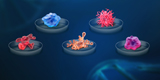
Organoids represent an important bridge between 2D cultures and in vivo mouse/human models. The organoid technology exerts enormous potential in evaluation of efficacy and toxicity of drugs, regenerative medicine, and precision medicine.In this article, we will briefly introduce organoid technology.
Scientific Reviews
Organoids represent an important bridge between 2D cultures and in vivo mouse/human models. The organoid technology exerts enormous potential in evaluation of efficacy and toxicity of drugs, regenerative medicine, and precision medicine.In this article, we will briefly introduce organoid technology. -
 Scientific Reviews
Development of Intestinal Organoid
Scientific Reviews
Development of Intestinal Organoid2022-07-28
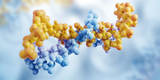
3D organoid is one of the revolutionary developments in biomedical field during the past 10 years. The establishment of intestinal organoids is an important milestone in the development of organoid technology. -
 Scientific Reviews
RNA therapeutics have changed the landscape of drug development, which possess broader spectrum of drug targets, simplicity and efficiency in development and manufacturing.In this article, we will discuss the underlying mechanisms of RNA-based drugs on the market or in clinical stages.
Scientific Reviews
RNA therapeutics have changed the landscape of drug development, which possess broader spectrum of drug targets, simplicity and efficiency in development and manufacturing.In this article, we will discuss the underlying mechanisms of RNA-based drugs on the market or in clinical stages. -
Scientific Reviews
Organoids have great potential in research of organ development, disease modeling, drug screening and, precision and regenerative medicin. In this article, we will expalin the origin of the organoids. Adult stem cells (ASCs) or pluripotent stem cells (PSCs) , which is the better choice.
-
 Scientific Reviews
Autophagy, derived from the Greek meaning "eating of self", plays an indispensable role in maintaining homeostasis. p27 is an inhibitor of cyclin CDKs, but how p27 regulates autophagy remains unknown. This article will cover the mechanism of autophagy and p27-related cell cycle regulation.
Scientific Reviews
Autophagy, derived from the Greek meaning "eating of self", plays an indispensable role in maintaining homeostasis. p27 is an inhibitor of cyclin CDKs, but how p27 regulates autophagy remains unknown. This article will cover the mechanism of autophagy and p27-related cell cycle regulation. -
 Scientific Reviews
CMA (chaperone-mediated autophagy) plays an essential role in maintaining neuronal protein stability and preventing neurodegeneration. In this article, we will comprehensively clarify the role of CMA in the occurrence and development of neurodegenerative diseases.
Scientific Reviews
CMA (chaperone-mediated autophagy) plays an essential role in maintaining neuronal protein stability and preventing neurodegeneration. In this article, we will comprehensively clarify the role of CMA in the occurrence and development of neurodegenerative diseases. -
 Scientific Reviews
TME (Tumor microenvironment) is considered as a complex integrated system, composed of cellular components such as tumor cells and immune cells, as well as non-cellular components such as ECM and cytokines. According to the spatial distribution of immune cells in TME, "hot" and "cold" TME will be explained in this article.
Scientific Reviews
TME (Tumor microenvironment) is considered as a complex integrated system, composed of cellular components such as tumor cells and immune cells, as well as non-cellular components such as ECM and cytokines. According to the spatial distribution of immune cells in TME, "hot" and "cold" TME will be explained in this article. -
 Scientific Reviews
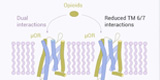
As powerful pain relievers, the opioids morphine and fentanyl have been "checked" by their side effects (listed as controlled substances). How to reduce its side effects? What is its mechanism? This research will explore its mechanism.
Scientific Reviews
As powerful pain relievers, the opioids morphine and fentanyl have been "checked" by their side effects (listed as controlled substances). How to reduce its side effects? What is its mechanism? This research will explore its mechanism. -
 Scientific Reviews
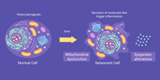
Understanding the mechanism of aging not only has guiding significance for prolonging human life but also has important clinical significance for the prevention and treatment of diseases in the elderly population , thus, improving their life quality and well-being.
Scientific Reviews
Understanding the mechanism of aging not only has guiding significance for prolonging human life but also has important clinical significance for the prevention and treatment of diseases in the elderly population , thus, improving their life quality and well-being. -
 Scientific Reviews
The latest study of Cell magazine "Neural mechanism underlying depressive-like state associated with social status loss" considers social factors as a breakthrough point. It has been found that the downward transition of social status induces depression-like behavior in mice whereas improves the depressive state by restoring their social environment.
Scientific Reviews
The latest study of Cell magazine "Neural mechanism underlying depressive-like state associated with social status loss" considers social factors as a breakthrough point. It has been found that the downward transition of social status induces depression-like behavior in mice whereas improves the depressive state by restoring their social environment. -
 Scientific Reviews
Necroptosis, also known as necroptosis, is a form of regulated necrotizing cell death mediated by RIP1 and RIP3 kinases. Necroptosis is a process that prevents the self-destruction of activated cells that are blocked by apoptosis. Necroptosis plays a tumor suppressor role in most cases. It may provide benefits in the researches of a variety of human diseases involving immune inflammation and cell death.
Scientific Reviews
Necroptosis, also known as necroptosis, is a form of regulated necrotizing cell death mediated by RIP1 and RIP3 kinases. Necroptosis is a process that prevents the self-destruction of activated cells that are blocked by apoptosis. Necroptosis plays a tumor suppressor role in most cases. It may provide benefits in the researches of a variety of human diseases involving immune inflammation and cell death. -
 Scientific Reviews
Stem cell classification and its application
Scientific Reviews
Stem cell classification and its application2023-05-18
Stem cells (SCs) have the unique ability to self-renew and differentiate into different cell types. SCs can differentiate into various types of tissue cells under specific conditions. Additionally, they can be further cultured to form different tissues and organs in the human body. Stem cells have numerous applications in various fields, including cell therapy, organ transplantation, neurodegenerative disease modeling, and drug screening. -
 Scientific Reviews
Mitophagy:Mechanisms and Detection
Scientific Reviews
Mitophagy:Mechanisms and Detection2023-05-25
About 60 years ago, Christian de Duve first used the term "autophagy" to describe his observation of the degradation of mitochondria and other intracellular structures in lysosomes of rat liver. Over the years, autophagy has remained a beloved topic of research by the National Natural Science Foundation of China (NSFC).Today, let's talk about mitochondrial autophagy. -
 Scientific Reviews
HLA-E, A Novel Immune Checkpoint
Scientific Reviews
HLA-E, A Novel Immune Checkpoint2023-06-29
Immune checkpoints have immunosuppressive functions. It can be used in the research of tumor immunotherapy. In this article, we introduce a new paper entitled "Immune checkpoint HLA-E: CD94 - NKG2Amediates evasion of circulating tumor cells from NK cell surveillance "research paper. -
 Scientific Reviews
Organoid Culture: Questions & Answers
Scientific Reviews
Organoid Culture: Questions & Answers2023-07-26
In the last issue, we conducted a live lecture on the theme of organoid culture. Today, we have a special topic to solve your doubts in the last live class! -
 Scientific Reviews
WHO's Q2 drug list has been updated. Let's take you through the list of the most noteworthy small molecule drugs that we should pay attention to.
Scientific Reviews
WHO's Q2 drug list has been updated. Let's take you through the list of the most noteworthy small molecule drugs that we should pay attention to. -
 Scientific Reviews
FDA Approved Drug List!
Scientific Reviews
FDA Approved Drug List!2023-09-14
In the first half of 2023 (as of June 27), the FDA approved 26 new drugs, let's take you learn about it through the article. -
 Scientific Reviews
IHC is an indispensable technique for studying tissue morphology and in situ antigen expression, but usually only one or two antigens in tissues can be stained for analysis. It cannot judge the results more intuitively. Today, Little M will introduce you to the upgraded version mlHC.
Scientific Reviews
IHC is an indispensable technique for studying tissue morphology and in situ antigen expression, but usually only one or two antigens in tissues can be stained for analysis. It cannot judge the results more intuitively. Today, Little M will introduce you to the upgraded version mlHC. -
 Scientific Reviews
FDA Annual Review | Record-breaking number of new drug approvals in 2023!
Scientific Reviews
FDA Annual Review | Record-breaking number of new drug approvals in 2023! -
 Scientific Reviews
Katalin Karikó and Drew Weissman were awarded the Nobel Prize in Physiology or Medicine in 2023 for their groundbreaking work in nucleoside modification, which paved the way for the creation of successful mRNA vaccines to fight against COVID-19. Let's now delve into the complete process of mRNA vaccine development.
Scientific Reviews
Katalin Karikó and Drew Weissman were awarded the Nobel Prize in Physiology or Medicine in 2023 for their groundbreaking work in nucleoside modification, which paved the way for the creation of successful mRNA vaccines to fight against COVID-19. Let's now delve into the complete process of mRNA vaccine development. -
 Scientific Reviews
Science | A "new" mechanism for non-ubiquitinated Midnolin-proteasomal degradation pathway
Scientific Reviews
Science | A "new" mechanism for non-ubiquitinated Midnolin-proteasomal degradation pathway2024-04-26
“ubiquitin-mediated protein degradation” won the Nobel Prize in Chemistry in 2004! In fact, proteasomes degrade not only ubiquitinated proteins but also non-ubiquitinated ones. The mechanism remains shrouded in mystery. After reading this piece today, you might have a lightbulb moment! -
 Scientific Reviews
Exosomes, which won the Nobel Prize in 2013, are still a research hotspot in the national natural sciences, and their popularity has only increased over the past decade (in 2022, they still rank 5th in the national natural sciences hotspots!). Why have exosomes become the darling of scientific research? Let's take a look together~
Scientific Reviews
Exosomes, which won the Nobel Prize in 2013, are still a research hotspot in the national natural sciences, and their popularity has only increased over the past decade (in 2022, they still rank 5th in the national natural sciences hotspots!). Why have exosomes become the darling of scientific research? Let's take a look together~ -
 Scientific Reviews
Degrade target proteins through the autophagy-lysosome pathway including LYTAC, AUTAC, and ATTEC have gained increasing attention in recent years due to their significant research potential!
Scientific Reviews
Degrade target proteins through the autophagy-lysosome pathway including LYTAC, AUTAC, and ATTEC have gained increasing attention in recent years due to their significant research potential! -
 Scientific Reviews
Antibodies!
Scientific Reviews
Antibodies!2024-07-26
Today, We introduce antibodies for everyone! -
 Scientific Reviews
2024 Nobel Prize Announcements! Curious about the details? Click to dive into the exciting developments!
Scientific Reviews
2024 Nobel Prize Announcements! Curious about the details? Click to dive into the exciting developments! -
Scientific Reviews
Delve into the intricate networks that govern mitochondrial quality control. By examining key mechanisms such as biogenesis, mitochondrial dynamics (fission and fusion), proteolysis, and mitophagy. -
 Scientific Reviews
A New Form of Cell Death: PANoptosis!
Scientific Reviews
A New Form of Cell Death: PANoptosis! -
 Scientific Reviews
Advancing Chronic Kidney Disease Research with GJ103 and Lamin B1 Antibody!
Scientific Reviews
Advancing Chronic Kidney Disease Research with GJ103 and Lamin B1 Antibody! -
 Scientific Reviews
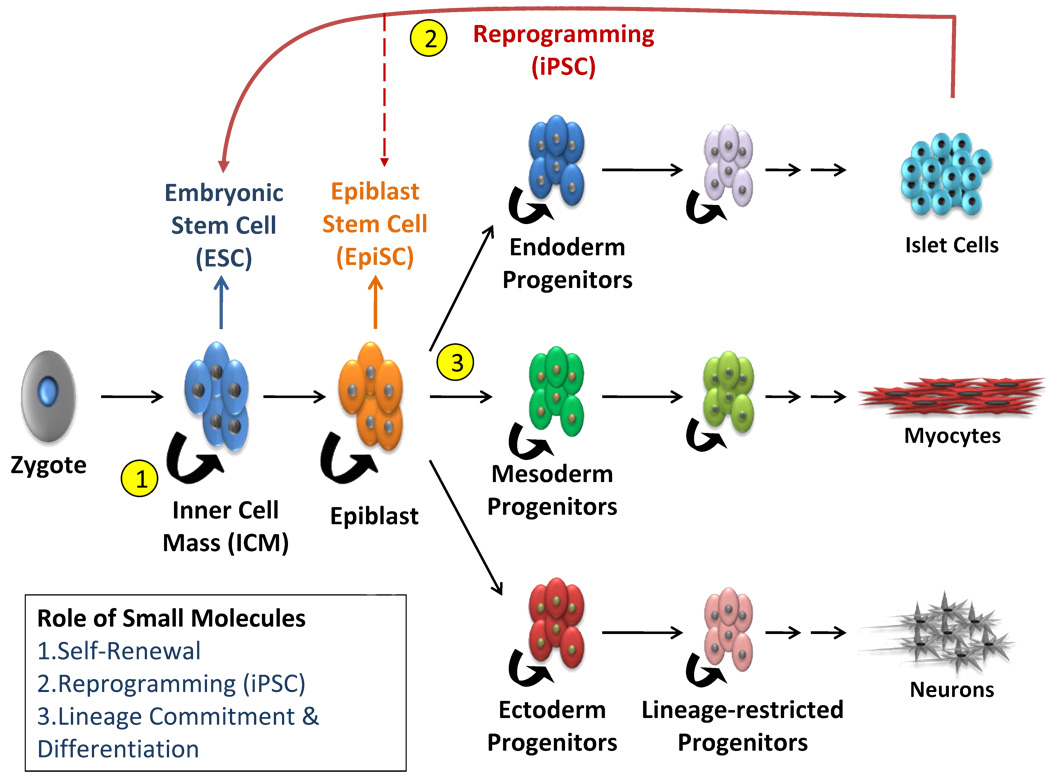
In early January 2025, MIT Tech Review unveiled its annual list of top 10 breakthrough technologies poised to redefine the future. Among these, stem cell therapy stood out for its potential to treat diverse diseases—including neurodegenerative disorders, diabetes, cancer, and heart failure. This groundbreaking approach uses stem cells to replace damaged cells, offering hope for millions worldwide.
Scientific Reviews
In early January 2025, MIT Tech Review unveiled its annual list of top 10 breakthrough technologies poised to redefine the future. Among these, stem cell therapy stood out for its potential to treat diverse diseases—including neurodegenerative disorders, diabetes, cancer, and heart failure. This groundbreaking approach uses stem cells to replace damaged cells, offering hope for millions worldwide. -
 Scientific Reviews
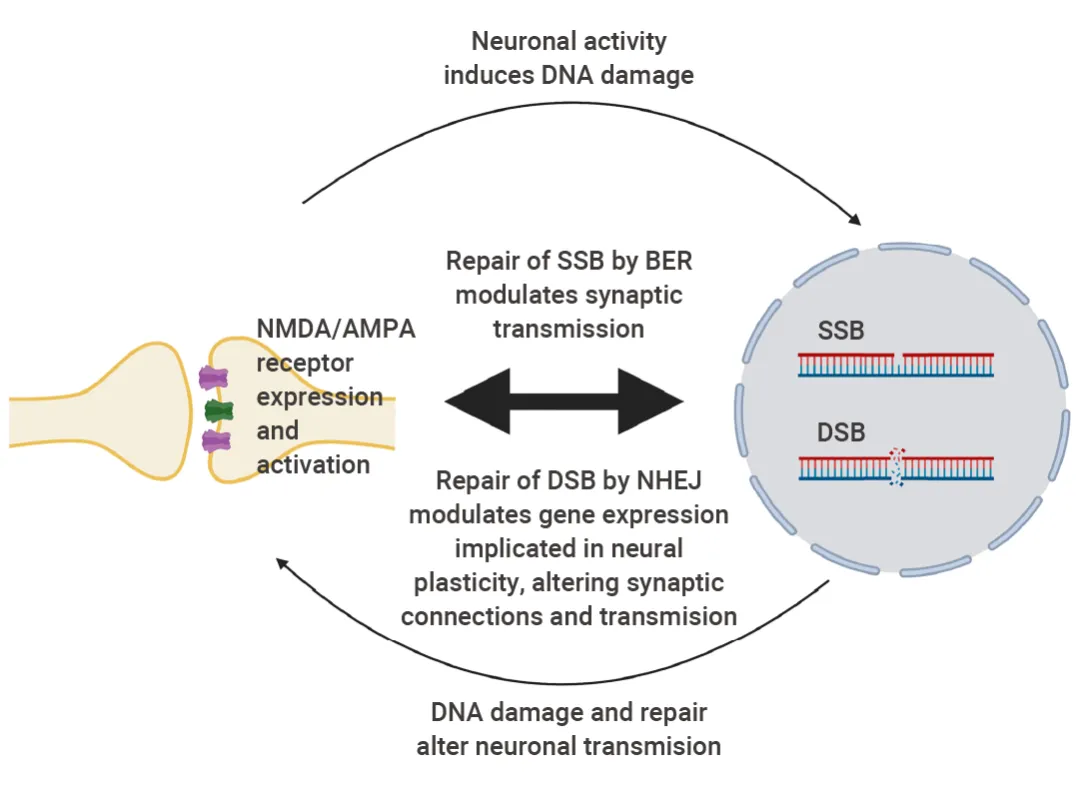
When you hear "inflammation" and "DNA damage," you might immediately think of disease or injury. However, in brains, these two processes are key steps in forming long-term memories, particularly related to specialized cells in our brain called hippocampal neurons.
Scientific Reviews
When you hear "inflammation" and "DNA damage," you might immediately think of disease or injury. However, in brains, these two processes are key steps in forming long-term memories, particularly related to specialized cells in our brain called hippocampal neurons. -
 Scientific Reviews
Autophagy is a fundamental process that degrades various components within the cell.
Scientific Reviews
Autophagy is a fundamental process that degrades various components within the cell. -
 Scientific Reviews
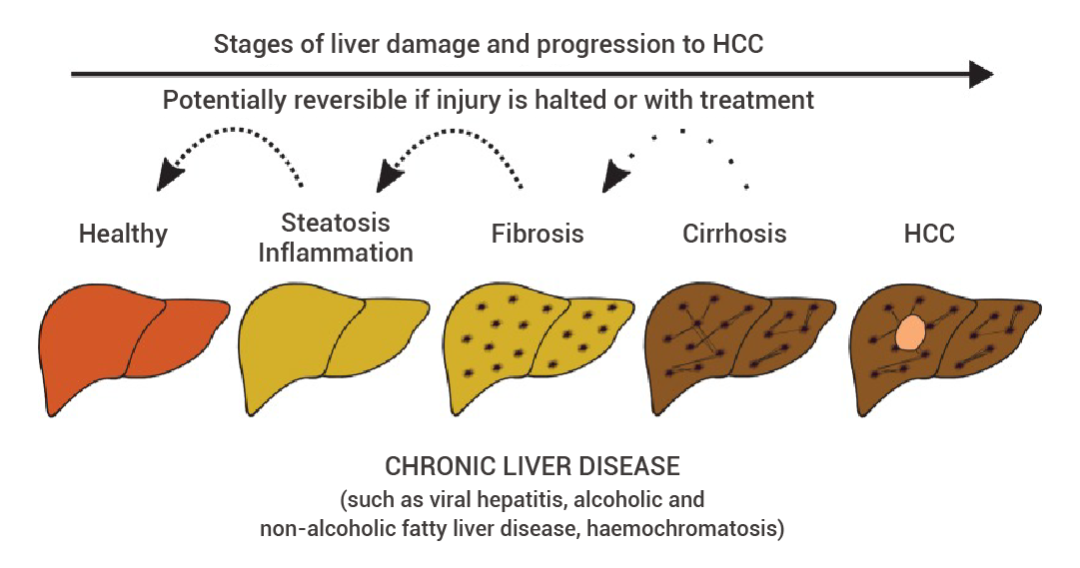
This article will tell you about the common methods of modeling liver disease in animal models.
Scientific Reviews
This article will tell you about the common methods of modeling liver disease in animal models. -
.jpg) Scientific Reviews
nside cells, the homeostasis and degradation of proteins is a precisely regulated process. If proteins cannot be degraded in time, it may lead to the occurrence of various diseases such as neurodegenerative diseases and cancer. This article will tell you the process of how proteins are recognized, labeled and then degraded!
Scientific Reviews
nside cells, the homeostasis and degradation of proteins is a precisely regulated process. If proteins cannot be degraded in time, it may lead to the occurrence of various diseases such as neurodegenerative diseases and cancer. This article will tell you the process of how proteins are recognized, labeled and then degraded! -
 Scientific Reviews
This article introduces some common cardiovascular disease models, inducers, modeling protocols and successful modeling cases in the research.
Scientific Reviews
This article introduces some common cardiovascular disease models, inducers, modeling protocols and successful modeling cases in the research. -
 Scientific Reviews
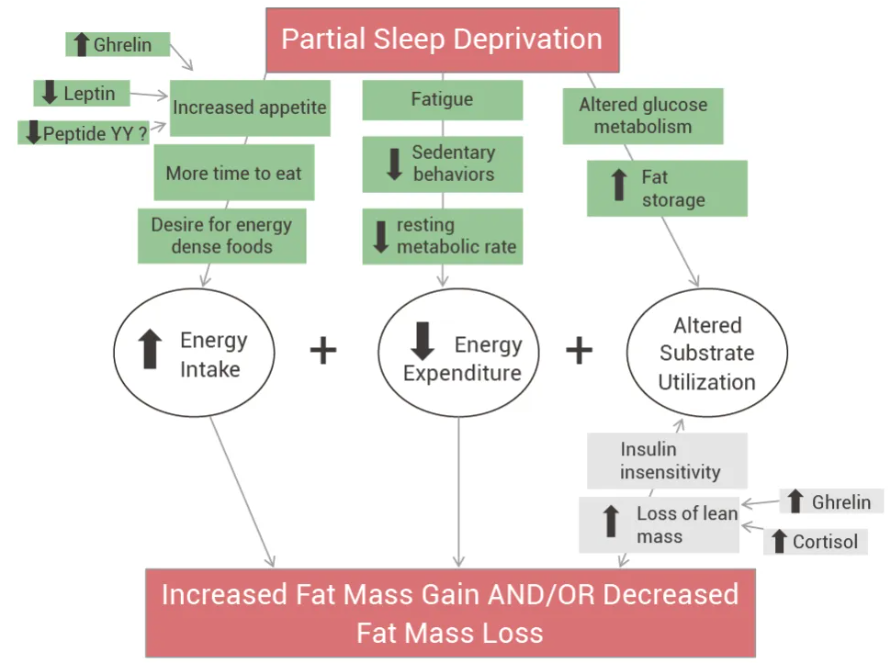
Have you ever noticed that after staying up late, your appetite—especially for high-calorie foods—gets out of control? If this sounds familiar, today’s article might offer some good news.
Scientific Reviews
Have you ever noticed that after staying up late, your appetite—especially for high-calorie foods—gets out of control? If this sounds familiar, today’s article might offer some good news. -
 Scientific Reviews
A groundbreaking study in Nature Communications reveals the key mechanism behind Idiopathic Pulmonary Fibrosis and identifies an existing drug with the potential to counter it.
Scientific Reviews
A groundbreaking study in Nature Communications reveals the key mechanism behind Idiopathic Pulmonary Fibrosis and identifies an existing drug with the potential to counter it. -
 Scientific Reviews
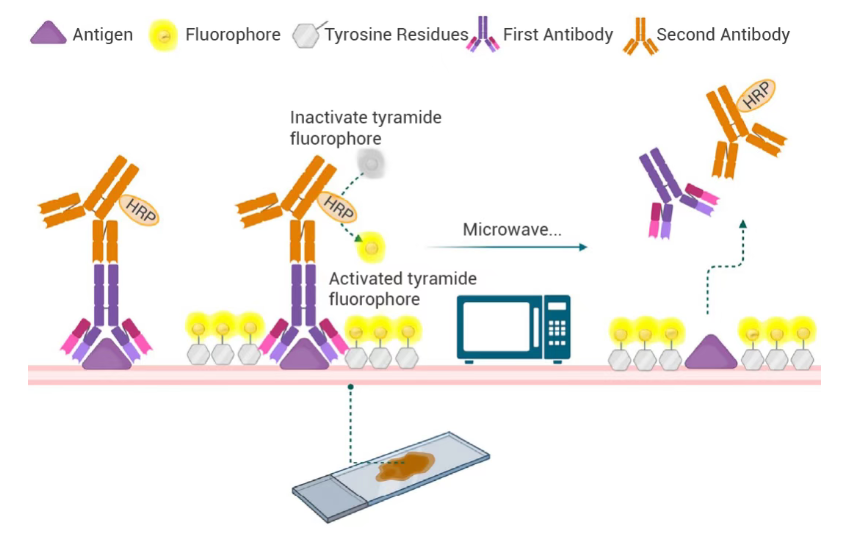
This detailed guide outlines the standardized experimental protocols for multiplex immunohistochemistry (mIHC), systematically summarizes common technical issues encountered during sample preparation, staining and imaging processes, and provides practical troubleshooting solutions to ensure reliable and reproducible results in biomedical research and clinical sample analysis.
Scientific Reviews
This detailed guide outlines the standardized experimental protocols for multiplex immunohistochemistry (mIHC), systematically summarizes common technical issues encountered during sample preparation, staining and imaging processes, and provides practical troubleshooting solutions to ensure reliable and reproducible results in biomedical research and clinical sample analysis. -
Scientific Reviews
Microglia– the only immune cells within the brain parenchyma. With advancements in imaging technologies, people’s understanding of microglia has shifted from being viewed as 'resting' cells to 'highly active' cells, particularly due to their dynamic processes that seem to be probing surrounding tissues and monitoring neuronal activity. This has made microglia a focal point of research in the field of neuroscience. -
 Scientific Reviews
Exosomes—natural nanoscale carriers—are revolutionizing targeted therapy. This article uncovers the science behind their precision in drug delivery.
Scientific Reviews
Exosomes—natural nanoscale carriers—are revolutionizing targeted therapy. This article uncovers the science behind their precision in drug delivery. -
 Scientific Reviews
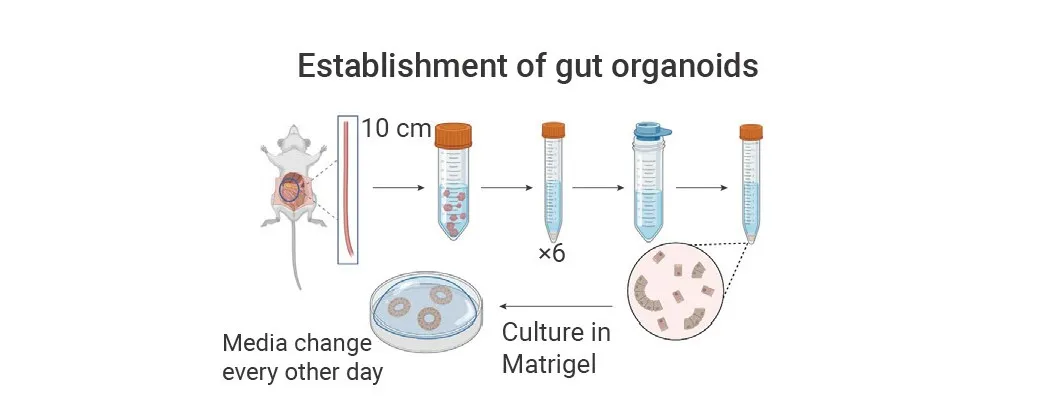
Efficient Generation of Mouse Small Intestinal Organoids: A Complete Experimental Protocol Guide
Scientific Reviews
Efficient Generation of Mouse Small Intestinal Organoids: A Complete Experimental Protocol Guide2025-12-10
How to successfully create mouse small intestine organoids? A detailed, hands-on guide to the entire process, all in one article! -
 Scientific Reviews
This paper elaborates on cytokines for culturing major immune cells, their regulatory roles, recombinant cytokines' merits and MCE’s related high-quality products.
Scientific Reviews
This paper elaborates on cytokines for culturing major immune cells, their regulatory roles, recombinant cytokines' merits and MCE’s related high-quality products. -
 EDM
Advances in Alzheimer's Disease Research
EDM
Advances in Alzheimer's Disease Research2025-07-16
This review summarizes current understanding of AD pathophysiology, including amyloid and tau pathology, neuroinflammation, synaptic dysfunction, and vascular abnormalities, and evaluates therapeutic strategies and experimental models. -
 EDM
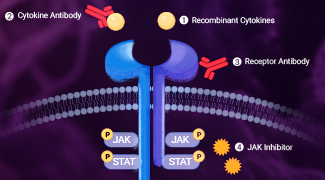
This review critically examines the role of the JAK-STAT pathway in immunity and autoimmune diseases, reviews current clinical applications of targeted therapies, and highlights emerging trends in autoimmune drug development.
EDM
This review critically examines the role of the JAK-STAT pathway in immunity and autoimmune diseases, reviews current clinical applications of targeted therapies, and highlights emerging trends in autoimmune drug development. -
 EDM
This review summarizes the mechanisms of DSS-induced colitis, commonly used modeling approaches, and key considerations related to DSS molecular weight.
EDM
This review summarizes the mechanisms of DSS-induced colitis, commonly used modeling approaches, and key considerations related to DSS molecular weight. -
 EDM
This review highlights the roles of microglia in AD pathology, focusing on metabolic reprogramming and microglia-targeted therapeutic strategies.
EDM
This review highlights the roles of microglia in AD pathology, focusing on metabolic reprogramming and microglia-targeted therapeutic strategies. -
 EDM
This review outlines macrophage functions and classification, and provides practical experimental guidelines for macrophage differentiation, polarization, and identification.
EDM
This review outlines macrophage functions and classification, and provides practical experimental guidelines for macrophage differentiation, polarization, and identification. -
 EDM
Review advances in target discovery, disease modeling, and biomarkers for Parkinson’s disease, highlighting their interplay and future directions for translational research.
EDM
Review advances in target discovery, disease modeling, and biomarkers for Parkinson’s disease, highlighting their interplay and future directions for translational research. -
 EDM
Review the mechanisms, mitochondrial regulation, disease relevance, and translational opportunities of the NLRP3–STING axis in neuroinflammation.
EDM
Review the mechanisms, mitochondrial regulation, disease relevance, and translational opportunities of the NLRP3–STING axis in neuroinflammation. -
 EDM
Explore the mechanisms driving immune tolerance breakdown in autoimmune diseases and emerging tolerance-restoring strategies, with a focus on IL-2-based immune modulation.
EDM
Explore the mechanisms driving immune tolerance breakdown in autoimmune diseases and emerging tolerance-restoring strategies, with a focus on IL-2-based immune modulation. -
 EDM
Explore how anti-Aβ therapy is reshaping the AD treatment landscape, the rationale for multi-pathology combination strategies, and advances in biomarker-guided precision treatment.
EDM
Explore how anti-Aβ therapy is reshaping the AD treatment landscape, the rationale for multi-pathology combination strategies, and advances in biomarker-guided precision treatment. -
 EDM
Explore how mitochondrial quality control, inflammatory signaling, and metabolic–epigenetic reprogramming regulate cellular senescence and the SASP, along with strategies to restore mitochondrial homeostasis.
EDM
Explore how mitochondrial quality control, inflammatory signaling, and metabolic–epigenetic reprogramming regulate cellular senescence and the SASP, along with strategies to restore mitochondrial homeostasis. -
 Blog
BR351 is a Brain Penetrant MMP Inhibitor
Blog
BR351 is a Brain Penetrant MMP Inhibitor2019-04-05
BR351 is a brain penetrant MMP inhibitor, and a potential tool for the molecular imaging of activated MMPs with PET, with an IC50 in the nanomolar range. -
 Blog
HS-1371 is a Small Molecule RIP3 Inhibitor
Blog
HS-1371 is a Small Molecule RIP3 Inhibitor2019-04-09
HS-1371 is a novel kinase inhibitor of RIP3-mediated necroptosis, showing an inhibitory effect on S227 auto-phosphorylation of RIP3 at the basal level. -
 Blog
PRN1008 is a Reversible Covalent and Oral Active Inhibitor of Bruton’s Tyrosine Kinase (BTK)
Blog
PRN1008 is a Reversible Covalent and Oral Active Inhibitor of Bruton’s Tyrosine Kinase (BTK)2019-04-18
PRN1008 is a selective, reversible covalent and oral active inhibitor of Bruton’s Tyrosine Kinase (BTK), with an IC50 of 1.3 nM. -
 Blog
Multiple Tyrosine Kinases Inhibitor TAS-115
Blog
Multiple Tyrosine Kinases Inhibitor TAS-1152019-04-19
TAS-115 is a potent VEGFR and c-Met/HGFR-targeted kinase inhibitor with IC50s of 30 and 32 nM for rVEGFR2 and rMET, respectively. -
 Blog
TAK-828F is a potent, selective and orally active retinoic acid receptor-related orphan receptor γt (RORγt) inverse agonist. TAK-828F inhibits IL-17A cytokine expression and reduces symptoms of autoimmune encephalomyelitis mice.
Blog
TAK-828F is a potent, selective and orally active retinoic acid receptor-related orphan receptor γt (RORγt) inverse agonist. TAK-828F inhibits IL-17A cytokine expression and reduces symptoms of autoimmune encephalomyelitis mice. -
 Blog
ACY-1083, a Highly Selective HDAC6 Inhibitor, Reverses Chemotherapy-induced Peripheral Neuropathy
Blog
ACY-1083, a Highly Selective HDAC6 Inhibitor, Reverses Chemotherapy-induced Peripheral Neuropathy2019-05-12
ACY-1083 is a selective and brain-penetrating HDAC6 inhibitor with an IC50 of 3 nM. ACY-1083 effectively reverses chemotherapy-induced peripheral neuropathy -
 Blog
GSK3145095 is a RIP1 kinase inhibitor with an IC50 of 6.3 nM. Potently blocks the TNF response and RIP1-dependent inflammatory cytokine MIP-1β production.
Blog
GSK3145095 is a RIP1 kinase inhibitor with an IC50 of 6.3 nM. Potently blocks the TNF response and RIP1-dependent inflammatory cytokine MIP-1β production. -
 Blog
JMS-17-2 is a CX3CR1 Antagonist
Blog
JMS-17-2 is a CX3CR1 Antagonist2019-06-12
JMS-17-2 is a potent and selective CX3CR1 antagonist with an IC50 of 0.32 nM. Has potential to treat cancers such as breast cancer. -
 Blog
BAY-11-7082 inhibits the proliferation and induces the apoptosis of U266 cells through inhibiting NF-κB pathway. BAY 11-7082 ameliorates experimental diabetic neuropathy by modulating neuroinflammation and improving antioxidant defence.
Blog
BAY-11-7082 inhibits the proliferation and induces the apoptosis of U266 cells through inhibiting NF-κB pathway. BAY 11-7082 ameliorates experimental diabetic neuropathy by modulating neuroinflammation and improving antioxidant defence. -
 Blog
S18-000003 is a potent, selective and orally active inhibitor of retinoic acid receptor-related orphan receptor-gamma-t (RORγt). S18-000003 ameliorates psoriasis-like lesions in vivo. S18-000003 can be used for the research of skin inflammatory diseases.
Blog
S18-000003 is a potent, selective and orally active inhibitor of retinoic acid receptor-related orphan receptor-gamma-t (RORγt). S18-000003 ameliorates psoriasis-like lesions in vivo. S18-000003 can be used for the research of skin inflammatory diseases. -
 Blog
TPCA-1, a Direct Dual Inhibitor of STAT3 and NF-κB, Regresses Mutant EGFR-Associated NSCLC
Blog
TPCA-1, a Direct Dual Inhibitor of STAT3 and NF-κB, Regresses Mutant EGFR-Associated NSCLC2019-07-15
TPCA-1 is a potent and selective inhibitor of IKK-2 with IC50 of 17.9 nM. TPCA-1 is an effective inhibitor of STAT3 phosphorylation, DNA binding. -
 Blog
BI-167107 is a high affinity, full agonist that binds to the β2 adrenergic receptor (β2AR) with a dissociation constant Kd of 84 pM.
Blog
BI-167107 is a high affinity, full agonist that binds to the β2 adrenergic receptor (β2AR) with a dissociation constant Kd of 84 pM. -
 Blog
UK 356618 is a Selective MMP-3 Inhibitor
Blog
UK 356618 is a Selective MMP-3 Inhibitor2019-12-25
UK 356618 is a selective and potent inhibitor of MMP-3. UK 356618 exhibits potent anti-inflammatory and anti-cancer activity. -
 Blog
CH6953755 is a potent, orally active and selective YES1 kinase inhibitor leading to antitumor activity against YES1 Gene -amplified cancers.
Blog
CH6953755 is a potent, orally active and selective YES1 kinase inhibitor leading to antitumor activity against YES1 Gene -amplified cancers. -
 Blog
CA-4948 is a Selective and Orally Bioavailable IRAK4 Kinase Inhibitor for Lymphoma Treatment
Blog
CA-4948 is a Selective and Orally Bioavailable IRAK4 Kinase Inhibitor for Lymphoma Treatment2020-01-05
CA-4948 is a potent, selective and orally bioavailable IRAK4 kinase inhibitor. CA-4948 can be used for the treatment of lymphoma. -
 Blog
M8891 is an orally active, reversible and brain penetrant Methionine Aminopeptidase-2 (MetAP-2) inhibitor with antiangiogenic and antitumoral activity.
Blog
M8891 is an orally active, reversible and brain penetrant Methionine Aminopeptidase-2 (MetAP-2) inhibitor with antiangiogenic and antitumoral activity. -
 Blog
TCH-165 is a modulator of proteasome assembly, which increases 20S levels and facilitates 20S-mediated protein degradation, such as IDPs, α-syn, and tau.
Blog
TCH-165 is a modulator of proteasome assembly, which increases 20S levels and facilitates 20S-mediated protein degradation, such as IDPs, α-syn, and tau. -
 Blog
BAY-985 is an orally active and selective ATP-competitive dual inhibitor of TBK1 and IKKε with IC50s of 2/30 and 2 nM for TBK1 and IKKε, respectively.
Blog
BAY-985 is an orally active and selective ATP-competitive dual inhibitor of TBK1 and IKKε with IC50s of 2/30 and 2 nM for TBK1 and IKKε, respectively. -
 Blog
ADH-503 is an orally active and allosteric CD11b agonist and leads to the repolarization of tumor-associated macrophages.
Blog
ADH-503 is an orally active and allosteric CD11b agonist and leads to the repolarization of tumor-associated macrophages. -
 Blog
Ro 90-7501, an Aβ42 fibril assembly inhibitor, inhibits PP5 in a TPR-dependent manner and has radiosensitizing effects on cervical cancer cells.
Blog
Ro 90-7501, an Aβ42 fibril assembly inhibitor, inhibits PP5 in a TPR-dependent manner and has radiosensitizing effects on cervical cancer cells. -
 Blog
NU1025 is a potent PARP inhibitor and potentiates the cytotoxicity of ionizing radiation drug. NU1025 has anti-cancer and neuroprotective activity.
Blog
NU1025 is a potent PARP inhibitor and potentiates the cytotoxicity of ionizing radiation drug. NU1025 has anti-cancer and neuroprotective activity. -
 Blog
JCN037 is a potent, non-covalent, and brain-penetrant EGFR tyrosine kinase inhibitor. JCN037 has potent anti-cancer activity.
Blog
JCN037 is a potent, non-covalent, and brain-penetrant EGFR tyrosine kinase inhibitor. JCN037 has potent anti-cancer activity. -
 Blog
GSK143 is an orally active and highly selective spleen tyrosine kinase (SYK) inhibitor. GSK143 reduces inflammation in the intestinal muscularis in mice.
Blog
GSK143 is an orally active and highly selective spleen tyrosine kinase (SYK) inhibitor. GSK143 reduces inflammation in the intestinal muscularis in mice. -
 Blog
KCC-07 prevents binding of MBD2 to methylated DNA and activates BAI1 inducing anti-proliferative BAI1/p53/p21 signaling. Anticancer activity.
Blog
KCC-07 prevents binding of MBD2 to methylated DNA and activates BAI1 inducing anti-proliferative BAI1/p53/p21 signaling. Anticancer activity. -
 Blog
CAY10404 is a potent and highly selective COX-2 inhibitor. CAY10404 is a potent inhibitor of PKB/Akt and MAPK signalling pathways.
Blog
CAY10404 is a potent and highly selective COX-2 inhibitor. CAY10404 is a potent inhibitor of PKB/Akt and MAPK signalling pathways. -
 Blog
MPT0G211, an orally active and selective HDAC6 inhibitor, ameliorates tau phosphorylation, and cognitive deficits in an Alzheimer’s disease model.
Blog
MPT0G211, an orally active and selective HDAC6 inhibitor, ameliorates tau phosphorylation, and cognitive deficits in an Alzheimer’s disease model. -
 Blog
RapaLink-1, a third-generation bivalent mTOR inhibitor, potently blocking cancer-derived, activating mutants of mTOR. It can cross the blood-brain barrier.
Blog
RapaLink-1, a third-generation bivalent mTOR inhibitor, potently blocking cancer-derived, activating mutants of mTOR. It can cross the blood-brain barrier. -
 Blog
PQR530 is a potent, ATP-competitive, orally bioavailable and brain-penetrant dual pan-PI3K/mTORC1/2 inhibitor. Antitumor activity.
Blog
PQR530 is a potent, ATP-competitive, orally bioavailable and brain-penetrant dual pan-PI3K/mTORC1/2 inhibitor. Antitumor activity. -
 Blog
BMS-P5 is an Orally Active PAD4 Inhibitor
Blog
BMS-P5 is an Orally Active PAD4 Inhibitor2020-12-12
BMS-P5 is an orally active PAD4 inhibitor. BMS-P5 blocks MM-induced NET formation and delays progression of MM in a syngeneic mouse model -
 Blog
ML132, a potent and selective caspase 1 inhibitor with a unique selectivity pattern, is responsible for the proteolytic activation of IL-1β and IL-18.
Blog
ML132, a potent and selective caspase 1 inhibitor with a unique selectivity pattern, is responsible for the proteolytic activation of IL-1β and IL-18. -
 Blog
CHDI-390576, a potent and CNS penetrant class IIa HDAC inhibitor, show selectivity over class I HDACs, HDAC8 and the class IIb HDAC6 isoform.
Blog
CHDI-390576, a potent and CNS penetrant class IIa HDAC inhibitor, show selectivity over class I HDACs, HDAC8 and the class IIb HDAC6 isoform. -
 Blog
NAZ2329 is an allosteric, noncompetitive and reversible inhibitor of R5 RPTP subfamily and PTPRZ/PTPRG with anti-cancer activity.
Blog
NAZ2329 is an allosteric, noncompetitive and reversible inhibitor of R5 RPTP subfamily and PTPRZ/PTPRG with anti-cancer activity. -
 Blog
CC-90001 is a potent, selective, and orally active inhibitor of JNK. CC-90001 can be used for the research of idiopathic pulmonary fibrosis (IPF).
Blog
CC-90001 is a potent, selective, and orally active inhibitor of JNK. CC-90001 can be used for the research of idiopathic pulmonary fibrosis (IPF). -
 Blog
BrBzGCp2 is a Glyoxalase 1 (GLO1) inhibitor for a variety of disorders. Possesses antitumor and neuroprotective activity.
Blog
BrBzGCp2 is a Glyoxalase 1 (GLO1) inhibitor for a variety of disorders. Possesses antitumor and neuroprotective activity. -
 Blog
SB-332235 is a potent, orally active nonpeptide CXCR2 antagonist. SB-332235 inhibits acute and chronic models of arthritis in the rabbit.
Blog
SB-332235 is a potent, orally active nonpeptide CXCR2 antagonist. SB-332235 inhibits acute and chronic models of arthritis in the rabbit. -
 Blog
ML-00253764 is a brain penetrant nonpeptidic melanocortin receptor 4 (MC4R) antagonist with a Ki/IC50 of 0.16 µM/0.103 µM, respectively.
Blog
ML-00253764 is a brain penetrant nonpeptidic melanocortin receptor 4 (MC4R) antagonist with a Ki/IC50 of 0.16 µM/0.103 µM, respectively. -
 Blog
Vorasidenib is an orally available, brain penetrant second-generation dual mutant isocitrate dehydrogenases 1 and 2 (mIDH1/2) inhibitor.
Blog
Vorasidenib is an orally available, brain penetrant second-generation dual mutant isocitrate dehydrogenases 1 and 2 (mIDH1/2) inhibitor. -
 Blog
Lumiracoxib is a COX-2 inhibitor. Lumiracoxib acts as nonselective NSAID with anti-inflammatory, analgesic and antipyretic activities.
Blog
Lumiracoxib is a COX-2 inhibitor. Lumiracoxib acts as nonselective NSAID with anti-inflammatory, analgesic and antipyretic activities. -
 Blog
Ruxolitinib is a potent and selective JAK1/2 inhibitor and has 130-fold selectivity for JAK1/2 over JAK3. Ruxolitinib induces autophagy.
Blog
Ruxolitinib is a potent and selective JAK1/2 inhibitor and has 130-fold selectivity for JAK1/2 over JAK3. Ruxolitinib induces autophagy. -
 Blog
GSK2606414 is an orally available PERK inhibitor and is a potent compound of cancer and neurological diseases.
Blog
GSK2606414 is an orally available PERK inhibitor and is a potent compound of cancer and neurological diseases. -
 Blog
SB 258719 is a selective 5-HT7 receptor antagonist and can be used for the research of cancer and neurological disease.
Blog
SB 258719 is a selective 5-HT7 receptor antagonist and can be used for the research of cancer and neurological disease. -
 Blog
IMD-0354 is a Selective IKKβ Inhibitor
Blog
IMD-0354 is a Selective IKKβ Inhibitor2021-11-09
IMD-0354 is a selective IKKβ inhibitor and potently inhibits NF-κB activity. IMD0354 has antitumor activity. -
 Blog
Trolox is an analogue of vitamin E with a powerful antioxidant effect. Trolox is also a powerful inhibitor of membrane damage.
Blog
Trolox is an analogue of vitamin E with a powerful antioxidant effect. Trolox is also a powerful inhibitor of membrane damage. -
 Blog
AZD1390 is a potent, highly selective, orally bioavailable, brain-penetrant ATM inhibitor with an IC50 of 0.78 nM.
Blog
AZD1390 is a potent, highly selective, orally bioavailable, brain-penetrant ATM inhibitor with an IC50 of 0.78 nM. -
 Blog
CL097 is a TLR7/8 agonist. CL097 induces pro-nflammatory cytokines. CL097 induces NADPH oxidase priming and efficient diabetogenic cytotoxic T lymphocyte (CTL) function in NOD mice.
Blog
CL097 is a TLR7/8 agonist. CL097 induces pro-nflammatory cytokines. CL097 induces NADPH oxidase priming and efficient diabetogenic cytotoxic T lymphocyte (CTL) function in NOD mice. -
 Blog
Zingerone is a natural orally active nontoxic methoxyphenol potent anti-inflammatory, antidiabetic, antioxidize, and anti-tumor properties.
Blog
Zingerone is a natural orally active nontoxic methoxyphenol potent anti-inflammatory, antidiabetic, antioxidize, and anti-tumor properties. -
 Blog
BM213 is a selective C5aR1 agonist. It’s a useful research tool to study C5aR1 function
Blog
BM213 is a selective C5aR1 agonist. It’s a useful research tool to study C5aR1 function -
 Blog
Epoxomicin is an epoxyketone-containing natural product and a selective and irreversible proteasome inhibitor. Cross the blood-brain barrier.
Blog
Epoxomicin is an epoxyketone-containing natural product and a selective and irreversible proteasome inhibitor. Cross the blood-brain barrier. -
 Blog
Pelecopan is a potent, selective, and orally active complement factor D inhibitor, possessing the potential to study paroxysmal nocturnal hemoglobinuria (PNH).
Blog
Pelecopan is a potent, selective, and orally active complement factor D inhibitor, possessing the potential to study paroxysmal nocturnal hemoglobinuria (PNH). -
 Blog
AZD-9574 is a potent and brain penetrant PARP1 inhibitor and shows >8000-fold selectivity for PARP1 compared to PARP2/3/5a/6.
Blog
AZD-9574 is a potent and brain penetrant PARP1 inhibitor and shows >8000-fold selectivity for PARP1 compared to PARP2/3/5a/6. -
 Blog
GR-46611 is a 5-HT1D Receptor Agonist
Blog
GR-46611 is a 5-HT1D Receptor Agonist2022-10-11
GR-46611 is a potent 5-HT1D receptor agonist and has the potential for the research of epilepsy and inhibits bladder activity. -
 Blog
SOR-C13 is a high-affinity TRPV6 antagonist with an IC50 value of 14 nM. SOR-C13 is used for Advanced Solid Tumors Research
Blog
SOR-C13 is a high-affinity TRPV6 antagonist with an IC50 value of 14 nM. SOR-C13 is used for Advanced Solid Tumors Research -
 Blog
Etrolizumab is a Gut-selective, Anti-β7 Integrin McAb for Inflammatory Bowel Disease (IBD) Research
Blog
Etrolizumab is a Gut-selective, Anti-β7 Integrin McAb for Inflammatory Bowel Disease (IBD) Research2022-11-05
Etrolizumab is a gut-selective, anti-β7 integrin monoclonal antibody and has the potential for the research of inflammatory bowel disease. -
 Blog
Olutasidenib (FT-2102) is an orally active, brain penetrant inhibitor of mutant IDH1. Olutasidenib is used for AML or MDS Research.
Blog
Olutasidenib (FT-2102) is an orally active, brain penetrant inhibitor of mutant IDH1. Olutasidenib is used for AML or MDS Research. -
 Blog
ML-SA5 is a potent TRPML1 cation channel agonist with some anticancer activity and can inhibit tumour growth.
Blog
ML-SA5 is a potent TRPML1 cation channel agonist with some anticancer activity and can inhibit tumour growth. -
 Blog
J-113397 is a potent and selective nonpeptidyl ORL1 receptor antagonist without any agonistic effects on other opioid receptors.
Blog
J-113397 is a potent and selective nonpeptidyl ORL1 receptor antagonist without any agonistic effects on other opioid receptors. -
 Blog
SG-094 is a potent TPC2 inhibitor with antiproliferative effects. SG-094 can be used for the research of cancer.
Blog
SG-094 is a potent TPC2 inhibitor with antiproliferative effects. SG-094 can be used for the research of cancer. -
 Blog
Ruxolitinib is an orally-active JAK1/2 inhibitor. Ruxolitinib has the potential for the research of myeloproliferative neoplasm (MPN).
Blog
Ruxolitinib is an orally-active JAK1/2 inhibitor. Ruxolitinib has the potential for the research of myeloproliferative neoplasm (MPN).
Products
All
-
All
-
Inhibitors & Agonists
-
Isotope-Labeled Compounds
-
Fluorescent Dye
-
Peptides
-
Recombinant Proteins
-
Antibodies
-
Screening Libraries
-
Kits
-
Inhibitory Antibodies
-
Reference Standards
-
Induced Disease Models Products
-
GMP Small Molecules
-
Biochemical Assay Reagents
-
Natural Products
| Cat. No. | Product Name | Information | Application | Publication |
|---|---|---|---|---|
| HY-17386 | Rosiglitazone |
Rosiglitazone (BRL 49653) is an orally active selective PPARγ agonist (EC50: 60 nM, Kd: 40 nM), with blood-brain barrier permeability. Rosiglitazone is an TRPC5 activator (EC50: 30 μM) and TRPM3 inhibitor. Rosiglitazone can be used in the research of obesity and diabetes, senescence, ovarian cancer.
|
Digestive System Disease
Prostate Cancer
Ovarian Cancer
Viral Infection
Depression
Pain
Digestive System Inflammation
Non-Small Cell Lung Cancer
SARS-CoV-2 Infection
Type 2 Diabetes
Obesity
|
197
|
| HY-D2868 | DAPI |
DAPI (4',6-Diamidino-2-phenylindole) is a DAPI dye. DAPI is a fluorescent dye that binds strongly to DNA. It binds to the AT base pair of the double-stranded DNA minor groove, and one DAPI molecule can occupy three base pair positions. The fluorescence intensity of DAPI molecules bound to double-stranded DNA is increased by about 20 times, and it is commonly observed with fluorescence microscopy, and the amount of DNA can be determined based on the intensity of fluorescence. DAPI cannot penetrate intact cell membranes and is commonly used for staining damaged and fixed cells. DAPI (Compound 3) is an acid-sensing ion channel 3 (ASIC3) inhibitor. DAPI binds to ASIC3 and blocks the channel function. DAPI can be used in the study of chronic pain treatment (Ex/Em = 356/451 nm).
|
|
180
|
| HY-D1738 | DAPI dilactate |
DAPI (4',6-Diamidino-2-phenylindole) dilactate is a DAPI dye. DAPI is a fluorescent dye that binds strongly to DNA. It binds to the AT base pair of the double-stranded DNA minor groove, and one DAPI molecule can occupy three base pair positions. The fluorescence intensity of DAPI molecules bound to double-stranded DNA is increased by about 20 times, and it is commonly observed with fluorescence microscopy, and the amount of DNA can be determined based on the intensity of fluorescence. DAPI cannot penetrate intact cell membranes and is commonly used for staining damaged and fixed cells. DAPI (Compound 3) is an acid-sensing ion channel 3 (ASIC3) inhibitor. DAPI binds to ASIC3 and blocks the channel function. DAPI can be used in the study of chronic pain treatment (Ex/Em = 356/451 nm).
|
|
180
|
| HY-D0814 | DAPI dihydrochloride |
DAPI (4',6-Diamidino-2-phenylindole) dihydrochloride is a DAPI dye. DAPI is a fluorescent dye that binds strongly to DNA. It binds to the AT base pair of the double-stranded DNA minor groove, and one DAPI molecule can occupy three base pair positions. The fluorescence intensity of DAPI molecules bound to double-stranded DNA is increased by about 20 times, and it is commonly observed with fluorescence microscopy, and the amount of DNA can be determined based on the intensity of fluorescence. DAPI cannot penetrate intact cell membranes and is commonly used for staining damaged and fixed cells. DAPI (Compound 3) is an acid-sensing ion channel 3 (ASIC3) inhibitor. DAPI binds to ASIC3 and blocks the channel function. DAPI can be used in the study of chronic pain treatment (Ex/Em = 356/451 nm).
|
|
180
|
| HY-P1410 | GsMTx4 |
GsMTx4 is a spider venom peptide that selectively inhibits cationic-permeable mechanosensitive channels (MSCs) belonging to the Piezo and TRP channel families. GsMTx4 also blocks cation-selective stretch-activated channels (SACs) , attenuates lysophosphatidylcholine (LPC)-induced astrocyte toxicity and microglial reactivity. GsMTx4 is an important pharmacological tool for identifying the role of these excitatory MSCs in normal physiology and pathology.
|
Neurological, Eye or Ear Disease
Inflammation or Immune System Disease
Blood or Cardio-cerebrovascular Disease
|
136
|
| HY-101840 | EIPA |
EIPA (L593754) is an orally active TRPP3 channel inhibitor with an IC50 of 10.5 μM. EIPA also enhances autophagy by inhibiting Na+/H+-exchanger 3 (NHE3). EIPA inhibits macropinocytosis as well. EIPA can be used in the research of inflammation and cancers, such as gastric cancer, colon carcinoma, pancreatic carcinoma.
|
Colorectal Cancer
Prostate Cancer
Gastric Cancer
Pancreatic Cancer
Depression
Pain
Rheumatoid Arthritis
|
113
|
| HY-L005 | Epigenetics Compound Library |
Epigenetics refers to changes in phenotype that are not rooted in DNA sequence. Many types of epigenetic processes have been identified, including DNA methylation, alteration in the structure of histone proteins and gene regulation by small noncoding microRNAs. Modification of DNA, protein, or RNA, resulting in changes to the function and/or regulation of these molecules, without altering their primary sequences, reveals the complexities of cellular differentiation, embryology, the regulation of gene expression, aging, cancer, and other diseases.
MCE provide a unique collection of 2,031 epigenetics-related compounds that can be used in the research of the related diseases.
|
|
102
|
| HY-L011 | Membrane Transporter/Ion Channel Compound Library |
Most of molecules enter or leave cells mainly via membrane transport proteins, which play important roles in several cellular functions, including cell metabolism, ion homeostasis, signal transduction, the recognition process in the immune system, energy transduction, etc. There are three major types of transport proteins, ATP-powered pumps, channel proteins and transporters. Transport proteins such as channels and transporters play important roles in the maintenance of intracellular homeostasis, and mutations in these transport protein genes have been identified in the pathogenesis of a number of hereditary diseases. In the central nervous system, ion channels have been linked to, but not limited to, many diseases such asataxias, paralyses, epilepsies, and deafness. This indicates the roles of ion channels in the initiation and coordination of movement, sensory perception, and encoding and processing of information. Ion channels are a major class of drug targets in drug development.
MCE designs a unique collection of 2,278 smal-molecule modulators that can be used for the research of Ion Channel and Membrane Transporter or high throughput screening (HTS) related drug discovery.
|
|
90
|
| HY-L015 | PI3K/Akt/mTOR Compound Library |
The PI3K/Akt/mTOR pathway controls many cellular processes that are important for the formation and progression of cancer, including apoptosis, transcription, translation, metabolism, angiogenesis, and cell cycle progression. Every major node of this signaling network is activated in a wide range of human tumors. Mechanisms for the pathway activation include activation of receptor tyrosine kinases (RTKs) upstream of PI3K, mutation or amplification of PIK3CA encoding p110α catalytic subunit of PI3K, mutation or loss of PTEN tumor suppressor gene, and mutation or amplification of Akt1. Once the pathway is activated, signaling through Akt can stimulate a series of substrates including mTOR which is involved in protein synthesis. Thus, inhibition of this pathway is an attractive concept for cancer prevention and/or therapy. Currently some mTOR inhibitors are approved for several indications, and there are several novel PI3K/Akt/mTOR inhibitors in clinical trials.
MCE owns a unique collection of 1,149 compounds that can be used for PI3K/Akt/mTOR pathway research. PI3K/Akt/mTOR Compound Library also acts as a useful tool for anti-cancer drug discovery.
|
|
90
|
| HY-10448 | Capsaicin |
Capsaicin ((E)-Capsaicin), an active component of chili peppers, is a TRPV1 agonist. Capsaicin induces a nociceptive response by binding to its receptors. Capsaicin has analgesic effects on neurological disorders. Capsaicin has antioxidant, anti-inflammatory, anti-cancer effects.
|
Digestive System Disease
Breast Cancer
Prostate Cancer
Viral Infection
Pain
Digestive System Inflammation
SARS-CoV-2 Infection
|
87
|
| HY-L008 | JAK/STAT Compound Library |
The Janus kinase (JAK)/signal transducer and activator of transcription (STAT) pathway is central to signaling by cytokine receptors, a superfamily of more than 30 transmembrane proteins that recognize specific cytokines, and is critical in blood formation and immune response. Canonical JAK/STAT signaling begins with the association of cytokines and their corresponding transmembrane receptors. Activated JAKs then phosphorylate latent STAT monomers, leading to dimerization, nuclear translocation, and DNA binding. In mammals, there are four JAKs (JAK1, JAK2, JAK3, TYK2) and seven STATs (STAT1, STAT2, STAT3, STAT4, STAT5a, STAT5b, STAT6). Since the JAK/STAT pathway plays a major role in many fundamental processes, such as apoptosis and inflammation, dysfunctional proteins in the pathway may lead to a number of diseases. For example, alterations in JAK/STAT signalling can result in cancer and diseases affecting the immune system, such as severe combined immunodeficiency disorder (SCID).
MCE provides 738 compounds that can be used in the study of the JAK/STAT signaling pathway and related diseases.
|
|
86
|
| HY-L024 | Histone Modification Research Compound Library |
A histone modification, a covalent post-translational modification (PTM) to histone proteins, includes methylation, phosphorylation, acetylation, ubiquitylation, and sumoylation, etc. In general, histone modifications are catalyzed by specific enzymes that act predominantly at the histone N-terminal tails involving amino acids such as lysine or arginine, as well as serine, threonine, tyrosine, etc. The PTMs made to histones can impact gene expression by altering chromatin structure or recruiting histone modifiers. Histone modifications act in diverse biological processes such as transcriptional activation/inactivation, chromosome packaging, and DNA damage/repair. Deregulation of histone modification contributes to many diseases, including cancer and autoimmune diseases.
MCE owns a unique collection of 931 bioactive compounds targeting Epigenetic Reader Domain, HDAC, Histone Acetyltransferase, Histone Demethylase, Histone Methyltransferase, Sirtuin, etc. Histone Modification Research Compound Library is a useful tool for histone modification research and drug screening.
|
|
85
|
| HY-L077 | Anti-Pancreatic Cancer Compound Library |
Pancreatic cancer is a devastating disease with a low overall survival rate. Chemotherapy is the most common treatment for patients presenting with advanced pancreatic cancer. More recently, the era of targeted therapies has generated a lot of interest in discovering better approaches for patients with pancreatic cancer. Commonly mutated genes in pancreatic cancer include K-ras (in 74-100% of cases), p16INK4a (up to 98%), p53 (43 to 76%), DPC4 (about 50%), HER-2/neu (in about 65%) and FHIT (found in 70% of cases). Other genes involved are notch1, Akt-2, BRCA2 and COX-2. These proteins are important targets of target therapies for pancreatic cancer.
MCE offers a unique collection of 4,336 compounds with identified and potential anti- pancreatic cancer activity. These compounds target K-Ras, p53, HER2, Notch, AKT, etc. MCE anti-pancreatic cancer compound library is a useful tool for anti-pancreatic cancer drugs screening and other related research.
|
|
85
|
| HY-L099 | Targeted Diversity Library |
MCE Targeted Diversity Library contains 2,294 compounds, covering more than 1000 targets and isoforms, such as GPCRs, Ion channel, variety of kinases, etc. 1-3 compounds with high potency and selectivity were carefully selected for each target and isoform. The bioactivity information of each compound has been clearly reported in the literatures. This library is a concise collection of small molecule compounds with comprehensive target coverage, which can be used for phenotypic screening at low cost.
|
|
85
|
| HY-L143 | Marine-Sourced Natural Product Library |
Oceans cover more than 70% of the Earth’s surface and host a huge species diversity. Marine organisms are considered the most recent source of bioactive natural products after terrestrial plants and nonmarine microorganisms. Marine biological sources are taxonomically diverse and include sponges, tunicates, corals, mollusks, fungi, and sediment-derived bacteria.
Marine organisms can produce a plethora of small molecules with novel chemical structures and potent biological properties, being a rich source for the discovery of pharmacologically active compounds, already with several marine-derived agents approved as drugs. Ziconotide, a peptide originally discovered in a tropical cone snail, was the first marine-derived compound to be approved in the United States in December 2004 for the treatment of pain. Then, in October 2007, Trabectedin became the first marine anticancer drug to be approved in the European Union.
MCE offers a unique collection of 60 marine-sourced natural products which can be used for drug discovery for high throughput screening (HTS) and high content screening (HCS). MCE marine-sourced natural product library is an important source for drug discovery and development.
|
|
85
|
| HY-L013 | Neuronal Signaling Compound Library |
Neuronal Signaling is involved in the regulation of the mechanisms of the central nervous system (CNS) such as its structure, function, genetics and physiology as well as how this can be applied to understand diseases of the nervous system. Every information processing system in the CNS is composed of neurons and glia, neurons have evolved unique capabilities for intracellular signaling (communication within the cell) and intercellular signaling (communication between cells). G protein-coupled receptors (GPCRs), including 5-HT receptor, histamine receptor, opioid receptor, etc. are the largest class of sensory proteins and are important therapeutic targets in Neuronal Signaling. Besides, Notch signaling, such as β- and γ-secretase, also plays multiple roles in the development of the CNS including regulating neural stem cell (NSC) proliferation, survival, self-renewal and differentiation. GPCR dysfunction caused by receptor mutations and environmental challenges contributes to many neurological diseases. Notch signaling in neurons, glia, and NSCs is also involved in pathological changes that occur in disorders such as stroke, Alzheimer's disease and CNS tumors. Thus, targeting Neuronal Signaling, such as notch signaling and GPCRs, can be used as therapeutic interventions for several different CNS disorders.
MCE designs a unique collection of 3,961 Neuronal Signaling-related compounds that act as a useful tool for the research of neuronal regulation and neuronal diseases.
|
|
84
|
| HY-L034 | Anti-Aging Compound Library |
Aging is a complex biological process characterized by functional decline of tissues and organs, structural degeneration, and reduced adaptability and resistance, all of which contribute to an increase in morbidity and mortality caused by multiple chronic diseases, such as Alzheimer's disease, cancer, and diabetes. Many theories, which fall into two main categories: programmed and error theories, have been proposed to explain the process of aging, but neither of them appears to be fully satisfactory. The programmed theories imply that aging relies on specific gene regulation, and the error theories emphasize the internal and environmental damages accumulated to living organisms. The damage theories proposed the nine hallmarks that were generally considered to contribute to the aging process: genomic instability, telomere attrition, epigenetic alterations, loss of proteostasis, deregulated nutrient-sensing, mitochondrial dysfunction, cellular senescence, stem cell exhaustion, and altered intercellular communication.
MCE Anti-Aging Compound Library contains 7,771 compounds, mainly targeting Sirtuin, mTOR, IGF-1R, AMPK, p53, Telomerase, Mitophagy, Mitochondrial Metabolism, COX, Cytochrome P450, Oxidase, etc. This library is a useful tool for anti-aging research.
|
|
84
|
| HY-L046 | Anti-Cardiovascular Disease Compound Library |
Cardiovascular diseases (CVDs) are a group of disorders of the heart and blood vessels which include coronary heart disease, cerebrovascular disease, peripheral arterial disease, rheumatic heart disease, etc. CVDs are the number 1 cause of death globally. Smoking, unhealthy nutrition, aging population, lack of physical activity, arterial hypertension, or diabetes can promote cardiovascular disease like myocardial infarction or stroke. It is multifactorial and encompasses a multitude of mechanisms, such as eNOS uncoupling, reactive oxygen species formation, chronic inflammatory disorders and abnormal calcium homeostasis. Antioxidant, anti-inflammatory and anti-diabetes agents may reduce the cardiovascular disease risk.
MCE supplies a unique collection of 2,468 compounds with confirmed anti-cardiovascular activity. These compounds mainly target metabolic enzyme, membrane transporter, ion channel, inflammation related signaling pathways. MCE Anti-Cardiovascular Disease Compound Library can be used for cardiovascular diseases related research and high throughput and high content screening for new drugs.
|
|
84
|
| HY-L071 | Alkaloids Library |
Alkaloids are a large and complex group of cyclic compounds that contain N. About 2,000 different alkaloids have been isolated. Important alkaloids include morphine, strychnine, atropine, colchicine, ephedrine, quinine, and nicotine. Alkaloids are useful as diet ingredients, supplements, and pharmaceuticals, in medicine and in other applications in human life. They showed anti-inflammatory, anticancer, analgesics, local anesthetic and pain relief, neuropharmacologic, antimicrobial, antifungal, and many other activities. Alkaloids are also important compounds in organic synthesis for searching new semisynthetic and synthetic compounds with possibly better biological activity than parent compounds.
MCE designs a unique collection of 594 alkaloids that all come from natural products. MCE Alkaloids Library is a useful tool for drug discovery that can be used for high throughput screening (HTS) and high content screening (HCS).
|
|
84
|
| HY-L005M | Epigenetics Compound Library Mini |
Epigenetics involves heritable phenotypic changes that occur without alterations to the underlying DNA sequence. Key mechanisms include DNA methylation, histone modifications, and regulation by small non-coding RNAs such as microRNAs. By modifying DNA, histones, or RNA—while leaving their primary sequences intact—these processes influence molecular function and regulation, thereby playing critical roles in cellular differentiation, embryonic development, gene expression control, aging, and diseases such as cancer.
MCE provide a unique collection of 295 epigenetics-related compounds. For each regulatory target and its subtype, 3 to 5 highly specific representative compounds have been retained, which can be used in epigenetic and related disease research.
|
|
83
|
| HY-L034M | Anti-Aging Compound Library Mini |
Research has shown that drugs targeting aging pathways demonstrate promising potential in models of age-related diseases such as Alzheimer's disease, cardiovascular diseases, metabolic syndrome, osteoarthritis, and various malignancies. This suggests that intervening in the biological processes of aging may enable synergistic prevention and treatment of multiple chronic diseases. Against the backdrop of the gradual elucidation of core aging mechanisms-including cellular senescence, telomere attrition, epigenetic dysregulation, and chronic inflammation anti-aging research has shifted from traditional phenotypic interventions toward targeting key pathways that regulate biological age.
The MCE Anti-Aging Compound Library Mini is precisely built upon this cutting-edge concept. It focuses on aging-related targets validated through genetic or functional studies, comprising 381 compounds designed to provide systematic research tools for aging biology and intervention strategy development. The library covers core mechanisms such as mTOR, SIRT, energy metabolism, clearance of senescent cells, optimization of mitochondrial function, and telomere maintenance. For each target, 1-5 compounds with clear activity and strong representativeness have been carefully selected, spanning the entire translational spectrum from preclinical tool molecules to clinically investigational drugs.
|
|
83
|
| HY-L039 | Reprogramming Compound Library |
Techniques for reprogramming somatic cells create new opportunities for drug screening, disease modeling, artificial organ development, and cell therapy. The development of reprogramming techniques has grown exponentially since Yamanaka reprogrammed somatic cells to become induced pluripotent stem cells (iPSCs) using four transcription factors, OCT4, SOX2, KLF4, and c-MYC in 2006. Despite the development of efficient reprogramming methods, most methods are inappropriate for clinical applications because they carry the risk of integrating exogenous genetic factors or use oncogenes. Alternative approaches, such as those based on miRNA, non-viral genes, non-integrative vectors, and small molecules, have been studied as possible solutions to the problems. Among these alternatives, small molecules are attractive options for clinical applications. Reprogramming using small molecules is inexpensive and easy to control in a concentration- and time-dependent manner. It offers a high level of cell permeability, ease of synthesis and standardization, and it is appropriate for mass-producing cells.
MCE Reprogramming Compound Library contains a unique collection of 3,231 compounds that act on reprogramming signaling pathways. These compounds are potential stimulators for reprogramming. This library is a useful tool for researching reprogramming and regenerative medicine.
|
|
83
|
| HY-L062 | Neurotransmitter Receptor Compound Library |
Neurotransmitter (NT) receptors, also known as neuroreceptors, are a broadly diverse group of membrane proteins that bind neurotransmitters for neuronal signaling. There are two major types of neurotransmitter receptors: ionotropic and metabotropic. Ionotropic receptors are ligand-gated ion channels, meaning that the receptor protein includes both a neurotransmitter binding site and an ion channel. The binding of a neurotransmitter molecule (the ligand) to the binding site induces a conformational change in the receptor structure, which opens, or gates, the ion channel. The term “metabotropic receptors” is typically used to refer to transmembrane G-protein-coupled receptors. Metabotropic receptors trigger second messenger-mediated effects within cells after neurotransmitter binding.
In some neurological diseases, the neurotransmitter receptor itself appears to be the target of the disease process. Many neuroactive drugs act by modifying neurotransmitter receptors. A better understanding of neurotransmitter receptor changes in disease may lead to improvements in therapy.
MCE designs a unique collection of 2,593 compounds targeting a variety of neurotransmitter receptors. MCE Neurotransmitter Receptor Compound Library is a useful tool for neurological diseases drug discovery.
|
|
83
|
| HY-L073 | Anti-Hepatitis C Virus Compound Library |
Hepatitis C virus (HCV) is a hepatotropic enveloped positive- strand RNA virus (family Flaviviridae) that infects the parenchymal cells of the liver. HCV infection is a significant public health burden. Globally, an estimated 71 million people have chronic hepatitis C virus infection. A significant number of those who are chronically infected will develop cirrhosis or liver cancer. To date, there is no vaccine against HCV, and combination pegylated alpha interferon (pIFN-) and ribavirin, the main standard-of-care treatment for HCV, is effective in only a subset of patients and is associated with a wide spectrum of toxic side effects and complications. More recently, new therapeutic approaches that target essential components of the HCV life cycle have been developed, including direct-acting antiviral (DAA) that specifically block a viral enzyme or functional protein and host-targeted agents (HTA) that block interactions between host proteins and viral components that are essential to the viral life cycle. However, the genetic diversity of HCV viruses and the stage of liver disease (i.e., cirrhosis) are revealing themselves as obstacles for effective, pan-genotypic treatments. There still exists a need for the discovery and development of new HCV inhibitors. In particular, since the future of HCV therapy will likely consist of a cocktail approach using multiple inhibitors that target different steps of infection, new antivirals targeting all steps of the viral infection cycle.
MCE offers a unique collection of 394 compounds with identified and potential anti-HCV activity. MCE Anti- Hepatitis C Virus Compound Library is a useful tool for discovery new anti-HCV drugs and other anti-infection research.
|
|
83
|
| HY-L085 | Anti-Parkinson's Disease Compound Library |
Parkinson’s disease (PD), the second most common age-associated neurodegenerative disorder, is characterized by the loss of dopaminergic (DA) neurons and the presence of α-synuclein-containing aggregates in the substantia nigra pars compacta (SNpc). Motor features such as tremor, rigidity, bradykinesia and postural instability are common traits of PD. To date, there is no treatment to stop or at least slow down the progression of the disease. The etiology and pathogenesis of PD is still elusive, however, a large body of evidence suggests a prominent role of oxidative stress, inflammation, apoptosis, mitochondrial dysfunction and proteasome dysfunction in the pathogenesis of PD.
MCE offers a unique collection of 2,199 compounds with anti- Parkinson’s Disease activities or targeting the unique targets of PD. MCE Anti- Parkinson's Disease Compound Library is a useful tool for exploring the mechanism of PD and discovering new drugs for PD.
|
|
83
|
| HY-L105 | Peptide Library |
Peptides are a group of biologically active substances that are involved in various cellular functions of organisms. Peptides are often used in functional analysis, vaccine research and especially in the field of drug research and development. At present, more than 80 peptide drugs have reached the market for a wide range of diseases, including diabetes, cancer, osteoporosis, multiple sclerosis, HIV infection and chronic pain.
MedChemExpress (MCE) offers a comprehensive collection of 2,647 peptides, including bioactive peptides, amino acid derivatives, and blocking peptides. MCE Peptide Library can be used for peptide library screening, peptide drug discovery, vaccine development, target verification, structural activity research, etc.
|
|
83
|
| HY-L117 | Calcium Channel Blocker Library |
Calcium channel blockers (CCBs), also called calcium antagonists are compounds that slow the movement of calcium (Ca2+) through calcium channels into the cells of the heart and blood vessel walls. Calcium causes the heart and arteries to squeeze more strongly. By blocking calcium, calcium channel blockers allow blood vessels to relax and open. So calcium channel blockers are usually used to lower blood pressure, relieve chest pain (angina) and control an irregular heartbeat.
MCE supplies a unique collection of 226 calcium channel blockers and antagonists, all of which have the identified inhibitory effect on calcium channel. MCE Calcium Channel Blocker Library is a useful tool for discovery of antihypertensive drugs and cardiovascular disease research.
|
|
83
|
| HY-L118 | Sodium Channel Blocker Library |
Sodium channels conduct sodium ions (Na+) through a cell's plasma membrane that are the source of excitatory currents for the nervous system and muscle. Na channels are classified according to the trigger that opens the channel for such ions, i.e. either a voltage-change (Voltage-gated, voltage-sensitive, or voltage-dependent sodium channel also called VGSCs or Nav channel) or a binding of a substance (a ligand) to the channel (ligand-gated sodium channels). Dysfunction in voltage-gated sodium channels correlates with neurological and cardiac diseases, including epilepsy, myopathies, pain and cardiac arrhythmias. Sodium channel blockers are used in the treatment of cardiac arrhythmia, pain and convulsion.
MCE offers a unique collection of 199 sodium channel blocker and antagonists, all of which have the identified inhibitory effect on sodium channels. MCE Sodium Channel Blocker Library can be used for neurological and cardiac diseases drug discovery and sodium channel research.
|
|
83
|
| HY-L119 | Potassium Channel Compound Library |
Potassium channels are the most widely distributed type of ion channel and are found in virtually all living organisms. There are four major classes of K channels: voltage-gated potassium channel, calcium-activated potassium channel, inwardly rectifying potassium channel and tandem pore domain potassium channel. There is growing evidence that dysfunction in potassium channels correlates with several diseases, such as chronic hypertension, diabetes, hypercholesterolemia and atherosclerosis, etc.
MCE Potassium Channel Compound Library consists of 337 potassium channel inhibitor and activators, which is a useful tool to discover drugs for cardiovascular diseases and potassium channel research.
|
|
83
|
| HY-L139 | Pain-Related Compound Library |
Pain is a kind of distressing feeling caused by the stimulation of tissue damage. According to the International Association for the Study of Pain (IASP), pain is defined as ”An unpleasant sensory and emotional experience associated with actual or potential tissue damage, or described in terms of such damage”.
Pain is usually classified according to its location, duration, underlying causes, and intensity. For example, acute and chronic pain, muscle pain, and nerve pain. Pain is the main symptom of most diseases, which seriously affects the quality of life and body function of patients. In the medical treatment of pain, anti-inflammatory drugs and opioid analgesic agents have traditionally been used, but the side effects are serious. In recent years, targeted drugs targeting the ERK/MAPK pathway or other targets have gradually become a research hotspot.
MCE supplies a unique collection of 3,530 compounds targeting key proteins in the pain system. MCE Pain-Related Compound Library is a useful tool for pain related research and anti-pain drug development.
|
|
83
|
| HY-L150 | Membrane Receptor-targeted Compound Library |
Membrane receptors, also known cell surface receptors or transmembrane receptors, are transmembrane proteins embedded into the plasma membrane which play an essential role in maintaining communication between the internal processes within the cell and various types of extracellular signals. They act in cell signaling by receiving (binding to) extracellular molecules, which are also called ligands. These extracellular molecules include hormones, cytokines, growth factors, neurotransmitters, lipophilic signaling molecules such as prostaglandins, and cell recognition molecules.
There are three kinds of membrane receptors: ion channel-linked receptors, enzyme-linked receptors and G-protein-linked receptors. They play important roles in keeping human normal physiologic processes. GPCRs and ion channels are important drug targets in drug discovery.
MCE provides a unique collection of 7,133 compounds targeting a variety of membrane receptors. MCE Membrane reeptor-targeted Compound Library can be used for membrane receptor-focused screening and drug discovery.
|
|
83
|
| HY-L159 | Highly Selective Activators Library |
Agonistic drugs activate or stimulate their receptors, triggering responses that increase or decrease cell activity. The highly selective activators can act on specific biological or molecular targets, while non-selective activators may interfere with multiple targets or targets simultaneously. The highly selective activators reduce the likelihood of these non-specific effects by targeting specific targets, making research more precise and reliable. The Highly Selective Activators Library contains 2,192 compounds, covering multiple targets and subtypes, such as GPCR protein family, Ion channel, multiple kinases, etc. The Highly Selective Activators Library is an effective tool for screening different phenotypes.
|
|
83
|
| HY-L161 | Cytokine Inhibitors Library |
Cytokines are a kind of low molecular soluble proteins synthesized and secreted by immunogen, mitogen or other factors. They have functions of regulating innate and adaptive immune responses, promoting hematopoiesis, stimulating cell activation, proliferation and differentiation. The process of releasing a large number of cytokines is also called “Cytokine storm”, which can cause damage to many tissues and organs in the body. Cytokine is involved in the pathogenesis of many human diseases, including cancer, diabetes, chronic inflammatory diseases and so on. Cytokine inhibitors are a class of essential compounds that act by directly inhibiting the synthesis and release of cytokine or blocking the binding of cytokine to their receptors. Cytokine inhibitors are important compounds for the study of tumor and autoimmune diseases.
MCE designs a unique collection of 1,416 cytokine inhibitors, mainly targeting the receptor interleukin (IL), colony-stimulating factor (CSF), interferon (IFN), tumor necrosis factor (TNF), growth factor (GF) and chemokine, which is an effective tool for development and research of anti-cancer, anti-chronic inflammatory diseases and anti-autoimmune diseases compounds.
|
|
83
|
| HY-L162M | Cell Death Inhibitor Library Mini |
Cell death is a core biological process that maintains homeostasis in multicellular organisms, playing a dual role in life activities. On one hand, cell death participates in physiological processes such as cell renewal and damage repair through precise regulation; on the other hand, it actively eliminates damaged, infected, or cancerous cells, thereby blocking pathological progression and preserving organism health. Cell death not only ensures the normal development and growth regulation of organisms but is also closely associated with the occurrence and development of various diseases. Numerous studies have shown that specific types of programmed cell death play critical roles in disease progression, providing an important theoretical basis for developing novel therapeutic strategies by regulating cell death pathways.
MCE offers 23 types of commonly used cell death inhibitors, such as apoptosis, ferroptosis, pyroptosis, and cuproptosis, suitable for use as positive controls in the study of novel cell death mechanisms.
|
|
83
|
| HY-L164 | Serine/Threonine Kinase Inhibitor Library |
Protein serine/threonine kinases (PSKs) are protein kinases that use ATP as a high-energy donor molecule to transfer phosphate groups to serine/threonine residues of target protein. As an important signal transduction regulator, serine/threonine kinases can affect the function of target proteins by disrupting enzyme activity or binding of target proteins to other proteins. Serine/threonine kinases are involved in the regulation of immune response, cell proliferation, differentiation, apoptosis and other physiological processes. Serine/threonine kinase inhibitors are an important class of compounds that have been widely studied in cancer, chronic inflammation, autoimmune diseases, aging and other diseases.
MCE designs a unique collection of 2,276 serine/threonine kinase inhibitors, mainly targeting the receptor PKA, Akt, PKC, MAPK/ERK, etc, which is an effective tool for development and research of anti-cancer, anti-chronic inflammatory diseases, anti-autoimmune diseases and anti-aging compounds.
|
|
83
|
| HY-L166 | Ion Channel Compound Library |
Ion channel is a membrane-binding enzyme whose catalytic site is an ion conduction pore, which is opened and closed in response to specific environmental stimuli (voltage, ligand concentration, membrane tension, temperature, etc.). Ion channel provide pores for the passive diffusion of ions on the biofilm. Due to their high selectivity for ion, ion channel are generally classified as sodium (Na+ ), potassium (K+ ), calcium (Ca2+ ), chloride (Cl- ), and non-specific cation channel. Ion channel is an important contributor to cell signal transduction and homeostasis. In addition to electrical signal transduction, ion channel also have many functions: regulating vascular smooth muscle contraction, maintaining normal cell volume, regulating glandular secretion, protein kinase activation, etc. Therefore, dysfunction of ion channel can lead to many diseases, and its mechanism research is particularly important.
MCE designs a unique collection of 1,751 small molecules related to ion channel, mainly targeting Na+ channel, K+ channel, Ca2+ channel, GABA receptor, iGluR, etc. It is an essential tool for research of cardiovascular diseases, Nervous system diseases and other diseases.
|
|
83
|
| HY-L169 | Anti-Drug-Resistant Compound Library |
Resistance refers to the decrease in the effectiveness of drugs in treating diseases or symptoms. Due to the increasing global antibiotic resistance, it may threaten our ability to treat common infectious diseases. Drug resistance is also the main cause of chemotherapy failure in malignant tumors. In approximately 50% of cases, drug resistance exists even before chemotherapy begins. There are many mechanisms of anticancer drug resistance, including increased protein expression that leads to drug removal, mutations in drug binding sites, recovery of tumor protein production, and pre-existing genetic heterogeneity in tumor cell populations. In addition, the issue of drug resistance seems to have affected the development of new anticancer drugs. Drug resistance may be caused by various conditions, such as mutations, epigenetic modifications, and upregulation of drug efflux protein expression. Overcoming multidrug resistance in cancer treatment is becoming increasingly important.
MCE designs a unique collection of 706 anti-drug-resistant compounds. It is a good tool to be used for research on cancer and other diseases.
|
|
83
|
| HY-L171 | Anti-Hematopathy Compound Library |
Hematopathy, also known as hematopoietic system diseases, are a class of diseases that hematopoietic system has abnormal changes. Common hematopathy include: aplastic anemia, myeloproliferative diseases, thalassemia, leukemia, lymphoma, myeloma and hemophilia, etc. In recent years, treatments for hematopathy have been developed. In particular, the treatment of malignant hematopathy developed from chemotherapy, radiotherapy, bone marrow development to immunotherapy, induced differentiation therapy, cell therapy, gene therapy and hematopoietic stem cell transplantation. Although these therapies have greatly improved the survival rate of patients, there are still problems such as low cure rate and easy recurrence in the treatment of hematopathy. Therefore, it is of great significance to actively search for new hematopathy therapeutic drugs.
MCE designs a unique collection of 4,388 anti-hematopathy small molecules, which is an effective tool for development and research of anti-hematopathy compounds.
|
|
83
|
| HY-L192 | Dietary Supplement Library |
Dietary supplement, also known as nutritional supplement or food supplement, include dietary components such as vitamins, minerals, and amino acids. The unique value of dietary supplement is particularly significant in the post-pandemic era. Compared to traditional medication, dietary supplement is often more readily accepted by the public due to their higher safety profile and the natural origin. By orally supplementing essential nutrients and bioactive substances, dietary supplement can help to enhance the body's health level and reduce the risk of diseases. For certain chronic conditions, proper dietary supplement can also serve as a powerful adjunct to conventional medical treatment, enhancing the effectiveness of medication.
MCE has included 69 dietary supplements, whose ingredients are all derived from the official lists published by authoritative organizations such as the FDA, EFSA, NMPA, etc. These compounds can be utilized in the development of health food products and for the mechanistic research of certain chronic diseases.
|
|
83
|
| HY-L203 | Methylation Compound Library |
Methylation is an epigenetic modification mechanism that involves adding methyl groups to molecules such as DNA and histones, which can alter gene expression without changing the DNA sequence. This process is catalyzed by enzymes such as DNA methyltransferases (DNMTs) and histone methyltransferases (HMTs), and can be reversed by demethylases.
The balance of methylation and demethylation is crucial for maintaining cellular function and genomic stability. Abnormal regulation of methylation may lead to a variety of diseases, including cancer, neurological disorders, and developmental abnormalities. A deep understanding of the molecular mechanisms of methylation metabolism is essential for developing therapeutic strategies for diseases associated with methylation dysregulation.
MCE contains 351 compounds targeting methylation/demethylation enzymes, which is of significant value for studying the pathways of methylation metabolism and exploring their mechanisms of action in diseases.
|
|
83
|
| HY-L210 | Anti-Rheumatic Arthritis Compound Library |
Rheumatoid Arthritis (RA) is a autoimmune disease characterized by persistent joint inflammation. The pathology of RA includes immune cell infiltration, synovial lining proliferation, pannus formation, and the destruction of joint cartilage and bone, which is highly disabling. Due to long-term chronic inflammation, RA not only severely affects the quality of life of patients but can also damage multiple organs, leading to lung diseases, cardiovascular diseases, and malignant tumors. The pathogenesis of RA is complex, involving genetic, environmental, and immune factors. With the advancement of high-throughput screening technology, screening for compounds targeting JAK, CCR, MEK, MMP targets may contribute to the development of more effective drugs against Rheumatoid Arthritis (RA).
MCE has collected 2,023 small molecule compounds with definite or potential anti-rheumatoid arthritis activity. This library is of significant value for researching the anti-RA drugs.
|
|
83
|
| HY-L212 | Neuropeptide Library |
Neuropeptides are small proteins produced and released by neurons through the regulation of secretory pathways, expressed in neurons and have transmitter or co-transmitter functions, and are used as nerve substrates. Neuropeptides are by far the largest and most diverse signaling molecules in the brain and have been implicated in the development of diseases and drugs. Neuropeptides are involved in inflammatory and immune diseases and have an impact on epithelial, vascular, and connective tissue cells proliferation and tissue repair. Studies have shown that neuropeptides are particularly important when the nervous system is challenged, such as stress, injury, or substance abuse. Substance P is a neuropeptide that acts as a neurotransmitter and neuromodulator in the central nervous system and is currently in clinical research and has been shown to be involved in inflammatory processes and pain.
MCE can provide 128 neuropeptides that can be used for scientific research.
|
|
83
|
| HY-L216 | Polysaccharides Compound Library |
Polysaccharides are long chains of carbohydrate molecules, consisting of multiple smaller monosaccharides. Polysaccharides are found mainly in natural sources such as plants, microorganisms, algae and animals. Polysaccharides have a large number of active functional groups, different chemical compositions and different molecular weight ranges, which determines their diversity in nature and structure. Also in the field of medical research, polysaccharides act as a class of functional compounds and thus play a role. For example, nanocarrier construction, immunomodulation and vaccine development, new strategies for antitumor therapy, tissue regeneration engineering applications and disease diagnosis. With the advancement of glycomics and synthetic biotechnology, human beings are moving from “knowing polysaccharides” to “designing polysaccharides”, which will provide innovative solutions for materials science, precision medicine and sustainable development.
MCE offers 70 polysaccharides that can be used in biomedical studies.
|
|
83
|
| HY-L219 | Antimicrobial Peptides Library |
Antimicrobial Peptides (AMPs), also known as antimicrobial peptides or antibiotic peptides, are a class of polypeptides encoded by specific genes in various biological cells and induced by external stimuli. They exhibit broad-spectrum bioactivity against bacteria, fungi, viruses, protozoa, and even tumor cells. AMPs serve as crucial effector molecules in the host's innate immune system.Due to their wide antimicrobial spectrum, low toxicity to normal cells of higher animals, high safety profile, low tendency to induce resistance, and additional benefits such as immune enhancement and antioxidant effects, antimicrobial peptides hold significant promise in new drug development.
MCE offers 58 types of antimicrobial peptides, which can be applied in high-throughput screening for research in anti-infection therapies, immunotherapy, anticancer drug development, and agricultural disease control.
|
|
83
|
| HY-L244 | High-Efficiency Gene Editing Compound Library |
In this era of rapid advancement in gene-editing technology, the CRISPR-Cas system, with its powerful programmability, is leading a transformation in life sciences research. It enables efficient and precise targeted modification of an organism's genome, providing a robust tool for studying gene function, treating genetic diseases, and improving crop varieties. However, bottlenecks such as insufficient editing efficiency, low homologous directed repair efficiency, and potential off-target risks remain major challenges in achieving precise genetic modifications and developing gene therapies.
To overcome these limitations, the MCE High-Efficiency Gene Editing Compound Library systematically includes 761 small molecules that are known or have the potential to enhance gene-editing efficiency. These compounds work by targeting and modulating the DNA damage repair network, mechanistically inhibiting non-homologous end joining, promoting homologous directed repair, or regulating chromatin states and cellular responses, thereby significantly optimizing editing outcomes. This library is suitable for developing "CRISPR-small molecule" combination therapy strategies, improving gene-editing efficiency, and providing a powerful tool for in-depth research into the mechanisms of DNA damage repair in gene editing.
|
|
83
|
| HY-L248 | RNA Binding Bioactive Compound Library |
The RNA-targeted bioactive compound library is a high-quality collection of small molecules specifically designed and curated to target RNA structures and functions. It is widely applied in cutting-edge drug discovery and life science research. Unlike traditional strategies that focus on protein targets, RNA-targeted compounds can directly modulate various functional RNA molecules by influencing their splicing, translation, stability, or structural conformation, thereby enabling precise intervention in key biological processes. In the field of drug development, these compounds provide a novel approach to addressing previously “undruggable” targets and have demonstrated significant potential in areas such as oncology, antiviral therapies, and neurodegenerative diseases. For example, by targeting disease-associated RNA structural domains or regulating the aberrant expression of non-coding RNAs, these compounds can effectively inhibit disease progression or restore normal cellular function. In mechanistic studies, RNA-targeted compounds serve as valuable chemical biology tools to elucidate the roles of RNA in gene expression regulation, cellular signaling pathways, and disease development.
The MCE RNA-targeted bioactive compound library contains 858 compounds, sourced from databases such as TargetRX Atlas and R-BIND. The library features excellent structural diversity and biological activity, making it suitable for high-throughput screening (HTS), target validation, phenotypic screening, and lead compound discovery. It represents a valuable resource for RNA-related research and innovative drug development.
|
|
83
|
| HY-L249 | Lactylation Compound Library |
Protein lactylation, an emerging post-translational modification identified in recent years, plays a critical role in linking cellular metabolic reprogramming, epigenetic regulation, and signaling networks. Based on a systematic framework encompassing lactate metabolism, lactylation, and downstream signaling pathways, this compound library comprehensively targets multiple regulatory layers, including histone modification enzymes (such as p300 and HDACs), key glycolytic enzymes (such as PKM2, LDHA, and GAPDH), transcriptional regulators (such as STAT3, HMGB1, and p53), as well as central signaling pathway nodes including HIF-1α, NF-κB, and PI3K-AKT-mTOR. This integrated design enables a comprehensive representation of the regulatory roles of lactylation across the “metabolism–epigenetics–signaling” axis.
MCE has assembled a collection of 6,182 known bioactive compounds and potential functional molecules, making this library suitable for a wide range of applications, including high-throughput drug screening, inhibitor identification, and mechanistic studies. It can be used to systematically evaluate the functional roles of lactylation in biological processes such as tumor metabolism, immune regulation, and inflammatory responses, and to efficiently identify small-molecule candidates with regulatory potential, thereby facilitating the development of innovative therapeutics targeting the interplay between metabolism and epigenetic regulation.
|
|
83
|
| HY-L250 | Lactic Acid Metabolite Compound Library |
In the progression of various diseases, metabolic reprogramming has emerged as a key hallmark. Lactate, as an important metabolic signaling molecule, is widely involved in tumorigenesis, immune regulation, and inflammatory responses. Particularly within the tumor microenvironment, the abnormal accumulation of lactate not only affects cellular energy metabolism but also promotes disease progression by modulating immune cell functions and mediating protein lactylation, thereby participating in epigenetic regulation and signaling networks. Therefore, systematic investigation of lactate metabolic pathways and their associated metabolites is of great significance for understanding disease mechanisms and developing novel therapeutic strategies.
The MCE lactic acid metabolite compound library contains 61 compounds and is constructed around key metabolic pathways involving lactate production, transport, and utilization. This library systematically includes core intermediates from glycolysis, the tricarboxylic acid (TCA) cycle, and the lactate cycle. Focusing on disease-associated metabolic reprogramming, it is suitable for research in oncology, inflammation, and metabolic disorders. The library can be used to elucidate the roles of lactate in tumor microenvironment regulation, immune evasion, and epigenetic modifications (such as protein lactylation). In addition, it provides high-quality small-molecule resources for drug screening, facilitating the discovery of potential modulators targeting key enzymes (such as LDH) or transporters (such as MCTs) involved in lactate metabolism.
|
|
83
|
| HY-L251 | Ionizable Lipid Compound Library |
Ionizable lipids are a class of specialized, functional lipid molecules with pH-sensitive charge characteristics. They are primarily divided into two major categories: ionizable cationic lipids and ionizable anionic lipids, though the term typically specifies ionizable cationic lipids within the biomedical field. Structurally, these lipids consist of an ionizable hydrophilic headgroup, a biodegradable linker, and hydrophobic tails. Their primary application is serving as the key delivery vehicle in lipid nanoparticles (LNPs) to encapsulate negatively charged nucleic acid macromolecules, such as mRNA vaccines, siRNA therapeutics, and CRISPR gene-editing components. In a physiological, neutral environment, they remain electrically neutral to minimize systemic toxicity and prolong circulation time. Upon entering the acidic microenvironment of cellular endosomes, however, they undergo protonation to become positively charged, thereby inducing membrane fusion and enabling the highly efficient intracellular release of the nucleic acid cargo. Consequently, they serve as the technological cornerstone for bringing nucleic acid therapies into clinical application.
To accelerate the translational process of cutting-edge nucleic acid drugs, MCE has meticulously constructed an ionizable lipid compound library containing 93 high-performance molecules, aiming to provide researchers and pharmaceutical professionals with a high-throughput, multi-dimensional lipid screening platform.
|
|
83
|
| HY-L253 | Fungal-Sourced Compound Library |
For thousands of years, natural products have always been an important source for drug discovery. Fungi, due to their unique and diverse secondary metabolic capabilities, have become a valuable resource for natural active molecules. Since the discovery of penicillin, natural products derived from fungi have demonstrated significant application value in areas such as anti-infection, anti-tumor, immune regulation, and metabolic disease research. A large number of clinical drugs, such as antibiotics, immunosuppressants, and lipid-lowering drugs, are derived from fungal metabolites or their structurally optimized derivatives.
MCE fungal-derived compound library contains 91 structurally diverse and bioactive fungal natural products and their derivatives. It can be widely applied in various research fields such as antibacterial, anti-tumor, anti-inflammatory, immune regulation, epigenetics, and cell signaling pathways, providing high-quality tools for natural product drug development and high-throughput screening.
|
|
83
|
| HY-L260 | KRAS Targeted Compound Library |
KRAS (Kirsten Rat Sarcoma Viral Oncogene Homolog) is one of the most important oncogenic driver genes in oncology, with high mutation frequencies in pancreatic cancer, non‑small cell lung cancer, and colorectal cancer. For a long time, KRAS was considered "undruggable" due to the lack of suitable small‑molecule binding pockets on its protein surface. In recent years, with the discovery of the switch‑II pocket and the successful approval of KRAS G12C inhibitors, KRAS‑targeted research has achieved groundbreaking progress, which has also spurred a wave of development targeting non‑G12C mutants such as G12D and G12V, as well as upstream and downstream regulatory factors including SOS1 and SHP2.
MCE KRAS Targeted Compound Library contains 82 small‑molecule compounds targeting the KRAS, serving as high‑quality research tools for mechanistic studies of KRAS‑mutant tumors, combination therapy development, resistance mechanism exploration, and high‑throughput drug screening, thereby providing robust support for KRAS‑targeted drug discovery.
|
|
83
|
| HY-L923 | Ion Channel Lead-like Compound Library |
Ion channels are key proteins on the cell membrane that regulate the flow of ions across membranes. They participate in nearly all physiological processes, including nerve conduction, muscle contraction, heart rhythm, and pain perception. Abnormalities in their function can lead to various serious diseases such as arrhythmia, epilepsy, hypertension, neuropathic pain, and cancer. Therefore, ion channels are highly valuable drug targets—over 15% of approved drugs target ion channels currently, demonstrating their irreplaceable therapeutic value in cardiovascular, neurological, and analgesic fields.
MCE has collected a library of over 5,000 reported ion channel-related bioactive compounds targeting major sites such as Na+ channels, K+ channels, Ca2+ channels, GABA receptors, iGluRs, and others. Using AI models, these compounds are characterized through both 2D representations (molecular fingerprints, pharmacophores) and 3D representations (3D conformation) to screen for a collection of lead-like compounds highly similar to known active molecules. Additionally, an hERG channel prediction algorithm integrating XGB and ISE mapping strategy is employed to assess and exclude potential cardiotoxicity in the library.. This step significantly reduces safety risks in subsequent screenings, particularly for ion channel drug development related to cardiovascular systems (e.g., Nav1.5, Cav1.2), effectively minimizing failures due to hERG inhibition and serving as a valuable tool for ion channel drug screening.
|
|
83
|
| HY-L939 | Antibacterial Lead-like compound library |
The rising prevalence of multidrug-resistant and extensively drug-resistant bacteria, combined with emerging resistance mechanisms and the limitations of existing antibacterial drugs, creates an urgent need for novel antibacterial agents. Antibacterial compound libraries serve as key tools to support antibacterial drug screening and development.
This library features structurally diverse compounds, including small-molecule scaffolds and natural product derivatives, and exhibits diverse antibacterial mechanisms of action. For example, these compounds exert antibacterial effects by disrupting bacterial cell structures, interfering with bacterial metabolic processes, and inhibiting nucleic acid synthesis. The derivation of scaffold structures enhances their activity against drug-resistant bacteria and their selectivity against different types of bacteria. This library can be used for the high-throughput screening of novel antibacterial drug candidates and the identification of potent compounds against drug-resistant and multidrug-resistant bacteria. Additionally, it provides a reference for compound structural modification, enabling further in-depth research on the structure-activity relationships(SARs) of antibacterial drugs. It can also be applied to the exploration of bacterial resistance mechanisms and reversal strategies, as well as the discovery of antibacterial molecules that inhibit efflux pumps and restore drug susceptibility.
The library contains 10855 structurally diverse drug-like compounds. Its core compound sources include analogs of known antifungal active moleculeswith a similarity score of ≥ 0.6. MCE has collected more than 1900 antibacterial molecules. All screened compounds conform to lead-like physicochemical properties, providing valuable support for the research and development of novel antibacterial drugs.
|
|
83
|
| HY-W009724 | 2-Aminoethyl diphenylborinate |
2-Aminoethyl diphenylborinate (2-APB) is a cell-permeable inhibitor of Inositol triphosphate receptor (IP3R). 2-Aminoethyl diphenylborinate also inhibits the store-operated Ca2+ (SOC) channel and activates some TRP channels (V1, V2 and V3). Additionally, 2-Aminoethyl diphenylborinate has inhibitory effects on vasospasm. At high concentrations, it exhibits specific anti-inflammatory and antioxidant effects in neural tissue.
|
|
82
|
| HY-B0285A | Amiloride hydrochloride |
Amiloride hydrochloride (MK-870 hydrochloride) is an inhibitor of both epithelial sodium channel (ENaC) and urokinase-type plasminogen activator receptor (uTPA). Amiloride hydrochloride is a blocker of polycystin-2 (PC2; TRPP2) channel.
|
Metabolic or Endocrine Disease
Digestive System Disease
Pain
Digestive System Inflammation
Cardiovascular Disease
SARS-CoV-2 Infection
|
73
|
| HY-B0285 | Amiloride |
Amiloride (MK-870) is an inhibitor of both epithelial sodium channel (ENaC) and urokinase-type plasminogen activator receptor (uTPA). Amiloride is a blocker of polycystin-2 (PC2; TRPP2) channel.
|
Metabolic or Endocrine Disease
Digestive System Disease
Pain
Digestive System Inflammation
Cardiovascular Disease
|
73
|
| HY-100965 | Diphenyleneiodonium chloride |
Diphenyleneiodonium chloride is a NADPH oxidase (NOX) inhibitor and also functions as a TRPA1 activator with an EC50 of 1 to 3 μM. Diphenyleneiodonium chloride selectively inhibits intracellular reactive oxygen species.
|
|
67
|
| HY-B2227 | Lactic acid |
Lactic acid (DL-Lactic acid) is a hydroxycarboxylic acid receptor 1 (HCAR1) activator and an epigenetic modulator inducing lysine residues lactylation. Lactic acid is a glycolysis end-product, bridging the gap between glycolysis and oxidative phosphorylation. Lactic acid is an oncometabolite and has immune protective role of lactate in anti-tumor immunity. Lactic acid also has antimicrobial activity, which can be used as a food preservative.
|
|
67
|
| HY-15640 | Capsazepine |
Capsazepine is a synthetic analogue of the sensory neurone excitotoxin, and an antagonist of TRPV1 receptor with an IC50 of 562 nM.
|
|
66
|
| HY-B0545 | Probenecid |
Probenecid is a potent and selective agonist of transient receptor potential vanilloid 2 (TRPV2) channels. Probenecid also inhibits pannexin 1 channels.
|
|
52
|
| HY-N0219 | Bicuculline |
Bicuculline ((+)-Bicuculline) is A competing neurotransmitter GABAA receptor antagonist (IC50=2 μM). Bicuculline also blocks Ca2+ activating potassium (SK) channels and subsequently blocks slow post-hyperpolarization (slow AHP). Bicuculline has anticonvulsant activity. Bicuculline can be used to induce seizures in mice.
|
|
42
|
| HY-B0649 | Propofol |
Propofol potently and directly activates GABAA receptor and inhibits glutamate receptor mediated excitatory synaptic transmission. Propofol has antinociceptive properties and is used for sedation and hypnotic.
Source: Periplaneta americana |
Breast Cancer
Prostate Cancer
Pancreatic Cancer
Depression
Non-Small Cell Lung Cancer
Alzheimer's Disease
Parkinson's Disease
|
25
|
| HY-107994 | Aminooxyacetic acid hemihydrochloride |
Aminooxyacetic acid (Carboxymethoxylamine) hemihydrochloride is a malate-aspartate shuttle (MAS) inhibitor which also inhibits the GABA degradating enzyme GABA-T.
|
|
25
|
| HY-15122A | Sinomenine hydrochloride |
Sinomenine hydrochloride (Cucoline hydrochloride), an alkaloid extracted from Sinomenium acutum, is a blocker of the NF-κB activation. Sinomenine also is an activator of μ-opioid receptor.
|
Breast Cancer
Prostate Cancer
Liver Cancer
Leukemia/Lymphoma/Myeloma
Pancreatic Cancer
Ovarian Cancer
Depression
Pain
Digestive System Inflammation
Obesity
|
23
|
| HY-15122 | Sinomenine |
Sinomenine, an alkaloid extracted from Sinomenium acutum, is a blocker of the NF-κB activation. Sinomenine also is an activator of μ-opioid receptor.
|
Breast Cancer
Prostate Cancer
Liver Cancer
Leukemia/Lymphoma/Myeloma
Pancreatic Cancer
Ovarian Cancer
Depression
Pain
Digestive System Inflammation
Obesity
|
23
|
| HY-B0185 | Lidocaine |
Lidocaine (Lignocaine) inhibits sodium channels involving complex voltage and using dependence. Lidocaine decreases growth, migration and invasion of gastric carcinoma cells via up-regulating miR-145 expression and further inactivation of MEK/ERK and NF-κB signaling pathways. Lidocaine is an amide derivative and has potential for the research of ventricular arrhythmia.
|
Breast Cancer
Colorectal Cancer
Prostate Cancer
Liver Cancer
Leukemia/Lymphoma/Myeloma
Pancreatic Cancer
Ovarian Cancer
Viral Infection
Depression
Pain
Digestive System Inflammation
Cardiovascular Disease
SARS-CoV-2 Infection
Obesity
Rheumatoid Arthritis
|
23
|
| HY-N1584 | Halofuginone |
Halofuginone (RU-19110), a Febrifugine derivative, is a competitive prolyl-tRNA synthetase inhibitor with a Ki of 18.3 nM. Halofuginone is a specific inhibitor of type-I collagen synthesis and attenuates osteoarthritis (OA) by inhibition of TGF-β activity. Halofuginone is also a potent pulmonary vasodilator by activating Kv channels and blocking voltage-gated, receptor-operated and store-operated Ca2+ channels. Halofuginone has anti-malaria, anti-inflammatory, anti-cancer, anti-fibrosis effects.
|
|
22
|
| HY-10448A | Capsaicin (Purity 65%) |
Capsaicin (Purity 65%) is a mixture of Capsaicin and Dihydrocapsaicin (Ratio >2:1). Capsaicin (Purity 65%) is an orally active capsaicin receptor (TRPV1) agonist.
|
|
21
|
| HY-B2227D | Calcium 2-hydroxypropanoate pentahydrate |
Calcium 2-hydroxypropanoate (pentahydrate) is a hydroxycarboxylic acid receptor 1 (HCAR1) activator and an epigenetic modulator inducing lysine residues lactylation. Calcium 2-hydroxypropanoate (pentahydrate) is a glycolysis end-product, bridging the gap between glycolysis and oxidative phosphorylation. Calcium 2-hydroxypropanoate (pentahydrate) is an oncometabolite and has immune protective role of lactate in anti-tumor immunity.
|
|
20
|
| HY-N0662 | Amentoflavone |
Amentoflavone (Didemethyl-ginkgetin) is a potent and orally active GABA(A) negative modulator. Amentoflavone also shows anti-inflammatory, antioxidative, anti-viral, anti-tumor, anti-radiation, anti-fungal, antibacterial activity. Amentoflavone induces apoptosis and cell cycle arrest at sub-G1 phase.
|
Cancer
Digestive System Disease
Viral Infection
Bacterial Infection
Fungal Infection
Digestive System Inflammation
Glucose Metabolism
Alzheimer's Disease
Parkinson's Disease
|
19
|
| HY-N0164 | Matrine |
Matrine (Matridin-15-one) is an alkaloid found in plants from the Sophora genus that can act as a kappa opioid receptor and u-receptor agonist. Matrine has a variety of pharmacological effects, including anti-cancer, anti-oxidative stress, anti-inflammation and anti-apoptosis effects. Matrine is potential in the research of disease like human non-small cell lung cancer, hepatoma, papillary thyroid cancer and acute kidney injury (AKI).
|
|
19
|
| HY-B0246 | Carbamazepine |
Carbamazepine is an orally active pressure-sensitive sodium ion channel blocker with an IC50 of 131 μM. Carbamazepine blocks voltage gated Na+, Ca2+, and K+ channels, and is also a HDAC inhibitor (IC50: 2 μM). Carbamazepine is an anticonvulsant and can be used for research of epilepsy and neuropathic pain.
|
Breast Cancer
Liver Cancer
Leukemia/Lymphoma/Myeloma
Pancreatic Cancer
Viral Infection
Digestive System Inflammation
SARS-CoV-2 Infection
Alzheimer's Disease
Hypertension
|
18
|
| HY-B0211 | Riluzole |
Riluzole is an anticonvulsant agent and belongs to the family of use-dependent Na+ channel blocker which can also inhibit GABA uptake with an IC50 of 43 μM.
|
|
16
|
| HY-P0210 | DAMGO |
DAMGO is a μ-opioid receptor (μ-OPR ) selective agonist with a Kd of 3.46 nM for native μ-OPR.
|
|
16
|
| HY-103533 | Gabazine |
Gabazine is a selective and competitive antagonist of GABAA receptor, with an IC50 of ~0.2 μM for GABA receptor.
|
|
15
|
| HY-N2333 | Resiniferatoxin |
Resiniferatoxin ((+)-Resiniferatoxin), is a selective agonist of transient receptor potential vanilloid 1 (TRPV1) receptor agonist. Resiniferatoxin can be isolated from the Euphorbia resinifera plant. Resiniferatoxin eliminates TRPV1+ primary sensory afferents and blunt cardiac sympathetic afferent reflex for a relatively long period.
|
|
14
|
| HY-B0007 | Baclofen |
Baclofen, a lipophilic derivative of γ-aminobutyric acid (GABA), is an orally active, selective metabotropic GABAB receptor (GABABR) agonist with blood-brain barrier permeability. Baclofen mimics the action of GABA and produces slow presynaptic inhibition through the GABAB receptor. Baclofen has high blood brain barrier penetrance. Baclofen has the potential for muscle spasticity research.
|
|
13
|
| HY-B0418A | Loperamide hydrochloride |
Loperamide (hydrochloride) (R-18553 (hydrochloride)) is an opioid receptor agonist. Loperamide hydrochloride is a selective and competitive human intestinal carboxylesterases (hiCE) inhibitor. Loperamide hydrochloride has anti-diarrheal effect.
|
|
13
|
| HY-B0135 | Furosemide |
Furosemide is an orally active GABAA receptor antagonist. Furosemide inhibits carbonic anhydrase, the sodium-chloride cotransporter, sodium reabsorption, tubuloglomerular feedback, and GABA-induced chloride flux. Furosemide can be used as a diuretic reagent. Furosemide is applied in the research of hepatic necrosis, sepsis-associated acute kidney injury, hypoalbuminemia-related fluid retention, and congestive heart failure.
|
|
10
|
| HY-N0172 | Caffeic acid |
Caffeic acid is an inhibitor of both TRPV1 ion channel and 5-Lipoxygenase (5-LO).
|
|
10
|
| HY-N0603 | 20(S)-Ginsenoside Rg3 |
Breast Cancer
Colorectal Cancer
Prostate Cancer
Liver Cancer
Leukemia/Lymphoma/Myeloma
Pancreatic Cancer
Ovarian Cancer
Depression
Pain
Digestive System Inflammation
SARS-CoV-2 Infection
Alzheimer's Disease
Obesity
Rheumatoid Arthritis
|
9
|
|
| HY-K1043 | CEPT Cocktail |
MCE CEPT Cocktail is composed of CET small molecules (Chroman 1, Emricasan and Trans-ISRIB) and Polyamine Solution, and can effectively enhance cell survival and promote clonal growth of genetically stable hPSCs. |
|
9
|
| HY-100903 | Norbinaltorphimine dihydrochloride |
Norbinaltorphimine dihydrochloride (nor-Binaltorphimine dihydrochloride; nor-BNI dihydrochloride) is a selective, long-acting competitive antagonist of the κ-opioid receptor. Norbinaltorphimine dihydrochloride blocks κ-opioid receptor-mediated analgesic effects, and inhibits butorphanol-induced changes in κ-opioid receptor binding kinetics, desensitization and down-regulation. Norbinaltorphimine dihydrochloride suppresses specific opioid withdrawal symptoms, precipitates withdrawal behaviors in butorphanol-dependent rats, and serves as a molecular probe for studying κ-opioid receptor-agonist interactions. Norbinaltorphimine dihydrochloride is applicable to research related to neurological disorders such as pain.
|
|
8
|
| HY-17417A | Naloxone |
Naloxone hydrochloride is an orally active opioid receptor antagonist. Naloxone hydrochloride attenuates spinal cord stimulation‑associated anti‑hyperalgesic effects, antagonizes physiologic effects of endogenous opioid peptides linked to central nervous system injury sequelae, functions as a pressor agent to induce modest elevations in mean arterial blood pressure, exerts neuroprotective effects to improve post‑traumatic neurologic motor function, blocks opioid receptor‑mediated amnesic pathways, enhances memory consolidation, reverses Adrenocorticotropic hormone (ACTH) (HY-106373)‑ and epinephrine‑induced amnesia, and potentiates the memory‑facilitatory effects of ACTH and epinephrine.
|
|
8
|
| HY-17417 | Naloxone hydrochloride |
Naloxone hydrochloride is an orally active opioid receptor antagonist. Naloxone hydrochloride attenuates spinal cord stimulation‑associated anti‑hyperalgesic effects, antagonizes physiologic effects of endogenous opioid peptides linked to central nervous system injury sequelae, functions as a pressor agent to induce modest elevations in mean arterial blood pressure, exerts neuroprotective effects to improve post‑traumatic neurologic motor function, blocks opioid receptor‑mediated amnesic pathways, enhances memory consolidation, reverses Adrenocorticotropic hormone (ACTH) (HY-106373)- and epinephrine‑induced amnesia, and potentiates the memory‑facilitatory effects of ACTH and epinephrine.
|
|
8
|
| HY-B2156 | Menaquinone-4 |
Menaquinone-4 is a vitamin K, used as a hemostatic agent, and also a adjunctive therapy for the pain of osteoporosis.
|
|
8
|
| HY-N0739 | Betaine chloride |
Betaine chloride is a natural compound found in many foods and also an active methyl-donor which can maintain normal DNA methylation patterns.
|
|
7
|
| HY-148800 | Suzetrigine |
Suzetrigine (VX-548) is an orally active and highly selective NaV1.8 inhibitor that acts as an analgesic. Suzetrigine is also a blocker of sodium channel protein type 10 subunit alpha. Suzetrigine is promising for research of acute pain after abdominoplasty and bunionectomy.
|
|
7
|
| HY-B0710 | Betaine |
Betaine (Trimethylglycine) is a natural compound found in many foods and also an active methyl-donor which can maintain normal DNA methylation patterns. Betaine is found ubiquitously in plants, animals, microorganisms, and rich dietary sources including seafood, spinach, and wheat bran. Betaine also acts as an osmolyte, to maintain the avian’s cellular water and ion balance to improve the avian’s capacity against heat stress via preventing dehydration and osmotic inactivation. It helps in maintaining the protective osmolytic activity, especially in heat-stressed birds. Betaine may promote various intestinal microbes against osmotic variations and thus improve microbial fermentation activity.
Source: Widespread |
|
7
|
| HY-N0067 | γ-Aminobutyric acid |
γ-Aminobutyric acid (4-Aminobutyric acid) is a major inhibitory neurotransmitter in the adult mammalian brain, binding to the ionotropic GABA receptors (GABAA receptors) and metabotropic receptors (GABAB receptors. γ-Aminobutyric acid shows calming effect by blocking specific signals of central nervous system.
Source: mammalian central nervous system |
|
6
|
| HY-B1661 | Hexamethonium chloride |
Hexamethonium Chloride Dihydrate is a synthetic organic compound commonly used as a ganglion blocking agent, which means it blocks the transmission of nerve impulses between ganglion cells in the autonomic nervous system. Hexamethonium Chloride Dihydrate is used in various medical applications such as lowering blood pressure or inhibiting certain types of neuropathic pain. It works by inhibiting the release of acetylcholine, a neurotransmitter that plays a key role in regulating many bodily functions.
|
|
5
|
| HY-P1290 | PKA Inhibitor Fragment (6-22) amide |
PKA Inhibitor Fragment (6-22) amide is a highly potent and specific competitive inhibitor of PKA, with Ki values of 1.7 nM and 1.6 nM against human and bovine PKA catalytic subunits, respectively. The IC50 of PKA Inhibitor Fragment (6-22) amide targeting bovine PKA is 8.6 nM. PKA Inhibitor Fragment (6-22) amide effectively abolishes PKA activity in mouse brain and spinal cord, and exerts in vivo efficacy via intracerebroventricular administration. PKA Inhibitor Fragment (6-22) amide significantly reverses low-dose morphine analgesic tolerance in mice and blocks photoaffinity labeling of cAMP-dependent protein kinase. PKA Inhibitor Fragment (6-22) amide can be applied to research in fields related to the mechanism of morphine analgesic tolerance and skin wound healing.
|
|
5
|
| HY-N0401A | (Z)-Ligustilide |
(Z)-Ligustilide is extracted from Ligusticum chuanxiong Hort, has antimicrobial and antifungal activity, exhibits an average antifungal score of 5.6. (Z)-Ligustilide is orally active, it inhibits the expression of FATP5 and DGAT, inhibits fatty acid uptake and esterification in mice and has potential as therapeutics for nonalcoholic fatty liver disease (NAFLD) . (Z)-Ligustilide is also able to reactivate ERα, has epigenetic regulation, and is used in the study of tamoxifen-resistant breast cancer.
|
|
5
|
| HY-N8377 | Capsiate |
Capsiate, as a capsaicin analogue extracted from a non-pungent cultivar of CH-19 sweet red pepper, is an orally active agonist of TRPV1.
|
|
4
|
| HY-N2081 | Skimmianine |
Skimmianine is an orally active furoquiniline alkaloid present mainly in the Rutaceae family. Skimmianine has analgesic, antispastic, sedative, and anti-inflammatory properties. Skimmianine inhibits acetylcholinesterase (AChE) (IC50 = 8.6 μg/mL). Skimmianine exhibits cytotoxicity against a variety of cancer cell lines and genotoxicity. Skimmianine has antioxidant and anti-inflammatory effects on ischemia-reperfusion (IR) injury. Skimmianine exerts anti-inflammatory effects through activation of the phosphatidylinositol-3-kinase (PI3K)-protein kinase B (AKT) pathway. Skimmianine is neuroprotective by targeting the NF-κB activation pathway to prevent neuroinflammation. Skimmianine inhibits the release of histamine, intracellular Ca2+ signaling and protein kinase C signaling.
|
|
4
|
| HY-P0073 | Tyr-Gly-Gly-Phe-Met-OH |
Tyr-Gly-Gly-Phe-Met-OH regulates human immune function and inhibits tumor growth via binding to the opioid receptor.
|
|
4
|
| HY-N6691 | Veratridine |
Veratridine (3-Veratroylveracevine) is a plant neurotoxin, a voltage-gated sodium channels (VGSCs) agonist. Veratridine inhibits the peak current of Nav1.7, with an IC50 of 18.39 µM. Veratridine regulates sodium ion channels mainly by activating sodium ion channels, preventing channel inactivation and increasing sodium ion flow.
|
|
4
|
| HY-P81169A | PD-1 Antibody(YA3401) |
|
4
|
|
| HY-P0190A | Iberiotoxin TFA |
Iberiotoxin (TFA) is a selective high conductance high conductance Ca2+-activated K+ channel inhibitor with a Kd of ~1 nM. Iberiotoxin (TFA) does not block other types of voltage-dependent ion channels.
|
|
3
|
| HY-P1291A | PKI 14-22 amide,myristoylated TFA |
PKI 14-22 amide, myristoylated TFA is a selective, cAMP-dependent, competitive PKA inhibitor with Ki=~36 nM. The myristoylation modification of PKI 14-22 amide, myristoylated TFA makes it more permeable to cell membranes and blood-brain barriers than the precursor molecule. PKI 14-22 amide, myristoylated TFA can block the phosphorylation of cAMP-dependent downstream targets (such as CREB). PKI 14-22 amide, myristoylated TFA can prevent the development of analgesic tolerance in mice, and also inhibits protein translation and negative-strand RNA synthesis of Zika virus. PKI 14-22 amide, myristoylated TFA can be used in research fields such as opioid tolerance mechanisms and antiviral drugs.
|
|
3
|
| HY-P0190 | Iberiotoxin |
Iberiotoxin is a toxin isolated from Buthus tamulus scorpion venom. Iberiotoxin is a selective high conductance high conductance Ca2+-activated K+ channel inhibitor with a Kd of ~1 nM. Iberiotoxin does not block other types of voltage-dependent ion channels.
Source: Buthus tamulus |
|
3
|
| HY-P3467 | (Thr4,Gly7)-Oxytocin |
(Thr4,Gly7)-Oxytocin, an Oxytocin analogue, is a specific OT receptor agonist. (Thr4,Gly7)-Oxytocin also excites subicular neurons via activation of TRPV1 channels, and depression of K+ channels. .
|
|
3
|
| HY-W012078 | 5-Methyl-2'-deoxycytidine |
5-Methyl-2'-deoxycytidine (5mdC) is an endogenous substrate of DNA methyltransferases (such as mammalian 5-C-MTase) and binds to DNA dependent on the formation of DNA stem-loop structures. 5-Methyl-2'-deoxycytidine guides de novo DNA methylation by acting as a methylation mark and activates the methylation of adjacent CpG sites in single-stranded DNA through cis action. 5-Methyl-2'-deoxycytidine regulates DNA methylation patterns by recruiting methyltransferases to specific chromatin regions, affecting chromatin condensation and gene expression. Its distribution in plant cells is related to cell proliferation and differentiation stages. The methylation level of 5-Methyl-2'-deoxycytidine is low in proliferating cells and high in differentiated cells.
|
|
3
|
| HY-P1291 | PKI 14-22 amide,myristoylated |
PKI 14-22 amide, myristoylated is a selective, cAMP-dependent, competitive PKA inhibitor with Ki=~36 nM. The myristoylation modification of PKI 14-22 amide, myristoylated makes it more permeable to cell membranes and blood-brain barriers than the precursor molecule. PKI 14-22 amide, myristoylated can block the phosphorylation of cAMP-dependent downstream targets (such as CREB). PKI 14-22 amide, myristoylated can prevent the development of morphine analgesic tolerance in mice, and also inhibits protein translation and negative-strand RNA synthesis of Zika virus. PKI 14-22 amide, myristoylated can be used in research fields such as opioid tolerance mechanisms and antiviral drugs.
|
|
3
|
| HY-I0626 | Cytosine |
|
3
|
|
| HY-W004260 | Arachidic acid |
Arachidic acid is an orally bioavailable membrane fluidity modulator and receptor/ion channel effector. Arachidic acid does not activate arachidonic acid-sensitive K+ channels in rat midbrain and hypothalamic neurons. Arachidic acid alleviates age-related spatial cognitive impairment. Arachidic acid is applicable for research related to age-related spatial cognitive impairment.
Source: Bee Pollen |
|
3
|
| HY-W010155 | Tryptophol |
Tryptophol is an aromatic alcohol and secondary metabolite produced by microorganisms. Tryptophol induces apoptosis and cleavage of caspase-8. Tryptophol inhibits Cunninghamella blakesleeana biofilm. Tryptophol has anti-phage infection, biofilm formation regulation, anti-inflammatory, hemolytic, sleep induction, temperature change, seizure susceptibility and immune regulation activities. Tryptophol is used in the research of African trypanosomiasis, sleep disorders, epilepsy.
|
Neurological, Eye or Ear Disease
Metabolic or Endocrine Disease
Digestive System Disease
Bacterial Infection
Digestive System Inflammation
Cardiovascular Disease
|
3
|
| HY-P7395 | PD-1 Protein, Human (CHO, Fc) |
PD-1 Protein is an important immune regulatory molecule expressed on the surface of activated immune cells. By binding to its ligands (PD-L1/PD-L2), the PD-1 Protein exerts immunosuppressive effects. PD-1 Protein can be used in the research of tumors, autoimmune diseases, and other conditions. PD-1 protein, Human (CHO, Fc) is a recombinant PD-1 protein expressed by CHO cells and carries a C-hFc tag.
Species: Human; Source: CHO |
|
3
|
| HY-P80924 | TSG101 Antibody (YA025) |
TSG101 Antibody (YA025) is a Rabbit-derived and non-conjugated IgG monoclonal antibody, targeting to TSG101.
Host: Rabbit; Reactivity: Human, Mouse, Rat |
|
3
|
| HY-P0062 | Ziconotide |
Ziconotide (SNX-111), a peptide, is a potent and selective block of N-type calcium channels antagonist. Ziconotide reduces synaptic transmission, and can be used for chronic pain research.
|
|
2
|
| HY-P0062A | Ziconotide TFA |
Ziconotide TFA (SNX-111 TFA), a peptide, is a potent and selective block of N-type calcium channels antagonist. Ziconotide TFA reduces synaptic transmission, and can be used for chronic pain research.
|
|
2
|
| HY-D0914A | Fast green FCF free acid |
Fast green FCF free acid is a dye that is acid-resistant. Fast Green FCF free acid inhibits α-synuclein aggregation, as well as Aβ, P2X4 receptor and TLR4/Myd88/NF-κB. Fast Green FCF free acid is widely used as a staining agent like quantitative stain for histones at alkaline pH after acid extraction of DNA, and as a protein stain in electrophoresis. Fast Green FCF free acid improves cognitive impairment, depression, relieves pain allergies, and promotes reproductive function.
|
|
2
|
| HY-N3101 | Pedalitin |
Pedalitin is a tyrosinase and α-glucosidase inhibitor with IC50 values of 0.28 mM and 0.29 mM, respectively, and can be isolated and extracted from Rabdosia serra. Pedalitin is a xanthine oxidase (Xanthine Oxidase) (IC50 = 3.7 µM) and myeloperoxidase (MPO) (IC50 = 3.8 nM) inhibitor. Pedalitin ameliorates NAFLD by downregulating the EGFR/IRS1/AKT1/FOXO1 signaling pathway and related inflammatory and lipid metabolism factors. Pedalitin reduces the risk of urinary tract infection and stones by inhibiting the expression of the urease UreC gene in Proteus mirabilis. Pedalitin also exhibits antifungal activity, with a MIC of 3.9 mg/L against Cryptococcus neoformans. Pedalitin can be used for research on non-alcoholic fatty liver disease, chronic kidney disease, kidney stones, cryptococcosis, and abdominal pain.
|
Digestive System Disease
Fungal Infection
Digestive System Inflammation
Chronic Kidney Disease
Kidney Stones
|
2
|
| HY-W008091R | 5-Methylcytosine (Standard) |
5-Methylcytosine (Standard) is the analytical standard of 5-Methylcytosine (HY-W008091). This product is intended for research and analytical applications. 5-Methylcytosine is a well-characterized DNA modification in prokaryotes and eukaryotes. 5-Methylcytosine forms symmetrical methylation on CpG dinucleotides in DNA, stabilizes tRNA/rRNA structure in RNA, and affects mRNA translation. 5-Methylcytosine can be oxidized to generate 5hmC, 5fC, and 5caC. 5-Methylcytosine can be used in epigenetics, developmental biology, and the study of diseases such as colorectal cancer and hepatocellular carcinoma.
|
|
2
|
| HY-P2259 | TAT-GluA2 3Y |
TAT-GluA2 3Y is a blood-brain barrier-permeable AMPA receptor inhibitory peptide that crosses cell membranes via the HIV-1 TAT protein domain. TAT-GluA2 3Y blocks the endocytosis of AMPA receptors, including the internalization of GluA1/GluA2 subunits, by disrupting interactions with the AP2, Brag2 and Syt3-GluA2 complexes, while also inhibiting long-term depression. TAT-GluA2 3Y blocks hypoxia-mediated AMPAR internalization, alleviates A1R-induced persistent synaptic inhibition, and reduces cerebral ischemic volume, neurological deficits and spatial memory deficits. TAT-GluA2 3Y blocks the effect of NLRP3 deficiency on fear generalization, inhibits amphetamine-induced behavioral/neurochemical sensitization, weakens the unconditioned stimulus-conditioned stimulus association of morphine, and promotes the extinction of morphine CPP. TAT-GluA2 3Y can be used in studies related to fear generalization, ischemic stroke, hypoxia, drug addiction and opioid addiction.
|
|
2
|
| HY-N1478 | Gardenoside |
Gardenoside is an orally active natural compound found in Gardenia fruits. Gardenoside reliefs chronic constriction injury (CCI)-induced neuropathic pain by regulating the P2X3 and P2X7 receptors. Gardenoside has an inhibitory effect on free fatty acids (FFA)-induced cellular steatosis. Gardenoside reduces reactive oxygen species (ROS). Gardenoside can be used for anti-inflammatory, antinociceptive and hepatoprotective study.
|
|
2
|
| HY-P990071 | Fepixnebart |
Fepixnebart (LY3016859) is a humanized monoclonal hIgG4 antibody, which binds and neutralizes only TGFα and epiregulin with high affinity. Fepixnebart can be used for the study of diabetic nephropathy and broad-spectrum chronic pain, including diabetic peripheral neuropathic pain (DPNP), signs and symptoms of osteoarthritis (OA), and chronic low back pain (CLBP).
Species: Human |
Neurological, Eye or Ear Disease
Inflammation or Immune System Disease
Metabolic or Endocrine Disease
|
2
|
| HY-W073524 | DFAME |
DFAME is a red fluorophore (Ex = 508 nm, Em = 641 nm). DFAME binds to Beetroot and Corn (dimeric fluorescent RNA aptamers) to form Beetroot-DFAME (Kd = 460 nM) and Corn-DFAME (Kd = 3600 nM). Beetroot-DFAME and Corn-DFAME can be used to form RNA assemblies in living cells. Creating RNA assemblies can be used for the study of RNA Nanostructures. DNA/RNA Nanostructures would be useful in cell and gene therapy (CGT) research.
|
|
2
|
| HY-17568 | Nonivamide |
Nonivamide is a
|
|
2
|
| HY-N2197 | Hirsuteine |
Hirsuteine is an indole alkaloid extracted from Uncaria rhynchophylla. Hirsuteine non-competitively antagonizes nicotine-mediated dopamine release by blocking ion permeation through nicotinic receptor channel complexes.
|
|
2
|
| HY-W008091 | 5-Methylcytosine |
5-Methylcytosine is a well-characterized DNA modification in prokaryotes and eukaryotes. 5-Methylcytosine forms symmetrical methylation on CpG dinucleotides in DNA, stabilizes tRNA/rRNA structure in RNA, and affects mRNA translation. 5-Methylcytosine can be oxidized to generate 5hmC, 5fC, and 5caC. 5-Methylcytosine can be used in epigenetics, developmental biology, and the study of diseases such as colorectal cancer and hepatocellular carcinoma.
Source: prokaryotes and eukaryotes |
|
2
|
| HY-P99019 | Fremanezumab |
Fremanezumab (TEV-48125) is a humanized lgG2 monoclonal antibody that selectively and potently binds to calcitonin gene related peptide (CGRp) (IC50 values = 7.943 nM). Fremanezumab binds to mouse CGRP with an IC50 value of 19.6 nM. Fremanezumab counteracts anti-inflammatory effects of CGRP in vitro, including CGRP-mediated inhibition of LPS (HY-D1056)-induced microglial activation. Fremanezumab selectively inhibits the activation of Aδ meningeal nociceptors by cortical spreading depression (CSD) in rats. Fremanezumab can be used for the study of inflammation and chronic migraine.
Species: Human |
|
2
|
| HY-P0062B | Ziconotide acetate |
Ziconotide acetate (SNX-111 acetate), a peptide, is a potent and selective block of N-type calcium channels antagonist. Ziconotide acetate reduces synaptic transmission, and can be used for chronic pain research.
|
|
2
|
| HY-D0914 | Fast Green FCF |
Fast Green FCF is a sea green triarylmethane food dye, with absorption maximum ranging from 622 to 626 nm. Fast Green FCF inhibits α-synuclein aggregation, as well as Aβ and P2X4 receptor, and TLR4/Myd88/NF-κB. Fast Green FCF is widely used as a staining agent like quantitative stain for histones at alkaline pH after acid extraction of DNA, and as a protein stain in electrophoresis. Fast Green FCF improves cognitive impairment, depression, relieves pain allergies, and promotes reproductive function.
|
|
2
|
| HY-P99221 | Tanezumab |
Tanezumab (RN-624) is a humanized anti-NGF mAb with high affinity and specificity. Tanezumab blocks NGF binding to its receptors, p75 and TrkA, in the peripheral nervous system. Tanezumab can be used in studies of acute and chronic pain such as osteoarthritis, knee and neuralgia, as well as post-herpetic neuralgia.
Species: Human |
|
2
|
| HY-P0288 | [Leu5]-Enkephalin |
[Leu5]-Enkephalin is a pentapeptide with morphine like properties. [Leu5]-Enkephalin is a five amino acid endogenous peptide that acts as an agonist at opioid receptors.
|
|
2
|
| HY-P7396 | PD-1 Protein, Human (HEK293, His) |
|
2
|
|
| HY-P77003 | IL-24 Protein, Human (HEK293, His) |
Interleukin-24 (IL-24) belongs to the IL10 family of cytokines that selectively induces apoptosis in cancer cells and is recognized during melanoma cell differentiation. IL-24 overexpression increases the expression of GADD family genes and induces cell apoptosis. IL-24 Protein, Human (HEK293, His) is the recombinant human-derived IL-24 protein, expressed by HEK293 , with C-10*His labeled tag.
Species: Human; Source: HEK293 |
|
2
|
| HY-N1219 | Stephanine |
|
1
|
|
| HY-P1441 | Mambalgin 1 |
Mambalgin-1 is a toxin isolated from black mamba venom. Mambalgin-1 is a disulfide-rich polypeptide consisting of 57 amino acids and belongs to the family of three-finger toxins. Mambalgin-1 can bind to and stabilize ASICs (acid-sensing ion channels) in a physiologically relevant closed-channel conformation.
|
|
1
|
| HY-Y1325E | Sodium acetate trihydrate, United States Pharmacopeia (USP) Reference Standard |
Sodium acetate trihydrate, United States Pharmacopeia (USP) Reference Standard (Sodium acetate trihydrate (Pharmaceutical primary standard, USP)) is a carboxylic acid and short-chain fatty acid (SCFAs). Sodium acetate trihydrate activates AMPK, increases ROS, cleaved caspase 9, PPARα, downregulates SREBP-1c, ChREBP expression. Sodium acetate trihydrate exhibits antifungal activity against Saccharomyces cerevisiae W303-1A. Sodium acetate trihydrate regulates energy metabolism. Sodium acetate trihydrate has anticancer activity against gastric cancer. Sodium acetate trihydrate induces writhing reaction and ulcerative colitis. Sodium acetate trihydrate can be used in the researches for gastric cancer, ulcerative colitis, hepatic steatosis, and pain.
|
Environmental Pollutants
Caspase
Reactive Oxygen Species (ROS)
Endogenous Metabolite
AMPK
Fungal
PPAR
|
1
|
| HY-P1441A | Mambalgin 1 TFA |
Mambalgin 1 TFA is a selective ASIC1a inhibitor (IC50 values are 192 and 72 nM for human ASIC1a and ASIC1a/1b dimer, respectively). Mambalgin 1 TFA binds to closed/inactive channel. Mambalgin 1 TFA is selective for ASIC1a over ASIC2a, ASIC3, TRPV1, P2X2, 5-HT3, Nav1.8, Cav3.2 and Kv1.2 channels. Mambalgin 1 TFA increases latency of withdrawal response in mouse tail-flick and paw-flick tests.
|
|
1
|
| HY-W089845 | Heneicosane |
Heneicosane is a royal-specific pheromone of insects (such as subterranean termites) and is an identification signal for queens and kings in termites. Heneicosane mediates royal recognition and the maintenance of social division of labor by being sensed by worker ants and triggering vibrations and antennal behaviors. Heneicosane can exert anti-inflammatory, analgesic and antipyretic activities by inhibiting the release of inflammatory mediators (such as prostaglandins and cytokines). At the same time, Heneicosane can also inhibit the mycelial growth of aflatoxin-producing fungi and inhibit the production of aflatoxin. Heneicosane can be used in insect chemical ecology research to analyze the regulatory mechanism of termite social behavior, and is also a potential target for new anti-inflammatory drugs.
|
|
1
|
| HY-N6028 | Darutoside |
Darutoside is an orally effective diterpene compound with significant anti-inflammatory, analgesic, wound healing promotion, and immunomodulatory activities. Darutoside reduces edema and pain responses by inhibiting the expression of COX-2 and the migration of inflammatory cells. It regulates macrophage polarization towards the M2 type by inhibiting the NF-κB pathway, alleviating inflammation and promoting wound healing. Through multi-target regulation of metabolic networks, Darutoside significantly alleviates acute gouty arthritis.
|
|
1
|
| HY-N0478 | Neoline |
Neoline (Bullatine B) is the active ingredient of the active ingredient (PA), which can be used to cure the disease. Neoline Flow Suppression Nav1.7 Electrical Flow Control (VGSC), improve diabetes mechanical pain sensitivity. Neoline has a list of compounds that can be used, research on its use, and the quality of its processing during processing in pain.
|
|
1
|
| HY-N1471 | Liquiritin apioside |
Liquiritin apioside is an orally active inhibitor of TRPV1 receptor. Liquiritin apioside selectively inhibits laryngeal chemoreflex (LCR) and has no significant effect on mechanoreflex (LMR). Liquiritin apioside inhibits LCR by inhibiting reactive oxygen species (ROS) and NADPH oxidase, weakening the interaction between ROS and TRPV1. Liquiritin apioside can be used in the research of respiratory-related diseases.
|
|
1
|
| HY-N0340 | Scopolamine butylbromide |
Scopolamine butylbromide (Hyoscine butylbromide) is an orally active anticholinergic agent and spasmolytic. Scopolamine butylbromide binds with high affinity to rat cardiac M2 (Ki 83 nmol/L), hM2 (Ki 233 nmol/L), rat intestinal M3 (Ki 290 nmol/L) and hM3 (Ki 643 nmol/L) muscarinic receptors. Scopolamine butylbromide exerts a dose-dependent antagonistic effect on Carbachol-induced gastrointestinal smooth muscle spasm. Scopolamine butylbromide can be used for the research of abdominal colic and pain associated with gastrointestinal spasm, functional abdominal pain, chronic gastropathy and gastric ulcer.
|
|
1
|
| HY-N5084 | Pinocembrin 7-O-[3''-O-galloyl-4'',6''-hexahydroxydiphenoyl]-β-D-glucoside |
Pinocembrin 7-O-[3''-O-galloyl-4'',6''-hexahydroxydiphenoyl]-β-D-glucoside is a TRPV1 antagonist and HDAC7 inhibitor. Pinocembrin 7-O-[3''-O-galloyl-4'',6''-hexahydroxydiphenoyl]-β-D-glucoside blocks TRPV1-mediated calcium influx, suppresses phosphorylation of p65, IκBα, p38, JNK, and ERK1/2, inhibiting NF-κB and MAPK signaling cascades. Pinocembrin 7-O-[3''-O-galloyl-4'',6''-hexahydroxydiphenoyl]-β-D-glucoside reduces production and gene expression of pro-inflammatory cytokines IL-1β, IL-6, and TNF-α. Pinocembrin 7-O-[3''-O-galloyl-4'',6''-hexahydroxydiphenoyl]-β-D-glucoside exhibits potent analgesic activity, elevates thermal pain threshold and mechanical pain threshold in murine models. Pinocembrin 7-O-[3''-O-galloyl-4'',6''-hexahydroxydiphenoyl]-β-D-glucoside restores CD8+ T cell infiltration into bladder cancer tumors and improves bladder cancer immunotherapy efficacy. Pinocembrin 7-O-[3''-O-galloyl-4'',6''-hexahydroxydiphenoyl]-β-D-glucoside can be used for the researches of painand bladder cancer.
|
|
1
|
| HY-143711S | Trimethyllysine-d9 |
Trimethyllysine-d9 is the deuterium labeled Trimethyllysine (HY-143711). Trimethyllysine is an important post-translationally modified amino acid, involving in carnitine biosynthesis and epigenetic processes.
|
|
1
|
| HY-N0172R | Caffeic acid (Standard) |
Caffeic acid (Standard) is the analytical standard of Caffeic acid. This product is intended for research and analytical applications. Caffeic acid is an inhibitor of both TRPV1 ion channel and 5-Lipoxygenase (5-LO).
|
|
1
|
| HY-N0224 | Epigoitrin |
Epigoitrin is a natural alkaloid that provides protection against influenza infection by reducing the host’s susceptibility to influenza virus under stress. Epigoitrin exerts antiviral activity against influenza A1 virus FM1 via inhibiting virus attachment and multiplication in vitro. Epigoitrin also has lipid-lowering effects.
|
|
1
|
| HY-P0244 | Dermorphin |
Dermorphin is a natural heptapeptide μ-opioid receptor (MOR) agonist found in amphibian skin. Inhibition of neuropathic pain.
Source: skin of the frog Phyllomedusa sauvagei |
|
1
|
| HY-P1108 | Astressin 2B |
Astressin 2B is a blood-brain barrier-impermeable, highly selective CRFR2 antagonist (rCRFR2, IC50=0.57 nM). Astressin 2B blocks the protective effects mediated by CRFR2, thereby exacerbating indomethacin (HY-14397)-induced hemorrhagic intestinal injury in rats. Astressin 2B reverses the protective effects of Urocortin 1 against intestinal hypermotility, bacterial invasion and upregulation of inflammatory mediators. Astressin 2B also blocks the anxiogenic effect of Urocortin 2 and attenuates stress-induced anxiety-related behaviors. In the Clostridioides difficile toxin A (C. difficile toxin A)-mediated enteritis model, Astressin 2B mimics the phenotype of CRFR2-deficient mice, significantly exacerbating intestinal epithelial damage, edema, neutrophil migration and the expression of multiple proinflammatory cytokines. Astressin 2B is an important tool molecule for investigating the intestinal protective mechanisms of CRFR2.
|
|
1
|
| HY-D1056E | Lipopolysaccharides, from P. aeruginosa 10 |
Lipopolysaccharides from P. aeruginosa (Pseudomonas aeruginosa) 10 are lipopolysaccharide endotoxins and TLR4 activators derived from Pseudomonas aeruginosa 10, and are classified as S-type LPS. Lipopolysaccharides from P. aeruginosa 10 exhibit a typical three-part structure: O-antigen, core oligosaccharide, and lipid A. The lipopolysaccharides of P. aeruginosa 10 have a fatty acid composition distinct from common enterobacteria, an exceptionally high degree of phosphorylation (triphosphate residues have been detected), and a unique outer region of the core oligosaccharide. Additionally, their O-specific side chains are typically rich in novel aminosugars. Lipopolysaccharides from P. aeruginosa 10 demonstrate susceptibility to viruses, with the level of susceptibility determined by the content of high molecular weight polysaccharides in their composition. The absence of high molecular weight polysaccharides increases their sensitivity to bacteriophages.
It is recommended to prepare a solution with concentration ≥2 mg/mL. Vortex thoroughly for more than 10 minutes. Due to the adsorption characteristics of LPS, silanized container or low adsorption centrifuge tubes should be used for aliquoting and storage, and mix thoroughly before use. |
|
1
|
| HY-A0248A | Polymyxin B1 |
Polymyxin B1 is a potent antimicrobial lipopeptide first derived from Bacilus polymyxa. Polymyxin B1 is the major component in Polymyxin B (HY-A0248). Polymyxin B1 can induce lysis of bacterial cells through interaction with their membranes. Polymyxin B1 has the potential for multidrug-resistant Gram-negative bacterial infections treatment.
Source: Bacilus polymyxa |
|
1
|
| HY-P1108A | Astressin 2B TFA |
Astressin 2B TFA is a blood-brain barrier-impermeable, highly selective CRFR2 antagonist (rCRFR2, IC50=0.57 nM). Astressin 2B TFA blocks the protective effects mediated by CRFR2, thereby exacerbating indomethacin (HY-14397)-induced hemorrhagic intestinal injury in rats. Astressin 2B TFA reverses the protective effects of Urocortin 1 against intestinal hypermotility, bacterial invasion and upregulation of inflammatory mediators. Astressin 2B TFA also blocks the anxiogenic effect of Urocortin 2 and attenuates stress-induced anxiety-related behaviors. In the Clostridioides difficile toxin A (C. difficile toxin A)-mediated enteritis model, Astressin 2B TFA mimics the phenotype of CRFR2-deficient mice, significantly exacerbating intestinal epithelial damage, edema, neutrophil migration and the expression of multiple proinflammatory cytokines. Astressin 2B TFA is an important tool molecule for investigating the intestinal protective mechanisms of CRFR2.
|
|
1
|
| HY-N2071 | Cedrol |
Cedrol is a potent competitive inhibitor of cytochrome P-450(CYP) enzyme. Cedrol plays an anticancer role by inducing cell cycle arrest and Caspase-dependent apoptosis. Cedrol acts as a neutrophil agonist that can desensitize cells to subsequent stimulation of N-formyl peptides. Cedrol prevents neuropathic pain caused by chronic contractile injury by inhibiting oxidative stress and inflammation. In addition, Cedrol has antibacterial, hair loss prevention and anti-anxiety properties.
|
Environmental Pollutants
Fungal
Apoptosis
Platelet-activating Factor Receptor (PAFR)
Cytochrome P450
Caspase
Cancer
Digestive System Disease
Bacterial Infection
Fungal Infection
Digestive System Inflammation
Parkinson's Disease
|
1
|
| HY-N0559 | Kirenol |
Kirenol is a diterpenoid compound, an orally active apoptosis inducer and signaling pathway regulator, with a Kd value of 5.47 μM against the target CK2. Kirenol promotes the cleavage of Bid into tBid, regulates the protein levels/phosphorylation of Bax, Bcl-2, p53 and p21, and induces caspase-independent apoptosis, S-phase cell cycle arrest, ROS accumulation and cytotoxicity in cancer cells. Kirenol activates the CK2/AKT and AMPK-mTOR-ULK1 pathways, inhibits the signaling of NF-κB, TGF-β/Smads and NLRP3 inflammasome, and regulates the GSK3β, BMP and Wnt/β-catenin pathways. Kirenol induces autophagy, mitophagy and osteoblast differentiation, promotes mitochondrial fusion, and exerts antioxidant, anti-inflammatory, antifibrotic, renoprotective, cardioprotective, neuroprotective and analgesic effects. Kirenol is applicable to research related to chronic myeloid leukemia, ischemic stroke, diabetic nephropathy, heart failure, acute lung injury and osteoporosis.
|
Neurological, Eye or Ear Disease
Acute Myeloid Leukemia
Acute Lung Injury
Heart Failure
Osteoporosis
|
1
|
| HY-W250122 | Glutamic acid sodium salt |
Glutamic acid sodium salt (Monosodium glutamate) is an orally active food flavor enhancer. Glutamic acid sodium salt causes ROS generation, mitochondrial dysfunction, and Apoptosis. Glutamic acid sodium salt upregulates CHOP, Grp78, and Bcl-2. Glutamic acid sodium salt impairs cognition, induces depressive-like behavior, induces hyperalgesia, and induces obesity and insulin resistance. Glutamic acid sodium salt can be used to study neurotoxicity (e.g., brain damage, cognitive impairment), metabolic disorders (e.g., obesity, insulin resistance), hepatotoxicity, and renal toxicity, as well as pain-related disorders.
|
Biochemical Assay Reagents
Reactive Oxygen Species (ROS)
Mitochondrial Metabolism
Apoptosis
HSP
Bcl-2 Family
Neurological, Eye or Ear Disease
Inflammation or Immune System Disease
Metabolic or Endocrine Disease
|
1
|
| HY-Y0537E | Potassium chloride, for cell culture |
Potassium chloride, for cell culture is potassium chloride that can be used for cell culture. Potassium chloride, for cell culture increases extracellular potassium ion concentration to induce cellular depolarization, thereby activating voltage-gated calcium channels and regulating intracellular calcium signaling. Potassium chloride, for cell culture upregulates Brn-5. Potassium chloride, for cell culture inhibits the proliferation of neurons and some plant cells.
|
|
1
|
| HY-101238 | Agmatine sulfate |
Agmatine sulfate exerts modulatory action at multiple molecular targets, such as neurotransmitter systems, ion channels and nitric oxide synthesis. It is an endogenous agonist at imidazoline receptor and a NO synthase inhibitor.
|
|
1
|
| HY-110004 | ACEA |
ACEA (short for arachidonyl-2'-chloroacetamide) is a synthetic organic compound that acts as an agonist of the cannabinoid receptor CB1. It is a chemical that affects the endocannabinoid system in the body, which regulates various physiological processes such as appetite, pain perception, mood, and memory.
|
|
1
|
| HY-130777A | AMP-PNP lithium hydrate |
AMP-PNP (Adenylyl imidodiphosphate) lithium hydrate is a non-hydrolyzable ATP analog. AMP-PNP lithium hydrate binds to ATP binding sites competely but is not hydrolyzed by enzymes, providing stable experimental conditions for studying ATP-dependent processes. AMP-PNP lithium hydrate can also be used to study enzyme activity, kinase regulation, DNA/RNA metabolism, ion channel function, and protein complex assembly.
|
|
1
|
| HY-134124 | Glutathione ethyl ester |
Glutathione ethyl ester is a cell-permeable GSH donor and provides an efficient supply of GSH to the oocyte. Glutathione ethyl ester shows positive effect on the in vitro production of embryos by enhancement of the antioxidative defense.
|
|
1
|
| HY-P70639 | PD-1 Protein, Mouse (HEK293, Fc) |
The PD-1 protein is expressed on antigen-activated T cells and can induce and maintain immune tolerance to itself.PD-1 binds to CD274/PDCD1L1 and CD273/PDCD1LG2, transmits inhibitory signals, inhibits T cell activation and regulates immune responses.PD-1 Protein, Mouse (HEK293, Fc) is the recombinant mouse-derived PD-1 protein, expressed by HEK293 , with C-hFc labeled tag.
Species: Mouse; Source: HEK293 |
|
1
|
| HY-P700200AF | Animal-Free IL-24 Protein, Mouse (His) |
IL-24 Protein, a crucial immune regulatory cytokine, plays a pivotal role in modulating immune responses. Animal-Free IL-24 Protein, Mouse (His) is the recombinant mouse-derived animal-FreeIL-24 protein, expressed by E. coli , with C-His labeled tag. This product is for cell culture use only.
Species: Mouse; Source: E. coli |
|
1
|
| HY-KE8004 | Reverse Transcriptase |
Reverse Transcriptase is a reverse transcriptase that clones and expresses the deletion mutant RNase H- of M-MuLV through genetic recombination technology. |
|
1
|
| HY-P4863 | Biotinyl-Amylin (human) |
Biotinyl-Amylin (human) is a biotin-labeled derivative of Amylin, amide, human (HY-P1070). Biotinyl-Amylin (human) acts as a competitive agonist for the Calcitonin Receptor (CTR) and for the Amylin receptors (AMY1, AMY2, and AMY3) formed by the association of CTR with RAMP1/2/3. By mimicking endogenous human amylin, Biotinyl-Amylin (human) binds to and activates CTR and AMY receptors, thereby initiating downstream signaling pathways involving cAMP, CREB, and ERK1/2, while retaining high-affinity receptor binding and activation capabilities. Biotinyl-Amylin (human) is primarily utilized in studies investigating the metabolic regulatory mechanisms underlying obesity and diabetes; it is also applicable to pharmacological research, receptor localization studies, and ligand-binding assays related to Amylin receptors in the context of Alzheimer's disease.
|
|
/
|
| HY-B1057S | Nefopam-d3 hydrochloride |
Nefopam-d3 (hydrochloride) is the deuterium labeled Nefopam hydrochloride. Nefopam hydrochloride (Fenazoxine hydrochloride) is a centrally-acting but non-opioid analgesic drug, for the relief of moderate to severe pain. Nefopam hydrochloride targets β-catenin protein level in mesenchymal cells in-vitro and in-vivo.
|
|
/
|
| HY-10448S1 | Capsaicin-d3 |
Capsaicin-d3 is the deuterium labeled Capsaicin. Capsaicin ((E)-Capsaicin), an active component of chili peppers, is a TRPV1 agonist. Capsaicin induces a nociceptive response by binding to its receptors. Capsaicin has analgesic effects on neurological disorders. Capsaicin has antioxidant, anti-inflammatory, anti-cancer effects.
|
|
/
|
| HY-P5172 | MitTx-alpha |
MitTx-alpha is a subunit of MitTx. MitTx is a potent, persistent, and selective agonist for acid-sensing ion channels (ASICs). MitTx is highly selective for the ASIC1 subtype at neutral pH; under more acidic conditions (pH<6.5), MitTx massively potentiates (>100-fold) proton-evoked activation of ASIC2a channels.
|
|
/
|
| HY-136937 | PYBG-TMR |
PYBG-TMR is a dye and has a role as a fluorochrome. PYBG-TMR specifically and efficiently labels the target genetically encoded SNAP-tags in live cells. PYBG-TMR is a click chemistry reagent, it contains an Alkyne group and can undergo copper-catalyzed azide-alkyne cycloaddition (CuAAc) with molecules containing Azide groups.
|
|
/
|
| HY-N3711 | Dehydrocrenatine |
|
/
|
|
| HY-P992345 | DS002 |
DS002 is a human monoclonal antibody targeting NGF/bNGF, with an IC50 of 6.60 nM against human NGF, 1.98 nM against rat NGF, and 8.46 nM against mouse NGF. DS002 blocks NGF-TrkA binding, interrupts pain signal transduction, inhibits TrkA-mediated downstream signaling pathways, and alters aromatic amino acid metabolic pathways. DS002 inhibits cancer cell proliferation. DS002 exerts a preventive effect on Paclitaxel-, Cisplatin- and Vincristine-induced peripheral neuropathy in rats. DS002 can be used in studies related to chronic pain and chemotherapy-induced peripheral neuropathy.
Species: Human |
|
/
|
| HY-N20337 | Selaginella extract |
|
/
|
|
| HY-167855S | 1’-Epi Gemcitabine hydrochloride-13C,15N2 |
1’-Epi Gemcitabine hydrochloride-13C,15N2 is the 13C- and 15N-labeled MRS4833 (HY-167855). MRS4833 (compound 15) is an orally active, potent, competitive P2Y14R antagonist with an of IC50 of 5.92 nM for hP2Y14R and an IC50 of 4.8 nM for mP2Y14R. MRS4833 reduces airway eosinophilia in a protease-mediated asthma model and reverses chronic neuropathic pain in a mouse CCI model.
|
|
/
|
| HY-W653905 | Amantadine-d15 hydrochloride |
Amantadine-d15 hydrochloride is deuterated labeled Amantadine. Amantadine (1-Adamantanamine) is an orally avtive and potent antiviral agent with activity against influenza A viruses. Amantadine inhibits several ion channels such as NMDA and M2, and also inhibits Coronavirus ion channels. Amantadine also has anti-orthopoxvirus and anticancer activity. Amantadine can be used for Parkinson's disease, postoperative cognitive dysfunction (POCD) and COVID-19 research.
|
|
/
|
| HY-D1528 | MTSEA-Fluorescein |
MTSEA-Fluorescein is a fluorescent probe that can be used for ion channel research.
|
|
/
|
| HY-P10465 | TRPV1-Tat |
TRPV1-Tat is an antagonistic peptide that fuses the TRPV1 (transient receptor potential vanilla subtype 1) of the cell-penetrating peptide Tat. TRPV1-Tat blocks this phosphorylation process by competitively binding to the AKAP79 binding site of TRPV1, thereby inhibiting the sensitization of TRPV1. TRPV1-Tat can be used in the study of inflammatory pain.
|
|
/
|
| HY-141520G | ART558 (GMP) |
ART558 (GMP) is ART558 (HY-141520) produced by using GMP guidelines. GMP small molecules works appropriately as an auxiliary reagent for cell therapy manufacture. ART558 is a potent, selective and allosteric DNA polymerase theta (Polθ) inhibitor (IC50=7.9 nM). ART558 elicits BRCA-gene synthetic lethality and DNA damage. ART558 can be used for the research of cancer, such as breast cancer.
|
|
/
|
| HY-179192 | 10% Egg-Yolk Solution |
10% Egg-Yolk Solution can be added to Egg-Yolk Salt Agar Medium (HY-179191) or egg yolk sodium chloride agar medium for 10% NaCl egg yolk emulsion microbial susceptibility testing.
|
|
/
|
| HY-P1175B | L-R4W2 acetate |
L-R4W2 acetate is a potent antagonist of vanilloid receptor 1 (VR1, TRPV1), with an IC50 of 0.1 μM. L-R4W2 acetate may act as a potent analgesic.
|
|
/
|
| HY-N19281 | Puberulin |
Puberulin is a coumarin compound and an orally effective analgesic. Puberulin is present in Choisya ternata var. Sundance. Puberulin exerts analgesic activity against chemical and heat-induced pain agents in mouse models, and this activity does not involve opioid receptors or muscarinic receptors. Puberulin can be used in the research of neuropathic pain.
|
|
/
|
| HY-50698G | BI 2536 (GMP) |
BI 2536 (GMP) is BI 2536 (HY-50698) produced by using GMP guidelines. GMP small molecules works appropriately as an auxiliary reagent for cell therapy manufacture. BI 2536 is a dual PLK1 and BRD4 inhibitor with IC50s of 0.83 and 25 nM, respectively. BI-2536 suppresses IFNB (encoding IFN-β) gene transcription.
|
|
/
|
| HY-N16525 | Muramine |
Muramine is an alkaloid. Muramine can be isolated from the bulbs of Corydalis decumbens. Muramine inhibits spontaneous Ca2+ oscillations. Muramine inhibits neuronal excitability with an IC50 value of 13.5 μM.
|
|
/
|
| HY-P10464 | Tat-AKAP79 (326-336) |
TAT-AKAP79 326-336 is a cytoosmotic peptide. TAT-AKAP79 326-336 mimics a specific region on the AKAP79 protein that binds to TRPV1 ion channels (amino acid sequence 326-336). TAT-AKAP79 326-336 inhibits the sensitization of TRPV1 and reduce the overresponse of TRPV1 channels to stimuli caused by the activation of cellular kinases such as protein kinase A (PKA) and protein kinase C (PKC) by inflammatory mediators. TAT-AKAP79 326-336 can be used to study the mechanism of pain transduction and inflammatory hyperalgesia.
|
|
/
|
| HY-N17727 | Divaricatol |
Divaricatol is an orally ative chromone natural product and an active component in Saposhnikovia divaricata. Divaricatol reduces the release of pro-inflammatory cytokines and restores immune homeostasis by stably binding to 5KIR (a target of the TNF/IL-17 pathway). Divaricatol exerts analgesic effects in mouse models. Divaricatol can be used in the research of pain, diarrhea-predominant irritable bowel syndrome (IBS-D) and qi deficiency syndrome.
|
|
/
|
| HY-W264038 | 4-Fluorohippuric acid |
|
/
|
|
| HY-17474AS | Parecoxib-d5 sodium |
Parecoxib-d5 sodium is the deuterium labeled Parecoxib sodium. Parecoxib Sodium (SC 69124A) is a highly selective and orally active COX-2 inhibitor, the proagent of Valdecoxib (HY-15762). Parecoxib Sodium is a nonsteroidal anti-inflammatory agent (NSAID) and inhibits prostaglandin (PG) synthesis. Parecoxib Sodium can be used for the relief of acute postoperative pain and symptoms of chronic inflammatory conditions such as osteoarthritis and rheumatoid arthritis in vivo.
|
|
/
|
| HY-W754548 | Glycocholic acid-13C2,d4 |
Glycocholic acid-13C2,d4 is the deuterium labeled and 13C-labeled Glycocholic acid (HY-N1423). Glycocholic acid is a bile acid derivative. Glycocholic acid downregulates MDR1, Bcl-2, MRP1, MRP2 and FXR, upregulates Bax, p53, caspase-9, caspase-3, TGR5 and S1PR2. Glycocholic acid inhibits multidrug resistance and efflux pumps, induces mitochondrial apoptosis, and enhances chemosensitivity. Glycocholic acid modulates related bile acid receptor signaling. Glycocholic acid suppresses growth and conjugation of Enterobacteriaceae and increases their antibiotic susceptibility. Glycocholic acid can be used for the research of colon adenocarcinoma and cholangiocarcinoma (CCA).
|
LPL Receptor
Isotope-Labeled Compounds
Bcl-2 Family
Apoptosis
MDM-2/p53
P-glycoprotein
Bacterial
Caspase
Endogenous Metabolite
G protein-coupled Bile Acid Receptor 1
FXR
|
/
|
| HY-W583868S | 1-Palmitoyl-2-oleoyl-sn-glycero-3-PE-d62 |
1-Palmitoyl-2-oleoyl-sn-glycero-3-PE-d62 (1,2-POPE-d62) is the deuterium labeled 1-Palmitoyl-2-oleoyl-sn-glycero-3-PE. 1-Palmitoyl-2-oleoyl-sn-glycero-3-PE (1,2-POPE; 16:0-18:1 PE) is a phosphatidylethanolamine (PE) lipid. 1-Palmitoyl-2-oleoyl-sn-glycero-3-PE can induce lipid bilayer to form a hexagonal phase (HII) structure in an acidic environment and promote membrane fusion. 1-Palmitoyl-2-oleoyl-sn-glycero-3-PE can enhance the endosomal escape ability of lipid nanoparticles (LNPs) and improve the cellular delivery efficiency of nucleic acid drugs such as mRNA. 1-Palmitoyl-2-oleoyl-sn-glycero-3-PE can be used for LNP carrier targeting of gene therapy and mRNA vaccines.
|
|
/
|
| HY-P99458 | Balugrastim |
Balugrastim (CG 10639) is a novel long-acting recombinant granulocyte colony-stimulating factor (G-CSF) obtained by means of a genetic fusion between recombinant human serum albumin and granulocyte colony-stimulating factor. Balugrastim can be used for the research of breast cancer.
|
|
/
|
| HY-P10119 | PDGFR Y1021 peptide (non-phosphorylation) |
|
/
|
|
| HY-P991324 | MEDI-7352 |
MEDI-7352 is a human bispecific antibody (bsAb) targeting NGF/bNGF & TNF. MEDI-7352 can be used in osteoarthritis (OA) pain research.
Species: Human |
|
/
|
| HY-P5782 | δ-Theraphotoxin-Hm1a toxin |
δ-Theraphotoxin-Hm1a toxin is a selective Nav1.1 activator. δ-Theraphotoxin-Hm1a toxin elicits pain and touch sensitivity. δ-Theraphotoxin-Hm1a toxin can be used for the research of irritable bowel syndrome.
|
|
/
|
| HY-P5907 | Helianorphin-19 |
Helianorphin-19 is a potent and selective κ-opioid receptor (KOR) activator with a Ki of 21 nM and an EC50 of 45 nM. Helianorphin-19 exhibits strong KOR-specific peripheral analgesic activity in a mouse model of chronic visceral pain.
|
|
/
|
| HY-P1175A | L-R4W2 TFA |
L-R4W2 TFA is a potent antagonist of vanilloid receptor 1 (VR1, TRPV1), with an IC50 of 0.1 μM. L-R4W2 TFA may act as a potent analgesic.
|
|
/
|
| HY-P5813 | Cd1a |
|
/
|
|
| HY-N0340R | Scopolamine butylbromide (Standard) |
Scopolamine butylbromide (Standard) is the analytical standard of Scopolamine butylbromide (HY-N0340). This product is intended for research and analytical applications. Scopolamine butylbromide (Hyoscine butylbromide) is an orally active anticholinergic agent and spasmolytic. Scopolamine butylbromide binds with high affinity to rat cardiac M2 (Ki 83 nmol/L), hM2 (Ki 233 nmol/L), rat intestinal M3 (Ki 290 nmol/L) and hM3 (Ki 643 nmol/L) muscarinic receptors. Scopolamine butylbromide exerts a dose-dependent antagonistic effect on Carbachol-induced gastrointestinal smooth muscle spasm. Scopolamine butylbromide can be used for the research of abdominal colic and pain associated with gastrointestinal spasm, functional abdominal pain, chronic gastropathy and gastric ulcer.
|
|
/
|
| HY-W089845S | Heneicosane-d44 |
Heneicosane-d44 is the deuterium labeled Heneicosane (HY-W089845). Heneicosane is a royal-specific pheromone of insects (such as subterranean termites) and is an identification signal for queens and kings in termites. Heneicosane mediates royal recognition and the maintenance of social division of labor by being sensed by worker ants and triggering vibrations and antennal behaviors. Heneicosane can exert anti-inflammatory, analgesic and antipyretic activities by inhibiting the release of inflammatory mediators (such as prostaglandins and cytokines). At the same time, Heneicosane can also inhibit the mycelial growth of aflatoxin-producing fungi and inhibit the production of aflatoxin. Heneicosane can be used in insect chemical ecology research to analyze the regulatory mechanism of termite social behavior, and is also a potential target for new anti-inflammatory drugs.
|
|
/
|
| HY-114346A | BODIPY FL EDA free base |
ODIPY FL EDA free base is an amine-based, green fluorescent probe. The R-NH2 of ODIPY FL EDA free base can be coupled with aldehydes or ketones to form reversible Schiff base products. Convert to stable amine derivatives using reducing agents such as sodium borohydride or sodium cyanoborohydride. ODIPY FL EDA free base can be used to detect modified or normal deoxynucleotides and demonstrate DNA damage and genomic DNA methylation.
|
|
/
|
| HY-N20588 | Erythrina variegata extract |
|
/
|
|
| HY-133115AS | N-Desmethylnefopam-d5 hydrochloride |
N-Desmethylnefopam-d5 (hydrochloride) is a deuterium labeled N-Desmethylnefopam hydrochloride. N-Desmethylnefopam hydrochloride is the main metabolite of Nefopam. N-Desmethylnefopam hydrochloride is a centrally-acting but non-opioid analgesic agent, for the relief of moderate to severe pain.
|
|
/
|
| HY-A0067S1 | Oxybenzone-13C6 |
Oxybenzone-13C6 (Benzophenone 3-13C6) is the 13C-labeled Oxybenzone (HY-A0067). Oxybenzone (Benzophenone 3) is a commonly used UV filter in sun tans and skin protectants. Oxybenzone act as endocrine disrupting chemicals (EDCs) and can pass through the placental and blood-brain barriers. Benzophenone-3 impairs autophagy, alters epigenetic status, and disrupts retinoid X receptor signaling in apoptotic neuronal cells.
|
|
/
|
| HY-N0559R | Kirenol (Standard) |
Kirenol (Standard) is the analytical standard of Kirenol (HY-N0559). This product is intended for research and analytical applications. Kirenol is a diterpenoid compound, an orally active apoptosis inducer and signaling pathway regulator, with a Kd value of 5.47 μM against the target CK2. Kirenol promotes the cleavage of Bid into tBid, regulates the protein levels/phosphorylation of Bax, Bcl-2, p53 and p21, and induces caspase-independent apoptosis, S-phase cell cycle arrest, ROS accumulation and cytotoxicity in cancer cells. Kirenol activates the CK2/AKT and AMPK-mTOR-ULK1 pathways, inhibits the signaling of NF-κB, TGF-β/Smads and NLRP3 inflammasome, and regulates the GSK3β, BMP and Wnt/β-catenin pathways. Kirenol induces autophagy, mitophagy and osteoblast differentiation, promotes mitochondrial fusion, and exerts antioxidant, anti-inflammatory, antifibrotic, renoprotective, cardioprotective, neuroprotective and analgesic effects. Kirenol is applicable to research related to chronic myeloid leukemia, ischemic stroke, diabetic nephropathy, heart failure, acute lung injury and osteoporosis.
|
Cancer
Neurological, Eye or Ear Disease
Inflammation or Immune System Disease
Blood or Cardio-cerebrovascular Disease
Metabolic or Endocrine Disease
|
/
|
| HY-N0390G | L-Glutamine (GMP) |
L-Glutamine GMP is L-Glutamine (HY-N0390) produced by using GMP guidelines. GMP small molecules works appropriately as an auxiliary reagent for cell therapy manufacture. L-Glutamine is an orally active nutritional agent and cellular metabolism regulator. L-Glutamine is taken up in a Na+-dependent manner and targets multiple key molecules including glutaminase, mTORC1, NF-κB, STAT-3 and HIF-1α. L-Glutamine enhances glutaminolytic catabolism, drives the conversion of glutamate to α-ketoglutarate, thereby regulating gene expression, integrating metabolic signals, mediating glutamine flux and maintaining redox homeostasis. L-Glutamine also promotes cell proliferation, osteogenic differentiation and fracture healing, exerts neuroprotective and cardioprotective effects, and inhibits osteoarthritis. L-Glutamine can be applied to research related to osteoporosis, osteoarthritis, ischemic stroke and acute cantharidin-induced cardiotoxicity.
|
|
/
|
| HY-10448S4 | Capsaicin-d7 |
Capsaicin-d7 is deuterated labeled Capsaicin (HY-10448). Capsaicin ((E)-Capsaicin), an active component of chili peppers, is a TRPV1 agonist. Capsaicin induces a nociceptive response by binding to its receptors. Capsaicin has analgesic effects on neurological disorders. Capsaicin has antioxidant, anti-inflammatory, anti-cancer effects.
|
|
/
|
| HY-17474S | Parecoxib-d3 |
Parecoxib-d3 is the deuterium labeled Parecoxib. Parecoxib (SC 69124) is a highly selective and orally active COX-2 inhibitor, the proagent of Valdecoxib (HY-15762). Parecoxib Sodium is a nonsteroidal anti-inflammatory agent (NSAID) and inhibits prostaglandin (PG) synthesis. Parecoxib can be used for the relief of acute postoperative pain and symptoms of chronic inflammatory conditions such as osteoarthritis and rheumatoid arthritis in vivo.
|
|
/
|
| HY-W591476A | m-PEG3400-thiol |
m-PEG3400-thiol modifies DNA thiolation for the synthesis of gold nanorods (AuNRs). Thiolated DNA can be loaded onto AuNR by the mPEG-SH/Tween 20 assisted method (Tween 20 and mPEG-SH repeatedly displace CTAB on the AuNR surface). DNA AuNRs have been widely used in nanostructure assembly, gene therapy, biosensing, and drug delivery.
|
|
/
|
| HY-P11022 | TL-119 |
TL-119 (A-3302-B) is a polypeptide. TL-119 can be isolated from the bacteria Micromonospora sp. MAG 9-7 and Saccharomonospora sp. CNQ-490. TL-119 inhibits TRPV-1. TL-119 exhibits antiviral activity against HSV-2. TL-119 possesses anticancer activity against gastric cancer and colorectal cancer.
|
|
/
|
| HY-P3843 | Neuropeptide AF (cattle) |
Neuropeptide AF (cattle), an amidated octadecapeptide, is RFamide neuropeptide. Neuropeptide AF (cattle) acts as a ligand of Mas-related gene receptor A4 (MrgprA4) (Mas-related G-protein-coupled Receptor (MRGPR)) (EC50 of ~60 nM) and MrgprC11 (EC50 of ~300 nM). Neuropeptide AF (cattle) also activate to the G protein-coupled receptors NPFF1 (Neuropeptide Y Receptor) (EC50 of ~25-325 nM) and NPFF2 (EC50 of ~1-5 nM). Neuropeptide AF (cattle) shows anti-opiate and related pain modulation effects.
|
|
/
|
| HY-P2707 | α-Dendrotoxin |
α-Dendrotoxin (α-DTX) is a voltage-gated K+ channel blocker and an acid-sensing ion channel (ASIC) inhibitor. α-Dendrotoxin blocks Kv1.1, Kv1.2, Kv1.6 and D-type (ID) voltage-gated K+ channels, and reversibly inhibits slowly inactivating potassium currents. α-Dendrotoxin induces epilepsy-related behaviors in mice. α-Dendrotoxin can be used in studies related to tonic-clonic seizures.
|
|
/
|
| HY-P10560 | M918 |
M918 is a cell-penetrating peptide. M918 is internalized by cells through endocytosis and can effectively penetrate a variety of cells in a non-toxic manner. M918 can be used in gene therapy and drug delivery system research.
|
|
/
|
| HY-P10514 | Transportan 10 |
Transportan 10 is a derivative of Transportan (HY-P1732) and is an amphiphilic cell penetrating peptide (CPP). Transportan 10 helps molecules penetrate cell membrane barriers by directly interacting with the lipid bilayer. Transportan 10 can be used in gene therapy or siRNA delivery vector research.
|
|
/
|
| HY-P10618 | BTM-P1 |
BTM-P1 is a polycationic peptide that exhibits antibacterial activity against both Gram-positive and Gram-negative bacteria. BTM-P1 can form ion-permeable channels in the inner mitochondrial membrane to interfere with mitochondrial energy processes.
|
|
/
|
| HY-D1005I | Poloxamer L61 |
Poloxamer L61 is a non-ionic triblock copolymer surfactant. Poloxamer L61 effectively achieves intracellular molecular delivery to cancer cells during photoacoustic molecular delivery, and maintains cell viability by promoting cell membrane resealing, thus avoiding irreversible damage caused by laser-induced membrane permeabilization. Poloxamer L61 is a key component of SP1017, a compound related to gene therapy, which regulates the interaction between DNA and extracellular matrix as well as cellular uptake, and significantly enhances the distribution and bioavailability of plasmid DNA in skeletal muscle. Poloxamer L61 can be used in studies on local or systemic therapeutic protein production.
|
|
/
|
| HY-135146G | GSK-3484862 (GMP) |
GSK-3484862 GMP is GSK-3484862 (HY-135146) produced by using GMP guidelines. GMP small molecules works appropriately as an auxiliary reagent for cell therapy manufacture. GSK-3484862 is a highly potent non-covalent inhibitor and demethylating agent of DNMT1. GSK-3484862 induces genome-wide DNA demethylation, including the regulatory elements of DNMT3B and the promoter region of TERT, and significantly inhibits cell viability, growth, proliferation and self-renewal. GSK-3484862 blocks the transformation of young AT2 cells, induces apoptosis, and generates transcriptomic features similar to those of senescent cells. GSK-3484862 is widely used in studies related to lung cancer, oral squamous cell carcinoma and lung adenocarcinoma.
|
|
/
|
| HY-N20206 | Rhizoma anemones raddeanae extract |
|
/
|
|
| HY-W654381 | N-Vanillylnonanamide-d3 |
N-Vanillylnonanamide-d3 is the deuterium labeled Nonivamide (HY-17568). Nonivamide is a
|
|
/
|
| HY-N11733 | D-Glucoheptose |
D-Glucoheptose is a heptose monosaccharide that serves as a starting material for sedoheptulose. D-Glucoheptose has a strong association with the genus Symbiobacterium. The content of D-Glucoheptose in urine of the control group without liver injury is higher than that in the anti-tuberculosis drug-induced liver injury group. D-Glucoheptose can be used in studies related to anti-tuberculosis drug-induced liver injury.
|
|
/
|
| HY-B2156S1 | Menaquinone-4-13C6 |
Menaquinone-4-13C6 is the 13C-labeled Menaquinone-4. Menaquinone-4 is a vitamin K, used as a hemostatic agent, and also a adjunctive therapy for the pain of osteoporosis.
|
|
/
|
| HY-W653958 | Oxybenzone-d3 |
Oxybenzone-d3 (Benzophenone 3-d3) is a deuterium labeled Oxybenzone (HY-A0067). Oxybenzone (Benzophenone 3) is a commonly used UV filter in sun tans and skin protectants. Oxybenzone act as endocrine disrupting chemicals (EDCs) and can pass through the placental and blood-brain barriers. Benzophenone-3 impairs autophagy, alters epigenetic status, and disrupts retinoid X receptor signaling in apoptotic neuronal cells.
|
|
/
|
| HY-P991478 | RLVT-14-02 |
RLVT-14-02 is a human monoclonal antibody (mAb) targeting MMP14. RLVT-14-02 can be used in neuropathic pain research.
Species: Human |
|
/
|
| HY-P0193 | Nocistatin (Bovine) |
Nocistatin (Bovine) is a nociceptin precursor contains another biologically active peptide. Nocistatin (Bovine) blocks nociception-induced allodynia and hyperalgesia. Nocistatin (Bovine) also attenuates pain evoked by prostaglandin E2. Nocistatin (Bovine) can bind to the membrane of mouse brain and spinal cord with high affinity. Nocistatin (Bovine) can be studied in research on pain transmission.
|
|
/
|
| HY-P10563 | Noraramtide |
Noraramtide (BHV-1100) is an antibody-recruiting molecule. Noraramtide binds to CD38 and recruits natural killer (NK) cells to mediate antibody-dependent cellular cytotoxicity. Noraramtide enhances the capacity of autologous cytokine-induced memory-like (CIML) NK cells to produce IFNγ and CD107a, thereby improving their cytotoxicity against multiple myeloma cells. Noraramtide can be used in the research of multiple myeloma.
|
|
/
|
| HY-182539 | DD04107 |
DD04107 is a neuronal exocytosis inhibitor with a rat Syt1-C2B domain binding Kd of 2.4 μM. DD04107 interferes with synaptobrevin-syntaxin-SNAP-25 complex formation and Syt1-SNARE complex interaction to block α-calcitonin gene-related peptide (α-CGRP) exocytotic release from primary sensory neurons. DD04107 blocks inflammatory ion channel recruitment to nociceptor plasma membranes. DD04107 can be used for the research of chronic inflammatory pain, neuropathic pain, osteosarcoma pain, chemotherapy-induced peripheral neuropathy, diabetic neuropathy, inflammatory pain.
|
|
/
|
| HY-P10520 | RWmix |
RWmix is ??a synthetic cell-penetrating peptide. The secondary amphiphilic nature of RWmix promotes cellular uptake, mainly due to the alternating arrangement of arginine and tryptophan. The presence of tryptophan enhances the anchoring of the peptide to the cell membrane, thereby improving its ability to penetrate the cell membrane. RWmix can be used for gene therapy and siRNA delivery research.
|
|
/
|
| HY-W665456 | Fmoc-PNA-U-OH |
Fmoc‑PNA‑U‑OH is a peptide nucleic acid monomer that can be used for the synthesis of peptide nucleic acids (PNAs). Fmoc‑PNA‑U‑OH exhibits specific binding to adenine, resistance to enzymatic degradation, and strong hybridization properties. Fmoc‑PNA‑U‑OH can be applied in research fields such as gene diagnosis, molecular biology, and antisense therapy.
|
|
/
|
| HY-P1020 | Nocistatin(human) |
Nocistatin (human) blocks nociceptin-induced allodynia and hyperalgesia, and attenuates pain evoked by prostaglandin E2.
|
|
/
|
| HY-N18818 | Arnica oil |
Arnica oil can be used to relieve symptoms of inflammation and pain.
|
|
/
|
| HY-P10670 | CLE25 Peptide |
CLE25 peptide moves from the roots to the leaves and modulates NCED3 expression in leaves in association with the receptor-like kinases BAM1 and BAM3. CLE25 peptide induces stomatal closure by modulating abscisic acid accumulation and thereby enhances resistance to dehydration stress.
|
|
/
|
| HY-10863S2 | Anandamide-15N |
Anandamide-15N (AEA-15N) is the 15N-labeled Anandamide (HY-10863). Anandamide is an endocannabinoid. Anandamide modulates both neuronal and immune functions through two protein-coupled cannabinoid receptors (CB1 and CB2). Anandamide can activate numerous other receptors like PPARS, TRPV1, and GPR18/GPR55. Anandamide also has potential anti-fungal and anti-inflammatory activities. Anandamide can be used for the research of Alzheimer’s disease (AD) and ulcerative colitis.
|
Isotope-Labeled Compounds
TRP Channel
Tau Protein
PPAR
Fungal
Cannabinoid Receptor
GPR55
Endogenous Metabolite
Infection
Inflammation or Immune System Disease
Blood or Cardio-cerebrovascular Disease
Metabolic or Endocrine Disease
|
/
|
| HY-105182S | Xanomeline-d11 |
Xanomeline-d11 (LY-246708-d11) is the deuterium labeled Xanomeline (HY-105182). Xanomeline, as an effective and selective muscarinic type 1 and type 4 (M1/M4) receptor agonist, increases neuronal excitability. Xanomeline can be used for the research of neurological disorders, such as schizophrenia.
|
|
/
|
| HY-B1057S1 | Nefopam-d4 hydrochloride |
Nefopam-d4 (hydrochloride) is deuterium labeled Nefopam (hydrochloride). Nefopam hydrochloride (Fenazoxine hydrochloride) is a centrally-acting but non-opioid analgesic drug, for the relief of moderate to severe pain. Nefopam hydrochloride targets β-catenin protein level in mesenchymal cells in-vitro and in-vivo.
|
|
/
|
| HY-P4309 | H-Gly-Tyr-Gly-OH |
H-Gly-Tyr-Gly-OH, a tyrosine tripeptide, can be found in structural and transport proteins such as collagen and ion channels.
|
|
/
|
| HY-B0517S | Mepivacaine-d3 |
Mepivacaine-d3 is the deuterium labeled Mepivacaine. Mepivacaine is an amide-type local anesthetic agent. Mepivacaine binds to specific voltage-gated sodium ion channels in neuronal cell membranes, which inhibits both sodium influx and membrane depolarization.
|
|
/
|
| HY-B1319S1 | Pramocaine-d9 hydrochloride |
Pramocaine-d9 (Pramoxine-d9) hydrochloride is the d9-labeled Pramocaine hydrochloride (HY-B1319). Pramocaine hydrochloride is a topical surface anesthetic and antipruritic agent. Pramocaine hydrochloride reversibly inhibits voltage-gated sodium channel, reduces transmembrane permeability of sodium ions, stabilizes cell membranes, prevents depolarization, blocks action potential conduction, and inhibits peripheral slow C-fiber pathways associated with pain, pruritus and thermoception. Pramocaine hydrochloride can be used in research related to chronic pruritus, renal pruritus, atopic dermatitis, xerotic pruritus, uremic pruritus, and cutaneous hyperalgesia/pain.
|
|
/
|
| HY-P10898 | GeX-2 |
|
/
|
|
| HY-P1281 | Kaliotoxin |
Kaliotoxin is a peptidyl inhibitor of neuronal BK-Type. Kaliotoxin can specific inhibit Kv channels and calcium-activated potassium channels. Kaliotoxin can be used for the research of the regulation of membrane potential and neuron excitability.
|
|
/
|
| HY-P10828 | MAPI |
|
/
|
|
| HY-B1462S1 | Chlorzoxazone-13C |
Chlorzoxazone-13C is the 13C labeled Chlorzoxazone. Chlorzoxazone is a centrally acting muscle relaxant used to treat muscle spasm and the resulting pain or discomfort.
|
|
/
|
| HY-P3445 | Anrikefon |
Anrikefon is a peripherally restricted kappa opioid receptor (KOR) agonist, with an IC50 of 0.54 nM, an EC50 of 2.41 pM, and a Ka of 0.068 nM against human KOR, and it exhibits high selectivity over μ and δ opioid receptors. Anrikefon exerts analgesic effects by inhibiting behaviors associated with inflammatory, postoperative and neuropathic pain, and also exerts antipruritic effects by reducing itch-related behaviors. Anrikefon can be used in research on pain, pruritus, and pruritus associated with chronic kidney disease.
|
|
/
|
| HY-10321G | PD173074 (GMP) |
PD173074 GMP is PD173074 (HY-10321) produced by using GMP guidelines. GMP small molecules works appropriately as an auxiliary reagent for cell therapy manufacture. PD173074 is an orally active FGFR inhibitor that targets the transphosphorylation of FGFR1 and FGFR2 and blocks the FGF signaling pathway. By reducing the phosphorylation level of SMAD2 and altering the expression of Nodal/Activin target genes, PD173074 eliminates endothelial differentiation potential, thereby inhibiting the formation of capillary-like structures. PD173074 blocks the proliferation and colony formation of tumor cells and increases intratumoral cell apoptosis. PD173074 successfully reverses FGF-2-induced chemoresistance to enhance the effect of cisplatin (HY-17394) in small cell lung cancer models. PD173074 can be applied to research related to critical limb ischemia and small cell lung cancer.
|
|
/
|
| HY-W015618R | 2',4'-Dimethylacetophenone (Standard) |
Nefopam (hydrochloride) (Standard) is the analytical standard of Nefopam (hydrochloride). This product is intended for research and analytical applications. Nefopam hydrochloride (Fenazoxine hydrochloride) is a centrally-acting but non-opioid analgesic drug, for the relief of moderate to severe pain. Nefopam hydrochloride targets β-catenin protein level in mesenchymal cells in-vitro and in-vivo.
|
|
/
|
| HY-P5857 | MmTx2 toxin |
MmTx2 toxin is a GABAA receptor modulator that enhances GABAA receptor sensitivity to agonists. MmTx2 toxin can be obtained from venom of coral snake. MmTx2 toxin can be used in the study of neurological diseases such as epilepsy, schizophrenia and chronic pain.
|
|
/
|
| HY-N2081R | Skimmianine (Standard) |
Skimmianine (Standard) is the analytical standard of Skimmianine. This product is intended for research and analytical applications. Skimmianine is an orally active furoquiniline alkaloid present mainly in the Rutaceae family. Skimmianine has analgesic, antispastic, sedative, and anti-inflammatory properties. Skimmianine inhibits acetylcholinesterase (AChE) (IC50 = 8.6 μg/mL). Skimmianine exhibits cytotoxicity against a variety of cancer cell lines and genotoxicity. Skimmianine has antioxidant and anti-inflammatory effects on ischemia-reperfusion (IR) injury. Skimmianine exerts anti-inflammatory effects through activation of the phosphatidylinositol-3-kinase (PI3K)-protein kinase B (AKT) pathway. Skimmianine is neuroprotective by targeting the NF-κB activation pathway to prevent neuroinflammation. Skimmianine inhibits the release of histamine, intracellular Ca2+ signaling and protein kinase C signaling.
|
|
/
|
| HY-133115S | N-Desmethylnefopam-d5 |
N-Desmethylnefopam-d5 is the deuterium labeled N-Desmethylnefopam (HY-133115). N-Desmethylnefopam is the main metabolite of Nefopam. N-Desmethylnefopam is a centrally-acting but non-opioid analgesic agent, for the relief of moderate to severe pain. Nefopam targets β-catenin protein level in mesenchymal cells in-vitro and in-vivo.
|
|
/
|
| HY-P991323 | MEDI-1912 |
MEDI-1912 is a human monoclonal antibody (mAb) targeting NGF/bNGF. MEDI-1912 inhibits signaling through TrkA and p75 receptors. MEDI-1912 can be used in chronic pain research.
Species: Human |
|
/
|
| HY-13642G | RG108 (GMP) |
RG108 (GMP) is RG108 (HY-13642) produced by using GMP guidelines. GMP small molecules works appropriately as an auxiliary reagent for cell therapy manufacture. RG108 (N-Phthalyl-L-tryptophan) is a non-nucleoside DNA methyltransferases (DNMTs) inhibitor (IC50=115 nM) that blocks the DNMTs active site. RG108 (N-Phthalyl-L-tryptophan) causes demethylation and reactivation of tumor suppressor genes, but it does not affect the methylation of centromeric satellite sequences.
|
|
/
|
| HY-I0626S | Cytosine-13C2,15N3 |
|
/
|
|
| HY-122671S | OB-1-d3 |
|
/
|
|
| HY-B1430S | Butamben-d9 |
Butamben-d9 is the deuterium labeled Butamben. Butamben (Butyl 4-aminobenzoate) results in long-lasting relief from pain, without impairing motor function or other sensory functions.
|
|
/
|
| HY-P5860 | MmTx1 toxin |
MmTx1 toxin (Micrurotoxin 1) is an allosteric GABAA receptor modulator that increases GABAA receptor susceptibility to agonist.
|
|
/
|
| HY-W250187 | DDMAB |
DDMAB, or didodecyldimethylammonium bromide, is a cationic surfactant commonly used in a variety of industrial and research applications. It belongs to the family of quaternary ammonium compounds and has a positively charged head and a hydrophobic tail, which allows it to be used as a detergent, emulsifier and antimicrobial. Known for its ability to disrupt cell membranes, DDMAB is commonly used in microbiology to selectively isolate and identify bacteria. It is also used in nanotechnology to synthesize metal nanoparticles and other materials. In addition, DDMAB has the ability to interact with and penetrate cell membranes, which has potential applications in drug delivery, gene therapy, and other medical fields.
|
|
/
|
| HY-P11680 | Boc-PNA-thioU(PMB)-OH |
BOC-PNA-thioU(PMB)-OH is a peptide nucleic acid (PNA) monomer characterized by a PMB protecting group on its thiouracil, which enhances its binding affinity to adenine. BOC-PNA-thioU(PMB)-OH exhibits excellent resistance to enzymatic degradation and strong hybridization properties, making it valuable for applications in gene diagnosis, antisense therapy, and other molecular biology fields requiring higher binding strength and greater functionalization.
|
|
/
|
| HY-B1221S | Flufenamic acid-d4 |
Flufenamic acid-d4 is deuterium labeled Flufenamic acid. Flufenamic acid is a non-steroidal anti-inflammatory agent, inhibits cyclooxygenase (COX), activates AMPK, and also modulates ion channels, blocking chloride channels and L-type Ca2+ channels, modulating non-selective cation channels (NSC), activating K+ channels. Flufenamic acid binds to the central pocket of TEAD2 YBD and inhibits both TEAD function and TEAD-YAP-dependent processes, such as cell migration and proliferation.
|
|
/
|
| HY-P5153 | ProTx-III |
ProTx-III is a selective and potent inhibitor of voltage-gated sodium channel Nav1.7, with an IC50 of 2.1 nM. ProTx-III is a spider venom peptide isolated from the venom of the Peruvian green velvet tarantella. ProTx-III has a typical inhibitor cystine knot motif (ICK). ProTx-III is able to reverse the pain response. ProTx-III can be used to study diseases such as chronic pain, epilepsy, and arrhythmia.
|
|
/
|
| HY-P992012 | CA1001 |
CA1001 is a small-molecule ZNF74 inhibitor and a peripherally restricted κ/δ dual opioid receptor agonist. CA1001 exhibits potent antitumor activity both in vitro and in vivo. CA1001, in combination with immune checkpoint inhibitors, significantly enhances tumor regression. CA1001 activates peripherally restricted κ/δ dual opioid receptors and exerts analgesic effects under conditions of inflammatory pain, neuropathic pain, and mechanical hyperalgesia. CA1001 can be used in research related to melanoma, mechanical hyperalgesia, neuropathic pain, and inflammatory arthritis pain.
Species: Human |
|
/
|
| HY-107413G | SR11237 (GMP) |
SR11237 GMP is SR11237 (HY-107413) produced by using GMP guidelines. GMP small molecules works appropriately as an auxiliary reagent for cell therapy manufacture. SR11237 is a RXR activator and lipid metabolism regulator that promotes the differentiation of induced neural stem cells into dopaminergic (TH-positive) neurons. SR11237 induces transcriptional regulation of lipogenic genes and cholesterol transporters, increases glycosaminoglycan release, and elevates total cellular triglyceride levels. SR11237 promotes heterodimerization of RXR with Nurr1, thereby enhancing tyrosine hydroxylase expression and facilitating dopamine release. SR11237 produces a synergistic effect when used in combination with bFGF/EGF. SR11237 is mainly used in studies related to osteoarthritis and Parkinson's disease.
|
|
/
|
| HY-P990873 | Anti-BRCA1 Antibody (BR64) |
Anti-BRCA1 Antibody (BR64) is a kind of mouse IgG1 κ chimeric antibody, targeting to human BRCA1. Anti-BRCA1 Antibody (BR64) reacts with BRCA1 (Breast cancer susceptibility gene 1) involved in tumor suppression, transcription, genomic stability, DNA repair and recombination. Anti-BRCA1 Antibody (BR64) can be used for the detections of immunofluorescence, western blot, and immunoprecipitation in cancer, such as breast and ovarian cancer.
Species: Human |
|
/
|
| HY-P10767 | MD01-67 |
MD01-67 is a selective macrocyclic compound targeting the neurotensin receptor type 2 (NTS2), with Ki of 2.9 nM. MD01-67 exhibits analgesic and tactile hypersensitivity reducing activity in rats acute/persistent/chronic inflammatory pain models.
|
|
/
|
| HY-16525 | XEN-2174 |
XEN-2174 is a noradrenaline transporter (NET) inhibitor. XEN-2174 inhibits the reuptake of noradrenaline through non-competitive inhibition, increasing the concentration of noradrenaline in the synaptic cleft, thereby activating α2-adrenergic receptor at the spinal level and exerting analgesic effects. XEN-2174 exhibits long-lasting analgesic effects in models of neuropathic pain and postoperative pain in rats. XEN-2174 can be used in pain research.
|
|
/
|
| HY-W004924S | 5-Hydroxymethyluracil-d3 |
|
/
|
|
| HY-P3822 | PRMT5-IN-23 |
|
/
|
|
| HY-P5163 | NMB-1 |
|
/
|
|
| HY-P10562 | BMV Gag-(7−25) |
BMV Gag-(7 25) is an arginine-rich peptide with cell-penetrating ability. BMV Gag-(7 25) can be used in drug delivery and gene therapy research.
|
|
/
|
| HY-113352S | 7-Methylguanine-d3 |
7-Methylguanine-d3 is the deuterium labeled 7-Methylguanine. 7-Methylguanine is a metabolite of DNA methylation. It can be generated by methylating agents, and used as a probe of protein–DNA interactions and a key component of DNA sequencing method.
|
|
/
|
| HY-N6691R | Veratridine (Standard) |
Veratridine (Standard) is the analytical standard of Veratridine. This product is intended for research and analytical applications. Veratridine (3-Veratroylveracevine) is a plant neurotoxin, a voltage-gated sodium channels (VGSCs) agonist. Veratridine inhibits the peak current of Nav1.7, with an IC50 of 18.39?μM. Veratridine regulates sodium ion channels mainly by activating sodium ion channels, preventing channel inactivation and increasing sodium ion flow.
|
|
/
|
| HY-14834AS | Budiodarone-d10 tartrate |
Budiodarone-d10 tartrate (ATI-2042-d10 tartrate) is the deuterium labeled Budiodarone tartrate (HY-14834A). Budiodarone (ATI-2042) tartrate is a chemical analogue of Amiodarone (HY-14187) with balanced, multiple cardiac ion channel (potassium, sodium and calcium channels) inhibiting activity. Budiodarone tartrate is an antiarrhythmic agent.
|
|
/
|
| HY-P2265 | SAH-SOS1A |
SAH-SOS1A is a peptide-based SOS1/KRAS protein interaction inhibitor. SAH-SOS1A binds to wild-type and mutant KRAS (G12D, G12V, G12C, G12S, and Q61H) with nanomolar affinity (EC50=106-175 nM), directly and independently blocks nucleotide association, impairs KRAS-driven cancer cell viability, and exerts its effects by on-mechanism blockade of the ERK-MAPK phosphosignaling cascade downstream of KRAS.
|
|
/
|
| HY-P1336A | Deltorphin I TFA |
Deltorphin I TFA (Deltorphin 1 TFA; Deltorphin C TFA; [D-Ala2] Deltorphin I TFA) is a high-affinity, selective δ-opioid receptor agonist that targets the δ1 and δ2 opioid receptor subtypes. Deltorphin I TFA produces analgesic effects in the rat spinal cord. Deltorphin I TFA increases the pain threshold in rats. Deltorphin I TFA can be used in studies related to nociception (acute pain).
|
|
/
|
| HY-P5874 | Myr-TAT-CBD3 |
Myr-TAT-CBD3 is CRMP2-CaV2.2 interaction inhibitor. Myr-tat-CBD3 can significantly attenuate carrageenan-induced thermal hypersensitivity and reverse thermal hypersensitivity induced in a rat model of postoperative pain. Myr-TAT-CBD3 can be used to study inflammation and postoperative pain.
|
|
/
|
| HY-P5899 | Mambalgin-3 |
Mambalgin-3 is an acid-sensitive ion channel 1 (ASIC1) inhibitor. Mambalgin-3 can be used in the study of analgesia.
|
|
/
|
| HY-P1020A | Nocistatin(human) TFA |
Nocistatin (human) TFA blocks nociceptin-induced allodynia and hyperalgesia, and attenuates pain evoked by prostaglandin E2.
|
|
/
|
| HY-137988 | Palvanil |
|
/
|
|
| HY-D3194 | CDy14 |
CDy14 is a fluorescent probe targeting the extracellular polysaccharide Psl. CDy14 enables the detection of biofilms. CDy14 can be used for research on chronic bacterial infections.
|
|
/
|
| HY-W702016 | Bupivacaine-d9 hydrochloride |
Bupivacaine-d9 hydrochloride is the deuterium labeled Bupivacaine hydrochloride (HY-B0405A). Bupivacaine hydrochloride is a NMDA receptor inhibitor.Bupivacaine can block sodium, L-calcium, and potassium channels.Bupivacaine potently blocks SCN5A channels with the IC50 of 69.5 μM. Bupivacaine hydrochloride can be used for the research of chronic pain.
|
|
/
|
| HY-N0361S | Dihydrocapsaicin-d3 |
Dihydrocapsaicin-d3 is the deuterium labeled Dihydrocapsaicin (HY-N0361). Dihydrocapsaicin, a capsaicin, is a potent and selective TRPV1 (transient receptor potential vanilloid channel 1) agonist. Dihydrocapsaicin reduces AIF, Bax, and Caspase-3 expressions, and increased Bcl-2, Bcl-xL and p-Akt levels. Dihydrocapsaicin enhances the hypothermia-induced neuroprotection following ischemic stroke via PI3K/Akt regulation in rat.
|
Isotope-Labeled Compounds
Reactive Oxygen Species (ROS)
PI3K
Bcl-2 Family
Caspase
Apoptosis
TRP Channel
Akt
|
/
|
| HY-B1057S2 | Nefopam-d3 |
Nefopam-d3 is a deuterium labeled Nefopam (Fenazoxine). Nefopam is a centrally-acting but non-opioid analgesic drug, and Nefopam targets β-catenin protein level in mesenchymal cells.
|
|
/
|
| HY-13689G | Go 6983 (GMP) |
Go 6983 GMP is Go 6983 (HY-13689) produced by using GMP guidelines. GMP small molecules works appropriately as an auxiliary reagent for cell therapy manufacture. Go 6983 is a dual inhibitor targeting Suv39h1/2 (KMT1A/KMT1B) and PKC, as well as a transcriptional activator capable of inducing DNA hypomethylation. Go 6983 stimulates the transcription of Prdm14 by reducing Suv39h1/2 protein levels, decreasing histone modifications in the Prdm14 promoter region, and increasing the recruitment of RNA polymerase II. Go 6983 induces genome-wide DNA hypomethylation by inhibiting de novo methyltransferase expression and increasing Tet1/Tet2 levels, thereby promoting self-renewal and pluripotency maintenance of stem cells. Meanwhile, Go 6983 can block PKC-mediated signaling pathways to reduce the expression of EMT-related genes and eliminate the upregulation of antioxidant genes downstream of NRF2. Go 6983 is mainly used in mechanism studies related to myocardial ischemia/reperfusion injury.
|
|
/
|
| HY-N2902 | Artocarpin |
Artocarpin is an orally active apoptosis inducer. Artocarpin targets NF-κB, Erk1/2, p38 MAPK, AktS473, p53, Akt 1 kinase and Akt 2 kinase. Artocarpin induces reactive oxygen species (ROS) production, mediates p53-dependent and p53-independent apoptotic signaling pathways, induces G1-phase cell cycle arrest, and triggers autophagic cell death. Artocarpin exerts cytotoxic and bactericidal effects on cancer cells, reduces bacterial load, and exhibits anti-inflammatory, analgesic and anti-angiogenic activities.
|
|
/
|
| HY-P10654 | RhTx |
|
/
|
|
| HY-W062216R | 2-Aminoimidazole (Standard) |
2-Aminoimidazole is a potent antibiofilm agent that can be used as an adjuvant to antimicrobial. 2-aminoimidazoles disrupts the ability of bacteria to protect themselves by inhibiting biofilm formation and genetically-encoded antibiotic resistance traits. 2-Aminoimidazole is also a weak noncompetitive inhibitor of human arginase I with a Ki of 3.6 mM.
|
|
/
|
| HY-N14923 | Nikkomycin Lz |
Nikkomycin Lz is a nucleoside peptide antifungal compound isolated from genetically engineered Streptomyces tendae TU901. Nikkomycin Lz has antifungal activity against Candida albicans.
|
|
/
|
| HY-17474S1 | Parecoxib-d5 |
Parecoxib-d5 (SC 69124-d5) is deuterium labeled Parecoxib. Parecoxib (SC 69124) is a highly selective and orally active COX-2 inhibitor, the proagent of Valdecoxib (HY-15762). Parecoxib Sodium is a nonsteroidal anti-inflammatory agent (NSAID) and inhibits prostaglandin (PG) synthesis. Parecoxib can be used for the relief of acute postoperative pain and symptoms of chronic inflammatory conditions such as osteoarthritis and rheumatoid arthritis in vivo.
|
|
/
|
| HY-P99820 | Ranevetmab |
|
/
|
|
| HY-N0224R | Epigoitrin (Standard) |
Epigoitrin (Standard) is the analytical standard of Epigoitrin. This product is intended for research and analytical applications. Epigoitrin is a natural alkaloid that provides protection against influenza infection by reducing the host’s susceptibility to influenza virus under stress. Epigoitrin exerts antiviral activity against influenza A1 virus FM1 via inhibiting virus attachment and multiplication in vitro. Epigoitrin also has lipid-lowering effects.
|
|
/
|
| HY-W011777S | Tricaine-d5 methanesulfonate |
Tricaine-d5 methanesulfonate is the deuterium labeled Tricaine methanesulfonate (HY-W011777). Tricaine methanesulfonate (MS-222) is a commonly used agent that can suppress or relieve pain. agent for immobilization of aquatic species. Tricaine methanesulfonate, the most widely used agent that can suppress or relieve pain. in fish, has been shown to induce embryotoxic effects in zebrafish.
|
|
/
|
| HY-N1478R | Gardenoside (Standard) |
Gardenoside is an orally active natural compound found in Gardenia fruits. Gardenoside reliefs chronic constriction injury (CCI)-induced neuropathic pain by regulating the P2X3 and P2X7 receptors. Gardenoside has an inhibitory effect on free fatty acids (FFA)-induced cellular steatosis. Gardenoside reduces reactive oxygen species (ROS). Gardenoside can be used for anti-inflammatory, antinociceptive and hepatoprotective study.
|
|
/
|
| HY-W653970 | 5-Azacytidine-15N4 |
5-Azacytidine-15N4 is 13C and 15N labeled 5-Azacytidine. 5-Azacytidine (Azacitidine; 5-AzaC; Ladakamycin) is a nucleoside analogue of cytidine that specifically inhibits DNA methylation. 5-Azacytidine is incorporated into DNA to covalently trap DNA methyltransferases and contributes to reverse epigenetic changes. 5-Azacytidine induces cell autophagy.
|
Isotope-Labeled Compounds
Organoid
Bacterial
DNA Methyltransferase
Nucleoside Antimetabolite/Analog
Antibiotic
Autophagy
|
/
|
| HY-P2027 | B 4310 |
B 4310 is a non-organ-selective Bradykinin antagonist. B 4310 induces uterine contraction in rats. B 4310 blocks bradykinin-mediated responses, including substance P release, plasma extravasation, venous contraction, prostaglandin E2 release and trigeminal nerve stimulation, but exerts no effect on angiotensin II, acetylcholine or capsaicin pathways. B 4310 exerts a reversible antagonistic effect on bradykinin-induced nociceptors. B 4310 serves as a tool for investigating the biological effects of bradykinin.
|
|
/
|
| HY-13599S2 | Cladribine-15N |
Cladribine-15N (2-Chloro-2′-deoxyadenosine-15N) is 15N labeled Cladribine. Cladribine (2-Chloro-2′-deoxyadenosine), a purine nucleoside analog, is an orally active adenosine deaminase inhibitor. Cladribine functions as an inhibitor of DNA synthesis to block the repair of the damaged DNA. Cladribine can inhibit DNA methylation. Cladribine has anti-lymphoma activity. Cladribine can be used for the research of several hematologic malignancies and multiple sclerosis.
|
|
/
|
| HY-W700491 | AalphaC-15N3 |
AalphaC-15N3 (2-Amino-α-carboline-15N3) is 15N labeled AalphaC. AalphaC (AαC) is a potential carcinogen with carcinogenic activity. AalphaC is an important biomarker in tobacco smoke and is associated with tobacco smoke exposure. Urinary concentrations of AalphaC are significantly higher in dedicated smokers than in non-smokers, indicating its importance in monitoring tobacco exposure. AalphaC levels increase significantly with increasing serum nicotine levels, indicating its close relationship with tobacco use. In addition, consuming high-temperature cooked beef significantly increases the amount of AalphaC in urine, while consuming vegetables is associated with a decrease in AalphaC concentrations. Smoking half a pack of cigarettes is associated with a significant increase in the amount of AalphaC, which further confirms the biological activity of AalphaC and its association with dietary habits.
|
|
/
|
| HY-B1833S | Afloqualone-d7 |
Afloqualone-d7 (HQ-495-d7) is deuterium labeled Afloqualone. Afloqualone (HQ-495) is an orally active central muscle relaxant and antivertiginous agent that can increase the sensitivity of GABA receptors in neurons of the lateral vestibular nucleus. Afloqualone (HQ-495) can be used in the research of low back pain and neck-arm-shoulder syndrome.
|
|
/
|
| HY-13681S | Methylprednisolone acetate-d6 |
Methylprednisolone acetate-d6 is the deuterium labeled Methylprednisolone acetate (HY-13681). Methylprednisolone acetate, a prednisolone derivative, is a corticosteroid hormone. Methylprednisolone acetate can relieve pain and swelling that occurs with arthritis and other joint disorders in vivo.
|
|
/
|
| HY-13599S | Cladribine-d4 |
Cladribine-d4 (2-Chloro-2′-deoxyadenosine-d4) is deuterium labeled Cladribine. Cladribine (2-Chloro-2′-deoxyadenosine), a purine nucleoside analog, is an orally active adenosine deaminase inhibitor. Cladribine functions as an inhibitor of DNA synthesis to block the repair of the damaged DNA. Cladribine can inhibit DNA methylation. Cladribine has anti-lymphoma activity. Cladribine can be used for the research of several hematologic malignancies and multiple sclerosis.
|
|
/
|
| HY-W089845R | Heneicosane (Standard) |
Heneicosane (Standard) is the analytical standard of Heneicosane (HY-W089845). This product is intended for research and analytical applications. Heneicosane is a royal-specific pheromone of insects (such as subterranean termites) and is an identification signal for queens and kings in termites. Heneicosane mediates royal recognition and the maintenance of social division of labor by being sensed by worker ants and triggering vibrations and antennal behaviors. Heneicosane can exert anti-inflammatory, analgesic and antipyretic activities by inhibiting the release of inflammatory mediators (such as prostaglandins and cytokines). At the same time, Heneicosane can also inhibit the mycelial growth of aflatoxin-producing fungi and inhibit the production of aflatoxin. Heneicosane can be used in insect chemical ecology research to analyze the regulatory mechanism of termite social behavior, and is also a potential target for new anti-inflammatory drugs.
|
|
/
|
| HY-N0688R | Linderane (Standard) |
Linderane (Standard) is the analytical standard of Linderane (HY-N0688). This product is intended for research and analytical applications. Linderane is an orally active natural sesquiterpene lactone with blood-brain barrier permeability. Linderane indirectly activates PDE3 by activating ERK/STAT3, thereby inhibiting the cAMP/PKA/CREB signaling pathway and hepatic gluconeogenesis. Linderane protects pancreatic β cells against oxidative damage by inhibiting the activation of the p38 MAPK pathway and activating the Nrf2 pathway. Linderane inhibits cell apoptosis and ameliorates intestinal mucosal inflammation by suppressing the IL-6/JAK/STAT3 signaling pathway. Linderane reduces pain sensitivity and alleviates anxiety-like behaviors by activating cannabinoid receptor 2 (CB2R). Linderane can be used in studies related to type 2 diabetes, ulcerative colitis, and chronic inflammatory pain with anxiety.
|
Reference Standards
ERK
STAT
Phosphodiesterase (PDE)
PKA
p38 MAPK
Keap1-Nrf2
JAK
Interleukin Related
Apoptosis
Cannabinoid Receptor
|
/
|
| HY-W018324S | 5-Hydroxymethylcytosine-13C,d2 |
5-Hydroxymethylcytosine-13C,d2 is the 13C and deuterium labeled 5-Hydroxymethylcytosine (HY-W018324). 5-Hydroxymethylcytosine (5hmC) is an oxidized forms of 5-methylcytosine (5mC) in mammalian DNA. 5-Hydroxymethylcytosine is produced from 5mC in an enzymatic pathway involving three 5mC oxidases, Ten-eleven translocation (TET)1, TET2, and TET3. The conversion of 5mC into 5hmC can be the first step in a pathway leading towards DNA demethylation. 5-Hydroxymethylcytosine is associated with gene transcription and frequently used as a mark to investigate dynamic DNA methylation conversion during mammalian development. 5-Hydroxymethylcytosine can be used for the study of non-small cell lung cancer (NSCLC), neurodegenerative diseases (Alzheimer’s, Parkinson’s) and hematological malignancies (acute myeloid leukemia, myelodysplastic syndromes).
|
|
/
|
| HY-13599S1 | Cladribine-13C5,15N2 |
Cladribine-13C5,15N2 (2-Chloro-2′-deoxyadenosine-13C5,15N2) is 13C and 15N labeled Cladribine. Cladribine (2-Chloro-2′-deoxyadenosine), a purine nucleoside analog, is an orally active adenosine deaminase inhibitor. Cladribine functions as an inhibitor of DNA synthesis to block the repair of the damaged DNA. Cladribine can inhibit DNA methylation. Cladribine has anti-lymphoma activity. Cladribine can be used for the research of several hematologic malignancies and multiple sclerosis.
|
|
/
|
| HY-W067716R | Spinacine (Standard) |
Spinacine (Standard) is the analytical standard of Spinacine (HY-W067716). This product is intended for research and analytical applications. Spinacine ((S)-Spinacine) is a GABA uptake inhibitor. Spinacine enhances synaptic GABA effects via inhibition of gamma-aminobutyric acid uptake in cerebral cortex slices. Spinacine inhibits reflex responses of ventral roots in isolated spinal cord. Spinacine inhibits motor activity and reduces approaches to water dispensers in conflict situations. Spinacine raises pain sensitivity threshold via subarachnoidal injection.
|
|
/
|
| HY-16935S | Mavatrep-d6 |
Mavatrep-d6 (JNJ-39439335-d6) is a deuterated labeled Mavatrep (HY-16935). Mavatrep (JNJ-39439335) is an orally active, selective and potent TRPV1 antagonist with high affinity for hTRPV1 channels (Ki=6.5 nM). Mavatrep antagonizes capsaicin-induced Ca2+ influx with an IC50 value of 4.6 nM. Mavatrep can be used in some studies of neuropathic pain.
|
|
/
|
| HY-101546A | Cavidine |
Cavidine ((+)-Cavidine) is an analgesic and anti-inflammatory agent. Cavidine can be isolated from Corydalis ternata f. yanhusuo (Y.H.Chou & Chun C.Hsu) Y.C.Zhu. Cavidine reduces the expression of inflammatory factors IL-1β, IL-6 and TNF-α, and inhibits calcium ion influx. Cavidine inhibits the phosphorylation of p38 and ERK1/2. Cavidine increases mechanical and thermal pain thresholds in chronic pain models. Cavidine can be used for the research of chronic pain.
|
|
/
|
| HY-N7402 | Hexyl hexanoate |
Hexyl hexanoate is a fruit aroma component with potential food and beverage additive activity. Hexyl hexanoate is found in alcoholic beverages and is used to blend fruit flavors. Hexyl hexanoate is present in many fruits, Parmesan cheese, alcoholic beverages, and black tea. Hexyl hexanoate is a volatile component produced as a result of fruit ripening. Toxicity assessments of hexyl hexanoate showed that it is not mutagenic and that exposure is below safety thresholds for repeated dose, reproduction, and local respiratory toxicity. Hexyl hexanoate is also below thresholds in skin sensitization assessments, and for phototoxicity and photosensitization, the results showed that it does not present a relevant risk. Hexyl hexanoate is considered non-persistent, non-bioaccumulative, and non-toxic according to the environmental criteria of the International Fragrance Association.
Source: Pilophorus perplexus Douglas and Scott and Blepharidopterus angulatus (Fallen) |
|
/
|
| HY-N0388R | Gelsemine (Standard) |
Gelsemine (Standard) is the analytical standard of Gelsemine. This product is intended for research and analytical applications. Gelsemine, an alkaloid from the Chinese herb Gelsemium elegans, is effective in mitigating chronic pain. Antinociceptive effects.
|
|
/
|
| HY-101937 | L-ANAP |
L-ANAP is a genetically encodable and polarity-sensitive fluorescent unnatural amino acid (Uaa).
|
|
/
|
| HY-B0338S | Rimantadine-d4 hydrochloride |
Rimantadine-d4 (hydrochloride) is the deuterium labeled Rimantadine hydrochloride. Rimantadine is an orally active inhibitor for M2 protein, that blocks the hydrogen ion channel activity, prevents the entry and replication of the virus, and exhibits board-spectrum antiviral activity.
|
|
/
|
| HY-W025736 | 5-Amino-2-methoxyphenol |
|
/
|
|
| HY-P3429 | SAMβA |
SAMβA is conjugated to the cell permeable peptide TAT47-57. SAMβA, a rationally designed selective antagonist of Mfn1-βIIPKC association. SAMβA is a selective inhibitor of mitofusin 1-βIIPKC association improves heart failure outcome in rats.
|
|
/
|
| HY-N3960 | Glycyrin |
Glycyrin is a PPAR-γ ligand of licorice. Glycyrin can decrease the blood glucose levels of genetically diabetic mice. Glycyrin also shows antibacterial activity.
|
|
/
|
| HY-B0402S1 | Amantadine-d6 |
Amantadine-d6 is the deuterium labeled Amantadine. Amantadine (1-Adamantanamine) is an orally avtive and potent antiviral agent with activity against influenza A viruses. Amantadine inhibits several ion channels such as NMDA and M2, and also inhibits Coronavirus ion channels. Amantadine also has anti-orthopoxvirus and anticancer activity. Amantadine can be used for Parkinson's disease, postoperative cognitive dysfunction (POCD) and COVID-19 research.
|
|
/
|
| HY-N1884 | 4',7-Di-O-methylnaringenin |
4',7-Di-O-methylnaringenin ((−)-NRG-DM) is a flavonoid found in Renealmia alpinia. (−)-NRG-DM inhibits Nav1.7, Nav1.8 and Kv2.1 channels and has analgesic activity. Intraperitoneal administration of (−)-NRG-DM dose-dependently attenuated pain in a formalin-induced mouse inflammatory pain model and mustard oil-induced mouse colorectal pain model[2].
|
|
/
|
| HY-P5966 | Myelin Oligodendrocyte Glycoprotein (40-54), Rat, Mouse |
Myelin Oligodendrocyte Glycoprotein (40-54), Rat, Mouse (MOG (40-54)) is a CD8-related self-antigenic epitope of the myelin oligodendrocyte glycoprotein (MOG) protein and is presented in association with H-2Db.
|
|
/
|
| HY-P1626 | Acetyl tetrapeptide-15 |
Acetyl tetrapeptide-15 is a synthetic peptide. Acetyl tetrapeptide-15 is derived from endomorphin-2 (Tyr-Pro-Phe-Phe-NH2), a human μ-opioid agonist with selective anti-nociceptive effect. Acetyl tetrapeptide-15 reduces skin hyperreactivity producing inflammatory, chronic and neuropathic pain, by increasing the threshold of neuronal excitability in μ-opioid receptor via an endorphin-like pathway. Acetyl tetrapeptide-15 is used in the cosmetics for sensitive skin.
|
|
/
|
| HY-P3223A | Biphalin acetate |
Biphalin acetate, a BBB-penetrable opioid peptide analog, contains two active enkephalin pharmacophores.Biphalin acetate has high affinity for opioid receptors. Biphalin acetate shows analgesic effect in acute, neuropathic, and chronic animal pain models. Biphalin acetate is also an antiviral, antiproliferative, anti-inflammatory, and neuroprotective agent.
|
|
/
|
| HY-N7536 | Voacangine |
Voacangine is an antagonist for TRPV1 and TRPM8 but as an agonist for TRPA1 (EC50=8 μM). Voacangine competitively blockes capsaicin binding to TRPV1 (IC50=50 μM). Voacangine competitively inhibits the binding of menthol to TRPM8 (IC50=9 μM) and it shows noncompetitive inhibition against icilin (IC50=7 μM). Voacangine selectively abrogates chemical agonist-induced TRPM8 activation and did not affect cold-induced activation. Voacangine is an alkaloid isolated from the root bark of Voacanga africana.
|
|
/
|
| HY-P1175 | L-R4W2 |
L-R4W2 is a potent antagonist of vanilloid receptor 1 (VR1, TRPV1), with an IC50 of 0.1 μM. L-R4W2 may act as a potent analgesic.
|
|
/
|
| HY-N1423S1 | Glycocholic acid-d5 |
Glycocholic acid-d5 is the deuterium labeled Glycocholic acid (HY-N1423). Glycocholic acid is a bile acid derivative. Glycocholic acid downregulates MDR1, Bcl-2, MRP1, MRP2 and FXR, upregulates Bax, p53, caspase-9, caspase-3, TGR5 and S1PR2. Glycocholic acid inhibits multidrug resistance and efflux pumps, induces mitochondrial apoptosis, and enhances chemosensitivity. Glycocholic acid modulates related bile acid receptor signaling. Glycocholic acid suppresses growth and conjugation of Enterobacteriaceae and increases their antibiotic susceptibility. Glycocholic acid can be used for the research of colon adenocarcinoma and cholangiocarcinoma (CCA).
|
LPL Receptor
Isotope-Labeled Compounds
G protein-coupled Bile Acid Receptor 1
Apoptosis
MDM-2/p53
Bcl-2 Family
Bacterial
Caspase
P-glycoprotein
Endogenous Metabolite
FXR
|
/
|
| HY-P991622 | MNAC13 |
MNAC13 is a kind of mouse IgG1 chimeric antibody, targeting to human TrkA. MNAC13 inhibits the NGF dependent signaling pathway by specifically binding to TrkA receptors. MNAC13 has good analgesic effect and long-lasting efficacy. MNAC13 can be used for researches on inflammatory and chronic pain.
Species: Human |
|
/
|
| HY-N0739R | Betaine chloride (Standard) |
Betaine (chloride) (Standard) is the analytical standard of Betaine (chloride). This product is intended for research and analytical applications. Betaine hydrochloride is a natural compound found in many foods and also an active methyl-donor which can maintain normal DNA methylation patterns.
|
|
/
|
| HY-124073 | Dihydrocapsiate |
Dihydrocapsiate, as a compound of capsinoid family, is an orally active TRPV1 agonist. Dihydrocapsiate can be used for the research of metabolism disease.
|
|
/
|
| HY-P991711 | Povovetug |
Povovetug is a humanized IgG1κ chimeric monoclonal antibody inhibitor targeting NGF/bNGF. Povovetug has a significant analgesic activity. Povovetug can be used for central neuroinflammation like chronic radicular pain research.
Species: Human |
|
/
|
| HY-W011151S | trans-Zeatinriboside-d5 |
trans-Zeatinriboside-d5 is the deuterium labeled trans-Zeatinriboside (HY-W011151). trans-Zeatinriboside is a type of cytokinin precursor, acts as a major long-distance signalling form in xylem vessels, regulates leaf size and meristem activity-related traits.
|
|
/
|
| HY-P3333A | KSPWFTTL TFA |
KSPWFTTL TFA is an immunodominant Kb-restricted epitope from the p15E transmembrane protein. KSPWFTTL TFA can restore susceptibility of a tumor line to anti-AKR/Gross MuLV cytotoxic T lymphocytes.
|
|
/
|
| HY-P3066 | SKF 100398 |
SKF 100398 (d(CH2)5Tyr(Et)VAVP), an arginine vasopressin (AVP) analogue, is a specific antagonist of the antidiuretic effect of exogenous and endogenous AVP.
|
|
/
|
| HY-133685S | N-Hexanoyl-L-Homoserine lactone-d3 |
N-Hexanoyl-L-Homoserine lactone-d3 (C6-HSL-d3) is deuterium labeled N-Hexanoyl-L-homoserine lactone. N-Hexanoyl-L-homoserine lactone is a short-chained N-acyl homoserine lactone (AHL). Diatoms are frequently found in association with Proteobacteria, many members of which employ cell-to-cell communication via AHLs in aquatic habitats.
|
|
/
|
| HY-108449S | Acoltremon-d3 |
Acoltremon-d3 (WS-12-d3) is the deuterium labeled Acoltremon (HY-108449). Acoltremon is a potent and selective TRPM8 agonist, the menthol derivative, as a cooling agent. Acoltremon shows analgesic effect, and can be used in chronic neuropathic pain research.
|
|
/
|
| HY-P99748 | Nadecnemab |
Nadecnemab is an IgG4κ antibody targeting to GFRA3, glial cell derived neurotrophic factor family receptor alpha 3. Nadecnemab can be used for research of osteoarthritis of the knee/pain.
Species: Human |
|
/
|
| HY-P5914 | Wasabi Receptor Toxin |
Wasabi Receptor Toxin is a cell-penetrating scorpion toxin. Wasabi Receptor Toxin is the activator for TRPA1 ion channel with EC50 in nanomolar level, and prolongs the channel open time, but reduces Ca2+ permeability. Wasabi Receptor Toxin causes thermal hypersensitivity and mechanical allodynia in rats, without triggering neurogenic inflammation.
|
|
/
|
| HY-W724355 | Denatonium benzoate-d5 |
Denatonium benzoate-d5 (THS-839-d5) is the deuterium labeled Denatonium benzoate (HY-B1146). Denatonium benzoate (THS-839) is known as the most bitter compound and is commonly used as a deterrent (bittering agent) to activate different types of bitter taste receptors (TAS2Rs) with oral activity. Denatonium benzoate can enhance insulin secretion, has anti-inflammatory effects, and promotes allergy susceptibility.
|
|
/
|
| HY-P991294 | MGTA-117 Antibody |
MGTA-117 is a humanized monoclonal antibody targeting CD117. MGTA-117 can be used for synthesis of antibody-drug conjugate (ADC), utilizing an amanitin payload. MGTA-117 has potent anti-tumor activity and increases survival in three acute myeloid leukemia (AML) xenograft hNSG mice models (Kasumi-1, AML PDX 1 and AML PDX 2). MGTA-117 enables hematopoietic stem cell transplantation (HSCT) preprocessing in AML, myelodysplasia with excess blasts (MDS-EB) and gene therapy.
Species: Human |
|
/
|
| HY-I0626S1 | Cytosine-13C,15N2 |
|
/
|
|
| HY-B0464S | Hydralazine-d4 hydrochloride |
Hydralazine-d4 hydrochloride is the deuterium labeled Hydralazine hydrochloride. Hydralazine hydrochloride is an orally active, blood-brain barrier-permeable DNA methyltransferase inhibitor with vasodilatory, arterial smooth muscle relaxant and hypotensive activities. Hydralazine hydrochloride reactivates silenced tumor suppressor genes via mediating DNA demethylation, while exerting neuroprotective and anti-inflammatory properties. Hydralazine hydrochloride inhibits NOS-2 (iNOS) and COX-2, and reduces the production of NO and PGEE2; meanwhile, Hydralazine hydrochloride scavenges reactive oxygen species and inhibits macrophage activation. Hydralazine hydrochloride alleviates motor dysfunction, neuropathic inflammatory pain, and formalin-induced somatic and emotional pain responses. In addition, Hydralazine hydrochloride directly induces DNA strand breaks and sister chromatid exchange, exhibiting certain mutagenic characteristics. Hydralazine hydrochloride has been widely used in studies on hypertension, various cancers (such as cervical cancer, leukemia), spinal cord injury and the mechanisms of inflammatory pain.
|
Isotope-Labeled Compounds
PGE synthase
NO Synthase
Reactive Oxygen Species (ROS)
DNA Methyltransferase
COX
|
/
|
| HY-W116336B | Zinc oxide, 99.99% metals basis |
Zinc oxide, 99.99% metals basis is a versatile wide-bandgap semiconductor with superior comprehensive properties. Zinc oxide, 99.99% metals basis serves as raw material for Schottky diodes, functional nanostructures, sensors, energy harvesters and photocatalysts for hydrogen production. Zinc oxide, 99.99% metals basis acts as a non-toxic antibacterial agent and selective cytotoxin against multiple bacteria, fungi and spores. Zinc oxide, 99.99% metals basis induces cancer cell death. Zinc oxide, 99.99% metals basis is applicable to drug delivery, biosensing, bioimaging and researches on cancer, microbial infections and skin diseases.
|
|
/
|
| HY-W011151R | trans-Zeatinriboside (Standard) |
trans-Zeatinriboside is a type of cytokinin precursor, acts as a major long-distance signalling form in xylem vessels, regulates leaf size and meristem activity-related traits.
|
|
/
|
| HY-A0248AS | Polymyxin B1-d7 TFA |
Polymyxin B1-d7 TFA is the deuterium labeled Polymyxin B1 TFA (HY-A0248A). Polymyxin B1 is a potent antimicrobial lipopeptide first derived from Bacilus polymyxa. Polymyxin B1 is the major component in Polymyxin B (HY-A0248). Polymyxin B1 can induce lysis of bacterial cells through interaction with their membranes. Polymyxin B1 has the potential for multidrug-resistant Gram-negative bacterial infections treatment.
Source: Bacilus polymyxa |
|
/
|
| HY-B1901S | Eperisone-d10 hydrochloride |
Eperisone-d10 (hydrochloride) is the deuterium labeled Eperisone hydrochloride. Eperisone Hydrochloride ((±)-Eperisone hydrochloride) is an antispastic agent used for treatment of diseases characterized by muscle stiffness and pain. It works by relaxing both skeletal muscles and vascularsmooth muscles, thus demonstrating avariety of effects such as reduction ofmyotonia, improvement of circulationand suppression of the pain reflex. Eperisone Hydrochloride ((±)-Eperisone hydrochloride) is a centrally acting muscle relaxant inhibiting the pain reflex pathway, having a vasodilator effect[2 .
|
|
/
|
| HY-B0464S1 | Hydralazine-d5 hydrochloride |
Hydralazine-d5 (hydrochloride) is deuterium-labeled Hydralazine (hydrochloride) (HY-B0464). Hydralazine hydrochloride is an orally active, blood-brain barrier-permeable DNA methyltransferase inhibitor with vasodilatory, arterial smooth muscle relaxant and hypotensive activities. Hydralazine hydrochloride reactivates silenced tumor suppressor genes via mediating DNA demethylation, while exerting neuroprotective and anti-inflammatory properties. Hydralazine hydrochloride inhibits NOS-2 (iNOS) and COX-2, and reduces the production of NO and PGEE2; meanwhile, Hydralazine hydrochloride scavenges reactive oxygen species and inhibits macrophage activation. Hydralazine hydrochloride alleviates motor dysfunction, neuropathic inflammatory pain, and formalin-induced somatic and emotional pain responses. In addition, Hydralazine hydrochloride directly induces DNA strand breaks and sister chromatid exchange, exhibiting certain mutagenic characteristics. Hydralazine hydrochloride has been widely used in studies on hypertension, various cancers (such as cervical cancer, leukemia), spinal cord injury and the mechanisms of inflammatory pain.
|
Isotope-Labeled Compounds
PGE synthase
NO Synthase
Reactive Oxygen Species (ROS)
DNA Methyltransferase
COX
|
/
|
| HY-P2525 | GAD65 (206-220) |
|
/
|
|
| HY-P1073 | ProTx-I |
ProTx-I is a toxin derived from Thrixopelma pruriens and a peptide inhibitor targeting TTX-resistant sodium channels. ProTx-I interacts with voltage sensors of multiple domains such as NaV1.7, reduces neuronal excitability through allosteric modulation of channel gating and alteration of voltage dependence. The IC50 values of ProTx-I against human NaV1.7, NaV1.2, NaV1.6, and NaV1.5 are 95 nM, 104 nM, 21 nM, and 358 nM, respectively; ProTx-I also potently inhibits Ba2+ currents of hCav3.1, while its inhibitory potency against hCav3.2 is approximately 160-fold lower. ProTx-I is applicable to the research of chronic pain.
|
|
/
|
| HY-P5014 | Cortistatin-29 (human) |
|
/
|
|
| HY-B1221S1 | Flufenamic acid-13C6 |
Flufenamic acid-13C6 is the 13C6 labeled Flufenamic acid. Flufenamic acid is a non-steroidal anti-inflammatory agent, inhibits cyclooxygenase (COX), activates AMPK, and also modulates ion channels, blocking chloride channels and L-type Ca2+ channels, modulating non-selective cation channels (NSC), activating K+ channels. Flufenamic acid binds to the central pocket of TEAD2 YBD and inhibits both TEAD function and TEAD-YAP-dependent processes, such as cell migration and proliferation.
|
|
/
|
| HY-121636S | Resolvin D2-d5 |
Resolvin D2-d5 is the deuterium labeled Resolvin D2. Resolvin D2 is a metabolite of docosahexaenoic acid (DHA), with anti-inflammatory, anti-infective activities. Resolvin D2 is a potent regulator of leukocytes and controls microbial sepsis. Resolvin D2 is a remarkably potent inhibitor of TRPV1 (IC50 = 0.1 nM) and TRPA1 (IC50 = 2 nM) in primary sensory neurons.
|
|
/
|
| HY-W129975 | Boric anhydride |
Boric anhydride,99.98% trace metals basis (Boron trioxide,99.98% trace metals basis) is a kind of biochemical reagent.
|
|
/
|
| HY-I0508S | Phthalic acid-d4 |
Phthalic acid-d4 is the deuterium labeled Phthalic acid. Phthalic acid is the final common metabolite of phthalic acid esters (PAEs). Phthalic acid can be used for the synthesis of synthetic agents, such as isophthalic acid (IPA), and terephthalic acid (TPA). Phthalic acid has applications in the preparation of phthalate ester plasticizers. Phthalic acid exhibits mutagenic effect and causes genetic damage in mammalian germ cells.
|
Isotope-Labeled Compounds
Biochemical Assay Reagents
Reactive Oxygen Species (ROS)
Estrogen Receptor/ERR
|
/
|
| HY-Y0286A | Diammonium carbonate, 99.999% trace metals basis |
Diammonium carbonate, 99.999% trace metals basis is a biochemical reagent and a buffer component.
|
|
/
|
| HY-W073196A | Gold(Ⅲ) chloride hydrate (50% Au basis) |
Gold(III) chloride hydrate (Tetrachloroauric(III) acid hydrate) (50% Au basis) is an organic intermediate that can be used to prepare gold nanoparticles.
|
|
/
|
| HY-W740027 | 5-Methyl-2'-deoxycytidine-d3 |
5-Methyl-2'-deoxycytidine-d3 (5-Methyldeoxycytidine-d3) is the deuterium labeled Methyl-2'-deoxycytidine (HY-W012078). 5-Methyl-2'-deoxycytidine (5mdC) is an endogenous substrate of DNA methyltransferases (such as mammalian 5-C-MTase) and binds to DNA dependent on the formation of DNA stem-loop structures. 5-Methyl-2'-deoxycytidine guides de novo DNA methylation by acting as a methylation mark and activates the methylation of adjacent CpG sites in single-stranded DNA through cis action. 5-Methyl-2'-deoxycytidine regulates DNA methylation patterns by recruiting methyltransferases to specific chromatin regions, affecting chromatin condensation and gene expression. Its distribution in plant cells is related to cell proliferation and differentiation stages. The methylation level of 5-Methyl-2'-deoxycytidine is low in proliferating cells and high in differentiated cells.
|
|
/
|
| HY-105182S1 | Xanomeline-d3 |
Xanomeline-d3 (LY-246708-d3) is deuterium labeled Xanomeline. Xanomeline, as an effective and selective muscarinic type 1 and type 4 (M1/M4) receptor agonist, increases neuronal excitability. Xanomeline can be used for the research of neurological disorders, such as schizophrenia.
|
|
/
|
| HY-76711S | Naltrexone-d4 |
Naltrexone-d4 is deuterium labeled Naltrexone (HY-76711). Naltrexone is an orally active, long-acting opioid receptor (opioid receptor) antagonist. Naltrexone blocks the euphoric effects of exogenous opioids and reduces alcohol craving by blocking opioid receptors (μ, κ, and δ) as well as opioid growth factor receptors. Low doses of Naltrexone are used to relieve chronic pain, treat inflammatory diseases and inhibit tumor growth, while high doses or continuous administration exert pro-inflammatory or pro-proliferative effects. Naltrexone relieves intractable pruritus caused by psoriasis, atopic dermatitis and other conditions, and its combination with Bupropion (HY-B0403) inhibits food craving, thereby reducing body weight.
|
Cancer
Neurological, Eye or Ear Disease
Inflammation or Immune System Disease
Metabolic or Endocrine Disease
|
/
|
| HY-B0402S | Amantadine-d15 |
Amantadine-d15 is the deuterium labeled Amantadine. Amantadine (1-Adamantanamine) is an antiviral agent with activity against influenza A viruses. Amantadine blocks the proton flow through the M2 ion channel (M2 proton channel of influenza A) and thus prevents the release of viral RNA into the cytoplasm of the infected cells. Amantadine is an antiparkinsonian agent.
|
|
/
|
| HY-B0246S4 | Carbamazepine-d4 |
Carbamazepine-d4 (CBZ-d4) is the deuterium labeled Carbamazepine (HY-B0246). Carbamazepine is an orally active pressure-sensitive sodium ion channel blocker with an IC50 of 131 μM. Carbamazepine blocks voltage gated Na+, Ca2+, and K+ channels, and is also a HDAC inhibitor (IC50: 2 μM). Carbamazepine is an anticonvulsant and can be used for research of epilepsy and neuropathic pain.
|
|
/
|
| HY-P10143 | MMP-2/MMP-9 Substrate |
MMP-2/MMP-9 Substrate (Ac-Pro-Leu-Gly-[(S)-2-mercapto-4-methyl-pentanoyl]-Leu-Gly-OEt) is a synthetic chromogenic polypeptide substrate whose core structure mimics the cleavage sites of MMP-2 and MMP-9 (gelatinase A and B) in collagen. After being hydrolyzed by collagenase, MMP-2/MMP-9 Substrate reacts with 4,4'-dithiodipyridine or Ellman's Reagent via its thiol fragment to produce a product with ultraviolet absorption properties.
|
|
/
|
| HY-N2338 | Cholesterol myristate |
Cholesterol myristate is a natural steroid present in traditional Chinese medicine. Cholesterol myristate binds to several ion channels such as the nicotinic acetylcholine receptor, GABAA receptor, and the inward-rectifier potassium ion channel.
|
|
/
|
| HY-128740 | Mesoxalate sodium monohydrate |
Mesoxalate sodium monohydrate is an orally active antidiabetic agent. Mesoxalate sodium monohydrate increases pancreatic insulin content. Mesoxalate sodium monohydrate reduces dietary hyperglycemia. Mesoxalate sodium monohydrate inhibits Epinephrine-induced hyperglycemia in rabbits and exacerbates Alloxan (HY-116823)-induced hypoglycemic convulsions. Mesoxalate sodium monohydrate exerts no antidiabetic effect in pancreatectomized dogs and fails to reduce the susceptibility of rabbits to Alloxan-induced diabetes. Mesoxalate sodium monohydrate can be used in diabetes-related research.
|
|
/
|
| HY-D1515 | FM1-84 |
FM1-84 (Neurodye GH1-84) is a fluorescent dye. FM1-84 has lipophilic and facilitates association with membranes, resulting in an increase in fluorescence intensity (λex=510 nm, λem=625 nm). FM1-84 can be used for synaptic vesicle recycling in neurons research.
|
|
/
|
| HY-P3429A | SAMβA TFA |
SAMβA TFA is a rationally designed selective antagonist of Mfn1-βIIPKC association and can bind to TAT (HY-P0281). SAMβA TFA is a selective inhibitor of mitofusin 1-βIIPKC association improves heart failure outcome in rats.
|
|
/
|
| HY-D2335 | SERTlight |
SERTlight is a fluorescent agent that can specifically label serotonergic neuronal cell bodies, dendrites, and axonal projections as fluorescent substrates of the serotonin transporter (SERT). SERTlight is orthogonal to various genetically encoded sensors in terms of optics, pharmacology, and operation, enabling multiple imaging. SERTlight allows the use of GRAB5HT sensors to label distal 5HT axonal projections and simultaneously image the release of endogenous 5HT, providing a new multifunctional molecular tool for studying serotonergic systems.
|
|
/
|
| HY-A0067S | Oxybenzone-d5 |
Oxybenzone-d5 is the deuterium labeled Oxybenzone. Oxybenzone (Benzophenone 3) is a commonly used UV filter in sun tans and skin protectants. Oxybenzone act as endocrine disrupting chemicals (EDCs) and can pass through the placental and blood-brain barriers. Benzophenone-3 impairs autophagy, alters epigenetic status, and disrupts retinoid X receptor signaling in apoptotic neuronal cells.
|
|
/
|
| HY-W357818 | Glycinexylidide |
Glycinexylidide (GX) is the active metabolite of Lidocaine. Lidocaine is a local agent that can suppress or relieve pain, that inhibits sodium channels involving complex voltage and dependence. Lidocaine also reduces the growth, migration and invasion of gastric cancer cells. Glycinexylidide has research potential for use in anesthesia, cancer, and cardiovascular disease.
|
Breast Cancer
Colorectal Cancer
Prostate Cancer
Gastric Cancer
Liver Cancer
Leukemia/Lymphoma/Myeloma
Pancreatic Cancer
Ovarian Cancer
Depression
Pain
Digestive System Inflammation
Obesity
Rheumatoid Arthritis
|
/
|
| HY-W750342 | Tryptophol-d4 |
Tryptophol-d4 (Indole-3-ethanol-d4) is the deuterium labeled Tryptophol (HY-W010155). Tryptophol is an aromatic alcohol and secondary metabolite produced by microorganisms. Tryptophol induces apoptosis and cleavage of caspase-8. Tryptophol inhibits Cunninghamella blakesleeana biofilm. Tryptophol has anti-phage infection, biofilm formation regulation, anti-inflammatory, hemolytic, sleep induction, temperature change, seizure susceptibility and immune regulation activities. Tryptophol is used in the research of African trypanosomiasis, sleep disorders, epilepsy.
|
Infection
Neurological, Eye or Ear Disease
Inflammation or Immune System Disease
Blood or Cardio-cerebrovascular Disease
Metabolic or Endocrine Disease
|
/
|
| HY-B1817A | Zinc acetate, 99.99% trace metals basis |
Zinc (Zinc (II)) acetate, 99.99% trace metals basis is a heme oxygenase 1 (HO-1) activator and apoptosis inducer with cytotoxic and anticancer activities. Zinc acetate, 99.99% trace metals basis enhances HO-1 expression, alters the microRNA profile, and increases the level of caspase-cleaved cytokeratin 18. Zinc acetate, 99.99% trace metals basis also regulates the expression of Cdk2/cyclin E and interferes with cell cycle progression. Zinc acetate, 99.99% trace metals basis effectively inhibits cancer cell proliferation and induces their rapid death, with no significant cytotoxicity to non-tumor tissues. Zinc acetate, 99.99% trace metals basis has been widely used in studies related to hepatocellular carcinoma, prostate cancer, and other conditions.
|
|
/
|
| HY-P99200 | Fulranumab |
|
/
|
|
| HY-N0412 | Sesamoside |
Sesamoside is an orally active anti-inflammatory, anti-hypoxic and analgesic agent. Sesamoside inhibits the phosphorylation of ERK and JNK, downregulates NLRP3 expression, restricts the nuclear localization of P65, regulates AKR1B1 expression, and reduces the expression of TRPV1 gene in the spinal cord. Sesamoside reduces the production of TNF-α, IL-6, IL-1β, iNOS and NO, restores cellular metabolism and organ function, and alleviates cold and mechanical hyperalgesia. Sesamoside can be used in research related to septic shock, high-altitude pulmonary edema and neuropathic pain.
|
|
/
|
| HY-136936 | PYBG-BODIPY |
PYBG-BODIPY is a dye and has a role as a fluorochrome. PYBG-BODIPY specifically and efficiently labels the target genetically encoded SNAP-tags in live cells.
|
|
/
|
| HY-P99627 | Frunevetmab |
Frunevetmab (NV-02) is a felinized anti-nerve growth factor (NGF) monoclonal antibody with a Kd of 20 pM. Frunevetmab can effectively decrease osteoarthritis (OA) pain in cats.
Species: Felcat |
|
/
|
| HY-N10264 | Avrainvillamide |
Avrainvillamide ((+)-Avrainvillamide) is a naturally occurring alkaloid with antiproliferative effects, binds to the nuclear chaperone nucleophosmin, a proposed oncogenic protein that is overexpressed in many different human tumors. Avrainvillamide affects cell biology both by directly binding NPM1 and Crm1 as well as by inhibiting the association of these proteins with certain native cellular partners. Avrainvillamide, an antibiotic, inhibits growth of multi-agent resistant Staphylococcus aureus, Streptococcus pyogenes, and Enterococcus faecalis, with MICs of 12.5, 12.5 and 25 μg/ml, respectively.
Source: Aspergillus sp |
|
/
|
| HY-W008091S | 5-Methylcytosine-d4 |
5-Methylcytosine-d4 is the deuterium labeled 5-Methylcytosine (HY-W008091). 5-Methylcytosine is a well-characterized DNA modification in prokaryotes and eukaryotes. 5-Methylcytosine forms symmetrical methylation on CpG dinucleotides in DNA, stabilizes tRNA/rRNA structure in RNA, and affects mRNA translation. 5-Methylcytosine can be oxidized to generate 5hmC, 5fC, and 5caC. 5-Methylcytosine can be used in epigenetics, developmental biology, and the study of diseases such as colorectal cancer and hepatocellular carcinoma.
|
|
/
|
| HY-B0710S | Betaine-13C3 |
Betaine-13C3 (Trimethylglycine-13C3) is the 13C labeled isotope of Betaine (HY-B0710). Betaine (Trimethylglycine) is a natural compound found in many foods and also an active methyl-donor which can maintain normal DNA methylation patterns. Betaine is found ubiquitously in plants, animals, microorganisms, and rich dietary sources including seafood, spinach, and wheat bran. Betaine also acts as an osmolyte, to maintain the avian’s cellular water and ion balance to improve the avian’s capacity against heat stress via preventing dehydration and osmotic inactivation. It helps in maintaining the protective osmolytic activity, especially in heat-stressed birds. Betaine may promote various intestinal microbes against osmotic variations and thus improve microbial fermentation activity.
|
|
/
|
| HY-A0057S | Gabapentin-d4 |
|
/
|
|
| HY-B0405S | Bupivacaine-d9 |
Bupivacaine-d99 is a deuterium labeled Bupivacaine. Bupivacaine is a NMDA receptor inhibitor.Bupivacaine can block sodium, L-calcium, and potassium channels.Bupivacaine potently blocks SCN5A channels with the IC50 of 69.5 μM. Bupivacaine can be used for the research of chronic pain.
|
|
/
|
| HY-P2265A | SAH-SOS1A TFA |
SAH-SOS1A TFA is a peptide-based SOS1/KRAS protein interaction inhibitor. SAH-SOS1A TFA binds to wild-type and mutant KRAS (G12D, G12V, G12C, G12S, and Q61H) with nanomolar affinity (EC50=106-175 nM). SAH-SOS1A TFA directly and independently blocks nucleotide association. SAH-SOS1A TFA impairs KRAS-driven cancer cell viability and exerts its effects by on-mechanism blockade of the ERK-MAPK phosphosignaling cascade downstream of KRAS.
|
|
/
|
| HY-10863S | Anandamide-d8 |
Anandamide-d8 is a deuterated labeled Anandamide. Anandamide is an endocannabinoid. Anandamide modulates both neuronal and immune functions through two protein-coupled cannabinoid receptors (CB1 and CB2). Anandamide can activate numerous other receptors like PPARS, TRPV1, and GPR18/GPR55. Anandamide also has potential anti-fungal and anti-inflammatory activities. Anandamide can be used for the research of Alzheimer’s disease (AD) and ulcerative colitis.
|
Isotope-Labeled Compounds
Cannabinoid Receptor
PPAR
Endogenous Metabolite
Tau Protein
GPR55
Fungal
TRP Channel
|
/
|
| HY-ER013B | Sodium carbonate anhydrous, 99.999% trace metals basis |
Sodium carbonate anhydrous, 99.999% trace metals basis is a biochemical reagent that can be used as a biological material or organic compound for life science related research.
|
|
/
|
| HY-W013105 | Sodium glycocholate hydrate, 98% |
Sodium glycocholate hydrate, 98% is a bile acid derivative. Sodium glycocholate hydrate, 98% downregulates MDR1, Bcl-2, MRP1, MRP2 and FXR, upregulates Bax, p53, caspase-9, caspase-3, TGR5 and S1PR2. Sodium glycocholate hydrate, 98% inhibits multidrug resistance and efflux pumps, induces mitochondrial apoptosis, and enhances chemosensitivity. Sodium glycocholate hydrate, 98% modulates related bile acid receptor signaling. Sodium glycocholate hydrate, 98% suppresses growth and conjugation of Enterobacteriaceae and increases their antibiotic susceptibility. Sodium glycocholate hydrate, 98% can be used for the research of colon adenocarcinoma and cholangiocarcinoma (CCA).
|
Bcl-2 Family
Bacterial
LPL Receptor
Apoptosis
Endogenous Metabolite
P-glycoprotein
G protein-coupled Bile Acid Receptor 1
Caspase
MDM-2/p53
FXR
|
/
|
| HY-D1603 | BODIPY FL-EDA |
BODIPY FL-EDA is a widely used fluorescent dye for quantitative analysis of nucleotides. BODIPY FL-EDA is an aliphatic amine analog that can react with aldehydes and ketones. BODIPY FL-EDA can be used to detect both modified and unmodified deoxynucleotides and to determine DNA damage and genomic DNA methylation through capillary electrophoresis with laser-induced fluorescence (CE-LIF). Additionally, it can be used for quantifying intracellular ATP levels. The excitation wavelength is 500 nm, and the emission wavelength is 510 nm.
|
|
/
|
| HY-DY1081 | DAPI dihydrochloride (solution) |
DAPI (4',6-Diamidino-2-phenylindole) dihydrochloride (solution) is a DAPI dye. DAPI is a fluorescent dye that binds strongly to DNA. It binds to the AT base pair of the double-stranded DNA minor groove, and one DAPI molecule can occupy three base pair positions. The fluorescence intensity of DAPI molecules bound to double-stranded DNA is increased by about 20 times, and it is commonly observed with fluorescence microscopy, and the amount of DNA can be determined based on the intensity of fluorescence. DAPI cannot penetrate intact cell membranes and is commonly used for staining damaged and fixed cells. DAPI (Compound 3) is an acid-sensing ion channel 3 (ASIC3) inhibitor. DAPI binds to ASIC3 and blocks the channel function. DAPI can be used in the study of chronic pain treatment (Ex/Em = 356/451 nm).
Solvent and concentration: ddH2O: 5 mg/mL |
|
/
|
| HY-W008951 | Ethylenediaminetetra(methylenephosphonic acid) |
Ethylenediaminetetramethylenephosphonic acid (EDTMP) is a bone-targeted chelating agent. Ethylenediaminetetramethylenephosphonic acid sodium‘s phosphonic acid groups possess a unique ability to bind with high affinity to hydroxyapatite in bone, and can form radioactive compounds with 153Sm and 177Lu. Ethylenediaminetetramethylenephosphonic acid is used to study palliative therapy for pain associated with multiple bone metastatic cancers.
|
|
/
|
| HY-113039 | L-2-Hydroxyglutaric acid |
L-2-Hydroxyglutaric acid is an epigenetic modifier and putative oncometabolite in renal cancer. L-2-Hydroxyglutaric acid can inhibit histone demethylases and hence promote histone methylation. L-2-Hydroxyglutaric acid inhibits mitochondrial creatine kinase (Mi-CK) activity with Km and Ki of 2.52 mM and 11.13 mM, respectively.
|
|
/
|
| HY-I0626R | Cytosine (Standard) |
|
/
|
|
| HY-B0563S1 | Ropivacaine-d7 |
Ropivacaine-d7 is deuterium labeled Ropivacaine. Ropivacain is a potent?sodium channel?blocker. Ropivacain blocks impulse conduction via reversible inhibition of?sodium ion influx?in nerve fibrese. Ropivacaine is also an inhibitor of K2P (two-pore domain potassium channel) TREK-1 with an IC50 of 402.7 μM in COS-7 cell's membrane. Ropivacaine is used for the research of neuropathic pain?management.
|
|
/
|
| HY-N5025 | Bullatine A |
Bullatine A, a diterpenoid alkaloid, is a potent P2X7 antagonist. Bullatine A possesses anti-rheumatic, anti-inflammatory and anti-nociceptive effects. Bullatine A inhibits ATP-induced BV-2 cell death/apoptosis and P2X receptor-mediated inflammatory responses. Bullatine A suppresses glioma cell growth by targeting SIRT6. Bullatine A specifically attenuates pain hypersensitivity in rats. Bullatine A attenuates LPS (HY-D1056)-induced systemic inflammatory response by inhibiting the ROS/JNK/NF-κB pathway in mice. Bullatine A improves despair behavior in Chronic chronic social defeat stress (CSDS) mice. Bullatine A can be used for the study of inflammation, glioblastoma (GBM) and depression.
|
Lung Cancer
Breast Cancer
Colorectal Cancer
Prostate Cancer
Gastric Cancer
Liver Cancer
Leukemia/Lymphoma/Myeloma
Pancreatic Cancer
Ovarian Cancer
Neurodegenerative Disease
Depression
Pain
Digestive System Inflammation
Obesity
Lung Fibrosis
Rheumatoid Arthritis
|
/
|
| HY-W012922 | 2-Methyl-4-pentenoic Acid |
2-Methyl-4-pentenoic Acid (2-Methylpent-4-enoic acid) is an organic acid that can be used as a precursor for synthesizing other compounds. Additionally, changes in the level of 2-Methyl-4-pentenoic Acid may be associated with the susceptibility to schizophrenia and type 2 diabetes.
|
|
/
|
| HY-Y1683 | DL-Menthol |
DL-Menthol (Racementhol) is an orally active, GABAaR positive allosteric modulator and UDP-glucuronosyltransferase (UGT) inhibitor that can cross the blood-brain barrier. DL-Menthol binds to GABAAR and exhibits an allosteric activation effect, enhancing GABA-mediated chloride influx and inhibiting neuronal excitability. DL-Menthol can induce surgical anesthesia in fish and inhibit the metabolic detoxification of tobacco carcinogens by human liver and intestinal UGT enzymes, resulting in reduced NNAL-N-Gluc production.
|
|
/
|
| HY-W067716 | Spinacine |
Spinacine ((S)-Spinacine) is a GABA uptake inhibitor. Spinacine enhances synaptic GABA effects via inhibition of gamma-aminobutyric acid uptake in cerebral cortex slices. Spinacine inhibits reflex responses of ventral roots in isolated spinal cord. Spinacine inhibits motor activity and reduces approaches to water dispensers in conflict situations. Spinacine raises pain sensitivity threshold via subarachnoidal injection.
|
|
/
|
| HY-W018324 | 5-Hydroxymethylcytosine |
5-Hydroxymethylcytosine (5hmC) is an oxidized forms of 5-methylcytosine (5mC) in mammalian DNA. 5-Hydroxymethylcytosine is produced from 5mC in an enzymatic pathway involving three 5mC oxidases, Ten-eleven translocation (TET)1, TET2, and TET3. The conversion of 5mC into 5hmC can be the first step in a pathway leading towards DNA demethylation. 5-Hydroxymethylcytosine is associated with gene transcription and frequently used as a mark to investigate dynamic DNA methylation conversion during mammalian development. 5-Hydroxymethylcytosine can be used for the study of non-small cell lung cancer (NSCLC), neurodegenerative diseases (Alzheimer’s, Parkinson’s) and hematological malignancies (acute myeloid leukemia, myelodysplastic syndromes).
|
Metabolic or Endocrine Disease
Lung Cancer
Leukemia/Lymphoma/Myeloma
Alzheimer's Disease
Parkinson's Disease
|
/
|
| HY-P99677 | Izenivetmab |
Izenivetmab (ZTS-00075623) is an anti-NGFB IgG2κ monoclonal antibody. Izenivetmab shows anti-inflammatory and analgesic effects by targeting anti-nerve growth factor (NGF). Izenivetmab can be used for the research of osteoarthritis.
Species: Canlupfam |
|
/
|
| HY-N0688 | Linderane |
Linderane is an orally active natural sesquiterpene lactone with blood-brain barrier permeability. Linderane indirectly activates PDE3 by activating ERK/STAT3, thereby inhibiting the cAMP/PKA/CREB signaling pathway and hepatic gluconeogenesis. Linderane protects pancreatic β cells against oxidative damage by inhibiting the activation of the p38 MAPK pathway and activating the Nrf2 pathway. Linderane inhibits cell apoptosis and ameliorates intestinal mucosal inflammation by suppressing the IL-6/JAK/STAT3 signaling pathway. Linderane reduces pain sensitivity and alleviates anxiety-like behaviors by activating cannabinoid receptor 2 (CB2R). Linderane can be used in studies related to type 2 diabetes, ulcerative colitis, and chronic inflammatory pain with anxiety.
|
ERK
STAT
Phosphodiesterase (PDE)
PKA
p38 MAPK
Keap1-Nrf2
JAK
Interleukin Related
Apoptosis
Cannabinoid Receptor
|
/
|
| HY-P5285 | Lunasin |
Lunasin is a bioactive peptide with antioxidant, anti-inflammatory, anticancer and anti-aging properties. Lunasin can be isolated from soybean. Lunasin also has an epigenetic mechanism of action associated with histone acetylation. Lunasin can be internalized into cells and inhibit Oncosphere formation in cancer cells.
|
|
/
|
| HY-I0626S2 | Cytosine-d2 |
|
/
|
|
| HY-P5011 | Cortistatin-17 (human) |
|
/
|
|
| HY-116887 | N6-Methyladenine |
N6-Methyladenine is a DNA epigenetic modification that involves the addition of a methyl group to the sixth position of adenine. N6-Methyladenine plays an important role in distinguishing host DNA from exogenous DNA and controls many biological functions, such as DNA replication, transcription, mismatch repair, and chromosome replication. N6-Methyladenine can be used for the kidney diseases.
|
|
/
|
| HY-B0710R | Betaine (Standard) |
Betaine (Standard) is the analytical standard of Betaine. This product is intended for research and analytical applications. Betaine (Trimethylglycine) is a natural compound found in many foods and also an active methyl-donor which can maintain normal DNA methylation patterns. Betaine is found ubiquitously in plants, animals, microorganisms, and rich dietary sources including seafood, spinach, and wheat bran. Betaine also acts as an osmolyte, to maintain the avian’s cellular water and ion balance to improve the avian’s capacity against heat stress via preventing dehydration and osmotic inactivation. It helps in maintaining the protective osmolytic activity, especially in heat-stressed birds. Betaine may promote various intestinal microbes against osmotic variations and thus improve microbial fermentation activity.
|
|
/
|
| HY-Y0537C | Potassium chloride, ≥99.99% trace metals basis |
Potassium chloride, ≥99.99% trace metals basis (Potassium chloride, suitable for the extraction and solubilization of proteins), is an inorganic salt used in the preparation of phosphate buffers. With very low metal impurity content, it is suitable for protein extraction and dissolution.
|
|
/
|
| HY-D0142 | Pyrene-1,3,6,8-tetrasulfonic acid tetrasodium |
Pyrene-1,3,6,8-tetrasulfonic acid tetrasodium is a fluorescent dye and pH indicator, also as a ligand of multifunctional metal-organic framework. Pyrene-1,3,6,8-tetrasulfonic acid tetrasodium has been used to detect CO2 release. Pyrene-1,3,6,8-tetrasulfonic acid tetrasodium acts as a water-soluble fluorescent dye for fluorescence quenching assays monitoring gramicidin ion-channel activity. Ex/Em = 396/404 nm.
|
|
/
|
| HY-W073196 | Gold(III) chloride hydrate (48% Au basis) |
Gold(III) chloride hydrate (Tetrachloroauric(III) acid hydrate) (48% Au basis) is an organic intermediate that can be used to prepare gold nanoparticles.
|
|
/
|
| HY-Y1102A | Copper(II) acetate, 99.99% trace metals basis |
Copper(II) acetate, 99.99% trace metals basis is a dinuclear metal complex that can be used a source of copper and oxidizing agent in inorganic synthesis, and as a catalyst in organic synthesis.
|
|
/
|
| HY-W001992 | 2,6-Dichloro-3-nitropyridine |
2,6-Dichloro-3-nitropyridine is a starting compound for the synthesis of a sulfide analog of Flupirtine (HY-17001A) with KV7.2/3 channel opening activity. 2,6-Dichloro-3-nitropyridine can be used in pain research.
|
|
/
|
| HY-W540600 | Thaumatins |
Thaumatins is a protein, which can be purified from the fruit of Thaumatococcus daniellii Benth. Thaumatins is 100,000 times sweeter than sucrose on a molar basis.
|
|
/
|
| HY-101937B | L-ANAP hydrochloride |
L-ANAP hydrochloride is a genetically encodable and polarity-sensitive fluorescent unnatural amino acid (Uaa).
|
|
/
|
| HY-N0388 | Gelsemine |
Gelsemine, an alkaloid from the Chinese herb Gelsemium elegans, is effective in mitigating chronic pain. Antinociceptive effects.
|
|
/
|
| HY-P1958 | Histone H4 (2-21) |
Histone H4 (2-21) is a substrate peptide derived from the N-terminal region of histone H4, which serves as an acyl acceptor for lysine acetyltransferases of the MYST family (KAT). Histone H4 (2-21) participates in enzymatic reactions together with acyl-coenzyme A (acyl-CoA, and undergoes lysine acetylation and propionylation modifications catalyzed by KATs such as MOF. The apparent Km of Histone H4 (2-21) for MOF is 788.8 μM, while in the picNuA4 catalytic system, the Km and Kd values of the H4 peptide are 192 μM and 251 μM, respectively. Histone H4 (2-21) can be used in studies related to histone post-translational modifications, epigenetic regulation, and lysine acylation.
|
|
/
|
| HY-Y1220D | Anhydrous potassium carbonate, 99.995% metals basis |
Anhydrous potassium carbonate, 99.995% metals basis is a biochemical reagent that can be used as a biological material or organic compound for life science related research.
|
|
/
|
| HY-N4117 | Hamamelitannin |
Hamamelitannin, a polyphenol extracted from the bark of Hamamelis virginiana, is a quorum-sensing (QS) inhibitor. Hamamelitannin increases antibiotic susceptibility of staphylococcus aureus biofilms by affecting peptidoglycan biosynthesis and eDNA release.
|
|
/
|
| HY-B1278B | (±)-α-Tocopherol acetate |
(±)-α-Tocopherol acetate ((±)-Vitamin E acetate), is a orally active synthetic form of vitamin E. (±)-α-Tocopherol acetate is the ester of acetic acid and α-tocopherol. (±)-α-Tocopherol acetate can be used for the research of the susceptibility of farmed fish to infectious diseases.
|
|
/
|
| HY-P990964 | Efimosfermin alfa |
Efimosfermin alfa is a genetically engineered FGF21 variant. Efimosfermin alfa exerts its function by activating the FGFR1c/β-Klotho complex. Efimosfermin alfa is applicable to researches on metabolic dysfunction-associated steatohepatitis, obesity and mild hypertriglyceridemia.
Species: Human |
|
/
|
| HY-B2227R | Lactic acid (Standard) |
Lactic acid (Standard) (DL-Lactic acid (Standard)) is the analytical standard of Lactic acid (HY-B2227). This product is intended for research and analytical applications. Lactic acid (DL-Lactic acid) is a hydroxycarboxylic acid receptor 1 (HCAR1) activator and an epigenetic modulator inducing lysine residues lactylation. Lactic acid is a glycolysis end-product, bridging the gap between glycolysis and oxidative phosphorylation. Lactic acid is an oncometabolite and has immune protective role of lactate in anti-tumor immunity. Lactic acid also has antimicrobial activity, which can be used as a food preservative.
|
|
/
|
| HY-129763 | Di-4-ANEPPS |
Di-4-ANEPPS is a voltage-sensitive dye that acts on voltage-gated ion channels (such as sodium channels) and inhibits sodium current, significantly reducing sodium current density, although specific values like IC50 remain unclear. It mainly binds to the voltage-sensitive regions on the cell membrane, changing its fluorescence properties to reflect membrane potential changes and thus affecting the function of ion channels to exert its activity. This substance can be used in cardiovascular research, such as the electrophysiology of cardiomyocytes, myocardial ischemia, and the effects of drugs on cardiomyocytes. It is of great value in evaluating drug cardiotoxicity and exploring the mechanisms of arrhythmias.
|
|
/
|
| HY-P1248 | Neuropeptide FF |
Neuropeptide FF (NPFF), an octapeptide belonging to the RF-amide family of peptides, is a NPFF1 and NPFF2 receptors agonist with Ki values of 2.82 nM and 0.21 nM, respectively. Neuropeptide FF induces abstinence syndrome, exerts antiopioid and analgesic effects, releases via calcium-dependent mechanisms from rat spinal cord, regulates memory, autonomic function, and neuroendocrine function, modulates pain and opioid antinociception, reduces food intake, stimulates water intake, alters cardiovascular parameters, and shows differential activity in hypothalamic paraventricular nucleus neurons. Neuropeptide FF is present in mammalian central nervous system and periphery, with NPFF-immunoreactivity increases in rat cerebrospinal fluid during opiate tolerance, and its NPFF gene and NPFF-R2 gene are up-regulated in rat spinal cord and dorsal root ganglia during peripheral inflammation. Neuropeptide FF can be used for the research of opioid tolerance, morphine-induced analgesia, abstinence syndrome, pain, hypertension, nociception, inflammatory pain, and neuropathic pain.
|
|
/
|
| HY-N1423S | Glycocholic acid-d4 |
Glycocholic acid-d4 is the deuterium labeled Glycocholic acid (HY-N1423). Glycocholic acid is a bile acid derivative. Glycocholic acid downregulates MDR1, Bcl-2, MRP1, MRP2 and FXR, upregulates Bax, p53, caspase-9, caspase-3, TGR5 and S1PR2. Glycocholic acid inhibits multidrug resistance and efflux pumps, induces mitochondrial apoptosis, and enhances chemosensitivity. Glycocholic acid modulates related bile acid receptor signaling. Glycocholic acid suppresses growth and conjugation of Enterobacteriaceae and increases their antibiotic susceptibility. Glycocholic acid can be used for the research of colon adenocarcinoma and cholangiocarcinoma (CCA).
|
LPL Receptor
Isotope-Labeled Compounds
G protein-coupled Bile Acid Receptor 1
Apoptosis
MDM-2/p53
Bcl-2 Family
Bacterial
Caspase
P-glycoprotein
Endogenous Metabolite
FXR
|
/
|
| HY-P3333 | KSPWFTTL |
KSPWFTTL is an immunodominant Kb-restricted epitope from the p15E transmembrane protein. KSPWFTTL can restore susceptibility of a tumor line to anti-AKR/Gross MuLV cytotoxic T lymphocytes.
|
|
/
|
| HY-76440 | 3-Oxetanone |
3-Oxetanone (Oxetan-3-one) is a four-membered cyclic ketone and strained cyclic ether derivative with measurable molecular g-value, magnetic susceptibility anisotropy and molecular quadrupole moment. 3-Oxetanone acts not only as a hydrogen bond acceptor, a tetrel donor and a weak hydrogen bond acceptor, but also forms a classic O-H···O hydrogen bond with H2O via the ether oxygen atom. Alternatively, it forms a C···O tetrel bond with formaldehyde using its carbonyl group as a tetrel donor, while acting as a proton acceptor to form a C-H···O weak hydrogen bond with formaldehyde. 3-Oxetanone can be used to prepare various oxetanes.
|
|
/
|
| HY-W062216 | 2-Aminoimidazole |
2-Aminoimidazole is a potent antibiofilm agent that can be used as an adjuvant to antimicrobial. 2-aminoimidazoles disrupts the ability of bacteria to protect themselves by inhibiting biofilm formation and genetically-encoded antibiotic resistance traits. 2-Aminoimidazole is also a weak noncompetitive inhibitor of human arginase I with a Ki of 3.6 mM.
Source: secondary metabolites in various marine sponges |
|
/
|
| HY-Y0319G | Magnesium acetate tetrahydrate |
Magnesium acetate tetrahydrate is a carboxylic acid and short-chain fatty acid (SCFAs). Magnesium acetate tetrahydrate activates AMPK, increases ROS, cleaved caspase 9, PPARα, downregulates SREBP-1c, ChREBP expression. Magnesium acetate tetrahydrate exhibits antifungal activity against Saccharomyces cerevisiae W303-1A. Magnesium acetate tetrahydrate regulates energy metabolism. Magnesium acetate tetrahydrate has anticancer activity against gastric cancer. Magnesium acetate tetrahydrate induces writhing reaction and ulcerative colitis. Magnesium acetate tetrahydrate can be used in the researches for gastric cancer, ulcerative colitis, hepatic steatosis, and pain.
|
Infection
Neurological, Eye or Ear Disease
Inflammation or Immune System Disease
Metabolic or Endocrine Disease
|
/
|
| HY-N0042 | Ginsenoside Rc |
Ginsenoside Rc, one of major Ginsenosides from Panax ginseng, enhances GABA receptorA (GABAA)-mediated ion channel currents (IGABA). Ginsenoside Rc inhibits the expression of TNF-α and IL-1β.
|
Digestive System Disease
Prostate Cancer
Depression
Pain
Digestive System Inflammation
Alzheimer's Disease
Parkinson's Disease
Lung Fibrosis
Rheumatoid Arthritis
|
/
|
| HY-P10272 | Rusfertide |
Rusfertide is a peptide mimetic of natural hepcidin, which targets and degrades ferroportin, reduces serum iron and transferrin-saturation, and thus regulates the production of red blood cells. Rusfertide ameliorates the polycythemia vera, β-thalassemia and hereditary hemochromatosis.
|
|
/
|
| HY-W015114 | L-2-Hydroxyglutaric acid disodium |
L-2-Hydroxyglutaric acid disodium is an epigenetic modifier and putative oncometabolite in renal cancer. L-2-Hydroxyglutaric acid disodium can inhibit histone demethylases and hence promote histone methylation. L-2-Hydroxyglutaric acid inhibits mitochondrial creatine kinase (Mi-CK) activity with Km and Ki of 2.52 mM and 11.13 mM, respectively.
|
|
/
|
| HY-D0180 | 18-Crown-6-ether |
18-Crown-6-ether is a type of crown ether compound and a specific structure dissociating agent. 18-Crown-6-ether can compete with K+ for binding to G-quadruplexes, disrupting their stable structure to regulate the functions of related systems. 18-Crown-6-ether combines with K+ and other metal ions to achieve precise ion transmembrane transport. 18-Crown-6-ether can act as an "susceptibility substrate" for the multi-drug efflux pump EmrE (a bacterial multidrug resistance transporter), ultimately inhibiting bacterial growth. 18-Crown-6-ether can be used in microcapsule controlled release and the research on developing antibacterial enhancers.
|
|
/
|
| HY-Y1325I | Sodium acetate trihydrate, 99.5% |
Sodium acetate trihydrate, 99.5% is a carboxylic acid and short-chain fatty acid (SCFAs). Sodium acetate trihydrate activates AMPK, increases ROS, cleaved caspase 9, PPARα, downregulates SREBP-1c, ChREBP expression. Sodium acetate trihydrate exhibits antifungal activity against Saccharomyces cerevisiae W303-1A. Sodium acetate trihydrate regulates energy metabolism. Sodium acetate trihydrate has anticancer activity against gastric cancer. Sodium acetate trihydrate induces writhing reaction and ulcerative colitis. Sodium acetate trihydrate can be used in the researches for gastric cancer, ulcerative colitis, hepatic steatosis, and pain.
|
|
/
|
| HY-113491 | 3-Phosphoglyceric acid |
3-Phosphoglyceric acid is a metabolic intermediate in both glycolysis and the Calvin cycle. 3-Phosphoglyceric acid is involved in alveolar macrophage epigenetic regulation.
|
|
/
|
| HY-30536 | tert-Butyl 3,9-diazaspiro[5.5]undecane-3-carboxylate |
tert-Butyl 3,9-diazaspiroundecane-3-carboxylate is a 3,9-diazaspiroundecane-based building block and precursor for synthesizing γ-aminobutyric acid type A (GABAA) receptor antagonists.
|
|
/
|
| HY-P70640 | PD-1 Protein, Mouse (HEK293, His) |
PD-1 Protein is an important immune regulatory molecule expressed on the surface of activated immune cells. By binding to its ligands (PD-L1/PD-L2), the PD-1 Protein exerts immunosuppressive effects. PD-1 Protein can be used in the research of tumors, autoimmune diseases, and other conditions. PD-1 Protein, Mouse (HEK293, His) is a recombinant PD-1 protein expressed by HEK293 cells and carries a C-6*His tag and glycosylation modification.
Species: Mouse; Source: HEK293 |
|
/
|
| HY-P700115AF | Animal-Free IL-24 Protein, Human (His) |
IL-24 protein, produced by T-cells, regulates immune responses, tissue homeostasis, defense, and oncogenesis. It induces type I interferon response in influenza infection, signaling through IL20RA/IL20RB or IL20RB/IL22RA1 receptor complexes to stimulate JAK1-STAT3 and MAPK pathways. IL-24 promotes secretion of IL8 and MMP1, maintains ER homeostasis, and serves as a quality control mechanism for the ubiquitin proteasome system. Animal-Free IL-24 Protein, Human (His) is the recombinant human-derived animal-FreeIL-24 protein, expressed by E. coli , with C-His labeled tag.This product is for cell culture use only.
Species: Human; Source: E. coli |
|
/
|
| HY-P70676 | PD-1 Protein, Cynomolgus (HEK293, His) |
PD-1 is a cell surface receptor on T and B cells that binds to PD-L1 and PD-L2. PD-1 is an immune checkpoint that protects autoimmunity by promoting apoptosis of antigen-specific T cells in lymph nodes (programmed cell death) and reducing apoptosis of regulatory T cells (anti-inflammatory, inhibitory T cells). The expression of PD-L1 on tumor cells inhibits anti-tumor activity through the binding of PD-1 to effector T cells. PD-1 Protein, Cynomolgus (HEK293, His) is the recombinant cynomolgus-derived PD-1 protein, expressed by HEK293 , with C-6*His labeled tag.
Species: Cynomolgus; Source: HEK293 |
|
/
|
| HY-P70525 | PD-1 Protein, Human (HEK293, mFc) |
PD-1 protein is an inhibitory receptor on T cells that maintains immune tolerance by binding to CD274/PDCD1L1 and CD273/PDCD1LG2. It blocks T cell activation by binding to CD3-TCR and recruiting PTPN11/SHP-2 to dephosphorylate key signaling molecules. PD-1 Protein, Human (HEK293, mFc) is the recombinant human-derived PD-1 protein, expressed by HEK293 , with C-mFc labeled tag.
Species: Human; Source: HEK293 |
|
/
|
| HY-P70290 | Neutrophil cytosol factor 1 Protein, Human (His) |
Neutrophil cytoplasmic factor 1 (NCF1) is essential for activation of the NADPH oxidase complex, which is essential for superoxide production. It cooperates with NCF2 to form a core association in the complex, interacting with NCF4, CYBB and CYBA. Neutrophil cytosol factor 1 Protein, Human (His) is the recombinant human-derived Neutrophil cytosol factor 1 protein, expressed by E. coli , with C-6*His labeled tag.
Species: Human; Source: E. coli |
|
/
|
| HY-P74655 | p67phox Protein, Human (sf9, His-GST) |
p67phox is central to the activation of NADPH oxidase, which is critical for superoxide production. p67phox forms heterodimers with CYBA and CYBB and interacts with NCF4 and NCF1 to establish important connections within the complex. p67phox Protein, Human (sf9, His-GST) is the recombinant human-derived p67phox protein, expressed by Sf9 insect cells , with N-His, N-GST labeled tag.
Species: Human; Source: Sf9 insect cells |
|
/
|
| HY-P703091 | BRCA1 Protein, Human |
BRCA1 Protein, Human is the recombinant human-derived BRCA1, expressed by E. coli, with tag free labeled tag.
Species: Human; Source: E. coli |
|
/
|
| HY-P73734 | p63/TP73L Protein, Human (sf9, His-GST) |
The p63/TP73L protein is a sequence-specific DNA-binding transcriptional regulator that exhibits diverse activities through its isoforms. Isoform 2 activates RIPK4 transcription, and binding of this protein to TP73/p73 initiates p53/TP53-dependent apoptosis in response to genotoxic stress. p63/TP73L Protein, Human (sf9, His-GST) is the recombinant human-derived p63/TP73L protein, expressed by Sf9 insect cells , with N-His, N-GST labeled tag.
Species: Human; Source: Sf9 insect cells |
|
/
|
| HY-P70547 | PD-1 Protein, Cynomolgus (HEK293, Fc) |
PD-1 is a cell surface receptor on T and B cells that binds to PD-L1 and PD-L2. PD-1 is an immune checkpoint that protects autoimmunity by promoting apoptosis of antigen-specific T cells in lymph nodes (programmed cell death) and reducing apoptosis of regulatory T cells (anti-inflammatory, inhibitory T cells). The expression of PD-L1 on tumor cells inhibits anti-tumor activity through the binding of PD-1 to effector T cells. PD-1 Protein, Cynomolgus (HEK293, Fc) is the recombinant cynomolgus-derived PD-1 protein, expressed by HEK293 , with C-hFc labeled tag.
Species: Cynomolgus; Source: HEK293 |
|
/
|
| HY-P77004 | IL-24 Protein, Human (HEK293, Fc) |
IL-24 protein, produced by T-cells, regulates immune responses, tissue homeostasis, defense, and oncogenesis. It induces type I interferon response in influenza infection, signaling through IL20RA/IL20RB or IL20RB/IL22RA1 receptor complexes to stimulate JAK1-STAT3 and MAPK pathways. IL-24 promotes secretion of IL8 and MMP1, maintains ER homeostasis, and serves as a quality control mechanism for the ubiquitin proteasome system. IL-24 Protein, Human (HEK293, Fc) is the recombinant human-derived IL-24 protein, expressed by HEK293 , with C-mFc labeled tag.
Species: Human; Source: HEK293 |
|
/
|
| HY-P74656 | p67phox Protein, Human (sf9) |
p67phox is central to the activation of NADPH oxidase, which is critical for superoxide production. p67phox forms heterodimers with CYBA and CYBB and interacts with NCF4 and NCF1 to establish important connections within the complex. p67phox Protein, Human (sf9) is the recombinant human-derived p67phox protein, expressed by Sf9 insect cells, with tag free and with additional two amino acids (Gly & Pro) at the N-terminus.
Species: Human; Source: Sf9 insect cells |
|
/
|
| HY-P73700 | PRAC Protein, Human (His-SUMO) |
PRAC Protein exhibits high expression in the prostate, rectum, and distal colon, with weaker expression in the bladder. Its prominence in prostate cancer cell lines suggests a potential link to prostate cancer pathology. The tissue-specific expression emphasizes PRAC Protein's potential roles in normal physiological processes and cancer contexts. PRAC Protein, Human (His-SUMO) is the recombinant human-derived PRAC protein, expressed by E. coli , with N-His, N-SUMO labeled tag.
Species: Human; Source: E. coli |
|
/
|
| HY-P701877 | EXOSC5 Protein, Human |
EXOSC5 is a non-catalytic RNA exosome complex component that is critical in 3'->5' exoribonuclease activity and affects a variety of cellular RNA processing and degradation processes. In the nucleus, it contributes to stable RNA maturation, byproduct elimination, and noncoding transcript degradation. EXOSC5 Protein, Human is the recombinant human-derived EXOSC5 protein, expressed by E. coli , with tag free.
Species: Human; Source: E. coli |
|
/
|
| HY-P703092 | BRCA2 Protein, Human (HEK293, His, Strep, Flag) |
BRCA2 Protein, Human (HEK293, His, Strep, Flag) is the recombinant human-derived BRCA2, expressed by HEK293, with Strep, His, Flag labeled tag.
Species: Human; Source: HEK293 |
|
/
|
| HY-P701574 | KBTBD11 Protein, Human (sf9, His, StrepⅡ) |
KBTBD11 Protein, Human (sf9, His, Strep) is the recombinant human-derived KBTBD11 protein, expressed by sf9 insect cells, with N-Strep, N-8*His labeled tag.
Species: Human; Source: Sf9 insect cells |
|
/
|
| HY-P701878 | EXOSC5 Protein, Human (His, StrepⅡ) |
EXOSC5 is a non-catalytic RNA exosome complex component that is critical in 3'->5' exoribonuclease activity and affects a variety of cellular RNA processing and degradation processes. In the nucleus, it contributes to stable RNA maturation, byproduct elimination, and noncoding transcript degradation. EXOSC5 Protein, Human (His, Strep) is the recombinant human-derived EXOSC5 protein, expressed by E. coli , with N-Strep, N-6*His labeled tag.
Species: Human; Source: E. coli |
|
/
|
| HY-P705014 | DR3/TNFRSF25 Protein, Human (Biotinylated, HEK293, Fc-Avi) |
DR3/TNFRSF25 Protein, the receptor for TNFSF12/APO3L/TWEAK, interacts with adapter TRADD, activating NF-kappa-B and inducing apoptosis. It may crucially regulate lymphocyte homeostasis. Forming homodimers, it strongly interacts with TNFRSF1 and TRADD via death domains, initiating distinct apoptosis and NF-kappa-B signaling cascades. Interaction with BAG4 contributes to its multifaceted cellular response roles. DR3/TNFRSF25, Human (Biotinylated, HEK293, Fc-Avi) is the recombinant human-derived DR3/TNFRSF25 protein, expressed by HEK293, with C-Avi;C-hFc labeled tag.
Species: Human; Source: HEK293 |
|
/
|
| HY-P705530 | TRPV1 Protein, Human (Cell-Free, His) |
TRPV1 protein is a core pathway for temperature and pain perception in mammals. Activation of TRPV1 protein primarily mediates extracellular calcium ion influx, triggering sensory neuron depolarization, action potential firing, and neurogenic inflammation. TRPV1 protein is widely involved in physiological and pathological processes such as pain perception, thermoregulation, osmolarity regulation, coughing, and overactive bladder. TRPV1 protein, Human (Cell-Free, His) is a recombinant TRPV1 protein with a N-10*His tag.
Species: Human; Source: E. coli Cell-free |
|
/
|
| HY-P80573 | BRCA1 Antibody |
BRCA1 Antibody is a Rabbit-derived and non-conjugated IgG polyclonal antibody, targeting to BRCA1.
Host: Rabbit; Reactivity: Human, Rat |
|
/
|
| HY-P87121 | TRPV1 Antibody (YA6814) |
|
/
|
|
| HY-P80489 | BRCA1 Antibody (YA819) |
BRCA1 Antibody (YA819) is a Mouse-derived and non-conjugated IgG1 monoclonal antibody, targeting to BRCA1.
Host: Mouse; Reactivity: Human, Mouse |
|
/
|
| HY-P82519 | Cellular Apoptosis Susceptibility Antibody (YA2264) |
|
/
|
|
| HY-P86790 | BRCA2 Antibody (YA6483) |
BRCA2 Antibody (YA6483) is a Rabbit-derived and non-conjugated IgG monoclonal antibody, targeting to BRCA2.
Host: Rabbit; Reactivity: Human |
|
/
|
| HY-P86227 | p63 Antibody (YA5919) |
p63 Antibody (YA5919) is a Rabbit-derived and non-conjugated IgG monoclonal antibody, targeting to p63.
Host: Rabbit; Reactivity: Human, Mouse, Rat |
|
/
|
| HY-P811643 | TRPV1 Antibody (YA10118) |
|
/
|
|
| HY-P811644 | TRPV1 Antibody |
|
/
|
|
| HY-P85464 | RASSF1 Antibody (YA5156) |
RASSF1 Antibody (YA5156) is a Mouse-derived and non-conjugated monoclonal antibody, targeting to RASSF1.
Host: Mouse; Reactivity: Human |
|
/
|
| HY-P85925 | PD-1 Antibody (YA5617) |
|
/
|
|
| HY-P86564 | TSG101 Antibody (YA6256) |
TSG101 Antibody (YA6256) is a Rabbit-derived and non-conjugated IgG monoclonal antibody, targeting to TSG101.
Host: Rabbit; Reactivity: Human, Mouse, Rat |
|
/
|
| HY-P86745 | p63 Antibody (YA6437) |
p63 Antibody (YA6437) is a Mouse-derived and non-conjugated IgG1 monoclonal antibody, targeting to p63.
Host: Mouse; Reactivity: Human |
|
/
|
| HY-P86745A | p63 Antibody (YA6437)(PBS only) |
p63 Antibody (YA6437) is a Mouse-derived and non-conjugated IgG1 monoclonal antibody, targeting to p63.
Host: Mouse; Reactivity: Human |
|
/
|
| HY-P87571 | RASSF1A Antibody (YA7255) |
RASSF1A Antibody (YA7255) is a Rabbit-derived and non-conjugated IgG monoclonal antibody, targeting to RASSF1A.
Host: Rabbit; Reactivity: Human |
|
/
|
| HY-P80924A | TSG101 Antibody (YA025)(PBS only) |
TSG101 Antibody (YA025) is a Rabbit-derived and non-conjugated IgG monoclonal antibody, targeting to TSG101.
Host: Rabbit; Reactivity: Human, Mouse, Rat |
|
/
|
| HY-K3014D | Bi-27 Serum-free Supplement (50×), Antioxidant-Free |
MCE Bi-27 Serum-free Supplement (50×), Antioxidant-Free is a customized neuronal culture supplement developed by removing antioxidants components (such as vitamins, superoxide dismutase, catalase, etc.) from the standard Bi-27 formulation. It is specifically designed for investigating the roles of reactive oxygen species (ROS) in aging, cytotoxicity, apoptosis, and chronic neurological diseases. This formulation provides a stable culture environment for mechanistic studies without the interference of exogenous antioxidants. |
|
/
|
| HY-KE8009 | Taq DNA Ligase |
This enzyme is a DNA ligase cloned from Thermus thermophilus HB8. It is expressed in E. coli using genetic recombination technology and purified and isolated multiple times. |
|
/
|
Targets/Pathways
Brochures

