




 LinkedIn
 Researchgate
 Instagram
 X
X Facebook
 WhatsApp
 Reddit
 Mail
MailSARS-CoV-2 contains four main structural proteins: spike (S), membrane (M), envelope (E), and nucleocapsid (N) proteins. All the proteins and subcellular structures of CoVs are promising targets for SARS-CoV-2 research.
Articles
All
-
All
-
Scientific Reviews
-
EDM
-
Blog
Most Recent
-
Most Recent
-
Oldest
-
 Scientific Reviews
-
 Scientific Reviews
PROTAC, which exploit the ubiquitin-proteasome pathway to specifically degrade target proteins. PROTACs not only solve the problem of undruggability but they also have other advantages compared to traditional drug targeting strategies.
Scientific Reviews
PROTAC, which exploit the ubiquitin-proteasome pathway to specifically degrade target proteins. PROTACs not only solve the problem of undruggability but they also have other advantages compared to traditional drug targeting strategies. -
 Scientific Reviews
PROTAC — Target Selection and Design
Scientific Reviews
PROTAC — Target Selection and Design2022-07-08
A PROTAC molecule consists of three components: a target protein binding ligand, an E3 ligase ligand, and a linker connecting these two moieties. Here, we will discuss the conventional approaches for the rational design of PROTAC molecules. -
 Scientific Reviews
BacPROTACs is composed of a POI ligand, a chemical linker and a ClpCNTD anchor. BacPROTACs can induce in vitro and in vivo degradation of non-eukaryotic proteins in bacteria without the ubiquitin proteasome system.
Scientific Reviews
BacPROTACs is composed of a POI ligand, a chemical linker and a ClpCNTD anchor. BacPROTACs can induce in vitro and in vivo degradation of non-eukaryotic proteins in bacteria without the ubiquitin proteasome system. -
 Scientific Reviews
RNA therapeutics have changed the landscape of drug development, which possess broader spectrum of drug targets, simplicity and efficiency in development and manufacturing.In this article, we will discuss the underlying mechanisms of RNA-based drugs on the market or in clinical stages.
Scientific Reviews
RNA therapeutics have changed the landscape of drug development, which possess broader spectrum of drug targets, simplicity and efficiency in development and manufacturing.In this article, we will discuss the underlying mechanisms of RNA-based drugs on the market or in clinical stages. -
 Scientific Reviews
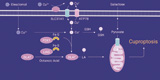
Tsvetkov et al. published in Science and demonstrated a copper-induced programmed cell death — Cuproptosis. As a novel programmed cell death, excess copper triggers abnormal aggregation of lipoylated proteins in TCA cycle and clearance of Fe-S cluster proteins, ultimately leading to cell death.
Scientific Reviews
Tsvetkov et al. published in Science and demonstrated a copper-induced programmed cell death — Cuproptosis. As a novel programmed cell death, excess copper triggers abnormal aggregation of lipoylated proteins in TCA cycle and clearance of Fe-S cluster proteins, ultimately leading to cell death. -
 Scientific Reviews
A comprehensive explanation of ferroptosis
Scientific Reviews
A comprehensive explanation of ferroptosis2022-09-15
Ferroptosis is a new type of RCD that depends on iron and characterized by the accumulation of lipid peroxides. In this article, we will pay our attention on ferroptosis and briefly discusses its mechanism. -
 Scientific Reviews
It's has been proved that p53, as a tumor suppressor gene and immune guardian, may become a destroyer through its own mutation. Moreover, the mechanism of p53 was found to be related to ferroptosis. This article mainly explores the mechanism between p53 and ferroptosis in detail.
Scientific Reviews
It's has been proved that p53, as a tumor suppressor gene and immune guardian, may become a destroyer through its own mutation. Moreover, the mechanism of p53 was found to be related to ferroptosis. This article mainly explores the mechanism between p53 and ferroptosis in detail. -
 Scientific Reviews
Autophagy, derived from the Greek meaning "eating of self", plays an indispensable role in maintaining homeostasis. p27 is an inhibitor of cyclin CDKs, but how p27 regulates autophagy remains unknown. This article will cover the mechanism of autophagy and p27-related cell cycle regulation.
Scientific Reviews
Autophagy, derived from the Greek meaning "eating of self", plays an indispensable role in maintaining homeostasis. p27 is an inhibitor of cyclin CDKs, but how p27 regulates autophagy remains unknown. This article will cover the mechanism of autophagy and p27-related cell cycle regulation. -
 Scientific Reviews
CMA (chaperone-mediated autophagy) plays an essential role in maintaining neuronal protein stability and preventing neurodegeneration. In this article, we will comprehensively clarify the role of CMA in the occurrence and development of neurodegenerative diseases.
Scientific Reviews
CMA (chaperone-mediated autophagy) plays an essential role in maintaining neuronal protein stability and preventing neurodegeneration. In this article, we will comprehensively clarify the role of CMA in the occurrence and development of neurodegenerative diseases. -
 Scientific Reviews
TME (Tumor microenvironment) is considered as a complex integrated system, composed of cellular components such as tumor cells and immune cells, as well as non-cellular components such as ECM and cytokines. According to the spatial distribution of immune cells in TME, "hot" and "cold" TME will be explained in this article.
Scientific Reviews
TME (Tumor microenvironment) is considered as a complex integrated system, composed of cellular components such as tumor cells and immune cells, as well as non-cellular components such as ECM and cytokines. According to the spatial distribution of immune cells in TME, "hot" and "cold" TME will be explained in this article. -
 Scientific Reviews
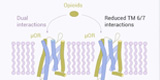
As powerful pain relievers, the opioids morphine and fentanyl have been "checked" by their side effects (listed as controlled substances). How to reduce its side effects? What is its mechanism? This research will explore its mechanism.
Scientific Reviews
As powerful pain relievers, the opioids morphine and fentanyl have been "checked" by their side effects (listed as controlled substances). How to reduce its side effects? What is its mechanism? This research will explore its mechanism. -
 Scientific Reviews
Efferocytosis is the process in which phagocytes remove programmed dead cells. It prevents secondary necrosis of dying cells from releasing harmful cell contents (such as oxides and proteases) that may cause inflammation. Here, we will introduce three stages of efferocytosis: Find, Eat, Digest.
Scientific Reviews
Efferocytosis is the process in which phagocytes remove programmed dead cells. It prevents secondary necrosis of dying cells from releasing harmful cell contents (such as oxides and proteases) that may cause inflammation. Here, we will introduce three stages of efferocytosis: Find, Eat, Digest. -
 Scientific Reviews
Understanding the mechanism of aging not only has guiding significance for prolonging human life but also has important clinical significance for the prevention and treatment of diseases in the elderly population , thus, improving their life quality and well-being.
Scientific Reviews
Understanding the mechanism of aging not only has guiding significance for prolonging human life but also has important clinical significance for the prevention and treatment of diseases in the elderly population , thus, improving their life quality and well-being. -
 Scientific Reviews
Mammalian cells can also photosynthesize like plants! Photosynthesis can improve cell anabolism and exhibit good clinical effect in degenerative diseases (osteoarthritis).
Scientific Reviews
Mammalian cells can also photosynthesize like plants! Photosynthesis can improve cell anabolism and exhibit good clinical effect in degenerative diseases (osteoarthritis). -
 Scientific Reviews
The latest study of Cell magazine "Neural mechanism underlying depressive-like state associated with social status loss" considers social factors as a breakthrough point. It has been found that the downward transition of social status induces depression-like behavior in mice whereas improves the depressive state by restoring their social environment.
Scientific Reviews
The latest study of Cell magazine "Neural mechanism underlying depressive-like state associated with social status loss" considers social factors as a breakthrough point. It has been found that the downward transition of social status induces depression-like behavior in mice whereas improves the depressive state by restoring their social environment. -
 Scientific Reviews
PROTAC - Design Strategy for Targeting
Scientific Reviews
PROTAC - Design Strategy for Targeting2023-04-23
Protein degradation targeting chimera (PROTAC) is a technology that uses the ubiquitin proteasome pathway to silent target protein. However, PROTAC still has problems such as solubility, membrane permeability, and selectivity. In this article, we have summarized three strategies for optimization: light-controlled linker, PAC molecule, and specific E3 ligase. -
 Scientific Reviews
Necroptosis, also known as necroptosis, is a form of regulated necrotizing cell death mediated by RIP1 and RIP3 kinases. Necroptosis is a process that prevents the self-destruction of activated cells that are blocked by apoptosis. Necroptosis plays a tumor suppressor role in most cases. It may provide benefits in the researches of a variety of human diseases involving immune inflammation and cell death.
Scientific Reviews
Necroptosis, also known as necroptosis, is a form of regulated necrotizing cell death mediated by RIP1 and RIP3 kinases. Necroptosis is a process that prevents the self-destruction of activated cells that are blocked by apoptosis. Necroptosis plays a tumor suppressor role in most cases. It may provide benefits in the researches of a variety of human diseases involving immune inflammation and cell death. -
 Scientific Reviews
Mitophagy:Mechanisms and Detection
Scientific Reviews
Mitophagy:Mechanisms and Detection2023-05-25
About 60 years ago, Christian de Duve first used the term "autophagy" to describe his observation of the degradation of mitochondria and other intracellular structures in lysosomes of rat liver. Over the years, autophagy has remained a beloved topic of research by the National Natural Science Foundation of China (NSFC).Today, let's talk about mitochondrial autophagy. -
 Scientific Reviews
Structure of Lipid Droplets
Scientific Reviews
Structure of Lipid Droplets2023-06-15
Huh? Lipid droplets? Organelles? In the past, biological data usually only show the traditional organelles, such as mitochondria, Golgi apparatus, endoplasmic reticulum, etc., lipid droplets are often not mentioned by people. Today, we will make a systematic explanation of lipid droplets, so that everyone has a clear understanding! -
 Scientific Reviews
HLA-E, A Novel Immune Checkpoint
Scientific Reviews
HLA-E, A Novel Immune Checkpoint2023-06-29
Immune checkpoints have immunosuppressive functions. It can be used in the research of tumor immunotherapy. In this article, we introduce a new paper entitled "Immune checkpoint HLA-E: CD94 - NKG2Amediates evasion of circulating tumor cells from NK cell surveillance "research paper. -
 Scientific Reviews
WHO's Q2 drug list has been updated. Let's take you through the list of the most noteworthy small molecule drugs that we should pay attention to.
Scientific Reviews
WHO's Q2 drug list has been updated. Let's take you through the list of the most noteworthy small molecule drugs that we should pay attention to. -
 Scientific Reviews
FDA Approved Drug List!
Scientific Reviews
FDA Approved Drug List!2023-09-14
In the first half of 2023 (as of June 27), the FDA approved 26 new drugs, let's take you learn about it through the article. -
 Scientific Reviews
IHC is an indispensable technique for studying tissue morphology and in situ antigen expression, but usually only one or two antigens in tissues can be stained for analysis. It cannot judge the results more intuitively. Today, Little M will introduce you to the upgraded version mlHC.
Scientific Reviews
IHC is an indispensable technique for studying tissue morphology and in situ antigen expression, but usually only one or two antigens in tissues can be stained for analysis. It cannot judge the results more intuitively. Today, Little M will introduce you to the upgraded version mlHC. -
 Scientific Reviews
FDA Annual Review | Record-breaking number of new drug approvals in 2023!
Scientific Reviews
FDA Annual Review | Record-breaking number of new drug approvals in 2023! -
 Scientific Reviews
Are frozen cells always damaged? Is the survival rate of revived cells low? When is it appropriate to freeze cells? What should be considered when reviving them? Today, we're sharing a guide to avoid pitfalls in cell freezing and revival!
Scientific Reviews
Are frozen cells always damaged? Is the survival rate of revived cells low? When is it appropriate to freeze cells? What should be considered when reviving them? Today, we're sharing a guide to avoid pitfalls in cell freezing and revival! -
 Scientific Reviews
Katalin Karikó and Drew Weissman were awarded the Nobel Prize in Physiology or Medicine in 2023 for their groundbreaking work in nucleoside modification, which paved the way for the creation of successful mRNA vaccines to fight against COVID-19. Let's now delve into the complete process of mRNA vaccine development.
Scientific Reviews
Katalin Karikó and Drew Weissman were awarded the Nobel Prize in Physiology or Medicine in 2023 for their groundbreaking work in nucleoside modification, which paved the way for the creation of successful mRNA vaccines to fight against COVID-19. Let's now delve into the complete process of mRNA vaccine development. -
 Scientific Reviews
Science | A "new" mechanism for non-ubiquitinated Midnolin-proteasomal degradation pathway
Scientific Reviews
Science | A "new" mechanism for non-ubiquitinated Midnolin-proteasomal degradation pathway2024-04-26
“ubiquitin-mediated protein degradation” won the Nobel Prize in Chemistry in 2004! In fact, proteasomes degrade not only ubiquitinated proteins but also non-ubiquitinated ones. The mechanism remains shrouded in mystery. After reading this piece today, you might have a lightbulb moment! -
 Scientific Reviews
Still struggling to find the preparation methods for various solutions? Save your time! Here comes a nanny-level tutorial!
Scientific Reviews
Still struggling to find the preparation methods for various solutions? Save your time! Here comes a nanny-level tutorial! -
 Scientific Reviews
STZ Induced Diabetes Models
Scientific Reviews
STZ Induced Diabetes Models2024-06-13
Spotlight: How can STZ Help Diabetes Research? -
 Scientific Reviews
Degrade target proteins through the autophagy-lysosome pathway including LYTAC, AUTAC, and ATTEC have gained increasing attention in recent years due to their significant research potential!
Scientific Reviews
Degrade target proteins through the autophagy-lysosome pathway including LYTAC, AUTAC, and ATTEC have gained increasing attention in recent years due to their significant research potential! -
 Scientific Reviews
Antibodies!
Scientific Reviews
Antibodies!2024-07-26
Today, We introduce antibodies for everyone! -
 Scientific Reviews
Science’s 2023 Breakthrough: GLP-1R Agonists
Scientific Reviews
Science’s 2023 Breakthrough: GLP-1R Agonists2024-08-13
GLP-1RAs, which achieved great success in 2023 and draws people’s attention back to obesity treatments and GLP-1 therapies worldwide, was chosen as the breakthrough of year 2023 by Science [2]. -
 Scientific Reviews
Cuproptosis, How much do you know?
Scientific Reviews
Cuproptosis, How much do you know?2024-08-22
Cells die in a variety of ways, including apoptosis, pyroptosis, necrosis, and ferroptosis......And, of course, cuproptosis. So, how much do you know about cuproptosis? -
 Scientific Reviews
Recently, Mol Cell reported the discovery of the first ferroptosis marker, Hyperoxidized PRDX3! Let’s take a look together~
Scientific Reviews
Recently, Mol Cell reported the discovery of the first ferroptosis marker, Hyperoxidized PRDX3! Let’s take a look together~ -
 Scientific Reviews
Cuproptosis's Knowledge Points!
Scientific Reviews
Cuproptosis's Knowledge Points!2024-09-25
With the establishment of the cuproptosis mechanism related research has attracted more and more attention from major journals. Expect to use the sharp sword of cuproptosis to stab the tumor cells. -
 Scientific Reviews
How they used PKH 26 for cellular studies?
Scientific Reviews
How they used PKH 26 for cellular studies?2024-10-21
We are thrilled to highlight our client study using PKH 26 (MedChemExpress) , a red fluorescent dye that has proven invaluable for in vitro cell labeling and tracing. This innovative research, published in the Journal of Nanobiotechnology. -
Scientific Reviews
Delve into the intricate networks that govern mitochondrial quality control. By examining key mechanisms such as biogenesis, mitochondrial dynamics (fission and fusion), proteolysis, and mitophagy. -
 Scientific Reviews
A New Form of Cell Death: PANoptosis!
Scientific Reviews
A New Form of Cell Death: PANoptosis! -
 Scientific Reviews
Unlocking the Power of Intermittent Fasting: The 16+8 Method
Scientific Reviews
Unlocking the Power of Intermittent Fasting: The 16+8 Method -
 Scientific Reviews
Advancing Chronic Kidney Disease Research with GJ103 and Lamin B1 Antibody!
Scientific Reviews
Advancing Chronic Kidney Disease Research with GJ103 and Lamin B1 Antibody! -
 Scientific Reviews
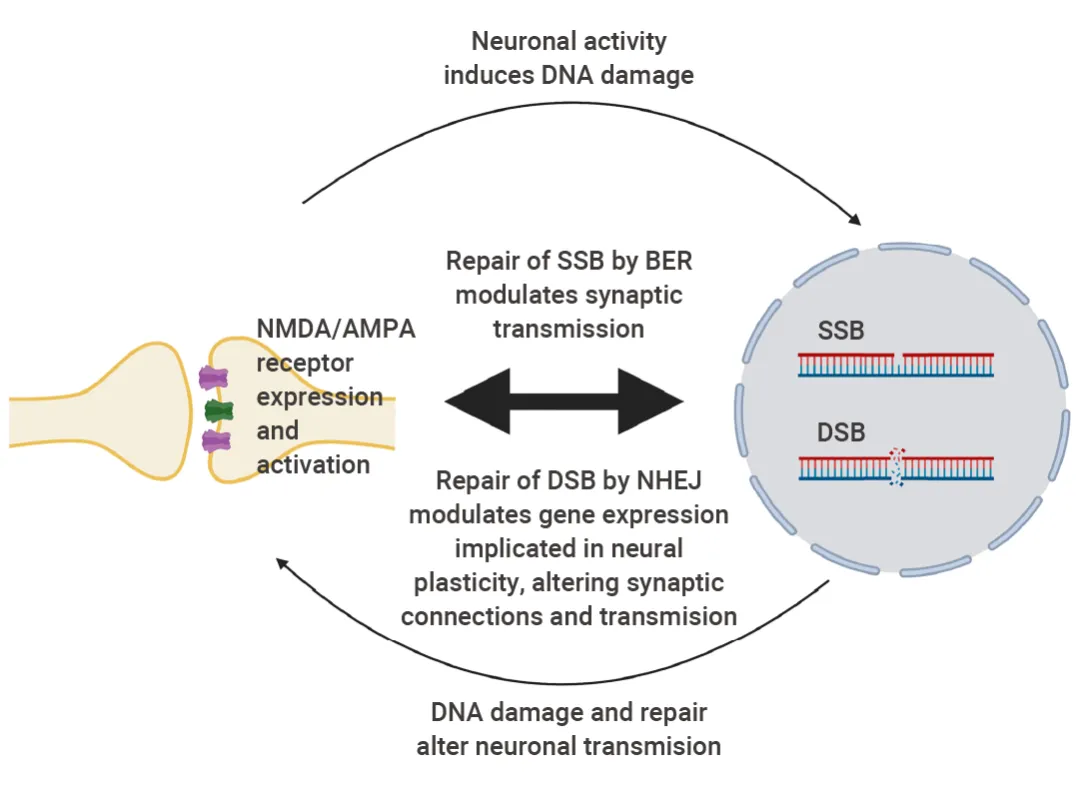
When you hear "inflammation" and "DNA damage," you might immediately think of disease or injury. However, in brains, these two processes are key steps in forming long-term memories, particularly related to specialized cells in our brain called hippocampal neurons.
Scientific Reviews
When you hear "inflammation" and "DNA damage," you might immediately think of disease or injury. However, in brains, these two processes are key steps in forming long-term memories, particularly related to specialized cells in our brain called hippocampal neurons. -
 Scientific Reviews
Autophagy is a fundamental process that degrades various components within the cell.
Scientific Reviews
Autophagy is a fundamental process that degrades various components within the cell. -
 Scientific Reviews
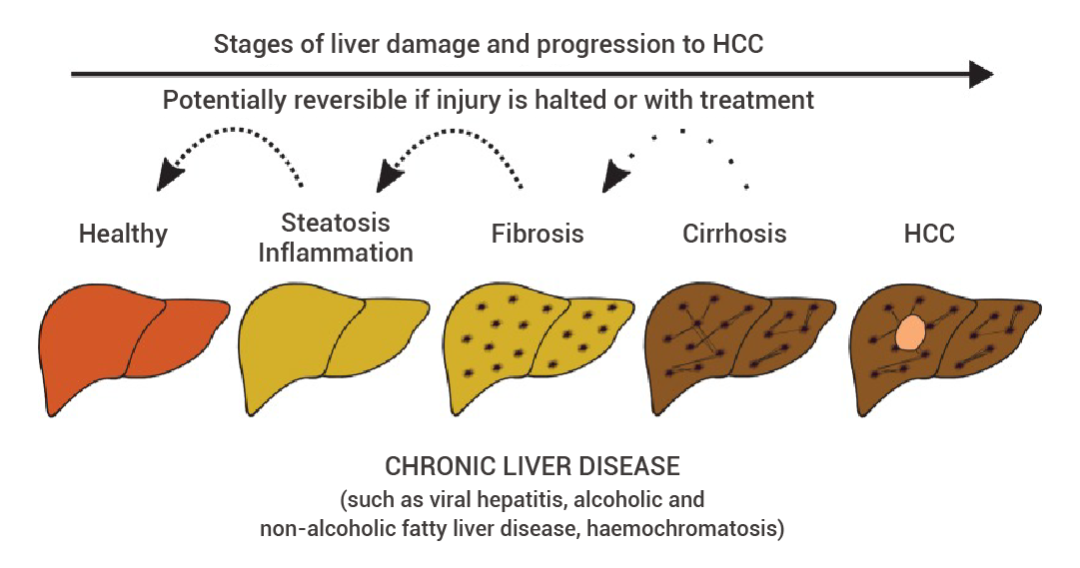
This article will tell you about the common methods of modeling liver disease in animal models.
Scientific Reviews
This article will tell you about the common methods of modeling liver disease in animal models. -
.jpg) Scientific Reviews
nside cells, the homeostasis and degradation of proteins is a precisely regulated process. If proteins cannot be degraded in time, it may lead to the occurrence of various diseases such as neurodegenerative diseases and cancer. This article will tell you the process of how proteins are recognized, labeled and then degraded!
Scientific Reviews
nside cells, the homeostasis and degradation of proteins is a precisely regulated process. If proteins cannot be degraded in time, it may lead to the occurrence of various diseases such as neurodegenerative diseases and cancer. This article will tell you the process of how proteins are recognized, labeled and then degraded! -
 Scientific Reviews
This article introduces some common cardiovascular disease models, inducers, modeling protocols and successful modeling cases in the research.
Scientific Reviews
This article introduces some common cardiovascular disease models, inducers, modeling protocols and successful modeling cases in the research. -
 Scientific Reviews
Do you feel confused when you start culturing cells? This article will show you the basic methods and steps of cell culture!
Scientific Reviews
Do you feel confused when you start culturing cells? This article will show you the basic methods and steps of cell culture! -
 Scientific Reviews
In this issue, we will conduct an in-depth interpretation from the dimensions of nanoparticle design, mechanism of action, in vivo and in vitro efficacy, and immune regulation, revealing how this research brings new hope for the treatment of invasive tumors through interdisciplinary innovation!
Scientific Reviews
In this issue, we will conduct an in-depth interpretation from the dimensions of nanoparticle design, mechanism of action, in vivo and in vitro efficacy, and immune regulation, revealing how this research brings new hope for the treatment of invasive tumors through interdisciplinary innovation! -
 Scientific Reviews
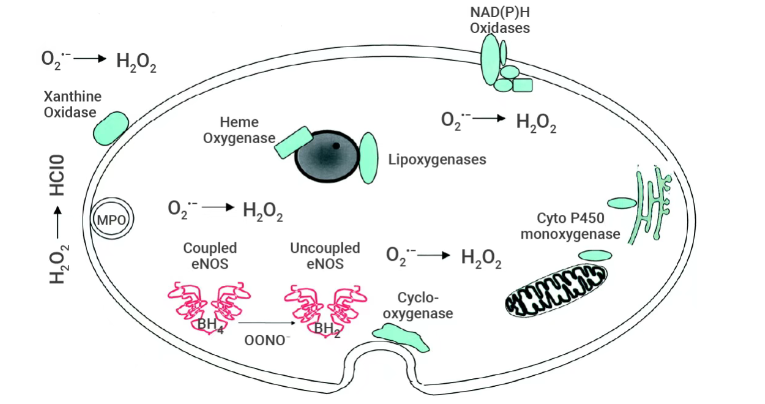
The article introduces the mechanisms of ROS generation and the methods for their detection.
Scientific Reviews
The article introduces the mechanisms of ROS generation and the methods for their detection. -
 Scientific Reviews
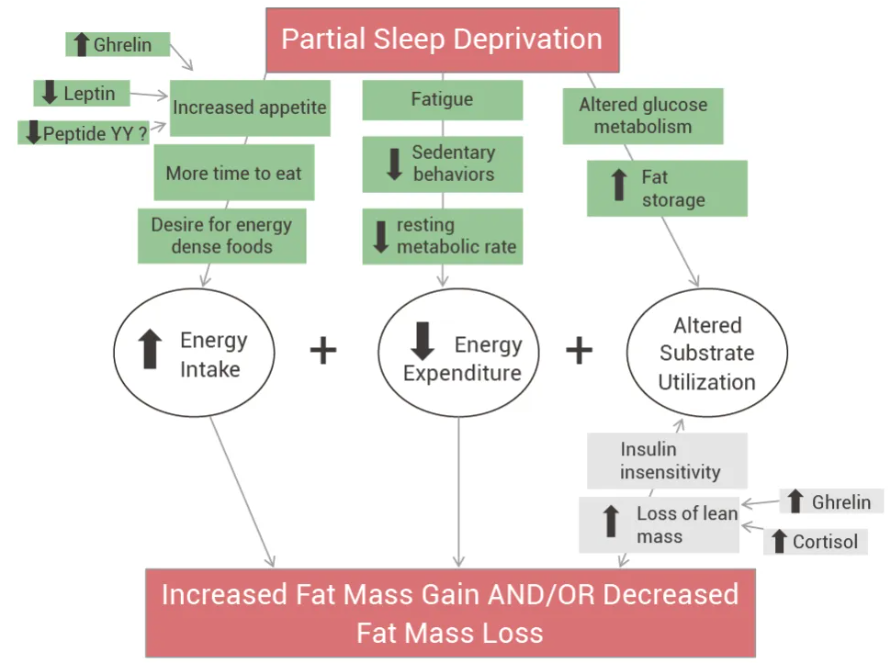
Have you ever noticed that after staying up late, your appetite—especially for high-calorie foods—gets out of control? If this sounds familiar, today’s article might offer some good news.
Scientific Reviews
Have you ever noticed that after staying up late, your appetite—especially for high-calorie foods—gets out of control? If this sounds familiar, today’s article might offer some good news. -
 Scientific Reviews
Generating Stable Cell Lines with Lentivirus
Scientific Reviews
Generating Stable Cell Lines with Lentivirus2025-09-16
A step-by-step protocol of establishing stable cell lines using lentivirus -
 Scientific Reviews
A groundbreaking study in Nature Communications reveals the key mechanism behind Idiopathic Pulmonary Fibrosis and identifies an existing drug with the potential to counter it.
Scientific Reviews
A groundbreaking study in Nature Communications reveals the key mechanism behind Idiopathic Pulmonary Fibrosis and identifies an existing drug with the potential to counter it. -
 Scientific Reviews
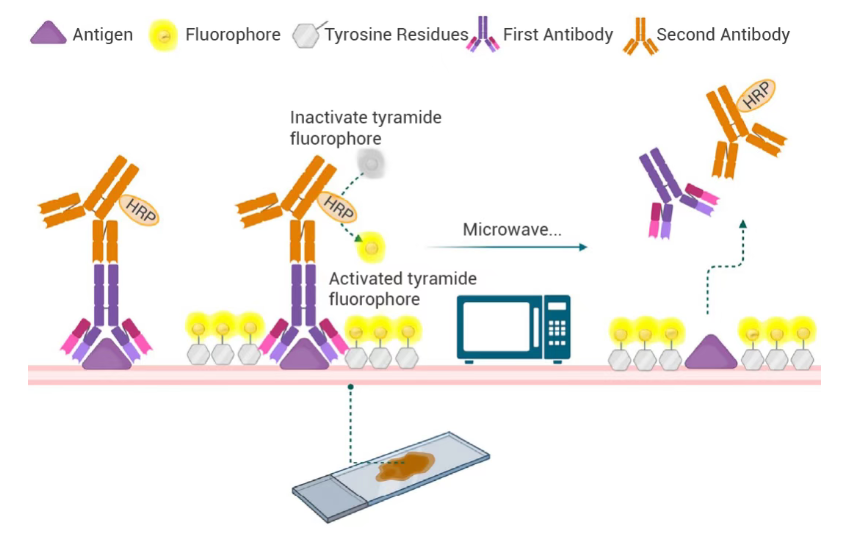
This detailed guide outlines the standardized experimental protocols for multiplex immunohistochemistry (mIHC), systematically summarizes common technical issues encountered during sample preparation, staining and imaging processes, and provides practical troubleshooting solutions to ensure reliable and reproducible results in biomedical research and clinical sample analysis.
Scientific Reviews
This detailed guide outlines the standardized experimental protocols for multiplex immunohistochemistry (mIHC), systematically summarizes common technical issues encountered during sample preparation, staining and imaging processes, and provides practical troubleshooting solutions to ensure reliable and reproducible results in biomedical research and clinical sample analysis. -
 Scientific Reviews
Finding adipogenic induction media too expensive and tricky to prepare? This comprehensive guide to 3T3-L1 adipogenic differentiation simplifies the process, helping you achieve great results!
Scientific Reviews
Finding adipogenic induction media too expensive and tricky to prepare? This comprehensive guide to 3T3-L1 adipogenic differentiation simplifies the process, helping you achieve great results! -
Scientific Reviews
Microglia– the only immune cells within the brain parenchyma. With advancements in imaging technologies, people’s understanding of microglia has shifted from being viewed as 'resting' cells to 'highly active' cells, particularly due to their dynamic processes that seem to be probing surrounding tissues and monitoring neuronal activity. This has made microglia a focal point of research in the field of neuroscience. -
Scientific Reviews
Cracking the PROTAC Permeability Barrier: CD36-Mediated Endocytosis as a Potential Breakthrough2025-12-03
This article provides an in-depth analysis of cutting-edge literature revealing CD36 as a key mediator of cellular uptake for PROTACs and bRO5 compounds. By structurally optimizing PROTAC molecules to enhance their affinity for CD36, membrane permeability can be markedly improved, leading to significantly enhanced antitumor efficacy. -
 Scientific Reviews
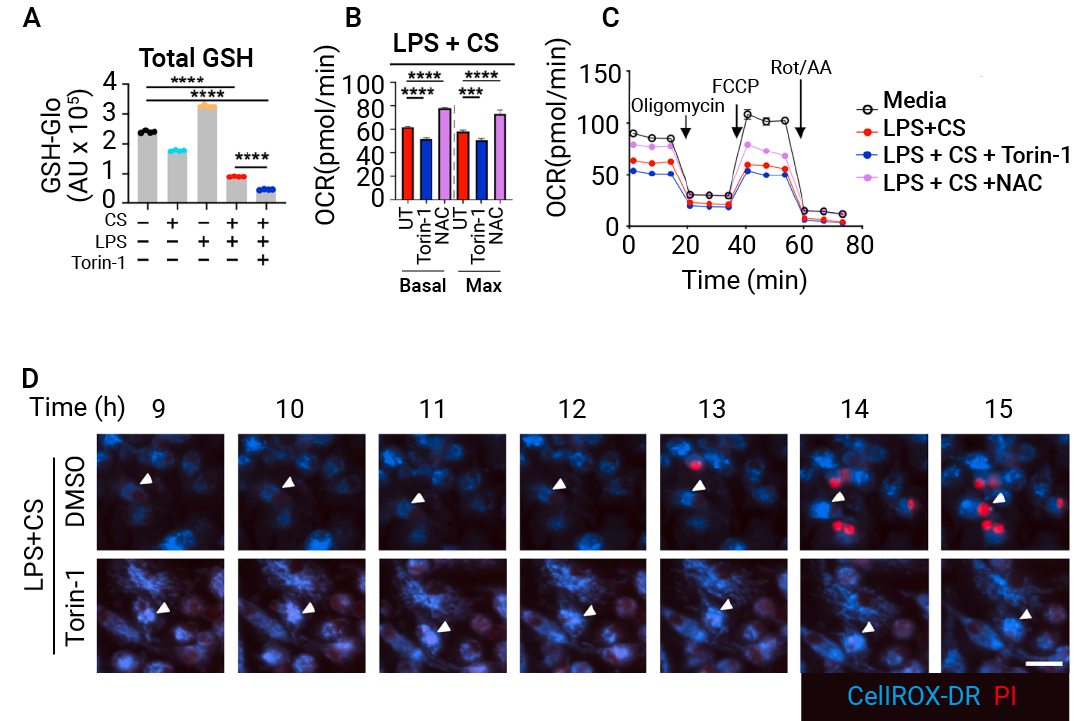
A November 2025 Cell study discovers Mitoxyperilysis, a new mTOR-regulated, caspase-independent cell death pathway driven by innate immune and metabolic dysregulation via mitochondrial-plasma membrane contact and oxidative damage, and verifies its potential to induce tumor necrosis for cancer therapy with key regulators including BAX, BAK1 and BID.
Scientific Reviews
A November 2025 Cell study discovers Mitoxyperilysis, a new mTOR-regulated, caspase-independent cell death pathway driven by innate immune and metabolic dysregulation via mitochondrial-plasma membrane contact and oxidative damage, and verifies its potential to induce tumor necrosis for cancer therapy with key regulators including BAX, BAK1 and BID. -
 Scientific Reviews
This paper elaborates on cytokines for culturing major immune cells, their regulatory roles, recombinant cytokines' merits and MCE’s related high-quality products.
Scientific Reviews
This paper elaborates on cytokines for culturing major immune cells, their regulatory roles, recombinant cytokines' merits and MCE’s related high-quality products. -
 Scientific Reviews
In the hunt for the next ‘GLP-1,’ amylin therapeutics, which have shown strong weight-loss results in clinical trials, have become a major focus for both multinational pharma and the scientific community.
Scientific Reviews
In the hunt for the next ‘GLP-1,’ amylin therapeutics, which have shown strong weight-loss results in clinical trials, have become a major focus for both multinational pharma and the scientific community. -
 Scientific Reviews
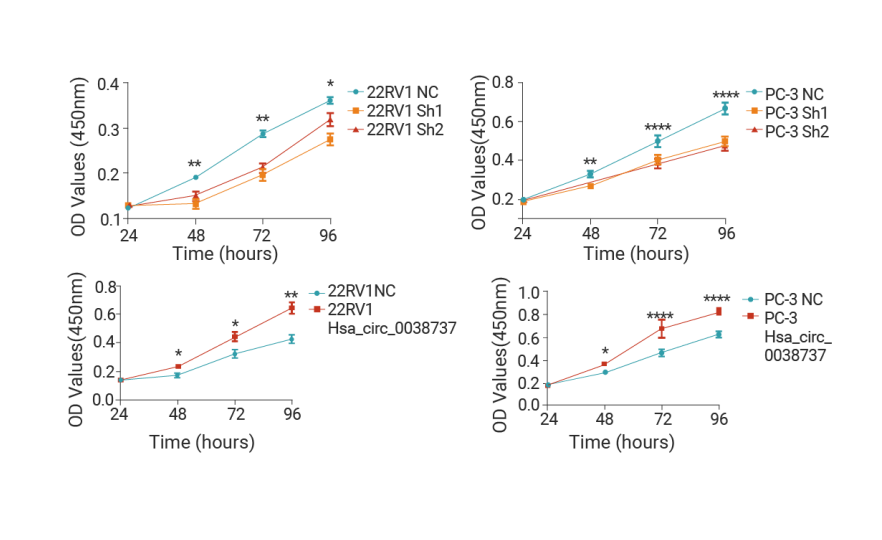
Essential for High-Impact Papers: Present Your CCK-8 Experimental Results in a More Outstanding Way!
Scientific Reviews
Essential for High-Impact Papers: Present Your CCK-8 Experimental Results in a More Outstanding Way!2026-03-18
CCK-8 is a widely used WST‑8‑based reagent for cell proliferation and cytotoxicity assays. It features high sensitivity, reliable results and easy operation, and is applicable to cell viability analysis, drug screening and growth inhibition testing. -
 Scientific Reviews
Molecular glue degraders have evolved from a serendipitous observation to one of the most dynamic and transformative fields in biomedical research.
Scientific Reviews
Molecular glue degraders have evolved from a serendipitous observation to one of the most dynamic and transformative fields in biomedical research. -
 Scientific Reviews
GLP-1 and Obesity Research
Scientific Reviews
GLP-1 and Obesity Research2026-08-14
Obesity substantially increases the risk of chronic diseases such as T2D and cardiovascular disease. The breakout success of GLP-1 therapies has spotlighted GLP-1R and a wave of emerging obesity targets. -
 EDM
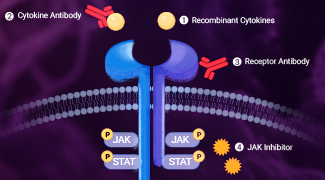
This review critically examines the role of the JAK-STAT pathway in immunity and autoimmune diseases, reviews current clinical applications of targeted therapies, and highlights emerging trends in autoimmune drug development.
EDM
This review critically examines the role of the JAK-STAT pathway in immunity and autoimmune diseases, reviews current clinical applications of targeted therapies, and highlights emerging trends in autoimmune drug development. -
 EDM
This review summarizes the mechanisms of DSS-induced colitis, commonly used modeling approaches, and key considerations related to DSS molecular weight.
EDM
This review summarizes the mechanisms of DSS-induced colitis, commonly used modeling approaches, and key considerations related to DSS molecular weight. -
 EDM
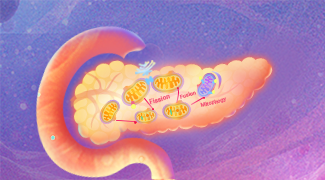
This review discusses β-cell dysfunction driven by mitochondrial impairment, outlines mitochondrial quality control networks, and summarizes strategies to restore mitochondrial function.
EDM
This review discusses β-cell dysfunction driven by mitochondrial impairment, outlines mitochondrial quality control networks, and summarizes strategies to restore mitochondrial function. -
 EDM
Review mitophagy regulation, disease mechanisms, and therapeutic advances to guide future research and drug development.
EDM
Review mitophagy regulation, disease mechanisms, and therapeutic advances to guide future research and drug development. -
 EDM
Explore lysosomal nutrient sensing, quality control, cellular adaptation, disease mechanisms, and emerging therapeutic approaches.
EDM
Explore lysosomal nutrient sensing, quality control, cellular adaptation, disease mechanisms, and emerging therapeutic approaches. -
 EDM
Review the mechanisms, mitochondrial regulation, disease relevance, and translational opportunities of the NLRP3–STING axis in neuroinflammation.
EDM
Review the mechanisms, mitochondrial regulation, disease relevance, and translational opportunities of the NLRP3–STING axis in neuroinflammation. -
 EDM
Explore the mechanisms driving immune tolerance breakdown in autoimmune diseases and emerging tolerance-restoring strategies, with a focus on IL-2-based immune modulation.
EDM
Explore the mechanisms driving immune tolerance breakdown in autoimmune diseases and emerging tolerance-restoring strategies, with a focus on IL-2-based immune modulation. -
 EDM
Explore how mitochondrial quality control, inflammatory signaling, and metabolic–epigenetic reprogramming regulate cellular senescence and the SASP, along with strategies to restore mitochondrial homeostasis.
EDM
Explore how mitochondrial quality control, inflammatory signaling, and metabolic–epigenetic reprogramming regulate cellular senescence and the SASP, along with strategies to restore mitochondrial homeostasis. -
 Blog
HS-1371 is a Small Molecule RIP3 Inhibitor
Blog
HS-1371 is a Small Molecule RIP3 Inhibitor2019-04-09
HS-1371 is a novel kinase inhibitor of RIP3-mediated necroptosis, showing an inhibitory effect on S227 auto-phosphorylation of RIP3 at the basal level. -
 Blog
IITZ-01 is a potent lysosomotropic autophagy inhibitor with single-agent antitumor activity, with an IC50 of 2.62 μM for PI3Kγ.
Blog
IITZ-01 is a potent lysosomotropic autophagy inhibitor with single-agent antitumor activity, with an IC50 of 2.62 μM for PI3Kγ. -
 Blog
PRN1008 is a Reversible Covalent and Oral Active Inhibitor of Bruton’s Tyrosine Kinase (BTK)
Blog
PRN1008 is a Reversible Covalent and Oral Active Inhibitor of Bruton’s Tyrosine Kinase (BTK)2019-04-18
PRN1008 is a selective, reversible covalent and oral active inhibitor of Bruton’s Tyrosine Kinase (BTK), with an IC50 of 1.3 nM. -
 Blog
Multiple Tyrosine Kinases Inhibitor TAS-115
Blog
Multiple Tyrosine Kinases Inhibitor TAS-1152019-04-19
TAS-115 is a potent VEGFR and c-Met/HGFR-targeted kinase inhibitor with IC50s of 30 and 32 nM for rVEGFR2 and rMET, respectively. -
 Blog
BTR-1 potently inhibits cell growth. It induces S phase arrest, affects DNA replication. Dose-dependently induces cytotoxicity in leukemic cell lines.
Blog
BTR-1 potently inhibits cell growth. It induces S phase arrest, affects DNA replication. Dose-dependently induces cytotoxicity in leukemic cell lines. -
 Blog
TAK-828F is a potent, selective and orally active retinoic acid receptor-related orphan receptor γt (RORγt) inverse agonist. TAK-828F inhibits IL-17A cytokine expression and reduces symptoms of autoimmune encephalomyelitis mice.
Blog
TAK-828F is a potent, selective and orally active retinoic acid receptor-related orphan receptor γt (RORγt) inverse agonist. TAK-828F inhibits IL-17A cytokine expression and reduces symptoms of autoimmune encephalomyelitis mice. -
 Blog
SLLN-15 is an oral activ enhancer of autophagy that activates cytostatic macroautophagy/autophagy in triple-negative breast cancer (TNBC).
Blog
SLLN-15 is an oral activ enhancer of autophagy that activates cytostatic macroautophagy/autophagy in triple-negative breast cancer (TNBC). -
 Blog
GSK3145095 is a RIP1 kinase inhibitor with an IC50 of 6.3 nM. Potently blocks the TNF response and RIP1-dependent inflammatory cytokine MIP-1β production.
Blog
GSK3145095 is a RIP1 kinase inhibitor with an IC50 of 6.3 nM. Potently blocks the TNF response and RIP1-dependent inflammatory cytokine MIP-1β production. -
 Blog
Gboxin is an oxidative phosphorylation inhibitor that targets glioblastoma. Gboxin inhibits the activity of F0F1 ATP synthase and shows antitumour activity.
Blog
Gboxin is an oxidative phosphorylation inhibitor that targets glioblastoma. Gboxin inhibits the activity of F0F1 ATP synthase and shows antitumour activity. -
 Blog
Ralimetinib (LY2228820) is a selective and ATP-competitive inhibitor of p38 MAPK α/β, with IC50s of 5.3 and 3.2 nM, respectively. Anti-tumor activity.
Blog
Ralimetinib (LY2228820) is a selective and ATP-competitive inhibitor of p38 MAPK α/β, with IC50s of 5.3 and 3.2 nM, respectively. Anti-tumor activity. -
 Blog
BAY-11-7082 inhibits the proliferation and induces the apoptosis of U266 cells through inhibiting NF-κB pathway. BAY 11-7082 ameliorates experimental diabetic neuropathy by modulating neuroinflammation and improving antioxidant defence.
Blog
BAY-11-7082 inhibits the proliferation and induces the apoptosis of U266 cells through inhibiting NF-κB pathway. BAY 11-7082 ameliorates experimental diabetic neuropathy by modulating neuroinflammation and improving antioxidant defence. -
 Blog
S130, Targeting ATG4B, Inhibits Autophagy and Activates Apoptosis in Colorectal Colon Cancer
Blog
S130, Targeting ATG4B, Inhibits Autophagy and Activates Apoptosis in Colorectal Colon Cancer2019-06-19
S130 is a high affinity, selective inhibitor of ATG4B (a major cysteine protease) with an IC50 of 3.24 µM. S130 suppresses autophagy flux. -
 Blog
S18-000003 is a potent, selective and orally active inhibitor of retinoic acid receptor-related orphan receptor-gamma-t (RORγt). S18-000003 ameliorates psoriasis-like lesions in vivo. S18-000003 can be used for the research of skin inflammatory diseases.
Blog
S18-000003 is a potent, selective and orally active inhibitor of retinoic acid receptor-related orphan receptor-gamma-t (RORγt). S18-000003 ameliorates psoriasis-like lesions in vivo. S18-000003 can be used for the research of skin inflammatory diseases. -
 Blog
MRT67307, a dual IKKε/TBK1 inhibitor, inhibits ULK1 and ULK2 with IC50s of 45 and 38 nM, respectively. MRT67307 blocks mTOR-dependent autophagy.
Blog
MRT67307, a dual IKKε/TBK1 inhibitor, inhibits ULK1 and ULK2 with IC50s of 45 and 38 nM, respectively. MRT67307 blocks mTOR-dependent autophagy. -
 Blog
CCT020312, the G1/S checkpoint activator, is a selective EIF2AK3/PERK activator. CCT020312 elicits EIF2A phosphorylation in cells.
Blog
CCT020312, the G1/S checkpoint activator, is a selective EIF2AK3/PERK activator. CCT020312 elicits EIF2A phosphorylation in cells. -
 Blog
SBI-0206965 is a selective and cell permeable autophagy kinase ULK1 inhibitor with IC50s of 108 nM for ULK1 and 711 nM for the highly related kinase ULK2 .
Blog
SBI-0206965 is a selective and cell permeable autophagy kinase ULK1 inhibitor with IC50s of 108 nM for ULK1 and 711 nM for the highly related kinase ULK2 . -
 Blog
TPCA-1, a Direct Dual Inhibitor of STAT3 and NF-κB, Regresses Mutant EGFR-Associated NSCLC
Blog
TPCA-1, a Direct Dual Inhibitor of STAT3 and NF-κB, Regresses Mutant EGFR-Associated NSCLC2019-07-15
TPCA-1 is a potent and selective inhibitor of IKK-2 with IC50 of 17.9 nM. TPCA-1 is an effective inhibitor of STAT3 phosphorylation, DNA binding. -
 Blog
CA-5f is a potent late-stage macroautophagy (autophagy) inhibitor via inhibiting autophagosome-lysosome fusion. CA-5f increases LC3B-II and SQSTM1 protein.
Blog
CA-5f is a potent late-stage macroautophagy (autophagy) inhibitor via inhibiting autophagosome-lysosome fusion. CA-5f increases LC3B-II and SQSTM1 protein. -
 Blog
DVD-445 is a potent peptidomimetic covalent TrxR1 inhibitor with an IC50 of 0.60 μM for rat TrxR1. DVD-445 has good anticancer application.
Blog
DVD-445 is a potent peptidomimetic covalent TrxR1 inhibitor with an IC50 of 0.60 μM for rat TrxR1. DVD-445 has good anticancer application. -
 Blog
BI-167107 is a high affinity, full agonist that binds to the β2 adrenergic receptor (β2AR) with a dissociation constant Kd of 84 pM.
Blog
BI-167107 is a high affinity, full agonist that binds to the β2 adrenergic receptor (β2AR) with a dissociation constant Kd of 84 pM. -
 Blog
UK 356618 is a Selective MMP-3 Inhibitor
Blog
UK 356618 is a Selective MMP-3 Inhibitor2019-12-25
UK 356618 is a selective and potent inhibitor of MMP-3. UK 356618 exhibits potent anti-inflammatory and anti-cancer activity. -
 Blog
CH6953755 is a potent, orally active and selective YES1 kinase inhibitor leading to antitumor activity against YES1 Gene -amplified cancers.
Blog
CH6953755 is a potent, orally active and selective YES1 kinase inhibitor leading to antitumor activity against YES1 Gene -amplified cancers. -
 Blog
CA-4948 is a Selective and Orally Bioavailable IRAK4 Kinase Inhibitor for Lymphoma Treatment
Blog
CA-4948 is a Selective and Orally Bioavailable IRAK4 Kinase Inhibitor for Lymphoma Treatment2020-01-05
CA-4948 is a potent, selective and orally bioavailable IRAK4 kinase inhibitor. CA-4948 can be used for the treatment of lymphoma. -
 Blog
GPP78 is a potent Nampt inhibitor. GPP78 is cytotoxic to neuroblastoma cell line SH-SY5Y cells. GPP78 has anti-cancer and anti-tumor activity.
Blog
GPP78 is a potent Nampt inhibitor. GPP78 is cytotoxic to neuroblastoma cell line SH-SY5Y cells. GPP78 has anti-cancer and anti-tumor activity. -
 Blog
AKOS-22, a VDAC1 Oligomerization and Apoptosis Inhibitor, Protects Against Mitochondrial Dysfunction
Blog
AKOS-22, a VDAC1 Oligomerization and Apoptosis Inhibitor, Protects Against Mitochondrial Dysfunction2020-02-15
AKOS-22 is a potent mitochondrial protein VDAC1 and apoptosis inhibitor. AKOS-22 protects against Mitochondrial Dysfunction. -
 Blog
BAY-985 is an orally active and selective ATP-competitive dual inhibitor of TBK1 and IKKε with IC50s of 2/30 and 2 nM for TBK1 and IKKε, respectively.
Blog
BAY-985 is an orally active and selective ATP-competitive dual inhibitor of TBK1 and IKKε with IC50s of 2/30 and 2 nM for TBK1 and IKKε, respectively. -
 Blog
ADH-503 is an orally active and allosteric CD11b agonist and leads to the repolarization of tumor-associated macrophages.
Blog
ADH-503 is an orally active and allosteric CD11b agonist and leads to the repolarization of tumor-associated macrophages. -
 Blog
iFSP1 is a potent, selective FSP1inhibitor that induces ferroptosis in GPX4-knockout cells which overexpressed FSP1.
Blog
iFSP1 is a potent, selective FSP1inhibitor that induces ferroptosis in GPX4-knockout cells which overexpressed FSP1. -
 Blog
HM03 is a potent and selective HSPA5 inhibitor with anticancer activity. HSPA5 plays a key role in monitoring protein transport through the cell.
Blog
HM03 is a potent and selective HSPA5 inhibitor with anticancer activity. HSPA5 plays a key role in monitoring protein transport through the cell. -
 Blog
MYLS22 is a first-in-class and selective optic atrophy 1 (OPA1) inhibitor with anti-angiogenesis and anti-cancer activity.
Blog
MYLS22 is a first-in-class and selective optic atrophy 1 (OPA1) inhibitor with anti-angiogenesis and anti-cancer activity. -
 Blog
GSK143 is an orally active and highly selective spleen tyrosine kinase (SYK) inhibitor. GSK143 reduces inflammation in the intestinal muscularis in mice.
Blog
GSK143 is an orally active and highly selective spleen tyrosine kinase (SYK) inhibitor. GSK143 reduces inflammation in the intestinal muscularis in mice. -
 Blog
GSK621 is a potent and specific AMPK activator and induces autophagy and apoptosis in acute myeloid leukemia (AML) cells.
Blog
GSK621 is a potent and specific AMPK activator and induces autophagy and apoptosis in acute myeloid leukemia (AML) cells. -
 Blog
RA375, a RPN13 inhibitor, inhibits proteasome function in muscle. RA375 is highly active against cell lines of multiple myeloma and diverse solid cancers.
Blog
RA375, a RPN13 inhibitor, inhibits proteasome function in muscle. RA375 is highly active against cell lines of multiple myeloma and diverse solid cancers. -
 Blog
CAY10404 is a potent and highly selective COX-2 inhibitor. CAY10404 is a potent inhibitor of PKB/Akt and MAPK signalling pathways.
Blog
CAY10404 is a potent and highly selective COX-2 inhibitor. CAY10404 is a potent inhibitor of PKB/Akt and MAPK signalling pathways. -
 Blog
BMS-P5 is an Orally Active PAD4 Inhibitor
Blog
BMS-P5 is an Orally Active PAD4 Inhibitor2020-12-12
BMS-P5 is an orally active PAD4 inhibitor. BMS-P5 blocks MM-induced NET formation and delays progression of MM in a syngeneic mouse model -
 Blog
ML132, a potent and selective caspase 1 inhibitor with a unique selectivity pattern, is responsible for the proteolytic activation of IL-1β and IL-18.
Blog
ML132, a potent and selective caspase 1 inhibitor with a unique selectivity pattern, is responsible for the proteolytic activation of IL-1β and IL-18. -
 Blog
DMU-212 Possesses Antimitotic, Anti-Proliferative, Antioxidant and Apoptosis Promoting Activities
Blog
DMU-212 Possesses Antimitotic, Anti-Proliferative, Antioxidant and Apoptosis Promoting Activities2020-12-24
Activation of ERK1/2 is required for the antimitotic activity of the Resveratrol analogue DMU‐212 in human melanoma cells. -
 Blog
CC-90001 is a potent, selective, and orally active inhibitor of JNK. CC-90001 can be used for the research of idiopathic pulmonary fibrosis (IPF).
Blog
CC-90001 is a potent, selective, and orally active inhibitor of JNK. CC-90001 can be used for the research of idiopathic pulmonary fibrosis (IPF). -
 Blog
IMT1 is a first-in-class specific and noncompetitive human POLRMT inhibitor for mitochondrial transcription disorders related diseases.
Blog
IMT1 is a first-in-class specific and noncompetitive human POLRMT inhibitor for mitochondrial transcription disorders related diseases. -
 Blog
YUM70 inhibits GRP78. Induces endoplasmic reticulum stress-mediated apoptosis. Pancreatic cancer. Acts as a novel anticancer agent.
Blog
YUM70 inhibits GRP78. Induces endoplasmic reticulum stress-mediated apoptosis. Pancreatic cancer. Acts as a novel anticancer agent. -
 Blog
LYN-1604 is a Potent ULK1 Activator
Blog
LYN-1604 is a Potent ULK1 Activator2021-04-24
LYN-1604, a potent ULK1 activator, induces cell death involved in ATF3, RAD21, and caspase3, accompanied by autophagy and apoptosis. -
 Blog
SB-332235 is a potent, orally active nonpeptide CXCR2 antagonist. SB-332235 inhibits acute and chronic models of arthritis in the rabbit.
Blog
SB-332235 is a potent, orally active nonpeptide CXCR2 antagonist. SB-332235 inhibits acute and chronic models of arthritis in the rabbit. -
 Blog
Butaprost is a selective prostaglandin E receptor (EP2) agonist. Butaprost can effectively mitigate kidney fibrogenesis in various fibrosis models.
Blog
Butaprost is a selective prostaglandin E receptor (EP2) agonist. Butaprost can effectively mitigate kidney fibrogenesis in various fibrosis models. -
 Blog
AUTAC4 is a mitochondria-targeting autophagy-targeting chimera, which can be used for the study of mitochondrial dysfunction.
Blog
AUTAC4 is a mitochondria-targeting autophagy-targeting chimera, which can be used for the study of mitochondrial dysfunction. -
 Blog
Lumiracoxib is a COX-2 inhibitor. Lumiracoxib acts as nonselective NSAID with anti-inflammatory, analgesic and antipyretic activities.
Blog
Lumiracoxib is a COX-2 inhibitor. Lumiracoxib acts as nonselective NSAID with anti-inflammatory, analgesic and antipyretic activities. -
 Blog
Ruxolitinib is a potent and selective JAK1/2 inhibitor and has 130-fold selectivity for JAK1/2 over JAK3. Ruxolitinib induces autophagy.
Blog
Ruxolitinib is a potent and selective JAK1/2 inhibitor and has 130-fold selectivity for JAK1/2 over JAK3. Ruxolitinib induces autophagy. -
 Blog
IACS-010759 is an orally active, potent mitochondrial complex I of oxidative phosphorylation (OXPHOS) inhibitor with antitumor activity.
Blog
IACS-010759 is an orally active, potent mitochondrial complex I of oxidative phosphorylation (OXPHOS) inhibitor with antitumor activity. -
 Blog
Elesclomol is an oxidative stress inducer that induces cancer cell apoptosis. Elesclomol is a reactive oxygen species (ROS) inducer.
Blog
Elesclomol is an oxidative stress inducer that induces cancer cell apoptosis. Elesclomol is a reactive oxygen species (ROS) inducer. -
 Blog
Brusatol (NSC 172924) is a Nrf2 Inhibitor
Blog
Brusatol (NSC 172924) is a Nrf2 Inhibitor2021-10-26
Brusatol inhibits the Nrf2 signaling pathway by reducing the protein level of Nrf2, with anticancer activities. -
 Blog
IMD-0354 is a Selective IKKβ Inhibitor
Blog
IMD-0354 is a Selective IKKβ Inhibitor2021-11-09
IMD-0354 is a selective IKKβ inhibitor and potently inhibits NF-κB activity. IMD0354 has antitumor activity. -
 Blog
Oltipraz is a Nrf2 Inhibitor
Blog
Oltipraz is a Nrf2 Inhibitor2021-11-18
Oltipraz is a potent Nrf2 activator. Oltipraz has an inhibitory effect on HIF-1α activation in a time-dependent manner, the IC50 is 10 μM. -
 Blog
Spautin-1 is a specific and potent autophagy inhibitor which inhibits ubiquitin-specific peptidases, USP10 and USP13.
Blog
Spautin-1 is a specific and potent autophagy inhibitor which inhibits ubiquitin-specific peptidases, USP10 and USP13. -
 Blog
Lonidamine, an antitumor agent and an indazole derivative, interferes with energy-yielding processes in cancer cells.
Blog
Lonidamine, an antitumor agent and an indazole derivative, interferes with energy-yielding processes in cancer cells. -
 Blog
Trolox is an analogue of vitamin E with a powerful antioxidant effect. Trolox is also a powerful inhibitor of membrane damage.
Blog
Trolox is an analogue of vitamin E with a powerful antioxidant effect. Trolox is also a powerful inhibitor of membrane damage. -
 Blog
Alda-1 is a potent ALDH2 Agonist
Blog
Alda-1 is a potent ALDH2 Agonist2021-12-30
Alda-1 ameliorates H2O2-induced Achilles tendinopathy. Alda-1 could be used for preventing Achilles tendinopathy. -
 Blog
β-Lapachone, a topoisomerase I inhibitor, induces apoptosis by inhibiting cell cycle progression. β-Lapachone has anti-inflammatory effect.
Blog
β-Lapachone, a topoisomerase I inhibitor, induces apoptosis by inhibiting cell cycle progression. β-Lapachone has anti-inflammatory effect. -
 Blog
CL097 is a TLR7/8 agonist. CL097 induces pro-nflammatory cytokines. CL097 induces NADPH oxidase priming and efficient diabetogenic cytotoxic T lymphocyte (CTL) function in NOD mice.
Blog
CL097 is a TLR7/8 agonist. CL097 induces pro-nflammatory cytokines. CL097 induces NADPH oxidase priming and efficient diabetogenic cytotoxic T lymphocyte (CTL) function in NOD mice. -
 Blog
Zingerone is a natural orally active nontoxic methoxyphenol potent anti-inflammatory, antidiabetic, antioxidize, and anti-tumor properties.
Blog
Zingerone is a natural orally active nontoxic methoxyphenol potent anti-inflammatory, antidiabetic, antioxidize, and anti-tumor properties. -
 Blog
PX-12 is an irreversible inhibitor of Trx-1 and inhibits the growth, migration, and invasion of colorectal cancer cell lines.
Blog
PX-12 is an irreversible inhibitor of Trx-1 and inhibits the growth, migration, and invasion of colorectal cancer cell lines. -
 Blog
AUTAC2 is a FKBP12-targeting autophagy-mediated degrader (AUTAC). AUTAC2 contains an FBnG and an SLF moiety.
Blog
AUTAC2 is a FKBP12-targeting autophagy-mediated degrader (AUTAC). AUTAC2 contains an FBnG and an SLF moiety. -
 Blog
BM213 is a selective C5aR1 agonist. It’s a useful research tool to study C5aR1 function
Blog
BM213 is a selective C5aR1 agonist. It’s a useful research tool to study C5aR1 function -
 Blog
Pelecopan is a potent, selective, and orally active complement factor D inhibitor, possessing the potential to study paroxysmal nocturnal hemoglobinuria (PNH).
Blog
Pelecopan is a potent, selective, and orally active complement factor D inhibitor, possessing the potential to study paroxysmal nocturnal hemoglobinuria (PNH). -
 Blog
LCS3 is a potent and reversible inhibitor of GSR and TXNRD1 with anti-tumour activity by non-competitive inhibition of the enzyme activity.
Blog
LCS3 is a potent and reversible inhibitor of GSR and TXNRD1 with anti-tumour activity by non-competitive inhibition of the enzyme activity. -
 Blog
Etrolizumab is a Gut-selective, Anti-β7 Integrin McAb for Inflammatory Bowel Disease (IBD) Research
Blog
Etrolizumab is a Gut-selective, Anti-β7 Integrin McAb for Inflammatory Bowel Disease (IBD) Research2022-11-05
Etrolizumab is a gut-selective, anti-β7 integrin monoclonal antibody and has the potential for the research of inflammatory bowel disease. -
 Blog
MMRi62, a Ferroptosis inducer targeting MDM2-MDM4. MMRi62 shows a P53-independent pro-apoptotic activity against PDAC cells.
Blog
MMRi62, a Ferroptosis inducer targeting MDM2-MDM4. MMRi62 shows a P53-independent pro-apoptotic activity against PDAC cells. -
 Blog
FA16 is a specific and metabolically stable ferroptosis inducer. It inhibits system Xc-, results in tumor progression suppression.
Blog
FA16 is a specific and metabolically stable ferroptosis inducer. It inhibits system Xc-, results in tumor progression suppression. -
 Blog
YL-939 was a potent inhibitor of iron death and significantly improved liver injury in a model of iron death-related acute liver injury.
Blog
YL-939 was a potent inhibitor of iron death and significantly improved liver injury in a model of iron death-related acute liver injury. -
 Blog
Coibamide A is an N-methyl-stabilized cytotoxic depsipeptide with antiproliferative activity. Coibamide A induces autophagosome accumulation.
Blog
Coibamide A is an N-methyl-stabilized cytotoxic depsipeptide with antiproliferative activity. Coibamide A induces autophagosome accumulation. -
 Blog
Ruxolitinib is an orally-active JAK1/2 inhibitor. Ruxolitinib has the potential for the research of myeloproliferative neoplasm (MPN).
Blog
Ruxolitinib is an orally-active JAK1/2 inhibitor. Ruxolitinib has the potential for the research of myeloproliferative neoplasm (MPN).
Products
All
-
All
-
Inhibitors & Agonists
-
Isotope-Labeled Compounds
-
Fluorescent Dye
-
Peptides
-
Recombinant Proteins
-
Antibodies
-
Screening Libraries
-
Kits
-
Inhibitory Antibodies
-
Reference Standards
-
Induced Disease Models Products
-
GMP Small Molecules
-
Biochemical Assay Reagents
-
Natural Products
| Cat. No. | Product Name | Information | Application | Publication |
|---|---|---|---|---|
| HY-18739 | Phorbol 12-myristate 13-acetate |
Phorbol 12-myristate 13-acetate (PMA; TPA; Phorbol myristate acetate), a phorbol ester, is a dual SphK and protein kinase C (PKC) activator. Phorbol 12-myristate 13-acetate is a NF-κB activator. Phorbol 12-myristate 13-acetate induces differentiation in THP-1 cells (Validated by MedChemExpress).
|
|
863
|
| HY-10071 | Y-27632 |
Y-27632 is a ROCK inhibitor with Ki values of 220 nM and 300 nM for ROCK1 and ROCK2, respectively. Y-27632 exerts anti-inflammatory and immunomodulatory effects in systemic lupus erythematosus models by inhibiting the ROCK/NF-κB pathway. Y-27632 enhances autophagy by inhibiting the AKT/mTOR pathway, thereby inducing apoptosis apoptosis in oral squamous cell carcinoma. Y-27632 induces the formation of tunneling nanotubes in ARPE-19 cells and significantly enhances mitochondrial transfer through these channels. Y-27632 promotes neurite outgrowth in PC12 cells by activating the Rac1/NOX1/ROS/AKT/PAK1 signaling cascade.
|
|
607
|
| HY-13453 | BAY 11-7082 |
BAY 11-7082 is an IκBα phosphorylation and NF-κB inhibitor. BAY 11-7082 selectively and irreversibly inhibits the TNF-α-induced phosphorylation of IκB-α, and decreases NF-κB and expression of adhesion molecules. BAY 11-7082 inhibits ubiquitin-specific protease USP7 and USP21 (IC50=0.19, 0.96 μM, respectively). BAY 11-7082 inhibits gasdermin D (GSDMD) pore formation in liposomes and inflammasome-mediated pyroptosis and IL-1β secretion in human and mouse cells.
|
Breast Cancer
Prostate Cancer
Liver Cancer
Leukemia/Lymphoma/Myeloma
Pancreatic Cancer
Ovarian Cancer
Depression
Pain
Digestive System Inflammation
Obesity
|
510
|
| HY-12815A | MCC950 sodium |
MCC950 sodium (CP-456773 sodium; CRID3 sodium salt) is a potent, selective NLRP3 inhibitor with IC50s of 7.5 and 8.1 nM in BMDMs and HMDMs, respectively.
|
|
498
|
| HY-12815 | MCC950 |
MCC950 (CP-456773; CRID3) is a potent and selective NLRP3 inhibitor with IC50s of 7.5 and 8.1 nM in BMDMs and HMDMs, respectively.
|
|
498
|
| HY-10227 | Bortezomib |
Bortezomib (PS-341) is a reversible and selective proteasome inhibitor, and potently inhibits 20S proteasome (Ki=0.6 nM) by targeting a threonine residue. Bortezomib disrupts the cell cycle, induces apoptosis, and inhibits NF-κB. Bortezomib is the first proteasome inhibitor anticancer agent. Bortezomib can be used for the study of multiple myeloma (MM). Bortezomib effectively inhibits TREM2 expression in tumor-associated macrophages (TAMs).
|
Prostate Cancer
Liver Cancer
Leukemia/Lymphoma/Myeloma
Pancreatic Cancer
Ovarian Cancer
Viral Infection
Depression
Pain
Non-Small Cell Lung Cancer
Metastatic Breast Cancer
SARS-CoV-2 Infection
Obesity
|
280
|
| HY-100381 | Nigericin sodium salt |
Nigericin sodium salt is an antibiotic derived from Streptomyces hygroscopicus that act as a K+/H+ ionophore, promoting K+/H+ exchange across mitochondrial membranes. Nigericin sodium salt is a NLRP3 activator. Nigericin sodium salt shows promising anti-cancer activities through decreasing intracellular pH (pHi), and inactivation of Wnt/β-catenin signals. Nigericin sodium salt induces pyroptosis through caspase 1/GSDMD in TNBC.
Source: Streptomyces hygroscopicus |
Breast Cancer
Colorectal Cancer
Prostate Cancer
Gastric Cancer
Liver Cancer
Ovarian Cancer
Bacterial Infection
Depression
Hypertension
Lung Fibrosis
Rheumatoid Arthritis
|
258
|
| HY-127019 | Nigericin |
Nigericin is an antibiotic derived from Streptomyces hygroscopicus that act as a K+/H+ ionophore, promoting K+/H+ exchange across mitochondrial membranes. Nigericin is a NLRP3 activator. Nigericin shows promising anti-cancer activities through decreasing intracellular pH (pHi), and inactivation of Wnt/β-catenin signals. Nigericin induces pyroptosis through caspase 1/GSDMD in TNBC.
|
Breast Cancer
Colorectal Cancer
Prostate Cancer
Gastric Cancer
Liver Cancer
Ovarian Cancer
Bacterial Infection
Depression
Hypertension
Lung Fibrosis
Rheumatoid Arthritis
|
258
|
| HY-100941 | CCCP |
CCCP is an oxidative phosphorylation (OXPHOS) uncoupler. CCCP induces activation of PINK1 leading to Parkin Ser65 phosphorylation.
|
|
193
|
| HY-112879 | Mito-TEMPO |
Mito-TEMPO is a mitochondria-targeted antioxidant. Mito-TEMPO induces mitophagy by activating the PINK1/Parkin pathway, inhibits NLRP3 inflammasome activation, restores mitochondrial membrane potential, and improves renal function and podocyte injury. Mito-TEMPO regulates Ca2+ homeostasis, inhibits Bnip3 overexpression, shortens action potential duration, and exerts antiarrhythmic effects. Mito-TEMPO reverses premature senescence, reduces trabecular bone loss, and decreases cell apoptosis. Mito-TEMPO can be used in studies of chronic kidney disease, age-related cardiac dysfunction, postmenopausal osteoporosis, and ischemic stroke.
|
|
188
|
| HY-B2176 | ATP |
ATP (Adenosine 5'-triphosphate) is a central component of energy storage and metabolism in vivo. ATP provides the metabolic energy to drive metabolic pumps and serves as a coenzyme in cells. ATP is an important endogenous signaling molecule in immunity and inflammation. ATP can activate the NLRP3 inflammasome and induce IL-1β and chemokines secretion. ATP has anti-bacterial infection effects and can protect mice against bacterial infection in mice.
Source: widespread |
|
178
|
| HY-112693 | H-151 |
|
169
|
|
| HY-13982 | JSH-23 |
JSH-23 is an NF-κB inhibitor which inhibits NF-κB transcriptional activity with an IC50 of 7.1 μM in lipopolysaccharide (LPS)-stimulated macrophages RAW 264.7. JSH-23 inhibits nuclear translocation of NF-κB p65 without affecting IκBα degradation.
|
Breast Cancer
Prostate Cancer
Liver Cancer
Leukemia/Lymphoma/Myeloma
Pancreatic Cancer
Ovarian Cancer
Depression
Pain
Digestive System Inflammation
Glucose Metabolism
Obesity
|
162
|
| HY-K0013 | Protease and Phosphatase Inhibitor Cocktail (EDTA-Free, 10× in ddH2O) |
MCE Protease and Phosphatase Inhibitor Cocktail (EDTA-Free, 10× in ddH2O) protects protein from degradation by endogenous proteases released during protein extraction and purification.The 1 mL volume is defined as the base specification. All larger sizes correspond to incremental volumes of this base. |
|
154
|
| HY-B0075 | Melatonin |
Melatonin is a hormone made by the pineal gland that can activate melatonin receptor and inhibit PANoptosis. Melatonin plays a role in sleep and possesses important antioxidative and anti-inflammatory properties. Melatonin is a novel selective ATF-6 inhibitor and induces human hepatoma cell apoptosis through COX-2 downregulation. Melatonin attenuates palmitic acid-induced (HY-N0830) mouse granulosa cells apoptosis via endoplasmic reticulum stress.
|
Melatonin Receptor
Autophagy
Mitophagy
Endogenous Metabolite
Apoptosis
PANoptosis
Ligands for Target Protein for PROTAC
Histone Acetyltransferase
Lung Cancer
Breast Cancer
Prostate Cancer
Liver Cancer
Viral Infection
Neurodegenerative Disease
Digestive System Inflammation
SARS-CoV-2 Infection
|
149
|
| HY-100573 | Necrosulfonamide |
Necrosulfonamide is a MLKL and Gasdermin D (GSDMD) inhibitor, capable of separately inhibiting necroptosis and pyroptosis of cells. Necrosulfonamide does not affect the activation of upstream signals, but specifically inhibits the downstream executor oligomerization step. Necrosulfonamide reduces the expression of the key kinases NLRP3 and caspase-1 involved in necroptosis and pyroptosis, activate the Nrf2 pathway and the downstream antioxidant enzymes, and also downregulates a variety of inflammatory factors. Necrosulfonamide plays significant roles in various diseases such as neurodegenerative diseases (such as Parkinson’s disease), tissue damage and ischemia-reperfusion injury, inflammatory bowel disease, osteoarthritis and fracture repair, and hair loss by regulating two important programmed necrosis pathways.
|
Mixed Lineage Kinase
Necroptosis
Pyroptosis
Caspase
NOD-like Receptor (NLR)
Keap1-Nrf2
TNF Receptor
Interleukin Related
NO Synthase
Heme Oxygenase (HO)
Digestive System Disease
Prostate Cancer
Leukemia/Lymphoma/Myeloma
Depression
Digestive System Inflammation
Cardiovascular Disease
Parkinson's Disease
Obesity
Lung Fibrosis
Rheumatoid Arthritis
|
147
|
| HY-18072 | GSK2606414 |
GSK2606414 is a cell-permeable and orally available protein kinase R-like endoplasmic reticulum (ER) kinase (PERK) inhibitor with an IC50 of 0.4 nM.
|
|
135
|
| HY-112906 | C-176 |
|
128
|
|
| HY-D0938 | CFDA-SE |
CFDA-SE is a fluorescent dye that can penetrate the cell membrane. It can react with the free amine group in the cytoskeleton protein inside the cell, and finally form a protein complex with fluorescence. After entering the cell, CFDA-SE locates in the cell membrane, cytoplasm and nucleus, and the fluorescence staining is strongest in the nucleus.
CFDA-SE dye can be uniformly inherited by the cells with cell division and proliferation, and its attenuation is proportional to the number of cell divisions. This phenomenon can be detected and analyzed by flow cytometry under the excitation light of 488 nm, and can be used to detect the proliferation of cells.
|
|
126
|
| HY-N0830B | Palmitic acid sodium |
Palmitic acid sodium is a long-chain saturated fatty acid commonly found in both animals and plants. Palmitic acid sodium can induce the expression of glucose-regulated protein 78 (GRP78) and CCAAT/enhancer binding protein homologous protein (CHOP) in in mouse granulosa cells. Palmitic acid sodium is used to establish a cell steatosis model .
Source: Widespread |
|
124
|
| HY-N0830 | Palmitic acid |
Palmitic acid is a long-chain saturated fatty acid commonly found in both animals and plants. PA can induce the expression of glucose-regulated protein 78 (GRP78) and CCAAT/enhancer binding protein homologous protein (CHOP) in in mouse granulosa cells. Palmitic acid is used to establish a cell steatosis model.
Source: Widespread |
Cancer
Neurological, Eye or Ear Disease
Blood or Cardio-cerebrovascular Disease
Metabolic or Endocrine Disease
|
124
|
| HY-40354 | Tofacitinib |
Tofacitinib (Tasocitinib) is an orally active, blood-brain barrier permeable selective inhibitor of JAK1/JAK3. Tofacitinib blocks the JAK-STAT/NF-κB signaling pathway, inhibits cytokine signal transduction, phosphorylation of STAT1/STAT5, and suppresses innate and adaptive immune responses. Tofacitinib can be used in research related to major depressive disorder, rheumatoid arthritis, pulmonary diseases, systemic lupus erythematosus, and immune-mediated liver injury.
|
|
103
|
| HY-100487 | TAK-243 |
TAK-243 (MLN7243) is a first-in-class, selective ubiquitin activating enzyme, UAE (UBA1) inhibitor (IC50=1 nM), which blocks ubiquitin conjugation, disrupting monoubiquitin signaling as well as global protein ubiquitination. TAK-243 (MLN7243) induces endoplasmic reticulum (ER) stress, abrogates NF-κB pathway activation and promotes apoptosis.
|
Breast Cancer
Prostate Cancer
Liver Cancer
Leukemia/Lymphoma/Myeloma
Pancreatic Cancer
Ovarian Cancer
Depression
Pain
Digestive System Inflammation
Obesity
|
97
|
| HY-L004 | Cell Cycle/DNA Damage Compound Library |
DNA is prone to numerous forms of damage that can injure cells and impair fitness. Cells have developed an array of mechanisms to repair these injuries. Proliferating cells are especially vulnerable to DNA damage due to the added demands of cellular growth and division. Cell cycle checkpoints represent integral components of DNA repair that coordinate cooperation between the machinery of the cell cycle and several biochemical pathways that respond to damage and restore DNA structure. By delaying progression through the cell cycle, checkpoints provide more time for repair before the critical phases of DNA replication, when the genome is replicated, and of mitosis, when the genome is segregated. Loss or attenuation of checkpoint function may increase spontaneous and induced gene mutations and chromosomal aberrations by reducing the efficiency of DNA repair.
MCE owns a unique collection of 3,522 cell cycle/DNA damage-related compounds which can be used in the research of the same.
|
|
93
|
| HY-L055 | Medicine Food Homology Compound Library |
Medicine Food Homology (MFH) means that some food themselves are medicines and there is no absolute boundary between them. MFH theory combines the function of food and medicine together scientifically and MFH materials can be used both for food and medicine. Besides nutritional value, MFH materials also have the functions in the prevention and treatment of disease and many other healthcare effects. Food as medicines has many benefits because of their safety while taking drugs will bring inevitable side effect to people. In order to ensure the safe use of functional food, National Health Commission of People's Republic of China made specific provisions on MFH items. More than 100 kinds of widely used MFH materials have been released.
Based on MFH items released by National Health Commission, PRC, MCE carefully designs a unique collection of 1,824 Medicine Food Homology Compounds with high safety that can be used for high throughput and high content screening for drug discovery.
|
|
88
|
| HY-L017 | Stem Cell Signaling Compound Library |
Adult stem cells are important for tissue homeostasis and regeneration due to their ability to self-renew and generate multiple types of differentiated daughters. Self-renewal is reflected by their capacity to undergo multiple/limitless divisions. Several signaling pathways are involved in self-renewal of stem cells, that is, Notch, Wnt, and Hedgehog pathways or Polycomb family proteins. Recent studies mainly focus on cancer stem cell (CSCs), induced pluripotent stem cell (iPSCs), neural stem cell and maintenance of embryonic stem cell pluripotency. Among them, CSCs have been believed to be responsible for tumor initiation, growth, and recurrence that have implications for cancer therapy.
MCE owns a unique collection of 2,931 compounds that can be used for stem cell regulatory and signaling pathway research.
|
|
86
|
| HY-L014 | NF-κB Signaling Compound Library |
Nuclear factor-κB (NF-κB)/Rel proteins include NF-κB2 p52/p100, NF-κB1 p50/p105, c-Rel, RelA/p65, and RelB. These proteins function as dimeric transcription factors that regulate the expression of genes and influence a broad range of biological processes including innate and adaptive immunity, inflammation, stress responses, B-cell development, and lymphoid organogenesis. NF-κB plays a key role in regulating the immune response to infection. In addition, activation of the NF-κB pathway is involved in the pathogenesis of chronic inflammatory diseases, such as asthma, rheumatoid arthritis, and inflammatory bowel disease. Incorrect regulation of NF-κB has been linked to cancer, inflammatory and autoimmune diseases, septic shock, viral infection, and improper immune development.
MCE owns a unique collection of 1,801 small molecule compounds that can be used in the research of NF-κB signaling pathway or high throughput screening (HTS) related drug discovery.
|
|
85
|
| HY-L134 | Anti-Aging Natural Product Library |
Aging is an unavoidable process, leading to cell senescence due to physiochemical changes in an organism. Aging cells cease to divide and drive the progression of illness through various pathways, resulting in the death of an organism ultimately. Anti-aging activities are primarily involved in the therapies of age-related disorders such as Parkinson's Disease (PD), Alzheimer's Disease (AD), cardiovascular diseases, cancer, and chronic obstructive pulmonary diseases.
Natural products are known as effective molecules in anti-aging treatments, which delay the aging process through influencing several pathways and thus ensure an extended lifespan. MCE offers a unique collection of 193 natural products with validated anti-aging activity. MCE anti-aging natural product library is a useful tool for the study of aging-related diseases drugs and pharmacology.
|
|
85
|
| HY-L904 | Drug Fragment Library |
The MCE 1K Drug Fragment Library consists of 1,394 drug fragments. These drug fragments are derived from 2,946 FDA-approved drug molecules, and fragments from one drug can appear in other drugs, so these fragments are somewhat correlated with good PK/PD properties. Fragment-based screening can reserve enough chemical space for subsequent structural optimization. This compound library is an essential tool for drug screening based on FBDD (Fragment-Based Drug Discovery).
|
|
85
|
| HY-L034 | Anti-Aging Compound Library |
Aging is a complex biological process characterized by functional decline of tissues and organs, structural degeneration, and reduced adaptability and resistance, all of which contribute to an increase in morbidity and mortality caused by multiple chronic diseases, such as Alzheimer's disease, cancer, and diabetes. Many theories, which fall into two main categories: programmed and error theories, have been proposed to explain the process of aging, but neither of them appears to be fully satisfactory. The programmed theories imply that aging relies on specific gene regulation, and the error theories emphasize the internal and environmental damages accumulated to living organisms. The damage theories proposed the nine hallmarks that were generally considered to contribute to the aging process: genomic instability, telomere attrition, epigenetic alterations, loss of proteostasis, deregulated nutrient-sensing, mitochondrial dysfunction, cellular senescence, stem cell exhaustion, and altered intercellular communication.
MCE Anti-Aging Compound Library contains 7,771 compounds, mainly targeting Sirtuin, mTOR, IGF-1R, AMPK, p53, Telomerase, Mitophagy, Mitochondrial Metabolism, COX, Cytochrome P450, Oxidase, etc. This library is a useful tool for anti-aging research.
|
|
84
|
| HY-L076 | Drug-Induced Liver Injury (DILI) Compound Library |
Drug-induced liver injury (DILI; also known as drug-induced hepatotoxicity) is caused by medications (prescription or OTC), herbal and dietary supplements (HDS), or other xenobiotics that result in abnormalities in liver tests or in hepatic dysfunction that cannot be explained by other causes. Drugs are an important cause of liver injury. Drug-induced hepatic injury is the most common reason cited for withdrawal of an approved drug.
DILI is thought to occur via several different mechanisms. Among these are direct impairment of the structural (e.g., mitochondrial dysfunction) and functional integrity of the liver; production of a metabolite that alters hepatocellular structure and function; production of a reactive drug metabolite that binds to hepatic proteins to produce new antigenic drug-protein adducts, which are targeted by hosts’ defenses (the hapten hypothesis); and initiation of a systemic hypersensitivity response (i.e., drug allergy) that damages the liver.
MCE Drug-induced Liver Injury (DILI) Compound Library contains a unique collection of 641 hepatotoxicity causing compounds and is a powerful tool to research DILI and other drug toxicities. This library can be used to understand the mechanisms of DILI, identify biomarkers for early DILI prediction, and allow timely recognition during drug development, thus finally achieving successful DILI prevention and assessment in the pre-marketing phase.
|
|
84
|
| HY-L182 | Fatty Acids Compound Library |
Fatty acids (FAs) are the main components of lipids. The synthesis of fatty acids mainly involves the Triglyceride (TG) cycle and De Novo Lipogenesis (DNL). Fatty acids which exist widely in organisms are components of cell membranes and play an indispensable role in cell signaling. In addition, FFAs can be taken up from circulating plasma by all mitochondria-containing cells, and they are metabolized by β-oxidation and the citric acid cycle to release large amounts of energy in the form of ATP. Abnormal fatty acid metabolism is associated with the occurrence and development of cardiovascular diseases, diabetes, fatty liver, hyperthyroidism, and other diseases.
MCE offers a unique collection of fatty acid compounds. Fatty Acids Compound Library is an important tool for the study of energy metabolism and drug development of metabolism-related diseases.
|
|
84
|
| HY-L034M | Anti-Aging Compound Library Mini |
Research has shown that drugs targeting aging pathways demonstrate promising potential in models of age-related diseases such as Alzheimer's disease, cardiovascular diseases, metabolic syndrome, osteoarthritis, and various malignancies. This suggests that intervening in the biological processes of aging may enable synergistic prevention and treatment of multiple chronic diseases. Against the backdrop of the gradual elucidation of core aging mechanisms-including cellular senescence, telomere attrition, epigenetic dysregulation, and chronic inflammation anti-aging research has shifted from traditional phenotypic interventions toward targeting key pathways that regulate biological age.
The MCE Anti-Aging Compound Library Mini is precisely built upon this cutting-edge concept. It focuses on aging-related targets validated through genetic or functional studies, comprising 381 compounds designed to provide systematic research tools for aging biology and intervention strategy development. The library covers core mechanisms such as mTOR, SIRT, energy metabolism, clearance of senescent cells, optimization of mitochondrial function, and telomere maintenance. For each target, 1-5 compounds with clear activity and strong representativeness have been carefully selected, spanning the entire translational spectrum from preclinical tool molecules to clinically investigational drugs.
|
|
83
|
| HY-L039 | Reprogramming Compound Library |
Techniques for reprogramming somatic cells create new opportunities for drug screening, disease modeling, artificial organ development, and cell therapy. The development of reprogramming techniques has grown exponentially since Yamanaka reprogrammed somatic cells to become induced pluripotent stem cells (iPSCs) using four transcription factors, OCT4, SOX2, KLF4, and c-MYC in 2006. Despite the development of efficient reprogramming methods, most methods are inappropriate for clinical applications because they carry the risk of integrating exogenous genetic factors or use oncogenes. Alternative approaches, such as those based on miRNA, non-viral genes, non-integrative vectors, and small molecules, have been studied as possible solutions to the problems. Among these alternatives, small molecules are attractive options for clinical applications. Reprogramming using small molecules is inexpensive and easy to control in a concentration- and time-dependent manner. It offers a high level of cell permeability, ease of synthesis and standardization, and it is appropriate for mass-producing cells.
MCE Reprogramming Compound Library contains a unique collection of 3,231 compounds that act on reprogramming signaling pathways. These compounds are potential stimulators for reprogramming. This library is a useful tool for researching reprogramming and regenerative medicine.
|
|
83
|
| HY-L047 | Endocrinology Compound Library |
The endocrine system is a chemical messenger system comprising feedback loops of the hormones released by internal glands of an organism directly into the circulatory system, regulating distant target organs. Hormones are chemicals that serve to communicate between organs and tissues for physiological regulation and behavioral activities. Hormones affect distant cells by binding to specific receptor proteins in the target cell, resulting in a change in cell function.
The endocrine system is concerned with the integration of developmental events proliferation, growth, and differentiation, and the psychological or behavioral activities of metabolism, growth and development, tissue function, sleep, digestion, respiration, excretion, mood, stress, lactation, movement, reproduction, and sensory perception caused by hormones. Irregulated hormone release, inappropriate response to signaling or lack of a gland can lead to endocrine disease.
MCE offers a unique collection of 908 endocrinology related compounds targeting varieties of hormone receptors such as thyroid hormone receptor, TSH receptor, GNRH receptor, adrenergic receptor, etc. MCE Endocrinology Compound Library is a useful tool for the discovery of endocrinology drugs.
|
|
83
|
| HY-L064 | Glutamine Metabolism Compound Library |
Glutamine is an important metabolic fuel that helps rapidly proliferating cells meet the increased demand for ATP, biosynthetic precursors, and reducing agents. Glutamine Metabolism pathway involves the initial deamination of glutamine by glutaminase(GLS), yielding glutamate and ammonia. Glutamate is converted to the TCA cycle intermediate α-ketoglutarate (α-KG) by either glutamate dehydrogenase (GDH) or by the alanine or aspartate transaminases (TAs), to produce both ATP and anabolic carbons for the synthesis of amino acids, nucleotides and lipids. During periods of hypoxia or mitochondrial dysfunction, α-KG can be converted to citrate in a reductive carboxylation reaction catalyzed by IDH2. The newly formed citrate exits the mitochondria where it is used to synthesize fatty acids and amino acids and produce the reducing agent, NADPH.
Cancer cells display an altered metabolic circuitry that is directly regulated by oncogenic mutations and loss of tumor suppressors. Mounting evidence indicates that altered glutamine metabolism in cancer cells has critical roles in supporting macromolecule biosynthesis, regulating signaling pathways, and maintaining redox homeostasis, all of which contribute to cancer cell proliferation and survival. Thus, intervention in glutamine metabolic processes could provide novel approaches to improve cancer treatment.
MCE owns a unique collection of 1,827 compounds targeting the mainly proteins and enzymes involved in glutamine metabolism pathway. Glutamine Metabolism compound library is a useful tool for intervention in glutamine metabolic processes.
|
|
83
|
| HY-L085 | Anti-Parkinson's Disease Compound Library |
Parkinson’s disease (PD), the second most common age-associated neurodegenerative disorder, is characterized by the loss of dopaminergic (DA) neurons and the presence of α-synuclein-containing aggregates in the substantia nigra pars compacta (SNpc). Motor features such as tremor, rigidity, bradykinesia and postural instability are common traits of PD. To date, there is no treatment to stop or at least slow down the progression of the disease. The etiology and pathogenesis of PD is still elusive, however, a large body of evidence suggests a prominent role of oxidative stress, inflammation, apoptosis, mitochondrial dysfunction and proteasome dysfunction in the pathogenesis of PD.
MCE offers a unique collection of 2,199 compounds with anti- Parkinson’s Disease activities or targeting the unique targets of PD. MCE Anti- Parkinson's Disease Compound Library is a useful tool for exploring the mechanism of PD and discovering new drugs for PD.
|
|
83
|
| HY-L135 | Cancer Stem Cells Compound Library |
With the progress of modern cancer therapy, the life of cancer patients has been extended. However, after initial treatment and recovery, the development of secondary tumors often leads to cancer recurrence. Cancer stem cells are a small number of cells that tumor growth and reproduction depend on.
Cancer stem cells have strong self-renewal ability, which is the direct cause of tumor occurrence. In addition, cancer stem cells also have the ability to differentiate into different cell types, playing a crucial role in tumor metastasis and development. Chemotherapy and radiotherapy induced DNA damage and apoptosis are common cancer treatments. However, cancer stem cells can effectively protect cancer cells from apoptosis by activating DNA repair ability. Cancer stem cells are regarded as the key "seed" of tumor occurrence, development, metastasis and recurrence. Since its first discovery in leukemia in 1994, cancer stem cells have been considered a promising therapeutic target for cancer treatment.
MCE supplies a unique collection of 3,540 compounds targeting key proteins in cancer stem cells. MCE Cancer Stem Cells Compound Library is a useful tool for cancer stem cells related research and anti-cancer drug development.
|
|
83
|
| HY-L144 | Mitochondrial Protection Compound Library |
Normal mitochondrial function is critical for maintaining cellular homeostasis because mitochondria produce ATP and are the major intracellular source of free radicals. Cellular dysfunctions induced by intracellular or extracellular insults converge on mitochondria and induce a sudden increase in permeability on the inner mitochondrial membrane, the so-called mitochondrial membrane permeability transition (MMPT). MMPT is caused by the opening of pores in the inner mitochondrial membrane, matrix swelling, and outer membrane rupture. The MMPT is an endpoint to initiate cell death because the pore opening together with the release of mitochondrial cytochrome c activates the apoptotic pathway of caspases.
The normal operation of mitochondrial function is important for maintaining normal cell death and treatment of mitochondrial diseases. MCE offers a unique collection of 1,112 compounds with identified and potential mitochondrial protective activity. MCE Mitochondrial Protection Compound Library is critical for drug discovery and development.
|
|
83
|
| HY-L148 | TCA Cycle Compound Library |
The TCA cycle (tricarboxylic acid cycle)—is also known as the Krebs cycle or the citric acid cycle (CAC). The TCA cycle is a series of chemical reactions that release stored energy through the oxidation of acetyl-CoA in carbohydrates, fats, and proteins.
For decades, the TCA cycle has been considered as the central pathway for cell oxidative phosphorylation to produce energy and biosynthesis. Research shows that TCA cycle is associated with many diseases, especially cancer. In colon carcinoma, liver cancer and other cancers, there are mutations that lead to the imbalance of TCA cycle metabolites, indicating that TCA cycle may be related to the occurrence of cancer. Understanding the role and molecular mechanism of TCA cycle in inhibiting or promoting cancer progression will promote the development of new metabolite-based cancer treatment methods in the future.
MCE supplies a unique collection of 72 compounds related to the TCA cycle. MCE TCA Cycle Compound Library is a useful tool for the TCA cycle related research and anti-cancer drug development.
|
|
83
|
| HY-L155 | Mitochondrial Toxicity Compound Library |
Mitochondria, as the main place of energy supply in life, is essential to maintain normal life activities. Mitochondrial dysfunction is associated with common diseases, such as cardiovascular diseases, neurodegenerative diseases, diabetes and cancer. The heart, brain and liver rely heavily on mitochondrial function as the main organs for drug metabolism. In addition, mitochondria is also a target of many drugs, some of which induce organotoxicity by inducing mitochondrial toxicity.
MCE contains 545 mitochondrial toxic compounds, which can be used as tool compounds for drug development and disease mechanism research.
|
|
83
|
| HY-L156 | Autoimmune Disease Compound Library |
Autoimmune disease is a pathological disease characterized by inflammatory disorders targeting autoantigens. The routine treatment of autoimmune diseases suppresses general immune function to regulate uncontrolled inflammation. The current targeted immunotherapy suppresses the main pro-inflammatory signaling pathways by blocking inflammatory cytokines, cell surface molecules, and intracellular kinases. As key participants in innate immunity, macrophages and dendritic cells (DCs) are crucial for Ag presentation and pro-inflammatory cytokine production, such as TNF and IL-1 β、 IL-6, IL-23, B cell activating factor (BAFF), and the proliferation-inducing ligand (APRIL, also known as TNFSF13A).
MCE designs a unique collection of 1,040 autoimmune disease-related compounds, covering multiple targets and subtypes, such as TNF Receptor, IFNAR, JAK, Btk, TLR, IL-6, IL-17, IL-23, etc. It is a useful tool for screening autoimmune disease drugs.
|
|
83
|
| HY-L161 | Cytokine Inhibitors Library |
Cytokines are a kind of low molecular soluble proteins synthesized and secreted by immunogen, mitogen or other factors. They have functions of regulating innate and adaptive immune responses, promoting hematopoiesis, stimulating cell activation, proliferation and differentiation. The process of releasing a large number of cytokines is also called “Cytokine storm”, which can cause damage to many tissues and organs in the body. Cytokine is involved in the pathogenesis of many human diseases, including cancer, diabetes, chronic inflammatory diseases and so on. Cytokine inhibitors are a class of essential compounds that act by directly inhibiting the synthesis and release of cytokine or blocking the binding of cytokine to their receptors. Cytokine inhibitors are important compounds for the study of tumor and autoimmune diseases.
MCE designs a unique collection of 1,416 cytokine inhibitors, mainly targeting the receptor interleukin (IL), colony-stimulating factor (CSF), interferon (IFN), tumor necrosis factor (TNF), growth factor (GF) and chemokine, which is an effective tool for development and research of anti-cancer, anti-chronic inflammatory diseases and anti-autoimmune diseases compounds.
|
|
83
|
| HY-L162 | Cell Death Library |
Cell death plays a crucial role in the development of the body and the maintenance of internal balance to prevent the development of diseases. According to the regulation of the involved processes, cell death can be defined as programmed and non-programmed death. Programmed cell death (PCD) can be divided into lytic cell death and nonlytic cell death, mainly including apoptosis, necrotic apoptosis and Pyroptosis. Non-Programmed cell death (Non-PCD) generally refers to necrosis. In stark contrast to Accidental Cell Death (ACD), Regulatory Cell Death (RCD) relies on specialized molecular mechanisms. Cell death includes internal apoptosis, external apoptosis, necrotic apoptosis, ferroptosis, pyroptosis, lysosome-dependent cell death, etc.
MCE designs a unique collection of 3,860 cell death compounds, covering multiple targets, such as Apoptosis, Ferroptosis, Pyroptosis, Necroptosis, etc. It is a useful tool for screening cell death drugs.
|
|
83
|
| HY-L162M | Cell Death Inhibitor Library Mini |
Cell death is a core biological process that maintains homeostasis in multicellular organisms, playing a dual role in life activities. On one hand, cell death participates in physiological processes such as cell renewal and damage repair through precise regulation; on the other hand, it actively eliminates damaged, infected, or cancerous cells, thereby blocking pathological progression and preserving organism health. Cell death not only ensures the normal development and growth regulation of organisms but is also closely associated with the occurrence and development of various diseases. Numerous studies have shown that specific types of programmed cell death play critical roles in disease progression, providing an important theoretical basis for developing novel therapeutic strategies by regulating cell death pathways.
MCE offers 23 types of commonly used cell death inhibitors, such as apoptosis, ferroptosis, pyroptosis, and cuproptosis, suitable for use as positive controls in the study of novel cell death mechanisms.
|
|
83
|
| HY-L168 | Extracellular Vesicles (EVs) Compound Library |
Extracellular vesicles (EVs) are small membrane binding structures that are released from cells into the surrounding environment and play a crucial role in mediating and regulating intercellular communication related to physiological and pathological processes. EVs are lipid membrane vesicles composed of proteins, lipids, and nucleic acids. EVs can be divided into several types based on their source, such as extracellular vesicles, microcapsules, and apoptotic vesicles. The size range of exosomes is 30-150nm, which are endocrine in multi vesicular endosomes (MVEs); microvesicles (50-1000nm) are secreted directly through extracellular interactions, thereby releasing plasma membrane vesicles. In contrast, apoptotic bodies are usually larger, ranging in size from 1 to 5 μ m. This is generated during programmed cell death. EV plays a crucial role in transmitting information between cells and influencing the behavior and function of receptor cells.
MCE designs a unique collection of 707 small molecules related to extracellular vesicles (EVs). It is a good tool to be used for research on metabolize, cancer and other diseases.
|
|
83
|
| HY-L173 | Anti-Ovarian Cancer Compound Library |
Ovarian cancer is the most common cause of death in female genital malignancies, with the highest mortality rate in female genital malignancies. It is characterized by difficulty in detection in the early stage of the disease, high recurrence rate and poor prognosis. In fact, ovarian cancer includes many pathologic types. It is usually divided into epithelial ovarian cancer, malignant germ cell tumors and sex cord stromal tumors, of which epithelial ovarian cancer is the most dominant form. Clinical treatment of ovarian cancer prioritizes surgery combined with paclitaxel chemotherapy. However, due to the spread and drug resistance of tumor cells, the recurrence of ovarian cancer is high. In this case, combined with traditional methods, the development of new therapeutic agents can help to improve the treatment effect of ovarian cancer.
MCE designs a unique collection of 2,967 compounds with definite or potential anti-ovarian cancer activity, which mainly targeting the main targets of ovarian cancer such as PARP, ATM/ATR, VEGFR and HIF/HIF Prolyl-Hydroxylase, etc. It is an essential tool for development and research of anti-ovarian compounds.
|
|
83
|
| HY-L201 | Cell Proliferation Compound Library |
Cell proliferation, the increase in cell numbers resulting from cell division, is a complex and tightly regulated process. Cell proliferation is regulated by coordinated entry into the cell cycle, and changes in proliferation are closely linked to disease development. Evolutionary dynamics links tumor growth and progression with cell proliferation, cell death, and mutation rates. In addition, cell proliferation is central to degenerative diseases, the development of which is often accompanied by accelerated multiplication of cancer cells. Therefore, assays of cell proliferation levels are frequently used for laboratory research purposes and increasingly for clinical assessment of tumor aggressiveness and potentially to guide care. It has been shown that multiple key targets are collectively involved in regulating the process of cell proliferation, such as CDK, E2F, pRB, β-Catenin, and others.
MCE collects 3,628 compounds that target and regulate key targets of cell proliferation, which can be used in studies of cell proliferation mechanisms and drug discovery.
|
|
83
|
| HY-L212 | Neuropeptide Library |
Neuropeptides are small proteins produced and released by neurons through the regulation of secretory pathways, expressed in neurons and have transmitter or co-transmitter functions, and are used as nerve substrates. Neuropeptides are by far the largest and most diverse signaling molecules in the brain and have been implicated in the development of diseases and drugs. Neuropeptides are involved in inflammatory and immune diseases and have an impact on epithelial, vascular, and connective tissue cells proliferation and tissue repair. Studies have shown that neuropeptides are particularly important when the nervous system is challenged, such as stress, injury, or substance abuse. Substance P is a neuropeptide that acts as a neurotransmitter and neuromodulator in the central nervous system and is currently in clinical research and has been shown to be involved in inflammatory processes and pain.
MCE can provide 128 neuropeptides that can be used for scientific research.
|
|
83
|
| HY-L227 | Amino Acid Metabolite Compound Library |
Amino acids are the fundamental components that sustain life activities, playing roles in ATP generation, promoting nucleotide synthesis, and maintaining cellular redox balance. Moreover, dysregulation of amino acid consumption is a significant potential regulatory mechanism leading to impaired anti-tumor immunity in immune cells. The normal functioning of immune cells relies on amino acid metabolic pathways to obtain energy and materials, and upon activation, they reprogram their metabolism to support growth, proliferation, and effector functions. Additionally, metabolic disorders of specific amino acids (such as branched-chain amino acids, glutamine, and arginine) can exacerbate mitochondrial dysfunction and oxidative stress, thereby promoting myocardial fibrosis and cardiac cell damage. Therefore, conducting research related to amino acid metabolism holds promise for discovering potential drugs for diseases related to cancer, immunity, and metabolism.
MCE can provide 195 kinds of metabolites of amino acid metabolic pathways, which can be used for drug screening in various diseases such as cancer, immune disorders, metabolic diseases, mitochondrial-targeted diseases
|
|
83
|
| HY-L231 | TCA Cycle Metabolite Compound Library |
The TCA cycle (tricarboxylic acid cycle)—is also known as the Krebs cycle or the citric acid cycle (CAC). The TCA cycle is a series of chemical reactions that release stored energy through the oxidation of acetyl-CoA in carbohydrates, fats, and proteins.
For decades, the TCA cycle has been considered as the central pathway for cell oxidative phosphorylation to produce energy and biosynthesis. Research shows that TCA cycle is associated with many diseases, especially cancer. In colon carcinoma, liver cancer and other cancers, there are mutations that lead to the imbalance of TCA cycle metabolites, indicating that TCA cycle may be related to the occurrence of cancer. Understanding the role and molecular mechanism of TCA cycle in inhibiting or promoting cancer progression will promote the development of new metabolite-based cancer treatment methods in the future.
MCE supplies a unique collection of 25 key intermediates of the TCA cycle, which can be utilized for TCA-related research and metabolomics identification studies.
|
|
83
|
| HY-L237 | Pattern Recognition Receptors Library |
Pattern Recognition Receptors (PRRs) are a crucial class of protein molecules expressed in cells of the innate immune system. The core function of Pattern Recognition Receptors is to recognize Pathogen-Associated Molecular Patterns (PAMPs) and Damage-Associated Molecular Patterns (DAMPs). Upon recognizing and binding to PAMPs or DAMPs, PRRs rapidly initiate intracellular signaling pathways (such as the NF-κB, IRF, and inflammasome pathways). This triggers the production of inflammatory factors, chemokines, and type I interferons, thereby initiating inflammatory responses to eliminate pathogens or repair damage. PRRs represent the body's first line of defense against infection, and the rapidity and broad specificity of their response are crucial for host survival. However, aberrant activation of PRR signaling is also a cause of many chronic inflammatory diseases, autoimmune disorders, and neurodegenerative diseases. Therefore, precisely regulating PRR activity has become a key therapeutic strategy for these conditions.
MCE has cataloged 338 inhibitors targeting key PRRs, such as NLRs, TLRs, C-type Lectin Receptors (CLRs), and cGAS, to support drug discovery efforts for chronic inflammatory diseases.
|
|
83
|
| HY-L247 | Environmental Pollutant Compound Library |
Environmental pollution refers to the process where human activities release harmful chemicals or energy (such as industrial waste, pesticides, and plastic particles) into the natural environment at a rate that exceeds the ecosystem's capacity for self-purification, leading to deterioration in the composition or state of the atmosphere, water bodies, and soil. Environmental pollution is not only a direct threat to biodiversity but also ultimately impacts human health through the bioaccumulation effect of the food chain. Therefore, the accurate identification and dynamic monitoring of pollutants constitute the scientific cornerstone for formulating environmental policies, assessing ecological risks, and promoting green chemistry transformation.
MCE features a collection of 296 environmental pollutants, covering categories such as air pollutants, water pollutants, and pesticides, for research in the field of environmental chemistry.
|
|
83
|
| HY-L263 | Energy Metabolites Library |
Energy metabolism is the most fundamental biochemical process in living organisms, encompassing glycolysis, the TCA cycle, oxidative phosphorylation, the pentose phosphate pathway, and fatty acid oxidation. These core pathways directly regulate cell survival, proliferation, differentiation, and apoptosis. Dysregulation of energy metabolism is closely linked to major diseases including cancer, diabetes, obesity, cardiovascular diseases, neurodegenerative disorders, and ischemia‑reperfusion injury. Targeting these metabolic pathways has become a frontier in drug discovery and mechanistic research.
The MCE Energy Metabolite Compound Library features 89 structurally defined small‑molecule compounds. It covers energy substrates, pathway intermediates, coenzymes and redox carriers, nucleotide derivatives, and microenvironmental modulators. This library is applicable to research areas including tumor metabolism, insulin resistance, mitochondrial dysfunction, oxidative stress, neuroprotection, and cardiometabolic diseases, providing a high‑quality tool for mechanistic studies, biomarker discovery, and high‑throughput drug screening.
|
|
83
|
| HY-10964 | Vadimezan |
|
81
|
|
| HY-16569 | Colchicine |
Colchicine, an orally active alkaloid, is a potent tubulin inhibitor and a microtubule disrupting agent. Colchicine inhibits microtubule polymerization with an IC50 of 3 nM. Colchicine is also a competitive antagonist of the α3 glycine receptors (GlyRs). Colchicine prevents non-steroidal anti-inflammatory drug (NSAID)-induced small intestinal injury by inhibiting activation of the NLRP3 inflammasome. Colchicine has extensive anti-inflammatory, immunosuppressive and strong anti-fibrosis effects and has the potential for gouty arthritis research.
|
Digestive System Disease
Lung Cancer
Prostate Cancer
Viral Infection
Coronavirus Infection
Depression
Pain
Autoimmune Disease
Digestive System Inflammation
Alzheimer's Disease
Lung Fibrosis
|
77
|
| HY-32735 | Triptolide |
Triptolide is a diterpenoid triepoxide extracted from the root of Tripterygium wilfordii with immunosuppressive, anti-inflammatory, antiproliferative and antitumour effects. Triptolide is a NF-κB activation inhibitor.
|
Breast Cancer
Prostate Cancer
Liver Cancer
Leukemia/Lymphoma/Myeloma
Pancreatic Cancer
Ovarian Cancer
Viral Infection
Depression
Pain
Digestive System Inflammation
Obesity
|
76
|
| HY-18234A | Leupeptin hemisulfate |
Leupeptin hemisulfate is a broad-spectrum protease inhibitor. By inhibiting the activation of the PTEN/PI3K/Akt/NF-κB/ERK1/2/p38 signaling pathway, Leupeptin hemisulfate significantly reduces LPS-induced NO and ROS production, mitochondrial membrane potential hyperpolarization, phagocytic activity, pro-inflammatory cytokine release, and M1 polarization in mouse peritoneal macrophages, and reverses autophagic flux impairment. It also decreases Concanavalin A (HY-P2149)-induced proliferation index of mouse splenic lymphocytes and the Th1/IL-10 and Th2/IL-10 cytokine ratios, thereby modulating innate and adaptive immune responses. Leupeptin hemisulfate inhibits blood coagulation and tumorigenesis in mouse skin. Leupeptin hemisulfate can be used in research on chronic inflammatory diseases and skin tumorigenesis.
Source: Streptomyces roseus MB-26-AI |
Ser/Thr Protease
Cathepsin
Autophagy
SARS-CoV
Atg8/LC3
NO Synthase
COX
p62
Arginase
PTEN
NF-κB
PI3K
Akt
p38 MAPK
ERK
Reactive Oxygen Species (ROS)
|
69
|
| HY-13820 | GSK2656157 |
GSK2656157 is a selective and ATP-competitive inhibitor of protein kinase R (PKR)-like endoplasmic reticulum kinase (PERK) with an IC50 of 0.9 nM.
|
|
67
|
| HY-112921A | diABZI STING agonist-1 |
|
52
|
|
| HY-12495 | ISRIB (trans-isomer) |
ISRIB (trans-isomer) is a potent inhibitor of PERK with an IC50 of 5 nM. ISRIB potently reverses the effects of eIF2α phosphorylation (IC50=5 nM).
|
|
50
|
| HY-100564A | 2',3'-cGAMP sodium |
2',3'-cGAMP sodium (2'-3'-cyclic GMP-AMP sodium) is a endogenous cGAMP in mammalian cells. 2',3'-cGAMP sodium binds to STING with a high affinity and is a potent inducer of interferon-β (IFNβ). 2',3'-cGAMP sodium is produced in mammalian cells in response to DNA in the cytoplasm.
|
|
44
|
| HY-100564 | 2',3'-cGAMP |
2',3'-cGAMP (2'-3'-cyclic GMP-AMP) is a endogenous cGAMP in mammalian cells. 2',3'-cGAMP binds to STING with a high affinity and is a potent inducer of interferon-β (IFNβ). 2',3'-cGAMP is produced in mammalian cells in response to DNA in the cytoplasm.
|
|
44
|
| HY-15027 | 5-Aminosalicylic Acid |
5-Aminosalicylic acid (Mesalamine) acts as a specific PPARγ agonist and also inhibits p21-activated kinase 1 (PAK1) and NF-κB. 5-Aminosalicylic acid can inhibit the activity of osteopontin (OPN).
|
|
44
|
| HY-119240 | CCT020312 |
CCT020312 is a selective EIF2AK3/PERK activator. CCT020312 elicits EIF2A phosphorylation in cells.
|
|
43
|
| HY-12497 | ANA-12 |
ANA-12 is a brain-penetrant, selective TrkB antagonist with IC50 values of 45.6 nM and 41.1 μM, and Kd values of 10 nM and 12 μM, for high- and low-affinity sites, respectively. ANA-12 specifically inhibits BDNF-induced TrkB receptor activation and its downstream signaling cascades by directly and non-competitively binding to the TrkB receptor, without affecting the functions of TrkA and TrkC. ANA-12 is used in research concerning neuropsychiatric disorders (such as depression and anxiety), acute and chronic pain, neuroimmune inflammation, and the mechanisms of learning and memory.
|
|
41
|
| HY-N0148A | Rutin hydrate |
Rutin (Rutoside) hydrate is a flavonoid found in many plants and shows a wide range of biological activities including anti-inflammatory, antidiabetic, antioxidant, neuroprotective, nephroprotective, hepatoprotective and reducing Aβ oligomer activities. Rutin hydrate can cross the blood brain barrier. Rutin hydrate attenuates vancomycin-induced renal tubular cell apoptosis via suppression of apoptosis, mitochondrial dysfunction, and oxidative stress.
|
Cancer
Digestive System Disease
Digestive System Inflammation
Glucose Metabolism
Alzheimer's Disease
Parkinson's Disease
|
35
|
| HY-136927 | MSA-2 |
MSA-2, a potent and orally available non-nucleotide STING agonist, is bound to STING as a noncovalent dimer with nanomolar affinity. MSA-2 shows EC50s of 8.3 and 24 μM for human STING isoforms WT and HAQ, respectively. MSA-2 stimulates interferon-β secretion in tumors, induces tumor regression with durable antitumor immunity, and synergizes with anti-PD-1 in syngeneic mouse tumor models.
|
|
35
|
| HY-13902 | Berzosertib |
Berzosertib (VE-822) is an orally active, CNS-penetrant, and selective ATR kinase inhibitor. Berzosertib blocks ATR kinase activity, abrogates G2/M cell cycle checkpoint, impairs DNA damage repair. Berzosertib induces apoptosis, inhibnits conlony migration, inhibits cell proliferation, and activates cGAS-STING axes in cancer cells. Berzosertib can be used for the research of cancers, such as head and neck squamous cell carcinoma, and colorectal cancer.
|
|
27
|
| HY-12212 | Omaveloxolone |
|
26
|
|
| HY-D1421 | PKH 67 |
PKH67 is a fluorescent cell binding dye with green fluorescence. PKH67 can stain the cell membrane and the Ex/Em is 490/502 nm. PKH67 is often used in combination with the non-specific red fluorescent dye PKH26 (Ex/Em=551/567 nm) to label cells, detect cell proliferation in vitro, and trace cells in vitro and in vivo.
|
|
20
|
| HY-148439 | Daraxonrasib |
Daraxonrasib (RMC-6236) is an orally active, non-covalent RAS (ON) inhibitor. Daraxonrasib disrupts the interaction of wild-type or mutant RAS proteins with the RAS binding domain of BRAF, with EC50 values ranging from 28-220 nM for wild-type KRAS, NRAS, HRAS, and multiple oncogenic RAS variants. Daraxonrasib inhibits pERK. Daraxonrasib has anti-tumor activity against KRAS mutant tumors.
|
Respiratory Disease
Colorectal Cancer
Liver Cancer
Leukemia/Lymphoma/Myeloma
Pancreatic Cancer
Non-Small Cell Lung Cancer
|
19
|
| HY-K0012 | Protease Inhibitor Cocktail, Bacteria (EDTA-Free, 100× in DMSO) |
MCE Protease Inhibitor Cocktail, Bacteria (EDTA-Free, 100× in DMSO) protects proteins from degradation by endogenous proteases released during protein extraction and purification.The 1 mL volume is defined as the base specification. All larger sizes correspond to incremental volumes of this base. |
|
14
|
| HY-12661A | AMG PERK 44 |
|
13
|
|
| HY-K1089 | Cell Senescence β-Galactosidase Staining Kit |
MCE Cell Senescence β-Galactosidase Staining Kit can be used to evaluate the senescence of cells or tissues. |
|
13
|
| HY-P1430A | 11R-VIVIT TFA |
11R-VIVIT TFA is a cell-permeable nuclear factor of activated T cells (NFAT) inhibitor. 11R-VIVIT TFA can be used for the research of podocyte and diabetic nephropathy.
|
|
9
|
| HY-P1430 | 11R-VIVIT |
11R-VIVIT is a cell-permeable nuclear factor of activated T cells (NFAT) inhibitor. 11R-VIVIT can be used for the research of podocyte and diabetic nephropathy.
|
|
9
|
| HY-13822 | SKI II |
SKI-II is an orally active dual-target inhibitor of SphK1/2 and DES1, with Ki values of 16 µM and 0.3 µM against SphK1 and DES1, respectively. SKI-II activates the PERK-Nrf2 antioxidant pathway by stabilizing Nrf2, and synergizes with Temozolomide (HY-17364) to induce oxidative/endoplasmic reticulum stress and cancer cell death under hypoxic conditions. In vivo, SKI-II inhibits SphK activity, promotes ceramide accumulation and apoptosis, and synergizes with Cisplatin (HY-17394) to reverse drug resistance via the ras/MAPK pathway. SKI-II reduces measles virus replication by inhibiting mTORC1 activity. SKI-II binds to VCP to induce M1 polarization, enhances host tolerance to Staphylococcus aureus infection, and exerts radioprotective effects through Nrf2 activation and accelerated DNA repair. SKI-II can be used in research related to glioblastoma, acute myeloid leukemia, gastric cancer, measles virus infection, Staphylococcus aureus infection, and acute radiation syndrome.
|
SphK
Dihydroceramide Desaturase 1 (DES1)
Apoptosis
Reactive Oxygen Species (ROS)
mTOR
PERK
Keap1-Nrf2
Gastric Cancer
Acute Myeloid Leukemia
Glioblastoma
Measles Virus Infection
Staphylococcus Aureus Infection
|
8
|
| HY-B1521 | Aluminum Hydroxide |
Aluminum Hydroxide is an orally active main form of aluminum used as adjuvant. Aluminum hydroxide-based adjuvant researches include the repository effect, pro-phagocytic effect, and activation of the pro-inflammatory NLRP3 pathway. Aluminum Hydroxide also acts as adjuvant to compensate low inherent immunogenicity of subunit vaccines.
|
|
8
|
| HY-125623 | MitoPerOx |
MitoPerOx is a mitochondrial-targeted, lipid peroxidation-indicating fluorescent probe with BODIPY581/591 fluorophores. The triphenylphosphine cation (TPP+) of MitoPerOx can be selectively enriched in mitochondria (depending on membrane potential) and can be used to detect lipid peroxidation in the inner mitochondrial membrane. Under the action of lipid peroxides, the BODIPY581/591 fluorophores of MitoPerOx shift their emission wavelength from 590 nm (reduced state) to 520 nm (oxidized state), and ratiometric detection can be performed at an excitation wavelength of 488 nm. MitoPerOx can specifically monitor the peroxidation of mitochondrial phospholipids (especially cardiolipin) and is used in the study of oxidative stress-related diseases (such as aging, neurodegenerative diseases, and mitochondrial dysfunction)[1][2].
|
|
6
|
| HY-N0587 | Demethylzeylasteral |
Demethylzeylasteral is an orally active triterpenoid compound isolated from Tripterygium wilfordii, which has functions such as anti-inflammatory, anti-tumor, anti fertility, estrogen metabolism regulation, immune suppression, and immune system regulation .
|
Colorectal Cancer
Prostate Cancer
Liver Cancer
Leukemia/Lymphoma/Myeloma
Pancreatic Cancer
Ovarian Cancer
Depression
Pain
Digestive System Inflammation
Cardiovascular Disease
Triple-Negative Breast Cancer
Obesity
Lung Fibrosis
|
6
|
| HY-K1054 | Blasticidin S, Sterile |
MCE Blasticidin S, Sterile (10 mg/mL) is a filtered and sterilized antibiotic solution that can be used directly in cell culture. Blasticidin S is a peptidyl nucleoside antibiotic isolated from Streptomyces griseochromogenes. It acts by blocking hydrolysis of peptidyl-tRNA induced by release factors and inhibits peptide bond formation. |
|
5
|
| HY-P0119A | Lixisenatide acetate |
Lixisenatide acetate is a glucagon-like peptide-1 (GLP-1) receptor agonist. Lixisenatide acetate inhibits the inflammatory response through down regulation of pro-inflammatory cytokines, and suppresses of the Akt-MEK1/2 signaling pathway. Lixisenatide acetate can inhibit oxidative stress, mitochondrial dysfunction and apoptosis. Lixisenatide acetate can be used for the researches of inflammation, metabolic disease, neurological disease and cardiovascular disease, such as rheumatoid arthritis, diabetes, Alzheimer's disease and atherosclerosis.
|
Neurological, Eye or Ear Disease
Inflammation or Immune System Disease
Blood or Cardio-cerebrovascular Disease
Metabolic or Endocrine Disease
|
4
|
| HY-D0333 | Direct Red 80 |
Direct Red 80 (Sirius Red) is a polyazo dye used principally in staining methods for collagen and amyloid. Direct Red 80 does not release benzidine upon degradation and is safer than many traditional direct dyes.
|
|
4
|
| HY-N8211 | Gypenoside L |
Gypenoside L is a saponin that can be found in Gynostemma pentaphyllum. Gypenoside L increases the SA-β-galactosidase activity, promotes the production of senescence-associated secretory cytokines. Gypenoside L also can activate p38 and ERK MAPK pathways and NF-κB pathway to induce senescence. Gypenoside L exhibits anti-tumor and anti-inflammatory activities.
|
Lung Cancer
Pancreatic Cancer
Neurodegenerative Disease
Depression
Pain
Digestive System Inflammation
|
4
|
| HY-139109 | IR-783 |
IR-783 (ADS 780WS) is a heptamethine cyanine dye. IR-783 induces Mitochondrial membrane potential loss, ATP depletion, mitochondrial permeability transition pore opening, Cytochrome c release and Apoptosis in breast cancer cells. IR-783 promotes the translocation of Drp1 from the cytosol to mitochondria. IR-783 increases the expression of mitochondrial fission proteins such as MFF and Fission-1. IR-783 possesses imaging, cancer-targeting and anticancer properties. IR-783 exerts anticancer effects against breast cancer. IR-783 can be used in breast cancer-related research.
|
|
4
|
| HY-B0941 | 6-Benzylaminopurine |
|
4
|
|
| HY-32736 | Triptonide |
Triptonide (NSC 165677) is a natural product identified in Tripterygium wilfordii Hook F.. Triptonide is a Wnt signaling inhibitor with an IC50 of appropriately 0.3 nM. Triptonide has immunosuppression, anti-inflammatory, anti-fertility, neuroprotective and anti-lymphoma effects.
|
Neurological, Eye or Ear Disease
Breast Cancer
Colorectal Cancer
Prostate Cancer
Gastric Cancer
Liver Cancer
Leukemia/Lymphoma/Myeloma
Ovarian Cancer
Digestive System Inflammation
Hypertension
Lung Fibrosis
Rheumatoid Arthritis
|
4
|
| HY-124409 | WSP-1 |
WSP-1 is a selective and rapid-reaction H2S specific fluorescent dye (Ex/Em=465/515 nm). WSP-1 reacts with H2S with the releasing of fluorophore.
|
|
4
|
| HY-P7696 | CA125 Protein, Human (HEK293, His) |
CA125 is a giant mucin-like glycoprotein expressed by epithelial ovarian neoplasms and cells, which is an antigenic tumor marker. CA125 provides a protective, lubricating barrier against particles and infectious agents at mucosal surfaces. CA125 binds to mesothelin (MSLN) mediates heterotypic cell adhesion, contributing to the metastasis of ovarian cancer to the peritoneum by initiating cell attachment to the mesothelial epithelium. CA125 is widely used for monitoring with ovarian epithelial cancer. CA125 Protein, Human (HEK293, His) is a recombinant human cancer antigen 125 (CA125) with a His label and is expressed in HEK293 cells.
Species: Human; Source: HEK293 |
|
4
|
| HY-P1529 | Thyrotropin-Releasing Hormone (TRH), Free Acid |
Thyrotropin-Releasing Hormone (TRH), Free Acid (TRH-OH) is a physiological metabolite of Thyrotropin-Releasing Hormone.
|
|
3
|
| HY-N0237 | Atractyloside A |
Atractyloside A is an orally active inhibitor of the TLR4/MyD88/NF-κB signaling pathway and also an opener of the mitochondrial permeability transition pore (MPTP). Atractyloside A interferes with the activation of the TLR4/MyD88/NF-κB pathway, thereby inhibiting intestinal inflammatory responses. Atractyloside A reverses mucin synthesis impairment, improves intestinal barrier integrity, and restores homeostasis by altering the composition of the gut microbiota. Atractyloside A can be used in studies related to spleen deficiency diarrhea and myocardial injury.
|
|
3
|
| HY-N0830BS1 | Palmitic acid-13C16 sodium |
Palmitic acid-13C16 sodium is the 13C-labeled Palmitic acid sodium. Palmitic acid sodium is a long-chain saturated fatty acid commonly found in both animals and plants. Palmitic acid sodium can induce the expression of glucose-regulated protein 78 (GRP78) and CCAAT/enhancer binding protein homologous protein (CHOP) in in mouse granulosa cells.
|
Cancer
Neurological, Eye or Ear Disease
Blood or Cardio-cerebrovascular Disease
Metabolic or Endocrine Disease
|
3
|
| HY-P0257 | Astressin |
Astressin is a potent corticotropin releasing factor (CRF) antagonist.
|
|
3
|
| HY-B0141S1 | Estradiol-d4 |
Estradiol-d4 is the deuterium labeled Estradiol. Estradiol is a steroid sex hormone vital to the maintenance of fertility and secondary sexual characteristics in females. Estradiol upregulates IL-6 expression through the estrogen receptor β (ERβ) pathway.
|
|
3
|
| HY-N2181 | Acetylshikonin |
Acetylshikonin is an oral active anti-cancer, anti-inflammatory, antioxidant, anti-fertility, antibacterial, and neuroprotective agent. Acetylshikonin is a inhibitor of acetylcholinase (AChE) (IC50=34.6 μM) and nonselective cytochrome P450. Acetylshikonin can induce Apoptosis and Autophagy in cancer cells. Acetylshikonin regulates blood glucose, liver fat metabolism, and renal fibrosis, and is used in the study of diabetes, diabetic nephropathy (DN), obesity, and nonalcoholic fatty liver disease (NAFLD).
|
Cancer
Neurological, Eye or Ear Disease
Digestive System Disease
Bacterial Infection
Digestive System Inflammation
Glucose Metabolism
|
3
|
| HY-107953 | Chorionic gonadotrophin |
Chorionic gonadotrophin (hCG) is a gonadotropin that can be isolated from the anterior pituitary gland. Chorionic gonadotrophin has potential applications in ovarian and follicular development.
|
|
3
|
| HY-D0970 | Diphenyl Blue |
Diphenyl Blue (Trypan Blue) is a cell active dye, the most commonly used dye for the identification of dead cells, of en used to test cell membrane integrity and cell viability. Diphenyl Blue staining is one of the methods for tissue and cell culture. When cells are deactivated or have incomplete cell membranes, Diphenyl Blue can stain them Blue. Normal living cells with intact cell membranes reject Diphenyl blue and do not stain them blue. However, macrophages are capable of phagocytosis of Diphenyl Blue, so it can be used as a living stain for macrophages.
|
|
3
|
| HY-Y0344D | Sodium chloride, for cell culture |
Sodium chloride, for cell culture is an orally active salt. Sodium chloride, for cell culture induces the expression of ATP1A1. Sodium chloride, for cell culture induces the pro-inflammatory cytokines IL-2, TNFα, IL-9 and several chemokines. Sodium chloride, for cell culture enhances the anti-tumor activities of Digoxin (HY-B1049) against small cell lung cancer. Sodium chloride, for cell culture drives autoimmune disease by the induction of pathogenic Th17 cells.
|
Small Cell Lung Cancer
Experimental Autoimmune Encephalomyelitis
Experimental Autoimmune Encephalomyelitis
|
3
|
| HY-DY3003 | Tissue and Cell Fixative (4% Paraformaldehyde, PFA) |
Tissue and Cell Fixative (4% Paraformaldehyde, PFA) is mainly composed of paraformaldehyde, phosphate, and deionized water, with a pH of 7.0-7.4. Tissue and Cell Fixative (4% Paraformaldehyde, PFA) is suitable for fixing most tissues and cells, and can effectively protect the morphology and structure of tissues and cells as well as nucleic acids.
|
|
3
|
| HY-N0830S6 | Palmitic acid-13C16 |
Palmitic acid-13C16 is the 13C-labeled Palmitic acid. Palmitic acid is a long-chain saturated fatty acid commonly found in both animals and plants. PA can induce the expression of glucose-regulated protein 78 (GRP78) and CCAAT/enhancer binding protein homologous protein (CHOP) in in mouse granulosa cells.
|
Cancer
Neurological, Eye or Ear Disease
Blood or Cardio-cerebrovascular Disease
Metabolic or Endocrine Disease
|
3
|
| HY-K0353 | Human CD3/CD28 T Cell Activation Magnetic Beads |
MCE Human CD3/CD28 T Cell Activation Magnetic Beads are based on the two important co-stimulatory signals, without relying on feeder cells (antigen-presenting cells) or antigens, CD3 and CD28, without relying on feeder cells (antigen-presenting cells) or antigens, enabling simple and rapid T cell activation. |
|
3
|
| HY-13673 | Goserelin |
Goserelin (ICI 118630), a decapeptide analogue of gonadotropin-releasing hormone (GnRH/LHRH), functions as a GnRH agonist. Goserelin can be used for the research of breast cancer, epithelial ovarian cancer and prostate cancer.
|
Metabolic or Endocrine Disease
Luminal Breast Cancer
Triple-Negative Breast Cancer
Metastatic Breast Cancer
|
2
|
| HY-N1733 | 2′-Hydroxydaidzein |
2′-Hydroxydaidzein is a metabolite. 2′-Hydroxydaidzein inhibits the release of chemical mediator from inflammatory cells. 2′-Hydroxydaidzein significantly inhibits lysozyme and β-glucuronidase release from rat neutrophils, which is stimulated with fMLP/CB, respectively.
|
|
2
|
| HY-P0051 | Lecirelin |
Lecirelin, a synthetic gonadotropin-releasing hormone (GnRH) analogue, acts as a GnRH agonist. Lecirelin is widely used for the research of bovine ovarian follicular cysts.
|
|
2
|
| HY-N6939 | Pseudolaric Acid B |
Pseudolaric Acid B is an orally active diterpene acid. Pseudolaric Acid B has anti-fungal, anti-fertility, anti-angiogenesis and anticancer activity, and can induce tumor cell apoptosis and autophagy. In addition, Pseudolaric Acid B can inhibit the secretion of hepatitis B virus (HBV) and has immunosuppressive effect, selectively inhibiting the proliferation of T lymphocytes and the production of IL-2.
|
Digestive System Disease
Breast Cancer
Viral Infection
Fungal Infection
Digestive System Inflammation
Cardiovascular Disease
|
2
|
| HY-N0840 | Bruceantin |
|
2
|
|
| HY-D1224 | Chlorophenol red-β-D-galactopyranoside |
Chlorophenol red-β-D-galactopyranoside (CPRG) is an efficient and sensitive chromogenic substrate for β-galactosidase (HY-P2869), widely used in colorimetric assays. Chlorophenol red-β-D-galactopyranoside itself appears pale yellow. When it is specifically hydrolyzed by β-galactosidase, it releases chlorophenol red. The released chlorophenol red turns purple-red under alkaline or neutral pH conditions. This color change from yellow to red can be quantitatively detected at wavelengths of 540-572 nm using visible spectrophotometry.
|
|
2
|
| HY-P99008 | Atibuclimab |
Atibuclimab (IC14), is a chimeric monoclonal antibody directed against CD14 and is composed of murine variable and human IgG4 Fc regions. Atibuclimab attenuates Lipopolysaccharides (HY-D1056) (LPS)-induced symptoms and strongly inhibits LPS-induced proinflammatory cytokine release, while only delaying the release of the anti-inflammatory cytokines soluble TNF receptor type I and IL-1 receptor antagonist. Atibuclimab can be used for the research of amyotrophic lateral sclerosis, sepsis, community-acquired pneumonia, or acute lung injury.
Species: Human |
Inflammation or Immune System Disease
Pulmonary Disease
SARS-CoV-2 Infection
Amyotrophic Lateral Sclerosis
|
2
|
| HY-N2522 | Carboxyatractyloside dipotassium |
Carboxyatractyloside dipotassium is a diterpenoid. Carboxyatractyloside dipotassium can be isolated from plants of the genus Xanthium. Carboxyatractyloside dipotassium is an ADP/ATP carrier inhibitor, inhibiting mitochondrial ADP/ATP transport. Carboxyatractyloside dipotassium promotes ROS production, induces Ca2+ release, and leads to mitochondrial dysfunction. Carboxyatractyloside dipotassium induces lethargy, weakness, and epileptic seizures in rats.
|
|
2
|
| HY-N1502 | Carboxyatractyloside tripotassium |
Carboxyatractyloside tripotassium is a diterpenoid. Carboxyatractyloside tripotassium can be isolated from plants of the genus Xanthium. Carboxyatractyloside tripotassium is an ADP/ATP carrier inhibitor, inhibiting mitochondrial ADP/ATP transport. Carboxyatractyloside tripotassium promotes ROS production, induces Ca2+ release, and leads to mitochondrial dysfunction. Carboxyatractyloside tripotassium induces lethargy, weakness, and epileptic seizures in rats.
|
|
2
|
| HY-P99011 | Cibisatamab |
Cibisatamab, a T cell bispecific antibody, binds Carcino-Embryonic Antigen (CEA) on cancer cells and CD3 on T cells. Cibisatamab triggers T cell killing of cancer cell lines expressing moderate to high levels of CEA at the cell surface. Cibisatamab can be used for colorectal cancer research.
Species: Human |
|
2
|
| HY-Y0808 | Dimethyl succinate |
Dimethyl succinate is an orally active cell permeable succinate analogue. Dimethyl succinate can disrupt the TCA cycle by elevating intracellular succinate levels, leading to reduced protein synthesis and impairs myogenic differentiation. Dimethyl succinate can induce apoptosis. Dimethyl succinate can decrease maximal cellular respiration and reserve capacity. Dimethyl succinate can rescue synapse loss in AD. Dimethyl succinate can be used for the researches of metabolic and neurological disease.
|
|
2
|
| HY-K0310 | Mouse CD8+ Cell Positive Selection Kit |
MCE Mouse CD8+ Cells Positive Selection Kit is designed for the isolation of CD8+ cells from single cell suspensions of mouse spleen cells, lymph nodes or other tissues. |
|
2
|
| HY-141567 | Pseudouridine 5'-triphosphate |
Pseudouridine 5'-triphosphate (Pseudo-UTP) is a modified ribonucleoside triphosphate and uracil base-modified UTP derivative. Pseudouridine 5'-triphosphate enhances translational properties and stability of mRNA, reduces innate immune responses in mammalian cells, and inhibits signal-dependent transcription termination of vaccinia virus early gene transcription while supporting transcription elongation. Pseudouridine 5'-triphosphate can be used for the research of vaccinia virus infection.
|
|
1
|
| HY-13545 | ABT-510 |
ABT-510 is an anti-angiogenic TSP peptide (Thrombospondin-1 analogue) that induces apoptosis and inhibits ovarian tumour growth in an orthotopic, syngeneic model of epithelial ovarian cancer. ABT-510 also reduces angiogenesis and inflammatory responses in a murine model of inflammatory bowel disease. ABT-510 can be used in studies of cancer (particularly epithelial ovarian cancer) and inflammatory bowel disease (IBD).
|
|
1
|
| HY-N2026A | Propylparaben sodium |
Propylparaben (Propyl parahydroxybenzoate) sodium is an antibacterial preservative that can be produced by plants and bacteria. Propylparaben sodium is an orally active weak estrogen receptor agonist. Propylparaben sodium regulates the PI3K-AKT and JNK signaling pathways, and induces oxidative stress. Propylparaben sodium is commonly used in cosmetics, pharmaceuticals and foods, and can be used in studies related to ovarian aging and myocardial ischemia-reperfusion injury.
|
|
1
|
| HY-N4280 | 7,8-Dimethoxycoumarin |
7,8-Dimethoxycoumarin is a coumarin compound derived from Artemisia caruifolia with oral activity. 7,8-Dimethoxycoumarin inhibits mitochondrial permeability transition pore and H+/K+-ATPase, and exhibits antioxidant, anti-inflammatory, renoprotective, neuroprotective and gastroprotective effects. 7,8-Dimethoxycoumarin reduces lipid peroxidation (TBARS), increases GSH levels, inhibits myeloperoxidase (MPO) activity, and regulates the expression of inflammatory factors by inhibiting the NF‑κB and MAPK pathways. 7,8-Dimethoxycoumarin ameliorates gastric mucosal injury, alleviates renal tissue lesions and relieves neuropathic pain. 7,8-Dimethoxycoumarin can be used in studies related to acute renal failure, trigeminal neuralgia and gastritis.
|
|
1
|
| HY-N6906 | Oleuroside |
Oleuroside is a phenolic secoiridoid in olive. Oleuroside can protect against mitochondrial dysfunction in models of early Alzheimer's disease and brain ageing.
|
|
1
|
| HY-W250307 | Diphenyliodonium iodide |
Diphenyliodonium iodide is an inhibitor of reactive oxygen species (ROS). Diphenyliodonium iodide can inhibit the accumulation of bisdemethoxycurcumin in fresh-cut yam by inhibiting the phenylpropanoid pathway and the biosynthesis of bisdemethoxycurcumin, thereby preventing the yellowing of fresh-cut yam. Diphenyliodonium iodide can be used in medicine and fruit preservation.
|
|
1
|
| HY-N0830S18 | Palmitic acid-d1 |
Palmitic acid-d is the deuterium labeled Palmitic acid. Palmitic acid is a long-chain saturated fatty acid commonly found in both animals and plants. PA can induce the expression of glucose-regulated protein 78 (GRP78) and CCAAT/enhancer binding protein homologous protein (CHOP) in in mouse granulosa cells.
|
|
1
|
| HY-N2616 | Vomicine |
Vomicine modulates cGAS-STING-TBK1 signaling pathway, and exhibits anti-inflammatory activity. Vomicine is an alkaloid that can be isolated from Strychnos nux-vomica seeds.
|
|
1
|
| HY-P990181 | Anti-Mouse myeloperoxidase/MPO Antibody (6G4) |
Anti-Mouse myeloperoxidase/MPO Antibody (6G4) is an anti-mouse myeloperoxidase/MPO IgG2c monoclonal antibody. Anti-Mouse myeloperoxidase/MPO Antibody (6G4) can activate the cGAS/STING pathway. Anti-Mouse myeloperoxidase/MPO Antibody (6G4) induces acute and chronic kidney injury in mice. Anti-Mouse myeloperoxidase/MPO Antibody (6G4) is often used in the construction of inflammation conditions models such as anti-neutrophil cytoplasmic antibody (ANCA)-associated vasculitides (AAV).
Species: Mouse |
|
1
|
| HY-P99121 | Anti-Mouse/Human CD11b Antibody (M1/70) |
Anti-Mouse/Human CD11b Antibody (M1/70) is an anti-mouse CD11b IgG2b monoclonal antibody. Anti-Mouse/Human CD11b Antibody (M1/70) can significantly inhibit the adhesion between dendritic cells (DCs) and platelets. Anti-Mouse/Human CD11b Antibody (M1/70) can kill ovarian cancer cells and inhibit their migration. Anti-Mouse/Human CD11b Antibody (M1/70) can alleviate renal fibrosis and inflammation. Anti-Mouse/Human CD11b Antibody (M1/70) can be used for researches on inflammation conditions and cancer such as ischemia-reperfusion injury (IRI), thrombotic inflammatory conditions and ovarian cancer.
Species: Mouse |
|
1
|
| HY-N0830S3 | Palmitic acid-1-13C |
Palmitic acid-1-13C is the 13C-labeled Palmitic acid. Palmitic acid is a long-chain saturated fatty acid commonly found in both animals and plants. Palmitic acid can induce the expression of glucose-regulated protein 78 (GRP78) and CCAAT/enhancer binding protein homologous protein (CHOP) in in mouse granulosa cells.
|
Cancer
Neurological, Eye or Ear Disease
Blood or Cardio-cerebrovascular Disease
Metabolic or Endocrine Disease
|
1
|
| HY-13545B | ABT-510 acetate |
ABT-510 acetate is an anti-angiogenic TSP peptide (Thrombospondin-1 analogue) that induces apoptosis and inhibits ovarian tumour growth in an orthotopic, syngeneic model of epithelial ovarian cancer. ABT-510 acetate also reduces angiogenesis and inflammatory responses in a murine model of inflammatory bowel disease. ABT-510 acetate can be used in studies of cancer (particularly epithelial ovarian cancer) and inflammatory bowel disease (IBD).
|
|
1
|
| HY-N7063 | Nerol |
Nerol is a constituent of neroli oil. Nerol Nerol triggers mitochondrial dysfunction and induces apoptosis via elevation of Ca2+ and ROS. Antifungal activity.
|
|
1
|
| HY-N4323 | 14-Deoxyandrographolide |
14-Deoxyandrographolide is a diterpene with calcium channel blocking activity and acts as a uterine smooth muscle relaxant. 14-Deoxyandrographolide stimulates the release of nitric oxide (NO) in endothelial cells. 14-Deoxyandrographolide gradually desensitizes liver cells to TNF-α mediated apoptosis by inducing the release of TNFRSF1A.
|
Cancer
Metabolic or Endocrine Disease
Digestive System Disease
Neurodegenerative Disease
Pain
Digestive System Inflammation
Hypertension
|
1
|
| HY-P0048 | (Des-Gly10,D-Ala6,Pro-NHEt9)-LHRH |
(Des-Gly10,D-Ala6,Pro-NHEt9)-LHRH (Surfagon, Mwt 1167.34 Da) is an agonist of gonadotropin-releasing hormone (GnRH). (Des-Gly10,D-Ala6,Pro-NHEt9)-LHRH can be used as an internal standard for the LC-MS analysis of leuprorelide acetate. (Des-Gly10,D-Ala6,Pro-NHEt9)-LHRH has potential applications in biochemical analysis and fertility.
|
|
1
|
| HY-W088089 | ICG-carboxylic acid |
ICG-carboxylic acid is near-infrared (NIR) fluorescent probe. ICG is a fluorescent dye used in medical diagnostics. ICG has absorption peaking at 800 nm and can absorb the near IR laser energy and release heat in the dyed tissue (Ex/Em = 785/810 nm).
|
|
1
|
| HY-N3415 | Kumatakenin |
Kumatakenin is an orally active apoptosis inducer and autophagy inhibitor, with a Kd value of 2.94 μM for mouse ATG5. Kumatakenin increases the activities of caspase-3, caspase-8 and caspase-9, thereby inducing caspase-dependent apoptosis in ovarian cancer cells. Kumatakenin reduces the expression of chemokines and pro-oncogenic factors in ovarian cancer cells, and inhibits M2 macrophage polarization. Kumatakenin inactivates TRIM65 function, reduces the expression and stability of FASN, and thus inhibits the proliferation, migration, invasion and tumor progression of esophageal cancer cells. Kumatakenin interacts with ATG5 to reduce its protein level, decrease LC3 level, and reduce the number of autophagosomes in the hippocampus. Kumatakenin binds to Eno3 to upregulate its expression, reduce the stability and expression level of IRP1 mRNA, inhibit ferroptosis, alleviate intestinal inflammation, and restore epithelial barrier function. Kumatakenin enhances the efficacy of antibiotics against pathogenic bacteria, inhibits SARS-CoV-2 replication, and reduces cytokine production. Kumatakenin is applicable to research related to ovarian cancer, esophageal cancer, depression and colitis.
|
|
1
|
| HY-141567A | Pseudouridine 5'-triphosphate trisodium solution (100 mM) |
Pseudouridine 5'-triphosphate (Pseudo-UTP) trisodium solution (100 mM) is a modified ribonucleoside triphosphate and uracil base-modified UTP derivative. Pseudouridine 5'-triphosphate trisodium solution (100 mM) enhances translational properties and stability of mRNA, reduces innate immune responses in mammalian cells, and inhibits signal-dependent transcription termination of vaccinia virus early gene transcription while supporting transcription elongation. Pseudouridine 5'-triphosphate trisodium solution (100 mM) can be used for the research of vaccinia virus infection.
|
|
1
|
| HY-119976 | Boscalid |
Boscalid is a succinate dehydrogenase (SDHI) inhibitor with antifungal activity. Boscalid binds to the ubiquinone-binding site of fungal mitochondrial complex II, blocks ATP production and aerobic respiration, exhibits good control efficacy against a variety of plant fungal diseases including gray mold, sclerotinia rot and powdery mildew, and is widely used for disease control in agriculture. Boscalid induces apoptosis, altered lipid metabolism, mitochondrial dysfunction, respiratory impairment, oxidative stress, ROS accumulation and neurodevelopmental disorders in zebrafish. Boscalid reduces foraging ability, shortens median death time and causes chronic toxicity in exposed honeybees. Boscalid also possesses genotoxicity, cytotoxicity, elevated mitochondrial superoxide levels and early-stage apoptosis.
|
|
1
|
| HY-B2243D | Anhydrous sodium dihydrogen phosphate, for cell culture |
Anhydrous sodium dihydrogen phosphate, for cell culture is an inorganic salt compound that can be used as a buffer and nutritional supplement. Anhydrous sodium dihydrogen phosphate, for cell culture can be used in cell culture.
|
|
1
|
| HY-W127758 | Alginic acid |
Alginic acid is a natural polysaccharide, which has been widely concerned and applied due to its excellent water solubility, film formation, biodegradability and biocompatibility. Alginic acid induces oxidative stress-mediated hormone secretion disorder, apoptosis and autophagy in mouse granulosa cells and ovaries. Alginic acid has an inhibitory effect on histamine release. Anti-anaphylactic and anti-inflammatory properties.
Source: Macrocystis pyrifera |
|
1
|
| HY-18569B | 3-Indoleacetic acid,suitable for plant cell culture |
3-Indoleacetic acid, suitable for plant cell culture (IAA), is a naturally occurring plant growth hormone that is widely present in plants, bacteria, and fungi. 3-Indoleacetic acid, suitable for plant cell culture, is a plant growth-promoting hormone that not only promotes plant growth but also protects bacteria from the toxic damage to cell membrane potential caused by other indole intermediate products (such as I3P) produced during their own metabolic processes. 3-Indoleacetic acid, suitable for plant cell culture, can be used in plant cell culture.
|
|
1
|
| HY-W250122 | Glutamic acid sodium salt |
Glutamic acid sodium salt (Monosodium glutamate) is an orally active food flavor enhancer. Glutamic acid sodium salt causes ROS generation, mitochondrial dysfunction, and Apoptosis. Glutamic acid sodium salt upregulates CHOP, Grp78, and Bcl-2. Glutamic acid sodium salt impairs cognition, induces depressive-like behavior, induces hyperalgesia, and induces obesity and insulin resistance. Glutamic acid sodium salt can be used to study neurotoxicity (e.g., brain damage, cognitive impairment), metabolic disorders (e.g., obesity, insulin resistance), hepatotoxicity, and renal toxicity, as well as pain-related disorders.
|
Biochemical Assay Reagents
Reactive Oxygen Species (ROS)
Mitochondrial Metabolism
Apoptosis
HSP
Bcl-2 Family
Neurological, Eye or Ear Disease
Inflammation or Immune System Disease
Metabolic or Endocrine Disease
|
1
|
| HY-N2026 | Propylparaben |
Propylparaben (Propyl parahydroxybenzoate) is an antibacterial preservative that can be produced by plants and bacteria. Propylparaben is an orally active weak estrogen receptor agonist. Propylparaben regulates the PI3K-AKT and JNK signaling pathways, and induces oxidative stress. Propylparaben is commonly used in cosmetics, pharmaceuticals and foods, and can be used in studies related to ovarian aging and myocardial ischemia-reperfusion injury.
|
|
1
|
| HY-P0195 | Bombesin |
Bombesin, a tetradecapeptide, plays an important role in the release of gastrin and the activation of G-protein receptors.
Source: the skin of the European amphibians Bombina and Alytes |
|
1
|
| HY-N0830S2 | Palmitic acid-d31 |
Palmitic acid-d31 is the deuterium labeled Palmitic acid. Palmitic acid is a long-chain saturated fatty acid commonly found in both animals and plants. PA can induce the expression of glucose-regulated protein 78 (GRP78) and CCAAT/enhancer binding protein homologous protein (CHOP) in in mouse granulosa cells.
|
Cancer
Neurological, Eye or Ear Disease
Blood or Cardio-cerebrovascular Disease
Metabolic or Endocrine Disease
|
1
|
| HY-N1964 | Gibberellic acid |
Gibberellic acid (GA3) is a natural plant growth regulator with oral bioactivity. Gibberellic acid governs multiple plant developmental events, including seed germination, cell elongation, floral organ formation, and rice spikelet fertility. Gibberellic acid optimizes root morphology and secondary metabolite production in Echinacea purpurea hairy roots, and serves as a bioactive seed priming agent to improve chilling stress tolerance in chickpea. Gibberellic acid mediates modulation of enzyme activity and secondary metabolism in plants and exerts tissue-specific regulatory effects on antioxidant systems and lipid peroxidation in rats. Gibberellic acid can be used in studies of plant growth, metabolism, and abiotic stress responses.
Source: Gibberella fujikuroi |
|
1
|
| HY-121608 | Lumiflavin |
Lumiflavin (Lumiflavine), a riboflavine analog, causes significant inhibition of riboflavine uptake. Lumiflavin can effectively reduce the riboflavin enrichment in cancer stem-like cells (CSCs) and sensitize the effect of cisplatin Diamminedichloroplatinum (DDP) on CSCs. Lumiflavin is promising for research of ovarian cancer.
|
|
1
|
| HY-W050044 | L-Azetidine-2-carboxylic acid |
L-Azetidine-2-carboxylic acid is a proline analog. L-Azetidine-2-carboxylic acid upregulates the lipid autophagy marker LC3-II via activation of the PERK pathway. L-Azetidine-2-carboxylic acid increases pro-apoptotic BAX protein. L-Azetidine-2-carboxylic acid induces ATF6 cleavage and upregulates phosphorylated eIF2α levels. L-Azetidine-2-carboxylic acid induces ER stress, inducing protein misfolding and aggregation. L-Azetidine-2-carboxylic acid shows teratogenic, pro-inflammatory and pro-apoptotic effects.
|
Endogenous Metabolite
PERK
Atg8/LC3
Autophagy
Bcl-2 Family
Apoptosis
Eukaryotic Initiation Factor (eIF)
ATF6
Cancer
Neurological, Eye or Ear Disease
Metabolic or Endocrine Disease
Digestive System Disease
Digestive System Inflammation
Cardiovascular Disease
|
1
|
| HY-170230 | Bovine Endothelial cell growth supplement,suitable for cell culture |
Bovine Endothelial cell growth supplement, suitable for cell culture (ECGS, Bovine) is a culture medium supplement, endothelial cell growth supplement (ECGS), which promotes the proliferation of human saphenous vein endothelial cells (HSVEC) and human umbilical vein endothelial cells (HUVEC).
|
|
1
|
| HY-N9410 | Lysophosphatidylcholine 18:2 |
Lysophosphatidylcholine 18:2 (1-Linoleoyl-2-Hydroxy-sn-glycero-3-PC), a lysophospholipid, is a potential biomarker identified from insulin resistance (IR) polycystic ovary syndrome (PCOS). Low plasma Lysophosphatidylcholine 18:2 also has been shown to predict impaired glucose tolerance, insulin resistance, type 2 diabetes, coronary artery disease, and memory impairment.
|
|
1
|
| HY-P99024 | Glofitamab |
Glofitamab (RO7082859) is a T-cell-engaging bispecific antibody possessing a novel 2:1 structure with bivalency for CD20 on B cells and monovalency for CD3 on T cells. Glofitamab leads to T-cell activation, proliferation, and tumor cell killing upon binding to CD20 on malignant cells. Glofitamab induces durable complete remissions in relapsed or refractory B-Cell non-Hodgkin lymphoma (B-NHL).
Species: Human |
|
1
|
| HY-P7046 | IL-9 Protein, Human (CHO) |
|
1
|
|
| HY-K0306 | Mouse CD3+ T Cells Negative Selection Kit |
MCE Mouse CD3+ T Cells Negative Selection Kit is designed for the isolation of CD3+ T cells from single cell suspensions of mouse spleen cells and lymph nodes. |
|
1
|
| HY-K0307 | Mouse CD4+ T Cells Negative Selection Kit |
MCE Mouse CD4+ T Cells Negative Selection Kit is designed for the isolation of CD4+ T cells from single cell suspensions of mouse spleen cells and lymph nodes. |
|
1
|
| HY-KE7057 | O-Glycosidase |
O-Glycosidase is highly specific and can release Galβ1-3GalNAc from serine, threonine residues or as part of a glycopeptide or glycoprotein. Applied to glycoprotein biosynthesis analysis, O-glycan bioactive protein O-glycosylation detection and binding site analysis. |
|
1
|
| HY-P11489 | RN-0001 |
RN-0001 is a cyclophilin (Cyp) inhibitor with Ki values of 4.1 nM and 12.0 nM against CypA and CypD, respectively, and an EC50 of 916 nM for CypD. RN-0001 binds directly to CypD, inhibits the peptidyl-prolyl cis-trans isomerase activities of CypD and CypA, and prevents CypD-dependent mitochondrial permeability transition pore opening. RN-0001 improves mitochondrial function, reduces ROS production, inhibits the expression of lipogenic markers, blocks the nuclear translocation of NF-κB p65, and decreases the release of activated caspase-3 and cytochrome c. RN-0001 can be used in the research of alcohol-associated liver disease.
|
|
/
|
| HY-P9943 | Igovomab |
Igovomab is a monoclonal antibody for imaging. Igovomab can be used for ovarian cancer research.
Species: Human |
|
/
|
| HY-B1415S | Clofibric acid-d4 |
Clofibric acid-d4 is the deuterium labeled Clofibric acid (HY-B1415). Clofibric acid also is an herbicideClofibric acid (Chlorofibrinic acid) is an orally active PPARα agonist. Clofibric acid inhibits the fimbriation of Escherichia coli. Clofibric acid increases SOD activity. Clofibric acid lowers blood lipids and prevents experimental pyelonephritis. Clofibric acid has anticancer activity against ovarian cancer. Clofibric acid is also a herbicide. Clofibric acid is used in ovarian cancer, liver cancer, obesity, and urinary tract infection research.
|
|
/
|
| HY-P991426 | MB-314 |
|
/
|
|
| HY-W1123936D | DBCO-PEG3400-FA |
DBCO-PEG-FA (DBCO-PEG-Folate) (MW 3400) is a multifunctional bioconjugation reagent, which is a copolymer of DBCO and Folic acid (FA) (HY-16637) and can target folate receptors (FR). Folate receptors are highly overexpressed on the surface of many cancer cells (such as lung cancer, nasopharyngeal cancer, ovarian cancer, etc.), but exhibit extremely low expression levels in normal tissues. DBCO-PEG-FA can be used for click chemistry conjugation via its DBCO terminal, and thus applies to various bioconjugation and drug delivery applications.
|
|
/
|
| HY-N3642 | Cristacarpin |
Cristacarpin can be extracted from the stem bark of Erythrina suberosa, promotes endoplasmic reticulum (ER) stress, leading to sublethal reactive oxygen species (ROS) production and ultimately cell death through senescence.
|
|
/
|
| HY-W1123936H | DBCO-PEG10000-FA |
DBCO-PEG10000-FA (DBCO-PEG10000-Folate) is a multifunctional bioconjugation reagent, which is a copolymer of DBCO and Folic acid (FA) (HY-16637) and can target folate receptors (FR). Folate receptors are highly overexpressed on the surface of many cancer cells (such as lung cancer, nasopharyngeal cancer, ovarian cancer, etc.), but exhibit extremely low expression levels in normal tissues. DBCO-PEG-FA can be used for click chemistry conjugation via its DBCO terminal, and thus applies to various bioconjugation and drug delivery applications.
|
|
/
|
| HY-P11078 | LARLLT |
LARLLT (D4) is an EGFR-binding peptide. LARLLT has the potential for research of EGFR overexpressing cancers, such as lung, ovarian and colorectal cancer.
|
|
/
|
| HY-N18168 | Esculentoside L |
Esculentoside L is a triterpene saponin present in the roots of Phytolacca americana. Esculentoside L increases the intracellular accumulation of calcein in multidrug-resistant human ovarian cancer cells. Esculentoside L exerts no significant cytotoxic activity against non-cancerous cells and hepatocytes. Esculentoside L can be used in studies related to multidrug-resistant human ovarian cancer.
|
|
/
|
| HY-119332 | 3-Keto petromyzonol |
3-Keto petromyzonol, a main component of Sea lamprey male sex pheromones, modulates both synthesis and release of gonadotropin releasing hormone (GnRH), and subsequently, hypothalamic-pituitary-gonadal (HPG) output in immature sea lamprey.
Source: migratory sea lamprey |
|
/
|
| HY-B0863S5 | Glyphosate-13C,15N-1 |
Glyphosate-13C,15N-1 is the 13C- and 15N-labeled Glyphosate (HY-B0863). Glyphosate, a non-selective systemic biocide with broad-spectrum activity, is an herbicidal derivative of the amino acid glycine. Glyphosate inhibits the enzymatic activity of the 5-endopyruvylshikimate 3-phosphate synthase (EPSPS) in the shikimic acid pathway, preventing the synthesis of the aromatic amino acids tyrosine, phenylalanine, and tryptophan. Glyphosate induces oxidative stress, neuroinflammation, and mitochondrial dysfunction, processes that lead to neuronal death by autophagia, necrosis, or apoptosis, as well as the appearance of behavioral and motor disorders.
|
|
/
|
| HY-15947G | Ravoxertinib (GMP) |
Ravoxertinib GMP is Ravoxertinib (HY-15947) produced by using GMP guidelines. GMP small molecules works appropriately as an auxiliary reagent for cell therapy manufacture. Ravoxertinib (GDC-0994) is an orally active ERK1/2 inhibitor. Ravoxertinib inhibits the ERK1/2 MAPK signaling pathway and reduces the expression levels of c-Myc, HK2 and LDHA. Ravoxertinib decreases mammosphere formation, and exerts additive and/or superadditive cytotoxicity when combined with Ipatasertib (HY-15186) in 3D tumor sphere models. Ravoxertinib can be used in research related to various cancers including breast cancer, melanoma, head and neck cancer, non-small cell lung cancer, ovarian cancer and Merkel cell carcinoma.
|
|
/
|
| HY-D3432 | WazaGaY-1 |
WazaGaY-1 is an aza-BODIPY derivative, functions as a NIR-I/NIR-II fluorescent contrast agent. WazaGaY-1 undergoes internalization into tumor cells predominantly via clathrin-coated pits. WazaGaY-1 can be used for the research of glioblastoma, ovarian carcinoma and melanoma (Ex/Em = 685/820 nm).
|
|
/
|
| HY-B0932S1 | Levocarnitine propionate-d5 hydrochloride |
Levocarnitine propionate-d5 (hydrochloride) is the deuterium labeled Levocarnitine propionate hydrochloride. Levocarnitine propionate hydrochloride (L-Propionylcarnitine chloride; ST-261) is a ligand of carnitine acetyltransferase (CAT) with high enzyme affinity. Levocarnitine propionate hydrochloride possesses antioxidant activity. Levocarnitine propionate hydrochloride increases intracellular L-carnitine reserves. Levocarnitine propionate hydrochloride exerts a protective effect against myocardial ischemia-reperfusion injury. Levocarnitine propionate hydrochloride can be used in research related to myocardial ischemia-reperfusion injury and chronic ischemic heart disease.
|
|
/
|
| HY-Y1219C | Silica gel, high-purity grade, 220-440 mesh |
Silica gel, high-purity grade, 220-440 mesh is a low-density, high-surface-area, high-purity inert additive that can be used to prepare chromatographic column sieve plates based on the sol-gel method. Silica gel, high-purity grade prevents DNA degradation by absorbing water from plant leaves, and is suitable for the preservation of field-collected samples for subsequent DNA extraction, restriction endonuclease digestion, PCR amplification and gene sequencing. It can also be reused after being saturated with water. Silica gel, high-purity grade can provide a non-toxic, inert aquatic environment for embedded cells, allowing nutrients, oxygen and metabolic waste to diffuse freely and blocking external pollution, thereby maintaining the activity of fibroblasts and epithelial cells.
|
|
/
|
| HY-W784575A | dGTPαS sodium |
dGTPαS sodium is a labeled modified deoxyoligonucleotide (dNTP) that can release pyrophosphate to produce fluorescence and has special applications in gene synthesis and sequencing.
|
|
/
|
| HY-W784574A | dCTPαS sodium |
dCTPαS sodium is a labeled modified deoxyoligonucleotide (dNTP) that can release pyrophosphate to produce fluorescence and has special applications in gene synthesis and sequencing.
|
|
/
|
| HY-P11114 | Periplanetasin-4 |
Periplanetasin-4 is an antimicrobial peptide that can be derived from the American cockroach (Periplaneta americana). Periplanetasin-4 reduces cell rounding and apoptosis. Periplanetasin-4 blocks Clostridium difficile toxin A-induced ROS production and the activation of downstream p38 MAPK and p21. Periplanetasin-4 significantly increases mitochondrial calcium level, reduces DPH fluorescence intensity and vacuolar dysfunction in Candida albicans ATCC 90028 cells. Periplanetasin-4 significantly ameliorates toxin A-induced mucosal damage in the mouse gut. Periplanetasin-4 can be used for the study of colitis.
|
|
/
|
| HY-183389 | Tylogenin |
Tylogenin is a Na+/K+ ATPase inhibitor with an IC50 of 93.3 μM against rabbit-derived targets. Tylogenin inhibits antigen-induced mediator release from rabbit basophils and IgE-dependent histamine release from human leukocytes. Tylogenin exhibits antiallergic activity. Tylogenin can be used in research related to allergic diseases.
|
|
/
|
| HY-113507 | PC(O-16:0/18:2(9Z,12Z)) |
PC(O-16:0/18:2(9Z,12Z)) is a phospholipid. PC(O-16:0/18:2(9Z,12Z)) serves as a substrate for Phospholipase A2.
Source: Indo-Pacific reef ecosystems |
|
/
|
| HY-P2419 | [Ala6]-LHRH |
[Ala6]-LHRH is a synthetic luteinizing hormone-releasing hormone agonist, demonstrating effective stimulation of pituitary luteinizing hormone secretion. [Ala6]-LHRH enhances reproductive hormone regulation, contributing to fertility treatments. [Ala6]-LHRH plays a crucial role in managing conditions related to hormone imbalances.
|
|
/
|
| HY-N2026AR | Propylparaben sodium (Standard) |
Propylparaben (Propyl parahydroxybenzoate) sodium (Standard) is the analytical standard of Propylparaben sodium (HY-N2026A). Propylparaben (Propyl parahydroxybenzoate) sodium is an antibacterial preservative that can be produced by plants and bacteria. Propylparaben sodium is an orally active weak estrogen receptor agonist. Propylparaben sodium regulates the PI3K-AKT and JNK signaling pathways, and induces oxidative stress. Propylparaben sodium is commonly used in cosmetics, pharmaceuticals and foods, and can be used in studies related to ovarian aging and myocardial ischemia-reperfusion injury.
|
|
/
|
| HY-16168AS | Degarelix-d7 |
Degarelix-d7 (FE 200486-d7 free base) is deuterium labeled Degarelix. Degarelix is a competitive and reversible gonadotropin-releasing hormone receptor (GnRHR) antagonist.
|
|
/
|
| HY-P991854 | Anti-iNKT Cell Antibody (6B11) |
Anti-iNKT Cell Antibody (6B11) recognizes an epitope on T cell receptor (TCR) V alpha 24-J alpha 18. Anti-iNKT Cell Antibody is specific for cloned and primary human but not rodent iNKT and the human invariant TCR-α. Recommend Isotype Controls: Mouse IgG1 kappa, Isotype Control (HY-P99977).
Species: Human |
|
/
|
| HY-13593S | Chlorambucil-d8 |
Chlorambucil-d8 is the deuterium labeled Chlorambucil. Chlorambucil (CB-1348), an orally active antineoplastic agent, is a bifunctional alkylating agent belonging to the nitrogen mustard group. Chlorambucil can be used for the research of lymphocytic leukemia, ovarian and breast carcinomas, and Hodgkin’s disease.
|
|
/
|
| HY-107614G | 1-Oleoyl lysophosphatidic acid sodium (GMP) |
1-Oleoyl lysophosphatidic acid sodium (GMP) is the GMP-grade form of 1-Oleoyl lysophosphatidic acid sodium (HY-107614). GMP-grade small molecules serve as auxiliary reagents in cell therapy. 1-Oleoyl lysophosphatidic acid sodium is a bioactive lipid signaling molecule. 1-Oleoyl lysophosphatidic acid sodium inhibits lysoPLD-catalyzed hydrolysis of lysophosphatidylcholine and FS-3. 1-Oleoyl lysophosphatidic acid sodium activates LPA1 and LPA2, thereby triggering calcium mobilization, NFATc1 translocation, Rho/ROCK activation, Smad2/3 phosphorylation and c-Fos expression. 1-Oleoyl lysophosphatidic acid sodium induces anxiety-like, depression-like and hypoactivity phenotypes, regulates osteoclast cytoskeleton and viability, reduces osteoclast bone resorptive activity, and drives mesenchymal stem cell differentiation into myofibroblast-like cells. 1-Oleoyl lysophosphatidic acid sodium stimulates the secretion of transforming growth factor-β1 and stromal cell-derived factor-1. 1-Oleoyl lysophosphatidic acid sodium is applicable to research related to anxiety, depression and ovarian cancer.
|
|
/
|
| HY-Y1219I | Silica gel, high-purity grade, 70-230 mesh |
Silica gel, high-purity grade, 70-230 mesh is a low-density, high-surface-area, high-purity inert additive that can be used to prepare chromatographic column sieve plates based on the sol-gel method. Silica gel, high-purity grade prevents DNA degradation by absorbing water from plant leaves, and is suitable for the preservation of field-collected samples for subsequent DNA extraction, restriction endonuclease digestion, PCR amplification and gene sequencing. It can also be reused after being saturated with water. Silica gel, high-purity grade can provide a non-toxic, inert aquatic environment for embedded cells, allowing nutrients, oxygen and metabolic waste to diffuse freely and blocking external pollution, thereby maintaining the activity of fibroblasts and epithelial cells.
|
|
/
|
| HY-W422597 | Butyl 3-hydroxybutanoate |
Butyl 3-hydroxybutanoate is one of the water-soluble release products of glycoside-bound flavor substances in the cape gooseberry. Butyl 3-hydroxybutanoate can be used to understand the biosynthesis and release mechanism of the aroma of this fruit.
|
|
/
|
| HY-D1676 | Thymolphthalein monophosphate disodium hydrate |
Thymolphthalein monophosphate disodium hydrate is a chromogenic substrate for the determination of acid phosphatase and alkaline phosphatase. Thymolphthalein is released during the reaction, increases the pH of the medium for easy detection, produces color and stops hydrolysis. Thymolphthalein monophosphate disodium hydrate can be used for the specific detection of prostatic phosphatase in serum.
|
|
/
|
| HY-N3446 | IVHD-valtrate |
IVHD-valtrate, an active Valeriana jatamansi derivative, is against human ovarian cancer cells in vitro and in vivo. IVHD-valtrate induces cancer cells apoptosis and arrests the ovarian cancer cells in the G2/M phase. IVHD-valtrate has the potential to be a novel chemotherapeutic agent for the human ovarian cancer research.
|
|
/
|
| HY-158621 | AcycloCTP sodium |
AcycloCTP sodium is a labeled modified deoxyoligonucleotide (dNTP) that can release pyrophosphate to produce fluorescence and has special applications in gene synthesis and sequencing.
|
|
/
|
| HY-N1964B | Gibberellic acid Sterile Solution (1 mg/ml) |
Gibberellic acid Sterile Solution (1 mg/mL) (GA3 Sterile Solution (1 mg/mL)) is a natural plant growth regulator with oral bioactivity. Gibberellic acid Sterile Solution (1 mg/mL) governs multiple plant developmental events, including seed germination, cell elongation, floral organ formation, and rice spikelet fertility. Gibberellic acid Sterile Solution (1 mg/mL) optimizes root morphology and secondary metabolite production in Echinacea purpurea hairy roots, and serves as a bioactive seed priming agent to improve chilling stress tolerance in chickpea. Gibberellic acid Sterile Solution (1 mg/mL) mediates modulation of enzyme activity and secondary metabolism in plants and exerts tissue-specific regulatory effects on antioxidant systems and lipid peroxidation in rats. Gibberellic acid Sterile Solution (1 mg/mL) can be used in studies of plant growth, metabolism, and abiotic stress responses.
|
|
/
|
| HY-P2082 | [D-pGlu1,D-Phe2,D-NaI3,6]-Gn-RH |
[D-pGlu1,D-Phe2,D-NaI3,6]-Gn-RH is a gonadotropin-releasing hormone (Gn-RH) agonist that has a dose-dependent inhibitory activity on progesterone secretion from cultured human granulosa cells.
|
|
/
|
| HY-P3110 | Ac-DNLD-AMC |
Ac-WLA-AMC is a fluorogenic substrate of caspase-3. Ac-WLA-AMC is cleaved to release the fluorescent moiety 7-amino-4-methylcoumarin (AMC), which can be used to quantify the β5c subunit activity.
|
|
/
|
| HY-N19717 | Bartogenic acid |
Bartogenic acid is an orally active NF-κB inhibitor, found in Barringtonia racemosa fruits. Bartogenic acid increases catalase, superoxide dismutase (SOD), and glutathione levels. Bartogenic acid inhibits lipid peroxidation and suppresses inflammation markers. Bartogenic acid can be used for the research of ovarian cancer, skin cancer, and inflammatory conditions.
|
|
/
|
| HY-P4139 | activable cell-penetrating peptide (ACCP) |
activable cell-penetrating peptide (ACCP) consists of a polycationic CPP (typically arg9 or r9) connected via a cleavable linker to a matching polyanion (typically glu9 or e9), which reduces the net charge to nearly zero and thereby inhibits adhesion and uptake into cells.
|
|
/
|
| HY-P0121A | ReACp53 scrambled peptide |
ReACp53 scrambled peptide is a negative control for ReACp53 (HY-P0121). ReACp53 scrambled peptide can be used in the study of ovarian cancer.
|
|
/
|
| HY-B0596S | Taltirelin-13C,d3 |
Taltirelin-13C,d3 (TA-0910-13C,d3) is 13C and deuterated labeled Taltirelin (HY-B0596). Taltirelin (TA0910) is a superagonist at thyrotropin-releasing hormone receptor (TRH-R) with an IC50 of 910 nM and EC50 of 36 nM for stimulating an increase in cytosolic Ca2+ concentration (Ca2+ release).
|
|
/
|
| HY-P3777 | β-Bag cell peptide |
β-Bag cell peptide is a neuroactive peptide. β-Bag cell peptide elevates cyclic AMP levels in the bag cell neurons. β-Bag cell peptide decreases the amplitudes of the voltage-dependent potassium currents.
|
|
/
|
| HY-N15159 | Cladophorol A |
Cladophorol A is a cyclic GMP-AMP synthase (cGAS) inhibitor. Cladophorol A binds to the conserved adenosine nucleobase binding site within the cGAS active site to inhibit its catalytic activity. Cladophorol A effectively inhibits the overactivation of the cGAS-STING pathway with an IC50 of 370 nM. Cladophorol A inhibits asexual blood-stage Plasmodium falciparum with an EC50 of 0.7 μg/mL. Cladophorol A can be used for the researches of inflammatory disease and malaria.
|
|
/
|
| HY-P991236 | MHES0488A |
MHES0488A is a selective humanized antibody that targets HER2 with a KD value of 0.8 nM. MHES0488A is an antibody part of DHES0815A. MHES0488A is internalized by cells and transported to lysosomes, and then releases PBD-monoamide that enters the nucleus, alkylates DNA and induces DNA damage and apoptosis. MHES0488A is promising for research of cancers, such as HER2-positive breast cancer and gastric cancer.
Species: Human |
|
/
|
| HY-13632S | Exemestane-d2 |
Exemestane-d2 is the deuterium labeled Exemestane. Exemestane (FCE 24304) is a selective, irreversible and orally active steroidal aromatase inhibitor with IC50s of 30 nM and 40 nM for human placental and rat ovarian aromatase, respectively. Exemestane can be used for hormone-dependent breast cancer research.
|
|
/
|
| HY-W142432S | Perfluoroundecanoic acid-13C7 |
Perfluoroundecanoic acid-13C7 is the 13C-labeled Perfluoroundecanoic acid (HY-W142432). Perfluoroundecanoic acid is a perfluoroalkyl substance (PFAS). Perfluoroundecanoic acid is an orally active oxidative stress inducer. Perfluoroundecanoic acid promotes macrophage M2 polarization, activates Wnt/β-catenin signaling and enhances β-catenin nuclear accumulation. Perfluoroundecanoic acid -induced M2 phenotype macrophage accelerates tumor progression in vitro and in vivo. Perfluoroundecanoic acid induces DNA damage, reproductive and pathophysiological dysfunctions via oxidative stress in male Swiss mice. Perfluoroundecanoic acid inhibits Leydig cell development in pubertal male rats via inducing oxidative stress and autophagy. Perfluoroundecanoic acid accelerates insulitis development in a mouse model of type 1 diabetes. Perfluoroundecanoic acid can be used for the study of ovarian cancer, type 1 diabetes and inflammation.
|
|
/
|
| HY-D3186 | HMRef-βGal |
HMRef-βGal is a fluorescent probe and a substrate responsive to β-galactosidase (β-galactosidase) (Ex/Em=498 nm/505-600 nm). After being cleaved by β-galactosidase, HMRef-βGal triggers significant fluorescence enhancement via intramolecular spirocyclic function regulation. HMRef-βGal generates bright fluorescence in cancer cells with elevated β-galactosidase activity, enabling visualization of tiny peritoneal metastases in mouse models. HMRef-βGal exhibits low in vitro cytotoxicity and low acute in vivo toxicity in mice. HMRef-βGal can be used for preclinical fluorescence-guided diagnosis and cytoreductive surgery of peritoneal metastases, including compatibility with real-time naked-eye detection and endoscopic imaging, as well as for studies related to peritoneal metastases of ovarian cancer.
|
|
/
|
| HY-P10156 | MAP17 |
MAP17 (Cell-penetrating peptide MAP17) is a synthetic secondary amphipathic cell-penetrating peptides, with sequence of QLALQLALQALQAALQLA.
|
|
/
|
| HY-N12507 | Eupenicisirenin C |
Eupenicisirenin C (compound 1) is a sirenin derivative. Eupenicisirenin C has strong NF-κB inhibitory activities. Eupenicisirenin C suppresses effects on cGAS-STING pathway. Eupenicisirenin C inhibits RANKL-induced osteoclast differentiation in bone marrow macrophage cells.
Source: mangrove sediment-derived fungus Penicillium sp. SCSIO 41410. |
|
/
|
| HY-158707 | dTTPαS sodium |
dTTPαS sodium is a labeled modified deoxyoligonucleotide (dNTP) that can release pyrophosphate to produce fluorescence and has special applications in gene synthesis and sequencing.
|
|
/
|
| HY-145786S | Abiraterone decanoate-d17 |
Abiraterone decanoate-d17 is the deuterium labeled Abiraterone decanoate (HY-145786). Abiraterone decanoate is a potent Abiraterone proagent. Abiraterone decanoate provide a controlled release of Abiraterone and long-acting CYP17 inhibition with intramuscular (IM) delivery.
|
|
/
|
| HY-D0919 | NIR-Red Dead Cell-3 Dye |
NIR-Red Dead Cell-3 Dye is a multifunctional dye. Dyes are important tools in biological experiments. They can help researchers observe and analyze cell structures, track biomolecules, evaluate cell functions, distinguish cell types, detect biomolecules, study tissue pathology and monitor microorganisms. Their applications range from basic scientific research to clinical A wide range of diagnostics. Dyes are also widely used in traditional fields such as textile dyeing, as well as in emerging fields such as functional textile processing, food pigments and dye-sensitized solar cells.
|
|
/
|
| HY-N1964A | Gibberellic acid, suitable for plant cell culture |
Gibberellic acid, suitable for plant cell culture (GA3, suitable for plant cell culture) is a natural plant growth regulator with oral bioactivity. Gibberellic acid, suitable for plant cell culture governs multiple plant developmental events, including seed germination, cell elongation, floral organ formation, and rice spikelet fertility. Gibberellic acid, suitable for plant cell culture optimizes root morphology and secondary metabolite production in Echinacea purpurea hairy roots, and serves as a bioactive seed priming agent to improve chilling stress tolerance in chickpea. Gibberellic acid, suitable for plant cell culture mediates modulation of enzyme activity and secondary metabolism in plants and exerts tissue-specific regulatory effects on antioxidant systems and lipid peroxidation in rats. Gibberellic acid, suitable for plant cell culture can be used in studies of plant growth, metabolism, and abiotic stress responses.
|
|
/
|
| HY-B0141S4 | Estradiol-13C6 |
Estradiol-13C6 is the 13C-labeled Estradiol. Estradiol is a steroid sex hormone vital to the maintenance of fertility and secondary sexual characteristics in females. Estradiol upregulates IL-6 expression through the estrogen receptor β (ERβ) pathway.
|
|
/
|
| HY-N11108 | Gochnatiolide A |
|
/
|
|
| HY-B0116S | Stavudine-d4 |
Stavudine-d4 is the deuterium labeled Stavudine. Stavudine (d4T) is an orally active nucleoside reverse transcriptase inhibitor (NRTI). Stavudine has activity against HIV-1 and HIV-2. Stavudine also inhibits the replication of mitochondrial DNA (mtDNA). Stavudine reduces NLRP3 inflammasome activation and modulates Amyloid-β autophagy. Stavudine induces apoptosis.
|
Isotope-Labeled Compounds
Reverse Transcriptase
HIV
Nucleoside Antimetabolite/Analog
NOD-like Receptor (NLR)
Autophagy
Apoptosis
|
/
|
| HY-P5288 | BMAP-28 |
BMAP-28 is an antibiotic peptide and an inducer of the mitochondrial permeability transition pore. BMAP-28 induces cell death through opening of the mitochondrial permeability transition pore. BMAP-28 can be used in study of microbial infections and cancer.
|
|
/
|
| HY-115402 | DAz-1 |
DAz-1 is a sulfonic acid probe for living cells, which can directly detect sulfonic acid-modified proteins in living cells and is cell-permeable.
|
|
/
|
| HY-10978S | Crisaborole-d4 |
|
/
|
|
| HY-W1123936C | DBCO-PEG2000-FA |
DBCO-PEG2000-FA (DBCO-PEG2000-Folate) is a multifunctional bioconjugation reagent, which is a copolymer of DBCO and Folic acid (FA) (HY-16637) and can target folate receptors (FR). Folate receptors are highly overexpressed on the surface of many cancer cells (such as lung cancer, nasopharyngeal cancer, ovarian cancer, etc.), but exhibit extremely low expression levels in normal tissues. DBCO-PEG-FA can be used for click chemistry conjugation via its DBCO terminal, and thus applies to various bioconjugation and drug delivery applications.
|
|
/
|
| HY-W010201S1 | Citronellol-d3 |
Citronellol-d3 ( (±)-Citronelloll-d3) is the deuterium labeled Citronellol (HY-W010201). Citronellol ((±)-Citronellol) is an orally active inducer of apoptosis. Citronellol can prevent oxidative stress, mitochondrial dysfunction, and apoptosis in the SH-SY5Y cell Parkinson's disease model induced by 6-OHDA by regulating the ROS-NO, MAPK/ERK, and PI3K/Akt signaling pathways. Citronellol can induce necroptosis in human lung cancer cells through the TNF-α pathway and accumulation of ROS. Citronellol can reduce the levels of LC-3 and p62 to regulate the autophagy pathway, inhibit oxidative stress and neuroinflammation, and thus have neuroprotective effects on Parkinson's rats. Citronellol exhibits anti-fungal activity against Trichophyton rubrum by inhibiting ergosterol synthesis.
|
p62
Isotope-Labeled Compounds
Apoptosis
TNF Receptor
Necroptosis
PI3K
Autophagy
Atg8/LC3
Fungal
ERK
Reactive Oxygen Species (ROS)
|
/
|
| HY-P10707A | Tpp-CAQK TFA |
Tpp-CAQK TAF can bind to mitochondria, enabling the construction of an engineered mitochondrial compound, Mito-Tpp-CAQK TFA, with excellent bioactivity. Mito-Tpp-CAQK TFA can be internalized by macrophages, thereby enhancing the phagocytosis of myelin debris, alleviating mitochondrial dysfunction, and reducing proinflammatory profiles, ultimately facilitating tissue repair and functional recovery in mice after spinal cord injury.
|
|
/
|
| HY-N19113 | Emindole SB |
Emindole SB is an anticancer agent. Emindole SB can be isolated from Penicillium species. Emindole SB exerts anticancer effects against ovarian cancer, breast cancer and lymphoma. Emindole SB shows no toxicity to Caenorhabditis elegans. Emindole SB can be used in studies related to ovarian cancer, lymphoma and breast cancer.
Source: Aspergillus oryzae |
|
/
|
| HY-P992441 | PHST001 |
PHST001 is a humanized anti-CD24 antibody. PHST001 binds cell-surface CD24, blocks CD24-Siglec10 interaction, and engages Fc receptors to promote macrophage-mediated tumor cell phagocytosis. PHST001 inhibits growth of breast cancer and ovarian cancer, and reduces metastatic lesions in mouse xenograft models. PHST001 can be used for the research of triple negative breast cancer, HER2+ breast cancer, metastatic tumors, and ovarian cancer.
Species: Human |
|
/
|
| HY-Y1219D | Silica gel, high-purity grade, 35-70 mesh |
Silica gel, high-purity grade, 35-70 mesh is a low-density, high-surface-area, high-purity inert additive that can be used to prepare chromatographic column sieve plates based on the sol-gel method. Silica gel, high-purity grade prevents DNA degradation by absorbing water from plant leaves, and is suitable for the preservation of field-collected samples for subsequent DNA extraction, restriction endonuclease digestion, PCR amplification and gene sequencing. It can also be reused after being saturated with water. Silica gel, high-purity grade can provide a non-toxic, inert aquatic environment for embedded cells, allowing nutrients, oxygen and metabolic waste to diffuse freely and blocking external pollution, thereby maintaining the activity of fibroblasts and epithelial cells.
|
|
/
|
| HY-P991467 | RG-7258 |
RG-7258 is a human monoclonal antibody (mAb) targeting CRLF2. RG-7258 blocks dendritic cell activation and mast cell cytokine release. RG-7258 reduces Th2 inflammation in a non-human primate model of allergic lung inflammation. RG-7258 can be used in asthma research.
Species: Human |
|
/
|
| HY-18234AR | Leupeptin hemisulfate (Standard) |
Leupeptin hemisulfate (Standard) is the analytical standard of Leupeptin hemisulfate (HY-18234A ). This product is intended for research and analytical applications. Leupeptin hemisulfate is a broad-spectrum protease inhibitor. By inhibiting the activation of the PTEN/PI3K/Akt/NF-κB/ERK1/2/p38 signaling pathway, Leupeptin hemisulfate significantly reduces LPS-induced NO and ROS production, mitochondrial membrane potential hyperpolarization, phagocytic activity, pro-inflammatory cytokine release, and M1 polarization in mouse peritoneal macrophages, and reverses autophagic flux impairment. It also decreases Concanavalin A (HY-P2149)-induced proliferation index of mouse splenic lymphocytes and the Th1/IL-10 and Th2/IL-10 cytokine ratios, thereby modulating innate and adaptive immune responses. Leupeptin hemisulfate inhibits blood coagulation and tumorigenesis in mouse skin. Leupeptin hemisulfate can be used in research on chronic inflammatory diseases and skin tumorigenesis.
|
Reference Standards
Ser/Thr Protease
Cathepsin
Autophagy
SARS-CoV
Atg8/LC3
NO Synthase
COX
p62
Arginase
PTEN
NF-κB
PI3K
Akt
p38 MAPK
ERK
Reactive Oxygen Species (ROS)
|
/
|
| HY-P991156 | Rapaprutug |
Rapaprutug is a monoclonal antibody targeting human KARS1 (lysyl-tRNA synthetase 1). Rapaprutug blocks the relevant inflammatory signaling pathways in which KARS1 is involved, reducing the production and release of inflammatory factors. Rapaprutug is promising for research of inflammatory diseases.
Species: Human |
|
/
|
| HY-158622 | AcycloATP sodium |
AcycloATP sodium is a labeled modified deoxyoligonucleotide (dNTP) that can release pyrophosphate to produce fluorescence and has special applications in gene synthesis and sequencing.
|
|
/
|
| HY-B0141S5 | Estradiol-13C2 |
Estradiol-13C2 is the 13C-labeled Estradiol. Estradiol is a steroid sex hormone vital to the maintenance of fertility and secondary sexual characteristics in females. Estradiol upregulates IL-6 expression through the estrogen receptor β (ERβ) pathway.
|
|
/
|
| HY-13593S1 | Chlorambucil-d8-1 |
Chlorambucil-d8-1 is the deuterium labeled Chlorambucil. Chlorambucil (CB-1348), an orally active antineoplastic agent, is a bifunctional alkylating agent belonging to the nitrogen mustard group. Chlorambucil can be used for the research of lymphocytic leukemia, ovarian and breast carcinomas, and Hodgkin’s disease.
|
|
/
|
| HY-D2322 | SupraFlipper 31 |
SupraFlipper 31 is a fluorescent probe. SupraFlipper 31 can be released in the membrane of interest (MOI) via chemical stimulation.
|
|
/
|
| HY-P992004 | KHK2805 |
KHK2805 (RA15-7) is a humanized antibody against folate receptor α (FOLR1), with a Kd of 0.647 nM for human FOLR1. KHK2805 binds to a unique epitope of FOLR1 and mediates antibody-dependent cellular cytotoxicity and complement-dependent cytotoxicity against FOLR1-expressing cells. KHK2805 exhibits cytotoxicity against both ovarian cancer cells and Platinum (HY-W096169D)-resistant ovarian cancer cells. KHK2805 can be used for the research of tumors such as ovarian cancer.
Species: Human |
|
/
|
| HY-N16573 | 19-epi-Voacristine |
19-epi-Voacristine is an indole alkaloid. 19-epi-Voacristine exhibits cytotoxic activity against the A2780 ovarian cancer cell line.
|
|
/
|
| HY-N21721 | Cordylane C |
Cordylane C is a Cassane-type diterpenoid compound. Cordylane C is isolated from Cordyla madagascariensis ssp. madagascariensis. Cordylane C shows no significant anticancer activity against ovarian cancer. Cordylane C is used in the research of ovarian cancer.
|
|
/
|
| HY-P991417 | LYN00101 |
LYN00101 is a human monoclonal antibody (mAb) targeting VEGFA. LYN00101 can be used in Cervical cancer, Colorectal cancer, Gastric cancer and Ovarian cancer research.
Species: Human |
|
/
|
| HY-N11010 | Eclalbasaponin IV |
Eclalbasaponin IV is a triterpenoid that can be isolate from the aerial parts of Eclipta prostrata. Eclalbasaponin IV shows antitumor activity in human ovarian cancer cells.
|
|
/
|
| HY-P10707 | Tpp-CAQK |
Tpp-CAQK can bind to mitochondria, enabling the construction of an engineered mitochondrial compound, Mito-Tpp-CAQK, with excellent bioactivity. Mito-Tpp-CAQK can be internalized by macrophages, thereby enhancing the phagocytosis of myelin debris, alleviating mitochondrial dysfunction, and reducing proinflammatory profiles, ultimately facilitating tissue repair and functional recovery in mice after spinal cord injury.
|
|
/
|
| HY-Y1219E | Silica gel, high-purity grade, 130-270 mesh |
Silica gel, high-purity grade, 130-270 mesh is a low-density, high-surface-area, high-purity inert additive that can be used to prepare chromatographic column sieve plates based on the sol-gel method. Silica gel, high-purity grade prevents DNA degradation by absorbing water from plant leaves, and is suitable for the preservation of field-collected samples for subsequent DNA extraction, restriction endonuclease digestion, PCR amplification and gene sequencing. It can also be reused after being saturated with water. Silica gel, high-purity grade can provide a non-toxic, inert aquatic environment for embedded cells, allowing nutrients, oxygen and metabolic waste to diffuse freely and blocking external pollution, thereby maintaining the activity of fibroblasts and epithelial cells.
|
|
/
|
| HY-122292 | Celastramycin A |
Celastramycin A is an antibiotic isolated from Streptomyces MaB-QuH-8, which exhibits antimicrobial activity against series of gram-negative bacteria and mycobacteria, with MICs between 0.05-3.1 μg/ml. Celastramycin A exhibits immunosuppressing efficacy in ex vivo Drosophila through immune deficiency pathway (IC50 of 0.008 μg/ml), inhibits the immunoresponse in human innate immunity through TNF-α signaling, inhibits IL-8 production in HUEVCs with IC50 of 0.06 μg/ml.
Source: Drosophila |
|
/
|
| HY-W1123936E | DBCO-PEG5000-FA |
DBCO-PEG5000-FA (DBCO-PEG5000-Folate) is a multifunctional bioconjugation reagent, which is a copolymer of DBCO and Folic acid (FA) (HY-16637) and can target folate receptors (FR). Folate receptors are highly overexpressed on the surface of many cancer cells (such as lung cancer, nasopharyngeal cancer, ovarian cancer, etc.), but exhibit extremely low expression levels in normal tissues. DBCO-PEG-FA can be used for click chemistry conjugation via its DBCO terminal, and thus applies to various bioconjugation and drug delivery applications.
|
|
/
|
| HY-B1914S | Tebufenpyrad-d3 |
Tebufenpyrad-d3 is the deuterium labeled Tebufenpyrad (HY-B1914). Tebufenpyrad can induce mitochondrial dysfunction and oxidative damage. Tebufenpyrad induces dose-dependent cell death on N27 cells, with an EC50 value of 3.98 μM.
|
|
/
|
| HY-N2026S | Propylparaben-d7 |
Propylparaben-d7 (Propyl parahydroxybenzoate-d7) is the deuterium labeled Propylparaben (HY-N2026). Propylparaben (Propyl parahydroxybenzoate) is an antibacterial preservative that can be produced by plants and bacteria. Propylparaben is an orally active weak estrogen receptor agonist. Propylparaben regulates the PI3K-AKT and JNK signaling pathways, and induces oxidative stress. Propylparaben is commonly used in cosmetics, pharmaceuticals and foods, and can be used in studies related to ovarian aging and myocardial ischemia-reperfusion injury.
|
|
/
|
| HY-15244G | Alpelisib (GMP) |
Alpelisib GMP is Alpelisib (HY-15244) produced by using GMP guidelines. GMP small molecules works appropriately as an auxiliary reagent for cell therapy manufacture. Alpelisib (BYL-719) is an orally active PI3Kα-selective inhibitor that blocks the conversion of PIP2 to PIP3, thereby inhibiting pathways including PI3K/AKT/mTOR, MAPK/ERK, Notch and JAK-STAT. Alpelisib also induces apoptosis, G0/G1 phase arrest and senescence; it significantly inhibits the proliferation, self-renewal, stemness and epithelial-mesenchymal transition (EMT) of tumor cells, reduces cancer stem cell populations and decreases the expression of stem cell markers. Alpelisib not only enhances the sensitivity to Eribulin (HY-13442) and exerts a synergistic effect with Paclitaxel (HY-B0015), but may also induce drug resistance by upregulating the SGK3/GSK3β/β-catenin signaling pathway. Alpelisib can be applied to research related to breast cancer, gastric cancer and lipomas associated with PTEN hamartoma tumor syndrome.
|
|
/
|
| HY-P11854 | SWQIGGN |
SWQIGGN is an oligopeptide targeting ovarian cancer cells. SWQIGGN inhibits the viability, proliferation, migration, invasion and cell adhesion of ovarian cancer cells and promotes apoptosis. SWQIGGN reduces ascites volume and tumor nodule formation in mouse models. SWQIGGN can be used in studies related to ovarian cancer.
|
|
/
|
| HY-N3855 | Erythrabyssin II |
Erythrabyssin II (EL-19) is a potent late-stage autophagy inhibitor that blocks the fusion of autophagosome and lysosome. Erythrabyssin II leads to the accumulation of autophagic substrates and does not impair lysosomal pH or lysosomal enzyme activity. Erythrabyssin II suppresses ovarian cancer organoid activity and induces apoptosis. Erythrabyssin II can be used for the study of ovarian cancer.
|
|
/
|
| HY-P0119S | Lixisenatide (Leu-13C6,15N) TFA |
Lixisenatide (Leu-13C6,15N) TFA is the 13C- and 15N-labeled Lixisenatide (HY-P0119). Lixisenatide is a glucagon-like peptide-1 (GLP-1) receptor agonist. Lixisenatide inhibits the inflammatory response through down regulation of pro-inflammatory cytokines, and suppresses of the Akt-MEK1/2 signaling pathway. Lixisenatide can inhibit oxidative stress, mitochondrial dysfunction and apoptosis. Lixisenatide can be used for the researches of inflammation, metabolic disease, neurological disease and cardiovascular disease, such as rheumatoid arthritis, diabetes, Alzheimer's disease and atherosclerosis.
|
Neurological, Eye or Ear Disease
Inflammation or Immune System Disease
Blood or Cardio-cerebrovascular Disease
Metabolic or Endocrine Disease
|
/
|
| HY-B0141S6 | Estradiol-d2-1 |
Estradiol-d2-1 is the deuterium labeled Estradiol. Estradiol is a steroid sex hormone vital to the maintenance of fertility and secondary sexual characteristics in females. Estradiol upregulates IL-6 expression through the estrogen receptor β (ERβ) pathway.
|
|
/
|
| HY-P0009S1 | Cetrorelix-d10 |
Cetrorelix-d10 (SB-75-d10) is the d10-labeled Cetrorelix (HY-P0009). Cetrorelix is a competitive gonadotropin-releasing hormone receptor (GnRHR) antagonist with a Kd of 0.19 nM. Cetrorelix inhibits the secretion of luteinizing hormone (LH) and follicle-stimulating hormone (FSH), thereby suppressing the secretion of downstream sex steroids. Cetrorelix prevents ovulation, induces reversible reproductive shutdown and azoospermia, reduces ovarian fibrosis, improves superovulation outcomes, and inhibits chemotherapy-induced mitochondria-dependent apoptosis. Cetrorelix is applicable for fertility assistance research.
|
|
/
|
| HY-W330621 | 2-Chloro-4-nitrophenyl-α-D-glucopyranoside |
2-Chloro-4-nitrophenyl-α-D-glucopyranoside (CNP-α-D-Glucopyaoside) as a chromogenic substrate for the enzymatic activity assay of the enzyme that releases CNP from conjugated carbohydrates.
|
|
/
|
| HY-N2110R | Phellopterin (Standard) |
Phellopterin (Standard) is the analytical standard of Phellopterin. Phellopterin, an orally active furocoumarin with multiple biological activities. Phellopterin is a partial agonist of the central benzodiazepine receptors. Phellopterin exerts anti-inflammatory effects by upregulating SIRT1, downregulating ICAM-1 (reducing chronic inflammation, aiding diabetic ulcer healing), inhibiting STAT3 phosphorylation (easing atopic dermatitis inflammation), regulating Akt/PKC pathways (lowering TNF-α-induced VCAM-1 to block monocyte adhesion), and inhibiting TLR4/NF-κB pathway and macrophage M2 polarization (alleviating colitis-related cancers). Phellopterin suppresses ovarian cancer progression via inhibiting the PU.1/CLEC5A/PI3K-AKT loop (inducing cell cycle arrest, apoptosis, DNA damage). Phellopterin alleviates murine diabetes by promoting adipocyte differentiation and increasing PPARγ. Phellopterin also has anti-HSV-1 activity. Phellopterin can be used for studying anti-inflammation, anti-cancer (e.g., ovarian cancer, colitis cancer), blood glucose lowering, anti-diabetes, and anti-virus.
|
Reference Standards
Akt
Sirtuin
Integrin
STAT
PI3K
Apoptosis
ERK
PPAR
PKC
Toll-like Receptor (TLR)
HIV
Cancer
Infection
Neurological, Eye or Ear Disease
Inflammation or Immune System Disease
Blood or Cardio-cerebrovascular Disease
Metabolic or Endocrine Disease
|
/
|
| HY-P990174 | Anti-Mouse Pan-endothelial Cell Antigen/MECA-32 Antibody (MECA-32) |
Anti-Mouse Pan-endothelial Cell Antigen/MECA-32 Antibody (MECA-32) is an anti-mouse Pan-endothelial Cell Antigen/MECA-32 IgG2a monoclonal antibody. Anti-Mouse Pan-endothelial Cell Antigen/MECA-32 Antibody (MECA-32) can label endothelial cells. Anti-Mouse Pan-endothelial Cell Antigen/MECA-32 Antibody (MECA-32) is often used for immunohistochemistry, delivery of siRNA and immunofluorescence.
Species: Mouse |
|
/
|
| HY-N0859B | Schisanchinin D |
Schisanchinin D is an NO release inhibitor found in the fruits of Schisandra chinensis. Schisanchinin D can inhibit the release of nitric oxide (NO) by lipopolysaccharide (LPS)-activated microglia in primary murine BV2 microglia cells. Schisanchinin D is promising for research of neurodegenerative diseases such as Alzheimer's disease (AD).
|
|
/
|
| HY-N10083 | Selaginellin |
Selaginellin is an inhibitor of Reactive Oxygen Species and an activator of SIRT1. Selaginellin protects endothelial cells against homocysteine-induced senescence by inhibitng reactive oxygen species and upregulating SIRT1 gene expression.
|
|
/
|
| HY-W017140S | 2-Sec-butyl-3-methoxypyrazine-d3 |
2-Sec-butyl-3-methoxypyrazine-d3 is deuterated labeled cis-?Jasmone (HY-N7058). Cis-Jasmone is a plant-derived natural product. Cis-Jasmone is constitutively released by many flowers and sometimes by leaves as an attractant for pollinators or as a chemical cue for host location by insect flower herbivores. Cis-Jasmone treatment of crop plants not only induces direct defense against herbivores, but also induces indirect defense by releasing VOCs that attract natural enemies.
|
|
/
|
| HY-W010201S | Citronellol-d6 |
Citronellol-d6 is deuterated labeled Citronellol (HY-W010201). Citronellol ((±)-Citronellol) is an orally active inducer of apoptosis. Citronellol can prevent oxidative stress, mitochondrial dysfunction, and apoptosis in the SH-SY5Y cell Parkinson's disease model induced by 6-OHDA by regulating the ROS-NO, MAPK/ERK, and PI3K/Akt signaling pathways. Citronellol can induce necroptosis in human lung cancer cells through the TNF-α pathway and accumulation of ROS. Citronellol can reduce the levels of LC-3 and p62 to regulate the autophagy pathway, inhibit oxidative stress and neuroinflammation, and thus have neuroprotective effects on Parkinson's rats. Citronellol exhibits anti-fungal activity against Trichophyton rubrum by inhibiting ergosterol synthesis.
|
|
/
|
| HY-13632S2 | Exemestane-d3 |
Exemestane-d3 is the deuterium labeled Exemestane. Exemestane (FCE 24304) is a selective, irreversible and orally active steroidal aromatase inhibitor with IC50s of 30 nM and 40 nM for human placental and rat ovarian aromatase, respectively. Exemestane can be used for hormone-dependent breast cancer research.
|
|
/
|
| HY-158726 | Complex 3 |
Complex 3 is a fluorescent dithiocarbazate-copper complex with anticancer activity, which localizes to mitochondria. Complex 3 displays excitation/emission maxima of 455-495/535 nm, respectively. Complex 3 inhibits the growth of BxPC-3, AsPC-1, PANC-1, and WI38 pancreatic cancer cells with IC50 values of 0.74, 0.41, 0.62, and 2.06 µM, respectively. Complex 3 induces lipid peroxidation and mitochondrial rupture and shrinkage in AsPC-1 cells. Complex 3 also induces mitochondrial apoptosis and cytokine-cytokine receptor interaction dysfunction in AsPC-1 cells. Complex 3 reduces tumor volume in an AsPC-1 mouse xenograft model.
|
|
/
|
| HY-116364C | AZT triphosphate sodium |
AZT triphosphate sodium is a labeled modified deoxyoligonucleotide (dNTP) that can release pyrophosphate to produce fluorescence and has special applications in gene synthesis and sequencing.
|
|
/
|
| HY-W011086R | Tri-O-tolyl phosphate (Standard) |
Tri-O-tolyl phosphate (Tri-O-cresyl phosphate; TOTP) (Standard) is an analytical standard of Tri-O-tolyl phosphate (HY-W011086). This product is intended for research and analytical applications. Tri-O-tolyl phosphate is an aryl phosphate compounds commonly utilized as flame retardants and lubricant additives across various industrie. Tri-O-tolyl phosphate has neurotoxicity and reproductive toxicity, decreasing cell viability, inhibiting cell proliferation, triggering cell cycle arrest, induceing apoptosis, causing mitochondrial dysfunction, disrupts calcium homeostasis.
|
|
/
|
| HY-B0356S2 | Ciprofloxacin-d4 |
Ciprofloxacin-d4 (Bay-09867-d4) is deuterium labeled Ciprofloxacin. Ciprofloxacin (Bay-09867) is a potent, orally active topoisomerase IV inhibitor. Ciprofloxacin induces mitochondrial DNA and nuclear DNA damage and lead to mitochondrial dysfunction, ROS production. Ciprofloxacin has anti-proliferative activity and induces apoptosis. Ciprofloxacin is a fluoroquinolone antibiotic, exhibiting potent antibacterial activity.
|
Isotope-Labeled Compounds
Apoptosis
Mitochondrial Metabolism
Bacterial
Reactive Oxygen Species (ROS)
Antibiotic
Topoisomerase
|
/
|
| HY-N2616R | Vomicine (Standard) |
Vomicine (Standard) is the analytical standard of Vomicine. This product is intended for research and analytical applications. Vomicine modulates cGAS-STING-TBK1 signaling pathway, and exhibits anti-inflammatory activity. Vomicine is an alkaloid that can be isolated from Strychnos nux-vomica seeds.
|
|
/
|
| HY-105791S | Sulazepam-d5 |
Sulazepam-d5 is a deuterium labeled Sulazepam (HY-105791). Sulazepam is a selective ovarian cancer G protein-coupled receptor (OGR1) agonist.
|
|
/
|
| HY-W740364 | 3'-Deoxy-3'-fluorothymidine-d3 |
3'-Deoxy-3'-fluorothymidine-d3 is the deuterium labeled Alovudine (HY-B1516). Alovudine (3'-Fluoro-3'-deoxythymidine) is a mtDNA synthesis inhibitor and a marker of DNA synthesis. Alovudine is less susceptible to inflammatory changes than 18F-Fluorodeoxyglucose (FDG) and thus is a better biomarker in pancreatic cancer. Alovudine shows anti-orthopoxvirus and anti-leukemic activity.
|
|
/
|
| HY-N8305 | Gentianose |
Gentianose is a predominant carbohydrate reserve found in the storage roots of perennial Gentiana lutea.
|
|
/
|
| HY-B0932S2 | Levocarnitine propionate-d9 hydrochloride |
Levocarnitine propionate-d9 hydrochloride (L-Propionylcarnitine-d9 chloride) is deuterium labeled Levocarnitine propionate hydrochloride. Levocarnitine propionate hydrochloride (L-Propionylcarnitine chloride; ST-261) is a ligand of carnitine acetyltransferase (CAT) with high enzyme affinity. Levocarnitine propionate hydrochloride possesses antioxidant activity. Levocarnitine propionate hydrochloride increases intracellular L-carnitine reserves. Levocarnitine propionate hydrochloride exerts a protective effect against myocardial ischemia-reperfusion injury. Levocarnitine propionate hydrochloride can be used in research related to myocardial ischemia-reperfusion injury and chronic ischemic heart disease.
|
|
/
|
| HY-W1123936B | DBCO-PEG1000-FA |
DBCO-PEG1000-FA (DBCO-PEG1000-Folate) is a multifunctional bioconjugation reagent, which is a copolymer of DBCO and Folic acid (FA) (HY-16637) and can target folate receptors (FR). Folate receptors are highly overexpressed on the surface of many cancer cells (such as lung cancer, nasopharyngeal cancer, ovarian cancer, etc.), but exhibit extremely low expression levels in normal tissues. DBCO-PEG-FA can be used for click chemistry conjugation via its DBCO terminal, and thus applies to various bioconjugation and drug delivery applications.
|
|
/
|
| HY-P10553A | ARF(26-44), cell-permeable acetate |
ARF(26-44), cell-permeable acetate is a cell-penetrating peptide derived from a specific amino acid sequence of the p14ARF tumor suppressor protein. As a functional inhibitor of FoxM1, ARF(26-44) cell-permeable acetate shows significant anti-tumor activity in the treatment of mouse hepatocellular carcinoma (HCC), significantly increasing tumor cell apoptosis and reducing tumor cell proliferation and angiogenesis. ARF(26-44), cell-permeable acetate can be used in research on tumor therapy.
|
|
/
|
| HY-W747676 | Glyphosate-13C |
Glyphosate-13C is the 13C-labeled Glyphosate (HY-B0863). Glyphosate, a non-selective systemic biocide with broad-spectrum activity, is an herbicidal derivative of the amino acid glycine. Glyphosate inhibits the enzymatic activity of the 5-endopyruvylshikimate 3-phosphate synthase (EPSPS) in the shikimic acid pathway, preventing the synthesis of the aromatic amino acids tyrosine, phenylalanine, and tryptophan. Glyphosate induces oxidative stress, neuroinflammation, and mitochondrial dysfunction, processes that lead to neuronal death by autophagia, necrosis, or apoptosis, as well as the appearance of behavioral and motor disorders.
|
|
/
|
| HY-P11738 | Murine ZP3 peptide (330-342) |
Murine ZP3 peptide (330-342) is a zona pellucida 3 polypeptide fragment with the amino acid sequence NSSSSQFQIHGPR. Murine ZP3 peptide (330-342) induces autoimmune premature ovarian failure (POF). Murine ZP3 peptide (330-342) can be used for the research of premature ovarian failure.
|
|
/
|
| HY-P990251 | Anti-Human/Mouse denatured collagen type-I Antibody (XL313) |
Anti-Human/Mouse denatured collagen type-I Antibody (XL313) is a mouse-derived IgG1 κ type antibody inhibitor, targeting to human/mouse denatured collagen type-I. Anti-Human/Mouse denatured collagen type-I Antibody (XL313) selectively binds to proteolyzed collagen type I. Anti-Human/Mouse denatured collagen type-I Antibody (XL313) reduces PD L1 levels in tumor cells. Anti-Human/Mouse denatured collagen type-I Antibody (XL313) can be used for the researches of cancer and inflammation, such as such as ovarian tumor.
Species: Human/Mouse |
|
/
|
| HY-P992151 | Sphingomab |
Sphingomab (LT1002) is a mouse-derived IgG1 κ monoclonal antibody and also an inhibitor targeting S1P, with high affinity for S1P and a Kd value of 0.03 ± 0.002 nM. Sphingomab blocks S1P-mediated IL-8 release in ovarian cancer cells. Sphingomab exhibits anti-angiogenic activity in a mouse model of choroidal neovascularization. Sphingomab reduces peripheral blood lymphocyte counts. Sphingomab can be used in the research of ovarian cancer and age-related macular degeneration.
Species: Human |
|
/
|
| HY-12085S | Apremilast-d5 |
Apremilast-d5 is a deuterium labeled Apremilast. Apremilast is an orally available inhibitor of type-4 cyclic nucleotide phosphodiesterase (PDE-4) with an IC50 of 74 nM. Apremilast inhibits TNF-α release by lipopolysaccharide (LPS) with an IC50 of 104 nM.
|
|
/
|
| HY-13673S2 | Goserelin-d7 TFA |
Goserelin-d7 (TFA) is deuterium labeled Goserelin. Goserelin (ICI 118630), a decapeptide analogue of gonadotropin-releasing hormone (GnRH/LHRH), functions as a GnRH agonist. Goserelin can be used for the research of breast cancer, epithelial ovarian cancer and prostate cancer.
|
|
/
|
| HY-P10553 | ARF(26-44), cell-permeable |
ARF(26-44), cell-permeable is a cell-penetrating peptide derived from a specific amino acid sequence of the p14ARF tumor suppressor protein. As a functional inhibitor of FoxM1, ARF(26-44) cell-permeable shows significant anti-tumor activity in the treatment of mouse hepatocellular carcinoma (HCC), significantly increasing tumor cell apoptosis and reducing tumor cell proliferation and angiogenesis. ARF(26-44), cell-permeable can be used in research on tumor therapy.
|
|
/
|
| HY-N2026R | Propylparaben (Standard) |
Propylparaben (Propyl parahydroxybenzoate) (Standard) is the analytical standard of Propylparaben (HY-N2026). Propylparaben (Propyl parahydroxybenzoate) is an antibacterial preservative that can be produced by plants and bacteria. Propylparaben is an orally active weak estrogen receptor agonist. Propylparaben regulates the PI3K-AKT and JNK signaling pathways, and induces oxidative stress. Propylparaben is commonly used in cosmetics, pharmaceuticals and foods, and can be used in studies related to ovarian aging and myocardial ischemia-reperfusion injury.
|
|
/
|
| HY-P991088 | HPN536 |
HPN536 is a trispecific, T-cell-activating protein-based construct, which binds to mesothelin-expressing tumor cells, CD3ε on T cells, and to serum albumin. HPN536 specifically redirects T cells for potent redirected lysis of mesothelin-expressing cancer cells with concomitant T-cell activation.
Species: Human |
|
/
|
| HY-119976R | Boscalid (Standard) |
Boscalid (Standard) is the analytical standard of Boscalid. This product is intended for research and analytical applications. Boscalid is a succinate dehydrogenase (SDHI) inhibitor with antifungal activity. Boscalid binds to the ubiquinone-binding site of fungal mitochondrial complex II, blocks ATP production and aerobic respiration, exhibits good control efficacy against a variety of plant fungal diseases including gray mold, sclerotinia rot and powdery mildew, and is widely used for disease control in agriculture. Boscalid induces apoptosis, altered lipid metabolism, mitochondrial dysfunction, respiratory impairment, oxidative stress, ROS accumulation and neurodevelopmental disorders in zebrafish. Boscalid reduces foraging ability, shortens median death time and causes chronic toxicity in exposed honeybees. Boscalid also possesses genotoxicity, cytotoxicity, elevated mitochondrial superoxide levels and early-stage apoptosis.
|
|
/
|
| HY-113331S | Thromboxane B2-d4 |
Thromboxane B2-D4 is the deuterium labeled Thromboxane B2. Thromboxane B2 is a prostaglandin derivative that is released during anaphylaxis. Thromboxane B2 induces arterial contraction and platelet aggregation.
|
|
/
|
| HY-B0941R | 6-Benzylaminopurine (Standard) |
6-Benzylaminopurine (Standard) is the analytical standard of 6-Benzylaminopurine. This product is intended for research and analytical applications. 6-Benzylaminopurine (Benzyladenine) is a cytokinin that causes plant growth and development by stimulating cell division and inhibiting respiratory kinases, thereby prolonging the preservation of green vegetables.
|
|
/
|
| HY-P10600 | BIMAX2 |
BIMAX2 is a high affinity nuclear localization signal (NLS) peptide. BIMAX2 can mimic the activity of the classical nuclear localization signal (cNLS) and competitively bind to importin α, thereby inhibiting the binding of cNLS-cargo proteins to importin α. BIMAX2 can be used to study the role of RBBP4 in regulating nuclear import efficiency and cell senescence.
|
|
/
|
| HY-P1530 | Prolactin Releasing Peptide (12-31), human |
|
/
|
|
| HY-P0121B | ReACp53 scrambled peptide TFA |
ReACp53 scrambled peptide TFA is a negative control for ReACp53 (HY-P0121). ReACp53 scrambled peptide can be used in the study of ovarian cancer.
|
|
/
|
| HY-W784573A | dATPαS sodium |
dATPαS sodium is a labeled modified deoxyoligonucleotide (dNTP) that can release pyrophosphate to produce fluorescence and has special applications in gene synthesis and sequencing.
|
|
/
|
| HY-N12233 | Condurango glycoside A |
Condurango glycoside A is an activator of p53. Condurango glycoside A initiates ROS generation and up-regulates p53 expression. Condurango glycoside A induces apoptosis and pre-mature senescence associated with DNA damage in HeLa cells.
|
|
/
|
| HY-P11078A | LARLLT TFA |
LARLLT TFA is an EGFR-binding peptide. LARLLT has the potential for research of EGFR overexpressing cancers, such as lung, ovarian and colorectal cancer.
|
|
/
|
| HY-P3576A | Biotin-Gastrin Releasing Peptide, human TFA |
Biotin-Gastrin Releasing Peptide, human TFA is a biotinylated gastrin releasing peptide (GRP). Gastrin-releasing peptide (GRP) is a neuropeptide with growth-stimulatory and tumorigenic properties.
|
|
/
|
| HY-W145481A | D-Galacto-D-mannan |
D-Galacto-D-mannan (Carob galactomannan) is an orally active Dectin-2 agonist. D-Galacto-D-mannan exerts antioxidant activity against hydroxyl radical generation. D-Galacto-D-mannan activates Dectin-2 to trigger downstream signaling pathways, promote the expression of immunoregulatory molecules, coordinate innate and adaptive immune responses, and inhibit excessive inflammatory responses by upregulating the expression of Sirtuin 1. When used as a vaccine adjuvant, D-Galacto-D-mannan induces cellular and humoral immune responses, promotes IFNγ secretion, increases antibody levels and virus neutralization titers, and elevates the levels of immunoglobulin G and A. D-Galacto-D-mannan can serve as an adjuvant for foot-and-mouth disease vaccines, enhance the vaccine-mediated ability of hosts to defend against viral infection in mice, and reduce local side effects at the inoculation site in pigs. D-Galacto-D-mannan can be used in the research of inflammatory and immune diseases, such as foot-and-mouth disease.
|
|
/
|
| HY-P991208 | Flt-3L-Ig (hum/hum) |
Flt-3L-Ig (hum/hum) (hFlt3L) is a Flt3 ligand. Flt-3L-Ig (hum/hum) enhances the release of inflammatory cytokines from myeloid cells and dendritic cells in BRGSF-CBC mice induced by OKT3. Flt-3L-Ig (hum/hum) increases the release of IL-2, CCL2 and CXCL10 in an OKT3-dependent manner. Flt-3L-Ig (hum/hum) can be used in studies related to cytokine release syndrome. Flt-3L-Ig (hum/hum) can be used in studies related to psoriasis-like skin inflammation.
Species: Human |
|
/
|
| HY-A0287S | Clomiphene-d5 hydrochloride |
Clomifene (Clomifene; (Z/E)-Enclomiphene; (Z/E)-Enclomifene)-d5 hydrochloride is a deuterium labeled Clomifene hydrochloride (HY-A0287A). Clomiphene hydrochloride is an orally active ovulation-inducing agent. Clomiphene hydrochloride binds to hypothalamic estrogen receptors to elevate FSH levels, and exhibits antiestrogenic or estrogenic properties. Clomiphene hydrochloride can induce erturbations during meiotic maturation and cytogenetic abnormalities in mouse oocytes. Clomiphene hydrochloride ameliorates memory impairment in PCOS models. Clomiphene hydrochloride mobilizes cytosolic calcium and reduces viability in prostate cancer cells. Clomiphene hydrochloride can be used for the research of polycystic ovary syndrome (PCOS) and prostate cancer.
|
|
/
|
| HY-119976S | Boscalid-d4 |
Boscalid-d4 is the deuterium labeled Boscalid. Boscalid is a succinate dehydrogenase (SDHI) inhibitor with antifungal activity. Boscalid binds to the ubiquinone-binding site of fungal mitochondrial complex II, blocks ATP production and aerobic respiration, exhibits good control efficacy against a variety of plant fungal diseases including gray mold, sclerotinia rot and powdery mildew, and is widely used for disease control in agriculture. Boscalid induces apoptosis, altered lipid metabolism, mitochondrial dysfunction, respiratory impairment, oxidative stress, ROS accumulation and neurodevelopmental disorders in zebrafish. Boscalid reduces foraging ability, shortens median death time and causes chronic toxicity in exposed honeybees. Boscalid also possesses genotoxicity, cytotoxicity, elevated mitochondrial superoxide levels and early-stage apoptosis.
|
|
/
|
| HY-154924 | Thio-NADP |
|
/
|
|
| HY-N0830S | Palmitic acid-1,2,3,4-13C4 |
Palmitic acid-1,2,3,4-13C4 is the 13C-labeled Palmitic acid. Palmitic acid is a long-chain saturated fatty acid commonly found in both animals and plants. Palmitic acid can induce the expression of glucose-regulated protein 78 (GRP78) and CCAAT/enhancer binding protein homologous protein (CHOP) in in mouse granulosa cells.
|
Cancer
Neurological, Eye or Ear Disease
Blood or Cardio-cerebrovascular Disease
Metabolic or Endocrine Disease
|
/
|
| HY-18234C | Leupeptin Ac-LL hydrochloride |
Leupeptin Ac-LL hydrochloride is a broad-spectrum protease inhibitor. By inhibiting the activation of the PTEN/PI3K/Akt/NF-κB/ERK1/2/p38 signaling pathway, Leupeptin Ac-LL hydrochloride significantly reduces LPS-induced NO and ROS production, mitochondrial membrane potential hyperpolarization, phagocytic activity, pro-inflammatory cytokine release, and M1 polarization in mouse peritoneal macrophages, and reverses autophagic flux impairment. It also decreases Concanavalin A (HY-P2149)-induced proliferation index of mouse splenic lymphocytes and the Th1/IL-10 and Th2/IL-10 cytokine ratios, thereby modulating innate and adaptive immune responses. Leupeptin Ac-LL hydrochloride inhibits blood coagulation and tumorigenesis in mouse skin. Leupeptin Ac-LL hydrochloride can be used in research on chronic inflammatory diseases and skin tumorigenesis.
Source: Actinomycetes |
Ser/Thr Protease
Cathepsin
Autophagy
SARS-CoV
Atg8/LC3
NO Synthase
COX
p62
Arginase
PTEN
NF-κB
PI3K
Akt
p38 MAPK
ERK
Reactive Oxygen Species (ROS)
|
/
|
| HY-Y1219H | Silica gel, high-purity grade, 200-400 mesh |
Silica gel, high-purity grade, 200-400 mesh is a low-density, high-surface-area, high-purity inert additive that can be used to prepare chromatographic column sieve plates based on the sol-gel method. Silica gel, high-purity grade prevents DNA degradation by absorbing water from plant leaves, and is suitable for the preservation of field-collected samples for subsequent DNA extraction, restriction endonuclease digestion, PCR amplification and gene sequencing. It can also be reused after being saturated with water. Silica gel, high-purity grade can provide a non-toxic, inert aquatic environment for embedded cells, allowing nutrients, oxygen and metabolic waste to diffuse freely and blocking external pollution, thereby maintaining the activity of fibroblasts and epithelial cells.
|
|
/
|
| HY-P991736 | Anti-IL11 Antibody (X203, Mouse IgG) |
Anti-IL11 Antibody (X203, Mouse IgG) is an antibody targeting IL-11. Anti-IL11 Antibody (X203, Mouse IgG) inhibits IL-11-mediated activation of the ERK-mTORC1 axis, inactivation of LKB1-AMPK, and pro-senescence pathways. Anti-IL11 Antibody (X203, Mouse IgG) alleviates age-related metabolic decline, improves muscle function, reduces tissue fibrosis, decreases the expression of senescence markers, and maintains telomere length and mtDNA copy number. Anti-IL11 Antibody (X203, Mouse IgG) restores browning of white adipose tissue, upregulates thermogenic and mitochondrial biogenesis gene programs, reduces lipid droplet size, and decreases immune cell infiltration in visceral white adipose tissue. Anti-IL11 Antibody (X203, Mouse IgG) extends the median lifespan of mice and reduces the incidence of age-related tumors. Anti-IL11 Antibody (X203, Mouse IgG) can be used in the research of age-related metabolic decline, sarcopenia and age-related cancers.
Species: Human |
|
/
|
| HY-N3924 | Ganoderiol F |
Ganoderiol F, a tetracyclic triterpene, is isolated from Ganoderma amboinense and found to induce senescence of cancer cell lines.
Source: Ganoderma amboinense |
|
/
|
| HY-101013 | D-SNAP |
D-SNAP (S-Nitroso-N-acetylpenicillamine) can Generate nitric oxide and form superoxides spontaneously under physiological conditions and is often used to probe the cell stress response and stimulate calcium-independent synaptic vesicle release.
|
|
/
|
| HY-N12210 | Notrilobolide |
Notrilobolide is a sesquiterpene lactone. Notrilobolide induces a potent histamine release from peritoneal rat mast cells.
|
|
/
|
| HY-W011654 | 4-Aminophenyl-β-D-galactopyranoside, 98% |
4-Aminophenyl-β-D-galactopyranoside, 98% is a highly efficient substrate for β-galactosidase. It is specifically hydrolyzed by this enzyme to release galactose and electroactive p-aminophenol. 4-Aminophenyl-β-D-galactopyranoside, 98% is widely used in colorimetric and electrochemical assays for detecting β-galactosidase activity and determining enzyme kinetics, such as in biosensing fields including cellular senescence, pathogen and contaminant detection. In addition, since β-galactosidase is often overexpressed in primary ovarian cancer, 4-Aminophenyl-β-D-galactopyranoside, 98% can also be applied to related research on primary ovarian cancer.
|
|
/
|
| HY-113603S | Tildacerfont-d8 |
Tildacerfont-d8 (SPR001-d8; LY2371712-d8) is a deuterium labeled Tildacerfont (HY-113603). Tildacerfont (SPR001; LY2371712) is an orally active, blood-brain barrier-penetrant selective corticotropin-releasing factor type 1 (CRF1) receptor antagonist. Tildacerfont selectively blocks CRF1 receptors, thereby inhibiting the release of pituitary adrenocorticotropic hormone (ACTH). Tildacerfont can be used in research related to congenital adrenal hyperplasia.
|
|
/
|
| HY-B0141S3 | Estradiol-d2 |
Estradiol-d2 is the deuterium labeled Estradiol. Estradiol is a steroid sex hormone vital to the maintenance of fertility and secondary sexual characteristics in females. Estradiol upregulates IL-6 expression through the estrogen receptor β (ERβ) pathway.
|
|
/
|
| HY-113242 | 5-Nonadecylresorcinol |
5-Nonadecylresorcinol is an alkylresorcinol and has inhibitory effects on the release of β-hexosaminidase in vitro.
|
|
/
|
| HY-P99506 | Tamrintamab |
Tamrintamab (SC-003 mAb, SC-Mab003, SC34.28ss1) is an ADC Antibody targeting to dipeptidase 3 (DPEP3 or MBD3). DPEP3 is a glycosyl phosphatidylinositol anchored metallopeptidase that is overexpressed in ovarian tumors. Tamrintamab can specifically bind DPEP3-expressing cells to produce cytotoxicity. Tamrintamab can be used in ovarian cancer research.
Species: Human |
|
/
|
| HY-N7363 | Isolongifolene |
Isolongifolene ((-)-Isolongifolene) is a tricyclic sesquiterpene isolated from Murraya koenigii. Isolongifolene attenuates Rotenone-induced oxidative stress, mitochondrial dysfunction and apoptosis through the regulation of PI3K/AKT/GSK-3β signaling pathways. Isolongifolene has antioxidant, anti-inflammatory, anticancer and neuroprotective properties.
|
|
/
|
| HY-B1273 | Fenipentol |
Fenipentol (1-Phenyl-1-pentanol), a synthetic derivative of an ingredient of Curcuma longa that is used as a condiment and dye. Fenipentol is also an orally active choleretic agent that plays an important role in release of secretin, gastrin, and pancreatic secretion of bicarbonate and protein.
|
|
/
|
| HY-P3003S | Cereulide-13C6 |
Cereulide-13C6 is a deuterated form of Cereulide. Cereulide is an orally active, blood-brain barrier-permeable emetic toxin. Cereulide acts as a potassium ionophore that inserts into membranes, forms complexes with K+, and transports K+ from the cytoplasm into the mitochondrial matrix. Cereulide disrupts the electrochemical gradient of the inner mitochondrial membrane, leading to mitochondrial swelling and dysfunction, uncoupling of oxidative phosphorylation, inhibition of ATP synthesis, ROS accumulation, and ultimately triggering apoptosis and autophagy. Cereulide exhibits multi-organ toxicity and can be used for research on emetic food poisoning.
|
Isotope-Labeled Compounds
Mitochondrial Metabolism
Potassium Channel
Reactive Oxygen Species (ROS)
Apoptosis
Autophagy
Infection
Neurological, Eye or Ear Disease
Inflammation or Immune System Disease
Metabolic or Endocrine Disease
|
/
|
| HY-N3103 | p-Coumaric Acid Ethyl Ester |
p-Coumaric Acid Ethyl Ester (Ethyl (E)-p-hydroxycinnamate; Ethyl trans-4-hydroxycinnamate) is a tyrosinase (Tyrosinase) inhibitor (IC50 = 4.89 μg/mL; Ki = 1.83 μg/mL). p-Coumaric Acid Ethyl Ester exhibits antitumor, antifungal, anti-inflammatory, and antioxidant activities. p-Coumaric Acid Ethyl Ester inhibits melanoma proliferation by inducing cell cycle arrest, and inhibits melanin synthesis by non-competitively altering tyrosinase conformation to hinder substrate binding. p-Coumaric Acid Ethyl Ester can be used in research on melanoma, whitening cosmetics, and fruit preservation.
|
|
/
|
| HY-P3003 | Cereulide |
Cereulide is an orally active, blood-brain barrier-permeable emetic toxin. Cereulide acts as a potassium ionophore that inserts into membranes, forms complexes with K+, and transports K+ from the cytoplasm into the mitochondrial matrix. Cereulide disrupts the electrochemical gradient of the inner mitochondrial membrane, leading to mitochondrial swelling and dysfunction, uncoupling of oxidative phosphorylation, inhibition of ATP synthesis, ROS accumulation, and ultimately triggering apoptosis and autophagy. Cereulide exhibits multi-organ toxicity and can be used for research on emetic food poisoning.
Source: Bacillus cereus |
Neurological, Eye or Ear Disease
Inflammation or Immune System Disease
Metabolic or Endocrine Disease
Fungal Infection
|
/
|
| HY-N2026S1 | Propylparaben-d4 |
Propylparaben-d4 (Propyl parahydroxybenzoate-d4) is the deuterium labeled Propylparaben (HY-N2026). Propylparaben (Propyl parahydroxybenzoate) is an antibacterial preservative that can be produced by plants and bacteria. Propylparaben is an orally active weak estrogen receptor agonist. Propylparaben regulates the PI3K-AKT and JNK signaling pathways, and induces oxidative stress. Propylparaben is commonly used in cosmetics, pharmaceuticals and foods, and can be used in studies related to ovarian aging and myocardial ischemia-reperfusion injury.
|
|
/
|
| HY-B0141S | Estradiol-d3 |
Estradiol-d3 is the deuterium labeled Estradiol. Estradiol is a steroid sex hormone vital to the maintenance of fertility and secondary sexual characteristics in females. Estradiol upregulates IL-6 expression through the estrogen receptor β (ERβ) pathway.
|
|
/
|
| HY-DY1009 | CFDA-SE (solution) |
CFDA-SE (solution) is a fluorescent dye that can penetrate the cell membrane. It can react with the free amine group in the cytoskeleton protein inside the cell, and finally form a protein complex with fluorescence. After entering the cell, CFDA-SE locates in the cell membrane, cytoplasm and nucleus, and the fluorescence staining is strongest in the nucleus. CFDA-SE dye can be uniformly inherited by the cells with cell division and proliferation, and its attenuation is proportional to the number of cell divisions. This phenomenon can be detected and analyzed by flow cytometry under the excitation light of 488 nm, and can be used to detect the proliferation of cells.
Solvent and concentration: DMSO: 5 mM |
|
/
|
| HY-N1731 | 2′-Hydroxy-5′-methoxyacetophenone |
2'-Hydroxy-5'-methoxyacetophenone is an acetophenone derivative with acaricidal activities. 2'-Hydroxy-5'-methoxyacetophenone attenuates the inflammatory response via NF-κB signaling pathway. 2'-Hydroxy-5'-methoxyacetophenone exhibits significant inhibitory activity against α-amylase, collagenase and aldose reductase (AR) with IC50s of 0.928, 3.264 and 20.046 μM, highlighting its potential in combating diabetes. 2'-Hydroxy-5'-methoxyacetophenone exhibits anti-ovarian cancer activity.
|
Breast Cancer
Colorectal Cancer
Prostate Cancer
Liver Cancer
Leukemia/Lymphoma/Myeloma
Pancreatic Cancer
Ovarian Cancer
Parasitic Infection
Depression
Pain
Digestive System Inflammation
Glucose Metabolism
Obesity
Lung Fibrosis
Rheumatoid Arthritis
|
/
|
| HY-N1510 | Kaempferol 3-O-gentiobioside |
Kaempferol 3-O-gentiobioside is an orally active flavonoid, with a Ka value of 57 µM against human NOTCH1 and an IC50 value of 50 μM against α-glucosidase. Kaempferol 3-O-gentiobioside inhibits the NOTCH signaling pathway. It downregulates the expression of TLR4 and NLRP3, and suppresses the activation and nuclear translocation of NF-κB. Kaempferol 3-O-gentiobioside inhibits the expression of MUC5AC, reduces nitrite and ROS levels, and attenuates excessive mucus secretion. It exhibits antibacterial activity, reducing the formation and growth of MRSA biofilms. Kaempferol 3-O-gentiobioside blocks the TGF-β/ALK5/Smad signaling pathway and inhibits epithelial-mesenchymal transition. It suppresses the proliferation, migration, invasion and metastatic growth of tumor cells. Kaempferol 3-O-gentiobioside alleviates airway inflammation and mucus hypersecretion in mice with allergic asthma. It reduces the volume of ovarian cancer xenografts in mice. Kaempferol 3-O-gentiobioside can be used in research related to allergic asthma, diabetes, MRSA infection, breast cancer, gastric cancer and ovarian cancer.
|
Glycosidase
Notch
Toll-like Receptor (TLR)
NF-κB
Mucin
Reactive Oxygen Species (ROS)
Bacterial
TGF-beta/Smad
Anaplastic lymphoma kinase (ALK)
Breast Cancer
Gastric Cancer
Ovarian Cancer
Autoimmune Disease
Staphylococcus Aureus Infection
Allergic Asthma
|
/
|
| HY-P991748 | Anti-Human/Mouse Amphiregulin Antibody (AR37) |
Anti-Human/Mouse Amphiregulin Antibody (AR37) is an antibody targeting amphiregulin (AREG), with a Kd value of 3.24 nM for the human protein and 6.40 nM for the mouse protein. Anti-Human/Mouse Amphiregulin Antibody (AR37) blocks the autocrine activation of the AREG-EGFR-ERK axis. Anti-Human/Mouse Amphiregulin Antibody (AR37) inhibits the proliferation and migration of ovarian cancer cells. Anti-Human/Mouse Amphiregulin Antibody (AR37) prolongs the survival of immunocompetent mice bearing syngeneic ovarian cancer tumors. Anti-Human/Mouse Amphiregulin Antibody (AR37) is applicable to ovarian cancer-related research.
Species: Human/Mouse |
|
/
|
| HY-18570B | 1-Naphthaleneacetic acid,suitable for plant cell culture |
1-Naphthaleneacetic acid,suitable for plant cell culture (NAA) is a plant growth hormone. 1-Naphthaleneacetic acid,suitable for plant cell culture promotes plant growth and induces root cluster formation. Naphthaleneacetic acid,suitable for plant cell culture is applicable for plant cell culture.
|
|
/
|
| HY-W015229R | 3-Indolepropionic acid (Standard) |
3-Indolepropionic acid (Standard) is the analytical standard of 3-Indolepropionic acid. This product is intended for research and analytical applications. 3-Indolepropionic acid is shown to be a powerful antioxidant and has potential in the treatment for Alzheimer’s disease.
In Vitro: 3-Indolepropionic acid is shown to be a powerful antioxidant and has potential in the treatment for Alzheimer’s disease. 3-Indolepropionic acid is a more potent scavenger of hydroxyl radicals than melatonin. Similar to melatonin but unlike other antioxidants, 3-Indolepropionic acid scavenges radicals without subsequently generating reactive and pro-oxidant intermediate compounds. It is also suggested that indolepropionic acid, a gut microbiota-produced metabolite, is a potential biomarker for the development of type 2 diabetes (T2D) that may mediate its protective effect by preservation of β-cell function.
|
|
/
|
| HY-P990095 | Vonsetamig |
Vonsetamig (REGN5459) is a human bispecific antibody targeting BCMA and CD3. Vonsetamig triggers T-cell activation, induces plasma cell depletion, and triggers low-level cytokine release. Vonsetamig can be used for the research of relapsed/refractory multiple myeloma.
Species: Human |
|
/
|
| HY-N0830S7 | Palmitic acid-d4 |
Palmitic acid-d4 is the deuterium labeled Palmitic acid. Palmitic acid is a long-chain saturated fatty acid commonly found in both animals and plants. Palmitic acid can induce the expression of glucose-regulated protein 78 (GRP78) and CCAAT/enhancer binding protein homologous protein (CHOP) in in mouse granulosa cells.
|
Cancer
Neurological, Eye or Ear Disease
Blood or Cardio-cerebrovascular Disease
Metabolic or Endocrine Disease
|
/
|
| HY-N1931 | Epifriedelanol |
Epifriedelanol is a triterpenoid found in the root bark of Ulmus davidiana. Epifriedelanol induces apoptosis in DU145 cells. Epifriedelanol has antitumor and anti-inflammatory activities. Epifriedelanol inhibits cellular senescence in human primary cells.
|
|
/
|
| HY-B0932S | Levocarnitine propionate-d3 hydrochloride |
Levocarnitine propionate-d3 (hydrochloride) is the deuterium labeled Levocarnitine propionate hydrochloride. Levocarnitine propionate hydrochloride (L-Propionylcarnitine chloride; ST-261) is a ligand of carnitine acetyltransferase (CAT) with high enzyme affinity. Levocarnitine propionate hydrochloride possesses antioxidant activity. Levocarnitine propionate hydrochloride increases intracellular L-carnitine reserves. Levocarnitine propionate hydrochloride exerts a protective effect against myocardial ischemia-reperfusion injury. Levocarnitine propionate hydrochloride can be used in research related to myocardial ischemia-reperfusion injury and chronic ischemic heart disease.
|
|
/
|
| HY-N1428CA | Ferric citrate,suitable for cell culture |
Ferric citrate, suitable for cell culture is a natural preservative and food tartness enhancer. Ferric citrate, suitable for cell culture induces apoptosis and cell cycle arrest at G2/M phase and S phase in HaCaT cells. Ferric citrate, suitable for cell culture causes oxidative damage of the liver by means of the decrease of antioxidative enzyme activities. Ferric citrate, suitable for cell culture is also an acidulant, emulsifier, sequestrant and buffering agent widely used across many industries.
|
Cancer
Infection
Inflammation or Immune System Disease
Blood or Cardio-cerebrovascular Disease
Metabolic or Endocrine Disease
|
/
|
| HY-114491 | Rineterkib |
Rineterkib (compound B) is an orally available ERK1 and ERK2 inhibitor in the treatment of a proliferative disease characterized by activating mutations in the MAPK pathway. The activity is particularly related to the treatment of KRAS-mutant NSCLC, BRAF-mutant NSCLC, KRAS-mutant pancreatic cancer, KRAS-mutant colorectal cancer (CRC) and KRAS-mutant ovarian cancer. Rineterkib hydrochloride can also inhibit RAF.
|
|
/
|
| HY-D0917 | NIR-Red Dead Cell-1 Dye |
NIR-Red Dead Cell-1 Dye is a DNA-binding fluorescent dye for non-living cells (Ex/Em=515 nm/531 nm). NIR-Red Dead Cell-1 Dye can intercalate into base pairs of double-stranded DNA and produce stronger fluorescence. NIR-Red Dead Cell-1 Dye is suitable for necrotic cells or late apoptotic cells with damaged cell membranes, showing green fluorescence under fluorescence microscopy or flow cytometry. NIR-Red Dead Cell-1 Dye can be used to distinguish live cells from dead cells and distinguish cell membrane integrity. NIR-Red Dead Cell-1 Dye can be attached to the surface of Feraheme (FH) nanoparticles (NPs) to obtain fluorescent dye-functionalized NPs for drug delivery studies.
|
|
/
|
| HY-P10600A | BIMAX2 acetate |
BIMAX2 acetate is a high affinity nuclear localization signal (NLS) peptide. BIMAX2 acetate can mimic the activity of the classical nuclear localization signal (cNLS) and competitively bind to importin α, thereby inhibiting the binding of cNLS-cargo proteins to importin α. BIMAX2 acetate can be used to study the role of RBBP4 in regulating nuclear import efficiency and cell senescence.
|
|
/
|
| HY-DY1073 | MitoPerOx (solution) |
MitoPerOx (solution) is a mitochondrial-targeted, lipid peroxidation-indicating fluorescent probe with BODIPY581/591 fluorophores. The triphenylphosphine cation (TPP+) of MitoPerOx can be selectively enriched in mitochondria (depending on membrane potential) and can be used to detect lipid peroxidation in the inner mitochondrial membrane. Under the action of lipid peroxides, the BODIPY581/591 fluorophores of MitoPerOx shift their emission wavelength from 590 nm (reduced state) to 520 nm (oxidized state) , and ratiometric detection can be performed at an excitation wavelength of 488 nm. MitoPerOx can specifically monitor the peroxidation of mitochondrial phospholipids (especially cardiolipin) and is used in the study of oxidative stress-related diseases (such as aging, neurodegenerative diseases, and mitochondrial dysfunction) .
Solvent and concentration: DMSO: 2 mM |
|
/
|
| HY-W039923 | β-D-Galactose pentaacetate |
β-D-Galactose pentaacetate is a negative regulator of insulin with plasma membrane penetrating ability and can be hydrolyzed by intracellular esterases. β-D-Galactose pentaacetate inhibits Leucine (HY-N0486)-induced insulin release in Wistar rat islets, potentially preventing excessive insulin release in pathological conditions.
|
|
/
|
| HY-P3789 | Prolactin-Releasing Peptide (12-31), rat |
Prolactin-Releasing Peptide (12-31), rat is a fragment of the prolactin releasing peptide (PrRP). Prolactin-Releasing Peptide (12-31), rat shows high affinity for GPR10 receptors. Prolactin-Releasing Peptide (12-31), stimulates calcium mobilization in CHOK1 cells transfected with the PrRP receptor.
|
|
/
|
| HY-P6374 | IIQLPEIVVV TFA |
IIQLPEIVVV TFA is a specific inhibitor of Drp1-Mff interaction. IIQLPEIVVV TFA can distinguish physiological from pathological fission and block physiological fission, thus leading to mitochondrial dysfunction. IIQLPEIVVV TFA can be used in the study of Huntington's disease.
|
|
/
|
| HY-N0830S4 | Palmitic acid-d2 |
Palmitic acid-d2 is the deuterium labeled Palmitic acid. Palmitic acid is a long-chain saturated fatty acid commonly found in both animals and plants. Palmitic acid can induce the expression of glucose-regulated protein 78 (GRP78) and CCAAT/enhancer binding protein homologous protein (CHOP) in in mouse granulosa cells.
|
Cancer
Neurological, Eye or Ear Disease
Blood or Cardio-cerebrovascular Disease
Metabolic or Endocrine Disease
|
/
|
| HY-120967 | (2S)-OMPT triethylamine, in ethanol:chloroform (1:1), 98% |
(2S)-OMPT (triethylamine), in ethanol:chloroform (1:1), 98%, Lysophosphatidic acid analogue, is a LPA3 G-protein-coupled receptor agonist. (2S)-OMPT (triethylamine), in ethanol:chloroform (1:1), 98% selectively activates LPA3 G-protein-coupled receptor to trigger downstream cellular signaling events. (2S)-OMPT (triethylamine), in ethanol:chloroform (1:1), 98% induces calcium, IL-6 release in cancer cells and activates MAPK and Akt signaling pathways. (2S)-OMPT (triethylamine), in ethanol:chloroform (1:1), 98% can be used for the research of ovarian cancer.
|
|
/
|
| HY-N7058 | cis-Jasmone |
Cis-Jasmone is a plant-derived natural product. Cis-Jasmone is constitutively released by many flowers and sometimes by leaves as an attractant for pollinators or as a chemical cue for host location by insect flower herbivores. Cis-Jasmone treatment of crop plants not only induces direct defense against herbivores, but also induces indirect defense by releasing VOCs that attract natural enemies.
|
|
/
|
| HY-Y0332K | Potassium dihydrogen phosphate, for cell culture |
Potassium dihydrogen phosphate, for cell culture (Potassium phosphate monobasic, for cell culture) is a cell culture reagent. Potassium dihydrogen phosphate, for cell culture activates NF-κB. Potassium dihydrogen phosphate, for cell culture upregulates the expression of dental/osteogenic markers (OCN, DSP/DSPP, OSX, RUNX2, ALP) and enhances the mineralization capacity of human periodontal ligament stem cells. Potassium dihydrogen phosphate, for cell culture promotes the proliferation of human periodontal ligament stem cells in logarithmic growth phase. Potassium dihydrogen phosphate, for cell culture promotes the growth of somatic embryos of Dendrobium Sonia, increases leaf number, leaf length and fresh weight of tissue-cultured seedlings. Potassium dihydrogen phosphate, for cell culture is applicable to periodontal disease-related research.
|
|
/
|
| HY-W046353 | 2-Methoxycinnamaldehyde |
2-Methoxycinnamaldehyde (o-Methoxycinnamaldehyde) is a natural compound that can be isolated from Cinnamomum cassia. 2-Methoxycinnamaldehyde inhibits topoisomerase-I/II and NF-κB signaling pathway, causes mitochondrial dysfunction, induces lysosomal vesiculation, thereby leading to DNA damage and cell apoptosis. 2-Methoxycinnamaldehyde exhibits antitumor effects.
|
|
/
|
| HY-P99798 | Pacanalotamab |
Pacanalotamab (AMG 420; BI-836909) is a bispecific T-cell engager (BiTE) targeting to BCMA and CD3E. BCMA refers to B cell maturation antigen, as Pacanalotamab redirecting T cells to BCMA expressing cells on the cell surface. Pacanalotamab conducts T-cell redirected lysis of human multiple myeloma (MM) cell lines.
Species: Human |
|
/
|
| HY-113884B | (S)-Coriolic acid |
(S)-Coriolic acid (13(S)-HODE), the product of 15-lipoxygenase (15-LOX) metabolism of linoleic acid, functions as the endogenous ligand to activate PPARγ. (S)-Coriolic acid is an important intracellular signal agent and is involved in cell proliferation and differentiation in various biological systems. (S)-Coriolic acid induces mitochondrial dysfunction and airway epithelial injury.
|
|
/
|
| HY-W020958 | Ru(acac)3 |
Ru (acac) 3 (Tris (acetylacetonato) ruthenium (III)) is a caspase-3 activator and Apoptosis inducer. Ru (acac) 3 exerts growth inhibitory effects on various cell lines in vitro by inhibiting DNA/RNA synthesis and inducing mild reversible S-phase cell cycle arrest. Ru (acac) 3 is commonly used in research related to ovarian cancer, osteosarcoma, cervical cancer, melanoma, and other fields.
|
|
/
|
| HY-P3538 | Corticotropin-releasing factor (Sheep) |
Corticotropin-releasing factor (CRH) (Sheep) is a brain-penetrant hypothalamic releasing factor and a peptide hormone with analgesic and arousal-inducing activity. Corticotropin-releasing factor (Sheep) mediates stress effects, including stress-induced analgesia. Corticotropin-releasing factor (Sheep) increases wakefulness, reduces slow wave sleep, alters EEG frequency content, stimulates ACTH and β-endorphin release, activates locomotor activity. Corticotropin-releasing factor (Sheep) can be used for the research of neurological disease.
|
|
/
|
| HY-Y1365L | Porcine skin Gelatin,suitable for cell culture(high gel strength) |
Porcine skin Gelatin,suitable for cell culture(high gel strength) can be used to coat cells to improve cell attachment.
|
|
/
|
| HY-P10409 | SHLP2 |
SHLP2 (Small humanin-like peptide 2) is a small molecule peptide encoded by mitochondrial DNA, belonging to mitochondria derived peptide. SHLP2 has the activity of regulating apoptosis and inhibits cell death. SHLP2 binds to mitochondrial complex 1. SHLP2 improves mitochondrial metabolism by increasing respiration and biogenesis, reducing ROS, and decreasing mtDNA oxidation. SHLP2 also regulated energy homeostasis through the activation of hypothalamic neurons. SHLP2 can be used in the study of diseases related to mitochondrial dysfunction and anti-aging diseases, such as age-related macular degeneration and Parkinson’s disease.
|
|
/
|
| HY-N2110 | Phellopterin |
Phellopterin, an orally active furocoumarin with multiple biological activities. Phellopterin is a partial agonist of the central benzodiazepine receptors. Phellopterin exerts anti-inflammatory effects by upregulating SIRT1, downregulating ICAM-1 (reducing chronic inflammation, aiding diabetic ulcer healing), inhibiting STAT3 phosphorylation (easing atopic dermatitis inflammation), regulating Akt/PKC pathways (lowering TNF-α-induced VCAM-1 to block monocyte adhesion), and inhibiting TLR4/NF-κB pathway and macrophage M2 polarization (alleviating colitis-related cancers). Phellopterin suppresses ovarian cancer progression via inhibiting the PU.1/CLEC5A/PI3K-AKT loop (inducing cell cycle arrest, apoptosis, DNA damage). Phellopterin alleviates murine diabetes by promoting adipocyte differentiation and increasing PPARγ. Phellopterin also has anti-HSV-1 activity. Phellopterin can be used for studying anti-inflammation, anti-cancer (e.g., ovarian cancer, colitis cancer), blood glucose lowering, anti-diabetes, and anti-virus.
|
Lung Cancer
Breast Cancer
Colorectal Cancer
Prostate Cancer
Gastric Cancer
Liver Cancer
Leukemia/Lymphoma/Myeloma
Pancreatic Cancer
Ovarian Cancer
Viral Infection
Depression
Pain
Digestive System Inflammation
Glucose Metabolism
Obesity
Lung Fibrosis
Rheumatoid Arthritis
|
/
|
| HY-P0089A | Human growth hormone-releasing factor TFA |
Human growth hormone-releasing factor TFA (Growth Hormone Releasing Factor human TFA) is a hypothalamic polypeptide and stimulates GH production and release by binding to the GHRH Receptor (GHRHR) on cells in the anterior pituitary.
|
|
/
|
| HY-W134328 | Blue dextran (MW 2000000) |
Blue dextran (Dextran blue) (MW 2000000) is a high-molecular-weight long-chain polymer of D-glucose. Blue dextran (MW 2000000) serves as an important model macromolecular drug and molecular weight estimation marker, and can be used as a standard for gel permeation chromatography. The release of Blue dextran (MW 2000000) from alginate microspheres is regulated by preparation conditions; its release rate in a pH 6.8 environment is significantly faster than that in pH 1.2, and it exhibits release characteristics close to zero-order kinetics under this condition.
|
|
/
|
| HY-N0830S5 | Palmitic acid-d3 |
Palmitic acid-d3 is the deuterium labeled Palmitic acid. Palmitic acid is a long-chain saturated fatty acid commonly found in both animals and plants. PA can induce the expression of glucose-regulated protein 78 (GRP78) and CCAAT/enhancer binding protein homologous protein (CHOP) in in mouse granulosa cells.
|
Cancer
Neurological, Eye or Ear Disease
Blood or Cardio-cerebrovascular Disease
Metabolic or Endocrine Disease
|
/
|
| HY-P99262 | Imalumab |
Imalumab (BAX69) is a recombinant, human IgG1 monoclonal antibody that targets macrophage inhibitory factor (MIF). Imalumab can be used for the research of ovarian carcinoma, recurrent malignant ascites and cancer.
Species: Human |
|
/
|
| HY-N0663 | Talatisamine |
Talatisamine is an orally active cyclophilin D activator isolated from the roots of Aconitum carmichaeli Debx. Talatisamine exerts biological functions by activating cyclophilin D, inhibiting Ca2+-dependent opening of the mitochondrial permeability transition pore (mPTP) (IC50=78 μM), and blocking delayed rectifier K+ channels (IC50=146 μM). Talatisamine possesses both antioxidant and membrane-stabilizing properties, effectively inhibits lipid peroxidation and protects mitochondrial membrane function. Talatisamine exhibits multiple activities including antiarrhythmic, hypotensive, anti-inflammatory, anticancer and neuroprotective effects. Talatisamine finds applications in the research of ischemic diseases, rheumatoid arthritis, inflammation-related diseases and Alzheimer's disease.
|
|
/
|
| HY-P99708 | Livmoniplimab |
|
/
|
|
| HY-Y1365D | Bovine Gelatin,suitable for cell culture |
Bovine Gelatin, suitable for cell culture can be used for cell culture to induce cell attachment.
|
|
/
|
| HY-Y0079 | D-Phenylalanine |
D-Phenylalanine is an atypical D-amino acid and an inhibitor of bacterial biofilm formation. D-Phenylalanine mainly replaces D-alanine (D-Ala) by incorporating into the fourth and fifth positions of bacterial peptidoglycan (PG), changing the cell wall structure, enhancing bacterial acid resistance and affecting biofilm formation. D-Phenylalanine may promote the secretion of peptide tyrosine tyrosine (PYY) in mammals by activating the intestinal GPR109B receptor. D-Phenylalanine can inhibit the maturation of microbial biofilms and promote the release of specific hormones. It can be used for antibacterial preservation, improving the yield of probiotics in the food industry, and studying appetite regulation and blood sugar control in metabolic diseases such as diabetes.
|
|
/
|
| HY-B0141S2 | Estradiol-d5 |
Estradiol-d5 is deuterium labeled Estradiol. Estradiol is a steroid sex hormone vital to the maintenance of fertility and secondary sexual characteristics in females. Estradiol upregulates IL-6 expression through the estrogen receptor β (ERβ) pathway.
|
|
/
|
| HY-P99413 | IMAB027 |
IMAB027 (ASP1650) is a specific anti-CLDN6 mAb, while CLDN6 (Claudin 6) is a tight junction membrane protein, aberrantly expressed in various human cancer types, ovarian cancers particularly. IMAB 027 shows anti-tumor activity, and induces apoptosis in CLDN6+ ovarian and testicular cancer cell lines.
Species: Human |
|
/
|
| HY-D2865 | Celltrack Deep Red |
Celltrack Deep Red is a fluorescent dye with a fluorescence signal that can be maintained for at least 72 h and has good stability. Celltrack Deep Red can be used for cell tracing and multi-generation cell movement tracking. Within a cell population, Celltrack Deep Red is only transferred to daughter cells and not to neighboring cells (Ex/Em = 630/650 nm).
|
|
/
|
| HY-N0830S9 | Palmitic acid-13C |
Palmitic acid-13C is the 13C-labeled Palmitic acid (HY-N0830). Palmitic acid is a long-chain saturated fatty acid commonly found in both animals and plants. Palmitic acid can induce the expression of glucose-regulated protein 78 (GRP78) and CCAAT/enhancer binding protein homologous protein (CHOP) in in mouse granulosa cells.
|
Cancer
Neurological, Eye or Ear Disease
Blood or Cardio-cerebrovascular Disease
Metabolic or Endocrine Disease
|
/
|
| HY-N0830R | Palmitic acid (Standard) |
Palmitic acid (Standard) is the analytical standard of Palmitic acid. This product is intended for research and analytical applications. Palmitic acid is a long-chain saturated fatty acid commonly found in both animals and plants. PA can induce the expression of glucose-regulated protein 78 (GRP78) and CCAAT/enhancer binding protein homologous protein (CHOP) in in mouse granulosa cells.
|
Cancer
Neurological, Eye or Ear Disease
Blood or Cardio-cerebrovascular Disease
Metabolic or Endocrine Disease
|
/
|
| HY-P1680 | Astin C |
Astin C (Asterin) is a cyclopeptide that can be extracted from Aster tataricus. Astin C has anti-inflammatory and anti-cancer activities. Astin C can specifically inhibit the cGAS-STING signaling pathway, block the recruitment of IRF3 to the STING signalosome, and thus inhibit the innate inflammatory response. Astin C can be used in the research of autoimmune diseases and cancers.
|
|
/
|
| HY-P1782 | Calcitonin (8-32), salmon |
Calcitonin (8-32), salmon is a highly selective Amylin receptor antagonist. Calcitonin (8-32), salmon reverses the Amylin-mediated inhibition of glucose-induced insulin release, but has no effect on either glucagon release or somatostatin release. Calcitonin (8-32), salmon can be used for studies related to β-cell amylin.
|
|
/
|
| HY-P991488 | BI-765423 |
BI-765423 is a selective monoclonal antibody inhibitor targeting IL-11. BI-765423 blocks IL-11-mediated signaling, inhibits fibroblast activation, and can extend the healthy lifespan of mammals, counteract cellular senescence in human cells, and alleviate inflammatory aging-related pathological processes. BI-765423 is primarily used in research on fibrotic diseases such as idiopathic pulmonary fibrosis (IPF).
Species: Human |
|
/
|
| HY-P99828 | Cofetuzumab |
Cofetuzumab (PF-06523435) is a humanized IgG1-κ monoclonal antibody targeting PTK7. The expression system of Cofetuzumab is typically CHO (Chinese hamster ovary) cells. Cofetuzumab downregulates PTK7 expression, modulates its downstream signaling pathways, and inhibits tumor sphere formation of ovarian cancer cells. Cofetuzumab can be used to synthesize the ADC molecule Cofetuzumab pelidotin (HY-P99829). Cofetuzumab is applicable to the research of tumors such as ovarian cancer.
Species: Human |
|
/
|
| HY-P9989 | Linvoseltamab |
Linvoseltamab (REGN5458) is a bispecific T-cell engager (BiTE) antibody that specifically binds to B cell maturation antigen (BCMA) and CD3 of T cells, thereby directing T cells to multiple myeloma (MM) cells expressing BCMA and activating T cells to kill tumor cells. Linvoseltamab can be used in research of relapsed/refractory multiple myeloma (RRMM).
Species: Human |
|
/
|
| HY-P10745A | Petrelintide acetate |
Perelintide (ZP8396) acetate is a dual amylin and calcitonin receptor agonist (DACRA). Perelintide acetate elicits a selective reduction in high-fat diet intake in diet-induced obese (DIO) rats, which is accompanied by a loss of fat mass and preservation of lean mass during weight reduction. Perelintide acetate can be utilized in diabetes research.
|
|
/
|
| HY-P0238 | Gastrin-Releasing Peptide, human |
Gastrin-Releasing Peptide, human (GRP) belongs to the bombesin-like peptide family, and is not a classical hypothalamic-hypophyseal regulatory hormone since it plays only a perfunctory role in the mediation of pituitary hormone release.
|
|
/
|
| HY-P10745 | Petrelintide |
Petrelintide (ZP8396) is a dual amylin and calcitonin receptor agonist (DACRA) Petrelintide elicits a selective reduction in high-fat diet intake in diet-induced obese (DIO) rats, which is accompanied by a loss of fat mass and preservation of lean mass during weight reduction. Petrelintide can be utilized in diabetes research.
|
|
/
|
| HY-P9933 | Dinutuximab |
Dinutuximab (APN-311) is a chimeric human-mouse anti-GD2 monoclonal antibody. Dinutuximab can bind to GD2 on the cell surface, triggering antibody-dependent cell-mediated cytotoxicity and complement-dependent cytotoxicity, and promoting tumor regression. Dinutuximab can inhibit the growth, invasion, and migration and induce apoptosis of tumor cells. Dinutuximab can be used in the research of tumors such as neuroblastoma and breast cancer.
|
|
/
|
| HY-159127 | HRS-4642 |
HRS-4642 is a high affinity, selective, long-acting, and non-covalent KRASG12D inhibitor with a Kd value of 0.083 nM. HRS-4642 inhibits the binding of KRASG12D to SOS1 or RAF1, thereby blocking the downstream MEK-ERK signaling pathway. HRS-4642 promotes Apoptosis. HRS-4642 alone or combined with Carfilzomib (HY-10455) effectively shapes the tumor microenvironment. HRS-4642 has an anti-cancer effect on pancreatic and colorectal cancers carrying the KRASG12D mutation.
|
|
/
|
| HY-P991028 | Surovatamig |
Surovatamig (AZD0486; TNB-486) is a fully human anti-CD19/CD3 IgG4 bispecific antibody. Surovatamig triggers T cell activation, releases cytotoxic granules, and induces T cell-dependent cellular cytotoxicity and tumor cell lysis. Surovatamig can reduces release of pro-inflammatory cytokines including IL-2, IFNγ, TNF. Surovatamig can be used for the research of cancer, such as B cell non-Hodgkin lymphoma.
Species: Human |
|
/
|
| HY-Y1310A | Sodium alginate (Viscosity 200±20mpa.s) |
Sodium alginate is an anionic straight chain polysaccharide. Sodium alginate can be obtained from different species of algae. Sodium alginate has different properties, such as pH-sensitivity, nontoxicity, nonimmunogenicity. Sodium alginate has weak gelation, viscosity, and film-forming properties. Sodium alginate can be utilized to prepare gels and film materials for food preservation. Sodium alginate is a versatile functional biomaterial for viscosity enhancement, stabilizer, matrixing agent, encapsulation polymer, bioadhesive and film former.
|
|
/
|
| HY-P99392 | Teclistamab |
Teclistamab is a human bispecific antibody to BCMA and CD3 that recognizes BCMA on target cells and CD3 on T cells and induces T cell-mediated cytotoxicity leading to T cell activation and subsequent target cell lysis. Teclistamab can be used in studies of diseases related to multiple myeloma (MM).
Species: Human |
|
/
|
| HY-P70539 | IL-9 Protein, Human (HEK293, His) |
IL-9 protein, secreted by T-helper 2 lymphocytes, mast cells, or NKT cells, regulates immune response against parasites, intestinal permeability, and adaptive immunity. It induces differentiation of TH17 cells and mast cell proliferation through IL9R and IL2RG receptor stimulation, activating JAK1, JAK3, STAT1, STAT3, and STAT5. IL-9's diverse effects are mediated by its interaction with IL9R subunit and IL2RG. IL-9 Protein, Human (HEK293, His) is the recombinant human-derived IL-9 protein, expressed by HEK293 , with C-6*His labeled tag.
Species: Human; Source: HEK293 |
|
/
|
| HY-P7083 | IL-9 Protein, Mouse (CHO, His) |
|
/
|
|
| HY-P703141 | GSPT1 Protein, Human (Biotinylated, sf9, Avi) |
GSPT1 Protein, Human (Biotinylated, sf9, Avi) is the recombinant human-derived GSPT1, expressed by sf9 insect cells , with Avi labeled tag.
Species: Human; Source: Sf9 insect cells |
|
/
|
| HY-P71823 | KIR2DS1 Protein, Human (P.pastoris, His) |
KIR2DS1, on NK cells, acts as a receptor for specific HLA-C alleles, like w6, without inhibiting NK cell activity. Interacting with the adapter protein TYROBP/DAP12, their collaboration enhances KIR2DS1 stability at the cell surface. This dynamic interplay highlights the intricate regulatory mechanisms associated with KIR2DS1, contributing to the modulation of NK cell responses. KIR2DS1 Protein, Human (P.pastoris, His) is the recombinant human-derived KIR2DS1 protein, expressed by P. pastoris , with N-6*His labeled tag.
Species: Human; Source: P. pastoris |
|
/
|
| HY-P700961 | CA125 Protein, Human (685a.a, HEK293, His) |
The CA125 protein acts by binding to MSLN and plays a crucial role in forming a protective and lubricating barrier on mucosal surfaces. This interaction promotes heterotypic cell adhesion and is suggested to play an important role in peritoneal metastasis of ovarian cancer. CA125 Protein, Human (685a.a, HEK293, His) is the recombinant human-derived CA125 protein, expressed by HEK293 , with C-His labeled tag.
Species: Human; Source: HEK293 |
|
/
|
| HY-P72274 | Islet cell autoantigen 1/ICA1, Human (P.pastoris, His) |
ICA1 may be involved in neurotransmitter secretion, suggesting involvement in synaptic transmission. It may help regulate the release of neurotransmitters, a key aspect of neuronal communication. Islet cell autoantigen 1/ICA1, Human (P.pastoris, His) is the recombinant human-derived Islet cell autoantigen 1/ICA1, expressed by P. pastoris , with N-6*His labeled tag.
Species: Human; Source: P. pastoris |
|
/
|
| HY-P703091 | BRCA1 Protein, Human |
BRCA1 Protein, Human is the recombinant human-derived BRCA1, expressed by E. coli, with tag free labeled tag.
Species: Human; Source: E. coli |
|
/
|
| HY-P704241 | GSPT1 Protein, Human (His) |
GSPT1 Protein, Human (His) is the recombinant human-derived GSPT1 protein, expressed by E. coli, with C-His tag.
Species: Human; Source: E. coli |
|
/
|
| HY-P700960 | CA125 Protein, Human (Biotinylated, 685a.a, HEK293, His-Avi) |
The CA125 protein acts by binding to MSLN and plays a crucial role in forming a protective and lubricating barrier on mucosal surfaces. This interaction promotes heterotypic cell adhesion and is suggested to play an important role in peritoneal metastasis of ovarian cancer. CA125 Protein, Human (Biotinylated, 685a.a, HEK293, His-Avi) is the recombinant human-derived CA125 protein, expressed by HEK293 , with C-Avi, C-His labeled tag.
Species: Human; Source: HEK293 |
|
/
|
| HY-P78178 | CA125 Protein, Human (Biotinylated, HEK293, His-Avi) |
The CA125 protein acts by binding to MSLN and plays a crucial role in forming a protective and lubricating barrier on mucosal surfaces. This interaction promotes heterotypic cell adhesion and is suggested to play an important role in peritoneal metastasis of ovarian cancer. CA125 Protein, Human (Biotinylated, HEK293, His-Avi) is the recombinant human-derived CA125 protein, expressed by HEK293 , with C-Avi, C-His labeled tag.
Species: Human; Source: HEK293 |
|
/
|
| HY-P705930 | ITK Protein, Human (Active, 269a.a, sf9, His, GST) |
ITK protein is an important tyrosine kinase that regulates adaptive immune responses by affecting the development and function of T cells and NKT cells. Upon T cell receptor (TCR) activation, ITK undergoes LCK-mediated phosphorylation, leading to its activation. ITK Protein, Human (Active, 269a.a, sf9, His, GST) is the recombinant human-derived ITK, expressed by Sf9 insect cells, with His and GST labeled tag.
Species: Human; Source: Sf9 insect cells |
|
/
|
| HY-P74795 | ITK Protein, Mouse (sf9, His-GST) |
ITK protein is a tyrosine kinase that plays a crucial role in directing adaptive immune responses by controlling the development, function, and differentiation of conventional T cells and unconventional NKT cells.After T cell receptor (TCR) activation by antigen-presenting cells (APC), ITK is recruited to the cell membrane and phosphorylated by LCK, thereby making it fully activated.ITK Protein, Mouse (sf9, His-GST) is the recombinant mouse-derived ITK protein, expressed by Sf9 insect cells , with N-His, N-GST labeled tag.
Species: Mouse; Source: Sf9 insect cells |
|
/
|
| HY-P78493 | CA125 Protein, Human (HEK293, His-Avi) |
The CA125 protein acts by binding to MSLN and plays a crucial role in forming a protective and lubricating barrier on mucosal surfaces. This interaction promotes heterotypic cell adhesion and is suggested to play an important role in peritoneal metastasis of ovarian cancer. CA125 Protein, Human (HEK293, His-Avi) is the recombinant human-derived CA125 protein, expressed by HEK293 , with C-Avi, C-His labeled tag.
Species: Human; Source: HEK293 |
|
/
|
| HY-P72347 | CA125 Protein, Human (Biotinylated, HEK293, Fc-Avi) |
The CA125 protein acts by binding to MSLN and plays a crucial role in forming a protective and lubricating barrier on mucosal surfaces. This interaction promotes heterotypic cell adhesion and is suggested to play an important role in peritoneal metastasis of ovarian cancer. CA125 Protein, Human (Biotinylated, HEK293, Fc-Avi) is the recombinant human-derived CA125 protein, expressed by HEK293 , with C-Avi, C-hFc labeled tag.
Species: Human; Source: HEK293 |
|
/
|
| HY-P72172 | DENR Protein, Human (His-SUMO) |
DENR proteins play a key role in the translation process, participating in mRNA scanning and start codon recognition. It crucially promotes the recruitment of aminoacylated initiator tRNA to the 40S ribosomal P site during translation initiation. DENR Protein, Human (His-SUMO) is the recombinant human-derived DENR protein, expressed by E. coli , with N-6*His, N-SUMO labeled tag.
Species: Human; Source: E. coli |
|
/
|
| HY-P702245 | CLDN1 Protein, Human (Cell-Free, His) |
The CLDN1 protein is a tight junction component that regulates epithelial permeability. CLDN1 Protein, Human (Cell-Free, His) is the recombinant human-derived CLDN1 protein, expressed by E. coli Cell-free , with N-10*His labeled tag.
Species: Human; Source: E. coli Cell-free |
|
/
|
| HY-P702942 | ERF1 protein, Human (sf9, GST) |
ERF1 protein, Human (sf9, GST) is the recombinant human-derived ERF1, expressed by Sf9 insect cells , with GST labeled tag.
Species: Human; Source: Sf9 insect cells |
|
/
|
| HY-P703566 | ETF1 Protein, Human |
ETF1 Protein, Human is the recombinant human-derived ETF1, expressed by E. coli , with tag Free labeled tag.
Species: Human; Source: E. coli |
|
/
|
| HY-P704228 | Claudin-1 Protein-VLP, Human (HEK293) |
Claudin-1 Protein-VLP, Human (HEK293) is recommended for animal immunization, ELISA. It is not recommended for receptor-ligand interaction detection and SPR/BLI assay since there are other irrelevant membrane proteins of the host on the VLP envelope, and the receptor-ligand interaction will have strong background interference. High requirements for chips and experimental protocols are needed for SPR/BLI assays. If VLP control is required, it is recommended HY-P705433.
Species: Human; Source: HEK293 |
|
/
|
| HY-P704985 | CA125 Protein, Human (Biotinylated, 642a.a, HEK293, Fc-Avi) |
The CA125 protein acts by binding to MSLN and plays a crucial role in forming a protective and lubricating barrier on mucosal surfaces. This interaction promotes heterotypic cell adhesion and is suggested to play an important role in peritoneal metastasis of ovarian cancer. CA125, Human (Biotinylated, 642a.a, HEK293, Fc-Avi) is the recombinant human-derived CA125 protein, expressed by HEK293, with C-His labeled tag.
Species: Human; Source: HEK293 |
|
/
|
| HY-P705174 | CA125 Protein, Cynomolgus (Biotinylated, HEK293, His-Avi) |
Species: Cynomolgus; Source: HEK293 |
|
/
|
| HY-P705458 | CA125 Protein, Human (642a.a, HEK293, His) |
The CA125 protein acts by binding to MSLN and plays a crucial role in forming a protective and lubricating barrier on mucosal surfaces. This interaction promotes heterotypic cell adhesion and is suggested to play an important role in peritoneal metastasis of ovarian cancer. CA125, Human (642a.a, HEK293, His) is the recombinant human-derived CA125 protein, expressed by HEK293, with labeled tag.
Species: Human; Source: HEK293 |
|
/
|
| HY-P705644 | Claudin-1 Protein-VLP, Human (HEK293, His) |
Claudin-1 Protein-VLP, Human (HEK293, His) is recommended for animal immunization, ELISA. It is not recommended for receptor-ligand interaction detection and SPR/BLI assay since there are other irrelevant membrane proteins of the host on the VLP envelope, and the receptor-ligand interaction will have strong background interference. High requirements for chips and experimental protocols are needed for SPR/BLI assays. If VLP control is required, it is recommended HY-P701236. Tags can only be detected under denaturing conditions.
Species: Human; Source: HEK293 |
|
/
|
| HY-P81222A | Claudin 1 Antibody (YA3551) |
|
/
|
|
| HY-P86518 | Claudin 1 Antibody (YA6210) |
|
/
|
|
| HY-P85953 | Claudin 1 Antibody (YA5645) |
|
/
|
|
| HY-P81044 | MUC16 Antibody (YA890) |
MUC16 Antibody (YA890) is a Rabbit-derived and non-conjugated IgG monoclonal antibody, targeting to MUC16.
Host: Rabbit; Reactivity: Human |
|
/
|
| HY-P83766 | eRF3a Antibody |
eRF3a Antibody is a Rabbit-derived and non-conjugated IgG polyclonal antibody, targeting to eRF3a.
Host: Rabbit; Reactivity: Human, Mouse, Rat |
|
/
|
| HY-P83412 | Orai1 Antibody (YA3157) |
Orai1 Antibody (YA3157) is a Rabbit-derived and non-conjugated IgG monoclonal antibody, targeting to Orai1.
Host: Rabbit; Reactivity: Human |
|
/
|
| HY-P86790 | BRCA2 Antibody (YA6483) |
BRCA2 Antibody (YA6483) is a Rabbit-derived and non-conjugated IgG monoclonal antibody, targeting to BRCA2.
Host: Rabbit; Reactivity: Human |
|
/
|
| HY-P81354 | FOLR1 Antibody (YA1099) |
FOLR1 Antibody (YA1099) is a Rabbit-derived and non-conjugated IgG monoclonal antibody, targeting to Folate Binding Protein.
Host: Rabbit; Reactivity: Human |
|
/
|
| HY-P87311 | CXCL13 Antibody (YA6994) |
CXCL13 Antibody (YA6994) is a Rabbit-derived and non-conjugated IgG monoclonal antibody, targeting to CXCL13.
Host: Rabbit; Reactivity: Human |
|
/
|
| HY-P89672 | RSL1D1 Antibody (YA9016) |
RSL1D1 Antibody (YA9016) is a Mouse-derived and non-conjugated IgG1 monoclonal antibody, targeting to RSL1D1.
Host: Mouse; Reactivity: human |
|
/
|
| HY-P83313 | PRPF19 Antibody (YA3058) |
PRPF19 Antibody (YA3058) is a Rabbit-derived and non-conjugated IgG monoclonal antibody, targeting to PRPF19.
Host: Rabbit; Reactivity: Human, Mouse, Rat |
|
/
|
| HY-P811083 | Phospho-Ryanodine Receptor 2 (Ser2808) Antibody |
Phospho-Ryanodine Receptor 2 (Ser2808) Antibody is a Rabbit-derived and non-conjugated IgG Polyclonal antibody, targeting to Phospho-Ryanodine Receptor 2 (Ser2808).
Host: Rabbit; Reactivity: Human, Mouse, Rat, Rabbit |
|
/
|
| HY-P810310 | FOLR1 Antibody (YA9643) |
FOLR1 Antibody (YA9643) is a Rabbit-derived and non-conjugated IgG monoclonal antibody, targeting to Folate Binding Protein.
Host: Rabbit; Reactivity: Human |
|
/
|
| HY-P811875 | ICA1 Antibody(YA10346) |
ICA1 Antibody(YA10346) is a Mouse-derived and non-conjugated IgG multiclonal antibody, targeting to ICA1.
Host: Mouse; Reactivity: Human, M |
|
/
|
| HY-P81354A | FOLR1 Antibody (YA1099)(PBS only) |
FOLR1 Antibody (YA1099) is a Rabbit-derived and non-conjugated IgG monoclonal antibody, targeting to Folate Binding Protein.
Host: Rabbit; Reactivity: Human |
|
/
|
| HY-P81660 | CD7 Antibody (YA1405) |
|
/
|
|
| HY-P81660A | CD7 Antibody (YA1405)(PBS only) |
|
/
|
|
| HY-P85013 | CD96 Antibody (YA4705) |
|
/
|
|
| HY-P86753 | MUC16 Antibody (YA6445) |
MUC16 Antibody (YA6445) is a Mouse-derived and non-conjugated IgG monoclonal antibody, targeting to MUC16.
Host: Mouse; Reactivity: Human |
|
/
|
| HY-P86753A | MUC16 Antibody (YA6445)(PBS only) |
MUC16 Antibody (YA6445) is a Mouse-derived and non-conjugated IgG monoclonal antibody, targeting to MUC16.
Host: Mouse; Reactivity: Human |
|
/
|
| HY-P811100 | SPIN1 Antibody |
SPIN1 Antibody is a Rabbit-derived and non-conjugated IgG Polyclonal antibody, targeting to SPIN1.
Host: Rabbit; Reactivity: Human, Mouse, Rat |
|
/
|
| HY-K0002 | Bacterial Protein Extraction Reagent |
MCE Bacterial Protein Extraction Reagent integrates both lysozyme and nuclease activities and is specifically formulated for E. coli lysis. It efficiently disrupts the peptidoglycan layer under mild conditions to rapidly release intracellular proteins. Simultaneously, the incorporated nucleases degrade genomic DNA/RNA, significantly reducing lysate viscosity and minimizing nucleic-acid interference, thereby preserving the native conformation and functional integrity of target proteins to the greatest extent. |
|
/
|
| HY-K0005 | Mouse Tissue Lysis Buffer |
MCE Mouse Tissue Lysis Buffer formulated with a highly efficient lysis buffer system, enabling rapid disruption of various mouse tissue samples (e.g., tail, ear, toe, muscle) and efficient release of genomic DNA. The lysate can be directly used as a template in PCR reactions without the need for additional extraction or purification steps, ensuring a simple and streamlined workflow. |
|
/
|
| HY-K0308 | Mouse CD4+ Cell Positive Selection Kit |
MCE Mouse CD4+ Cells Positive Selection Kit is designed for the isolation of CD4+ cells from single cell suspensions of mouse spleen cells, lymph nodes or other tissues. |
|
/
|
| HY-K0309 | Mouse CD8+ T Cells Negative Selection Kit |
MCE Mouse CD8+ T Cells Negative Selection Kit is designed for the isolation of CD8+ T cells from single cell suspensions of mouse spleen cells and lymph nodes. |
|
/
|
| HY-K0357 | Mouse Mature B Cell Negative Selection Kit |
MCE Mouse Mature B Cell Negative Selection Kit enables the efficient isolation of mature B cells from single-cell suspensions prepared from mouse spleen, lymph nodes, or bone marrow. The principle involves using biotin-labeled monoclonal antibodies to label non-target cells (non-B cells), followed by the removal of these non-target cells through streptavidin-labeled magnetic beads, achieving the selective isolation of mouse mature B cells. |
|
/
|
| HY-K0358 | Human CD66b+ Cell Positive Selection Kit |
MCE Human CD66b+ Cell Positive Selection Kit is designed for the efficient isolation of CD66b+ cells from human peripheral blood single-cell suspensions. CD66b+ cells are first specifically labeled with the CD66b Capture Antibody and subsequently captured using Releasable Magnetic Beads. Following magnetic separation, the beads are detached from the cell surface using Magnetic Beads Release Buffer, resulting in highly purified CD66b+ cells free of residual magnetic bead labeling. |
|
/
|
| HY-K0360 | Mouse CD4+ CD25+ Regulatory T Cell Positive Selection Kit |
MCE Mouse CD4+ CD25+ Regulatory T Cell Positive Selection Kit is designed for the isolation of CD4+ CD25+ regulatory T cells (Tregs) from mouse splenic single-cell suspensions. The kit utilizes a two-step isolation strategy. First, CD4 Enrichment Beads are used to deplete non-target cells and enrich CD4+ T cells. Subsequently, CD25 Capture Antibody specifically binds to CD25+ cells, which are then captured by Releasable Magnetic Beads. Following isolation, the magnetic beads are gently detached from the cell surface using Magnetic Beads Release Buffer, yielding label-free CD4+ CD25+ regulatory T cells with no residual magnetic beads. |
|
/
|
| HY-K0536 | Mouse Tissue Direct PCR Kit – Pro (with Dye) |
MCE Mouse Tissue Direct PCR Kit – Pro (with Dye) is specifically designed for direct PCR amplification from tissue samples. It enables rapid, one-step release of genomic DNA from various mouse tissues (such as tail, ear, toe, and muscle), which can be directly used for downstream PCR amplification and analysis without the need for conventional DNA extraction and purification steps, thereby significantly simplifying the experimental workflow. |
|
/
|
| HY-K0608 | Masson Staining Kit |
MCE Masson Staining Kit can simultaneously stain various tissue components, such as cell nuclei, collagen fibers, and muscle fibers. It features low toxicity, environmental friendliness, simple operation, and stable performance. The staining results show clear coloration and high contrast. The stained sections can be stored for long periods with minimal fading, facilitating long-term preservation and image analysis. This kit is widely used in studies of connective tissue, muscle tissue, and collagen fibers, and is suitable for histological observation and related pathological analyses. |
|
/
|
| HY-K0609 | Modified Masson Staining Kit |
MCE Modified Masson Staining Kit employs Celestine Blue hematoxylin for light nuclear staining, offering shorter differentiation time compared to conventional methods. It features low toxicity, environmental friendliness, simple operation, and stable performance. The staining results show clear coloration and high contrast. The stained sections can be stored for long periods with minimal fading, facilitating long-term preservation and image analysis. This kit is widely used in studies of connective tissue, muscle tissue, and collagen fibers, and is suitable for histological observation and related pathological analyses. |
|
/
|
| HY-K0611 | Modified Van Gieson Staining Kit |
MCE Modified Van Gieson Staining Kit employs Celestine Blue and Mayer’s hematoxylin for nuclear staining, providing clearer and more stable nuclear visualization while facilitating longer preservation of stained sections. Ponceau S is used for collagen fiber staining, offering stable coloration and strong resistance to fading. This method enables effective differentiation between collagen fibers and muscle fibers, and can assist in distinguishing collagen fiber–derived tumors from myogenic tumors to a certain extent. It is also suitable for observing tissue or organ injury, repair processes, and the degree of fibrosis. |
|
/
|
| HY-K2034 | OptiLNP Antibody-ctLNP RNA Transfection Reagent (Human Primary T Cells) |
MCE OptiLNP Antibody-ctLNP pDNA Transfection Reagent (Jurkat Cells) utilizes antibody-conjugated cell-targeted lipid nanoparticle (Cell-targeted Lipid Nanoparticle, ctLNP) technology and is specifically optimized for human primary T cells. It enables efficient and targeted RNA delivery, improving transfection efficiency in difficult-to-transfect primary T cells. The kit is ideally suited for applications including CAR-T and TCR-T cell engineering, cancer immunology research, immune cell engineering, and in vitro T cell functional studies. |
|
/
|
| HY-K3037 | McCoy’s 5A (Modified) Medium |
MCE McCoy's 5A Modified Medium is a nutrient-rich medium designed for culturing a wide range of cell types, particularly suitable for supporting the growth of primary cells. It is widely used for the culture of various mammalian cells, including normal and tumor-derived cells, epithelial cells, fibroblasts, bone marrow cells, and other cell types. The product specifications are based on the 500 mL format, and larger volume packages are provided as multiples of this standard specification. |
|
/
|
| HY-K3119 | Exosome Preservation Solution (Chemically Defined) |
MCE Exosome Preservation Solution (Chemically Defined) is a buffer specifically formulated for the storage of exosome samples, designed to maintain their morphological integrity and biological activity. |
|
/
|
| HY-K6020 | iPSC/ESC Dissociation Solution (Enzyme-Free) |
MCE iPSC/ESC Dissociation Solution (Enzyme-Free) is a chelation-based, enzyme-free cell dissociation reagent specifically designed for the culture and manipulation of induced pluripotent stem cells (iPSCs) and embryonic stem cells (ESCs). This optimized solution enables gentle and efficient dissociation of iPSCs/ESCs within 5-8 min, making it suitable for routine passaging, dissociation, and cell-cluster handling. It provides superior stability and better preservation of cell state compared with traditional methods. |
|
/
|
| HY-K6123 | Human Ovarian Cancer Organoid Kit |
MCE Human Ovarian Cancer Organoid Kit includes a basic culture medium for ovarian cancer organoids, as well as culture supplements, and is designed for the effective construction of human ovarian cancer organoids. |
|
/
|
| HY-K6123A | Human Ovarian Cancer Organoid Complete Culture Medium |
MCE Human Ovarian Cancer Organoid Complete Culture Medium is a pre-mixed, ready-to-use formulation composed of a basal ovarian cancer organoid medium and multiple key culture supplements at optimized ratios. This medium requires no additional preparation and enables the efficient and stable establishment of human ovarian cancer organoid models. |
|
/
|
| HY-KE8012 | Protein Deglycosylation Kit(for O-linked Glycans) |
Protein Deglycosylation Kit (for O-linked Glycans)contains O-Glycosidase and a2-3,6,8,9 Neuraminidase.Both enzymes are crucial tool enzymes for glycosylation research and are used in combination to enzymatically release O-linked glycans from glycoproteins.O-Glycosidase is capable of cleaving and releasing Core 1 (Gal-B(1-3)-GalNAc-)and Core 3(GIcNAc-B(1-3)-GalNAc-)O-linked disaccharides,which are linked to the hydroxyl groups of Ser or Thr residues in glycoproteins.a2-3,6,8,9 Neuraminidase can remove a(2,3)-,a(2,6)-,a(2,8)-,and a(2,9)-sialic acid residues from the non-reducing termini of O-linked glycans. |
|
/
|
Targets/Pathways
