




 LinkedIn
 Researchgate
 Instagram
 X
X Facebook
 WhatsApp
 Reddit
 Mail
MailSARS-CoV-2 contains four main structural proteins: spike (S), membrane (M), envelope (E), and nucleocapsid (N) proteins. All the proteins and subcellular structures of CoVs are promising targets for SARS-CoV-2 research.
Articles
All
-
All
-
Scientific Reviews
-
EDM
-
Blog
Most Recent
-
Most Recent
-
Oldest
-
 Scientific Reviews
-
 Scientific Reviews
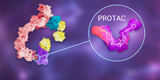
PROTAC, which exploit the ubiquitin-proteasome pathway to specifically degrade target proteins. PROTACs not only solve the problem of undruggability but they also have other advantages compared to traditional drug targeting strategies.
Scientific Reviews
PROTAC, which exploit the ubiquitin-proteasome pathway to specifically degrade target proteins. PROTACs not only solve the problem of undruggability but they also have other advantages compared to traditional drug targeting strategies. -
 Scientific Reviews
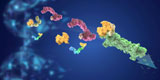
PROTAC — Target Selection and Design
Scientific Reviews
PROTAC — Target Selection and Design2022-07-08
A PROTAC molecule consists of three components: a target protein binding ligand, an E3 ligase ligand, and a linker connecting these two moieties. Here, we will discuss the conventional approaches for the rational design of PROTAC molecules. -
 Scientific Reviews
Organoids represent an important bridge between 2D cultures and in vivo mouse/human models. The organoid technology exerts enormous potential in evaluation of efficacy and toxicity of drugs, regenerative medicine, and precision medicine.In this article, we will briefly introduce organoid technology.
Scientific Reviews
Organoids represent an important bridge between 2D cultures and in vivo mouse/human models. The organoid technology exerts enormous potential in evaluation of efficacy and toxicity of drugs, regenerative medicine, and precision medicine.In this article, we will briefly introduce organoid technology. -
 Scientific Reviews
Development of Intestinal Organoid
Scientific Reviews
Development of Intestinal Organoid2022-07-28
3D organoid is one of the revolutionary developments in biomedical field during the past 10 years. The establishment of intestinal organoids is an important milestone in the development of organoid technology. -
 Scientific Reviews
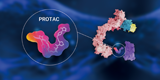
BacPROTACs is composed of a POI ligand, a chemical linker and a ClpCNTD anchor. BacPROTACs can induce in vitro and in vivo degradation of non-eukaryotic proteins in bacteria without the ubiquitin proteasome system.
Scientific Reviews
BacPROTACs is composed of a POI ligand, a chemical linker and a ClpCNTD anchor. BacPROTACs can induce in vitro and in vivo degradation of non-eukaryotic proteins in bacteria without the ubiquitin proteasome system. -
 Scientific Reviews
RNA therapeutics have changed the landscape of drug development, which possess broader spectrum of drug targets, simplicity and efficiency in development and manufacturing.In this article, we will discuss the underlying mechanisms of RNA-based drugs on the market or in clinical stages.
Scientific Reviews
RNA therapeutics have changed the landscape of drug development, which possess broader spectrum of drug targets, simplicity and efficiency in development and manufacturing.In this article, we will discuss the underlying mechanisms of RNA-based drugs on the market or in clinical stages. -
 Scientific Reviews
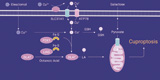
Tsvetkov et al. published in Science and demonstrated a copper-induced programmed cell death — Cuproptosis. As a novel programmed cell death, excess copper triggers abnormal aggregation of lipoylated proteins in TCA cycle and clearance of Fe-S cluster proteins, ultimately leading to cell death.
Scientific Reviews
Tsvetkov et al. published in Science and demonstrated a copper-induced programmed cell death — Cuproptosis. As a novel programmed cell death, excess copper triggers abnormal aggregation of lipoylated proteins in TCA cycle and clearance of Fe-S cluster proteins, ultimately leading to cell death. -
 Scientific Reviews
A comprehensive explanation of ferroptosis
Scientific Reviews
A comprehensive explanation of ferroptosis2022-09-15
Ferroptosis is a new type of RCD that depends on iron and characterized by the accumulation of lipid peroxides. In this article, we will pay our attention on ferroptosis and briefly discusses its mechanism. -
 Scientific Reviews
It's has been proved that p53, as a tumor suppressor gene and immune guardian, may become a destroyer through its own mutation. Moreover, the mechanism of p53 was found to be related to ferroptosis. This article mainly explores the mechanism between p53 and ferroptosis in detail.
Scientific Reviews
It's has been proved that p53, as a tumor suppressor gene and immune guardian, may become a destroyer through its own mutation. Moreover, the mechanism of p53 was found to be related to ferroptosis. This article mainly explores the mechanism between p53 and ferroptosis in detail. -
Scientific Reviews
Organoids have great potential in research of organ development, disease modeling, drug screening and, precision and regenerative medicin. In this article, we will expalin the origin of the organoids. Adult stem cells (ASCs) or pluripotent stem cells (PSCs) , which is the better choice.
-
 Scientific Reviews
Autophagy, derived from the Greek meaning "eating of self", plays an indispensable role in maintaining homeostasis. p27 is an inhibitor of cyclin CDKs, but how p27 regulates autophagy remains unknown. This article will cover the mechanism of autophagy and p27-related cell cycle regulation.
Scientific Reviews
Autophagy, derived from the Greek meaning "eating of self", plays an indispensable role in maintaining homeostasis. p27 is an inhibitor of cyclin CDKs, but how p27 regulates autophagy remains unknown. This article will cover the mechanism of autophagy and p27-related cell cycle regulation. -
 Scientific Reviews
CMA (chaperone-mediated autophagy) plays an essential role in maintaining neuronal protein stability and preventing neurodegeneration. In this article, we will comprehensively clarify the role of CMA in the occurrence and development of neurodegenerative diseases.
Scientific Reviews
CMA (chaperone-mediated autophagy) plays an essential role in maintaining neuronal protein stability and preventing neurodegeneration. In this article, we will comprehensively clarify the role of CMA in the occurrence and development of neurodegenerative diseases. -
 Scientific Reviews
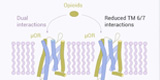
As powerful pain relievers, the opioids morphine and fentanyl have been "checked" by their side effects (listed as controlled substances). How to reduce its side effects? What is its mechanism? This research will explore its mechanism.
Scientific Reviews
As powerful pain relievers, the opioids morphine and fentanyl have been "checked" by their side effects (listed as controlled substances). How to reduce its side effects? What is its mechanism? This research will explore its mechanism. -
 Scientific Reviews
Efferocytosis is the process in which phagocytes remove programmed dead cells. It prevents secondary necrosis of dying cells from releasing harmful cell contents (such as oxides and proteases) that may cause inflammation. Here, we will introduce three stages of efferocytosis: Find, Eat, Digest.
Scientific Reviews
Efferocytosis is the process in which phagocytes remove programmed dead cells. It prevents secondary necrosis of dying cells from releasing harmful cell contents (such as oxides and proteases) that may cause inflammation. Here, we will introduce three stages of efferocytosis: Find, Eat, Digest. -
 Scientific Reviews
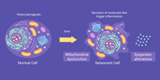
Understanding the mechanism of aging not only has guiding significance for prolonging human life but also has important clinical significance for the prevention and treatment of diseases in the elderly population , thus, improving their life quality and well-being.
Scientific Reviews
Understanding the mechanism of aging not only has guiding significance for prolonging human life but also has important clinical significance for the prevention and treatment of diseases in the elderly population , thus, improving their life quality and well-being. -
 Scientific Reviews
Mammalian cells can also photosynthesize like plants! Photosynthesis can improve cell anabolism and exhibit good clinical effect in degenerative diseases (osteoarthritis).
Scientific Reviews
Mammalian cells can also photosynthesize like plants! Photosynthesis can improve cell anabolism and exhibit good clinical effect in degenerative diseases (osteoarthritis). -
 Scientific Reviews
The latest study of Cell magazine "Neural mechanism underlying depressive-like state associated with social status loss" considers social factors as a breakthrough point. It has been found that the downward transition of social status induces depression-like behavior in mice whereas improves the depressive state by restoring their social environment.
Scientific Reviews
The latest study of Cell magazine "Neural mechanism underlying depressive-like state associated with social status loss" considers social factors as a breakthrough point. It has been found that the downward transition of social status induces depression-like behavior in mice whereas improves the depressive state by restoring their social environment. -
 Scientific Reviews
PROTAC - Design Strategy for Targeting
Scientific Reviews
PROTAC - Design Strategy for Targeting2023-04-23
Protein degradation targeting chimera (PROTAC) is a technology that uses the ubiquitin proteasome pathway to silent target protein. However, PROTAC still has problems such as solubility, membrane permeability, and selectivity. In this article, we have summarized three strategies for optimization: light-controlled linker, PAC molecule, and specific E3 ligase. -
 Scientific Reviews
Stem cell classification and its application
Scientific Reviews
Stem cell classification and its application2023-05-18
Stem cells (SCs) have the unique ability to self-renew and differentiate into different cell types. SCs can differentiate into various types of tissue cells under specific conditions. Additionally, they can be further cultured to form different tissues and organs in the human body. Stem cells have numerous applications in various fields, including cell therapy, organ transplantation, neurodegenerative disease modeling, and drug screening. -
 Scientific Reviews
Mitophagy:Mechanisms and Detection
Scientific Reviews
Mitophagy:Mechanisms and Detection2023-05-25
About 60 years ago, Christian de Duve first used the term "autophagy" to describe his observation of the degradation of mitochondria and other intracellular structures in lysosomes of rat liver. Over the years, autophagy has remained a beloved topic of research by the National Natural Science Foundation of China (NSFC).Today, let's talk about mitochondrial autophagy. -
 Scientific Reviews
Structure of Lipid Droplets
Scientific Reviews
Structure of Lipid Droplets2023-06-15
Huh? Lipid droplets? Organelles? In the past, biological data usually only show the traditional organelles, such as mitochondria, Golgi apparatus, endoplasmic reticulum, etc., lipid droplets are often not mentioned by people. Today, we will make a systematic explanation of lipid droplets, so that everyone has a clear understanding! -
 Scientific Reviews
Organoid Culture: Questions & Answers
Scientific Reviews
Organoid Culture: Questions & Answers2023-07-26
In the last issue, we conducted a live lecture on the theme of organoid culture. Today, we have a special topic to solve your doubts in the last live class! -
 Scientific Reviews
WHO's Q2 drug list has been updated. Let's take you through the list of the most noteworthy small molecule drugs that we should pay attention to.
Scientific Reviews
WHO's Q2 drug list has been updated. Let's take you through the list of the most noteworthy small molecule drugs that we should pay attention to. -
 Scientific Reviews
FDA Approved Drug List!
Scientific Reviews
FDA Approved Drug List!2023-09-14
In the first half of 2023 (as of June 27), the FDA approved 26 new drugs, let's take you learn about it through the article. -
 Scientific Reviews
Are frozen cells always damaged? Is the survival rate of revived cells low? When is it appropriate to freeze cells? What should be considered when reviving them? Today, we're sharing a guide to avoid pitfalls in cell freezing and revival!
Scientific Reviews
Are frozen cells always damaged? Is the survival rate of revived cells low? When is it appropriate to freeze cells? What should be considered when reviving them? Today, we're sharing a guide to avoid pitfalls in cell freezing and revival! -
 Scientific Reviews
Science | A "new" mechanism for non-ubiquitinated Midnolin-proteasomal degradation pathway
Scientific Reviews
Science | A "new" mechanism for non-ubiquitinated Midnolin-proteasomal degradation pathway2024-04-26
“ubiquitin-mediated protein degradation” won the Nobel Prize in Chemistry in 2004! In fact, proteasomes degrade not only ubiquitinated proteins but also non-ubiquitinated ones. The mechanism remains shrouded in mystery. After reading this piece today, you might have a lightbulb moment! -
 Scientific Reviews
Still struggling to find the preparation methods for various solutions? Save your time! Here comes a nanny-level tutorial!
Scientific Reviews
Still struggling to find the preparation methods for various solutions? Save your time! Here comes a nanny-level tutorial! -
 Scientific Reviews
STZ Induced Diabetes Models
Scientific Reviews
STZ Induced Diabetes Models2024-06-13
Spotlight: How can STZ Help Diabetes Research? -
 Scientific Reviews
Exosomes, which won the Nobel Prize in 2013, are still a research hotspot in the national natural sciences, and their popularity has only increased over the past decade (in 2022, they still rank 5th in the national natural sciences hotspots!). Why have exosomes become the darling of scientific research? Let's take a look together~
Scientific Reviews
Exosomes, which won the Nobel Prize in 2013, are still a research hotspot in the national natural sciences, and their popularity has only increased over the past decade (in 2022, they still rank 5th in the national natural sciences hotspots!). Why have exosomes become the darling of scientific research? Let's take a look together~ -
 Scientific Reviews
Degrade target proteins through the autophagy-lysosome pathway including LYTAC, AUTAC, and ATTEC have gained increasing attention in recent years due to their significant research potential!
Scientific Reviews
Degrade target proteins through the autophagy-lysosome pathway including LYTAC, AUTAC, and ATTEC have gained increasing attention in recent years due to their significant research potential! -
 Scientific Reviews
Science’s 2023 Breakthrough: GLP-1R Agonists
Scientific Reviews
Science’s 2023 Breakthrough: GLP-1R Agonists2024-08-13
GLP-1RAs, which achieved great success in 2023 and draws people’s attention back to obesity treatments and GLP-1 therapies worldwide, was chosen as the breakthrough of year 2023 by Science [2]. -
 Scientific Reviews
Cuproptosis, How much do you know?
Scientific Reviews
Cuproptosis, How much do you know?2024-08-22
Cells die in a variety of ways, including apoptosis, pyroptosis, necrosis, and ferroptosis......And, of course, cuproptosis. So, how much do you know about cuproptosis? -
 Scientific Reviews
Recently, Mol Cell reported the discovery of the first ferroptosis marker, Hyperoxidized PRDX3! Let’s take a look together~
Scientific Reviews
Recently, Mol Cell reported the discovery of the first ferroptosis marker, Hyperoxidized PRDX3! Let’s take a look together~ -
 Scientific Reviews
Cuproptosis's Knowledge Points!
Scientific Reviews
Cuproptosis's Knowledge Points!2024-09-25
With the establishment of the cuproptosis mechanism related research has attracted more and more attention from major journals. Expect to use the sharp sword of cuproptosis to stab the tumor cells. -
 Scientific Reviews
2024 Nobel Prize Announcements! Curious about the details? Click to dive into the exciting developments!
Scientific Reviews
2024 Nobel Prize Announcements! Curious about the details? Click to dive into the exciting developments! -
 Scientific Reviews
How they used PKH 26 for cellular studies?
Scientific Reviews
How they used PKH 26 for cellular studies?2024-10-21
We are thrilled to highlight our client study using PKH 26 (MedChemExpress) , a red fluorescent dye that has proven invaluable for in vitro cell labeling and tracing. This innovative research, published in the Journal of Nanobiotechnology. -
Scientific Reviews
Delve into the intricate networks that govern mitochondrial quality control. By examining key mechanisms such as biogenesis, mitochondrial dynamics (fission and fusion), proteolysis, and mitophagy. -
 Scientific Reviews
Unlocking the Power of Intermittent Fasting: The 16+8 Method
Scientific Reviews
Unlocking the Power of Intermittent Fasting: The 16+8 Method -
 Scientific Reviews
Advancing Chronic Kidney Disease Research with GJ103 and Lamin B1 Antibody!
Scientific Reviews
Advancing Chronic Kidney Disease Research with GJ103 and Lamin B1 Antibody! -
 Scientific Reviews
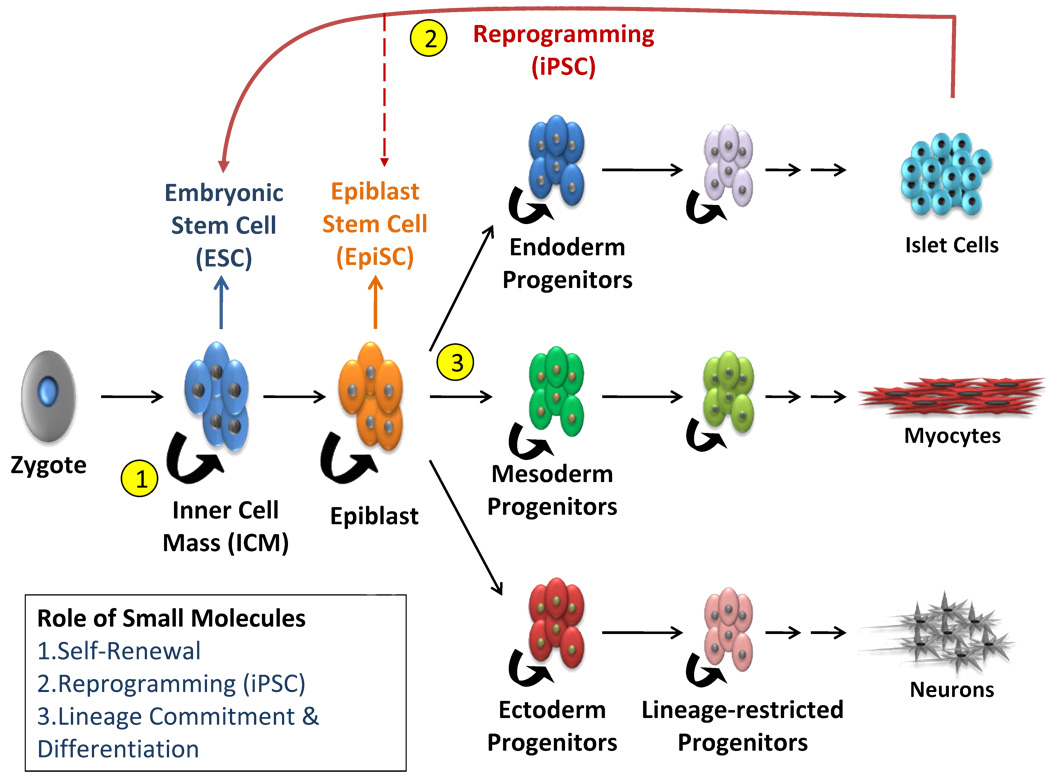
In early January 2025, MIT Tech Review unveiled its annual list of top 10 breakthrough technologies poised to redefine the future. Among these, stem cell therapy stood out for its potential to treat diverse diseases—including neurodegenerative disorders, diabetes, cancer, and heart failure. This groundbreaking approach uses stem cells to replace damaged cells, offering hope for millions worldwide.
Scientific Reviews
In early January 2025, MIT Tech Review unveiled its annual list of top 10 breakthrough technologies poised to redefine the future. Among these, stem cell therapy stood out for its potential to treat diverse diseases—including neurodegenerative disorders, diabetes, cancer, and heart failure. This groundbreaking approach uses stem cells to replace damaged cells, offering hope for millions worldwide. -
 Scientific Reviews
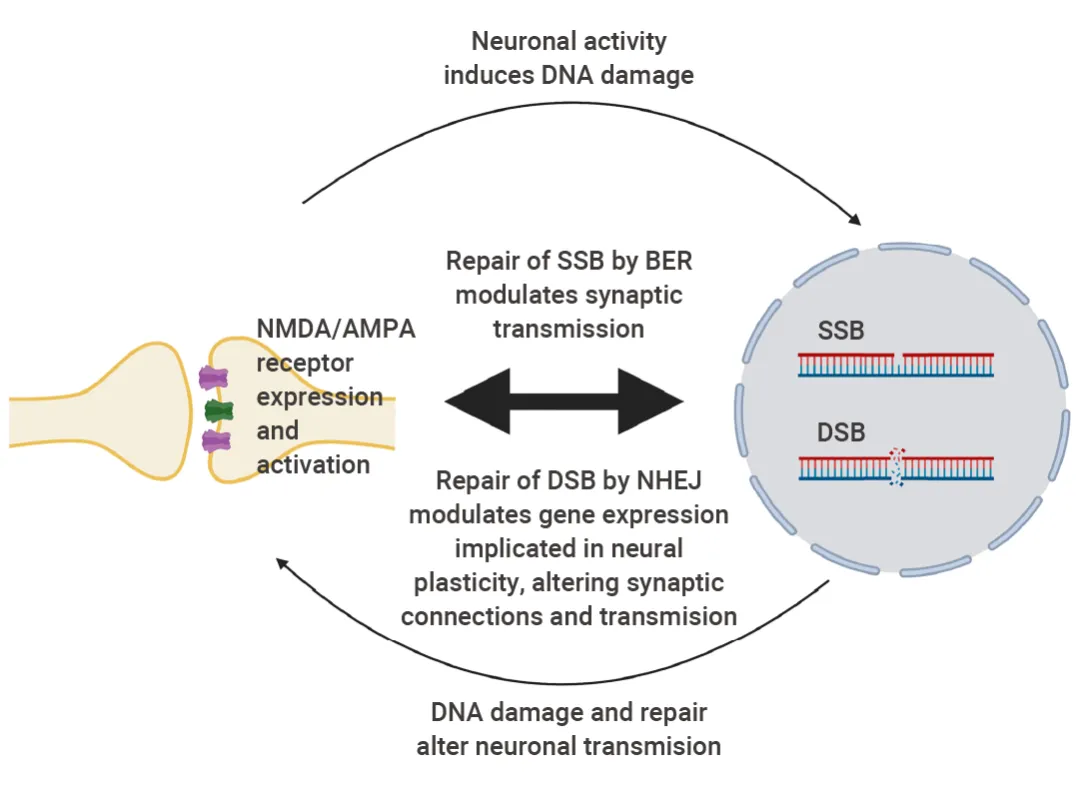
When you hear "inflammation" and "DNA damage," you might immediately think of disease or injury. However, in brains, these two processes are key steps in forming long-term memories, particularly related to specialized cells in our brain called hippocampal neurons.
Scientific Reviews
When you hear "inflammation" and "DNA damage," you might immediately think of disease or injury. However, in brains, these two processes are key steps in forming long-term memories, particularly related to specialized cells in our brain called hippocampal neurons. -
 Scientific Reviews
Autophagy is a fundamental process that degrades various components within the cell.
Scientific Reviews
Autophagy is a fundamental process that degrades various components within the cell. -
 Scientific Reviews
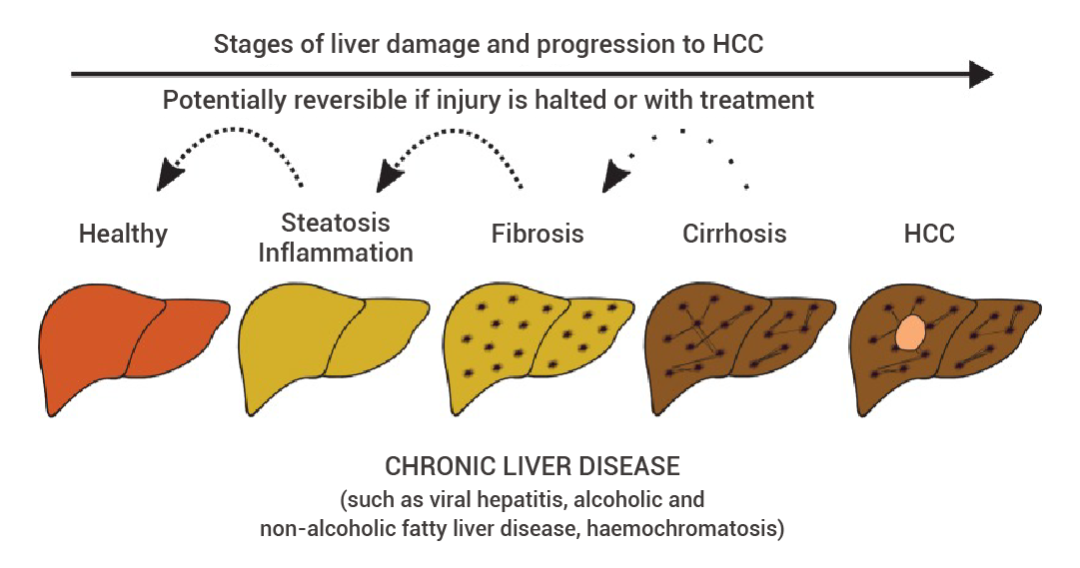
This article will tell you about the common methods of modeling liver disease in animal models.
Scientific Reviews
This article will tell you about the common methods of modeling liver disease in animal models. -
.jpg) Scientific Reviews
nside cells, the homeostasis and degradation of proteins is a precisely regulated process. If proteins cannot be degraded in time, it may lead to the occurrence of various diseases such as neurodegenerative diseases and cancer. This article will tell you the process of how proteins are recognized, labeled and then degraded!
Scientific Reviews
nside cells, the homeostasis and degradation of proteins is a precisely regulated process. If proteins cannot be degraded in time, it may lead to the occurrence of various diseases such as neurodegenerative diseases and cancer. This article will tell you the process of how proteins are recognized, labeled and then degraded! -
 Scientific Reviews
This article introduces some common cardiovascular disease models, inducers, modeling protocols and successful modeling cases in the research.
Scientific Reviews
This article introduces some common cardiovascular disease models, inducers, modeling protocols and successful modeling cases in the research. -
 Scientific Reviews
Do you feel confused when you start culturing cells? This article will show you the basic methods and steps of cell culture!
Scientific Reviews
Do you feel confused when you start culturing cells? This article will show you the basic methods and steps of cell culture! -
 Scientific Reviews
In this issue, we will conduct an in-depth interpretation from the dimensions of nanoparticle design, mechanism of action, in vivo and in vitro efficacy, and immune regulation, revealing how this research brings new hope for the treatment of invasive tumors through interdisciplinary innovation!
Scientific Reviews
In this issue, we will conduct an in-depth interpretation from the dimensions of nanoparticle design, mechanism of action, in vivo and in vitro efficacy, and immune regulation, revealing how this research brings new hope for the treatment of invasive tumors through interdisciplinary innovation! -
 Scientific Reviews
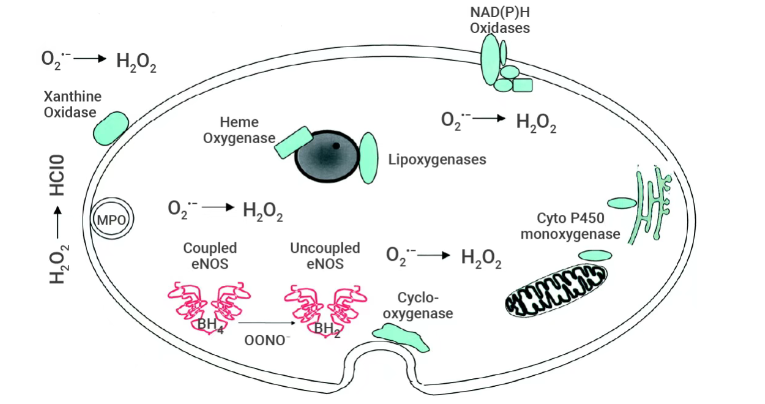
The article introduces the mechanisms of ROS generation and the methods for their detection.
Scientific Reviews
The article introduces the mechanisms of ROS generation and the methods for their detection. -
 Scientific Reviews
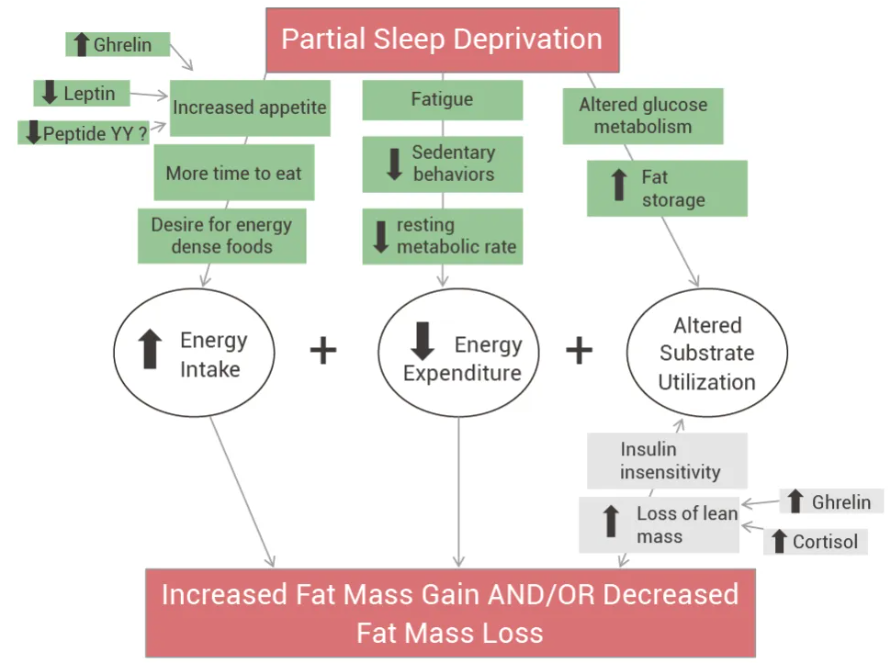
Have you ever noticed that after staying up late, your appetite—especially for high-calorie foods—gets out of control? If this sounds familiar, today’s article might offer some good news.
Scientific Reviews
Have you ever noticed that after staying up late, your appetite—especially for high-calorie foods—gets out of control? If this sounds familiar, today’s article might offer some good news. -
 Scientific Reviews
Generating Stable Cell Lines with Lentivirus
Scientific Reviews
Generating Stable Cell Lines with Lentivirus2025-09-16
A step-by-step protocol of establishing stable cell lines using lentivirus -
 Scientific Reviews
A groundbreaking study in Nature Communications reveals the key mechanism behind Idiopathic Pulmonary Fibrosis and identifies an existing drug with the potential to counter it.
Scientific Reviews
A groundbreaking study in Nature Communications reveals the key mechanism behind Idiopathic Pulmonary Fibrosis and identifies an existing drug with the potential to counter it. -
 Scientific Reviews
Finding adipogenic induction media too expensive and tricky to prepare? This comprehensive guide to 3T3-L1 adipogenic differentiation simplifies the process, helping you achieve great results!
Scientific Reviews
Finding adipogenic induction media too expensive and tricky to prepare? This comprehensive guide to 3T3-L1 adipogenic differentiation simplifies the process, helping you achieve great results! -
Scientific Reviews
Microglia– the only immune cells within the brain parenchyma. With advancements in imaging technologies, people’s understanding of microglia has shifted from being viewed as 'resting' cells to 'highly active' cells, particularly due to their dynamic processes that seem to be probing surrounding tissues and monitoring neuronal activity. This has made microglia a focal point of research in the field of neuroscience. -
 Scientific Reviews
Exosomes—natural nanoscale carriers—are revolutionizing targeted therapy. This article uncovers the science behind their precision in drug delivery.
Scientific Reviews
Exosomes—natural nanoscale carriers—are revolutionizing targeted therapy. This article uncovers the science behind their precision in drug delivery. -
Scientific Reviews
Cracking the PROTAC Permeability Barrier: CD36-Mediated Endocytosis as a Potential Breakthrough2025-12-03
This article provides an in-depth analysis of cutting-edge literature revealing CD36 as a key mediator of cellular uptake for PROTACs and bRO5 compounds. By structurally optimizing PROTAC molecules to enhance their affinity for CD36, membrane permeability can be markedly improved, leading to significantly enhanced antitumor efficacy. -
 Scientific Reviews
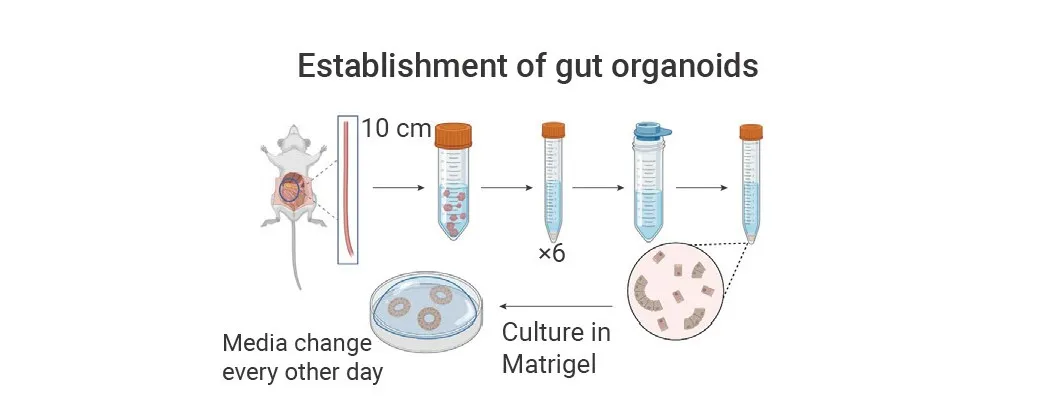
Efficient Generation of Mouse Small Intestinal Organoids: A Complete Experimental Protocol Guide
Scientific Reviews
Efficient Generation of Mouse Small Intestinal Organoids: A Complete Experimental Protocol Guide2025-12-10
How to successfully create mouse small intestine organoids? A detailed, hands-on guide to the entire process, all in one article! -
 Scientific Reviews
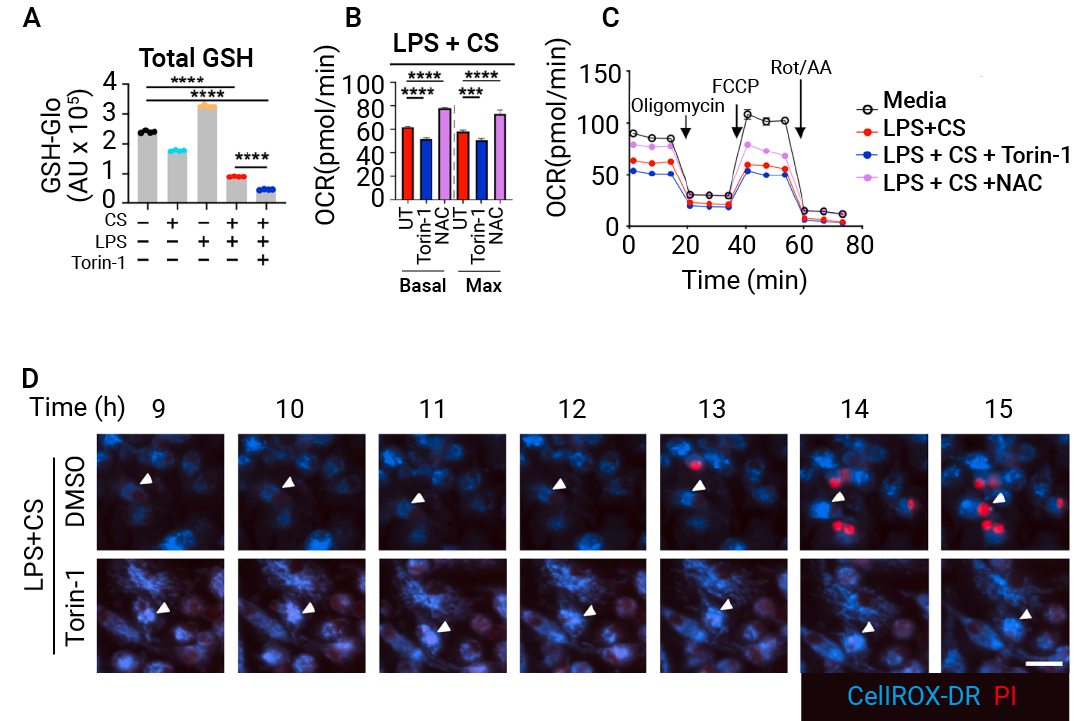
A November 2025 Cell study discovers Mitoxyperilysis, a new mTOR-regulated, caspase-independent cell death pathway driven by innate immune and metabolic dysregulation via mitochondrial-plasma membrane contact and oxidative damage, and verifies its potential to induce tumor necrosis for cancer therapy with key regulators including BAX, BAK1 and BID.
Scientific Reviews
A November 2025 Cell study discovers Mitoxyperilysis, a new mTOR-regulated, caspase-independent cell death pathway driven by innate immune and metabolic dysregulation via mitochondrial-plasma membrane contact and oxidative damage, and verifies its potential to induce tumor necrosis for cancer therapy with key regulators including BAX, BAK1 and BID. -
 Scientific Reviews
In the hunt for the next ‘GLP-1,’ amylin therapeutics, which have shown strong weight-loss results in clinical trials, have become a major focus for both multinational pharma and the scientific community.
Scientific Reviews
In the hunt for the next ‘GLP-1,’ amylin therapeutics, which have shown strong weight-loss results in clinical trials, have become a major focus for both multinational pharma and the scientific community. -
 Scientific Reviews
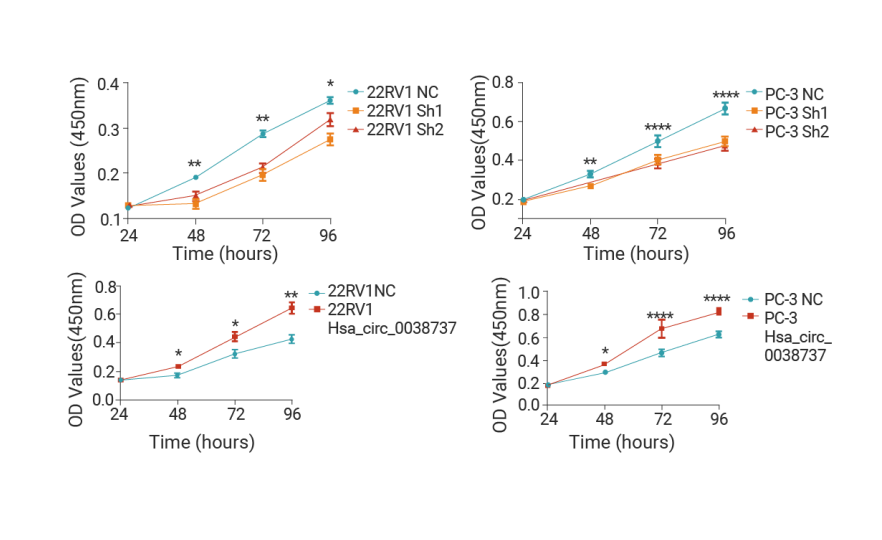
Essential for High-Impact Papers: Present Your CCK-8 Experimental Results in a More Outstanding Way!
Scientific Reviews
Essential for High-Impact Papers: Present Your CCK-8 Experimental Results in a More Outstanding Way!2026-03-18
CCK-8 is a widely used WST‑8‑based reagent for cell proliferation and cytotoxicity assays. It features high sensitivity, reliable results and easy operation, and is applicable to cell viability analysis, drug screening and growth inhibition testing. -
 Scientific Reviews
Molecular glue degraders have evolved from a serendipitous observation to one of the most dynamic and transformative fields in biomedical research.
Scientific Reviews
Molecular glue degraders have evolved from a serendipitous observation to one of the most dynamic and transformative fields in biomedical research. -
 Scientific Reviews
GLP-1 and Obesity Research
Scientific Reviews
GLP-1 and Obesity Research2026-08-14
Obesity substantially increases the risk of chronic diseases such as T2D and cardiovascular disease. The breakout success of GLP-1 therapies has spotlighted GLP-1R and a wave of emerging obesity targets. -
 EDM
Advances in Alzheimer's Disease Research
EDM
Advances in Alzheimer's Disease Research2025-07-16
This review summarizes current understanding of AD pathophysiology, including amyloid and tau pathology, neuroinflammation, synaptic dysfunction, and vascular abnormalities, and evaluates therapeutic strategies and experimental models. -
 EDM
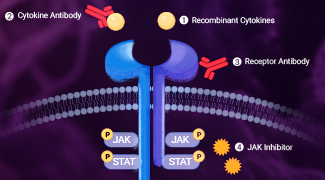
This review critically examines the role of the JAK-STAT pathway in immunity and autoimmune diseases, reviews current clinical applications of targeted therapies, and highlights emerging trends in autoimmune drug development.
EDM
This review critically examines the role of the JAK-STAT pathway in immunity and autoimmune diseases, reviews current clinical applications of targeted therapies, and highlights emerging trends in autoimmune drug development. -
 EDM
This review highlights the roles of microglia in AD pathology, focusing on metabolic reprogramming and microglia-targeted therapeutic strategies.
EDM
This review highlights the roles of microglia in AD pathology, focusing on metabolic reprogramming and microglia-targeted therapeutic strategies. -
 EDM
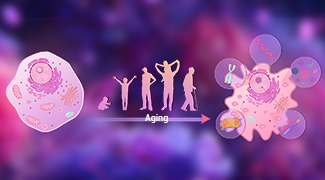
This review summarizes the hallmarks of aging and aging-related diseases, discusses mechanistic insights into aging processes, and highlights emerging anti-aging interventions.
EDM
This review summarizes the hallmarks of aging and aging-related diseases, discusses mechanistic insights into aging processes, and highlights emerging anti-aging interventions. -
 EDM
This review outlines macrophage functions and classification, and provides practical experimental guidelines for macrophage differentiation, polarization, and identification.
EDM
This review outlines macrophage functions and classification, and provides practical experimental guidelines for macrophage differentiation, polarization, and identification. -
 EDM
Review advances in target discovery, disease modeling, and biomarkers for Parkinson’s disease, highlighting their interplay and future directions for translational research.
EDM
Review advances in target discovery, disease modeling, and biomarkers for Parkinson’s disease, highlighting their interplay and future directions for translational research. -
 EDM
The Dual Role of Cellular Senescence in Cancer: Mechanisms, Microenvironment, and Therapeutics
EDM
The Dual Role of Cellular Senescence in Cancer: Mechanisms, Microenvironment, and Therapeutics2026-05-21
Explore the dual role of cellular senescence in cancer, including tumor suppression, SASP-driven tumor promotion, senescence heterogeneity and plasticity, and advances in senescence-targeted therapies. -
 EDM
Explore lysosomal nutrient sensing, quality control, cellular adaptation, disease mechanisms, and emerging therapeutic approaches.
EDM
Explore lysosomal nutrient sensing, quality control, cellular adaptation, disease mechanisms, and emerging therapeutic approaches. -
 EDM
Explore the mechanisms driving immune tolerance breakdown in autoimmune diseases and emerging tolerance-restoring strategies, with a focus on IL-2-based immune modulation.
EDM
Explore the mechanisms driving immune tolerance breakdown in autoimmune diseases and emerging tolerance-restoring strategies, with a focus on IL-2-based immune modulation. -
 EDM
Explore how anti-Aβ therapy is reshaping the AD treatment landscape, the rationale for multi-pathology combination strategies, and advances in biomarker-guided precision treatment.
EDM
Explore how anti-Aβ therapy is reshaping the AD treatment landscape, the rationale for multi-pathology combination strategies, and advances in biomarker-guided precision treatment. -
 EDM
Explore how mitochondrial quality control, inflammatory signaling, and metabolic–epigenetic reprogramming regulate cellular senescence and the SASP, along with strategies to restore mitochondrial homeostasis.
EDM
Explore how mitochondrial quality control, inflammatory signaling, and metabolic–epigenetic reprogramming regulate cellular senescence and the SASP, along with strategies to restore mitochondrial homeostasis. -
 Blog
BR351 is a Brain Penetrant MMP Inhibitor
Blog
BR351 is a Brain Penetrant MMP Inhibitor2019-04-05
BR351 is a brain penetrant MMP inhibitor, and a potential tool for the molecular imaging of activated MMPs with PET, with an IC50 in the nanomolar range. -
 Blog
IITZ-01 is a potent lysosomotropic autophagy inhibitor with single-agent antitumor activity, with an IC50 of 2.62 μM for PI3Kγ.
Blog
IITZ-01 is a potent lysosomotropic autophagy inhibitor with single-agent antitumor activity, with an IC50 of 2.62 μM for PI3Kγ. -
 Blog
BTR-1 potently inhibits cell growth. It induces S phase arrest, affects DNA replication. Dose-dependently induces cytotoxicity in leukemic cell lines.
Blog
BTR-1 potently inhibits cell growth. It induces S phase arrest, affects DNA replication. Dose-dependently induces cytotoxicity in leukemic cell lines. -
 Blog
SLLN-15 is an oral activ enhancer of autophagy that activates cytostatic macroautophagy/autophagy in triple-negative breast cancer (TNBC).
Blog
SLLN-15 is an oral activ enhancer of autophagy that activates cytostatic macroautophagy/autophagy in triple-negative breast cancer (TNBC). -
 Blog
ACY-1083, a Highly Selective HDAC6 Inhibitor, Reverses Chemotherapy-induced Peripheral Neuropathy
Blog
ACY-1083, a Highly Selective HDAC6 Inhibitor, Reverses Chemotherapy-induced Peripheral Neuropathy2019-05-12
ACY-1083 is a selective and brain-penetrating HDAC6 inhibitor with an IC50 of 3 nM. ACY-1083 effectively reverses chemotherapy-induced peripheral neuropathy -
 Blog
JMS-17-2 is a CX3CR1 Antagonist
Blog
JMS-17-2 is a CX3CR1 Antagonist2019-06-12
JMS-17-2 is a potent and selective CX3CR1 antagonist with an IC50 of 0.32 nM. Has potential to treat cancers such as breast cancer. -
 Blog
Ralimetinib (LY2228820) is a selective and ATP-competitive inhibitor of p38 MAPK α/β, with IC50s of 5.3 and 3.2 nM, respectively. Anti-tumor activity.
Blog
Ralimetinib (LY2228820) is a selective and ATP-competitive inhibitor of p38 MAPK α/β, with IC50s of 5.3 and 3.2 nM, respectively. Anti-tumor activity. -
 Blog
BAY-11-7082 inhibits the proliferation and induces the apoptosis of U266 cells through inhibiting NF-κB pathway. BAY 11-7082 ameliorates experimental diabetic neuropathy by modulating neuroinflammation and improving antioxidant defence.
Blog
BAY-11-7082 inhibits the proliferation and induces the apoptosis of U266 cells through inhibiting NF-κB pathway. BAY 11-7082 ameliorates experimental diabetic neuropathy by modulating neuroinflammation and improving antioxidant defence. -
 Blog
S130, Targeting ATG4B, Inhibits Autophagy and Activates Apoptosis in Colorectal Colon Cancer
Blog
S130, Targeting ATG4B, Inhibits Autophagy and Activates Apoptosis in Colorectal Colon Cancer2019-06-19
S130 is a high affinity, selective inhibitor of ATG4B (a major cysteine protease) with an IC50 of 3.24 µM. S130 suppresses autophagy flux. -
 Blog
MRT67307, a dual IKKε/TBK1 inhibitor, inhibits ULK1 and ULK2 with IC50s of 45 and 38 nM, respectively. MRT67307 blocks mTOR-dependent autophagy.
Blog
MRT67307, a dual IKKε/TBK1 inhibitor, inhibits ULK1 and ULK2 with IC50s of 45 and 38 nM, respectively. MRT67307 blocks mTOR-dependent autophagy. -
 Blog
CCT020312, the G1/S checkpoint activator, is a selective EIF2AK3/PERK activator. CCT020312 elicits EIF2A phosphorylation in cells.
Blog
CCT020312, the G1/S checkpoint activator, is a selective EIF2AK3/PERK activator. CCT020312 elicits EIF2A phosphorylation in cells. -
 Blog
SBI-0206965 is a selective and cell permeable autophagy kinase ULK1 inhibitor with IC50s of 108 nM for ULK1 and 711 nM for the highly related kinase ULK2 .
Blog
SBI-0206965 is a selective and cell permeable autophagy kinase ULK1 inhibitor with IC50s of 108 nM for ULK1 and 711 nM for the highly related kinase ULK2 . -
 Blog
CA-5f is a potent late-stage macroautophagy (autophagy) inhibitor via inhibiting autophagosome-lysosome fusion. CA-5f increases LC3B-II and SQSTM1 protein.
Blog
CA-5f is a potent late-stage macroautophagy (autophagy) inhibitor via inhibiting autophagosome-lysosome fusion. CA-5f increases LC3B-II and SQSTM1 protein. -
 Blog
GPP78 is a potent Nampt inhibitor. GPP78 is cytotoxic to neuroblastoma cell line SH-SY5Y cells. GPP78 has anti-cancer and anti-tumor activity.
Blog
GPP78 is a potent Nampt inhibitor. GPP78 is cytotoxic to neuroblastoma cell line SH-SY5Y cells. GPP78 has anti-cancer and anti-tumor activity. -
 Blog
M8891 is an orally active, reversible and brain penetrant Methionine Aminopeptidase-2 (MetAP-2) inhibitor with antiangiogenic and antitumoral activity.
Blog
M8891 is an orally active, reversible and brain penetrant Methionine Aminopeptidase-2 (MetAP-2) inhibitor with antiangiogenic and antitumoral activity. -
 Blog
TCH-165 is a modulator of proteasome assembly, which increases 20S levels and facilitates 20S-mediated protein degradation, such as IDPs, α-syn, and tau.
Blog
TCH-165 is a modulator of proteasome assembly, which increases 20S levels and facilitates 20S-mediated protein degradation, such as IDPs, α-syn, and tau. -
 Blog
Ro 90-7501, an Aβ42 fibril assembly inhibitor, inhibits PP5 in a TPR-dependent manner and has radiosensitizing effects on cervical cancer cells.
Blog
Ro 90-7501, an Aβ42 fibril assembly inhibitor, inhibits PP5 in a TPR-dependent manner and has radiosensitizing effects on cervical cancer cells. -
 Blog
NU1025 is a potent PARP inhibitor and potentiates the cytotoxicity of ionizing radiation drug. NU1025 has anti-cancer and neuroprotective activity.
Blog
NU1025 is a potent PARP inhibitor and potentiates the cytotoxicity of ionizing radiation drug. NU1025 has anti-cancer and neuroprotective activity. -
 Blog
HM03 is a potent and selective HSPA5 inhibitor with anticancer activity. HSPA5 plays a key role in monitoring protein transport through the cell.
Blog
HM03 is a potent and selective HSPA5 inhibitor with anticancer activity. HSPA5 plays a key role in monitoring protein transport through the cell. -
 Blog
JCN037 is a potent, non-covalent, and brain-penetrant EGFR tyrosine kinase inhibitor. JCN037 has potent anti-cancer activity.
Blog
JCN037 is a potent, non-covalent, and brain-penetrant EGFR tyrosine kinase inhibitor. JCN037 has potent anti-cancer activity. -
 Blog
GSK621 is a potent and specific AMPK activator and induces autophagy and apoptosis in acute myeloid leukemia (AML) cells.
Blog
GSK621 is a potent and specific AMPK activator and induces autophagy and apoptosis in acute myeloid leukemia (AML) cells. -
 Blog
KCC-07 prevents binding of MBD2 to methylated DNA and activates BAI1 inducing anti-proliferative BAI1/p53/p21 signaling. Anticancer activity.
Blog
KCC-07 prevents binding of MBD2 to methylated DNA and activates BAI1 inducing anti-proliferative BAI1/p53/p21 signaling. Anticancer activity. -
 Blog
MPT0G211, an orally active and selective HDAC6 inhibitor, ameliorates tau phosphorylation, and cognitive deficits in an Alzheimer’s disease model.
Blog
MPT0G211, an orally active and selective HDAC6 inhibitor, ameliorates tau phosphorylation, and cognitive deficits in an Alzheimer’s disease model. -
 Blog
RapaLink-1, a third-generation bivalent mTOR inhibitor, potently blocking cancer-derived, activating mutants of mTOR. It can cross the blood-brain barrier.
Blog
RapaLink-1, a third-generation bivalent mTOR inhibitor, potently blocking cancer-derived, activating mutants of mTOR. It can cross the blood-brain barrier. -
 Blog
PQR530 is a potent, ATP-competitive, orally bioavailable and brain-penetrant dual pan-PI3K/mTORC1/2 inhibitor. Antitumor activity.
Blog
PQR530 is a potent, ATP-competitive, orally bioavailable and brain-penetrant dual pan-PI3K/mTORC1/2 inhibitor. Antitumor activity. -
 Blog
CHDI-390576, a potent and CNS penetrant class IIa HDAC inhibitor, show selectivity over class I HDACs, HDAC8 and the class IIb HDAC6 isoform.
Blog
CHDI-390576, a potent and CNS penetrant class IIa HDAC inhibitor, show selectivity over class I HDACs, HDAC8 and the class IIb HDAC6 isoform. -
 Blog
NAZ2329 is an allosteric, noncompetitive and reversible inhibitor of R5 RPTP subfamily and PTPRZ/PTPRG with anti-cancer activity.
Blog
NAZ2329 is an allosteric, noncompetitive and reversible inhibitor of R5 RPTP subfamily and PTPRZ/PTPRG with anti-cancer activity. -
 Blog
CC-90001 is a potent, selective, and orally active inhibitor of JNK. CC-90001 can be used for the research of idiopathic pulmonary fibrosis (IPF).
Blog
CC-90001 is a potent, selective, and orally active inhibitor of JNK. CC-90001 can be used for the research of idiopathic pulmonary fibrosis (IPF). -
 Blog
BrBzGCp2 is a Glyoxalase 1 (GLO1) inhibitor for a variety of disorders. Possesses antitumor and neuroprotective activity.
Blog
BrBzGCp2 is a Glyoxalase 1 (GLO1) inhibitor for a variety of disorders. Possesses antitumor and neuroprotective activity. -
 Blog
YUM70 inhibits GRP78. Induces endoplasmic reticulum stress-mediated apoptosis. Pancreatic cancer. Acts as a novel anticancer agent.
Blog
YUM70 inhibits GRP78. Induces endoplasmic reticulum stress-mediated apoptosis. Pancreatic cancer. Acts as a novel anticancer agent. -
 Blog
LYN-1604 is a Potent ULK1 Activator
Blog
LYN-1604 is a Potent ULK1 Activator2021-04-24
LYN-1604, a potent ULK1 activator, induces cell death involved in ATF3, RAD21, and caspase3, accompanied by autophagy and apoptosis. -
 Blog
ML-00253764 is a brain penetrant nonpeptidic melanocortin receptor 4 (MC4R) antagonist with a Ki/IC50 of 0.16 µM/0.103 µM, respectively.
Blog
ML-00253764 is a brain penetrant nonpeptidic melanocortin receptor 4 (MC4R) antagonist with a Ki/IC50 of 0.16 µM/0.103 µM, respectively. -
 Blog
Butaprost is a selective prostaglandin E receptor (EP2) agonist. Butaprost can effectively mitigate kidney fibrogenesis in various fibrosis models.
Blog
Butaprost is a selective prostaglandin E receptor (EP2) agonist. Butaprost can effectively mitigate kidney fibrogenesis in various fibrosis models. -
 Blog
Vorasidenib is an orally available, brain penetrant second-generation dual mutant isocitrate dehydrogenases 1 and 2 (mIDH1/2) inhibitor.
Blog
Vorasidenib is an orally available, brain penetrant second-generation dual mutant isocitrate dehydrogenases 1 and 2 (mIDH1/2) inhibitor. -
 Blog
GSK2606414 is an orally available PERK inhibitor and is a potent compound of cancer and neurological diseases.
Blog
GSK2606414 is an orally available PERK inhibitor and is a potent compound of cancer and neurological diseases. -
 Blog
SB 258719 is a selective 5-HT7 receptor antagonist and can be used for the research of cancer and neurological disease.
Blog
SB 258719 is a selective 5-HT7 receptor antagonist and can be used for the research of cancer and neurological disease. -
 Blog
Spautin-1 is a specific and potent autophagy inhibitor which inhibits ubiquitin-specific peptidases, USP10 and USP13.
Blog
Spautin-1 is a specific and potent autophagy inhibitor which inhibits ubiquitin-specific peptidases, USP10 and USP13. -
 Blog
Trolox is an analogue of vitamin E with a powerful antioxidant effect. Trolox is also a powerful inhibitor of membrane damage.
Blog
Trolox is an analogue of vitamin E with a powerful antioxidant effect. Trolox is also a powerful inhibitor of membrane damage. -
 Blog
AZD1390 is a potent, highly selective, orally bioavailable, brain-penetrant ATM inhibitor with an IC50 of 0.78 nM.
Blog
AZD1390 is a potent, highly selective, orally bioavailable, brain-penetrant ATM inhibitor with an IC50 of 0.78 nM. -
 Blog
Alda-1 is a potent ALDH2 Agonist
Blog
Alda-1 is a potent ALDH2 Agonist2021-12-30
Alda-1 ameliorates H2O2-induced Achilles tendinopathy. Alda-1 could be used for preventing Achilles tendinopathy. -
 Blog
AUTAC2 is a FKBP12-targeting autophagy-mediated degrader (AUTAC). AUTAC2 contains an FBnG and an SLF moiety.
Blog
AUTAC2 is a FKBP12-targeting autophagy-mediated degrader (AUTAC). AUTAC2 contains an FBnG and an SLF moiety. -
 Blog
Epoxomicin is an epoxyketone-containing natural product and a selective and irreversible proteasome inhibitor. Cross the blood-brain barrier.
Blog
Epoxomicin is an epoxyketone-containing natural product and a selective and irreversible proteasome inhibitor. Cross the blood-brain barrier. -
 Blog
AZD-9574 is a potent and brain penetrant PARP1 inhibitor and shows >8000-fold selectivity for PARP1 compared to PARP2/3/5a/6.
Blog
AZD-9574 is a potent and brain penetrant PARP1 inhibitor and shows >8000-fold selectivity for PARP1 compared to PARP2/3/5a/6. -
 Blog
GR-46611 is a 5-HT1D Receptor Agonist
Blog
GR-46611 is a 5-HT1D Receptor Agonist2022-10-11
GR-46611 is a potent 5-HT1D receptor agonist and has the potential for the research of epilepsy and inhibits bladder activity. -
 Blog
Olutasidenib (FT-2102) is an orally active, brain penetrant inhibitor of mutant IDH1. Olutasidenib is used for AML or MDS Research.
Blog
Olutasidenib (FT-2102) is an orally active, brain penetrant inhibitor of mutant IDH1. Olutasidenib is used for AML or MDS Research. -
 Blog
Coibamide A is an N-methyl-stabilized cytotoxic depsipeptide with antiproliferative activity. Coibamide A induces autophagosome accumulation.
Blog
Coibamide A is an N-methyl-stabilized cytotoxic depsipeptide with antiproliferative activity. Coibamide A induces autophagosome accumulation. -
 Blog
J-113397 is a potent and selective nonpeptidyl ORL1 receptor antagonist without any agonistic effects on other opioid receptors.
Blog
J-113397 is a potent and selective nonpeptidyl ORL1 receptor antagonist without any agonistic effects on other opioid receptors.
Products
All
-
All
-
Inhibitors & Agonists
-
Isotope-Labeled Compounds
-
Fluorescent Dye
-
Peptides
-
Recombinant Proteins
-
Antibodies
-
Screening Libraries
-
Kits
-
Inhibitory Antibodies
-
Reference Standards
-
Induced Disease Models Products
-
GMP Small Molecules
-
Biochemical Assay Reagents
-
Natural Products
| Cat. No. | Product Name | Information | Application | Publication |
|---|---|---|---|---|
| HY-B0141C | Estradiol hemihydrate |
Estradiol (β-Estradiol) hemihydrate is a steroid hormone and the major female sex hormone. Estradiol (β-Estradiol) hemihydrate can up-regulate the expression of neural markers of human endometrial stem cells (hEnSCs) and promote their neural differentiation. Estradiol (β-Estradiol) hemihydrate can be used for the research of cancers, neurodegenerative diseases and neural tissue engineering.
|
|
141
|
| HY-B0141 | Estradiol |
Estradiol (β-Estradiol) is a steroid hormone and the major female sex hormone. Estradiol can up-regulate the expression of neural markers of human endometrial stem cells (hEnSCs) and promote their neural differentiation. Estradiol can be used for the research of cancers, neurodegenerative diseases and neural tissue engineering.
|
Metabolic or Endocrine Disease
Prostate Cancer
Viral Infection
Bacterial Infection
Neurodegenerative Disease
Cardiovascular Disease
Luminal Breast Cancer
Metastatic Breast Cancer
SARS-CoV-2 Infection
|
141
|
| HY-L006 | GPCR/G Protein Compound Library |
GPCRs are a large family of cell surface receptors that respond to a variety of external signals. Binding of a signaling molecule to a GPCR results in G protein activation, which in turn triggers the production of any number of second messengers. GPCRs play an important role in the human body, and increased understanding of these receptors has greatly affected modern medicine. In fact, researchers estimate that between one-third to one-half of all approved drugs act by binding to GPCRs. GPCRs are a large group of drug targets in drug discovery.
MCE provides a unique collection of 3,519 small molecules targeting GPCRs that can be used in the screening for various GPCRs-related research and drug development projects.
|
|
93
|
| HY-L057 | Phenols Library |
Phenolic compounds are usually referred to as a diverse group of naturally occurring compounds with multiple medical properties, such as antioxidants, antimicrobial properties. Those compounds are commonly found in food and plants. They have high synthetic, medicinal and industrial values. Polyphenols are compounds with multiple phenolic functionalities. Naturally occurring polyphenols are known to have biological activities for use as drugs, for example, in diseases like AIDS, heart ailments, ulcer formation, bacterial infection, mutagenesis and neural disorders.
MCE offers a unique collection of 1,299 natural phenol compounds which is a useful tool for drug discovery as an important source of lead compounds.
|
|
87
|
| HY-L017 | Stem Cell Signaling Compound Library |
Adult stem cells are important for tissue homeostasis and regeneration due to their ability to self-renew and generate multiple types of differentiated daughters. Self-renewal is reflected by their capacity to undergo multiple/limitless divisions. Several signaling pathways are involved in self-renewal of stem cells, that is, Notch, Wnt, and Hedgehog pathways or Polycomb family proteins. Recent studies mainly focus on cancer stem cell (CSCs), induced pluripotent stem cell (iPSCs), neural stem cell and maintenance of embryonic stem cell pluripotency. Among them, CSCs have been believed to be responsible for tumor initiation, growth, and recurrence that have implications for cancer therapy.
MCE owns a unique collection of 2,931 compounds that can be used for stem cell regulatory and signaling pathway research.
|
|
86
|
| HY-L086 | Neurodegenerative Disease-related Compound Library |
Neurodegenerative diseases are incurable and life-threatening conditions that result in progressive degeneration and/or death of nerve cells. Some common neurodegenerative diseases include Alzheimer’s Disease (AD), Parkinson’s Disease (PD), Motor Neuron Disease (MND), Huntington’s Disease (HD), Spino-Cerebellar Ataxia (SCA), Spinal Muscular Atrophy (SMA), and Amyotrophic Lateral Sclerosis (ALS). Because the pathophysiology of neurodegenerative disorders is generally poorly understood, it is difficult to identify promising molecular targets and validate them. At the same time, about 85% of the drugs fail in clinical trials. Therefore, validating new targets and discovering new drugs to mitigate neurodegenerative disorders is need of the hour.
MCE offers a unique collection of 3,759 compounds with anti-Neurodegenerative Diseases activities or targeting the unique targets of neurodegenerative diseases. MCE Neurodegenerative Disease-related Compound Library is a useful tool for exploring the mechanism of neurodegenerative diseases and discovering new drugs for neurodegenerative diseases.
|
|
85
|
| HY-L134 | Anti-Aging Natural Product Library |
Aging is an unavoidable process, leading to cell senescence due to physiochemical changes in an organism. Aging cells cease to divide and drive the progression of illness through various pathways, resulting in the death of an organism ultimately. Anti-aging activities are primarily involved in the therapies of age-related disorders such as Parkinson's Disease (PD), Alzheimer's Disease (AD), cardiovascular diseases, cancer, and chronic obstructive pulmonary diseases.
Natural products are known as effective molecules in anti-aging treatments, which delay the aging process through influencing several pathways and thus ensure an extended lifespan. MCE offers a unique collection of 193 natural products with validated anti-aging activity. MCE anti-aging natural product library is a useful tool for the study of aging-related diseases drugs and pharmacology.
|
|
85
|
| HY-L013 | Neuronal Signaling Compound Library |
Neuronal Signaling is involved in the regulation of the mechanisms of the central nervous system (CNS) such as its structure, function, genetics and physiology as well as how this can be applied to understand diseases of the nervous system. Every information processing system in the CNS is composed of neurons and glia, neurons have evolved unique capabilities for intracellular signaling (communication within the cell) and intercellular signaling (communication between cells). G protein-coupled receptors (GPCRs), including 5-HT receptor, histamine receptor, opioid receptor, etc. are the largest class of sensory proteins and are important therapeutic targets in Neuronal Signaling. Besides, Notch signaling, such as β- and γ-secretase, also plays multiple roles in the development of the CNS including regulating neural stem cell (NSC) proliferation, survival, self-renewal and differentiation. GPCR dysfunction caused by receptor mutations and environmental challenges contributes to many neurological diseases. Notch signaling in neurons, glia, and NSCs is also involved in pathological changes that occur in disorders such as stroke, Alzheimer's disease and CNS tumors. Thus, targeting Neuronal Signaling, such as notch signaling and GPCRs, can be used as therapeutic interventions for several different CNS disorders.
MCE designs a unique collection of 3,961 Neuronal Signaling-related compounds that act as a useful tool for the research of neuronal regulation and neuronal diseases.
|
|
84
|
| HY-L070 | Neuroprotective Compound Library |
Neurodegenerative diseases are characterised by progressive dysfunction and death of neurons, such as Alzheimer’s disease, Parkinson’s disease, and multiple sclerosis (MS). Neuroprotection is an approach to preserve neurons so that neurons cannot be hurt by different pathological factors in neurodegenerative diseases. Neuroprotectors are some agonists and antagonists targeting some key targets in neuroprotactive signal pathways, such as calcium and sodium channel blockers, GABA receptor agonists, NMDA receptor Antagonists, etc. Current neuroprotectors cannot reverse existing damage, but they may protect against further nerve damage and slow down any degeneration of the central nervous system (CNS) and still play important roles in the treatment of neurodegenerative diseases.
MCE offers a unique collection of 1,851 compounds with potential neuroprotective activities. These compounds mainly act on some key targets in neuroprotetive signal pathways, such as calcium channel, sodium channel, adenosine A1 receptor, etc. MCE Neuroprotective Compopund Library is a useful tool in neuroprotective drug discovery.
|
|
84
|
| HY-L149 | Membrane Protein-targeted Compound Library |
A membrane protein is a protein molecule that is attached to or associated with the membrane of a cell or an organelle. Membrane proteins can be classified into two groups based on how the protein is associated with the membrane: integral membrane proteins and peripheral membrane proteins. In humans, about 30% genome encodes membrane proteins. Membrane proteins perform a variety of functions vital to the survival of organisms, for example, signal transduction, molecules or ion transportation, enzymatic catalysis, and intercellular communication. Membrane proteins also play important roles in drug discovery. As reported, more than 60% of current drug targets are membrane proteins.
MCE supplies a unique collection of 7,999 compounds targeting a variety of membrane proteins. MCE Membrane Protein-targeted Compound Library can be used for membrane protein-focused screening and drug discovery.
|
|
84
|
| HY-L0115V | Asinex Macrocycles Library |
ASINEX has elaborated a library of diverse macrocycles using an effective tool box of synthetic methods. The resulting scaffolds are novel, tremendously diverse, medchem-relevant, macrocyclic frameworks.
Macrocyles tend to be larger than traditional screening molecules which make them perfect discovery tools for targets with shallow or extended binding sites. At the same time, their unique character based on restricted flexibility and ability to form intra-molecular hydrogen bonds allows for design approaches effectively optimizing properties such asaqueous solubility and membrane permeability. Many of these macrocycles have been tested for aqueous and DMSO solubility with cut-offs applied at 10 mM in DMSO and 50 µM in PBS (pH 7.4) followed by PAMPA permeability assay.
|
|
83
|
| HY-L062 | Neurotransmitter Receptor Compound Library |
Neurotransmitter (NT) receptors, also known as neuroreceptors, are a broadly diverse group of membrane proteins that bind neurotransmitters for neuronal signaling. There are two major types of neurotransmitter receptors: ionotropic and metabotropic. Ionotropic receptors are ligand-gated ion channels, meaning that the receptor protein includes both a neurotransmitter binding site and an ion channel. The binding of a neurotransmitter molecule (the ligand) to the binding site induces a conformational change in the receptor structure, which opens, or gates, the ion channel. The term “metabotropic receptors” is typically used to refer to transmembrane G-protein-coupled receptors. Metabotropic receptors trigger second messenger-mediated effects within cells after neurotransmitter binding.
In some neurological diseases, the neurotransmitter receptor itself appears to be the target of the disease process. Many neuroactive drugs act by modifying neurotransmitter receptors. A better understanding of neurotransmitter receptor changes in disease may lead to improvements in therapy.
MCE designs a unique collection of 2,593 compounds targeting a variety of neurotransmitter receptors. MCE Neurotransmitter Receptor Compound Library is a useful tool for neurological diseases drug discovery.
|
|
83
|
| HY-L064 | Glutamine Metabolism Compound Library |
Glutamine is an important metabolic fuel that helps rapidly proliferating cells meet the increased demand for ATP, biosynthetic precursors, and reducing agents. Glutamine Metabolism pathway involves the initial deamination of glutamine by glutaminase(GLS), yielding glutamate and ammonia. Glutamate is converted to the TCA cycle intermediate α-ketoglutarate (α-KG) by either glutamate dehydrogenase (GDH) or by the alanine or aspartate transaminases (TAs), to produce both ATP and anabolic carbons for the synthesis of amino acids, nucleotides and lipids. During periods of hypoxia or mitochondrial dysfunction, α-KG can be converted to citrate in a reductive carboxylation reaction catalyzed by IDH2. The newly formed citrate exits the mitochondria where it is used to synthesize fatty acids and amino acids and produce the reducing agent, NADPH.
Cancer cells display an altered metabolic circuitry that is directly regulated by oncogenic mutations and loss of tumor suppressors. Mounting evidence indicates that altered glutamine metabolism in cancer cells has critical roles in supporting macromolecule biosynthesis, regulating signaling pathways, and maintaining redox homeostasis, all of which contribute to cancer cell proliferation and survival. Thus, intervention in glutamine metabolic processes could provide novel approaches to improve cancer treatment.
MCE owns a unique collection of 1,827 compounds targeting the mainly proteins and enzymes involved in glutamine metabolism pathway. Glutamine Metabolism compound library is a useful tool for intervention in glutamine metabolic processes.
|
|
83
|
| HY-L085 | Anti-Parkinson's Disease Compound Library |
Parkinson’s disease (PD), the second most common age-associated neurodegenerative disorder, is characterized by the loss of dopaminergic (DA) neurons and the presence of α-synuclein-containing aggregates in the substantia nigra pars compacta (SNpc). Motor features such as tremor, rigidity, bradykinesia and postural instability are common traits of PD. To date, there is no treatment to stop or at least slow down the progression of the disease. The etiology and pathogenesis of PD is still elusive, however, a large body of evidence suggests a prominent role of oxidative stress, inflammation, apoptosis, mitochondrial dysfunction and proteasome dysfunction in the pathogenesis of PD.
MCE offers a unique collection of 2,199 compounds with anti- Parkinson’s Disease activities or targeting the unique targets of PD. MCE Anti- Parkinson's Disease Compound Library is a useful tool for exploring the mechanism of PD and discovering new drugs for PD.
|
|
83
|
| HY-L120 | GABA Receptor Compound Library |
GABA receptors are a class of receptors that respond to the neurotransmitter gamma-aminobutyric acid (GABA), the chief inhibitory neurotransmitter in the vertebrate central nervous system. There are two classes of GABA receptors: GABAA and GABAB. GABAA receptors are ligand-gated ion channels (also known as ionotropic receptors), whereas GABAB receptors are G protein-coupled receptors (also known asmetabotropic receptors). GABA receptors are significant drug targets in the treatment of neuropsychiatric disorders such as epilepsy, insomnia, and anxiety, as well as in anesthesia in surgical operations.
MCE offers a unique collection of 206 GABA receptors inhibitors and activators, which is an efficient tool for neuropsychiatric disorders drugs discovery.
|
|
83
|
| HY-L135 | Cancer Stem Cells Compound Library |
With the progress of modern cancer therapy, the life of cancer patients has been extended. However, after initial treatment and recovery, the development of secondary tumors often leads to cancer recurrence. Cancer stem cells are a small number of cells that tumor growth and reproduction depend on.
Cancer stem cells have strong self-renewal ability, which is the direct cause of tumor occurrence. In addition, cancer stem cells also have the ability to differentiate into different cell types, playing a crucial role in tumor metastasis and development. Chemotherapy and radiotherapy induced DNA damage and apoptosis are common cancer treatments. However, cancer stem cells can effectively protect cancer cells from apoptosis by activating DNA repair ability. Cancer stem cells are regarded as the key "seed" of tumor occurrence, development, metastasis and recurrence. Since its first discovery in leukemia in 1994, cancer stem cells have been considered a promising therapeutic target for cancer treatment.
MCE supplies a unique collection of 3,540 compounds targeting key proteins in cancer stem cells. MCE Cancer Stem Cells Compound Library is a useful tool for cancer stem cells related research and anti-cancer drug development.
|
|
83
|
| HY-L165 | Dopamine Receptor Compound Library |
Dopamine receptor (DAR), widely distributed in the brain, plays a key role in regulating motor function, motivation, driving force and cognition. The role of DA is mediated by D1-type (D1, D5) and D2-type receptors (D2S, D2L, D3, D4), which are distributed in presynaptic, postsynaptic and extrasynaptic, projection neurons and interneurons. Each receptor has a different function. D1 and D5 receptors couple with G stimulation sites and activate Adenylyl cyclase. The activation of Adenylyl cyclase leads to the production of the second messenger cAMP, which leads to the production of protein kinase A (PKA), which leads to further transcription in the nucleus. D2 to D4 receptors are coupled to G inhibitory sites to inhibit adenylyl cyclase and activate potassium Ion channel. These receptors utilize phosphorylation cascades or direct membrane interactions to affect the functions of voltage-gated and neurotransmitter-gated channels, cytoplasmic enzymes, and transcription factors. Dopamine receptor plays an important role in daily life.
MCE designs a unique collection of 282 small molecules related to dopamine receptor. It is a good tool for screening drugs from nervous system disease.
|
|
83
|
| HY-L166 | Ion Channel Compound Library |
Ion channel is a membrane-binding enzyme whose catalytic site is an ion conduction pore, which is opened and closed in response to specific environmental stimuli (voltage, ligand concentration, membrane tension, temperature, etc.). Ion channel provide pores for the passive diffusion of ions on the biofilm. Due to their high selectivity for ion, ion channel are generally classified as sodium (Na+ ), potassium (K+ ), calcium (Ca2+ ), chloride (Cl- ), and non-specific cation channel. Ion channel is an important contributor to cell signal transduction and homeostasis. In addition to electrical signal transduction, ion channel also have many functions: regulating vascular smooth muscle contraction, maintaining normal cell volume, regulating glandular secretion, protein kinase activation, etc. Therefore, dysfunction of ion channel can lead to many diseases, and its mechanism research is particularly important.
MCE designs a unique collection of 1,751 small molecules related to ion channel, mainly targeting Na+ channel, K+ channel, Ca2+ channel, GABA receptor, iGluR, etc. It is an essential tool for research of cardiovascular diseases, Nervous system diseases and other diseases.
|
|
83
|
| HY-L214 | Liposome Library |
Liposomes are spherical or multilayered spherical vesicles formed by the self-assembly of diacyl chain phospholipids (lipid bilayers) in aqueous solutions, which can be made from natural or synthetic phospholipids and exhibit good biocompatibility and low toxicity. They can serve as delivery carriers for various bioactive substances (such as drugs, proteins, nucleic acids, etc.) and are widely used in biomedical and chemical research. The main advantages of liposomes include 1) Protective effect: Their bilayer structure can protect encapsulated molecules from enzymatic degradation, oxidation, and other influences, extending stability and activity; 2) Active targeting: Surface modifications enable active targeting, enhancing the concentration of drugs or molecules in specific tissues or cells; 3) Customizability: The composition and structure of liposomes can be adjusted according to needs, such as altering phospholipid types or adding targeting ligands. These properties make liposomes highly valuable in developing novel drug delivery systems, serving as nucleic acid carriers for gene transfection, studying cellular uptake mechanisms and drug release kinetics, as well as developing functional food additives to improve the bioavailability of nutritional components.
MCE contains 227 liposome compounds, which is a good tool for drug delivery-related studies.
|
|
83
|
| HY-L242 | Flavors and Fragrances Compound Library |
Flavors and fragrances serve as indispensable enhancing elements in modern industries, playing multidimensional roles in the fields of food, cosmetics, and pharmaceutical development.
In the food industry, flavors and fragrances are not only used to compensate for flavor loss during processing but also to create novel sensory experiences and enhance product appeal. Natural flavors such as vanilla and citrus oils impart rich, layered aromas to foods, while synthetic flavors can precisely replicate specific tastes, meeting the demands of standardized production and extending the flavor stability of food products. In the cosmetics sector, flavors and fragrances are key to emotional design. They enhance product recognition and elevate the pleasure of use through pleasant scents. In pharmaceutical development, the application of flavors and fragrances focuses on improving compliance. Especially in formulations such as oral liquids and chewable tablets, the addition of mint, fruit, and other flavoring components effectively masks the bitter or irritating taste of medications, increasing patient acceptance. Additionally, some natural flavors may themselves possess auxiliary therapeutic benefits.
MCE contains 495 kinds of flavors and fragrances, which can be used in fields such as food, cosmetics and drug development.
|
|
83
|
| HY-L906 | Norepinephrine Transporter (NET) Compound Library |
On May 15, 2024, "Dimerization and antidepressant recognition at noradrenaline transporter" was published online by Nature. The research findings were an effort from Shanghai Institute of Materia Medica, Chinese Academy of Sciences. This study unraveled the important neural system target - the noradrenaline transporter (NET), obtaining the binding modes of human NET homodimers with the natural substrate norepinephrine (NE) and six selective antidepressants. It laid an important theoretical foundation for understanding the physiological regulation mechanisms of NET and other monoamine transporters.
The Norepinephrine Transporter (NET) Compound Library is obtained by computer-aided virtual screening based on the HY-L901 compound library . The specific screening process includes molecular docking screening, key pharmacophore screening, and CNS-MPO screening, which can be used for new drug discovery targeting the noradrenaline transporter.
|
|
83
|
| HY-L923 | Ion Channel Lead-like Compound Library |
Ion channels are key proteins on the cell membrane that regulate the flow of ions across membranes. They participate in nearly all physiological processes, including nerve conduction, muscle contraction, heart rhythm, and pain perception. Abnormalities in their function can lead to various serious diseases such as arrhythmia, epilepsy, hypertension, neuropathic pain, and cancer. Therefore, ion channels are highly valuable drug targets—over 15% of approved drugs target ion channels currently, demonstrating their irreplaceable therapeutic value in cardiovascular, neurological, and analgesic fields.
MCE has collected a library of over 5,000 reported ion channel-related bioactive compounds targeting major sites such as Na+ channels, K+ channels, Ca2+ channels, GABA receptors, iGluRs, and others. Using AI models, these compounds are characterized through both 2D representations (molecular fingerprints, pharmacophores) and 3D representations (3D conformation) to screen for a collection of lead-like compounds highly similar to known active molecules. Additionally, an hERG channel prediction algorithm integrating XGB and ISE mapping strategy is employed to assess and exclude potential cardiotoxicity in the library.. This step significantly reduces safety risks in subsequent screenings, particularly for ion channel drug development related to cardiovascular systems (e.g., Nav1.5, Cav1.2), effectively minimizing failures due to hERG inhibition and serving as a valuable tool for ion channel drug screening.
|
|
83
|
| HY-B1618 | Corticosterone |
Corticosterone (17-Deoxycortisol) is an orally active and adrenal cortex-produced glucocorticoid, which plays an important role in regulating neuronal functions of the limbic system (including hippocampus, prefrontal cortex, and amygdala). Corticosterone increases the Rab-mediated AMPAR membrane traffic via SGK-induced phosphorylation of GDI. Corticosterone also interferes with the maturation of dendritic cells and shows a good immunosuppressive effect.
|
Inflammation or Immune System Disease
Metabolic or Endocrine Disease
Pain
SARS-CoV-2 Infection
Osteoarthritis
|
71
|
| HY-15084B | Dizocilpine |
Dizocilpine (MK-801), a potent anticonvulsant, is a selective and non-competitive NMDA receptor antagonist, with a Kd of 37.2 nM in rat brain membranes. Dizocilpine acts by binding to a site located within the NMDA associated ion channel and thus prevents Ca2+ flux.
|
|
52
|
| HY-15084 | Dizocilpine maleate |
Dizocilpine maleate (MK-801 maleate) is a potent, selective and non-competitive NMDA receptor antagonist with Kd of 37.2 nM in rat brain membranes.
|
|
52
|
| HY-100714A | D-AP5 |
D-AP5 (D-APV) is a selective and competitive NMDA receptor antagonist with a Kd of 1.4 μM. D-AP5 (D-APV) inhibits the glutamate binding site of NMDA receptors.
|
|
37
|
| HY-17551 | NMDA |
NMDA is a specific agonist for NMDA receptor mimicking the action of glutamate, the neurotransmitter which normally acts at that receptor.
|
|
33
|
| HY-B1102 | Evans Blue |
Evans Blue (Direct Blue 53; T-1824; C.I. 23860) is a potent inhibitor of L-glutamate uptake via the membrane bound excitatory amino acid transporter (EAAT). Evans Blue is a L-glutamate and kainate receptor-mediated currents inhibitor. Evans Blue has a strong affinity towards serum albumin, making it a high molecular weight protein tracer. Evans Blue is also used to study BBB (blood-brain barrier) permeability.
|
|
33
|
| HY-B0451 | Dopamine |
Dopamine is a catecholamine neurotransmitter that is produced in the substantia nigra, ventral tegmental area, and hypothalamus of the brain. Dopamine plays several important roles in the brain and body. Dopamine acts through D2 dopamine receptors to induce endocytosis of VEGFR2, which is critical for promoting angiogenesis.
|
|
32
|
| HY-B0451A | Dopamine hydrochloride |
Dopamine hydrochloride (ASL279) is a catecholamine neurotransmitter that is produced in the substantia nigra, ventral tegmental area, and hypothalamus of the brain. Dopamine hydrochloride (ASL279) plays several important roles in the brain and body. Dopamine hydrochloride (ASL279) acts through D2 dopamine receptors to induce endocytosis of VEGFR2, which is critical for promoting angiogenesis.
|
|
32
|
| HY-N0455B | L-Arginine (L-glutamate) |
L-Arginine L-glutamate ((S)-(+)-Arginine L-glutamate) is the nitrogen donor for synthesis of nitric oxide. L-Arginine L-glutamate can be used for upper gastrointestinal hypofunction or dysfunction like functional dyspepsia research.
|
|
27
|
| HY-15122A | Sinomenine hydrochloride |
Sinomenine hydrochloride (Cucoline hydrochloride), an alkaloid extracted from Sinomenium acutum, is a blocker of the NF-κB activation. Sinomenine also is an activator of μ-opioid receptor.
|
Breast Cancer
Prostate Cancer
Liver Cancer
Leukemia/Lymphoma/Myeloma
Pancreatic Cancer
Ovarian Cancer
Depression
Pain
Digestive System Inflammation
Obesity
|
23
|
| HY-15122 | Sinomenine |
Sinomenine, an alkaloid extracted from Sinomenium acutum, is a blocker of the NF-κB activation. Sinomenine also is an activator of μ-opioid receptor.
|
Breast Cancer
Prostate Cancer
Liver Cancer
Leukemia/Lymphoma/Myeloma
Pancreatic Cancer
Ovarian Cancer
Depression
Pain
Digestive System Inflammation
Obesity
|
23
|
| HY-N0164 | Matrine |
Matrine (Matridin-15-one) is an alkaloid found in plants from the Sophora genus that can act as a kappa opioid receptor and u-receptor agonist. Matrine has a variety of pharmacological effects, including anti-cancer, anti-oxidative stress, anti-inflammation and anti-apoptosis effects. Matrine is potential in the research of disease like human non-small cell lung cancer, hepatoma, papillary thyroid cancer and acute kidney injury (AKI).
|
|
19
|
| HY-Y0966 | Glycine |
Glycine is an inhibitory neurotransmitter in the CNS and also acts as a co-agonist along with glutamate, facilitating an excitatory potential at the glutaminergic N-methyl-D-aspartic acid (NMDA) receptors. Glycine is orally active. Glycine inhibits the membrane aggregation of NINJ1 and prevents plasma membrane rupture during cell death. Glycine can be used to study cell protection, cancer, neurological diseases, and angiogenesis.
|
Colorectal Cancer
Liver Cancer
Pancreatic Cancer
Ovarian Cancer
Schizophrenia
Pain
Non-Small Cell Lung Cancer
HER-2 Positive Breast Cancer
Multiple Myeloma
HSV Infection
SARS-CoV-2 Infection
Alzheimer's Disease
Lung Fibrosis
|
18
|
| HY-P0210B | DAMGO TFA |
DAMGO TFA is a μ-opioid receptor (μ-OPR ) selective agonist with a Kd of 3.46 nM for native μ-OPR.
|
|
16
|
| HY-P0210 | DAMGO |
DAMGO is a μ-opioid receptor (μ-OPR ) selective agonist with a Kd of 3.46 nM for native μ-OPR.
|
|
16
|
| HY-14608 | L-Glutamic acid |
L-Glutamic acid is an excitatory amino acid neurotransmitter that acts as an agonist for all subtypes of glutamate receptors (metabolic rhodophylline, NMDA, and AMPA). L-Glutamic acid has an agonist effect on the release of DA from dopaminergic nerve endings. L-Glutamic acid can be used in the study of neurological diseases. L-Glutamic acid acts at ionotropic and metabotropic glutamate receptors.
|
|
16
|
| HY-B0418A | Loperamide hydrochloride |
Loperamide (hydrochloride) (R-18553 (hydrochloride)) is an opioid receptor agonist. Loperamide hydrochloride is a selective and competitive human intestinal carboxylesterases (hiCE) inhibitor. Loperamide hydrochloride has anti-diarrheal effect.
|
|
13
|
| HY-100806 | Kynurenic acid |
Kynurenic acid, an endogenous tryptophan metabolite, is a broad-spectrum antagonist targeting NMDA, glutamate, α7 nicotinic acetylcholine receptor. Kynurenic acid is also an agonist of GPR35/CXCR8.
|
Metabolic or Endocrine Disease
Colorectal Cancer
Depression
Digestive System Inflammation
Non-Small Cell Lung Cancer
Alzheimer's Disease
Parkinson's Disease
|
11
|
| HY-P1240B | MOG (35-55) acetate |
MOG (35-55) (Myelin Oligodendrocyte Glycoprotein Peptide (35-55), mouse, rat) acetate is a minor component of CNS myelin. MOG (35-55) (acetate) has encephalitogenic activity and induces T cell proliferative. MOG (35-55) (acetate) induces Th1 cytokine response as well as relatively high levels of IgG antibodies. MOG (35-55) (acetate) produces a relapsing-remitting neurological disease with extensive plaque-like demyelination. MOG (35-55) (Myelin Oligodendrocyte Glycoprotein Peptide (35-55), mouse, rat) acetate can be used for experimental autoimmune encephalomyelitis (EAE) modeling.
|
|
9
|
| HY-P1240A | MOG (35-55) TFA |
MOG (35-55) (MOG (35-55)) TFA is a minor component of CNS myelin. MOG (35-55) (TFA) has encephalitogenic activity and induces T cell proliferative. MOG (35-55) (TFA) induces Th1 cytokine response as well as relatively high levels of IgG antibodies. MOG (35-55) (TFA) produces a relapsing-remitting neurological disease with extensive plaque-like demyelination. MOG (35-55) (MOG (35-55)) TFA can be used for experimental autoimmune encephalomyelitis (EAE) modeling.
|
|
9
|
| HY-P1240 | MOG (35-55) mouse, rat |
MOG (35-55) mouse, rat (Myelin Oligodendrocyte Glycoprotein Peptide (35-55), mouse, rat) is a minor component of CNS myelin. MOG (35-55) mouse, rat has encephalitogenic activity and induces T cell proliferative. MOG (35-55) mouse, rat induces Th1 cytokine response as well as relatively high levels of IgG antibodies. MOG (35-55) mouse, rat produces a relapsing-remitting neurological disease with extensive plaque-like demyelination. MOG (35-55) mouse, rat (MOG (35-55)) can be used for experimental autoimmune encephalomyelitis (EAE) modeling.
|
|
9
|
| HY-N0215 | L-Phenylalanine |
L-Phenylalanine ((S)-2-Amino-3-phenylpropionic acid) is an essential amino acid isolated from Escherichia coli. L-Phenylalanine is a α2δ subunit of voltage-dependent Ca+ channels antagonist with a Ki of 980 nM. L-phenylalanine is a competitive antagonist for the glycine- and glutamate-binding sites of N-methyl-D-aspartate receptors (NMDARs) (KB of 573 μM ) and non-NMDARs, respectively. L-Phenylalanine is widely used in the production of food flavors and pharmaceuticals.
Source: Escherichia coli |
Breast Cancer
Colorectal Cancer
Depression
Pain
SARS-CoV-2 Infection
Alzheimer's Disease
Hypertension
Phenylketonuria
|
9
|
| HY-103377 | Antalarmin hydrochloride |
Antalarmin (hydrochloride) is an oral active non-peptide corticotropin-releasing hormone receptor 1 (CRHR1) antagonist with a Ki of 1 nM. Antalarmin hydrochloride suppresses CRH-induced ACTH secretion and blocks CRH and novelty induced anxiety-like behavior in animal models. Antalarmin hydrochloride produces anti-inflammatory effects in arthritis models, and suppresses stress-induced gastric ulceration related to irritable bowel syndrome.
|
|
8
|
| HY-100903 | Norbinaltorphimine dihydrochloride |
Norbinaltorphimine dihydrochloride (nor-Binaltorphimine dihydrochloride; nor-BNI dihydrochloride) is a selective, long-acting competitive antagonist of the κ-opioid receptor. Norbinaltorphimine dihydrochloride blocks κ-opioid receptor-mediated analgesic effects, and inhibits butorphanol-induced changes in κ-opioid receptor binding kinetics, desensitization and down-regulation. Norbinaltorphimine dihydrochloride suppresses specific opioid withdrawal symptoms, precipitates withdrawal behaviors in butorphanol-dependent rats, and serves as a molecular probe for studying κ-opioid receptor-agonist interactions. Norbinaltorphimine dihydrochloride is applicable to research related to neurological disorders such as pain.
|
|
8
|
| HY-17417A | Naloxone |
Naloxone hydrochloride is an orally active opioid receptor antagonist. Naloxone hydrochloride attenuates spinal cord stimulation‑associated anti‑hyperalgesic effects, antagonizes physiologic effects of endogenous opioid peptides linked to central nervous system injury sequelae, functions as a pressor agent to induce modest elevations in mean arterial blood pressure, exerts neuroprotective effects to improve post‑traumatic neurologic motor function, blocks opioid receptor‑mediated amnesic pathways, enhances memory consolidation, reverses Adrenocorticotropic hormone (ACTH) (HY-106373)‑ and epinephrine‑induced amnesia, and potentiates the memory‑facilitatory effects of ACTH and epinephrine.
|
|
8
|
| HY-17417 | Naloxone hydrochloride |
Naloxone hydrochloride is an orally active opioid receptor antagonist. Naloxone hydrochloride attenuates spinal cord stimulation‑associated anti‑hyperalgesic effects, antagonizes physiologic effects of endogenous opioid peptides linked to central nervous system injury sequelae, functions as a pressor agent to induce modest elevations in mean arterial blood pressure, exerts neuroprotective effects to improve post‑traumatic neurologic motor function, blocks opioid receptor‑mediated amnesic pathways, enhances memory consolidation, reverses Adrenocorticotropic hormone (ACTH) (HY-106373)- and epinephrine‑induced amnesia, and potentiates the memory‑facilitatory effects of ACTH and epinephrine.
|
|
8
|
| HY-103638 | 3-Methoxytyramine hydrochloride |
3-Methoxytyramine hydrochloride is an metabolite of dopamine which can activate trace amine associated receptor 1 (TAAR1).
|
|
7
|
| HY-14127 | R121919 |
R121919 (NBI30775) is a potent and selective CRF1R antagonist with a Ki of 2 to 5 nM. R121919 has antidepressant and anxiolytic effects. R121919 alleviates defensive withdrawal in rats.
|
|
7
|
| HY-103638A | 3-Methoxytyramine |
3-Methoxytyramine, a well known extracellular metabolite of 3-hydroxytyramine/dopamine, is a neuromodulator.
|
|
7
|
| HY-N0067 | γ-Aminobutyric acid |
γ-Aminobutyric acid (4-Aminobutyric acid) is a major inhibitory neurotransmitter in the adult mammalian brain, binding to the ionotropic GABA receptors (GABAA receptors) and metabotropic receptors (GABAB receptors. γ-Aminobutyric acid shows calming effect by blocking specific signals of central nervous system.
Source: mammalian central nervous system |
|
6
|
| HY-N6953 | Garcinone D |
Garcinone D is an activator of the STAT3/Cyclin D1 and Nrf2/HO-1 pathways, and an inhibitor of CDK2/CyclinE1 (IC50 for CDK2/CyclinE1 is 28.23 μM). Garcinone D promotes neural stem cell proliferation by activating STAT3 phosphorylation and Cyclin D1 expression and enhancing the Nrf2/HO-1 signaling pathway. In addition, Garcinone D blocks the tumor cell cycle by inhibiting CDK2/CyclinE1. Garcinone D can promote the proliferation of C17.2 neural stem cells and inhibit prostate and breast cancer.
|
Neurological, Eye or Ear Disease
Inflammation or Immune System Disease
Lung Cancer
Breast Cancer
Pancreatic Cancer
Obesity
Lung Fibrosis
|
5
|
| HY-108831A | Natalizumab (Anti-CD49d) |
Natalizumab (Anti-CD49d) (AN100226; BG00002) Solution is a humanized monoclonal IgG4 antibody inhibitor that selectively targets α4 integrin (CD49d), blocking the interaction of integrins such as α4β1 (VLA-4) with vascular cell adhesion molecule VCAM-1, intercellular adhesion molecule ICAM-1, and fibronectin by competitively binding to the α4 subunit. Natalizumab solution inhibits the adhesion, retention, and transendothelial migration of immune cells (such as CD4+ T cells), reducing the infiltration of inflammatory cells into the central nervous system or lesion sites, thereby exerting anti-inflammatory and immunomodulatory activity. Natalizumab (Anti-CD49d) solution is used in the study of relapsing-remitting multiple sclerosis (RRMS) and is also applied in the research of autoimmune or inflammation-related diseases such as Crohn's disease, B-cell lymphoma, and non-infectious uveitis. Natalizumab (Anti-CD49d) can also prevent lymphocytes from entering the central nervous system, thus preventing acute demyelinating relapses.
Species: Human |
Digestive System Disease
Melanoma
Digestive System Inflammation
Experimental Autoimmune Encephalomyelitis
Multiple Sclerosis
Crohn's Disease
Experimental Autoimmune Encephalomyelitis
Rheumatoid Arthritis
|
5
|
| HY-N2031 | Parishin |
Parishin is a phenolic glucoside isolated from Gastrodia elata. Parishin exhibits antiaging effects and extends the lifespan of yeast via regulation of Sir2/Uth1/TOR signaling pathway.
|
|
5
|
| HY-108831 | Natalizumab |
Natalizumab (AN100226; BG00002) is a humanized monoclonal IgG4 antibody inhibitor that selectively targets α4 integrin (CD49d). It blocks the interaction of integrins such as α4β1 (VLA-4) with vascular cell adhesion molecule VCAM-1, intercellular adhesion molecule ICAM-1, and fibronectin by competitively binding to the α4 subunit. Natalizumab inhibits the adhesion, retention, and transendothelial migration of immune cells (such as CD4+ T cells), reducing the infiltration of inflammatory cells into the central nervous system or lesion sites, thus exerting anti-inflammatory and immunomodulatory activity. Natalizumab is used in the study of relapsing-remitting multiple sclerosis (RRMS) and also has applications in the study of autoimmune or inflammation-related diseases such as Crohn's disease, B-cell lymphoma, and non-infectious uveitis. Natalizumab can also prevent lymphocytes from entering the central nervous system, thereby preventing acute demyelinating relapses.
Species: Human |
Leukemia/Lymphoma/Myeloma
Experimental Autoimmune Encephalomyelitis
Multiple Sclerosis
Experimental Autoimmune Encephalomyelitis
|
5
|
| HY-P1569A | LCMV gp33-41 TFA |
LCMV gp33-41 (TFA), the carboxyl-extended 9-aa-long peptide, is an lymphocytic choriomeningitis virus sequence restricted by MHC class I H-2Db molecules and presented to cytotoxic T lymphocytes.
|
|
4
|
| HY-P1569 | LCMV gp33-41 |
LCMV gp33-41, the carboxyl-extended 9-aa-long peptide, is an lymphocytic choriomeningitis virus sequence restricted by MHC class I H-2Db molecules and presented to cytotoxic T lymphocytes.
|
|
4
|
| HY-P0073 | Tyr-Gly-Gly-Phe-Met-OH |
Tyr-Gly-Gly-Phe-Met-OH regulates human immune function and inhibits tumor growth via binding to the opioid receptor.
|
|
4
|
| HY-P0257 | Astressin |
Astressin is a potent corticotropin releasing factor (CRF) antagonist.
|
|
3
|
| HY-135542 | NBI-27914 |
NBI-27914 is a highly selective, high-affinity non-peptide competitive antagonist of human corticotropin-releasing factor receptor 1 (CRFR1). NBI-27914 primarily binds to the His199 and Met276 sites in the transmembrane domain of the receptor.
|
|
3
|
| HY-P0185 | Endomorphin 1 |
Endomorphin 1, a high affinity, highly selective agonist of the μ-opioid receptor (Ki: 1.11 nM), displays reasonable affinities for kappa3 binding sites, with Ki value between 20 and 30 nM. Endomorphin 1 has antinociceptive properties.
|
|
3
|
| HY-P0086 | Corticotropin-releasing factor (human) |
Corticotropin-releasing factor human (Human CRF) stimulates the synthesis and secretion of adrenocorticotropin in the anterior pituitary.
|
|
3
|
| HY-N0113A | Hordenine sulfate |
Hordenine sulfate (Ordenina sulfate; Peyocactine sulfate) is a multifunctional alkaloid with oral activity and blood-brain barrier penetration. Hordenine sulfate inhibits LPS-induced phosphorylation of p38, JNK, ERK1/2, p65, IκB, and AKT, prevents p65 nuclear translocation, and suppresses inflammatory cytokines and mediators. Hordenine sulfate promotes M2 macrophage polarization, restores blood-milk barrier integrity, alleviates oxidative stress by reducing ROS and MDA, and attenuates LPS-induced lung injury and pulmonary edema. Hordenine sulfate inhibits cAMP production, CREB phosphorylation, and MITF expression, thereby suppressing melanin synthesis in melanocytes and reconstructed epidermis. Hordenine sulfate activates the Wnt/β-catenin signaling pathway, promotes dermal papilla cell proliferation and hair shaft elongation, and accelerates hair regeneration. Hordenine sulfate activates DRD2, acts as a D3R partial agonist, α2A-AR full agonist, and 5-HT2A-R antagonist, and inhibits SERT and DAT. Hordenine sulfate inhibits α-synuclein accumulation and ameliorates motor deficits in Parkinson's disease models. Hordenine sulfate limits alcohol intake, reduces relapse drinking behavior, and modulates alcohol-induced conditioned place preference. Hordenine sulfate can be used for research on mastitis, skin pigmentation, acute lung injury, foodborne diseases, hair loss, Parkinson's disease, bacterial infections, and alcohol use disorder.
|
Bacterial
p38 MAPK
JNK
ERK
Akt
Interleukin Related
TNF Receptor
NO Synthase
COX
Reactive Oxygen Species (ROS)
Microphthalmia Associated Transcription Factor (MITF)
Wnt
β-catenin
Dopamine Receptor
Adrenergic Receptor
5-HT Receptor
Serotonin Transporter
Dopamine Transporter
α-synuclein
Musculoskeletal and Skin Disease
Pseudomonas Aeruginosa Infection
Parkinson's Disease
Acute Lung Injury
|
2
|
| HY-N0113B | Hordenine hydrochloride |
Hordenine hydrochloride (Ordenina hydrochloride; Peyocactine hydrochloride) is a multifunctional alkaloid with oral activity and blood-brain barrier penetration. Hordenine hydrochloride inhibits LPS-induced phosphorylation of p38, JNK, ERK1/2, p65, IκB, and AKT, prevents p65 nuclear translocation, and suppresses inflammatory cytokines and mediators. Hordenine hydrochloride promotes M2 macrophage polarization, restores blood-milk barrier integrity, alleviates oxidative stress by reducing ROS and MDA, and attenuates LPS-induced lung injury and pulmonary edema. Hordenine hydrochloride inhibits cAMP production, CREB phosphorylation, and MITF expression, thereby suppressing melanin synthesis in melanocytes and reconstructed epidermis. Hordenine hydrochloride activates the Wnt/β-catenin signaling pathway, promotes dermal papilla cell proliferation and hair shaft elongation, and accelerates hair regeneration. Hordenine hydrochloride activates DRD2, acts as a D3R partial agonist, α2A-AR full agonist, and 5-HT2A-R antagonist, and inhibits SERT and DAT. Hordenine hydrochloride inhibits α-synuclein accumulation and ameliorates motor deficits in Parkinson's disease models. Hordenine hydrochloride limits alcohol intake, reduces relapse drinking behavior, and modulates alcohol-induced conditioned place preference. Hordenine hydrochloride can be used for research on mastitis, skin pigmentation, acute lung injury, foodborne diseases, hair loss, Parkinson's disease, bacterial infections, and alcohol use disorder.
|
Bacterial
p38 MAPK
JNK
ERK
Akt
Interleukin Related
TNF Receptor
NO Synthase
COX
Reactive Oxygen Species (ROS)
Microphthalmia Associated Transcription Factor (MITF)
Wnt
β-catenin
Dopamine Receptor
Adrenergic Receptor
5-HT Receptor
Serotonin Transporter
Dopamine Transporter
α-synuclein
Musculoskeletal and Skin Disease
Pseudomonas Aeruginosa Infection
Parkinson's Disease
Acute Lung Injury
|
2
|
| HY-P0079 | Neuromedin N |
Neuromedin N is a potent modulator of dopamine D2 receptor agonist binding in rat neostriatal membranes.
|
|
2
|
| HY-N0925 | Tetrahydroberberine |
Tetrahydroberberine is a different kind of living thing that can be extended and divided into parts. Tetrahydroberberine is a kind of effective D2 receptor antagonistic force. Tetrahydroberberine has the ability to strengthen the stomach and relieve the pressure on the stomach.
|
|
2
|
| HY-N0113 | Hordenine |
Hordenine (Ordenina; Peyocactine) is a multifunctional alkaloid with oral activity and blood-brain barrier penetration. Hordenine inhibits LPS-induced phosphorylation of p38, JNK, ERK1/2, p65, IκB, and AKT, prevents p65 nuclear translocation, and suppresses inflammatory cytokines and mediators. Hordenine promotes M2 macrophage polarization, restores blood-milk barrier integrity, alleviates oxidative stress by reducing ROS and MDA, and attenuates LPS-induced lung injury and pulmonary edema. Hordenine inhibits cAMP production, CREB phosphorylation, and MITF expression, thereby suppressing melanin synthesis in melanocytes and reconstructed epidermis. Hordenine activates the Wnt/β-catenin signaling pathway, promotes dermal papilla cell proliferation and hair shaft elongation, and accelerates hair regeneration. Hordenine activates DRD2, acts as a D3R partial agonist, α2A-AR full agonist, and 5-HT2A-R antagonist, and inhibits SERT and DAT. Hordenine inhibits α-synuclein accumulation and ameliorates motor deficits in Parkinson's disease models. Hordenine limits alcohol intake, reduces relapse drinking behavior, and modulates alcohol-induced conditioned place preference. Hordenine can be used for research on mastitis, skin pigmentation, acute lung injury, foodborne diseases, hair loss, Parkinson's disease, bacterial infections, and alcohol use disorder.
|
Bacterial
p38 MAPK
JNK
ERK
Akt
Interleukin Related
TNF Receptor
NO Synthase
COX
Reactive Oxygen Species (ROS)
Microphthalmia Associated Transcription Factor (MITF)
Wnt
β-catenin
Dopamine Receptor
Adrenergic Receptor
5-HT Receptor
Serotonin Transporter
Dopamine Transporter
α-synuclein
Musculoskeletal and Skin Disease
Pseudomonas Aeruginosa Infection
Parkinson's Disease
Acute Lung Injury
|
2
|
| HY-W007686 | Imidazoleacetic acid hydrochloride |
Imidazoleacetic acid hydrochloride is a γ-aminobutyric acid receptor agonist. Imidazoleacetic acid hydrochloride inhibits GABA-T in a non-competitive manner, with a Ki value of 0.34 mM. Imidazoleacetic acid hydrochloride increases total free GABA in brain.
|
|
2
|
| HY-P99100 | Visugromab |
Visugromab (CTL-002) is a GDF-15 neutralizing IgG4 mAb. Visugromab has synergistic anticancer activity with the anti-PD1 antibody Nivolumab (HY-P9903) and can effectively act on PD-1/PD-L1 relapsed/refractory metastatic solid tumors. Recommend Isotype Controls: Human IgG4 (S228P) kappa, Isotype Control (HY-P99003).
Species: Human |
|
2
|
| HY-B0141R | Estradiol (Standard) |
Estradiol (Standard) is the analytical standard of Estradiol. This product is intended for research and analytical applications. Estradiol (β-Estradiol) is a steroid hormone and the major female sex hormone. Estradiol can up-regulate the expression of neural markers of human endometrial stem cells (hEnSCs) and promote their neural differentiation. Estradiol can be used for the research of cancers, neurodegenerative diseases and neural tissue engineering.
|
|
2
|
| HY-P0288 | [Leu5]-Enkephalin |
[Leu5]-Enkephalin is a pentapeptide with morphine like properties. [Leu5]-Enkephalin is a five amino acid endogenous peptide that acts as an agonist at opioid receptors.
|
|
2
|
| HY-W014666 | Xanthurenic acid |
Xanthurenic acid is a putative endogenous Group II metabotropic glutamate receptor agonist, on sensory transmission in the thalamus.
|
Neurological, Eye or Ear Disease
Metabolic or Endocrine Disease
Digestive System Disease
Digestive System Inflammation
|
2
|
| HY-P80761 | N Cadherin Antibody (YA276) |
|
2
|
|
| HY-P0244A | Dermorphin TFA |
Dermorphin TFA is a natural heptapeptide μ-opioid receptor (MOR) agonist found in amphibian skin. Inhibition of neuropathic pain.
Source: the skin of an Amazonian frog |
|
1
|
| HY-W016145S | L-Glutamic acid-13C5 hydrate salt |
L-Glutamic acid-13C5 hydrate salt is the 13C labeled L-Glutamic acid hydrate salt. L-Glutamic acid monosodium hydrate is an excitatory amino acid neurotransmitter that acts as an agonist for all subtypes of glutamate receptors (metabolic rhodophylline, NMDA, and AMPA). L-Glutamic acid monosodium hydrate has an agonist effect on the release of DA from dopaminergic nerve endings. L-Glutamic acid monosodium hydrate can be used in the study of neurological diseases. L-Glutamic acid monosodium hydrate acts at ionotropic and?metabotropic glutamate receptors.
|
Cancer
Neurological, Eye or Ear Disease
Inflammation or Immune System Disease
Metabolic or Endocrine Disease
|
1
|
| HY-P1083A | Dynamin inhibitory peptide TFA |
|
1
|
|
| HY-114883 | Homocarnosine |
Homocarnosine is a dipeptide of γ-aminobutyric acid (GABA) and histidine unique to brain. Homocarnosine is an inhibitory neuromodulator synthesized in the neuron from GABA and exhibiting anticonvulsant effects.Homocarnosine has antioxidant and anti-inflammatory actions, prevention of DNA damage, and inhibition of advanced glycation end-product formation.
|
|
1
|
| HY-P1329 | CTOP |
CTOP is a potent and highly selective μ-opioid receptor antagonist. CTOP antagonizes the acute morphine-induced analgesic effect and hypermotility. CTOP enhances extracellular dopamine levels in the nucleus accumbens. CTOP dose-dependently enhances locomotor activity.
|
|
1
|
| HY-P3532 | [Glp1]-FGL peptide acetate |
[Glp1]-FGL peptide acetate is a neural cell adhesion molecule (NCAM) derived motif and can be used for the research of neurogenesis.
|
|
1
|
| HY-P1083 | Dynamin inhibitory peptide |
|
1
|
|
| HY-N2411 | Geissoschizine methyl ether |
Geissoschizine methyl ether is an orally active, blood-brain barrier permeable alkaloid, and a partial agonist of the 5-HT1A receptor. It can be isolated from Uncaria hook. Geissoschizine methyl ether potently inhibits the binding of [3H]8-OH-DPAT to the 5-HT1A receptor in a concentration-dependent manner, with an IC50 of 0.904 μM. It ameliorates isolation-induced increased aggression and reduced sociability in mice. Geissoschizine methyl ether promotes oligodendrocyte differentiation and remyelination in the medial prefrontal cortex of adult mice.
|
|
1
|
| HY-N3297 | Meranzin hydrate |
Meranzin hydrate is an orally active antidepressant and GHSR modulator. Meranzin hydrate significantly upregulates the expression levels of brain-derived neurotrophic factor and p-mTOR in the hippocampus via the ghrelin-growth hormone secretagogue receptor pathway. Meranzin hydrate regulates blood oxygen level-dependent signals in the hippocampus-thalamus-basal ganglia circuit, attenuates reward system activation, and promotes the normalization of related hormone levels. Meranzin hydrate effectively ameliorates depression-like behaviors and gastrointestinal hypomotility, and can be used in research related to depression and major depressive disorder.
|
|
1
|
| HY-P0204 | Endothelin-3, human, mouse, rabbit, rat |
Endothelin-3, human, mouse, rabbit, rat (Endothelin 3 (Rat,Human)) is an adhesion stimulant. Endothelin-3, human, mouse, rabbit, rat stimulates the adhesion of enteric neural crest cells to various ECM components. Endothelin-3, human, mouse, rabbit, rat plays an important role in the maintenance and self-renewal of intestinal progenitor cells, participates in the migration of enteric neural crest cells, and helps maintain a suitable environment for the colonization of enteric neural crest cells. Endothelin-3, human, mouse, rabbit, rat acts synergistically with the β1-integrin signaling pathway during enteric nervous system development. Endothelin-3, human, mouse, rabbit, rat can be used in studies related to distal aganglionosis.
|
|
1
|
| HY-P99814 | Pavurutamab |
Pavurutamab (AMG-701) is a bispecific T cell engager molecule that anti-CD3 and anti-B cell maturation antigens (BCMA). Pavurutamab has an extended half-life based on Pacanalotamab (HY-P99798). The Fc of Pavurutamab is coupled to molecules to improve pharmacokinetic parameters. Pavurutamab has potential applications in immune regulation and multiple myeloma (MM).
Species: Human |
|
1
|
| HY-114883A | Homocarnosine TFA |
Homocarnosine TFA is a dipeptide of γ-aminobutyric acid (GABA) and histidine unique to brain. Homocarnosine TFA is an inhibitory neuromodulator synthesized in the neuron from GABA and exhibiting anticonvulsant effects. Homocarnosine TFA has antioxidant and anti-inflammatory actions, prevention of DNA damage, and inhibition of advanced glycation end-product formation.
|
|
1
|
| HY-103638S | 3-Methoxytyramine-d4 hydrochloride |
3-Methoxytyramine-d4 (hydrochloride) is the deuterium labeled 3-Methoxytyramine hydrochloride. 3-Methoxytyramine hydrochloride is an inactive metabolite of dopamine which can activate trace amine associated receptor 1 (TAAR1).
|
|
1
|
| HY-P1329A | CTOP TFA |
CTOP TFA is a potent and highly selective μ-opioid receptor antagonist. CTOP TFA antagonizes the acute analgesic effect and hypermotility. CTOP TFA enhances extracellular dopamine levels in the nucleus accumbens. CTOP TFA dose-dependently enhances locomotor activity.
|
|
1
|
| HY-W015595 | L-Allylglycine hydrochloride |
L-Allylglycine (L-2-Allylglycine) hydrochloride is an amino acid derivative. L-Allylglycine hydrochloride is an inhibitor for glutamate decarboxylase (GAD) that reduces the GABA biosynthesis in the brain. L-Allylglycine hydrochloride exhibits convulsant activity.
|
|
1
|
| HY-B0451AS | Dopamine-d4 hydrochloride |
Dopamine-d4 (hydrochloride) is the deuterium labeled Dopamine hydrochloride.
|
|
1
|
| HY-P0244 | Dermorphin |
Dermorphin is a natural heptapeptide μ-opioid receptor (MOR) agonist found in amphibian skin. Inhibition of neuropathic pain.
Source: skin of the frog Phyllomedusa sauvagei |
|
1
|
| HY-W041019 | 5-Hydroxytryptophol |
5-Hydroxytryptophol is a mammalian serotonin metabolite that can be used as a sensitive biomarker for recent alcohol intake. 5-Hydroxytryptophol is formed by alcohol-induced changes in the serotonin metabolic pathway and is excreted in the urine as a glucuronic acid conjugate. 5-Hydroxytryptophol is elevated in urine excretion and can be used clinically to monitor alcohol intake in scenarios such as alcohol relapse.
|
|
1
|
| HY-P1108A | Astressin 2B TFA |
Astressin 2B TFA is a blood-brain barrier-impermeable, highly selective CRFR2 antagonist (rCRFR2, IC50=0.57 nM). Astressin 2B TFA blocks the protective effects mediated by CRFR2, thereby exacerbating indomethacin (HY-14397)-induced hemorrhagic intestinal injury in rats. Astressin 2B TFA reverses the protective effects of Urocortin 1 against intestinal hypermotility, bacterial invasion and upregulation of inflammatory mediators. Astressin 2B TFA also blocks the anxiogenic effect of Urocortin 2 and attenuates stress-induced anxiety-related behaviors. In the Clostridioides difficile toxin A (C. difficile toxin A)-mediated enteritis model, Astressin 2B TFA mimics the phenotype of CRFR2-deficient mice, significantly exacerbating intestinal epithelial damage, edema, neutrophil migration and the expression of multiple proinflammatory cytokines. Astressin 2B TFA is an important tool molecule for investigating the intestinal protective mechanisms of CRFR2.
|
|
1
|
| HY-101411 | 4-Acetamidobutanoic acid |
4-Acetamidobutanoic acid (N-acetyl GABA), the main metabolite of GABA, exhibits antioxidant and antibacterial activities.
|
|
1
|
| HY-W012906 | L-Allylglycine |
L-Allylglycine (L-2-Allylglycine) is an amino acid derivative. L-Allylglycine is an inhibitor for glutamate decarboxylase (GAD) that reduces the GABA biosynthesis in the brain. L-Allylglycine exhibits convulsant activity.
|
|
1
|
| HY-P99350 | Gresonitamab |
Gresonitamab (AMG 910) is a half-life extended (HLE) bispecific T-cell engager (BiTE) antibody targets CD3-positive T cells and CLDN18.2-expressing tumor cells. Gresonitamab can be used for the research of adenocarcinoma.
Species: Human |
|
1
|
| HY-Y1147 | Diethyl maleate |
Diethyl maleate (DEM) is an orally available, effective glutathione (GSH) depletor that crosses the blood-brain barrier. Diethyl maleate covalently binds irreversibly to GSH via glutathione S-transferase with an in vitro IC50 of 0.1-0.5 mM. Diethyl maleate selectively depletes GSH in liver, lung, and brain tissues, exacerbating oxidative stress and enhancing hyperbaric oxygen toxicity. Diethyl maleate promotes precursor amino acid uptake and in turn promotes GSH synthesis by upregulating the activity of the cystine-glutamate transporter XO-. Diethyl maleate can be used to study redox homeostasis and GSH protection mechanisms in oxidative stress-related diseases such as hyperbaric oxygen injury and metabolic diseases[1][2][3].
|
|
1
|
| HY-W250122 | Glutamic acid sodium salt |
Glutamic acid sodium salt (Monosodium glutamate) is an orally active food flavor enhancer. Glutamic acid sodium salt causes ROS generation, mitochondrial dysfunction, and Apoptosis. Glutamic acid sodium salt upregulates CHOP, Grp78, and Bcl-2. Glutamic acid sodium salt impairs cognition, induces depressive-like behavior, induces hyperalgesia, and induces obesity and insulin resistance. Glutamic acid sodium salt can be used to study neurotoxicity (e.g., brain damage, cognitive impairment), metabolic disorders (e.g., obesity, insulin resistance), hepatotoxicity, and renal toxicity, as well as pain-related disorders.
|
Biochemical Assay Reagents
Reactive Oxygen Species (ROS)
Mitochondrial Metabolism
Apoptosis
HSP
Bcl-2 Family
Neurological, Eye or Ear Disease
Inflammation or Immune System Disease
Metabolic or Endocrine Disease
|
1
|
| HY-Y0367 | Maleic acid |
Maleic Acid is a Glutamate Decarboxylase (GAD) inhibitor of E. coli and L. monocytogenes.
|
|
1
|
| HY-W015878 | 5-Aminovaleric acid |
5-Aminovaleric acid is believed to act as a methylene homologue of gamma-aminobutyric acid (GABA) and functions as a weak GABA agonist.
|
|
1
|
| HY-P1502 | β-Endorphin, human |
β-Endorphin, human, a prominent endogenous peptide, existing in the hypophysis cerebri and hypothalamus, is an agonist of opioid receptor, with preferred affinity for μ-opioid receptor and δ-opioid receptor; β-Endorphin, human exhibits antinociception activity.
|
|
1
|
| HY-P0204A | Endothelin-3, human, mouse, rabbit, rat TFA |
Endothelin-3, human, mouse, rabbit, rat TFA (Endothelin 3 (Rat,Human) TFA) is an adhesion stimulant. Endothelin-3, human, mouse, rabbit, rat TFA stimulates the adhesion of enteric neural crest cells to various ECM components. Endothelin-3, human, mouse, rabbit, rat TFA plays an important role in the maintenance and self-renewal of intestinal progenitor cells, participates in the migration of enteric neural crest cells, and helps maintain a suitable environment for the colonization of enteric neural crest cells. Endothelin-3, human, mouse, rabbit, rat TFA acts synergistically with the β1-integrin signaling pathway during enteric nervous system development. Endothelin-3, human, mouse, rabbit, rat TFA can be used in studies related to distal aganglionosis.
|
|
1
|
| HY-139411 | White mineral oil |
White mineral oil is the highly refined mineral oil, and is composed of saturated aliphatic and alicyclic nonpolar hydrocarbons. White mineral oil is biologically and chemically stable, and doesn’t support pathogenic bacterial growth. White mineral oil can resist moisture, extend, soften, smoothen, and lubricate.
|
|
1
|
| HY-P99024 | Glofitamab |
Glofitamab (RO7082859) is a T-cell-engaging bispecific antibody possessing a novel 2:1 structure with bivalency for CD20 on B cells and monovalency for CD3 on T cells. Glofitamab leads to T-cell activation, proliferation, and tumor cell killing upon binding to CD20 on malignant cells. Glofitamab induces durable complete remissions in relapsed or refractory B-Cell non-Hodgkin lymphoma (B-NHL).
Species: Human |
|
1
|
| HY-P73749 | NCAM-1/CD56 Protein, Rat (HEK293, His) |
The NCAM-1/CD56 protein is a key cell adhesion molecule that plays a key role in neuron-neuron adhesion, neurite fasciculation, and neurite outgrowth.Its interaction with MDK contributes to complex cellular interactions in neural development.NCAM-1/CD56 Protein, Rat (HEK293, His) is the recombinant rat-derived NCAM-1/CD56 protein, expressed by HEK293 , with C-His labeled tag.
Species: Rat; Source: HEK293 |
|
1
|
| HY-144026S | 9-PAHSA-d9 |
9-PAHSA-d9 is the deuterium labeled 9-PAHSA (HY-120657). 9-PAHSA is an orally active endogenous GPR120 agonist (EC50=18 μM). 9-PAHSA significantly inhibits LPS-induced inflammatory responses by blocking the NF-κB pathway. 9-PAHSA induces adipocyte browning, enhances glucose uptake and reduces lipid accumulation, while improving mitochondrial function and the survival rate of steatotic hepatocytes. In terms of neuroprotection, 9-PAHSA regulates the expression of REST and BDNF in the prefrontal cortex of diabetic mice, and effectively prevents spatial working memory deficits and abnormal social behaviors. 9-PAHSA does not directly regulate insulin secretion or improve systemic insulin sensitivity, and possesses specific anti-inflammatory, metabolic regulatory and neuroprotective properties. 9-PAHSA can be used in the research of diabetes-related cognitive impairment, obesity and non-alcoholic fatty liver disease.
|
|
/
|
| HY-B0007S | Baclofen-d4 |
Baclofen-d4 is the deuterium labeled Baclofen. Baclofen, a lipophilic derivative of γ-aminobutyric acid (GABA), is an orally active, selective metabotropic GABAB receptor (GABABR) agonist. Baclofen mimics the action of GABA and produces slow presynaptic inhibition through the GABAB receptor. Baclofen has high blood brain barrier penetrance. Baclofen has the potential for muscle spasticity research.
|
|
/
|
| HY-100966S | BD-1008-d5 dihydrobromide |
BD-1008-d5 dihydrobromide is the deuterium labeled BD-1008 dihydrobromide (HY-100966). BD-1008 dihydrobromide is a nonselective σ receptor antagonist with Kis against σ1 receptor and σ2 receptor of 2 nM and 8 nM. The BD-1008 dihydrobromide has an extremely low affinity for the D2 receptor (Ki = 1112 nM) and dopamine transporter (DAT) (Ki > 10,000 nM). BD-1008 dihydrobromide significantly antagonizes dopamine release in the shell region of the nucleus accumbens via the σ₂ receptor. BD-1008 dihydrobromide blocks the self-administration behavior of σ agonists.BD-1008 dihydrobromide can be used for the study of addiction therapy that target the σ receptor.
|
|
/
|
| HY-W009353S | Tetrabutylammonium-d36 chloride |
Tetrabutylammonium-d36 chloride (IPC-TBA-Cl-d36 chloride) is the deuterium labeled Tetrabutylammonium (chloride). Tetrabutylammonium chloride (IPC-TBA-Cl) is an organic compound commonly used as a catalyst and as an ionic liquid. It can be used to catalyze or promote reactions in certain organic reactions, and is widely used in batteries, solar cells and pigments. In addition, the compound is also used for metallization, silver plating and electroplating of circuit boards.
|
|
/
|
| HY-W1123941 | Dopamine-PEG9-N3 |
Dopamine-PEG-N3 (Dopamine-PEG-Azide is a compound composed of dopamine, PEG segments and an azide group (-N3). Dopamine-PEG-N3 can be used as a crosslinker to connect different materials together to build new composite materials and improve the performance of materials. Dopamine-PEG-N3 is a click chemistry reagent. It contains an azide group and can undergo copper-catalyzed azide-alkyne cycloaddition reaction (CuAAc) with molecules containing an alkyne group.
|
|
/
|
| HY-109077S | Tigolaner-d4 |
Tigolaner-d4 is deuterium labeled Tigolaner. Tigolaner (BAY-1272858) acts on γ-aminobutyric acid (GABA) and glutamate-gated chloride channels. Tigolaner has antiparasitic activity.
|
|
/
|
| HY-W1123944E | 8-Arm-PEG5000-Dopamine |
8-Arm-PEG5000-Dopamine is a biochemical reagent that can be used in drug delivery research.
|
|
/
|
| HY-B0451AS2 | Dopamine-d2 hydrochloride |
Dopamine-d2 (hydrochloride) is the deuterium labeled Dopamine hydrochloride (ASL279).
|
|
/
|
| HY-N7833 | Heneicosapentaenoic acid |
Heneicosapentaenoic Acid (HPA) is a 21:5 omega-3 fatty acid found in trace amounts in the green alga B. pennata and in fish oils. Its chemical composition is similar to eicosapentaenoic acid (EPA), except that a carbon is extended at the carboxy terminus, placing the first double bond at the δ6 position. HPA can be used to study the importance of double bond position in omega-3 fatty acids. It incorporates phospholipids and triacylglycerols in vivo with the same efficiency as EPA and docosahexaenoic acid, and exhibits a strong inhibitory effect on the synthesis of arachidonic acid from linoleic acid. HPA is a poor substrate for prostaglandin H synthase (PGHS) (cyclooxygenase) and 5-lipoxygenase, but retains the ability to rapidly inactivate PGHS.
|
|
/
|
| HY-182834 | 4-Arm-PEG2000-Dopamine |
4-Arm-PEG2000-Dopamine is a four-armed PEG derivative. Its core structure consists of four PEG chains, each terminal of which is modified with dopamine (DA) molecules. 4-Arm-PEG2000-Dopamine is used for surface modification, functional hydrogel preparation, and composite material construction.
|
|
/
|
| HY-131384 | 8,11,14-Eicosatriynoic acid |
8,11,14-Eicosatriynoic Acid, as an inhibitor of prostaglandin, leukotriene biosynthesis, and arachidonic acid-induced platelet aggregation, blocks human 12-lipoxygenase (12-LO), cyclooxygenase (COX)and 5-lipoxygenase (5-LO) with IC50 values of 0.46 μM, 14 μMand 25 μM, respectively. In addition, 8,11,14-Eicosatriynoic Acid inhibits the action of slow-reacting substances of allergic reactions, with IC50 value of 10 μM. Lipoxygenase is widely found in fungi, plants and animals. 12-LO involves in many important disease states and may play a role in oxidative glutamate toxicity. COX enzymes play complex roles in human physiology and pathology involving the neuronal, immune, renal, cardiovascular, gastrointestinal and reproductive systems. COX enzymes are blocked by aspirin and a variety of other NSAIDs, which makes them clinically important. 5-LO involves in cancer pathology. It is expressed by a variety of cancer cells, including colon, lung, breast, and prostate cancers, and promotes cancer cell growth and neovascularization. 8,11,14-Eicosatriynoic acid is a click chemistry reagent, it contains an Alkyne group and can undergo copper-catalyzed azide-alkyne cycloaddition (CuAAc) with molecules containing Azide groups.
|
|
/
|
| HY-P10274 | CM05 |
CM05 is a bromo-fatty acid. CM05 can be used to modify ornithodoros moubata complement inhibitor (OmCI) and extend the half-life of OmCI.
|
|
/
|
| HY-W704807 | 3-Methoxytyramine-d3 hydrochloride |
3-Methoxytyramine-d3 hydrochloride (3-O-methyl Dopamine-d3 hydrochloride) is the deuterium labeled 3-Methoxytyramine hydrochloride (HY-103638). 3-Methoxytyramine hydrochloride is an inactive metabolite of dopamine which can activate trace amine associated receptor 1 (TAAR1).
|
|
/
|
| HY-142570S1 | Nalmefene-d4 |
Nalmefene-d4 is the deuterium labeled Nalmefene (HY-107744). Nalmefene is a BBB-penetrable?opioid receptor?modulator. Nalmefene is an antagonist of?MOR?and?DOR, and a partial agonist of?KOR. Nalmefene has anti-inflammatory and neuroprotective activities. Nalmefene can be used in the research of reducing alcohol-dependent disorders.
|
Isotope-Labeled Compounds
Reactive Oxygen Species (ROS)
p38 MAPK
Apoptosis
Toll-like Receptor (TLR)
Opioid Receptor
NO Synthase
NF-κB
Neurological, Eye or Ear Disease
Inflammation or Immune System Disease
Blood or Cardio-cerebrovascular Disease
|
/
|
| HY-W1123941H | Dopamine-PEG10000-N3 |
Dopamine-PEG10000-N3 (Dopamine-PEG10000-Azide) is a compound composed of dopamine, PEG segments and an azide group (-N3). Dopamine-PEG10000-N3 can be used as a crosslinker to connect different materials together to build new composite materials and improve the performance of materials. Dopamine-PEG10000-N3 is a click chemistry reagent. It contains an azide group and can undergo copper-catalyzed azide-alkyne cycloaddition reaction (CuAAc) with molecules containing an alkyne group.
|
|
/
|
| HY-P1176 | NTR 368 |
NTR 368 is a peptide derived from p75 neurotrophin receptor (p75NTR) corresponding to residues 368-381 of the human receptor. NTR 368 has helix forming propensity in the presence of micellar lipid. NTR 368 is a potent inducer of neural apoptosis.
|
|
/
|
| HY-178395S | Tricosanoic acid-d45 |
Tricosanoic acid-d45 is the deuterium labeled Tricosanoic acid (HY-W009081). Tricosanoic acid is an endogenous agonist of long-chain saturated fatty acids and free fatty acid receptor FFAR1, which can activate hair growth. Tricosanoic acid (C23:0) has the activity of improving cognitive function by regulating neuronal membrane fluidity, inhibiting neuroinflammatory response, participating in myelination and neuronal energy metabolism. Tricosanoic acid expression levels are low in the prefrontal cortex of Alzheimer's disease (AD) models; while better cognitive performance corresponds to higher serum concentration levels. Tricosanoic acid can be used as a biomarker for diseases related to cognitive decline.
|
|
/
|
| HY-P3280A | γ-Glu-Gly TFA |
γ-Glu-Gly TFA, a γ-glutamyl dipeptide, is a human lipid metabolite.γ-Glu-Gly TFA has a similar structure to GABA (γ-aminobutyric acid) and can act as an antagonist of excitatory amino acids.
|
|
/
|
| HY-126169 | L-Glutamine amide |
L-Glutamine amide is a metabolite involved in glutamate metabolism.
|
|
/
|
| HY-W746542 | Tricosanoic acid-d3 |
Tricosanoic acid-d3 is the deuterium labeled Tricosanoic acid (HY-W009081). Tricosanoic acid is an endogenous agonist of long-chain saturated fatty acids and free fatty acid receptor FFAR1, which can activate hair growth. Tricosanoic acid (C23:0) has the activity of improving cognitive function by regulating neuronal membrane fluidity, inhibiting neuroinflammatory response, participating in myelination and neuronal energy metabolism. Tricosanoic acid expression levels are low in the prefrontal cortex of Alzheimer's disease (AD) models; while better cognitive performance corresponds to higher serum concentration levels. Tricosanoic acid can be used as a biomarker for diseases related to cognitive decline.
|
|
/
|
| HY-P3870 | DALDA |
DALDA is a potent and highly selective μ-opioid receptor agonist with a Ki of 1.69 nM. DALDA shows antinociceptive and respiratory effects.
|
|
/
|
| HY-P0210S | DAMGO-d2 |
|
/
|
|
| HY-133968S1 | 24-Methylenecholesterol-13C |
24-Methylenecholesterol-13C (Ostreasterol-13C) is the 13C labeled 24-Methylenecholesterol (HY-133968). 24-Methylenecholesterol (Ostreasterol) is a regulator targeting acyl-CoA cholesterol acyltransferase (ACAT) with anti-aging and neuroprotective effects. 24-Methylenecholesterol mimics the effects of nerve growth factor (NGF), can extend yeast lifespan through an anti-oxidative stress mechanism, and exhibits neuroprotective activity in PC12 cells. 24-Methylenecholesterol can reduce intracellular reactive oxygen species (ROS) and malondialdehyde (MDA) levels, activate anti-oxidative stress pathways (such as UTH1, SOD-related genes), and promote synaptic growth.
|
|
/
|
| HY-15037S | Diclofenac-13C6 sodium heminonahydrate |
Diclofenac-13C6 (sodium heminonahydrate) is the 13C-labeled Diclofenac Sodium. Diclofenac Sodium (GP 45840) is a potent and nonselective anti-inflammatory agent, acts as a COX inhibitor, with IC50s of 4 and 1.3 nM for human COX-1 and COX-2 in CHO cells, and 5.1 and 0.84 μM for ovine COX-1 and COX-2, respectively. Diclofenac Sodium induces apoptosis of neural stem cells (NSCs) via the activation of the caspase cascade.
|
|
/
|
| HY-A0057AS2 | Gabapentin-d4 hydrochloride |
Gabapentin-d4 hydrochloride is the deuterium labeled Gabapentin hydrochloride (HY-A0057A). Gabapentin hydrochloride is a potent, orally active P/Q type Ca2+ channel blocker. Gabapentin hydrochloride inhibits neuronal Ca2+ influx and reduction of neurotransmitter release. Gabapentin hydrochloride is a GABA analog that can be used to relieve neuropathic pain.
|
|
/
|
| HY-175483S | TrkB activator-1 |
TrkB activator-1 is a specific, orally active and brain-penetrant tropomyosin receptor kinase B (TrkB) activator. TrkB activator-1 shows potent antidepressant effects through activation of the activates the BDNF (brainderived neurotrophic factor)-Tropomyosin-related kinase B (TrkB)-CREB (cAMP response element binding protein) signaling aixs. TrkB activator-1 increaes neuroplasticity. TrkB activator-1 can be used for the research of neurological disease, such as depression.
|
|
/
|
| HY-149448 | Poly-γ-benzyl-L-glutamate (MW 150000-350000) |
Poly-γ-benzyl-L-glutamate (MW 150000-350000) is aamino acid polymer.
|
|
/
|
| HY-182834A | 4-Arm-PEG5000-Dopamine |
4-Arm-PEG5000-Dopamine is a four-armed PEG derivative. Its core structure consists of four PEG chains, each terminal of which is modified with dopamine (DA) molecules. 4-Arm-PEG5000-Dopamine is used for surface modification, functional hydrogel preparation, and composite material construction.
|
|
/
|
| HY-16974S | Afoxolaner-d6 |
Afoxolaner-d6 is the deuterium labeled Afoxolaner (HY-16974). Afoxolaner is an orally active isoxazoline insecticide/acaricide against Ixodes scapularis in dogs. Afoxolaner acts on the insect γ-aminobutyric acid receptor (GABA) and glutamate receptors, inhibiting GABA & glutamate-regulated uptake of chloride ions, resulting in excess neuronal stimulation and death of the arthropod.
|
|
/
|
| HY-180635 | N-Succinyl-L-glutamate 5-semialdehyde |
N-Succinyl-L-glutamate 5-semialdehyde is a metabolite in the glutamate metabolic pathway.
|
|
/
|
| HY-P992360 | GT-002 |
GT-002 is a partial positive allosteric modulator targeting the α3 subtype of GABAA receptors, as well as a specific binder of tumor-associated TF-glycosylated LYPD3. GT-002 mildly enhances GABA-induced chloride currents by binding to the benzodiazepine site of GABAA receptors, thereby alleviating prefrontal hypofunction and improving cognitive, memory and social interaction abilities. GT-002 can be used in research related to schizophrenia spectrum disorders, various squamous cell carcinomas, colorectal cancer, non-small cell lung cancer, and aromatic L-amino acid decarboxylase deficiency.
Species: Human |
|
/
|
| HY-N0390G | L-Glutamine (GMP) |
L-Glutamine GMP is L-Glutamine (HY-N0390) produced by using GMP guidelines. GMP small molecules works appropriately as an auxiliary reagent for cell therapy manufacture. L-Glutamine is an orally active nutritional agent and cellular metabolism regulator. L-Glutamine is taken up in a Na+-dependent manner and targets multiple key molecules including glutaminase, mTORC1, NF-κB, STAT-3 and HIF-1α. L-Glutamine enhances glutaminolytic catabolism, drives the conversion of glutamate to α-ketoglutarate, thereby regulating gene expression, integrating metabolic signals, mediating glutamine flux and maintaining redox homeostasis. L-Glutamine also promotes cell proliferation, osteogenic differentiation and fracture healing, exerts neuroprotective and cardioprotective effects, and inhibits osteoarthritis. L-Glutamine can be applied to research related to osteoporosis, osteoarthritis, ischemic stroke and acute cantharidin-induced cardiotoxicity.
|
|
/
|
| HY-P2687 | Ularitide |
Ularitide (Urodilatin), natriuretic peptide, is a vasodilator. Ularitide binds to and activates renal receptors. Ularitide also regulates renal dopamine metabolism Ularitide can be used in the research of heart failure.
|
|
/
|
| HY-P3712 | Cardioexcitatory peptide 1 |
Cardioexcitatory peptide 1 is a cardioexcitatory neuropeptide, can be isolated from Achatina atria. Cardioexcitatory peptide 1 has potent cardio-excitatory action on the hearts and also modifies the motility of muscular tissues and neural activities.
|
|
/
|
| HY-120657R | 9-PAHSA (Standard) |
Flumethrin (Standard) is the analytical standard of Flumethrin. This product is intended for research and analytical applications. 9-PAHSA is an orally active endogenous GPR120 agonist (EC50=18 μM). 9-PAHSA significantly inhibits LPS-induced inflammatory responses by blocking the NF-κB pathway. 9-PAHSA induces adipocyte browning, enhances glucose uptake and reduces lipid accumulation, while improving mitochondrial function and the survival rate of steatotic hepatocytes. In terms of neuroprotection, 9-PAHSA regulates the expression of REST and BDNF in the prefrontal cortex of diabetic mice, and effectively prevents spatial working memory deficits and abnormal social behaviors. 9-PAHSA does not directly regulate insulin secretion or improve systemic insulin sensitivity, and possesses specific anti-inflammatory, metabolic regulatory and neuroprotective properties. 9-PAHSA can be used in the research of diabetes-related cognitive impairment, obesity and non-alcoholic fatty liver disease.
|
|
/
|
| HY-183217C | Dextran-Biotin (MW 100 kDa) |
Dextran-Biotin (MW 100 kDa) is a functional material formed by covalently linking biotin to dextran molecules. Dextran-Biotin combines the biocompatibility of dextran with the high affinity of biotin for streptavidin, and is widely used in research fields such as biolabeling, detection, drug delivery, and neural tracking.
|
|
/
|
| HY-P5380A | TNO211 TFA |
TNO211 (Dabcyl-GABA-Pro-Gln-Gly-Leu-Glu(EDANS)-Ala-Lys-NH2) TFA is a fluorogenic substrate, containing the MMP cleavable Gly-Leu bond and EDANS/Dabcyl as fluorophore/quencer combination. TNO211 TFA can specifically detect MMP activity (Ex/Em = 340/485 nm).
|
|
/
|
| HY-183217E | Dextran-Biotin (MW 500 kDa) |
Dextran-Biotin (MW 500 kDa) is a functional material formed by covalently linking biotin to dextran molecules. Dextran-Biotin combines the biocompatibility of dextran with the high affinity of biotin for streptavidin, and is widely used in research fields such as biolabeling, detection, drug delivery, and neural tracking.
|
|
/
|
| HY-183217D | Dextran-Biotin (MW 250 kDa) |
Dextran-Biotin (MW 250 kDa) is a functional material formed by covalently linking biotin to dextran molecules. Dextran-Biotin combines the biocompatibility of dextran with the high affinity of biotin for streptavidin, and is widely used in research fields such as biolabeling, detection, drug delivery, and neural tracking.
|
|
/
|
| HY-W1121939 | Perillyl acetate |
Perillyl acetate is a monoterpene found in in essential oils of plants and is synthesized from perillyl alcohol (HY-N7000). Perillyl acetate can activate the μ-opioid receptor and exert potent analgesic activity. Perillyl acetate can be used for the research of inflammation and neurological disease such as arthritis.
|
|
/
|
| HY-W1123941A | Dopamine-PEG13-N3 |
Dopamine-PEG13-N3 (Dopamine-PEG-Azide) is a compound composed of dopamine, PEG segments and an azide group (-N3). Dopamine-PEG13-N3 can be used as a crosslinker to connect different materials together to build new composite materials and improve the performance of materials. Dopamine-PEG13-N3 is a click chemistry reagent. It contains an azide group and can undergo copper-catalyzed azide-alkyne cycloaddition reaction (CuAAc) with molecules containing an alkyne group.
|
|
/
|
| HY-10224S | Panobinostat-d4 |
Panobinostat-d4 is the deuterium labeled Panobinostat. Panobinostat (LBH589; NVP-LBH589) is a potent and orally active non-selective HDAC inhibitor, and has antineoplastic activities[1][2]. Panobinostat induces HIV-1 virus production even at low concentration range 8-31 nM, stimulates HIV-1 expression in latently infected cells[4]. Panobinostat induces cell apoptosis and autophagy. Panobinostat can be used for the study of refractory or relapsed multiple myeloma[3].
|
|
/
|
| HY-N0949 | (-)-Variabilin |
(-)-Variabilin (compound 13) is an Neurogenin2 (Ngn2) promoter activator isolated from Butea superba. (-)-Variabilin promotes differentiation of neural stem cells into neurons.
|
|
/
|
| HY-10224S1 | Panobinostat-d4 hydrochloride |
Panobinostat-d4 (hydrochloride) is deuterium labeled Panobinostat. Panobinostat (LBH589; NVP-LBH589) is a potent and orally active non-selective HDAC inhibitor, and has antineoplastic activities[1][2]. Panobinostat induces HIV-1 virus production even at low concentration range 8-31 nM, stimulates HIV-1 expression in latently infected cells[4]. Panobinostat induces cell apoptosis and autophagy. Panobinostat can be used for the study of refractory or relapsed multiple myeloma[3].
|
|
/
|
| HY-N0113R | Hordenine (Standard) |
Hordenine (Standard) (Ordenina (Standard); Peyocactine (Standard)) is the analytical standard of Hordenine (HY-N0113). This product is intended for research and analytical applications. Hordenine (Ordenina; Peyocactine) is a multifunctional alkaloid with oral activity and blood-brain barrier penetration. Hordenine inhibits LPS-induced phosphorylation of p38, JNK, ERK1/2, p65, IκB, and AKT, prevents p65 nuclear translocation, and suppresses inflammatory cytokines and mediators. Hordenine promotes M2 macrophage polarization, restores blood-milk barrier integrity, alleviates oxidative stress by reducing ROS and MDA, and attenuates LPS-induced lung injury and pulmonary edema. Hordenine inhibits cAMP production, CREB phosphorylation, and MITF expression, thereby suppressing melanin synthesis in melanocytes and reconstructed epidermis. Hordenine activates the Wnt/β-catenin signaling pathway, promotes dermal papilla cell proliferation and hair shaft elongation, and accelerates hair regeneration. Hordenine activates DRD2, acts as a D3R partial agonist, α2A-AR full agonist, and 5-HT2A-R antagonist, and inhibits SERT and DAT. Hordenine inhibits α-synuclein accumulation and ameliorates motor deficits in Parkinson's disease models. Hordenine limits alcohol intake, reduces relapse drinking behavior, and modulates alcohol-induced conditioned place preference. Hordenine can be used for research on mastitis, skin pigmentation, acute lung injury, foodborne diseases, hair loss, Parkinson's disease, bacterial infections, and alcohol use disorder.
|
Reference Standards
Bacterial
p38 MAPK
JNK
ERK
Akt
Interleukin Related
TNF Receptor
NO Synthase
COX
Reactive Oxygen Species (ROS)
Microphthalmia Associated Transcription Factor (MITF)
Wnt
β-catenin
Dopamine Receptor
Adrenergic Receptor
5-HT Receptor
Serotonin Transporter
Dopamine Transporter
α-synuclein
Musculoskeletal and Skin Disease
Pseudomonas Aeruginosa Infection
Parkinson's Disease
Acute Lung Injury
|
/
|
| HY-139145S | Etbicyphat-13C3 |
Etbicyphat-13C3 is the 13C labeled Etbicyphat (HY-139145). Etbicyphat is a potent GABA(A) receptors competitive antagonist. Etbicyphat induces epileptiform activities in hippocampal CA1 neurons, and binds to the GABA(A)-benzodiazepine receptors.
|
|
/
|
| HY-B0033S | Vigabatrin-13C,d2 hydrochloride |
Vigabatrin-13C,d2 (hydrochloride) is the 13C- and deuterium labeled Vigabatrin (hydrochloride). Vigabatrin hydrochloride (γ-Vinyl-GABA hydrochloride), a inhibitory neurotransmitter GABA vinyl-derivative, is an orally active and irreversible GABA transaminase inhibitor. Vigabatrin hydrochloride is an antiepileptic agent, which acts by increasing GABA levels in the brain by inhibiting the catabolism of GABA by GABA transaminase.
|
|
/
|
| HY-100821 | 2,4-Dihydroxyphenylacetylasparagine |
2,4-Dihydroxyphenylacetylasparagine is a potent and selective antagonist of glutamate. 2,4-Dihydroxyphenylacetylasparagine inhibits glutamate binding to rat brain synaptic membranes.
Source: Nephila clavata |
|
/
|
| HY-W040430R | (S)-Nornicotine (Standard) |
(S)-Nornicotine (Standard) is the analytical standard of (S)-Nornicotine (HY-W040430). This product is intended for research and analytical applications. (S)-Nornicotine is a nicotine metabolite that crosses the blood-brain barrier. (S)-Nornicotine weakly inhibits human CYP2A6 with a Ki >300 μM. (S)-Nornicotine promotes dopamine release in rat striatal and nucleus accumbens slices and increases endogenous DOPAC overflow through a calcium-dependent nAChR pathway that is sensitive to Mecamylamine (HY-B1395A). (S)-Nornicotine reduces behavioral responses maintained by nicotine or sucrose, exerts analgesic effects in persistent inflammatory pain and neuropathic pain models, and enhances the analgesic effect of morphine. (S)-Nornicotine is useful for research on tobacco dependence and pain.
|
|
/
|
| HY-183217 | Dextran-Biotin (MW 10 kDa) |
Dextran-Biotin (MW 10 kDa) is a functional material formed by covalently linking biotin to dextran molecules. Dextran-Biotin combines the biocompatibility of dextran with the high affinity of biotin for streptavidin, and is widely used in research fields such as biolabeling, detection, drug delivery, and neural tracking.
|
|
/
|
| HY-W1123941E | Dopamine-PEG5000-N3 |
Dopamine-PEG5000-N3 (Dopamine-PEG5000-Azide) is a compound composed of dopamine, PEG segments and an azide group (-N3). Dopamine-PEG5000-N3 can be used as a crosslinker to connect different materials together to build new composite materials and improve the performance of materials. Dopamine-PEG5000-N3 is a click chemistry reagent. It contains an azide group and can undergo copper-catalyzed azide-alkyne cycloaddition reaction (CuAAc) with molecules containing an alkyne group.
|
|
/
|
| HY-P992426 | NS101 |
NS101 is an anti-FAM19A5 antibody with an IC50 of 0.2 nM and a Kd of 111 pM, as well as blood-brain barrier permeability. NS101 binds to key amino acid residues of FAM19A5, thereby blocking the interaction of LRRC4B and disrupting the FAM19A5-LRRC4B complex. NS101 increases the dendritic spine density in hippocampal neurons and the prefrontal cortex, normalizes the dendritic spine elimination rate, elevates the frequencies of mEPSC and fEPSP, and promotes the transport of brain-derived FAM19A5 into the peripheral circulation. NS101 improves cognitive function in mouse models of Alzheimer's disease. NS101 can be used for research on Alzheimer's disease. The recommended isotype control is human IgG1 kappa (HY-P99001).
Species: Human |
|
/
|
| HY-P5380 | TNO211 |
TNO211 (Dabcyl-GABA-Pro-Gln-Gly-Leu-Glu(EDANS)-Ala-Lys-NH2) is a fluorogenic substrate, containing the MMP cleavable Gly-Leu bond and EDANS/Dabcyl as fluorophore/quencer combination. TNO211 can specifically detect MMP activity (Ex/Em = 340/485 nm).
|
|
/
|
| HY-P2655 | Antho-RFamide |
Antho-RFamide is a neuropeptide isolated from the sea anemone (Anthopleura elegantissima). Antho-RFamide contains a specific carboxyl-terminal sequence, Arg-Phe-NH2, that plays an important role in neural signaling. Antho-RFamide can be used to study the function of neuropeptides in the nervous system of the simplest animals.
|
|
/
|
| HY-12288S | Ozanimod-d6 |
Ozanimod-d6 (RPC-1063-d6) is the deuterium labeled Ozanimod (HY-12288). Ozanimod (RPC-1063) is a CNS-penetrant sphingosine 1-phosphate (S1P) receptor modulator that binds with high affinity selectively to S1P receptor subtypes 1 (S1P1) and 5 (S1P5). Ozanimod has modulate effect for hS1P1 and hS1P5 receptor with EC50s of 1.03 nM and 8.6 nM, respectively. Ozanimod can be used for the research of relapsing multiple sclerosis (MS).
|
|
/
|
| HY-N0113BR | Hordenine hydrochloride (Standard) |
Hordenine hydrochloride (Standard) (Ordenina hydrochloride (Standard); Peyocactine hydrochloride (Standard)) is the analytical standard of Hordenine hydrochloride (HY-N0113B). This product is intended for research and analytical applications. Hordenine hydrochloride (Ordenina hydrochloride; Peyocactine hydrochloride) is a multifunctional alkaloid with oral activity and blood-brain barrier penetration. Hordenine hydrochloride inhibits LPS-induced phosphorylation of p38, JNK, ERK1/2, p65, IκB, and AKT, prevents p65 nuclear translocation, and suppresses inflammatory cytokines and mediators. Hordenine hydrochloride inhibits melanin synthesis in melanocytes and reconstructed epidermis. Hordenine hydrochloride activates the Wnt/β-catenin signaling pathway. Hordenine hydrochloride activates DRD2, acts as a D3R partial agonist, α2A-AR full agonist, and 5-HT2A-R antagonist, and inhibits SERT and DAT. Hordenine hydrochloride inhibits α-synuclein accumulation and ameliorates motor deficits in Parkinson's disease models. Hordenine hydrochloride limits alcohol intake, reduces relapse drinking behavior. Hordenine hydrochloride can be used for research on mastitis, skin pigmentation, acute lung injury, foodborne diseases, hair loss, Parkinson's disease, bacterial infections, and alcohol use disorder.
|
Reference Standards
Bacterial
p38 MAPK
JNK
ERK
Akt
Interleukin Related
TNF Receptor
NO Synthase
COX
Reactive Oxygen Species (ROS)
Microphthalmia Associated Transcription Factor (MITF)
Wnt
β-catenin
Dopamine Receptor
Adrenergic Receptor
5-HT Receptor
Serotonin Transporter
Dopamine Transporter
α-synuclein
Musculoskeletal and Skin Disease
Pseudomonas Aeruginosa Infection
Parkinson's Disease
Acute Lung Injury
|
/
|
| HY-B1052S1 | Lofexidine-d4 |
Lofexidine-d4 (Baq-168 free base-d4) is deuterium labeled Lofexidine (HY-B1052A). Lofexidine (Baq-168 free base) is an orally active agonist of the imidazoline I1 receptor (imidazoline I1 receptor) (Ki: 1.9 nM) and α2-adrenergic receptor (α2-adrenergic receptor). Lofexidine binds to the α2A-adrenergic receptor, reduces sympathetic outflow, lowers blood pressure, and exhibits vasoconstrictive effects. Lofexidine regulates the expression of c-fos and alleviates opioid withdrawal symptoms. Lofexidine is applicable to research on opioid addiction and withdrawal.
|
|
/
|
| HY-161589 | GABA/KLH |
GABA/KLH is an antigen-adjuvant conjugate formed by the coupling of GABA (γ-aminobutyric acid) with keyhole limpet hemocyanin (KLH). By coupling the antigen with a protein adjuvant, it can enhance the production of antigen-specific antibodies in vaccine models. The conjugate does not affect protein folding or disrupt major epitopes, and it can enhance cross-presentation and the generation of antigen-specific T cells.
|
|
/
|
| HY-W141786 | Magnesium L-glutamate |
Magnesium L-glutamate is a cysteine derivative. Magnesium L-glutamate s a flavor enhancer used to reduce the amount of salt needed in meat products.
|
|
/
|
| HY-10446S1 | Pralatrexate-13C5,15N |
Pralatrexate-13C5,15N is the 13C- and 15N-labeled Pralatrexate (HY-10446). Pralatrexate is an antifolate and is a potent dihydrofolate reductasean (DHFR) inhibitor with a Ki of 13.4 pM. Pralatrexate is a substrate for folylpolyglutamate synthetase with improved cellular uptake and retention. Pralatrexate has antitumor activities and has the potential for relapsed/refractory T-cell lymphoma treatment. Pralatrexate is a click chemistry reagent, it contains an Alkyne group and can undergo copper-catalyzed azide-alkyne cycloaddition (CuAAc) with molecules containing Azide groups.
|
|
/
|
| HY-W721517 | Gabapentin-d10 |
Gabapentin-d10 is the deuterium labeled Gabapentin (HY-A0057). Gabapentin is a potent, orally active P/Q type Ca2+ channel blocker. Gabapentin inhibits neuronal Ca2+ influx and reduction of neurotransmitter release. Gabapentin is a GABA analog that can be used to relieve neuropathic pain.
|
|
/
|
| HY-N10272 | (±)-Avenaciolide |
Avenaciolide is an antifungal bis-γ-lactone found in Aspergillus avenaceus. Avenaciolide has also antibacterial action. Avenaciolide is a specific inhibitor of glutamate transport in rat liver mitochondria. Avenaciolide interferes with the ability of ADP to stimulate the rate of glutamate oxidation.
Source: Aspergillus avenaceaus |
|
/
|
| HY-U00315S | Gidazepam-d5 |
Gidazepam-d5 is a deuterium labeled Gidazepam. Gidazepam is an agonist of GABA receptor channels (GABA RCs), and has anticonvulsant effect.
|
|
/
|
| HY-W754114 | Nalmefene Sulfate-d3 |
Nalmefene Sulfate-d3 is the deuterium labeled Nalmefene (HY-107744). Nalmefene is a BBB-penetrable opioid receptor modulator. Nalmefene is an antagonist of MOR and DOR, and a partial agonist of KOR. Nalmefene has anti-inflammatory and neuroprotective activities. Nalmefene can be used in the research of reducing alcohol-dependent disorders.
|
Isotope-Labeled Compounds
Reactive Oxygen Species (ROS)
p38 MAPK
Apoptosis
Toll-like Receptor (TLR)
Opioid Receptor
NO Synthase
NF-κB
Neurological, Eye or Ear Disease
Inflammation or Immune System Disease
Blood or Cardio-cerebrovascular Disease
|
/
|
| HY-P11322 | NHIP peptide |
NHIP peptide is a peptide segment containing 20 amino acids located in the nucleus of the cell. NHIP is highly expressed in neuronal derived cells such as LUHMES cells. NHIP peptide can promote the proliferation of 293T cells. NHIP peptide regulates gene networks related to neural development and autism spectrum disorder (ASD).
|
|
/
|
| HY-180687 | N-Formyl-L-glutamate |
N-Formyl-L-glutamate (N-Formyl-L-glutamic acid) can be obtained from the conversion of L-histidine. N-Formyl-L-glutamate can be degraded into L-glutamate.
|
|
/
|
| HY-P2018 | FK 33-824 |
FK 33-824, a synthetic analogue of Met-enkephalin, is a selective agonist of the μ-opioid receptor (μ-OR).
|
|
/
|
| HY-P1176A | NTR 368 TFA |
NTR 368 TFA is a peptide derived from p75 neurotrophin receptor (p75NTR) corresponding to residues 368-381 of the human receptor. NTR 368 TFA has helix forming propensity in the presence of micellar lipid. NTR 368 TFA is a potent inducer of neural apoptosis.
|
|
/
|
| HY-B0451AS3 | Dopamine-d2-1 hydrochloride |
Dopamine-d2-1 (hydrochloride) is the deuterium labeled Dopamine hydrochloride .
|
|
/
|
| HY-139952S | Prostaglandin D2 Dopamine-d4 |
Prostaglandin D2 Dopamine-d4 is the deuterium labeled Prostaglandin D2 Dopamine.
|
|
/
|
| HY-N1838 | Dehydromaackiain |
Dehydromaackiain is a potent Neurogenin2 (Ngn2) promoter activator. Dehydromaackiain promotes differentiation of neural stem cells into neurons.
|
|
/
|
| HY-N0925S1 | Tetrahydroberberine-d3 |
Tetrahydroberberine-d3 (Canadine-d3) is the deuterium labeled Tetrahydroberberine (HY-N0925). Tetrahydroberberine is a different kind of living thing that can be extended and divided into parts. Tetrahydroberberine is a kind of effective D2 receptor antagonistic force. Tetrahydroberberine has the ability to strengthen the stomach and relieve the pressure on the stomach.
|
|
/
|
| HY-P10876 | mcK6A1 |
mcK6A1 is an inhibitor for the aggregation of amyloid-β (Aβ), that selectively binds to the 16KLVFFA21 segment of Aβ42, forms an extended β-folded structure, and inhibits the formation of Aβ42 oligomers. mcK6A1 can be used in research of Alzheimer's disease and other amyloid-related diseases.
|
|
/
|
| HY-P5415 | DABCYL-GABA-Ser-Gln-Asn-Tyr-Pro-Ile-Val-Gln-EDANS |
DABCYL-GABA-Ser-Gln-Asn-Tyr-Pro-Ile-Val-Gln-EDANS is a biological active peptide. (DABCYL-GABA-Ser-Gln-Asn-Tyr-Pro-Ile-Val-Gln-EDANS is also called HIV protease substrate I in some literature. It is widely used for the continuous assay for HIV protease activity. The 11-Kd protease (PR) encoded by the human immunodeficiency virus 1 (HIV-1) is essential for the correct processing of viral polyproteins and the maturation of infectious virus, and is therefore a target for the design of selective acquired immunodeficiency syndrome (AIDS) therapeutics. The FRET-based fluorogenic substrate is derived from a natural processing site for HIV-1 PR. Incubation of recombinant HIV-1 PR with the fluorogenic substrate resulted in specific cleavage at the Tyr-Pro bond and a time-dependent increase in fluorescence intensity that is linearly related to the extent of substrate hydrolysis. The fluorescence quantum yields of the HIV-1 PR substrate in the FRET assay increased by 40.0- and 34.4-fold, respectively, per mole of substrate cleaved. Because of its simplicity and precision in the determination of reaction rates required for kinetic analysis, this substrate offers many advantages over the commonly used HPLC or electrophoresis-based assays for peptide substrate hydrolysis by retroviral PRs. Abs/Em = 340nm/490nm.)
|
|
/
|
| HY-183217B | Dextran-Biotin (MW 70 kDa) |
Dextran-Biotin (MW 70 kDa) is a functional material formed by covalently linking biotin to dextran molecules. Dextran-Biotin combines the biocompatibility of dextran with the high affinity of biotin for streptavidin, and is widely used in research fields such as biolabeling, detection, drug delivery, and neural tracking.
|
|
/
|
| HY-15122AR | Sinomenine hydrochloride (Standard) |
Sinomenine hydrochloride (Standard) is the analytical standard of Sinomenine hydrochloride. This product is intended for research and analytical applications. Sinomenine hydrochloride (Cucoline hydrochloride), an alkaloid extracted from Sinomenium acutum, is a blocker of the NF-κB activation. Sinomenine also is an activator of μ-opioid receptor.
|
|
/
|
| HY-107413G | SR11237 (GMP) |
SR11237 GMP is SR11237 (HY-107413) produced by using GMP guidelines. GMP small molecules works appropriately as an auxiliary reagent for cell therapy manufacture. SR11237 is a RXR activator and lipid metabolism regulator that promotes the differentiation of induced neural stem cells into dopaminergic (TH-positive) neurons. SR11237 induces transcriptional regulation of lipogenic genes and cholesterol transporters, increases glycosaminoglycan release, and elevates total cellular triglyceride levels. SR11237 promotes heterodimerization of RXR with Nurr1, thereby enhancing tyrosine hydroxylase expression and facilitating dopamine release. SR11237 produces a synergistic effect when used in combination with bFGF/EGF. SR11237 is mainly used in studies related to osteoarthritis and Parkinson's disease.
|
|
/
|
| HY-D3420 | Neuro-DiI |
Neuro-DiI is a red retrograde Fluorescent tracer. Neuro-DiI is transported retrogradely to the cell bodies in the ventral tegmental area and labels ventral tegmental area neurons with red fluorescence.
|
|
/
|
| HY-161588 | GABA/BSA |
GABA/BSA is an antigen-adjuvant conjugate formed by the coupling of GABA (γ-aminobutyric acid) with Bovine Serum Albumin (BSA). By coupling the antigen with a protein adjuvant, the production of antigen-specific antibodies in vaccine models can be enhanced. The conjugate does not affect protein folding or disrupt major epitopes, and it can enhance cross-presentation and the generation of antigen-specific T cells.
|
|
/
|
| HY-P3294 | Onzigolide |
Onzigolide (BIM-23A760), a chimeric dopamine-somatostatin compound, shows potent agonist activity at both DA type 2 (D2R) and SST type 2 (SSTR2) receptors.
|
|
/
|
| HY-P10435 | KEMPFPKYPVEP |
KEMPFPKYPVEP is a 12-amino acids neuropeptide, which upregulates levels of dopamine (DA) and norepinephrine (NE) in the prefrontal cortex, exhibits spatial and object recognition memory promoting ability in Scopolamine (HY-N0296)-induced amnesia mouse model.
|
|
/
|
| HY-W778008 | Rac-Vigabatrin-13C,d2 (Major) |
Rac-Vigabatrin-13C,d2 (Major) is the deuterium and 13C labeled Vigabatrin (HY-15399). Vigabatrin (γ-Vinyl-GABA), an inhibitory neurotransmitter GABA vinyl-derivative, is an orally active and irreversible GABA transaminase inhibitor. Vigabatrin is an antiepileptic agent, which acts by increasing GABA levels in the brain by inhibiting the catabolism of GABA by GABA transaminase.
|
|
/
|
| HY-D2341 | 6FC-GABA-Taxol |
6FC-GABA-Taxol is a fluorescent probe with cell permeability, which is formed by connecting 6FC to the anticancer drug Taxol (HY-B0015) via γ-aminobutyric acid (GABA). 6FC-GABA-Taxol can bind to microtubules in living cells and image them through confocal microscopy. Additionally, 6FC-GABA-Taxol enables the quantification of microtubule binding using flow cytometry without the addition of efflux inhibitors.
|
|
/
|
| HY-W040430A | (S)-Nornicotine hydrochloride |
(S)-Nornicotine hydrochloride is a nicotine metabolite that crosses the blood-brain barrier. (S)-Nornicotine hydrochloride weakly inhibits human CYP2A6 with a Ki >300 μM. (S)-Nornicotine hydrochloride promotes dopamine release in rat striatal and nucleus accumbens slices and increases endogenous DOPAC overflow through a calcium-dependent nAChR pathway that is sensitive to Mecamylamine (HY-B1395A). (S)-Nornicotine hydrochloride reduces behavioral responses maintained by nicotine or sucrose, exerts analgesic effects in persistent inflammatory pain and neuropathic pain models, and enhances the analgesic effect of morphine. (S)-Nornicotine hydrochloride is useful for research on tobacco dependence and pain.
|
|
/
|
| HY-D3189 | 5GluAF-2MeTG |
5GluAF-2MeTG is an activatable fluorescent probe targeting the glutamate carboxypeptidase (CP) activity of PSMA (Ex/Em=490/500-600 nm). After being hydrolyzed by PSMA, 5GluAF-2MeTG releases a cell membrane-permeable fluorescent product, and achieves fluorescence activation by disrupting donor-excited photoinduced electron transfer (d-PeT). 5GluAF-2MeTG enables fluorescence imaging of live PSMA-expressing prostate cancer cells in vitro and visualizes the carboxypeptidase activity of PSMA. 5GluAF-2MeTG can be used to detect prostate cancer regions in preclinical excised tissue specimens.
|
|
/
|
| HY-W015878R | 5-Aminovaleric acid (Standard) |
5-Aminovaleric acid (Standard) is the analytical standard of 5-Aminovaleric acid. This product is intended for research and analytical applications. 5-Aminovaleric acid is believed to act as a methylene homologue of gamma-aminobutyric acid (GABA) and functions as a weak GABA agonist.
|
|
/
|
| HY-P11504 | Fmoc-Lys-Gly-Dopa-OH |
Fmoc-Lys-Gly-Dopa-OH is a tripeptide. Fmoc-Lys-Gly-Dopa-OH forms coacervates in aqueous solution via phase separation. Fmoc-Lys-Gly-Dopa-OH coacervates, with the assistance of Fe3+, provide a viable material to engineer the surface of mammalian cells.
|
|
/
|
| HY-A0118AS | Naloxegol-d5 oxalate |
Naloxegol-d5 (oxalate) is deuterium labeled Naloxegol (oxalate). Naloxegol oxalate (NKTR-118 oxalate; AZ-13337019 oxalate) is a μ-opioid-receptor antagonist. Naloxegol oxalate inhibits opioid binding in μ-opioid receptors in the gastrointestinal tract and effective for alleviating opioid-induced constipation.
|
|
/
|
| HY-D3179 | CDg13 |
CDg13 is a fluorescent probe that specifically detects living neural stem/progenitor cells. CDg13 localizes to the endoplasmic reticulum via its dihexyl moiety, with no interaction with endoplasmic reticulum biomolecules. CDg13 undergoes selective efflux by active ABCG2 transporters, with increased intracellular accumulation following ABCG2 inhibition or knockdown. CDg13 isolates and enriches self-renewable neural stem/progenitor cells from embryonic mouse brain tissue, stains neural stem/progenitor cells brightly, and sorts ABCG2low cell populations from heterogeneous populations. (Ex/Em = 520/553 nm)
|
|
/
|
| HY-17416AS1 | Guanfacine-15N3,13C2 |
Guanfacine-15N3,13C2 is 15N and 13C labeled Guanfacine (HY-17416A). Guanfacine is an orally active noradrenergic α2A agonist and has high selective for the α2A receptor subtype. Guanfacine has effects in producing hypotension and sedation. Guanfacine can be used for the research of a variety of prefrontal cortex (PFC) cognitive disorders, including tourette's syndrome and attention deficit hyperactivity disorder (ADHD).
|
|
/
|
| HY-W745139 | 5-Octyl D-Glutamate |
5-Octyl D-Glutamate is aamino acids and their derivatives.
|
|
/
|
| HY-W778608R | Quercetin 7-glucuronide (Standard) |
Dopamine (hydrochloride) (Standard) is the analytical standard of Dopamine (hydrochloride). This product is intended for research and analytical applications. Dopamine hydrochloride (ASL279) is a catecholamine neurotransmitter that is produced in the substantia nigra, ventral tegmental area, and hypothalamus of the brain. Dopamine hydrochloride (ASL279) plays several important roles in the brain and body. Dopamine hydrochloride (ASL279) acts through D2 dopamine receptors to induce endocytosis of VEGFR2, which is critical for promoting angiogenesis.
|
|
/
|
| HY-183217A | Dextran-Biotin (MW 40 kDa) |
Dextran-Biotin (MW 40 kDa) is a functional material formed by covalently linking biotin to dextran molecules. Dextran-Biotin combines the biocompatibility of dextran with the high affinity of biotin for streptavidin, and is widely used in research fields such as biolabeling, detection, drug delivery, and neural tracking.
|
|
/
|
| HY-W037817 | Dimethyl L-glutamate |
Dimethyl L-glutamate (Dimethyl glutamate) is a NMDA receptor ligand and a cell membrane-permeable glutamate precursor. Dimethyl L-glutamate binds to NMDA receptors to regulate osteoblast maturation, and promotes osteoblast proliferation, adhesion, extracellular calcium deposition, and alkaline phosphatase activity. Dimethyl L-glutamate replenishes the glutamate pool in insulin-secreting β cells. Dimethyl L-glutamate can be used in research related to bone defects and non-insulin-dependent diabetes mellitus.
|
|
/
|
| HY-W007686R | Imidazoleacetic acid hydrochloride (Standard) |
Imidazoleacetic acid (hydrochloride) (Standard) is the analytical standard of Imidazoleacetic acid (hydrochloride). This product is intended for research and analytical applications. Imidazoleacetic acid hydrochloride is a γ-aminobutyric acid receptor agonist. Imidazoleacetic acid hydrochloride inhibits GABA-T in a non-competitive manner, with a Ki value of 0.34 mM. Imidazoleacetic acid hydrochloride increases total free GABA in brain[1][2][3].
|
|
/
|
| HY-B0380S2 | Trimebutine-d3 hydrochloride |
Trimebutine-d3 hydrochloride is deuterium labeled Trimebutine hydrochloride. Trimebutine hydrochloride is a multi-target inhibitor and opioid receptor agonist with antimuscarinic activity. Trimebutine hydrochloride inhibits L-type Ca2+ channels and large-conductance calcium-activated potassium channels (BKCa channels), thereby inhibiting extracellular calcium influx and potassium ion efflux. Trimebutine hydrochloride also targets Toll-like receptors, inhibits Toll-like receptor 2/4/7/8/9 signals, and inhibits LPS-induced IRAK1 activation, as well as ERK1/2, JNK and NF-κB activation, thereby exerting anti-inflammatory effects. Trimebutine hydrochloride also induces tumor cell apoptosis by inhibiting the AKT/ERK pathway. Trimebutine hydrochloride also inhibits excessive contraction of smooth muscle and can be used in the study of gastrointestinal disorders such as irritable bowel syndrome (IBS).
|
Apoptosis
Isotope-Labeled Compounds
Calcium Channel
ERK
Akt
Toll-like Receptor (TLR)
IRAK
NF-κB
Opioid Receptor
Potassium Channel
JNK
Neurological, Eye or Ear Disease
Inflammation or Immune System Disease
Metabolic or Endocrine Disease
|
/
|
| HY-W1123941B | Dopamine-PEG1000-N3 |
Dopamine-PEG1000-N3 (Dopamine-PEG1000-Azide) is a compound composed of dopamine, PEG segments and an azide group (-N3). Dopamine-PEG1000-N3 can be used as a crosslinker to connect different materials together to build new composite materials and improve the performance of materials. Dopamine-PEG1000-N3 is a click chemistry reagent. It contains an azide group and can undergo copper-catalyzed azide-alkyne cycloaddition reaction (CuAAc) with molecules containing an alkyne group.
|
|
/
|
| HY-W724404 | N-Oleoyl serinol-d5 |
N-Oleoyl serinol-d5 (Oleoyl serinol-d5) is the deuterium labeled N-Oleoyl serinol (HY-122788). N-Oleoyl serinol is a ceramide analog that can be used in stem cell therapy to prevent stem cells from developing into teratomas. N-Oleoyl serinol induces apoptosis in residual pluripotent embryoid body-derived cells (EBCs), prevents teratoma formation, and enriches EBC cells that undergo neural differentiation after transplantation.
|
|
/
|
| HY-W1123941D | Dopamine-PEG3400-N3 |
Dopamine-PEG3400-N3 (Dopamine-PEG3400-Azide) is a compound composed of dopamine, PEG segments and an azide group (-N3). Dopamine-PEG3400-N3 can be used as a crosslinker to connect different materials together to build new composite materials and improve the performance of materials. Dopamine-PEG3400-N3 is a click chemistry reagent. It contains an azide group and can undergo copper-catalyzed azide-alkyne cycloaddition reaction (CuAAc) with molecules containing an alkyne group.
|
|
/
|
| HY-B0380S1 | Trimebutine-d5 fumarate |
Trimebutine-d5 fumarate is deuterium labeled Trimebutine fumarate. Trimebutine fumarate is a multi-target inhibitor and opioid receptor agonist with antimuscarinic activity. Trimebutine fumarate inhibits L-type Ca2+ channels and large-conductance calcium-activated potassium channels (BKCa channels), thereby inhibiting extracellular calcium influx and potassium ion efflux. Trimebutine fumarate also targets Toll-like receptors, inhibits Toll-like receptor 2/4/7/8/9 signals, and inhibits LPS-induced IRAK1 activation, as well as ERK1/2, JNK and NF-κB activation, thereby exerting anti-inflammatory effects. Trimebutine fumarate also induces tumor cell apoptosis by inhibiting the AKT/ERK pathway. Trimebutine fumarate also inhibits excessive contraction of smooth muscle and can be used in the study of gastrointestinal disorders such as irritable bowel syndrome (IBS).
|
Apoptosis
Isotope-Labeled Compounds
Calcium Channel
ERK
Akt
Toll-like Receptor (TLR)
IRAK
NF-κB
Opioid Receptor
Potassium Channel
JNK
Neurological, Eye or Ear Disease
Inflammation or Immune System Disease
Metabolic or Endocrine Disease
|
/
|
| HY-17416AS | Guanfacine-13C,15N3 |
Guanfacine-13C,15N3 is the 13C and 15N labeled Guanfacine. Guanfacine is an orally active noradrenergic α2A agonist and has high selective for the α2A receptor subtype. Guanfacine has effects in producing hypotension and sedation. Guanfacine can be used for the research of a variety of prefrontal cortex (PFC) cognitive disorders, including tourette's syndrome and attention deficit hyperactivity disorder (ADHD).
|
|
/
|
| HY-B0158S4 | Cytidine-d1 |
|
/
|
|
| HY-12299G | WH-4-023 (GMP) |
WH-4-023 GMP is WH-4-023 (HY-12299) produced by using GMP guidelines. GMP small molecules works appropriately as an auxiliary reagent for cell therapy manufacture. WH-4-023 (Dual LCK/SRC inhibitor) is a Lck/Src dual target inhibitor with functions in stem cell maintenance and differentiation regulation. WH-4-023 blocks epithelial-mesenchymal transition, supports the self-renewal of porcine embryonic stem cells, and inhibits their differentiation into mesoderm and endoderm. WH-4-023 is a key component of 3i/LAF medium, and enables the stable establishment and long-term maintenance of porcine pre-gastrulation epiblast stem cell lines. Removal of WH-4-023 reduces the expression of pluripotency factors in porcine and human extended pluripotent stem cells. WH-4-023 can be applied to relevant studies such as non-small cell lung cancer resistant to EGFR-TKIs.
|
|
/
|
| HY-134141 | 5-Octyl hydrogen L-glutamate |
5-Octyl hydrogen L-glutamate is cell-permeable molecule and can be used for synthesizing 5-octyl ester derivatives (5-octyl α-ketoglutarate).
|
|
/
|
| HY-N0565AG | Doxycycline (hydrochloride) (GMP) |
Doxycycline hydrochloride GMP is Doxycycline (hydrochloride) (HY-N0565A) produced by using GMP guidelines. GMP small molecules works appropriately as an auxiliary reagent for cell therapy manufacture. Doxycycline hydrochloride is an orally active highly lipophilic, tissue-permeable MMP inhibitor with broad-spectrum antibacterial activity. Doxycycline hydrochloride is also a semi-synthetic antibiotic with chelating properties, which blocks bacterial protein synthesis and inhibits extracellular matrix degradation through interactions with zinc and calcium atoms. Doxycycline hydrochloride also inhibits mitochondrial biogenesis, translation, and the expression of respiratory chain proteins. Doxycycline hydrochloride induces apoptosis, inhibits autophagy and EMT, downregulates stem cell markers, and activates the PI3K-AKT pathway, thereby effectively inhibiting the viability and proliferation of cancer cells such as breast cancer cells. Doxycycline hydrochloride also promotes the survival and self-renewal of embryonic stem cells and neural stem cells, and reduces the frequency of medium changes in culture. Doxycycline hydrochloride has been applied in studies related to breast cancer, prostate cancer, bladder cancer, and other cancers.
|
Infection
Neurological, Eye or Ear Disease
Inflammation or Immune System Disease
Breast Cancer
Prostate Cancer
Bladder Cancer
|
/
|
| HY-185789 | N-Lauroyl-β-alanine |
N-Lauroyl-β-alanine (LMA-H) is a mild bio-based surfactant and amino acid derivative. N-Lauroyl-β-alanine is widely used in personal care and cosmetic formulations due to its ability to provide effective cleansing while maintaining excellent skin and eye compatibility. N-Lauroyl-β-alanine is a structural homolog of N-acylglycine and N-acyl-GABA, which are components in the mammalian brain.
|
|
/
|
| HY-P990966 | Redalsomatropin alfa |
Redalsomatropin alfa (JR-142) is a recombinant long-acting growth hormone. Redalsomatropin alfa extends its half-life through fusion with modified serum albumin. Redalsomatropin alfa is well-tolerated and can maintain IGF-1 levels. Redalsomatropin alfa can be used in research related to growth hormone deficiency.
Species: Human |
|
/
|
| HY-N18390 | 5-Methyltetrahydropteroyltri-L-glutamate |
5-Methyltetrahydropteroyltri-L-glutamate is an amino acid derivative. 5-Methyltetrahydropteroyltri-L-glutamate is present in the dried extract of Allium sativum (Hisar Garlic No. 17). 5-Methyltetrahydropteroyltri-L-glutamate participates in the remethylation of homocysteine to methionine via cobalamin-independent methionine synthase. 5-Methyltetrahydropteroyltri-L-glutamate is a biomarker associated with altered one-carbon transfer reactions in glioblastoma. 5-Methyltetrahydropteroyltri-L-glutamate can be used in glioblastoma-related research.
|
|
/
|
| HY-12273G | DMH-1 (GMP) |
DMH-1 (GMP) is GMP grade DMH-1 (HY-12273). DMH-1 (GMP) is a selective BMP inhibitor. DMH-1 (GMP) upregulates the expression of SOX1. DMH-1 (GMP) increases cardiomyocyte progenitor cells and promotes the differentiation of mouse embryonic stem cells into cardiomyocytes. DMH-1 (GMP) induces the differentiation of hiPSC-derived neural progenitor cells into β3-tubulin-positive neurons.
|
|
/
|
| HY-A0118S1 | Naloxegol-13C,d2 |
Naloxegol-13C,d2 (NKTR-118-13C,d2) is 13C labeled Naloxegol. Naloxegol (NKTR-118; AZ-13337019) is a μ-opioid-receptor antagonist. Naloxegol inhibits opioid binding in μ-opioid receptors in the gastrointestinal tract and effective for alleviating opioid-induced constipation.
|
|
/
|
| HY-13243S1 | Alvimopan-d7 |
Alvimopan-d7 (ADL 8-2698-d7) is deuterium labeled Alvimopan. Alvimopan (ADL 8-2698) is a potent, selective, orally active and reversible μ-opioid receptor antagonist, with an IC50 of 1.7 nM. Alvimopan has selectivity for μ-opioid receptor (Ki=0.47 nM) over κ- and δ-opioid receptors (Kis=100, 12 nM, respectively). Alvimopan can be used for the research of postoperative ileus.
|
|
/
|
| HY-N15448 | Dihydrosamidin |
Dihydrosamidin is a coumarin component isolated from the fruits of ammi visnaga. Dihydrosamidin promotes neuroplasticity, modulates glycolysis and oxidative phosphorylation and enhances antioxidant defences. Dihydrosamidin inhibits triacylglycerol accumulation in 3T3-L1 preadipocytes. Dihydrosamidin can be used for neuroprotective, anti-obesity study.
|
|
/
|
| HY-W588263S1 | Indole-3-acetyl glutamate-d4 |
Indole-3-acetyl glutamate-d4 (IAGlu-d4) is deuterium labeled Indole-3-acetyl glutamate. Indole-3-acetyl glutamate (IAGlu) is a derivative of the plant hormone indole-3-acetic acid (IAA). As a conjugated form of IAA, Indole-3-acetyl glutamate involves in the transport, storage, and homeostatic regulation of IAA within the plant. Indole-3-acetyl glutamate can be used for research into the effects of plant hormones on the growth and development of plants.
|
|
/
|
| HY-120657S | 9-PAHSA-d4 |
9-PAHSA-d4 is the deuterium labeled 9-PAHSA. 9-PAHSA is an orally active endogenous GPR120 agonist (EC50=18 μM). 9-PAHSA significantly inhibits LPS-induced inflammatory responses by blocking the NF-κB pathway. 9-PAHSA induces adipocyte browning, enhances glucose uptake and reduces lipid accumulation, while improving mitochondrial function and the survival rate of steatotic hepatocytes. In terms of neuroprotection, 9-PAHSA regulates the expression of REST and BDNF in the prefrontal cortex of diabetic mice, and effectively prevents spatial working memory deficits and abnormal social behaviors. 9-PAHSA does not directly regulate insulin secretion or improve systemic insulin sensitivity, and possesses specific anti-inflammatory, metabolic regulatory and neuroprotective properties. 9-PAHSA can be used in the research of diabetes-related cognitive impairment, obesity and non-alcoholic fatty liver disease.
|
|
/
|
| HY-N0614GL | Sucralose (GMP Like) |
Sucralose (GMP Like) (E955 (GMP Like)) is the GMP Like class Sucralose (HY-N0614) that can be used as pharmaceutical excipients. Sucralose (E955; Trichlorosucrose) is a non-nutritive artificial sweetener and sugar substitute. Sucralose can activate a conserved neural fasting response and thereby exerts an appetite-stimulating effect in rodents.
|
|
/
|
| HY-N14019 | Glidobactin B |
Glidobactin B is an anti-tumor antibiotic. Glidobactin B has the activity against pathogenic fungi and yeast. Glidobactin B also extends the survival of mice inoculated with leukemia P388 cells.
|
|
/
|
| HY-16637S5 | Folic acid-13C6 |
Folic acid-13C6 is a deuterated labeled Folic acid. Folic acid (Vitamin B9) is a orally active essential nutrient from the B complex group of vitamins. Folic acid shows antidepressant-like effect. Folic acid sodium reduces the risk of neonatal neural tube defects. Folic acid can be used to the research of megaloblastic and macrocytic anemias due to folic deficiency.
|
|
/
|
| HY-P10405 | TAT-D1 peptide |
TAT-D1 peptide is a dopamine D1-D2 receptor heterodimer inhibitor. TAT-D1 peptide disrupts the function of dopamine D1-D2 receptor heteromers, enhances subchronic amphetamine-induced locomotor activity, and exacerbates the expression of amphetamine-induced locomotor sensitization. TAT-D1 peptide produces rapid anxiolytic and antidepressant-like effects in rat models of depression and anxiety, and inhibits c-fos expression in the nucleus accumbens of rats. TAT-D1 peptide can be used in the research of psychostimulant addiction, depression and anxiety disorders.
|
|
/
|
| HY-A0118S | Naloxegol-13C,d3 |
Naloxegol-13C,d3 (NKTR-118-13C,d3) is 13C labeled Naloxegol. Naloxegol (NKTR-118; AZ-13337019) is a μ-opioid-receptor antagonist. Naloxegol inhibits opioid binding in μ-opioid receptors in the gastrointestinal tract and effective for alleviating opioid-induced constipation.
|
|
/
|
| HY-131920 | Poly(U) |
Poly (U) (Polyuridylic acid) is an RNA chain that exists in a disordered extended state at room temperature and serves as a TLR7 ligand. Poly (U) produces distinguishable blocking effects when transported through α-hemolysin nanopores. Poly (U) forms a triple helix with adenosine or adenosine monophosphate, thereby significantly promoting the nucleotide bond condensation reaction between adenosine monophosphate and adenosine, while exerting minimal effects on other nucleosides. When conjugated with cationic lipids, Poly (U) specifically stimulates plasmacytoid dendritic cells to produce type I interferons.
|
|
/
|
| HY-16752S1 | Relebactam-d9 |
Relebactam-d9 (MK-7655-d9) is deuterium labeled Relebactam. Relebactam is a diazabicyclooctane inhibitor with activity against a wide spectrum of β-lactamases, including class A (extended-spectrum β-lactamases and KPC) and class C (AmpC) enzymes. Relebactam shows antibacterial activity.
|
|
/
|
| HY-120657S1 | 9-PAHSA-d31 |
9-PAHSA-d31 is the deuterium labeled 9-PAHSA. 9-PAHSA is an orally active endogenous GPR120 agonist (EC50=18 μM). 9-PAHSA significantly inhibits LPS-induced inflammatory responses by blocking the NF-κB pathway. 9-PAHSA induces adipocyte browning, enhances glucose uptake and reduces lipid accumulation, while improving mitochondrial function and the survival rate of steatotic hepatocytes. In terms of neuroprotection, 9-PAHSA regulates the expression of REST and BDNF in the prefrontal cortex of diabetic mice, and effectively prevents spatial working memory deficits and abnormal social behaviors. 9-PAHSA does not directly regulate insulin secretion or improve systemic insulin sensitivity, and possesses specific anti-inflammatory, metabolic regulatory and neuroprotective properties. 9-PAHSA can be used in the research of diabetes-related cognitive impairment, obesity and non-alcoholic fatty liver disease.
|
|
/
|
| HY-N14023 | Glidobactin G |
Glidobactin G is an anti-tumor antibiotic. Glidobactin G has the activity against pathogenic fungi and yeast. Glidobactin G also extends the survival of mice inoculated with leukemia P388 cells.
|
|
/
|
| HY-W041019R | 5-Hydroxytryptophol (Standard) |
5-Hydroxytryptophol is a mammalian serotonin metabolite that can be used as a sensitive biomarker for recent alcohol intake. 5-Hydroxytryptophol is formed by alcohol-induced changes in the serotonin metabolic pathway and is excreted in the urine as a glucuronic acid conjugate. 5-Hydroxytryptophol is elevated in urine excretion and can be used clinically to monitor alcohol intake in scenarios such as alcohol relapse.
|
|
/
|
| HY-N15389 | Noformicin |
Noformicin has inhibitory effect on mumps virus and Newcastle disease virus in chicken embryo. Noformicin also extended the survival of mice infected with swine, influenza A (PR8) and influenza B (Lee) viruses.
Source: Nocardia formica |
|
/
|
| HY-17416S2 | Guanfacine-13C,d5 hydrochloride |
Guanfacine-13C,d5 hydrochloride is the deuterium and 13C labeled Guanfacine hydrochloride (HY-17416). Guanfacine hydrochloride is an orally active noradrenergic α2A agonist and has high selective for the α2A receptor subtype. Guanfacine has effects in producing hypotension and sedation. Guanfacine can be used for the research of a variety of prefrontal cortex (PFC) cognitive disorders, including tourette's syndrome and attention deficit hyperactivity disorder (ADHD).
|
|
/
|
| HY-N0506R | Rosarin (Standard) |
Rosarin (Standard) is the analytical standard of Rosarin. This product is intended for research and analytical applications. Rosarin is a cinnamyl alcohol glycoside isolated from Rhodiola rosea. Rosarin has anti-inflammatory and neuroprotective effects. Rosarin supresses the expression of the proinflammatory factors iNOS, IL-1 β, and TNF- α in the kidney and prefrontal cortex of brain in mice .
|
|
/
|
| HY-119684S | Maresin 2 |
Maresin 2-d5 is the d5-labeled Maresin 2 (HY-119684). Maresin 2 is an anti-inflammatory and pro-resolving mediator. Maresin 2 drives intestinal epithelial cell migration by activating the focal cell-matrix adhesion signaling pathway in primary human intestinal epithelial cells, thereby promoting mucosal wound repair. Maresin 2 alleviates nociceptive and anxiety-like behaviors in rats with type 1 diabetes by inhibiting IL-1β in the spinal cord and prefrontal cortex. Maresin 2 attenuates allergic airway inflammation in mice by inhibiting the activation of the NLRP3 inflammasome, Th2-type immune responses, and oxidative stress. Maresin 2 inhibits inflammatory and neuropathic trigeminal neuralgia and reduces neuronal activation in the trigeminal ganglion. Maresin 2 promotes inflammation resolution and mucosal repair after DSS-induced colitis or biopsy-induced colonic mucosal injury.
|
|
/
|
| HY-N15001 | Gabaculine |
Gabaculine is an amino acid neurotoxin and blood-brain barrier-permeable GABA transaminase inhibitor, with an IC50 of 1 μM in beef and Pseudomonas ovalis. Gabaculine elevates endogenous synaptic and brain GABA levels and enhances GABA activity. Gabaculine induces sedation, hypothermia, loss of righting reflex, and prevents convulsions in mice. Gabaculine is applicable to research related to neurological disorders.
Source: Streptomyces togocaensis subspecies 1039 |
|
/
|
| HY-N14022 | Glidobactin F |
Glidobactin F is an anti-tumor antibiotic. Glidobactin F has the activity against pathogenic fungi and yeast. Glidobactin F also extends the survival of mice inoculated with leukemia P388 cells.
|
|
/
|
| HY-B1052S | Lofexidine-d4 hydrochloride |
Lofexidine-d4 hydrochloride (Baq-168-d4) is the deuterium labeled Lofexidine hydrochloride (HY-B1052). Lofexidine hydrochloride (Baq-168) is an orally active agonist of the imidazoline I1 receptor (imidazoline I1 receptor) (Ki: 1.9 nM) and α2-adrenergic receptor (α2-adrenergic receptor). Lofexidine hydrochloride binds to the α2A-adrenergic receptor, reduces sympathetic outflow, lowers blood pressure, and exhibits vasoconstrictive effects. Lofexidine hydrochloride regulates the expression of c-fos and alleviates opioid withdrawal symptoms. Lofexidine hydrochloride is applicable to research on opioid addiction and withdrawal.
|
|
/
|
| HY-12323G | ISX-9 (GMP) |
ISX-9 (Isoxazole 9) is a potent inducer of adult neural stem cell differentiation.
|
|
/
|
| HY-A0115R | Ramiprilat (Standard) |
Alvimopan (dihydrate) (Standard) is the analytical standard of Alvimopan (dihydrate). This product is intended for research and analytical applications. Alvimopan dihydrate (ADL 8-2698 dihydrate) is a potent, selective, orally active and reversible μ-opioid receptor antagonist, with an IC50 of 1.7 nM. Alvimopan dihydrate has selectivity for μ-opioid receptor (Ki=0.47 nM) over κ- and δ-opioid receptors (Kis=100, 12 nM, respectively). Alvimopan dihydrate can be used for the research of postoperative ileus.
|
|
/
|
| HY-153939S | Idasanutlin-d3-1 |
Idasanutlin-d3-1 (RG7388-d3-1) is the deuterated-labeled Idasanutlin (HY-15676). Idasanutlin (RG7388) is an orally bioavailable MDM2 inhibitor with an IC50 of 6 nM. Idasanutlin disrupts MDM2-p53 binding, stabilizes and activates p53, triggering cell cycle arrest, apoptosis, and reduced cancer cell viability. Idasanutlin reduces EGFR protein expression and phosphorylation, suppresses downstream SHP2, MEK1/2, ERK1/2, AKT, mTOR, p70(S6K1), and S6 signaling. Idasanutlin induces mitochondrial ROS production, drives p38 MAPK phosphorylation, upregulates NOXA, and mediates caspase-3-dependent apoptosis and gasdermin E-mediated pyroptosis. Idasanutlin can be used for the research of TP53-mutant non-small cell lung cancer, T-cell acute lymphoblastic leukemia, colorectal carcinoma, melanoma, diffuse large B-cell lymphoma, mantle cell lymphoma, non-Hodgkin lymphoma, severe fever with thrombocytopenia syndrome, neuroblastoma, acute lymphoblastic leukemia, relapsed or refractory acute myeloid leukemia, osteosarcoma, solid tumors, and hematological tumors.
|
Isotope-Labeled Compounds
MDM-2/p53
E1/E2/E3 Enzyme
Apoptosis
Pyroptosis
Reactive Oxygen Species (ROS)
Caspase
Musculoskeletal and Skin Disease
Colorectal Cancer
Melanoma
Neuroblastoma
Osteosarcoma
Non-Small Cell Lung Cancer
Acute Myeloid Leukemia
Non-Hodgkin Lymphoma
|
/
|
| HY-P1025 | M40 |
|
/
|
|
| HY-101411R | 4-Acetamidobutanoic acid (Standard) |
Josamycin propionate (Standard) is the analytical standard of Josamycin propionate. This product is intended for research and analytical applications. Josamycin propionate is classified as a macrolide antibiotic.
|
|
/
|
| HY-P1626 | Acetyl tetrapeptide-15 |
Acetyl tetrapeptide-15 is a synthetic peptide. Acetyl tetrapeptide-15 is derived from endomorphin-2 (Tyr-Pro-Phe-Phe-NH2), a human μ-opioid agonist with selective anti-nociceptive effect. Acetyl tetrapeptide-15 reduces skin hyperreactivity producing inflammatory, chronic and neuropathic pain, by increasing the threshold of neuronal excitability in μ-opioid receptor via an endorphin-like pathway. Acetyl tetrapeptide-15 is used in the cosmetics for sensitive skin.
|
|
/
|
| HY-W040198 | Phenosafranine |
Phenosafranine is a phenazine dye. Phenosafranine exhibits higher binding affinity for triple-stranded RNA than for double-stranded RNA, and binds to both types of RNA via intercalation. Phenosafranine interacts with hemoglobin. Phenosafranine can be used for plant cell staining, as well as the detection of hemoglobin, dopamine, serotonin, etc.
|
|
/
|
| HY-W101495 | Boc-Leu-OH hydrate |
Boc-Leu-OH hydrate (N-Boc-L-leucine monohydrate) is an amino acid derivative with a Boc protecting group, which can be used to synthesize L-prolyl-L-leucyl-glycinamide peptide, a peptide mimetic with dopamine receptor modulatory activity.
|
|
/
|
| HY-15037S2 | Diclofenac-13C6 sodium |
Diclofenac-13C6 (Sodium) is the 13C6 labeled Diclofenac (Sodium). Diclofenac Sodium (GP 45840) is a potent and nonselective anti-inflammatory agent, acts as a COX inhibitor, with IC50s of 4 and 1.3 nM for human COX-1 and COX-2 in CHO cells, and 5.1 and 0.84 μM for ovine COX-1 and COX-2, respectively. Diclofenac Sodium induces apoptosis of neural stem cells (NSCs) via the activation of the caspase cascade.
|
|
/
|
| HY-N0614S | Sucralose-d6 |
Sucralose-d6 is deuterium labeled Sucralose. Sucralose?(E955; Trichlorosucrose) is a?non-nutritive?artificial?sweetener and sugar substitute. Sucralose can activate a conserved neural fasting response and thereby exerts an appetite-stimulating effect in rodents.
|
|
/
|
| HY-P1495 | Small Cardioactive Peptide B (SCPB) |
Small Cardioactive Peptide B (SCPB), a neurally active peptide, stimulates adenylate cyclase activity in particulate fractions of both heart and gill tissues with EC50s of 0.1 and 1.0 μM, respectively.
|
|
/
|
| HY-B0649S | Propofol-d17 |
Propofol-d17 is the deuterium labeled Propofol. Propofol potently and directly activates GABAA receptor and inhibits glutamate receptor mediated excitatory synaptic transmission. Propofol has antinociceptive properties.
|
|
/
|
| HY-N3298 | Meranzin |
Meranzin is an orally active antidepressant and GHSR modulator. Meranzin significantly upregulates the expression levels of brain-derived neurotrophic factor and p-mTOR in the hippocampus via the ghrelin-growth hormone secretagogue receptor pathway. Meranzin regulates blood oxygen level-dependent signals in the hippocampus-thalamus-basal ganglia circuit, attenuates reward system activation, and promotes the normalization of related hormone levels. Meranzin effectively ameliorates depression-like behaviors and gastrointestinal hypomotility, and can be used in research related to depression and major depressive disorder.
|
|
/
|
| HY-P10405A | TAT-D1 peptide acetate |
TAT-D1 peptide acetate is a dopamine D1-D2 receptor heterodimer inhibitor. TAT-D1 peptide acetate disrupts the function of dopamine D1-D2 receptor heteromers, enhances subchronic amphetamine-induced locomotor activity, and exacerbates the expression of amphetamine-induced locomotor sensitization. TAT-D1 peptide acetate produces rapid anxiolytic and antidepressant-like effects in rat models of depression and anxiety, and inhibits c-fos expression in the nucleus accumbens of rats. TAT-D1 peptide acetate can be used in the research of psychostimulant addiction, depression and anxiety disorders.
|
|
/
|
| HY-W012788S | Maltol-d3 |
Maltol-d3 is a deuterium labeled Maltol (HY-W012788). Maltol, a type of aromatic compound, is an antioxidant agent. Maltol enhances neural function by mitigating oxidative stress and cell apoptosis. Maltol is an inhibitor of oxidative damage in nerve cells and is effective in preventing diabetic peripheral neuropathy (DPN). Maltol is used extensively as a safe flavoring agent and food preservative. Maltol is a metal ion chelator that can be used in the field of catalysis, cosmetics, and medicine.
|
|
/
|
| HY-P992112 | Eliroptamig |
Eliroptamig is a multispecific antibody targeting albumin, folate receptor α (FOLR1) and cluster of differentiation 3 (CD3). Eliroptamig extends its half-life by binding to albumin, while targeting FOLR1 on tumor cells and activating T cells to achieve precise tumor killing.
Species: Human |
|
/
|
| HY-W010785 | Dibenzyl L-glutamate tosylate |
Dibenzyl L-glutamate tosylate is a glutamic acid derivative.
|
|
/
|
| HY-13010S | Laquinimod-d5 |
Laquinimod-d5 (ABR-215062-d5) is deuterium labeled Laquinimod. Laquinimod (ABR-215062), an orally available carboxamide derivative, is a potent immunomodulator that prevents neurodegeneration and inflammation in the central nervous system. Laquinimod reduces astrocytic NF-κB activation to protect from Cuprizone-induced demyelination. Laquinimod has the potential for relapsing-remitting (RR) and chronic progressive (CP) forms of multiple sclerosis (MS; RRMS or CPMS) as well as neurodegenerative diseases research.
|
|
/
|
| HY-N12514 | Cyclomulberrin |
Cyclomulberrin is a extended flavonoid that shows inhibition of arachidonic acid (AA)- and collagen-induced platelet aggregation, with IC50 value of 128.2 μM.
|
|
/
|
| HY-P99875 | Efanesoctocog alfa |
Efanesoctocog alfa is a B domain-deleted single-chain Factor VIII (FVIII) connected to D'D3 domain of von Willebrand Factor (vWF). Efanesoctocog alfa has an extended half-life. Efanesoctocog alfa can be used for the study of inherited hemophilia A.
|
|
/
|
| HY-103638R | 3-Methoxytyramine hydrochloride (Standard) |
3-Methoxytyramine (hydrochloride) (Standard) is the analytical standard of 3-Methoxytyramine (hydrochloride). This product is intended for research and analytical applications. 3-Methoxytyramine hydrochloride is an inactive metabolite of dopamine which can activate trace amine associated receptor 1 (TAAR1).
|
|
/
|
| HY-W770410 | 9-PAHSA-13C4 |
9-PAHSA-13C4 is 13C-labeled 9-PAHSA. 9-PAHSAis an orally active endogenous GPR120 agonist (EC50=18 μM). 9-PAHSAsignificantly inhibits LPS-induced inflammatory responses by blocking the NF-κB pathway. 9-PAHSAinduces adipocyte browning, enhances glucose uptake and reduces lipid accumulation, while improving mitochondrial function and the survival rate of steatotic hepatocytes. In terms of neuroprotection, 9-PAHSAregulates the expression of REST and BDNF in the prefrontal cortex of diabetic mice, and effectively prevents spatial working memory deficits and abnormal social behaviors. 9-PAHSAdoes not directly regulate insulin secretion or improve systemic insulin sensitivity, and possesses specific anti-inflammatory, metabolic regulatory and neuroprotective properties. 9-PAHSAcan be used in the research of diabetes-related cognitive impairment, obesity and non-alcoholic fatty liver disease.
|
|
/
|
| HY-W1123941C | Dopamine-PEG2000-N3 |
Dopamine-PEG2000-N3 (Dopamine-PEG2000-Azide) is a compound composed of dopamine, PEG segments and an azide group (-N3). Dopamine-PEG2000-N3 can be used as a crosslinker to connect different materials together to build new composite materials and improve the performance of materials. Dopamine-PEG2000-N3 is a click chemistry reagent. It contains an azide group and can undergo copper-catalyzed azide-alkyne cycloaddition reaction (CuAAc) with molecules containing an alkyne group.
|
|
/
|
| HY-P6292 | KS-133 |
KS-133 is a bicyclic peptide with VIPR2 antagonistic activity that can cross the blood-brain barrier. KS-133 selectively blocks VIPR2-mediated Gq/Ca, Gs/cAMP, cAMP/PKA/ERK and PI3K/AKT/GSK3β signaling pathways. KS-133 inhibits VIPR2 agonist-induced CREB phosphorylation in the prefrontal cortex of mice. KS-133 shifts the polarization direction of macrophages toward M1. KS-133 attenuates cancer cell proliferation and reduces the cell cycle distribution level at the S-M phase. KS-133 exerts antitumor effects in a mouse model of colorectal cancer. KS-133 reverses cognitive decline in mouse models of psychiatric disorders. KS-133 can be used for research related to schizophrenia, colorectal cancer and breast cancer.
|
|
/
|
| HY-N9506 | Anisatin |
Anisatin, a pure toxic substance isolated from the seeds of a Japanese plant (Illicium anisatum) acts as a picrotoxin-like, non-competitive GABA antagonist. Anisatin suppresses GABA-induced currents in a concentration-dependent manner with an EC50 of ~1.10 μM.
|
|
/
|
| HY-100801A | DL-threo-3-Hydroxyaspartic acid |
DL-threo-3-Hydroxyaspartic acid is a glutamate uptake inhibitor that can block glutamate transport in cannulated sprague dawley rat.
|
|
/
|
| HY-15036S1 | Diclofenac-13C6 |
Diclofenac-13C6 is the 13C6 labeled Diclofenac. Diclofenac is a potent and nonselective anti-inflammatory agent, acts as a COX inhibitor, with IC50s of 4 and 1.3 nM for human COX-1 and COX-2 in CHO cells, and 5.1 and 0.84 μM for ovine COX-1 and COX-2, respectively. Diclofenac induces apoptosis of neural stem cells (NSCs) via the activation of the caspase cascade.
|
|
/
|
| HY-113080S | N-Acetylornithine-d2 |
N-Acetylornithine-d2 is the deuterium labeled N-Acetylornithine (HY-113080). N-Acetylornithine is an intermediate in the enzymatic biosynthesis of the amino acid L-arginine from L-glutamate.
|
|
/
|
| HY-W152604 | Cyclo(glycyl-L-leucyl) |
Cyclo(glycyl-L-leucyl) (Cyclo(leu-gly)), a neuropeptide, down-regulates dopamine (DA) receptors and attenuates dopaminergic supersensitivity. Cyclo(glycyl-L-leucyl) inhibits the development of Morphine induced pain relief as well as dopamine receptor supersensitivity in rats. Cyclo(glycyl-L-leucyl) has the potential for the prevention of tardive and/or L-DOPA (HY-N0304)-induced dyskinesias.
|
|
/
|
| HY-Y0749A | Dimethyl D-glutamate hydrochloride |
Dimethyl D-glutamate hydrochloride is a glutamic acid derivative.
|
|
/
|
| HY-P1858 | Urocortin III, mouse |
Urocortin III, mouse is a corticotropin-releasing factor (CRF)-related peptide. Urocortin III preferentially binds and activates CRF-R2. Urocortin III (Ucn3) is a known component of the behavioral stress response system. Urocortin III and CRF-R2 in the medial amygdala regulate complex social dynamics.
|
Neurological, Eye or Ear Disease
Blood or Cardio-cerebrovascular Disease
Metabolic or Endocrine Disease
|
/
|
| HY-30004R | 1-Aminocyclopropane-1-carboxylic acid (Standard) |
1-Aminocyclopropane-1-carboxylic acid (Standard) is the analytical standard of 1-Aminocyclopropane-1-carboxylic acid. This product is intended for research and analytical applications. 1-Aminocyclopropane-1-carboxylic acid is an endogenous metabolite. In the presence of low concentrations (1 μM) of glutamate, 1-Aminocyclopropane-1-carboxylic acid acts as a small molecule agonist of NMDA receptors with an EC50 of 0.7-0.9 μM. At high concentrations (10 μM) of glutamate, 1-Aminocyclopropane-1-carboxylic acid acts as a competitive antagonist of NMDA receptors with an EC50 of 81.6 nM. 1-Aminocyclopropane-1-carboxylic acid exerts neuroprotective activity by moderately activating NMDA receptors to prevent neuronal cell death in ischemic animal models. Additionally, 1-Aminocyclopropane-1-carboxylic acid is an antagonist of NMDA receptors, inducing blood pressure reduction and antioxidant effects in stroke-prone hypertensive rats. 1-Aminocyclopropane-1-carboxylic acid enhances object recognition memory and cognitive flexibility dependent on the prefrontal cortex, but does not affect impulsivity nor exhibit an antipsychotic-like profile. 1-Aminocyclopropane-1-carboxylic acid shows promise for research in the field of neurotoxicity..
|
|
/
|
| HY-P1397A | RVD-Hpα TFA |
|
/
|
|
| HY-15122R | Sinomenine (Standard) |
Sinomenine (Standard) is the analytical standard of Sinomenine. This product is intended for research and analytical applications. Sinomenine, an alkaloid extracted from?Sinomenium acutum, is a blocker of the NF-κB activation. Sinomenine also is an activator of μ-opioid receptor.
|
|
/
|
| HY-W106325 | Fmoc-N-Me-D-Trp(Boc)-OH |
Fmoc-N-Me-D-Trp(Boc)-OH is an amino acid derivative with an Fmoc protecting group, which can be used to synthesize somatostatin-dopamine chimeric analogs.
|
|
/
|
| HY-W102545 | Diaza-15-crown-5 |
Diaza-15-crown-5 extends the lifetime of M intermediates in BR membranes. Diaza-15-crown-5 is a crown ether compound that alters the surface charge of BR membranes. Diaza-15-crown-5 changes the surface charge of the BR film. and overall membrane stability. Diaza-15-crown-5 allows the M state to be maintained for a longer period of time.
|
|
/
|
| HY-W010078 | Ethyl 4-aminobutanoate hydrochloride |
Ethyl 4-aminobutanoate hydrochloride is an amino acid derivative. Ethyl 4-aminobutanoate hydrochloride can serve as a cornerstone in organic synthesis for the creation of organic compounds with specific structures and functions.
|
|
/
|
| HY-113305 | Dopamine 3-O-sulfate |
Dopamine 3-O-sulfate mainly exists in plasma and can be used as a biomarker to characterize aromatic amino acid decarboxylase (AADC) deficiency.
|
|
/
|
| HY-N2740 | Agalloside |
Agalloside is a neural stem cell differentiation activator that binds to Hes1, and it is found in Aquilaria agallocha. Agalloside promotes the differentiation of neural stem cells and increases the number of neurons. Agalloside can be used in studies related to neural stem cell differentiation.
|
|
/
|
| HY-134104 | C20-Sphingosine |
C20-Sphingosine is a long-chain base (LCB) that can be used in the study of neural development.
|
|
/
|
| HY-B0451AS5 | Dopamine-13C hydrochloride |
Dopamine-13C (hydrochloride) is the 13C labeled Dopamine hydrochloride (ASL279).
|
|
/
|
| HY-W040430 | (S)-Nornicotine |
(S)-Nornicotine is a nicotine metabolite that crosses the blood-brain barrier. (S)-Nornicotine weakly inhibits human CYP2A6 with a Ki >300 μM. (S)-Nornicotine promotes dopamine release in rat striatal and nucleus accumbens slices and increases endogenous DOPAC overflow through a calcium-dependent nAChR pathway that is sensitive to Mecamylamine (HY-B1395A). (S)-Nornicotine reduces behavioral responses maintained by nicotine or sucrose, exerts analgesic effects in persistent inflammatory pain and neuropathic pain models, and enhances the analgesic effect of morphine. (S)-Nornicotine is useful for research on tobacco dependence and pain.
|
|
/
|
| HY-P99948 | Etevritamab |
Etevritamab (AMG-596) is a bispecific T-cell engager that targets EGFRvIII and CD3. Etevritamab simultaneously binds CD3 on T cells and EGFRvIII on glioblastoma multiforme cells, thereby forming a bridge structure. Etevritamab triggers T-cell activation, proliferation, secretion of cytotoxic substances, and tumor cell lysis. Etevritamab extends overall survival and induces tumor regression in mouse models of glioblastoma multiforme. Etevritamab can be used for research related to glioblastoma.
Species: Human |
|
/
|
| HY-D2871 | DAyne |
DAyne is a Dopamine (DA)-mimetic probe. DAyne covalently binds to proteins modified by dopamine oxidation products (e.g., dopaquinone, DQ) to form adducts. DAyne is promising for research of Parkinson’s disease (PD), particularly neurotoxicity, protein modification, and related pathways (e.g., endoplasmic reticulum stress, cytoskeletal instability) caused by dopamine dysregulation.
|
|
/
|
| HY-145512 | N-(α-Linolenoyl) tyrosine |
N-(α-Linolenoyl) tyrosine (NLT) is a dopaminergic agonist capable of crossing the blood-brain barrier. N-(α-Linolenoyl) tyrosine increases the level, turnover rate and release amount of dopamine in the striatum. N-(α-Linolenoyl) tyrosine modulates rotational behavior in a rat model with unilateral striatal injury and alleviates excessive blinking symptoms in models induced by dopamine-depleting agents. N-(α-Linolenoyl) tyrosine can be used for research on Parkinson's disease and idiopathic blepharospasm.
|
|
/
|
| HY-W002039 | 3-Amino-3-phenylpropionic acid |
3-Amino-3-phenylpropionic acid (DL-β-Phenylalanine) is a structural GABA analogue. 3-Amino-3-phenylpropionic acid inhibits baclofen (HY-B0007) induced gastric acid secretion.
|
|
/
|
| HY-30232 | L-Glutamate-γ-benzyl ester |
L-Glutamate-γ-benzyl ester is a glutamic acid derivative.
|
|
/
|
| HY-P990735 | Donzakimig |
Donzakimig is a trispecific anti-IL-13/IL-22/HSA antibody. Donzakimig adopts a Fab-scFv-scFv structural format (without an Fc region), in which the Fab domain is linked to the scFv domains via a S (G4S)2 linker. Donzakimig binds to and inhibits the activities of IL-13 and IL-22, thereby blocking the signal transduction of these two cytokines. Donzakimig can extend its serum half-life by binding to human serum albumin, enhancing its in vivo stability and achieving long-acting efficacy. Donzakimig can be used in research on moderate-to-severe atopic dermatitis, moderate-to-severe asthma (especially eosinophilic type), psoriasis, inflammatory bowel disease, and other conditions.
Species: Human |
|
/
|
| HY-122808 | (-)-Camphoric acid |
(-)-Camphoric acid is the less active enantiomer of Camphoric acid. Camphoric acid induces glutamate receptor expression. Camphoric acid also significantly induces the activation of NF-κB and AP-1. Camphoric acid significantly stimulates the differentiation of mouse osteoblastic MC3T3-E1 subclone 4 cells. Camphoric acid has weak regulatory function towards glutamate receptors. Camphoric acid can induce mRNA expression of glutamate signaling molecules and activate transcription factors, thereby stimulating osteoblast differentiation.
|
|
/
|
| HY-101411S | 4-Acetamidobutanoic acid-d3 |
4-Acetamidobutanoic acid-d3 is the deuterated analog of 4-Acetamidobutanoic acid (HY-101411). 4-Acetamidobutanoic acid (N-acetyl GABA), the main metabolite of GABA, exhibits antioxidant and antibacterial activities.
|
|
/
|
| HY-W009235 | Tetraethylammonium p-toluenesulfonate |
Tetraethylammonium p-toluenesulfonate p-toluenesulfonate is an organic compound commonly used as a catalyst and surfactant. It can be used to catalyze or promote reactions in certain organic synthesis reactions, and is widely used in the fields of surfactants, lubricants and antistatic agents. In addition, the compound is also used for metallization, silver plating and electroplating of circuit boards.
|
|
/
|
| HY-P0186A | Endomorphin 2 TFA |
Endomorphin 2 TFA, a high affinity, highly selective agonist of the μ-opioid receptor, displays reasonable affinities for kappa3 binding sites, with Ki value between 20 and 30 nM.
|
|
/
|
| HY-B0649S1 | Propofol-d18 |
Propofol-d18 is the deuterium labeled Propofol. Propofol potently and directly activates GABAA receptor and inhibits glutamate receptor mediated excitatory synaptic transmission.
|
|
/
|
| HY-P1025A | M40 TFA |
|
/
|
|
| HY-P991490 | ISB2001 |
ISB2001 is a trispecific antibody targeting CD38, CD3 and BCMA. ISB2001 effectively counteracts tumor immune escape mechanisms caused by antigen downregulation, antigen loss, soluble factor competition and other factors. ISB2001 is applicable to relevant research on multiple myeloma and relapsed/refractory multiple myeloma.
Species: Human |
|
/
|
| HY-15036S | Diclofenac-d4 |
Diclofenac-d4 is the deuterium labeled Diclofenac. Diclofenac is a potent and nonselective anti-inflammatory agent, acts as a COX inhibitor, with IC50s of 4 and 1.3 nM for human COX-1 and COX-2 in CHO cells, and 5.1 and 0.84 μM for ovine COX-1 and COX-2, respectively. Diclofenac induces apoptosis of neural stem cells (NSCs) via the activation of the caspase cascade.
|
|
/
|
| HY-A0057S | Gabapentin-d4 |
|
/
|
|
| HY-103638AR | 3-Methoxytyramine (Standard) |
3-Methoxytyramine (Standard) is the analytical standard of 3-Methoxytyramine. This product is intended for research and analytical applications. 3-Methoxytyramine, a well known extracellular metabolite of 3-hydroxytyramine/dopamine, is a neuromodulator.
|
|
/
|
| HY-15037S1 | Diclofenac-d4 sodium |
Diclofenac-d4 (sodium) is the deuterium labeled Diclofenac sodium. Diclofenac Sodium (GP 45840) is a potent and nonselective anti-inflammatory agent, acts as a COX inhibitor, with IC50s of 4 and 1.3 nM for human COX-1 and COX-2 in CHO cells, and 5.1 and 0.84 μM for ovine COX-1 and COX-2, respectively. Diclofenac Sodium induces apoptosis of neural stem cells (NSCs) via the activation of the caspase cascade.
|
|
/
|
| HY-Y0367S | Maleic acid-d2 |
Maleic Acid-d2 is the deuterium labeled Maleic Acid. Maleic Acid is a Glutamate Decarboxylase (GAD) inhibitor of E. coli and L. monocytogenes.
|
|
/
|
| HY-P99687 | Latikafusp |
Latikafusp (AMG 256) is a bifunctional fusion protein comprising a PD-1-targeting antibody and IL-21 mutein designed to deliver IL-21 pathway stimulation to PD-1+ cells. Latikafusp is designed to prime and extend the activity of cytotoxic and memory T cells and induce anti-tumor immunity. Latikafusp has the potential for solid tumors research.Latikafusp may lead to the development of immunogenicity-mediated responses.
|
|
/
|
| HY-P99369 | Lacutamab |
Lacutamab (IPH 4102) is a humanized monoclonal antibody targeting KIR3DL2/CD158k, which eliminates KIR3DL2-expressing cells via antibody-dependent cellular cytotoxicity and phagocytosis. Lacutamab is applicable to research related to mycosis fungoides, relapsed or refractory peripheral T-cell lymphoma, and relapsed or refractory cutaneous T-cell lymphoma.
Species: Human |
|
/
|
| HY-P1087 | Adrenorphin |
Adrenorphin is a opioid octapeptide, acting as a potent agonist of μ-opioid receptor, with Ki of 12 nM.
|
|
/
|
| HY-W025811 | 1-(tert-Butyl) 5-methyl L-glutamate hydrochloride |
1-(tert-Butyl) 5-methyl L-glutamate hydrochloride is a glutamic acid derivative.
|
|
/
|
| HY-N2598 | Methyl oleate |
Methyl oleate is a fatty acid methyl ester (FAME) with anti-extended spectrum β-Lactamase (ESBL) potential, anticancer and antibacterial activities. Methyl oleate substantially improves the antioxidation ability but markedly impaired the antiwear capacity of zinc dialkyldithiophosphate (ZDDP). Methyl oleate is promising for research of ESBL producing multi drug resistant (MDR) pathogens.
|
|
/
|
| HY-P99671 | Isecarosmab |
Isecarosmab (M-6495) is an anti-ADAMTS monoclonal antibody (mAb) with a KD value of 3.65 pM. Isecarosmab has chondroprotective and anti-inflammatory activities. Isecarosmab can bind albumin to extend plasma half-life.
Species: Human |
|
/
|
| HY-P99613 | Favezelimab |
Favezelimab (MK-4280) is a humanized monoclonal antibody targeting LAG-3. Favezelimab blocks the interaction between LAG-3 and its ligand, MHC class II molecules. Favezelimab is applicable to research on relapsed/refractory classical Hodgkin lymphoma, relapsed/refractory diffuse large B-cell lymphoma, and relapsed/refractory indolent B-cell lymphoma. For the isotype control of Favezelimab, refer to Human IgG4 (S228P) kappa, Isotype Control (HY-P99003).
Species: Human |
|
/
|
| HY-137694B | ddTTP trisodium solution (100 mM) |
ddTTP trisodium solution (100 mM) is a DNA polymerase γ inhibitor, with Ki values of 0.05 μM and 0.4 μM against bovine testicular DNA polymerase γ. ddTTP trisodium solution (100 mM) can be incorporated into DNA to cause termination of the extended DNA strand. ddTTP trisodium solution (100 mM) can be used in the research of HIV infection.
|
|
/
|
| HY-N0506 | Rosarin |
Rosarin is a cinnamyl alcohol?glycoside isolated from?Rhodiola rosea. Rosarin has anti-inflammatory and neuroprotective effects. Rosarin supresses the expression of the proinflammatory factors iNOS, IL-1?β, and TNF- α in the kidney and prefrontal cortex of brain in mice?.
|
Neurological, Eye or Ear Disease
Digestive System Disease
Digestive System Inflammation
Lung Fibrosis
|
/
|
| HY-159067 | DEAE-dextran, MW 500000 hydrochloride |
DEAE-dextran, MW 500000 hydrochloride (DEAE-dextran, MW 500000 hydrochloride, from bacterial (Leuconostoc mesenteroides)) is a high-molecular-weight positively charged polymer that significantly enhances the uptake of viral RNA by tissue culture cells. When employed in the delivery system for "tumor immunity" RNA-splenocyte transfer, DEAE-dextran can markedly extend the lifespan of tumor-bearing animals, comparable to that of actively immunized animals. Furthermore, DEAE-dextran serves as a complexing agent for nucleic acids, forming composite particles with DNA/RNA for extensive applications in gene delivery. Additionally, DEAE-dextran can be utilized as a coating for liposomes.
|
|
/
|
| HY-B0451AS1 | Dopamine-13C6 hydrochloride |
Dopamine-13C6 (hydrochloride) is the 13C labeled Dopamine hydrochloride (ASL279).
|
|
/
|
| HY-P10506 | CMX-8933 |
CMX-8933 is an octapeptide fragment of the goldfish brain neurotrophic factor ependymin. CMX-8933 increases the enzymatic activity of c-Jun N-terminal kinase (JNK), increases the phosphorylation of JNK and c-Jun proteins, and increases the cellular levels of c-Jun and c-Fos mRNA. CMX-8933 can be used to study the role of ependymin in neuroplasticity, learning, memory formation, and neural regeneration.
|
|
/
|
| HY-N0398 | Sec-O-Glucosylhamaudol |
Sec-O-Glucosylhamaudol is a natural compound extracted from Peucedanum japonicum Thunb, decreases levels of μ-opioid receptor, with analgesic effect.
|
|
/
|
| HY-P1341 | OXA(17-33) |
OXA (17-33) (Orexin A (17-33) (human, mouse, rat, bovine)) is the shortest active orexin peptide that selectively targets OX1 (EC50=8.29 nM), with 23-fold selectivity for the OX1 receptor over the OX2 receptor. The activity of OXA (17-33) depends on the Tyr17, Leu20, Asn25, His26 residues and the spatial conformation of the α-helix. OXA (17-33) activates signaling pathways involving inositol-1,4,5-trisphosphate receptor (IP3R), phospholipase D (PL-D) and choline-Sigma-1R, thereby increasing the cytoplasmic Ca2+ level in nucleus accumbens neurons, an effect that is blocked by Sigma-1R antagonists. OXA (17-33) serves as an important biological probe for investigating the function of the OX1 receptor. OXA (17-33) can be modified via incorporation of mixed disulfide bonds of homocysteine and cysteamine, and is widely used in studies related to insomnia and narcolepsy.
|
|
/
|
| HY-W009081 | Tricosanoic acid |
Tricosanoic acid is an endogenous agonist of long-chain saturated fatty acids and free fatty acid receptor FFAR1, which can activate hair growth. Tricosanoic acid (C23:0) has the activity of improving cognitive function by regulating neuronal membrane fluidity, inhibiting neuroinflammatory response, participating in myelination and neuronal energy metabolism. Tricosanoic acid expression levels are low in the prefrontal cortex of Alzheimer's disease (AD) models; while better cognitive performance corresponds to higher serum concentration levels. Tricosanoic acid can be used as a biomarker for diseases related to cognitive decline.
|
|
/
|
| HY-113316B | (S)-Salsolinol |
(S)-Salsolinol ((-)-Salsolinol) is a dopamine-derived endogenous metabolite.
|
|
/
|
| HY-Y0749 | Dimethyl L-glutamate hydrochloride |
Dimethyl L-glutamate hydrochloride (Dimethyl glutamate hydrochloride) is a NMDA receptor ligand and a cell membrane-permeable glutamate precursor. Dimethyl L-glutamate hydrochloride binds to NMDA receptors to regulate osteoblast maturation, and promotes osteoblast proliferation, adhesion, extracellular calcium deposition, and alkaline phosphatase activity. Dimethyl L-glutamate hydrochloride replenishes the glutamate pool in insulin-secreting β cells. Dimethyl L-glutamate hydrochloride can be used in research related to bone defects and non-insulin-dependent diabetes mellitus.
|
|
/
|
| HY-W014666S | Xanthurenic acid-d4 |
Xanthurenic acid-d4 is the deuterium labeled Xanthurenic acid. Xanthurenic acid is a putative endogenous Group II metabotropic glutamate receptor agonist, on sensory transmission in the thalamus.
|
|
/
|
| HY-P3280 | γ-Glu-Gly |
γ-Glu-Gly, a γ-glutamyl dipeptide, is a human lipid metabolite.γ-Glu-Gly has a similar structure to GABA (γ-aminobutyric acid) and can act as an antagonist of excitatory amino acids.
|
|
/
|
| HY-P1212 | Cortistatin 14 (mouse, rat) |
Cortistatin 14, mouse, rat (CST-14, human, rat), a neuropeptide with neuronal depressant and sleep modulating properties, can bind to all five cloned somatostatin receptors (SSTRs) and ghrelin receptor to exert its biological activities and co-exists with GABA within the cortex and hippocampus.
|
|
/
|
| HY-P1858A | Urocortin III, mouse TFA |
Urocortin III, mouse TFA is a corticotropin-releasing factor (CRF)-related peptide. Urocortin III preferentially binds and activates CRF-R2. Urocortin III (Ucn3) is a known component of the behavioral stress response system. Urocortin III and CRF-R2 in the medial amygdala regulate complex social dynamics.
|
Neurological, Eye or Ear Disease
Blood or Cardio-cerebrovascular Disease
Metabolic or Endocrine Disease
|
/
|
| HY-P99740 | Mirzotamab |
Mirzotamab is an IgG1κ monoclonal antibody targeting to CD276/B7-H3 with anti-tumor activity. Mirzotamab conjugates with Clezutoclax (HY-137774), a BCL inhibitor to form Mirzotamab clezutoclax (HY-P99741), involving in research with taxane research in relapsed/refractory solid tumors. Mirzotamab clezutoclax (ABBV-155) is a targeted antibody drug conjugate (ADC).
Species: Human |
|
/
|
| HY-22295 | Fmoc-GABA-OH |
Fmoc-4-aminobutanoic acid is a biochemical reagent that can be used as a biological material or organic compound for life science related research.
|
|
/
|
| HY-B0451AS7 | Dopamine-d5 hydrochloride |
Dopamine-d5 (hydrochloride) is the deuterium labeled Dopamine (hydrochloride). Dopamine hydrochloride (ASL279) is a catecholamine neurotransmitter that is produced in the substantia nigra, ventral tegmental area, and hypothalamus of the brain. Dopamine hydrochloride (ASL279) plays several important roles in the brain and body. Dopamine hydrochloride (ASL279) acts through D2 dopamine receptors to induce endocytosis of VEGFR2, which is critical for promoting angiogenesis.
|
|
/
|
| HY-B0451AS4 | Dopamine-d3 hydrochloride |
Dopamine-d3 (hydrochloride) is the deuterium labeled Dopamine hydrochloride (ASL279)-.
|
|
/
|
| HY-P991537 | Risvutatug |
HS-20093 Antibody (GSK5764227 Antibody) is an antibody targeting B7-H3, which can be used to synthesize the ADC HS-20093. HS-20093 Antibody exhibits anti-tumor activity. HS-20093 Antibody can be studied in research for small cell lung cancer, relapsed or refractory osteosarcoma, and advanced solid tumors.
Species: Human |
|
/
|
| HY-P1298A | Sauvagine TFA |
Sauvagine TFA is a corticotropin-releasing factor receptor (CRFR) agonist. Sauvagine TFA activates HM-CRF receptors to stimulate intracellular cAMP accumulation, activates PC-CRF receptors to trigger associated signaling pathways, and stimulates the hypothalamic-pituitary-adrenal axis. Sauvagine TFA can be used for research on central nervous system and blood diseases.
|
|
/
|
| HY-B1618R | Corticosterone (Standard) |
Corticosterone (Standard) is the analytical standard of Corticosterone. This product is intended for research and analytical applications. Corticosterone (17-Deoxycortisol) is an orally active and adrenal cortex-produced glucocorticoid, which plays an important role in regulating neuronal functions of the limbic system (including hippocampus, prefrontal cortex, and amygdala). Corticosterone increases the Rab-mediated AMPAR membrane traffic via SGK-induced phosphorylation of GDI. Corticosterone also interferes with the maturation of dendritic cells and shows a good immunosuppressive effect.
|
Neurological, Eye or Ear Disease
Inflammation or Immune System Disease
Metabolic or Endocrine Disease
|
/
|
| HY-P2847 | Urocortin II, mouse |
Urocortin II, mouse is a potent and selective endogenous peptide agonist of type-2 corticotropin-releasing factor (CRF2) receptor with Ki values of 0.66 nM and ﹥100 nM for CRFR2 and CRFR1, respectively. Urocortin II, mouse activates CRF2 receptors in a cAMP/PKA- and Ca2+/CaMKII-dependent manner.Urocortin II, mouse is expressed in discrete areas of the central nervous system, and activates central neurons involved in the processing of visceral sensory information, and in modulating autonomic outflow.
|
|
/
|
| HY-W008145 | Sodium tetrachloropalladate(II) |
Sodium tetrachloropalladate(II) is an organic compound commonly used as a catalyst and as a raw material for dye production. It can be used to catalyze or promote reactions in certain chemical reactions, and is widely used in the fields of organic synthesis and dye preparation. In addition, the compound is also used for metallization, silver plating and electroplating of circuit boards.
|
|
/
|
| HY-120657 | 9-PAHSA |
9-PAHSA is an orally active endogenous GPR120 agonist (EC50=18 μM). 9-PAHSA significantly inhibits LPS-induced inflammatory responses by blocking the NF-κB pathway. 9-PAHSA induces adipocyte browning, enhances glucose uptake and reduces lipid accumulation, while improving mitochondrial function and the survival rate of steatotic hepatocytes. In terms of neuroprotection, 9-PAHSA regulates the expression of REST and BDNF in the prefrontal cortex of diabetic mice, and effectively prevents spatial working memory deficits and abnormal social behaviors. 9-PAHSA does not directly regulate insulin secretion or improve systemic insulin sensitivity, and possesses specific anti-inflammatory, metabolic regulatory and neuroprotective properties. 9-PAHSA can be used in the research of diabetes-related cognitive impairment, obesity and non-alcoholic fatty liver disease.
|
Neurological, Eye or Ear Disease
Digestive System Disease
Digestive System Inflammation
Glucose Metabolism
Obesity
|
/
|
| HY-B0451AR | Dopamine hydrochloride (Standard) |
Dopamine (hydrochloride) (Standard) is the analytical standard of Dopamine (hydrochloride). This product is intended for research and analytical applications. Dopamine hydrochloride (ASL279) is a catecholamine neurotransmitter that is produced in the substantia nigra, ventral tegmental area, and hypothalamus of the brain. Dopamine hydrochloride (ASL279) plays several important roles in the brain and body. Dopamine hydrochloride (ASL279) acts through D2 dopamine receptors to induce endocytosis of VEGFR2, which is critical for promoting angiogenesis.
|
|
/
|
| HY-W016473 | Adamantane-carboxylic acid |
Adamantane-carboxylic acid is a compound with inhibitory activity against microorganisms. Although its specific target has not been clearly defined, it can inhibit Gram-positive bacteria and some Gram-negative bacteria. It forms a 1-monoacylglycerol derivative through a direct reaction with glycidol, and exerts its antibacterial effect by mechanisms such as altering the permeability of the bacterial cell membrane. This compound can be used in the research of antibacterial agents in the food and cosmetic industries to reduce harmful microbial flora and extend the shelf life of products.
|
|
/
|
| HY-P1752 | Urocortin II, human |
Urocortin II, human is a selective endogenous peptide agonist of type-2 corticotropin-releasing factor (CRF2) receptor. Urocortin II, human has an effect of promoting satiet and neuroprotective effect. Urocortin II, human also has bactericidal, antiparasitic and pro-inflammation activity. Urocortin II, human can activate NF-κB pathway and ERK1/2 MAP kinase. Urocortin II, human can reduce pulmonary arterial hypertension and shows cardiac protection effect. Urocortin II, human can be used for the researches of infection, inflammation, metabolic, neurological and cardiovascular disease.
|
|
/
|
| HY-D1742 | DeepRed Nucleus Dye |
DeepRed Nucleus Dye is a novel cell permeant and far red-fluorescing DNA probe. DeepRed Nucleus Dye excites at a wavelength of 647 nm, close to the Ex, and produces a fluorescence spectrum extending from 665 nm out to beyond 780 nm wavelengths. DeepRed Nucleus Dye fluorescence reflects cellular DNA content. DeepRed Nucleus Dye can be used in combination with FITC and RPE-labelled antibodies, without the need for fluorescence compensation.
|
|
/
|
| HY-104071 | Succinaldehydic acid |
Succinaldehydic acid is a catabolite of GABA.
|
|
/
|
| HY-P991488 | BI-765423 |
BI-765423 is a selective monoclonal antibody inhibitor targeting IL-11. BI-765423 blocks IL-11-mediated signaling, inhibits fibroblast activation, and can extend the healthy lifespan of mammals, counteract cellular senescence in human cells, and alleviate inflammatory aging-related pathological processes. BI-765423 is primarily used in research on fibrotic diseases such as idiopathic pulmonary fibrosis (IPF).
Species: Human |
|
/
|
| HY-P1295 | Urocortin, human |
Urocortin, human, a 40-aa neuropeptide, acts as an agonist of endogenous CRF receptor, with Kis of 0.4, 0.3, and 0.5 nM for hCRF1, rCRF2α and mCRF2β, respectively.
|
|
/
|
| HY-P9989 | Linvoseltamab |
Linvoseltamab (REGN5458) is a bispecific T-cell engager (BiTE) antibody that specifically binds to B cell maturation antigen (BCMA) and CD3 of T cells, thereby directing T cells to multiple myeloma (MM) cells expressing BCMA and activating T cells to kill tumor cells. Linvoseltamab can be used in research of relapsed/refractory multiple myeloma (RRMM).
Species: Human |
|
/
|
| HY-D1725 | Cy3-dCTP |
Cy3-dCTP is a directly fluorescently labeled deoxyribonucleotide, in which Cy3 is a cyanine fluorescent dye. Cy3-dCTP is used for direct enzymatic labeling of DNA and cDNA: with the aid of DNA polymerases, this modified nucleotide is incorporated into the extending DNA strand during processes such as reverse transcription, PCR, nick translation or random primer labeling.
|
|
/
|
| HY-30004 | 1-Aminocyclopropane-1-carboxylic acid |
1-Aminocyclopropane-1-carboxylic acid is an endogenous metabolite. In the presence of low concentrations (1 μM) of glutamate, 1-Aminocyclopropane-1-carboxylic acid acts as a small molecule agonist of NMDA receptors with an EC50 of 0.7-0.9 μM. At high concentrations (10 μM) of glutamate, 1-Aminocyclopropane-1-carboxylic acid acts as a competitive antagonist of NMDA receptors with an EC50 of 81.6 nM. 1-Aminocyclopropane-1-carboxylic acid exerts neuroprotective activity by moderately activating NMDA receptors to prevent neuronal cell death in ischemic animal models. Additionally, 1-Aminocyclopropane-1-carboxylic acid is an antagonist of NMDA receptors, inducing blood pressure reduction and antioxidant effects in stroke-prone hypertensive rats. 1-Aminocyclopropane-1-carboxylic acid enhances object recognition memory and cognitive flexibility dependent on the prefrontal cortex, but does not affect impulsivity nor exhibit an antipsychotic-like profile. 1-Aminocyclopropane-1-carboxylic acid shows promise for research in the field of neurotoxicity..
|
|
/
|
| HY-P70687 | NCAM-1/CD56 Protein, Human (HEK293, His) |
Neural cell adhesion molecule 1 (NCAM1) is a cell adhesion molecule which enables LRR domain binding activity and phosphatase binding activity. NCAM1 plays a role in the cell development and differentiation as well as immune surveillance. NCAM1 plays a role in signal transduction by interacting with fibroblast growth factor receptors, N-cadherin and activating FAK, MAPK and PI3K. NCAM-1/CD56 Protein, Human (HEK293, His) is the recombinant human-derived NCAM-1/CD56 protein, expressed by HEK293 , with C-6*His labeled tag.
Species: Human; Source: HEK293 |
|
/
|
| HY-P72811 | Acetylcholinesterase/ACHE Protein, Mouse (HEK293, His) |
Acetylcholinesterase (ACHE) proteins exhibit multiple functions, including acetylcholinesterase activity and protein self-association. It regulates acetylcholine processing, receptor signaling and recycling. Acetylcholinesterase/ACHE Protein, Mouse (HEK293, His) is the recombinant mouse-derived Acetylcholinesterase/ACHE protein, expressed by HEK293 , with C-10*His labeled tag.
Species: Mouse; Source: HEK293 |
|
/
|
| HY-P79277 | Acetylcholinesterase/ACHE Protein, Human (CHO, His) |
Acetylcholinesterase (ACHE) protein is pivotal in neurotransmission, rapidly hydrolyzing acetylcholine in the synaptic cleft to terminate signal transduction at the neuromuscular junction. Beyond neurotransmitter regulation, ACHE is implicated in neuronal apoptosis, indicating a broader role in cellular processes associated with programmed cell death. Acetylcholinesterase/ACHE Protein, Human (CHO, His) is the recombinant human-derived Acetylcholinesterase/ACHE protein, expressed by CHO , with C-6*His labeled tag.
Species: Human; Source: CHO |
|
/
|
| HY-P78764 | NCAM-1/CD56 Protein, Mouse (HEK293, His) |
NCAM-1/CD56 protein is an important cell adhesion molecule involved in neuron-neuron adhesion, neurite fasciculation, and neurite outgrowth. It interacts with MDK and forms a complex with SLC39A6 and SLC39A10, complexly regulating NCAM-1 phosphorylation. NCAM-1/CD56 Protein, Mouse (HEK293, His) is the recombinant mouse-derived NCAM-1/CD56 protein, expressed by HEK293 , with C-His, C-10*His labeled tag.
Species: Mouse; Source: HEK293 |
|
/
|
| HY-P702403 | OPRM1 Protein, Human (Cell-Free, His) |
The OPRM1 protein serves as a receptor for endogenous and synthetic opioids and undergoes conformational changes upon agonist binding, activating downstream signaling pathways. This includes coupling to G proteins, thereby regulating adenylyl cyclase, calcium channels, potassium channels, and intracellular signaling pathways. OPRM1 Protein, Human (Cell-Free, His) is the recombinant human-derived OPRM1 protein, expressed by E. coli Cell-free , with N-10*His labeled tag.
Species: Human; Source: E. coli Cell-free |
|
/
|
| HY-P70843 | NEDD8 Protein, Human |
NEDD8 is an important ubiquitin-like protein that plays a key role in cell cycle regulation and embryogenesis by binding to specific proteins such as cullin and p53/TP53. Its binding to cullin is critical for recruiting E2 enzymes to the cullin-RING-based E3 ubiquitin-protein ligase complex, thereby enabling degradation of regulatory proteins. NEDD8 Protein, Human is the recombinant human-derived NEDD8 protein, expressed by E. coli , with tag free.
Species: Human; Source: E. coli |
|
/
|
| HY-P70861 | GABARAP Protein, Human (GST) |
GABARAP (gamma-aminobutyric acid receptor-associated protein) is a protein that performs multiple functions within cells. As a ubiquitin-like modifier, it participates in the intracellular transport of GABA(A) receptors and interacts with the cytoskeleton. GABARAP Protein, Human (GST) is the recombinant human-derived GABARAP protein, expressed by E. coli , with N-GST labeled tag.
Species: Human; Source: E. coli |
|
/
|
| HY-P72068 | ABAT Protein, Human (His, SUMO, Myc) |
ABAT Protein, Human (His, SUMO, Myc) is a γ-Aminobutyric acid transaminase which is responsible for GABA metabolism. ABAT, Human is implicated in mitochondrial nucleoside metabolism, respiratory capacity, membrane potential, and mitochondrial DNA maintenance.
Species: Human; Source: E. coli |
|
/
|
| HY-P72639 | GABARAP Protein, Human (His, Fc) |
GABARAP (gamma-aminobutyric acid receptor-associated protein) is a protein that performs multiple functions within cells. As a ubiquitin-like modifier, it participates in the intracellular transport of GABA(A) receptors and interacts with the cytoskeleton. GABARAP Protein, Human (His, Fc) is the recombinant human-derived GABARAP protein, expressed by E. coli , with N-His, C-hFc labeled tag.
Species: Human; Source: E. coli |
|
/
|
| HY-P71168 | NPDC-1 Protein, Human (HEK293, His) |
NPDC-1 protein critically hinders oncogenic transformation in neural and non-neural cells, suppressing neural cell proliferation. Its multifaceted impact extends to transcriptional regulation, emphasizing its role as a regulator with implications for mitigating oncogenic processes and modulating cellular proliferation in diverse cell systems. NPDC-1 Protein, Human (HEK293, His) is the recombinant human-derived NPDC-1 protein, expressed by HEK293 , with C-6*His labeled tag.
Species: Human; Source: HEK293 |
|
/
|
| HY-P75932 | NCAM-1/CD56 Protein, Human (HEK293, His-Avi) |
Neural cell adhesion molecule 1 (NCAM1) is a cell adhesion molecule which enables LRR domain binding activity and phosphatase binding activity. NCAM1 plays a role in the cell development and differentiation as well as immune surveillance. NCAM1 plays a role in signal transduction by interacting with fibroblast growth factor receptors, N-cadherin and activating FAK, MAPK and PI3K. NCAM-1/CD56 Protein, Human (HEK293, His-Avi) is the recombinant human-derived NCAM-1/CD56 protein, expressed by HEK293 , with C-Avi, C-His labeled tag.
Species: Human; Source: HEK293 |
|
/
|
| HY-P71240 | PSMA Protein, Mouse (HEK293, His) |
PSMA Protein, a multifunctional enzyme, acts as a folate hydrolase and NAALADase with a preference for tri-alpha-glutamate peptides. In the intestine, it aids folate uptake for metabolic processes. In the brain, PSMA modulates neurotransmission by hydrolyzing NAAG, releasing glutamate. It also shows dipeptidyl-peptidase IV type activity and effectively cleaves Gly-Pro-AMC, highlighting its versatile enzymatic functions. PSMA Protein, Mouse (HEK293, His) is the recombinant mouse-derived PSMA protein, expressed by HEK293 , with N-6*His labeled tag.
Species: Mouse; Source: HEK293 |
|
/
|
| HY-P76874 | Dopamine beta-Hydroxylase Protein, Human (HEK293, His) |
Dopamine beta-hydroxylase protein is an essential enzyme involved in the regulation of neurotransmitters. Its main function is to catalyze the hydroxylation of dopamine, converting it into norepinephrine (also known as norepinephrine). Dopamine beta-Hydroxylase Protein, Human (HEK293, His) is the recombinant human-derived Dopamine beta-Hydroxylase protein, expressed by HEK293 , with N-His labeled tag.
Species: Human; Source: HEK293 |
|
/
|
| HY-P703999 | DRD2 Protein, Human (His, Myc) |
DRD2 Protein, Human (His, Myc) is the recombinant human-derived DRD2 protein, expressed by E. coli, with N-10*His & C-Myc tag.
Species: Human; Source: E. coli |
|
/
|
| HY-P70069 | CDNF Protein, Human (HEK293, His) |
CDNF (cerebral dopamine neurotrophic factor) functions as an important trophic factor, providing unique support to dopamine neurons. Its protective effect has a clear role in preventing 6-hydroxydopamine (6-OHDA)-induced degeneration of dopaminergic neurons. CDNF Protein, Human (HEK293, His) is the recombinant human-derived CDNF protein, expressed by HEK293 , with C-6*His labeled tag.
Species: Human; Source: HEK293 |
|
/
|
| HY-P703116 | DRD2 Protein, Human (sf9, Flag, His) |
DRD2 Protein, Human (sf9, Flag, His) is the recombinant human-derived DRD2, expressed by sf9 insect cells , with His, Flag labeled tag. ,
Species: Human; Source: Sf9 insect cells |
|
/
|
| HY-P76703 | PSMA Protein, Human (Biotinylated, HEK293, His) |
PSMA protein, with a preference for tri-alpha-glutamate peptides, acts as a folate hydrolase and NAALADase enzyme. It uptakes folate in the intestines, modulates excitatory neurotransmission by hydrolyzing NAAG to release glutamate in the brain, and exhibits dipeptidyl-peptidase IV type activity by cleaving Gly-Pro-AMC in vitro. PSMA Protein, Human (Biotinylated, HEK293, His) is the recombinant human-derived PSMA protein, expressed by HEK293 , with N-6*His labeled tag.
Species: Human; Source: HEK293 |
|
/
|
| HY-P700038AF | Animal-Free CDNF Protein, Human (His) |
CDNF (cerebral dopamine neurotrophic factor) functions as an important trophic factor, providing unique support to dopamine neurons. Its protective effect has a clear role in preventing 6-hydroxydopamine (6-OHDA)-induced degeneration of dopaminergic neurons. Animal-Free CDNF Protein, Human (His) is the recombinant human-derived animal-FreeCDNF protein, expressed by E. coli , with C-His labeled tag.This product is for cell culture use only.
Species: Human; Source: E. coli |
|
/
|
| HY-P700166AF | Animal-Free CDNF Protein, Mouse (His) |
CDNF (cerebral dopamine neurotrophic factor) emerges as a key trophic factor for dopamine neurons that counteracts 6-hydroxydopamine (6-OHDA)-induced degeneration. Notably, it can restore dopaminergic function and prevent nigral neuronal degeneration after 6-OHDA injury. Animal-Free CDNF Protein, Mouse (His) is the recombinant mouse-derived animal-FreeCDNF protein, expressed by E. coli , with C-His labeled tag. This product is for cell culture use only.
Species: Mouse; Source: E. coli |
|
/
|
| HY-P701026 | NCAM-1/CD56 Protein, Cynomolgus (HEK293, His) |
NCAM-1/CD56 protein is an important cell adhesion molecule involved in neuron-neuron adhesion, neurite fasciculation, and neurite outgrowth. It interacts with MDK and forms a complex with SLC39A6 and SLC39A10, complexly regulating NCAM-1 phosphorylation. NCAM-1/CD56 Protein, Cynomolgus (HEK293, His) is the recombinant cynomolgus-derived NCAM-1/CD56 protein, expressed by HEK293 , with C-His labeled tag.
Species: Cynomolgus; Source: HEK293 |
|
/
|
| HY-P703117 | DRD3 Protein, Human (sf9, Flag, His) |
DRD3 Protein, Human (sf9, Flag, His) is the recombinant human-derived DRD3, expressed by Sf9 insect cells , with His, Flag labeled tag. ,
Species: Human; Source: Sf9 insect cells |
|
/
|
| HY-P70913 | GABARAPL1/GEC-1 Protein, Human (His) |
GABARAPL1/GEC-1 is a multifunctional ubiquitin-like modifier that contributes to cell surface expression of kappa-type opioid receptors and contributes to autophagy, shaping autophagosome vacuoles.Unlike LC3, which is involved in phagophore elongation, the GABARAP/GATE-16 subfamily plays a crucial role in late autophagosome maturation.GABARAPL1/GEC-1 Protein, Human (His) is the recombinant human-derived GABARAPL1/GEC-1 protein, expressed by E.coli , with N-6*His labeled tag.
Species: Human; Source: E. coli |
|
/
|
| HY-P76278 | CNTN6/Contactin-6 Protein, Human (HEK293, Fc) |
The Contactin-6 (CNTN6) protein is a key player in nervous system development, promoting critical cell surface interactions. It actively participates in oligodendrocyte generation by acting as a ligand for NOTCH1. CNTN6/Contactin-6 Protein, Human (HEK293, Fc) is the recombinant human-derived CNTN6/Contactin-6 protein, expressed by HEK293 , with C-hFc labeled tag.
Species: Human; Source: HEK293 |
|
/
|
| HY-P76353 | GABARAPL2/GATE-16 Protein, Human (His) |
GABARAPL2/GATE-16 is an important ubiquitin-like modifier that complexly regulates intra-Golgi flux by coupling NSF activity with SNARE activation. It stimulates the ATPase activity of NSF and promotes binding to GOSR1. GABARAPL2/GATE-16 Protein, Human (His) is the recombinant human-derived GABARAPL2/GATE-16 protein, expressed by E. coli , with N-6*His labeled tag.
Species: Human; Source: E. coli |
|
/
|
| HY-P76842 | CNTN5/Contactin-5 Protein, Mouse (HEK293, His) |
The CNTN5/Contactin-5 protein is a member of the contactin family and plays a crucial role in mediating cell surface interactions during nervous system development. Although it exhibits neurite growth-promoting activity in cerebral cortical neurons, it does not exhibit the same effect in hippocampal neurons, highlighting its cell type-specific function in neuronal growth. CNTN5/Contactin-5 Protein, Mouse (HEK293, His) is the recombinant mouse-derived CNTN5/Contactin-5 protein, expressed by HEK293 , with C-His labeled tag.
Species: Mouse; Source: HEK293 |
|
/
|
| HY-P76841 | CNTN5/Contactin-5 Protein, Human (HEK293, His) |
CNTN5/Contactin-5 protein mediates cell surface interactions in nervous system development, promoting neurite outgrowth in cerebral cortical neurons but not in hippocampal neurons. It is involved in auditory system neuronal activity and interacts with PTPRG, potentially regulating neuronal functions and connectivity. CNTN5/Contactin-5 Protein, Human (HEK293, His) is the recombinant human-derived CNTN5/Contactin-5 protein, expressed by HEK293 , with C-His labeled tag.
Species: Human; Source: HEK293 |
|
/
|
| HY-P76248 | CDNF Protein, Human (HEK293, Fc) |
CDNF (cerebral dopamine neurotrophic factor) functions as an important trophic factor, providing unique support to dopamine neurons. Its protective effect has a clear role in preventing 6-hydroxydopamine (6-OHDA)-induced degeneration of dopaminergic neurons. CDNF Protein, Human (HEK293, Fc) is the recombinant human-derived CDNF protein, expressed by HEK293 , with C-hFc labeled tag.
Species: Human; Source: HEK293 |
|
/
|
| HY-P78026 | PSMA Protein, Cynomolgus (HEK293, His) |
PSMA protein is an important peptidase M28 family member in the M28B subfamily and plays an important role as a peptidase involved in the hydrolysis of peptide bonds. PSMA may share conserved features with related proteins, emphasizing its role in cellular processes related to peptide metabolism. PSMA Protein, Cynomolgus (HEK293, His) is the recombinant cynomolgus-derived PSMA protein, expressed by HEK293 , with N-His labeled tag.
Species: Cynomolgus; Source: HEK293 |
|
/
|
| HY-P75670 | CDNF Protein, Mouse (HEK293, His) |
CDNF (cerebral dopamine neurotrophic factor) emerges as a key trophic factor for dopamine neurons that counteracts 6-hydroxydopamine (6-OHDA)-induced degeneration. Notably, it can restore dopaminergic function and prevent nigral neuronal degeneration after 6-OHDA injury. CDNF Protein, Mouse (HEK293, His) is the recombinant mouse-derived CDNF protein, expressed by HEK293 , with C-His labeled tag.
Species: Mouse; Source: HEK293 |
|
/
|
| HY-P76942 | GABARAP Protein, Human (His-MBP) |
GABARAP Protein is essential for regulating ubiquitination and degradation of TIAM1, a guanyl-nucleotide exchange factor (GEF) involved in RAC1 activation and downstream signaling. The D6/7 E3 ubiquitin ligase complex, where GABARAP is a key component, contributes to diverse biological processes, including cytoskeletal organization, cell migration, proliferation, and apoptosis. GABARAP Protein, Human (His-MBP) is the recombinant human-derived GABARAP protein, expressed by E. coli , with N-His, N-MBP labeled tag.
Species: Human; Source: E. coli |
|
/
|
| HY-P703131 | GABRA5-GABRB3 Protein, Human (HEK293, His, Strep) |
Species: Human; Source: HEK293 |
|
/
|
| HY-P703132 | GABRR1 Protein, Human (HEK293, StrepⅡ) |
GABRR1 Protein, Human (HEK293, StrepⅡ) is the recombinant human-derived GABRR1 protein, expressed by HEK293, with N-StrepⅡ tag.
Species: Human; Source: HEK293 |
|
/
|
| HY-P703208 | GAT1 Protein, Human (HEK293) |
GAT1 Protein, Human (HEK293) is the recombinant human-derived GAT1, expressed by HEK293 , with tag Free labeled tag.
Species: Human; Source: HEK293 |
|
/
|
| HY-P703278 | PDCD6IP Protein, Human (His, Strep) |
PDCD6IP Protein, Human (His, Strep) is the recombinant human-derived PDCD6IP, expressed by E. coli , with Strep, His labeled tag. ,
Species: Human; Source: E. coli |
|
/
|
| HY-P704343 | Acetylcholinesterase/ACHE Protein, Human (HEK293, His) |
Acetylcholinesterase (ACHE) protein is pivotal in neurotransmission, rapidly hydrolyzing acetylcholine in the synaptic cleft to terminate signal transduction at the neuromuscular junction. Beyond neurotransmitter regulation, ACHE is implicated in neuronal apoptosis, indicating a broader role in cellular processes associated with programmed cell death. Acetylcholinesterase/ACHE Protein, Human (HEK293, His) is the recombinant human-derived Acetylcholinesterase/ACHE protein, expressed by HEK293, with C-His labeled tag.
Species: Human; Source: HEK293 |
|
/
|
| HY-P704852 | FITC-Labeled PSMA Protein, Human (HEK293, His) |
Species: Human; Source: HEK293 |
|
/
|
| HY-P704853 | PSMA Protein, Human (HEK293, Fc) |
PSMA protein, with a preference for tri-alpha-glutamate peptides, acts as a folate hydrolase and NAALADase enzyme. It uptakes folate in the intestines, modulates excitatory neurotransmission by hydrolyzing NAAG to release glutamate in the brain, and exhibits dipeptidyl-peptidase IV type activity by cleaving Gly-Pro-AMC in vitro. PSMA, Human (HEK293, Fc) is the recombinant human-derived PSMA protein, expressed by HEK293, with C-mFc labeled tag.
Species: Human; Source: HEK293 |
|
/
|
| HY-P704854 | PSMA Protein, Mouse (HEK293, Fc) |
The PSMA protein is a multifunctional enzyme with folate hydrolase and NAALADase activities and a preference for tri-alpha-glutamic acid peptides. It absorbs folate in the intestines, aids in important metabolic processes, and modulates excitatory neurotransmission in the brain by hydrolyzing NAAG to release glutamate. PSMA, Mouse (HEK293, Fc) is the recombinant mouse-derived PSMA protein, expressed by HEK293, with C-mFc labeled tag.
Species: Mouse; Source: HEK293 |
|
/
|
| HY-P705073 | PSMA Protein, Human (Biotinylated, HEK293, His-Avi) |
PSMA protein, with a preference for tri-alpha-glutamate peptides, acts as a folate hydrolase and NAALADase enzyme. It uptakes folate in the intestines, modulates excitatory neurotransmission by hydrolyzing NAAG to release glutamate in the brain, and exhibits dipeptidyl-peptidase IV type activity by cleaving Gly-Pro-AMC in vitro. PSMA, Human (Biotinylated, HEK293, His-Avi) is the recombinant human-derived PSMA protein, expressed by HEK293, with C-Avi;C-hFc labeled tag.
Species: Human; Source: HEK293 |
|
/
|
| HY-P705074 | PSMA Protein, Human (Biotinylated, HEK293, Fc-Avi) |
PSMA protein, with a preference for tri-alpha-glutamate peptides, acts as a folate hydrolase and NAALADase enzyme. It uptakes folate in the intestines, modulates excitatory neurotransmission by hydrolyzing NAAG to release glutamate in the brain, and exhibits dipeptidyl-peptidase IV type activity by cleaving Gly-Pro-AMC in vitro. PSMA, Human (Biotinylated, HEK293, Fc-Avi) is the recombinant human-derived PSMA protein, expressed by HEK293, with C-Avi;C-hFc labeled tag.
Species: Human; Source: HEK293 |
|
/
|
| HY-P705075 | PSMA Protein, Mouse (Biotinylated, HEK293, His-Avi) |
The PSMA protein is a multifunctional enzyme with folate hydrolase and NAALADase activities and a preference for tri-alpha-glutamic acid peptides. It absorbs folate in the intestines, aids in important metabolic processes, and modulates excitatory neurotransmission in the brain by hydrolyzing NAAG to release glutamate. PSMA, Mouse (Biotinylated, HEK293, His-Avi) is the recombinant mouse-derived PSMA protein, expressed by HEK293, with C-Avi;C-hFc labeled tag.
Species: Mouse; Source: HEK293 |
|
/
|
| HY-P705076 | PSMA Protein, Mouse (Biotinylated, HEK293, Fc-Avi) |
The PSMA protein is a multifunctional enzyme with folate hydrolase and NAALADase activities and a preference for tri-alpha-glutamic acid peptides. It absorbs folate in the intestines, aids in important metabolic processes, and modulates excitatory neurotransmission in the brain by hydrolyzing NAAG to release glutamate. PSMA, Mouse (Biotinylated, HEK293, Fc-Avi) is the recombinant mouse-derived PSMA protein, expressed by HEK293, with C-Avi;C-hFc labeled tag.
Species: Mouse; Source: HEK293 |
|
/
|
| HY-P705919 | GABARAP Protein, Human (Biotinylated, His-Avi) |
GABARAP (gamma-aminobutyric acid receptor-associated protein) is a protein that performs multiple functions within cells. As a ubiquitin-like modifier, it participates in the intracellular transport of GABA(A) receptors and interacts with the cytoskeleton. GABARAP, Human (Biotinylated, His-Avi) is the recombinant human-derived GABARAP protein, expressed by E. coli, with C-His;C-Avi labeled tag.
Species: Human; Source: E. coli |
|
/
|
| HY-P86522 | N Cadherin Antibody (YA6214) |
|
/
|
|
| HY-P81092 | DRD2 Antibody |
DRD2 Antibody is a Rabbit-derived and non-conjugated IgG polyclonal antibody, targeting to DRD2.
Host: Rabbit; Reactivity: Mouse, Rat |
|
/
|
| HY-P86115 | Glutamate Receptor 1 (AMPA Subtype) Antibody (YA5807) |
Glutamate Receptor 1 (AMPA Subtype) Antibody (YA5807) is a Rabbit-derived and non-conjugated IgG monoclonal antibody, targeting to Glutamate Receptor 1 (AMPA Subtype).
Host: Rabbit; Reactivity: Human, Mouse, Rat |
|
/
|
| HY-P81988 | GABA B Receptor 2 Antibody (YA1733) |
GABA B Receptor 2 Antibody (YA1733) is a Rabbit-derived and non-conjugated IgG monoclonal antibody, targeting to GABA B Receptor 2.
Host: Rabbit; Reactivity: Human, Mouse, Rat |
|
/
|
| HY-P82336 | Phospho-Glutamate Receptor 1 (AMPA Subtype) (Ser845) Antibody (YA2081) |
Phospho-Glutamate Receptor 1 (AMPA Subtype) (Ser845) Antibody (YA2081) is a Rabbit-derived and non-conjugated IgG monoclonal antibody, targeting to Phospho-Glutamate Receptor 1 (AMPA Subtype) (Ser845).
Host: Rabbit; Reactivity: Human, Rat |
|
/
|
| HY-P83477 | CD56 Antibody (YA3222) |
CD56 Antibody (YA3222) is a Rabbit-derived and non-conjugated IgG monoclonal antibody, targeting to CD56.
Host: Rabbit; Reactivity: Human |
|
/
|
| HY-P81997 | Dopamine Receptor D3 Antibody (YA1742) |
Dopamine Receptor D3 Antibody (YA1742) is a Rabbit-derived and non-conjugated IgG monoclonal antibody, targeting to Dopamine Receptor D3.
Host: Rabbit; Reactivity: Human, Mouse, Rat |
|
/
|
| HY-P82673 | GABA B Receptor 1 Antibody (YA2418) |
GABA B Receptor 1 Antibody (YA2418) is a Rabbit-derived and non-conjugated IgG monoclonal antibody, targeting to GABA B Receptor 1.
Host: Rabbit; Reactivity: Human, Mouse, Rat |
|
/
|
| HY-P83525 | Dopamine Receptor D1 Antibody (YA3270) |
Dopamine Receptor D1 Antibody (YA3270) is a Rabbit-derived and non-conjugated IgG monoclonal antibody, targeting to Dopamine Receptor D1.
Host: Rabbit; Reactivity: Human, Mouse, Rat |
|
/
|
| HY-P85817 | Glutamine synthetase Antibody (YA5509) |
Glutamine synthetase Antibody (YA5509) is a Mouse-derived and non-conjugated monoclonal antibody, targeting to Glutamine synthetase.
Host: Mouse; Reactivity: Human, Mouse, Rat |
|
/
|
| HY-P81398 | Ionotropic Glutamate Receptor 2 Antibody (YA1143) |
Ionotropic Glutamate Receptor 2 Antibody (YA1143) is a Rabbit-derived and non-conjugated IgG monoclonal antibody, targeting to Ionotropic Glutamate Receptor 2.
Host: Rabbit; Reactivity: Human |
|
/
|
| HY-P82516 | GABA A Receptor beta 1 Antibody (YA2261) |
GABA A Receptor beta 1 Antibody (YA2261) is a Rabbit-derived and non-conjugated IgG monoclonal antibody, targeting to GABA A Receptor beta 1.
Host: Rabbit; Reactivity: Human, Mouse, Rat |
|
/
|
| HY-P86524 | Glutamine Synthetase Antibody (YA6216) |
Glutamine Synthetase Antibody (YA6216) is a Rabbit-derived and non-conjugated IgG monoclonal antibody, targeting to Glutamine Synthetase.
Host: Rabbit; Reactivity: Human, Mouse, Rat |
|
/
|
| HY-P87631 | DRD1 Antibody (YA7315) |
DRD1 Antibody (YA7315) is a Rabbit-derived and non-conjugated IgG monoclonal antibody, targeting to DRD1.
Host: Rabbit; Reactivity: Human, Mouse, Rat |
|
/
|
| HY-P88023 | DRD2 Antibody (YA7708) |
DRD2 Antibody (YA7708) is a Mouse-derived and non-conjugated IgG monoclonal antibody, targeting to DRD2.
Host: Mouse; Reactivity: Human, Mouse, Rat |
|
/
|
| HY-P86313 | PSMA Antibody (YA6005) |
|
/
|
|
| HY-P87993 | ABAT Antibody (YA7678) |
ABAT Antibody (YA7678) is a Rabbit-derived and non-conjugated IgG monoclonal antibody, targeting to ABAT.
Host: Rabbit; Reactivity: Human, Mouse, Rat |
|
/
|
| HY-P80407 | Glutamate Receptor 1 (AMPA Subtype) Antibody (YA407) |
Glutamate Receptor 1 (AMPA Subtype) Antibody (YA407) is a Rabbit-derived and non-conjugated IgG monoclonal antibody, targeting to Glutamate Receptor 1 (AMPA Subtype).
Host: Rabbit; Reactivity: Mouse, Rat |
|
/
|
| HY-P810788 | Dopamine beta Hydroxylase Antibody (YA10031) |
Dopamine beta Hydroxylase Antibody (YA10031) is a Rabbit-derived and non-conjugated IgG Monoclonal, Recombinant antibody, targeting to Dopamine beta Hydroxylase.
Host: Rabbit; Reactivity: Human |
|
/
|
| HY-P810790 | Phospho-CaMK2 alpha (Thr286) Antibody (YA10033) |
Phospho-CaMK2 alpha (Thr286) Antibody (YA10033) is a Rabbit-derived and non-conjugated IgG Monoclonal, Recombinant antibody, targeting to Phospho-CaMK2 alpha (Thr286).
Host: Rabbit; Reactivity: Mouse, Rat |
|
/
|
| HY-P811629 | GABA A Receptor gamma 1 Antibody |
GABA A Receptor gamma 1 Antibody is a Rabbit-derived and non-conjugated IgG polyclonal antibody, targeting to GABA A Receptor gamma 1.
Host: Rabbit; Reactivity: Human, Mouse, Rat |
|
/
|
| HY-P811665 | NCAM2 Antibody (YA10136) |
NCAM2 Antibody (YA10136) is a Rabbit-derived and non-conjugated IgG recombinant monoclonal antibody, targeting to NCAM2.
Host: Rabbit; Reactivity: Human |
|
/
|
| HY-P81398A | Ionotropic Glutamate Receptor 2 Antibody (YA1143)(PBS only) |
Ionotropic Glutamate Receptor 2 Antibody (YA1143) is a Rabbit-derived and non-conjugated IgG monoclonal antibody, targeting to Ionotropic Glutamate Receptor 2.
Host: Rabbit; Reactivity: Human |
|
/
|
| HY-P82013 | GABA A Receptor beta 2 Antibody (YA1758) |
GABA A Receptor beta 2 Antibody (YA1758) is a Rabbit-derived and non-conjugated IgG monoclonal antibody, targeting to GABA A Receptor beta 2.
Host: Rabbit; Reactivity: Human, Mouse, Rat |
|
/
|
| HY-P82219 | ABAT Antibody (YA1964) |
ABAT Antibody (YA1964) is a Rabbit-derived and non-conjugated IgG monoclonal antibody, targeting to ABAT.
Host: Rabbit; Reactivity: Rat |
|
/
|
| HY-P82219A | ABAT Antibody (YA1964)(PBS only) |
ABAT Antibody (YA1964) is a Rabbit-derived and non-conjugated IgG monoclonal antibody, targeting to ABAT.
Host: Rabbit; Reactivity: Rat |
|
/
|
| HY-P82336A | Phospho-Glutamate Receptor 1 (AMPA Subtype) (Ser845) Antibody (YA2081)(PBS only) |
Phospho-Glutamate Receptor 1 (AMPA Subtype) (Ser845) Antibody (YA2081) is a Rabbit-derived and non-conjugated IgG monoclonal antibody, targeting to Phospho-Glutamate Receptor 1 (AMPA Subtype) (Ser845).
Host: Rabbit; Reactivity: Human, Rat |
|
/
|
| HY-P84998 | CD56 Antibody (YA4690) |
CD56 Antibody (YA4690) is a Mouse-derived and non-conjugated monoclonal antibody, targeting to CD56.
Host: Mouse; Reactivity: Human |
|
/
|
| HY-P85188 | GluR-3 Antibody (YA4880) |
GluR-3 Antibody (YA4880) is a Mouse-derived and non-conjugated monoclonal antibody, targeting to GluR-3.
Host: Mouse; Reactivity: Human |
|
/
|
| HY-P85195 | HAND1 Antibody (YA4887) |
HAND1 Antibody (YA4887) is a Mouse-derived and non-conjugated monoclonal antibody, targeting to HAND1.
Host: Mouse; Reactivity: Human |
|
/
|
| HY-P85195A | HAND1 Antibody (YA4887)(PBS only) |
HAND1 Antibody (YA4887) is a Mouse-derived and non-conjugated monoclonal antibody, targeting to HAND1.
Host: Mouse; Reactivity: Human |
|
/
|
| HY-P85291 | NAC-1 Antibody (YA4983) |
NAC-1 Antibody (YA4983) is a Mouse-derived and non-conjugated monoclonal antibody, targeting to NAC-1.
Host: Mouse; Reactivity: Human |
|
/
|
| HY-P85291A | NAC-1 Antibody (YA4983)(PBS only) |
NAC-1 Antibody (YA4983) is a Mouse-derived and non-conjugated monoclonal antibody, targeting to NAC-1.
Host: Mouse; Reactivity: Human |
|
/
|
| HY-P86359 | SLUG Antibody (YA6051) |
SLUG Antibody (YA6051) is a Rabbit-derived and non-conjugated IgG monoclonal antibody, targeting to SLUG.
Host: Rabbit; Reactivity: Human, Mouse |
|
/
|
| HY-P86850 | Delta-catenin Antibody (YA6543) |
Delta-catenin Antibody (YA6543) is a Rabbit-derived and non-conjugated IgG monoclonal antibody, targeting to Delta-catenin.
Host: Rabbit; Reactivity: Human, Mouse, Rat |
|
/
|
| HY-P86857 | Dopamine beta Hydroxylase Antibody (YA6550) |
Dopamine beta Hydroxylase Antibody (YA6550) is a Rabbit-derived and non-conjugated IgG monoclonal antibody, targeting to Dopamine beta Hydroxylase.
Host: Rabbit; Reactivity: Human |
|
/
|
| HY-P810420 | GABA A Receptor beta 2 Antibody |
GABA A Receptor beta 2 Antibody is a Rabbit-derived and non-conjugated IgG polyclonal antibody, targeting to GABA A Receptor beta 2.
Host: Rabbit; Reactivity: Human, Mouse, Rat |
|
/
|
| HY-P810867 | Dopamine Receptor D4 Antibody |
Dopamine Receptor D4 Antibody is a Rabbit-derived and non-conjugated IgG Polyclonal antibody, targeting to Dopamine Receptor D4.
Host: Rabbit; Reactivity: Human, Mouse, Rat |
|
/
|
| HY-P810876 | GABBR1 Antibody |
GABBR1 Antibody is a Rabbit-derived and non-conjugated IgG Polyclonal antibody, targeting to GABBR1.
Host: Rabbit; Reactivity: Human, Mouse, Rat |
|
/
|
| HY-P811024 | Mu Opioid Receptor Antibody |
Mu Opioid Receptor Antibody is a Rabbit-derived and non-conjugated IgG Polyclonal antibody, targeting to Mu Opioid Receptor.
Host: Rabbit; Reactivity: Human, Mouse, Rat |
|
/
|
| HY-P811139 | Mu Opioid Receptor/ MOR1 Antibody |
Mu Opioid Receptor/ MOR1 Antibody is a Rabbit-derived and non-conjugated IgG Polyclonal antibody, targeting to Mu Opioid Receptor.
Host: Rabbit; Reactivity: Human, Mouse |
|
/
|
| HY-P811369 | Dopamine beta Hydroxylase Antibody |
Dopamine beta Hydroxylase Antibody is a Rabbit-derived and non-conjugated IgG polyclonal antibody, targeting to Dopamine beta Hydroxylase.
Host: Rabbit; Reactivity: Human, Mouse, Rat |
|
/
|
| HY-P85951 | CD56 Antibody (YA5643) |
CD56 Antibody (YA5643) is a Mouse-derived and non-conjugated IgG1 monoclonal antibody, targeting to CD56.
Host: Mouse; Reactivity: Human, Mouse, Rat |
|
/
|
| HY-K1046 | L-Glutamine (100×), Sterile |
L-glutamine is an important amino acid supplement commonly added to mammalian cell culture media. L-glutamine serves as an auxiliary energy source, especially when cells are rapidly dividing. L-glutamine is also important in the production of purine and pyrimidine nucleotides, amino sugars, glutathione, L-glutamate, other amino acids, and plays a role in protein synthesis and glucose production. |
|
/
|
| HY-K3035 | G-5 Supplement (100×) |
MCE G-5 Supplement (100×) is a serum-free, chemically defined cell culture supplement developed based on the classic Bottenstein G-5 formulation. It is suitable for the culture of primary glial cells and neural cells with myelination properties. This supplement contains growth factors, hormones, insulin, transferrin, and other components related to cell growth and maintenance. |
|
/
|
| HY-K6022 | ECM Gentle Dissociation Solution |
MCE ECM Gentle Dissociation Solution is a gentle ECM-degrading enzyme mixture derived from marine bacteria and Bacillus species, specifically formulated for efficient and low-damage digestion of in-vitro cell systems. It selectively degrades extracellular matrix components while minimizing disruption to the cell membrane and intercellular junctions, thereby significantly reducing mechanical stress during dissociation. This product is compatible with a wide range of cell types, including stem cell colonies, primary cells, neural cells, and organoids, and is particularly well suited for gentle yet effective dissociation of brain organoids and other complex 3D structures. |
|
/
|
| HY-K6504 | Human iPSC/ESC Cortical Brain Organoid Maturation Medium |
MCE Human iPSC/ESC Cortical Brain Organoid Maturation Medium is a ready-to-use culture system specifically formulated for the long-term maintenance and maturation of cortical brain organoids. It serves as a seamless transition from the induction phase and supports the continued growth and functional development of the organoids. Upon switching PSC-derived cortical brain organoids to this medium, organoid viability and structural stability are markedly enhanced, enabling a robust and extended culture period of up to 180 d. |
|
/
|
Targets/Pathways
Brochures

