




 LinkedIn
 Researchgate
 Instagram
 X
X Facebook
 WhatsApp
 Reddit
 Mail
MailSARS-CoV-2 contains four main structural proteins: spike (S), membrane (M), envelope (E), and nucleocapsid (N) proteins. All the proteins and subcellular structures of CoVs are promising targets for SARS-CoV-2 research.
Articles
All
-
All
-
Scientific Reviews
-
EDM
-
Blog
Most Recent
-
Most Recent
-
Oldest
-
 Scientific Reviews
-
 Scientific Reviews
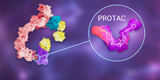
PROTAC, which exploit the ubiquitin-proteasome pathway to specifically degrade target proteins. PROTACs not only solve the problem of undruggability but they also have other advantages compared to traditional drug targeting strategies.
Scientific Reviews
PROTAC, which exploit the ubiquitin-proteasome pathway to specifically degrade target proteins. PROTACs not only solve the problem of undruggability but they also have other advantages compared to traditional drug targeting strategies. -
 Scientific Reviews
PROTAC — Target Selection and Design
Scientific Reviews
PROTAC — Target Selection and Design2022-07-08
A PROTAC molecule consists of three components: a target protein binding ligand, an E3 ligase ligand, and a linker connecting these two moieties. Here, we will discuss the conventional approaches for the rational design of PROTAC molecules. -
 Scientific Reviews
Organoids represent an important bridge between 2D cultures and in vivo mouse/human models. The organoid technology exerts enormous potential in evaluation of efficacy and toxicity of drugs, regenerative medicine, and precision medicine.In this article, we will briefly introduce organoid technology.
Scientific Reviews
Organoids represent an important bridge between 2D cultures and in vivo mouse/human models. The organoid technology exerts enormous potential in evaluation of efficacy and toxicity of drugs, regenerative medicine, and precision medicine.In this article, we will briefly introduce organoid technology. -
 Scientific Reviews
Development of Intestinal Organoid
Scientific Reviews
Development of Intestinal Organoid2022-07-28
3D organoid is one of the revolutionary developments in biomedical field during the past 10 years. The establishment of intestinal organoids is an important milestone in the development of organoid technology. -
 Scientific Reviews
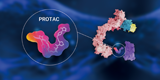
BacPROTACs is composed of a POI ligand, a chemical linker and a ClpCNTD anchor. BacPROTACs can induce in vitro and in vivo degradation of non-eukaryotic proteins in bacteria without the ubiquitin proteasome system.
Scientific Reviews
BacPROTACs is composed of a POI ligand, a chemical linker and a ClpCNTD anchor. BacPROTACs can induce in vitro and in vivo degradation of non-eukaryotic proteins in bacteria without the ubiquitin proteasome system. -
 Scientific Reviews
RNA therapeutics have changed the landscape of drug development, which possess broader spectrum of drug targets, simplicity and efficiency in development and manufacturing.In this article, we will discuss the underlying mechanisms of RNA-based drugs on the market or in clinical stages.
Scientific Reviews
RNA therapeutics have changed the landscape of drug development, which possess broader spectrum of drug targets, simplicity and efficiency in development and manufacturing.In this article, we will discuss the underlying mechanisms of RNA-based drugs on the market or in clinical stages. -
 Scientific Reviews
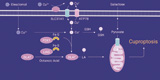
Tsvetkov et al. published in Science and demonstrated a copper-induced programmed cell death — Cuproptosis. As a novel programmed cell death, excess copper triggers abnormal aggregation of lipoylated proteins in TCA cycle and clearance of Fe-S cluster proteins, ultimately leading to cell death.
Scientific Reviews
Tsvetkov et al. published in Science and demonstrated a copper-induced programmed cell death — Cuproptosis. As a novel programmed cell death, excess copper triggers abnormal aggregation of lipoylated proteins in TCA cycle and clearance of Fe-S cluster proteins, ultimately leading to cell death. -
 Scientific Reviews
A comprehensive explanation of ferroptosis
Scientific Reviews
A comprehensive explanation of ferroptosis2022-09-15
Ferroptosis is a new type of RCD that depends on iron and characterized by the accumulation of lipid peroxides. In this article, we will pay our attention on ferroptosis and briefly discusses its mechanism. -
 Scientific Reviews
It's has been proved that p53, as a tumor suppressor gene and immune guardian, may become a destroyer through its own mutation. Moreover, the mechanism of p53 was found to be related to ferroptosis. This article mainly explores the mechanism between p53 and ferroptosis in detail.
Scientific Reviews
It's has been proved that p53, as a tumor suppressor gene and immune guardian, may become a destroyer through its own mutation. Moreover, the mechanism of p53 was found to be related to ferroptosis. This article mainly explores the mechanism between p53 and ferroptosis in detail. -
Scientific Reviews
Organoids have great potential in research of organ development, disease modeling, drug screening and, precision and regenerative medicin. In this article, we will expalin the origin of the organoids. Adult stem cells (ASCs) or pluripotent stem cells (PSCs) , which is the better choice.
-
 Scientific Reviews
Autophagy, derived from the Greek meaning "eating of self", plays an indispensable role in maintaining homeostasis. p27 is an inhibitor of cyclin CDKs, but how p27 regulates autophagy remains unknown. This article will cover the mechanism of autophagy and p27-related cell cycle regulation.
Scientific Reviews
Autophagy, derived from the Greek meaning "eating of self", plays an indispensable role in maintaining homeostasis. p27 is an inhibitor of cyclin CDKs, but how p27 regulates autophagy remains unknown. This article will cover the mechanism of autophagy and p27-related cell cycle regulation. -
 Scientific Reviews
CMA (chaperone-mediated autophagy) plays an essential role in maintaining neuronal protein stability and preventing neurodegeneration. In this article, we will comprehensively clarify the role of CMA in the occurrence and development of neurodegenerative diseases.
Scientific Reviews
CMA (chaperone-mediated autophagy) plays an essential role in maintaining neuronal protein stability and preventing neurodegeneration. In this article, we will comprehensively clarify the role of CMA in the occurrence and development of neurodegenerative diseases. -
 Scientific Reviews
TME (Tumor microenvironment) is considered as a complex integrated system, composed of cellular components such as tumor cells and immune cells, as well as non-cellular components such as ECM and cytokines. According to the spatial distribution of immune cells in TME, "hot" and "cold" TME will be explained in this article.
Scientific Reviews
TME (Tumor microenvironment) is considered as a complex integrated system, composed of cellular components such as tumor cells and immune cells, as well as non-cellular components such as ECM and cytokines. According to the spatial distribution of immune cells in TME, "hot" and "cold" TME will be explained in this article. -
 Scientific Reviews
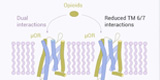
As powerful pain relievers, the opioids morphine and fentanyl have been "checked" by their side effects (listed as controlled substances). How to reduce its side effects? What is its mechanism? This research will explore its mechanism.
Scientific Reviews
As powerful pain relievers, the opioids morphine and fentanyl have been "checked" by their side effects (listed as controlled substances). How to reduce its side effects? What is its mechanism? This research will explore its mechanism. -
 Scientific Reviews
Efferocytosis is the process in which phagocytes remove programmed dead cells. It prevents secondary necrosis of dying cells from releasing harmful cell contents (such as oxides and proteases) that may cause inflammation. Here, we will introduce three stages of efferocytosis: Find, Eat, Digest.
Scientific Reviews
Efferocytosis is the process in which phagocytes remove programmed dead cells. It prevents secondary necrosis of dying cells from releasing harmful cell contents (such as oxides and proteases) that may cause inflammation. Here, we will introduce three stages of efferocytosis: Find, Eat, Digest. -
 Scientific Reviews
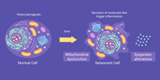
Understanding the mechanism of aging not only has guiding significance for prolonging human life but also has important clinical significance for the prevention and treatment of diseases in the elderly population , thus, improving their life quality and well-being.
Scientific Reviews
Understanding the mechanism of aging not only has guiding significance for prolonging human life but also has important clinical significance for the prevention and treatment of diseases in the elderly population , thus, improving their life quality and well-being. -
 Scientific Reviews
Mammalian cells can also photosynthesize like plants! Photosynthesis can improve cell anabolism and exhibit good clinical effect in degenerative diseases (osteoarthritis).
Scientific Reviews
Mammalian cells can also photosynthesize like plants! Photosynthesis can improve cell anabolism and exhibit good clinical effect in degenerative diseases (osteoarthritis). -
 Scientific Reviews
The latest study of Cell magazine "Neural mechanism underlying depressive-like state associated with social status loss" considers social factors as a breakthrough point. It has been found that the downward transition of social status induces depression-like behavior in mice whereas improves the depressive state by restoring their social environment.
Scientific Reviews
The latest study of Cell magazine "Neural mechanism underlying depressive-like state associated with social status loss" considers social factors as a breakthrough point. It has been found that the downward transition of social status induces depression-like behavior in mice whereas improves the depressive state by restoring their social environment. -
 Scientific Reviews
PROTAC - Design Strategy for Targeting
Scientific Reviews
PROTAC - Design Strategy for Targeting2023-04-23
Protein degradation targeting chimera (PROTAC) is a technology that uses the ubiquitin proteasome pathway to silent target protein. However, PROTAC still has problems such as solubility, membrane permeability, and selectivity. In this article, we have summarized three strategies for optimization: light-controlled linker, PAC molecule, and specific E3 ligase. -
 Scientific Reviews
Necroptosis, also known as necroptosis, is a form of regulated necrotizing cell death mediated by RIP1 and RIP3 kinases. Necroptosis is a process that prevents the self-destruction of activated cells that are blocked by apoptosis. Necroptosis plays a tumor suppressor role in most cases. It may provide benefits in the researches of a variety of human diseases involving immune inflammation and cell death.
Scientific Reviews
Necroptosis, also known as necroptosis, is a form of regulated necrotizing cell death mediated by RIP1 and RIP3 kinases. Necroptosis is a process that prevents the self-destruction of activated cells that are blocked by apoptosis. Necroptosis plays a tumor suppressor role in most cases. It may provide benefits in the researches of a variety of human diseases involving immune inflammation and cell death. -
 Scientific Reviews
Stem cell classification and its application
Scientific Reviews
Stem cell classification and its application2023-05-18
Stem cells (SCs) have the unique ability to self-renew and differentiate into different cell types. SCs can differentiate into various types of tissue cells under specific conditions. Additionally, they can be further cultured to form different tissues and organs in the human body. Stem cells have numerous applications in various fields, including cell therapy, organ transplantation, neurodegenerative disease modeling, and drug screening. -
 Scientific Reviews
Mitophagy:Mechanisms and Detection
Scientific Reviews
Mitophagy:Mechanisms and Detection2023-05-25
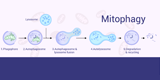
About 60 years ago, Christian de Duve first used the term "autophagy" to describe his observation of the degradation of mitochondria and other intracellular structures in lysosomes of rat liver. Over the years, autophagy has remained a beloved topic of research by the National Natural Science Foundation of China (NSFC).Today, let's talk about mitochondrial autophagy. -
 Scientific Reviews
Structure of Lipid Droplets
Scientific Reviews
Structure of Lipid Droplets2023-06-15
Huh? Lipid droplets? Organelles? In the past, biological data usually only show the traditional organelles, such as mitochondria, Golgi apparatus, endoplasmic reticulum, etc., lipid droplets are often not mentioned by people. Today, we will make a systematic explanation of lipid droplets, so that everyone has a clear understanding! -
 Scientific Reviews
HLA-E, A Novel Immune Checkpoint
Scientific Reviews
HLA-E, A Novel Immune Checkpoint2023-06-29
Immune checkpoints have immunosuppressive functions. It can be used in the research of tumor immunotherapy. In this article, we introduce a new paper entitled "Immune checkpoint HLA-E: CD94 - NKG2Amediates evasion of circulating tumor cells from NK cell surveillance "research paper. -
 Scientific Reviews
Organoid Culture: Questions & Answers
Scientific Reviews
Organoid Culture: Questions & Answers2023-07-26
In the last issue, we conducted a live lecture on the theme of organoid culture. Today, we have a special topic to solve your doubts in the last live class! -
 Scientific Reviews
WHO's Q2 drug list has been updated. Let's take you through the list of the most noteworthy small molecule drugs that we should pay attention to.
Scientific Reviews
WHO's Q2 drug list has been updated. Let's take you through the list of the most noteworthy small molecule drugs that we should pay attention to. -
 Scientific Reviews
FDA Approved Drug List!
Scientific Reviews
FDA Approved Drug List!2023-09-14
In the first half of 2023 (as of June 27), the FDA approved 26 new drugs, let's take you learn about it through the article. -
 Scientific Reviews
IHC is an indispensable technique for studying tissue morphology and in situ antigen expression, but usually only one or two antigens in tissues can be stained for analysis. It cannot judge the results more intuitively. Today, Little M will introduce you to the upgraded version mlHC.
Scientific Reviews
IHC is an indispensable technique for studying tissue morphology and in situ antigen expression, but usually only one or two antigens in tissues can be stained for analysis. It cannot judge the results more intuitively. Today, Little M will introduce you to the upgraded version mlHC. -
 Scientific Reviews
FDA Annual Review | Record-breaking number of new drug approvals in 2023!
Scientific Reviews
FDA Annual Review | Record-breaking number of new drug approvals in 2023! -
 Scientific Reviews
Are frozen cells always damaged? Is the survival rate of revived cells low? When is it appropriate to freeze cells? What should be considered when reviving them? Today, we're sharing a guide to avoid pitfalls in cell freezing and revival!
Scientific Reviews
Are frozen cells always damaged? Is the survival rate of revived cells low? When is it appropriate to freeze cells? What should be considered when reviving them? Today, we're sharing a guide to avoid pitfalls in cell freezing and revival! -
 Scientific Reviews
Katalin Karikó and Drew Weissman were awarded the Nobel Prize in Physiology or Medicine in 2023 for their groundbreaking work in nucleoside modification, which paved the way for the creation of successful mRNA vaccines to fight against COVID-19. Let's now delve into the complete process of mRNA vaccine development.
Scientific Reviews
Katalin Karikó and Drew Weissman were awarded the Nobel Prize in Physiology or Medicine in 2023 for their groundbreaking work in nucleoside modification, which paved the way for the creation of successful mRNA vaccines to fight against COVID-19. Let's now delve into the complete process of mRNA vaccine development. -
 Scientific Reviews
Science | A "new" mechanism for non-ubiquitinated Midnolin-proteasomal degradation pathway
Scientific Reviews
Science | A "new" mechanism for non-ubiquitinated Midnolin-proteasomal degradation pathway2024-04-26
“ubiquitin-mediated protein degradation” won the Nobel Prize in Chemistry in 2004! In fact, proteasomes degrade not only ubiquitinated proteins but also non-ubiquitinated ones. The mechanism remains shrouded in mystery. After reading this piece today, you might have a lightbulb moment! -
 Scientific Reviews
Still struggling to find the preparation methods for various solutions? Save your time! Here comes a nanny-level tutorial!
Scientific Reviews
Still struggling to find the preparation methods for various solutions? Save your time! Here comes a nanny-level tutorial! -
 Scientific Reviews
STZ Induced Diabetes Models
Scientific Reviews
STZ Induced Diabetes Models2024-06-13
Spotlight: How can STZ Help Diabetes Research? -
 Scientific Reviews
Exosomes, which won the Nobel Prize in 2013, are still a research hotspot in the national natural sciences, and their popularity has only increased over the past decade (in 2022, they still rank 5th in the national natural sciences hotspots!). Why have exosomes become the darling of scientific research? Let's take a look together~
Scientific Reviews
Exosomes, which won the Nobel Prize in 2013, are still a research hotspot in the national natural sciences, and their popularity has only increased over the past decade (in 2022, they still rank 5th in the national natural sciences hotspots!). Why have exosomes become the darling of scientific research? Let's take a look together~ -
 Scientific Reviews
Degrade target proteins through the autophagy-lysosome pathway including LYTAC, AUTAC, and ATTEC have gained increasing attention in recent years due to their significant research potential!
Scientific Reviews
Degrade target proteins through the autophagy-lysosome pathway including LYTAC, AUTAC, and ATTEC have gained increasing attention in recent years due to their significant research potential! -
 Scientific Reviews
Antibodies!
Scientific Reviews
Antibodies!2024-07-26
Today, We introduce antibodies for everyone! -
 Scientific Reviews
Science’s 2023 Breakthrough: GLP-1R Agonists
Scientific Reviews
Science’s 2023 Breakthrough: GLP-1R Agonists2024-08-13
GLP-1RAs, which achieved great success in 2023 and draws people’s attention back to obesity treatments and GLP-1 therapies worldwide, was chosen as the breakthrough of year 2023 by Science [2]. -
 Scientific Reviews
Cuproptosis, How much do you know?
Scientific Reviews
Cuproptosis, How much do you know?2024-08-22
Cells die in a variety of ways, including apoptosis, pyroptosis, necrosis, and ferroptosis......And, of course, cuproptosis. So, how much do you know about cuproptosis? -
 Scientific Reviews
Recently, Mol Cell reported the discovery of the first ferroptosis marker, Hyperoxidized PRDX3! Let’s take a look together~
Scientific Reviews
Recently, Mol Cell reported the discovery of the first ferroptosis marker, Hyperoxidized PRDX3! Let’s take a look together~ -
 Scientific Reviews
Cuproptosis's Knowledge Points!
Scientific Reviews
Cuproptosis's Knowledge Points!2024-09-25
With the establishment of the cuproptosis mechanism related research has attracted more and more attention from major journals. Expect to use the sharp sword of cuproptosis to stab the tumor cells. -
 Scientific Reviews
How they used PKH 26 for cellular studies?
Scientific Reviews
How they used PKH 26 for cellular studies?2024-10-21
We are thrilled to highlight our client study using PKH 26 (MedChemExpress) , a red fluorescent dye that has proven invaluable for in vitro cell labeling and tracing. This innovative research, published in the Journal of Nanobiotechnology. -
Scientific Reviews
Delve into the intricate networks that govern mitochondrial quality control. By examining key mechanisms such as biogenesis, mitochondrial dynamics (fission and fusion), proteolysis, and mitophagy. -
 Scientific Reviews
A New Form of Cell Death: PANoptosis!
Scientific Reviews
A New Form of Cell Death: PANoptosis! -
 Scientific Reviews
Unlocking the Power of Intermittent Fasting: The 16+8 Method
Scientific Reviews
Unlocking the Power of Intermittent Fasting: The 16+8 Method -
 Scientific Reviews
Advancing Chronic Kidney Disease Research with GJ103 and Lamin B1 Antibody!
Scientific Reviews
Advancing Chronic Kidney Disease Research with GJ103 and Lamin B1 Antibody! -
 Scientific Reviews
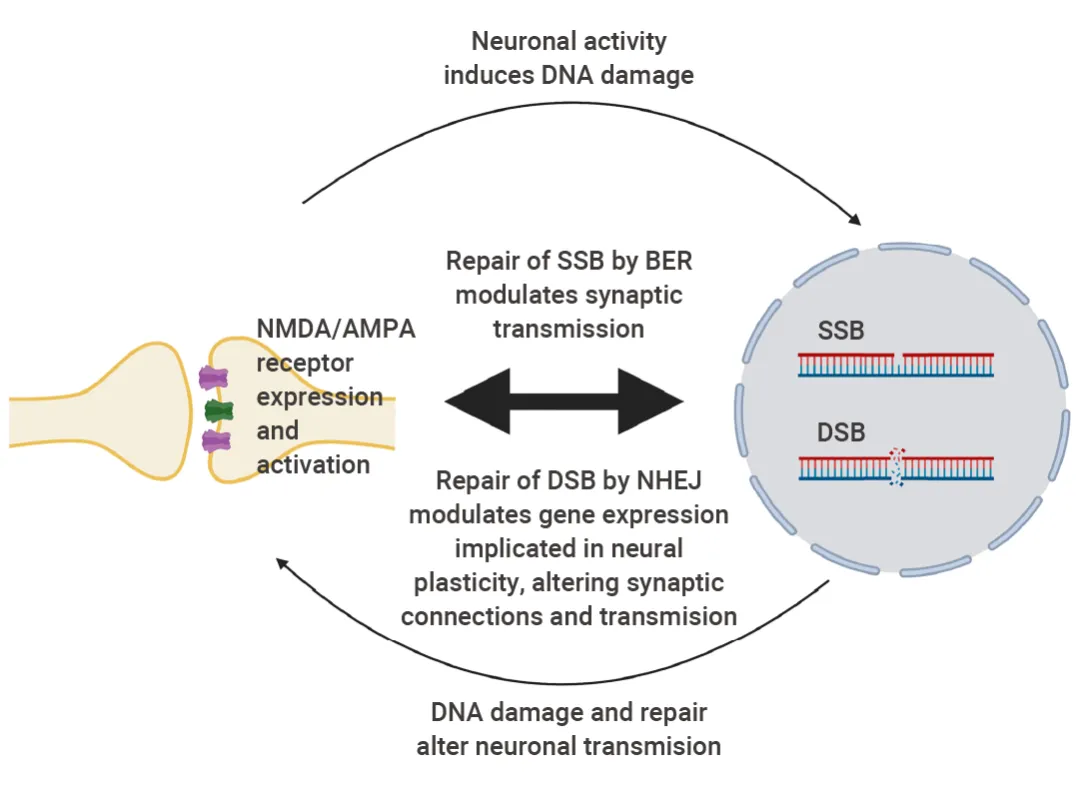
When you hear "inflammation" and "DNA damage," you might immediately think of disease or injury. However, in brains, these two processes are key steps in forming long-term memories, particularly related to specialized cells in our brain called hippocampal neurons.
Scientific Reviews
When you hear "inflammation" and "DNA damage," you might immediately think of disease or injury. However, in brains, these two processes are key steps in forming long-term memories, particularly related to specialized cells in our brain called hippocampal neurons. -
 Scientific Reviews
Autophagy is a fundamental process that degrades various components within the cell.
Scientific Reviews
Autophagy is a fundamental process that degrades various components within the cell. -
 Scientific Reviews
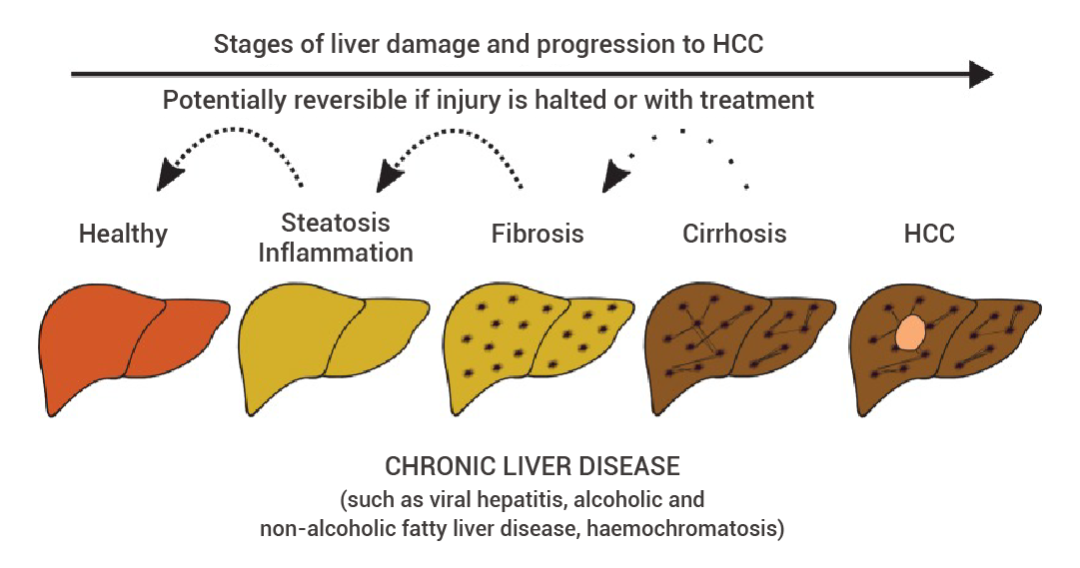
This article will tell you about the common methods of modeling liver disease in animal models.
Scientific Reviews
This article will tell you about the common methods of modeling liver disease in animal models. -
.jpg) Scientific Reviews
nside cells, the homeostasis and degradation of proteins is a precisely regulated process. If proteins cannot be degraded in time, it may lead to the occurrence of various diseases such as neurodegenerative diseases and cancer. This article will tell you the process of how proteins are recognized, labeled and then degraded!
Scientific Reviews
nside cells, the homeostasis and degradation of proteins is a precisely regulated process. If proteins cannot be degraded in time, it may lead to the occurrence of various diseases such as neurodegenerative diseases and cancer. This article will tell you the process of how proteins are recognized, labeled and then degraded! -
 Scientific Reviews
This article introduces some common cardiovascular disease models, inducers, modeling protocols and successful modeling cases in the research.
Scientific Reviews
This article introduces some common cardiovascular disease models, inducers, modeling protocols and successful modeling cases in the research. -
 Scientific Reviews
Do you feel confused when you start culturing cells? This article will show you the basic methods and steps of cell culture!
Scientific Reviews
Do you feel confused when you start culturing cells? This article will show you the basic methods and steps of cell culture! -
 Scientific Reviews
In this issue, we will conduct an in-depth interpretation from the dimensions of nanoparticle design, mechanism of action, in vivo and in vitro efficacy, and immune regulation, revealing how this research brings new hope for the treatment of invasive tumors through interdisciplinary innovation!
Scientific Reviews
In this issue, we will conduct an in-depth interpretation from the dimensions of nanoparticle design, mechanism of action, in vivo and in vitro efficacy, and immune regulation, revealing how this research brings new hope for the treatment of invasive tumors through interdisciplinary innovation! -
 Scientific Reviews
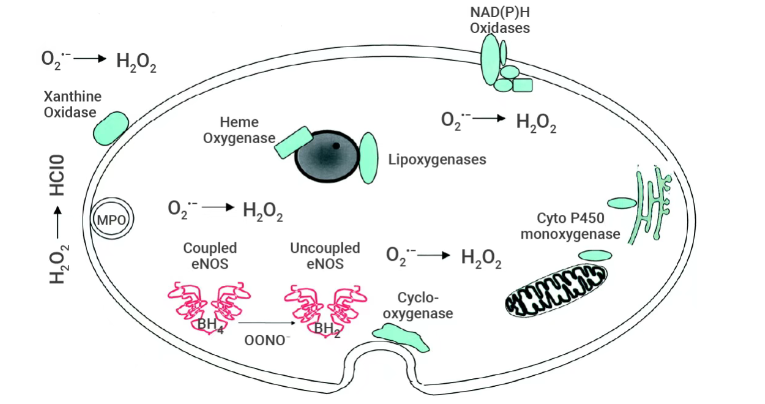
The article introduces the mechanisms of ROS generation and the methods for their detection.
Scientific Reviews
The article introduces the mechanisms of ROS generation and the methods for their detection. -
 Scientific Reviews
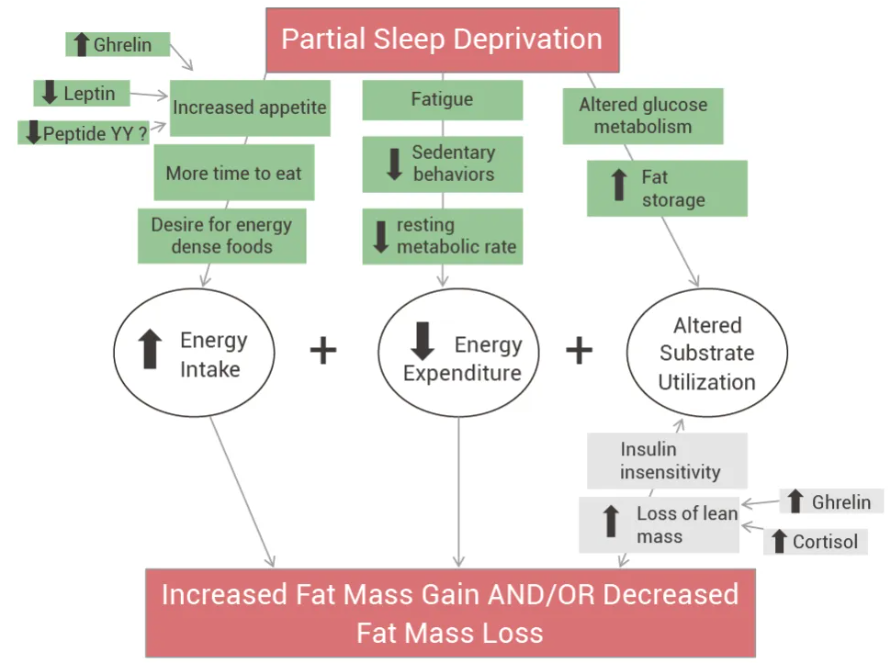
Have you ever noticed that after staying up late, your appetite—especially for high-calorie foods—gets out of control? If this sounds familiar, today’s article might offer some good news.
Scientific Reviews
Have you ever noticed that after staying up late, your appetite—especially for high-calorie foods—gets out of control? If this sounds familiar, today’s article might offer some good news. -
 Scientific Reviews
Generating Stable Cell Lines with Lentivirus
Scientific Reviews
Generating Stable Cell Lines with Lentivirus2025-09-16
A step-by-step protocol of establishing stable cell lines using lentivirus -
 Scientific Reviews
A groundbreaking study in Nature Communications reveals the key mechanism behind Idiopathic Pulmonary Fibrosis and identifies an existing drug with the potential to counter it.
Scientific Reviews
A groundbreaking study in Nature Communications reveals the key mechanism behind Idiopathic Pulmonary Fibrosis and identifies an existing drug with the potential to counter it. -
 Scientific Reviews
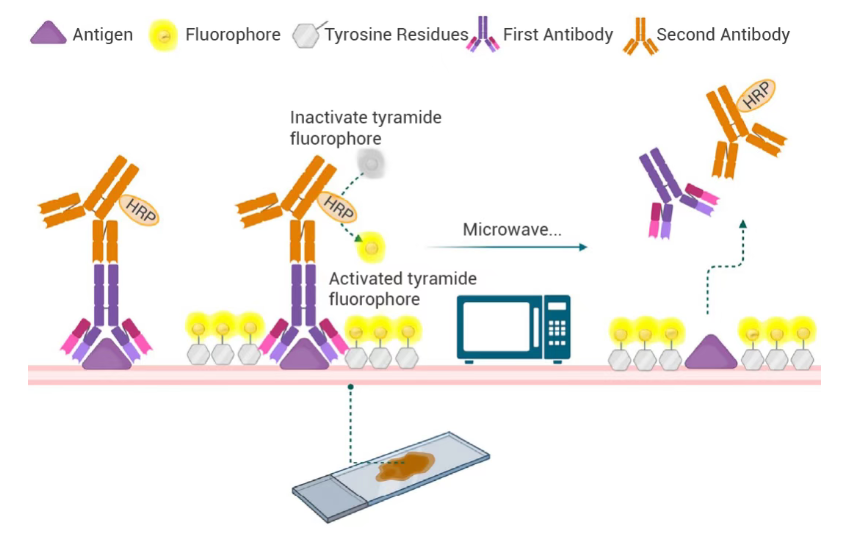
This detailed guide outlines the standardized experimental protocols for multiplex immunohistochemistry (mIHC), systematically summarizes common technical issues encountered during sample preparation, staining and imaging processes, and provides practical troubleshooting solutions to ensure reliable and reproducible results in biomedical research and clinical sample analysis.
Scientific Reviews
This detailed guide outlines the standardized experimental protocols for multiplex immunohistochemistry (mIHC), systematically summarizes common technical issues encountered during sample preparation, staining and imaging processes, and provides practical troubleshooting solutions to ensure reliable and reproducible results in biomedical research and clinical sample analysis. -
 Scientific Reviews
Finding adipogenic induction media too expensive and tricky to prepare? This comprehensive guide to 3T3-L1 adipogenic differentiation simplifies the process, helping you achieve great results!
Scientific Reviews
Finding adipogenic induction media too expensive and tricky to prepare? This comprehensive guide to 3T3-L1 adipogenic differentiation simplifies the process, helping you achieve great results! -
Scientific Reviews
Microglia– the only immune cells within the brain parenchyma. With advancements in imaging technologies, people’s understanding of microglia has shifted from being viewed as 'resting' cells to 'highly active' cells, particularly due to their dynamic processes that seem to be probing surrounding tissues and monitoring neuronal activity. This has made microglia a focal point of research in the field of neuroscience. -
 Scientific Reviews
Exosomes—natural nanoscale carriers—are revolutionizing targeted therapy. This article uncovers the science behind their precision in drug delivery.
Scientific Reviews
Exosomes—natural nanoscale carriers—are revolutionizing targeted therapy. This article uncovers the science behind their precision in drug delivery. -
Scientific Reviews
Cracking the PROTAC Permeability Barrier: CD36-Mediated Endocytosis as a Potential Breakthrough2025-12-03
This article provides an in-depth analysis of cutting-edge literature revealing CD36 as a key mediator of cellular uptake for PROTACs and bRO5 compounds. By structurally optimizing PROTAC molecules to enhance their affinity for CD36, membrane permeability can be markedly improved, leading to significantly enhanced antitumor efficacy. -
 Scientific Reviews
Efficient Generation of Mouse Small Intestinal Organoids: A Complete Experimental Protocol Guide
Scientific Reviews
Efficient Generation of Mouse Small Intestinal Organoids: A Complete Experimental Protocol Guide2025-12-10
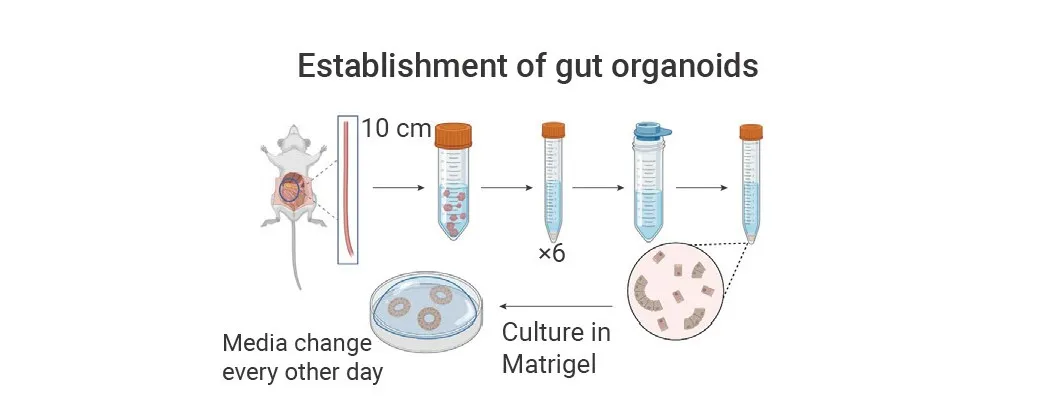
How to successfully create mouse small intestine organoids? A detailed, hands-on guide to the entire process, all in one article! -
 Scientific Reviews
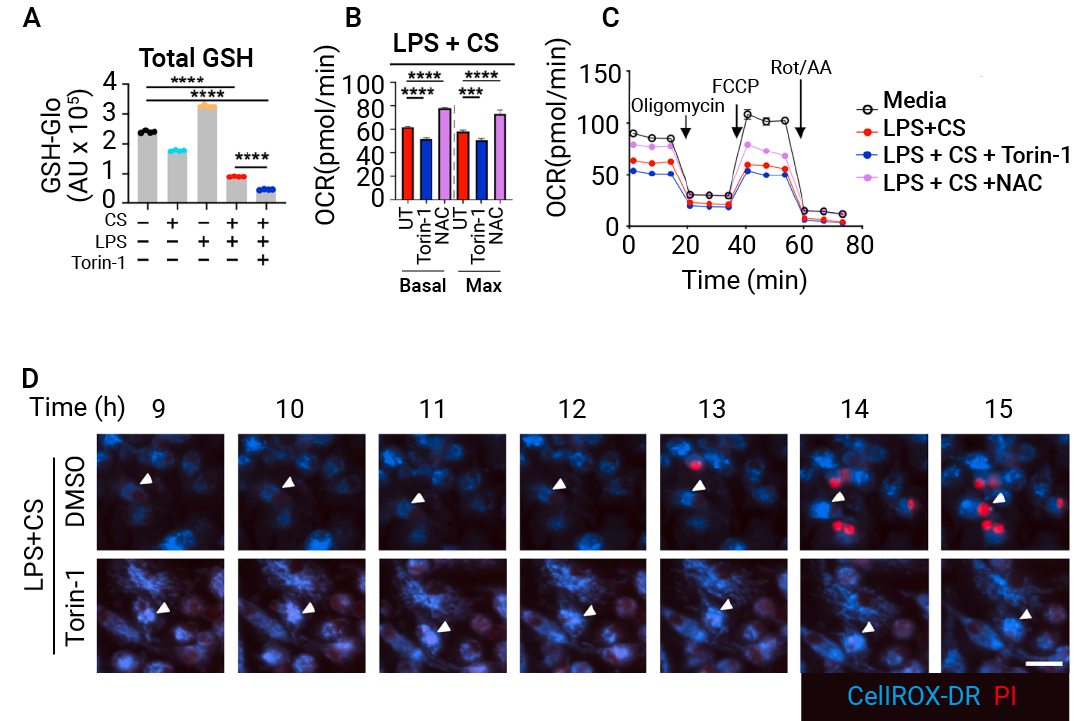
A November 2025 Cell study discovers Mitoxyperilysis, a new mTOR-regulated, caspase-independent cell death pathway driven by innate immune and metabolic dysregulation via mitochondrial-plasma membrane contact and oxidative damage, and verifies its potential to induce tumor necrosis for cancer therapy with key regulators including BAX, BAK1 and BID.
Scientific Reviews
A November 2025 Cell study discovers Mitoxyperilysis, a new mTOR-regulated, caspase-independent cell death pathway driven by innate immune and metabolic dysregulation via mitochondrial-plasma membrane contact and oxidative damage, and verifies its potential to induce tumor necrosis for cancer therapy with key regulators including BAX, BAK1 and BID. -
 Scientific Reviews
This paper elaborates on cytokines for culturing major immune cells, their regulatory roles, recombinant cytokines' merits and MCE’s related high-quality products.
Scientific Reviews
This paper elaborates on cytokines for culturing major immune cells, their regulatory roles, recombinant cytokines' merits and MCE’s related high-quality products. -
 Scientific Reviews
In the hunt for the next ‘GLP-1,’ amylin therapeutics, which have shown strong weight-loss results in clinical trials, have become a major focus for both multinational pharma and the scientific community.
Scientific Reviews
In the hunt for the next ‘GLP-1,’ amylin therapeutics, which have shown strong weight-loss results in clinical trials, have become a major focus for both multinational pharma and the scientific community. -
 Scientific Reviews
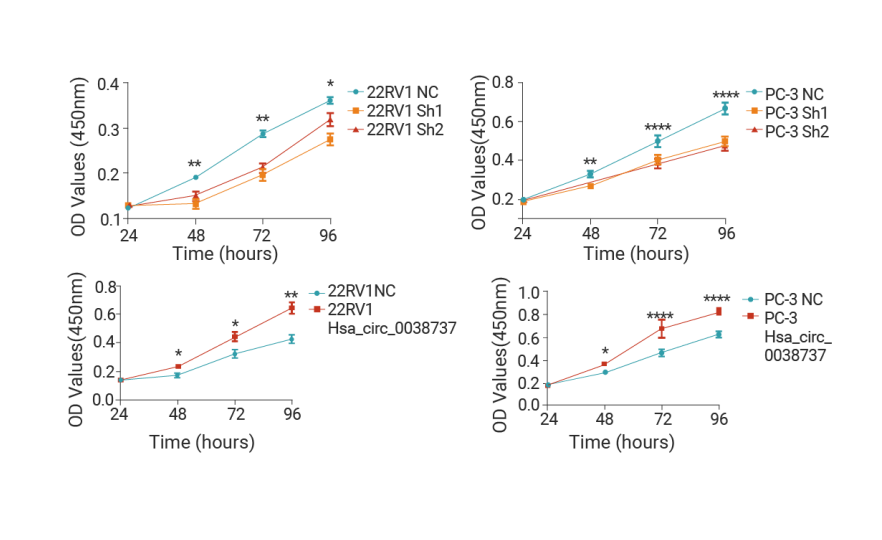
Essential for High-Impact Papers: Present Your CCK-8 Experimental Results in a More Outstanding Way!
Scientific Reviews
Essential for High-Impact Papers: Present Your CCK-8 Experimental Results in a More Outstanding Way!2026-03-18
CCK-8 is a widely used WST‑8‑based reagent for cell proliferation and cytotoxicity assays. It features high sensitivity, reliable results and easy operation, and is applicable to cell viability analysis, drug screening and growth inhibition testing. -
 Scientific Reviews
Molecular glue degraders have evolved from a serendipitous observation to one of the most dynamic and transformative fields in biomedical research.
Scientific Reviews
Molecular glue degraders have evolved from a serendipitous observation to one of the most dynamic and transformative fields in biomedical research. -
 Scientific Reviews
GLP-1 and Obesity Research
Scientific Reviews
GLP-1 and Obesity Research2026-08-14
Obesity substantially increases the risk of chronic diseases such as T2D and cardiovascular disease. The breakout success of GLP-1 therapies has spotlighted GLP-1R and a wave of emerging obesity targets. -
 EDM
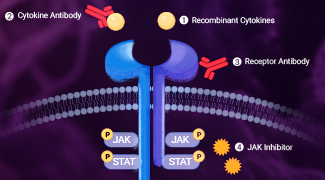
This review critically examines the role of the JAK-STAT pathway in immunity and autoimmune diseases, reviews current clinical applications of targeted therapies, and highlights emerging trends in autoimmune drug development.
EDM
This review critically examines the role of the JAK-STAT pathway in immunity and autoimmune diseases, reviews current clinical applications of targeted therapies, and highlights emerging trends in autoimmune drug development. -
 EDM
This review summarizes the mechanisms of DSS-induced colitis, commonly used modeling approaches, and key considerations related to DSS molecular weight.
EDM
This review summarizes the mechanisms of DSS-induced colitis, commonly used modeling approaches, and key considerations related to DSS molecular weight. -
 EDM
This review outlines macrophage functions and classification, and provides practical experimental guidelines for macrophage differentiation, polarization, and identification.
EDM
This review outlines macrophage functions and classification, and provides practical experimental guidelines for macrophage differentiation, polarization, and identification. -
 EDM
Explore lysosomal nutrient sensing, quality control, cellular adaptation, disease mechanisms, and emerging therapeutic approaches.
EDM
Explore lysosomal nutrient sensing, quality control, cellular adaptation, disease mechanisms, and emerging therapeutic approaches. -
 EDM
Review the mechanisms, mitochondrial regulation, disease relevance, and translational opportunities of the NLRP3–STING axis in neuroinflammation.
EDM
Review the mechanisms, mitochondrial regulation, disease relevance, and translational opportunities of the NLRP3–STING axis in neuroinflammation. -
 EDM
Explore the mechanisms driving immune tolerance breakdown in autoimmune diseases and emerging tolerance-restoring strategies, with a focus on IL-2-based immune modulation.
EDM
Explore the mechanisms driving immune tolerance breakdown in autoimmune diseases and emerging tolerance-restoring strategies, with a focus on IL-2-based immune modulation. -
 EDM
Explore how mitochondrial quality control, inflammatory signaling, and metabolic–epigenetic reprogramming regulate cellular senescence and the SASP, along with strategies to restore mitochondrial homeostasis.
EDM
Explore how mitochondrial quality control, inflammatory signaling, and metabolic–epigenetic reprogramming regulate cellular senescence and the SASP, along with strategies to restore mitochondrial homeostasis. -
 Blog
HS-1371 is a Small Molecule RIP3 Inhibitor
Blog
HS-1371 is a Small Molecule RIP3 Inhibitor2019-04-09
HS-1371 is a novel kinase inhibitor of RIP3-mediated necroptosis, showing an inhibitory effect on S227 auto-phosphorylation of RIP3 at the basal level. -
 Blog
IITZ-01 is a potent lysosomotropic autophagy inhibitor with single-agent antitumor activity, with an IC50 of 2.62 μM for PI3Kγ.
Blog
IITZ-01 is a potent lysosomotropic autophagy inhibitor with single-agent antitumor activity, with an IC50 of 2.62 μM for PI3Kγ. -
 Blog
PRN1008 is a Reversible Covalent and Oral Active Inhibitor of Bruton’s Tyrosine Kinase (BTK)
Blog
PRN1008 is a Reversible Covalent and Oral Active Inhibitor of Bruton’s Tyrosine Kinase (BTK)2019-04-18
PRN1008 is a selective, reversible covalent and oral active inhibitor of Bruton’s Tyrosine Kinase (BTK), with an IC50 of 1.3 nM. -
 Blog
Multiple Tyrosine Kinases Inhibitor TAS-115
Blog
Multiple Tyrosine Kinases Inhibitor TAS-1152019-04-19
TAS-115 is a potent VEGFR and c-Met/HGFR-targeted kinase inhibitor with IC50s of 30 and 32 nM for rVEGFR2 and rMET, respectively. -
 Blog
BTR-1 potently inhibits cell growth. It induces S phase arrest, affects DNA replication. Dose-dependently induces cytotoxicity in leukemic cell lines.
Blog
BTR-1 potently inhibits cell growth. It induces S phase arrest, affects DNA replication. Dose-dependently induces cytotoxicity in leukemic cell lines. -
 Blog
TAK-828F is a potent, selective and orally active retinoic acid receptor-related orphan receptor γt (RORγt) inverse agonist. TAK-828F inhibits IL-17A cytokine expression and reduces symptoms of autoimmune encephalomyelitis mice.
Blog
TAK-828F is a potent, selective and orally active retinoic acid receptor-related orphan receptor γt (RORγt) inverse agonist. TAK-828F inhibits IL-17A cytokine expression and reduces symptoms of autoimmune encephalomyelitis mice. -
 Blog
SLLN-15 is an oral activ enhancer of autophagy that activates cytostatic macroautophagy/autophagy in triple-negative breast cancer (TNBC).
Blog
SLLN-15 is an oral activ enhancer of autophagy that activates cytostatic macroautophagy/autophagy in triple-negative breast cancer (TNBC). -
 Blog
GSK3145095 is a RIP1 kinase inhibitor with an IC50 of 6.3 nM. Potently blocks the TNF response and RIP1-dependent inflammatory cytokine MIP-1β production.
Blog
GSK3145095 is a RIP1 kinase inhibitor with an IC50 of 6.3 nM. Potently blocks the TNF response and RIP1-dependent inflammatory cytokine MIP-1β production. -
 Blog
JMS-17-2 is a CX3CR1 Antagonist
Blog
JMS-17-2 is a CX3CR1 Antagonist2019-06-12
JMS-17-2 is a potent and selective CX3CR1 antagonist with an IC50 of 0.32 nM. Has potential to treat cancers such as breast cancer. -
 Blog
Ralimetinib (LY2228820) is a selective and ATP-competitive inhibitor of p38 MAPK α/β, with IC50s of 5.3 and 3.2 nM, respectively. Anti-tumor activity.
Blog
Ralimetinib (LY2228820) is a selective and ATP-competitive inhibitor of p38 MAPK α/β, with IC50s of 5.3 and 3.2 nM, respectively. Anti-tumor activity. -
 Blog
BAY-11-7082 inhibits the proliferation and induces the apoptosis of U266 cells through inhibiting NF-κB pathway. BAY 11-7082 ameliorates experimental diabetic neuropathy by modulating neuroinflammation and improving antioxidant defence.
Blog
BAY-11-7082 inhibits the proliferation and induces the apoptosis of U266 cells through inhibiting NF-κB pathway. BAY 11-7082 ameliorates experimental diabetic neuropathy by modulating neuroinflammation and improving antioxidant defence. -
 Blog
S130, Targeting ATG4B, Inhibits Autophagy and Activates Apoptosis in Colorectal Colon Cancer
Blog
S130, Targeting ATG4B, Inhibits Autophagy and Activates Apoptosis in Colorectal Colon Cancer2019-06-19
S130 is a high affinity, selective inhibitor of ATG4B (a major cysteine protease) with an IC50 of 3.24 µM. S130 suppresses autophagy flux. -
 Blog
S18-000003 is a potent, selective and orally active inhibitor of retinoic acid receptor-related orphan receptor-gamma-t (RORγt). S18-000003 ameliorates psoriasis-like lesions in vivo. S18-000003 can be used for the research of skin inflammatory diseases.
Blog
S18-000003 is a potent, selective and orally active inhibitor of retinoic acid receptor-related orphan receptor-gamma-t (RORγt). S18-000003 ameliorates psoriasis-like lesions in vivo. S18-000003 can be used for the research of skin inflammatory diseases. -
 Blog
MRT67307, a dual IKKε/TBK1 inhibitor, inhibits ULK1 and ULK2 with IC50s of 45 and 38 nM, respectively. MRT67307 blocks mTOR-dependent autophagy.
Blog
MRT67307, a dual IKKε/TBK1 inhibitor, inhibits ULK1 and ULK2 with IC50s of 45 and 38 nM, respectively. MRT67307 blocks mTOR-dependent autophagy. -
 Blog
CCT020312, the G1/S checkpoint activator, is a selective EIF2AK3/PERK activator. CCT020312 elicits EIF2A phosphorylation in cells.
Blog
CCT020312, the G1/S checkpoint activator, is a selective EIF2AK3/PERK activator. CCT020312 elicits EIF2A phosphorylation in cells. -
 Blog
SBI-0206965 is a selective and cell permeable autophagy kinase ULK1 inhibitor with IC50s of 108 nM for ULK1 and 711 nM for the highly related kinase ULK2 .
Blog
SBI-0206965 is a selective and cell permeable autophagy kinase ULK1 inhibitor with IC50s of 108 nM for ULK1 and 711 nM for the highly related kinase ULK2 . -
 Blog
TPCA-1, a Direct Dual Inhibitor of STAT3 and NF-κB, Regresses Mutant EGFR-Associated NSCLC
Blog
TPCA-1, a Direct Dual Inhibitor of STAT3 and NF-κB, Regresses Mutant EGFR-Associated NSCLC2019-07-15
TPCA-1 is a potent and selective inhibitor of IKK-2 with IC50 of 17.9 nM. TPCA-1 is an effective inhibitor of STAT3 phosphorylation, DNA binding. -
 Blog
CA-5f is a potent late-stage macroautophagy (autophagy) inhibitor via inhibiting autophagosome-lysosome fusion. CA-5f increases LC3B-II and SQSTM1 protein.
Blog
CA-5f is a potent late-stage macroautophagy (autophagy) inhibitor via inhibiting autophagosome-lysosome fusion. CA-5f increases LC3B-II and SQSTM1 protein. -
 Blog
DVD-445 is a potent peptidomimetic covalent TrxR1 inhibitor with an IC50 of 0.60 μM for rat TrxR1. DVD-445 has good anticancer application.
Blog
DVD-445 is a potent peptidomimetic covalent TrxR1 inhibitor with an IC50 of 0.60 μM for rat TrxR1. DVD-445 has good anticancer application. -
 Blog
BI-167107 is a high affinity, full agonist that binds to the β2 adrenergic receptor (β2AR) with a dissociation constant Kd of 84 pM.
Blog
BI-167107 is a high affinity, full agonist that binds to the β2 adrenergic receptor (β2AR) with a dissociation constant Kd of 84 pM. -
 Blog
UK 356618 is a Selective MMP-3 Inhibitor
Blog
UK 356618 is a Selective MMP-3 Inhibitor2019-12-25
UK 356618 is a selective and potent inhibitor of MMP-3. UK 356618 exhibits potent anti-inflammatory and anti-cancer activity. -
 Blog
CH6953755 is a potent, orally active and selective YES1 kinase inhibitor leading to antitumor activity against YES1 Gene -amplified cancers.
Blog
CH6953755 is a potent, orally active and selective YES1 kinase inhibitor leading to antitumor activity against YES1 Gene -amplified cancers. -
 Blog
CA-4948 is a Selective and Orally Bioavailable IRAK4 Kinase Inhibitor for Lymphoma Treatment
Blog
CA-4948 is a Selective and Orally Bioavailable IRAK4 Kinase Inhibitor for Lymphoma Treatment2020-01-05
CA-4948 is a potent, selective and orally bioavailable IRAK4 kinase inhibitor. CA-4948 can be used for the treatment of lymphoma. -
 Blog
GPP78 is a potent Nampt inhibitor. GPP78 is cytotoxic to neuroblastoma cell line SH-SY5Y cells. GPP78 has anti-cancer and anti-tumor activity.
Blog
GPP78 is a potent Nampt inhibitor. GPP78 is cytotoxic to neuroblastoma cell line SH-SY5Y cells. GPP78 has anti-cancer and anti-tumor activity. -
 Blog
BAY-985 is an orally active and selective ATP-competitive dual inhibitor of TBK1 and IKKε with IC50s of 2/30 and 2 nM for TBK1 and IKKε, respectively.
Blog
BAY-985 is an orally active and selective ATP-competitive dual inhibitor of TBK1 and IKKε with IC50s of 2/30 and 2 nM for TBK1 and IKKε, respectively. -
 Blog
ADH-503 is an orally active and allosteric CD11b agonist and leads to the repolarization of tumor-associated macrophages.
Blog
ADH-503 is an orally active and allosteric CD11b agonist and leads to the repolarization of tumor-associated macrophages. -
 Blog
iFSP1 is a potent, selective FSP1inhibitor that induces ferroptosis in GPX4-knockout cells which overexpressed FSP1.
Blog
iFSP1 is a potent, selective FSP1inhibitor that induces ferroptosis in GPX4-knockout cells which overexpressed FSP1. -
 Blog
HM03 is a potent and selective HSPA5 inhibitor with anticancer activity. HSPA5 plays a key role in monitoring protein transport through the cell.
Blog
HM03 is a potent and selective HSPA5 inhibitor with anticancer activity. HSPA5 plays a key role in monitoring protein transport through the cell. -
 Blog
GSK143 is an orally active and highly selective spleen tyrosine kinase (SYK) inhibitor. GSK143 reduces inflammation in the intestinal muscularis in mice.
Blog
GSK143 is an orally active and highly selective spleen tyrosine kinase (SYK) inhibitor. GSK143 reduces inflammation in the intestinal muscularis in mice. -
 Blog
GSK621 is a potent and specific AMPK activator and induces autophagy and apoptosis in acute myeloid leukemia (AML) cells.
Blog
GSK621 is a potent and specific AMPK activator and induces autophagy and apoptosis in acute myeloid leukemia (AML) cells. -
 Blog
RA375, a RPN13 inhibitor, inhibits proteasome function in muscle. RA375 is highly active against cell lines of multiple myeloma and diverse solid cancers.
Blog
RA375, a RPN13 inhibitor, inhibits proteasome function in muscle. RA375 is highly active against cell lines of multiple myeloma and diverse solid cancers. -
 Blog
CAY10404 is a potent and highly selective COX-2 inhibitor. CAY10404 is a potent inhibitor of PKB/Akt and MAPK signalling pathways.
Blog
CAY10404 is a potent and highly selective COX-2 inhibitor. CAY10404 is a potent inhibitor of PKB/Akt and MAPK signalling pathways. -
 Blog
BMS-P5 is an Orally Active PAD4 Inhibitor
Blog
BMS-P5 is an Orally Active PAD4 Inhibitor2020-12-12
BMS-P5 is an orally active PAD4 inhibitor. BMS-P5 blocks MM-induced NET formation and delays progression of MM in a syngeneic mouse model -
 Blog
ML132, a potent and selective caspase 1 inhibitor with a unique selectivity pattern, is responsible for the proteolytic activation of IL-1β and IL-18.
Blog
ML132, a potent and selective caspase 1 inhibitor with a unique selectivity pattern, is responsible for the proteolytic activation of IL-1β and IL-18. -
 Blog
DMU-212 Possesses Antimitotic, Anti-Proliferative, Antioxidant and Apoptosis Promoting Activities
Blog
DMU-212 Possesses Antimitotic, Anti-Proliferative, Antioxidant and Apoptosis Promoting Activities2020-12-24
Activation of ERK1/2 is required for the antimitotic activity of the Resveratrol analogue DMU‐212 in human melanoma cells. -
 Blog
CC-90001 is a potent, selective, and orally active inhibitor of JNK. CC-90001 can be used for the research of idiopathic pulmonary fibrosis (IPF).
Blog
CC-90001 is a potent, selective, and orally active inhibitor of JNK. CC-90001 can be used for the research of idiopathic pulmonary fibrosis (IPF). -
 Blog
YUM70 inhibits GRP78. Induces endoplasmic reticulum stress-mediated apoptosis. Pancreatic cancer. Acts as a novel anticancer agent.
Blog
YUM70 inhibits GRP78. Induces endoplasmic reticulum stress-mediated apoptosis. Pancreatic cancer. Acts as a novel anticancer agent. -
 Blog
LYN-1604 is a Potent ULK1 Activator
Blog
LYN-1604 is a Potent ULK1 Activator2021-04-24
LYN-1604, a potent ULK1 activator, induces cell death involved in ATF3, RAD21, and caspase3, accompanied by autophagy and apoptosis. -
 Blog
SB-332235 is a potent, orally active nonpeptide CXCR2 antagonist. SB-332235 inhibits acute and chronic models of arthritis in the rabbit.
Blog
SB-332235 is a potent, orally active nonpeptide CXCR2 antagonist. SB-332235 inhibits acute and chronic models of arthritis in the rabbit. -
 Blog
Butaprost is a selective prostaglandin E receptor (EP2) agonist. Butaprost can effectively mitigate kidney fibrogenesis in various fibrosis models.
Blog
Butaprost is a selective prostaglandin E receptor (EP2) agonist. Butaprost can effectively mitigate kidney fibrogenesis in various fibrosis models. -
 Blog
Lumiracoxib is a COX-2 inhibitor. Lumiracoxib acts as nonselective NSAID with anti-inflammatory, analgesic and antipyretic activities.
Blog
Lumiracoxib is a COX-2 inhibitor. Lumiracoxib acts as nonselective NSAID with anti-inflammatory, analgesic and antipyretic activities. -
 Blog
Ruxolitinib is a potent and selective JAK1/2 inhibitor and has 130-fold selectivity for JAK1/2 over JAK3. Ruxolitinib induces autophagy.
Blog
Ruxolitinib is a potent and selective JAK1/2 inhibitor and has 130-fold selectivity for JAK1/2 over JAK3. Ruxolitinib induces autophagy. -
 Blog
Elesclomol is an oxidative stress inducer that induces cancer cell apoptosis. Elesclomol is a reactive oxygen species (ROS) inducer.
Blog
Elesclomol is an oxidative stress inducer that induces cancer cell apoptosis. Elesclomol is a reactive oxygen species (ROS) inducer. -
 Blog
Brusatol (NSC 172924) is a Nrf2 Inhibitor
Blog
Brusatol (NSC 172924) is a Nrf2 Inhibitor2021-10-26
Brusatol inhibits the Nrf2 signaling pathway by reducing the protein level of Nrf2, with anticancer activities. -
 Blog
IMD-0354 is a Selective IKKβ Inhibitor
Blog
IMD-0354 is a Selective IKKβ Inhibitor2021-11-09
IMD-0354 is a selective IKKβ inhibitor and potently inhibits NF-κB activity. IMD0354 has antitumor activity. -
 Blog
Oltipraz is a Nrf2 Inhibitor
Blog
Oltipraz is a Nrf2 Inhibitor2021-11-18
Oltipraz is a potent Nrf2 activator. Oltipraz has an inhibitory effect on HIF-1α activation in a time-dependent manner, the IC50 is 10 μM. -
 Blog
Spautin-1 is a specific and potent autophagy inhibitor which inhibits ubiquitin-specific peptidases, USP10 and USP13.
Blog
Spautin-1 is a specific and potent autophagy inhibitor which inhibits ubiquitin-specific peptidases, USP10 and USP13. -
 Blog
Trolox is an analogue of vitamin E with a powerful antioxidant effect. Trolox is also a powerful inhibitor of membrane damage.
Blog
Trolox is an analogue of vitamin E with a powerful antioxidant effect. Trolox is also a powerful inhibitor of membrane damage. -
 Blog
Alda-1 is a potent ALDH2 Agonist
Blog
Alda-1 is a potent ALDH2 Agonist2021-12-30
Alda-1 ameliorates H2O2-induced Achilles tendinopathy. Alda-1 could be used for preventing Achilles tendinopathy. -
 Blog
β-Lapachone, a topoisomerase I inhibitor, induces apoptosis by inhibiting cell cycle progression. β-Lapachone has anti-inflammatory effect.
Blog
β-Lapachone, a topoisomerase I inhibitor, induces apoptosis by inhibiting cell cycle progression. β-Lapachone has anti-inflammatory effect. -
 Blog
CL097 is a TLR7/8 agonist. CL097 induces pro-nflammatory cytokines. CL097 induces NADPH oxidase priming and efficient diabetogenic cytotoxic T lymphocyte (CTL) function in NOD mice.
Blog
CL097 is a TLR7/8 agonist. CL097 induces pro-nflammatory cytokines. CL097 induces NADPH oxidase priming and efficient diabetogenic cytotoxic T lymphocyte (CTL) function in NOD mice. -
 Blog
Zingerone is a natural orally active nontoxic methoxyphenol potent anti-inflammatory, antidiabetic, antioxidize, and anti-tumor properties.
Blog
Zingerone is a natural orally active nontoxic methoxyphenol potent anti-inflammatory, antidiabetic, antioxidize, and anti-tumor properties. -
 Blog
PX-12 is an irreversible inhibitor of Trx-1 and inhibits the growth, migration, and invasion of colorectal cancer cell lines.
Blog
PX-12 is an irreversible inhibitor of Trx-1 and inhibits the growth, migration, and invasion of colorectal cancer cell lines. -
 Blog
AUTAC2 is a FKBP12-targeting autophagy-mediated degrader (AUTAC). AUTAC2 contains an FBnG and an SLF moiety.
Blog
AUTAC2 is a FKBP12-targeting autophagy-mediated degrader (AUTAC). AUTAC2 contains an FBnG and an SLF moiety. -
 Blog
BM213 is a selective C5aR1 agonist. It’s a useful research tool to study C5aR1 function
Blog
BM213 is a selective C5aR1 agonist. It’s a useful research tool to study C5aR1 function -
 Blog
Pelecopan is a potent, selective, and orally active complement factor D inhibitor, possessing the potential to study paroxysmal nocturnal hemoglobinuria (PNH).
Blog
Pelecopan is a potent, selective, and orally active complement factor D inhibitor, possessing the potential to study paroxysmal nocturnal hemoglobinuria (PNH). -
 Blog
LCS3 is a potent and reversible inhibitor of GSR and TXNRD1 with anti-tumour activity by non-competitive inhibition of the enzyme activity.
Blog
LCS3 is a potent and reversible inhibitor of GSR and TXNRD1 with anti-tumour activity by non-competitive inhibition of the enzyme activity. -
 Blog
Etrolizumab is a Gut-selective, Anti-β7 Integrin McAb for Inflammatory Bowel Disease (IBD) Research
Blog
Etrolizumab is a Gut-selective, Anti-β7 Integrin McAb for Inflammatory Bowel Disease (IBD) Research2022-11-05
Etrolizumab is a gut-selective, anti-β7 integrin monoclonal antibody and has the potential for the research of inflammatory bowel disease. -
 Blog
MMRi62, a Ferroptosis inducer targeting MDM2-MDM4. MMRi62 shows a P53-independent pro-apoptotic activity against PDAC cells.
Blog
MMRi62, a Ferroptosis inducer targeting MDM2-MDM4. MMRi62 shows a P53-independent pro-apoptotic activity against PDAC cells. -
 Blog
FA16 is a specific and metabolically stable ferroptosis inducer. It inhibits system Xc-, results in tumor progression suppression.
Blog
FA16 is a specific and metabolically stable ferroptosis inducer. It inhibits system Xc-, results in tumor progression suppression. -
 Blog
YL-939 was a potent inhibitor of iron death and significantly improved liver injury in a model of iron death-related acute liver injury.
Blog
YL-939 was a potent inhibitor of iron death and significantly improved liver injury in a model of iron death-related acute liver injury. -
 Blog
Coibamide A is an N-methyl-stabilized cytotoxic depsipeptide with antiproliferative activity. Coibamide A induces autophagosome accumulation.
Blog
Coibamide A is an N-methyl-stabilized cytotoxic depsipeptide with antiproliferative activity. Coibamide A induces autophagosome accumulation. -
 Blog
Ruxolitinib is an orally-active JAK1/2 inhibitor. Ruxolitinib has the potential for the research of myeloproliferative neoplasm (MPN).
Blog
Ruxolitinib is an orally-active JAK1/2 inhibitor. Ruxolitinib has the potential for the research of myeloproliferative neoplasm (MPN).
Products
All
-
All
-
Inhibitors & Agonists
-
Isotope-Labeled Compounds
-
Fluorescent Dye
-
Peptides
-
Recombinant Proteins
-
Antibodies
-
Screening Libraries
-
Inhibitory Antibodies
-
Reference Standards
-
Induced Disease Models Products
-
GMP Small Molecules
-
Biochemical Assay Reagents
-
Natural Products
| Cat. No. | Product Name | Information | Application | Publication |
|---|---|---|---|---|
| HY-18739 | Phorbol 12-myristate 13-acetate |
Phorbol 12-myristate 13-acetate (PMA; TPA; Phorbol myristate acetate), a phorbol ester, is a dual SphK and protein kinase C (PKC) activator. Phorbol 12-myristate 13-acetate is a NF-κB activator. Phorbol 12-myristate 13-acetate induces differentiation in THP-1 cells (Validated by MedChemExpress).
|
|
863
|
| HY-100523 | ML385 |
ML385 is a potent and selective Nrf2 inhibitor with an IC50 of 1.9 μM. ML385 directly binds to the Neh1 domain of NRF2, interferes with the binding of the MAFG-NRF2 protein complex to the antioxidant response element (ARE) DNA sequence, thereby blocking the expression of downstream target genes of NRF2. ML385 can be used in studies related to adult T-cell leukemia, breast cancer, myocardial ischemia/reperfusion injury, non-small cell lung cancer, esophageal squamous cell carcinoma, head and neck squamous cell carcinoma, and lung squamous cell carcinoma.
|
Breast Cancer
Colorectal Cancer
Cardiovascular Disease
Non-Small Cell Lung Cancer
Lung Squamous Cell Carcinoma
Squamous Cell Carcinoma
Esophageal Cancer
|
645
|
| HY-10071 | Y-27632 |
Y-27632 is a ROCK inhibitor with Ki values of 220 nM and 300 nM for ROCK1 and ROCK2, respectively. Y-27632 exerts anti-inflammatory and immunomodulatory effects in systemic lupus erythematosus models by inhibiting the ROCK/NF-κB pathway. Y-27632 enhances autophagy by inhibiting the AKT/mTOR pathway, thereby inducing apoptosis apoptosis in oral squamous cell carcinoma. Y-27632 induces the formation of tunneling nanotubes in ARPE-19 cells and significantly enhances mitochondrial transfer through these channels. Y-27632 promotes neurite outgrowth in PC12 cells by activating the Rac1/NOX1/ROS/AKT/PAK1 signaling cascade.
|
|
607
|
| HY-13453 | BAY 11-7082 |
BAY 11-7082 is an IκBα phosphorylation and NF-κB inhibitor. BAY 11-7082 selectively and irreversibly inhibits the TNF-α-induced phosphorylation of IκB-α, and decreases NF-κB and expression of adhesion molecules. BAY 11-7082 inhibits ubiquitin-specific protease USP7 and USP21 (IC50=0.19, 0.96 μM, respectively). BAY 11-7082 inhibits gasdermin D (GSDMD) pore formation in liposomes and inflammasome-mediated pyroptosis and IL-1β secretion in human and mouse cells.
|
Breast Cancer
Prostate Cancer
Liver Cancer
Leukemia/Lymphoma/Myeloma
Pancreatic Cancer
Ovarian Cancer
Depression
Pain
Digestive System Inflammation
Obesity
|
510
|
| HY-13818 | Stattic |
Lung Cancer
Breast Cancer
Prostate Cancer
Liver Cancer
Leukemia/Lymphoma/Myeloma
Pancreatic Cancer
Digestive System Inflammation
Obesity
|
324
|
|
| HY-10201 | Sorafenib |
Sorafenib (Bay 43-9006) is a potent oral active multikinase inhibitor. Sorafenib blocks autophosphorylation and activity of receptor tyrosine kinases (VEGFR-2, VEGFR-3) and RAF family kinases, thereby suppressing the RAF/MEK/ERK and PI3K/Akt pathways, inhibiting STAT3 phosphorylation, and selectively inhibiting the MAPK pathway in cancer cells. Sorafenib induces cell cycle arrest, autophagy, apoptosis, and PARP cleavage, reduces Bcl-2, Bcl-XL, cyclin D1 levels, and activates Bak and Bax. Sorafenib inhibits tumor growth and metastasis in mouse and rat models. Sorafenib can be used for cancer research, such as colon, breast, non-small-cell lung cancer (NSCLC), ovarian, pancreatic, melanoma, colorectal and hepatocellular carcinoma.
|
Raf
VEGFR
FLT3
Autophagy
Apoptosis
STAT
Akt
MMP
Cadherin
p38 MAPK
ERK
MEK
PI3K
PARP
Bcl-2 Family
Ephrin Receptor
PDGFR
Gastric Cancer
Liver Cancer
Ovarian Cancer
Digestive System Inflammation
Small Cell Lung Cancer
Non-Small Cell Lung Cancer
Metastatic Breast Cancer
Metastatic Colorectal Cancer
Metastatic Prostate Cancer
Multiple Myeloma
Metastatic Pancreatic Cancer
SARS-CoV-2 Infection
Alzheimer's Disease
Parkinson's Disease
Obesity
Lung Fibrosis
|
317
|
| HY-13030 | (+)-JQ-1 |
|
310
|
|
| HY-10227 | Bortezomib |
Bortezomib (PS-341) is a reversible and selective proteasome inhibitor, and potently inhibits 20S proteasome (Ki=0.6 nM) by targeting a threonine residue. Bortezomib disrupts the cell cycle, induces apoptosis, and inhibits NF-κB. Bortezomib is the first proteasome inhibitor anticancer agent. Bortezomib can be used for the study of multiple myeloma (MM). Bortezomib effectively inhibits TREM2 expression in tumor-associated macrophages (TAMs).
|
Prostate Cancer
Liver Cancer
Leukemia/Lymphoma/Myeloma
Pancreatic Cancer
Ovarian Cancer
Viral Infection
Depression
Pain
Non-Small Cell Lung Cancer
Metastatic Breast Cancer
SARS-CoV-2 Infection
Obesity
|
280
|
| HY-A0281 | 4-Phenylbutyric acid |
Lung Cancer
Breast Cancer
Liver Cancer
Leukemia/Lymphoma/Myeloma
Pancreatic Cancer
Viral Infection
SARS-CoV-2 Infection
|
262
|
|
| HY-15144 | Trichostatin A |
|
202
|
|
| HY-A0004 | Decitabine |
Decitabine (NSC 127716) is an orally active deoxycytidine analogue antimetabolite and DNA methyltransferase inhibitor. Decitabine incorporates into DNA in place of cytosine can covalently trap DNA methyltransferase to DNA causing irreversible inhibition of the enzyme. Decitabine induces cell G2/M arrest and cell Apoptosis. Decitabine has potent anticancer activity.
|
Pancreatic Cancer
Viral Infection
Digestive System Inflammation
Urogenital Cancer
Non-Small Cell Lung Cancer
Acute Myeloid Leukemia
SARS-CoV-2 Infection
Rheumatoid Arthritis
|
184
|
| HY-10221 | Vorinostat |
Vorinostat (SAHA) is a potent and orally active pan-inhibitor of HDAC1, HDAC2 and HDAC3 (Class I), HDAC6 and HDAC7 (Class II) and HDAC11 (Class IV), with ID50 values of 10 nM and 20 nM for HDAC1 and HDAC3, respectively. Vorinostat induces cell apoptosis. Vorinostat is also an effective inhibitor of human papillomaviruse (HPV)-18 DNA amplification.
|
Neurological, Eye or Ear Disease
Breast Cancer
Prostate Cancer
Liver Cancer
Leukemia/Lymphoma/Myeloma
Pancreatic Cancer
Viral Infection
Digestive System Inflammation
Lung Fibrosis
|
175
|
| HY-16561 | Resveratrol |
Resveratrol (trans-Resveratrol; SRT501) is a CNS-penetrant natural polyphenolic phytoalexin that possesses anti-oxidant, anti-inflammatory, cardioprotective, and anti-cancer properties. Resveratrol (SRT 501) has a wide spectrum of targets including mTOR, JAK, β-amyloid, Adenylyl cyclase, IKKβ, DNA polymerase. Resveratrol also is a specific SIRT1 activator. Resveratrol is a potent pregnane X receptor (PXR) inhibitor. Resveratrol is an Nrf2 activator, ameliorates aging-related progressive renal injury in mice model. Resveratrol increases production of NO in endothelial cells.
|
Neurological, Eye or Ear Disease
Prostate Cancer
Liver Cancer
Bacterial Infection
Fungal Infection
Digestive System Inflammation
Glucose Metabolism
SARS-CoV-2 Infection
Obesity
Lung Fibrosis
|
175
|
| HY-13982 | JSH-23 |
JSH-23 is an NF-κB inhibitor which inhibits NF-κB transcriptional activity with an IC50 of 7.1 μM in lipopolysaccharide (LPS)-stimulated macrophages RAW 264.7. JSH-23 inhibits nuclear translocation of NF-κB p65 without affecting IκBα degradation.
|
Breast Cancer
Prostate Cancer
Liver Cancer
Leukemia/Lymphoma/Myeloma
Pancreatic Cancer
Ovarian Cancer
Depression
Pain
Digestive System Inflammation
Glucose Metabolism
Obesity
|
162
|
| HY-100573 | Necrosulfonamide |
Necrosulfonamide is a MLKL and Gasdermin D (GSDMD) inhibitor, capable of separately inhibiting necroptosis and pyroptosis of cells. Necrosulfonamide does not affect the activation of upstream signals, but specifically inhibits the downstream executor oligomerization step. Necrosulfonamide reduces the expression of the key kinases NLRP3 and caspase-1 involved in necroptosis and pyroptosis, activate the Nrf2 pathway and the downstream antioxidant enzymes, and also downregulates a variety of inflammatory factors. Necrosulfonamide plays significant roles in various diseases such as neurodegenerative diseases (such as Parkinson’s disease), tissue damage and ischemia-reperfusion injury, inflammatory bowel disease, osteoarthritis and fracture repair, and hair loss by regulating two important programmed necrosis pathways.
|
Mixed Lineage Kinase
Necroptosis
Pyroptosis
Caspase
NOD-like Receptor (NLR)
Keap1-Nrf2
TNF Receptor
Interleukin Related
NO Synthase
Heme Oxygenase (HO)
Digestive System Disease
Prostate Cancer
Leukemia/Lymphoma/Myeloma
Depression
Digestive System Inflammation
Cardiovascular Disease
Parkinson's Disease
Obesity
Lung Fibrosis
Rheumatoid Arthritis
|
147
|
| HY-10586 | 5-Azacytidine |
Lung Cancer
Prostate Cancer
Leukemia/Lymphoma/Myeloma
Pancreatic Cancer
Bacterial Infection
SARS-CoV-2 Infection
Rheumatoid Arthritis
|
142
|
|
| HY-N0005 | Curcumin |
Curcumin (Diferuloylmethane), a natural phenolic compound, is a p300/CREB-binding protein-specific inhibitor of acetyltransferase, represses the acetylation of histone/nonhistone proteins and histone acetyltransferase-dependent chromatin transcription. Curcumin is a photosensitizer against microorganisms. Curcumin shows inhibitory effects on NF-κB and MAPKs, and has diverse pharmacologic effects including anti-inflammatory, antioxidant, antiproliferative and antiangiogenic activities. Curcumin induces stabilization of Nrf2 protein through Keap1 cysteine modification.
|
Histone Acetyltransferase
Epigenetic Reader Domain
Keap1-Nrf2
Autophagy
Mitophagy
Influenza Virus
Ferroptosis
Apoptosis
Prostate Cancer
Leukemia/Lymphoma/Myeloma
Pancreatic Cancer
Viral Infection
Pain
Digestive System Inflammation
Glucose Metabolism
Metastatic Breast Cancer
SARS-CoV-2 Infection
Obesity
Lung Fibrosis
|
139
|
| HY-100489 | TBHQ |
|
132
|
|
| HY-B0069 | Fludarabine |
Fludarabine (NSC 118218) is a DNA synthesis inhibitor and a fluorinated purine analogue with antineoplastic activity in lymphoproliferative malignancies. Fludarabine inhibits the cytokine-induced activation of STAT1 and STAT1-dependent gene transcription in normal resting or activated lymphocytes.
|
Lung Cancer
Breast Cancer
Prostate Cancer
Leukemia/Lymphoma/Myeloma
Pancreatic Cancer
Viral Infection
Digestive System Inflammation
SARS-CoV-2 Infection
Obesity
Lung Fibrosis
|
120
|
| HY-107455 | A-485 |
A-485, a chemical probe, is a potent and selective catalytic inhibitor of p300/CBP with IC50s of 9.8 nM and 2.6 nM for p300 and CBP histone acetyltransferase (HAT), respectively.
|
|
115
|
| HY-13013 | SIS3 |
|
113
|
|
| HY-L065 | Traditional Chinese Medicine Active Compound Library |
Chinese herbal therapy is an important part of Traditional Chinese Medicine (TCM). It has been used for centuries in China, where herbs are considered fundamental therapy for many acute and chronic conditions. Many studies indicated TCM exerted an overall regulatory effect via multi-component and multi-target network. Active components from Traditional Chinese Medicine possess many medicinal properties such as antioxidant, anti-cancer, and anti-bacterial effects, which makes it an important source of new drugs. Nearly 200 modern medicines have been developed either directly or indirectly from the plants used as medicines in China. For example, artemisinin, used in multidrug resistant malaria, was first isolated from the Chinese herb Artemisia annua L. Today, scientists continue to identify compounds in Chinese herbal remedies that may be useful in the development of new therapeutic agents applicable in Western medicine.
MCE designs a unique collection of 3,276 active compounds of Chinese Herbal Medicines. MCE Traditional Chinese Medicine Active Compound Library is a useful tool for discovery new drugs from TCM.
|
|
105
|
| HY-40354 | Tofacitinib |
Tofacitinib (Tasocitinib) is an orally active, blood-brain barrier permeable selective inhibitor of JAK1/JAK3. Tofacitinib blocks the JAK-STAT/NF-κB signaling pathway, inhibits cytokine signal transduction, phosphorylation of STAT1/STAT5, and suppresses innate and adaptive immune responses. Tofacitinib can be used in research related to major depressive disorder, rheumatoid arthritis, pulmonary diseases, systemic lupus erythematosus, and immune-mediated liver injury.
|
|
103
|
| HY-L005 | Epigenetics Compound Library |
Epigenetics refers to changes in phenotype that are not rooted in DNA sequence. Many types of epigenetic processes have been identified, including DNA methylation, alteration in the structure of histone proteins and gene regulation by small noncoding microRNAs. Modification of DNA, protein, or RNA, resulting in changes to the function and/or regulation of these molecules, without altering their primary sequences, reveals the complexities of cellular differentiation, embryology, the regulation of gene expression, aging, cancer, and other diseases.
MCE provide a unique collection of 2,031 epigenetics-related compounds that can be used in the research of the related diseases.
|
|
102
|
| HY-13823 | C646 |
C646 is a selective and competitive histone acetyltransferase p300 inhibitor with Ki of 400 nM, and is less potent for other acetyltransferases.
|
|
99
|
| HY-112675 | 4-Octyl itaconate |
4-Octyl Itaconate is a cell-permeable Itaconate derivative. Itaconate is an anti-inflammatory metabolite that activates Nrf2 via alkylation of KEAP1.
|
|
99
|
| HY-100487 | TAK-243 |
TAK-243 (MLN7243) is a first-in-class, selective ubiquitin activating enzyme, UAE (UBA1) inhibitor (IC50=1 nM), which blocks ubiquitin conjugation, disrupting monoubiquitin signaling as well as global protein ubiquitination. TAK-243 (MLN7243) induces endoplasmic reticulum (ER) stress, abrogates NF-κB pathway activation and promotes apoptosis.
|
Breast Cancer
Prostate Cancer
Liver Cancer
Leukemia/Lymphoma/Myeloma
Pancreatic Cancer
Ovarian Cancer
Depression
Pain
Digestive System Inflammation
Obesity
|
97
|
| HY-B0673 | Pirfenidone |
Colorectal Cancer
Prostate Cancer
Viral Infection
Digestive System Inflammation
SARS-CoV-2 Infection
Lung Fibrosis
Rheumatoid Arthritis
|
97
|
|
| HY-N0162 | Luteolin |
Luteolin (Luteoline), a flavanoid compound, is a potent Nrf2 inhibitor. Luteolin has anti-inflammatory, anti-cancer properties, including the induction of apoptosis and cell cycle arrest, and the inhibition of metastasis and angiogenesis, in several cancer cell lines, including human non-small lung cancer cells.
|
Lung Cancer
Colorectal Cancer
Ovarian Cancer
Digestive System Inflammation
Glucose Metabolism
Obesity
|
96
|
| HY-12163 | Entinostat |
|
95
|
|
| HY-10224 | Panobinostat |
Panobinostat (LBH589; NVP-LBH589) is a potent and orally active non-selective HDAC inhibitor, and has antineoplastic activities. Panobinostat induces HIV-1 virus production even at low concentration range 8-31 nM, stimulates HIV-1 expression in latently infected cells. Panobinostat induces cell apoptosis and autophagy. Panobinostat can be used for the study of refractory or relapsed multiple myeloma.
|
Prostate Cancer
Liver Cancer
Leukemia/Lymphoma/Myeloma
Pancreatic Cancer
Digestive System Inflammation
Small Cell Lung Cancer
Non-Small Cell Lung Cancer
HER-2 Positive Breast Cancer
Metastatic Breast Cancer
SARS-CoV-2 Infection
Lung Fibrosis
|
90
|
| HY-L055 | Medicine Food Homology Compound Library |
Medicine Food Homology (MFH) means that some food themselves are medicines and there is no absolute boundary between them. MFH theory combines the function of food and medicine together scientifically and MFH materials can be used both for food and medicine. Besides nutritional value, MFH materials also have the functions in the prevention and treatment of disease and many other healthcare effects. Food as medicines has many benefits because of their safety while taking drugs will bring inevitable side effect to people. In order to ensure the safe use of functional food, National Health Commission of People's Republic of China made specific provisions on MFH items. More than 100 kinds of widely used MFH materials have been released.
Based on MFH items released by National Health Commission, PRC, MCE carefully designs a unique collection of 1,824 Medicine Food Homology Compounds with high safety that can be used for high throughput and high content screening for drug discovery.
|
|
88
|
| HY-L014 | NF-κB Signaling Compound Library |
Nuclear factor-κB (NF-κB)/Rel proteins include NF-κB2 p52/p100, NF-κB1 p50/p105, c-Rel, RelA/p65, and RelB. These proteins function as dimeric transcription factors that regulate the expression of genes and influence a broad range of biological processes including innate and adaptive immunity, inflammation, stress responses, B-cell development, and lymphoid organogenesis. NF-κB plays a key role in regulating the immune response to infection. In addition, activation of the NF-κB pathway is involved in the pathogenesis of chronic inflammatory diseases, such as asthma, rheumatoid arthritis, and inflammatory bowel disease. Incorrect regulation of NF-κB has been linked to cancer, inflammatory and autoimmune diseases, septic shock, viral infection, and improper immune development.
MCE owns a unique collection of 1,801 small molecule compounds that can be used in the research of NF-κB signaling pathway or high throughput screening (HTS) related drug discovery.
|
|
85
|
| HY-L024 | Histone Modification Research Compound Library |
A histone modification, a covalent post-translational modification (PTM) to histone proteins, includes methylation, phosphorylation, acetylation, ubiquitylation, and sumoylation, etc. In general, histone modifications are catalyzed by specific enzymes that act predominantly at the histone N-terminal tails involving amino acids such as lysine or arginine, as well as serine, threonine, tyrosine, etc. The PTMs made to histones can impact gene expression by altering chromatin structure or recruiting histone modifiers. Histone modifications act in diverse biological processes such as transcriptional activation/inactivation, chromosome packaging, and DNA damage/repair. Deregulation of histone modification contributes to many diseases, including cancer and autoimmune diseases.
MCE owns a unique collection of 931 bioactive compounds targeting Epigenetic Reader Domain, HDAC, Histone Acetyltransferase, Histone Demethylase, Histone Methyltransferase, Sirtuin, etc. Histone Modification Research Compound Library is a useful tool for histone modification research and drug screening.
|
|
85
|
| HY-L060 | Cytoskeleton Compound Library |
The cytoskeleton is responsible for contraction, cell motility, movement of organelles and vesicles through the cytoplasm, cytokinesis, intracellular signal transduction, and many other functions that are essential for cellular homeostasis and survival. It accomplishes these tasks through three basic structures: F-actin, microtubules, and intermediate filaments (IFs). The cytoskeleton is a dynamic structure where the three major filaments and tubules are under the influence of proteins that regulate their length, state of polymerization, and level of cross-linking. Since cytoskeleton is involved in virtually all cellular processes, cytoskeletal protein aberrations are the underlying reason for many pathological phenotypes, including several cardiovascular disease syndromes, neurodegeneration, cancer, liver cirrhosis, pulmonary fibrosis, and blistering skin diseases.
MCE designs a unique collection of 2,313 cytoskeleton-related compounds mainly focusing on the key targets in the cytoskeleton signal pathway and can be used in the research of cytoskeleton signal pathway and related diseases.
|
|
84
|
| HY-L163 | FDA-Approved Traditional Chinese Medicine Active Compound Library |
Traditional Chinese medicine provides abundant natural resources for medicinal compounds, which are often considered effective and safe for drug discovery. Traditional Chinese medicine is based on the principle of "multiple components, multiple targets, and multiple pathways", and naturally has multiple pharmacological effects. As herbal medicine, the secondary plant metabolites in Chinese herbal medicine play an important role in alleviating many diseases in Traditional medicine and folk use. Therefore, the identification of traditional Chinese medicine derived compounds is also an important process in drug development and a necessary factor in dissecting the overall mechanism of action of traditional Chinese medicine. FDA listed compounds have completed extensive preclinical and clinical studies, exhibiting good biological activity, safety, and bioavailability.
MCE designs a unique collection of 306 FDA/EMA/NMPA/PMDA etc-approved traditional Chinese medicine active compounds, including flavonoids, polyphenols, alkaloids, terpenoids, and other structural types. It is a good tool for drug reuse and screening drugs from traditional Chinese medicine sources.
|
|
84
|
| HY-L005M | Epigenetics Compound Library Mini |
Epigenetics involves heritable phenotypic changes that occur without alterations to the underlying DNA sequence. Key mechanisms include DNA methylation, histone modifications, and regulation by small non-coding RNAs such as microRNAs. By modifying DNA, histones, or RNA—while leaving their primary sequences intact—these processes influence molecular function and regulation, thereby playing critical roles in cellular differentiation, embryonic development, gene expression control, aging, and diseases such as cancer.
MCE provide a unique collection of 295 epigenetics-related compounds. For each regulatory target and its subtype, 3 to 5 highly specific representative compounds have been retained, which can be used in epigenetic and related disease research.
|
|
83
|
| HY-L125 | Anti-Pulmonary Fibrosis Compound Library |
Pulmonary fibrosis (PF), also known as diffuse interstitial pulmonary fibrosis, is a very common end-stage manifestation of several diseases, including idiopathic pulmonary fibrosis (IPF), pulmonary hypertension, and scleroderma, characterised by excessive matrix deposition and destruction of the lung architecture, finally leading to respiratory insufficiency. PF has become a global disease with significantly increased incidence rate, and the most common form of pulmonary fibrosis is idiopathic pulmonary fibrosis (IPF).
Lung fibrosis is a complex disease, a multitude of signal factors and signaling pathways is disrupted in this complex disease, such as TGF-β, Wnt, VEGF and PI3K–Akt. MCE offers a unique collection of 2,810 compounds with identified and potential anti-pulmonary fibrosis activity. MCE Anti-Pulmonary Fibrosis Compound Library is a useful tool for anti-pulmonary fibrosis drugs screening and other related research.
|
|
83
|
| HY-L190 | Miao Ethnicity Medicine Compound Library |
Miao medicine is an important part of Chinese medicine, which carries the profound cultural heritage and rich life wisdom of the Hmongb people. Miao people live in a concentrated community in the mountainous area of the southwest border of China, which has a unique natural environment. Complex and diverse geology, lush natural vegetation, rich animal and plant species, a large number of mineral resources which provide a wide range of species sources for miao ethnicity medicine. On the other hand, due to the characteristics of the living environment of the Hmongb people, Miao medicine has demonstrated its unique therapeutic effect in the treatment of some endemic diseases, infectious diseases, insect, snake and beast bites, rheumatism and other diseases. With the development of modern science and technology, the research and application of seedling medicine are also deepening. Through the systematic study of the chemical composition and pharmacological action of the seedling medicine, it can provide a new idea and method for modern medicine.
MCE included 1,661 natural products from traditional miao ethnicity medicine, including animal, plant and mineral sources.
|
|
83
|
| HY-L191 | Tibetan Medicine Compound Library |
Tibetan medicine, as one of the treasures of traditional Chinese medicine, carries the profound cultural heritage of the Tibetan people and their unique understanding of health. Tibet is the birthplace of Tibetan medicine, and its plateau climate and unique ecological environment have nurtured its rich medicinal resources. Among them, cordyceps, saffron and snow lily are favored by people for their excellent medicinal value and unique growth characteristics. Tibetan medicine, with its profound heritage, plays a crucial role in the management of diseases that are unique to high-altitude regions, such as altitude stress. It facilitates a swifter adaptation to high-altitude conditions and mitigates the symptoms of altitude sickness by meticulously recalibrating the internal environment within the human body. For rheumatic diseases, cardiovascular diseases, etc., Tibetan medicine has also shown its remarkable effect.
MCE included 1,146 natural products from Tibetan medicine, including animal, plant and mineral sources.
|
|
83
|
| HY-L194 | Heat-Clearing and Detoxification Traditional Chinese Medicine Compound Library |
Heat-clearing and detoxification is a specific treatment method in the research of traditional Chinese medicine (TCM), which is clinically used to treat infectious diseases with remarkable effect. Over the past decades, the research of heat-clearing and detoxification treatment has been one of the most active fields of combining traditional Chinese and western medicines, and has made remarkable achievements. Nowadays, the application field of heat-clearing and detoxification traditional Chinese medicine is not only limited to antibacterial and antiviral, but also has made progress in the research fields of anti-inflammatory reaction, anti-endotoxin, anti-peroxidative damage, anti-inflammatory cytokines, enhancement of immune function, protection of cellular organelles, and maintenance of calcium homeostasis. In addition to this, clearing heat and removing toxins has also made significant research progress in non-infectious diseases, for example, in tumors, cardiovascular diseases, renal diseases, blood diseases, geriatrics, and diabetes, all of which have shown good curative effect.
MCE can supply 1,282 monomer component from more than a hundred sources of heat-clearing and detoxification TCM, which can be used in TCM studies, drug development and mechanism-based studies.
|
|
83
|
| HY-L203 | Methylation Compound Library |
Methylation is an epigenetic modification mechanism that involves adding methyl groups to molecules such as DNA and histones, which can alter gene expression without changing the DNA sequence. This process is catalyzed by enzymes such as DNA methyltransferases (DNMTs) and histone methyltransferases (HMTs), and can be reversed by demethylases.
The balance of methylation and demethylation is crucial for maintaining cellular function and genomic stability. Abnormal regulation of methylation may lead to a variety of diseases, including cancer, neurological disorders, and developmental abnormalities. A deep understanding of the molecular mechanisms of methylation metabolism is essential for developing therapeutic strategies for diseases associated with methylation dysregulation.
MCE contains 351 compounds targeting methylation/demethylation enzymes, which is of significant value for studying the pathways of methylation metabolism and exploring their mechanisms of action in diseases.
|
|
83
|
| HY-L209 | Ancient Chinese Classical Formulas Traditional Chinese Medicine Active Compound Library |
The Ancient Chinese Classical Formulas, released by the State Administration of Traditional Chinese Medicine, selects the classic prescriptions from more than 100,000 prescriptions contained in more than 100 representative ancient medical books. Experts said that the classic prescription derived from ancient books, with thousands of years of human experience, is widely used in common diseases, frequented diseases, chronic diseases and other fields, and its development and utilization can fill the gap in medical drugs for some diseases in China, and effectively alleviate the increasingly severe medical needs brought by a series of social problems such as aging and chronic diseases in China. MCE has collected and sorted out these monomer compounds from the sources of ancient Chinese classical formulas, including licorice, ginseng, pinellia and other traditional Chinese medicine sources, which help to provide new ideas and new strategies for modern drug development.
MCE ancient Chinese classical formulas traditional Chinese medicine active compound library has 1,992 traditional Chinese medicine monomer compound, which can be used in the research fields of new drug development and drug target identification.
|
|
83
|
| HY-L223 | Antitussive and Antiasthmatic Traditional Chinese Medicine Active Compound Library |
Antitussive and antiasthmatic method is a type of treatment strategy in traditional Chinese medicine, mainly used to alleviate symptoms such as coughing and asthma. These symptoms may be caused by various factors, such as: Bronchial asthma, chronic obstructive pulmonary disease, asthmatic bronchitis, cough-induced asthma, and others. Based on existing research in traditional Chinese medicine, many types of Chinese medicinal herbs showed antitussive and antiasthmatic effects. For example: Ardisiae Japonicae Herba, Ginkgo Semen, Amygdalus Communis Vas, Farfarae Flos, Viticis Cannabifoliae Fructus, Eriobotryae Folium etc. Therefore, the active ingredients derived from these traditional Chinese medicine have high medicinal value and have the potential to be developed into drugs for related diseases.
MCE can provide 861 active ingredients that can be obtained from traditional Chinese medicine with antitussive and antiasthmatic functions, which can be applied to drug development and research on disease mechanisms.
|
|
83
|
| HY-L238 | Mongolian Medicine Compound Library |
Mongolian medicine refers to drugs used for disease prevention and treatment under the guidance of Mongolian medical theory. Originating from the vast grasslands and desert regions of northern China, Mongolian medicine developed under specific natural conditions and a nomadic lifestyle, forming a unique theoretical system and treatment methods. It emphasizes the balance between the human body and the natural environment and has demonstrated distinct efficacy in treating digestive system diseases, rheumatism, skin diseases, and various chronic conditions. For example, Mongolian medicine often uses Chinese red date for palpitations and angina pectoris, sea buckthorn to relieve coughs, reduce phlegm, promote blood circulation, and remove blood stasis, and scabious to clear lung heat and treat liver heat diseases. The application of these characteristic Mongolian medicines embodies the profound wisdom of Mongolian medical practice.
With the advancement of modern technology, research on Mongolian medicine continues to deepen. Systematic studies on the chemical composition and pharmacological effects of Mongolian medicines can provide new ideas and methods for modern drug development.
MCE has collected 2,383 characteristic natural products derived from Mongolian medicines, with 400+ plant sources of Mongolian medicine.
|
|
83
|
| HY-L246 | Tonifying Traditional Chinese Medicine Monomer Compound Library |
Tonifying traditional Chinese medicines occupy a central position in the traditional medical system, with their core value lying in the regulation of the body's functional state. Modern pharmacological studies have confirmed that these medicinal materials and their monomeric components possess multiple biological activities, including bidirectional immune regulation, anti-aging and lifespan extension, neuroprotection and cognitive enhancement, as well as hematopoietic and metabolic regulation. According to the traditional Chinese medicine theory of “strengthening the body’s resistance and consolidating the foundation”, tonifying medicines are mainly classified into four major categories: Qi-tonifying, Blood-tonifying, Yin-tonifying, and Yang-tonifying. This compound library strictly follows this classification system for compound collection.
Monomeric compounds derived from traditional Chinese medicines demonstrate excellent drug-like properties. They naturally possess structural diversity and clearly defined pharmacological activities, which help improve screening success rates and make them ideal tools for studying multi-target synergistic effects. This library contains 1,039 compounds, providing a material basis for investigating synergistic interactions among compounds (network pharmacology) and facilitating the development of multi-target therapeutic strategies for complex diseases such as cancer, neurodegenerative disorders, and metabolic syndrome.
|
|
83
|
| HY-L247 | Environmental Pollutant Compound Library |
Environmental pollution refers to the process where human activities release harmful chemicals or energy (such as industrial waste, pesticides, and plastic particles) into the natural environment at a rate that exceeds the ecosystem's capacity for self-purification, leading to deterioration in the composition or state of the atmosphere, water bodies, and soil. Environmental pollution is not only a direct threat to biodiversity but also ultimately impacts human health through the bioaccumulation effect of the food chain. Therefore, the accurate identification and dynamic monitoring of pollutants constitute the scientific cornerstone for formulating environmental policies, assessing ecological risks, and promoting green chemistry transformation.
MCE features a collection of 296 environmental pollutants, covering categories such as air pollutants, water pollutants, and pesticides, for research in the field of environmental chemistry.
|
|
83
|
| HY-L932V | Kinase Macrocyclic Compound Virtual Library |
Macrocyclic compounds (≥12-atom cyclic small molecules/peptides) have unique physicochemical properties. They form preorganized conformations with high binding affinity/selectivity, target traditional small-molecule-inaccessible proteins, and bridge small-molecule drugs and biological agents. As key protein phosphorylation enzymes, kinases are linked to tumors, COPD, etc., and are critical therapeutic targets. Traditional small-molecule kinase inhibitors lack selectivity, causing off-target toxicity, low bioavailability, and acquired resistance. Macrocycles’ semi-rigid structure restricts conformations, boosts binding selectivity, optimizes pharmacokinetics, and makes macrocyclization a core kinase inhibitor optimization strategy.
Thousands of bioactive macrocycles were curated from ChEMBL. Via Transformer, macrocyclization was converted into a chemical language translation task, enabling end-to-end macrocycle generation from linear precursors with simplified inputs. Macformer achieves efficient, automated linear molecule macrocyclization via deep learning; generated macrocycles have diversity, novelty, biocompatibility, and cover broader chemical space.
MCE collected thousands of marketed/clinical kinase inhibitors, using their fragments for macrocyclization to generate derivatives. After evaluating synthetic accessibility and physicochemical properties, a million-scale virtual macrocyclic library was built for kinase-related virtual and AI-driven screening.
|
|
83
|
| HY-L932V0 | Kinase Macrocyclic Compound Virtual Library |
Macrocyclic compounds (≥12-atom cyclic small molecules/peptides) have unique physicochemical properties. They form preorganized conformations with high binding affinity/selectivity, target traditional small-molecule-inaccessible proteins, and bridge small-molecule drugs and biological agents. As key protein phosphorylation enzymes, kinases are linked to tumors, COPD, etc., and are critical therapeutic targets. Traditional small-molecule kinase inhibitors lack selectivity, causing off-target toxicity, low bioavailability, and acquired resistance. Macrocycles’ semi-rigid structure restricts conformations, boosts binding selectivity, optimizes pharmacokinetics, and makes macrocyclization a core kinase inhibitor optimization strategy.
Thousands of bioactive macrocycles were curated from ChEMBL. Via Transformer, macrocyclization was converted into a chemical language translation task, enabling end-to-end macrocycle generation from linear precursors with simplified inputs. Macformer achieves efficient, automated linear molecule macrocyclization via deep learning; generated macrocycles have diversity, novelty, biocompatibility, and cover broader chemical space.
MCE collected thousands of marketed/clinical kinase inhibitors, using their fragments for macrocyclization to generate derivatives. After evaluating synthetic accessibility and physicochemical properties, a million-scale virtual macrocyclic library was built for kinase-related virtual and AI-driven screening.
|
|
83
|
| HY-13755 | Sulforaphane |
Sulforaphane is an orally active inducer of the Keap1/Nrf2/ARE pathway. Sulforaphane promotes the transcription of tumor-suppressing proteins and effectively inhibits the activity of HDACs. Through the activation of the Keap1/Nrf2/ARE pathway and further induction of HO-1 expression, Sulforaphane protects the heart. Sulforaphane suppresses high glucose-induced pancreatic cancer through AMPK-dependent signal transmission. Sulforaphane exhibits both anticancer and anti-inflammatory properties.
|
|
79
|
| HY-32735 | Triptolide |
Triptolide is a diterpenoid triepoxide extracted from the root of Tripterygium wilfordii with immunosuppressive, anti-inflammatory, antiproliferative and antitumour effects. Triptolide is a NF-κB activation inhibitor.
|
Breast Cancer
Prostate Cancer
Liver Cancer
Leukemia/Lymphoma/Myeloma
Pancreatic Cancer
Ovarian Cancer
Viral Infection
Depression
Pain
Digestive System Inflammation
Obesity
|
76
|
| HY-15149 | Romidepsin |
Romidepsin (FK 228) is a Histone deacetylase (HDAC) inhibitor with anti-tumor activities. Romidepsin (FK 228) inhibits HDAC1, HDAC2, HDAC4, and HDAC6 with IC50s of 36 nM, 47 nM, 510 nM and 1.4 μM, respectively. Romidepsin (FK 228) is produced by Chromobacterium violaceum, induces cell G2/M phase arrest and apoptosis.
|
|
75
|
| HY-16141 | Cilengitide |
Cilengitide (EMD 121974) is an integrin (integrin) inhibitor with blood-brain barrier permeability, with IC50 values against human targets as follows: 0.61 nM for αvβ3, 8.4 nM for αvβ5, 14.9 nM for α5β1, 5400 nM for αIIbβ3, 2050 nM for αvβ6, 2350 nM for αvβ8. Cilengitide inhibits the binding of integrins to vitronectin, fibronectin, fibrinogen and LAP (TGF-β), and serves as an internal standard for solid-phase integrin binding assays. Cilengitide inhibits tumor cell viability, induces apoptosis, reduces the phosphorylation levels of STAT3, AKT and mTOR, downregulates the expression of PD-L1, inhibits cell viability and angiogenesis, regulates anti-tumor immune responses and slows tumor growth. Cilengitide can be used in research related to glioblastoma, melanoma, advanced solid tumors and refractory brain tumors.
|
|
75
|
| HY-10585A | Valproic acid sodium |
Valproic acid (Sodium Valproate) sodium is an orally active HDAC inhibitor, with IC50 in the range of 0.5 and 2 mM, also inhibits HDAC1 (IC50, 400 μM), and induces proteasomal degradation of HDAC2. Valproic acid sodium activates Notch1 signaling and inhibits proliferation in small cell lung cancer (SCLC) cells. Valproic acid sodium is used in the treatment of epilepsy, bipolar disorder, metabolic disease, HIV infection and prevention of migraine headaches.
|
|
70
|
| HY-10585 | Valproic acid |
Valproic acid (VPA) is an orally active HDAC inhibitor, with IC50 in the range of 0.5 and 2 mM. Valproic acid inhibits HDAC1 (IC50, 400 μM), and induces proteasomal degradation of HDAC2. Valproic acid activates Notch1 signaling and inhibits proliferation in small cell lung cancer (SCLC) cells. Valproic acid is used in the epilepsy, bipolar disorder, metabolic disease, HIV infection and prevention of migraine headaches.
|
Infection
Neurological, Eye or Ear Disease
Metabolic or Endocrine Disease
Respiratory Disease
Small Cell Lung Cancer
|
70
|
| HY-18234A | Leupeptin hemisulfate |
Leupeptin hemisulfate is a broad-spectrum protease inhibitor. By inhibiting the activation of the PTEN/PI3K/Akt/NF-κB/ERK1/2/p38 signaling pathway, Leupeptin hemisulfate significantly reduces LPS-induced NO and ROS production, mitochondrial membrane potential hyperpolarization, phagocytic activity, pro-inflammatory cytokine release, and M1 polarization in mouse peritoneal macrophages, and reverses autophagic flux impairment. It also decreases Concanavalin A (HY-P2149)-induced proliferation index of mouse splenic lymphocytes and the Th1/IL-10 and Th2/IL-10 cytokine ratios, thereby modulating innate and adaptive immune responses. Leupeptin hemisulfate inhibits blood coagulation and tumorigenesis in mouse skin. Leupeptin hemisulfate can be used in research on chronic inflammatory diseases and skin tumorigenesis.
Source: Streptomyces roseus MB-26-AI |
Ser/Thr Protease
Cathepsin
Autophagy
SARS-CoV
Atg8/LC3
NO Synthase
COX
p62
Arginase
PTEN
NF-κB
PI3K
Akt
p38 MAPK
ERK
Reactive Oxygen Species (ROS)
|
69
|
| HY-101120 | 666-15 |
666-15 is a potent and selective CREB inhibitor with an IC50 of 81 nM. 666-15 suppresses tumor growth in a breast cancer xenograft model.
|
|
65
|
| HY-17363 | Dimethyl fumarate |
Dimethyl fumarate (DMF) is an orally active and brain-penetrant Nrf2 activator and induces upregulation of antioxidant gene expression. Dimethyl fumarate induces necroptosis in colon cancer cells through GSH depletion/ROS increase/MAPKs activation pathway, and also induces cell autophagy. Dimethyl fumarate can be used for multiple sclerosis research.
|
Neurological, Eye or Ear Disease
Inflammation or Immune System Disease
Colorectal Cancer
Viral Infection
Obesity
Lung Fibrosis
|
65
|
| HY-50698 | BI 2536 |
|
62
|
|
| HY-100347A | SRI-011381 hydrochloride |
SRI-011381 hydrochloride is an orally active TGF-β signaling agonist, exhibits neuroprotective effects, with blood-brain barrier permeability.
|
|
61
|
| HY-100347 | SRI-011381 |
SRI-011381 is an orally active TGF-β signaling agonist, exhibits neuroprotective effects.
|
|
61
|
| HY-134653 | 5-Ph-IAA |
5-Ph-IAA is a derivative of IAA. 5-Ph-IAA, a ligand, establishes the auxin-inducible degron 2 (AID2) system together with an OsTIR1 (F74G) mutant. AID2 induces rapid and efficient depletion of mAID-fused proteins to study protein function in living cells, causing tumor suppression.
|
|
61
|
| HY-15027 | 5-Aminosalicylic Acid |
5-Aminosalicylic acid (Mesalamine) acts as a specific PPARγ agonist and also inhibits p21-activated kinase 1 (PAK1) and NF-κB. 5-Aminosalicylic acid can inhibit the activity of osteopontin (OPN).
|
|
44
|
| HY-N0193 | Artesunate |
Artesunate is an inhibitor of both STAT-3 and exported protein 1 (EXP1).
|
Inflammation or Immune System Disease
Lung Cancer
Prostate Cancer
Liver Cancer
Leukemia/Lymphoma/Myeloma
Pancreatic Cancer
Viral Infection
Parasitic Infection
Metastatic Breast Cancer
Obesity
|
43
|
| HY-112288 | C188-9 |
C188-9 (TTI-101) is a STAT3 inhibitor with a Kd value of 4.7 nM. C188-9 targets the SH2 domain of STAT3, blocks the processes of STAT3 ligand binding, receptor recruitment, homodimerization and phosphorylation, and regulates STAT3-mediated genes associated with tumorigenesis and radioresistance. C188-9 regulates STAT1-mediated genes related to radioresistance and reduces the activation level of STAT1. C188-9 downregulates the expression of DNMT1, enhances DAC-induced demethylation and re-expression of RASSF1A, and simultaneously potentiates the anti-tumor effect of DAC on pancreatic cancer cells. C188-9 inhibits both anchorage-dependent and anchorage-independent growth of cancer cells, induces Apoptosis, blocks the growth of tumor xenografts, and suppresses muscle atrophy. C188-9 maintains muscle mass, increases body weight and improves grip strength in tumor-bearing mice. C188-9 can be used in research related to head and neck squamous cell carcinoma, pancreatic cancer, sepsis-related skeletal muscle wasting, non-small cell lung cancer, acute myeloid leukemia and cancer cachexia.
|
Lung Cancer
Breast Cancer
Prostate Cancer
Liver Cancer
Leukemia/Lymphoma/Myeloma
Pancreatic Cancer
Digestive System Inflammation
Obesity
|
37
|
| HY-14944 | Homoharringtonine |
Homoharringtonine (Omacetaxine mepesuccinate;HHT) is a cytotoxic alkaloid with antitumor properties which acts by inhibiting translation elongation.
|
Inflammation or Immune System Disease
Lung Cancer
Breast Cancer
Prostate Cancer
Liver Cancer
Leukemia/Lymphoma/Myeloma
Pancreatic Cancer
Obesity
|
37
|
| HY-117287 | Deucravacitinib |
Deucravacitinib (BMS-986165) is an orally active allosteric inhibitor of tyrosine kinase 2 (TYK2), with an IC50 of 0.2 nM and a Ki of 0.02 nM against the JH2 domain of TYK2, and it exhibits selectivity over other JAK subtypes and most of the kinome. Deucravacitinib blocks IL-23, IL-12, p-STAT1/3 and Type I IFN signaling, and inhibits Th17/Th1-mediated psoriasis inflammation. Deucravacitinib can be used in research related to moderate-to-severe plaque psoriasis, inflammatory bowel disease and systemic lupus erythematosus.
|
|
36
|
| HY-16268 | Kartogenin |
Kartogenin (KGN) is an inducer of chondrogenic tissue formation (EC50: 100 nM). Kartogenin induces chondrogenesis by binding to fibrin A, disrupting its interaction with the transcription factor core binding factor beta subunit (CBFβ), and by modulating the CBFβ-RUNX1 transcriptional program. Kartogenin also promotes tendon-bone junction (TBJ) wound healing by stimulating collagen synthesis. Kartogenin is widely used in cell-free therapy in the field of regeneration for cartilage regeneration and protection, tendon-bone healing, wound healing and limb development. Kartogenin promotes cartilage repair, coordinates limb development, and is also used in osteoarthritis (OA) research.
|
|
33
|
| HY-P70568 | IL-13 Protein, Human (HEK293, His) |
IL-13 Protein, Human (HEK293, His) is a cytokine which affects the morphology, growth, and surface antigen expression and phenotype of monocytes and elicits B cell proliferation. IL-13 Protein, Human (HEK293, His) is a recombinant human interleukin-13 (rhIL-13) expressed in HEK 293 cells with a His tag.
Species: Human; Source: HEK293 |
|
30
|
| HY-111558A | Bobcat339 hydrochloride |
Bobcat339 hydrochloride is a potent and selective cytosine-based inhibitor of TET enzyme, with the IC50s of 33 μM and 73 μM for TET1 and TET2, respectively. Bobcat339 hydrochloride is useful to the field of epigenetics and serves as a starting point for new therapeutics that target DNA methylation and gene transcription.
|
|
29
|
| HY-111558 | Bobcat339 |
Bobcat339 is a potent and selective cytosine-based inhibitor of TET enzyme, with IC50s of 33 μM and 73 μM for TET1 and TET2, respectively. Bobcat339 is useful to the field of epigenetics and serves as a starting point for new therapeutics that target DNA methylation and gene transcription.
|
|
29
|
| HY-B0350A | Sodium butyrate |
Sodium butyrate ((Butanoic acid; Butyric acid) sodium) is an orally active HDAC inhibitor. Sodium butyrate induces hyperacetylation of core histones and affects phosphorylation of H1/H2A, thereby altering chromatin structure and regulating gene expression. Sodium butyrate can be used in research related to various cancers, inflammatory bowel disease, and sickle cell anemia.
|
|
28
|
| HY-P70460 | IL-13 Protein, Mouse |
IL-13 Protein, Mouse is an immunoregulatory cytokine produced primarily by activated Th2 cells, and also by mast cells and NK cells. IL-13 exerts anti-inflammatory effects on monocytes and macrophages and it inhibits the expression of inflammatory cytokines such as IL-1β, TNF-α, IL-6 and IL-8.
Species: Mouse; Source: E. coli |
|
27
|
| HY-135146 | GSK-3484862 |
GSK-3484862 is a highly potent non-covalent inhibitor and demethylating agent of DNMT1. GSK-3484862 induces genome-wide DNA demethylation, including the regulatory elements of DNMT3B and the promoter region of TERT, and significantly inhibits cell viability, growth, proliferation and self-renewal. GSK-3484862 blocks the transformation of young AT2 cells, induces apoptosis, and generates transcriptomic features similar to those of senescent cells. GSK-3484862 is widely used in studies related to lung cancer, oral squamous cell carcinoma and lung adenocarcinoma.
|
|
26
|
| HY-12212 | Omaveloxolone |
|
26
|
|
| HY-N1584 | Halofuginone |
Halofuginone (RU-19110), a Febrifugine derivative, is a competitive prolyl-tRNA synthetase inhibitor with a Ki of 18.3 nM. Halofuginone is a specific inhibitor of type-I collagen synthesis and attenuates osteoarthritis (OA) by inhibition of TGF-β activity. Halofuginone is also a potent pulmonary vasodilator by activating Kv channels and blocking voltage-gated, receptor-operated and store-operated Ca2+ channels. Halofuginone has anti-malaria, anti-inflammatory, anti-cancer, anti-fibrosis effects.
|
|
22
|
| HY-13962 | SGI-1027 |
SGI-1027 is a DNA methyltransferase (DNMT) inhibitor, with IC50s of 7.5 μM, 8 μM, and 12.5 μM for DNMT3B, DNMT3A, and DNMT1 with poly(dI-dC) as substrate.
|
Digestive System Disease
Leukemia/Lymphoma/Myeloma
Digestive System Inflammation
Rheumatoid Arthritis
|
20
|
| HY-N0439 | Asiaticoside |
Asiaticoside, a trisaccaride triterpene from Centella asiatica, suppresses TGF-β/Smad signaling through inducing Smad7 and inhibiting TGF-βRI and TGF-βRII in keloid fibroblasts; Asiaticoside shows antioxidant, anti-inflammatory, and anti-ulcer properties.
|
Digestive System Disease
Lung Cancer
Neurodegenerative Disease
Pain
Digestive System Inflammation
Cardiovascular Disease
|
19
|
| HY-16900 | Rolipram |
Rolipram is a PDE4 inhibitor, with blood-brain barrier permeability, that reverses β-amyloid-induced learning and memory impairment in rats. Rolipram elevates intracellular cAMP and clevels and regulates the cAMP/CREB signaling pathway, thereby alleviating neuroinflammation and apoptotic responses. Rolipram promotes neuronal differentiation of human bone marrow mesenchymal stem cells and inhibits Methamphetamine- and morphine-induced hyperlocomotion in mice. Rolipram also reduces the viability of glioblastoma stem-like cells and enhances Bevacizumab (HY-P9906)-induced cell death. Rolipram inhibits the expression of proinflammatory cytokines and enhances central noradrenergic transmission. Rolipram is mainly used in studies related to various central nervous system diseases including Alzheimer's disease, major depressive disorder, glioblastoma multiforme, and multiple sclerosis.
|
Colorectal Cancer
Bacterial Infection
Depression
SARS-CoV-2 Infection
Alzheimer's Disease
Huntington's Disease
HIV-1 Infection
|
19
|
| HY-P72795 | IL-13 Protein, Human |
IL-13 is a multifunctional cytokine. IL-13 activates the JAK-STAT6 signaling pathway and regulates gene expression by binding to the type II IL-4 receptor complex (IL-4Rα/IL-13Rα1) on the cell surface. IL-13 can induce monocyte CD23 expression, B cell IgE synthesis, fibroblast eotaxin secretion, and enhanced calcium flux in airway smooth muscle cells. IL-13 promotes airway inflammation in mice. IL-13 Protein, Human is a recombinant IL-13 protein expressed by E. coli without a tag.
Species: Human; Source: E. coli |
|
18
|
| HY-136175 | Revumenib |
Revumenib (SNDX-5613) is a potent and specific Menin-MLL inhibitor with a binding Ki of 0.149 nM and a cell based IC50 of 10-20 nM. Revumenib can be used for the research of MLL-rearranged (MLL-r) acute leukemias, including acute lymphoblastic leukemia (ALL) and acute myeloid leukemia (AML).
|
|
17
|
| HY-13642 | RG108 |
RG108 (N-Phthalyl-L-tryptophan) is a non-nucleoside DNA methyltransferases (DNMTs) inhibitor (IC50=115 nM) that blocks the DNMTs active site. RG108 (N-Phthalyl-L-tryptophan) causes demethylation and reactivation of tumor suppressor genes, but it does not affect the methylation of centromeric satellite sequences.
|
|
15
|
| HY-139664 | GSK-3685032 |
|
15
|
|
| HY-B0140 | Aminophylline |
Aminophylline is a competitive phosphodiesterase 3/4 (PDE3/4) inhibitor. Aminophylline also acts as an adenosine receptor antagonist. Aminophylline elevates intracellular cAMP levels via competitive inhibition of PDE3 and PDE4, antagonizes adenosine A1 receptor (ADORA1), regulates intracellular calcium signaling and synaptic vesicle cycling, upregulates the PPAR signaling pathway, and downregulates glutamatergic synaptic pathways simultaneously. Aminophylline can be used in research related to major depressive disorder, epilepsy, asthma, and chronic obstructive pulmonary disease (COPD).
|
|
14
|
| HY-13765 | 6-Thioguanine |
6-Thioguanine (Thioguanine; 2-Amino-6-purinethiol) is an anti-leukemia and immunosuppressant agent, acts as an inhibitor of SARS and MERS coronavirus papain-like proteases (PLpros) and also potently inhibits USP2 activity, with IC50s of 25 μM and 40 μM for Plpros and recombinant human USP2, respectively.
|
Digestive System Disease
Leukemia/Lymphoma/Myeloma
Viral Infection
Digestive System Inflammation
SARS-CoV-2 Infection
Rheumatoid Arthritis
|
14
|
| HY-B0809 | Theophylline |
Theophylline (1,3-Dimethylxanthine) is a potent phosphodiesterase (PDE) inhibitor, adenosine receptor antagonist, and histone deacetylase (HDAC) activator. Theophylline (1,3-Dimethylxanthine) inhibits PDE3 activity to relax airway smooth muscle. Theophylline (1,3-Dimethylxanthine) has anti-inflammatory activity by increase IL-10 and inhibit NF-κB into the nucleus. Theophylline (1,3-Dimethylxanthine) induces apoptosis. Theophylline (1,3-Dimethylxanthine) can be used for asthma and chronic obstructive pulmonary disease (COPD) research.
|
Phosphodiesterase (PDE)
Adenosine Receptor
HDAC
Apoptosis
Interleukin Related
TNF Receptor
Endogenous Metabolite
Breast Cancer
Colorectal Cancer
Cervical Cancer
Bladder Cancer
Depression
Digestive System Inflammation
Non-Small Cell Lung Cancer
Castration-Resistant Prostate Cancer
SARS-CoV-2 Infection
Alzheimer's Disease
Parkinson's Disease
Chronic Obstructive Pulmonary Disease
Asthma
Lung Fibrosis
Rheumatoid Arthritis
|
14
|
| HY-111784 | Inobrodib |
Inobrodib (CCS1477) is an orally active, potent, and selective inhibitor of the p300/CBP bromodomain. Inobrodib binds to p300 and CBP with Kd values of 1.3 and 1.7 nM, respectively, and with 170/130-fold selectivity compared with BRD4 with a Kd of 222 nM. CCS1477 inhibits cell proliferation in prostate cancer cell lines and decreases androgen receptor (AR)- and C-MYC-regulated gene expression.
|
Leukemia/Lymphoma/Myeloma
Non-Small Cell Lung Cancer
Metastatic Breast Cancer
Metastatic Prostate Cancer
|
13
|
| HY-N0390S1 | L-Glutamine-13C5 |
L-Glutamine-13C5 is the 13C-labeled L-Glutamine (HY-N0390). L-Glutamine is an orally active nutritional agent and cellular metabolism regulator. L-Glutamine is taken up in a Na+-dependent manner and targets multiple key molecules including glutaminase, mTORC1, NF-κB, STAT-3 and HIF-1α. L-Glutamine enhances glutaminolytic catabolism, drives the conversion of glutamate to α-ketoglutarate, thereby regulating gene expression, integrating metabolic signals, mediating glutamine flux and maintaining redox homeostasis. L-Glutamine also promotes cell proliferation, osteogenic differentiation and fracture healing, exerts neuroprotective and cardioprotective effects, and inhibits osteoarthritis. L-Glutamine can be applied to research related to osteoporosis, osteoarthritis, ischemic stroke and acute cantharidin-induced cardiotoxicity.
|
Isotope-Labeled Compounds
mGluR
Ferroptosis
Environmental Pollutants
Endogenous Metabolite
HIF/HIF Prolyl-Hydroxylase
mTOR
STAT
NF-κB
Neurological, Eye or Ear Disease
Inflammation or Immune System Disease
Blood or Cardio-cerebrovascular Disease
Metabolic or Endocrine Disease
|
13
|
| HY-116084 | Trimethylamine N-oxide |
Trimethylamine N-oxide is a gut microbe-dependent metabolite of dietary choline and other trimethylamine-containing nutrients. Trimethylamine N-oxide induces inflammation by activating the ROS/NLRP3 inflammasome. Trimethylamine N-oxide also accelerates fibroblast-myofibroblast differentiation and induces cardiac fibrosis by activating the TGF-β/smad2 signaling pathway.
Source: Host intestinal bacteria |
Drug Metabolite
NOD-like Receptor (NLR)
Reactive Oxygen Species (ROS)
TGF-beta/Smad
Endogenous Metabolite
|
12
|
| HY-P7033 | IL-13 Protein, Human (CHO) |
IL-13 Protein, Human (CHO) is a CHO cell derived cytokine which affects the morphology, growth, and surface antigen expression and phenotype of monocytes and elicits B cell proliferation.
Species: Human; Source: CHO |
|
10
|
| HY-P1098B | Ac2-26 ammonium |
Ac2-26 ammonium is the N-terminal peptide of annexin 1, and has anti-inflammatory activity. Ac2-26 ammonium induces a decrease in IKKβ protein in lysosomes by chaperone-mediated autophagy (CMA). Ac2-26 ammonium ameliorates lung ischemia-reperfusion injury. Ac2-26 ammonium also inhibits airway inflammation and hyperresponsiveness in an asthma rat model.
|
|
9
|
| HY-P1098A | Ac2-26 TFA |
Ac2-26 TFA is the N-terminal peptide of annexin 1, and has anti-inflammatory activity. Ac2-26 induces a decrease in IKKβ protein in lysosomes by chaperone-mediated autophagy (CMA). Ac2-26 ameliorates lung ischemia-reperfusion injury. Ac2-26 also inhibits airway inflammation and hyperresponsiveness in an asthma rat model.
|
|
9
|
| HY-P1098 | Ac2-26 |
Ac2-26 is the N-terminal peptide of annexin 1, and has anti-inflammatory activity. Ac2-26 induces a decrease in IKKβ protein in lysosomes by chaperone-mediated autophagy (CMA). Ac2-26 ameliorates lung ischemia-reperfusion injury. Ac2-26 also inhibits airway inflammation and hyperresponsiveness in an asthma rat model.
|
|
9
|
| HY-19870C | Setmelanotide monoacetate |
Setmelanotide monoacetate (RM-493 monoacetate) is a blood-brain barrier-permeable, selective MC4R agonist with a Ki value of 2.1 nM for hMC4R. Setmelanotide monoacetate activates the CaMKK2/AMPK signaling pathway. Setmelanotide monoacetate mediates body weight homeostasis, feeding regulation and energy expenditure modulation; it reduces food intake, induces weight loss, decreases obesity severity, increases daytime activity and energy expenditure, lowers levels of leptin, triglycerides, fasting insulin and diastolic blood pressure, improves insulin sensitivity, glucose tolerance and fatty liver condition, and reverses respiratory depression. Setmelanotide monoacetate is applicable to research related to obesity, hyperinsulinemia, fatty liver and respiratory depression.
|
|
8
|
| HY-107632 | GYY4137 |
GY4137 is a sustained-release H2S donor possessing vasodilatory, antihypertensive, and anti-inflammatory activities. GY4137 can inhibit cell growth, induce apoptosis, and cause cell cycle arrest by blocking the STAT3 pathway, demonstrating potent anticancer activity.
|
Neurological, Eye or Ear Disease
Inflammation or Immune System Disease
Blood or Cardio-cerebrovascular Disease
|
8
|
| HY-W396714 | Succinic acid sodium |
Succinic acid sodium is a potent and orally active anxiolytic agent. Succinic acid sodium shows inhibitory effects on colonic epithelial cell proliferation in vivo. Succinic acid sodium can down-regulate the expression of KCNMB1 (potassium channel subunit β1) and TET1 (ten?eleven translocation 1). Succinic acid sodium can be used for gestational hypertension research.
|
|
7
|
| HY-N0739 | Betaine chloride |
Betaine chloride is a natural compound found in many foods and also an active methyl-donor which can maintain normal DNA methylation patterns.
|
|
7
|
| HY-N0098 | Vanillin |
Vanillin (p-Vanillin) is a single molecule extracted from vanilla beans and also a popular odor used widely in perfume, food and medicine.
|
|
7
|
| HY-N6735 | Apicidin |
|
7
|
|
| HY-B0710 | Betaine |
Betaine (Trimethylglycine) is a natural compound found in many foods and also an active methyl-donor which can maintain normal DNA methylation patterns. Betaine is found ubiquitously in plants, animals, microorganisms, and rich dietary sources including seafood, spinach, and wheat bran. Betaine also acts as an osmolyte, to maintain the avian’s cellular water and ion balance to improve the avian’s capacity against heat stress via preventing dehydration and osmotic inactivation. It helps in maintaining the protective osmolytic activity, especially in heat-stressed birds. Betaine may promote various intestinal microbes against osmotic variations and thus improve microbial fermentation activity.
Source: Widespread |
|
7
|
| HY-W250978 | Ovalbumins |
Ovalbumins are the major proteins in egg white. Ovalbumins act as an allergen and inducer, and can be applied to mouse models of allergic diseases. Ovalbumins can induce allergic rhinitis in mice via sensitization and nasal challenge. Ovalbumins can be used to establish asthma models.
Ovalbumin, low endotoxin (HY-W250978A) is recommended for model establishment. |
|
7
|
| HY-P1410C | D-GsMTx4 TFA |
D-GsMTx4 TFA is a spider peptide and the D enantiomer of GsMTx4 (HY-P1410). D-GsMTx4 TFA inhibits the mechanosensitive ion channel Piezo2. D-GsMTx4 TFA inhibits [Ca2+]i elevation. D-GsMTx4 TFA inhibits mTOR and PI3K-Akt signaling pathways. D-GsMTx4 TFA inhibits mechanical allodynia and thermal hyperalgesia. D-GsMTx4 TFA can be used in researches of mechanical stress, chronic pain and idiopathic pulmonary fibrosis.
|
Neurological, Eye or Ear Disease
Inflammation or Immune System Disease
Blood or Cardio-cerebrovascular Disease
|
6
|
| HY-P1410B | D-GsMTx4 |
D-GsMTx4 is a spider peptide and the D enantiomer of GsMTx4 (HY-P1410). D-GsMTx4 inhibits the mechanosensitive ion channel Piezo2. D-GsMTx4 inhibits [Ca2+]i elevation. D-GsMTx4 inhibits mTOR and PI3K-Akt signaling pathways. D-GsMTx4 inhibits mechanical allodynia and thermal hyperalgesia. D-GsMTx4 can be used in researches of mechanical stress, chronic pain and idiopathic pulmonary fibrosis.
|
Neurological, Eye or Ear Disease
Inflammation or Immune System Disease
Blood or Cardio-cerebrovascular Disease
|
6
|
| HY-N1475 | Nicotiflorin |
Nicotiflorin is a flavonoid glycoside extracted from a traditional Chinese medicine Carthamus tinctorius. Nicotiflorin shows potent antiglycation activity and neuroprotection effects.
|
|
5
|
| HY-122542 | PPACK |
PPACK is a potent, peptidic inhibitor targeting thrombin and granzyme GZMK. PPACK specifically blocks the activities of thrombin and GZMK, thereby inhibiting thrombin-mediated PAR-1 cleavage, as well as downstream inflammatory and procoagulant signaling pathways. Through stabilizing IκB proteins, blocking NF-κB activation and reducing systemic levels of proinflammatory/procoagulant biomarkers, PPACK exerts multiple effects including anti-inflammatory, antithrombotic, barrier repair, and inhibition of atherosclerotic plaque progression. PPACK binds to platelets without interference from kininogen, effectively limiting acute thrombus growth and reducing eosinophil infiltration and goblet cell hyperplasia in asthma models. PPACK is an important tool molecule for investigating the mechanisms of atherosclerosis, asthma and related thromboinflammatory diseases.
|
|
4
|
| HY-B0923 | Danthron |
Danthron is a natural product extracted from the traditional Chinese medicine Salvia miltiorrhiza Bunge. Danthron functions in regulating glucose and lipid metabolism by activating AMPK.
|
Pancreatic Cancer
Viral Infection
Bacterial Infection
Pain
Digestive System Inflammation
Glucose Metabolism
SARS-CoV-2 Infection
Obesity
|
4
|
| HY-N0659 | Jujuboside A |
Jujuboside A is a glycoside extracted from Semen Ziziphi Spinosae, a Chinese herbal medicine used to treat insomnia and anxiety.
|
|
4
|
| HY-122542B | PPACK TFA |
PPACK TFA is a potent, peptidic inhibitor targeting thrombin and granzyme GZMK. PPACK TFA specifically blocks the activities of thrombin and GZMK, thereby inhibiting thrombin-mediated PAR-1 cleavage, as well as downstream inflammatory and procoagulant signaling pathways. Through stabilizing IκB proteins, blocking NF-κB activation and reducing systemic levels of proinflammatory/procoagulant biomarkers, PPACK TFA exerts multiple effects including anti-inflammatory, antithrombotic, barrier repair, and inhibition of atherosclerotic plaque progression. PPACK TFA binds to platelets without interference from kininogen, effectively limiting acute thrombus growth and reducing eosinophil infiltration and goblet cell hyperplasia in asthma models. PPACK TFA is an important tool molecule for investigating the mechanisms of atherosclerosis, asthma and related thromboinflammatory diseases.
|
|
4
|
| HY-P9944 | Palivizumab |
|
4
|
|
| HY-N0938 | Safflower yellow |
Safflower yellow is extracted from the flowers of the plant safflower (Carthamus tinctorius) and as the traditional Chinese medicine it has been extensively used for the treatment of cardio cerebrovascular diseases.
|
|
3
|
| HY-W012078 | 5-Methyl-2'-deoxycytidine |
5-Methyl-2'-deoxycytidine (5mdC) is an endogenous substrate of DNA methyltransferases (such as mammalian 5-C-MTase) and binds to DNA dependent on the formation of DNA stem-loop structures. 5-Methyl-2'-deoxycytidine guides de novo DNA methylation by acting as a methylation mark and activates the methylation of adjacent CpG sites in single-stranded DNA through cis action. 5-Methyl-2'-deoxycytidine regulates DNA methylation patterns by recruiting methyltransferases to specific chromatin regions, affecting chromatin condensation and gene expression. Its distribution in plant cells is related to cell proliferation and differentiation stages. The methylation level of 5-Methyl-2'-deoxycytidine is low in proliferating cells and high in differentiated cells.
|
|
3
|
| HY-113456 | Leukotriene D4 |
Leukotriene D4 is a potent bronchoconstrictor. Leukotriene D4 has the potential for the research of asthma. Leukotriene D4 induces edema and increases capillary permeability.
|
|
3
|
| HY-P99444 | Astegolimab |
Astegolimab (MSTT 1041A; RG 6149) is a human IgG2 monoclonal antibody. Astegolimab blocks IL-33 signaling by targeting the IL-33 receptor ST2. Astegolimab reduces p53 expression, mitigates IL33-upregulated SASP factors such as IL1α, IL6 and MCP1. Astegolimab mitigates IL33-increased p-p65/p65 ratio. Astegolimab blocks CM-induced neutrophil extracellular trap (NET) formation. Astegolimab is used in chronic obstructive pulmonary disease (COPD) and myocardial research.
Species: Human |
|
3
|
| HY-N0658 | L-Threonine |
L-Threonine is a natural amino acid, can be produced by microbial fermentation, and is used in food, medicine, or feed.
|
|
3
|
| HY-P99241 | Ponsegromab |
Ponsegromab is a Growth differentiation factor 15 (GDF15) inhibitor with human, cynomolgus monkey, and mouse target IC50 values of 0.123 nM, 0.053 nM, and 0.102 nM, respectively. Ponsegromab acts as a chemosensitizer, increases intracellular reactive oxygen species, reduces glutathione levels. Ponsegromab can be used for the research of oxaliplatin-resistant colorectal cancer.
Species: Human |
|
3
|
| HY-P7076A | IL-13 Protein, Mouse (CHO, His) |
IL-13 Protein, Mouse (CHO, His), an important CHO cell derived cytokine, is a multifunctional cytokine whose principal action is to diminish inflammatory responses.
Species: Mouse; Source: CHO |
|
3
|
| HY-W008091R | 5-Methylcytosine (Standard) |
5-Methylcytosine (Standard) is the analytical standard of 5-Methylcytosine (HY-W008091). This product is intended for research and analytical applications. 5-Methylcytosine is a well-characterized DNA modification in prokaryotes and eukaryotes. 5-Methylcytosine forms symmetrical methylation on CpG dinucleotides in DNA, stabilizes tRNA/rRNA structure in RNA, and affects mRNA translation. 5-Methylcytosine can be oxidized to generate 5hmC, 5fC, and 5caC. 5-Methylcytosine can be used in epigenetics, developmental biology, and the study of diseases such as colorectal cancer and hepatocellular carcinoma.
|
|
2
|
| HY-P4846 | Ac-Pro-Gly-Pro-OH |
Ac-Pro-Gly-Pro-OH is an endogenous degradation product of extracellular collagen and acts as a CXCR2 agonist. Ac-Pro-Gly-Pro-OH exerts bactericidal activity by generating hydrogen peroxide, inhibits pulmonary inflammation, and reduces immune cell apoptosis (apoptosis). Ac-Pro-Gly-Pro-OH promotes the production of IFN-γ and inhibits the production of TNF-α and IL-6 in leukocytes. Ac-Pro-Gly-Pro-OH increases the survival rate of mice in sepsis models, enhances the bactericidal activity of neutrophils, acts as a neutrophil chemoattractant, induces neutrophil polarization, and regulates inflammatory and repair processes. Ac-Pro-Gly-Pro-OH induces chronic inflammation and tissue remodeling through sustained action. Ac-Pro-Gly-Pro-OH is released via alkaline hydrolysis of corneal proteins in alkali-injured eyes, thereby driving the early infiltration of neutrophils into the cornea. Ac-Pro-Gly-Pro-OH is applicable to research related to sepsis, chronic obstructive pulmonary disease, cystic fibrosis, bronchiolitis obliterans syndrome, severe asthma, idiopathic pulmonary fibrosis, and corneal ulcer.
|
|
2
|
| HY-N7036 | Rhamnetin |
Rhamnetin is a quercetin derivative found in Coriandrum sativum, inhibits secretory phospholipase A2 and histone deacetylase 2 (HDAC2). Rhamnetin exhibits antitumor, antioxidant and anti-inflammatory activity.
|
Neurological, Eye or Ear Disease
Breast Cancer
Liver Cancer
Leukemia/Lymphoma/Myeloma
Pancreatic Cancer
Digestive System Inflammation
|
2
|
| HY-P0012A | Aviptadil acetate |
Aviptadil acetate is an analog vasoactive intestinal polypeptide (VIP) with potent vasodilatory effects. Aviptadil acetate induces pulmonary vasodilation and inhibits vascular SMCs proliferation, platelet aggregation. Aviptadil acetate can be used for the research of pulmonary fibrosis, pulmonary arterial hypertension (PAH) and SARS-CoV-2 caused respiratory failure, et al.
|
|
2
|
| HY-W008091 | 5-Methylcytosine |
5-Methylcytosine is a well-characterized DNA modification in prokaryotes and eukaryotes. 5-Methylcytosine forms symmetrical methylation on CpG dinucleotides in DNA, stabilizes tRNA/rRNA structure in RNA, and affects mRNA translation. 5-Methylcytosine can be oxidized to generate 5hmC, 5fC, and 5caC. 5-Methylcytosine can be used in epigenetics, developmental biology, and the study of diseases such as colorectal cancer and hepatocellular carcinoma.
Source: prokaryotes and eukaryotes |
|
2
|
| HY-P99053 | Tralokinumab |
Tralokinumab (CAT354) is a humanized IgG4 monoclonal antibody that specifically binds to and neutralizes IL-13. Tralokinumab can be used in the research of diseases such as asthma, atopic dermatitis, and pulmonary fibrosis.
Species: Human |
|
2
|
| HY-P0012 | Aviptadil |
Aviptadil is an analog vasoactive intestinal polypeptide (VIP) with potent vasodilatory effects. Aviptadil induces pulmonary vasodilation and inhibits vascular SMCs proliferation, platelet aggregation. Aviptadil can be used for the research of pulmonary fibrosis, pulmonary arterial hypertension (PAH) and SARS-CoV-2 caused respiratory failure, et al.
|
|
2
|
| HY-P99756 | Nirsevimab |
Nirsevimab (MEDI8897) is a recombinant monoclonal antibody against human respiratory syncytial virus (RSV). Nirsevimab has neutralizing activity against RSV A and RSV B viruses, with IC50 values of 5.42 ng/mL and 9.71 ng/mL, respectively. Nirsevimab can be used for research on respiratory infections.
Species: Human |
|
2
|
| HY-P99288 | FG-3019 |
FG-3019 (Pamrevlumab) is a recombinant human antibody that binds to connective tissue growth factor (CTGF). FG-3019 can be used for the research of idiopathic pulmonary fibrosis (IPF).
Species: Human |
|
2
|
| HY-W016562 | Hippuric acid |
Hippuric Acid is an orally active metabolite. Hippuric Acid can be produced by intestinal microorganisms from the metabolism of polyphenols, benzoic acid. Hippuric Acid decreases NRF2, MMP9 and leads to ROS accumulation. Hippuric Acid activates TGFβ/SMAD signaling. Hippuric Acid improves hyperuricemia and colitis. Hippuric Acid can also be used in cardiovascular disease research.
.
|
|
2
|
| HY-B1620 | Polyvinylpyrrolidone K30 |
Polyvinylpyrrolidone K30 is a compound which has been widely tested and used in human and veterinary medicine as an effective wound healing accelerator and disinfectant when combined with iodine and other compounds.
|
|
2
|
| HY-158301 | MY-1B |
MY-1B is a covalent inhibitor of the RNA Methyltransferase NSUN2 (IC50: 1.3 μM). MY-1B stereoselectively ligands active-site cysteine residues (C271) of NSUN2. MY-1B can stereoselectively and covalently bind to PSME1, disrupting the proteasome regulatory complex and downregulating the presentation of specific MHC-I subtypes.
|
|
2
|
| HY-17501 | Bambuterol |
Bambuterol ((±)-Bambuterol; KWD-2183) is a long acting beta-adrenoceptor agonist (LABA) used in the treatment of asthma; it also is a proagent of terbutaline.
|
|
1
|
| HY-120395 | UC-514321 |
UC-514321, a structural analog of NSC370284 with higher activity, directly targets STAT3/5 and represses TET1 expression, but not TET2 or TET3. UC-514321 has the potential to treat acute myeloid leukemia (AML) both in vitro and in vivo, with low toxicity.
|
Lung Cancer
Breast Cancer
Prostate Cancer
Liver Cancer
Leukemia/Lymphoma/Myeloma
Pancreatic Cancer
Digestive System Inflammation
Obesity
|
1
|
| HY-N0409 | Picroside III |
Picroside III is an iridoid glycoside isolated from Picrorhiza scrophulariiflora (PS), a traditional Chinese medicine.
|
|
1
|
| HY-113434 | 5(S)-HETE |
5(S)-HETE is an endogenous metabolite present in Blood that can be used for the research of Rheumatoid Arthritis, Rhinitis and Asthma.
|
|
1
|
| HY-N0677 | Dehydroandrographolide succinate |
Dehydroandrographolide succinate can be extracted from herbal medicine Andrographis paniculata (Burm f) Nees, is widely used in research for viral pneumonia and viral upper respiratory tract infections because of its immunostimulatory, anti-infective and anti-inflammatory effect. Dehydroandrographolide succinate exerts antithrombotic effect. Dehydroandrographolide succinate significantly inhibits the platelet aggregation rate (ED50 = 386.9 mg/kg) by decreasing TXB2 levels. Dehydroandrographolide succinate mitigates muscle astrophy via the Akt/GSK3β and MuRF-1 pathways.
|
|
1
|
| HY-N1956 | Rubiadin-1-methyl ether |
Rubiadin-1-methyl ether is an orally potent NF-κB p65 inhibitor and autophagy inhibitor. Rubiadin-1-methyl ether inhibits RANKL-induced phosphorylation and nuclear translocation of p65, suppresses BECN1 transcription, blocks LC3 conversion and autophagosome formation, thereby reducing the levels of BECN1 mRNA and Beclin1 protein. Rubiadin-1-methyl ether inhibits osteoclastogenesis, cell proliferation, macrophage M2 polarization and the TGF-β1 signaling pathway, and effectively alleviates pulmonary inflammation. Rubiadin-1-methyl ether is widely used in research on osteoporosis, pulmonary fibrosis, idiopathic pulmonary fibrosis, acute lung injury and other related diseases.
|
|
1
|
| HY-160638 | NSC-311068 |
|
1
|
|
| HY-N6983 | Licoricesaponin G2 |
Licoricesaponin G2 is an orally active component found in Licorice. Licoricesaponin G2 significantly ameliorates Bleomycin (HY-108345)-induced pulmonary fibrosis by inhibiting the TNF-α signaling pathway, reducing epithelial-mesenchymal transition, and decreasing extracellular matrix deposition. Licoricesaponin G2 inhibits cancer cells proliferation, migration, inhibits PI3K/AKT/mTOR signaling pathway and increases ROS production. Licoricesaponin G2 can be used for the research of lung cancer and pulmonary fibrosis.
|
|
1
|
| HY-NP159 | House Dust Mite Extract, from D.farinae |
House Dust Mite Extract, from D.farinae is a house dust mite allergen extract derived from Dermatophagoides farinae. House Dust Mite Extract, from D.farinae significantly increases the levels of cytokines (IL-4, IL-5, IL-6) in bronchoalveolar lavage fluid. House Dust Mite Extract, from D.farinae upregulates the overexpression of MUC5AC. House Dust Mite Extract, from D.farinae induces allergic asthma and pulmonary inflammation.
|
|
1
|
| HY-N2518 | Agnuside |
Agnuside is used in the study of asthma, inflammation, and angiogenic diseases. Agnuside is an orally active compound that can be extracted from Vitex negundo.
|
Neurological, Eye or Ear Disease
Breast Cancer
Ovarian Cancer
Cardiovascular Disease
Rheumatoid Arthritis
|
1
|
| HY-P1108 | Astressin 2B |
Astressin 2B is a blood-brain barrier-impermeable, highly selective CRFR2 antagonist (rCRFR2, IC50=0.57 nM). Astressin 2B blocks the protective effects mediated by CRFR2, thereby exacerbating indomethacin (HY-14397)-induced hemorrhagic intestinal injury in rats. Astressin 2B reverses the protective effects of Urocortin 1 against intestinal hypermotility, bacterial invasion and upregulation of inflammatory mediators. Astressin 2B also blocks the anxiogenic effect of Urocortin 2 and attenuates stress-induced anxiety-related behaviors. In the Clostridioides difficile toxin A (C. difficile toxin A)-mediated enteritis model, Astressin 2B mimics the phenotype of CRFR2-deficient mice, significantly exacerbating intestinal epithelial damage, edema, neutrophil migration and the expression of multiple proinflammatory cytokines. Astressin 2B is an important tool molecule for investigating the intestinal protective mechanisms of CRFR2.
|
|
1
|
| HY-A0248A | Polymyxin B1 |
Polymyxin B1 is a potent antimicrobial lipopeptide first derived from Bacilus polymyxa. Polymyxin B1 is the major component in Polymyxin B (HY-A0248). Polymyxin B1 can induce lysis of bacterial cells through interaction with their membranes. Polymyxin B1 has the potential for multidrug-resistant Gram-negative bacterial infections treatment.
Source: Bacilus polymyxa |
|
1
|
| HY-122258 | NSC-370284 |
Lung Cancer
Breast Cancer
Prostate Cancer
Liver Cancer
Leukemia/Lymphoma/Myeloma
Pancreatic Cancer
Obesity
|
1
|
|
| HY-P1108A | Astressin 2B TFA |
Astressin 2B TFA is a blood-brain barrier-impermeable, highly selective CRFR2 antagonist (rCRFR2, IC50=0.57 nM). Astressin 2B TFA blocks the protective effects mediated by CRFR2, thereby exacerbating indomethacin (HY-14397)-induced hemorrhagic intestinal injury in rats. Astressin 2B TFA reverses the protective effects of Urocortin 1 against intestinal hypermotility, bacterial invasion and upregulation of inflammatory mediators. Astressin 2B TFA also blocks the anxiogenic effect of Urocortin 2 and attenuates stress-induced anxiety-related behaviors. In the Clostridioides difficile toxin A (C. difficile toxin A)-mediated enteritis model, Astressin 2B TFA mimics the phenotype of CRFR2-deficient mice, significantly exacerbating intestinal epithelial damage, edema, neutrophil migration and the expression of multiple proinflammatory cytokines. Astressin 2B TFA is an important tool molecule for investigating the intestinal protective mechanisms of CRFR2.
|
|
1
|
| HY-N0658S6 | L-Threonine-13C4 |
L-Threonine-13C4 is the 13C labeled L-Threonine. L-Threonine is a natural amino acid, can be produced by microbial fermentation, and is used in food, medicine, or feed.
|
|
1
|
| HY-12303 | OAC1 |
OAC1 is a potent Oct4 activator. OAC1 activates Oct4 and Nanog promoters and enhances induced pluripotent stem cells (iPSC) formation. OAC1 activates OCT4 through upregulation of HOXB4 expression. OAC1 increases transcription of the Oct4-Nanog-Sox2 triad and TET1. OAC1 facilitates the reprogramming of cells by enhancing efficiency and shortening the reprogramming time.
|
|
1
|
| HY-109521A | Manganese chloride tetrahydrate, molecular biology grade,≥99.0% (KT) |
Manganese chloride (tetrahydrate), molecular biology grade,≥99.0% (KT) is an orally active and a blood-brain barrier penetrant compound. It affects the activities of multiple enzymes in cells, such as regulating the activities of histone acetyltransferase (HAT) and histone deacetylase (HDAC), thereby affecting gene expression. It has multiple activities such as neurotoxicity, embryotoxicity, and reproductive toxicity. It is currently mainly used in neurodegenerative diseases and toxicology research.
|
|
1
|
| HY-P99673 | Itepekimab |
Itepekimab (REGN-3500) is an IgG4 monoclonal antibody against IL-33. Itepekimab reduced airway inflammation and related tissue damage in preliminary clinical studies. Itepekimab has potential effects in asthma, chronic obstructive pulmonary disease (COPD), and atopic dermatitis (AD).
Species: Human |
|
1
|
| HY-402410 | TETi76 |
TETi76 is an orally active TET family inhibitor with IC50 values ??of 1.5, 9.4 and 8.8 μM for TET1, TET2 and TET3, respectively. TETi76 competitively binds to the active site of TET enzymes, reduces cytosine hydroxymethylation and restricts clonal growth of TET2 mutants in vitro and in vivo, but does not affect the growth of normal hematopoietic precursor cells. TETi76 can be used for leukemia research.
|
|
1
|
| HY-134124 | Glutathione ethyl ester |
Glutathione ethyl ester is a cell-permeable GSH donor and provides an efficient supply of GSH to the oocyte. Glutathione ethyl ester shows positive effect on the in vitro production of embryos by enhancement of the antioxidative defense.
|
|
1
|
| HY-P7099 | IL-13 Protein, Rat |
IL-13 Protein, Rat is a cytokine secreted by many cell types, but especially T helper type 2 (Th2) cells, that is an important mediator of allergic inflammation and disease.
Species: Rat; Source: E. coli |
|
1
|
| HY-P70779 | IL-13 Protein, Human (HEK293, hFc) |
IL-13 Protein, Human (HEK293, Fc) is a cytokine which affects the morphology, growth, and surface antigen expression and phenotype of monocytes and elicits B cell proliferation. IL-13 Protein, Human (HEK293, Fc) is a recombinant human interleukin-13 (rhIL-13) expressed in HEK 293 cells with the Fc tag.
Species: Human; Source: HEK293 |
|
1
|
| HY-P80769 | NRF-1 Antibody (YA260) |
NRF-1 Antibody (YA260) is a Rabbit-derived and non-conjugated IgG monoclonal antibody, targeting to NRF-1.
Host: Rabbit; Reactivity: Human, Mouse, Rat |
|
1
|
| HY-B0551S | Doxapram-d8 |
Doxapram-d8 is deuterated labeled Doxapram (HY-B0551). Doxapram is a respiratory stimulant. Doxapram increases breathing rate and depth by acting on the brain's respiratory centers and peripheral chemoreceptors. Doxapram inhibits TASK-1, TASK-3, TASK-1/TASK-3 heterodimeric channel function with EC50s of 410 nM, 37 μM, 9 μM, respectively. Doxapram inhibits the Ca²⁺-activated potassium current (IC50 ≈ 13 μM) and Ca²⁺-independent potassium current (IC50 ≈ 20 μM) in type I cells of the carotid body. Doxapram significantly prolongs the effective refractory period of the atrium and has an anti-arrhythmic effect. Doxapram can be used for the study of respiratory depression such as post-anesthesia respiratory depression, chronic obstructive pulmonary disease and apnea of prematurity.
|
|
/
|
| HY-P992066 | Anti-Mouse DDR2 Antibody (DAB0065) |
Anti-Mouse DDR2 Antibody (DAB0065) is a mAb that specifically targets mouse discoidin domain receptor DDR2 without cross-reacting with DDR1. Anti-Mouse DDR2 Antibody (DAB0065) binds to the extracellular domain of native mouse DDR2, induces endocytosis and lysosomal degradation of DDR2, and this process is independent of collagen binding. Anti-Mouse DDR2 Antibody (DAB0065) exhibits significant therapeutic effects in both the unilateral ureteral obstruction (UUO) mouse model of renal fibrosis and the bleomycin (HY-108345)-induced mouse model of pulmonary fibrosis, effectively downregulating the mRNA expression of type I collagen Col1a1 and fibronectin Fn1. Anti-Mouse DDR2 Antibody (DAB0065) can be humanized and has the potential to be developed as a targeted agent for diseases such as idiopathic pulmonary fibrosis and renal fibrosis.
Species: Mouse |
|
/
|
| HY-P991157 | Retavibart |
Retavibart is a human respiratory syncytial virus (RSV) fusion glycoprotein F. Retavibart can be used for antiviral research. Isotype control: Human IgG1 kappa.
Species: Virus |
|
/
|
| HY-N0283S | Diacerein-d6 |
Diacerein-d6 is the deuterium labeled Diacerein. Diacerein (Diacerhein), a interleukin-1 beta inhibitor, is a slow-acting medicine of the class anthraquinone used to treat joint diseases.
|
|
/
|
| HY-P10093 | Penetratin-PI3Kγ(126-150) |
Penetratin-PI3Kγ(126-150) is a peptide inhibitor of ΡI3Κγ that plays an important role in respiratory system diseases.
|
|
/
|
| HY-N17650 | Salviamarinic acid A |
Salviamarinic acid A is a water-soluble phenolic acid that can be extracted from Salvia miltiorrhiza with potent anti-pulmonary fibrosis activity. Salviamarinic acid A significantly increases cell viability, cell index, cell motility and E-cadherin expression, and reduces TGF-β1, α-SMA and Collagen I levels. Salviamarinic acid A can be used for pulmonary fibrosis research.
|
|
/
|
| HY-126566 | Trichostatin C |
Trichostatin C is an inhibitor for histone deacetylase (HDAC), induces apoptosis and arrests cell cycle at G2/M phase, and exhibits anticancer activity against lung cancer and urothelial bladder cancer. Trichostatin C induces differentation of Friend leukemic cells. Trichostatin C exhibits antifungal activity.
Source: Streptomyces sp. RK98-A74 |
|
/
|
| HY-126232 | Verproside |
Verproside, a catalpol derivative iridoid glycoside isolated from the genus Pseudolysimachion, represses TNF-α -induced MUC5AC expression by inhibiting NF-κB activation via the IKK/IκB signaling cascade. Verproside has potent anti-inflammatory, antioxidant, antinociceptive and anti-asthmatic activities. Verproside has the potential for the study of chronic obstructive pulmonary disease (COPD).
|
|
/
|
| HY-P991399 | CNTO-3157 |
CNTO-3157 is a human IgG4 monoclonal antibody (mAb) targeting TLR3/CD283. CNTO-3157 can be used in Asthma and Ulcerative colitis research.
Species: Human |
|
/
|
| HY-176524S | PDE3/4-IN-3 |
PDE3/4-IN-3 (Compound 7) is an orally active dual PDE3/4 inhibitor with IC50 s of 0.17 and ≤50 nM for PDE3A and PDE4B2, respectively. PDE3/4-IN-3 significantly inhibits methacholine-induced bronchoconstriction in guinea pigs. PDE3/4-IN-3 can be used for chronic obstructive pulmonary disease (COPD) and asthma research.
|
|
/
|
| HY-P3870 | DALDA |
DALDA is a potent and highly selective μ-opioid receptor agonist with a Ki of 1.69 nM. DALDA shows antinociceptive and respiratory effects.
|
|
/
|
| HY-P12013 | PEG12KL4 |
PEG12KL4 is a PEG-modified amphipathic cell-penetrating peptide. PEG12KL4 promotes the transfection and delivery of mRNA into lung cells, maintains mRNA stability, and forms mRNA complexes that retain integrity and translatability. PEG12KL4 endows lipid nanoparticles (LNPs) with anti-nebulization properties, enhances transfection efficiency in artificial mucus when used in combination with LNPs, and enables the formation of dry powder formulations with low toxicity and mild inflammatory responses. PEG12KL4 can be used in studies related to drug delivery for pulmonary diseases (cystic fibrosis, chronic obstructive pulmonary disease).
|
|
/
|
| HY-D2280 | Estrogen receptor β/HDAC probe 1 |
Estrogen receptor β/HDAC probe 1 (compound P1) is a near-infrared fluorescent probe that dual-targets the estrogen receptor (Estrogen Receptor/ERR) β/histone deacetylase HDAC.
|
|
/
|
| HY-137532S1 | 7-Hydroxyquetiapine-d4 hemifumarate |
7-Hydroxyquetiapine-d4 (hemifumarate) is deuterium labeled 7-Hydroxyquetiapine. 7-Hydroxyquetiapine (ICI 214227) is the major active metabolite of antipsychotic medicine Quetiapine.
|
|
/
|
| HY-114346A | BODIPY FL EDA free base |
ODIPY FL EDA free base is an amine-based, green fluorescent probe. The R-NH2 of ODIPY FL EDA free base can be coupled with aldehydes or ketones to form reversible Schiff base products. Convert to stable amine derivatives using reducing agents such as sodium borohydride or sodium cyanoborohydride. ODIPY FL EDA free base can be used to detect modified or normal deoxynucleotides and demonstrate DNA damage and genomic DNA methylation.
|
|
/
|
| HY-P991499 | EVO-46120 |
EVO-46120 is a human monoclonal antibody (mAb) targeting F, Fusion glycoprotein F0. EVO-46120 can be used in respiratory syncytial virus (RSV) and metapneumovirus infections research.
|
|
/
|
| HY-169071S | ATX-1905 |
ATX-1905 is a positron emission tomography (PET) tracer that demonstrates good autotaxin (ATX) binding specificity and achieves semiquantification of lung ATX expression levels, which are elevated in fibrotic lungs. ATX-1905 exhibits elevated uptake in Bleomycin (HY-108345)-induced pulmonary fibrosis (BPF) lungs. ATX-1905 is promising for research of idiopathic pulmonary fibrosis (IPF).
|
|
/
|
| HY-B0809S1 | Theophylline-d3 |
Theophylline-d3 is deuterated labeled Theophylline (HY-B0809). Theophylline (1,3-Dimethylxanthine) is a potent phosphodiesterase (PDE) inhibitor, adenosine receptor antagonist, and histone deacetylase (HDAC) activator. Theophylline (1,3-Dimethylxanthine) inhibits PDE3 activity to relax airway smooth muscle. Theophylline (1,3-Dimethylxanthine) has anti-inflammatory activity by increase IL-10 and inhibit NF-κB into the nucleus. Theophylline (1,3-Dimethylxanthine) induces apoptosis. Theophylline (1,3-Dimethylxanthine) can be used for asthma and chronic obstructive pulmonary disease (COPD) research.
|
Endogenous Metabolite
TNF Receptor
Apoptosis
HDAC
Phosphodiesterase (PDE)
Adenosine Receptor
Interleukin Related
Isotope-Labeled Compounds
|
/
|
| HY-P4971 | C5a Anaphylatoxin (human) |
C5a Anaphylatoxin (human) is a pro-inflammatory peptide and a leukocyte chemoattractant. C5a Anaphylatoxin (human) can be used to study inflammation and immunity, such as allergic asthma.
|
|
/
|
| HY-P11678 | HDAC-IN-100 |
HDAC-IN-100 is a histone deacetylase inhibitor with an IC50 of 0.038 μM against HDAC1, 0.283 μM against HDAC2, and 0.586 μM against HDAC3. HDAC-IN-100 acts as a chemosensitizer and apoptosis inducer, activates caspase 3/7, and reverses Cisplatin (HY-17394) resistance. HDAC-IN-100 exerts antiproliferative effects in ovarian cancer cells and squamous cancer cells. HDAC-IN-100 is applicable for research related to ovarian cancer, squamous cell carcinoma, and Cisplatin (HY-17394)-resistant squamous cell carcinoma.
|
|
/
|
| HY-N17890 | Bletimalate D |
Bletimalate D is a 2-isobutylmalate found in the tubers of Bletilla striata. Bletimalate D shows no significant anti-pulmonary fibrosis activity and has cytotoxicity.
|
|
/
|
| HY-W753523 | Clorprenaline-d7 hydrochloride |
Clorprenaline-d7 hydrochloride is the deuterium labeled Clorprenaline hydrochloride (HY-B1347). Clorprenaline hydrochloride is a β2-adrenergic receptor agonist that is implicated in bronchial expansion. Clorprenaline has the potential for asthma research.
|
|
/
|
| HY-P10854 | TAT-N15 |
TAT-N15 is a p55PIK inhibitor with remarkable anti-inflammatory activity and neuroprotective effects. TAT-N15 can significantly inhibit the activation of IL-6, IL-8, Akt, and NF-κB pathways, as well as suppress the protein expression of phosphorylated STAT3 and NF-κB. By inhibiting the activation of Akt, STAT3, and NF-κB pathways, TAT-N15 is used in research on acute conjunctivitis, allergic rhinitis, chronic obstructive pulmonary disease (COPD), and stroke.
|
|
/
|
| HY-P10563 | Noraramtide |
Noraramtide (BHV-1100) is an antibody-recruiting molecule. Noraramtide binds to CD38 and recruits natural killer (NK) cells to mediate antibody-dependent cellular cytotoxicity. Noraramtide enhances the capacity of autologous cytokine-induced memory-like (CIML) NK cells to produce IFNγ and CD107a, thereby improving their cytotoxicity against multiple myeloma cells. Noraramtide can be used in the research of multiple myeloma.
|
|
/
|
| HY-P11913 | Antimicrobial Peptide YD |
Antimicrobial Peptide YD is an Antimicrobial peptide. Antimicrobial Peptide YD attenuates the TLR4/MYD88/NF-κB signaling pathway, inhibits ROS production, upregulates the expression of antioxidant enzymes, reduces the levels of inflammation-related factors, and prevents the downregulation of E-cadherin and upregulation of Vimentin. Antimicrobial Peptide YD exhibits activity against Gram-positive bacteria, Gram-negative bacteria, and multidrug-resistant bacteria. Antimicrobial Peptide YD possesses anti-inflammatory, antifibrotic, and antioxidant effects. Antimicrobial Peptide YD can be used in pulmonary fibrosis research.
|
|
/
|
| HY-W744275 | Tipelukast-d6 |
Tipelukast-d6 is the deuterium labeled Tipelukast (HY-14938). Tipelukast (KCA 757) is a sulfidopeptide leukotriene receptor antagonist, an orally bioavailable anti-inflammatory agent and used for the treatment of asthma.
|
|
/
|
| HY-120521 | Urodilatin |
Urodilatin is an analogue of ANF-(99-126). Urodilatin is a diuretic-natriuretic regulatory peptide. Urodilatin can be used for research of acute renal failure, congestive heart failure, and bronchial asthma, etc.
|
|
/
|
| HY-D2317 | HaloFlipper 30 |
HaloFlipper 30 is a fluorescent probe that covalently reacts with HaloTag fusion proteins to form an ester bond, which allows the probe to be stably attached to membrane structures. HaloFlipper 30 has high specificity, precision and good cell permeability.
|
|
/
|
| HY-D3208 | oLOX |
oLOX is a fluorescent activity reporter. oLOX can be activated by lysyl oxidase family (LOXF) enzymes, which in turn releases a luciferin fluorescent product that reports LOXF enzyme activity. After oLOX is activated in in vitro fibrotic lung tissues, the fluorescence intensity increases, enabling real-time detection of fibrotic activity. oLOX can be used in studies related to pulmonary fibrosis.
|
|
/
|
| HY-N17976 | Scrophenoside A |
Scrophenoside A (compound 1) is a phenyl glycoside found in the stems of Picrorhiza scrophulariiflora.Scrophenoside A exhibits anti-asthma activity.Scrophenoside A can be used for the research of asthma.
|
|
/
|
| HY-N17906 | Bletimalate C |
Bletimalate C is a 2-isobutyl malate ester present in the tubers of Bletilla striata. Bletimalate C potently inhibits the production of total Collagen in TGF-β1-activated NIH/3T3 cells, with an IC50 of 22.16 μM. Bletimalate C can be used for the research of pulmonary fibrosis.
|
|
/
|
| HY-143683S | Theophylline-13C2,d6 |
Theophylline-13C2,d6 (1,3-Dimethylxanthine-13C2,d6) is the deuterium labeled and 13C-labeled Theophylline (HY-B0809). Theophylline (1,3-Dimethylxanthine) is a potent phosphodiesterase (PDE) inhibitor, adenosine receptor antagonist, and histone deacetylase (HDAC) activator. Theophylline (1,3-Dimethylxanthine) inhibits PDE3 activity to relax airway smooth muscle. Theophylline (1,3-Dimethylxanthine) has anti-inflammatory activity by increase IL-10 and inhibit NF-κB into the nucleus. Theophylline (1,3-Dimethylxanthine) induces apoptosis. Theophylline (1,3-Dimethylxanthine) can be used for asthma and chronic obstructive pulmonary disease (COPD) research.
|
Isotope-Labeled Compounds
Adenosine Receptor
TNF Receptor
Interleukin Related
HDAC
Phosphodiesterase (PDE)
Apoptosis
Endogenous Metabolite
|
/
|
| HY-B1505G | Acefylline (GMP) |
Acefylline (Theophyllineacetic acid) (GMP), a xanthine derivative, is an Adenosine Receptor antagonist. Acefylline (GMP) is a peptidylarginine deiminase (PAD) activator. Acefylline (GMP) is also a bronchodilator and cardiac stimulant that inhibits rat lung cAMP phosphodiesterase isoenzymes. Acefylline (GMP) can be used in asthma research.
|
Neurological, Eye or Ear Disease
Inflammation or Immune System Disease
Blood or Cardio-cerebrovascular Disease
|
/
|
| HY-P10828 | MAPI |
|
/
|
|
| HY-P991498 | CAL-203 |
CAL-203 is a human monoclonal antibody (mAb) targeting F, Fusion glycoprotein F0. CAL-203 can be used in respiratory tract infections research.
|
|
/
|
| HY-P2682 | MMP-8/MMP-26 Fluorogenic substrate |
MMP-8/MMP-26 Fluorogenic substrate (DNP-Pro-Leu-Ala-Tyr-Trp-Ala-Arg) is a matrix metalloproteinase-8 (MMP-8) fluorogenic substrate. MMP-8/MMP-26 Fluorogenic substrate can be used for the research of atherosclerosis, pulmonary fibrosis, and sepsis.
|
|
/
|
| HY-N7292 | Bakkenolide B |
Bakkenolide B is isolated from petasites japonicas leaves and has anti-allergic and anti-inflammatory effects. Bakkenolide B can be used for the study of asthma.
|
|
/
|
| HY-P991287 | FB704A |
FB704A is a humanized monoclonal anti-IL6 antibody. FB704A can be used in research related to asthma.
Species: Human |
|
/
|
| HY-13642G | RG108 (GMP) |
RG108 (GMP) is RG108 (HY-13642) produced by using GMP guidelines. GMP small molecules works appropriately as an auxiliary reagent for cell therapy manufacture. RG108 (N-Phthalyl-L-tryptophan) is a non-nucleoside DNA methyltransferases (DNMTs) inhibitor (IC50=115 nM) that blocks the DNMTs active site. RG108 (N-Phthalyl-L-tryptophan) causes demethylation and reactivation of tumor suppressor genes, but it does not affect the methylation of centromeric satellite sequences.
|
|
/
|
| HY-W345148 | 2-Naphthylamine-6,8-disulfonic acid potassium |
2-Naphthylamine-6,8-disulfonic acid potassium is chemical that can be used for preparing dyestuff, medicine, agricultural chemicals etc.
|
|
/
|
| HY-W707640 | Salbutamol-d4 |
Salbutamol-d4 (Albuterol-d4; AH-3365-d4) is the deuterium labeled Salbutamol (HY-B1037). Salbutamol (Albuterol) is a short-acting beta-2 adrenergic receptor agonist with oral activity. Salbutamol promotes tumorigenesis of gastric cancer cells through the β2-AR/ERK/EMT pathway. Salbutamol is used to study bronchospasms caused by asthma and chronic obstructive pulmonary disease (COPD).
|
|
/
|
| HY-P991260 | CNTO-6785 |
CNTO-6785 is a humanized monoclonal antibody inhibitor targeting interleukin-17A (IL-17A). CNTO-6785 is promising for research of chronic obstructive pulmonary disease (COPD).
Species: Human |
|
/
|
| HY-13906 | Largazole |
Largazole ((+)-Largazole) is an orally active, blood-brain barrier-permeable class I histone deacetylase (HDAC) inhibitor with in vivo anticancer activity and osteogenic efficacy. As a prodrug, Largazole hydrolyzes to Largazole thiol (HY-170890), which has a Ki value of 0.07 nM against human HDAC2. Largazole regulates the cell cycle, induces apoptosis, upregulates tumor suppressors and osteoblast differentiation markers, inhibits osteoclast formation, and upregulates neuroprotection-related genes. Largazole can be used in the research of various cancers including colorectal cancer, as well as neurodegenerative diseases.
Source: Symploca sp. |
|
/
|
| HY-15149G | Romidepsin (GMP) |
Romidepsin (GMP) (FK 228 (GMP)) is Romidepsin (HY-15149) produced by using GMP guidelines. GMP small molecules works appropriately as an auxiliary reagent for cell therapy manufacture. Romidepsin (FK 228) is a Histone deacetylase (HDAC) inhibitor with anti-tumor activities. Romidepsin (FK 228) inhibits HDAC1, HDAC2, HDAC4, and HDAC6 with IC50s of 36 nM, 47 nM, 510 nM and 1.4 μM, respectively. Romidepsin (FK 228) is produced by Chromobacterium violaceum, induces cell G2/M phase arrest and apoptosis.
|
|
/
|
| HY-174267S | ATX-IN-2 |
ATX-IN-2 (Compound 25) is an orally active and potent ATX inhibitor with an IC50 value of 3.27 nM. ATX-IN-2 reduces lysophosphatidic acid (LPA) secretion. ATX-IN-2 is promising for research of ATX-mediated diseases, such as inflammation, pulmonary fibrosis.
|
|
/
|
| HY-112586S1 | Sulfaethoxypyridazine-13C6 |
Sulfaethoxypyridazine-13C6 is the 13C6 labeled Sulfaethoxypyridazine. Sulfaethoxypyridazine is a sulfonamide antibacterial agent. Sulfaethoxypyridazine is a sulfonamide that is used in veterinary medicine as feedstuffs.
|
|
/
|
| HY-P11812 | MLS peptide |
MLS peptide is a Mitochondria-targeting peptide. MLS peptide participates in respiratory chain function via encoding Cytochrome C oxidase.
|
|
/
|
| HY-B0809B | Theophylline sodium acetate |
Theophylline (1,3-Dimethylxanthine) sodium acetate is a potent phosphodiesterase (PDE) inhibitor, adenosine receptor antagonist, and histone deacetylase (HDAC) activator. Theophylline (1,3-Dimethylxanthine) sodium acetate inhibits PDE3 activity to relax airway smooth muscle. Theophylline (1,3-Dimethylxanthine) sodium acetate has anti-inflammatory activity by increase IL-10 and inhibit NF-κB into the nucleus. Theophylline (1,3-Dimethylxanthine) sodium acetate induces apoptosis. Theophylline (1,3-Dimethylxanthine) sodium acetate can be used for asthma and chronic obstructive pulmonary disease (COPD) research.
|
Endogenous Metabolite
Phosphodiesterase (PDE)
Adenosine Receptor
HDAC
Apoptosis
Interleukin Related
TNF Receptor
|
/
|
| HY-113352S | 7-Methylguanine-d3 |
7-Methylguanine-d3 is the deuterium labeled 7-Methylguanine. 7-Methylguanine is a metabolite of DNA methylation. It can be generated by methylating agents, and used as a probe of protein–DNA interactions and a key component of DNA sequencing method.
|
|
/
|
| HY-DNP159AF | House dust mite extract, from D.pteronyssinus (biotinylated) |
House dust mite extract, from D.pteronyssinus (biotinylated), the most common source of indoor allergens, induces a variety of allergic diseases, including allergic rhinitis, conjunctivitis, allergic asthma, and atopic dermatitis.
|
|
/
|
| HY-P1940R | Maculosin (Standard) |
Complanatuside (Standard) is the analytical standard of Complanatuside. This product is intended for research and analytical applications. Complanatuside is a flavonoid found in the traditional Chinese medicine Semen Astragali Complanati.
|
|
/
|
| HY-121151S | (±)-Methotrexate-d3 |
(±)-Methotrexate-d3 ((±)-Amethopterin-d3; (±)-CL14377-d3; (±)-WR19039-d3) is the deuterated-labeled (±)-Methotrexate (HY-121151). (±)-Methotrexate is the racemate of Methotrexate (HY-14519). Methotrexate is an orally active antifolate (Antifolate). Methotrexate inhibits dihydrofolate reductase (DHFR), blocks tetrahydrofolate production, suppresses purine/pyrimidine synthesis and transmethylation, and causes intracellular accumulation of AICAR. Methotrexate promotes extracellular adenosine release, regulates the cytokine network, and inhibits the alarmin function of HMGB1. Methotrexate induces apoptosis and cytotoxicity, upregulates the expression of iNOS and COX-2, suppresses hippocampal neurogenesis, and induces pulmonary fibrosis. Methotrexate is used in the research of various immune and inflammation-related diseases such as arthritis, psoriasis, systemic lupus erythematosus, as well as pulmonary fibrosis and breast cancer.
|
Isotope-Labeled Compounds
Antifolate
Dihydrofolate reductase (DHFR)
NO Synthase
COX
Interleukin Related
Drug Isomer
|
/
|
| HY-P10245 | Fusion glycoprotein (92-106) |
Fusion glycoprotein 92-106 is a polypeptide from fusion protein of respiratory syncytial virus (RSV). Fusion glycoprotein 92-106 acts as MHC class I-restricted CTL epitope, that all 15 amino acids are required for efficient recognition by cytotoxic T lymphocyte (CTL).
|
|
/
|
| HY-P991493 | AR-201 |
AR-201 is a human IgG1 monoclonal antibody (mAb) targeting F, Fusion glycoprotein F0. AR-201 has anti-respiratory syncytial virus (RSV) activity. AR-201 can be used in lower respiratory tract illness (LRTI) research. Recommended isotype control: Human IgG1 kappa, Isotype Control (HY-P99001).
|
|
/
|
| HY-P1111A | Lyn peptide inhibitor TFA |
Lyn peptide inhibitor TFA is a potent and cell-permeable inhibitor of Lyn-coupled IL-5 receptor signaling pathway, while keeping other signals intact. Lyn peptide inhibitor TFA blocks Lyn activation and inhibits the binding of Lyn tyrosine kinase to βc subunit of IL-3/GM-CSF/IL-5 receptors. Lyn peptide inhibitor TFA can be used for study of asthma, allergic, and other eosinophilic disorders.
|
|
/
|
| HY-DNP159F | House dust mite extract, from D.farinae (biotinylated) |
House dust mite extract, from D.farinae (biotinylated), the most common source of indoor allergens, induces a variety of allergic diseases, including allergic rhinitis, conjunctivitis, allergic asthma, and atopic dermatitis.
|
|
/
|
| HY-118807S | Mepyramine-d2 |
Mepyramine-d2 (Pyrilamine-d2) is the d2-labeled Mepyramine (HY-118807). Mepyramine (Pyrilamine) is a selective histamine H1 receptor antagonist and KCNQ channel inhibitor, with an IC50 of 12.5 μM against KCNQ2/Q3. Mepyramine shows no activity against allergic asthma in mice when used alone, but modulates the effect of JNJ 7777120 (HY-13508) on allergic asthma in mice; it inhibits the development of morphine physical dependence and increases histamine levels in mouse brains. Mepyramine can be used in studies related to seizures, convulsions, allergic asthma and morphine physical dependence.
|
|
/
|
| HY-P3870B | DALDA TFA |
DALDA TFA is a potent and highly selective μ-opioid receptor agonist with a Ki of 1.69 nM. DALDA TFA shows antinociceptive and respiratory effects.
|
|
/
|
| HY-B0462AS | Azelastine-13C,d3 |
|
/
|
|
| HY-W752724 | Flunisolide-d4 |
Flunisolide-d4 is the deuterium labeled Flunisolide (HY-B1121). Flunisolide is a corticosteroid, which is an orally active glucocorticoid receptor activator with anti-inflammatory activity. Flunisolide can induce eosinophil apoptosis, and is used for the research of asthma or rhinitis, and inflammation.
|
|
/
|
| HY-P5769 | Endothelin (16-21) |
Endothelin (16-21) is a selective ETB receptor agonist (EC50=228 nM in guinea-pig bronchus). Endothelin (16-21) can induce smooth muscle contraction. Endothelin (16-21) is promising for research of respiratory (e.g., asthma) and cardiovascular (e.g., hypertension) diseases.
|
|
/
|
| HY-N20257 | Stalactitum extract |
|
/
|
|
| HY-121151S2 | (±)-Methotrexate-13C,d3 disodium |
(±)-Methotrexate-13C,d3 disodium ((±)-Amethopterin-13C,d3 disodium; (±)-CL14377-13C,d3 disodium; (±)-WR19039-13C,d3 disodium) is the deuterated, 13C-labeled (±)-Methotrexate (HY-121151). (±)-Methotrexate is the racemate of Methotrexate (HY-14519). Methotrexate is an orally active antifolate (Antifolate). Methotrexate inhibits dihydrofolate reductase (DHFR), blocks tetrahydrofolate production, suppresses purine/pyrimidine synthesis and transmethylation, and causes intracellular accumulation of AICAR. Methotrexate promotes extracellular adenosine release, regulates the cytokine network, and inhibits the alarmin function of HMGB1. Methotrexate induces apoptosis and cytotoxicity, upregulates the expression of iNOS and COX-2, suppresses hippocampal neurogenesis, and induces pulmonary fibrosis. Methotrexate is used in the research of various immune and inflammation-related diseases such as arthritis, psoriasis, systemic lupus erythematosus, as well as pulmonary fibrosis and breast cancer.
|
Isotope-Labeled Compounds
Antifolate
Dihydrofolate reductase (DHFR)
NO Synthase
COX
Interleukin Related
Drug Isomer
|
/
|
| HY-P991494 | IN-002 |
IN-002 is a human monoclonal antibody (mAb) targeting F, Fusion glycoprotein F0. IN-002 can be used in respiratory syncytial virus (RSV) infections research.
|
|
/
|
| HY-B0241S1 | Ipratropium-d7 bromide |
Ipratropium-d7 (bromide)eis the deuterium labeled Ipratropium bromide. Ipratropium bromide (Sch 1000) is a muscarinic receptor antagonist, with binding IC50 values of 2.9 nM, 2 nM, and 1.7 nM for M1, M2, and M3 receptors, respectively. Ipratropium bromide can be used in the research for COPD (chronic obstructive pulmonary disease) and asthma.
|
|
/
|
| HY-D0205AS2 | Carbocisteine-d3 |
Carbocisteine-d3 (Carbocysteine-d3) is deuterium labeled Carbocisteine. Carbocisteine is an orally active mucolytic agent. Carbocisteine attenuates the phosphorylation of NF-κB p65 and ERK1/2. Carbocisteine modulates Nrf2/HO-1 and NFκB interplay. Carbocisteine inhibits Apoptosis. Carbocisteine is used in chronic obstructive pulmonary disease (COPD) research.
|
|
/
|
| HY-111811 | Homomangiferin |
Homomangiferin is mangiferin monomethyl ether. Homomangiferin has important medicinal properties and is widely used to relieve many symptoms, for example coughing and asthma.
|
|
/
|
| HY-D0205AR | Carbocisteine (Standard) |
Carbocisteine (Standard) is the analytical standard of Carbocisteine. This product is intended for research and analytical applications. Carbocisteine, a mucolytic agent, can be used for the research of chronic obstructive pulmonary disease (COPD).
|
|
/
|
| HY-B1259R | 6-Acetamidohexanoic acid (Standard) |
6-Acetamidohexanoic acid (Acexamic acid; 6-Acetamidocaproic acid) (Standard) is the analytical standard of 6-Acetamidohexanoic acid. This product is intended for research and analytical applications. 6-Acetamidohexanoic acid (Acexamic acid; 6-Acetamidocaproic acid) is a metabolite of Hexamethylene bisacetamide (HMBA) (HY-124284) with anti-pulmonary fibrosis activity. 6-Acetamidohexanoic acid does not induce differentiation of human promyelocytic leukemia cells, but is taken up by such cells. 6-Acetamidohexanoic acid serves as a carboxylic acid substrate component for constructing carboxylesterase-responsive near-infrared phototheranostic probes. 6-Acetamidohexanoic acid is applicable to research related to pulmonary fibrosis, refractory hypoxemia and cervical cancer.
|
|
/
|
| HY-N7036R | Rhamnetin (Standard) |
Rhamnetin (Standard) is the analytical standard of Rhamnetin. This product is intended for research and analytical applications. Rhamnetin is a quercetin derivative found in Coriandrum sativum, inhibits secretory phospholipase A2 and histone deacetylase 2 (HDAC2). Rhamnetin exhibits antitumor, antioxidant and anti-inflammatory activity.
|
|
/
|
| HY-121246S | Fluorofenidone-d3 |
Fluorofenidone-d3 (AKF-PD-d3) is deuterium labeled Fluorofenidone (AKF-PD) (HY-121246). Fluorofenidone is an orally active compound with anti-fibrotic, antioxidant, and anti-inflammatory pharmacological effects. Fluorofenidone downregulates the expression of ACSL4, upregulates GPX4 expression and inhibits the NF-κB signaling pathway to alleviate inflammation and fibrosis. Fluorofenidone ameliorates cholestasis and fibrosis by inhibiting hepatic Erk/-Egr-1 signaling and Tgfβ1/Smad pathway in mice. Fluorofenidone demonstrates protective effects against chronic lung injury in mice. Fluorofenidone can be used for the study of chronic obstructive pulmonary disease (COPD), pulmonary interstitial fibrosis (PIF) and non-small cell lung cancer (NSCLC).
|
|
/
|
| HY-D0408 | C.I. Pigment red 38 |
C.I. Pigment red 38 is the most important colorant used to add color or change the color of something and is chemically essentially unaffected by the carrier or medium into which it is incorporated. It can be widely used in textile, medicine, food, cosmetics, plastics, paint, ink, photography and paper industries.
|
|
/
|
| HY-D0392 | C. I. Pigment yellow 16 |
C. I. Pigment yellow 16 is the most important colorant used to add color or change the color of something and is chemically essentially unaffected by the carrier or medium into which it is incorporated. It can be widely used in textile, medicine, food, cosmetics, plastics, paint, ink, photography and paper industries.
|
|
/
|
| HY-W653970 | 5-Azacytidine-15N4 |
5-Azacytidine-15N4 is 13C and 15N labeled 5-Azacytidine. 5-Azacytidine (Azacitidine; 5-AzaC; Ladakamycin) is a nucleoside analogue of cytidine that specifically inhibits DNA methylation. 5-Azacytidine is incorporated into DNA to covalently trap DNA methyltransferases and contributes to reverse epigenetic changes. 5-Azacytidine induces cell autophagy.
|
Isotope-Labeled Compounds
Organoid
Bacterial
DNA Methyltransferase
Nucleoside Antimetabolite/Analog
Antibiotic
Autophagy
|
/
|
| HY-D0415 | C.I. Vat blue 22 |
C.I. Vat blue 22 is the most important colorant used to add color or change the color of something and is chemically essentially unaffected by the carrier or medium into which it is incorporated. It can be widely used in textile, medicine, food, cosmetics, plastics, paint, ink, photography and paper industries.
|
|
/
|
| HY-13599S2 | Cladribine-15N |
Cladribine-15N (2-Chloro-2′-deoxyadenosine-15N) is 15N labeled Cladribine. Cladribine (2-Chloro-2′-deoxyadenosine), a purine nucleoside analog, is an orally active adenosine deaminase inhibitor. Cladribine functions as an inhibitor of DNA synthesis to block the repair of the damaged DNA. Cladribine can inhibit DNA methylation. Cladribine has anti-lymphoma activity. Cladribine can be used for the research of several hematologic malignancies and multiple sclerosis.
|
|
/
|
| HY-W707384 | Candesartan Cilexetil-d11 |
Candesartan Cilexetil-d11 (TCV-116-d11) is deuterium labeled Candesartan Cilexetil. Candesartan Cilexetil (TCV-116) is an angiotensin II receptor inhibitor. Candesartan Cilexetil ameliorates the pulmonary fibrosis and has antiviral and skin wound healing effect. Candesartan Cilexetil can be used for the research of high blood pressure.
|
|
/
|
| HY-15149S2 | Romidepsin-d7 |
Romidepsin-d7 (FK 228-d7) is deuterium labeled Romidepsin. Romidepsin (FK 228) is a Histone deacetylase (HDAC) inhibitor with anti-tumor activities. Romidepsin (FK 228) inhibits HDAC1, HDAC2, HDAC4, and HDAC6 with IC50s of 36 nM, 47 nM, 510 nM and 1.4 μM, respectively. Romidepsin (FK 228) is produced by Chromobacterium violaceum, induces cell G2/M phase arrest and apoptosis.
|
|
/
|
| HY-131106S | Clorprenaline-d7 |
Clorprenaline-d7 is a deuterium labeled Clorprenaline. Clorprenaline is a β2-adrenergic receptor agonist that is implicated in bronchial expansion. Clorprenaline has the potential for asthma research.
|
|
/
|
| HY-13599S | Cladribine-d4 |
Cladribine-d4 (2-Chloro-2′-deoxyadenosine-d4) is deuterium labeled Cladribine. Cladribine (2-Chloro-2′-deoxyadenosine), a purine nucleoside analog, is an orally active adenosine deaminase inhibitor. Cladribine functions as an inhibitor of DNA synthesis to block the repair of the damaged DNA. Cladribine can inhibit DNA methylation. Cladribine has anti-lymphoma activity. Cladribine can be used for the research of several hematologic malignancies and multiple sclerosis.
|
|
/
|
| HY-D0405 | C.I. Pigment yellow 74 |
C.I. Pigment yellow 74 is the most important colorant used to add color or change the color of something and is chemically essentially unaffected by the carrier or medium into which it is incorporated. It can be widely used in textile, medicine, food, cosmetics, plastics, paint, ink, photography and paper industries.
|
|
/
|
| HY-N20728 | 25-Methoxyalisol F |
25-Methoxyalisol F is a regulator of NOX4 and phosphorylated Nrf2 with anti-pulmonary fibrosis activity. 25-Methoxyalisol F modulates the NOX4-Nrf2 signaling pathway, regulates the expression of NOX4 and p-Nrf2, and ameliorates TGF-β1-induced cellular damage. 25-Methoxyalisol F can be used in studies related to pulmonary fibrosis.
|
|
/
|
| HY-P991950 | SHR-1906 |
SHR-1906 is a selective fully humanized monoclonal IgG1 inhibitory antibody targeting CTGF. SHR-1906 specifically binds to CTGF, thereby blocking the interaction between CTGF and TGF-B1 with an inhibition rate of 55%. SHR-1906increases the survival rate in a pulmonary fibrosis model by reducing TGF-β1 levels and inhibiting fibrotic lesions in lung tissue in Bleomycin (HY-108345)-induced pulmonary fibrosis.SHR-1906 can be used for pulmonary fibrosis (IPF) research. Recommend Isotype Controls: Human IgG1 kappa, Isotype Control (HY-P99001).
Species: Human |
|
/
|
| HY-P991497 | ASN-500 |
ASN-500 is a human monoclonal antibody (mAb) targeting F/Fusion glycoprotein F0. ASN-500 can be used in respiratory syncytial virus infection research.
|
|
/
|
| HY-D0205AS1 | Carbocisteine-13C3-1 |
Carbocisteine-13C3-1 (Carbocysteine-13C3-1) is 13C labeled Carbocisteine. Carbocisteine is an orally active mucolytic agent. Carbocisteine attenuates the phosphorylation of NF-κB p65 and ERK1/2. Carbocisteine modulates Nrf2/HO-1 and NFκB interplay. Carbocisteine inhibits Apoptosis. Carbocisteine is used in chronic obstructive pulmonary disease (COPD) research.
|
|
/
|
| HY-W018324S | 5-Hydroxymethylcytosine-13C,d2 |
5-Hydroxymethylcytosine-13C,d2 is the 13C and deuterium labeled 5-Hydroxymethylcytosine (HY-W018324). 5-Hydroxymethylcytosine (5hmC) is an oxidized forms of 5-methylcytosine (5mC) in mammalian DNA. 5-Hydroxymethylcytosine is produced from 5mC in an enzymatic pathway involving three 5mC oxidases, Ten-eleven translocation (TET)1, TET2, and TET3. The conversion of 5mC into 5hmC can be the first step in a pathway leading towards DNA demethylation. 5-Hydroxymethylcytosine is associated with gene transcription and frequently used as a mark to investigate dynamic DNA methylation conversion during mammalian development. 5-Hydroxymethylcytosine can be used for the study of non-small cell lung cancer (NSCLC), neurodegenerative diseases (Alzheimer’s, Parkinson’s) and hematological malignancies (acute myeloid leukemia, myelodysplastic syndromes).
|
|
/
|
| HY-13599S1 | Cladribine-13C5,15N2 |
Cladribine-13C5,15N2 (2-Chloro-2′-deoxyadenosine-13C5,15N2) is 13C and 15N labeled Cladribine. Cladribine (2-Chloro-2′-deoxyadenosine), a purine nucleoside analog, is an orally active adenosine deaminase inhibitor. Cladribine functions as an inhibitor of DNA synthesis to block the repair of the damaged DNA. Cladribine can inhibit DNA methylation. Cladribine has anti-lymphoma activity. Cladribine can be used for the research of several hematologic malignancies and multiple sclerosis.
|
|
/
|
| HY-137532S | 7-Hydroxy Quetiapine-d8 |
7-Hydroxy Quetiapine-d8 is the deuterium labeled 7-Hydroxyquetiapine. 7-Hydroxyquetiapine (ICI 214227) is the major active metabolite of antipsychotic medicine Quetiapine.
|
|
/
|
| HY-D0426 | C.I. Pigment red 8 |
C.I. Pigment red 8 is the most important colorant used to add color or change the color of something and is chemically essentially unaffected by the carrier or medium into which it is incorporated. It can be widely used in textile, medicine, food, cosmetics, plastics, paint, ink, photography and paper industries.
|
|
/
|
| HY-P991500 | EVO-46135 |
EVO-46135 is a human monoclonal antibody (mAb) targeting F/Fusion glycoprotein F0. EVO-46135 can be used in Respiratory syncytial virus infections and Metapneumovirus infections research.
|
|
/
|
| HY-76511S | Verlukast-d6 |
Verlukast-d6 is a deuterium labeled Verlukast. Verlukast is a potent, selective, and orally active antagonist of leukotriene receptor. Verlukast has the potential for the research of asthma.
|
|
/
|
| HY-D0394 | C.I. Pigment red 2 |
C.I. Pigment red 2 is the most important colorant used to add color or change the color of something and is chemically essentially unaffected by the carrier or medium into which it is incorporated. It can be widely used in textile, medicine, food, cosmetics, plastics, paint, ink, photography and paper industries.
|
|
/
|
| HY-B0241S | Ipratropium-d3 bromide |
Ipratropium-d3 (bromide) is the deuterium labeled Ipratropium bromide. Ipratropium bromide (Sch 1000) is a muscarinic receptor antagonist, with binding IC50 values of 2.9 nM, 2 nM, and 1.7 nM for M1, M2, and M3 receptors, respectively. Ipratropium bromide can be used in the research for COPD (chronic obstructive pulmonary disease) and asthma.
|
|
/
|
| HY-P992073 | OpSCF |
OpSCF (INS1148) is an antibody that specifically binds and inactivates inflammatory stem cell factor (SCF), blocks the positive feedback cycle of chronic inflammation, and aids tissue repair. OpSCF can be used for research related to asthma, pulmonary fibrosis, and interstitial lung disease.
Species: Human |
|
/
|
| HY-P991150 | Ompekimig |
Ompekimig is an immunoglobulin monoclonal antibody that targets IL-4, IL-13, IL-33. Ompekimig shows potential for use in immune-mediated inflammatory diseases such as asthma and atopic dermatitis.
Species: Human |
|
/
|
| HY-P11094 | Tet1-Cys peptide |
Tet1-Cys peptide is a peptide with the sequence HLNILSTLWKYRC. Tet1 (HLNILSTLWKYR) (HY-P10998) can specifically bind to the neuronal ganglioside receptor GT1b, possessing neuronal targeting capabilities. The Tet1-Cys peptide sequence has an added Cys, which can be used for drug conjugation for research on drug delivery.
|
|
/
|
| HY-129146S | Doxapram-d5 hydrochloride |
Doxapram-d5 hydrochloride is deuterium labeled Doxapram hydrochloride. Doxapram hydrochloride is a respiratory stimulant. Doxapram hydrochloride increases breathing rate and depth by acting on the brain's respiratory centers and peripheral chemoreceptors. Doxapram hydrochloride inhibits TASK-1, TASK-3, TASK-1/TASK-3 heterodimeric channel function with EC50s of 410 nM, 37 μM, 9 μM, respectively. Doxapram hydrochloride inhibits the Ca²⁺-activated potassium current (IC50 ≈ 13 μM) and Ca²⁺-independent potassium current (IC50 ≈ 20 μM) in type I cells of the carotid body. Doxapram hydrochloride significantly prolongs the effective refractory period of the atrium and has an anti-arrhythmic effect. Doxapram hydrochloride can be used for the study of respiratory depression such as post-anesthesia respiratory depression, chronic obstructive pulmonary disease and apnea of prematurity.
|
|
/
|
| HY-159104 | Cinnamon bark oil, from Cinnamonum zeylanicum Blume |
Cinnamon bark oil, from Cinnamonum zeylanicum Blume is a antifungal agent against fungi causing respiratory tract mycoses.
|
|
/
|
| HY-P991688 | Gimvekibart |
Gimvekibart is a humanized IgG4κ monoclonal antibody inhibitor targeting IL-4Ra/CD124. Gimvekibart can be used for inflammatory diseases like idiopathic pulmonary fibrosis (IPF) research.
Species: Human |
|
/
|
| HY-N0739R | Betaine chloride (Standard) |
Betaine (chloride) (Standard) is the analytical standard of Betaine (chloride). This product is intended for research and analytical applications. Betaine hydrochloride is a natural compound found in many foods and also an active methyl-donor which can maintain normal DNA methylation patterns.
|
|
/
|
| HY-17501S | Bambuterol-d9 hydrochloride |
Bambuterol-d9 (hydrochloride) is the deuterium labeled Bambuterol. Bambuterol ((±)-Bambuterol) hydrochloride is a long acting beta-adrenoceptor agonist (LABA) used in the treatment of asthma; it also is a prodrug of terbutaline.
|
|
/
|
| HY-W010835 | Boc-D-Cys(Trt)-OH |
Boc-D-Cys(Trt)-OH (Boc-S-trityl-D-cysteine) is an amino acid derivative with a Boc protecting group, which can be used to synthesize the bicyclic depsipeptide histone deacetylase inhibitor spirocysteine.
|
|
/
|
| HY-P2022 | Pentetreotide |
Pentetreotide is a diethylenetriaminopentaacetic (DTPA) conjugate of Octreotide (HY-P0036). Pentetreotide is a somatostatin analog that, when labeled with 111In, can be used for nuclear medicine imaging. Somatostatin receptor scintigraphy with Pentetreotide is effective in visualizing neuroendocrine tumors, and its metastasis.
|
|
/
|
| HY-B0625S | Ciclesonide-d7 |
Ciclesonide-d7 is the deuterium labeled Ciclesonide. Ciclesonide (RPR251526) is a glucocorticoid with an potent anti-inflammatory activity. Ciclesonide can be used for asthma research.
|
|
/
|
| HY-P10998 | Tet1 peptide |
Tet1 peptide is a peptide that specifically binds to neurons. Tet1 peptide binds to GT1B ganglioside and trisialoganglioside clostridial toxin receptor on the surface of neuronal cells, and can be used in peptide conjugation and drug delivery research.
|
|
/
|
| HY-W127692 | Tetrabutylammonium salicylate |
Tetrabutylammonium salicylate is an organic-inorganic compound commonly used as a catalyst and chemical reagent. It can be used to catalyze or promote certain chemical reactions, and is widely used in medicine, cosmetics and surfactants. In addition, this compound is also used as a substrate or intermediate in some biochemical reactions.
|
|
/
|
| HY-P3066 | SKF 100398 |
SKF 100398 (d(CH2)5Tyr(Et)VAVP), an arginine vasopressin (AVP) analogue, is a specific antagonist of the antidiuretic effect of exogenous and endogenous AVP.
|
|
/
|
| HY-P991152 | Oturkibart |
Oturkibart is a humanized immunoglobulin G4-κ monoclonal antibody targeting the human interleukin 4 receptor (IL4R). Oturkibart is promising for research of inflammatory diseases, such as asthma and atopic dermatitis.
Species: Human |
|
/
|
| HY-159061 | Antrodia Camphorata Extract |
|
/
|
|
| HY-14519S1 | Methotrexate-d3 diammonium |
Methotrexate-d3 diammonium is the deuterated-labeled Methotrexate (HY-14519). Methotrexate (Amethopterin; CL14377; WR19039) is an orally active antifolate (Antifolate). Methotrexate inhibits dihydrofolate reductase (DHFR), blocks tetrahydrofolate production, suppresses purine/pyrimidine synthesis and transmethylation, and causes intracellular accumulation of AICAR. Methotrexate promotes extracellular adenosine release, regulates the cytokine network, and inhibits the alarmin function of HMGB1. Methotrexate induces apoptosis and cytotoxicity, upregulates the expression of iNOS and COX-2, suppresses hippocampal neurogenesis, and induces pulmonary fibrosis. Methotrexate is used in the research of various immune and inflammation-related diseases such as arthritis, psoriasis, systemic lupus erythematosus, as well as pulmonary fibrosis and breast cancer.
|
Isotope-Labeled Compounds
Antifolate
Dihydrofolate reductase (DHFR)
NO Synthase
COX
Interleukin Related
|
/
|
| HY-W021291 | Butyl isothiocyanate |
Butyl isothiocyanate inhibits the proliferation of breast cancer cells. Butyl isothiocyanate can inhibit carcinogen activating phase I enzymes and inhibits cancer cell proliferation through altering the telomerase activity, dynamics of microtubules as well as expression of histone deacetylases. Butyl isothiocyanate can be studied in anti-cancer research.
|
|
/
|
| HY-N9977 | Dihydrocatalpol |
|
/
|
|
| HY-P11553B | DOTA-ECL1i |
DOTA-ECL1i is a conjugate of the CCR2 inhibitor ECL1i (HY-P11553) and DOTA. When radiolabeled with 68Ga, DOTA-ECL1i serves as a PET tracer that targets CCR2 expression. DOTA-ECL1i can be used in research related to pulmonary fibrosis, cardiac injury, abdominal aortic aneurysm inflammation, atherosclerosis, head and neck cancer, and pancreatic cancer.
|
|
/
|
| HY-106950S1 | Fosfructose-13C6 tetrasodium hydrate |
Fosfructose-13C6 (tetrasodium hydrate) is the 13C labeled Fosfructose (HY-106950). Fosfructose is a cytoprotective natural sugar phosphate for the potential treatment of cardiovascular ischemia, sickle cell anemia and asthma.
|
|
/
|
| HY-119708S | Ensifentrine-d6 |
Ensifentrine-d6 (RPL-554-d6) is deuterium labeled Ensifentrine. Ensifentrine (RPL-554) is an inhaled first-in-class dual inhibitor of phosphodiesterase 3 (PDE3) and PDE4 with IC50s of 0.4 nM and 1479 nM, respectively. Ensifentrine has bronchoprotective and anti-inflammatory activities. Ensifentrine can be used for chronic obstructive pulmonary disease (COPD) research.
|
|
/
|
| HY-A0248AS | Polymyxin B1-d7 TFA |
Polymyxin B1-d7 TFA is the deuterium labeled Polymyxin B1 TFA (HY-A0248A). Polymyxin B1 is a potent antimicrobial lipopeptide first derived from Bacilus polymyxa. Polymyxin B1 is the major component in Polymyxin B (HY-A0248). Polymyxin B1 can induce lysis of bacterial cells through interaction with their membranes. Polymyxin B1 has the potential for multidrug-resistant Gram-negative bacterial infections treatment.
Source: Bacilus polymyxa |
|
/
|
| HY-W744625 | Olodaterol-d3 hydrochloride |
Olodaterol-d3 hydrochloride (BI1744-d3 hydrochloride) is the deuterium labeled Olodaterol hydrochloride (HY-14301A). Olodaterol (BI1744) hydrochloride is a selective, long acting β2-adrenoceptor (β2-AR) agonist (EC50=0.1 nM and pKi= 9.14 for human β2-adrenoceptor, respectively). Olodaterol can be used for chronic obstructive pulmonary disease (COPD) and pulmonary fibrosis.
|
|
/
|
| HY-B0941A | 6-Benzylaminopurine, suitable for plant cell culture |
6-Benzylaminopurine,suitable for plant cell culture is a cytokinin that induces plant growth and development by stimulating cell division, and prolongs the freshness of green vegetables through inhibiting respiratory kinases.
|
|
/
|
| HY-121376 | Neoamygdalin |
Neoamygdalin is a compound identified in the different processed bitter almonds. Neoamygdalin has the potential for the research of cough and asthma.
|
|
/
|
| HY-P11178 | Corisin |
Corisin is a pro-apoptotic small peptide produced by Staphylococcus species. Corisin binds to serum albumin to target organs such as the lungs and kidneys, induces cellular senescence, apoptosis and epithelial-mesenchymal transition, and accelerates the progression of organ fibrosis including pulmonary fibrosis and diabetic renal fibrosis. Corisin levels are closely associated with coronavirus disease 2019 (COVID-19), diabetic chronic kidney disease (CKD), non-diabetic CKD, and idiopathic pulmonary fibrosis (IPF).
|
|
/
|
| HY-D0421 | C.I. Solvent yellow 18 |
C.I. Solvent yellow 18 is a lipid-soluble fluorescent azo dye, which is widely used in industries such as textiles, medicine, food, cosmetics, plastics, paints, inks, photography and papermaking.
|
|
/
|
| HY-Y1131 | Ethyl (R)-3-hydroxybutyrate |
Ethyl (R)-3-hydroxybutyrate is an organic compound commonly used as a starting material for chiral chemical synthesis. It can be used in the preparation of medicines, spices, fine chemicals and food additives, etc., and is widely used in medicine, cosmetics and food industries. In addition, this compound is also used as a substrate or intermediate in some biochemical reactions
|
|
/
|
| HY-W740027 | 5-Methyl-2'-deoxycytidine-d3 |
5-Methyl-2'-deoxycytidine-d3 (5-Methyldeoxycytidine-d3) is the deuterium labeled Methyl-2'-deoxycytidine (HY-W012078). 5-Methyl-2'-deoxycytidine (5mdC) is an endogenous substrate of DNA methyltransferases (such as mammalian 5-C-MTase) and binds to DNA dependent on the formation of DNA stem-loop structures. 5-Methyl-2'-deoxycytidine guides de novo DNA methylation by acting as a methylation mark and activates the methylation of adjacent CpG sites in single-stranded DNA through cis action. 5-Methyl-2'-deoxycytidine regulates DNA methylation patterns by recruiting methyltransferases to specific chromatin regions, affecting chromatin condensation and gene expression. Its distribution in plant cells is related to cell proliferation and differentiation stages. The methylation level of 5-Methyl-2'-deoxycytidine is low in proliferating cells and high in differentiated cells.
|
|
/
|
| HY-N6928 | Mogroside III-E |
Mogroside III-E is a cucurbitane-type triterpenoid glycoside extracted from Siraitia grosvenorii, and it is an orally active TLR4 inhibitor. Mogroside III-E downregulates the expression of TLR4 and MyD88, and blocks the phosphorylation of downstream ERK, JNK and p38 MAPK molecules; meanwhile, it inhibits TGF-β- or LPS-mediated transdifferentiation of primary pulmonary fibroblasts into myofibroblasts, reduces the content of fibrosis markers such as hydroxyproline, suppresses the pro-fibrotic TGF-β/Smad signaling pathway, and downregulates the levels of inflammatory factors MPO and IL-1β. Mogroside III-E alleviates Bleomycin (HY-108345)-induced pulmonary collagen deposition and inflammatory infiltration in mice. Mogroside III-E can be used in studies related to idiopathic pulmonary fibrosis.
|
|
/
|
| HY-P10143 | MMP-2/MMP-9 Substrate |
MMP-2/MMP-9 Substrate (Ac-Pro-Leu-Gly-[(S)-2-mercapto-4-methyl-pentanoyl]-Leu-Gly-OEt) is a synthetic chromogenic polypeptide substrate whose core structure mimics the cleavage sites of MMP-2 and MMP-9 (gelatinase A and B) in collagen. After being hydrolyzed by collagenase, MMP-2/MMP-9 Substrate reacts with 4,4'-dithiodipyridine or Ellman's Reagent via its thiol fragment to produce a product with ultraviolet absorption properties.
|
|
/
|
| HY-B0809S | Theophylline-d6 |
Theophylline-d6 is the deuterium labeled Theophylline. Theophylline is a nonselective phosphodiesterase (PDE) inhibitor, adenosine receptor blocker, and histone deacetylase (HDAC) activator.
|
|
/
|
| HY-136409R | N-Decanoyl-L-homoserine lactone (Standard) |
Formoterol (hemifumarate hydrate) (Standard) is the analytical standard of Formoterol (hemifumarate hydrate). This product is intended for research and analytical applications. Formoterol hemifumarate hydrate is a selective, long-acting beta 2-adrenoceptor agonist. Formoterol is a bronchodilator used for the research of the asthma and chronic obstructive pulmonary disease (COPD). Formoterol hemifumarate hydrate induces mitochondrial biogenesis and promotes cognitive recovery after traumatic brain injury.
|
|
/
|
| HY-N3196 | Neotuberostemonine |
Neotuberostemonine, one of the main antitussive alkaloids in the root of Stemona tuberosa Lour, attenuates bleomycin-induced pulmonary fibrosis by suppressing the recruitment and activation of macrophages.
|
|
/
|
| HY-N0658S | L-Threonine-15N |
L-Threonine-15N is the 15N-labeled L-Threonine. L-Threonine is a natural amino acid, can be produced by microbial fermentation, and is used in food, medicine, or feed.
|
|
/
|
| HY-W105411 | N,N'-Diacryloylpiperazine |
N,N'-Diacryloylpiperazine can be used to synthesize bioconjugates and other compounds, and can also be used in the fields of medicine and biotechnology. N,N'-Diacryloylpiperazine is a biomaterial or organic compound that can be used for life science research.
|
|
/
|
| HY-Y0931 | 3-Iodobenzoic acid |
3-Iodobenzoic acid is a Monoiodobenzoic acid. 3-Iodobenzoic acid inhibits the ADV7 virus. 3-Iodobenzoic acid can be used in the study of respiratory infections caused by ADV7.
|
|
/
|
| HY-N3725 | Demethylvestitol |
Demethylvestitol is a isoflavan compound that can be found in Baoyuan Decoction, a traditional Chinese medicine formula.
|
|
/
|
| HY-N0658S5 | L-Threonine-d2 |
L-Threonine-d2 is the deuterium labeled L-Threonine. L-Threonine is a natural amino acid, can be produced by microbial fermentation, and is used in food, medicine, or feed.
|
|
/
|
| HY-W008091S | 5-Methylcytosine-d4 |
5-Methylcytosine-d4 is the deuterium labeled 5-Methylcytosine (HY-W008091). 5-Methylcytosine is a well-characterized DNA modification in prokaryotes and eukaryotes. 5-Methylcytosine forms symmetrical methylation on CpG dinucleotides in DNA, stabilizes tRNA/rRNA structure in RNA, and affects mRNA translation. 5-Methylcytosine can be oxidized to generate 5hmC, 5fC, and 5caC. 5-Methylcytosine can be used in epigenetics, developmental biology, and the study of diseases such as colorectal cancer and hepatocellular carcinoma.
|
|
/
|
| HY-B0710S | Betaine-13C3 |
Betaine-13C3 (Trimethylglycine-13C3) is the 13C labeled isotope of Betaine (HY-B0710). Betaine (Trimethylglycine) is a natural compound found in many foods and also an active methyl-donor which can maintain normal DNA methylation patterns. Betaine is found ubiquitously in plants, animals, microorganisms, and rich dietary sources including seafood, spinach, and wheat bran. Betaine also acts as an osmolyte, to maintain the avian’s cellular water and ion balance to improve the avian’s capacity against heat stress via preventing dehydration and osmotic inactivation. It helps in maintaining the protective osmolytic activity, especially in heat-stressed birds. Betaine may promote various intestinal microbes against osmotic variations and thus improve microbial fermentation activity.
|
|
/
|
| HY-W110542D | Poly(ethylene glycol) diacrylate (MW 1000) |
Poly(ethylene glycol) diacrylate (PEGDA) (MW 1000) is a versatile polymer material that is widely used as a building material for hydrogel scaffolds, especially in the fields of tissue engineering and regenerative medicine.
|
|
/
|
| HY-14184S | Macitentan-d4 |
Macitentan-d4 is a deuterium labeled Sulfamethoxazole. Macitentan is an orally active, non-peptide dual ETA and ETB (endothelin) receptor antagonist. Macitentan has the potential for idiopathic pulmonary fibrosis (IPF) and pulmonary arterial hypertension (PAH).
|
|
/
|
| HY-W003282 | 3,6-Dibromo-2-methylpyridine |
3,6-Dibromo-2-methylpyridine is a key intermediate in organic synthesis. 3,6-Dibromo-2-methylpyridine can be used in the study of pulmonary fibrosis and PRC2-dependent cancers.
|
|
/
|
| HY-N1444 | Complanatuside |
Complanatuside is a flavonoid found in the traditional Chinese medicine Semen Astragali Complanati.
|
|
/
|
| HY-14519S | Methotrexate-d3 |
Methotrexate-d3 is the deuterated-labeled Methotrexate (HY-14519). Methotrexate (Amethopterin; CL14377; WR19039) is an orally active antifolate (Antifolate). Methotrexate inhibits dihydrofolate reductase (DHFR), blocks tetrahydrofolate production, suppresses purine/pyrimidine synthesis and transmethylation, and causes intracellular accumulation of AICAR. Methotrexate promotes extracellular adenosine release, regulates the cytokine network, and inhibits the alarmin function of HMGB1. Methotrexate induces apoptosis and cytotoxicity, upregulates the expression of iNOS and COX-2, suppresses hippocampal neurogenesis, and induces pulmonary fibrosis. Methotrexate is used in the research of various immune and inflammation-related diseases such as arthritis, psoriasis, systemic lupus erythematosus, as well as pulmonary fibrosis and breast cancer.
|
Isotope-Labeled Compounds
Antifolate
Dihydrofolate reductase (DHFR)
NO Synthase
COX
Interleukin Related
|
/
|
| HY-B0809A | Theophylline monohydrate |
Theophylline (1,3-Dimethylxanthine) monohydrate is a potent phosphodiesterase (PDE) inhibitor, adenosine receptor antagonist, and histone deacetylase (HDAC) activator. Theophylline (1,3-Dimethylxanthine) monohydrate inhibits PDE3 activity to relax airway smooth muscle. Theophylline (1,3-Dimethylxanthine) monohydrate has anti-inflammatory activity by increase IL-10 and inhibit NF-κB into the nucleus. Theophylline (1,3-Dimethylxanthine) monohydrate induces apoptosis. Theophylline (1,3-Dimethylxanthine) monohydrate can be used for asthma and chronic obstructive pulmonary disease (COPD) research.
|
Breast Cancer
Prostate Cancer
Pancreatic Cancer
Depression
Digestive System Inflammation
Non-Small Cell Lung Cancer
Parkinson's Disease
Lung Fibrosis
Rheumatoid Arthritis
|
/
|
| HY-D1603 | BODIPY FL-EDA |
BODIPY FL-EDA is a widely used fluorescent dye for quantitative analysis of nucleotides. BODIPY FL-EDA is an aliphatic amine analog that can react with aldehydes and ketones. BODIPY FL-EDA can be used to detect both modified and unmodified deoxynucleotides and to determine DNA damage and genomic DNA methylation through capillary electrophoresis with laser-induced fluorescence (CE-LIF). Additionally, it can be used for quantifying intracellular ATP levels. The excitation wavelength is 500 nm, and the emission wavelength is 510 nm.
|
|
/
|
| HY-N0658S1 | L-Threonine-d5 |
L-Threonine-d5 is the deuterium labeled L-Threonine. L-Threonine is a natural amino acid, can be produced by microbial fermentation, and is used in food, medicine, or feed.
|
|
/
|
| HY-W010516 | 2-Methylvaleric acid |
2-Methylvaleric acid is a branched short-chain fatty acid (SCFA) produced by the metabolism of branched-chain amino acids by gut microbes. 2-Methylvaleric acid can be used as a potential biomarker for metabolic diseases such as type 2 diabetes, and its content is significantly reduced in the feces of diabetic mice. 2-Methylvaleric acid may regulate host energy metabolism and inflammatory response through G protein-coupled receptors (GPCRs) or histone deacetylase (HDAC) inhibition. 2-Methylvaleric acid can be used to study gut microbe-host interactions and metabolic diseases as a fecal biomarker[1][2].
|
|
/
|
| HY-P3870A | DALDA acetate |
DALDA acetate is a potent and highly selective μ-opioid receptor agonist with a Ki of 1.69 nM. DALDA acetate shows antinociceptive and respiratory effects.
|
|
/
|
| HY-P991252 | XmAb-7195 |
XmAb-7195 (AIMab-7195) is a human monoclonal antibody (mAb) targeting IGHE. XmAb-7195 can be used in Food hypersensitivity, Allergic asthma, Allergic rhinitis, Atopic dermatitis and Conjunctivitis research.
Species: Human |
|
/
|
| HY-NP159A | House Dust Mite Extract, from D.pteronyssinus |
House Dust Mite Extract, from D. pteronyssinus is a house dust mite allergenic extract derived from Dermatophagoides pteronyssinus. House Dust Mite Extract, from D. pteronyssinus increases serum IgE, IgG1 and IgG2a levels, and elevates the levels of Interleukins 4, 5, 6, 10, 13 and 17. House Dust Mite Extract, from D. pteronyssinus induces significant asthmatic pathological changes. House Dust Mite Extract, from D. pteronyssinus can be used in studies related to asthma and allergic conjunctivitis.
|
|
/
|
| HY-W018324 | 5-Hydroxymethylcytosine |
5-Hydroxymethylcytosine (5hmC) is an oxidized forms of 5-methylcytosine (5mC) in mammalian DNA. 5-Hydroxymethylcytosine is produced from 5mC in an enzymatic pathway involving three 5mC oxidases, Ten-eleven translocation (TET)1, TET2, and TET3. The conversion of 5mC into 5hmC can be the first step in a pathway leading towards DNA demethylation. 5-Hydroxymethylcytosine is associated with gene transcription and frequently used as a mark to investigate dynamic DNA methylation conversion during mammalian development. 5-Hydroxymethylcytosine can be used for the study of non-small cell lung cancer (NSCLC), neurodegenerative diseases (Alzheimer’s, Parkinson’s) and hematological malignancies (acute myeloid leukemia, myelodysplastic syndromes).
|
Metabolic or Endocrine Disease
Lung Cancer
Leukemia/Lymphoma/Myeloma
Alzheimer's Disease
Parkinson's Disease
|
/
|
| HY-114354 | BODIPY FL alkyne |
BODIPY (BOD) FL alkyne is an alkyne-containing BODIPY fluorophore derivative. BODIPY FL alkyne is a bioorthogonal labeling reagent with low toxicity and extremely low non-specific reactivity, and it is widely used in fluorescent bioimaging. BODIPY FL alkyne specifically labels azide groups on intracellular glycoconjugates mainly via strain-promoted azide-alkyne cycloaddition (SPAAC), or mediates site-specific conjugation with proteins such as IL-33, and supports positive cross-linking with other probes (e.g., DBCO-SCy5) for dual labeling. With the advantages of high specificity and low background interference, BODIPY FL alkyne can be used in the research of related diseases such as asthma, atopic dermatitis and inflammatory bowel disease.
|
|
/
|
| HY-B0710R | Betaine (Standard) |
Betaine (Standard) is the analytical standard of Betaine. This product is intended for research and analytical applications. Betaine (Trimethylglycine) is a natural compound found in many foods and also an active methyl-donor which can maintain normal DNA methylation patterns. Betaine is found ubiquitously in plants, animals, microorganisms, and rich dietary sources including seafood, spinach, and wheat bran. Betaine also acts as an osmolyte, to maintain the avian’s cellular water and ion balance to improve the avian’s capacity against heat stress via preventing dehydration and osmotic inactivation. It helps in maintaining the protective osmolytic activity, especially in heat-stressed birds. Betaine may promote various intestinal microbes against osmotic variations and thus improve microbial fermentation activity.
|
|
/
|
| HY-B0809R | Theophylline (Standard) |
Theophylline (Standard) is the analytical standard of Theophylline. This product is intended for research and analytical applications. Theophylline (1,3-Dimethylxanthine) is a potent phosphodiesterase (PDE) inhibitor, adenosine receptor antagonist, and histone deacetylase (HDAC) activator. Theophylline (1,3-Dimethylxanthine) inhibits PDE3 activity to relax airway smooth muscle. Theophylline (1,3-Dimethylxanthine) has anti-inflammatory activity by increase IL-10 and inhibit NF-κB into the nucleus. Theophylline (1,3-Dimethylxanthine) induces apoptosis. Theophylline (1,3-Dimethylxanthine) can be used for asthma and chronic obstructive pulmonary disease (COPD) research.
|
Reference Standards
Phosphodiesterase (PDE)
Adenosine Receptor
HDAC
Apoptosis
Interleukin Related
TNF Receptor
Endogenous Metabolite
|
/
|
| HY-P10831 | GNQWFI |
GNQWFI, an anti-Flt1 peptide, is a VEGFR1-specific antagonist. GNQWFI blocks the interaction of VEGFR1 with various VEGFR1 ligands, such as VEGFA, VEGFB, and placental growth factor (PIGF) and inhibits VEGF-induced endothelial cell migration and tube formation. GNQWFI is promising for research of cancer, asthma, and other ocular diseases.
|
Lung Cancer
Breast Cancer
Colorectal Cancer
Liver Cancer
Pancreatic Cancer
Ovarian Cancer
Cardiovascular Disease
Lung Fibrosis
|
/
|
| HY-P99801 | Pascolizumab |
Pascolizumab (SB-240683) is a humanized anti-IL-4 monoclonal antibody. Pascolizumab has the potential for the research of asthma.
Species: Human |
|
/
|
| HY-P99351 | Andecaliximab |
Andecaliximab is a recombinant chimeric IgG4 monoclonal antibody (mAb) targets matrix metalloproteinase 9 (MMP9). Andecaliximab shows the antifibrotic efficacy in idiopathic pulmonary fibrosis mouse models. Andecaliximab can be used for the research of gastric adenocarcinoma and idiopathic pulmonary fibrosis (IPF).
Species: Human |
|
/
|
| HY-P990094 | Trabikibart |
Trabikibart (CSL311) is a specific inhibitor targeting the βc receptor (CSF2RB) that inhibits signal transduction mediated by GM-CSF, IL-5, and IL-3. Trabikibart exhibits significant anti-inflammatory and anti-edema effects, reduces myeloid cell infiltration, and inhibits inflammatory cell survival. Trabikibart also possesses antiviral immune functions, which alleviate pulmonary inflammation, reverse airway dysfunction and fibrosis, and thereby restore impaired pulmonary function. Trabikibart can be used in research on related diseases such as acute respiratory distress syndrome, viral pneumonia, asthma, and chronic rhinosinusitis with nasal polyps.
Species: Human |
|
/
|
| HY-P99850 | Depemokimab |
|
/
|
|
| HY-N5074 | Terrestrosin D |
Terrestrosin D is an orally active apoptosis inducer. Terrestrosin D induces cell cycle arrest at the G1 and S phases, reduces mitochondrial membrane potential, and inhibits the growth of cancer cells and endothelial cells. Terrestrosin D is studied in castration-resistant prostate cancer and pulmonary fibrosis.
|
|
/
|
| HY-W250978A | Ovalbumin, low endotoxin |
Ovalbumin, low endotoxin are the major proteins in egg white. Ovalbumin, low endotoxin act as an allergen and inducer, and can be applied to mouse models of allergic diseases. Ovalbumin, low endotoxin can induce allergic rhinitis in mice via sensitization and nasal challenge. Ovalbumin, low endotoxin can be used to establish asthma models.
|
|
/
|
| HY-P99047 | Simtuzumab |
Simtuzumab (AB 0024; GS 6624) is a monoclonal antibody directed against Lysyl oxidase like-2 (LOXL2). Simtuzumab non-competitively blocks collagen cross-linking, reduces LOXL2 protein expression and attenuates extracellular matrix changes. Simtuzumab reduces myocardial fibrosis and prevents cardiac dysfunction. Simtuzumab lowers Myh7 and Nppa gene expression, reduces contraction heterogeneity, and cuts COL1A1 deposition. Simtuzumab can be used for the research of LMNA mutation-induced dilated cardiomyopathy, idiopathic pulmonary fibrosis, and primary sclerosing cholangitis.
Species: Human |
|
/
|
| HY-P99408 | Oxelumab |
Oxelumab (R 4930) is a human monoclonal antibody against the OX40 ligand (OX40L). Oxelumab can be used for the research of asthma.
Species: Human |
|
/
|
| HY-P991267 | CAN10 |
CAN10 is is a humanized monoclonal antibody inhibitor targeting interleukin 1RAP (IL1RAP). CAN10 blocks IL-1, IL-33, and IL-36 signalling by targeting IL1RAP, preventing downstream proinflammatory and profibrotic responses. CAN10 reduces dermal and pulmonary fibrosis. CAN10 can be used for the research of immune system diseases, such as systemic sclerosis.
Species: Human |
|
/
|
| HY-P99209 | Motavizumab |
|
/
|
|
| HY-P10272 | Rusfertide |
Rusfertide is a peptide mimetic of natural hepcidin, which targets and degrades ferroportin, reduces serum iron and transferrin-saturation, and thus regulates the production of red blood cells. Rusfertide ameliorates the polycythemia vera, β-thalassemia and hereditary hemochromatosis.
|
|
/
|
| HY-P2232 | Conalbumin |
Conalbumin (Ovotransferrin) is an iron-binding protein present in egg white with antibacterial activity. Conalbumin can also be used to induce bronchial asthma. Conalbumin exhibits induced mRNA accumulation in chicken oviduct cells by estrogen and progesterone.
|
Cancer
Infection
Inflammation or Immune System Disease
Blood or Cardio-cerebrovascular Disease
Metabolic or Endocrine Disease
|
/
|
| HY-W011556 | N,N,N',N'-Tetramethylchloroformamidinium hexafluorophosphate |
N,N,N',N'-Tetramethylchloroformamidinium hexafluorophosphate (TCFH) is a powerful coupling and derivatizing reagent for ester prodrug synthesis. N,N,N',N'-Tetramethylchloroformamidinium hexafluorophosphate can be used for antitumor drugs before medicine research.
|
|
/
|
| HY-P99366A | Tezepelumab (anti-TSLP) |
Tezepelumab (anti-TSLP) is human monoclonal antibody (IgG2λ) that binds specifically to TSLP, blocking it from interacting with its heterodimeric receptor. Tezepelumab can be used for the research of severe, uncontrolled asthma.
Species: Human |
|
/
|
| HY-P73168 | IL-13 Protein, Mouse (HEK293) |
IL-13 protein is a cytokine involved in allergic inflammation, immune response to parasites, and B cell proliferation. IL-13 Protein, Mouse (HEK293) is the recombinant mouse-derived IL-13 protein, expressed by HEK293 , with tag free.
Species: Mouse; Source: HEK293 |
|
/
|
| HY-P705638 | Prefusion glycoprotein F Protein, HRSV (CHO) |
Prefusion glycoprotein F, HRSV (CHO) is a recombinant prefusion glycoprotein F, HRSV expressed by CHO.
Species: Virus; Source: CHO |
|
/
|
| HY-P73165 | IL-13 Protein, Cynomolgus (HEK293) |
IL-13 Protein, a pivotal cytokine, plays crucial roles in allergic inflammation and immune responses to parasites. Synergizing with IL2, it regulates interferon-gamma synthesis, stimulates B-cell proliferation, and activates eosinophils, basophils, and mast cells. IL-13 controls IL33 activity, modulating IL1RL1 production. It antagonizes Th1-driven responses, suppressing NF-kappa-B and downregulating proinflammatory cytokines. IL-13 effects are mediated through IL4R and IL13RA1, activating JAK1, TYK2, and STAT6. IL-13 Protein, Cynomolgus (HEK293) is the recombinant cynomolgus-derived IL-13 protein, expressed by HEK293 , with tag free.
Species: Cynomolgus; Source: HEK293 |
|
/
|
| HY-P78557 | IL-13 Protein, Cotton Rat (His) |
IL-13 protein is a cytokine involved in allergic inflammation, immune response to parasites, and B cell proliferation. IL-13 Protein, Cotton Rat is the recombinant rat-derived IL-13 protein, expressed by E. coli , with N-6*His.
Species: Others; Source: E. coli |
|
/
|
| HY-P703529 | SARS-CoV-2 NCP N Protein (101a.a) |
The SARS-CoV-2 nucleocapsid protein plays a crucial role in assembling the virion, forming the helical ribonucleocapsid (RNP), and interacting with the viral genome and membrane protein M. In addition to its structural function, it also enhances subgenomic viral RNA transcription and overall replication. NCP N Protein, SARS-CoV-2 (N269-K369) is the recombinant virus-derived NCP N, expressed by E. coli, with tag-free.
Species: Virus; Source: E. coli |
|
/
|
| HY-P703530 | SARS-CoV-2 NCP N Protein (126a.a) |
The SARS-CoV-2 nucleocapsid protein plays a crucial role in assembling the virion, forming the helical ribonucleocapsid (RNP), and interacting with the viral genome and membrane protein M. In addition to its structural function, it also enhances subgenomic viral RNA transcription and overall replication. NCP N Protein, SARS-CoV-2 (N48-A173) is the recombinant virus-derived NCP N, expressed by E. coli, with tag-free.
Species: Virus; Source: E. coli |
|
/
|
| HY-P703531 | SARS-CoV-2 NCP N Protein (sf9, His, Flag) |
The SARS-CoV-2 nucleocapsid protein plays a crucial role in assembling the virion, forming the helical ribonucleocapsid (RNP), and interacting with the viral genome and membrane protein M. In addition to its structural function, it also enhances subgenomic viral RNA transcription and overall replication. NCP N Protein, SARS-CoV-2 (Sf9, His, Flag) is the recombinant virus-derived NCP N, expressed by Sf9 insect cells, with His, Flag labeled tag.
Species: Virus; Source: Sf9 insect cells |
|
/
|
| HY-P703534 | SARS-CoV-2 NSP3 Protein (372a.a) |
The multifunctional PL-PRO protein plays a critical role in viral RNA transcription and replication, providing the necessary proteases for multiprotein cleavage. It strategically blocks host translation by binding to the open head conformation of the 40S subunit, impeding ribosomal mRNA entry into the tunnel. NSP3 Protein, SARS-CoV-2 (A1-F372) is the recombinant virus-derived NSP3, expressed by E. coli, with tag-free.
Species: Virus; Source: E. coli |
|
/
|
| HY-P703535 | SARS-CoV-2 NSP3 Protein (183a.a) |
The multifunctional PL-PRO protein plays a critical role in viral RNA transcription and replication, providing the necessary proteases for multiprotein cleavage. It strategically blocks host translation by binding to the open head conformation of the 40S subunit, impeding ribosomal mRNA entry into the tunnel. NSP3 Protein, SARS-CoV-2 (A1-T183) is the recombinant virus-derived NSP3, expressed by E. coli, with tag-free.
Species: Virus; Source: E. coli |
|
/
|
| HY-P703536 | SARS-CoV-2 NSP3 Protein (His) |
The multifunctional PL-PRO protein plays a critical role in viral RNA transcription and replication, providing the necessary proteases for multiprotein cleavage. It strategically blocks host translation by binding to the open head conformation of the 40S subunit, impeding ribosomal mRNA entry into the tunnel. NSP3 Protein, SARS-CoV-2 (His) is the recombinant virus-derived NSP3, expressed by E. coli, with N-His labeled tag.
Species: Virus; Source: E. coli |
|
/
|
| HY-P703537 | SARS-CoV-2 NSP3 Protein (357a.a) |
The multifunctional PL-PRO protein plays a critical role in viral RNA transcription and replication, providing the necessary proteases for multiprotein cleavage. It strategically blocks host translation by binding to the open head conformation of the 40S subunit, impeding ribosomal mRNA entry into the tunnel. NSP3 Protein, SARS-CoV-2 (I388-R745) is the recombinant virus-derived NSP3, expressed by E. coli, with tag-free.
Species: Virus; Source: E. coli |
|
/
|
| HY-P703538 | SARS-CoV-2 NSP3 Protein (338a.a) |
The multifunctional PL-PRO protein plays a critical role in viral RNA transcription and replication, providing the necessary proteases for multiprotein cleavage. It strategically blocks host translation by binding to the open head conformation of the 40S subunit, impeding ribosomal mRNA entry into the tunnel. NSP3 Protein, SARS-CoV-2 (E746-K1083) is the recombinant virus-derived NSP3, expressed by E. coli, with tag-free.
Species: Virus; Source: E. coli |
|
/
|
| HY-P703539 | SARS-CoV-2 NSP7 Protein (His-Avi) |
The multifunctional PL-PRO protein plays a critical role in viral RNA transcription and replication, providing the necessary proteases for multiprotein cleavage. It strategically blocks host translation by binding to the open head conformation of the 40S subunit, impeding ribosomal mRNA entry into the tunnel. SARS-CoV-2 NSP7 Protein (His-Avi) is the recombinant virus-derived NSP7, expressed by E. coli, with C-His-Avi labeled tag.
Species: Virus; Source: E. coli |
|
/
|
| HY-P86199 | NRF-1 Antibody (YA5891) |
NRF-1 Antibody (YA5891) is a Rabbit-derived and non-conjugated IgG monoclonal antibody, targeting to NRF-1.
Host: Rabbit; Reactivity: Human, Mouse, Rat |
|
/
|
| HY-P80769A | NRF-1 Antibody (YA260)(PBS only) |
NRF-1 Antibody (YA260) is a Rabbit-derived and non-conjugated IgG monoclonal antibody, targeting to NRF-1.
Host: Rabbit; Reactivity: Human, Mouse, Rat |
|
/
|
| HY-P85178 | GABPA Antibody (YA4870) |
GABPA Antibody (YA4870) is a Mouse-derived and non-conjugated monoclonal antibody, targeting to GABPA.
Host: Mouse; Reactivity: Human, Mouse |
|
/
|
| HY-P85571 | NRF-1 Antibody (YA5263) |
NRF-1 Antibody (YA5263) is a Mouse-derived and non-conjugated monoclonal antibody, targeting to NRF-1.
Host: Mouse; Reactivity: Human |
|
/
|
| HY-P86984 | NDUFV2 Antibody (YA6677) |
NDUFV2 Antibody (YA6677) is a Rabbit-derived and non-conjugated IgG monoclonal antibody, targeting to NDUFV2.
Host: Rabbit; Reactivity: Human, Mouse, Rat |
|
/
|
| HY-P87032 | Phospho-Tau (S198) Antibody (YA6725) |
Phospho-Tau (S198) Antibody (YA6725) is a Rabbit-derived and non-conjugated IgG monoclonal antibody, targeting to Phospho-Tau (S198).
Host: Rabbit; Reactivity: Human, Mouse, Rat |
|
/
|
| HY-P87033 | Phospho-Tau (S199) Antibody (YA6726) |
Phospho-Tau (S199) Antibody (YA6726) is a Rabbit-derived and non-conjugated IgG monoclonal antibody, targeting to Phospho-Tau (S199).
Host: Rabbit; Reactivity: Human, Mouse, Rat |
|
/
|
| HY-P87034 | Phospho-Tau (S214) Antibody (YA6727) |
Phospho-Tau (S214) Antibody (YA6727) is a Rabbit-derived and non-conjugated IgG monoclonal antibody, targeting to Phospho-Tau (S214).
Host: Rabbit; Reactivity: Human |
|
/
|
| HY-P87035 | Phospho-Tau (S324) Antibody (YA6728) |
Phospho-Tau (S324) Antibody (YA6728) is a Rabbit-derived and non-conjugated IgG monoclonal antibody, targeting to Phospho-Tau (S324).
Host: Rabbit; Reactivity: Human |
|
/
|
| HY-P88230 | ARCN1 Antibody (YA7914) |
ARCN1 Antibody (YA7914) is a Mouse-derived and non-conjugated IgG1 monoclonal antibody, targeting to ARCN1.
Host: Mouse; Reactivity: Human, Dog, Rat, Mouse |
|
/
|
| HY-P88230A | ARCN1 Antibody (YA7914)(PBS only) |
ARCN1 Antibody (YA7914) is a Mouse-derived and non-conjugated IgG1 monoclonal antibody, targeting to ARCN1.
Host: Mouse; Reactivity: Human, Dog, Rat, Mouse |
|
/
|
Targets/Pathways
