




 LinkedIn
 Researchgate
 Instagram
 X
X Facebook
 WhatsApp
 Reddit
 Mail
MailOrganoids represent an important bridge between 2D cultures and in vivo mouse/human models. The organoid technology exerts enormous potential in evaluation of efficacy and toxicity of drugs, regenerative medicine, and precision medicine.In this article, we will briefly introduce organoid technology.
Articles
All
-
All
-
Scientific Reviews
-
EDM
-
Product Guides
-
Blog
Most Recent
-
Most Recent
-
Oldest
-
 Scientific Reviews
-
 Scientific Reviews
Development of Intestinal Organoid
Scientific Reviews
Development of Intestinal Organoid2022-07-28
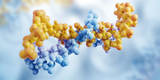
3D organoid is one of the revolutionary developments in biomedical field during the past 10 years. The establishment of intestinal organoids is an important milestone in the development of organoid technology. -
 Scientific Reviews
RNA therapeutics have changed the landscape of drug development, which possess broader spectrum of drug targets, simplicity and efficiency in development and manufacturing.In this article, we will discuss the underlying mechanisms of RNA-based drugs on the market or in clinical stages.
Scientific Reviews
RNA therapeutics have changed the landscape of drug development, which possess broader spectrum of drug targets, simplicity and efficiency in development and manufacturing.In this article, we will discuss the underlying mechanisms of RNA-based drugs on the market or in clinical stages. -
 Scientific Reviews
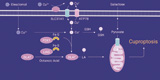
Tsvetkov et al. published in Science and demonstrated a copper-induced programmed cell death — Cuproptosis. As a novel programmed cell death, excess copper triggers abnormal aggregation of lipoylated proteins in TCA cycle and clearance of Fe-S cluster proteins, ultimately leading to cell death.
Scientific Reviews
Tsvetkov et al. published in Science and demonstrated a copper-induced programmed cell death — Cuproptosis. As a novel programmed cell death, excess copper triggers abnormal aggregation of lipoylated proteins in TCA cycle and clearance of Fe-S cluster proteins, ultimately leading to cell death. -
 Scientific Reviews
A comprehensive explanation of ferroptosis
Scientific Reviews
A comprehensive explanation of ferroptosis2022-09-15
Ferroptosis is a new type of RCD that depends on iron and characterized by the accumulation of lipid peroxides. In this article, we will pay our attention on ferroptosis and briefly discusses its mechanism. -
Scientific Reviews
Organoids have great potential in research of organ development, disease modeling, drug screening and, precision and regenerative medicin. In this article, we will expalin the origin of the organoids. Adult stem cells (ASCs) or pluripotent stem cells (PSCs) , which is the better choice.
-
 Scientific Reviews
Autophagy, derived from the Greek meaning "eating of self", plays an indispensable role in maintaining homeostasis. p27 is an inhibitor of cyclin CDKs, but how p27 regulates autophagy remains unknown. This article will cover the mechanism of autophagy and p27-related cell cycle regulation.
Scientific Reviews
Autophagy, derived from the Greek meaning "eating of self", plays an indispensable role in maintaining homeostasis. p27 is an inhibitor of cyclin CDKs, but how p27 regulates autophagy remains unknown. This article will cover the mechanism of autophagy and p27-related cell cycle regulation. -
 Scientific Reviews
CMA (chaperone-mediated autophagy) plays an essential role in maintaining neuronal protein stability and preventing neurodegeneration. In this article, we will comprehensively clarify the role of CMA in the occurrence and development of neurodegenerative diseases.
Scientific Reviews
CMA (chaperone-mediated autophagy) plays an essential role in maintaining neuronal protein stability and preventing neurodegeneration. In this article, we will comprehensively clarify the role of CMA in the occurrence and development of neurodegenerative diseases. -
 Scientific Reviews
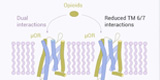
As powerful pain relievers, the opioids morphine and fentanyl have been "checked" by their side effects (listed as controlled substances). How to reduce its side effects? What is its mechanism? This research will explore its mechanism.
Scientific Reviews
As powerful pain relievers, the opioids morphine and fentanyl have been "checked" by their side effects (listed as controlled substances). How to reduce its side effects? What is its mechanism? This research will explore its mechanism. -
 Scientific Reviews
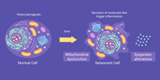
Understanding the mechanism of aging not only has guiding significance for prolonging human life but also has important clinical significance for the prevention and treatment of diseases in the elderly population , thus, improving their life quality and well-being.
Scientific Reviews
Understanding the mechanism of aging not only has guiding significance for prolonging human life but also has important clinical significance for the prevention and treatment of diseases in the elderly population , thus, improving their life quality and well-being. -
 Scientific Reviews
Mammalian cells can also photosynthesize like plants! Photosynthesis can improve cell anabolism and exhibit good clinical effect in degenerative diseases (osteoarthritis).
Scientific Reviews
Mammalian cells can also photosynthesize like plants! Photosynthesis can improve cell anabolism and exhibit good clinical effect in degenerative diseases (osteoarthritis). -
 Scientific Reviews
The latest study of Cell magazine "Neural mechanism underlying depressive-like state associated with social status loss" considers social factors as a breakthrough point. It has been found that the downward transition of social status induces depression-like behavior in mice whereas improves the depressive state by restoring their social environment.
Scientific Reviews
The latest study of Cell magazine "Neural mechanism underlying depressive-like state associated with social status loss" considers social factors as a breakthrough point. It has been found that the downward transition of social status induces depression-like behavior in mice whereas improves the depressive state by restoring their social environment. -
 Scientific Reviews
Stem cell classification and its application
Scientific Reviews
Stem cell classification and its application2023-05-18
Stem cells (SCs) have the unique ability to self-renew and differentiate into different cell types. SCs can differentiate into various types of tissue cells under specific conditions. Additionally, they can be further cultured to form different tissues and organs in the human body. Stem cells have numerous applications in various fields, including cell therapy, organ transplantation, neurodegenerative disease modeling, and drug screening. -
 Scientific Reviews
Mitophagy:Mechanisms and Detection
Scientific Reviews
Mitophagy:Mechanisms and Detection2023-05-25
About 60 years ago, Christian de Duve first used the term "autophagy" to describe his observation of the degradation of mitochondria and other intracellular structures in lysosomes of rat liver. Over the years, autophagy has remained a beloved topic of research by the National Natural Science Foundation of China (NSFC).Today, let's talk about mitochondrial autophagy. -
 Scientific Reviews
Structure of Lipid Droplets
Scientific Reviews
Structure of Lipid Droplets2023-06-15
Huh? Lipid droplets? Organelles? In the past, biological data usually only show the traditional organelles, such as mitochondria, Golgi apparatus, endoplasmic reticulum, etc., lipid droplets are often not mentioned by people. Today, we will make a systematic explanation of lipid droplets, so that everyone has a clear understanding! -
 Scientific Reviews
Organoid Culture: Questions & Answers
Scientific Reviews
Organoid Culture: Questions & Answers2023-07-26
In the last issue, we conducted a live lecture on the theme of organoid culture. Today, we have a special topic to solve your doubts in the last live class! -
 Scientific Reviews
WHO's Q2 drug list has been updated. Let's take you through the list of the most noteworthy small molecule drugs that we should pay attention to.
Scientific Reviews
WHO's Q2 drug list has been updated. Let's take you through the list of the most noteworthy small molecule drugs that we should pay attention to. -
 Scientific Reviews
FDA Approved Drug List!
Scientific Reviews
FDA Approved Drug List!2023-09-14
In the first half of 2023 (as of June 27), the FDA approved 26 new drugs, let's take you learn about it through the article. -
 Scientific Reviews
Science | A "new" mechanism for non-ubiquitinated Midnolin-proteasomal degradation pathway
Scientific Reviews
Science | A "new" mechanism for non-ubiquitinated Midnolin-proteasomal degradation pathway2024-04-26
“ubiquitin-mediated protein degradation” won the Nobel Prize in Chemistry in 2004! In fact, proteasomes degrade not only ubiquitinated proteins but also non-ubiquitinated ones. The mechanism remains shrouded in mystery. After reading this piece today, you might have a lightbulb moment! -
 Scientific Reviews
STZ Induced Diabetes Models
Scientific Reviews
STZ Induced Diabetes Models2024-06-13
Spotlight: How can STZ Help Diabetes Research? -
 Scientific Reviews
Exosomes, which won the Nobel Prize in 2013, are still a research hotspot in the national natural sciences, and their popularity has only increased over the past decade (in 2022, they still rank 5th in the national natural sciences hotspots!). Why have exosomes become the darling of scientific research? Let's take a look together~
Scientific Reviews
Exosomes, which won the Nobel Prize in 2013, are still a research hotspot in the national natural sciences, and their popularity has only increased over the past decade (in 2022, they still rank 5th in the national natural sciences hotspots!). Why have exosomes become the darling of scientific research? Let's take a look together~ -
 Scientific Reviews
Degrade target proteins through the autophagy-lysosome pathway including LYTAC, AUTAC, and ATTEC have gained increasing attention in recent years due to their significant research potential!
Scientific Reviews
Degrade target proteins through the autophagy-lysosome pathway including LYTAC, AUTAC, and ATTEC have gained increasing attention in recent years due to their significant research potential! -
 Scientific Reviews
Science’s 2023 Breakthrough: GLP-1R Agonists
Scientific Reviews
Science’s 2023 Breakthrough: GLP-1R Agonists2024-08-13
GLP-1RAs, which achieved great success in 2023 and draws people’s attention back to obesity treatments and GLP-1 therapies worldwide, was chosen as the breakthrough of year 2023 by Science [2]. -
 Scientific Reviews
Cuproptosis, How much do you know?
Scientific Reviews
Cuproptosis, How much do you know?2024-08-22
Cells die in a variety of ways, including apoptosis, pyroptosis, necrosis, and ferroptosis......And, of course, cuproptosis. So, how much do you know about cuproptosis? -
 Scientific Reviews
Recently, Mol Cell reported the discovery of the first ferroptosis marker, Hyperoxidized PRDX3! Let’s take a look together~
Scientific Reviews
Recently, Mol Cell reported the discovery of the first ferroptosis marker, Hyperoxidized PRDX3! Let’s take a look together~ -
 Scientific Reviews
Cuproptosis's Knowledge Points!
Scientific Reviews
Cuproptosis's Knowledge Points!2024-09-25
With the establishment of the cuproptosis mechanism related research has attracted more and more attention from major journals. Expect to use the sharp sword of cuproptosis to stab the tumor cells. -
 Scientific Reviews
2024 Nobel Prize Announcements! Curious about the details? Click to dive into the exciting developments!
Scientific Reviews
2024 Nobel Prize Announcements! Curious about the details? Click to dive into the exciting developments! -
Scientific Reviews
Delve into the intricate networks that govern mitochondrial quality control. By examining key mechanisms such as biogenesis, mitochondrial dynamics (fission and fusion), proteolysis, and mitophagy. -
 Scientific Reviews
Unlocking the Power of Intermittent Fasting: The 16+8 Method
Scientific Reviews
Unlocking the Power of Intermittent Fasting: The 16+8 Method -
 Scientific Reviews
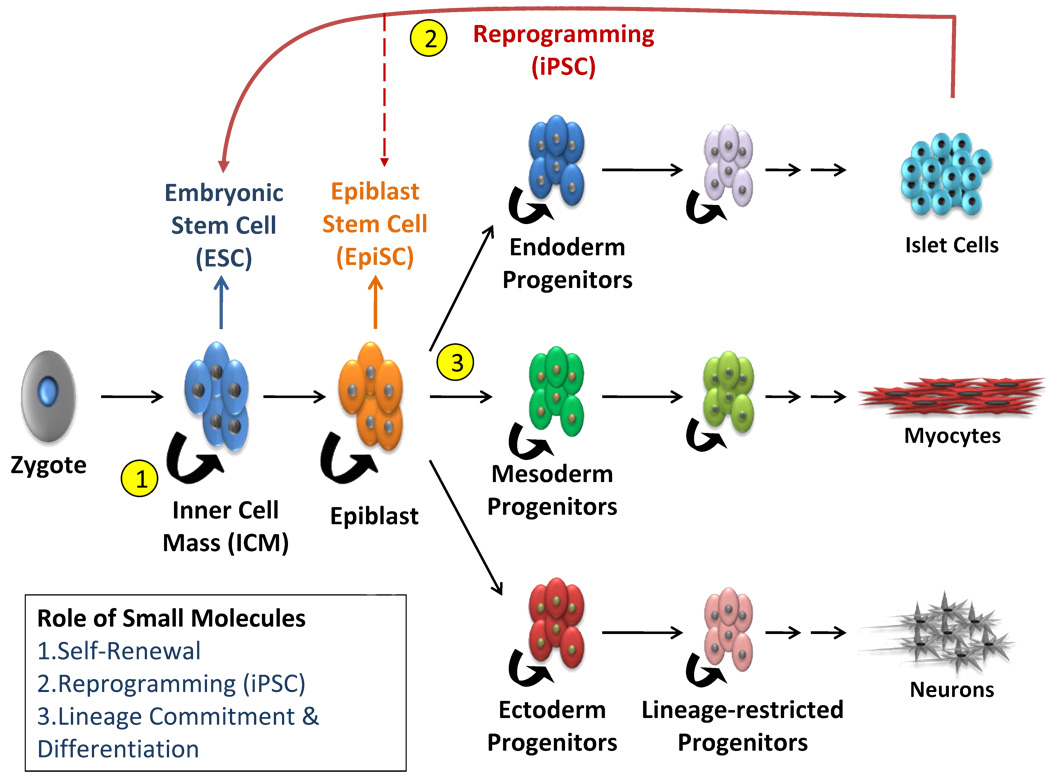
In early January 2025, MIT Tech Review unveiled its annual list of top 10 breakthrough technologies poised to redefine the future. Among these, stem cell therapy stood out for its potential to treat diverse diseases—including neurodegenerative disorders, diabetes, cancer, and heart failure. This groundbreaking approach uses stem cells to replace damaged cells, offering hope for millions worldwide.
Scientific Reviews
In early January 2025, MIT Tech Review unveiled its annual list of top 10 breakthrough technologies poised to redefine the future. Among these, stem cell therapy stood out for its potential to treat diverse diseases—including neurodegenerative disorders, diabetes, cancer, and heart failure. This groundbreaking approach uses stem cells to replace damaged cells, offering hope for millions worldwide. -
 Scientific Reviews
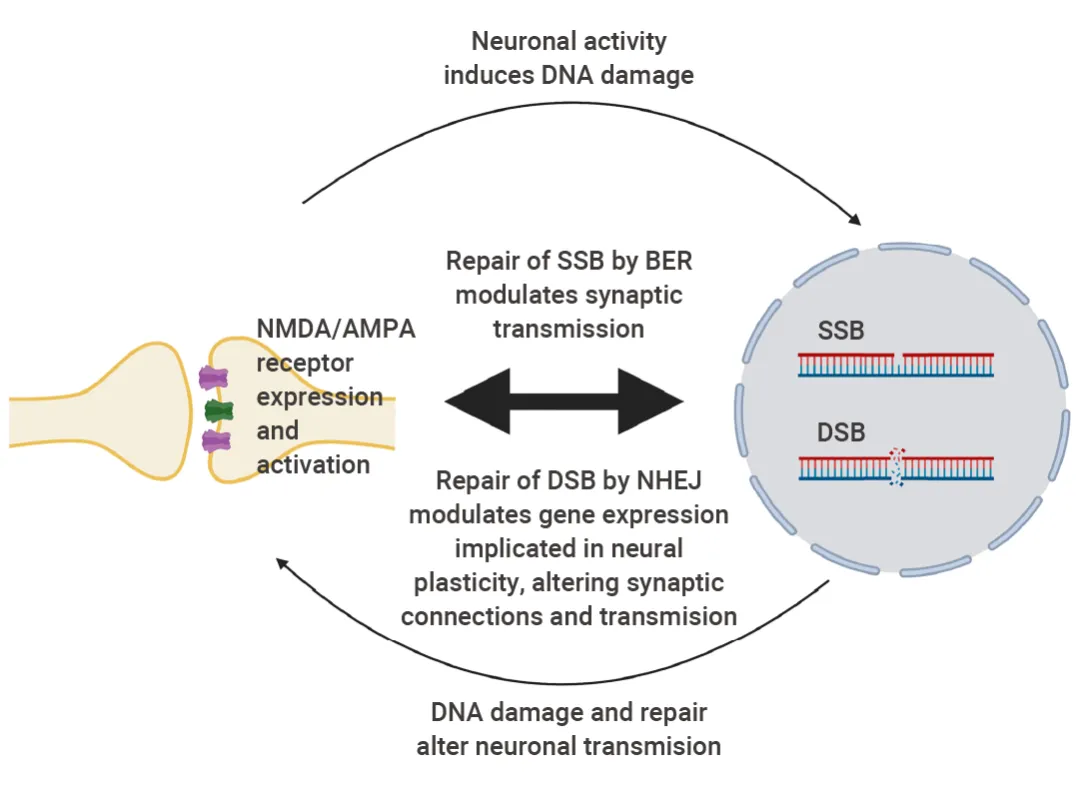
When you hear "inflammation" and "DNA damage," you might immediately think of disease or injury. However, in brains, these two processes are key steps in forming long-term memories, particularly related to specialized cells in our brain called hippocampal neurons.
Scientific Reviews
When you hear "inflammation" and "DNA damage," you might immediately think of disease or injury. However, in brains, these two processes are key steps in forming long-term memories, particularly related to specialized cells in our brain called hippocampal neurons. -
 Scientific Reviews
Autophagy is a fundamental process that degrades various components within the cell.
Scientific Reviews
Autophagy is a fundamental process that degrades various components within the cell. -
 Scientific Reviews
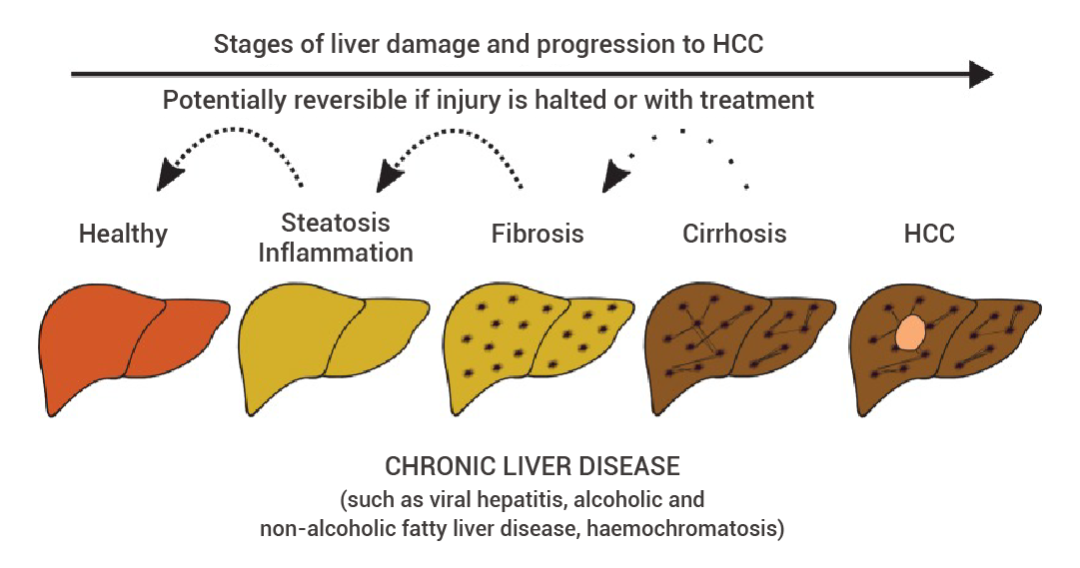
This article will tell you about the common methods of modeling liver disease in animal models.
Scientific Reviews
This article will tell you about the common methods of modeling liver disease in animal models. -
.jpg) Scientific Reviews
nside cells, the homeostasis and degradation of proteins is a precisely regulated process. If proteins cannot be degraded in time, it may lead to the occurrence of various diseases such as neurodegenerative diseases and cancer. This article will tell you the process of how proteins are recognized, labeled and then degraded!
Scientific Reviews
nside cells, the homeostasis and degradation of proteins is a precisely regulated process. If proteins cannot be degraded in time, it may lead to the occurrence of various diseases such as neurodegenerative diseases and cancer. This article will tell you the process of how proteins are recognized, labeled and then degraded! -
 Scientific Reviews
This article introduces some common cardiovascular disease models, inducers, modeling protocols and successful modeling cases in the research.
Scientific Reviews
This article introduces some common cardiovascular disease models, inducers, modeling protocols and successful modeling cases in the research. -
 Scientific Reviews
In this issue, we will conduct an in-depth interpretation from the dimensions of nanoparticle design, mechanism of action, in vivo and in vitro efficacy, and immune regulation, revealing how this research brings new hope for the treatment of invasive tumors through interdisciplinary innovation!
Scientific Reviews
In this issue, we will conduct an in-depth interpretation from the dimensions of nanoparticle design, mechanism of action, in vivo and in vitro efficacy, and immune regulation, revealing how this research brings new hope for the treatment of invasive tumors through interdisciplinary innovation! -
 Scientific Reviews
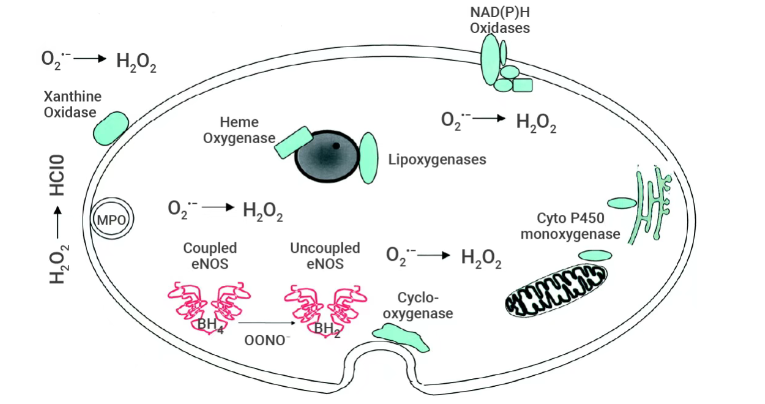
The article introduces the mechanisms of ROS generation and the methods for their detection.
Scientific Reviews
The article introduces the mechanisms of ROS generation and the methods for their detection. -
 Scientific Reviews
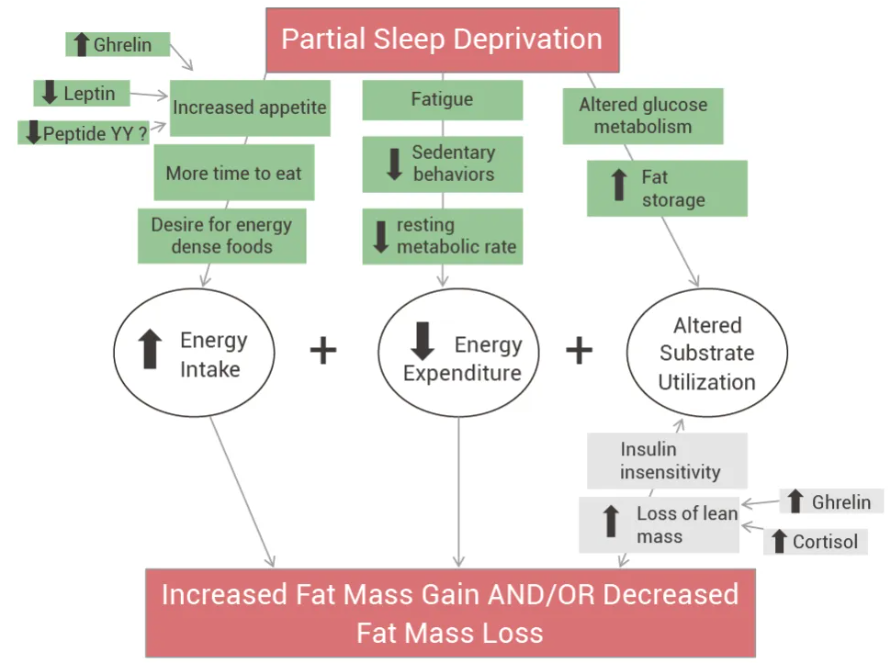
Have you ever noticed that after staying up late, your appetite—especially for high-calorie foods—gets out of control? If this sounds familiar, today’s article might offer some good news.
Scientific Reviews
Have you ever noticed that after staying up late, your appetite—especially for high-calorie foods—gets out of control? If this sounds familiar, today’s article might offer some good news. -
 Scientific Reviews
Finding adipogenic induction media too expensive and tricky to prepare? This comprehensive guide to 3T3-L1 adipogenic differentiation simplifies the process, helping you achieve great results!
Scientific Reviews
Finding adipogenic induction media too expensive and tricky to prepare? This comprehensive guide to 3T3-L1 adipogenic differentiation simplifies the process, helping you achieve great results! -
Scientific Reviews
Microglia– the only immune cells within the brain parenchyma. With advancements in imaging technologies, people’s understanding of microglia has shifted from being viewed as 'resting' cells to 'highly active' cells, particularly due to their dynamic processes that seem to be probing surrounding tissues and monitoring neuronal activity. This has made microglia a focal point of research in the field of neuroscience. -
 Scientific Reviews
Exosomes—natural nanoscale carriers—are revolutionizing targeted therapy. This article uncovers the science behind their precision in drug delivery.
Scientific Reviews
Exosomes—natural nanoscale carriers—are revolutionizing targeted therapy. This article uncovers the science behind their precision in drug delivery. -
 Scientific Reviews
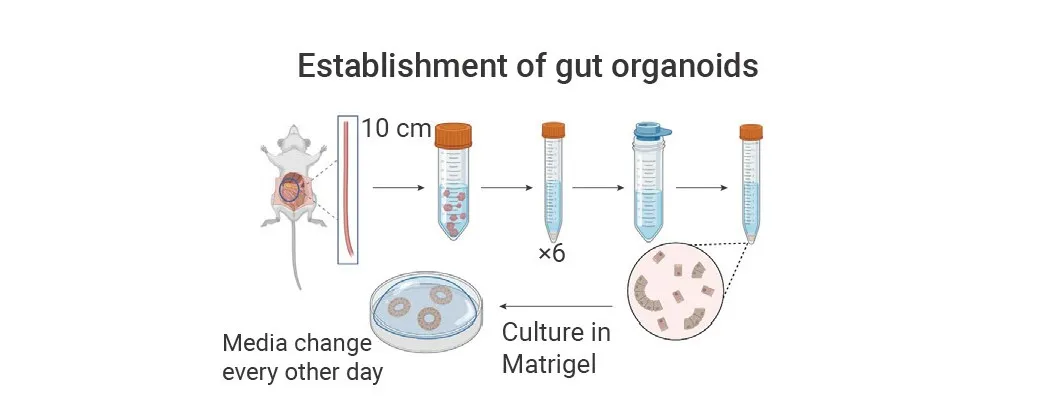
Efficient Generation of Mouse Small Intestinal Organoids: A Complete Experimental Protocol Guide
Scientific Reviews
Efficient Generation of Mouse Small Intestinal Organoids: A Complete Experimental Protocol Guide2025-12-10
How to successfully create mouse small intestine organoids? A detailed, hands-on guide to the entire process, all in one article! -
 Scientific Reviews
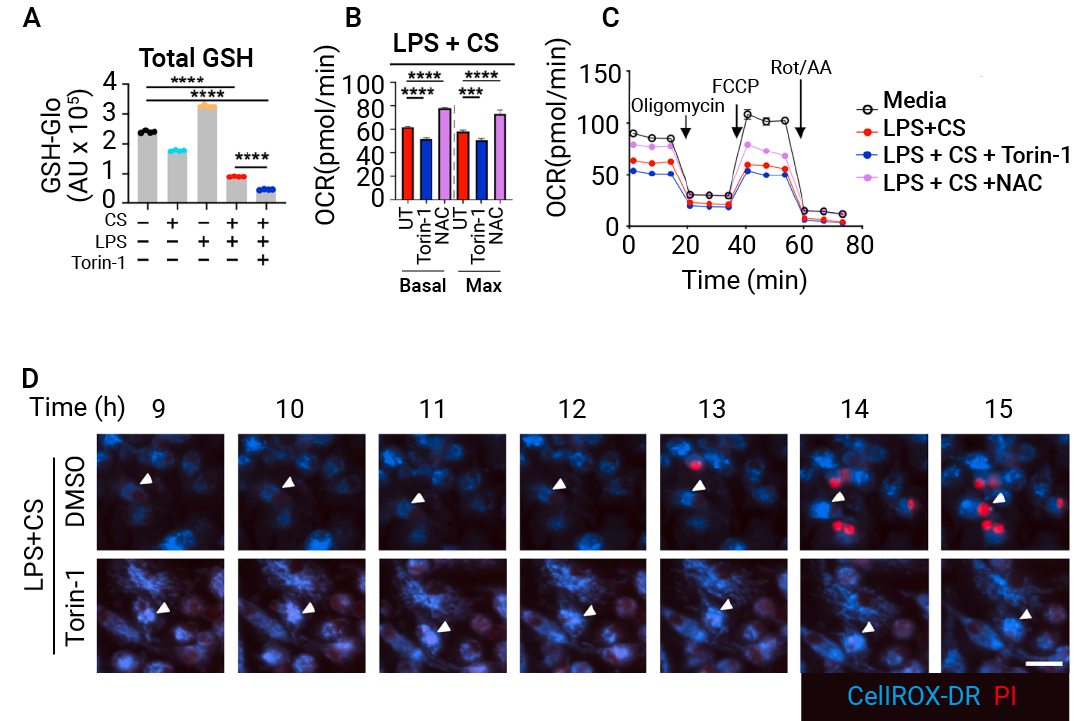
A November 2025 Cell study discovers Mitoxyperilysis, a new mTOR-regulated, caspase-independent cell death pathway driven by innate immune and metabolic dysregulation via mitochondrial-plasma membrane contact and oxidative damage, and verifies its potential to induce tumor necrosis for cancer therapy with key regulators including BAX, BAK1 and BID.
Scientific Reviews
A November 2025 Cell study discovers Mitoxyperilysis, a new mTOR-regulated, caspase-independent cell death pathway driven by innate immune and metabolic dysregulation via mitochondrial-plasma membrane contact and oxidative damage, and verifies its potential to induce tumor necrosis for cancer therapy with key regulators including BAX, BAK1 and BID. -
 Scientific Reviews
In the hunt for the next ‘GLP-1,’ amylin therapeutics, which have shown strong weight-loss results in clinical trials, have become a major focus for both multinational pharma and the scientific community.
Scientific Reviews
In the hunt for the next ‘GLP-1,’ amylin therapeutics, which have shown strong weight-loss results in clinical trials, have become a major focus for both multinational pharma and the scientific community. -
 Scientific Reviews
GLP-1 and Obesity Research
Scientific Reviews
GLP-1 and Obesity Research2026-08-14
Obesity substantially increases the risk of chronic diseases such as T2D and cardiovascular disease. The breakout success of GLP-1 therapies has spotlighted GLP-1R and a wave of emerging obesity targets. -
 EDM
Research Progress of Type-2-Diabetes
EDM
Research Progress of Type-2-Diabetes2025-07-09
This review comprehensively analyzes the pathophysiological mechanisms underlying T2D, surveys current therapeutic strategies, and introduces commonly used disease modeling approaches to support translational research. -
 EDM
Advances in Alzheimer's Disease Research
EDM
Advances in Alzheimer's Disease Research2025-07-16
This review summarizes current understanding of AD pathophysiology, including amyloid and tau pathology, neuroinflammation, synaptic dysfunction, and vascular abnormalities, and evaluates therapeutic strategies and experimental models. -
 EDM
This review provides an overview of GLP-1 biology and physiological functions, summarizes the development and clinical applications of GLP-1 receptor agonists, and discusses next-generation GLP-1–based therapeutic strategies.
EDM
This review provides an overview of GLP-1 biology and physiological functions, summarizes the development and clinical applications of GLP-1 receptor agonists, and discusses next-generation GLP-1–based therapeutic strategies. -
 EDM
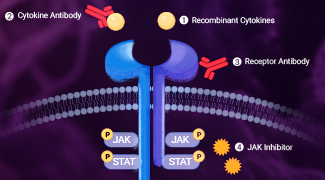
This review critically examines the role of the JAK-STAT pathway in immunity and autoimmune diseases, reviews current clinical applications of targeted therapies, and highlights emerging trends in autoimmune drug development.
EDM
This review critically examines the role of the JAK-STAT pathway in immunity and autoimmune diseases, reviews current clinical applications of targeted therapies, and highlights emerging trends in autoimmune drug development. -
 EDM
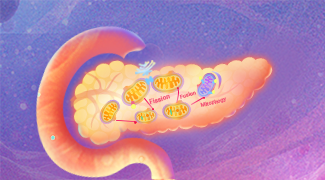
This review discusses β-cell dysfunction driven by mitochondrial impairment, outlines mitochondrial quality control networks, and summarizes strategies to restore mitochondrial function.
EDM
This review discusses β-cell dysfunction driven by mitochondrial impairment, outlines mitochondrial quality control networks, and summarizes strategies to restore mitochondrial function. -
 EDM
This review highlights the roles of microglia in AD pathology, focusing on metabolic reprogramming and microglia-targeted therapeutic strategies.
EDM
This review highlights the roles of microglia in AD pathology, focusing on metabolic reprogramming and microglia-targeted therapeutic strategies. -
 EDM
This review outlines macrophage functions and classification, and provides practical experimental guidelines for macrophage differentiation, polarization, and identification.
EDM
This review outlines macrophage functions and classification, and provides practical experimental guidelines for macrophage differentiation, polarization, and identification. -
 EDM
Explore next-generation obesity therapies from three perspectives: GLP-1-based multi-receptor agonists, oral GLP-1 strategies, and novel obesity targets.
EDM
Explore next-generation obesity therapies from three perspectives: GLP-1-based multi-receptor agonists, oral GLP-1 strategies, and novel obesity targets. -
 EDM
Review advances in target discovery, disease modeling, and biomarkers for Parkinson’s disease, highlighting their interplay and future directions for translational research.
EDM
Review advances in target discovery, disease modeling, and biomarkers for Parkinson’s disease, highlighting their interplay and future directions for translational research. -
 EDM
Review mitophagy regulation, disease mechanisms, and therapeutic advances to guide future research and drug development.
EDM
Review mitophagy regulation, disease mechanisms, and therapeutic advances to guide future research and drug development. -
 EDM
Explore the evolution from GLP-1 mono-agonists to multi-receptor therapeutics and the expanding role of incretin-based therapies in precision metabolic medicine.
EDM
Explore the evolution from GLP-1 mono-agonists to multi-receptor therapeutics and the expanding role of incretin-based therapies in precision metabolic medicine. -
 EDM
Explore the mechanisms driving immune tolerance breakdown in autoimmune diseases and emerging tolerance-restoring strategies, with a focus on IL-2-based immune modulation.
EDM
Explore the mechanisms driving immune tolerance breakdown in autoimmune diseases and emerging tolerance-restoring strategies, with a focus on IL-2-based immune modulation. -
 EDM
Explore how anti-Aβ therapy is reshaping the AD treatment landscape, the rationale for multi-pathology combination strategies, and advances in biomarker-guided precision treatment.
EDM
Explore how anti-Aβ therapy is reshaping the AD treatment landscape, the rationale for multi-pathology combination strategies, and advances in biomarker-guided precision treatment. -
 EDM
Evolution of PCSK9 Inhibitors Modalities: From Monoclonal Antibodies to Oral Macrocyclic Peptides
EDM
Evolution of PCSK9 Inhibitors Modalities: From Monoclonal Antibodies to Oral Macrocyclic Peptides2026-08-27
Review the biological basis of PCSK9, key therapeutic modalities, cardiovascular evidence, and future directions, including insights from the CORALreef clinical program. -
 EDM
Explore how mitochondrial quality control, inflammatory signaling, and metabolic–epigenetic reprogramming regulate cellular senescence and the SASP, along with strategies to restore mitochondrial homeostasis.
EDM
Explore how mitochondrial quality control, inflammatory signaling, and metabolic–epigenetic reprogramming regulate cellular senescence and the SASP, along with strategies to restore mitochondrial homeostasis. -
 Product Guides
Exosomes are nano-sized biovesicles released into surrounding body fluids after the fusion of multivesicular bodies with the plasma membrane. In this article, we will briefly introduce isolation, labeling and identification of exosomes. And the specific application of exosomes will also be mentioned.
Product Guides
Exosomes are nano-sized biovesicles released into surrounding body fluids after the fusion of multivesicular bodies with the plasma membrane. In this article, we will briefly introduce isolation, labeling and identification of exosomes. And the specific application of exosomes will also be mentioned. -
 Blog
BR351 is a Brain Penetrant MMP Inhibitor
Blog
BR351 is a Brain Penetrant MMP Inhibitor2019-04-05
BR351 is a brain penetrant MMP inhibitor, and a potential tool for the molecular imaging of activated MMPs with PET, with an IC50 in the nanomolar range. -
 Blog
Nevanimibe is a selective and potent ACAT1 inhibitor. An excellent drug candidate in the treatment of adrenocortical cancer.
Blog
Nevanimibe is a selective and potent ACAT1 inhibitor. An excellent drug candidate in the treatment of adrenocortical cancer. -
 Blog
BAY-8002 is a selective and orally active inhibitor of monocarboxylate transporter 1 (MCT1), with an IC50 of 85 nM. Has potential to treat lymphoma.
Blog
BAY-8002 is a selective and orally active inhibitor of monocarboxylate transporter 1 (MCT1), with an IC50 of 85 nM. Has potential to treat lymphoma. -
 Blog
ACY-1083, a Highly Selective HDAC6 Inhibitor, Reverses Chemotherapy-induced Peripheral Neuropathy
Blog
ACY-1083, a Highly Selective HDAC6 Inhibitor, Reverses Chemotherapy-induced Peripheral Neuropathy2019-05-12
ACY-1083 is a selective and brain-penetrating HDAC6 inhibitor with an IC50 of 3 nM. ACY-1083 effectively reverses chemotherapy-induced peripheral neuropathy -
 Blog
Olutasidenib is a highly potent, selective inhibitor of mutant IDH1 that could be used in the treatment of AML or myelodysplastic syndrome (MDS).
Blog
Olutasidenib is a highly potent, selective inhibitor of mutant IDH1 that could be used in the treatment of AML or myelodysplastic syndrome (MDS). -
 Blog
JMS-17-2 is a CX3CR1 Antagonist
Blog
JMS-17-2 is a CX3CR1 Antagonist2019-06-12
JMS-17-2 is a potent and selective CX3CR1 antagonist with an IC50 of 0.32 nM. Has potential to treat cancers such as breast cancer. -
 Blog
Gboxin is an oxidative phosphorylation inhibitor that targets glioblastoma. Gboxin inhibits the activity of F0F1 ATP synthase and shows antitumour activity.
Blog
Gboxin is an oxidative phosphorylation inhibitor that targets glioblastoma. Gboxin inhibits the activity of F0F1 ATP synthase and shows antitumour activity. -
 Blog
PTC299 is a dual and orally active DHODH and VEGF inhibitor, has broad and potent activity against hematological cancer cells.
Blog
PTC299 is a dual and orally active DHODH and VEGF inhibitor, has broad and potent activity against hematological cancer cells. -
 Blog
LSN 3213128 is a selective, nonclassical, orally bioavailable antifolate with anti-cancer activity. LSN 3213128 potently and specifically inhibits AICARFT.
Blog
LSN 3213128 is a selective, nonclassical, orally bioavailable antifolate with anti-cancer activity. LSN 3213128 potently and specifically inhibits AICARFT. -
 Blog
NXT629 is a potent, selective, and competitive PPAR-α antagonist and shows high selectivity over other nuclear hormone receptor.
Blog
NXT629 is a potent, selective, and competitive PPAR-α antagonist and shows high selectivity over other nuclear hormone receptor. -
 Blog
BI-4924 is a Selective PHGDH Inhibitor
Blog
BI-4924 is a Selective PHGDH Inhibitor2019-08-23
BI-4924 is a lipophilic and highly plasma protein bound selective phosphoglycerate dehydrogenase (PHGDH) inhibitor (IC50=3 nM) with excellent microsomal. -
 Blog
FT113 is a potent and orally active fatty acid synthase inhibitor, with an IC50 of 213 nM for full-length recombinant human FAS, with anti-tumor activity.
Blog
FT113 is a potent and orally active fatty acid synthase inhibitor, with an IC50 of 213 nM for full-length recombinant human FAS, with anti-tumor activity. -
 Blog
UPGL00004 is a allosteric glutaminase C inhibitor which strongly inhibits the proliferation of highly aggressive triple-negative breast cancer cell lines.
Blog
UPGL00004 is a allosteric glutaminase C inhibitor which strongly inhibits the proliferation of highly aggressive triple-negative breast cancer cell lines. -
 Blog
IDH889 is an orally available, brain penetrant, allosteric and mutant specific inhibitor of isocitrate dehydrogenase 1 (IDH1) R132 mutations.
Blog
IDH889 is an orally available, brain penetrant, allosteric and mutant specific inhibitor of isocitrate dehydrogenase 1 (IDH1) R132 mutations. -
 Blog
TVB-3166 is an orally-available, reversible, and selective FASN inhibitor and it induces apoptosis, and inhibits in-vivo xenograft tumor growth.
Blog
TVB-3166 is an orally-available, reversible, and selective FASN inhibitor and it induces apoptosis, and inhibits in-vivo xenograft tumor growth. -
 Blog
ASLAN003 is an orally active and potent inhibitor of hDHODH with antitumor activity, and it has the potential to be a first-in-class drug candidate in AML.
Blog
ASLAN003 is an orally active and potent inhibitor of hDHODH with antitumor activity, and it has the potential to be a first-in-class drug candidate in AML. -
 Blog
DS18561882 is a highly potent, sozyme-selective methylenetetrahydrofolate dehydrogenase 2 (MTHFD2) inhibitor with a good oral pharmacokinetic profile.
Blog
DS18561882 is a highly potent, sozyme-selective methylenetetrahydrofolate dehydrogenase 2 (MTHFD2) inhibitor with a good oral pharmacokinetic profile. -
 Blog
GNE-618 is a Orally Active NAMPT Inhibitor
Blog
GNE-618 is a Orally Active NAMPT Inhibitor2019-11-28
GNE-618 is an orally active NAMPT inhibitor and reduces tumor growth. GNE-618 depletes NAD levels and induces tumor cell death. -
 Blog
Telaglenastat is a first-in-class, reversible, orally bioavailable glutaminase 1 splice variants (KGA and GAC) inhibitor. It shows antitumor activity.
Blog
Telaglenastat is a first-in-class, reversible, orally bioavailable glutaminase 1 splice variants (KGA and GAC) inhibitor. It shows antitumor activity. -
 Blog
GPP78 is a potent Nampt inhibitor. GPP78 is cytotoxic to neuroblastoma cell line SH-SY5Y cells. GPP78 has anti-cancer and anti-tumor activity.
Blog
GPP78 is a potent Nampt inhibitor. GPP78 is cytotoxic to neuroblastoma cell line SH-SY5Y cells. GPP78 has anti-cancer and anti-tumor activity. -
 Blog
M8891 is an orally active, reversible and brain penetrant Methionine Aminopeptidase-2 (MetAP-2) inhibitor with antiangiogenic and antitumoral activity.
Blog
M8891 is an orally active, reversible and brain penetrant Methionine Aminopeptidase-2 (MetAP-2) inhibitor with antiangiogenic and antitumoral activity. -
 Blog
AKOS-22, a VDAC1 Oligomerization and Apoptosis Inhibitor, Protects Against Mitochondrial Dysfunction
Blog
AKOS-22, a VDAC1 Oligomerization and Apoptosis Inhibitor, Protects Against Mitochondrial Dysfunction2020-02-15
AKOS-22 is a potent mitochondrial protein VDAC1 and apoptosis inhibitor. AKOS-22 protects against Mitochondrial Dysfunction. -
 Blog
TCH-165 is a modulator of proteasome assembly, which increases 20S levels and facilitates 20S-mediated protein degradation, such as IDPs, α-syn, and tau.
Blog
TCH-165 is a modulator of proteasome assembly, which increases 20S levels and facilitates 20S-mediated protein degradation, such as IDPs, α-syn, and tau. -
 Blog
Ro 90-7501, an Aβ42 fibril assembly inhibitor, inhibits PP5 in a TPR-dependent manner and has radiosensitizing effects on cervical cancer cells.
Blog
Ro 90-7501, an Aβ42 fibril assembly inhibitor, inhibits PP5 in a TPR-dependent manner and has radiosensitizing effects on cervical cancer cells. -
 Blog
CM10 is a potent and selective aldehyde dehydrogenase 1A family inhibitor and regulates metabolism and has anti-cancer activity.
Blog
CM10 is a potent and selective aldehyde dehydrogenase 1A family inhibitor and regulates metabolism and has anti-cancer activity. -
 Blog
NU1025 is a potent PARP inhibitor and potentiates the cytotoxicity of ionizing radiation drug. NU1025 has anti-cancer and neuroprotective activity.
Blog
NU1025 is a potent PARP inhibitor and potentiates the cytotoxicity of ionizing radiation drug. NU1025 has anti-cancer and neuroprotective activity. -
 Blog
DC-5163 is a potent GAPDH inhibitor, can inhibit glycolysis pathway partially. DC-5163 selectively inhibits cancer cell proliferation and induces apoptosis.
Blog
DC-5163 is a potent GAPDH inhibitor, can inhibit glycolysis pathway partially. DC-5163 selectively inhibits cancer cell proliferation and induces apoptosis. -
 Blog
OT-82 is a selective inhibitor of NAMPT. Selectively toxic to cells of hematopoietic origin. OT-82 is a promising antineoplastic agent.
Blog
OT-82 is a selective inhibitor of NAMPT. Selectively toxic to cells of hematopoietic origin. OT-82 is a promising antineoplastic agent. -
 Blog
TNP-351, an Antifolate, is a Dihydrofolate Reductase (DHFR) Inhibitor. Antifolates serve medical science well in neoplastic and non-neoplastic diseases.
Blog
TNP-351, an Antifolate, is a Dihydrofolate Reductase (DHFR) Inhibitor. Antifolates serve medical science well in neoplastic and non-neoplastic diseases. -
 Blog
JCN037 is a potent, non-covalent, and brain-penetrant EGFR tyrosine kinase inhibitor. JCN037 has potent anti-cancer activity.
Blog
JCN037 is a potent, non-covalent, and brain-penetrant EGFR tyrosine kinase inhibitor. JCN037 has potent anti-cancer activity. -
 Blog
MYLS22 is a first-in-class and selective optic atrophy 1 (OPA1) inhibitor with anti-angiogenesis and anti-cancer activity.
Blog
MYLS22 is a first-in-class and selective optic atrophy 1 (OPA1) inhibitor with anti-angiogenesis and anti-cancer activity. -
 Blog
JX06 is a potent, selective and covalent inhibitor of PDK via covalently binding to a cysteine residue in an irreversible manner.
Blog
JX06 is a potent, selective and covalent inhibitor of PDK via covalently binding to a cysteine residue in an irreversible manner. -
 Blog
KCC-07 prevents binding of MBD2 to methylated DNA and activates BAI1 inducing anti-proliferative BAI1/p53/p21 signaling. Anticancer activity.
Blog
KCC-07 prevents binding of MBD2 to methylated DNA and activates BAI1 inducing anti-proliferative BAI1/p53/p21 signaling. Anticancer activity. -
 Blog
IPI-9119 is an orally active, selective and irreversible FASN inhibitor with potent anti-cancer activity. IPI-9119 induces cell cycle arrest, apoptosis.
Blog
IPI-9119 is an orally active, selective and irreversible FASN inhibitor with potent anti-cancer activity. IPI-9119 induces cell cycle arrest, apoptosis. -
 Blog
MPT0G211, an orally active and selective HDAC6 inhibitor, ameliorates tau phosphorylation, and cognitive deficits in an Alzheimer’s disease model.
Blog
MPT0G211, an orally active and selective HDAC6 inhibitor, ameliorates tau phosphorylation, and cognitive deficits in an Alzheimer’s disease model. -
 Blog
RapaLink-1, a third-generation bivalent mTOR inhibitor, potently blocking cancer-derived, activating mutants of mTOR. It can cross the blood-brain barrier.
Blog
RapaLink-1, a third-generation bivalent mTOR inhibitor, potently blocking cancer-derived, activating mutants of mTOR. It can cross the blood-brain barrier. -
 Blog
PQR530 is a potent, ATP-competitive, orally bioavailable and brain-penetrant dual pan-PI3K/mTORC1/2 inhibitor. Antitumor activity.
Blog
PQR530 is a potent, ATP-competitive, orally bioavailable and brain-penetrant dual pan-PI3K/mTORC1/2 inhibitor. Antitumor activity. -
 Blog
CHDI-390576, a potent and CNS penetrant class IIa HDAC inhibitor, show selectivity over class I HDACs, HDAC8 and the class IIb HDAC6 isoform.
Blog
CHDI-390576, a potent and CNS penetrant class IIa HDAC inhibitor, show selectivity over class I HDACs, HDAC8 and the class IIb HDAC6 isoform. -
 Blog
CTPI-2 is a SLC25A1 inhibitor. CTPI-2 inhibits glycolysis, PPARγ, and its downstream target the glucose transporter GLUT4. Antitumor activity.
Blog
CTPI-2 is a SLC25A1 inhibitor. CTPI-2 inhibits glycolysis, PPARγ, and its downstream target the glucose transporter GLUT4. Antitumor activity. -
 Blog
BI99179 is a Selective Type I FASN Inhibitor
Blog
BI99179 is a Selective Type I FASN Inhibitor2021-01-28
FASN is a key enzyme for lipogenesis and highly expressed in lipogenic tissues. BI99179 is a Selective Type I FASN Inhibitor. -
 Blog
Fasentin inhibits GLUT-1 and GLUT-4 transporters. Fasentin blocks glucose uptake in cancer cell lines and has anti-angiogenic activity.
Blog
Fasentin inhibits GLUT-1 and GLUT-4 transporters. Fasentin blocks glucose uptake in cancer cell lines and has anti-angiogenic activity. -
 Blog
ML390 is a Potent DHODH Inhibitor
Blog
ML390 is a Potent DHODH Inhibitor2021-02-24
ML390 is a potent dihydroorotate dehydrogenase (DHODH) inhibitor and is an inducer of myeloid differentiation. -
 Blog
NAZ2329 is an allosteric, noncompetitive and reversible inhibitor of R5 RPTP subfamily and PTPRZ/PTPRG with anti-cancer activity.
Blog
NAZ2329 is an allosteric, noncompetitive and reversible inhibitor of R5 RPTP subfamily and PTPRZ/PTPRG with anti-cancer activity. -
 Blog
BrBzGCp2 is a Glyoxalase 1 (GLO1) inhibitor for a variety of disorders. Possesses antitumor and neuroprotective activity.
Blog
BrBzGCp2 is a Glyoxalase 1 (GLO1) inhibitor for a variety of disorders. Possesses antitumor and neuroprotective activity. -
 Blog
IMT1 is a first-in-class specific and noncompetitive human POLRMT inhibitor for mitochondrial transcription disorders related diseases.
Blog
IMT1 is a first-in-class specific and noncompetitive human POLRMT inhibitor for mitochondrial transcription disorders related diseases. -
 Blog
ML-00253764 is a brain penetrant nonpeptidic melanocortin receptor 4 (MC4R) antagonist with a Ki/IC50 of 0.16 µM/0.103 µM, respectively.
Blog
ML-00253764 is a brain penetrant nonpeptidic melanocortin receptor 4 (MC4R) antagonist with a Ki/IC50 of 0.16 µM/0.103 µM, respectively. -
 Blog
AUTAC4 is a mitochondria-targeting autophagy-targeting chimera, which can be used for the study of mitochondrial dysfunction.
Blog
AUTAC4 is a mitochondria-targeting autophagy-targeting chimera, which can be used for the study of mitochondrial dysfunction. -
 Blog
Vorasidenib is an orally available, brain penetrant second-generation dual mutant isocitrate dehydrogenases 1 and 2 (mIDH1/2) inhibitor.
Blog
Vorasidenib is an orally available, brain penetrant second-generation dual mutant isocitrate dehydrogenases 1 and 2 (mIDH1/2) inhibitor. -
 Blog
GSK2606414 is an orally available PERK inhibitor and is a potent compound of cancer and neurological diseases.
Blog
GSK2606414 is an orally available PERK inhibitor and is a potent compound of cancer and neurological diseases. -
 Blog
IACS-010759 is an orally active, potent mitochondrial complex I of oxidative phosphorylation (OXPHOS) inhibitor with antitumor activity.
Blog
IACS-010759 is an orally active, potent mitochondrial complex I of oxidative phosphorylation (OXPHOS) inhibitor with antitumor activity. -
 Blog
SB 258719 is a selective 5-HT7 receptor antagonist and can be used for the research of cancer and neurological disease.
Blog
SB 258719 is a selective 5-HT7 receptor antagonist and can be used for the research of cancer and neurological disease. -
 Blog
Lonidamine, an antitumor agent and an indazole derivative, interferes with energy-yielding processes in cancer cells.
Blog
Lonidamine, an antitumor agent and an indazole derivative, interferes with energy-yielding processes in cancer cells. -
 Blog
Trolox is an analogue of vitamin E with a powerful antioxidant effect. Trolox is also a powerful inhibitor of membrane damage.
Blog
Trolox is an analogue of vitamin E with a powerful antioxidant effect. Trolox is also a powerful inhibitor of membrane damage. -
 Blog
AZD1390 is a potent, highly selective, orally bioavailable, brain-penetrant ATM inhibitor with an IC50 of 0.78 nM.
Blog
AZD1390 is a potent, highly selective, orally bioavailable, brain-penetrant ATM inhibitor with an IC50 of 0.78 nM. -
 Blog
Alda-1 is a potent ALDH2 Agonist
Blog
Alda-1 is a potent ALDH2 Agonist2021-12-30
Alda-1 ameliorates H2O2-induced Achilles tendinopathy. Alda-1 could be used for preventing Achilles tendinopathy. -
 Blog
Epoxomicin is an epoxyketone-containing natural product and a selective and irreversible proteasome inhibitor. Cross the blood-brain barrier.
Blog
Epoxomicin is an epoxyketone-containing natural product and a selective and irreversible proteasome inhibitor. Cross the blood-brain barrier. -
 Blog
AZD-9574 is a potent and brain penetrant PARP1 inhibitor and shows >8000-fold selectivity for PARP1 compared to PARP2/3/5a/6.
Blog
AZD-9574 is a potent and brain penetrant PARP1 inhibitor and shows >8000-fold selectivity for PARP1 compared to PARP2/3/5a/6. -
 Blog
GR-46611 is a 5-HT1D Receptor Agonist
Blog
GR-46611 is a 5-HT1D Receptor Agonist2022-10-11
GR-46611 is a potent 5-HT1D receptor agonist and has the potential for the research of epilepsy and inhibits bladder activity. -
 Blog
STF-31 is a potent ans selective inhibitor of GLUT1 that inhibit glucose uptake in renal cell carcinoma (RCC) 4 cells.
Blog
STF-31 is a potent ans selective inhibitor of GLUT1 that inhibit glucose uptake in renal cell carcinoma (RCC) 4 cells. -
 Blog
Olutasidenib (FT-2102) is an orally active, brain penetrant inhibitor of mutant IDH1. Olutasidenib is used for AML or MDS Research.
Blog
Olutasidenib (FT-2102) is an orally active, brain penetrant inhibitor of mutant IDH1. Olutasidenib is used for AML or MDS Research. -
 Blog
J-113397 is a potent and selective nonpeptidyl ORL1 receptor antagonist without any agonistic effects on other opioid receptors.
Blog
J-113397 is a potent and selective nonpeptidyl ORL1 receptor antagonist without any agonistic effects on other opioid receptors. -
 Blog
Talotrexin (PT523), a classic antifolate, is an RFC (reduced folate carrier) specific inhibitor and selectively inhibits RFC transport.
Blog
Talotrexin (PT523), a classic antifolate, is an RFC (reduced folate carrier) specific inhibitor and selectively inhibits RFC transport.
Products
All
-
All
-
Inhibitors & Agonists
-
Isotope-Labeled Compounds
-
Fluorescent Dye
-
Peptides
-
Recombinant Proteins
-
Antibodies
-
Screening Libraries
-
Kits
-
Inhibitory Antibodies
-
Reference Standards
-
Induced Disease Models Products
-
GMP Small Molecules
-
Enzyme
-
Biochemical Assay Reagents
-
Natural Products
| Cat. No. | Product Name | Information | Application | Publication |
|---|---|---|---|---|
| HY-13966 | 2-Deoxy-D-glucose |
2-Deoxy-D-glucose is a glucose analog that acts as a competitive inhibitor of glucose metabolism, inhibiting glycolysis via its actions on hexokinase.
|
|
390
|
| HY-P1061A | Colivelin TFA |
Colivelin TFA is a brain penetrant neuroprotective peptide and a potent activator of STAT3, suppresses neuronal death by activating STAT3 in vitro. Colivelin TFA exhibits long-term beneficial effects against neurotoxicity, Aβ deposition, neuronal apoptosis, and synaptic plasticity deficits in neurodegenerative disease. Colivelin TFA has the potential for the treatment of alzheimer's disease and ischemic brain injury.
|
|
102
|
| HY-P1061 | Colivelin |
Colivelin is a brain penetrant neuroprotective peptide and a potent activator of STAT3, suppresses neuronal death by activating STAT3 in vitro. Colivelin exhibits long-term beneficial effects against neurotoxicity, Aβ deposition, neuronal apoptosis, and synaptic plasticity deficits in neurodegenerative disease. Colivelin has the potential for the treatment of alzheimer's disease and ischemic brain injury
|
|
102
|
| HY-B0468 | Isoprenaline hydrochloride |
Isoprenaline (Isoproterenol) hydrochloride is a non-selective, orally active β-adrenergic receptor agonist. Isoprenaline has potent peripheral vasodilator, bronchodilator, and cardiac stimulating activities. Isoprenaline can be used for the research of bradycardia and bronchial asthma.
|
|
97
|
| HY-12750 | AZD3965 |
|
95
|
|
| HY-L012 | Metabolism/Protease Compound Library |
Metabolism is the set of life-sustaining chemical reactions in organisms. Metabolic pathways are enzyme-mediated biochemical reactions that lead to biosynthesis (anabolism) or breakdown (catabolism) of natural product small molecules within a cell or tissue. Acting as catalysts, enzymes are crucial to metabolism - they allow a reaction to proceed more rapidly - and they also allow the regulation of the rate of a metabolic reaction. Proteases are used throughout an organism for various metabolic processes. Proteases control a great variety of physiological processes that are critical for life, including the immune response, cell cycle, cell death, wound healing, food digestion, and protein and organelle recycling. Imbalances in metabolic activities have been found to be critical in a number of pathologies, such as cardiovascular diseases, inflammation, cancer, and neurodegenerative diseases.
MCE designs a unique collection of 7,360 Metabolism/Protease-related small molecules that act as a useful tool for drug discovery of metabolism-related diseases.
|
|
89
|
| HY-L058 | Glycolysis Compound Library |
Glycolysis is a series of metabolic processes by which one molecule of glucose is catabolized to two molecules of pyruvate with a net gain of two ATP. Glycolysis takes place in 10 steps and catalyzed by a series of enzyme, such as hexokinase, Glucose-6-phosphate isomerase, Phosphofructokinase, etc. Glycolysis is used by all cells in the body for energy generation.
Most cancer cells exhibit increased glycolysis and use this metabolic pathway for generation of ATP as a main source of their energy supply. This phenomenon is known as the Warburg effect and is considered as one of the most fundamental metabolic alterations during malignant transformation. Because increased aerobic glycolysis is commonly seen in a wide spectrum of human cancers, development of novel glycolytic inhibitors as a new class of anticancer agents is likely to have broad therapeutic applications.
MCE provides a unique collection of 1,379 glycolysis compounds that mainly target hexokinase, glucokinase, enolase, pyruvate kinase, PDHK, etc. MCE Glycolysis Compound Library is a useful tool for glucose metabolism research and anti-cancer drug discovery.
|
|
86
|
| HY-L091 | Lipid Metabolism Compound Library |
Lipids are a fundamental class of organic molecules implicated in a wide range of biological processes, and based on this can be broadly classified into five categories: fatty acids, triacylglycerols (TAGs), phospholipids, sterol lipids and sphingolipids. Lipids play a crucial role in different metabolic pathways and cellular functions. Lipid metabolism is an important physiological process that is related to nutrient adjustment, hormone regulation, and homeostasis. Lipid metabolism dysregulation is associated with many diseases such as obesity, liver disease, aging and inflammation.
MCE offers a unique collection of 1,026 compounds related to lipid metabolism, which target relevant targets in the process of lipid metabolism, such as ATGL, MAGL, FAAH, acetyl-Coa Carboxylase, FASN, etc. MCE lipid metabolism compound library is a useful tool for research lipid metabolism and drug discovery of diseases related to lipid metabolism.
|
|
85
|
| HY-L092 | Glucose Metabolism Compound Library |
Glucose homeostasis is tightly regulated to meet the energy requirements of the vital organs and maintain an individual’s health. Glucose metabolism includes glycolysis, tricarboxylic acid cycle, pentose phosphate pathway, oxidative phosphorylation and other metabolic pathways. Glucose is the major carbon source that provides the main energy for life. Glucose metabolism dysregulation is also implicated in many diseases such as diabetes, heart disease, neurodegenerative diseases and even cancer.
MCE offers a unique collection of 1,777 compounds related to glucose metabolism, which target glucose metabolism related targets, such as GLUT, Hexokinase, Pyruvate Kinase, IDH, etc. MCE glucose metabolism library is a powerful tool for studying glucose metabolism and drug discovery of diseases related to glucose metabolism.
|
|
85
|
| HY-L013 | Neuronal Signaling Compound Library |
Neuronal Signaling is involved in the regulation of the mechanisms of the central nervous system (CNS) such as its structure, function, genetics and physiology as well as how this can be applied to understand diseases of the nervous system. Every information processing system in the CNS is composed of neurons and glia, neurons have evolved unique capabilities for intracellular signaling (communication within the cell) and intercellular signaling (communication between cells). G protein-coupled receptors (GPCRs), including 5-HT receptor, histamine receptor, opioid receptor, etc. are the largest class of sensory proteins and are important therapeutic targets in Neuronal Signaling. Besides, Notch signaling, such as β- and γ-secretase, also plays multiple roles in the development of the CNS including regulating neural stem cell (NSC) proliferation, survival, self-renewal and differentiation. GPCR dysfunction caused by receptor mutations and environmental challenges contributes to many neurological diseases. Notch signaling in neurons, glia, and NSCs is also involved in pathological changes that occur in disorders such as stroke, Alzheimer's disease and CNS tumors. Thus, targeting Neuronal Signaling, such as notch signaling and GPCRs, can be used as therapeutic interventions for several different CNS disorders.
MCE designs a unique collection of 3,961 Neuronal Signaling-related compounds that act as a useful tool for the research of neuronal regulation and neuronal diseases.
|
|
84
|
| HY-L046 | Anti-Cardiovascular Disease Compound Library |
Cardiovascular diseases (CVDs) are a group of disorders of the heart and blood vessels which include coronary heart disease, cerebrovascular disease, peripheral arterial disease, rheumatic heart disease, etc. CVDs are the number 1 cause of death globally. Smoking, unhealthy nutrition, aging population, lack of physical activity, arterial hypertension, or diabetes can promote cardiovascular disease like myocardial infarction or stroke. It is multifactorial and encompasses a multitude of mechanisms, such as eNOS uncoupling, reactive oxygen species formation, chronic inflammatory disorders and abnormal calcium homeostasis. Antioxidant, anti-inflammatory and anti-diabetes agents may reduce the cardiovascular disease risk.
MCE supplies a unique collection of 2,468 compounds with confirmed anti-cardiovascular activity. These compounds mainly target metabolic enzyme, membrane transporter, ion channel, inflammation related signaling pathways. MCE Anti-Cardiovascular Disease Compound Library can be used for cardiovascular diseases related research and high throughput and high content screening for new drugs.
|
|
84
|
| HY-L059 | Pyroptosis Compound Library |
Programmed cell death pathways, including apoptosis, pyroptosis and necroptosis, are regulated by unique sets of host proteins that coordinate a variety of biological outcomes. Pyroptosis is a highly inflammatory form of programmed cell death that occurs most frequently upon infection with intracellular pathogens and is likely to form part of the antimicrobial response. This process promotes the rapid clearance of various bacterial, viral, fungal and protozoan infections by removing intracellular replication niches and enhancing the host's defensive responses. Pyroptosis has been widely studied in inflammatory and infection disease models. Recently, there are growing evidences that pyroptosis also plays an important role in the development of cancer, cardiovascular diseases and Metabolic disorder, etc.
MCE designs a unique collection of 2,034 pyroptosis-related compounds mainly focusing on the key targets in the pyroptosis signaling pathway and can be used in the research of pyroptosis signal pathway and related diseases.
|
|
84
|
| HY-L083 | Anti-Cancer Metabolism Compound Library |
Mutations in oncogenes and tumor suppressor genes can modify multiple signaling pathways and in turn cell metabolism, which facilitates tumorigenesis. The paramount hallmark of tumor metabolism is “aerobic glycolysis” or the Warburg effect, coined by Otto Warburg in 1926, in which cancer cells produce most of energy from glycolysis pathway regardless of whether in aerobic or anaerobic condition. Usually, cancer cells are highly glycolytic (glucose addiction) and take up more glucose than do normal cells from outside. The increased uptake of glucose is facilitated by the overexpression of several isoforms of membrane glucose transporters (GLUTs). Likewise, the metabolic pathways of glutamine, amino acid and fat metabolism are also altered. Recent trends in anti-cancer drug discovery suggests that targeting the altered metabolic pathways of cancer cells result in energy crisis inside the cancer cells and can selectively inhibit cancer cell proliferation by delaying or suppressing tumor growth.
MCE provides a unique collection of 3,806 compounds which cover various tumor metabolism-related signaling pathways. These compounds can be used for anti-cancer metabolism targets identification, validation as well anti-cancer drug discovery.
|
|
84
|
| HY-L146 | Metabolic Enzyme Compound Library |
Metabolism is the set of life-sustaining chemical reactions in organisms that maintain cell homeostasis. Metabolic pathways are enzyme-mediated biochemical reactions that lead to biosynthesis (anabolism) or breakdown (catabolism) of molecules including glucose metabolism, lipid metabolism and amino acid or protein metabolism within a cell or tissue. As catalysts, enzymes are crucial to metabolism as they allow a reaction to proceed more rapidly and tregulate the rate of a metabolic reaction. Due to the importance of metabolic balance in the organism, the abnormal function of metabolic enzymes often leads to the occurrence of a variety of metabolic diseases, such as diabetes, obesity, cardiovascular disease, etc.
MCE designs a unique collection of 4,407 metabolic enzymes related small molecules, which is an important tool for studying the metabolic activities of organisms and developing drugs for metabolic diseases.
|
|
84
|
| HY-L180 | Mitophagy Compound Library |
Mitochondrial autophagy refers to the selective encapsulation and degradation of damaged mitochondria by cells through the autophagy mechanism, thereby maintaining mitochondrial and cellular homeostasis. The concept of mitochondrial autophagy has received extensive attention since it was proposed. Current studies have shown that the mechanisms of mitochondrial autophagy can generally be divided into two categories: Ubiquitin-dependent pathways and Ub-independent pathways. In addition, mitochondrial autophagy is a research hotspot related to the pathogenesis of neurodegenerative diseases, cardiovascular diseases, cancer, metabolic diseases and other clinical diseases. Therefore, high-throughput screening based on mitochondrial autophagy can effectively screen out compounds that are closely related to the occurrence of diseases and analyze their mechanisms.
MCE can provide a library of 655 mitophagy compounds, which can be used for drug development and mechanism research in cancer, immunity, infection and other hot research fields.
|
|
84
|
| HY-L182 | Fatty Acids Compound Library |
Fatty acids (FAs) are the main components of lipids. The synthesis of fatty acids mainly involves the Triglyceride (TG) cycle and De Novo Lipogenesis (DNL). Fatty acids which exist widely in organisms are components of cell membranes and play an indispensable role in cell signaling. In addition, FFAs can be taken up from circulating plasma by all mitochondria-containing cells, and they are metabolized by β-oxidation and the citric acid cycle to release large amounts of energy in the form of ATP. Abnormal fatty acid metabolism is associated with the occurrence and development of cardiovascular diseases, diabetes, fatty liver, hyperthyroidism, and other diseases.
MCE offers a unique collection of fatty acid compounds. Fatty Acids Compound Library is an important tool for the study of energy metabolism and drug development of metabolism-related diseases.
|
|
84
|
| HY-L064 | Glutamine Metabolism Compound Library |
Glutamine is an important metabolic fuel that helps rapidly proliferating cells meet the increased demand for ATP, biosynthetic precursors, and reducing agents. Glutamine Metabolism pathway involves the initial deamination of glutamine by glutaminase(GLS), yielding glutamate and ammonia. Glutamate is converted to the TCA cycle intermediate α-ketoglutarate (α-KG) by either glutamate dehydrogenase (GDH) or by the alanine or aspartate transaminases (TAs), to produce both ATP and anabolic carbons for the synthesis of amino acids, nucleotides and lipids. During periods of hypoxia or mitochondrial dysfunction, α-KG can be converted to citrate in a reductive carboxylation reaction catalyzed by IDH2. The newly formed citrate exits the mitochondria where it is used to synthesize fatty acids and amino acids and produce the reducing agent, NADPH.
Cancer cells display an altered metabolic circuitry that is directly regulated by oncogenic mutations and loss of tumor suppressors. Mounting evidence indicates that altered glutamine metabolism in cancer cells has critical roles in supporting macromolecule biosynthesis, regulating signaling pathways, and maintaining redox homeostasis, all of which contribute to cancer cell proliferation and survival. Thus, intervention in glutamine metabolic processes could provide novel approaches to improve cancer treatment.
MCE owns a unique collection of 1,827 compounds targeting the mainly proteins and enzymes involved in glutamine metabolism pathway. Glutamine Metabolism compound library is a useful tool for intervention in glutamine metabolic processes.
|
|
83
|
| HY-L155 | Mitochondrial Toxicity Compound Library |
Mitochondria, as the main place of energy supply in life, is essential to maintain normal life activities. Mitochondrial dysfunction is associated with common diseases, such as cardiovascular diseases, neurodegenerative diseases, diabetes and cancer. The heart, brain and liver rely heavily on mitochondrial function as the main organs for drug metabolism. In addition, mitochondria is also a target of many drugs, some of which induce organotoxicity by inducing mitochondrial toxicity.
MCE contains 545 mitochondrial toxic compounds, which can be used as tool compounds for drug development and disease mechanism research.
|
|
83
|
| HY-L174 | Macrophage Related Compound Library |
Macrophages are effector cells of the innate immune system, engulfing bacteria and secreting pro-inflammatory and antibacterial mediators. They are an important component of the first line defense against pathogens and tumor cells. In addition, macrophages play an important role in eliminating damaged cells through programmed cell death. Like all immune cells, macrophages originate from pluripotent hematopoietic stem cells in the bone marrow. Macrophages play key functions in many physiological processes beyond homeostasis and innate immunity, including metabolic function, cell debris clearance, tissue repair, and remodeling. In order to fulfill their different functional roles, macrophages can polarize into a series of phenotypes, including classic (pro inflammatory, M1) and alternative (anti-inflammatory, healing promoting, M2) activation states, as well as a wide range of regulatory phenotypes and subtypes. Macrophages exist in all vertebrate tissues and have a dual function in host protection and tissue damage, maintaining a good balance.
MCE designs a unique collection of 276 macrophage related compounds. It is a good tool to be used for research on Inflammation, cancer and other diseases.
|
|
83
|
| HY-L189 | Amino Acid Metabolism Compound Library |
Amino acids, as one of the most fundamental organic compounds in living organisms, serve not only as the basic building blocks of proteins but also but also undertake the functions of energy supply, neurotransmitter synthesis, and maintenance of internal environment stability.Amino acid metabolic enzymes are a class of enzymes involved in the metabolic processes of amino acids, catalyzing their synthesis, breakdown, transformation, and interactions with other metabolic pathways. Abnormalities in amino acid metabolic enzymes can lead to various metabolic diseases, such as phenylketonuria and hyperammonemia, etc. Therefore, actively exploring and regulating the processes of amino acid metabolism is crucial for the development of drugs related to these diseases.
MCE designs a unique collection of 352 small molecules target amino acid metabolizing enzymes, which is an important tool for studying studying amino acid metabolism processes or metabolism-related drug development.
|
|
83
|
| HY-L204 | Lactic Acid Metabolic Compound Library |
Lactic acid metabolism is one of the key metabolic pathways within living organisms. It plays a crucial role not only in cellular energy conversion but is also closely related to a variety of physiological and pathological processes. The production and clearance of lactic acid are important indicators of cellular metabolic balance, and its abnormal regulation may lead to conditions such as lactic acidosis, muscle fatigue, and hereditary metabolic diseases. Moreover, lactic acid is closely related to the malignancy of tumors and is considered a biomarker for malignant tumors and poor prognosis. Lactic acid can serve as a metabolic substrate to support the metabolic needs of tumor cells under hypoxic conditions, and it can also cause acidification of the tumor microenvironment, suppress immune cell function to promote immune evasion, and induce drug resistance in tumor cells. Currently, targeting lactic acid-lactylation and its related metabolic pathways has become a new research avenue for cancer treatment. In-depth exploration of the molecular mechanisms of lactic acid metabolism can help in screening lead compounds that regulate the lactic acid metabolism.
MCE contains 582 small molecule compounds targeting enzymes involved in lactic acid metabolism. This library is of significant value for researching the role of lactate metabolism in the mechanisms of diseases.
|
|
83
|
| HY-L211 | Human Hormone Compound Library |
Hormones are a class of biologically active substances secreted by endocrine gland cells, which are transported through the circulatory system to various parts of the body, and precisely act on specific target organs or cells, playing a crucial role in regulating the growth, development, metabolism, and reproduction of organisms. The mechanisms of hormone action are diverse and complex. Some hormones (such as corticosteroids, vitamin D, and thyroid hormones) can enter the cell interior and interact with receptors in the nucleus, thereby regulating gene expression and affecting cell function. Other hormones (such as growth hormone and thyrotropin-releasing hormone) bind directly to receptors on the cell surface, exerting their effects by regulating enzyme activity or influencing the state of ion channels. Additionally, hormones play a key role in the study of endocrine and metabolic diseases, and are closely related to the development of diseases such as diabetes and thyroid diseases.
MCE has included 86 human hormone compounds, which is of great significance for the study of human metabolic pathways, and can also be used to build a metabonomics database.
|
|
83
|
| HY-L235 | 20 Amino Acids Library |
Amino acids are indispensable building blocks for life activities and are widely involved in key biological processes such as cell signal transduction, energy metabolism, gene expression regulation, and neurotransmitter synthesis. As components of proteins, 20 kinds of amino acids make up over one million kinds of proteins in the human body. These amino acids can be classified into nine types of "essential amino acids" that the human body cannot synthesize on its own and must obtain from food, as well as eleven types of "non-essential amino acids" that the human body can synthesize on its own.
MCE offers 18 kinds of amino acids provided which can be applied in research fields such as the study of amino acid metabolic processes, metabolite identification, food/cosmetic ingredient research, and the development of nutritional supplements.
|
|
83
|
| HY-L239 | Steroid Hormones Library |
Steroid hormones (also known as steroidal hormones) are a class of tetracyclic aliphatic hydrocarbon compounds derived from cholesterol. Typical representatives of steroid hormones include cortisol, aldosterone, testosterone, estradiol, among others. These hormones serve diverse regulatory functions within the body. For instance, aldosterone helps maintain the homeostasis of extracellular fluid volume and circulating blood volume; testosterone and estradiol primarily promote the development and maturation of male and female reproductive organs and regulate reproductive functions.
MCE designs a unique collection of 71 steroid hormones. This library can be used for research related to metabolic or immune diseases, investigations into the mechanisms of action of nuclear receptor signaling pathways, as well as identification and quantitative analysis in metabolomics studies.
|
|
83
|
| HY-L249 | Lactylation Compound Library |
Protein lactylation, an emerging post-translational modification identified in recent years, plays a critical role in linking cellular metabolic reprogramming, epigenetic regulation, and signaling networks. Based on a systematic framework encompassing lactate metabolism, lactylation, and downstream signaling pathways, this compound library comprehensively targets multiple regulatory layers, including histone modification enzymes (such as p300 and HDACs), key glycolytic enzymes (such as PKM2, LDHA, and GAPDH), transcriptional regulators (such as STAT3, HMGB1, and p53), as well as central signaling pathway nodes including HIF-1α, NF-κB, and PI3K-AKT-mTOR. This integrated design enables a comprehensive representation of the regulatory roles of lactylation across the “metabolism–epigenetics–signaling” axis.
MCE has assembled a collection of 6,182 known bioactive compounds and potential functional molecules, making this library suitable for a wide range of applications, including high-throughput drug screening, inhibitor identification, and mechanistic studies. It can be used to systematically evaluate the functional roles of lactylation in biological processes such as tumor metabolism, immune regulation, and inflammatory responses, and to efficiently identify small-molecule candidates with regulatory potential, thereby facilitating the development of innovative therapeutics targeting the interplay between metabolism and epigenetic regulation.
|
|
83
|
| HY-L250 | Lactic Acid Metabolite Compound Library |
In the progression of various diseases, metabolic reprogramming has emerged as a key hallmark. Lactate, as an important metabolic signaling molecule, is widely involved in tumorigenesis, immune regulation, and inflammatory responses. Particularly within the tumor microenvironment, the abnormal accumulation of lactate not only affects cellular energy metabolism but also promotes disease progression by modulating immune cell functions and mediating protein lactylation, thereby participating in epigenetic regulation and signaling networks. Therefore, systematic investigation of lactate metabolic pathways and their associated metabolites is of great significance for understanding disease mechanisms and developing novel therapeutic strategies.
The MCE lactic acid metabolite compound library contains 61 compounds and is constructed around key metabolic pathways involving lactate production, transport, and utilization. This library systematically includes core intermediates from glycolysis, the tricarboxylic acid (TCA) cycle, and the lactate cycle. Focusing on disease-associated metabolic reprogramming, it is suitable for research in oncology, inflammation, and metabolic disorders. The library can be used to elucidate the roles of lactate in tumor microenvironment regulation, immune evasion, and epigenetic modifications (such as protein lactylation). In addition, it provides high-quality small-molecule resources for drug screening, facilitating the discovery of potential modulators targeting key enzymes (such as LDH) or transporters (such as MCTs) involved in lactate metabolism.
|
|
83
|
| HY-L252 | Carbohydrate Metabolite Compound Library |
Carbohydrate metabolism serves as a central hub for energy supply and biosynthesis in living organisms and plays a critical role in the onset and progression of various diseases. In recent years, studies have shown that tumor cells reprogram their energy metabolism through aerobic glycolysis (the Warburg effect) to support rapid proliferation. Immune cells also rely on specific carbohydrate metabolic pathways to regulate their activation and differentiation states, while disorders such as diabetes and metabolic syndrome arise directly from dysregulation of carbohydrate metabolism. In addition, enzymes and key metabolic nodes involved in carbohydrate metabolism have become important targets for drug discovery, and therapeutic strategies targeting glycolysis, the pentose phosphate pathway, and energy metabolism are continuously advancing the treatment of cancer and metabolic diseases. Therefore, systematic analysis of carbohydrate metabolic networks and their associated metabolites is of great significance for elucidating disease mechanisms and developing novel therapeutic approaches.
The MCE Carbohydrate Metabolism Metabolite Library is constructed based on classical carbohydrate metabolic pathways and contains 76 metabolites. It systematically integrates key metabolic networks, including glycolysis, the pentose phosphate pathway, the tricarboxylic acid (TCA) cycle, monosaccharide metabolism, and sugar acid interconversions. The library comprehensively covers core metabolic nodes from glucose uptake and utilization to energy production and biosynthesis, while also incorporating important upstream and downstream intermediates. It enables accurate representation of intracellular metabolic flux dynamics and is well suited for applications such as metabolic flux analysis, target validation, and mechanistic studies. Furthermore, it provides robust support for multi-omics integration and the development of precision intervention strategies.
|
|
83
|
| HY-L265 | Cholesterol Metabolism Compound Library |
Cholesterol is a crucial lipid that maintains cell membrane structure, serves as a precursor for the synthesis of steroid hormones and bile acids, and plays an important role in cell signal transduction and membrane function regulation. Intracellular cholesterol levels are precisely controlled by multiple processes, including synthesis, uptake, transport, esterification, storage, and efflux. Dysregulation of cholesterol metabolism is closely associated with diseases such as atherosclerosis, fatty liver disease, metabolic syndrome, and various cancers.
The Cholesterol Metabolism Compound Library contains 558 compounds and focuses on cholesterol metabolism and homeostatic regulation. It provides an efficient tool for mechanistic studies of cholesterol metabolism and for drug discovery in metabolism‑related diseases.
|
|
83
|
| HY-13715A | Norepinephrine hydrochloride |
Norepinephrine (Levarterenol; L-Noradrenaline) hydrochloride is a potent adrenergic receptor (AR) agonist. Norepinephrine activates α1, α2, β1 receptors.
|
|
79
|
| HY-13715 | Norepinephrine |
Norepinephrine (Levarterenol; L-Noradrenaline) is a potent adrenergic receptor (AR) agonist. Norepinephrine activates α1, α2, β1 receptors.
|
|
79
|
| HY-W013032 | Oxamic acid |
|
73
|
|
| HY-W013032A | Oxamic acid sodium |
|
73
|
|
| HY-B0389 | D-Glucose |
D-Glucose is the naturally occurring form of glucose and the most abundant monosaccharide. D-Glucose is a critical components of the general metabolism, and serve as critical signaling molecules in relation to both cellular metabolic status and biotic or abiotic stress response.
|
Bacterial Infection
Cardiovascular Disease
Triple-Negative Breast Cancer
Metastatic Breast Cancer
Type 1 Diabetes
Type 2 Diabetes
|
63
|
| HY-13248 | AR-C155858 |
AR-C155858 is a selective monocarboxylate transporter MCT1 and MCT2 inhibitor with Kis of 2.3 nM and 10 nM, respectively.
|
|
53
|
| HY-15947 | Ravoxertinib |
Ravoxertinib (GDC-0994) is an orally active ERK1/2 inhibitor. Ravoxertinib inhibits the ERK1/2 MAPK signaling pathway and reduces the expression levels of c-Myc, HK2 and LDHA. Ravoxertinib decreases mammosphere formation, and exerts additive and/or superadditive cytotoxicity when combined with Ipatasertib (HY-15186) in 3D tumor sphere models. Ravoxertinib can be used in research related to various cancers including breast cancer, melanoma, head and neck cancer, non-small cell lung cancer, ovarian cancer and Merkel cell carcinoma.
|
|
52
|
| HY-B0573 | Propranolol hydrochloride |
Propranolol hydrochloride is a nonselective and BBB-permeableβ-adrenergic receptor (βAR) antagonist, has high affinity for the β1AR and β2AR with Ki values of 1.8 nM and 0.8 nM, respectively. Propranolol hydrochloride inhibits [3H]-DHA binding to rat brain membrane preparation with an IC50 of 12 nM. Propranolol hydrochloride is used for study of hypertension, pheochromocytoma, myocardial infarction, cardiac arrhythmias, angina pectoris, and hypertrophic cardiomyopathy.
|
Metabolic or Endocrine Disease
Breast Cancer
Prostate Cancer
Pancreatic Cancer
Bacterial Infection
Depression
SARS-CoV-2 Infection
Alzheimer's Disease
Hypertension
|
52
|
| HY-B0573B | Propranolol |
Propranolol is a nonselective and BBB-permeable β-adrenergic receptor (βAR) antagonist, has high affinity for the β1AR and β2AR with Ki values of 1.8 nM and 0.8 nM, respectively. Propranolol inhibits [3H]-DHA binding to rat brain membrane preparation with an IC50 of 12 nM. Propranolol is used for the study of hypertension, pheochromocytoma, myocardial infarction, cardiac arrhythmias, angina pectoris, and hypertrophic cardiomyopathy.
|
Metabolic or Endocrine Disease
Breast Cancer
Prostate Cancer
Pancreatic Cancer
Bacterial Infection
Depression
Alzheimer's Disease
Psoriasis
Hypertension
|
52
|
| HY-N2332 | Methyllycaconitine |
Methyllycaconitine (MLA) is a blood-brain barrier-permeable antagonist of α7 nicotinic acetylcholine receptor (α7nAChR) with an IC50 of 2 nM. Methyllycaconitine inhibits Aβ25-35-induced autophagy by restoring the mTOR pathway, and prevents reactive oxygen species (ROS) production, microglial activation, reduced dopamine uptake, loss of dopaminergic terminals and catecholamine secretion. Methyllycaconitine induces hippocampal glutamate efflux, enhances long-term potentiation, and improves memory acquisition. Methyllycaconitine can be used in research related to Alzheimer's disease, cerebral palsy, Parkinson's disease and schizophrenia.
|
|
50
|
| HY-13951 | Zenidolol hydrochloride |
Zenidolol (ICI-118551) hydrochloride is a highly selective β2 adrenergic receptor antagonist, with Kis of 0.7, 49.5 and 611 nM for β2, β1 and β3 receptors, respectively.
|
|
50
|
| HY-100681 | GSK2837808A |
GSK2837808A is a potent and selective lactate dehydrogenase A (LDHA) inhibitor with IC50s of 2.6 and 43 nM for hLDHA and hLDHB, respectively.
|
|
50
|
| HY-B0769 | Phenylephrine |
(R)-(-)-Phenylephrine is a selective α1-adrenoceptor agonist primarily used as a decongestant.
|
|
38
|
| HY-16214 | FX-11 |
FX-11 is a potent, selective, reversible and competitive lactate dehydrogenase A (LDHA) inhibitor, with a Ki of 8 μM. FX-11 reduces ATP levels and induces oxidative stress, ROS production and cell death. FX-11 shows antitumor activity in lymphoma and pancreatic cancer xenografts.
|
|
33
|
| HY-123033 | Nicotinamide riboside |
Nicotinamide riboside, an orally active NAD+ precursor, increases NAD+ levels and activates SIRT1 and SIRT3. Nicotinamide riboside is a source of vitamin B3 (niacin) and enhances oxidative metabolism, protection against high fat diet-induced metabolic abnormalities. Nicotinamide riboside reduces cognitive deterioration in a transgenic mouse model of Alzheimer’s disease.
Source: milk |
|
29
|
| HY-123033A | Nicotinamide riboside chloride |
Nicotinamide riboside Chloride, an orally active NAD+ precursor, increases NAD+ levels and activates SIRT1 and SIRT3. Nicotinamide riboside Chloride is a source of vitamin B3 (niacin) and enhances oxidative metabolism, protection against high fat diet-induced metabolic abnormalities. Nicotinamide riboside Chloride reduces cognitive deterioration in a transgenic mouse model of Alzheimer’s disease.
Source: milk and beer |
|
29
|
| HY-116771A | CL 316243 |
CL316243 is a highly potent selective β3-adrenoceptor agonist with a EC50 of 3 nM, but is an extremely poor to β1/2- receptors.CL316243 is a effective stimulant of adipocyte lipolysis and increases brown adipose tissue thermogenesis and metabolic rate. CL316243 has the potential for the treatment obesity, diabetes and urge urinary incontinence.
|
|
28
|
| HY-126793 | 2′,7′-Dichlorofluorescein diacetate |
2′,7′-Dichlorofluorescein diacetate (DCFH2-DA) is a cell-permeable fluorescent probe. 2′,7′-Dichlorofluorescein diacetate can be used to detect the generation of reactive oxygen intermediates and for assessing the overall oxidative stress in toxicological phenomenon.
|
|
25
|
| HY-N0171A | Beta-Sitosterol (purity>98%) |
Beta-Sitosterol (purity>98%) is orally active. Beta-Sitosterol exhibits multiple activities, including anti-inflammatory, anticancer, antioxidant, antimicrobial, antidiabetic, antioxidant enzyme, and analgesic. Beta-Sitosterol inhibits inflammation and impaired adipogenesis in bovine mammary epithelial cells by reducing levels of ROS, TNF-α, IL-1β, and NF-κB p65 and restoring the activity of the HIF-1α/mTOR signaling pathway. Beta-Sitosterol induces apoptosis in cancer cells through ROS-mediated mitochondrial dysregulation and p53 activation. Beta-Sitosterol exerts its anticancer effects in cancer cells by activating caspase-3, caspase-8, and caspase-9, mediating PARP inactivation, MMP loss, altered Bcl-2-Bax ratio, and cytochrome c release. Beta-Sitosterol modulates macrophage polarization and reduces rheumatoid inflammation in mice. Beta-Sitosterol inhibits tumor growth in multiple mouse cancer models. Beta-Sitosterol can be used in the research of arthritis, lung cancer, breast cancer and other cancers, diabetes, etc.
|
Bacterial
Apoptosis
Reactive Oxygen Species (ROS)
MDM-2/p53
Caspase
PARP
MMP
Bcl-2 Family
HIF/HIF Prolyl-Hydroxylase
TNF Receptor
Interleukin Related
NF-κB
mTOR
Lactate Dehydrogenase
CDK
Glutathione Peroxidase
SOD
Lung Cancer
Breast Cancer
Prostate Cancer
Liver Cancer
Leukemia/Lymphoma/Myeloma
Pancreatic Cancer
Ovarian Cancer
Bacterial Infection
Depression
Pain
Digestive System Inflammation
Cardiovascular Disease
Glucose Metabolism
Obesity
Lung Fibrosis
Rheumatoid Arthritis
|
24
|
| HY-W011012 | Adenosine 5'-monophosphate disodium |
Adenosine 5'-monophosphate disodium is an orally active purine nucleotide, and participates in ATP metabolism. Adenosine 5'-monophosphate disodium is also a ligand for adenosine 2B receptor. Adenosine 5'-monophosphate disodium can activate AMPK in skeletal muscle, and ameliorates insulin resistance and impaired glucose metabolism. Adenosine 5'-monophosphate disodium can be used for research of diabetes.
|
|
22
|
| HY-B2246 | L-Carnitine hydrochloride |
L-Carnitine hydrochloride ((R)-Carnitine hydrochloride), a highly polar, small zwitterion, is an essential co-factor for the mitochondrial β-oxidation pathway. L-Carnitine hydrochloride functions to transport long chain fatty acyl-CoAs into the mitochondria for degradation by β-oxidation. L-Carnitine hydrochloride is an antioxidant. L-Carnitine hydrochloride can ameliorate metabolic imbalances in many inborn errors of metabolism.
|
|
22
|
| HY-B0399 | L-Carnitine |
L-Carnitine ((R)-Carnitine), a highly polar, small zwitterion, is an essential co-factor for the mitochondrial β-oxidation pathway. L-Carnitine functions to transport long chain fatty acyl-CoAs into the mitochondria for degradation by β-oxidation. L-Carnitine is an antioxidant. L-Carnitine can ameliorate metabolic imbalances in many inborn errors of metabolism.
|
|
22
|
| HY-17498 | Atenolol |
Atenolol ((RS)-Atenolol) is a cardioselective β1-adrenergic receptor blocker, with a Ki of 697 nM at β1-adrenoceptor in guine pig left ventricle membrane. Atenolol can be used for the research of hypertension and angina pectoris.
|
|
21
|
| HY-B2227D | Calcium 2-hydroxypropanoate pentahydrate |
Calcium 2-hydroxypropanoate (pentahydrate) is a hydroxycarboxylic acid receptor 1 (HCAR1) activator and an epigenetic modulator inducing lysine residues lactylation. Calcium 2-hydroxypropanoate (pentahydrate) is a glycolysis end-product, bridging the gap between glycolysis and oxidative phosphorylation. Calcium 2-hydroxypropanoate (pentahydrate) is an oncometabolite and has immune protective role of lactate in anti-tumor immunity.
|
|
20
|
| HY-100742A | (R)-GNE-140 |
(R)-GNE-140 is a potent inhibitor of lactate dehydrogenase (LDH) A, B and C, with IC50 values of 3, 5 and 5 nM against LDHA, LDHB, LDHC, respectively. (R)-GNE-140 blocks the conversion of pyruvate to lactate, reduces lactate production and histone lysine lactylation, and inhibits glycolysis. (R)-GNE-140 attenuates cardiac hypertrophy, alleviates PM2.5-induced pulmonary inflammation and fibrosis, blocks MRSA-induced Arg1 expression. (R)-GNE-140 is applicable to research related to pathological cardiac hypertrophy, pulmonary fibrosis, MRSA infection and pancreatic cancer.
|
Inflammation or Immune System Disease
Blood or Cardio-cerebrovascular Disease
Breast Cancer
Bacterial Infection
|
20
|
| HY-N0143A | Phlorizin dihydrate |
Phlorizin (Floridzin) dihydrate is an orally active non-selective sodium-glucose cotransporter (SGLT) inhibitor, with an IC50 of 0.04 μM and a Ki of 39 nM against hSGLT2, and an IC50 of 0.17 μM and a Ki of 0.31 μM against hSGLT1. Phlorizin dihydrate promotes GLUT4 translocation, inhibits gluconeogenesis and promotes glycogen synthesis by activating the PI3K/Akt/mTOR pathway. Phlorizin dihydrate reduces DNA damage and apoptosis (apoptosis) by inhibiting the NF-κB inflammatory pathway. Phlorizin dihydrate induces apoptosis via activating the Caspase pathway by antagonizing the JAK/STAT3 and PCK pathways. Phlorizin dihydrate also exhibits antibacterial, anti-inflammatory and neuroprotective activities.
|
|
18
|
| HY-W040118 | Galloflavin |
Galloflavin is a potent lactate dehydrogenase (LDH) inhibitor. The calculated Kis for pyruvate are 5.46 μM (LDH-A) and 15.06 μM (LDH-B). Galloflavin hinders the proliferation of cancer cells by blocking glycolysis and ATP production.
|
|
18
|
| HY-N4115 | Syrosingopine |
Syrosingopine (Su 3118) is an orally active lactate transporters (MCT1/MCT4) dual inhibitor, which can reduce glycolysis and induce synthetic lethality in cancer cells when combine with metformin. Syrosingopine shows anti-hypertensive activity by depleting peripheral stores of norepinephrine.
|
|
17
|
| HY-N0378 | D-Mannitol |
D-Mannitol (Mannitol) is an oral, resistant sugar widely used in the food and pharmaceutical industries to promote the absorption and retention of calcium and magnesium through cecal fermentation, while acting as a osmotic diuretic to reduce tissue edema. D-Mannitol can enhance brown fat formation, improve insulin effect, reduce blood sugar levels, And through the start the β3-adrenergic receptor (β3-AR), PGC1α and PKA induced by means of white fat cells into brown fat cells. D-Mannitol is commonly used to maintain osmotic pressure between the plant cytoplasm and the culture medium and protect cells when the cell wall is weakened or even removed.
|
Digestive System Disease
Prostate Cancer
Viral Infection
Depression
Pain
Digestive System Inflammation
Cardiovascular Disease
Glucose Metabolism
Parkinson's Disease
Obesity
|
15
|
| HY-107641 | α-Cyano-4-hydroxycinnamic acid |
α-Cyano-4-hydroxycinnamic acid (α-Cyano-4-hydroxycinnamate) is a potent and non-competitive inhibitor of monocarboxylate transporters (MCTs). α-Cyano-4-hydroxycinnamic acid inhibits mitochondrial pyruvate transporter with a Ki of 6.3 μM. α-Cyano-4-hydroxycinnamic acid is used as a matrix to facilitate peptide ionization in matrix-assisted laser desorption/ionization time-of-flight (MALDI-TOF) mass spectrometry applications.
|
|
14
|
| HY-N0390S1 | L-Glutamine-13C5 |
L-Glutamine-13C5 is the 13C-labeled L-Glutamine (HY-N0390). L-Glutamine is an orally active nutritional agent and cellular metabolism regulator. L-Glutamine is taken up in a Na+-dependent manner and targets multiple key molecules including glutaminase, mTORC1, NF-κB, STAT-3 and HIF-1α. L-Glutamine enhances glutaminolytic catabolism, drives the conversion of glutamate to α-ketoglutarate, thereby regulating gene expression, integrating metabolic signals, mediating glutamine flux and maintaining redox homeostasis. L-Glutamine also promotes cell proliferation, osteogenic differentiation and fracture healing, exerts neuroprotective and cardioprotective effects, and inhibits osteoarthritis. L-Glutamine can be applied to research related to osteoporosis, osteoarthritis, ischemic stroke and acute cantharidin-induced cardiotoxicity.
|
Isotope-Labeled Compounds
mGluR
Ferroptosis
Environmental Pollutants
Endogenous Metabolite
HIF/HIF Prolyl-Hydroxylase
mTOR
STAT
NF-κB
Neurological, Eye or Ear Disease
Inflammation or Immune System Disease
Blood or Cardio-cerebrovascular Disease
Metabolic or Endocrine Disease
|
13
|
| HY-D1168 | Oil Red O |
Oil Red O is a fat-soluble diazol dye, with a maximum absorption at 518 nm. Oil Red O stains neutral lipids and cholesteryl esters but not biological membranes. Oil Red O can be used for detecting and quantifying hepatic steatosis in mouse liver biopsies. Oil Red O staining efficiently helps to visualize the radical changes that occur in tissues as metabolic disease occurs and progresses.
|
|
12
|
| HY-113355 | NADH |
NADH is an orally active dehydrogenase coenzyme that acts as a crucial electron carrier in cellular respiration and participates in ATP production. NADH promotes metabolism, supports brain function, and counteracts oxidative stress by transferring electrons to the electron transport chain. As a signaling molecule, NADH regulates multiple biological processes, including anti-apoptosis, synaptic plasticity, gene expression, and calcium homeostasis. Redox imbalance of NADH/NAD⁺ is one of the key pathological mechanisms of various diseases, such as diabetic nephropathy, neurodegenerative diseases, and ischemia-reperfusion injury.
|
|
11
|
| HY-N0935 | Ligustrazine hydrochloride |
Ligustrazine hydrochloride (Chuanxiongzine hydrochloride) is an orally active, blood-brain barrier-permeable alkaloid. It can be isolated from Ligusticum striatum DC. Ligustrazine hydrochloride reduces ROS, upregulates the levels of p-Akt/Akt and p-eNOS/eNOS, and decreases ALT and AST. It inhibits glutamate excitotoxicity, calcium overload, oxidative stress, ischemia-reperfusion injury and atherosclerotic plaque progression, enhances synaptic plasticity, and improves neurological function, cerebral infarct volume and brain water content. Ligustrazine hydrochloride possesses anti-inflammatory, antioxidant, lipid-lowering, endothelial protective and hepatoprotective activities. It can be used in studies related to ischemic stroke, cerebral ischemia-reperfusion injury and atherosclerosis.
|
Cerebrovascular Disease
Lipid Metabolism
Ischemia-Reperfusion Injury
Atherosclerosis and Inflammation
|
11
|
| HY-D0713 | 7ACC2 |
7ACC2 is a potent monocarboxylate transporter (MCT) inhibitor with an IC50 of 11 nM for inhibition of [14C]-lactate influx. 7ACC2 is also a potent inhibitor of mitochondrial pyruvate transport. 7ACC2 is an anticancer agent through inhibition of lactate flux.
|
|
11
|
| HY-N0264 | Ligustrazine |
Ligustrazine (Chuanxiongzine) is an orally active, blood-brain barrier-permeable alkaloid. It can be isolated from Ligusticum striatum DC. Ligustrazine reduces ROS, upregulates the levels of p-Akt/Akt and p-eNOS/eNOS, and decreases ALT and AST. It inhibits glutamate excitotoxicity, calcium overload, oxidative stress, ischemia-reperfusion injury and atherosclerotic plaque progression, enhances synaptic plasticity, and improves neurological function, cerebral infarct volume and brain water content. Ligustrazine possesses anti-inflammatory, antioxidant, lipid-lowering, endothelial protective and hepatoprotective activities. It can be used in studies related to ischemic stroke, cerebral ischemia-reperfusion injury and atherosclerosis.
|
Cerebrovascular Disease
Lipid Metabolism
Ischemia-Reperfusion Injury
Atherosclerosis and Inflammation
|
11
|
| HY-D0067 | 7ACC1 |
7ACC1 (DEAC; Coumarin D 1421; D 1421) is a monocarboxylate transporter 1 (MCT-1)/MCT-4 specifc blocker. 7ACC1 attenuates renal cancer cell proliferation, migration, invasion and down-regulates the levels of MCT1/MCT4 expression and extracellular lactate. 7ACC1 is promising for research of cancers.
|
|
10
|
| HY-139665 | VB124 |
VB124 is an orally active, potent, and selective MCT4 inhibitor. VB124 can specifically inhibit lactate efflux with IC50s of 8.6 nM and 19 nM for lactate import and export in MDA-MB-231 cells, respectively. VB124 is highly selective for MCT4 over MCT1. VB124 can be used for the research of cardiac hypertrophy, heart failure, and metabolism.
|
|
9
|
| HY-147216 | AXKO-0046 |
AXKO-0046, indole derivative, is an uncompetitive Lactate dehydrogenase B (LDHB) selective inhibitor.AXKO-0046 has LDHB inhibitory activity with an EC50 value of 42 nM.AXKO-0046 can be used for the research of cancer metabolism.
|
|
8
|
| HY-101878 | Texas Red |
Texas Red (Sulforhodamine 101) is an amphoteric rhodamine red fluorescent dye (excitation/emission: 586/605 nm). Texas Red is used extensively for investigating neuronal morphology and acts as acell type-selective fluorescent marker of astrocytes bothin vivoand in slice preparations.
|
|
8
|
| HY-114293 | Acetyl coenzyme A |
Acetyl-coenzyme A (Acetyl-CoA) is a membrane-impermeant central metabolic intermediate, participates in the TCA cycle and oxidative phosphorylation metabolism. Acetyl-coenzyme A, regulates various cellular mechanisms by providing (sole donor) acetyl groups to target amino acid residues for post-translational acetylation reactions of proteins. Acetyl Coenzyme A is also a key precursor of lipid synthesis.
|
|
7
|
| HY-113596A | Acetyl coenzyme A lithium |
Acetyl-coenzyme A (Acetyl-CoA) lithium is a membrane-impermeant central metabolic intermediate, participates in the TCA cycle and oxidative phosphorylation metabolism. Acetyl-coenzyme A lithium, regulates various cellular mechanisms by providing (sole donor) acetyl groups to target amino acid residues for post-translational acetylation reactions of proteins. Acetyl Coenzyme A lithium is also a key precursor of lipid synthesis.
|
|
7
|
| HY-113325A | NADP sodium hydrate |
NADP sodium hydrate is the sodium salt hydrate form of NADP (HY-113325). NADP is a coenzyme involved in cellular electron transfer reactions in biological metabolism, which is alternately oxidized (NADP+) and reduced (NADPH), and can maintain cellular redox homeostasis and regulate many biological events, including cellular metabolism. NADPH is a universal electron donor that provides reducing ability for synthetic metabolic reactions and redox balance. NADPH plays a multifunctional role in regulating inflammation, redox homeostasis, and synthetic metabolism processes.
|
|
7
|
| HY-N0010 | Geniposidic acid |
Geniposidic acid is an orally active FXR modulator and SIRT6 activator. Geniposidic acid binds to the Ser332 and His447 sites on the FXR ligand-binding domain, thereby driving nuclear translocation, coactivator recruitment, and transcription of downstream bile acid and cholesterol metabolism-related genes. Geniposidic acid improves metabolic dysfunction-related fatty liver disease by activating the SIRT6 signaling pathway. Geniposidic acid inhibits inflammation and modulates gut microbiota to alleviate colitis. Geniposidic acid can be used in research on drug-induced liver injury, inflammatory bowel disease, metabolic dysfunction-related fatty liver disease, and metabolic dysfunction-related steatohepatitis.
|
|
7
|
| HY-F0002A | NADP disodium salt |
NADP disodium salt is the disodium salt form of NADP (HY-113325). NADP is a coenzyme involved in cellular electron transfer reactions in biological metabolism, which is alternately oxidized (NADP+) and reduced (NADPH), and can maintain cellular redox homeostasis and regulate many biological events, including cellular metabolism. NADPH is a universal electron donor that provides reducing ability for synthetic metabolic reactions and redox balance. NADPH plays a multifunctional role in regulating inflammation, redox homeostasis, and synthetic metabolism processes.
Source: Widespread |
|
7
|
| HY-100575 | Acriflavine |
Acriflavine (Acriflavinium chloride) is a fluorescent acridine dye that can be used to label nucleic acid. Acriflavine is an antiseptic agent. Acriflavine is a potent HIF-1 inhibitor that prevents the dimerization of HIF-1α and HIF-1β subunits. Acriflavine inhibits the interaction between monocarboxylate transporter 4 (MCT4) and Basigin. Acriflavine is used in cancer research, such as breast cancer, brain tumor and chronic myeloid leukemia. Acriflavine is a potent papain-like protease (PLpro) inhibitor, which inhibits SARS-CoV-2.
|
Environmental Pollutants
Bacterial
SARS-CoV
Monocarboxylate Transporter
HIF/HIF Prolyl-Hydroxylase
Fluorescent Dye
Fungal
|
7
|
| HY-113325 | NADP |
NADP is a coenzyme involved in cellular electron transfer reactions in biological metabolism, which is alternately oxidized (NADP+) and reduced (NADPH), and can maintain cellular redox homeostasis and regulate many biological events, including cellular metabolism. NADPH is a universal electron donor that provides reducing ability for synthetic metabolic reactions and redox balance. NADPH plays a multifunctional role in regulating inflammation, redox homeostasis, and synthetic metabolism processes.
|
|
7
|
| HY-128851A | Coenzyme A trilithium |
Coenzyme A (CoASH) is a ubiquitous and essential cofactor, which is an acyl group carrier and carbonyl-activating group for the citric acid cycle and fatty acid metabolism. Coenzyme A plays a central role in the oxidation of pyruvate in the citric acid cycle and the metabolism of carboxylic acids, including short- and long-chain fatty acids.
|
|
6
|
| HY-N9933 | Tauro-β-muricholic acid |
Tauro-β-muricholic acid (TβMCA) is an orally active trihydroxylated bile acid and a competitive, reversible FXR antagonist (IC50=40 μM). Tauro-β-muricholic acid inhibits bile acid-induced hepatocyte apoptosis by maintaining mitochondrial membrane potential, while simultaneously inhibiting intestinal FXR signaling, affecting bile acid synthesis, hepatic lipid metabolism, and insulin sensitivity. Accumulation of tauro-β-muricholic acid disrupts metabolic homeostasis, promoting cancer stem cell proliferation and tumor progression. The mechanisms of tauro-β-muricholic acid involve two aspects: first, inhibiting the translocation of the pro-apoptotic protein Bax to mitochondria and maintaining mitochondrial membrane potential (MMP); and second, blocking the FXR signaling pathway to regulate bile acid metabolism, reduce serum ceramide production, and downregulate the hepatic SREBP1C/CIDEA pathway. Tauro-β-muricholic acid possesses anti-hepatocyte apoptosis, bile acid homeostasis regulation, and liver fat accumulation reduction properties, and also functions as a biomarker, making it useful in the study of diseases such as bile acid metabolism disorders, non-alcoholic fatty liver disease, colorectal cancer, and liver fibrosis.
Source: rat |
|
6
|
| HY-128851B | Coenzyme A sodium |
Coenzyme A (CoASH) sodium is a ubiquitous and essential cofactor, which is an acyl group carrier and carbonyl-activating group for the citric acid cycle and fatty acid metabolism. Coenzyme A plays a central role in the oxidation of pyruvate in the citric acid cycle and the metabolism of carboxylic acids, including short- and long-chain fatty acids.
|
|
6
|
| HY-128851 | Coenzyme A |
Coenzyme A (CoASH) is a ubiquitous and essential cofactor, which is an acyl group carrier and carbonyl-activating group for the citric acid cycle and fatty acid metabolism. Coenzyme A plays a central role in the oxidation of pyruvate in the citric acid cycle and the metabolism of carboxylic acids, including short- and long-chain fatty acids.
|
|
6
|
| HY-122312 | BAY-8002 |
BAY-8002 is a potent, selective, orally active inhibitor of monocarboxylate transporter 1 (MCT1), with an IC50 of 85 nM in the MCT1-expressing DLD-1 cells, displays excellent selectivity against MCT4. Anti-tumor activity.
|
|
5
|
| HY-P1844 | Chemerin-9 (149-157) |
Chemerin-9 (149-157) is a potent agonist of chemokine-like receptor 1 (CMKLR1) . Chemerin-9 (149-157) has anti-inflammatory activity. Chemerin-9 (149-157) stimulates phosphorylation of Akt and ERK as well as ROS production. Chemerin-9 (149-157) ameliorates Aβ1-42-induced memory impairmen. Chemerin-9 (149-157) regulates immune responses, adipocyte differentiation, and glucose metabolism.
|
|
4
|
| HY-113402A | Gamma-glutamylcysteine TFA |
Gamma-glutamylcysteine TFA (γ-Glu-Cys TFA) is an orally active, blood-brain barrier permeable dipeptide. Gamma-glutamylcysteine TFA activates AMPK, SIRT1, IL-4/STAT6, AC/cAMP/PI3K, IGF-1R/IRS1/PI3K, and Nrf2 signaling pathways; it inhibits NF-κB, JAK1/STAT1/3, MAPKs, cadmium-induced p38 MAPK, JNK, and PI3K/Akt signaling pathways. Gamma-glutamylcysteine TFA regulates macrophage polarization, modulates the trafficking of CD36 and GLUT4, induces glutathione synthesis, improves metabolic dysfunction, reduces lipid deposition, ameliorates glucose homeostasis, inhibits apoptosis (Apoptosis), stabilizes mitochondria, suppresses lipid peroxidation, iron accumulation and ferroptosis (Ferroptosis), reduces ds-HMGB1 levels, reverses mechanical hyperalgesia, and alleviates hepatic lipid droplet formation. Gamma-glutamylcysteine TFA is applicable to research related to inflammatory bowel disease, type 2 diabetes, cadmium-induced neurotoxicity, Alzheimer's disease, cerebral ischemia/reperfusion injury, neuropathy, and alcoholic liver disease.
|
Interleukin Related
TNF Receptor
Endogenous Metabolite
AMPK
Sirtuin
STAT
PI3K
NF-κB
JAK
p38 MAPK
JNK
Akt
Apoptosis
Ferroptosis
Blood or Cardio-cerebrovascular Disease
Digestive System Disease
Digestive System Inflammation
Alzheimer's Disease
Inflammatory Bowel Disease
|
4
|
| HY-P1844A | Chemerin-9 (149-157) TFA |
Chemerin-9 (149-157) TFA is a potent agonist of chemokine-like receptor 1 (CMKLR1) . Chemerin-9 (149-157) TFA has anti-inflammatory activity. Chemerin-9 (149-157) TFA stimulates phosphorylation of Akt and ERK as well as ROS production. Chemerin-9 (149-157) TFA ameliorates Aβ1-42-induced memory impairmen. Chemerin-9 (149-157) TFA regulates immune responses, adipocyte differentiation, and glucose metabolism.
|
|
4
|
| HY-N0390S9 | L-Glutamine-15N-1 |
L-Glutamine-15N-1 is the 15N-labeled L-Glutamine (HY-N0390). L-Glutamine is an orally active nutritional agent and cellular metabolism regulator. L-Glutamine is taken up in a Na+-dependent manner and targets multiple key molecules including glutaminase, mTORC1, NF-κB, STAT-3 and HIF-1α. L-Glutamine enhances glutaminolytic catabolism, drives the conversion of glutamate to α-ketoglutarate, thereby regulating gene expression, integrating metabolic signals, mediating glutamine flux and maintaining redox homeostasis. L-Glutamine also promotes cell proliferation, osteogenic differentiation and fracture healing, exerts neuroprotective and cardioprotective effects, and inhibits osteoarthritis. L-Glutamine can be applied to research related to osteoporosis, osteoarthritis, ischemic stroke and acute cantharidin-induced cardiotoxicity.
|
Isotope-Labeled Compounds
mGluR
Ferroptosis
Environmental Pollutants
Endogenous Metabolite
HIF/HIF Prolyl-Hydroxylase
mTOR
STAT
NF-κB
Neurological, Eye or Ear Disease
Inflammation or Immune System Disease
Blood or Cardio-cerebrovascular Disease
Metabolic or Endocrine Disease
|
4
|
| HY-B0923 | Danthron |
Danthron is a natural product extracted from the traditional Chinese medicine Salvia miltiorrhiza Bunge. Danthron functions in regulating glucose and lipid metabolism by activating AMPK.
|
Pancreatic Cancer
Viral Infection
Bacterial Infection
Pain
Digestive System Inflammation
Glucose Metabolism
SARS-CoV-2 Infection
Obesity
|
4
|
| HY-N0390S | L-Glutamine-15N |
L-Glutamine-15N is the 15N-labeled L-Glutamine (HY-N0390). L-Glutamine is an orally active nutritional agent and cellular metabolism regulator. L-Glutamine is taken up in a Na+-dependent manner and targets multiple key molecules including glutaminase, mTORC1, NF-κB, STAT-3 and HIF-1α. L-Glutamine enhances glutaminolytic catabolism, drives the conversion of glutamate to α-ketoglutarate, thereby regulating gene expression, integrating metabolic signals, mediating glutamine flux and maintaining redox homeostasis. L-Glutamine also promotes cell proliferation, osteogenic differentiation and fracture healing, exerts neuroprotective and cardioprotective effects, and inhibits osteoarthritis. L-Glutamine can be applied to research related to osteoporosis, osteoarthritis, ischemic stroke and acute cantharidin-induced cardiotoxicity.
|
Isotope-Labeled Compounds
mGluR
Ferroptosis
Environmental Pollutants
Endogenous Metabolite
HIF/HIF Prolyl-Hydroxylase
mTOR
STAT
NF-κB
Neurological, Eye or Ear Disease
Inflammation or Immune System Disease
Blood or Cardio-cerebrovascular Disease
Metabolic or Endocrine Disease
|
4
|
| HY-148517 | AZD0095 |
|
4
|
|
| HY-N0229 | L-Alanine |
L-Alanine is a non-essential amino acid, involved in sugar and acid metabolism, increases immunity, and provides energy for muscle tissue, brain, and central nervous system.
|
|
4
|
| HY-113402 | Gamma-glutamylcysteine |
Gamma-glutamylcysteine (γ-Glu-Cys) is an orally active, blood-brain barrier permeable dipeptide. Gamma-glutamylcysteine activates AMPK, SIRT1, IL-4/STAT6, AC/cAMP/PI3K, IGF-1R/IRS1/PI3K, and Nrf2 signaling pathways; it inhibits NF-κB, JAK1/STAT1/3, MAPKs, cadmium-induced p38 MAPK, JNK, and PI3K/Akt signaling pathways. Gamma-glutamylcysteine regulates macrophage polarization, modulates the trafficking of CD36 and GLUT4, induces glutathione synthesis, improves metabolic dysfunction, reduces lipid deposition, ameliorates glucose homeostasis, inhibits apoptosis (Apoptosis), stabilizes mitochondria, suppresses lipid peroxidation, iron accumulation and ferroptosis (Ferroptosis), reduces ds-HMGB1 levels, reverses mechanical hyperalgesia, and alleviates hepatic lipid droplet formation. Gamma-glutamylcysteine is applicable to research related to inflammatory bowel disease, type 2 diabetes, cadmium-induced neurotoxicity, Alzheimer's disease, cerebral ischemia/reperfusion injury, neuropathy, and alcoholic liver disease.
|
Endogenous Metabolite
Interleukin Related
TNF Receptor
AMPK
Sirtuin
STAT
PI3K
NF-κB
JAK
p38 MAPK
JNK
Akt
Apoptosis
Ferroptosis
Blood or Cardio-cerebrovascular Disease
Digestive System Disease
Digestive System Inflammation
Alzheimer's Disease
Inflammatory Bowel Disease
|
4
|
| HY-112537 | D-Glucose 6-phosphate |
D-Glucose 6-phosphate is a key central node metabolite in glucose metabolism. It serves as the initiating metabolite for glycolysis and the pentose phosphate pathway, as well as a substrate for glycogen synthesis. D-Glucose 6-phosphate acts as a metabolic stress signal, which activates the mTOR pathway to promote protein synthesis, especially when phosphoglucose isomerase (PGI) is inhibited, thereby participating in cardiac remodeling processes. D-Glucose 6-phosphate can be used in research related to non-insulin-dependent diabetes mellitus and heart failure.
|
|
4
|
| HY-112537A | D-Glucose 6-phosphate dipotassium |
D-Glucose 6-phosphate dipotassium is a key central node metabolite in glucose metabolism. It serves as the initiating metabolite for glycolysis and the pentose phosphate pathway, as well as a substrate for glycogen synthesis. D-Glucose 6-phosphate dipotassium acts as a metabolic stress signal, which activates the mTOR pathway to promote protein synthesis, especially when phosphoglucose isomerase (PGI) is inhibited, thereby participating in cardiac remodeling processes. D-Glucose 6-phosphate dipotassium can be used in research related to non-insulin-dependent diabetes mellitus and heart failure.
|
|
3
|
| HY-P2264 | KYL peptide |
KYL peptide, an antagonistic peptide, selectively targets EphA4 receptor (IC50:4.22 μM, Kd:1.3 μM). KYL peptide binds to the ligand-binding domain of EphA4, effectively alleviates Aβ-induced synaptic dysfunction and synaptic plasticity defects in AD mice. KYL peptide can promote nerve regeneration after injury and modulating immune responses.
|
|
3
|
| HY-113236 | p-Synephrine |
p-Synephrine is an orally active alkaloid dietary supplement without indirect sympathomimetic activity or cardiovascular stimulatory activity. p-Synephrine stimulates AMPK phosphorylation and mediates Glut4 translocation to increase glucose consumption and lactate production in skeletal muscle cells. p-Synephrine also downregulates the p38 MAPK and NF-κB signaling pathways to inhibit pro-inflammatory cytokine production and alter oxidative metabolism. p-Synephrine exhibits low subchronic toxicity in mice. p-Synephrine can be applied to research related to systemic inflammatory response syndrome, obesity, and type 2 diabetes.
|
|
3
|
| HY-112537B | D-Glucose 6-phosphate sodium |
D-Glucose 6-phosphate sodium is a key central node metabolite in glucose metabolism. It serves as the initiating metabolite for glycolysis and the pentose phosphate pathway, as well as a substrate for glycogen synthesis. D-Glucose 6-phosphate sodium acts as a metabolic stress signal, which activates the mTOR pathway to promote protein synthesis, especially when phosphoglucose isomerase (PGI) is inhibited, thereby participating in cardiac remodeling processes. D-Glucose 6-phosphate sodium can be used in research related to non-insulin-dependent diabetes mellitus and heart failure.
|
|
3
|
| HY-P99407 | Pepinemab |
Pepinemab (VX 15/2503) is a human monoclonal antibody against SEMA4D, a signalling protein 4D (SEMA4D), also known as CD100, which is a regulator of neuronal development and plays a role in a variety of cellular processes. Pepinemab can be used in the study of various neurodegenerative diseases such as Alzheimer's disease by blocking the activity of SEMA4D.
Species: Human |
|
3
|
| HY-113486 | Lathosterol |
Lathosterol is a plant sterol and cholesterol-like molecule. Lathosterol increases antioxidant enzymes (such as SOD, CAT, and GSH) and decreases LDH. Lathosterol has a hepatoprotective effect on mice with acetaminophen (HY-66005)-induced liver injury[1].
|
|
3
|
| HY-100808 | D-Serine |
D-Serine ((R)-Serine), an endogenous amino acid involved in glia-synapse interactions that has unique neurotransmitter characteristics, is a potent co-agonist at the NMDA glutamate receptor. D-Serinee has a cardinal modulatory role in major NMDAR-dependent processes including NMDAR-mediated neurotransmission, neurotoxicity, synaptic plasticity, and cell migration.
|
|
3
|
| HY-133890 | Tauro-α-muricholic acid |
Tauro-α-muricholic acid (T-α-MCA) is a Taurine (HY-B0351)-conjugated primary Bile acid. Tauro-α-muricholic acid is a FXR antagonist with an IC50 of 28 µM. Tauro-α-muricholic acid attenuates other bile acid-activated FXR signaling. Tauro-α-muricholic acid can be used in the research of Alzheimer's disease, glucose metabolism, and lipid metabolism.
|
|
2
|
| HY-P0315 | Crosstide |
Crosstide is a peptide analog of glycogen synthase kinase α/β fusion protein sequence which is a substrate for Akt.
|
|
2
|
| HY-D0016 | 5-Cyano-2,3-di-(p-tolyl)tetrazolium chloride |
5-Cyano-2,3-di-(p-tolyl)tetrazolium chloride (CTC) is a redox-sensitive red fluorescent dye. 5-Cyano-2,3-di-(p-tolyl)tetrazolium chloride can be used for detecting metabolic activity in microorganisms. The emission maximum of 5-Cyano-2,3-di-(p-tolyl)tetrazolium chloride is 602 nm.
|
|
2
|
| HY-113511 | Glycogen, Mussel |
Glycogen, Mussel is a glycolytic intermediates and high-energy phosphates that can serve as a form of energy storage in humans, animals, fungi, and bacteria.
|
|
2
|
| HY-134427 | Palmitoyl coenzyme A lithium |
Palmitoyl coenzyme A lithium is an acyl-CoA thioester that can be transported into the mitochondrial matrix via the carnitine shuttle system and is involved in β-oxidation. Palmitoyl coenzyme A lithium can also be used as a substrate for sphingosine biosynthesis.
|
|
2
|
| HY-B0762 | Acetyl-L-carnitine hydrochloride |
Acetyl-L-carnitine (O-Acetyl-L-carnitine; ALCAR) hydrochloride is an orally active mitochondrial energy metabolism regulator and neuroprotectant that can penetrate the blood-brain barrier. Acetyl-L-carnitine hydrochloride selectively enters cells and the brain through the organic cation transporter OCTN2. Acetyl-L-carnitine hydrochloride can participate in fatty acid β-oxidation, promote acetylcholine synthesis, regulate mitochondrial function and inhibit oxidative stress as an acetyl donor. Acetyl-L-carnitine hydrochloride exerts its activity by enhancing energy metabolism, protecting neurons and improving synaptic plasticity. Acetyl-L-carnitine hydrochloride is mainly used in the study of neurodegenerative diseases and metabolic disorder-related diseases such as neonatal hypoxic-ischemic brain damage, Alzheimer's disease, and depression.
|
Digestive System Disease
Prostate Cancer
Viral Infection
Depression
Digestive System Inflammation
Alzheimer's Disease
Parkinson's Disease
|
2
|
| HY-113218 | Acetyl-L-carnitine |
Acetyl-L-carnitine (O-Acetyl-L-carnitine; ALCAR) is an orally active mitochondrial energy metabolism regulator and neuroprotectant that can penetrate the blood-brain barrier. Acetyl-L-carnitine selectively enters cells and the brain through the organic cation transporter OCTN2. Acetyl-L-carnitine can participate in fatty acid β-oxidation, promote acetylcholine synthesis, regulate mitochondrial function and inhibit oxidative stress as an acetyl donor. Acetyl-L-carnitine exerts its activity by enhancing energy metabolism, protecting neurons and improving synaptic plasticity. Acetyl-L-carnitine is mainly used in the study of neurodegenerative diseases and metabolic disorder-related diseases such as neonatal hypoxic-ischemic brain damage, Alzheimer's disease, and depression.
Source: Homo sapiens |
Digestive System Disease
Viral Infection
Digestive System Inflammation
Alzheimer's Disease
Parkinson's Disease
|
2
|
| HY-Y0808 | Dimethyl succinate |
Dimethyl succinate is an orally active cell permeable succinate analogue. Dimethyl succinate can disrupt the TCA cycle by elevating intracellular succinate levels, leading to reduced protein synthesis and impairs myogenic differentiation. Dimethyl succinate can induce apoptosis. Dimethyl succinate can decrease maximal cellular respiration and reserve capacity. Dimethyl succinate can rescue synapse loss in AD. Dimethyl succinate can be used for the researches of metabolic and neurological disease.
|
|
2
|
| HY-D2171 | AF488 DBCO |
AF488 DBCO is a fluorescent dye and also a click chemistry reagent that can label azide-containing biomolecules. AF488 DBCO mediates the coupling reaction with azide-modified 2'-OMe RNA oligonucleotides. DBCO is a bioorthogonal partner of azides and enables covalent coupling without copper (Ex/Em = 470/520 nm).
|
|
1
|
| HY-112253 | D-Fructose 1-phosphate |
D-Fructose 1-phosphate is a key intermediate metabolite in the fructose metabolic pathway. As a key signaling molecule linking fructose metabolism and glucose metabolic regulation, D-Fructose 1-phosphate acts as an allosteric modulator to counteract the inhibitory effect of the glucokinase-regulatory protein complex, thereby finely regulating the direction of hepatic glucose metabolism at the substrate level.
Source: Escherichia coli |
|
1
|
| HY-16467 | Squalamine lactate |
Squalamine lactate is an aminosterol compound discovered in the tissues of the dogfish shark, with antimicrobial activity, and used for the treatment of neovascular age-related macular degeneration.
Source: Squalus acanthias |
|
1
|
| HY-15933 | TOPS |
TOPS is a chromogenic substrate. TOPS undergoes an oxidative coupling reaction with 4-aminoantipyrine in the presence of H2O2 and nanocrystalline cobalt selenide. TOPS is used in studies related to uric acid detection.
|
|
1
|
| HY-B0389S15 | D-Glucose-13C2-4 |
D-Glucose-13C2-4 is the 13C labeled D-Glucose. D-Glucose (Glucose), a monosaccharide, is an important carbohydrate in biology. D-Glucose is a carbohydrate sweetener and critical components of the general metabolism, and serve as critical signaling molecules in relation to both cellular metabolic status and biotic and abiotic stress response.
|
|
1
|
| HY-13966S | 2-Deoxy-D-glucose-d1 |
2-Deoxy-D-glucose-d is the deuterium labeled 2-Deoxy-D-glucose. 2-Deoxy-D-glucose is a glucose analog that acts as a competitive inhibitor of glucose metabolism, inhibiting glycolysis via its actions on hexokinase.
|
|
1
|
| HY-Y0479AS2 | L-Lactate-13C sodium (20% in water) |
L-Lactate-13C ((S)-2-Hydroxypropanoic acid-13C) sodium is the 13C-labeled L-Lactic acid sodium (HY-W040233). L-lactate Sodium is a buildiing block which can be used as a precursor for the production of the bioplastic polymer poly-lactic acid. L-Lactic acid Sodium has antiproliferative activity.
|
|
1
|
| HY-N10574A | Queuine dihydrochloride |
Queuine dihydrochloride is a selective substrate for tRNA guanine transglycosylase (TGT) and can be incorporated into eukaryotic tRNA. Queuine dihydrochloride promotes tRNA modification, affecting mitochondrial function and Warburg metabolic phenotype. If Queuine dihydrochloride is deficient, aerobic glycolysis can be enhanced, oxidative phosphorylation can be inhibited, and Warburg metabolism can be promoted, accompanied by increased ammonia and lactate production and increased lactate dehydrogenase activity. Queuine dihydrochloride can be used for autoimmune diseases (such as experimental models of multiple sclerosis) and cancer metabolic regulation, and its deficiency is associated with low tRNA modification in tumor cells.
Source: eubacteria |
|
1
|
| HY-N0390S5 | L-Glutamine-1-13C |
L-Glutamine-1-13C is the 13C-labeled L-Glutamine (HY-N0390). L-Glutamine is an orally active nutritional agent and cellular metabolism regulator. L-Glutamine is taken up in a Na+-dependent manner and targets multiple key molecules including glutaminase, mTORC1, NF-κB, STAT-3 and HIF-1α. L-Glutamine enhances glutaminolytic catabolism, drives the conversion of glutamate to α-ketoglutarate, thereby regulating gene expression, integrating metabolic signals, mediating glutamine flux and maintaining redox homeostasis. L-Glutamine also promotes cell proliferation, osteogenic differentiation and fracture healing, exerts neuroprotective and cardioprotective effects, and inhibits osteoarthritis. L-Glutamine can be applied to research related to osteoporosis, osteoarthritis, ischemic stroke and acute cantharidin-induced cardiotoxicity.
|
Isotope-Labeled Compounds
mGluR
Ferroptosis
Environmental Pollutants
Endogenous Metabolite
HIF/HIF Prolyl-Hydroxylase
mTOR
STAT
NF-κB
Neurological, Eye or Ear Disease
Inflammation or Immune System Disease
Blood or Cardio-cerebrovascular Disease
Metabolic or Endocrine Disease
|
1
|
| HY-N0468 | Rebaudioside D |
Rebaudioside D is an orally active sweetener that targets and activates FXR, modulates Acetyl-CoA Carboxylase, and inhibits 3-hydroxy-3-methylglutaryl-CoA reductase. Rebaudioside D regulates bile acid homeostasis and lipid metabolism, reduces the synthesis rates of fatty acids and cholesterol, and exerts multiple effects including anti-adipogenesis, hepatoprotection, anti-steatosis, gut microbiota modulation, enhancement of secondary bile acid metabolism, anti-endotoxin activity, regulation of bile acid transport, and inhibition of bile acid efflux. Rebaudioside D also reduces body weight gain, visceral fat accumulation, hepatic triglyceride and cholesterol accumulation, hepatic lipid peroxidation, and decreases the circulating level of lipopolysaccharide-binding protein. Rebaudioside D additionally enhances the secondary bile acid metabolic pathway of intestinal bacteria, upregulates the gene expression of ileal organic solute transporter α, and downregulates the gene expression of hepatic bile salt export pump. Rebaudioside D does not affect glucose homeostasis, alter total caloric intake or fecal energy excretion, induce weight gain, exacerbate obesity, promote hepatic steatosis, impair brown adipose tissue function, nor change skeletal muscle metabolism-related proteins. Rebaudioside D can be used in diet-induced obesity and obesity-related research.
|
|
1
|
| HY-N0229S12 | L-Alanine-d3 |
L-Alanine-d3 is the deuterium labeled L-Alanine. L-Alanine is a non-essential amino acid, involved in sugar and acid metabolism, increases immunity, and provides energy for muscle tissue, brain, and central nervous system.
|
|
1
|
| HY-P990806 | Anti-Mouse CD20 Antibody (MB20-11) |
Anti-Mouse CD20 Antibody (MB20-11) is a kind of mouse IgG2c antibody inhibitor, targeting to CD20. Anti-Mouse CD20 Antibody (MB20-11) can deplete mature B cells in lymphoid tissues. Anti-Mouse CD20 Antibody (MB20-11) can be used for the researches of cancer, immunology and metabolic Disease, such as lymphoma and diabetes.
Species: Mouse |
|
1
|
| HY-41121 | Boc-L-Ala-OH |
Boc-L-Ala-OH (Boc-Ala-OH) is a single N-protected amino acid ligand and a protected L-alanine derivative. Boc-L-Ala-OH promotes Pd (II)-catalyzed enantioselective C-H alkenylation and kinetic resolution. Boc-L-Ala-OH serves as a coupling reagent for the synthesis of liver-targeted glycogen phosphorylase inhibitors and P6A metabolites, and also acts as a negative control in synthesis studies of betulinic acid amino acid esters. Boc-L-Ala-OH is applicable to research on epidermoid squamous cell carcinoma.
|
|
1
|
| HY-Y1110I | Magnesium chloride, for insect cell culture, 97% |
Magnesium chloride, for insect cell culture, 97% is an orally active inorganic mineral salt. Magnesium chloride combined with Potassium chloride (HY-Y0537E) increases the fat body glycogen, protein, total lipids and haemolymph protein and trehalose in the silkworm, Bombyx mori L.
|
|
1
|
| HY-B0389S10 | D-Glucose-13C |
D-Glucose-13C is the 13C labeled D-Glucose. D-Glucose (Glucose), a monosaccharide, is an important carbohydrate in biology. D-Glucose is a carbohydrate sweetener and critical components of the general metabolism, and serve as critical signaling molecules in relation to both cellular metabolic status and biotic and abiotic stress response.
|
|
1
|
| HY-N0390S2 | L-Glutamine-d5 |
L-Glutamine-d5 is the deuterium labeled L-Glutamine (HY-N0390). L-Glutamine is an orally active nutritional agent and cellular metabolism regulator. L-Glutamine is taken up in a Na+-dependent manner and targets multiple key molecules including glutaminase, mTORC1, NF-κB, STAT-3 and HIF-1α. L-Glutamine enhances glutaminolytic catabolism, drives the conversion of glutamate to α-ketoglutarate, thereby regulating gene expression, integrating metabolic signals, mediating glutamine flux and maintaining redox homeostasis. L-Glutamine also promotes cell proliferation, osteogenic differentiation and fracture healing, exerts neuroprotective and cardioprotective effects, and inhibits osteoarthritis. L-Glutamine can be applied to research related to osteoporosis, osteoarthritis, ischemic stroke and acute cantharidin-induced cardiotoxicity.
|
Isotope-Labeled Compounds
mGluR
Ferroptosis
Environmental Pollutants
Endogenous Metabolite
HIF/HIF Prolyl-Hydroxylase
mTOR
STAT
NF-κB
Neurological, Eye or Ear Disease
Inflammation or Immune System Disease
Blood or Cardio-cerebrovascular Disease
Metabolic or Endocrine Disease
|
1
|
| HY-Y1147 | Diethyl maleate |
Diethyl maleate (DEM) is an orally available, effective glutathione (GSH) depletor that crosses the blood-brain barrier. Diethyl maleate covalently binds irreversibly to GSH via glutathione S-transferase with an in vitro IC50 of 0.1-0.5 mM. Diethyl maleate selectively depletes GSH in liver, lung, and brain tissues, exacerbating oxidative stress and enhancing hyperbaric oxygen toxicity. Diethyl maleate promotes precursor amino acid uptake and in turn promotes GSH synthesis by upregulating the activity of the cystine-glutamate transporter XO-. Diethyl maleate can be used to study redox homeostasis and GSH protection mechanisms in oxidative stress-related diseases such as hyperbaric oxygen injury and metabolic diseases[1][2][3].
|
|
1
|
| HY-Y0479AS | L-Lactic acid-13C3 sodium (20% w/w in water) |
L-Lactic acid-13C3 ((S)-2-hydroxypropanoic-13C3) sodium (20% in water) is the 13C labeled L-Lactic acid. L-Lactic acid-13C3 sodium (20% in water) can be used for lactate metabolism research.
|
|
1
|
| HY-N10574 | Queuine |
Queuine is a selective substrate for tRNA guanine transglycosylase (TGT) and can be incorporated into eukaryotic tRNA. Queuine promotes tRNA modification, affecting mitochondrial function and Warburg metabolic phenotype. If Queuine is deficient, aerobic glycolysis can be enhanced, oxidative phosphorylation can be inhibited, and Warburg metabolism can be promoted, accompanied by increased ammonia and lactate production and increased lactate dehydrogenase activity. Queuine can be used for autoimmune diseases (such as experimental models of multiple sclerosis) and cancer metabolic regulation, and its deficiency is associated with low tRNA modification in tumor cells.
Source: eubacteria |
|
1
|
| HY-143712 | Allolithocholic acid |
Allolithocholic acid is an orally active metabolite of Lithocholic acid (HY-B0172). Allolithocholic acid is a dual GPBAR1 agonist (EC50 = 2.7 μM) and RORγt inverse agonist (IC50 = 3.4 μM). Allolithocholic acid modulates immune and metabolic pathways, regulates immune cell polarization, prevents M1 macrophage and Th17 CD4 cell polarization. Allolithocholic acid improves insulin sensitivity, reduces liver lipid accumulation, reverses liver immunological, inflammatory and metabolic signaling dysregulation, restores bile acid homeostasis, adipose tissue histopathology/function, and intestinal microbiota composition, modulates intestinal immunity. Allolithocholic acid can be used for the researches of cancer, inflammayion, immunology and metabolic disease.
|
|
1
|
| HY-P99205 | Glembatumumab |
Glembatumumab is a fully human IgG2 monoclonal antibody directed against the extracellular structural domain of GPNMB expressed in human breast cancer and melanoma. Glembatumumab can be coupled to the microtubule inhibitor monomethyl auristatin E to form glembatumumab vedotin. Glembatumumab vedotin is an antibody-agent coupling (ADC) with antitumor activity.
Species: Human |
|
1
|
| HY-N0390S8 | L-Glutamine-15N2 |
L-Glutamine-15N2 is the 15N-labeled L-Glutamine (HY-N0390). L-Glutamine is an orally active nutritional agent and cellular metabolism regulator. L-Glutamine is taken up in a Na+-dependent manner and targets multiple key molecules including glutaminase, mTORC1, NF-κB, STAT-3 and HIF-1α. L-Glutamine enhances glutaminolytic catabolism, drives the conversion of glutamate to α-ketoglutarate, thereby regulating gene expression, integrating metabolic signals, mediating glutamine flux and maintaining redox homeostasis. L-Glutamine also promotes cell proliferation, osteogenic differentiation and fracture healing, exerts neuroprotective and cardioprotective effects, and inhibits osteoarthritis. L-Glutamine can be applied to research related to osteoporosis, osteoarthritis, ischemic stroke and acute cantharidin-induced cardiotoxicity.
|
Isotope-Labeled Compounds
mGluR
Ferroptosis
Environmental Pollutants
Endogenous Metabolite
HIF/HIF Prolyl-Hydroxylase
mTOR
STAT
NF-κB
Neurological, Eye or Ear Disease
Inflammation or Immune System Disease
Blood or Cardio-cerebrovascular Disease
Metabolic or Endocrine Disease
|
1
|
| HY-Y0479S | L-Lactic acid-13C3 |
L-Lactic acid-13C3 is a 13C-labeled L-Lactic acid (HY-Y0479). L-Lactic acid-13C3 can be used for lactate metabolism research.
|
|
1
|
| HY-P70265 | LDHB Protein, Human (His) |
The LDHB protein, also known as lactate dehydrogenase B, is an enzyme that plays a crucial role in cellular energy metabolism. References indicate that the LDHB protein effectively catalyzes the simultaneous, stereospecific interconversion of pyruvate and lactate. LDHB Protein, Human (His) is the recombinant human-derived LDHB protein, expressed by E. coli , with N-6*His labeled tag.
Species: Human; Source: E. coli |
|
1
|
| HY-P71002 | NRCAM Protein, Human (HEK293, Fc) |
Neuronal cell adhesion molecule (NRCAM) is a member of the immunoglobulin superfamily and a cell adhesion protein. NRCAM is required for normal responses to cell-cell contacts in brain and in the peripheral nervous system while being crucial for the saltatory propagation of action potentials along myelinated axons. NRCAM also plays a general role in cell-cell communication. NRCAM Protein, Human (HEK293, Fc) is the recombinant human-derived NRCAM protein, expressed by HEK293 , with C-hFc labeled tag.
Species: Human; Source: HEK293 |
|
1
|
| HY-K0604 | Periodic Acid-Schiff (PAS) Staining Kit |
MCE Periodic Acid-Schiff (PAS) Staining Kit is developed based on the classical Periodic Acid–Schiff (PAS) reaction principle and is suitable for the detection of glycogen and polysaccharide-containing substances in paraffin-embedded or frozen tissue sections. |
|
1
|
| HY-K3012 | N-2 Supplement (100×), Sterile |
This product is serum-free and supports cell growth and survival. It has been associated with the growth and expression of neuroblastoma, and with post-mitotic neuronal survival and expression in primary cultures of both the peripheral nervous system (PNS) and central nervous system (CNS). This product is formulated with water-for-injection. The 5 mL is defined as the base specification. All larger sizes correspond to incremental volumes of this base. |
|
1
|
| HY-B0831S | Buprofezin-d6 |
Buprofezin-d6 is the deuterium labeled Buprofezin. Buprofezin is a broad-spectrum insecticide and chitin synthesis inhibitor that targets developmental stage coleopteran pests.Buprofezin promotes the conversion of energy metabolism from the aerobic tricarboxylic acid (TCA) cycle and oxidative phosphorylation to anaerobic glycolysis. Buprofezin also promotes the production of reactive oxygen species (ROS) by inhibiting cytochrome c oxidase.
|
|
/
|
| HY-P2471 | Neurogranin (48-76), mouse |
Neurogranin (48-76), mouse is a peptide corresponding to residues 48-76 of Neurogranin. Neurogranin, a calmodulin-binding protein, is exclusively expressed in the post-synapse, and mediates NMDAR driven synaptic plasticity by regulating the calcium-calmodulin (Ca2+-CaM) pathway.
|
|
/
|
| HY-P2472 | Orphan GPCR SP9155 agonist P550 (mouse, rat) |
Orphan GPCR SP9155 agonist P550 (mouse, rat) (26RFa (mouse, rat)), a member of the RFamide peptide family with orexigenic effect, is the cognate ligand of the mouse orphan receptor GPR103, also designated SP9155 or AQ27.
|
|
/
|
| HY-P11674 | Zantrutide |
Zantrutide is a glucagon, gastric inhibitory polypeptide (GIP) and glucagon-like peptide 1 (GLP-1) receptor agonist. Zantrutide can be used for the study of metabolic diseases.
|
|
/
|
| HY-143959S | Fingolimod Mono-lactate-d4 hydrochloride |
Fingolimod Mono-lactate-d4 (hydrochloride) is the deuterium labeled Fingolimod Mono-lactate hydrochloride.
|
|
/
|
| HY-16294G | LY2090314 (GMP) |
LY2090314 (GMP) is LY2090314 (HY-16294) produced by using GMP guidelines. GMP small molecules works appropriately as an auxiliary reagent for cell therapy manufacture. LY2090314 is a potent inhibitor of glycogen synthase kinase-3 (GSK-3) with IC50 values of 1.5 nM and 0.9 nM for GSK-3α and GSK-3β, respectively.
|
|
/
|
| HY-B1617AS1 | Zuclomiphene-d5 citrate |
Zuclomiphene-d5 citrate is the deuterium labeled Zuclomiphene citrate (HY-B1617A). Zuclomiphene citrate is a cis isomer of Clomiphene citrate (HY-B0463). Zuclomiphene citrate is orally active and has an antiestrogenic effect. Zuclomiphene can reduce cholesterol levels. Zuclomiphene citrate can be for the researches of endocrinology and metabolic disease.
|
|
/
|
| HY-P3568 | Adipokinetic hormone (Gryllus bimaculatus) |
Adipokinetic hormone Gryllus bimaculatus (Grybi-AKH) is an adipokinetic hormone that regulates energy homeostasis in insects by mobilizing lipid and carbohydrate from the fat body. Adipokinetic hormone Gryllus bimaculatus stimulates the locomotor activity of the two-spotted cricket. Adipokinetic hormone Gryllus bimaculatus can also be used in studies to regulate body weight, induce weight loss and alleviate glycogen storage disorders in humans.
|
|
/
|
| HY-P992345 | DS002 |
DS002 is a human monoclonal antibody targeting NGF/bNGF, with an IC50 of 6.60 nM against human NGF, 1.98 nM against rat NGF, and 8.46 nM against mouse NGF. DS002 blocks NGF-TrkA binding, interrupts pain signal transduction, inhibits TrkA-mediated downstream signaling pathways, and alters aromatic amino acid metabolic pathways. DS002 inhibits cancer cell proliferation. DS002 exerts a preventive effect on Paclitaxel-, Cisplatin- and Vincristine-induced peripheral neuropathy in rats. DS002 can be used in studies related to chronic pain and chemotherapy-induced peripheral neuropathy.
Species: Human |
|
/
|
| HY-172439S | Simedeutirom |
Simedeutirom is the agonist for thyroid hormone beta receptor (THRβ) and can be used for researchs of metabolic diseases, such as obesity and diabetes mellitus.
|
|
/
|
| HY-P991552 | AFM15 |
AFM15 is a humanized monoclonal antibody inhibitor targeting CD3E. AFM15 can be used to study metabolic and immune system diseases, such as type 1 diabetes and inflammatory bowel disease (IBD).
Species: Human |
|
/
|
| HY-126756 | Amorphin |
Amorphin is a phosphorylase b with glycogen metabolism activity. Amorphin binds directly to alpha-actinin, with alpha-actinin mediating its binding to actin filaments. Amorphin can be used for the research of McArdle’s disease and breast cancer.
|
|
/
|
| HY-W653461 | 4,5-Dimethyloctane |
4,5-Dimethyloctane is a product from n-pentane/iso-butane coupling.
|
|
/
|
| HY-W105639A | Calcium L-lactate pentahydrate, meets USP testing specifications |
Calcium L-lactate pentahydrate, meets USP testing specifications (Calcium lactate pentahydrate, meets USP testing specifications) is a biochemical reagent and serves as one of the important sources of calcium. Compared to other organic calcium salts, Calcium L-lactate pentahydrate, meets USP testing specifications exhibits excellent solubility and bioavailability. Calcium L-lactate pentahydrate, meets USP testing specifications possesses remarkable moisture resistance, thermal stability, and chemical stability and can be used in medical implants and drug delivery systems .
|
|
/
|
| HY-E70187 | Arylsulfatase G |
Arylsulfatase G is a lysosomal sulfatase. Arylsulfatase G has a high degree of sequence similarity with all sulphatases and in particular with arylsulphatases. Arylsulfatase G can be used for the research of metabolic.
|
|
/
|
| HY-N6776R | Penitrem A (Standard) |
Prenylamine (lactate) (Standard) is the analytical standard of Prenylamine (lactate). This product is intended for research and analytical applications. Prenylamine lactate is a calcium-modulating protein (CaM) antagonist that inhibits CaM-dependent enzymes and can slowly relax smooth muscle preparations. The effect of Prenylamine lactate on smooth muscle is not inhibited by the calcium agonist Bay K 8644 (HY-10588). Reports suggest that under low heart rate conditions, Prenylamine seems to enhance voltage-dependent transmembrane calcium currents.
|
|
/
|
| HY-136450S | Triclabendazole sulfoxide-d3 |
Triclabendazole sulfoxide-d3 is the deuterium labeled Triclabendazole sulfoxide. Triclabendazole sulfoxide (TCBZ-SO) is an orally active ABCG2 inhibitor with antiparasitic activity. Triclabendazole sulfoxide inhibits ABCG2-mediated active efflux and ATPase activity. Triclabendazole sulfoxide increases the intracellular accumulation of Mitoxantrone (HY-13502). Triclabendazole sulfoxide reduces the apical-directed transepithelial transport of Nitrofurantoin and Danofloxacin, while increasing their basolateral-directed transepithelial transport. Triclabendazole sulfoxide elevates the plasma levels of sulfasalazine in wild-type mice. Triclabendazole sulfoxide decreases ABCG2-mediated secretion of Nitrofurantoin into milk in wild-type lactating mice. Triclabendazole sulfoxide can be used in the research of insecticidal agents and cancers such as breast cancer.
|
|
/
|
| HY-D3193 | CDg4 |
CDg4 is a green fluorescent probe and member of the fluorescent diamino-chalcone library.CDg4 binds to glycogen on mouse embryonic stem cell colony surfaces.
|
|
/
|
| HY-DY1056 | Texas Red (solution) |
Texas Red (Sulforhodamine 101) (solution) is an amphoteric rhodamine red fluorescent dye (excitation/emission: 586/605 nm). Texas Red is used extensively for investigating neuronal morphology and acts as acell type-selective fluorescent marker of astrocytes bothin vivoand in slice preparations.
Solvent and concentration: DMSO: 10 mM The 1 mL volume is defined as the base specification. All larger sizes correspond to incremental volumes of this base. |
|
/
|
| HY-16974S | Afoxolaner-d6 |
Afoxolaner-d6 is the deuterium labeled Afoxolaner (HY-16974). Afoxolaner is an orally active isoxazoline insecticide/acaricide against Ixodes scapularis in dogs. Afoxolaner acts on the insect γ-aminobutyric acid receptor (GABA) and glutamate receptors, inhibiting GABA & glutamate-regulated uptake of chloride ions, resulting in excess neuronal stimulation and death of the arthropod.
|
|
/
|
| HY-P1184 | HNGF6A |
HNGF6A is a humanin analogue. HNGF6A increases glucose-stimulated insulin secretion and glucose metabolism, and has the potential for diabetes research. HNGF6A inhibits of ROS production during oxidative stress. HNGF6A can prevent endothelial dysfunction and atherosclerosis in vivo.
|
Neurological, Eye or Ear Disease
Blood or Cardio-cerebrovascular Disease
Metabolic or Endocrine Disease
|
/
|
| HY-N0390G | L-Glutamine (GMP) |
L-Glutamine GMP is L-Glutamine (HY-N0390) produced by using GMP guidelines. GMP small molecules works appropriately as an auxiliary reagent for cell therapy manufacture. L-Glutamine is an orally active nutritional agent and cellular metabolism regulator. L-Glutamine is taken up in a Na+-dependent manner and targets multiple key molecules including glutaminase, mTORC1, NF-κB, STAT-3 and HIF-1α. L-Glutamine enhances glutaminolytic catabolism, drives the conversion of glutamate to α-ketoglutarate, thereby regulating gene expression, integrating metabolic signals, mediating glutamine flux and maintaining redox homeostasis. L-Glutamine also promotes cell proliferation, osteogenic differentiation and fracture healing, exerts neuroprotective and cardioprotective effects, and inhibits osteoarthritis. L-Glutamine can be applied to research related to osteoporosis, osteoarthritis, ischemic stroke and acute cantharidin-induced cardiotoxicity.
|
|
/
|
| HY-N15821 | 30:0 Coenzyme A ammonium |
30:0 Coenzyme A ammonium is a vital cofactor in various metabolic processes, particularly in the citric acid cycle and fatty acid metabolism.
|
|
/
|
| HY-42680S1 | D-Tagatose-13C-1 |
D-Tagatose-13C-1 is the 13C labeled D-Tagatose (HY-42680). D-Tagatose (D-(-)-Tagatose) is a natural low-calorie rare sugar. D-Tagatose inhibits the activities of sucrase, maltase and intestinal disaccharidases, reduces the digestion of sucrose and starch, and blocks the absorption of sucrose, maltose and glucose. D-Tagatose promotes glucokinase activity and inhibits glycogen phosphorylase activity via tagatose-1-phosphate, regulates the synthesis and decomposition of hepatic glycogen, reduces postprandial and fasting blood glucose levels, and improves hyperinsulinemia. D-Tagatose regulates lipid profiles, stimulates GLP-1 secretion, and exhibits prebiotic effects. D-Tagatose is a bulking sweetener. D-Tagatose can be used in research related to diabetes, hyperlipidemia, dental caries, atherosclerosis and type 2 diabetes.
|
|
/
|
| HY-N16449 | Arachidonoylmorpholine |
Arachidonoylmorpholine is a metabolic regulatory molecule related to arachidonic acid metabolism. The level of Arachidonoylmorpholine will increase when the function of the intestinal flora is disrupted. Arachidonoylmorpholine is promising for research of pig gut health, such as post-weaning diarrhea (PWD) in piglets.
|
|
/
|
| HY-N16477 | Ciceritol |
Ciceritol is a dietary fiber component/prebiotic targeting α-galactosidic linkage oligosaccharides. Ciceritol selectively promotes proliferation of beneficial bacteria like Bifidobacteria. Ciceritol is promising for research of gut microbiota-related diseases (e.g., irritable bowel syndrome, metabolic syndrome).
|
|
/
|
| HY-118167S | Monoethylglycinexylidide-d6 |
Monoethylglycinexylidide-d6 (MEGX-d6; Norlidocaine-d6) is the deuterated-labeled Monoethylglycinexylidide (HY-118167). Monoethylglycinexylidide is the major metabolite of Lidocaine (HY-B0185), produced via oxidative metabolism by cytochrome P-450 enzymes in the liver. Monoethylglycinexylidide can be used for research on liver cirrhosis.
|
|
/
|
| HY-112537S2 | D-Glucose 6-phosphate-13C |
D-Glucose 6-phosphate-13C is 13C labeled D-Glucose 6-phosphate (HY-112537). D-Glucose 6-phosphate is a key central node metabolite in glucose metabolism. It serves as the initiating metabolite for glycolysis and the pentose phosphate pathway, as well as a substrate for glycogen synthesis. D-Glucose 6-phosphate acts as a metabolic stress signal, which activates the mTOR pathway to promote protein synthesis, especially when phosphoglucose isomerase (PGI) is inhibited, thereby participating in cardiac remodeling processes. D-Glucose 6-phosphate can be used in research related to non-insulin-dependent diabetes mellitus and heart failure.
|
|
/
|
| HY-B0158S2 | Cytidine-13C-1 |
|
/
|
|
| HY-P11275 | TC4 |
TC4 is a highly balanced single-molecule quadruple agonist that can respectively activate GIPR, GLP-1R, GcgR, and Y2R with IC50 values of 0.95, 31, 81, and 1100 nM respectively. TC4 exhibits extremely strong signal bias on GLP-1R and has very low recruitment efficacy for β-inhibitor protein 2 (βArr2) and this strong cAMP preference is believed to maximize metabolic benefits (such as weight loss and hypoglycemia) while possibly minimizing side effects mediated by β-inhibitor protein recruitment (such as receptor desensitization). TC4 can be used for research on obesity and diabetes.
|
|
/
|
| HY-P3952 | (D-Trp8,D-Cys14)-Somatostatin-14 |
(D-Trp8,D-Cys14)-Somatostatin-14 is a Somatostatin synthetic analogue. (D-Trp8,D-Cys14)-Somatostatin-14 can be used for the research of metabolic related diseases.
|
|
/
|
| HY-160266 | THR-β agonist 7 |
THR-β agonist-1 (Example 2) is a THR-β agonist, with EC50 values of 52 nM and 1017 nM for THR-β and THR-α, respectively.
|
|
/
|
| HY-B0158S3 | Cytidine-d2-1 |
|
/
|
|
| HY-W008440S | DL-Cycloserine-15N,d3 |
DL-Cycloserine-15N,d3 is the deuterium labeled DL-Cycloserine (HY-W008440). DL-Cycloserine is an orally active aminotransferase inhibitor. DL-Cycloserine exhibits completely opposite effects on the activity of monoamine oxidase in different tissues. DL-Cycloserine can be used for the research of pulmonary tuberculosis, psychosomatic diseases, and depressive states.
|
|
/
|
| HY-W040073S | Nifurtimox-d4 |
Nifurtimox-d4 is deuterium labeled Nifurtimox. Nifurtimox, an antiprotozoal agent, which is generally used for the treatment of infections with Trypanosoma cruzi, has been used in the therapy of neuroblastoma. Nifurtimox affects enzyme activity of lactate dehydrogenase (LDH).
|
|
/
|
| HY-P4565 | Phe-Arg-Arg-Gly |
Phe-Arg-Arg-Gly is a polypeptide that can be used for agent coupling.
|
|
/
|
| HY-118167S1 | Monoethylglycinexylidide-d6 hydrochloride |
Monoethylglycinexylidide-d6 hydrochloride is the deuterated-labeled Monoethylglycinexylidide hydrochloride (HY-W099331). Monoethylglycinexylidide hydrochloride (MEGX hydrochloride; Norlidocaine hydrochloride) is the major metabolite of Lidocaine (HY-B0185), produced via oxidative metabolism by cytochrome P-450 enzymes in the liver. Monoethylglycinexylidide hydrochloride can be used for research on liver cirrhosis.
|
|
/
|
| HY-P992380 | IBC-Ab002 |
IBC-Ab002 is a humanized anti-PD-L1 monoclonal antibody with a modified Fc backbone that shortens its circulating half-life. IBC-Ab002 inhibits PD-L1, triggers immune responses by blocking the PD-1/PD-L1 pathway, promotes the recruitment of myeloid-derived immune cells to the brain, enhances the clearance of toxic substances in the brain, improves neuronal function and reduces inflammation. IBC-Ab002 reduces the risk of accelerated onset of autoimmune diabetes in susceptible mice. IBC-Ab002 can be used in research related to Alzheimer's disease.
Species: Human |
|
/
|
| HY-P1113 | Phospho-Glycogen Synthase Peptide-2 (substrate) |
Phospho-Glycogen Synthase Peptide-2 (substrate) is peptide substrate for glycogen synthase kinase-3 (GSK-3) and can be used for affinity purification of protein-serine kinases.
|
|
/
|
| HY-P3148 | Astin B |
Astin B is a orally active and potent cyclic pentapeptide, that can be isolated from Aster tataricus. Astin B has hepatotoxic effects in vitro and in vivo and that hepatic injury was primarily mediated by apoptosis in a mitochondria/caspase-dependent manner. Astin B induces autophagy in L-02 cells, increases LC3-II and decreases p62 expression.
|
|
/
|
| HY-D0843R | N-Ethylmaleimide (Standard) |
Bayogenin (Standard) is the analytical standard of Bayogenin. This product is intended for research and analytical applications. Bayogenin is an alfalfa saponin, shows moderate potency of glycogen phosphorylase inhibition.
|
|
/
|
| HY-107641S | α-Cyano-4-hydroxycinnamic acid-d4 |
α-Cyano-4-hydroxycinnamic acid-d4 (α-Cyano-4-hydroxycinnamate-d4) is the deuterium labeled α-Cyano-4-hydroxycinnamic acid (HY-107641). α-Cyano-4-hydroxycinnamic acid (α-Cyano-4-hydroxycinnamate) is a potent and non-competitive inhibitor of monocarboxylate transporters (MCTs). α-Cyano-4-hydroxycinnamic acid inhibits mitochondrial pyruvate transporter with a Ki of 6.3 μM. α-Cyano-4-hydroxycinnamic acid is used as a matrix to facilitate peptide ionization in matrix-assisted laser desorption/ionization time-of-flight (MALDI-TOF) mass spectrometry applications.
|
|
/
|
| HY-143712S1 | Allolithocholic Acid-d4 |
Allolithocholic Acid-d4 (3α-hydoxy-5α-Cholaoic Acid-d4, allo-LCA-d4) is deuterium labeled Allolithocholic acid (HY-143712). Allolithocholic acid is an orally active metabolite of Lithocholic acid (HY-B0172). Allolithocholic acid is a dual GPBAR1 agonist (EC50 = 2.7 μM) and RORγt inverse agonist (IC50 = 3.4 μM). Allolithocholic acid modulates immune and metabolic pathways, regulates immune cell polarization, prevents M1 macrophage and Th17 CD4 cell polarization. Allolithocholic acid improves insulin sensitivity, reduces liver lipid accumulation, reverses liver immunological, inflammatory and metabolic signaling dysregulation, restores bile acid homeostasis, adipose tissue histopathology/function, and intestinal microbiota composition, modulates intestinal immunity. Allolithocholic acid can be used for the researches of cancer, inflammayion, immunology and metabolic disease.
|
|
/
|
| HY-P3340 | Leptin (116-130) |
Leptin (116-130) is a bioactive leptin fragment. Leptin (116-130) promotes AMPA receptor trafficking to synapses and facilitate activity-dependent hippocampal synaptic plasticity. Leptin (116-130) prevents hippocampal synaptic disruption and neuronal cell death in models of amyloid toxicity. Leptin (116-130) has the potential for the research of Alzheimer's disease (AD).
|
|
/
|
| HY-113853 | WF-10129 |
WF-10129 is a cytotoxic steroidal compound isolated from the plant Physalis. WF-10129 inhibits liver cancer cell proliferation, induces apoptosis, interferes with metabolism, and significantly reduces lactate production in vitro and in vivo. WF-10129 can also exert anti-tumor activity by regulating the expression of related genes and proteins through the AKT-p53 pathway.
Source: Doratomyces putredinis |
|
/
|
| HY-P3829 | Beacon (47-73) |
Beacon (47-73) is a C-terminal peptide fragment 47-73 of Beacon, and Beacon is a protein of 73 amino acid. Beacon (47-73) can be used for metabolic syndrome research.
|
|
/
|
| HY-P1057 | Pep4c |
Pep4c is an inactive control peptide for Pep2m (HY-P1058). Pep4c lacks functional activity to disrupt Protein Interacting with C Kinase 1 (PICK1)-AMPA receptor (GluA2) or N-ethylmaleimide-sensitive factor (NSF)-GluA2 interactions. Pep4c is used as a negative control in experiments to validate the specificity of Pep2m's effects on AMPA receptor trafficking and synaptic plasticity[2][3][4][5][6].
|
|
/
|
| HY-P4009 | [Lys8] Vasopressin Desglycinamide |
[Lys8] Vasopressin Desglycinamide is a vasopressin analog, used for the maintenance of active and passive avoidance behavior. [Lys8] Vasopressin Desglycinamide facilitates memory consolidation processes.
|
|
/
|
| HY-W011012R | Adenosine 5'-monophosphate disodium (Standard) |
Adenosine 5'-monophosphate (disodium) (Standard) is the analytical standard of Adenosine 5'-monophosphate (disodium). This product is intended for research and analytical applications. Adenosine 5'-monophosphate disodium is an orally active purine nucleotide, and participates in ATP metabolism. Adenosine 5'-monophosphate disodium is also a ligand for adenosine 2B receptor. Adenosine 5'-monophosphate disodium can activate AMPK in skeletal muscle, and ameliorates insulin resistance and impaired glucose metabolism. Adenosine 5'-monophosphate disodium can be used for research of diabetes.
|
|
/
|
| HY-P11149 | Human Defensin-5 (1-9) |
Human Defensin-5 (1-9) is an orally active antimicrobial peptide. Human Defensin-5 (1-9) can inhibit metabolic disorders induced by Western-style diet (WSD) or Western-style diet with fructose (WSDF). Human Defensin-5 (1-9) enhances intestinal barrier function by upregulating the gene expression of ileal tight junction protein and mucins. Human Defensin-5 (1-9) can be used for the study of obesity and related metabolic diseases.
|
|
/
|
| HY-121944R | Ricinine (Standard) |
Ricinine (Standard) is the analytical standard of Ricinine (HY-121944). This product is intended for research and analytical applications. Ricinine is a central nervous system stimulant found in Ricinus communis. Ricinine binds near the benzodiazepine site of the GABAA receptor, reducing benzodiazepine binding affinity through an allosteric effect, and shows no interaction with AMPA, 5-HT1A, muscarinic receptors, or α1 adrenergic receptors. Ricinine improves memory consolidation in mice at low doses, while at high doses it induces seizures, an effect that is selectively inhibited by diazepam. Ricinine shortens the lifespan of Anopheles mosquitoes through sugar feeding and promotes the development of Plasmodium falciparum in mosquitoes. Ricinine is used in research related to epilepsy, amnesia, and malaria.
|
|
/
|
| HY-B1617AS2 | Zuclomiphene d10 Citrate salt |
Zuclomiphene d10 Citrate salt is deuterium labeled Zuclomiphene citrate (HY-B1617A). Zuclomiphene citrate is a cis isomer of Clomiphene citrate (HY-B0463). Zuclomiphene citrate is orally active and has an antiestrogenic effect. Zuclomiphene can reduce cholesterol levels. Zuclomiphene citrate can be for the researches of endocrinology and metabolic disease.
|
|
/
|
| HY-W769991 | Lactate sodium-13C2 |
Lactic acid-13C2 (DL-Lactic acid-13C2) sodium is the 13C-labeled Lactic acid sodium . Lactic acid (DL-Lactic acid) sodium is a hydroxycarboxylic acid receptor 1 (HCAR1) activator and an epigenetic modulator inducing lysine residues lactylation. Lactic acid sodium is a glycolysis end-product, bridging the gap between glycolysis and oxidative phosphorylation. Lactic acid sodium is an oncometabolite and has immune protective role of lactate in anti-tumor immunity. Lactic acid sodium also has antimicrobial activity, which can be used as a food preservative.
|
|
/
|
| HY-P10630 | Pep63 |
Pep63 is a neuroprotective peptide (VFQVRARTVA). Pep63 has a neuroprotective effect on synaptic plasticity and memory. Pep63 can competitively bind with Aβ1-42 oligomers, and can block Aβ fiber formation. Pep63 can be used for Alzheimer’s disease (AD) research.
|
|
/
|
| HY-112175R | N-Acetylhistamine (Standard) |
Ethacridine (lactate monohydrate) (Standard) is the analytical standard of Ethacridine (lactate monohydrate). This product is intended for research and analytical applications. Ethacridine lactate (Acrinol) monohydrate is a widely used antiseptic and abortifacient. Ethacridine lactate monohydrate is effective against Staphylococcus aureus and other gram-positive cocci. Ethacridine lactate monohydrate is also a poly(ADP-ribose) glycohydrolase (PARG) inhibitor.
|
Inflammation or Immune System Disease
Metabolic or Endocrine Disease
Staphylococcus Aureus Infection
|
/
|
| HY-W765177 | Acetyl-L-carnitine hydrochloride-13C3 |
Acetyl-L-carnitine hydrochloride-13C3 (O-Acetyl-L-carnitine hydrochloride-13C3) is the 13C-labeled Acetyl-L-carnitine hydrochloride (HY-B0762). Acetyl-L-carnitine (O-Acetyl-L-carnitine; ALCAR) hydrochloride is an orally active mitochondrial energy metabolism regulator and neuroprotectant that can penetrate the blood-brain barrier. Acetyl-L-carnitine hydrochloride selectively enters cells and the brain through the organic cation transporter OCTN2. Acetyl-L-carnitine hydrochloride can participate in fatty acid β-oxidation, promote acetylcholine synthesis, regulate mitochondrial function and inhibit oxidative stress as an acetyl donor. Acetyl-L-carnitine hydrochloride exerts its activity by enhancing energy metabolism, protecting neurons and improving synaptic plasticity. Acetyl-L-carnitine hydrochloride is mainly used in the study of neurodegenerative diseases and metabolic disorder-related diseases such as neonatal hypoxic-ischemic brain damage, Alzheimer's disease, and depression.
|
|
/
|
| HY-B0404AS | Benserazide-d3 hydrochloride |
Benserazide-d3 (hydrochloride) is the deuterium labeled Benserazide hydrochloride (HY-B0404A). Benserazide hydrochloride (Serazide) is an aromatic L-amino acid decarboxylase (AADC) and L-DOPA decarboxylase inhibitor. Benserazide hydrochloride is also a PKM2 inhibitor. Benserazide hydrochloride directly binds to and blocks PKM2 enzyme activity, leading to inhibition of aerobic glycolysis concurrent up-regulation of OXPHOS. Benserazide hydrochloride can be used for the study of Parkinson's disease and melanoma.
|
|
/
|
| HY-78824 | Glycine, N-[(1,1-dimethylethoxy)carbonyl]thio-L-phenylalanyl-, methyl ester |
Glycine, N-[(1,1-dimethylethoxy)carbonyl]thio-L-phenylalanyl-, methyl ester (compound 3b) is a polypeptide compound containing sulfamide, can be used to synthesis peptide-agent coupling compounds.
|
|
/
|
| HY-172836S | GLP-1 receptor agonist 17-d3 |
GLP-1 receptor agonist 17-d3 (Compound 701) is the deuterium labeled GLP-1R agonist 17 (HY-148212). GLP-1R agonist 17 is a GLP-1 receptor agonist that can be used for the research of cardiovascular metabolic diseases.
|
|
/
|
| HY-P991432 | VTX-0811 |
VTX-0811 is a human IgG4 monoclonal antibody (mAb) targeting PSGL1/CD162. VTX-0811 up-regulates TNF-α/NF-κB and chemokine-mediated signaling and down-regulates oxidative phosphorylation, fatty acid metabolism, and Myc signaling pathways. VTX-0811 increases the proportion of CD8+ T cells among infiltrating T cells. VTX-0811 has antitumor activity in a humanized mouse PDX model of melanoma.
Species: Human |
|
/
|
| HY-D3480 | BeRST voltage sensitive dye |
BeRST voltage sensitive dye is a silicon-rhodamine-based voltage-sensitive dye that serves as a membrane potential indicator, featuring fast response kinetics, high sensitivity, photostability, and excellent signal-to-noise ratio. BeRST voltage sensitive dye relies on the photoinduced electron transfer (PeT) mechanism to report changes in neuronal membrane potential via fluorescent signals. BeRST voltage sensitive dye localizes to the extracellular surface of neuronal plasma membranes, including cell bodies and neurites. BeRST voltage sensitive dye can be used in studies related to Alzheimer's disease (Ex/Em = 658/683 nm).
|
|
/
|
| HY-100838 | cis-α-(Carboxycyclopropyl)glycine |
cis-α-(Carboxycyclopropyl)glycine (L-CCG III) is a potent, competitive glutamate uptake inhibitor. cis-α-(Carboxycyclopropyl)glycine is a substrate of glutamate transporters (GluT) (EC50: 13 μM, 2 μM for EAAT 1 and EAAT 2, respectively). cis-α-(Carboxycyclopropyl)glycine inhibits a Na+-dependent high-affinity L-glutamate uptake in glial plasmalemmal vesicles (GPV) and synaptosomes.
|
|
/
|
| HY-P1184A | HNGF6A TFA |
HNGF6A TFA is a humanin analogue. HNGF6A TFA increases glucose-stimulated insulin secretion and glucose metabolism, and has the potential for diabetes research. HNGF6A TFA inhibits of ROS production during oxidative stress. HNGF6A TFA can prevent endothelial dysfunction and atherosclerosis in vivo.
|
Neurological, Eye or Ear Disease
Blood or Cardio-cerebrovascular Disease
Metabolic or Endocrine Disease
|
/
|
| HY-P2697 | PA22-2 free acid |
PA22-2 (free acid) (Cys-Laminin A chain 2091-2108) is a peptide that supports neurite outgrowth and stimulates neuronal-like process formation. PA22-2 (free acid) can be used to culture human adenoid cystic carcinoma cells, and in the preparation of peptide-functionalized supported phospholipid bilayers.
|
|
/
|
| HY-N2024B | Maltose solution, 20% in H2O |
Maltose solution, 20% in H2O is a 20% aqueous maltose solution. Maltose is a disaccharide composed of two glucose molecules linked together. Maltose is an endogenous metabolic product in plants, yeast, or bacteria, and it participates in carbon source storage and metabolism. Maltose is a key core metabolite and main transport form in the temporary starch degradation, carbon output, and subsequent sucrose synthesis metabolism of the night chloroplast. In X. dendrorhous, maltose can act as a sugar donor and is converted into isomaltulose by α-glucosidase. Maltose can act as a osmotic agent, supporting continuous capillary ultrafiltration and preventing severe metabolic disorders.
|
|
/
|
| HY-124557 | Mahanimbine |
Mahanimbine is an orally active alkaloid from Murraya koenigii. Mahanimbine inhibits progression of high-fat diet (HFD)-induced metabolic complications in mice.
|
|
/
|
| HY-P992172 | ADEL-Y01 |
ADEL-Y01 is a humanized and parental murine blood-brain barrier-penetrating monoclonal antibody against tau-acK280. ADEL-Y01 specifically recognizes tau-acK280 and its surrounding residues, mediates the neutralization and phagocytosis of acetylated tau aggregates, and interferes with the activity of pathological tau protein. ADEL-Y01 prevents the progression of tauopathies, increases neuronal survival rate, reduces tau-related pathological changes, and improves memory impairment. ADEL-Y01 can be used in research related to Alzheimer's disease and tauopathies.
Species: Human |
|
/
|
| HY-P2540 | Leptin (93-105), human |
Leptin (93-105), human, is the amino acids 93 to 105 fragment of human leptin. Leptin is a 167-residue peptide hormone mainly produced by adipocytes and acts in the central nervous system to primarily coordinate the metabolic adaptations to fasting.
|
|
/
|
| HY-D1672 | TMR Biocytin |
TMR Biocytin is a polar tracer used in the research of cell-cell and cell-liposome fusions, as well as membrane permeability and cellular uptake during pinocytosis. TMR Biocytin can be detected using streptavidin, and is an effective neuronal tracer in live tissue (Ex=544 nm, Em=571 nm).
|
|
/
|
| HY-P3140 | α-Synuclein (61-75) |
α-Synuclein (61-75) is the 61-75 fragment of α-Synuclein. α-Synuclein is an abundant neuronal protein that is highly enriched in presynaptic nerve terminals. α-Synuclein is a potential biomarker for Parkinson's disease (PD).
|
|
/
|
| HY-P3741 | [Ala9,10, Lys11,12] Glycogen Synthase (1-12) |
[Ala9,10, Lys11,12] Glycogen Synthase (1-12) is a selective substrate for phosphorylation by protein kinase C (PKC). [Ala9,10, Lys11,12] Glycogen Synthase (1-12) can be used to determine the activity of protein kinase C.
|
|
/
|
| HY-P99803 | Clervonafusp alfa |
Clervonafusp alfa (VAL-1221) is a fusion protein targeting both cytosolic and lysosomal glycogen. Clervonafusp alfa is comprised of the Fab portion of a cell-penetrating antibody and recombinant human acid alpha glucosidase (rhGAA), the former utilizing the nucleoside transporter ENT-2 to gain access to the cytosol, and the latter enters lysosomes via mannose-6-phosphate receptors (M6PRs). Clervonafusp alfa can be used for late-onset Pompe disease research.
|
|
/
|
| HY-P4851 | Adipokinetic hormone (Manduca sexta) |
Adipokinetic Hormone (Apis mellifera ligustica, Bombyx mori, Heliothis zea, Manduca sexta) is a common peptide among various insects. Adipokinetic Hormone induces strong adipokinetic/hypertrehalosemic response. However Adipokinetic Hormone has no a glycogen-mobilizing function nor an adequate glycogen store in fat body for its effective utilization.
|
|
/
|
| HY-E70183 | Lysosomal α-Glucosidase |
Lysosomal α-Glucosidase (EC:3.2.1.20) is a lysosomal α-Glucosidase that degrades glycogen into glucose and catalyzes the hydrolysis of α-1,4 and α-1,6 glycosidic linkages in glycogen, as well as that of natural and synthetic oligoglucosides. Deficiency of Lysosomal α-Glucosidase causes type II glycogen storage disease (Pompe disease), which is characterized by lysosomal glycogen accumulation in mammals and birds. Lysosomal α-Glucosidase can be used in research related to type II glycogen storage disease.
|
|
/
|
| HY-42680S | D-Tagatose-13C |
D-Tagatose-13C is the 13C labeled D-Tagatose (HY-42680). D-Tagatose (D-(-)-Tagatose) is a natural low-calorie rare sugar. D-Tagatose inhibits the activities of sucrase, maltase and intestinal disaccharidases, reduces the digestion of sucrose and starch, and blocks the absorption of sucrose, maltose and glucose. D-Tagatose promotes glucokinase activity and inhibits glycogen phosphorylase activity via tagatose-1-phosphate, regulates the synthesis and decomposition of hepatic glycogen, reduces postprandial and fasting blood glucose levels, and improves hyperinsulinemia. D-Tagatose regulates lipid profiles, stimulates GLP-1 secretion, and exhibits prebiotic effects. D-Tagatose is a bulking sweetener. D-Tagatose can be used in research related to diabetes, hyperlipidemia, dental caries, atherosclerosis and type 2 diabetes.
|
|
/
|
| HY-184832 | P021 |
P021 (Peptide 021) is an orally active, blood-brain barrier penetrant neurotrophic/neurogenic pentapeptide derived from the most active region of ciliary neurotrophic factor (CNTF). P021 competitively inhibits leukemia inhibitory factor (LIF) and promotes BDNF transcription. P021 targets neurogenesis and synaptic plasticity. P021 prevents neurodegeneration, Amyloid-β pathology, tau protein pathology and cognitive deficits, rescues episodic memory impairment and reduces mortality in 3xTg-AD mice. P021 is applicable to the research of Alzheimer's disease.
|
|
/
|
| HY-W750708 | Idoxanthin |
Idoxanthin is a metabolite of Astaxanthin (HY-B2163). Idoxanthin is involved in the metabolic pathway of Carotenoids, and its formation and accumulation reflect the metabolic capacity and metabolic pathways of different fish species.
Source: Gadus morhua L. |
|
/
|
| HY-B0158S4 | Cytidine-d1 |
|
/
|
|
| HY-P10561 | CPK peptide |
CPK peptide is a tumor-localizing peptide. CPK peptide specifically binds to the monocarboxylate transporter 1 (MCT1) receptor, which is overexpressed in many human colon cancer cell lines but not in normal cells. CPK peptide can be used in tumor diagnosis research.
|
|
/
|
| HY-133102 | Dihydronarwedine |
Dihydronarwedine (Lycoraminone) is the alkaloid. Dihydronarwedine inhibits 39% activity of glycogen synthase kinase-3β (GSK-3β) at a concentration of 10 μM.
|
|
/
|
| HY-D2510 | Cy3-PEG2000-SH |
Cy3-PEG2000-SH (Cy3-PEG-Thiol) is a near infrared fluorescent labeling reagent that combines Cy3 fluorescent dye, polyethylene glycol (PEG) and sulfhydryl (SH) polyethylene glycol derivatives, and is suitable for molecular coupling. Cy3-PEG2000-SH is absorbed at 550nm and has high solubility and end-group substitution rate.
|
|
/
|
| HY-101878R | Texas Red (Standard) |
Texas Red (Standard) is the analytical standard of Texas Red (HY-101878). This product is intended for research and analytical applications. Texas Red (Sulforhodamine 101) is an amphoteric rhodamine red fluorescent dye (excitation/emission: 586/605 nm). Texas Red is used extensively for investigating neuronal morphology and acts as acell type-selective fluorescent marker of astrocytes bothin vivoand in slice preparations.
|
|
/
|
| HY-119987 | Sudan orange G |
Sudan orange G is an azo dye. Sudan orange G, after enzymatic oxidation, generates oligomers and even polymers through free radical coupling reactions.
|
|
/
|
| HY-P2620 | Ac-LETD-AFC |
|
/
|
|
| HY-D2513 | Cy3-PEG10000-SH |
Cy3-PEG10000-SH (Cy3-PEG-Thiol) is a near infrared fluorescent labeling reagent that combines Cy3 fluorescent dye, polyethylene glycol (PEG) and sulfhydryl (SH) polyethylene glycol derivatives, and is suitable for molecular coupling. Cy3-PEG10000-SH is absorbed at 550nm and has high solubility and end-group substitution rate.
|
|
/
|
| HY-W016477R | Phenazine (Standard) |
Phenazine is an electron shuttles, which modulates the redox state of cells and the downstream gene expression related to biofilm formation and bacterial survival. Phenazines is a biocontrol agents, which affects the growth of plants and induces the systemic resistance in plants. Phenazine maintains NAD+/NADH balance.
|
|
/
|
| HY-133890AS | Tauro-α-muricholic acid-d4 sodium |
Tauro-α-muricholic acid-d4 (sodium) is the deuterium labeled Tauro-α-muricholic acid sodium (HY-133890A). Tauro-α-muricholic acid sodium (T-α-MCA sodium) is a Taurine (HY-B0351)-conjugated primary Bile acid. Tauro-α-muricholic acid sodium is a FXR antagonist with an IC50 of 28 µM. Tauro-α-muricholic acid sodium attenuates other bile acid-activated FXR signaling. Tauro-α-muricholic acid sodium can be used in the research of Alzheimer's disease, glucose metabolism, and lipid metabolism.
|
|
/
|
| HY-D2414 | SCOTfluor-89 |
SCOTfluor-89 is a small, conjugatable, orthogonal and multi-colored fluorophores for in vivo imaging of cell metabolism.
|
|
/
|
| HY-128417AR | alpha-D-glucose hydrate (Standard) |
alpha-D-glucose (hydrate) (Standard) is the analytical standard of alpha-D-glucose (hydrate). This product is intended for research and analytical applications. alpha-D-glucose hydrate is a monosaccharide and the most common form of glucose. It is a monosaccharide, which means it cannot be broken down into simpler sugars. alpha-D-glucose plays a vital role in energy metabolism and is the primary source of energy for many cells in the body. It is also a building block of larger carbohydrates such as starch and glycogen. The "α" prefix refers to the orientation of the hydroxyl group attached to the first carbon atom. Alpha-D-glucose exists in solution as a hydrate, which means it is bound to water molecules.
|
|
/
|
| HY-D2921 | BODIPY-FL-Vindoline |
BODIPY-FL-Vindoline is a high-affinity fluorescent probe for the pregnane X receptor (PXR), with a Kd of 256 nM. BODIPY-FL-Vindoline can be used in the research of drug metabolism and drug-drug interactions.
|
|
/
|
| HY-D2511 | Cy3-PEG3400-SH |
Cy3-PEG3400-SH (Cy3-PEG-Thiol) is a near infrared fluorescent labeling reagent that combines Cy3 fluorescent dye, polyethylene glycol (PEG) and sulfhydryl (SH) polyethylene glycol derivatives, and is suitable for molecular coupling. Cy3-PEG3400-SH is absorbed at 550nm and has high solubility and end-group substitution rate.
|
|
/
|
| HY-P990846 | Anti-Fy3 Antibody (MIMA-29) |
Anti-Fy3 Antibody (MIMA-29) is a kind of mouse IgG2a κ chimeric antibody inhibitor, targeting to human Fy3. Anti-Fy3 Antibody (MIMA-29) binds to erythrocytes and induces RBC (red blood cells) clearance. Anti-Fy3 Antibody (MIMA-29) can be used for the research of metabolic disease .
Species: Human |
|
/
|
| HY-119987R | Sudan orange G (Standard) |
Sudan orange G (Standard) is the analytical standard of Sudan orange G. This product is intended for research and analytical applications. Sudan orange G is an azo dye. Sudan orange G, after enzymatic oxidation, generates oligomers and even polymers through free radical coupling reactions.
|
|
/
|
| HY-D2911 | Pantetheine probe PP-3 |
Pantetheine probe PP-3 (Compound PP-3) is an alkynyl group connector probe. Pantetheine probe PP-3 selectively enriches and maps modification sites (e.g., Ser231 on DHRS2). Pantetheine probe PP-3 is promising for research of metabolic disorders (e.g., fatty acid synthesis dysregulation).
|
|
/
|
| HY-P11501 | AAKLVFF |
AAKLVFF is an oligopeptide capable of self-assembling into nanotubes. AAKLVFF can be derived from the
core section of β-amyloid. AAKLVFF becomes the first methanol compatible LC alignment medium for residual dipolar coupling measurement.
|
|
/
|
| HY-N0229S6 | L-Alanine-3-13C |
L-Alanine-3-13C is the 13C-labeled L-Alanine. L-Alanine is a non-essential amino acid, involved in sugar and acid metabolism, increases immunity, and provides energy for muscle tissue, brain, and central nervous system.
|
|
/
|
| HY-131485A | 3-Acetylpyridine adenine dinucleotide, 95% |
3-Acetylpyridine adenine dinucleotide, 95% (3-APAD, 95%)is an analog of nicotinamide adenine dinucleotide (NAD). 33-Acetylpyridine adenine dinucleotide, 95% collaboratively inhibits Lactate Dehydrogenase (LDH) with bisulfite.
|
|
/
|
| HY-P2275B | Peptide5 TFA |
Peptide5 TFA, a connexin 43 mimetic peptide, reduces animals swelling, astrogliosis, and neuronal cell death after spinal cord injury. Peptide5 TFA also inhibits NLRP3 inflammasome, and is an anti-inflammatory agent.
|
|
/
|
| HY-133883 | Cyanine7.5 amine |
Cyanine7.5 amine is a near-infrared Cy7.5-based dye and also a substrate for amide bond coupling (Ex/Em = 788 nm/808 nm). Cyanine7.5 amine contains a free amino group and can be used for coupling with activated carboxylic acid derivatives.
|
|
/
|
| HY-P10359A | TAT-QFNP12 acetate |
TAT-QFNP12 acetate is a peptide that blocks the NDRG2-PPM1A binding and reduces Smad2/3 phosphorylation, decreases astrocytic MMP-9 production and BBB disruption after subarachnoid hemorrhage (SAH).
|
|
/
|
| HY-W040233S1 | L-Lactic acid-2-d1 sodium |
Sodium L-Lactate-2-d is the deuterium labeled Sodium L-Lactate-2.
|
|
/
|
| HY-P4704 | α-Synuclein (61-95) (human) |
α-Synuclein (61-95) (human) is the hydrophobic core region of α-synuclein, and induces neuronal cell death. α-Synuclein (61-95) (human) can be used for research of neurodegenerative diseases, including Alzheimer’s disease (AD) and Parkinson’s disease (PD).
|
|
/
|
| HY-W101299 | N-Acetyl-D-allo-isoleucine |
N-Acetyl-D-allo-isoleucine is an amino acid derivative. N-Acetyl-D-allo-isoleucine is promising for research of amino acid metabolism, such as abnormal isoleucine metabolism.
|
|
/
|
| HY-N0264R | Ligustrazine (Standard) |
Ligustrazine (Standard) (Chuanxiongzine (Standard)) is the analytical standard of Ligustrazine (HY-N0264). This product is intended for research and analytical applications. Ligustrazine (Chuanxiongzine) is an orally active, blood-brain barrier-permeable alkaloid. It can be isolated from Ligusticum striatum DC. Ligustrazine reduces ROS, upregulates the levels of p-Akt/Akt and p-eNOS/eNOS, and decreases ALT and AST. It inhibits glutamate excitotoxicity, calcium overload, oxidative stress, ischemia-reperfusion injury and atherosclerotic plaque progression, enhances synaptic plasticity, and improves neurological function, cerebral infarct volume and brain water content. Ligustrazine possesses anti-inflammatory, antioxidant, lipid-lowering, endothelial protective and hepatoprotective activities. It can be used in studies related to ischemic stroke, cerebral ischemia-reperfusion injury and atherosclerosis.
|
Cerebrovascular Disease
Lipid Metabolism
Ischemia-Reperfusion Injury
Atherosclerosis and Inflammation
|
/
|
| HY-P2558 | GSK3 Substrate, α, β subunit |
GSK3 Substrate, α, β subunit is peptide substrate for glycogen synthase kinase-3 (GSK-3) and can be used to measure GSK-3 activity.
|
|
/
|
| HY-D1427 | Di-2-ANEPEQ |
Di-2-ANEPEQ is a voltage sensitive membrane potential fluorescence dye. Di-2-ANEPEQ can be used for the evaluation of voltage-sensitive fluorescence dyes for monitoring neuronal activity in the embryonic central nervous system.
|
|
/
|
| HY-13010S | Laquinimod-d5 |
Laquinimod-d5 (ABR-215062-d5) is deuterium labeled Laquinimod. Laquinimod (ABR-215062), an orally available carboxamide derivative, is a potent immunomodulator that prevents neurodegeneration and inflammation in the central nervous system. Laquinimod reduces astrocytic NF-κB activation to protect from Cuprizone-induced demyelination. Laquinimod has the potential for relapsing-remitting (RR) and chronic progressive (CP) forms of multiple sclerosis (MS; RRMS or CPMS) as well as neurodegenerative diseases research.
|
|
/
|
| HY-P990990 | Efsubaglutide alfa |
Efsubaglutide alfa is a long-acting humanised GLP-1 receptor agonist. Efsubaglutide alfa binds specifically to the GLP-1 receptor, enhancing glucose-dependent insulin secretion, suppressing glucagon release, and promoting β-cell proliferation and increased β-cell mass. Efsubaglutide alfa improves glucose tolerance, increases pancreatic insulin content, and enhances β-cell secretory responses in isolated human islets. Efsubaglutide alfa reduces liver steatosis, lowers NAFLD Activity Scores, improves perisinusoidal collagen features, reduces serum ALT and AST levels, improves fasting glucose and triglyceride levels, and reduces body weight, liver weight and liver-to-body weight ratio. Efsubaglutide alfa can be used for the research of type 2 diabetes. Efsubaglutide alfa can be used for the research of metabolic dysfunction-associated steatohepatitis.
Species: Human |
|
/
|
| HY-P992201 | Anti-CD160 Antibody (MAT 302) |
Anti-CD160 Antibody (MAT 302) (CL1-R2) is a human monoclonal antibody targeting CD160. Anti-CD160 Antibody (MAT 302) blocks the CD160-HVEM protein interaction, inhibits FGF2-mediated renal tubular vascular growth, and induces endothelial cell apoptosis. Anti-CD160 Antibody (MAT 302) targets CD160 on neovascularization to exert anti-angiogenic and vascular normalization effects, trigger the production of IFN-γ, TNF and IL-6 by NK cells, and enhance glucose metabolism of NK cells through the AKT/mTOR/s6k signaling pathway. Anti-CD160 Antibody (MAT 302) reduces vascular density, normalizes remaining tumor blood vessels, and inhibits tumor growth in melanoma-bearing mice. Anti-CD160 Antibody (MAT 302) can be used in research related to neovascularization, proliferative diabetic retinopathy, and melanoma.
Species: Human |
|
/
|
| HY-B0345AS | ATP-18O4 sodium |
ATP-18O4 (disodium salt) is the 18O labeled ATP disodium salt. ATP disodium salt (Adenosine 5'-triphosphate disodium salt) is a central component of energy storage and metabolism in vivo, provides the metabolic energy to drive metabolic pumps and serves as a coenzyme in cells. ATP disodium salt is an important endogenous signaling molecule in immunity and inflammation.
|
|
/
|
| HY-N13295 | Indole-3-lactate-O-β-D-glucopyranoside |
Indole-3-lactate-O-β-D-glucopyranoside is an endogenous metabolite that acts as a plant growth regulator.
|
|
/
|
| HY-P990805 | Anti-Human/Mouse GRP78 Antibody (C38) |
Anti-Human/Mouse GRP78 Antibody (C38) is a kind of mouse IgG2b antibody inhibitor, targeting to GRP78. Anti-Human/Mouse GRP78 Antibody (C38) inhibits RhoA, ROCK and AKT activation. Anti-Human/Mouse GRP78 Antibody (C38) can be used for the researches of cancer and metabolic disease, such as melanoma and diabetes.
Species: Human/Mouse |
|
/
|
| HY-B0158S1 | Cytidine-13C |
|
/
|
|
| HY-13966S2 | 2-Deoxy-D-glucose-13C |
2-Deoxy-D-glucose-13C is the 13C labeled 2-Deoxy-D-glucose. 2-Deoxy-D-glucose is a glucose analog that acts as a competitive inhibitor of glucose metabolism, inhibiting glycolysis via its actions on hexokinase.
|
|
/
|
| HY-W014787S | Decanedioic acid-d4 |
Decanedioic acid-d4 is the deuterium labeled Decanedioic acid (HY-W014787). Decanedioic acid is a straight-chain dicarboxylic acid. Dodecanedioic acid overcomes metabolic inflexibility in type 2 diabetes. Decanedioic acid prevents and reverses metabolic-associated liver disease and obesity. Decanedioic acid is associated with carnitine-acylcarnitine translocase deficiency and medium chain acyl-CoA dehydrogenase deficiency.
|
|
/
|
| HY-167805 | D-Glucose 6-phosphate potassium |
D-Glucose 6-phosphate potassium is a biologically active compound that has the activity of being a substrate for glucose-6-phosphate isomerase. D-Glucose 6-phosphate potassium can participate in the sugar metabolism process and promote the production and utilization of energy in cells.
|
|
/
|
| HY-B0389S29 | D-Glucose-18O |
D-Glucose-18O is the 18O labeled D-Glucose. D-Glucose (Glucose), a monosaccharide, is an important carbohydrate in biology. D-Glucose is a carbohydrate sweetener and critical components of the general metabolism, and serve as critical signaling molecules
|
|
/
|
| HY-W787537 | Leucoberbelin blue I |
Leucoberbelin blue I (LBB) is a leuco base that is oxidized by manganese through a hydrogen atom transfer reaction forming a colored complex. Leucoberbelin blue I can be used to quantify or confirm the Mn (II) oxides formation.
|
|
/
|
| HY-100801A | DL-threo-3-Hydroxyaspartic acid |
DL-threo-3-Hydroxyaspartic acid is a glutamate uptake inhibitor that can block glutamate transport in cannulated sprague dawley rat.
|
|
/
|
| HY-B0762R | Acetyl-L-carnitine hydrochloride (Standard) |
Acetyl-L-carnitine hydrochloride (Standard) is the analytical standard of Acetyl-L-carnitine hydrochloride. This product is intended for research and analytical applications. Acetyl-L-carnitine (O-Acetyl-L-carnitine; ALCAR) hydrochloride is an orally active mitochondrial energy metabolism regulator and neuroprotectant that can penetrate the blood-brain barrier. Acetyl-L-carnitine hydrochloride selectively enters cells and the brain through the organic cation transporter OCTN2. Acetyl-L-carnitine hydrochloride can participate in fatty acid β-oxidation, promote acetylcholine synthesis, regulate mitochondrial function and inhibit oxidative stress as an acetyl donor. Acetyl-L-carnitine hydrochloride exerts its activity by enhancing energy metabolism, protecting neurons and improving synaptic plasticity. Acetyl-L-carnitine hydrochloride is mainly used in the study of neurodegenerative diseases and metabolic disorder-related diseases such as neonatal hypoxic-ischemic brain damage, Alzheimer's disease, and depression.
|
|
/
|
| HY-P3509 | PNC-28 |
PNC-28 is a peptide from the mdm-2-binding domain (residues 17–26) of the p53 protein which contains a membrane crossing-penetratin sequence. PNC-28 can be used for pancreatic cancer research.
|
|
/
|
| HY-P3140A | α-Synuclein (61-75) TFA |
α-Synuclein (61-75) TFA is the 61-75 fragment of α-Synuclein. α-Synuclein is an abundant neuronal protein that is highly enriched in presynaptic nerve terminals. α-Synuclein is a potential biomarker for Parkinson's disease (PD).
|
|
/
|
| HY-W038795 | (S)-Ethyl lactate |
(S)-Ethyl lactate ((S)-(-)-ethyl lactate) is a volatile compound produced by plant fermentation. (S)-Ethyl lactate cansynergistically attracts palm weevils with specific pheromones and is mainly used for pest monitoring and control research.
|
|
/
|
| HY-75625 | 2-Hydroxy-4-methoxybenzoic acid |
2-Hydroxy-4-methoxybenzoic acid is an orally active inhibitor of MCT-1 and MCT-4, as well as a plant biomarker. 2-Hydroxy-4-methoxybenzoic acid can be isolated from roots. 2-Hydroxy-4-methoxybenzoic acid induces Apoptosis and loss of mitochondrial membrane potential. 2-Hydroxy-4-methoxybenzoic acid exhibits anticancer activity against breast cancer. 2-Hydroxy-4-methoxybenzoic acid normalizes lactic acid levels. 2-Hydroxy-4-methoxybenzoic acid neutralizes viper venom and attenuates its lethal, hemorrhagic, coagulant and anticoagulant activities in male albino mice. 2-Hydroxy-4-methoxybenzoic acid possesses antihyperlipidemic, antidiabetic and hepatoprotective activities.
|
Blood or Cardio-cerebrovascular Disease
Breast Cancer
Glucose Metabolism
Liver Disease
Hyperlipidemia
|
/
|
| HY-P991413 | ZEB85 |
ZEB85 is a human monoclonal antibody (mAb) targeting TrkB. ZEB85 activates TrkB and its downstream cascades, including the ERK, PLCγ, AKT, MAPK signaling pathways and cFOS expression, and enhances neuronal activity. ZEB85 prevents β-amyloid toxicity in cultured hippocampal neurons. ZEB85 is applicable to the research of Alzheimer's disease (AD).
Species: Human |
|
/
|
| HY-18646 | 23,25-Dihydroxy-24-oxovitamin D3 |
23,25-Dihydroxy-24-oxovitamin D3 is a major metabolite of 24(R),25-Dihydroxyvitamin D3. 23,25-Dihydroxy-24-oxovitamin D3 can be used for the research of metabolic diseases.
|
|
/
|
| HY-N0390S3 | L-Glutamine-13C5,15N2,d5 |
L-Glutamine-13C5,15N2,d5 is the deuterium, 13C-, and 15N-labeled L-Glutamine (HY-N0390). L-Glutamine is an orally active nutritional agent and cellular metabolism regulator. L-Glutamine is taken up in a Na+-dependent manner and targets multiple key molecules including glutaminase, mTORC1, NF-κB, STAT-3 and HIF-1α. L-Glutamine enhances glutaminolytic catabolism, drives the conversion of glutamate to α-ketoglutarate, thereby regulating gene expression, integrating metabolic signals, mediating glutamine flux and maintaining redox homeostasis. L-Glutamine also promotes cell proliferation, osteogenic differentiation and fracture healing, exerts neuroprotective and cardioprotective effects, and inhibits osteoarthritis. L-Glutamine can be applied to research related to osteoporosis, osteoarthritis, ischemic stroke and acute cantharidin-induced cardiotoxicity.
|
Isotope-Labeled Compounds
mGluR
Ferroptosis
Environmental Pollutants
Endogenous Metabolite
HIF/HIF Prolyl-Hydroxylase
mTOR
STAT
NF-κB
Neurological, Eye or Ear Disease
Inflammation or Immune System Disease
Blood or Cardio-cerebrovascular Disease
Metabolic or Endocrine Disease
|
/
|
| HY-W760733 | 2,4-Decadienal |
2,4-Decadienal is a toxic aldehyde produced by the oxidation of linoleic acid-rich oils. 2,4-decadienal can be used as an alternative oxidation indicator for linoleic acid-rich oils.
|
|
/
|
| HY-B0389S1 | D-Glucose-d1 |
D-Glucose-d is the deuterium labeled D-Glucose. D-Glucose (Glucose), a monosaccharide, is an important carbohydrate in biology. D-Glucose is a carbohydrate sweetener and critical components of the general metabolism, and serve as critical signaling molec
|
|
/
|
| HY-B0158S | Cytidine-d2 |
|
/
|
|
| HY-128417A | alpha-D-glucose hydrate |
alpha-D-glucose hydrate is a monosaccharide and the most common form of glucose. It is a monosaccharide, which means it cannot be broken down into simpler sugars. alpha-D-glucose plays a vital role in energy metabolism and is the primary source of energy for many cells in the body. It is also a building block of larger carbohydrates such as starch and glycogen. The "α" prefix refers to the orientation of the hydroxyl group attached to the first carbon atom. Alpha-D-glucose exists in solution as a hydrate, which means it is bound to water molecules.
|
|
/
|
| HY-P990022 | Prafnosbart |
|
/
|
|
| HY-P990782 | Efzofitimod |
Efzofitimod is a splice variant of the aminoacyl-tRNA synthetase HARS1, which is fused with the Fc segment of a human antibody. Efzofitimod targets the neuronal phospholipid NRP2 (neuropilin-2) and has anti-inflammatory and immunomodulatory activities. Efzofitimod can downregulate the innate and adaptive immune responses in inflammatory disease states, suppressing indirect lung disease (ILD).
Species: Human |
|
/
|
| HY-113383 | 2-Hydroxyvaleric acid |
2-Hydroxyvaleric acid is a medium chain α-hydroxy fatty acid. 2-Hydroxyvaleric acid is an activator in fat metabolism of palmitic acid-1-C14. 2-hydroxyvaleric acid is also used as a staining agent for measuring tissue-specific Lactate dehydrogenase activity and elevated levels of 2-hydroxyvaleric acid induces lactic acidosis.
Source: Tetrahymena pyriformis |
|
/
|
| HY-111095S1 | D-(-)-Lactic acid-13C |
D-(-)-Lactic acid-13C ((R)-2-Hydroxypropionic acid-13C) is a 13C-labeled D-Lactic acid. D-(-)-Lactic acid-13C can be used as an internal standard and can also be used in studies such as metabolic tracing.
|
|
/
|
| HY-I0210S | 4-Iodoaniline-13C6 |
4-Iodoaniline-13C6 is the 13C labeled 4-Iodoaniline (HY-I0210). 4-Iodoaniline is a potent methemoglobin former. 4-Iodoaniline is also an intermediate. 4-Iodoaniline can be used to synthesize glycogen phosphorylase inhibitors. 4-Iodoaniline is used in the research of liver cancer and blood diseases.
|
|
/
|
| HY-121944 | Ricinine |
Ricinine is a central nervous system stimulant found in Ricinus communis. Ricinine binds near the benzodiazepine site of the GABAA receptor, reducing benzodiazepine binding affinity through an allosteric effect, and shows no interaction with AMPA, 5-HT1A, muscarinic receptors, or α1 adrenergic receptors. Ricinine improves memory consolidation in mice at low doses, while at high doses it induces seizures, an effect that is selectively inhibited by diazepam. Ricinine shortens the lifespan of Anopheles mosquitoes through sugar feeding and promotes the development of Plasmodium falciparum in mosquitoes. Ricinine is used in research related to epilepsy, amnesia, and malaria.
|
|
/
|
| HY-B0389S16 | D-Glucose-1-13C |
D-Glucose-1-13C is the 13C labeled D-Glucose. D-Glucose (Glucose), a monosaccharide, is an important carbohydrate in biology. D-Glucose is a carbohydrate sweetener and critical components of the general metabolism, and serve as critical signaling molecules in relation to both cellular metabolic status and biotic and abiotic stress response.
|
|
/
|
| HY-P3509A | PNC-28 acetate |
PNC-28 acetate is a peptide from the mdm-2-binding domain (residues 17–26) of the p53 protein which contains a membrane crossing-penetratin sequence. PNC-28 acetate can be used for pancreatic cancer research.
|
|
/
|
| HY-D2335 | SERTlight |
SERTlight is a fluorescent agent that can specifically label serotonergic neuronal cell bodies, dendrites, and axonal projections as fluorescent substrates of the serotonin transporter (SERT). SERTlight is orthogonal to various genetically encoded sensors in terms of optics, pharmacology, and operation, enabling multiple imaging. SERTlight allows the use of GRAB5HT sensors to label distal 5HT axonal projections and simultaneously image the release of endogenous 5HT, providing a new multifunctional molecular tool for studying serotonergic systems.
|
|
/
|
| HY-N2498 | Glomeratose A |
Glomeratose A is a lactate dehydrogenase inhibitor, isolated from Polygala tenuifolia.
|
|
/
|
| HY-W004698 | (2-Methoxypyrimidin-5-yl)boronic acid |
(2-Methoxypyrimidin-5-yl)boronic acid is a drug intermediate that can serve as a key reactant in the Suzuki-Miyaura coupling reaction, and is used for the synthesis of isoquinoline ketone derivatives with anti-tumor activity.
|
|
/
|
| HY-N0390S4 | L-Glutamine-5-13C |
L-Glutamine-5-13C is the 13C-labeled L-Glutamine (HY-N0390). L-Glutamine is an orally active nutritional agent and cellular metabolism regulator. L-Glutamine is taken up in a Na+-dependent manner and targets multiple key molecules including glutaminase, mTORC1, NF-κB, STAT-3 and HIF-1α. L-Glutamine enhances glutaminolytic catabolism, drives the conversion of glutamate to α-ketoglutarate, thereby regulating gene expression, integrating metabolic signals, mediating glutamine flux and maintaining redox homeostasis. L-Glutamine also promotes cell proliferation, osteogenic differentiation and fracture healing, exerts neuroprotective and cardioprotective effects, and inhibits osteoarthritis. L-Glutamine can be applied to research related to osteoporosis, osteoarthritis, ischemic stroke and acute cantharidin-induced cardiotoxicity.
|
Isotope-Labeled Compounds
mGluR
Ferroptosis
Environmental Pollutants
Endogenous Metabolite
HIF/HIF Prolyl-Hydroxylase
mTOR
STAT
NF-κB
Neurological, Eye or Ear Disease
Inflammation or Immune System Disease
Blood or Cardio-cerebrovascular Disease
Metabolic or Endocrine Disease
|
/
|
| HY-N8723S | (1′S,2′S)-Nicotine-1'-oxide-d3 |
(1′S,2′S)-Nicotine-1'-oxide-d3 is the d3-labeled (1′S,2′S)-Nicotine-1'-oxide (HY-N8723). (1′S,2′S)-Nicotine-1'-oxide is a nicotine derivative and also a non/weakly potent α3β4 neuronal nicotinic acetylcholine receptor (nAChR) ligand.
|
|
/
|
| HY-W768340 | Sucrose-13C6-1 |
Sucrose-13C6-1 is 13C labeled Sucrose. Sucrose (D-(+)-Saccharose) is a disaccharide which is composed of two monosaccharides, glucose and fructose. Sucrose can be applied in some animal models, including metabolic disease, obesity, diet on preference, and diabetes, et al.
|
|
/
|
| HY-113098R | 2-Oxovaleric acid (Standard) |
2-Oxovaleric acid (Standard) is the analytical standard of 2-Oxovaleric acid (HY-113098). This product is intended for research and analytical applications. 2-Oxovaleric acid is an analog of Pyruvate and a substrate inhibitor of Lactate dehydrogenase, exhibiting substrate inhibitory activity against lactate dehydrogenase from Phycomyces blakesleeanus.
|
|
/
|
| HY-145780 | Cytidine 5′-diphosphoethanolamine |
Cytidine 5′-diphosphoethanolamine is a cytidine diphosphate derivative. Cytidine 5′-diphosphoethanolamine serves as an intermediate in the biosynthesis of phosphatidylethanolamine. Cytidine 5′-diphosphoethanolamine stimulates choline uptake and acetylcholine (AChE) synthesis. Cytidine 5′-diphosphoethanolamine can be used in research related to phospholipid biosynthesis.
|
|
/
|
| HY-131303 | Heptadecanoyl Coenzyme A |
Heptadecanoyl Coenzyme A (Heptadecanoyl-CoA), long-chain acyl-coenzymes A (acyl-CoAs) (LCACoA), is an intermediate in lipid metabolism. Heptadecanoyl Coenzyme A can be used for the research of glucose metabolism.
|
|
/
|
| HY-N0229S9 | L-Alanine-13C2 |
L-Alanine-13C2 is the 13C-labeled L-Alanine. L-Alanine is a non-essential amino acid, involved in sugar and acid metabolism, increases immunity, and provides energy for muscle tissue, brain, and central nervous system.
|
|
/
|
| HY-W088011B | Sodium glycolate, 98% |
Sodium glycolate, 98% (Sodium hydroxyacetate, 98%) is an orally active, versatile organic salt. Sodium glycolate, 98% acts as an enzyme activity regulator that increases the activities of glycolate oxidase (GAO) and lactate dehydrogenase (LDH), while reducing the activity of glycolate dehydrogenase (GAD). Sodium glycolate, 98% induces oxalate biosynthesis and causes hyperoxaluria in rats. Sodium glycolate, 98% reduces urinary calcium excretion in male albino rats. Sodium glycolate, 98% can be used in studies related to calcium oxalate urolithiasis and hyperoxaluria.
|
|
/
|
| HY-P3102 | GLP-1(32-36)amide |
GLP-1(32-36)amide, a pentapeptide, derived from the C terminus of the glucoregulatory hormone GLP-1. GLP-1(32-36)amide could inhibit weight gain and modulate whole body glucose metabolism in diabetic mice.
|
|
/
|
| HY-N0229S10 | L-Alanine-13C3,15N |
L-Alanine-13C3,15N is the 13C- and 15N-labeled L-Alanine. L-Alanine is a non-essential amino acid, involved in sugar and acid metabolism, increases immunity, and provides energy for muscle tissue, brain, and central nervous system.
|
|
/
|
| HY-P4588 | (Glu17,21,24)-Osteocalcin (1-49) (human) |
(Glu17,21,24)-Osteocalcin (1-49) (human) is a bone-specific protein involved in bone formation and glucose metabolism.
|
|
/
|
| HY-N0229S2 | L-Alanine-15N |
L-Alanine-15N is the 15N-labeled L-Alanine. L-Alanine is a non-essential amino acid, involved in sugar and acid metabolism, increases immunity, and provides energy for muscle tissue, brain, and central nervous system.
|
|
/
|
| HY-D0808 | Meldola blue |
Meldola blue is a biosensor for measuring lactate in serum based on screen-printed carbon electrodes modified with Meldola's Blue-Reinecke salt (MBRS-SPCE) coated with lactate dehydrogenase NAD+-dependent enzyme (from pig heart) and NAD+.
|
|
/
|
| HY-B2227BS3 | L-Lactic acid-13C-1 sodium (20% w/w in water) |
L-Lactic acid-13C1 (L-E-270-13C1) sodium (20% in water) is the 13C-labeled L-Lactic acid sodium (HY-W040233). L-lactate Sodium is a buildiing block which can be used as a precursor for the production of the bioplastic polymer poly-lactic acid. L-Lactic acid Sodium has antiproliferative activityy.
|
|
/
|
| HY-P991373 | APNmAb005 |
APNmAb005 is a human monoclonal antibody (mAb) targeting MAPT/Tau/PHF-tau. APNmAb005 blocks tau seeding in vitro and rescues neuronal loss in rTG4510 mice. APNmAb005 can be used in Alzheimer’s disease (AD) research.
Species: Human |
|
/
|
| HY-P4060 | Pancreatic polypeptide |
Pancreatic polypeptide is a peptide secreted by the endocrine PP cells of the pancreas that regulates pancreatic secretory activity and also affects hepatic glycogen stores and gastrointestinal secretion.
|
|
/
|
| HY-N8365 | α-D-Glucose 1,6-bisphosphate tetrapotassium |
α-D-Glucose 1,6-bisphosphate tetrapotassium is an activator of PMM2 and phosphoglucomutase. α-D-Glucose 1,6-bisphosphate tetrapotassium regulates glycogen metabolism, glycolysis, amino sugar synthesis, as well as the formation of bacterial cell walls and capsules. α-D-Glucose 1,6-bisphosphate tetrapotassium can be used in studies related to pmm2-cdg (cdg-1a or Jaeken syndrome).
Source: Human Blood |
|
/
|
| HY-W010388AS | Creatine-d3 hydrate |
Creatine-d3 (hydrate) is a deuterium labeled Creatine hydrate. Creatine hydrate is pivotal in energy metabolism of muscle and brain cells, both in physiological and in pathological conditions.
|
|
/
|
| HY-B0389S5 | D-Glucose-d2 |
D-Glucose-d2 is the deuterium labeled D-Glucose. D-Glucose (Glucose), a monosaccharide, is an important carbohydrate in biology. D-Glucose is a carbohydrate sweetener and critical components of the general metabolism, and serve as critical signaling molecules in relation to both cellular metabolic status and biotic and abiotic stress response.
|
|
/
|
| HY-N0229S8 | L-Alanine-13C3 |
L-Alanine-13C3 is the 13C-labeled L-Alanine. L-Alanine is a non-essential amino acid, involved in sugar and acid metabolism, increases immunity, and provides energy for muscle tissue, brain, and central nervous system.
|
|
/
|
| HY-P4685 | (Sar1,Ile4,8)-Angiotensin II |
(Sar1,Ile4,8)-Angiotensin II is a functionally selective angiotensin II type 1 receptor (AT1R) agonist. (Sar1,Ile4,8)-Angiotensin II potentiates insulin-stimulated insulin receptor (IR) signaling and glycogen synthesis. (Sar1,Ile4,8)-Angiotensin II potentiates insulin-stimulated phosphorylation of Akt and GSK3α/β.
|
|
/
|
| HY-N10889 | Sominone |
Sominone is the active metabolite of Withanoside IV (HY-N8693). Sominone enhances neuronal morphological plasticity by activating the RET pathway. Sominone can also induce axon/dendrite regeneration and synaptic reconstruction, thereby improving spatial memory. Sominone can be used in the research of neurodegenerative diseases such as Alzheimer's disease.
|
|
/
|
| HY-W251393 | S-(2-Carboxypropyl)-L-cysteine |
S-(2-Carboxypropyl)-L-cysteine (β-Isobuteine) is a urine metabolite, a metabolic marker of leigh-like syndrome.
|
|
/
|
| HY-126411 | Peonidin-3-O-galactoside chloride |
Peonidin-3-O-galactoside chloride is an anthocyanin with antioxidant properties and blood-brain barrier permeability. Peonidin-3-O-galactoside chloride inhibits pancreatic lipase, with an IC50 value of 23.2 μg/mL against porcine pancreatic lipase. Peonidin-3-O-galactoside chloride mediates neuroprotection, regulates glucose metabolism, protects cells from high glucose-induced damage, promotes glucose uptake and increases ATP production. Peonidin-3-O-galactoside (chloride) can be used in the research of obesity and neurodegenerative diseases.
|
|
/
|
| HY-W768338 | Sucrose-13C |
Sucrose-13C is 13C labeled Sucrose. Sucrose (D-(+)-Saccharose) is a disaccharide which is composed of two monosaccharides, glucose and fructose. Sucrose can be applied in some animal models, including metabolic disease, obesity, diet on preference, and diabetes, et al.
|
|
/
|
| HY-100808S | D-Serine-d3 |
D-Serine-d3 ((R)-Serine-d3) is a deuterium labeled D-Serine (HY-100808). D-Serine ((R)-Serine), an endogenous amino acid involved in glia-synapse interactions that has unique neurotransmitter characteristics, is a potent co-agonist at the NMDA glutamate receptor. D-Serinee has a cardinal modulatory role in major NMDAR-dependent processes including NMDAR-mediated neurotransmission, neurotoxicity, synaptic plasticity, and cell migration.
|
|
/
|
| HY-185057 | S-D-Lactoylglutathione |
S-D-Lactoylglutathione (S-Lactylglutathione; (R)-S-Lactoylglutathione) is a multifunctional metabolic intermediate of the glyoxalase system. S-D-Lactoylglutathione activates K+ efflux in bacteria by displacing inhibitory glutathione from KefGB channels, thereby acidifying the cytoplasm. In eukaryotic cells, S-D-Lactoylglutathione mediates S-glutathionylation as a substrate of glyoxalase 2. S-D-Lactoylglutathione serves as a sensitive metabolic biomarker for neodymium nitrate neurotoxicity; when used in combination with MSCs-exo, it upregulates glutathione levels, downregulates lactate dehydrogenase and Glo2 levels, and inhibits cellular inflammatory responses and pyroptosis. S-D-Lactoylglutathione can be used in research related to prostate cancer, breast cancer, non-small cell lung cancer, sepsis-associated encephalopathy, and neurotoxicity.
|
|
/
|
| HY-113511A | Glycogen, Oysters |
Glycogen, Oysters is a polysaccharide extracted from oysters and serves as the storage form of glucose in oysters. Glycogen, Oysters belongs to the intermediate products of glycolysis and high-energy phosphates, and is also an endogenous metabolite.
Source: animals |
|
/
|
| HY-P11666 | Brenipatide |
|
/
|
|
| HY-N0229R | L-Alanine (Standard) |
L-Alanine (Standard) is the analytical standard of L-Alanine. This product is intended for research and analytical applications. L-Alanine is a non-essential amino acid, involved in sugar and acid metabolism, increases immunity, and provides energy for muscle tissue, brain, and central nervous system.
In Vitro: The viability of both hiPSCs, 201B7 cells and ehiPSCs decrease with an increase in L-Alanine concentration, and reach 7.5±1.3% and 3.7±0.7% respectively at 1.2 M of L-Alanine. On the other hand, no decrease in the viability of hFBs and hSkMCs are observed. Although the viability of iCMs slightly decreases along with the increase of the L-Alanine concentration, viability of iCMs at 1.2 M concentration of L-Alanine, 49.4±6.9%, is significantly higher than that of undifferentiated iPSCs, 201B7 cells and ehiPSCs (p< 0.01). The viability of hiPSCs, 201B7 cells and ehiPSCs, drastically decrease even after 2 or 4 h treatment. In contrast, the viability of hFBs fails to decrease at 1, 2, and 4 h and shows a small decrease at 24 h treatment. The viability of 201B7 cells in suspension culture decreases to 11.8±6.0% following treatment with 1.2 M L-Alanine for 2 h, whereas that of hFBs is 72.9±14.2%.
|
|
/
|
| HY-W039898 | α-D-Mannose pentaacetate |
α-D-Mannose pentaacetate (1,2,3,4,6-Penta-O-acetyl-α-D-mannopyranose) acts as a lactate promoter. It increases lactate production in rat red blood cells.
|
|
/
|
| HY-113511B | Glycogen, from rabbit liver, ≥85% |
Glycogen, from rabbit liver, ≥85% is glycogen extracted from rabbit liver. Glycogen, from rabbit liver, ≥85% is a branched polysaccharide condensed from glucose and serves as a storage form of glucose in the body. Glycogen, from rabbit liver, ≥85% plays an important role in physiological processes such as maintaining blood sugar and providing energy.
|
|
/
|
| HY-W016477 | Phenazine |
Phenazine is an electron shuttles, which modulates the redox state of cells and the downstream gene expression related to biofilm formation and bacterial survival. Phenazines is a biocontrol agents, which affects the growth of plants and induces the systemic resistance in plants. Phenazine maintains NAD+/NADH balance.
|
|
/
|
| HY-N2126 | Parishin E |
Parishin E is a modulator of hexokinase 2, lactate dehydrogenase A, and silent information regulator 6 (sirtuin 6), and is also a component present in Gastrodia elata Blume. Parishin E reduces the expression of hexokinase 2 and lactate dehydrogenase A, thereby regulating the process of cellular glycolysis. Parishin E regulates the deacetylation mediated by silent information regulator 6 (Sirtuin 6), and inhibits histone 3 lactylation modifications at the H3K18la and H3K27la sites. Parishin E inhibits macrophage polarization. Parishin E alleviates LPS-induced inflammatory responses and suppresses the expression of pro-inflammatory cytokines. Parishin E exerts ameliorating effects on rheumatoid arthritis. Parishin E can be used in studies related to rheumatoid arthritis.
|
|
/
|
| HY-113511C | Glycogen, from bovine liver, ≥85% |
Glycogen, from bovine liver, ≥85% is a branched polymer of glucose synthesized by animal cells for energy storage and release that can be isolated from bovine liver. Glycogen, from bovine liver, ≥85% is a biochemical reagent that can be used for life science related research.
|
|
/
|
| HY-B0171S | Antipyrine-d3 |
Antipyrine-d3 is the deuterium labeled Antipyrine. Antipyrine (Phenazone) is an antipyretic and analgesic. Antipyrine can be used as a probe agent for oxidative agent metabolism. Antipyrine has been widely used in assessment of hepatic oxidative capacity.
|
|
/
|
| HY-N1932 | Bayogenin |
Bayogenin is a triterpenoid saponin and one of the main components of Medicago sativa saponins. Bayogenin is an inhibitor of glycogen phosphorylase.
|
|
/
|
| HY-W145496 | Laminaribiose |
Laminaribiose is a disaccharide consisting of two glucose molecules linked by a β-1,3-glycosidic bond. It is ubiquitous in the cell walls of various plants and is a hydrolyzate of the polysaccharide laminarin. Laminaribiose has various applications in biochemical research, especially as a substrate for enzymes involved in carbohydrate metabolism. In addition, it can be used as a carbon source and dietary supplement for certain microorganisms.
|
|
/
|
| HY-Y1939A | Metaphosphoric acid, 33.5-36.5% |
Metaphosphoric acid, 33.5-36.5% (Glacial phosphoric acid, 33.5-36.5%) is a precipitant used for rapid enzymatic measurement of blood lactate and pyruvate. Metaphosphoric acid, 33.5-36.5% can also be used as a dehydrating agent, and its derivative sodium hexametaphosphate can be used as a chelating agent and food additive.
|
|
/
|
| HY-P99359 | Elezanumab |
Elezanumab (ABT-555; AE12-1Y-QL) is a human monoclonal antibody that selectively targets repulsive guidance molecule A (RGMa). Elezanumab potently inhibited RGMa mediated BMP signalling via the SMAD1/5/8 pathway, with an IC50 around 97 pM. Elezanumab promotes neuroregeneration and neuroprotection in neuronal injury and demyelination models binds N-terminal RGMa, blocks BMP signaling and lacks RGMc cross-reactivity. elezanumab has neuroregenerative and neuroprotective activities without impact on iron metabolism.
Species: Human |
Metabolic or Endocrine Disease
Experimental Autoimmune Encephalomyelitis
Experimental Autoimmune Encephalomyelitis
|
/
|
| HY-137874 | L-Glutamic γ-monohydroxamate |
L-Glutamic γ-monohydroxamate is an antitumor agent, inhibits cell proliferation. L-Glutamic γ-monohydroxamate selectively inhibits the uptake of L-histidine into microvascular endothelial cell. L-Glutamic γ-monohydroxamate, as a vanadium ligand, activates glucose uptake and metabolism, thus decreases the blood glucose levels in vivo.
|
|
/
|
| HY-W003601 | 2-Bromo-4-fluoropyridine |
2-Bromo-4-fluoropyridine is a synthetic halogenated heterocyclic organic compound and a key intermediate in the pharmaceutical and agrochemical industries. 2-Bromo-4-fluoropyridine can be used to synthesize bioactive molecules through cross-coupling reactions, such as Suzuki coupling or Buchwald-Hartwig amination.
|
|
/
|
| HY-113410 | 3-Methylglutaric acid |
3-Methylglutaric acid is a non-selective inhibitor of mitochondrial function and Na+, K+-ATPase, with an inhibition rate of 30% on rat cortical synaptosomal Na+, K+-ATPase. 3-Methylglutaric acid can induce reactive oxygen species (ROS) generation, thereby causing oxidative damage and inhibiting mitochondrial redox potential and ion pump function of cell membranes. 3-Methylglutaric acid can be used to study the neuropathological mechanisms of metabolic diseases and the role of oxidative stress-mediated neuronal damage in neurodegeneration.
|
Cancer
Metabolic or Endocrine Disease
Digestive System Disease
Digestive System Inflammation
Parkinson's Disease
|
/
|
| HY-113366 | Prostaglandin J2 |
Prostaglandin J2 (PGJ2), an endogenous metabolite of Prostaglandin D2 (PGD2; HY-101988), is a potent PGD2 receptor (DP) agonist with Kis of 0.9 nM and 6.6 nM for hDP and hCRTH2, respectively. Prostaglandin J2 stimulates intracellular cyclic AMP production with an EC50 value of 1.2 nM. Prostaglandin J2 induces oxidative stress and neuronal apoptosis. Prostaglandin J2 induces the accumulation/aggregation of ubiquitinated (Ub) proteins. Prostaglandin J2 is highly neurotoxic and potentially contributes to many neurodegenerative conditions, including Alzheimer's (AD) and Parkinson's diseases (PD).
|
|
/
|
| HY-B0389S6 | D-Glucose-d7 |
D-Glucose-d77 is the deuterium labeled D-Glucose. D-Glucose (Glucose), a monosaccharide, is an important carbohydrate in biology. D-Glucose is a carbohydrate sweetener and critical components of the general metabolism, and serve as critical signaling molecules in relation to both cellular metabolic status and biotic and abiotic stress response.
|
|
/
|
| HY-B0762S | Acetyl-L-carnitine-d3 hydrochloride |
Acetyl-L-carnitine-d3 (O-Acetyl-L-carnitine-d3) hydrochloride is the deuterium labeled Acetyl-L-carnitine hydrochloride (HY-B0762). Acetyl-L-carnitine (O-Acetyl-L-carnitine; ALCAR) hydrochloride is an orally active mitochondrial energy metabolism regulator and neuroprotectant that can penetrate the blood-brain barrier. Acetyl-L-carnitine hydrochloride selectively enters cells and the brain through the organic cation transporter OCTN2. Acetyl-L-carnitine hydrochloride can participate in fatty acid β-oxidation, promote acetylcholine synthesis, regulate mitochondrial function and inhibit oxidative stress as an acetyl donor. Acetyl-L-carnitine hydrochloride exerts its activity by enhancing energy metabolism, protecting neurons and improving synaptic plasticity. Acetyl-L-carnitine hydrochloride is mainly used in the study of neurodegenerative diseases and metabolic disorder-related diseases such as neonatal hypoxic-ischemic brain damage, Alzheimer's disease, and depression.
|
|
/
|
| HY-77642 | 4-(Methylsulfonyl)phenylboronic acid |
4-(Methylsulfonyl)phenylboronic acid is an intermediate. 4-(Methylsulfonyl)phenylboronic acid can be used to synthesize GPR119 agonists via Suzuki coupling reaction. 4-(Methylsulfonyl)phenylboronic acid can be used in the research of type 2 diabetes.
|
|
/
|
| HY-I0210 | 4-Iodoaniline, 98% |
4-Iodoaniline is a potent methemoglobin former. 4-Iodoaniline is also an intermediate. 4-Iodoaniline can be used to synthesize glycogen phosphorylase inhibitors. 4-Iodoaniline is used in the research of liver cancer and blood diseases.
|
|
/
|
| HY-Y0624 | 4-Pentenoic acid |
4-Pentenoic acid is a medium-chain unsaturated fatty acid. 4-Pentenoic acid has hypoglycemic and fatty acid oxidation inhibitory activities. 4-Pentenoic acid can affect blood glucose metabolism and energy metabolism through mechanisms such as inhibiting long-chain fatty acid oxidation, reducing gluconeogenesis, and promoting glucose utilization.
|
|
/
|
| HY-113098 | 2-Oxovaleric acid |
2-Oxovaleric acid is an analog of Pyruvate and a substrate inhibitor of Lactate dehydrogenase, exhibiting substrate inhibitory activity against lactate dehydrogenase from Phycomyces blakesleeanus.
|
|
/
|
| HY-B0762S1 | Acetyl-L-carnitine-d3-1 hydrochloride |
Acetyl-L-carnitine-d3-1 (O-Acetyl-L-carnitine-d3-1) hydrochloride is the deuterium labeled Acetyl-L-carnitine hydrochloride (HY-B0762). Acetyl-L-carnitine (O-Acetyl-L-carnitine; ALCAR) hydrochloride is an orally active mitochondrial energy metabolism regulator and neuroprotectant that can penetrate the blood-brain barrier. Acetyl-L-carnitine hydrochloride selectively enters cells and the brain through the organic cation transporter OCTN2. Acetyl-L-carnitine hydrochloride can participate in fatty acid β-oxidation, promote acetylcholine synthesis, regulate mitochondrial function and inhibit oxidative stress as an acetyl donor. Acetyl-L-carnitine hydrochloride exerts its activity by enhancing energy metabolism, protecting neurons and improving synaptic plasticity. Acetyl-L-carnitine hydrochloride is mainly used in the study of neurodegenerative diseases and metabolic disorder-related diseases such as neonatal hypoxic-ischemic brain damage, Alzheimer's disease, and depression.
|
|
/
|
| HY-P990964 | Efimosfermin alfa |
Efimosfermin alfa is a genetically engineered FGF21 variant. Efimosfermin alfa exerts its function by activating the FGFR1c/β-Klotho complex. Efimosfermin alfa is applicable to researches on metabolic dysfunction-associated steatohepatitis, obesity and mild hypertriglyceridemia.
Species: Human |
|
/
|
| HY-134424 | Propionyl coenzyme A lithium |
Propionyl coenzyme A lithium, a coenzyme A derivative of propionic acid, is an important metabolic intermediate formed by the thioester bond between coenzyme A and propionic acid. The breakdown and production of Propionyl coenzyme A lithim is important for the metabolism of organisms.
|
|
/
|
| HY-W170255 | Sodium mercaptopyruvate |
Sodium mercaptopyruvate serves as a substrate for Lactate dehydrogenase and Sulfurtransferase. Sodium mercaptopyruvate forms through enzymatic transamination and oxidative deamination of L-cysteine (HY-Y0337). Sodium mercaptopyruvate abolishes lactate dehydrogenase reaction activity. It increases urinary thiosulfate excretion, fails to sustain rat growth by replacing L-cystine (HY-N0394), and does not induce morbidity or mortality in mice. Sodium mercaptopyruvate is applicable to research related to 3-mercaptopyruvate disulfiduria and 3-mercaptolactate disulfiduria.
|
|
/
|
| HY-I1070 | D-Isoleucine |
D-Isoleucine is a selective competitive activator of the Asc-1 antiporter (Ki=0.98 mM). D-Isoleucine promotes the release of D-serine and glycine by binding to the Asc-1 protein on the neuronal cell membrane, and enhances NMDA receptor-dependent synaptic plasticity. D-Isoleucine can be used in the study of neurodegenerative diseases (such as Alzheimer's disease and schizophrenia). D-Isoleucine also acts as a non-classical D-amino acid, interferes with bacterial peptidoglycan synthesis, and inhibits the formation of Staphylococcus aureus biofilm, and has potential antibacterial application value[1][2].
|
|
/
|
| HY-N0390S6 | L-Glutamine-13C5,15N2 |
L-Glutamine-13C5,15N2 is the 13C- and 15N-labeled L-Glutamine (HY-N0390). L-Glutamine is an orally active nutritional agent and cellular metabolism regulator. L-Glutamine is taken up in a Na+-dependent manner and targets multiple key molecules including glutaminase, mTORC1, NF-κB, STAT-3 and HIF-1α. L-Glutamine enhances glutaminolytic catabolism, drives the conversion of glutamate to α-ketoglutarate, thereby regulating gene expression, integrating metabolic signals, mediating glutamine flux and maintaining redox homeostasis. L-Glutamine also promotes cell proliferation, osteogenic differentiation and fracture healing, exerts neuroprotective and cardioprotective effects, and inhibits osteoarthritis. L-Glutamine can be applied to research related to osteoporosis, osteoarthritis, ischemic stroke and acute cantharidin-induced cardiotoxicity.
|
Isotope-Labeled Compounds
mGluR
Ferroptosis
Environmental Pollutants
Endogenous Metabolite
HIF/HIF Prolyl-Hydroxylase
mTOR
STAT
NF-κB
Neurological, Eye or Ear Disease
Inflammation or Immune System Disease
Blood or Cardio-cerebrovascular Disease
Metabolic or Endocrine Disease
|
/
|
| HY-113114 | Tetrahydrocortisone |
Tetrahydrocortisone is a corticosteroid catalyzed from endogenous glucocorticoids by AKR1D1 (5β-reductase). Its formation is mediated by AKR1D1 and regulated by the glucocorticoid receptor (GR). As one of the final products of glucocorticoid inactivation metabolism, Tetrahydrocortisone participates in the maintenance of glucocorticoid metabolic homeostasis in vivo. Tetrahydrocortisone can be used for mechanistic studies of metabolic diseases such as non-alcoholic fatty liver disease (NAFLD) and type 2 diabetes, and also serves as a biomarker for in vivo AKR1D1 activity and glucocorticoid metabolic status.
|
|
/
|
| HY-P991504 | LAE-102 |
|
/
|
|
| HY-12557 | γ-Glutamylvaline |
γ‑Glutamylvaline (γ-Glu-Val) is a calcium‑sensing receptor (CaSR) agonist. γ‑Glutamylvaline activates CaSR and facilitates its binding to β‑arrestin 2 to modulate inflammatory and metabolic homeostasis signaling. γ‑Glutamylvaline inhibits TNF‑α‑induced IL‑6/MCP‑1 and enhances adiponectin/PPARγ in adipocytes. γ‑Glutamylvaline upregulates Wnt5a, restores β‑catenin phosphorylation, and reduces serine‑phosphorylated IRS‑1 in adipocytes. γ-Glutamylvaline can be used for the research of low-grade chronic inflammation.
|
|
/
|
| HY-P2857 | Glucoamylase, Aspergillus niger |
Amyloglucosidase, Aspergillus niger (Amyloglucosidase, Aspergillus niger) is a starch-hydrolyzing enzyme with high catalytic efficiency towards soluble starch and raw starch. Amyloglucosidase, Aspergillus niger hydrolyzes α-1,4 and α-1,6 glycosidic linkages in starch and similar substrates, and primarily releases β-glucose molecules from the non-reducing ends. Amyloglucosidase, Aspergillus niger participates in glycogen metabolism and is associated with type II glycogen storage disease. Amyloglucosidase, Aspergillus niger converts starch into glucose, and is applicable to the industrial production of high-fructose syrup, ethanol and other fermented products.
Source: Aspergillus candidus Link var. aureus |
|
/
|
| HY-NP007 | Myoglobin |
Myoglobin is an oxygen-binding heme protein. Myoglobin scavenges ROS via its peroxidase activity, and binds to and inactivates NO in the heart and oxidative skeletal muscle. Myoglobin stores, buffers and facilitates intracellular oxygen diffusion, maintains aerobic metabolism under hypoxic/anoxic conditions, and provides oxygen supply support for mitochondria. Myoglobin alleviates oxidative stress, protects cardiac function and affects cardiac redox pathways. Myoglobin can be used in studies related to ischemia-reperfusion injury, oxidative stress-induced cardiac dysfunction and acute myocardial infarction.
|
|
/
|
| HY-42680 | D-Tagatose |
D-Tagatose (D-(-)-Tagatose) is a natural low-calorie rare sugar. D-Tagatose inhibits the activities of sucrase, maltase and intestinal disaccharidases, reduces the digestion of sucrose and starch, and blocks the absorption of sucrose, maltose and glucose. D-Tagatose promotes glucokinase activity and inhibits glycogen phosphorylase activity via tagatose-1-phosphate, regulates the synthesis and decomposition of hepatic glycogen, reduces postprandial and fasting blood glucose levels, and improves hyperinsulinemia. D-Tagatose regulates lipid profiles, stimulates GLP-1 secretion, and exhibits prebiotic effects. D-Tagatose is a bulking sweetener. D-Tagatose can be used in research related to diabetes, hyperlipidemia, dental caries, atherosclerosis and type 2 diabetes.
|
|
/
|
| HY-112537S1 | D-Glucose 6-Phosphate-13C6 (disodium xhydrate) |
D-Glucose 6-Phosphate-13C6 disodium xhydrate is a 13C-labeled D-Glucose 6-phosphate disodium xhydrate. D-Glucose 6-phosphate disodium xhydrate is a key central node metabolite in sugar metabolism, serving as the initial metabolite of glycolysis and pentose phosphate pathway, and also a substrate for glycogen synthesis. D-Glucose 6-phosphate disodium xhydrate can act as a metabolic stress signal, especially when phosphoglucomutase (PGI) is inhibited, activating the mTOR pathway, promoting protein synthesis, and thereby participating in the remodeling process of the heart. D-Glucose 6-phosphate disodium xhydrate can be used in research related to non-insulin-dependent diabetes and heart failure.
|
|
/
|
| HY-N0229S3 | L-Alanine-d4 |
L-Alanine-d4 is the deuterium labeled L-Alanine. L-Alanine is a non-essential amino acid, involved in sugar and acid metabolism, increases immunity, and provides energy for muscle tissue, brain, and central nervous system.
|
|
/
|
| HY-N2922 | β-Amyrin |
β-Amyrin shows effectively counteract amyloid β (Aβ)-induced impairment of long-term potentiation (LTP). β-Amyrin is a promising candidate for Alzheimer's disease (AD) research. β-Amyrin exhibits anti-inflammatory effects, protective activity against pulmonary fibrosis, and notable antibacterial capabilities. β-Amyrin is an orally active natural triterpenoid compound.
|
|
/
|
| HY-W011412 | TSTU |
TSTU is used as a coupling reagent in peptide chemistry. TSTU can convert carboxylic acids into the corresponding N-hydroxysuccinimidyl (NHS) esters. TSTU can be applied to the attachment of labels to peptides, proteins, etc.
|
|
/
|
| HY-P99797 | Pabinafusp alfa |
Pabinafusp alfa (JR-141) is a transferrin receptor-targeting antibody consisting of Iduronate 2-sulfatase (HY-P76399) and an anti-human transferrin receptor antibody. Pabinafusp alfa is blood-brain permeable and prevents heparan sulfate (HS) deposition in the central nervous system of mucopolysaccharidosis II (MPS II) mice. Pabinafusp alfa improves learning and prevents central nervous system neuronal damage in mice.
|
|
/
|
| HY-150097 | Recombinant Human Serum Albumin(rHSA) |
Recombinant Human Serum Albumin (rHSA) is a non-glycosylated monomeric plasma protein that acts as a core factor for maintaining plasma colloid osmotic pressure. Recombinant Human Serum Albumin (rHSA) possesses multiple physiological functions including carrier, metabolic regulation, detoxification, antioxidation and enzyme mimicking. Recombinant Human Serum Albumin (rHSA) not only scavenges reactive oxygen and nitrogen species via specific residues and binds a variety of endogenous and exogenous compounds to maintain redox homeostasis, but also serves as a biomarker for multiple diseases such as cancer and inflammation. Recombinant Human Serum Albumin (rHSA) broadly supports the development of implantable materials, surgical adhesives and ligand capture, and can be used for research on critical illnesses including hypovolemia, liver failure, severe sepsis and various types of trauma resuscitation.
|
|
/
|
| HY-P0203B | β-CGRP (mouse) |
β-CGRP (mouse) is a calcitonin gene-related peptide that induces vasodilation. β-CGRP (mouse) can be utilized in cardiovascular, pro-inflammatory, migraine and metabolic research.
|
Neurological, Eye or Ear Disease
Inflammation or Immune System Disease
Blood or Cardio-cerebrovascular Disease
Metabolic or Endocrine Disease
|
/
|
| HY-P99386 | Vesencumab |
Vesencumab (MNRP-1685A) is IG1 antibody against neuropilin-1 (NRP-1). Vesencumab binds to NRP-1 and prevents the subsequent coupling of NRP-1 to VEGFR-2. Vesencumab has anti-angiogenic and anti-neoplastic activities. Vesencumab can be used in the research of metastatic solid tumors, including ovarian cancer.
Species: Human |
|
/
|
| HY-128748 | DL-Glyceraldehyde |
DL-Glyceraldehyde is a bioactive substance involved in cellular energy metabolism and a key intermediate in sugar metabolism pathways (such as glycolysis and gluconeogenesis). During glycolysis, DL-Glyceraldehyde is converted by enzymes into other metabolites to provide energy for cells; during gluconeogenesis, DL-Glyceraldehyde participates in the synthesis of glucose as a precursor. In the field of medical research, DL-Glyceraldehyde can be used to study diseases related to sugar metabolism, such as diabetes, tumors, etc
|
|
/
|
| HY-P1070A | Amylin, amide, human TFA |
Amylin, amide, human TFA, a 37-amino acid polypeptide, is a pancreatic hormone cosecreted with insulin that exerts unique roles in metabolism and glucose homeostasis. Amylin, amide, human TFA inhibits glucagon secretion, delays gastric emptying, and acts as a satiety agent.
|
|
/
|
| HY-D0177 | (Benzotriazol-1-yloxy)tripyrrolidinophosphonium hexafluorophosphate |
(Benzotriazol-1-yloxy)tripyrrolidinophosphonium hexafluorophosphate (Benzotriazole-1-yl-oxytripyrrolidinophosphonium hexafluorophosphate) is a peptide coupling reagent and BOP analog. (Benzotriazol-1-yloxy)tripyrrolidinophosphonium hexafluorophosphate promotes the reaction of amino and carboxyl groups to form peptide bonds. (Benzotriazol-1-yloxy)tripyrrolidinophosphonium hexafluorophosphate can be used in the synthesis of peptide compounds.
|
|
/
|
| HY-126370A | Geranylgeranyl pyrophosphate triammonium |
Geranylgeranyl pyrophosphate triammonium is a type of isoprenoid metabolic intermediate, mainly synthesized through the mevalonate pathway. Geranylgeranyl pyrophosphate triammonium is a key precursor in various biological synthesis processes, especially as a necessary substrate for post-translational modification of proteins - geranylgeranyl phosphorylation. Geranylgeranyl pyrophosphate triammonium regulates various cellular processes and disease progression through protein geranylgeranyl phosphorylation, such as activating the YAP signaling pathway, promoting cell proliferation and inhibiting apoptosis; promoting IL-2 production and STAT5 phosphorylation; and influencing metabolic homeostasis and cancer, etc.
|
|
/
|
| HY-41456 | Ethyl 2-cyano-2-(hydroxyimino)acetate |
Ethyl 2-cyano-2-(hydroxyimino) acetate (Oxyma) is a peptide coupling additive. Ethyl 2-cyano-2-(hydroxyimino) acetate suppresses racemization during peptide coupling and improves the coupling efficiency of both solution-phase and solid-phase peptide synthesis.
|
|
/
|
| HY-P3247 | [D-Ala2]-GIP (human) |
[D-Ala2]-GIP (human) is a GIP receptor agonist (EC50 = 630 pM). [D-Ala2]-GIP (human) improves glucose tolerance. [D-Ala2]-GIP (human) shows neuroprotective activity in MPTP (HY-W114750)-induced Parkinson's disease model. [D-Ala2]-GIP (human) also improves cognitive function and hippocampal synaptic plasticity in obese diabetic rats. [D-Ala2]-GIP (human) can be used for research of type 2 diabetes, Parkinson's disease, etc
|
|
/
|
| HY-113491 | 3-Phosphoglyceric acid |
3-Phosphoglyceric acid is a metabolic intermediate in both glycolysis and the Calvin cycle. 3-Phosphoglyceric acid is involved in alveolar macrophage epigenetic regulation.
|
|
/
|
| HY-134816 | D-Glucan |
D-Glucan is an orally effective Dectin-1 receptor immune activator with antioxidant properties (reducing TNF-α). D-Glucan activates macrophages and neutrophils to scavenge free radicals, inhibit oxidative stress and inflammatory responses, and improve insulin sensitivity. D-Glucan promotes glycolysis by enhancing the activity of the antioxidant enzyme glutathione, inhibiting gluconeogenesis and activating GK. D-Glucan can be used in the research of liver damage protection (antagonizing Acetaminophen (HY-66005) toxicity), radiation protection (synergistic with vitamin E) and diabetes (improving glucose metabolism).
|
|
/
|
| HY-21623 | Dichloro[1,1'-bis(diphenylphosphino)ferrocene]palladium(II) dichloromethane adduct |
Dichloro[1,1'-bis(diphenylphosphino)ferrocene]palladium(II) dichloromethane adduct is a common dichloromethane solvate of the palladium catalyst Pd(dppf)Cl2, a phosphine ligand palladium(II) complex, which can be used as a versatile precatalyst for various cross-coupling reactions. Dichloro[1,1'-bis(diphenylphosphino)ferrocene]palladium(II) dichloromethane adduct can stabilize reaction intermediates and lower the reaction activation energy in coupling reactions, and can be used in Suzuki-Miyaura coupling reaction studies.
|
|
/
|
| HY-P1070 | Amylin, amide, human |
Amylin, amide, human, a 37-amino acid polypeptide, is a pancreatic hormone cosecreted with insulin that exerts unique roles in metabolism and glucose homeostasis. Amylin, amide, human inhibits glucagon secretion, delays gastric emptying, and acts as a satiety agent.
|
|
/
|
| HY-P74114 | GSK-3 beta Protein, Human (Active, sf9, His) |
GSK-3β is a serine-threonine kinase and negative regulator of glucose homeostasis. GSK-3β has been implicated in neurodegenerative diseases such as Parkinson's disease and Alzheimer's disease. GSK-3β is widely expressed in multiple tissues, with particularly high levels in the brain and thyroid gland. GSK-3 beta Protein, Human (sf9, His) is the recombinant human-derived GSK-3 beta protein, expressed by Sf9 insect cells , with N-His labeled tag.
Species: Human; Source: Sf9 insect cells |
|
/
|
| HY-P70225 | LDHA Protein, Human (His) |
LDHA protein catalyzes the stereospecific interconversion of pyruvate and lactate, concomitantly exchanging NADH and NAD(+). LDHA Protein, Human (His) is the recombinant human-derived LDHA protein, expressed by E. coli , with N-6*His labeled tag.
Species: Human; Source: E. coli |
|
/
|
| HY-P73090 | GSK-3 beta Protein, Mouse (Active, sf9, His) |
GSK-3 beta is a protein kinase that regulates cellular circadian rhythm, autophagy, and apoptosis. GSK-3 beta Protein, Mouse (sf9, His) is the recombinant mouse-derived GSK-3 beta protein, expressed by Sf9 insect cells , with N-10*His labeled tag.
Species: Mouse; Source: Sf9 insect cells |
|
/
|
| HY-P70259 | LDHA Protein, Mouse (HEK293, His) |
LDHA protein catalyzes the simultaneous and stereospecific interconversion of pyruvate and lactate, accompanied by the reciprocal interconversion of NADH and NAD(+).LDHA Protein, Mouse (HEK293, His) is the recombinant mouse-derived LDHA protein, expressed by HEK293 , with C-6*His labeled tag.
Species: Mouse; Source: HEK293 |
|
/
|
| HY-P73271 | LDHA Protein, Rat (His) |
The LDHA protein facilitates the simultaneous and stereospecific interconversion of pyruvate and lactate, accompanied by the concomitant exchange of NADH and NAD(+).LDHA Protein, Rat (His) is the recombinant rat-derived LDHA protein, expressed by E.coli , with N-His labeled tag.
Species: Rat; Source: E. coli |
|
/
|
| HY-P76522 | NPTXR Protein, Human (HEK293, His) |
The NPTXR protein may mediate synaptic processes, suggesting its involvement in synaptic material uptake during remodeling or AMPA receptor clustering at specific excitatory synapses. These effects suggest that NPTXR dynamically regulates synaptic structure and function. NPTXR Protein, Human (HEK293, His) is the recombinant human-derived NPTXR protein, expressed by HEK293 , with N-His labeled tag.
Species: Human; Source: HEK293 |
|
/
|
| HY-P702734 | GSK-3 beta Protein, Human (Active, sf9, GST) |
GSK-3 beta is an active protein kinase that regulates a variety of cellular processes. It negatively regulates glucose homeostasis, Wnt signaling, and transcription factors by phosphorylating substrates such as glycogen synthase, CTNNB1, and JUN. GSK-3 beta Protein, Human (sf9, GST) is the recombinant human-derived GSK3B, expressed by Sf9 insect cells, with GST labeled tag.
Species: Human; Source: Sf9 insect cells |
|
/
|
| HY-P71169 | NPTX1 Protein, Human (HEK293, His) |
The NPTX1 protein may mediate synaptic processes and may be involved in the uptake of synaptic substances during synaptic remodeling or the clustering of AMPA glutamate receptors at specific excitatory synapses. Its involvement suggests a role in dynamic regulation of synaptic structure and function. NPTX1 Protein, Human (HEK293, His) is the recombinant human-derived NPTX1 protein, expressed by HEK293 , with C-6*His labeled tag.
Species: Human; Source: HEK293 |
|
/
|
| HY-P77134 | LDH Protein, P. falciparum (His) |
The pfHPRT (Plasmodium falciparum hypoxanthine-guanine phosphoribosyltransferase) protein is a member of the LDH/MDH (lactate dehydrogenase/malate dehydrogenase) superfamily. It plays a crucial role in the purine metabolism salvage pathway of the malaria-causing parasite Plasmodium falciparum. LDH Protein, P. falciparum (His) is the recombinant LDH protein, expressed by E. coli , with C-His labeled tag.
Species: Others; Source: E. coli |
|
/
|
| HY-P701690 | GSK3α Protein, Human (Active, sf9, GST) |
GSK3B is a protein involved in various cellular processes. It regulates glycogen synthesis, Wnt signaling, apoptosis, autophagy, and neuronal functions. It phosphorylates and deactivates specific proteins, impacting their activity and function in the cell. GSK3α Protein, Human (sf9, GST) is the recombinant human-derived GSK3α protein, expressed by sf9 insect cells , with N-GST labeled tag.
Species: Human; Source: Sf9 insect cells |
|
/
|
| HY-P71522 | IIdD Protein, E.coli (His) |
GLO1/Glyoxalase I Protein catalyzes the conversion of hemimercaptal to S-lactoylglutathione, detoxifying cytotoxic methylglyoxal produced in glycolysis. Beyond detoxification, GLO1 regulates NF-kappa-B transcriptional activity in TNF-induced pathways, indicating its role in inflammation. Additionally, GLO1 is crucial for normal osteoclastogenesis, emphasizing its broader involvement in cellular processes. IIdD Protein, E.coli (His) is the recombinant E. coli-derived IIdD protein, expressed by E. coli , with N-His labeled tag.
Species: E.coli; Source: E. coli |
|
/
|
| HY-P702855 | LDHC Protein, Human (sf9, His) |
LDHC Protein, Human (sf9, His) is the recombinant human-derived LDHC, expressed by Sf9 insect cells , with N-6*His labeled tag. ,
Species: Human; Source: Sf9 insect cells |
|
/
|
| HY-P73270 | LDHA Protein, Mouse (His) |
LDHA protein catalyzes the simultaneous and stereospecific interconversion of pyruvate and lactate, accompanied by the reciprocal interconversion of NADH and NAD(+).LDHA Protein, Mouse (His) is the recombinant mouse-derived LDHA protein, expressed by E.coli , with N-His labeled tag.
Species: Mouse; Source: E. coli |
|
/
|
| HY-P70203 | LRRTM2 Protein, Human (HEK293, His) |
The LRRTM2 protein is critical for developing and maintaining excitatory synapses, regulating AMPA receptor surface expression, and directing the formation of functional glutamate release sites for synaptic efficacy.LRRTM2 serves as a ligand for presynaptic receptors NRXN1-A and NRXN1-B and participates in transsynaptic signaling.LRRTM2 Protein, Human (HEK293, His) is the recombinant human-derived LRRTM2 protein, expressed by HEK293 , with C-6*His labeled tag.
Species: Human; Source: HEK293 |
|
/
|
| HY-P71195 | PEA15 Protein, Human |
The PEA15 protein is a regulator of multiple cellular processes that blocks Ras-mediated integrin inhibition and modulates the ERK MAP kinase cascade. It inhibits RPS6KA3 activity by sequestering RPS6KA3 in the cytoplasm, regulating key cellular pathways. PEA15 Protein, Human is the recombinant human-derived PEA15 protein, expressed by E. coli , with tag free.
Species: Human; Source: E. coli |
|
/
|
| HY-P76481 | LRRTM4 Protein, Human (HEK293, His) |
The LRRTM4 protein plays a critical role in the development and maintenance of the vertebrate nervous system, particularly in synaptogenesis and differentiation of excitatory presynaptic elements. LRRTM4 is associated with the AMPA receptor (AMPAR) complex, is located at the periphery of the complex, interacts directly with GluA/GRIA proteins, and helps coordinate the complex network of AMPAR complex assembly and function. LRRTM4 Protein, Human (HEK293, His) is the recombinant human-derived LRRTM4 protein, expressed by HEK293 , with C-His labeled tag.
Species: Human; Source: HEK293 |
|
/
|
| HY-P77067 | LRRN3/NLRR-3 Protein, Human (sf9, His) |
Neuronal leucine-rich repeat protein-3 (NLRR-3), also known as LRRN3, potentiates Ras-MAPK signaling by facilitating internalization of EGF in clathrin-coated vesicles. NLRR-3 also regulates cellular differentiation. LRRN3/NLRR-3 Protein, Human (sf9, His) is the recombinant human-derived LRRN3/NLRR-3 protein, expressed by Sf9 insect cells , with C-His labeled tag.
Species: Human; Source: Sf9 insect cells |
|
/
|
| HY-P77119 | OXSR1 Protein, Human (sf9, GST) |
The OXSR1 protein is a key serine/threonine protein kinase in the WNK-SPAK/OSR1 cascade, regulating ion transport, hyperosmotic stress response, and blood pressure. Downstream of WNK kinase, OXSR1 phosphorylates ion cotransporters such as SLC12A1/NKCC2, SLC12A2/NKCC1, and SLC12A3/NCC, regulating their activity. OXSR1 Protein, Human (sf9, GST) is the recombinant human-derived OXSR1 protein, expressed by Sf9 insect cells , with N-GST labeled tag.
Species: Human; Source: Sf9 insect cells |
|
/
|
| HY-P700784 | LRRN1/NLRR-1 Protein, Mouse (HEK293, His) |
The LRRN1/NLRR-1 protein is expressed only in the brain, suggesting that it may be involved in neural processes, suggesting a role in neuronal development, synaptic function, or other neural functions within the central nervous system.Its brain-specific expression suggests a contribution to complex molecular mechanisms controlling neural development, maintenance, or signaling pathways.LRRN1/NLRR-1 Protein, Mouse (HEK293, His) is the recombinant mouse-derived LRRN1/NLRR-1 protein, expressed by HEK293 , with C-His labeled tag.
Species: Mouse; Source: HEK293 |
|
/
|
| HY-P701500 | UEVLD Protein, Human (sf9) |
UEVLD proteins are considered potential negative regulators of polyubiquitination, possibly controlling the ubiquitin-proteasome system. Its ability to form homodimers suggests that it has self-interacting properties, which may contribute to its role in regulating polyubiquitin chains. UEVLD Protein, Human (sf9) is the recombinant human-derived UEVLD protein, expressed by sf9 insect cells , with tag free.
Species: Human; Source: Sf9 insect cells |
|
/
|
| HY-P701499 | UEVLD Protein, Human (sf9, His, StrepⅡ) |
UEVLD proteins are considered potential negative regulators of polyubiquitination, possibly controlling the ubiquitin-proteasome system. Its ability to form homodimers suggests that it has self-interacting properties, which may contribute to its role in regulating polyubiquitin chains. UEVLD Protein, Human (sf9, His, Strep) is the recombinant human-derived UEVLD protein, expressed by sf9 insect cells , with N-Strep, N-8*His labeled tag.
Species: Human; Source: Sf9 insect cells |
|
/
|
| HY-P701897 | glycogen phosphorylase Protein, Pyrococcus furiosus |
glycogen phosphorylase Protein, Pyrococcus furiosus is the recombinant glycogen phosphorylase protein, expressed by E. coli, with tag free.
Species: Others; Source: E. coli |
|
/
|
| HY-P701898 | glycogen phosphorylase Protein, Pyrococcus furiosus (His) |
glycogen phosphorylase Protein, Pyrococcus furiosus (His) is the recombinant glycogen phosphorylase protein, expressed by E. coli, with N-6*His labeled tag.
Species: Others; Source: E. coli |
|
/
|
| HY-P702021 | SLC16A2 Protein, Human (sf9, His, MBP, FLAG) |
The SLC16A2 protein is a specific thyroid hormone transmembrane transporter that promotes bidirectional movement of thyroid hormone across cell membranes independent of pH or Na(+) gradients. SLC16A2 has a significant preference for substrates such as T3 and T4 and is a key mediator of thyroid hormone transport. SLC16A2 Protein, Human (sf9, His, MBP, FLAG) is the recombinant human-derived SLC16A2 protein, expressed by sf9 insect cells , with N-MBP, C-Flag, N-8*His labeled tag.
Species: Human; Source: Sf9 insect cells |
|
/
|
| HY-P704163 | NPTX2 Protein, Human (HEK293, His) |
NPTX2 Protein, Human (HEK293, His) is the recombinant human-derived NPTX2 protein, expressed by HEK293, with C-His tag.
Species: Human; Source: HEK293 |
|
/
|
| HY-P704235 | GYS1 Protein, Human (His) |
Glycogen synthase (GYS1) facilitates the transfer of a glycosyl residue from UDP-Glc to alpha-1,4-glucan, a vital step in glycogen synthesis. GYS1's enzymatic activity sequentially adds glucose residues to the growing glycogen chain, regulating cellular glycogen levels and contributing to energy storage and metabolism. GYS1 Protein, Human (His) is the recombinant human-derived GYS1 protein, expressed by E. coli, with C-His labeled tag.
Species: Human; Source: E. coli |
|
/
|
| HY-P705842 | GSK-3 beta Protein, Human (Biotinylated, sf9, Avi) |
GSK-3 beta is an active protein kinase that regulates a variety of cellular processes. It negatively regulates glucose homeostasis, Wnt signaling, and transcription factors by phosphorylating substrates such as glycogen synthase, CTNNB1, and JUN. GSK-3 beta, Human (Biotinylated, sf9, Avi) is the recombinant human-derived GSK-3 beta protein, expressed by sf9 insect cells, with N-Avi labeled tag.
Species: Human; Source: sf9 insect cells |
|
/
|
| HY-P705843 | GSK-3 beta Protein, Human (Active, sf9) |
GSK-3 beta is an active protein kinase that regulates a variety of cellular processes. It negatively regulates glucose homeostasis, Wnt signaling, and transcription factors by phosphorylating substrates such as glycogen synthase, CTNNB1, and JUN. GSK-3 beta, Human (Active, sf9) is the recombinant human-derived GSK-3 beta protein, expressed by sf9 insect cells, with N-Avi labeled tag.
Species: Human; Source: sf9 insect cells |
|
/
|
| HY-P705852 | OXSR1 Protein, Human (sf9, His-GST) |
The OXSR1 protein is a key serine/threonine protein kinase in the WNK-SPAK/OSR1 cascade, regulating ion transport, hyperosmotic stress response, and blood pressure. Downstream of WNK kinase, OXSR1 phosphorylates ion cotransporters such as SLC12A1/NKCC2, SLC12A2/NKCC1, and SLC12A3/NCC, regulating their activity. OXSR1, Human (sf9, His-GST) is the recombinant human-derived OXSR1 protein, expressed by sf9 insect cells, with N-Avi labeled tag.
Species: Human; Source: sf9 insect cells |
|
/
|
| HY-P80738 | Lactate Dehydrogenase A Antibody (YA317) |
Lactate Dehydrogenase A Antibody (YA317) is a Rabbit-derived and non-conjugated IgG monoclonal antibody, targeting to Lactate Dehydrogenase A.
Host: Rabbit; Reactivity: Human, Rat |
|
/
|
| HY-P80422 | Lactate Dehydrogenase Antibody (YA316) |
Lactate Dehydrogenase Antibody (YA316) is a Rabbit-derived and non-conjugated IgG monoclonal antibody, targeting to Lactate Dehydrogenase.
Host: Rabbit; Reactivity: Human, Mouse |
|
/
|
| HY-P80277 | Phospho-Glycogen synthase 1/GYS1 (S641) Antibody (YA195) |
Phospho-Glycogen synthase 1/GYS1 (S641) Antibody (YA195) is a Rabbit-derived and non-conjugated IgG monoclonal antibody, targeting to Phospho-Glycogen synthase 1/GYS1 (S641).
Host: Rabbit; Reactivity: Human, Mouse, Rat |
|
/
|
| HY-P80145 | Glycogen synthase 1/GYS1 Antibody (YA400) |
Glycogen synthase 1/GYS1 Antibody (YA400) is a Rabbit-derived and non-conjugated IgG monoclonal antibody, targeting to Glycogen synthase 1/GYS1.
Host: Rabbit; Reactivity: Human, Mouse |
|
/
|
| HY-P86942 | LDHD Antibody (YA6635) |
LDHD Antibody (YA6635) is a Rabbit-derived and non-conjugated IgG monoclonal antibody, targeting to LDHD.
Host: Rabbit; Reactivity: Human, Mouse, Rat |
|
/
|
| HY-P810478 | CHRNA5 Antibody (YA9776) |
CHRNA5 Antibody (YA9776) is a Rabbit-derived and non-conjugated IgG Monoclonal, Recombinant antibody, targeting to CHRNA5.
Host: Rabbit; Reactivity: Human, mouse, rat |
|
/
|
| HY-P86077 | Doublecortin Antibody (YA5769) |
Doublecortin Antibody (YA5769) is a Rabbit-derived and non-conjugated IgG monoclonal antibody, targeting to Doublecortin.
Host: Rabbit; Reactivity: Human, Mouse, Rat |
|
/
|
| HY-P80694 | Glycogen synthase 1/GYS1 Antibody (YA401) |
Glycogen synthase 1/GYS1 Antibody (YA401) is a Rabbit-derived and non-conjugated IgG monoclonal antibody, targeting to Glycogen synthase 1/GYS1.
Host: Rabbit; Reactivity: Human, Rat |
|
/
|
| HY-P80694A | Glycogen synthase 1/GYS1 Antibody (YA401)(PBS only) |
Glycogen synthase 1/GYS1 Antibody (YA401) is a Rabbit-derived and non-conjugated IgG monoclonal antibody, targeting to Glycogen synthase 1/GYS1.
Host: Rabbit; Reactivity: Human, Rat |
|
/
|
| HY-P84093 | Glycogen synthase 1/GYS1 Antibody (YA3790) |
Glycogen synthase 1/GYS1 Antibody (YA3790) is a Mouse-derived and non-conjugated IgG1 monoclonal antibody, targeting to Glycogen synthase 1/GYS1.
Host: Mouse; Reactivity: Human |
|
/
|
| HY-P80739 | Lactate Dehydrogenase C Antibody (YA315) |
Lactate Dehydrogenase C Antibody (YA315) is a Rabbit-derived and non-conjugated IgG monoclonal antibody, targeting to Lactate Dehydrogenase C.
Host: Rabbit; Reactivity: Human |
|
/
|
| HY-P80739A | Lactate Dehydrogenase C Antibody (YA315)(PBS only) |
Lactate Dehydrogenase C Antibody (YA315) is a Rabbit-derived and non-conjugated IgG monoclonal antibody, targeting to Lactate Dehydrogenase C.
Host: Rabbit; Reactivity: Human |
|
/
|
| HY-P80994A | Lactate Dehydrogenase A Antibody (YA3482)(PBS only) |
Lactate Dehydrogenase A Antibody (YA3482) is a Rabbit-derived and non-conjugated IgG monoclonal antibody, targeting to Lactate Dehydrogenase A.
Host: Rabbit; Reactivity: Human, Mouse, Rat |
|
/
|
| HY-P810445 | NAIP Antibody |
NAIP Antibody is a Rabbit-derived and non-conjugated IgG polyclonal antibody, targeting to NAIP.
Host: Rabbit; Reactivity: Human |
|
/
|
| HY-P810837 | FAM120A Antibody (YA10080) |
FAM120A Antibody (YA10080) is a Mouse-derived and non-conjugated IgG1 Monoclonal antibody, targeting to FAM120A.
Host: Mouse; Reactivity: Human |
|
/
|
| HY-P811888 | LRRN1 Antibody(YA10359) |
LRRN1 Antibody(YA10359) is a Mouse-derived and non-conjugated IgG1 monoclonal antibody, targeting to LRRN1.
Host: Mouse; Reactivity: Human, Mouse, Rat |
|
/
|
| HY-P811888A | LRRN1 Antibody(YA10359) (PBS only) |
LRRN1 Antibody(YA10359) is a Mouse-derived and non-conjugated IgG1 monoclonal antibody, targeting to LRRN1.
Host: Mouse; Reactivity: Human, Mouse, Rat |
|
/
|
| HY-P84093A | Glycogen synthase 1/GYS1 Antibody (YA3790)(PBS only) |
Glycogen synthase 1/GYS1 Antibody (YA3790) is a Mouse-derived and non-conjugated IgG1 monoclonal antibody, targeting to Glycogen synthase 1/GYS1.
Host: Mouse; Reactivity: Human |
|
/
|
| HY-P84250A | CHRNB4 Antibody (YA3947)(PBS only) |
CHRNB4 Antibody (YA3947) is a Mouse-derived and non-conjugated IgG1 monoclonal antibody, targeting to CHRNB4.
Host: Mouse; Reactivity: Human |
|
/
|
| HY-P84603 | CHRNA2 Antibody (YA4300) |
CHRNA2 Antibody (YA4300) is a Mouse-derived and non-conjugated IgG1 monoclonal antibody, targeting to CHRNA2.
Host: Mouse; Reactivity: Human, Rat |
|
/
|
| HY-P84603A | CHRNA2 Antibody (YA4300)(PBS only) |
CHRNA2 Antibody (YA4300) is a Mouse-derived and non-conjugated IgG1 monoclonal antibody, targeting to CHRNA2.
Host: Mouse; Reactivity: Human, Rat |
|
/
|
| HY-P85189 | Glycogen synthase 1/GYS1 Antibody (YA4881) |
Glycogen synthase 1/GYS1 Antibody (YA4881) is a Mouse-derived and non-conjugated monoclonal antibody, targeting to Glycogen synthase 1/GYS1.
Host: Mouse; Reactivity: Human |
|
/
|
| HY-P86333 | Glycogen synthase 1/GYS1 Antibody (YA6025) |
Glycogen synthase 1/GYS1 Antibody (YA6025) is a Rabbit-derived and non-conjugated IgG monoclonal antibody, targeting to Glycogen synthase 1/GYS1.
Host: Rabbit; Reactivity: Human, Mouse, Rat |
|
/
|
| HY-P86602 | Lactate Dehydrogenase Antibody (YA6294) |
Lactate Dehydrogenase Antibody (YA6294) is a Rabbit-derived and non-conjugated IgG monoclonal antibody, targeting to Lactate Dehydrogenase.
Host: Rabbit; Reactivity: Human, Mouse, Rat |
|
/
|
| HY-P86628 | Lactate Dehydrogenase Isoenzyme V Antibody (YA6320) |
Lactate Dehydrogenase Isoenzyme V Antibody (YA6320) is a Rabbit-derived and non-conjugated IgG monoclonal antibody, targeting to Lactate Dehydrogenase Isoenzyme V.
Host: Rabbit; Reactivity: Human, Mouse, Rat |
|
/
|
| HY-P88302 | PYGM Antibody (YA7986) |
PYGM Antibody (YA7986) is a Mouse-derived and non-conjugated IgG1 monoclonal antibody, targeting to PYGM.
Host: Mouse; Reactivity: Human, Rat, Mouse |
|
/
|
| HY-P88302A | PYGM Antibody (YA7986)(PBS only) |
PYGM Antibody (YA7986) is a Mouse-derived and non-conjugated IgG1 monoclonal antibody, targeting to PYGM.
Host: Mouse; Reactivity: Human, Rat, Mouse |
|
/
|
| HY-P80994 | Lactate Dehydrogenase A Antibody (YA3482) |
Lactate Dehydrogenase A Antibody (YA3482) is a Rabbit-derived and non-conjugated IgG monoclonal antibody, targeting to Lactate Dehydrogenase A.
Host: Rabbit; Reactivity: Human, Mouse, Rat |
|
/
|
| HY-P810486 | Lactate Dehydrogenase C Antibody |
Lactate Dehydrogenase C Antibody is a Rabbit-derived and non-conjugated IgG polyclonal antibody, targeting to Lactate Dehydrogenase C.
Host: Rabbit; Reactivity: Human, Mouse |
|
/
|
| HY-P811355 | NP1 Antibody |
NP1 Antibody is a Rabbit-derived and non-conjugated IgG Polyclonal antibody, targeting to NP1.
Host: Rabbit; Reactivity: Human, Mouse, Rat |
|
/
|
| HY-K0257 | CM Agarose 6FF |
MCE CM Agarose 6FF is a weak cation exchanger formed by covalently coupling carboxymethyl (CM) groups to agarose microspheres. It is suitable for both laboratory research and large-scale industrial purification processes. |
|
/
|
| HY-K0258 | SP Agarose 6FF |
MCE SP Agarose 6FF is a strong cation exchanger formed by covalently coupling sulfopropyl (SP) groups to agarose microspheres. It is suitable for both laboratory research and large-scale industrial purification processes. |
|
/
|
| HY-K0259 | DEAE Agarose 6FF |
MCE DEAE Agarose 6FF is a weak cation exchanger formed by covalently coupling diethylaminoethyl (DEAE) groups to agarose microspheres. It is suitable for both laboratory research and large-scale industrial purification processes. |
|
/
|
| HY-K0260 | Q Agarose 6FF |
MCE Q Agarose 6FF is a strong cation exchanger formed by covalently coupling quarternary ammonium (Q) groups to agarose. It is suitable for both laboratory research and large-scale industrial purification processes. |
|
/
|
| HY-K0264 | Butyl Agarose 4FF |
MCE Butyl Agarose 4FF is a hydrophobic chromatography medium formed by covalently coupling butyl ligands to agarose. It is suitable for both laboratory use and large-scale industrial purification. |
|
/
|
| HY-K0265 | Butyl Agarose HP |
MCE Butyl Agarose HP is a high-resolution hydrophobic chromatography medium formed by covalently coupling butyl ligands to agarose. It is suitable for both laboratory use and large-scale industrial purification. |
|
/
|
| HY-K0266 | Octyl Agarose 6FF |
MCE Octyl Agarose 6FF is a hydrophobic chromatography medium formed by covalently coupling butyl ligands to agarose. It is suitable for both laboratory use and large-scale industrial purification. |
|
/
|
| HY-K0267 | Octyl Agarose HP |
MCE Octyl Agarose HP is a high-resolution hydrophobic chromatography medium formed by covalently coupling octyl ligands to agarose. It is suitable for both laboratory use and large-scale industrial purification. |
|
/
|
| HY-K0270 | Phenyl Agarose HP |
MCE Phenyl Agarose HP is a high-resolution hydrophobic chromatography medium formed by covalently coupling phenyl ligands to agarose. It is suitable for laboratory-scale and industrial-scale purification of biomolecules. |
|
/
|
| HY-K0272 | ConA Agarose |
MCE ConA agarose is prepared by covalently coupling ConA to agarose and is widely used for the separation and purification of glycoproteins, membrane proteins, glycolipids, polysaccharides, membrane vesicles containing mannose or glucose residues, IgM, and lipoprotein hormones. |
|
/
|
| HY-K0318 | Nitric Oxide Detection Kit |
MCE Nitric Oxide Detection Kit employs a modified Griess method to detect the content of Nitric Oxide in various samples. |
|
/
|
| HY-K0605 | AB—PAS Staining Kit |
MCE AB—PAS Staining Kit for Glycogen and Mucopolysaccharides combines Alcian Blue staining and PAS staining, allowing the simultaneous detection and differentiation of different types of mucins within the same tissue section. In this method, acidic mucins are typically stained blue, neutral mucins appear red or magenta, and mucins containing both acidic and neutral components may appear purple or bluish-purple. This technique is widely used in histological and pathological studies for the identification and distribution analysis of mucin types within tissues. |
|
/
|
| HY-K3012A | N-2 Serum-free Supplement (100×) |
MCE N-2 Serum-free Supplement (100×) can be used in conjunction with growth factors such as bFGF and EGF in serum-free neuronal cell culture mediums, DMEM and the DMEM/F12. This product is formulated with basal culture medium. The 5 mL is defined as the base specification. All larger sizes correspond to incremental volumes of this base. |
|
/
|
| HY-K3013 | Bi-27 Supplement (50×), Sterile |
This product is the serum-free B-27 Supplement, the most widely cited neuronal culture supplement. It is an optimized formulation designed to support both low- and high-density growth, as well as short- and long-term viability of embryonic neurons. This product is formulated with water-for-injection. The 10 mL is defined as the base specification. All larger sizes correspond to incremental volumes of this base. |
|
/
|
| HY-K3014 | Bi-27 Supplement (50×), Vitamin A-Free, Sterile |
This product is serum-free and vitamin A-free.It is a customized variant of the standard Bi-27 formulation with vitamin A removed as a supplement for neuronal cell culture to support the low- or high-density growth and short- or long-term viability of embryonic. This product is formulated with water-for-injection. The 10 mL is defined as the base specification. All larger sizes correspond to incremental volumes of this base. |
|
/
|
| HY-K3014C | Bi-27 Serum-free Supplement (50×), Insulin-Free |
MCE Bi-27 Serum-free Supplement (50×), Insulin-Free is a customized formulation developed by removing insulin from the standard Bi-27 formulation. As a neuronal cell culture supplement, it is specifically designed to support the growth and maintenance of hippocampal neurons and other central nervous system (CNS) neurons in applications where the presence of insulin may interfere with experimental outcomes. |
|
/
|
| HY-K3014D | Bi-27 Serum-free Supplement (50×), Antioxidant-Free |
MCE Bi-27 Serum-free Supplement (50×), Antioxidant-Free is a customized neuronal culture supplement developed by removing antioxidants components (such as vitamins, superoxide dismutase, catalase, etc.) from the standard Bi-27 formulation. It is specifically designed for investigating the roles of reactive oxygen species (ROS) in aging, cytotoxicity, apoptosis, and chronic neurological diseases. This formulation provides a stable culture environment for mechanistic studies without the interference of exogenous antioxidants. |
|
/
|
| HY-K3038 | Sodium Bicarbonate Solution (7.5%) |
MCE Sodium Bicarbonate Solution (7.5%) is designed to adjust the bicarbonate buffering system of cell culture media. Under appropriate CO2 culture conditions, sodium bicarbonate helps maintain physiological pH, neutralizes acidic metabolites produced by cellular metabolism, and provides a stable environment for cell growth. It also supplies bicarbonate ions required for certain cellular metabolic processes. |
|
/
|
| HY-K6302 | Human iPSC/ESC Whole-Brain Organoid Induction Differentiation Kit |
MCE Human iPSC/ESC Whole-Brain Organoid Induction Differentiation Kit is a non-region-specific brain organoid induction kit designed based on the neuroectoderm self-differentiation system. After 38 d of culture using this kit, the resulting whole-brain organoids stably express core neuronal markers such as TUJ1, SOX2, Nestin, and NeuN, as well as forebrain/cortical markers including FOXG1 and CTIP2. |
|
/
|
| HY-K6502 | Human iPSC-Derived Brain Organoid Long-term Culture Medium |
MCE Human iPSC-Derived Brain Organoid Long-term Culture Medium is a specialized culture system developed through systematic reformulation and concentration optimization based on neuronal cell culture platforms. It significantly enhances the adaptability and stability of long-term culture for brain organoids derived from human induced pluripotent stem cells (iPSCs). |
|
/
|
Targets/Pathways
Brochures

