



 LinkedIn
 Researchgate
 Instagram
 X
X Facebook
 WhatsApp
 Reddit
 Mail
MailMammalian cells can also photosynthesize like plants! Photosynthesis can improve cell anabolism and exhibit good clinical effect in degenerative diseases (osteoarthritis).
Articles
All
-
All
-
Scientific Reviews
-
EDM
-
Product Guides
-
Blog
Most Recent
-
Most Recent
-
Oldest
-
 Scientific Reviews
-
 Scientific Reviews
Structure of Lipid Droplets
Scientific Reviews
Structure of Lipid Droplets2023-06-15
Huh? Lipid droplets? Organelles? In the past, biological data usually only show the traditional organelles, such as mitochondria, Golgi apparatus, endoplasmic reticulum, etc., lipid droplets are often not mentioned by people. Today, we will make a systematic explanation of lipid droplets, so that everyone has a clear understanding! -
 Scientific Reviews
WHO's Q2 drug list has been updated. Let's take you through the list of the most noteworthy small molecule drugs that we should pay attention to.
Scientific Reviews
WHO's Q2 drug list has been updated. Let's take you through the list of the most noteworthy small molecule drugs that we should pay attention to. -
 Scientific Reviews
FDA Approved Drug List!
Scientific Reviews
FDA Approved Drug List!2023-09-14
In the first half of 2023 (as of June 27), the FDA approved 26 new drugs, let's take you learn about it through the article. -
 Scientific Reviews
STZ Induced Diabetes Models
Scientific Reviews
STZ Induced Diabetes Models2024-06-13
Spotlight: How can STZ Help Diabetes Research? -
 Scientific Reviews
Science’s 2023 Breakthrough: GLP-1R Agonists
Scientific Reviews
Science’s 2023 Breakthrough: GLP-1R Agonists2024-08-13
GLP-1RAs, which achieved great success in 2023 and draws people’s attention back to obesity treatments and GLP-1 therapies worldwide, was chosen as the breakthrough of year 2023 by Science [2]. -
 Scientific Reviews
Unlocking the Power of Intermittent Fasting: The 16+8 Method
Scientific Reviews
Unlocking the Power of Intermittent Fasting: The 16+8 Method -
 Scientific Reviews
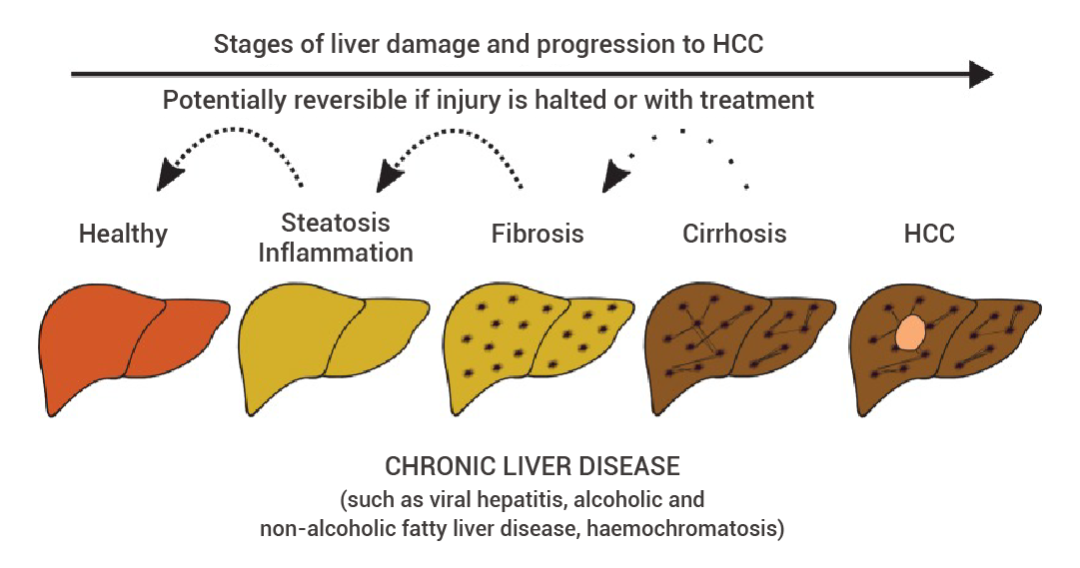
This article will tell you about the common methods of modeling liver disease in animal models.
Scientific Reviews
This article will tell you about the common methods of modeling liver disease in animal models. -
 Scientific Reviews
This article introduces some common cardiovascular disease models, inducers, modeling protocols and successful modeling cases in the research.
Scientific Reviews
This article introduces some common cardiovascular disease models, inducers, modeling protocols and successful modeling cases in the research. -
 Scientific Reviews
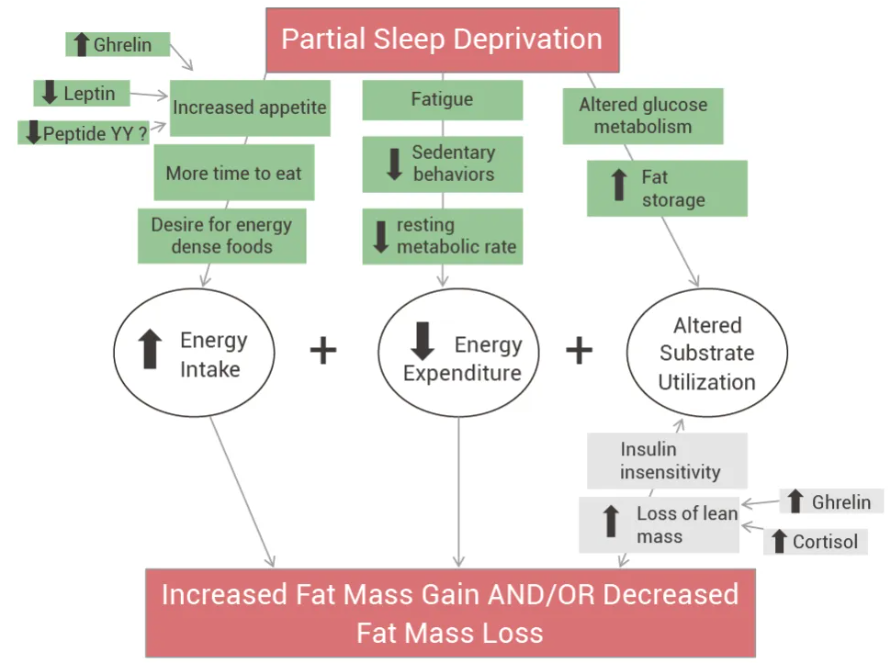
Have you ever noticed that after staying up late, your appetite—especially for high-calorie foods—gets out of control? If this sounds familiar, today’s article might offer some good news.
Scientific Reviews
Have you ever noticed that after staying up late, your appetite—especially for high-calorie foods—gets out of control? If this sounds familiar, today’s article might offer some good news. -
 Scientific Reviews
Finding adipogenic induction media too expensive and tricky to prepare? This comprehensive guide to 3T3-L1 adipogenic differentiation simplifies the process, helping you achieve great results!
Scientific Reviews
Finding adipogenic induction media too expensive and tricky to prepare? This comprehensive guide to 3T3-L1 adipogenic differentiation simplifies the process, helping you achieve great results! -
 Scientific Reviews
In the hunt for the next ‘GLP-1,’ amylin therapeutics, which have shown strong weight-loss results in clinical trials, have become a major focus for both multinational pharma and the scientific community.
Scientific Reviews
In the hunt for the next ‘GLP-1,’ amylin therapeutics, which have shown strong weight-loss results in clinical trials, have become a major focus for both multinational pharma and the scientific community. -
 Scientific Reviews
GLP-1 and Obesity Research
Scientific Reviews
GLP-1 and Obesity Research2026-08-14
Obesity substantially increases the risk of chronic diseases such as T2D and cardiovascular disease. The breakout success of GLP-1 therapies has spotlighted GLP-1R and a wave of emerging obesity targets. -
 EDM
Research Progress of Type-2-Diabetes
EDM
Research Progress of Type-2-Diabetes2025-07-09
This review comprehensively analyzes the pathophysiological mechanisms underlying T2D, surveys current therapeutic strategies, and introduces commonly used disease modeling approaches to support translational research. -
 EDM
This review provides an overview of GLP-1 biology and physiological functions, summarizes the development and clinical applications of GLP-1 receptor agonists, and discusses next-generation GLP-1–based therapeutic strategies.
EDM
This review provides an overview of GLP-1 biology and physiological functions, summarizes the development and clinical applications of GLP-1 receptor agonists, and discusses next-generation GLP-1–based therapeutic strategies. -
 EDM
Explore next-generation obesity therapies from three perspectives: GLP-1-based multi-receptor agonists, oral GLP-1 strategies, and novel obesity targets.
EDM
Explore next-generation obesity therapies from three perspectives: GLP-1-based multi-receptor agonists, oral GLP-1 strategies, and novel obesity targets. -
 EDM
Explore the evolution from GLP-1 mono-agonists to multi-receptor therapeutics and the expanding role of incretin-based therapies in precision metabolic medicine.
EDM
Explore the evolution from GLP-1 mono-agonists to multi-receptor therapeutics and the expanding role of incretin-based therapies in precision metabolic medicine. -
 EDM
Evolution of PCSK9 Inhibitors Modalities: From Monoclonal Antibodies to Oral Macrocyclic Peptides
EDM
Evolution of PCSK9 Inhibitors Modalities: From Monoclonal Antibodies to Oral Macrocyclic Peptides2026-08-27
Review the biological basis of PCSK9, key therapeutic modalities, cardiovascular evidence, and future directions, including insights from the CORALreef clinical program. -
 Product Guides
Exosomes are nano-sized biovesicles released into surrounding body fluids after the fusion of multivesicular bodies with the plasma membrane. In this article, we will briefly introduce isolation, labeling and identification of exosomes. And the specific application of exosomes will also be mentioned.
Product Guides
Exosomes are nano-sized biovesicles released into surrounding body fluids after the fusion of multivesicular bodies with the plasma membrane. In this article, we will briefly introduce isolation, labeling and identification of exosomes. And the specific application of exosomes will also be mentioned. -
 Blog
Nevanimibe is a selective and potent ACAT1 inhibitor. An excellent drug candidate in the treatment of adrenocortical cancer.
Blog
Nevanimibe is a selective and potent ACAT1 inhibitor. An excellent drug candidate in the treatment of adrenocortical cancer. -
 Blog
BAY-8002 is a selective and orally active inhibitor of monocarboxylate transporter 1 (MCT1), with an IC50 of 85 nM. Has potential to treat lymphoma.
Blog
BAY-8002 is a selective and orally active inhibitor of monocarboxylate transporter 1 (MCT1), with an IC50 of 85 nM. Has potential to treat lymphoma. -
 Blog
Olutasidenib is a highly potent, selective inhibitor of mutant IDH1 that could be used in the treatment of AML or myelodysplastic syndrome (MDS).
Blog
Olutasidenib is a highly potent, selective inhibitor of mutant IDH1 that could be used in the treatment of AML or myelodysplastic syndrome (MDS). -
 Blog
PTC299 is a dual and orally active DHODH and VEGF inhibitor, has broad and potent activity against hematological cancer cells.
Blog
PTC299 is a dual and orally active DHODH and VEGF inhibitor, has broad and potent activity against hematological cancer cells. -
 Blog
LSN 3213128 is a selective, nonclassical, orally bioavailable antifolate with anti-cancer activity. LSN 3213128 potently and specifically inhibits AICARFT.
Blog
LSN 3213128 is a selective, nonclassical, orally bioavailable antifolate with anti-cancer activity. LSN 3213128 potently and specifically inhibits AICARFT. -
 Blog
NXT629 is a potent, selective, and competitive PPAR-α antagonist and shows high selectivity over other nuclear hormone receptor.
Blog
NXT629 is a potent, selective, and competitive PPAR-α antagonist and shows high selectivity over other nuclear hormone receptor. -
 Blog
BI-4924 is a Selective PHGDH Inhibitor
Blog
BI-4924 is a Selective PHGDH Inhibitor2019-08-23
BI-4924 is a lipophilic and highly plasma protein bound selective phosphoglycerate dehydrogenase (PHGDH) inhibitor (IC50=3 nM) with excellent microsomal. -
 Blog
FT113 is a potent and orally active fatty acid synthase inhibitor, with an IC50 of 213 nM for full-length recombinant human FAS, with anti-tumor activity.
Blog
FT113 is a potent and orally active fatty acid synthase inhibitor, with an IC50 of 213 nM for full-length recombinant human FAS, with anti-tumor activity. -
 Blog
UPGL00004 is a allosteric glutaminase C inhibitor which strongly inhibits the proliferation of highly aggressive triple-negative breast cancer cell lines.
Blog
UPGL00004 is a allosteric glutaminase C inhibitor which strongly inhibits the proliferation of highly aggressive triple-negative breast cancer cell lines. -
 Blog
IDH889 is an orally available, brain penetrant, allosteric and mutant specific inhibitor of isocitrate dehydrogenase 1 (IDH1) R132 mutations.
Blog
IDH889 is an orally available, brain penetrant, allosteric and mutant specific inhibitor of isocitrate dehydrogenase 1 (IDH1) R132 mutations. -
 Blog
TVB-3166 is an orally-available, reversible, and selective FASN inhibitor and it induces apoptosis, and inhibits in-vivo xenograft tumor growth.
Blog
TVB-3166 is an orally-available, reversible, and selective FASN inhibitor and it induces apoptosis, and inhibits in-vivo xenograft tumor growth. -
 Blog
ASLAN003 is an orally active and potent inhibitor of hDHODH with antitumor activity, and it has the potential to be a first-in-class drug candidate in AML.
Blog
ASLAN003 is an orally active and potent inhibitor of hDHODH with antitumor activity, and it has the potential to be a first-in-class drug candidate in AML. -
 Blog
DS18561882 is a highly potent, sozyme-selective methylenetetrahydrofolate dehydrogenase 2 (MTHFD2) inhibitor with a good oral pharmacokinetic profile.
Blog
DS18561882 is a highly potent, sozyme-selective methylenetetrahydrofolate dehydrogenase 2 (MTHFD2) inhibitor with a good oral pharmacokinetic profile. -
 Blog
GNE-618 is a Orally Active NAMPT Inhibitor
Blog
GNE-618 is a Orally Active NAMPT Inhibitor2019-11-28
GNE-618 is an orally active NAMPT inhibitor and reduces tumor growth. GNE-618 depletes NAD levels and induces tumor cell death. -
 Blog
Telaglenastat is a first-in-class, reversible, orally bioavailable glutaminase 1 splice variants (KGA and GAC) inhibitor. It shows antitumor activity.
Blog
Telaglenastat is a first-in-class, reversible, orally bioavailable glutaminase 1 splice variants (KGA and GAC) inhibitor. It shows antitumor activity. -
 Blog
GPP78 is a potent Nampt inhibitor. GPP78 is cytotoxic to neuroblastoma cell line SH-SY5Y cells. GPP78 has anti-cancer and anti-tumor activity.
Blog
GPP78 is a potent Nampt inhibitor. GPP78 is cytotoxic to neuroblastoma cell line SH-SY5Y cells. GPP78 has anti-cancer and anti-tumor activity. -
 Blog
CM10 is a potent and selective aldehyde dehydrogenase 1A family inhibitor and regulates metabolism and has anti-cancer activity.
Blog
CM10 is a potent and selective aldehyde dehydrogenase 1A family inhibitor and regulates metabolism and has anti-cancer activity. -
 Blog
DC-5163 is a potent GAPDH inhibitor, can inhibit glycolysis pathway partially. DC-5163 selectively inhibits cancer cell proliferation and induces apoptosis.
Blog
DC-5163 is a potent GAPDH inhibitor, can inhibit glycolysis pathway partially. DC-5163 selectively inhibits cancer cell proliferation and induces apoptosis. -
 Blog
OT-82 is a selective inhibitor of NAMPT. Selectively toxic to cells of hematopoietic origin. OT-82 is a promising antineoplastic agent.
Blog
OT-82 is a selective inhibitor of NAMPT. Selectively toxic to cells of hematopoietic origin. OT-82 is a promising antineoplastic agent. -
 Blog
TNP-351, an Antifolate, is a Dihydrofolate Reductase (DHFR) Inhibitor. Antifolates serve medical science well in neoplastic and non-neoplastic diseases.
Blog
TNP-351, an Antifolate, is a Dihydrofolate Reductase (DHFR) Inhibitor. Antifolates serve medical science well in neoplastic and non-neoplastic diseases. -
 Blog
JX06 is a potent, selective and covalent inhibitor of PDK via covalently binding to a cysteine residue in an irreversible manner.
Blog
JX06 is a potent, selective and covalent inhibitor of PDK via covalently binding to a cysteine residue in an irreversible manner. -
 Blog
IPI-9119 is an orally active, selective and irreversible FASN inhibitor with potent anti-cancer activity. IPI-9119 induces cell cycle arrest, apoptosis.
Blog
IPI-9119 is an orally active, selective and irreversible FASN inhibitor with potent anti-cancer activity. IPI-9119 induces cell cycle arrest, apoptosis. -
 Blog
CTPI-2 is a SLC25A1 inhibitor. CTPI-2 inhibits glycolysis, PPARγ, and its downstream target the glucose transporter GLUT4. Antitumor activity.
Blog
CTPI-2 is a SLC25A1 inhibitor. CTPI-2 inhibits glycolysis, PPARγ, and its downstream target the glucose transporter GLUT4. Antitumor activity. -
 Blog
BI99179 is a Selective Type I FASN Inhibitor
Blog
BI99179 is a Selective Type I FASN Inhibitor2021-01-28
FASN is a key enzyme for lipogenesis and highly expressed in lipogenic tissues. BI99179 is a Selective Type I FASN Inhibitor. -
 Blog
Fasentin inhibits GLUT-1 and GLUT-4 transporters. Fasentin blocks glucose uptake in cancer cell lines and has anti-angiogenic activity.
Blog
Fasentin inhibits GLUT-1 and GLUT-4 transporters. Fasentin blocks glucose uptake in cancer cell lines and has anti-angiogenic activity. -
 Blog
ML390 is a Potent DHODH Inhibitor
Blog
ML390 is a Potent DHODH Inhibitor2021-02-24
ML390 is a potent dihydroorotate dehydrogenase (DHODH) inhibitor and is an inducer of myeloid differentiation. -
 Blog
Vorasidenib is an orally available, brain penetrant second-generation dual mutant isocitrate dehydrogenases 1 and 2 (mIDH1/2) inhibitor.
Blog
Vorasidenib is an orally available, brain penetrant second-generation dual mutant isocitrate dehydrogenases 1 and 2 (mIDH1/2) inhibitor. -
 Blog
Lonidamine, an antitumor agent and an indazole derivative, interferes with energy-yielding processes in cancer cells.
Blog
Lonidamine, an antitumor agent and an indazole derivative, interferes with energy-yielding processes in cancer cells. -
 Blog
SOR-C13 is a high-affinity TRPV6 antagonist with an IC50 value of 14 nM. SOR-C13 is used for Advanced Solid Tumors Research
Blog
SOR-C13 is a high-affinity TRPV6 antagonist with an IC50 value of 14 nM. SOR-C13 is used for Advanced Solid Tumors Research -
 Blog
STF-31 is a potent ans selective inhibitor of GLUT1 that inhibit glucose uptake in renal cell carcinoma (RCC) 4 cells.
Blog
STF-31 is a potent ans selective inhibitor of GLUT1 that inhibit glucose uptake in renal cell carcinoma (RCC) 4 cells. -
 Blog
Olutasidenib (FT-2102) is an orally active, brain penetrant inhibitor of mutant IDH1. Olutasidenib is used for AML or MDS Research.
Blog
Olutasidenib (FT-2102) is an orally active, brain penetrant inhibitor of mutant IDH1. Olutasidenib is used for AML or MDS Research. -
 Blog
ML-SA5 is a potent TRPML1 cation channel agonist with some anticancer activity and can inhibit tumour growth.
Blog
ML-SA5 is a potent TRPML1 cation channel agonist with some anticancer activity and can inhibit tumour growth. -
 Blog
Talotrexin (PT523), a classic antifolate, is an RFC (reduced folate carrier) specific inhibitor and selectively inhibits RFC transport.
Blog
Talotrexin (PT523), a classic antifolate, is an RFC (reduced folate carrier) specific inhibitor and selectively inhibits RFC transport. -
 Blog
SG-094 is a potent TPC2 inhibitor with antiproliferative effects. SG-094 can be used for the research of cancer.
Blog
SG-094 is a potent TPC2 inhibitor with antiproliferative effects. SG-094 can be used for the research of cancer.
Products
All
-
All
-
Inhibitors & Agonists
-
Isotope-Labeled Compounds
-
Fluorescent Dye
-
Peptides
-
Recombinant Proteins
-
Antibodies
-
Screening Libraries
-
Kits
-
Inhibitory Antibodies
-
Reference Standards
-
Induced Disease Models Products
-
GMP Small Molecules
-
Biochemical Assay Reagents
-
Natural Products
| Cat. No. | Product Name | Information | Application | Publication |
|---|---|---|---|---|
| HY-18739 | Phorbol 12-myristate 13-acetate |
Phorbol 12-myristate 13-acetate (PMA; TPA; Phorbol myristate acetate), a phorbol ester, is a dual SphK and protein kinase C (PKC) activator. Phorbol 12-myristate 13-acetate is a NF-κB activator. Phorbol 12-myristate 13-acetate induces differentiation in THP-1 cells (Validated by MedChemExpress).
|
|
861
|
| HY-10071 | Y-27632 |
Y-27632 is a ROCK inhibitor with Ki values of 220 nM and 300 nM for ROCK1 and ROCK2, respectively. Y-27632 exerts anti-inflammatory and immunomodulatory effects in systemic lupus erythematosus models by inhibiting the ROCK/NF-κB pathway. Y-27632 enhances autophagy by inhibiting the AKT/mTOR pathway, thereby inducing apoptosis apoptosis in oral squamous cell carcinoma. Y-27632 induces the formation of tunneling nanotubes in ARPE-19 cells and significantly enhances mitochondrial transfer through these channels. Y-27632 promotes neurite outgrowth in PC12 cells by activating the Rac1/NOX1/ROS/AKT/PAK1 signaling cascade.
|
|
605
|
| HY-13453 | BAY 11-7082 |
BAY 11-7082 is an IκBα phosphorylation and NF-κB inhibitor. BAY 11-7082 selectively and irreversibly inhibits the TNF-α-induced phosphorylation of IκB-α, and decreases NF-κB and expression of adhesion molecules. BAY 11-7082 inhibits ubiquitin-specific protease USP7 and USP21 (IC50=0.19, 0.96 μM, respectively). BAY 11-7082 inhibits gasdermin D (GSDMD) pore formation in liposomes and inflammasome-mediated pyroptosis and IL-1β secretion in human and mouse cells.
|
Breast Cancer
Prostate Cancer
Liver Cancer
Leukemia/Lymphoma/Myeloma
Pancreatic Cancer
Ovarian Cancer
Depression
Pain
Digestive System Inflammation
Obesity
|
509
|
| HY-10182 | Laduviglusib |
Laduviglusib (CHIR-99021) is a potent, selective and orally active GSK-3α/β inhibitor with IC50s of 10 nM and 6.7 nM. Laduviglusib shows >500-fold selectivity for GSK-3 over CDC2, ERK2 and other protein kinases. Laduviglusib is also a potent Wnt/β-catenin signaling pathway activator. Laduviglusib enhances mouse and human embryonic stem cells self-renewal. Laduviglusib induces autophagy.
|
Breast Cancer
Pancreatic Cancer
Depression
Glucose Metabolism
Alzheimer's Disease
Obesity
Lung Fibrosis
|
322
|
| HY-10227 | Bortezomib |
Bortezomib (PS-341) is a reversible and selective proteasome inhibitor, and potently inhibits 20S proteasome (Ki=0.6 nM) by targeting a threonine residue. Bortezomib disrupts the cell cycle, induces apoptosis, and inhibits NF-κB. Bortezomib is the first proteasome inhibitor anticancer agent. Bortezomib can be used for the study of multiple myeloma (MM). Bortezomib effectively inhibits TREM2 expression in tumor-associated macrophages (TAMs).
|
Prostate Cancer
Liver Cancer
Leukemia/Lymphoma/Myeloma
Pancreatic Cancer
Ovarian Cancer
Viral Infection
Depression
Pain
Non-Small Cell Lung Cancer
Metastatic Breast Cancer
SARS-CoV-2 Infection
Obesity
|
278
|
| HY-100381 | Nigericin sodium salt |
Nigericin sodium salt is an antibiotic derived from Streptomyces hygroscopicus that act as a K+/H+ ionophore, promoting K+/H+ exchange across mitochondrial membranes. Nigericin sodium salt is a NLRP3 activator. Nigericin sodium salt shows promising anti-cancer activities through decreasing intracellular pH (pHi), and inactivation of Wnt/β-catenin signals. Nigericin sodium salt induces pyroptosis through caspase 1/GSDMD in TNBC.
Source: Streptomyces hygroscopicus |
Breast Cancer
Colorectal Cancer
Prostate Cancer
Gastric Cancer
Liver Cancer
Ovarian Cancer
Bacterial Infection
Depression
Hypertension
Lung Fibrosis
Rheumatoid Arthritis
|
258
|
| HY-127019 | Nigericin |
Nigericin is an antibiotic derived from Streptomyces hygroscopicus that act as a K+/H+ ionophore, promoting K+/H+ exchange across mitochondrial membranes. Nigericin is a NLRP3 activator. Nigericin shows promising anti-cancer activities through decreasing intracellular pH (pHi), and inactivation of Wnt/β-catenin signals. Nigericin induces pyroptosis through caspase 1/GSDMD in TNBC.
|
Breast Cancer
Colorectal Cancer
Prostate Cancer
Gastric Cancer
Liver Cancer
Ovarian Cancer
Bacterial Infection
Depression
Hypertension
Lung Fibrosis
Rheumatoid Arthritis
|
258
|
| HY-13982 | JSH-23 |
JSH-23 is an NF-κB inhibitor which inhibits NF-κB transcriptional activity with an IC50 of 7.1 μM in lipopolysaccharide (LPS)-stimulated macrophages RAW 264.7. JSH-23 inhibits nuclear translocation of NF-κB p65 without affecting IκBα degradation.
|
Breast Cancer
Prostate Cancer
Liver Cancer
Leukemia/Lymphoma/Myeloma
Pancreatic Cancer
Ovarian Cancer
Depression
Pain
Digestive System Inflammation
Glucose Metabolism
Obesity
|
162
|
| HY-40354 | Tofacitinib |
Tofacitinib (Tasocitinib) is an orally active, blood-brain barrier permeable selective inhibitor of JAK1/JAK3. Tofacitinib blocks the JAK-STAT/NF-κB signaling pathway, inhibits cytokine signal transduction, phosphorylation of STAT1/STAT5, and suppresses innate and adaptive immune responses. Tofacitinib can be used in research related to major depressive disorder, rheumatoid arthritis, pulmonary diseases, systemic lupus erythematosus, and immune-mediated liver injury.
|
|
103
|
| HY-100487 | TAK-243 |
TAK-243 (MLN7243) is a first-in-class, selective ubiquitin activating enzyme, UAE (UBA1) inhibitor (IC50=1 nM), which blocks ubiquitin conjugation, disrupting monoubiquitin signaling as well as global protein ubiquitination. TAK-243 (MLN7243) induces endoplasmic reticulum (ER) stress, abrogates NF-κB pathway activation and promotes apoptosis.
|
Breast Cancer
Prostate Cancer
Liver Cancer
Leukemia/Lymphoma/Myeloma
Pancreatic Cancer
Ovarian Cancer
Depression
Pain
Digestive System Inflammation
Obesity
|
96
|
| HY-L015 | PI3K/Akt/mTOR Compound Library |
The PI3K/Akt/mTOR pathway controls many cellular processes that are important for the formation and progression of cancer, including apoptosis, transcription, translation, metabolism, angiogenesis, and cell cycle progression. Every major node of this signaling network is activated in a wide range of human tumors. Mechanisms for the pathway activation include activation of receptor tyrosine kinases (RTKs) upstream of PI3K, mutation or amplification of PIK3CA encoding p110α catalytic subunit of PI3K, mutation or loss of PTEN tumor suppressor gene, and mutation or amplification of Akt1. Once the pathway is activated, signaling through Akt can stimulate a series of substrates including mTOR which is involved in protein synthesis. Thus, inhibition of this pathway is an attractive concept for cancer prevention and/or therapy. Currently some mTOR inhibitors are approved for several indications, and there are several novel PI3K/Akt/mTOR inhibitors in clinical trials.
MCE owns a unique collection of 1,149 compounds that can be used for PI3K/Akt/mTOR pathway research. PI3K/Akt/mTOR Compound Library also acts as a useful tool for anti-cancer drug discovery.
|
|
90
|
| HY-L055 | Medicine Food Homology Compound Library |
Medicine Food Homology (MFH) means that some food themselves are medicines and there is no absolute boundary between them. MFH theory combines the function of food and medicine together scientifically and MFH materials can be used both for food and medicine. Besides nutritional value, MFH materials also have the functions in the prevention and treatment of disease and many other healthcare effects. Food as medicines has many benefits because of their safety while taking drugs will bring inevitable side effect to people. In order to ensure the safe use of functional food, National Health Commission of People's Republic of China made specific provisions on MFH items. More than 100 kinds of widely used MFH materials have been released.
Based on MFH items released by National Health Commission, PRC, MCE carefully designs a unique collection of 1,824 Medicine Food Homology Compounds with high safety that can be used for high throughput and high content screening for drug discovery.
|
|
88
|
| HY-L017 | Stem Cell Signaling Compound Library |
Adult stem cells are important for tissue homeostasis and regeneration due to their ability to self-renew and generate multiple types of differentiated daughters. Self-renewal is reflected by their capacity to undergo multiple/limitless divisions. Several signaling pathways are involved in self-renewal of stem cells, that is, Notch, Wnt, and Hedgehog pathways or Polycomb family proteins. Recent studies mainly focus on cancer stem cell (CSCs), induced pluripotent stem cell (iPSCs), neural stem cell and maintenance of embryonic stem cell pluripotency. Among them, CSCs have been believed to be responsible for tumor initiation, growth, and recurrence that have implications for cancer therapy.
MCE owns a unique collection of 2,931 compounds that can be used for stem cell regulatory and signaling pathway research.
|
|
86
|
| HY-L067 | Antibiotics Library |
Antibiotics are types of antimicrobial products used for the treatment and prevention of bacterial infections. Antibiotics can kill or inhibit bacterial growth. Although the target of an antibiotic is bacteria, some antibiotics also attack fungi and protozoans. However, antibiotics rarely have an effect on viruses. The major mechanism underlying antibiotics is the inhibition or regulation of enzymes involved in cell wall biosynthesis, nucleic acid metabolism and repair, protein synthesis, or disruption of membrane structure. Many of these cellular functions targeted by antibiotics are most active in multiplying cells. Since there is often overlap in these functions between prokaryotic bacterial cells and eukaryotic mammalian cells, it is not surprising that some antibiotics have also been found to be useful as anticancer agents.
MCE supplies a unique collection of 748 antibiotics, including penicillins, cephalosporins, tetracyclines, macrolides, etc. MCE Antibiotics Library is a useful tool for anti-bacterial or anti-cancer drugs discovery.
|
|
85
|
| HY-L077 | Anti-Pancreatic Cancer Compound Library |
Pancreatic cancer is a devastating disease with a low overall survival rate. Chemotherapy is the most common treatment for patients presenting with advanced pancreatic cancer. More recently, the era of targeted therapies has generated a lot of interest in discovering better approaches for patients with pancreatic cancer. Commonly mutated genes in pancreatic cancer include K-ras (in 74-100% of cases), p16INK4a (up to 98%), p53 (43 to 76%), DPC4 (about 50%), HER-2/neu (in about 65%) and FHIT (found in 70% of cases). Other genes involved are notch1, Akt-2, BRCA2 and COX-2. These proteins are important targets of target therapies for pancreatic cancer.
MCE offers a unique collection of 4,336 compounds with identified and potential anti- pancreatic cancer activity. These compounds target K-Ras, p53, HER2, Notch, AKT, etc. MCE anti-pancreatic cancer compound library is a useful tool for anti-pancreatic cancer drugs screening and other related research.
|
|
85
|
| HY-L075 | Anti-Lung Cancer Compound Library |
Lung cancer is a major global health problem, as it is the leading cause of cancer-related deaths worldwide. Lung cancer is divided into two categories: small cell lung cancer and non-small cell lung cancer (NSCLC). Non-small cell lung cancer accounts for about 85 percent of lung cancers.
As with all cancers, lung cancer may be treated with surgery, chemotherapy, radiation therapy, targeted therapy, immunotherapy or a combination thereof. Targeted therapy is one of the most exciting developments in lung cancer medicine, especially for NSCLC. Extensive genomic characterization of NSCLC has led to the identification of molecular subtypes of NSCLC that are oncogene addicted and exquisitely sensitive to targeted therapies. These include activating mutations in epidermal growth factor receptor (EGFR) and BRAF or echinoderm microtubule-associated protein-like 4 (EML4)-anaplastic lymphoma kinase (ALK) fusions and ROS1 receptor tyrosine kinase fusions. These are important targets for target therapy.
MCE offers a unique collection of 3,061 compounds with identified and potential anti-lung cancer activity. These compounds target lung cancer’s major targets and signaling pathways. MCE anti-lung cancer compound library is a useful tool for anti-lung cancer drugs screening and other related research.
|
|
84
|
| HY-L076 | Drug-Induced Liver Injury (DILI) Compound Library |
Drug-induced liver injury (DILI; also known as drug-induced hepatotoxicity) is caused by medications (prescription or OTC), herbal and dietary supplements (HDS), or other xenobiotics that result in abnormalities in liver tests or in hepatic dysfunction that cannot be explained by other causes. Drugs are an important cause of liver injury. Drug-induced hepatic injury is the most common reason cited for withdrawal of an approved drug.
DILI is thought to occur via several different mechanisms. Among these are direct impairment of the structural (e.g., mitochondrial dysfunction) and functional integrity of the liver; production of a metabolite that alters hepatocellular structure and function; production of a reactive drug metabolite that binds to hepatic proteins to produce new antigenic drug-protein adducts, which are targeted by hosts’ defenses (the hapten hypothesis); and initiation of a systemic hypersensitivity response (i.e., drug allergy) that damages the liver.
MCE Drug-induced Liver Injury (DILI) Compound Library contains a unique collection of 641 hepatotoxicity causing compounds and is a powerful tool to research DILI and other drug toxicities. This library can be used to understand the mechanisms of DILI, identify biomarkers for early DILI prediction, and allow timely recognition during drug development, thus finally achieving successful DILI prevention and assessment in the pre-marketing phase.
|
|
84
|
| HY-L080 | Targeted Therapy Drug Library |
Targeted cancer therapies are drugs or other substances that block the growth and spread of cancer by interfering with specific molecular targets that are involved in the growth, progression, and spread of cancer.
There are several different types of targeted therapy. The most common types are small-molecule drugs and monoclonal antibodies. Small-molecule drugs are small enough to enter cells easily, so they are used for targets that are inside cells, while monoclonal antibodies are usually used for targets that are located outside the cells. Because of high specificity, low side effect and potent anticancer activity, targeted therapy has become the mainstream of new anti-tumor drugs. Various targeted therapies have been approved by FDA and used in the treatment of diseases.
MCE carefully collects a unique of 106 targeted therapy drugs used in cancer treatment. MCE Targeted therapy drug library is a useful tool for the research of targeted therapy.
|
|
84
|
| HY-L094 | Food-Sourced Compound Library |
The health benefits deriving from the consumption of certain foods have been common knowledge. All foods are made up of chemical substances. Chemicals in foods are largely harmless and often desirable. At present, numerous researchers have been focused on the beneficial role played by certain food components in the close relationship between food intake and health status. For example, polyphenols, a common class of compounds among foods, are well-known antioxidants, which may play a role in the prevention of several diseases including type 2 diabetes, cardiovascular diseases, and some types of cancer.
MCE supplies a unique collection of 2,064 compounds from variety of foods. All compounds are with specific food source(s). MCE Food-Sourced Compound Library is the useful tool to discover molecules with pharmaceutical activity from foods.
|
|
84
|
| HY-L151 | PROTAC Library |
PROTACs (Proteolysis-targeting chimeras) is a class of molecules that utilize ubiquitin-proteasome system (UPS) to ubiquitinate and degrade target proteins. The PROTACs molecule consists of two ligands joined by a linker. The one-to-one interaction between PROTACs and target proteins determines the high efficiency of PROTACs, making it a potential molecule for targeted protein degradation (TPD) therapy.
MCE supplies a unique collection of 544 PROTACs that effectively degrade target proteins with more powerful screening capability. MCE PROTAC Library is a useful tool for signal pathway research, protein degradation therapy research, drug discovery and drug repurposing, etc.
|
|
84
|
| HY-L034M | Anti-Aging Compound Library Mini |
Research has shown that drugs targeting aging pathways demonstrate promising potential in models of age-related diseases such as Alzheimer's disease, cardiovascular diseases, metabolic syndrome, osteoarthritis, and various malignancies. This suggests that intervening in the biological processes of aging may enable synergistic prevention and treatment of multiple chronic diseases. Against the backdrop of the gradual elucidation of core aging mechanisms-including cellular senescence, telomere attrition, epigenetic dysregulation, and chronic inflammation anti-aging research has shifted from traditional phenotypic interventions toward targeting key pathways that regulate biological age.
The MCE Anti-Aging Compound Library Mini is precisely built upon this cutting-edge concept. It focuses on aging-related targets validated through genetic or functional studies, comprising 381 compounds designed to provide systematic research tools for aging biology and intervention strategy development. The library covers core mechanisms such as mTOR, SIRT, energy metabolism, clearance of senescent cells, optimization of mitochondrial function, and telomere maintenance. For each target, 1-5 compounds with clear activity and strong representativeness have been carefully selected, spanning the entire translational spectrum from preclinical tool molecules to clinically investigational drugs.
|
|
83
|
| HY-L074 | Anti-Breast Cancer Compound Library |
Breast cancer is the most frequent cancer among women, impacting 2.1 million women each year, and also causes the greatest number of cancer-related deaths among women. Surgery is usually the first type of treatment for breast cancer, which is usually followed by chemotherapy or radiotherapy or, in some cases, hormone or targeted therapies, especially for metastatic breast cancer (MBC).
Breast cancer is a heterogeneous disease, which is categorized into 3 major subtypes based on the presence or absence of molecular markers for estrogen or progesterone receptors and human epidermal growth factor 2 (ERBB2; formerly HER2): hormone receptor positive/ERBB2 negative (70% of patients), ERBB2 positive (15%-20%), and triple-negative (tumors lacking all 3 standard molecular markers; 15%). Different intrinsic subtypes exhibit different tumor behavior with different prognoses, and may require specific targeted therapies to maximize treatment effectiveness. Otherwise, some signaling pathways also play important roles in the development of breast cancer, such as NF-κB Signaling Pathway, TGF-beta Signaling Pathway, PI3K/AKT/mTOR signaling pathway and Notch Signaling Pathway. These signaling pathways offer ideal targets for development of new targeted therapies for breast cancer.
MCE supplies a unique collection of 3,404 compounds with identified and potential anti-breast cancer activity. MCE Anti-Breast Cancer Compound Library is a useful tool for anti-breast cancer drugs screening.
|
|
83
|
| HY-L079 | Anti-Blood Cancer Compound Library |
Blood cancers, also called hematologic cancers, occur when abnormal blood cells start growing out of control, interrupting the function of normal blood cells, which fight off infection and produce new blood cells. Most blood cancers start in the bone marrow, which is where blood is produced. There are three main types of blood cancers: leukemia, lymphoma and myeloma, which afflict millions of children and adults every year, and are often deadly.
Some common blood cancer treatments include stem cell transplantation, chemotherapy, radiation therapy, targeted therapy, immunotherapy or a combination thereof. As we begin to understand the key signaling pathways and molecular drivers of malignant transformation in haematological disorders, new treatment strategies will continue to be developed.
MCE offers a unique collection of 4,333 compounds with identified and potential anti-blood cancer activity. These compounds target blood cancer’s major targets and signaling pathways. MCE anti-blood cancer compound library is a useful tool for anti-blood cancer drugs screening and other related research.
|
|
83
|
| HY-L103 | Anti-Colorectal Cancer Compound Library |
Colorectal cancer (CRC), also known as bowel cancer, colon cancer, or rectal cancer, arises as adenocarcinoma from glandular epithelial cells of the large intestine comprised of the colon and rectum. The majority of cases of CRC are sporadic and result from risk factors, such as a sedentary lifestyle, obesity, processed diets, alcohol consumption and smoking. CRC is also a common preventable cancer.
Studies showed several cellular signaling pathways dysregulated in CRC, leading to the onset of malignant phenotypes. Therefore, it is necessary to analyze the signaling pathways involved in the occurrence and development of colorectal cancer to study the progression and drug treatment of colorectal cancer. Among them, Wnt/β-catenin, p53, TGF-β/SMAD, NF-κB, Notch, VEGF and other target genes and signaling pathways are the focus of research.
MCE offers a unique collection of 2,653 compounds with identified and potential anti-colorectal cancer activity. MCE anti-colorectal cancer compound library is a useful tool for anti-colorectal cancer drugs screening and other related research.
|
|
83
|
| HY-L105 | Peptide Library |
Peptides are a group of biologically active substances that are involved in various cellular functions of organisms. Peptides are often used in functional analysis, vaccine research and especially in the field of drug research and development. At present, more than 80 peptide drugs have reached the market for a wide range of diseases, including diabetes, cancer, osteoporosis, multiple sclerosis, HIV infection and chronic pain.
MedChemExpress (MCE) offers a comprehensive collection of 2,647 peptides, including bioactive peptides, amino acid derivatives, and blocking peptides. MCE Peptide Library can be used for peptide library screening, peptide drug discovery, vaccine development, target verification, structural activity research, etc.
|
|
83
|
| HY-L131 | Osteogenesis Compound Library |
Ossification is a tightly regulated process, performed by specialized cells called osteoblasts. Dysregulation of this process may cause inadequate or excessive mineralization of bones or ectopic calcification, all of which have grave consequences for human health.
Osteoblasts play important roles in the process of osteogenesis and prevention of osteonecrosis. Osteoblast formation and bone formation are regulated by hormones, growth factors, cytokines, etc.
MCE offers a unique collection of 984 bone formation compounds with identified and potential inducing osteogenesis activity. MCE bone formation compound library is a useful tool for the study of bone disease drugs and pharmacology.
|
|
83
|
| HY-L171 | Anti-Hematopathy Compound Library |
Hematopathy, also known as hematopoietic system diseases, are a class of diseases that hematopoietic system has abnormal changes. Common hematopathy include: aplastic anemia, myeloproliferative diseases, thalassemia, leukemia, lymphoma, myeloma and hemophilia, etc. In recent years, treatments for hematopathy have been developed. In particular, the treatment of malignant hematopathy developed from chemotherapy, radiotherapy, bone marrow development to immunotherapy, induced differentiation therapy, cell therapy, gene therapy and hematopoietic stem cell transplantation. Although these therapies have greatly improved the survival rate of patients, there are still problems such as low cure rate and easy recurrence in the treatment of hematopathy. Therefore, it is of great significance to actively search for new hematopathy therapeutic drugs.
MCE designs a unique collection of 4,388 anti-hematopathy small molecules, which is an effective tool for development and research of anti-hematopathy compounds.
|
|
83
|
| HY-L174 | Macrophage Related Compound Library |
Macrophages are effector cells of the innate immune system, engulfing bacteria and secreting pro-inflammatory and antibacterial mediators. They are an important component of the first line defense against pathogens and tumor cells. In addition, macrophages play an important role in eliminating damaged cells through programmed cell death. Like all immune cells, macrophages originate from pluripotent hematopoietic stem cells in the bone marrow. Macrophages play key functions in many physiological processes beyond homeostasis and innate immunity, including metabolic function, cell debris clearance, tissue repair, and remodeling. In order to fulfill their different functional roles, macrophages can polarize into a series of phenotypes, including classic (pro inflammatory, M1) and alternative (anti-inflammatory, healing promoting, M2) activation states, as well as a wide range of regulatory phenotypes and subtypes. Macrophages exist in all vertebrate tissues and have a dual function in host protection and tissue damage, maintaining a good balance.
MCE designs a unique collection of 276 macrophage related compounds. It is a good tool to be used for research on Inflammation, cancer and other diseases.
|
|
83
|
| HY-L178 | Radioprotector Library |
Radiation sickness is a general term for various types and degrees of damage (or disease) occurring in the human body after exposure to ionizing radiation. Although small amounts of ionizing radiation can also cause the body to produce free radicals and ROS, causing oxidative stress, resulting in DNA damage and chromosomal aberration. Radioprotector are compounds with radiation protection that can be used to prevent/protect non-tumor cells from the harmful effects of radiation. Radioprotective compounds can prevent the damage of radioactive substances to the human body and reduce the clinical symptoms of various radioactive diseases. In addition, radioprotectors can protect normal cells from damage during radiation therapy. The ideal anti-radiation drug should not affect the sensitivity of tumor cells to radiation therapy while protecting normal cells.
MCE designs a unique collection of 3,066 radioprotectors. Radioprotector Library is an effective tool for acute Radiation Syndrome, drug combination research with radiation drugs.
|
|
83
|
| HY-L197 | Vitamin Compound Library |
Vitamins are a category of trace organic compounds essential for maintaining normal physiological functions in living organisms. They are classified into fat-soluble and water-soluble vitamins. Fat-soluble vitamins play a role in maintaining vision, bone health, reproductive functions, and blood coagulation. Water-soluble vitamins are involved in energy metabolism, nervous system function, and cellular repair processes. Most vitamins cannot be synthesized by the organism and must be obtained through diet. In recent years, vitamins and their derivatives have become increasingly important in the field of drug development due to their extensive physiological activities. Additionally, vitamins and their derivatives can be used to construct research platforms for vitamin metabolism, which helps to delve into the metabolic pathways and dynamic changes of vitamins within the body and aids in identifying new biomarkers for certain diseases.
MCE included 136 vitamins and their derivatives, including Vitamin A, Vitamin B, Vitamin D, etc., which is a good tool for studying vitamin metabolism.
|
|
83
|
| HY-L217 | Mouse Metabolite Compound Library |
Metabolic abnormalities lead to dysfunction of metabolic pathways and the accumulation or lack of metabolites, which are recognized hallmarks of the disease. The metabolite signature is closely related to the disease phenotype and is very useful for predicting the diagnosis and prognosis of the disease as well as monitoring treatment. Metabolites can be used as disease markers for diagnostic therapy. As the classic model of disease experiment in vivo, mice metabolites also play a role in disease diagnosis and mechanism research.
MCE provides 330 mouse metabolites that can be used in disease research.
|
|
83
|
| HY-L218 | Animal Drug Library |
Animal drug (also veterinary drug) refers to a drug intended for use in the diagnosis, cure, mitigation, treatment, or prevention of disease in animals. Animal Drugs @ FDA is a searchable online database that includes most FDA-approved and conditionally approved animal drugs. The major classes of veterinary drugs include antibiotics, anthelmintics, coccidiostats, nonsteroidal anti-inflammatory drugs, sedatives, corticosteroids, beta-agonists, and anabolic hormones.
MCE has collected 166 FDA-approved veterinary drug compounds for use in scientific research.
|
|
83
|
| HY-L238 | Mongolian Medicine Compound Library |
Mongolian medicine refers to drugs used for disease prevention and treatment under the guidance of Mongolian medical theory. Originating from the vast grasslands and desert regions of northern China, Mongolian medicine developed under specific natural conditions and a nomadic lifestyle, forming a unique theoretical system and treatment methods. It emphasizes the balance between the human body and the natural environment and has demonstrated distinct efficacy in treating digestive system diseases, rheumatism, skin diseases, and various chronic conditions. For example, Mongolian medicine often uses Chinese red date for palpitations and angina pectoris, sea buckthorn to relieve coughs, reduce phlegm, promote blood circulation, and remove blood stasis, and scabious to clear lung heat and treat liver heat diseases. The application of these characteristic Mongolian medicines embodies the profound wisdom of Mongolian medical practice.
With the advancement of modern technology, research on Mongolian medicine continues to deepen. Systematic studies on the chemical composition and pharmacological effects of Mongolian medicines can provide new ideas and methods for modern drug development.
MCE has collected 2,383 characteristic natural products derived from Mongolian medicines, with 400+ plant sources of Mongolian medicine.
|
|
83
|
| HY-L249 | Lactylation Compound Library |
Protein lactylation, an emerging post-translational modification identified in recent years, plays a critical role in linking cellular metabolic reprogramming, epigenetic regulation, and signaling networks. Based on a systematic framework encompassing lactate metabolism, lactylation, and downstream signaling pathways, this compound library comprehensively targets multiple regulatory layers, including histone modification enzymes (such as p300 and HDACs), key glycolytic enzymes (such as PKM2, LDHA, and GAPDH), transcriptional regulators (such as STAT3, HMGB1, and p53), as well as central signaling pathway nodes including HIF-1α, NF-κB, and PI3K-AKT-mTOR. This integrated design enables a comprehensive representation of the regulatory roles of lactylation across the “metabolism–epigenetics–signaling” axis.
MCE has assembled a collection of 6,182 known bioactive compounds and potential functional molecules, making this library suitable for a wide range of applications, including high-throughput drug screening, inhibitor identification, and mechanistic studies. It can be used to systematically evaluate the functional roles of lactylation in biological processes such as tumor metabolism, immune regulation, and inflammatory responses, and to efficiently identify small-molecule candidates with regulatory potential, thereby facilitating the development of innovative therapeutics targeting the interplay between metabolism and epigenetic regulation.
|
|
83
|
| HY-32735 | Triptolide |
Triptolide is a diterpenoid triepoxide extracted from the root of Tripterygium wilfordii with immunosuppressive, anti-inflammatory, antiproliferative and antitumour effects. Triptolide is a NF-κB activation inhibitor.
|
Breast Cancer
Prostate Cancer
Liver Cancer
Leukemia/Lymphoma/Myeloma
Pancreatic Cancer
Ovarian Cancer
Viral Infection
Depression
Pain
Digestive System Inflammation
Obesity
|
76
|
| HY-18234A | Leupeptin hemisulfate |
Leupeptin hemisulfate is a broad-spectrum protease inhibitor. By inhibiting the activation of the PTEN/PI3K/Akt/NF-κB/ERK1/2/p38 signaling pathway, Leupeptin hemisulfate significantly reduces LPS-induced NO and ROS production, mitochondrial membrane potential hyperpolarization, phagocytic activity, pro-inflammatory cytokine release, and M1 polarization in mouse peritoneal macrophages, and reverses autophagic flux impairment. It also decreases Concanavalin A (HY-P2149)-induced proliferation index of mouse splenic lymphocytes and the Th1/IL-10 and Th2/IL-10 cytokine ratios, thereby modulating innate and adaptive immune responses. Leupeptin hemisulfate inhibits blood coagulation and tumorigenesis in mouse skin. Leupeptin hemisulfate can be used in research on chronic inflammatory diseases and skin tumorigenesis.
Source: Streptomyces roseus MB-26-AI |
Ser/Thr Protease
Cathepsin
Autophagy
SARS-CoV
Atg8/LC3
NO Synthase
COX
p62
Arginase
PTEN
NF-κB
PI3K
Akt
p38 MAPK
ERK
Reactive Oxygen Species (ROS)
|
68
|
| HY-12238 | IWR-1 |
IWR-1 (IWR-1-endo) is a tankyrase inhibitor targeting Wnt/β-catenin (IC50 = 180 nM). IWR-1 compromises critical steps of the canonical Wnt signaling, namely translocation of β-catenin to the nucleus and subsequent TCF/LEF activation and expression of Wnt/β-catenin downstream targets. IWR-1 promotes β-catenin phosphorylation by promoting stability of Axin-scaffolded destruction complexes. IWR-1 can be studied in research for anti-tumor purposes, and diseases such as osteosarcoma, colorectal cancer and psoriasis.
|
Neurological, Eye or Ear Disease
Breast Cancer
Colorectal Cancer
Prostate Cancer
Gastric Cancer
Liver Cancer
Hypertension
Lung Fibrosis
Rheumatoid Arthritis
|
67
|
| HY-120697 | MSAB |
Neurological, Eye or Ear Disease
Breast Cancer
Colorectal Cancer
Prostate Cancer
Gastric Cancer
Liver Cancer
Ovarian Cancer
Hypertension
Lung Fibrosis
Rheumatoid Arthritis
|
60
|
|
| HY-13328 | Sapanisertib |
Sapanisertib (INK-128; MLN0128; TAK-228) is an orally active dual mTORC1/mTORC2 inhibitor. Sapanisertib directly and simultaneously inhibits mTORC1/2 activity through competitive binding with ATP, thereby comprehensively blocking downstream processes such as protein and lipid synthesis and cytoskeletal reorganization, consequently suppressing tumor cell proliferation and promoting apoptosis. Sapanisertib is applicable to research on melanoma, ovarian cancer, pulmonary fibrosis, and hematological malignancies.
|
|
57
|
| HY-N0150 | Monensin sodium |
Monensin (Monensin A) sodium, an orally active antibiotic, is an ionophore that mediates Na+/H+ exchange. Monensin sodium is a potent Wnt signaling inhibitor. Monensin sodium causes a marked enlargement of the multivesicular bodies (MVBs) and regulates exosome secretion. Monensin sodium can be used for bacterial, fungal, and parasitic infections research, and shows anticancer effects.
Source: Streptomyces spp |
Neurological, Eye or Ear Disease
Breast Cancer
Colorectal Cancer
Prostate Cancer
Gastric Cancer
Liver Cancer
Bacterial Infection
Fungal Infection
Parasitic Infection
Digestive System Inflammation
Hypertension
Lung Fibrosis
Rheumatoid Arthritis
|
44
|
| HY-15027 | 5-Aminosalicylic Acid |
5-Aminosalicylic acid (Mesalamine) acts as a specific PPARγ agonist and also inhibits p21-activated kinase 1 (PAK1) and NF-κB. 5-Aminosalicylic acid can inhibit the activity of osteopontin (OPN).
|
|
43
|
| HY-15659 | Wnt-C59 |
Wnt-C59 (C59) is a highly potent and oral porcupine (PORCN) inhibitor with an IC50 of 74 pM.
|
Neurological, Eye or Ear Disease
Breast Cancer
Colorectal Cancer
Prostate Cancer
Gastric Cancer
Liver Cancer
Hypertension
Lung Fibrosis
Rheumatoid Arthritis
|
40
|
| HY-13912 | IWP-2 |
IWP-2 is an inhibitor of Wnt processing and secretion with an IC50 of 27 nM. IWP-2 targets the membrane-bound O-acyltransferase porcupine (Porcn) and thus preventing a crucial Wnt ligand palmitoylation. IWP-2 is also an ATP-competitive CK1δ inhibitor with an IC50 of 40 nM for the gatekeeper mutant M82FCK1δ.
|
Neurological, Eye or Ear Disease
Breast Cancer
Colorectal Cancer
Prostate Cancer
Gastric Cancer
Liver Cancer
Hypertension
Lung Fibrosis
Rheumatoid Arthritis
|
36
|
| HY-126304 | β-Glycerophosphate disodium salt hydrate |
β-Glycerophosphate disodium salt pentahydrate is a bioactive endogenous metabolite and a phosphatase inhibitor. β-Glycerophosphate disodium salt pentahydrate plays an important role in inducing and maintaining osteoblast differentiation, mineral metabolism and signal transduction, and can be used as a drug carrier to form heat-sensitive hydrogels. β-Glycerophosphate disodium salt hydrate accelerates the calcification of vascular smooth muscle cells.
|
|
35
|
| HY-D0886 | β-Glycerophosphate disodium salt pentahydrate |
β-Glycerophosphate disodium salt pentahydrate is a bioactive endogenous metabolite and a phosphatase inhibitor. β-Glycerophosphate disodium salt pentahydrate plays an important role in inducing and maintaining osteoblast differentiation, mineral metabolism and signal transduction, and can be used as a drug carrier to form heat-sensitive hydrogels. β-Glycerophosphate disodium salt hydrate accelerates the calcification of vascular smooth muscle cells.
|
|
35
|
| HY-101916 | Heparan Sulfate |
Heparan sulfate, a complex and linear polysaccharide, exists as part of glycoproteins named heparan sulfate proteoglycans, which are expressed abundantly on the cell surface and in the extracellular matrix.
|
|
23
|
| HY-N0020 | Echinacoside |
Echinacoside, one of the phenylethanoids isolated from the stems of Cistanche deserticola, effectively inhibits Wnt/β-catenin signaling. Echinacoside elicits neuroprotection by activating Trk receptors and their downstream signal pathways. Antiosteoporotic activity.
|
Neurological, Eye or Ear Disease
Breast Cancer
Colorectal Cancer
Prostate Cancer
Gastric Cancer
Liver Cancer
Hypertension
Lung Fibrosis
Rheumatoid Arthritis
|
21
|
| HY-N0140 | Ursolic acid |
Ursolic acid (Prunol) is a natural pentacyclic triterpenoid carboxylic acid, exerts anti-tumor effects and is an effective compound for cancer prevention and therapy.
|
|
21
|
| HY-N0015 | Astragalin |
Astragalin (Astragaline) a flavonoid with anti-inflammatory, antioxidant, anticancer, bacteriostatic activity. Astragalin inhibits cancer cells proliferation and migration, induces apoptosis. Astragalin is orally active and provides nerve and heart protection, and resistance against and osteoporosis.
|
Infection
Breast Cancer
Prostate Cancer
Liver Cancer
Leukemia/Lymphoma/Myeloma
Pancreatic Cancer
Ovarian Cancer
Depression
Pain
Digestive System Inflammation
Obesity
|
19
|
| HY-N0390S1 | L-Glutamine-13C5 |
L-Glutamine-13C5 is the 13C-labeled L-Glutamine (HY-N0390). L-Glutamine is an orally active nutritional agent and cellular metabolism regulator. L-Glutamine is taken up in a Na+-dependent manner and targets multiple key molecules including glutaminase, mTORC1, NF-κB, STAT-3 and HIF-1α. L-Glutamine enhances glutaminolytic catabolism, drives the conversion of glutamate to α-ketoglutarate, thereby regulating gene expression, integrating metabolic signals, mediating glutamine flux and maintaining redox homeostasis. L-Glutamine also promotes cell proliferation, osteogenic differentiation and fracture healing, exerts neuroprotective and cardioprotective effects, and inhibits osteoarthritis. L-Glutamine can be applied to research related to osteoporosis, osteoarthritis, ischemic stroke and acute cantharidin-induced cardiotoxicity.
|
Isotope-Labeled Compounds
mGluR
Ferroptosis
Environmental Pollutants
Endogenous Metabolite
HIF/HIF Prolyl-Hydroxylase
mTOR
STAT
NF-κB
Neurological, Eye or Ear Disease
Inflammation or Immune System Disease
Blood or Cardio-cerebrovascular Disease
Metabolic or Endocrine Disease
|
13
|
| HY-P0059 | Teriparatide |
Teriparatide (Human parathyroid hormone-(1-34)) is a PTH1 receptor agonist. Teriparatide (Human parathyroid hormone-(1-34)) can be used for osteoporosis research.
|
|
12
|
| HY-W011873 | Palmitoleic acid |
Palmitoleic acid, a composition of fatty acid, is implicated in the prevention of death from cerebrovascular disorders in SHRSP rats.
|
|
10
|
| HY-N0123 | Aloin-A |
Aloin (Aloin-A; Barbaloin-A) is a natural anti-tumor anthraquinone glycoside with iron chelating activity. Aloin induces the differentiation of MC3T3-E1 cells into osteoblasts through MAPK-mediated Wnt and Bmp signaling pathways. Alkaline phosphatase (ALP) is an early marker of osteoblast differentiation, and the activity of ALP is also enhanced by Aloin. Aloin also reduces brain edema, reduces blood-brain barrier disruption and improves cortical impact injuries. Aloin is used in research into osteoporosis and traumatic brain injury (TBI).
|
|
9
|
| HY-N0738 | Stachydrine hydrochloride |
Stachydrine hydrochloride is the major active constituent of Leonurus artemisia, which is a potential therapy for cardiovascular diseases. Stachydrine can inhibit the NF-κB signal pathway. Anti-hypertrophic activities.
|
Breast Cancer
Prostate Cancer
Liver Cancer
Leukemia/Lymphoma/Myeloma
Pancreatic Cancer
Ovarian Cancer
Depression
Pain
Digestive System Inflammation
Cardiovascular Disease
Obesity
|
9
|
| HY-N0101 | Neohesperidin |
|
9
|
|
| HY-N0012 | Glycitin |
Glycitin (Glycitein 7-O-β-glucoside) is a natural isoflavone with antibacterial, antiviral, anticancer, anti-inflammation, anti-aging and estrogenic effects. Glycitin may regulate osteoblasts through TGF-β or AKT signaling pathways in bone marrow stem cells (BMSCs).
|
|
8
|
| HY-B2156 | Menaquinone-4 |
Menaquinone-4 is a vitamin K, used as a hemostatic agent, and also a adjunctive therapy for the pain of osteoporosis.
|
|
8
|
| HY-P1416A | Foxy-5 TFA |
Foxy-5 TFA, a WNT5A agonist, is a mimicking peptide of WNT5A which is a non-canonical member of the Wnt family. Foxy-5 TFA triggers cytosolic free calcium signaling without affecting β-catenin activation and it impairs the migration and invasion of epithelial cancer cells. Foxy-5 TFA effectively reduces the metastatic spread of WNT5A-low prostate cancer cells in an orthotopic mouse model.
|
|
7
|
| HY-P1416 | Foxy-5 |
Foxy-5, a WNT5A agonist, is a mimicking peptide of WNT5A which is a non-canonical member of the Wnt family. Foxy-5 triggers cytosolic free calcium signaling without affecting β-catenin activation and it impairs the migration and invasion of epithelial cancer cells. Foxy-5 effectively reduces the metastatic spread of WNT5A-low prostate cancer cells in an orthotopic mouse model.
|
|
7
|
| HY-N0036 | Costunolide |
Costunolide ((+)-Costunolide) is a naturally occurring sesquiterpene lactone, with antioxidative, anti-inflammatory, antiallergic, bone remodeling, neuroprotective, hair growth promoting, anticancer, and antidiabetic properties. Costunolide can induce cell cycle arrest and apoptosis on breast cancer cells.
|
Neurological, Eye or Ear Disease
Digestive System Disease
Breast Cancer
Digestive System Inflammation
Glucose Metabolism
|
7
|
| HY-P80316 | RUNX2 Antibody (YA085) |
|
7
|
|
| HY-N0762 | Isobavachin |
Isobavachin is an orally active, blood-brain barrier-penetrating prenylated flavonoid present in Psoralea corylifolia. Isobavachin inhibits human CYP2B6, CYP2C9, CYP2C19, UGT1A1, UGT1A9, and UGT2B7. Isobavachin suppresses MAPK activation, NF-κB nuclear translocation, overexpression of iNOS/COX-2, FcεRI-mediated signaling pathways, and RANKL-induced osteoclastogenesis. Isobavachin induces autophagy, cytotoxicity, neuronal differentiation, and NRF2 activation; it alleviates oxidative damage, inflammatory responses, apoptosis, iron accumulation, mitochondrial biogenesis, and mast cell degranulation. Isobavachin is applicable to research related to liver injury, inflammatory diseases, osteoporosis, liver cancer, prostate cancer, glioma, periodontitis-induced bone loss, and Alzheimer's disease.
|
Cytochrome P450
UGT
p38 MAPK
NF-κB
NO Synthase
COX
Fc Receptor (FcR)
RANKL/RANK
Keap1-Nrf2
Reactive Oxygen Species (ROS)
Apoptosis
Autophagy
Prostate Cancer
Liver Cancer
Glioma
Allergy
Acute Myeloid Leukemia
Alzheimer's Disease
Antioxidant Agent
Osteoporosis
Liver Injury
Osteoarthritis
Rheumatoid Arthritis
|
6
|
| HY-N0259 | Epimedin B |
Epimedin B (Epmedin B) is a flavonoid active component found in Epimedium, with oral activity, and exhibits anti-osteoporotic and neuroprotective effects. Epimedin B inhibits RANKL-induced osteoclast differentiation, F-actin ring formation, and mature osteoclast bone resorption, inhibits the phosphorylation of JNK, p38 MAPK, PI3K, and AKT, activates the AMPK-Nrf2 antioxidant pathway, and reduces cellular and mitochondrial ROS. Epimedin B acts on ESR1 and exerts its effects via GPER. Epimedin B alleviates bone loss and improves bone microstructure in vivo, and in Parkinson's models protects dopaminergic neurons and maintains striatal dopamine levels through anti-apoptotic and anti-endoplasmic reticulum stress effects. Epimedin B can be used for research related to osteoporosis, diabetic osteoporosis, and Parkinson's disease.
|
JNK
Estrogen Receptor/ERR
p38 MAPK
PI3K
Akt
AMPK
Keap1-Nrf2
Reactive Oxygen Species (ROS)
Apoptosis
Bcl-2 Family
|
5
|
| HY-N0794 | Proanthocyanidins |
Proanthocyanidin (Procyanidin) are a class of polyphenolic that are widely distributed in higher plants, consisted of an electrophilic flavanyl unit. Proanthocyanidin can be used as antioxidant and anti-cancers agent. Proanthocyanidin also exhibit anti-inflammatory, cardioprotective, antibacterial and antifungal properties, which can be used in the treatment of chronic venous insufficiency, capillary fragility, sunburn and retinopathy..
|
|
5
|
| HY-N0772 | Isomangiferin |
Isomangiferin is an orally active xanthone C-glucoside, and its chemical structure is similar to Mangiferin (HY-N0290). Isomangiferin is an effective VEGFR-2 kinase inhibitor, which can induces cell apoptosis, inhibit the growth, metastasis and angiogenesis of breast cancer. Isomangiferin exerts anti-inflammatory effects by inhibiting the HMGB1/NLRP3/NF-κB signaling pathway, thereby improving the renal function indicators of diabetic mice. Isomangiferin exhibits inhibitory effects on various bacteria and herpes simplex virus type 1 (HSV-1). Isomangiferin promotes the migration and osteogenic differentiation of bone marrow mesenchymal stem cells (BMSCs) and reduces cell apoptosis and the production of ROS by activating the AMPK/ACC pathway, thereby facilitating fracture healing.
|
VEGFR
NOD-like Receptor (NLR)
NF-κB
Bacterial
AMPK
Acetyl-CoA Carboxylase
Apoptosis
Reactive Oxygen Species (ROS)
HSV
Drug Derivative
Lung Cancer
Breast Cancer
Colorectal Cancer
Prostate Cancer
Liver Cancer
Leukemia/Lymphoma/Myeloma
Pancreatic Cancer
Ovarian Cancer
Viral Infection
Bacterial Infection
Depression
Pain
Autoimmune Disease
Digestive System Inflammation
Glucose Metabolism
Obesity
Lung Fibrosis
|
4
|
| HY-N2119 | Sciadopitysin |
Breast Cancer
Prostate Cancer
Liver Cancer
Leukemia/Lymphoma/Myeloma
Pancreatic Cancer
Ovarian Cancer
Depression
Pain
Autoimmune Disease
Digestive System Inflammation
Obesity
|
4
|
|
| HY-N0390S9 | L-Glutamine-15N-1 |
L-Glutamine-15N-1 is the 15N-labeled L-Glutamine (HY-N0390). L-Glutamine is an orally active nutritional agent and cellular metabolism regulator. L-Glutamine is taken up in a Na+-dependent manner and targets multiple key molecules including glutaminase, mTORC1, NF-κB, STAT-3 and HIF-1α. L-Glutamine enhances glutaminolytic catabolism, drives the conversion of glutamate to α-ketoglutarate, thereby regulating gene expression, integrating metabolic signals, mediating glutamine flux and maintaining redox homeostasis. L-Glutamine also promotes cell proliferation, osteogenic differentiation and fracture healing, exerts neuroprotective and cardioprotective effects, and inhibits osteoarthritis. L-Glutamine can be applied to research related to osteoporosis, osteoarthritis, ischemic stroke and acute cantharidin-induced cardiotoxicity.
|
Isotope-Labeled Compounds
mGluR
Ferroptosis
Environmental Pollutants
Endogenous Metabolite
HIF/HIF Prolyl-Hydroxylase
mTOR
STAT
NF-κB
Neurological, Eye or Ear Disease
Inflammation or Immune System Disease
Blood or Cardio-cerebrovascular Disease
Metabolic or Endocrine Disease
|
4
|
| HY-N0390S | L-Glutamine-15N |
L-Glutamine-15N is the 15N-labeled L-Glutamine (HY-N0390). L-Glutamine is an orally active nutritional agent and cellular metabolism regulator. L-Glutamine is taken up in a Na+-dependent manner and targets multiple key molecules including glutaminase, mTORC1, NF-κB, STAT-3 and HIF-1α. L-Glutamine enhances glutaminolytic catabolism, drives the conversion of glutamate to α-ketoglutarate, thereby regulating gene expression, integrating metabolic signals, mediating glutamine flux and maintaining redox homeostasis. L-Glutamine also promotes cell proliferation, osteogenic differentiation and fracture healing, exerts neuroprotective and cardioprotective effects, and inhibits osteoarthritis. L-Glutamine can be applied to research related to osteoporosis, osteoarthritis, ischemic stroke and acute cantharidin-induced cardiotoxicity.
|
Isotope-Labeled Compounds
mGluR
Ferroptosis
Environmental Pollutants
Endogenous Metabolite
HIF/HIF Prolyl-Hydroxylase
mTOR
STAT
NF-κB
Neurological, Eye or Ear Disease
Inflammation or Immune System Disease
Blood or Cardio-cerebrovascular Disease
Metabolic or Endocrine Disease
|
4
|
| HY-N1993 | 5-Methyl-7-methoxyisoflavone |
5-Methyl-7-methoxyisoflavone is an orally active anti-oxidant with remyelinating activity. 5-Methyl-7-methoxyisoflavone inhibits the enzyme aromatase, interfering with the normal metabolic pathways of testosterone. 5-Methyl-7-methoxyisoflavone is a non-steroidal anabolic isoflavone, used as a anabolic agent. 5-Methyl-7-methoxyisoflavone shows better potency increasing muscle mass and endurance than Ipriflavone (HY-N0094). 5-Methyl-7-methoxyisoflavone can be used for fat loss besides the maintenance of low cholesterol level and strengthen bones. 5-Methyl-7-methoxyisoflavone is the inhibitor for NF-κB.
|
Breast Cancer
Prostate Cancer
Liver Cancer
Leukemia/Lymphoma/Myeloma
Pancreatic Cancer
Ovarian Cancer
Depression
Pain
Digestive System Inflammation
Obesity
|
3
|
| HY-N1939 | Icariside I |
Icariside I (GH01) is an orally active metabolite of icalin. Icariside I improves estrogen deficiency-induced osteoporosis by simultaneously regulating osteoblast and osteoclast differentiation. Icariside I promotes ATP (HY-B2176) or Nigericin (HY-127019)-induced mtROS production and NLRP3 inflammasome activation and causes idiosyncratic hepatotoxicity. Icariside I does not alter the activation of NLRC4 and AIM2 inflammasomes. Icariside I inhibits breast cancer proliferation, apoptosis, invasion, and metastasis by targeting the IL-6/STAT3 pathway. Icariside I is a kynurenine-AhR pathway inhibitor that alleviates cancer by blocking tumor immune escape.
|
Apoptosis
Reactive Oxygen Species (ROS)
NOD-like Receptor (NLR)
STAT
CDK
Bcl-2 Family
Aryl Hydrocarbon Receptor
JAK
Caspase
IFNAR
PD-1/PD-L1
Metabolic or Endocrine Disease
Lung Cancer
Breast Cancer
Prostate Cancer
Leukemia/Lymphoma/Myeloma
Pancreatic Cancer
Ovarian Cancer
Depression
Pain
Autoimmune Disease
Digestive System Inflammation
|
3
|
| HY-P9958A | Denosumab (anti-TNFSF11) |
Denosumab (anti-TNFSF11) is a human monoclonal antibody that targets the protein RANKL. Denosumab binds to the receptor activator of nuclear factor kappa-B ligand (RANKL) and prevents its binding to the RANK receptor (KD of 0.003 nM for human RANKL). Denosumab promotes proliferation and spermatogenesis. Denosumab prevents bone resorption through inhibition of the NF-κB pathway. Denosumab can be used in bone-related studies.
Species: Human |
Neurological, Eye or Ear Disease
Metabolic or Endocrine Disease
Non-Small Cell Lung Cancer
HER-2 Positive Breast Cancer
Metastatic Breast Cancer
|
3
|
| HY-N2532 | Diphyllin |
Diphyllin is an orally active V-ATPase inhibitor (IC50=17 nM) and HIV-1 inhibitor (IC50=0.38 μM). Diphyllin blocks the acidification of osteoclast lysosomes and bone resorption lacunas (IC50=0.6 nM for acid influx inhibition), thereby inhibiting bone resorption. Diphyllin can effectively inhibit osteoclast-mediated bone resorption and has no effect on osteoblastic bone formation. Diphyllin can be used in the research of bone metabolism-related diseases and has the potential to inhibit diseases related to excessive bone resorption.
|
|
3
|
| HY-N0265 | Asperosaponin VI |
Asperosaponin VI is a saponin component from Dipsacus asper. Asperosaponin VI induces osteoblast differentiation through the BMP-2/p38 and ERK1/2 signaling pathways. Asperosaponin VI protects against hypoxia-induced cardiomyocyte apoptosis by activating the PI3K/Akt and CREB pathways. Additionally, Asperosaponin VI also has antidepressant and wound-healing-promoting activities.
|
Lung Cancer
Breast Cancer
Prostate Cancer
Pancreatic Cancer
Neurodegenerative Disease
Depression
Pain
Digestive System Inflammation
Cardiovascular Disease
Obesity
Lung Fibrosis
|
3
|
| HY-P5819A | xStAx-VHLL TFA |
xStAx-VHLL TFA is a β-catenin PROTAC degrader that promotes ubiquitination and proteasome degradation of β-catenin. xStAx-VHLL TFA inhibits the Wnt/β-catenin signaling pathway. xStAx-VHLL TFA can inhibit the proliferation of colon cancer cells and has anti-tumor activity.
|
|
3
|
| HY-P5819 | xStAx-VHLL |
xStAx-VHLL is a β-catenin PROTAC degrader that promotes ubiquitination and proteasome degradation of β-catenin. xStAx-VHLL inhibits the Wnt/β-catenin signaling pathway. xStAx-VHLL can inhibit the proliferation of colon cancer cells and has anti-tumor activity.
|
|
3
|
| HY-P9958 | Denosumab |
Denosumab is a human monoclonal antibody that targets the protein RANKL. Denosumab binds to the receptor activator of nuclear factor kappa-B ligand (RANKL) and prevents its binding to the RANK receptor (KD of 0.003 nM for human RANKL). Denosumab promotes proliferation and spermatogenesis. Denosumab prevents bone resorption through inhibition of the NF-κB pathway. Denosumab can be used in bone-related studies.
Species: Human |
Metabolic or Endocrine Disease
Non-Small Cell Lung Cancer
HER-2 Positive Breast Cancer
Metastatic Breast Cancer
|
3
|
| HY-P99575 | Tarlatamab |
Tarlatamab (AMG-757) is a bispecific T-cell engager (BiTE) antibody targeting delta-like ligand 3 (DLL3). DLL3 is a target that is selectively expressed in small-cell lung cancer (SCLC) tumors, but with minimal normal tissue expression. Tarlatamab has the KDs of 0.64 nM and 0.50 nM for human and nonhuman primate (NHP) DLL3, respectively. Tarlatamab has the KDs of 14.9 nM and 12 nM for human and NHP CD3, respectively. Tarlatamab is a first-in-class HLE BiTE immuno-oncology therapy targeting DLL3 and has the potential for SCLC research.
Species: Human |
|
3
|
| HY-P4373 | Hepcidin-1 (mouse) |
Hepcidin-1 (mouse) is an endogenous peptide hormone involved in the regulation of iron homeostasis. Hepcidin-1 (mouse) upregulates mRNA levels of TRAP, cathepsin K, and MMP-9 and increases TRAP-5b protein secretion. Hepcidin-1 (mouse) downregulates the level of FPN1 protein and increases intracellular iron. Hepcidin-1 (mouse) facilitates osteoclast differentiation.
|
|
2
|
| HY-P2279A | Parathyroid hormone (1-34) (rat) acetate |
Parathyroid hormone (1-34) (rat) (acetate) is a parathyroid hormone. Parathyroid hormone (1-34) (rat) improves both cortical and cancellous bone structure. Parathyroid hormone (1-34) (rat) can be used for the research of osteoporosis.
|
|
2
|
| HY-14925 | Lapaquistat |
Lapaquistat (T-91485), a cholesterol biosynthesis inhibitor, is the active metabolite of Lapaquistat acetate (HY-16274). Lapaquistat can decrease statin-induced myotoxicity in lipid-lowering therapy.
|
|
2
|
| HY-P0254A | Kisspeptin-10, human TFA |
Kisspeptin-10, human TFA is a potent vasoconstrictor and inhibitor of angiogenesis. Kisspeptin-10, human TFA acts as a tumor metastasis suppressor via its receptor GPR54. Kisspeptin-10-GPR54 system plays an important role in embryonic kidney development. Kisspeptin-10/GPR54 signaling induces osteoblast differentiation via NFATc4-mediated BMP2 expression.
|
|
2
|
| HY-P2279 | Parathyroid hormone (1-34) (rat) |
Parathyroid hormone (1-34) (rat) is a parathyroid hormone. Parathyroid hormone (1-34) (rat) improves both cortical and cancellous bone structure. Parathyroid hormone (1-34) (rat) can be used for the research of osteoporosis.
|
|
2
|
| HY-N0026 | 2'-Acetylacteoside |
2'-Acetylacteoside (2'-AA) is a natural compound with oral activity and blood-brain barrier permeability. 2'-Acetylacteosideexhibits MAO‑B inhibitory activity (IC50 = 17.71 μM, Ki = 13.81 μM). 2'-Acetylacteoside downregulates the expression of RANK, TRAF6, NF‑κB, NFATc1 and IKKβ, disrupts the RANKL/RANK interaction, blocks downstream signaling pathways, and increases the level of phosphorylated Akt. 2'-Acetylacteoside possesses potent anti-osteoclastogenic, anti-bone resorptive, pro-neurogenic, neuroprotective and antioxidant activities. 2'-Acetylacteoside can be used in the research of osteoporosis, ischemic stroke and Parkinson's disease.
|
|
2
|
| HY-N0277 | Aconine |
Aconine inhibits receptor activator of nuclear factor (NF)-κB ligand (RANKL)-induced NF-κB activation.
|
Breast Cancer
Prostate Cancer
Liver Cancer
Leukemia/Lymphoma/Myeloma
Pancreatic Cancer
Ovarian Cancer
Depression
Pain
Digestive System Inflammation
Obesity
|
2
|
| HY-N6647 | Luteolin-7-rutinoside |
Luteolin-7-rutinoside has both anti-arthritic and antifungal activities, can result in a combination therapy for the treatment of fungal arthritis due to C. albicans infection.
|
|
2
|
| HY-N6624 | Skullcapflavone II |
Skullcapflavone II, a flavonoid derived from Scutellaria baicalensis, has anti-inflammatory, anti-microbial activities. Skullcapflavone II regulates osteoclast differentiation, survival, and function. Skullcapflavone II exerts potent antimicrobial activity against M. aurum and M. bovis BCG.
|
|
2
|
| HY-N1419 | Vaccarin |
Vaccarin is an orally active flavonoid glycoside with multiple biological functions. Vaccarin promotes neovascularization by activating AKT and ERK. Vaccarin activates the AMPK signaling pathway to improve insulin resistance and steatosis. Vaccarin is a MAPK, NF-κB, and NFAT inhibitor, effectively blocking RANKL-induced osteoclastogenesis.
|
Lung Cancer
Breast Cancer
Prostate Cancer
Gastric Cancer
Liver Cancer
Leukemia/Lymphoma/Myeloma
Pancreatic Cancer
Ovarian Cancer
Depression
Pain
Digestive System Inflammation
Cardiovascular Disease
Glucose Metabolism
Parkinson's Disease
Obesity
Lung Fibrosis
Rheumatoid Arthritis
|
2
|
| HY-113011 | Maltotriose |
Maltotriose is a maltooligosaccharide and a specific inducer of the Escherichia coli maltose operon. The oligosaccharide structure of Maltotriose acts as a highly efficient drug delivery carrier, which significantly enhances the targeting ability and water solubility of photosensitizers in photodynamic therapy for pancreatic cancer.
|
|
2
|
| HY-P4373A | Hepcidin-1 (mouse) TFA |
Hepcidin-1 (mouse) TFA is an endogenous peptide hormone involved in the regulation of iron homeostasis. Hepcidin-1 (mouse) TFA upregulates mRNA levels of TRAP, cathepsin K, and MMP-9 and increases TRAP-5b protein secretion. Hepcidin-1 (mouse) TFA downregulates the level of FPN1 protein and increases intracellular iron. Hepcidin-1 (mouse) TFA facilitates osteoclast differentiation.
|
|
2
|
| HY-P0254 | Kisspeptin-10, human |
Kisspeptin-10, human is a potent vasoconstrictor and inhibitor of angiogenesis. Kisspeptin-10, human acts as a tumor metastasis suppressor via its receptor GPR54. Kisspeptin-10-GPR54 system plays an important role in embryonic kidney development. Kisspeptin-10/GPR54 signaling induces osteoblast differentiation via NFATc4-mediated BMP2 expression.
|
|
2
|
| HY-Y1103A | Iron(II) sulfate heptahydrate, for cell culture, 99% |
Iron(II) sulfate heptahydrate, for cell culture, 99% (Ferrous sulfate heptahydrate, for cell culture, 99%) is an orally active iron salt. Iron(II) sulfate heptahydrate, for cell culture, 99% replaces iron found in hemoglobin and myoglobin, allowing for the transportation of oxygen via hemoglobin. Iron(II) sulfate heptahydrate, for cell culture, 99% is mainly used for the prevention of iron-deficiency anemia. Iron(II) sulfate heptahydrate, for cell culture, 99% also has anti-tumor effects on chronic myeloid leukemia and breast cancer.
|
|
2
|
| HY-Y1103 | Iron(II) sulfate heptahydrate, 99% |
Iron(II) sulfate heptahydrate, 99% (Ferrous sulfate heptahydrate, 99%) is an orally active iron salt. Iron(II) sulfate heptahydrate, 99% replaces iron found in hemoglobin and myoglobin, allowing for the transportation of oxygen via hemoglobin. Iron(II) sulfate heptahydrate, 99% is mainly used for the prevention of iron-deficiency anemia. Iron(II) sulfate heptahydrate, 99% also has anti-tumor effects on chronic myeloid leukemia and breast cancer.
|
|
2
|
| HY-P71196 | Periostin Protein, Human (758a.a, HEK293, His) |
Periostin protein, a multifaceted regulator, induces cell attachment and spreading, participates in cell adhesion, and enhances BMP1 incorporation into the fibronectin matrix. It forms a structural homodimer and interacts with BMP1 and fibronectin. This interplay positions Periostin as a key player in regulating cellular and tissue functions, including cell adhesion, tissue architecture, and extracellular matrix modulation. Periostin Protein, Human (758a.a, HEK293, His) is the recombinant human-derived Periostin protein, expressed by HEK293 , with C-6*His labeled tag.
Species: Human; Source: HEK293 |
|
2
|
| HY-P71017 | TNFRSF11B/OPG Protein, Mouse (HEK293, His) |
Osteoprotegerin (OPG), a TNF receptor superfamily, is expressed in many tissues including heart, kidney, liver, spleen, and bone marrow. Osteoprotegerin has osteoprotective effect and is critical in bone remodeling. Osteoprotegerin can bind to RANKL and inhibit the binding between TNFSF11 and RANKL, thereby neutralizing the RANKL function in osteoclastogenesis. OPG is also involved in multiple biological processes of cancers. TNFRSF11B/OPG Protein, Mouse (HEK293, His) is a recombinant mouse TNFRSF11B/OPG (E22-L401) with C-terminal 10*His tag, which is produced in HEK293 cell.
Species: Mouse; Source: HEK293 |
|
2
|
| HY-P70805 | TNFRSF11B/OPG Protein, Human (HEK293, His) |
Osteoprotegerin (OPG), a TNF receptor superfamily, is expressed in many tissues including heart, kidney, liver, spleen, and bone marrow. Osteoprotegerin has osteoprotective effect and is critical in bone remodeling. Osteoprotegerin can bind to RANKL and inhibit the binding between TNFSF11 and RANKL, thereby neutralizing the RANKL function in osteoclastogenesis. OPG is also involved in multiple biological processes of cancers. TNFRSF11B/OPG Protein, Human (HEK293, His) is a recombinant human TNFRSF11B/OPG (E22-L401) with C-terminal 6*His tag, which is produced in HEK293 cell.
Species: Human; Source: HEK293 |
|
2
|
| HY-113308AS | Taurolithocholic acid-d4 sodium |
Taurolithocholic acid-d4 (sodium) is the deuterium labeled Taurolithocholic acid (sodium salt). Taurolithocholic acid sodium is an orally active bile acid and antiviral agent. Taurolithocholic acid sodium upregulates FADS2 by activating the TGR5-PI3K/AKT-SREBP2 signaling axis, inhibits SFTSV-induced ferroptosis, viral replication and viral entry of HBV/HDV, while reducing the release of IL-1β, lipid ROS and LDH. While exerting antiviral protective effects, Taurolithocholic acid sodium also stimulates the recycling of hepatocellular membrane transporters, impairs canalicular bile acid secretion function, and induces hepatocyte cholestasis, apoptosis and acute hepatocellular injury. Taurolithocholic acid sodium serves as an experimental model compound for hepatocellular cholestasis. At concentrations ≤200 μM, Taurolithocholic acid sodium shows no cytotoxicity and does not activate the interferon pathway. Taurolithocholic acid sodium not only protects mice from lethal SFTSV infection but also is suitable for studies related to severe fever with thrombocytopenia syndrome and cholestasis.
|
|
1
|
| HY-P5522 | TriDAP |
TriDAP (L-Ala-γ-D-Glu-meso-diaminopimelic acid) is a NOD1 agonist with a Kd value of 34.5 μM. TriDAP enhances the binding of NOD1-RICK, promotes RICK phosphorylation, and activates the NF-κB, TAK1, MEK/ERK, p38 and interferon response pathways. TriDAP downregulates Runx2 via increasing ubiquitination and reduces trabecular bone parameters. TriDAP decreases IκBα levels and increases p65 levels. TriDAP induces the secretion of proinflammatory mediators IL-8 and prostaglandins, triggers tissue inflammation and innate immune activation, and inhibits SARS-CoV-2 replication in lung epithelial cells. TriDAP increases the RANKL/OPG ratio in mice, reduces bone mass and enhances osteoclast activity, and inhibits new bone formation by decreasing the mineralization deposition rate in mice. TriDAP can be used in research related to pulpitis, chronic ulcerative colitis, Crohn's disease and SARS-CoV-2 infection.
|
|
1
|
| HY-114883 | Homocarnosine |
Homocarnosine is a dipeptide of γ-aminobutyric acid (GABA) and histidine unique to brain. Homocarnosine is an inhibitory neuromodulator synthesized in the neuron from GABA and exhibiting anticonvulsant effects.Homocarnosine has antioxidant and anti-inflammatory actions, prevention of DNA damage, and inhibition of advanced glycation end-product formation.
|
|
1
|
| HY-121118 | Coronaridine |
|
1
|
|
| HY-N0608 | Myrislignan |
Myrislignan is a PI3K/AKT/NF-κB inhibitor that can cross the blood-brain barrier. Myrislignan exerts anticancer activity by inducing apoptosis and ferroptosis. Myrislignan inhibits the replication and invasion of Toxoplasma gondii; it induces reactive oxygen species (ROS) imbalance, autophagy, and the death of Toxoplasma gondii tachyzoites. Myrislignan inhibits mitochondrial function and ERK1/2 phosphorylation to improve ovariectomy-induced osteoporosis. Myrislignan can be used in studies related to gastric cancer, glioblastoma, osteoporosis, and toxoplasmosis.
|
|
1
|
| HY-126114 | Lupeol acetate |
Lupeol acetate is a derivative of Lupeol. Lupeol acetate is an anti-inflammatory, antibacterial, anti-trypanosomic and anticancer agent with oral activity. Lupeol acetate significantly improves the symptoms of rheumatoid arthritis by down-regulating the expression of inflammatory cytokines and osteoclast production. Lupeol acetate inhibits spermatogenesis in male rats and eventually led to infertility.
|
Colorectal Cancer
Prostate Cancer
Pancreatic Cancer
Bacterial Infection
Fungal Infection
Parasitic Infection
Depression
Digestive System Inflammation
Rheumatoid Arthritis
|
1
|
| HY-N2736 | 3′,4′,7-Trihydroxyflavone |
3′,4′,7-Trihydroxyflavone is an orally active inhibitor of OXA-48 (IC50 = 1.89 μM) and COX-1 (IC50 = 36.37 μM). 3′,4′,7-Trihydroxyflavone exhibits antioxidant and anti-inflammatory properties, inhibiting the release of inflammatory cytokines such as IL-6, IL-8, and TNF-α. 3′,4′,7-Trihydroxyflavone inhibits H2O2-induced neuronal apoptosis and ROS accumulation, and exerts anti-neuroinflammatory effects by suppressing the JNK-STAT1 pathway. 3′,4′,7-Trihydroxyflavone exhibits antimicrobial and antibiotic-modifying activities against multidrug-resistant Gram-negative enteric bacteria. 3′,4′,7-Trihydroxyflavone inhibits RANKL-induced osteoclast formation via NFATc1. 3′,4′,7-Trihydroxyflavone activates the CREB-BDNF axis and restores scopolamine (HY-N0296)-induced memory deficits in mice.
|
Beta-lactamase
COX
Interleukin Related
Bacterial
JNK
ERK
p38 MAPK
STAT
Apoptosis
NO Synthase
Nuclear Factor of activated T Cells (NFAT)
Lactate Dehydrogenase
Reactive Oxygen Species (ROS)
SOD
Akt
Caspase
Bcl-2 Family
Lung Cancer
Breast Cancer
Colorectal Cancer
Prostate Cancer
Gastric Cancer
Liver Cancer
Leukemia/Lymphoma/Myeloma
Pancreatic Cancer
Ovarian Cancer
Bacterial Infection
Depression
Pain
Digestive System Inflammation
Parkinson's Disease
Obesity
Lung Fibrosis
Rheumatoid Arthritis
|
1
|
| HY-W011873S1 | Palmitoleic acid-d13 |
Palmitoleic acid-d13 is the deuterium labeled Palmitoleic acid. Palmitoleic acid, a composition of fatty acid, is implicated in the prevention of death from cerebrovascular disorders in SHRSP rats.
|
|
1
|
| HY-N1453 | Hypocrellin B |
Hypocrellin B, a pigment isolated from the fungi Hypocrella bambusae and Shiraia bambusicola, is an apoptosis inducer. Hypocrellin B can be used as a photosensitizer for photodynamic therapy of cancer. Hypocrellin B also has antimicrobial and antileishmanial activities.
Source: Hypocrella bambusae, Shiraia bambusicola |
|
1
|
| HY-114883A | Homocarnosine TFA |
Homocarnosine TFA is a dipeptide of γ-aminobutyric acid (GABA) and histidine unique to brain. Homocarnosine TFA is an inhibitory neuromodulator synthesized in the neuron from GABA and exhibiting anticonvulsant effects. Homocarnosine TFA has antioxidant and anti-inflammatory actions, prevention of DNA damage, and inhibition of advanced glycation end-product formation.
|
|
1
|
| HY-N0008 | Orcinol glucoside |
Orcinol glucoside is an orally active, blood-brain barrier permeable osteoblast proliferation promoter that targets the Nrf2/Keap1, mTOR and p38 signaling pathways. Orcinol glucoside promotes Nrf2 nuclear translocation, upregulates antioxidant enzyme levels, enhances the phosphorylation of mTOR and p70S6K, and inhibits the enzymatic activity of HAS2 as well as the nuclear translocation of GR. Orcinol glucoside also alleviates oxidative stress, inhibits autophagic flux, osteoclastogenesis and TGF-β1-induced M2 polarization, while reducing collagen deposition and effectively promoting the proliferation, differentiation and mineralization of osteoblasts. Orcinol glucoside also exhibits anti-pulmonary fibrosis, anxiolytic and antidepressant activities. Orcinol glucoside can be used in the research of senile and glucocorticoid-induced osteoporosis, idiopathic pulmonary fibrosis (IPF), anxiety and other related diseases.
|
|
1
|
| HY-N0805A | Alisol B |
Alisol B is a triterpene with diverse biological activities. Alisol B binds human soluble epoxide hydrolase (sEH) with a Ki of 5.97 μM and reduces sEH activity. Alisol B inhibits RANKL-induced JNK phosphorylation, NFATc1 and c-Fos expression, osteoclast formation, mature osteoclast pit-forming and actin ring activity, and SERCA pump activity. Alisol B induces calcium mobilization, CaMKK-AMPK-mTOR pathway activation, autophagic flux, autophagosome formation, G1 phase cell cycle arrest, endoplasmic reticulum stress, unfolded protein responses, and cancer cell apoptosis. Alisol B can be used for the research of hypercalcemia, osteoporosis, rheumatoid arthritis, periodontitis, acute kidney injury, and breast cancer.
|
|
1
|
| HY-N0390S5 | L-Glutamine-1-13C |
L-Glutamine-1-13C is the 13C-labeled L-Glutamine (HY-N0390). L-Glutamine is an orally active nutritional agent and cellular metabolism regulator. L-Glutamine is taken up in a Na+-dependent manner and targets multiple key molecules including glutaminase, mTORC1, NF-κB, STAT-3 and HIF-1α. L-Glutamine enhances glutaminolytic catabolism, drives the conversion of glutamate to α-ketoglutarate, thereby regulating gene expression, integrating metabolic signals, mediating glutamine flux and maintaining redox homeostasis. L-Glutamine also promotes cell proliferation, osteogenic differentiation and fracture healing, exerts neuroprotective and cardioprotective effects, and inhibits osteoarthritis. L-Glutamine can be applied to research related to osteoporosis, osteoarthritis, ischemic stroke and acute cantharidin-induced cardiotoxicity.
|
Isotope-Labeled Compounds
mGluR
Ferroptosis
Environmental Pollutants
Endogenous Metabolite
HIF/HIF Prolyl-Hydroxylase
mTOR
STAT
NF-κB
Neurological, Eye or Ear Disease
Inflammation or Immune System Disease
Blood or Cardio-cerebrovascular Disease
Metabolic or Endocrine Disease
|
1
|
| HY-B0730 | Pamidronate disodium pentahydrate |
Pamidronate disodium pentahydrate, the second-generation nitrogen-containing bisphosphonate, is an inhibitor of bone loss. Pamidronate disodium pentahydrate significantly inhibits subchondral bone loss in early osteoarthritis by upregulating the expression of osteoprotegerin in cartilage and subchondral bone, and inhibiting the expression of RANKL and MMP-9 in both tissues, as well as TLR-4 in cartilage, thereby alleviating cartilage degeneration. Additionally, Pamidronate disodium pentahydrate can inhibit the signaling of Wnt and β-catenin, and is applicable for research on osteoporosis and osteosarcoma.
|
Metabolic or Endocrine Disease
Breast Cancer
Colorectal Cancer
Prostate Cancer
Gastric Cancer
Liver Cancer
Ovarian Cancer
Pain
SARS-CoV-2 Infection
Hypertension
Lung Fibrosis
Rheumatoid Arthritis
|
1
|
| HY-P99259 | Cabiralizumab |
Cabiralizumab (FPA 008) is an anti-CSF1R monoclonal antibody (MAb). Cabiralizumab enhances T cell infiltration and antitumor T cell immune responses. Cabiralizumab inhibits the activation of osteoclasts and blocks bone destruction, and can be used in the research of rheumatoid arthritis (RA). Cabiralizumab can combine with Nivolumab (HY-P9903) for lung cancer research.
Species: Human |
|
1
|
| HY-15108G | Purmorphamine (GMP) |
Purmorphamine (GMP) is Purmorphamine (HY-15108) produced by using GMP guidelines. GMP small molecules work appropriately as an auxiliary reagent for cell therapy manufacture. Purmorphamine is a smoothened/Smo receptor agonist with an EC50 of 1 μM.
|
|
1
|
| HY-P5522A | TriDAP dihydrochloride |
TriDAP dihydrochloride (L-Ala-γ-D-Glu-meso-diaminopimelic acid dihydrochloride) is a NOD1 agonist with a Kd value of 34.5 μM. TriDAP dihydrochloride enhances the binding of NOD1-RICK, promotes RICK phosphorylation, and activates the NF-κB, TAK1, MEK/ERK, p38 and interferon response pathways. TriDAP dihydrochloride downregulates Runx2 via increasing ubiquitination and reduces trabecular bone parameters. TriDAP dihydrochloride decreases IκBα levels and increases p65 levels. TriDAP dihydrochloride induces the secretion of proinflammatory mediators IL-8 and prostaglandins, triggers tissue inflammation and innate immune activation, and inhibits SARS-CoV-2 replication in lung epithelial cells. TriDAP dihydrochloride increases the RANKL/OPG ratio in mice, reduces bone mass and enhances osteoclast activity, and inhibits new bone formation by decreasing the mineralization deposition rate in mice. TriDAP dihydrochloride can be used in research related to pulpitis, chronic ulcerative colitis, Crohn's disease and SARS-CoV-2 infection.
|
|
1
|
| HY-B0012A | Pamidronate disodium |
Pamidronate disodium (CGP 23339A), the second-generation nitrogen-containing bisphosphonate, is an inhibitor of bone loss. Pamidronate disodium significantly inhibits subchondral bone loss in early osteoarthritis by upregulating the expression of osteoprotegerin in cartilage and subchondral bone, and inhibiting the expression of RANKL and MMP-9 in both tissues, as well as TLR-4 in cartilage, thereby alleviating cartilage degeneration. Additionally, Pamidronate disodium can inhibit the signaling of Wnt and β-catenin, and is applicable for research on osteoporosis and osteosarcoma.
|
Metabolic or Endocrine Disease
Breast Cancer
Colorectal Cancer
Prostate Cancer
Gastric Cancer
Liver Cancer
Ovarian Cancer
Pain
Hypertension
Lung Fibrosis
Rheumatoid Arthritis
|
1
|
| HY-P9929 | Bezlotoxumab |
Bezlotoxumab (BLA761046; MBL-CDB1; MDX-1388) is a fully humanized IgG1/kappa monoclonal antibody directed against Clostridium difficile toxin B. Bezlotoxumab mediates the early reconstitution of gut microbiota to reduce the risk of recurrent Clostridium difficile infection (CDI). Bezlotoxumab can be used for the study of recurrent Clostridium difficile infection prevention.
Species: Human |
|
1
|
| HY-P99419 | Acasunlimab |
Acasunlimab (GEN1046) is a bispecific antibody (bsAb) targeting PD-L1 and 4-1BB. Acasunlimab enhances T-cell and NK-cell function through conditional 4-1BB stimulation while constitutively blocking the PD-1/PD-L1 inhibitory axis. Acasunlimab can be used in research of cancer.
Species: Human |
|
1
|
| HY-N0481 | Roburic acid |
Roburic acid acts as an anti-inflammatory, anti-tumor and osteoclastogenesis inhibitor, with a Ki of 7.066 μM against human TNF, an IC50 of 9 μM against human COX-2, and an IC50 of 5 μM against ovine COX-1. Roburic acid reduces the production of inflammatory mediators such as NO and IL-6 in macrophages by inhibiting the NF-κB and MAPK (p38/JNK) pathways. By competitively inhibiting the TNF-TNF-R1 interaction, Roburic acid blocks the downstream NF-κB signaling pathway, thereby inducing cell cycle arrest and apoptosis in cancer cells. Roburic acid specifically inhibits osteoclastogenesis and bone resorption by suppressing the RANKL/TRAF6/NF-κB/NFATc1 axis. Roburic acid can be used in research related to osteolytic diseases such as osteoporosis, colorectal cancer and inflammatory diseases.
|
COX
TNF Receptor
NO Synthase
Interleukin Related
NF-κB
Apoptosis
p38 MAPK
JNK
ERK
Keap1-Nrf2
RANKL/RANK
|
1
|
| HY-B0012 | Pamidronic acid |
Pamidronic acid, the second-generation nitrogen-containing bisphosphonate, is an inhibitor of bone loss. Pamidronic acid significantly inhibits subchondral bone loss in early osteoarthritis by upregulating the expression of OPG in cartilage and subchondral bone, and inhibiting the expression of RANKL and MMP-9 in both tissues, as well as TLR-4 in cartilage, thereby alleviating cartilage degeneration. Additionally, Pamidronic acid can inhibit the signaling of Wnt and β-catenin, and is applicable for research on osteoporosis and osteosarcoma.
|
Metabolic or Endocrine Disease
Breast Cancer
Colorectal Cancer
Prostate Cancer
Gastric Cancer
Liver Cancer
Ovarian Cancer
Pain
SARS-CoV-2 Infection
Hypertension
Lung Fibrosis
Rheumatoid Arthritis
|
1
|
| HY-P99291 | Etaracizumab |
Etaracizumab (LM 609) is an αvβ3 integrin IgG mAb. Etaracizumab is developed to target αvβ3+ cancer cells via NK cell-mediated cytotoxicity. Etaracizumab sterically hinders access of large ligands to the RGD-binding pocket, without obstructing it. Etaracizumab decreases p-Akt in vitro. Etaracizumab can decrease cancer proliferation and invasion. Etaracizumab induces tumor cell apoptosis, and inhibition ofαvβ3-mediated cell adhesion, endothelial cell migration and osteoclast-mediated bone resorption. Etaracizumab can be studied in anti-tumor research against cancers such as ovarian cancer, metastatic melanoma as well as advanced solid tumors. Recommend Isotype Control: Human IgG1 kappa, Isotype Control (HY-P99001).
Species: Human |
|
1
|
| HY-21268 | Methyl linolenate |
Methyl linolenate is a polyunsaturated fattly acid (PUFA). Methyl linolenate has an anti-melanogenesis activity with an IC50 of 60 μM. Methyl linolenate can also be used for studies of the mechanisms and prevention of oxidation/peroxidation of unsaturated fatty acids.
|
|
1
|
| HY-N0390S2 | L-Glutamine-d5 |
L-Glutamine-d5 is the deuterium labeled L-Glutamine (HY-N0390). L-Glutamine is an orally active nutritional agent and cellular metabolism regulator. L-Glutamine is taken up in a Na+-dependent manner and targets multiple key molecules including glutaminase, mTORC1, NF-κB, STAT-3 and HIF-1α. L-Glutamine enhances glutaminolytic catabolism, drives the conversion of glutamate to α-ketoglutarate, thereby regulating gene expression, integrating metabolic signals, mediating glutamine flux and maintaining redox homeostasis. L-Glutamine also promotes cell proliferation, osteogenic differentiation and fracture healing, exerts neuroprotective and cardioprotective effects, and inhibits osteoarthritis. L-Glutamine can be applied to research related to osteoporosis, osteoarthritis, ischemic stroke and acute cantharidin-induced cardiotoxicity.
|
Isotope-Labeled Compounds
mGluR
Ferroptosis
Environmental Pollutants
Endogenous Metabolite
HIF/HIF Prolyl-Hydroxylase
mTOR
STAT
NF-κB
Neurological, Eye or Ear Disease
Inflammation or Immune System Disease
Blood or Cardio-cerebrovascular Disease
Metabolic or Endocrine Disease
|
1
|
| HY-15927 | 4-Nitrophenyl β-D-glucopyranoside |
4-Nitrophenyl β-D-glucopyranoside is a chromogenic substrate for β-glucosidase. 4-Nitrophenyl β-D-glucopyranoside is converted to a colored product, p-nitrophenol that is easily detected spectrophotometrically at 405 nm when used in a β-glycosidase assay. 4-Nitrophenyl β-D-glucopyranoside is hydrolysed through intramolecular nucleophilic catalysis by the phosphate group in the 2-position. 4-Nitrophenyl β-D-glucopyranoside is promising for research of postmenopausal osteoporosis.
|
|
1
|
| HY-N1499 | Nystose |
Nystose is a tetrasaccharide with two fructose molecules linked via beta (1→2) bonds to the fructosyl moiety of sucrose. Nystose exhibits prebiotic, immunomodulatory, and metabolism regulating activities. Nystose promotes the bone mineralization by activating the Wnt/β-catenin signaling pathway.
|
|
1
|
| HY-P99590A | Sotatercept (mIgG2a) |
Sotatercept (mIgG2a) (RAP-011), the murine homolog of Sotatercept (ACE-011) (HY-P99590), is a soluble activin receptor type IIA (ActRIIA) ligand trap. Sotatercept (mIgG2a) inhibits the binding of activin A and other members of the TGF-β superfamily (such as Activin A/B, GDF11 and BMP9/10) to their receptors by combining and neutralizing them, thereby regulating cell proliferation and differentiation. Sotatercept (mIgG2a) mainly inhibits the SMAD2/3 signaling pathway, and can be used in various diseases such as chronic kidney disease. Sotatercept (mIgG2a) reduces the expression of erythropoietic hepcidin (ERFE), regulates iron metabolism, and promotes red blood cell production. Sotatercept (mIgG2a) has a dual effect of promoting bone formation (anabolic) and inhibiting bone resorption (catabolic).
|
|
1
|
| HY-P99144A | Anti-Mouse PD-1 Antibody (S-5001) |
Anti-Mouse PD-1 Antibody (S-5001) is a selective inhibitor targeting PD-1, blocking the PD-1/PD-L1 immune checkpoint axis through competitive binding to PD-1. Anti-Mouse PD-1 Antibody (S-5001) works by reversing the tumor immunosuppressive microenvironment and reactivating the anti-tumor activity of cytotoxic T lymphocytes. It can be used in research on tumors such as melanoma and HPV-positive oropharyngeal squamous cell carcinoma. Anti-Mouse PD-1 Antibody (S-5001) is often combined with photothermal therapy, chemotherapy, etc., to enhance efficacy.
Species: Mouse |
|
1
|
| HY-W012980 | Isovaleric acid |
Isovaleric acid is an oral active short-chain fatty acid that inhibits osteoclast differentiation by stimulating AMPK phosphorylation and promotes colonic smooth muscle relaxation by activating the cAMP/PKA pathway. Isovaleric acid can be used in research on skeletal diseases (such as osteoporosis) and intestinal disorders.
|
|
1
|
| HY-N0390S8 | L-Glutamine-15N2 |
L-Glutamine-15N2 is the 15N-labeled L-Glutamine (HY-N0390). L-Glutamine is an orally active nutritional agent and cellular metabolism regulator. L-Glutamine is taken up in a Na+-dependent manner and targets multiple key molecules including glutaminase, mTORC1, NF-κB, STAT-3 and HIF-1α. L-Glutamine enhances glutaminolytic catabolism, drives the conversion of glutamate to α-ketoglutarate, thereby regulating gene expression, integrating metabolic signals, mediating glutamine flux and maintaining redox homeostasis. L-Glutamine also promotes cell proliferation, osteogenic differentiation and fracture healing, exerts neuroprotective and cardioprotective effects, and inhibits osteoarthritis. L-Glutamine can be applied to research related to osteoporosis, osteoarthritis, ischemic stroke and acute cantharidin-induced cardiotoxicity.
|
Isotope-Labeled Compounds
mGluR
Ferroptosis
Environmental Pollutants
Endogenous Metabolite
HIF/HIF Prolyl-Hydroxylase
mTOR
STAT
NF-κB
Neurological, Eye or Ear Disease
Inflammation or Immune System Disease
Blood or Cardio-cerebrovascular Disease
Metabolic or Endocrine Disease
|
1
|
| HY-P9982 | Romosozumab |
Romosozumab is a humanized monoclonal anti-sclerostin antibody, it promotes bone formation and inhibits bone resorption by inhibiting sclerostin. Romosozumab can be used for the research of osteoporosis.
Species: Human |
|
1
|
| HY-P7698 | Cadherin-11 Protein, Human (HEK293, His) |
Cadherin-11 Protein, Human (HEK293, His) is a recombinant human Cadherin-11 produced in HEK293 cells, with His tag. Cadherin-11 is a classical cadherin adhesion molecule that mediates homophilic cell-to-cell adhesion.
Species: Human; Source: HEK293 |
|
1
|
| HY-P7053 | TNFRSF11B/OPG Protein, Human (CHO, Fc) |
Osteoprotegerin (OPG), a TNF receptor superfamily, is expressed in many tissues including heart, kidney, liver, spleen, and bone marrow. Osteoprotegerin has osteoprotective effect and is critical in bone remodeling. Osteoprotegerin can bind to RANKL and inhibit the binding between TNFSF11 and RANKL, thereby neutralizing the RANKL function in osteoclastogenesis. OPG is also involved in multiple biological processes of cancers. TNFRSF11B/OPG Protein, Human (CHO, Fc) is a recombinant human TNFRSF11B/OPG (E22-L201) with C-terminal hFc tag, which is produced in CHO cell.
Species: Human; Source: CHO |
|
1
|
| HY-P700432 | TNFRSF11B/OPG Protein, Human (HEK293, hFc-Flag) |
TNFRSF11B/OPG acts as a decoy receptor for TNFSF11/RANKL, neutralizing its osteoclastic effects and promoting osteoclast apoptosis in vitro. It regulates the TNFSF11/TNFRSF11B ratio and is critical for bone homeostasis. TNFRSF11B/OPG Protein, Human (HEK293, hFc-Flag) is the recombinant human-derived TNFRSF11B/OPG protein, expressed by HEK293 , with C-hFc, C-Flag labeled tag.
Species: Human; Source: HEK293 |
|
1
|
| HY-P72301 | Protein L1/L1R, Vaccinia virus (sf9, His, myc) |
Protein L1/L1R is part of the entry fusion complex (EFC) composed of 11 proteins. This complex facilitates the entry of the virion core into the host cytoplasm through a two-step process: lipid mixing of viral and cellular membranes, followed by pore formation. The assembly or stability of the EFC relies on all proteins except OPG095 and OPG053. Protein L1/L1R, Vaccinia virus (sf9, His, myc) is the recombinant Virus-derived protein L1/L1R, expressed by sf9 insect cells , with N-His, C-Myc labeled tag.
Species: Virus; Source: Sf9 insect cells |
|
1
|
| HY-P81124 | RANKL Antibody |
RANKL Antibody is a Rabbit-derived and non-conjugated IgG polyclonal antibody, targeting to RANKL.
Host: Rabbit; Reactivity: Human, Mouse, Rat |
|
1
|
| HY-18719S | Endoxifen-d5 (Z-isomer) |
Endoxifen-d5 (Z-isomer) is the deuterated-labeled Endoxifen (Z-isomer methanesulfonate) (HY-18719H). Endoxifen-d5 Z-isomer is an orally active selective PKCβ1 inhibitor with an IC50 of 360 nM against human PKCβ1. It also acts as an estrogen receptor modulator and antiestrogen. Endoxifen-d5 Z-isomer binds to and blocks ERα, ERβ and PKCβ1, inhibits estrogen and PI3K/AKT/mTORC1 signaling pathways, suppresses the expression of genes associated with cell cycle, cell proliferation and extracellular matrix remodeling, and induces apoptosis, reactive oxygen species (ROS) production and hypoxic features. Endoxifen-d5 Z-isomer inhibits tumor growth in breast tumor and glioblastoma models, reduces bone turnover and blood lipid levels, and does not require metabolism via CYP2D6. It can be used in research related to ER+ breast cancer, invasive breast cancer, glioblastoma multiforme, type I bipolar disorder, desmoid tumor, gynecological malignancies, melanoma and hormone receptor-positive solid tumors
|
|
/
|
| HY-B0515AS1 | Ibandronic acid-d3 |
Ibandronic acid-d3 is the deuterium labeled Ibandronic acid. Ibandronic acid is a highly potent nitrogen-containing bisphosphonate used for the treatment of osteoporosis.
|
|
/
|
| HY-P3637 | AVSEHQLLHDKGKSIQDLRRRFFLHHLI-{Aib}-EIHTAYRFGG |
AVSEHQLLHDKGKSIQDLRRRFFLHHLI-{Aib}-EIHTAYRFGG promotes bone-ossification. AVSEHQLLHDKGKSIQDLRRRFFLHHLI-{Aib}-EIHTAYRFGG can be used in the research of diseases or disorders related to osteogenic defects or bone mineral density (BMD) decreasing, such as osteoporosis.
|
|
/
|
| HY-114732S | Procaterol-d7 hydrochloride |
Procaterol-d7 hydrochloride is the deuterium labeled Procaterol hydrochloride (HY-100704). Procaterol is an oral selective β2 adrenergic receptor agonist. Procaterol inhibits eosinophil migration and the release of eosinophil chemotactic factor from BEAS-2B cells through a cyclic AMP-dependent mechanism. Procaterol has a large dose difference existing between the bronchodilator effect and the anabolic effect in rat, can be used for asthma research in athletes.
|
|
/
|
| HY-W018772S | D-Ribose-18O |
D-Ribose-18O is the 18O labeled D-Ribose. D-Ribose is an energy enhancer, and acts as a sugar moiety of ATP, and widely used as a metabolic therapy supplement for chronic fatigue syndrome or cardiac energy metabolism. D-Ribose is active in protein glycati
|
|
/
|
| HY-W250169 | Secondary alcohol polyoxyethylene ether |
Secondary alcohol polyoxyethylene ether is a sedimentation accelerator. Secondary alcohol polyoxyethylene ether improves the sedimentation performance of carbon black, iron powder, grinding wheel dust and their mixtures in fully synthetic grinding fluids. Secondary alcohol polyoxyethylene ether is compatible with anionic surfactants and does not have a negative impact on the rust prevention of parts.
|
|
/
|
| HY-12292G | IM-12 (GMP) |
IM-12 GMP is IM-12 (HY-12292) produced by using GMP guidelines. GMP small molecules works appropriately as an auxiliary reagent for cell therapy manufacture. IM-12 is an orally active anti-inflammatory agent that targets and inhibits the NF-κB and STAT3 signaling pathways. IM-12 activates the Wnt signaling pathway and promotes the nuclear translocation of β-catenin by inhibiting GSK3β, while also blocking the tyrosine kinase activity of p210BCR/ABL. IM-12 reduces the levels of IL-6, IL-17, NO, prostaglandin E2, iNOS and COX-2, and induces ER stress, Ca2+ release, autophagy and apoptosis. IM-12 is heat-sensitive and does not induce autophagy in IM-resistant p210BCR/ABLT315I mutant cells. IM-12 is also a component of the 5iLA medium used for naive pluripotent stem cell research. IM-12 has been applied in studies related to carrageenan (HY-125474)-induced hind paw edema, TNBS-induced colitis, and acute and chronic myeloid leukemia.
|
|
/
|
| HY-W777154 | Zoledronic acid-15N2,13C2 |
Zoledronic acid-15N2,13C2 (CGP 42446-15N2,13C2) is the 13C- and 15N-labeled Zoledronic Acid (HY-13777). Zoledronic Acid (Zoledronate) is a third-generation bisphosphonate (BP), with potent anti-resorptive activity. Zoledronic Acid inhibits the differentiation and apoptosis of osteoclasts. Zoledronic Acid also has anti-cancer effects.
|
|
/
|
| HY-P11126 | Mel4 |
|
/
|
|
| HY-P11552 | (Asp-Ser-Ser)6 |
(Asp-Ser-Ser)6 ((DSS)6) is an artificially designed bone-targeting peptide. (Asp-Ser-Ser)6 is used as a ligand to modify apoptotic extracellular vesicles (ApoEVs) in order to enhance the bone targeting and efficacy of ApoEVs in the treatment of osteoporosis. (Asp-Ser-Ser)6 can be used for research on osteoporosis.
|
|
/
|
| HY-B0005AS | Toremifene-d6 |
Toremifene-d6 is deuterium labeled Toremifene. Toremifene (Z-Toremifene) is a second-generation selective estrogen-receptor modulator (SERM) in development for the prevention of osteoporosis. Toremifene also potent inhibits infectious EBOV Zaire and Marburg (MARV) with IC50 of 0.07 μM and 2.6 μM, respectively.
|
|
/
|
| HY-P991362 | GB-223 |
GB-223 is a human monoclonal antibody (mAb) targeting TNFSF11/RANKL/CD254. GB-223 can be used in Giant cell tumour of bone and Postmenopausal osteoporosis research.
Species: Human |
|
/
|
| HY-W011873S3 | Palmitoleic acid-d14-1 |
Palmitoleic acid-d14-1 is the deuterium labeled Palmitoleic acid (HY-W011873). Palmitoleic acid, a composition of fatty acid, is implicated in the prevention of death from cerebrovascular disorders in SHRSP rats.
|
|
/
|
| HY-137474 | Purpurin 18 methyl ester |
Purpurin 18 methyl ester, a chlorophyll-a derivative, is a photosensitizer that can be used in photodynamic therapy (PDT). Purpurin 18 methyl ester has photodynamic activity to induce cancer cell death.
Source: sponge Stelletta clavosa |
|
/
|
| HY-N0608S | Myrislignan-13C,d2 |
Myrislignan-13C,d2 is the 13C, d2 deuterated-labeled Myrislignan (HY-N0608). Myrislignan is a PI3K/AKT/NF-κB inhibitor that can cross the blood-brain barrier. Myrislignan exerts anticancer activity by inducing apoptosis and ferroptosis. Myrislignan inhibits the replication and invasion of Toxoplasma gondii; it induces reactive oxygen species (ROS) imbalance, autophagy, and the death of Toxoplasma gondii tachyzoites. Myrislignan inhibits mitochondrial function and ERK1/2 phosphorylation to improve ovariectomy-induced osteoporosis. Myrislignan can be used in studies related to gastric cancer, glioblastoma, osteoporosis, and toxoplasmosis.
|
Isotope-Labeled Compounds
NF-κB
PI3K
Akt
Apoptosis
Ferroptosis
Reactive Oxygen Species (ROS)
Autophagy
ERK
|
/
|
| HY-N0131S1 | Stigmasterol-d5-1 |
Stigmasterol-d5-1 is deuterium labeled Stigmasterol. Stigmasterol is a plant sterol which has been focused on the cholesterol-lowering activity and is valued as an anti-stiffness factor in the therapy of rheumatic diseases.
|
|
/
|
| HY-P10392 | aStAx-35R |
|
/
|
|
| HY-138794G | XL177A (GMP) |
XL177A GMP is XL177A (HY-138794) produced by using GMP guidelines. GMP small molecules works appropriately as an auxiliary reagent for cell therapy manufacture. XL177A is a covalent USP7 inhibitor that blocks the deubiquitinase activity of USP7. XL177A destabilizes non-canonical PRC1 complexes or KDM6A and reduces chromatin deposition of H2AK119Ub, thereby relieving the repression of neuronal differentiation programs. Meanwhile, XL177A also regulates the ELOF1-UVSSA-USP7-nuclear β-catenin axis, decreasing the transcription levels of related proteins and the accumulation of nuclear β-catenin. XL177A exerts antiviral effects by reducing the expression levels of coronavirus receptors, and exhibits inhibitory activity against APC-mutated colorectal cancer cells, neuroblastoma, and coronaviruses including SARS-CoV-2 variants. XL177A is mainly used in studies related to colorectal cancer, neuroblastoma, and coronavirus infections.
|
|
/
|
| HY-14930S | Mirodenafil-d7 |
Mirodenafil-d7 (SK3530-d7) is the deuterium labeled Mirodenafil (HY-14930). Mirodenafil (SK3530) is an orally active, potent, reversible, and selective?phosphodiesterase?5 (PDE5)?inhibitor. Mirodenafil is a?glucocorticoid receptor?(GR)?modulator Mirodenafil activates the?Wnt/β-catenin?signaling pathway by downregulating Dkk1 expression. Mirodenafil can be used for the research of erectile dysfunction (ED), Alzheimer’s disease (AD) and systemic sclerosis (SSc).
|
Neurological, Eye or Ear Disease
Inflammation or Immune System Disease
Metabolic or Endocrine Disease
|
/
|
| HY-P991270 | MT204 |
MT204 is a humanized IgG1 antibody inhibitor targeting IL-2 of human and rhesus monkey origin. MT204 prevents soluble IL-2 from binding to intermediate-affinity IL-2 receptors and blocks CD25-bound IL-2 on high-affinity IL-2 receptors. MT204 has potently anti-proliferative activity with NKL cells and primary NK cells. MT204 has good tolerability and potent immunosuppressive activity in allogeneic skin graft model of rhesus monkey, promising for immunosuppressive and anti-proliferative therapy.
Species: Human |
|
/
|
| HY-P11728 | Peptide E5 |
Peptide E5 is an antagonist targeting the CXCR4/CXCL12 axis. Peptide E5 blocks the CXCR4/CXCL12 axis, downregulates CXCR4 expression, and inhibits the phosphorylation of downstream Akt and Erk. Peptide E5 induces apoptosis, suppresses migration and adhesion of breast cancer cells. Peptide E5 inhibits CXCL12-mediated endothelial progenitor cell recruitment, thereby suppressing tumor angiogenesis. Peptide E5 is applicable to relevant research on breast cancer.
|
|
/
|
| HY-P991516 | TB-402 |
TB-402, a human IgG4 anticoagulant monoclonal antibody, is a partial Factor VIII inhibitor. TB-402 has a prolonged antithrombotic effect. TB-402 can be used for the prevention of venous thromboembolism (VTE) after total knee replacement (TKR).
Species: Human |
|
/
|
| HY-124410S | Mitoquinol-d15 |
Mitoquinol-d15 is deuterium labeled Mitoquinol (HY-124410). Mitoquinol is an orally active mitochondria-targeted antioxidant. Mitoquinol can regulate mitochondrial respiration and oxidation. Mitoquinol inhibits ROS production, and improves phagocytosis and glycolysis in ethanol-exposed macrophages via the HIF-1α-PFKP axis. Additionally, Mitoquinol can partially alleviate heat stress-induced decreases in growth performance, inflammatory responses, and metabolic disorders in pigs.
|
|
/
|
| HY-P10237 | Calcitonin (chicken) |
Calcitonin chicken is a hormone, that regulates calcium metabolism. Calcitonin chicken suppresses the cell motility and bone resorption in neonatal rat osteoclasts.
|
|
/
|
| HY-P3530 | G-{d-Arg}-GDSP |
G-{d-Arg}-GDSP is an RGD peptide analogue that binds to the adhesion receptor of integrins and inhibits cellular fibronectin attachment as well as osteoclast resorption.
|
|
/
|
| HY-N10076 | Ganomycin I |
Ganomycin I is a non-competitive dual inhibitor of α-glucosidase and HMG-CoA reductase, with IC50 values of 0.3 μM and 12.3 μM, respectively. Ganomycin I inhibits HIV-1 protease, with an IC50 of 7.5 μg/mL. Ganomycin I also suppresses RANKL-induced osteoclast differentiation and bone resorption by inhibiting the activation of ERK, JNK and p38 MAPK, as well as downregulating the c-Fos/NFATc1 signaling pathway. Ganomycin I exhibits antibacterial activity against Gram-positive bacteria, and shows weak activity against Mycobacterium tuberculosis H37Ra. It can be used in research related to metabolic diseases, bone metabolism and anti-infection.
Source: Ganoderma colossum |
|
/
|
| HY-B1192S | Estradiol benzoate-d3 |
Estradiol benzoate-d3 is the deuterium labeled Estradiol benzoate. Estradiol Benzoate (β-Estradiol 3-benzoate), a proagent of estradiol, acts as a steroid sex hormone. It exhibits mild anabolic and metabolic properties, and increases blood coagulability.
|
|
/
|
| HY-103303 | CRSP-1 |
CRSP-1 is short for calcitonin receptor-stimulating peptide-1. CRSP-1 inhibits osteoclast formation by inhibiting the formation and activity of multinucleated osteoclast.
|
|
/
|
| HY-N16480 | Lindetannin |
Lindetannin (Lindetannin trimer) is an A-type trimer of proanthocyanidin (HY-N0794) found in the bark of Cinnamomum trees. Proanthocyanidin are a class of polyphenolic that are widely distributed in higher plants, consisted of an electrophilic flavanyl unit. Proanthocyanidin can be used as antioxidant and anti-cancer agent. Proanthocyanidin also exhibit anti-inflammatory, cardioprotective, antibacterial and antifungal properties, which can be used in the treatment of chronic venous insufficiency, capillary fragility, sunburn and retinopathy.
|
|
/
|
| HY-12362G | Val-cit-PAB-OH (GMP) |
Val-cit-PAB-OH GMP is a GMP grade Val-cit-PAB-OH (HY-12362). GMP small molecules works appropriately as an auxiliary reagent for cell therapy manufacture. Val-cit-PAB-OH is a degradable ADC linker.
|
|
/
|
| HY-D2132 | Sulfo-Cy5.5-ALN |
Sulfo-Cy5.5-ALN is a fluorescent labeled alendronate, which targets bone. Sulfo-Cy5.5-ALN binds to hydroxyapatite and differentiated osteoblasts in vitro. Sulfo-Cy5.5-ALN selectively binds to the mineralized areas of the tumor. Sulfo-Cy5.5-ALN can be used to detect bone overgrowth in prostate bone metastasis.
|
|
/
|
| HY-14407AS | Fosaprepitant-d4 dimeglumine |
Fosaprepitant-d4 (dimeglumine) is deuterium labeled Fosaprepitant (dimeglumine). Fosaprepitant dimeglumine (MK-0517) is a proagent of Aprepitant (HY-10052). Fosaprepitant dimeglumine is a neurokinin-1 receptor antagonist, which is development for the prevention of chemotherapy-induced nausea and vomiting (CINV).
|
|
/
|
| HY-P11007 | β-catenin inhibitory peptoid |
β-catenin inhibitory peptoid (compound 13) inhibits the β-catenin:TCF interaction with an IC50 of 5.44 µM. β-catenin inhibitory peptoid inhibits both Wnt (IC50 of 0.105 µM) and androgen receptor (AR)-signaling (IC50 of 1.02 µM) in prostate cancer cell lines. β-catenin inhibitory peptoid markedly diminishes cell proliferation of prostate cancer cell lines.
|
|
/
|
| HY-N0390G | L-Glutamine (GMP) |
L-Glutamine GMP is L-Glutamine (HY-N0390) produced by using GMP guidelines. GMP small molecules works appropriately as an auxiliary reagent for cell therapy manufacture. L-Glutamine is an orally active nutritional agent and cellular metabolism regulator. L-Glutamine is taken up in a Na+-dependent manner and targets multiple key molecules including glutaminase, mTORC1, NF-κB, STAT-3 and HIF-1α. L-Glutamine enhances glutaminolytic catabolism, drives the conversion of glutamate to α-ketoglutarate, thereby regulating gene expression, integrating metabolic signals, mediating glutamine flux and maintaining redox homeostasis. L-Glutamine also promotes cell proliferation, osteogenic differentiation and fracture healing, exerts neuroprotective and cardioprotective effects, and inhibits osteoarthritis. L-Glutamine can be applied to research related to osteoporosis, osteoarthritis, ischemic stroke and acute cantharidin-induced cardiotoxicity.
|
|
/
|
| HY-P1777A | IGF-I (24-41) TFA |
IGF-I (24-41) (Insulin-like Growth Factor I (24-41)) TFA is amino acids 24 to 41 fragment of IGF-I. IGF-I TFA, a 70 aa polypeptide hormone, is a trophic factor for both neurons and glial cells. IGF-I TFA is partly responsible for systemic growth hormone (GH) activities. IGF-I TFA has anabolic, antioxidant, anti-inflammatory and cytoprotective actions. IGF-I (24-41) TFA regulates somatic growth and behavioral development.
|
|
/
|
| HY-P10560 | M918 |
M918 is a cell-penetrating peptide. M918 is internalized by cells through endocytosis and can effectively penetrate a variety of cells in a non-toxic manner. M918 can be used in gene therapy and drug delivery system research.
|
|
/
|
| HY-P10514 | Transportan 10 |
Transportan 10 is a derivative of Transportan (HY-P1732) and is an amphiphilic cell penetrating peptide (CPP). Transportan 10 helps molecules penetrate cell membrane barriers by directly interacting with the lipid bilayer. Transportan 10 can be used in gene therapy or siRNA delivery vector research.
|
|
/
|
| HY-B0723S | Ospemifene-d4 |
Ospemifene-d4 is a deuterium labeled Ospemifene. Ospemifene is a selective and orally active estrogen receptor modulator for the prevention of osteoporosis with IC50 values of 827 nM and 1633 nM for estrogen receptor α (ERα) and ERβ, respectively. Ospemifene has bone-sparing, antitumor, and cholesterol-lowering effects.
|
|
/
|
| HY-B0350AG | Sodium butyrate (GMP) |
Sodium butyrate (GMP) refers to Sodium butyrate (HY-B0350A) of GMP grade. Small molecules of GMP grade can be used as adjuvants in cell therapy. Sodium Butyrate (sodium butanoate) is an inhibitor of HDAC, possessing anti-tumor activity.
|
|
/
|
| HY-145642 | Masavibart |
Masavibart (ZRC3308-A7) is an anti-SARS-CoV-2 monoclonal antibody (IgG1 type). Masavibart shows good binding affinity to a non-competing epitope on the RBD of the SARS-CoV-2 spike protein. Masavibart can be used in combination with ZRC3308-B10 (HY-145643) at a ratio of 1:1, which is effective for the prevention of COVID-19 and the early stage of COVID-19 before the development of severe disease.
Species: Virus |
|
/
|
| HY-107614G | 1-Oleoyl lysophosphatidic acid sodium (GMP) |
1-Oleoyl lysophosphatidic acid sodium (GMP) is the GMP-grade form of 1-Oleoyl lysophosphatidic acid sodium (HY-107614). GMP-grade small molecules serve as auxiliary reagents in cell therapy. 1-Oleoyl lysophosphatidic acid sodium is a bioactive lipid signaling molecule. 1-Oleoyl lysophosphatidic acid sodium inhibits lysoPLD-catalyzed hydrolysis of lysophosphatidylcholine and FS-3. 1-Oleoyl lysophosphatidic acid sodium activates LPA1 and LPA2, thereby triggering calcium mobilization, NFATc1 translocation, Rho/ROCK activation, Smad2/3 phosphorylation and c-Fos expression. 1-Oleoyl lysophosphatidic acid sodium induces anxiety-like, depression-like and hypoactivity phenotypes, regulates osteoclast cytoskeleton and viability, reduces osteoclast bone resorptive activity, and drives mesenchymal stem cell differentiation into myofibroblast-like cells. 1-Oleoyl lysophosphatidic acid sodium stimulates the secretion of transforming growth factor-β1 and stromal cell-derived factor-1. 1-Oleoyl lysophosphatidic acid sodium is applicable to research related to anxiety, depression and ovarian cancer.
|
|
/
|
| HY-B2156S1 | Menaquinone-4-13C6 |
Menaquinone-4-13C6 is the 13C-labeled Menaquinone-4. Menaquinone-4 is a vitamin K, used as a hemostatic agent, and also a adjunctive therapy for the pain of osteoporosis.
|
|
/
|
| HY-131501S | Menaquinone-9-d7 |
Menaquinone-9-d7 is the deuterated-labeled Menaquinone 9 (HY-131501). Menaquinone 9 is a naphthoquinone-type vitamin K and electron transport component produced by bacteria. Menaquinone 9 is an orally active analog of Vitamin K2 (HY-109569). Menaquinone 9 acts as an ultraviolet-sensitive, photooxidizable substrate that generates more polar photodegradation products under oxygen and ultraviolet irradiation. Menaquinone 9 binds to the αβ dimer of Escherichia coli nitrate reductase, supporting electron transport within the αβ subunit structure of the enzyme. Menaquinone 9 serves as a precursor for bone Menaquinone-4 (HY-B2156). Menaquinone 9 can be used in studies related to metabolic diseases.
|
|
/
|
| HY-W778057 | Ethyl 3,4-Dihydroxybenzoate-13C3 |
Ethyl 3,4-Dihydroxybenzoate-13C3 (Protocatechuic acid ethyl ester-13C3) is the 13C-labeled Ethyl 3,4-dihydroxybenzoate (HY-W016409). Ethyl 3,4-dihydroxybenzoate (Protocatechuic acid ethyl ester) is an orally effective, blood-brain barrier-permeable, competitive prolyl hydroxylase (PHD) inhibitor that inhibits the hydroxylation modification of hypoxia-inducible factor (HIF) by PHD. Ethyl 3,4-dihydroxybenzoate stabilizes HIF-1α by inhibiting PHD, activates downstream pathways to induce autophagy and apoptosis of tumor cells, and regulates inflammatory responses, inhibits the NF-κB pathway, improves vascular permeability, and promotes osteoblast differentiation. Ethyl 3,4-dihydroxybenzoate has anti-tumor, anti-hypoxic injury, and bone metabolism regulation effects. It can also be used in the research of cardiovascular protection (such as reducing myocardial ischemic damage), bone tissue engineering (promoting osteogenesis/inhibiting osteoclast differentiation), and prevention and treatment of high-altitude cerebral edema.
|
|
/
|
| HY-P992377 | HY-0102 |
|
/
|
|
| HY-N8086 | Korepimedoside C |
Korepimedoside C (Epimedin I), a flavonol glycoside, is isolated from the aerial parts of Epimedium koreanum Nakai. Epimedium koreanum Nakai is a famous Chinese herbal medicine for the research of impotence, osteoporosis, immune suppression and cardiovascular diseases.
|
Inflammation or Immune System Disease
Blood or Cardio-cerebrovascular Disease
Metabolic or Endocrine Disease
|
/
|
| HY-W067056S1 | Methyl(E)-cinnamate-d7 |
Methyl(E)-cinnamate-d7 is the deuterium labeled Methyl (E)-cinnamate. Methyl (E)-cinnamate (Methyl (E)-3-phenylpropenoate) is a natural flavor compound with anti-inflammatory properties found in Alpinia katsumadai Hayata. Methyl (E)-cinnamate induces apoptosis via reduced anti-apoptotic protein expression, increased TUNEL-positive cells, and apoptotic morphological changes. Methyl (E)-cinnamate can be used for the research of abnormalities of osteoblast function in bone diseases.
|
|
/
|
| HY-P1245A | Neuropeptide SF (human) acetate |
Neuropeptide SF (human) acetate augments paraventricular corticotrophin-releasing hormone (CRH) release and increases adrenocorticotropic hormone (ACTH) and corticosterone levels in the plasma. Neuropeptide SF (human) acetate play a physiologic role in the regulation of such circadian functions as the activity of motor centers and the HPA axis, through the release of CRH.
|
|
/
|
| HY-10585AG | Valproic acid sodium (GMP) |
Valproic acid (Sodium Valproate) sodium is an orally active HDAC inhibitor, with IC50 in the range of 0.5 and 2 mM, also inhibits HDAC1 (IC50, 400 μM), and induces proteasomal degradation of HDAC2. Valproic acid sodium activates Notch1 signaling and inhibits proliferation in small cell lung cancer (SCLC) cells. Valproic acid sodium is used in the treatment of epilepsy, bipolar disorder, metabolic disease, HIV infection and prevention of migraine headaches.
|
|
/
|
| HY-P991210 | Efzimfotase alfa |
Efzimfotase alfa (ALXN-1850) is enzyme replacement therapy agent targeting the deficiency of tissue-nonspecific alkaline phosphatase (TNSALP). Efzimfotase alfa functions by hydrolyzing the substrates of TNSALP, reducing the concentrations of substrates such as inorganic pyrophosphate (PPi) and pyridoxal 5′-phosphate (PLP). Efzimfotase alfa is promising for research of hypophosphatasia (HPP).
|
|
/
|
| HY-W040073S | Nifurtimox-d4 |
Nifurtimox-d4 is deuterium labeled Nifurtimox. Nifurtimox, an antiprotozoal agent, which is generally used for the treatment of infections with Trypanosoma cruzi, has been used in the therapy of neuroblastoma. Nifurtimox affects enzyme activity of lactate dehydrogenase (LDH).
|
|
/
|
| HY-N11514 | Anti-osteoporosis agent-2 |
Anti-osteoporosis agent-2 (Compound 10) is an anti-osteoporosis agent. Anti-osteoporosis agent-2 inhibits differentiation on osteoclast induced by RANKL.
|
|
/
|
| HY-21268S | Methyl linolenate-13C18 |
Methyl linolenate-13C18 is the 13C labeled Methyl linolenate. Methyl linolenate is a polyunsaturated fattly acid (PUFA). It is used in studies on the mechanisms and prevention of oxidation/peroxidation of unsaturated fatty acids. The IC50 is 60 uM.
|
|
/
|
| HY-116021S | Buquinolate-13C3 |
Buquinolate-13C3 is the 13C3 labeled Buquinolate. Buquinolate is a quinoline derivative, which is developed as a coccidiostat for the prevention of coccidiosis in poultry.
|
|
/
|
| HY-P4091A | LSD acetate |
LSD acetate is a peptide. LSD acetate can specifically recognize the lymphatics of C8161 melanoma, but it does not bind to the lymphatics of normal tissues or tumor blood vessels. When conjugated with a proapoptotic peptide, LSD acetate can reduce the number of tumor lymphatics. LSD acetate can be used in the research of targeted therapy and diagnosis of tumor lymphatics.
|
|
/
|
| HY-P99553 | Torapsel |
Torapsel (42-89-glycoprotein; WAY164339) is a fusion protein with immunoglobiln. Torapsel can be used to research the prevention of ischemia reperfusion injury.
Species: Human |
|
/
|
| HY-N0059S1 | D-Arabinose-13C-1 |
D-Arabinose-13C-1 is the 13C labeled D-Arabinose (HY-N0059). D-Arabinose is is an orally active antidepressant and a growth inhibitor of C. elegans (IC50 is 7.5 mM). D-Arabinose can penetrate the blood-brain barrier, selectively interfere with the metabolism of D-ribose and D-fructose, and inhibit the growth of nematodes. D-Arabinose can also inhibit the synthesis of cell biofilm and exert antibacterial activity. D-Arabinose activates the ACSS2-PPARγ/TFEB-CRTC1 axis through the lysosomal AXIN-LKB1-AMPK pathway, inducing CRTC1 transcription, exerts antidepressant-like activity. D-Arabinose is the ring-opened form of the aldopentose D-?Arabinose (HY-N7082).
|
|
/
|
| HY-118482 | Sauristolactam |
Sauristolactam, a natural aristolactam isolated from aerial portions of Saururus chinensis, has significant neuroprotective activity against glutamate-induced toxicity in primary cultured rat cortical cells. Sauristolactam also inhibits the receptor activator of nuclear factor-κB ligand (RANKL)-induced osteoclastogenesis and has the potential to inhibit osteoclast differentiation.
|
|
/
|
| HY-W142432S | Perfluoroundecanoic acid-13C7 |
Perfluoroundecanoic acid-13C7 is the 13C-labeled Perfluoroundecanoic acid (HY-W142432). Perfluoroundecanoic acid is a perfluoroalkyl substance (PFAS). Perfluoroundecanoic acid is an orally active oxidative stress inducer. Perfluoroundecanoic acid promotes macrophage M2 polarization, activates Wnt/β-catenin signaling and enhances β-catenin nuclear accumulation. Perfluoroundecanoic acid -induced M2 phenotype macrophage accelerates tumor progression in vitro and in vivo. Perfluoroundecanoic acid induces DNA damage, reproductive and pathophysiological dysfunctions via oxidative stress in male Swiss mice. Perfluoroundecanoic acid inhibits Leydig cell development in pubertal male rats via inducing oxidative stress and autophagy. Perfluoroundecanoic acid accelerates insulitis development in a mouse model of type 1 diabetes. Perfluoroundecanoic acid can be used for the study of ovarian cancer, type 1 diabetes and inflammation.
|
|
/
|
| HY-113308AS2 | Taurolithocholic acid-d4-1 sodium |
Taurolithocholic acid-d4-1 (sodium) is the deuterium labeled Taurolithocholic acid. Taurolithocholic acid sodium is an orally active bile acid and antiviral agent. Taurolithocholic acid sodium upregulates FADS2 by activating the TGR5-PI3K/AKT-SREBP2 signaling axis, inhibits SFTSV-induced ferroptosis, viral replication and viral entry of HBV/HDV, while reducing the release of IL-1β, lipid ROS and LDH. While exerting antiviral protective effects, Taurolithocholic acid sodium also stimulates the recycling of hepatocellular membrane transporters, impairs canalicular bile acid secretion function, and induces hepatocyte cholestasis, apoptosis and acute hepatocellular injury. Taurolithocholic acid sodium serves as an experimental model compound for hepatocellular cholestasis. At concentrations ≤200 μM, Taurolithocholic acid sodium shows no cytotoxicity and does not activate the interferon pathway. Taurolithocholic acid sodium not only protects mice from lethal SFTSV infection but also is suitable for studies related to severe fever with thrombocytopenia syndrome and cholestasis.
|
|
/
|
| HY-P10603 | SP1 |
SP1 is an α-peptide encoded by the mating pheromone MFα1 gene in Candida albicans, which can induce cell growth arrest at the mating type locus MTLa in Candida albicans. SP1 can be used in the study of the prevention and treatment of Candida albicans infection.
|
|
/
|
| HY-P1773A | IGF-I (30-41) TFA |
IGF-I (30-41) (TFA) is amino acids 30 to 41 fragment of Insulin-like Growth Factor I (IGF-I). IGF-I is partly responsible for systemic GH activities although it possesses a wide number of own properties (anabolic, antioxidant, anti-inflammatory and cytoprotective actions).
|
|
/
|
| HY-P992312 | APX008 |
APX008 is a monoclonal antibody that targets RANKL and is a RANKL inhibitor. APX008 can be used in research on bone diseases.
Species: Human |
|
/
|
| HY-N6678S1 | Zearalanone-13C18 |
Zearalanone-13C18 is the 13C-labeled Zearalanone (HY-N6678). Zearalenone is a nonsteroidal estrogenic mycotoxin produced by Fusarium species, which colonizes several grains. Zearalenone has low acute toxicity and carcinogenicity. Due to its agonistic effect on the estrogen receptor, Zearalenone exhibits distinct estrogenic and anabolic properties in several animal species, resulting in severe effects on the reproductive system.
|
|
/
|
| HY-171561G | DOTAM-Maleimide triTFA (GMP) |
DOTAM-Maleimide triTFA (GMP) is DOTAM-Maleimide triTFA (HY-171561) produced by using GMP guidelines. GMP small molecules works appropriately as an auxiliary reagent for cell therapy manufacture. DOTAM-Maleimide triTFA is a bifunctional chelator.
|
|
/
|
| HY-P3425 | AGPV |
AGPV, a tetrapeptide, has the potential for prevention of schistosome parasite infection research.
|
|
/
|
| HY-P1160A | Bay 55-9837 TFA |
Bay 55-9837 TFA is a potent and highly selective agonist of VPAC2, with a Kd of 0.65 nM. Bay 55-9837 TFA may be a useful therapy for the research of type 2 diabetes.
|
|
/
|
| HY-P0059S | Teriparatide-d10 |
Teriparatide-d10 (Human parathyroid hormone-(1-34)-d10) is the deuterium labeled Teriparatide (HY-P0059). Teriparatide (Human parathyroid hormone-(1-34)) is a PTH1 receptor agonist. Teriparatide (Human parathyroid hormone-(1-34)) can be used for osteoporosis research.
|
|
/
|
| HY-113308S | Taurolithocholic acid-d5 |
Taurolithocholic acid-d5 is deuterium labeled Taurolithocholic acid. Taurolithocholic acid is an orally active bile acid and antiviral agent. Taurolithocholic acid upregulates FADS2 by activating the TGR5-PI3K/AKT-SREBP2 signaling axis, inhibits SFTSV-induced ferroptosis, viral replication and viral entry of HBV/HDV, while reducing the release of IL-1β, lipid ROS and LDH. While exerting antiviral protective effects, Taurolithocholic acid also stimulates the recycling of hepatocellular membrane transporters, impairs canalicular bile acid secretion function, and induces hepatocyte cholestasis, apoptosis and acute hepatocellular injury. Taurolithocholic acid serves as an experimental model compound for hepatocellular cholestasis. At concentrations ≤200 μM, Taurolithocholic acid shows no cytotoxicity and does not activate the interferon pathway. Taurolithocholic acid not only protects mice from lethal SFTSV infection but also is suitable for studies related to severe fever with thrombocytopenia syndrome and cholestasis.
|
|
/
|
| HY-P4838 | pTH (2-38) (human) |
pTH (2-38) (human) is involved in the anabolic action of bone. PTH (2-38) can increase the level of serum INS-PTH (complete N-terminal specific PTH).
|
|
/
|
| HY-N12836 | Peniditerpenoid A |
Peniditerpenoid A is a di-seco-indole diterpenoid. Peniditerpenoid A decreases the expression of p-IkBαby RANKL induced. Peniditerpenoid A inhibits RANKL induced osteoclast differentiation. Peniditerpenoid A has the potential for the research of osteoporosis.
Source: Mangrove Sediment-Derived Penicillium sp. |
|
/
|
| HY-P991659 | SCH708980 |
SCH708980 is a humanized monoclonal antibody inhibitor targeting IL-10. SCH708980 has anti-immunosuppressive activity. SCH708980 can be used for visceral leishmaniasis, sepsis-associated kidney injury (SAKI) and osteoporosis research.
Species: Human |
|
/
|
| HY-P5377 | Abz-HPGGPQ-EDDnp |
Abz-HPGGPQ-EDDnp (Cathepsin K substrate) is a biological active peptide. (Cathepsins are a class of globular lysosomal proteases, playing a vital role in mammalian cellular turnover. They degrade polypeptides and are distinguished by their substrate specificities. Cathepsin K is the lysosomal cysteine protease involved in bone remodeling and resorption. It has potential as a drug target in autoimmune diseases and osteoporosis.This FRET peptide can be used to monitor selectively cathepsin K activity in physiological fluids and cell lysates. Abz-HPGGPQ-EDDnp [where Abz represents o-aminobenzoic acid and EDDnp represents N -(2, 4-dinitrophenyl)-ethylenediamine], a substrate initially developed for trypanosomal enzymes, is efficiently cleaved at the Gly-Gly bond by cathepsin K. This peptide is resistant to hydrolysis by cathepsins B, F, H, L, S and V, Ex/Em=340 nm/420 nm.)
|
|
/
|
| HY-12238G | IWR-1 (GMP) |
IWR-1 (IWR-1-endo) (GMP) is the IWR-1 (HY-12238) produced by using GMP guidelines. GMP small molecules work appropriately as an auxiliary reagent for cell therapy manufacture. IWR-1 (IWR-1-endo) is a tankyrase inhibitor targeting Wnt/β-catenin (IC50 = 180 nM). IWR-1 compromises critical steps of the canonical Wnt signaling, namely translocation of β-catenin to the nucleus and subsequent TCF/LEF activation and expression of Wnt/β-catenin downstream targets. IWR-1 promotes β-catenin phosphorylation by promoting stability of Axin-scaffolded destruction complexes. IWR-1 can be studied in research for anti-tumor purposes, and diseases such as osteosarcoma, colorectal cancer and psoriasis.
|
|
/
|
| HY-N16118 | Asperosaponin V |
Asperosaponin V is an indirect modulator of bone metabolism-related targets (e.g., PI3K/AKT, BMP-2/p38, and ERK 1/2 pathways). Asperosaponin V promotes marrow stromal cell proliferation and induces osteoblast differentiation. Asperosaponin V is promising for research of osteoporosis and fracture healing.
|
|
/
|
| HY-10003S | Alfacalcidol-d7 |
Alfacalcidol-d7 is the deuterium labeled Alfacalcidol. Alfacalcidol (1-hydroxycholecalciferol) is a vitamin D active metabolites, acts as a non-selective VDR activator medication, and widely be used in the management of osteoporosis.
|
|
/
|
| HY-P10676 | cMCF02A |
cMCF02A is a potent inhibitory peptide of the MAGE-A4 binding axis and can be used in melanoma-related research.
|
|
/
|
| HY-145643 | Nepuvibart |
Nepuvibart (ZRC3308-B10) is an anti-SARS-CoV-2 monoclonal antibody (IgG1 type). Nepuvibart shows good binding affinity to a non-competing epitope on the RBD of the SARS-CoV-2 spike protein. Nepuvibart can be used in combination with ZRC3308-A7 (HY-145642) at a ratio of 1:1, which is effective for the prevention of COVID-19 and the early stage of COVID-19 before the development of severe disease.
Species: Virus |
|
/
|
| HY-N15719 | Dipsacus saponin R |
Dipsacus saponin R (Compound 1) is an orally active triterpenoid saponin found in Radix Dipsaci. Dipsacus saponin R promotes bone formation and repair by regulating osteoblast activity or inhibiting osteoclast function. Dipsacus saponin R is promising for research of bone diseases such as osteoporosis and fracture healing.
|
|
/
|
| HY-16910G | WIKI4 (GMP) |
|
/
|
|
| HY-A0213AS | Tiludronate-d5 sodium |
Tiludronate-d5 (sodium)mis the deuterium labeled Tiludronate disodium. Tiludronate (Tiludronic Acid) disodium, an orally active bisphosphonate, can act an osteoregulator. Tiludronate is used for the research of the metabolic bone disorders. Tiludronate is a potent inhibitor of the osteoclast vacuolar H(+)-ATPase. Antiresorptive and anti-inflammatory properties.
|
|
/
|
| HY-W714048 | Laduviglusib-d4 |
Laduviglusib-d4 (CHIR-99021-d4) is the deuterium labeled Laduviglusib (HY-10182). Laduviglusib (CHIR-99021) is a potent, selective and orally active GSK-3α/β inhibitor with IC50s of 10 nM and 6.7 nM. Laduviglusib shows >500-fold selectivity for GSK-3 over CDC2, ERK2 and other protein kinases. Laduviglusib is also a potent Wnt/β-catenin signaling pathway activator. Laduviglusib enhances mouse and human embryonic stem cells self-renewal. Laduviglusib induces autophagy.
|
|
/
|
| HY-P991569 | PF-04840082 |
PF-04840082 is a humanized IgG2 monoclonal antibody inhibitor targeting Dkk-1. PF-04840082 binds the physiological antagonist (Dkk-1) of the Wnt/LRP5 signal pathway and increases bone mass and bone mass density by activating osteoblasts. PF-04840082 can be used for osteoporosis research.
Species: Human |
|
/
|
| HY-15893G | DMOG (GMP) |
DMOG (GMP) is the GMP level of DMOG (HY-15893). GMP small molecules works appropriately as an auxiliary reagent for cell therapy manufacture. DMOG (GMP) is a HIF-1α stabilizer. DMOG (GMP) promotes the osteogenic, angiogenic, and chondrogenic differentiation of stem cells by stabilizing the expression of HIF-1α. DMOG (GMP) can enhance the osteogenic and angiogenic differentiation potential of stem cells, thereby improving bone regeneration in bone defects. DMOG (GMP) can be used in the research of bone defect repair, vascularized bone regeneration, and the treatment of bone-related diseases (such as osteoporosis and femoral head necrosis) .
|
|
/
|
| HY-N6779S | Patulin-13C7 |
Patulin-13C7 (Terinin-13C7) is the 13C labeled Patulin (HY-N6779). Patulin (Terinin) is a mycotoxin produced by fungi including the Aspergillus, Penicillium, and Byssochlamys species, is suspected to be clastogenic, mutagenic, teratogenic and cytotoxic. Patulin induces autophagy-dependent apoptosis through lysosomal-mitochondrial axis, and causes DNA damage.
|
|
/
|
| HY-P992409 | MEDI-5304 |
MEDI-5304 is a hedgehog antibody inhibitor with human sonic hedgehog (SHH) KD of 5.13 pmol/L, and human Indian hedgehog (IHH) KD of 34.7 pmol/L. MEDI-5304 binds and neutralizes SHH and IHH, blocks downstream target gene transcription, inhibits osteoblast differentiation. MEDI-5304 can be used for the research of colon cancer.
Species: Human |
|
/
|
| HY-N10838 | Ajudecunoid A |
Ajudecunoid A is nature product that could be isolated from Ajuga decumbens. Ajudecunoid A inhibits RANKL-Induced osteoclastogenesis.
|
|
/
|
| HY-131501S1 | Menaquinone-9-13C6 |
Menaquinone-9-13C6 is the 13C-labeled Menaquinone 9 (HY-131501). Menaquinone 9 is a naphthoquinone-type vitamin K and electron transport component produced by bacteria. Menaquinone 9 is an orally active analog of Vitamin K2 (HY-109569). Menaquinone 9 acts as an ultraviolet-sensitive, photooxidizable substrate that generates more polar photodegradation products under oxygen and ultraviolet irradiation. Menaquinone 9 binds to the αβ dimer of Escherichia coli nitrate reductase, supporting electron transport within the αβ subunit structure of the enzyme. Menaquinone 9 serves as a precursor for bone Menaquinone-4 (HY-B2156). Menaquinone 9 can be used in studies related to metabolic diseases.
|
|
/
|
| HY-W067056S | Methyl (E)-cinnamate-d5 |
Methyl (E)-cinnamate-d5 is the deuterium labeled Methyl (E)-cinnamate. Methyl (E)-cinnamate (Methyl (E)-3-phenylpropenoate) is a natural flavor compound with anti-inflammatory properties found in Alpinia katsumadai Hayata. Methyl (E)-cinnamate induces apoptosis via reduced anti-apoptotic protein expression, increased TUNEL-positive cells, and apoptotic morphological changes. Methyl (E)-cinnamate can be used for the research of abnormalities of osteoblast function in bone diseases.
|
|
/
|
| HY-P0007 | Elcatonin |
Elcatonin (Carbocalcitonin) is a synthetic analog of eel calcitonin. Elcatonin increases bone mineral density, inhibits bone resorption and processes a central analgesic effect.
|
|
/
|
| HY-P4839 | GLP-2 (1-34) (human) |
GLP-2 (1-34) (human) is a polypeptide released from the intestine within minutes after food intake. GLP-2 (1-34) (human) can be used for the research of bone remodeling processes.
|
|
/
|
| HY-P10562 | BMV Gag-(7−25) |
BMV Gag-(7 25) is an arginine-rich peptide with cell-penetrating ability. BMV Gag-(7 25) can be used in drug delivery and gene therapy research.
|
|
/
|
| HY-W018772S6 | D-Ribose-d |
D-Ribose-d is the deuterium labeled D-Ribose. D-Ribose is an energy enhancer, and acts as a sugar moiety of ATP, and widely used as a metabolic therapy supplement for chronic fatigue syndrome or cardiac energy metabolism. D-Ribose is active in protein gly
|
|
/
|
| HY-N4145 | Procyanidin A3 |
Procyanidin A3 (Cinnamtannin A3; Cinnamtannin II) is a sub class of Proanthocyanidins (HY-N0794). Proanthocyanidin are a class of polyphenolic that are widely distributed in higher plants, consisted of an electrophilic flavanyl unit. Proanthocyanidin can be used as antioxidant and anti-cancer agent. Proanthocyanidin also exhibit anti-inflammatory, cardioprotective, antibacterial and antifungal properties, which can be used in the treatment of chronic venous insufficiency, capillary fragility, sunburn and retinopathy.
|
|
/
|
| HY-N2290 | Baohuoside VII |
Baohuoside VII is a flavonoid isolated from Herba Epimedii, with anti-osteoporosis activities.
|
|
/
|
| HY-P10299 | Calcitonin, porcine |
Calcitonin, porcine inhibits 1,25 (OH)2D3-stimulated porcine osteoclast differentiation. Calcitonin is a polypeptide hormone that can lower serum calcium by decreasing calcium reabsorption in the kidney and inhibiting osteoclastic bone resorption. Calcitonin, porcine can be used for research of hypercalcemia.
|
|
/
|
| HY-N17411 | 1-Dehydroxy-3,4-dihydroaucubigenin |
1-Dehydroxy-3,4-dihydroaucubigenin is a triglyceride accumulation inhibitor found in taheebo extract from Tabebuia avellanedae. 1-Dehydroxy-3,4-dihydroaucubigenin reduces triglyceride levels in adipocytes without cytotoxicity. 1-Dehydroxy-3,4-dihydroaucubigenin can be used for the research of estrogen deficiency-induced obesity.
|
|
/
|
| HY-P0284B | C-telopeptide acetate |
C-telopeptide acetate is a cross-linked peptide of type I collagen that is released during bone resorption and correlates with bone mineral density (BMD). C-telopeptide acetate can be used in studies related to postmenopausal osteoporosis.
|
|
/
|
| HY-P991365 | DS-1501 |
DS-1501 is a human monoclonal antibody (mAb) targeting Siglec-15/CD33L3. DS-1501 inhibits osteoclastogenesis. DS-1501 suppresses the decrease of lumbar spine bone mineral density (BMD) in ovariectomized (OVX) rats. DS-1501 can be used in Osteoporosis research. Recommended isotype control: Human IgG1 kappa, Isotype Control (HY-P99001).
Species: Human |
|
/
|
| HY-P4794 | Osteoblast-Adhesive Peptide |
Osteoblast-Adhesive Peptide (Lys-Arg-Ser-Arg) is an adhesion peptide that can be used as a dental/orthopedic biomaterial to support and enhance osteoblast (anchorage-dependent cell) adhesion. Osteoblasts adhere via both integrin-mediated and proteoglycan-mediated mechanisms. Osteoblast-Adhesive Peptide may be osteoblast- or osteocyte-specific and participate in proteoglycan-mediated osteoblast adhesion.
|
|
/
|
| HY-P10178 | Myristoylated ARF6 (2-13) |
Myristoylated ARF6 (2-13) blocks MyD88–ARNO–ARF6–signaling axis by deactivating ARF6.
|
|
/
|
| HY-W037817 | Dimethyl L-glutamate |
Dimethyl L-glutamate (Dimethyl glutamate) is a NMDA receptor ligand and a cell membrane-permeable glutamate precursor. Dimethyl L-glutamate binds to NMDA receptors to regulate osteoblast maturation, and promotes osteoblast proliferation, adhesion, extracellular calcium deposition, and alkaline phosphatase activity. Dimethyl L-glutamate replenishes the glutamate pool in insulin-secreting β cells. Dimethyl L-glutamate can be used in research related to bone defects and non-insulin-dependent diabetes mellitus.
|
|
/
|
| HY-D2133 | Cy5-ALN |
Cy5-ALN (Alendronate-Cy5) is a fluorescently labeled bisphosphonate probe.
|
|
/
|
| HY-P3425A | AGPV TFA |
AGPV TFA, a tetrapeptide, has the potential for prevention of schistosome parasite infection research.
|
|
/
|
| HY-P1773 | IGF-I (30-41) |
IGF-I (30-41) is amino acids 30 to 41 fragment of Insulin-like Growth Factor I (IGF-I). IGF-I is partly responsible for systemic GH activities although it possesses a wide number of own properties (anabolic, antioxidant, anti-inflammatory and cytoprotective actions).
|
|
/
|
| HY-P6183 | LXJ-02 |
LXJ-02 is a potent inhibitor of EDPs/EBP peptide–protein interaction, with the KD of 117 μM for EDPs. LXJ-02 activates the macrophage-MMP-12 axis to increase MMP-12 expression and degrade ECM components like elastin.
|
|
/
|
| HY-B0194AS | Tizanidine-d4 hydrochloride |
Tizanidine-d4 hydrochloride is deuterium labeled Tizanidine hydrochloride (HY-B0194A). Tizanidine hydrochloride, a skeletal muscle relaxant, is an orally effective central α2-adrenoceptor agonist (IC50 = 6.9 nmol). Tizanidine hydrochloride primarily exerts muscle relaxation effects by inhibiting the release of excitatory amino acids (glutamate and aspartate) from the presynaptic terminals of spinal cord interneurons. Tizanidine hydrochloride has anti-injury activity and can inhibit gastrointestinal (GI) transport. Tizanidine hydrochloride can inhibit the proliferation, migration, and invasion of lung cancer cells and induce cell apoptosis by upregulating Nischarin and inhibiting the AKT and Wnt3a/β-catenin signaling pathways. Tizanidine hydrochloride can be used to treat spasticity caused by diseases such as multiple sclerosis (MS), stroke, and spinal cord injury (SCI).
|
|
/
|
| HY-P0284 | C-telopeptide |
C-telopeptide is a cross-linked peptide of type I collagen that is released during bone resorption and correlates with bone mineral density (BMD). C-telopeptide can be used in studies related to postmenopausal osteoporosis.
|
|
/
|
| HY-123047S | Tibolone-d5 |
Tibolone-d5 is deuterium labeled Tibolone. Tibolone is a broad spectrum gonadal steroid agonist with progestagenic, androgenic, and estrogenic activities. Tibolone can be used for postmenopausal osteoporosis research.
|
|
/
|
| HY-B0515AS | Ibandronic Acid-d3 sodium salt |
Ibandronic Acid-d3 (sodium) is the deuterium labeled Ibandronic acid. Ibandronic acid is a highly potent nitrogen-containing bisphosphonate used for the treatment of osteoporosis[1][2].
|
|
/
|
| HY-129159R | (-)-Clerosterol (Standard) |
(-)-Clerosterol (Standard) is the analytical standard of (-)-Clerosterol. This product is intended for research and analytical applications. (-)-Clerosterol is a natural product that can be isolated from Codium fragile.
|
|
/
|
| HY-179551S | (±)11(12)-EET-d11 Methyl ester |
(±)11(12)-EET-d11 Methyl ester is the deuterium labeled (±)11(12)-EET methyl ester (HY-139938). (±)11(12)-EET methyl ester is a methylated derivative of 11,12-epoxyeicosatrienoic acid (11,12-EET) (HY-130494). (±)11(12)-EET methyl ester cannot induce β-arrestin recruitment of the G protein-coupled receptor GPR132. (±)11(12)-EET methyl ester fails to enhance the expression of hematopoietic stem and progenitor cell (HSPC) markers. (±)11(12)-EET methyl ester can be used as a negative control molecule to study the structure-function relationship of 11,12-EET, facilitating the analysis of the role of the oxygenated fatty acid-GPR132 signaling axis in hematopoiesis.
|
|
/
|
| HY-P991617 | AMG-167 |
AMG-167 is an anti-cancer monoclonal antibody targeting sclerostin. AMG-167 can be studied in research for osteoporosis.
Species: Human |
|
/
|
| HY-N1939R | Icariside I (Standard) |
Icariside I (Standard) is the analytical standard of Icariside I (HY-N1939). This product is intended for research and analytical applications. Icariside I (GH01) is an orally active metabolite of icalin. Icariside I improves estrogen deficiency-induced osteoporosis by simultaneously regulating osteoblast and osteoclast differentiation. Icariside I promotes ATP (HY-B2176) or Nigericin (HY-127019)-induced mtROS production and NLRP3 inflammasome activation and causes idiosyncratic hepatotoxicity. Icariside I does not alter the activation of NLRC4 and AIM2 inflammasomes. Icariside I inhibits breast cancer proliferation, apoptosis, invasion, and metastasis by targeting the IL-6/STAT3 pathway. Icariside I is a kynurenine-AhR pathway inhibitor that alleviates cancer by blocking tumor immune escape.
|
Reference Standards
Apoptosis
Reactive Oxygen Species (ROS)
NOD-like Receptor (NLR)
STAT
CDK
Bcl-2 Family
Aryl Hydrocarbon Receptor
JAK
Caspase
IFNAR
PD-1/PD-L1
|
/
|
| HY-P991677 | Efmirenpase alfa |
Efmirenpase alfa is an Fc-ENPP1 fusion protein (human IgG1 Fc domain linked to a modified human ENPP1). Efmirenpase alfa has prolonged half-life and enhanced receptor affinity compared with native human ENPP1. Efmirenpase alfa can be used as an enzyme replacement therapy for ENPP1 deficiency such as arterial calcification and hypophosphatemic rickets research.
Species: Human |
|
/
|
| HY-127090S | Muramyl dipeptide-d3 |
Muramyl dipeptide-d3 (MDP-d3) is the deuterium labeled Muramyl dipeptide. Muramyl dipeptide (MDP) is a synthetic immunoreactive peptide, consisting of N-acetyl muramic acid attached to a short amino acid chain of L-Ala-D-isoGln. Muramyl dipeptide is an inducer of bone formation through induction of Runx2. Muramyl dipeptide directly enhances osteoblast differentiation by up-regulating Runx2 gene expression through MAPK pathways. Muramyl dipeptide is a NLRP1 agonist .
|
|
/
|
| HY-W014839S | Cyclamic acid-d11 sodium |
Cyclamic acid-d11 (Sodium cyclamate-d11) sodiumis deuterium labeled Cyclamic acid (sodium). Cyclamic acid sodium (Sodium cyclamate) is a commonly used sweetener. Cyclamic acid sodium is toxic to osteoblasts and can inhibit cell proliferation, induce apoptosis and reduce cell mineralization. Cyclamic acid sodium causes focal necrosis of bladder organs in rats in vitro, which can promote bladder cancer, but some studies have shown that low doses of Cyclamic acid sodium have no carcinogenic effect. In addition, Cyclamic acid sodium has no effect on insulin and glucagon secretion induced by arginine.
|
|
/
|
| HY-W749516 | Voglibose-13C3 |
Voglibose-13C3 is the 13C-labeled Voglibose (HY-B0025). Voglibose is an orally active alpha-glucosidase inhibitor that prevents the development of colorectal precancerous lesions induced by obesity and diabetes. Voglibose reduces oxidative stress in an inflammatory environment and inhibits the insulin-like growth factor/insulin-like growth factor-1 receptor (IGF/IGF-1R) functional axis.
|
|
/
|
| HY-N1403R | Tigogenin (Standard) |
Tigogenin (Standard) is a steroidal sapogenins. Tigogenin (Standard) can inhibit adipocytic differentiation and induce osteoblastic differentiation in mouse bone marrow stromal cells. Tigogenin (Standard) can inhibit cells proliferation and induce apoptosis. Tigogenin (Standard) can be used for the researches of cancer, inflammation, immunology, metabolic and cardiovascular disease, such as mammary gland carcinoma, rheumatoid arthritis, osteoporosis and atherosclerosis.
|
Cancer
Inflammation or Immune System Disease
Blood or Cardio-cerebrovascular Disease
Metabolic or Endocrine Disease
|
/
|
| HY-13777S | Zoledronic acid-d5 |
Zoledronic acid-d5 is deuterated labeled Zoledronic Acid (HY-13777). Zoledronic Acid (Zoledronate) is a third-generation bisphosphonate (BP), with potent anti-resorptive activity. Zoledronic Acid inhibits the differentiation and apoptosis of osteoclasts. Zoledronic Acid also has anti-cancer effects.
|
|
/
|
| HY-129283 | Goralatide |
Goralatide is a compound that regulates the thermal sensitivity of hematopoietic progenitor cells. It can reduce the thermal sensitivity of normal hematopoietic progenitor cells and increase the difference in thermal sensitivity between leukemia progenitor cells and normal progenitor cells, thereby increasing the inhibition window of hyperthermia therapy.
|
|
/
|
| HY-13777S1 | Zoledronic acid-d3 |
Zoledronic acid-d3 (Zoledronate-d3) is the deuterium labeled Zoledronic acid (HY-13777). Zoledronic Acid (Zoledronate) is a third-generation bisphosphonate (BP), with potent anti-resorptive activity. Zoledronic Acid inhibits the differentiation and apoptosis of osteoclasts. Zoledronic Acid also has anti-cancer effects.
|
|
/
|
| HY-N10370 | Morusignin L |
Morusignin L is an active compound that shows anti-osteoporosis activities.
|
|
/
|
| HY-108685S | Alendronate-d4 sodium |
Alendronate-d4 (sodium) (Alendronic acid-d4 (monosodium salt)) is deuterium labeled Alendronate sodium. Alendronate sodium is an orally active nitrogen-containing bisphosphonate. Alendronate sodium potently inhibits bone resorption. Alendronate sodium is used for the research of postmenopausal osteoporosis.
|
|
/
|
| HY-W014839S1 | Cyclamic acid-d4 sodium |
Cyclamic acid-d4 (Sodium cyclamate-d4) sodium is the deuterium labeled Cyclamic acid sodium (HY-W014839). Cyclamic acid sodium (Sodium cyclamate) is a commonly used sweetener. Cyclamic acid sodium is toxic to osteoblasts and can inhibit cell proliferation, induce apoptosis and reduce cell mineralization. Cyclamic acid sodium causes focal necrosis of bladder organs in rats in vitro, which can promote bladder cancer, but some studies have shown that low doses of Cyclamic acid sodium have no carcinogenic effect. In addition, Cyclamic acid sodium has no effect on insulin and glucagon secretion induced by arginine.
|
|
/
|
| HY-113308AS1 | Taurolithocholic Acid-d5 sodium salt |
Taurolithocholic Acid-d5 (sodium) is the deuterium labeled Taurolithocholic acid sodium salt. Taurolithocholic Acid sodium salt is an orally active bile acid and antiviral agent. Taurolithocholic Acid sodium salt upregulates FADS2 by activating the TGR5-PI3K/AKT-SREBP2 signaling axis, inhibits SFTSV-induced ferroptosis, viral replication and viral entry of HBV/HDV, while reducing the release of IL-1β, lipid ROS and LDH. While exerting antiviral protective effects, Taurolithocholic Acid sodium salt also stimulates the recycling of hepatocellular membrane transporters, impairs canalicular bile acid secretion function, and induces hepatocyte cholestasis, apoptosis and acute hepatocellular injury. Taurolithocholic Acid sodium salt serves as an experimental model compound for hepatocellular cholestasis. At concentrations ≤200 μM, Taurolithocholic Acid sodium salt shows no cytotoxicity and does not activate the interferon pathway. Taurolithocholic Acid sodium salt not only protects mice from lethal SFTSV infection but also is suitable for studies related to severe fever with thrombocytopenia syndrome and cholestasis.
|
|
/
|
| HY-N6678R | Zearalanone (Standard) |
Zearalanone (Standard) is the analytical standard of Zearalanone. This product is intended for research and analytical applications. Zearalenone is a nonsteroidal estrogenic mycotoxin produced by Fusarium species, which colonizes several grains. Zearalenone has low acute toxicity and carcinogenicity. Due to its agonistic effect on the estrogen receptor, Zearalenone exhibits distinct estrogenic and anabolic properties in several animal species, resulting in severe effects on the reproductive system.
|
|
/
|
| HY-N0036R | Costunolide (Standard) |
Costunolide (Standard) is the analytical standard of Costunolide. This product is intended for research and analytical applications. Costunolide ((+)-Costunolide) is a naturally occurring sesquiterpene lactone, with antioxidative, anti-inflammatory, antiallergic, bone remodeling, neuroprotective, hair growth promoting, anticancer, and antidiabetic properties. Costunolide can induce cell cycle arrest and apoptosis on breast cancer cells.
|
|
/
|
| HY-13506G | M344 (GMP) |
|
/
|
|
| HY-P2588A | Osteocalcin (human) TFA |
Osteocalcin (Osteocalcin (1-49)) (human) TFA is a vitamin K-dependent bone specific protein. Osteocalcin (human) TFA is chemotactic for several of the cell types frequently found at bone remodeling surfaces.
|
|
/
|
| HY-N7183 | 9-Hydroxycanthin-6-one |
9-Hydroxycanthin-6-one is a β-carboline alkaloid. 9-Hydroxycanthin-6-one can be isolated from the roots of E. longifolia. 9-Hydroxycanthin-6-one inhibits TNF-α-induced activation of the NF-κB pathway. 9-Hydroxycanthin-6-one activates GSK3β independently of CK1α, drives phosphorylation and degradation of β-catenin, and inhibits the Wnt signaling pathway. 9-Hydroxycanthin-6-one exerts selective cytotoxicity against Wnt-dependent colon cancer cells. 9-Hydroxycanthin-6-one can be used in studies related to colon cancer.
|
|
/
|
| HY-N2289 | 2''-O-Rhamnosylicariside II |
2''-O-Rhamnosylicariside II is a flavonoid glycoside compound and might be beneficial for improving postmenopausal osteoporosis.
|
|
/
|
| HY-Y1322S | Triphenyl phosphate-d15 |
Triphenyl phosphate-d15 is the deuterium labeled Triphenyl phosphate. Triphenyl phosphate is an orally active, blood-brain barrier-permeable aryl organophosphate flame retardant and endocrine disruptor. Triphenyl phosphate disrupts mitochondrial dynamic balance through oxidative stress, induces excessive mitophagy and apoptosis, and ultimately leads to myocardial fibrosis. In the brain, Triphenyl phosphate activates the NF-κB inflammatory pathway by disrupting the gut microbiota, alters tryptophan metabolism and elevates neurotoxins, thereby inducing anxiety- and depression-like behaviors. In the skeletal and reproductive systems, Triphenyl phosphate inhibits osteoblast differentiation and induces germ cell apoptosis by suppressing the MAPK/ERK pathway and activating the JNK signal, respectively. In adipose and placental tissues, Triphenyl phosphate promotes lipid accumulation by activating the PI3K/AKT-PPARγ axis, and disrupts placental metabolism via the MAOA/ROS/NF-κB cascade, impairing neurodevelopment of offspring.
|
JNK
Apoptosis
Isotope-Labeled Compounds
Indoleamine 2,3-Dioxygenase (IDO)
Akt
Reactive Oxygen Species (ROS)
PPAR
ERK
NF-κB
Mitophagy
PI3K
Environmental Pollutants
p38 MAPK
Monoamine Oxidase
Neurological, Eye or Ear Disease
Inflammation or Immune System Disease
Blood or Cardio-cerebrovascular Disease
Metabolic or Endocrine Disease
Urogenital Disease
|
/
|
| HY-N19066 | Cissus quadrangularis extract |
Cissus quadrangularis extract contains a variety of bioactive compounds, such as flavonoids, phenolic acids, carotenoids, triterpenoids, vitamins, 3-ketosteroids, minerals, and sterols. Cissus quadrangularis extract can promote fracture healing, reduce bone loss, and increase bone density.
|
|
/
|
| HY-P3069 | γ-Neuropeptide (rabbit) |
γ-Neuropeptide (rabbit) can be isolated from rabbit intestine. γ-Neuropeptide is an endogenous neurokinin peptide that acts as a neurokinin 2 (NK2) receptor agonist. γ-Neuropeptide mediates hypothalamic-pituitary-adrenal (HPA) axis, as well as reproductive hormone release.
|
|
/
|
| HY-N0020R | Echinacoside (Standard) |
Echinacoside (Standard) is the analytical standard of Echinacoside. This product is intended for research and analytical applications. Echinacoside, one of the phenylethanoids isolated from the stems of Cistanche deserticola, effectively inhibits Wnt/β-catenin signaling. Echinacoside elicits neuroprotection by activating Trk receptors and their downstream signal pathways. Antiosteoporotic activity.
|
|
/
|
| HY-P99727 | Mazorelvimab |
Mazorelvimab (CTB012) is an anti-rabies humanized IgG1κ monoclonal antibody that binds to the non-overlapping epitopes on the rabies virus (RABV) glycoprotein. Mazorelvimab binds to highly discontinuous conserved residues that are not in or near antigenic site III. Mezagitamab has potential application in the prevention of rabies.
Species: Virus |
|
/
|
| HY-NP134 | Flagellin from S. typhimurium |
Flagellin from S. typhimurium is a potent TLR5 agonist. Flagellin from S. typhimurium activates immune cells and inhibits the activity of melanoma cells. Flagellin from S. typhimurium activates the NF-κB pathway dependent on the TLR5/MyD88/TRAF6 signaling axis in cells. Flagellin from S. typhimurium induces a proinflammatory response in the primary chicken hepatocyte-nonparenchymal cell co-culture system by promoting IL-8 production, inhibiting IL-10 production, and increasing the IFN-γ/IL-10 ratio. Flagellin from S. typhimurium can be used for research on melanoma and inflammatory diseases.
|
|
/
|
| HY-P991689 | Girancitug |
Girancitug is a humanized IgG1κ monoclonal antibody inhibitor targeting VEGFR2/KDR/CD309. Girancitug effectively inhibits angiogenesis. Girancitug can be used for anti-angiogenic therapy in cancers like colorectal and ovarian cancer research.
Species: Human |
|
/
|
| HY-P3497A | Fmoc-Cys-Asp10 TFA |
Fmoc-Cys-Asp10 (TFA) is a non-releasable oligopeptide linker, involves in the synthesis of releasable oligopeptide linker. Releasable oligopeptide linker can be used to deliver agent to a bone fracture-homing oligopeptide and reduces fractured femur healing times.
|
|
/
|
| HY-P1463A | Calcitonin, eel TFA |
Calcitonin, eel TFA is the thyroid hormone peptide that contributes to the regulation of calcium homeostasis, widely used in the research of postmenopausal osteoporosis.
|
|
/
|
| HY-P4091 | LSD |
LSD is a peptide. LSD can specifically recognize the lymphatics of C8161 melanoma, but it does not bind to the lymphatics of normal tissues or tumor blood vessels. When conjugated with a proapoptotic peptide, LSD can reduce the number of tumor lymphatics. LSD can be used in the research of targeted therapy and diagnosis of tumor lymphatics.
|
|
/
|
| HY-P991294 | MGTA-117 Antibody |
MGTA-117 is a humanized monoclonal antibody targeting CD117. MGTA-117 can be used for synthesis of antibody-drug conjugate (ADC), utilizing an amanitin payload. MGTA-117 has potent anti-tumor activity and increases survival in three acute myeloid leukemia (AML) xenograft hNSG mice models (Kasumi-1, AML PDX 1 and AML PDX 2). MGTA-117 enables hematopoietic stem cell transplantation (HSCT) preprocessing in AML, myelodysplasia with excess blasts (MDS-EB) and gene therapy.
Species: Human |
|
/
|
| HY-N15723 | Dipsacus saponin A |
Dipsacus saponin A is an orally active triterpenoid saponin found in the roots of Dipsacus asper. Dipsacus saponin A promotes bone repair by regulating osteoblast activity and inhibiting osteoclast function. Dipsacus saponin A is promising for research of bone diseases such as fracture healing and osteoporosis.
|
|
/
|
| HY-P1463 | Calcitonin, eel |
Calcitonin, eel is the thyroid hormone peptide that contributes to the regulation of calcium homeostasis, widely used in the research of postmenopausal osteoporosis.
|
|
/
|
| HY-P4794A | Osteoblast-Adhesive Peptide acetate |
Osteoblast-Adhesive Peptide (Lys-Arg-Ser-Arg) acetate is an adhesion peptide that can be used as a dental/orthopedic biomaterial to support and enhance osteoblast (anchorage-dependent cell) adhesion. Osteoblasts adhere via both integrin-mediated and proteoglycan-mediated mechanisms. Osteoblast-Adhesive Peptide acetate may be osteoblast- or osteocyte-specific and participate in proteoglycan-mediated osteoblast adhesion.
|
|
/
|
| HY-P3497 | Fmoc-Cys-Asp10 |
Fmoc-Cys-Asp10 is a non-releasable oligopeptide linker, involves in the synthesis of releasable oligopeptide linker. Releasable oligopeptide linker can be used to deliver agent to a bone fracture-homing oligopeptide and reduces fractured femur healing times.
|
|
/
|
| HY-P5931 | Spinoxin |
Spinoxin isolated from the venom of scorpion Heterometrus spinifer, is a 34-residue peptide neurotoxin cross-linked by four disulfide bridges. Spinoxin is a potent inhibitor of Kv1.3 potassium channel (IC50 = 63 nM), considering to be valid molecular targets in the diagnostics and therapy of various autoimmune disorders and cancers.
|
|
/
|
| HY-P10809 | VAMP |
VAMP, a tetrapeptide, is a competitive dipeptidyl peptidase IV (DPP-IV) inhibitor with an IC50 of 1.00 μM and a Kd of 6.89 μM. VAMP effectively targets the DPP-IV-GLP-1 axis and can be used for the study of type 2 diabetes.
|
|
/
|
| HY-W011873S | Palmitoleic acid-d14 |
Palmitoleic acid-d14 is the deuterium labeled Palmitoleic acid. Palmitoleic acid, a composition of fatty acid, is implicated in the prevention of death from cerebrovascular disorders in SHRSP rats.
|
|
/
|
| HY-B0148S | Risedronic acid-d4 |
Risedronic acid-d4 (Risedronate-d4) is the deuterium labeled Risedronic acid (HY-B0148). Risedronic acid (Risedronate) is a bisphosphonate and potent antiresorptive agent. Risedronic acid induces Apoptosis. Risedronic acid inhibits the transfer of farnesyl pyrophosphate groups to parasite proteins. Risedronic acid inhibits osteoclast-mediated bone resorption and alters bone metabolism. Risedronic acid inhibits blood-stage Plasmodium falciparum (IC50 of 20.3 μM).
|
|
/
|
| HY-129159 | (-)-Clerosterol |
(-)-Clerosterol is a natural product that can be isolated from Codium fragile.
|
|
/
|
| HY-169332 | Piezo1 agonist 1-d2 |
Piezo1 agonist 1-d2 is a Piezo1 agonist and osteogenesis promoter with an EC50 of 2.21 μM. Piezo1 agonist 1-d2 activates Piezo1 and induces calcium ion influx in mesenchymal stem cells. Piezo1 agonist 1-d2 activates the Erk signaling pathway and promotes osteogenesis of mesenchymal stem cells. Piezo1 agonist 1-d2 alleviates disuse osteoporosis in a hindlimb unloading rat model. Piezo1 agonist 1-d2 can be used for research on osteoporosis.
|
|
/
|
| HY-P99966 | Narlumosbart |
Narlumosbart (JMT103) is an IgG4κ antibody targeting receptor activator of nuclear factor-κB ligand (RANKL).
Species: Human |
|
/
|
| HY-W018772S1 | D-Ribose-13C |
D-Ribose-13C is the 13C labeled D-Ribose. D-Ribose is an energy enhancer, and acts as a sugar moiety of ATP, and widely used as a metabolic therapy supplement for chronic fatigue syndrome or cardiac energy metabolism. D-Ribose is active in protein glycati
|
|
/
|
| HY-100573S | Necrosulfonamide-d4 |
Necrosulfonamide-d4 is the deuterium labeled Necrosulfonamide (HY-100573). Necrosulfonamide is a MLKL and Gasdermin D (GSDMD) inhibitor, capable of separately inhibiting necroptosis and pyroptosis of cells. Necrosulfonamide does not affect the activation of upstream signals, but specifically inhibits the downstream executor oligomerization step. Necrosulfonamide reduces the expression of the key kinases NLRP3 and caspase-1 involved in necroptosis and pyroptosis, activate the Nrf2 pathway and the downstream antioxidant enzymes, and also downregulates a variety of inflammatory factors. Necrosulfonamide plays significant roles in various diseases such as neurodegenerative diseases (such as Parkinson’s disease), tissue damage and ischemia-reperfusion injury, inflammatory bowel disease, osteoarthritis and fracture repair, and hair loss by regulating two important programmed necrosis pathways.
|
Isotope-Labeled Compounds
Mixed Lineage Kinase
Necroptosis
Pyroptosis
Caspase
NOD-like Receptor (NLR)
Keap1-Nrf2
TNF Receptor
Integrin
NO Synthase
Heme Oxygenase (HO)
Neurological, Eye or Ear Disease
Inflammation or Immune System Disease
Blood or Cardio-cerebrovascular Disease
Metabolic or Endocrine Disease
|
/
|
| HY-P2588 | Osteocalcin (human) |
Osteocalcin (Osteocalcin (1-49)) (human) is a vitamin K-dependent bone specific protein. Osteocalcin (human) is chemotactic for several of the cell types frequently found at bone remodeling surfaces.
|
|
/
|
| HY-P0284A | C-telopeptide TFA |
C-telopeptide TFA is a cross-linked peptide of type I collagen that is released during bone resorption and correlates with bone mineral density (BMD). C-telopeptide TFA can be used in studies related to postmenopausal osteoporosis.
|
|
/
|
| HY-P10392AF | fStAx-35R TFA |
fStAx-35R TFA is the hydrocarbon-stapled peptide. fStAx-35R TFA inhibits Wnt/β-catenin signaling pathway by disrupting the β-catenin-TCF interaction. fStAx-35R TFA can be used in cancer research.
|
|
/
|
| HY-N0943 | (-)-Epiafzelechin |
(−)-Epiafzelechin is a COX-1 inhibitor with an IC50 of approximately 15 μM against COX-1 activity. (−)-Epiafzelechin also exhibits DPPH free radical scavenging activity, with an EC50 of 20.9 μM. (−)-Epiafzelechin promotes osteoblast differentiation by increasing ALP activity, ECM collagen content and Runx2 expression, while reducing the growth of osteoclast precursors and RANKL-induced TRAP activity, thereby regulating the bone remodeling process. (−)-Epiafzelechin alleviates ovariectomy-induced bone loss. (−)-Epiafzelechin can be used in studies related to bone remodeling, postmenopausal osteoporosis, inflammatory responses and oxidative stress.
|
|
/
|
| HY-N10117 | 2,3-Bis(3-indolylmethyl)indole |
2,3-Bis(3-indolylmethyl)indole significantly suppresses RANKL-induced osteoclast formation, actin ring formation, and bone resorption in a concentration-dependent manner.
|
|
/
|
| HY-P99382A | Vopratelimab (Mouse IgG2a) |
Vopratelimab (Mouse IgG2a) is a agonist monoclonal antibody that selectively targets Inducible CO-Stimulator of T cells (ICOS). The variable region of Vopratelimab (Mouse IgG2a) is consistent with that of Vopratelimab (HY-P99382), while the constant region is of Mouse IgG2a sequence. Vopratelimab (Mouse IgG2a) has antitumor immune response and enhances combinatorial efficacy with anti-PD-1 (HY-P9902A) therapy.
Species: Human |
|
/
|
| HY-B0631S | Alendronic acid-d6 |
Alendronic acid-d6 is the deuterium labeled Alendronic acid. Alendronic acid, a bisphosphonate, is a farnesyl diphosphate synthase (FDPS) inhibitor. Alendronic acid inhibits osteoclast-mediated bone resorption. Alendronic acid shows efficacy in postmenopausal osteoporosis, malignant hypercalcemia and Paget’s disease.
|
|
/
|
| HY-P4866 | Q-Peptide |
Q-Peptide is an angiopoietin-1 derived peptide (QHREDGS). Q-Peptide interacts with β1-integrin, binds to integrins on the surface of osteoblasts, and serves as an acyl donor substrate for Streptomyces mobaraensis transglutaminase. Q-Peptide activates Akt, MAPKp42/44, ILK, ERK1/2, and downregulates caspase-3/7. Q-Peptide inhibits cell apoptosis, enhances cell adhesion and migration, and promotes osteoblast differentiation, bone matrix deposition and mineralization. Q-Peptide can be used in studies related to myocardial infarction, bone regeneration, diabetic wound repair and human induced pluripotent stem cells.
|
|
/
|
| HY-P99551 | Tosatoxumab |
Tosatoxumab (AR-301; KBSA301) is a human immunoglobulin G1 monoclonal antibody that specifically neutralizes alpha-toxin (alpha-hemolysin; Hla) of S. aureus. Tosatoxumab binds to an N-terminal epitope of alpha-toxin, thereby preventing functional toxin pore oligomerisation. Tosatoxumab has the potential for passive immunotherapy in the S. aureus pneumonia as an adjunctive therapy to standard antibiotic agent. Recommend Isotope Control: Human IgG1 lambda1, Isotype Control (HY-P99992).
Species: Human |
|
/
|
| HY-17447AG | Tranylcypromine hydrochloride (GMP) |
Tranylcypromine (SKF 385) hydrochloride (GMP) is Tranylcypromine hydrochloride (HY-17447A) produced by using GMP guidelines. GMP small molecules work appropriately as an auxiliary reagent for cell therapy manufacture. Tranylcypromine hydrochloride is a potent monoamine oxidase (MAO) inhibitor.
|
|
/
|
| HY-N1403 | Tigogenin |
Tigogenin is a steroidal sapogenins. Tigogenin can inhibit adipocytic differentiation and induce osteoblastic differentiation in mouse bone marrow stromal cells. Tigogenin can inhibit cells proliferation and induce apoptosis. Tigogenin can be used for the researches of cancer, inflammation, immunology, metabolic and cardiovascular disease, such as mammary gland carcinoma, rheumatoid arthritis, osteoporosis and atherosclerosis.
|
Cancer
Metabolic or Endocrine Disease
Digestive System Disease
Digestive System Inflammation
Cardiovascular Disease
Rheumatoid Arthritis
|
/
|
| HY-N0390S3 | L-Glutamine-13C5,15N2,d5 |
L-Glutamine-13C5,15N2,d5 is the deuterium, 13C-, and 15N-labeled L-Glutamine (HY-N0390). L-Glutamine is an orally active nutritional agent and cellular metabolism regulator. L-Glutamine is taken up in a Na+-dependent manner and targets multiple key molecules including glutaminase, mTORC1, NF-κB, STAT-3 and HIF-1α. L-Glutamine enhances glutaminolytic catabolism, drives the conversion of glutamate to α-ketoglutarate, thereby regulating gene expression, integrating metabolic signals, mediating glutamine flux and maintaining redox homeostasis. L-Glutamine also promotes cell proliferation, osteogenic differentiation and fracture healing, exerts neuroprotective and cardioprotective effects, and inhibits osteoarthritis. L-Glutamine can be applied to research related to osteoporosis, osteoarthritis, ischemic stroke and acute cantharidin-induced cardiotoxicity.
|
Isotope-Labeled Compounds
mGluR
Ferroptosis
Environmental Pollutants
Endogenous Metabolite
HIF/HIF Prolyl-Hydroxylase
mTOR
STAT
NF-κB
Neurological, Eye or Ear Disease
Inflammation or Immune System Disease
Blood or Cardio-cerebrovascular Disease
Metabolic or Endocrine Disease
|
/
|
| HY-P1973 | Cyclosporin B |
Cyclosporin B is a group of nonpolar cyclic oligopeptides with immunosuppressive activity. Cyclosporin B is used for the prevention of graft rejection in organ transplantation.
|
|
/
|
| HY-P4587 | (Glu13,17,20)-Osteocalcin (1-46) (mouse) |
(Glu13,17,20)-Osteocalcin (1-46) (mouse) is an analogue of Osteocalcin (1-46). Osteocalcin (1-46) is a osteoblast specific peptide involved in the regulation of energy metabolism.
|
|
/
|
| HY-N3188 | Niloticin |
|
/
|
|
| HY-142026 | Vitisin A |
Vitisin A ((+)-Vitisin A) is an orally active natural product with multiple pharmacological activities including anti-inflammatory, anti-tumor, anti-oxidant, anti-pathogenic microorganism, hypoglycemic and lipid-regulating, anti-osteoporotic, neuroprotective and cardiovascular protective effects. Vitisin A exhibits inhibitory effects on human AChE and MAO-B with IC50 values of 1.29 µM and 4.94 µM, respectively. Vitisin A inhibits the ERK, MAPK, NF-κB, STAT1, HMGCR and TRAF6 pathways, downregulates the related phosphorylation and protein expression, while activates the Nrf2/HO-1 pathway and upregulates p21 expression. Vitisin A induces tumor cell apoptosis and cell cycle arrest, inhibits adipogenesis and lipid accumulation, while alleviates oxidative stress, suppresses inflammatory responses, blocks hepatic fibrosis, Cuproptosis and cholesterol synthesis, and increases the expression levels of central BDNF and TrkB. Vitisin A can be used in the research of tumors, infectious diseases, metabolic diseases, bone and joint diseases, liver diseases, skin injuries, as well as neurodegenerative and cognitive dysfunction-related diseases.
|
Caspase
ERK
NF-κB
Influenza Virus
PAK
LDLR
PPAR
PCSK9
Androgen Receptor
Keap1-Nrf2
Monoamine Oxidase
Cholinesterase (ChE)
IKK
Wnt
β-catenin
Reactive Oxygen Species (ROS)
Apoptosis
Cuproptosis
|
/
|
| HY-P1245 | Neuropeptide SF (human) |
Neuropeptide SF human augments paraventricular corticotrophin-releasing hormone (CRH) release and increases adrenocorticotropic hormone (ACTH) and corticosterone levels in the plasma. Neuropeptide SF human play a physiologic role in the regulation of such circadian functions as the activity of motor centers and the HPA axis, through the release of CRH.
|
|
/
|
| HY-114502 | Chrysanthemic acid |
Chrysanthemic acid (NSC 11779) is an organic compound that is associated with a variety of natural and synthetic insecticides for the prevention of insect-borne diseases, among others.
|
|
/
|
| HY-P2292 | Omiganan, FITC labeled |
Omiganan, FITC labeled is a peptide-FITC complex composed of Omiganan and a FITC. Omiganan is a bactericidal and fungicidal cationic peptide being developed as a topical gel for prevention of catheter-associated infections. FITC is a derivative of fluorescein for the labeling of amines.
|
|
/
|
| HY-110251A | DFHBI-2T |
DFHBI-2T is a membrane-permeable, RNA aptamer-activated fluorescent probe (Ex/Em=500 nm/523 nm), with a Kd value of 1300 nM for the RNA aptamer Spinach2. DFHBI-2T binds to Spinach2, converting the fluorophore to a fluorescent state, stabilizing its planar structure to facilitate the radiative fluorescence decay pathway, and forming a complex with red-shifted excitation and emission peaks. DFHBI-2T can be used for RNA imaging in live cells. It is also applicable to research related to fragile X-associated tremor/ataxia syndrome.
|
|
/
|
| HY-N0899 | Wilforine |
Wilforine is an orally active JAK-STAT pathway inhibitor with immunomodulatory effects and the ability to inhibit osteoclast fusion. Wilforine disrupts lipid raft integrity, reprograms cholesterol and glycosphingolipid metabolic pathways, regulates NF-κB and the complement system, and modulates the expression of various interleukins. Wilforine also inhibits the Wnt11/β-catenin signaling pathway and suppresses the proliferation of fibroblast-like synoviocytes. Wilforine can serve as a quality and pharmacokinetic marker for Tripterygium glycoside tablets, and can be applied to research on related diseases such as rheumatoid arthritis, inflammatory osteolysis, and SAPHO syndrome.
|
|
/
|
| HY-N0390S4 | L-Glutamine-5-13C |
L-Glutamine-5-13C is the 13C-labeled L-Glutamine (HY-N0390). L-Glutamine is an orally active nutritional agent and cellular metabolism regulator. L-Glutamine is taken up in a Na+-dependent manner and targets multiple key molecules including glutaminase, mTORC1, NF-κB, STAT-3 and HIF-1α. L-Glutamine enhances glutaminolytic catabolism, drives the conversion of glutamate to α-ketoglutarate, thereby regulating gene expression, integrating metabolic signals, mediating glutamine flux and maintaining redox homeostasis. L-Glutamine also promotes cell proliferation, osteogenic differentiation and fracture healing, exerts neuroprotective and cardioprotective effects, and inhibits osteoarthritis. L-Glutamine can be applied to research related to osteoporosis, osteoarthritis, ischemic stroke and acute cantharidin-induced cardiotoxicity.
|
Isotope-Labeled Compounds
mGluR
Ferroptosis
Environmental Pollutants
Endogenous Metabolite
HIF/HIF Prolyl-Hydroxylase
mTOR
STAT
NF-κB
Neurological, Eye or Ear Disease
Inflammation or Immune System Disease
Blood or Cardio-cerebrovascular Disease
Metabolic or Endocrine Disease
|
/
|
| HY-P991279 | Mik-Beta-1 |
|
/
|
|
| HY-P11070 | SDSSD |
SDSSD is an osteoblast-targeting peptide. SDSSD selectively binds to periostin on osteoblasts and mediates targeted delivery to these cells. SDSSD can endow calcium phosphate nanocomposites with bone-targeting properties, and these materials exhibit osteointegrative capacity in both in vitro and in vivo models. When conjugated with polyurethane nanomicelles, SDSSD enables targeted delivery of siRNA/microRNA to osteoblasts.
|
|
/
|
| HY-A0020S | Eldecalcitol-d6 |
Eldecalcitol-d6 is the deuterium labeled Eldecalcitol. Eldecalcitol is an orally active analogue of active vitamin D used in the treatment of osteoporosis.
|
|
/
|
| HY-D0957 | Ethyl Violet |
Ethyl Violet is a triphenylmethane cationic dye with antibacterial activity. Ethyl Violet is applicable to research related to antibacterial therapy and histological staining.
|
|
/
|
| HY-P10078 | pTH (39-84) (human) |
pTH (39-84) (human) is the C-terminal fragment of parathyroid hormone (PTH). pTH (39-84) (human) increases Apoptosis. pTH (39-84) (human) can stimulate osteoclast formation.
|
|
/
|
| HY-76585 | Paricalcitol-d6 |
Paricalcitol-d6 is the deuterium labeled Paricalcitol. Paricalcitol is a agent used for the prevention and treatment of secondary hyperparathyroidism (excessive secretion of parathyroid hormone) associated with chronic renal failure.
|
|
/
|
| HY-B0194S | Tizanidine-d4 |
Tizanidine-d4 is the deuterium labeled Tizanidine (HY-B0194). Tizanidine, a skeletal muscle relaxant, is an orally effective central α2-adrenoceptor agonist (IC50 = 6.9 nmol). Tizanidine primarily exerts muscle relaxation effects by inhibiting the release of excitatory amino acids (glutamate and aspartate) from the presynaptic terminals of spinal cord interneurons. Tizanidine has anti-injury activity and can inhibit gastrointestinal (GI) transport. Tizanidine can inhibit the proliferation, migration, and invasion of lung cancer cells and induce cell apoptosis by upregulating Nischarin and inhibiting the AKT and Wnt3a/β-catenin signaling pathways. Tizanidine can be used to treat spasticity caused by diseases such as multiple sclerosis (MS), stroke, and spinal cord injury (SCI).
|
|
/
|
| HY-W018772S12 | D-Ribose-d6 |
D-Ribose-d6 is the deuterium labeled D-Ribose. D-Ribose is an energy enhancer, and acts as a sugar moiety of ATP, and widely used as a metabolic therapy supplement for chronic fatigue syndrome or cardiac energy metabolism. D-Ribose is active in protein gl
|
|
/
|
| HY-N8920 | Syringetin |
Syringetin, a flavonoid derivative, is associated with increased BMP-2 production. Syringetin stimulates osteoblast differentiation at various stages, from maturation to terminally differentiated osteoblasts.
|
|
/
|
| HY-W011873S2 | Palmitoleic acid-13C16 |
Palmitoleic acid-13C16 is the 13C labeled Palmitoleic acid. Palmitoleic acid, a composition of fatty acid, is implicated in the prevention of death from cerebrovascular disorders in SHRSP rats.
|
|
/
|
| HY-P990841 | Anti-pan-Glypican Antibody (HS20) |
Anti-pan-Glypican Antibody (HS20) is a kind of human IgG1 κ human antibody, targeting to human pan-Glypican. Anti-pan-Glypican Antibody (HS20) can neutralize the heparan sulfate (HS) chains on GPC3 thereby disrupting the Wnt3a-GPC3 interactions leading to blockade of the Wnt3a/β-catenin signaling. Anti-pan-Glypican Antibody (HS20) can be used for the research of cancer, such as hepatocellular carcinoma (HCC).
Species: Human |
|
/
|
| HY-15147G | XAV-939 (GMP) |
XAV-939 (GMP) is XAV-939 (HY-15347) produced by using GMP guidelines. GMP small molecules works appropriately as an auxiliary reagent for cell therapy manufacture. XAV-939 is a tankyrase inhibitor.
|
|
/
|
| HY-133108 | Azadirachtin B |
Azadirachtin B is an limonoid isolated from seed kernels of Azadirachta indica. Azadirachtin B increases alkaline phosphatase (ALP) activity and stimulates osteoblast differentiation. Azadirachtin B is active against the Epstein-Barr virus early antigen (EBV-EA). Azadirachtin B has insecticidal, nematocidal, anticancer, anti-inflammatory, antiviral and osteogenic properties.
|
|
/
|
| HY-N2785 | Desmethylicaritin |
Desmethylicaritin is a phytoestrogenic molecule, has inducible effect on directional differentiation of embryonic stem cells into cardiomyocytes. Desmethylicaritin also suppresses adipogenesis via Wnt/β-catenin signaling pathway.
|
|
/
|
| HY-W110927 | Alizarin Red S Indicator (4.3-6.3), IND |
Alizarin red S indicator (C.I. 58005) is a reductively active (quinone-based) anthraquinone dye that forms complexes with metal ions (such as zirconium, calcium) or boric acid to label calcium deposition and perform electrochemical sensing functions. Alizarin Red S undergoes reversible redox reactions (for electrochemical detection) and irreversible chelation (for bone staining). Alizarin Red S is mainly used in bone metabolism research (labeling mineralized tissue), sugar detection (boric acid-sugar competition system) and metal ion sensing (such as zirconium ion detection), and can be used in osteoporosis and metabolic disease research.
|
|
/
|
| HY-Y1123 | 2-Aminoacetamide hydrochloride |
2-Aminoacetamide hydrochloride (Glycinamide hydrochloride) is a derivative of Glycine (HY-Y0966). 2-Aminoacetamide hydrochloride forms cell-absorbable nanocomplexes with proteins (such as bovine serum albumin) through strong electrostatic interactions, promoting cellular uptake of related proteins. 2-Aminoacetamide hydrochloride synergizes with BMP2 to upregulate the expression of osteogenic marker genes (such as Col1a1, Alp, Runx2) and proteins (such as COL1, BSP), enhancing collagen synthesis. 2-Aminoacetamide hydrochloride synergizes with BMP2 to promote osteoblast differentiation in vitro and bone regeneration in vivo.
|
|
/
|
| HY-B2156R | Menaquinone-4 (Standard) |
Menaquinone-4 (Standard) is the analytical standard of Menaquinone-4. This product is intended for research and analytical applications. Menaquinone-4 is a vitamin K, used as a hemostatic agent, and also a adjunctive therapy for the pain of osteoporosis.
|
|
/
|
| HY-W014410 | Mucic acid |
Mucic acid is an aldonic acid that can be prepared from pectin. Mucic acid increases the expression level of Runx2, promotes osteoblast differentiation, and upregulates osteogenic differentiation marker genes. Mucic acid can be used to prepare platform compounds, polymers, polymer materials and metal-organic frameworks. Mucic acid is applicable to the research of bone-related defects.
Source: Trichoderma reesei |
|
/
|
| HY-N2465 | Methylsticin |
Methylsticin is a kavalactone isolated from the Piper methysticum . Methylsticin exhibit osteoclast formation inhibitory activity.
|
|
/
|
| HY-W100287 | Murrayafoline A |
Murrayafoline A is a carbazole alkaloid that can be extracted from Murraya tetramera. Murrayafoline A directly targets Specificity protein 1 (Sp1), thereby inhibiting NF-κB and MAPK signaling pathways. Murrayafoline a induces a G0/G1-phase arrest in platelet-derived growth factor (PDGF)-stimulated vascular smooth muscle cells. Murrayafoline A attenuates the Wnt/β-catenin pathway by promoting the degradation of intracellular β-catenin proteins. Murrayafoline A enhances the contraction of rat ventricular myocytes and L-type calcium current by activating protein kinase C. Murrayafoline A inhibits LPS (HY-D1056)-induced neuroinflammation in vivo. Murrayafoline A can be used for the study of inflammation, vascular complications and colon cancer.
|
Lung Cancer
Breast Cancer
Colorectal Cancer
Prostate Cancer
Gastric Cancer
Liver Cancer
Leukemia/Lymphoma/Myeloma
Pancreatic Cancer
Ovarian Cancer
Depression
Pain
Digestive System Inflammation
Parkinson's Disease
Hypertension
Obesity
Lung Fibrosis
Rheumatoid Arthritis
|
/
|
| HY-130237 | Cinnamtannin B-1 |
Cinnamtannin B-1 is a anthocyanidin. Cinnamtannin B-1 inhibits the osteoclast formation by inhibiting NF-kB signaling pathway and ROS generation. Cinnamtannin B-1 exhibits antioxidant, anti-inflammatory, antitumor and anti-platelet aggregation activities. Cinnamtannin B-1 is orally active.
|
Breast Cancer
Prostate Cancer
Liver Cancer
Leukemia/Lymphoma/Myeloma
Pancreatic Cancer
Ovarian Cancer
Depression
Pain
Digestive System Inflammation
Obesity
|
/
|
| HY-15001G | Stemregenin 1 (GMP) |
Stemregenin 1 (SR1) (GMP) is a GMP-grade Stemregenin 1 (HY-15001). GMP-grade small molecules can be used as adjuvants in cell therapy. Stemregenin 1 is a potent aryl hydrocarbon receptor (AhR) antagonist with an IC50 of 127 nM. Stemregenin 1 (GMP) can competitively bind to AhR and inhibit its nuclear translocation, inhibiting osteoclastogenesis and promoting hematopoietic progenitor cell expansion by blocking the AhR-c-src-NF-κB/p-ERK MAPK-NFATc1 signaling pathway. Stemregenin 1 (GMP) can be used for the study of osteoporosis, in vitro expansion of hematopoietic stem cells, and the study of the mechanism of bone metabolic diseases.
|
|
/
|
| HY-P99398 | Setrusumab |
Setrusumab (BPS 804) is a fully human monoclonal antibody targets sclerostin. Setrusumab efftively improves bone strength. Setrusumab can be used for the resesrch of Osteogenesis Imperfecta (OI) and cancer.
Species: Human |
|
/
|
| HY-N6588 | 3,4,5-Tricaffeoylquinic acid |
3,4,5-Tricaffeoylquinic acid (3,4,5-triCQA) inhibits tumor necrosis factor-α-stimulated production of inflammatory mediators in keratinocytes via suppression of Akt- and NF-κB-pathways. 3,4,5-Tricaffeoylquinic acid induces cell cycle arrest at G0/G1, actin cytoskeleton organization, chromatin remodeling, neuronal differentiation, and bone morphogenetic protein signaling in human neural stem cells. 3,4,5-Tricaffeoylquinic acid has the potential for the research of aging-associated diseases.
|
|
/
|
| HY-B2162C | Chondroitin sulfate (from pig) |
Chondroitin sulfate (from pig) (Chondroitin polysulfate (from pig)) is a sulfated linear polysaccharide extracted from pigs, which belongs to glycosaminoglycans. Chondroitin sulfate (from pig) exerts inconsistent inhibitory effects on the resorptive activity of human osteoclasts. Chondroitin sulfate (from pig) can be used in studies related to osteoarthritis.
|
|
/
|
| HY-P990635 | NGM-120 |
NGM-120 is a fully humanized IgG1 monoclonal antibody targeting GFRAL, which functions by blocking the GDF15-GFRAL axis. NGM-120 reduces serum GDF15 levels, increases body weight, expands central memory and proliferative CD8+ T cell populations, and decreases immunosuppressive and naive regulatory T cell populations. NGM-120 can be used for research on advanced prostate cancer.
Species: Human |
|
/
|
| HY-Y0749 | Dimethyl L-glutamate hydrochloride |
Dimethyl L-glutamate hydrochloride (Dimethyl glutamate hydrochloride) is a NMDA receptor ligand and a cell membrane-permeable glutamate precursor. Dimethyl L-glutamate hydrochloride binds to NMDA receptors to regulate osteoblast maturation, and promotes osteoblast proliferation, adhesion, extracellular calcium deposition, and alkaline phosphatase activity. Dimethyl L-glutamate hydrochloride replenishes the glutamate pool in insulin-secreting β cells. Dimethyl L-glutamate hydrochloride can be used in research related to bone defects and non-insulin-dependent diabetes mellitus.
|
|
/
|
| HY-P990552A | huATN-658 |
huATN-658 is an inhibitor that specifically targets the DIII domain of human urokinase plasminogen activator receptor (uPAR). huATN-658 neutralizes uPAR function by blocking the interaction between uPAR and integrins, without interfering with the binding of uPA or vitronectin to uPAR. huATN-658 inhibits the proliferation and invasion of breast cancer cells, slows the growth of primary breast tumors, reduces breast cancer-induced bone lesions and decreases osteoclast activity. huATN-658 also alters the gene expression of the TGF-β receptor complex signaling pathway. huATN-658 exerts synergistic anticancer effects when combined with Zoledronic Acid (HY-13777), and does not cause physiological or behavioral abnormalities in immunodeficient mice. huATN-658 can be used in research related to breast cancer, metastatic breast cancer and breast cancer-induced bone disease.
Species: Human |
|
/
|
| HY-W423191 | Maltobionic acid |
Maltobionic acid (4-O-α-D-Glucopyranosyl-D-gluconic acid) is an orally active oligosaccharide and iron chelator with antibacterial activity. Maltobionic acid inhibits the expression of NFATc1, suppresses osteoclast differentiation, inhibits bone resorption, and increases serum calcitonin levels. Maltobionic acid protects mammalian cells from hydrogen peroxide (H2O2)-induced oxidative damage; resists fermentation by the gut microbiota; and exhibits anti-digestive and anti-fermentative properties. Maltobionic acid can be used in research related to osteoporosis, bacterial infections, and constipation.
|
|
/
|
| HY-P99906 | Sirexatamab |
Sirexatamab (DKN-01; LY-2812176) is a humanized IgG4 monoclonal antibody targeting DKK1, with Kd values of 3.3 pM and 20 pM for human and murine (mDKN-01) forms, respectively. Sirexatamab binds to DKK1 to neutralize its activity and reverse the inhibition of the canonical Wnt/β-catenin signaling pathway. Sirexatamab can be used in research related to cancers such as non-small cell lung cancer, endometrial cancer, and ovarian cancer.
Species: Human |
|
/
|
| HY-P4823 | pTH (1-37) (human) |
PTH (1-37) human is an adenylate cyclase stimulator and a normocalcemic regulator. PTH (1-37) human participates in cAMP-dependent signal transduction to affect the proliferation of skeletal tissue cells and bone metabolism. PTH (1-37) human induces cyclic adenosine monophosphate responses in human primary osteoblast-like cells and is also widely used in osteoporosis-related research.
|
|
/
|
| HY-W145486 | Calcium gluconate |
Calcium gluconate is an orally effective calcium salt supplement. Calcium gluconate reduces elevated serum potassium, decreased serum calcium, and postoperative myalgia associated with succinylcholine administration. Calcium gluconate restores calcium homeostasis, skeletal integrity, bone mineralization and bone density, and maintains levels of parathyroid hormone, bone resorption markers and osteoclasts. Calcium gluconate reverses LPS (HY-D1056)-induced ERK phosphorylation, inflammatory cytokine release and acute lung injury, alleviates airway inflammatory damage and suppresses immune responses. Calcium gluconate can be used in research related to postoperative myalgia, osteoporosis/osteomalacia and acute lung injury.
|
|
/
|
| HY-124081 | N-Oleoyl-L-serine |
N-Oleoyl-L-Serine is an endogenous amide of long-chain fatty acids with ethanolamine (N-acyl amides). N-Oleoyl-L-Serine is a lipid regulator of bone remodeling and stimulates osteoclast apoptosis. N-Oleoyl-L-Serine can be used for antiosteoporotic drug discovery development.
|
|
/
|
| HY-P990667 | STX-100 |
STX-100 (BG00011) is a humanized monoclonal antibody targeting αVβ6 integrin. STX-100 specifically binds αVβ6 integrin, blocks latent TGF-β activation via latency-associated peptide (LAP) interaction prevention, and reduces profibrotic responses. STX-100 can be used for the research of idiopathic pulmonary fibrosis, and cancer.
Species: Human |
|
/
|
| HY-P10392B | aStAx-35R TFA |
|
/
|
|
| HY-P1777 | IGF-I (24-41) |
IGF-I (24-41) (Insulin-like Growth Factor I (24-41)) is amino acids 24 to 41 fragment of IGF-I. IGF-I, a 70 aa polypeptide hormone, is a trophic factor for both neurons and glial cells. IGF-I is partly responsible for systemic growth hormone (GH) activities. IGF-I has anabolic, antioxidant, anti-inflammatory and cytoprotective actions. IGF-I (24-41) regulates somatic growth and behavioral development.
|
|
/
|
| HY-P99781 | Plozalizumab |
Plozalizumab (MLN-1202) is a humanized anti-CCR2 IgG1 monoclonal antibody. Plozalizumab blocks the recruitment of myeloid cells to the tumor microenvironment by inhibiting the CCL2/CCR2 axis. In addition, Plozalizumab also ameliorates synovial inflammation in rheumatoid arthritis. Plozalizumab can be used in the research of malignant melanoma and bone metastasis-related cancers. Recommended isotype control: Human IgG1 kappa, Isotype Control (HY-P99001).
Species: Human |
|
/
|
| HY-B1804 | Tricaprilin |
Tricaprilin (Trioctanoin) is an orally active and well tolerated ketogenic agent that safely induces ketosis. Tricaprilin restores brain electrical activity and metabolism to help counteract neuroinflammation in migraine. Tricaprilin is promising for research of migraine prevention and Alzheimer’s disease (AD). Tricaprilin is a pure C8 medium chain triglyceride (MCT).
|
|
/
|
| HY-13257G | Thiazovivin (GMP) |
Thiazovivin (GMP) is Thiazovivin (HY-13257) produced by using GMP guidelines. GMP small molecules work appropriately as an auxiliary reagent for cell therapy manufacture. Thiazovivin is a potent ROCK inhibitor.
|
|
/
|
| HY-W009154 | 3,6-Dibromocarbazole |
3,6-Dibromocarbazole is a glucocorticoid receptor (GR) inhibitor and Environmental pollutant. 3,6-Dibromocarbazole induces abnormal development of zebrafish embryos and disrupts the neurohormonal function of the hypothalamic-pituitary-adrenal axis in zebrafish larvae. 3,6-Dibromocarbazole increases the α-diversity of soil bacteria, alters community structure, enhances interspecific competition, regulates metabolic functions, and changes the abundance of genes related to nitrogen fixation, nitrification and carbon cycling. 3,6-Dibromocarbazole exerts endocrine-disrupting potential by interfering with the gluconeogenesis pathway.
|
|
/
|
| HY-N0140R | Ursolic acid (Standard) |
Ursolic acid (Standard) is the analytical standard of Ursolic acid. This product is intended for research and analytical applications. Ursolic acid (Prunol) is a natural pentacyclic triterpenoid carboxylic acid, exerts anti-tumor effects and is an effective compound for cancer prevention and therapy.
|
|
/
|
| HY-P990059 | Puxitatug |
Puxitatug (INT-016; AZD8205 Antibody) is a monoclonal antibody targeting VTCN1/B7-H4. Puxitatug can be used to synthesize antibody-drug conjugates (ADCs), such as Puxitatug samrotecan (HY-171689), which can be applied to various solid tumors. Puxitatug can also be used for researching adjuvant therapies for gastric cancer.
Species: Human |
|
/
|
| HY-P99857 | Domagrozumab |
Domagrozumab is an anti-myostatin humanized monoclonal antibody with a KD value of 2.6 pM for human myostatin. Domagrozumab induces muscle anabolic activity. Domagrozumab can be used in research of duchenne muscular dystrophy (DMD).
Species: Human |
|
/
|
| HY-P10810 | QPH-FR |
QPH-FR is a LGR5 inhibitor. QPH-FR competitively binds to LGR5 and prevents the formation of the LGR5/RSPO1 complex. QPH-FR promotes RNF43/ZNRF3-mediated ubiquitination of FZD receptors, inhibits the Wnt β-catenin signaling pathway, and reduces the stemness of colorectal cancer cells. QPH-FR is applicable to relevant research on colorectal cancer.
|
|
/
|
| HY-13027G | DAPT (GMP) |
DAPT (GSI-IX) (GMP) is DAPT (HY-13027) produced by using GMP guidelines. GMP small molecules works appropriately as an auxiliary reagent for cell therapy manufacture. DAPT is a potent and orally active γ-secretase inhibitor.
|
|
/
|
| HY-N0432 | Astragaloside I |
Astragaloside I, one of the main active ingredients in Astragalus membranaceus, has osteogenic properties. Astragaloside I stimulates osteoblast differentiation through activating the Wnt/β-catenin signaling pathway.
|
|
/
|
| HY-Y0148 | 10-Hydroxydecanoic acid |
10-Hydroxydecanoic acid (10-HDAA) is a saturated fatty acid derived from 10-hydroxy-trans-2-decenoic acid, which can be isolated from royal jelly. 10-Hydroxydecanoic acid exhibits various biological activities, including anti-inflammatory, insecticidal, anti-malarial, and anti-Leishmania properties, as well as enhancing antigen-specific immune responses. The anti-inflammatory effects of 10-Hydroxydecanoic acid are primarily mediated by inhibiting the activation of NF-κB and the translation of interferon regulatory factor 1 (IRF-1), which reduces the production of interleukin 6 (IL-6) and nitric oxide (NO) in inflammatory cells. Additionally, 10-Hydroxydecanoic acid alleviates neuroinflammatory responses through the p53-autophagy pathway and the p53-NLRP3 pathway. Finally, 10-Hydroxydecanoic acid enhances antigen-specific immune responses by promoting the effective uptake of antigens by microfold cells.
Source: major fatty acids in royal jelly |
Parasite
Autophagy
NF-κB
Interleukin Related
NO Synthase
MDM-2/p53
TNF Receptor
RANKL/RANK
Caspase
PROTAC Linkers
Breast Cancer
Prostate Cancer
Liver Cancer
Leukemia/Lymphoma/Myeloma
Pancreatic Cancer
Ovarian Cancer
Parasitic Infection
Depression
Pain
Digestive System Inflammation
Obesity
Lung Fibrosis
Rheumatoid Arthritis
|
/
|
| HY-B2162B | Chondroitin sulfate sodium (from bovine) |
Chondroitin sulfate (Chondroitin polysulfate) sodium (from bovine)) is a sulfated linear polysaccharide extracted from bovine sources, belonging to glycosaminoglycans. Chondroitin sulfate sodium (from bovine) inhibits osteoclast-mediated bone resorption and exhibits antioxidant activity, which is negatively correlated with molecular weight. Chondroitin sulfate sodium (from bovine) can be used in studies related to osteoarthritis.
|
|
/
|
| HY-P4858 | C-Peptide 1 (rat) |
C-Peptide 1 (rat), a peptide, is aβ-catenin/GSK-3β activator. C-Peptide 1 (rat) can regulate the Wnt/β-catenin signaling pathway. C-Peptide 1 (rat) can be used for the research of cancer.
|
|
/
|
| HY-N0390S6 | L-Glutamine-13C5,15N2 |
L-Glutamine-13C5,15N2 is the 13C- and 15N-labeled L-Glutamine (HY-N0390). L-Glutamine is an orally active nutritional agent and cellular metabolism regulator. L-Glutamine is taken up in a Na+-dependent manner and targets multiple key molecules including glutaminase, mTORC1, NF-κB, STAT-3 and HIF-1α. L-Glutamine enhances glutaminolytic catabolism, drives the conversion of glutamate to α-ketoglutarate, thereby regulating gene expression, integrating metabolic signals, mediating glutamine flux and maintaining redox homeostasis. L-Glutamine also promotes cell proliferation, osteogenic differentiation and fracture healing, exerts neuroprotective and cardioprotective effects, and inhibits osteoarthritis. L-Glutamine can be applied to research related to osteoporosis, osteoarthritis, ischemic stroke and acute cantharidin-induced cardiotoxicity.
|
Isotope-Labeled Compounds
mGluR
Ferroptosis
Environmental Pollutants
Endogenous Metabolite
HIF/HIF Prolyl-Hydroxylase
mTOR
STAT
NF-κB
Neurological, Eye or Ear Disease
Inflammation or Immune System Disease
Blood or Cardio-cerebrovascular Disease
Metabolic or Endocrine Disease
|
/
|
| HY-P1160 | Bay 55-9837 |
Bay 55-9837 is a potent and highly selective agonist of VPAC2, with a Kd of 0.65 nM. Bay 55-9837 may be a useful therapy for the research of type 2 diabetes.
|
|
/
|
| HY-P5911 | GluN1(359-378) |
GluN1 (359-378) is an anti-N-methyl-D-aspartate
receptor (NMDAR) peptide. GluN1 (359-378) can cross the blood-brain barrier.
GluN1 (359-378) can be used to study anti-NMDAR encephalitis therapy targeting
the immune system.
|
|
/
|
| HY-P5284 | RALA peptide |
RALA peptide is a cationic amphiphilic delivery agent targeting cell membranes, which forms nanoparticles through electrostatic interactions with anionic drugs. RALA peptide has pH-responsive binding properties, which can enhance the α-helical conformation in an acidic environment and destroy the endosomal membrane, promote the release of drugs into the cytoplasm, and exert efficient intracellular delivery activity. RALA peptide can be used in cancer research (enhancing the activity of bisphosphonates against prostate cancer and breast cancer cells) and bone tissue engineering (promoting osteoblast collagen deposition and extracellular matrix mineralization).
|
|
/
|
| HY-P990165 | Anti-Mouse RANKL/CD254 Antibody (IK22/5) |
Anti-Mouse RANKL/CD254 Antibody (IK22/5) is an anti-mouse RANKL/CD254 IgG2a monoclonal antibody. Anti-Mouse RANKL/CD254 Antibody (IK22/5) inhibits osteoclast formation and activity by specifically blocking the binding of RANKL and RANK. Anti-Mouse RANKL/CD254 Antibody (IK22/5) can inhibit the expression of MuRF1/Trogin-1 and activation of NF-κB. Anti-Mouse RANKL/CD254 Antibody (IK22/5) can be used for research on cancer such as melanoma or colon cancer and osteoporosis.
Species: Mouse |
|
/
|
| HY-P99186 | Blosozumab |
Blosozumab (LY2541546) is an anti-Human sclerostin (SOST) antibody inhibitor. Blosozumab stimulates bone formation and reduces bone resorption. Blosozumab can be used in the research of Osteoporosis.
Species: Human |
|
/
|
| HY-19204 | Zinc phthalocyanine |
Zinc phthalocyanine (ZnPc) is commonly applied in industry (catalysts, photoconductors) and biomedical (photodynamic therapy, PDT). Zinc phthalocyanine can be used to photooxidise cyclohexane and is promising for research of solar-cell applications.
|
|
/
|
| HY-B2221C | CM Cellulose CM-32 |
CM Cellulose CM-32 (Carboxymethyl cellulose) is a cellulose derivative. CM Cellulose CM-32 has a wide range of applications in the biomedical field, including tissue engineering, wound dressing, absorbent nonwovens, fabrication of 3D-scaffolds for biocompatible implants, artificial organs or mimics of extracellular polymeric matrix and diagnosis of various diseases. CM Cellulose CM-32 can decrease osteoclasts formation. CM Cellulose CM-32 can be used as a biological material or organic compound for life science related research.
|
|
/
|
| HY-N0390R | L-Glutamine (Standard) |
L-Glutamine (Standard) is the analytical standard of L-Glutamine (HY-N0390). This product is intended for research and analytical applications. L-Glutamine is an orally active nutritional agent and cellular metabolism regulator. L-Glutamine is taken up in a Na+-dependent manner and targets multiple key molecules including glutaminase, mTORC1, NF-κB, STAT-3 and HIF-1α. L-Glutamine enhances glutaminolytic catabolism, drives the conversion of glutamate to α-ketoglutarate, thereby regulating gene expression, integrating metabolic signals, mediating glutamine flux and maintaining redox homeostasis. L-Glutamine also promotes cell proliferation, osteogenic differentiation and fracture healing, exerts neuroprotective and cardioprotective effects, and inhibits osteoarthritis. L-Glutamine can be applied to research related to osteoporosis, osteoarthritis, ischemic stroke and acute cantharidin-induced cardiotoxicity.
Source: Human Blood, Breast Milk, Cerebrospinal Fluid (CSF), Feces, Saliva, Sweat, Urine |
Reference Standards
mGluR
Ferroptosis
Environmental Pollutants
Endogenous Metabolite
HIF/HIF Prolyl-Hydroxylase
mTOR
STAT
NF-κB
Neurological, Eye or Ear Disease
Inflammation or Immune System Disease
Blood or Cardio-cerebrovascular Disease
Metabolic or Endocrine Disease
|
/
|
| HY-P2273 | Calcitonin (human) |
Calcitonin (human) is a hypocalcemic hormone. Calcitonin can lower blood calcium levels and inhibit bone resorption. Calcitonin can be used in hypercalcemia or osteoporosis research.
|
|
/
|
| HY-P70015 | B18R Protein, Vaccinia virus (HEK293, His) |
B18R protein functions as a potent antagonist against the antiviral effects of host IFN-alpha/beta and key IFN-inducible proteins, such as OAS1 involved in viral RNA degradation. It acts as a soluble IFN-alpha receptor, effectively impeding the interaction between host IFN-alpha and its receptor. The protein's ability to interact with host IFNA1 underscores its role in modulating the host's immune response against viral infections. B18R Protein, Vaccinia virus (HEK293, His) is the recombinant Virus-derived B18R protein, expressed by HEK293 , with C-6*His labeled tag.
Species: Virus; Source: HEK293 |
|
/
|
| HY-P70717 | SOST Protein, Mouse (HEK293, His) |
SOST proteins act as potent inhibitors of bone growth by effectively inhibiting Wnt signaling and subsequent bone formation. SOST exerts its inhibitory effect by interacting with key Wnt pathway components, including LRP4, LRP5, and LRP6. SOST Protein, Mouse (HEK293, His) is the recombinant mouse-derived SOST protein, expressed by HEK293 , with C-6*His labeled tag.
Species: Mouse; Source: HEK293 |
|
/
|
| HY-P74638 | Periostin Protein, Human (760a.a, HEK293, His, solution) |
Periostin (POSTN) is a secreted extracellular matrix protein that functions in tissue development and regeneration, including wound healing, and ventricular remodeling following myocardial infarction. POSTN binds to integrins and BMP1 to support cell adhesion, cell migration and the structural integrity of connective tissues. Periostin Protein, Human (760a.a, HEK293, His) is the recombinant human-derived Periostin protein, expressed by HEK293 , with C-His labeled tag.
Species: Human; Source: HEK293 |
|
/
|
| HY-P70756 | SOST Protein, Human (HEK293, His) |
SOST proteins act as potent inhibitors of bone growth by effectively inhibiting Wnt signaling and subsequent bone formation. SOST exerts its inhibitory effect by interacting with key Wnt pathway components, including LRP4, LRP5, and LRP6. SOST Protein, Human (HEK293, His) is the recombinant human-derived SOST protein, expressed by HEK293 , with C-6*His labeled tag.
Species: Human; Source: HEK293 |
|
/
|
| HY-P73373 | Periostin Protein, Mouse (HEK293, His) |
Periostin protein is a multifunctional molecule that plays a key role in cellular processes by inducing cell attachment and spreading, emphasizing its importance in cell adhesion dynamics. Furthermore, Periostin contributes to the structural integrity of connective tissue by enhancing the binding of BMP1 to the fibronectin matrix and promoting subsequent proteolytic activation of lysyl oxidase LOX. Periostin Protein, Mouse (HEK293, His) is the recombinant mouse-derived Periostin protein, expressed by HEK293 , with C-His labeled tag.
Species: Mouse; Source: HEK293 |
|
/
|
| HY-P79348 | Periostin/OSF-2 Protein, Rat (HEK293, His) |
Periostin/OSF-2 Protein, a multifaceted regulator, induces cell attachment and spreading, participates in cell adhesion, and enhances BMP1 incorporation into the fibronectin matrix. It forms a structural homodimer and interacts with BMP1 and fibronectin. This interplay positions Periostin as a key player in regulating cellular and tissue functions, including cell adhesion, tissue architecture, and extracellular matrix modulation. Periostin/OSF-2 Protein, Rat (HEK293, His) is the recombinant rat-derived Periostin/OSF-2 protein, expressed by HEK293 , with C-6*His labeled tag.
Species: Rat; Source: HEK293 |
|
/
|
| HY-P78765 | USAG-1 Protein, Human (HEK293, Fc) |
USAG-1 protein is involved in initiating endometrial receptivity, contributing to implantation preparation and decidual cell response sensitization. It regulates signaling pathways by enhancing Wnt signaling while inhibiting TGF-β signaling. USAG-1 Protein, Human (HEK293, Fc) is the recombinant human-derived USAG-1 protein, expressed by HEK293 , with C-hFc labeled tag.
Species: Human; Source: HEK293 |
|
/
|
| HY-P77818 | Periostin Protein, Human (815a.a, HEK293, His) |
Periostin protein, a multifaceted regulator, induces cell attachment and spreading, participates in cell adhesion, and enhances BMP1 incorporation into the fibronectin matrix. It forms a structural homodimer and interacts with BMP1 and fibronectin. This interplay positions Periostin as a key player in regulating cellular and tissue functions, including cell adhesion, tissue architecture, and extracellular matrix modulation. Periostin Protein, Human (815a.a, HEK293, His) is the recombinant human-derived Periostin protein, expressed by HEK293 , with C-His labeled tag.
Species: Human; Source: HEK293 |
|
/
|
| HY-P700829 | SOST Protein, Cynomolgus (HEK293, His) |
SOST proteins act as potent inhibitors of bone growth by effectively inhibiting Wnt signaling and subsequent bone formation. SOST exerts its inhibitory effect by interacting with key Wnt pathway components, including LRP4, LRP5, and LRP6. SOST Protein, Cynomolgus (HEK293, His) is the recombinant cynomolgus-derived SOST protein, expressed by HEK293 , with C-His labeled tag.
Species: Cynomolgus; Source: HEK293 |
|
/
|
| HY-P77989 | LRP-5 Protein, Human (HEK293, mFc) |
The LRP-5 protein functions as a coreceptor, cooperating with Frizzled receptors to initiate the canonical Wnt signaling pathway. It is critical for cell fate determination and self-renewal and plays an important role in posterior ectoderm patterning during gastrulation and bone development by affecting osteoblast proliferation and differentiation. LRP-5 Protein, Human (HEK293, mFc) is the recombinant human-derived LRP-5 protein, expressed by HEK293 , with C-mFc labeled tag.
Species: Human; Source: HEK293 |
|
/
|
| HY-P78804 | SOST Protein, Human (Biotinylated, HEK293, His, Avi) |
SOST proteins act as potent inhibitors of bone growth by effectively inhibiting Wnt signaling and subsequent bone formation. SOST exerts its inhibitory effect by interacting with key Wnt pathway components, including LRP4, LRP5, and LRP6. SOST Protein, Human (Biotinylated, HEK293, His, Avi) is the recombinant human-derived SOST protein, expressed by HEK293 , with C-Avi, N-10*His labeled tag.
Species: Human; Source: HEK293 |
|
/
|
| HY-P72483 | RANK/TNFRSF11A Protein, Mouse (HEK293, His) |
RANK (TNFRSF11A) is a receptor activator of nuclear factor κB (NF-κB), which is involved in bone metabolism and immune system function. RANK is mainly expressed by osteoblasts/stromal cells, and is associated with the formation of giant cell tumor of bone (GCTBs) . RANK combined with RANKL ligand activated the RANKL/RANK/ OPG system to regulate bone resorption . RANKL/RANK is also a regulator of dendritic cell (DC)-T cell interaction, which is associated with mammary epithelial formation and central nervous system thermoregulation in lactating female . RANK/TNFRSF11A Protein, Mouse (HEK293, His) has 184 amino acids (V31-S214), produced by HEK293 cells with C-terminal 6*His-tag.
Species: Mouse; Source: HEK293 |
|
/
|
| HY-P71912 | RANK/TNFRSF11A Protein, Human |
RANK/TNFRSF11A protein is the receptor of TNFSF11/RANKL and is critical for RANKL-induced osteoclastogenesis. It interacts with EEIG1 to promote osteoclast formation by promoting NFATC1 transcription and activating PLCG2. RANK/TNFRSF11A Protein, Human is the recombinant human-derived RANK/TNFRSF11A protein, expressed by E. coli , with tag free.
Species: Human; Source: E. coli |
|
/
|
| HY-P78209 | SOST Protein, Human (Biotinylated, HEK293, His-Avi) |
SOST proteins act as potent inhibitors of bone growth by effectively inhibiting Wnt signaling and subsequent bone formation. SOST exerts its inhibitory effect by interacting with key Wnt pathway components, including LRP4, LRP5, and LRP6. SOST Protein, Human (Biotinylated, HEK293, His-Avi) is the recombinant human-derived SOST protein, expressed by HEK293 , with N-His, N-Avi labeled tag.
Species: Human; Source: HEK293 |
|
/
|
| HY-P76563 | RANK/TNFRSF11A Protein, Rat (HEK293, His) |
RANK (TNFRSF11A) is a receptor activator of nuclear factor κB (NF-κB), which is involved in bone metabolism and immune system function. RANK is mainly expressed by osteoblasts/stromal cells, and is associated with the formation of giant cell tumor of bone (GCTBs) . RANK combined with RANKL ligand activated the RANKL/RANK/ OPG system to regulate bone resorption . RANKL/RANK is also a regulator of dendritic cell (DC)-T cell interaction, which is associated with mammary epithelial formation and central nervous system thermoregulation in lactating female . RANK/TNFRSF11A Protein, Rat (HEK293, His) produced by HEK293 cells with C-terminal His-tag.
Species: Rat; Source: HEK293 |
|
/
|
| HY-P704155 | TMEM119 Protein, Human (P. pastoris, His) |
The TMEM119 protein is critical in bone formation and helps myoblasts differentiate into osteoblasts. It induces commitment and differentiation by enhancing BMP2 production and interacting with the BMP-RUNX2 pathway. TMEM119 Protein, Human (P. pastoris, His) is the recombinant human-derived TMEM119 protein, expressed by P. pastoris, with N-6*His labeled tag.
Species: Human; Source: P. pastoris |
|
/
|
| HY-P71623 | SOST Protein, Rat (Myc, His) |
SOST protein inhibits bone growth by suppressing Wnt signaling and interacting with LRP4 and LRP5. Its interactions with LRP4 and LRP5 play crucial roles in suppressing Wnt signaling. The involvement of SOST in interactions with LRP6 highlights its regulatory role in bone growth. SOST Protein, Rat (Myc, His) is the recombinant rat-derived SOST protein, expressed by E. coli , with N-His, C-Myc labeled tag.
Species: Rat; Source: E. coli |
|
/
|
| HY-P71687 | RANK/TNFRSF11A Protein, Human (His) |
RANK (TNFRSF11A) is a receptor activator of nuclear factor κB (NF-κB), which is involved in bone metabolism and immune system function. RANK is mainly expressed by osteoblasts/stromal cells, and is associated with the formation of giant cell tumor of bone (GCTBs) . RANK combined with RANKL ligand activated the RANKL/RANK/ OPG system to regulate bone resorption . RANKL/RANK is also a regulator of dendritic cell (DC)-T cell interaction, which is associated with mammary epithelial formation and central nervous system thermoregulation in lactating female . RANK/TNFRSF11A Protein, Human (His) produced by HEK293 cells with N-terminal His-tag.
Species: Human; Source: E. coli |
|
/
|
| HY-P72484 | RANK/TNFRSF11A Protein, Human (HEK293, His) |
RANK (TNFRSF11A) is a receptor activator of nuclear factor κB (NF-κB), which is involved in bone metabolism and immune system function. RANK is mainly expressed by osteoblasts/stromal cells, and is associated with the formation of giant cell tumor of bone (GCTBs) . RANK combined with RANKL ligand activated the RANKL/RANK/ OPG system to regulate bone resorption . RANKL/RANK is also a regulator of dendritic cell (DC)-T cell interaction, which is associated with mammary epithelial formation and central nervous system thermoregulation in lactating female . RANK/TNFRSF11A Protein, Human (HEK293, His) has 183 amino acids (I30-P212), produced by HEK293 cells with C-terminal 6*His-tag.
Species: Human; Source: HEK293 |
|
/
|
| HY-P78012 | OSCAR Protein, Mouse (HEK293, Fc) |
OSCAR Protein is a crucial regulator of osteoclastogenesis, playing a significant role in osteoclast differentiation within the bone. OSCAR Protein, Mouse (HEK293, Fc) is the recombinant mouse-derived OSCAR protein, expressed by HEK293 , with C-hFc labeled tag.
Species: Mouse; Source: HEK293 |
|
/
|
| HY-P78332 | Periostin Protein, Mouse (Q62009-2, HEK293, His) |
Periostin protein is a multifunctional molecule that plays a key role in cellular processes by inducing cell attachment and spreading, emphasizing its importance in cell adhesion dynamics. Furthermore, Periostin contributes to the structural integrity of connective tissue by enhancing the binding of BMP1 to the fibronectin matrix and promoting subsequent proteolytic activation of lysyl oxidase LOX. Periostin Protein, Mouse (Q62009-2, HEK293, His) is the recombinant mouse-derived Periostin protein, expressed by HEK293 , with C-His labeled tag.
Species: Mouse; Source: HEK293 |
|
/
|
| HY-P71912U | RANK/TNFRSF11A Protein, Human (HEK293, mFc, MALS verified) |
RANK/TNFRSF11A protein is the receptor of TNFSF11/RANKL and is critical for RANKL-induced osteoclastogenesis. It interacts with EEIG1 to promote osteoclast formation by promoting NFATC1 transcription and activating PLCG2. RANK/TNFRSF11A, Human (HEK293, mFc, MALS verified) is the recombinant human-derived RANK/TNFRSF11A protein, expressed by HEK293, with Tag Free labeled tag.
Species: Human; Source: HEK293 |
|
/
|
| HY-P78011 | OSCAR Protein, Human (HEK293, Fc) |
OSCAR Protein, a key orchestrator in bone biology, crucially regulates osteoclastogenesis, influencing osteoclast differentiation, formation, and maturation. Focused on bones, OSCAR plays a pivotal role in maintaining skeletal homeostasis and structural integrity, contributing to the dynamic equilibrium of bone remodeling. OSCAR Protein, Human (HEK293, Fc) is the recombinant human-derived OSCAR protein, expressed by HEK293 , with C-hFc labeled tag.
Species: Human; Source: HEK293 |
|
/
|
| HY-P72300 | Protein L1/VACWR088, Vaccinia virus (sf9, His, myc) |
Protein L1/VACWR088 is a crucial part of the entry fusion complex (EFC) comprising 11 proteins. It facilitates the entry of the virion core into the host cytoplasm through a two-step process involving lipid mixing and pore formation. All EFC proteins, except OPG095/L1 and OPG053/F9, contribute to the assembly or stability of the complex. Protein L1/VACWR088, Vaccinia virus (sf9, His, myc) is the recombinant Virus-derived protein L1/VACWR088, expressed by sf9 insect cells , with N-His, C-Myc labeled tag.
Species: Virus; Source: Sf9 insect cells |
|
/
|
| HY-P77628 | Cadherin-11 Protein, Human (564a.a, HEK293, His) |
Cadherin-11, a calcium-dependent cell adhesion protein, belongs to the cadherin family. Cadherin-11 Protein, Human (564a.a, HEK293, His) is the recombinant human-derived Cadherin-11 protein, expressed by HEK293 , with C-His labeled tag.
Species: Human; Source: HEK293 |
|
/
|
| HY-P77996 | MEPE/OF45 Protein, Mouse (HEK293, His) |
MEPE/OF45 Protein, pivotal in regulating renal phosphate and uric acid excretion, influences bone mineralization in osteoblasts and chondrocytes, with notable effects on craniofacial structures. Its role in dental pulp stem cell proliferation is significant. MEPE/OF45's interaction with PHEX, mediated by its ASARM motif, is zinc-dependent, adding complexity to its regulatory functions. MEPE/OF45 Protein, Mouse (HEK293, His) is the recombinant mouse-derived MEPE/OF45 protein, expressed by HEK293 , with C-His labeled tag.
Species: Mouse; Source: HEK293 |
|
/
|
| HY-P76562 | RANK/TNFRSF11A Protein, Rat (HEK293, Fc) |
RANK (TNFRSF11A) is a receptor activator of nuclear factor κB (NF-κB), which is involved in bone metabolism and immune system function. RANK is mainly expressed by osteoblasts/stromal cells, and is associated with the formation of giant cell tumor of bone (GCTBs) . RANK combined with RANKL ligand activated the RANKL/RANK/ OPG system to regulate bone resorption . RANKL/RANK is also a regulator of dendritic cell (DC)-T cell interaction, which is associated with mammary epithelial formation and central nervous system thermoregulation in lactating female . RANK/TNFRSF11A Protein, Rat (HEK293, Fc) produced by HEK293 cells with C-terminal hFc-tag.
Species: Rat; Source: HEK293 |
|
/
|
| HY-P703453 | D13 Protein, Monkeypox virus (His, Strep) |
D13 Protein, Monkeypox virus (His, Strep) is the recombinant virus-derived D13, expressed by E. coli , with Strep, His labeled tag.
Species: Virus; Source: E. coli |
|
/
|
| HY-P703789 | A30 Protein, Monkeypox virus (HEK293, His) |
A30 Protein, Monkeypox virus (HEK293, His) is the recombinant virus-derived A30 protein, expressed by HEK293, with N-His tag.
Species: Virus; Source: HEK293 |
|
/
|
| HY-P704830 | OSCAR Protein, Human (HEK293, His) |
OSCAR Protein, a key orchestrator in bone biology, crucially regulates osteoclastogenesis, influencing osteoclast differentiation, formation, and maturation. Focused on bones, OSCAR plays a pivotal role in maintaining skeletal homeostasis and structural integrity, contributing to the dynamic equilibrium of bone remodeling. OSCAR Protein, Human (HEK293, His) is the recombinant human-derived OSCAR protein, expressed by HEK293, with C-His labeled tag.
Species: Human; Source: HEK293 |
|
/
|
| HY-P705143 | E8L Protein, Monkeypox virus (Biotinylated, HEK293, His-Avi) |
Species: Virus; Source: HEK293 |
|
/
|
| HY-P79350 | USAG-1 Protein, Mouse (HEK293, His) |
The USAG1 protein emerges as a potential modulator in the complex process of endometrial receptivity and sensitization of implanted decidual cells. By enhancing Wnt signaling and inhibiting TGF-β signaling, USAG1 plays a regulatory role in key molecular pathways during these reproductive events. USAG-1 Protein, Mouse (HEK293, His) is the recombinant mouse-derived USAG1 protein, expressed by HEK293 , with C-10*His tag.
Species: Mouse; Source: HEK293 |
|
/
|
| HY-P86399 | RUNX2 Antibody (YA6091) |
|
/
|
|
| HY-P81535 | Periostin Antibody (YA1280) |
Periostin Antibody (YA1280) is a Rabbit-derived and non-conjugated IgG monoclonal antibody, targeting to Periostin.
Host: Rabbit; Reactivity: Human |
|
/
|
| HY-P82477 | Axin 2 Antibody (YA2222) |
Axin 2 Antibody (YA2222) is a Rabbit-derived and non-conjugated IgG monoclonal antibody, targeting to Axin 2.
Host: Rabbit; Reactivity: Human, Mouse, Rat |
|
/
|
| HY-P82028 | PTN Antibody (YA1773) |
PTN Antibody (YA1773) is a Rabbit-derived and non-conjugated IgG monoclonal antibody, targeting to PTN.
Host: Rabbit; Reactivity: Human, Rat |
|
/
|
| HY-P83811 | RANKL Antibody (YA3508) |
RANKL Antibody (YA3508) is a Mouse-derived and non-conjugated IgG1 monoclonal antibody, targeting to RANKL.
Host: Mouse; Reactivity: Human, Mouse, Rat, Monkey, Rabbit |
|
/
|
| HY-P811713 | IL 1 beta Antibody (YA10184) |
IL 1 beta Antibody (YA10184) is a Rabbit-derived and non-conjugated IgG recombinant monoclonal antibody, targeting to IL 1 beta.
Host: Rabbit; Reactivity: Mouse |
|
/
|
| HY-P811713A | IL 1 beta Antibody (YA10184) (PBS only) |
IL 1 beta Antibody (YA10184) is a Rabbit-derived and non-conjugated IgG recombinant monoclonal antibody, targeting to IL 1 beta.
Host: Rabbit; Reactivity: Mouse |
|
/
|
| HY-P811321 | Sclerostin Antibody |
Sclerostin Antibody is a Rabbit-derived and non-conjugated IgG Polyclonal antibody, targeting to Sclerostin.
Host: Rabbit; Reactivity: Human, Mouse, Rat |
|
/
|
| HY-P811680 | TMEM119 Antibody (YA10151) |
TMEM119 Antibody (YA10151) is a Rabbit-derived and non-conjugated IgG recombinant monoclonal antibody, targeting to TMEM119.
Host: Rabbit; Reactivity: Human, Mouse, Rat |
|
/
|
| HY-P81535A | Periostin Antibody (YA1280)(PBS only) |
Periostin Antibody (YA1280) is a Rabbit-derived and non-conjugated IgG monoclonal antibody, targeting to Periostin.
Host: Rabbit; Reactivity: Human |
|
/
|
| HY-P82028A | PTN Antibody (YA1773)(PBS only) |
PTN Antibody (YA1773) is a Rabbit-derived and non-conjugated IgG monoclonal antibody, targeting to PTN.
Host: Rabbit; Reactivity: Human, Rat |
|
/
|
| HY-P82477A | Axin 2 Antibody (YA2222)(PBS only) |
Axin 2 Antibody (YA2222) is a Rabbit-derived and non-conjugated IgG monoclonal antibody, targeting to Axin 2.
Host: Rabbit; Reactivity: Human, Mouse, Rat |
|
/
|
| HY-P83792 | Osteoprotegerin Antibody (YA3489) |
Osteoprotegerin Antibody (YA3489) is a Mouse-derived and non-conjugated IgG1 monoclonal antibody, targeting to Osteoprotegerin.
Host: Mouse; Reactivity: Human |
|
/
|
| HY-P83792A | Osteoprotegerin Antibody (YA3489)(PBS only) |
Osteoprotegerin Antibody (YA3489) is a Mouse-derived and non-conjugated IgG1 monoclonal antibody, targeting to Osteoprotegerin.
Host: Mouse; Reactivity: Human |
|
/
|
| HY-P83811A | RANKL Antibody (YA3508)(PBS only) |
RANKL Antibody (YA3508) is a Mouse-derived and non-conjugated IgG1 monoclonal antibody, targeting to RANKL.
Host: Mouse; Reactivity: Human, Mouse, Rat, Monkey, Rabbit |
|
/
|
| HY-P85305 | Osteoprotegerin Antibody (YA4997) |
Osteoprotegerin Antibody (YA4997) is a Rabbit-derived and non-conjugated monoclonal antibody, targeting to Osteoprotegerin.
Host: Rabbit; Reactivity: Human |
|
/
|
| HY-P85306 | Osteoprotegerin Antibody (YA4998) |
Osteoprotegerin Antibody (YA4998) is a Mouse-derived and non-conjugated monoclonal antibody, targeting to Osteoprotegerin.
Host: Mouse; Reactivity: Human |
|
/
|
| HY-P85306A | Osteoprotegerin Antibody (YA4998)(PBS only) |
Osteoprotegerin Antibody (YA4998) is a Mouse-derived and non-conjugated monoclonal antibody, targeting to Osteoprotegerin.
Host: Mouse; Reactivity: Human |
|
/
|
| HY-K6301 | Human iPSC/ESC Cortical Brain Organoid Induction Differentiation Kit |
MCE Human iPSC/ESC Cortical Brain Organoid Induction Differentiation Kit is a standardized culture system specifically designed to recapitulate the developmental processes and functional features of the human cerebral cortex through forebrain ventralization-based signaling regulation. By sequentially activating the Wnt/β-catenin pathway and gradually inhibiting BMP/Smad signaling, this system efficiently drives human pluripotent stem cells (PSC) to differentiate into high-purity glutamatergic neurons (VGLUT1/2+ > 85%), while simultaneously promoting the formation of Pax6+/BLBP+ radial glial cells that establish a biomimetic ventricular-zone–like structure. |
|
/
|
| HY-K6303 | Human iPSC/ESC Cardiomyocyte Induction Differentiation Kit |
MCE Human iPSC/ESC Cardiomyocyte Induction Differentiation Kit is based on the classical GiWi system. By precisely modulating the Wnt/β-catenin signaling pathway in a temporally controlled manner (sequential activation and inhibition), the kit enables highly efficient directed differentiation of human pluripotent stem cells into cardiomyocytes. It is suitable for cardiac disease modeling, drug cardiotoxicity assessment, and mechanistic studies. |
|
/
|
Targets/Pathways
