



 LinkedIn
 Researchgate
 Instagram
 X
X Facebook
 WhatsApp
 Reddit
 Mail
MailSARS-CoV-2 contains four main structural proteins: spike (S), membrane (M), envelope (E), and nucleocapsid (N) proteins. All the proteins and subcellular structures of CoVs are promising targets for SARS-CoV-2 research.
Articles
All
-
All
-
Scientific Reviews
-
EDM
-
Product Guides
-
Blog
Most Recent
-
Most Recent
-
Oldest
-
 Scientific Reviews
-
 Scientific Reviews
A comprehensive explanation of ferroptosis
Scientific Reviews
A comprehensive explanation of ferroptosis2022-09-15
Ferroptosis is a new type of RCD that depends on iron and characterized by the accumulation of lipid peroxides. In this article, we will pay our attention on ferroptosis and briefly discusses its mechanism. -
 Scientific Reviews
It's has been proved that p53, as a tumor suppressor gene and immune guardian, may become a destroyer through its own mutation. Moreover, the mechanism of p53 was found to be related to ferroptosis. This article mainly explores the mechanism between p53 and ferroptosis in detail.
Scientific Reviews
It's has been proved that p53, as a tumor suppressor gene and immune guardian, may become a destroyer through its own mutation. Moreover, the mechanism of p53 was found to be related to ferroptosis. This article mainly explores the mechanism between p53 and ferroptosis in detail. -
 Scientific Reviews
TME (Tumor microenvironment) is considered as a complex integrated system, composed of cellular components such as tumor cells and immune cells, as well as non-cellular components such as ECM and cytokines. According to the spatial distribution of immune cells in TME, "hot" and "cold" TME will be explained in this article.
Scientific Reviews
TME (Tumor microenvironment) is considered as a complex integrated system, composed of cellular components such as tumor cells and immune cells, as well as non-cellular components such as ECM and cytokines. According to the spatial distribution of immune cells in TME, "hot" and "cold" TME will be explained in this article. -
 Scientific Reviews
Mammalian cells can also photosynthesize like plants! Photosynthesis can improve cell anabolism and exhibit good clinical effect in degenerative diseases (osteoarthritis).
Scientific Reviews
Mammalian cells can also photosynthesize like plants! Photosynthesis can improve cell anabolism and exhibit good clinical effect in degenerative diseases (osteoarthritis). -
 Scientific Reviews
The latest study of Cell magazine "Neural mechanism underlying depressive-like state associated with social status loss" considers social factors as a breakthrough point. It has been found that the downward transition of social status induces depression-like behavior in mice whereas improves the depressive state by restoring their social environment.
Scientific Reviews
The latest study of Cell magazine "Neural mechanism underlying depressive-like state associated with social status loss" considers social factors as a breakthrough point. It has been found that the downward transition of social status induces depression-like behavior in mice whereas improves the depressive state by restoring their social environment. -
 Scientific Reviews
Necroptosis, also known as necroptosis, is a form of regulated necrotizing cell death mediated by RIP1 and RIP3 kinases. Necroptosis is a process that prevents the self-destruction of activated cells that are blocked by apoptosis. Necroptosis plays a tumor suppressor role in most cases. It may provide benefits in the researches of a variety of human diseases involving immune inflammation and cell death.
Scientific Reviews
Necroptosis, also known as necroptosis, is a form of regulated necrotizing cell death mediated by RIP1 and RIP3 kinases. Necroptosis is a process that prevents the self-destruction of activated cells that are blocked by apoptosis. Necroptosis plays a tumor suppressor role in most cases. It may provide benefits in the researches of a variety of human diseases involving immune inflammation and cell death. -
 Scientific Reviews
Structure of Lipid Droplets
Scientific Reviews
Structure of Lipid Droplets2023-06-15
Huh? Lipid droplets? Organelles? In the past, biological data usually only show the traditional organelles, such as mitochondria, Golgi apparatus, endoplasmic reticulum, etc., lipid droplets are often not mentioned by people. Today, we will make a systematic explanation of lipid droplets, so that everyone has a clear understanding! -
 Scientific Reviews
HLA-E, A Novel Immune Checkpoint
Scientific Reviews
HLA-E, A Novel Immune Checkpoint2023-06-29
Immune checkpoints have immunosuppressive functions. It can be used in the research of tumor immunotherapy. In this article, we introduce a new paper entitled "Immune checkpoint HLA-E: CD94 - NKG2Amediates evasion of circulating tumor cells from NK cell surveillance "research paper. -
 Scientific Reviews
WHO's Q2 drug list has been updated. Let's take you through the list of the most noteworthy small molecule drugs that we should pay attention to.
Scientific Reviews
WHO's Q2 drug list has been updated. Let's take you through the list of the most noteworthy small molecule drugs that we should pay attention to. -
 Scientific Reviews
FDA Approved Drug List!
Scientific Reviews
FDA Approved Drug List!2023-09-14
In the first half of 2023 (as of June 27), the FDA approved 26 new drugs, let's take you learn about it through the article. -
 Scientific Reviews
IHC is an indispensable technique for studying tissue morphology and in situ antigen expression, but usually only one or two antigens in tissues can be stained for analysis. It cannot judge the results more intuitively. Today, Little M will introduce you to the upgraded version mlHC.
Scientific Reviews
IHC is an indispensable technique for studying tissue morphology and in situ antigen expression, but usually only one or two antigens in tissues can be stained for analysis. It cannot judge the results more intuitively. Today, Little M will introduce you to the upgraded version mlHC. -
 Scientific Reviews
FDA Annual Review | Record-breaking number of new drug approvals in 2023!
Scientific Reviews
FDA Annual Review | Record-breaking number of new drug approvals in 2023! -
 Scientific Reviews
Katalin Karikó and Drew Weissman were awarded the Nobel Prize in Physiology or Medicine in 2023 for their groundbreaking work in nucleoside modification, which paved the way for the creation of successful mRNA vaccines to fight against COVID-19. Let's now delve into the complete process of mRNA vaccine development.
Scientific Reviews
Katalin Karikó and Drew Weissman were awarded the Nobel Prize in Physiology or Medicine in 2023 for their groundbreaking work in nucleoside modification, which paved the way for the creation of successful mRNA vaccines to fight against COVID-19. Let's now delve into the complete process of mRNA vaccine development. -
 Scientific Reviews
STZ Induced Diabetes Models
Scientific Reviews
STZ Induced Diabetes Models2024-06-13
Spotlight: How can STZ Help Diabetes Research? -
 Scientific Reviews
Antibodies!
Scientific Reviews
Antibodies!2024-07-26
Today, We introduce antibodies for everyone! -
 Scientific Reviews
Science’s 2023 Breakthrough: GLP-1R Agonists
Scientific Reviews
Science’s 2023 Breakthrough: GLP-1R Agonists2024-08-13
GLP-1RAs, which achieved great success in 2023 and draws people’s attention back to obesity treatments and GLP-1 therapies worldwide, was chosen as the breakthrough of year 2023 by Science [2]. -
 Scientific Reviews
Recently, Mol Cell reported the discovery of the first ferroptosis marker, Hyperoxidized PRDX3! Let’s take a look together~
Scientific Reviews
Recently, Mol Cell reported the discovery of the first ferroptosis marker, Hyperoxidized PRDX3! Let’s take a look together~ -
 Scientific Reviews
A New Form of Cell Death: PANoptosis!
Scientific Reviews
A New Form of Cell Death: PANoptosis! -
 Scientific Reviews
Unlocking the Power of Intermittent Fasting: The 16+8 Method
Scientific Reviews
Unlocking the Power of Intermittent Fasting: The 16+8 Method -
 Scientific Reviews
Advancing Chronic Kidney Disease Research with GJ103 and Lamin B1 Antibody!
Scientific Reviews
Advancing Chronic Kidney Disease Research with GJ103 and Lamin B1 Antibody! -
 Scientific Reviews
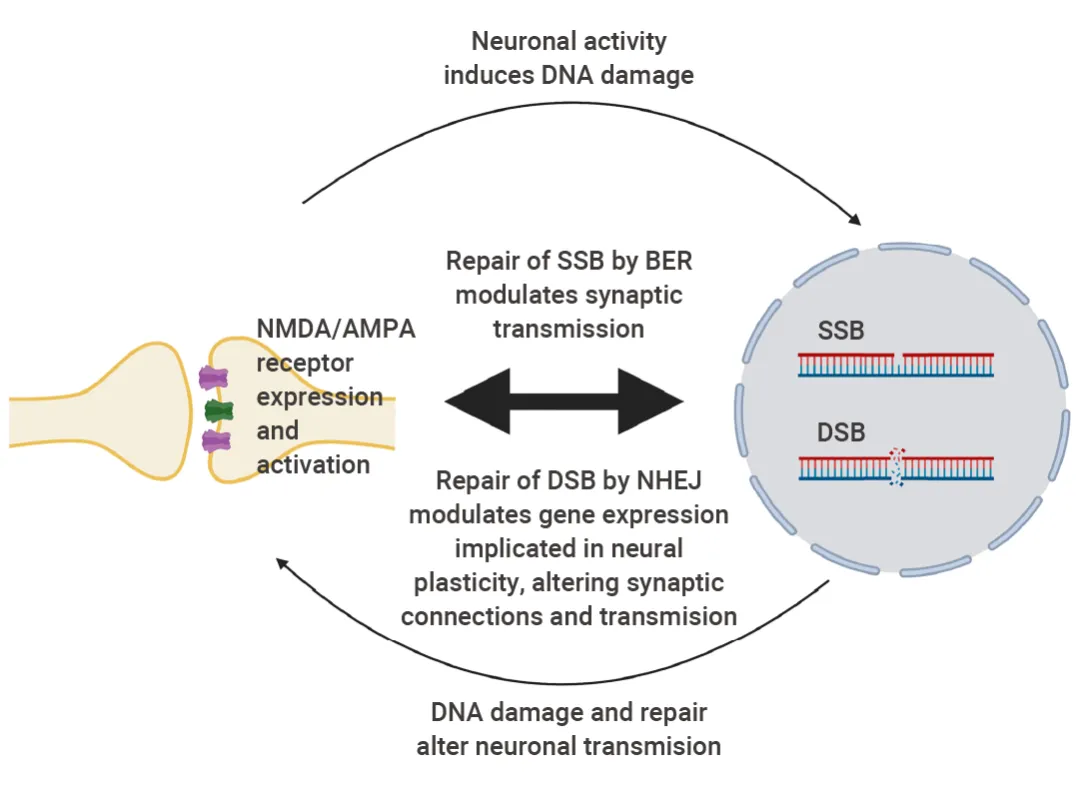
When you hear "inflammation" and "DNA damage," you might immediately think of disease or injury. However, in brains, these two processes are key steps in forming long-term memories, particularly related to specialized cells in our brain called hippocampal neurons.
Scientific Reviews
When you hear "inflammation" and "DNA damage," you might immediately think of disease or injury. However, in brains, these two processes are key steps in forming long-term memories, particularly related to specialized cells in our brain called hippocampal neurons. -
 Scientific Reviews
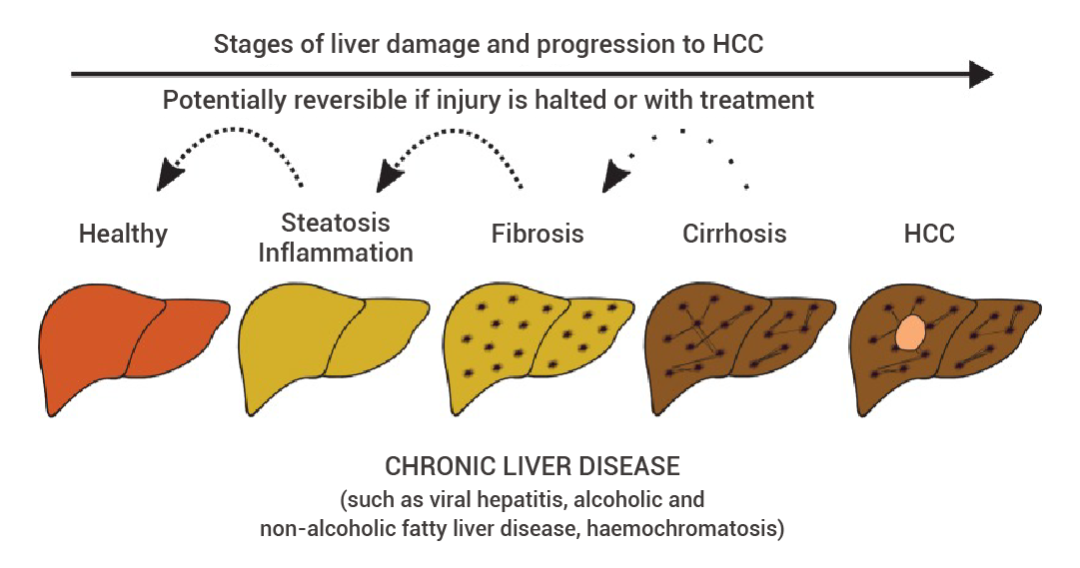
This article will tell you about the common methods of modeling liver disease in animal models.
Scientific Reviews
This article will tell you about the common methods of modeling liver disease in animal models. -
 Scientific Reviews
This article introduces some common cardiovascular disease models, inducers, modeling protocols and successful modeling cases in the research.
Scientific Reviews
This article introduces some common cardiovascular disease models, inducers, modeling protocols and successful modeling cases in the research. -
 Scientific Reviews
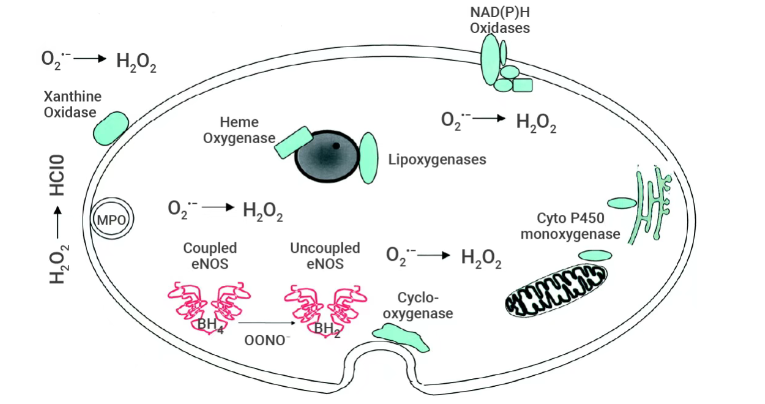
The article introduces the mechanisms of ROS generation and the methods for their detection.
Scientific Reviews
The article introduces the mechanisms of ROS generation and the methods for their detection. -
 Scientific Reviews
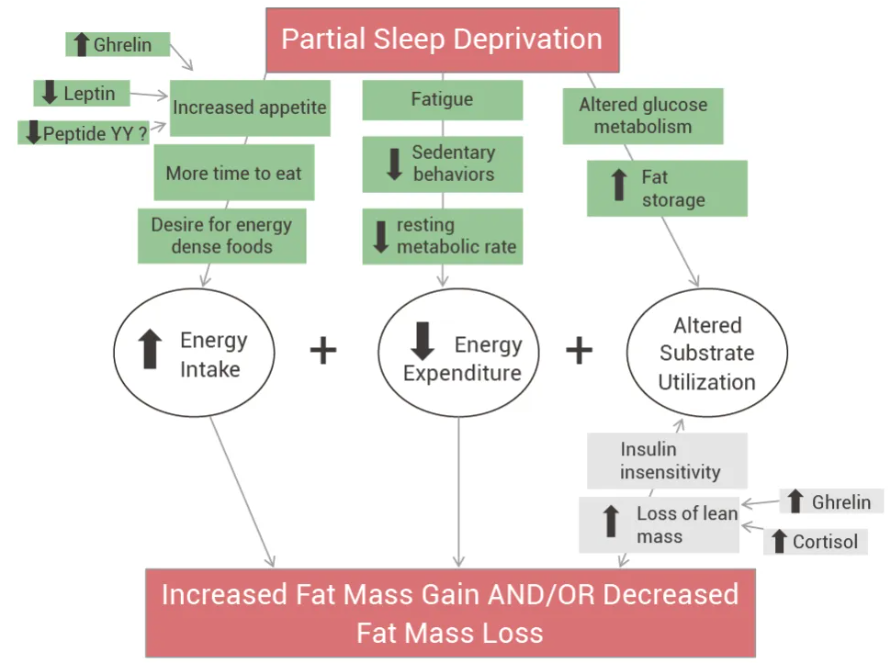
Have you ever noticed that after staying up late, your appetite—especially for high-calorie foods—gets out of control? If this sounds familiar, today’s article might offer some good news.
Scientific Reviews
Have you ever noticed that after staying up late, your appetite—especially for high-calorie foods—gets out of control? If this sounds familiar, today’s article might offer some good news. -
 Scientific Reviews
A groundbreaking study in Nature Communications reveals the key mechanism behind Idiopathic Pulmonary Fibrosis and identifies an existing drug with the potential to counter it.
Scientific Reviews
A groundbreaking study in Nature Communications reveals the key mechanism behind Idiopathic Pulmonary Fibrosis and identifies an existing drug with the potential to counter it. -
 Scientific Reviews
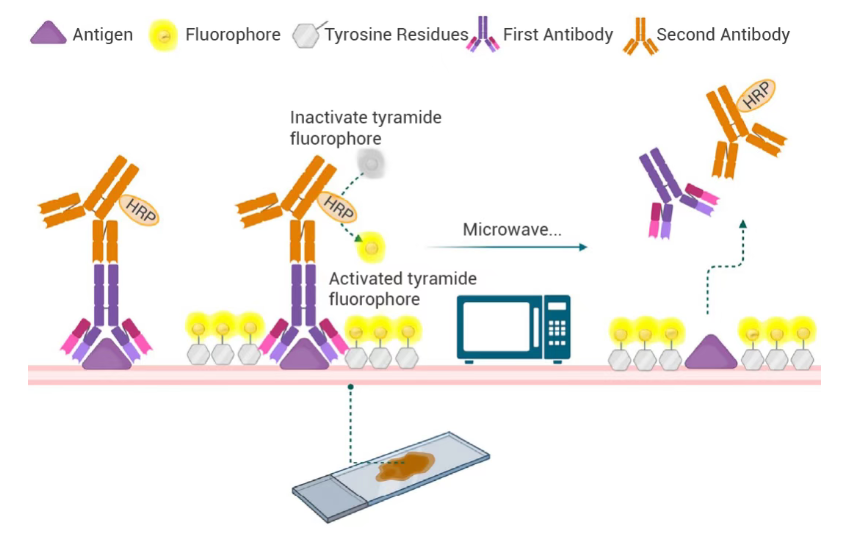
This detailed guide outlines the standardized experimental protocols for multiplex immunohistochemistry (mIHC), systematically summarizes common technical issues encountered during sample preparation, staining and imaging processes, and provides practical troubleshooting solutions to ensure reliable and reproducible results in biomedical research and clinical sample analysis.
Scientific Reviews
This detailed guide outlines the standardized experimental protocols for multiplex immunohistochemistry (mIHC), systematically summarizes common technical issues encountered during sample preparation, staining and imaging processes, and provides practical troubleshooting solutions to ensure reliable and reproducible results in biomedical research and clinical sample analysis. -
 Scientific Reviews
Finding adipogenic induction media too expensive and tricky to prepare? This comprehensive guide to 3T3-L1 adipogenic differentiation simplifies the process, helping you achieve great results!
Scientific Reviews
Finding adipogenic induction media too expensive and tricky to prepare? This comprehensive guide to 3T3-L1 adipogenic differentiation simplifies the process, helping you achieve great results! -
Scientific Reviews
Microglia– the only immune cells within the brain parenchyma. With advancements in imaging technologies, people’s understanding of microglia has shifted from being viewed as 'resting' cells to 'highly active' cells, particularly due to their dynamic processes that seem to be probing surrounding tissues and monitoring neuronal activity. This has made microglia a focal point of research in the field of neuroscience. -
 Scientific Reviews
This paper elaborates on cytokines for culturing major immune cells, their regulatory roles, recombinant cytokines' merits and MCE’s related high-quality products.
Scientific Reviews
This paper elaborates on cytokines for culturing major immune cells, their regulatory roles, recombinant cytokines' merits and MCE’s related high-quality products. -
 Scientific Reviews
In the hunt for the next ‘GLP-1,’ amylin therapeutics, which have shown strong weight-loss results in clinical trials, have become a major focus for both multinational pharma and the scientific community.
Scientific Reviews
In the hunt for the next ‘GLP-1,’ amylin therapeutics, which have shown strong weight-loss results in clinical trials, have become a major focus for both multinational pharma and the scientific community. -
 Scientific Reviews
GLP-1 and Obesity Research
Scientific Reviews
GLP-1 and Obesity Research2026-08-14
Obesity substantially increases the risk of chronic diseases such as T2D and cardiovascular disease. The breakout success of GLP-1 therapies has spotlighted GLP-1R and a wave of emerging obesity targets. -
 EDM
Research Progress of Type-2-Diabetes
EDM
Research Progress of Type-2-Diabetes2025-07-09
This review comprehensively analyzes the pathophysiological mechanisms underlying T2D, surveys current therapeutic strategies, and introduces commonly used disease modeling approaches to support translational research. -
 EDM
This review provides an overview of GLP-1 biology and physiological functions, summarizes the development and clinical applications of GLP-1 receptor agonists, and discusses next-generation GLP-1–based therapeutic strategies.
EDM
This review provides an overview of GLP-1 biology and physiological functions, summarizes the development and clinical applications of GLP-1 receptor agonists, and discusses next-generation GLP-1–based therapeutic strategies. -
 EDM
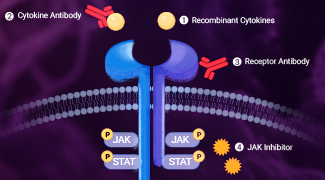
This review critically examines the role of the JAK-STAT pathway in immunity and autoimmune diseases, reviews current clinical applications of targeted therapies, and highlights emerging trends in autoimmune drug development.
EDM
This review critically examines the role of the JAK-STAT pathway in immunity and autoimmune diseases, reviews current clinical applications of targeted therapies, and highlights emerging trends in autoimmune drug development. -
 EDM
This review summarizes the mechanisms of DSS-induced colitis, commonly used modeling approaches, and key considerations related to DSS molecular weight.
EDM
This review summarizes the mechanisms of DSS-induced colitis, commonly used modeling approaches, and key considerations related to DSS molecular weight. -
 EDM
Explore next-generation obesity therapies from three perspectives: GLP-1-based multi-receptor agonists, oral GLP-1 strategies, and novel obesity targets.
EDM
Explore next-generation obesity therapies from three perspectives: GLP-1-based multi-receptor agonists, oral GLP-1 strategies, and novel obesity targets. -
 EDM
Review the mechanisms, mitochondrial regulation, disease relevance, and translational opportunities of the NLRP3–STING axis in neuroinflammation.
EDM
Review the mechanisms, mitochondrial regulation, disease relevance, and translational opportunities of the NLRP3–STING axis in neuroinflammation. -
 EDM
Explore the evolution from GLP-1 mono-agonists to multi-receptor therapeutics and the expanding role of incretin-based therapies in precision metabolic medicine.
EDM
Explore the evolution from GLP-1 mono-agonists to multi-receptor therapeutics and the expanding role of incretin-based therapies in precision metabolic medicine. -
 EDM
Explore the mechanisms driving immune tolerance breakdown in autoimmune diseases and emerging tolerance-restoring strategies, with a focus on IL-2-based immune modulation.
EDM
Explore the mechanisms driving immune tolerance breakdown in autoimmune diseases and emerging tolerance-restoring strategies, with a focus on IL-2-based immune modulation. -
 EDM
Evolution of PCSK9 Inhibitors Modalities: From Monoclonal Antibodies to Oral Macrocyclic Peptides
EDM
Evolution of PCSK9 Inhibitors Modalities: From Monoclonal Antibodies to Oral Macrocyclic Peptides2026-08-27
Review the biological basis of PCSK9, key therapeutic modalities, cardiovascular evidence, and future directions, including insights from the CORALreef clinical program. -
 EDM
Explore how mitochondrial quality control, inflammatory signaling, and metabolic–epigenetic reprogramming regulate cellular senescence and the SASP, along with strategies to restore mitochondrial homeostasis.
EDM
Explore how mitochondrial quality control, inflammatory signaling, and metabolic–epigenetic reprogramming regulate cellular senescence and the SASP, along with strategies to restore mitochondrial homeostasis. -
 Product Guides
Exosomes are nano-sized biovesicles released into surrounding body fluids after the fusion of multivesicular bodies with the plasma membrane. In this article, we will briefly introduce isolation, labeling and identification of exosomes. And the specific application of exosomes will also be mentioned.
Product Guides
Exosomes are nano-sized biovesicles released into surrounding body fluids after the fusion of multivesicular bodies with the plasma membrane. In this article, we will briefly introduce isolation, labeling and identification of exosomes. And the specific application of exosomes will also be mentioned. -
 Blog
HS-1371 is a Small Molecule RIP3 Inhibitor
Blog
HS-1371 is a Small Molecule RIP3 Inhibitor2019-04-09
HS-1371 is a novel kinase inhibitor of RIP3-mediated necroptosis, showing an inhibitory effect on S227 auto-phosphorylation of RIP3 at the basal level. -
 Blog
Nevanimibe is a selective and potent ACAT1 inhibitor. An excellent drug candidate in the treatment of adrenocortical cancer.
Blog
Nevanimibe is a selective and potent ACAT1 inhibitor. An excellent drug candidate in the treatment of adrenocortical cancer. -
 Blog
PRN1008 is a Reversible Covalent and Oral Active Inhibitor of Bruton’s Tyrosine Kinase (BTK)
Blog
PRN1008 is a Reversible Covalent and Oral Active Inhibitor of Bruton’s Tyrosine Kinase (BTK)2019-04-18
PRN1008 is a selective, reversible covalent and oral active inhibitor of Bruton’s Tyrosine Kinase (BTK), with an IC50 of 1.3 nM. -
 Blog
Multiple Tyrosine Kinases Inhibitor TAS-115
Blog
Multiple Tyrosine Kinases Inhibitor TAS-1152019-04-19
TAS-115 is a potent VEGFR and c-Met/HGFR-targeted kinase inhibitor with IC50s of 30 and 32 nM for rVEGFR2 and rMET, respectively. -
 Blog
TAK-828F is a potent, selective and orally active retinoic acid receptor-related orphan receptor γt (RORγt) inverse agonist. TAK-828F inhibits IL-17A cytokine expression and reduces symptoms of autoimmune encephalomyelitis mice.
Blog
TAK-828F is a potent, selective and orally active retinoic acid receptor-related orphan receptor γt (RORγt) inverse agonist. TAK-828F inhibits IL-17A cytokine expression and reduces symptoms of autoimmune encephalomyelitis mice. -
 Blog
BAY-8002 is a selective and orally active inhibitor of monocarboxylate transporter 1 (MCT1), with an IC50 of 85 nM. Has potential to treat lymphoma.
Blog
BAY-8002 is a selective and orally active inhibitor of monocarboxylate transporter 1 (MCT1), with an IC50 of 85 nM. Has potential to treat lymphoma. -
 Blog
GSK3145095 is a RIP1 kinase inhibitor with an IC50 of 6.3 nM. Potently blocks the TNF response and RIP1-dependent inflammatory cytokine MIP-1β production.
Blog
GSK3145095 is a RIP1 kinase inhibitor with an IC50 of 6.3 nM. Potently blocks the TNF response and RIP1-dependent inflammatory cytokine MIP-1β production. -
 Blog
Olutasidenib is a highly potent, selective inhibitor of mutant IDH1 that could be used in the treatment of AML or myelodysplastic syndrome (MDS).
Blog
Olutasidenib is a highly potent, selective inhibitor of mutant IDH1 that could be used in the treatment of AML or myelodysplastic syndrome (MDS). -
 Blog
BAY-11-7082 inhibits the proliferation and induces the apoptosis of U266 cells through inhibiting NF-κB pathway. BAY 11-7082 ameliorates experimental diabetic neuropathy by modulating neuroinflammation and improving antioxidant defence.
Blog
BAY-11-7082 inhibits the proliferation and induces the apoptosis of U266 cells through inhibiting NF-κB pathway. BAY 11-7082 ameliorates experimental diabetic neuropathy by modulating neuroinflammation and improving antioxidant defence. -
 Blog
S18-000003 is a potent, selective and orally active inhibitor of retinoic acid receptor-related orphan receptor-gamma-t (RORγt). S18-000003 ameliorates psoriasis-like lesions in vivo. S18-000003 can be used for the research of skin inflammatory diseases.
Blog
S18-000003 is a potent, selective and orally active inhibitor of retinoic acid receptor-related orphan receptor-gamma-t (RORγt). S18-000003 ameliorates psoriasis-like lesions in vivo. S18-000003 can be used for the research of skin inflammatory diseases. -
 Blog
PTC299 is a dual and orally active DHODH and VEGF inhibitor, has broad and potent activity against hematological cancer cells.
Blog
PTC299 is a dual and orally active DHODH and VEGF inhibitor, has broad and potent activity against hematological cancer cells. -
 Blog
TPCA-1, a Direct Dual Inhibitor of STAT3 and NF-κB, Regresses Mutant EGFR-Associated NSCLC
Blog
TPCA-1, a Direct Dual Inhibitor of STAT3 and NF-κB, Regresses Mutant EGFR-Associated NSCLC2019-07-15
TPCA-1 is a potent and selective inhibitor of IKK-2 with IC50 of 17.9 nM. TPCA-1 is an effective inhibitor of STAT3 phosphorylation, DNA binding. -
 Blog
LSN 3213128 is a selective, nonclassical, orally bioavailable antifolate with anti-cancer activity. LSN 3213128 potently and specifically inhibits AICARFT.
Blog
LSN 3213128 is a selective, nonclassical, orally bioavailable antifolate with anti-cancer activity. LSN 3213128 potently and specifically inhibits AICARFT. -
 Blog
NXT629 is a potent, selective, and competitive PPAR-α antagonist and shows high selectivity over other nuclear hormone receptor.
Blog
NXT629 is a potent, selective, and competitive PPAR-α antagonist and shows high selectivity over other nuclear hormone receptor. -
 Blog
BI-4924 is a Selective PHGDH Inhibitor
Blog
BI-4924 is a Selective PHGDH Inhibitor2019-08-23
BI-4924 is a lipophilic and highly plasma protein bound selective phosphoglycerate dehydrogenase (PHGDH) inhibitor (IC50=3 nM) with excellent microsomal. -
 Blog
FT113 is a potent and orally active fatty acid synthase inhibitor, with an IC50 of 213 nM for full-length recombinant human FAS, with anti-tumor activity.
Blog
FT113 is a potent and orally active fatty acid synthase inhibitor, with an IC50 of 213 nM for full-length recombinant human FAS, with anti-tumor activity. -
 Blog
UPGL00004 is a allosteric glutaminase C inhibitor which strongly inhibits the proliferation of highly aggressive triple-negative breast cancer cell lines.
Blog
UPGL00004 is a allosteric glutaminase C inhibitor which strongly inhibits the proliferation of highly aggressive triple-negative breast cancer cell lines. -
 Blog
IDH889 is an orally available, brain penetrant, allosteric and mutant specific inhibitor of isocitrate dehydrogenase 1 (IDH1) R132 mutations.
Blog
IDH889 is an orally available, brain penetrant, allosteric and mutant specific inhibitor of isocitrate dehydrogenase 1 (IDH1) R132 mutations. -
 Blog
DVD-445 is a potent peptidomimetic covalent TrxR1 inhibitor with an IC50 of 0.60 μM for rat TrxR1. DVD-445 has good anticancer application.
Blog
DVD-445 is a potent peptidomimetic covalent TrxR1 inhibitor with an IC50 of 0.60 μM for rat TrxR1. DVD-445 has good anticancer application. -
 Blog
BI-167107 is a high affinity, full agonist that binds to the β2 adrenergic receptor (β2AR) with a dissociation constant Kd of 84 pM.
Blog
BI-167107 is a high affinity, full agonist that binds to the β2 adrenergic receptor (β2AR) with a dissociation constant Kd of 84 pM. -
 Blog
TVB-3166 is an orally-available, reversible, and selective FASN inhibitor and it induces apoptosis, and inhibits in-vivo xenograft tumor growth.
Blog
TVB-3166 is an orally-available, reversible, and selective FASN inhibitor and it induces apoptosis, and inhibits in-vivo xenograft tumor growth. -
 Blog
ASLAN003 is an orally active and potent inhibitor of hDHODH with antitumor activity, and it has the potential to be a first-in-class drug candidate in AML.
Blog
ASLAN003 is an orally active and potent inhibitor of hDHODH with antitumor activity, and it has the potential to be a first-in-class drug candidate in AML. -
 Blog
DS18561882 is a highly potent, sozyme-selective methylenetetrahydrofolate dehydrogenase 2 (MTHFD2) inhibitor with a good oral pharmacokinetic profile.
Blog
DS18561882 is a highly potent, sozyme-selective methylenetetrahydrofolate dehydrogenase 2 (MTHFD2) inhibitor with a good oral pharmacokinetic profile. -
 Blog
GNE-618 is a Orally Active NAMPT Inhibitor
Blog
GNE-618 is a Orally Active NAMPT Inhibitor2019-11-28
GNE-618 is an orally active NAMPT inhibitor and reduces tumor growth. GNE-618 depletes NAD levels and induces tumor cell death. -
 Blog
Telaglenastat is a first-in-class, reversible, orally bioavailable glutaminase 1 splice variants (KGA and GAC) inhibitor. It shows antitumor activity.
Blog
Telaglenastat is a first-in-class, reversible, orally bioavailable glutaminase 1 splice variants (KGA and GAC) inhibitor. It shows antitumor activity. -
 Blog
UK 356618 is a Selective MMP-3 Inhibitor
Blog
UK 356618 is a Selective MMP-3 Inhibitor2019-12-25
UK 356618 is a selective and potent inhibitor of MMP-3. UK 356618 exhibits potent anti-inflammatory and anti-cancer activity. -
 Blog
CH6953755 is a potent, orally active and selective YES1 kinase inhibitor leading to antitumor activity against YES1 Gene -amplified cancers.
Blog
CH6953755 is a potent, orally active and selective YES1 kinase inhibitor leading to antitumor activity against YES1 Gene -amplified cancers. -
 Blog
CA-4948 is a Selective and Orally Bioavailable IRAK4 Kinase Inhibitor for Lymphoma Treatment
Blog
CA-4948 is a Selective and Orally Bioavailable IRAK4 Kinase Inhibitor for Lymphoma Treatment2020-01-05
CA-4948 is a potent, selective and orally bioavailable IRAK4 kinase inhibitor. CA-4948 can be used for the treatment of lymphoma. -
 Blog
GPP78 is a potent Nampt inhibitor. GPP78 is cytotoxic to neuroblastoma cell line SH-SY5Y cells. GPP78 has anti-cancer and anti-tumor activity.
Blog
GPP78 is a potent Nampt inhibitor. GPP78 is cytotoxic to neuroblastoma cell line SH-SY5Y cells. GPP78 has anti-cancer and anti-tumor activity. -
 Blog
BAY-985 is an orally active and selective ATP-competitive dual inhibitor of TBK1 and IKKε with IC50s of 2/30 and 2 nM for TBK1 and IKKε, respectively.
Blog
BAY-985 is an orally active and selective ATP-competitive dual inhibitor of TBK1 and IKKε with IC50s of 2/30 and 2 nM for TBK1 and IKKε, respectively. -
 Blog
ADH-503 is an orally active and allosteric CD11b agonist and leads to the repolarization of tumor-associated macrophages.
Blog
ADH-503 is an orally active and allosteric CD11b agonist and leads to the repolarization of tumor-associated macrophages. -
 Blog
CM10 is a potent and selective aldehyde dehydrogenase 1A family inhibitor and regulates metabolism and has anti-cancer activity.
Blog
CM10 is a potent and selective aldehyde dehydrogenase 1A family inhibitor and regulates metabolism and has anti-cancer activity. -
 Blog
DC-5163 is a potent GAPDH inhibitor, can inhibit glycolysis pathway partially. DC-5163 selectively inhibits cancer cell proliferation and induces apoptosis.
Blog
DC-5163 is a potent GAPDH inhibitor, can inhibit glycolysis pathway partially. DC-5163 selectively inhibits cancer cell proliferation and induces apoptosis. -
 Blog
iFSP1 is a potent, selective FSP1inhibitor that induces ferroptosis in GPX4-knockout cells which overexpressed FSP1.
Blog
iFSP1 is a potent, selective FSP1inhibitor that induces ferroptosis in GPX4-knockout cells which overexpressed FSP1. -
 Blog
OT-82 is a selective inhibitor of NAMPT. Selectively toxic to cells of hematopoietic origin. OT-82 is a promising antineoplastic agent.
Blog
OT-82 is a selective inhibitor of NAMPT. Selectively toxic to cells of hematopoietic origin. OT-82 is a promising antineoplastic agent. -
 Blog
TNP-351, an Antifolate, is a Dihydrofolate Reductase (DHFR) Inhibitor. Antifolates serve medical science well in neoplastic and non-neoplastic diseases.
Blog
TNP-351, an Antifolate, is a Dihydrofolate Reductase (DHFR) Inhibitor. Antifolates serve medical science well in neoplastic and non-neoplastic diseases. -
 Blog
GSK143 is an orally active and highly selective spleen tyrosine kinase (SYK) inhibitor. GSK143 reduces inflammation in the intestinal muscularis in mice.
Blog
GSK143 is an orally active and highly selective spleen tyrosine kinase (SYK) inhibitor. GSK143 reduces inflammation in the intestinal muscularis in mice. -
 Blog
RA375, a RPN13 inhibitor, inhibits proteasome function in muscle. RA375 is highly active against cell lines of multiple myeloma and diverse solid cancers.
Blog
RA375, a RPN13 inhibitor, inhibits proteasome function in muscle. RA375 is highly active against cell lines of multiple myeloma and diverse solid cancers. -
 Blog
JX06 is a potent, selective and covalent inhibitor of PDK via covalently binding to a cysteine residue in an irreversible manner.
Blog
JX06 is a potent, selective and covalent inhibitor of PDK via covalently binding to a cysteine residue in an irreversible manner. -
 Blog
IPI-9119 is an orally active, selective and irreversible FASN inhibitor with potent anti-cancer activity. IPI-9119 induces cell cycle arrest, apoptosis.
Blog
IPI-9119 is an orally active, selective and irreversible FASN inhibitor with potent anti-cancer activity. IPI-9119 induces cell cycle arrest, apoptosis. -
 Blog
CAY10404 is a potent and highly selective COX-2 inhibitor. CAY10404 is a potent inhibitor of PKB/Akt and MAPK signalling pathways.
Blog
CAY10404 is a potent and highly selective COX-2 inhibitor. CAY10404 is a potent inhibitor of PKB/Akt and MAPK signalling pathways. -
 Blog
BMS-P5 is an Orally Active PAD4 Inhibitor
Blog
BMS-P5 is an Orally Active PAD4 Inhibitor2020-12-12
BMS-P5 is an orally active PAD4 inhibitor. BMS-P5 blocks MM-induced NET formation and delays progression of MM in a syngeneic mouse model -
 Blog
ML132, a potent and selective caspase 1 inhibitor with a unique selectivity pattern, is responsible for the proteolytic activation of IL-1β and IL-18.
Blog
ML132, a potent and selective caspase 1 inhibitor with a unique selectivity pattern, is responsible for the proteolytic activation of IL-1β and IL-18. -
 Blog
CTPI-2 is a SLC25A1 inhibitor. CTPI-2 inhibits glycolysis, PPARγ, and its downstream target the glucose transporter GLUT4. Antitumor activity.
Blog
CTPI-2 is a SLC25A1 inhibitor. CTPI-2 inhibits glycolysis, PPARγ, and its downstream target the glucose transporter GLUT4. Antitumor activity. -
 Blog
DMU-212 Possesses Antimitotic, Anti-Proliferative, Antioxidant and Apoptosis Promoting Activities
Blog
DMU-212 Possesses Antimitotic, Anti-Proliferative, Antioxidant and Apoptosis Promoting Activities2020-12-24
Activation of ERK1/2 is required for the antimitotic activity of the Resveratrol analogue DMU‐212 in human melanoma cells. -
 Blog
BI99179 is a Selective Type I FASN Inhibitor
Blog
BI99179 is a Selective Type I FASN Inhibitor2021-01-28
FASN is a key enzyme for lipogenesis and highly expressed in lipogenic tissues. BI99179 is a Selective Type I FASN Inhibitor. -
 Blog
Fasentin inhibits GLUT-1 and GLUT-4 transporters. Fasentin blocks glucose uptake in cancer cell lines and has anti-angiogenic activity.
Blog
Fasentin inhibits GLUT-1 and GLUT-4 transporters. Fasentin blocks glucose uptake in cancer cell lines and has anti-angiogenic activity. -
 Blog
ML390 is a Potent DHODH Inhibitor
Blog
ML390 is a Potent DHODH Inhibitor2021-02-24
ML390 is a potent dihydroorotate dehydrogenase (DHODH) inhibitor and is an inducer of myeloid differentiation. -
 Blog
CC-90001 is a potent, selective, and orally active inhibitor of JNK. CC-90001 can be used for the research of idiopathic pulmonary fibrosis (IPF).
Blog
CC-90001 is a potent, selective, and orally active inhibitor of JNK. CC-90001 can be used for the research of idiopathic pulmonary fibrosis (IPF). -
 Blog
SB-332235 is a potent, orally active nonpeptide CXCR2 antagonist. SB-332235 inhibits acute and chronic models of arthritis in the rabbit.
Blog
SB-332235 is a potent, orally active nonpeptide CXCR2 antagonist. SB-332235 inhibits acute and chronic models of arthritis in the rabbit. -
 Blog
Vorasidenib is an orally available, brain penetrant second-generation dual mutant isocitrate dehydrogenases 1 and 2 (mIDH1/2) inhibitor.
Blog
Vorasidenib is an orally available, brain penetrant second-generation dual mutant isocitrate dehydrogenases 1 and 2 (mIDH1/2) inhibitor. -
 Blog
Lumiracoxib is a COX-2 inhibitor. Lumiracoxib acts as nonselective NSAID with anti-inflammatory, analgesic and antipyretic activities.
Blog
Lumiracoxib is a COX-2 inhibitor. Lumiracoxib acts as nonselective NSAID with anti-inflammatory, analgesic and antipyretic activities. -
 Blog
Ruxolitinib is a potent and selective JAK1/2 inhibitor and has 130-fold selectivity for JAK1/2 over JAK3. Ruxolitinib induces autophagy.
Blog
Ruxolitinib is a potent and selective JAK1/2 inhibitor and has 130-fold selectivity for JAK1/2 over JAK3. Ruxolitinib induces autophagy. -
 Blog
Elesclomol is an oxidative stress inducer that induces cancer cell apoptosis. Elesclomol is a reactive oxygen species (ROS) inducer.
Blog
Elesclomol is an oxidative stress inducer that induces cancer cell apoptosis. Elesclomol is a reactive oxygen species (ROS) inducer. -
 Blog
Brusatol (NSC 172924) is a Nrf2 Inhibitor
Blog
Brusatol (NSC 172924) is a Nrf2 Inhibitor2021-10-26
Brusatol inhibits the Nrf2 signaling pathway by reducing the protein level of Nrf2, with anticancer activities. -
 Blog
IMD-0354 is a Selective IKKβ Inhibitor
Blog
IMD-0354 is a Selective IKKβ Inhibitor2021-11-09
IMD-0354 is a selective IKKβ inhibitor and potently inhibits NF-κB activity. IMD0354 has antitumor activity. -
 Blog
Oltipraz is a Nrf2 Inhibitor
Blog
Oltipraz is a Nrf2 Inhibitor2021-11-18
Oltipraz is a potent Nrf2 activator. Oltipraz has an inhibitory effect on HIF-1α activation in a time-dependent manner, the IC50 is 10 μM. -
 Blog
Lonidamine, an antitumor agent and an indazole derivative, interferes with energy-yielding processes in cancer cells.
Blog
Lonidamine, an antitumor agent and an indazole derivative, interferes with energy-yielding processes in cancer cells. -
 Blog
Trolox is an analogue of vitamin E with a powerful antioxidant effect. Trolox is also a powerful inhibitor of membrane damage.
Blog
Trolox is an analogue of vitamin E with a powerful antioxidant effect. Trolox is also a powerful inhibitor of membrane damage. -
 Blog
Alda-1 is a potent ALDH2 Agonist
Blog
Alda-1 is a potent ALDH2 Agonist2021-12-30
Alda-1 ameliorates H2O2-induced Achilles tendinopathy. Alda-1 could be used for preventing Achilles tendinopathy. -
 Blog
β-Lapachone, a topoisomerase I inhibitor, induces apoptosis by inhibiting cell cycle progression. β-Lapachone has anti-inflammatory effect.
Blog
β-Lapachone, a topoisomerase I inhibitor, induces apoptosis by inhibiting cell cycle progression. β-Lapachone has anti-inflammatory effect. -
 Blog
CL097 is a TLR7/8 agonist. CL097 induces pro-nflammatory cytokines. CL097 induces NADPH oxidase priming and efficient diabetogenic cytotoxic T lymphocyte (CTL) function in NOD mice.
Blog
CL097 is a TLR7/8 agonist. CL097 induces pro-nflammatory cytokines. CL097 induces NADPH oxidase priming and efficient diabetogenic cytotoxic T lymphocyte (CTL) function in NOD mice. -
 Blog
Zingerone is a natural orally active nontoxic methoxyphenol potent anti-inflammatory, antidiabetic, antioxidize, and anti-tumor properties.
Blog
Zingerone is a natural orally active nontoxic methoxyphenol potent anti-inflammatory, antidiabetic, antioxidize, and anti-tumor properties. -
 Blog
PX-12 is an irreversible inhibitor of Trx-1 and inhibits the growth, migration, and invasion of colorectal cancer cell lines.
Blog
PX-12 is an irreversible inhibitor of Trx-1 and inhibits the growth, migration, and invasion of colorectal cancer cell lines. -
 Blog
BM213 is a selective C5aR1 agonist. It’s a useful research tool to study C5aR1 function
Blog
BM213 is a selective C5aR1 agonist. It’s a useful research tool to study C5aR1 function -
 Blog
Pelecopan is a potent, selective, and orally active complement factor D inhibitor, possessing the potential to study paroxysmal nocturnal hemoglobinuria (PNH).
Blog
Pelecopan is a potent, selective, and orally active complement factor D inhibitor, possessing the potential to study paroxysmal nocturnal hemoglobinuria (PNH). -
 Blog
LCS3 is a potent and reversible inhibitor of GSR and TXNRD1 with anti-tumour activity by non-competitive inhibition of the enzyme activity.
Blog
LCS3 is a potent and reversible inhibitor of GSR and TXNRD1 with anti-tumour activity by non-competitive inhibition of the enzyme activity. -
 Blog
Etrolizumab is a Gut-selective, Anti-β7 Integrin McAb for Inflammatory Bowel Disease (IBD) Research
Blog
Etrolizumab is a Gut-selective, Anti-β7 Integrin McAb for Inflammatory Bowel Disease (IBD) Research2022-11-05
Etrolizumab is a gut-selective, anti-β7 integrin monoclonal antibody and has the potential for the research of inflammatory bowel disease. -
 Blog
STF-31 is a potent ans selective inhibitor of GLUT1 that inhibit glucose uptake in renal cell carcinoma (RCC) 4 cells.
Blog
STF-31 is a potent ans selective inhibitor of GLUT1 that inhibit glucose uptake in renal cell carcinoma (RCC) 4 cells. -
 Blog
Olutasidenib (FT-2102) is an orally active, brain penetrant inhibitor of mutant IDH1. Olutasidenib is used for AML or MDS Research.
Blog
Olutasidenib (FT-2102) is an orally active, brain penetrant inhibitor of mutant IDH1. Olutasidenib is used for AML or MDS Research. -
 Blog
MMRi62, a Ferroptosis inducer targeting MDM2-MDM4. MMRi62 shows a P53-independent pro-apoptotic activity against PDAC cells.
Blog
MMRi62, a Ferroptosis inducer targeting MDM2-MDM4. MMRi62 shows a P53-independent pro-apoptotic activity against PDAC cells. -
 Blog
FA16 is a specific and metabolically stable ferroptosis inducer. It inhibits system Xc-, results in tumor progression suppression.
Blog
FA16 is a specific and metabolically stable ferroptosis inducer. It inhibits system Xc-, results in tumor progression suppression. -
 Blog
YL-939 was a potent inhibitor of iron death and significantly improved liver injury in a model of iron death-related acute liver injury.
Blog
YL-939 was a potent inhibitor of iron death and significantly improved liver injury in a model of iron death-related acute liver injury. -
 Blog
Talotrexin (PT523), a classic antifolate, is an RFC (reduced folate carrier) specific inhibitor and selectively inhibits RFC transport.
Blog
Talotrexin (PT523), a classic antifolate, is an RFC (reduced folate carrier) specific inhibitor and selectively inhibits RFC transport. -
 Blog
Ruxolitinib is an orally-active JAK1/2 inhibitor. Ruxolitinib has the potential for the research of myeloproliferative neoplasm (MPN).
Blog
Ruxolitinib is an orally-active JAK1/2 inhibitor. Ruxolitinib has the potential for the research of myeloproliferative neoplasm (MPN).
Products
All
-
All
-
Inhibitors & Agonists
-
Isotope-Labeled Compounds
-
Fluorescent Dye
-
Peptides
-
Recombinant Proteins
-
Antibodies
-
Screening Libraries
-
Kits
-
Inhibitory Antibodies
-
Reference Standards
-
Induced Disease Models Products
-
GMP Small Molecules
-
Enzyme
-
Biochemical Assay Reagents
-
Natural Products
| Cat. No. | Product Name | Information | Application | Publication |
|---|---|---|---|---|
| HY-D0940 | H2DCFDA |
H2DCFDA (DCFH-DA) is a cell-permeable probe used to detect intracellular reactive oxygen species (ROS) (Ex/Em=488/525 nm).
|
|
838
|
| HY-13418 | Dorsomorphin dihydrochloride |
Dorsomorphin (Compound C) dihydrochloride is a potent, selective and ATP-competitive AMPK inhibitor, with a Ki of 109 nM. Dorsomorphin dihydrochloride inhibits BMP pathway by targeting the type I receptors ALK2, ALK3, and ALK6. Dorsomorphin dihydrochloride can reverse autophagy activation and anti-inflammatory effect of Urolithin A (HY-100599).
|
|
819
|
| HY-13418A | Dorsomorphin |
|
819
|
|
| HY-15142 | Doxorubicin hydrochloride |
Doxorubicin hydrochloride (Hydroxydaunorubicin hydrochloride; ADR), a cytotoxic anthracycline antibiotic, is an anti-cancer chemotherapy agent. Doxorubicin hydrochloride is a potent human DNA topoisomerase I and topoisomerase II inhibitor with IC50s of 0.8 μM and 2.67 μM, respectively. Doxorubicin hydrochloride reduces basal phosphorylation of AMPK and its downstream target acetyl-CoA carboxylase. Doxorubicin hydrochloride induces apoptosis and autophagy.
Source: Streptomyces peucetius var. Caesius |
Topoisomerase
ADC Payloads
AMPK
Autophagy
Apoptosis
HIV
HBV
Mitophagy
Antibiotic
Bacterial
Fluorescent Dye
Non-Small Cell Lung Cancer
HER-2 Positive Breast Cancer
Triple-Negative Breast Cancer
Metastatic Breast Cancer
|
711
|
| HY-10071 | Y-27632 |
Y-27632 is a ROCK inhibitor with Ki values of 220 nM and 300 nM for ROCK1 and ROCK2, respectively. Y-27632 exerts anti-inflammatory and immunomodulatory effects in systemic lupus erythematosus models by inhibiting the ROCK/NF-κB pathway. Y-27632 enhances autophagy by inhibiting the AKT/mTOR pathway, thereby inducing apoptosis apoptosis in oral squamous cell carcinoma. Y-27632 induces the formation of tunneling nanotubes in ARPE-19 cells and significantly enhances mitochondrial transfer through these channels. Y-27632 promotes neurite outgrowth in PC12 cells by activating the Rac1/NOX1/ROS/AKT/PAK1 signaling cascade.
|
|
602
|
| HY-10358 | MK-2206 dihydrochloride |
MK-2206 dihydrochloride (MK-2206 2HCl) is an orally active pan-AKT inhibitor, with IC50 values of 8 nM, 12 nM and 65 nM against AKT1, AKT2 and AKT3, respectively. MK-2206 dihydrochloride inhibits the Akt/mTOR signaling pathway and reduces the levels of downstream GSK3β and Mcl-1 via proteasomal degradation. MK-2206 dihydrochloride induces G1-phase cell cycle arrest, apoptosis, epithelial-mesenchymal transition, fibroblast activation and extracellular matrix deposition. MK-2206 dihydrochloride causes transient hyperglycemia and hyperinsulinemia in animals. MK-2206 dihydrochloride can be used in research related to solid tumors, renal fibrosis and hypercholesterolemia.
|
Colorectal Cancer
Prostate Cancer
Gastric Cancer
Liver Cancer
Leukemia/Lymphoma/Myeloma
Pancreatic Cancer
Ovarian Cancer
Large Cell Lung Carcinoma
Metastatic Breast Cancer
Lung Fibrosis
|
494
|
| HY-B0988 | Deferoxamine mesylate |
Deferoxamine mesylate (Deferoxamine B mesylate) is an iron chelator (binds to Fe(III) and many other metal cations), is widely used to reduce iron accumulation and deposition in tissues. Deferoxamine mesylate upregulates HIF-1α levels with good antioxidant activity. Deferoxamine mesylate also shows anti-proliferative activity, can induce apoptosis and autophagy in cancer cells. Deferoxamine mesylate can be used in studies of diabetes, neurodegenerative diseases as well as anti-cancer and anti-COVID-19.
|
Infection
Neurological, Eye or Ear Disease
Inflammation or Immune System Disease
Metabolic or Endocrine Disease
|
452
|
| HY-12028 | PD98059 |
PD98059 is a potent and selective MEK inhibitor with an IC50 of 5 µM. PD98059 binds to the inactive form of MEK, thereby preventing the activation of MEK1 (IC50 of 2-7 µM) and MEK2 (IC50 of 50 µM) by upstream kinases. PD98059 is a ERK1/2 signaling inhibitor. PD98059 is a ligand for the aryl hydrocarbon receptor (AHR), and suppresses TCDD binding (IC50 of 4 μM) and AHR transformation (IC50 of 1 μM). PD98059 also inhibits Mycobacterium bovis Bacillus CalmetteGuerin (BCG)-induced autophagy.
|
Colorectal Cancer
Prostate Cancer
Liver Cancer
Pancreatic Cancer
Pain
Obesity
Lung Fibrosis
Rheumatoid Arthritis
|
427
|
| HY-18749 | SC79 |
|
341
|
|
| HY-10201 | Sorafenib |
Sorafenib (Bay 43-9006) is a potent oral active multikinase inhibitor. Sorafenib blocks autophosphorylation and activity of receptor tyrosine kinases (VEGFR-2, VEGFR-3) and RAF family kinases, thereby suppressing the RAF/MEK/ERK and PI3K/Akt pathways, inhibiting STAT3 phosphorylation, and selectively inhibiting the MAPK pathway in cancer cells. Sorafenib induces cell cycle arrest, autophagy, apoptosis, and PARP cleavage, reduces Bcl-2, Bcl-XL, cyclin D1 levels, and activates Bak and Bax. Sorafenib inhibits tumor growth and metastasis in mouse and rat models. Sorafenib can be used for cancer research, such as colon, breast, non-small-cell lung cancer (NSCLC), ovarian, pancreatic, melanoma, colorectal and hepatocellular carcinoma.
|
Raf
VEGFR
FLT3
Autophagy
Apoptosis
STAT
Akt
MMP
Cadherin
p38 MAPK
ERK
MEK
PI3K
PARP
Bcl-2 Family
Ephrin Receptor
PDGFR
Gastric Cancer
Liver Cancer
Ovarian Cancer
Digestive System Inflammation
Small Cell Lung Cancer
Non-Small Cell Lung Cancer
Metastatic Breast Cancer
Metastatic Colorectal Cancer
Metastatic Prostate Cancer
Multiple Myeloma
Metastatic Pancreatic Cancer
SARS-CoV-2 Infection
Alzheimer's Disease
Parkinson's Disease
Obesity
Lung Fibrosis
|
316
|
| HY-13417 | AICAR |
AICAR (Acadesine) is an adenosine analog and a AMPK activator. AICAR is also an autophagy, YAP and mitophagy inhibitor. AICAR regulates the glucose and lipid metabolism, and inhibits proinflammatory cytokines and iNOS production. AICAR inhibits autophagy through a mechanism independent of AMPK activity.
|
|
231
|
| HY-16578 | GW9662 |
|
228
|
|
| HY-17471A | Metformin hydrochloride |
Metformin (1,1-Dimethylbiguanide) hydrochloride inhibits the mitochondrial respiratory chain in the liver, leading to AMPK activation and enhancing insulin sensitivity, and can be used in the study of type 2 diabetes. Metformin hydrochloride exerts central glucose-lowering effects by inhibiting Ras-related protein 1 (Rap1) in SF1 hypothalamic neurons. Metformin hydrochloride also inhibits liver oxidative stress, nitrosative stress, inflammation, and apoptosis caused by liver ischemia/reperfusion injury. In addition, Metformin hydrochloride regulates the expression of autophagy-related proteins by activating AMPK and inhibiting the mTOR signaling pathway, thereby inducing tumor cell autophagy and inhibiting the growth of renal cell carcinoma in vitro and in vivo.
|
Colorectal Cancer
Prostate Cancer
Gastric Cancer
Liver Cancer
Leukemia/Lymphoma/Myeloma
Pancreatic Cancer
Ovarian Cancer
Viral Infection
Digestive System Inflammation
Cardiovascular Disease
Glucose Metabolism
Non-Small Cell Lung Cancer
Lung Adenocarcinoma
Large Cell Lung Carcinoma
HER-2 Positive Breast Cancer
Triple-Negative Breast Cancer
Metastatic Breast Cancer
SARS-CoV-2 Infection
Parkinson's Disease
Chronic Pain
Obesity
|
212
|
| HY-B0627 | Metformin |
Metformin (1,1-Dimethylbiguanide) inhibits the mitochondrial respiratory chain in the liver, leading to AMPK activation and enhancing insulin sensitivity, and can be used in the study of type 2 diabetes. Metformin exerts central glucose-lowering effects by inhibiting Ras-related protein 1 (Rap1) in SF1 hypothalamic neurons. Metformin also inhibits liver oxidative stress, nitrosative stress, inflammation, and apoptosis caused by liver ischemia/reperfusion injury. In addition, Metformin regulates the expression of autophagy-related proteins by activating AMPK and inhibiting the mTOR signaling pathway, thereby inducing tumor cell autophagy and inhibiting the growth of renal cell carcinoma in vitro and in vivo.
|
Colorectal Cancer
Prostate Cancer
Gastric Cancer
Liver Cancer
Leukemia/Lymphoma/Myeloma
Pancreatic Cancer
Ovarian Cancer
Viral Infection
Pain
Digestive System Inflammation
Cardiovascular Disease
Glucose Metabolism
Non-Small Cell Lung Cancer
Lung Adenocarcinoma
Large Cell Lung Carcinoma
HER-2 Positive Breast Cancer
Triple-Negative Breast Cancer
Metastatic Breast Cancer
Parkinson's Disease
Obesity
Lung Fibrosis
|
212
|
| HY-B1756 | Rotenone |
Rotenone is a mitochondrial electron transport chain complex I inhibitor. Rotenone induces apoptosis through enhancing mitochondrial reactive oxygen species production.
|
|
206
|
| HY-50846 | SCH772984 |
|
202
|
|
| HY-17386 | Rosiglitazone |
Rosiglitazone (BRL 49653) is an orally active selective PPARγ agonist (EC50: 60 nM, Kd: 40 nM), with blood-brain barrier permeability. Rosiglitazone is an TRPC5 activator (EC50: 30 μM) and TRPM3 inhibitor. Rosiglitazone can be used in the research of obesity and diabetes, senescence, ovarian cancer.
|
Digestive System Disease
Prostate Cancer
Ovarian Cancer
Viral Infection
Depression
Pain
Digestive System Inflammation
Non-Small Cell Lung Cancer
SARS-CoV-2 Infection
Type 2 Diabetes
Obesity
|
197
|
| HY-14649 | Retinoic acid |
Retinoic acid is a metabolite of vitamin A that plays important roles in cell growth, differentiation, and organogenesis. Retinoic acid is a natural agonist of RAR nuclear receptors, with IC50s of 14 nM for RARα/β/γ. Retinoic acid bind to PPARβ/δ with Kd of 17 nM. Retinoic acid acts as an inhibitor of transcription factor Nrf2 through activation of retinoic acid receptor alpha.
|
|
150
|
| HY-50896 | Erlotinib |
Erlotinib (CP-358774) is a selective, orally active EGFR tyrosine kinase inhibitor. Erlotinib also acts as a substrate and inhibitor of OATP2B1, with an IC50 of approximately 0.079 μM for inhibiting OATP2B1-mediated uptake of estrone 3-sulfate. Erlotinib blocks EGFR phosphorylation, downstream signal transduction, as well as the growth and proliferation of cancer cells. Erlotinib inhibits MMP-10-mediated renal injury, fibrotic lesions, the ERK1/2, GSK-3β and β-catenin signaling pathways, fibronectin, α-SMA, collagen deposition, and renal injury markers. Erlotinib is metabolized via CYP3A to produce the active metabolite OSI-420. Erlotinib can be used in research related to non-small cell lung cancer, gastric cancer, papillary renal cell carcinoma, pancreatic cancer, renal fibrosis, and other conditions.
|
|
147
|
| HY-L009 | Kinase Inhibitor Library |
Kinase is an enzyme that adds phosphate groups to other molecules. This process is known as phosphorylation. Protein phosphorylation is a key aspect in the regulation of a large number of cellular processes including cellular division, metabolism, signal transduction, and so on. There are over 500 kinases encoded by the human genome and it has been estimated that kinases regulate approximately 50% of cellular functions. Kinases are a large group of drug targets in drug discovery. Kinase inhibitors are an important class of drugs that block certain enzymes involved in diseases such as cancer and inflammatory disorders.
Kinase inhibitor library designed by MCE contains 3,998 kinase inhibitors and regulators mainly targeting protein kinases (VEGFR, EGFR, BTK, CDK, Akt, etc.), lipid kinases (PI3K, PI4K, SK, etc.) and carbohydrate kinases (Hexokinase), and is a useful tool for kinase drug discovery and related research.
|
|
125
|
| HY-18723 | Yoda 1 |
Yoda 1 is a potent and selective Piezo1 agonist. Yoda 1 activates purified Piezo1 channels. Yoda 1 potently inhibits macropinocytosis induced by epidermal growth factor (EGF). Yoda 1 enhances Ca2+ influx followed by activation of the calcium-activated potassium channel KCa3.1 and inhibition of Rac1 activation.
|
Pancreatic Cancer
Depression
Pain
Digestive System Inflammation
Cardiovascular Disease
Lung Fibrosis
|
120
|
| HY-10261 | Afatinib |
Afatinib (BIBW 2992) is an orally active, potent and irreversible dual specificity inhibitor of ErbB family (EGFR and HER2), with IC50 values of 0.5 nM, 0.4 nM, 10 nM and 14 nM for EGFRwt, EGFRL858R, EGFRL858R/T790M and HER2, respectively. Afatinib can be used for the research of esophageal squamous cell carcinoma (ESCC), non-small cell lung cancer (NSCLC) and gastric cancer.
|
Lung Cancer
Breast Cancer
Colorectal Cancer
Prostate Cancer
Gastric Cancer
Liver Cancer
Leukemia/Lymphoma/Myeloma
Pancreatic Cancer
Ovarian Cancer
Neurodegenerative Disease
Depression
Pain
Digestive System Inflammation
Hepatitis C Virus Infection
Obesity
Lung Fibrosis
Rheumatoid Arthritis
|
113
|
| HY-19696 | Tauroursodeoxycholate |
Colorectal Cancer
Prostate Cancer
Liver Cancer
Viral Infection
Neurodegenerative Disease
Pain
Digestive System Inflammation
Glucose Metabolism
Obesity
|
111
|
|
| HY-15431 | Capivasertib |
Lung Cancer
Breast Cancer
Colorectal Cancer
Prostate Cancer
Gastric Cancer
Liver Cancer
Leukemia/Lymphoma/Myeloma
Pancreatic Cancer
Ovarian Cancer
Pain
Digestive System Inflammation
Glucose Metabolism
SARS-CoV-2 Infection
Obesity
Lung Fibrosis
|
91
|
|
| HY-L015 | PI3K/Akt/mTOR Compound Library |
The PI3K/Akt/mTOR pathway controls many cellular processes that are important for the formation and progression of cancer, including apoptosis, transcription, translation, metabolism, angiogenesis, and cell cycle progression. Every major node of this signaling network is activated in a wide range of human tumors. Mechanisms for the pathway activation include activation of receptor tyrosine kinases (RTKs) upstream of PI3K, mutation or amplification of PIK3CA encoding p110α catalytic subunit of PI3K, mutation or loss of PTEN tumor suppressor gene, and mutation or amplification of Akt1. Once the pathway is activated, signaling through Akt can stimulate a series of substrates including mTOR which is involved in protein synthesis. Thus, inhibition of this pathway is an attractive concept for cancer prevention and/or therapy. Currently some mTOR inhibitors are approved for several indications, and there are several novel PI3K/Akt/mTOR inhibitors in clinical trials.
MCE owns a unique collection of 1,149 compounds that can be used for PI3K/Akt/mTOR pathway research. PI3K/Akt/mTOR Compound Library also acts as a useful tool for anti-cancer drug discovery.
|
|
90
|
| HY-L089 | Mitochondria-Targeted Compound Library |
Mitochondria plays an important role in many vital processes in cells, including energy production, fatty-acid oxidation and the Tricarboxylic Acid (TCA) cycle, calcium signaling, permeability transition, apoptosis and heat production. At present, it is recognized that many diseases are associated with impaired mitochondrial function, such as increased accumulation of ROS and decreased OXPHOS and ATP production. Mitochondria are recognized as one of the most important targets for new drug design in cancer, cardiovascular, and neurological diseases, etc. Some small molecule drugs or biologics can act on mitochondria through various pathways, including ETC inhibition, OXPHOS uncoupling, mitochondrial Ca2+ modulation, and control of oxidative stress via decrease or increase of mitochondrial ROS accumulation.
MCE supplies a unique collection of 1,182 mitochondria-targeted compound that mainly targeting Mitochondrial Metabolism, ATP Synthase, Mitophagy, Reactive Oxygen Species, etc. MCE Mitochondria-Targeted Compound Library is a useful tool for mitochondria-targeted drug discovery and related research.
|
|
89
|
| HY-L008 | JAK/STAT Compound Library |
The Janus kinase (JAK)/signal transducer and activator of transcription (STAT) pathway is central to signaling by cytokine receptors, a superfamily of more than 30 transmembrane proteins that recognize specific cytokines, and is critical in blood formation and immune response. Canonical JAK/STAT signaling begins with the association of cytokines and their corresponding transmembrane receptors. Activated JAKs then phosphorylate latent STAT monomers, leading to dimerization, nuclear translocation, and DNA binding. In mammals, there are four JAKs (JAK1, JAK2, JAK3, TYK2) and seven STATs (STAT1, STAT2, STAT3, STAT4, STAT5a, STAT5b, STAT6). Since the JAK/STAT pathway plays a major role in many fundamental processes, such as apoptosis and inflammation, dysfunctional proteins in the pathway may lead to a number of diseases. For example, alterations in JAK/STAT signalling can result in cancer and diseases affecting the immune system, such as severe combined immunodeficiency disorder (SCID).
MCE provides 738 compounds that can be used in the study of the JAK/STAT signaling pathway and related diseases.
|
|
86
|
| HY-L017 | Stem Cell Signaling Compound Library |
Adult stem cells are important for tissue homeostasis and regeneration due to their ability to self-renew and generate multiple types of differentiated daughters. Self-renewal is reflected by their capacity to undergo multiple/limitless divisions. Several signaling pathways are involved in self-renewal of stem cells, that is, Notch, Wnt, and Hedgehog pathways or Polycomb family proteins. Recent studies mainly focus on cancer stem cell (CSCs), induced pluripotent stem cell (iPSCs), neural stem cell and maintenance of embryonic stem cell pluripotency. Among them, CSCs have been believed to be responsible for tumor initiation, growth, and recurrence that have implications for cancer therapy.
MCE owns a unique collection of 2,931 compounds that can be used for stem cell regulatory and signaling pathway research.
|
|
86
|
| HY-15372 | GW6471 |
GW6471 is a selective peroxisome proliferator-activated receptor α (PPARα) antagonist. GW6471 reduces cancer stem cell viability, proliferation, and spheroid formation. GW6471 induces apoptosis and causes metabolic impairment including energy imbalance. GW6471 can be used for the research of paragangliomas and triple-negative breast cancer.
|
|
85
|
| HY-L014 | NF-κB Signaling Compound Library |
Nuclear factor-κB (NF-κB)/Rel proteins include NF-κB2 p52/p100, NF-κB1 p50/p105, c-Rel, RelA/p65, and RelB. These proteins function as dimeric transcription factors that regulate the expression of genes and influence a broad range of biological processes including innate and adaptive immunity, inflammation, stress responses, B-cell development, and lymphoid organogenesis. NF-κB plays a key role in regulating the immune response to infection. In addition, activation of the NF-κB pathway is involved in the pathogenesis of chronic inflammatory diseases, such as asthma, rheumatoid arthritis, and inflammatory bowel disease. Incorrect regulation of NF-κB has been linked to cancer, inflammatory and autoimmune diseases, septic shock, viral infection, and improper immune development.
MCE owns a unique collection of 1,801 small molecule compounds that can be used in the research of NF-κB signaling pathway or high throughput screening (HTS) related drug discovery.
|
|
85
|
| HY-L037 | Antioxidant Compound Library |
Oxidative stress is an imbalance of free radicals and antioxidants in the body, which can lead to cell and tissue damage. Oxidative stress can be responsible for the induction of several diseases, both chronic and degenerative, as well as speeding up body aging process and cause acute pathologies. Antioxidants are a class of compounds able to counteract oxidative stress and mitigate its effects on individuals’ health, gained enormous attention from the biomedical research community. Antioxidants have long been substantial and amenable therapeutic arsenals for multifarious diseases such as AD and cancer.
MCE Antioxidant Compound Library contains 2,489 compounds that act as antioxidants for high throughput screening (HTS) and high content screening (HCS). This library is a useful tool for discovery new antioxidants and oxidative stress research.
|
|
85
|
| HY-L077 | Anti-Pancreatic Cancer Compound Library |
Pancreatic cancer is a devastating disease with a low overall survival rate. Chemotherapy is the most common treatment for patients presenting with advanced pancreatic cancer. More recently, the era of targeted therapies has generated a lot of interest in discovering better approaches for patients with pancreatic cancer. Commonly mutated genes in pancreatic cancer include K-ras (in 74-100% of cases), p16INK4a (up to 98%), p53 (43 to 76%), DPC4 (about 50%), HER-2/neu (in about 65%) and FHIT (found in 70% of cases). Other genes involved are notch1, Akt-2, BRCA2 and COX-2. These proteins are important targets of target therapies for pancreatic cancer.
MCE offers a unique collection of 4,336 compounds with identified and potential anti- pancreatic cancer activity. These compounds target K-Ras, p53, HER2, Notch, AKT, etc. MCE anti-pancreatic cancer compound library is a useful tool for anti-pancreatic cancer drugs screening and other related research.
|
|
85
|
| HY-L013 | Neuronal Signaling Compound Library |
Neuronal Signaling is involved in the regulation of the mechanisms of the central nervous system (CNS) such as its structure, function, genetics and physiology as well as how this can be applied to understand diseases of the nervous system. Every information processing system in the CNS is composed of neurons and glia, neurons have evolved unique capabilities for intracellular signaling (communication within the cell) and intercellular signaling (communication between cells). G protein-coupled receptors (GPCRs), including 5-HT receptor, histamine receptor, opioid receptor, etc. are the largest class of sensory proteins and are important therapeutic targets in Neuronal Signaling. Besides, Notch signaling, such as β- and γ-secretase, also plays multiple roles in the development of the CNS including regulating neural stem cell (NSC) proliferation, survival, self-renewal and differentiation. GPCR dysfunction caused by receptor mutations and environmental challenges contributes to many neurological diseases. Notch signaling in neurons, glia, and NSCs is also involved in pathological changes that occur in disorders such as stroke, Alzheimer's disease and CNS tumors. Thus, targeting Neuronal Signaling, such as notch signaling and GPCRs, can be used as therapeutic interventions for several different CNS disorders.
MCE designs a unique collection of 3,961 Neuronal Signaling-related compounds that act as a useful tool for the research of neuronal regulation and neuronal diseases.
|
|
84
|
| HY-L043 | Lipid Compound Library |
Lipids are a diverse and ubiquitous group of compounds which have many key biological functions, such as acting as structural components of cell membranes, serving as energy storage sources and participating in signaling pathways. Several studies suggest that bioactive lipids have effects on the treatment of some mental illnesses and metabolic syndrome. For example, DHA and EPA are important for monoaminergic neurotransmission, brain development and synaptic functioning, and are also correlated with a reduced risk of cancer and cardiovascular disease in clinical and animal studies.
MCE supplies a unique collection of 2,028 lipid and lipid derivative related compounds including triglycerides, phospholipids, sphingolipids, steroids and their structural analogues or derivatives. MCE lipid compound library can be used for research in bioactive lipids, and high throughput screening (HTS) and high content screening (HCS).
|
|
84
|
| HY-L046 | Anti-Cardiovascular Disease Compound Library |
Cardiovascular diseases (CVDs) are a group of disorders of the heart and blood vessels which include coronary heart disease, cerebrovascular disease, peripheral arterial disease, rheumatic heart disease, etc. CVDs are the number 1 cause of death globally. Smoking, unhealthy nutrition, aging population, lack of physical activity, arterial hypertension, or diabetes can promote cardiovascular disease like myocardial infarction or stroke. It is multifactorial and encompasses a multitude of mechanisms, such as eNOS uncoupling, reactive oxygen species formation, chronic inflammatory disorders and abnormal calcium homeostasis. Antioxidant, anti-inflammatory and anti-diabetes agents may reduce the cardiovascular disease risk.
MCE supplies a unique collection of 2,468 compounds with confirmed anti-cardiovascular activity. These compounds mainly target metabolic enzyme, membrane transporter, ion channel, inflammation related signaling pathways. MCE Anti-Cardiovascular Disease Compound Library can be used for cardiovascular diseases related research and high throughput and high content screening for new drugs.
|
|
84
|
| HY-L051 | Ferroptosis Compound Library |
Ferroptosis is a novel type of cell death program that is distinct from apoptosis, necroptosis and autophagy. It is dependent on iron and reactive oxygen species (ROS) and is characterized by lipid peroxidation. As a novel type of cell death, ferroptosis has distinct properties and recognizing functions involved in physical conditions or various diseases including cancers, neurodegenerative diseases, acute renal failure, etc.
MCE carefully collected a unique collection of 1,255 ferroptosis signaling pathway related compounds with ferroptosis-inducing or -inhibitory activity. MCE Ferroptosis Compound Library is a useful tool to study ferroptosis mechanism as well as related diseases.
|
|
84
|
| HY-L083 | Anti-Cancer Metabolism Compound Library |
Mutations in oncogenes and tumor suppressor genes can modify multiple signaling pathways and in turn cell metabolism, which facilitates tumorigenesis. The paramount hallmark of tumor metabolism is “aerobic glycolysis” or the Warburg effect, coined by Otto Warburg in 1926, in which cancer cells produce most of energy from glycolysis pathway regardless of whether in aerobic or anaerobic condition. Usually, cancer cells are highly glycolytic (glucose addiction) and take up more glucose than do normal cells from outside. The increased uptake of glucose is facilitated by the overexpression of several isoforms of membrane glucose transporters (GLUTs). Likewise, the metabolic pathways of glutamine, amino acid and fat metabolism are also altered. Recent trends in anti-cancer drug discovery suggests that targeting the altered metabolic pathways of cancer cells result in energy crisis inside the cancer cells and can selectively inhibit cancer cell proliferation by delaying or suppressing tumor growth.
MCE provides a unique collection of 3,806 compounds which cover various tumor metabolism-related signaling pathways. These compounds can be used for anti-cancer metabolism targets identification, validation as well anti-cancer drug discovery.
|
|
84
|
| HY-18258 | Berberine chloride |
Berberine chloride is an alkaloid that acts as an antibiotic. Berberine chloride induces reactive oxygen species (ROS) generation and inhibits DNA topoisomerase. Antineoplastic properties.
|
Topoisomerase
Autophagy
Bacterial
Reactive Oxygen Species (ROS)
Antibiotic
Endogenous Metabolite
Parasite
Inflammation or Immune System Disease
Lung Cancer
Viral Infection
Bacterial Infection
Parasitic Infection
SARS-CoV-2 Infection
|
83
|
| HY-L009M | Kinase Inhibitor Library Mini |
Kinases is a class of enzymes that adds chemicals called phosphates to other molecules, such as sugars or proteins. Protein phosphorylation serves as a critical regulatory mechanism for numerous cellular processes including cell division, metabolism, and signal transduction, with approximately 50% of cellular functions in humans being regulated by kinase activity. In drug discovery, kinases represent a major category of therapeutic targets, and kinase inhibitors constitute an important class of pharmaceuticals that block the activity of specific disease-associated enzymes, particularly in cancer and inflammatory disorders. Small molecule kinase inhibitors represent one of the fastest-growing drug categories, having received U.S. Food and Drug Administration (FDA) approval for both oncological and non-oncological indications. As of September 2023, over 70 FDA-approved small molecule kinase inhibitors are commercially available.
The MCE Kinase Inhibitor Library Mini contains 270 kinase inhibitors primarily targeting protein kinases (VEGFR, EGFR, BTK, CDK, Akt, etc.), lipid kinases (PI3K, PI4K, SK, etc.), and carbohydrate kinases. This collection includes 1-3 highly specific representative compounds per target, optimized for screening of kinase-related drug targets in pharmaceutical research.
|
|
83
|
| HY-L034M | Anti-Aging Compound Library Mini |
Research has shown that drugs targeting aging pathways demonstrate promising potential in models of age-related diseases such as Alzheimer's disease, cardiovascular diseases, metabolic syndrome, osteoarthritis, and various malignancies. This suggests that intervening in the biological processes of aging may enable synergistic prevention and treatment of multiple chronic diseases. Against the backdrop of the gradual elucidation of core aging mechanisms-including cellular senescence, telomere attrition, epigenetic dysregulation, and chronic inflammation anti-aging research has shifted from traditional phenotypic interventions toward targeting key pathways that regulate biological age.
The MCE Anti-Aging Compound Library Mini is precisely built upon this cutting-edge concept. It focuses on aging-related targets validated through genetic or functional studies, comprising 381 compounds designed to provide systematic research tools for aging biology and intervention strategy development. The library covers core mechanisms such as mTOR, SIRT, energy metabolism, clearance of senescent cells, optimization of mitochondrial function, and telomere maintenance. For each target, 1-5 compounds with clear activity and strong representativeness have been carefully selected, spanning the entire translational spectrum from preclinical tool molecules to clinically investigational drugs.
|
|
83
|
| HY-L045 | Oxygen Sensing Compound Library |
Oxygen homeostasis regulation is the most fundamental cellular process for adjusting physiological oxygen variations, and its irregularity leads to various human diseases, including cancer. Hypoxia is closely associated with cancer development, and hypoxia/oxygen-sensing signaling plays critical roles in the modulation of cancer progression.
Hypoxia-inducible factor 1 (HIF-1) is a transcription factor that functions as a master regulator of oxygen homeostasis. A variety of HF-1 target genes have been identified thus far which encode proteins that play key roles in critical developmental and physiological processes including angiogenesis/vascular remodeling, erythropoiesis, glucose transport, glycolysis, iron transport, and cell proliferation/survival.
HIF-1 is a heterodimeric transcription factor consisting of a constitutively expressed β-subunit and an oxygen-regulated α-subunit. The unique feature of HIF-1 is the regulation of HIF-1α expression and activity based upon the cellular O2 concentration. Under normoxic conditions, hydroxylation of HIF-1α on these different proline residues is essential for HIF proteolytic degradation by promoting interaction with the von Hippel-Lindau tumor-suppressor protein (pVHL) through hydrogen bonding to the hydroxyproline-binding pocket in the pVHL β-domain. As oxygen levels decrease, hydroxylation of HIF decreases; HIF-1α then no longer binds pVHL, and becomes stabilized, allowing more of the protein to translocate to the cell’s nucleus, where it acts as a transcription factor, upregulating (often within minutes) the production of proteins that stimulate blood perfusion in tissues and thus tissue oxygenation.
MCE offers a unique collection of 4,317 oxygen sensing related compounds targeting HIF/HIF Prolyl-Hydroxylase, MAPK/ERK, PI3K/AKT signaling pathways, etc. MCE Oxygen Sensing Compound Library is a useful tool to study hypoxia, oxidative stress and discover new anti-cancer drugs.
|
|
83
|
| HY-L074 | Anti-Breast Cancer Compound Library |
Breast cancer is the most frequent cancer among women, impacting 2.1 million women each year, and also causes the greatest number of cancer-related deaths among women. Surgery is usually the first type of treatment for breast cancer, which is usually followed by chemotherapy or radiotherapy or, in some cases, hormone or targeted therapies, especially for metastatic breast cancer (MBC).
Breast cancer is a heterogeneous disease, which is categorized into 3 major subtypes based on the presence or absence of molecular markers for estrogen or progesterone receptors and human epidermal growth factor 2 (ERBB2; formerly HER2): hormone receptor positive/ERBB2 negative (70% of patients), ERBB2 positive (15%-20%), and triple-negative (tumors lacking all 3 standard molecular markers; 15%). Different intrinsic subtypes exhibit different tumor behavior with different prognoses, and may require specific targeted therapies to maximize treatment effectiveness. Otherwise, some signaling pathways also play important roles in the development of breast cancer, such as NF-κB Signaling Pathway, TGF-beta Signaling Pathway, PI3K/AKT/mTOR signaling pathway and Notch Signaling Pathway. These signaling pathways offer ideal targets for development of new targeted therapies for breast cancer.
MCE supplies a unique collection of 3,404 compounds with identified and potential anti-breast cancer activity. MCE Anti-Breast Cancer Compound Library is a useful tool for anti-breast cancer drugs screening.
|
|
83
|
| HY-L085 | Anti-Parkinson's Disease Compound Library |
Parkinson’s disease (PD), the second most common age-associated neurodegenerative disorder, is characterized by the loss of dopaminergic (DA) neurons and the presence of α-synuclein-containing aggregates in the substantia nigra pars compacta (SNpc). Motor features such as tremor, rigidity, bradykinesia and postural instability are common traits of PD. To date, there is no treatment to stop or at least slow down the progression of the disease. The etiology and pathogenesis of PD is still elusive, however, a large body of evidence suggests a prominent role of oxidative stress, inflammation, apoptosis, mitochondrial dysfunction and proteasome dysfunction in the pathogenesis of PD.
MCE offers a unique collection of 2,199 compounds with anti- Parkinson’s Disease activities or targeting the unique targets of PD. MCE Anti- Parkinson's Disease Compound Library is a useful tool for exploring the mechanism of PD and discovering new drugs for PD.
|
|
83
|
| HY-L131 | Osteogenesis Compound Library |
Ossification is a tightly regulated process, performed by specialized cells called osteoblasts. Dysregulation of this process may cause inadequate or excessive mineralization of bones or ectopic calcification, all of which have grave consequences for human health.
Osteoblasts play important roles in the process of osteogenesis and prevention of osteonecrosis. Osteoblast formation and bone formation are regulated by hormones, growth factors, cytokines, etc.
MCE offers a unique collection of 984 bone formation compounds with identified and potential inducing osteogenesis activity. MCE bone formation compound library is a useful tool for the study of bone disease drugs and pharmacology.
|
|
83
|
| HY-L148 | TCA Cycle Compound Library |
The TCA cycle (tricarboxylic acid cycle)—is also known as the Krebs cycle or the citric acid cycle (CAC). The TCA cycle is a series of chemical reactions that release stored energy through the oxidation of acetyl-CoA in carbohydrates, fats, and proteins.
For decades, the TCA cycle has been considered as the central pathway for cell oxidative phosphorylation to produce energy and biosynthesis. Research shows that TCA cycle is associated with many diseases, especially cancer. In colon carcinoma, liver cancer and other cancers, there are mutations that lead to the imbalance of TCA cycle metabolites, indicating that TCA cycle may be related to the occurrence of cancer. Understanding the role and molecular mechanism of TCA cycle in inhibiting or promoting cancer progression will promote the development of new metabolite-based cancer treatment methods in the future.
MCE supplies a unique collection of 72 compounds related to the TCA cycle. MCE TCA Cycle Compound Library is a useful tool for the TCA cycle related research and anti-cancer drug development.
|
|
83
|
| HY-L164 | Serine/Threonine Kinase Inhibitor Library |
Protein serine/threonine kinases (PSKs) are protein kinases that use ATP as a high-energy donor molecule to transfer phosphate groups to serine/threonine residues of target protein. As an important signal transduction regulator, serine/threonine kinases can affect the function of target proteins by disrupting enzyme activity or binding of target proteins to other proteins. Serine/threonine kinases are involved in the regulation of immune response, cell proliferation, differentiation, apoptosis and other physiological processes. Serine/threonine kinase inhibitors are an important class of compounds that have been widely studied in cancer, chronic inflammation, autoimmune diseases, aging and other diseases.
MCE designs a unique collection of 2,276 serine/threonine kinase inhibitors, mainly targeting the receptor PKA, Akt, PKC, MAPK/ERK, etc, which is an effective tool for development and research of anti-cancer, anti-chronic inflammatory diseases, anti-autoimmune diseases and anti-aging compounds.
|
|
83
|
| HY-L178 | Radioprotector Library |
Radiation sickness is a general term for various types and degrees of damage (or disease) occurring in the human body after exposure to ionizing radiation. Although small amounts of ionizing radiation can also cause the body to produce free radicals and ROS, causing oxidative stress, resulting in DNA damage and chromosomal aberration. Radioprotector are compounds with radiation protection that can be used to prevent/protect non-tumor cells from the harmful effects of radiation. Radioprotective compounds can prevent the damage of radioactive substances to the human body and reduce the clinical symptoms of various radioactive diseases. In addition, radioprotectors can protect normal cells from damage during radiation therapy. The ideal anti-radiation drug should not affect the sensitivity of tumor cells to radiation therapy while protecting normal cells.
MCE designs a unique collection of 3,066 radioprotectors. Radioprotector Library is an effective tool for acute Radiation Syndrome, drug combination research with radiation drugs.
|
|
83
|
| HY-L185 | Anti-Fibrosis Compound Library |
Fibrosis is a kind of repair response to long-term tissue damage, which is mainly manifested by excessive deposition of extracellular matrix (ECM) and scar formation. Myofibroblasts are the main generating cells of extracellular matrix, and their activation process is related to various pathological mechanisms including Oxidative stress, chronic inflammation and cytokine secretion. Fibrosis can occur in many organs, such as kidneys, liver, heart, lungs, etc. Continuous fibrosis can lead to the destruction of the normal structure of tissues and organs, and if not controlled in time, may cause organ failure or even life-threatening.
MCE contains 2,568 compounds targeting ant-fibrosis targets such as TGF-β, PI3K, Wnt, MMP, etc. These compounds have clear or potential anti-fibrosis activity and can be used for mechanism research and drug screening of fibrosis diseases.
|
|
83
|
| HY-L197 | Vitamin Compound Library |
Vitamins are a category of trace organic compounds essential for maintaining normal physiological functions in living organisms. They are classified into fat-soluble and water-soluble vitamins. Fat-soluble vitamins play a role in maintaining vision, bone health, reproductive functions, and blood coagulation. Water-soluble vitamins are involved in energy metabolism, nervous system function, and cellular repair processes. Most vitamins cannot be synthesized by the organism and must be obtained through diet. In recent years, vitamins and their derivatives have become increasingly important in the field of drug development due to their extensive physiological activities. Additionally, vitamins and their derivatives can be used to construct research platforms for vitamin metabolism, which helps to delve into the metabolic pathways and dynamic changes of vitamins within the body and aids in identifying new biomarkers for certain diseases.
MCE included 136 vitamins and their derivatives, including Vitamin A, Vitamin B, Vitamin D, etc., which is a good tool for studying vitamin metabolism.
|
|
83
|
| HY-L199 | Non-Alcoholic Fatty Liver Disease (NAFLD) Compound Library |
Non-alcoholic fatty liver disease (NAFLD) is one of the most common liver diseases worldwide and is the primary liver manifestation of metabolic syndrome. The growth of NAFLD has coincided with the obesity epidemic. NAFLD is composed of excess lipid accumulation in the liver, causing steatotoxicity, and shows a wide range of histopathological abnormalities. NAFLD may progress from simple steatosis to Non-alcoholic steatohepatitis (NASH) with or without fibrosis (NASH), and eventually to cirrhosis and hepatocellular carcinoma. To date, very few drugs have been approved for marketing specifically for the treatment of NAFLD, so increased efforts to develop NAFLD drugs are necessary.
MCE designs a unique collection of 5,024 small molecules with definite or potential anti-NAFLD activity, which is an important tool for studying the pathological mechanism of NAFLD and developing drugs for NAFLD.
|
|
83
|
| HY-L227 | Amino Acid Metabolite Compound Library |
Amino acids are the fundamental components that sustain life activities, playing roles in ATP generation, promoting nucleotide synthesis, and maintaining cellular redox balance. Moreover, dysregulation of amino acid consumption is a significant potential regulatory mechanism leading to impaired anti-tumor immunity in immune cells. The normal functioning of immune cells relies on amino acid metabolic pathways to obtain energy and materials, and upon activation, they reprogram their metabolism to support growth, proliferation, and effector functions. Additionally, metabolic disorders of specific amino acids (such as branched-chain amino acids, glutamine, and arginine) can exacerbate mitochondrial dysfunction and oxidative stress, thereby promoting myocardial fibrosis and cardiac cell damage. Therefore, conducting research related to amino acid metabolism holds promise for discovering potential drugs for diseases related to cancer, immunity, and metabolism.
MCE can provide 195 kinds of metabolites of amino acid metabolic pathways, which can be used for drug screening in various diseases such as cancer, immune disorders, metabolic diseases, mitochondrial-targeted diseases
|
|
83
|
| HY-L228 | Lipid Metabolite Compound Library |
Lipids are important energy storage substances in the human body. They are involved in the regulation of cell structure and function, as well as signaling pathways and gene expression. Abnormal lipid levels in tissues or their dysregulation can lead to various diseases. These include obesity, type 2 diabetes, non-alcoholic fatty liver disease, neurodegenerative diseases, infections, and cancer. Therefore, maintaining normal levels of lipid metabolism is critical to overall health.
One of the key features of cancer is aberrant lipid metabolism. This includes alterations in lipid uptake, lipid desaturation, neolipogenesis, lipid droplets, and fatty acid oxidation in cancer cells. These changes all contribute to cellular survival in an ever-changing microenvironment. They do this by modulating feed-forward oncogenic signals and key oncogenic functions. Additionally, they affect oxidative stress, other types of stress, immune responses, and intercellular communication. Alterations in lipid metabolism have a strong impact on the properties of cancer stem cells. This includes aspects such as self-renewal, differentiation, invasion, metastasis, drug sensitivity, and resistance. Furthermore, these alterations also modulate T cell responses.
MCE can offer 146 metabolites of lipid metabolism pathways, which can be used for drug screening in cancer, immune-based diseases, metabolic diseases, and other diseases.
|
|
83
|
| HY-L231 | TCA Cycle Metabolite Compound Library |
The TCA cycle (tricarboxylic acid cycle)—is also known as the Krebs cycle or the citric acid cycle (CAC). The TCA cycle is a series of chemical reactions that release stored energy through the oxidation of acetyl-CoA in carbohydrates, fats, and proteins.
For decades, the TCA cycle has been considered as the central pathway for cell oxidative phosphorylation to produce energy and biosynthesis. Research shows that TCA cycle is associated with many diseases, especially cancer. In colon carcinoma, liver cancer and other cancers, there are mutations that lead to the imbalance of TCA cycle metabolites, indicating that TCA cycle may be related to the occurrence of cancer. Understanding the role and molecular mechanism of TCA cycle in inhibiting or promoting cancer progression will promote the development of new metabolite-based cancer treatment methods in the future.
MCE supplies a unique collection of 25 key intermediates of the TCA cycle, which can be utilized for TCA-related research and metabolomics identification studies.
|
|
83
|
| HY-L241 | Chinese Baijiu Compound Library |
Chinese Baijiu is one of the oldest alcoholic beverages in the world, with a history of over 2,000 years. It can be classified into 12 aroma types based on its fragrance and flavor characteristics. The specific flavor profile of Baijiu is determined by the composition and concentration of certain compounds. These trace compounds, present in low concentrations yet rich in esters, alcohols, acids, lactones, aldehydes, ketones, acetals, alkenes, and others, significantly influence the flavor of Baijiu. Additionally, some active components in Baijiu possess antioxidant properties, and moderate consumption may help reduce the risk of cardiovascular diseases, dementia, and insulin resistance. Therefore, studying the chemical composition of Baijiu is crucial for promoting its fermentation process and enhancing its flavor and quality. MCE has compiled included 674 Chinese Baijiu components, which can be used for drug development, Baijiu fermentation, and research related to Baijiu flavor and aroma.
|
|
83
|
| HY-L246 | Tonifying Traditional Chinese Medicine Monomer Compound Library |
Tonifying traditional Chinese medicines occupy a central position in the traditional medical system, with their core value lying in the regulation of the body's functional state. Modern pharmacological studies have confirmed that these medicinal materials and their monomeric components possess multiple biological activities, including bidirectional immune regulation, anti-aging and lifespan extension, neuroprotection and cognitive enhancement, as well as hematopoietic and metabolic regulation. According to the traditional Chinese medicine theory of “strengthening the body’s resistance and consolidating the foundation”, tonifying medicines are mainly classified into four major categories: Qi-tonifying, Blood-tonifying, Yin-tonifying, and Yang-tonifying. This compound library strictly follows this classification system for compound collection.
Monomeric compounds derived from traditional Chinese medicines demonstrate excellent drug-like properties. They naturally possess structural diversity and clearly defined pharmacological activities, which help improve screening success rates and make them ideal tools for studying multi-target synergistic effects. This library contains 1,039 compounds, providing a material basis for investigating synergistic interactions among compounds (network pharmacology) and facilitating the development of multi-target therapeutic strategies for complex diseases such as cancer, neurodegenerative disorders, and metabolic syndrome.
|
|
83
|
| HY-L252 | Carbohydrate Metabolite Compound Library |
Carbohydrate metabolism serves as a central hub for energy supply and biosynthesis in living organisms and plays a critical role in the onset and progression of various diseases. In recent years, studies have shown that tumor cells reprogram their energy metabolism through aerobic glycolysis (the Warburg effect) to support rapid proliferation. Immune cells also rely on specific carbohydrate metabolic pathways to regulate their activation and differentiation states, while disorders such as diabetes and metabolic syndrome arise directly from dysregulation of carbohydrate metabolism. In addition, enzymes and key metabolic nodes involved in carbohydrate metabolism have become important targets for drug discovery, and therapeutic strategies targeting glycolysis, the pentose phosphate pathway, and energy metabolism are continuously advancing the treatment of cancer and metabolic diseases. Therefore, systematic analysis of carbohydrate metabolic networks and their associated metabolites is of great significance for elucidating disease mechanisms and developing novel therapeutic approaches.
The MCE Carbohydrate Metabolism Metabolite Library is constructed based on classical carbohydrate metabolic pathways and contains 76 metabolites. It systematically integrates key metabolic networks, including glycolysis, the pentose phosphate pathway, the tricarboxylic acid (TCA) cycle, monosaccharide metabolism, and sugar acid interconversions. The library comprehensively covers core metabolic nodes from glucose uptake and utilization to energy production and biosynthesis, while also incorporating important upstream and downstream intermediates. It enables accurate representation of intracellular metabolic flux dynamics and is well suited for applications such as metabolic flux analysis, target validation, and mechanistic studies. Furthermore, it provides robust support for multi-omics integration and the development of precision intervention strategies.
|
|
83
|
| HY-L260 | KRAS Targeted Compound Library |
KRAS (Kirsten Rat Sarcoma Viral Oncogene Homolog) is one of the most important oncogenic driver genes in oncology, with high mutation frequencies in pancreatic cancer, non‑small cell lung cancer, and colorectal cancer. For a long time, KRAS was considered "undruggable" due to the lack of suitable small‑molecule binding pockets on its protein surface. In recent years, with the discovery of the switch‑II pocket and the successful approval of KRAS G12C inhibitors, KRAS‑targeted research has achieved groundbreaking progress, which has also spurred a wave of development targeting non‑G12C mutants such as G12D and G12V, as well as upstream and downstream regulatory factors including SOS1 and SHP2.
MCE KRAS Targeted Compound Library contains 82 small‑molecule compounds targeting the KRAS, serving as high‑quality research tools for mechanistic studies of KRAS‑mutant tumors, combination therapy development, resistance mechanism exploration, and high‑throughput drug screening, thereby providing robust support for KRAS‑targeted drug discovery.
|
|
83
|
| HY-L263 | Energy Metabolites Library |
Energy metabolism is the most fundamental biochemical process in living organisms, encompassing glycolysis, the TCA cycle, oxidative phosphorylation, the pentose phosphate pathway, and fatty acid oxidation. These core pathways directly regulate cell survival, proliferation, differentiation, and apoptosis. Dysregulation of energy metabolism is closely linked to major diseases including cancer, diabetes, obesity, cardiovascular diseases, neurodegenerative disorders, and ischemia‑reperfusion injury. Targeting these metabolic pathways has become a frontier in drug discovery and mechanistic research.
The MCE Energy Metabolite Compound Library features 89 structurally defined small‑molecule compounds. It covers energy substrates, pathway intermediates, coenzymes and redox carriers, nucleotide derivatives, and microenvironmental modulators. This library is applicable to research areas including tumor metabolism, insulin resistance, mitochondrial dysfunction, oxidative stress, neuroprotection, and cardiometabolic diseases, providing a high‑quality tool for mechanistic studies, biomarker discovery, and high‑throughput drug screening.
|
|
83
|
| HY-L265 | Cholesterol Metabolism Compound Library |
Cholesterol is a crucial lipid that maintains cell membrane structure, serves as a precursor for the synthesis of steroid hormones and bile acids, and plays an important role in cell signal transduction and membrane function regulation. Intracellular cholesterol levels are precisely controlled by multiple processes, including synthesis, uptake, transport, esterification, storage, and efflux. Dysregulation of cholesterol metabolism is closely associated with diseases such as atherosclerosis, fatty liver disease, metabolic syndrome, and various cancers.
The Cholesterol Metabolism Compound Library contains 558 compounds and focuses on cholesterol metabolism and homeostatic regulation. It provides an efficient tool for mechanistic studies of cholesterol metabolism and for drug discovery in metabolism‑related diseases.
|
|
83
|
| HY-L924 | Boronic acid/boronic ester fragment library |
Boronic acid and boronic ester represent a relatively novel and promising chemical structure in drug design. Boronic acid exists in an sp²-hybridized state, possessing an empty p-orbital that can act as a Lewis acid to accept lone pairs from heteroatoms (O, N, or S). This Lewis acidity enables it to form reversible covalent bonds with amino acid residues such as lysine, serine, threonine, and histidine. Currently, five FDA-approved drugs containing boronic acid or boronic ester predominantly involve such covalent binding mechanisms in their interactions with target proteins. Furthermore, boronic acid can serve as a bioisostere for carboxylic acids, phosphates, and phenolic groups, utilized to improve pharmacokinetic properties and enhance drug efficacy.
To date, five boron-containing drugs have been approved by the FDA. The unique properties of boronic acids and boronic esters confer significant potential in drug design, with applications spanning cancer therapy (e.g., multiple myeloma), anti-infectives (e.g., fungal infections, tuberculosis), anti-inflammatory treatments (e.g., atopic dermatitis), antibacterial agents (e.g., carbapenem-resistant bacterial infections), and Reactive Oxygen Species (ROS)-responsive prodrugs, among others. The MCE Boronic Acid/Boronic Ester Fragment Library, which contains 1,488 compounds, serves as a valuable tool for the development of boron-containing drugs.
|
|
83
|
| HY-18950 | GSK2795039 |
GSK2795039 is a NADPH oxidase 2 (NOX2) inhibitor with a mean pIC50 of 6 in different cell-free assays. GSK2795039 inhibits reactive oxygen species (ROS) production and NADPH consumption.
GSK2795039 reduces apoptosis.
|
|
80
|
| HY-17577 | Berberine chloride hydrate |
Berberine chloride hydrate (Natural Yellow 18 chloride hydrate) is an alkaloid that acts as an antibiotic. Berberine chloride hydrate induces reactive oxygen species (ROS) generation and inhibits DNA topoisomerase. Antineoplastic properties.
|
Topoisomerase
Autophagy
Bacterial
Reactive Oxygen Species (ROS)
Antibiotic
Endogenous Metabolite
Parasite
Inflammation or Immune System Disease
Lung Cancer
Viral Infection
Bacterial Infection
Parasitic Infection
SARS-CoV-2 Infection
|
77
|
| HY-13323 | CX-5461 |
CX-5461 is a selective, orally active RNA polymerase I inhibitor. CX-5461 disrupts the formation of the SL1-rDNA complex, thereby blocking the transcription initiation of ribosomal RNA without altering the activity of RNA polymerase II, DNA replication, or protein translation processes. CX-5461 upregulates the expression of p21, MDM2, Sestrin1/2, and phosphorylated AMPKα, and reduces the level of phosphorylated Akt. CX-5461 induces G2/G2/M cell cycle arrest, Autophagy, Apoptosis, and cellular senescence, and activates CHK1, CHK2, and RPA. CX-5461 can be used in research related to osteosarcoma, cervical cancer, hematologic malignancies, high-grade serous ovarian cancer, and solid tumors.
|
|
72
|
| HY-18234A | Leupeptin hemisulfate |
Leupeptin hemisulfate is a broad-spectrum protease inhibitor. By inhibiting the activation of the PTEN/PI3K/Akt/NF-κB/ERK1/2/p38 signaling pathway, Leupeptin hemisulfate significantly reduces LPS-induced NO and ROS production, mitochondrial membrane potential hyperpolarization, phagocytic activity, pro-inflammatory cytokine release, and M1 polarization in mouse peritoneal macrophages, and reverses autophagic flux impairment. It also decreases Concanavalin A (HY-P2149)-induced proliferation index of mouse splenic lymphocytes and the Th1/IL-10 and Th2/IL-10 cytokine ratios, thereby modulating innate and adaptive immune responses. Leupeptin hemisulfate inhibits blood coagulation and tumorigenesis in mouse skin. Leupeptin hemisulfate can be used in research on chronic inflammatory diseases and skin tumorigenesis.
Source: Streptomyces roseus MB-26-AI |
Ser/Thr Protease
Cathepsin
Autophagy
SARS-CoV
Atg8/LC3
NO Synthase
COX
p62
Arginase
PTEN
NF-κB
PI3K
Akt
p38 MAPK
ERK
Reactive Oxygen Species (ROS)
|
68
|
| HY-50876 | Daporinad |
Daporinad (FK866) is a non-competitive inhibitor of nicotinamide phosphoribosyltransferase (Nampt), with a Ki value of 0.3 nM. Daporinad depletes NAD+ and ATP levels, inhibits mTORC1 and MAPK/ERK pathways, and activates TFEB to induce autophagy. Daporinad causes the depletion of the endoplasmic reticulum Ca²⁺ pool, ultimately weakening the mitogen-induced Ca²⁺ signal and the activation and function of T cells. Daporinad induces cell cycle arrest and apoptosis, and inhibits cell proliferation. Daporinad can be used for the study of myeloma, liver cancer, and immunosuppression.
|
|
67
|
| HY-100965 | Diphenyleneiodonium chloride |
Diphenyleneiodonium chloride is a NADPH oxidase (NOX) inhibitor and also functions as a TRPA1 activator with an EC50 of 1 to 3 μM. Diphenyleneiodonium chloride selectively inhibits intracellular reactive oxygen species.
|
|
66
|
| HY-100111 | GLX351322 |
GLX351322 is an inhibitor of NADPH oxidase 4 (Nox4), and inhibits hydrogen peroxide production from NOX4-overexpressing cells with an IC50 of 5 μM.
|
|
57
|
| HY-13956 | Pioglitazone |
Pioglitazone (U 72107) is an orally active and selective PPARγ (peroxisome proliferator-activated receptor) agonist with high affinity binding to the PPARγ ligand-binding domain with EC50 of 0.93 and 0.99 μM for human and mouse PPARγ, respectively. Pioglitazone can be used in diabetes research.
|
Prostate Cancer
Pancreatic Cancer
Viral Infection
Coronavirus Infection
Depression
Digestive System Inflammation
Glucose Metabolism
Non-Small Cell Lung Cancer
Metastatic Breast Cancer
Obesity
|
53
|
| HY-50662 | A-769662 |
A-769662 is a AMP-activated protein kinase (AMPK) activator. A-769662 inhibits the function of the 26S proteasome by an AMPK-independent mechanism and leads to cell cycle arrest. A-769662 directly stimulates partially purified rat liver AMPK (EC50 = 0.8 μM) and inhibits fatty acid synthesis in primary rat hepatocytes (IC50 = 3.2 μM). A-769662 can alleviate the symptoms of metabolic diseases such as type 2 diabetes.
|
|
48
|
| HY-16966 | SBI-0206965 |
|
44
|
|
| HY-N0431 | Astragaloside IV |
Lung Cancer
Breast Cancer
Colorectal Cancer
Prostate Cancer
Liver Cancer
Pancreatic Cancer
Depression
Pain
Parkinson's Disease
Obesity
Lung Fibrosis
Rheumatoid Arthritis
|
43
|
|
| HY-15027 | 5-Aminosalicylic Acid |
5-Aminosalicylic acid (Mesalamine) acts as a specific PPARγ agonist and also inhibits p21-activated kinase 1 (PAK1) and NF-κB. 5-Aminosalicylic acid can inhibit the activity of osteopontin (OPN).
|
|
43
|
| HY-16995 | Pirinixic acid |
|
38
|
|
| HY-50935 | Troglitazone |
Troglitazone is an orally active PPARγ agonist, with EC50s of 550 nM and 780 nM for human and murine PPARγ receptor, respectively. Troglitazone has anticancer activity, prevents and inhibits the development of type 2 diabetes.
|
Pancreatic Cancer
Depression
Digestive System Inflammation
Glucose Metabolism
SARS-CoV-2 Infection
Obesity
|
36
|
| HY-17356 | Fenofibrate |
Fenofibrate is a selective PPARα agonist with an EC50 of 30 μM. Fenofibrate also inhibits human cytochrome P450 isoforms, with IC50s of 0.2, 0.7, 9.7, 4.8 and 142.1 μM for CYP2C19, CYP2B6, CYP2C9, CYP2C8, and CYP3A4, respectively.
|
Digestive System Disease
Breast Cancer
Viral Infection
Depression
Digestive System Inflammation
Cardiovascular Disease
Glucose Metabolism
|
36
|
| HY-N0182 | Fisetin |
Fisetin is a natural flavonol found in many fruits and vegetables with various benefits, such as antioxidant, anticancer, neuroprotection effects.
|
Digestive System Disease
Prostate Cancer
Viral Infection
Depression
Digestive System Inflammation
SARS-CoV-2 Infection
Obesity
Lung Fibrosis
Rheumatoid Arthritis
|
35
|
| HY-D0886 | β-Glycerophosphate disodium salt pentahydrate |
β-Glycerophosphate disodium salt pentahydrate is a bioactive endogenous metabolite and a phosphatase inhibitor. β-Glycerophosphate disodium salt pentahydrate plays an important role in inducing and maintaining osteoblast differentiation, mineral metabolism and signal transduction, and can be used as a drug carrier to form heat-sensitive hydrogels. β-Glycerophosphate disodium salt hydrate accelerates the calcification of vascular smooth muscle cells.
|
|
35
|
| HY-N0088 | Apocynin |
Apocynin is a selective NADPH-oxidase inhibitor with an IC50 of 10 μM. Apocynin improves acute lung inflammation in Carrageenan (HY-125474)-induced pleurisy mice model. Apocynin can also be used for cancer research. Apocynin reverses the aging process in mesenchymal stem cells to promote osteogenesis and increases bone mass.
|
|
34
|
| HY-12298 | Setanaxib |
Setanaxib (GKT137831) is a selective NADPH oxidase (NOX1/4) inhibitor with Kis of 140 and 110 nM, respectively.
|
|
31
|
| HY-B1511A | Cyclic AMP sodium |
|
30
|
|
| HY-W011664 | 1,3-Diphenylisobenzofuran |
1,3-Diphenylisobenzofuran (DPBF) has been developed as a selective probe for the detection and quantitative determination of hydrogen peroxide in samples containing different reactive nitrogen and oxygen species (RNOS). DPBF is a fluorescent probe which, for almost 20 years, was believed to react in a highly specific manner toward some reactive oxygen species such as singlet oxygen and hydroxy, alkyloxy or alkylperoxy radicals.
|
|
30
|
| HY-126793 | 2′,7′-Dichlorofluorescein diacetate |
2′,7′-Dichlorofluorescein diacetate (DCFH2-DA) is a cell-permeable fluorescent probe. 2′,7′-Dichlorofluorescein diacetate can be used to detect the generation of reactive oxygen intermediates and for assessing the overall oxidative stress in toxicological phenomenon.
|
|
25
|
| HY-B2130A | Uric acid sodium |
Uric acid sodium is an orally active oxygen free radical scavenger that helps maintain stable blood pressure and combat oxidative stress. Uric acid sodium can scavenge ROS, such as singlet oxygen and peroxynitrite, and inhibit lipid peroxidation. Uric acid sodium can be used as a modeling agent in research on hyperuricemia-induced hypertension models.
|
|
23
|
| HY-B2130 | Uric acid |
Uric acid is an orally active oxygen free radical scavenger that helps maintain stable blood pressure and combat oxidative stress. Uric acid can scavenge ROS, such as singlet oxygen and peroxynitrite, and inhibit lipid peroxidation. Uric acid can be used as a modeling agent in research on hyperuricemia-induced hypertension models.
|
|
23
|
| HY-W011012 | Adenosine 5'-monophosphate disodium |
Adenosine 5'-monophosphate disodium is an orally active purine nucleotide, and participates in ATP metabolism. Adenosine 5'-monophosphate disodium is also a ligand for adenosine 2B receptor. Adenosine 5'-monophosphate disodium can activate AMPK in skeletal muscle, and ameliorates insulin resistance and impaired glucose metabolism. Adenosine 5'-monophosphate disodium can be used for research of diabetes.
|
|
22
|
| HY-W010342 | 6-Aminonicotinamide |
6-Aminonicotinamide, a potent antimetabolite of nicotinamide, is competitive NADP+-dependent enzyme glucose-6-phosphate dehydrogenase (G6PD) inhibitor (Ki=0.46 μM). 6-Aminonicotinamide resultis ATP depletion and synergizes with DNA-crosslinking chemotherapy agents, such as Cisplatin (HY-17394), in killing cancer cells.
|
|
22
|
| HY-B1204 | Histamine |
Histamine is the agonist for histamine receptor and a vasodilator. Histamine is an organic nitrogen compound that participates in local immune responses, regulates intestinal physiological functions, and acts as a neurotransmitter. Histamine affects p38 MAPK/Akt signaling pathway, exhibits antitumor, antioxidant and anti-inflammatory activities. Histamine can be used in the research of acute myeloid leukemia, malignant melanoma, and renal cell carcinoma.
|
Metabolic or Endocrine Disease
Lung Cancer
Leukemia/Lymphoma/Myeloma
Pancreatic Cancer
Neurodegenerative Disease
Depression
Pain
Digestive System Inflammation
SARS-CoV-2 Infection
Hypertension
|
22
|
| HY-K1047 | AntiFade Mounting Medium (with DAPI) |
Anti-Fade Mounting Medium (with DAPI) is a mounting reagent designed to retard fluorescence photobleaching and preserve signal intensity during long-term imaging. For immediate observation of samples, please select HY-K1048, a non-solidifying anti-fade mounting medium with DAPI. The 5 mL is defined as the base specification. All larger sizes correspond to incremental volumes of this base. |
|
22
|
| HY-12804 | VAS2870 |
VAS2870 is a NADPH oxidase (NOX) inhibitor.
|
|
21
|
| HY-B0633A | Hyaluronic acid |
Hyaluronic acid is a biopolymer composed of repeating units of disaccharides with various applications. Hyaluronic acid is a major component of the extracellular matrix (ECM). Hyaluronic acid is synthesized at the plasma membrane. Increased hyaluronic acid levels are associated with tumor cell growth, adhesion, migration, invasion and angiogenesis in digestive cancers. Hyaluronic acid participates in tissue remodeling and rapid cell proliferation in some physiological processes including embryonic morphogenesis and wound-healing. Hyaluronic acid activates the PI3K-Akt signaling. Hyaluronic acid acts as a regulator of cancer-associated lymphangiogenesis. Hyaluronic acid also enhances cell invasion and angiogenesis by promoting proteolytic MMP-9 binding to cell surface or stimulating MMP-9 binding to cell surface. Hyaluronic acid can be used as drug delivery for sodium butyrate to improve the anti-proliferative activity on breast cancer cell line. Hyaluronic acid can be studied in joint diseases, wound healing and cancer.
|
Breast Cancer
Prostate Cancer
Pancreatic Cancer
Bacterial Infection
Depression
Pain
Digestive System Inflammation
SARS-CoV-2 Infection
|
21
|
| HY-Y0781 | Pyruvic acid |
Pyruvic acid is an intermediate metabolite in the metabolism of carbohydrates, proteins, and fats.
|
|
18
|
| HY-156498 | RMC-7977 |
RMC-7977 is an orally active triple-complex RAS inhibitor that can simultaneously bind to cyclophilin A (CYPA) (Kd = 195 nM) and KRAS (G12V) (Kd = 292 μM). It exhibits broad-spectrum inhibitory activity against KRAS, NRAS, and HRAS proteins and their various wild-type and mutant variants. RMC-7977 induces apoptosis by inhibiting the phosphorylation of ERK, CRAF, and RSK, as well as increasing PARP cleavage. This leads to tumor regression, reduces resistance in KRASG12C cancer models, and demonstrates good tolerability across various RAS cancer models.
|
|
18
|
| HY-N0052A | Sanguinarine chloride |
Sanguinarine (Sanguinarin) chloride, a benzophenanthridine alkaloid derived from the root of Sanguinaria Canadensis, can stimulate apoptosis via activating the production of reactive oxygen species (ROS). Sanguinarine-induced apoptosis is associated with the activation of JNK and NF-κB.
|
|
16
|
| HY-K0320 | ROS Assay Kit |
MCE ROS Assay Kit utilizes the fluorescent probe DCFH-DA to detect ROS. |
|
14
|
| HY-N0236 | Corylin |
Corylin is an orally active flavonoid anti-inflammatory and osteogenic agent that inhibits IL-6-induced STAT3 promoter activity and STAT3 phosphorylation. Corylin also has anticancer, antiatherosclerotic, and ameliorating activity in hyperlipidemia and insulin resistance, inducing adipocyte browning and lipolysis through SIRT1 or β3-AR-dependent pathways.
|
Infection
Inflammation or Immune System Disease
Lung Cancer
Breast Cancer
Prostate Cancer
Leukemia/Lymphoma/Myeloma
Pancreatic Cancer
Depression
Pain
Obesity
|
12
|
| HY-D1168 | Oil Red O |
Oil Red O is a fat-soluble diazol dye, with a maximum absorption at 518 nm. Oil Red O stains neutral lipids and cholesteryl esters but not biological membranes. Oil Red O can be used for detecting and quantifying hepatic steatosis in mouse liver biopsies. Oil Red O staining efficiently helps to visualize the radical changes that occur in tissues as metabolic disease occurs and progresses.
|
|
12
|
| HY-111382 | Diphenylterazine |
Diphenylterazine (DTZ) is a bioluminescence agent. Diphenylterazine alone yielded very little background, leading to excellent signal-to-background ratios.
|
|
11
|
| HY-N7073 | Silymarin |
Silymarin is an extract of the milk thistle (Silybum marianum). Silymarin is an effective SARS-CoV-2 main protease (Mpro) inhibitor. Silymarin can significantly reduce tumor cell proliferation, angiogenesis as well as insulin resistance. Silymarin has the chemopreventive effect on hepatocellular carcinoma (HCC). Silymarin has the potential for COVID-19 research.
|
|
11
|
| HY-P1944 | Apelin-13 |
Apelin-13 is an endogenous ligand for the G-protein coupled receptor angiotensin II protein J (APJ), activating this G protein-coupled receptor with an EC 50 value of 0.37 nM. Apelin-13 is widely distributed in the central and peripheral nervous systems. Apelin-13 has vasodilatory and antihypertensive effects. Apelin-13 also can be used for researching type 2 diabetes and metabolic syndrome.
|
|
10
|
| HY-P1944A | Apelin-13 TFA |
Apelin-13 TFA is an endogenous ligand for the G-protein coupled receptor angiotensin II protein J (APJ), activating this G protein-coupled receptor with an EC 50 value of 0.37 nM. Apelin-13 TFA has vasodilatory and antihypertensive effects. Apelin-13 TFA also can be used for researching type 2 diabetes and metabolic syndrome.
|
|
10
|
| HY-123962 | G6PD activator AG1 |
G6PD activator AG1 is a potent and selective glucose-6-phosphate dehydrogenase (G6PD) agonist with an EC50 of 3 μM. G6PD is an oxidoreductase that catalyzes the oxidation of glucose-6-phosphate to 6-phosphogluconolactone and the simultaneous reduction of NAD phosphate (NADP) to reduced NADP (NADPH). G6PD activator AG1 can reduce hemolysis of human erythrocytes.
|
|
10
|
| HY-N0644 | Carnosic acid |
Carnosic acid is an orally active lipid absorption inhibitor. Carnosic acid has demonstrated inhibition of oxidative stress and inflammation, suppression of cell proliferation, and antibacterial activity.
|
Cancer
Bacterial Infection
Neurodegenerative Disease
Experimental Autoimmune Encephalomyelitis
Experimental Autoimmune Encephalomyelitis
|
10
|
| HY-D0844 | Glutathione oxidized |
Glutathione oxidized (L-Glutathione oxidized) is produced by the oxidation of glutathione. Detoxification of reactive oxygen species is accompanied by production of glutathione oxidized. Glutathione oxidized can be used for the research of sickle cells and erythrocytes.
|
|
10
|
| HY-K0319 | Lipid Peroxidation (MDA) Assay Kit |
MCE Lipid Peroxidation (MDA) Assay Kit is suitable for measuring MDA levels in a variety of samples including plasma, serum, urine, tissues or cell lysates. |
|
10
|
| HY-D1839 | Biotin TSA(200×) |
Biotin TSA (200×) (Biotin Tyramide) is a biotin derivative used for tyramide signal amplification (TSA), as a reagent to amplify both immunohistochemical signals and in situ hybridization protocols. Biotinyl tyramide can be used for the research of tyramide signal amplification.
|
|
8
|
| HY-15930B | TMB dihydrochloride x.hydrate |
TMB (dihydrochloride x.hydrate) is the dihydrochloride x hydrate form of TMB (HY-15930). TMB (dihydrochloride x.hydrate) is a non-toxic, non-mutagenic, colorless dye that is also used as a chromogenic agent in enzyme detection systems based on horseradish peroxidase (HRP). TMB (dihydrochloride x.hydrate) can function as a photoacoustic probe for reactive oxygen and nitrogen species (ROS/RNS), reacting with hypochlorite, hydrogen peroxide, singlet oxygen, and nitrogen dioxide to produce blue oxidation products. TMB (dihydrochloride x.hydrate) can detect the singlet oxygen produced by the outer membrane of Escherichia coli ATCC 25922.
|
|
8
|
| HY-N0578 | Apigenin 7-glucoside |
Apigenin-7-glucoside (Apigenin-7-O-β-D-glucopyranoside) exhibits significant anti-proliferative and antioxidant activity and scavenges reactive oxygen species (ROS).
|
|
8
|
| HY-15930 | TMB |
TMB is a non-toxic, non-mutagenic, colorless dye that is also used as a chromogenic agent in enzyme detection systems based on horseradish peroxidase (HRP). TMB can function as a photoacoustic probe for reactive oxygen and nitrogen species (ROS/RNS), reacting with hypochlorite, hydrogen peroxide, singlet oxygen, and nitrogen dioxide to produce blue oxidation products. TMB can detect the singlet oxygen produced by the outer membrane of Escherichia coli ATCC 25922.
|
|
8
|
| HY-W011540 | 8-Hydroxy-2'-deoxyguanosine |
8-Hydroxy-2'-deoxyguanosine is a critical biomarker of oxidative stress and carcinogenesis.
|
|
7
|
| HY-N2041 | Myristic acid |
Myristic acid is an orally active saturated 14-carbon fatty acid found in most animal and plant fats, especially milk fat coconut oil, palm oil and nutmeg oil. Myristic acid exerts anti-inflammatory activity through the NF-κB pathway. Myristic acid has antibacterial, anti-inflammatory and analgesic properties.
|
|
7
|
| HY-P80535 | AKT1+AKT2+AKT3 Antibody (YA635) |
AKT1+AKT2+AKT3 Antibody (YA635) is a Rabbit-derived and non-conjugated IgG monoclonal antibody, targeting to AKT1+AKT2+AKT3.
Host: Rabbit; Reactivity: Human, Mouse, Rat, Hamster |
|
6
|
| HY-112540 | Acetoacetic acid |
Acetoacetic acid is an oxidative stress inducer that affects the antioxidant enzyme system and lipoprotein metabolism. Acetoacetic acid induces oxidative stress by decreasing the mRNA expression and activity of superoxide dismutase (SOD), catalase (CAT), and glutathione peroxidase (GSH-Px), increasing MDA content, and inhibiting very low density lipoprotein (VLDL) assembly by downregulating apolipoprotein ApoB100, ApoE, and low density lipoprotein receptor (LDLR), leading to triglyceride (TG) accumulation in hepatocytes. Acetoacetic acid can be used to study metabolic diseases.
|
|
5
|
| HY-W018772 | D-Ribose(mixture of isomers) |
D-Ribose(mixture of isomers) is an energy enhancer, and acts as a sugar moiety of ATP, and widely used as a metabolic therapy supplement for chronic fatigue syndrome or cardiac energy metabolism. D-Ribose(mixture of isomers) is active in protein glycation, induces NF-κB inflammation in a RAGE-dependent manner.
|
|
5
|
| HY-N0371 | Pachymic acid |
Lung Cancer
Breast Cancer
Colorectal Cancer
Prostate Cancer
Gastric Cancer
Liver Cancer
Leukemia/Lymphoma/Myeloma
Pancreatic Cancer
Ovarian Cancer
Pain
Digestive System Inflammation
Obesity
Lung Fibrosis
|
5
|
|
| HY-112540B | Acetoacetic acid sodium |
Acetoacetic acid sodium is an oxidative stress inducer that affects the antioxidant enzyme system and lipoprotein metabolism. Acetoacetic acid sodium induces oxidative stress by decreasing the mRNA expression and activity of superoxide dismutase (SOD), catalase (CAT), and glutathione peroxidase (GSH-Px), increasing MDA content, and inhibiting very low density lipoprotein (VLDL) assembly by downregulating apolipoprotein ApoB100, ApoE, and low density lipoprotein receptor (LDLR), leading to triglyceride (TG) accumulation in hepatocytes. Acetoacetic acid sodium can be used to study metabolic diseases.
|
|
5
|
| HY-B0739 | Citicoline |
Citicoline is an endogenous intermediate in the synthesis of phosphatidylcholine which is a component of cell membranes. Citicoline inhibits reactive oxygen species (ROS) and apoptosis. Citicoline can be used for neurological disease and hearing loss study.
Source: Widespread |
Digestive System Disease
Neurodegenerative Disease
Digestive System Inflammation
SARS-CoV-2 Infection
|
5
|
| HY-100560 | Abscisic acid |
Abscisic acid ((S)-(+)-Abscisic acid), an orally active phytohormone in fruits and vegetables, is an endogenously produced mammalian hormone. Abscisic acid is a growth inhibitor and can regulate many aspects of plant growth and development. Abscisic acid inhibits proton pump (H+-ATPase) and leads to the plasma membrane depolarization in a Ca2+-dependent manner. Abscisic acid, a LANCL2 natural ligand, is a potent insulin-sensitizing compound and has the potential for pre-diabetes, type 2 diabetes and metabolic syndrome.
Source: Widespread |
|
5
|
| HY-N2445 | Flavokawain C |
Flavokawain C is an orally active natural chalcone. Flavokawain C inhibits the proliferation of various cancer cells. Flavokawain C upregulates GADD153 in cancer cells, inhibits the phosphorylation of Akt and JNK, suppresses early ERK phosphorylation, activates late ERK phosphorylation, activates caspase related subtypes, induces PARP-1 cleavage, causes upregulation of p21 and p27, downregulation of mutant p53 and anti-apoptotic IAP proteins, elevates intracellular ROS levels, reduces SOD activity, and induces apoptosis. Flavokawain C downregulates FABP4, induces autophagy in cancer cells, and activates the AMPK/mTOR pathway. Flavokawain C decreases the expression of glycolysis-related proteins GLUT1 and HK2, and inhibits glycolysis in nasopharyngeal carcinoma cells. Flavokawain C inhibits the activation of the EGFR/PI3K/Akt/mTOR signaling pathway and reduces the expression of HSP90B1. Flavokawain C inhibits angiogenesis by decreasing the expression of angiogenic proteins Ang-1 and VEGF in human umbilical vein endothelial cells. Flavokawain C increases γ-H2AX levels in cells, inhibits the phosphorylation of FAK, PI3K and AKT in cells, and induces DNA damage in cells. Flavokawain C exerts anti-tumor activity in multiple tumor xenograft mouse models. Flavokawain C is applicable to research related to colorectal cancer, colon adenocarcinoma, nephroblastoma, nasopharyngeal carcinoma and liver cancer.
|
Apoptosis
Akt
JNK
PERK
Caspase
PARP
MDM-2/p53
IAP
Reactive Oxygen Species (ROS)
SOD
FABP
Autophagy
AMPK
mTOR
GLUT
EGFR
PI3K
HSP
VEGFR
FAK
|
4
|
| HY-P2813 | Hirudin |
|
4
|
|
| HY-N0061 | Ethyl ferulate |
Ethyl ferulate, a naturally lipophilic derivative of ferulic acid originally derived from Rhizoma Chuanxiong, induces heme oxygenase-1 (HO-1) and protects rat neurons against oxidative stress. Ethyl ferulate also protects neurons against amyloid β peptide (1-42)-induced oxidative stress and neurotoxicity.
|
|
4
|
| HY-B0535A | Ethambutol dihydrochloride |
Ethambutol dihydrochloride is an antimycobacterial compound that prevents cell wall formation by inhibiting arabinosyltransferase activity. Ethambutol dihydrochloride can be used to establish animal models of hyperuricemia and optic neuropathy.
Source: Mycobacterium smegmatis |
|
4
|
| HY-P10350 | PapRIV |
PapRIV is an agonist of BV-2 microglial cells, capable of activating microglial cells through an NF-κB-dependent pathway. PapRIV induces the expression of pro-inflammatory cytokines such as IL-6 and TNFα and increases the production of reactive oxygen species (ROS). PapRIV can cross the blood-brain barrier.
|
|
3
|
| HY-N8253 | Spiraeoside |
Spiraeoside, an orally active natural compound, exerts antioxidant activity, inhibits reactive oxygen species (ROS) and malondialdehyde production. Spiraeoside possesses antiallergic, anti-inflammatory and antitumor activities.
|
|
3
|
| HY-119358 | Traumatic Acid |
Traumatic Acid is a wound healing agent and a cytokinin (phytohormone). Traumatic Acid enhances the biosynthesis of collagen in cultured human skin fibroblasts. Traumatic Acid inhibits MCF-7 breast cancer cells viability and enhances apoptosis and oxidative stress. Traumatic Acid can be used in studies of cancer, circulatory disorders (including arterial hypertension), and skin diseases associated with oxidative stress and impaired collagen biosynthesis.
|
|
3
|
| HY-103469 | Peroxy Orange 1 |
Peroxy Orange 1 (PO1) is a new H2O2 specific probe that can bind to green fluorescent highly reactive oxygen species (hROS) probe APF. Peroxy Orange 1 is also a living cell dye.
|
|
3
|
| HY-111377 | Amine-PEG3-Biotin |
Amine-PEG3-Biotin is a signal amplification label containing a biotin group and a terminal primary amine group.
|
|
3
|
| HY-N0139 | Troxerutin |
Troxerutin, also known as vitamin P4, is a tri-hydroxyethylated derivative of natural bioflavonoid rutins which can inhibit the production of reactive oxygen species (ROS) and depress ER stress-mediated NOD activation.
|
|
3
|
| HY-108537 | L 012 sodium salt |
L 012 sodium salt is a luminal-based chemiluminescent probe. L 012 sodium salt can detect NADPH oxidase (Nox)-derived superoxide and nitrogen species (reactive oxygen species (ROS) and reactive nitrogen species (RNS)).
|
|
3
|
| HY-P99241 | Ponsegromab |
Ponsegromab is a Growth differentiation factor 15 (GDF15) inhibitor with human, cynomolgus monkey, and mouse target IC50 values of 0.123 nM, 0.053 nM, and 0.102 nM, respectively. Ponsegromab acts as a chemosensitizer, increases intracellular reactive oxygen species, reduces glutathione levels. Ponsegromab can be used for the research of oxaliplatin-resistant colorectal cancer.
Species: Human |
|
3
|
| HY-P86312 | AKT1/2/3 Antibody (YA6004) |
|
3
|
|
| HY-K0353 | Human CD3/CD28 T Cell Activation Magnetic Beads |
MCE Human CD3/CD28 T Cell Activation Magnetic Beads are based on the two important co-stimulatory signals, without relying on feeder cells (antigen-presenting cells) or antigens, CD3 and CD28, without relying on feeder cells (antigen-presenting cells) or antigens, enabling simple and rapid T cell activation. |
|
3
|
| HY-D0844S | Glutathione oxidized-13C4,15N2 |
Glutathione oxidized-13C4,15N2 is the 13C and 15N labeled Glutathione oxidized (HY-D0844). Glutathione oxidized is produced by the oxidation of glutathione. Detoxification of reactive oxygen species is accompanied by production of glutathione oxidized. Glutathione oxidized can be used for the research of sickle cells and erythrocytes.
|
|
2
|
| HY-N7072 | Grape seed extract |
|
2
|
|
| HY-W014841 | Sodium hippurate, 98% |
Sodium hippurate, 98% is an orally active metabolite. Sodium hippurate, 98% can be produced by intestinal microorganisms from the metabolism of polyphenols, benzoic acid. Sodium hippurate, 98% decreases NRF2, MMP9 and leads to ROS accumulation. Sodium hippurate, 98% activates TGFβ/SMAD signaling. Sodium hippurate, 98% improves hyperuricemia and colitis. Sodium hippurate, 98% can also be used in cardiovascular disease research.
.
|
Metabolic or Endocrine Disease
Colorectal Cancer
Liver Cancer
Pancreatic Cancer
Ovarian Cancer
Pain
Cardiovascular Disease
Lung Fibrosis
Rheumatoid Arthritis
|
2
|
| HY-75954 | 2-Hydroxyhexanoic acid |
2-Hydroxyhexanoic acid is a metabolite. 2-Hydroxyhexanoic acid is elevated in metastatic pancreatic neuroendocrine tumors. 2-Hydroxyhexanoic acid does not promote the proliferation, migration or invasion of pancreatic neuroendocrine tumor cells. 2-Hydroxyhexanoic acid can be used in the research of metastatic pancreatic neuroendocrine tumors.
|
|
2
|
| HY-N2312 | Mogrol |
Inflammation or Immune System Disease
Lung Cancer
Breast Cancer
Colorectal Cancer
Prostate Cancer
Liver Cancer
Leukemia/Lymphoma/Myeloma
Pancreatic Cancer
Pain
Obesity
Lung Fibrosis
|
2
|
|
| HY-P10769 | MOTS-c (mouse) |
MOTS-c (mouse) is a mitochondrial-derived polypeptide that can be used to regulates pancreatic cell function. MOTS-c (mouse) reduces insulin secretion and expression in INS-1E cells, and enhances glucagon secretion and expression in αTC-1 cells. MOTS-c (mouse) decreases the apoptosis in INS-1E and αTC-1. MOTS-c (mouse) counteracts diet-induced obesity and insulin resistance through AMPK activation.
|
|
2
|
| HY-P99463 | Batiraxcept |
Batiraxcept (AVB-500; AVB-S6-500) is a selective, soluble AXL receptor and GAS6 inhibitor that targets the GAS6-AXL signaling axis. Batiraxcept is orally inactive and does not cross the blood-brain barrier. Batiraxcept competitively binds to GAS6 ((KD <1 nM), preventing its interaction with the AXL receptor tyrosine kinase, thereby inhibiting downstream PI3K/AKT and MAPK signaling pathways, reducing tumor cell glycolysis, angiogenesis, and metastatic potential. Batiraxcept has demonstrated antitumor activity in preclinical models of endometrial, cholangiocarcinoma, and ovarian cancer by inhibiting tumor growth, invasion, and metastasis.
|
|
2
|
| HY-W016412 | Coenzyme Q0 |
Coenzyme Q0 (CoQ0) is a potent, oral active ubiquinone compound can be derived from Antrodia cinnamomea. Coenzyme Q0 induces apoptosis and autophagy, suppresses of HER-2/AKT/mTOR signaling to potentiate the apoptosis and autophagy mechanisms. Coenzyme Q0 regulates NFκB/AP-1 activation and enhances Nrf2 stabilization in attenuation of inflammation and redox imbalance. Coenzyme Q0 has anti-angiogenic activity through downregulation of MMP-9/NF-κB and upregulation of HO-1 signaling.
|
Apoptosis
Autophagy
EGFR
Akt
mTOR
Caspase
Bcl-2 Family
Reactive Oxygen Species (ROS)
PARP
COX
NO Synthase
TNF Receptor
Interleukin Related
MMP
NF-κB
|
2
|
| HY-N1419 | Vaccarin |
Vaccarin is an orally active flavonoid glycoside with multiple biological functions. Vaccarin promotes neovascularization by activating AKT and ERK. Vaccarin activates the AMPK signaling pathway to improve insulin resistance and steatosis. Vaccarin is a MAPK, NF-κB, and NFAT inhibitor, effectively blocking RANKL-induced osteoclastogenesis.
|
Lung Cancer
Breast Cancer
Prostate Cancer
Gastric Cancer
Liver Cancer
Leukemia/Lymphoma/Myeloma
Pancreatic Cancer
Ovarian Cancer
Depression
Pain
Digestive System Inflammation
Cardiovascular Disease
Glucose Metabolism
Parkinson's Disease
Obesity
Lung Fibrosis
Rheumatoid Arthritis
|
2
|
| HY-N2118 | Bilobetin |
Bilobetin, an active component of Ginkgo biloba, can reduce blood lipids and improve the effects of insulin. Bilobetin ameliorated insulin resistance, increased the hepatic uptake and oxidation of lipids, reduced very-low-density lipoprotein triglyceride secretion and blood triglyceride levels, enhanced the expression and activity of enzymes involved in β-oxidation and attenuated the accumulation of triglycerides and their metabolites in tissues. Bilobetin also increased the phosphorylation, nuclear translocation and activity of PPARα accompanied by elevated cAMP level and PKA activity.
|
Metabolic or Endocrine Disease
Lung Cancer
Pancreatic Cancer
Neurodegenerative Disease
Depression
Pain
Digestive System Inflammation
|
2
|
| HY-D1744 | ICG Maleimide |
ICG Maleimide is thiol reactive near infrared (NIR) fluorescent dye and used to generate a stable fluorescence signal in bioimaging (Ex/Em = 789/813 nm).
|
|
2
|
| HY-W016562 | Hippuric acid |
Hippuric Acid is an orally active metabolite. Hippuric Acid can be produced by intestinal microorganisms from the metabolism of polyphenols, benzoic acid. Hippuric Acid decreases NRF2, MMP9 and leads to ROS accumulation. Hippuric Acid activates TGFβ/SMAD signaling. Hippuric Acid improves hyperuricemia and colitis. Hippuric Acid can also be used in cardiovascular disease research.
.
|
|
2
|
| HY-125859 | Peroxidase, Horseradish |
Peroxidase, Horseradish actively involves in oxidizing reactive oxygen species, innate immunity, hormone biosynthesis and pathogenesis of several diseases.
|
|
2
|
| HY-W127601 | Lard oil |
Lard oil is an orally active biochemical reagent. Lard oil upregulates PERK, eIF2a, CHOP, OPN, TLR2, TLR4, TNF-α, and downregulates GRP78 and IRE1a. Lard oil induces responses such as body fat accumulation, elevated serum insulin levels, increased HOMA-IR, hepatic ectopic lipid deposition, hepatic endoplasmic reticulum stress, and hepatic inflammation. Lard oil can be used in studies related to diet-induced obesity, insulin resistance, and non-alcoholic fatty liver disease.
|
Biochemical Assay Reagents
PERK
Eukaryotic Initiation Factor (eIF)
Toll-like Receptor (TLR)
TNF Receptor
IRE1
|
1
|
| HY-W250307 | Diphenyliodonium iodide |
Diphenyliodonium iodide is an inhibitor of reactive oxygen species (ROS). Diphenyliodonium iodide can inhibit the accumulation of bisdemethoxycurcumin in fresh-cut yam by inhibiting the phenylpropanoid pathway and the biosynthesis of bisdemethoxycurcumin, thereby preventing the yellowing of fresh-cut yam. Diphenyliodonium iodide can be used in medicine and fruit preservation.
|
|
1
|
| HY-B1788S1 | Taurocholic acid-d4 |
Taurocholic acid-d4 is deuterium labeled Taurocholic acid. Taurocholic acid (N-Choloyltaurine) is a bile acid involved in the emulsification of fats.
|
|
1
|
| HY-N0853A | Alisol A 24-acetate |
Alisol A 24-acetate (Alisol A monoacetate) is an orally active derivative of protostane-type tetracyclic triterpenoid. Alisol A 24-acetate upregulates the expression of adiponectin, AMPKα, CPT1, and ACOX1; downregulates the expression of SREBP-1c, ACC, FAS, Bcl-2, Bcl-xl, PPAR-γ, perilipin A, and NFATc1; inhibits the activity of PI3K/Akt/mTOR and HMGR; and activates the PKA and ERK signaling pathways. Alisol A 24-acetate regulates cell apoptosis (apoptosis), autophagy (Autophagy, hepatic lipid accumulation, inflammatory response, neuroprotection, MRSA membrane integrity, and osteoclast differentiation. Alisol A 24-acetate can be used in research related to non-alcoholic fatty liver disease, nephrotoxicity, obesity, global cerebral ischemia-reperfusion injury, bacterial infection, and osteoporosis.
|
AMPK
Carnitine Palmitoyltransferase (CPT)
Acyltransferase
Fatty Acid Synthase (FASN)
Acetyl-CoA Carboxylase
Bcl-2 Family
PPAR
Nuclear Factor of activated T Cells (NFAT)
PI3K
Akt
PKA
ERK
Apoptosis
Autophagy
|
1
|
| HY-108844 | Rasburicase |
Rasburicase is a recombinant form of urate oxidase that works by catalyzing the oxidation of uric acid to allantoin, which has a higher solubility. Rasburicase specifically degrades uric acid, rapidly lowers blood uric acid levels, and improves inflammation and kidney damage caused by uric acid crystal deposition. Rasburicase can effectively lower uric acid and prevent uric acid nephropathy, and is used in the study of severe hyperuricemia associated with tumor lysis syndrome (TLS) and refractory gout.
|
|
1
|
| HY-W016562R | Hippuric acid (Standard) |
Hippuric acid (Standard) is the analytical standard of Hippuric acid. This product is intended for research and analytical applications. Hippuric Acid is an orally active metabolite. Hippuric Acid can be produced by intestinal microorganisms from the metabolism of polyphenols, benzoic acid. Hippuric Acid decreases NRF2, MMP9 and leads to ROS accumulation. Hippuric Acid activates TGFβ/SMAD signaling. Hippuric Acid improves hyperuricemia and colitis. Hippuric Acid can also be used in cardiovascular disease research.
.
|
|
1
|
| HY-N6869 | Dehydroabietic acid |
Dehydroabietic acid is a diterpene resin acid that can be isolated from Pinus and Picea. Dehydroabietic acid has anti-bacterial, anti-fungal, anti-inflammatory, and anticancer activities. Dehydroabietic acid is a dual PPAR-α/γ agonist and PPAR-γ partial agonist, which can attenuate insulin resistance (IR) and hepatic steatosis induced by HFD-consumption in mice.
|
Cancer
Metabolic or Endocrine Disease
Digestive System Disease
Bacterial Infection
Fungal Infection
Digestive System Inflammation
|
1
|
| HY-19480 | Ulodesine |
Ulodesine (BCX4208) is a purine nucleoside phosphorylase (PNP) inhibitor, with an IC50 of 2.293 nM against human PNP, and low nanomolar IC50 values against mouse, rat and monkey PNP. Ulodesine blocks the production of uric acid precursors, reduces serum uric acid levels, clears accumulated uric acid in the blood, and elevates the levels of purine nucleosides including guanosine. Ulodesine reduces the counts of total lymphocytes, T lymphocytes and lymphocyte subsets, inhibits the proliferation of cancer cells and activated lymphocytes, and enhances vaccine immune responses. Ulodesine can be used in research related to hyperuricemia and gout.
|
|
1
|
| HY-B1788S | Taurocholic acid-d4 sodium |
Taurocholic acid-d4 (sodium) is the deuterium labeled Taurocholic acid. Taurocholic acid (N-Choloyltaurine) is a bile acid involved in the emulsification of fats.
|
|
1
|
| HY-106373A | Adrenocorticotropic hormone TFA |
Adrenocorticotropic hormone (ACTH; Adrenocorticotrophic hormone) TFA is a polypeptide tropic hormone produced by the anterior pituitary gland. Adrenocorticotropic hormone TFA stimulates cortisol secretion from the adrenal cortex via the hypothalamic-pituitary-adrenal (HPA) axis. Adrenocorticotropic hormone TFA regulates cortisol and androgen production. Adrenocorticotropic hormone TFA can promote the development of spermatogenesis. Adrenocorticotropic hormone TFA can relieve acute inflammation in gout models by inhibiting the polarization of macrophages to M1 type, inhibiting ROS and proinflammatory factor production and protecting mitochondrial function. Adrenocorticotropic hormone TFA can be used for the researches of inflammation, endocrinology, metabolic disease, such as gout and nephrotic syndrome.
|
Androgen Receptor
Reactive Oxygen Species (ROS)
Mitochondrial Metabolism
Interleukin Related
TNF Receptor
|
1
|
| HY-W018499 | (S)-2-Hydroxybutanoic acid |
(S)-2-Hydroxybutanoic acid is the S-enantiomer of 2-Hydroxybutanoic acid. 2-Hydroxybutanoic acid, a coproduct of protein metabolism, is an insulin resistance (IR) biomarker.
|
|
1
|
| HY-W105750 | 6-Hydroxyhexanoic acid |
6-Hydroxyhexanoic acid (6-HHA) is a bacterial effector molecule with metabolic and immunomodulatory activities. 6-Hydroxyhexanoic acid activates the JAK1-STAT1 signaling pathway, promotes phenotypic conversion of M2 macrophages to M1 macrophages, and exerts anti-tumor effects by regulating macrophage polarization. 6-Hydroxyhexanoic acid inhibits lipolysis in adipocytes mediated by Gαi family GPCR, and reduces high-fat diet-induced weight gain and obesity. 6-Hydroxyhexanoic acid can be used in studies related to pancreatic ductal adenocarcinoma, obesity, and insulin resistance.
|
|
1
|
| HY-113149A | Argininosuccinic acid disodium |
Argininosuccinic acid disodium is an intermediate metabolite in the urea cycle, and its level is associated with argininosuccinic aciduria. Argininosuccinic acid disodium can induce oxidative stress, leading to lipid and protein oxidation, reduction of glutathione, and decrease in antioxidant enzyme activity. Argininosuccinic acid disodium can be converted into guanidinosuccinic acid, a nitric oxide mimic, under the action of nitric oxide-derived free radicals. Argininosuccinic acid disodium can be used in the research of metabolic diseases, renal failure, nervous system diseases, etc.
|
Inflammation or Immune System Disease
Metabolic or Endocrine Disease
Parkinson's Disease
Lung Fibrosis
|
1
|
| HY-108750 | Soybean oil |
Soybean oil (VT 18 (oil); Vegetoil; Wesson) is an edible vegetable oil. Soybean oil reduces circulating blood cholesterol levels when it replaces dietary saturated fats. Soybean oil does not affect inflammatory biomarkers or increase oxidative stress. Soybean oil contains γ-tocopherol and δ-tocopherol, which possess antioxidant properties. Soybean oil can be used in research related to coronary heart disease.
|
|
1
|
| HY-Y1110I | Magnesium chloride, for insect cell culture, 97% |
Magnesium chloride, for insect cell culture, 97% is an orally active inorganic mineral salt. Magnesium chloride combined with Potassium chloride (HY-Y0537E) increases the fat body glycogen, protein, total lipids and haemolymph protein and trehalose in the silkworm, Bombyx mori L.
|
|
1
|
| HY-Y1147 | Diethyl maleate |
Diethyl maleate (DEM) is an orally available, effective glutathione (GSH) depletor that crosses the blood-brain barrier. Diethyl maleate covalently binds irreversibly to GSH via glutathione S-transferase with an in vitro IC50 of 0.1-0.5 mM. Diethyl maleate selectively depletes GSH in liver, lung, and brain tissues, exacerbating oxidative stress and enhancing hyperbaric oxygen toxicity. Diethyl maleate promotes precursor amino acid uptake and in turn promotes GSH synthesis by upregulating the activity of the cystine-glutamate transporter XO-. Diethyl maleate can be used to study redox homeostasis and GSH protection mechanisms in oxidative stress-related diseases such as hyperbaric oxygen injury and metabolic diseases[1][2][3].
|
|
1
|
| HY-106373 | Adrenocorticotropic hormone |
Adrenocorticotropic hormone (ACTH; Adrenocorticotrophic hormone) is a polypeptide tropic hormone produced by the anterior pituitary gland. Adrenocorticotropic hormone stimulates cortisol secretion from the adrenal cortex via the hypothalamic-pituitary-adrenal (HPA) axis. Adrenocorticotropic hormone regulates cortisol and androgen production. Adrenocorticotropic hormone can promote the development of spermatogenesis. Adrenocorticotropic hormone can relieve acute inflammation in gout models by inhibiting the polarization of macrophages to M1 type, inhibiting ROS and proinflammatory factor production and protecting mitochondrial function. Adrenocorticotropic hormone can be used for the researches of inflammation, endocrinology, metabolic disease, such as gout and nephrotic syndrome.
|
Androgen Receptor
Reactive Oxygen Species (ROS)
Mitochondrial Metabolism
Interleukin Related
TNF Receptor
|
1
|
| HY-P99274 | Xentuzumab |
Xentuzumab (Anti-Human IGF1 and IGF2 Recombinant Antibody; BI836845) is a recombinant a human monoclonal antibody that targets IGF ligands IGF1 and IGF2. Xentuzumab inhibits both of IGF1 and IGF2 growth-promoting signalling and suppresses AKT activation.
Species: Human |
|
1
|
| HY-W250122 | Glutamic acid sodium salt |
Glutamic acid sodium salt (Monosodium glutamate) is an orally active food flavor enhancer. Glutamic acid sodium salt causes ROS generation, mitochondrial dysfunction, and Apoptosis. Glutamic acid sodium salt upregulates CHOP, Grp78, and Bcl-2. Glutamic acid sodium salt impairs cognition, induces depressive-like behavior, induces hyperalgesia, and induces obesity and insulin resistance. Glutamic acid sodium salt can be used to study neurotoxicity (e.g., brain damage, cognitive impairment), metabolic disorders (e.g., obesity, insulin resistance), hepatotoxicity, and renal toxicity, as well as pain-related disorders.
|
Biochemical Assay Reagents
Reactive Oxygen Species (ROS)
Mitochondrial Metabolism
Apoptosis
HSP
Bcl-2 Family
Neurological, Eye or Ear Disease
Inflammation or Immune System Disease
Metabolic or Endocrine Disease
|
1
|
| HY-P0170 | TB500 |
TB500 is a synthetic version of an active region of thymosin β4. TB500 exhibits anti-fibrotic and wound healing activities by inhibiting the Akt signaling pathway and binding to actin. TB500 is claimed to promote endothelial cell differentiation, angiogenesis in dermal tissues, keratinocyte migration, collagen deposition and decrease inflammation.
|
|
1
|
| HY-W012734 | L-Pipecolic acid |
L-Pipecolic acid (H-HoPro-OH) is an oral active metabolite of Lysine and can accumulate in the bodily fluids of infants with autosomal inherited diseases, such as Zellweger syndrome and neonatal adrenal insufficiency. L-Pipecolic acid can promote muscle cell health and growth by enhancing protein synthesis, and plays a role in promoting gut health. L-Pipecolic acid holds promise for research in the fields of metabolic disorders, muscle growth disorders, and intestinal diseases.
|
|
1
|
| HY-D1840 | Tyramide Amplification Buffer |
Tyramide Amplification Buffer is a ready-to-use buffer primarily intended for immunostaining of cells and tissues by the technique of tyramide signal amplification (TSA). Tyramide Amplification Buffer enables the reaction between tyramide-labeled antibodies and fluorescently labeled tyramide substitutes (tyramide) using peroxidase, resulting in a highly amplified fluorescent signal. Tyramide Amplification Buffer can be used for signal enhancement in detection methods such as immunofluorescence (IF), immunohistochemistry (IHC), or in situ hybridization (FISH).
|
|
1
|
| HY-P702631 | AKT1 Protein, Human (Active, sf9, GST) |
The AKT1 protein is part of the AKT kinase family and is critical for metabolism, proliferation, survival, growth, and angiogenesis. It phosphorylates more than 100 substrates, coordinates insulin-induced SLC2A4/GLUT4 translocation, affects glucose uptake, and controls glycogen storage through inhibition of GSK3A/B. AKT1 Protein, Human (Active, sf9, GST) is the recombinant human-derived AKT1, expressed by Sf9 insect cells, with GST labeled tag. The total length of AKT1 Protein, Human (Active, sf9, GST) is 480 a.a..
Species: Human; Source: Sf9 insect cells |
|
1
|
| HY-P74420 | AKT2 Protein, Human (sf9, His-GST) |
The AKT2 protein is a serine/threonine protein kinase in the AKT family that is critical for metabolism, proliferation, survival, growth, and angiogenesis. It phosphorylates more than 100 substrates, coordinates insulin-induced SLC2A4/GLUT4 translocation, affects glucose uptake, and controls glycogen storage. AKT2 Protein, Human (sf9, His-GST) is the recombinant human-derived AKT2 protein, expressed by Sf9 insect cells , with C-His, N-GST labeled tag.
Species: Human; Source: Sf9 insect cells |
|
1
|
| HY-P75978 | PNLIP/Pancreatic lipase Protein, Human (HEK293, His) |
PNLIP/Pancreatic lipase Protein is pivotal in fat metabolism, preferentially cleaving esters of long-chain fatty acids at positions 1 and 3, yielding 2-monoacylglycerol and free fatty acids. It displays increased activity with insoluble emulsified substrates over soluble ones. PNLIP/Pancreatic lipase Protein, Human (HEK293, His) is the recombinant human-derived PNLIP/Pancreatic lipase protein, expressed by HEK293 , with C-His, C-8*His labeled tag.
Species: Human; Source: HEK293 |
|
1
|
| HY-P82526 | IRS2 Antibody (YA2271) |
IRS2 Antibody (YA2271) is a Rabbit-derived and non-conjugated IgG monoclonal antibody, targeting to IRS2.
Host: Rabbit; Reactivity: Human, Mouse, Rat |
|
1
|
| HY-P85759 | AKT1/2/3 Antibody (YA5451) |
AKT1/2/3 Antibody (YA5451) is a Mouse-derived and non-conjugated IgG3 monoclonal antibody, targeting to AKT1/2/3.
Host: Mouse; Reactivity: Human, Mouse, Rat |
|
1
|
| HY-P80364 | Ubiquitin D Antibody (YA021) |
Ubiquitin D Antibody (YA021) is a Rabbit-derived and non-conjugated IgG monoclonal antibody, targeting to Ubiquitin D.
Host: Rabbit; Reactivity: Human, Mouse, Rat |
|
1
|
| HY-W012722BS | 4-Methyl-2-oxopentanoic acid-d7 sodium |
4-Methyl-2-oxopentanoic acid-d7 (α-Ketoisocaproic acid-d7) sodium is the deuterium labeled 4-Methyl-2-oxopentanoic acid (HY-W012722).4-Methyl-2-oxopentanoic acid is a metabolite of L-leucine and is involved in energy metabolism. 4-Methyl-2-oxopentanoic acid increases endoplasmic reticulum stress, promotes lipid accumulation in preadipocytes and insulin resistance by impairing mTOR and autophagy signaling pathways.
|
|
/
|
| HY-W745090 | Isomaltulose monohydrate |
Isomaltulose monohydrate is a fMLP inhibitor and also inhibits Src kinase, ERK1/2, p38 and AKT phosphorylation signals in immune regulation. Isomaltulose monohydrate can interfere with the interaction between the βγ subunit of the fMLP receptor Gi protein and its downstream molecules, thereby inhibiting fMLP-induced respiratory burst. Isomaltulose monohydrate inhibits fMLP (0.1 μM)-induced superoxide anion production (IC50: 1.98 μM) , cathepsin G release (IC< sub>50: 2.76 μM) and chemotaxis. Isomaltulose monohydrate can improve excessive activation of neutrophils and reduce inflammation or tissue damage. A series of derivatives of Isomaltulose monohydrate are found to have inhibitory effects on FSGS-related TRPC6 functional mutants.
|
|
/
|
| HY-P3580 | Acetyl Gastric Inhibitory Peptide (human) |
Acetyl Gastric Inhibitory Peptide (human) is a fatty acid derivatized analog of glucose-dependent insulinotropic polypeptide with improved antihyperglycaemic and insulinotropic properties. Acetyl Gastric Inhibitory Peptide (human) can be used for research of diabetes, insulin resistance and obesity.
|
|
/
|
| HY-B1014S1 | Acenocoumarol-d4 |
Acenocoumarol-d4 is deuterium labeled Acenocoumarol (HY-B1014). Acenocoumarol is an anticoagulant that functions as a Vitamin K antagonist. Acenocoumarol inhibits MAPK/ERK/JNK signaling pathway, reduces the nuclear translocation of NF-κB p65, activates Akt/GSK3β signaling pathway. Acenocoumarol induces apoptosis in cell A549, arrests cell cycle at S phase.
|
|
/
|
| HY-W018772S | D-Ribose-18O |
D-Ribose-18O is the 18O labeled D-Ribose. D-Ribose is an energy enhancer, and acts as a sugar moiety of ATP, and widely used as a metabolic therapy supplement for chronic fatigue syndrome or cardiac energy metabolism. D-Ribose is active in protein glycati
|
|
/
|
| HY-B1511G | Cyclic AMP (GMP) |
Cyclic AMP (GMP) (Cyclic adenosine monophosphate (GMP)) is Cyclic AMP (HY-B1511) produced by using GMP guidelines. GMP small molecules works appropriately as an auxiliary reagent for cell therapy manufacture. Cyclic AMP (Cyclic adenosine monophosphate), adenosine triphosphate derivative, is an intracellular signaling molecule responsible for directing cellular responses to extracellular signals. Cyclic AMP is an important second messenger in many biological processes.
|
|
/
|
| HY-P3866 | [Asu1,6]-Oxytocin |
[Asu1,6]-Oxytocin is an analog of oxytocin. [Asu1,6]-Oxytocin reverses insulin resistance and glucose intolerance prior to reduction of obesity. [Asu1,6]-Oxytocin has the potential for the research of obesity and diabetes.
|
|
/
|
| HY-N0660R | Jujuboside B (Standard) |
Jujuboside B (Standard) is the analytical standard of Jujuboside B. This product is intended for research and analytical applications. Jujuboside B is a bioactive saponin component isolated from Ziziphi Spinosae Semen (sour jujube seed), with oral efficacy and blood-brain barrier permeability. Jujuboside B induces acute leukemia cell death and drives necroptosis apoptosis by activating the RIPK1/RIPK3/MLKL pathway. Jujuboside B upregulates the expression of NOXA, PARP and caspase-3, activates AMPK, inhibits the proliferation of breast cancer cells, and induces cell apoptosis and autophagy. Jujuboside B inhibits angiogenesis and tumor growth by blocking the VEGFR-2 signaling pathway. Jujuboside B alleviates liver injury in mice by regulating the Nrf2-STING signaling pathway. Jujuboside B alleviates liver injury by regulating anti-inflammatory responses and downregulating the expression of 11β-HSD2. Jujuboside B induces ferroptosis and overcomes radioresistance in non-small cell lung cancer via the PPARγ-ATF3-Gpx4 signaling pathway. Jujuboside B exerts inhibitory effects on platelet aggregation. Jujuboside B inhibits febrile seizures by suppressing the activity of AMPA receptors. Jujuboside B reverses chronic unpredictable mild stress-promoted tumor progression by blocking the PI3K/Akt and MAPK/ERK pathways and dephosphorylating CREB signaling. Jujuboside B is applicable to related studies on acute leukemia, breast cancer, PM2.5-induced lung injury, hepatotoxicity, liver injury, colorectal cancer, non-small cell lung cancer, thromboembolic diseases, cardiovascular diseases associated with high platelet aggregation, febrile seizures, and depressive-like phenotypes.
|
Reference Standards
ERK
p38 MAPK
Akt
PI3K
11β-HSD
STING
VEGFR
Ferroptosis
Autophagy
Apoptosis
Keap1-Nrf2
Caspase
PARP
AMPK
Inflammation or Immune System Disease
Metabolic or Endocrine Disease
Colorectal Cancer
Leukemia/Lymphoma/Myeloma
Depression
Non-Small Cell Lung Cancer
|
/
|
| HY-P4815 | Prokineticin 2 Isoform 2 (human) |
Prokineticin 2 Isoform 2 (human) is a hypothalamic neuropeptide. Prokineticin 2 Isoform 2 (human) decreases food intake and involves in thermoregulation and energy metabolism in rodents. Prokineticin 2 has the potential for the research of hyperglycemia, metabolic syndrome (MetS) and obesity.
|
|
/
|
| HY-W018772S9 | D-Ribose-d-3 |
D-Ribose-d-3 is the deuterium labeled D-Ribose. D-Ribose is an energy enhancer, and acts as a sugar moiety of ATP, and widely used as a metabolic therapy supplement for chronic fatigue syndrome or cardiac energy metabolism. D-Ribose is active in protein g
|
|
/
|
| HY-P10305 | Visepegenatide |
PB-119 is a PEGylated Exenatide. PB-119 decreases glycemic levels by improving beta-cell function and insulin resistance. PB-119 can be used for research of type 2 diabetes.
|
|
/
|
| HY-D1619 | Cyanine3 hydrazide dichloride |
Cyanine3 hydrazide dichloride is a carbonyl reactive dye. Cyanine3 hydrazide dichloride allows the labelling of various carbonyl-containing molecules such as antibodies and other glycoproteins after oxidation by periodate, proteins or reducing sugars after oxidative stress or deamination.
|
|
/
|
| HY-P991234 | COVA208 |
COVA208 is a bispecific FynomAb (a fusion protein of an antibody and a Fyn SH3-derived binding protein) that targets HER2. COVA208 induces the degradation of HER2, reduces the levels of HER2, HER3, and EGFR, thereby effectively blocking the downstream signaling pathways of HER2, including the HER3-PI3K-AKT and MAPK pathways, and simultaneously inducing apoptosis of tumor cells. COVA208 is promising for research of cancers, such as HER2-positive breast cancer, gastric cancer, and colorectal cancer.
Species: Human |
|
/
|
| HY-P990248 | Anti-Mouse E-Cadherin/CD324 Antibody (DECMA-1) |
Anti-Mouse E-Cadherin/CD324 Antibody (DECMA-1) is an anti-mouse E-Cadherin/CD324 IgG1 monoclonal antibody. Anti-Mouse E-Cadherin/CD324 Antibody (DECMA-1) can downregulate the HER signaling axis and PI3K/Akt/mTOR signaling pathway. Anti-Mouse E-Cadherin/CD324 Antibody (DECMA-1) can inhibit the proliferation of tumor cells and induce their apoptosis. Anti-Mouse E-Cadherin/CD324 Antibody (DECMA-1) can be used for researches on cancer and inflammation conditions such as breast cancer, chronic compression injury (CCI) and asthma.
Species: Mouse |
|
/
|
| HY-N3686S1 | D-Arabitol-13C-1 |
D-Arabitol-13C-1 is the 13C labeled D-Arabitol. D-Arabitol is an orally active D-enantiomer of arabitol. D-Arabitol modulates the composition of gut microbiota, increases short-chain fatty acids, and promotes AMPK-PGC-1α-related browning of white adipose tissue. D-Arabitol improves weight gain, fat accumulation, insulin resistance, lipid deposition and inflammatory responses. D-Arabitol serves as the sole carbon/energy source for Bacillus methanolicus MGA3, a strain that can co-utilize it with mannitol. D-Arabitol is applicable to obesity-related research.
|
|
/
|
| HY-P1537 | Pancreatic Polypeptide, bovine |
Pancreatic Polypeptide, bovine, a 36-amino acid, straight chain polypeptide derived primarily from the pancreas, inhibits secretin- and cholecystokinin-stimulated pancreatic secretion; Pancreatic Polypeptide, bovine acts as an agonist of NPY receptor, with high affinity at NPYR4.
|
|
/
|
| HY-P1614 | ZEP-3 |
ZEP-3 is a tetrapeptide derivative with anti-aging activity for the skin. ZEP-3 can inhibit ROS production and alleviate oxidative stress.
|
|
/
|
| HY-N0378AGL | D-Mannitol, M200 (GMP Like) |
D-Mannitol, M200 (GMP Like) (Mannitol, M200 (GMP Like)) is the GMP Like class D-Mannitol that can be used as pharmaceutical excipients. D-Mannitol (Mannitol) is an oral, resistant sugar widely used in the food and pharmaceutical industries to promote the absorption and retention of calcium and magnesium through cecal fermentation, while acting as a osmotic diuretic to reduce tissue edema. D-Mannitol can enhance brown fat formation, improve insulin effect, reduce blood sugar levels, And through the start the β3-adrenergic receptor (β3-AR), PGC1α and PKA induced by means of white fat cells into brown fat cells.
|
|
/
|
| HY-P11116 | Periplanetasin-2 |
Periplanetasin-2 is an antifungal peptide that induces oxidative stress through the production of reactive oxygen species (ROS) and lipid peroxidation. Periplanetasin-2 can also induce apoptosis.
|
|
/
|
| HY-N3686S | D-Arabitol-13C |
D-Arabitol-13C is the 13C labeled D-Arabitol. D-Arabitol is an orally active D-enantiomer of arabitol. D-Arabitol modulates the composition of gut microbiota, increases short-chain fatty acids, and promotes AMPK-PGC-1α-related browning of white adipose tissue. D-Arabitol improves weight gain, fat accumulation, insulin resistance, lipid deposition and inflammatory responses. D-Arabitol serves as the sole carbon/energy source for Bacillus methanolicus MGA3, a strain that can co-utilize it with mannitol. D-Arabitol is applicable to obesity-related research.
|
|
/
|
| HY-14874S | Topiroxostat-d4 |
Topiroxostat-d4 is deuterium labeled Topiroxostat. Topiroxostat (FYX-051) is a potent and orally active xanthine oxidoreductase (XOR) inhibitor with an IC50 value of 5.3 nM and a Ki value of 5.7 nM. Topiroxostat exhibits weak CYP3A4-inhibitory activity (18.6%). Topiroxostat has the potential for hyperuricemia treatment.
|
|
/
|
| HY-B0094S3 | Artemisinin-13C,d4 |
Artemisinin-13C,d4 is 13C and deuterated labeled Artemisinin (HY-B0094). Artemisinin (Qinghaosu), a sesquiterpene lactone, is an anti-malarial agent isolated from the aerial parts of Artemisia annua L. plants. Artemisinin inhibits AKT signaling pathway by decreasing pAKT in a dose-dependent manner. Artemisinin reduces cancer cell proliferation, migration, invasion, tumorigenesis and metastasis and has neuroprotective effects.
|
|
/
|
| HY-W724326 | Tebuconazole-d4 |
Tebuconazole-d4 is the deuterium labeled Tebuconazole (HY-B0852). Tebuconazole is an orally active agricultural azole fungicide which can also inhibit CYP51 with IC50s of 0.9 and 1.3 μM for Candida albicans CYP51 (CaCYP51) and truncated Homo sapiens CYP51 (Δ60HsCYP51), respectively. Tebuconazole induces lipid accumulation and oxidative stress in HepG2 Cells. Tebuconazole decreases MAC-T cells viability and proliferation, induces ER-stress-mediated apoptosis and increases oxidative stress levels in MAC-T cells.
|
|
/
|
| HY-178305S | L-Valine-d |
L-Valine-d is the deuterium labeled L-Valine (HY-N0717). L-Valine ((S)-Valine) is a nonlinear semiorganic material. L-Valine causes lipid peroxidation and accumulation of malondialdehyde (MDA), exhibits inhibitory activity against cyanobacteria. L-Valine inhibits multidrug-resistant bacteria through activation of PI3K/Akt signaling pathway and inhibition of arginase.
|
|
/
|
| HY-B0896S1 | Triacetin-d5 |
Triacetin-d5 is the deuterium labeled Triacetin. Triacetin is an artificial chemical compound, is the triester of glycerol and acetic acid, and is the second simplest fat after triformin.
|
|
/
|
| HY-DY1053 | 1,3-Diphenylisobenzofuran (solution) |
1,3-Diphenylisobenzofuran (DPBF) (solution) has been developed as a selective probe for the detection and quantitative determination of hydrogen peroxide in samples containing different reactive nitrogen and oxygen species (RNOS). DPBF is a fluorescent probe which, for almost 20 years, was believed to react in a highly specific manner toward some reactive oxygen species such as singlet oxygen and hydroxy, alkyloxy or alkylperoxy radicals.
Solvent and concentration: DMSO: 10 mM The 1 mL volume is defined as the base specification. All larger sizes correspond to incremental volumes of this base. |
|
/
|
| HY-N3686S2 | D-Arabitol-13C-2 |
D-Arabitol-13C-2 is the 13C labeled D-Arabitol. D-Arabitol is an orally active D-enantiomer of arabitol. D-Arabitol modulates the composition of gut microbiota, increases short-chain fatty acids, and promotes AMPK-PGC-1α-related browning of white adipose tissue. D-Arabitol improves weight gain, fat accumulation, insulin resistance, lipid deposition and inflammatory responses. D-Arabitol serves as the sole carbon/energy source for Bacillus methanolicus MGA3, a strain that can co-utilize it with mannitol. D-Arabitol is applicable to obesity-related research.
|
|
/
|
| HY-P2501 | Amylin (8-37), human |
Amylin (8-37), human is a fragment of human Amylin. Amylin (8-37), human has direct vasodilator effects in the isolated mesenteric resistance artery of the rat. Human Amylin is a small hormone secreted by pancreatic β-cells that forms aggregates under insulin deficiency metabolic conditions, and it constitutes a pathological hallmark of type II diabetes mellitus.
|
|
/
|
| HY-P990239 | Anti-Human/Mouse GRP78 Antibody (N88) |
Anti-Human/Mouse GRP78 Antibody (N88) is an anti-human/mouse GRP78 IgG1 monoclonal antibody. Anti-Human/Mouse GRP78 Antibody (N88) can activate the Akt signaling pathway. Anti-Human/Mouse GRP78 Antibody (N88) can inhibit the expression of inflammatory factors and plasminogen activator inhibitors induced by TLR agonists. Anti-Human/Mouse GRP78 Antibody (N88) can be used for research on inflammation conditions. Anti-Human/Mouse GRP78 Antibody (N88) can be used for immunoprecipitation.
Species: Human/Mouse |
|
/
|
| HY-W725647 | Chlorimuron-ethyl-d5 |
Chlorimuron-ethyl-d5 is the deuterium labeled Chlorimuron-ethyl (HY-W040262). Chlorimuron-ethyl induces oxidative stress. Chlorimuron-ethyl is an important herbicide that has been widely used in soybean production.
|
|
/
|
| HY-P5741 | IPL344 |
IPL344 protects cells of various types from pro-apoptotic pressures and activates the Akt signaling system. IPL344 can be used for research of amyotrophic lateral sclerosis (ALS).
|
|
/
|
| HY-B0849S | Azoxystrobin-d4 |
Azoxystrobin-d4 is deuterium labeled Azoxystrobin. Azoxystrobin is a broad-spectrum β-methoxyacrylate fungicide. Azoxystrobin inhibits mitochondrial respiration by binding to the Qo site of the cytochrome bc1 complex and inhibiting electron transfer. Azoxystrobin induces the production of reactive oxygen species (ROS) and induces cell apoptosis.
|
|
/
|
| HY-P1184 | HNGF6A |
HNGF6A is a humanin analogue. HNGF6A increases glucose-stimulated insulin secretion and glucose metabolism, and has the potential for diabetes research. HNGF6A inhibits of ROS production during oxidative stress. HNGF6A can prevent endothelial dysfunction and atherosclerosis in vivo.
|
Neurological, Eye or Ear Disease
Blood or Cardio-cerebrovascular Disease
Metabolic or Endocrine Disease
|
/
|
| HY-P10821 | Myr-Tat-PKCβII |
Myr-Tat-PKCβII is a cell permeable protein kinase C β II peptide inhibitor. Myr-Tat-PKCβII mitigates the generation of reactive oxygen species in rat ex-vivo and porcine in-vivo ischemia-reperfusion injury.
|
|
/
|
| HY-134658 | Hentriacontanoic acid |
Hentriacontanoic acid is a long-chain saturated fatty acid commonly found in various plant and animal tissues, especially in certain waxes and oils, such as beeswax and lanolin. Hentriacontanoic acid has unique chemical properties that make it an important ingredient in many industrial products, including cosmetics, candles and lubricants. It also has potential physiological roles in regulating lipid metabolism and protecting against oxidative stress, although its biological function is not fully understood.
|
|
/
|
| HY-W127725 | Thymolphthalexon tetrasodium |
Thymolphthalexon (tetrasodium) is an organic compound commonly used as a reagent in biochemical assays. It belongs to the family of thioxanthone derivatives and has strong antioxidant properties. Thymolphthalexon has several applications in the study of free radical response, oxidative stress, and aging. In addition, it can be used as a photosensitizer in photodynamic therapy for the improvement of cancer and other diseases.
|
|
/
|
| HY-P5081 | Endotrophin (Mus musculus) |
Endotrophin (Mus musculus) is an adipokine, a cleavage fragment derived from Collagen VI, whose levels are elevated in adipose tissue and breast tumors of obese mice. Endotrophin (Mus musculus) activates the TGF-β signaling pathway and reduces the expression of hormone-sensitive lipase. Endotrophin (Mus musculus) induces adipogenesis, lipid accumulation, fibrosis, inflammation, angiogenesis, adipose tissue expansion, epithelial-mesenchymal transition, and insulin resistance; it also induces Cisplatin (HY-17394) resistance in cancer cells. Endotrophin (Mus musculus) can be used in research related to metabolic diseases such as obesity and type 2 diabetes, as well as cancers such as breast cancer.
|
|
/
|
| HY-P11130 | LQEQ-19 (mouse, rat) |
LQEQ-19 (mouse, rat) is a VGF derived peptide that exerts neuroprotective effects. LQEQ-19 (mouse, rat) activates the PI3K/Akt and MEK/ERK signaling pathways by promoting phosphorylation of Akt and ERK1/2. LQEQ-19 (mouse, rat) is commonly used in the study of neurological conditions.
|
|
/
|
| HY-N17914 | Smilaxchinoside A |
Smilaxchinoside A is an orally active steroidal glycoside found in the roots of S. riparia. Smilaxchinoside A reduces serum uric acid levels and shows potent uricosuric activity. Smilaxchinoside A inhibits XOD activity and downregulates renal mURAT1 expression. Smilaxchinoside A can be used for the research of hyperuricemia.
|
|
/
|
| HY-B0166E | L-Ascorbic acid magnesium |
L-Ascorbic acid (L-Ascorbate) magnesium, an electron donor, is an endogenous antioxidant. L-Ascorbic acid selectively inhibits Cav3.2 channels with an IC50 of 6.5 μM. L-Ascorbic acid is also a collagen deposition promoter and elastin production inhibitor. L-Ascorbic acid exhibits anticancer effects by generating reactive oxygen species (ROS) and selectively damaging cancer cells.
|
|
/
|
| HY-W708917 | Lumichrome-d8 |
Lumichrome-d8 is the deuterium labeled Lumichrome (HY-115385). Lumichrome, a photodegradation product of Riboflavin, is an endogenous compound in humans. Lumichrome inhibits human lung cancer cell growth and induces apoptosis via a p53-dependent mechanism. Lumichrom is the inhibitor for AKT/β-catenin signaling pathway.
|
Isotope-Labeled Compounds
ERK
NF-κB
Apoptosis
MDM-2/p53
p38 MAPK
Akt
Nuclear Factor of activated T Cells (NFAT)
|
/
|
| HY-B0896S2 | Triacetin-d9 |
Glyceryl Triacetate-d9 is the deuterium labeled Triacetin. Triacetin is an artificial chemical compound, is the triester of glycerol and acetic acid, and is the second simplest fat after triformin.
|
|
/
|
| HY-P0141 | Akt/SKG Substrate Peptide |
Akt/SKG Substrate Peptide is a synthetic peptide suitable as a substrate for Akt/PKB, which is not phosphorylated by p70S6K or
MAPK1.
|
|
/
|
| HY-B0356G | Ciprofloxacin (GMP) |
Ciprofloxacin GMP is Ciprofloxacin (HY-B0356) produced by using GMP guidelines. GMP small molecules works appropriately as an auxiliary reagent for cell therapy manufacture. Ciprofloxacin (Bay-09867) is an orally active, blood-brain barrier permeable fluoroquinolone antibacterial agent. Ciprofloxacin exerts bactericidal effects primarily by inhibiting topoisomerase II and IV. Ciprofloxacin inhibits the proliferation of human dental pulp stem cells and chondrocytes from young rats, and also activates the Akt signaling pathway and upregulates markers such as β-catenin and Nanog to maintain the morphological characteristics of stem cells. Ciprofloxacin induces significant neurotoxicity and tissue damage, including reducing serotonin and glutathione levels in the brain, inducing oxidative stress and depression-like behaviors, and causing articular cartilage damage. Ciprofloxacin can be applied to research related to infections of necrotic young permanent teeth and neurotoxicity.
|
|
/
|
| HY-P992464 | SHR-A1403 Antibody |
SHR-A1403 Antibody is an anti-c-Met monoclonal antibody. SHR-A1403 Antibody down-regulates phosphorylated c-Met, Akt, ERK, weakens intracellular signal cascades, and mediates antibody-c-Met complex endocytosis. SHR-A1403 Antibody can be used for the research of c-met-overexpressing cancers and pancreatic ductal adenocarcinoma.
Species: Human |
|
/
|
| HY-B1756S | Rotenone-d3 |
|
/
|
|
| HY-P10320 | T3 Peptide |
T3 Peptide is an active fragment of tumstatin. T3 Peptide binds integrin αvβ3/αvβ5, activates the PI3K/Akt/p70S6K signaling pathway, and thus stimulates the proliferation and migration of rat cardiac fibroblasts.
|
|
/
|
| HY-W874904 | C.I. Solvent Yellow 33 |
C.I. Solvent Yellow 33 is a nontoxic yellow dye that can be used in industrial and several Navy signaling devices.
|
|
/
|
| HY-N19029 | Vernodalin |
Vernodalin is an orally active, cytotoxic sesquiterpene lactone with a Kd value of 9.55 μM for p38 MAPK. Vernodalin downregulates the expression of phosphorylated ERK, JNK, AKT, PI3K, mTOR, p38MAPK, FAK, MMP-2, MMP-9, and uPA, while upregulates the expression of TIMP-1 and TIMP-2. Vernodalin increases ROS production, upregulates the expression of Bax and caspase 3, downregulates the expression of Bcl-2, and induces apoptosis (apoptosis), oxidative stress response and cell cycle arrest. Vernodalin inhibits the proliferation, adhesion and metastasis of cancer cells. Vernodalin enhances the activity of VEGF-B, AMPK and eNOS signaling pathways. Vernodalin alleviates myocardial injury and restores hemodynamic parameters. Vernodalin inhibits the growth of Trypanosoma brucei rhodesiense. Vernodalin can be used in research related to various cancers including gastric cancer, colorectal cancer and lung cancer, as well as African human trypanosomiasis and myocardial infarction.
|
p38 MAPK
PERK
JNK
Akt
PI3K
mTOR
FAK
MMP
PAI-1
Reactive Oxygen Species (ROS)
Caspase
Bcl-2 Family
Apoptosis
VEGFR
AMPK
Parasite
|
/
|
| HY-P11612 | ATS-9R |
ATS-9R is a peptide consisting of an adipocyte-targeting sequence and D-form 9-arginine. ATS-9R selectively transfects mature adipocytes by binding to prohibitin. ATS-9R allows an adipocyte-targeted gene delivery in vitro and in vivo. ATS-9R can be used for the development of an adipocyte-targeted gene carrier. ATS-9R can be used for the study of obesity as well as obesity-induced metabolic syndromes.
|
|
/
|
| HY-P5390 | GIP, rat |
GIP, rat is a bioactive peptide derived from rats. GIP, rat inhibits GIP-mediated postprandial insulin release as well as GIP-promoted glucose uptake in the upper small intestine. GIP, rat can be used in research related to insulin resistance, glucose intolerance, and type 2 diabetes.
|
|
/
|
| HY-P992366 | HFB200901 |
HFB200901 is a galectin LGALS9 inhibitor and immunostimulant that can be used in studies related to pancreatic adenocarcinoma, pancreatic intraepithelial neoplasia, KRASG12C-mutant colon cancer, and prostate cancer. HFB200901 disrupts the LGALS9/TIM-3 axis, while blocking the internalization and vacuolization of recombinant LGALS9. HFB200901 reduces the proportion of regulatory T cells (Treg) and enhances dendritic cell activation, thereby inducing polyfunctional and memory CD8+ T cell responses. HFB200901 inhibits the progression of pancreatic neoplastic lesions and effectively improves the efficacy of PSMA-based vaccination.
Species: Human |
|
/
|
| HY-182832 | Skim Milk powder |
Skim Milk powder (Dry skim milk) is an orally effective, dairy-derived non-fat milk solid powder. Skim Milk powder serves as a nutrient source in microbial culture media and can also be used for blocking procedures in WB assays. Skim Milk powder protects zebrafish sperm from oxidative stress, DNA damage, membrane disruption and morphological abnormalities during cryopreservation, and improves their survival rate. After undergoing high Maillard reaction during moist-heat storage, Skim Milk powder exhibits negative metabolic activities such as inhibiting GLP-1/GIP and promoting intestinal inflammation. Skim Milk powder can be used in studies related to intestinal inflammation, diabetes and obesity.
|
|
/
|
| HY-W142432S | Perfluoroundecanoic acid-13C7 |
Perfluoroundecanoic acid-13C7 is the 13C-labeled Perfluoroundecanoic acid (HY-W142432). Perfluoroundecanoic acid is a perfluoroalkyl substance (PFAS). Perfluoroundecanoic acid is an orally active oxidative stress inducer. Perfluoroundecanoic acid promotes macrophage M2 polarization, activates Wnt/β-catenin signaling and enhances β-catenin nuclear accumulation. Perfluoroundecanoic acid -induced M2 phenotype macrophage accelerates tumor progression in vitro and in vivo. Perfluoroundecanoic acid induces DNA damage, reproductive and pathophysiological dysfunctions via oxidative stress in male Swiss mice. Perfluoroundecanoic acid inhibits Leydig cell development in pubertal male rats via inducing oxidative stress and autophagy. Perfluoroundecanoic acid accelerates insulitis development in a mouse model of type 1 diabetes. Perfluoroundecanoic acid can be used for the study of ovarian cancer, type 1 diabetes and inflammation.
|
|
/
|
| HY-DY1058 | 2′,7′-Dichlorofluorescein diacetate (solution) |
2′,7′-Dichlorofluorescein diacetate (DCFH2-DA) (solution) is a cell-permeable fluorescent probe. 2′,7′-Dichlorofluorescein diacetate can be used to detect the generation of reactive oxygen intermediates and for assessing the overall oxidative stress in toxicological phenomenon.
Solvent and concentration: DMSO: 10 mM The 1 mL volume is defined as the base specification. All larger sizes correspond to incremental volumes of this base. |
|
/
|
| HY-W018772S7 | D-Ribose-d-1 |
D-Ribose-d-1 is the deuterium labeled D-Ribose. D-Ribose is an energy enhancer, and acts as a sugar moiety of ATP, and widely used as a metabolic therapy supplement for chronic fatigue syndrome or cardiac energy metabolism. D-Ribose is active in protein g
|
|
/
|
| HY-P0141A | Akt/SKG Substrate Peptide TFA |
Akt/SKG Substrate Peptide TFA is a synthetic peptide suitable as a substrate for Akt/PKB, which is not phosphorylated by p70S6K or MAPK1.
|
|
/
|
| HY-P10064 | Akt Substrate |
|
/
|
|
| HY-N17567 | Morusalnol A |
|
/
|
|
| HY-167814 | Trimethylsilyl-D-(+)-mannitol |
Trimethylsilyl-D-(+)-mannitol is a compound with osmoprotective activity that can effectively scavenge reactive oxygen species (ROS) and provide protection for plants and microorganisms.
|
|
/
|
| HY-W018772S4 | D-Ribose-13C-3 |
D-Ribose-13C-3 is the 13C labeled D-Ribose. D-Ribose is an energy enhancer, and acts as a sugar moiety of ATP, and widely used as a metabolic therapy supplement for chronic fatigue syndrome or cardiac energy metabolism. D-Ribose is active in protein glyca
|
|
/
|
| HY-115385R | Lumichrome (Standard) |
Lumichrome (Standard) is the analytical standard of Lumichrome. This product is intended for research and analytical applications. Lumichrome, a photodegradation product of Riboflavin, is an endogenous compound in humans. Lumichrome inhibits human lung cancer cell growth and induces apoptosis via a p53-dependent mechanism. Lumichrom is the inhibitor for AKT/β-catenin signaling pathway. Lumichrom is the inhibitor for AKT/β-catenin signaling pathway.
|
Reference Standards
Apoptosis
MDM-2/p53
Akt
β-catenin
Nuclear Factor of activated T Cells (NFAT)
NF-κB
ERK
p38 MAPK
|
/
|
| HY-P3829 | Beacon (47-73) |
Beacon (47-73) is a C-terminal peptide fragment 47-73 of Beacon, and Beacon is a protein of 73 amino acid. Beacon (47-73) can be used for metabolic syndrome research.
|
|
/
|
| HY-N20443 | Weigela grandiflora fortune extract |
|
/
|
|
| HY-W011012R | Adenosine 5'-monophosphate disodium (Standard) |
Adenosine 5'-monophosphate (disodium) (Standard) is the analytical standard of Adenosine 5'-monophosphate (disodium). This product is intended for research and analytical applications. Adenosine 5'-monophosphate disodium is an orally active purine nucleotide, and participates in ATP metabolism. Adenosine 5'-monophosphate disodium is also a ligand for adenosine 2B receptor. Adenosine 5'-monophosphate disodium can activate AMPK in skeletal muscle, and ameliorates insulin resistance and impaired glucose metabolism. Adenosine 5'-monophosphate disodium can be used for research of diabetes.
|
|
/
|
| HY-15431S | Capivasertib-d4 |
Capivasertib-d4 (AZd5363-d4) is the deuterium labeled Capivasertib (HY-15431). Capivasertib (AZD5363) is an orally active and potent pan-AKT kinase inhibitor with IC50 of 3, 7 and 7 nM for Akt1,Akt2 and Akt3, respectively.
|
|
/
|
| HY-P5069 | Glutathione diethyl ester |
Glutathione diethyl ester is a delivery agent for glutathione monoester, and thus for glutathione, in human cells and therefore could serve to decrease oxidative stress and toxicity.
|
|
/
|
| HY-P11140 | KSL-W |
KSL-W is a multifunctional antibacterial peptide with immune regulatory function. KSL-W has a chemotactic effect on neutrophils. KSL-W can induce neutrophil F-actin polymerization dependent on the Gαi protein signaling pathway. KSL-W can inhibit the production of reactive oxygen species (ROS) in neutrophils. KSL-W can be used for research on infection control and inflammation regulation.
|
|
/
|
| HY-N0378BGL | D-Mannitol, M100 (GMP Like) |
D-Mannitol, M100 (GMP Like) (Mannitol, M100 (GMP Like)) is the GMP Like class D-Mannitol that can be used as pharmaceutical excipients. D-Mannitol (Mannitol) is an oral, resistant sugar widely used in the food and pharmaceutical industries to promote the absorption and retention of calcium and magnesium through cecal fermentation, while acting as a osmotic diuretic to reduce tissue edema. D-Mannitol can enhance brown fat formation, improve insulin effect, reduce blood sugar levels, And through the start the β3-adrenergic receptor (β3-AR), PGC1α and PKA induced by means of white fat cells into brown fat cells.
|
|
/
|
| HY-P11589 | PIISVYWK |
|
/
|
|
| HY-B0849S1 | Azoxystrobin-d3 |
Azoxystrobin-d3 is deuterium labeled Azoxystrobin. Azoxystrobin is a broad-spectrum β-methoxyacrylate fungicide. Azoxystrobin inhibits mitochondrial respiration by binding to the Qo site of the cytochrome bc1 complex and inhibiting electron transfer. Azoxystrobin induces the production of reactive oxygen species (ROS) and induces cell apoptosis.
|
|
/
|
| HY-P10049 | TAT-TCL1-Akt-in |
TAT-TCL1-Akt-in is an Akt inhibitor.
|
|
/
|
| HY-W018772S6 | D-Ribose-d |
D-Ribose-d is the deuterium labeled D-Ribose. D-Ribose is an energy enhancer, and acts as a sugar moiety of ATP, and widely used as a metabolic therapy supplement for chronic fatigue syndrome or cardiac energy metabolism. D-Ribose is active in protein gly
|
|
/
|
| HY-B0093AS | Benazepril-d5 hydrochloride |
Benazepril-d5 hydrochloride is deuterium labeled Benazepril hydrochloride. Benazepril hydrochloride is an orally active angiotensin-converting enzyme (ACE) inhibitor to reduce angiotensin-II production. Benazepril hydrochloride inhibits oxidative stress and inhibits apoptosis by the PI3K/Akt signaling pathway. In addition, Benazepril hydrochloride improves diabetic nephropathy and decreases proteinuria. Benazepril hydrochloride can be used in the study of hypertension, heart failure and diabetic nephropathy.
|
Isotope-Labeled Compounds
Angiotensin-converting Enzyme (ACE)
Apoptosis
Reactive Oxygen Species (ROS)
Akt
Inflammation or Immune System Disease
Blood or Cardio-cerebrovascular Disease
Metabolic or Endocrine Disease
|
/
|
| HY-N1338 | Royleanone |
|
/
|
|
| HY-121855 | 1-Monoelaidin |
Monoeladin is an ester derivative of glycerin and oleic acid, which are commonly found in various vegetable and animal fats. Monoeladin has unique chemical properties that make it an important intermediate in the biosynthesis of other lipid molecules, especially in the formation of triglycerides and phospholipids. It also plays a role in food science as a partial replacement for saturated fat, which has been linked to an increased risk of heart disease.
|
|
/
|
| HY-107737S | 1,2-DLPC-d55 |
1,2-DLPC-d55 (1,2-Dilauroyl-sn-glycero-3-phosphocholine-d55) is the deuterium labeled 1,2-DLPC. 1,2-DLPC (1,2-Dilauroyl-sn-glycero-3-phosphocholine) is a ligand for LRH-1 agonists. 1,2-DLPC is a phospholipid used in the synthesis of liposomes. 1,2-DLPC enhances fat breakdown and apoptosis in fat cells through a TNFα-dependent pathway, while also inhibiting palmitate-induced insulin resistance through PPARα-mediated inflammation in muscle cells.
|
|
/
|
| HY-P1184A | HNGF6A TFA |
HNGF6A TFA is a humanin analogue. HNGF6A TFA increases glucose-stimulated insulin secretion and glucose metabolism, and has the potential for diabetes research. HNGF6A TFA inhibits of ROS production during oxidative stress. HNGF6A TFA can prevent endothelial dysfunction and atherosclerosis in vivo.
|
Neurological, Eye or Ear Disease
Blood or Cardio-cerebrovascular Disease
Metabolic or Endocrine Disease
|
/
|
| HY-75954S | 2-Hydroxyhexanoic acid-d3 |
2-Hydroxyhexanoic acid-d3 is the d3 labeled 2-Hydroxyhexanoic acid (HY-75954). 2-Hydroxyhexanoic acid is a metabolite. 2-Hydroxyhexanoic acid is elevated in metastatic pancreatic neuroendocrine tumors. 2-Hydroxyhexanoic acid does not promote the proliferation, migration or invasion of pancreatic neuroendocrine tumor cells. 2-Hydroxyhexanoic acid can be used in the research of metastatic pancreatic neuroendocrine tumors.
|
|
/
|
| HY-D3174 | PiF |
PiF is a fluorescent probe with high specificity for pancreatic β-cells (Ex/Em = 535 nm/565 nm), and its fluorescence signal increases significantly with elevated insulin concentrations in in vitro experiments. PiF enables visualization of rat and human islets transplanted via the portal vein in mouse livers with low liver background signals. The fluorine atom of PiF can be replaced by radioactive 18F to prepare a PET tracer. PiF can be used for research on type 1 diabetes.
|
|
/
|
| HY-N2312R | Mogrol (Standard) |
|
/
|
|
| HY-P3397 | JV-1-36 |
JV-1-36 is a growth hormone-releasing hormone (GHRH) antagonist. JV-1-36 inhibits the production of reactive oxygen species in A549 lung cancer cells. JV-1-36 can be used to study the effect of GHRH antagonists in vitro .
|
|
/
|
| HY-P992465 | SIWA318H |
SIWA318H is an adbanvced glycation end product (AGE) specific antibody. SIWA318H selectively binds to advanced glycation end product biomarkers, human FcγRIIIa, and pancreatic cancer cells, and cancer-associated fibroblasts. SIWA318H suppresses tumor growth in mouse PSN1 xenografts. SIWA318H can be used for the research of pancreatic cancer.
Species: Human |
|
/
|
| HY-P1067A | Enterostatin(human,mouse,rat) TFA |
Enterostatin (human,mouse,rat) TFA is a pentapeptide mainly formed in the intestine by the cleavage of secreted pancreatic procolipase. Enterostatin selectively reduces fat intake, bodyweight, and body fat in vivo.
|
|
/
|
| HY-21191S | Perfluorobutanesulfonic acid-13C3 sodium |
Perfluorobutanesulfonic acid-13C3 sodium (PFBS-13C3 sodium) is the 13C-labeled Perfluorobutanesulfonic acid (HY-21191). Perfluorobutanesulfonic acid (PFBS) is a short-chain perfluoroalkyl substance and the main replacement for perfluorooctanesulfonic acid. Perfluorobutanesulfonic acid induces fat accumulation in human HepG2 hepatoma cells. Perfluorobutanesulfonic acid promotes lipid accumulation by activating PPARγ pathway and triggering oxidative stress, endoplasmic reticulum stress and calcium dyshomeostasis. Perfluorobutanesulfonic acid impairs reproduction and causes developmental disorders in offspring of Caenorhabditis elegans. Perfluorobutanesulfonic acid disrupts pancreatic organogenesis and lipid homeostasis in zebrafish embryos. Perfluorobutanesulfonic acid can be used in environmental toxicology, lipid metabolism and developmental toxicity studies.
|
|
/
|
| HY-N7059A | Lactobionic acid calcium dihydrate |
Lactobionic acid calcium dihydrate is a biomimetic acid found in Caspian yogurt, chemically composed of gluconic acid bonded to galactose. Lactobionic acid calcium dihydrate has antioxidant, antimicrobial, chelating, stabilizer, acidulant and humectant properties. Lactobionic acid calcium dihydrate can be obtained by electrolytic methods, microbial fermentation or biocatalytic approaches. Lactobionic acid calcium dihydrate can be used in foodstuffs, to produce new functional products and against food-borne pathogens. Lactobionic acid calcium dihydrate inhibits DNA repair and protein synthesis, induction of oxidative stress and inhibition of metabolic pathways against MRSA.
|
|
/
|
| HY-W007346R | m-Anisaldehyde (Standard) |
m-Anisaldehyde (Standard) (3-Methoxybenzaldehyde (Standard)) is the analytical standard of m-Anisaldehyde (HY-W007346). This product is intended for research and analytical applications. m-Anisaldehyde (3-Methoxybenzaldehyde) is an aromatic aldehyde that exhibits low fumigant insecticidal activity against Lycoriella ingenua larvae. m-Anisaldehyde is a characteristic serum metabolite that is negatively correlated with uric acid in late pregnancy and negatively correlated with thyroid autoantibodies TPOAb and TgAb. m-Anisaldehyde can be used in studies of thyroid autoimmunity.
|
|
/
|
| HY-126785 | Suc-AAP-Abu-pNA |
Suc-AAP-Abu-pNA (Colorimetric Elastase Substrate) is a specific substrate for pancreatic elastase (Km = 100 μM; Kcat/Km = 35,300 s-1 M-1 for rat pancreatic elastase; Km = 30 μM; Kcat/Km = 351,000 s-1 M-1 for porcine pancreatic elastase). Suc-AAP-Abu-pNA also promotes OPC migration.
|
|
/
|
| HY-B0219S1 | Allopurinol-13C,15N2 |
Allopurinol-13C,15N2 is the 13C- and 15N-labeled labeled Allopurinol (HY-B0219). Allopurinol is a potent and orally active xanthine oxidase inhibitor with an IC50 value of 0.2-50 μM. Allopurinol can be used in the research of hyperuricemia and gout. Allopurinol decreases the expression of HIF-1α and HIF-2α protein. Allopurinol shows anti-depressant and anti-nociception activity. Anti-leishmanial effect.
|
|
/
|
| HY-B0094S | Artemisinin-d3 |
Artemisinin-d3 is the deuterium labeled Artemisinin. Artemisinin (Qinghaosu), a sesquiterpene lactone, is an anti-malarial agent isolated from the aerial parts of Artemisia annua L. plants. Artemisinin inhibits AKT signaling pathway by decreasing pAKT in a dose-dependent manner. Artemisinin reduces cancer cell proliferation, migration, invasion, tumorigenesis and metastasis and has neuroprotective effects.
|
|
/
|
| HY-P1930 | Risuteganib |
Risuteganib is a synthetic RGD (arginyl-glycyl-aspartic acid)-class peptide. Risuteganib is an anti-integrin that downregulates oxidative stress and restores homeostasis, and targets three integrin receptors that are implicated in dry age-related macular degeneration (AMD) in order to restore homeostasis in the retina.
|
|
/
|
| HY-136355S | Picoxystrobin-d3 |
Picoxystrobin-d3 is the deuterium labeled Picoxystrobin (HY-136355). Picoxystrobin is a strobilurin fungicide. Picoxystrobin controls plant diseases by inhibiting mitochondrial respiration. Picoxystrobin is highly toxic to zebrafish embryos, causing developmental abnormalities, oxidative stress, and immunotoxicity.
|
|
/
|
| HY-P3848 | Tyr0-Neurokinin A |
Tyr0-Neurokinin A is a neuropeptide belongs to tachykinin peptide family. Tyr0-Neurokinin A is an agonist of Tacr2. Tyr0-Neurokinin A can be used in the research of insulin resistance, obesity, diabetes.
|
|
/
|
| HY-W770183 | Uric acid-13C3 |
Uric acid-13C3 is 13C-labeled Uric acid (HY-B2130). Uric acid is the end product of purine metabolism in the human body. Uric acid can scavenge reactive oxygen species (ROS), such as singlet oxygen and peroxynitrite, and inhibit lipid peroxidation.
|
|
/
|
| HY-N2041S8 | Myristic acid-13C2 |
Myristic acid-13C2 is the 13C-labeled Myristic acid (HY-N2041). Myristic acid is an orally active saturated 14-carbon fatty acid found in most animal and plant fats, especially milk fat coconut oil, palm oil and nutmeg oil. Myristic acid exerts anti-inflammatory activity through the NF-κB pathway. Myristic acid has antibacterial, anti-inflammatory and analgesic properties.
|
|
/
|
| HY-W011012S1 | Adenosine 5'-monophosphate-d2 disodium |
Adenosine 5'-monophosphate-d2 disodium is the deuterium labeled Adenosine 5'-monophosphate (HY-W011012). Adenosine 5'-monophosphate disodium is an orally active purine nucleotide, and participates in ATP metabolism. Adenosine 5'-monophosphate disodium is also a ligand for adenosine 2B receptor. Adenosine 5'-monophosphate disodium can activate AMPK in skeletal muscle, and ameliorates insulin resistance and impaired glucose metabolism. Adenosine 5'-monophosphate disodium can be used for research of diabetes.
|
|
/
|
| HY-14268S2 | Febuxostat-d3 |
Febuxostat-d3 (TEI 6720-d3) is deuterium labeled Febuxostat. Febuxostat (TEI 6720) is a potent, selective and non-purine xanthine oxidase (XO) inhibitor with a Ki value of 0.6 nM. Febuxostat has the potential for the research of hyperuricemia and gout.
|
|
/
|
| HY-P2620 | Ac-LETD-AFC |
|
/
|
|
| HY-B0852S2 | Tebuconazole-d6 |
Tebuconazole-d6 is a deuterium labeled Tebuconazole (HY-B0852). Tebuconazole is an orally active agricultural azole fungicide which can also inhibit CYP51 with IC50s of 0.9 and 1.3 μM for Candida albicans CYP51 (CaCYP51) and truncated Homo sapiens CYP51 (Δ60HsCYP51), respectively. Tebuconazole induces lipid accumulation and oxidative stress in HepG2 Cells. Tebuconazole decreases MAC-T cells viability and proliferation, induces ER-stress-mediated apoptosis and increases oxidative stress levels in MAC-T cells.
|
|
/
|
| HY-W927359 | Fluorescein hydrazide (3,6-Dihydroxyxanthane) |
Fluorescein hydrazide (3,6-Dihydroxyxanthane) is a fluorescein dye that can be used for the fluorophotometric determination of hydrogen peroxide (H2O2) and other reactive oxygen species (ROS).
|
|
/
|
| HY-108537R | L 012 sodium salt (Standard) |
L 012 sodium salt (Standard) is the analytical standard of L 012 (sodium salt) (HY-108537). This product is intended for research and analytical applications. L 012 sodium salt is a luminal-based chemiluminescent probe. L 012 sodium salt can detect NADPH oxidase (Nox)-derived superoxide and nitrogen species (reactive oxygen species (ROS) and reactive nitrogen species (RNS)).
|
|
/
|
| HY-N8253S | Quercetin 4'-Glucoside-d3 |
Quercetin 4'-Glucoside-d3 (Spiraeoside-d3) is deuterium labeled Spiraeoside. Spiraeoside, an orally active natural compound, exerts antioxidant activity, inhibits reactive oxygen species (ROS) and malondialdehyde production. Spiraeoside possesses antiallergic, anti-inflammatory and antitumor activities.
|
|
/
|
| HY-14771S | Imeglimin-d3 |
Imeglimin-d3 (EMD 387008-d3) is deuterium labeled Imeglimin. Imeglimin (EMD 387008) is an oral glucose-lowering agent. Imeglimin improves insulin sensitivity. Imeglimin also reduces reactive oxygen species (ROS) production, increases mitochondrial DNA and improves mitochondrial function.
|
|
/
|
| HY-107737R | 1,2-DLPC (Standard) |
1,2-DLPC (Standard) is the analytical standard of 1,2-DLPC (HY-107737). This product is intended for research and analytical applications. 1,2-DLPC (1,2-Dilauroyl-sn-glycero-3-phosphocholine) is a ligand for LRH-1 agonists. 1,2-DLPC is a phospholipid used in the synthesis of liposomes. 1,2-DLPC enhances fat breaKdown and apoptosis in fat cells through a TNFα-dependent pathway, while also inhibiting palmitate-induced insulin resistance through PPARα-mediated inflammation in muscle cells.
|
|
/
|
| HY-100713S | Temocapril-d5 |
Temocapril-d5 is the deuterium labeled Temocapril. Temocapril is an angiotensin-converting enzyme (ACE) inhibitor. Temocapril hydrochloride can be used for the research of hypertension, congestive heart failure, acute myocardial infarction, insulin resistance, and renal diseases.
|
|
/
|
| HY-P990252 | Anti-Mouse Delta-like protein 4/DLL4 Antibody (HMD4-2) |
Anti-Mouse Delta-like protein 4/DLL4 Antibody (HMD4-2) is an anti-mouse Delta-like protein 4/DLL4 IgG monoclonal antibody. Anti-Mouse Delta-like protein 4/DLL4 Antibody (HMD4-2) can reduce angiogenesis and density by blocking the DLL4-Notch signaling pathway. Anti-Mouse Delta-like protein 4/DLL4 Antibody (HMD4-2) reduces inflammatory response by decreasing NF-κB activity and pro-inflammatory factors (IL-1β, iNOS, IL-6) levels. Anti-Mouse Delta-like protein 4/DLL4 Antibody (HMD4-2) can inhibit Th17 cell differentiation and IL-17A production. Anti-Mouse Delta-like protein 4/DLL4 Antibody (HMD4-2) can reduce macrophage infiltration and alleviate insulin resistance. Anti-Mouse Delta-like protein 4/DLL4 Antibody (HMD4-2) can be used for researches on inflammation, metabolic conditions and cancer such as atherosclerosis, pancreatic cancer and asthma.
Species: Mouse |
|
/
|
| HY-14268S3 | Febuxostat-d5 |
Febuxostat-d5 (TEI 6720-d5) is deuterium labeled Febuxostat. Febuxostat (TEI 6720) is a potent, selective and non-purine xanthine oxidase (XO) inhibitor with a Ki value of 0.6 nM. Febuxostat has the potential for the research of hyperuricemia and gout.
|
|
/
|
| HY-W015300R | Suberic acid (Standard) |
Suberic acid (Standard) is the analytical standard of Suberic acid. This product is intended for research and analytical applications. Suberic acid is an orally active crystalline dibasic acid. Suberic acid activates the Akt signaling pathway and regulates the expression of molecules related to the TGF-β and MAPK signaling pathways. Suberic acid inhibits skin dryness.
|
|
/
|
| HY-D2227 | IR-58 |
IR-58, a mitochondria-targeting near-infrared (NIR) fluorophore, is an autophagy enhancer. IR-58 kills tumour cells and induces apoptosis via inducing excessive autophagy, which is mediated through the reactive oxygen species (ROS)-Akt-mTOR pathway.
|
|
/
|
| HY-B1014S | Acenocoumarol-d5 |
Acenocoumarol-d5 is the deuterium labeled Acenocoumarol (HY-B1014). Acenocoumarol is an anticoagulant that functions as a Vitamin K antagonist. Acenocoumarol inhibits MAPK/ERK/JNK signaling pathway, reduces the nuclear translocation of NF-κB p65, activates Akt/GSK3β signaling pathway. Acenocoumarol induces apoptosis in cell A549, arrests cell cycle at S phase.
|
|
/
|
| HY-101900R | Nile Blue A sulfate (Standard) |
Nile Blue A sulfate (Standard) is the analytical standard of Nile Blue A sulfate (HY-101900). This product is intended for research and analytical applications. Nile Blue A (Nile blue sulfate) is used to differentiate melanins and lipofuscins. It is also useful for staining fats and preparation of an amperometric glucose sensor.
|
|
/
|
| HY-P991318 | AR20.5 |
|
/
|
|
| HY-101893R | Dihydrofluorescein diacetate (Standard) |
Dihydrofluorescein diacetate (Standard) is the analytical standard of Dihydrofluorescein diacetate (HY-101893). This product is intended for research and analytical applications. Dihydrofluorescein diacetate is a fluorimetric probe mainly used for oxidative stress measurements, in both cell-free systems and cellular models.
|
|
/
|
| HY-148205 | Trypanothione |
Trypanothione is a bis-glutathionyl derivative, found in trypanosomatids. Trypanothione shows the protection against oxidative stress.
|
|
/
|
| HY-W747703 | Hippuric acid-13C6 |
Hippuric acid-13C6 (Benzoylglycine-13C6) is 13C labeled Hippuric acid. Hippuric Acid is an orally active metabolite. Hippuric Acid can be produced by intestinal microorganisms from the metabolism of polyphenols, benzoic acid. Hippuric Acid decreases NRF2, MMP9 and leads to ROS accumulation. Hippuric Acid activates TGFβ/SMAD signaling. Hippuric Acid improves hyperuricemia and colitis. Hippuric Acid can also be used in cardiovascular disease research.
.
|
Isotope-Labeled Compounds
TGF-beta/Smad
MMP
Reactive Oxygen Species (ROS)
Endogenous Metabolite
Keap1-Nrf2
Inflammation or Immune System Disease
Blood or Cardio-cerebrovascular Disease
Metabolic or Endocrine Disease
|
/
|
| HY-P991517 | BI-836858 |
BI-836858 is a fully human anti-CD33 monoclonal antibody. BI-836858 reduces CD33+ cells via antibody-dependent cellular cytotoxicity (ADCC), blocks downstream signaling of S100A9/CD33, decreases the secretion of immunosuppressive cytokines and reactive oxygen species-induced genomic instability, and restores bone marrow hematopoietic function. BI-836858 is applicable to the research of myelodysplastic syndrome (MDS) and AML.
Species: Human |
|
/
|
| HY-18258S | Berberine-d6 chloride |
Berberine-d6 (chloride) is the deuterium labeled Berberine chloride. Berberine chloride is an alkaloid that acts as an antibiotic. Berberine chloride induces reactive oxygen species (ROS) generation and inhibits DNA topoisomerase. Antineoplastic properties.
|
Isotope-Labeled Compounds
Topoisomerase
Autophagy
Bacterial
Reactive Oxygen Species (ROS)
Antibiotic
Endogenous Metabolite
|
/
|
| HY-B0166GL | L-Ascorbic acid (GMP Like) |
L-Ascorbic acid (GMP Like) is the GMP Like class L-Ascorbic acid (HY-B0166). L-Ascorbic acid (L-Ascorbate, Vitamin C), an electron donor, is an endogenous antioxidant agent. L-Ascorbic acid inhibits selectively Cav3.2 channels with an IC50 of 6.5 μM. L-Ascorbic acid is also a collagen deposition enhancer and an elastogenesis inhibitor. L-Ascorbic acid exhibits anti-cancer effects through the generation of reactive oxygen species (ROS) and selective damage to cancer cells.
|
|
/
|
| HY-P1067 | Enterostatin(human,mouse,rat) |
Enterostatin, human, mouse, rat is a pentapeptide that reduces fat intake.
|
|
/
|
| HY-B0219S | Allopurinol-d2 |
Allopurinol-d2 is deuterium labeled Allopurinol. Allopurinol is a potent xanthine oxidase inhibitor (IC50 values of 0.2 to 50 μM). Allopurinol can be used for the research of hyperuricemia and gout. Antileishmanial effect.
|
|
/
|
| HY-W654004 | 8-Hydroxy guanosine-13C,15N2 |
8-Hydroxy guanosine-13C,15N2 is 13C and 15N labeled 8-Hydroxyguanosine. 8-Hydroxyguanosine, an oxidized nucleoside, is a marker of RNA oxidative damage and oxidative stress. 8-Hydroxyguanosine stimulates proliferation and differentiation of B cells.
|
|
/
|
| HY-P10889 | CNI103 |
CNI103 is a highly potent and metabolically stable cell-permeable peptide inhibitor of calcineurin. CNI103 selectively blocks the interaction between calcineurin and NFATc3 (KD=16 nM), thereby preventing NFATc3 activation in vitro and in vivo. CNI103 can be used to study acute respiratory distress syndrome (ARDS) and other inflammatory diseases.
|
|
/
|
| HY-W017018B | L-Ornithine monohydrochloride,suitable for cell culture |
L-Ornithine monohydrochloride,suitable for cell culture is a CaSR activator and p38 activator suitable for cell culture. L-Ornithine monohydrochloride,suitable for cell culture inhibits ROS and supports urea cycle function. L-Ornithine monohydrochloride,suitable for cell culture can be used to study kidney diseases involving proximal tubular cell damage caused by oxidative stress or crystallopathy, as well as research related to anxiety disorders.
|
|
/
|
| HY-W014225S | 3-Phenoxybenzoic acid-13C6 |
3-Phenoxybenzoic acid-13C6 is the 13C6 labeled 3-Phenoxybenzoic acid. 3-Phenoxybenzoic acid is the metabolite of pyrethroid insecticides. 3-Phenoxybenzoic acid induces immunotoxicity and oxidative stress, and inhibits the phagocytic ability of macrophages.
|
|
/
|
| HY-W018772S14 | D-Ribose-d5 |
D-Ribose-d5 is the deuterium labeled D-Ribose. D-Ribose is an energy enhancer, and acts as a sugar moiety of ATP, and widely used as a metabolic therapy supplement for chronic fatigue syndrome or cardiac energy metabolism. D-Ribose is active in protein gl
|
|
/
|
| HY-Y0781S3 | Pyruvic acid-1-13C-2 sodium |
Pyruvic acid-13C-2 (sodium) is the 13C labeled Pyruvic acid. Pyruvic acid is an intermediate metabolite in the metabolism of carbohydrates, proteins, and fats.
|
|
/
|
| HY-P99537 | Ulenistamab |
Ulenistamab (PBP1510) is a first-in-class hunamised IgG1 monoclonal antibody targeting pancreatic adenocarcinoma upregulated factor (PAUF). Ulenistamab can be used for pancreatic cancer (PC) research.
Species: Human |
|
/
|
| HY-D0015 | Cresol red, 97% |
Cresol red, 97% is an acidic phenolsulfonphthalein triphenylmethane dye. Cresol red, 97% generates reactive oxygen species and singlet oxygen under ultrasonic irradiation, interacts with bovine serum albumin, alters the structure of bovine serum albumin, and oxidizes the fluorescent amino acid residues of bovine serum albumin. Cresol red, 97% can be decolorized and biodegraded by *Absidia spinosa* M15, producing phenylacetic acid and benzoic acid metabolites. Cresol red, 97% serves as a pH indicator (orange at pH 1.8-yellow at pH 2.0, yellow at pH 7.0-purple at pH 8.8). Cresol red, 97% can be used to indicate pH, temperature and salinity.
|
|
/
|
| HY-N5110 | Marmesinin |
Marmesinin ((-)-Marmesinin; Ammijin) is an orally active furanocoumarin glycoside that enhances insulin secretion by inhibiting CYP1A2/CYP3A4 and Aldose Reductase, and modulating the PPARγ/PDX-1/IRS-2 pathway, while also exhibiting anti-inflammatory, antioxidant, and myocardial membrane-stabilizing effects. Marmesinin is used in research on type 2 diabetes, diabetic complications, myocardial injury, neurodegenerative diseases, and malaria.
|
|
/
|
| HY-P10817 | Corza6 |
Corza6 is a potent and selective human voltage-gated proton channel (hHv1) peptide inhibitor. Corza6 binds to the external voltage sensor domain (VSD) loop in hHv1 with a Kd of ~1 nM at the natural, hyperpolarized resting membrane potential (RMP) of mammalian cells. Corza6 allows capacitation in sperm and permits sustained reactive oxygen species (ROS) production in white blood cells (WBCs).
|
|
/
|
| HY-121324S | Prometryn-d14 |
Prometryn-d14 is the deuterium labeled Prometryn. Prometryn is a triazine herbicide. Prometryn induces apoptosis and cell cycle arrest. Prometryn induces oxidative stress, DNA damage and autophagy-related gene expression, and non-specific immunity gene expression. Prometryn can be used for the research of herbicide, hepatopancreas injury, and intestinal stress and intestinal barrier dysfunction.
|
Isotope-Labeled Compounds
Herbicide
Environmental Pollutants
Apoptosis
Reactive Oxygen Species (ROS)
Autophagy
|
/
|
| HY-N0728S2 | α-Linolenic acid-d14 |
α-Linolenic acid-d14 is the deuterium labeled α-Linolenic acid. α-Linolenic acid, isolated from seed oils, is an essential fatty acid that cannot be synthesized by humans. α-Linolenic acid can affect the process of thrombotic through the modulation of PI3K/Akt signaling. α-Linolenic acid possess the anti-arrhythmic properties and is related to cardiovascular disease and cancer.
|
|
/
|
| HY-N12378 | β-Patchoulene |
β-Patchoulene is an orally active anti-inflammatory, antioxidant, and anti-apoptotic agent. β-Patchoulene inhibits the NF-κB, TLR4, and cAMP/PKA/CREB signaling pathways; activates the Sirt1/Nrf2 and AMPK signaling pathways; and targets Fas/FasL, Caspase-3, ERK1/2, ROCK1/MLC2 for inhibition. β-Patchoulene regulates cytokine secretion, inflammatory cell infiltration, lipid peroxidation, cell polarization, gut microbiota, and lipid metabolism, restores barrier function, mitochondrial function, and cell viability, and exhibits repellent activity against Spodoptera exigua larvae. β-Patchoulene can be used in research related to various inflammatory, ischemic, fibrosis-associated diseases, as well as hepatocellular carcinoma.
|
NF-κB
Toll-like Receptor (TLR)
PKA
Epigenetic Reader Domain
Keap1-Nrf2
Sirtuin
AMPK
Caspase
FASTK
ERK
ROCK
Apoptosis
|
/
|
| HY-P3570 | Adipokinetic hormone II (Locusta migratoria) |
Adipokinetic hormone II (Locusta migratoria) (Lom-AKH-II) is a insect adipokinetic hormone (AKH), enhances fat body cAMP levels in vitro. Insect adipokinetic hormones (AKHs) controls flight-directed mobilization of carbohydrate and lipid from fat body stores, which depends on AKH receptor(s) coupling to cAMP formation and glycogen phosphorylase activation via the stimulatory guanine nucleotide-binding protein (Gs).
|
|
/
|
| HY-P990990 | Efsubaglutide alfa |
Efsubaglutide alfa is a long-acting humanised GLP-1 receptor agonist. Efsubaglutide alfa binds specifically to the GLP-1 receptor, enhancing glucose-dependent insulin secretion, suppressing glucagon release, and promoting β-cell proliferation and increased β-cell mass. Efsubaglutide alfa improves glucose tolerance, increases pancreatic insulin content, and enhances β-cell secretory responses in isolated human islets. Efsubaglutide alfa reduces liver steatosis, lowers NAFLD Activity Scores, improves perisinusoidal collagen features, reduces serum ALT and AST levels, improves fasting glucose and triglyceride levels, and reduces body weight, liver weight and liver-to-body weight ratio. Efsubaglutide alfa can be used for the research of type 2 diabetes. Efsubaglutide alfa can be used for the research of metabolic dysfunction-associated steatohepatitis.
Species: Human |
|
/
|
| HY-W585926 | Disperse polyester dark blue |
Disperse Polyester Dark Blue is a chemical compound extensively employed in scientific research. It serves as a redox-active agent and functions as a probe for identifying reactive oxygen species (ROS) in cells and tissues. By accepting electrons from ROS and undergoing oxidation, Disperse Polyester Dark Blue demonstrates its redox activity. Consequently, a chemiluminescent signal is generated, which can be measured using a luminometer. The intensity of the signal directly correlates with the quantity of ROS detected within the sample.
|
|
/
|
| HY-W011012S | Adenosine 5'-monophosphate-13C disodium |
Adenosine 5'-monophosphate-13C (disodium) is a 13C-labeled Adenosine 5'-monophosphate (HY-W011012). Adenosine 5'-monophosphate disodium is an orally active purine nucleotide, and participates in ATP metabolism. Adenosine 5'-monophosphate disodium is also a ligand for adenosine 2B receptor. Adenosine 5'-monophosphate disodium can activate AMPK in skeletal muscle, and ameliorates insulin resistance and impaired glucose metabolism. Adenosine 5'-monophosphate disodium can be used for research of diabetes.
|
|
/
|
| HY-135319 | Strictinin |
Strictinin is an orally active phenolic compound. Strictinin reduces xanthine oxidase activity, uric acid production, and the activation of ERK1/2, JNK, NF-κB, and NLRP3 inflammasome components in hepatocytes treated with Xanthine (HY-W017389). Strictinin decreases elevated serum uric acid levels and enhanced xanthine oxidase activity in mice treated with potassium oxonate. Strictinin acts as a ROR1 inhibitor and exhibits anticancer activity against highly aggressive non-androgen-dependent prostate cancer. Strictinin induces cancer cell apoptosis (apoptosis), arrests cell cycle, and inhibits cancer cell migration, invasion, and epithelial-mesenchymal transition. Strictinin modulates gut microbiota, inhibits bacterial growth and biofilm formation, accelerates small intestinal transit, and blocks viral entry and replication. Strictinin can be used in research related to hyperuricemia, androgen receptor-negative non-androgen-dependent prostate cancer, triple-negative breast cancer, bacterial infections, constipation, coronavirus infections, dental caries, and infections caused by influenza A, influenza B, and human parainfluenza virus type 1.
|
Inflammation or Immune System Disease
Prostate Cancer
Coronavirus Infection
Bacterial Infection
Triple-Negative Breast Cancer
Influenza Virus Infection
Gout
|
/
|
| HY-W018772S1 | D-Ribose-13C |
D-Ribose-13C is the 13C labeled D-Ribose. D-Ribose is an energy enhancer, and acts as a sugar moiety of ATP, and widely used as a metabolic therapy supplement for chronic fatigue syndrome or cardiac energy metabolism. D-Ribose is active in protein glycati
|
|
/
|
| HY-N9410S | Lysophosphatidylcholine 18:2-d9 |
Lysophosphatidylcholine 18:2-d9 is deuterium labeled Lysophosphatidylcholine 18:2. Lysophosphatidylcholine 18:2 (1-Linoleoyl-2-Hydroxy-sn-glycero-3-PC), a lysophospholipid, is a potential biomarker identified from insulin resistance (IR) polycystic ovary
|
|
/
|
| HY-N1904 | 4′-Hydroxywogonin |
4′-Hydroxywogonin (8-Methoxyapigenin), a flavonoid, could be isolated from a variety of plants including Scutellaria barbata and Verbena littoralis. 4′-Hydroxywogonin has anti-inflammatory activity via TAK1/IKK/NF-κB, MAPKs and PI3/AKT signaling pathways. 4′-Hydroxywogonin inhibits angiogenesis by disrupting PI3K/AKT signaling. 4′-Hydroxywogonin inhibits cell proliferation and induces apoptosis.
|
IKK
NF-κB
p38 MAPK
PI3K
Akt
Reactive Oxygen Species (ROS)
Interleukin Related
TNF Receptor
Apoptosis
Caspase
Bcl-2 Family
|
/
|
| HY-Y0781S | Pyruvic acid-13C sodium |
Pyruvic acid-13C (sodium) is the 13C-labeled Pyruvic acid. Pyruvic acid is an intermediate metabolite in the metabolism of carbohydrates, proteins, and fats.
|
|
/
|
| HY-Y0399S | L-Norvaline-d5 |
L-Norvaline-d5 is the deuterium labeled L-Norvaline. L-Norvaline is the inhibitor for arginase, that promotes the production of NO, reduces oxidative stress, improves insulin resistance, and exhibits antioxidant and anti-hyperglycemic effects. L-Norvaline can be used in research of Alzheimer’s disease.
|
|
/
|
| HY-N0728S | α-Linolenic acid-d5 |
α-Linolenic acid-d5 is the deuterium labeled α-Linolenic acid. α-Linolenic acid, isolated from seed oils, is an essential fatty acid that cannot be synthesized by humans. α-Linolenic acid can affect the process of thrombotic through the modulation of PI3K/Akt signaling. α-Linolenic acid possess the anti-arrhythmic properties and is related to cardiovascular disease and cancer.
|
|
/
|
| HY-125135 | (-)-β-Peltatin |
(-)-β-Peltatin is an aryltetrahydronaphthalene lignan. (-)-β-Peltatin exhibits antitumor activity and cytotoxicity against pancreatic cancer cells. (-)-β-Peltatin induces G2/M cell cycle arrest and apoptosis in pancreatic cancer cells. (-)-β-Peltatin inhibits the growth of subcutaneous xenografts of pancreatic cancer cells in nude mice. (-)-β-Peltatin can be used in pancreatic cancer-related research.
|
|
/
|
| HY-W011540S | 8-Hydroxy-2'-deoxyguanosine-15N5 |
8-Hydroxy-2'-deoxyguanosine-15N5 is the 15N labeled 8-Hydroxy-2'-deoxyguanosine. 8-Hydroxy-2'-deoxyguanosine is a critical biomarker of oxidative stress and carcinogenesis.
|
|
/
|
| HY-P991413 | ZEB85 |
ZEB85 is a human monoclonal antibody (mAb) targeting TrkB. ZEB85 activates TrkB and its downstream cascades, including the ERK, PLCγ, AKT, MAPK signaling pathways and cFOS expression, and enhances neuronal activity. ZEB85 prevents β-amyloid toxicity in cultured hippocampal neurons. ZEB85 is applicable to the research of Alzheimer's disease (AD).
Species: Human |
|
/
|
| HY-P991681 | Emaretamig |
Emaretamig is a humanized IgG1κ monoclonal antibody inhibitor targeting CLDN18 and CD3E. Abdakibart can be used for cancers like gastric and pancreatic cancer research.
Species: Human |
|
/
|
| HY-137996 | Dehydrovomifoliol |
Dehydrovomifoliol is a AKT/mTOR dual inhibitor. Dehydrovomifoliol reduces lipid accumulation and lipogenesis by inhibiting the AKT/mTOR signaling pathway. Dehydrovomifoliol is used in nonalcoholic fatty liver disease research (NAFLD) .
|
|
/
|
| HY-P990540 | Anti-VEGFB Antibody (CSL346) |
Anti-VEGFB Antibody (CSL346; Reflocibart) is a humanized IgG4κ monoclonal antibody targeting VEGF-B, which binds to VEGF-B with high affinity to reduce its activity. Anti-VEGFB Antibody (CSL346) inhibits ectopic lipid deposition in the kidney, improves the histological manifestations of glomerular injury, and reduces proteinuria in animal models. Anti-VEGFB Antibody (CSL346) can be used in studies related to diabetic nephropathy.
Species: Human |
|
/
|
| HY-101013 | D-SNAP |
D-SNAP (S-Nitroso-N-acetylpenicillamine) can Generate nitric oxide and form superoxides spontaneously under physiological conditions and is often used to probe the cell stress response and stimulate calcium-independent synaptic vesicle release.
|
|
/
|
| HY-W127739 | Zineb |
Zineb is an agricultural fungicide of the dithiocarbamate class. Its toxicity is relatively low, and there is little evidence of human harm from exposure. Oxidative stress is one of the main factors contributing to diseases caused by Zineb. Zineb does not alter the activity of any superoxide dismutase enzymes. Catalase (CAT) activity was reduced only by Zineb.
|
|
/
|
| HY-P991372 | Anti-TROP2 Antibody |
Anti-TROP2 Antibody (RN927C antibody) is a human monoclonal antibody targeting Trop-2. Anti-TROP2 Antibody exerts in vitro inhibitory effects on a variety of tumor cell lines. Anti-TROP2 Antibody exhibits anti-tumor activity in mouse pancreatic PDX, ovarian PDX, lung PDX and triple-negative breast cancer (TNB) PDX models. Anti-TROP2 Antibody can be used for research on pancreatic cancer, ovarian cancer, lung cancer and triple-negative breast cancer.
Species: Human |
|
/
|
| HY-N8309 | Luteolin-4'-O-glucoside |
Luteolin-4'-O-glucoside is an IL-5 inhibitor with an IC50 of 3.7 μM. Luteolin-4'-O-glucoside resists hyperuricemia and acute gouty arthritis activity. Luteolin-4'-O-glucoside shows anticancer activity.
|
|
/
|
| HY-P4060A | Pancreatic polypeptide TFA |
Pancreatic polypeptide TFA is a neuropeptide Y (NPY) Y4/Y5 receptor agonist.
|
|
/
|
| HY-N0899 | Wilforine |
Wilforine is an orally active JAK-STAT pathway inhibitor with immunomodulatory effects and the ability to inhibit osteoclast fusion. Wilforine disrupts lipid raft integrity, reprograms cholesterol and glycosphingolipid metabolic pathways, regulates NF-κB and the complement system, and modulates the expression of various interleukins. Wilforine also inhibits the Wnt11/β-catenin signaling pathway and suppresses the proliferation of fibroblast-like synoviocytes. Wilforine can serve as a quality and pharmacokinetic marker for Tripterygium glycoside tablets, and can be applied to research on related diseases such as rheumatoid arthritis, inflammatory osteolysis, and SAPHO syndrome.
|
|
/
|
| HY-D2871 | DAyne |
DAyne is a Dopamine (DA)-mimetic probe. DAyne covalently binds to proteins modified by dopamine oxidation products (e.g., dopaquinone, DQ) to form adducts. DAyne is promising for research of Parkinson’s disease (PD), particularly neurotoxicity, protein modification, and related pathways (e.g., endoplasmic reticulum stress, cytoskeletal instability) caused by dopamine dysregulation.
|
|
/
|
| HY-W127709 | Chlorophyll b |
Chlorophyll b is an orally active tetrapyrrole derivative and pigment. Chlorophyll b can be obtained from photosynthetic organisms such as plants and algae. Chlorophyll b acts as a hydrogen donor and increases Glutathione levels. Chlorophyll b has antioxidant activity and functionally replaces chlorophyll a in photosystem II to participate in photosynthesis. Chlorophyll b reduces Cisplatin (HY-17394)-induced DNA damage, chromosome instability, and oxidative stress. Chlorophyll b is mainly used in the study of plant photosynthesis mechanism.
|
|
/
|
| HY-P3580A | Acetyl Gastric Inhibitory Peptide (human) TFA |
Acetyl Gastric Inhibitory Peptide (human) TFA is a fatty acid derivatized analog of glucose-dependent insulinotropic polypeptide with improved antihyperglycaemic and insulinotropic properties. Acetyl Gastric Inhibitory Peptide (human) TFA can be used for research of diabetes, insulin resistance and obesity.
|
|
/
|
| HY-B0739AS | Citicoline-d9 sodium |
Citicoline-d9 (Cytidine diphosphate-choline-d9) sodium is the deuterium labeled Citicoline sodium (HY-B0739A). Citicoline sodium is an endogenous intermediate in the synthesis of phosphatidylcholine which is a component of cell membranes. Citicoline sodium inhibits reactive oxygen species (ROS) and apoptosis. Citicoline sodium can be used for neurological disease and hearing loss study.
|
|
/
|
| HY-P1930A | Risuteganib hydrochloride |
Risuteganib hydrochloride is a synthetic RGD (arginyl-glycyl-aspartic acid)-class peptide. Risuteganib hydrochloride is an anti-integrin that downregulates oxidative stress and restores homeostasis, and targets three integrin receptors that are implicated in dry age-related macular degeneration (AMD) in order to restore homeostasis in the retina.
|
|
/
|
| HY-122965 | Batatasin III |
Batatasin III, a stilbenoid, inhibits cancer migration and invasion by suppressing epithelial to mesenchymal transition (EMT) and FAK-AKT signals. Batatasin III has anti-cancer activities.
|
Lung Cancer
Breast Cancer
Colorectal Cancer
Prostate Cancer
Gastric Cancer
Liver Cancer
Leukemia/Lymphoma/Myeloma
Pancreatic Cancer
Ovarian Cancer
Pain
Digestive System Inflammation
Obesity
Lung Fibrosis
|
/
|
| HY-N10319 | Artepillin C |
Artepillin C is an orally active CREB/CRTC2 inhibitor and TRPA1 covalent agonist (EC50=1.8 μM). Artepillin C inhibits CREB/CRTC2-mediated gene transcription and downregulates BMAL1 expression to regulate glucose and lipid metabolism. Artepillin C can also activate TRPA1 channels to induce spicy taste signals. Artepillin C can inhibit tumor cell proliferation, induce necroptosis, improve insulin resistance and inhibit liver lipid synthesis. Artepillin C can be used in the study of metabolic syndrome, tumor prevention and treatment, and inflammation.
|
Digestive System Disease
Prostate Cancer
Leukemia/Lymphoma/Myeloma
Pain
Digestive System Inflammation
Glucose Metabolism
Obesity
|
/
|
| HY-W116336D | Zinc oxide, <100 nm particle size |
Zinc oxide, <100 nm particle size is a nitrate reductase modulator and growth promoter with plant stress resistance activity and oral toxicity. Zinc oxide, <100 nm particle size acts as a nutrient source for maize plants. By enhancing nitrate reductase activity and reducing free proline levels, it significantly improves plant height, root length and dry matter weight of maize, and its growth-promoting effect is comparable to that of traditional zinc sulfate fertilizer. Zinc oxide, <100 nm particle size induces anemia-related and persistent tissue inflammatory damage, leading to obvious histopathological adverse reactions in the stomach, pancreas, eyes and prostate of rats. Zinc oxide, <100 nm particle size acts as a non-toxic antibacterial agent and selective cytotoxin against multiple bacteria, fungi and spores.
|
|
/
|
| HY-P990189 | Anti-Monkey/Human MHC class II (HLA-DR) Antibody (L243) |
Anti-Monkey/Human MHC class II (HLA-DR) Antibody (L243) is a mouse-derived IgG2a κ type antibody inhibitor, targeting to monkey/human MHC class II. Anti-Monkey/Human MHC class II (HLA-DR) Antibody (L243) can inhibits tumor cells proliferation and induce apoptosis. Anti-Monkey/Human MHC class II (HLA-DR) Antibody (L243) increases cellular reactive oxygen species (ROS) and loss of mitochondrial membrane potential in human endothelial cells. Anti-Monkey/Human MHC class II (HLA-DR) Antibody (L243) can be used for the researches of cancer and infection, such as lymphoma.
Species: Human/Monkey |
|
/
|
| HY-145612 | Sudan red 7B |
Sudan red 7B is a red non-fluorescent stain that can be used to stain fat bodies.
|
|
/
|
| HY-DY1037 | Dihydrorhodamine 123 (solution) |
Dihydrorhodamine 123 (DHR 123) (solution) is a non-fluorescent reactive oxygen species (ROS) indicator. Dihydrorhodamine 123 is oxidized to fluorescent Rhodamine 123 (HY-D0816) within cells in the presence of reactive oxygen species and it localizes in mitochondria (Ex/Em = 515/536 nm).
Solvent and concentration: DMSO: 10 mM |
|
/
|
| HY-P99968 | Clivatuzumab |
|
/
|
|
| HY-113353S | Nicotinuric acid-d4 |
Nicotinuric acid-d4 is the 4-labeled Nicotinuric acid (HY-113353). Nicotinuric acid is an acylglycine and the major catabolite of nicotinic acid (HY-B0143). Its urinary levels correlate with body mass index, blood pressure, blood lipid parameters, and high-sensitivity C-reactive protein. Nicotinuric acid participates in coenzyme-related activities including glycolysis, gluconeogenesis, the citric acid cycle, oxidation, and long-chain fatty acid synthesis in various tissues. Nicotinuric acid is associated with the progression of metabolic syndrome to diabetes and atherosclerotic cardiovascular disease[1]
|
|
/
|
| HY-B1946S | Dimethoate-d6 |
Dimethoate-d6 is the deuterium labeled Dimethoate. Dimethoate is an organophosphate insecticide and acaricide. Dimethoate is an orally active acetylcholinesterase inhibitor. Dimethoate induces reactive oxygen species (ROS). Dimethoate induces DNA damage and cell apoptosis in vivo. Dimethoate affect immune system in mice.
|
|
/
|
| HY-P991290 | IRAB-B |
IRAB-B is a human monoclonal antibody targeting INSR. IRAB-B is an insulin receptor (IR) antagonist and can be used in the study of insulin resistance and diabetes.
Species: Human |
|
/
|
| HY-W018772S12 | D-Ribose-d6 |
D-Ribose-d6 is the deuterium labeled D-Ribose. D-Ribose is an energy enhancer, and acts as a sugar moiety of ATP, and widely used as a metabolic therapy supplement for chronic fatigue syndrome or cardiac energy metabolism. D-Ribose is active in protein gl
|
|
/
|
| HY-P10045 | Integrin signaling inhibitor, mP13 |
|
/
|
|
| HY-NP192 | Sericin |
Sericin is an orally active globular protein produced by silkworm cocoons. Sericin inhibits the expression of COX2, iNOS, TLR4, MAPK and NF-κB; reduces the levels of IL-18, IL-1 and CCL2; antagonizes the activity of AChE; and downregulates the expression of Bcl-2. Sericin enhances the PI3K/AKT-mediated insulin signaling pathway. Sericin inhibits the activity of tyrosinase (Tyrosinase), scavenges ROS, chelates metal ions, and increases the levels of antioxidant enzymes. Sericin induces apoptosis and arrests the cell cycle. Sericin exhibits antibacterial, moisturizing, cardioprotective and anticoagulant properties. Sericin can be used in research related to type 2 diabetes, hyperlipidemia, obesity, Alzheimer's disease, colon cancer, peripheral nerve injury and ischemic myocardial infarction.
|
Reactive Oxygen Species (ROS)
Bacterial
COX
NO Synthase
Toll-like Receptor (TLR)
p38 MAPK
NF-κB
Interleukin Related
Cholinesterase (ChE)
Bcl-2 Family
Tyrosinase
PI3K
Akt
Cancer
Infection
Neurological, Eye or Ear Disease
Inflammation or Immune System Disease
Metabolic or Endocrine Disease
|
/
|
| HY-N8574 | 1-Heptacosanol |
1-Heptacosanol (Heptacosan-1-ol) is a long-chain fatty alcohol with antifungal, antibacterial (against Escherichia coli and Staphylococcus aureus), nematicidal, anticancer and antioxidant activities. 1-Heptacosanol can be isolated from leaf extracts of Ficus septica and Lecaniodiscus cupanioides. 1-Heptacosanol not only effectively resists pathogenic fungal infections, but also shows potential against pepper anthracnose in phytopathology. 1-Heptacosanol can be used in the research of fungal infections, cancer and oxidative stress-related diseases. |
|
/
|
| HY-P4060 | Pancreatic polypeptide |
Pancreatic polypeptide is a peptide secreted by the endocrine PP cells of the pancreas that regulates pancreatic secretory activity and also affects hepatic glycogen stores and gastrointestinal secretion.
|
|
/
|
| HY-W018772S15 | D-Ribose(mixture of isomers)-13C5 |
D-Ribose(mixture of isomers)-13C5 isomers)-13C5 is the 13C labeled D-Ribose(mixture of isomers). D-Ribose(mixture of isomers) is an energy enhancer, and acts as a sugar moiety of ATP, and widely used as a metabolic therapy supplement for chronic fatigue syndrome or cardiac energy metabolism. D-Ribose(mixture of isomers) is active in protein glycation, induces NF-κB inflammation in a RAGE-dependent manner.
|
|
/
|
| HY-75813 | 2-Aminonicotinaldehyde |
2-Aminonicotinaldehyde is a synthetic intermediate. 2-Aminonicotinaldehyde can be used for the synthesis of 5-HT3 receptor antagonists, AKT inhibitors, and other compounds. 2-Aminonicotinaldehyde is applicable to research on depression and cancers (including hepatocellular carcinoma).
|
|
/
|
| HY-P3397A | JV-1-36 acetate |
JV-1-36 acetate is a growth hormone-releasing hormone (GHRH) antagonist. JV-1-36 acetate inhibits the production of reactive oxygen species in A549 lung cancer cells. JV-1-36 can be used to study the effect of GHRH antagonists in vitro .
|
|
/
|
| HY-150278 | Peptone from casein |
Peptone from casein is derived from casein hydrolysis, casein is hydrolyzed by pancreatic enzymes and refined into peptone.
|
|
/
|
| HY-B1727S | Phenanthrene-d10 |
Phenanthrene-d10 is the deuterium labeled Phenanthrene. Phenanthrene is a polycyclic aromatic hydrocarbon (PAH) and has been frequently used as an indicator for monitoring PAH contaminated matrices. Phenanthrene induces oxidative stress and inflammation.
|
|
/
|
| HY-W251393 | S-(2-Carboxypropyl)-L-cysteine |
S-(2-Carboxypropyl)-L-cysteine (β-Isobuteine) is a urine metabolite, a metabolic marker of leigh-like syndrome.
|
|
/
|
| HY-101893 | Dihydrofluorescein diacetate |
Dihydrofluorescein diacetate is a fluorimetric probe mainly used for oxidative stress measurements, in both cell-free systems and cellular models.
|
|
/
|
| HY-113353 | Nicotinuric acid |
Nicotinuric acid is an acylglycine and the major catabolite of nicotinic acid (HY-B0143). Its urinary levels correlate with body mass index, blood pressure, blood lipid parameters, and high-sensitivity C-reactive protein. Nicotinuric acid participates in coenzyme-related activities including glycolysis, gluconeogenesis, the citric acid cycle, oxidation, and long-chain fatty acid synthesis in various tissues. Nicotinuric acid is associated with the progression of metabolic syndrome to diabetes and atherosclerotic cardiovascular disease[1]
|
|
/
|
| HY-N0324F | Cholic acid-Biotin |
Cholic acid-Biotin is a biotin-labeled Cholic acid (HY-N0324). Cholic acid is a major primary bile acid produced in the liver and usually conjugated with glycine or taurine. It facilitates fat absorption and cholesterol excretion. Cholic acid has orally activity.
|
|
/
|
| HY-D1353 | LipidGreen 2 |
LipidGreen 2 is a second generation small molecule probe for lipid imaging. LipidGreen 2 has a better fluorescence signal compared with the previous LipidGreen, and selectively stains neutral lipids in cells and fat deposits in live zebrafish.
|
|
/
|
| HY-120967 | (2S)-OMPT triethylamine, in ethanol:chloroform (1:1), 98% |
(2S)-OMPT (triethylamine), in ethanol:chloroform (1:1), 98%, Lysophosphatidic acid analogue, is a LPA3 G-protein-coupled receptor agonist. (2S)-OMPT (triethylamine), in ethanol:chloroform (1:1), 98% selectively activates LPA3 G-protein-coupled receptor to trigger downstream cellular signaling events. (2S)-OMPT (triethylamine), in ethanol:chloroform (1:1), 98% induces calcium, IL-6 release in cancer cells and activates MAPK and Akt signaling pathways. (2S)-OMPT (triethylamine), in ethanol:chloroform (1:1), 98% can be used for the research of ovarian cancer.
|
|
/
|
| HY-P99866 | Duligotuzumab |
Duligotuzumab (MEHD-7945A; RG 7597) is a humanized IgG-κ monoclonal antibody targeting EGFR. Duligotuzumab blocks the binding of ligands to these two receptors, inhibits downstream HER/ErbB, AKT and MAPK signaling pathways, induces antibody-dependent cellular cytotoxicity, reduces the proliferation and migration abilities of cancer cells, promotes apoptosis, exerts radiosensitizing effects, and reverses EGFR resistance in cancer cells. Duligotuzumab can be used in tumor-related research.
Species: Human |
|
/
|
| HY-W009417 | Cedryl acetate |
Cedryl acetate is an orally active α-glucosidase inhibitor with an IC50 of 94 μM against yeast α-glucosidase. Cedryl acetate reduces high-fat diet-induced body weight gain, visceral fat pad weight, adipocyte hypertrophy, hepatic lipid accumulation, glucose intolerance, insulin resistance and gluconeogenesis. Cedryl acetate can be used in the research of obesity and obesity-related metabolic syndrome.
|
|
/
|
| HY-W012658 | 2-Methylacetophenone |
2-Methylacetophenone (O-Methylacetophenone), acetophenone derivative and acaricide, is a xanthine dehydrogenase (XDH) inhibitor. 2-Methylacetophenone competitively binds to the XDH active site, blocking the pathway for xanthine to be converted to uric acid. 2-Methylacetophenone can be used for the study of hyperuricemia and house dust.
|
|
/
|
| HY-126359 | 1-Stearoyl-2-linoleoyl-sn-glycero-3-phosphocholine |
1-Stearoyl-2-linoleoyl-sn-glycero-3-phosphocholine (SLPC; 18:0-18:2 PC) is an endogenous phospholipid marker molecule in the glycerophospholipid metabolic pathway. 1-Stearoyl-2-linoleoyl-sn-glycero-3-phosphocholine is a core component of the phospholipid bilayer of biological membranes and a key responsive lipid for radiation injury and cardiometabolic diseases. 1-Stearoyl-2-linoleoyl-sn-glycero-3-phosphocholine constitutes the phospholipid bilayers of cell membranes and high-density lipoprotein (HDL), and regulates the core activity of lipoprotein functional homeostasis. The content of 1-Stearoyl-2-linoleoyl-sn-glycero-3-phosphocholine in mouse serum shows a significant dose-dependent decrease with increasing ionizing radiation dose, and its level in human HDL also decreases significantly in metabolic syndrome. 1-Stearoyl-2-linoleoyl-sn-glycero-3-phosphocholine can serve as a biological dosimeter marker for ionizing radiation injury, and is used for rapid and accurate assessment of radiation absorbed dose in exposed individuals. 1-Stearoyl-2-linoleoyl-sn-glycero-3-phosphocholine can also act as a lipidomics research target for cardiometabolic diseases such as lipid metabolic syndrome and early-onset coronary heart disease.
|
|
/
|
| HY-N9914R | D-Psicose (Standard) |
D-Psicose (Standard) is the analytical standard of D-Psicose (HY-N9914). This product is intended for research and analytical applications. D-psicose is an orally active rare sugar. D-psicose inhibits p38-MAPK phosphorylation and MCP-1 expression. D-psicose inhibits the AGEs/RAGE/NF-κB pathway. D-psicose protects pancreatic β-islets, improves hyperglycemia and high-fat diet-induced non-alcoholic fatty liver disease.
|
|
/
|
| HY-P0199 | Pancreatic Polypeptide, human |
Pancreatic Polypeptide, human is a C-terminally amidated 36 amino acid peptide, which acts as a neuropeptide Y (NPY) Y4/Y5 receptor agonist.
|
|
/
|
| HY-Y1220J | Potassium carbonate, 99% |
Potassium carbonate, with a purity of 99%, is an inorganic compound. At low concentrations, potassium carbonate can be used as an alkaline treatment agent and feed buffer in pork processing, as well as to inhibit the synthesis of milk fat in dairy cows.
|
|
/
|
| HY-Y0781S1 | Pyruvic acid-13C |
Pyruvic acid-13C is the 13C labeled Pyruvic acid. Pyruvic acid is an intermediate metabolite in the metabolism of carbohydrates, proteins, and fats.
|
|
/
|
| HY-P99161 | Tilvestamab |
Tilvestamab (BGB149) is a humanized anti-AXL antibody that blocks AXL-mediated cell signaling. Tilvestamab significantly inhibits Gas6-induced AXL activation in 786-0-Luc RCC cells and inhibits downstream AKT phosphorylation. Tilvestamab can be used in cancer research, particularly in AXL overexpressing renal cell carcinomas.
Species: Human |
|
/
|
| HY-P990294 | Anti-Mouse CD106/VCAM-1 Antibody (M/K-2.7) |
Anti-Mouse CD106/VCAM-1 Antibody (M/K-2.7) is an anti-mouse CD106/VCAM-1 IgG1 monoclonal antibody. Anti-Mouse CD106/VCAM-1 Antibody (M/K-2.7) reduces inflammatory response and oxidative stress by lowering p-STAT3 and reactive oxygen species (ROS) levels. Anti-Mouse CD106/VCAM-1 Antibody (M/K-2.7) can alleviate cardiac inflammation and fibrosis by reducing the expression of collagen I and collagen III. Anti-Mouse CD106/VCAM-1 Antibody (M/K-2.7) can be used for research on cardiovascular conditions such as hypertensive heart condition and subretinal fibrosis.
Species: Mouse |
|
/
|
| HY-W250120 | Konjac glucomannan (Viscosity≥15000mPa.s) |
Konjac glucomannan (Viscosity≥15000mPa.s) is an orally active acetylated (1-4)-β-D-glucomannan with multiple biological activities including anti-diabetic, anti-obesity, anti-inflammatory effects, as well as film-forming and gelling properties. Konjac glucomannan (Viscosity≥15000mPa.s) forms a defensive coating on the intestinal surface, reducing levels of blood glucose, cholesterol, triglycerides and blood pressure; it is specifically degraded by colonic β-mannanase produced by human colonic bacteria. Konjac glucomannan (Viscosity≥15000mPa.s) can be used as a food additive, dietary supplement and excipient for oral colon-targeted drug delivery systems. Konjac glucomannan (Viscosity≥15000mPa.s) is applicable to research related to various diseases such as type 2 diabetes, obesity, atopic dermatitis and metabolic syndrome, as well as research in fields including biotechnology, pharmaceuticals and tissue engineering.
|
|
/
|
| HY-101900 | Nile Blue A sulfate |
Nile Blue A (Nile blue sulfate) is used to differentiate melanins and lipofuscins. It is also useful for staining fats and preparation of an amperometric glucose sensor.
|
|
/
|
| HY-40351 | 4-Chloro-7H-pyrrolo[2,3-d]pyrimidine |
4-Chloro-7H-pyrrolo[2,3-d]pyrimidine is a nitrogen-containing heterocyclic organic synthesis intermediate that can be used for the synthesis of JAK and PKB/Akt inhibitors.
|
|
/
|
| HY-B2130R | Uric acid (Standard) |
Uric acid (Standard) is the analytical standard of Uric acid (HY-B2130). This product is intended for research and analytical applications. Uric acid is an orally active oxygen free radical scavenger that helps maintain stable blood pressure and combat oxidative stress. Uric acid can scavenge ROS, such as singlet oxygen and peroxynitrite, and inhibit lipid peroxidation. Uric acid can be used as a modeling agent in research on hyperuricemia-induced hypertension models.
|
|
/
|
| HY-113262 | 8-Hydroxyguanosine |
8-Hydroxyguanosine, an oxidized nucleoside, is a marker of RNA oxidative damage and oxidative stress. 8-Hydroxyguanosine stimulates proliferation and differentiation of murine B cells with immunostimulatory activity. 8-Hydroxyguanosine is promising for research of Alzheimer’s disease and Down’s syndrome.
|
Metabolic or Endocrine Disease
Digestive System Disease
Digestive System Inflammation
Alzheimer's Disease
Parkinson's Disease
|
/
|
| HY-P2685 | MeOSuc-Ala-Ala-Pro-Val-pNA |
MeOSuc-Ala-Ala-Pro-Val-pNA is a sensitive chromogenic substrate for human leukocyte and porcine pancreatic elastase.
|
|
/
|
| HY-P99304 | Lumretuzumab |
Lumretuzumab (Anti-Human ERBB3 Recombinant Antibody) is a humanized anti-HER3 (ERBB3) monoclonal antibody. Lumretuzumab effectively inhibits the activity of key oncogenic signaling pathways such as PI3K/AKT and MAPK. Lumretuzumab has been optimized through glycosyl engineering to enhance antibody-dependent cell-mediated cytotoxicity (ADCC). Lumretuzumab can be used to study HER3-positive, HER2-low-expressing solid tumors, especially breast cancer.
Species: Human |
|
/
|
| HY-P4052 | Pinealon |
Pinealon is a 3-amino acid peptide and shows neuroprotective properties. Pinealon prevents reactive oxygen species (ROS) accumulation and suppresses the activation of ERK 1/2. Pinealon stimulates the functional activity of the main cellular elements of brain tissue, reduces the level of spontaneous cell death. Pinealon protects the rat offspring from prenatal hyperhomocysteinemia.
|
|
/
|
| HY-141578 | C18:1-Ceramide |
C18:1-Ceramide is a ceramide subspecies belonging to bioactive lipids. C18:1-Ceramide exhibits activities of inducing skeletal muscle insulin resistance and affecting metabolism. C18:1-Ceramide can be used in the research of obesity, type 2 diabetes (T2D), insulin resistance and other related metabolic diseases.
|
|
/
|
| HY-P5390A | GIP, rat TFA |
GIP, rat TFA is a bioactive peptide derived from rats. GIP, rat TFA inhibits GIP-mediated postprandial insulin release as well as GIP-promoted glucose uptake in the upper small intestine. GIP, rat TFA can be used in research related to insulin resistance, glucose intolerance, and type 2 diabetes.
|
|
/
|
| HY-D0844R | Glutathione oxidized (Standard) |
Glutathione oxidized (Standard) is the analytical standard of Glutathione oxidized. This product is intended for research and analytical applications. Glutathione oxidized (L-Glutathione oxidized) is produced by the oxidation of glutathione. Detoxification of reactive oxygen species is accompanied by production of glutathione oxidized. Glutathione oxidized can be used for the research of sickle cells and erythrocytes.
|
|
/
|
| HY-W007346 | m-Anisaldehyde |
m-Anisaldehyde (3-Methoxybenzaldehyde) is an aromatic aldehyde that exhibits low fumigant insecticidal activity against Lycoriella ingenua larvae. m-Anisaldehyde is a characteristic serum metabolite that is negatively correlated with uric acid in late pregnancy and negatively correlated with thyroid autoantibodies TPOAb and TgAb. m-Anisaldehyde can be used in studies of thyroid autoimmunity.
|
|
/
|
| HY-N0660 | Jujuboside B |
Jujuboside B is a bioactive saponin component isolated from Ziziphi Spinosae Semen (sour jujube seed), with oral efficacy and blood-brain barrier permeability. Jujuboside B induces acute leukemia cell death and drives necroptosis apoptosis by activating the RIPK1/RIPK3/MLKL pathway. Jujuboside B upregulates the expression of NOXA, PARP and caspase-3, activates AMPK, inhibits the proliferation of breast cancer cells, and induces cell apoptosis and autophagy. Jujuboside B inhibits angiogenesis and tumor growth by blocking the VEGFR-2 signaling pathway. Jujuboside B alleviates liver injury in mice by regulating the Nrf2-STING signaling pathway. Jujuboside B alleviates liver injury by regulating anti-inflammatory responses and downregulating the expression of 11β-HSD2. Jujuboside B induces ferroptosis and overcomes radioresistance in non-small cell lung cancer via the PPARγ-ATF3-Gpx4 signaling pathway. Jujuboside B exerts inhibitory effects on platelet aggregation. Jujuboside B inhibits febrile seizures by suppressing the activity of AMPA receptors. Jujuboside B reverses chronic unpredictable mild stress-promoted tumor progression by blocking the PI3K/Akt and MAPK/ERK pathways and dephosphorylating CREB signaling. Jujuboside B is applicable to related studies on acute leukemia, breast cancer, PM2.5-induced lung injury, hepatotoxicity, liver injury, colorectal cancer, non-small cell lung cancer, thromboembolic diseases, cardiovascular diseases associated with high platelet aggregation, febrile seizures, and depressive-like phenotypes.
|
Apoptosis
PARP
Caspase
AMPK
Autophagy
VEGFR
Keap1-Nrf2
STING
11β-HSD
Ferroptosis
PI3K
Akt
p38 MAPK
ERK
Inflammation or Immune System Disease
Metabolic or Endocrine Disease
Breast Cancer
Colorectal Cancer
Leukemia/Lymphoma/Myeloma
Depression
Non-Small Cell Lung Cancer
|
/
|
| HY-D1078 | 5(6)-Carboxy-2',7'-dichlorofluorescein diacetate |
5 (6)-Carboxy-2',7'-dichlorofluorescein diacetate is a fluorescein-based reactive oxygen species (ROS) probe and also a MRP2 substrate. 5 (6)-Carboxy-2',7'-dichlorofluorescein diacetate serves as a substrate for intracellular esterases, which cleave its acetate groups to generate a fluorescent product capable of detecting intracellular ROS. 5 (6)-Carboxy-2',7'-dichlorofluorescein diacetate is ATP-dependent and is transported via a single MRP2 binding site; it competes with LTC4 for MRP2 binding sites and inhibits MRP2-mediated LTC4 transport (Ex/Em = 496/525 nm).
|
|
/
|
| HY-W002879 | 4-Hydroxyphenylboronic acid pinacol ester |
4-Hydroxyphenylboronic acid pinacol ester is a ROS-responsive component. 4-Hydroxyphenylboronic acid pinacol ester can structurally modify hyaluronic acid to prepare ROS-responsive intelligent nanocarriers and compound delivery systems. 4-Hydroxyphenylboronic acid pinacol ester endows hyaluronic acid-based nanocarriers with ROS responsiveness, enabling them to rapidly release the encapsulated Curcumin (HY-N0005) in the presence of reactive oxygen species. 4-Hydroxyphenylboronic acid pinacol ester is applicable to research related to periodontitis. 4-Hydroxyphenylboronic acid pinacol ester can also be used for the synthesis of boronic acid-modified resins.
|
|
/
|
| HY-P991504 | LAE-102 |
|
/
|
|
| HY-N3021 | D-chiro-Inositol |
D-chiro-Inositol is a stereoisomer of inositol that exhibits activities such as improving glucose metabolism, anti-tumor effects, anti-inflammatory properties, and antioxidant activity. D-chiro-Inositol effectively alleviates cholestasis by enhancing bile acid secretion and reducing oxidative stress. D-chiro-Inositol improves insulin resistance, lowers hyperglycemia and circulating insulin levels, reduces serum androgen levels, and ameliorates some metabolic abnormalities associated with X syndrome by mimicking the action of insulin. Additionally, D-chiro-Inositol can induce a reduction in pro-inflammatory factors (such as Nf-κB) and cytokines (such as TNF-α), thereby exerting anti-inflammatory effects. D-chiro-Inositol may be used in the study of liver cirrhosis, breast cancer, type 2 diabetes, and polycystic ovary syndrome.
|
Lung Cancer
Breast Cancer
Prostate Cancer
Liver Cancer
Leukemia/Lymphoma/Myeloma
Pancreatic Cancer
Ovarian Cancer
Depression
Pain
Digestive System Inflammation
Glucose Metabolism
Parkinson's Disease
Obesity
Lung Fibrosis
Rheumatoid Arthritis
|
/
|
| HY-129109 | NBD-Pen |
NBD-Pen is the first fluorescence probe for lipid radicals with high selectivity and sensitivity (λex: 470 nm, λem: 530 nm). NBD-Pen specifically detects lipid derived radicals over other reactive species present in biological systems, including H2O2, ClO-, O2-?, and ?OH. NBD-Pen directly detects lipid radicals in living cells by turn-on fluorescence. NBD-Pen decreases inflammation, apoptosis, and oxidative stress markers. NBD-Pen can be studied in various disease models such as hepatic carcinoma.
|
|
/
|
| HY-113338 | 8-Hydroxyguanine |
8-Hydroxyguanine is a DNA damage product under oxidative stress, which is formed when hydroxyl radicals attack guanine in DNA. 8-Hydroxyguanine induces mutagenesis and leads to a transversion from G to T. 8-Hydroxyguanine is a marker of DNA oxidative damage.
|
|
/
|
| HY-NP007 | Myoglobin |
Myoglobin is an oxygen-binding heme protein. Myoglobin scavenges ROS via its peroxidase activity, and binds to and inactivates NO in the heart and oxidative skeletal muscle. Myoglobin stores, buffers and facilitates intracellular oxygen diffusion, maintains aerobic metabolism under hypoxic/anoxic conditions, and provides oxygen supply support for mitochondria. Myoglobin alleviates oxidative stress, protects cardiac function and affects cardiac redox pathways. Myoglobin can be used in studies related to ischemia-reperfusion injury, oxidative stress-induced cardiac dysfunction and acute myocardial infarction.
|
|
/
|
| HY-Y0399 | L-Norvaline |
L-Norvaline is the inhibitor for arginase, that promotes the production of NO, reduces oxidative stress, improves insulin resistance, and exhibits antioxidant and anti-hyperglycemic effects. L-Norvaline can be used in research of Alzheimer’s disease.
|
|
/
|
| HY-147063 | N-Acetyl-α-D-glucosamine 1-phosphate disodium |
N-acetyl-α-d-glucosamine 1-phosphate disodium (GlcNAc-1-P) is an ectopic sugar phosphate and a key intermediate in N-glycoprotein biosynthesis. N-acetyl-α-d-glucosamine 1-phosphate disodium serves as a metabolic precursor of teichoic acid and muramic acid, which are components of bacterial cell walls.
|
|
/
|
| HY-Y0481A | Tin(II) chloride dihydrate |
Tin(II) chloride dihydrate (Stannous chloride dihydrate) is a biochemical reagent with genotoxicity, mutagenicity, mitotic recombinogenicity, and reactive oxygen species-inducing activity.
|
|
/
|
| HY-W040143 | 2',7'-Dichlorofluorescein |
2',7'-Dichlorofluorescein is an important fluorescent product in the detection of oxidative stress and can be used to measure reactive oxygen species (ROS) (Ex=503 nm and Em=523 nm).
|
|
/
|
| HY-P99139 | Anti-Mouse IL-1b Antibody (B122) |
Anti-Mouse IL-1b Antibody (B122) is an anti-mouse IL-1b IgG monoclonal antibody. Anti-Mouse IL-1b Antibody (B122) enhances ferroptosis and increases levels of reactive oxygen species (ROS) combined with Sulfasalazine (SAS) (HY-14655). Anti-Mouse IL-1b Antibody (B122) can reduce monocyte infiltration and alleviate T cell exhaustion by blocking IL-1β signaling. Anti-Mouse IL-1b Antibody (B122) can be used for researches on cancer and cardiovascular conditions such as oral squamous cell carcinoma (OSCC), glioblastoma (GBM) and heart failure.
Species: Mouse |
|
/
|
| HY-W015300 | Suberic acid |
Metabolic or Endocrine Disease
Digestive System Disease
Lung Cancer
Melanoma
Depression
Digestive System Inflammation
Alzheimer's Disease
Parkinson's Disease
|
/
|
|
| HY-109556 | Insulin Detemir |
Insulin Detemir is an artificial insulin, shows effect on controlling blood sugar levels. Insulin Detemir stimulates GLP-1 secretion as a consequence of enhanced Gcg expression by a mechanism involving activation of Akt- and/or extracellular signal-regulated kinase (ERK)-dependent-cat and CREB signaling pathways. Insulin Detemir can be used for type 2 diabetes research.
|
|
/
|
| HY-N9914 | D-Psicose |
D-psicose is an orally active rare sugar. D-psicose inhibits p38-MAPK phosphorylation and MCP-1 expression. D-psicose inhibits the AGEs/RAGE/NF-κB pathway. D-psicose protects pancreatic β-islets, improves hyperglycemia and high-fat diet-induced non-alcoholic fatty liver disease.
|
|
/
|
| HY-130750 | Phycocyanobilin |
Phycocyanobilin, an orally active antioxidative agent, is an effective scavenger for various reactive oxygen species. Phycocyanobilin can be used for the research of Alzheimer’s disease.
Source: Spirulina platensis |
|
/
|
| HY-P99046 | Selicrelumab |
Selicrelumab is an agonist CD40 antibody, induces changes in the tumor microenvironment. Selicrelumab can be used for the research of pancreatic cance and neoadjuvant study.
Species: Human |
Colorectal Cancer
Metastatic Breast Cancer
Chronic Lymphocytic Leukemia
Non-Hodgkin Lymphoma
Pancreatic Ductal Adenocarcinoma
|
/
|
| HY-P10745A | Petrelintide acetate |
Perelintide (ZP8396) acetate is a dual amylin and calcitonin receptor agonist (DACRA). Perelintide acetate elicits a selective reduction in high-fat diet intake in diet-induced obese (DIO) rats, which is accompanied by a loss of fat mass and preservation of lean mass during weight reduction. Perelintide acetate can be utilized in diabetes research.
|
|
/
|
| HY-P1004 | Luciferase (bacterial) |
Luciferase (bacterial) acts as a luminescence inducer and catalyst. Luciferase (bacterial) catalyzes the reduction of methylene blue, quinones, ferricyanide, and FMN using reduced DPN (HY-12452) (or an alternative electron donor for FMN). Luciferase (bacterial) binds to reduced FMN to form a luminescent reaction complex. Luciferase (bacterial) scavenges reactive oxygen species (ROS) and protects bacterial cells from oxidative stress damage. Luciferase (bacterial) is applicable to studies related to oxidative stress.
Source: Neonothopanus nambi fungus |
|
/
|
| HY-P10745 | Petrelintide |
Petrelintide (ZP8396) is a dual amylin and calcitonin receptor agonist (DACRA) Petrelintide elicits a selective reduction in high-fat diet intake in diet-induced obese (DIO) rats, which is accompanied by a loss of fat mass and preservation of lean mass during weight reduction. Petrelintide can be utilized in diabetes research.
|
|
/
|
| HY-136865 | MeOSuc-AAPV-AMC |
MeOSuc-AAPV-AMC is a fluorogenic substrate for human leukocyte and porcine pancreatic elastase (Km: 362 μM, Ex=380 nm, Em=460 nm).
|
|
/
|
| HY-P4153 | Enlicitide chloride |
Enlicitide chloride is an orally active inhibitor for PCSK9 that blocks the interaction between LPL receptor and PSCK9, with an IC50 of 2.5 nM. Enlicitide chloride can be used in the study of cardiovascular diseases such as atherosclerosis, hypercholesterolemia, coronary heart disease, metabolic syndrome, acute coronary syndrome or related cardiovascular and cardiometabolic disorders.
|
|
/
|
| HY-N9410 | Lysophosphatidylcholine 18:2 |
Lysophosphatidylcholine 18:2 (1-Linoleoyl-2-Hydroxy-sn-glycero-3-PC), a lysophospholipid, is a potential biomarker identified from insulin resistance (IR) polycystic ovary syndrome (PCOS). Low plasma Lysophosphatidylcholine 18:2 also has been shown to predict impaired glucose tolerance, insulin resistance, type 2 diabetes, coronary artery disease, and memory impairment.
|
|
/
|
| HY-113449 | Ubiquinone-1 |
Ubiquinone-1 is an intermediate in the synthesis of Coenzyme Q. Ubiquinone-1 can be reduced by NADPH oxidase, hepatoma cells, Ascorbic acid (HY-B0166).
|
|
/
|
| HY-P71062 | PPY Protein, Human (HEK293, His) |
PPY, a pancreatic hormone, regulates pancreatic and gastrointestinal functions. Its action may involve signaling through the G protein-coupled receptor NPY4R2, coordinating processes for homeostasis in both systems. PPY Protein, Human (HEK293, His) is the recombinant human-derived PPY protein, expressed by HEK293 , with C-6*His labeled tag.
Species: Human; Source: HEK293 |
|
/
|
| HY-P72063 | NRROS Protein, Human (sf9, His-Myc) |
The NRROS protein is a key TGFB1 regulator with crucial effects on microglial function in the nervous system. It activates latent TGFB1 in macrophages and microglia by forming disulfide bonds with LAP, coordinating integrin-dependent TGFB1 activation. NRROS Protein, Human (sf9, His-Myc) is the recombinant human-derived NRROS protein, expressed by sf9 insect cells , with N-10*His, C-Myc labeled tag.
Species: Human; Source: Sf9 insect cells |
|
/
|
| HY-P702854 | AKT2 Protein, Mouse (His, Myc) |
AKT2 Protein, Mouse (His, Myc) is the recombinant mouse-derived AKT2, expressed by E. coli, with N-10*His, C-Myc labeled tag.
Species: Mouse; Source: E. coli |
|
/
|
| HY-P70991 | PLRP1 Protein, Human (HEK293, His) |
PLRP1 Protein is a protein that encoded by PNLIPRP1 genne. PLRP1 is produced by pancreatic acinar cells and expressed in the pancreas. PLRP1 is involved in lipid catabolic process, acting as a negative regulator of pancreatic lipase activity by competing with pancreatic lipase for colipase occupancy. And it may function as inhibitor of dietary triglyceride digestion. PLRP1 Protein, Human (HEK293, His) is the recombinant human-derived PLRP1 protein, expressed by HEK293 , with C-6*His labeled tag.
Species: Human; Source: HEK293 |
|
/
|
| HY-P72933 | CLPS Protein, Human (sf9, His) |
CLPS or colipase is an important cofactor for pancreatic lipase that helps anchor it at the lipid-water interface. In the absence of colipase, pancreatic lipase is easily washed away by bile salts, which inhibit the enzyme. CLPS Protein, Human (sf9, His) is the recombinant human-derived CLPS protein, expressed by Sf9 insect cells , with C-His labeled tag.
Species: Human; Source: Sf9 insect cells |
|
/
|
| HY-P70972 | PNLIPRP2 Protein, Human (HEK293, His) |
PNLIPRP2 Protein, Human (HEK293, His) is the recombinant human-derived PNLIPRP2 protein, expressed by HEK293, with C-6*His labeled tag.
Species: Human; Source: HEK293 |
|
/
|
| HY-P71582 | PNLIP/Pancreatic lipase Protein, Mouse (His-SUMO) |
Pancreatic lipase (PNLIP) plays a crucial role in fat metabolism by enzymatically breaking down dietary lipids and preferentially selecting long-chain fatty acid esters at positions 1 and 3. This results in the production of mainly 2-monoacylglycerol and free fatty acids. PNLIP/Pancreatic lipase Protein, Mouse (His-SUMO) is the recombinant mouse-derived PNLIP/Pancreatic lipase protein, expressed by E. coli , with N-His, N-SUMO labeled tag.
Species: Mouse; Source: E. coli |
|
/
|
| HY-P71770 | PNLIPRP1 Protein, Dog (P.pastoris, His) |
The PNLIPRP1 protein acts as an inhibitor of dietary triglyceride digestion and lacks lipase activity on various substrates. This regulatory effect suggests an effect on the breakdown of dietary triglycerides. PNLIPRP1 Protein, Dog (P.pastoris, His) is the recombinant dog-derived PNLIPRP1 protein, expressed by P. pastoris , with N-His labeled tag.
Species: Dog; Source: P. pastoris |
|
/
|
| HY-P75334 | CLPS Protein, Rat (HEK293, His) |
CLPS protein activates enzymes, regulates catalytic activity, and responds to food.It is located extracellularly and may play a role in type 2 diabetes.CLPS expression is tissue-specific, with a high expression level of RPKM 1512.3.CLPS Protein, Rat (HEK293, His) is the recombinant rat-derived CLPS protein, expressed by HEK293 , with C-His labeled tag.
Species: Rat; Source: HEK293 |
|
/
|
| HY-P76311 | ECSIT Protein, Human (His) |
ECSIT protein is an adapter protein in Toll-like receptors, IL-1, and antiviral signaling that crucially activates NF-kappa-B by complexing with TRAF6 and TAK1/MAP3K7, leading to TAK1/MAP3K7 activation and subsequent IKK activation. Ubiquitinated ECSIT interacts with RELA and NFKB1 and translocates to induce NF-kappa-B-dependent gene expression. ECSIT Protein, Human (His) is the recombinant human-derived ECSIT protein, expressed by E. coli , with N-His labeled tag.
Species: Human; Source: E. coli |
|
/
|
| HY-P77119 | OXSR1 Protein, Human (sf9, GST) |
The OXSR1 protein is a key serine/threonine protein kinase in the WNK-SPAK/OSR1 cascade, regulating ion transport, hyperosmotic stress response, and blood pressure. Downstream of WNK kinase, OXSR1 phosphorylates ion cotransporters such as SLC12A1/NKCC2, SLC12A2/NKCC1, and SLC12A3/NCC, regulating their activity. OXSR1 Protein, Human (sf9, GST) is the recombinant human-derived OXSR1 protein, expressed by Sf9 insect cells , with N-GST labeled tag.
Species: Human; Source: Sf9 insect cells |
|
/
|
| HY-P77149 | PNLIPRP2 Protein, Human (sf9, His) |
The PLRP2 protein is a multifunctional lipase that hydrolyzes triglycerides and galactosylglycerides with broad substrate specificity. It is essential for newborns and plays an important role in the pancreas' digestion of dietary fats, especially milk fat globules, which are rich in long-chain triglycerides. PNLIPRP2 Protein, Human (sf9, His) is the recombinant human-derived PLRP2 protein, expressed by Sf9 insect cells , with C-His labeled tag.
Species: Human; Source: Sf9 insect cells |
|
/
|
| HY-P77464 | PNLIPRP1 Protein, Rat (HEK293, His) |
PNLIPRP1 Protein, a potential inhibitor of dietary triglyceride digestion, likely modulates lipid metabolism. In vitro analyses reveal its lack of detectable lipase activity, suggesting a unique role as an enzyme inhibitor rather than an active participant in triglyceride hydrolysis. This characteristic underscores PNLIPRP1's potential regulatory impact on lipid digestion processes. PNLIPRP1 Protein, Rat (HEK293, His) is the recombinant rat-derived PNLIPRP1 protein, expressed by HEK293 , with C-His labeled tag.
Species: Rat; Source: HEK293 |
|
/
|
| HY-P700384 | RGS17 Protein, Human (GST) |
RGS17 protein centrally regulates G protein-coupled receptor signaling and inhibits signal transduction by enhancing the activity of G protein α subunit GTPase.It selectively binds to GNAZ and GNAI2 subunits, accelerates GTPase activity and regulates signaling.RGS17 Protein, Human (GST) is the recombinant human-derived RGS17 protein, expressed by E.coli , with N-GST labeled tag.
Species: Human; Source: E. coli |
|
/
|
| HY-P701398 | RGS14 Protein, Human |
The RGS14 protein complexly regulates G protein-coupled receptor signaling by enhancing the GTPase activity of specific α subunits and acting as a GDP dissociation inhibitor (GDI). It exhibits GDI activity on GNAI1 and GNAI3 but not on GNAI2 and GNAO1. RGS14 Protein, Human is the recombinant human-derived RGS14 protein, expressed by E. coli , with tag free.
Species: Human; Source: E. coli |
|
/
|
| HY-P702632 | AKT2 Protein, Human (Active, sf9, GST) |
The AKT2 protein is a serine/threonine protein kinase in the AKT family that is critical for metabolism, proliferation, survival, growth, and angiogenesis. It phosphorylates more than 100 substrates, coordinates insulin-induced SLC2A4/GLUT4 translocation, affects glucose uptake, and controls glycogen storage. AKT2 Protein, Human (Active, sf9, GST) is the recombinant human-derived AKT2, expressed by Sf9 insect cells, with GST labeled tag. The total length of AKT2 Protein, Human (Active, sf9, GST) is 480 a.a..
Species: Human; Source: Sf9 insect cells |
|
/
|
| HY-P701399 | RGS14 Protein, Human (His) |
The RGS14 protein complexly regulates G protein-coupled receptor signaling by enhancing the GTPase activity of specific α subunits and acting as a GDP dissociation inhibitor (GDI). It exhibits GDI activity on GNAI1 and GNAI3 but not on GNAI2 and GNAO1. RGS14 Protein, Human (His) is the recombinant human-derived RGS14 protein, expressed by E. coli , with N-6*His labeled tag.
Species: Human; Source: E. coli |
|
/
|
| HY-P704088 | AKT1 Protein, Human (Active, S473D, sf9, His, GST) |
The AKT1 protein is part of the AKT kinase family and is critical for metabolism, proliferation, survival, growth, and angiogenesis. It phosphorylates more than 100 substrates, coordinates insulin-induced SLC2A4/GLUT4 translocation, affects glucose uptake, and controls glycogen storage through inhibition of GSK3A/B. AKT1 Protein, Human (S473D, sf9, His, GST) is the recombinant human-derived AKT1 protein, expressed by Sf9 insect cells, with N-His and N-GST labeled tag.
Species: Human; Source: Sf9 insect cells |
|
/
|
| HY-P705852 | OXSR1 Protein, Human (sf9, His-GST) |
The OXSR1 protein is a key serine/threonine protein kinase in the WNK-SPAK/OSR1 cascade, regulating ion transport, hyperosmotic stress response, and blood pressure. Downstream of WNK kinase, OXSR1 phosphorylates ion cotransporters such as SLC12A1/NKCC2, SLC12A2/NKCC1, and SLC12A3/NCC, regulating their activity. OXSR1, Human (sf9, His-GST) is the recombinant human-derived OXSR1 protein, expressed by sf9 insect cells, with N-Avi labeled tag.
Species: Human; Source: sf9 insect cells |
|
/
|
| HY-P706017 | AKT2 Protein, Human (Active, 362a.a, sf9, His-GST) |
The AKT2 protein is a serine/threonine protein kinase in the AKT family that is critical for metabolism, proliferation, survival, growth, and angiogenesis. It phosphorylates more than 100 substrates, coordinates insulin-induced SLC2A4/GLUT4 translocation, affects glucose uptake, and controls glycogen storage. AKT2, Human (Active, 362a.a, sf9, His-GST) is the recombinant human-derived AKT2 protein, expressed by Sf9 insect cells, with C-6*His labeled tag.
Species: Human; Source: Sf9 insect cells |
|
/
|
| HY-P86450 | Phospho-AKT(Ser473) Antibody (YA6142) |
Phospho-AKT(Ser473) Antibody (YA6142) is a Rabbit-derived and non-conjugated IgG monoclonal antibody, targeting to Phospho-AKT(Ser473).
Host: Rabbit; Reactivity: Human, Mouse, Rat |
|
/
|
| HY-P80008 | AKT1 Antibody (YA634) |
|
/
|
|
| HY-P86067 | Phospho-AKT(S473) Antibody (YA5759) |
Phospho-AKT(S473) Antibody (YA5759) is a Mouse-derived and non-conjugated monoclonal antibody, targeting to Phospho-AKT(S473).
Host: Mouse; Reactivity: Human |
|
/
|
| HY-P80680 | FTO Antibody (YA424) |
FTO Antibody (YA424) is a Rabbit-derived and non-conjugated IgG monoclonal antibody, targeting to FTO.
Host: Rabbit; Reactivity: Human |
|
/
|
| HY-P86145 | Phospho-AKT(Thr308) Antibody (YA5837) |
Phospho-AKT(Thr308) Antibody (YA5837) is a Rabbit-derived and non-conjugated IgG monoclonal antibody, targeting to Phospho-AKT(Thr308).
Host: Rabbit; Reactivity: Human, Mouse, Rat |
|
/
|
| HY-P87020 | Pancreatic Polypeptide Antibody (YA6713) |
Pancreatic Polypeptide Antibody (YA6713) is a Rabbit-derived and non-conjugated IgG monoclonal antibody, targeting to Pancreatic Polypeptide.
Host: Rabbit; Reactivity: Mouse, Rat |
|
/
|
| HY-P80535A | AKT1+AKT2+AKT3 Antibody (YA635)(PBS only) |
AKT1+AKT2+AKT3 Antibody (YA635) is a Rabbit-derived and non-conjugated IgG monoclonal antibody, targeting to AKT1+AKT2+AKT3.
Host: Rabbit; Reactivity: Human, Mouse, Rat, Hamster |
|
/
|
| HY-P810837 | FAM120A Antibody (YA10080) |
FAM120A Antibody (YA10080) is a Mouse-derived and non-conjugated IgG1 Monoclonal antibody, targeting to FAM120A.
Host: Mouse; Reactivity: Human |
|
/
|
| HY-P81503 | Pancreatic Lipase Antibody (YA1248) |
|
/
|
|
| HY-P81503A | Pancreatic Lipase Antibody (YA1248)(PBS only) |
|
/
|
|
| HY-P86495 | FTO Antibody (YA6187) |
FTO Antibody (YA6187) is a Rabbit-derived and non-conjugated IgG monoclonal antibody, targeting to FTO.
Host: Rabbit; Reactivity: Human, Mouse, Rat |
|
/
|
| HY-P87461 | FAT4 Antibody (YA7148) |
FAT4 Antibody (YA7148) is a Mouse-derived and non-conjugated IgG1, Kappa monoclonal antibody, targeting to FAT4.
Host: Mouse; Reactivity: Human |
|
/
|
| HY-P87559 | Ubiquitin D Antibody (YA7243) |
Ubiquitin D Antibody (YA7243) is a Rabbit-derived and non-conjugated IgG monoclonal antibody, targeting to Ubiquitin D.
Host: Rabbit; Reactivity: Human, Mouse, Rat |
|
/
|
| HY-P87976 | Pancreatic Lipase Antibody (YA7661) |
|
/
|
|
| HY-P88791 | CPA2 (Carboxypeptidase A2) Antibody (YA8475) |
CPA2 (Carboxypeptidase A2) Antibody (YA8475) is a Mouse-derived and non-conjugated IgG2b monoclonal antibody, targeting to CPA2 (Carboxypeptidase A2).
Host: Mouse; Reactivity: Human, Mouse, Rat |
|
/
|
| HY-P85561 | AKT1 Antibody (YA5253) |
|
/
|
|
| HY-K0354 | Mouse CD3/CD28 T Cell Activation Magnetic Beads |
MCE Mouse CD3/CD28 T Cell Activation Magnetic Beads are based on the two important co-stimulatory signals, without relying on feeder cells (antigen-presenting cells) or antigens, CD3 and CD28, without relying on feeder cells (antigen-presenting cells) or antigens, enabling simple and rapid T cell activation. |
|
/
|
| HY-K0613 | Oil Red O Staining Kit for Cultured Cells |
MCE Oil Red O Staining Kit for Cultured Cells consists of Oil Red O staining solution and hematoxylin. It is used to demonstrate fat degeneration and abnormal lipid deposition in cultured cells, particularly when multiple neutral fat droplets are present within the cells. This kit helps in identifying lipid changes and their nature in cultured cells. It is important to note that samples should not be fixed with ethanol-containing fixatives, as ethanol may interfere with lipid staining. The positive staining result for fat typically appears orange-yellow to red, with the exact color depending on the lipid concentration. |
|
/
|
| HY-K0614 | Oil Red O Staining Kit for Cell Smears |
MCE Oil Red O Staining Kit for Cell Smears effectively stains lipid droplets of various sizes, including smaller lipid droplets, and preferentially adsorbs dye from the solvent. It is suitable for staining oil red O in cell smears, bone marrow smears, fluid smears, blood smears, and other samples. When using the kit, specimens should not be fixed with fixatives containing ethanol. If fixation is required, 10% formalin can be used. The positive staining result for fat typically appears orange-yellow to red, with the exact color varying depending on the lipid concentration. |
|
/
|
| HY-K1106 | DAB Peroxidase Substrate Kit (Brown) |
MCE DAB Peroxidase Substrate Kit (Brown) is a chromogenic reagent kit based on the HRP-catalyzed oxidation of DAB. It is suitable for staining and chromogenic detection in immunohistochemistry, immunocytochemistry, in situ hybridization, Western blotting, and other applications using cell or tissue samples. The resulting insoluble brown precipitate provides clear localization and stable visualization of target signals, facilitating direct observation and analysis. Following DAB development, counterstaining can be performed according to experimental requirements. For example, ethanol-soluble dyes can be used for subsequent counterstaining to facilitate the visualization and analysis of cellular or tissue morphology. |
|
/
|
| HY-K3014D | Bi-27 Serum-free Supplement (50×), Antioxidant-Free |
MCE Bi-27 Serum-free Supplement (50×), Antioxidant-Free is a customized neuronal culture supplement developed by removing antioxidants components (such as vitamins, superoxide dismutase, catalase, etc.) from the standard Bi-27 formulation. It is specifically designed for investigating the roles of reactive oxygen species (ROS) in aging, cytotoxicity, apoptosis, and chronic neurological diseases. This formulation provides a stable culture environment for mechanistic studies without the interference of exogenous antioxidants. |
|
/
|
| HY-K6009 | Basement Membrane Matrix GFR&HC |
MCE Basement Membrane Matrix GFR&HC (Growth Factor Reduced, High Concentration) is primarily composed of natural basement membrane matrix extracted from mouse tumors, is suitable for cell cultures that need to reduce growth factor induction and studies related to growth factors, signaling pathways, etc. |
|
/
|
| HY-K6021 | CEPT Cocktail Plus (1000×) |
MCE CEPT Cocktail Plus (1000×) is a composite supplement specifically formulated for pluripotent stem cell culture. Through synergistic effects, it inhibits oxidative damage, blocks apoptotic pathways, and regulates protein translation, significantly reducing cellular stress levels through multiple targets. This dramatically improves the survival rate and cloning efficiency of pluripotent stem cells. |
|
/
|
| HY-K6110 | Human Pancreatic Cancer Organoid Kit |
MCE Human Pancreatic Cancer Organoid Kit contains Pancreatic Cancer Organoid Basal Medium A, Pancreatic Cancer Organoid Supplement B (50×), Pancreatic Cancer Organoid Supplement C (250×). This product can be used to efficiently construct human pancreatic cancer organoid. |
|
/
|
| HY-K6115 | Human Pancreatic Organoid Kit |
MCE Human Pancreatic Organoid Kit contains Human Pancreatic Organoid Basal Medium A, Human Pancreatic Organoid Supplement B (50×), and Human Pancreatic Organoid Supplement C (250×).This product can be used to efficiently construct human pancreatic organoids. |
|
/
|
| HY-K6119P | Mouse Intestinal Organoid Plus Kit |
MCE Mouse Intestinal Organoid Plus Kit is an upgraded serum-free culture system developed based on the Mouse Small Intestinal Organoid Culture Kit (HY-K6119), designed for the establishment, expansion, and long-term maintenance of mouse small intestinal organoids. The kit contains basal culture medium and multiple essential supplements, and an optional Wnt ligand supplement is provided to enable modulation of Wnt signaling activity in the culture system. |
|
/
|
| HY-K6301 | Human iPSC/ESC Cortical Brain Organoid Induction Differentiation Kit |
MCE Human iPSC/ESC Cortical Brain Organoid Induction Differentiation Kit is a standardized culture system specifically designed to recapitulate the developmental processes and functional features of the human cerebral cortex through forebrain ventralization-based signaling regulation. By sequentially activating the Wnt/β-catenin pathway and gradually inhibiting BMP/Smad signaling, this system efficiently drives human pluripotent stem cells (PSC) to differentiate into high-purity glutamatergic neurons (VGLUT1/2+ > 85%), while simultaneously promoting the formation of Pax6+/BLBP+ radial glial cells that establish a biomimetic ventricular-zone–like structure. |
|
/
|
| HY-K6303 | Human iPSC/ESC Cardiomyocyte Induction Differentiation Kit |
MCE Human iPSC/ESC Cardiomyocyte Induction Differentiation Kit is based on the classical GiWi system. By precisely modulating the Wnt/β-catenin signaling pathway in a temporally controlled manner (sequential activation and inhibition), the kit enables highly efficient directed differentiation of human pluripotent stem cells into cardiomyocytes. It is suitable for cardiac disease modeling, drug cardiotoxicity assessment, and mechanistic studies. |
|
/
|
| HY-KD1004A | Vari Fluor 4-colour Multiple Fluorescent Staining Kit-1 (For all samples) |
Multiplex immunohistochemistry is also known as Tyramide Signal Amplification (TSA, Tyramide dignal amplification). It has been used for more than 20 years as an enzymatic assay for high-density in situ labelling of target proteins or nucleic acids by horseradish peroxidase (HRP). The method is based on multiple cis-immunostaining with tyramide signal amplification, which allows the detection of multiple target sites in cell or tissue samples in situ, and elucidation of their interaction mechanism through the study of the combination and positional relationship of these target sites.
|
|
/
|
Targets/Pathways
