




 LinkedIn
 Researchgate
 Instagram
 X
X Facebook
 WhatsApp
 Reddit
 Mail
MailSARS-CoV-2 contains four main structural proteins: spike (S), membrane (M), envelope (E), and nucleocapsid (N) proteins. All the proteins and subcellular structures of CoVs are promising targets for SARS-CoV-2 research.
Articles
All
-
All
-
Scientific Reviews
-
EDM
-
Blog
Most Recent
-
Most Recent
-
Oldest
-
 Scientific Reviews
-
 Scientific Reviews
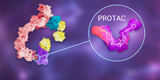
PROTAC, which exploit the ubiquitin-proteasome pathway to specifically degrade target proteins. PROTACs not only solve the problem of undruggability but they also have other advantages compared to traditional drug targeting strategies.
Scientific Reviews
PROTAC, which exploit the ubiquitin-proteasome pathway to specifically degrade target proteins. PROTACs not only solve the problem of undruggability but they also have other advantages compared to traditional drug targeting strategies. -
 Scientific Reviews
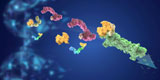
PROTAC — Target Selection and Design
Scientific Reviews
PROTAC — Target Selection and Design2022-07-08
A PROTAC molecule consists of three components: a target protein binding ligand, an E3 ligase ligand, and a linker connecting these two moieties. Here, we will discuss the conventional approaches for the rational design of PROTAC molecules. -
 Scientific Reviews
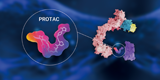
BacPROTACs is composed of a POI ligand, a chemical linker and a ClpCNTD anchor. BacPROTACs can induce in vitro and in vivo degradation of non-eukaryotic proteins in bacteria without the ubiquitin proteasome system.
Scientific Reviews
BacPROTACs is composed of a POI ligand, a chemical linker and a ClpCNTD anchor. BacPROTACs can induce in vitro and in vivo degradation of non-eukaryotic proteins in bacteria without the ubiquitin proteasome system. -
 Scientific Reviews
RNA therapeutics have changed the landscape of drug development, which possess broader spectrum of drug targets, simplicity and efficiency in development and manufacturing.In this article, we will discuss the underlying mechanisms of RNA-based drugs on the market or in clinical stages.
Scientific Reviews
RNA therapeutics have changed the landscape of drug development, which possess broader spectrum of drug targets, simplicity and efficiency in development and manufacturing.In this article, we will discuss the underlying mechanisms of RNA-based drugs on the market or in clinical stages. -
 Scientific Reviews
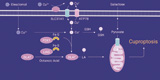
Tsvetkov et al. published in Science and demonstrated a copper-induced programmed cell death — Cuproptosis. As a novel programmed cell death, excess copper triggers abnormal aggregation of lipoylated proteins in TCA cycle and clearance of Fe-S cluster proteins, ultimately leading to cell death.
Scientific Reviews
Tsvetkov et al. published in Science and demonstrated a copper-induced programmed cell death — Cuproptosis. As a novel programmed cell death, excess copper triggers abnormal aggregation of lipoylated proteins in TCA cycle and clearance of Fe-S cluster proteins, ultimately leading to cell death. -
 Scientific Reviews
A comprehensive explanation of ferroptosis
Scientific Reviews
A comprehensive explanation of ferroptosis2022-09-15
Ferroptosis is a new type of RCD that depends on iron and characterized by the accumulation of lipid peroxides. In this article, we will pay our attention on ferroptosis and briefly discusses its mechanism. -
 Scientific Reviews
It's has been proved that p53, as a tumor suppressor gene and immune guardian, may become a destroyer through its own mutation. Moreover, the mechanism of p53 was found to be related to ferroptosis. This article mainly explores the mechanism between p53 and ferroptosis in detail.
Scientific Reviews
It's has been proved that p53, as a tumor suppressor gene and immune guardian, may become a destroyer through its own mutation. Moreover, the mechanism of p53 was found to be related to ferroptosis. This article mainly explores the mechanism between p53 and ferroptosis in detail. -
 Scientific Reviews
Autophagy, derived from the Greek meaning "eating of self", plays an indispensable role in maintaining homeostasis. p27 is an inhibitor of cyclin CDKs, but how p27 regulates autophagy remains unknown. This article will cover the mechanism of autophagy and p27-related cell cycle regulation.
Scientific Reviews
Autophagy, derived from the Greek meaning "eating of self", plays an indispensable role in maintaining homeostasis. p27 is an inhibitor of cyclin CDKs, but how p27 regulates autophagy remains unknown. This article will cover the mechanism of autophagy and p27-related cell cycle regulation. -
 Scientific Reviews
CMA (chaperone-mediated autophagy) plays an essential role in maintaining neuronal protein stability and preventing neurodegeneration. In this article, we will comprehensively clarify the role of CMA in the occurrence and development of neurodegenerative diseases.
Scientific Reviews
CMA (chaperone-mediated autophagy) plays an essential role in maintaining neuronal protein stability and preventing neurodegeneration. In this article, we will comprehensively clarify the role of CMA in the occurrence and development of neurodegenerative diseases. -
 Scientific Reviews
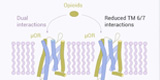
As powerful pain relievers, the opioids morphine and fentanyl have been "checked" by their side effects (listed as controlled substances). How to reduce its side effects? What is its mechanism? This research will explore its mechanism.
Scientific Reviews
As powerful pain relievers, the opioids morphine and fentanyl have been "checked" by their side effects (listed as controlled substances). How to reduce its side effects? What is its mechanism? This research will explore its mechanism. -
 Scientific Reviews
Efferocytosis is the process in which phagocytes remove programmed dead cells. It prevents secondary necrosis of dying cells from releasing harmful cell contents (such as oxides and proteases) that may cause inflammation. Here, we will introduce three stages of efferocytosis: Find, Eat, Digest.
Scientific Reviews
Efferocytosis is the process in which phagocytes remove programmed dead cells. It prevents secondary necrosis of dying cells from releasing harmful cell contents (such as oxides and proteases) that may cause inflammation. Here, we will introduce three stages of efferocytosis: Find, Eat, Digest. -
 Scientific Reviews
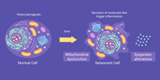
Understanding the mechanism of aging not only has guiding significance for prolonging human life but also has important clinical significance for the prevention and treatment of diseases in the elderly population , thus, improving their life quality and well-being.
Scientific Reviews
Understanding the mechanism of aging not only has guiding significance for prolonging human life but also has important clinical significance for the prevention and treatment of diseases in the elderly population , thus, improving their life quality and well-being. -
 Scientific Reviews
Mammalian cells can also photosynthesize like plants! Photosynthesis can improve cell anabolism and exhibit good clinical effect in degenerative diseases (osteoarthritis).
Scientific Reviews
Mammalian cells can also photosynthesize like plants! Photosynthesis can improve cell anabolism and exhibit good clinical effect in degenerative diseases (osteoarthritis). -
 Scientific Reviews
The latest study of Cell magazine "Neural mechanism underlying depressive-like state associated with social status loss" considers social factors as a breakthrough point. It has been found that the downward transition of social status induces depression-like behavior in mice whereas improves the depressive state by restoring their social environment.
Scientific Reviews
The latest study of Cell magazine "Neural mechanism underlying depressive-like state associated with social status loss" considers social factors as a breakthrough point. It has been found that the downward transition of social status induces depression-like behavior in mice whereas improves the depressive state by restoring their social environment. -
 Scientific Reviews
PROTAC - Design Strategy for Targeting
Scientific Reviews
PROTAC - Design Strategy for Targeting2023-04-23
Protein degradation targeting chimera (PROTAC) is a technology that uses the ubiquitin proteasome pathway to silent target protein. However, PROTAC still has problems such as solubility, membrane permeability, and selectivity. In this article, we have summarized three strategies for optimization: light-controlled linker, PAC molecule, and specific E3 ligase. -
 Scientific Reviews
Necroptosis, also known as necroptosis, is a form of regulated necrotizing cell death mediated by RIP1 and RIP3 kinases. Necroptosis is a process that prevents the self-destruction of activated cells that are blocked by apoptosis. Necroptosis plays a tumor suppressor role in most cases. It may provide benefits in the researches of a variety of human diseases involving immune inflammation and cell death.
Scientific Reviews
Necroptosis, also known as necroptosis, is a form of regulated necrotizing cell death mediated by RIP1 and RIP3 kinases. Necroptosis is a process that prevents the self-destruction of activated cells that are blocked by apoptosis. Necroptosis plays a tumor suppressor role in most cases. It may provide benefits in the researches of a variety of human diseases involving immune inflammation and cell death. -
 Scientific Reviews
Mitophagy:Mechanisms and Detection
Scientific Reviews
Mitophagy:Mechanisms and Detection2023-05-25
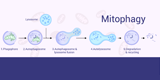
About 60 years ago, Christian de Duve first used the term "autophagy" to describe his observation of the degradation of mitochondria and other intracellular structures in lysosomes of rat liver. Over the years, autophagy has remained a beloved topic of research by the National Natural Science Foundation of China (NSFC).Today, let's talk about mitochondrial autophagy. -
 Scientific Reviews
Structure of Lipid Droplets
Scientific Reviews
Structure of Lipid Droplets2023-06-15
Huh? Lipid droplets? Organelles? In the past, biological data usually only show the traditional organelles, such as mitochondria, Golgi apparatus, endoplasmic reticulum, etc., lipid droplets are often not mentioned by people. Today, we will make a systematic explanation of lipid droplets, so that everyone has a clear understanding! -
 Scientific Reviews
Are frozen cells always damaged? Is the survival rate of revived cells low? When is it appropriate to freeze cells? What should be considered when reviving them? Today, we're sharing a guide to avoid pitfalls in cell freezing and revival!
Scientific Reviews
Are frozen cells always damaged? Is the survival rate of revived cells low? When is it appropriate to freeze cells? What should be considered when reviving them? Today, we're sharing a guide to avoid pitfalls in cell freezing and revival! -
 Scientific Reviews
Science | A "new" mechanism for non-ubiquitinated Midnolin-proteasomal degradation pathway
Scientific Reviews
Science | A "new" mechanism for non-ubiquitinated Midnolin-proteasomal degradation pathway2024-04-26
“ubiquitin-mediated protein degradation” won the Nobel Prize in Chemistry in 2004! In fact, proteasomes degrade not only ubiquitinated proteins but also non-ubiquitinated ones. The mechanism remains shrouded in mystery. After reading this piece today, you might have a lightbulb moment! -
 Scientific Reviews
Still struggling to find the preparation methods for various solutions? Save your time! Here comes a nanny-level tutorial!
Scientific Reviews
Still struggling to find the preparation methods for various solutions? Save your time! Here comes a nanny-level tutorial! -
 Scientific Reviews
STZ Induced Diabetes Models
Scientific Reviews
STZ Induced Diabetes Models2024-06-13
Spotlight: How can STZ Help Diabetes Research? -
 Scientific Reviews
Degrade target proteins through the autophagy-lysosome pathway including LYTAC, AUTAC, and ATTEC have gained increasing attention in recent years due to their significant research potential!
Scientific Reviews
Degrade target proteins through the autophagy-lysosome pathway including LYTAC, AUTAC, and ATTEC have gained increasing attention in recent years due to their significant research potential! -
 Scientific Reviews
Science’s 2023 Breakthrough: GLP-1R Agonists
Scientific Reviews
Science’s 2023 Breakthrough: GLP-1R Agonists2024-08-13
GLP-1RAs, which achieved great success in 2023 and draws people’s attention back to obesity treatments and GLP-1 therapies worldwide, was chosen as the breakthrough of year 2023 by Science [2]. -
 Scientific Reviews
Cuproptosis, How much do you know?
Scientific Reviews
Cuproptosis, How much do you know?2024-08-22
Cells die in a variety of ways, including apoptosis, pyroptosis, necrosis, and ferroptosis......And, of course, cuproptosis. So, how much do you know about cuproptosis? -
 Scientific Reviews
Recently, Mol Cell reported the discovery of the first ferroptosis marker, Hyperoxidized PRDX3! Let’s take a look together~
Scientific Reviews
Recently, Mol Cell reported the discovery of the first ferroptosis marker, Hyperoxidized PRDX3! Let’s take a look together~ -
 Scientific Reviews
Cuproptosis's Knowledge Points!
Scientific Reviews
Cuproptosis's Knowledge Points!2024-09-25
With the establishment of the cuproptosis mechanism related research has attracted more and more attention from major journals. Expect to use the sharp sword of cuproptosis to stab the tumor cells. -
 Scientific Reviews
How they used PKH 26 for cellular studies?
Scientific Reviews
How they used PKH 26 for cellular studies?2024-10-21
We are thrilled to highlight our client study using PKH 26 (MedChemExpress) , a red fluorescent dye that has proven invaluable for in vitro cell labeling and tracing. This innovative research, published in the Journal of Nanobiotechnology. -
Scientific Reviews
Delve into the intricate networks that govern mitochondrial quality control. By examining key mechanisms such as biogenesis, mitochondrial dynamics (fission and fusion), proteolysis, and mitophagy. -
 Scientific Reviews
A New Form of Cell Death: PANoptosis!
Scientific Reviews
A New Form of Cell Death: PANoptosis! -
 Scientific Reviews
Unlocking the Power of Intermittent Fasting: The 16+8 Method
Scientific Reviews
Unlocking the Power of Intermittent Fasting: The 16+8 Method -
 Scientific Reviews
Advancing Chronic Kidney Disease Research with GJ103 and Lamin B1 Antibody!
Scientific Reviews
Advancing Chronic Kidney Disease Research with GJ103 and Lamin B1 Antibody! -
 Scientific Reviews
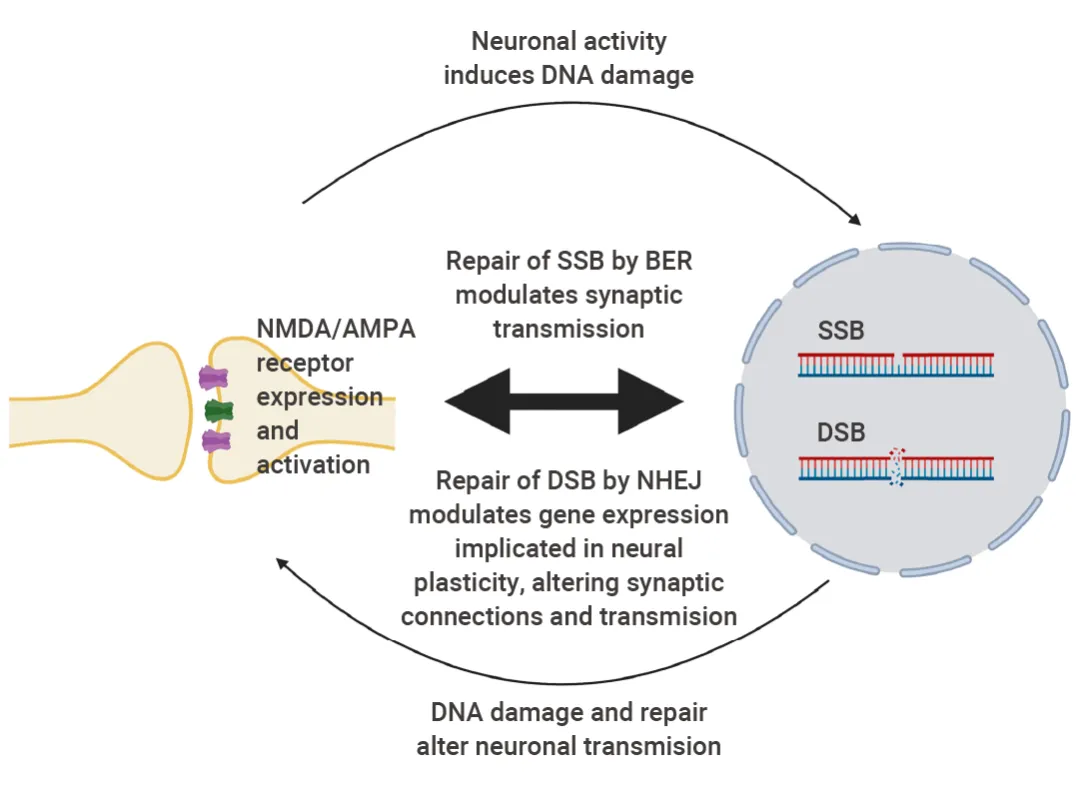
When you hear "inflammation" and "DNA damage," you might immediately think of disease or injury. However, in brains, these two processes are key steps in forming long-term memories, particularly related to specialized cells in our brain called hippocampal neurons.
Scientific Reviews
When you hear "inflammation" and "DNA damage," you might immediately think of disease or injury. However, in brains, these two processes are key steps in forming long-term memories, particularly related to specialized cells in our brain called hippocampal neurons. -
 Scientific Reviews
Autophagy is a fundamental process that degrades various components within the cell.
Scientific Reviews
Autophagy is a fundamental process that degrades various components within the cell. -
 Scientific Reviews
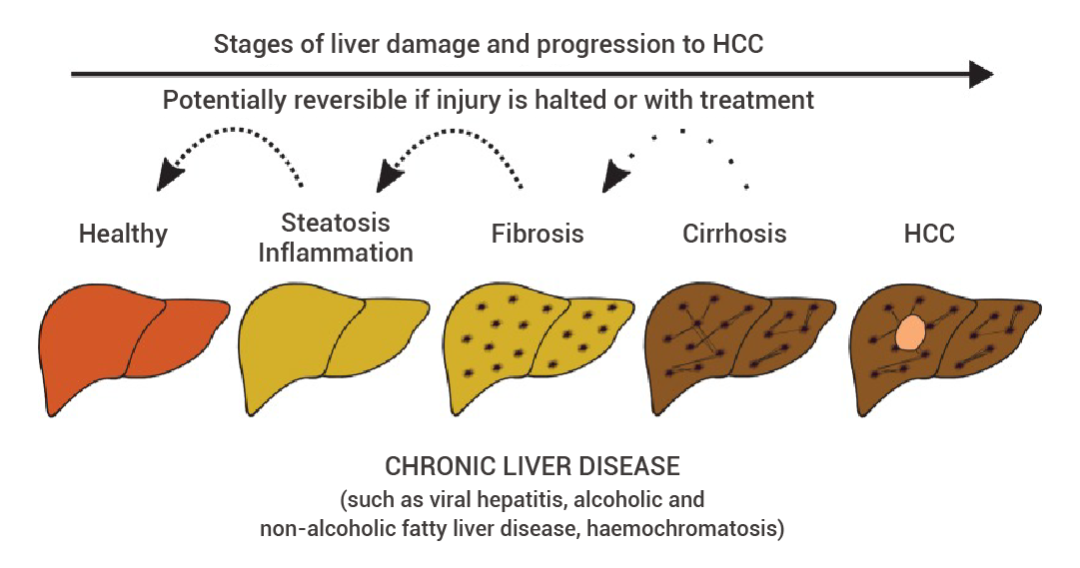
This article will tell you about the common methods of modeling liver disease in animal models.
Scientific Reviews
This article will tell you about the common methods of modeling liver disease in animal models. -
.jpg) Scientific Reviews
nside cells, the homeostasis and degradation of proteins is a precisely regulated process. If proteins cannot be degraded in time, it may lead to the occurrence of various diseases such as neurodegenerative diseases and cancer. This article will tell you the process of how proteins are recognized, labeled and then degraded!
Scientific Reviews
nside cells, the homeostasis and degradation of proteins is a precisely regulated process. If proteins cannot be degraded in time, it may lead to the occurrence of various diseases such as neurodegenerative diseases and cancer. This article will tell you the process of how proteins are recognized, labeled and then degraded! -
 Scientific Reviews
This article introduces some common cardiovascular disease models, inducers, modeling protocols and successful modeling cases in the research.
Scientific Reviews
This article introduces some common cardiovascular disease models, inducers, modeling protocols and successful modeling cases in the research. -
 Scientific Reviews
Do you feel confused when you start culturing cells? This article will show you the basic methods and steps of cell culture!
Scientific Reviews
Do you feel confused when you start culturing cells? This article will show you the basic methods and steps of cell culture! -
 Scientific Reviews
In this issue, we will conduct an in-depth interpretation from the dimensions of nanoparticle design, mechanism of action, in vivo and in vitro efficacy, and immune regulation, revealing how this research brings new hope for the treatment of invasive tumors through interdisciplinary innovation!
Scientific Reviews
In this issue, we will conduct an in-depth interpretation from the dimensions of nanoparticle design, mechanism of action, in vivo and in vitro efficacy, and immune regulation, revealing how this research brings new hope for the treatment of invasive tumors through interdisciplinary innovation! -
 Scientific Reviews
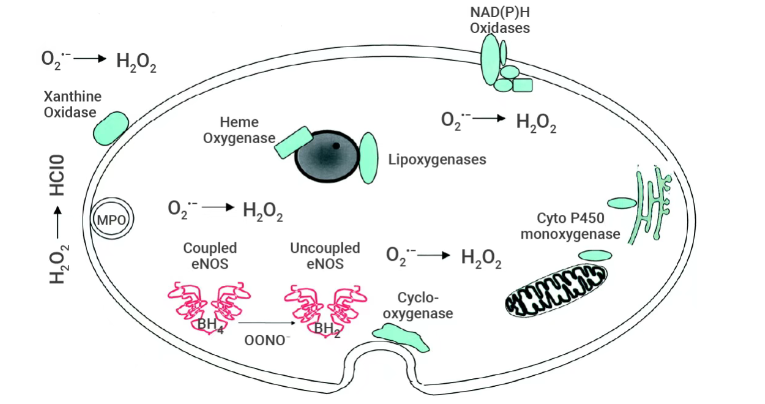
The article introduces the mechanisms of ROS generation and the methods for their detection.
Scientific Reviews
The article introduces the mechanisms of ROS generation and the methods for their detection. -
 Scientific Reviews
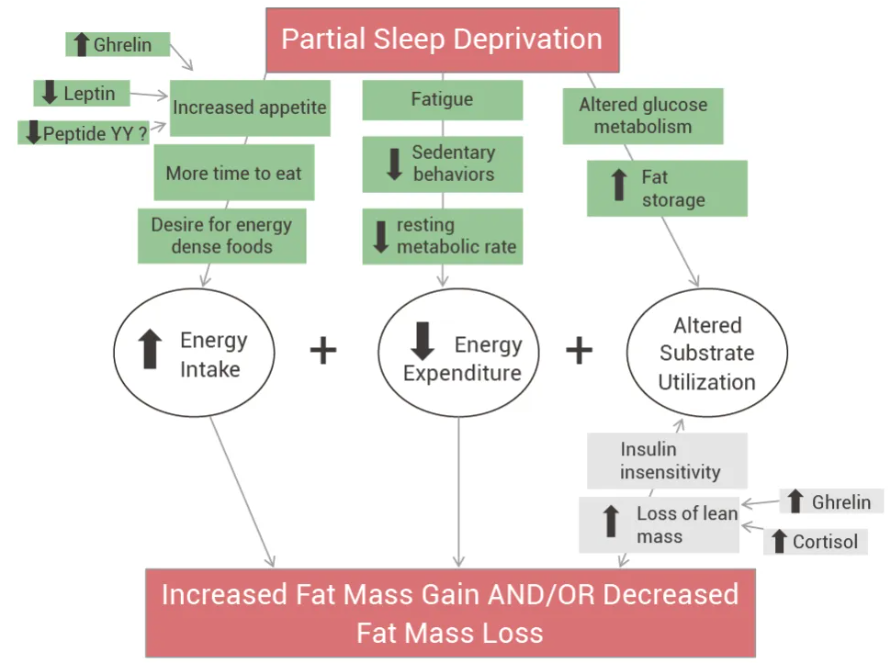
Have you ever noticed that after staying up late, your appetite—especially for high-calorie foods—gets out of control? If this sounds familiar, today’s article might offer some good news.
Scientific Reviews
Have you ever noticed that after staying up late, your appetite—especially for high-calorie foods—gets out of control? If this sounds familiar, today’s article might offer some good news. -
 Scientific Reviews
Generating Stable Cell Lines with Lentivirus
Scientific Reviews
Generating Stable Cell Lines with Lentivirus2025-09-16
A step-by-step protocol of establishing stable cell lines using lentivirus -
 Scientific Reviews
A groundbreaking study in Nature Communications reveals the key mechanism behind Idiopathic Pulmonary Fibrosis and identifies an existing drug with the potential to counter it.
Scientific Reviews
A groundbreaking study in Nature Communications reveals the key mechanism behind Idiopathic Pulmonary Fibrosis and identifies an existing drug with the potential to counter it. -
 Scientific Reviews
Finding adipogenic induction media too expensive and tricky to prepare? This comprehensive guide to 3T3-L1 adipogenic differentiation simplifies the process, helping you achieve great results!
Scientific Reviews
Finding adipogenic induction media too expensive and tricky to prepare? This comprehensive guide to 3T3-L1 adipogenic differentiation simplifies the process, helping you achieve great results! -
Scientific Reviews
Microglia– the only immune cells within the brain parenchyma. With advancements in imaging technologies, people’s understanding of microglia has shifted from being viewed as 'resting' cells to 'highly active' cells, particularly due to their dynamic processes that seem to be probing surrounding tissues and monitoring neuronal activity. This has made microglia a focal point of research in the field of neuroscience. -
Scientific Reviews
Cracking the PROTAC Permeability Barrier: CD36-Mediated Endocytosis as a Potential Breakthrough2025-12-03
This article provides an in-depth analysis of cutting-edge literature revealing CD36 as a key mediator of cellular uptake for PROTACs and bRO5 compounds. By structurally optimizing PROTAC molecules to enhance their affinity for CD36, membrane permeability can be markedly improved, leading to significantly enhanced antitumor efficacy. -
 Scientific Reviews
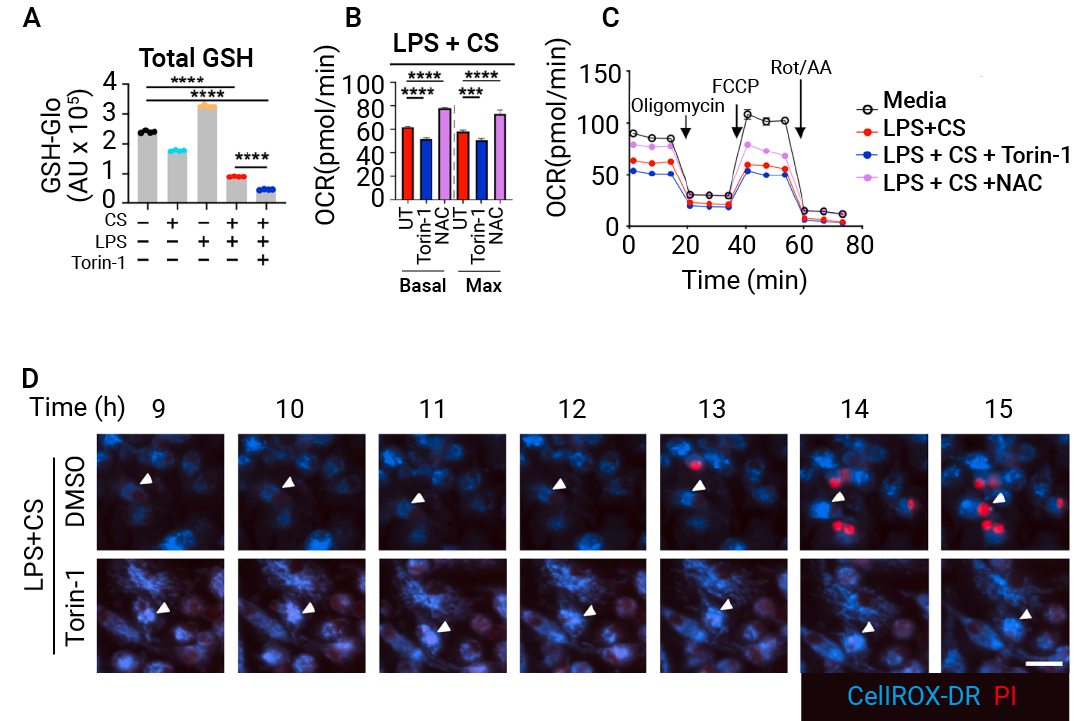
A November 2025 Cell study discovers Mitoxyperilysis, a new mTOR-regulated, caspase-independent cell death pathway driven by innate immune and metabolic dysregulation via mitochondrial-plasma membrane contact and oxidative damage, and verifies its potential to induce tumor necrosis for cancer therapy with key regulators including BAX, BAK1 and BID.
Scientific Reviews
A November 2025 Cell study discovers Mitoxyperilysis, a new mTOR-regulated, caspase-independent cell death pathway driven by innate immune and metabolic dysregulation via mitochondrial-plasma membrane contact and oxidative damage, and verifies its potential to induce tumor necrosis for cancer therapy with key regulators including BAX, BAK1 and BID. -
 Scientific Reviews
In the hunt for the next ‘GLP-1,’ amylin therapeutics, which have shown strong weight-loss results in clinical trials, have become a major focus for both multinational pharma and the scientific community.
Scientific Reviews
In the hunt for the next ‘GLP-1,’ amylin therapeutics, which have shown strong weight-loss results in clinical trials, have become a major focus for both multinational pharma and the scientific community. -
 Scientific Reviews
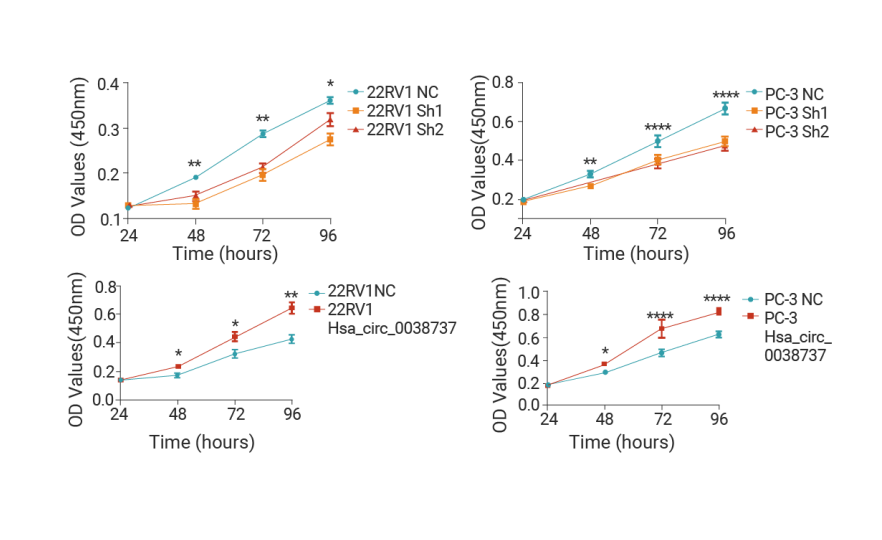
Essential for High-Impact Papers: Present Your CCK-8 Experimental Results in a More Outstanding Way!
Scientific Reviews
Essential for High-Impact Papers: Present Your CCK-8 Experimental Results in a More Outstanding Way!2026-03-18
CCK-8 is a widely used WST‑8‑based reagent for cell proliferation and cytotoxicity assays. It features high sensitivity, reliable results and easy operation, and is applicable to cell viability analysis, drug screening and growth inhibition testing. -
 Scientific Reviews
Molecular glue degraders have evolved from a serendipitous observation to one of the most dynamic and transformative fields in biomedical research.
Scientific Reviews
Molecular glue degraders have evolved from a serendipitous observation to one of the most dynamic and transformative fields in biomedical research. -
 Scientific Reviews
GLP-1 and Obesity Research
Scientific Reviews
GLP-1 and Obesity Research2026-08-14
Obesity substantially increases the risk of chronic diseases such as T2D and cardiovascular disease. The breakout success of GLP-1 therapies has spotlighted GLP-1R and a wave of emerging obesity targets. -
 EDM
This review introduces the major forms of programmed cell death, with a focus on the molecular mechanisms of ferroptosis and the methods used for its detection.
EDM
This review introduces the major forms of programmed cell death, with a focus on the molecular mechanisms of ferroptosis and the methods used for its detection. -
 EDM
Targeting the ‘Undruggable’ with PROTACs
EDM
Targeting the ‘Undruggable’ with PROTACs2025-06-18
This review introduces the fundamental principles and mechanisms of PROTACs, highlights recent advances in molecular design and clinical development, and discusses emerging opportunities and remaining challenges in targeted protein degradation. -
 EDM
This review provides a practical guide to the fundamental mechanisms, regulatory pathways, and detection methods of pyroptosis.
EDM
This review provides a practical guide to the fundamental mechanisms, regulatory pathways, and detection methods of pyroptosis. -
 EDM
Summarize LLPS principles, regulatory mechanisms, experimental strategies, and pathological roles to inspire mechanism-driven research and translational applications.
EDM
Summarize LLPS principles, regulatory mechanisms, experimental strategies, and pathological roles to inspire mechanism-driven research and translational applications. -
 EDM
Explore lysosomal nutrient sensing, quality control, cellular adaptation, disease mechanisms, and emerging therapeutic approaches.
EDM
Explore lysosomal nutrient sensing, quality control, cellular adaptation, disease mechanisms, and emerging therapeutic approaches. -
 EDM
Review the evolution of molecular glues from serendipitous discovery to rational design, highlighting how emerging targets and advances in screening, proteomics, structural biology, and AI are expanding the druggable proteome.
EDM
Review the evolution of molecular glues from serendipitous discovery to rational design, highlighting how emerging targets and advances in screening, proteomics, structural biology, and AI are expanding the druggable proteome. -
 EDM
Explore how mitochondrial quality control, inflammatory signaling, and metabolic–epigenetic reprogramming regulate cellular senescence and the SASP, along with strategies to restore mitochondrial homeostasis.
EDM
Explore how mitochondrial quality control, inflammatory signaling, and metabolic–epigenetic reprogramming regulate cellular senescence and the SASP, along with strategies to restore mitochondrial homeostasis. -
 EDM
Review the metabolic regulation of ferroptosis through iron homeostasis, lipid peroxidation and antioxidant defence, and the emerging polyamine–iron buffering axis.
EDM
Review the metabolic regulation of ferroptosis through iron homeostasis, lipid peroxidation and antioxidant defence, and the emerging polyamine–iron buffering axis. -
 Blog
AZD5991, a macrocyclic molecule with high selectivity for Mcl-1, reduces Mcl-1 protein in AZD5991-sensitive but not in AZD5991-resistant MM cell lines.
Blog
AZD5991, a macrocyclic molecule with high selectivity for Mcl-1, reduces Mcl-1 protein in AZD5991-sensitive but not in AZD5991-resistant MM cell lines. -
 Blog
CCB02 is an tubulin binder and has potential in the therapy of cancer cells with extra centrosomes. CCB02 also activates spindle assembly checkpoint.
Blog
CCB02 is an tubulin binder and has potential in the therapy of cancer cells with extra centrosomes. CCB02 also activates spindle assembly checkpoint. -
 Blog
H3B-5942 is a selective and irreversible estrogen receptor covalent antagonist, inactivates both ERαWT and ERα mutation.
Blog
H3B-5942 is a selective and irreversible estrogen receptor covalent antagonist, inactivates both ERαWT and ERα mutation. -
 Blog
HS-1371 is a Small Molecule RIP3 Inhibitor
Blog
HS-1371 is a Small Molecule RIP3 Inhibitor2019-04-09
HS-1371 is a novel kinase inhibitor of RIP3-mediated necroptosis, showing an inhibitory effect on S227 auto-phosphorylation of RIP3 at the basal level. -
 Blog
MK-0429 is An Oral Integrin (αvβ3) Inhibitor
Blog
MK-0429 is An Oral Integrin (αvβ3) Inhibitor2019-04-11
MK-0429, an orally active αvβ3 inhibitor, is a potential therapeutic agent for the prevention of kidney fibrosis, melanoma and osteoporosis. -
 Blog
PhiKan 083 is a carbazole derivative, which binds to the surface cavity and stabilizes Y220C (a p53 mutant), with a Kd of 167 μM.
Blog
PhiKan 083 is a carbazole derivative, which binds to the surface cavity and stabilizes Y220C (a p53 mutant), with a Kd of 167 μM. -
 Blog
Novel Greatwall Kinase Inhibitor GKI-1
Blog
Novel Greatwall Kinase Inhibitor GKI-12019-04-13
GKI-1, a GWL inhibitor, robustly inhibited ROCK1 with an IC50 of ~11 μM, but only weakly affected PKA and had no observable inhibition towards CDK2. -
 Blog
IITZ-01 is a potent lysosomotropic autophagy inhibitor with single-agent antitumor activity, with an IC50 of 2.62 μM for PI3Kγ.
Blog
IITZ-01 is a potent lysosomotropic autophagy inhibitor with single-agent antitumor activity, with an IC50 of 2.62 μM for PI3Kγ. -
 Blog
SSE15206 is a microtubule polymerization inhibitor, with a GI50 of 197 nM in HCT116 cells. Causes aberrant mitosis resulting in G2/M arrest.
Blog
SSE15206 is a microtubule polymerization inhibitor, with a GI50 of 197 nM in HCT116 cells. Causes aberrant mitosis resulting in G2/M arrest. -
 Blog
Cevipabulin is a microtubule-active compound and inhibits the binding of [3H] vinblastine to tubulin, with an IC50 of 18-40 nM for in human tumor cell line.
Blog
Cevipabulin is a microtubule-active compound and inhibits the binding of [3H] vinblastine to tubulin, with an IC50 of 18-40 nM for in human tumor cell line. -
 Blog
BTR-1 potently inhibits cell growth. It induces S phase arrest, affects DNA replication. Dose-dependently induces cytotoxicity in leukemic cell lines.
Blog
BTR-1 potently inhibits cell growth. It induces S phase arrest, affects DNA replication. Dose-dependently induces cytotoxicity in leukemic cell lines. -
 Blog
NRX-252262 is a β-catenin:β-TrCP interaction enhancer, and its cognate E3 ligase, SCFβ-TrCP, induces mutant β-catenin degradation, with an EC50 of 3.8 nM
Blog
NRX-252262 is a β-catenin:β-TrCP interaction enhancer, and its cognate E3 ligase, SCFβ-TrCP, induces mutant β-catenin degradation, with an EC50 of 3.8 nM -
 Blog
SLLN-15 is an oral activ enhancer of autophagy that activates cytostatic macroautophagy/autophagy in triple-negative breast cancer (TNBC).
Blog
SLLN-15 is an oral activ enhancer of autophagy that activates cytostatic macroautophagy/autophagy in triple-negative breast cancer (TNBC). -
 Blog
CB-6644 is a selective non-ATP-competitive inhibitor of the RUVBL1/2 complex. CB-6644 significantly reduces tumor growth without obvious toxicity.
Blog
CB-6644 is a selective non-ATP-competitive inhibitor of the RUVBL1/2 complex. CB-6644 significantly reduces tumor growth without obvious toxicity. -
 Blog
NSC 228155 is a activator of EGFR and a potent inhibitor of KIX-KID interaction. NSC 228155 shows excellent anti-tumor activity.
Blog
NSC 228155 is a activator of EGFR and a potent inhibitor of KIX-KID interaction. NSC 228155 shows excellent anti-tumor activity. -
 Blog
MM-589 is an inhibitor of WDR5 and MLL protein-protein interaction. Binds to WDR5 (IC50=0.90 nM) and inhibits the MLL H3K4 methyltransferase activity.
Blog
MM-589 is an inhibitor of WDR5 and MLL protein-protein interaction. Binds to WDR5 (IC50=0.90 nM) and inhibits the MLL H3K4 methyltransferase activity. -
 Blog
JI051 is a stabilizer for the Hes1-PHB2 interaction, induces cell-cycle arrest by inhibiting the Notch downstream effector gene Hes1.
Blog
JI051 is a stabilizer for the Hes1-PHB2 interaction, induces cell-cycle arrest by inhibiting the Notch downstream effector gene Hes1. -
 Blog
CFI-402257 is a highly selective and oral active TTK/Mps1 inhibitor with an IC50 of 1.7 nM for TTK. CFI-402257 has potential to treat ovary cancer and TNBC.
Blog
CFI-402257 is a highly selective and oral active TTK/Mps1 inhibitor with an IC50 of 1.7 nM for TTK. CFI-402257 has potential to treat ovary cancer and TNBC. -
 Blog
RIPGBM is a selective inducer of apoptosis in glioblastoma multiforme (GBM) cancer stem cells (CSCs) with an EC50 less than 500 nM.
Blog
RIPGBM is a selective inducer of apoptosis in glioblastoma multiforme (GBM) cancer stem cells (CSCs) with an EC50 less than 500 nM. -
 Blog
IWP-O1, a Highly Potent Porcupine Inhibitor, Functions by Preventing the Secretion of Wnt Proteins
Blog
IWP-O1, a Highly Potent Porcupine Inhibitor, Functions by Preventing the Secretion of Wnt Proteins2019-06-03
IWP-O1 is a Porcupine (Porcn) inhibitor, with an EC50 of 80 pM in L-Wnt-STF cells. IWP-O1 functions by preventing the secretion of Wnt proteins[ -
 Blog
Riviciclib is a Potent CDKs Inhibitor
Blog
Riviciclib is a Potent CDKs Inhibitor2019-06-09
Riviciclib P276-00 free base) is a potent CDK inhibitor, which inhibits CDK9-cyclinT1, CDK4-cyclin D1, and CDK1-cyclinB with IC50s of 20 nM, 63 nM, and 79 nM, respectively -
 Blog
CBS9106, a Reversible Oral CRM1 Inhibitor, Causes Arrest of the Cell Cycle and Induces Apoptosis
Blog
CBS9106, a Reversible Oral CRM1 Inhibitor, Causes Arrest of the Cell Cycle and Induces Apoptosis2019-06-14
CBS9106 (SL-801) is a reversible oral CRM1 inhibitor antitumor activities. CBS9106 causes arrest of the cell cycle and induces apoptosis. -
 Blog
Ralimetinib (LY2228820) is a selective and ATP-competitive inhibitor of p38 MAPK α/β, with IC50s of 5.3 and 3.2 nM, respectively. Anti-tumor activity.
Blog
Ralimetinib (LY2228820) is a selective and ATP-competitive inhibitor of p38 MAPK α/β, with IC50s of 5.3 and 3.2 nM, respectively. Anti-tumor activity. -
 Blog
BAY-11-7082 inhibits the proliferation and induces the apoptosis of U266 cells through inhibiting NF-κB pathway. BAY 11-7082 ameliorates experimental diabetic neuropathy by modulating neuroinflammation and improving antioxidant defence.
Blog
BAY-11-7082 inhibits the proliferation and induces the apoptosis of U266 cells through inhibiting NF-κB pathway. BAY 11-7082 ameliorates experimental diabetic neuropathy by modulating neuroinflammation and improving antioxidant defence. -
 Blog
NU6140 is a selective CDK2-cyclin A inhibitor (IC50, 0.41 μM). NU6140 also potently inhibits Aurora A and Aurora B, with IC50s of 67 and 35 nM, respectively
Blog
NU6140 is a selective CDK2-cyclin A inhibitor (IC50, 0.41 μM). NU6140 also potently inhibits Aurora A and Aurora B, with IC50s of 67 and 35 nM, respectively -
 Blog
S130, Targeting ATG4B, Inhibits Autophagy and Activates Apoptosis in Colorectal Colon Cancer
Blog
S130, Targeting ATG4B, Inhibits Autophagy and Activates Apoptosis in Colorectal Colon Cancer2019-06-19
S130 is a high affinity, selective inhibitor of ATG4B (a major cysteine protease) with an IC50 of 3.24 µM. S130 suppresses autophagy flux. -
 Blog
TH34, an HDAC6/8/10 inhibitor with IC50s of 4.6 μM, 1.9 μM, and 7.7 μM respectively, shows high selectivity over HDAC1/2/3.
Blog
TH34, an HDAC6/8/10 inhibitor with IC50s of 4.6 μM, 1.9 μM, and 7.7 μM respectively, shows high selectivity over HDAC1/2/3. -
 Blog
Alisertib (MLN 8237) is an oral active and selective Aurora A kinase inhibitor with an IC50 of 1.2 nM. To treat hematologic malignancies and solid tumors.
Blog
Alisertib (MLN 8237) is an oral active and selective Aurora A kinase inhibitor with an IC50 of 1.2 nM. To treat hematologic malignancies and solid tumors. -
 Blog
MRT67307, a dual IKKε/TBK1 inhibitor, inhibits ULK1 and ULK2 with IC50s of 45 and 38 nM, respectively. MRT67307 blocks mTOR-dependent autophagy.
Blog
MRT67307, a dual IKKε/TBK1 inhibitor, inhibits ULK1 and ULK2 with IC50s of 45 and 38 nM, respectively. MRT67307 blocks mTOR-dependent autophagy. -
 Blog
CCT020312, the G1/S checkpoint activator, is a selective EIF2AK3/PERK activator. CCT020312 elicits EIF2A phosphorylation in cells.
Blog
CCT020312, the G1/S checkpoint activator, is a selective EIF2AK3/PERK activator. CCT020312 elicits EIF2A phosphorylation in cells. -
 Blog
S55746 (BLC201) is an orally active and selective BCL-2 inhibitor, with a Ki of 1.3 nM.. S55746 (BLC201) has antitumor activity with low toxicity.
Blog
S55746 (BLC201) is an orally active and selective BCL-2 inhibitor, with a Ki of 1.3 nM.. S55746 (BLC201) has antitumor activity with low toxicity. -
 Blog
WYC-209 is a retinoic acid receptor (RAR) agonist. WYC-209 induces apoptosis primarily via the caspase 3 pathway (IC50 = 0.19 μM for mTRCs).
Blog
WYC-209 is a retinoic acid receptor (RAR) agonist. WYC-209 induces apoptosis primarily via the caspase 3 pathway (IC50 = 0.19 μM for mTRCs). -
 Blog
SBI-0206965 is a selective and cell permeable autophagy kinase ULK1 inhibitor with IC50s of 108 nM for ULK1 and 711 nM for the highly related kinase ULK2 .
Blog
SBI-0206965 is a selective and cell permeable autophagy kinase ULK1 inhibitor with IC50s of 108 nM for ULK1 and 711 nM for the highly related kinase ULK2 . -
 Blog
M-89 is a specific menin inhibitor, with a Kd of 1.4 nM. M-89 inhibits the Menin-MLL protein-protein interaction and has potential to treat MLL leukemia.
Blog
M-89 is a specific menin inhibitor, with a Kd of 1.4 nM. M-89 inhibits the Menin-MLL protein-protein interaction and has potential to treat MLL leukemia. -
 Blog
MBM-55 is a potent, selective Nek2 inhibitor with an IC50 of 1 nM. MBM-55 shows antitumor activities and induces cell cycle arrest and apoptosis.
Blog
MBM-55 is a potent, selective Nek2 inhibitor with an IC50 of 1 nM. MBM-55 shows antitumor activities and induces cell cycle arrest and apoptosis. -
 Blog
CA-5f is a potent late-stage macroautophagy (autophagy) inhibitor via inhibiting autophagosome-lysosome fusion. CA-5f increases LC3B-II and SQSTM1 protein.
Blog
CA-5f is a potent late-stage macroautophagy (autophagy) inhibitor via inhibiting autophagosome-lysosome fusion. CA-5f increases LC3B-II and SQSTM1 protein. -
 Blog
ACBI1 is a PROTAC Degrader of BAF Complex
Blog
ACBI1 is a PROTAC Degrader of BAF Complex2019-08-07
ACBI1 is a potent PROTAC degrader of BAF ATPase subunits SMARCA2, SMARCA4 and PBRM1, with DC50s of 6 nM, 11 nM and 32 nM in MV-4-11 cells, respectively. -
 Blog
VERU-111 (ABI-231) is a potent and orally bioavailable α and β tubulin inhibitor, which displays strong antiproliferative activity.
Blog
VERU-111 (ABI-231) is a potent and orally bioavailable α and β tubulin inhibitor, which displays strong antiproliferative activity. -
 Blog
MPT0B392 Induces Apoptosis via Inhibiting Tubulin Polymerization and Inducing c-JNK Activation
Blog
MPT0B392 Induces Apoptosis via Inhibiting Tubulin Polymerization and Inducing c-JNK Activation2019-08-16
MPT0B392 is a novel microtubule depolymerizing agent that triggers induction of the mitotic arrest and induces JNK activation, leading to apoptosis. -
 Blog
BJE6-106 is a selective PKCδ inhibitor with an IC50 of 0.05 μM and targets selectivity over PKCα. BJE6-106 induces caspase-dependent apoptosis.
Blog
BJE6-106 is a selective PKCδ inhibitor with an IC50 of 0.05 μM and targets selectivity over PKCα. BJE6-106 induces caspase-dependent apoptosis. -
 Blog
MS31 is a highly selective spindlin 1 inhibitor, which inhibits the interactions between SPIN1 and H3K4me3. MS31 is not toxic to nontumorigenic cells.
Blog
MS31 is a highly selective spindlin 1 inhibitor, which inhibits the interactions between SPIN1 and H3K4me3. MS31 is not toxic to nontumorigenic cells. -
 Blog
AAPK-25 is a potent and selective Aurora kinases and Polo-like Kinases (PLK) dual inhibitor, which shows anti-tumor activity.
Blog
AAPK-25 is a potent and selective Aurora kinases and Polo-like Kinases (PLK) dual inhibitor, which shows anti-tumor activity. -
 Blog
SGC-iMLLT is a potent, selective MLLT1/3-histone interactions inhibitor and shows high binding activity towards MLLT1 YEATS domain and MLLT3 YD.
Blog
SGC-iMLLT is a potent, selective MLLT1/3-histone interactions inhibitor and shows high binding activity towards MLLT1 YEATS domain and MLLT3 YD. -
 Blog
DVD-445 is a potent peptidomimetic covalent TrxR1 inhibitor with an IC50 of 0.60 μM for rat TrxR1. DVD-445 has good anticancer application.
Blog
DVD-445 is a potent peptidomimetic covalent TrxR1 inhibitor with an IC50 of 0.60 μM for rat TrxR1. DVD-445 has good anticancer application. -
 Blog
BPK-29 disrupts the NR0B1 protein-protein interactions and impairs the anchorage-independent growth of KEAP1-mutant cancer cells.
Blog
BPK-29 disrupts the NR0B1 protein-protein interactions and impairs the anchorage-independent growth of KEAP1-mutant cancer cells. -
 Blog
NV03 is a potent and selective antagonist of UHRF1-H3K9me3 interaction by binding to UHRF1 TTD with a Kd of 2.4 μM and has anticancer activity.
Blog
NV03 is a potent and selective antagonist of UHRF1-H3K9me3 interaction by binding to UHRF1 TTD with a Kd of 2.4 μM and has anticancer activity. -
 Blog
sAJM589 is a Myc inhibitor which potently disrupts the Myc-Max heterodimer in a dose dependent manner with an IC50 of 1.8 μM.
Blog
sAJM589 is a Myc inhibitor which potently disrupts the Myc-Max heterodimer in a dose dependent manner with an IC50 of 1.8 μM. -
 Blog
Tasisulam is an anticancer agent and induces apoptosis, which also inhibits mitotic progression and induces vascular normalization.
Blog
Tasisulam is an anticancer agent and induces apoptosis, which also inhibits mitotic progression and induces vascular normalization. -
 Blog
S516 is a potent tubulin polymerization inhibitor with an IC50 of 4.29 μM and has marked antitumor activity against murine and human solid tumors.
Blog
S516 is a potent tubulin polymerization inhibitor with an IC50 of 4.29 μM and has marked antitumor activity against murine and human solid tumors. -
 Blog
GPP78 is a potent Nampt inhibitor. GPP78 is cytotoxic to neuroblastoma cell line SH-SY5Y cells. GPP78 has anti-cancer and anti-tumor activity.
Blog
GPP78 is a potent Nampt inhibitor. GPP78 is cytotoxic to neuroblastoma cell line SH-SY5Y cells. GPP78 has anti-cancer and anti-tumor activity. -
 Blog
BI-9321 is a potent, selective and cellular active NSD3-PWWP1 domain antagonist, and specifically disrupts histone interactions of the NSD3-PWWP1 domain.
Blog
BI-9321 is a potent, selective and cellular active NSD3-PWWP1 domain antagonist, and specifically disrupts histone interactions of the NSD3-PWWP1 domain. -
 Blog
iFSP1 is a potent, selective FSP1inhibitor that induces ferroptosis in GPX4-knockout cells which overexpressed FSP1.
Blog
iFSP1 is a potent, selective FSP1inhibitor that induces ferroptosis in GPX4-knockout cells which overexpressed FSP1. -
 Blog
SNDX-5613 is a potent, selective, small molecule inhibitor of the Menin-MLL binding interaction for targeted therapy in MLL-rearranged leukemias.
Blog
SNDX-5613 is a potent, selective, small molecule inhibitor of the Menin-MLL binding interaction for targeted therapy in MLL-rearranged leukemias. -
 Blog
MYCMI-6 is a selective MYC:MAX protein interactions inhibitor, which blocks MYC-driven transcription and binds selectively to the MYC bHLHZip domain.
Blog
MYCMI-6 is a selective MYC:MAX protein interactions inhibitor, which blocks MYC-driven transcription and binds selectively to the MYC bHLHZip domain. -
 Blog
TED-347 is a potent, irreversible, covalent and allosteric inhibitor at YAP-TEAD protein-protein interaction with antitumor activity.
Blog
TED-347 is a potent, irreversible, covalent and allosteric inhibitor at YAP-TEAD protein-protein interaction with antitumor activity. -
 Blog
HM03 is a potent and selective HSPA5 inhibitor with anticancer activity. HSPA5 plays a key role in monitoring protein transport through the cell.
Blog
HM03 is a potent and selective HSPA5 inhibitor with anticancer activity. HSPA5 plays a key role in monitoring protein transport through the cell. -
 Blog
GSK621 is a potent and specific AMPK activator and induces autophagy and apoptosis in acute myeloid leukemia (AML) cells.
Blog
GSK621 is a potent and specific AMPK activator and induces autophagy and apoptosis in acute myeloid leukemia (AML) cells. -
 Blog
M-808 is a highly potent and efficacious covalent Menin-MLL interaction inhibitor. M-808 has a binding IC50 value of 2.6 nM.
Blog
M-808 is a highly potent and efficacious covalent Menin-MLL interaction inhibitor. M-808 has a binding IC50 value of 2.6 nM. -
 Blog
RA375, a RPN13 inhibitor, inhibits proteasome function in muscle. RA375 is highly active against cell lines of multiple myeloma and diverse solid cancers.
Blog
RA375, a RPN13 inhibitor, inhibits proteasome function in muscle. RA375 is highly active against cell lines of multiple myeloma and diverse solid cancers. -
 Blog
MCP110 is an inhibitor of Ras/Raf-1 interaction in human cancer cells. The Ras family GTPases play a central role in the growth factor signaling.
Blog
MCP110 is an inhibitor of Ras/Raf-1 interaction in human cancer cells. The Ras family GTPases play a central role in the growth factor signaling. -
 Blog
ZZW-115, a NUPR1 Inhibitor, Possesses Anticancer Activity via Inducing Necroptosis and Apoptosis
Blog
ZZW-115, a NUPR1 Inhibitor, Possesses Anticancer Activity via Inducing Necroptosis and Apoptosis2020-08-29
ZZW-115 is a potent NUPR1 inhibitor, with a Kd of 2.1 μM. ZZW-115 induces tumor cell death by necroptosis and apoptosis. ZZW-115 exerts anticancer activity. -
 Blog
BC-LI-0186 is a selective inhibitor of LeuRS and RagD interaction (IC50=46.11 nM). BC-LI-0186 suppresses the activity of cancer-associated MTOR mutants.
Blog
BC-LI-0186 is a selective inhibitor of LeuRS and RagD interaction (IC50=46.11 nM). BC-LI-0186 suppresses the activity of cancer-associated MTOR mutants. -
 Blog
GNE-371, a Chemical Probe for the Second Bromodomains of TFIID Subunit 1 and TFIID Subunit 1-Like
Blog
GNE-371, a Chemical Probe for the Second Bromodomains of TFIID Subunit 1 and TFIID Subunit 1-Like2020-12-09
GNE-371 is a selective chemical probe for the second bromodomains of human transcription-initiation-factor TFIID subunit 1 and TFIID subunit 1-like. -
 Blog
DMU-212 Possesses Antimitotic, Anti-Proliferative, Antioxidant and Apoptosis Promoting Activities
Blog
DMU-212 Possesses Antimitotic, Anti-Proliferative, Antioxidant and Apoptosis Promoting Activities2020-12-24
Activation of ERK1/2 is required for the antimitotic activity of the Resveratrol analogue DMU‐212 in human melanoma cells. -
 Blog
WL47, a high-affinity cavolin-1 (CAV1) ligand (Kd=23 nM), act as a potent and selective disrupter of CAV1 oligomers.
Blog
WL47, a high-affinity cavolin-1 (CAV1) ligand (Kd=23 nM), act as a potent and selective disrupter of CAV1 oligomers. -
 Blog
G5-7, an orally active and allosteric JAK2 inhibitor. G5-7 induces cell cycle arrest, apoptosis and possesses antiangiogenic effect.
Blog
G5-7, an orally active and allosteric JAK2 inhibitor. G5-7 induces cell cycle arrest, apoptosis and possesses antiangiogenic effect. -
 Blog
CC-90001 is a potent, selective, and orally active inhibitor of JNK. CC-90001 can be used for the research of idiopathic pulmonary fibrosis (IPF).
Blog
CC-90001 is a potent, selective, and orally active inhibitor of JNK. CC-90001 can be used for the research of idiopathic pulmonary fibrosis (IPF). -
 Blog
YUM70 inhibits GRP78. Induces endoplasmic reticulum stress-mediated apoptosis. Pancreatic cancer. Acts as a novel anticancer agent.
Blog
YUM70 inhibits GRP78. Induces endoplasmic reticulum stress-mediated apoptosis. Pancreatic cancer. Acts as a novel anticancer agent. -
 Blog
L-Moses is the first potent, selective, and cell-active PCAF Brd inhibitor. L-Moses disrupts PCAF-Brd histone H3.3 interaction.
Blog
L-Moses is the first potent, selective, and cell-active PCAF Brd inhibitor. L-Moses disrupts PCAF-Brd histone H3.3 interaction. -
 Blog
LYN-1604 is a Potent ULK1 Activator
Blog
LYN-1604 is a Potent ULK1 Activator2021-04-24
LYN-1604, a potent ULK1 activator, induces cell death involved in ATF3, RAD21, and caspase3, accompanied by autophagy and apoptosis. -
 Blog
MR837 is an Inhibitor of NSD2-PWWP1
Blog
MR837 is an Inhibitor of NSD2-PWWP12021-05-11
MR837 is a potent inhibitor of NSD2 (WHSC1)-PWWP1 protein-protein interaction. MR837 can bind with human NSD2. -
 Blog
BI-3406 is a selective, orally bioavailable SOS1 inhibitor that binds to the catalytic domain of SOS1, preventing the interaction with KRAS.
Blog
BI-3406 is a selective, orally bioavailable SOS1 inhibitor that binds to the catalytic domain of SOS1, preventing the interaction with KRAS. -
 Blog
Butaprost is a selective prostaglandin E receptor (EP2) agonist. Butaprost can effectively mitigate kidney fibrogenesis in various fibrosis models.
Blog
Butaprost is a selective prostaglandin E receptor (EP2) agonist. Butaprost can effectively mitigate kidney fibrogenesis in various fibrosis models. -
 Blog
PHT-7.3 is a Selective Inhibitor of Connector Enhancer of Kinase Suppressor of Ras 1 (Cnk1)
Blog
PHT-7.3 is a Selective Inhibitor of Connector Enhancer of Kinase Suppressor of Ras 1 (Cnk1)2021-05-27
PHT-7.3 is a selective inhibitor of Cnk1 pleckstrin homology (PH) domain. PHT 7.3 blocks the growth of mutant KRAS cells and tumors. -
 Blog
NCGC00378430 is a potent SIX1/EYA2 interaction inhibitor and inhibits SIX1-mediated breast cancer metastasis.
Blog
NCGC00378430 is a potent SIX1/EYA2 interaction inhibitor and inhibits SIX1-mediated breast cancer metastasis. -
 Blog
EMD527040 is a highly selective αvβ6 antagonist with antifibrotic activities.
Blog
EMD527040 is a highly selective αvβ6 antagonist with antifibrotic activities. -
 Blog
NRX-2663 is a potent enhancer of the interaction between β-catenin SCFβ-TrCP, potentiates the ubiquitylation of mutant β-Catenin by β-TrCP.
Blog
NRX-2663 is a potent enhancer of the interaction between β-catenin SCFβ-TrCP, potentiates the ubiquitylation of mutant β-Catenin by β-TrCP. -
 Blog
Elesclomol is an oxidative stress inducer that induces cancer cell apoptosis. Elesclomol is a reactive oxygen species (ROS) inducer.
Blog
Elesclomol is an oxidative stress inducer that induces cancer cell apoptosis. Elesclomol is a reactive oxygen species (ROS) inducer. -
 Blog
Brusatol (NSC 172924) is a Nrf2 Inhibitor
Blog
Brusatol (NSC 172924) is a Nrf2 Inhibitor2021-10-26
Brusatol inhibits the Nrf2 signaling pathway by reducing the protein level of Nrf2, with anticancer activities. -
 Blog
Oltipraz is a Nrf2 Inhibitor
Blog
Oltipraz is a Nrf2 Inhibitor2021-11-18
Oltipraz is a potent Nrf2 activator. Oltipraz has an inhibitory effect on HIF-1α activation in a time-dependent manner, the IC50 is 10 μM. -
 Blog
Spautin-1 is a specific and potent autophagy inhibitor which inhibits ubiquitin-specific peptidases, USP10 and USP13.
Blog
Spautin-1 is a specific and potent autophagy inhibitor which inhibits ubiquitin-specific peptidases, USP10 and USP13. -
 Blog
Trolox is an analogue of vitamin E with a powerful antioxidant effect. Trolox is also a powerful inhibitor of membrane damage.
Blog
Trolox is an analogue of vitamin E with a powerful antioxidant effect. Trolox is also a powerful inhibitor of membrane damage. -
 Blog
Alda-1 is a potent ALDH2 Agonist
Blog
Alda-1 is a potent ALDH2 Agonist2021-12-30
Alda-1 ameliorates H2O2-induced Achilles tendinopathy. Alda-1 could be used for preventing Achilles tendinopathy. -
 Blog
β-Lapachone, a topoisomerase I inhibitor, induces apoptosis by inhibiting cell cycle progression. β-Lapachone has anti-inflammatory effect.
Blog
β-Lapachone, a topoisomerase I inhibitor, induces apoptosis by inhibiting cell cycle progression. β-Lapachone has anti-inflammatory effect. -
 Blog
Zingerone is a natural orally active nontoxic methoxyphenol potent anti-inflammatory, antidiabetic, antioxidize, and anti-tumor properties.
Blog
Zingerone is a natural orally active nontoxic methoxyphenol potent anti-inflammatory, antidiabetic, antioxidize, and anti-tumor properties. -
 Blog
PX-12 is an irreversible inhibitor of Trx-1 and inhibits the growth, migration, and invasion of colorectal cancer cell lines.
Blog
PX-12 is an irreversible inhibitor of Trx-1 and inhibits the growth, migration, and invasion of colorectal cancer cell lines. -
 Blog
AUTAC2 is a FKBP12-targeting autophagy-mediated degrader (AUTAC). AUTAC2 contains an FBnG and an SLF moiety.
Blog
AUTAC2 is a FKBP12-targeting autophagy-mediated degrader (AUTAC). AUTAC2 contains an FBnG and an SLF moiety. -
 Blog
Mirin is a potent MRN complex inhibitor. Mirin prevents MRN-dependent activation of ATM without affecting ATM protein kinase activity.
Blog
Mirin is a potent MRN complex inhibitor. Mirin prevents MRN-dependent activation of ATM without affecting ATM protein kinase activity. -
 Blog
MS159 is a frist-In-class nuclear receptor binding SET NSD2 PROTAC degrader for multiple myeloma research.
Blog
MS159 is a frist-In-class nuclear receptor binding SET NSD2 PROTAC degrader for multiple myeloma research. -
 Blog
LCS3 is a potent and reversible inhibitor of GSR and TXNRD1 with anti-tumour activity by non-competitive inhibition of the enzyme activity.
Blog
LCS3 is a potent and reversible inhibitor of GSR and TXNRD1 with anti-tumour activity by non-competitive inhibition of the enzyme activity. -
 Blog
CAM 833, a potent and selective inhibitor of the BRCA2-RAD51 interaction, and has the potential for the cancer research.
Blog
CAM 833, a potent and selective inhibitor of the BRCA2-RAD51 interaction, and has the potential for the cancer research. -
 Blog
GN25 is a specific inhibitor of p53-Snail binding and shows anti-tumor effect against K-Ras-mutated cancer.
Blog
GN25 is a specific inhibitor of p53-Snail binding and shows anti-tumor effect against K-Ras-mutated cancer. -
 Blog
MMRi62, a Ferroptosis inducer targeting MDM2-MDM4. MMRi62 shows a P53-independent pro-apoptotic activity against PDAC cells.
Blog
MMRi62, a Ferroptosis inducer targeting MDM2-MDM4. MMRi62 shows a P53-independent pro-apoptotic activity against PDAC cells. -
 Blog
FA16 is a specific and metabolically stable ferroptosis inducer. It inhibits system Xc-, results in tumor progression suppression.
Blog
FA16 is a specific and metabolically stable ferroptosis inducer. It inhibits system Xc-, results in tumor progression suppression. -
 Blog
YL-939 was a potent inhibitor of iron death and significantly improved liver injury in a model of iron death-related acute liver injury.
Blog
YL-939 was a potent inhibitor of iron death and significantly improved liver injury in a model of iron death-related acute liver injury. -
 Blog
Coibamide A is an N-methyl-stabilized cytotoxic depsipeptide with antiproliferative activity. Coibamide A induces autophagosome accumulation.
Blog
Coibamide A is an N-methyl-stabilized cytotoxic depsipeptide with antiproliferative activity. Coibamide A induces autophagosome accumulation.
Products
All
-
All
-
Inhibitors & Agonists
-
Isotope-Labeled Compounds
-
Fluorescent Dye
-
Peptides
-
Recombinant Proteins
-
Antibodies
-
Screening Libraries
-
Kits
-
Inhibitory Antibodies
-
Reference Standards
-
Induced Disease Models Products
-
GMP Small Molecules
-
Enzyme
-
Biochemical Assay Reagents
-
Natural Products
| Cat. No. | Product Name | Information | Application | Publication |
|---|---|---|---|---|
| HY-16658B | Z-VAD-FMK |
Z-VAD-FMK is a pan-caspase inhibitor and also an ICE-like protease inhibitor, which inhibits apoptosis by preventing the processing of CPP32 to its active form. Z-VAD-FMK sensitivity varies primarily due to differential expression of receptor-interacting protein 1 (RIP1). Z-VAD-FMK limits the cryopreservation-induced apoptosis by reducing caspase-3 activity of in vitro produced bovine embryos. Z-VAD-FMK is immunosuppressive in vitro and inhibits T cell proliferation without blocking the processing of caspase-8 and caspase-3. Z-VAD-FMK leads to a decrease in intracellular glutathione (GSH) with a concomitant increase in reactive oxygen species (ROS) levels in activated T cells. Z-VAD-FMK is due to oxidative stress via the depletion of GSH. Z-VAD-FMK can be used for the study of acute pancreatitis.
|
|
853
|
| HY-15760 | Necrostatin-1 |
Necrostatin-1 (Nec-1) is a potent and cross the blood-brain barrier necroptosis inhibitor with an EC50 of 490 nM in Jurkat cells. Necrostatin-1 inhibits RIP1 kinase (EC50=182 nM). Necrostatin-1 is also an IDO inhibitor.
|
|
576
|
| HY-10358 | MK-2206 dihydrochloride |
MK-2206 dihydrochloride (MK-2206 2HCl) is an orally active pan-AKT inhibitor, with IC50 values of 8 nM, 12 nM and 65 nM against AKT1, AKT2 and AKT3, respectively. MK-2206 dihydrochloride inhibits the Akt/mTOR signaling pathway and reduces the levels of downstream GSK3β and Mcl-1 via proteasomal degradation. MK-2206 dihydrochloride induces G1-phase cell cycle arrest, apoptosis, epithelial-mesenchymal transition, fibroblast activation and extracellular matrix deposition. MK-2206 dihydrochloride causes transient hyperglycemia and hyperinsulinemia in animals. MK-2206 dihydrochloride can be used in research related to solid tumors, renal fibrosis and hypercholesterolemia.
|
Colorectal Cancer
Prostate Cancer
Gastric Cancer
Liver Cancer
Leukemia/Lymphoma/Myeloma
Pancreatic Cancer
Ovarian Cancer
Large Cell Lung Carcinoma
Metastatic Breast Cancer
Lung Fibrosis
|
496
|
| HY-10201 | Sorafenib |
Sorafenib (Bay 43-9006) is a potent oral active multikinase inhibitor. Sorafenib blocks autophosphorylation and activity of receptor tyrosine kinases (VEGFR-2, VEGFR-3) and RAF family kinases, thereby suppressing the RAF/MEK/ERK and PI3K/Akt pathways, inhibiting STAT3 phosphorylation, and selectively inhibiting the MAPK pathway in cancer cells. Sorafenib induces cell cycle arrest, autophagy, apoptosis, and PARP cleavage, reduces Bcl-2, Bcl-XL, cyclin D1 levels, and activates Bak and Bax. Sorafenib inhibits tumor growth and metastasis in mouse and rat models. Sorafenib can be used for cancer research, such as colon, breast, non-small-cell lung cancer (NSCLC), ovarian, pancreatic, melanoma, colorectal and hepatocellular carcinoma.
|
Raf
VEGFR
FLT3
Autophagy
Apoptosis
STAT
Akt
MMP
Cadherin
p38 MAPK
ERK
MEK
PI3K
PARP
Bcl-2 Family
Ephrin Receptor
PDGFR
Gastric Cancer
Liver Cancer
Ovarian Cancer
Digestive System Inflammation
Small Cell Lung Cancer
Non-Small Cell Lung Cancer
Metastatic Breast Cancer
Metastatic Colorectal Cancer
Metastatic Prostate Cancer
Multiple Myeloma
Metastatic Pancreatic Cancer
SARS-CoV-2 Infection
Alzheimer's Disease
Parkinson's Disease
Obesity
Lung Fibrosis
|
317
|
| HY-15531 | Venetoclax |
Prostate Cancer
Leukemia/Lymphoma/Myeloma
Pancreatic Cancer
Ovarian Cancer
Glucose Metabolism
SARS-CoV-2 Infection
|
260
|
|
| HY-100381 | Nigericin sodium salt |
Nigericin sodium salt is an antibiotic derived from Streptomyces hygroscopicus that act as a K+/H+ ionophore, promoting K+/H+ exchange across mitochondrial membranes. Nigericin sodium salt is a NLRP3 activator. Nigericin sodium salt shows promising anti-cancer activities through decreasing intracellular pH (pHi), and inactivation of Wnt/β-catenin signals. Nigericin sodium salt induces pyroptosis through caspase 1/GSDMD in TNBC.
Source: Streptomyces hygroscopicus |
Breast Cancer
Colorectal Cancer
Prostate Cancer
Gastric Cancer
Liver Cancer
Ovarian Cancer
Bacterial Infection
Depression
Hypertension
Lung Fibrosis
Rheumatoid Arthritis
|
258
|
| HY-16658 | Z-VAD(OMe)-FMK |
|
211
|
|
| HY-13205 | Belnacasan |
Belnacasan (VX-765) is an orally bioactive proagent of VRT-043198, which is a potent and selective inhibitor of IL-converting enzyme (ICE)/caspase-1 with Kis of 0.8 nM and less than 0.6 nM for caspase-1 and caspase-4, respectively. Belnacasan (VX-765) inhibits the release of LPS-induced IL-1β and IL-18 by human PBMCs with an IC50 of ~0.7 μM.
|
|
181
|
| HY-D1301 | BODIPY 581/591 C11 |
BODIPY 581/591 C11 is a BODIPY borofluoroprene derivative with good light stability and low fluorescence artifacts. BODIPY 581/591 C11 can be used for study lipid peroxidation and antioxidant properties in living cells, or detect ferroptosis by reaction with hydroxyl radicals. BODIPY 581/591 C11 is emitted at 591 nm (reduced prototype), or redshifted to 510 nm (oxidized type). The excitation wavelengths were 581 nm (reduced prototype) and 500 nm (oxidized type).
|
|
167
|
| HY-10087 | Navitoclax |
Navitoclax (ABT-263) is a potent and orally active Bcl-2 family protein inhibitor that binds to multiple anti-apoptotic Bcl-2 family proteins, such as Bcl-xL, Bcl-2 and Bcl-w, with a Ki of less than 1 nM.
|
|
162
|
| HY-100573 | Necrosulfonamide |
Necrosulfonamide is a MLKL and Gasdermin D (GSDMD) inhibitor, capable of separately inhibiting necroptosis and pyroptosis of cells. Necrosulfonamide does not affect the activation of upstream signals, but specifically inhibits the downstream executor oligomerization step. Necrosulfonamide reduces the expression of the key kinases NLRP3 and caspase-1 involved in necroptosis and pyroptosis, activate the Nrf2 pathway and the downstream antioxidant enzymes, and also downregulates a variety of inflammatory factors. Necrosulfonamide plays significant roles in various diseases such as neurodegenerative diseases (such as Parkinson’s disease), tissue damage and ischemia-reperfusion injury, inflammatory bowel disease, osteoarthritis and fracture repair, and hair loss by regulating two important programmed necrosis pathways.
|
Mixed Lineage Kinase
Necroptosis
Pyroptosis
Caspase
NOD-like Receptor (NLR)
Keap1-Nrf2
TNF Receptor
Interleukin Related
NO Synthase
Heme Oxygenase (HO)
Digestive System Disease
Prostate Cancer
Leukemia/Lymphoma/Myeloma
Depression
Digestive System Inflammation
Cardiovascular Disease
Parkinson's Disease
Obesity
Lung Fibrosis
Rheumatoid Arthritis
|
147
|
| HY-12466 | Z-DEVD-FMK |
Z-DEVD-FMK is a specific and irreversible caspase-3 inhibitor with an IC50 of 18 μM.
|
|
139
|
| HY-12305 | Q-VD-OPh |
|
117
|
|
| HY-100741 | S63845 |
S63845 is a potent and selective myeloid cell leukemia 1 (MCL1) inhibitor with a Kd of 0.19 nM for human MCL1.
|
|
115
|
| HY-101872A | GSK-872 hydrochloride |
GSK-872 hydrochloride is a RIPK3 inhibitor, which binds RIP3 kinase domain with an IC50 of 1.8 nM, and inhibits kinase activity with an IC50 of 1.3 nM. GSK-872 hydrochloride decreases the RIPK3-mediated necroptosis and subsequent cytoplasmic translocation and expression of HMGB1, as well as ameliorates brain edema and neurological deficits in early brain injury.
|
|
114
|
| HY-101872 | GSK-872 |
GSK-872 is a RIPK3 inhibitor, which binds RIP3 kinase domain with an IC50 of 1.8 nM, and inhibits kinase activity with an IC50 of 1.3 nM. GSK-872 decreases the RIPK3-mediated necroptosis and subsequent cytoplasmic translocation and expression of HMGB1, as well as ameliorates brain edema and neurological deficits in early brain injury.
|
|
114
|
| HY-19696 | Tauroursodeoxycholate |
Colorectal Cancer
Prostate Cancer
Liver Cancer
Viral Infection
Neurodegenerative Disease
Pain
Digestive System Inflammation
Glucose Metabolism
Obesity
|
111
|
|
| HY-15484 | Pifithrin-α hydrobromide |
Pifithrin-α hydrobromide is a p53 inhibitor which blocks its transcriptional activity and prevents cells from apoptosis. Pifithrin-α hydrobromide is also an aryl hydrocarbon receptor (AhR) agonist.
|
|
105
|
| HY-L025 | Anti-Cancer Compound Library |
Cancer is the second leading cause of death globally and seriously threatens human health. A neoplasm and malignant tumor are other common names for cancer. Disruption of the normal regulation of cell-cycle progression and division lies at the heart of the events leading to cancer. Target therapy, which targets proteins that control how cancer cells grow, divide and spread, plays an important role in cancer treatment. Recent studies mainly focus on targeting the key proteins for cancer surviving, cancer stem cells, the tumor microenvironment, tumor immunology, etc.
MCE designs a unique collection of 11,237 anti-cancer compounds that target kinases, cell cycle key components, tumorigenesis related signaling pathways, etc. MCE Anti-cancer compound library is a useful tool for anti-cancer drug screening.
|
|
100
|
| HY-L003 | Apoptosis Compound Library |
Apoptosis is an ordered and orchestrated cellular process that occurs in physiological and pathological conditions, which is also called programmed cell death (PCD). Apoptosis plays a crucial role in developing and maintaining the health of the body by eliminating old cells, unhealthy cells and unnecessary cells. Too little or too much apoptosis contribute to many diseases. When apoptosis does not work correctly, cells that should be eliminated may persist and become immortal, for example, in cancer and leukemia. When apoptosis works overly well, it kills too many cells and inflicts grave tissue damage. This is the case in strokes and neurodegenerative disorders such as Alzheimer's, Huntington's, and Parkinson's disease.
MCE designs a unique collection of 3,650 apoptosis-related compounds mainly focusing on the key targets in the apoptosis signaling pathway and can be used in the research of apoptosis signal pathway and related diseases.
|
|
90
|
| HY-L015 | PI3K/Akt/mTOR Compound Library |
The PI3K/Akt/mTOR pathway controls many cellular processes that are important for the formation and progression of cancer, including apoptosis, transcription, translation, metabolism, angiogenesis, and cell cycle progression. Every major node of this signaling network is activated in a wide range of human tumors. Mechanisms for the pathway activation include activation of receptor tyrosine kinases (RTKs) upstream of PI3K, mutation or amplification of PIK3CA encoding p110α catalytic subunit of PI3K, mutation or loss of PTEN tumor suppressor gene, and mutation or amplification of Akt1. Once the pathway is activated, signaling through Akt can stimulate a series of substrates including mTOR which is involved in protein synthesis. Thus, inhibition of this pathway is an attractive concept for cancer prevention and/or therapy. Currently some mTOR inhibitors are approved for several indications, and there are several novel PI3K/Akt/mTOR inhibitors in clinical trials.
MCE owns a unique collection of 1,149 compounds that can be used for PI3K/Akt/mTOR pathway research. PI3K/Akt/mTOR Compound Library also acts as a useful tool for anti-cancer drug discovery.
|
|
90
|
| HY-K1073 | Annexin V-FITC/PI Apoptosis Detection Kit |
MCE Annexin V-FITC/PI Apoptosis Detection Kit provides a rapid and convenient method to detect cell apoptosis and necrosis. After staining, live cells show little or no fluorescence (Annexin V-/PI-), early apoptosis cells show green fluorescence(Annexin V+/PI-), late apoptosis cells and necrosis cells show red and green fluorescence (Annexin V+/PI+). |
|
89
|
| HY-L017 | Stem Cell Signaling Compound Library |
Adult stem cells are important for tissue homeostasis and regeneration due to their ability to self-renew and generate multiple types of differentiated daughters. Self-renewal is reflected by their capacity to undergo multiple/limitless divisions. Several signaling pathways are involved in self-renewal of stem cells, that is, Notch, Wnt, and Hedgehog pathways or Polycomb family proteins. Recent studies mainly focus on cancer stem cell (CSCs), induced pluripotent stem cell (iPSCs), neural stem cell and maintenance of embryonic stem cell pluripotency. Among them, CSCs have been believed to be responsible for tumor initiation, growth, and recurrence that have implications for cancer therapy.
MCE owns a unique collection of 2,931 compounds that can be used for stem cell regulatory and signaling pathway research.
|
|
86
|
| HY-L020 | Wnt/Hedgehog/Notch Compound Library |
The developmental proteins Hedgehog, Notch and Wnt are key regulators of cell fate, proliferation, migration and differentiation in several tissues. Their related signaling pathways are frequently activated in tumors, and particularly in the rare subpopulation of cancer stem cells.
The Wnt signaling pathway is a conserved pathway in animals. Deregulated Wnt signaling has catastrophic consequences for the developing embryo and it is now well appreciated that defective Wnt signaling is a causative factor for a number of pleiotropic human pathologies, including cancer. Hedgehog signaling pathway is linked to tumorigenesis and is aberrantly activated in a variety of cancers. The Notch signaling pathway is a highly conserved cell signaling system present in most animals. It plays an important role in cell-cell communication, and further regulates embryonic development.
MCE designs a unique collection of 654 Wnt/Hedgehog/Notch signaling pathway-related small molecules. Wnt/Hedgehog/Notch Compound Library serves as a useful tool for stem cell research and anti-cancer drug screening.
|
|
86
|
| HY-L014 | NF-κB Signaling Compound Library |
Nuclear factor-κB (NF-κB)/Rel proteins include NF-κB2 p52/p100, NF-κB1 p50/p105, c-Rel, RelA/p65, and RelB. These proteins function as dimeric transcription factors that regulate the expression of genes and influence a broad range of biological processes including innate and adaptive immunity, inflammation, stress responses, B-cell development, and lymphoid organogenesis. NF-κB plays a key role in regulating the immune response to infection. In addition, activation of the NF-κB pathway is involved in the pathogenesis of chronic inflammatory diseases, such as asthma, rheumatoid arthritis, and inflammatory bowel disease. Incorrect regulation of NF-κB has been linked to cancer, inflammatory and autoimmune diseases, septic shock, viral infection, and improper immune development.
MCE owns a unique collection of 1,801 small molecule compounds that can be used in the research of NF-κB signaling pathway or high throughput screening (HTS) related drug discovery.
|
|
85
|
| HY-L046 | Anti-Cardiovascular Disease Compound Library |
Cardiovascular diseases (CVDs) are a group of disorders of the heart and blood vessels which include coronary heart disease, cerebrovascular disease, peripheral arterial disease, rheumatic heart disease, etc. CVDs are the number 1 cause of death globally. Smoking, unhealthy nutrition, aging population, lack of physical activity, arterial hypertension, or diabetes can promote cardiovascular disease like myocardial infarction or stroke. It is multifactorial and encompasses a multitude of mechanisms, such as eNOS uncoupling, reactive oxygen species formation, chronic inflammatory disorders and abnormal calcium homeostasis. Antioxidant, anti-inflammatory and anti-diabetes agents may reduce the cardiovascular disease risk.
MCE supplies a unique collection of 2,468 compounds with confirmed anti-cardiovascular activity. These compounds mainly target metabolic enzyme, membrane transporter, ion channel, inflammation related signaling pathways. MCE Anti-Cardiovascular Disease Compound Library can be used for cardiovascular diseases related research and high throughput and high content screening for new drugs.
|
|
84
|
| HY-L051 | Ferroptosis Compound Library |
Ferroptosis is a novel type of cell death program that is distinct from apoptosis, necroptosis and autophagy. It is dependent on iron and reactive oxygen species (ROS) and is characterized by lipid peroxidation. As a novel type of cell death, ferroptosis has distinct properties and recognizing functions involved in physical conditions or various diseases including cancers, neurodegenerative diseases, acute renal failure, etc.
MCE carefully collected a unique collection of 1,255 ferroptosis signaling pathway related compounds with ferroptosis-inducing or -inhibitory activity. MCE Ferroptosis Compound Library is a useful tool to study ferroptosis mechanism as well as related diseases.
|
|
84
|
| HY-L059 | Pyroptosis Compound Library |
Programmed cell death pathways, including apoptosis, pyroptosis and necroptosis, are regulated by unique sets of host proteins that coordinate a variety of biological outcomes. Pyroptosis is a highly inflammatory form of programmed cell death that occurs most frequently upon infection with intracellular pathogens and is likely to form part of the antimicrobial response. This process promotes the rapid clearance of various bacterial, viral, fungal and protozoan infections by removing intracellular replication niches and enhancing the host's defensive responses. Pyroptosis has been widely studied in inflammatory and infection disease models. Recently, there are growing evidences that pyroptosis also plays an important role in the development of cancer, cardiovascular diseases and Metabolic disorder, etc.
MCE designs a unique collection of 2,034 pyroptosis-related compounds mainly focusing on the key targets in the pyroptosis signaling pathway and can be used in the research of pyroptosis signal pathway and related diseases.
|
|
84
|
| HY-L038 | Differentiation Inducing Compound Library |
Stem cells, which are found in all multi-cellular organisms, can divide and differentiate into diverse special cell types and can self-renew to produce more stem cells. To be useful in therapy, stem cells must be converted into desired cell types as necessary which is called induced differentiation or directed differentiation. Understanding and using signaling pathways for differentiation is an important method in successful regenerative medicine. Small molecules or growth factors induce the conversion of stem cells into appropriate progenitor cells, which will later give rise to the desired cell type. There is a variety of signal molecules and molecular families that may affect the establishment of germ layers in vivo, such as fibroblast growth factors (FGFs); the wnt family or superfamily of transforming growth factors β (TGFβ) and bone morphogenetic proteins (BMP). Unfortunately, for now, a high cost of recombinant factors is likely to limit their use on a larger scale in medicine. The more promising technique focuses on the use of small molecules. These small molecules can be used for either activating or deactivating specific signaling pathways. They enhance reprogramming efficiency by creating cells that are compatible with the desired type of tissue. It is a cheaper and non-immunogenic method.
MCE Differentiation Inducing Compound Library contains a unique collection of 2,574 compounds that act on signaling pathways for differentiation. These compounds are potential stimulators for induced differentiation. This library is a useful tool for researching directed differentiation and regenerative medicine.
|
|
83
|
| HY-L039 | Reprogramming Compound Library |
Techniques for reprogramming somatic cells create new opportunities for drug screening, disease modeling, artificial organ development, and cell therapy. The development of reprogramming techniques has grown exponentially since Yamanaka reprogrammed somatic cells to become induced pluripotent stem cells (iPSCs) using four transcription factors, OCT4, SOX2, KLF4, and c-MYC in 2006. Despite the development of efficient reprogramming methods, most methods are inappropriate for clinical applications because they carry the risk of integrating exogenous genetic factors or use oncogenes. Alternative approaches, such as those based on miRNA, non-viral genes, non-integrative vectors, and small molecules, have been studied as possible solutions to the problems. Among these alternatives, small molecules are attractive options for clinical applications. Reprogramming using small molecules is inexpensive and easy to control in a concentration- and time-dependent manner. It offers a high level of cell permeability, ease of synthesis and standardization, and it is appropriate for mass-producing cells.
MCE Reprogramming Compound Library contains a unique collection of 3,231 compounds that act on reprogramming signaling pathways. These compounds are potential stimulators for reprogramming. This library is a useful tool for researching reprogramming and regenerative medicine.
|
|
83
|
| HY-L064 | Glutamine Metabolism Compound Library |
Glutamine is an important metabolic fuel that helps rapidly proliferating cells meet the increased demand for ATP, biosynthetic precursors, and reducing agents. Glutamine Metabolism pathway involves the initial deamination of glutamine by glutaminase(GLS), yielding glutamate and ammonia. Glutamate is converted to the TCA cycle intermediate α-ketoglutarate (α-KG) by either glutamate dehydrogenase (GDH) or by the alanine or aspartate transaminases (TAs), to produce both ATP and anabolic carbons for the synthesis of amino acids, nucleotides and lipids. During periods of hypoxia or mitochondrial dysfunction, α-KG can be converted to citrate in a reductive carboxylation reaction catalyzed by IDH2. The newly formed citrate exits the mitochondria where it is used to synthesize fatty acids and amino acids and produce the reducing agent, NADPH.
Cancer cells display an altered metabolic circuitry that is directly regulated by oncogenic mutations and loss of tumor suppressors. Mounting evidence indicates that altered glutamine metabolism in cancer cells has critical roles in supporting macromolecule biosynthesis, regulating signaling pathways, and maintaining redox homeostasis, all of which contribute to cancer cell proliferation and survival. Thus, intervention in glutamine metabolic processes could provide novel approaches to improve cancer treatment.
MCE owns a unique collection of 1,827 compounds targeting the mainly proteins and enzymes involved in glutamine metabolism pathway. Glutamine Metabolism compound library is a useful tool for intervention in glutamine metabolic processes.
|
|
83
|
| HY-L072 | Exosomes Compound Library |
Exosomes are small membrane vesicles of endocytic origin that are secreted by most cells in culture. Exosomes contain nucleic acids, proteins, lipids, amino acids, and metabolites, etc. Their diverse constituents can reflect their cell of origin. Exosomes are associated with immune responses, viral pathogenicity, pregnancy, cardiovascular diseases, central nervous system-related diseases, and cancer progression. Proteins, metabolites, and nucleic acids delivered by exosomes into recipient cells effectively alter their biological response. Such exosome-mediated responses can be disease promoting or restraining.
The biology of exosomes in disease is still emerging, and the number of studies addressing their utility in the diagnosis and treatment of various pathologies has increased substantially. MCE supplies a unique collection of 58 compounds with the activity of inhibiting or stimulating exsomes secretion/biosynthesis. MCE Exosomes Compound Library is a useful tool for exsomes research.
|
|
83
|
| HY-L074 | Anti-Breast Cancer Compound Library |
Breast cancer is the most frequent cancer among women, impacting 2.1 million women each year, and also causes the greatest number of cancer-related deaths among women. Surgery is usually the first type of treatment for breast cancer, which is usually followed by chemotherapy or radiotherapy or, in some cases, hormone or targeted therapies, especially for metastatic breast cancer (MBC).
Breast cancer is a heterogeneous disease, which is categorized into 3 major subtypes based on the presence or absence of molecular markers for estrogen or progesterone receptors and human epidermal growth factor 2 (ERBB2; formerly HER2): hormone receptor positive/ERBB2 negative (70% of patients), ERBB2 positive (15%-20%), and triple-negative (tumors lacking all 3 standard molecular markers; 15%). Different intrinsic subtypes exhibit different tumor behavior with different prognoses, and may require specific targeted therapies to maximize treatment effectiveness. Otherwise, some signaling pathways also play important roles in the development of breast cancer, such as NF-κB Signaling Pathway, TGF-beta Signaling Pathway, PI3K/AKT/mTOR signaling pathway and Notch Signaling Pathway. These signaling pathways offer ideal targets for development of new targeted therapies for breast cancer.
MCE supplies a unique collection of 3,404 compounds with identified and potential anti-breast cancer activity. MCE Anti-Breast Cancer Compound Library is a useful tool for anti-breast cancer drugs screening.
|
|
83
|
| HY-L085 | Anti-Parkinson's Disease Compound Library |
Parkinson’s disease (PD), the second most common age-associated neurodegenerative disorder, is characterized by the loss of dopaminergic (DA) neurons and the presence of α-synuclein-containing aggregates in the substantia nigra pars compacta (SNpc). Motor features such as tremor, rigidity, bradykinesia and postural instability are common traits of PD. To date, there is no treatment to stop or at least slow down the progression of the disease. The etiology and pathogenesis of PD is still elusive, however, a large body of evidence suggests a prominent role of oxidative stress, inflammation, apoptosis, mitochondrial dysfunction and proteasome dysfunction in the pathogenesis of PD.
MCE offers a unique collection of 2,199 compounds with anti- Parkinson’s Disease activities or targeting the unique targets of PD. MCE Anti- Parkinson's Disease Compound Library is a useful tool for exploring the mechanism of PD and discovering new drugs for PD.
|
|
83
|
| HY-L133 | Cuproptosis Compound Library |
Copper is an important co-factor of all biological enzymes, but if the concentration exceeds the threshold of maintaining the homeostasis mechanism, copper will lead to cytotoxicity. This death mechanism has been named "Cuproptosis".
The mechanism of cuproptosis distinct from all other known mechanisms of regulated cell death, including apoptosis, pyroptosis, necroptosis, and ferroptosis.
Copper combine with the lipoylated components of the tricarboxylic acid cycle (TCA), leading to lipoylated protein aggregation and subsequent loss of iron-sulfur cluster proteins, ultimately resulting in protein toxicity stress and cell death. Studies have shown that the necessary factors for cuproptosis include the presence of glutathione, mitochondrial metabolism of galactose and pyruvate, and glutamine metabolism.
Targeted regulation of cuproptosis is a potential choice to treat cancer, rheumatoid arthritis, and other diseases. For example, up-regulation of LIPT1 may inhibit the occurrence and development of tumors by destroying TCA in mitochondria and then inducing cuproptosis.
MCE supplies a unique collection of 446 cuproptosis-related compounds, all of which act on the targets or signaling pathways related to cuproptosis and may have in inhibitory or activated effect on cuproptosis. MCE Cuproptosis Library is a useful tool for drug research related to cancer, rheumatoid arthritis, and other diseases.
|
|
83
|
| HY-L135 | Cancer Stem Cells Compound Library |
With the progress of modern cancer therapy, the life of cancer patients has been extended. However, after initial treatment and recovery, the development of secondary tumors often leads to cancer recurrence. Cancer stem cells are a small number of cells that tumor growth and reproduction depend on.
Cancer stem cells have strong self-renewal ability, which is the direct cause of tumor occurrence. In addition, cancer stem cells also have the ability to differentiate into different cell types, playing a crucial role in tumor metastasis and development. Chemotherapy and radiotherapy induced DNA damage and apoptosis are common cancer treatments. However, cancer stem cells can effectively protect cancer cells from apoptosis by activating DNA repair ability. Cancer stem cells are regarded as the key "seed" of tumor occurrence, development, metastasis and recurrence. Since its first discovery in leukemia in 1994, cancer stem cells have been considered a promising therapeutic target for cancer treatment.
MCE supplies a unique collection of 3,540 compounds targeting key proteins in cancer stem cells. MCE Cancer Stem Cells Compound Library is a useful tool for cancer stem cells related research and anti-cancer drug development.
|
|
83
|
| HY-L155 | Mitochondrial Toxicity Compound Library |
Mitochondria, as the main place of energy supply in life, is essential to maintain normal life activities. Mitochondrial dysfunction is associated with common diseases, such as cardiovascular diseases, neurodegenerative diseases, diabetes and cancer. The heart, brain and liver rely heavily on mitochondrial function as the main organs for drug metabolism. In addition, mitochondria is also a target of many drugs, some of which induce organotoxicity by inducing mitochondrial toxicity.
MCE contains 545 mitochondrial toxic compounds, which can be used as tool compounds for drug development and disease mechanism research.
|
|
83
|
| HY-L162 | Cell Death Library |
Cell death plays a crucial role in the development of the body and the maintenance of internal balance to prevent the development of diseases. According to the regulation of the involved processes, cell death can be defined as programmed and non-programmed death. Programmed cell death (PCD) can be divided into lytic cell death and nonlytic cell death, mainly including apoptosis, necrotic apoptosis and Pyroptosis. Non-Programmed cell death (Non-PCD) generally refers to necrosis. In stark contrast to Accidental Cell Death (ACD), Regulatory Cell Death (RCD) relies on specialized molecular mechanisms. Cell death includes internal apoptosis, external apoptosis, necrotic apoptosis, ferroptosis, pyroptosis, lysosome-dependent cell death, etc.
MCE designs a unique collection of 3,860 cell death compounds, covering multiple targets, such as Apoptosis, Ferroptosis, Pyroptosis, Necroptosis, etc. It is a useful tool for screening cell death drugs.
|
|
83
|
| HY-L162M | Cell Death Inhibitor Library Mini |
Cell death is a core biological process that maintains homeostasis in multicellular organisms, playing a dual role in life activities. On one hand, cell death participates in physiological processes such as cell renewal and damage repair through precise regulation; on the other hand, it actively eliminates damaged, infected, or cancerous cells, thereby blocking pathological progression and preserving organism health. Cell death not only ensures the normal development and growth regulation of organisms but is also closely associated with the occurrence and development of various diseases. Numerous studies have shown that specific types of programmed cell death play critical roles in disease progression, providing an important theoretical basis for developing novel therapeutic strategies by regulating cell death pathways.
MCE offers 23 types of commonly used cell death inhibitors, such as apoptosis, ferroptosis, pyroptosis, and cuproptosis, suitable for use as positive controls in the study of novel cell death mechanisms.
|
|
83
|
| HY-L164 | Serine/Threonine Kinase Inhibitor Library |
Protein serine/threonine kinases (PSKs) are protein kinases that use ATP as a high-energy donor molecule to transfer phosphate groups to serine/threonine residues of target protein. As an important signal transduction regulator, serine/threonine kinases can affect the function of target proteins by disrupting enzyme activity or binding of target proteins to other proteins. Serine/threonine kinases are involved in the regulation of immune response, cell proliferation, differentiation, apoptosis and other physiological processes. Serine/threonine kinase inhibitors are an important class of compounds that have been widely studied in cancer, chronic inflammation, autoimmune diseases, aging and other diseases.
MCE designs a unique collection of 2,276 serine/threonine kinase inhibitors, mainly targeting the receptor PKA, Akt, PKC, MAPK/ERK, etc, which is an effective tool for development and research of anti-cancer, anti-chronic inflammatory diseases, anti-autoimmune diseases and anti-aging compounds.
|
|
83
|
| HY-L168 | Extracellular Vesicles (EVs) Compound Library |
Extracellular vesicles (EVs) are small membrane binding structures that are released from cells into the surrounding environment and play a crucial role in mediating and regulating intercellular communication related to physiological and pathological processes. EVs are lipid membrane vesicles composed of proteins, lipids, and nucleic acids. EVs can be divided into several types based on their source, such as extracellular vesicles, microcapsules, and apoptotic vesicles. The size range of exosomes is 30-150nm, which are endocrine in multi vesicular endosomes (MVEs); microvesicles (50-1000nm) are secreted directly through extracellular interactions, thereby releasing plasma membrane vesicles. In contrast, apoptotic bodies are usually larger, ranging in size from 1 to 5 μ m. This is generated during programmed cell death. EV plays a crucial role in transmitting information between cells and influencing the behavior and function of receptor cells.
MCE designs a unique collection of 707 small molecules related to extracellular vesicles (EVs). It is a good tool to be used for research on metabolize, cancer and other diseases.
|
|
83
|
| HY-L175 | Inflammasomes related Compound Library |
Inflammasomes are classic pattern recognition receptors for natural immune responses. Inflammasomes are polymeric protein complexes that regulate inflammatory responses and pyrolytic cell death, thereby exerting the host's defense against microorganisms. Inflammasomes sensors are associated with adapter proteins, activating inflammatory caspase-1, releasing inflammatory cytokines and inducing cell death, endowing the host with defense against pathogens. NLRP1, NLRP3, NLRC4, AIM2, and pyrin are considered typical inflammasomes because they convert cysteine asparaginase-1 into catalytically active capsaicin-1. In addition to infectious diseases, the importance of inflammasomes is also related to various clinical diseases, such as autoimmune diseases, neurodegeneration and metabolic disorders, and the development of cancer. Therefore, it is necessary to strictly regulate the activation and function of inflammasomes to avoid accidental host tissue damage while inducing pathogens to kill the inflammatory response.
MCE designs a unique collection of 178 inflammasomes related compounds. It is a good tool to be used for research on Inflammation, cancer and other diseases.
|
|
83
|
| HY-L201 | Cell Proliferation Compound Library |
Cell proliferation, the increase in cell numbers resulting from cell division, is a complex and tightly regulated process. Cell proliferation is regulated by coordinated entry into the cell cycle, and changes in proliferation are closely linked to disease development. Evolutionary dynamics links tumor growth and progression with cell proliferation, cell death, and mutation rates. In addition, cell proliferation is central to degenerative diseases, the development of which is often accompanied by accelerated multiplication of cancer cells. Therefore, assays of cell proliferation levels are frequently used for laboratory research purposes and increasingly for clinical assessment of tumor aggressiveness and potentially to guide care. It has been shown that multiple key targets are collectively involved in regulating the process of cell proliferation, such as CDK, E2F, pRB, β-Catenin, and others.
MCE collects 3,628 compounds that target and regulate key targets of cell proliferation, which can be used in studies of cell proliferation mechanisms and drug discovery.
|
|
83
|
| HY-L256 | Azide Compound Library |
In modern drug discovery and chemical biology research, the azide group (-N3) is an important functional moiety that is widely used in click chemistry, biomolecular labeling, drug delivery systems, and prodrug design due to its unique reactivity and bioorthogonality.
The MCE Azide Structural Compound Library contains 100 compounds featuring -N3 functional groups. It is designed for the construction of click chemistry reaction systems and the subsequent development of functional molecules. This library enables the rapid assembly of targeting ligands, linkers, and functional molecular modules, thereby accelerating PROTAC assembly, optimization of antibody-drug conjugate (ADC) linkers, and the development of biological labeling probes. In addition, the high reaction selectivity and excellent biocompatibility of the azide group allow it to maintain stable reactivity even in complex biological environments, improving controllability and efficiency in drug design. It serves as an indispensable molecular tool in modern medicinal chemistry and chemical biology research.
|
|
83
|
| HY-L258 | Alkyne Compound Library |
In modern medicinal chemistry and chemical biology research, alkyne (-C≡C-) structures play an important role in click chemistry, bioorthogonal labeling, and the construction of functional molecules due to their unique linear geometry and high reactivity. In particular, driven by the development of copper-catalyzed azide-alkyne cycloaddition (CuAAC) and copper-free click reactions (SPAAC), terminal alkyne groups have become important “chemical handles” for building complex biomolecular systems.
The MCE Alkyne Compound Library contains 437 compounds designed for the construction of click chemistry reaction systems and the development of diverse functional molecules. In drug discovery, these structures serve as key reactive sites that can efficiently undergo click reactions with azide groups, enabling modular assembly of PROTAC molecules, construction of ADC linkers, and rapid synthesis of bioorthogonal labeling probes. In addition, alkyne groups exhibit high stability, mild reaction conditions, and excellent biocompatibility, allowing them to maintain reactivity in complex biological environments. This contributes to improved efficiency and controllability in drug development, making them indispensable chemical building blocks in modern drug design and functional molecular engineering.
|
|
83
|
| HY-L264 | DNA Damage Repair Inhibitor Library |
DNA damage response (DDR) is a fundamental mechanism for maintaining genomic stability. When DNA damage occurs, such as single- or double-strand breaks or replication fork stalling, cells rely on key proteins including ATM, ATR, PARP, and DNA-PK to sense the damage and transmit signals, thereby regulating DNA repair, cell-cycle arrest, and cell death. Inhibition of specific DNA repair or checkpoint pathways can prevent tumor cells from effectively repairing accumulated DNA damage, ultimately leading to tumor cell death.
MCE DNA Damage Repair Inhibitor Library contains 1,544 compounds, focusing on key nodes involved in DNA damage response and DNA repair. The library covers multiple DNA repair and cell-cycle checkpoint pathways, providing a systematic compound screening tool for research on precision oncology, synthetic lethality, drug resistance mechanisms, and chemo- or radiosensitization.
|
|
83
|
| HY-13755 | Sulforaphane |
Sulforaphane is an orally active inducer of the Keap1/Nrf2/ARE pathway. Sulforaphane promotes the transcription of tumor-suppressing proteins and effectively inhibits the activity of HDACs. Through the activation of the Keap1/Nrf2/ARE pathway and further induction of HO-1 expression, Sulforaphane protects the heart. Sulforaphane suppresses high glucose-induced pancreatic cancer through AMPK-dependent signal transmission. Sulforaphane exhibits both anticancer and anti-inflammatory properties.
|
|
79
|
| HY-10029 | Nutlin-3a |
Nutlin-3a (Rebemadlin), an active enantiomer of Nutlin-3, is a potent murine double minute (MDM2) inhibitor (IC50=90 nM). Nutlin-3a inhibits MDM2-p53 interactions and stabilizes the p53 protein, and induces cell autophagy and apoptosis. Nutlin-3a has the potential for the study of TP53 wild-type ovarian carcinomas.
|
Colorectal Cancer
Liver Cancer
Leukemia/Lymphoma/Myeloma
Pancreatic Cancer
Ovarian Cancer
Digestive System Inflammation
|
78
|
| HY-17412 | Minocycline hydrochloride |
Minocycline hydrochloride is an orally active, potent and BBB-penetrated semi-synthetic tetracycline antibiotic. Minocycline hydrochloride is a hypoxia-inducible factor (HIF)-1α inhibitor. Minocycline hydrochloride shows anti-cancer, anti-inflammatory, and glutamate antagonist effects. Minocycline hydrochloride reduces glutamate neurotransmission and shows neuroprotective properties and antidepressant effects. Minocycline hydrochloride inhibits bacterial protein synthesis through binding with the 30S subunit of the bacterial ribosome, resulting in a bacteriostatic effect.
|
Bacterial
Antibiotic
HIF/HIF Prolyl-Hydroxylase
Apoptosis
MDM-2/p53
Potassium Channel
Calcium Channel
Metabolic or Endocrine Disease
Breast Cancer
Colorectal Cancer
Prostate Cancer
Leukemia/Lymphoma/Myeloma
Pancreatic Cancer
Ovarian Cancer
Viral Infection
Bacterial Infection
Depression
Digestive System Inflammation
Cardiovascular Disease
SARS-CoV-2 Infection
Lung Fibrosis
|
76
|
| HY-50907 | ABT-737 |
ABT-737, a BH3 mimetic, is a potent Bcl-2, Bcl-xL and Bcl-w inhibitor with EC50s of 30.3 nM, 78.7 nM, and 197.8 nM, respectively. ABT-737 induces the disruption of the BCL-2/BAX complex and BAK-dependent but BIM-independent activation of the intrinsic apoptotic pathway. ABT-737 induces autophagy and has the potential for acute myeloid leukemia (AML) research.
|
Digestive System Disease
Prostate Cancer
Leukemia/Lymphoma/Myeloma
Ovarian Cancer
Digestive System Inflammation
|
75
|
| HY-107202 | Polyinosinic-polycytidylic acid |
Polyinosinic-polycytidylic acid (Poly(I:C)) is a synthetic analog of double-stranded RNA and an agonist of toll-like receptor 3 (TLR3) and retinoic acid inducible gene I (RIG-I)-like receptors (RIG-I and MDA5). Polyinosinic-polycytidylic acid can be used as a vaccine adjuvant to enhance innate and adaptive immune responses, and to alter the tumor microenvironment. Polyinosinic-polycytidylic acid can directly trigger cancer cells to undergo apoptosis.
|
RIG-I-like receptor (RLR)
Toll-like Receptor (TLR)
PKD
HSP
Bcl-2 Family
Interleukin Related
Apoptosis
Infection
Digestive System Disease
Prostate Cancer
Pain
Digestive System Inflammation
Lung Fibrosis
Rheumatoid Arthritis
|
73
|
| HY-13323 | CX-5461 |
CX-5461 is a selective, orally active RNA polymerase I inhibitor. CX-5461 disrupts the formation of the SL1-rDNA complex, thereby blocking the transcription initiation of ribosomal RNA without altering the activity of RNA polymerase II, DNA replication, or protein translation processes. CX-5461 upregulates the expression of p21, MDM2, Sestrin1/2, and phosphorylated AMPKα, and reduces the level of phosphorylated Akt. CX-5461 induces G2/G2/M cell cycle arrest, Autophagy, Apoptosis, and cellular senescence, and activates CHK1, CHK2, and RPA. CX-5461 can be used in research related to osteosarcoma, cervical cancer, hematologic malignancies, high-grade serous ovarian cancer, and solid tumors.
|
|
72
|
| HY-17363 | Dimethyl fumarate |
Dimethyl fumarate (DMF) is an orally active and brain-penetrant Nrf2 activator and induces upregulation of antioxidant gene expression. Dimethyl fumarate induces necroptosis in colon cancer cells through GSH depletion/ROS increase/MAPKs activation pathway, and also induces cell autophagy. Dimethyl fumarate can be used for multiple sclerosis research.
|
Neurological, Eye or Ear Disease
Inflammation or Immune System Disease
Colorectal Cancer
Viral Infection
Obesity
Lung Fibrosis
|
65
|
| HY-A0003 | Lenalidomide |
Lenalidomide (CC-5013) is an orally active immunomodulatory agent that binds CRBN as a molecular glue to alter substrate specificity, inducing ubiquitination and proteasome-dependent degradation of IKZF1, IKZF3 and CK1α. Lenalidomide induces apoptosis by degrading IKZF1/3, and activates p53 by degrading CK1α. Lenalidomide promotes IL-2 release and effector functions of CD8+ T/NK cells, while inhibiting TNF-α secretion and M1-type pyroptosis. Lenalidomide can be used in research related to hematological malignancies, acute liver failure and acute kidney injury.
|
Molecular Glues
Ligands for E3 Ligase
IKZF Family
Casein Kinase
Apoptosis
Pyroptosis
MDM-2/p53
TNF Receptor
Inflammation or Immune System Disease
Renal Disease
Chronic Lymphocytic Leukemia
Diffuse Large B-cell Lymphoma
Multiple Myeloma
Myelodysplastic Syndrome
Liver Failure
|
64
|
| HY-15676 | Idasanutlin |
Idasanutlin (RG7388) is an orally bioavailable MDM2 inhibitor with an IC50 of 6 nM. Idasanutlin disrupts MDM2-p53 binding, stabilizes and activates p53, triggering cell cycle arrest, apoptosis, and reduced cancer cell viability. Idasanutlin reduces EGFR protein expression and phosphorylation, suppresses downstream SHP2, MEK1/2, ERK1/2, AKT, mTOR, p70(S6K1), and S6 signaling. Idasanutlin induces mitochondrial ROS production, drives p38 MAPK phosphorylation, upregulates NOXA, and mediates caspase-3-dependent apoptosis and gasdermin E-mediated pyroptosis. Idasanutlin can be used for the research of TP53-mutant non-small cell lung cancer, T-cell acute lymphoblastic leukemia, colorectal carcinoma, melanoma, diffuse large B-cell lymphoma, mantle cell lymphoma, non-Hodgkin lymphoma, severe fever with thrombocytopenia syndrome, neuroblastoma, acute lymphoblastic leukemia, relapsed or refractory acute myeloid leukemia, osteosarcoma, solid tumors, and hematological tumors.
|
Musculoskeletal and Skin Disease
Colorectal Cancer
Melanoma
Neuroblastoma
Osteosarcoma
Non-Small Cell Lung Cancer
Acute Myeloid Leukemia
Non-Hodgkin Lymphoma
|
52
|
| HY-B1081A | Oxidopamine hydrobromide |
Oxidopamine (6-OHDA) hydrobromide is an antagonist of the neurotransmitter dopamine. Oxidopamine hydrobromide is a widely used neurotoxin and selectively destroys dopaminergic neurons. Oxidopamine hydrobromide promotes COX-2 activation, leading to PGE2 synthesis and pro-inflammatory cytokine IL-1β secretion. Oxidopamine hydrobromide can be used for the research of Parkinson’s disease (PD), attention-deficit hyperactivity disorder (ADHD), and Lesch-Nyhan syndrome.
|
Dopamine Receptor
Autophagy
Mitophagy
COX
PGE synthase
Interleukin Related
p38 MAPK
Apoptosis
Caspase
|
50
|
| HY-114118 | Semaglutide |
Semaglutide is a long-acting, selective, competitive GLP-1R agonist that can penetrate the blood-brain barrier. After activating GLP-1R, Semaglutide promotes insulin secretion, inhibits gastric emptying and appetite, and at the same time enhances autophagy, inhibits oxidative stress and apoptosis. Semaglutide also regulates mitochondrial function and lipid metabolism (such as reducing de novo lipogenesis in the liver). Semaglutide has activities such as lowering blood sugar, reducing weight, neuroprotection (such as improving motor function in Parkinson's disease models, reducing α-synuclein aggregation) and improving hepatic steatosis. Semaglutide can be used for the study of neurodegenerative diseases and liver diseases such as type 2 diabetes, obesity, Parkinson's disease, metabolic associated fatty liver disease (MASLD), and cancer.
|
|
50
|
| HY-50696 | Nutlin-3 |
Nutlin-3 is a commercial available p53-MDM2 inhibitor, with Ki of 90 nM.
|
|
43
|
| HY-K1078 | One Step TUNEL Apoptosis Detection Kit (FITC) |
MCE One Step TUNEL Apoptosis Detection Kit (FITC) provides a rapid and convenient method to detect cell apoptosis. After staining cells with this kit, live cells have no fluorescence, apoptosis cells show green fluorescence. |
|
43
|
| HY-14622A | Necrostatin 2 racemate |
Necrostatin 2 racemate (Nec-1S), the Necrostatin-1 (HY-15760) stable, is a potent and specific RIPK1 inhibitor lacking the IDO-targeting effect.
|
|
40
|
| HY-14654 | Aspirin |
Aspirin (Acetylsalicylic acid) is an orally active, potent and irreversible inhibitor of cyclooxygenase COX-1 and COX-2, with IC50 values of 5 and 210 μg/mL, respectively. Aspirin induces apoptosis. Aspirin inhibits the activation of NF-κB. Aspirin also inhibits platelet prostaglandin synthetase, and can prevent coronary artery and cerebrovascular thrombosis.
|
Breast Cancer
Colorectal Cancer
Prostate Cancer
Liver Cancer
Leukemia/Lymphoma/Myeloma
Pancreatic Cancer
Ovarian Cancer
Viral Infection
Neurodegenerative Disease
Depression
Pain
Digestive System Inflammation
Cardiovascular Disease
Non-Small Cell Lung Cancer
SARS-CoV-2 Infection
Obesity
Rheumatoid Arthritis
|
38
|
| HY-101563 | Pemrametostat |
GSK3326595 is a protein arginine methyltransferase 5 (PRMT5) inhibitor. GSK3326595 decreases SARS-CoV-2 infection, inhibits cancer cell proliferation and induces pro-inflammatory macrophage polarization and increases hepatic triglyceride levels without affecting atherosclerosis. GSK3326595 can be used for research of relapsed/refractory mantle cell lymphoma.
|
Leukemia/Lymphoma/Myeloma
Pancreatic Cancer
Viral Infection
HER-2 Positive Breast Cancer
SARS-CoV-2 Infection
|
34
|
| HY-K1071 | Cell Cycle and Apoptosis Analysis Kit (PI staining) |
MCE Cell Cycle and Apoptosis Analysis Kit (PI staining) provides a convenient method to detect cell cycle and cell apoptosis. |
|
31
|
| HY-14536 | Methylene Blue |
Methylene blue (Basic Blue 9) is a guanylyl cyclase (sGC), monoamine oxidase A (MAO-A) and NO synthase (NOS) inhibitor. Methylene blue is a vasopressor and is often used as a dye in several medical procedures. Methylene blue through the nitric oxide syntase/guanylate cyclase signalling pathway to reduce prepulse inhibition. Methylene blue is a REDOX cycling compound and able to cross the blood-brain barrier. Methylene blue is a Tau aggregation inhibitor. Methylene Blue is a photosensitizer and redox agent. Methylene blue reduces cerebral edema, attenuated microglial activation and reduced neuroinflammation.
|
|
30
|
| HY-N0171A | Beta-Sitosterol (purity>98%) |
Beta-Sitosterol (purity>98%) is orally active. Beta-Sitosterol exhibits multiple activities, including anti-inflammatory, anticancer, antioxidant, antimicrobial, antidiabetic, antioxidant enzyme, and analgesic. Beta-Sitosterol inhibits inflammation and impaired adipogenesis in bovine mammary epithelial cells by reducing levels of ROS, TNF-α, IL-1β, and NF-κB p65 and restoring the activity of the HIF-1α/mTOR signaling pathway. Beta-Sitosterol induces apoptosis in cancer cells through ROS-mediated mitochondrial dysregulation and p53 activation. Beta-Sitosterol exerts its anticancer effects in cancer cells by activating caspase-3, caspase-8, and caspase-9, mediating PARP inactivation, MMP loss, altered Bcl-2-Bax ratio, and cytochrome c release. Beta-Sitosterol modulates macrophage polarization and reduces rheumatoid inflammation in mice. Beta-Sitosterol inhibits tumor growth in multiple mouse cancer models. Beta-Sitosterol can be used in the research of arthritis, lung cancer, breast cancer and other cancers, diabetes, etc.
|
Bacterial
Apoptosis
Reactive Oxygen Species (ROS)
MDM-2/p53
Caspase
PARP
MMP
Bcl-2 Family
HIF/HIF Prolyl-Hydroxylase
TNF Receptor
Interleukin Related
NF-κB
mTOR
Lactate Dehydrogenase
CDK
Glutathione Peroxidase
SOD
Lung Cancer
Breast Cancer
Prostate Cancer
Liver Cancer
Leukemia/Lymphoma/Myeloma
Pancreatic Cancer
Ovarian Cancer
Bacterial Infection
Depression
Pain
Digestive System Inflammation
Cardiovascular Disease
Glucose Metabolism
Obesity
Lung Fibrosis
Rheumatoid Arthritis
|
25
|
| HY-N0143A | Phlorizin dihydrate |
Phlorizin (Floridzin) dihydrate is an orally active non-selective sodium-glucose cotransporter (SGLT) inhibitor, with an IC50 of 0.04 μM and a Ki of 39 nM against hSGLT2, and an IC50 of 0.17 μM and a Ki of 0.31 μM against hSGLT1. Phlorizin dihydrate promotes GLUT4 translocation, inhibits gluconeogenesis and promotes glycogen synthesis by activating the PI3K/Akt/mTOR pathway. Phlorizin dihydrate reduces DNA damage and apoptosis (apoptosis) by inhibiting the NF-κB inflammatory pathway. Phlorizin dihydrate induces apoptosis via activating the Caspase pathway by antagonizing the JAK/STAT3 and PCK pathways. Phlorizin dihydrate also exhibits antibacterial, anti-inflammatory and neuroprotective activities.
|
|
18
|
| HY-W015913 | Pyruvic acid sodium |
Sodium 2-oxopropanoate (Sodium pyruvate), a three-carbon metabolite of Glucose, is a compound produced in the glycolytic pathway. Sodium 2-oxopropanoate is a free radical scavenger that can scavenge ROS.
|
|
18
|
| HY-K0311 | GSH/GSSG Assay Kit |
MCE GSH/GSSG Assay Kit is suitable for the quantitative determination of reduced and oxidized glutathione (GSH/GSSG) in whole blood, plasma, serum, urine, and tissue and cell extracts. |
|
17
|
| HY-N0052 | Sanguinarine |
Sanguinarine (Sanguinarin), a benzophenanthridine alkaloid derived from the root of Sanguinaria Canadensis, can stimulate apoptosis via activating the production of reactive oxygen species (ROS). Sanguinarine-induced apoptosis is associated with the activation of JNK and NF-κB.
|
|
16
|
| HY-P0081 | Bax inhibitor peptide V5 |
|
|
16
|
| HY-N0052A | Sanguinarine chloride |
Sanguinarine (Sanguinarin) chloride, a benzophenanthridine alkaloid derived from the root of Sanguinaria Canadensis, can stimulate apoptosis via activating the production of reactive oxygen species (ROS). Sanguinarine-induced apoptosis is associated with the activation of JNK and NF-κB.
|
|
16
|
| HY-K0320 | ROS Assay Kit |
MCE ROS Assay Kit utilizes the fluorescent probe DCFH-DA to detect ROS. |
|
15
|
| HY-P1860A | TNF-α (31-45), human TFA |
|
14
|
|
| HY-P1860 | TNF-α (31-45), human |
|
14
|
|
| HY-15594A | Phen-DC3 Trifluoromethanesulfonate |
Phen-DC3 Trifluoromethanesulfonate is a bisquinolinium G-quadruplex (G4) ligand. Phen-DC3 Trifluoromethanesulfonate selectively binds to and stabilizes the hybrid quadruplex-duplex hybrid (QDH) derived from the PIM1 promoter. Phen-DC3 Trifluoromethanesulfonate also binds to the c-myc promoter Pu24T G4 via extensive π-stacking, and induces polymerase stalling at α-synuclein DNA and RNA G4 sequences. Phen-DC3 Trifluoromethanesulfonate downregulates LPS (HY-D1056)-induced TNFRSF21, RIPK3 and p-MLKL in VECs, and ameliorates CLP-induced pulmonary vascular leakage in septic rats. Phen-DC3 Trifluoromethanesulfonate can be used in studies related to neurodegenerative diseases and sepsis-associated vascular injury.
|
|
13
|
| HY-N0390S1 | L-Glutamine-13C5 |
L-Glutamine-13C5 is the 13C-labeled L-Glutamine (HY-N0390). L-Glutamine is an orally active nutritional agent and cellular metabolism regulator. L-Glutamine is taken up in a Na+-dependent manner and targets multiple key molecules including glutaminase, mTORC1, NF-κB, STAT-3 and HIF-1α. L-Glutamine enhances glutaminolytic catabolism, drives the conversion of glutamate to α-ketoglutarate, thereby regulating gene expression, integrating metabolic signals, mediating glutamine flux and maintaining redox homeostasis. L-Glutamine also promotes cell proliferation, osteogenic differentiation and fracture healing, exerts neuroprotective and cardioprotective effects, and inhibits osteoarthritis. L-Glutamine can be applied to research related to osteoporosis, osteoarthritis, ischemic stroke and acute cantharidin-induced cardiotoxicity.
|
Isotope-Labeled Compounds
mGluR
Ferroptosis
Environmental Pollutants
Endogenous Metabolite
HIF/HIF Prolyl-Hydroxylase
mTOR
STAT
NF-κB
Neurological, Eye or Ear Disease
Inflammation or Immune System Disease
Blood or Cardio-cerebrovascular Disease
Metabolic or Endocrine Disease
|
13
|
| HY-P80566 | Bcl-2 Antibody (YA590) |
|
12
|
|
| HY-113355 | NADH |
NADH is an orally active dehydrogenase coenzyme that acts as a crucial electron carrier in cellular respiration and participates in ATP production. NADH promotes metabolism, supports brain function, and counteracts oxidative stress by transferring electrons to the electron transport chain. As a signaling molecule, NADH regulates multiple biological processes, including anti-apoptosis, synaptic plasticity, gene expression, and calcium homeostasis. Redox imbalance of NADH/NAD⁺ is one of the key pathological mechanisms of various diseases, such as diabetic nephropathy, neurodegenerative diseases, and ischemia-reperfusion injury.
|
|
11
|
| HY-K0319 | Lipid Peroxidation (MDA) Assay Kit |
MCE Lipid Peroxidation (MDA) Assay Kit is suitable for measuring MDA levels in a variety of samples including plasma, serum, urine, tissues or cell lysates. |
|
10
|
| HY-100339 | GSK583 |
GSK583 is a highly potent, orally active and selective inhibitor of RIP2 Kinase, with IC50 of 5 nM. GSK583 inhibits both TNF-α and IL-6 production with an IC50 value of 200 nM.
|
|
9
|
| HY-N0052C | Sanguinarine (gluconate) |
Sanguinarine (Sanguinarin) gluconate, a benzophenanthridine alkaloid, can stimulate apoptosis via activating the production of reactive oxygen species (ROS). Sanguinarine-induced apoptosis is associated with the activation of JNK and NF-κB.
|
|
7
|
| HY-144828 | RIP1/RIP3/MLKL activator 1 |
RIP1/RIP3/MLKL activator 1 (Compound 6i) is a potent anti-glioma agent. RIP1/RIP3/MLKL activator 1 induces necroptosis through RIP1/RIP3/MLKL pathway. RIP1/RIP3/MLKL activator 1 exerts acceptable BBB permeability.
|
|
7
|
| HY-17473 | Embelin |
Embelin (Embelic acid), a potent, nonpeptidic XIAP inhibitor (IC50=4.1 μM), inhibits cell growth, induces apoptosis, and activates caspase-9 in prostate cancer cells with high levels of XIAP. Embelin blocks NF-kappaB signaling pathway leading to suppression of NF-kappaB-regulated antiapoptotic and metastatic gene products. Embelin also induces autophagic and apoptotic cell death in human oral squamous cell carcinoma cells.
|
Breast Cancer
Prostate Cancer
Liver Cancer
Leukemia/Lymphoma/Myeloma
Pancreatic Cancer
Ovarian Cancer
Depression
Pain
Digestive System Inflammation
Obesity
|
7
|
| HY-Y0172 | Butylated hydroxytoluene |
Butylated hydroxytoluene is an antioxidant widely used in foods and in food-related products. Butylated hydroxytoluene is a Ferroptosis inhibitor.
|
|
7
|
| HY-139414 | Lysophosphatidylcholines |
|
7
|
|
| HY-K0322 | Cell Ferrous Iron (Fe2+) Assay Kit (Fluorometric) |
MCE Cell Ferrous Iron (Fe2+) Assay Kit (Fluorometric) utilizes fluorescence detection technology to analyze the levels of ferrous ions (Fe2+) in cells. |
|
7
|
| HY-K1079 | One Step TUNEL Apoptosis Detection Kit (Cyanine 3) |
MCE One Step TUNEL Apoptosis Detection Kit (Cyanine 3) provides a rapid and convenient method to detect cell apoptosis. After staining cells with this kit, live cells have no fluorescence, apoptosis cells show red fluorescence. |
|
7
|
| HY-N0780 | Isoalantolactone |
Isoalantolactone is an apoptosis inducer, which also acts as an alkylating agent.
|
|
6
|
| HY-N0816 | Polyphyllin VI |
Polyphyllin VI, an active saponin, possess anti-cancer activities. Polyphyllin VI induces G2/M cell cycle arrest and triggers apoptosis. Polyphyllin VI induces caspase-1-mediated pyroptosis via the induction of ROS/NF-κB/NLRP3/GSDMD signal axis in non-small cell lung cancer.
|
|
6
|
| HY-112108 | Chitosan oligosaccharide |
Lung Cancer
Leukemia/Lymphoma/Myeloma
Pancreatic Cancer
Pain
Digestive System Inflammation
Glucose Metabolism
Obesity
|
5
|
|
| HY-K1070 | Apoptosis and Necrosis Assay Kit |
MCE Apoptosis and Necrosis Assay Kit provides a rapid and convenient method to detect cell apoptosis and necrosis. |
|
5
|
| HY-B1899A | Taurodeoxycholic acid sodium hydrate |
Taurodeoxycholic acid sodium hydrate (Sodium taurodeoxycholate monohydrate), a bile acid, is an amphiphilic surfactant molecule synthesized from cholesterol in the liver. Taurodeoxycholic acid sodium hydrate activates the S1PR2 pathway in addition to the TGR5 pathway.
|
|
4
|
| HY-113402A | Gamma-glutamylcysteine TFA |
Gamma-glutamylcysteine TFA (γ-Glu-Cys TFA) is an orally active, blood-brain barrier permeable dipeptide. Gamma-glutamylcysteine TFA activates AMPK, SIRT1, IL-4/STAT6, AC/cAMP/PI3K, IGF-1R/IRS1/PI3K, and Nrf2 signaling pathways; it inhibits NF-κB, JAK1/STAT1/3, MAPKs, cadmium-induced p38 MAPK, JNK, and PI3K/Akt signaling pathways. Gamma-glutamylcysteine TFA regulates macrophage polarization, modulates the trafficking of CD36 and GLUT4, induces glutathione synthesis, improves metabolic dysfunction, reduces lipid deposition, ameliorates glucose homeostasis, inhibits apoptosis (Apoptosis), stabilizes mitochondria, suppresses lipid peroxidation, iron accumulation and ferroptosis (Ferroptosis), reduces ds-HMGB1 levels, reverses mechanical hyperalgesia, and alleviates hepatic lipid droplet formation. Gamma-glutamylcysteine TFA is applicable to research related to inflammatory bowel disease, type 2 diabetes, cadmium-induced neurotoxicity, Alzheimer's disease, cerebral ischemia/reperfusion injury, neuropathy, and alcoholic liver disease.
|
Interleukin Related
TNF Receptor
Endogenous Metabolite
AMPK
Sirtuin
STAT
PI3K
NF-κB
JAK
p38 MAPK
JNK
Akt
Apoptosis
Ferroptosis
Blood or Cardio-cerebrovascular Disease
Digestive System Disease
Digestive System Inflammation
Alzheimer's Disease
Inflammatory Bowel Disease
|
4
|
| HY-N1535 | Ponicidin |
Ponicidin (Rubescensine B) is an orally active RIPK1 inhibitor with a Kd value of 135 nM. Ponicidin inhibits the JAK2/STAT3 pathway to induce apoptosis, activates the PI3K/Akt pathway, upregulates SIRT1 expression, alleviates oxidative stress, suppresses inflammatory responses and necroptosis, and blocks cell cycle progression. Ponicidin induces ROS production to exert antiproliferative and antiviral effects, while also improving cognitive function and reducing Aβ plaque deposition. Ponicidin can be used in studies related to hepatocellular carcinoma, Alzheimer's disease, and gastric cancer.
|
|
4
|
| HY-N0390S9 | L-Glutamine-15N-1 |
L-Glutamine-15N-1 is the 15N-labeled L-Glutamine (HY-N0390). L-Glutamine is an orally active nutritional agent and cellular metabolism regulator. L-Glutamine is taken up in a Na+-dependent manner and targets multiple key molecules including glutaminase, mTORC1, NF-κB, STAT-3 and HIF-1α. L-Glutamine enhances glutaminolytic catabolism, drives the conversion of glutamate to α-ketoglutarate, thereby regulating gene expression, integrating metabolic signals, mediating glutamine flux and maintaining redox homeostasis. L-Glutamine also promotes cell proliferation, osteogenic differentiation and fracture healing, exerts neuroprotective and cardioprotective effects, and inhibits osteoarthritis. L-Glutamine can be applied to research related to osteoporosis, osteoarthritis, ischemic stroke and acute cantharidin-induced cardiotoxicity.
|
Isotope-Labeled Compounds
mGluR
Ferroptosis
Environmental Pollutants
Endogenous Metabolite
HIF/HIF Prolyl-Hydroxylase
mTOR
STAT
NF-κB
Neurological, Eye or Ear Disease
Inflammation or Immune System Disease
Blood or Cardio-cerebrovascular Disease
Metabolic or Endocrine Disease
|
4
|
| HY-N0390S | L-Glutamine-15N |
L-Glutamine-15N is the 15N-labeled L-Glutamine (HY-N0390). L-Glutamine is an orally active nutritional agent and cellular metabolism regulator. L-Glutamine is taken up in a Na+-dependent manner and targets multiple key molecules including glutaminase, mTORC1, NF-κB, STAT-3 and HIF-1α. L-Glutamine enhances glutaminolytic catabolism, drives the conversion of glutamate to α-ketoglutarate, thereby regulating gene expression, integrating metabolic signals, mediating glutamine flux and maintaining redox homeostasis. L-Glutamine also promotes cell proliferation, osteogenic differentiation and fracture healing, exerts neuroprotective and cardioprotective effects, and inhibits osteoarthritis. L-Glutamine can be applied to research related to osteoporosis, osteoarthritis, ischemic stroke and acute cantharidin-induced cardiotoxicity.
|
Isotope-Labeled Compounds
mGluR
Ferroptosis
Environmental Pollutants
Endogenous Metabolite
HIF/HIF Prolyl-Hydroxylase
mTOR
STAT
NF-κB
Neurological, Eye or Ear Disease
Inflammation or Immune System Disease
Blood or Cardio-cerebrovascular Disease
Metabolic or Endocrine Disease
|
4
|
| HY-N1423 | Glycocholic acid |
Glycocholic acid is a bile acid derivative. Glycocholic acid downregulates MDR1, Bcl-2, MRP1, MRP2 and FXR, upregulates Bax, p53, caspase-9, caspase-3, TGR5 and S1PR2. Glycocholic acid inhibits multidrug resistance and efflux pumps, induces mitochondrial apoptosis, and enhances chemosensitivity. Glycocholic acid modulates related bile acid receptor signaling. Glycocholic acid suppresses growth and conjugation of Enterobacteriaceae and increases their antibiotic susceptibility. Glycocholic acid can be used for the research of colon adenocarcinoma and cholangiocarcinoma (CCA).
|
P-glycoprotein
Endogenous Metabolite
FXR
LPL Receptor
G protein-coupled Bile Acid Receptor 1
Apoptosis
MDM-2/p53
Bcl-2 Family
Bacterial
Caspase
Metabolic or Endocrine Disease
Lung Cancer
Experimental Autoimmune Encephalomyelitis
Experimental Autoimmune Encephalomyelitis
|
4
|
| HY-Y0520 | Itaconic acid |
Itaconic acid, a precursor of polymers, chemicals, and fuels, can be synthesized by many fungi. Itaconic acid also is a macrophage-specific metabolite. Itaconic acid mediates crosstalk between macrophage metabolism and peritoneal tumors. Itaconic acid has anti-inflammatory, anti-microbial and immunomodulatory effect.
|
|
4
|
| HY-112537A | D-Glucose 6-phosphate dipotassium |
D-Glucose 6-phosphate dipotassium is a key central node metabolite in glucose metabolism. It serves as the initiating metabolite for glycolysis and the pentose phosphate pathway, as well as a substrate for glycogen synthesis. D-Glucose 6-phosphate dipotassium acts as a metabolic stress signal, which activates the mTOR pathway to promote protein synthesis, especially when phosphoglucose isomerase (PGI) is inhibited, thereby participating in cardiac remodeling processes. D-Glucose 6-phosphate dipotassium can be used in research related to non-insulin-dependent diabetes mellitus and heart failure.
|
|
3
|
| HY-P0034 | Ac-DEVD-CMK |
|
3
|
|
| HY-N0839 | Quillaic acid |
|
3
|
|
| HY-P0034A | Ac-DEVD-CMK TFA |
Ac-DEVD-CMK (Caspase-3 Inhibitor III) TFA is a selective and irreversible caspase-3 inhibitor. Ac-DEVD-CMK TFA significantly inhibits apoptosis induced by high levels of glucose or 3,20-dibenzoate (IDB; HY-137295). Ac-DEVD-CMK TFA can be used in a variety of experimental approaches to inhibit apoptosis.
|
|
3
|
| HY-N0639 | Punicalin |
Punicalin is a species that can be isolated from the leaves of Punica granatum. Punicalin is an active molecule against hepatitis b virus (HBV). Punicalin can induce pyroptosis. Punicalin is a Carbonic anhydrase inhibitor. Punicalin blocks the binding of S-glycoprotein and ACE2 receptors. Pnuicalin has anti-inflammatory, antioxidant and antiviral activity.
|
|
3
|
| HY-N0070 | Solasonine |
Solasonine is a ferroptosis inducer which can be isolated from Solanum melongena that has anti-infection, anti-cancer, and neurogenesis promoting properties. Solasonine promotes ferroptosis of HCC cells via destruction of the glutathione redox system induced by inhibiting GPX4, and can be used for cancer research.
|
|
3
|
| HY-107430 | Oxythiamine |
Oxythiamine (Hydroxythiamin), an analogue of anti-metabolite, can suppress the non-oxidative synthesis of ribose and induce cell apoptosis. Oxythiamine is a thiamine antagonist and inhibits transketolase (TK). Oxythiamine inhibits cancer cell apoptosis and inhibits cell proliferation.
|
|
3
|
| HY-P3434 | Ac-FEID-CMK |
Ac-FEID-CMK is a potent zebrafish-specific GSDMEb-derived peptide inhibitor.
Ac-FEID-CMK can attenuate the mortality and kidney injury during septic shock. Ac-FEID-CMK inhibits pyroptosis and attenuates septic AKI (acute kidney injury) in vivo. Ac-FEID-CMK can suppress the caspy2-mediated noncanonical inflammasome pathway.
|
|
2
|
| HY-P1723A | Spexin TFA |
Spexin (Neuropeptide Q) TFA is a selective agonist of galanin receptors GAL2 and GAL3, and is a conserved peptide that functions as a neurotransmitter/neuromodulator and endocrine factor. Spexin TFA can function through both central and peripheral actions. Spexin TFA upregulates Beclin 1 to inhibit ferroptosis induced by excessive autophagy, reduces the uptake of long-chain fatty acids by adipocytes, and regulates energy metabolism by increasing lipid oxidation (e.g., reducing the respiratory exchange ratio in rodents). Spexin TFA improves cardiac function in the Doxorubicin hydrochloride (HY-15142)-induced cardiotoxicity model, protects mitochondrial membrane potential, and reduces iron accumulation and lipid peroxidation. Spexin TFA can be used to study obesity and its related metabolic disorders, cardiovascular diseases (e.g., cardioprotection), and side effects of tumor chemotherapy.
|
|
2
|
| HY-N1970 | 5,7-Dihydroxychromone |
5,7-Dihydroxychromone is a flavonoid compound with antioxidant properties. 5,7-Dihydroxychromone induces Nrf2 nuclear translocation, increases Nrf2/ARE binding activity, and up-regulates Nrf2-dependent antioxidant genes HO-1, NQO1, GCLc. 5,7-Dihydroxychromone attenuates excessive ROS generation, inhibits activated caspase-3, caspase-9, cleaved PARP expression, and prevents neuronal apoptosis and cell death. 5,7-Dihydroxychromone increases LXRα and PPARγ mRNA expression, induces preadipocyte differentiation, and regulates blood glucose levels. 5,7-Dihydroxychromone inhibits radial growth of soil pathogenic fungi, radicle elongation of select seedlings, and transiently inhibits Bradyrhizobium sp. growth in high mannitol medium. 5,7-Dihydroxychromone can be used for the research of Parkinson’s disease, type 2 diabetes mellitus and pathogenic fungal infection.
|
Inflammation or Immune System Disease
Pancreatic Cancer
Viral Infection
Parkinson's Disease
Obesity
Lung Fibrosis
|
2
|
| HY-P3434A | Ac-FEID-CMK TFA |
Ac-FEID-CMK TFA is a potent zebrafish-specific GSDMEb-derived peptide inhibitor.
Ac-FEID-CMK TFA can attenuate the mortality and kidney injury during septic shock. Ac-FEID-CMK TFA inhibits pyroptosis and attenuates septic AKI (acute kidney injury) in vivo. Ac-FEID-CMK TFA can suppress the caspy2-mediated noncanonical inflammasome pathway.
|
|
2
|
| HY-N0546 | Ligustroflavone |
Ligustroflavone is an orally active flavonoid compound. Ligustroflavone can be extracted from Ligustrum lucidum. Ligustroflavone antagonizes the calcium-sensing receptor (CaSR), inhibits the RIPK1/RIPK3/MLKL pathway, and downregulates TGF-β/Smad signaling. Ligustroflavone regulates calcium metabolism, protects bone tissue, reduces cerebral ischemic injury, and inhibits liver fibrosis. Ligustroflavone can be used in the study of diabetic osteoporosis, ischemic stroke, and liver fibrosis.
|
Neurological, Eye or Ear Disease
Inflammation or Immune System Disease
Colorectal Cancer
Prostate Cancer
Cardiovascular Disease
Glucose Metabolism
Obesity
Lung Fibrosis
|
2
|
| HY-P1723 | Spexin |
Spexin (Neuropeptide Q) is a selective agonist of galanin receptors GAL2 and GAL3, and is a conserved peptide that functions as a neurotransmitter/neuromodulator and endocrine factor. Spexin can function through both central and peripheral actions. Spexin upregulates Beclin 1 to inhibit ferroptosis induced by excessive autophagy, reduces the uptake of long-chain fatty acids by adipocytes, and regulates energy metabolism by increasing lipid oxidation (e.g., reducing the respiratory exchange ratio in rodents). Spexin improves cardiac function in the Doxorubicin hydrochloride (HY-15142)-induced cardiotoxicity model, protects mitochondrial membrane potential, and reduces iron accumulation and lipid peroxidation. Spexin can be used to study obesity and its related metabolic disorders, cardiovascular diseases (e.g., cardioprotection), and side effects of tumor chemotherapy.
|
|
2
|
| HY-W010970 | 5'-Guanylic acid disodium salt |
5'-Guanylic acid disodium salt is the disodium salt form of 5'-Guanylic acid (HY-N5134). 5'-Guanylic acid disodium salt is a purine nucleotide that participates in physiological processes such as energy metabolism, signal transduction, and gene expression regulation. 5'-Guanylic acid disodium salt regulates the expression of genes related to fatty acid metabolism. 5'-Guanylic acid disodium salt is the weak agonist for ionotropic glutamate receptors (iGluR), reduces the activity of the glutamatergic system and exhibits neuroprotective effect. 5'-Guanylic acid disodium salt also causes neuronal cell death at high concentrations.
|
|
2
|
| HY-W016412 | Coenzyme Q0 |
Coenzyme Q0 (CoQ0) is a potent, oral active ubiquinone compound can be derived from Antrodia cinnamomea. Coenzyme Q0 induces apoptosis and autophagy, suppresses of HER-2/AKT/mTOR signaling to potentiate the apoptosis and autophagy mechanisms. Coenzyme Q0 regulates NFκB/AP-1 activation and enhances Nrf2 stabilization in attenuation of inflammation and redox imbalance. Coenzyme Q0 has anti-angiogenic activity through downregulation of MMP-9/NF-κB and upregulation of HO-1 signaling.
|
Apoptosis
Autophagy
EGFR
Akt
mTOR
Caspase
Bcl-2 Family
Reactive Oxygen Species (ROS)
PARP
COX
NO Synthase
TNF Receptor
Interleukin Related
MMP
NF-κB
|
2
|
| HY-D1412 | LPd peroxida probe-1 |
LPd peroxida probe-1, a marker of ferroptosis, is a useful fluorescent probe for investigating the roles of lipid peroxidation in a variety of cell pathophysiologies. LPd peroxida probe-1 reduces lipid hydroperoxides to lipid alcohols and is used for imaging lipid hydroperoxides in living cells.
|
|
2
|
| HY-N0244 | Theaflavin-3'-gallate |
Theaflavin-3'-gallate is a monomer of theaflavins found in black tea, which has anti-UVB damage activity and inhibits cell apoptosis and necroptosis. Theaflavin-3'-gallate acts as a pro-oxidant and induces oxidative stress in cancer cells, inhibiting xanthine oxidase (OX), with an IC50 of 7.6 μM.
|
|
2
|
| HY-B0339 | Primidone |
Primidone is the orally active inhibitor for TRPM3 (IC50 = 0.6 μM), RIP kinase and voltage-gated sodium channel, and the antagonist for GABA receptor. Primidone can be used as the analgesic and anticonvulsant agent.
|
Digestive System Disease
Pain
Digestive System Inflammation
SARS-CoV-2 Infection
Alzheimer's Disease
Parkinson's Disease
|
2
|
| HY-N5134 | 5'-Guanylic acid |
5'-Guanylic acid is a purine nucleotide that participates in physiological processes such as energy metabolism, signal transduction, and gene expression regulation. 5'-Guanylic acid regulates the expression of genes related to fatty acid metabolism. 5'-Guanylic acid is the weak agonist for ionotropic glutamate receptors (iGluR), reduces the activity of the glutamatergic system and exhibits neuroprotective effect. 5'-Guanylic acid also causes neuronal cell death at high concentrations.
|
|
2
|
| HY-Y0669 | Pipecolic acid |
Pipecolic acid is an orally bioavailable, blood-brain barrier-permeable metabolite of lysine with antioxidant, inhibitor, and inducer activity. Pipecolic acid modulates the YAP-GPX4 signaling pathway, reduces retinal vascular tube formation, and mitigates ferroptosis. Pipecolic acid potentiates voltage-sensitive Ca2+ channel currents and induces neuronal apoptosis. Pipecolic acid can be used for the research of diabetic retinopathy.
|
Neurological, Eye or Ear Disease
Inflammation or Immune System Disease
Metabolic or Endocrine Disease
|
2
|
| HY-125857 | Cytochrome C |
Cytochrome C is a multi-functional enzyme involving in life and death decisions of the cell. Cytochrome C is essential in mitochondrial electron transport and intrinsic type II apoptosis.
|
|
2
|
| HY-P72717 | CD5L Protein, Mouse (HEK293, His) |
The CD5L protein is primarily expressed by macrophages and regulates inflammatory responses in infection or atherosclerosis. CD5L is incorporated into adipocytes via CD36-mediated endocytosis, thereby inhibiting lipid droplet size and affecting lipolysis. CD5L Protein, Mouse (HEK293, His) is the recombinant mouse-derived CD5L protein, expressed by HEK293 , with C-6*His labeled tag.
Species: Mouse; Source: HEK293 |
|
2
|
| HY-P704200 | RIPK1 Protein, Mouse (C-His) |
RIPK1 Protein, Mouse (C-His) is the recombinant mouse-derived RIPK1 protein, expressed by E. coli, with C-6*His tag.
Species: Mouse; Source: E. coli |
|
2
|
| HY-P80679 | AMID/FSP1 Antibody |
AMID/FSP1 Antibody is a Rabbit-derived and non-conjugated IgG polyclonal antibody, targeting to AMID/FSP1.
Host: Rabbit; Reactivity: Human, Mouse, Monkey |
|
2
|
| HY-K1072 | Cell Apoptosis Analysis Kit (Hoechst staining) |
MCE Cell Apoptosis Analysis Kit (Hoechst staining) provides a rapid and convenient method to detect cell apoptosis. |
|
2
|
| HY-N11885 | Ferroptosis-IN-1 |
Ferroptosis-IN-1 is a A. campylantha diterpenes. Ferroptosis-IN-1 inhibits ferroptosis with an EC50 value of 10 μM. Ferroptosis-IN-1 can be used for neuroinflammation diseases research.
|
|
1
|
| HY-15306S | Eltrombopag-13C4 |
Eltrombopag-13C4 (SB-497115-13C4) is 13C-labeled Eltrombopag. Eltrombopag is an orally active thrombopoietin-receptor non-peptide agonist with platelet-stimulating activity for the study of chronic immune thrombocytopenia. Eltrombopag also has strong inhibitory effects on multidrug-resistant Staphylococcus aureus (Staphylococcus aureus) and can induce apoptosis (apoptosis) in liver cancer cells.
|
|
1
|
| HY-B0298AS | Clemastine-d5 fumarate |
Clemastine (HS-592; Meclastine)-d5 fumarate is the deuterium labeled Clemastine fumarate. Clemastine fumarate is an orally active, blood-brain barrier-permeable H1 histamine receptor (H1 histamine receptor) antagonist with potent antiallergic effects. Clemastine fumarate also antagonizes muscarinic acetylcholine receptors (mAChR), particularly the M1 and M4 subtypes. In addition to antihistamine effects, Clemastine fumarate exhibits multiple pharmacological activities, especially in promoting central nervous system remyelination, activating autophagy and pyroptosis, exerting anti-apoptotic and neuroprotective effects, and suppressing inflammation .
|
Isotope-Labeled Compounds
mAChR
p62
IKK
Apoptosis
Keap1-Nrf2
mTOR
Histamine Receptor
Pyroptosis
Autophagy
|
1
|
| HY-N3417 | Kongensin A |
Kongensin A is a natural product isolated from Croton kongensis. Kongensin A is an effective, covalent HSP90 inhibitor that blocks RIP3-dependent necroptosishas. Kongensin A is a potent necroptosis inhibitor and an apoptosis inducer. Kongensin A has potential anti-necroptosis and anti-inflammation applications.
|
|
1
|
| HY-133948 | 1-Monopalmitolein |
1-Palmitoleoyl glycerol is a biologically active monoacylglycerol. It increases daunomycin accumulation, shown to inhibit P-glycoprotein in Caco-2 cells. 1-Palmitoleoyl glycerol induces thymocyte apoptosis.
|
|
1
|
| HY-N11004 | Erinacine C |
Erinacine C is the inhibitor for NF-κB signaling pathway and the activator for Nrf2 signaling pathway. Erinacine C exhibits antioxidant, neuroprotective and anti-inflammatory effects.
Source: Hericium erinaceum |
|
1
|
| HY-W854445 | Lewis-b tetrasaccharide |
Lewis-b tetrasaccharide is a class of biochemical reagents used in glycobiology research. Glycobiology studies the structure, synthesis, biology, and evolution of sugars. It involves carbohydrate chemistry, enzymology of glycan formation and degradation, protein-glycan recognition, and the role of glycans in biological systems. This field is closely related to basic research, biomedicine, and biotechnology.
|
|
1
|
| HY-N3316 | Martynoside |
Martynoside protects ex vivo bone marrow cells from 5-fluorouracil (5-FU)-induced cell death and inflammation response by down-regulating the TNF signaling pathway.Martynoside is a potent antiestrogen in MCF-7 cells, increasing IGFBP3 levels
|
|
1
|
| HY-P3496 | Pep19-2.5 |
Pep19-2.5 is an synthetic and antitoxin peptide, blocks the intracellular endotoxin signaling cascade. Pep19-2.5 inhibits signaling of lipopeptides (LP) and lipopolysaccharides (LPS) mediated by transmembrane and cytosolic pattern recognition receptors (PRRs). The signaling cascades lead to inflammation and cell pyroptosis.
|
|
1
|
| HY-W338584 | Hydroxycitric acid tripotassium |
Tripotassium hydroxycitrate is an orally active, multi-target, multi-bioactive organic acid. Tripotassium hydroxycitrate activates Nrf2 and its downstream molecule GPX4, increases glutathione levels, and thereby inhibits ferroptosis. Tripotassium hydroxycitrate activates the Nrf2/Keap1 and ACLY/NF-κB signaling pathways, upregulates the activities of antioxidant enzymes such as superoxide dismutase, reduces MDA content, thereby alleviating oxidative stress and renal tubular epithelial cell apoptosis, and improves pulmonary vascular and right ventricular remodeling. Tripotassium hydroxycitrate activates both the AMPK and mTORC1/S6K pathways, triggers the unfolded protein response, arrests the cancer cell cycle, and induces DNA fragmentation.
|
Keap1-Nrf2
Ferroptosis
Apoptosis
mTOR
NF-κB
ATP Citrate Lyase
AMPK
Ribosomal S6 Kinase (RSK)
DNA/RNA Synthesis
|
1
|
| HY-N0390S5 | L-Glutamine-1-13C |
L-Glutamine-1-13C is the 13C-labeled L-Glutamine (HY-N0390). L-Glutamine is an orally active nutritional agent and cellular metabolism regulator. L-Glutamine is taken up in a Na+-dependent manner and targets multiple key molecules including glutaminase, mTORC1, NF-κB, STAT-3 and HIF-1α. L-Glutamine enhances glutaminolytic catabolism, drives the conversion of glutamate to α-ketoglutarate, thereby regulating gene expression, integrating metabolic signals, mediating glutamine flux and maintaining redox homeostasis. L-Glutamine also promotes cell proliferation, osteogenic differentiation and fracture healing, exerts neuroprotective and cardioprotective effects, and inhibits osteoarthritis. L-Glutamine can be applied to research related to osteoporosis, osteoarthritis, ischemic stroke and acute cantharidin-induced cardiotoxicity.
|
Isotope-Labeled Compounds
mGluR
Ferroptosis
Environmental Pollutants
Endogenous Metabolite
HIF/HIF Prolyl-Hydroxylase
mTOR
STAT
NF-κB
Neurological, Eye or Ear Disease
Inflammation or Immune System Disease
Blood or Cardio-cerebrovascular Disease
Metabolic or Endocrine Disease
|
1
|
| HY-N0791 | Tectoridin |
Tectoridin is a isoflavone isolated from Maackia amurensis. Tectoridin is a phytoestrogen and activates estrogen and thyroid hormone receptors. Tectoridin exerts the estrogenic effects via ER-dependent genomic pathway and GPR30-dependent nongenomic pathway.
|
|
1
|
| HY-P10899 | ETTAC-2 |
ETTAC-2 is a LRG1 PROTAC degrader, degrading LRG1 via the ubiquitin-proteasome pathway with a DC50 value of 8.38 μM. ETTAC-2 penetrates damaged renal cells to reduce the extracellular secretion of LRG1. ETTAC-2 effectively inhibits the TGF-β-Smad3 signaling pathway and diminishes the secretion of fibrosis-associated extracellular matrix proteins. ETTAC-2 degrades LRG1 within fibrotic kidneys and the efficacy in inhibiting the TGF-β-Smad3 pathway both in vitro and vivo. ETTAC-2 can be used for renal fibrosis research.
|
|
1
|
| HY-N6929 | Angelic acid |
Angelic acid is a ferroptosis inducer, targeting NRF2 degradation. Angelic acid binds to NRF2 protein and promotes NRF2 degradation via ubiquitination-proteasome pathway, relieves the inhibitory effect of NRF2 on oxidative stress and lipid peroxidation. Then, Angelic acid induces ferroptosis in tumor cells. Angelic acid can enhance the accumulation of intracellular reactive oxygen species (ROS), upregulate ferroptosis-related markers CHAC1 and PTGS2, and synergize with ferroptosis inducers to enhance anti-tumor effects. Angelic acid also has the activity of scavenging UVA-induced ROS in vitro, inhibiting skin fibroblast senescence and extracellular matrix degradation. Angelic Acid helps wound healing with sedative activity.
|
|
1
|
| HY-N0513 | Loganic acid |
Loganic acid is an iridoid isolated from cornelian cherry fruits. Loganic acid inhibits NF-κB signaling pathway, activates Nrf2 signaling pathway, exhibits anti-inflammatory activity. Loganic acid can modulate diet-induced atherosclerosis and redox status. Loganic acid has strong free radical scavenging activity and remarkable cyto-protective effect against heavy metal mediated toxicity. Loganic acid is orally active.
|
Breast Cancer
Liver Cancer
Ovarian Cancer
Pain
Digestive System Inflammation
Parkinson's Disease
Obesity
Hypercholesterolemia
Osteoporosis
Lung Fibrosis
Ulcerative Colitis
Rheumatoid Arthritis
|
1
|
| HY-N6253 | Pinoresinol |
|
1
|
|
| HY-P99934 | Eftozanermin alfa |
Eftozanermin alfa (ABBV-621) is a tumor necrosis factor-related apoptosis-inducing ligand receptor (TRAIL-R) agonist. Eftozanermin alfa is a fusion protein consisting of a mutant immunoglobulin G1-Fc linked to 2 single-chain trimers of TRAIL. Eftozanermin alfa induces apoptosis in tumor cells by activation of death receptors (DR4 receptor and DR5 receptor) with Kds of 780 nM and 635 nM. Eftozanermin alfa can be used for the research of multiple solid and heme malignancies.
|
|
1
|
| HY-119976 | Boscalid |
Boscalid is a succinate dehydrogenase (SDHI) inhibitor with antifungal activity. Boscalid binds to the ubiquinone-binding site of fungal mitochondrial complex II, blocks ATP production and aerobic respiration, exhibits good control efficacy against a variety of plant fungal diseases including gray mold, sclerotinia rot and powdery mildew, and is widely used for disease control in agriculture. Boscalid induces apoptosis, altered lipid metabolism, mitochondrial dysfunction, respiratory impairment, oxidative stress, ROS accumulation and neurodevelopmental disorders in zebrafish. Boscalid reduces foraging ability, shortens median death time and causes chronic toxicity in exposed honeybees. Boscalid also possesses genotoxicity, cytotoxicity, elevated mitochondrial superoxide levels and early-stage apoptosis.
|
|
1
|
| HY-N0819 | Raddeanin A |
Raddeanin A is an oleanane-type triterpenoid saponin with oral activity. Raddeanin A inhibits SRC, mTOR, JNK, VEGFR2, NLRP3 inflammasome, Wnt/β-catenin, Wee1, PI3K/AKT signaling pathway, MAPK/ERK signaling pathway, AR-FL, AR-Vs, and downregulates the expression of p-PI3K and p-AKT. Raddeanin A inhibits osteoclast formation, bone resorption, osteolysis, cancer cell invasion, migration, proliferation, angiogenesis and epithelial-mesenchymal transition, while induces apoptosis, cell cycle arrest, ROS production, immunogenic cell death and dendritic cell maturation. Raddeanin A improves blood-retinal barrier function, alleviates inflammation, regulates the tumor microenvironment, and enhances the activity of anti-PD-1 antibody. Raddeanin A is applicable to the research of breast cancer-associated osteolysis, human osteosarcoma, colorectal cancer, glioblastoma, Alzheimer's disease, cholangiocarcinoma, melanoma, non-small cell lung cancer, castration-resistant prostate cancer and multiple myeloma.
|
Colorectal Cancer
Leukemia/Lymphoma/Myeloma
Cancer Immunology
Digestive System Inflammation
Non-Small Cell Lung Cancer
Immunotherapy for Melanoma
Alzheimer's Disease
|
1
|
| HY-N0390S2 | L-Glutamine-d5 |
L-Glutamine-d5 is the deuterium labeled L-Glutamine (HY-N0390). L-Glutamine is an orally active nutritional agent and cellular metabolism regulator. L-Glutamine is taken up in a Na+-dependent manner and targets multiple key molecules including glutaminase, mTORC1, NF-κB, STAT-3 and HIF-1α. L-Glutamine enhances glutaminolytic catabolism, drives the conversion of glutamate to α-ketoglutarate, thereby regulating gene expression, integrating metabolic signals, mediating glutamine flux and maintaining redox homeostasis. L-Glutamine also promotes cell proliferation, osteogenic differentiation and fracture healing, exerts neuroprotective and cardioprotective effects, and inhibits osteoarthritis. L-Glutamine can be applied to research related to osteoporosis, osteoarthritis, ischemic stroke and acute cantharidin-induced cardiotoxicity.
|
Isotope-Labeled Compounds
mGluR
Ferroptosis
Environmental Pollutants
Endogenous Metabolite
HIF/HIF Prolyl-Hydroxylase
mTOR
STAT
NF-κB
Neurological, Eye or Ear Disease
Inflammation or Immune System Disease
Blood or Cardio-cerebrovascular Disease
Metabolic or Endocrine Disease
|
1
|
| HY-P99494 | Carotuximab |
|
1
|
|
| HY-N2414 | Periplogenin |
Periplogenin is an orally active cardiac glycoside found in Cortex periplocae. Periplogenin can induce ROS production and necroptosis and cause G0/G1 phase arrest. Periplogenin can inhibit pyroptosis by regulating the NLRP3/Caspase-1/GSDMD signaling. Periplogenin suppresses growth of prostate carcinoma cells by docking to an ATP1A1 protein pocket and forming a hydrogen bond with T804. Periplogenin can be used for the researches of cancer, inflammation and immunology, such as prostate carcinoma, rheumatoid arthritis and psoriasis.
|
Reactive Oxygen Species (ROS)
Necroptosis
Pyroptosis
Interleukin Related
Caspase
NOD-like Receptor (NLR)
|
1
|
| HY-157442 | GLPG3312 |
GLPG3312 (Compound 28) is an orally active SIK inhibitor with IC50 values of 2.0 nM, 0.7 nM and 0.6 nM for SIK1, SIK2 and SIK3, respectively. GLPG3312 exhibits anti-inflammatory and immunomodulatory activity in vitro on human primary myeloid cells and in vivo in mouse models. GLPG3312 has good oral bioavailability and can be used for research on inflammatory and immune diseases.
|
Salt-inducible Kinase (SIK)
Discoidin Domain Receptor
RIP kinase
LIM Kinase (LIMK)
MAP3K
Bcr-Abl
Src
TGF-β Receptor
|
1
|
| HY-134433 | GDP-L-fucose |
GDP-L-fucose is a nucleotide sugar that is a key substrate for the biosynthesis of fucose oligosaccharides, providing the fucose moiety for the oligosaccharides.The formation of GDP-L-fucose occurs through two pathways, the major ab initio metabolic pathway and the minor remedial metabolic pathway. GDP-L-fucose is associated with diabetes in rats.
|
|
1
|
| HY-N0390S8 | L-Glutamine-15N2 |
L-Glutamine-15N2 is the 15N-labeled L-Glutamine (HY-N0390). L-Glutamine is an orally active nutritional agent and cellular metabolism regulator. L-Glutamine is taken up in a Na+-dependent manner and targets multiple key molecules including glutaminase, mTORC1, NF-κB, STAT-3 and HIF-1α. L-Glutamine enhances glutaminolytic catabolism, drives the conversion of glutamate to α-ketoglutarate, thereby regulating gene expression, integrating metabolic signals, mediating glutamine flux and maintaining redox homeostasis. L-Glutamine also promotes cell proliferation, osteogenic differentiation and fracture healing, exerts neuroprotective and cardioprotective effects, and inhibits osteoarthritis. L-Glutamine can be applied to research related to osteoporosis, osteoarthritis, ischemic stroke and acute cantharidin-induced cardiotoxicity.
|
Isotope-Labeled Compounds
mGluR
Ferroptosis
Environmental Pollutants
Endogenous Metabolite
HIF/HIF Prolyl-Hydroxylase
mTOR
STAT
NF-κB
Neurological, Eye or Ear Disease
Inflammation or Immune System Disease
Blood or Cardio-cerebrovascular Disease
Metabolic or Endocrine Disease
|
1
|
| HY-DY1022 | BODIPY 581/591 C11 (solution) |
BODIPY 581/591 C11 (solution) is a BODIPY borofluoroprene derivative with good light stability and low fluorescence artifacts. BODIPY 581/591 C11 can be used for study lipid peroxidation and antioxidant properties in living cells, or detect ferroptosis by reaction with hydroxyl radicals. BODIPY 581/591 C11 is emitted at 591 nm (reduced prototype) , or redshifted to 510 nm (oxidized type). The excitation wavelengths were 581 nm (reduced prototype) and 500 nm (oxidized type) .
Solvent and concentration: DMSO: 2 mM |
|
1
|
| HY-W011474 | Geranylgeraniol |
Geranylgeraniol is an orally acitve vitamin K2 sub-type, an intermediate of the mevalonate pathway. Geranylgeraniol targets NF-kB signaling pathway and could alleviate LPS-induced microglial inflammation in animal model.
Source: Halobacterium cutirubrum |
Breast Cancer
Prostate Cancer
Liver Cancer
Leukemia/Lymphoma/Myeloma
Pancreatic Cancer
Ovarian Cancer
Depression
Pain
Digestive System Inflammation
Obesity
|
1
|
| HY-P7537 | BCL2 Protein, Human (His) |
BCL2 Protein regulates the mitochondrial membrane permeability, and inhibits the caspase activity, thereby suppressing the apoptosis in various cell types. BCL2 Protein interacts with BECN1 and AMBRA1, and inhibits the autophagy. BCL2 Protein, Human (His) is the human-derived resombinant BCL2 Protein that is expressed in in E. coli with a His tag at the C-terminus.
Species: Human; Source: E. coli |
|
1
|
| HY-P77227 | TFPI Protein, Human (HEK293, His) |
TFPI protein, encoded by the TFPI gene, is an important Kunitz-type serine protease inhibitor that regulates TF-dependent pathways in coagulation. It inhibits factor X and VIIa-TF proteases, preventing excessive clot formation. TFPI Protein, Human (HEK293, His) is the recombinant human-derived TFPI protein, expressed by HEK293 , with C-6*His labeled tag.
Species: Human; Source: HEK293 |
|
1
|
| HY-P72101 | BCL2 Protein, Mouse (His) |
BCL2 protein crucially regulates cell death by controlling mitochondrial membrane permeability. It interacts with caspases in a feedback loop, inhibiting their activity. BCL2 prevents cytochrome c release from mitochondria and binds to apoptosis-activating factor (APAF-1). BCL2 Protein, Mouse (His) is the recombinant mouse-derived BCL2 protein, expressed by E. coli , with N-6*His labeled tag.
Species: Mouse; Source: E. coli |
|
1
|
| HY-K1075 | Annexin V-PE Apoptosis Detection Kit |
MCE Annexin V-PE Apoptosis Detection Kit provides a rapid and convenient method to detect cell apoptosis and necrosis. After staining, live cells show little or no fluorescence, apoptosis cells and necrosis cells show red fluorescence. |
|
1
|
| HY-K1093 | VF 647A-Annexin V/PI Apoptosis Detection Kit |
MCE VF 647A-Annexin V/PI Apoptosis Detection Kit can be utilized to detect the level of cell apoptosis. |
|
1
|
| HY-N0486S11 | L-Leucine-d1 |
L-Leucine-d is the deuterium labeled L-Leucine. L-Leucine is an essential branched-chain amino acid (BCAA), which activates the mTOR signaling pathway.
|
|
/
|
| HY-N5134S1 | 5'-Guanylic acid-13C10 dilithium |
5'-Guanylic acid-13C10 (5'-GMP-13C10 dilithium; 5'-guanosine monophosphate-13C10) dilithium is 13C-labeled 5'-Guanylic acid (HY-N5134). 5'-Guanylic acid (5'-GMP) is involved in several metabolic disorders, including the AICA-ribosiduria pathway, adenosine deaminase deficiency, adenine phosphoribosyltransferase deficiency (aprt), and the 2-hydroxyglutric aciduria pathway.
|
|
/
|
| HY-B1014S1 | Acenocoumarol-d4 |
Acenocoumarol-d4 is deuterium labeled Acenocoumarol (HY-B1014). Acenocoumarol is an anticoagulant that functions as a Vitamin K antagonist. Acenocoumarol inhibits MAPK/ERK/JNK signaling pathway, reduces the nuclear translocation of NF-κB p65, activates Akt/GSK3β signaling pathway. Acenocoumarol induces apoptosis in cell A549, arrests cell cycle at S phase.
|
|
/
|
| HY-D3537 | AF 430 Annexin V |
AF 430 Annexin V is an AF 430-labeled annexin V, used to label early apoptotic cells and detect the occurrence of apoptosis (Ex/Em = 425/542 nm).
|
|
/
|
| HY-N0660R | Jujuboside B (Standard) |
Jujuboside B (Standard) is the analytical standard of Jujuboside B. This product is intended for research and analytical applications. Jujuboside B is a bioactive saponin component isolated from Ziziphi Spinosae Semen (sour jujube seed), with oral efficacy and blood-brain barrier permeability. Jujuboside B induces acute leukemia cell death and drives necroptosis apoptosis by activating the RIPK1/RIPK3/MLKL pathway. Jujuboside B upregulates the expression of NOXA, PARP and caspase-3, activates AMPK, inhibits the proliferation of breast cancer cells, and induces cell apoptosis and autophagy. Jujuboside B inhibits angiogenesis and tumor growth by blocking the VEGFR-2 signaling pathway. Jujuboside B alleviates liver injury in mice by regulating the Nrf2-STING signaling pathway. Jujuboside B alleviates liver injury by regulating anti-inflammatory responses and downregulating the expression of 11β-HSD2. Jujuboside B induces ferroptosis and overcomes radioresistance in non-small cell lung cancer via the PPARγ-ATF3-Gpx4 signaling pathway. Jujuboside B exerts inhibitory effects on platelet aggregation. Jujuboside B inhibits febrile seizures by suppressing the activity of AMPA receptors. Jujuboside B reverses chronic unpredictable mild stress-promoted tumor progression by blocking the PI3K/Akt and MAPK/ERK pathways and dephosphorylating CREB signaling. Jujuboside B is applicable to related studies on acute leukemia, breast cancer, PM2.5-induced lung injury, hepatotoxicity, liver injury, colorectal cancer, non-small cell lung cancer, thromboembolic diseases, cardiovascular diseases associated with high platelet aggregation, febrile seizures, and depressive-like phenotypes.
|
Reference Standards
ERK
p38 MAPK
Akt
PI3K
11β-HSD
STING
VEGFR
Ferroptosis
Autophagy
Apoptosis
Keap1-Nrf2
Caspase
PARP
AMPK
Inflammation or Immune System Disease
Metabolic or Endocrine Disease
Colorectal Cancer
Leukemia/Lymphoma/Myeloma
Depression
Non-Small Cell Lung Cancer
|
/
|
| HY-167815 | myo-Inositol hexasulfate hexapotassium |
Myo-Inositol hexasulfate hexapotassium is a sulfated derivative of inositol that has the activity of mimicking highly sulfated polysaccharides such as heparin, affecting many cell signaling pathways.
|
|
/
|
| HY-P11624 | PP-60 |
PP-60 is an apoptosis inducer. PP-60 inhibits the proliferation of cancer cells and induces cancer cell apoptosis. PP-60 exerts anti-tumor effects in nude mouse liver tumor models. PP-60 is applicable to research related to cancers such as liver cancer, lung cancer, and prostate cancer.
|
|
/
|
| HY-178425S | Butylhydroxyanisole-d24 |
Butylhydroxyanisole-d24 (Butylated hydroxyanisole-d24) is the deuterium labeled Butylhydroxyanisole (HY-B1066). Butylhydroxyanisole (Butylated hydroxyanisole) is an antioxidant used as a food additive preservative. Butylhydroxyanisole mediates liver toxicity, retardation in reproductive organ development and learning, and sleep deficit. Butylhydroxyanisole exerts neurotoxic effects and leads to disruption of the brain and nerve development. Butylhydroxyanisole is a ferroptosis inducer.
|
|
/
|
| HY-N0168S | Hesperetin-d3 |
|
/
|
|
| HY-112005G | DOPE (GMP) |
DOPE GMP is DOPE (HY-112005) produced by using GMP guidelines. GMP small molecules works appropriately as an auxiliary reagent for cell therapy manufacture. DOPE (Dioleoylphosphatidylethanolamine; 1,2-Dioleoyl-sn-glycero-3-phosphoethanolamine) is an orally active inhibitor of ferroptosis with anti-inflammatory and intestinal barrier maintenance activities. DOPE regulates the expression of ACSL4, SLC7A11 and GPX4 to restore the redox system balance, thereby reducing the levels of lipid peroxides, iron ions and intestinal inflammatory factors (IL-1β and IL-6). DOPE promotes the migration and proliferation of intestinal epithelial cells and increases the level of tight junction proteins; it also destabilizes endosomal membranes, mediates the conjugation of RVG peptides with mesenchymal stem cell-derived exosomes to enhance brain targeting. DOPE can be applied to research related to neonatal necrotizing enterocolitis and Alzheimer's disease.
|
|
/
|
| HY-P10132 | PRDX3(103-112), human |
PRDX3(103-112), human is a marker for ferroptosis. PRDX3 is hyperoxidated by mitochondrial lipid peroxides. PRDX3 inhibits cystine uptake after hyperoxidization.
|
|
/
|
| HY-D3549 | APC Annexin V |
|
/
|
|
| HY-138071 | 8α-Tigloyloxyhirsutinolide 13-O-acetate |
8α-Tigloyloxyhirsutinolide 13-O-acetate (8αTGH) is a potent and orally active STAT3 inhibitor. 8α-Tigloyloxyhirsutinolide 13-O-acetate induces early oxidative stress and pyroptosis, and late DNA damage, cell cycle arrest, apoptosis in the TNBC cells. 8α-Tigloyloxyhirsutinolide 13-O-acetate suppresses tumor cell growth in vitro and tumor growth in vivo.
|
|
/
|
| HY-P10977 | Tat-ASIC1a (1-20) (mouse, rat) |
Tat-ASIC1a (1-20) (mouse, rat) is a competitive ASIC1a membrane-penetrating peptide. Tat-ASIC1a (1-20) (mouse, rat) has significantly neuroprotection effects, and reduces neuronal damage against acidotoxicity by targeting the ASIC1a-RIPK1 pathway and auto-inhibitory mechanism. Tat-ASIC1a (1-20) (mouse, rat) effectively protects brains from ischemic injury in ischemic stroke mice model. Tat-ASIC1a (1-20) (mouse, rat) can be used for neurodegenerative diseases research, such as Huntington disease and Parkinson’s disease.
|
|
/
|
| HY-14655S1 | Sulfasalazine-d3,15N |
Sulfasalazine-d3,15N is 15N and deuterated labeled Sulfasalazine (HY-14655). Sulfasalazine (NSC 667219) is an anti-rheumatic agent for the research of rheumatoid arthritis and ulcerative colitis. Sulfasalazine can suppress NF-κB activity. Sulfasalazine is a type 1 ferroptosis inducer.
|
|
/
|
| HY-N0513R | Loganic acid (Standard) |
Loganic acid (Standard) is the analytical standard of Loganic acid. This product is intended for research and analytical applications. Loganic acid is an iridoid isolated from cornelian cherry fruits. Loganic acid inhibits NF-κB signaling pathway, activates Nrf2 signaling pathway, exhibits anti-inflammatory activity. Loganic acid can modulate diet-induced atherosclerosis and redox status. Loganic acid has strong free radical scavenging activity and remarkable cyto-protective effect against heavy metal mediated toxicity. Loganic acid is orally active.
|
|
/
|
| HY-P1380 | Difopein |
Difopein is a 14-3-3 protein inhibitor. Difopein acts as an apoptosis inducer, regulates apoptosis-related proteins, downregulates Bcl-2, upregulates Bax, activates caspase-9 and caspase-3, and induces nuclear fragmentation, membrane-enclosed apoptotic bodies and DNA ladder formation. Difopein serves as a tumor growth inhibitor, which inhibits the proliferation of glioma cells and induces their apoptosis in in vivo nude mouse models. Difopein is applicable to glioma-related research.
|
|
/
|
| HY-Z8105S | Beclomethasone 21-propionate-d3-1 |
Beclomethasone 21-propionate-d3-1 is the deuterium labeled Beclomethasone 21-propionate (HY-167804). Beclomethasone 21-propionate is a class of biochemical reagents for the study of glycobiology. Glycobiology studies the structure, synthesis, biology, and evolution of sugars. It deals with carbohydrate chemistry, glycan formation and degradation enzymology, protein-glycan recognition, and the role of glycans in biological systems. The field is closely related to basic research, biomedicine and biotechnology.
|
|
/
|
| HY-W791671 | Aspergillus giganteus α-sarcin |
|
/
|
|
| HY-144277 | RIPK1-IN-12 |
RIPK1-IN-12 is a potent RIPK1 inhibitor. RIPK1-IN-12 inhibits necroptosis in both human and mouse cells, with EC50 values of 1.6 and 2.9 nM, respectively.
|
|
/
|
| HY-141613S | (2S,8R,19Z)1,2-Dioleoyl-sn-glycero-3-phospho-L-serine-d3 ammonium |
(2S,8R,19Z)1,2-Dioleoyl-sn-glycero-3-phospho-L-serine-d3 ammonium ((2S,8R,19Z)DOPS-d3 ammonium) is the deuterium labeled (2S,8R,19Z)1,2-Dioleoyl-sn-glycero-3-phospho-L-serine ammonium (HY-141613). 1,2-Dioleoyl-sn-glycero-3-phospho-L-serine sodium (DOPS-NA) is a ubstitute for Phosphoserine/phosphatidylserine. 1,2-Dioleoyl-sn-glycero-3-phospho-L-serine sodium can be used together with DOPC and DOPE in lipid mixtures for the synthesis of liposomes. 1,2-Dioleoyl-sn-glycero-3-phospho-L-serine sodium can self-assemble into single-layer or double-layer membrane structures, similar to cell membranes, and possesses high membrane fluidity and flexibility. 1,2-Dioleoyl-sn-glycero-3-phospho-L-serine is widely applied in membrane biology, cell membrane research, lipid preparation, and drug delivery systems.
|
|
/
|
| HY-P11707 | FS1 peptide |
FS1 peptide is a synthetic BH3 mimetic peptide that shows potential in enhancing NK cell-mediated cancer immunity. FS1 peptide targets anti-apoptotic BCL-2 family proteins, triggers the release of cytochrome c, and thereby promotes apoptosis (Apoptosis). FS1 peptide can be used for NK cell-based immunological research.
|
|
/
|
| HY-N0007S | Bisdemethoxycurcumin-d8 |
Bisdemethoxycurcumin-d8 (Curcumin III-d8) is the deuterium labeled Bisdemethoxycurcumin (HY-N0007A). Bisdemethoxycucurmin (Curcumin III) is a curcuminoid compound and an inhibitor of P-glycoprotein and ferroptosis. Bisdemethoxycucurmin exhibits multiple activities such as anti-oxidation, anti-inflammation and anti-tumor.
Bisdemethoxycucurmin can be used for the research of tumors and inflammatory diseases.
|
|
/
|
| HY-N0390G | L-Glutamine (GMP) |
L-Glutamine GMP is L-Glutamine (HY-N0390) produced by using GMP guidelines. GMP small molecules works appropriately as an auxiliary reagent for cell therapy manufacture. L-Glutamine is an orally active nutritional agent and cellular metabolism regulator. L-Glutamine is taken up in a Na+-dependent manner and targets multiple key molecules including glutaminase, mTORC1, NF-κB, STAT-3 and HIF-1α. L-Glutamine enhances glutaminolytic catabolism, drives the conversion of glutamate to α-ketoglutarate, thereby regulating gene expression, integrating metabolic signals, mediating glutamine flux and maintaining redox homeostasis. L-Glutamine also promotes cell proliferation, osteogenic differentiation and fracture healing, exerts neuroprotective and cardioprotective effects, and inhibits osteoarthritis. L-Glutamine can be applied to research related to osteoporosis, osteoarthritis, ischemic stroke and acute cantharidin-induced cardiotoxicity.
|
|
/
|
| HY-D3556 | R-PE Annexin V |
R-PE Annexin V is a R-PE-labeled annexin V, used to label early apoptotic cells and detect the occurrence of apoptosis (Ex/Em = 496/578 nm).
|
|
/
|
| HY-P10939 | Ac-DMLD-CMK |
Ac-DmLD-CMK is a caspase 3 inhibitor and a GSDME inhibitor. Ac-DmLD-CMK binds directly to the catalytic domain of caspase-3, blocks caspase-3-mediated cleavage of GSDME, inhibits the activation of caspase 3 and Gsdme in the caspase 3-Gsdme signaling pathway, and reduces the levels of pyroptosis and apoptosis as well as the expression of LDH, IL-6, IL-1β and IL-18. Ac-DmLD-CMK alleviates renal function deterioration, renal tubular epithelial cell injury, inflammatory cytokine secretion, pulmonary structural damage, and chemotherapy-induced nephrotoxicity.
|
|
/
|
| HY-D3311 | M1219 |
M1219 is a GSH/ATP dual near-infrared activated fluorescent probe that enables independent real-time monitoring of dynamic changes in intracellular GSH and ATP without spectral crosstalk (GSH: Ex=640 nm, Em=740~800 nm; ATP: Ex=594 nm/610 nm, Em=650~700 nm). M1219 not only visualizes the metabolic regulatory mechanism of TNBC under single/dual-target inhibition of SLC7A11/GLUT1 and accurately evaluates its in vivo efficacy, but also achieves precise localization of the TNBC tumor invasion boundary. M1219 can be used for the research of triple-negative breast cancer.
|
|
/
|
| HY-P11580 | Pap12-6-10 |
Pap12-6-10 is an MD-2 ligand that binds to the hydrophobic pocket of MD-2 to inhibit the dimerization of the TLR4/MD-2 complex and downstream inflammatory signal transduction. Pap12-6-10 also binds to LPS to permeabilize bacterial cell membranes and induce oxidative stress, leading to bacterial death. Pap12-6-10 regulates LPS-induced inflammatory responses through the TLR4 signaling pathway and exhibits antibacterial activity against multidrug-resistant Gram-negative bacteria. Pap12-6-10 shows low tendency to induce drug resistance and low preclinical cytotoxicity, and it prevents organ damage in a mouse model of sepsis. Pap12-6-10 can be used for research related to Gram-negative sepsis and carbapenem-resistant Acinetobacter baumannii infections.
|
|
/
|
| HY-W795464 | 3-Phosphono pyruvic acid |
3-Phosphono pyruvic acid is a class of biochemical reagents used in glycobiology research. Glycobiology studies the structure, synthesis, biology, and evolution of sugars. It deals with carbohydrate chemistry, glycan formation and degradation enzymology, protein-glycan recognition, and the role of glycans in biological systems. The field is closely related to basic research, biomedicine and biotechnology.
|
|
/
|
| HY-P992349 | DXL625 |
DXL625 is an autophilic CD20-targeting agent. DXL625 triggers downstream apoptosis signaling pathways dependent on intact lipid rafts and extracellular Ca2+. DXL625 induces caspase-mediated apoptosis in cancer cells and selectively targets cells in the actively proliferative S phase. DXL625 mediates complement-dependent cytotoxicity in cancer cells and primary B lymphocytes. DXL625 can be used in research related to Burkitt's lymphoma and B-cell lymphoma.
Species: Human |
|
/
|
| HY-P992356 | GENA-104A16 |
GENA-104A16 is a humanized monoclonal antibody targeting CNTN4, with multiple functions including immunostimulation, cytotoxicity and immunoregulation. By binding to CNTN4, GENA-104A16 blocks its interaction with APP, thereby restoring T cell function, inducing tumor cell death and regulating tumor-infiltrating immune cell populations. GENA-104A16 also exerts topoisomerase I inhibitory activity via the payload Exatecan (HY-13631). GENA-104A16 can be used in research related to colon cancer liver metastasis and other CNTN4-expressing solid tumors.
Species: Human |
|
/
|
| HY-P3867 | Hypocretin (70-98), human |
Hypocretin (70-98), human is a polypeptide that is capable of binding to an orexin receptor OX1R and promotes apoptosis.
|
|
/
|
| HY-P10469 | NBD-2 |
NBD-2 is an inhibitor of the NEMO-IKKα/β interaction in the NF-κB signaling pathway. NBD-2 specifically inhibits the typical NF-κB signaling pathway in vitro and in vivo, reducing the inflammatory response in lipopolysaccharide (LPS) induced acute lung injury (ALI). NBD-2 exhibits significant anti-inflammatory activity. NBD-2 can be used to study diseases related to NF-κB signaling pathway, including autoimmune diseases, cancer, etc.
|
|
/
|
| HY-P99442 | Apolizumab |
Apolizumab (Hu1D10) is a humanized monoclonal anti-Human leukocyte antigen-DR beta-chain antibody. Apolizumab can mediate apoptosis of chronic lymphocytic leukemia (CLL) cells in vitro.
Species: Human |
|
/
|
| HY-P10852 | TAT-MKK3b |
TAT-MKK3b is a p38 peptide inhibitor. TAT-MKK3b can inhibit p38 phosphorylation. TAT-MKK3b has renal targeting, ROS-scavenging, and ferroptosis-mitigating capabilities. TAT-MKK3b improves acute kidney injury and its progression to chronic kidney disease.
|
|
/
|
| HY-P991964 | Rendomab B4 |
Rendomab B4 (Rendomab-B49) is a monoclonal antibody targeting ETB. Rendomab B4 preferentially binds to ETB in the active conformational state and exhibits selectivity for ETB on melanoma cells. Rendomab B4 inhibits the G protein-dependent phospholipase C (PLC) pathway, blocks ET-3-induced Gαi/o-mediated inhibition of adenylate cyclase, and does not affect the activation of the ERK1/2 pathway. Rendomab B4 is applicable to melanoma-related research.
Species: Human |
|
/
|
| HY-N17850 | 5-Hydroxy-6,7-dimethoxyflavone |
5-Hydroxy-6,7-dimethoxyflavone is an orally active inhibitor of ferroptosis (Ferroptosis). 5-Hydroxy-6,7-dimethoxyflavone inhibits H1N1 virus-induced ferroptosis by upregulating the expression of SLC7A11 and GPX4. 5-Hydroxy-6,7-dimethoxyflavone alleviates inflammatory responses and inhibits apoptosis by suppressing the activation of the NF-κB and p38 MAPK signaling pathways. 5-Hydroxy-6,7-dimethoxyflavone can be used in studies related to H1N1 influenza virus infection.
|
|
/
|
| HY-P10285S | d-KLA Peptide-d30 |
d-KLA Peptide (D-(KLAKLAK)2)-d30 is the deuterium labeled d-KLA Peptide (HY-P10285). d-KLA Peptide, KLA peptide (HY-P5345) isomer, is a pro-apoptosis peptide. d-KLA Peptide can specifically target mitochondria and induce apoptosis by destroying the mitochondrial membrane. d-KLA Peptide increases caspase 3/7 activity, exerts proapoptotic activity and enhances antitumor efficacy in mouse melanoma models.
|
|
/
|
| HY-N15380 | 4,4′-Secalonic acid D |
4,4′-Secalonic acid D (Compound 12) is a PARP1 inhibitor. 4,4′-Secalonic acid D induces the accumulation of ROS and DNA damage, activates the caspase-3/GSDME pathway, and triggers apoptosis and pyroptosis of tumor cells by inhibiting PARP1. 4,4′-Secalonic acid D has anti-tumor activity.
Source: Paraconiothyrium sp. |
|
/
|
| HY-P10656 | Ac-DEVDD-TPP |
Ac-DEVDD-TPP is a porphyrin derivative that can be converted into D-TPP by caspase-3 cleavage and laser irradiation. The formed porphyrin nanofibers can effectively induce Apoptosis and Pyroptosis. Ac-DEVDD-TPP has antitumor activity.
|
|
/
|
| HY-D3538 | AF 488 Annexin V |
AF 488 Annexin V is an AF 488-labeled annexin V, used to label early apoptotic cells and detect the occurrence of apoptosis (Ex/Em = 470/520 nm).
|
|
/
|
| HY-W011474S | Geranylgeraniol-d5 |
Geranylgeraniol-d5 is the deuterium labeled Geranylgeraniol (HY-W011474). Geranylgeraniol is an orally acitve vitamin K2 sub-type, an intermediate of the mevalonate pathway. Geranylgeraniol targets NF-kB signaling pathway and could alleviate LPS-induced microglial inflammation in animal model.
|
|
/
|
| HY-W725496 | D-Fructose 6-phosphate dipotassium |
D-Fructose 6-phosphate dipotassium is an endogenous metabolite in saliva that affects cell growth and autophagy; it can be hydrolyzed by Fructose-1,6-bisphosphatase (FBPase). D-Fructose 6-phosphate dipotassium can be converted into D-glucose 6-phosphate (HY-112537) by the action of phosphoglucose isomerase. D-Fructose 6-phosphate dipotassium is a sugar intermediate in the glycolysis pathway and the pentose phosphate pathway. D-Fructose 6-phosphate dipotassium can be used to study Lewy body dementia.
|
|
/
|
| HY-P5762A | Phoenixin-14 TFA |
Phoenixin-14 (PNX-14) TFA is an endogenous neuropeptide with multiple biological activities, and serves as the endogenous ligand of GPR173. Phoenixin-14 TFA reduces ROS production by inhibiting the HMGB1/TLR4/MyD88/NF-κB signaling axis, thereby exerting antioxidant and mitochondrial protective effects. Phoenixin-14 TFA inhibits FOXO3 phosphorylation by upregulating SIRT3 expression, suppresses apoptosis, and improves myocardial systolic/diastolic function. Phoenixin-14 TFA resists ferroptosis by activating the ATF4/SLC7A11/GPX4 axis; it activates ERK1/2 phosphorylation via GPR173. Phoenixin-14 TFA can be used in researches on neuroprotection, diabetes, cardiomyopathy, reproductive protection and so on.
|
Reactive Oxygen Species (ROS)
Orphan GPCR
ERK
FOXO
MyD88
NF-κB
Ferroptosis
Sirtuin
PKA
Apoptosis
Glutathione Peroxidase
Toll-like Receptor (TLR)
Akt
Neurological, Eye or Ear Disease
Inflammation or Immune System Disease
Blood or Cardio-cerebrovascular Disease
Metabolic or Endocrine Disease
|
/
|
| HY-17473R | Embelin (Standard) |
Embelin (Standard) is the analytical standard of Embelin. This product is intended for research and analytical applications. Embelin (Embelic acid), a potent, nonpeptidic XIAP inhibitor (IC50=4.1 μM), inhibits cell growth, induces apoptosis, and activates caspase-9 in prostate cancer cells with high levels of XIAP. Embelin blocks NF-kappaB signaling pathway leading to suppression of NF-kappaB-regulated antiapoptotic and metastatic gene products. Embelin also induces autophagic and apoptotic cell death in human oral squamous cell carcinoma cells.
|
|
/
|
| HY-N7917 | Tenacigenoside A |
Tenacigenoside A is a multidrug resistance reversal agent and apoptosis inducer that selectively acts on P-glycoprotein and apoptosis-related proteins (BCL2, BCL-XL, BID). Tenacigenoside A exerts its key activity by regulating the expression of apoptosis-related proteins and inhibiting P-gp function, thereby inhibiting tumor cell proliferation, inducing tumor cell apoptosis, and reversing multidrug resistance in tumors. Tenacigenoside A can be used in research on malignant tumors such as lymphoma.
|
|
/
|
| HY-N10417 | Apoptosis inducer 5 |
|
/
|
|
| HY-Y0172S1 | Butylated hydroxytoluene-d24 |
Butylated hydroxytoluene-d24 is the deuterium labeled Butylated hydroxytoluene. Butylated hydroxytoluene is an antioxidant widely used in foods and in food-related products. Butylated hydroxytoluene is a Ferroptosis inhibitor.
|
|
/
|
| HY-D3550 | Biotin Annexin V |
Biotin Annexin V is a Biotin-labeled annexin V, used to label early apoptotic cells and detect the occurrence of apoptosis.
|
|
/
|
| HY-N6929R | Angelic acid (Standard) |
Angelic acid (Standard)) is the analytical standard of Angelic acid (HY-N6929). This product is intended for research and analytical applications. Angelic acid is a ferroptosis inducer, targeting NRF2 degradation. Angelic acid binds to NRF2 protein and promotes NRF2 degradation via ubiquitination-proteasome pathway, relieves the inhibitory effect of NRF2 on oxidative stress and lipid peroxidation. Then, Angelic acid induces ferroptosis in tumor cells. Angelic acid can enhance the accumulation of intracellular reactive oxygen species (ROS), upregulate ferroptosis-related markers CHAC1 and PTGS2, and synergize with ferroptosis inducers to enhance anti-tumor effects. Angelic acid also has the activity of scavenging UVA-induced ROS in vitro, inhibiting skin fibroblast senescence and extracellular matrix degradation. Angelic Acid helps wound healing with sedative activity.
|
|
/
|
| HY-D3534 | 5X Annexin Binding Buffer |
5X Annexin Binding Buffer is a concentrated buffer specifically designed for apoptosis detection. It promotes the binding of Annexin V to phosphatidylserine.
|
|
/
|
| HY-134422 | Isobutyryl coenzyme A lithium |
Isobutyryl coenzyme A (Isobutyryl CoA) lithium is A coenzyme A involved in the metabolic pathway of fatty acids. Isobutyryl coenzyme A lithium is made by combining isobutyric acid (short chain branched fatty acid) with coenzyme A.
|
|
/
|
| HY-N0070R | Solasonine (Standard) |
Solasonine (Standard) is the analytical standard of Solasonine. This product is intended for research and analytical applications. Solasonine is a ferroptosis inducer which can be isolated from Solanum melongena that has anti-infection, anti-cancer, and neurogenesis promoting properties. Solasonine promotes ferroptosis of HCC cells via destruction of the glutathione redox system induced by inhibiting GPX4, and can be used for cancer research.
|
|
/
|
| HY-16900G | Rolipram (GMP) |
Rolipram GMP is Rolipram (HY-16900) produced by using GMP guidelines. GMP small molecules works appropriately as an auxiliary reagent for cell therapy manufacture. Rolipram is a PDE4 inhibitor, with blood-brain barrier permeability, that reverses β-amyloid-induced learning and memory impairment in rats. Rolipram elevates intracellular cAMP and clevels and regulates the cAMP/CREB signaling pathway, thereby alleviating neuroinflammation and apoptotic responses. Rolipram promotes neuronal differentiation of human bone marrow mesenchymal stem cells and inhibits Methamphetamine- and morphine-induced hyperlocomotion in mice. Rolipram also reduces the viability of glioblastoma stem-like cells and enhances Bevacizumab (HY-P9906)-induced cell death. Rolipram inhibits the expression of proinflammatory cytokines and enhances central noradrenergic transmission. Rolipram is mainly used in studies related to various central nervous system diseases including Alzheimer's disease, major depressive disorder, glioblastoma multiforme, and multiple sclerosis.
|
|
/
|
| HY-145501A | Sucrose hexasulfate potassium |
Sucrose hexasulfate (potassium) is a class of biochemical reagents used in glycobiology research. Glycobiology studies the structure, synthesis, biology, and evolution of sugars. It involves carbohydrate chemistry, enzymology of glycan formation and degradation, protein-glycan recognition, and the role of glycans in biological systems. This field is closely related to basic research, biomedicine, and biotechnology.
|
|
/
|
| HY-W768895 | Sanguinarine chloride-13C,d3 |
Sanguinarine chloride-13C,d3 (Sanguinarin chloride-13C,d3) is the deuterium labeled Sanguinarine chloride (HY-N0052A). Sanguinarine (Sanguinarin) chloride, a benzophenanthridine alkaloid derived from the root of Sanguinaria Canadensis, can stimulate apoptosis via activating the production of reactive oxygen species (ROS). Sanguinarine-induced apoptosis is associated with the activation of JNK and NF-κB.
|
|
/
|
| HY-P3340 | Leptin (116-130) |
Leptin (116-130) is a bioactive leptin fragment. Leptin (116-130) promotes AMPA receptor trafficking to synapses and facilitate activity-dependent hippocampal synaptic plasticity. Leptin (116-130) prevents hippocampal synaptic disruption and neuronal cell death in models of amyloid toxicity. Leptin (116-130) has the potential for the research of Alzheimer's disease (AD).
|
|
/
|
| HY-D3535 | AF 350 Annexin V |
AF 350 Annexin V is an AF 350-labeled annexin V, used to label early apoptotic cells and detect the occurrence of apoptosis (Ex/Em = 346/445 nm).
|
|
/
|
| HY-D3555 | Fluorescein Annexin V |
Fluorescein Annexin V is a Fluorescein-labeled annexin V, used to label early apoptotic cells and detect the occurrence of apoptosis (Ex/Em = 488/525 nm).
|
|
/
|
| HY-12726S | Liproxstatin-1-13C6 |
Liproxstatin-1-13C6 is the 13C labled Liproxstatin-1 (HY-12726). Liproxstatin-1 is a potent ferroptosis inhibitor and inhibits ferroptotic cell death (IC50=22 nM).
|
|
/
|
| HY-B0621S | Triclabendazole-d3 |
Triclabendazole-d3 is the deuterium labeled Triclabendazole (HY-B0621). Triclabendazole is an orally active parasite inhibitor. Triclabendazole has anti-Leishmania activity and induces gasdermin E (GSDME)-dependent pyroptosis by caspase-3 activation. Triclabendazole can be used for the research of fasciola hepatica.
|
|
/
|
| HY-N0486S13 | L-Leucine-15N,d10 |
L-Leucine-15N,d10 is an essential branched-chain amino acid (BCAA), which activates the mTOR signaling pathway.
|
|
/
|
| HY-P992376 | huXBR1-402 |
huXBR1-402 (NBE-002 Antibody) is a high-affinity (Kd=5.8 nM) humanized chimeric rabbit/human monoclonal antibody that targets ROR1. huXBR1-402 specifically binds to the Ig/Fz domain epitope of human ROR1, directly inhibits the proliferation of ROR1-positive tumor cells and induces apoptosis of leukemia cells (apoptosis).
Species: Human |
|
/
|
| HY-P992463 | SHR-2010 |
|
/
|
|
| HY-W010201S1 | Citronellol-d3 |
Citronellol-d3 ( (±)-Citronelloll-d3) is the deuterium labeled Citronellol (HY-W010201). Citronellol ((±)-Citronellol) is an orally active inducer of apoptosis. Citronellol can prevent oxidative stress, mitochondrial dysfunction, and apoptosis in the SH-SY5Y cell Parkinson's disease model induced by 6-OHDA by regulating the ROS-NO, MAPK/ERK, and PI3K/Akt signaling pathways. Citronellol can induce necroptosis in human lung cancer cells through the TNF-α pathway and accumulation of ROS. Citronellol can reduce the levels of LC-3 and p62 to regulate the autophagy pathway, inhibit oxidative stress and neuroinflammation, and thus have neuroprotective effects on Parkinson's rats. Citronellol exhibits anti-fungal activity against Trichophyton rubrum by inhibiting ergosterol synthesis.
|
p62
Isotope-Labeled Compounds
Apoptosis
TNF Receptor
Necroptosis
PI3K
Autophagy
Atg8/LC3
Fungal
ERK
Reactive Oxygen Species (ROS)
|
/
|
| HY-W754400 | Mannosan,95%-13C6 |
Mannosan,95%-13C6 (1,6-Anhydro-β-D-mannopyranose-13C6) is the 13C-labeled Mannosan,95% (HY-124095). Mannosan,95% (1,6-Anhydro-β-D-mannopyranose,95%) is a class of biochemical reagents used in glycobiology research. Glycobiology studies the structure, synthesis, biology, and evolution of sugars. It involves carbohydrate chemistry, enzymology of glycan formation and degradation, protein-glycan recognition, and the role of glycans in biological systems. This field is closely related to basic research, biomedicine, and biotechnology.
|
|
/
|
| HY-12726S1 | Liproxstatin-1-15N |
Liproxstatin-1-15N is the 15N labled Liproxstatin-1 (HY-12726). Liproxstatin-1 is a potent ferroptosis inhibitor and inhibits ferroptotic cell death (IC50=22 nM).
|
|
/
|
| HY-D3536 | AF 405 Annexin V |
AF 405 Annexin V is an AF 405-labeled annexin V, used to label early apoptotic cells and detect the occurrence of apoptosis (Ex/Em = 405/435 nm).
|
|
/
|
| HY-N20662 | (+)-Neoalbaconol |
(+)-Neoalbaconol is a selective Akt/PDK1 inhibitor (with an IC50 of 10 μM against hPDK1). (+)-Neoalbaconol selectively inhibits cancer cell proliferation, and induces energy depletion, apoptosis, autophagy and necroptosis in cancer cells. In addition, (+)-Neoalbaconol downregulates cIAP1/2 and TRAFs to activate non-canonical NF-κB and promote TNFα transcription, blocks EGFR-mediated VEGF production and receptor activation, and mediates cell necrosis via the RIPK3-ROS-dependent pathway. (+)-Neoalbaconol can be used in research related to nasopharyngeal carcinoma, melanoma, breast cancer and gastric cancer.
Source: Dictyopteris divaricata Okam |
|
/
|
| HY-P10133 | PRDX3(103-112) SO3 modified, human |
PRDX3(103-112) SO3 modified, human is a marker of ferroptosis, and can be used for liver diseases study.
|
|
/
|
| HY-D1687 | Flubi-2 |
Flubi-2 is a fluorescein-biotin based pH-ratio dye (Ex=480 nm, Em= 520-560 nm) with a pK value of 6.7. Flubi-2 is a hydrolysis product of Flubida-2 (non-fluorescent, membrane permeable). Flubi-2 can be used for pH determination of organelles of the secretory pathway (such as golgi apparatus and endoplasmic reticulum) in living cells.
|
|
/
|
| HY-P5142 | ω-Hexatoxin-Hv1a |
ω-Hexatoxin-Hv1a (ω-ACTX-Hv1; ω-Atracotoxin-HV1) is an orally active insecticidal neurotoxin containing an inhibitor cystine knot motif and a selective calcium channel inhibitor. ω-Hexatoxin-Hv1a blocks L-type voltage-dependent Ca2+ channels and reduces intracellular calcium ion concentration, thereby decreasing apoptosis, necroptosis and oxidative stress, and promoting cell recovery and energy level elevation. ω-Hexatoxin-Hv1a causes larval paralysis and death by impairing neurotransmission in the central nervous system of insects. It shows high injectable toxicity against insects of multiple orders, but exhibits weak oral toxicity. ω-Hexatoxin-Hv1a is widely applicable to studies related to ischemia-reperfusion injury, atopic dermatitis, and ischemic injury of cardiomyocytes and neurons.
|
|
/
|
| HY-163286 | BODIQPy-TPA |
BODIQPy-TPA is a lipophilic probes, which induces ferroptosis in B16 and HepG2 cells upon light irradiation through lipid peroxidation. BODIQPy-TPA reveals a maximum absorption wavelength of 488 nm and a maximum emission wavelength above 640 nm.
|
|
/
|
| HY-12041G | SP600125 (GMP) |
SP600125 (GMP) is SP600125 (HY-12041) produced by using GMP guidelines. GMP small molecules works appropriately as an auxiliary reagent for cell therapy manufacture. SP600125 is an orally active, reversible, and ATP-competitive JNK inhibitor with IC50s of 40, 40 and 90 nM for JNK1, JNK2 and JNK3, respectively. SP600125 is a potent ferroptosis inhibitor. SP600125 induces the transformation of bladder cancer cells from autophagy to apoptosis.
|
|
/
|
| HY-P10652 | hsBCL9CT-24 |
|
/
|
|
| HY-118576 | Histidylprolineamide |
Histidylprolineamide (His-pro-amide) is a reactive amide, an intermediate in the histidine metabolic pathway.
|
|
/
|
| HY-P3350 | LS-BF1 |
LS-BF1 is a stable and low toxic cationic antimicrobial peptide. LS-BF1 displays broad spectrum of antibacterial activity, including the challenging ESKAPE pathogens, by cell membrane disruptive mechanism. LS-BF1 shows good in vivo efficacy for elimination of bacteria in a mouse infection model[1].
|
|
/
|
| HY-P4890 | Relaxin H3 (human) |
Relaxin H3 (human) is a relaxin peptide with anti-inflammatory, anti-apoptotic, anti-pyroptotic, anti-migratory, protective and anti-fibrotic activities. Relaxin H3 (human) acts on RXFP1 to generate cAMP and reduce the levels of ATP and ROS. Relaxin H3 (human) inhibits renal inflammatory pyroptosis (pyroptosis), NLRP3 inflammasome activation, caspase-1 activation, IL-1β/IL-18 secretion, collagen synthesis, TGF-β1 signaling pathway, Smad2 phosphorylation, myofibroblast differentiation, TIMP expression, and HRMEC migration. Relaxin H3 (human) activates AMPK, upregulates MFN2 expression, improves mitochondrial quality control and membrane potential, inhibits apoptosis (apoptosis) and pyroptosis, restores retinal ultrastructure, and reverses excessive left ventricular collagen expression. Relaxin H3 (human) can be used in studies related to kidney stones, nephrocalcinosis, diabetic cardiomyopathy, fibrotic cardiomyopathy, and diabetic retinopathy.
|
RXFP Receptor
Reactive Oxygen Species (ROS)
Pyroptosis
Caspase
Interleukin Related
TGF-beta/Smad
AMPK
Apoptosis
|
/
|
| HY-166976 | Trifucosyllacto-N-hexaose |
Trifucosyllacto-N-hexaose is a class of biochemical reagents used in glycobiology research. Glycobiology studies the structure, synthesis, biology, and evolution of sugars. It involves carbohydrate chemistry, enzymology of glycan formation and degradation, protein-glycan recognition, and the role of glycans in biological systems. This field is closely related to basic research, biomedicine, and biotechnology.
|
|
/
|
| HY-D2620 | CAR-2 |
CAR-2 is a BODIPY-based photosensitizer that induces ferroptosis in photodynamic therapy (PDT) by targeting the endoplasmic reticulum (ER) and lipid droplets (LDs). CAR-2 exhibits phototoxicity in breast cancer cells with IC50 of 0.01-0.02 μM. CAR-2 exhibits antitumor efficacy in 4T1 xenograft mouse models.
|
|
/
|
| HY-178762S | RIPK1-IN-35 |
RIPK1-IN-35 is a selective and orally active RIPK1 inhibitor with an IC50 of 5.33 nM. RIPK1-IN-35 has a potent protective effect against necroptosis in both human and murine cells. RIPK1-IN-35 shows good therapeutic effects in both TNF-α-induced systemic inflammatory response syndrome and DSS (HY-116282C)-induced inflammatory bowel disease models. RIPK1-IN-35 can be used to the study of inflammatory diseases related to necroptosis.
|
|
/
|
| HY-N1970R | 5,7-Dihydroxychromone (Standard) |
5,7-Dihydroxychromone (Standard) is the analytical standard of 5,7-Dihydroxychromone (HY-N1970). This product is intended for research and analytical applications. 5,7-Dihydroxychromone is a flavonoid compound with antioxidant properties. 5,7-Dihydroxychromone induces Nrf2 nuclear translocation, increases Nrf2/ARE binding activity, and up-regulates Nrf2-dependent antioxidant genes HO-1, NQO1, GCLc. 5,7-Dihydroxychromone attenuates excessive ROS generation, inhibits activated caspase-3, caspase-9, cleaved PARP expression, and prevents neuronal apoptosis and cell death. 5,7-Dihydroxychromone increases LXRα and PPARγ mRNA expression, induces preadipocyte differentiation, and regulates blood glucose levels. 5,7-Dihydroxychromone inhibits radial growth of soil pathogenic fungi, radicle elongation of select seedlings, and transiently inhibits Bradyrhizobium sp. growth in high mannitol medium. 5,7-Dihydroxychromone can be used for the research of Parkinson’s disease, type 2 diabetes mellitus and pathogenic fungal infection.
|
Cancer
Infection
Neurological, Eye or Ear Disease
Inflammation or Immune System Disease
Metabolic or Endocrine Disease
|
/
|
| HY-12848G | SAG (GMP) |
|
/
|
|
| HY-N0546R | Ligustroflavone (Standard) |
Ligustroflavone (Standard) is the analytical standard of Ligustroflavone (HY-N0546). This product is intended for research and analytical applications. Ligustroflavone is an orally active flavonoid compound. Ligustroflavone can be extracted from Ligustrum lucidum. Ligustroflavone antagonizes the calcium-sensing receptor (CaSR), inhibits the RIPK1/RIPK3/MLKL pathway, and downregulates TGF-β/Smad signaling. Ligustroflavone regulates calcium metabolism, protects bone tissue, reduces cerebral ischemic injury, and inhibits liver fibrosis. Ligustroflavone can be used in the study of diabetic osteoporosis, ischemic stroke, and liver fibrosis.
|
|
/
|
| HY-17355BS | Dexpramipexole-d3 dihydrochloride |
Dexpramipexole-d3 ((R)-Pramipexole-d3) dihydrochloride is the deuterium labeled Dexpramipexole. Dexpramipexole ((R)-Pramipexole) dihydrochloride is an orally active, blood-brain barrier permeable mitochondrial protective agent. Dexpramipexole dihydrochloride upregulates the expression of Parkin, PINK1, GPX4 and FSP1; binds to mitochondrial F1/Fo-ATP synthase; blocks the Nav1.8 sodium channel; and inhibits the activation of the NLRP3 inflammasome. Dexpramipexole dihydrochloride induces mitophagy, inhibits ferroptosis, pyroptosis, apoptosis, neuroinflammation and eosinophilopoiesis; maintains mitochondrial function and redox homeostasis; reduces reactive oxygen species production; and decreases myocardial infarct size. Dexpramipexole dihydrochloride is applicable to studies on eosinophilic asthma, myocardial ischemia/reperfusion injury, sepsis-associated encephalopathy, analgesia, and more.
|
Reactive Oxygen Species (ROS)
Isotope-Labeled Compounds
Glutathione Peroxidase
Ferroptosis
Apoptosis
Sodium Channel
Mitophagy
Autophagy
ATP Synthase
NOD-like Receptor (NLR)
PINK1/Parkin
Neurological, Eye or Ear Disease
Inflammation or Immune System Disease
Blood or Cardio-cerebrovascular Disease
|
/
|
| HY-D2474 | PSP |
PSP is a two-photon fluorescent probe for selective and sensitive detection of H2Sn in live cells and tumor spheroids (Ex/Em = 440/640 nm). PSP can be utilized in ferroptosis research.
|
|
/
|
| HY-N8380 | (-)-Latifolin |
(-)-Latifolin, a flavonoid, induces apoptotic cell death by targeting PI3K/AKT/mTOR/p70S6K signaling. (-)-Latifolin significantly inhibits the cell proliferation of oral squamous cell carcinoma (OSCC), and causes the anti-metastatic activities by effectively blocking cell migration, invasion, and adhesion via the inactivation of FAK/Src. (-)-Latifolin suppresses autophagic-related proteins and autophagosome formation. (-)-Latifolin inhibits necroptosis by dephosphorylating necroptosis-regulatory proteins (RIP1, RIP3, and MLKL). (-)-Latifolin has beneficial effects on anti-aging, anti-carcinogenic, anti-inflammatory, and cardio-protective activities.
|
|
/
|
| HY-N12482 | Callicarboric acid A |
NLRP3-IN-27 (compound 1) is an inhibitor of NLRP3 with an IC50 value of 0.74 μM. NLRP3 reduces inflammasome-induced pyroptosis in J774A.1 cells. NLRP3-IN-27 can be isolated from Callicarpa arborea Rox.
|
|
/
|
| HY-101085G | SKL2001 (GMP) |
|
/
|
|
| HY-B1971S1 | Deltamethrin-d6 |
Deltamethrin-d6 (Decamethrin-d6) is deuterium labeled Deltamethrin. Deltamethrin (Decamethrin) is an orally active synthetic pyrethroid insecticide. Deltamethrin induces oxidative stress and results in inflammation and apoptosis via inhibiting Nrf2/HO-1 pathway. Deltamethrin has an anticancer effect by inducing apoptosis. Deltamethrin can be used extensively in pest control.
|
Isotope-Labeled Compounds
NF-κB
Calcium Channel
Apoptosis
Bcl-2 Family
Endogenous Metabolite
Interleukin Related
Caspase
|
/
|
| HY-N2414R | Periplogenin (Standard) |
Periplogenin (Standard) is the analytical standard of Periplogenin (HY-N2414). Periplogenin is an orally active cardiac glycoside found in Cortex periplocae. Periplogenin can induce ROS production and necroptosis and cause G0/G1 phase arrest. Periplogenin can inhibit pyroptosis by regulating the NLRP3/Caspase-1/GSDMD signaling. Periplogenin suppresses growth of prostate carcinoma cells by docking to an ATP1A1 protein pocket and forming a hydrogen bond with T804. Periplogenin can be used for the researches of cancer, inflammation and immunology, such as prostate carcinoma, rheumatoid arthritis and psoriasis.
|
Reference Standards
Reactive Oxygen Species (ROS)
Necroptosis
Pyroptosis
Interleukin Related
Caspase
NOD-like Receptor (NLR)
|
/
|
| HY-D2376 | BH-Vis |
BH-Vis is a two-photon fluorescent probe that inhibits cell plasma membrane (CPM). BH-Vis has great potential to accurately identify pyroptosis at the cellular level during AAA development in the mouse abdominal aortic aneurysm AAA model.
|
|
/
|
| HY-W002438R | 6-Hydroxyindole (Standard) |
6-Hydroxyindole (Standard) is the analytical standard of 6-Hydroxyindole (HY-W002438). This product is intended for research and analytical applications. 6-Hydroxyindole is an orally active, endogenous long-acting OATP1B1 inhibitor. 6-Hydroxyindole does not alter the cell surface expression or subcellular localization of OATP1B1. 6-Hydroxyindole protects cells against Ferroptosis. 6-Hydroxyindole possesses intrinsic radical-trapping antioxidant activity. 6-Hydroxyindole serves as a component of oxidative hair dyes. 6-Hydroxyindole can be used in research related to renal failure and neurodegenerative diseases.
|
|
/
|
| HY-W010201S | Citronellol-d6 |
Citronellol-d6 is deuterated labeled Citronellol (HY-W010201). Citronellol ((±)-Citronellol) is an orally active inducer of apoptosis. Citronellol can prevent oxidative stress, mitochondrial dysfunction, and apoptosis in the SH-SY5Y cell Parkinson's disease model induced by 6-OHDA by regulating the ROS-NO, MAPK/ERK, and PI3K/Akt signaling pathways. Citronellol can induce necroptosis in human lung cancer cells through the TNF-α pathway and accumulation of ROS. Citronellol can reduce the levels of LC-3 and p62 to regulate the autophagy pathway, inhibit oxidative stress and neuroinflammation, and thus have neuroprotective effects on Parkinson's rats. Citronellol exhibits anti-fungal activity against Trichophyton rubrum by inhibiting ergosterol synthesis.
|
|
/
|
| HY-D2227 | IR-58 |
IR-58, a mitochondria-targeting near-infrared (NIR) fluorophore, is an autophagy enhancer. IR-58 kills tumour cells and induces apoptosis via inducing excessive autophagy, which is mediated through the reactive oxygen species (ROS)-Akt-mTOR pathway.
|
|
/
|
| HY-B1014S | Acenocoumarol-d5 |
Acenocoumarol-d5 is the deuterium labeled Acenocoumarol (HY-B1014). Acenocoumarol is an anticoagulant that functions as a Vitamin K antagonist. Acenocoumarol inhibits MAPK/ERK/JNK signaling pathway, reduces the nuclear translocation of NF-κB p65, activates Akt/GSK3β signaling pathway. Acenocoumarol induces apoptosis in cell A549, arrests cell cycle at S phase.
|
|
/
|
| HY-W011577S1 | Dibenzo[a,c]anthracene-13C6 |
Dibenzo[a,c]anthracene-13C6 (2,3-Benzotriphenylene-13C6) is 13C labeled Benzo[f]tetraphene. Benzo[f]tetraphene (Dibenz[a,c]anthracene) is a polycyclic aromatic hydrocarbon with significant antitumor activity. Benzo[f]tetraphene is used as a luminescent probe in cell biology research and can effectively detect reactive oxygen species in biological systems. Benzo[f]tetraphene can also be used as a potential photosensitizer and shows good application prospects in photodynamic inhibition.
|
|
/
|
| HY-N14116 | Garlic oil |
Garlic oil is an orally effective anti-inflammatory, antioxidant, and anticancer agent. Garlic oil inhibits the activation of NF-κB, NFκB2 and NLRP3 inflammasome, and induces the expression of GSTA1, HO-1 and NQO-1. Garlic oil reduces the Bcl-2/Bax protein ratio and activates NNK-induced apoptosis (apoptosis) in lung tissues. Garlic oil attenuates NNK-induced apoptosis in MRC-5 cells and reduces excessive ROS production. Garlic oil alleviates pyroptosis (pyroptosis) and exerts a protective effect against acute lung injury in mice. Garlic oil inhibits lung tumorigenesis in mice and improves small intestinal motility in rats with type 2 diabetes. Garlic oil can be used in research related to acute lung injury, lung cancer, peptic ulcer, type 2 diabetes and hypertension.
|
NF-κB
NOD-like Receptor (NLR)
Glutathione S-transferase
Heme Oxygenase (HO)
Quinone Reductase
Bcl-2 Family
Apoptosis
Reactive Oxygen Species (ROS)
Pyroptosis
|
/
|
| HY-151994S | 1,3-Diolein-d66 |
1,3-Diolein-d66 is deuterium labeled 1,3-Diolein. 1,3-Diolein is a phospholipid compound that has the activity of regulating cell membrane fluidity and signal transduction. 1,3-Diolein is widely used in cell biology research to study lipid-mediated signal transduction pathways and membrane protein interactions. 1,3-Diolein can also serve as a functional carrier in compound delivery systems to help improve the bioavailability of compounds.
|
|
/
|
| HY-B0863S2 | Glyphosate-d2-1 |
Glyphosate-d2-1 is the deuterium labeled Glyphosate. Glyphosate is an herbicidal derivative of the amino acid glycine. Glyphosate targets and blocks a plant metabolic pathway not found in animals, the shikimate pathway, required for the synthesis of aromatic amino acids in plants.
|
|
/
|
| HY-P5834 | Boc-AEVD-CHO |
|
/
|
|
| HY-153939S | Idasanutlin-d3-1 |
Idasanutlin-d3-1 (RG7388-d3-1) is the deuterated-labeled Idasanutlin (HY-15676). Idasanutlin (RG7388) is an orally bioavailable MDM2 inhibitor with an IC50 of 6 nM. Idasanutlin disrupts MDM2-p53 binding, stabilizes and activates p53, triggering cell cycle arrest, apoptosis, and reduced cancer cell viability. Idasanutlin reduces EGFR protein expression and phosphorylation, suppresses downstream SHP2, MEK1/2, ERK1/2, AKT, mTOR, p70(S6K1), and S6 signaling. Idasanutlin induces mitochondrial ROS production, drives p38 MAPK phosphorylation, upregulates NOXA, and mediates caspase-3-dependent apoptosis and gasdermin E-mediated pyroptosis. Idasanutlin can be used for the research of TP53-mutant non-small cell lung cancer, T-cell acute lymphoblastic leukemia, colorectal carcinoma, melanoma, diffuse large B-cell lymphoma, mantle cell lymphoma, non-Hodgkin lymphoma, severe fever with thrombocytopenia syndrome, neuroblastoma, acute lymphoblastic leukemia, relapsed or refractory acute myeloid leukemia, osteosarcoma, solid tumors, and hematological tumors.
|
Isotope-Labeled Compounds
MDM-2/p53
E1/E2/E3 Enzyme
Apoptosis
Pyroptosis
Reactive Oxygen Species (ROS)
Caspase
Musculoskeletal and Skin Disease
Colorectal Cancer
Melanoma
Neuroblastoma
Osteosarcoma
Non-Small Cell Lung Cancer
Acute Myeloid Leukemia
Non-Hodgkin Lymphoma
|
/
|
| HY-W088238 | Methyl α-D-galactopyranoside |
Methyl α-D-galactopyranoside is a class of biochemical reagents used in glycobiology research. Glycobiology studies the structure, synthesis, biology, and evolution of sugars. It involves carbohydrate chemistry, enzymology of glycan formation and degradation, protein-glycan recognition, and the role of glycans in biological systems. This field is closely related to basic research, biomedicine, and biotechnology.
|
|
/
|
| HY-N11067 | Taccalonolide E |
|
/
|
|
| HY-P4890A | Relaxin H3 (human) TFA |
Relaxin H3 (human) TFA is a relaxin peptide with anti-inflammatory, anti-apoptotic, anti-pyroptotic, anti-migratory, protective and anti-fibrotic activities. Relaxin H3 (human) TFA acts on RXFP1 to generate cAMP and reduce the levels of ATP and ROS. Relaxin H3 (human) TFA inhibits renal inflammatory pyroptosis (pyroptosis), NLRP3 inflammasome activation, caspase-1 activation, IL-1β/IL-18 secretion, collagen synthesis, TGF-β1 signaling pathway, Smad2 phosphorylation, myofibroblast differentiation, TIMP expression, and HRMEC migration. Relaxin H3 (human) TFA activates AMPK, upregulates MFN2 expression, improves mitochondrial quality control and membrane potential, inhibits apoptosis (apoptosis) and pyroptosis, restores retinal ultrastructure, and reverses excessive left ventricular collagen expression. Relaxin H3 (human) TFA can be used in studies related to kidney stones, nephrocalcinosis, diabetic cardiomyopathy, fibrotic cardiomyopathy, and diabetic retinopathy.
|
RXFP Receptor
Reactive Oxygen Species (ROS)
Pyroptosis
Caspase
Interleukin Related
TGF-beta/Smad
AMPK
Apoptosis
|
/
|
| HY-N0390S7 | L-Glutamine-15N2,d5 |
L-Glutamine-15N2,d5 is the deuterium and 15N-labeled L-Glutamine (HY-N0390). L-Glutamine is an orally active nutritional agent and cellular metabolism regulator. L-Glutamine is taken up in a Na+-dependent manner and targets multiple key molecules including glutaminase, mTORC1, NF-κB, STAT-3 and HIF-1α. L-Glutamine enhances glutaminolytic catabolism, drives the conversion of glutamate to α-ketoglutarate, thereby regulating gene expression, integrating metabolic signals, mediating glutamine flux and maintaining redox homeostasis. L-Glutamine also promotes cell proliferation, osteogenic differentiation and fracture healing, exerts neuroprotective and cardioprotective effects, and inhibits osteoarthritis. L-Glutamine can be applied to research related to osteoporosis, osteoarthritis, ischemic stroke and acute cantharidin-induced cardiotoxicity.
|
Isotope-Labeled Compounds
mGluR
Ferroptosis
Environmental Pollutants
Endogenous Metabolite
HIF/HIF Prolyl-Hydroxylase
mTOR
STAT
NF-κB
Neurological, Eye or Ear Disease
Inflammation or Immune System Disease
Blood or Cardio-cerebrovascular Disease
Metabolic or Endocrine Disease
|
/
|
| HY-167291 | D-Arabinose 5-phosphate sodium |
D-Arabinose 5-phosphate (sodium) is a class of biochemical reagents used in glycobiology research. Glycobiology studies the structure, synthesis, biology, and evolution of sugars. It involves carbohydrate chemistry, enzymology of glycan formation and degradation, protein-glycan recognition, and the role of glycans in biological systems. This field is closely related to basic research, biomedicine, and biotechnology.
|
|
/
|
| HY-P99886 | Pexelizumab |
Pexelizumab (h5G1. 1-SC) is a humanized scFv monoclonal antibody directed against the C5 complement component. Pexelizumab inhibits apoptosis and leukocyte infiltration. Pexelizumab can be used for the research of cerebral IR injury and myocardial infarction.
Species: Human |
|
/
|
| HY-147889 | BBR-BODIPY |
BBR-BODIPY is a fluorescent probe that allows screening its interaction with the targeted cells. BBR-BODIPY induces apoptosis and changes the expression of apoptosis-related proteins.
|
|
/
|
| HY-149203 | MQA-P |
MQA-P is a multifunctional near-infrared (NIR) fluorescent probe for simultaneously detecting ONOO-, viscosity, and polarity within mitochondria. MQA-P exhibits a remarkable turn-on response to ONOO- (λem=645 nm) and is highly sensitive to viscosity/polarity in the NIR channel with λem>704 nm. MQA-P exhibits excited-state intramolecular charge transfer (ESICT) feature that is highly polarity-sensitive by engineering N,N-dimethylamino as the electron donor and a quinoline cationic unit as the electron acceptor. MQA-P is used for ferroptosis or cancer diagnosis in vitro and in vivo via dual-channel images.
|
|
/
|
| HY-W012480S1 | DL-Tryptophan-d8 |
DL-Tryptophan-d8 is the deuterium labeled DL-Tryptophan. DL-Tryptophan ((±)-Tryptophan) is an orally effective aryl hydrocarbon receptor (AhR) agonist. DL-Tryptophan reduces the expression of pro-inflammatory cytokines IL-6, TNF-α, IL-1β, as well as liver injury markers aspartate aminotransferase and alanine aminotransferase, and alleviates hepatocyte apoptosis (apoptosis) in sepsis induced by cecal ligation and puncture. DL-Tryptophan can be used in the research of sepsis-related acute liver injury.
|
Isotope-Labeled Compounds
Endogenous Metabolite
Aryl Hydrocarbon Receptor
Interleukin Related
TNF Receptor
Apoptosis
|
/
|
| HY-134129A | Benzoyl coenzyme A trilithium |
Benzoyl coenzyme A trilithium is an intermediate of the CoA-dependent epoxide pathway. Benzoyl coenzyme A trilithium can be used to study the metabolism of benzoate.
|
|
/
|
| HY-P991140 | Garetatug |
Garetatug is a humanized monoclonal antibody targeting human CLDN18 (claudin-18). Garetatug specifically binds to CLDN18, interfering with relevant cell signaling pathways and exerting antitumor activity.
Species: Human |
|
/
|
| HY-P99841 | Dalutrafusp alfa |
|
/
|
|
| HY-P5358 | YFLLRNP |
YFLLRNP is a biological active peptide. (a partial agonist of PAR-1. YFLLRNP selectively active G12/13 signaling pathway without activating Gq or Gi pathways at low concentrations. YFLLRNP (60 μM))
|
|
/
|
| HY-D2836A | FITC-HA (MW 500000) |
FITC-HA (MW 500000) is hyaluronic acid (HA) (HY-B0633A) labeled with FITC (HY-66019). FITC-HA retains the ability of HA to bind to receptors (such as CD44) and form extracellular matrices, while it can be detected by fluorescence microscopy or flow cytometry for tracing the localization, binding, internalization and metabolic pathways of HA in cells, tissues or living organisms (Ex/Em ≈ 490/520 nM).
|
|
/
|
| HY-P11603 | SK56 |
SK56 is a GSDMD-NT pore inhibitor. SK56 inhibits pyroptosis (Pyroptosis) and the release of pyroptosis-related cytokines in macrophages and human peripheral blood leukocytes. SK56 prevents extensive cell death in human alveolar organoids in an organoid-macrophage co-culture model. SK56 prevents death from infectious shock induced by LPS (HY-D1056) or cecal ligation and puncture in mice. SK56 can be used in studies related to sepsis.
|
|
/
|
| HY-W747928 | (-)-Aspartic acid-d3 |
(-)-Aspartic acid-d3 ((R)-Aspartic acid-d3) is the deuterium labeled (-)-Aspartic acid (HY-42068). (-)-Aspartic acid is a pyroptosis inhibitor. (-)-Aspartic acid acts as a neurotransmitter and neuromodulator, participates in hormone synthesis and regulation, and plays a role in nervous system development and endocrine system.
|
|
/
|
| HY-15935 | X-Gluc Dicyclohexylamine |
X-Gluc Dicyclohexylamine is a dye reagent for the detection of β-glucuronidase, an enzyme produced by Escherichia coli. X-Gluc sodium can be used to detect E. coli contamination in food, water and the urinary tract. X-Gluc sodium is also widely used in molecular biology experiments to label and detect the expression of target genes (GUS reporter system).
|
|
/
|
| HY-42068R | (-)-Aspartic acid (Standard) |
(-)-Aspartic acid (Standard) is the analytical standard of (-)-Aspartic acid. This product is intended for research and analytical applications. (-)-Aspartic acid is a pyroptosis inhibitor. (-)-Aspartic acid acts as a neurotransmitter and neuromodulator, participates in hormone synthesis and regulation, and plays a role in nervous system development and endocrine system.
|
|
/
|
| HY-W585926 | Disperse polyester dark blue |
Disperse Polyester Dark Blue is a chemical compound extensively employed in scientific research. It serves as a redox-active agent and functions as a probe for identifying reactive oxygen species (ROS) in cells and tissues. By accepting electrons from ROS and undergoing oxidation, Disperse Polyester Dark Blue demonstrates its redox activity. Consequently, a chemiluminescent signal is generated, which can be measured using a luminometer. The intensity of the signal directly correlates with the quantity of ROS detected within the sample.
|
|
/
|
| HY-B1193S | Terfenadine-d3 |
Terfenadine-d3 ((±)-Terfenadine-d3) is the deuterium labeled Terfenadine. Terfenadine ((±)-Terfenadine) is a potent open-channel blocker of hERG with an IC50 of 204 nM. Terfenadine, an H1 histamine receptor antagonist, acts as a potent apoptosis inducer in melanoma cells through modulation of Ca2+ homeostasis. Terfenadine induces ROS-dependent apoptosis, simultaneously activates Caspase-4, -2, -9[2].
|
|
/
|
| HY-P5142A | ω-Hexatoxin-Hv1a TFA |
ω-Hexatoxin-Hv1a (ω-ACTX-Hv1; ω-Atracotoxin-HV1) TFA is an orally active insecticidal neurotoxin containing an inhibitor cystine knot motif and a selective calcium channel inhibitor. ω-Hexatoxin-Hv1a TFA blocks L-type voltage-dependent Ca2+ channels and reduces intracellular calcium ion concentration, thereby decreasing apoptosis, necroptosis and oxidative stress, and promoting cell recovery and energy level elevation. ω-Hexatoxin-Hv1a TFA causes larval paralysis and death by impairing neurotransmission in the central nervous system of insects. It shows high injectable toxicity against insects of multiple orders, but exhibits weak oral toxicity. ω-Hexatoxin-Hv1a TFA is widely applicable to studies related to ischemia-reperfusion injury, atopic dermatitis, and ischemic injury of cardiomyocytes and neurons.
|
|
/
|
| HY-W008907 | 5'-O-Tritylthymidine |
5'-O-Tritylthymidine is an inhibitor of TK-2 and inhibits angiogenesis. 5'-O-Tritylthymidine targets FAK-Mdm-2 interactions, decreasing cell viability and increasing apoptosis.
|
|
/
|
| HY-100573S | Necrosulfonamide-d4 |
Necrosulfonamide-d4 is the deuterium labeled Necrosulfonamide (HY-100573). Necrosulfonamide is a MLKL and Gasdermin D (GSDMD) inhibitor, capable of separately inhibiting necroptosis and pyroptosis of cells. Necrosulfonamide does not affect the activation of upstream signals, but specifically inhibits the downstream executor oligomerization step. Necrosulfonamide reduces the expression of the key kinases NLRP3 and caspase-1 involved in necroptosis and pyroptosis, activate the Nrf2 pathway and the downstream antioxidant enzymes, and also downregulates a variety of inflammatory factors. Necrosulfonamide plays significant roles in various diseases such as neurodegenerative diseases (such as Parkinson’s disease), tissue damage and ischemia-reperfusion injury, inflammatory bowel disease, osteoarthritis and fracture repair, and hair loss by regulating two important programmed necrosis pathways.
|
Isotope-Labeled Compounds
Mixed Lineage Kinase
Necroptosis
Pyroptosis
Caspase
NOD-like Receptor (NLR)
Keap1-Nrf2
TNF Receptor
Integrin
NO Synthase
Heme Oxygenase (HO)
Neurological, Eye or Ear Disease
Inflammation or Immune System Disease
Blood or Cardio-cerebrovascular Disease
Metabolic or Endocrine Disease
|
/
|
| HY-D2312 | Mito-Rh-S |
Mito-Rh-S is a ratiometric near-infrared (NIR) fluorescent probe that detects the fluctuation of mitochondrial HClO levels during ferroptosis in hepatocellular carcinoma (HCC).
|
|
/
|
| HY-W749852 | Xanthine sodium, 98% |
Xanthine sodium, 98%, a plant alkaloid found in tea, coffee, and cocoa, is a mild stimulant of the central nervous system. Xanthine sodium, 98% also acts as an intermediate product on the pathway of purine degradation.
|
|
/
|
| HY-N9921 | Antcin A |
Antcin A is an orally active modulator of p53 and glucocorticoid receptor (GR), with an IC50 of 8.55 μM against human GR. Through transcriptional activation of p53, Antcin A induces miR-200c and inhibits ZEB1, regulates epithelial-mesenchymal transition markers, and suppresses cancer cell migration/invasion. Antcin A activates GR, inhibits Na+/K+-ATPase and NLRP3 inflammasome assembly, pyroptosis (pyroptosis) and pro-inflammatory cytokine release, reduces hepatic lipid deposition, improves liver function, and reverses metabolic changes induced by the SARS-CoV-2 spike protein. Antcin A can be used in research related to breast cancer, head and neck cancer, non-alcoholic fatty liver disease, and coronavirus disease 2019 (COVID-19).
Source: Antrodia cinnamomea |
Pyroptosis
NOD-like Receptor (NLR)
MDM-2/p53
Glucocorticoid Receptor
MicroRNA
Na+/K+ ATPase
SARS-CoV
|
/
|
| HY-D2878 | MitoPeDPP |
MitoPeDPP is a mitochondrial-targeted fluorescent probe that is sensitive to LPO. MitoPeDPP is synthesized from diphenylpyrenephosphine. MitoPeDPP can be used to study the occurrence of mitochondrial LPO in RSL3-induced oligodendrocyte ferroptosis.
|
|
/
|
| HY-P99465 | Befovacimab |
Befovacimab (BAY 1093884) is a fully human monoclonal IgG2 antibody able to bind to tissue factor pathway inhibitor (TFPI). Befovacimab can be used for haemophilia A/B research.
Species: Human |
|
/
|
| HY-N0390S3 | L-Glutamine-13C5,15N2,d5 |
L-Glutamine-13C5,15N2,d5 is the deuterium, 13C-, and 15N-labeled L-Glutamine (HY-N0390). L-Glutamine is an orally active nutritional agent and cellular metabolism regulator. L-Glutamine is taken up in a Na+-dependent manner and targets multiple key molecules including glutaminase, mTORC1, NF-κB, STAT-3 and HIF-1α. L-Glutamine enhances glutaminolytic catabolism, drives the conversion of glutamate to α-ketoglutarate, thereby regulating gene expression, integrating metabolic signals, mediating glutamine flux and maintaining redox homeostasis. L-Glutamine also promotes cell proliferation, osteogenic differentiation and fracture healing, exerts neuroprotective and cardioprotective effects, and inhibits osteoarthritis. L-Glutamine can be applied to research related to osteoporosis, osteoarthritis, ischemic stroke and acute cantharidin-induced cardiotoxicity.
|
Isotope-Labeled Compounds
mGluR
Ferroptosis
Environmental Pollutants
Endogenous Metabolite
HIF/HIF Prolyl-Hydroxylase
mTOR
STAT
NF-κB
Neurological, Eye or Ear Disease
Inflammation or Immune System Disease
Blood or Cardio-cerebrovascular Disease
Metabolic or Endocrine Disease
|
/
|
| HY-B0863S | Glyphosate-d2 |
Glyphosate-d2 is the deuterium labeled Glyphosate. Glyphosate is an herbicidal derivative of the amino acid glycine. Glyphosate targets and blocks a plant metabolic pathway not found in animals, the shikimate pathway, required for the synthesis of aromatic amino acids in plants.
|
|
/
|
| HY-P99618 | Fidasimtamab |
Fidasimtamab is a bispecific antibody targeting human epidermal growth factor receptor 2 (Her2) and programmed death protein 1 (PD-1), with a Ka of 3.55e-10 M for human Her2 and a Ka of 1.17e-9 M for human PD-1. Fidasimtamab cross-links Her2-positive tumor cells with PD-1-positive T cells to form immune synapses, blocks PD-1-ligand interactions, preserves antibody-dependent cellular cytotoxicity, induces gasdermin B (GSDMB)-mediated pyroptosis, and activates T cells. Fidasimtamab is applicable to relevant research on Her2-positive gastric cancer.
Species: Human |
|
/
|
| HY-D2361 | Adenosine 2'-PEG-Biotin |
Adenosine 2'-PEG-Biotin is a biochemical reagent derived from adenosine. Adenosine 2'-PEG-Biotin regulates cell signaling pathways by mimicking the effects of endogenous adenosine and binding to its receptors. Adenosine 2'-PEG-Biotin can be used in the research of bioprobes, biosensors and diagnostic reagents.
|
|
/
|
| HY-W134005 | Mg(Ⅱ)-EDTA disodium tetrahydrate |
Mg(Ⅱ)-EDTA (Ethylenediaminetetraacetic acid magnesium) disodium tetrahydrate is a divalent metal chelator and ferroptosis inducer. Mg (Ⅱ)-EDTA disodium tetrahydrate reduces E-cadherin expression by chelating Ca2+ on the surface of tumor cells, thereby triggering cell dissociation and inducing epithelial-mesenchymal transition (EMT). Mg (Ⅱ)-EDTA disodium tetrahydrate further chelates lysosomal iron to form EDTA-Fe, induces ferroptosis through the Fenton reaction, and synergistically enhances immune responses to inhibit tumor metastasis. Mg (Ⅱ)-EDTA (disodium tetrahydrate) can be used in tumor-related research.
|
|
/
|
| HY-17026S | Gemcitabine-13C,15N2 |
antimetabolite and an antineoplastic agent. Gemcitabine inhibits DNA synthesis and repair, resulting in autophagyand apoptosis.
|
|
/
|
| HY-D2871 | DAyne |
DAyne is a Dopamine (DA)-mimetic probe. DAyne covalently binds to proteins modified by dopamine oxidation products (e.g., dopaquinone, DQ) to form adducts. DAyne is promising for research of Parkinson’s disease (PD), particularly neurotoxicity, protein modification, and related pathways (e.g., endoplasmic reticulum stress, cytoskeletal instability) caused by dopamine dysregulation.
|
|
/
|
| HY-N0390S4 | L-Glutamine-5-13C |
L-Glutamine-5-13C is the 13C-labeled L-Glutamine (HY-N0390). L-Glutamine is an orally active nutritional agent and cellular metabolism regulator. L-Glutamine is taken up in a Na+-dependent manner and targets multiple key molecules including glutaminase, mTORC1, NF-κB, STAT-3 and HIF-1α. L-Glutamine enhances glutaminolytic catabolism, drives the conversion of glutamate to α-ketoglutarate, thereby regulating gene expression, integrating metabolic signals, mediating glutamine flux and maintaining redox homeostasis. L-Glutamine also promotes cell proliferation, osteogenic differentiation and fracture healing, exerts neuroprotective and cardioprotective effects, and inhibits osteoarthritis. L-Glutamine can be applied to research related to osteoporosis, osteoarthritis, ischemic stroke and acute cantharidin-induced cardiotoxicity.
|
Isotope-Labeled Compounds
mGluR
Ferroptosis
Environmental Pollutants
Endogenous Metabolite
HIF/HIF Prolyl-Hydroxylase
mTOR
STAT
NF-κB
Neurological, Eye or Ear Disease
Inflammation or Immune System Disease
Blood or Cardio-cerebrovascular Disease
Metabolic or Endocrine Disease
|
/
|
| HY-P990901 | Aplitabart |
Aplitabart (IGM-8444) is a pentameric IgM death receptor 5 (DR5) agonist antibody with a KD of 85 nM and an apparent affinity of 11 pM. Aplitabart induces DR5 multimerization, thereby triggering cancer cell apoptosis via the extrinsic apoptotic pathway apoptosis. Aplitabart is applicable to cancer-related research such as colorectal cancer and gastric cancer.
Species: Human |
|
/
|
| HY-17363R | Dimethyl fumarate (Standard) |
Dimethyl fumarate (Standard) is the analytical standard of Dimethyl fumarate. This product is intended for research and analytical applications. Dimethyl fumarate (DMF) is an orally active and brain-penetrant Nrf2 activator and induces upregulation of antioxidant gene expression. Dimethyl fumarate induces necroptosis in colon cancer cells through GSH depletion/ROS increase/MAPKs activation pathway, and also induces cell autophagy. Dimethyl fumarate can be used for multiple sclerosis research.
|
|
/
|
| HY-P991381 | JST-TfR09 |
JST‑TfR09 (PPMX‑T003) is a human monoclonal antibody (mAb) targeting transferrin receptor 1 (TfR1/CD71). JST‑TfR09 blocks the binding of transferrin to TfR1, inhibits TfR1 internalization, and suppresses cellular iron uptake. JST‑TfR09 triggers ferritin degradation via activating the autolysosomal system, promotes ROS production and lipid peroxidation, and ultimately induces ferroptosis. JST‑TfR09 exhibits cytotoxicity toward human erythroblasts differentiated from hematopoietic stem cells. JST-TfR09 can be used in leukemia research. Recommended isotype control: Human IgG1 lambda, Isotype Control (HY-P99992).
Species: Human |
|
/
|
| HY-W012480S | DL-Tryptophan-d3 |
DL-Tryptophan-d3 is the deuterium labeled DL-Tryptophan. DL-Tryptophan ((±)-Tryptophan) is an orally effective aryl hydrocarbon receptor (AhR) agonist. DL-Tryptophan reduces the expression of pro-inflammatory cytokines IL-6, TNF-α, IL-1β, as well as liver injury markers aspartate aminotransferase and alanine aminotransferase, and alleviates hepatocyte apoptosis (apoptosis) in sepsis induced by cecal ligation and puncture. DL-Tryptophan can be used in the research of sepsis-related acute liver injury.
|
Isotope-Labeled Compounds
Endogenous Metabolite
Aryl Hydrocarbon Receptor
Interleukin Related
TNF Receptor
Apoptosis
|
/
|
| HY-B1817A | Zinc acetate, 99.99% trace metals basis |
Zinc (Zinc (II)) acetate, 99.99% trace metals basis is a heme oxygenase 1 (HO-1) activator and apoptosis inducer with cytotoxic and anticancer activities. Zinc acetate, 99.99% trace metals basis enhances HO-1 expression, alters the microRNA profile, and increases the level of caspase-cleaved cytokeratin 18. Zinc acetate, 99.99% trace metals basis also regulates the expression of Cdk2/cyclin E and interferes with cell cycle progression. Zinc acetate, 99.99% trace metals basis effectively inhibits cancer cell proliferation and induces their rapid death, with no significant cytotoxicity to non-tumor tissues. Zinc acetate, 99.99% trace metals basis has been widely used in studies related to hepatocellular carcinoma, prostate cancer, and other conditions.
|
|
/
|
| HY-N10319 | Artepillin C |
Artepillin C is an orally active CREB/CRTC2 inhibitor and TRPA1 covalent agonist (EC50=1.8 μM). Artepillin C inhibits CREB/CRTC2-mediated gene transcription and downregulates BMAL1 expression to regulate glucose and lipid metabolism. Artepillin C can also activate TRPA1 channels to induce spicy taste signals. Artepillin C can inhibit tumor cell proliferation, induce necroptosis, improve insulin resistance and inhibit liver lipid synthesis. Artepillin C can be used in the study of metabolic syndrome, tumor prevention and treatment, and inflammation.
|
Digestive System Disease
Prostate Cancer
Leukemia/Lymphoma/Myeloma
Pain
Digestive System Inflammation
Glucose Metabolism
Obesity
|
/
|
| HY-P990952 | Zaltenibart |
Zaltenibart (OMS906) is an IgG4 humanized monoclonal antibody and MASP-3 inhibitor. By inhibiting MASP-3, Zaltenibart achieves upstream inhibition of the alternative complement pathway. MASP-3 is an upstream activator of Factor D (Factor D), a key enzyme in the alternative complement pathway. Zaltenibart prevents both intravascular hemolysis and extravascular hemolysis. Zaltenibart is applicable to research related to paroxysmal nocturnal hemoglobinuria.
Species: Human |
|
/
|
| HY-NP019 | Agkistrodon halys batroxobin |
Agkistrodon halys batroxobin is a thrombin-like serine protease. Agkistrodon halys batroxobin reduces the expression of Sirt1 and extracellular signal-regulated kinase activation in brain tissue. Agkistrodon halys batroxobin reduces cleaved caspase-3 expression and inhibits neuronal apoptosis in rat.
|
|
/
|
| HY-N6805 | Isoeugenol acetate |
Isoeugenol acetate (Acetyl isoeugenol) is a derivative of Isoeugenol (HY-N1952). Isoeugenol acetate is an inhibitor for ferroptosis.
|
|
/
|
| HY-W556338 | α-D-Glucose 1-phosphate dipotassium |
α-D-Glucose 1-phosphate (dipotassium) is a biochemical reagent used in the study of glycobiology. Glycobiology studies the structure, synthesis, biology, and evolution of sugars. It deals with carbohydrate chemistry, glycan formation and degradation enzymology, protein-glycan recognition, and the role of glycans in biological systems. The field is closely related to basic research, biomedicine and biotechnology.
|
|
/
|
| HY-B0863S3 | Glyphosate-13C2,15N |
Glyphosate-13C2,15N is the 13C and 15N labled Glyphosate (HY-B0863). Glyphosate is an herbicidal derivative of the amino acid glycine. Glyphosate targets and blocks a plant metabolic pathway not found in animals, the shikimate pathway, required for the synthesis of aromatic amino acids in plants.
|
|
/
|
| HY-Y0172S | Butylated hydroxytoluene-d21 |
Butylated hydroxytoluene-d21 is the deuterium labeled Butylated hydroxytoluene. Butylated hydroxytoluene is an antioxidant widely used in foods and in food-related products. Butylated hydroxytoluene is a Ferroptosis inhibitor.
|
|
/
|
| HY-P10438 | TAT-Braftide |
TAT-Braftide is a peptide inhibitor designed to block the dimerization of BRAF, thereby inhibiting its kinase activity. The destruction of BRAF dimer by TAT-Braftide makes BRAF protein more susceptible to proteasome degradation, directly inhibits the activity of BRAF kinase, and reduces the activation of MAPK signaling pathway. Tat-braftide can be used for the role of RAF kinase in MAPK signaling pathway and for the study of BRAF mutant cancers.
|
|
/
|
| HY-17363S1 | Dimethyl fumarate-d2 |
Dimethyl fumarate-d2 is the deuterium labeled Dimethyl fumarate. Dimethyl fumarate (DMF) is an orally active and brain-penetrant Nrf2 activator and induces upregulation of antioxidant gene expression. Dimethyl fumarate induces necroptosis in colon cancer cells through GSH depletion/ROS increase/MAPKs activation pathway, and also induces cell autophagy. Dimethyl fumarate can be used for multiple sclerosis research.
|
|
/
|
| HY-114491 | Rineterkib |
Rineterkib (compound B) is an orally available ERK1 and ERK2 inhibitor in the treatment of a proliferative disease characterized by activating mutations in the MAPK pathway. The activity is particularly related to the treatment of KRAS-mutant NSCLC, BRAF-mutant NSCLC, KRAS-mutant pancreatic cancer, KRAS-mutant colorectal cancer (CRC) and KRAS-mutant ovarian cancer. Rineterkib hydrochloride can also inhibit RAF.
|
|
/
|
| HY-Y0669R | Pipecolic acid (Standard) |
Pipecolic acid (Standard) is the analytical standard of Pipecolic acid. This product is intended for research and analytical applications. Pipecolic acid is a metabolite of lysine and an important precursor for many useful microbial secondary metabolites. Pipecolic acid slows ferroptosis in diabetic retinopathy by inhibiting the YAP-GPX4 signaling pathway. In addition, Pipecolic acid can be used as a diagnostic marker for pyridoxine-dependent epilepsy.
|
Neurological, Eye or Ear Disease
Inflammation or Immune System Disease
Metabolic or Endocrine Disease
|
/
|
| HY-14655S | Sulfasalazine-d4 |
Sulfasalazine-d4 is the deuterium labeled Sulfasalazine. Sulfasalazine (NSC 667219) is an anti-rheumatic agent for the research of rheumatoid arthritis and ulcerative colitis. Sulfasalazine can suppress NF-κB activity. Sulfasalazine is a type 1 ferroptosis inducer.
|
|
/
|
| HY-W002438 | 6-Hydroxyindole |
6-Hydroxyindole is an orally active, endogenous long-acting OATP1B1 inhibitor. 6-Hydroxyindole does not alter the cell surface expression or subcellular localization of OATP1B1. 6-Hydroxyindole protects cells against Ferroptosis. 6-Hydroxyindole possesses intrinsic radical-trapping antioxidant activity. 6-Hydroxyindole serves as a component of oxidative hair dyes. 6-Hydroxyindole can be used in research related to renal failure and neurodegenerative diseases.
|
|
/
|
| HY-W854355 | D-Mannose-6-phosphate disodium |
D-Mannose-6-phosphate (disodium) is a class of biochemical reagents used in glycobiology research. Glycobiology studies the structure, synthesis, biology, and evolution of sugars. It involves carbohydrate chemistry, enzymology of glycan formation and degradation, protein-glycan recognition, and the role of glycans in biological systems. This field is closely related to basic research, biomedicine, and biotechnology.
|
|
/
|
| HY-P99725 | Marstacimab |
Marstacimab (PF-06741086) is an anti-tissue factor pathway inhibitor (TFPI) monoclonal antibody. Marstacimab can be used for the research of hemophilia.
Species: Human |
|
/
|
| HY-185057 | S-D-Lactoylglutathione |
S-D-Lactoylglutathione (S-Lactylglutathione; (R)-S-Lactoylglutathione) is a multifunctional metabolic intermediate of the glyoxalase system. S-D-Lactoylglutathione activates K+ efflux in bacteria by displacing inhibitory glutathione from KefGB channels, thereby acidifying the cytoplasm. In eukaryotic cells, S-D-Lactoylglutathione mediates S-glutathionylation as a substrate of glyoxalase 2. S-D-Lactoylglutathione serves as a sensitive metabolic biomarker for neodymium nitrate neurotoxicity; when used in combination with MSCs-exo, it upregulates glutathione levels, downregulates lactate dehydrogenase and Glo2 levels, and inhibits cellular inflammatory responses and pyroptosis. S-D-Lactoylglutathione can be used in research related to prostate cancer, breast cancer, non-small cell lung cancer, sepsis-associated encephalopathy, and neurotoxicity.
|
|
/
|
| HY-W698390 | 3′-Sialyl-N-acetyllactosamine |
3′-Sialyl-N-acetyllactosamine is a class of biochemical reagents used in glycobiology research. Glycobiology studies the structure, synthesis, biology, and evolution of sugars. It involves carbohydrate chemistry, enzymology of glycan formation and degradation, protein-glycan recognition, and the role of glycans in biological systems. This field is closely related to basic research, biomedicine, and biotechnology.
|
|
/
|
| HY-Y0172S2 | Butylated hydroxytoluene-d3 |
Butylated hydroxytoluene-d3 is the deuterium labeled Butylated hydroxytoluene. Butylated hydroxytoluene is an antioxidant widely used in foods and in food-related products. Butylated hydroxytoluene is a Ferroptosis inhibitor.
|
|
/
|
| HY-P10939A | Ac-DMLD-CMK TFA |
Ac-DMLD-CMK TFA is a caspase 3 inhibitor and a GSDME inhibitor. Ac-DMLD-CMK TFA binds directly to the catalytic domain of caspase-3, blocks caspase-3-mediated cleavage of GSDME, inhibits the activation of caspase 3 and Gsdme in the caspase 3-Gsdme signaling pathway, and reduces the levels of pyroptosis and apoptosis as well as the expression of LDH, IL-6, IL-1β and IL-18. Ac-DMLD-CMK TFA alleviates renal function deterioration, renal tubular epithelial cell injury, inflammatory cytokine secretion, pulmonary structural damage, and chemotherapy-induced nephrotoxicity.
|
|
/
|
| HY-W718145 | D-Mannose,6-dihydrogen phosphate sodium |
D-Mannose,6-(dihydrogen phosphate) (sodium) is a class of biochemical reagents used in glycobiology research. Glycobiology studies the structure, synthesis, biology, and evolution of sugars. It involves carbohydrate chemistry, enzymology of glycan formation and degradation, protein-glycan recognition, and the role of glycans in biological systems. This field is closely related to basic research, biomedicine, and biotechnology.
|
|
/
|
| HY-P1380A | Difopein TFA |
Difopein TFA is a 14-3-3 protein inhibitor. Difopein TFA acts as an apoptosis inducer, regulates apoptosis-related proteins, downregulates Bcl-2, upregulates Bax, activates caspase-9 and caspase-3, and induces nuclear fragmentation, membrane-enclosed apoptotic bodies and DNA ladder formation. Difopein TFA serves as a tumor growth inhibitor, which inhibits the proliferation of glioma cells and induces their apoptosis in in vivo nude mouse models. Difopein TFA is applicable to glioma-related research.
|
|
/
|
| HY-P99265 | Mapatumumab |
|
/
|
|
| HY-B0863R | Glyphosate (Standard) |
Glyphosate (Standard) is the analytical standard of Glyphosate. This product is intended for research and analytical applications. Glyphosate is an herbicidal derivative of the amino acid glycine. Glyphosate targets and blocks a plant metabolic pathway not found in animals, the shikimate pathway, required for the synthesis of aromatic amino acids in plants.
|
|
/
|
| HY-P10285 | d-KLA Peptide |
d-KLA Peptide (D-(KLAKLAK)2), KLA peptide (HY-P5345) isomer, is a pro-apoptosis peptide. d-KLA Peptide can specifically target mitochondria and induce apoptosis by destroying the mitochondrial membrane. d-KLA Peptide increases caspase 3/7 activity, exerts proapoptotic activity and enhances antitumor efficacy in mouse melanoma models.
|
|
/
|
| HY-126400 | Tocopherols |
Tocopherols are orally effective antioxidants and ferroptosis inhibitors. Tocopherols scavenge ROS/RNS, alleviate DNA damage, downregulate cyclin D1/c-Myc/TFF/pS2/PGR in an ER-dependent manner, and inhibit ferroptosis mediated by lipid peroxidation. Tocopherols block the occurrence of ferroptosis in Gpx4-knockout Pfa1 cells, with an EC50 value of 1.0-2.3 μM. Tocopherols inhibit tumor growth. Tocopherols can be used in studies related to estrogen-mediated ER+ breast cancer, oxidative stress-induced carcinogenesis, and ferroptosis regulation.
|
|
/
|
| HY-Y0669S | Pipecolic acid-d9 |
Pipecolic acid-d9 is the deuterium labeled Pipecolic acid. Pipecolic acid is a metabolite of lysine and an important precursor for many useful microbial secondary metabolites. Pipecolic acid slows ferroptosis in diabetic retinopathy by inhibiting the YAP-GPX4 signaling pathway. In addition, Pipecolic acid can be used as a diagnostic marker for pyridoxine-dependent epilepsy.
|
|
/
|
| HY-P99270 | Tigatuzumab |
Tigatuzumab (CS-1008) is a humanized IgG1 monoclonal antibody targets death receptor 5 (DR5). Tigatuzumab induces cell apoptosis of cancer cells and inhibits tumor growth in vivo. Tigatuzumab can be used for the research of cancer.
Species: Human |
|
/
|
| HY-P99299 | Lexatumumab |
Lexatumumab (HGS-ETR 2) is a human agonistic TRAIL receptor 2 (TRAIL-R2, DR5, APO-2) IgG4κ type monoclonal antibody. Lexatumumab induces apoptosis in malignant mesothelioma. Lexatumumab can be used for malignant pleural mesothelioma (MPM) research.
Species: Human |
|
/
|
| HY-B1465 | 1-Hexadecanol |
1-Hexadecanol is a fatty alcohol, a lipophilic substrate. 1-Hexadecanol can be used for the research of ferroptosis.
|
|
/
|
| HY-W020955 | Triphenylphosphinechlorogold |
Triphenylphosphinechlorogold (Chloro(triphenylphosphine)gold(I)) is a gold complex, Apoptosis inducer, and catalyst. Triphenylphosphinechlorogold exhibits high LOX inhibitory activity. Triphenylphosphinechlorogold induces cell cycle arrest and apoptosis. Triphenylphosphinechlorogold catalyzes the peroxidation of linoleic acid. A weak interaction exists between Triphenylphosphinechlorogold and DNA. Triphenylphosphinechlorogold displays antiproliferative activity against breast cancer cells.
|
|
/
|
| HY-Y0520S | Itaconic acid-13C5 |
|
/
|
|
| HY-14536A | Methylene blue (purity≥70%) |
Methylene blue (purity≥70%) is a guanylyl cyclase (sGC), monoamine oxidase A (MAO-A) and NO synthase (NOS) inhibitor. Methylene blue (purity≥70%) is a vasopressor and is often used as a dye in several medical procedures. Methylene blue (purity≥70%) through the nitric oxide syntase/guanylate cyclase signalling pathway to reduce prepulse inhibition. Methylene blue (purity≥70%) is a REDOX cycling compound and able to cross the blood-brain barrier. Methylene blue (purity≥70%) is a Tau aggregation inhibitor. Methylene blue reduces cerebral edema, attenuated microglial activation and reduced neuroinflammation.
|
|
/
|
| HY-P10409 | SHLP2 |
SHLP2 (Small humanin-like peptide 2) is a small molecule peptide encoded by mitochondrial DNA, belonging to mitochondria derived peptide. SHLP2 has the activity of regulating apoptosis and inhibits cell death. SHLP2 binds to mitochondrial complex 1. SHLP2 improves mitochondrial metabolism by increasing respiration and biogenesis, reducing ROS, and decreasing mtDNA oxidation. SHLP2 also regulated energy homeostasis through the activation of hypothalamic neurons. SHLP2 can be used in the study of diseases related to mitochondrial dysfunction and anti-aging diseases, such as age-related macular degeneration and Parkinson’s disease.
|
|
/
|
| HY-D2836 | FITC-HA (MW 1000000) |
FITC-HA (MW 1000000) is hyaluronic acid (HA) (HY-B0633A) labeled with FITC (HY-66019). FITC-HA retains the ability of HA to bind to receptors (such as CD44) and form extracellular matrices, while it can be detected by fluorescence microscopy or flow cytometry for tracing the localization, binding, internalization and metabolic pathways of HA in cells, tissues or living organisms (Ex/Em ≈ 490/520 nM).
|
|
/
|
| HY-B0075S1 | Melatonin-d3 |
Melatonin-d3 is the deuterium labeled Melatonin. Melatonin is a hormone made by the pineal gland that can activates melatonin receptor. Melatonin plays a role in sleep and possesses important antioxidative and anti-inflammatory properties. Melatonin is a novel selective ATF-6 inhibitor and induces human hepatoma cell apoptosis through COX-2 downregulation. Melatonin attenuates palmitic acid-induced (HY-N0830) mouse granulosa cells apoptosis via endoplasmic reticulum stress.
|
|
/
|
| HY-P9992 | Pelgifatamab |
Peligifatamab is a PSMA-targeted α-radioimmunoconjugate with an EC50 of 1.2 nM against human targets. Peligifatamab induces DNA damage, DNA double-strand breaks, cell cycle arrest and apoptosis (Apoptosis) in PSMA-positive prostate cancer cells. Peligifatamab reduces cell viability in a manner dependent on cellular PSMA expression levels. Peligifatamab inhibits tumor growth and tumor-induced abnormal bone growth in prostate cancer bone metastasis models. Peligifatamab exhibits antitumor efficacy in subcutaneous prostate cancer models and xenograft models. Peligifatamab can be used for the research of metastatic castration-resistant prostate cancer.
Species: Human |
|
/
|
| HY-N0660 | Jujuboside B |
Jujuboside B is a bioactive saponin component isolated from Ziziphi Spinosae Semen (sour jujube seed), with oral efficacy and blood-brain barrier permeability. Jujuboside B induces acute leukemia cell death and drives necroptosis apoptosis by activating the RIPK1/RIPK3/MLKL pathway. Jujuboside B upregulates the expression of NOXA, PARP and caspase-3, activates AMPK, inhibits the proliferation of breast cancer cells, and induces cell apoptosis and autophagy. Jujuboside B inhibits angiogenesis and tumor growth by blocking the VEGFR-2 signaling pathway. Jujuboside B alleviates liver injury in mice by regulating the Nrf2-STING signaling pathway. Jujuboside B alleviates liver injury by regulating anti-inflammatory responses and downregulating the expression of 11β-HSD2. Jujuboside B induces ferroptosis and overcomes radioresistance in non-small cell lung cancer via the PPARγ-ATF3-Gpx4 signaling pathway. Jujuboside B exerts inhibitory effects on platelet aggregation. Jujuboside B inhibits febrile seizures by suppressing the activity of AMPA receptors. Jujuboside B reverses chronic unpredictable mild stress-promoted tumor progression by blocking the PI3K/Akt and MAPK/ERK pathways and dephosphorylating CREB signaling. Jujuboside B is applicable to related studies on acute leukemia, breast cancer, PM2.5-induced lung injury, hepatotoxicity, liver injury, colorectal cancer, non-small cell lung cancer, thromboembolic diseases, cardiovascular diseases associated with high platelet aggregation, febrile seizures, and depressive-like phenotypes.
|
Apoptosis
PARP
Caspase
AMPK
Autophagy
VEGFR
Keap1-Nrf2
STING
11β-HSD
Ferroptosis
PI3K
Akt
p38 MAPK
ERK
Inflammation or Immune System Disease
Metabolic or Endocrine Disease
Breast Cancer
Colorectal Cancer
Leukemia/Lymphoma/Myeloma
Depression
Non-Small Cell Lung Cancer
|
/
|
| HY-P10227 | Xelafaslatide |
Xelafaslatide (ONL-1204) is a Fas receptor antagonist. Xelafaslatide blocks the Fas receptor signaling pathway and inhibits downstream apoptosis and inflammatory pathways. Xelafaslatide suppresses neuroinflammation and microglial activation in glaucoma models, protects retinal ganglion cells and prevents axonal degeneration. Xelafaslatide is applicable to relevant research on glaucoma.
|
Fatty Acid Synthase (FASN)
Apoptosis
Interleukin Related
Toll-like Receptor (TLR)
NOD-like Receptor (NLR)
Caspase
|
/
|
| HY-N0390S6 | L-Glutamine-13C5,15N2 |
L-Glutamine-13C5,15N2 is the 13C- and 15N-labeled L-Glutamine (HY-N0390). L-Glutamine is an orally active nutritional agent and cellular metabolism regulator. L-Glutamine is taken up in a Na+-dependent manner and targets multiple key molecules including glutaminase, mTORC1, NF-κB, STAT-3 and HIF-1α. L-Glutamine enhances glutaminolytic catabolism, drives the conversion of glutamate to α-ketoglutarate, thereby regulating gene expression, integrating metabolic signals, mediating glutamine flux and maintaining redox homeostasis. L-Glutamine also promotes cell proliferation, osteogenic differentiation and fracture healing, exerts neuroprotective and cardioprotective effects, and inhibits osteoarthritis. L-Glutamine can be applied to research related to osteoporosis, osteoarthritis, ischemic stroke and acute cantharidin-induced cardiotoxicity.
|
Isotope-Labeled Compounds
mGluR
Ferroptosis
Environmental Pollutants
Endogenous Metabolite
HIF/HIF Prolyl-Hydroxylase
mTOR
STAT
NF-κB
Neurological, Eye or Ear Disease
Inflammation or Immune System Disease
Blood or Cardio-cerebrovascular Disease
Metabolic or Endocrine Disease
|
/
|
| HY-Y0520R | Itaconic acid (Standard) |
Itaconic acid (Standard) is the analytical standard of Itaconic acid. This product is intended for research and analytical applications. Itaconic acid, a precursor of polymers, chemicals, and fuels, can be synthesized by many fungi. Itaconic acid also is a macrophage-specific metabolite. Itaconic acid mediates crosstalk between macrophage metabolism and peritoneal tumors. Itaconic acid has anti-inflammatory, anti-microbial and immunomodulatory effect.
|
|
/
|
| HY-42068 | (-)-Aspartic acid |
(-)-Aspartic acid is a pyroptosis inhibitor. (-)-Aspartic acid acts as a neurotransmitter and neuromodulator, participates in hormone synthesis and regulation, and plays a role in nervous system development and endocrine system.
|
|
/
|
| HY-P99139 | Anti-Mouse IL-1b Antibody (B122) |
Anti-Mouse IL-1b Antibody (B122) is an anti-mouse IL-1b IgG monoclonal antibody. Anti-Mouse IL-1b Antibody (B122) enhances ferroptosis and increases levels of reactive oxygen species (ROS) combined with Sulfasalazine (SAS) (HY-14655). Anti-Mouse IL-1b Antibody (B122) can reduce monocyte infiltration and alleviate T cell exhaustion by blocking IL-1β signaling. Anti-Mouse IL-1b Antibody (B122) can be used for researches on cancer and cardiovascular conditions such as oral squamous cell carcinoma (OSCC), glioblastoma (GBM) and heart failure.
Species: Mouse |
|
/
|
| HY-W015300 | Suberic acid |
Metabolic or Endocrine Disease
Digestive System Disease
Lung Cancer
Melanoma
Depression
Digestive System Inflammation
Alzheimer's Disease
Parkinson's Disease
|
/
|
|
| HY-P9916 | Sarilumab |
Sarilumab is a monoclonal antibody targeting IL6 that binds to IL6R and blocks the binding of IL6, thereby inhibiting the activation of the downstream STAT3 phosphorylation signaling pathway. In tumor cells with active IL6/STAT3 signaling pathways, Sarilumab induces Apoptosis and inhibits cell growth. Sarilumab is applicable to research related to prostate cancer, lung cancer and rheumatoid arthritis.
Species: Human |
|
/
|
| HY-116956 | D-Erythrose (50%w/w in water) |
D-Erythrose is a four-carbon sugar classified as an aldose. D-Erythrose has unique chemical properties that make it an important intermediate in various metabolic pathways, especially in the biosynthesis of amino acids and nucleotides. It also plays a role in the pentose phosphate pathway, which generates reducing equivalents for biosynthetic reactions and cellular defense against oxidative damage.
|
|
/
|
| HY-P3160C | Fibronectin, bovine plasma |
Fibronectin, bovine plasma is a fibronectin derived from bovine plasma. Fibronectin is an extracellular matrix protein that is upregulated and essential in many developmental processes, and also exists in the pathological progression of tissues and wound healing. Fibronectin specifically binds to a large number of molecules, including other components of the extracellular matrix, signaling molecules and cell adhesion molecules. The interaction between cells and fibronectin leads to bidirectional crosstalk, which regulates cell functions and induces cell-dependent changes in the extracellular matrix. Fibronectin, bovine plasma inhibits the production of bovine leukemia virus (BLV) p24 core protein in naturally infected bovine peripheral blood mononuclear cells.
|
|
/
|
| HY-N0390R | L-Glutamine (Standard) |
L-Glutamine (Standard) is the analytical standard of L-Glutamine (HY-N0390). This product is intended for research and analytical applications. L-Glutamine is an orally active nutritional agent and cellular metabolism regulator. L-Glutamine is taken up in a Na+-dependent manner and targets multiple key molecules including glutaminase, mTORC1, NF-κB, STAT-3 and HIF-1α. L-Glutamine enhances glutaminolytic catabolism, drives the conversion of glutamate to α-ketoglutarate, thereby regulating gene expression, integrating metabolic signals, mediating glutamine flux and maintaining redox homeostasis. L-Glutamine also promotes cell proliferation, osteogenic differentiation and fracture healing, exerts neuroprotective and cardioprotective effects, and inhibits osteoarthritis. L-Glutamine can be applied to research related to osteoporosis, osteoarthritis, ischemic stroke and acute cantharidin-induced cardiotoxicity.
Source: Human Blood, Breast Milk, Cerebrospinal Fluid (CSF), Feces, Saliva, Sweat, Urine |
Reference Standards
mGluR
Ferroptosis
Environmental Pollutants
Endogenous Metabolite
HIF/HIF Prolyl-Hydroxylase
mTOR
STAT
NF-κB
Neurological, Eye or Ear Disease
Inflammation or Immune System Disease
Blood or Cardio-cerebrovascular Disease
Metabolic or Endocrine Disease
|
/
|
| HY-P99965 | Crovalimab |
Crovalimab (SKY59; RO7112689) is a novel humanized antibody against C5 in a pH-dependent manner with KDs of 15.2 nM and 16.8 μM at pH 7.4 and 5.8, respectively. Crovalimab binds human FcRn with great affinity (KD: 17 μM at pH 6.0). Crovalimab can block cleavage of C5 by the C5 convertase and inhibite the activity of a C5 variant (p.Arg885His). Crovalimab inhibits C5b-9 formation significantly in all three complement pathways, the classical pathway (CP), lectin pathway (LP), and alternative pathway (AP). Crovalimab has the potential for paroxysmal nocturnal hemoglobinuria (PNH) and complement-mediated diseases research.
Species: Human |
|
/
|
| HY-100355 | C18-Ceramide (d18:1/18:0) |
C18-Ceramide (d18:1/18:0) is a bioactive molecule with multiple functions in cells, not a traditional agonist or inhibitor targeting a single site. It can act on multiple cellular targets, such as proteins related to endoplasmic reticulum stress (e.g., ATF-4, XBP-1, CHOP), proteins in the PI3K/AKT signaling pathway, and SNARE complex proteins. It exerts activities like inducing cell death, promoting autophagy, and regulating exocytosis through mechanisms such as activating endoplasmic reticulum stress, inhibiting the PI3K/AKT signaling pathway, and affecting lipid raft - related functions. It can be used in research on the mechanism of neuronal injury in the field of neuroscience and in the treatment research of cancers such as glioma in the field of oncology.
|
|
/
|
| HY-P703374 | AIFM2 Protein, Human (Strep) |
AIFM2 Protein, Human (Strep II) is the recombinant human-derived AIFM2, expressed by E. coli, with Strep II labeled tag.
Species: Human; Source: E. coli |
|
/
|
| HY-P72718 | CD5L Protein, Human (HEK293, His) |
CD5L protein regulates lipid metabolism and lipolysis by promoting fatty acid endocytosis into adipocytes via the CD36 receptor. This process, crucial for maintaining lipid homeostasis, leads to the degradation of triacylglycerols into glycerol and free fatty acids. CD5L Protein, Human (HEK293, His) is the recombinant human-derived CD5L protein, expressed by HEK293 , with C-6*His labeled tag.
Species: Human; Source: HEK293 |
|
/
|
| HY-P70247 | LacI Protein, E.coli (Q360QC, His) |
LacI, the lactose operon repressor, regulates lactose metabolism by binding to the operator region and repressing gene transcription. The presence of the inducer, allolactose, alters its binding affinity, derepressing the operon. As a homotetramer, LacI finely tunes lactose metabolism, orchestrating regulatory mechanisms in response to the cellular environment. LacI Protein, E.coli (Q360QC, His) is the recombinant E. coli-derived LacI protein, expressed by E. coli , with N-10*His labeled tag and Q360QC mutation.
Species: E.coli; Source: E. coli |
|
/
|
| HY-P701768 | RIPK1 Protein, Human (sf9, His, GST) |
RIPK1 protein is a serine-threonine kinase that centrally regulates TNF-mediated apoptosis, necroptosis, and inflammatory pathways. Functionally, it plays a kinase-dependent role in the regulation of cell death and a kinase-independent scaffolding function in the control of inflammatory signaling and cell survival. RIPK1 Protein, Human (sf9, His, GST) is the recombinant human-derived RIPK1 protein, expressed by sf9 insect cells , with N-8*His, N-GST labeled tag.
Species: Human; Source: Sf9 insect cells |
|
/
|
| HY-P701244 | LacI WT Protein, E.coli (His) |
LacI, the lactose operon repressor, regulates lactose metabolism by binding to the operator region and repressing gene transcription. The presence of the inducer, allolactose, alters its binding affinity, derepressing the operon. As a homotetramer, LacI finely tunes lactose metabolism, orchestrating regulatory mechanisms in response to the cellular environment. LacI WT Protein, E.coli (His) is the recombinant E. coli-derived LacI WT protein, expressed by E. coli , with N-10*His labeled tag.
Species: E.coli; Source: E. coli |
|
/
|
| HY-P700431 | TFPI Protein, Rabbit (HEK293, His) |
TFPI Protein inhibits factor X (Xa) directly and, in an Xa-dependent manner, hinders the activity of VIIa/tissue factor, possibly by forming a quaternary complex with Xa, TFPI, VIIa, and tissue factor. This multifunctional protein has antithrombotic properties and associates with lipoproteins in plasma, highlighting its crucial role in regulating the coagulation pathway. TFPI Protein, Rabbit (HEK293, His) is the recombinant Rabbit-derived TFPI protein, expressed by HEK293 , with N-10*His labeled tag.
Species: Rabbit; Source: HEK293 |
|
/
|
| HY-P70821 | TRAIL R2/TNFRSF10B Protein, Mouse (HEK293, hFc) |
TRAIL R2/TNFRSF10B protein is the receptor of TNFSF10/TRAIL and activates apoptosis through FADD-mediated recruitment of caspase-8 to form death-inducing signaling complex (DISC).It initiates caspase cascade-mediated apoptosis and promotes NF-kappa-B activation, which is critical for ER stress-induced apoptosis.TRAIL R2/TNFRSF10B Protein, Mouse (HEK293, hFc) is the recombinant mouse-derived TRAIL R2/TNFRSF10B protein, expressed by HEK293 , with C-hFc labeled tag.
Species: Mouse; Source: HEK293 |
|
/
|
| HY-P7307 | TRAIL R2/TNFRSF10B Protein, Human (HEK293) |
TRAIL R2/TNFRSF10B Protein, Human (HEK293) is a cell surface receptor of the TNF-receptor superfamily that binds TRAIL and mediates apoptosis.
Species: Human; Source: HEK293 |
|
/
|
| HY-P73425 | TFPI Protein, Mouse (HEK293, His) |
TFPI Protein, a potent inhibitor in the coagulation cascade, directly inhibits factor X (Xa). In a Xa-dependent manner, it also inhibits the activity of VIIa/tissue factor, potentially forming a quaternary complex with Xa, TFPI, VIIa, and tissue factor. Beyond its antithrombotic role, TFPI associates with plasma lipoproteins, indicating its regulatory involvement in hemostasis and clotting processes. TFPI Protein, Mouse (HEK293, His) is the recombinant mouse-derived TFPI protein, expressed by HEK293 , with C-His labeled tag.
Species: Mouse; Source: HEK293 |
|
/
|
| HY-P74497 | TRAIL R2/TNFRSF10B Protein, Human (HEK293, hFc) |
TRAIL R2/TNFRSF10B protein is the receptor of TNFSF10/TRAIL and recruits caspase-8 through FADD to initiate cell apoptosis. It forms the death-inducing signaling complex (DISC), activates caspases and mediates apoptosis. TRAIL R2/TNFRSF10B Protein, Human (HEK293, hFc) is the recombinant human-derived TRAIL R2/TNFRSF10B protein, expressed by HEK293 , with C-hFc labeled tag.
Species: Human; Source: HEK293 |
|
/
|
| HY-P705693 | Caspase-10/CASP10 Protein, Human (His-GST) |
Caspase-10/CASP10 Protein, Human (His-GST) is an approximately 54.2 kDa caspase-10 protein with a His-GST-tag, expressed in E. coli. Caspase-10 belongs to the caspase family and involved in the execution-phase of cell apoptosis.
Species: Human; Source: E. coli |
|
/
|
| HY-P71019 | PDCD5 Protein, Human (His) |
PDCD5 Protein is implicated in apoptosis, highlighting its potential role in regulating programmed cell death and maintaining cellular homeostasis. Despite this functional attribution, the specific molecular interactions and pathways involving PDCD5 in apoptosis require further exploration for a comprehensive understanding of its significance in cellular fate determination and survival mechanisms. PDCD5 Protein, Human (His) is the recombinant human-derived PDCD5 protein, expressed by E. coli , with N-6*His labeled tag.
Species: Human; Source: E. coli |
|
/
|
| HY-P78220 | TRAIL R2/TNFRSF10B Protein, Human (Biotinylated, HEK293, His-Avi) |
TRAIL R2/TNFRSF10B protein is the receptor of TNFSF10/TRAIL and recruits caspase-8 through FADD to initiate cell apoptosis. It forms the death-inducing signaling complex (DISC), activates caspases and mediates apoptosis. TRAIL R2/TNFRSF10B Protein, Human (Biotinylated, HEK293, His-Avi) is the recombinant human-derived TRAIL R2/TNFRSF10B protein, expressed by HEK293 , with C-Avi, C-His labeled tag.
Species: Human; Source: HEK293 |
|
/
|
| HY-P78530 | TRAIL R2/TNFRSF10B Protein, Human (HEK293, His-Avi) |
TRAIL R2/TNFRSF10B protein is the receptor of TNFSF10/TRAIL and recruits caspase-8 through FADD to initiate cell apoptosis. It forms the death-inducing signaling complex (DISC), activates caspases and mediates apoptosis. TRAIL R2/TNFRSF10B Protein, Human (HEK293, His-Avi) is the recombinant human-derived TRAIL R2/TNFRSF10B protein, expressed by HEK293 , with C-Avi, C-His labeled tag.
Species: Human; Source: HEK293 |
|
/
|
| HY-P72977 | TRAIL R2/TNFRSF10B Protein, Mouse (HEK293, His-Fc) |
TRAIL R2/TNFRSF10B protein is the receptor of TNFSF10/TRAIL and activates apoptosis through FADD-mediated recruitment of caspase-8 to form death-inducing signaling complex (DISC).It initiates caspase cascade-mediated apoptosis and promotes NF-kappa-B activation, which is critical for ER stress-induced apoptosis.TRAIL R2/TNFRSF10B Protein, Mouse (HEK293, His-Fc) is the recombinant mouse-derived TRAIL R2/TNFRSF10B protein, expressed by HEK293 , with C-hFc, C-His labeled tag.
Species: Mouse; Source: HEK293 |
|
/
|
| HY-P77228 | TFPI Protein, Human (Biotinylated, HEK293, His) |
TFPI (Tissue Factor Pathway Inhibitor) directly inhibits factor X (Xa) and inhibits the activity of VIIa/tissue factor through an Xa-dependent mechanism. It potentially forms a quaternary complex involving Xa, TFPI, VIIa, and tissue factor. TFPI exhibits antithrombotic properties and can associate with lipoproteins, demonstrating its multifaceted role in regulating the coagulation pathway. TFPI Protein, Human (Biotinylated, HEK293, His) is the recombinant human-derived TFPI protein, expressed by HEK293 , with C-His labeled tag.
Species: Human; Source: HEK293 |
|
/
|
| HY-P78212 | TFPI Protein, Human (Biotinylated, HEK293, His-Avi) |
TFPI (Tissue Factor Pathway Inhibitor) directly inhibits factor X (Xa) and inhibits the activity of VIIa/tissue factor through an Xa-dependent mechanism. It potentially forms a quaternary complex involving Xa, TFPI, VIIa, and tissue factor. TFPI exhibits antithrombotic properties and can associate with lipoproteins, demonstrating its multifaceted role in regulating the coagulation pathway. TFPI Protein, Human (Biotinylated, HEK293, His-Avi) is the recombinant human-derived TFPI protein, expressed by HEK293 , with C-Avi, C-His labeled tag.
Species: Human; Source: HEK293 |
|
/
|
| HY-P78363 | TRAIL R2/TNFRSF10B Protein, Mouse (HEK293, His) |
TRAIL R2/TNFRSF10B protein is the receptor of TNFSF10/TRAIL and activates apoptosis through FADD-mediated recruitment of caspase-8 to form death-inducing signaling complex (DISC).It initiates caspase cascade-mediated apoptosis and promotes NF-kappa-B activation, which is critical for ER stress-induced apoptosis.TRAIL R2/TNFRSF10B Protein, Mouse (HEK293, His) TRAIL R2/TNFRSF10B Protein, Mouse (HEK293, His) is the recombinant mouse-derived TRAIL R2/TNFRSF10B protein, expressed by HEK293 , with C-His labeled tag.
Species: Mouse; Source: HEK293 |
|
/
|
| HY-P78522 | TFPI Protein, Human (HEK293, His-Avi) |
TFPI (Tissue Factor Pathway Inhibitor) directly inhibits factor X (Xa) and inhibits the activity of VIIa/tissue factor through an Xa-dependent mechanism. It potentially forms a quaternary complex involving Xa, TFPI, VIIa, and tissue factor. TFPI exhibits antithrombotic properties and can associate with lipoproteins, demonstrating its multifaceted role in regulating the coagulation pathway. TFPI Protein, Human (HEK293, His-Avi) is the recombinant human-derived TFPI protein, expressed by HEK293 , with C-His, C-Avi labeled tag.
Species: Human; Source: HEK293 |
|
/
|
| HY-P78567 | TRAIL R2/TNFRSF10B Protein, Cynomolgus (HEK293, His) |
TRAIL R2/TNFRSF10B Protein serves as a receptor for the cytotoxic ligand TNFSF10/TRAIL. Upon ligand binding, the adapter molecule FADD recruits caspase-8 to the activated receptor, forming the death-inducing signaling complex (DISC). This activation leads to a cascade of caspases, mediating apoptosis. TRAIL R2/TNFRSF10B lacks conserved residue(s) crucial for feature annotation propagation. TRAIL R2/TNFRSF10B Protein, Cynomolgus (HEK293, His) is the recombinant cynomolgus-derived TRAIL R2/TNFRSF10B protein, expressed by HEK293 , with C-His labeled tag.
Species: Cynomolgus; Source: HEK293 |
|
/
|
| HY-P74498 | TRAIL R2/TNFRSF10B Protein, Human (Biotinylated, HEK293, His) |
TRAIL R2/TNFRSF10B protein is the receptor of TNFSF10/TRAIL and recruits caspase-8 through FADD to initiate cell apoptosis. It forms the death-inducing signaling complex (DISC), activates caspases and mediates apoptosis. TRAIL R2/TNFRSF10B Protein, Human (Biotinylated, HEK293, His) is the recombinant human-derived TRAIL R2/TNFRSF10B protein, expressed by HEK293 , with C-His labeled tag.
Species: Human; Source: HEK293 |
|
/
|
| HY-P78757 | Plexin B2 Protein, Human (HEK293, His) |
Plexin B2 is a cell surface receptor for SEMA4C, SEMA4D, and SEMA4G and is involved in glutamatergic synapse development and SEMA4A-mediated excitatory synapse development. Plexin B2 activates downstream RHOA and ERBB2 phosphorylation, which is critical for promoting neuronal differentiation and migration. Plexin B2 Protein, Human (HEK293, His) is the recombinant human-derived Plexin B2 protein, expressed by HEK293 , with C-His labeled tag.
Species: Human; Source: HEK293 |
|
/
|
| HY-P70050 | CRADD Protein, Human |
As an adapter protein, CRADD forms a PIDDosome complex with PIDD1 and CASP2, activates CASP2 and initiates apoptosis. It also recruits CASP2 to the TNFR-1 signaling complex in the tumor necrosis factor-mediated pathway, interacting with RIPK1 and TRADD. CRADD Protein, Human is the recombinant human-derived CRADD protein, expressed by E. coli , with tag free.
Species: Human; Source: E. coli |
|
/
|
| HY-P71378 | TRAIL R2/TNFRSF10B Protein, Mouse (HEK293, Avi-His) |
TRAIL R2/TNFRSF10B protein is the receptor of TNFSF10/TRAIL and activates apoptosis through FADD-mediated recruitment of caspase-8 to form death-inducing signaling complex (DISC).It initiates caspase cascade-mediated apoptosis and promotes NF-kappa-B activation, which is critical for ER stress-induced apoptosis.TRAIL R2/TNFRSF10B Protein, Mouse (HEK293, Avi-His) is the recombinant mouse-derived TRAIL R2/TNFRSF10B protein, expressed by HEK293 , with C-Avi, C-6*His labeled tag.
Species: Mouse; Source: HEK293 |
|
/
|
| HY-P71519 | LacI WT Protein, E.coli (His-SUMO) |
LacI, the lactose operon repressor, regulates lactose metabolism by binding to the operator region and repressing gene transcription. The presence of the inducer, allolactose, alters its binding affinity, derepressing the operon. As a homotetramer, LacI finely tunes lactose metabolism, orchestrating regulatory mechanisms in response to the cellular environment. LacI WT Protein, E.coli (His-SUMO) is the recombinant E. coli-derived LacI protein, expressed by E. coli , with N-His, N-SUMO labeled tag.
Species: E.coli; Source: E. coli |
|
/
|
| HY-P71717 | Apoptosis inhibitor 4/Birc5 Protein, Mouse (P.pastoris, His) |
Apoptosis inhibitor 4/Birc5 has the dual effects of promoting cell proliferation and inhibiting apoptosis. As an important component of the chromosomal channel protein complex (CPC), Birc5 coordinates chromosome alignment and segregation during mitosis and cytokinesis. Apoptosis inhibitor 4/Birc5 Protein, Mouse (P.pastoris, His) is the recombinant mouse-derived Apoptosis inhibitor 4/Birc5 protein, expressed by P. pastoris , with N-His labeled tag.
Species: Mouse; Source: P. pastoris |
|
/
|
| HY-P7743 | Caspase-14/CASP14 Protein, Human (His) |
Caspase-14 Protein, Human (His) is an approximately 31.0 kDa caspase-14 protein with a His-flag. Caspase-14 is a seemingly non-apoptotic caspase involved in keratinocyte differentiation and cornification.
Species: Human; Source: E. coli |
|
/
|
| HY-P7856 | PDCD8/AIFM1 Protein, Human (His) |
PDCD8/AIFM1 protein has the dual functions of NADH oxidoreductase and apoptosis regulator, and translocates from the mitochondrial intermembrane space to the cytoplasm and nucleus in response to apoptotic stimuli. It acts through a caspase-independent pathway, inducing “parthanatos” characterized by fragmentation of chromosomal DNA. PDCD8/AIFM1 Protein, Human (His) is the recombinant human-derived PDCD8/AIFM1 protein, expressed by E. coli , with N-6*His labeled tag.
Species: Human; Source: E. coli |
|
/
|
| HY-P73425A | TFPI Protein, Mouse (HEK293, C-His) |
TFPI Protein, a potent inhibitor in the coagulation cascade, directly inhibits factor X (Xa). In a Xa-dependent manner, it also inhibits the activity of VIIa/tissue factor, potentially forming a quaternary complex with Xa, TFPI, VIIa, and tissue factor. Beyond its antithrombotic role, TFPI associates with plasma lipoproteins, indicating its regulatory involvement in hemostasis and clotting processes. TFPI Protein, Mouse (HEK293, C-His) is the recombinant mouse-derived TFPI protein, expressed by HEK293 , with C-10*His labeled tag.
Species: Mouse; Source: HEK293 |
|
/
|
| HY-P702223 | BCL2 Protein, Rat (Cell-Free, His) |
The BCL2 protein is critical for inhibiting apoptosis in different cellular systems and regulates cell death by controlling mitochondrial membrane permeability. BCL2 operates in a feedback loop with caspases, inhibiting caspase activity by preventing cytochrome c release and binding to apoptosis-activating factor (APAF-1). BCL2 Protein, Rat (Cell-Free, His) is the recombinant rat-derived BCL2 protein, expressed by E. coli Cell-free , with N-10*His labeled tag.
Species: Rat; Source: E. coli Cell-free |
|
/
|
| HY-P702935 | RIPK1 Protein, Rat (Active, sf9, GST) |
RIPK1 Protein, Rat (Active, sf9, GST) is the recombinant rat-derived RIPK1, expressed by Sf9 insect cells , with N-GST labeled tag. ,
Species: Rat; Source: Sf9 insect cells |
|
/
|
| HY-P702936 | RIPK1 Protein, Cynomolgus (Active, sf9, GST) |
RIPK1 Protein, Cynomolgus (Active, sf9, GST) is the recombinant cynomolgus-derived RIPK1, expressed by Sf9 insect cells , with N-GST labeled tag. ,
Species: Cynomolgus; Source: Sf9 insect cells |
|
/
|
| HY-P703061 | RIPK1 Protein, Cynomolgus (Active, 373a.a, sf9, GST) |
RIPK1 Protein, Cynomolgus (Active, 373a.a, sf9, GST) is the recombinant cynomolgus-derived RIPK1, expressed by Sf9 insect cells , with GST labeled tag.
Species: Cynomolgus; Source: Sf9 insect cells |
|
/
|
| HY-P703063 | RIPK1 Protein, Canine (Active, sf9, GST) |
RIPK1 Protein, Canine (Active, sf9, GST) is the recombinant dog-derived RIPK1, expressed by Sf9 insect cells , with GST labeled tag.
Species: Dog; Source: Sf9 insect cells |
|
/
|
| HY-P80979 | HOPX Antibody (YA846) |
HOPX Antibody (YA846) is a Rabbit-derived and non-conjugated IgG monoclonal antibody, targeting to HOPX.
Host: Rabbit; Reactivity: Human |
|
/
|
| HY-P80313 | RIP Antibody (YA091) |
RIP Antibody (YA091) is a Rabbit-derived and non-conjugated IgG monoclonal antibody, targeting to RIP.
Host: Rabbit; Reactivity: Human |
|
/
|
| HY-P810377 | PDCD6/ALG-2 Antibody (YA9697) |
PDCD6/ALG-2 Antibody (YA9697) is a Mouse-derived and non-conjugated IgG1 Monoclonal antibody, targeting to PDCD6/ALG-2.
Host: Mouse; Reactivity: Human |
|
/
|
| HY-P80979A | HOPX Antibody (YA846)(PBS only) |
HOPX Antibody (YA846) is a Rabbit-derived and non-conjugated IgG monoclonal antibody, targeting to HOPX.
Host: Rabbit; Reactivity: Human |
|
/
|
| HY-P810994 | EPS8L2 Antibody |
EPS8L2 Antibody is a Rabbit-derived and non-conjugated IgG Polyclonal antibody, targeting to EPS8L2.
Host: Rabbit; Reactivity: Human, Mouse, Rat |
|
/
|
| HY-P811573 | STEAP3 Antibody |
STEAP3 Antibody is a Rabbit-derived and non-conjugated IgG polyclonal antibody, targeting to STEAP3.
Host: Rabbit; Reactivity: Human, Mouse, Rat |
|
/
|
| HY-P811675 | WISP1 Antibody (YA10146) |
WISP1 Antibody (YA10146) is a Rabbit-derived and non-conjugated IgG recombinant monoclonal antibody, targeting to WISP1.
Host: Rabbit; Reactivity: Mouse, Rat |
|
/
|
| HY-P82858 | PAR4 Antibody (YA2603) |
|
/
|
|
| HY-P83527 | Tissue Factor Pathway Inhibitor Antibody (YA3272) |
Tissue Factor Pathway Inhibitor Antibody (YA3272) is a Rabbit-derived and non-conjugated IgG monoclonal antibody, targeting to Tissue Factor Pathway Inhibitor.
Host: Rabbit; Reactivity: Human |
|
/
|
| HY-P83527A | Tissue Factor Pathway Inhibitor Antibody (YA3272)(PBS only) |
Tissue Factor Pathway Inhibitor Antibody (YA3272) is a Rabbit-derived and non-conjugated IgG monoclonal antibody, targeting to Tissue Factor Pathway Inhibitor.
Host: Rabbit; Reactivity: Human |
|
/
|
| HY-P85314 | PAR4 Antibody (YA5006) |
|
/
|
|
| HY-P85314A | PAR4 Antibody (YA5006)(PBS only) |
|
/
|
|
| HY-P85577 | DR5 Antibody (YA5269) |
DR5 Antibody (YA5269) is a Mouse-derived and non-conjugated monoclonal antibody, targeting to DR5.
Host: Mouse; Reactivity: Human, Mouse |
|
/
|
| HY-P85731 | Survivin/BIRC5 Antibody (YA5423) |
Survivin/BIRC5 Antibody (YA5423) is a Mouse-derived and non-conjugated monoclonal antibody, targeting to Survivin/BIRC5.
Host: Mouse; Reactivity: Human, Rat |
|
/
|
| HY-P86537 | Survivin/BIRC5 Antibody (YA6229) |
Survivin/BIRC5 Antibody (YA6229) is a Rabbit-derived and non-conjugated IgG monoclonal antibody, targeting to Survivin/BIRC5.
Host: Rabbit; Reactivity: Human, Mouse, Rat |
|
/
|
| HY-P87199 | Bik Antibody (YA6887) |
Bik Antibody (YA6887) is a Rabbit-derived and non-conjugated IgG monoclonal antibody, targeting to Bik.
Host: Rabbit; Reactivity: Human |
|
/
|
| HY-P87296 | TFPI2 Antibody (YA6979) |
TFPI2 Antibody (YA6979) is a Rabbit-derived and non-conjugated IgG monoclonal antibody, targeting to TFPI2.
Host: Rabbit; Reactivity: Human |
|
/
|
| HY-P80906 | Survivin/BIRC5 Antibody (YA665) |
Survivin/BIRC5 Antibody (YA665) is a Mouse-derived and non-conjugated IgG1 monoclonal antibody, targeting to Survivin/BIRC5.
Host: Mouse; Reactivity: Human, Rat |
|
/
|
| HY-P810740 | Cleaved-RIP (Asp324) Antibody (YA9983) |
Cleaved-RIP (Asp324) Antibody (YA9983) is a Rabbit-derived and non-conjugated IgG Monoclonal, Recombinant antibody, targeting to Cleaved-RIP (Asp324).
Host: Rabbit; Reactivity: Human, Mouse, Rat |
|
/
|
| HY-K1076 | Annexin V-mCherry Apoptosis Detection Kit |
Annexin V-mCherry Apoptosis Detection Kit provides a rapid and convenient method to detect cell apoptosis and necrosis. After staining, live cells show little or no fluorescence, apoptosis cells and necrosis cells show red fluorescence. |
|
/
|
| HY-K1091A | Biotin Apoptosis Detection Kit (TUNEL) |
MCE Biotin Apoptosis Detection Kit (TUNEL) can be used to detect apoptosis in cultured cells, as well as in frozen or paraffin sections. |
|
/
|
| HY-K3017 | HT Supplement (50×) |
MCE HT Supplement (50×) is a liquid mixture of hypoxanthine (5 mM) and thymidine (0.8 mM), and can be added to cell culture medium as an additive for the DNA salvage synthesis pathway. The 10 mL is defined as the base specification. All larger sizes correspond to incremental volumes of this base. |
|
/
|
| HY-K6009 | Basement Membrane Matrix GFR&HC |
MCE Basement Membrane Matrix GFR&HC (Growth Factor Reduced, High Concentration) is primarily composed of natural basement membrane matrix extracted from mouse tumors, is suitable for cell cultures that need to reduce growth factor induction and studies related to growth factors, signaling pathways, etc. |
|
/
|
| HY-K6021 | CEPT Cocktail Plus (1000×) |
MCE CEPT Cocktail Plus (1000×) is a composite supplement specifically formulated for pluripotent stem cell culture. Through synergistic effects, it inhibits oxidative damage, blocks apoptotic pathways, and regulates protein translation, significantly reducing cellular stress levels through multiple targets. This dramatically improves the survival rate and cloning efficiency of pluripotent stem cells. |
|
/
|
| HY-K6301 | Human iPSC/ESC Cortical Brain Organoid Induction Differentiation Kit |
MCE Human iPSC/ESC Cortical Brain Organoid Induction Differentiation Kit is a standardized culture system specifically designed to recapitulate the developmental processes and functional features of the human cerebral cortex through forebrain ventralization-based signaling regulation. By sequentially activating the Wnt/β-catenin pathway and gradually inhibiting BMP/Smad signaling, this system efficiently drives human pluripotent stem cells (PSC) to differentiate into high-purity glutamatergic neurons (VGLUT1/2+ > 85%), while simultaneously promoting the formation of Pax6+/BLBP+ radial glial cells that establish a biomimetic ventricular-zone–like structure. |
|
/
|
| HY-K6303 | Human iPSC/ESC Cardiomyocyte Induction Differentiation Kit |
MCE Human iPSC/ESC Cardiomyocyte Induction Differentiation Kit is based on the classical GiWi system. By precisely modulating the Wnt/β-catenin signaling pathway in a temporally controlled manner (sequential activation and inhibition), the kit enables highly efficient directed differentiation of human pluripotent stem cells into cardiomyocytes. It is suitable for cardiac disease modeling, drug cardiotoxicity assessment, and mechanistic studies. |
|
/
|
Targets/Pathways
