




 LinkedIn
 Researchgate
 Instagram
 X
X Facebook
 WhatsApp
 Reddit
 Mail
MailSARS-CoV-2 contains four main structural proteins: spike (S), membrane (M), envelope (E), and nucleocapsid (N) proteins. All the proteins and subcellular structures of CoVs are promising targets for SARS-CoV-2 research.
Articles
All
-
All
-
Scientific Reviews
-
EDM
-
Blog
Most Recent
-
Most Recent
-
Oldest
-
 Scientific Reviews
-
 Scientific Reviews
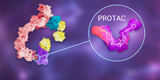
PROTAC, which exploit the ubiquitin-proteasome pathway to specifically degrade target proteins. PROTACs not only solve the problem of undruggability but they also have other advantages compared to traditional drug targeting strategies.
Scientific Reviews
PROTAC, which exploit the ubiquitin-proteasome pathway to specifically degrade target proteins. PROTACs not only solve the problem of undruggability but they also have other advantages compared to traditional drug targeting strategies. -
 Scientific Reviews
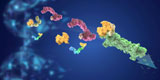
PROTAC — Target Selection and Design
Scientific Reviews
PROTAC — Target Selection and Design2022-07-08
A PROTAC molecule consists of three components: a target protein binding ligand, an E3 ligase ligand, and a linker connecting these two moieties. Here, we will discuss the conventional approaches for the rational design of PROTAC molecules. -
 Scientific Reviews
Organoids represent an important bridge between 2D cultures and in vivo mouse/human models. The organoid technology exerts enormous potential in evaluation of efficacy and toxicity of drugs, regenerative medicine, and precision medicine.In this article, we will briefly introduce organoid technology.
Scientific Reviews
Organoids represent an important bridge between 2D cultures and in vivo mouse/human models. The organoid technology exerts enormous potential in evaluation of efficacy and toxicity of drugs, regenerative medicine, and precision medicine.In this article, we will briefly introduce organoid technology. -
 Scientific Reviews
Development of Intestinal Organoid
Scientific Reviews
Development of Intestinal Organoid2022-07-28
3D organoid is one of the revolutionary developments in biomedical field during the past 10 years. The establishment of intestinal organoids is an important milestone in the development of organoid technology. -
 Scientific Reviews
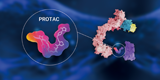
BacPROTACs is composed of a POI ligand, a chemical linker and a ClpCNTD anchor. BacPROTACs can induce in vitro and in vivo degradation of non-eukaryotic proteins in bacteria without the ubiquitin proteasome system.
Scientific Reviews
BacPROTACs is composed of a POI ligand, a chemical linker and a ClpCNTD anchor. BacPROTACs can induce in vitro and in vivo degradation of non-eukaryotic proteins in bacteria without the ubiquitin proteasome system. -
 Scientific Reviews
RNA therapeutics have changed the landscape of drug development, which possess broader spectrum of drug targets, simplicity and efficiency in development and manufacturing.In this article, we will discuss the underlying mechanisms of RNA-based drugs on the market or in clinical stages.
Scientific Reviews
RNA therapeutics have changed the landscape of drug development, which possess broader spectrum of drug targets, simplicity and efficiency in development and manufacturing.In this article, we will discuss the underlying mechanisms of RNA-based drugs on the market or in clinical stages. -
 Scientific Reviews
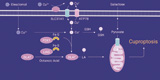
Tsvetkov et al. published in Science and demonstrated a copper-induced programmed cell death — Cuproptosis. As a novel programmed cell death, excess copper triggers abnormal aggregation of lipoylated proteins in TCA cycle and clearance of Fe-S cluster proteins, ultimately leading to cell death.
Scientific Reviews
Tsvetkov et al. published in Science and demonstrated a copper-induced programmed cell death — Cuproptosis. As a novel programmed cell death, excess copper triggers abnormal aggregation of lipoylated proteins in TCA cycle and clearance of Fe-S cluster proteins, ultimately leading to cell death. -
 Scientific Reviews
A comprehensive explanation of ferroptosis
Scientific Reviews
A comprehensive explanation of ferroptosis2022-09-15
Ferroptosis is a new type of RCD that depends on iron and characterized by the accumulation of lipid peroxides. In this article, we will pay our attention on ferroptosis and briefly discusses its mechanism. -
 Scientific Reviews
It's has been proved that p53, as a tumor suppressor gene and immune guardian, may become a destroyer through its own mutation. Moreover, the mechanism of p53 was found to be related to ferroptosis. This article mainly explores the mechanism between p53 and ferroptosis in detail.
Scientific Reviews
It's has been proved that p53, as a tumor suppressor gene and immune guardian, may become a destroyer through its own mutation. Moreover, the mechanism of p53 was found to be related to ferroptosis. This article mainly explores the mechanism between p53 and ferroptosis in detail. -
Scientific Reviews
Organoids have great potential in research of organ development, disease modeling, drug screening and, precision and regenerative medicin. In this article, we will expalin the origin of the organoids. Adult stem cells (ASCs) or pluripotent stem cells (PSCs) , which is the better choice.
-
 Scientific Reviews
Autophagy, derived from the Greek meaning "eating of self", plays an indispensable role in maintaining homeostasis. p27 is an inhibitor of cyclin CDKs, but how p27 regulates autophagy remains unknown. This article will cover the mechanism of autophagy and p27-related cell cycle regulation.
Scientific Reviews
Autophagy, derived from the Greek meaning "eating of self", plays an indispensable role in maintaining homeostasis. p27 is an inhibitor of cyclin CDKs, but how p27 regulates autophagy remains unknown. This article will cover the mechanism of autophagy and p27-related cell cycle regulation. -
 Scientific Reviews
CMA (chaperone-mediated autophagy) plays an essential role in maintaining neuronal protein stability and preventing neurodegeneration. In this article, we will comprehensively clarify the role of CMA in the occurrence and development of neurodegenerative diseases.
Scientific Reviews
CMA (chaperone-mediated autophagy) plays an essential role in maintaining neuronal protein stability and preventing neurodegeneration. In this article, we will comprehensively clarify the role of CMA in the occurrence and development of neurodegenerative diseases. -
 Scientific Reviews
TME (Tumor microenvironment) is considered as a complex integrated system, composed of cellular components such as tumor cells and immune cells, as well as non-cellular components such as ECM and cytokines. According to the spatial distribution of immune cells in TME, "hot" and "cold" TME will be explained in this article.
Scientific Reviews
TME (Tumor microenvironment) is considered as a complex integrated system, composed of cellular components such as tumor cells and immune cells, as well as non-cellular components such as ECM and cytokines. According to the spatial distribution of immune cells in TME, "hot" and "cold" TME will be explained in this article. -
 Scientific Reviews
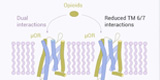
As powerful pain relievers, the opioids morphine and fentanyl have been "checked" by their side effects (listed as controlled substances). How to reduce its side effects? What is its mechanism? This research will explore its mechanism.
Scientific Reviews
As powerful pain relievers, the opioids morphine and fentanyl have been "checked" by their side effects (listed as controlled substances). How to reduce its side effects? What is its mechanism? This research will explore its mechanism. -
 Scientific Reviews
Efferocytosis is the process in which phagocytes remove programmed dead cells. It prevents secondary necrosis of dying cells from releasing harmful cell contents (such as oxides and proteases) that may cause inflammation. Here, we will introduce three stages of efferocytosis: Find, Eat, Digest.
Scientific Reviews
Efferocytosis is the process in which phagocytes remove programmed dead cells. It prevents secondary necrosis of dying cells from releasing harmful cell contents (such as oxides and proteases) that may cause inflammation. Here, we will introduce three stages of efferocytosis: Find, Eat, Digest. -
 Scientific Reviews
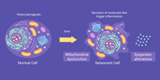
Understanding the mechanism of aging not only has guiding significance for prolonging human life but also has important clinical significance for the prevention and treatment of diseases in the elderly population , thus, improving their life quality and well-being.
Scientific Reviews
Understanding the mechanism of aging not only has guiding significance for prolonging human life but also has important clinical significance for the prevention and treatment of diseases in the elderly population , thus, improving their life quality and well-being. -
 Scientific Reviews
Mammalian cells can also photosynthesize like plants! Photosynthesis can improve cell anabolism and exhibit good clinical effect in degenerative diseases (osteoarthritis).
Scientific Reviews
Mammalian cells can also photosynthesize like plants! Photosynthesis can improve cell anabolism and exhibit good clinical effect in degenerative diseases (osteoarthritis). -
 Scientific Reviews
The latest study of Cell magazine "Neural mechanism underlying depressive-like state associated with social status loss" considers social factors as a breakthrough point. It has been found that the downward transition of social status induces depression-like behavior in mice whereas improves the depressive state by restoring their social environment.
Scientific Reviews
The latest study of Cell magazine "Neural mechanism underlying depressive-like state associated with social status loss" considers social factors as a breakthrough point. It has been found that the downward transition of social status induces depression-like behavior in mice whereas improves the depressive state by restoring their social environment. -
 Scientific Reviews
PROTAC - Design Strategy for Targeting
Scientific Reviews
PROTAC - Design Strategy for Targeting2023-04-23
Protein degradation targeting chimera (PROTAC) is a technology that uses the ubiquitin proteasome pathway to silent target protein. However, PROTAC still has problems such as solubility, membrane permeability, and selectivity. In this article, we have summarized three strategies for optimization: light-controlled linker, PAC molecule, and specific E3 ligase. -
 Scientific Reviews
Necroptosis, also known as necroptosis, is a form of regulated necrotizing cell death mediated by RIP1 and RIP3 kinases. Necroptosis is a process that prevents the self-destruction of activated cells that are blocked by apoptosis. Necroptosis plays a tumor suppressor role in most cases. It may provide benefits in the researches of a variety of human diseases involving immune inflammation and cell death.
Scientific Reviews
Necroptosis, also known as necroptosis, is a form of regulated necrotizing cell death mediated by RIP1 and RIP3 kinases. Necroptosis is a process that prevents the self-destruction of activated cells that are blocked by apoptosis. Necroptosis plays a tumor suppressor role in most cases. It may provide benefits in the researches of a variety of human diseases involving immune inflammation and cell death. -
 Scientific Reviews
Stem cell classification and its application
Scientific Reviews
Stem cell classification and its application2023-05-18
Stem cells (SCs) have the unique ability to self-renew and differentiate into different cell types. SCs can differentiate into various types of tissue cells under specific conditions. Additionally, they can be further cultured to form different tissues and organs in the human body. Stem cells have numerous applications in various fields, including cell therapy, organ transplantation, neurodegenerative disease modeling, and drug screening. -
 Scientific Reviews
Mitophagy:Mechanisms and Detection
Scientific Reviews
Mitophagy:Mechanisms and Detection2023-05-25
About 60 years ago, Christian de Duve first used the term "autophagy" to describe his observation of the degradation of mitochondria and other intracellular structures in lysosomes of rat liver. Over the years, autophagy has remained a beloved topic of research by the National Natural Science Foundation of China (NSFC).Today, let's talk about mitochondrial autophagy. -
 Scientific Reviews
Structure of Lipid Droplets
Scientific Reviews
Structure of Lipid Droplets2023-06-15
Huh? Lipid droplets? Organelles? In the past, biological data usually only show the traditional organelles, such as mitochondria, Golgi apparatus, endoplasmic reticulum, etc., lipid droplets are often not mentioned by people. Today, we will make a systematic explanation of lipid droplets, so that everyone has a clear understanding! -
 Scientific Reviews
HLA-E, A Novel Immune Checkpoint
Scientific Reviews
HLA-E, A Novel Immune Checkpoint2023-06-29
Immune checkpoints have immunosuppressive functions. It can be used in the research of tumor immunotherapy. In this article, we introduce a new paper entitled "Immune checkpoint HLA-E: CD94 - NKG2Amediates evasion of circulating tumor cells from NK cell surveillance "research paper. -
 Scientific Reviews
Organoid Culture: Questions & Answers
Scientific Reviews
Organoid Culture: Questions & Answers2023-07-26
In the last issue, we conducted a live lecture on the theme of organoid culture. Today, we have a special topic to solve your doubts in the last live class! -
 Scientific Reviews
WHO's Q2 drug list has been updated. Let's take you through the list of the most noteworthy small molecule drugs that we should pay attention to.
Scientific Reviews
WHO's Q2 drug list has been updated. Let's take you through the list of the most noteworthy small molecule drugs that we should pay attention to. -
 Scientific Reviews
FDA Approved Drug List!
Scientific Reviews
FDA Approved Drug List!2023-09-14
In the first half of 2023 (as of June 27), the FDA approved 26 new drugs, let's take you learn about it through the article. -
 Scientific Reviews
IHC is an indispensable technique for studying tissue morphology and in situ antigen expression, but usually only one or two antigens in tissues can be stained for analysis. It cannot judge the results more intuitively. Today, Little M will introduce you to the upgraded version mlHC.
Scientific Reviews
IHC is an indispensable technique for studying tissue morphology and in situ antigen expression, but usually only one or two antigens in tissues can be stained for analysis. It cannot judge the results more intuitively. Today, Little M will introduce you to the upgraded version mlHC. -
 Scientific Reviews
FDA Annual Review | Record-breaking number of new drug approvals in 2023!
Scientific Reviews
FDA Annual Review | Record-breaking number of new drug approvals in 2023! -
 Scientific Reviews
Are frozen cells always damaged? Is the survival rate of revived cells low? When is it appropriate to freeze cells? What should be considered when reviving them? Today, we're sharing a guide to avoid pitfalls in cell freezing and revival!
Scientific Reviews
Are frozen cells always damaged? Is the survival rate of revived cells low? When is it appropriate to freeze cells? What should be considered when reviving them? Today, we're sharing a guide to avoid pitfalls in cell freezing and revival! -
 Scientific Reviews
Katalin Karikó and Drew Weissman were awarded the Nobel Prize in Physiology or Medicine in 2023 for their groundbreaking work in nucleoside modification, which paved the way for the creation of successful mRNA vaccines to fight against COVID-19. Let's now delve into the complete process of mRNA vaccine development.
Scientific Reviews
Katalin Karikó and Drew Weissman were awarded the Nobel Prize in Physiology or Medicine in 2023 for their groundbreaking work in nucleoside modification, which paved the way for the creation of successful mRNA vaccines to fight against COVID-19. Let's now delve into the complete process of mRNA vaccine development. -
 Scientific Reviews
Science | A "new" mechanism for non-ubiquitinated Midnolin-proteasomal degradation pathway
Scientific Reviews
Science | A "new" mechanism for non-ubiquitinated Midnolin-proteasomal degradation pathway2024-04-26
“ubiquitin-mediated protein degradation” won the Nobel Prize in Chemistry in 2004! In fact, proteasomes degrade not only ubiquitinated proteins but also non-ubiquitinated ones. The mechanism remains shrouded in mystery. After reading this piece today, you might have a lightbulb moment! -
 Scientific Reviews
Still struggling to find the preparation methods for various solutions? Save your time! Here comes a nanny-level tutorial!
Scientific Reviews
Still struggling to find the preparation methods for various solutions? Save your time! Here comes a nanny-level tutorial! -
 Scientific Reviews
STZ Induced Diabetes Models
Scientific Reviews
STZ Induced Diabetes Models2024-06-13
Spotlight: How can STZ Help Diabetes Research? -
 Scientific Reviews
Exosomes, which won the Nobel Prize in 2013, are still a research hotspot in the national natural sciences, and their popularity has only increased over the past decade (in 2022, they still rank 5th in the national natural sciences hotspots!). Why have exosomes become the darling of scientific research? Let's take a look together~
Scientific Reviews
Exosomes, which won the Nobel Prize in 2013, are still a research hotspot in the national natural sciences, and their popularity has only increased over the past decade (in 2022, they still rank 5th in the national natural sciences hotspots!). Why have exosomes become the darling of scientific research? Let's take a look together~ -
 Scientific Reviews
Degrade target proteins through the autophagy-lysosome pathway including LYTAC, AUTAC, and ATTEC have gained increasing attention in recent years due to their significant research potential!
Scientific Reviews
Degrade target proteins through the autophagy-lysosome pathway including LYTAC, AUTAC, and ATTEC have gained increasing attention in recent years due to their significant research potential! -
 Scientific Reviews
Antibodies!
Scientific Reviews
Antibodies!2024-07-26
Today, We introduce antibodies for everyone! -
 Scientific Reviews
Science’s 2023 Breakthrough: GLP-1R Agonists
Scientific Reviews
Science’s 2023 Breakthrough: GLP-1R Agonists2024-08-13
GLP-1RAs, which achieved great success in 2023 and draws people’s attention back to obesity treatments and GLP-1 therapies worldwide, was chosen as the breakthrough of year 2023 by Science [2]. -
 Scientific Reviews
Cuproptosis, How much do you know?
Scientific Reviews
Cuproptosis, How much do you know?2024-08-22
Cells die in a variety of ways, including apoptosis, pyroptosis, necrosis, and ferroptosis......And, of course, cuproptosis. So, how much do you know about cuproptosis? -
 Scientific Reviews
Recently, Mol Cell reported the discovery of the first ferroptosis marker, Hyperoxidized PRDX3! Let’s take a look together~
Scientific Reviews
Recently, Mol Cell reported the discovery of the first ferroptosis marker, Hyperoxidized PRDX3! Let’s take a look together~ -
 Scientific Reviews
Cuproptosis's Knowledge Points!
Scientific Reviews
Cuproptosis's Knowledge Points!2024-09-25
With the establishment of the cuproptosis mechanism related research has attracted more and more attention from major journals. Expect to use the sharp sword of cuproptosis to stab the tumor cells. -
 Scientific Reviews
How they used PKH 26 for cellular studies?
Scientific Reviews
How they used PKH 26 for cellular studies?2024-10-21
We are thrilled to highlight our client study using PKH 26 (MedChemExpress) , a red fluorescent dye that has proven invaluable for in vitro cell labeling and tracing. This innovative research, published in the Journal of Nanobiotechnology. -
Scientific Reviews
Delve into the intricate networks that govern mitochondrial quality control. By examining key mechanisms such as biogenesis, mitochondrial dynamics (fission and fusion), proteolysis, and mitophagy. -
 Scientific Reviews
A New Form of Cell Death: PANoptosis!
Scientific Reviews
A New Form of Cell Death: PANoptosis! -
 Scientific Reviews
Unlocking the Power of Intermittent Fasting: The 16+8 Method
Scientific Reviews
Unlocking the Power of Intermittent Fasting: The 16+8 Method -
 Scientific Reviews
Advancing Chronic Kidney Disease Research with GJ103 and Lamin B1 Antibody!
Scientific Reviews
Advancing Chronic Kidney Disease Research with GJ103 and Lamin B1 Antibody! -
 Scientific Reviews
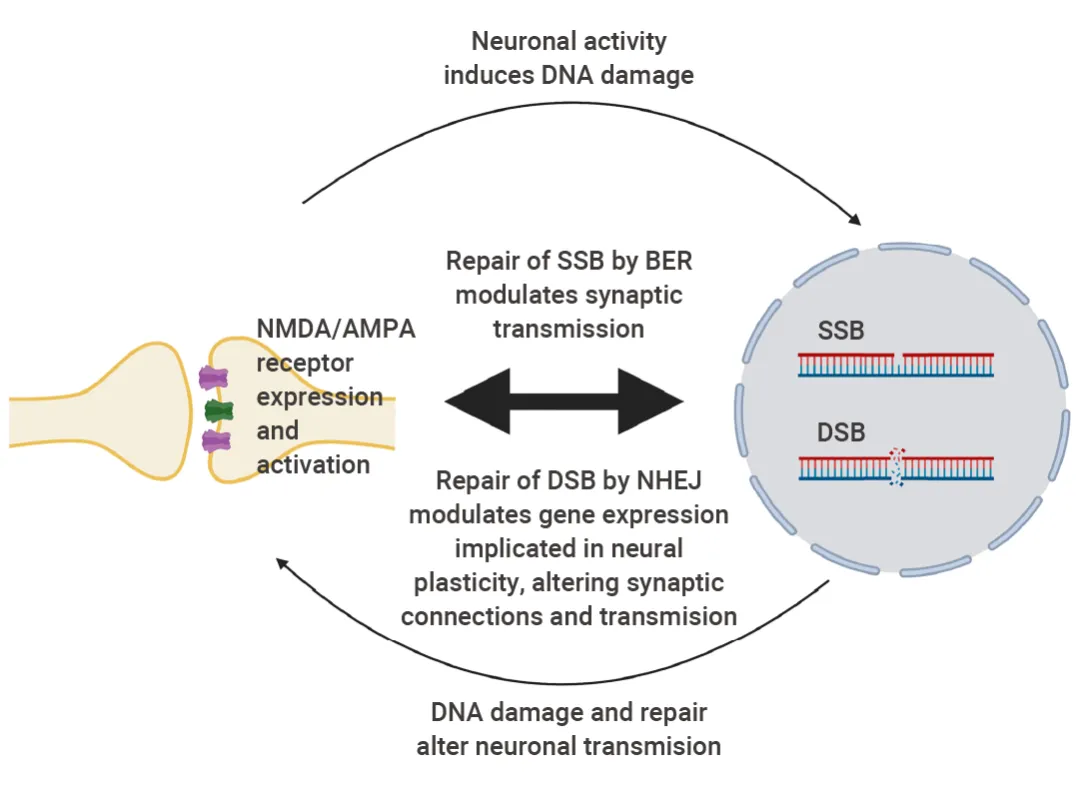
When you hear "inflammation" and "DNA damage," you might immediately think of disease or injury. However, in brains, these two processes are key steps in forming long-term memories, particularly related to specialized cells in our brain called hippocampal neurons.
Scientific Reviews
When you hear "inflammation" and "DNA damage," you might immediately think of disease or injury. However, in brains, these two processes are key steps in forming long-term memories, particularly related to specialized cells in our brain called hippocampal neurons. -
 Scientific Reviews
Autophagy is a fundamental process that degrades various components within the cell.
Scientific Reviews
Autophagy is a fundamental process that degrades various components within the cell. -
 Scientific Reviews
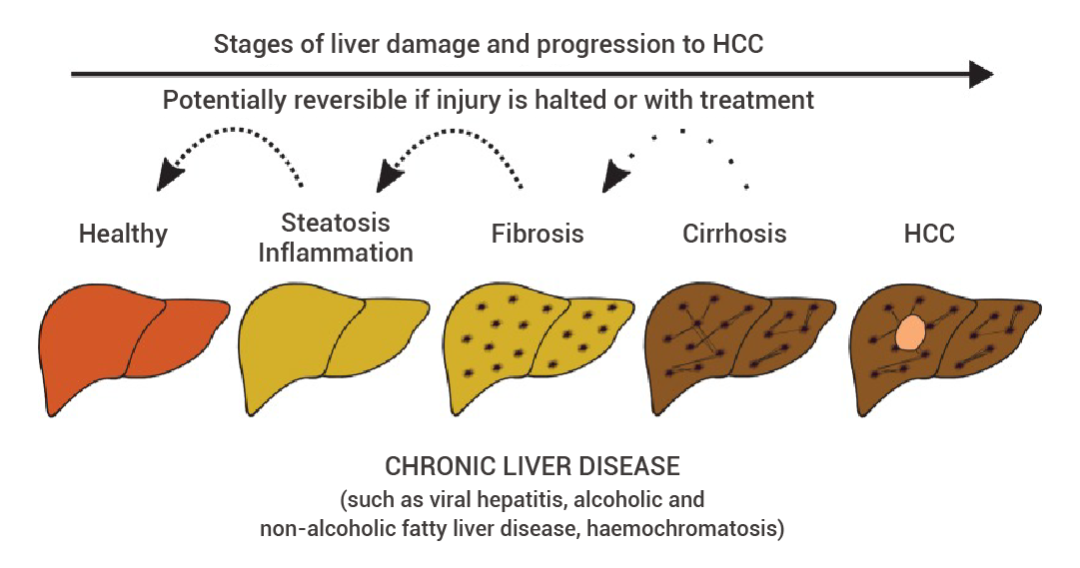
This article will tell you about the common methods of modeling liver disease in animal models.
Scientific Reviews
This article will tell you about the common methods of modeling liver disease in animal models. -
.jpg) Scientific Reviews
nside cells, the homeostasis and degradation of proteins is a precisely regulated process. If proteins cannot be degraded in time, it may lead to the occurrence of various diseases such as neurodegenerative diseases and cancer. This article will tell you the process of how proteins are recognized, labeled and then degraded!
Scientific Reviews
nside cells, the homeostasis and degradation of proteins is a precisely regulated process. If proteins cannot be degraded in time, it may lead to the occurrence of various diseases such as neurodegenerative diseases and cancer. This article will tell you the process of how proteins are recognized, labeled and then degraded! -
 Scientific Reviews
This article introduces some common cardiovascular disease models, inducers, modeling protocols and successful modeling cases in the research.
Scientific Reviews
This article introduces some common cardiovascular disease models, inducers, modeling protocols and successful modeling cases in the research. -
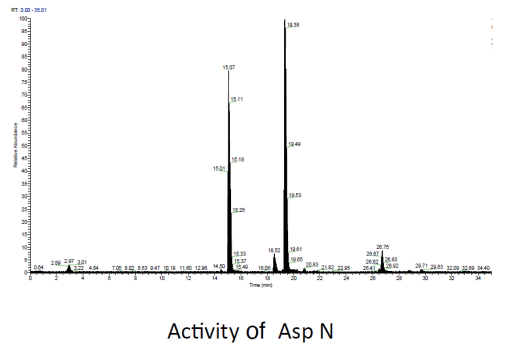 Scientific Reviews
Do you feel confused when you start culturing cells? This article will show you the basic methods and steps of cell culture!
Scientific Reviews
Do you feel confused when you start culturing cells? This article will show you the basic methods and steps of cell culture! -
 Scientific Reviews
In this issue, we will conduct an in-depth interpretation from the dimensions of nanoparticle design, mechanism of action, in vivo and in vitro efficacy, and immune regulation, revealing how this research brings new hope for the treatment of invasive tumors through interdisciplinary innovation!
Scientific Reviews
In this issue, we will conduct an in-depth interpretation from the dimensions of nanoparticle design, mechanism of action, in vivo and in vitro efficacy, and immune regulation, revealing how this research brings new hope for the treatment of invasive tumors through interdisciplinary innovation! -
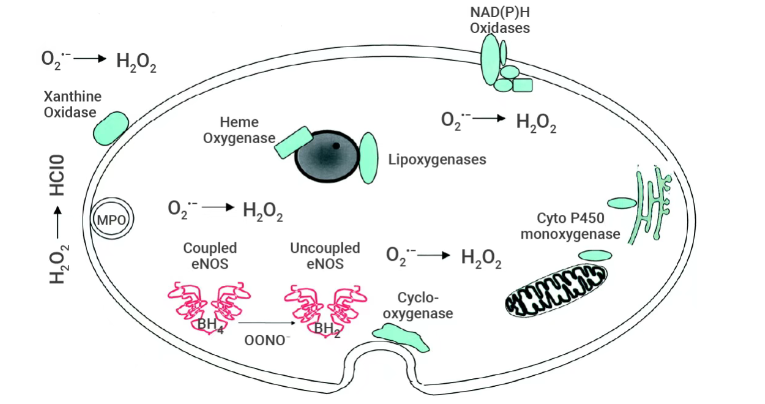 Scientific Reviews
The article introduces the mechanisms of ROS generation and the methods for their detection.
Scientific Reviews
The article introduces the mechanisms of ROS generation and the methods for their detection. -
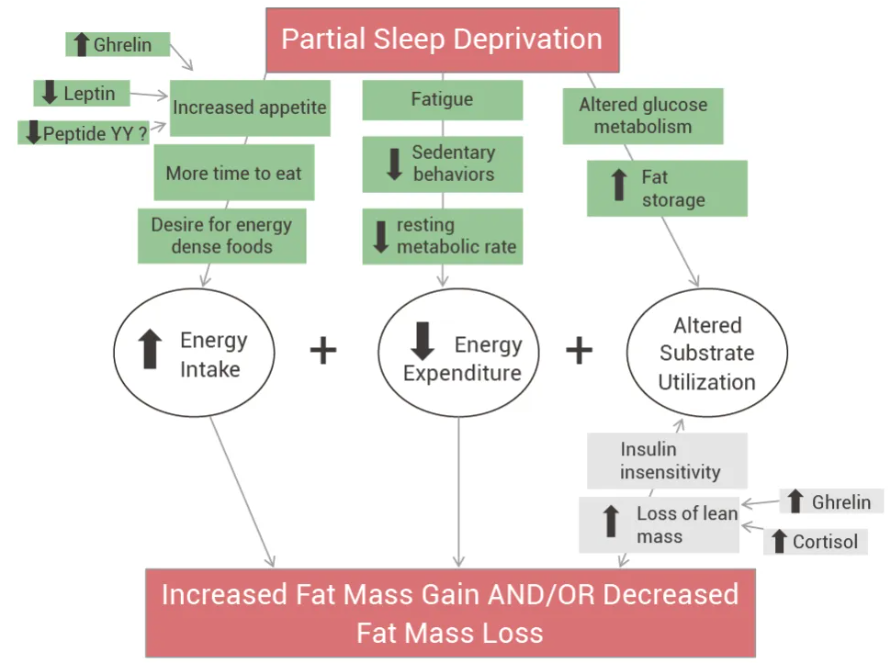 Scientific Reviews
Have you ever noticed that after staying up late, your appetite—especially for high-calorie foods—gets out of control? If this sounds familiar, today’s article might offer some good news.
Scientific Reviews
Have you ever noticed that after staying up late, your appetite—especially for high-calorie foods—gets out of control? If this sounds familiar, today’s article might offer some good news. -
 Scientific Reviews
Generating Stable Cell Lines with Lentivirus
Scientific Reviews
Generating Stable Cell Lines with Lentivirus2025-09-16
A step-by-step protocol of establishing stable cell lines using lentivirus -
 Scientific Reviews
A groundbreaking study in Nature Communications reveals the key mechanism behind Idiopathic Pulmonary Fibrosis and identifies an existing drug with the potential to counter it.
Scientific Reviews
A groundbreaking study in Nature Communications reveals the key mechanism behind Idiopathic Pulmonary Fibrosis and identifies an existing drug with the potential to counter it. -
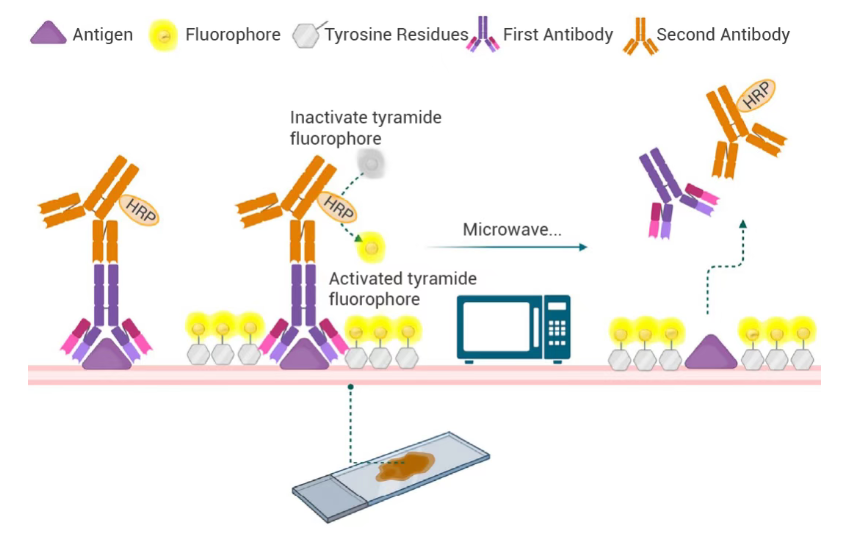 Scientific Reviews
This detailed guide outlines the standardized experimental protocols for multiplex immunohistochemistry (mIHC), systematically summarizes common technical issues encountered during sample preparation, staining and imaging processes, and provides practical troubleshooting solutions to ensure reliable and reproducible results in biomedical research and clinical sample analysis.
Scientific Reviews
This detailed guide outlines the standardized experimental protocols for multiplex immunohistochemistry (mIHC), systematically summarizes common technical issues encountered during sample preparation, staining and imaging processes, and provides practical troubleshooting solutions to ensure reliable and reproducible results in biomedical research and clinical sample analysis. -
 Scientific Reviews
Finding adipogenic induction media too expensive and tricky to prepare? This comprehensive guide to 3T3-L1 adipogenic differentiation simplifies the process, helping you achieve great results!
Scientific Reviews
Finding adipogenic induction media too expensive and tricky to prepare? This comprehensive guide to 3T3-L1 adipogenic differentiation simplifies the process, helping you achieve great results! -
Scientific Reviews
Microglia– the only immune cells within the brain parenchyma. With advancements in imaging technologies, people’s understanding of microglia has shifted from being viewed as 'resting' cells to 'highly active' cells, particularly due to their dynamic processes that seem to be probing surrounding tissues and monitoring neuronal activity. This has made microglia a focal point of research in the field of neuroscience. -
 Scientific Reviews
Exosomes—natural nanoscale carriers—are revolutionizing targeted therapy. This article uncovers the science behind their precision in drug delivery.
Scientific Reviews
Exosomes—natural nanoscale carriers—are revolutionizing targeted therapy. This article uncovers the science behind their precision in drug delivery. -
Scientific Reviews
Cracking the PROTAC Permeability Barrier: CD36-Mediated Endocytosis as a Potential Breakthrough2025-12-03
This article provides an in-depth analysis of cutting-edge literature revealing CD36 as a key mediator of cellular uptake for PROTACs and bRO5 compounds. By structurally optimizing PROTAC molecules to enhance their affinity for CD36, membrane permeability can be markedly improved, leading to significantly enhanced antitumor efficacy. -
 Scientific Reviews
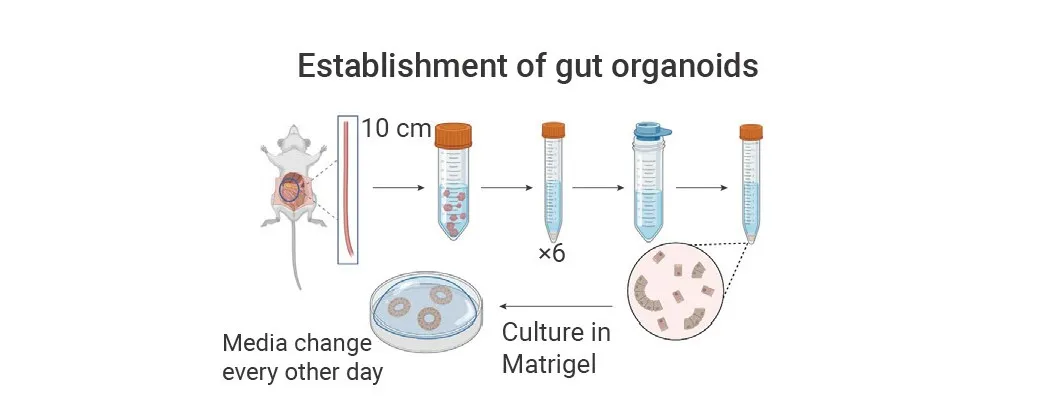
Efficient Generation of Mouse Small Intestinal Organoids: A Complete Experimental Protocol Guide
Scientific Reviews
Efficient Generation of Mouse Small Intestinal Organoids: A Complete Experimental Protocol Guide2025-12-10
How to successfully create mouse small intestine organoids? A detailed, hands-on guide to the entire process, all in one article! -
 Scientific Reviews
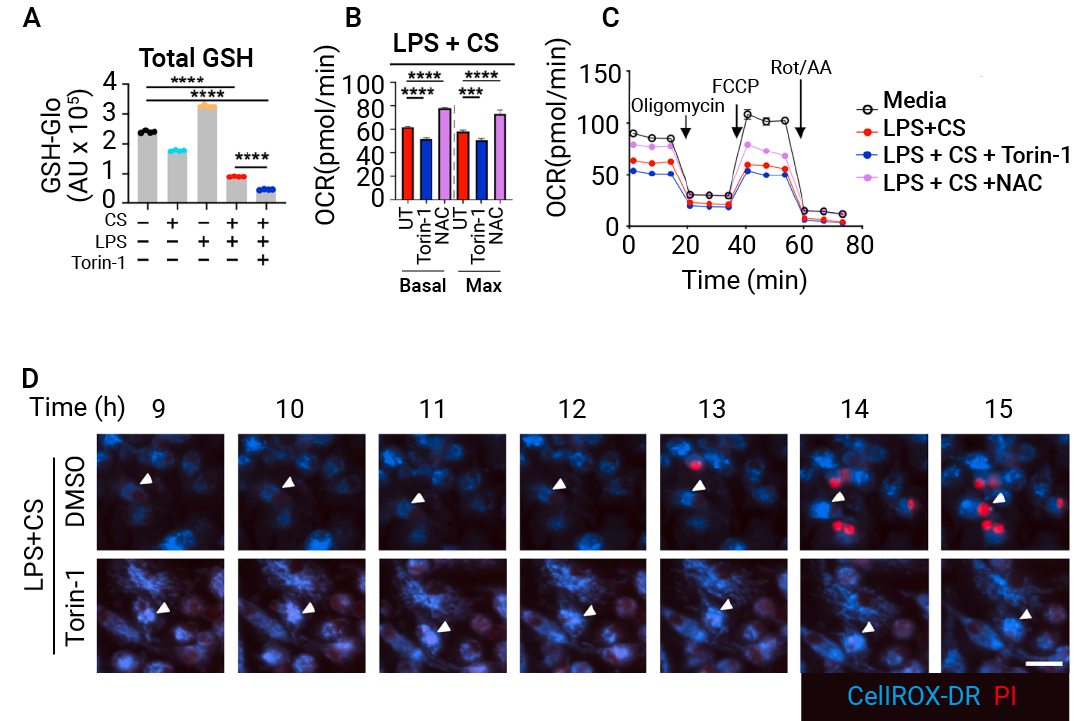
A November 2025 Cell study discovers Mitoxyperilysis, a new mTOR-regulated, caspase-independent cell death pathway driven by innate immune and metabolic dysregulation via mitochondrial-plasma membrane contact and oxidative damage, and verifies its potential to induce tumor necrosis for cancer therapy with key regulators including BAX, BAK1 and BID.
Scientific Reviews
A November 2025 Cell study discovers Mitoxyperilysis, a new mTOR-regulated, caspase-independent cell death pathway driven by innate immune and metabolic dysregulation via mitochondrial-plasma membrane contact and oxidative damage, and verifies its potential to induce tumor necrosis for cancer therapy with key regulators including BAX, BAK1 and BID. -
 Scientific Reviews
This paper elaborates on cytokines for culturing major immune cells, their regulatory roles, recombinant cytokines' merits and MCE’s related high-quality products.
Scientific Reviews
This paper elaborates on cytokines for culturing major immune cells, their regulatory roles, recombinant cytokines' merits and MCE’s related high-quality products. -
 Scientific Reviews
In the hunt for the next ‘GLP-1,’ amylin therapeutics, which have shown strong weight-loss results in clinical trials, have become a major focus for both multinational pharma and the scientific community.
Scientific Reviews
In the hunt for the next ‘GLP-1,’ amylin therapeutics, which have shown strong weight-loss results in clinical trials, have become a major focus for both multinational pharma and the scientific community. -
 Scientific Reviews
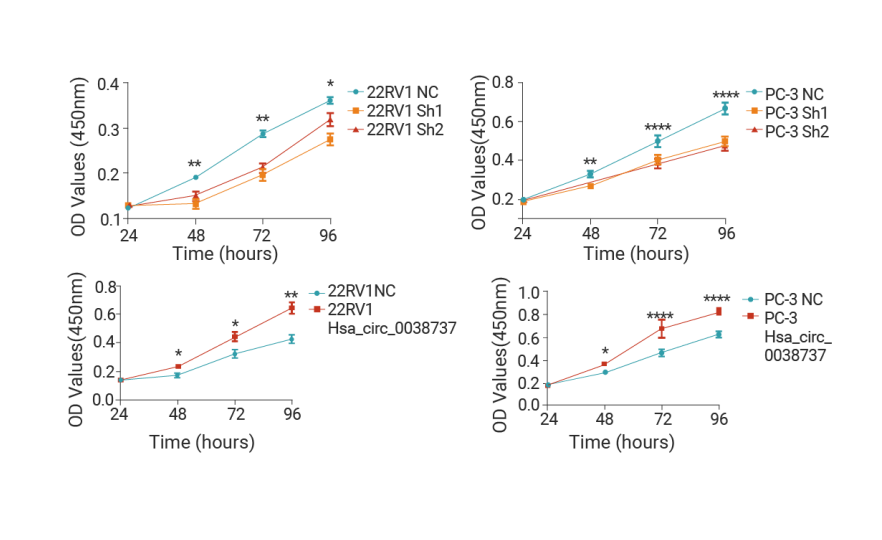
Essential for High-Impact Papers: Present Your CCK-8 Experimental Results in a More Outstanding Way!
Scientific Reviews
Essential for High-Impact Papers: Present Your CCK-8 Experimental Results in a More Outstanding Way!2026-03-18
CCK-8 is a widely used WST‑8‑based reagent for cell proliferation and cytotoxicity assays. It features high sensitivity, reliable results and easy operation, and is applicable to cell viability analysis, drug screening and growth inhibition testing. -
 Scientific Reviews
Molecular glue degraders have evolved from a serendipitous observation to one of the most dynamic and transformative fields in biomedical research.
Scientific Reviews
Molecular glue degraders have evolved from a serendipitous observation to one of the most dynamic and transformative fields in biomedical research. -
 Scientific Reviews
GLP-1 and Obesity Research
Scientific Reviews
GLP-1 and Obesity Research2026-08-14
Obesity substantially increases the risk of chronic diseases such as T2D and cardiovascular disease. The breakout success of GLP-1 therapies has spotlighted GLP-1R and a wave of emerging obesity targets. -
 EDM
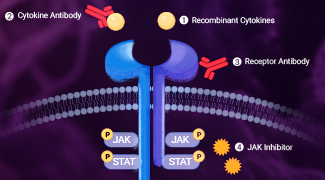
This review critically examines the role of the JAK-STAT pathway in immunity and autoimmune diseases, reviews current clinical applications of targeted therapies, and highlights emerging trends in autoimmune drug development.
EDM
This review critically examines the role of the JAK-STAT pathway in immunity and autoimmune diseases, reviews current clinical applications of targeted therapies, and highlights emerging trends in autoimmune drug development. -
 EDM
This review summarizes the mechanisms of DSS-induced colitis, commonly used modeling approaches, and key considerations related to DSS molecular weight.
EDM
This review summarizes the mechanisms of DSS-induced colitis, commonly used modeling approaches, and key considerations related to DSS molecular weight. -
 EDM
This review outlines macrophage functions and classification, and provides practical experimental guidelines for macrophage differentiation, polarization, and identification.
EDM
This review outlines macrophage functions and classification, and provides practical experimental guidelines for macrophage differentiation, polarization, and identification. -
 EDM
Explore lysosomal nutrient sensing, quality control, cellular adaptation, disease mechanisms, and emerging therapeutic approaches.
EDM
Explore lysosomal nutrient sensing, quality control, cellular adaptation, disease mechanisms, and emerging therapeutic approaches. -
 EDM
Review the mechanisms, mitochondrial regulation, disease relevance, and translational opportunities of the NLRP3–STING axis in neuroinflammation.
EDM
Review the mechanisms, mitochondrial regulation, disease relevance, and translational opportunities of the NLRP3–STING axis in neuroinflammation. -
 EDM
Explore the mechanisms driving immune tolerance breakdown in autoimmune diseases and emerging tolerance-restoring strategies, with a focus on IL-2-based immune modulation.
EDM
Explore the mechanisms driving immune tolerance breakdown in autoimmune diseases and emerging tolerance-restoring strategies, with a focus on IL-2-based immune modulation. -
 EDM
Explore how mitochondrial quality control, inflammatory signaling, and metabolic–epigenetic reprogramming regulate cellular senescence and the SASP, along with strategies to restore mitochondrial homeostasis.
EDM
Explore how mitochondrial quality control, inflammatory signaling, and metabolic–epigenetic reprogramming regulate cellular senescence and the SASP, along with strategies to restore mitochondrial homeostasis. -
 Blog
HS-1371 is a Small Molecule RIP3 Inhibitor
Blog
HS-1371 is a Small Molecule RIP3 Inhibitor2019-04-09
HS-1371 is a novel kinase inhibitor of RIP3-mediated necroptosis, showing an inhibitory effect on S227 auto-phosphorylation of RIP3 at the basal level. -
 Blog
IITZ-01 is a potent lysosomotropic autophagy inhibitor with single-agent antitumor activity, with an IC50 of 2.62 μM for PI3Kγ.
Blog
IITZ-01 is a potent lysosomotropic autophagy inhibitor with single-agent antitumor activity, with an IC50 of 2.62 μM for PI3Kγ. -
 Blog
PRN1008 is a Reversible Covalent and Oral Active Inhibitor of Bruton’s Tyrosine Kinase (BTK)
Blog
PRN1008 is a Reversible Covalent and Oral Active Inhibitor of Bruton’s Tyrosine Kinase (BTK)2019-04-18
PRN1008 is a selective, reversible covalent and oral active inhibitor of Bruton’s Tyrosine Kinase (BTK), with an IC50 of 1.3 nM. -
 Blog
Multiple Tyrosine Kinases Inhibitor TAS-115
Blog
Multiple Tyrosine Kinases Inhibitor TAS-1152019-04-19
TAS-115 is a potent VEGFR and c-Met/HGFR-targeted kinase inhibitor with IC50s of 30 and 32 nM for rVEGFR2 and rMET, respectively. -
 Blog
BTR-1 potently inhibits cell growth. It induces S phase arrest, affects DNA replication. Dose-dependently induces cytotoxicity in leukemic cell lines.
Blog
BTR-1 potently inhibits cell growth. It induces S phase arrest, affects DNA replication. Dose-dependently induces cytotoxicity in leukemic cell lines. -
 Blog
TAK-828F is a potent, selective and orally active retinoic acid receptor-related orphan receptor γt (RORγt) inverse agonist. TAK-828F inhibits IL-17A cytokine expression and reduces symptoms of autoimmune encephalomyelitis mice.
Blog
TAK-828F is a potent, selective and orally active retinoic acid receptor-related orphan receptor γt (RORγt) inverse agonist. TAK-828F inhibits IL-17A cytokine expression and reduces symptoms of autoimmune encephalomyelitis mice. -
 Blog
SLLN-15 is an oral activ enhancer of autophagy that activates cytostatic macroautophagy/autophagy in triple-negative breast cancer (TNBC).
Blog
SLLN-15 is an oral activ enhancer of autophagy that activates cytostatic macroautophagy/autophagy in triple-negative breast cancer (TNBC). -
 Blog
GSK3145095 is a RIP1 kinase inhibitor with an IC50 of 6.3 nM. Potently blocks the TNF response and RIP1-dependent inflammatory cytokine MIP-1β production.
Blog
GSK3145095 is a RIP1 kinase inhibitor with an IC50 of 6.3 nM. Potently blocks the TNF response and RIP1-dependent inflammatory cytokine MIP-1β production. -
 Blog
JMS-17-2 is a CX3CR1 Antagonist
Blog
JMS-17-2 is a CX3CR1 Antagonist2019-06-12
JMS-17-2 is a potent and selective CX3CR1 antagonist with an IC50 of 0.32 nM. Has potential to treat cancers such as breast cancer. -
 Blog
Ralimetinib (LY2228820) is a selective and ATP-competitive inhibitor of p38 MAPK α/β, with IC50s of 5.3 and 3.2 nM, respectively. Anti-tumor activity.
Blog
Ralimetinib (LY2228820) is a selective and ATP-competitive inhibitor of p38 MAPK α/β, with IC50s of 5.3 and 3.2 nM, respectively. Anti-tumor activity. -
 Blog
BAY-11-7082 inhibits the proliferation and induces the apoptosis of U266 cells through inhibiting NF-κB pathway. BAY 11-7082 ameliorates experimental diabetic neuropathy by modulating neuroinflammation and improving antioxidant defence.
Blog
BAY-11-7082 inhibits the proliferation and induces the apoptosis of U266 cells through inhibiting NF-κB pathway. BAY 11-7082 ameliorates experimental diabetic neuropathy by modulating neuroinflammation and improving antioxidant defence. -
 Blog
S130, Targeting ATG4B, Inhibits Autophagy and Activates Apoptosis in Colorectal Colon Cancer
Blog
S130, Targeting ATG4B, Inhibits Autophagy and Activates Apoptosis in Colorectal Colon Cancer2019-06-19
S130 is a high affinity, selective inhibitor of ATG4B (a major cysteine protease) with an IC50 of 3.24 µM. S130 suppresses autophagy flux. -
 Blog
S18-000003 is a potent, selective and orally active inhibitor of retinoic acid receptor-related orphan receptor-gamma-t (RORγt). S18-000003 ameliorates psoriasis-like lesions in vivo. S18-000003 can be used for the research of skin inflammatory diseases.
Blog
S18-000003 is a potent, selective and orally active inhibitor of retinoic acid receptor-related orphan receptor-gamma-t (RORγt). S18-000003 ameliorates psoriasis-like lesions in vivo. S18-000003 can be used for the research of skin inflammatory diseases. -
 Blog
MRT67307, a dual IKKε/TBK1 inhibitor, inhibits ULK1 and ULK2 with IC50s of 45 and 38 nM, respectively. MRT67307 blocks mTOR-dependent autophagy.
Blog
MRT67307, a dual IKKε/TBK1 inhibitor, inhibits ULK1 and ULK2 with IC50s of 45 and 38 nM, respectively. MRT67307 blocks mTOR-dependent autophagy. -
 Blog
CCT020312, the G1/S checkpoint activator, is a selective EIF2AK3/PERK activator. CCT020312 elicits EIF2A phosphorylation in cells.
Blog
CCT020312, the G1/S checkpoint activator, is a selective EIF2AK3/PERK activator. CCT020312 elicits EIF2A phosphorylation in cells. -
 Blog
SBI-0206965 is a selective and cell permeable autophagy kinase ULK1 inhibitor with IC50s of 108 nM for ULK1 and 711 nM for the highly related kinase ULK2 .
Blog
SBI-0206965 is a selective and cell permeable autophagy kinase ULK1 inhibitor with IC50s of 108 nM for ULK1 and 711 nM for the highly related kinase ULK2 . -
 Blog
TPCA-1, a Direct Dual Inhibitor of STAT3 and NF-κB, Regresses Mutant EGFR-Associated NSCLC
Blog
TPCA-1, a Direct Dual Inhibitor of STAT3 and NF-κB, Regresses Mutant EGFR-Associated NSCLC2019-07-15
TPCA-1 is a potent and selective inhibitor of IKK-2 with IC50 of 17.9 nM. TPCA-1 is an effective inhibitor of STAT3 phosphorylation, DNA binding. -
 Blog
CA-5f is a potent late-stage macroautophagy (autophagy) inhibitor via inhibiting autophagosome-lysosome fusion. CA-5f increases LC3B-II and SQSTM1 protein.
Blog
CA-5f is a potent late-stage macroautophagy (autophagy) inhibitor via inhibiting autophagosome-lysosome fusion. CA-5f increases LC3B-II and SQSTM1 protein. -
 Blog
BI-167107 is a high affinity, full agonist that binds to the β2 adrenergic receptor (β2AR) with a dissociation constant Kd of 84 pM.
Blog
BI-167107 is a high affinity, full agonist that binds to the β2 adrenergic receptor (β2AR) with a dissociation constant Kd of 84 pM. -
 Blog
UK 356618 is a Selective MMP-3 Inhibitor
Blog
UK 356618 is a Selective MMP-3 Inhibitor2019-12-25
UK 356618 is a selective and potent inhibitor of MMP-3. UK 356618 exhibits potent anti-inflammatory and anti-cancer activity. -
 Blog
CH6953755 is a potent, orally active and selective YES1 kinase inhibitor leading to antitumor activity against YES1 Gene -amplified cancers.
Blog
CH6953755 is a potent, orally active and selective YES1 kinase inhibitor leading to antitumor activity against YES1 Gene -amplified cancers. -
 Blog
CA-4948 is a Selective and Orally Bioavailable IRAK4 Kinase Inhibitor for Lymphoma Treatment
Blog
CA-4948 is a Selective and Orally Bioavailable IRAK4 Kinase Inhibitor for Lymphoma Treatment2020-01-05
CA-4948 is a potent, selective and orally bioavailable IRAK4 kinase inhibitor. CA-4948 can be used for the treatment of lymphoma. -
 Blog
GPP78 is a potent Nampt inhibitor. GPP78 is cytotoxic to neuroblastoma cell line SH-SY5Y cells. GPP78 has anti-cancer and anti-tumor activity.
Blog
GPP78 is a potent Nampt inhibitor. GPP78 is cytotoxic to neuroblastoma cell line SH-SY5Y cells. GPP78 has anti-cancer and anti-tumor activity. -
 Blog
BAY-985 is an orally active and selective ATP-competitive dual inhibitor of TBK1 and IKKε with IC50s of 2/30 and 2 nM for TBK1 and IKKε, respectively.
Blog
BAY-985 is an orally active and selective ATP-competitive dual inhibitor of TBK1 and IKKε with IC50s of 2/30 and 2 nM for TBK1 and IKKε, respectively. -
 Blog
ADH-503 is an orally active and allosteric CD11b agonist and leads to the repolarization of tumor-associated macrophages.
Blog
ADH-503 is an orally active and allosteric CD11b agonist and leads to the repolarization of tumor-associated macrophages. -
 Blog
HM03 is a potent and selective HSPA5 inhibitor with anticancer activity. HSPA5 plays a key role in monitoring protein transport through the cell.
Blog
HM03 is a potent and selective HSPA5 inhibitor with anticancer activity. HSPA5 plays a key role in monitoring protein transport through the cell. -
 Blog
GSK143 is an orally active and highly selective spleen tyrosine kinase (SYK) inhibitor. GSK143 reduces inflammation in the intestinal muscularis in mice.
Blog
GSK143 is an orally active and highly selective spleen tyrosine kinase (SYK) inhibitor. GSK143 reduces inflammation in the intestinal muscularis in mice. -
 Blog
GSK621 is a potent and specific AMPK activator and induces autophagy and apoptosis in acute myeloid leukemia (AML) cells.
Blog
GSK621 is a potent and specific AMPK activator and induces autophagy and apoptosis in acute myeloid leukemia (AML) cells. -
 Blog
CAY10404 is a potent and highly selective COX-2 inhibitor. CAY10404 is a potent inhibitor of PKB/Akt and MAPK signalling pathways.
Blog
CAY10404 is a potent and highly selective COX-2 inhibitor. CAY10404 is a potent inhibitor of PKB/Akt and MAPK signalling pathways. -
 Blog
BMS-P5 is an Orally Active PAD4 Inhibitor
Blog
BMS-P5 is an Orally Active PAD4 Inhibitor2020-12-12
BMS-P5 is an orally active PAD4 inhibitor. BMS-P5 blocks MM-induced NET formation and delays progression of MM in a syngeneic mouse model -
 Blog
ML132, a potent and selective caspase 1 inhibitor with a unique selectivity pattern, is responsible for the proteolytic activation of IL-1β and IL-18.
Blog
ML132, a potent and selective caspase 1 inhibitor with a unique selectivity pattern, is responsible for the proteolytic activation of IL-1β and IL-18. -
 Blog
CC-90001 is a potent, selective, and orally active inhibitor of JNK. CC-90001 can be used for the research of idiopathic pulmonary fibrosis (IPF).
Blog
CC-90001 is a potent, selective, and orally active inhibitor of JNK. CC-90001 can be used for the research of idiopathic pulmonary fibrosis (IPF). -
 Blog
YUM70 inhibits GRP78. Induces endoplasmic reticulum stress-mediated apoptosis. Pancreatic cancer. Acts as a novel anticancer agent.
Blog
YUM70 inhibits GRP78. Induces endoplasmic reticulum stress-mediated apoptosis. Pancreatic cancer. Acts as a novel anticancer agent. -
 Blog
LYN-1604 is a Potent ULK1 Activator
Blog
LYN-1604 is a Potent ULK1 Activator2021-04-24
LYN-1604, a potent ULK1 activator, induces cell death involved in ATF3, RAD21, and caspase3, accompanied by autophagy and apoptosis. -
 Blog
SB-332235 is a potent, orally active nonpeptide CXCR2 antagonist. SB-332235 inhibits acute and chronic models of arthritis in the rabbit.
Blog
SB-332235 is a potent, orally active nonpeptide CXCR2 antagonist. SB-332235 inhibits acute and chronic models of arthritis in the rabbit. -
 Blog
Butaprost is a selective prostaglandin E receptor (EP2) agonist. Butaprost can effectively mitigate kidney fibrogenesis in various fibrosis models.
Blog
Butaprost is a selective prostaglandin E receptor (EP2) agonist. Butaprost can effectively mitigate kidney fibrogenesis in various fibrosis models. -
 Blog
AA92593 is a selective and competitive OPN4 (melanopsin) antagonist. AA92593 can potently decrease IOP in mice.
Blog
AA92593 is a selective and competitive OPN4 (melanopsin) antagonist. AA92593 can potently decrease IOP in mice. -
 Blog
Lumiracoxib is a COX-2 inhibitor. Lumiracoxib acts as nonselective NSAID with anti-inflammatory, analgesic and antipyretic activities.
Blog
Lumiracoxib is a COX-2 inhibitor. Lumiracoxib acts as nonselective NSAID with anti-inflammatory, analgesic and antipyretic activities. -
 Blog
Ruxolitinib is a potent and selective JAK1/2 inhibitor and has 130-fold selectivity for JAK1/2 over JAK3. Ruxolitinib induces autophagy.
Blog
Ruxolitinib is a potent and selective JAK1/2 inhibitor and has 130-fold selectivity for JAK1/2 over JAK3. Ruxolitinib induces autophagy. -
 Blog
IMD-0354 is a Selective IKKβ Inhibitor
Blog
IMD-0354 is a Selective IKKβ Inhibitor2021-11-09
IMD-0354 is a selective IKKβ inhibitor and potently inhibits NF-κB activity. IMD0354 has antitumor activity. -
 Blog
Spautin-1 is a specific and potent autophagy inhibitor which inhibits ubiquitin-specific peptidases, USP10 and USP13.
Blog
Spautin-1 is a specific and potent autophagy inhibitor which inhibits ubiquitin-specific peptidases, USP10 and USP13. -
 Blog
Alda-1 is a potent ALDH2 Agonist
Blog
Alda-1 is a potent ALDH2 Agonist2021-12-30
Alda-1 ameliorates H2O2-induced Achilles tendinopathy. Alda-1 could be used for preventing Achilles tendinopathy. -
 Blog
CL097 is a TLR7/8 agonist. CL097 induces pro-nflammatory cytokines. CL097 induces NADPH oxidase priming and efficient diabetogenic cytotoxic T lymphocyte (CTL) function in NOD mice.
Blog
CL097 is a TLR7/8 agonist. CL097 induces pro-nflammatory cytokines. CL097 induces NADPH oxidase priming and efficient diabetogenic cytotoxic T lymphocyte (CTL) function in NOD mice. -
 Blog
Zingerone is a natural orally active nontoxic methoxyphenol potent anti-inflammatory, antidiabetic, antioxidize, and anti-tumor properties.
Blog
Zingerone is a natural orally active nontoxic methoxyphenol potent anti-inflammatory, antidiabetic, antioxidize, and anti-tumor properties. -
 Blog
AUTAC2 is a FKBP12-targeting autophagy-mediated degrader (AUTAC). AUTAC2 contains an FBnG and an SLF moiety.
Blog
AUTAC2 is a FKBP12-targeting autophagy-mediated degrader (AUTAC). AUTAC2 contains an FBnG and an SLF moiety. -
 Blog
BM213 is a selective C5aR1 agonist. It’s a useful research tool to study C5aR1 function
Blog
BM213 is a selective C5aR1 agonist. It’s a useful research tool to study C5aR1 function -
 Blog
Pelecopan is a potent, selective, and orally active complement factor D inhibitor, possessing the potential to study paroxysmal nocturnal hemoglobinuria (PNH).
Blog
Pelecopan is a potent, selective, and orally active complement factor D inhibitor, possessing the potential to study paroxysmal nocturnal hemoglobinuria (PNH). -
 Blog
Etrolizumab is a Gut-selective, Anti-β7 Integrin McAb for Inflammatory Bowel Disease (IBD) Research
Blog
Etrolizumab is a Gut-selective, Anti-β7 Integrin McAb for Inflammatory Bowel Disease (IBD) Research2022-11-05
Etrolizumab is a gut-selective, anti-β7 integrin monoclonal antibody and has the potential for the research of inflammatory bowel disease. -
 Blog
Coibamide A is an N-methyl-stabilized cytotoxic depsipeptide with antiproliferative activity. Coibamide A induces autophagosome accumulation.
Blog
Coibamide A is an N-methyl-stabilized cytotoxic depsipeptide with antiproliferative activity. Coibamide A induces autophagosome accumulation. -
 Blog
Ruxolitinib is an orally-active JAK1/2 inhibitor. Ruxolitinib has the potential for the research of myeloproliferative neoplasm (MPN).
Blog
Ruxolitinib is an orally-active JAK1/2 inhibitor. Ruxolitinib has the potential for the research of myeloproliferative neoplasm (MPN).
Products
All
-
All
-
Inhibitors & Agonists
-
Isotope-Labeled Compounds
-
Fluorescent Dye
-
Peptides
-
Recombinant Proteins
-
Antibodies
-
Screening Libraries
-
Kits
-
Inhibitory Antibodies
-
Reference Standards
-
Induced Disease Models Products
-
GMP Small Molecules
-
Enzyme
-
Biochemical Assay Reagents
-
Natural Products
| Cat. No. | Product Name | Information | Application | Publication |
|---|---|---|---|---|
| HY-K0021 | Phosphatase Inhibitor Cocktail I (100× in DMSO) |
Phosphatase Inhibitor Cocktail I (100× in DMSO) is a blend of 2 phosphatase inhibitors that can effectively inhibit alkaline phosphatases and serine/threonine phosphatases. It is used to maintain the phosphorylation status of proteins.The 1 mL volume is defined as the base specification. All larger sizes correspond to incremental volumes of this base. |
|
743
|
| HY-11109 | Resatorvid |
Resatorvid (TAK-242) is a selective Toll-like receptor 4 (TLR4) inhibitor. Resatorvid inhibits NO, TNF-α and IL-6 production with IC50s of 1.8 nM, 1.9 nM and 1.3 nM, respectively. Resatorvid downregulates expression of TLR4 downstream signaling molecules MyD88 and TRIF. Resatorvid inhibits autophagy and plays pivotal role in various inflammatory diseases.
|
|
537
|
| HY-12028 | PD98059 |
PD98059 is a potent and selective MEK inhibitor with an IC50 of 5 µM. PD98059 binds to the inactive form of MEK, thereby preventing the activation of MEK1 (IC50 of 2-7 µM) and MEK2 (IC50 of 50 µM) by upstream kinases. PD98059 is a ERK1/2 signaling inhibitor. PD98059 is a ligand for the aryl hydrocarbon receptor (AHR), and suppresses TCDD binding (IC50 of 4 μM) and AHR transformation (IC50 of 1 μM). PD98059 also inhibits Mycobacterium bovis Bacillus CalmetteGuerin (BCG)-induced autophagy.
|
Colorectal Cancer
Prostate Cancer
Liver Cancer
Pancreatic Cancer
Pain
Obesity
Lung Fibrosis
Rheumatoid Arthritis
|
427
|
| HY-10201 | Sorafenib |
Sorafenib (Bay 43-9006) is a potent oral active multikinase inhibitor. Sorafenib blocks autophosphorylation and activity of receptor tyrosine kinases (VEGFR-2, VEGFR-3) and RAF family kinases, thereby suppressing the RAF/MEK/ERK and PI3K/Akt pathways, inhibiting STAT3 phosphorylation, and selectively inhibiting the MAPK pathway in cancer cells. Sorafenib induces cell cycle arrest, autophagy, apoptosis, and PARP cleavage, reduces Bcl-2, Bcl-XL, cyclin D1 levels, and activates Bak and Bax. Sorafenib inhibits tumor growth and metastasis in mouse and rat models. Sorafenib can be used for cancer research, such as colon, breast, non-small-cell lung cancer (NSCLC), ovarian, pancreatic, melanoma, colorectal and hepatocellular carcinoma.
|
Raf
VEGFR
FLT3
Autophagy
Apoptosis
STAT
Akt
MMP
Cadherin
p38 MAPK
ERK
MEK
PI3K
PARP
Bcl-2 Family
Ephrin Receptor
PDGFR
Gastric Cancer
Liver Cancer
Ovarian Cancer
Digestive System Inflammation
Small Cell Lung Cancer
Non-Small Cell Lung Cancer
Metastatic Breast Cancer
Metastatic Colorectal Cancer
Metastatic Prostate Cancer
Multiple Myeloma
Metastatic Pancreatic Cancer
SARS-CoV-2 Infection
Alzheimer's Disease
Parkinson's Disease
Obesity
Lung Fibrosis
|
317
|
| HY-13030 | (+)-JQ-1 |
|
310
|
|
| HY-K0023 | Phosphatase Inhibitor Cocktail Ⅲ (100× in DMSO) |
Phosphatase Inhibitor Cocktail Ⅲ (100× in DMSO) is a mixture of multiple phosphatase inhibitors that effectively inhibit serine/threonine phosphatases and alkaline phosphatases, and is used to preserve the phosphorylation status of proteins.The 1 mL volume is defined as the base specification. All larger sizes correspond to incremental volumes of this base. |
|
246
|
| HY-50846 | SCH772984 |
|
202
|
|
| HY-L022 | FDA-Approved Drug Library |
New drug development is a time-consuming and high-cost process. Drug repurposing (also called drug repositioning, reprofiling or re‑tasking) offers various advantages over developing an entirely new drug for a given indication. First, the risk of failure is lower. Second, the time frame for drug development can be reduced. Third, less investment is needed. Approved drugs have identified bioactivities, good pharmacokinetic characteristics and safety which are suitable for drug repurposing.
MCE owns a unique collection of 3,236 approved compounds which have been completed extensive preclinical and clinical studies and have well-characterized bioactivities, safety and bioavailability properties. MCE FDA-Approved Drug Library is a good tool for drug repurposing which could dramatically accelerate drug development.
|
|
195
|
| HY-B2176B | ATP dimagnesium |
ATP (Adenosine 5'-triphosphate) dimagnesium is a central component of energy storage and metabolism in vivo. ATP dimagnesium provides the metabolic energy to drive metabolic pumps and serves as a coenzyme in cells. ATP dimagnesium is an important endogenous signaling molecule in immunity and inflammation. ATP dimagnesium can activate the NLRP3 inflammasome and induce IL-1β and chemokines secretion. ATP dimagnesium has anti-bacterial infection effects and can protect mice against bacterial infection in mice.
|
|
178
|
| HY-B2176A | ATP disodium trihydrate |
ATP (Adenosine 5'-triphosphate) disodium trihydrate is a central component of energy storage and metabolism in vivo. ATP disodium trihydrate provides the metabolic energy to drive metabolic pumps and serves as a coenzyme in cells. ATP disodium trihydrate is an important endogenous signaling molecule in immunity and inflammation. ATP disodium trihydrate can activate the NLRP3 inflammasome and induce IL-1β and chemokines secretion. ATP disodium trihydrate has anti-bacterial infection effects and can protect mice against bacterial infection in mice.
|
|
178
|
| HY-B2176 | ATP |
ATP (Adenosine 5'-triphosphate) is a central component of energy storage and metabolism in vivo. ATP provides the metabolic energy to drive metabolic pumps and serves as a coenzyme in cells. ATP is an important endogenous signaling molecule in immunity and inflammation. ATP can activate the NLRP3 inflammasome and induce IL-1β and chemokines secretion. ATP has anti-bacterial infection effects and can protect mice against bacterial infection in mice.
Source: widespread |
|
178
|
| HY-B0345A | ATP disodium salt |
ATP disodium salt (Adenosine 5'-triphosphate disodium salt) is a central component of energy storage and metabolism in vivo, provides the metabolic energy to drive metabolic pumps and serves as a coenzyme in cells. ATP disodium salt is an important endogenous signaling molecule in immunity and inflammation.
Source: Widespread |
|
175
|
| HY-W010735 | ATP disodium salt hydrate |
ATP (Adenosine 5'-triphosphate) disodium salt hydrate is a central component of energy storage and metabolism in vivo. ATP disodium salt hydrate provides the metabolic energy to drive metabolic pumps and serves as a coenzyme in cells. ATP disodium salt hydrate is an important endogenous signaling molecule in immunity and inflammation. ATP disodium salt hydrate can activate the NLRP3 inflammasome and induce IL-1β and chemokines secretion. ATP disodium salt hydrate has anti-bacterial infection effects and can protect mice against bacterial infection in mice.
Source: widespread |
|
171
|
| HY-B2176I | ATP disodium salt, 100 mM Solution, PCR Grade |
ATP (Adenosine 5'-triphosphate) disodium salt, 100 mM Solution, PCR Grade is a central component of energy storage and metabolism in vivo. ATP disodium salt, 100 mM Solution, PCR Grade provides the metabolic energy to drive metabolic pumps and serves as a coenzyme in cells. ATP disodium salt, 100 mM Solution, PCR Grade is an important endogenous signaling molecule in immunity and inflammation. ATP disodium salt, 100 mM Solution, PCR Grade can activate the NLRP3 inflammasome and induce IL-1β and chemokines secretion. ATP disodium salt, 100 mM Solution, PCR Grade has anti-bacterial infection effects and can protect mice against bacterial infection in mice.
|
|
168
|
| HY-100573 | Necrosulfonamide |
Necrosulfonamide is a MLKL and Gasdermin D (GSDMD) inhibitor, capable of separately inhibiting necroptosis and pyroptosis of cells. Necrosulfonamide does not affect the activation of upstream signals, but specifically inhibits the downstream executor oligomerization step. Necrosulfonamide reduces the expression of the key kinases NLRP3 and caspase-1 involved in necroptosis and pyroptosis, activate the Nrf2 pathway and the downstream antioxidant enzymes, and also downregulates a variety of inflammatory factors. Necrosulfonamide plays significant roles in various diseases such as neurodegenerative diseases (such as Parkinson’s disease), tissue damage and ischemia-reperfusion injury, inflammatory bowel disease, osteoarthritis and fracture repair, and hair loss by regulating two important programmed necrosis pathways.
|
Mixed Lineage Kinase
Necroptosis
Pyroptosis
Caspase
NOD-like Receptor (NLR)
Keap1-Nrf2
TNF Receptor
Interleukin Related
NO Synthase
Heme Oxygenase (HO)
Digestive System Disease
Prostate Cancer
Leukemia/Lymphoma/Myeloma
Depression
Digestive System Inflammation
Cardiovascular Disease
Parkinson's Disease
Obesity
Lung Fibrosis
Rheumatoid Arthritis
|
147
|
| HY-50896 | Erlotinib |
Erlotinib (CP-358774) is a selective, orally active EGFR tyrosine kinase inhibitor. Erlotinib also acts as a substrate and inhibitor of OATP2B1, with an IC50 of approximately 0.079 μM for inhibiting OATP2B1-mediated uptake of estrone 3-sulfate. Erlotinib blocks EGFR phosphorylation, downstream signal transduction, as well as the growth and proliferation of cancer cells. Erlotinib inhibits MMP-10-mediated renal injury, fibrotic lesions, the ERK1/2, GSK-3β and β-catenin signaling pathways, fibronectin, α-SMA, collagen deposition, and renal injury markers. Erlotinib is metabolized via CYP3A to produce the active metabolite OSI-420. Erlotinib can be used in research related to non-small cell lung cancer, gastric cancer, papillary renal cell carcinoma, pancreatic cancer, renal fibrosis, and other conditions.
|
|
147
|
| HY-N0005 | Curcumin |
Curcumin (Diferuloylmethane), a natural phenolic compound, is a p300/CREB-binding protein-specific inhibitor of acetyltransferase, represses the acetylation of histone/nonhistone proteins and histone acetyltransferase-dependent chromatin transcription. Curcumin is a photosensitizer against microorganisms. Curcumin shows inhibitory effects on NF-κB and MAPKs, and has diverse pharmacologic effects including anti-inflammatory, antioxidant, antiproliferative and antiangiogenic activities. Curcumin induces stabilization of Nrf2 protein through Keap1 cysteine modification.
|
Histone Acetyltransferase
Epigenetic Reader Domain
Keap1-Nrf2
Autophagy
Mitophagy
Influenza Virus
Ferroptosis
Apoptosis
Prostate Cancer
Leukemia/Lymphoma/Myeloma
Pancreatic Cancer
Viral Infection
Pain
Digestive System Inflammation
Glucose Metabolism
Metastatic Breast Cancer
SARS-CoV-2 Infection
Obesity
Lung Fibrosis
|
139
|
| HY-L009 | Kinase Inhibitor Library |
Kinase is an enzyme that adds phosphate groups to other molecules. This process is known as phosphorylation. Protein phosphorylation is a key aspect in the regulation of a large number of cellular processes including cellular division, metabolism, signal transduction, and so on. There are over 500 kinases encoded by the human genome and it has been estimated that kinases regulate approximately 50% of cellular functions. Kinases are a large group of drug targets in drug discovery. Kinase inhibitors are an important class of drugs that block certain enzymes involved in diseases such as cancer and inflammatory disorders.
Kinase inhibitor library designed by MCE contains 3,998 kinase inhibitors and regulators mainly targeting protein kinases (VEGFR, EGFR, BTK, CDK, Akt, etc.), lipid kinases (PI3K, PI4K, SK, etc.) and carbohydrate kinases (Hexokinase), and is a useful tool for kinase drug discovery and related research.
|
|
125
|
| HY-18723 | Yoda 1 |
Yoda 1 is a potent and selective Piezo1 agonist. Yoda 1 activates purified Piezo1 channels. Yoda 1 potently inhibits macropinocytosis induced by epidermal growth factor (EGF). Yoda 1 enhances Ca2+ influx followed by activation of the calcium-activated potassium channel KCa3.1 and inhibition of Rac1 activation.
|
Pancreatic Cancer
Depression
Pain
Digestive System Inflammation
Cardiovascular Disease
Lung Fibrosis
|
120
|
| HY-107455 | A-485 |
A-485, a chemical probe, is a potent and selective catalytic inhibitor of p300/CBP with IC50s of 9.8 nM and 2.6 nM for p300 and CBP histone acetyltransferase (HAT), respectively.
|
|
115
|
| HY-19696 | Tauroursodeoxycholate |
Colorectal Cancer
Prostate Cancer
Liver Cancer
Viral Infection
Neurodegenerative Disease
Pain
Digestive System Inflammation
Glucose Metabolism
Obesity
|
111
|
|
| HY-L035 | Drug Repurposing Compound Library |
New drug development is a time-consuming and high-cost process. Drug repurposing (also called drug repositioning, reprofiling or re‑tasking) offers various advantages over developing an entirely new drug for a given indication. First, the risk of failure is lower. Second, the time frame for drug development can be reduced. Third, less investment is needed. Approved and clinical drugs, especially after phase I drugs, have identified bioactivities, good pharmacokinetic characteristics and safety which are suitable for drug repurposing.
MCE Drug Repurposing Compound Library contains 5,148 approved drugs and passed phase Ⅰclinical drugs, which have been completed extensive preclinical and clinical studies and have well-characterized bioactivities, safety and bioavailability properties.
|
|
109
|
| HY-L022M | FDA-Approved Drug Library Mini |
New drug development is a time-consuming and high-cost process. Drug repurposing (also called drug repositioning, reprofiling or re‑tasking) offers various advantages over developing an entirely new drug for a given indication. First, the risk of failure is lower. Second, the time frame for drug development can be reduced. Third, less investment is needed. Approved drugs have identified bioactivities, good pharmacokinetic characteristics and safety which are suitable for drug repurposing.
MCE owns a unique collection of 3,236 approved compounds which have been completed extensive preclinical and clinical studies and have well-characterized bioactivities, safety and bioavailability properties. The package of this library is 96-well microplate with peelable foil seal, which makes the screening process easier and faster.
|
|
101
|
| HY-13823 | C646 |
C646 is a selective and competitive histone acetyltransferase p300 inhibitor with Ki of 400 nM, and is less potent for other acetyltransferases.
|
|
99
|
| HY-L066 | FDA Approved & Pharmacopeial Drug Library |
New drug development is a time-consuming and high-cost process. Drug repurposing (also called drug repositioning, reprofiling or retasking) offers various advantages over developing an entirely new drug for a given indication. First, the risk of failure is lower. Second, the time frame for drug development can be reduced. Third, less investment is needed. Approved drugs and pharmacopoeia collected compounds have identified bioactivities, good pharmacokinetic characteristics and safety which are suitable for drug repurposing.
MCE owns a unique collection of 3,750 compounds from approved institutions such as FDA, EMA, NMPA, PMDA, etc. or pharmacopoeia such as USP, BP, JP, etc. These compounds have well-characterized bioactivities, safety and bioavailability properties. MCE FDA Approved & Pharmacopeial Drug Library is a good tool for drug repurposing which could dramatically accelerate drug development.
|
|
98
|
| HY-L049 | Antibacterial Compound Library |
Antibacterial agents are a group of materials that fight against pathogenic bacteria. Thus, by killing or reducing the metabolic activity of bacteria, their pathogenic effect in the biological environments will be minimized. The most widely used antibacterial agents exert their effects on bacterial cell wall synthesis, protein synthesis, DNA replication and metabolic pathways. However, resistance to antimicrobial agents has become a major source of morbidity and mortality worldwide. The main mechanisms of resistance are limiting uptake of a drug, modification of a drug target, inactivation of a drug, and active efflux of a drug. Therefore, it is an urgent need to develop new drugs targeted at resistant organisms.
MCE offers a unique collection of 1,994 compounds with validated antibacterial activities. MCE antibacterial compound library is an effective tool for drug repurposing screening, combination screening and biological investigation.
|
|
92
|
| HY-L122 | FDA-Approved Anticancer Drug Library |
Cancer is the second leading cause of death worldwide and a serious threat to human health. Multiple treatments have been developed for cancer treatment, but new anti-cancer drugs still need to be developed urgently. Approved drugs, have well-characterized bioactivities, safety and bioavailability properties, will dramatically accelerate drug development.
MCE offers a unique collection of 1,540 approved drugs with anti-cancer activity, which can be used for discovery of new anti-cancer drugs or as positive compounds used for anti-cancer research.
|
|
89
|
| HY-L081 | Phosphatase Inhibitor Library |
Protein phosphorylation is a key post-translational modification underlying the regulation of many cellular processes. Phosphatases and kinases contribute to the regulation of protein phosphorylation homeostasis in the cell. This reversible regulation of protein phosphorylation is critical for the proper control of a wide range of cellular activities, including cell cycle, proliferation and differentiation, metabolism, cell-cell interactions, etc.
Protein phosphatases have evolved in separate families that are structurally and mechanistically distinct. Based on substrate specificity and functional diversity, protein phosphatases are classified into two superfamilies: Protein serine/threonine phosphatases and Protein tyrosine phosphatases. Ser/Thr phosphatases are metalloenzymes belonging to two major gene families termed PPP (phosphoprotein phosphatase) and PPM (metal-dependent protein phosphatases), whereas protein tyrosine phosphatases (PTPs) belong to distinct classes of enzymes that utilize a phospho-cysteine enzyme intermediate as a part of their catalytic action.
MCE supplies a unique collection of 185 phosphatase inhibitors that mainly targeting protein tyrosine phosphatases (PTPs) and serine/threonine-specific protein phosphatases. MCE Phosphatase Inhibitor Library is a useful tool for phosphatase drug discovery and related research.
|
|
87
|
| HY-L024 | Histone Modification Research Compound Library |
A histone modification, a covalent post-translational modification (PTM) to histone proteins, includes methylation, phosphorylation, acetylation, ubiquitylation, and sumoylation, etc. In general, histone modifications are catalyzed by specific enzymes that act predominantly at the histone N-terminal tails involving amino acids such as lysine or arginine, as well as serine, threonine, tyrosine, etc. The PTMs made to histones can impact gene expression by altering chromatin structure or recruiting histone modifiers. Histone modifications act in diverse biological processes such as transcriptional activation/inactivation, chromosome packaging, and DNA damage/repair. Deregulation of histone modification contributes to many diseases, including cancer and autoimmune diseases.
MCE owns a unique collection of 931 bioactive compounds targeting Epigenetic Reader Domain, HDAC, Histone Acetyltransferase, Histone Demethylase, Histone Methyltransferase, Sirtuin, etc. Histone Modification Research Compound Library is a useful tool for histone modification research and drug screening.
|
|
85
|
| HY-L078 | Gut Microbial Metabolite Library |
Accumulating evidence has revealed that intestinal microbiota play an important role in human health and disease, including cardiovascular diseases, inflammatory bowel disease, diabetes, obesity, cancer, and depression, etc. Changes in the composition of gut microbiota associated with disease, referred to as dysbiosis, have been linked to pathologies. Indeed, the gut microbiome functions like an endocrine organ, generating bioactive metabolites which play important roles in human metabolism, health, and disease. Gut microbiome has become a novel therapeutic target for many diseases. Analysis and identification of gut microbial metabolite will contribute to the development of therapeutic methods.
In order to meet the need of gut microbiome research, MCE carefully selected a unique collection of 475 gut microbial metabolites. MCE gut microbial metabolite library is a powerful tool for gut microbiome research and gut microbiome -related drug discovery.
|
|
85
|
| HY-L070 | Neuroprotective Compound Library |
Neurodegenerative diseases are characterised by progressive dysfunction and death of neurons, such as Alzheimer’s disease, Parkinson’s disease, and multiple sclerosis (MS). Neuroprotection is an approach to preserve neurons so that neurons cannot be hurt by different pathological factors in neurodegenerative diseases. Neuroprotectors are some agonists and antagonists targeting some key targets in neuroprotactive signal pathways, such as calcium and sodium channel blockers, GABA receptor agonists, NMDA receptor Antagonists, etc. Current neuroprotectors cannot reverse existing damage, but they may protect against further nerve damage and slow down any degeneration of the central nervous system (CNS) and still play important roles in the treatment of neurodegenerative diseases.
MCE offers a unique collection of 1,851 compounds with potential neuroprotective activities. These compounds mainly act on some key targets in neuroprotetive signal pathways, such as calcium channel, sodium channel, adenosine A1 receptor, etc. MCE Neuroprotective Compopund Library is a useful tool in neuroprotective drug discovery.
|
|
84
|
| HY-L009M | Kinase Inhibitor Library Mini |
Kinases is a class of enzymes that adds chemicals called phosphates to other molecules, such as sugars or proteins. Protein phosphorylation serves as a critical regulatory mechanism for numerous cellular processes including cell division, metabolism, and signal transduction, with approximately 50% of cellular functions in humans being regulated by kinase activity. In drug discovery, kinases represent a major category of therapeutic targets, and kinase inhibitors constitute an important class of pharmaceuticals that block the activity of specific disease-associated enzymes, particularly in cancer and inflammatory disorders. Small molecule kinase inhibitors represent one of the fastest-growing drug categories, having received U.S. Food and Drug Administration (FDA) approval for both oncological and non-oncological indications. As of September 2023, over 70 FDA-approved small molecule kinase inhibitors are commercially available.
The MCE Kinase Inhibitor Library Mini contains 270 kinase inhibitors primarily targeting protein kinases (VEGFR, EGFR, BTK, CDK, Akt, etc.), lipid kinases (PI3K, PI4K, SK, etc.), and carbohydrate kinases. This collection includes 1-3 highly specific representative compounds per target, optimized for screening of kinase-related drug targets in pharmaceutical research.
|
|
83
|
| HY-L0120V | Asinex BioDesign Library |
“BioDesign” approach incorporates key structural features of known pharmacologically relevant natural products (e.g. alkaloids and other secondary metabolites) into synthetically feasible medicinal chemistry scaffolds. In order to identify the privileged pharmacophores, ring systems and linkers, we have carried out statistical analysis of structural features of natural products, marketed drugs, and drug candidates.
Saturated, fused ring, spiro, and bridged systems with a tendency towards multiple chiral centers are highly privileged among natural products and marketed drugs yet these structures are very poorly represented in commercial libraries. This library addressed this market need by incorporating these privileged elements into the design of novel synthetic molecules with high molecular framework diversity, multiple stereogenic centers (≥2), and degree of saturation (Fsp3 > 0.5).
|
|
83
|
| HY-L018 | TGF-beta/Smad Compound Library |
The transforming growth factor beta (TGF-β) signaling pathway is involved in many cellular processes in both the adult organism and the developing embryo including cell growth, cell differentiation, apoptosis, cellular homeostasis and other cellular functions. The TGF-β superfamily comprises TGF-βs, bone morphogenetic proteins (BMPs), activins and related proteins. Signaling begins with the binding of a TGF beta superfamily ligand to a TGF beta type II receptor. The type II receptor is a serine/threonine receptor kinase, which catalyzes the phosphorylation of the Type I receptor. The type I receptor then phosphorylates receptor-regulated SMADs (R-SMADs) which can now bind the coSMAD (e.g. SMAD4). R-SMAD/coSMAD complexes accumulate in the nucleus where they act as transcription factors and participate in the regulation of target gene expression. Deregulation of TGF-β signaling contributes to developmental defects and human diseases, including cancers, some bone diseases, chronic kidney disease, etc.
MCE designs a unique collection of 458 TGF-beta/Smad signaling pathway compounds. TGF-beta/Smad Compound Library acts as a useful tool for TGF-beta/Smad-related drug screening and disease research.
|
|
83
|
| HY-L082 | Antiparasitic Compound library |
A parasite is an organism that lives on or in a host organism and gets its food from or at the expense of its host. Parasites of humans include protozoans, helminths, and ecto-parasites (organisms that live on the external surface of a host). They are responsible for many diseases and are transmitted to their hosts most often through the ingestion of contaminated food, water or through the bite of an arthropod (e.g., a fly or tick), which can act as an intermediate host and as a vector. Parasitic diseases of humans are a major global health problem causing significant morbidity and mortality, especially in developing countries. Each year there are hundreds of millions of people infected with disease-causing parasites, particularly in tropical and subtropical regions of the world, resulting in an estimated one million deaths. Therefore, there is a dire need of novel anti-parasitic drugs.
MCE has a unique collection of 673 compounds with validated anti-parasitic activity which offer researchers an opportunity to screen novel anti-parasitic targets.
|
|
83
|
| HY-L148 | TCA Cycle Compound Library |
The TCA cycle (tricarboxylic acid cycle)—is also known as the Krebs cycle or the citric acid cycle (CAC). The TCA cycle is a series of chemical reactions that release stored energy through the oxidation of acetyl-CoA in carbohydrates, fats, and proteins.
For decades, the TCA cycle has been considered as the central pathway for cell oxidative phosphorylation to produce energy and biosynthesis. Research shows that TCA cycle is associated with many diseases, especially cancer. In colon carcinoma, liver cancer and other cancers, there are mutations that lead to the imbalance of TCA cycle metabolites, indicating that TCA cycle may be related to the occurrence of cancer. Understanding the role and molecular mechanism of TCA cycle in inhibiting or promoting cancer progression will promote the development of new metabolite-based cancer treatment methods in the future.
MCE supplies a unique collection of 72 compounds related to the TCA cycle. MCE TCA Cycle Compound Library is a useful tool for the TCA cycle related research and anti-cancer drug development.
|
|
83
|
| HY-L177 | Antibody Inhibitor Library |
Antibody inhibitors are compounds with the same activity as the original therapeutic antibodies, which can be used as positive controls for drug efficacy evaluation and other studies. Antibody inhibitors can also assist in verifying the functional activity of the target protein. These antibody inhibitors are active in vivo and can achieve certain physiological functions by blocking or neutralizing target proteins, such as CD20, HER2, EGFR, VEGFR, TNF-α, etc. In drug screening, antibody inhibitor-based screening can be carried out to identify active compounds targeting target proteins and target diseases.
MCE can provide 1,949 antibody inhibitors that can be used for drug development in cancer, immunity, infection and other hot research areas.
|
|
83
|
| HY-L186 | Neurotransmitter Compound Library |
Neurotransmitters are chemical messengers that allows a neuron's electrical signal to pass to a postsynaptic neuron or effect target. Neurotransmitters include amino acids, monoamines, and peptides, while other neurotransmitters are composed of metabolites such as nitric oxide and carbon monoxide. The function of neurotransmitters is closely related to the disease of life, helping to regulate the body's heartbeat, blood pressure, breathing, sleep, aging and muscle activity. Therefore, research based on neurotransmitters can help to increase human understanding of diseases.
MCE collects and organizes 54 neurotransmitters and is a tool library for drug screening and mechanism research.
|
|
83
|
| HY-L226 | Posttranslational Modification Library |
Post-translational modifications (PTMs) refer to chemical modifications that occur on amino acid residues of proteins after translation, involving the addition or removal of specific functional groups. These modifications regulate protein activity, localization, folding, and interactions with other biomolecules. By influencing protein function, PTMs play a crucial role in various pathophysiological processes. Common types of PTMs include protein phosphorylation, methylation, acetylation, ubiquitination, glycosylation, and more.
MCE offers 3,693 PTM-targeting compounds, which can be used for drug screening in cancer, neurodegenerative diseases, metabolic disorders, etc.
|
|
83
|
| HY-L230 | FDA Kinase Inhibitor Library |
Kinases are enzymes that catalyze the addition of phosphate groups to substrate molecules, a process known as phosphorylation. Protein phosphorylation serves as a critical regulatory mechanism for numerous cellular processes, including cell division, metabolism, and signal transduction. The human genome encodes over 500 kinases, which collectively regulate approximately 50% of cellular functions. Due to their pivotal roles, kinases represent one of the most important target classes in drug development. Kinase inhibitors can selectively block the activity of disease-associated kinases, making them valuable therapeutics for conditions such as cancer and inflammatory diseases. FDA-approved kinase inhibitors have undergone extensive preclinical and clinical studies, demonstrating high bioactivity, favorable safety profiles, and good bioavailability, rendering them suitable for investigating new therapeutic indications.
|
|
83
|
| HY-L231 | TCA Cycle Metabolite Compound Library |
The TCA cycle (tricarboxylic acid cycle)—is also known as the Krebs cycle or the citric acid cycle (CAC). The TCA cycle is a series of chemical reactions that release stored energy through the oxidation of acetyl-CoA in carbohydrates, fats, and proteins.
For decades, the TCA cycle has been considered as the central pathway for cell oxidative phosphorylation to produce energy and biosynthesis. Research shows that TCA cycle is associated with many diseases, especially cancer. In colon carcinoma, liver cancer and other cancers, there are mutations that lead to the imbalance of TCA cycle metabolites, indicating that TCA cycle may be related to the occurrence of cancer. Understanding the role and molecular mechanism of TCA cycle in inhibiting or promoting cancer progression will promote the development of new metabolite-based cancer treatment methods in the future.
MCE supplies a unique collection of 25 key intermediates of the TCA cycle, which can be utilized for TCA-related research and metabolomics identification studies.
|
|
83
|
| HY-L932V0 | Kinase Macrocyclic Compound Virtual Library |
Macrocyclic compounds (≥12-atom cyclic small molecules/peptides) have unique physicochemical properties. They form preorganized conformations with high binding affinity/selectivity, target traditional small-molecule-inaccessible proteins, and bridge small-molecule drugs and biological agents. As key protein phosphorylation enzymes, kinases are linked to tumors, COPD, etc., and are critical therapeutic targets. Traditional small-molecule kinase inhibitors lack selectivity, causing off-target toxicity, low bioavailability, and acquired resistance. Macrocycles’ semi-rigid structure restricts conformations, boosts binding selectivity, optimizes pharmacokinetics, and makes macrocyclization a core kinase inhibitor optimization strategy.
Thousands of bioactive macrocycles were curated from ChEMBL. Via Transformer, macrocyclization was converted into a chemical language translation task, enabling end-to-end macrocycle generation from linear precursors with simplified inputs. Macformer achieves efficient, automated linear molecule macrocyclization via deep learning; generated macrocycles have diversity, novelty, biocompatibility, and cover broader chemical space.
MCE collected thousands of marketed/clinical kinase inhibitors, using their fragments for macrocyclization to generate derivatives. After evaluating synthetic accessibility and physicochemical properties, a million-scale virtual macrocyclic library was built for kinase-related virtual and AI-driven screening.
|
|
83
|
| HY-N0822 | Shikonin |
Shikonin is a major component of a Chinese herbal medicine named zicao. Shikonin is a potent TMEM16A chloride channel inhibitor with an IC50 of 6.5 μM. Shikonin is a specific pyruvate kinase M2 (PKM2) inhibitor and can also inhibit TNF-α and NF-κB pathway. Shikonin decreases exosome secretion through the inhibition of glycolysis. Shikonin inhibits AIM2 inflammasome activation.
|
Breast Cancer
Prostate Cancer
Liver Cancer
Leukemia/Lymphoma/Myeloma
Pancreatic Cancer
Ovarian Cancer
Viral Infection
Depression
Pain
Digestive System Inflammation
Obesity
Lung Fibrosis
Rheumatoid Arthritis
|
74
|
| HY-P7058 | TNF-alpha/TNFSF2 Protein, Human |
Tumour Necrosis Factor alpha (TNF alpha) is a potent pro-inflammatory cytokine. TNF alpha binds to its receptors, mainly TNFR1 and TNFR2, and then transmits molecular signals for biological functions such as inflammation and cell death. TNF alpha stimulates NF-κB pathway via TNFR2 promotes cancer growth, invasion, and metastasis. Anti-TNF-α MAb significantly suppresses the tumor development in colitis-associated cancer (CAC) mouse. TNF alpha as a proneurogenic factor activates the SAPK/JNK Pathway and can facilitate neuronal replacement and brain repair in response to brain injury. TNF-alpha/TNFSF2 Protein, Human is a recombinant protein consisting of 157 amino acids (V77-L233) and is produced in E. coli.
Species: Human; Source: E. coli |
|
74
|
| HY-18234A | Leupeptin hemisulfate |
Leupeptin hemisulfate is a broad-spectrum protease inhibitor. By inhibiting the activation of the PTEN/PI3K/Akt/NF-κB/ERK1/2/p38 signaling pathway, Leupeptin hemisulfate significantly reduces LPS-induced NO and ROS production, mitochondrial membrane potential hyperpolarization, phagocytic activity, pro-inflammatory cytokine release, and M1 polarization in mouse peritoneal macrophages, and reverses autophagic flux impairment. It also decreases Concanavalin A (HY-P2149)-induced proliferation index of mouse splenic lymphocytes and the Th1/IL-10 and Th2/IL-10 cytokine ratios, thereby modulating innate and adaptive immune responses. Leupeptin hemisulfate inhibits blood coagulation and tumorigenesis in mouse skin. Leupeptin hemisulfate can be used in research on chronic inflammatory diseases and skin tumorigenesis.
Source: Streptomyces roseus MB-26-AI |
Ser/Thr Protease
Cathepsin
Autophagy
SARS-CoV
Atg8/LC3
NO Synthase
COX
p62
Arginase
PTEN
NF-κB
PI3K
Akt
p38 MAPK
ERK
Reactive Oxygen Species (ROS)
|
68
|
| HY-50876 | Daporinad |
Daporinad (FK866) is a non-competitive inhibitor of nicotinamide phosphoribosyltransferase (Nampt), with a Ki value of 0.3 nM. Daporinad depletes NAD+ and ATP levels, inhibits mTORC1 and MAPK/ERK pathways, and activates TFEB to induce autophagy. Daporinad causes the depletion of the endoplasmic reticulum Ca²⁺ pool, ultimately weakening the mitogen-induced Ca²⁺ signal and the activation and function of T cells. Daporinad induces cell cycle arrest and apoptosis, and inhibits cell proliferation. Daporinad can be used for the study of myeloma, liver cancer, and immunosuppression.
|
|
67
|
| HY-112654 | GCN2iB |
GCN2iB is an ATP-competitive, selective GCN2 inhibitor with an IC50 of 2.4 nM. GCN2iB inhibits the activation of the GCN2 pathway and upregulates GPX4. GCN2iB enhances the anticancer effect of ASNase against acute lymphoblastic leukemia. GCN2iB increases left ventricular ejection fraction, while reducing fasting blood glucose and myocardial fibrosis. GCN2iB can be used in research related to acute lymphoblastic leukemia, acute myeloid leukemia and diabetic cardiomyopathy.
|
|
65
|
| HY-101120 | 666-15 |
666-15 is a potent and selective CREB inhibitor with an IC50 of 81 nM. 666-15 suppresses tumor growth in a breast cancer xenograft model.
|
|
65
|
| HY-A0003 | Lenalidomide |
Lenalidomide (CC-5013) is an orally active immunomodulatory agent that binds CRBN as a molecular glue to alter substrate specificity, inducing ubiquitination and proteasome-dependent degradation of IKZF1, IKZF3 and CK1α. Lenalidomide induces apoptosis by degrading IKZF1/3, and activates p53 by degrading CK1α. Lenalidomide promotes IL-2 release and effector functions of CD8+ T/NK cells, while inhibiting TNF-α secretion and M1-type pyroptosis. Lenalidomide can be used in research related to hematological malignancies, acute liver failure and acute kidney injury.
|
Molecular Glues
Ligands for E3 Ligase
IKZF Family
Casein Kinase
Apoptosis
Pyroptosis
MDM-2/p53
TNF Receptor
Inflammation or Immune System Disease
Renal Disease
Chronic Lymphocytic Leukemia
Diffuse Large B-cell Lymphoma
Multiple Myeloma
Myelodysplastic Syndrome
Liver Failure
|
63
|
| HY-50698 | BI 2536 |
|
62
|
|
| HY-134653 | 5-Ph-IAA |
5-Ph-IAA is a derivative of IAA. 5-Ph-IAA, a ligand, establishes the auxin-inducible degron 2 (AID2) system together with an OsTIR1 (F74G) mutant. AID2 induces rapid and efficient depletion of mAID-fused proteins to study protein function in living cells, causing tumor suppression.
|
|
61
|
| HY-13251 | Silvestrol |
|
54
|
|
| HY-N0431 | Astragaloside IV |
Lung Cancer
Breast Cancer
Colorectal Cancer
Prostate Cancer
Liver Cancer
Pancreatic Cancer
Depression
Pain
Parkinson's Disease
Obesity
Lung Fibrosis
Rheumatoid Arthritis
|
43
|
|
| HY-12495A | ISRIB |
ISRIB is a brain-penetrant inhibitor of integrated stress response (ISR). Persistent activation of the ISR has been linked to the development of several neurological disorders as ISR represses translation through inhibiting eIF2B. ISRIB inhibits the ISR by promoting the nucleotide exchange activity of eIF2B and recovering the translation, and thus can be used for neurological disorders research.
|
|
37
|
| HY-N0182 | Fisetin |
Fisetin is a natural flavonol found in many fruits and vegetables with various benefits, such as antioxidant, anticancer, neuroprotection effects.
|
Digestive System Disease
Prostate Cancer
Viral Infection
Depression
Digestive System Inflammation
SARS-CoV-2 Infection
Obesity
Lung Fibrosis
Rheumatoid Arthritis
|
35
|
| HY-D0886 | β-Glycerophosphate disodium salt pentahydrate |
β-Glycerophosphate disodium salt pentahydrate is a bioactive endogenous metabolite and a phosphatase inhibitor. β-Glycerophosphate disodium salt pentahydrate plays an important role in inducing and maintaining osteoblast differentiation, mineral metabolism and signal transduction, and can be used as a drug carrier to form heat-sensitive hydrogels. β-Glycerophosphate disodium salt hydrate accelerates the calcification of vascular smooth muscle cells.
|
|
35
|
| HY-19356 | Rocaglamide |
Rocaglamide (Roc-A) is isolated from the genus Aglaia and can be used for coughs, injuries, asthma and inflammatory skin diseases. Rocaglamide is a potent inhibitor of NF-κB activation in T-cells. Rocaglamide is a potent and selective heat shock factor 1 (HSF1) activation inhibitor with an IC50 of ~50 nM. Rocaglamide inhibits the function of the translation initiation factor eIF4A. Rocaglamide also has anticancer properties in leukemia.
|
|
32
|
| HY-P9970A | Infliximab (Anti-TNF-α) |
Infliximab (Anti-TNF-α) (Avakine (Anti-TNF-α)) is a chimeric monoclonal IgG1 antibody that specifically binds to TNF-α. Infliximab (Anti-TNF-α) prevents the interaction of TNF-α with TNF-α receptor (TNFR1 and TNFR2). Infliximab (Anti-TNF-α) has the potential for autoimmune, chronic inflammatory diseases and diabetic neuropathy research.
Species: Human |
Cancer
Neurological, Eye or Ear Disease
Inflammation or Immune System Disease
Metabolic or Endocrine Disease
|
30
|
| HY-B1511A | Cyclic AMP sodium |
|
30
|
|
| HY-B1511 | Cyclic AMP |
|
30
|
|
| HY-P9970 | Infliximab |
Infliximab (Avakine) is a chimeric monoclonal IgG1 antibody that specifically binds to TNF-α. Infliximab prevents the interaction of TNF-α with TNF-α receptor (TNFR1 and TNFR2). Infliximab has the potential for autoimmune, chronic inflammatory diseases and diabetic neuropathy research.
The component ratio of this product is Active ingredient : Excipients = 9 : 47. Species: Human |
Neurological, Eye or Ear Disease
Inflammation or Immune System Disease
Metabolic or Endocrine Disease
Lung Cancer
Breast Cancer
|
30
|
| HY-15776 | HG-9-91-01 |
HG-9-91-01 is a potent and highly selective salt-inducible kinase (SIK) inhibitor with IC50s of 0.92 nM, 6.6 nM and 9.6 nM for SIK1, SIK2 and SIK3 respectively.
|
|
27
|
| HY-100877 | GCN2-IN-1 |
GCN2-IN-1 is a potent general control nonderepressible 2 kinase (GCN2) inhibitor with an IC50 of <0.3 μM in the enzyme assay and an IC50 of 0.3-3 μM in the cell assay.
|
|
27
|
| HY-N6785 | Okadaic acid |
Okadaic acid, a marine toxin, is an inhibitor of protein phosphatases (PP). Okadaic acid has a significantly higher affinity for PP2A (IC50=0.1-0.3 nM), and inhibits PP1 (IC50=15-50 nM), PP3 (IC50=3.7-4 nM), PP4 (IC50=0.1 nM), PP5 (IC50=3.5 nM), but does not inhibit PP2C. Okadaic acid increases of phosphorylation of a number of proteins by inhibiting PP, and acts a tumor promoter. Okadaic acid induces tau phosphorylation.
Source: bivalve mollusks |
|
24
|
| HY-A0181 | Adenosine monophosphate |
Cancer
Neurological, Eye or Ear Disease
Metabolic or Endocrine Disease
Viral Infection
SARS-CoV-2 Infection
|
22
|
|
| HY-P9908 | Adalimumab |
Adalimumab is a human monoclonal IgG1 antibody targeting tumour necrosis factor α (TNF-α).
Species: Human |
|
20
|
| HY-16900 | Rolipram |
Rolipram is a PDE4 inhibitor, with blood-brain barrier permeability, that reverses β-amyloid-induced learning and memory impairment in rats. Rolipram elevates intracellular cAMP and clevels and regulates the cAMP/CREB signaling pathway, thereby alleviating neuroinflammation and apoptotic responses. Rolipram promotes neuronal differentiation of human bone marrow mesenchymal stem cells and inhibits Methamphetamine- and morphine-induced hyperlocomotion in mice. Rolipram also reduces the viability of glioblastoma stem-like cells and enhances Bevacizumab (HY-P9906)-induced cell death. Rolipram inhibits the expression of proinflammatory cytokines and enhances central noradrenergic transmission. Rolipram is mainly used in studies related to various central nervous system diseases including Alzheimer's disease, major depressive disorder, glioblastoma multiforme, and multiple sclerosis.
|
Colorectal Cancer
Bacterial Infection
Depression
SARS-CoV-2 Infection
Alzheimer's Disease
Huntington's Disease
HIV-1 Infection
|
19
|
| HY-19831 | 4EGI-1 |
4EGI-1 is an inhibitor of eIF4E/eIF4G interaction, with a Kd of 25 μM against eIF4E binding.
|
|
18
|
| HY-136175 | Revumenib |
Revumenib (SNDX-5613) is a potent and specific Menin-MLL inhibitor with a binding Ki of 0.149 nM and a cell based IC50 of 10-20 nM. Revumenib can be used for the research of MLL-rearranged (MLL-r) acute leukemias, including acute lymphoblastic leukemia (ALL) and acute myeloid leukemia (AML).
|
|
17
|
| HY-108847 | Etanercept |
Etanercept, a dimeric fusion protein that binds TNF, acts as a TNF inhibitor. Etanercept competitively inhibits the binding of both TNF-α and TNF-β to cell surface TNF receptors, rendering TNF biologically inactive. Etanercept shows efficacy against rheumatoid arthritis, juvenile idiopathic arthritis, and plaque psoriasis.
|
|
16
|
| HY-B0140 | Aminophylline |
Aminophylline is a competitive phosphodiesterase 3/4 (PDE3/4) inhibitor. Aminophylline also acts as an adenosine receptor antagonist. Aminophylline elevates intracellular cAMP levels via competitive inhibition of PDE3 and PDE4, antagonizes adenosine A1 receptor (ADORA1), regulates intracellular calcium signaling and synaptic vesicle cycling, upregulates the PPAR signaling pathway, and downregulates glutamatergic synaptic pathways simultaneously. Aminophylline can be used in research related to major depressive disorder, epilepsy, asthma, and chronic obstructive pulmonary disease (COPD).
|
|
14
|
| HY-P1860A | TNF-α (31-45), human TFA |
|
13
|
|
| HY-N0131 | Stigmasterol |
Stigmasterol is an orally acitve, immunomodulatory agent with anti-inflammatory and neuroprotective effect, as well as able to cross the blood-brain barrier. Stigmasterol activates AMPK, which in turn inhibits NF-κB and NLRP3 signaling pathways, reduces microglia-mediated neuroinflammation, and alleviates cognitive impairment and Alzheimer's disease. Stigmasterol regulates M1/M2 polarization of microglia through the TLR4/ NF-κB pathway, thereby reducing neuropathic pain. Stigmasterol can be used for neurodegenerative diseases, inflammatory diseases, and pain management, among others.
|
|
13
|
| HY-P1860 | TNF-α (31-45), human |
|
13
|
|
| HY-111784 | Inobrodib |
Inobrodib (CCS1477) is an orally active, potent, and selective inhibitor of the p300/CBP bromodomain. Inobrodib binds to p300 and CBP with Kd values of 1.3 and 1.7 nM, respectively, and with 170/130-fold selectivity compared with BRD4 with a Kd of 222 nM. CCS1477 inhibits cell proliferation in prostate cancer cell lines and decreases androgen receptor (AR)- and C-MYC-regulated gene expression.
|
Leukemia/Lymphoma/Myeloma
Non-Small Cell Lung Cancer
Metastatic Breast Cancer
Metastatic Prostate Cancer
|
13
|
| HY-112163 | Zotatifin |
Zotatifin (eFT226) is a potent, selective, and well-tolerated eIF4A inhibitor. Zotatifin promotes eIF4A binding to specific mRNA sequences with recognition motifs in the 5’-UTRs (IC50=2 nM) and interferes with the assembly of the eIF4F initiation complex. Zotatifin shows robust antiviral effects, it effectively reduces viral infectivity by inhibiting SARS-CoV-2 NP protein biogenesis (IC90=37 nM). Zotatifin induces cell apoptosis.
|
|
10
|
| HY-N0509 | Astilbin |
Astilbin is a flavonoid compound and enhances NRF2 activation. Astilbin also suppresses TNF-α expression and NF-κB activation.
|
Breast Cancer
Prostate Cancer
Liver Cancer
Leukemia/Lymphoma/Myeloma
Pancreatic Cancer
Ovarian Cancer
Depression
Pain
Digestive System Inflammation
Obesity
Lung Fibrosis
Rheumatoid Arthritis
|
9
|
| HY-101147 | YKL-05-099 |
YKL-05-099 is a salt-inducible kinase (SIK) inhibitor. YKL-05-099 binds to SIK1 and SIK3 with IC50s of ~10 and ~30 nM, respectively. YKL-05-099 has slightly less potent SIK2-inhibitory (IC50=40 nM).
|
|
9
|
| HY-107632 | GYY4137 |
GY4137 is a sustained-release H2S donor possessing vasodilatory, antihypertensive, and anti-inflammatory activities. GY4137 can inhibit cell growth, induce apoptosis, and cause cell cycle arrest by blocking the STAT3 pathway, demonstrating potent anticancer activity.
|
Neurological, Eye or Ear Disease
Inflammation or Immune System Disease
Blood or Cardio-cerebrovascular Disease
|
8
|
| HY-113596A | Acetyl coenzyme A lithium |
Acetyl-coenzyme A (Acetyl-CoA) lithium is a membrane-impermeant central metabolic intermediate, participates in the TCA cycle and oxidative phosphorylation metabolism. Acetyl-coenzyme A lithium, regulates various cellular mechanisms by providing (sole donor) acetyl groups to target amino acid residues for post-translational acetylation reactions of proteins. Acetyl Coenzyme A lithium is also a key precursor of lipid synthesis.
|
|
7
|
| HY-B1718 | Choline theophyllinate |
Choline theophyllinate (Oxtriphylline) is an orally active methylxanthine derivative. Choline theophyllinate exhibits weak antihistaminic and anticholinergic activities and potentiates the effects of histamine and acetylcholine. Choline theophyllinate relaxes bronchial smooth muscle, dilates coronary and peripheral blood vessels, increases urine output and electrolyte excretion, stimulates locomotor activity in the central nervous system, and induces transient hypotension following a pressor phase. It modulates sleep architecture by increasing wakefulness time and reducing slow-wave sleep, without altering the frequency or severity of nocturnal hypoxemia, apnea, or hypopnea events. Choline theophyllinate is used in studies of bronchospasm, nocturnal asthma, and chronic asthma.
|
|
6
|
| HY-101036 | Choline (bitartrate) |
Choline bitartrate (Oxtriphylline) is an orally active methylxanthine-derived choline salt of theophylline. Choline bitartrate exhibits weak antihistaminic and anticholinergic activities and can enhance the effects of histamine and acetylcholine. Choline bitartrate relaxes bronchial smooth muscle, dilates coronary and peripheral blood vessels, increases urine output and electrolyte excretion, stimulates central nervous system motor activity, and induces transient hypotension following a pressor phase. Choline bitartrate modulates sleep architecture by increasing wakefulness time and reducing slow-wave sleep, without altering the frequency or severity of nocturnal hypoxemia, apnea, or hypopnea events. Choline bitartrate is used in studies of bronchospasm, nocturnal asthma, and chronic asthma.
Source: human milk |
|
6
|
| HY-N0374 | Licochalcone C |
Licochalcone C could inhibit α-glucosidase, with IC50s of <100 nM and 92.43 μM for α-glucosidase and protein tyrosine phosphatase 1B (PTP1B), respectively.
|
|
6
|
| HY-N0604 | Ginsenoside Rh1 |
Ginsenoside Rh1 (Prosapogenin A2) inhibits the expression of PPAR-γ, TNF-α, IL-6, and IL-1β.
|
Digestive System Disease
Prostate Cancer
Depression
Pain
Digestive System Inflammation
Obesity
Lung Fibrosis
Rheumatoid Arthritis
|
6
|
| HY-B1337 | Choline chloride |
Choline chloride is an orally active methylxanthine derivative. Choline chloride exhibits weak antihistaminic and anticholinergic activities and potentiates the effects of histamine and acetylcholine. Choline chloride relaxes bronchial smooth muscle, dilates coronary and peripheral blood vessels, increases urine output and electrolyte excretion, stimulates locomotor activity in the central nervous system, and induces transient hypotension following a pressor phase. Choline chloride modulates sleep architecture by increasing wakefulness time and reducing slow-wave sleep, without altering the frequency or severity of nocturnal hypoxemia, apnea, or hypopnea events. Choline chloride is used in studies of bronchospasm, nocturnal asthma, and chronic asthma.
|
|
6
|
| HY-N1549 | Prunin |
Prunin is a potent inhibitor of human enterovirus A71 (HEVA71). Prunin shows strong inhibitory activity against protein tyrosine phosphatase 1B (PTP1B), with an IC50 of 5.5 μM.
|
|
5
|
| HY-120856 | ARN-3236 |
ARN-3236 is an oral active and selective inhibitor of salt-inducible kinase 2 (SIK2), with IC50s of <1 nM, 21.63 nM and 6.63 nM for SIK2, SIK1 and SIK3, respectively. Has anti-cancer activity.
|
|
5
|
| HY-101410A | SDMA (p-hydroxyazobenzene-p′-sulfonate) |
SDMA p-hydroxyazobenzene-p′-sulfonate is the p-hydroxyazobenzene-p′-sulfonate salt form of SDMA (HY-101410). SDMA p-hydroxyazobenzene-p′-sulfonate is an endogenous inhibitor of nitric oxide synthase (NO synthase) activity. SDMA p-hydroxyazobenzene-p′-sulfonate is an activator for NF-κB, and promotes the expression of IL-6 and TNF-α. SDMA p-hydroxyazobenzene-p′-sulfonate is stable in serum and plasma, and can be used as a kidney biomarker of hepatic and renal dysfunction.
|
|
4
|
| HY-112173 | Prolylleucine |
Prolylleucine (Z-Pro-D-Leu) is a dipeptide containing branched-chain amino acids. Prolylleucine (Z-Pro-D-Leu) can affect the circadian rhythms and behaviour of animals.
|
|
4
|
| HY-N0774 | Isofraxidin |
Isofraxidin, a coumarin component from Acanthopanax senticosus, inhibits MMP-7 expression and cell invasion of human hepatoma cells. Isofraxidin inhibits the phosphorylation of ERK1/2 in hepatoma cells. Isofraxidin attenuates the expression of iNOS and COX-2, Isofraxidinalso inhibits TLR4/myeloid differentiation protein-2 (MD-2) complex formation.
|
Colorectal Cancer
Prostate Cancer
Liver Cancer
Pancreatic Cancer
Depression
Pain
Obesity
Lung Fibrosis
Rheumatoid Arthritis
|
4
|
| HY-N0743 | Senkyunolide A |
Senkyunolide A is a phthalide, anti-tumor cell proliferation agent with anticancer activity. Senkyunolide A protects neurons from corticosterone (HY-B1618)-induced apoptosis by decreasing protein phosphatase PP2A and α-synuclein phosphorylation and protein level. Senkyunolide A also inhibits osteoarthritis through the NLRP3 signaling pathway and suppresses the expression of CD137, a diagnostic biomarker for atherosclerosis.
|
|
4
|
| HY-115672 | KS15 |
KS15 is an inhibitor of the interactions between cryptochromes (CRYs: CRY1 and CRY2) and the CLOCK:BMAL1 heterodimer. KS15 impairs the feedback actions of CRYs on E-box-dependent transcription (EC50=4.9 μM) by CLOCK:BMAL1 heterodimer, an indispensable transcriptional regulator of the mammalian circadian clock. Anti-proliferative activity.
|
|
4
|
| HY-125021 | 2BAct |
2BAct is a highly selective, orally active, and CNS-penetrant eIF2B (eukaryotic initiation factor 2B) activator with an EC50 of 33 nM. 2BAct prevents neurological defects caused by a chronic integrated stress response. 2BAct displays improved solubility and pharmacokinetics relative to eIF2B activator ISRIB trans-isomer (HY-12495).
|
|
4
|
| HY-101988 | Prostaglandin D2 |
Prostaglandin D2 (PGD2) is one of the major PGs actively produced in the brain of various mammals. Prostaglandin D2 is one of the most potent endogenous sleep promoting substances. PGD2 plays a protective role by suppressing inflammation.
|
|
4
|
| HY-P80811 | Phospho-EIF2S1 (Ser51) Antibody (YA203) |
Phospho-EIF2S1 (Ser51) Antibody (YA203) is a Rabbit-derived and non-conjugated IgG monoclonal antibody, targeting to Phospho-EIF2S1 (Ser51).
Host: Rabbit; Reactivity: Human, Mouse, Rat |
|
4
|
| HY-Y0344J | Sodium chloride, for molecular biology |
Sodium chloride is an orally active salt. Sodium chloride induces the expression of ATP1A1. Sodium chloride induces the pro-inflammatory cytokines IL-2, TNFα, IL-9 and several chemokines. Sodium chloride enhances the anti-tumor activities of Digoxin (HY-B1049) against small cell lung cancer. Sodium chloride drives autoimmune disease by the induction of pathogenic Th17 cells.
|
|
3
|
| HY-120056 | YKL-06-061 |
YKL-06-061 is a potent, selective, second-generation salt-inducible kinase (SIK) inhibitor with IC50 values of 6.56 nM/1.77 nM/20.5 nM for SIK1/2/3, respectively.
|
|
3
|
| HY-N0472 | Geraniin |
Geraniin is a TNF-α releasing inhibitor with numerous activities including anticancer, anti-inflammatory, and anti-hyperglycemic activities, with an IC50 of 43 μM.
|
|
3
|
| HY-P1291 | PKI 14-22 amide,myristoylated |
PKI 14-22 amide, myristoylated is a selective, cAMP-dependent, competitive PKA inhibitor with Ki=~36 nM. The myristoylation modification of PKI 14-22 amide, myristoylated makes it more permeable to cell membranes and blood-brain barriers than the precursor molecule. PKI 14-22 amide, myristoylated can block the phosphorylation of cAMP-dependent downstream targets (such as CREB). PKI 14-22 amide, myristoylated can prevent the development of morphine analgesic tolerance in mice, and also inhibits protein translation and negative-strand RNA synthesis of Zika virus. PKI 14-22 amide, myristoylated can be used in research fields such as opioid tolerance mechanisms and antiviral drugs.
|
|
3
|
| HY-I0626 | Cytosine |
|
3
|
|
| HY-W010155 | Tryptophol |
Tryptophol is an aromatic alcohol and secondary metabolite produced by microorganisms. Tryptophol induces apoptosis and cleavage of caspase-8. Tryptophol inhibits Cunninghamella blakesleeana biofilm. Tryptophol has anti-phage infection, biofilm formation regulation, anti-inflammatory, hemolytic, sleep induction, temperature change, seizure susceptibility and immune regulation activities. Tryptophol is used in the research of African trypanosomiasis, sleep disorders, epilepsy.
|
Neurological, Eye or Ear Disease
Metabolic or Endocrine Disease
Digestive System Disease
Bacterial Infection
Digestive System Inflammation
Cardiovascular Disease
|
3
|
| HY-Y0344D | Sodium chloride, for cell culture |
Sodium chloride, for cell culture is an orally active salt. Sodium chloride, for cell culture induces the expression of ATP1A1. Sodium chloride, for cell culture induces the pro-inflammatory cytokines IL-2, TNFα, IL-9 and several chemokines. Sodium chloride, for cell culture enhances the anti-tumor activities of Digoxin (HY-B1049) against small cell lung cancer. Sodium chloride, for cell culture drives autoimmune disease by the induction of pathogenic Th17 cells.
|
Small Cell Lung Cancer
Experimental Autoimmune Encephalomyelitis
Experimental Autoimmune Encephalomyelitis
|
3
|
| HY-P2692A | DT-2 |
|
2
|
|
| HY-P1242A | NEP(1-40) TFA |
NEP(1-40) TFA is a Nogo-66 receptor (NgR) antagonist peptide, reversing the injury-induced shift in distribution of microglia morphologies by limiting myelin-based inhibition.
|
|
2
|
| HY-N1414A | 3′,6-Disinapoylsucrose |
3′,6-Disinapoylsucrose is a type of oligosaccharide that's effective when taken orally, and it has antidepressant, anti-anxiety, and antioxidant properties. 3′,6-Disinapoylsucrose inhibits neuronal apoptosis by lowering the ratio of Bax to Bcl-2 in hippocampal neurons, and it enhances cognitive function in APP/PS1 transgenic mice by activating the CREB/BDNF signaling pathway.
|
Digestive System Disease
Prostate Cancer
Leukemia/Lymphoma/Myeloma
Ovarian Cancer
Depression
Pain
Digestive System Inflammation
Obesity
|
2
|
| HY-146302 | 14-3-3η Protein inhibitor 1 |
14-3-3η Protein inhibitor 1 (Compound C11) is a 14-3-3η protein inhibitor with a KD of 35 µM. 14-3-3η Protein inhibitor 1 shows inhibitory activities against several typical human liver cancer cell lines. 14-3-3η Protein inhibitor 1 induces cell apoptosis and G1-S cell cycle arrest with good metabolic stability.
|
|
2
|
| HY-P1242 | NEP(1-40) |
NEP(1-40) is a Nogo-66 receptor (NgR) antagonist peptide, reversing the injury-induced shift in distribution of microglia morphologies by limiting myelin-based inhibition.
|
|
2
|
| HY-119506 | KL044 |
KL044, a stabilizer of the clock protein cryptochrome (CRY) , is a potent chemical probe with a pEC50 value of 7.32, leading to the extension of the circadian period and repression of Per2 activity.
|
|
2
|
| HY-134194 | KL201 |
KL201 a circadian clock modulator, is a isoform-selective cryptochrome 1 (CRY1) stabilizer. KL201 has no stabilizing effect on CRY2. KL201 lengthens the period of circadian rhythms in cells and tissues.
|
|
2
|
| HY-N2312 | Mogrol |
Inflammation or Immune System Disease
Lung Cancer
Breast Cancer
Colorectal Cancer
Prostate Cancer
Liver Cancer
Leukemia/Lymphoma/Myeloma
Pancreatic Cancer
Pain
Obesity
Lung Fibrosis
|
2
|
|
| HY-P2692B | DT-2 acetate |
|
2
|
|
| HY-129141 | YKL-06-062 |
YKL-06-062 is a second-generation salt-inducible kinase (SIK) inhibitor with an IC50 of 2.12 nM/1.40 nM/2.86 nM for SIK1, SIK2 and SIK3, respectively.
|
|
2
|
| HY-114360A | Taurohyodeoxycholic acid sodium |
Digestive System Disease
Prostate Cancer
Neurodegenerative Disease
Depression
Pain
Digestive System Inflammation
Lung Fibrosis
Rheumatoid Arthritis
|
2
|
|
| HY-P1241 | BAM(8-22) |
BAM(8-22), a proteolytically cleaved product of proenkephalin A and sensory neuron-specific receptor (SNSR) agonist, is a potent activator of Mas-related G-protein-coupled receptors (Mrgprs), MrgprC11 and hMrgprX1. BAM(8-22) induces scratching in mice in an Mrgpr-dependent manner. In addition, BAM(8-22) has an analgesic effect and can also inhibit the activation of microglia.
|
|
2
|
| HY-D0995 | 7-Methyl-6-thioguanosine |
7-Methyl-6-thioguanosine (MESG) is a chromogenic substrate that can be converted to 7-methyl-6-thioguanine in the presence of purine nucleoside phosphorylase and inorganic phosphate. 7-Methyl-6-thioguanosine can be used to quantify inorganic phosphate. 7-Methyl-6-thioguanosine can also be used to determine the activities of purine nucleoside phosphorylase and protein phosphatases.
|
|
2
|
| HY-108468 | KL001 |
KL001 is a first-in-class cryptochrome (CRY, a flavoproteins that are sensitive to blue light, and is involved in the circadian rhythms of plants and animals) stabilizer which specifically interacts with CRY1 and CRY2. KL001 prevents ubiquitin-dependent degradation of CRY, resulting in lengthening of the circadian period. KL001 has the potential to control fasting hormone-induced gluconeogenesis.
|
|
2
|
| HY-14307 | Necrocide 1 |
Necrocide 1, a necrosis by sodium overload (NECSO) inducer, is a selective transient receptor potential melastatin 4 (TRPM4) agonist with an EC50 of 306.3 nM for human TRPM4. Necrocide 1 triggers TRPM4-dependent necrotic cell death through the induction of sodium influx. Necrocide 1 induces hallmarks of immunogenic cell death incurring calreticulin (CALR) exposure, ATP secretion and high mobility group box 1 (HMGB1) release. Necrocide 1 can be used for the study of breast and prostate cancer.
|
|
2
|
| HY-P78218 | TNF-alpha/TNFSF2 Protein, Human (Biotinylated, HEK293, His-Avi) |
Tumour Necrosis Factor alpha (TNF alpha) is a potent pro-inflammatory cytokine. TNF alpha binds to its receptors, mainly TNFR1 and TNFR2, and then transmits molecular signals for biological functions such as inflammation and cell death. TNF alpha stimulates NF-κB pathway via TNFR2 promotes cancer growth, invasion, and metastasis. Anti-TNF-α MAb significantly suppresses the tumor development in colitis-associated cancer (CAC) mouse. TNF alpha as a proneurogenic factor activates the SAPK/JNK Pathway and can facilitate neuronal replacement and brain repair in response to brain injury. TNF-alpha/TNFSF2 Protein, Human (Biotinylated, HEK293, His-Avi) is a biotinylated recombinant protein with C-Terminal Avi and His label, It consists of 157 amino acids (V77-L233) and is produced in HEK293 cells.
Species: Human; Source: HEK293 |
|
2
|
| HY-P81190 | Phospho-PERK (Thr980) Antibody |
Phospho-PERK (Thr980) Antibody is a Rabbit-derived and non-conjugated IgG polyclonal antibody, targeting to Phospho-PERK (Thr980).
Host: Rabbit; Reactivity: Human, Mouse, Rat |
|
2
|
| HY-P2799I | Creatine Kinase BB (CK-BB), human brain |
Creatine Kinase BB (CK-BB), human brain is a specific isoenzyme of creatine kinase (E.C. 2.7.3.2) primarily derived from human brain tissue. Creatine Kinase BB can be used for the study of radioimmunoassay techniques.
|
|
1
|
| HY-P1825 | TNF-α (10-36), human |
TNF-α (10-36), human is a peptide of human TNF-α.
|
|
1
|
| HY-P10072 | MK2-IN-5 |
MK2-IN-5 is a Mk2 pseudosubstrate (Ki= 8 μM). MK2-IN-5 targets the protein interaction domain in the MAPK pathway. MK2-IN-5 inhibits HSP25 and HSP27 phosphorylation.
|
|
1
|
| HY-P99753 | Nerelimomab |
Nerelimomab (BAYX1351) is an anti-TNF-α antibody. Nerelimomab can be used for research of sepsis.
Species: Human |
|
1
|
| HY-W127601 | Lard oil |
Lard oil is an orally active biochemical reagent. Lard oil upregulates PERK, eIF2a, CHOP, OPN, TLR2, TLR4, TNF-α, and downregulates GRP78 and IRE1a. Lard oil induces responses such as body fat accumulation, elevated serum insulin levels, increased HOMA-IR, hepatic ectopic lipid deposition, hepatic endoplasmic reticulum stress, and hepatic inflammation. Lard oil can be used in studies related to diet-induced obesity, insulin resistance, and non-alcoholic fatty liver disease.
|
Biochemical Assay Reagents
PERK
Eukaryotic Initiation Factor (eIF)
Toll-like Receptor (TLR)
TNF Receptor
IRE1
|
1
|
| HY-P1875A | TNF-α (46-65), human TFA |
TNF-α (46-65), human (TFA) is a peptide of human TNF-α.
|
|
1
|
| HY-P1205 | MCH(human, mouse, rat) |
MCH (human, mouse, rat) is a cyclic neuropeptide mainly synthesized by neurons in the lateral hypothalamic area. MCH (human, mouse, rat) also serves as an endogenous ligand for the melanin-concentrating hormone receptor (MHC receptor), with a binding IC50 of 0.3 nM and 1.5 nM for human MCH-1R and MCH-2R, respectively; its functional EC50 values are 3.9 nM and 88.7 nM. MCH (human, mouse, rat) acts not only as an orexigenic signal but also as a key integrating and regulatory hormone for energy homeostasis and sleep-wake cycles. MCH (human, mouse, rat) can be used in studies related to obesity, sleep disorders, and other associated conditions.
|
|
1
|
| HY-P1597 | Malantide |
Malantide is a synthetic dodecapeptide derived from the site phosphorylated by cAMP-dependent protein kinase (PKA) on the β-subunit of phosphorylase kinase. Malantide is a highly specific substrate for PKA with a Km of 15 μM and shows protein inhibitor (PKI) inhibition >90% substrate phosphorylation in various rat tissue extracts. Malantide is also an efficient substrate for PKC with a Km of 16 μM.
|
|
1
|
| HY-N2451 | Aloe-emodin-8-O-β-D-glucopyranoside |
Aloe-emodin-8-O-β-D-glucopyranoside, a compound isolated from Saussrurea lappa, is a moderate inhibitor of human protein tyrosine phosphatase 1B (hPTP1B) with an IC50 of 26.6 μM.
|
|
1
|
| HY-N0138S1 | Theobromine-d3 |
Theobromine-d3 is the deuterium labeled Theobromine. Theobromine is a methylxanthine found in cacao beans which can inhibit adenosine receptor A1 (AR1) signaling.
|
|
1
|
| HY-A0181S | Adenosine monophosphate-13C10,15N5 dilithium |
Adenosine monophosphate-13C10,15N5(AMP-13C10,15N5) is the 13C-labeled and 15N-labeled Adenosine monophosphate (HY-A0181). Adenosine monophosphate is an adenosine A1 receptor agonist. Adenosine monophosphate has significant antiviral activity against HSV-1 and HSV-2. Adenosine monophosphate is a key cellular metabolite regulating energy homeostasis and signal transduction.
|
|
1
|
| HY-P1825A | TNF-α (10-36), human TFA |
TNF-α (10-36), human (TFA) is a peptide of human TNF-α.
|
|
1
|
| HY-13740S | Resiquimod-d5 |
Resiquimod-d5 is deuterium labeled Resiquimod. Resiquimod is a Toll-like receptor 7 and 8 (TLR7/TLR8) agonist that induces the upregulation of cytokines such as TNF-α, IL-6 and IFN-α.
|
|
1
|
| HY-P1422A | Spadin TFA |
Spadin TFA, a natural peptide derived from a propeptide released in blood, is a potent TREK-1 channel blocker with an IC50 value of 10 nM. Spadin TFA enhances dorsal raphe nucleus 5-HT neurotransmission in mice and induces hippocampal CREB activation and neurogenesis. Spadin TFA can be used for antidepressant research.
|
|
1
|
| HY-113440 | 5-Methoxytryptophol |
5-Methoxytryptophol is a 5-methoxyindole alcohol structurally homologous to Melatonin (HY-B0075). It is secreted by the mammalian pineal gland and exhibits an inverse circadian rhythm. 5-Methoxytryptophol regulates bone metabolism by activating the ERK1/2 pathway. It reduces the levels of pro-inflammatory cytokines TNF-α and IL-1β, as well as proteolytic enzymes MMP-1 and MMP-2, in serum and dental pulp tissues, thereby ameliorating acute pulpitis. 5-Methoxytryptophol induces rapid sleep in mice, while high doses cause respiratory depression and death. 5-Methoxytryptophol. 5-Methoxytryptophol can be used in studies related to acute pulpitis, hypnosis, and bone metabolism.
|
|
1
|
| HY-P2799A | Creatine Kinase (CPK/CK), Bovine Heart |
Creatine Kinase (CPK/CK), Bovine Heart (CK) is a creatine kinase derived from bovine heart. Creatine Kinase (CPK/CK), Bovine Heart catalyzes the reversible phosphate transfer reaction between phosphocreatine and ADP, and is widely used in myocardial energy metabolism research and quality control of clinical biochemical tests.
|
|
1
|
| HY-P1875 | TNF-α (46-65), human |
TNF-α (46-65), human is a peptide of TNF-α.
|
|
1
|
| HY-P2543 | Neuropeptide Y (3-36) (human, rat) |
Neuropeptide Y (3-36) (human, rat) is a neuropeptide Y fragment derived from humans or rats. Neuropeptide Y is an extremely abundant neurotransmitter in central and peripheral neurons, and it participates in the regulation of psychomotor activity, circadian rhythm, feeding behavior and cardiovascular function. Neuropeptide Y (3-36) (human, rat) can serve as a substrate to be sequentially degraded from its N-terminus by AfuS28, and it requires binding to AfuS28 and SedB to be decomposed into amino acids, dipeptides and tripeptides[1].
|
|
1
|
| HY-P1422 | Spadin |
Spadin, a natural peptide derived from a propeptide released in blood, is a potent TREK-1 channel blocker with IC50 value of 10 nM. Spadin enhances dorsal raphe nucleus 5-HT neurotransmission in mice and induces hippocampal CREB activation and neurogenesis. Spadin can be used for antidepressant research.
|
|
1
|
| HY-B2176S5 | ATP-15N5 dilithium |
ATP-15N5 (Adenosine 5'-triphosphate-ATP-15N5) dilithium is the 15N5-labeled ATP (HY-B2176). ATP is a central component of energy storage and metabolism in vivo. ATP provides the metabolic energy to drive metabolic pumps and serves as a coenzyme in cells. ATP is an important endogenous signaling molecule in immunity and inflammation. ATP can activate the NLRP3 inflammasome and induce IL-1β and chemokines secretion. ATP has anti-bacterial infection effects and can protect mice against bacterial infection in mice.
|
Isotope-Labeled Compounds
Endogenous Metabolite
NOD-like Receptor (NLR)
Interleukin Related
Bacterial
|
1
|
| HY-P1205A | MCH(human, mouse, rat) TFA |
MCH (human, mouse, rat) TFA is a cyclic neuropeptide mainly synthesized by neurons in the lateral hypothalamic area. MCH (human, mouse, rat) TFA also serves as an endogenous ligand for the melanin-concentrating hormone receptor (MHC receptor), with a binding IC50 of 0.3 nM and 1.5 nM for human MCH-1R and MCH-2R, respectively; its functional EC50 values are 3.9 nM and 88.7 nM. MCH (human, mouse, rat) TFA acts not only as an orexigenic signal but also as a key integrating and regulatory hormone for energy homeostasis and sleep-wake cycles. MCH (human, mouse, rat) TFA can be used in studies related to obesity, sleep disorders, and other associated conditions.
|
|
1
|
| HY-148764 | M47 |
M47 is a molecular glue that selectively destabilizes Cryptochrome 1 (CRY1) and increases degradation of the CRY1 in the nucleus. M47 enhances apoptosis in Ras-transformed P53-deficient mouse skin fibroblast lines and enhances life span in p53 knockout mice. M47 can be used in research of cancer.
|
|
1
|
| HY-N0138 | Theobromine |
Theobromine is a methylxanthine found in cacao beans which can inhibit adenosine receptor A1 (AR1) signaling.
|
Colorectal Cancer
Prostate Cancer
Ovarian Cancer
Non-Small Cell Lung Cancer
Triple-Negative Breast Cancer
SARS-CoV-2 Infection
Parkinson's Disease
|
1
|
| HY-157442 | GLPG3312 |
GLPG3312 (Compound 28) is an orally active SIK inhibitor with IC50 values of 2.0 nM, 0.7 nM and 0.6 nM for SIK1, SIK2 and SIK3, respectively. GLPG3312 exhibits anti-inflammatory and immunomodulatory activity in vitro on human primary myeloid cells and in vivo in mouse models. GLPG3312 has good oral bioavailability and can be used for research on inflammatory and immune diseases.
|
Salt-inducible Kinase (SIK)
Discoidin Domain Receptor
RIP kinase
LIM Kinase (LIMK)
MAP3K
Bcr-Abl
Src
TGF-β Receptor
|
1
|
| HY-W050044 | L-Azetidine-2-carboxylic acid |
L-Azetidine-2-carboxylic acid is a proline analog. L-Azetidine-2-carboxylic acid upregulates the lipid autophagy marker LC3-II via activation of the PERK pathway. L-Azetidine-2-carboxylic acid increases pro-apoptotic BAX protein. L-Azetidine-2-carboxylic acid induces ATF6 cleavage and upregulates phosphorylated eIF2α levels. L-Azetidine-2-carboxylic acid induces ER stress, inducing protein misfolding and aggregation. L-Azetidine-2-carboxylic acid shows teratogenic, pro-inflammatory and pro-apoptotic effects.
|
Endogenous Metabolite
PERK
Atg8/LC3
Autophagy
Bcl-2 Family
Apoptosis
Eukaryotic Initiation Factor (eIF)
ATF6
Cancer
Neurological, Eye or Ear Disease
Metabolic or Endocrine Disease
Digestive System Disease
Digestive System Inflammation
Cardiovascular Disease
|
1
|
| HY-W041892 | Dimethyl itaconate |
Dimethyl itaconate induces innate immune memory (trained immunity), and exhibits immunomodulatory property. Dimethyl itaconate inhibits the activation of microglia, reduces the neuroinflammation and synaptic structural damage. Dimethyl itaconate regulates the composition of intestinal flora.
|
|
1
|
| HY-148765 | CLK8 |
CLK8 is a potent and specific CLOCK inhibitor that can disrupt the interaction between CLOCK and BMAL1 and interfere with nuclear translocation of CLOCK. CLK8 can be used for the research of disorders associated with dampened circadian rhythms.
|
|
1
|
| HY-108666 | ATPγS tetralithium salt |
ATPγS (tetralithium salt) is a P2Y11 receptor agonist, an antioxidant and a neuroprotective agent. ATPγS (tetralithium salt) can be used as a substrate for the nucleotide hydrolysis and RNA unwinding activities of eukaryotic translation initiation factor eIF4A. ATPγS (tetralithium salt) is active in ATP hydrolysis.
|
Neurological, Eye or Ear Disease
Inflammation or Immune System Disease
Metabolic or Endocrine Disease
|
1
|
| HY-P990007 | Tulisokibart |
Tulisokibart (PRA023) is a humanized IgG1-κ monoclonal antibody. Tulisokibart targets to TNFSF15/TL1A. Tulisokibart can be used to study a variety of inflammatory/fibrotic diseases, such as Crohn's Disease (CD) and ulcerative colitis.
Species: Human |
|
1
|
| HY-P704246 | TNF-alpha/TNFSF2 Protein, Human (HEK293) |
TNF-α/TNFSF2 protein is a macrophage-secreted cytokine that binds to TNFRSF1A/TNFR1 and TNFRSF1B/TNFBR, inducing tumor cell death and acting as a pyrogen. It is associated with cachexia and stimulates cell proliferation and differentiation. TNF-alpha/TNFSF2 Protein, Human (HEK293) is the recombinant human-derived TNF-alpha/TNFSF2 protein, expressed by HEK293, with tag free.
Species: Human; Source: HEK293 |
|
1
|
| HY-P700252AF | Animal-Free TNF-alpha/TNFSF2 Protein, Pig (His) |
TNF-α/TNFSF2 protein is a cytokine that binds to TNFRSF1A/TNFR1 and TNFRSF1B/TNFBR. It is mainly secreted by macrophages and has multiple biological functions. It has the ability to induce cell death in specific tumor cell lines, serves as a potent pyrogen, can cause fever through direct action or stimulation of interleukin-1 secretion, and is involved in the induction of cachexia. Animal-Free TNF-alpha/TNFSF2 Protein, Pig (His) is the recombinant pig-derived animal-FreeTNF-alpha/TNFSF2 protein, expressed by E. coli , with C-His labeled tag. This product is for cell culture use only.
Species: Pig; Source: E. coli |
|
1
|
| HY-P85890 | Iba1 Antibody (YA5582) |
Iba1 Antibody (YA5582) is a Mouse-derived and non-conjugated IgG1 monoclonal antibody, targeting to Iba1.
Host: Mouse; Reactivity: Human, Mouse, Rat |
|
1
|
| HY-P80645 | DUSP1 Antibody |
DUSP1 Antibody is a Rabbit-derived and non-conjugated IgG polyclonal antibody, targeting to DUSP1.
Host: Rabbit; Reactivity: Human, Mouse, Rat |
|
1
|
| HY-K0533A | 2× High-Fidelity PCR Master Mix (with Dye) |
MCE 2× High-Fidelity PCR Master Mix (with Dye) is a new type of ready-to-use high-fidelity PCR amplification master mix.During the reaction, only template and primers need to be added to quickly and efficiently complete the PCR process, reducing the risk of contamination during operation. The 1 mL is defined as the base specification. All larger sizes correspond to incremental volumes of this base. |
|
1
|
| HY-B1203S | Fludrocortisone-d5 |
Fludrocortisone-d5 (9α-Fludrocortisone-d5) is the deuterium labeled Fludrocortisone (HY-B1203). Fludrocortisone is an orally active mineralocorticoid and glucocorticoid receptor agonist. Fludrocortisone suppresses pro-inflammatory cytokine expression, reduces CCL2, IL-6, IL-8 levels, upregulates mineralocorticoid receptor (MR) expression, induces PI3K/Akt, GSK-3β, CREB, ERK1/2, mTOR phosphorylation, blocks Tau hyperphosphorylation, prevents apoptosis, promotes survival and proliferation, enhances renal sodium and water transport, increases plasma volume and blood pressure, reduces plasma potassium and renin activity, stimulates erythropoietin expression, modulates uterine receptivity genes, and reverses PP242-induced MUC1 upregulation. Fludrocortisone can be used for the research of congenital adrenal hyperplasia, postural hypotension, and adrenal insufficiency.
|
|
/
|
| HY-P99578 | Tanfanercept |
Tanfanercept (HL036337) is an TNF-α receptor fusion protein that targets TNF-α. Tanfanercept is effective in ameliorating corneal erosions in a dry eye (DE) mouse model.
|
|
/
|
| HY-W745090 | Isomaltulose monohydrate |
Isomaltulose monohydrate is a fMLP inhibitor and also inhibits Src kinase, ERK1/2, p38 and AKT phosphorylation signals in immune regulation. Isomaltulose monohydrate can interfere with the interaction between the βγ subunit of the fMLP receptor Gi protein and its downstream molecules, thereby inhibiting fMLP-induced respiratory burst. Isomaltulose monohydrate inhibits fMLP (0.1 μM)-induced superoxide anion production (IC50: 1.98 μM) , cathepsin G release (IC< sub>50: 2.76 μM) and chemotaxis. Isomaltulose monohydrate can improve excessive activation of neutrophils and reduce inflammation or tissue damage. A series of derivatives of Isomaltulose monohydrate are found to have inhibitory effects on FSGS-related TRPC6 functional mutants.
|
|
/
|
| HY-B1511G | Cyclic AMP (GMP) |
Cyclic AMP (GMP) (Cyclic adenosine monophosphate (GMP)) is Cyclic AMP (HY-B1511) produced by using GMP guidelines. GMP small molecules works appropriately as an auxiliary reagent for cell therapy manufacture. Cyclic AMP (Cyclic adenosine monophosphate), adenosine triphosphate derivative, is an intracellular signaling molecule responsible for directing cellular responses to extracellular signals. Cyclic AMP is an important second messenger in many biological processes.
|
|
/
|
| HY-NP229 | DNP-BSA |
DNP-BSA is a multivalent antigen and protein-binding reagent. DNP-BSA binds to subdomain IIA (Site I) of bovine serum albumin via predominantly hydrophobic forces, with spontaneous complex formation via combined dynamic and static quenching. DNP-BSA induces cross-linking of IgE-bound FceRI, triggering tyrosine phosphorylation of FceRI β and γ subunits. DNP-BSA binds to anti-DNP IgE via its DNP groups, forming cross-links between IgE-FceRI complexes, with most DNP groups initially unavailable but transiently exposed for binding. DNP-BSA induces FITC fluorescence quenching in FITC-labeled anti-DNP IgE, proportional to occupied IgE Fab binding sites. DNP-BSA can be used for the research of allergy, inflammation, and contact sensitivity (allergic contact dermatitis).
|
|
/
|
| HY-N7018 | 20-Hydroxyganoderic Acid G |
20-Hydroxyganoderic Acid G is a lanostane triterpenoid obtained from the EtOH extract of fruiting bodies of the Ganoderma curtisii. 20-Hydroxyganoderic Acid G inhibits BV-2 microglia cells activated by LPS with an IC50 of 21.33 μM. 20-Hydroxyganoderic Acid G has therapeutic potential in the agent discovery of nerve inflammation diseases associated with microglia activated by LPS.
|
|
/
|
| HY-P5345 | KLA peptide |
KLA peptide is a naturally occurring Antibiotic peptide that is nontoxic outside of cells but is toxic when it enters into the interior of targeted cells. KLA peptide can induce cell Apoptosis by disrupting mitochondrial membranes and activating Caspase. MG1-KLA, formed by the coupling of KLA peptide with MG1, can selectively induce apoptosis in pro-inflammatory microglia. KLA peptide can be used for the research of liver fibrosis. KLA peptide can be used for the research of neonatal hypoxic-ischemic encephalopathy.
|
|
/
|
| HY-174825 | TRPM8 antagonist 4 |
TRPM8 antagonist 4 is a CB2R partial agonist (EC50=54.2 nM, Ki=3.2 μM) and TRPM8 antagonists (IC50=42.3 nM) with high functional selectivity and good physicochemical properties. TRPM8 antagonist 4 has significant anti-inflammatory and analgesic effects and good safety, reduces the mRNA expression of TNF-α, IL-6, and IL-1β.
|
|
/
|
| HY-178425S | Butylhydroxyanisole-d24 |
Butylhydroxyanisole-d24 (Butylated hydroxyanisole-d24) is the deuterium labeled Butylhydroxyanisole (HY-B1066). Butylhydroxyanisole (Butylated hydroxyanisole) is an antioxidant used as a food additive preservative. Butylhydroxyanisole mediates liver toxicity, retardation in reproductive organ development and learning, and sleep deficit. Butylhydroxyanisole exerts neurotoxic effects and leads to disruption of the brain and nerve development. Butylhydroxyanisole is a ferroptosis inducer.
|
|
/
|
| HY-P11105 | Short neuropeptide F |
Short neuropeptide F is an insect neurohormone involved in regulating insect locomotor activity and circadian rhythm.
|
|
/
|
| HY-N16508 | 3-Hydroxyphloridzin |
3-Hydroxyphloridzin (3-Hydroxyphlorizin) is a protein tyrosine phosphatase 1B (PTP1B) inhibitor. 3-Hydroxyphloridzin modulates insulin receptor phosphorylation levels. 3-Hydroxyphloridzin is promising for research of type 2 diabetes.
|
|
/
|
| HY-12879G | IWP-4 (GMP) |
IWP-4 (GMP) is the GMP-grade form of IWP-4 (HY-12879). IWP-4 is a Wnt inhibitor with an IC50 of 25 nM. IWP-4 specifically inhibits casein kinase 1δ/ε (CK1δ/ε), with an IC50 of 1.06 μM against wild-type CK1δ, 1.02 μM against the CK1δ kinase domain, and 7.07 μM against CK1ε; it shows enhanced inhibitory activity against the M82F CK1δ mutant (IC50 = 0.14 μM). IWP-4 is applicable to research related to cancer, Alzheimer's disease (AD), and heart failure.
|
|
/
|
| HY-181584 | AKI-062a |
|
/
|
|
| HY-N13798 | ADHPE |
ADHPE is a stabilizer of 14-3-3σ and p65 protein complex. ADHPE inhibits NF-κB (p65) signaling pathway and reduces the inflammatory response. ADHPE can be used for pediatric pneumonia-related acute lung injury and acute respiratory distress syndrome study.
|
|
/
|
| HY-129099AR | N-Desmethyltamoxifen hydrochloride (Standard) |
N-Desmethyltamoxifen (hydrochloride) (Standard) is the analytical standard of N-Desmethyltamoxifen (hydrochloride). This product is intended for research and analytical applications. N-Desmethyltamoxifen hydrochloride is the major metabolite of tamoxifen in humans. N-Desmethyltamoxifen, a poor antiestrogen, is a ten-fold more potent protein kinase C (PKC) inhibitor than Tamoxifen. N-Desmethyltamoxifen hydrochloride is also a potent regulator of ceramide metabolism in human AML cells, limiting ceramide glycosylation, hydrolysis, and sphingosine phosphorylation[1][2][3].
|
|
/
|
| HY-N20637 | Polygalasaponin XXXII |
Polygalasaponin XXXII is an orally active cognitive enhancer. Polygalasaponin XXXII promotes the phosphorylation of ERK, CREB, Synapsin I and TrkB. Polygalasaponin XXXII enhances basal synaptic transmission. Polygalasaponin XXXII attenuates Scopolamine (HY-N0296)-induced cognitive impairment and improves hippocampus-dependent learning and memory abilities. Polygalasaponin XXXII can be used in research related to cognitive dysfunction.
|
|
/
|
| HY-P11336 | Oscillamide C |
Oscillamide C (Compound 2), a ureido-containing cyclic peptide, is a Protein phosphatase 1 (PP1) and Protein phosphatase 2A (PP2A) inhibitor with IC50s of 0.90 and 1.33 μM for PP1 and PP2A, respectively. Oscillamide C can be isolated from the cyanobacteria Planktothrix agardhii and P. rubescens. Oscillamide C can be used for cancers research.
|
|
/
|
| HY-183265 | GO847 |
GO847 is an orally active casein kinase 2 (CK2) inhibitor with an IC50 of 40.2 nM. GO847 increases intracellular ATP levels, impairs Mitochondrial metabolic flexibility, and promotes excessive mitochondrial ROS production. GO847 alters the period length of cellular circadian rhythms. GO847 inhibits the growth of acute myeloid leukemia cells. GO847 can be used for the research of acute myeloid leukemia.
|
|
/
|
| HY-P1834 | MARCKS Peptide(151-175), Phosphorylated |
MARCKS Peptide(151-175), Phosphorylated is a phosphorylated peptide corresponding to the basic effector domain of myristoylated alanine-rich protein kinase C substrate protein (MARCKS). Phosphorylation of MARCKS Peptide (151-175) reverses its inhibition of phospholipase C (PLC)-catalyzed hydrolysis of phosphatidylinositol 4,5-bisphosphate (PIP2).
|
|
/
|
| HY-172430S | Epaldeudomide |
Epaldeudomide (Compound A406) is the inhibitor for TNF-α (>50% inhibition rate at 100 nM). Epaldeudomide inhibits the proliferation of cancer cells MM.1S (IC50 < 300 nM), WSU-DLCL-2 (IC50 < 100 nM) and Rec-1 (IC50 < 100 nM). Epaldeudomide exhibits antineoplastic activity.
|
|
/
|
| HY-B0364AS | Dyclonine-d9 hydrochloride |
Dyclonine-d9 hydrochloride (Dyclocaine-d9 hydrochloride) is the deuterated-labeled Dyclonine hydrochloride (HY-B0364A). Dyclonine hydrochloride (Dyclocaine hydrochloride) is an orally active, blood-brain barrier-permeable piperidine phenylacetone small molecule commonly used as a local anesthetic. Dyclonine hydrochloride acts as a highly selective allosteric antagonist of TRPV3; it also reversibly inhibits G9a, ALDH2 and ALDH3A1, non-competitively blocks AChE. Dyclonine hydrochloride activates the Nrf2/ARE pathway, relieves the epigenetic silencing of FXN, blocks Aβ42 aggregation, and promotes remyelination and reparative polarization of microglia. Dyclonine hydrochloride alleviates pruritus via TRPV3 inhibition; it is used in studies of neurodegenerative disease models based on its AChE inhibitory, antioxidant and remyelinating effects; it sensitizes drug-resistant tumors through ALDH inhibition, and combined use with protease inhibitors induces more tumor cell apoptosis; it inhibits Candida albicans in vitro. Dyclonine hydrochloride can be used for research on multiple diseases including neurodegenerative diseases, cancer and pruritic dermatitis.
|
Isotope-Labeled Compounds
TRP Channel
Aldehyde Dehydrogenase (ALDH)
Cholinesterase (ChE)
Keap1-Nrf2
Amyloid-β
Fungal
Apoptosis
|
/
|
| HY-D3266 | IR 650 DBCO |
IR 650 DBCO is a far-red-fluorescent probe, pH-insensitive, azide-reactive probe routinely used for imaging of azide-containing biomolecules without the need for a copper catalyst. (Ex=651nm, Em=668 nm)
|
|
/
|
| HY-P4497 | Prolylserine |
Prolylserine, a dipeptide, is an inhibitor of melanogenesis production in Mel-Ab cells. Prolylserine decreases expression of microphthalmia-associated transcription factor (MITF) and tyrosinase, induces phorphosylation of ERK, but not cAMP response element binding protein (CREB).
|
|
/
|
| HY-175483S | TrkB activator-1 |
TrkB activator-1 is a specific, orally active and brain-penetrant tropomyosin receptor kinase B (TrkB) activator. TrkB activator-1 shows potent antidepressant effects through activation of the activates the BDNF (brainderived neurotrophic factor)-Tropomyosin-related kinase B (TrkB)-CREB (cAMP response element binding protein) signaling aixs. TrkB activator-1 increaes neuroplasticity. TrkB activator-1 can be used for the research of neurological disease, such as depression.
|
|
/
|
| HY-NP0230 | Bovine calmodulin |
Bovine calmodulin can be used for the in vitro phosphorylation assay of recombinant retinoic acid-induced gene I protein. Bovine calmodulin has also been used in studies of the hydrolysis and deamidation of the endopeptide Glu-C protein.
|
|
/
|
| HY-W723158 | Epibestatin hydrochloride |
Epibestatin hydrochloride is an epimer of Bestatin (HY-B0134), a DPP4 inhibitor and protease inhibitor, with an IC50 of 17 μM against DPP4. As a stabilizer, Epibestatin hydrochloride binds to the cleft between 14-3-3 protein and plant proton pump PMA2, selectively stabilizing their interaction without affecting other 14-3-3 client proteins. Epibestatin hydrochloride triggers stomatal opening in leaf epidermis of Commelina communis. Epibestatin hydrochloride can be used in studies related to type 2 diabetes.
|
|
/
|
| HY-P10277 | Palopegteriparatide |
Palopegteriparatide (Transcon PTH) is a prodrug of parathyroid hormone PTH 1-34, which can maintain normal and stable calcium concentrations without the need for calcium and active vitamin D replacement. Palopegteriparatide can be used in research on hypoparathyroidism.
|
|
/
|
| HY-184895 | CM002 |
CM002 is a circadian clock activator. CM002 inhibits the lineage commitment and terminal differentiation of preadipocytes by activating the circadian clock, thereby blocking the adipogenesis process driven by Wnt signaling-mediated transcriptional induction. CM002 attenuates lipid storage in a clock-dependent manner via inhibition of the lipogenic program in mature adipocytes. CM002 enhances circadian clock output across various adipose depots in both lean and obese mice through BMAL1/CLOCK-dependent metabolic reprogramming, inhibits adipocyte development and hypertrophy, and improves insulin sensitivity. CM002 can be used in research on obesity and type 2 diabetes.
|
Cryptochrome
REV-ERB
Nuclear Hormone Receptor 4A/NR4A
FABP
PARP
Fatty Acid Synthase (FASN)
Wnt
β-catenin
Hormone-Sensitive Lipase (HSL)
PGC-1α
ROR
GLUT
|
/
|
| HY-P5711 | NEMURI |
NEMURI is an antimicrobial peptide with sleep-promoting effect.
|
|
/
|
| HY-W791727 | 7-Methyladenosine perchlorate |
7-Methyladenosine perchlorate is a synthetic analog of adenosine with agonist activity at adenosine receptors. 7-Methyladenosine perchlorate is able to modulate cell signaling and is useful for studying adenosine-related biological processes. 7-Methyladenosine perchlorate can be used as a potential inhibitor in compound development.
|
|
/
|
| HY-N6261 | Epimagnolin B |
Epimagnolin B is a bisepoxylignan isolated from Magnolia fargesii, with anti-inflammatory activity and antiallergic effects. Epimagnolin B inhibits NO production in LPS-activated microglia. Epimagnolin B exhibited antiallergic effects.
|
|
/
|
| HY-129724 | α-MSH (11-13) |
α-MSH (11-13) (ACTH-(11-13)) is a C-terminal tripeptide of α-MSH that can cross the blood-brain barrier. α-MSH (11-13) exhibits antipyretic, anti-inflammatory, and antibacterial activities. α-MSH (11-13) also exerts neuroprotective effects after traumatic brain injury by inhibiting excessive activation of microglia and reducing neuronal apoptosis. α-MSH (11-13) can be used in research related to traumatic brain injury, fever, and bacterial infections.
|
Infection
Neurological, Eye or Ear Disease
Inflammation or Immune System Disease
Metabolic or Endocrine Disease
|
/
|
| HY-P4727 | (β-Asp5)-Delta-Sleep Inducing Peptide |
(β-Asp5)-Delta-Sleep Inducing Peptide (DSIP-isoD) is a synthetic polypeptide that can be partially hydrolyzed by NaOH or SDS. (β-Asp5)-Delta-Sleep Inducing Peptide can be used to study the catalytic activity of mitochondrial protein L-isoaspartyl (D-aspartyl) methyltransferase (PIMT).
|
|
/
|
| HY-N10319R | Artepillin C (Standard) |
Artepillin C (Standard) is the analytical standard of Artepillin C (HY-N10319). This product is intended for research and analytical applications. Artepillin C is an orally active CREB/CRTC2 inhibitor and TRPA1 covalent agonist (EC50=1.8 μM). Artepillin C inhibits CREB/CRTC2-mediated gene transcription and downregulates BMAL1 expression to regulate glucose and lipid metabolism. Artepillin C can also activate TRPA1 channels to induce spicy taste signals. Artepillin C can inhibit tumor cell proliferation, induce apoptosis, improve insulin resistance and inhibit liver lipid synthesis. Artepillin C can be used in the study of metabolic syndrome, tumor prevention and treatment, and inflammation.
|
|
/
|
| HY-P3771 | p60c-src substrate II, phosphorylated |
p60c-src substrate II,phosphorylated is a pentapeptide. p60c-src substrate II,phosphorylated is a p60c-src substrate II phosphorylated polypeptide. Protein phosphorylation is an important post-translationmodification of protein that is indispensible in biological regulations.
|
|
/
|
| HY-179576 | CV2a |
|
/
|
|
| HY-19717S | DCVC-13C3,15N |
DCVC-13C3,15N is 15N and 13C labeled DCVC. DCVC (S-[(1E)-1,2-Dichloroethenyl]-L-cysteine) is a bioactive metabolite of trichloroethylene (TCE). DCVC inhibits pathogen-stimulated pro-inflammatory cytokines IL-1β, IL-8, and TNF-α release from tissue cultures.
|
|
/
|
| HY-B1203S1 | Fludrocortisone-d2 |
Fludrocortisone-d2 (9α-Fludrocortisone-d2) is the deuterium labeled Fludrocortisone (HY-B1203). Fludrocortisone is an orally active mineralocorticoid and glucocorticoid receptor agonist. Fludrocortisone suppresses pro-inflammatory cytokine expression, reduces CCL2, IL-6, IL-8 levels, upregulates mineralocorticoid receptor (MR) expression, induces PI3K/Akt, GSK-3β, CREB, ERK1/2, mTOR phosphorylation, blocks Tau hyperphosphorylation, prevents apoptosis, promotes survival and proliferation, enhances renal sodium and water transport, increases plasma volume and blood pressure, reduces plasma potassium and renin activity, stimulates erythropoietin expression, modulates uterine receptivity genes, and reverses PP242-induced MUC1 upregulation. Fludrocortisone can be used for the research of congenital adrenal hyperplasia, postural hypotension, and adrenal insufficiency.
|
|
/
|
| HY-P11092 | TLQP-62 (mouse,rat) |
TLQP-62 (mouse,rat) is a secreted C-terminal peptide that can be derived from protein VGF. TLQP-62 activates the BDNF-TrkB signaling pathway, inducing acute, transient phosphorylation of TrkB receptor and downstream CREB (Ser133) phosphorylation. TLQP-62 demonstrates excellent efficacy in promoting long-term fear memory formationin wild-type mice and reversing memory impairment in VGF heterozygous knock-out mice. TLQP-62 can be used for the study of memory-related neurological disorders (e.g., Alzheimer’s disease, frontotemporal dementia).
|
|
/
|
| HY-B1812S3 | Veratrole-d6 |
Veratrole-d6 is the deuterium labeled Veratrole. Veratrole (1,2-Dimethoxybenzene) is a key compound that widely exists in plants and attracts pollinators. The release of Veratrole has a circadian rhythm and plays an important role in plant reproduction, species differentiation, and interactions with pollinators. In addition, Veratrole can be demethylated by cytochrome P-450 in Streptomyces setonii.
|
|
/
|
| HY-125911R | Gossypin (Standard) |
Gossypin (Standard) is the analytical standard of Gossypin. This product is intended for research and analytical applications. Gossypin is an orally active flavone isolated from Hibiscus vitifolius. Gossypin has antioxidant, antiinflammatory, anticancer, anticataract, antidiabetic, and hepatoprotective activities. Gossypin inhibits NF-κB and NF-κB-regulated gene expression. Gossypin inhibits AURKA and RSK2. Gossypin inhibits invasion and induces apoptosis. Gossypin can be used for gastric cancer study.
|
Reference Standards
NF-κB
Aurora Kinase
Ribosomal S6 Kinase (RSK)
Apoptosis
Bcl-2 Family
Caspase
Cryptochrome
|
/
|
| HY-P1245A | Neuropeptide SF (human) acetate |
Neuropeptide SF (human) acetate augments paraventricular corticotrophin-releasing hormone (CRH) release and increases adrenocorticotropic hormone (ACTH) and corticosterone levels in the plasma. Neuropeptide SF (human) acetate play a physiologic role in the regulation of such circadian functions as the activity of motor centers and the HPA axis, through the release of CRH.
|
|
/
|
| HY-N6969A | Dicentrine hydrochloride |
Dicentrine hydrochloride is a drug with anti-inflammatory and anti-cancer activity. Dicentrine hydrochloride exerts its effects by enhancing TNF-α-induced apoptosis in A549 lung adenocarcinoma cells. Dicentrine hydrochloride increases caspase-8, -9, -3 and poly(ADP-ribose) polymerase (PARP) activities. Dicentrine hydrochloride inhibits TNF-α-induced invasion and migration of A549 cells. Dicentrine hydrochloride significantly inhibited the TNF-α-activated TAK1, p38, JNK and Akt signaling pathways, and reduced the transcriptional activities of NF-κB and AP-1.
|
|
/
|
| HY-Y1810 | Diethylene glycol diethyl ether |
Diethylene glycol diethyl ether is a glycol dimethyl ether-structured ether electrolyte solvent used in non-aqueous lithium-air batteries. As a reaction promoter, Diethylene glycol diethyl ether facilitates reversible oxygen reduction and oxygen evolution reactions on porous carbon electrodes without the need for a catalyst, and supports the formation and complete decomposition of crystalline Li2O2 during the cycling of lithium-air batteries.
|
|
/
|
| HY-159669 | Stercobilin hydrochloride (mixture of isomers) |
Stercobilin hydrochloride (amixture of isomers) is a bile pigment metabolized by gut bacteria, and it's also an HIV protease inhibitor, with a Ki of 4 μM. Stercobilin hydrochloride (a mixture of isomers) can induce pro-inflammatory activity in mouse macrophage RAW264 cells, including the production of TNF-α and IL-1β. Stercobilin hydrochloride (a mixture of isomers) can be used in studies of inflammation and viral infections.
|
|
/
|
| HY-B0763S1 | Ibudilast-d7 |
Ibudilast-d7 is the deuterium labeled Ibudilast. Ibudilast (KC-404; AV-411; MN-166) is a cyclic AMP phosphodiesterase (PDE) inhibitor. Ibudilast has platelet anti-aggregatory effects. Ibudilast can be used for the research of asthma for its inhibitory effects on tracheal smooth muscle contractility. Ibudilast may be a useful neuroprotective and anti-dementia agent counteracting neurotoxicity in activated microglia.
|
|
/
|
| HY-145789 | Difluorocyclooctyne-CH2-benzoic acid |
Difluorocyclooctyne-CH2-benzoic acid is a Difluorinated cyclooctyne (DIFO) analogue that can be used for imaging glycans on live cells. Difluorinated cyclooctyne (DIFO) reagents rapidly reacts with azides in living cells without the need for copper catalysis. Difluorocyclooctyne-CH2-benzoic acid is a click chemistry reagent, it contains an Alkyne group and can undergo copper-catalyzed azide-alkyne cycloaddition (CuAAc) with molecules containing Azide groups.
|
|
/
|
| HY-W141786 | Magnesium L-glutamate |
Magnesium L-glutamate is a cysteine derivative. Magnesium L-glutamate s a flavor enhancer used to reduce the amount of salt needed in meat products.
|
|
/
|
| HY-177728 | MG degrader 3 |
MG degrader 3 is a molecular glue degrader that induces the degradation of multiple proteins including GSPT1, ZFP91 and CK1α via the ubiquitin-proteasome system, regulates protein stability and cellular signaling networks, and exhibits anti-proliferative activity against multiple myeloma cells. MG degrader 3 can be applied in the research of multiple myeloma.
|
|
/
|
| HY-B0763S2 | Ibudilast-d7-1 |
Ibudilast-d7-1 is the deuterium labeled Ibudilast. Ibudilast (KC-404;AV-411;MN-166) is a cyclic AMP phosphodiesterase (PDE) inhibitor. Ibudilast has platelet anti-aggregatory effects. Ibudilast can be used for the research of asthma for its inhibitory effects on tracheal smooth muscle contractility. Ibudilast may be a useful neuroprotective and anti-dementia agent counteracting neurotoxicity in activated microglia.
|
|
/
|
| HY-N4143 | Cyanidin 3-arabinoside |
Cyanidin 3-arabinoside is a selective and reversible protein tyrosine phosphatase 1B (PTP1B) inhibitor, with an IC50 of 8.91 μM. Cyanidin 3-arabinoside is potential for the research of type 2 diabetes.
|
|
/
|
| HY-B0678S | Metaxalone-d3 |
Metaxalone-d3 is the deuterium labeled Metaxalone. Metaxalone (AHR438; NSC170959) is an FDA-approved muscle relaxant. Metaxalone acts mainly on the central nervous system and achieves muscle relaxation by inhibiting polysynaptic reflex arcs. In addition, Metaxalone is an inhibitor of MAO-A, which has anti-inflammatory and antioxidant effects. Metaxalone inhibits IL-1β-induced inflammatory phenotype, modulates NF-κB and other related signaling pathways, and decreases MAO-A expression and activity in IL-1β-treated microglia.
|
|
/
|
| HY-P10693 | CZEN-002 |
CZEN-002 is a derivative of alpha-melanocyte-stimulating hormone that has anti-inflammatory and antibacterial properties, inhibiting the production of TNF-α.
|
|
/
|
| HY-B1812R | Veratrole (Standard) |
Veratrole (Standard) is the analytical standard of Veratrole. This product is intended for research and analytical applications. Veratrole (1,2-Dimethoxybenzene) is a key compound that widely exists in plants and attracts pollinators. The release of Veratrole has a circadian rhythm and plays an important role in plant reproduction, species differentiation, and interactions with pollinators. In addition, Veratrole can be demethylated by cytochrome P-450 in Streptomyces setonii.
|
|
/
|
| HY-W778179 | Benoxaprofen-13C,d3 |
Benoxaprofen-13C, d3 is the 13C-labeled Benoxaprofen (HY-13568). Benoxaprofen (LRCL 3794) is a nonsteroidal anti-inflammatory agent that blocks the biosynthesis of inflammatory mediators such as leukotrienes and prostaglandins by inhibiting 5-LOX, PGH2 synthase and cytochrome P-450. Benoxaprofen exhibits significant toxicity: it not only alters cellular redox status, uncouples oxidative phosphorylation and disrupts calcium ion homeostasis, but also causes liver injury through the formation of covalent adducts between its active metabolites and hepatic proteins. Benoxaprofen shows strong phototoxicity under ultraviolet irradiation, and induces erythrocyte lysis, mast cell degranulation and histamine release. Benoxaprofen is widely used in studies of urticaria and related phototoxic mechanisms.
|
|
/
|
| HY-107528 | FRATtide |
|
/
|
|
| HY-128423AS | Tylvalosin-d9 |
Tylvalosin-d9 (Acetylisovaleryltylo?sin-d9) is the deuterium labeled Tylvalosin (HY-128423A). Tylvalosin is a third-generation macrolide, with anti-inflammatory property. Tylvalosin decreases the levels of IL-8, IL-6, IL-1β, PGE2, TNF-α and NO, and reduces the inflammatory cells recruitment and activation in mouse acute lung injury model.
|
|
/
|
| HY-16900G | Rolipram (GMP) |
Rolipram GMP is Rolipram (HY-16900) produced by using GMP guidelines. GMP small molecules works appropriately as an auxiliary reagent for cell therapy manufacture. Rolipram is a PDE4 inhibitor, with blood-brain barrier permeability, that reverses β-amyloid-induced learning and memory impairment in rats. Rolipram elevates intracellular cAMP and clevels and regulates the cAMP/CREB signaling pathway, thereby alleviating neuroinflammation and apoptotic responses. Rolipram promotes neuronal differentiation of human bone marrow mesenchymal stem cells and inhibits Methamphetamine- and morphine-induced hyperlocomotion in mice. Rolipram also reduces the viability of glioblastoma stem-like cells and enhances Bevacizumab (HY-P9906)-induced cell death. Rolipram inhibits the expression of proinflammatory cytokines and enhances central noradrenergic transmission. Rolipram is mainly used in studies related to various central nervous system diseases including Alzheimer's disease, major depressive disorder, glioblastoma multiforme, and multiple sclerosis.
|
|
/
|
| HY-P3940 | Ac-MBP (4-14) Peptide |
Ac-MBP (4-14) Peptide is an acetylated MBP (4-14) peptide. MBP (4-14) Peptide is a very selective (protein kinase C) PKC substrate. Ac-MBP (4-14) Peptide can be used for PKC assay in extracts without prior purification to eliminate interfering protein kinases or phosphatases.
|
|
/
|
| HY-P10606 | CK1tide |
CK1tide is a substrate for casein kinase 1 (CK1) and can be used to assess CK1's in vitro catalytic activity by detecting whether CK1 can phosphorylate it.
|
|
/
|
| HY-148150A | Cyclocreatine phosphate dilithium |
Cyclocreatine phosphate dilithium is a synthetic intracellular energy buffer. Cyclocreatine phosphate dilithium mediates antiproliferative activity in cells with high creatine kinase levels and inhibits solid tumor growth. Cyclocreatine phosphate dilithium maintains adenosine triphosphate (ATP) levels and protects tissues from hypoxia, cellular damage and inflammation during ischemic events. Cyclocreatine phosphate dilithium accumulates in skeletal muscle, reduces muscle phosphocreatine and total creatine levels, and acts both as a bioenergetic/anti-inflammatory agent and an experimental tool for the assessment of ischemic injury. Cyclocreatine phosphate dilithium can be used in studies related to solid tumors, heart failure and ischemia.
|
|
/
|
| HY-N3267 | Methyl pseudolarate B |
Methyl pseudolarate B, a natural diterpenoid, is a protein tyrosine phosphatase 1B (PTP1B) (Phosphatase) inhibitor with an IC50 value of 10.9 μM.
|
|
/
|
| HY-I0626S | Cytosine-13C2,15N3 |
|
/
|
|
| HY-N3625 | Coronalolic acid |
|
/
|
|
| HY-N2015R | Hastatoside (Standard) |
Hastatoside (Standard) is the analytical standard of Hastatoside. This product is intended for research and analytical applications. Hastatoside is an iridoid glycoside that is isolated from Verbena officinalis and has a role in promoting sleep.
|
|
/
|
| HY-162599 | Spirohypertone B |
Spirohypertone B is a potent Tumor necrosis factor-α (TNF-α) inhibitor. Spirohypertone B protects L929 cells from death induced by co-incubation with TNF-α and Actinomycin D (HY-17559).
|
|
/
|
| HY-P5121 | γ-Fibrinogen 377-395 |
γ-Fibrinogen377-395 is a fibrinogen-derived inhibitory peptide, as well as fibrinogen epitope. γ-Fibrinogen377-395 blocks microglia activation and inhibits fibrin-Mac-1 interactions in vitro, and suppresses experimental autoimmune encephalomyelitis (EAE) in mice in vivo. γ-Fibrinogen377-395 can be used for research in multiple sclerosis (MS), and other neuroinflammatory diseases associated with blood-brain barrier disruption and microglia activation.
|
|
/
|
| HY-N0803S | Myrcene-d6 |
Myrcene-d6 is the deuterium labeled Myrcene. Myrcene (β-Myrcene) is a type of aromatic compound that inhibits TNFα and NF-κB activity. Myrcene has anti-invasive action, inhibits cell cycle, and leads to cancer cell apoptosis. Myrcene has strong blood protection effect, anti-inflammation, and anti-inflammatory activity.
|
|
/
|
| HY-189201 | PinA1 |
PinA1 is a selective Molecular glue degrader of CK1α with an EC50 of 2.09 µM. PinA1 induces the formation of a stable CRBN-PinA1-CK1α ternary complex to promote the polyubiquitination and subsequent proteasomal degradation of CK1α. PinA1 activates the p53 signaling pathway. PinA1 induces G1 cell cycle arrest. PinA1 induces p53-dependent Apoptosis. PinA1 can be used in studies related to acute myeloid leukemia.
|
|
/
|
| HY-181753 | INSP-0154 |
INSP-0154 is a potent creatine kinase B (CKB)/creatine transporter (SLC6A8) inhibitor. INSP-0154 binds to the SLC6A8 occluded pocket, prevents creatine transport into cells, and protects SLC6A8 cysteine residue C144 from irreversible inactivation. INSP-0154 inhibits creatine uptake in mouse heart tissue. INSP-0154 can be used for the research of cancer.
|
|
/
|
| HY-N16588 | cis-Emodin-physcion bianthrone |
cis-Emodin-physcion bianthrone is a potent inhibitor of protein tyrosine phosphatase 1B (PTP1B), with an IC50 value of 7.29 μM. cis-Emodin-physcion bianthrone can be used for research on type 2 diabetes.
|
|
/
|
| HY-B1812S2 | Veratrole-d10 |
Veratrole-d10 is the deuterium labeled Veratrole. Veratrole (1,2-Dimethoxybenzene) is a key compound that widely exists in plants and attracts pollinators. The release of Veratrole has a circadian rhythm and plays an important role in plant reproduction, species differentiation, and interactions with pollinators. In addition, Veratrole can be demethylated by cytochrome P-450 in Streptomyces setonii.
|
|
/
|
| HY-E70969 | Creatine Kinase, Porcine |
Creatine Kinase, Porcine (EC 2.7.3.2) is an enzyme present in muscle, brain, and other tissues of vertebrates that catalyzes the reversible conversion of ADP and phosphocreatine into ATP and creatine.
|
|
/
|
| HY-P1595A | CREBtide TFA |
|
/
|
|
| HY-P3764 | Protein kinase C substrate |
Protein kinase C substrate is a substrate of Protein kinase C, can be used to detect protein. Protein kinase C is a key regulatory element in signal transduction and exerts its effects by catalysing specific substrate phosphorylation.
|
|
/
|
| HY-116705G | 2-Deoxy-2-fluoro-L-fucose (GMP) |
2-Deoxy-2-fluoro-L-fucose (2-Fluorofucose) GMP is a fucosyltransferase inhibitor that inhibits core fucosylation modification in cells. 2-Deoxy-2-fluoro-L-fucose GMP promotes the production of defucosylated IgG1 antibodies in IgG1-expressing cell culture systems; it regulates the levels of inflammatory cytokines such as IL-1β, IL-6 and TGF-β in human induced pluripotent stem cell-derived microglia. 2-Deoxy-2-fluoro-L-fucose GMP can be used in the research of related diseases including dengue fever and Alzheimer's disease.
|
|
/
|
| HY-N10458 | Asperbisabolane L |
Asperbisabolane L, a sesquiterpenoid, exerts the anti-inflammatory activity by inhibiting the NF-κB-activated pathway. Asperbisabolane L inhibits the translocation of NF-κB from cytoplasm to the nucleus. Asperbisabolane L also inhibits NO production in LPS-activated BV-2 microglia cells.
Source: Aspergillus sydowii |
|
/
|
| HY-134192 | TH301 |
TH301 is a Phenylpyrazole derivative. TH301 selectively stabilize CRY2. TH301 dose-dependently prolongs circadian period.
|
|
/
|
| HY-P11214 | Hydrostatin-TL1 |
Hydrostatin-TL1 (H-TL1), a nine-amino-acid peptide, is a TNF-α antagonist. Hydrostatin-TL1 can be isolated from the venom gland of sea snake Hydrophis cyanocinctus. H-TL1 competitively inhibits the interaction between TNF-α/TNFR1 and attenuates the cytotoxicity and inflammation of TNF-α. Hydrostatin-TL1 can be used for TNF-α-associated inflammatory diseases, such as rheumatoid arthritis, osteoporosis and inflammatory bowel disease (IBD) research.
|
|
/
|
| HY-P1501 | δ-Sleep Inducing Peptide |
δ-Sleep Inducing Peptide is a neuropeptide, with antioxidant and anxiolytic properties.
|
|
/
|
| HY-P3741 | [Ala9,10, Lys11,12] Glycogen Synthase (1-12) |
[Ala9,10, Lys11,12] Glycogen Synthase (1-12) is a selective substrate for phosphorylation by protein kinase C (PKC). [Ala9,10, Lys11,12] Glycogen Synthase (1-12) can be used to determine the activity of protein kinase C.
|
|
/
|
| HY-W750153 | Propoxur-d7 |
Propoxur-d7 is the deuterium labeled Propoxur. Propoxur is a reversible, competitive, orally active AChE inhibitor that can cross the blood-brain barrier. Propoxur inhibits AChE activity to induce neurotoxicity, while promoting MMP-2 expression and enhancing tumor cell migration and invasion by inducing intracellular ROS generation and activating the ERK/Nrf2 signaling pathway. On the one hand, Propoxur inhibits AChE, leading to acetylcholine accumulation and causing neurological dysfunction; on the other hand, it promotes Nrf2 nuclear translocation through ROS-dependent ERK1/2 phosphorylation, and upregulates MMP-2 and other invasion-related proteins. Propoxur is also a carbamate insecticide used to combat turf, forestry, and household pests.
|
Isotope-Labeled Compounds
Cholinesterase (ChE)
Keap1-Nrf2
MMP
ERK
Insecticide
Reactive Oxygen Species (ROS)
|
/
|
| HY-12085S3 | Apremilast-d3 |
Apremilast-d3 (CC-10004-d3) is deuterium labeled Apremilast. Apremilast (CC-10004) is an orally available inhibitor of type-4 cyclic nucleotide phosphodiesterase (PDE-4) with an IC50 of 74 nM. Apremilast inhibits TNF-α release by lipopolysaccharide (LPS) with an IC50 of 104 nM.
|
|
/
|
| HY-139099A | Diguanosine 5′-triphosphate lithium |
Diguanosine 5′-triphosphate (Gp3G) lithium is a dinucleoside triphosphates. Diguanosine 5′-triphosphate lithium also is a virus-specific oligonucleotide. Diguanosine 5′-triphosphate lithium is needed for the synthesis of RNA during the transcription process.
|
|
/
|
| HY-P10241 | Ac-LEHD-CHO |
Ac-LEHD-CHO is an inhibitor for caspase 8/9. Ac-LEHD-CHO prevents GalN/TNF-α-induced hepatotoxicity and hepatocyte apoptosis.
|
|
/
|
| HY-B0678S1 | Metaxalone-d6 |
Metaxalone-d6 is deuterium labeled Metaxalone. Metaxalone (AHR438; NSC170959) is an FDA-approved muscle relaxant. Metaxalone acts mainly on the central nervous system and achieves muscle relaxation by inhibiting polysynaptic reflex arcs. In addition, Metaxalone is an inhibitor of MAO-A, which has anti-inflammatory and antioxidant effects. Metaxalone inhibits IL-1β-induced inflammatory phenotype, modulates NF-κB and other related signaling pathways, and decreases MAO-A expression and activity in IL-1β-treated microglia.
|
|
/
|
| HY-126370 | Geranylgeranyl pyrophosphate |
Geranylgeranyl pyrophosphate is a type of isoprenoid metabolic intermediate, mainly synthesized through the mevalonate pathway. Geranylgeranyl pyrophosphate is a key precursor in various biological synthesis processes, especially as a necessary substrate for post-translational modification of proteins - geranylgeranyl phosphorylation. Geranylgeranyl pyrophosphate regulates various cellular processes and disease progression through protein geranylgeranyl phosphorylation, such as activating the YAP signaling pathway, promoting cell proliferation and inhibiting apoptosis; promoting IL-2 production and STAT5 phosphorylation; and influencing metabolic homeostasis and cancer, etc.
|
|
/
|
| HY-W050044R | L-Azetidine-2-carboxylic acid (Standard) |
L-Azetidine-2-carboxylic acid is a proline analog. L-Azetidine-2-carboxylic acid upregulates the lipid autophagy marker LC3-II via activation of the PERK pathway. L-Azetidine-2-carboxylic acid increases pro-apoptotic BAX protein. L-Azetidine-2-carboxylic acid induces ATF6 cleavage and upregulates phosphorylated eIF2α levels. L-Azetidine-2-carboxylic acid induces ER stress, inducing protein misfolding and aggregation. L-Azetidine-2-carboxylic acid shows teratogenic, pro-inflammatory and pro-apoptotic effects.
|
Reference Standards
Endogenous Metabolite
PERK
Atg8/LC3
Autophagy
Bcl-2 Family
Apoptosis
Eukaryotic Initiation Factor (eIF)
ATF6
Cancer
Neurological, Eye or Ear Disease
Blood or Cardio-cerebrovascular Disease
Metabolic or Endocrine Disease
|
/
|
| HY-114360AS1 | Taurohyodeoxycholic acid-d4 sodium |
Taurohyodeoxycholic acid-d4 (sodium) is a deuterated labeled Taurohyodeoxycholic acid (sodium). Taurohyodeoxycholic acid (THDCA) sodium is the taurine-conjugated form of the secondary bile acid hyodeoxycholic acid. Taurohyodeoxycholic acid can also reduce the activity and expression of myeloperoxidase TNF-α and IL-6, as well as colonic damage in TNBS-induced ulcerative colitis mouse model.
|
|
/
|
| HY-12085S1 | Apremilast-d8 |
Apremilast-d8 (CC-10004-d8) is deuterium labeled Apremilast. Apremilast (CC-10004) is an orally available inhibitor of type-4 cyclic nucleotide phosphodiesterase (PDE-4) with an IC50 of 74 nM. Apremilast inhibits TNF-α release by lipopolysaccharide (LPS) with an IC50 of 104 nM.
|
|
/
|
| HY-W800697 | BP Fluor 430 picolyl azide |
BP Fluor 430 Picolyl Azide is an advanced fluorescent probe that incorporatess a copper-chelating motif to raise the effective concentration of Cu(I) at the reaction site. The rate of the CuAAC reaction depends on the concentrations of all reagents, including copper, therefore raising the effective copper concentration at the reaction site will dramatically increase the rate of CuAAC reaction without the need to increase concentration of azide reagent or copper.
In addition, the use of BP Fluor 430 Picolyl Azide instead of conventional BP Fluor 430 Azide allows for at least a tenfold reduction in the concentration of the copper catalyst without sacrificing the efficiency of labeling.
In summary, the introduction of a picolyl moiety into an azide probe leads to a substantial increase in the sensitivity of alkyne detection. This is of special value for the detection of low abundance targets or where significant increase in signal intensity is desired.
|
|
/
|
| HY-W015777R | 4-Methoxybenzyl alcohol (Standard) |
4-Methoxybenzyl alcohol (Standard) (P-Methoxy-benzyl alcoho (Standard); (4-Methoxyphenyl)methanol (Standard)) is the analytical standard of 4-Methoxybenzyl alcohol (HY-W015777). This product is intended for research and analytical applications. 4-Methoxybenzyl alcohol (P-Methoxy-benzyl alcoho; (4-Methoxyphenyl) methanol) is a naturally derived volatile aromatic compound. 4-Methoxybenzyl alcohol upregulates the phosphorylation level of PI3K/Akt pathway proteins, downregulates the expression of pro-inflammatory factors, increases the content of tight junction proteins occludin and claudin-5, and alleviates structural damage to the blood-brain barrier. 4-Methoxybenzyl alcohol improves the decrease in viability and NO level of cerebral microvascular endothelial cells induced by oxygen-glucose deprivation/reperfusion, and reduces the release of lactate dehydrogenase. 4-Methoxybenzyl alcohol serves as a substrate in the two-phase persulfate-mediated electro-oxidation system, where it is directionally oxidized to p-anisaldehyde. 4-Methoxybenzyl alcohol acts as a substrate for wild-type fungal aryl alcohol oxidase. 4-Methoxybenzyl alcohol can be used in studies related to ischemic stroke, as well as in research across various fields such as chemical synthesis, including the synthesis of fragrances and flavorings.
|
|
/
|
| HY-14803S | Tasimelteon-d5 |
Tasimelteon-d5 is the deuterium labeled Tasimelteon. Tasimelteon (BMS-214778) is an orally active and selective dual melatonin receptor agonist (DMRA). Tasimelteon has 2.1-4.4 times greater affinity for the MT2 receptor than for the MT1 receptor. Tasimelteon is a circadian regulator and has the potential for Non-24-Hour Sleep-Wake Disorder (Non-24).
|
|
/
|
| HY-130073 | Amorfrutin A |
|
/
|
|
| HY-B1812S4 | Veratrole-d2-1 |
Veratrole-d2-1 is the deuterium labeled Veratrole (HY-B1812). Veratrole (1,2-Dimethoxybenzene) is a key compound that widely exists in plants and attracts pollinators. The release of Veratrole has a circadian rhythm and plays an important role in plant reproduction, species differentiation, and interactions with pollinators. In addition, Veratrole can be demethylated by cytochrome P-450 in Streptomyces setonii.
|
|
/
|
| HY-N0859B | Schisanchinin D |
Schisanchinin D is an NO release inhibitor found in the fruits of Schisandra chinensis. Schisanchinin D can inhibit the release of nitric oxide (NO) by lipopolysaccharide (LPS)-activated microglia in primary murine BV2 microglia cells. Schisanchinin D is promising for research of neurodegenerative diseases such as Alzheimer's disease (AD).
|
|
/
|
| HY-Y0396R | N-Hydroxyphthalimide (Standard) |
N-Hydroxyphthalimide (Standard) is the analytical standard of N-Hydroxyphthalimide (HY-Y0396). This product is intended for research and analytical applications. N-Hydroxyphthalimide is a blocking agent and catalyst. N-Hydroxyphthalimide promotes oxidation reactions by generating PINO free radicals and activating hydrogen atom transfer processes. N-Hydroxyphthalimide reduces the expression of anti-apoptotic proteins Survivin and Bcl-xL and activates caspase 9 and caspase 3. N-Hydroxyphthalimide induces Apoptosis. N-Hydroxyphthalimide inhibits the phosphorylation of mTOR (Ser2448, Ser2481) and Akt (Ser473). N-Hydroxyphthalimide has anticancer effects against breast and colon cancer.
|
|
/
|
| HY-109171S | Elinzanetant-d3 |
Elinzanetant-d3 (NT-814-d3) is deuterium labeled Elinzanetant. Elizanetant (NT-814) is an orally active, selective NK-1,3 receptor antagonist. Elizanetant can reduce the levels of estradiol and progesterone, and is used in the study of vascular motor symptoms and sleep disorders related to menopause in women.
|
|
/
|
| HY-B0763S | Ibudilast-d3 |
Ibudilast-d3 (KC-404-d3) is the deuterium labeled Ibudilast. Ibudilast (KC-404) is a cyclic AMP phosphodiesterase (PDE) inhibitor. Ibudilast has platelet anti-aggregatory effects. Ibudilast can be used for the research of asthma for its inhibitory effects on tracheal smooth muscle contractility. Ibudilast may be a useful neuroprotective and anti-dementia agent counteracting neurotoxicity in activated microglia.
|
|
/
|
| HY-N0803S1 | Myrcene-13C3 |
Myrcene-13C3 is 13C labeled Myrcene (HY-N0803). Myrcene (β-Myrcene) is a type of aromatic compound that inhibits TNFα and NF-κB activity. Myrcene has anti-invasive action, inhibits cell cycle, and leads to cancer cell apoptosis. Myrcene has strong blood protection effect, anti-inflammation, and anti-inflammatory activity.
|
|
/
|
| HY-N0005S1 | Curcumin-d3 |
Curcumin-d3 (Diferuloylmethane-d3 ) is deuterium labeled Curcumin (HY-N0005). Curcumin (Diferuloylmethane), a natural phenolic compound, is a p300/CREB-binding protein-specific inhibitor of acetyltransferase, represses the acetylation of histone/nonhistone proteins and histone acetyltransferase-dependent chromatin transcription. Curcumin is a photosensitizer against microorganisms. Curcumin shows inhibitory effects on NF-κB and MAPKs, and has diverse pharmacologic effects including anti-inflammatory, antioxidant, antiproliferative and antiangiogenic activities. Curcumin induces stabilization of Nrf2 protein through Keap1 cysteine modification.
|
Isotope-Labeled Compounds
Keap1-Nrf2
Epigenetic Reader Domain
Histone Acetyltransferase
Mitophagy
Autophagy
Influenza Virus
Ferroptosis
|
/
|
| HY-N10782 | Balanophonin |
Balanophonin is an anti-inflammatory and anti-cancer agent. Balanophonin inhibits microglial activation and neurodegeneration via inhibiting activated microglia-induced apoptosis.
|
|
/
|
| HY-N12736 | Dehydrodanshenol A |
Dehydrodanshenol A is a non-competitive inhibitor of Protein tyrosine phosphatase 1B (PTP1B), with an IC50 value of 8.5 μM. Dehydrodanshenol A can be used in diabetes-related research.
|
|
/
|
| HY-W010451R | 1,2,4-Trihydroxybenzene (Standard) |
1,2,4-Trihydroxybenzene (Hydroxyhydroquinone) (Standard) is the analytical standard of 1,2,4-Trihydroxybenzene (HY-W010451). This product is intended for research and analytical applications. 1,2,4-Trihydroxybenzene (Hydroxyhydroquinone) is an ER stress inducer that targets proteins such as PKR-like ER kinase PERK to induce cytotoxicity. 1,2,4-Trihydroxybenzene selectively activates eIF2α phosphorylation, activates the PERK-eIF2α signaling pathway and induces stress granule formation. 1,2,4-Trihydroxybenzene subsequently exacerbates oxidative stress and causes DNA double-strand breaks, destroying organelles such as mitochondria and ER, and inducing cell death. 1,2,4-Trihydroxybenzene also has the potential to exhibit anti-tumor effect, increase blood pressure, and relieve spasm.
|
|
/
|
| HY-N1570R | Pterosin B (Standard) |
Pterosin B (Standard) is the analytical standard of Pterosin B (HY-N1570). This product is intended for research and analytical applications. Pterosin B is an indanone. Pterosin B can be obtained from Pteridium aquilinum. Pterosin B is a Sik3 signaling inhibitor. Pterosin B inhibits Klf5 expression and reduces β-amyloid deposition. Pterosin B prevents chondrocyte hypertrophy and osteoarthritis in mice. Pterosin B inhibits cardiomyocyte hypertrophy, improves cognitive impairment, and lowers blood glucose. Pterosin B can be used in research on arthritis, Alzheimer's disease, pathological cardiac hypertrophy and diabetes.
|
Neurological, Eye or Ear Disease
Inflammation or Immune System Disease
Blood or Cardio-cerebrovascular Disease
Metabolic or Endocrine Disease
|
/
|
| HY-B2176BR | ATP dimagnesium (Standard) |
ATP (dimagnesium) (Standard) is the analytical standard of ATP (dimagnesium). This product is intended for research and analytical applications. ATP (Adenosine 5'-triphosphate) dimagnesium is a central component of energy storage and metabolism in vivo. ATP dimagnesium provides the metabolic energy to drive metabolic pumps and serves as a coenzyme in cells. ATP dimagnesium is an important endogenous signaling molecule in immunity and inflammation.
|
|
/
|
| HY-113440R | 5-Methoxytryptophol (Standard) |
5-Methoxytryptophol (Standard) is the analytical standard of 5-Methoxytryptophol. This product is intended for research and analytical applications. 5-Methoxytryptophol is a 5-methoxyindole alcohol structurally homologous to Melatonin (HY-B0075). It is secreted by the mammalian pineal gland and exhibits an inverse circadian rhythm. 5-Methoxytryptophol regulates bone metabolism by activating the ERK1/2 pathway. It reduces the levels of pro-inflammatory cytokines TNF-α and IL-1β, as well as proteolytic enzymes MMP-1 and MMP-2, in serum and dental pulp tissues, thereby ameliorating acute pulpitis. 5-Methoxytryptophol induces rapid sleep in mice, while high doses cause respiratory depression and death. 5-Methoxytryptophol. 5-Methoxytryptophol can be used in studies related to acute pulpitis, hypnosis, and bone metabolism.
|
Reference Standards
Melatonin Receptor
MMP
Endogenous Metabolite
ERK
Interleukin Related
TNF Receptor
Neurological, Eye or Ear Disease
Inflammation or Immune System Disease
Metabolic or Endocrine Disease
|
/
|
| HY-B0188AS | Mianserin-d3 hydrochloride |
Mianserin-d3 hydrochloride is the deuterium labeled Mianserin. Mianserin (Mianserine) is an orally active H1 receptor antagonist. Mianserin can activate κ-opioid receptor and octopamine receptor. Mianserin increases ERK1/2 and CREB phosphorylation, and antagonizes full κ-opioid agonist and Dynorphin A (HY-P1333)-induced MAPK phosphorylation. Mianserin modulates social and exploratory behaviour, raises electroconvulsive thresholds. Mianserin can be used for the research of neurological disease, such as depression and epilepsy.
|
|
/
|
| HY-121684 | Ramentaceone |
Ramentaceone (7-Methyljuglon), a naphthoquinone that can be isolated from Drosera sp., inhibits PI3K activity. Ramentaceone (7-Methyljuglon) reduces the expression of the PI3K protein and inhibits the phosphorylation of the Akt protein in breast cancer cells. Ramentaceone (7-Methyljuglon) induces apoptosis.
|
|
/
|
| HY-P99782 | Opinercept |
Opinercept is a recombinant fusion protein comprising an TNFRSF1B fused to a human IgG1 Fc. Opinercept is a tumor necrosis factor-alpha (TNF-alpha) inhibitor. Opinercept can be used for the research of rheumatoid arthritis (RA).
|
|
/
|
| HY-W767865 | Cyclic GMP sodium-13C5 |
Cyclic GMP sodium-13C5 is the 13C-labeled Cyclic GMP sodium (HY-113469A). Cyclic GMP (cGMP) sodium, an important second messenger, is a major intracellular mediator of extracellular signals such as nitric oxide (NO) and natriuretic peptides (NPs). Effects of Cyclic GMP sodium occur through three main groups of cellular targets: cGMP-dependent protein kinases (PKGs), cGMP-gated cation channels, and PDEs. Cyclic GMP can inhibit both platelet adhesion and aggregation. cGAMP (Cyclic-GMP-AMP) (HY-12512), a conjugate of Cyclic GMP and AMP, can induce IRF3 phosphorylation and nuclear translocation, enhancing antiviral immune responses.
|
|
/
|
| HY-P11336A | Oscillamide C TFA |
Oscillamide C TFA (Compound 2), a ureido-containing cyclic peptide, is a Protein phosphatase 1 (PP1) and Protein phosphatase 2A (PP2A) inhibitor with IC50s of 0.90 and 1.33 μM for PP1 and PP2A, respectively. Oscillamide C TFA can be isolated from the cyanobacteria Planktothrix agardhii and P. rubescens. Oscillamide C TFA can be used for cancers research.
|
|
/
|
| HY-153939S | Idasanutlin-d3-1 |
Idasanutlin-d3-1 (RG7388-d3-1) is the deuterated-labeled Idasanutlin (HY-15676). Idasanutlin (RG7388) is an orally bioavailable MDM2 inhibitor with an IC50 of 6 nM. Idasanutlin disrupts MDM2-p53 binding, stabilizes and activates p53, triggering cell cycle arrest, apoptosis, and reduced cancer cell viability. Idasanutlin reduces EGFR protein expression and phosphorylation, suppresses downstream SHP2, MEK1/2, ERK1/2, AKT, mTOR, p70(S6K1), and S6 signaling. Idasanutlin induces mitochondrial ROS production, drives p38 MAPK phosphorylation, upregulates NOXA, and mediates caspase-3-dependent apoptosis and gasdermin E-mediated pyroptosis. Idasanutlin can be used for the research of TP53-mutant non-small cell lung cancer, T-cell acute lymphoblastic leukemia, colorectal carcinoma, melanoma, diffuse large B-cell lymphoma, mantle cell lymphoma, non-Hodgkin lymphoma, severe fever with thrombocytopenia syndrome, neuroblastoma, acute lymphoblastic leukemia, relapsed or refractory acute myeloid leukemia, osteosarcoma, solid tumors, and hematological tumors.
|
Isotope-Labeled Compounds
MDM-2/p53
E1/E2/E3 Enzyme
Apoptosis
Pyroptosis
Reactive Oxygen Species (ROS)
Caspase
Musculoskeletal and Skin Disease
Colorectal Cancer
Melanoma
Neuroblastoma
Osteosarcoma
Non-Small Cell Lung Cancer
Acute Myeloid Leukemia
Non-Hodgkin Lymphoma
|
/
|
| HY-P11632 | YLDLAPL |
YLDLAPL is a sleep-enhancing peptide that can be isolated from truffle albumin hydrolysate. YLDLAPL exhibits sleep-promoting effects via regulation of lysosomal autophagy, neurological activity, tyrosine metabolism, and fatty acid elongation.
|
|
/
|
| HY-170593 | ChREBPα/14-3-3 regulator-1 |
ChREBPα/14-3-3 regulator-1 is a molecular glue that selectively stabilizes ChREBPα/14-3-3 PPI, with an EC50 of 3.8 μM. ChREBPα/14-3-3 regulator-1 sequesters ChREBPα in the cytoplasm, inhibits ChREBPβ and TXNIP responses, reduces glucolipotoxicity-induced β-cell death, and maintains β-cell identity and function. ChREBPα/14-3-3 regulator-1 can be used in studies related to type 2 diabetes.
|
|
/
|
| HY-N6650 | Isotanshinone IIA |
Isotanshinone IIA, an abietane-type diterpene metabolite, could non-competitively inhibit Protein Tyrosine Phosphatase 1B (PTP1B) activity with an IC50 0f 11.4 μM.
|
|
/
|
| HY-N12613 | Sydowimide A |
Sydowimide A is a potent inhibitor of Src homology region 2 domain-containing phosphatase-1 (SHP1), T-cell protein tyrosine phosphatase (TCPTP) and leukocyte common antigen (CD45), with IC50 values of 1.5, 2.4 and 18.83 μM, respectively.
Source: Aspergillus sydowii DL1045 |
|
/
|
| HY-N10386 | Dichotomine B |
Dichotomine B, a β-Carboline alkaloid, attenuates neuroinflammatory responses in LPS/ATP-induced BV2 microglia.
|
|
/
|
| HY-N0680S | Thiamine monochloride-13C4 hydrochloride |
Thiamine monochloride-13C4 (hydrochloride) is the deuterium labeled Thiamine hydrochloride. Thiamine hydrochloride (Thiamine chloride hydrochloride) is an essential micronutrient needed as a cofactor for many central metabolic enzymes.
|
|
/
|
| HY-A0014S | Ramelteon-d5 |
Ramelteon-d5 is deuterium labeled Ramelteon. Ramelteon is a potent, highly selective, and orally active agonist of MT1/MT2 with Ki values of 14 and 112 pM, respectively. Ramelteon has the potential for the research of insomnia. Ramelteon consistently reduces sleep onset after long-term treatment, with no next-morning residual effects or rebound insomnia or withdrawal symptoms upon discontinuation.
|
|
/
|
| HY-N8104 | 15a-Hydroxy-3,11,23-trioxo-lanost-8,20-dien-26-oic acid |
15a-Hydroxy-3,11,23-trioxo-lanost-8,20-dien-26-oic acid, a Lanostane triterpenoid, possesses NO production inhibitory activities of LPS-induced microglia.
Source: Ganoderma curtisii |
|
/
|
| HY-P3819 | Delta (Phospho) Sleep Inducing Peptide |
Delta (Phospho) Sleep Inducing Peptide (DSIP-P) is a long-lasting sleep-promoting peptide. Delta (Phospho) Sleep Inducing Peptide induces changes in the circadian locomotor behavior in rats.
|
|
/
|
| HY-N0811 | Anemarsaponin B |
Anemarsaponin B is a steroidal saponin. Anemarsaponin B decreases the protein and mRNA levels of iNOS and COX-2. Anemarsaponin B reduces the expressions and productions of pro-inflammatory cytokines, including TNF-a and IL-6. Anemarsaponin B inhibits the nuclear translocation of the p65 subunit of NF-κB by blocking the phosphorylation of IκBα. Anemarsaponin B also inhibits the phosphorylation of MAP kinase kinases 3/6 (MKK3/6) and mixed lineage kinase 3 (MLK3). Anti-inflammatory effect .
|
|
/
|
| HY-N6901 | Luteolin 7-sulfate |
Luteolin 7-sulfate is isolated from Phyllospadix iwatensis Makino, a marine plant. Luteolin 7-sulfate attenuates TYR gene expression through the intervention of a cAMP-responsive element binding protein (CREB)- and microphthalmia-associated transcription factor (MITF)-mediated signaling pathway, leading to the decreased melanin synthesis.
|
|
/
|
| HY-N3595 | Cleomiscosin A |
Cleomiscosin A is a coumarino-lignoid from branch of Macaranga adenantha. Cleomiscosin A is active against TNF-alpha secretion of the mouse peritoneal macrophages.
|
|
/
|
| HY-B1812S | Veratrole-d4 |
Veratrole-d4 is the deuterium labeled Veratrole. Veratrole (1,2-Dimethoxybenzene) is a key compound that widely exists in plants and attracts pollinators. The release of Veratrole has a circadian rhythm and plays an important role in plant reproduction, species differentiation, and interactions with pollinators. In addition, Veratrole can be demethylated by cytochrome P-450 in Streptomyces setonii.
|
|
/
|
| HY-136433S | N,N'-Dinitrosopiperazine-d8 |
N,N'-Dinitrosopiperazine-d8 is the deuterium labeled N,N'-Dinitrosopiperazine. N,N'-Dinitrosopiperazine (1,4-Dinitrosopiperazine;DNP) is a carcinogen with specificity for nasopharyngeal epithelium and facilitates NPC metastasis. N,N'-Dinitrosopiperazine regulates multiple signaling pathways through protein phosphorylation, including LYRIC at serine 568.
|
|
/
|
| HY-151776 | Cy3 methyltetrazine |
Cy3 methyltetrazine (TZ-Cy3) is a click chemistry reagent with methyltetrazine building blocks that is highly reactive towards cyclooctene. Cy3 methyltetrazine is also a tetrazine-modified fluorescent probe that can be used to analyze protein phosphorylation in solution and living cells.
|
|
/
|
| HY-B1812S1 | Veratrole-d2 |
Veratrole-d2 is the deuterium labeled Veratrole. Veratrole (1,2-Dimethoxybenzene) is a key compound that widely exists in plants and attracts pollinators. The release of Veratrole has a circadian rhythm and plays an important role in plant reproduction, species differentiation, and interactions with pollinators. In addition, Veratrole can be demethylated by cytochrome P-450 in Streptomyces setonii.
|
|
/
|
| HY-P11633 | YLRPEGDW |
|
/
|
|
| HY-W266188 | Decanoic acid-13C |
Decanoic acid-13C is the 13C-labeled Decanoic acid (HY-W015309). Decanoic acid is a key component of the medium-chain triglyceride (MCT) found in coconut oil. Decanoic acid is a brain-penetrant and non-competitive inhibitor of AMPA receptor showing antiseizure activity in rats. Decanoic acid reduces tyrosinase activity and inhibits melanosome maturation. Decanoic acid suppresses the phosphorylation of c-Met and induced apoptosis in hepatocellular carcinoma (HCC) cells by inhibiting the expression of various oncogenic proteins, which is promising for research in the field of mTORC1 signaling, HCC and epilepsy.
|
|
/
|
| HY-P1739 | ACTH (34-39) |
ACTH (34-39) is an adrenocorticotropic hormone fragment. ACTH (34-39) can be used in the study of stress-related sleep disorders.
|
|
/
|
| HY-12085S | Apremilast-d5 |
Apremilast-d5 is a deuterium labeled Apremilast. Apremilast is an orally available inhibitor of type-4 cyclic nucleotide phosphodiesterase (PDE-4) with an IC50 of 74 nM. Apremilast inhibits TNF-α release by lipopolysaccharide (LPS) with an IC50 of 104 nM.
|
|
/
|
| HY-I0626S1 | Cytosine-13C,15N2 |
|
/
|
|
| HY-B0188S | Mianserin-d3 |
Mianserin-d3 is the deuterium labeled Mianserin (HY-B0188). Mianserin (Mianserine) is an orally active H1 receptor antagonist. Mianserin can activate κ-opioid receptor and octopamine receptor. Mianserin increases ERK1/2 and CREB phosphorylation, and antagonizes full κ-opioid agonist and Dynorphin A (HY-P1333)-induced MAPK phosphorylation. Mianserin modulates social and exploratory behaviour, raises electroconvulsive thresholds. Mianserin can be used for the research of neurological disease, such as depression and epilepsy.
|
|
/
|
| HY-N10173 | (+)-Epiloliolide |
(+)-Epiloliolide is a megastigmane that can be isolated from Annona muricata. (+)-epiloliolide increased the nuclear localization of p53. (+)-Epiloliolide has anti-inflammatory effect through upregulating phosphorylation of the PKA/CREB pathway. (+)-Epiloliolide also effectively increases the proliferation and migration of human periodontal ligament cells by downregulating NLRP3 activated by PG-LPS.
|
|
/
|
| HY-N1230 | Sophoraisoflavone A |
Sophoraisoflavone A (Allolicoisoflavone B) is a nature product that could be isolated from Glycyrrhiza inflate. Sophoraisoflavone A is a potent protein tyrosine phosphatase 1B (PTP1B) inhibitor with an IC50 value of 0.80 μM. Sophoraisoflavone A can be used in research of inflammation.
|
|
/
|
| HY-N3915 | Futoquinol |
Futoquinol is a neolignan isolated from the dried aerial parts of Piper kadsura (Piperaceae). Futoquinol potently inhibits NO production in microglia cells. Futoquinol has anti-neuroinflammatory activities.
|
|
/
|
| HY-B0345AS | ATP-18O4 sodium |
ATP-18O4 (disodium salt) is the 18O labeled ATP disodium salt. ATP disodium salt (Adenosine 5'-triphosphate disodium salt) is a central component of energy storage and metabolism in vivo, provides the metabolic energy to drive metabolic pumps and serves as a coenzyme in cells. ATP disodium salt is an important endogenous signaling molecule in immunity and inflammation.
|
|
/
|
| HY-N8884 | Coelonin |
Coelonin is a dihydrophenanthrene with anti-inflammation activity. Coelonin inhibits LPS-induced PTEN phosphorylation. Coelonin inhibits NF-κB activation and p27Kip1 degradation by regulating the PI3K/AKT pathway negatively. Coelonin can inhibit IκBα phosphorylation and degradation and increases the expression of IκBα protein.
|
|
/
|
| HY-N0680S1 | Thiamine-d3 hydrochloride |
Thiamine-d3 (hydrochloride) is the deuterium labeled Thiamine hydrochloride. Thiamine hydrochloride (Thiamine chloride hydrochloride) is an essential micronutrient needed as a cofactor for many central metabolic enzymes.
|
|
/
|
| HY-N0680S2 | Thiamine-d4 hydrochloride |
Thiamine-d4 (hydrochloride) is deuterium labeled Thiamine (hydrochloride). Thiamine hydrochloride (Thiamine chloride hydrochloride) is an essential micronutrient needed as a cofactor for many central metabolic enzymes.
|
|
/
|
| HY-169905 | GR–14-3-3 stabilizer-1 |
GR-14-3-3 stabilizer-1 is a molecular glue stabilizer for the protein-protein interaction between 14‑3‑3 and glucocorticoid receptor (GR), and functions by stabilizing the GR‑14‑3‑3 protein-protein interaction. GR-14-3-3 stabilizer-1 is applicable to research related to diseases such as tumors. |
|
/
|
| HY-P10927A | BRP TFA |
BRP (BRINP2-related peptide) TFA is a 12-peptide derived from BRINP2 that can cross the blood-brain barrier. BRP TFA induces the central activation of FOS in neuronal cells via the cAMP-PKA-CREB signaling pathway. BRP TFA exerts anorectic and anti-obesity effects without triggering nausea or aversive responses. The action of BRP TFA is independent of the leptin, GLP-1 receptor and melanocortin 4 receptor pathways. BRP TFA is applicable to obesity-related research.
|
|
/
|
| HY-158405 | PAV-104 |
PAV-104 (MAV-104) is a host-targeted, pan-respiratory viral assembly inhibitor. PAV-104 targets a small subset of the host protein 14-3-3 within a transient multi-protein complex. PAV-104 inhibits SARS-CoV-2 replication by blocking post-entry viral assembly/budding through interaction with viral nucleocapsid (N) protein and interference with its oligomerization. PAV-104 is orally active in cats and shows favorable pharmacokinetic properties in rats. PAV-104 can be used for the study of COVID-19 and other respiratory viral infections, including Feline Infectious Peritonitis (FIP).
|
|
/
|
| HY-W654000 | Cyclic GMP-13C,15N2 |
Cyclic GMP-13C,15N2 is 13C and 15N labeled Cyclic GMP (HY-113469). Cyclic GMP (cGMP), an important second messenger, is a major intracellular mediator of extracellular signals such as nitric oxide (NO) and natriuretic peptides (NPs). Effects of Cyclic GMP occur through three main groups of cellular targets: cGMP-dependent protein kinases (PKGs), cGMP-gated cation channels, and PDEs. Cyclic GMP can inhibit both platelet adhesion and aggregation. cGAMP (Cyclic-GMP-AMP) (HY-12512), a conjugate of Cyclic GMP and AMP, can induce IRF3 phosphorylation and nuclear translocation, enhancing antiviral immune responses.
|
|
/
|
| HY-177590 | 14-3-3-IN-2 |
14-3-3-IN-2 is a 14-3-3 protein inhibitor with an IC50 of 15 nM. 14-3-3-IN-2 can disrupt the interaction of 14-3-3α with aminopeptidase N and down-regulate 14-3-3α increased MMP-1 mRNA levels.
|
|
/
|
| HY-P99704 | Licaminlimab |
Licaminlimab (OCS-02) is a single-chain anti-TNF alpha antibody fragment. TNF alpha is an inflammatory cytokine produced by macrophages and monocytes during inflammation.
Species: Human |
|
/
|
| HY-N2439 | Methyl isoeugenol |
Methyl isoeugenol is an orally active, blood-brain barrier-permeable isoeugenol-type eugenol analog. Methyl isoeugenol promotes the nuclear translocation of Nrf2, upregulates the expressions of HO-1, NQO1 and SOD, and reduces the expression level of MDA. Methyl isoeugenol decreases the nuclear translocation of NF-κB. Methyl isoeugenol inhibits NLRP3 inflammasome-mediated pyroptosis. Methyl isoeugenol reduces cerebral infarction volume and regulates the M1/M2 phenotypic balance of microglia. Methyl isoeugenol can be used for the research of cerebral ischemia-reperfusion injury.
|
|
/
|
| HY-B2176S7 | ATP-13C2 dilithium |
ATP-13C2 (Adenosine 5'-triphosphate-ATP-13C2) dilithium is the 13C2-labeled ATP (HY-B2176). ATP is a central component of energy storage and metabolism in vivo. ATP provides the metabolic energy to drive metabolic pumps and serves as a coenzyme in cells. ATP is an important endogenous signaling molecule in immunity and inflammation. ATP can activate the NLRP3 inflammasome and induce IL-1β and chemokines secretion. ATP has anti-bacterial infection effects and can protect mice against bacterial infection in mice.
|
Isotope-Labeled Compounds
Endogenous Metabolite
NOD-like Receptor (NLR)
Interleukin Related
Bacterial
|
/
|
| HY-B2176S4 | ATP-d14 dilithium |
ATP-d14 (Adenosine 5'-triphosphate-ATP-d14) dilithium is the d14-labeled ATP (HY-B2176). ATP is a central component of energy storage and metabolism in vivo. ATP provides the metabolic energy to drive metabolic pumps and serves as a coenzyme in cells. ATP is an important endogenous signaling molecule in immunity and inflammation. ATP can activate the NLRP3 inflammasome and induce IL-1β and chemokines secretion. ATP has anti-bacterial infection effects and can protect mice against bacterial infection in mice.
|
Isotope-Labeled Compounds
Endogenous Metabolite
NOD-like Receptor (NLR)
Interleukin Related
Bacterial
|
/
|
| HY-P99775 | Placulumab |
Placulumab (ART621) is an anti-TNF α monoclonal antibody. Placulumab has anti-inflammatory activity and has potential applications in inflammatory diseases such as arthritis.
Species: Human |
|
/
|
| HY-N8303 | Gardenin A |
Gardenin A is an orally active and synthetic PMF analogue with the neurotrophic effect for neurite outgrowth and neuronal differentiation. Gardenin A promotes neuritogenesis via activating MAPK/ERK, PKC, and PKA, but not TrkA, CREB signaling pathways. Gardenin A also has sedative, anxiolytic, antidepressant, and anticonvulsant effects.
|
|
/
|
| HY-N2015 | Hastatoside |
Hastatoside is an iridoid glycoside that is isolated from Verbena officinalis and has a role in promoting sleep.
|
|
/
|
| HY-D2361 | Adenosine 2'-PEG-Biotin |
Adenosine 2'-PEG-Biotin is a biochemical reagent derived from adenosine. Adenosine 2'-PEG-Biotin regulates cell signaling pathways by mimicking the effects of endogenous adenosine and binding to its receptors. Adenosine 2'-PEG-Biotin can be used in the research of bioprobes, biosensors and diagnostic reagents.
|
|
/
|
| HY-P1245 | Neuropeptide SF (human) |
Neuropeptide SF human augments paraventricular corticotrophin-releasing hormone (CRH) release and increases adrenocorticotropic hormone (ACTH) and corticosterone levels in the plasma. Neuropeptide SF human play a physiologic role in the regulation of such circadian functions as the activity of motor centers and the HPA axis, through the release of CRH.
|
|
/
|
| HY-P11315 | MG1 peptide |
MG1 peptide is an M1 microglia-targeting peptide with blood-brain barrier permeability. MG1 peptide can be used in studies related to ischemic stroke and cerebral ischemia-reperfusion injury.
|
|
/
|
| HY-D3446 | PA-SiR-Halo |
PA-SiR-Halo is a photoactivatable fluorophore targeting HaloTag. When bound to HaloTag, PA-SiR-Halo stabilizes its fluorescent form under physiological pH. After conjugation and photoactivation, it exhibits enhanced resistance to nucleophiles, and enables live-cell confocal imaging, fixed-cell single-molecule localization microscopy imaging, live-cell single-particle tracking, as well as live-cell single-molecule localization microscopy imaging of dynamic mitochondrial structures without the need for washing.
|
|
/
|
| HY-N0680R | Thiamine hydrochloride (Standard) |
Thiamine (hydrochloride) (Standard) is the analytical standard of Thiamine (hydrochloride). This product is intended for research and analytical applications. Thiamine hydrochloride (Thiamine chloride hydrochloride) is an essential micronutrient needed as a cofactor for many central metabolic enzymes.
|
|
/
|
| HY-N2252 | Licarin A |
Licarin A ((+)-Licarin A), a neolignan, significantly and dose-dependently reduces TNF-α production (IC50=12.6 μM) in dinitrophenyl-human serum albumin (DNP-HSA)-stimulated RBL-2H3 cells. Anti-allergic effects. Licarin A reduces TNF-α and PGD2 production, and COX-2 expression.
|
|
/
|
| HY-N7259 | (+)-Isomenthone |
(+)-Isomenthone is an enantiomer form of Menthone (HY-N2381). (+)-Isomenthone blocks TNF-α-triggered activation of the JNK and p38 MAPK pathways.(+)-Isomenthone inhibits TNF-α-mediated reductions in cell viability, increases in apoptosis, and downstream apoptotic events linked to pathway activation.(+)-Isomenthone protects human dermal fibroblasts against TNF-α-induced cell death under serum-deprived conditions.
|
|
/
|
| HY-N6076 | Tenuifoliside A |
Tenuifoliside A is isolated from Polygala tenuifolia, has anti-apoptotic and antidepressant-like effects. Tenuifoliside A exhibits its neneurotrophic effects and promotes cell proliferation through the ERK/CREB/BDNF signal pathway in C6 cells.
|
Inflammation or Immune System Disease
Colorectal Cancer
Prostate Cancer
Liver Cancer
Depression
Pain
Obesity
|
/
|
| HY-P10602 | PKA Regulatory Subunit II Substrate |
PKA Regulatory Subunit II Substrate (RII phosphopeptide) is a tool peptide derived from the regulatory subunit Type II (RII) of cyclic AMP-dependent protein kinase (PKA). PKA Regulatory Subunit II Substrate is commonly used to mimic the phosphorylation of protein kinases and as a specific substrate for protein phosphatases to assess the activities of these enzymes.
|
|
/
|
| HY-W750342 | Tryptophol-d4 |
Tryptophol-d4 (Indole-3-ethanol-d4) is the deuterium labeled Tryptophol (HY-W010155). Tryptophol is an aromatic alcohol and secondary metabolite produced by microorganisms. Tryptophol induces apoptosis and cleavage of caspase-8. Tryptophol inhibits Cunninghamella blakesleeana biofilm. Tryptophol has anti-phage infection, biofilm formation regulation, anti-inflammatory, hemolytic, sleep induction, temperature change, seizure susceptibility and immune regulation activities. Tryptophol is used in the research of African trypanosomiasis, sleep disorders, epilepsy.
|
Infection
Neurological, Eye or Ear Disease
Inflammation or Immune System Disease
Blood or Cardio-cerebrovascular Disease
Metabolic or Endocrine Disease
|
/
|
| HY-W654041 | Adenosine monophosphate-13C5 |
|
/
|
|
| HY-D2415 | BODIPY-FL staurosporine |
BODIPY-FL staurosporine (Compound 8a) is a fluorescence probe based on staurosporine, exhibiting high specificity towards tyrosine kinases (TK) and tyrosine kinase-like (TKL) family kinases. BODIPY-FL staurosporine has the potential to develop binding assays for kinases that are not recommended for use with Kinase Tracer 236, such as PIM3, CDC42BPG, MAP2K7, TXK, and SIK3. BODIPY-FL staurosporine can be a powerful tool for analyzing kinase selectivity in kinase drug discovery.
|
|
/
|
| HY-N10319 | Artepillin C |
Artepillin C is an orally active CREB/CRTC2 inhibitor and TRPA1 covalent agonist (EC50=1.8 μM). Artepillin C inhibits CREB/CRTC2-mediated gene transcription and downregulates BMAL1 expression to regulate glucose and lipid metabolism. Artepillin C can also activate TRPA1 channels to induce spicy taste signals. Artepillin C can inhibit tumor cell proliferation, induce necroptosis, improve insulin resistance and inhibit liver lipid synthesis. Artepillin C can be used in the study of metabolic syndrome, tumor prevention and treatment, and inflammation.
|
Digestive System Disease
Prostate Cancer
Leukemia/Lymphoma/Myeloma
Pain
Digestive System Inflammation
Glucose Metabolism
Obesity
|
/
|
| HY-P1501A | δ-Sleep Inducing Peptide acetate |
δ-Sleep Inducing Peptide acetate is a neuropeptide, with antioxidant and anxiolytic properties.
|
|
/
|
| HY-148233S | JNJ-6204 |
JNJ-6204 is a dual inhibitor for CSNK1D (Casein Kinase 1 Delta) and CSNK1E (Casein Kinase 1 Epsilon) (CSNK1D IC50=2.3 nM; CSNK1E IC50=137 nM). JNJ-6204 shows good brain exposure.
|
|
/
|
| HY-76632 | 4-Hydroxyisophthalic acid |
4-Hydroxyisophthalic acid activates antioxidant enzymes (such as catalase CAT and superoxide dismutase SOD), scavenges free radicals, and exhibits antioxidant property. 4-Hydroxyisophthalic acid activates AChE and BChE, enhances neuronal function and improves Tau-induced neurobehavioral defects. 4-Hydroxyisophthalic acid improves the cognitive defects, and ameliorates circadian rhythm disorders of fruit flies.
|
|
/
|
| HY-N0680S3 | Thiamine-13C3 hydrochloride |
Thiamine-13C3 (hydrochloride) is the 13C-labeled Thiamine (hydrochloride). Thiamine hydrochloride (Thiamine chloride hydrochloride) is an essential micronutrient needed as a cofactor for many central metabolic enzymes.
|
|
/
|
| HY-P5244 | Tripeptide-32 |
Tripeptide-32 is a bioactive peptide that targets the PER1 gene. Tripeptide-32 can regulate circadian rhythms and stimulate the synthesis of cellular repair proteins, with anti-aging activity.
|
|
/
|
| HY-115501 | (E)-FOBISIN101 |
(E)-FOBISIN101 is a 14-3-3 protein-protein interaction (14-3-3 protein-protein interaction) inhibitor, with IC50 values of 9.3 and 16.4 μM for disrupting the binding of 14-3-3ζ or 14-3-3γ to PRAS40, respectively. (E)-FOBISIN101 inhibits the binding of 14-3-3 to Raf-1 and proline-rich AKT substrate, and neutralizes the ability of 14-3-3 to activate exotoxin S ADP-ribosyltransferase. (E)-FOBISIN101 is applicable to 14-3-3-mediated cancer research.
|
|
/
|
| HY-P5121A | γ-Fibrinogen 377-395 TFA |
γ-Fibrinogen377-395 TFA is a fibrinogen-derived inhibitory peptide, as well as fibrinogen epitope. γ-Fibrinogen377-395 TFA blocks microglia activation and inhibits fibrin-Mac-1 interactions in vitro, and suppresses experimental autoimmune encephalomyelitis (EAE) in mice in vivo. γ-Fibrinogen377-395 TFA can be used for research in multiple sclerosis (MS), and other neuroinflammatory diseases associated with blood-brain barrier disruption and microglia activation.
|
|
/
|
| HY-101988S | Prostaglandin D2-d4 |
Prostaglandin D2-d4 is the deuterium labeled Prostaglandin D2. Prostaglandin D2 (PGD2) is one of the major PGs actively produced in the brain of various mammals. Prostaglandin D2 is one of the most potent endogenous sleep promoting substances. PGD2 plays a protective role by suppressing inflammation.
|
|
/
|
| HY-N3138 | Ombuoside |
Ombuoside has antioxidant properties, inhibiting ROS production and apoptosis. Ombuoside exerts neuroprotective effects through the ERK-JNK-caspase-3 system. Ombuoside promotes Dopamine biosynthesis through TH and CREB activation. Ombuoside exhibits antimicrobial activity against several Gram-positive and Gram-negative bacteria, as well as Candida albicans
|
Colorectal Cancer
Prostate Cancer
Liver Cancer
Pancreatic Cancer
Bacterial Infection
Fungal Infection
Depression
Pain
Digestive System Inflammation
Parkinson's Disease
Obesity
Lung Fibrosis
|
/
|
| HY-138001 | WH-4-025 |
WH-4-025 is a Salt-inducible kinase (SIK) inhibitor (WO2016023014 A2).
|
|
/
|
| HY-B1812 | Veratrole |
Veratrole (1,2-Dimethoxybenzene) is a key compound that widely exists in plants and attracts pollinators. The release of Veratrole has a circadian rhythm and plays an important role in plant reproduction, species differentiation, and interactions with pollinators. In addition, Veratrole can be demethylated by cytochrome P-450 in Streptomyces setonii.
|
|
/
|
| HY-I0626R | Cytosine (Standard) |
|
/
|
|
| HY-I0626S2 | Cytosine-d2 |
|
/
|
|
| HY-W010451 | 1,2,4-Trihydroxybenzene |
1,2,4-Trihydroxybenzene (Hydroxyhydroquinone) is an ER stress inducer that targets proteins such as PKR-like ER kinase PERK to induce cytotoxicity. 1,2,4-Trihydroxybenzene selectively activates eIF2α phosphorylation, activates the PERK-eIF2α signaling pathway and induces stress granule formation. 1,2,4-Trihydroxybenzene subsequently exacerbates oxidative stress and causes DNA double-strand breaks, destroying organelles such as mitochondria and ER, and inducing cell death. 1,2,4-Trihydroxybenzene also has the potential to exhibit anti-tumor effect, increase blood pressure, and relieve spasm.
Source: Phanerochaete chrysosporium |
Cancer
Digestive System Disease
Digestive System Inflammation
Cardiovascular Disease
Parkinson's Disease
|
/
|
| HY-P1595 | CREBtide |
|
/
|
|
| HY-125911 | Gossypin |
Gossypin is an orally active flavone isolated from Hibiscus vitifolius. Gossypin has antioxidant, antiinflammatory, anticancer, anticataract, antidiabetic, and hepatoprotective activities. Gossypin inhibits NF-κB and NF-κB-regulated gene expression. Gossypin inhibits AURKA and RSK2. Gossypin inhibits invasion and induces apoptosis. Gossypin can be used for gastric cancer study.
|
Breast Cancer
Prostate Cancer
Gastric Cancer
Liver Cancer
Leukemia/Lymphoma/Myeloma
Pancreatic Cancer
Ovarian Cancer
Depression
Pain
Digestive System Inflammation
Cardiovascular Disease
Glucose Metabolism
Obesity
|
/
|
| HY-A0181S3 | Adenosine monophosphate-13C10 dilithium |
Adenosine monophosphate-13C10 (AMP-13C10) dilithium is 13C-labeled Adenosine monophosphate (HY-A0181). Adenosine monophosphate is an adenosine A1 receptor agonist. Adenosine monophosphate has significant antiviral activity against HSV-1 and HSV-2. Adenosine monophosphate is a key cellular metabolite regulating energy homeostasis and signal transduction.
|
|
/
|
| HY-N1570 | Pterosin B |
Pterosin B is an orally active indanone. Pterosin B can be obtained from Pteridium aquilinum. Pterosin B is a Sik3 signaling inhibitor. Pterosin B inhibits Klf5 expression and reduces β-amyloid deposition. Pterosin B prevents chondrocyte hypertrophy and osteoarthritis in mice. Pterosin B inhibits cardiomyocyte hypertrophy, improves cognitive impairment, and lowers blood glucose. Pterosin B can be used in research on arthritis, Alzheimer's disease, pathological cardiac hypertrophy and diabetes.
|
|
/
|
| HY-D1005A25 | Poloxamer 403 (P123) |
Poloxamer 403 P123 is a block copolymer of polyoxyethylene and polyoxypropylene with an average molecular weight of 5750. Poloxamer has the ability to inhibit P-gp. Poloxamer 403 increases creatine kinase levels. Poloxamer 403 is myotoxic.
|
|
/
|
| HY-N0005S | Curcumin-d6 |
Curcumin-d6 (Diferuloylmethane-d6 ) is deuterium labeled Curcumin (HY-N0005). Curcumin (Diferuloylmethane), a natural phenolic compound, is a p300/CREB-binding protein-specific inhibitor of acetyltransferase, represses the acetylation of histone/nonhistone proteins and histone acetyltransferase-dependent chromatin transcription. Curcumin is a photosensitizer against microorganisms. Curcumin shows inhibitory effects on NF-κB and MAPKs, and has diverse pharmacologic effects including anti-inflammatory, antioxidant, antiproliferative and antiangiogenic activities. Curcumin induces stabilization of Nrf2 protein through Keap1 cysteine modification.
|
Isotope-Labeled Compounds
Keap1-Nrf2
Ferroptosis
Autophagy
Histone Acetyltransferase
Epigenetic Reader Domain
Mitophagy
Influenza Virus
|
/
|
| HY-P4823 | pTH (1-37) (human) |
PTH (1-37) human is an adenylate cyclase stimulator and a normocalcemic regulator. PTH (1-37) human participates in cAMP-dependent signal transduction to affect the proliferation of skeletal tissue cells and bone metabolism. PTH (1-37) human induces cyclic adenosine monophosphate responses in human primary osteoblast-like cells and is also widely used in osteoporosis-related research.
|
|
/
|
| HY-W010155R | Tryptophol (Standard) |
Tryptophol (Standard) (Indole-3-ethanol (Standard)) is an analytical standard of Tryptophol (HY-W010155). This product is intended for use in research and analytical applications.Tryptophol is an aromatic alcohol and secondary metabolite produced by microorganisms. Tryptophol induces Apoptosis and cleavage of caspase-8. Tryptophol inhibits Cunninghamella blakesleeana biofilm. Tryptophol has anti-phage infection, biofilm formation regulation, anti-inflammatory, hemolytic, sleep induction, temperature change, seizure susceptibility and immune regulation activities. Tryptophol is used in the research of African trypanosomiasis, sleep disorders, epilepsy.
|
Infection
Neurological, Eye or Ear Disease
Inflammation or Immune System Disease
Blood or Cardio-cerebrovascular Disease
Metabolic or Endocrine Disease
|
/
|
| HY-12462 | WS3 |
WS3 is an allosteric inhibitor of 14-3-3 (14-3-3ζ: Kd = 2.29 μM). WS3 activates GSK3β by disrupting the binding of 14-3-3-pGSK3β, promotes the ubiquitination and degradation of NRF2, and inhibits the NRF2-ARE signaling pathway (IC50 = 135 nM). It exerts antioxidant inhibition and chemotherapeutic/ferroptosis sensitizing effects in tumors with hyperactivated NRF2. WS3 binds to EBP1/IKKε and promotes the proliferation of β cells and retinal pigment epithelial (RPE) cells, which can be applied to islet regeneration and RPE expansion transplantation. WS3 is applicable to research related to age-related macular degeneration, retinal degeneration and non-small cell lung cancer.
|
Neurological, Eye or Ear Disease
Inflammation or Immune System Disease
Glucose Metabolism
Non-Small Cell Lung Cancer
|
/
|
| HY-B1337R | Choline chloride (Standard) |
Choline chloride (Standard) is the analytical standard of Choline chloride (HY-B1337). This product is intended for research and analytical applications. Choline chloride is an orally active methylxanthine derivative. Choline chloride exhibits weak antihistaminic and anticholinergic activities and potentiates the effects of histamine and acetylcholine. Choline chloride relaxes bronchial smooth muscle, dilates coronary and peripheral blood vessels, increases urine output and electrolyte excretion, stimulates locomotor activity in the central nervous system, and induces transient hypotension following a pressor phase. Choline chloride modulates sleep architecture by increasing wakefulness time and reducing slow-wave sleep, without altering the frequency or severity of nocturnal hypoxemia, apnea, or hypopnea events. Choline chloride is used in studies of bronchospasm, nocturnal asthma, and chronic asthma.
|
|
/
|
| HY-N2038 | 3,5,6,7,8,3',4'-Heptemthoxyflavone |
3,5,6,7,8,3',4'-Heptemthoxyflavone, a flavonoid from satsuma peel, is an orally available CREB activator with anti-tumor and anti-neuroinflammatory activity. 3,5,6,7,8,3',4'-Heptemthoxyflavone inhibits collagenase activity and increases the content of type I procollagen in human dermal fibroblast neoblast (HDFn) cells. 3,5,6,7,8,3',4'-Heptemthoxyflavone induces brain-derived neurotrophic factor (BDNF) expression through the cAMP/ERK/CREB signaling pathway and reduces phosphodiesterase activity in C6 glioma.
|
|
/
|
| HY-P10927 | BRP |
BRP is a 12-peptide derived from BRINP2 that can cross the blood-brain barrier. BRP induces the central activation of FOS in neuronal cells via the cAMP-PKA-CREB signaling pathway. BRP exerts anorectic and anti-obesity effects without triggering nausea or aversive responses. The action of BRP is independent of the leptin, GLP-1 receptor and melanocortin 4 receptor pathways. BRP is applicable to obesity-related research.
|
|
/
|
| HY-W015777 | 4-Methoxybenzyl alcohol |
4-Methoxybenzyl alcohol (P-Methoxy-benzyl alcoho; (4-Methoxyphenyl) methanol) is a naturally derived volatile aromatic compound. 4-Methoxybenzyl alcohol upregulates the phosphorylation level of PI3K/Akt pathway proteins, downregulates the expression of pro-inflammatory factors, increases the content of tight junction proteins occludin and claudin-5, and alleviates structural damage to the blood-brain barrier. 4-Methoxybenzyl alcohol improves the decrease in viability and NO level of cerebral microvascular endothelial cells induced by oxygen-glucose deprivation/reperfusion, and reduces the release of lactate dehydrogenase. 4-Methoxybenzyl alcohol serves as a substrate in the two-phase persulfate-mediated electro-oxidation system, where it is directionally oxidized to p-anisaldehyde. 4-Methoxybenzyl alcohol acts as a substrate for wild-type fungal aryl alcohol oxidase. 4-Methoxybenzyl alcohol can be used in studies related to ischemic stroke, as well as in research across various fields such as chemical synthesis, including the synthesis of fragrances and flavorings.
|
|
/
|
| HY-P5762 | Phoenixin-14 |
Phoenixin-14 (PNX-14) is one of the endogenous active isoform, and generates anxiolytic effect via the activation of the AHA GnRH system in mice. Phoenixin-14 inhibits ischemia/reperfusion-induced cytotoxicity in microglia.
|
|
/
|
| HY-118694 | TAPI-0 |
|
/
|
|
| HY-129724A | α-MSH (11-13) acetate |
α-MSH (11-13) (ACTH-(11-13)) acetate is a C-terminal tripeptide of α-MSH that can cross the blood-brain barrier. α-MSH (11-13) acetate exhibits antipyretic, anti-inflammatory, and antibacterial activities. α-MSH (11-13) acetate also exerts neuroprotective effects after traumatic brain injury by inhibiting excessive activation of microglia and reducing neuronal apoptosis. α-MSH (11-13) acetate can be used in research related to traumatic brain injury, fever, and bacterial infections.
|
Infection
Neurological, Eye or Ear Disease
Inflammation or Immune System Disease
Metabolic or Endocrine Disease
|
/
|
| HY-A0181S1 | Adenosine monophosphate-15N5 dilithium |
Adenosine monophosphate-15N5 dilithium is the 15N labeled Adenosine monophosphate (HY-A0181). Adenosine monophosphate is an adenosine A1 receptor agonist. Adenosine monophosphate has significant antiviral activity against HSV-1 and HSV-2. Adenosine monophosphate is a key cellular metabolite regulating energy homeostasis and signal transduction.
|
|
/
|
| HY-159069 | Zymosan (ZM), 95% |
Zymosan (ZM), 95% is a yeast cell wall-derived carbohydrate-rich preparation and immunomodulator. Zymosan (ZM), 95% binds to and activates TLR-2, TLR-4, and Dectin-1 receptor to trigger downstream signaling pathways. Zymosan (ZM), 95% upregulates TLR-2, TLR-4, and TNF-α mRNA expression, increases serum TNF-α levels, and stimulates splenocyte number and viability in mice. Zymosan (ZM), 95% attenuates melanoma growth progression, modulates macrophage marker gene expression, and mediates phagocytosis, ROS generation, and cytokine production. Zymosan (ZM), 95% reduces Connexin 43 protein and mRNA levels, inhibits gap junctional intercellular communication, and induces proinflammatory factor production in human corneal cells. Zymosan (ZM), 95% induces peritoneal inflammation in mice, functions as a drug carrier, and supports fibroblast cell attachment in hydrogel formulations. Zymosan (ZM), 95% can be used for the research of melanoma, tumors, fungal keratitis, ocular surface inflammatory disorders, and peritoneal inflammation.
|
|
/
|
| HY-B2176S6 | ATP-13C10 dilithium |
ATP-13C10 (Adenosine 5'-triphosphate-ATP-13C10) dilithium is the 13C10-labeled ATP (HY-B2176). ATP is a central component of energy storage and metabolism in vivo. ATP provides the metabolic energy to drive metabolic pumps and serves as a coenzyme in cells. ATP is an important endogenous signaling molecule in immunity and inflammation. ATP can activate the NLRP3 inflammasome and induce IL-1β and chemokines secretion. ATP has anti-bacterial infection effects and can protect mice against bacterial infection in mice.
|
Isotope-Labeled Compounds
Endogenous Metabolite
NOD-like Receptor (NLR)
Interleukin Related
Bacterial
|
/
|
| HY-120877 | MRT199665 |
MRT199665 is a potent and ATP-competitive, selective MARK/SIK/AMPK inhibitor with IC50s of 2/2/3/2 nM, 10/10 nM, and 110/12/43 nM for MARK1/MARK2/MARK3/MARK14, AMPKα1/AMPKα2, and SIK1/SIK2/SIK3, respectively. MRT199665 causes apoptosis in MEF2C-activated human acute myeloid leukemias (AML) cells. MRT199665 inhibits the phosphorylation of SIK substrate CRTC3 at S370.
|
|
/
|
| HY-Y0396 | N-Hydroxyphthalimide |
N-Hydroxyphthalimide is a blocking agent and catalyst. N-Hydroxyphthalimide promotes oxidation reactions by generating PINO free radicals and activating hydrogen atom transfer processes. N-Hydroxyphthalimide reduces the expression of anti-apoptotic proteins Survivin and Bcl-xL and activates caspase 9 and caspase 3. N-Hydroxyphthalimide induces Apoptosis. N-Hydroxyphthalimide inhibits the phosphorylation of mTOR (Ser2448, Ser2481) and Akt (Ser473). N-Hydroxyphthalimide has anticancer effects against breast and colon cancer.
|
|
/
|
| HY-NP0204 | MSA Protein |
MSA Protein (Mouse Serum Albumin) is most abundant protein in plasma, which leaks into the brain parenchyma when the blood-brain barrier (BBB) is impaired. Mouse Serum Albumin induces astrocytes to A1 phenotype to remarkably increase levels of Elovl1. Mouse Serum Albumin promotes VLSFAs secretion and causes neuronal lippoapoptosis through endoplasmic reticulum stress response pathway. MSA-activated microglia triggeres remarkable tau phosphorylation at multiple sites (Ser202/Thr205) through NLRP3 inflammasome pathway. Mouse Serum Albumin decreases the spatial learning and memory abilities in mice. Mouse Serum Albumin can be used for the study of neurodegenerative diseases like Alzheimer’s disease (AD) and frontotemporal dementia (FTD).
|
|
/
|
| HY-P99148 | Anti-Mouse/Rat/Rabbit TNF alpha Antibody (TN3-19.12) |
Anti-Mouse TNF alpha Antibody (TN3-19.12) is an anti-mouse TNF alpha IgG antibody inhibitor derived from host Armenian Hamster. Anti-Mouse TNF alpha Antibody (TN3-19.12) neutralizes cytotoxic activity in supernatants obtained from LNC-8 cells. Anti-Mouse TNF alpha Antibody (TN3-19.12) reduces the symptoms and severity of EAE (experimental allergic encephalomyelitis) in LNC-8 cells xenograft mice models. Anti-Mouse TNF alpha Antibody (TN3-19.12) prevents diabetes in NOD mice. Anti-Mouse TNF alpha Antibody (TN3-19.12) shows apparent radiosensitizing effect in CD2F1 mice.
Species: Mouse |
Glucose Metabolism
Experimental Autoimmune Encephalomyelitis
Experimental Autoimmune Encephalomyelitis
|
/
|
| HY-P990043 | Iluzanebart |
Iluzanebart is a human monoclonal IgG1 antibody and is the agonist antibody for human TREM2 (hTREM2). Iluzanebart improves the survival and function of microglia by activating the TREM2 signaling pathway to compensate for the loss of CSF1R function. Iluzanebart can be used for research of adult-onset leukoencephalopathy associated with CSF1R (colony stimulating factor 1 receptor) (CSF1R-ALSP).
Species: Human |
|
/
|
| HY-109556 | Insulin Detemir |
Insulin Detemir is an artificial insulin, shows effect on controlling blood sugar levels. Insulin Detemir stimulates GLP-1 secretion as a consequence of enhanced Gcg expression by a mechanism involving activation of Akt- and/or extracellular signal-regulated kinase (ERK)-dependent-cat and CREB signaling pathways. Insulin Detemir can be used for type 2 diabetes research.
|
|
/
|
| HY-D1742 | DeepRed Nucleus Dye |
DeepRed Nucleus Dye is a novel cell permeant and far red-fluorescing DNA probe. DeepRed Nucleus Dye excites at a wavelength of 647 nm, close to the Ex, and produces a fluorescence spectrum extending from 665 nm out to beyond 780 nm wavelengths. DeepRed Nucleus Dye fluorescence reflects cellular DNA content. DeepRed Nucleus Dye can be used in combination with FITC and RPE-labelled antibodies, without the need for fluorescence compensation.
|
|
/
|
| HY-150203 | GLPG3970 |
GLPG3970 (compound 88) is a first-in-class SIK2/SIK3 inhibitor. GLPG3970 can be used for the research of inflammation and autoimmune disease.
|
|
/
|
| HY-P991220 | AL002 |
AL002 is a humanized monoclonal IgG1 antibody and a blood-brain barrier-permeable TREM2 modulator. AL002 binds to TREM2 on the surface of microglia, promotes TREM2 clustering and the formation of the TREM2-DAP12 complex, activates the TREM2 signaling pathway and PI3K cascade, and induces TREM2 internalization and degradation. AL002 is applicable to research related to Alzheimer's disease.
Species: Human |
|
/
|
| HY-A0103 | Xanthan gum |
Xanthan gum interacts with gelatin (HY-Y1365) via hydrogen bonds, thereby increasing the viscosity and stability of the hydrogel while promoting cell growth and creating a microenvironment conducive to cell differentiation. Xanthan gum induces pro-inflammatory responses by increasing the levels of TNF-α, IL-6, and IL-10. Xanthan gum can be used for inflammation and immunology research.
|
|
/
|
| HY-P99796 | Ozoralizumab |
Ozoralizumab (ATN-103) is an anti-TNFα humanized antibody. Ozoralizumab is a humanized trivalent nanobody compound that consists of two anti-human TNFα nanobodies and an anti-human serum albumin (HSA) nanobody. Ozoralizumab can be used in research of arthritis.
Species: Human |
|
/
|
| HY-126370A | Geranylgeranyl pyrophosphate triammonium |
Geranylgeranyl pyrophosphate triammonium is a type of isoprenoid metabolic intermediate, mainly synthesized through the mevalonate pathway. Geranylgeranyl pyrophosphate triammonium is a key precursor in various biological synthesis processes, especially as a necessary substrate for post-translational modification of proteins - geranylgeranyl phosphorylation. Geranylgeranyl pyrophosphate triammonium regulates various cellular processes and disease progression through protein geranylgeranyl phosphorylation, such as activating the YAP signaling pathway, promoting cell proliferation and inhibiting apoptosis; promoting IL-2 production and STAT5 phosphorylation; and influencing metabolic homeostasis and cancer, etc.
|
|
/
|
| HY-B2176R | ATP (Standard) |
ATP (Adenosine 5'-triphosphate) (Standard) is the analytical standard of ATP (HY-B2176). This product is intended for research and analytical applications. ATP is a central component of energy storage and metabolism in vivo. ATP provides the metabolic energy to drive metabolic pumps and serves as a coenzyme in cells. ATP is an important endogenous signaling molecule in immunity and inflammation. ATP can activate the NLRP3 inflammasome and induce IL-1β and chemokines secretion. ATP has anti-bacterial infection effects and can protect mice against bacterial infection in mice.
|
|
/
|
| HY-134816 | D-Glucan |
D-Glucan is an orally effective Dectin-1 receptor immune activator with antioxidant properties (reducing TNF-α). D-Glucan activates macrophages and neutrophils to scavenge free radicals, inhibit oxidative stress and inflammatory responses, and improve insulin sensitivity. D-Glucan promotes glycolysis by enhancing the activity of the antioxidant enzyme glutathione, inhibiting gluconeogenesis and activating GK. D-Glucan can be used in the research of liver damage protection (antagonizing Acetaminophen (HY-66005) toxicity), radiation protection (synergistic with vitamin E) and diabetes (improving glucose metabolism).
|
|
/
|
| HY-P99162 | Nemolizumab |
Nemolizumab (CIM331) is a humanized monoclonal antibody that targets the human interleukin-31 receptor a, preventing interleukin-31 (IL-31) from binding to its receptor and the subsequent signaling. Nemolizumab can help reduce itching and sleep disturbances, and it is being studied for atopic dermatitis (AD).
Species: Human |
|
/
|
| HY-P78527 | TNF-alpha/TNFSF2 Protein, Human (HEK293, His-Avi) |
Tumour Necrosis Factor alpha (TNF alpha) is a potent pro-inflammatory cytokine. TNF alpha binds to its receptors, mainly TNFR1 and TNFR2, and then transmits molecular signals for biological functions such as inflammation and cell death. TNF alpha stimulates NF-κB pathway via TNFR2 promotes cancer growth, invasion, and metastasis. Anti-TNF-α MAb significantly suppresses the tumor development in colitis-associated cancer (CAC) mouse. TNF alpha as a proneurogenic factor activates the SAPK/JNK Pathway and can facilitate neuronal replacement and brain repair in response to brain injury. TNF-alpha/TNFSF2 Protein, Human (HEK293, His-Avi) is a recombinant protein with a C-Terminal Avi and a His label, It consists of 157 amino acids (V77-L233) and is produced in HEK293 cells.
Species: Human; Source: HEK293 |
|
/
|
| HY-P701668 | DYRK1A Protein, Human (His) |
DYRK1A protein has dual serine/threonine and tyrosine kinase activities. DYRK1A Protein, Human (His) is the recombinant human-derived DYRK1A protein, expressed by E. coli , with N-6*His labeled tag.
Species: Human; Source: E. coli |
|
/
|
| HY-P71228 | PPP1CC Protein, Human (His) |
PPP1CC protein is a multifunctional phosphatase that forms a specific holoenzyme with more than 200 regulatory proteins to dephosphorylate various biological targets. PPP1CC is critical for cell division and regulates glycogen metabolism, muscle contractility, and protein synthesis. PPP1CC Protein, Human (His) is the recombinant human-derived PPP1CC protein, expressed by E. coli , with N-6*His, C-6*His labeled tag.
Species: Human; Source: E. coli |
|
/
|
| HY-P75974 | PHOSPHO1 Protein, Human (His) |
PHOSPHO1 Protein, a phosphatase, is crucial in generating inorganic phosphate for bone mineralization, displaying high activity toward phosphoethanolamine (PEA) and phosphocholine (PCho). It collaborates with PHOSPHO1 in skeletal mineralization, initiating hydroxyapatite crystallization in matrix vesicles (MVs), while ALPL/TNAP catalyzes hydroxyapatite crystallization in the extracellular matrix. PHOSPHO1 Protein, Human (His) is the recombinant human-derived PHOSPHO1 protein, expressed by E. coli , with N-His labeled tag.
Species: Human; Source: E. coli |
|
/
|
| HY-P701667 | DYRK1A Protein, Human (Active) |
DYRK1A protein has dual serine/threonine and tyrosine kinase activities. DYRK1A Protein, Human is the recombinant human-derived DYRK1A protein, expressed by E. coli , with tag free.
Species: Human; Source: E. coli |
|
/
|
| HY-P72152 | CSNK1E Protein, Human (Inactive, His) |
CSNK1E protein is a casein kinase that preferentially phosphorylates acidic proteins such as casein. CSNK1E Protein, Human (His) is the recombinant human-derived CSNK1E protein, expressed by E. coli , with N-6*His labeled tag.
Species: Human; Source: E. coli |
|
/
|
| HY-P79099 | TNF-alpha/TNFSF2 Protein, Equine |
TNF-alpha/TNFSF2 protein binds to TNFRSF1A/TNFR1 and TNFRSF1B/TNFBR. It induces tumor cell death, fever, cachexia, cell proliferation, and cell differentiation. It also causes insulin resistance and GKAP42 protein degradation in adipocytes. Additionally, it plays a role in angiogenesis, osteoclastogenesis, and IL12 production in dendritic cells. TNF-alpha/TNFSF2 Protein, Equine is the recombinant equine-derived TNF-alpha/TNFSF2 protein, expressed by E. coli , with tag free.
Species: Equine; Source: E. coli |
|
/
|
| HY-P72873 | Casein Kinase I gamma-2/CSNK1G2 Protein, Human (Active, sf9, His) |
Casein kinase I gamma-2 is a serine/threonine protein kinase that targets acidic proteins and phosphorylates a variety of substrates, such as COL4A3BP/CERT, MTA1 and SMAD3, especially destabilizing SMAD3 and inhibiting TGF- beta reaction. Hyperphosphorylation of COL4A3BP/CERT disrupts ER-to-Golgi transport and affects the synthesis of ceramide and sphingomyelin. Casein Kinase I gamma-2/CSNK1G2 Protein, Human (sf9, His) is the recombinant human-derived Casein Kinase I gamma-2 protein, expressed by Sf9 insect cells , with N-His labeled tag.
Species: Human; Source: Sf9 insect cells |
|
/
|
| HY-P702666 | CSNK1E Protein, Human (Active, sf9, GST) |
CSNK1E protein is a casein kinase that preferentially phosphorylates acidic proteins such as casein. CSNK1E Protein, Human (Active, sf9, GST) is the recombinant human-derived CSNK1E, expressed by Sf9 insect cells, with GST labeled tag.
Species: Human; Source: Sf9 insect cells |
|
/
|
| HY-P74408 | ATF2 Protein, Human (sf9, His-GST) |
The ATF2 protein is a transcriptional activator that regulates anti-apoptotic genes, cell growth, and DNA damage responses. It binds to CRE and AP-1 sequences and plays a key role in nuclear transcription. ATF2 Protein, Human (sf9, His-GST) is the recombinant human-derived ATF2 protein, expressed by Sf9 insect cells , with N-His, N-GST labeled tag.
Species: Human; Source: Sf9 insect cells |
|
/
|
| HY-P706128 | Atf4 Protein, Mouse (His) |
Species: Mouse; Source: E. coli |
|
/
|
| HY-P70937 | MINPP1 Protein, Human (HEK293, His) |
The MINPP1 protein is a bifunctional phosphatase that regulates inositol pentaphosphate (InsP5) and phytate hexaphosphate (InsP6) levels through phosphoinositide 5- and phosphoinositide 6-phosphatase activities. It also acts as 2,3-bisphosphoglycerate 3-phosphatase, which is essential for bone development and chondrocyte transformation. MINPP1 Protein, Human (HEK293, His) is the recombinant human-derived MINPP1 protein, expressed by HEK293 , with C-6*His labeled tag.
Species: Human; Source: HEK293 |
|
/
|
| HY-P701658 | CK1d Protein, Human (Active, sf9, GST) |
The CK1d protein is an important serine/threonine protein kinase that complexly controls cellular processes such as Wnt signaling, DNA repair, and circadian rhythms. Its versatility is evident in phosphorylating a variety of proteins, including connexin-43/GJA1, MAP1A, p53/TP53, and YAP1. CK1d Protein, Human (sf9, GST) is the recombinant human-derived CK1d protein, expressed by sf9 insect cells , with N-GST labeled tag.
Species: Human; Source: Sf9 insect cells |
|
/
|
| HY-P702661 | DCLK2 Protein, Human (sf9, GST) |
DCLK2 Protein, Human (sf9, GST) is the recombinant human-derived DCLK2, expressed by Sf9 insect cells , with GST labeled tag.
Species: Human; Source: Sf9 insect cells |
|
/
|
| HY-P702891 | CREBBP Protein, Human (GST) |
CREBBP Protein, Human (GST) is the recombinant human-derived CREBBP, expressed by E. coli , with N-GST labeled tag.
Species: Human; Source: E. coli |
|
/
|
| HY-P76284 | CREB3L1 Protein, Human (HEK293, His) |
CREB3L1 protein is located on the endoplasmic reticulum membrane and is converted into a transcription factor processing cyclic AMP response element binding protein 3-like protein 1. During endoplasmic reticulum stress or DNA damage, it translocates to the Golgi apparatus, is cleaved by S1P/MBTPS1 and S2P/MBTPS2, and releases a cytoplasmic domain that activates gene transcription in the nucleus. CREB3L1 Protein, Human (HEK293, His) is the recombinant human-derived CREB3L1 protein, expressed by HEK293 , with C-His labeled tag.
Species: Human; Source: HEK293 |
|
/
|
| HY-P7S0151 | CRY1 Protein, Human (His, Myc) |
CRY1 Protein, Human (His, Myc) is the recombinant human-derived CRY1, expressed by E. coli , with N-10*His, C-Myc labeled tag. The total length of CRY1 Protein, Human (His, Myc) is 586 a.a.,
Species: Human; Source: E. coli |
|
/
|
| HY-P70870 | MDP1 Protein, Human (HEK293, His) |
MDP1 Protein, a magnesium-dependent phosphatase, potentially functions as a tyrosine phosphatase. MDP1 Protein, Human (HEK293, His) is the recombinant human-derived MDP1 protein, expressed by HEK293 , with C-6*His labeled tag.
Species: Human; Source: HEK293 |
|
/
|
| HY-P70987 | PPP1R1A Protein, Human (His) |
PPP1R1A Protein, Human (His) is the recombinant human-derived PPP1R1A protein, expressed by E. coli, with C-6*His labeled tag.
Species: Human; Source: E. coli |
|
/
|
| HY-P71854 | MINPP1 Protein, Human (P.pastoris, His) |
The MINPP1 protein is a bifunctional phosphatase that regulates inositol pentaphosphate (InsP5) and phytate hexaphosphate (InsP6) levels through phosphoinositide 5- and phosphoinositide 6-phosphatase activities. It also acts as 2,3-bisphosphoglycerate 3-phosphatase, which is essential for bone development and chondrocyte transformation. MINPP1 Protein, Human (P.pastoris, His) is the recombinant human-derived MINPP1 protein, expressed by P. pastoris , with N-His labeled tag.
Species: Human; Source: P. pastoris |
|
/
|
| HY-P74773 | LMW-PTP/ACP1 Protein, Human (GST) |
LMW-PTP/ACP1, a phosphatase, acts on tyrosine phosphorylated proteins, low-molecular-weight aryl phosphates, and natural and synthetic acyl phosphates. Notably, there are substrate specificity differences between isoform 1 and isoform 2, with isoform 2 lacking phosphatase activity. LMW-PTP/ACP1 Protein, Human (GST) is the recombinant human-derived LMW-PTP/ACP1 protein, expressed by E. coli , with N-GST labeled tag.
Species: Human; Source: E. coli |
|
/
|
| HY-P76191 | CAMKI gamma/CAMK1G Protein, Human (Active, sf9, His, GST) |
The CAMK1G protein is a calcium/calmodulin-dependent protein kinase and a key component of the proposed calcium-triggered signaling cascade. This kinase exhibits the ability to phosphorylate the transcription factor CREB1 in vitro, suggesting its involvement in regulating cellular processes related to gene expression and transcriptional control. CAMKI gamma/CAMK1G Protein, Human (sf9, His, GST) is the recombinant human-derived CAMKI gamma/CAMK1G protein, expressed by Sf9 insect cells , with His, GST labeled tag.
Species: Human; Source: Sf9 insect cells |
|
/
|
| HY-P76308 | DYRK3 Protein, Human (Active, sf9, His-GST) |
DYRK3 is a dual-specificity protein kinase that dissociates membraneless organelles such as stress granules and nuclear speckles in mitosis. DYRK3 Protein, Human (sf9, His-GST) is the recombinant human-derived DYRK3 protein, expressed by Sf9 insect cells , with N-His, N-GST labeled tag.
Species: Human; Source: Sf9 insect cells |
|
/
|
| HY-P76713 | ACPL2 Protein, Human (HEK293, His) |
The ACPL2 protein plays a critical role in the regulation of glycosaminoglycan (GAG) chains by catalyzing the 2-O-dephosphorylation of xylose in proteoglycans. This step is critical for the synthesis of sulfated GAGs, including heparan sulfate and chondroitin sulfate. ACPL2 Protein, Human (HEK293, His) is the recombinant human-derived ACPL2 protein, expressed by HEK293 , with C-His labeled tag.
Species: Human; Source: HEK293 |
|
/
|
| HY-P7741 | Casein Kinase I gamma-2/CSNK1G2 Protein, Human (His) |
Casein Kinase I gamma-2/CSNK1G2 Protein, Human (His) is an approximately 55.0 kDa human casein kinase I isoform gamma-2 protein with a His-flag expressed in E. coli. Human Casein kinase I isoform gamma-2 may exhibit overexpression during tumorigenesis and belongs to the CKI family.
Species: Human; Source: E. coli |
|
/
|
| HY-P706260 | Atf4 Protein, Human (His) |
Species: Human; Source: E. coli |
|
/
|
| HY-P701660 | CK1γ3 Protein, Human (Active, sf9, GST) |
The CK1γ3 protein is a serine/threonine protein kinase in the casein kinase family that prefers acidic proteins, including casein. It has broad substrate specificity and can phosphorylate a variety of proteins, affecting diverse cellular processes. CK1γ3 Protein, Human (sf9, GST) is the recombinant human-derived CK1γ3 protein, expressed by sf9 insect cells , with N-GST labeled tag.
Species: Human; Source: Sf9 insect cells |
|
/
|
| HY-P702669 | CSNK1G1 Protein, Human (Active, sf9, GST) |
The CSNK1G1 protein is a member of the casein kinase family that preferentially phosphorylates acidic proteins, including casein, exhibiting broad substrate specificity. Functionally, it actively participates in the Wnt signaling pathway and regulates cellular responses. CSNK1G1 Protein, Human (sf9, GST) is the recombinant human-derived CSNK1G1, expressed by Sf9 insect cells, with GST labeled tag. The total length of CSNK1G1 Protein, Human (sf9, GST) is 421 a.a..
Species: Human; Source: Sf9 insect cells |
|
/
|
| HY-P702890 | CREBBP Protein, Human (His) |
CREBBP Protein, Human (His) is the recombinant human-derived CREBBP, expressed by E. coli , with N-6*His labeled tag.
Species: Human; Source: E. coli |
|
/
|
| HY-P702938 | SIK3 Protein, Human (Active, sf9, GST, Strep II) |
SIK3 Protein, Human (Active, sf9, GST, Strep II) is the recombinant human-derived SIK3, expressed by Sf9 insect cells , with C-Strep, N-GST labeled tag. ,
Species: Human; Source: Sf9 insect cells |
|
/
|
| HY-P702959 | CREBBP Protein, Human (392a.a, GST) |
CREBBP Protein, Human (1319-1710, GST) is the recombinant human-derived CREBBP, expressed by E. coli , with GST labeled tag.
Species: Human; Source: E. coli |
|
/
|
| HY-P702962 | EIF2S1 Protein, Human (His) |
EIF2S1 Protein, Human (His) is the recombinant human-derived EIF2S1, expressed by E. coli , with His labeled tag.
Species: Human; Source: E. coli |
|
/
|
| HY-P70327A | LMW-PTP/ACP1 Protein, Human (His) |
LMW-PTP/ACP1, a phosphatase, acts on tyrosine phosphorylated proteins, low-molecular-weight aryl phosphates, and natural and synthetic acyl phosphates. Notably, there are substrate specificity differences between isoform 1 and isoform 2, with isoform 2 lacking phosphatase activity. LMW-PTP/ACP1 Protein, Human (His) is the recombinant human-derived LMW-PTP/ACP1 protein, expressed by E. coli , with C-6*His labeled tag.
Species: Human; Source: E. coli |
|
/
|
| HY-P705590 | EIF2AK4 Protein, Human (sf9, His-GST) |
Species: Human; Source: Sf9 insect cells |
|
/
|
| HY-P705592 | DYRK1B Protein, Human (Active, sf9, GST, Flag) |
DYRK1B protein has dual serine/threonine and tyrosine kinase activities. DYRK1B, Human (Active, sf9, GST, Flag) is the recombinant human-derived DYRK1B protein, expressed by Sf9 insect cells, with labeled tag.
Species: Human; Source: Sf9 insect cells |
|
/
|
| HY-P705931 | DUSP22/MKPX Protein, Human (GST) |
Species: Human; Source: E. coli |
|
/
|
| HY-P701659 | CK1γ3 Protein, Human (Active, sf9) |
The CK1γ3 protein is a serine/threonine protein kinase in the casein kinase family that prefers acidic proteins, including casein. It has broad substrate specificity and can phosphorylate a variety of proteins, affecting diverse cellular processes. CK1γ3 Protein, Human (sf9) is the recombinant human-derived CK1γ3 protein, expressed by sf9 insect cells , with tag free.
Species: Human; Source: Sf9 insect cells |
|
/
|
| HY-P701672 | DYRK2 Protein, Human (Active, GST) |
DYRK2 is a multifunctional serine/threonine protein kinase that complexly controls multiple cellular processes, including the mitotic cell cycle, cell proliferation, apoptosis, cytoskeletal organization, and neurite outgrowth. DYRK2 operates downstream of ATM to phosphorylate p53/TP53 at the “Ser-46” site, leading to DNA damage-induced apoptosis. DYRK2 Protein, Human (GST) is the recombinant human-derived DYRK2 protein, expressed by E. coli , with N-GST labeled tag.
Species: Human; Source: E. coli |
|
/
|
| HY-P705103 | TNF-alpha/TNFSF2 Protein, Human (Biotinylated, HEK293, Fc-Avi) |
TNF-α/TNFSF2 protein is a macrophage-secreted cytokine that binds to TNFRSF1A/TNFR1 and TNFRSF1B/TNFBR, inducing tumor cell death and acting as a pyrogen. It is associated with cachexia and stimulates cell proliferation and differentiation. TNF-alpha/TNFSF2, Human (Biotinylated, HEK293, Fc-Avi) is the recombinant human-derived TNF-alpha/TNFSF2 protein, expressed by HEK293, with C-Avi;C-hFc labeled tag.
Species: Human; Source: HEK293 |
|
/
|
| HY-P705104 | TNF-alpha/TNFSF2 Protein, Human (Biotinylated, HEK293) |
TNF-α/TNFSF2 protein is a macrophage-secreted cytokine that binds to TNFRSF1A/TNFR1 and TNFRSF1B/TNFBR, inducing tumor cell death and acting as a pyrogen. It is associated with cachexia and stimulates cell proliferation and differentiation. TNF-alpha/TNFSF2, Human (Biotinylated, HEK293) is the recombinant human-derived TNF-alpha/TNFSF2 protein, expressed by HEK293, with C-Avi;C-hFc labeled tag.
Species: Human; Source: HEK293 |
|
/
|
| HY-P705484 | CK1d Protein, Human (His) |
The CK1d protein is an important serine/threonine protein kinase that complexly controls cellular processes such as Wnt signaling, DNA repair, and circadian rhythms. Its versatility is evident in phosphorylating a variety of proteins, including connexin-43/GJA1, MAP1A, p53/TP53, and YAP1. CK1d, Human (His) is the recombinant human-derived CK1d protein, expressed by E. coli, with labeled tag.
Species: Human; Source: E. coli |
|
/
|
| HY-P705796 | CSNK1E Protein, Human (Active, sf9) |
CSNK1E protein is a casein kinase that preferentially phosphorylates acidic proteins such as casein. CSNK1E, Human (Active, sf9) is the recombinant human-derived CSNK1E protein, expressed by sf9 insect cells, with N-Avi labeled tag.
Species: Human; Source: sf9 insect cells |
|
/
|
| HY-P705803 | DCLK2 Protein, Human (sf9, Flag) |
Species: Human; Source: sf9 insect cells |
|
/
|
| HY-P706035 | DYRK2 Protein, Human (Active, sf9, His-GST) |
DYRK2 is a multifunctional serine/threonine protein kinase that complexly controls multiple cellular processes, including the mitotic cell cycle, cell proliferation, apoptosis, cytoskeletal organization, and neurite outgrowth. DYRK2 operates downstream of ATM to phosphorylate p53/TP53 at the “Ser-46” site, leading to DNA damage-induced apoptosis. DYRK2, Human (Active, sf9, His-GST) is the recombinant human-derived DYRK2 protein, expressed by Sf9 insect cells, with N-6*His;N-GST labeled tag.
Species: Human; Source: Sf9 insect cells |
|
/
|
| HY-P706224 | TNF-alpha/TNFSF2 Protein, Zebrafish (His) |
TNF-α/TNFSF2 protein is a cytokine that binds to TNFRSF1A/TNFR1 and TNFRSF1B/TNFBR. It is mainly secreted by macrophages and has multiple biological functions. It has the ability to induce cell death in specific tumor cell lines, serves as a potent pyrogen, can cause fever through direct action or stimulation of interleukin-1 secretion, and is involved in the induction of cachexia. Animal-Free TNF-alpha/TNFSF2 Protein, Zebrafish (His) is the recombinant zebrafish-derived TNF-alpha/TNFSF2 protein, expressed by E. coli , with N-His labeled tag.
Species: Others; Source: E. coli |
|
/
|
| HY-P79165A | TNF-alpha/TNFSF2 Protein, Guinea (N-His) |
TNF-alpha/TNFSF2 protein binds to TNFRSF1A/TNFR1 and TNFRSF1B/TNFBR, inducing cell death in specific tumors and causing fever. It can also stimulate cell proliferation, induce insulin resistance, promote angiogenesis, and mediate bone resorption. TNF-alpha's intracellular domain induces IL12 production, highlighting its diverse physiological impact. TNF-alpha/TNFSF2 Protein, Guinea (N-His) is the recombinant TNF-alpha/TNFSF2 protein, expressed by E. coli , with N-6*His labeled tag.
Species: Others; Source: E. coli |
|
/
|
| HY-P80781 | PERK Antibody (YA233) |
|
/
|
|
| HY-P80092 | CREB Antibody (YA491) |
CREB Antibody (YA491) is a Rabbit-derived and non-conjugated IgG monoclonal antibody, targeting to CREB.
Host: Rabbit; Reactivity: Human, Mouse, Rat, Zebrafish |
|
/
|
| HY-P80805 | Phospho-CREB (Ser133) Antibody (YA209) |
Phospho-CREB (Ser133) Antibody (YA209) is a Rabbit-derived and non-conjugated IgG monoclonal antibody, targeting to Phospho-CREB (Ser133).
Host: Rabbit; Reactivity: Human, Rat |
|
/
|
| HY-P80138 | GCN2 Antibody (YA417) |
GCN2 Antibody (YA417) is a Rabbit-derived and non-conjugated IgG monoclonal antibody, targeting to GCN2.
Host: Rabbit; Reactivity: Human |
|
/
|
| HY-P86419 | EIF2S1 Antibody (YA6111) |
EIF2S1 Antibody (YA6111) is a Rabbit-derived and non-conjugated IgG monoclonal antibody, targeting to EIF2S1.
Host: Rabbit; Reactivity: Human, Mouse, Rat |
|
/
|
| HY-P84126 | CREB1 Antibody (YA3823) |
CREB1 Antibody (YA3823) is a Mouse-derived and non-conjugated IgG1 monoclonal antibody, targeting to CREB1.
Host: Mouse; Reactivity: Human, Mouse, Rat, Monkey |
|
/
|
| HY-P80585 | Casein Kinase 1 alpha Antibody (YA564) |
Casein Kinase 1 alpha Antibody (YA564) is a Rabbit-derived and non-conjugated IgG monoclonal antibody, targeting to Casein Kinase 1 alpha.
Host: Rabbit; Reactivity: Human, Rat |
|
/
|
| HY-P83288 | Phospho-GCN2 (Thr899) Antibody (YA3033) |
Phospho-GCN2 (Thr899) Antibody (YA3033) is a Rabbit-derived and non-conjugated IgG monoclonal antibody, targeting to Phospho-GCN2 (Thr899).
Host: Rabbit; Reactivity: Human |
|
/
|
| HY-P87923 | Phospho-eIF2α (Ser51) Antibody (YA7608) |
Phospho-eIF2α (Ser51) Antibody (YA7608) is a Rabbit-derived and non-conjugated IgG, Kappa monoclonal antibody, targeting to Phospho-eIF2α (Ser51).
Host: Rabbit; Reactivity: Human, Mouse, Rat, Chicken, Pig, Dog |
|
/
|
| HY-P82175 | CLOCK Antibody (YA1920) |
CLOCK Antibody (YA1920) is a Rabbit-derived and non-conjugated IgG monoclonal antibody, targeting to CLOCK.
Host: Rabbit; Reactivity: Human, Mouse, Rat |
|
/
|
| HY-P83763 | EIF2S1 Antibody(YA3562) |
EIF2S1 Antibody(YA3562) is a Rabbit-derived and non-conjugated IgG monoclonal antibody, targeting to EIF2S1.
Host: Rabbit; Reactivity: Human, Mouse, Rat, Monkey |
|
/
|
| HY-P86063 | Phospho-EIF2S1(Ser51) Antibody (YA5755) |
Phospho-EIF2S1(Ser51) Antibody (YA5755) is a Mouse-derived and non-conjugated IgG2b monoclonal antibody, targeting to Phospho-EIF2S1(Ser51).
Host: Mouse; Reactivity: Human, Mouse, Rat |
|
/
|
| HY-P86347 | MYPT1 Antibody (YA6039) |
MYPT1 Antibody (YA6039) is a Rabbit-derived and non-conjugated IgG monoclonal antibody, targeting to MYPT1.
Host: Rabbit; Reactivity: Human |
|
/
|
| HY-P87689 | GCN2 Antibody (YA7374) |
GCN2 Antibody (YA7374) is a Rabbit-derived and non-conjugated IgG, Kappa monoclonal antibody, targeting to GCN2.
Host: Rabbit; Reactivity: Human, Mouse, Rat |
|
/
|
| HY-P85324 | PERK Antibody (YA5016) |
|
/
|
|
| HY-P86398 | CREB-1 Antibody (YA6090) |
CREB-1 Antibody (YA6090) is a Rabbit-derived and non-conjugated IgG monoclonal antibody, targeting to CREB-1.
Host: Rabbit; Reactivity: Human, Mouse, Rat |
|
/
|
| HY-P80585A | Casein Kinase 1 alpha Antibody (YA564)(PBS only) |
Casein Kinase 1 alpha Antibody (YA564) is a Rabbit-derived and non-conjugated IgG monoclonal antibody, targeting to Casein Kinase 1 alpha.
Host: Rabbit; Reactivity: Human, Rat |
|
/
|
| HY-P84148 | ATF4 Antibody (YA3845) |
ATF4 Antibody (YA3845) is a Mouse-derived and non-conjugated IgG1 monoclonal antibody, targeting to ATF4.
Host: Mouse; Reactivity: Human |
|
/
|
| HY-P81323 | PP1C gamma Antibody (YA1068) |
PP1C gamma Antibody (YA1068) is a Mouse-derived and non-conjugated IgG2b monoclonal antibody, targeting to PP1C gamma.
Host: Mouse; Reactivity: Human |
|
/
|
| HY-P80811A | Phospho-EIF2S1 (Ser51) Antibody (YA203)(PBS only) |
Phospho-EIF2S1 (Ser51) Antibody (YA203) is a Rabbit-derived and non-conjugated IgG monoclonal antibody, targeting to Phospho-EIF2S1 (Ser51).
Host: Rabbit; Reactivity: Human, Mouse, Rat |
|
/
|
| HY-P811371 | Girdin Antibody |
Girdin Antibody is a Rabbit-derived and Non-conjugated polyclonal iGg antibody, targeting to Girdin.
Host: Rabbit; Reactivity: Human, Mouse |
|
/
|
| HY-P811372 | phospho-Girdin (Tyr1417) Antibody |
phospho-Girdin (Tyr1417) Antibody is a Rabbit-derived and Non-conjugated IgG polyclonal antibody, targeting to phospho-Girdin (Tyr1417).
Host: Rabbit; Reactivity: Human, Mouse |
|
/
|
| HY-P811555 | AIF1 Antibody (YA10103) |
AIF1 Antibody (YA10103) is a Rabbit-derived and non-conjugated IgG monoclonal antibody, targeting to AIF1.
Host: Rabbit; Reactivity: Human, Mouse, Rat |
|
/
|
| HY-P811741 | DYRK1B Antibody (YA10212) |
|
/
|
|
| HY-P811741A | DYRK1B Antibody (YA10212) (PBS only) |
|
/
|
|
| HY-P811890 | PPP1R9B Antibody(YA10361) |
PPP1R9B Antibody(YA10361) is a Mouse-derived and non-conjugated IgG1 monoclonal antibody, targeting to PPP1R9B.
Host: Mouse; Reactivity: Human, Mouse, Rat |
|
/
|
| HY-P81323A | PP1C gamma Antibody (YA1068)(PBS only) |
PP1C gamma Antibody (YA1068) is a Mouse-derived and non-conjugated IgG2b monoclonal antibody, targeting to PP1C gamma.
Host: Mouse; Reactivity: Human |
|
/
|
| HY-P82459 | TIMELESS Antibody (YA2204) |
TIMELESS Antibody (YA2204) is a Rabbit-derived and non-conjugated IgG monoclonal antibody, targeting to TIMELESS.
Host: Rabbit; Reactivity: Human |
|
/
|
| HY-P82459A | TIMELESS Antibody (YA2204)(PBS only) |
TIMELESS Antibody (YA2204) is a Rabbit-derived and non-conjugated IgG monoclonal antibody, targeting to TIMELESS.
Host: Rabbit; Reactivity: Human |
|
/
|
| HY-P82608 | PER2 Antibody (YA2353) |
PER2 Antibody (YA2353) is a Rabbit-derived and non-conjugated IgG monoclonal antibody, targeting to PER2.
Host: Rabbit; Reactivity: Human |
|
/
|
| HY-P82899 | DARPP32 Antibody (YA2644) |
DARPP32 Antibody (YA2644) is a Rabbit-derived and non-conjugated IgG monoclonal antibody, targeting to DARPP32.
Host: Rabbit; Reactivity: Human, Mouse, Rat |
|
/
|
| HY-P82899A | DARPP32 Antibody (YA2644)(PBS only) |
DARPP32 Antibody (YA2644) is a Rabbit-derived and non-conjugated IgG monoclonal antibody, targeting to DARPP32.
Host: Rabbit; Reactivity: Human, Mouse, Rat |
|
/
|
| HY-P84126A | CREB1 Antibody (YA3823)(PBS only) |
CREB1 Antibody (YA3823) is a Mouse-derived and non-conjugated IgG1 monoclonal antibody, targeting to CREB1.
Host: Mouse; Reactivity: Human, Mouse, Rat, Monkey |
|
/
|
| HY-P84148A | ATF4 Antibody (YA3845)(PBS only) |
ATF4 Antibody (YA3845) is a Mouse-derived and non-conjugated IgG1 monoclonal antibody, targeting to ATF4.
Host: Mouse; Reactivity: Human |
|
/
|
| HY-P85075 | Casein Kinase 1 alpha Antibody (YA4767) |
Casein Kinase 1 alpha Antibody (YA4767) is a Mouse-derived and non-conjugated monoclonal antibody, targeting to Casein Kinase 1 alpha.
Host: Mouse; Reactivity: Human |
|
/
|
| HY-P85104 | CLOCK Antibody (YA4796) |
CLOCK Antibody (YA4796) is a Mouse-derived and non-conjugated monoclonal antibody, targeting to CLOCK.
Host: Mouse; Reactivity: Human |
|
/
|
| HY-P85518 | PP1C gamma Antibody (YA5210) |
PP1C gamma Antibody (YA5210) is a Mouse-derived and non-conjugated monoclonal antibody, targeting to PP1C gamma.
Host: Mouse; Reactivity: Human |
|
/
|
| HY-P85576 | Phostensin Antibody (YA5268) |
Phostensin Antibody (YA5268) is a Mouse-derived and non-conjugated monoclonal antibody, targeting to Phostensin.
Host: Mouse; Reactivity: Human |
|
/
|
| HY-P85732 | CREB-1 Antibody (YA5424) |
CREB-1 Antibody (YA5424) is a Mouse-derived and non-conjugated IgG1 monoclonal antibody, targeting to CREB-1.
Host: Mouse; Reactivity: Human, Mouse, Rat |
|
/
|
| HY-P86124 | DARPP32 Antibody (YA5816) |
DARPP32 Antibody (YA5816) is a Rabbit-derived and non-conjugated IgG monoclonal antibody, targeting to DARPP32.
Host: Rabbit; Reactivity: Human, Mouse, Rat |
|
/
|
| HY-P86731 | CREB-1 Antibody (YA6423) |
CREB-1 Antibody (YA6423) is a Mouse-derived and non-conjugated IgG monoclonal antibody, targeting to CREB-1.
Host: Mouse; Reactivity: Human, Mouse |
|
/
|
| HY-P86731A | CREB-1 Antibody (YA6423)(PBS only) |
CREB-1 Antibody (YA6423) is a Mouse-derived and non-conjugated IgG monoclonal antibody, targeting to CREB-1.
Host: Mouse; Reactivity: Human, Mouse |
|
/
|
| HY-P86921 | Iba1 Antibody(YA6614) |
Iba1 Antibody(YA6614) is a Rabbit-derived and non-conjugated IgG monoclonal antibody, targeting to Iba1.
Host: Rabbit; Reactivity: Mouse |
|
/
|
| HY-P87329 | PER3 Antibody (YA7012) |
PER3 Antibody (YA7012) is a Mouse-derived and non-conjugated IgG2b monoclonal antibody, targeting to PER3.
Host: Mouse; Reactivity: Human |
|
/
|
| HY-P87329A | PER3 Antibody (YA7012)(PBS only) |
PER3 Antibody (YA7012) is a Mouse-derived and non-conjugated IgG2b monoclonal antibody, targeting to PER3.
Host: Mouse; Reactivity: Human |
|
/
|
| HY-P87544 | phospho-Girdin (Tyr1765) Antibody (YA7228) |
phospho-Girdin (Tyr1765) Antibody (YA7228) is a Rabbit-derived and non-conjugated IgG monoclonal antibody, targeting to phospho-Girdin (Tyr1765).
Host: Rabbit; Reactivity: Human |
|
/
|
| HY-P86536 | Iba1 Antibody (YA6228) |
Iba1 Antibody (YA6228) is a Rabbit-derived and non-conjugated IgG monoclonal antibody, targeting to Iba1.
Host: Rabbit; Reactivity: Human, Mouse, Rat |
|
/
|
| HY-K0005 | Mouse Tissue Lysis Buffer |
MCE Mouse Tissue Lysis Buffer formulated with a highly efficient lysis buffer system, enabling rapid disruption of various mouse tissue samples (e.g., tail, ear, toe, muscle) and efficient release of genomic DNA. The lysate can be directly used as a template in PCR reactions without the need for additional extraction or purification steps, ensuring a simple and streamlined workflow. |
|
/
|
| HY-K0534 | Mouse Tissue Direct PCR Kit (with Dye) |
MCE Mouse Tissue Direct PCR Kit (with Dye) is specifically designed for direct PCR amplification from tissue samples. It enables rapid, one-step release of genomic DNA from various mouse tissues (such as tail, ear, toe, and muscle), which can be directly used for downstream PCR amplification and analysis without the need for conventional DNA extraction and purification steps, thereby significantly simplifying the experimental workflow. |
|
/
|
| HY-K0535 | Mouse Tissue Direct PCR Plus Kit |
MCE Mouse Tissue Direct PCR Plus Kit is specifically designed for direct PCR amplification from tissue samples. It enables rapid, one-step release of genomic DNA from various mouse tissues (such as tail, ear, toe, and muscle), which can be directly used for downstream PCR amplification and analysis without the need for conventional DNA extraction and purification steps, thereby significantly simplifying the experimental workflow. |
|
/
|
| HY-K0536 | Mouse Tissue Direct PCR Kit – Pro (with Dye) |
MCE Mouse Tissue Direct PCR Kit – Pro (with Dye) is specifically designed for direct PCR amplification from tissue samples. It enables rapid, one-step release of genomic DNA from various mouse tissues (such as tail, ear, toe, and muscle), which can be directly used for downstream PCR amplification and analysis without the need for conventional DNA extraction and purification steps, thereby significantly simplifying the experimental workflow. |
|
/
|
| HY-K0537 | Blood Direct PCR Kit (with Dye) |
MCE Blood Direct PCR Kit (with Dye) is specifically designed for direct amplification from blood samples. It enables PCR amplification directly from whole blood without the need for conventional DNA extraction and purification steps, thereby significantly simplifying the workflow and improving detection efficiency. |
|
/
|
| HY-K0538 | Animal Tissue Direct PCR Kit (with Dye) |
MCE Animal Tissue Direct PCR Kit (with Dye) is specifically designed for direct amplification from a variety of animal tissue samples. It enables rapid release of genomic DNA from animal tissues (such as insect legs/wings, mouse tails, ears, toes, skin, and internal organs) in a single step, allowing the lysate to be used directly for downstream PCR amplification without the need for conventional DNA extraction and purification procedures, thereby significantly simplifying the workflow. |
|
/
|
| HY-K0539 | Plant Tissue Direct PCR Kit (with Dye) |
MCE Plant Tissue Direct PCR Kit (with Dye) is specifically designed for direct amplification from various plant leaf samples. The kit enables rapid release of genomic DNA from plant tissues (such as rice, maize, tobacco, rapeseed, etc.) in a single step. The resulting lysate can be directly used for downstream PCR amplification without the need for conventional DNA extraction and purification, thereby significantly simplifying the experimental workflow. |
|
/
|
| HY-K2112 | HOLO Human Tumor Necrosis Factor-α (TNF-α) Detection Kit |
MCE HOLO Human Tumor Necrosis Factor-α (TNF-α) Detection Kit is a homogeneous luminescence-based assay used for the quantitative detection of human TNF-α concentrations in biological samples such as buffer solutions, cell culture supernatants, or serum. |
|
/
|
| HY-K2114 | HOLO Mouse Tumor Necrosis Factor-α (TNF-α) Detection Kit |
MCE HOLO Mouse Tumor Necrosis Factor-α (TNF-α) Detection Kit is a homogeneous luminescence-based assay used for the quantitative detection of mouse TNF-α concentrations in biological samples such as buffer solutions, cell culture supernatants, or serum. |
|
/
|
| HY-K3110 | T-Cell Expansion Medium (Serum-Free) |
MCE T-Cell Expansion Medium (Serum-Free) is a specialized culture medium formulated for the in vitro cultivation and robust expansion of human T lymphocytes without the need for serum. |
|
/
|
| HY-K6009 | Basement Membrane Matrix GFR&HC |
MCE Basement Membrane Matrix GFR&HC (Growth Factor Reduced, High Concentration) is primarily composed of natural basement membrane matrix extracted from mouse tumors, is suitable for cell cultures that need to reduce growth factor induction and studies related to growth factors, signaling pathways, etc. |
|
/
|
Targets/Pathways
