1. Search Result
Search Result
Results for "

A2780/CP cisplatin-resistant ovarian carcinoma

" in MedChemExpress (MCE) Product Catalog:

2374

Inhibitors & Agonists

5

Screening Libraries

34

Fluorescent Dyes

68

Biochemical Assay Reagents

107

Peptides

6

MCE Kits

174

Inhibitory Antibodies

463

Natural
Products

54

Recombinant Proteins

64

Isotope-Labeled Compounds

77

Antibodies

22

Click Chemistry

39

Oligonucleotides

10

GMP Molecules

Targets Recommended:
Cat. No. Product Name Target Research Areas Chemical Structure
  • HY-10029
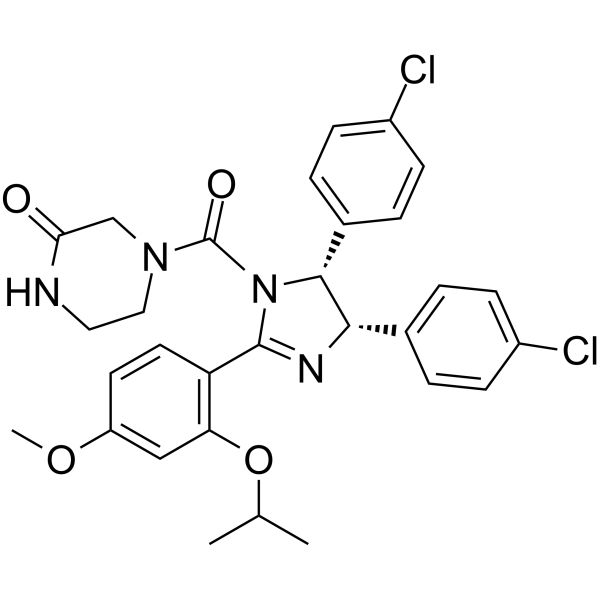
    Nutlin-3a
    65+ Cited Publications

    Rebemadlin

    MDM-2/p53 E1/E2/E3 Enzyme Autophagy Apoptosis Cancer
    Nutlin-3a (Rebemadlin), an active enantiomer of Nutlin-3, is a potent murine double minute (MDM2) inhibitor (IC50=90 nM). Nutlin-3a inhibits MDM2-p53 interactions and stabilizes the p53 protein, and induces cell autophagy and apoptosis. Nutlin-3a has the potential for the study of TP53 wild-type ovarian carcinomas .
    Nutlin-3a
  • HY-N0462
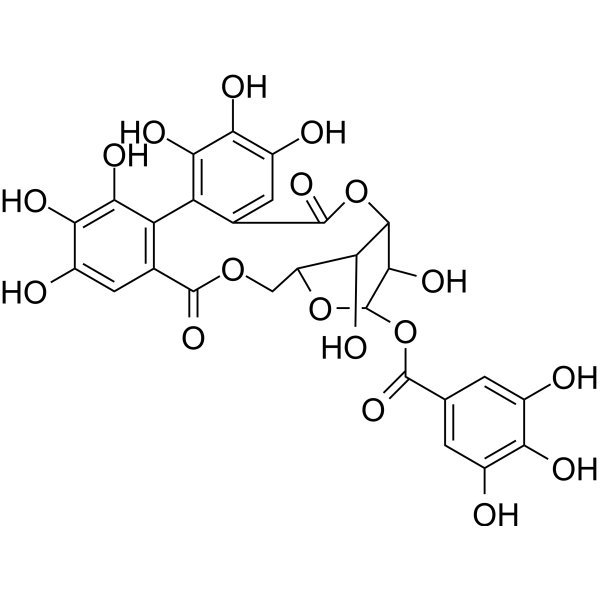
    Corilagin
    5+ Cited Publications

    NP-004255

    Toll-like Receptor (TLR) Reverse Transcriptase Bacterial Apoptosis Autophagy Infection Inflammation/Immunology Cancer
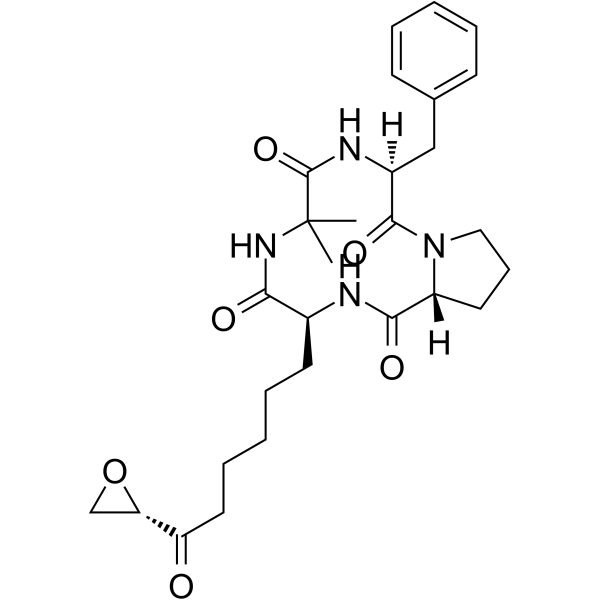
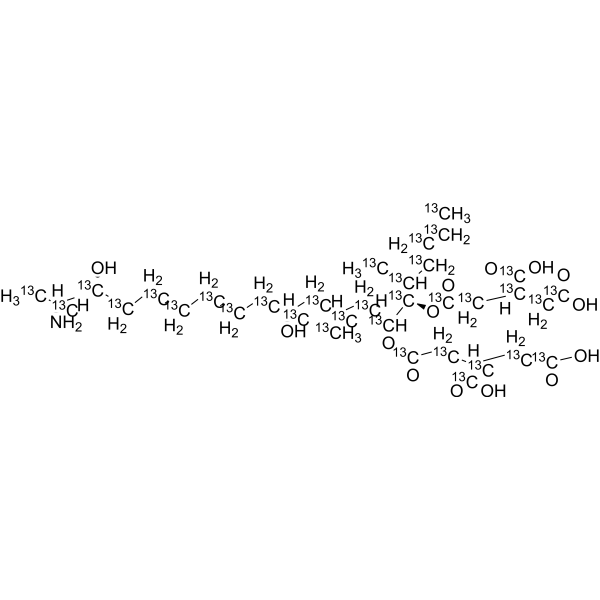
    Corilagin, a gallotannin, has anti-tumor, anti-inflammatory and hepatoprotective activities. Corilagin inhibits activity of reverse transcriptase of RNA tumor viruses. Corilagin also inhibits the growth of Staphylococcus aureus with a MIC of 25 μg/mL. Corilagin shows anti-tumor activity on hepatocellular carcinoma and ovarian cancer model. Corilagin shows low toxicity to normal cells and tissues .
    Corilagin
  • HY-147193

    NAMPT Cancer
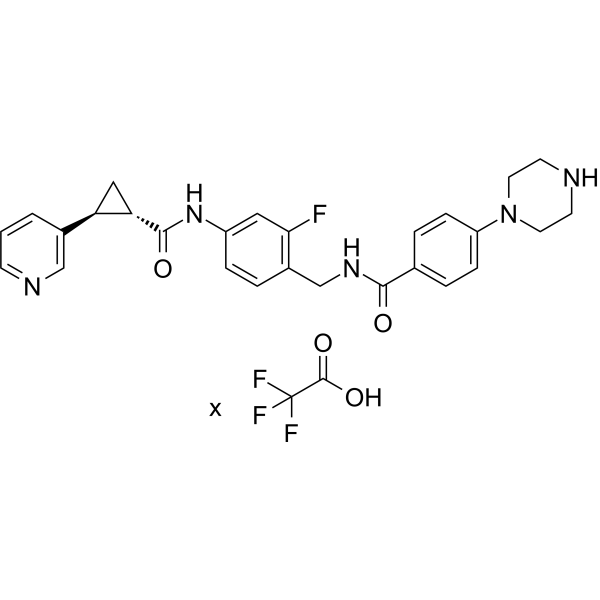
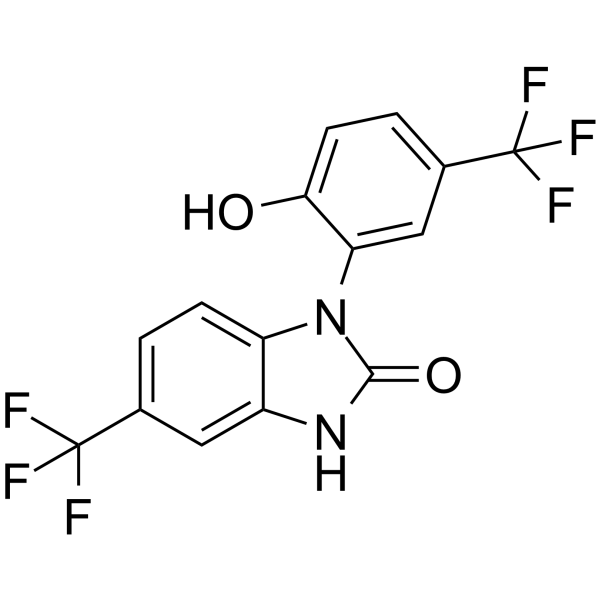
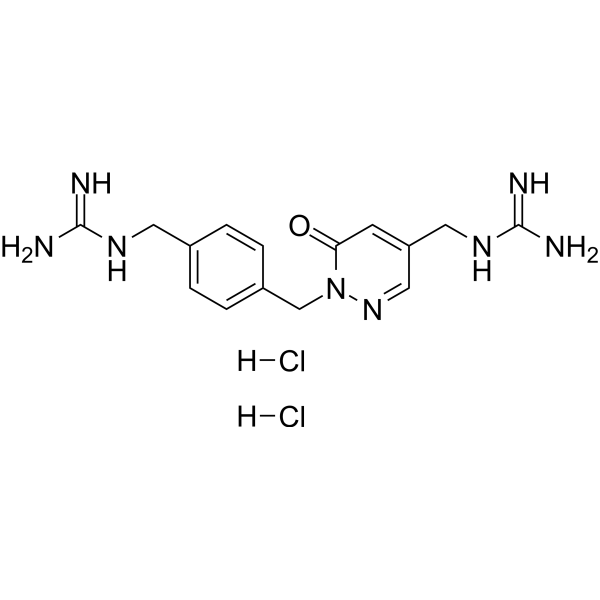
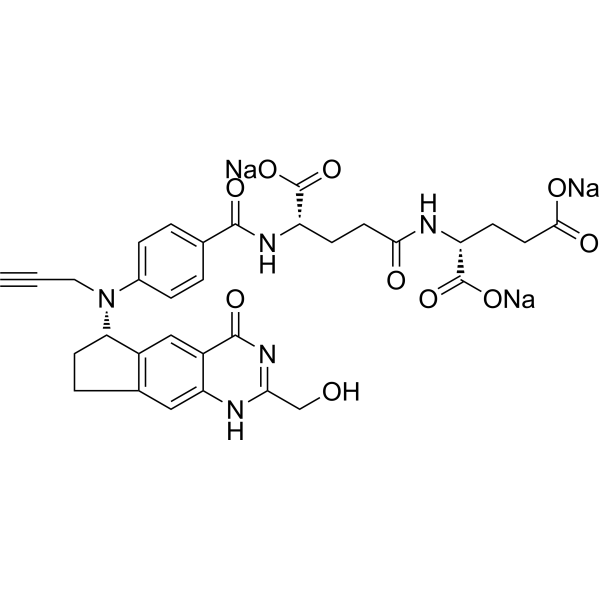
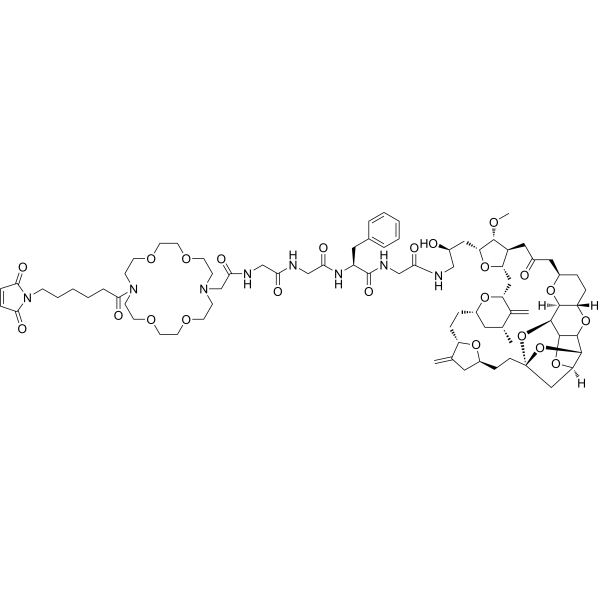
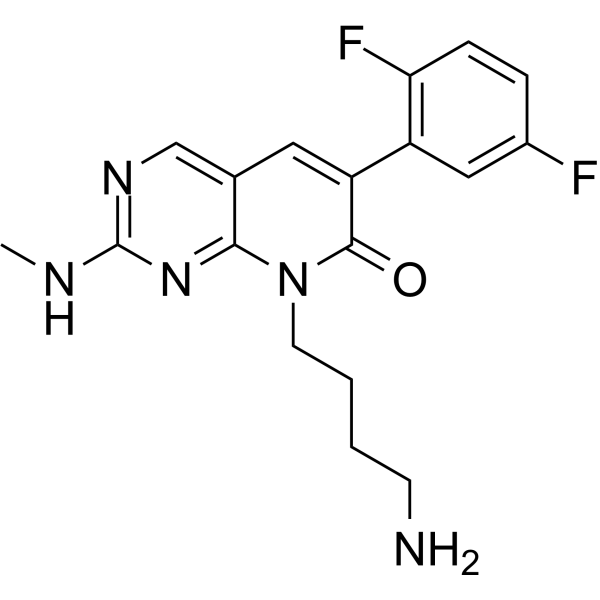
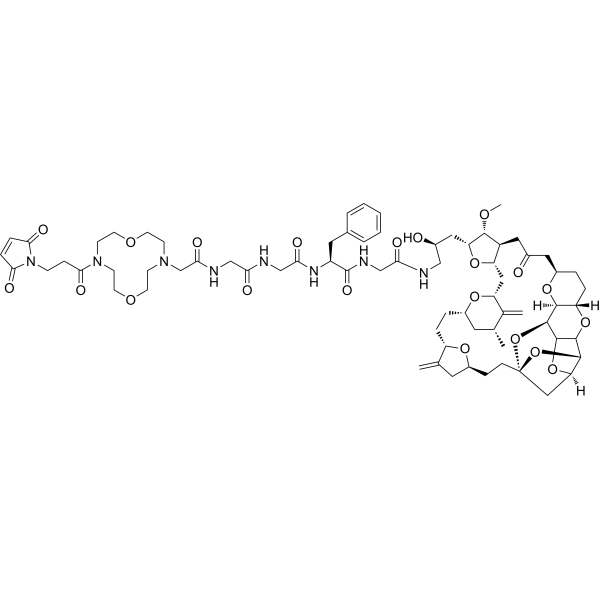
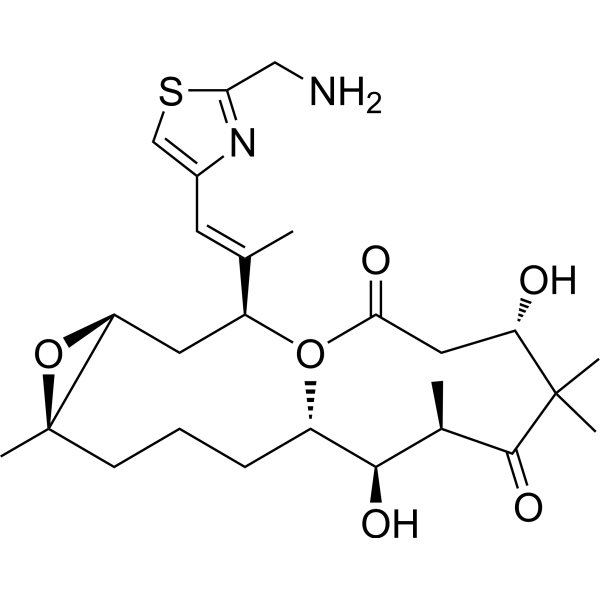
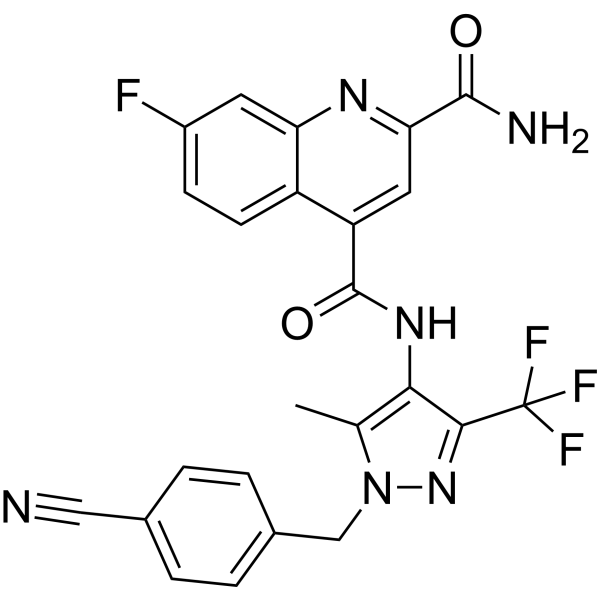
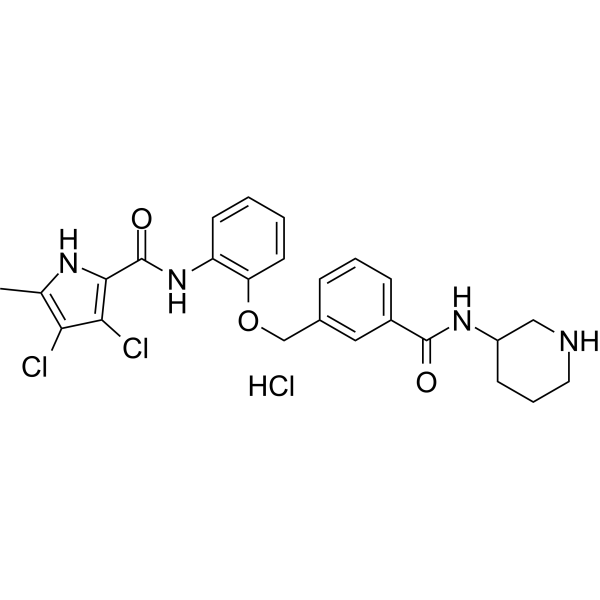
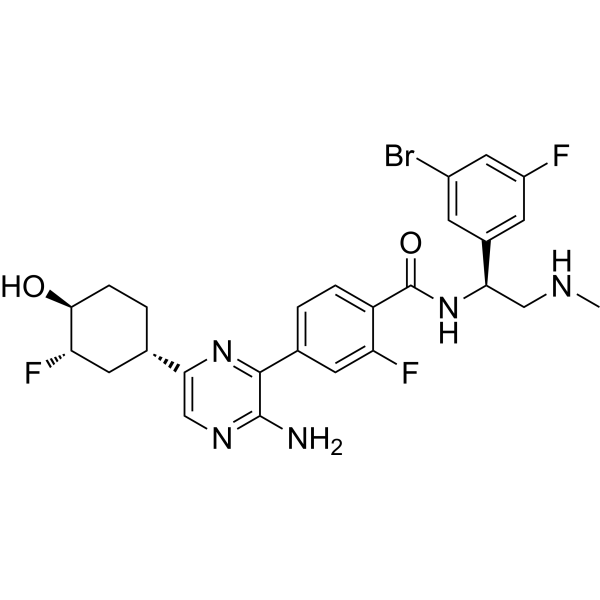
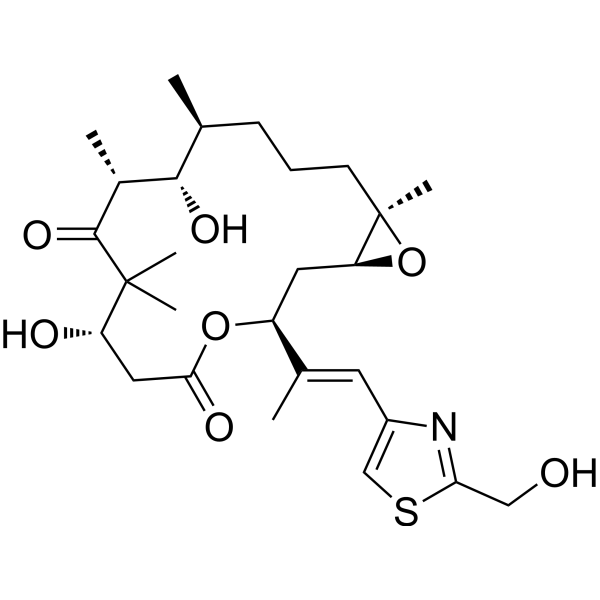
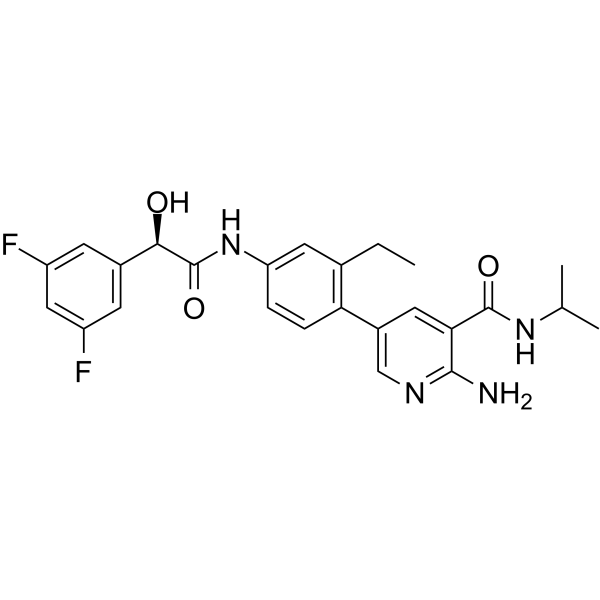
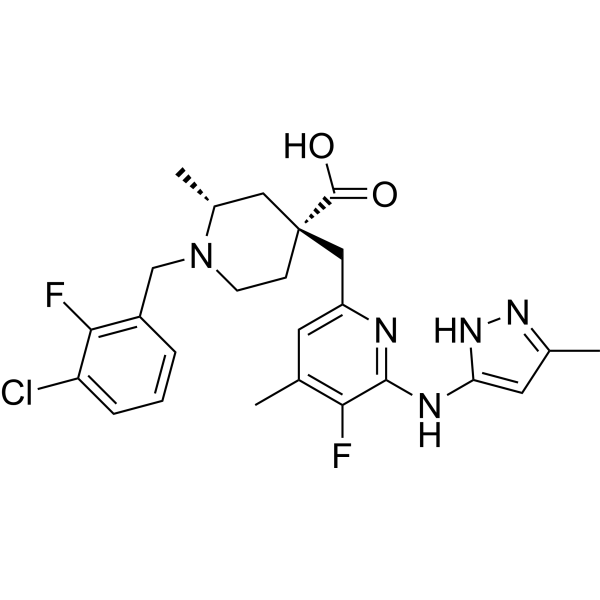
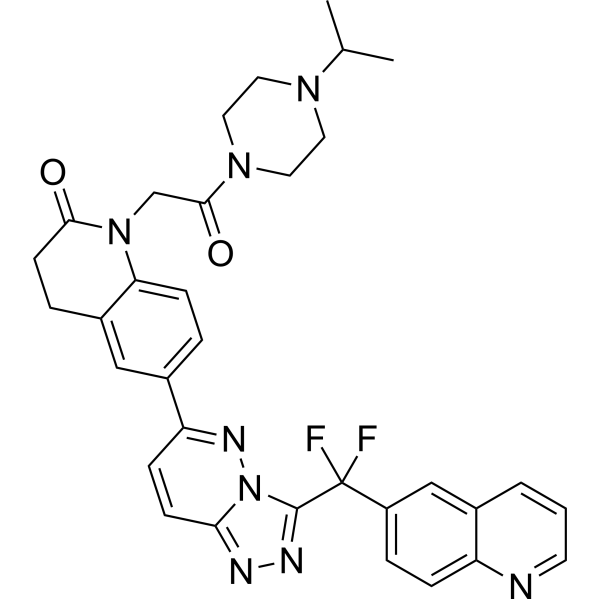
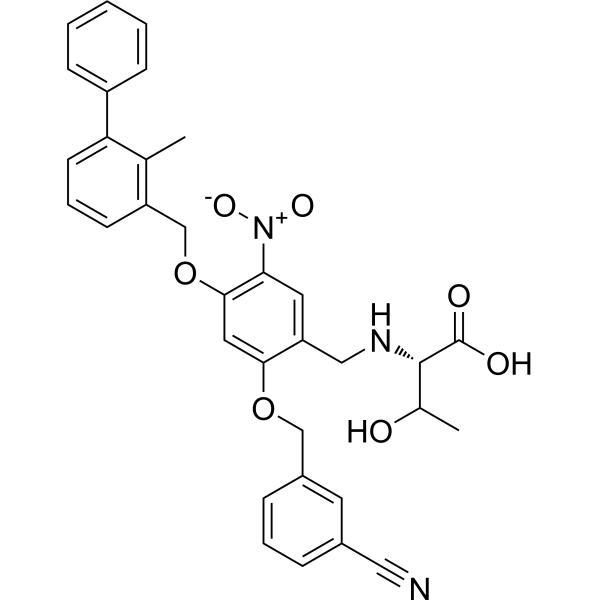
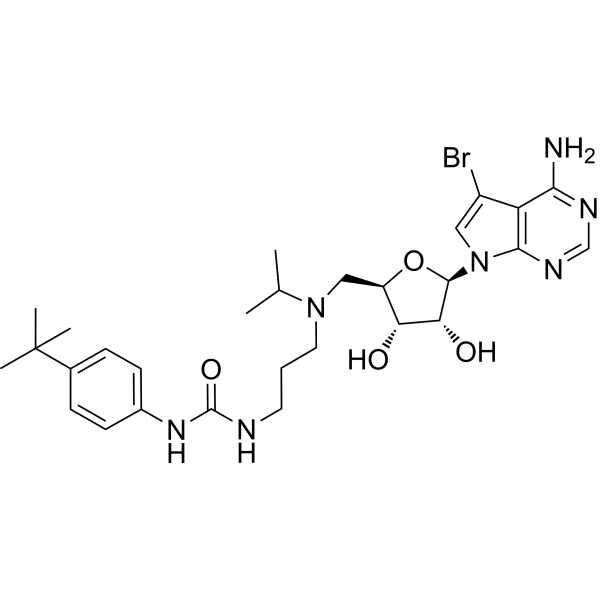
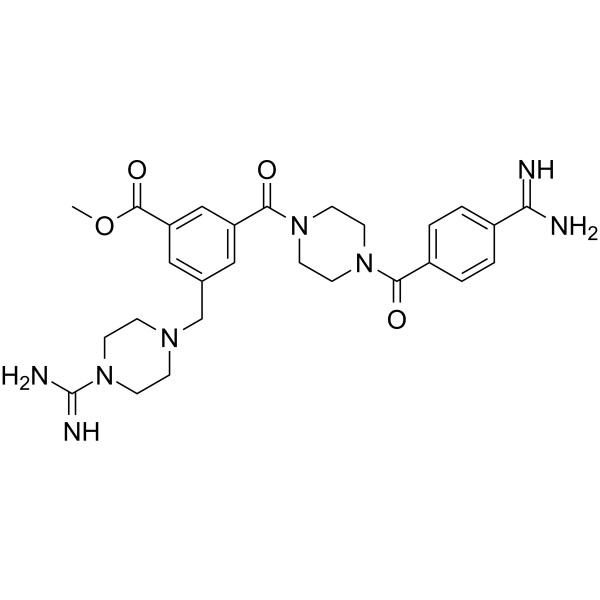
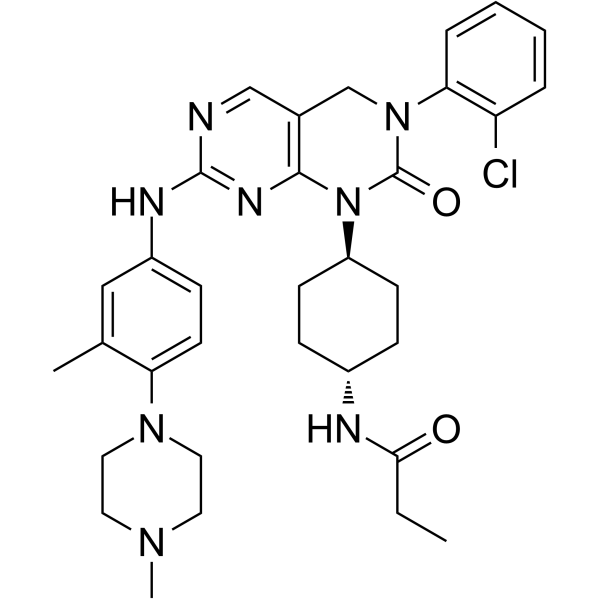
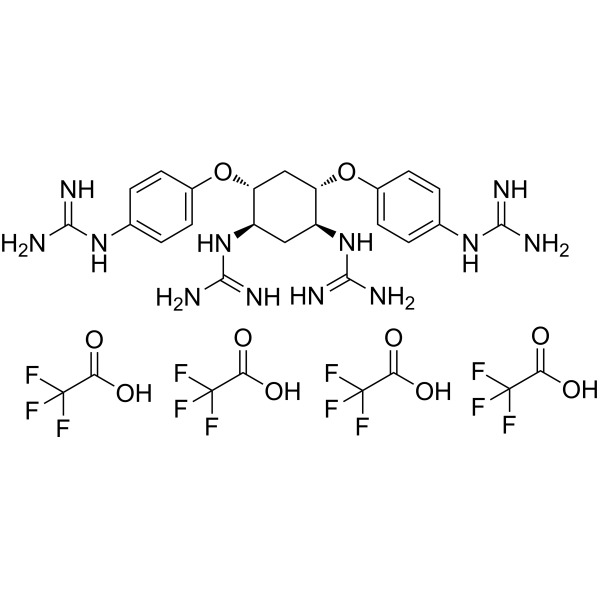
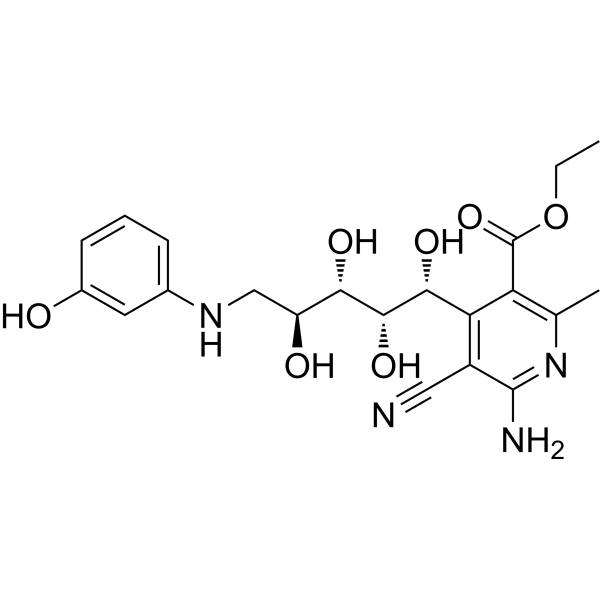
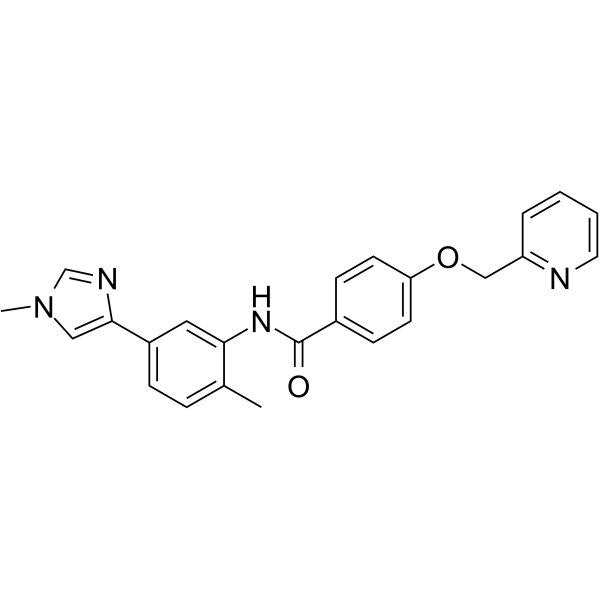
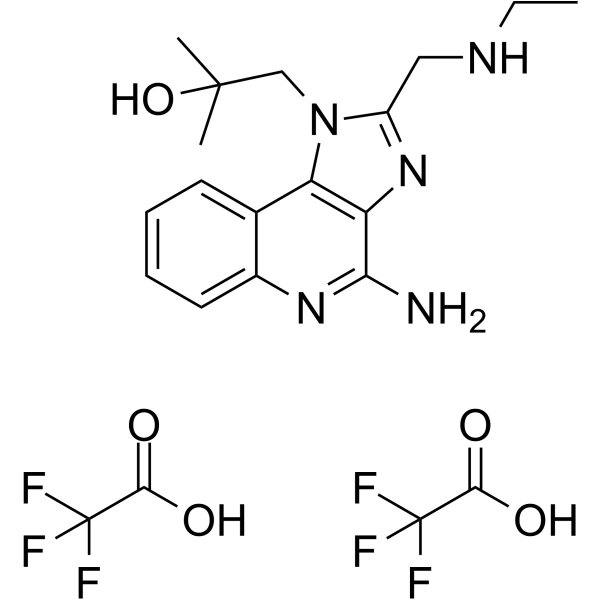
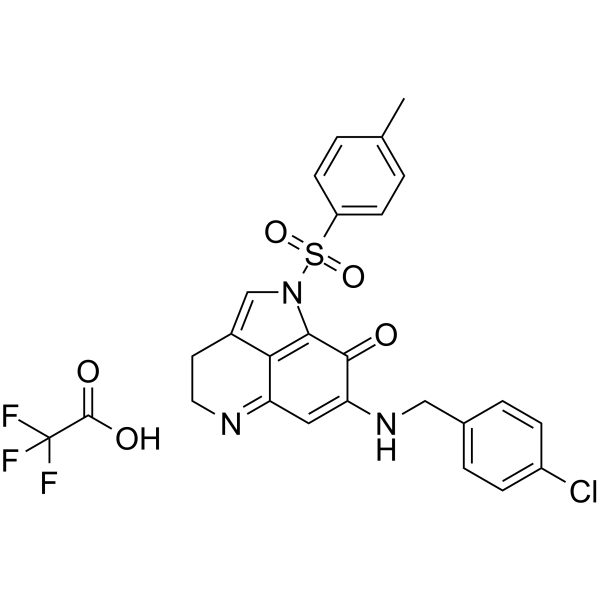
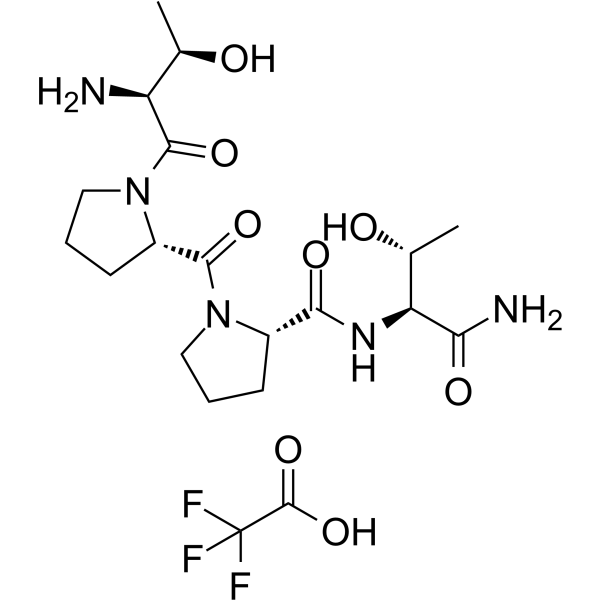
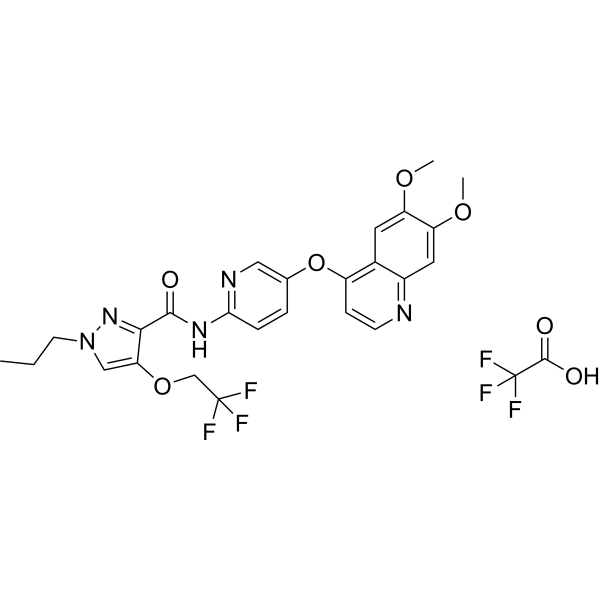
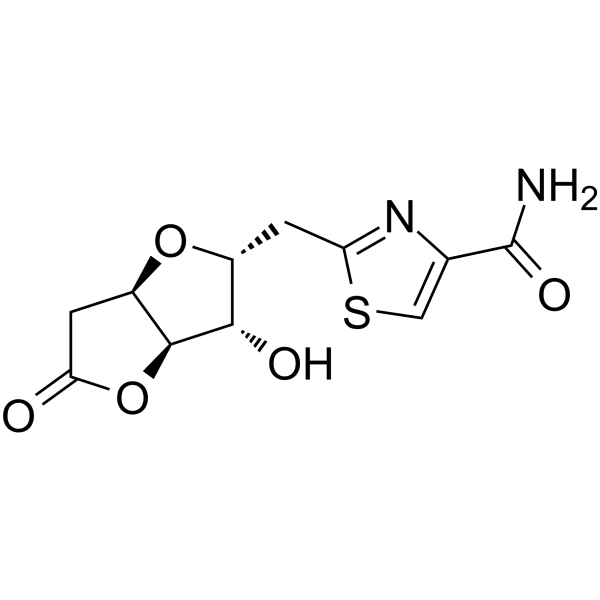
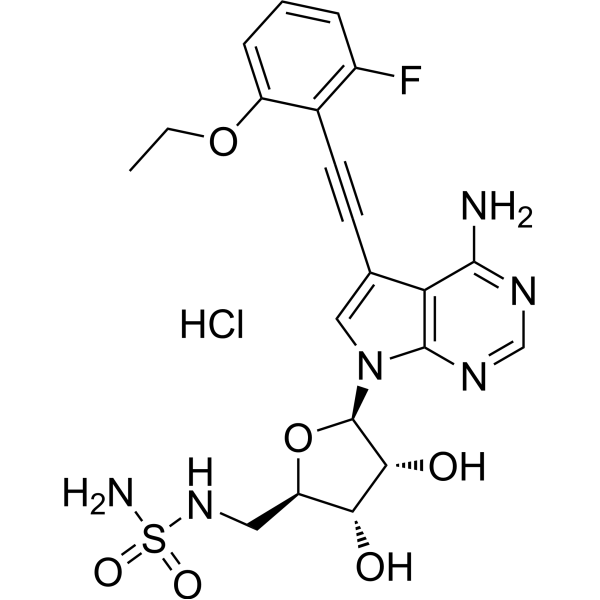
    Nampt-IN-10 TFA (compound 4) is a Nicotinamide Phosphoribosyltransferase (NAMPT) inhibitor. Nampt-IN-10 TFA shows cellular potency to A2780 and CORL23 cells lines with IC50s of 5 and 19 nM, respectively. Nampt-IN-10 TFA can be used as a novel non-antimitotic payload for ADCs .
    Nampt-IN-10 TFA
  • HY-164734

    R-DXd; DS-6000

    Antibody-Drug Conjugates (ADCs) Cancer
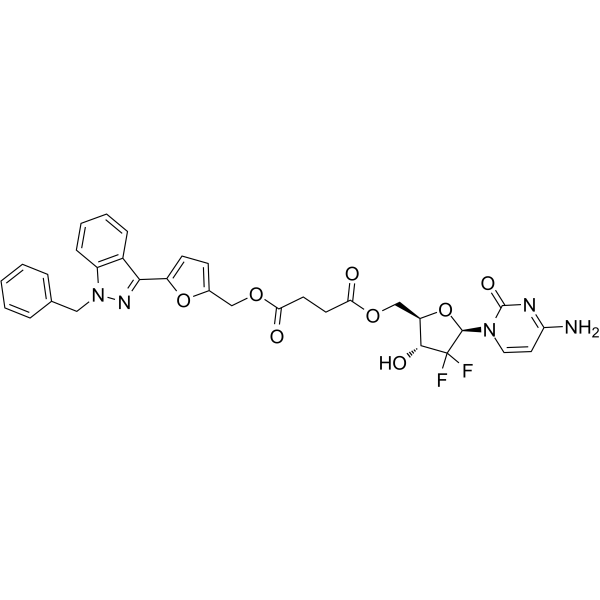
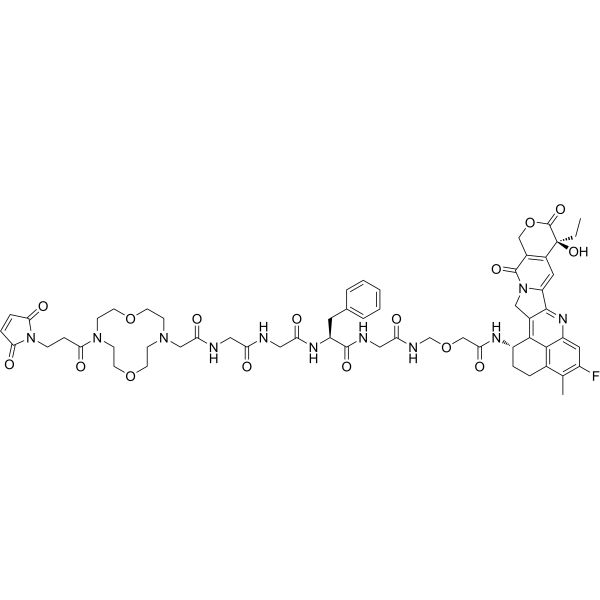
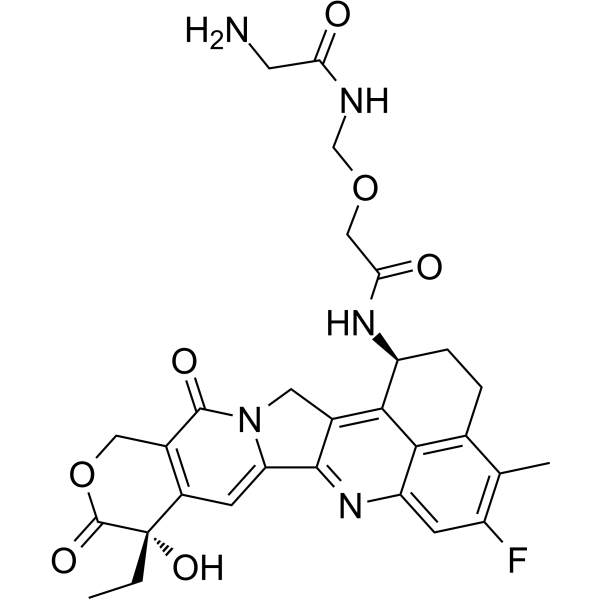
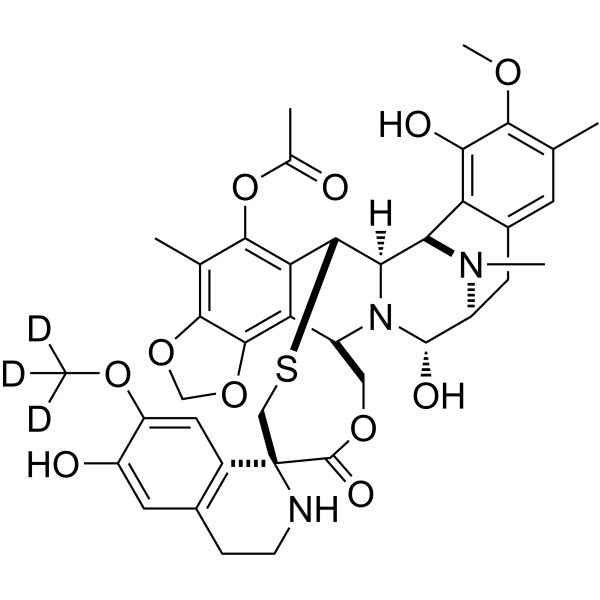
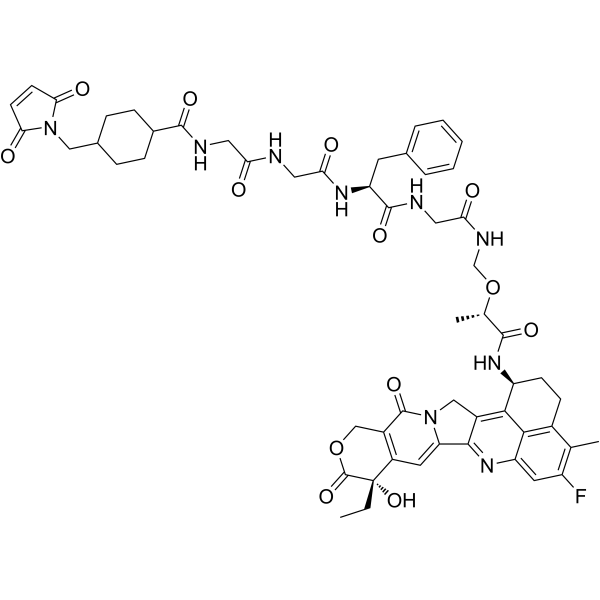
    Raludotatug Deruxtecan is an antibody-drug conjugate targeting CDH6, with an EC50 of 64.7 ng/mL in humans, 70.4 ng/mL in cynomolgus monkeys, and 228 ng/mL in mice. Raludotatug Deruxtecan specifically binds to CDH6 on the surface of cancer cells, triggers lysosomal internalization, and releases the DXd payload that inhibits TOP1. Raludotatug Deruxtecan induces DNA damage, Chk1 phosphorylation, caspase-3 cleavage, apoptosis, and bystander cell death. Raludotatug Deruxtecan is applicable to research related to serous ovarian cancer and renal cell carcinoma .
    Raludotatug Deruxtecan
  • HY-139782
    SKLB325
    2 Publications Verification

    Histone Demethylase Apoptosis Cancer
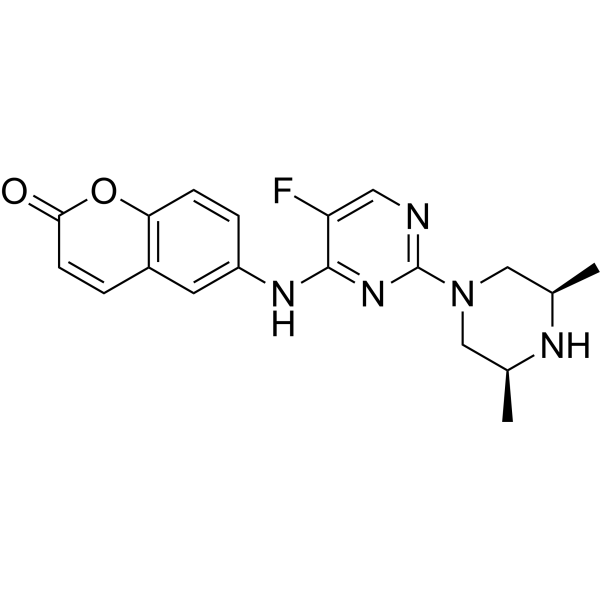
    SKLB325 is a Jumonji domain-containing 6 (JMJD6) inhibitor with a binding affinity (KD) value of 0.755 μM, and the IC50 value of 0.7797 μM. SKLB325 exhibits antitumor effects on ovarian cancer in vivo and in vitro. SKLB325 induces apoptosis . SKLB325 exhibits remarkable antitumor efficacy in renal cell carcinoma (RCC) .
    SKLB325
  • HY-12496
    NS-1619
    4 Publications Verification

    Potassium Channel Apoptosis Cardiovascular Disease Cancer
    NS-1619 is an opener of large conductance Ca 2+-activated K + (BK) channel. NS-1619 is a highly effective relaxant with an EC50 of about 10 – 30 μM in several smooth muscles of blood vessels and other tissues . NS1619 inhibits proliferation and induces apoptosis in A2780 ovarian cancer cells .
    NS-1619
  • HY-N0245

    Apoptosis MDM-2/p53 ATM/ATR Checkpoint Kinase (Chk) Cancer
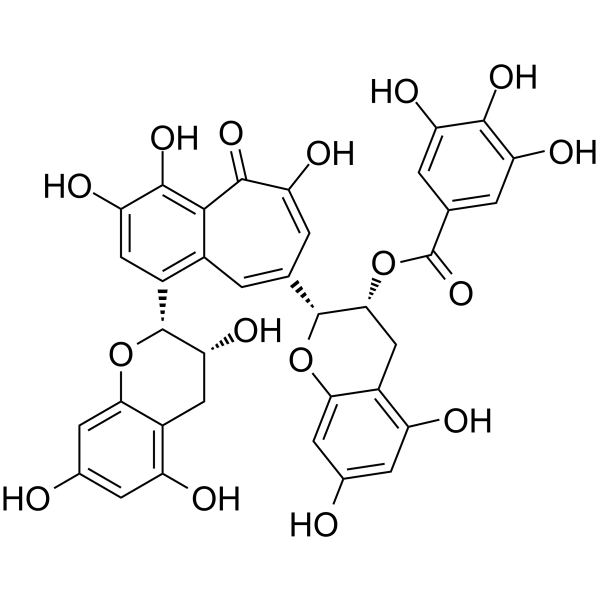
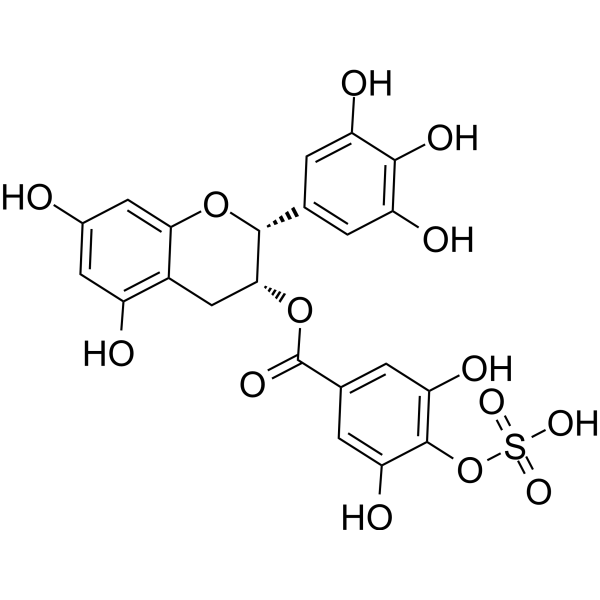
    Theaflavin-3-gallate, a black tea theaflavin monomer, is regarded as the biologically important active component of black tea and provides health benefits. Theaflavin-3-gallate acts as prooxidants and induces oxidative stress in the carcinoma cells. Theaflavin-3-gallate reacts directly with reduced glutathione (GSH) in a time- and concentration-dependent manner. Theaflavin-3-gallate induces apoptosis and G1 cell cycle arrest in ovarian cancer A2780/CP70 cells through p53-dependent pathways. Theaflavin-3-gallate induces DNA damage through ATM/Chk/p53 pathway .
    Theaflavin-3-gallate
  • HY-125593

    APG-1387

    IAP Apoptosis Cancer
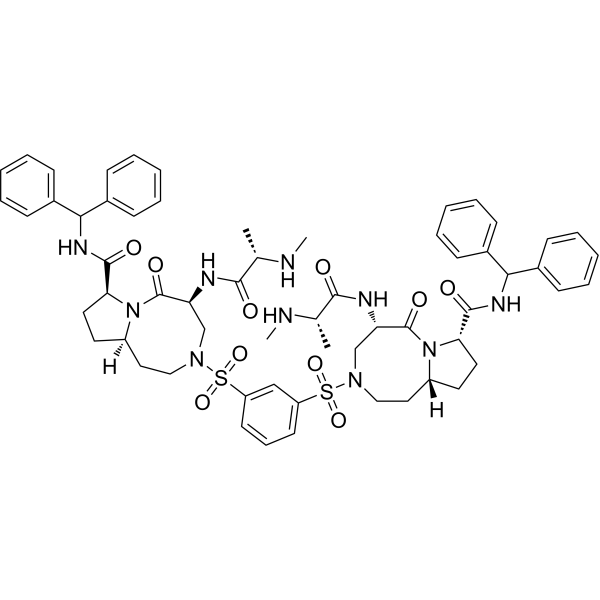
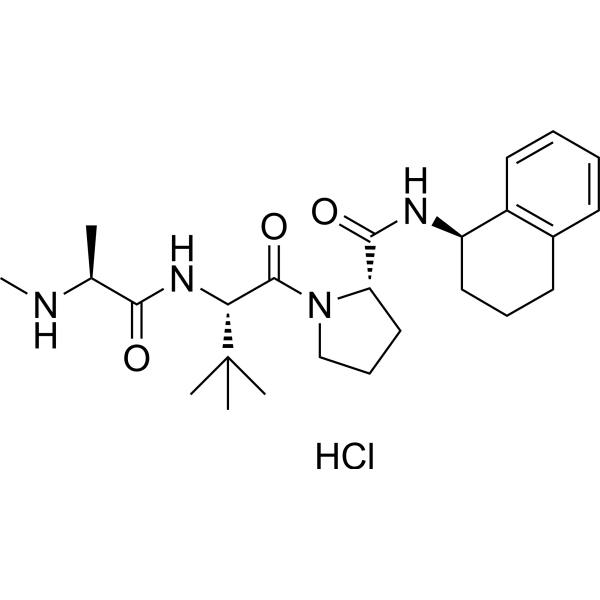
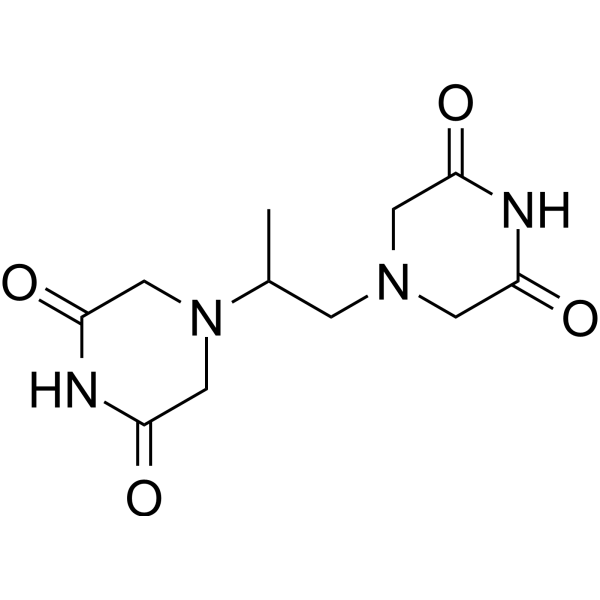
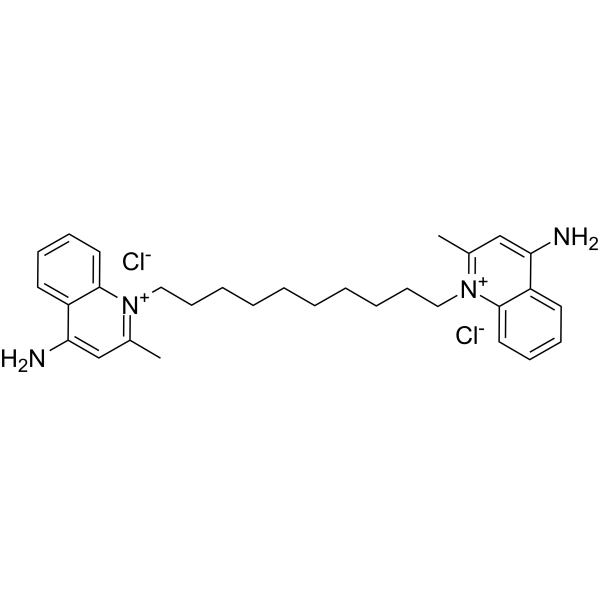
    Dasminapant (APG-1387), a bivalent SMAC mimetic and an IAP antagonist, blocks the activity of IAPs family proteins (XIAP, cIAP-1, cIAP-2, and ML-IAP). Dasminapant induces degradation of cIAP-1 and XIAP proteins, as well as caspase-3 activation and PARP cleavage, which leads to apoptosis. Dasminapant can be used for the research of hepatocellular carcinoma, ovarian cancer, and nasopharyngeal carcinoma .
    Dasminapant
  • HY-P99262

    BAX69; Anti-Human MIF Recombinant Antibody

    Macrophage migration inhibitory factor (MIF) Cancer
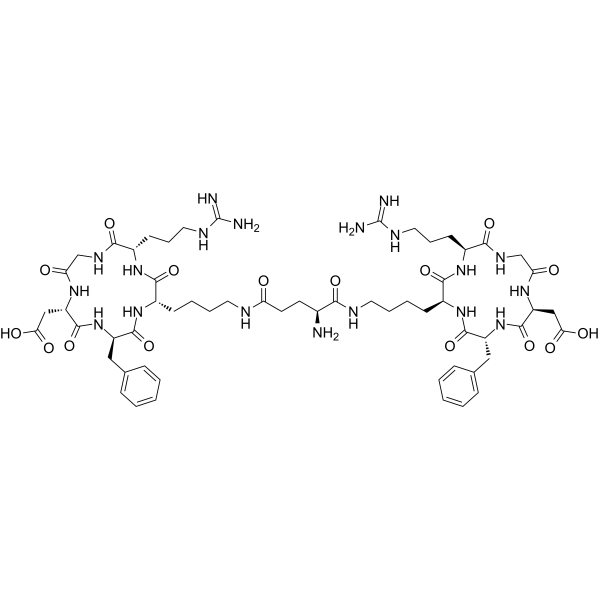
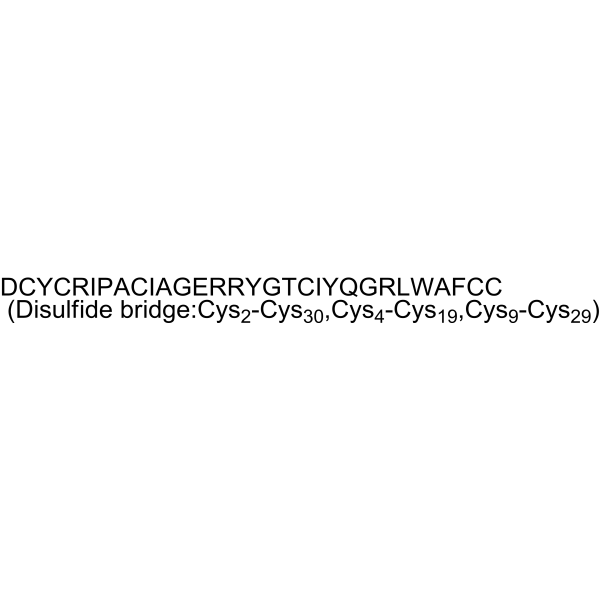
    Imalumab (BAX69) is a recombinant, human IgG1 monoclonal antibody that targets macrophage inhibitory factor (MIF). Imalumab can be used for the research of ovarian carcinoma, recurrent malignant ascites and cancer .
    Imalumab
  • HY-N10535

    Lewis y

    FAK Cancer
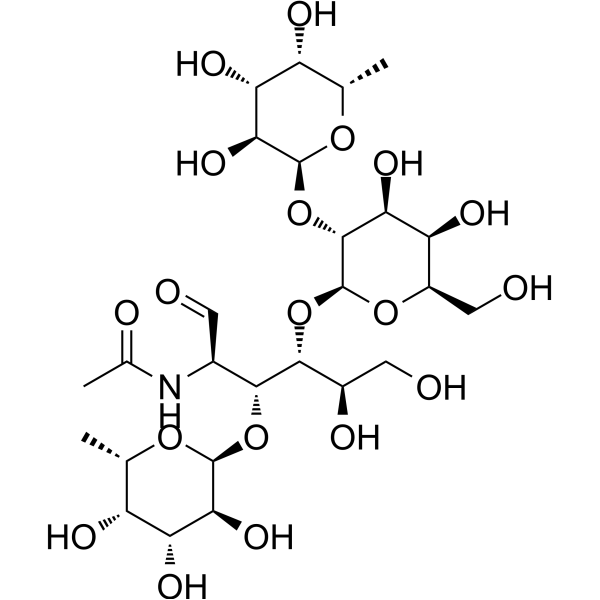
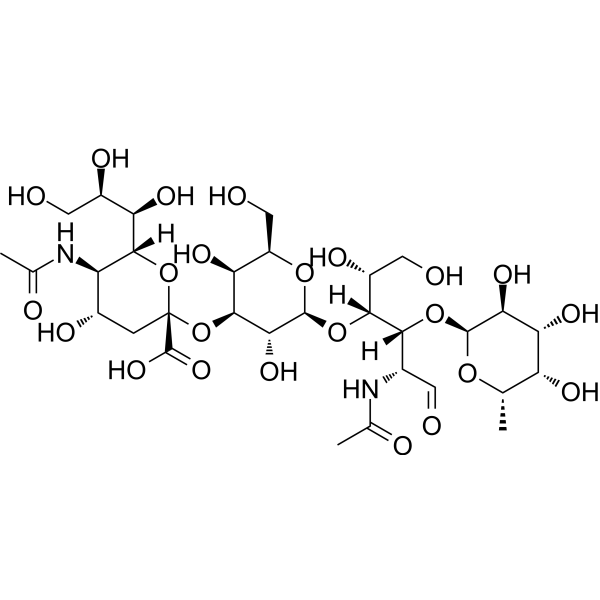
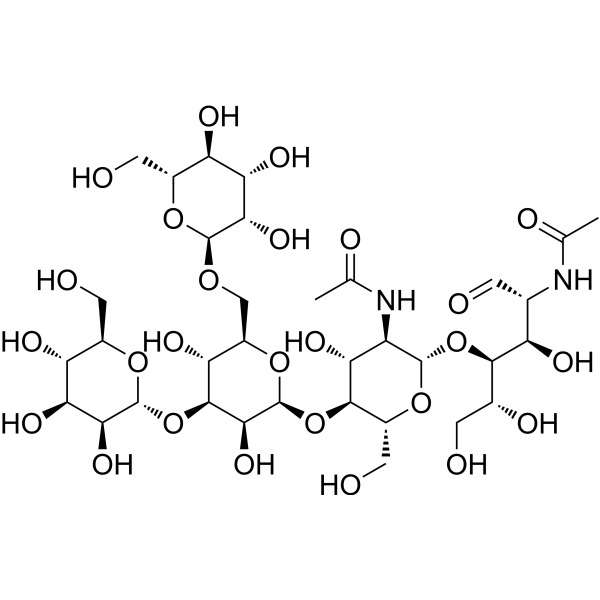
    Lewis Y tetrasaccharide (Lewis Y, Le Y) is a tetrasaccharide derivative form of Lewis X trisaccharide (HY-N10534). Lewis Y tetrasaccharide is an antigen associated with malignant ovarian carcinomas metastasis and poor prognosis .
    Lewis y tetrasaccharide
  • HY-16559
    Riviciclib hydrochloride
    3 Publications Verification

    P276-00

    CDK Apoptosis Cancer
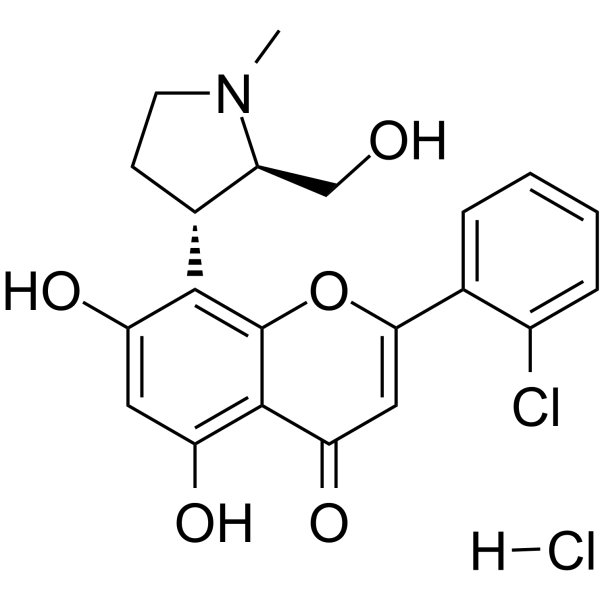
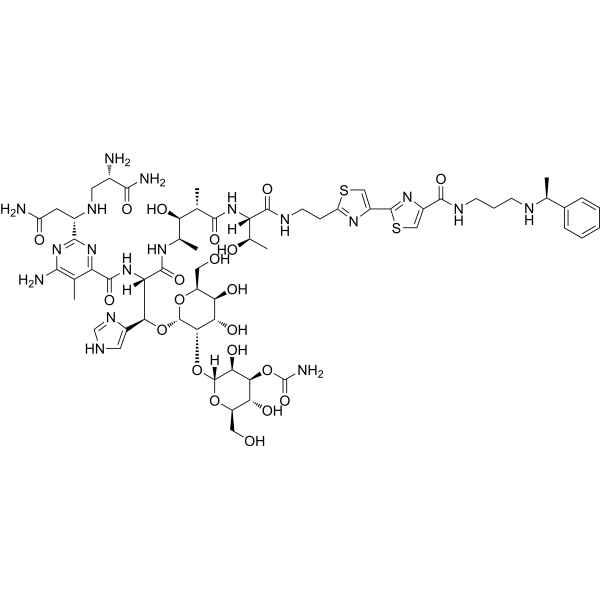
    Riviciclib hydrochloride (P276-00) is a potent cyclin-dependent kinase (CDK) inhibitor, which inhibits CDK9-cyclinT1, CDK4-cyclin D1, and CDK1-cyclinB with IC50s of 20 nM, 63 nM, and 79 nM, respectively . Riviciclib hydrochloride (P276-00) shows antitumor activity on cisplatin-resistant cells .
    Riviciclib hydrochloride
  • HY-P99925

    REGN421

    Notch Metabolic Disease Cancer
    Enoticumab (REGN421, SAR153192) is an IgG1κ antibody targeting human Dll4. DLL4 is a ligand of the Notch signaling pathway and regulates fatty acid uptake through non-transcriptional regulation of macropinocytosis-dependent long-chain fatty acid uptake. Specific in vivo activity of Enoticumab in an ovarian xenograft model. EGN421 (2.5 mg/kg once weekly) resulted in 86% and 83% tumor growth inhibition in mouse subcutaneous TOV-112D or intraperitoneal A2780 human tumor xenograft models, respectively .
    Enoticumab
  • HY-116392B

    Glucosylceramide Synthase (GCS) Parasite Infection Endocrinology Cancer
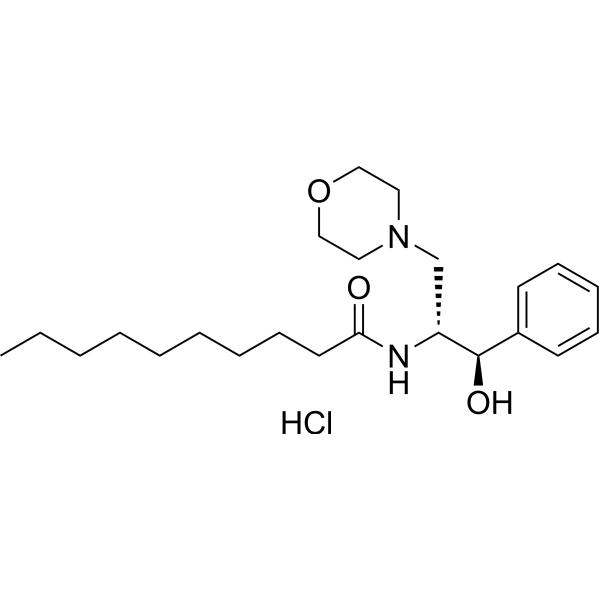
    DL-threo-PDMP hydrochloride is a competitive glucosylceramide synthase (GCS) inhibitor and antimalarial agent. DL-threo-PDMP hydrochloride competitively inhibits the activity of GCS. DL-threo-PDMP hydrochloride restores cisplatin sensitivity in cisplatin-resistant testicular germ cell tumor cells. DL-threo-PDMP hydrochloride blocks the growth of ring-stage Plasmodium falciparum parasites .
    DL-threo-PDMP hydrochloride
  • HY-P0009
    Cetrorelix
    1 Publications Verification

    SB-75

    GnRH Receptor Endocrinology
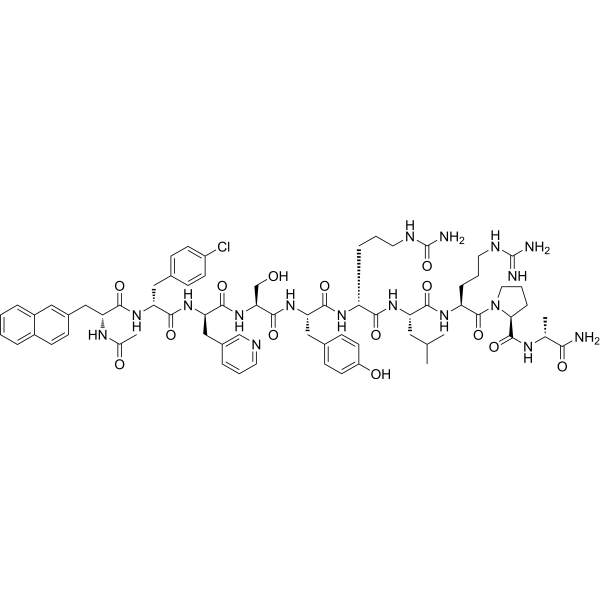
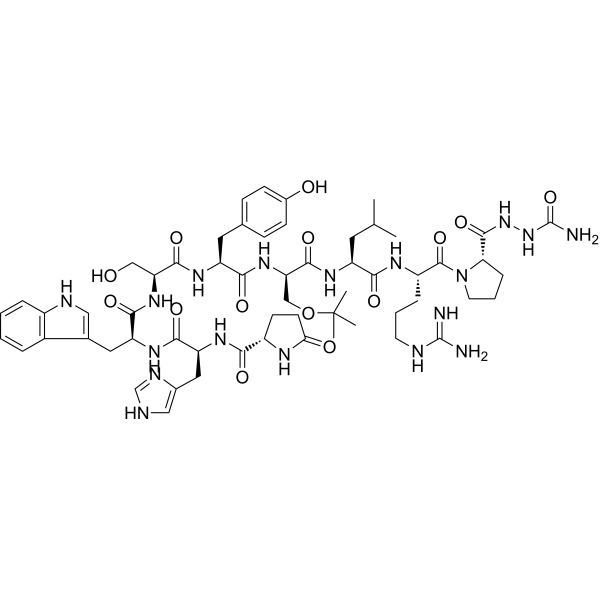
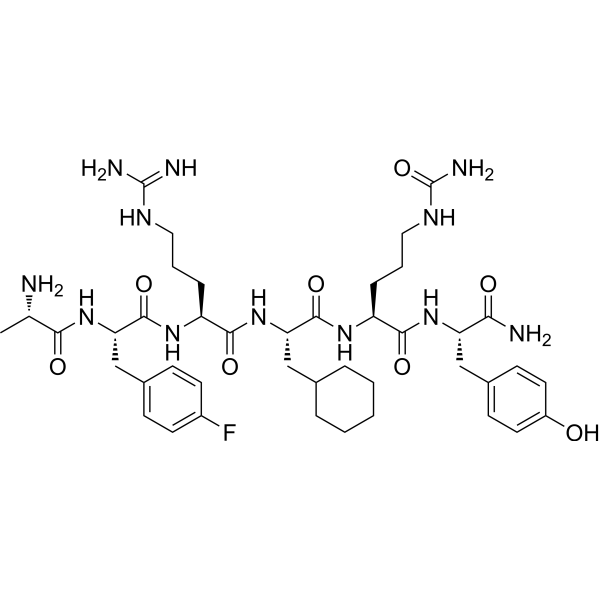
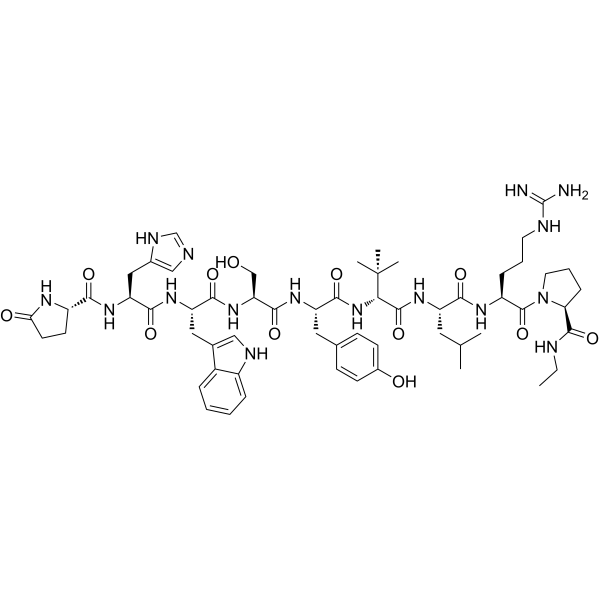
    Cetrorelix is a potent gonadotrophin-releasing hormone (GnRH) antagonist. Cetrorelix inhibits the endogenous luteinizing hormone surge during ovarian stimulation. Cetrorelix reduces cyclophosphamide induced ovarian follicular destruction in mice .
    Cetrorelix
  • HY-168878

    METTL3 Cancer
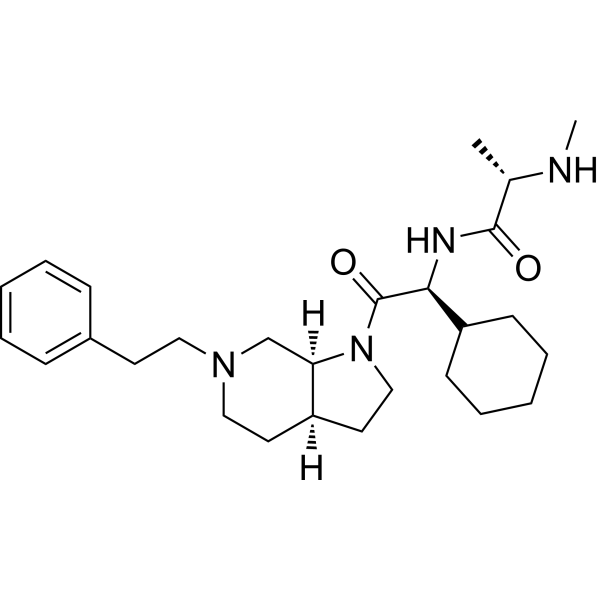
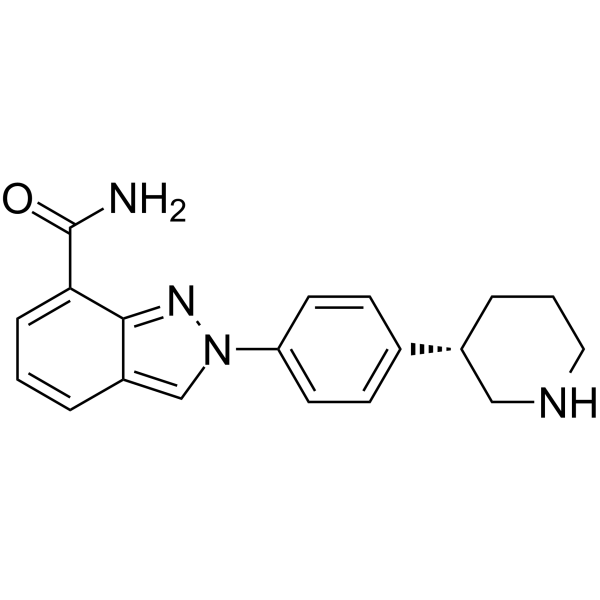
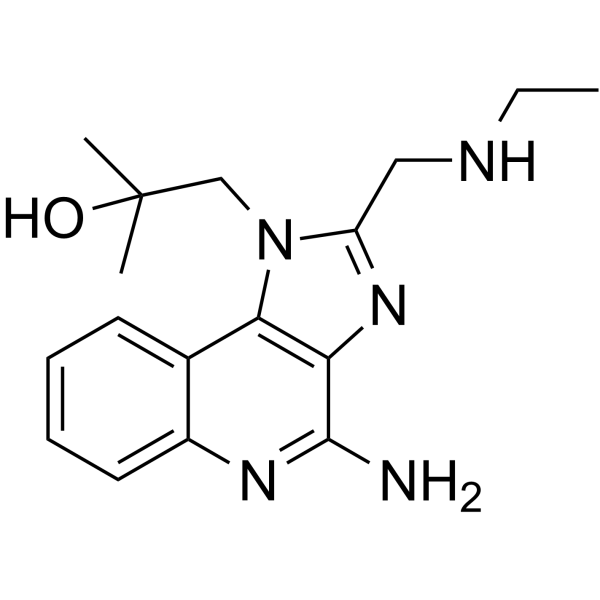
    EP652 is a METTL3 inhibitor and antitumor agent with IC50 values of 2 nM, <10 nM, and 37 nM in SPA, intracellular, and ATPlite assays, respectively. EP652 exhibits high selectivity against 40 other methyltransferases and FTO, and possesses favorable pharmacokinetic parameters. EP652 reduces intracellular N 6-methyladenosine (m 6A) levels in mRNA. EP652 inhibits tumor growth and progression of both hematologic malignancies and solid tumors. EP652 can be used for the research of acute myeloid leukemia, ovarian cancer, non-small cell lung cancer, and hypopharyngeal squamous cell carcinoma .
    EP652
  • HY-N0462R

    NP-004255 (Standard)

    Toll-like Receptor (TLR) Reference Standards Reverse Transcriptase Bacterial Apoptosis Autophagy Infection Inflammation/Immunology Cancer
    Corilagin (Standard) is the analytical standard of Corilagin. This product is intended for research and analytical applications. Corilagin, a gallotannin, has anti-tumor, anti-inflammatory and hepatoprotective activities. Corilagin inhibits activity of reverse transcriptase of RNA tumor viruses. Corilagin also inhibits the growth of Staphylococcus aureus with a MIC of 25 μg/mL. Corilagin shows anti-tumor activity on hepatocellular carcinoma and ovarian cancer model. Corilagin shows low toxicity to normal cells and tissues .
    Corilagin (Standard)
  • HY-106588

    SKI 2053R

    DNA Alkylator/Crosslinker Cancer
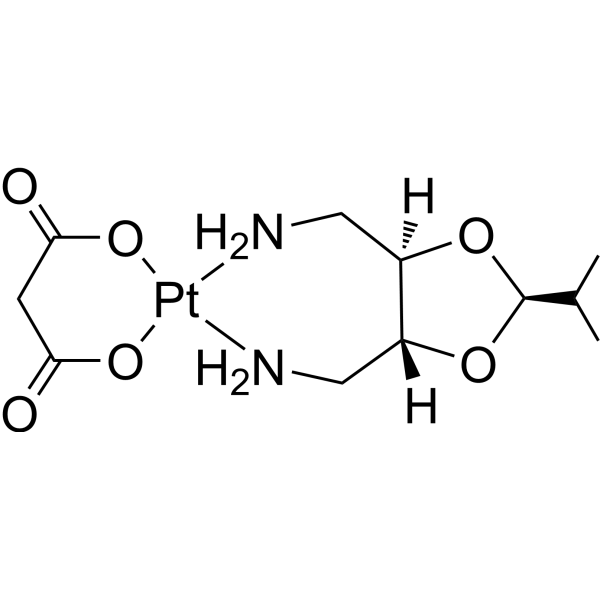
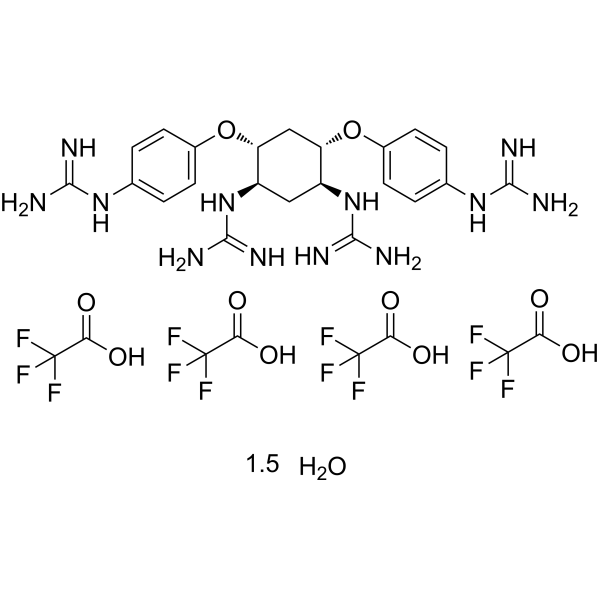
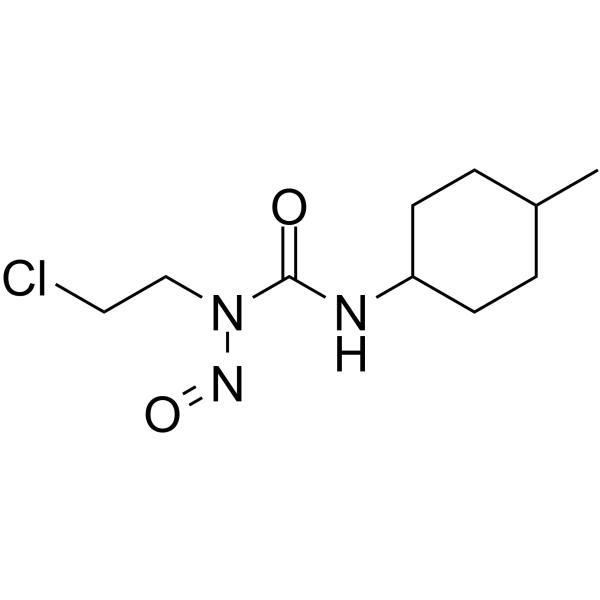
    Heptaplatin (SKI 2053R) is a platinum derivative with anticancer activity against various cancer cell lines, including cisplatin-resistant tumor cell lines. SKI-2053R is active in the research of gastric adenocarcinoma and has favorable toxicity profiles .
    Heptaplatin
  • HY-147193A

    NAMPT Cancer
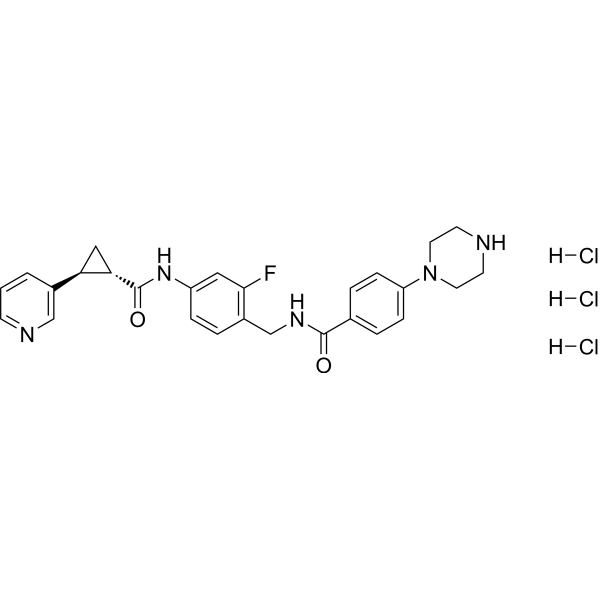
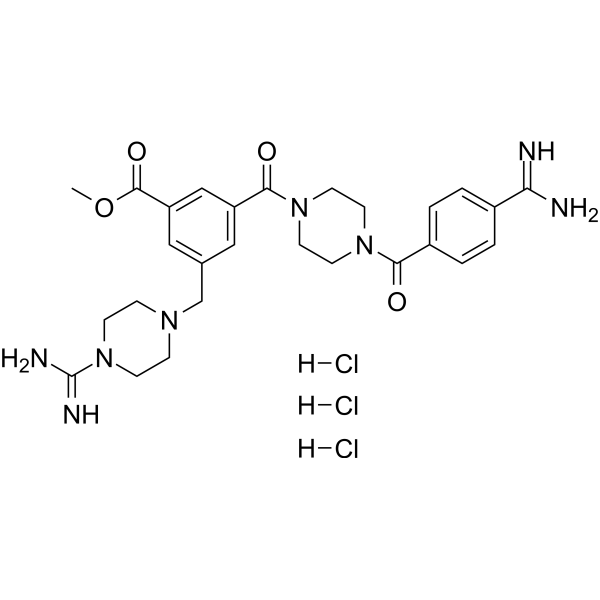
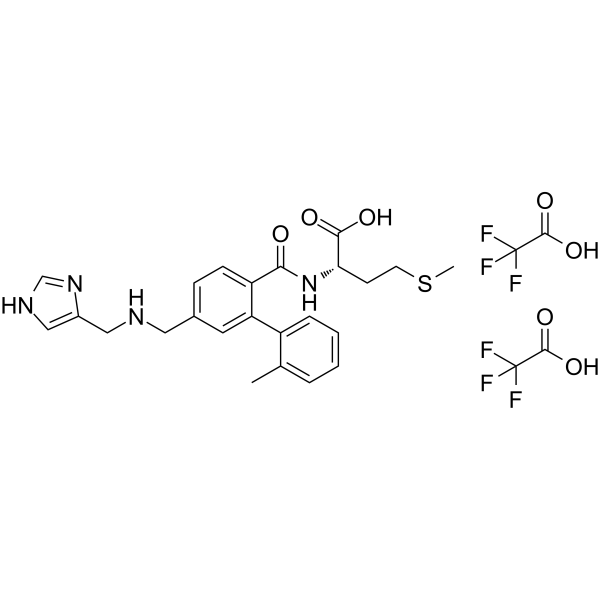
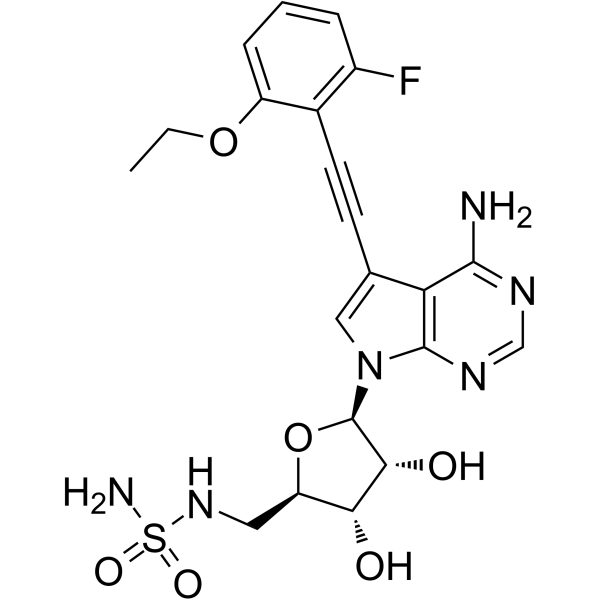
    Nampt-IN-10 trihydrochloride (compound 4) is a Nicotinamide Phosphoribosyltransferase (NAMPT) inhibitor. Nampt-IN-10 trihydrochloride shows cellular potency to A2780 and CORL23 cell lines with IC50 values of 5 and 19 nM, respectively. Nampt-IN-10 trihydrochloride can be used as a novel non-antimitotic payload for antibody-drug conjugate (ADC) .
    Nampt-IN-10 trihydrochloride
  • HY-154978

    Drug Derivative Cancer
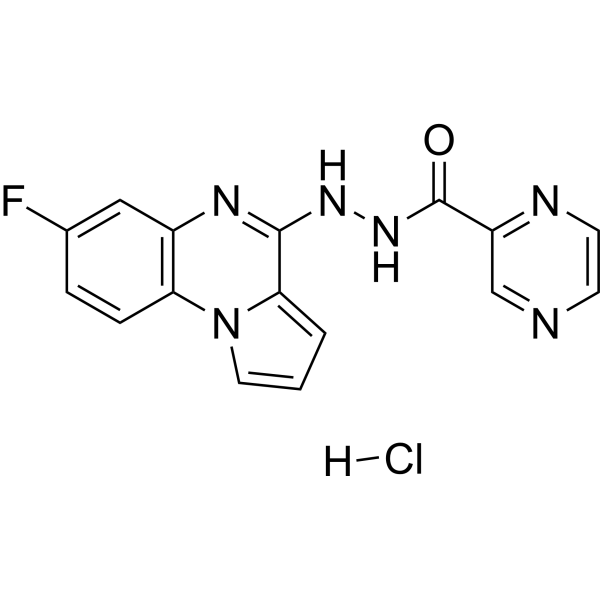
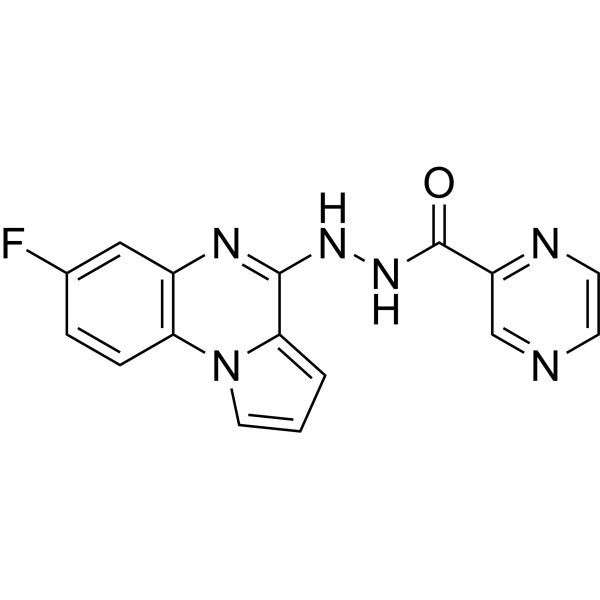
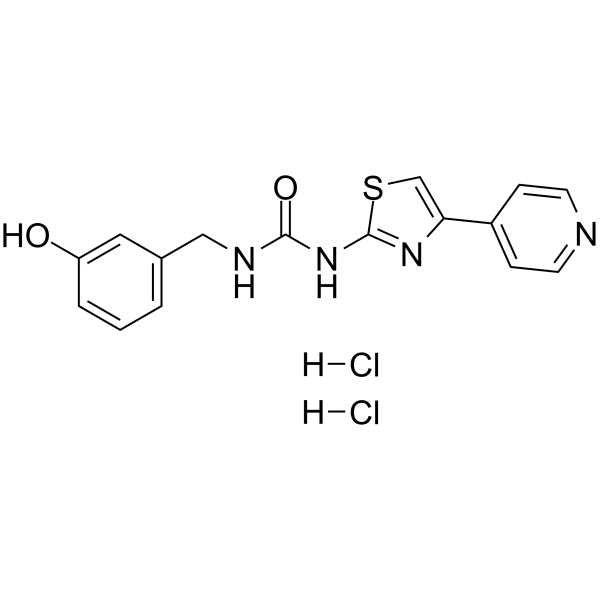
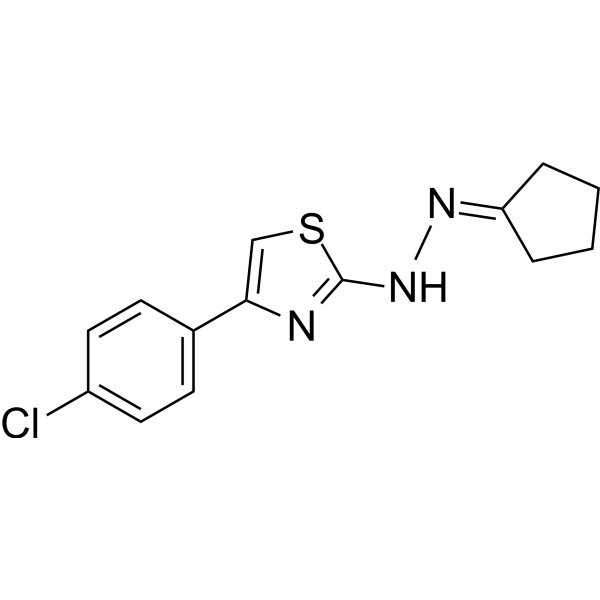
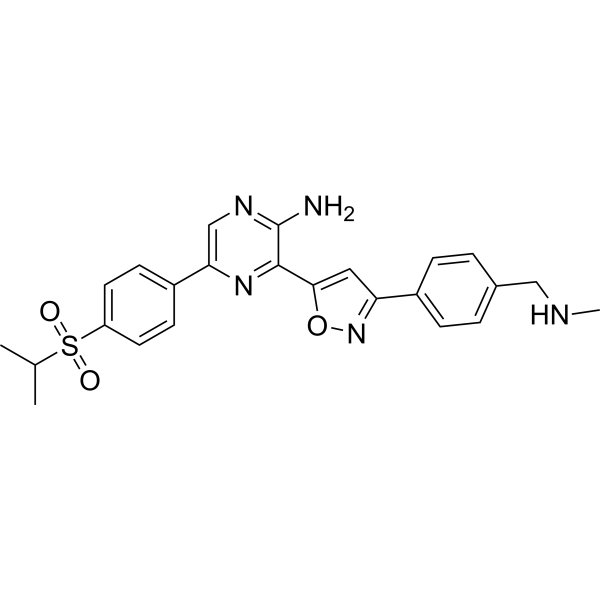
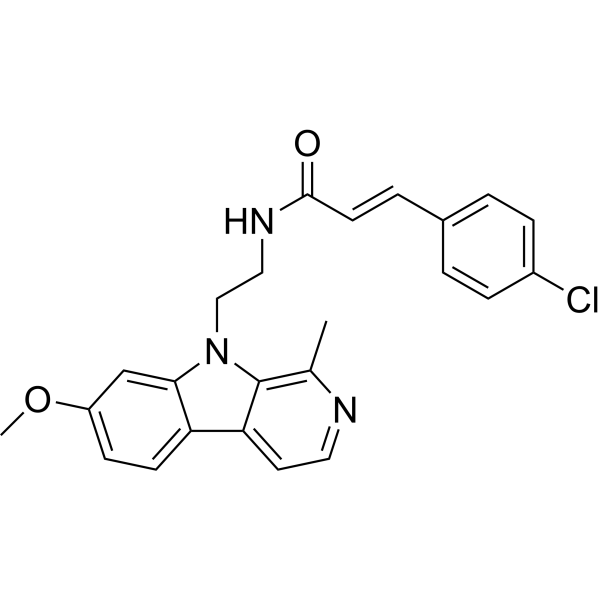
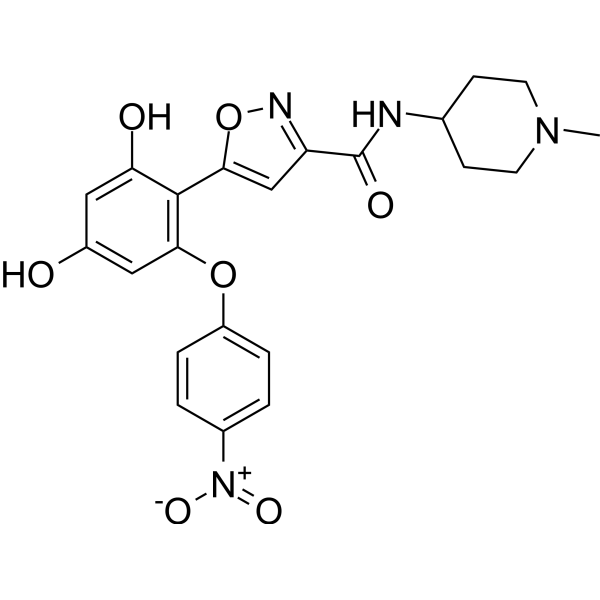
    Cisplatin-resistant cells-IN-1 (Compound 8) has high cytotoxicity against Cisplatin (HY-17394)-resistant cells. Cisplatin-resistant cells-IN-1 reduces the metabolic activity effectively in the low nanomolar range (IC50: 0.14-1.79 μM in A549/A549-R, K562/K562-R, and MCF-7/MCF-7TamR cells) .
    Cisplatin-resistant cells-IN-1
  • HY-123888

    E1/E2/E3 Enzyme Bacterial Cancer
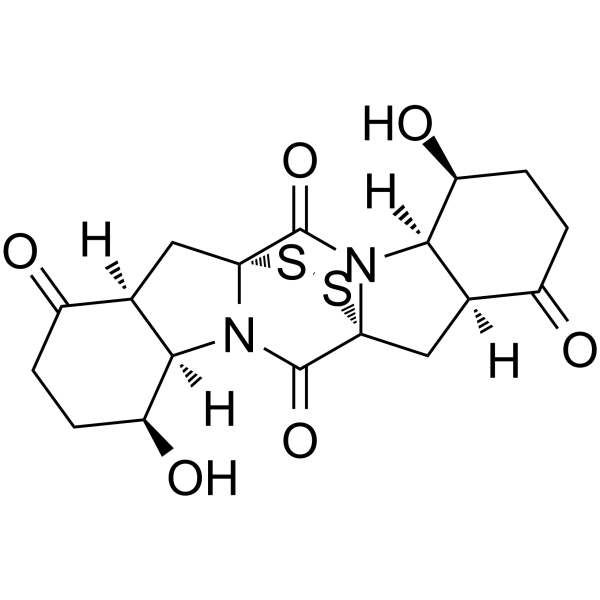
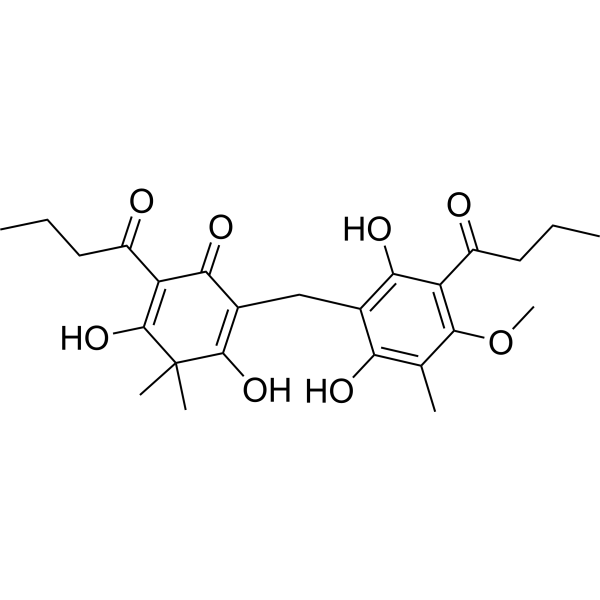
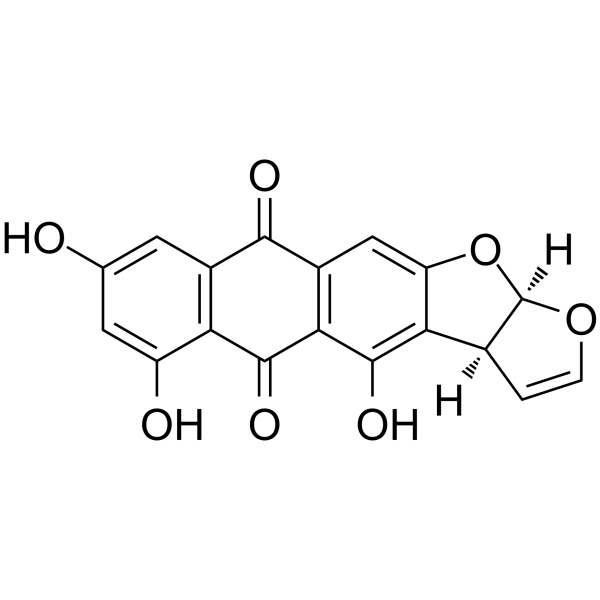
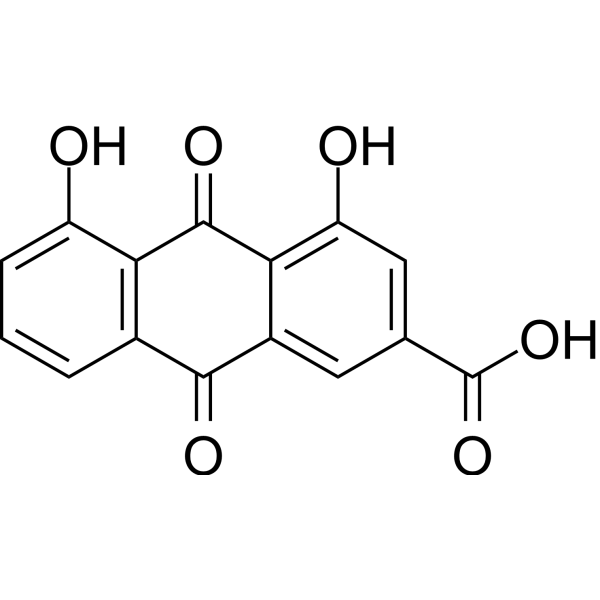
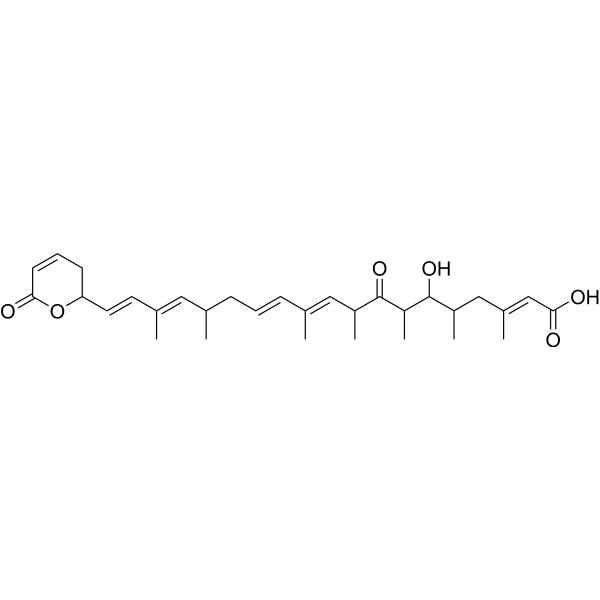
    Viomellein is a SUMOylation inhibitor with antibacterial and anticancer activities. Viomellein inhibits biofilm formation of strains produced from the fungus Aspergillus ochraceus from the Mediterranean sponge Agelas oroides. Viomellein exhibits cytotoxicity against A2780 human ovarian cancer cells with an IC50 value of 5.0 μM. Viomellein also inhibits SUMOylation of RanGAP1 (GTPase activating protein) with an IC50 of 10.2 μM .
    Viomellein
  • HY-155506

    NAMPT Cancer
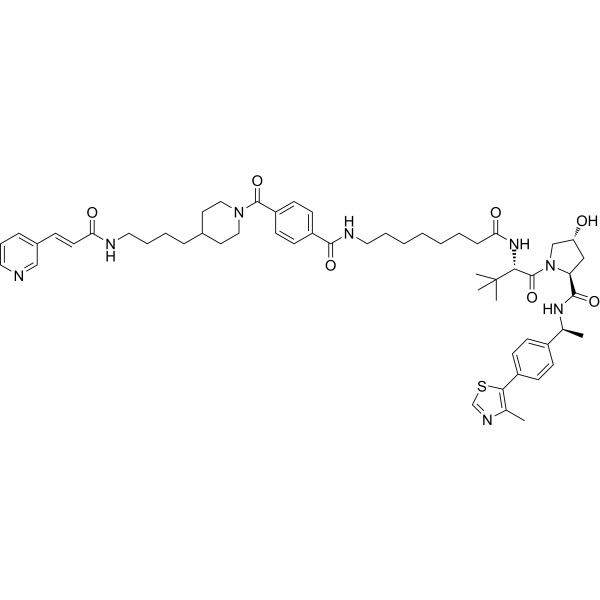
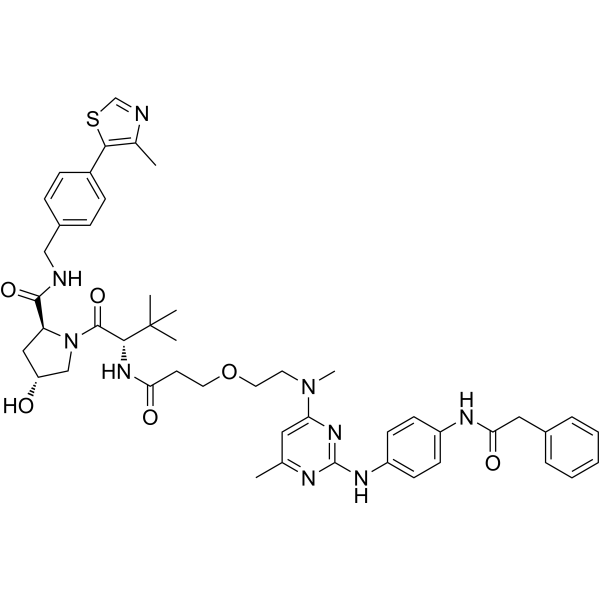
    NAMPT degrader-3 (compound C5) is a NAMPT degrader, depending on VHL- and proteasome manner. NAMPT degrader-3 displays cytotoxicity and inhibits A2780 cells proliferation .
    NAMPT degrader-3
  • HY-169579

    Polo-like Kinase (PLK) Cancer
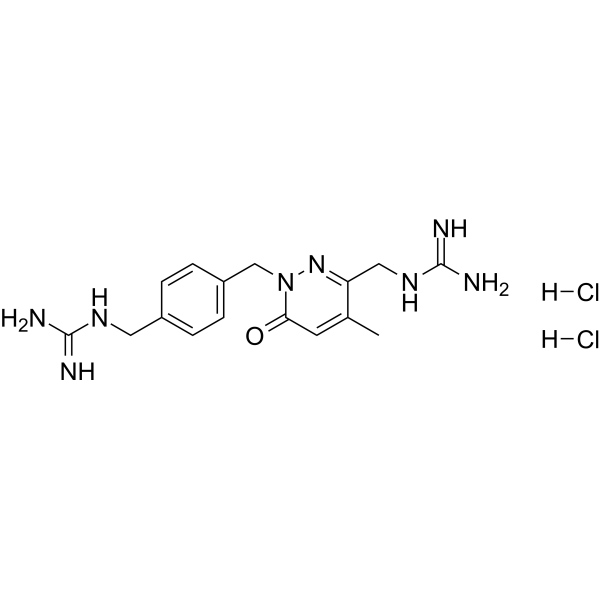
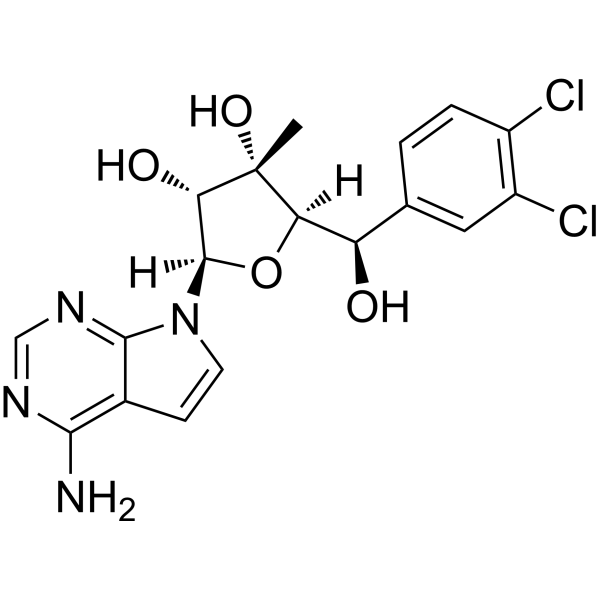
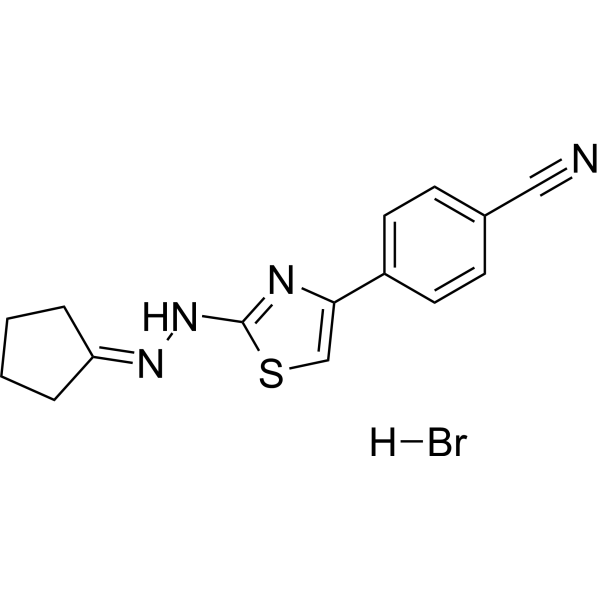
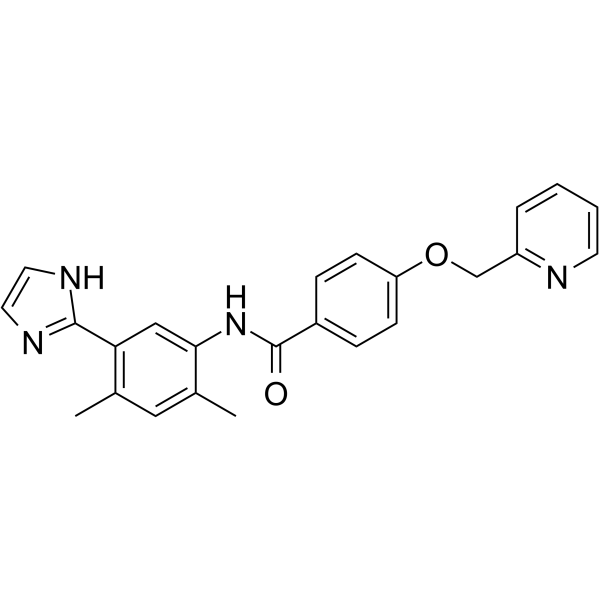
    PLK1-IN-11 (Cluster 4, 16953209) is a PLK1 inhibitor, with IC50 of 1 μM. PLK1-IN-11 can be used in research on a variety of cancers, including pancreatic, ovarian, breast, and non-small cell lung carcinoma .
    PLK1-IN-11
  • HY-130326

    Ru(η6-p-cymene)Cl2(pta)

    Apoptosis Caspase Cardiovascular Disease Cancer
    RAPTA-C (Ru(η6-p-cymene)Cl2(pta)) acts as an anti-cancer and anti-angiogenic agent. RAPTA-C exhibits anti-metastatic, anti-angiogenic, and anti-tumoral activities through protein and histone-deoxyribonucleic acid alterations. RAPTA-C exhibits cell growth inhibition by triggering G(2)/M phase arrest in cancer cells. RAPTA-C also enhances the levels of p53 and triggers the mitochondrial Apoptotic pathway, resulting in cytochrome C release and caspase-9 activation. RAPTA-C reduces the growth of tumors with the inhibition of angiogenesis in a ovarian carcinoma model .
    RAPTA-C
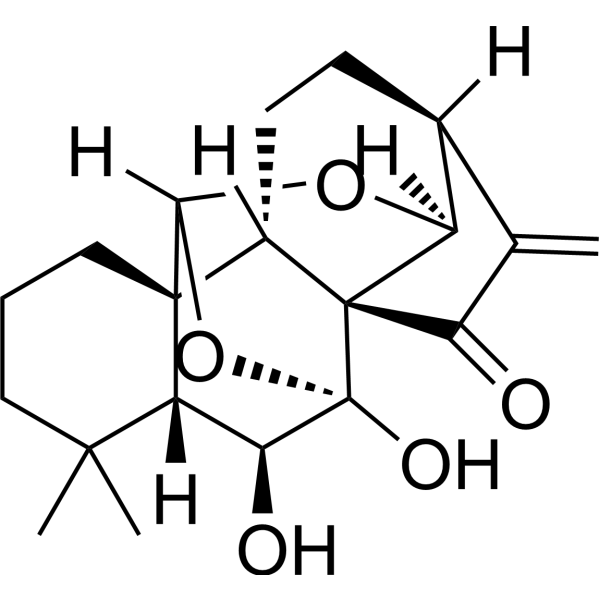
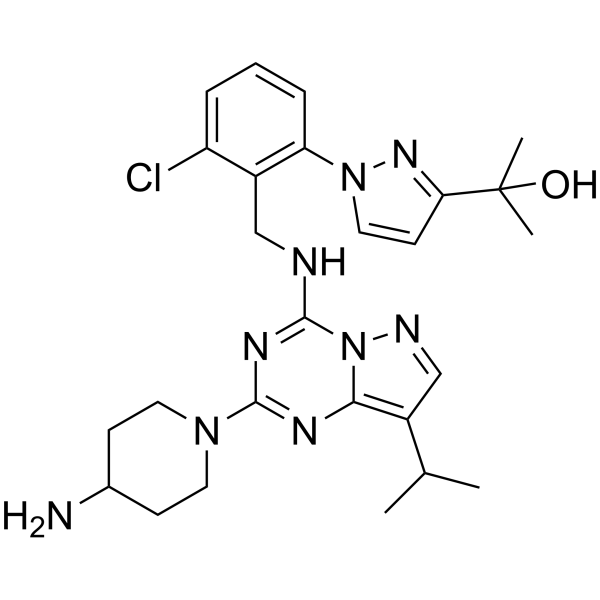
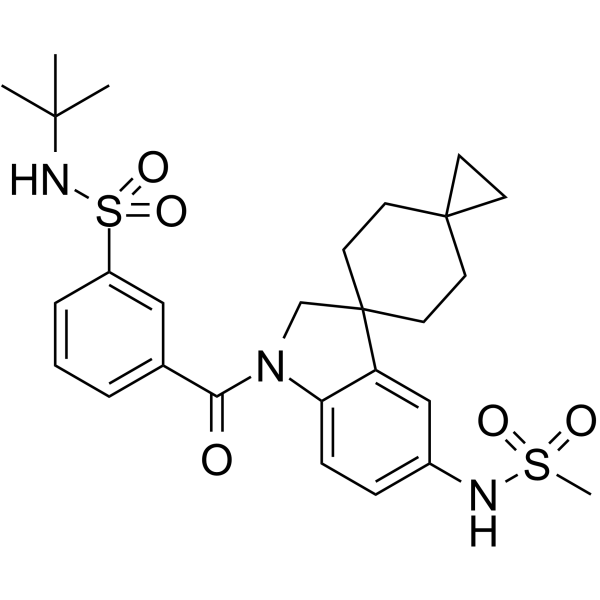
  • HY-N7651

    Others Cancer
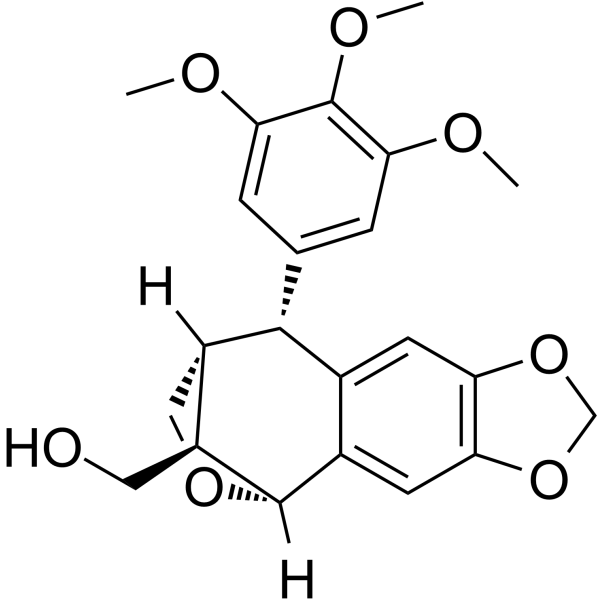
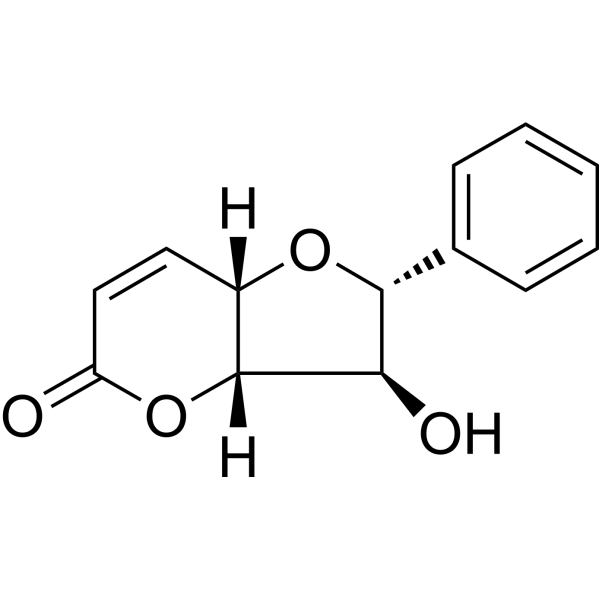
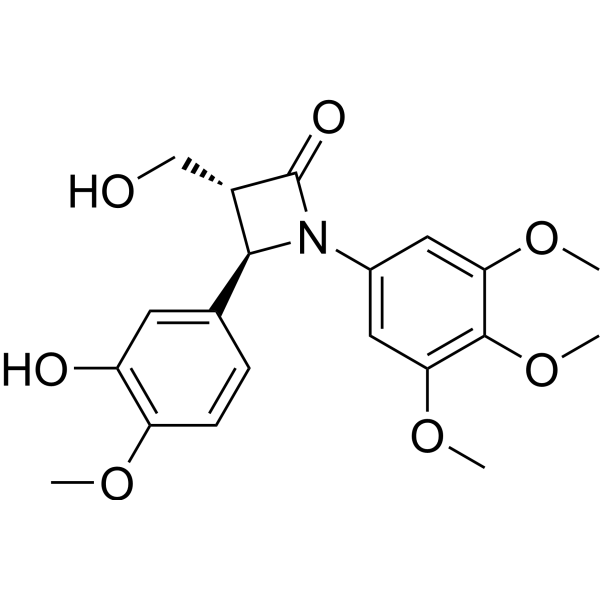
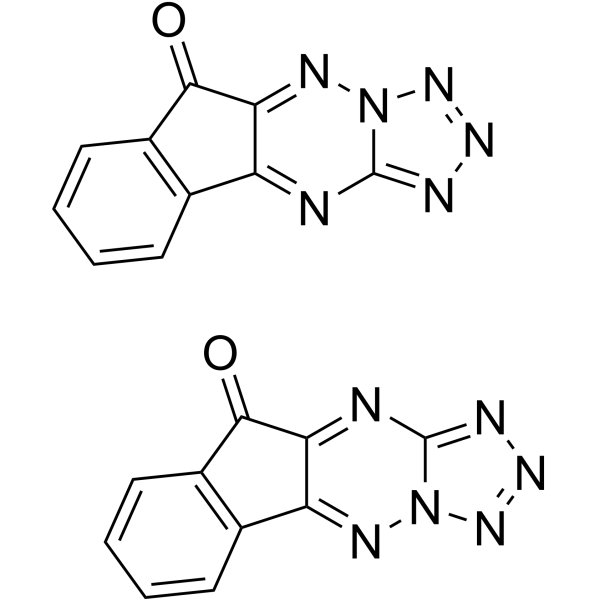
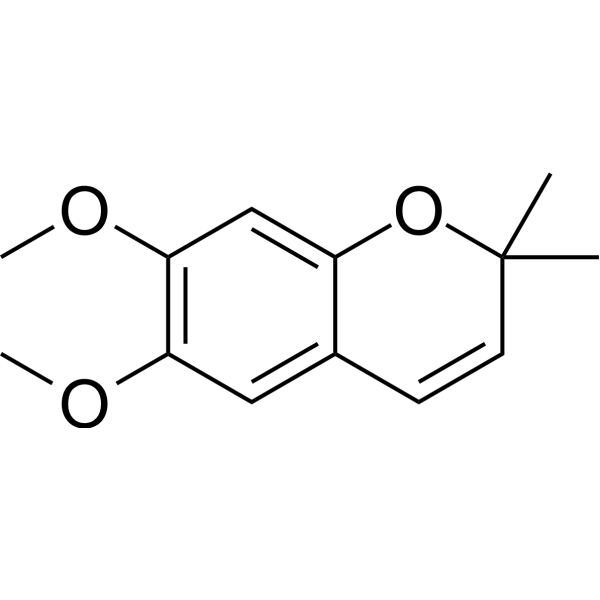
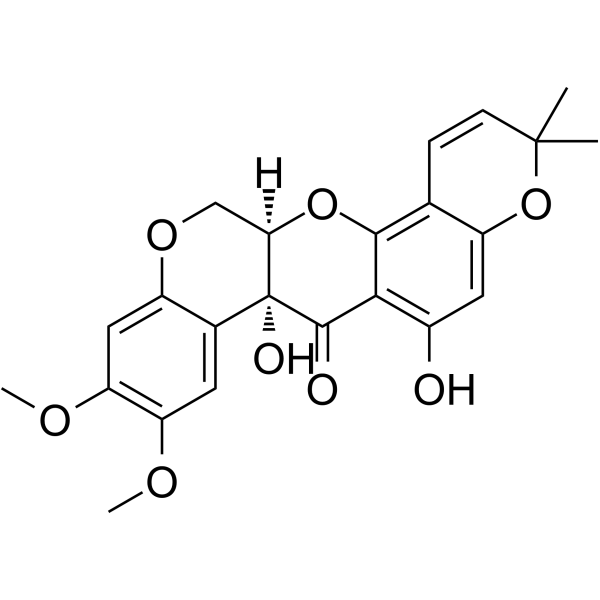
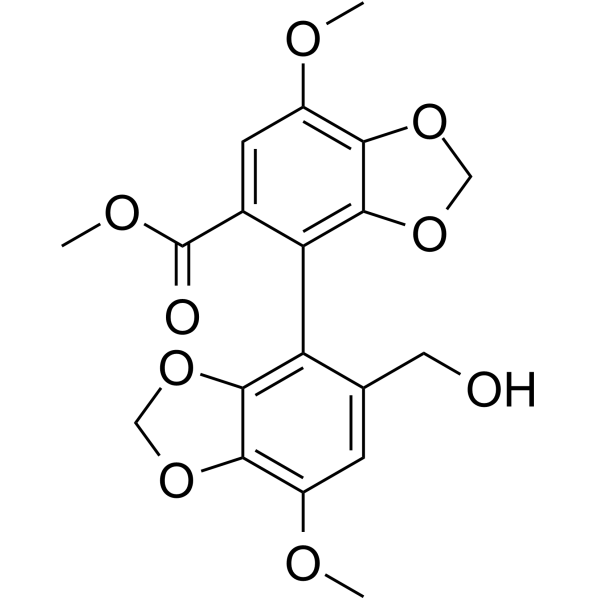
    Neoanhydropodophyllol is a cyclolignan derivative, with antineoplastic activity. Neoanhydropodophyllol displays cytotoxicity against several cancer cells (leukemia, lung carcinoma and colon carcinoma) .
    Neoanhydropodophyllol
  • HY-N6926

    HIV Apoptosis Caspase VEGFR ERK PI3K Akt mTOR PARP Infection Cancer
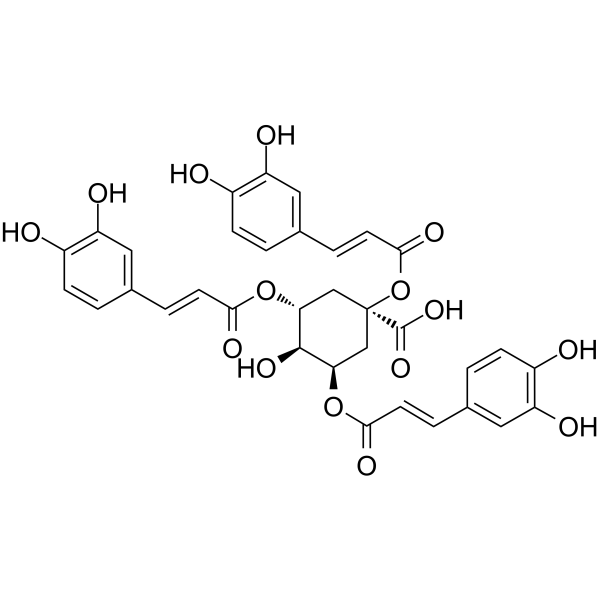
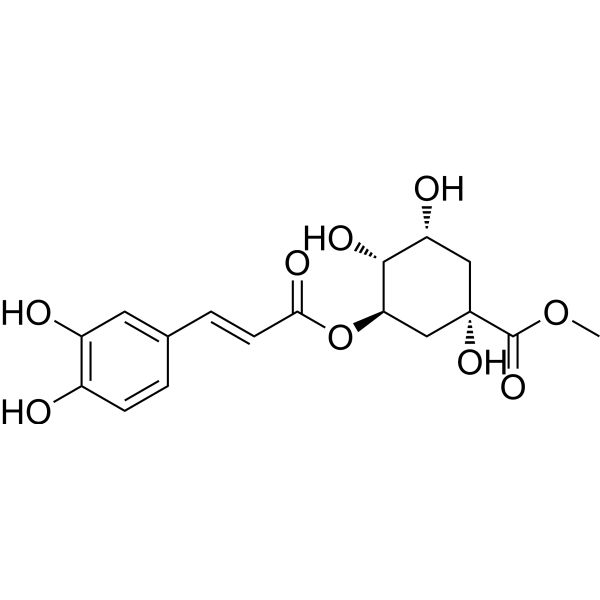
    1,3,5-Tricaffeoylquinic acid acts as an angiogenesis inhibitor and apoptosis inducer, and exhibits anti-HIV activity. 1,3,5-Tricaffeoylquinic acid inhibits the phosphorylation of VEGFR2, ERK, PI3K, Akt and mTOR in the angiogenesis signaling pathway. 1,3,5-Tricaffeoylquinic acid regulates apoptosis-related proteins, upregulates the levels of activated caspase-8, Bax, activated PARP and caspase-3/9, while downregulates the level of Bcl-2. 1,3,5-Tricaffeoylquinic acid inhibits tube formation and shows cytotoxicity against ovarian cancer cells. 1,3,5-Tricaffeoylquinic acid can be used in studies related to ovarian cancer .
    1,3,5-Tricaffeoylquinic acid
  • HY-N16573

    Others Cancer
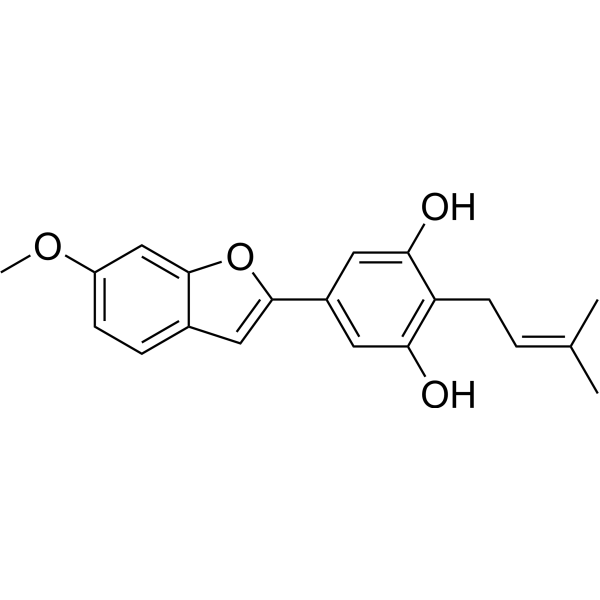
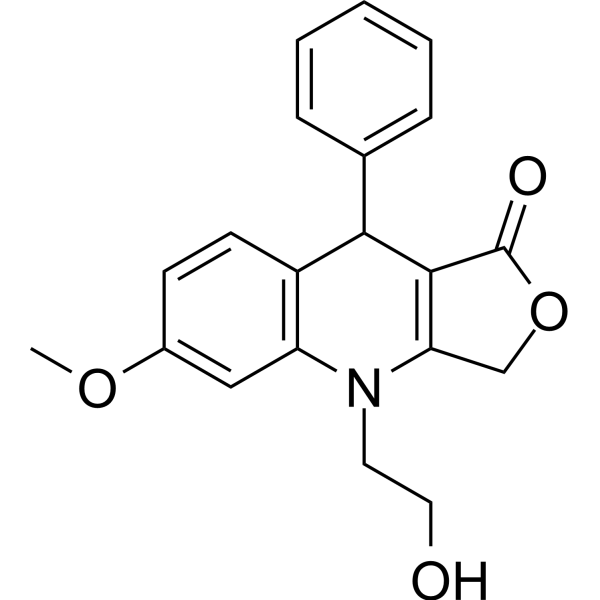
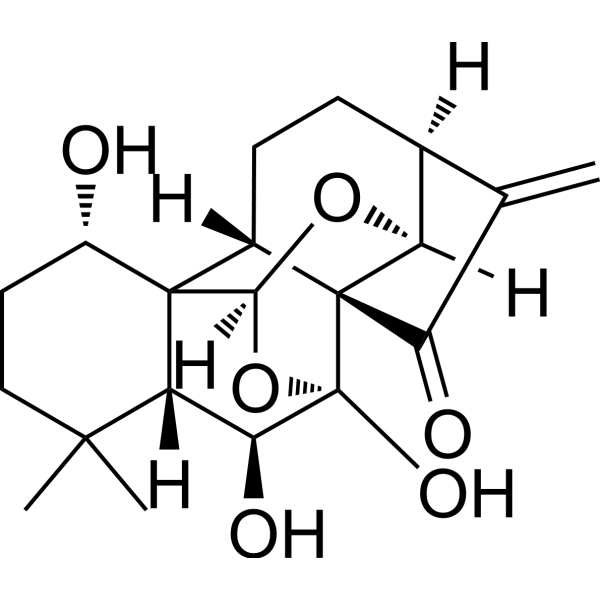
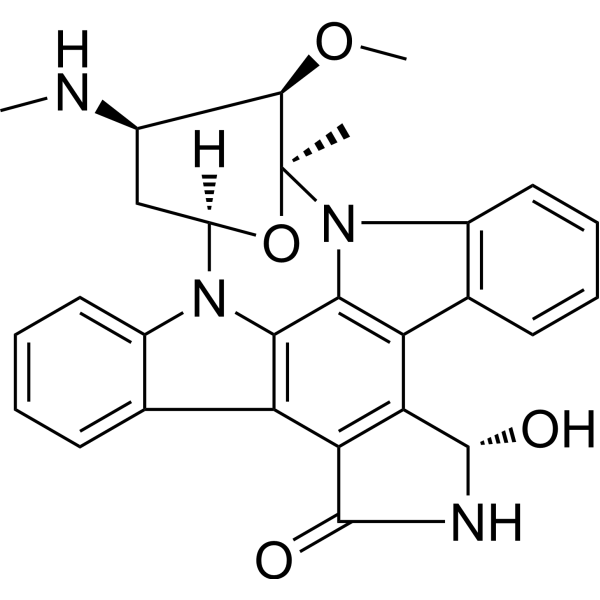
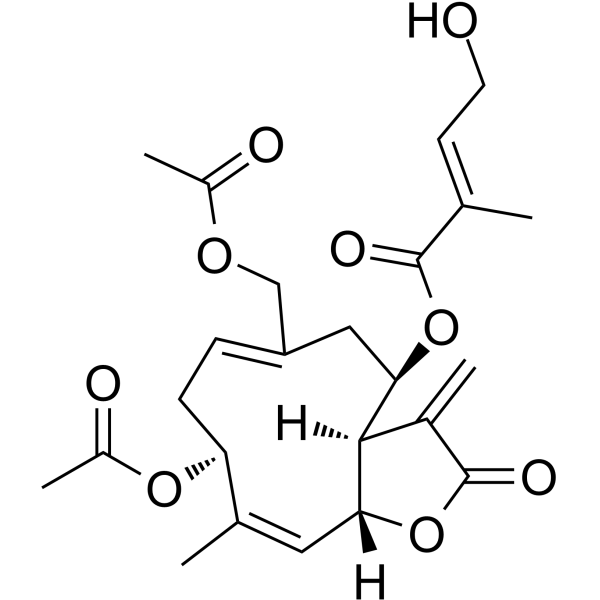
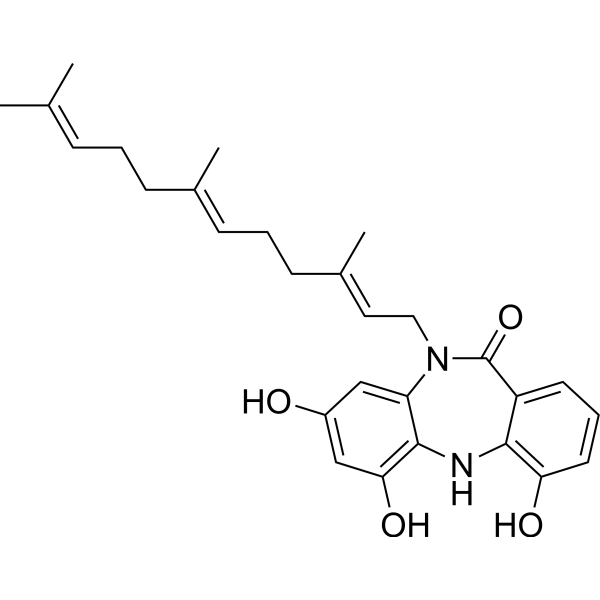
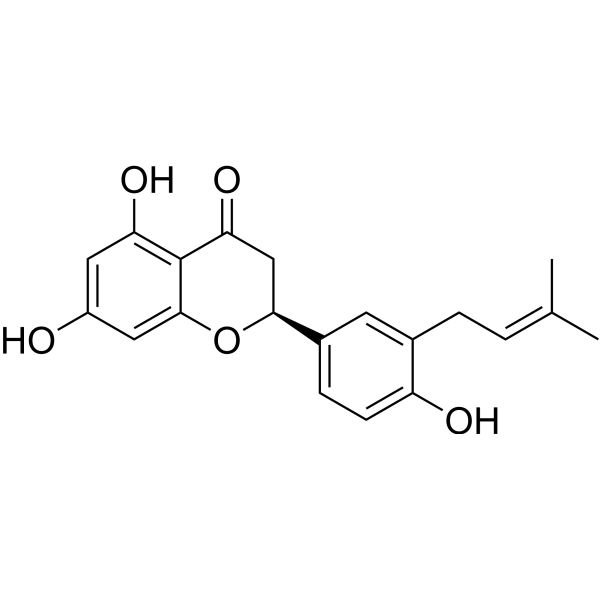
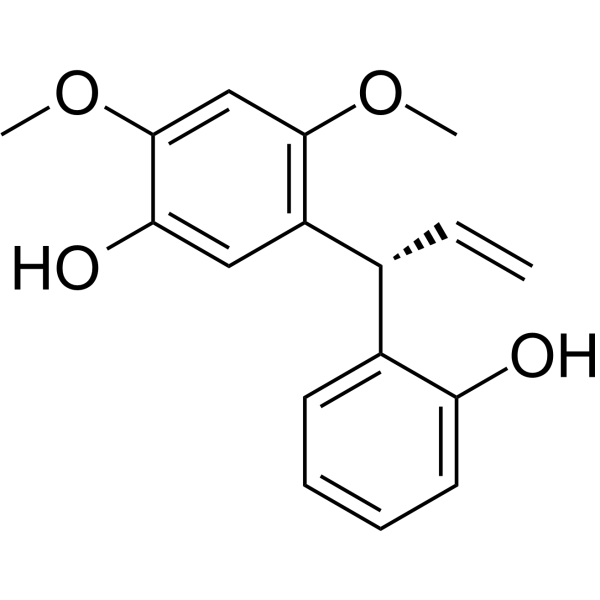
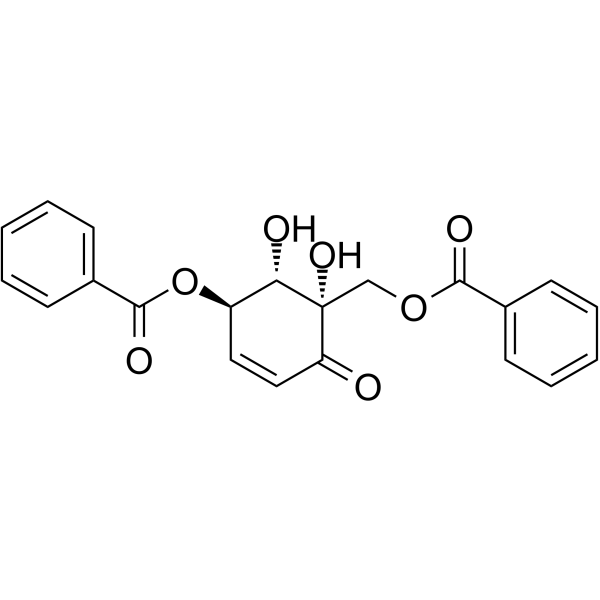
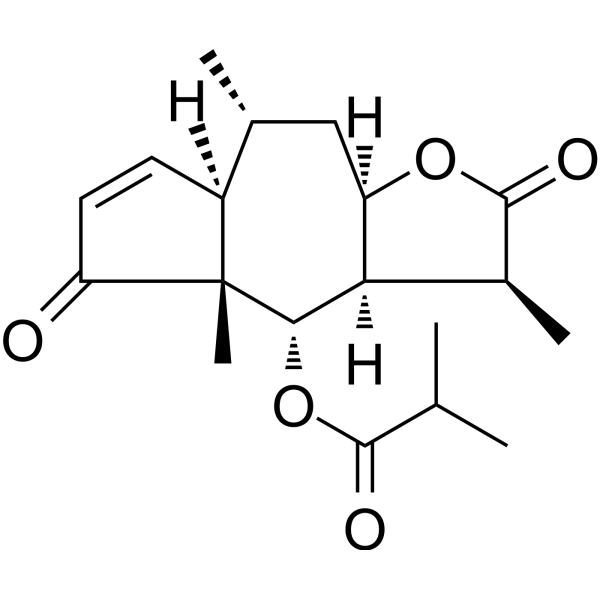
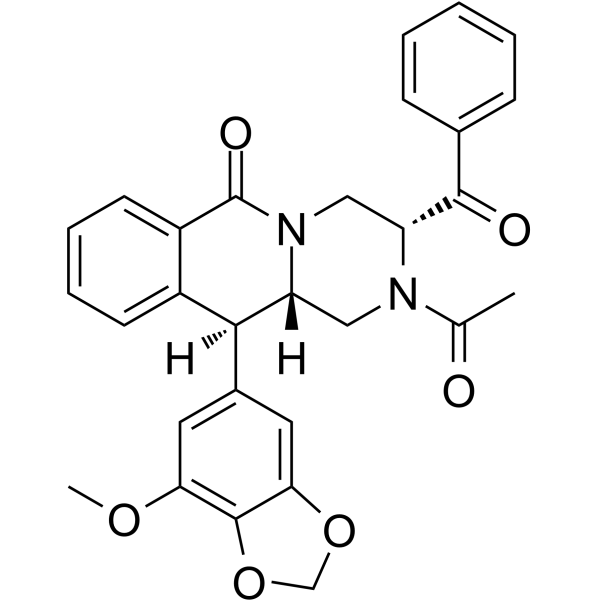
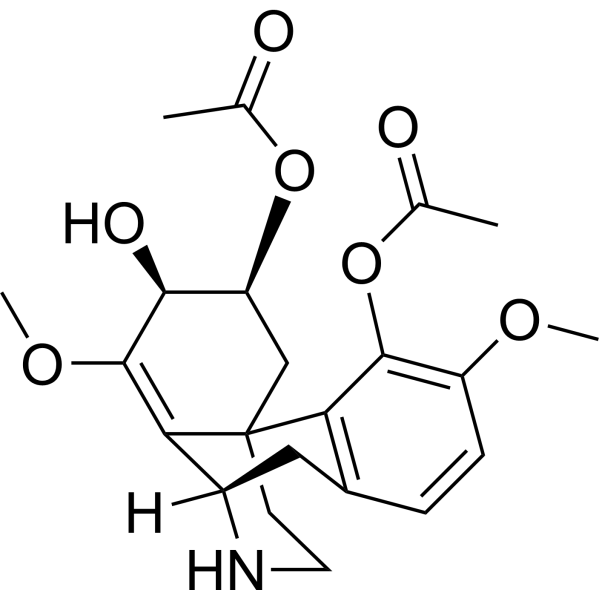
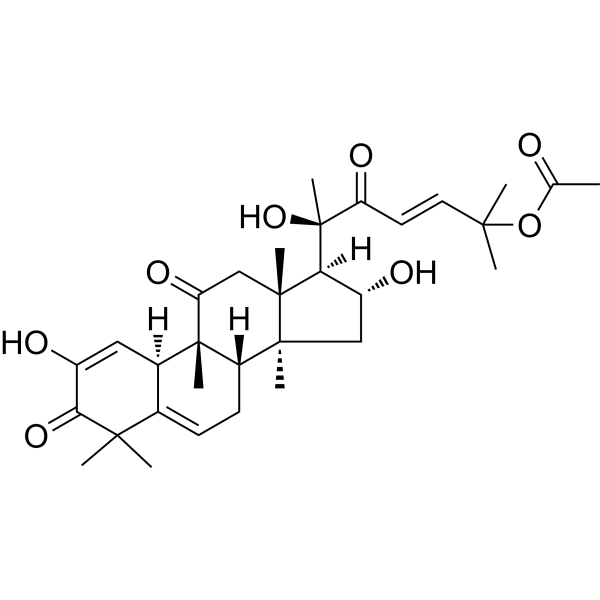
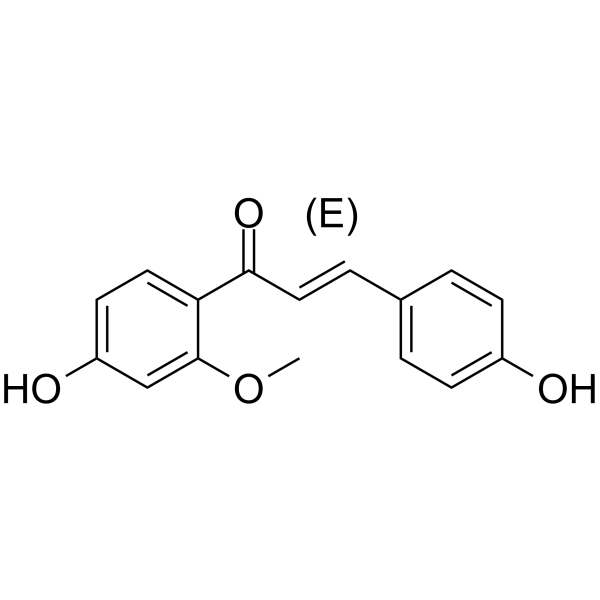
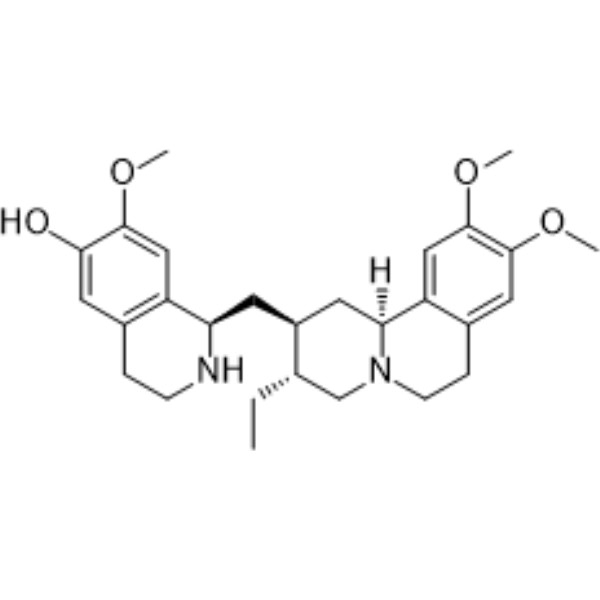
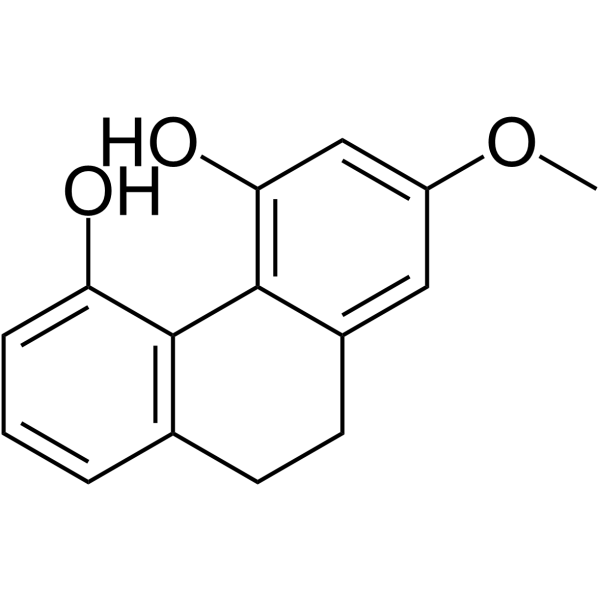
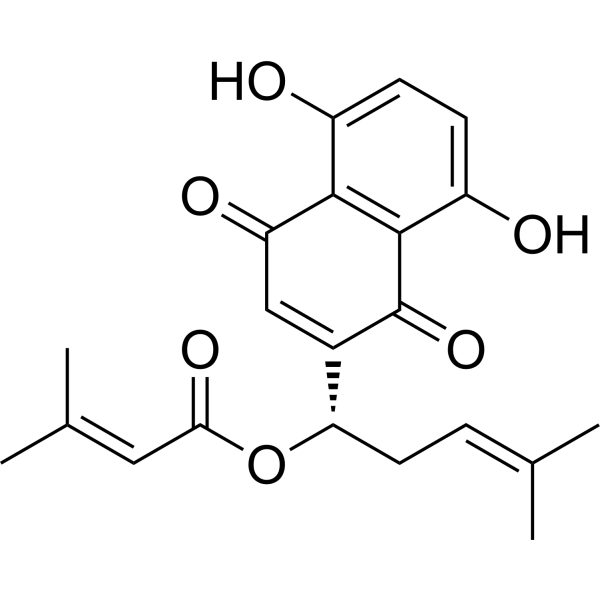
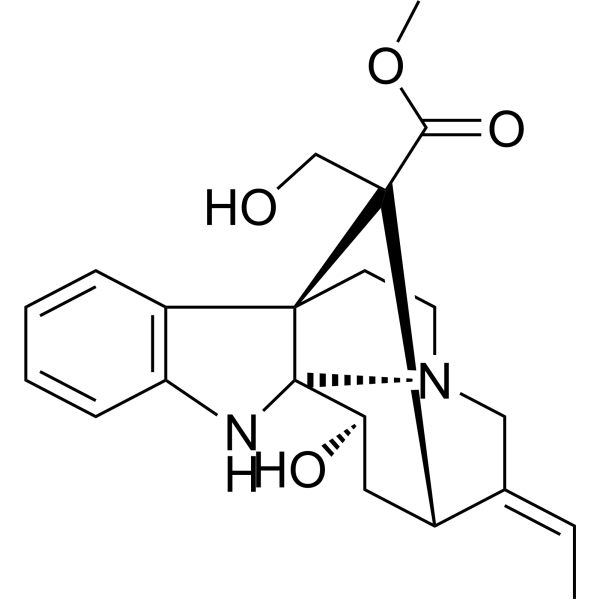
    19-epi-Voacristine is an indole alkaloid. 19-epi-Voacristine exhibits cytotoxic activity against the A2780 ovarian cancer cell line .
    19-epi-Voacristine
  • HY-N10846

    Others Others
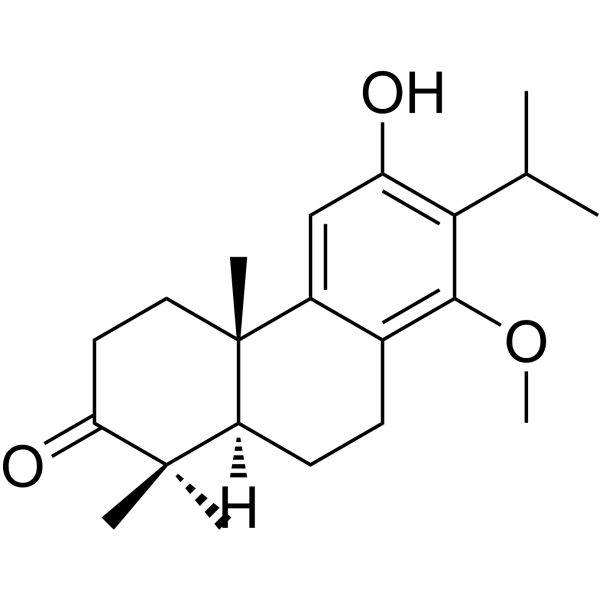
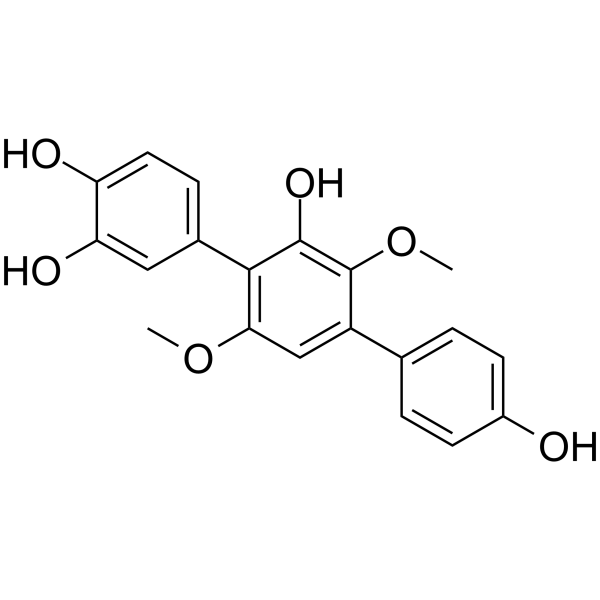
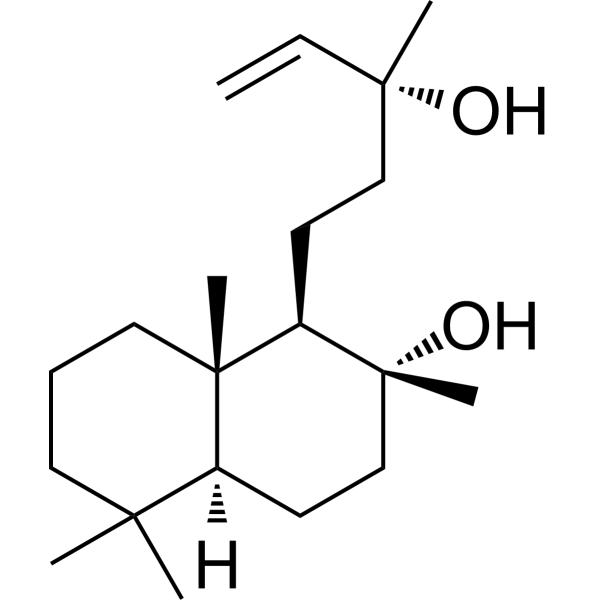
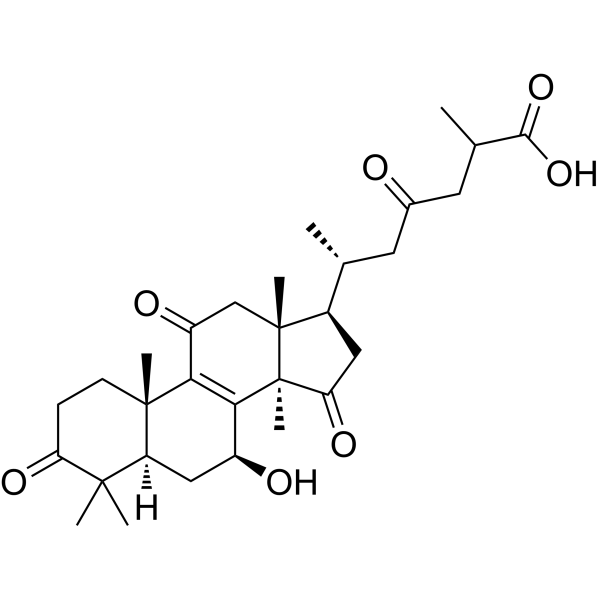
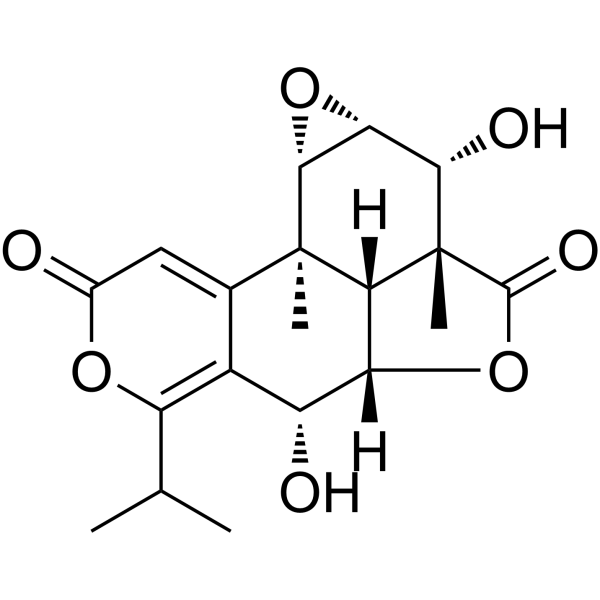
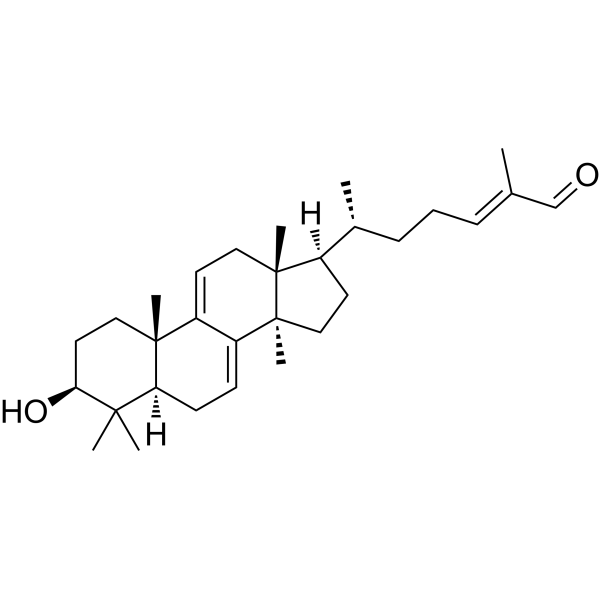
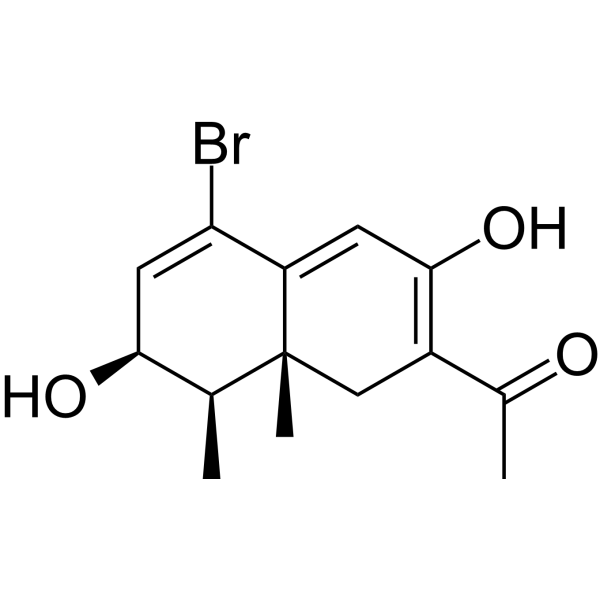
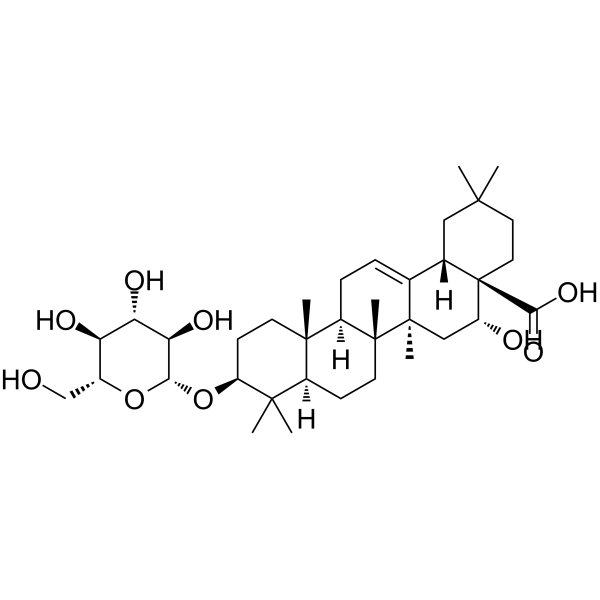
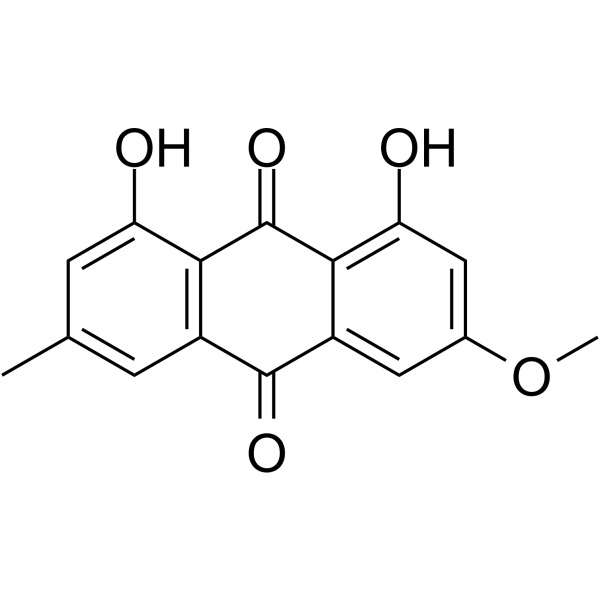
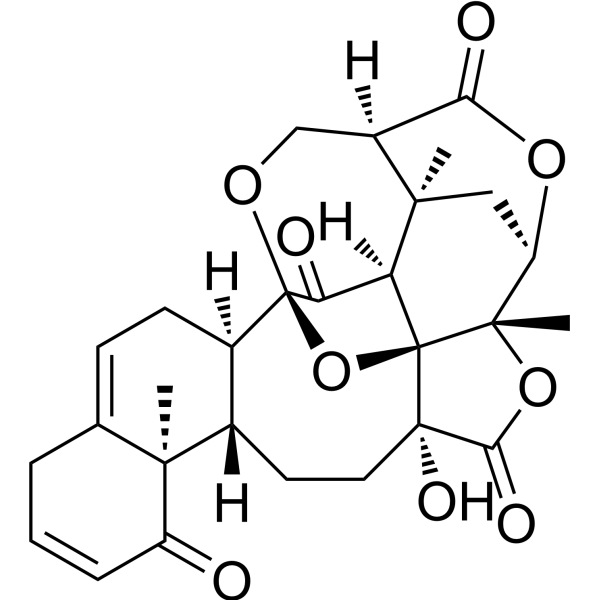
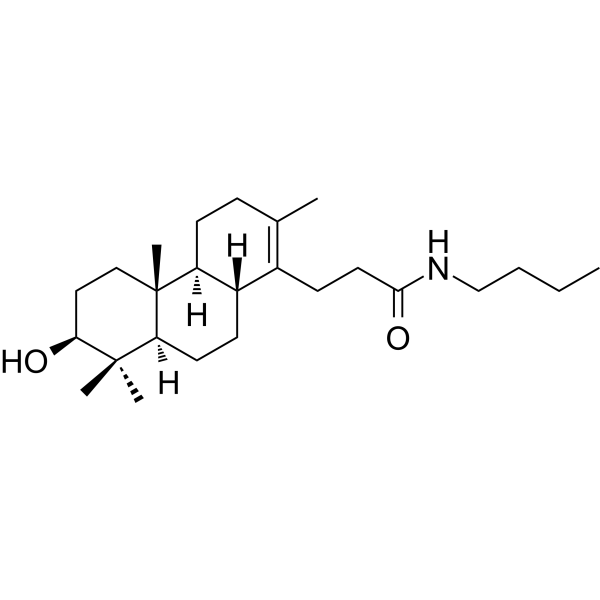
    Neotriptonoterpene, a compound isolated from T. regelii, shows weak cytotoxic activity against A2780, HepG2 and MCF-7 cells with IC50 values of 65.80, 35.45 and 64.80 µM respectively .
    Neotriptonoterpene
  • HY-163440

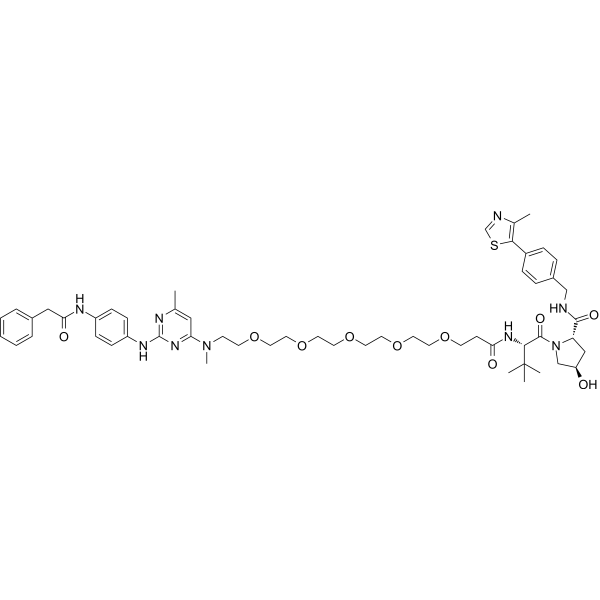
    PROTACs NAMPT Cancer
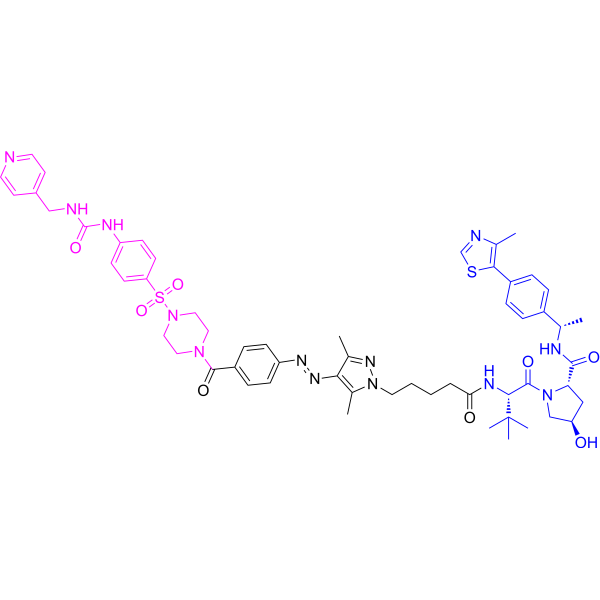
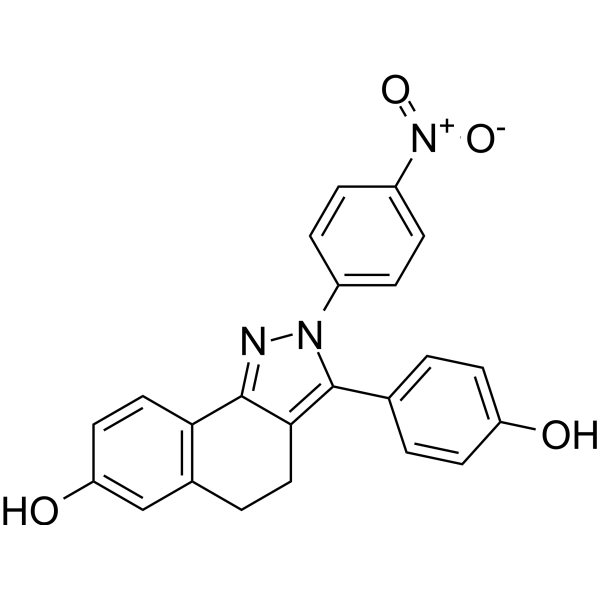
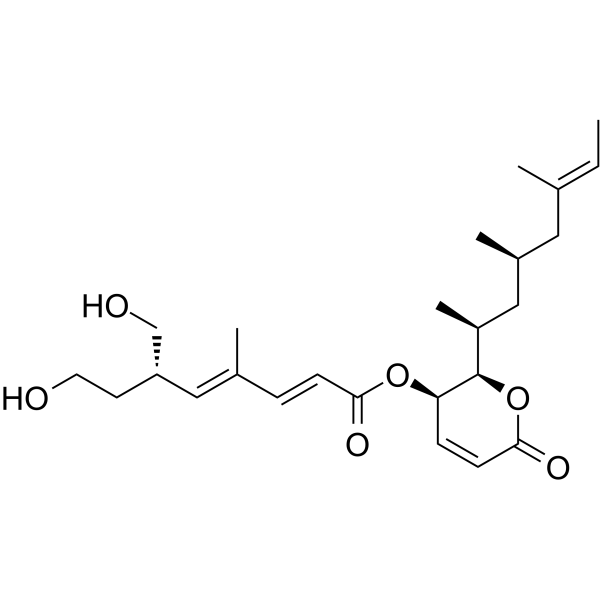
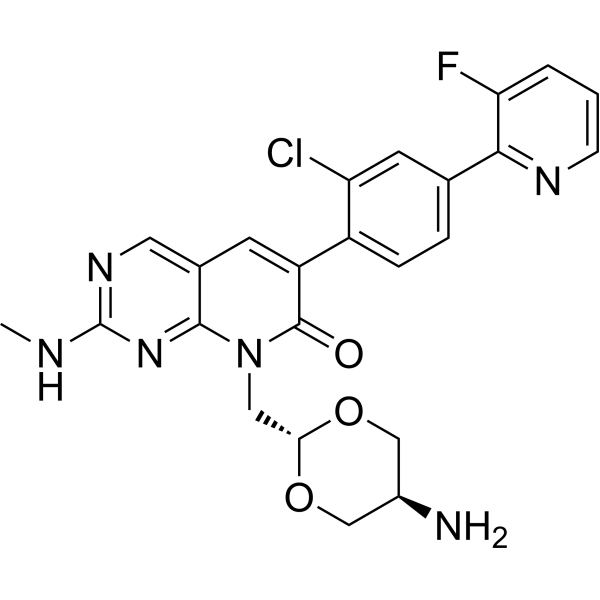
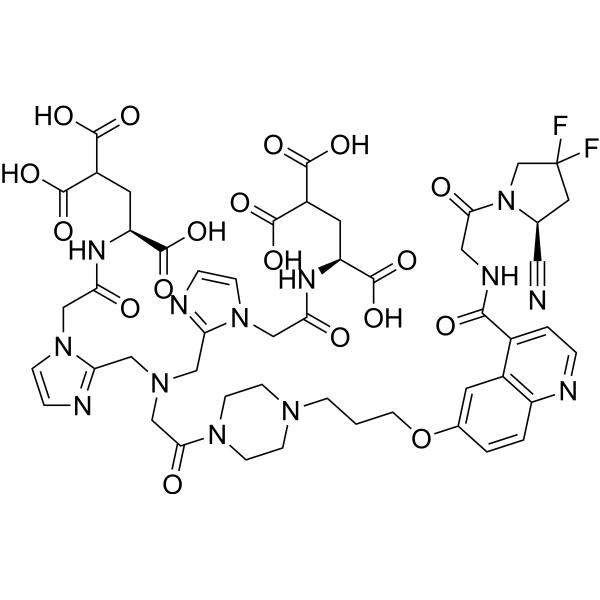
    PROTAC NAMPT Degrader-1 is a potent PROTAC targeting NAMPT with aDC50 value of 217 nM. PROTAC NAMPT Degrader-1 has anti-proliferative activity with an IC50 value of 0.12μM against A2780 cells. (Structure Note: PINK, NAMPT activator (HY-163445); Blue, VHL ligand (HY-163440); Black, linker) .
    PROTAC NAMPT Degrader-1
  • HY-123823

    NCX 4016

    COX Apoptosis Cancer
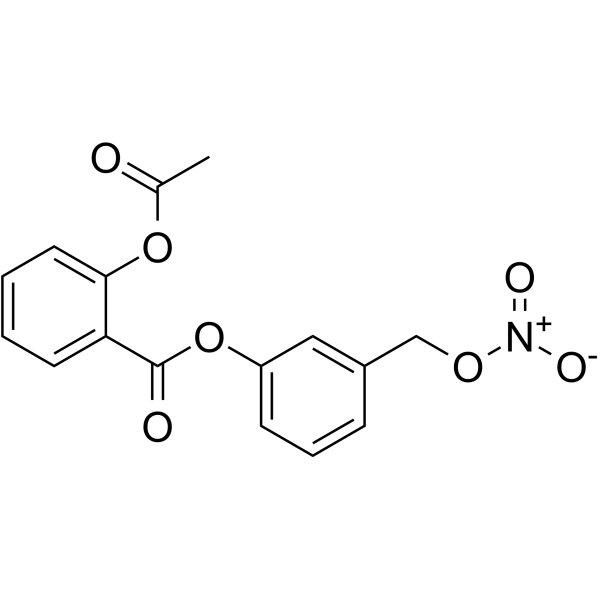
    Nitroaspirin (NCX 4016) is a nitric oxide (NO) donor and a nitro-derivative of Aspirin, which combines with Nitroaspirin to inhibit cyclooxygenase. Nitroaspirin (NCX 4016) has antithrombotic and anti-platelet properties and acts as a direct and irreversible inhibitor of COX-1. Nitroaspirin (NCX 4016) causes significant induction of cell cycle arrest and apoptosis in Cisplatin-resistant human ovarian cancer cells via down-regulation of EGFR/PI3K/STAT3 signaling and modulation of Bcl-2 family proteins .
    Nitroaspirin
  • HY-161871

    Wee1 Cancer
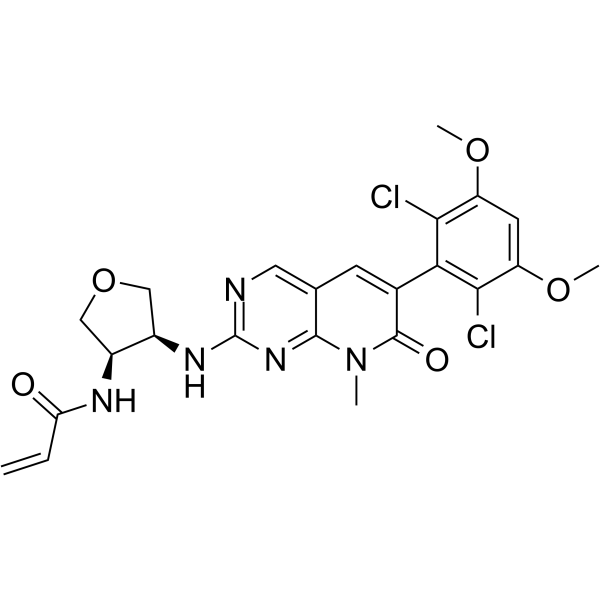
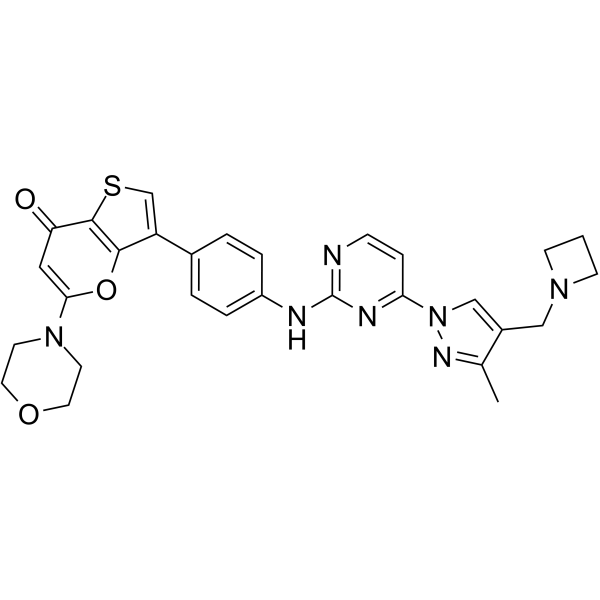
    WEE1-IN-8 (Compound 55) is a selective WEE1 inhibitor, with an IC50 of 0.98 nM. WEE1-IN-8 (Compound 55) can be used for the research of Pancreatic cancer, Ovarian cancer, Colorectal cancer, Uterine serous carcinoma, etc .
    WEE1-IN-8
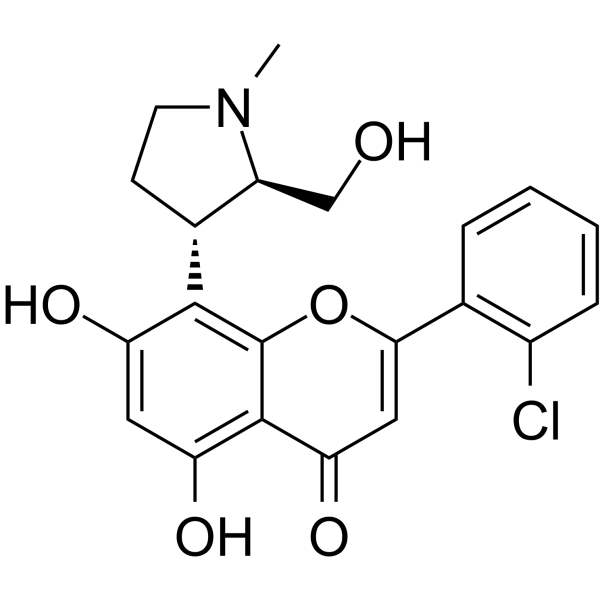
  • HY-16559A

    P276-00 free base

    CDK Cancer
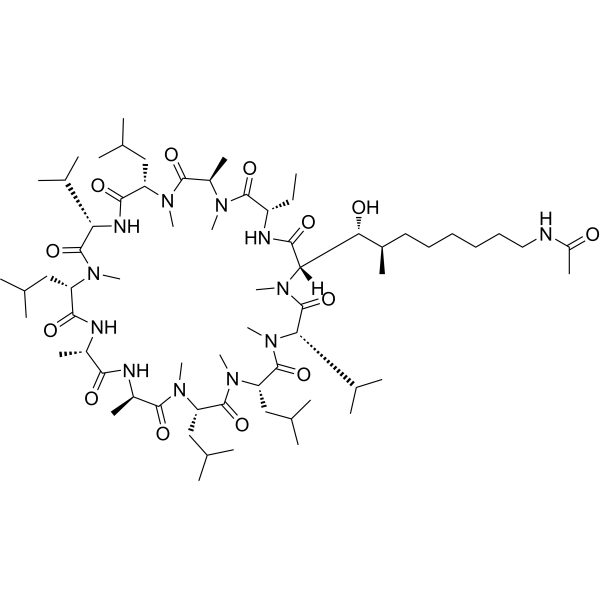
    Riviciclib (P276-00 free base) is a potent cyclin-dependent kinase (CDK) inhibitor, which inhibits CDK9-cyclinT1, CDK4-cyclin D1, and CDK1-cyclinB with IC50s of 20 nM, 63 nM, and 79 nM, respectively . Riviciclib shows antitumor activity on cisplatin-resistant cells .
    Riviciclib
  • HY-124348

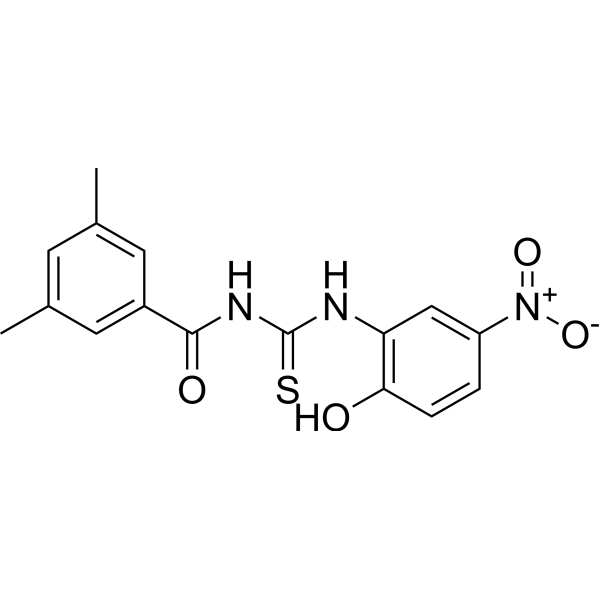
    3,5-Dimethyl PIT-1

    PI3K Cancer
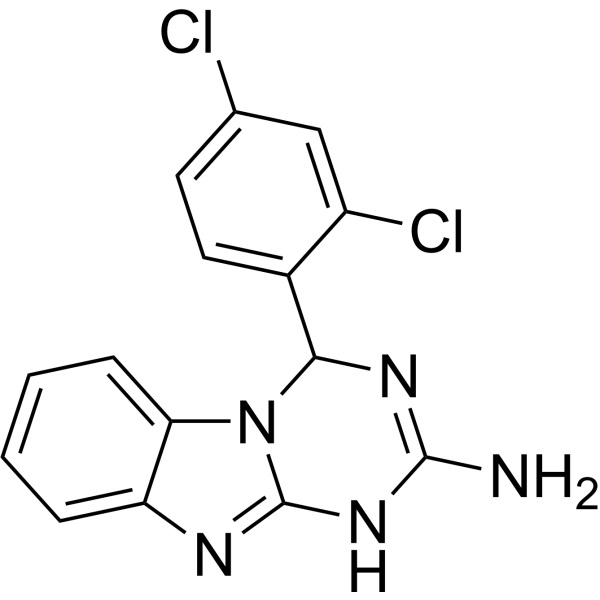
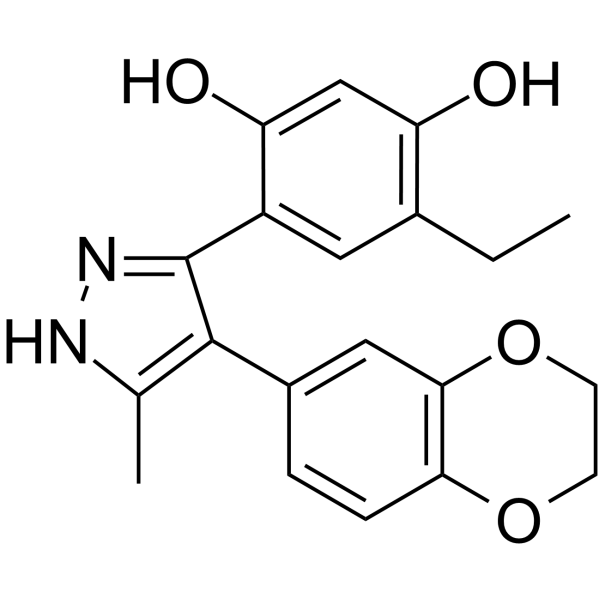
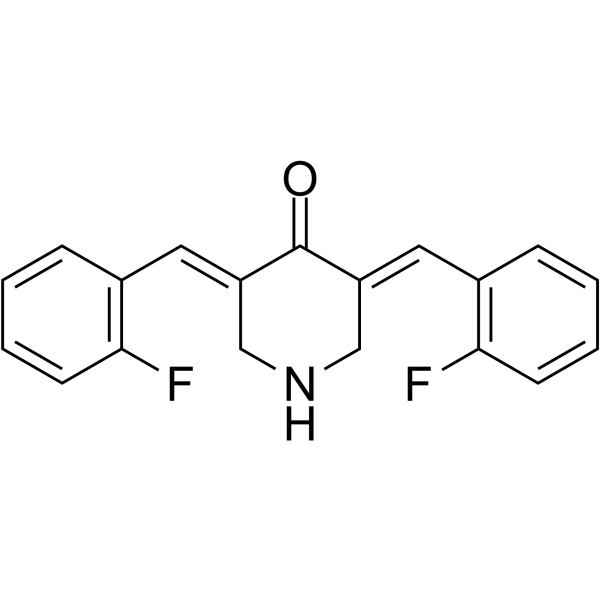
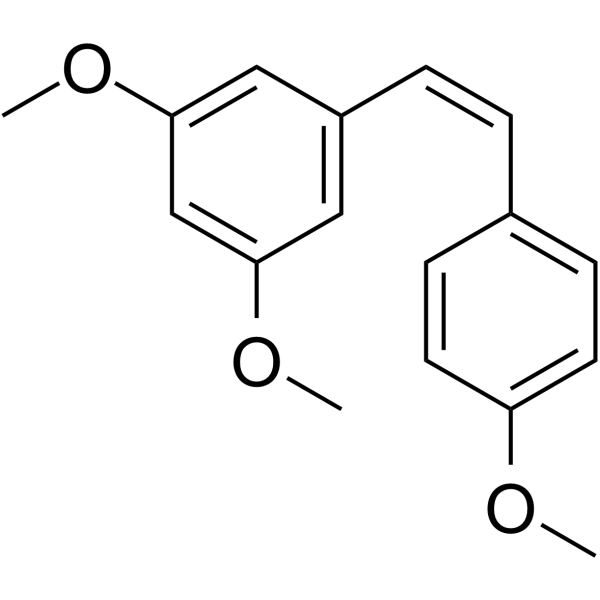
    DM-PIT-1 is a PIP3/PH (phosphatidylinositol-3,4,5-triphosphate/Pleckstrin) interaction inhibitor. DM-PIT-1 decreases he expression of P-Akt, P-GSK-3-β, P-p70S6K, P-S6, P-4E-BP1. DM-PIT-1 induces apoptosis and shows anticancer activity. DM-PIT-1 has the potential for the research of ovarian cancer .
    DM-PIT-1
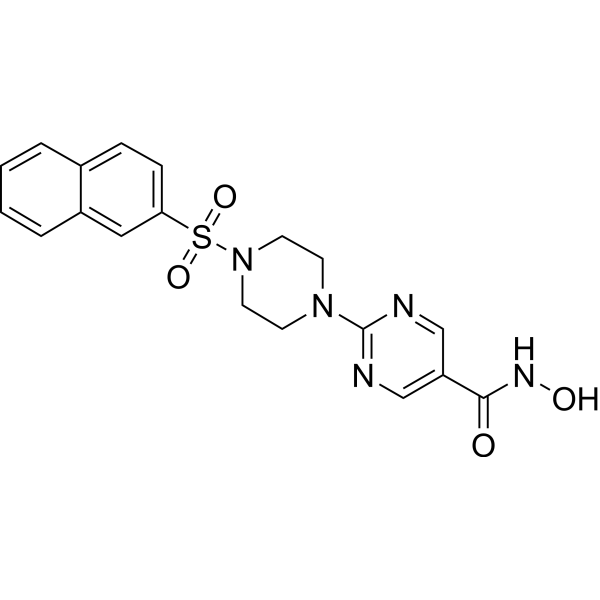
  • HY-10226

    R306465

    Apoptosis HDAC Cancer
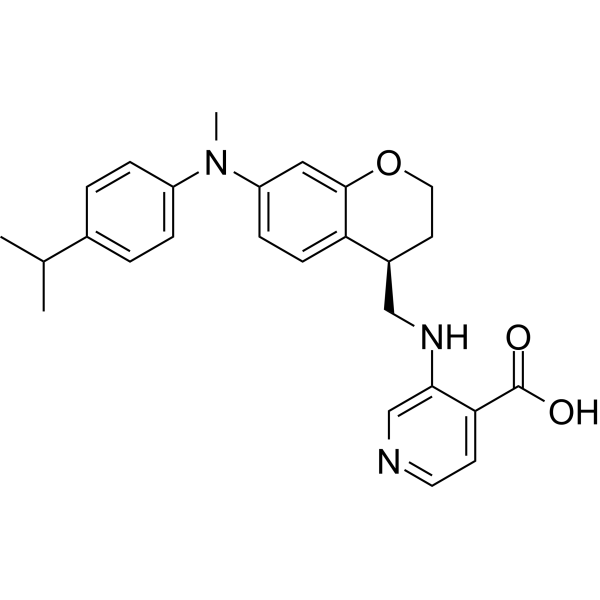
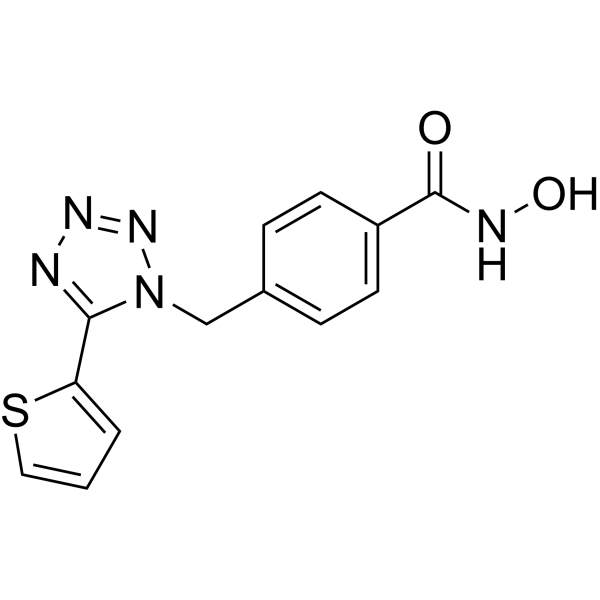
    JNJ-16241199 (R306465) is an orally active, selectivehydroxamate-based histone deacetylase (HDAC) inhibitor, with theIC50of 3.3 nM and 23 nM for HDAC1and HDAC8, respectively.JNJ-16241199induces histone 3 acetylation and strongly increases the expression of p21 waf1, cip1 in A2780 ovarian carcinoma cells.JNJ-16241199 inducescell apoptosisand shows anticancer activityin a broad spectrum of human malignancies. JNJ-16241199 can be used for cancer study .
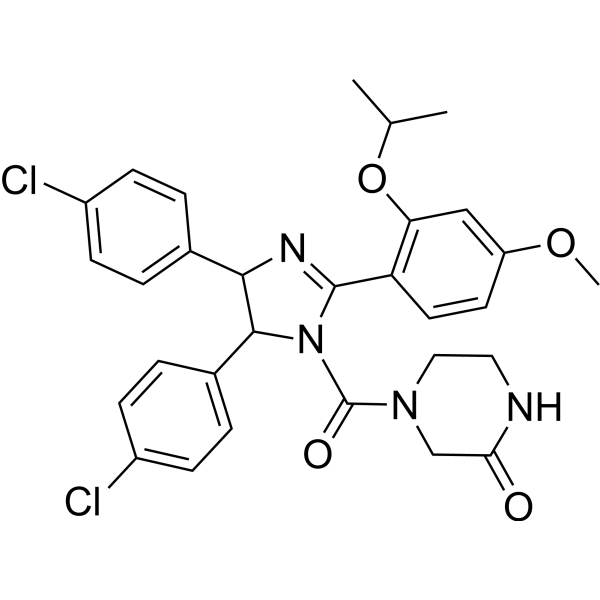
    JNJ-16241199
  • HY-130606

    NAMPT Cytochrome P450 Cancer
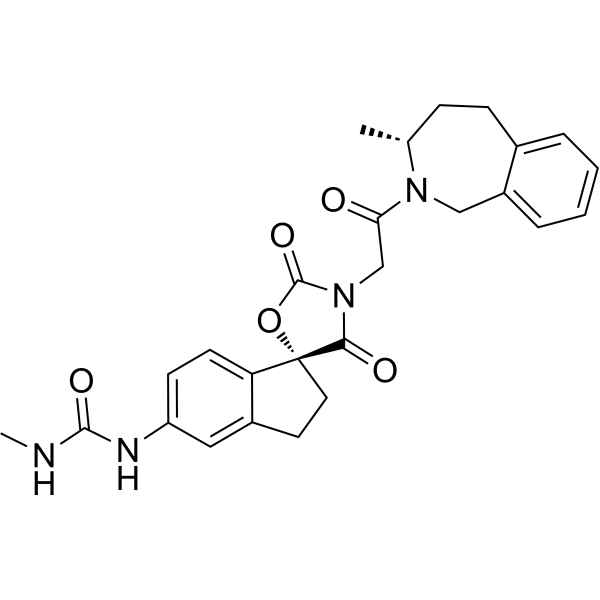
    Nampt-IN-5 is a potent nicotinamide phosphoribosyltransferase (NAMPT) inhibitor. Nampt-IN-5 also inhibits CYP3A4 activity and has cellular IC50s of 0.7 nM and 3.9 nM against A2780 and COR-L23, respectively .
    Nampt-IN-5
  • HY-173064

    HDAC Parasite Infection Cancer
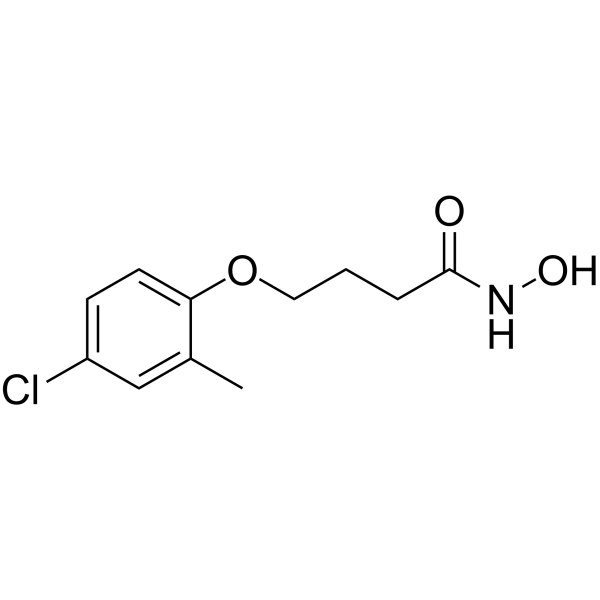
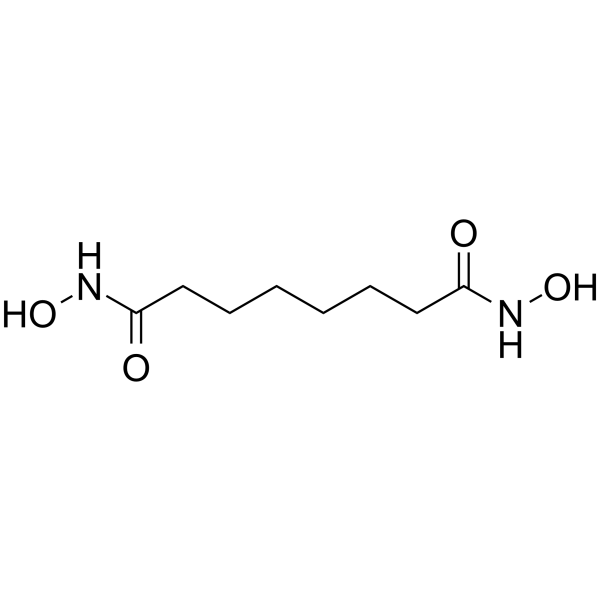
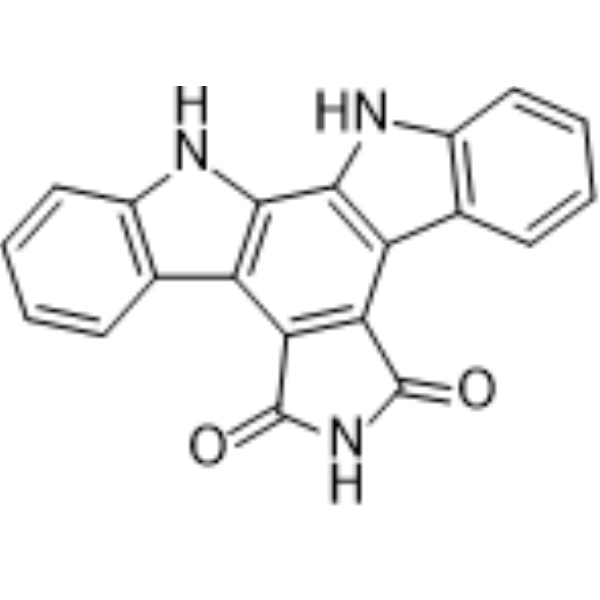
    DS-103 is an inhibitor for HDAC that inhibits HDAC1, HDAC2, HDAC3, HDAC6 and HDAC8 with IC50s of 0.029, 0.123, 0.022, 0.367 and 9.26 μM, respectively. DS-103 inhibits Plasmodium falciparum 3D7 with IC50 of 5.08 μM. DS-103 exhibits cytotoxicity in cells A2780 and Cal27 with IC50 of 1.48 μM and 1.47 μM, reverses Cisplatin (HY-17394) resistance in A2780 and Cal27 with IC50 of 4.62 μM and 2.23 μM. DS-103 exhibits synergistic effect with Cisplatin (HY-17394), enhances Cisplatin-induced apoptosis .
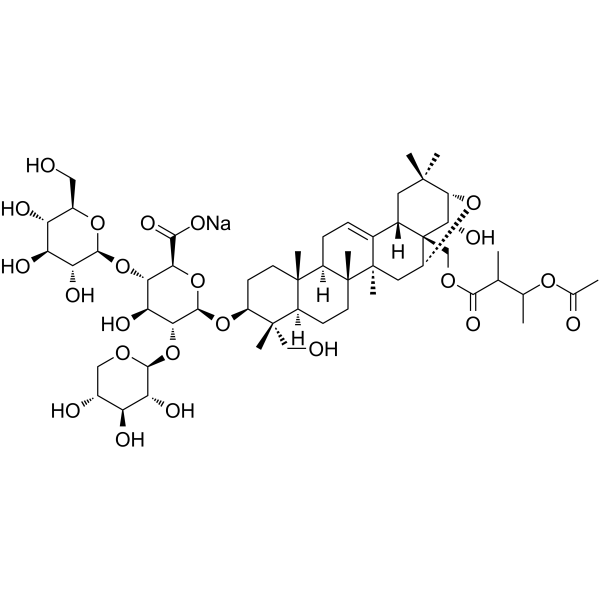
    DS-103
  • HY-113636

    Apoptosis Autophagy Akt AMPK Cancer
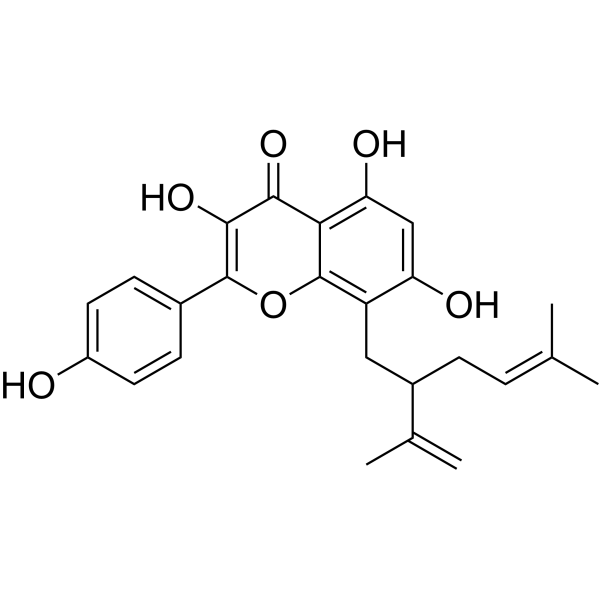
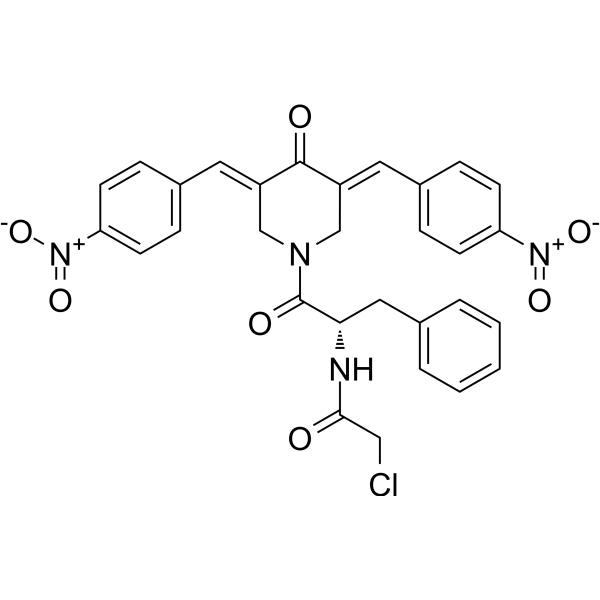
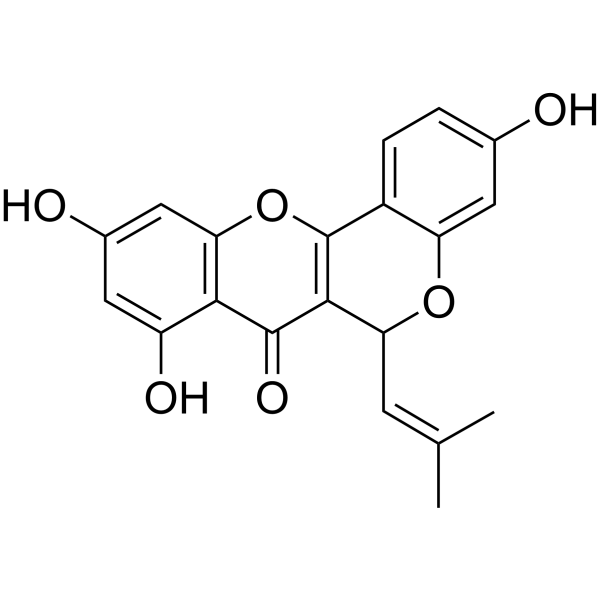
    Kazinol A induces cytotoxic effects in human bladder cancer cells, including the cisplatin-resistant T24R2 .
    Kazinol A
  • HY-175857

    HDAC Apoptosis Cancer
    HDAC-IN-92 is a pan-HDAC inhibitor with an IC50 of 12.58 µM in A2780 cells. HDAC-IN-92 demonstrates broad-spectrum, notable cytotoxic activity against a range of human cancer cell lines, including ovarian, liver, and breast carcinomas. HDAC-IN-92 causes apoptosis and demonstrates a notable decrease in tumor cell colony formation. HDAC-IN-92 inhibits the formation of blood vessels in the chick chorioallantoic membrane (CAM). HDAC-IN-92 exhibits anti-tumor effect in a 4T1 tumor-bearing mouse model. HDAC-IN-92 can be used for research targeting solid tumor .
    HDAC-IN-92
  • HY-161687

    Src Cancer
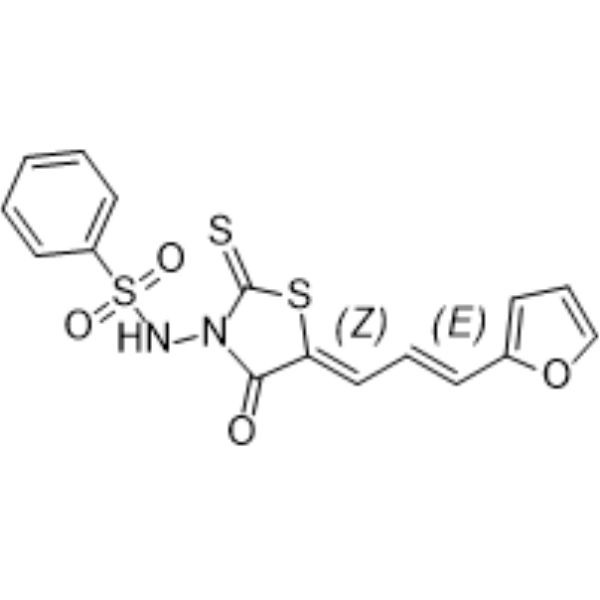
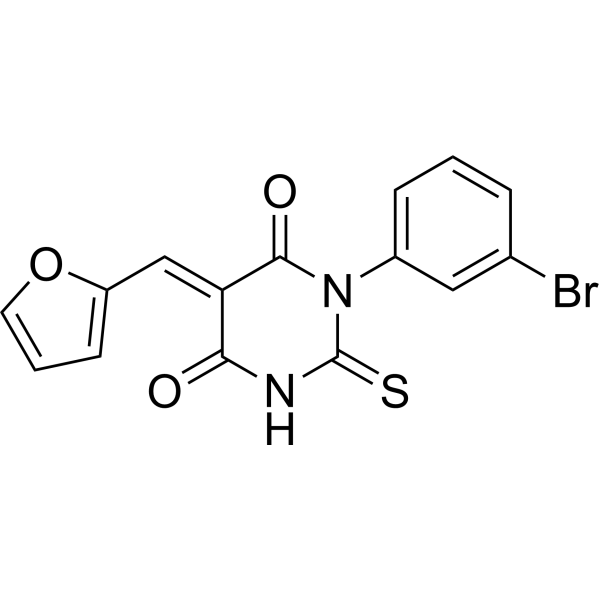
    Cisplatin/Dasatinib prodrug-1 (Compound 3) is a prodrug of Cisplatin (HY-17394) and Dasatinib (HY-10181). Cisplatin/Dasatinib prodrug-1 exhibits antiproliferative activity against A2780, MDA-MB-231, MCF7, HCT116, RD, Thp1 and HL60 cancer cells with IC50s of 0.1, 0.1, 0.36, 2.0, 0.4, 0.3 and 0.25 μM, respectively .
    Cisplatin/Dasatinib prodrug-1
  • HY-N9892

    Sirtuin Others
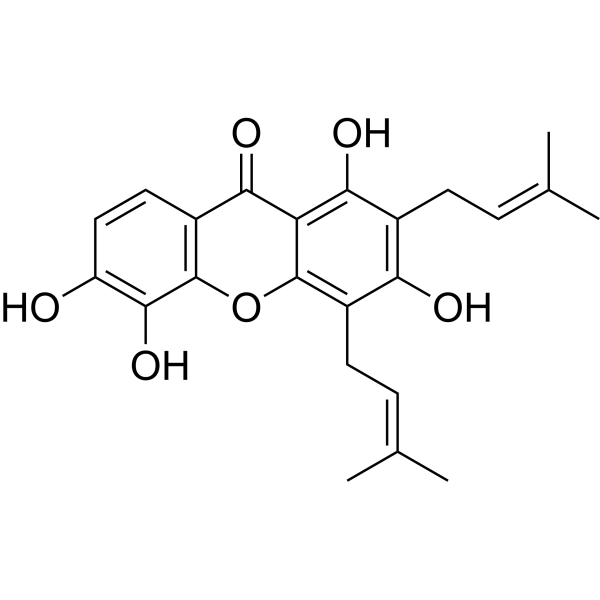
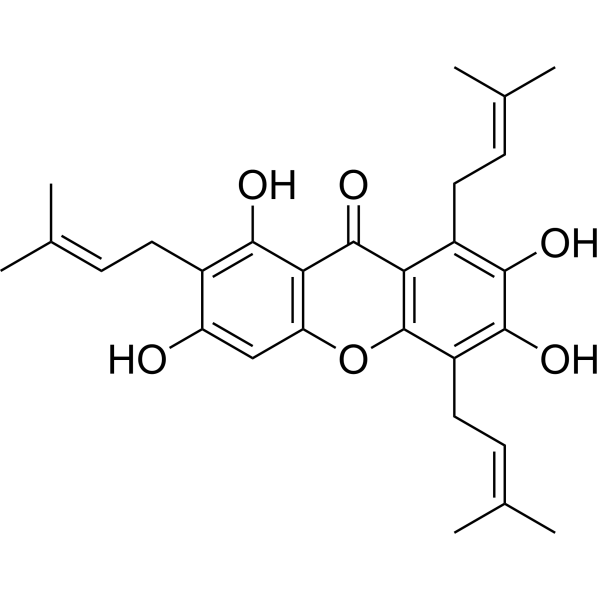
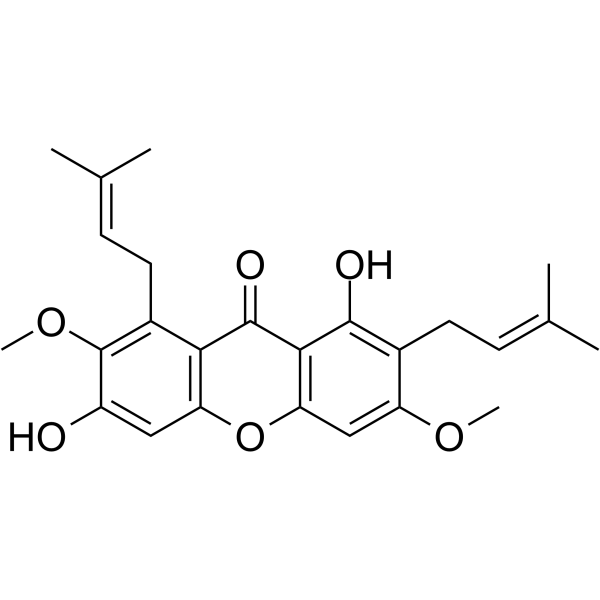
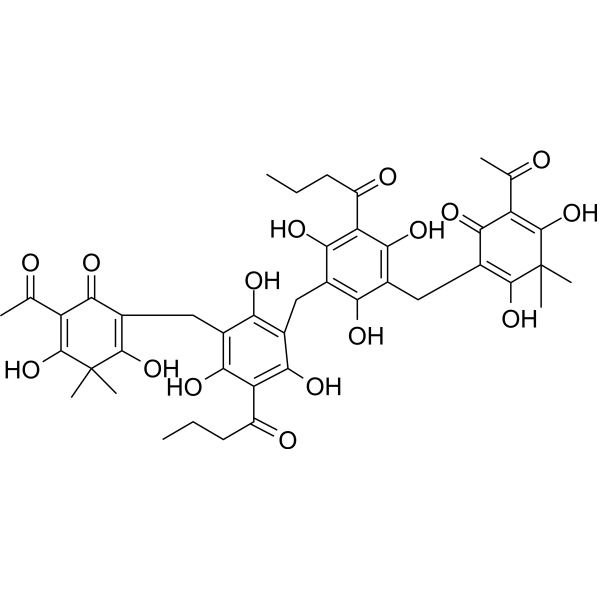
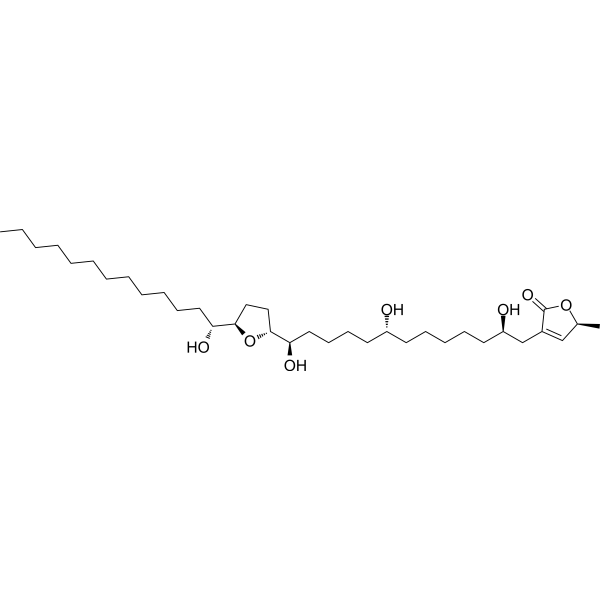
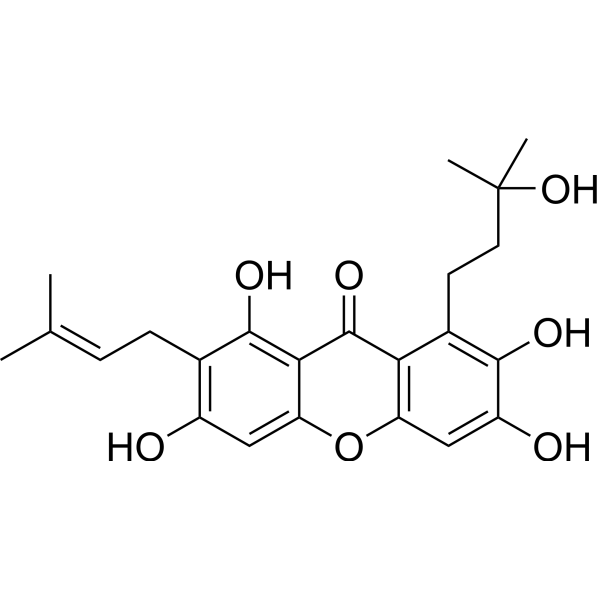
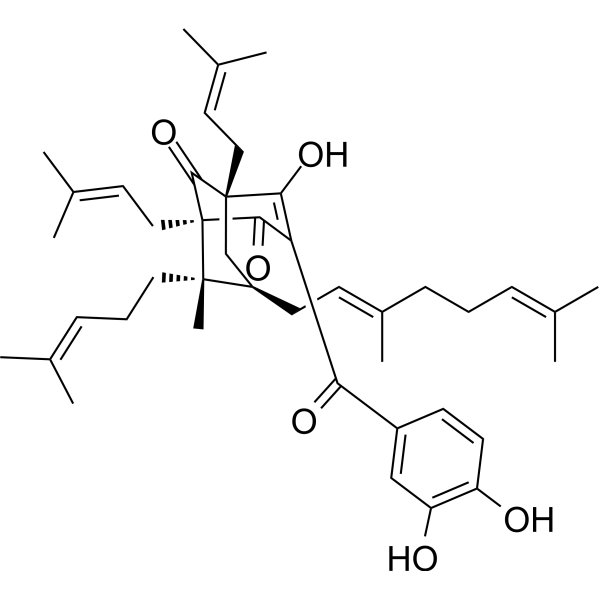
    Guttiferone G inhibits recombinant human SIRT1 and SIRT2 (IC50: 9 and 22 μM, respectively). Guttiferone G is weakly cytotoxic in A2780 human ovarian cell line (IC50: 8.0 μg/mL). Guttiferone G can be isolated from Garcinia macrophylla .
    Guttiferone G
  • HY-W414604

    Biochemical Assay Reagents Cancer
    Dichloro(1,2-diaminocyclohexane)platinum(II) is a platinum (II) analog and the oxaliplatin parent complex. Dichloro(1,2-diaminocyclohexane)platinum(II) is a potent chemotherapeutic with a wide spectrum of anticancer activity, low toxicity, and lack of cross resistance in many cisplatin-resistant cancers .
    Dichloro(1,2-diaminocyclohexane)platinum(II)
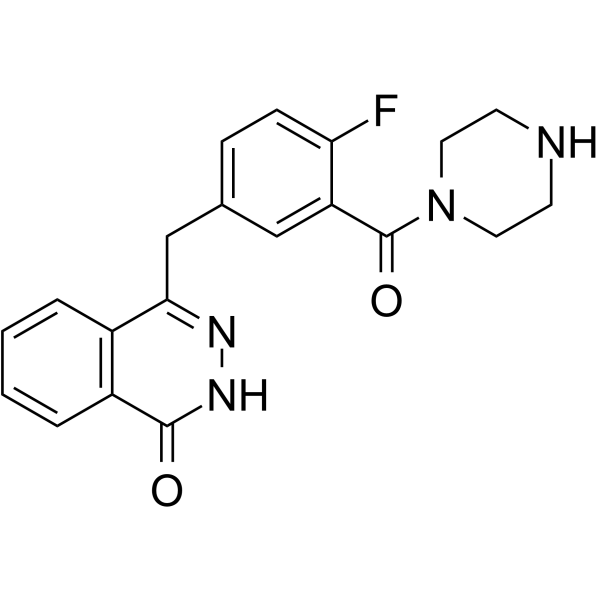
  • HY-W556802

    Biochemical Assay Reagents Others
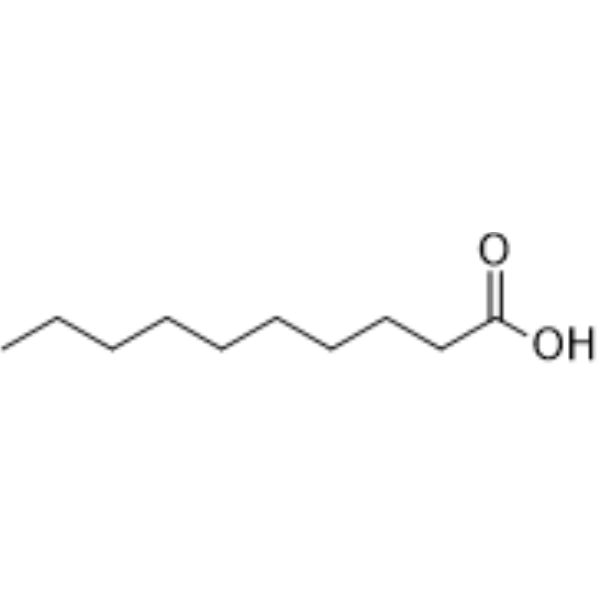
    Dichloro(1,2-diaminocyclohexane)platinum(II) is a platinum (II) analog and the oxaliplatin parent complex. Dichloro(1,2-diaminocyclohexane)platinum(II) is a potent chemotherapeutic with a wide spectrum of anticancer activity, low toxicity, and lack of cross resistance in many cisplatin-resistant cancers .
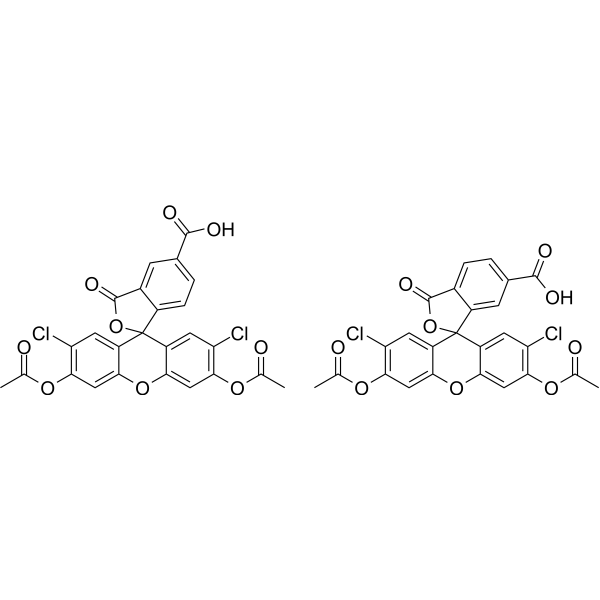
    5-Oxodecanoic acid
  • HY-162721

    Biochemical Assay Reagents Cancer
    Anticancer agent 242 (7) possesses anticancer activity in A2780 (IC50 = 0.24 μM, ovarian adenocarcinoma), A2780cis (IC50 = 0.45 μM, resistant derivative of A2780), CCD18Co (IC50 = 0.59 μM, non-malignant human fibroblasts), A549 (IC50 = 0.32 μM, lung carcinoma), HT29 (IC50 = 0.26 μM, colorectal adenocarcinoma), and MCF7 (IC50 = 0.55 μM, breast adenocarcinoma) .
    Anticancer agent 242
  • HY-161825

    Microtubule/Tubulin Apoptosis Cancer
    Tubulin polymerization-IN-66 (Compound 13) inhibits colony formation and tubulin polymerization. Tubulin polymerization-IN-66 induces apoptosis. Tubulin polymerization-IN-66 inhibits cell viability of A549, A2780, SKOV3, HCC827 cells, with IC50s of 0.84, 0.38, 0.31, 0.34 nM respectively. Tubulin polymerization-IN-66 is also active against the Paclitaxel (HY-B0015)-resistant cancer cell line A2780/T and its parental cell line A2780 .
    Tubulin polymerization-IN-66
  • HY-18652A

    Ro 5126766 potassium; CH5126766 potassium

    Raf MEK Cancer
    Avutometinib (CH5126766) (potassium) is a RAF/MEK clamp that potently inhibits RAF/MEK kinase activity and induces dominant negative RAF-MEK complexes preventing phosphorylation of MEK by ARAF, BRAF and CRAF. Avutometinib (potassium) shows anti-proliferative potency across tumor cell lines carrying KRAS mutations including PDAC cell lines. Avutometinib (potassium) induces tumor inhibition and increases survival in a KRAS/p53 pancreatic cancer mouse model. Avutometinib (potassium) is promising for research of low-grade-serous-ovarian-carcinoma (LGSOC), ovarian cancer and pancreatic ductal adenocarcinoma (PDAC) .
    Avutometinib potassium
  • HY-175459

    PROTACs FAK Inflammation/Immunology Cancer
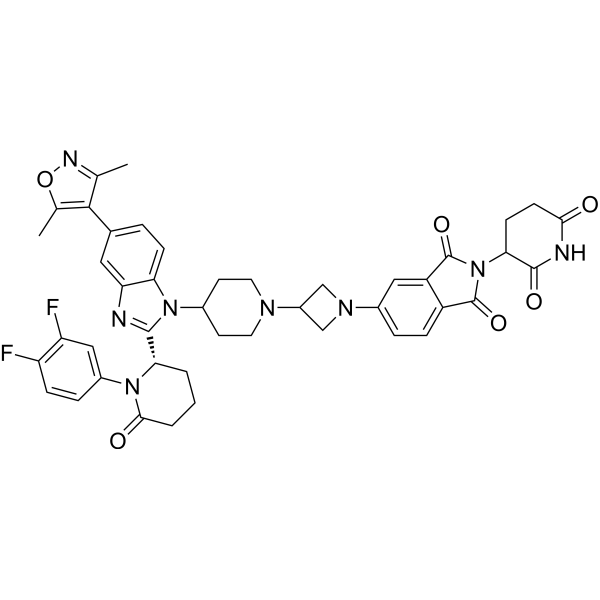
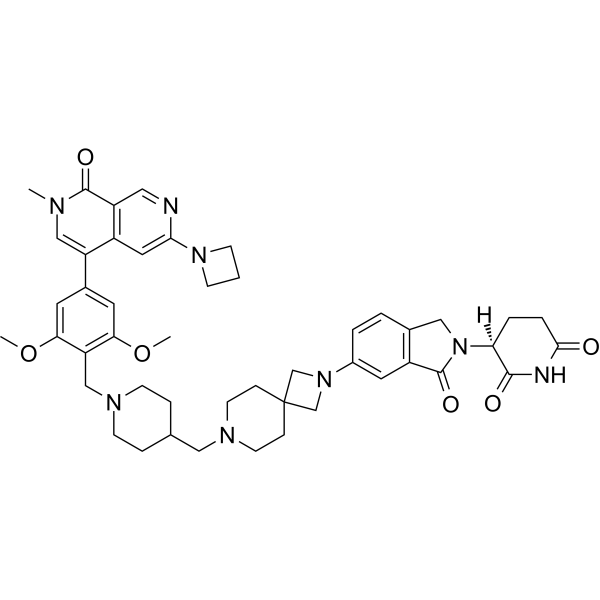
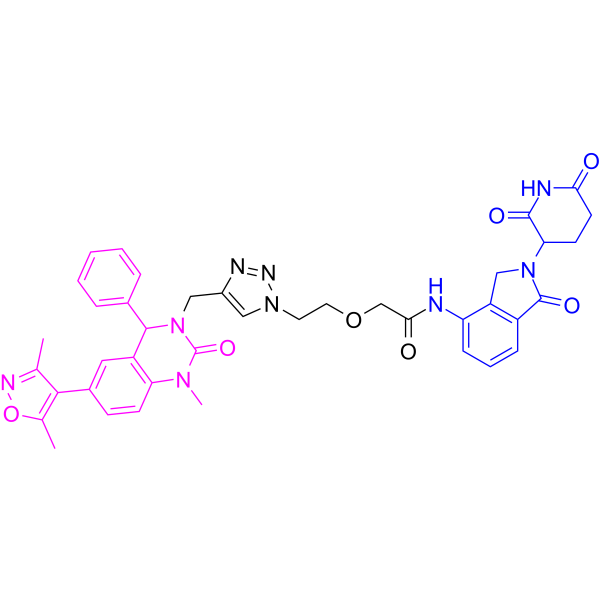
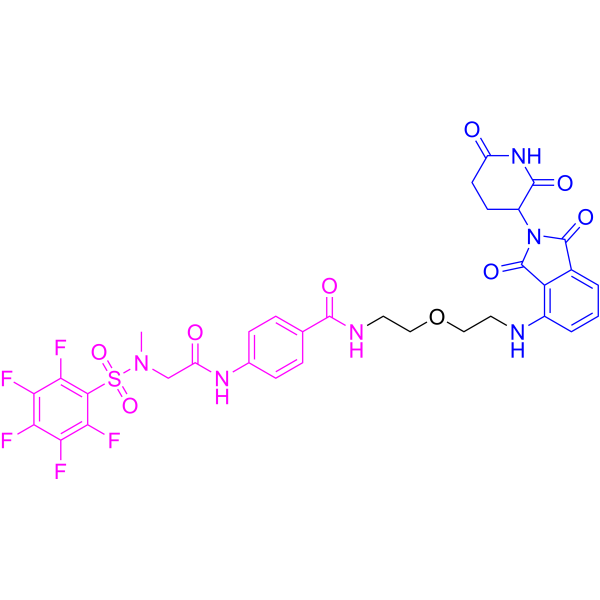
    PROTAC FAK degrader 3 is a selective FAK PROTAC degrader (DC50 = 1.08 nM). PROTAC FAK degrader 3 induces FAK degradation dependent on the ubiquitin-proteasome system and its binding to FAK and CRBN. PROTAC FAK degrader 3 upregulates MHC-I gene transcription and tumor cell surface expression by inhibiting the non-catalytic activity of FAK, leading to increased antigen presentation and activation of cytotoxic CD8 T cells. PROTAC FAK degrader 3 enhances in vivo anti-tumor activity by promoting MHC-I expression and enhancing T cell activation. PROTAC FAK degrader 3 can be used in cancer research targeting FAK degradation in ovarian cancer, hepatocellular carcinoma, and other cancers. (Pink: FAK-IN-3:HY-143407, Blue: Thalidomide-4-OH:HY-103596, Blue + Black: FAK ligand-3: HY-W939883, Black: Linker) .
    PROTAC FAK degrader 3
  • HY-W778423

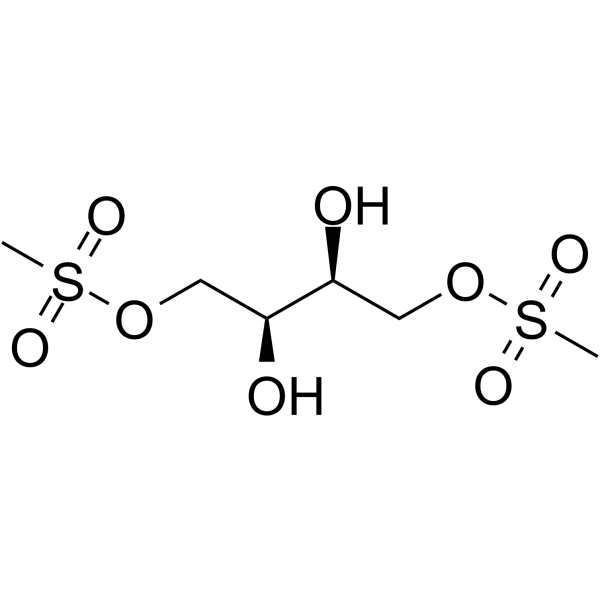
    Dihydroxy Oxaliplatin-Pt(IV)

    Drug Intermediate Cancer
    [Pt(DACH)(OH)2(ox)] is a Pt(IV) derivative of Oxaliplatin (HY-17371) with two axial hydroxido ligands, used as a precursor for synthesizing Pt(IV)-HDAC inhibitor prodrugs. [Pt(DACH)(OH)2(ox)] exerts cytotoxic activity against human cancer cells and accumulates in cancer cells for nuclear internalization and nuclear DNA platination. [Pt(DACH)(OH)2(ox)] can be used for the research of lung carcinoma, breast carcinoma, pancreatic carcinoma, colon carcinoma .
    [Pt(DACH)(OH)2(ox)]
  • HY-143339

    Epigenetic Reader Domain Histone Acetyltransferase Cancer
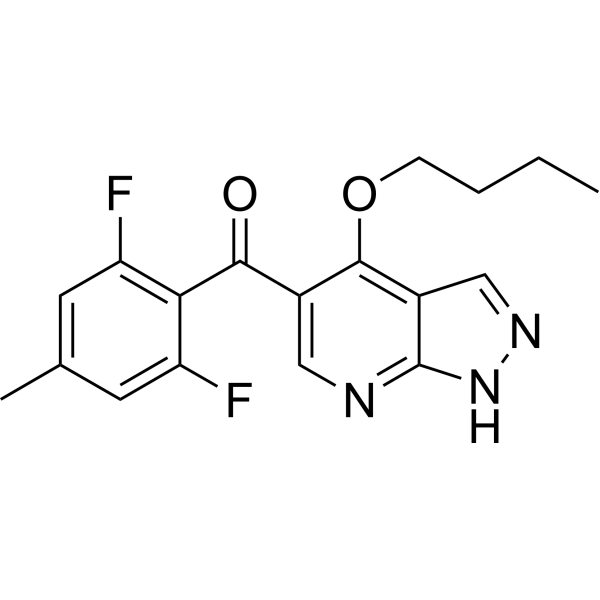
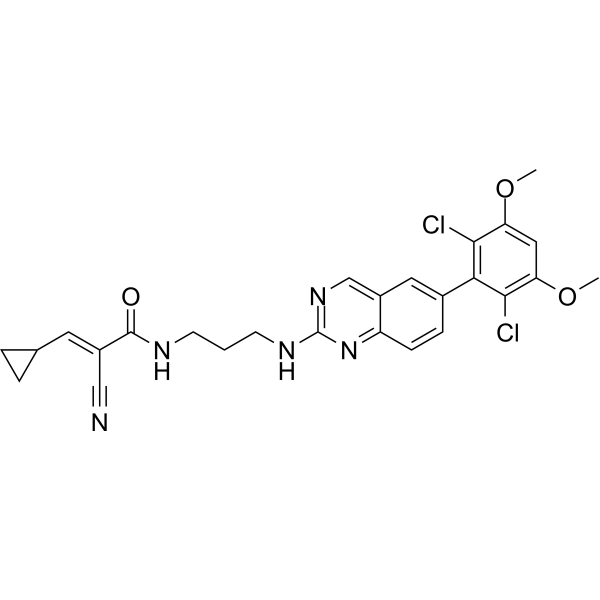
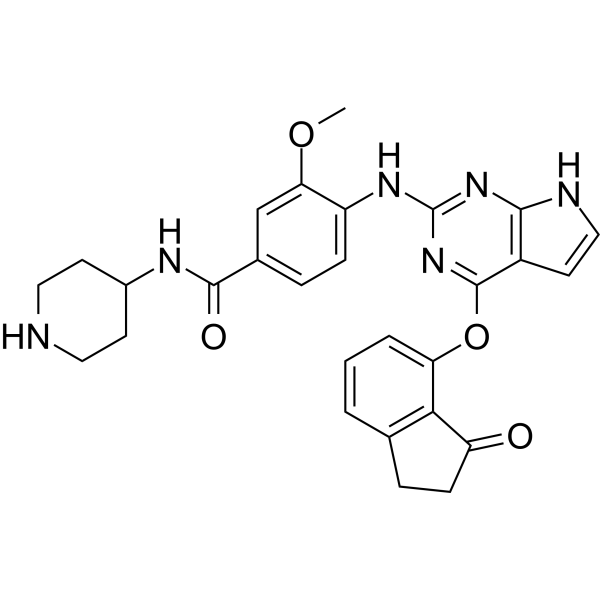
    CBP/p300-IN-15 (compound 13a) is a potent p300/CBP inhibitor, with IC50 values of 2.50 and 28.0 nM, respectively. CBP/p300-IN-15 shows good activity against OVCAR-3 and A2780 cell line, with EC50 values of 0.865 and 2.71 μM, respectively. CBP/p300-IN-15 can be used for ovarian cancer research .
    CBP/p300-IN-15
  • HY-N15638

    Others Cancer
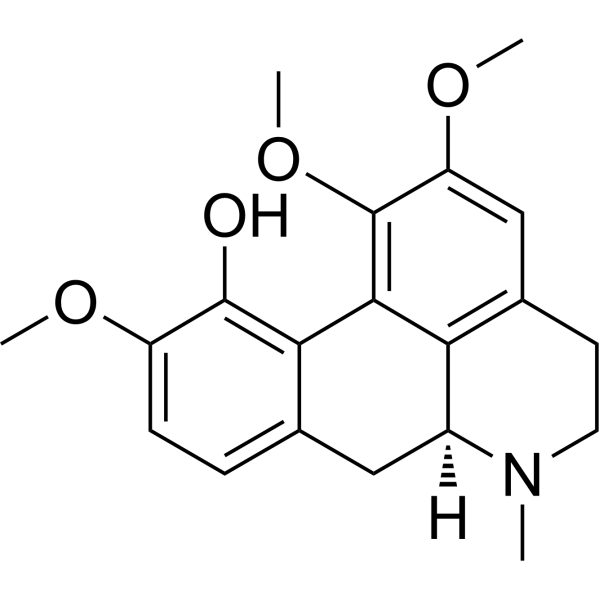
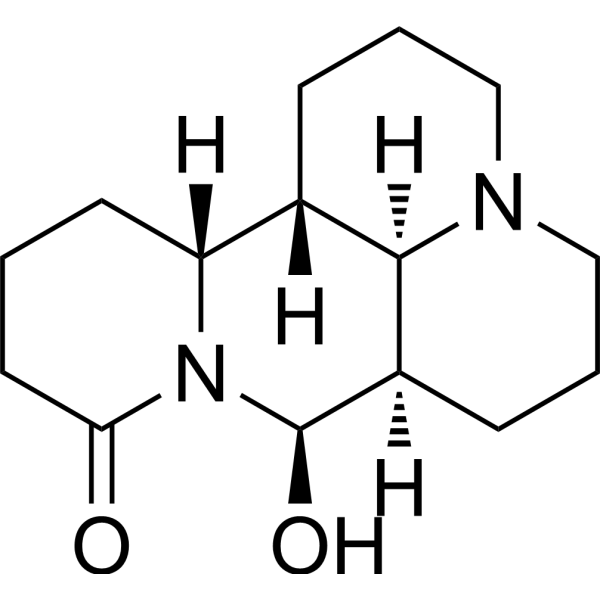
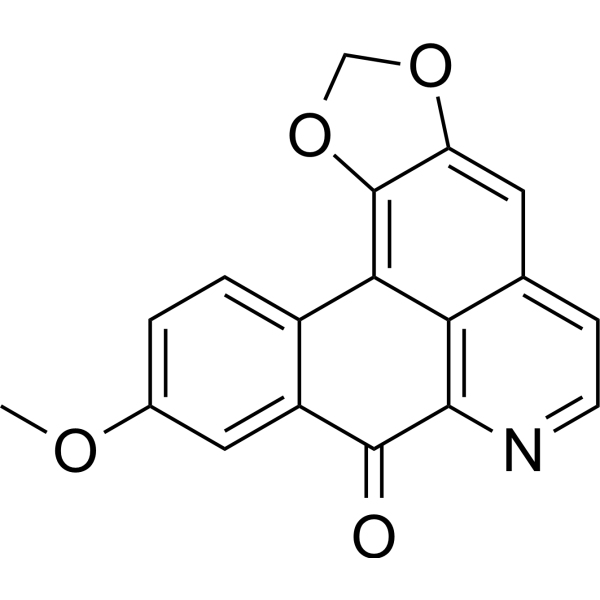
    Hydroxylunidine is a quinoline alkaloid that can be isolated from the leaves of Lunasia amara Blanco. Hydroxylunidine has weak antiproliferative activity against HeLa and A2780 cells .
    Hydroxylunidine
  • HY-169477

    Biochemical Assay Reagents Cancer
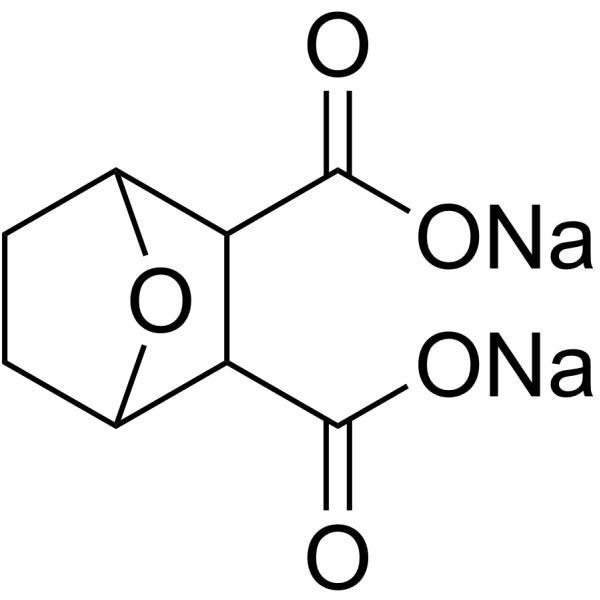
    PAMAM Dendrimer G0.5 Carboxylate sodium is a polyamidoamine (PAMAM) dendrimer with carboxylate termini. PAMAM Dendrimer G0.5 Carboxylate sodium conjugated with DACHPt is cytotoxic to A2780 ovarian cancer cells, MCF-7 breast cancer cells, Caco-2 colon cancer cells and BJ fibroblasts with IC50 values of 0.03, 1.6, 0.18 and 3 µM, respectively .
    PAMAM dendrimer G0.5 carboxylate sodium (8.78% w/w in water)
  • HY-158117

    Apoptosis Autophagy Cancer
    [Cu2Cl2(4'-(4-Methoxy-1-naphthyl)-terpy)2](PF6)2 (Compound 3) is a copper complex, which inhibits cell viability of HCT116, HCT116DoxR, A2780 and fibroblasts, with IC50s of 0.13, 0.15, 0.66 and 6.24 μM, respectively. [Cu2Cl2(4'-(4-Methoxy-1-naphthyl)-terpy)2](PF6)2 induces apoptosis and autophagy, and arrests cell cycle at G0/G1 phase in HCT116DoxR. [Cu2Cl2(4'-(4-Methoxy-1-naphthyl)-terpy)2](PF6)2 exhibits antimetastatic efficacy .
    [Cu2Cl2(4'-(4-Methoxy-1-naphthyl)-terpy)2](PF6)2

Inquiry Online

Your information is safe with us. * Required Fields.

Salutation


Country or Region *

Applicant Name *


Organization Name *

Department *


Email Address *


Product Name *

Cat. No.


Requested quantity *

Phone Number *


Remarks

Inquiry Online

Inquiry Information

Product Name:
Cat. No.:
Quantity:
MCE Japan Authorized Agent: