




 LinkedIn
 Researchgate
 Instagram
 X
X Facebook
 WhatsApp
 Reddit
 Mail
MailSARS-CoV-2 contains four main structural proteins: spike (S), membrane (M), envelope (E), and nucleocapsid (N) proteins. All the proteins and subcellular structures of CoVs are promising targets for SARS-CoV-2 research.
Articles
All
-
All
-
Scientific Reviews
-
EDM
-
Blog
Most Recent
-
Most Recent
-
Oldest
-
 Scientific Reviews
-
 Scientific Reviews
Organoids represent an important bridge between 2D cultures and in vivo mouse/human models. The organoid technology exerts enormous potential in evaluation of efficacy and toxicity of drugs, regenerative medicine, and precision medicine.In this article, we will briefly introduce organoid technology.
Scientific Reviews
Organoids represent an important bridge between 2D cultures and in vivo mouse/human models. The organoid technology exerts enormous potential in evaluation of efficacy and toxicity of drugs, regenerative medicine, and precision medicine.In this article, we will briefly introduce organoid technology. -
 Scientific Reviews
Development of Intestinal Organoid
Scientific Reviews
Development of Intestinal Organoid2022-07-28
3D organoid is one of the revolutionary developments in biomedical field during the past 10 years. The establishment of intestinal organoids is an important milestone in the development of organoid technology. -
Scientific Reviews
Organoids have great potential in research of organ development, disease modeling, drug screening and, precision and regenerative medicin. In this article, we will expalin the origin of the organoids. Adult stem cells (ASCs) or pluripotent stem cells (PSCs) , which is the better choice.
-
 Scientific Reviews
TME (Tumor microenvironment) is considered as a complex integrated system, composed of cellular components such as tumor cells and immune cells, as well as non-cellular components such as ECM and cytokines. According to the spatial distribution of immune cells in TME, "hot" and "cold" TME will be explained in this article.
Scientific Reviews
TME (Tumor microenvironment) is considered as a complex integrated system, composed of cellular components such as tumor cells and immune cells, as well as non-cellular components such as ECM and cytokines. According to the spatial distribution of immune cells in TME, "hot" and "cold" TME will be explained in this article. -
 Scientific Reviews
The latest study of Cell magazine "Neural mechanism underlying depressive-like state associated with social status loss" considers social factors as a breakthrough point. It has been found that the downward transition of social status induces depression-like behavior in mice whereas improves the depressive state by restoring their social environment.
Scientific Reviews
The latest study of Cell magazine "Neural mechanism underlying depressive-like state associated with social status loss" considers social factors as a breakthrough point. It has been found that the downward transition of social status induces depression-like behavior in mice whereas improves the depressive state by restoring their social environment. -
 Scientific Reviews
Necroptosis, also known as necroptosis, is a form of regulated necrotizing cell death mediated by RIP1 and RIP3 kinases. Necroptosis is a process that prevents the self-destruction of activated cells that are blocked by apoptosis. Necroptosis plays a tumor suppressor role in most cases. It may provide benefits in the researches of a variety of human diseases involving immune inflammation and cell death.
Scientific Reviews
Necroptosis, also known as necroptosis, is a form of regulated necrotizing cell death mediated by RIP1 and RIP3 kinases. Necroptosis is a process that prevents the self-destruction of activated cells that are blocked by apoptosis. Necroptosis plays a tumor suppressor role in most cases. It may provide benefits in the researches of a variety of human diseases involving immune inflammation and cell death. -
 Scientific Reviews
Stem cell classification and its application
Scientific Reviews
Stem cell classification and its application2023-05-18
Stem cells (SCs) have the unique ability to self-renew and differentiate into different cell types. SCs can differentiate into various types of tissue cells under specific conditions. Additionally, they can be further cultured to form different tissues and organs in the human body. Stem cells have numerous applications in various fields, including cell therapy, organ transplantation, neurodegenerative disease modeling, and drug screening. -
 Scientific Reviews
HLA-E, A Novel Immune Checkpoint
Scientific Reviews
HLA-E, A Novel Immune Checkpoint2023-06-29
Immune checkpoints have immunosuppressive functions. It can be used in the research of tumor immunotherapy. In this article, we introduce a new paper entitled "Immune checkpoint HLA-E: CD94 - NKG2Amediates evasion of circulating tumor cells from NK cell surveillance "research paper. -
 Scientific Reviews
Organoid Culture: Questions & Answers
Scientific Reviews
Organoid Culture: Questions & Answers2023-07-26
In the last issue, we conducted a live lecture on the theme of organoid culture. Today, we have a special topic to solve your doubts in the last live class! -
 Scientific Reviews
WHO's Q2 drug list has been updated. Let's take you through the list of the most noteworthy small molecule drugs that we should pay attention to.
Scientific Reviews
WHO's Q2 drug list has been updated. Let's take you through the list of the most noteworthy small molecule drugs that we should pay attention to. -
 Scientific Reviews
FDA Approved Drug List!
Scientific Reviews
FDA Approved Drug List!2023-09-14
In the first half of 2023 (as of June 27), the FDA approved 26 new drugs, let's take you learn about it through the article. -
 Scientific Reviews
IHC is an indispensable technique for studying tissue morphology and in situ antigen expression, but usually only one or two antigens in tissues can be stained for analysis. It cannot judge the results more intuitively. Today, Little M will introduce you to the upgraded version mlHC.
Scientific Reviews
IHC is an indispensable technique for studying tissue morphology and in situ antigen expression, but usually only one or two antigens in tissues can be stained for analysis. It cannot judge the results more intuitively. Today, Little M will introduce you to the upgraded version mlHC. -
 Scientific Reviews
FDA Annual Review | Record-breaking number of new drug approvals in 2023!
Scientific Reviews
FDA Annual Review | Record-breaking number of new drug approvals in 2023! -
 Scientific Reviews
Katalin Karikó and Drew Weissman were awarded the Nobel Prize in Physiology or Medicine in 2023 for their groundbreaking work in nucleoside modification, which paved the way for the creation of successful mRNA vaccines to fight against COVID-19. Let's now delve into the complete process of mRNA vaccine development.
Scientific Reviews
Katalin Karikó and Drew Weissman were awarded the Nobel Prize in Physiology or Medicine in 2023 for their groundbreaking work in nucleoside modification, which paved the way for the creation of successful mRNA vaccines to fight against COVID-19. Let's now delve into the complete process of mRNA vaccine development. -
 Scientific Reviews
Exosomes, which won the Nobel Prize in 2013, are still a research hotspot in the national natural sciences, and their popularity has only increased over the past decade (in 2022, they still rank 5th in the national natural sciences hotspots!). Why have exosomes become the darling of scientific research? Let's take a look together~
Scientific Reviews
Exosomes, which won the Nobel Prize in 2013, are still a research hotspot in the national natural sciences, and their popularity has only increased over the past decade (in 2022, they still rank 5th in the national natural sciences hotspots!). Why have exosomes become the darling of scientific research? Let's take a look together~ -
 Scientific Reviews
Antibodies!
Scientific Reviews
Antibodies!2024-07-26
Today, We introduce antibodies for everyone! -
 Scientific Reviews
A New Form of Cell Death: PANoptosis!
Scientific Reviews
A New Form of Cell Death: PANoptosis! -
 Scientific Reviews
Advancing Chronic Kidney Disease Research with GJ103 and Lamin B1 Antibody!
Scientific Reviews
Advancing Chronic Kidney Disease Research with GJ103 and Lamin B1 Antibody! -
 Scientific Reviews
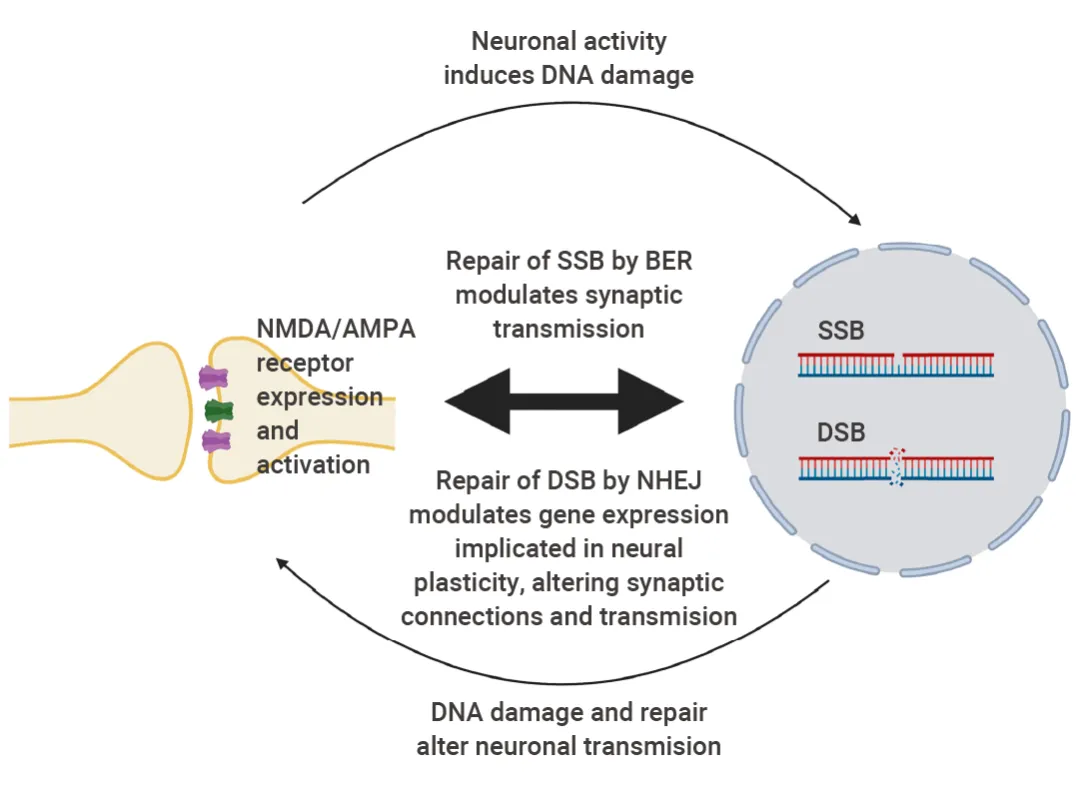
When you hear "inflammation" and "DNA damage," you might immediately think of disease or injury. However, in brains, these two processes are key steps in forming long-term memories, particularly related to specialized cells in our brain called hippocampal neurons.
Scientific Reviews
When you hear "inflammation" and "DNA damage," you might immediately think of disease or injury. However, in brains, these two processes are key steps in forming long-term memories, particularly related to specialized cells in our brain called hippocampal neurons. -
 Scientific Reviews
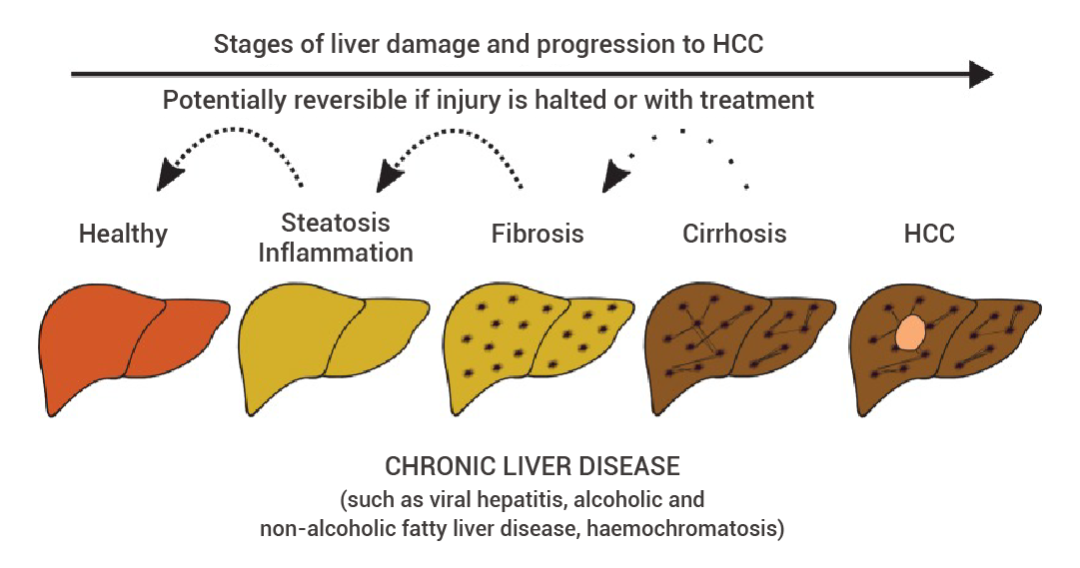
This article will tell you about the common methods of modeling liver disease in animal models.
Scientific Reviews
This article will tell you about the common methods of modeling liver disease in animal models. -
 Scientific Reviews
This article introduces some common cardiovascular disease models, inducers, modeling protocols and successful modeling cases in the research.
Scientific Reviews
This article introduces some common cardiovascular disease models, inducers, modeling protocols and successful modeling cases in the research. -
 Scientific Reviews
A groundbreaking study in Nature Communications reveals the key mechanism behind Idiopathic Pulmonary Fibrosis and identifies an existing drug with the potential to counter it.
Scientific Reviews
A groundbreaking study in Nature Communications reveals the key mechanism behind Idiopathic Pulmonary Fibrosis and identifies an existing drug with the potential to counter it. -
 Scientific Reviews
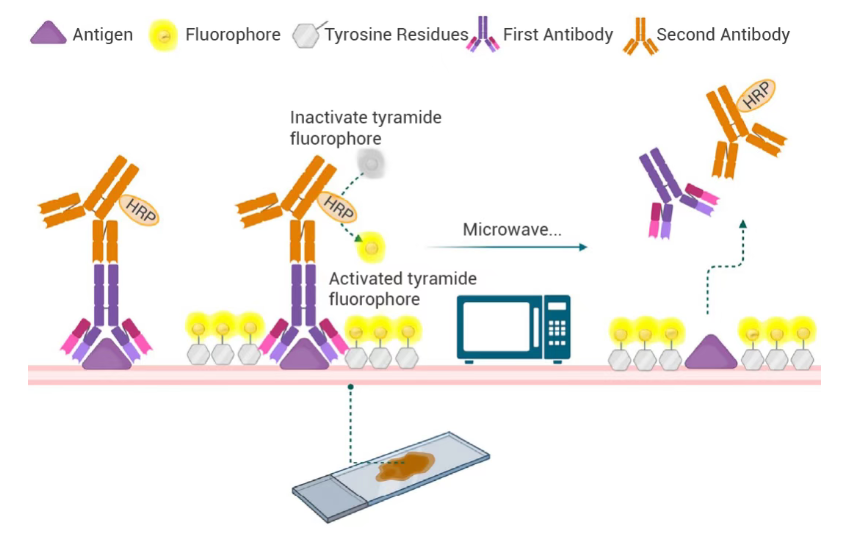
This detailed guide outlines the standardized experimental protocols for multiplex immunohistochemistry (mIHC), systematically summarizes common technical issues encountered during sample preparation, staining and imaging processes, and provides practical troubleshooting solutions to ensure reliable and reproducible results in biomedical research and clinical sample analysis.
Scientific Reviews
This detailed guide outlines the standardized experimental protocols for multiplex immunohistochemistry (mIHC), systematically summarizes common technical issues encountered during sample preparation, staining and imaging processes, and provides practical troubleshooting solutions to ensure reliable and reproducible results in biomedical research and clinical sample analysis. -
Scientific Reviews
Microglia– the only immune cells within the brain parenchyma. With advancements in imaging technologies, people’s understanding of microglia has shifted from being viewed as 'resting' cells to 'highly active' cells, particularly due to their dynamic processes that seem to be probing surrounding tissues and monitoring neuronal activity. This has made microglia a focal point of research in the field of neuroscience. -
 Scientific Reviews
Exosomes—natural nanoscale carriers—are revolutionizing targeted therapy. This article uncovers the science behind their precision in drug delivery.
Scientific Reviews
Exosomes—natural nanoscale carriers—are revolutionizing targeted therapy. This article uncovers the science behind their precision in drug delivery. -
 Scientific Reviews
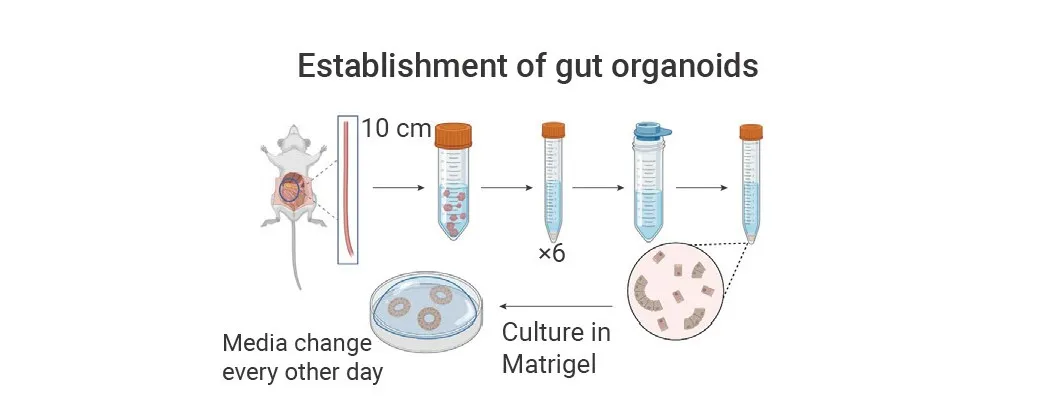
Efficient Generation of Mouse Small Intestinal Organoids: A Complete Experimental Protocol Guide
Scientific Reviews
Efficient Generation of Mouse Small Intestinal Organoids: A Complete Experimental Protocol Guide2025-12-10
How to successfully create mouse small intestine organoids? A detailed, hands-on guide to the entire process, all in one article! -
 Scientific Reviews
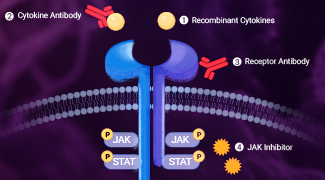
This paper elaborates on cytokines for culturing major immune cells, their regulatory roles, recombinant cytokines' merits and MCE’s related high-quality products.
Scientific Reviews
This paper elaborates on cytokines for culturing major immune cells, their regulatory roles, recombinant cytokines' merits and MCE’s related high-quality products. -
 EDM
This review critically examines the role of the JAK-STAT pathway in immunity and autoimmune diseases, reviews current clinical applications of targeted therapies, and highlights emerging trends in autoimmune drug development.
EDM
This review critically examines the role of the JAK-STAT pathway in immunity and autoimmune diseases, reviews current clinical applications of targeted therapies, and highlights emerging trends in autoimmune drug development. -
 EDM
This review summarizes the mechanisms of DSS-induced colitis, commonly used modeling approaches, and key considerations related to DSS molecular weight.
EDM
This review summarizes the mechanisms of DSS-induced colitis, commonly used modeling approaches, and key considerations related to DSS molecular weight. -
 EDM
This review outlines macrophage functions and classification, and provides practical experimental guidelines for macrophage differentiation, polarization, and identification.
EDM
This review outlines macrophage functions and classification, and provides practical experimental guidelines for macrophage differentiation, polarization, and identification. -
 EDM
Review the mechanisms, mitochondrial regulation, disease relevance, and translational opportunities of the NLRP3–STING axis in neuroinflammation.
EDM
Review the mechanisms, mitochondrial regulation, disease relevance, and translational opportunities of the NLRP3–STING axis in neuroinflammation. -
 EDM
Explore the mechanisms driving immune tolerance breakdown in autoimmune diseases and emerging tolerance-restoring strategies, with a focus on IL-2-based immune modulation.
EDM
Explore the mechanisms driving immune tolerance breakdown in autoimmune diseases and emerging tolerance-restoring strategies, with a focus on IL-2-based immune modulation. -
 EDM
Explore how mitochondrial quality control, inflammatory signaling, and metabolic–epigenetic reprogramming regulate cellular senescence and the SASP, along with strategies to restore mitochondrial homeostasis.
EDM
Explore how mitochondrial quality control, inflammatory signaling, and metabolic–epigenetic reprogramming regulate cellular senescence and the SASP, along with strategies to restore mitochondrial homeostasis. -
 Blog
HS-1371 is a Small Molecule RIP3 Inhibitor
Blog
HS-1371 is a Small Molecule RIP3 Inhibitor2019-04-09
HS-1371 is a novel kinase inhibitor of RIP3-mediated necroptosis, showing an inhibitory effect on S227 auto-phosphorylation of RIP3 at the basal level. -
 Blog
PRN1008 is a Reversible Covalent and Oral Active Inhibitor of Bruton’s Tyrosine Kinase (BTK)
Blog
PRN1008 is a Reversible Covalent and Oral Active Inhibitor of Bruton’s Tyrosine Kinase (BTK)2019-04-18
PRN1008 is a selective, reversible covalent and oral active inhibitor of Bruton’s Tyrosine Kinase (BTK), with an IC50 of 1.3 nM. -
 Blog
Multiple Tyrosine Kinases Inhibitor TAS-115
Blog
Multiple Tyrosine Kinases Inhibitor TAS-1152019-04-19
TAS-115 is a potent VEGFR and c-Met/HGFR-targeted kinase inhibitor with IC50s of 30 and 32 nM for rVEGFR2 and rMET, respectively. -
 Blog
TAK-828F is a potent, selective and orally active retinoic acid receptor-related orphan receptor γt (RORγt) inverse agonist. TAK-828F inhibits IL-17A cytokine expression and reduces symptoms of autoimmune encephalomyelitis mice.
Blog
TAK-828F is a potent, selective and orally active retinoic acid receptor-related orphan receptor γt (RORγt) inverse agonist. TAK-828F inhibits IL-17A cytokine expression and reduces symptoms of autoimmune encephalomyelitis mice. -
 Blog
GSK3145095 is a RIP1 kinase inhibitor with an IC50 of 6.3 nM. Potently blocks the TNF response and RIP1-dependent inflammatory cytokine MIP-1β production.
Blog
GSK3145095 is a RIP1 kinase inhibitor with an IC50 of 6.3 nM. Potently blocks the TNF response and RIP1-dependent inflammatory cytokine MIP-1β production. -
 Blog
JMS-17-2 is a CX3CR1 Antagonist
Blog
JMS-17-2 is a CX3CR1 Antagonist2019-06-12
JMS-17-2 is a potent and selective CX3CR1 antagonist with an IC50 of 0.32 nM. Has potential to treat cancers such as breast cancer. -
 Blog
BAY-11-7082 inhibits the proliferation and induces the apoptosis of U266 cells through inhibiting NF-κB pathway. BAY 11-7082 ameliorates experimental diabetic neuropathy by modulating neuroinflammation and improving antioxidant defence.
Blog
BAY-11-7082 inhibits the proliferation and induces the apoptosis of U266 cells through inhibiting NF-κB pathway. BAY 11-7082 ameliorates experimental diabetic neuropathy by modulating neuroinflammation and improving antioxidant defence. -
 Blog
S18-000003 is a potent, selective and orally active inhibitor of retinoic acid receptor-related orphan receptor-gamma-t (RORγt). S18-000003 ameliorates psoriasis-like lesions in vivo. S18-000003 can be used for the research of skin inflammatory diseases.
Blog
S18-000003 is a potent, selective and orally active inhibitor of retinoic acid receptor-related orphan receptor-gamma-t (RORγt). S18-000003 ameliorates psoriasis-like lesions in vivo. S18-000003 can be used for the research of skin inflammatory diseases. -
 Blog
TPCA-1, a Direct Dual Inhibitor of STAT3 and NF-κB, Regresses Mutant EGFR-Associated NSCLC
Blog
TPCA-1, a Direct Dual Inhibitor of STAT3 and NF-κB, Regresses Mutant EGFR-Associated NSCLC2019-07-15
TPCA-1 is a potent and selective inhibitor of IKK-2 with IC50 of 17.9 nM. TPCA-1 is an effective inhibitor of STAT3 phosphorylation, DNA binding. -
 Blog
BI-167107 is a high affinity, full agonist that binds to the β2 adrenergic receptor (β2AR) with a dissociation constant Kd of 84 pM.
Blog
BI-167107 is a high affinity, full agonist that binds to the β2 adrenergic receptor (β2AR) with a dissociation constant Kd of 84 pM. -
 Blog
UK 356618 is a Selective MMP-3 Inhibitor
Blog
UK 356618 is a Selective MMP-3 Inhibitor2019-12-25
UK 356618 is a selective and potent inhibitor of MMP-3. UK 356618 exhibits potent anti-inflammatory and anti-cancer activity. -
 Blog
CH6953755 is a potent, orally active and selective YES1 kinase inhibitor leading to antitumor activity against YES1 Gene -amplified cancers.
Blog
CH6953755 is a potent, orally active and selective YES1 kinase inhibitor leading to antitumor activity against YES1 Gene -amplified cancers. -
 Blog
CA-4948 is a Selective and Orally Bioavailable IRAK4 Kinase Inhibitor for Lymphoma Treatment
Blog
CA-4948 is a Selective and Orally Bioavailable IRAK4 Kinase Inhibitor for Lymphoma Treatment2020-01-05
CA-4948 is a potent, selective and orally bioavailable IRAK4 kinase inhibitor. CA-4948 can be used for the treatment of lymphoma. -
 Blog
BAY-985 is an orally active and selective ATP-competitive dual inhibitor of TBK1 and IKKε with IC50s of 2/30 and 2 nM for TBK1 and IKKε, respectively.
Blog
BAY-985 is an orally active and selective ATP-competitive dual inhibitor of TBK1 and IKKε with IC50s of 2/30 and 2 nM for TBK1 and IKKε, respectively. -
 Blog
ADH-503 is an orally active and allosteric CD11b agonist and leads to the repolarization of tumor-associated macrophages.
Blog
ADH-503 is an orally active and allosteric CD11b agonist and leads to the repolarization of tumor-associated macrophages. -
 Blog
GSK143 is an orally active and highly selective spleen tyrosine kinase (SYK) inhibitor. GSK143 reduces inflammation in the intestinal muscularis in mice.
Blog
GSK143 is an orally active and highly selective spleen tyrosine kinase (SYK) inhibitor. GSK143 reduces inflammation in the intestinal muscularis in mice. -
 Blog
CAY10404 is a potent and highly selective COX-2 inhibitor. CAY10404 is a potent inhibitor of PKB/Akt and MAPK signalling pathways.
Blog
CAY10404 is a potent and highly selective COX-2 inhibitor. CAY10404 is a potent inhibitor of PKB/Akt and MAPK signalling pathways. -
 Blog
BMS-P5 is an Orally Active PAD4 Inhibitor
Blog
BMS-P5 is an Orally Active PAD4 Inhibitor2020-12-12
BMS-P5 is an orally active PAD4 inhibitor. BMS-P5 blocks MM-induced NET formation and delays progression of MM in a syngeneic mouse model -
 Blog
ML132, a potent and selective caspase 1 inhibitor with a unique selectivity pattern, is responsible for the proteolytic activation of IL-1β and IL-18.
Blog
ML132, a potent and selective caspase 1 inhibitor with a unique selectivity pattern, is responsible for the proteolytic activation of IL-1β and IL-18. -
 Blog
CC-90001 is a potent, selective, and orally active inhibitor of JNK. CC-90001 can be used for the research of idiopathic pulmonary fibrosis (IPF).
Blog
CC-90001 is a potent, selective, and orally active inhibitor of JNK. CC-90001 can be used for the research of idiopathic pulmonary fibrosis (IPF). -
 Blog
SB-332235 is a potent, orally active nonpeptide CXCR2 antagonist. SB-332235 inhibits acute and chronic models of arthritis in the rabbit.
Blog
SB-332235 is a potent, orally active nonpeptide CXCR2 antagonist. SB-332235 inhibits acute and chronic models of arthritis in the rabbit. -
 Blog
Lumiracoxib is a COX-2 inhibitor. Lumiracoxib acts as nonselective NSAID with anti-inflammatory, analgesic and antipyretic activities.
Blog
Lumiracoxib is a COX-2 inhibitor. Lumiracoxib acts as nonselective NSAID with anti-inflammatory, analgesic and antipyretic activities. -
 Blog
Ruxolitinib is a potent and selective JAK1/2 inhibitor and has 130-fold selectivity for JAK1/2 over JAK3. Ruxolitinib induces autophagy.
Blog
Ruxolitinib is a potent and selective JAK1/2 inhibitor and has 130-fold selectivity for JAK1/2 over JAK3. Ruxolitinib induces autophagy. -
 Blog
IMD-0354 is a Selective IKKβ Inhibitor
Blog
IMD-0354 is a Selective IKKβ Inhibitor2021-11-09
IMD-0354 is a selective IKKβ inhibitor and potently inhibits NF-κB activity. IMD0354 has antitumor activity. -
 Blog
CL097 is a TLR7/8 agonist. CL097 induces pro-nflammatory cytokines. CL097 induces NADPH oxidase priming and efficient diabetogenic cytotoxic T lymphocyte (CTL) function in NOD mice.
Blog
CL097 is a TLR7/8 agonist. CL097 induces pro-nflammatory cytokines. CL097 induces NADPH oxidase priming and efficient diabetogenic cytotoxic T lymphocyte (CTL) function in NOD mice. -
 Blog
Zingerone is a natural orally active nontoxic methoxyphenol potent anti-inflammatory, antidiabetic, antioxidize, and anti-tumor properties.
Blog
Zingerone is a natural orally active nontoxic methoxyphenol potent anti-inflammatory, antidiabetic, antioxidize, and anti-tumor properties. -
 Blog
BM213 is a selective C5aR1 agonist. It’s a useful research tool to study C5aR1 function
Blog
BM213 is a selective C5aR1 agonist. It’s a useful research tool to study C5aR1 function -
 Blog
Pelecopan is a potent, selective, and orally active complement factor D inhibitor, possessing the potential to study paroxysmal nocturnal hemoglobinuria (PNH).
Blog
Pelecopan is a potent, selective, and orally active complement factor D inhibitor, possessing the potential to study paroxysmal nocturnal hemoglobinuria (PNH). -
 Blog
Etrolizumab is a Gut-selective, Anti-β7 Integrin McAb for Inflammatory Bowel Disease (IBD) Research
Blog
Etrolizumab is a Gut-selective, Anti-β7 Integrin McAb for Inflammatory Bowel Disease (IBD) Research2022-11-05
Etrolizumab is a gut-selective, anti-β7 integrin monoclonal antibody and has the potential for the research of inflammatory bowel disease. -
 Blog
Ruxolitinib is an orally-active JAK1/2 inhibitor. Ruxolitinib has the potential for the research of myeloproliferative neoplasm (MPN).
Blog
Ruxolitinib is an orally-active JAK1/2 inhibitor. Ruxolitinib has the potential for the research of myeloproliferative neoplasm (MPN).
Products
All
-
All
-
Inhibitors & Agonists
-
Isotope-Labeled Compounds
-
Fluorescent Dye
-
Peptides
-
Recombinant Proteins
-
Antibodies
-
Screening Libraries
-
Inhibitory Antibodies
-
Reference Standards
-
Induced Disease Models Products
-
Biochemical Assay Reagents
-
Natural Products
| Cat. No. | Product Name | Information | Application | Publication |
|---|---|---|---|---|
| HY-Y0320 | Dimethyl sulfoxide, meets analytical specification of Ch.P. |
Dimethyl sulfoxide (DMSO), meets analytical specification of Ch.P. is an aprotic solvent that dissolves polar and non-polar compounds, including water-insoluble therapeutic and toxic agents. Dimethyl sulfoxide (DMSO) has a strong affinity for water and can rapidly penetrate or enhance the penetration of other substances into biological membranes. Dimethyl sulfoxide also has potential free radical scavenging and anticholinesterase effects and may affect coagulation activity. Dimethyl sulfoxide also induces histamine release from mast cells but is thought to have low systemic toxicity. Dimethyl sulfoxide also exhibits antifreeze and antibacterial properties.
MCE provides Dimethyl sulfoxide that complies with the inspection standards (Ch.P) of Part 4 of the Chinese Pharmacopoeia (2020 Edition). Amicrobic, low endotoxin, can be used in various biochemical experiments such as drug dissolution. |
|
387
|
| HY-L001P | Bioactive Compound Library Plus |
Bioactive compounds are a general term for a class of substances that can cause certain biological effects in the body, which are the main source of small molecule drugs. These compounds generally penetrate cell membranes, act on specific target proteins in cells, regulate intracellular signaling pathways, and cause some changes in cell phenotype.
MCE owns a unique collection of 32,925 compounds with confirmed biological activities and clear targets. These compounds include natural products, innovative compounds, approved compounds, and clinical compounds. This library is a useful tool for signal pathway research, drug discovery and drug repurposing, etc.
Bioactive Compound Library Plus, with more powerful screening capability, further complements Bioactive Compound Library (HY-L001) by adding some compounds with low solubility or solution stability (Part B) and some novel, rare or exclusive compounds (Part C) to this library. Overall, bioactive compound library plus (HY-L001P) includes tree parts: Part A, Part B and Part C. Compounds in Part A are equal to the products in HY-L001, which can be supplied in solution or solid form. Compounds in Part B and C are only supplied in solid form.
|
|
131
|
| HY-L007 | Immunology/Inflammation Compound Library |
The immune system is a host defense system comprising many biological structures and processes within an organism that protects against disease. To function properly, an immune system must detect a wide variety of agents, known as pathogens, from viruses to parasitic worms, and distinguish them from the organism's own healthy tissue. Inflammation is also the body's attempt at self-protection to remove harmful stimuli and begin the healing process. It’s part of the body's immune response. The immune system recognizes damaged cells, irritants, and pathogens, and inflammation begins the healing process. Inflammatory abnormalities are a large group of disorders that underlie a vast variety of human diseases. The immune system is often involved with inflammatory disorders, demonstrated in both allergic reactions and some myopathies, with many immune system disorders resulting in abnormal inflammation.
MCE designs a unique collection of 8,643 compounds that are useful tool for Immunology/Inflammation research or autoimmune inflammatory diseases drug discovery.
|
|
89
|
| HY-L020 | Wnt/Hedgehog/Notch Compound Library |
The developmental proteins Hedgehog, Notch and Wnt are key regulators of cell fate, proliferation, migration and differentiation in several tissues. Their related signaling pathways are frequently activated in tumors, and particularly in the rare subpopulation of cancer stem cells.
The Wnt signaling pathway is a conserved pathway in animals. Deregulated Wnt signaling has catastrophic consequences for the developing embryo and it is now well appreciated that defective Wnt signaling is a causative factor for a number of pleiotropic human pathologies, including cancer. Hedgehog signaling pathway is linked to tumorigenesis and is aberrantly activated in a variety of cancers. The Notch signaling pathway is a highly conserved cell signaling system present in most animals. It plays an important role in cell-cell communication, and further regulates embryonic development.
MCE designs a unique collection of 654 Wnt/Hedgehog/Notch signaling pathway-related small molecules. Wnt/Hedgehog/Notch Compound Library serves as a useful tool for stem cell research and anti-cancer drug screening.
|
|
86
|
| HY-L013 | Neuronal Signaling Compound Library |
Neuronal Signaling is involved in the regulation of the mechanisms of the central nervous system (CNS) such as its structure, function, genetics and physiology as well as how this can be applied to understand diseases of the nervous system. Every information processing system in the CNS is composed of neurons and glia, neurons have evolved unique capabilities for intracellular signaling (communication within the cell) and intercellular signaling (communication between cells). G protein-coupled receptors (GPCRs), including 5-HT receptor, histamine receptor, opioid receptor, etc. are the largest class of sensory proteins and are important therapeutic targets in Neuronal Signaling. Besides, Notch signaling, such as β- and γ-secretase, also plays multiple roles in the development of the CNS including regulating neural stem cell (NSC) proliferation, survival, self-renewal and differentiation. GPCR dysfunction caused by receptor mutations and environmental challenges contributes to many neurological diseases. Notch signaling in neurons, glia, and NSCs is also involved in pathological changes that occur in disorders such as stroke, Alzheimer's disease and CNS tumors. Thus, targeting Neuronal Signaling, such as notch signaling and GPCRs, can be used as therapeutic interventions for several different CNS disorders.
MCE designs a unique collection of 3,961 Neuronal Signaling-related compounds that act as a useful tool for the research of neuronal regulation and neuronal diseases.
|
|
84
|
| HY-L034 | Anti-Aging Compound Library |
Aging is a complex biological process characterized by functional decline of tissues and organs, structural degeneration, and reduced adaptability and resistance, all of which contribute to an increase in morbidity and mortality caused by multiple chronic diseases, such as Alzheimer's disease, cancer, and diabetes. Many theories, which fall into two main categories: programmed and error theories, have been proposed to explain the process of aging, but neither of them appears to be fully satisfactory. The programmed theories imply that aging relies on specific gene regulation, and the error theories emphasize the internal and environmental damages accumulated to living organisms. The damage theories proposed the nine hallmarks that were generally considered to contribute to the aging process: genomic instability, telomere attrition, epigenetic alterations, loss of proteostasis, deregulated nutrient-sensing, mitochondrial dysfunction, cellular senescence, stem cell exhaustion, and altered intercellular communication.
MCE Anti-Aging Compound Library contains 7,771 compounds, mainly targeting Sirtuin, mTOR, IGF-1R, AMPK, p53, Telomerase, Mitophagy, Mitochondrial Metabolism, COX, Cytochrome P450, Oxidase, etc. This library is a useful tool for anti-aging research.
|
|
84
|
| HY-L149 | Membrane Protein-targeted Compound Library |
A membrane protein is a protein molecule that is attached to or associated with the membrane of a cell or an organelle. Membrane proteins can be classified into two groups based on how the protein is associated with the membrane: integral membrane proteins and peripheral membrane proteins. In humans, about 30% genome encodes membrane proteins. Membrane proteins perform a variety of functions vital to the survival of organisms, for example, signal transduction, molecules or ion transportation, enzymatic catalysis, and intercellular communication. Membrane proteins also play important roles in drug discovery. As reported, more than 60% of current drug targets are membrane proteins.
MCE supplies a unique collection of 7,999 compounds targeting a variety of membrane proteins. MCE Membrane Protein-targeted Compound Library can be used for membrane protein-focused screening and drug discovery.
|
|
84
|
| HY-L132 | Chemokine Compound Library |
Chemokines, or chemotactic cytokines, are small cytokines or signaling proteins secreted by cells. They are a component of intercellular communication, controlling the directional movement of immune cells especially leukocytes, as well as other cell types, for instance, endothelial and epithelial cells, which are essential to maintain human health and the function of the immune system.
The biological effects of chemokines are achieved by binding to chemokine receptors, which are G protein-coupled receptors found on the surface of leukocytes. Some chemokine receptors are involved in directing tumor metastasis and over-expression by certain tumors. So inhibiting the interaction between chemokine and chemokine receptors on the surface of tumor cells may be a new possible therapeutic approach. Some chemokine receptors are coreceptors for HIV entry, and related inhibitors have been approved by the FDA to treat patients with HIV. Obviously, chemokines and chemokine receptors have become new targets for studying cancer, HIV, inflammation, and other diseases.
MCE supplies a unique collection of 257 chemokine or chemokine receptor inhibitors and activators, all of which have the identified inhibitory or activated effect on chemokine or chemokine receptors. MCE Chemokine Library is a useful tool for drug research related to cancer, AIDS, and wound therapy.
|
|
83
|
| HY-L150 | Membrane Receptor-targeted Compound Library |
Membrane receptors, also known cell surface receptors or transmembrane receptors, are transmembrane proteins embedded into the plasma membrane which play an essential role in maintaining communication between the internal processes within the cell and various types of extracellular signals. They act in cell signaling by receiving (binding to) extracellular molecules, which are also called ligands. These extracellular molecules include hormones, cytokines, growth factors, neurotransmitters, lipophilic signaling molecules such as prostaglandins, and cell recognition molecules.
There are three kinds of membrane receptors: ion channel-linked receptors, enzyme-linked receptors and G-protein-linked receptors. They play important roles in keeping human normal physiologic processes. GPCRs and ion channels are important drug targets in drug discovery.
MCE provides a unique collection of 7,133 compounds targeting a variety of membrane receptors. MCE Membrane reeptor-targeted Compound Library can be used for membrane receptor-focused screening and drug discovery.
|
|
83
|
| HY-L156 | Autoimmune Disease Compound Library |
Autoimmune disease is a pathological disease characterized by inflammatory disorders targeting autoantigens. The routine treatment of autoimmune diseases suppresses general immune function to regulate uncontrolled inflammation. The current targeted immunotherapy suppresses the main pro-inflammatory signaling pathways by blocking inflammatory cytokines, cell surface molecules, and intracellular kinases. As key participants in innate immunity, macrophages and dendritic cells (DCs) are crucial for Ag presentation and pro-inflammatory cytokine production, such as TNF and IL-1 β、 IL-6, IL-23, B cell activating factor (BAFF), and the proliferation-inducing ligand (APRIL, also known as TNFSF13A).
MCE designs a unique collection of 1,040 autoimmune disease-related compounds, covering multiple targets and subtypes, such as TNF Receptor, IFNAR, JAK, Btk, TLR, IL-6, IL-17, IL-23, etc. It is a useful tool for screening autoimmune disease drugs.
|
|
83
|
| HY-L168 | Extracellular Vesicles (EVs) Compound Library |
Extracellular vesicles (EVs) are small membrane binding structures that are released from cells into the surrounding environment and play a crucial role in mediating and regulating intercellular communication related to physiological and pathological processes. EVs are lipid membrane vesicles composed of proteins, lipids, and nucleic acids. EVs can be divided into several types based on their source, such as extracellular vesicles, microcapsules, and apoptotic vesicles. The size range of exosomes is 30-150nm, which are endocrine in multi vesicular endosomes (MVEs); microvesicles (50-1000nm) are secreted directly through extracellular interactions, thereby releasing plasma membrane vesicles. In contrast, apoptotic bodies are usually larger, ranging in size from 1 to 5 μ m. This is generated during programmed cell death. EV plays a crucial role in transmitting information between cells and influencing the behavior and function of receptor cells.
MCE designs a unique collection of 707 small molecules related to extracellular vesicles (EVs). It is a good tool to be used for research on metabolize, cancer and other diseases.
|
|
83
|
| HY-L212 | Neuropeptide Library |
Neuropeptides are small proteins produced and released by neurons through the regulation of secretory pathways, expressed in neurons and have transmitter or co-transmitter functions, and are used as nerve substrates. Neuropeptides are by far the largest and most diverse signaling molecules in the brain and have been implicated in the development of diseases and drugs. Neuropeptides are involved in inflammatory and immune diseases and have an impact on epithelial, vascular, and connective tissue cells proliferation and tissue repair. Studies have shown that neuropeptides are particularly important when the nervous system is challenged, such as stress, injury, or substance abuse. Substance P is a neuropeptide that acts as a neurotransmitter and neuromodulator in the central nervous system and is currently in clinical research and has been shown to be involved in inflammatory processes and pain.
MCE can provide 128 neuropeptides that can be used for scientific research.
|
|
83
|
| HY-L228 | Lipid Metabolite Compound Library |
Lipids are important energy storage substances in the human body. They are involved in the regulation of cell structure and function, as well as signaling pathways and gene expression. Abnormal lipid levels in tissues or their dysregulation can lead to various diseases. These include obesity, type 2 diabetes, non-alcoholic fatty liver disease, neurodegenerative diseases, infections, and cancer. Therefore, maintaining normal levels of lipid metabolism is critical to overall health.
One of the key features of cancer is aberrant lipid metabolism. This includes alterations in lipid uptake, lipid desaturation, neolipogenesis, lipid droplets, and fatty acid oxidation in cancer cells. These changes all contribute to cellular survival in an ever-changing microenvironment. They do this by modulating feed-forward oncogenic signals and key oncogenic functions. Additionally, they affect oxidative stress, other types of stress, immune responses, and intercellular communication. Alterations in lipid metabolism have a strong impact on the properties of cancer stem cells. This includes aspects such as self-renewal, differentiation, invasion, metastasis, drug sensitivity, and resistance. Furthermore, these alterations also modulate T cell responses.
MCE can offer 146 metabolites of lipid metabolism pathways, which can be used for drug screening in cancer, immune-based diseases, metabolic diseases, and other diseases.
|
|
83
|
| HY-B1618 | Corticosterone |
Corticosterone (17-Deoxycortisol) is an orally active and adrenal cortex-produced glucocorticoid, which plays an important role in regulating neuronal functions of the limbic system (including hippocampus, prefrontal cortex, and amygdala). Corticosterone increases the Rab-mediated AMPAR membrane traffic via SGK-induced phosphorylation of GDI. Corticosterone also interferes with the maturation of dendritic cells and shows a good immunosuppressive effect.
|
Inflammation or Immune System Disease
Metabolic or Endocrine Disease
Pain
SARS-CoV-2 Infection
Osteoarthritis
|
71
|
| HY-P0201A | Substance P TFA |
Substance P TFA (Neurokinin P TFA) is a CNS-penetrant neuropeptide, acting as a neurotransmitter and as a neuromodulator in the CNS. The endogenous receptor for substance P is neurokinin 1 receptor (NK1-receptor, NK1R).
|
|
34
|
| HY-P0201 | Substance P |
Substance P (Neurokinin P) is a CNS-penetrant neuropeptide, acting as a neurotransmitter and as a neuromodulator in the CNS. The endogenous receptor for substance P is neurokinin 1 receptor (NK1-receptor, NK1R).
|
|
34
|
| HY-N0142 | Phloretin |
Phloretin (NSC 407292; RJC 02792) is a flavonoid extracted from Malus pumila Mill.,has anti-inflammatory activities. Phloridzin is a specific,competitive and orally active inhibitor of sodium/glucose cotransporters in the intestine (SGLT1) and kidney (SGLT2). Phloretin inhibits Yeast-made GLUT1 as well as Human erythrocyte GLUT1 with IC50values of 49 μM and 61 μM,respectively.Phloretin has the potential for the treatment of rheumatoid arthritis (RA) and allergic airway inflammation.
|
|
29
|
| HY-P0252A | α-MSH TFA |
α-MSH (α-Melanocyte-Stimulating Hormone) TFA, an endogenous neuropeptide, is an endogenous melanocortin receptor 4 (MC4R) agonist with anti-inflammatory and antipyretic activities. α-MSH TFA is a post-translational derivative of pro-opiomelanocortin (POMC).
|
Neurological, Eye or Ear Disease
Inflammation or Immune System Disease
Metabolic or Endocrine Disease
|
24
|
| HY-P0252 | α-MSH |
α-MSH (α-Melanocyte-Stimulating Hormone), an endogenous neuropeptide, is an endogenous melanocortin receptor 4 (MC4R) agonist with anti-inflammatory and antipyretic activities. α-MSH is a post-translational derivative of pro-opiomelanocortin (POMC).
|
Neurological, Eye or Ear Disease
Inflammation or Immune System Disease
Metabolic or Endocrine Disease
|
24
|
| HY-P1846 | Jagged-1 (188-204) |
Jagged-1 (188-204) is a fragment of the Jagged-1 (JAG-1) protein with Notch agonist activity. JAG-1 is a Notch ligand highly expressed in cultured and primary multiple myeloma (MM) cells. JAG-1 induces maturation of monocyte-derived human dendritic cells.
|
|
19
|
| HY-P1846A | Jagged-1 (188-204) TFA |
Jagged-1 (188-204) TFA is a fragment of the Jagged-1 (JAG-1) protein with Notch agonist activity. JAG-1 is a Notch ligand highly expressed in cultured and primary multiple myeloma (MM) cells. JAG-1 induces maturation of monocyte-derived human dendritic cells.
|
|
19
|
| HY-P0049A | Argipressin diacetate |
Argipressin (diacetate) (AVP (diacetate), also known as antidiuretic hormone (ADH)) is a 9 amino acid neuropeptide secreted by the posterior pituitary. Argipressin (diacetate) (AVP (diacetate)) can regulate the biological effects of fluid balance, osmolality and cardiovascular through three separate G-protein coupled receptors (GPCRs), namely Avpr1a (V1a), Avpr1b (V1b) and Avpr2 (V2). Argipressin (diacetate) (AVP (diacetate)) also have potentially important effects on centrally regulated metabolic processes.
|
|
17
|
| HY-B0715 | Pentoxifylline |
Pentoxifylline (BL-191), a haemorheological agent, is an orally active non-selective phosphodiesterase (PDE) inhibitor, with immune modulation, anti-inflammatory, hemorheological, anti-fibrinolytic and anti-proliferation effects. Pentoxifylline can be used for the research of peripheral vascular disease, cerebrovascular disease and a number of other conditions involving a defective regional microcirculation.
|
Colorectal Cancer
Prostate Cancer
HIV Infection
Digestive System Inflammation
Cardiovascular Disease
Non-Small Cell Lung Cancer
Triple-Negative Breast Cancer
Acute Lymphoblastic Leukemia
SARS-CoV-2 Infection
Alzheimer's Disease
|
14
|
| HY-106224A | Orexin A (human, rat, mouse) TFA |
Orexin A (human, rat, mouse) (Hypocretin-1 (human, rat, mouse)) TFA, a 33 amino acid excitatory neuropeptide, orchestrates diverse central and peripheral processes. Orexin A (human, rat, mouse) TFA binds and activates two types of G protein-coupled receptors, the orexin-1 receptor (OX1R) and the orexin-2 receptor (OX2R). Orexin A (human, rat, mouse) TFA has a role in the regulation of feeding behavior. Orexin A (human, rat, mouse) TFA is an effective anti-nociceptive and anti-hyperalgesic agent in mice and rats.
|
|
13
|
| HY-106224B | Orexin A (human, rat, mouse) acetate |
Orexin A (Hypocretin-1) (human, rat, mouse) acetate is a hypothalamic neuropeptide with analgesic properties (crosses the blood-brain barrier). Orexin A (human, rat, mouse) acetate binds and activates two types of G protein-coupled receptors, the orexin-1 receptor (OX1R) and the orexin-2 receptor (OX2R). Orexin A (human, rat, mouse) acetate can be used in studies of appetite regulation, neurodegenerative diseases and modulation of injurious messaging.
|
|
13
|
| HY-106224 | Orexin A (human, rat, mouse) |
Orexin A (human, rat, mouse) (Hypocretin-1 (human, rat, mouse)), a 33 amino acid excitatory neuropeptide, orchestrates diverse central and peripheral processes. Orexin A (human, rat, mouse) binds and activates two types of G protein-coupled receptors, the orexin-1 receptor (OX1R) and the orexin-2 receptor (OX2R). Orexin A (human, rat, mouse) has a role in the regulation of feeding behavior. Orexin A (human, rat, mouse) is an effective anti-nociceptive and anti-hyperalgesic agent in mice and rats.
|
|
13
|
| HY-P3212 | Allo-aca |
|
10
|
|
| HY-P0203A | α-CGRP (mouse, rat) TFA |
α-CGRP (mouse, rat) TFA, a neuropeptide (calcitonin gene-related peptide (CGRP)) mainly expressed in neuromuscular junction, is a potent vasodilator. α-CGRP (mouse, rat) TFA can lead to a fall in blood pressure and an increase in heart rate by peripheral administration, also relax colonie smooth muscle. α-CGRP (mouse, rat) TFA has the potential in cardiovascular, pro-inflammatory, migraine and metabolic studies.
|
Inflammation or Immune System Disease
Blood or Cardio-cerebrovascular Disease
Metabolic or Endocrine Disease
|
9
|
| HY-P0203 | α-CGRP (mouse, rat) |
α-CGRP (mouse, rat), a neuropeptide (calcitonin gene-related peptide (CGRP)) mainly expressed in neuromuscular junction, is a potent vasodilator. α-CGRP (mouse, rat) can lead to a fall in blood pressure and an increase in heart rate by peripheral administration, also relax colonie smooth muscle. α-CGRP (mouse, rat) has the potential in cardiovascular, pro-inflammatory, migraine and metabolic studies.
|
Inflammation or Immune System Disease
Blood or Cardio-cerebrovascular Disease
Metabolic or Endocrine Disease
|
9
|
| HY-13516 | Aloperine |
Aloperine is an alkaloid in sophora plants such as Sophora alopecuroides L, which has shown anti-cancer, anti-inflammatory and anti-virus properties.
Aloperine is widely used to treat patients with allergic contact dermatitis eczema and other skin inflammation in China. Aloperine induces apoptosis and autophagy in HL-60 cells.
|
|
8
|
| HY-N0453 | Hypericin |
Hypericin is a naturally occurring substance found in Hyperlcurn perforatum L. Hypericin is an inhibitor of PKC (protein kinase C), MAO (monoaminoxidase), dopamine-beta-hydroxylase, reverse transcriptase, telomerase and CYP (cytochrome P450). Hypericin shows antitumor, antiviral, antidepressive activities, and can induce apoptosis.
|
Apoptosis
Influenza Virus
Antibiotic
Monoamine Oxidase
PKC
Cytochrome P450
Dopamine β-hydroxylase
Reverse Transcriptase
Telomerase
Cancer
Digestive System Disease
Viral Infection
Depression
Digestive System Inflammation
Parkinson's Disease
|
8
|
| HY-P1071A | α-CGRP (human) TFA |
α-CGRP (human) (TFA) is a regulatory neuropeptide of 37 amino acids. α-CGRP (human) (TFA) is widely distributed in the central and peripheral nervous system. α-CGRP (human) (TFA) is a potent vasodilator and has inotropic and chronotropic effects.
|
|
6
|
| HY-P1071 | α-CGRP (human) |
α-CGRP (human) (Calcitonin gene-related peptide) is a regulatory neuropeptide of 37 amino acids. α-CGRP (human) is widely distributed in the central and peripheral nervous system. α-CGRP (human) is a potent vasodilator and has inotropic and chronotropic effects.
|
|
6
|
| HY-150524 | UDP-Galactose |
UDP-Galactose is a monosaccharide and a key glycosyl donor molecule in cells that participates in nucleotide sugar metabolism. UDP-Galactose is the natural agonist of the P2Y14 receptor coupled to Gi proteins in the immune system (IC50 = 0.67 μM, hP2Y14). UDP-Galactose can be used to study cell signal transduction and substance metabolism.
|
|
5
|
| HY-N2259 | Curcumenol |
Curcumenol ((+)-Curcumenol) is a natural compound with oral efficacy, exhibiting an IC50 of 12.6 μM and a Ki of 10.8 μM against human CYP3A4. Curcumenol inhibits TNFα-induced phosphorylation/degradation of IκBα, phosphorylation/nuclear translocation of NF-κB p65, as well as the upregulation of MMP3, MMP9, MMP13, TRAF3, IL1RL1, TNFα and IL-1β. Curcumenol suppresses LPS-induced phosphorylation of Akt and p38 MAPK, as well as the production of pro-inflammatory mediators/proteins, and downregulates the SLC7A11/NF-κB/TGF-β pathway. Curcumenol binds to and inhibits the activation of Fyn and Lyn, blocks the function of downstream FcεRI signaling components, and reduces the release of allergic mediators/cytokines. Curcumenol upregulates the expression of KDM6B, and promotes chondrocyte proliferation and cartilage repair. Curcumenol induces ferroptosis and apoptosis, regulates the EMT process, and inhibits tumor growth and metastasis of triple-negative breast cancer. Curcumenol possesses anti-inflammatory, neuroprotective, antioxidant, antitumor, antiviral and hepatoprotective activities. Curcumenol can be used in research related to intervertebral disc degeneration, cancer, inflammation, central nervous system neurodegenerative diseases, allergic reactions and knee osteoarthritis.
|
Cytochrome P450
NF-κB
MMP
Interleukin Related
TNF Receptor
Akt
p38 MAPK
Ferroptosis
Apoptosis
CXCR
COX
Caspase
Bcl-2 Family
TGF-β Receptor
Neurological, Eye or Ear Disease
Inflammation or Immune System Disease
Lung Cancer
Triple-Negative Breast Cancer
Osteoarthritis
|
5
|
| HY-N0573 | Umbelliferone |
Umbelliferone (7-Hydroxycoumarin), a natural orally active product of the coumarin family, is a fluorescing compound which can be used as a sunscreen agent. Umbelliferone induces cell cycle arrest, apoptosis and DNA fragmentation in HepG2 cells. Umbelliferone exhibits significant anticancer effects. Umbelliferone attenuates the alteration characteristics of allergic airway inflammation. Umbelliferone displays the neuroprotective effects and cross the blood-brain barrier. Umbelliferone exhibits anti-inflammatory and antioxidant effects in
chronic alcohol-fed rats.
|
|
5
|
| HY-114364 | UDP-Galactose disodium |
UDP-Galactose disodium is a monosaccharide and a key glycosyl donor molecule in cells that participates in nucleotide sugar metabolism. UDP-Galactose disodium is the natural agonist of the P2Y14 receptor coupled to Gi proteins in the immune system (IC50 = 0.67 μM, hP2Y14). UDP-Galactose disodium can be used to study cell signal transduction and substance metabolism.
|
|
5
|
| HY-113962 | 7α,25-Dihydroxycholesterol |
7α, 25-dihydroxycholesterol (7α,25-OHC) is a potent and selective agonist and endogenous ligand of the orphan GPCR receptor EBI2 (GPR183). 7α, 25-dihydroxycholesterol is highly potent at activating EBI2 (EC50=140 pM; Kd=450 pM). 7α, 25-dihydroxycholesterol can serve as a chemokine directing migration of B cells, T cells and dendritic cells.
|
|
5
|
| HY-107725A | BIBO3304 diTFA |
BIBO3304 (diTFA) is an orally effective and selective neuropeptide Y (NPY) Y1 receptor antagonist. BIBO3304 (diTFA) has a high affinity for both human and rat Y1 receptors, with IC50 values of 0.38 and 0.72 nM, respectively. BIBO3304 (diTFA) promotes bone-tendon healing through the Wnt/β-catenin signaling pathway.
|
|
4
|
| HY-P0119A | Lixisenatide acetate |
Lixisenatide acetate is a glucagon-like peptide-1 (GLP-1) receptor agonist. Lixisenatide acetate inhibits the inflammatory response through down regulation of pro-inflammatory cytokines, and suppresses of the Akt-MEK1/2 signaling pathway. Lixisenatide acetate can inhibit oxidative stress, mitochondrial dysfunction and apoptosis. Lixisenatide acetate can be used for the researches of inflammation, metabolic disease, neurological disease and cardiovascular disease, such as rheumatoid arthritis, diabetes, Alzheimer's disease and atherosclerosis.
|
Neurological, Eye or Ear Disease
Inflammation or Immune System Disease
Blood or Cardio-cerebrovascular Disease
Metabolic or Endocrine Disease
|
4
|
| HY-P0002A | Protirelin acetate |
Protirelin Acetate is a highly conserved neuropeptide that exerts the hormonal control of thyroid-stimulating hormone (TSH) levels as well as neuromodulatory functions.
|
Metabolic or Endocrine Disease
Digestive System Disease
Digestive System Inflammation
SARS-CoV-2 Infection
|
4
|
| HY-P0002 | Protirelin |
Protirelin is a highly conserved neuropeptide that exerts the hormonal control of thyroid-stimulating hormone (TSH) levels as well as neuromodulatory functions.
|
|
4
|
| HY-P1471 | Adrenomedullin (AM) (22-52), human |
Adrenomedullin (AM) (22-52), human, an NH2 terminal truncated adrenomedullin analogue, is an adrenomedullin receptor antagonist, and also antagonizes the calcitonin generelated peptide (CGRP) receptor in the hindlimb vascular bed of the cat.
|
|
4
|
| HY-107725 | BIBO3304 |
BIBO3304, a chemical probe, is a potent, orally active, and selective neuropeptide Y (NPY) Y1 receptor antagonist, with subnanomolar affinity for both the human and the rat Y1 receptor (IC50=0.38 and 0.72 nM, respectively).
|
|
4
|
| HY-Y0520 | Itaconic acid |
Itaconic acid, a precursor of polymers, chemicals, and fuels, can be synthesized by many fungi. Itaconic acid also is a macrophage-specific metabolite. Itaconic acid mediates crosstalk between macrophage metabolism and peritoneal tumors. Itaconic acid has anti-inflammatory, anti-microbial and immunomodulatory effect.
|
|
4
|
| HY-P0198A | Neuropeptide Y (human,rat,mouse) TFA |
Neuropeptide Y (human) TFA is involved in Alzheimer's disease (AD) and protects rat cortical neurons against β-Amyloid toxicity.
|
|
3
|
| HY-W013375 | Thiorphan |
Thiorphan is a selective neprilysin (NEP) inhibitor with an IC50 of 6.9 nM. Thiorphan competitively binds to NEP and blocks its activity, preventing the degradation of neuropeptides such as substance P (SP) and neurokinin NKA. In the field of neonatal brain injury research, Thiorphan can increase the levels of SP and NKA, activate NK1 and NK2 receptors and downstream transduction pathways, and inhibit excessive activation of NMDA receptors. Thus, Thiorphan can protect neocortical neurons from excitotoxic cell death. Thiorphan may also inhibit NEP from enhancing bronchoconstriction and can be used in the study of respiratory diseases.
|
|
3
|
| HY-P0198 | Neuropeptide Y (human,rat,mouse) |
Neuropeptide Y (human,rat,mouse) is involved in Alzheimer's disease (AD) and protects rat cortical neurons against β-Amyloid toxicity.
|
|
3
|
| HY-110220 | CIM0216 |
CIM0216, a synthetic TRPM3 ligand, acts as a potent and selective agonist of TRPM3. CIM0216 exhibits selectivity for TRPM3 over TRPM1, TRPM2 and TRPM4-8. CIM0216 acts in a TRPM3-dependent manner to induce pain and evoke neuropeptide release from sensory nerve terminals in vitro. CIM0216 is a powerful tool for studies of the physiological functions of TRPM3, and can be used for neurogenic inflammation research.
|
|
3
|
| HY-P77587 | Calcitonin/CALCA Protein, Mouse (HEK293, Fc) |
The Calcitonin/CALCA protein induces vasodilation in different blood vessels, including the coronary, cerebral, and systemic vasculature. It is highly concentrated in the central nervous system, suggesting a role as a neurotransmitter or neuromodulator. Moreover, it increases platelet cAMP levels, possibly affecting platelet function. Calcitonin/CALCA Protein, Mouse (HEK293, Fc) is the recombinant mouse-derived Calcitonin/CALCA protein, expressed by HEK293 , with C-hFc labeled tag.
Species: Mouse; Source: HEK293 |
|
3
|
| HY-P1323 | [Leu31,Pro34]-Neuropeptide Y (human,rat,mouse) |
[Leu31,Pro34]-Neuropeptide Y(human,rat) is a specific neuropeptide Y Y1 receptor agonist. [Leu31,Pro34]-Neuropeptide Y(human,rat) slao activates Y4, Y5. [Leu31,Pro34]-Neuropeptide Y(human,rat) can increase blood pressure in anesthetized rats and increases food intake.
|
|
2
|
| HY-101986C | BIIE-0246 dihydrochloride |
BIIE-0246 dihydrochloride (AR-H 053591 dihydrochloride) is a potent and highly selective non-peptide neuropeptide Y (NPY) Y2 receptor antagonist, with an IC50 value of 15 nM.
|
|
2
|
| HY-P5641 | Pleurocidin |
Pleurocidin is an Antimicrobial peptide. Pleurocidin is derived from the skin mucosa or intestinal secretions of Pseudopleuronectes americanus. Pleurocidin inhibits the expression of key proteins in the MAPK and NF-κB inflammatory signaling pathways. Pleurocidin alters serum inflammatory and immune cytokine levels, regulates the down-regulation of tight junction proteins, and modulates the intestinal flora. Pleurocidin exerts antibacterial activity by inducing bacterial membrane damage, hydroxyl radical formation, and NADH depletion, and also produces a synergistic effect with Antibiotics. Pleurocidin alleviates DSS-induced ulcerative colitis. Pleurocidin can be used for research on ulcerative colitis, bacterial infections, and bacterial biofilm-related infections.
|
|
2
|
| HY-P1241A | BAM(8-22) TFA |
BAM(8-22) TFA, a proteolytically cleaved product of proenkephalin A and sensory neuron-specific receptor (SNSR) agonist, is a potent activator of Mas-related G-protein-coupled receptors (Mrgprs), MrgprC11 and hMrgprX1. BAM(8-22) TFA induces scratching in mice in an Mrgpr-dependent manner. In addition, BAM(8-22) TFA has an analgesic effect and can also inhibit the activation of microglia.
|
|
2
|
| HY-N7255 | Cycloartenol |
Cycloartenol, a phytosterol compound, is one of the key precusor substances for biosynthesis of numerous sterol compounds. Cycloartenol inhibits the migration of glioma cells and suppresses the phosphorylation of the p38 MAP kinase. Cycloartenol has a variety of pharmacological activities such as anti-inflammatory, anti-tumor, antioxidant, antibiosis and anti-alzheimer's disease. Cycloartenol also plays an important role in the process of plant growth and development.
|
|
2
|
| HY-P1723 | Spexin |
Spexin (Neuropeptide Q) is a selective agonist of galanin receptors GAL2 and GAL3, and is a conserved peptide that functions as a neurotransmitter/neuromodulator and endocrine factor. Spexin can function through both central and peripheral actions. Spexin upregulates Beclin 1 to inhibit ferroptosis induced by excessive autophagy, reduces the uptake of long-chain fatty acids by adipocytes, and regulates energy metabolism by increasing lipid oxidation (e.g., reducing the respiratory exchange ratio in rodents). Spexin improves cardiac function in the Doxorubicin hydrochloride (HY-15142)-induced cardiotoxicity model, protects mitochondrial membrane potential, and reduces iron accumulation and lipid peroxidation. Spexin can be used to study obesity and its related metabolic disorders, cardiovascular diseases (e.g., cardioprotection), and side effects of tumor chemotherapy.
|
|
2
|
| HY-107825 | Flavonol |
Flavonol is a cholinesterase (ChE) inhibitor, with an IC50 value of 120 μM and a Ki value of 74 μM. Flavonol has antioxidant, free radical-scavenging, antibacterial properties, and immune modulation functions. Flavonol inhibits the PriA helicase of Staphylococcus aureus. Flavonol can suppress the production of NO in LPS-activated RAW 264.7 cells by inhibiting the expression of the iNOS enzyme. Flavonol shows protective and analgesic effects in mice through various neuronal pathways. Flavonol can be used in research related to tumors and atherosclerosis diseases.
|
Cancer
Inflammation or Immune System Disease
Metabolic or Endocrine Disease
Bacterial Infection
Cardiovascular Disease
Lung Fibrosis
|
2
|
| HY-P1323A | [Leu31,Pro34]-Neuropeptide Y (human,rat,mouse) TFA |
[Leu31,Pro34]-Neuropeptide Y(human,rat) TFA is a specific neuropeptide Y Y1 receptor agonist. [Leu31,Pro34]-Neuropeptide Y(human,rat) TFA slao activates Y4, Y5. [Leu31,Pro34]-Neuropeptide Y(human,rat) TFA can increase blood pressure in anesthetized rats and increases food intake.
|
|
2
|
| HY-P1014 | HCGRP-(8-37) |
HCGRP-(8-37) (Human α-CGRP (8-37)) is a fragment of human calcitonin gene-related peptide (hCGRP) and an antagonist of the CGRP receptor, with an IC50 of 32.1 pM against the CGRP receptor. HCGRP-(8-37) blocks adenylate cyclase activation induced by CGRP receptor ligands and attenuates vascular responses triggered by CGRP. HCGRP-(8-37) reduces capsaicin-induced vasodilation in porcine nasal mucosa and superficial skin. HCGRP-(8-37) serves as a research tool to distinguish effects mediated by CGRP or calcitonin receptors, and to investigate CGRP-induced vascular effects.
|
|
2
|
| HY-107802 | Breviscapine |
Breviscapine (Breviscapinun) is a flavonoid compound with antioxidant, anti-inflammatory, anti-fibrotic, and neuroprotective activities. Breviscapine ameliorates cerebral ischemia/reperfusion injury and vascular dementia, and inhibits the formation of postoperative abdominal adhesions. The mechanism of action of Breviscapine involves the regulation of oxidative stress, inflammatory cytokines, signaling pathways such as TGF-β/Smad, and cellular calcium overload. Breviscapine is used for research on diseases including cardiovascular and cerebrovascular diseases.
|
Neurological, Eye or Ear Disease
Inflammation or Immune System Disease
Blood or Cardio-cerebrovascular Disease
|
2
|
| HY-N0668 | Rubusoside |
Rubusoside is a diterpene glycoside that is also a sweetener and solubilizer with anti-angiogenic, anti-cancer, anti-obesity, anti-allergic and anti-asthmatic effects. Rubusoside attenuates airway hyperresponsiveness and reduces inflammatory cells in bronchoalveolar lavage fluid (BALF), reducing OVA (HY-W250978)-induced airway inflammation. Rubusoside also prevents palmitic acid-induced lipotoxicity in pancreatic INS-1 cells, reduces the transport of human glucose transporters GLUT-1 and fructose GLUT-5, and inhibits NF-κB and α-amylase (α-amylase).
|
Breast Cancer
Prostate Cancer
Liver Cancer
Leukemia/Lymphoma/Myeloma
Pancreatic Cancer
Ovarian Cancer
Depression
Pain
Digestive System Inflammation
Obesity
|
2
|
| HY-P0208 | [Leu31,Pro34]-Neuropeptide Y (porcine) |
[Leu31,Pro34]- Neuropeptide Y (porcine), a Neuropeptide Y (NPY) analog, is a selective NPY Y1 receptor agonist. [Leu31,Pro34]- Neuropeptide Y (porcine) exhibits anxiolytic effects.
|
|
2
|
| HY-N0493 | Pectolinarigenin |
Pectolinarigenin is an orally active dual inhibitor of COX-2/5-LOX with anti-inflammatory, antioxidant, antitumor and neuroprotective activities. Pectolinarigenin exerts neuroprotective and anti-inflammatory effects on astrocyte inflammation via the NFκB and MAPK pathways. Pectolinarigenin inhibits LPS-induced phosphorylation of ERK1/2, N-FκB and p38MAPK, directly inhibits the enzymatic activity or binding of COX-2, 5-LOX and HIF-1α, and reduces the level of XIAP. Pectolinarigenin modifies Keap1 to promote nuclear accumulation of Nrf2, induces ARE-mediated antioxidant enzyme expression, and possesses direct free radical scavenging activity. Pectolinarigenin reduces the release of NO, proinflammatory mediators and leukotrienes, and increases the level of IL-10. Pectolinarigenin induces G2/M cell cycle arrest, apoptosis (Apoptosis) and autophagy (Autophagy) via the PI3K/AKT/mTOR signaling pathway. Pectolinarigenin reduces renal crystal deposition and inhibits melanin synthesis. Pectolinarigenin inhibits inflammation and alleviates allergy in mouse models of inflammation. Pectolinarigenin alleviates renal injury, inflammation and oxidative stress in mice by inhibiting HIF-1α activity. Pectolinarigenin can be used for the research of neurodegenerative diseases, inflammatory/allergic diseases, calcium oxalate nephrocalcinosis, gastric cancer, melasma, post-inflammatory diseases and chloasma.
|
|
2
|
| HY-N0515 | Ophiopogonin D |
Ophiopogonin D can be isolated from the tubers of Ophiopogon japonicus, is a rare naturally occurring C29 steroidal glycoside. Ophiopogonin D is a CYP2J3 inducer that significantly inhibits Ang II induced NF-κB nuclear translocation, IκBα down-regulation, intracellular Ca2+ overload and activation of pro-inflammatory cytokines by increasing the expression of CYP2J2/EETs and PPARα in human umbilical vein endothelial cells (HUVECs). Ophiopogonin D can inhibit isteoclastic differentiation in RAW264.7 cells. Ophiopogonin D has protective effect as an antioxidant in H2O2-induced endothelial injury. Ophiopogonin D blocks ERK signaling cascades. Ophiopogonin D alleviates high-fat diet-induced metabolic syndrome and changes the structure of gut microbiota in mice. Ophiopogonin D has been used against inflammatory, metabolic and cardiovascular diseases.
|
Breast Cancer
Colorectal Cancer
Prostate Cancer
Liver Cancer
Leukemia/Lymphoma/Myeloma
Pancreatic Cancer
Ovarian Cancer
Depression
Pain
Digestive System Inflammation
Hypertension
Obesity
|
2
|
| HY-114041 | Resolvin E1 |
Resolvin E1 (RvE1), a potent endogenous pro-resolving mediator of inflammation, is derived from omega-3 fatty acid eicosapentaenoic acid (EPA). Resolvin E1 is endogenously biosynthesized from EPA in the presence of Aspirin during the spontaneous resolution phase of acute inflammation, where specific cell-cell interactions occur. Resolvin E1 possesses unique counterregulatory actions that inhibit polymorphonuclear leukocyte (PMN) transendothelial migration. Resolvin E1 also acts as a potent inhibitor of leukocyte infiltration, dendritic cell migration, and IL-12 production.
|
|
2
|
| HY-P99019 | Fremanezumab |
Fremanezumab (TEV-48125) is a humanized lgG2 monoclonal antibody that selectively and potently binds to calcitonin gene related peptide (CGRp) (IC50 values = 7.943 nM). Fremanezumab binds to mouse CGRP with an IC50 value of 19.6 nM. Fremanezumab counteracts anti-inflammatory effects of CGRP in vitro, including CGRP-mediated inhibition of LPS (HY-D1056)-induced microglial activation. Fremanezumab selectively inhibits the activation of Aδ meningeal nociceptors by cortical spreading depression (CSD) in rats. Fremanezumab can be used for the study of inflammation and chronic migraine.
Species: Human |
|
2
|
| HY-P1241 | BAM(8-22) |
BAM(8-22), a proteolytically cleaved product of proenkephalin A and sensory neuron-specific receptor (SNSR) agonist, is a potent activator of Mas-related G-protein-coupled receptors (Mrgprs), MrgprC11 and hMrgprX1. BAM(8-22) induces scratching in mice in an Mrgpr-dependent manner. In addition, BAM(8-22) has an analgesic effect and can also inhibit the activation of microglia.
|
|
2
|
| HY-132580A | Tofersen sodium |
Tofersen (BIIB067) sodium is an antisense oligonucleotide and SOD1 mRNA inhibitor with an IC50 of 320 pM. Tofersen sodium mediates RNase H-dependent degradation of SOD1 mRNA to reduce SOD1 protein levels in cerebrospinal fluid and serum. Tofersen sodium downregulates cerebrospinal fluid neurofilament light chain, neurofilament heavy chain, amyloid-beta 1-40, amyloid-beta 1-42, neuropeptide Y, ubiquitin C-terminal hydrolase L1, neuropentraxins 1, 2, R, corticotropin-releasing hormone, IL-15, and serum neurofilament light chain, neurofilament heavy chain. Tofersen sodium can be used for the research of superoxide dismutase 1-associated amyotrophic lateral sclerosis.
|
|
2
|
| HY-132580 | Tofersen |
Tofersen (BIIB067) is an antisense oligonucleotide and SOD1 mRNA inhibitor with an IC50 of 320 pM. Tofersen mediates RNase H-dependent degradation of SOD1 mRNA to reduce SOD1 protein levels in cerebrospinal fluid and serum. Tofersen downregulates cerebrospinal fluid neurofilament light chain, neurofilament heavy chain, amyloid-beta 1-40, amyloid-beta 1-42, neuropeptide Y, ubiquitin C-terminal hydrolase L1, neuropentraxins 1, 2, R, corticotropin-releasing hormone, IL-15, and serum neurofilament light chain, neurofilament heavy chain. Tofersen can be used for the research of superoxide dismutase 1-associated amyotrophic lateral sclerosis.
|
|
2
|
| HY-101986 | BIIE-0246 |
BIIE-0246 (AR-H 053591) is a potent and selective NPY2R (neuropeptide Y receptor 2) antagonist with an IC50 value of 15 nM for rat [125I]PYY3-36. BIIE-0246 decreases the expression of p-AKT S473, P-p44/42 MAPK under the NPY-stimulated. BIIE-0246 reduces albuminuria in ADR nephropathy.
|
|
2
|
| HY-Y0248A | Farnesol |
Farnesol is a sesquiterpene alcohol that modulates cell-to-cell communication in Candida albicans, and has the activity in inhibiting bacteria.
|
|
2
|
| HY-P72153 | CCN2/CTGF Protein, Human (His) |
CCN2/CTGF Protein, secreted by vascular endothelial cells, crucially promotes chondrocyte proliferation and differentiation, and mediates heparin- and divalent cation-dependent cell adhesion in diverse cell types. Additionally, it enhances fibroblast growth factor-induced DNA synthesis while existing as a monomer and interacting with TSKU. CCN2/CTGF Protein, Human (His) is the recombinant human-derived CCN2/CTGF protein, expressed by E. coli , with N-6*His labeled tag.
Species: Human; Source: E. coli |
|
2
|
| HY-P72154 | CCN2/CTGF Protein, Mouse (GST) |
CCN2/CTGF protein is a major connective tissue mitochondrial attractant secreted by vascular endothelial cells and promotes chondrocyte proliferation and differentiation. It mediates heparin- and divalent cation-dependent cell adhesion in various cell types, including fibroblasts, myofibroblasts, endothelial cells, and epithelial cells. CCN2/CTGF Protein, Mouse (GST) is the recombinant mouse-derived CCN2/CTGF protein, expressed by E. coli , with N-GST labeled tag.
Species: Mouse; Source: E. coli |
|
2
|
| HY-P71063 | NPY Protein, Human (HEK293, His) |
NPY protein is related to feeding behavior and GnRH secretion, and plays a crucial role in complex neural circuits that control appetite and energy balance. Its effects on GnRH secretion suggest a multifaceted role in the interplay between neural and endocrine pathways, particularly during reproduction. NPY Protein, Human (HEK293, His) is the recombinant human-derived NPY protein, expressed by HEK293 , with C-6*His labeled tag.
Species: Human; Source: HEK293 |
|
2
|
| HY-P1304A | CART(55-102)(human) TFA |
CART(55-102)(human) TFA is a human satiety factor with potent appetite-suppressing activity. CART(55-102)(human) TFA is closely associated with leptin and neuropeptide Y.
|
|
1
|
| HY-P1324A | [cPP1-7,NPY19-23,Ala31,Aib32,Gln34]-hPancreatic polypeptide TFA |
[cPP1-7,NPY19-23,Ala31,Aib32,Gln34]-hPancreatic Polypeptide is a potent and selective neuropeptide Y Y5 receptor agonist with an IC50 of 0.24 nM for binding to the hY5 receptor. [cPP1-7,NPY19-23,Ala31,Aib32,Gln34]-hPancreatic Polypeptide induces a high amount of food intake.
|
|
1
|
| HY-100921R | Spaglumic acid (Standard) |
Spaglumic acid (Standard) is the analytical standard of Spaglumic acid. This product is intended for research and analytical applications. Spaglumic acid (N-Acetylaspartylglutamic acid) is a neuropeptide found in millimolar concentrations in brain.
|
|
1
|
| HY-P1913 | Calcitonin Gene Related Peptide II (rat) |
Calcitonin Gene Related Peptide II rat, a CGRP receptor activator, is a potent and long-lasting vasodilator. Calcitonin Gene Related Peptide II rat can be used in the research of cardiovascular diseases.
|
|
1
|
| HY-100921A | Spaglumic acid trisodium |
Spaglumic acid (N-Acetylaspartylglutamic acid) trisodium is a neuropeptide that exists in millimolar concentrations in the brain and possesses anti-allergic activity.
|
|
1
|
| HY-P1438A | Neuropeptide S(Rat) TFA |
Neuropeptide S(Rat) TFA is a potent endogenous neuropeptide S receptor (NSPR) agonist (EC50=3.2 nM). Neuropeptide S(Rat) TFA increases locomotor activity and wakefulness in mice. Neuropeptide S(Rat) TFA also reduces anxiety-like behavior in mice.
|
|
1
|
| HY-P1159 | [D-p-Cl-Phe6,Leu17]-VIP |
[D-p-Cl-Phe6,Leu17]-VIP is a competitive and selective antagonist of vasoactive intestinal peptide (VIP) receptor, with the IC50 of 125.8 nM. [D-p-Cl-Phe6,Leu17]-VIP has no activity on glucagon, secretin or GRF receptors.
|
|
1
|
| HY-103277 | BIM 23042 |
BIM 23042, a certain somatostatin (SS) octapeptide analogue, is a selective neuropeptide neuromedin B receptor (NMB-R, BB1) antagonist. BIM 23042 has 100-fold lower affinity for gastrin-releasing peptide (GRP) receptor (BB2). BIM 23042 inhibits Neuromedin?B?(HY-P0241), ICI 216140 and DPDM-bombesin ethylamide-induced Ca2+ release.
|
|
1
|
| HY-107727 | BMS-193885 L-Lactic acid |
BMS-193885 (L-Lactic acid) is a potent, selective, and brain-penetrant neuropeptide Y1 receptor antagonist. BMS-193885 has a Ki value of 3.3 nM for the neuropeptide Y1 receptor, competitively acts on the neuropeptide Y binding site, and can reduce food intake and body weight through central Y1 inhibition.
|
|
1
|
| HY-P1485 | Substance P(1-7) |
Substance P(1-7) is a fragment of the neuropeptide, substance P (SP). Substance P(1-7) gives depressor and bradycardic effects when applied to the nucleus tractus solitarius.
|
|
1
|
| HY-P1547 | Somatostatin-25 |
Somatostatin-25 is a endogenous neuropeptide hormone that shows inhibitory activity against secretion of growth hormone.
|
|
1
|
| HY-P1205 | MCH(human, mouse, rat) |
MCH (human, mouse, rat) is a cyclic neuropeptide mainly synthesized by neurons in the lateral hypothalamic area. MCH (human, mouse, rat) also serves as an endogenous ligand for the melanin-concentrating hormone receptor (MHC receptor), with a binding IC50 of 0.3 nM and 1.5 nM for human MCH-1R and MCH-2R, respectively; its functional EC50 values are 3.9 nM and 88.7 nM. MCH (human, mouse, rat) acts not only as an orexigenic signal but also as a key integrating and regulatory hormone for energy homeostasis and sleep-wake cycles. MCH (human, mouse, rat) can be used in studies related to obesity, sleep disorders, and other associated conditions.
|
|
1
|
| HY-P10869 | dCNP |
dCNP binds to NPR-B/C receptor, activates cGMP signaling pathway, and regulates vascular function. dCNP exhibits anti-hypoxia property through downregulation of hypoxia-related genes expressions like HIF1α and HIF2α. dCNP inhibits the induction of tumor stroma and exhibits anti-fibrosis activity. dCNP upregulates CTLs, NK cells, and conventional type 1 dendritic cells in tumors, and activates immune responses.
|
|
1
|
| HY-107726A | BIBP3226 |
BIBP3226 is a potent and selective neuropeptide Y Y1 (NPY Y1) and neuropeptide FF (NPFF) receptor antagonist, with Kis of 1.1, 79, and 108 nM for rNPY Y1, hNPFF2, and rNPFF, respectively. BIBP3226 displays anxiogenic-like effect.
|
|
1
|
| HY-P2278A | PEN (human) TFA |
PEN (human) TFA, one of the most abundant hypothalamic neuropeptide and derived from the proprotein ProSAAS, is an endogenous ligand of GPR83.
|
|
1
|
| HY-N0114A | (±)-Evodiamine |
(±)-Evodiamine is an orally active indoloquinazoline alkaloid composed of equal amounts of enantiomers, with (+)-Evodiamine exerting the primary biological functions. (±)-Evodiamine is a Top1 inhibitor and a TRPV1 receptor agonist. (±)-Evodiamine induces cell cycle arrest and apoptosis by inhibiting Top1 and disrupting Tubulin polymerization, suppresses oncogenic signaling pathways such as NF-κB and Akt, and specifically agonizes TRPV1 receptors to regulate neuropeptide release and energy metabolism. (±)-Evodiamine is used in research on traumatic brain injury, obesity, cancer, neuropathy, dry eye disease, and colitis.
|
|
1
|
| HY-P2278 | PEN (human) |
PEN (human), one of the most abundant hypothalamic neuropeptide and derived from the proprotein ProSAAS, is an endogenous ligand of GPR83.
|
|
1
|
| HY-P1324 | [cPP1-7,NPY19-23,Ala31,Aib32,Gln34]-hPancreatic Polypeptide |
[cPP1-7,NPY19-23,Ala31,Aib32,Gln34]-hPancreatic Polypeptide is a potent and selective neuropeptide Y Y5 receptor agonist with an IC50 of 0.24 nM for binding to the hY5 receptor. [cPP1-7,NPY19-23,Ala31,Aib32,Gln34]-hPancreatic Polypeptide induces a high amount of food intake.
|
|
1
|
| HY-P1494 | Substance P (1-9) |
Substance P (1-9) is nonapeptide, which decreases the inactivation of substance P by the guinea-pig ileum and urinary bladder.
|
|
1
|
| HY-P991257 | MK-1966 |
MK-1966 is an anti-IL-10 antibody. MK-1966 inhibits secretion of cytokines from activated macrophages, production of CC and CXC chemokines, and a TH1 response, down-regulates MHC and costimulatory molecules on dendritic cells (DCs), and induces regulatory T cells. MK-1966 can be used for the research of cancer , such as gastric cancer.
Species: Human |
|
1
|
| HY-P1428 | RFRP-1(human) |
RFRP-1(human) is a gonadotropin-inhibitory hormone (GnIH) homolog. RFRP-1(human) targets human gonadotropin-releasing hormone (GnRH) neurons and gonadotropes and potently inhibits gonadotropin. RFRP-1(human) is a potent Neuropeptide FF (NPFF) receptor agonist with EC50s of 0.0011 nM and 29 nM for NPFF2 and NPFF1, respectively.
|
|
1
|
| HY-14423 | Velneperit |
Velneperit (S-2367) is an orally active neuropeptide Y (NPY) Y5 receptor antagonist that can penetrate the blood-brain barrier. Velneperit inhibits the appetite-stimulating and metabolism-inhibiting effects mediated by NPY. Velneperit selectively improves diet-induced obesity in mice. Velneperit enhances the expression of fear acutely by removing the inhibition of CeA Drd2 neurons. Velneperit can be used for the study of obesity.
|
|
1
|
| HY-N0307 | Ciwujianoside B |
Ciwujianoside B is an orally active, blood-brain barrier penetrable radioprotective agent and memory enhancer. Ciwujianoside B reduces radiation-induced DNA damage, cell cycle arrest and apoptosis, downregulates NF-κB and the Bax/Bcl-2 ratio, and enhances the proliferative capacity of bone marrow cells. Ciwujianoside B enhances object recognition memory in normal mice and induces dendritic extension in primary cultured cortical neurons. Ciwujianoside B can be used in studies related to hematopoietic system radiation injury and memory enhancement.
|
|
1
|
| HY-P1485A | Substance P(1-7) TFA |
Substance P(1-7) TFA is a fragment of the neuropeptide, substance P (SP). Substance P(1-7) TFA gives depressor and bradycardic effects when applied to the nucleus tractus solitarius.
|
|
1
|
| HY-P1304 | CART(55-102)(human) |
CART(55-102)(human) is an endogenous satiety factor with potent appetite-suppressing activity. CART(55-102)(human) is closely associated with leptin and neuropeptide Y.
|
|
1
|
| HY-124767 | SR 142948A |
SR 142948A is a blood-brain barrier-permeable, orally active, selective, non-peptide Neurotensin Receptor antagonist. SR 142948A exhibits an IC50 of 4.0 nM at the NTS1 site. SR 142948A competitively antagonizes neurotensin-dependent neurotransmitter release and modulates neurotensin-related dopaminergic and serotonergic signaling, making it useful for research on neurobehavioral mechanisms associated with schizophrenia.
|
|
1
|
| HY-P2203 | SAHM1 |
SAHM1, a peptide mimetic of a dominant negative form of mastermind-like (MAML), inhibits canonical Notch transcription complex formation. SAHM1 can be used for the research of allergic airway inflammation in mice.
|
|
1
|
| HY-P1159A | [D-p-Cl-Phe6,Leu17]-VIP TFA |
[D-p-Cl-Phe6,Leu17]-VIP TFA is a competitive and selective antagonist of vasoactive intestinal peptide (VIP) receptor, with the IC50 of 125.8 nM. [D-p-Cl-Phe6,Leu17]-VIP TFA has no activity on glucagon, secretin or GRF receptors.
|
|
1
|
| HY-P1913A | Calcitonin Gene Related Peptide II (rat) TFA |
Calcitonin Gene Related Peptide II rat TFA, a CGRP receptor activator, is a potent and long-lasting vasodilator. Calcitonin Gene Related Peptide II rat TFA can be used in the research of cardiovascular diseases.
|
|
1
|
| HY-NP159 | House Dust Mite Extract, from D.farinae |
House Dust Mite Extract, from D.farinae is a house dust mite allergen extract derived from Dermatophagoides farinae. House Dust Mite Extract, from D.farinae significantly increases the levels of cytokines (IL-4, IL-5, IL-6) in bronchoalveolar lavage fluid. House Dust Mite Extract, from D.farinae upregulates the overexpression of MUC5AC. House Dust Mite Extract, from D.farinae induces allergic asthma and pulmonary inflammation.
|
|
1
|
| HY-P4058 | Calcitonin gene-related peptide free acid |
Calcitonin gene-related peptide (CGRP) free acid is a 37-amino acid neuropeptide, which represents the deamidated form of α-CGRP (human) (HY-P1071). Calcitonin gene-related peptide free acid is produced in the central and peripheral nervous systems of rats, and localizes to specific sensory, integrative and motor neuron systems, including those involved in nociception/thermoreception, feeding behavior, olfaction and visceral motor functions.
|
|
1
|
| HY-120619 | BMS-193885 |
BMS-193885 is a selective neuropeptide Y1 receptor antagonist (Ki=3.3 nM) that competitively blocks the receptor to inhibit NPY-mediated appetite regulation signaling pathways, reduce food intake and inhibit weight gain. BMS-193885 has good blood-brain barrier penetration and is mainly used in the study of obesity and related metabolic diseases.
|
|
1
|
| HY-P2543 | Neuropeptide Y (3-36) (human, rat) |
Neuropeptide Y (3-36) (human, rat) is a neuropeptide Y fragment derived from humans or rats. Neuropeptide Y is an extremely abundant neurotransmitter in central and peripheral neurons, and it participates in the regulation of psychomotor activity, circadian rhythm, feeding behavior and cardiovascular function. Neuropeptide Y (3-36) (human, rat) can serve as a substrate to be sequentially degraded from its N-terminus by AfuS28, and it requires binding to AfuS28 and SedB to be decomposed into amino acids, dipeptides and tripeptides[1].
|
|
1
|
| HY-P990210 | Anti-Mouse/Human IL-7 Antibody (M25) |
Anti-Mouse/Human IL-7 Antibody (M25) is an anti-mouse IL-7 IgG2b monoclonal antibody. Anti-Mouse/Human IL-7 Antibody (M25) alleviates inflammation by blocking IL-7 signaling and inhibiting innate lymphoid cells (ILC2s) activation. Anti-Mouse/Human IL-7 Antibody (M25) can reduce the number of B cell precursors. Anti-Mouse/Human IL-7 Antibody (M25) can be used for researches on inflammation conditions such as airway inflammation.
Species: Human/Mouse |
|
1
|
| HY-P1932A | Cortistatin-14 TFA |
Cortistatin-14 (TFA), a neuropeptide have structural similarity to somatostatin-14, binds and exerts its function via the somatostatin receptors (sst1-sst5). Cortistatin-14 (TFA) shows anticonvulsive, neuroprotective effect and remarkable anti-inflammatory properties.
|
Neurological, Eye or Ear Disease
Inflammation or Immune System Disease
Metabolic or Endocrine Disease
|
1
|
| HY-W012479 | H-D-Trp-OH |
|
1
|
|
| HY-P1023 | VIP(6-28)(human, rat, porcine, bovine) |
VIP(6-28)(human, rat, porcine, bovine) is an effective antagonist of the actions of exogenous vasoactive intestinal peptide (VIP) on cAMP.
|
|
1
|
| HY-15411 | MK-0557 |
MK-0557 is a highly selective, orally available neuropeptide Y5 receptor antagonist with a Ki of 1.6 nM.
|
|
1
|
| HY-P1205A | MCH(human, mouse, rat) TFA |
MCH (human, mouse, rat) TFA is a cyclic neuropeptide mainly synthesized by neurons in the lateral hypothalamic area. MCH (human, mouse, rat) TFA also serves as an endogenous ligand for the melanin-concentrating hormone receptor (MHC receptor), with a binding IC50 of 0.3 nM and 1.5 nM for human MCH-1R and MCH-2R, respectively; its functional EC50 values are 3.9 nM and 88.7 nM. MCH (human, mouse, rat) TFA acts not only as an orexigenic signal but also as a key integrating and regulatory hormone for energy homeostasis and sleep-wake cycles. MCH (human, mouse, rat) TFA can be used in studies related to obesity, sleep disorders, and other associated conditions.
|
|
1
|
| HY-P99742 | Mitazalimab |
Mitazalimab (ADC-1013; JNJ-64457107) is FcγR-dependent CD40 agonist with tumor-directed activity. Mitazalimab activates antigen-presenting cells, e.g. dendritic cells (DC), to initiate tumor-reactive T cells. Therefore, Mitazalimab induces tumor-specific T cells to infiltrate and kill tumors. Mitazalimab remodels the tumor-infiltrating myeloid microenvironment.
Species: Human |
|
1
|
| HY-W074890 | Palmitoylglycine |
Palmitoylglycine (N-palmitoyl glycine), an endogenous lipid that acts as a modulator of calcium influx and nitric oxide () production in sensory neurons. Palmitoylglycine is linked to an increased risk of Background Brugada syndrome (BrS) and interacts with BrS-associated proteins, demonstrating moderate binding affinities for DCC, CR1, CTSB, NAAA, DEFB1, EPHA1, IGF1/IGFBP3/ALS, and LTA.
|
|
1
|
| HY-P1852 | TIP 39, Tuberoinfundibular Neuropeptide |
TIP 39, Tuberoinfundibular Neuropeptide is an endogenous PTH2 receptor agonist and antihypertensive agent. TIP 39, Tuberoinfundibular Neuropeptide selectively activates the PTH2 receptor with no activity on the PTH1 receptor, stimulates cAMP production, activates adenylate cyclase, and elevates intracellular calcium levels via mobilization from intracellular stores. TIP 39, Tuberoinfundibular Neuropeptide is highly conserved in humans, mice, and rats. TIP 39, Tuberoinfundibular Neuropeptide is applicable to research related to nociception and inflammation-induced pain.
|
|
1
|
| HY-14450 | JNJ-31020028 |
JNJ-31020028 is a selective and brain penetrant antagonist of neuropeptide Y Y2 receptor with pIC50 values of 8.07 and 8.22 for human and rat Y2 receptor, respectively. JNJ-31020028 can be used for the research of nervous disease.
|
|
1
|
| HY-P1127 | Galanin (1-30), human |
Galanin (1-30), human is a 30-amino acid neuropeptide, and acts as an agonist of GalR1 and GalR2 receptors, with Kis of both 1 nM.
|
|
1
|
| HY-P9938 | Erenumab |
Erenumab (AMG-334) is a fully human monoclonal antibody. Erenumab inhibits the calcitonin gene-related peptide (CGRP) receptor. Erenumab prevents the increase in dermal blood flow in cynomolgus monkeys. Erenumab can be used in the research of episodic migraine.
Species: Human |
|
1
|
| HY-107726 | BIBP3226 TFA |
BIBP3226 TFA is a potent and selective neuropeptide Y Y1 (NPY Y1) and neuropeptide FF (NPFF) receptor antagonist, with Kis of 1.1, 79, and 108 nM for rNPY Y1, hNPFF2, and rNPFF, respectively. BIBP3226 TFA displays anxiogenic-like effect.
|
|
1
|
| HY-P99300 | Ligelizumab |
Ligelizumab (QGE 031) is a humanized high-affinity anti-immunoglobulin IgE monoclonal antibody. Ligelizumab selectively inhibits the binding of IgE to the high-affinity receptor FcεRI, while the inhibitory effect on the low-affinity receptor CD23 is weak. Ligelizumab can inhibit the activation of effector cells such as mast cells and Basophil, while reducing the production of IgE by B cells, and restoring the IFN-α production and regulatory T cell (Treg) induction function of plasmacytoid dendritic cells (pDC). Ligelizumab can be used in the study of allergic diseases (such as chronic spontaneous urticaria, allergic asthma).
Species: Human |
|
1
|
| HY-N0634 | Cimifugin |
Cimifugin (Cimitin) is a bioactive component of Cimicifuga racemosa, a Chinese herb. Cimifugin suppresses allergic inflammation by reducing epithelial derived initiative key factors via regulating tight junctions. Cimifugin reduces the migration and chemotaxis of RAW264.7 cells and inhibits the release of inflammatory factors and activation of MAPKs and NF-κB signaling pathways induced by LPS.
|
Breast Cancer
Prostate Cancer
Liver Cancer
Leukemia/Lymphoma/Myeloma
Pancreatic Cancer
Ovarian Cancer
Depression
Pain
Digestive System Inflammation
Obesity
|
1
|
| HY-108625 | SHA 68 |
SHA 68 is a potent and selective non-peptide neuropeptide S receptor (NPSR) antagonist with IC50s of 22.0 and 23.8 nM for NPSR Asn107 and NPSR Ile107, respectively. SHA 68 has limited the blood-brain barrier (BBB) penetration and the activity in neuralgia.
|
|
1
|
| HY-P0241 | Neuromedin B |
Neuromedin B (NMB) is a member of Bombesin (BN)-like peptide family in mammals.
Source: mammals |
|
1
|
| HY-P990680 | Anti-Mouse CD40 Antibody (FGK4.5/FGK45) |
Anti-Mouse CD40 Antibody (FGK4.5/FGK45) is an agonistic rat-derived IgG2a monoclonal antibody targeting mouse CD40. Anti-Mouse CD40 Antibody (FGK4.5/FGK45) enhances T cells responses, dendritic cells maturation and NK cells activation. Anti-Mouse CD40 Antibody (FGK4.5/FGK45) can be used for the researches of cancer, infection, inflammation and immunology, such as CT26 tumor, vesicular stomatitis virus (VSV) infection and transplantation.
Species: Mouse |
|
1
|
| HY-100921 | Spaglumic acid |
Spaglumic acid (N-Acetylaspartylglutamic acid) is a neuropeptide found in millimolar concentrations in brain.
|
|
1
|
| HY-P1932 | Cortistatin-14 |
Cortistatin-14 is a neuropeptide that shares structural similarities with somatostatin, working by binding to somatostatin receptors (sst1-sst5). Cortistatin-14 (TFA) has anticonvulsant, neuroprotective effects, and significant anti-inflammatory properties.
|
Neurological, Eye or Ear Disease
Inflammation or Immune System Disease
Metabolic or Endocrine Disease
|
1
|
| HY-P70106 | CCN2/CTGF Protein, Human (HEK293) |
CCN2/CTGF (Connective Tissue Growth Factor) is a protein produced primarily by endothelial cells in blood vessels. It plays an important role in various cellular processes. CCN2/CTGF Protein, Human (HEK293) is the recombinant human-derived CCN2/CTGF protein, expressed by HEK293 , with tag free.
Species: Human; Source: HEK293 |
|
1
|
| HY-P71061 | VIP Protein, Human (HEK293, His) |
VIP is a neuropeptide that induces vasodilation, lowers arterial blood pressure, stimulates myocardial contractility, enhances glycogenolysis, and relaxes tracheal, gastric, and gallbladder smooth muscles. PHM and PHV-related peptides also have vasodilatory properties. VIP Protein, Human (HEK293, His) is the recombinant human-derived VIP protein, expressed by HEK293 , with C-6*His labeled tag.
Species: Human; Source: HEK293 |
|
1
|
| HY-P70602 | CCN2/CTGF Protein, Human (HEK293, Fc) |
CCN2/CTGF (Connective Tissue Growth Factor) is a protein produced primarily by endothelial cells in blood vessels. It plays an important role in various cellular processes. CCN2/CTGF Protein, Human (HEK293, Fc) is the recombinant human-derived CCN2/CTGF protein, expressed by HEK293 , with C-hFc labeled tag.
Species: Human; Source: HEK293 |
|
1
|
| HY-P78104 | CCN2/CTGF Protein, Human (Biotinylated, HEK293, His-Avi) |
CCN2/CTGF (Connective Tissue Growth Factor) is a protein produced primarily by endothelial cells in blood vessels. It plays an important role in various cellular processes. CCN2/CTGF Protein, Human (Biotinylated, HEK293, His-Avi) is the recombinant human-derived CCN2/CTGF protein, expressed by HEK293 , with C-Avi, C-His labeled tag.
Species: Human; Source: HEK293 |
|
1
|
| HY-114041S | Resolvin E1-d4 |
Resolvin E1-d4 (RvE1-d4) is deuterium labeled Resolvin E1. Resolvin E1 (RvE1), a potent endogenous pro-resolving mediator of inflammation, is derived from omega-3 fatty acid eicosapentaenoic acid (EPA). Resolvin E1 is endogenously biosynthesized from EPA in the presence of Aspirin during the spontaneous resolution phase of acute inflammation, where specific cell-cell interactions occur. Resolvin E1 possesses unique counterregulatory actions that inhibit polymorphonuclear leukocyte (PMN) transendothelial migration. Resolvin E1 also acts as a potent inhibitor of leukocyte infiltration, dendritic cell migration, and IL-12 production.
|
|
/
|
| HY-B0197AS | Naratriptan-d3 hydrochloride |
Naratriptan-d3 (GR-85548A-d3) is the deuterium labeled Naratriptan hydrochloride (HY-B0197A). Naratriptan hydrochloride is a selective 5-HT1B/1D receptor agonist. Naratriptan hydrochloride is peripherally active and has good oral bioavailability, inducing cranial artery vasoconstriction by activating 5-HT1B/1D receptors (EC50=0.11 μM for dog basilar artery). Naratriptan hydrochloride also inhibits trigeminal nerve-mediated dural neurogenic plasma extravasation and reduces sterile inflammation. Naratriptan hydrochloride is mainly used in the research of acute migraine, targeting cranial vascular and neuroinflammatory mechanisms.
|
Neurological, Eye or Ear Disease
Inflammation or Immune System Disease
Blood or Cardio-cerebrovascular Disease
|
/
|
| HY-B0715S | Pentoxifylline-d6 |
Pentoxifylline-d6 is the deuterium labeled Pentoxifylline. Pentoxifylline (BL-191), a haemorheological agent, is an orally active non-selective phosphodiesterase (PDE) inhibitor, with immune modulation, anti-inflammatory, hemorheological, anti-fibrinolytic and anti-proliferation effects. Pentoxifylline can be used for the research of peripheral vascular disease, cerebrovascular disease and a number of other conditions involving a defective regional microcirculation.
|
|
/
|
| HY-P11700 | AAPDARETA |
|
/
|
|
| HY-P11380 | Capa-2 |
Capa-2 is a neuropeptide. Capa-2 activates calcium ion influx, stimulates the production of NO, activates soluble guanylate cyclase (sGC), increases intracellular cGMP, and drives ion and fluid secretion. Capa-2 can be used in studies of diuresis.
|
|
/
|
| HY-W011978S | N-Acetyl-L-tryptophan-d3 |
N-Acetyl-L-tryptophan-d3 is the deuterium labeled N-Acetyl-L-tryptophan (HY-W011978). N-Acetyl-L-tryptophan is an antagonist of the neurokinin-1 receptor (NK-1R), disrupting the binding of substance P (SP) to NK-1R. This action provides neuroprotective effects, improving memory deficits and motor impairments. N-Acetyl-L-tryptophan is also an inhibitor of cytochrome c (Cytochrome c), and it exerts antioxidant and anti-inflammatory effects by inhibiting the expression of IL-1β and the activation of caspase-1. N-Acetyl-L-tryptophan holds promise for research in neurodegenerative and inflammatory diseases.
|
Isotope-Labeled Compounds
Neurokinin Receptor
Mitochondrial Metabolism
Interleukin Related
Endogenous Metabolite
Caspase
|
/
|
| HY-156087G | Cholicamideβ (GMP) |
Cholicamideβ (GMP) is a GMP grade of Cholicamideβ. Cholicamideβ (compound 6) is a self-assembling, small molecule, cancer vaccine adjuvant. Cholicamideβ can form virus-like particles with low cytotoxicity. Cholicamideβ, upon binding to peptide antigens, enhances antigen presentation by dendritic cells and induces antigen-specific T cells. Cholicamideβ can induce apoptosis and necrosis.
|
|
/
|
| HY-P2277A | PEN (rat) TFA |
PEN (rat) TFA, one of the most abundant hypothalamic neuropeptide and derived from the proprotein ProSAAS, is an endogenous ligand of GPR83.
|
|
/
|
| HY-P11811 | GUB10194 |
GUB10194 is a fully potent and selective GPR10 agonist with an EC50 of 15 nM. GUB10194 does not significantly affect body weight or food intake.
|
|
/
|
| HY-P3591 | YMRF-NH2 |
YMRF-NH2 is a neuropeptide. YMRF-NH2 binds to FMRFa-R with an EC50 value of 31 nM.
|
|
/
|
| HY-P10690 | CCHa1 peptide |
CCHa1 peptide is a signaling peptide that plays a role in inhibiting sleep arousal. It is produced by enteroendocrine cells in the gut and modulates the animal's response to sensory inputs such as mechanical vibrations by acting on specific dopamine neurons in the brain, thereby helping to suppress arousal responses. CCHa1 peptide holds potential for research in fields related to sleep quality and sensory adaptation.
|
|
/
|
| HY-P4815 | Prokineticin 2 Isoform 2 (human) |
Prokineticin 2 Isoform 2 (human) is a hypothalamic neuropeptide. Prokineticin 2 Isoform 2 (human) decreases food intake and involves in thermoregulation and energy metabolism in rodents. Prokineticin 2 has the potential for the research of hyperglycemia, metabolic syndrome (MetS) and obesity.
|
|
/
|
| HY-NP229 | DNP-BSA |
DNP-BSA is a multivalent antigen and protein-binding reagent. DNP-BSA binds to subdomain IIA (Site I) of bovine serum albumin via predominantly hydrophobic forces, with spontaneous complex formation via combined dynamic and static quenching. DNP-BSA induces cross-linking of IgE-bound FceRI, triggering tyrosine phosphorylation of FceRI β and γ subunits. DNP-BSA binds to anti-DNP IgE via its DNP groups, forming cross-links between IgE-FceRI complexes, with most DNP groups initially unavailable but transiently exposed for binding. DNP-BSA induces FITC fluorescence quenching in FITC-labeled anti-DNP IgE, proportional to occupied IgE Fab binding sites. DNP-BSA can be used for the research of allergy, inflammation, and contact sensitivity (allergic contact dermatitis).
|
|
/
|
| HY-P1725 | Leucomyosuppressin |
Leucomyosuppressin, an insect neuropeptide, is an inhibitory myotropic peptide. Leucomyosuppressin inhibits evoked transmitter release at the mealworm neuromuscular junction.
|
|
/
|
| HY-P11646 | Brazzein |
Brazzein is a functional sweetener with antioxidant, anti-inflammatory, and anti-allergic activities.
Brazzein inhibits COX-2 with an IC50 of 12.62 μM. Brazzein exhibits strong antioxidant effects, showing ABTS radical scavenging activity (IC50 = 12.55 μM). Brazzein shows no antibacterial or antifungal activity. Brazzein can be used for the research of obesity, metabolic disorder, inflammation. |
|
/
|
| HY-P5757 | (D-Trp32)-Neuropeptide Y (porcine) |
|
/
|
|
| HY-114673 | Benzomalvin B |
Benzomalvin B is the less active analogs of Benzomalvin A. Benzomalvin B is weakly active against substance P.
Source: Penicillium sp. |
|
/
|
| HY-P1537 | Pancreatic Polypeptide, bovine |
Pancreatic Polypeptide, bovine, a 36-amino acid, straight chain polypeptide derived primarily from the pancreas, inhibits secretin- and cholecystokinin-stimulated pancreatic secretion; Pancreatic Polypeptide, bovine acts as an agonist of NPY receptor, with high affinity at NPYR4.
|
|
/
|
| HY-B1032A | (+)-Dropropizine |
(+)-Dropropizine ((R)-Dropropizine), an isomer of Dropropizine (HY-B1032), is an orally active histamine receptor inhibitor with anti-allergic effects. (+)-Dropropizine reduces a cough by modulation of neuropeptides involved in the cough reflex and by interfering with stimulus activation of peripheral endings of sensory nerves. (+)-Dropropizine is promising for research of dry cough caused by respiratory diseases.
|
|
/
|
| HY-P11312 | [S5K, F6Y, L9mL, M10Mox] neurokinin A (4-10) |
|
/
|
|
| HY-P10549 | NGFFFamide |
NGFFFamide is a muscle-active neuropeptide found in sea urchins. NGFFFamide regulates muscle activity by directly interacting with receptor proteins on muscle cells, or indirectly by stimulating nerves or other cell types to release muscle-active factors. NGFFFamide can be used to study muscle contraction and relaxation.
|
|
/
|
| HY-186035 | R06039-636 |
R06039-636 is an agonist of the Neuropeptide S receptor (NPSR) with an EC50 value of 94nM.
|
|
/
|
| HY-P1882 | Type A Allatostatin I |
Type A Allatostatin I is a tridecapeptide. Allatostatins are pleiotropic neuropeptides for inhibition of juvenile hormone synthesis in insects.
|
|
/
|
| HY-P2169 | Small cardioactive peptide A |
Small cardioactive peptide A (SCPA) is a neuropeptide that can be obtained from Aplysia.
|
|
/
|
| HY-136820S1 | Taurultam-d2 hydrochloride |
Taurultam-d2 hydrochloride is the d2-labeled Taurultam (HY-136820) hydrochloride. Taurultam is the major active hydrolytic metabolite of Taurolidine (HY-W011522), which selectively activates hTRPA1 to trigger effects in sensory neurons. Taurultam exhibits activity against SARS-CoV-2 variants, influenza A viruses (H1N1, H3N2) and influenza B viruses. Taurultam induces mild tracheal sensory nerve stimulation and CGRP release in mice. Taurultam can be used in studies related to SARS-CoV-2 infection, influenza virus infection, and co-infection with SARS-CoV-2 and influenza A virus.
|
|
/
|
| HY-W016773S | 1,10-Decanediol-d20 |
1,10-Decanediol-d20 is the deuterium labeled 1,10-Decanediol. 1,10-Decanediol is a diol compound that can react with α-ketoglutarate (aKG) to generate polymeric microparticles (termed paKG MPs) for the sustained release of aKG, thereby promoting immunosuppressive regulation. Additionally, paKG MPs can bind to dendritic cells (DCs), reducing their glycolysis and mitochondrial respiration in vitro. These metabolic changes lead to the modulation of MHC-II and CD86 expression in DCs and alter the frequency of regulatory T cells (Tregs) as well as T-helper type 1/2/17 cells in vitro. 1,10-Decanediol can be used in research within the field of immunometabolism. can be used as a surfactant/stabilizer in the synthesis of nanomaterials.
|
|
/
|
| HY-P11014 | SjDX5-53 control peptide |
SjDX5-53 control peptide is a control peptide of the TLR2 activator SjDX5-53 (HY-P10982) that does not target a specific receptor and does not modulate regulatory T cells (Tregs) or dendritic cells. SjDX5-53 control peptide can be used to exclude nonspecific effects and help verify the specific role of SjDX5-53 in inducing Tregs and alleviating autoimmune diseases. SjDX5-53 control peptide is used in the study of autoimmune diseases such as colitis and psoriasis.
|
|
/
|
| HY-P10395 | DP50 |
DP50 is a bifunctional compound that contains an opioid receptor (MOP) agonist and a neuropeptide FF receptor (NPFFR) antagonist. DP50 can be used in analgesia-related research.
|
|
/
|
| HY-P10267 | Neuromedin (B-30) |
Neuromedin B-30 is the neuropeptide, which is orignally isolated from porcine brain and spinal cord. , and may exhibit activity in stimulating smooth-muscle. Neuromedin B causes local vasodilation, increases vascular permeability and local hyperalgesia, thereby participating in neurogenic inflammation. Neuromedin B regulates appetite, body temperature, and behavioral responses to stress. Neuromedin B is also involved in regulating smooth muscle contraction and secretory function in the gastrointestinal tract.
|
|
/
|
| HY-172166B | TRITC-lysine-dextran (MW 70kDa) |
TRITC-lysine-dextran (MW 70kDa) is a fluorescent label prepared by the conjugation of TRITC (HY-D0791), lysine and dextran. TRITC-lysine-dextran (MW 70kDa) serves multiple functions as an axonal tracer, non-viral nanocarrier and fixable fluorescent clonal marker. TRITC-lysine-dextran (MW 70kDa) undergoes anterograde and retrograde transport within axons of sensory neurons, and acts as a non-viral delivery system to precisely deliver biomolecules to neurons. TRITC-lysine-dextran (MW 70kDa) remains stably retained during histological preparation, thereby supporting continuous observation in live or fixed samples.
|
|
/
|
| HY-116028S1 | 15-deoxy-Δ12,14-Prostaglandin D2-d4 |
15-Deoxy-Δ12,14-Prostaglandin D2-d4 (15-Deoxy-Δ12,14-PGD2-d4) is the deuterium labeled 15-deoxy-Δ12,14-Prostaglandin D2. 15-deoxy-Δ12,14-Prostaglandin D2 (15-Deoxy-Δ12,14-PGD2) is a metabolite of prostaglandin D₂ (PGD₂) (HY-101988), which can undergo further dehydration metabolism to 15-deoxy-Δ12,14-PGJ₂. 15-deoxy-Δ12,14-Prostaglandin D2 is a highly selective agonist for DP2 receptor and PPARγ. 15-deoxy-Δ12,14-Prostaglandin D2 causes morphological changes in eosinophils and migration of type II innate lymphoid cells (ILC2). 15-deoxy-Δ12,14-Prostaglandin D2 has a growth inhibitory effect on prostate cancer cells expressing PPARγ, induces cell cycle arrest and promotes apoptosis. 15-deoxy-Δ12,14-Prostaglandin D2 can be used in related research on asthma and prostate cancer.
|
|
/
|
| HY-P4414 | (Des-Bromo)-Neuropeptide B (1-23) (human) |
(Des-Bromo)-Neuropeptide B (1-23) (human) is an orphan G-protein coupled receptor agonist with Kis of 1.2 nM and 341 nM for GPR7 (NPBW1) and GPR8 (NPBW2), respectively.
|
|
/
|
| HY-P11405 | [D-Arg1,D-Trp5,7,9,Leu11]-Substance P |
[D-Arg1, D-Trp5, 7, 9, Leu11]-Substance P is a potent inhibitor of cell growth in small cell lung cancer (SCLC). [D-Arg1, D-Trp5, 7, 9, Leu11]-Substance P is also a neuropeptide antagonist, capable of blocking colony formation stimulated by various neuropeptides (including vasopressin and bradykinin). [D-Arg1, D-Trp5, 7, 9, Leu11]-Substance P inhibits the mobilization of Ca2+ and the activation of mitogen-activated protein kinases induced by vasopressin or bradykinin. [D-Arg1, D-Trp5, 7, 9, Leu11]-Substance P inhibits the growth of H-69 xenograft tumors in nude mice.
|
|
/
|
| HY-118768 | FMS586 free base |
FMS586 free base is a selective neuropeptide Y Y5 receptor antagonist with oral activity. FMS586 can completely block the significant increase in adrenocorticotropic hormone (ACTH) and cortisol caused by the Y(5) selective agonist hPP. FMS586 also reversed the significant upregulation of adrenocorticotropic hormone (CRF) and antidiuretic hormone (AVP) mRNA expression induced by central injection of hPP. FMS586 provides the first evidence that selective stimulation of Y(5) receptors triggers activation of the HPA axis.
|
|
/
|
| HY-P11043 | GEP44 |
GEP44 is a peptide biased triple agonist targeting Glucagon-like peptide 1 receptor (GLP-1R), neuropeptide Y1 Receptor (Y1-R), and neuropeptide Y2 Receptor (Y2-R). GEP44 induces Y1-R antagonist-controlled, GLP-1R-dependent stimulation of insulin secretion in both rat and human pancreatic islets by counteracting effects of Y1-R and GLP-1R agonism. GEP44 promotes insulin-independent Y1-R-mediated glucose uptake in muscle tissue and significantly reduces food intake and body weight in diet-induced obese rat models. GEP44 can be used for obesity and type 2 diabetes mellitus research.
|
|
/
|
| HY-145837 | Y1R probe-1 |
Y1R probe-1 (Compound 39) is a high-affinity fluorescence probe for the Neuropeptide Y Y1 Receptor. Y1R probe-1 has the potential for the research of cancer disease.
|
|
/
|
| HY-P1327 | BVD 10 |
BVD 10, a neuropeptide Y (NPY) analogue peptide, is a highly selective NPY Y1 receptor antagonist. BVD10 significantly prevents NPY-induced glutamate increase. BVD 10 can be used for seizure research.
|
|
/
|
| HY-P10687 | H3B10-27(13/17αF) |
H3B10-27(13/17αF) is an excellent scaffold for further developing reagent candidates and an important tool for understanding the physiological functions of the neuropeptide G protein-coupled receptor RXFP3, and it's very stable in serum.
|
|
/
|
| HY-P10838 | PL120131 |
PL120131 is a PD-1 antagonist, can specifically blocking the interaction between PD-1 and PD-L1, thereby effectively inhibiting the PD-1-mediated apoptosis signaling pathway. PL120131 rescues lymphocytes from apoptosis, maintains the survival and activity of T cells, and induces cytotoxic T lymphocytes to exert killing effects and recognize macrophages and dendritic cells. PL120131 can be used in research related to breast cancer and various malignant tumors.
|
|
/
|
| HY-123028 | RFamide |
RFamide (Arginylphenylalaninamide) is a neuropeptide that has contraction-inducing activity in gastropod muscles. Its contractile effect is additive with acetylcholine and is regulated by 5-hydroxytryptamine. It can also mobilize intracellular calcium to maintain tension.
|
|
/
|
| HY-N19910 | Dihydroeleutherinol-8-O-β-D-glucopyranoside |
Dihydroeleutherinol-8-O-β-D-glucopyranoside is an anti-inflammatory agent. Dihydroeleutherinol-8-O-β-D-glucopyranoside exists in the rhizomes of Eleutherine bulbosa and acts as a pro-inflammatory cytokine inhibitor. Dihydroeleutherinol-8-O-β-D-glucopyranoside inhibits the production of IL-12 p40 (IC50 = 1.0 μM) and IL-6 (IC50 = 5.0 μM) in lipopolysaccharide-stimulated dendritic cells. At the tested concentrations, Dihydroeleutherinol-8-O-β-D-glucopyranoside does not inhibit the production of TNF-α in lipopolysaccharide-stimulated dendritic cells and shows no cytotoxicity against dendritic cells. Dihydroeleutherinol-8-O-β-D-glucopyranoside can be used in studies related to rheumatoid arthritis.
|
|
/
|
| HY-P3600 | FIZZ-1 (32-51) (mouse) |
FIZZ-1 (32-51) (mouse) is a cysteine-rich secretory protein that is highly expressed by macrophages, bronchial epithelial and type II alveolar epithelial cells (AEC) in allergic airway inflammation. FIZZ1 (32-51) (mouse) also shows an antiapoptotic effect on lung fibroblasts. FIZZ-1 (32-51) (mouse) can be used in the study of allergic pneumonia.
|
|
/
|
| HY-P4989 | Type A Allatostatin III |
Type A Allatostatin III (allatostatin 3) is a blood-brain barrier permeable and reversible neuropeptide that inhibits hormone synthesis in juvenile female cockroaches. Type A Allatostatin III can be used in pesticide research.
|
|
/
|
| HY-P3035 | Corazonin |
Corazonin is a highly conserved neuropeptide hormone of wide-spread occurrence in insects, serves a central regulator of caste identity and behavior in social insects. Corazonin is also preferentially expressed in workers and/or foragers from other social insect species.
|
|
/
|
| HY-P5084 | Neuromedin S (human) |
Neuromedin S (human) is a neuropeptide that contains 33 amino acids. Neuromedin S (human)has been identified in the brain as an endogenous ligand for the orphan G-protein coupled receptor (GPCR) FM-4/TGR-1 and acts on the neuromedin U (NMU) receptor 2 (NMUR2) in the regulation of body weight homeostasis.
|
|
/
|
| HY-P1915 | 26Rfa, Hypothalamic Peptide, human |
26Rfa, Hypothalamic Peptide, human is a hypothalamic neuropeptide of the RFamide peptide family with orexigenic activity. 26RFa is an orexigenic neuropeptide identified as the endogenous ligand of the orphan G protein-coupled receptor GPR103.
|
|
/
|
| HY-P5866 | Allatotropin |
Allatotropin (Manse-AT) is a 13 amino acid neuropeptide. Allatotropin activates inositol 1,4,5-trisphosphate (IP3) pathway, and the biosynthesis of juvenile hormone (JH) in Manduca sexta.
|
|
/
|
| HY-P1015A | VIP(Guinea pig) TFA |
VIP Guinea pig TFA (Vasoactive intestinal peptide), a trophic and mitogenic factor, stimulates growth in whole cultured embryos. VIP Guinea pig functions as a simple gastrointestinal hormone and suggest a possible neurotransmitter function.
|
|
/
|
| HY-164634 | CLIK-148 |
CLIK-148 is a highly selective, irreversible and orally active cysteine protease inhibitor, primarily targeting Cathepsin L. CLIK-148 effectively inhibits the Cathepsin L-dependent degradation of HMG-CoA reductase in the endoplasmic reticulum (ER) membrane. CLIK-148 inhibits the processing of proCCK by Cathepsin L, thereby reducing the production of CCK8 (HY-P0093). CLIK-148 inhibits the degradation of type I collagen by osteoclasts' secreted Cathepsin L, reducing tumor-induced bone metastasis and malignant hypercalcemia. CLIK-148 can be used for the studies of bone metabolism disorders and regulation of neuropeptide processing.
|
|
/
|
| HY-P3890 | Substance P (5-11) |
Substance P (5-11), the C-terminal heptapeptide of Substance P (HY-P0201), is a neuropeptide. Substance P (5-11) binds to NK-1 tachykinin receptor.
|
|
/
|
| HY-P3843 | Neuropeptide AF (cattle) |
Neuropeptide AF (cattle), an amidated octadecapeptide, is RFamide neuropeptide. Neuropeptide AF (cattle) acts as a ligand of Mas-related gene receptor A4 (MrgprA4) (Mas-related G-protein-coupled Receptor (MRGPR)) (EC50 of ~60 nM) and MrgprC11 (EC50 of ~300 nM). Neuropeptide AF (cattle) also activate to the G protein-coupled receptors NPFF1 (Neuropeptide Y Receptor) (EC50 of ~25-325 nM) and NPFF2 (EC50 of ~1-5 nM). Neuropeptide AF (cattle) shows anti-opiate and related pain modulation effects.
|
|
/
|
| HY-P4971 | C5a Anaphylatoxin (human) |
C5a Anaphylatoxin (human) is a pro-inflammatory peptide and a leukocyte chemoattractant. C5a Anaphylatoxin (human) can be used to study inflammation and immunity, such as allergic asthma.
|
|
/
|
| HY-D3311 | M1219 |
M1219 is a GSH/ATP dual near-infrared activated fluorescent probe that enables independent real-time monitoring of dynamic changes in intracellular GSH and ATP without spectral crosstalk (GSH: Ex=640 nm, Em=740~800 nm; ATP: Ex=594 nm/610 nm, Em=650~700 nm). M1219 not only visualizes the metabolic regulatory mechanism of TNBC under single/dual-target inhibition of SLC7A11/GLUT1 and accurately evaluates its in vivo efficacy, but also achieves precise localization of the TNBC tumor invasion boundary. M1219 can be used for the research of triple-negative breast cancer.
|
|
/
|
| HY-175813 | NPSR1 antagonist-1 |
NPSR1 antagonist-1 is a potent and peripherally restricted neuropeptide S receptor 1 (NPSR1) antagonist. NPSR1 antagonist-1 can inhibit IL-6, PTGS2, IL-20, and CXCL8 expression. NPSR1 antagonist-1 can reduce TNF-α cytokine levels. NPSR1 antagonist-1 can be used for the research of inflammation, such as peritonitis.
|
|
/
|
| HY-P0221B | PACAP (1-38) free acid TFA |
PACAP (1-38) free acid TFA is an endogenous neuropeptide. PACAP (1-38) free acid TFA potently stimulates antral motility and somatostatin secretion, inhibits the secretion of gastrin and stimulates the release of vasoactive intestinal polypeptide, gastrin releasing peptide and substance P. PACAP (1-38) free acid TFA also enhances N-methyl-D-aspartate receptor function and expression of brain-derived neurotrophic factor through RACK1.
|
|
/
|
| HY-P3576 | Biotin-Gastrin Releasing Peptide, human |
Biotin-Gastrin Releasing Peptide, human is a biotinylated gastrin releasing peptide (GRP). Gastrin-releasing peptide (GRP) is a neuropeptide with growth-stimulatory and tumorigenic properties.
|
|
/
|
| HY-P3887 | MLGFFQQPKPR-NH2 |
MLGFFQQPKPR-NH2 is a reversed Substance P peptide. Substance P is a neuropeptide.
|
|
/
|
| HY-114041S1 | Resolvin E1-d4-1 |
Resolvin E1-d4-1 is the deuterium labeled Resolvin E1. Resolvin E1 (RvE1), a potent endogenous pro-resolving mediator of inflammation, is derived from omega-3 fatty acid eicosapentaenoic acid (EPA). Resolvin E1 is endogenously biosynthesized from EPA in the presence of Aspirin during the spontaneous resolution phase of acute inflammation, where specific cell-cell interactions occur. Resolvin E1 possesses unique counterregulatory actions that inhibit polymorphonuclear leukocyte (PMN) transendothelial migration. Resolvin E1 also acts as a potent inhibitor of leukocyte infiltration, dendritic cell migration, and IL-12 production.
|
|
/
|
| HY-P4806 | Perisulfakinin |
Perisulfakinin, a satiety signaling neuropeptide, inhibits the activity of central neurons promoting general activity.
|
|
/
|
| HY-P1437A | Neuropeptide S (Mouse) TFA |
Neuropeptide S(Mouse) TFA is a potent endogenous neuropeptide S receptor (NPSR) agonist (EC50=3 nM). Neuropeptide S(Mouse) TFA induces mobilization of intracellular Ca2+. Neuropeptide S(Mouse) TFA increases locomotor activity and wakefulness in mice. Neuropeptide S(Mouse) TFA also reduces anxiety-like behavior in mice.
|
|
/
|
| HY-P2786A | Phrixotoxin 2 |
Phrixotoxin 2 is a Kv4 family potassium channel inhibitor, with Ki values in rats of 120 nM for Kv4.2, 110 nM for Kv4.3, and 230 nM for Kv4.1. Phrixotoxin 2 mediates voltage-dependent inhibition of Kv4.2 and Kv4.3 currents, and voltage-independent inhibition of Kv4.1 currents. Phrixotoxin 2 fails to inhibit A-type K+ currents in visceral dorsal root ganglion neurons. Phrixotoxin 2 induces contraction of non-pregnant uterine smooth muscle and triggers orofacial cold hyperalgesia in rats. Phrixotoxin 2 can distinguish the contribution of Kv4 subunits to A-type K+ currents in different subsets of sensory neurons. Phrixotoxin 2 can be used in research related to chronic pain and trigeminal neuropathic pain.
|
|
/
|
| HY-109022S | Atogepant-d4 |
|
/
|
|
| HY-P10595 | Antho-Rwamide II |
Antho-Rwamide II is a neuropeptide that can be isolated from the sea anemone Anthopleura elegantissima. Antho-Rwamide II can induce contraction of the endothelial muscles of the sea anemone and participate in neurotransmission. Antho-Rwamide II can be used to explore the function of the nervous system in invertebrates.
|
|
/
|
| HY-P1193 | GR 82334 |
GR 82334 is a potent and specific reversible tachykinin NK1 receptor antagonist. GR 82334 inhibits substance P-induced sensitization by blocking SP NK1 receptors in naked mole-rats.
|
|
/
|
| HY-P5826 | Dynorphin B (1-9) |
Dynorphin B (1-9) is a neuropeptide and N-terminal cleavage product of dynorphin B. The formation of dynorphin B (1-9) is blocked by N-ethylmaleimide (NEM), a non-selective inhibitor of cysteine peptidases.
|
|
/
|
| HY-144603 | Neuropeptide Y Y1 receptor antagonist 1 |
Neuropeptide Y Y1 receptor antagonist 1 (compound 39), a fluorescent probe, is a potent antagonist of neuropeptide Y Y1 receptor (Y1R), with a Ki of 0.19 nM.
|
|
/
|
| HY-P3679 | Neuropeptide Y (1-24) (human) |
Neuropeptide Y (1-24) (human) is a neuropeptide with potencies in inhibiting the electricity stimulated twitch response of rat vas deferens. Neuropeptide Y (1-24) (human) stimulates N-methyl-D-aspartate (NMDA)-induced neuronal activation in the rat CA3 region of the dorsal hippocampus in vivo.
|
|
/
|
| HY-P10982 | SjDX5-53 |
SjDX5-53 is a selective TLR2 inducer derived from a 3 kDa peptide from Schistosoma japonicum eggs. SjDX5-53 inhibits inflammatory Th1 and Th17 responses by inducing tolerogenic dendritic cells (tolDCs) and promoting the generation of regulatory T cells (Tregs) and their suppressive capacity. SjDX5-53 is primarily used in the treatment of autoimmune and inflammatory diseases such as colitis and psoriasis.
|
|
/
|
| HY-P0084A | Cyclic somatostatin acetate |
Cyclic somatostatin (SRIF-14) acetate is a growth hormone-release inhibiting factor used in the research of severe, acute hemorrhages of gastroduodenal ulcers. Cyclic somatostatin acetate is a neuropeptide co-stored with acetylcholine in the cardiac parasympathetic innervation, exerts influences directly on contraction of ventricular cardiomyocytes. Cyclic somatostatin acetate inhibits the contractile response of isoprenaline with an IC50 value of 13 nM. Cyclic somatostatin acetate can be used for the research of cardiovascular disease.
|
|
/
|
| HY-P5065 | Galanin-Like Peptide (rat) |
Galanin-Like Peptide (rat) is a 60 amino acid neuropeptide. Galanin-Like Peptide (rat) plays an important role in the regulation of feeding, body weight and energy metabolism.
|
|
/
|
| HY-N7764 | Tellimagrandin I |
Tellimagrandin I is a gap junction protein 43 (Cx43) activator, which is a hydrolyzable ellagitannin (ellagitannin) secondary metabolite extractable from various plants. Tellimagrandin I mainly restores gap junction intercellular communication (GJIC) and induces S-phase arrest in tumor cells by upregulating Cx43; activates inflammatory cells to release TNF-α and VEGF to promote angiogenesis in vivo; and protects DNA from damage via antioxidant and metal chelating effects. Tellimagrandin I can be used in research related to human cervical cancer.
|
|
/
|
| HY-N0307R | Ciwujianoside B (Standard) |
Ciwujianoside B (Standard) is the analytical standard of Ciwujianoside B. This product is intended for research and analytical applications. Ciwujianoside B is an orally active, blood-brain barrier penetrable radioprotective agent and memory enhancer. Ciwujianoside B reduces radiation-induced DNA damage, cell cycle arrest and apoptosis, downregulates NF-κB and the Bax/Bcl-2 ratio, and enhances the proliferative capacity of bone marrow cells. Ciwujianoside B enhances object recognition memory in normal mice and induces dendritic extension in primary cultured cortical neurons. Ciwujianoside B can be used in studies related to hematopoietic system radiation injury and memory enhancement.
|
|
/
|
| HY-P10545 | [D-His26]-Neuropeptide Y, human, rat |
[D-His26]-Neuropeptide Y, human, rat is a synthetic variant of neuropeptide Y (NPY). [D-His26]-Neuropeptide Y, human, rat acts as a Y1R agonist that can prevent the development of anxiety, social impairment, and depressive symptoms, and has the potential to be used as an early intervention treatment for post-traumatic stress reactions.
|
|
/
|
| HY-113038AR | α-Hydroxyglutaric acid disodium (Standard) |
Ophiopogonin D (Standard) is the analytical standard of Ophiopogonin D. This product is intended for research and analytical applications. Ophiopogonin D, isolated from the tubers of Ophiopogon japonicus, is a rare naturally occurring C29 steroidal glycoside. Ophiopogonin D is a CYP2J3 inducer that significantly inhibits Ang II induced NF-κB nuclear translocation, IκBα down-regulation, intracellular Ca2+ overload and activation of pro-inflammatory cytokines by increasing the expression of CYP2J2/EETs and PPARα in human umbilical vein endothelial cells (HUVECs). Ophiopogonin D has been used to treat inflammatory and cardiovascular diseases for thousands of years.
|
|
/
|
| HY-A0039S1 | Eletriptan-d5 |
Eletriptan-d5 is the deuterium labeled Eletriptan. Eletriptan (UK-116044) is a highly selective and orally active serotonin 5-HT1B and 5-HT1D receptor agonist, with pKi values of 8.0 and 8.9, respectively. Eletriptan has inhibitory effects on markers of neurogenic inflammation in rats. Eletriptan can be used for researching migraine.
|
|
/
|
| HY-P3839 | Nocistatin |
Nocistatin, a neuropeptide, is an endogenous ligand for the orphan opioid receptor-like receptor. Nocistatin is also a functional antagonist of neuropeptide nociceptin or orphanin FQ (Noc/OFQ). Nocistatin inhibits 5-HT release via a Gi/o proteinmediated pathway. Nocistatin blocks Nociceptin (Nociceptin)-induced allodynia and hyperalgesia.
|
|
/
|
| HY-P11197 | ACT1 |
ACT1 is a peptide that targets endogenous Cx43 by stabilizing its activity at gap junctions. ACT1 stabilizes gap junction intercellular communication in breast cancer cells. ACT1 enhances the activity of Tamoxifen (HY-13757A) and Lapatinib (HY-50898) in breast cancer. ACT1 can be used for breast cancer research.
|
|
/
|
| HY-P1532 | Pancreatic Polypeptide, rat |
Pancreatic Polypeptide, rat (Rat pancreatic polypeptide) is a rat-derived Pancreatic Polypeptide. Pancreatic Polypeptide is a preferential agonist of NPYR4. Pancreatic Polypeptide, rat protects cells against Streptozotocin (HY-13753)-induced DNA damage. Pancreatic Polypeptide, rat inhibits glucose-stimulated insulin secretion. Pancreatic Polypeptide, rat (TFA) can be used in diabetes-related research.
|
|
/
|
| HY-P1134 | Galanin (1-15) (porcine, rat) |
Galanin (1-15) (porcine, rat) is the N-terminal 15 amino acids peptide fragment of the neuropeptide galanin. Galanin (1-15) (porcine, rat) interacts with the 5-HT1A receptor in the dorsal hippocampus of the rat brain, reduces the affinity of 5-HT1A receptors, and regulates the serotonin neuronal networks.
|
|
/
|
| HY-P1305A | CART(55-102)(rat) TFA |
CART(55-102)(rat) TFA is a rat satiety factor with potent appetite-suppressing activity. CART(55-102)(rat) TFA is closely associated with leptin and neuropeptide Y. CART(55-102)(rat) TFA can induces anxiety and stress-related behavior.
|
|
/
|
| HY-106224AS | Orexin A-13C6,15N (human, rat, mouse) TFA |
Orexin A-13C6,15N (human, rat, mouse) (Hypocretin-1-13C6,15N (human, rat, mouse)) TFA is the 13C- and 15N-labeled Orexin A (human, rat, mouse) (HY-106224). Orexin A (human, rat, mouse) (Hypocretin-1 (human, rat, mouse)), a 33 amino acid excitatory neuropeptide, orchestrates diverse central and peripheral processes. Orexin A (human, rat, mouse) binds and activates two types of G protein-coupled receptors, the orexin-1 receptor (OX1R) and the orexin-2 receptor (OX2R). Orexin A (human, rat, mouse) has a role in the regulation of feeding behavior. Orexin A (human, rat, mouse) is an effective anti-nociceptive and anti-hyperalgesic agent in mice and rats.
|
|
/
|
| HY-107479 | (R)-JNJ-31020028 |
(R)-JNJ-31020028 is a high affinity, selective brain penetrant neuropeptide Y Y2 receptor antagonist, with pIC50 values of 8.07, 8.22 and 8.21 for human, rat, and mouse Y2 receptor, respectively. (R)-JNJ-31020028 shows >100-fold selective versus human Y1, Y4, and Y5 receptors. (R)-JNJ-31020028 has antidepressant like effects.
|
|
/
|
| HY-P5762A | Phoenixin-14 TFA |
Phoenixin-14 (PNX-14) TFA is an endogenous neuropeptide with multiple biological activities, and serves as the endogenous ligand of GPR173. Phoenixin-14 TFA reduces ROS production by inhibiting the HMGB1/TLR4/MyD88/NF-κB signaling axis, thereby exerting antioxidant and mitochondrial protective effects. Phoenixin-14 TFA inhibits FOXO3 phosphorylation by upregulating SIRT3 expression, suppresses apoptosis, and improves myocardial systolic/diastolic function. Phoenixin-14 TFA resists ferroptosis by activating the ATF4/SLC7A11/GPX4 axis; it activates ERK1/2 phosphorylation via GPR173. Phoenixin-14 TFA can be used in researches on neuroprotection, diabetes, cardiomyopathy, reproductive protection and so on.
|
Reactive Oxygen Species (ROS)
Orphan GPCR
ERK
FOXO
MyD88
NF-κB
Ferroptosis
Sirtuin
PKA
Apoptosis
Glutathione Peroxidase
Toll-like Receptor (TLR)
Akt
Neurological, Eye or Ear Disease
Inflammation or Immune System Disease
Blood or Cardio-cerebrovascular Disease
Metabolic or Endocrine Disease
|
/
|
| HY-W019878 | β-Endorphin, rat |
β-Endorphin, rat (β-Lipotropin 61-91), a neuropeptide, is involved in cardiovascular regulation. β-Endorphin, rat induces marked, prolonged muscular rigidity and immobility similar to a catatonic state in rats.
|
|
/
|
| HY-P3677 | Neuropeptide Y (2-36) (porcine) |
Neuropeptide Y (2-36) (porcine) is a porcine-derived neuropeptide with 97.14% homology to rat/human origin. Neuropeptide Y (2-36) (porcine) is also a rat neuropeptide receptor agonist, with EC50 values of 1.2, 1.6 and 3.4 nM for receptor of Y5, Y2 and Y1 respectively. Neuropeptide Y (2-36) (porcine) can be used in studies related to obesity and eating disorders.
|
|
/
|
| HY-D1777 | Pyrromethene 605 |
Pyrromethene 605 (PM605) is a green-fluorescent polar tracer dye. It is used for investigations of membrane fusion, lysis, and gap-junctional communication and to detect volume changes in cells or liposomes.
|
|
/
|
| HY-P3873 | Neuropeptide FF (5-8) |
Neuropeptide FF (5-8) is a Neuropeptide FF (HY-P1248)-related peptide. Neuropeptide FF (5-8) with a sequence of Q-P-Q-R-F-NH2 and a Ki value of 20.9 nM.
|
|
/
|
| HY-P1249A | Neuropeptide SF(mouse,rat) TFA |
Neuropeptide SF (mouse,rat) TFA is a potent neuropeptide FF receptor agonist with Ki values are 48.4 nM and 12.1 nM for NPFF1 and NPFF2, respectively. Neuropeptide SF TFA increases the amplitude of the sustained current of heterologously expressed acid sensing ion channel 3 (ASIC3) .
|
|
/
|
| HY-P3053 | Helospectin I |
Helospectin I is a neuropeptide of the vasoactive intestinal peptide (VIP) family. Helospectin I has vasodilatory and antihypertensive activities, and decreases blood pressure. Helospectin I is originally isolated from the salivary gland venom of the lizard Heloderma suspectum.
|
|
/
|
| HY-P3945 | Prolactin-Releasing Peptide (12-31), bovine |
|
/
|
|
| HY-P5064 | Galanin-Like Peptide (porcine) |
Galanin-Like Peptide (porcine) is a 60 amino acid neuropeptide that was first isolated from the porcine hypothalamus. Galanin-Like Peptide (porcine) has a high affinity for the GALR2 receptor (IC50 of 0.24 nM) and a lower affinity for the GALR1 receptor (IC50 of 4.3 nM).
|
|
/
|
| HY-P10079 | Xenopus orexin A |
Xenopus orexin A is a neuropeptides that identified as an endogenous ligands for an orphan G-protein-coupled receptor. Xenopus orexin A is a potent agonist of OX1R.
|
|
/
|
| HY-P3852 | Neurokinin Receptor (393-407), rat |
Neurokinin Receptor (393-407), rat (SPR393–407) is a rat neurokinin 1 receptor (NK1R) fragment. NK1R is rapidly internalized by endocytosis and recycled to the plasma membrane when binding to substance P (SP). Neurokinin Receptor (393-407), rat can be used in the research of neurogenic inflammation.
|
|
/
|
| HY-P1035A | Neuropeptide W-23 (human) TFA |
Neuropeptide W-23 (human) (NPW-23) TFA, the active form of Neuropeptide W, is an endogenous agonist of NPBW1 (GPR7) and NPBW2 (GPR8).
|
|
/
|
| HY-P1321 | GR231118 |
GR231118, an analogue of the C-terminus of neuropeptide Y, is a potent , competitive and relative seletive antagonist at human neuropeptide Y Y receptor with a pKi of 10.4. GR231118 a potent agonist at the human neuropeptide Y Y4 receptor (pEC50=8.6; pKi=9.6) and a weak agonist at the human and rat neuropeptide YY2 and Y5 receptors. GR231118 also has high affinity for the mouse neuropeptide Y Y6 receptor (pKi= 8.8).
|
|
/
|
| HY-P11701 | SEIDLILGY |
SEIDLILGY is a nonapeptide identified as a peptide ligand derived from mouse major histocompatibility complex class I (MHC). SEIDLILGY serves as a tool chemical stimulant for the specific activation of sensory neurons expressing the particular vomeronasal receptor (V2rf2).
|
|
/
|
| HY-P1389S | Neuropeptide S (human)-13C2,15N |
Neuropeptide S (human)-13C2,15N is the 13C- and 15N-labeled Neuropeptide S (human) (HY-P1389). Neuropeptide S human, a neuropeptide, is a potent cognate neuropeptide S receptor (NPSR) agonist. Neuropeptide S human can be used for Alzheimer's disease (AD) research.
|
|
/
|
| HY-P11810 | GUB08248 |
GUB08248 is a full GPR10 agonist and a partial NPFF2R agonist, with EC50 values of 0.5 nM and 2.5 nM, respectively. GUB08248 inhibits food intake and induces sustained weight loss. GUB08248 can be used in obesity-related research.
|
|
/
|
| HY-P10080 | Xenopus orexin B |
Xenopus orexin B is a neuropeptides that identified as an endogenous ligands for an orphan G-protein-coupled receptor. Xenopus orexin B is a potent agonist of OX2R.
|
|
/
|
| HY-10053S1 | Maropitant-13C,d3 |
Maropitant-13C,d3 is the 13C- and deuterium labeled Maropitant. Maropitant is a selective and orally active neurokinin (NK1) receptor antagonist. Maropitant acts by blocking the binding of substance P within the emetic center and the chemoreceptor trigger zone (CRTZ). Maropitant is highly effective in preventing vomiting.
|
|
/
|
| HY-P3885 | Substance P (alligator) |
Substance P (alligator), a Substance P (HY-P0201) extracted from alligator, is a neuropeptide. The primary structure of Substance P (alligator) is: Arg-Pro-Arg-Pro-Gln-Gln-Phe-Phe-Gly-Leu-Met-NH2.
|
|
/
|
| HY-P3593 | LPLRF-NH2 |
LPLRF-NH2 is a member of RFamide peptide with anorexigenic effect. LPLRF-NH2 increases arterial blood pressure and modulates the electrical activity of brainstem neurons.
|
|
/
|
| HY-P991800 | Anti-Mouse Dendritic Cells Antibody (33D1) |
Anti-Mouse Dendritic Cells Antibody (33D1) reacts with the mouse dendritic cells. Dendritic cells (DC) are a small subpopulation of lymphoid cells with distinctive cytologic features, surface properties, and functions. Recommend Isotype Controls: Rat IgG2b kappa, Isotype Control (HY-P990682).
Species: Mouse |
|
/
|
| HY-P1818 | Neuropeptide Y (22-36) |
Neuropeptide Y (22-36), a 15 amino acid peptide, is a fragment of Neuropeptide Y. Neuropeptide Y (22-36) acts on Y2 receptor and retains subnanomolar affinity for the Y2 receptor.
|
|
/
|
| HY-A0039S2 | Eletriptan-d5 hydrochloride |
Eletriptan-d5 (hydrochloride) is the deuterium labeled Eletriptan hydrochloride. Eletriptan (UK-116044) hydrochloride is a highly selective and orally active serotonin 5-HT1B and 5-HT1D receptor agonist, with pKi values of 8.0 and 8.9, respectively. Eletriptan hydrochloride has inhibitory effects on markers of neurogenic inflammation in rats. Eletriptan hydrochloride can be used for researching migraine.
|
|
/
|
| HY-W777393 | Umbelliferone-13C6 |
Umbelliferone-13C6 (7-Hydroxycoumarin-13C6) is the 13C-labeled Umbelliferone (HY-N0573). Umbelliferone (7-Hydroxycoumarin), a natural orally active product of the coumarin family, is a fluorescing compound which can be used as a sunscreen agent. Umbelliferone induces cell cycle arrest, apoptosis and DNA fragmentation in HepG2 cells. Umbelliferone exhibits significant anticancer effects. Umbelliferone attenuates the alteration characteristics of allergic airway inflammation. Umbelliferone displays the neuroprotective effects and cross the blood-brain barrier. Umbelliferone exhibits anti-inflammatory and antioxidant effects in
chronic alcohol-fed rats.
|
|
/
|
| HY-180406 | NPY Y2 antagonist 2 |
NPY Y2 antagonist 2 is a modulator targeting the neuropeptide Y (NPY) receptor Y2, with pKi values of 6.8 nM and 7.2 nM in human and rat brains, respectively, and demonstrating blood-brain barrier penetration. NPY Y2 antagonist 2 shows selectivity for the Y1 and Y5 receptors. NPY Y2 antagonist 2 blocks the negative feedback regulation mediated by the NPY Y2 receptor, thereby increasing endogenous NPY release and enhancing Y1 receptor activation, resulting in the modulation of central neurotransmitter release. NPY Y2 antagonist 2 exhibits moderate in vivo clearance, high free fraction in rat brain, and a favorable brain/plasma ratio and brain exposure. NPY Y2 antagonist 2 is applicable for research in conditions such as mood disorders, anxiety induced by alcohol withdrawal, and social anxiety associated with nicotine withdrawal.
|
|
/
|
| HY-P10979 | Buccalin |
Buccalin is a neuropeptide that colocalizes with small molecule cardioactive peptides in neuronal B15. When exogenously applied to the ARC neuromuscular junction, Buccalin reduces the amplitude of muscle contraction induced by motor neuron firing and acts only presynaptically. Buccalin has no effect on the rate of muscle relaxation and reduces motor neuron-induced ARC excitatory junction potentials without affecting contraction produced by direct acetylcholine action on the muscle.
|
|
/
|
| HY-W713010 | 3-Epideoxycholic acid-d5 |
3-Epideoxycholic acid-d5 is the deuterium labeled 3-Epideoxycholic acid (HY-48814). 3-Epideoxycholic acid is the microbial metabolite of Deoxycholic acid (HY-N0593). 3-Epideoxycholic acid targets FXR of dendritic cells, reduces their immunostimulatory properties, promotes the generation of Treg cells, and exhibits anti-inflammatory activity. 3-Epideoxycholic acid promotes the growth of bacteria Bacteroides.
|
|
/
|
| HY-P10498 | [Des-Tyr1]-gamma-Endorphin |
[Des-Tyr1]-gamma-Endorphin is a neuropeptide, which can be found in human cerebrospinal fluid. [Des-Tyr1]-gamma-Endorphin exhibits antidepressant efficacy, facilitates the extinction of active avoidance and attenuates the passive avoidance behavior in rats.
|
|
/
|
| HY-118463 | Benzomalvin A |
Benzomalvin A is a potent antagonist of neurokinin receptor isolated from Penicillium sp. Benzomalvin A shows inhibitory activity against substance P with Ki values of 12, 42 and 43 μM at the guinea pig, rat and human neurokinin NK1 receptors, respectively.
Source: Penicillium sp |
|
/
|
| HY-P1760 | Allatostatin IV |
Allatostatin IV is an octapeptide. Allatostatins are pleiotropic neuropeptides for inhibition of juvenile hormone synthesis in insects.
|
|
/
|
| HY-P1716 | Neuropeptide DF2 |
Neuropeptide DF2 is a DRNFLRFamide neuropeptide orignally isolated from crayfish. which enhances transmitter release and stimulates the amplitude of excitatory post-synaptic potentials (EPSP) through the calcium/calmodulin-dependent protein kinase.
|
|
/
|
| HY-P3927 | [MePhe8,Sar9] Substance P |
[MePhe8,Sar9] Substance P ([MePhe8-MeGly9] Substance P) is an analog of Substance P (HY-P0201). Substance P is a neuropeptide, acting as a neurotransmitter and as a neuromodulator in the CNS.
|
|
/
|
| HY-P2150 | Cortistatin-29 (rat) |
Cortistatin-29 is a neuropeptide. Cortistatin-29 alleviates neuropathic pain. Cortistatin-29 binds all somatostatin (SS) receptor subtypes with high affinity and shows IC50 values of 2.8 nM, 7.1 nM, 0.2 nM, 3.0 nM, 13.7 nM for SSTR1, SSTR2, SSTR3, SSTR4, SSTR5, respectively. Cortistatin-29 shows anti-fibrotic effects.
|
|
/
|
| HY-P1786 | Allatostatin II |
Allatostatin II is a decapeptid. Allatostatins are pleiotropic neuropeptides for inhibition of juvenile hormone synthesis in insects.
|
|
/
|
| HY-P3050 | Helospectin II |
Helospectin II is a neuropeptide of the vasoactive intestinal peptide (VIP) family. Helospectin II has vasodilatory and antihypertensive activities, and decreases blood pressure. Helospectin II is originally isolated from the salivary gland venom of the lizard Heloderma suspectum.
|
|
/
|
| HY-P1594 | Dynorphin A (1-10) |
Dynorphin A (1-10) an endogenous opioid neuropeptide, binds to extracellular loop 2 of the κ-opioid receptor. Dynorphin A (1-10) also blocks NMDA-activated current with an IC50 of 42.0 μM.
|
|
/
|
| HY-P10380 | palm11-PrRP31 |
palm11-PrRP31 is a lipidized endogenous appetite inhibitory neuropeptide (PrRP) analogue. palm11-PrRP31 is GPR10 (EC50=39 pM) and NPFF-R2 effective dual agonists. palm11-PrRP31 is able to mimic the natural function of PrRP by binding to these receptors to reduce food intake. palm11-PrRP31 can be used as a potential anti-obesity agent and for the study of neuropeptide-receptor interaction.
|
|
/
|
| HY-123708 | SNAP 398299 |
SNAP 398299 is a Gal3 receptor antagonist with potential anxiolytic and antidepressant effects. SNAP 398299 can partially reverse the neuropeptide Galanin-induced inhibition of dorsal raphe cell firing and the Galanin-induced hyperpolarizing current.
|
|
/
|
| HY-P10698 | VH-N412 |
VH-N412 is a vectorized neuropeptide (NT) with good blood-brain barrier permeability. VH-N412 binds to the low-density lipoprotein receptor (LDLR) and neuropeptide receptor 1 (NTSR-1), and acts as a pharmacological-induced hypothermia (PIH) inducer. VH-N412 exhibits anticonvulsant and neuroprotective effects, and can be used in the study of neurological diseases such as epilepsy.
|
|
/
|
| HY-P1249 | Neuropeptide SF(mouse,rat) |
Neuropeptide SF (mouse,rat) is a potent neuropeptide FF receptor agonist with Ki values are 48.4 nM and 12.1 nM for NPFF1 and NPFF2, respectively. Neuropeptide SF increases the amplitude of the sustained current of heterologously expressed acid sensing ion channel 3 (ASIC3) .
|
|
/
|
| HY-P4015 | VIP (1-12), human, porcine, rat, ovine |
VIP (1-12), human, porcine, rat, ovine is a vasoactive intestinal peptide (VIP) fragment. VIP (1-12), human, porcine, rat, ovine is a ligand for the CD4 (T4)/human immunodeficiency virus receptor.
|
|
/
|
| HY-P1767 | Prepro VIP (81-122), human |
Prepro VIP (81-122), human is a prepro-vasoactive intestinal polypeptide (VIP) derived peptide, corresponding to residues 81-122. Peptide histidine valine 42 (PHV-42) has been designated to correspond exactly to Prepro VIP (81-122), which reduces both the force and frequency of spontaneous contractions of isolated rat uterus.
|
|
/
|
| HY-129296 | YM-44781 free acid |
YM-44781 free acid is a non-peptide neuropeptide receptor antagonist with efficient NK(2) and NK(1) receptor antagonist activity. YM-44781 exhibits significant binding affinity on the NK(2) receptor (pKi = 9.94) and also on the NK(1) receptor Higher binding affinity (pKi = 9.09). In addition, YM-44781 also showed significant inhibitory effects on bladder contraction induced by selective NK(1) receptor agonists.
|
|
/
|
| HY-P1296A | Urocortin, rat TFA |
Urocortin, rat TFA (Urocortin (Rattus norvegicus) TFA) is a neuropeptide and a potent endogenous CRFR agonist with Kis of 13 nM, 1.5 nM, and 0.97 nM for human CRF1, rat CRF2α and mouse CRF2β, respectively.
|
|
/
|
| HY-P991467 | RG-7258 |
RG-7258 is a human monoclonal antibody (mAb) targeting CRLF2. RG-7258 blocks dendritic cell activation and mast cell cytokine release. RG-7258 reduces Th2 inflammation in a non-human primate model of allergic lung inflammation. RG-7258 can be used in asthma research.
Species: Human |
|
/
|
| HY-P10435 | KEMPFPKYPVEP |
KEMPFPKYPVEP is a 12-amino acids neuropeptide, which upregulates levels of dopamine (DA) and norepinephrine (NE) in the prefrontal cortex, exhibits spatial and object recognition memory promoting ability in Scopolamine (HY-N0296)-induced amnesia mouse model.
|
|
/
|
| HY-P5163 | NMB-1 |
|
/
|
|
| HY-P3225 | (D-Arg1,D-Pro2,D-Trp7,9,L-Leu11)-Substance P acetate |
(D-Arg1,D-Pro2,D-Trp7,9,L-Leu11)-Substance P (acetate) is an antagonist for Substance P (HY-P0201) and Bombesin (HY-P0195) that has effects on ocular inflammatory responses to antidromic trigeminal nerve stimulation.
|
|
/
|
| HY-P3692 | CART (55-76), rat |
CART (55-76), rat is a neuropeptide (55-76 residues of the CART peptide) and constitutes the N-terminal fragments of CART (55-102). CART (55-76), rat is a rat satiety factor with potent appetite-suppressing activity and is closely associated with leptin and neuropeptide Y. CART (55-76), rat can induce anxiety and stress-related behavior.
|
|
/
|
| HY-P0249B | Phe-Met-Arg-Phe, amide acetate |
Phe-Met-Arg-Phe, amide acetate dose dependently (ED50=23 nM) activates a K+ current in the peptidergic caudodorsal neurons.
|
|
/
|
| HY-P3897 | [Tyr12] Somatostatin 28 (1-14) |
[Tyr12] Somatostatin 28 (1-14) is an analogue of Somatostatin-28 (1-14) (HY-P1499). Somatostatin-28 (1-14) is an N-terminal fragment of the neuropeptide somatostatin-28.
|
|
/
|
| HY-P10287 | Neuropeptide W-30 (human) |
Neuropeptide W-30 (human) is an important stress mediator in the central nervous system that modulates the hypothalamus-pituitary-adrenal (HPA) axis and sympathetic outflow. Neuropeptide W-30 (human) is an endogenous ligand for the two structurally related orphan G-protein-coupled receptors (GPCRs) GPR7 and GPR8. Neuropeptide W-30 (human) activates and binds to both GPR7 and GPR8 at similar effective doses.
|
|
/
|
| HY-P1303A | CART(62-76)(human,rat) TFA |
CART(62-76)(human,rat) TFA is a neuropeptide (62-76 residues of the CART peptide) with neurotransmitter-like effects. CART(62-76)(human,rat) TFA can modulate the activity of striatal noradrenergic and corticostriatal and hypothalamic serotoninergic (5-HT) system in the rat brain.
|
|
/
|
| HY-P2210A | BigLEN(mouse) TFA |
BigLEN(mouse) TFA is a GPR171 agonist. BigLEN(mouse) TFA is a proSAAS-derived neuropeptide. BigLEN(mouse) TFA regulates food intake in mice. BigLEN(mouse) inhibits the release of glutamate onto parvocellular neurons of the paraventricular nucleus in a process dependent upon activation of postsynaptic G proteins.
|
|
/
|
| HY-W782997 | SCH 430765 |
SCH 430765 is potent and selective NPY5 receptor antagonist. SCH 430765 can be used for the study of obesity.
|
|
/
|
| HY-P3922 | [Gly11] Substance P |
[Gly11] Substance P is an analog of Substance P (HY-P0201). Substance P is a neuropeptide, acting as a neurotransmitter and as a neuromodulator in the CNS.
|
|
/
|
| HY-N20693 | Alginate oligosaccharides |
Alginate oligosaccharides (AOS) are orally effective linear oligosaccharides with anti-inflammatory, antioxidant and antimicrobial activities. Alginate oligosaccharides inhibit the activation of NLRP3 inflammasome and NF-κB, promote nuclear translocation of Nrf2 and phosphorylation of AMPK, and reduce the enhanced functional level of TRPV1. Alginate oligosaccharides improve oxidative stress, ROS production, mitochondrial bioenergetic dysfunction and gait impairment. Alginate oligosaccharides inhibit the release of neuropeptides; alter the structure and viscoelasticity of mucin matrix; disrupt bacterial and fungal biofilms; regulate gut microbiota; and exert anti-apoptotic effects.
|
NOD-like Receptor (NLR)
NF-κB
Keap1-Nrf2
AMPK
TRP Channel
Reactive Oxygen Species (ROS)
Apoptosis
Fungal
Bacterial
|
/
|
| HY-P11082 | APGW-amide |
APGW-amide is a neuropeptide. APGW-amide controls the growth of imposex structures and promotes growth in Haliotis asinina. APGW-amide inhibits Achatina neurons and modulates neuronal currents induced by neuroactive compounds. APGW-amide induces a rapid increase in [Ca2+]i in Fura-2/AM-loaded PC12 cells. APGW-amide is useful for research on the nervous system.
|
|
/
|
| HY-P11702 | f-MFFINTLTL |
f-MFFINTLTL is a formylated nonapeptide and a natural ligand from mitochondria or bacteria. f-MFFINTLTL serves as a tool chemical stimulant for the specific activation of sensory neurons expressing the specific vomeronasal receptor (V2rf2).
|
|
/
|
| HY-147859 | BChE-IN-8 |
BChE-IN-8 (compound 20) is an orally active, potent and BBB-penetrated BChE (butyrylcholinesterase) inhibitor, with IC50 values of 0.15 nM (eqBChE, equine serum BChE) and 45.2 nM (hBChE), respectively. High stability of BChE-IN-8 contributes to significantly improved blood concentration and tissue exposure. BChE-IN-8 can exert neuro-protecting and cognition improving properties through multiple modulations, including cholinergic system, Aβ aggregation, neuropeptide levels. BChE-IN-8 can be used for Alzheimer's disease (AD) research.
|
|
/
|
| HY-W018475 | Rizatriptan |
Rizatriptan (MK 462 free base) is an orally active 5-HT1B/5-HT1D receptor agonist, with BBB permeability. Rizatriptan exerts significant anti-migraine effects by constricting intracranial and extracranial blood vessels and inhibiting neuropeptide release. Rizatriptan exhibits species- and tissue-specific metabolic characteristics; for example, it undergoes oxidative deamination mainly by MAO-A in the liver of brown rats, so co-administration with MAO-A inhibitors is prohibited. Rizatriptan may also exacerbate nitroglycerin-induced cutaneous allodynia, prolong the duration of central sensitization, and increase anxiety-like behavior and active drug-seeking behavior in mice. Rizatriptan has been widely used in studies related to migraine and medication-overuse headache.
|
|
/
|
| HY-P3676 | Neuropeptide Y (3-36) (porcine) |
Neuropeptide Y (3-36) (porcine) is an agonist of neuropeptide Y (NPY) receptor subtype Y2, and stimulates feeding in rats. Neuropeptide Y (3-36) (porcine) is a highly Y2 selective ligand compared with nselective Y1/Y2 receptor ligand, Neuropeptide Y 1-36.
|
|
/
|
| HY-P10394 | DP32 |
DP32 is a bifunctional compound that contains an opioid receptor (MOP) agonist and a neuropeptide FF receptor (NPFFR) antagonist. DP32 can be used in analgesia-related research.
|
|
/
|
| HY-P1501 | δ-Sleep Inducing Peptide |
δ-Sleep Inducing Peptide is a neuropeptide, with antioxidant and anxiolytic properties.
|
|
/
|
| HY-P10289 | Neuropeptide W-30 (rat) |
Neuropeptide W-30 (rat) is an important stress mediator in the central nervous system that modulates the hypothalamus-pituitary-adrenal (HPA) axis and sympathetic outflow. Neuropeptide W-30 (rat) is an endogenous ligand for the two structurally related orphan G-protein-coupled receptors (GPCRs) GPR7 and GPR8. NPW-30 activates and binds to both GPR7 and GPR8 at similar effective doses.
|
|
/
|
| HY-P5063 | Galanin-Like Peptide (human) |
Galanin-Like Peptide (human) is a 60 amino acid neuropeptide. Galanin-Like Peptide (human) plays an important role in the regulation of feeding, body weight and energy metabolism.
|
|
/
|
| HY-P3350 | LS-BF1 |
LS-BF1 is a stable and low toxic cationic antimicrobial peptide. LS-BF1 displays broad spectrum of antibacterial activity, including the challenging ESKAPE pathogens, by cell membrane disruptive mechanism. LS-BF1 shows good in vivo efficacy for elimination of bacteria in a mouse infection model[1].
|
|
/
|
| HY-115431 | Antho-rwamide I |
Antho-rwamide I is a neuropeptide that can be isolated from the sea anemone Anthopleura elegantissima. Antho-rwamide I is resistant to nonspecific aminopeptidases, which increases the stability of the peptide after neuronal release.
|
|
/
|
| HY-P11411 | [D-Tyr27,36, D-Thr32]-Neuropeptide Y (27-36), rat |
[D-Tyr27,36, D-Thr32]-Neuropeptide Y (27-36), rat is a fragment analogue of a neuropeptide Y (NPY) with cardiovascular activity. [D-Tyr27,36, D-Thr32]-Neuropeptide Y (27-36), rat can induce profound and sustained hypotension in both hypertensive and normotensive rats and its antihypertensive effect is partly attributed to its activity on histamine receptor. [D-Tyr27,36, D-Thr32]-Neuropeptide Y (27-36), rat can be used for studying antihypertensive effects.
|
|
/
|
| HY-186032 | R06039-693 |
R06039-641 is a neuropeptide S receptor (NPSR) agonist with an EC50 of 169 nM. R06039-641 can participate in regulating various biological functions such as arousal, stress and anxiety responses, memory processes, and food intake by activating NPSR.
|
|
/
|
| HY-P1321A | GR231118 TFA |
GR231118 TFA, an analogue of the C-terminus of neuropeptide Y, is a potent , competitive and relative seletive antagonist at human neuropeptide YY receptor with a pKi of 10.4. GR231118 a potent agonist at the human neuropeptide YY4 receptor (pEC50=8.6; pKi=9.6) and a weak agonist at the human and rat neuropeptide Y Y2 and Y5 receptors. GR231118 also has high affinity for the mouse neuropeptide YY6 receptor (pKi= 8.8).
|
|
/
|
| HY-184830 | Isosilychristin |
Isosilychristin is a P-glycoprotein inhibitor with an IC50 of 25.9 μM. Isosilychristin downregulates the expression of transmembrane efflux pumps, exerts intracellular antioxidant effects, and inhibits NO production in macrophages. Isosilychristin regulates cell cycle progression, and exerts weak antiproliferative and colony formation inhibitory effects in prostate cancer cells. Isosilychristin reduces bacterial intercellular communication and reverses the drug resistance of Staphylococcus aureus. Isosilychristin can be used in studies related to prostate cancer, inflammation and bacterial infections.
|
|
/
|
| HY-P1128A | Galanin (swine) TFA |
Galanin (swine) TFA, a neuropeptide, consists of 29 amino acids and contains a C-terminal amidated glycine. Galanin (swine) inhibits basal and stimulated insulin secretion both in vivo and in vitro under a variety of experimental conditions. Galanin (swine) TFA is a galanin receptor agonist with pKis of 9.63, 9.49, 9.02, 8.98, 8.01 and 8.14 at human GAL1, rat GAL1, human GAL2, rat GAL2, human GAL3 and rat GAL3 respectively.
|
|
/
|
| HY-P1253 | α-Endorphin (human, mouse, rat, porcine, bovine, ovine) |
α-Endorphin (human, mouse, rat, porcine, bovine, ovine) is a neuropeptide, that acts on the central nervous system (CNS) and peripheral nervous system (PNS). α-Endorphin (human, mouse, rat, porcine, bovine, ovine) binds μ-opioid receptor, and exhibits analgesic efficacy. α-Endorphin (human, mouse, rat, porcine, bovine, ovine) regulates sexual behaviors and pleasure felling.
|
|
/
|
| HY-P3880 | (D-Arg1,D-Pro2,D-Trp7,9,L-Leu11)-Substance P |
(D-Arg1,D-Pro2,D-Trp7,9,L-Leu11)-Substance P is a neuropeptide Substance P (HY-P0201) antagonist.
|
|
/
|
| HY-P3517 | β-Endorphin (6-31), human |
β-Endorphin, an endogenous opioid neuropeptide, is an opioid receptor agonist. β-Endorphin binds preferentially to μ-opioid receptors and is produced in certain neurons of the central and peripheral nervous system and is one of three endorphins produced in humans. β-Endorphin can be used to reduce stress and maintain homeostasis in the body and is involved in neurological pain perception regulation.
|
|
/
|
| HY-118198 | NPY Y2 antagonist 1 |
NPY Y2 antagonist 1 (compound 36) is a pyridine-type, selective neuropeptide Y receptor (NPY) Y2 antagonist.
|
|
/
|
| HY-186033 | R06039-696 |
R06039-696 is a neuropeptide S receptor (NPSR) agonist with an EC50 of 91 nM. R06039-696 can participate in regulating various biological functions such as arousal, stress and anxiety responses, memory processes, and food intake by activating NPSR.
|
|
/
|
| HY-P1322A | [D-Trp34]-Neuropeptide Y TFA |
[D-Trp34]-Neuropeptide Y TFA is a potent and selective neuropeptide Y (NPY) Y5 receptor agonist. [D-Trp34]-Neuropeptide Y TFA is a significantly less potent agonist at the NPY Y1, Y2, Y4, and y6 receptors. [D-Trp34]-Neuropeptide Y TFA markedly increases food intake in rats.
|
|
/
|
| HY-P3848 | Tyr0-Neurokinin A |
Tyr0-Neurokinin A is a neuropeptide belongs to tachykinin peptide family. Tyr0-Neurokinin A is an agonist of Tacr2. Tyr0-Neurokinin A can be used in the research of insulin resistance, obesity, diabetes.
|
|
/
|
| HY-P1389A | Neuropeptide S (human) TFA |
Neuropeptide S human TFA, a neuropeptide, is a potent cognate neuropeptide S receptor (NPSR) agonist. Neuropeptide S human TFA can be used for Alzheimer's disease (AD) research.
|
|
/
|
| HY-P0250 | Kassinin |
Kassinin is a peptide derived from the Kassina frog. It belongs to tachykinin family of neuropeptides. It is secreted as a defense response, and is involved in neuropeptide signalling.
Source: Kassina frog |
|
/
|
| HY-P0249 | Phe-Met-Arg-Phe, amide |
Phe-Met-Arg-Phe, amide dose dependently (ED50=23 nM) activates a K+ current in the peptidergic caudodorsal neurons.
|
|
/
|
| HY-P0268 | Myomodulin |
Myomodulin is a neuropeptide present in molluscs, insects, and gastropods.
Source: molluscs, insects, and gastropods |
|
/
|
| HY-107735R | CYM 9484 (Standard) |
|
/
|
|
| HY-B0715S3 | Pentoxifylline-d3 |
Pentoxifylline-d3 (BL-191-d3) is deuterium labeled Pentoxifylline. Pentoxifylline (BL-191), a haemorheological agent, is an orally active non-selective phosphodiesterase (PDE) inhibitor, with immune modulation, anti-inflammatory, hemorheological, anti-fibrinolytic and anti-proliferation effects. Pentoxifylline can be used for the research of peripheral vascular disease, cerebrovascular disease and a number of other conditions involving a defective regional microcirculation.
|
|
/
|
| HY-B0580S2 | Ketorolac-13C6 |
Ketorolac-13C6 (RS37619-13C6) is 13C labeled Ketorolac. Ketorolac (RS37619) is a non-steroidal anti-inflammatory drug (NSAID), acting as a nonselective COX inhibitor, with IC50s of 20 nM for COX-1 and 120 nM for COX-2. Ketorolac tromethamine is used as 0.5% ophthalmic solution for the research of allergic conjunctivitis, cystoid macular edema, intraoperative miosis, and postoperative ocular inflammation and pain. Ketorolac tromethamine is also a DDX3 inhibitor that can be used for cancer research.
|
|
/
|
| HY-122021 | J-115814 |
J-115814 is a potent and selective neuropeptide Y1 antagonist with Ki values of 1.4, 1.8, 1.9, >10000, 620, 6000, >10000 nM for hY1, rY1, mY1, hY2, hY4, hY5, mY6, respectively. J-115814 inhibits feeding behaviors.
|
|
/
|
| HY-W050154S | Kojic acid-13C6 |
Kojic acid-13C6 is 13C labeled Kojic acid (HY-W050154). Kojic acid is a substance produced by Aspergillus oryzae that is orally effective and can also be absorbed transdermally. Kojic acid exhibits various biological activities, including anti-aging, anti-nematode, antimicrobial, antioxidant, and anti-inflammatory effects. Kojic acid is a Tyrosinase inhibitor with an Mushroom Tyrosinase IC50 of 182.7 μM. Kojic acid prevents melanin production by capturing copper ions that bind to the tyrosinase active site, thus inhibiting its activation. Kojic acid also suppresses the NF-κB and p21 signaling pathways in human keratinocytes. Kojic acid derivatives have anticancer activity.
|
|
/
|
| HY-P0119S | Lixisenatide (Leu-13C6,15N) TFA |
Lixisenatide (Leu-13C6,15N) TFA is the 13C- and 15N-labeled Lixisenatide (HY-P0119). Lixisenatide is a glucagon-like peptide-1 (GLP-1) receptor agonist. Lixisenatide inhibits the inflammatory response through down regulation of pro-inflammatory cytokines, and suppresses of the Akt-MEK1/2 signaling pathway. Lixisenatide can inhibit oxidative stress, mitochondrial dysfunction and apoptosis. Lixisenatide can be used for the researches of inflammation, metabolic disease, neurological disease and cardiovascular disease, such as rheumatoid arthritis, diabetes, Alzheimer's disease and atherosclerosis.
|
Neurological, Eye or Ear Disease
Inflammation or Immune System Disease
Blood or Cardio-cerebrovascular Disease
Metabolic or Endocrine Disease
|
/
|
| HY-107825R | Flavonol (Standard) |
Flavonol (Standard) is the analytical standard of Flavonol. This product is intended for research and analytical applications. Flavonol is a cholinesterase (ChE) inhibitor, with an IC50 value of 120 μM and a Ki value of 74 μM. Flavonol has antioxidant, free radical-scavenging, antibacterial properties, and immune modulation functions. Flavonol inhibits the PriA helicase of Staphylococcus aureus. Flavonol can suppress the production of NO in LPS-activated RAW 264.7 cells by inhibiting the expression of the iNOS enzyme. Flavonol shows protective and analgesic effects in mice through various neuronal pathways. Flavonol can be used in research related to tumors and atherosclerosis diseases.
|
Cancer
Inflammation or Immune System Disease
Blood or Cardio-cerebrovascular Disease
Metabolic or Endocrine Disease
Bacterial Infection
|
/
|
| HY-108624R | CYM 50769 (Standard) |
CYM 50769 (Standard) is the analytical standard of CYM 50769 (HY-108624). This product is intended for research and analytical applications. CYM 50769 is a non-peptidic selective antagonist of neuropeptides B and W receptor 1 (NPBWR1). CYM 50769 can attenuates the NPW-23-induced cell proliferation in ATDC5. CYM 50769 can be used for researching endochondral bone formation.
|
|
/
|
| HY-12366S | Ubrogepant-d5 |
Ubrogepant-d5 (MK-1602-d5) is deuterium labeled Ubrogepant. Ubrogepant (MK-1602) is an orally active and selective antagonist of calcitonin gene-related peptide receptor (CGRP). Ubrogepant has high affinity for CGRP receptors in human and rhesus monkeys, and can effectively block the cAMP response stimulated by α-CGRP. Ubrogepant can be used in the study of acute migraine.
|
|
/
|
| HY-107734R | L 152804 (Standard) |
L 152804 (Standard) is the analytical standard of L 152804 (HY-107734). This product is intended for research and analytical applications. L 152804 is an orally active and selective neuropeptide Y Y5 receptor (NPY5-R) antagonist, with a Ki of 26 nM for hY5. L 152804 causes weight loss in diet-induced obese mice by modulating food intake and energy expenditure.
|
|
/
|
| HY-107728R | S 25585 (Standard) |
|
/
|
|
| HY-N11084 | Salviaplebeiaside |
Salviaplebeiaside is a phenolic substance can be isolated from the aerial part of Vitex negundo var. cannabifolia. Salviaplebeiaside is an inhibitor of class I p-glycoprotein.
|
|
/
|
| HY-131920 | Poly(U) |
Poly (U) (Polyuridylic acid) is an RNA chain that exists in a disordered extended state at room temperature and serves as a TLR7 ligand. Poly (U) produces distinguishable blocking effects when transported through α-hemolysin nanopores. Poly (U) forms a triple helix with adenosine or adenosine monophosphate, thereby significantly promoting the nucleotide bond condensation reaction between adenosine monophosphate and adenosine, while exerting minimal effects on other nucleosides. When conjugated with cationic lipids, Poly (U) specifically stimulates plasmacytoid dendritic cells to produce type I interferons.
|
|
/
|
| HY-32709S | Telcagepant-d8 |
Telcagepant-d8 (MK-0974-d8) is deuterium labeled Telcagepant. Telcagepant (MK-0974) is an orally active calcitonin gene-related peptide (CGRP) receptor antagonist with Kis of 0.77 nM and 1.2 nM for human and rhesus CGRP receptors, respectively.
|
|
/
|
| HY-B0197S | Naratriptan-d3 |
Naratriptan-d3 (GR-85548A-d3) is the deuterium labeled Naratriptan (HY-B0197). Naratriptan is a selective 5-HT1B/1D receptor agonist. Naratriptan is peripherally active and has good oral bioavailability, inducing cranial artery vasoconstriction by activating 5-HT1B/1D receptors (EC50=0.11 μM for dog basilar artery). Naratriptan also inhibits trigeminal nerve-mediated dural neurogenic plasma extravasation and reduces sterile inflammation. Naratriptan is mainly used in the research of acute migraine, targeting cranial vascular and neuroinflammatory mechanisms.
|
Neurological, Eye or Ear Disease
Inflammation or Immune System Disease
Blood or Cardio-cerebrovascular Disease
|
/
|
| HY-107726R | BIBP3226 TFA (Standard) |
BIBP3226 TFA (Standard) is the analytical standard of BIBP3226 (TFA) (HY-107726). This product is intended for research and analytical applications. BIBP3226 TFA is a potent and selective neuropeptide Y Y1 (NPY Y1) and neuropeptide FF (NPFF) receptor antagonist, with Kis of 1.1, 79, and 108 nM for rNPY Y1, hNPFF2, and rNPFF, respectively. BIBP3226 TFA displays anxiogenic-like effect.
|
|
/
|
| HY-108625R | SHA 68 (Standard) |
SHA 68 (Standard) is the analytical standard of SHA 68. This product is intended for research and analytical applications. SHA 68 is a potent and selective non-peptide neuropeptide S receptor (NPSR) antagonist with IC50s of 22.0 and 23.8 nM for NPSR Asn107 and NPSR Ile107, respectively. SHA 68 has limited the blood-brain barrier (BBB) penetration and the activity in neuralgia.
|
|
/
|
| HY-132580S | Tofersen-d27 |
Tofersen-d27 (BIIB067-d27) is the deuterium labeled Tofersen (HY-132580). Tofersen (BIIB067) is an antisense oligonucleotide and SOD1 mRNA inhibitor with an IC50 of 320 pM. Tofersen mediates RNase H-dependent degradation of SOD1 mRNA to reduce SOD1 protein levels in cerebrospinal fluid and serum. Tofersen downregulates cerebrospinal fluid neurofilament light chain, neurofilament heavy chain, amyloid-beta 1-40, amyloid-beta 1-42, neuropeptide Y, ubiquitin C-terminal hydrolase L1, neuropentraxins 1, 2, R, corticotropin-releasing hormone, IL-15, and serum neurofilament light chain, neurofilament heavy chain. Tofersen can be used for the research of superoxide dismutase 1-associated amyotrophic lateral sclerosis.
|
|
/
|
| HY-107382R | RF9 (Standard) |
RF9 (Standard) is the analytical standard of RF9 (HY-107382). This product is intended for research and analytical applications. RF9 is a potent and selective Neuropeptide FF receptor antagonist, with Ki values of 58 and 75 nM for hNPFF1R and hNPFF2R, respectively.
|
|
/
|
| HY-119684S | Maresin 2 |
Maresin 2-d5 is the d5-labeled Maresin 2 (HY-119684). Maresin 2 is an anti-inflammatory and pro-resolving mediator. Maresin 2 drives intestinal epithelial cell migration by activating the focal cell-matrix adhesion signaling pathway in primary human intestinal epithelial cells, thereby promoting mucosal wound repair. Maresin 2 alleviates nociceptive and anxiety-like behaviors in rats with type 1 diabetes by inhibiting IL-1β in the spinal cord and prefrontal cortex. Maresin 2 attenuates allergic airway inflammation in mice by inhibiting the activation of the NLRP3 inflammasome, Th2-type immune responses, and oxidative stress. Maresin 2 inhibits inflammatory and neuropathic trigeminal neuralgia and reduces neuronal activation in the trigeminal ganglion. Maresin 2 promotes inflammation resolution and mucosal repair after DSS-induced colitis or biopsy-induced colonic mucosal injury.
|
|
/
|
| HY-107725R | BIBO3304 (Standard) |
BIBO3304 (Standard) is the analytical standard of BIBO3304 (HY-107725). This product is intended for research and analytical applications. BIBO3304, a chemical probe, is a potent, orally active, and selective neuropeptide Y (NPY) Y1 receptor antagonist, with subnanomolar affinity for both the human and the rat Y1 receptor (IC50=0.38 and 0.72 nM, respectively).
|
|
/
|
| HY-P990046 | Tuparstobart |
|
/
|
|
| HY-107732 | JNJ-5207787 |
JNJ-5207787 is a nonpeptidic, selective and penetrate the blood-brain barrier neuropeptide Y Y2 receptor (Y2) antagonist. JNJ-5207787 inhibits the binding of peptide YY (PYY) with pIC50s of 7.0 and 7.1 for human Y2 receptor and rat Y2 receptor, respectively. JNJ-5207787 is >100-fold selective versus human Y1, Y4, and Y5 receptors.
|
|
/
|
| HY-W074890R | Palmitoylglycine (Standard) |
Palmitoylglycine (Standard) is the analytical standard of Palmitoylglycine. This product is intended for research and analytical applications. Palmitoylglycine (N-palmitoyl glycine), an endogenous lipid that acts as a modulator of calcium influx and nitric oxide () production in sensory neurons. Palmitoylglycine is linked to an increased risk of Background Brugada syndrome (BrS) and interacts with BrS-associated proteins, demonstrating moderate binding affinities for DCC, CR1, CTSB, NAAA, DEFB1, EPHA1, IGF1/IGFBP3/ALS, and LTA[1][2][3].
|
|
/
|
| HY-P2277 | PEN (rat) |
PEN (rat), one of the most abundant hypothalamic neuropeptide and derived from the proprotein ProSAAS, is an endogenous ligand of GPR83.
|
|
/
|
| HY-N0515R | Ophiopogonin D (Standard) |
Ophiopogonin D (Standard) is the analytical standard of Ophiopogonin D. This product is intended for research and analytical applications. Ophiopogonin D can be isolated from the tubers of Ophiopogon japonicus, is a rare naturally occurring C29 steroidal glycoside. Ophiopogonin D is a CYP2J3 inducer that significantly inhibits Ang II induced NF-κB nuclear translocation, IκBα down-regulation, intracellular Ca2+ overload and activation of pro-inflammatory cytokines by increasing the expression of CYP2J2/EETs and PPARα in human umbilical vein endothelial cells (HUVECs). Ophiopogonin D can inhibit isteoclastic differentiation in RAW264.7 cells. Ophiopogonin D has protective effect as an antioxidant in H2O2-induced endothelial injury. Ophiopogonin D blocks ERK signaling cascades. Ophiopogonin D alleviates high-fat diet-induced metabolic syndrome and changes the structure of gut microbiota in mice. Ophiopogonin D has been used against inflammatory, metabolic and cardiovascular diseases.
|
Inflammation or Immune System Disease
Blood or Cardio-cerebrovascular Disease
Metabolic or Endocrine Disease
|
/
|
| HY-101704 | Y1 receptor antagonist 1 |
Y1 receptor antagonist 1 (H 409-22 isomer) (Example 4) is a neuropeptide Y1 receptor antagonist. Y1 receptor antagonist 1 can be used for the study of cardiovascular diseases, such as vasoconstriction.
|
|
/
|
| HY-107728 | S 25585 |
S 25585 is a potent and selective neuropeptide Y (NPY) Y5 receptor antagonist. S 25585 reduces food intake but not through blockade of the NPY Y5 receptor.
|
|
/
|
| HY-P2046 | β-Endorphin (rat) |
β-Endorphin (rat) is an endogenous opioid neuropeptide and peptide hormone. β-Endorphin (rat) has analgesic activity and also contributes to food intake in satiated rats. β-Endorphin (rat) can be used in the research of neurological diseases such as analgesia and drug addiction.
|
|
/
|
| HY-P3888 | Gly-Leu-Met-NH2 |
Gly-Leu-Met-NH2 is a C-terminal tripeptide of Substance P (HY-P0201). Substance P is a neuropeptide.
|
|
/
|
| HY-P10504 | C-Terminally encoded peptide 1 |
C-Terminally encoded peptide 1 (CEP1) is a small secreted peptide hormone. C-Terminally encoded peptide 1 is involved in regulating plant growth and abiotic stresses through cellular communication. C-Terminally encoded peptide 1 can be used in the study of plant growth and development.
|
|
/
|
| HY-P3844 | Biotinyl-neuropeptide W-23 (human) |
Biotinyl-neuropeptide W-23 (human) is a biotinylated Neuropeptide W-23 (human) (HY-P1035). Neuropeptide W-23 (human) is an agonist of NPBW1 (GPR7) and NPBW2 (GPR8).
|
|
/
|
| HY-N10116A | Calamenene |
Calamenene is a sesquiterpene compound. Calamenene promotes dendritic cell maturation, upregulates CD1a, CD80, CD83, CD86, HLA-DR and CCR7 on the cell surface, reduces endocytic activity, enhances T cell-stimulating capacity, drives Th1 polarization through the secretion of IL-12, induces IFN-γ production, decreases IL-4 generation, and triggers intracellular Ca2+ mobilization as well as dendritic cell migration towards MIP-3β. Calamenene exerts bacteriostatic and bactericidal growth-inhibitory effects against pathogenic *Vibrio harveyi*. Calamenene can be used in studies related to cancer and bacterial infections.
|
|
/
|
| HY-148179 | Neuropeptide Y5 receptor ligand-1 |
Neuropeptide Y5 receptor ligand-1 (compound 54), a carbazole derivative, is a potent neuropeptide Y5 (NPY-5) receptor antagonist.
|
|
/
|
| HY-33037R | Phenazine-1-carboxylic acid (Standard) |
Phenazine-1-carboxylic acid (Standard) is the analytical standard of Phenazine-1-carboxylic acid. This product is intended for research and analytical applications. Phenazine-1-carboxylic acid is an antifungal agent. Additionally, Phenazine-1-carboxylic acid exhibits anticancer activity by inducing apoptosis in cancer cells through the regulation of ROS generation. Phenazine-1-carboxylic acid can upregulate the expression of IL-8 and ICAM-1 while inhibiting the release of RANTES and MCP-1, demonstrating its potential immunomodulatory effects. Phenazine-1-carboxylic acid holds significant research value in the areas of anti-infection, anticancer, and immune response modulation[1][2][3][4].
|
|
/
|
| HY-P5914A | Wasabi Receptor Toxin TFA |
Wasabi Receptor Toxin TFA (WaTx TFA) is the TFA salt form of Wasabi Receptor Toxin (HY-P5914). Wasabi Receptor Toxin TFA is a cell-penetrating scorpion toxin. Wasabi Receptor Toxin TFA is the activator for TRPA1 ion channel with EC50 in nanomolar level, and prolongs the channel open time, but reduces Ca2+ permeability. Wasabi Receptor Toxin TFA causes thermal hypersensitivity and mechanical allodynia in rats, without triggering neurogenic inflammation.
|
|
/
|
| HY-P3691 | CART (1-39), Human |
CART (1-39), Human, Rat is a neuropeptide consisting of 1-39 residues of the CART peptide. CART (1-39), Human, Rat is a rat satiety factor with potent appetite-suppressing activity and is closely associated with leptin and neuropeptide Y. CART (1-39), Human, Rat inhibits both normal and starvation-induced feeding. CART (1-39), Human, Rat can induce anxiety and stress-related behavior.
|
|
/
|
| HY-B0715S2 | Pentoxifylline-d5 |
Pentoxifylline-d5 is the deuterium labeled Pentoxifylline. Pentoxifylline (BL-191), a haemorheological agent, is an orally active non-selective phosphodiesterase (PDE) inhibitor, with immune modulation, anti-inflammatory, hemorheological, anti-fibrinolytic and anti-proliferation effects. Pentoxifylline can be used for the research of peripheral vascular disease, cerebrovascular disease and a number of other conditions involving a defective regional microcirculation.
|
|
/
|
| HY-133685S | N-Hexanoyl-L-Homoserine lactone-d3 |
N-Hexanoyl-L-Homoserine lactone-d3 (C6-HSL-d3) is deuterium labeled N-Hexanoyl-L-homoserine lactone. N-Hexanoyl-L-homoserine lactone is a short-chained N-acyl homoserine lactone (AHL). Diatoms are frequently found in association with Proteobacteria, many members of which employ cell-to-cell communication via AHLs in aquatic habitats.
|
|
/
|
| HY-P5914 | Wasabi Receptor Toxin |
Wasabi Receptor Toxin is a cell-penetrating scorpion toxin. Wasabi Receptor Toxin is the activator for TRPA1 ion channel with EC50 in nanomolar level, and prolongs the channel open time, but reduces Ca2+ permeability. Wasabi Receptor Toxin causes thermal hypersensitivity and mechanical allodynia in rats, without triggering neurogenic inflammation.
|
|
/
|
| HY-P3925 | [His11]Substance P |
[His11]Substance P is an analog of Substance P (HY-P0201). Substance P is a neuropeptide, acting as a neurotransmitter and as a neuromodulator in the CNS.
|
|
/
|
| HY-101704A | Y1 receptor antagonist 1 formic |
Y1 receptor antagonist 1 (H 409-22 isomer) formic (Example 4) is a neuropeptide Y1 receptor antagonist. Y1 receptor antagonist 1 can be used for the study of cardiovascular diseases, such as vasoconstriction.
|
|
/
|
| HY-107382A | RF9 hydrochloride |
RF9 hydrochloride is a potent and selective Neuropeptide FF receptor antagonist, with Ki values of 58 and 75 nM for hNPFF1R and hNPFF2R, respectively.
|
|
/
|
| HY-P990122 | Anti-Rat IL-4 Antibody (OX-81) |
Anti-Rat IL-4 Antibody (OX-81) is an antibody inhibitor against rat IL-4. Anti-Rat IL-4 Antibody (OX-81) can specifically block the anti-inflammatory effect of IL-4. Anti-Rat IL-4 Antibody (OX-81) can be used for research on inflammation conditions such as experimental allergic encephalomyelitis (EAE).
Species: Rat |
|
/
|
| HY-P1128 | Galanin (swine) |
Galanin (swine), a neuropeptide, consists of 29 amino acids and contains a C-terminal amidated glycine. Galanin (swine) inhibits basal and stimulated insulin secretion both in vivo and in vitro under a variety of experimental conditions. Galanin (swine) is a galanin receptor agonist with pKis of 9.63, 9.49, 9.02, 8.98, 8.01 and 8.14 at human GAL1, rat GAL1, human GAL2, rat GAL2, human GAL3 and rat GAL3 respectively.
|
|
/
|
| HY-P3851 | (β-Ala8)-Neurokinin A (4-10) |
(β-Ala8)-Neurokinin A (4-10), a neuropeptide, is a potent and selective NK-2 tachykinin receptor (Neurokinin Receptor) agonist.
|
|
/
|
| HY-N9454 | Garcinoic acid |
Garcinoic acid is an orally active anti-inflammatory agent that crosses the blood-brain barrier. Garcinoic acid also enhances efferocytosis and enzyme/receptor regulation, and selectively inhibits human COX-2, porcine α-amylase, Saccharomyces cerevisiae α-glucosidase and human DNA polymerase β (IC50=11 μM), as well as activates human PXR. Garcinoic acid enhances macrophage efferocytosis via receptors such as MerTK and LRP-1, and promotes the production of pro-resolving lipid mediators. Garcinoic acid inhibits NF-κB activation and pro-inflammatory cytokine secretion, interferes with Aβ aggregation, downregulates NLRP3 inflammasome activity, and binds to targets including CD44 and EGFR to inhibit leukemia cell proliferation. The pharmacological activities of Garcinoic acid, such as antioxidant, anti-inflammatory and lipid metabolism-regulating effects, are widely used in studies related to various diseases including atherosclerosis, Alzheimer's disease, type 2 diabetes, inflammatory bowel disease and viral pneumonia.
|
Pregnane X Receptor (PXR)
COX
NF-κB
Amylases
β-glucuronidase
DNA/RNA Synthesis
Amyloid-β
NOD-like Receptor (NLR)
Pyroptosis
|
/
|
| HY-154829A | AC-099 hydrochloride |
AC-099 hydrochloride (compound 3) is a selective NPFF2R full agonist (EC50=1189 nM) and NPFF1R partial agonist (EC50=2370 nM). AC-099 hydrochloride attenuates spinal nerve ligation-induced hypersensitivity in rats.
|
|
/
|
| HY-N8840 | Laricitrin |
Laricitrin is a natural product with multiple biological activities. Laricitrin inhibits the phosphorylation and DNA-binding activity of STAT3, and downregulates the expression of IL-10. Laricitrin acts as an immunomodulator to regulate the differentiation, maturation and function of dendritic cells (DCs). Laricitrin inhibits the migration and invasion of lung cancer cells, and ameliorates lung cancer progression. Laricitrin can be used in research related to hypertension and lung cancer.
|
|
/
|
| HY-P10762 | Ricorfotide vedotin |
Ricorfotide vedotin (CBP-1008) is a dual-ligand peptide-drug conjugate (PDC) conjugated to MMAE (HY-15162), targeting Folate receptor α (FRα) and TRPV6. Ricorfotide vedotin binds to FRα with high affinity and TRPV6 with low affinity. Ricorfotide vedotin has antitumor activity, and can be used in advanced solid tumor research (eg: colorectal cancer, breast cancer, non-small cell lung cancer, ovarian cancer, adrenocortical carcinoma and follicular dendritic cell sarcoma).
|
|
/
|
| HY-P990264 | Anti-Mouse CD70 Antibody (FR70) |
Anti-Mouse CD70 Antibody (FR70) is a rat-derived ant-mouse CD70 IgG2b κ type antibody inhibitor. Anti-Mouse CD70 Antibody (FR70) decreases CD4+, CD8+ T cells and eosinophils. Anti-Mouse CD70 Antibody (FR70) shows potent anti-inflammatory and anti-immune effects on allergic lung inflammation and cardiac transplant mice models.
Species: Mouse |
|
/
|
| HY-111308 | RTI-118 |
RTI-118 is a novel small-molecule neuropeptide S receptor (NPSR) antagonist. RTI-118 can relieve agent addiction including selectively decrease self-administration.
|
|
/
|
| HY-P3678 | Neuropeptide Y (18-36) (porcine) |
Neuropeptide Y (18-36) (porcine) is a competitive neuropeptide Y (NPY) cardiac receptor antagonist. Neuropeptide Y (18-36) (porcine) inhibits the binding of I-NPY to cardiac ventricular membranes in a concentration-dependent manner with an IC50 value of 158 nM and an Ki value of 140 nM. Neuropeptide Y (18-36) (porcine) can be used for the research of congestive heart failure.
|
|
/
|
| HY-106224AS1 | Orexin A-13C18,15N3 (human, rat, mouse) TFA |
Orexin A-13C18,15N3 (human, rat, mouse) ((Hypocretin-1-13C18,15N3 (human, rat, mouse)) TFA is the 13C- and 15N-labeled Orexin A (human, rat, mouse) (HY-106224). Orexin A (human, rat, mouse) (Hypocretin-1 (human, rat, mouse)), a 33 amino acid excitatory neuropeptide, orchestrates diverse central and peripheral processes. Orexin A (human, rat, mouse) binds and activates two types of G protein-coupled receptors, the orexin-1 receptor (OX1R) and the orexin-2 receptor (OX2R). Orexin A (human, rat, mouse) has a role in the regulation of feeding behavior. Orexin A (human, rat, mouse) is an effective anti-nociceptive and anti-hyperalgesic agent in mice and rats.
|
|
/
|
| HY-P5014 | Cortistatin-29 (human) |
|
/
|
|
| HY-P10838A | PL120131 acetate |
PL120131 acetate is a PD-1 antagonist, can specifically blocking the interaction between PD-1 and PD-L1, thereby effectively inhibiting the PD-1-mediated apoptosis signaling pathway. PL120131 acetate rescues lymphocytes from apoptosis, maintains the survival and activity of T cells, and induces cytotoxic T lymphocytes to exert killing effects and recognize macrophages and dendritic cells. PL120131 acetate can be used in research related to breast cancer and various malignant tumors.
|
|
/
|
| HY-124277 | ADM 12 |
ADM 12 is a highly selective transient receptor potential ankyrin 1 (TRPA1) channel antagonist. ADM 12 blocks nitroglycerin (NTG)-induced trigeminal hyperalgesia in animal models, reducing expression of pain-related genes (c-Fos, TRPA1) and neuropeptides (CGRP, SP). ADM_12 is promising for research of migraine and neuropathic pain.
|
|
/
|
| HY-P3890A | Substance P (5-11) TFA |
Substance P (5-11) TFA TFA, the C-terminal heptapeptide of Substance P (HY-P0201), is a neuropeptide. Substance P (5-11) TFA TFA binds to NK-1 tachykinin receptor.
|
|
/
|
| HY-P3576A | Biotin-Gastrin Releasing Peptide, human TFA |
Biotin-Gastrin Releasing Peptide, human TFA is a biotinylated gastrin releasing peptide (GRP). Gastrin-releasing peptide (GRP) is a neuropeptide with growth-stimulatory and tumorigenic properties.
|
|
/
|
| HY-121636S | Resolvin D2-d5 |
Resolvin D2-d5 is the deuterium labeled Resolvin D2. Resolvin D2 is a metabolite of docosahexaenoic acid (DHA), with anti-inflammatory, anti-infective activities. Resolvin D2 is a potent regulator of leukocytes and controls microbial sepsis. Resolvin D2 is a remarkably potent inhibitor of TRPV1 (IC50 = 0.1 nM) and TRPA1 (IC50 = 2 nM) in primary sensory neurons.
|
|
/
|
| HY-186034 | R06039-691 |
R06039-691 is a neuropeptide S receptor (NPSR) agonist with an EC50 of 93 nM. By activating NPSR, R06039-691 participates in the regulation of multiple biological functions including arousal, stress and anxiety responses, memory processes, and food intake. R06039-691 can be used for research on NPSR-related diseases such as anxiety, insomnia, narcolepsy, and cognitive impairment.
|
|
/
|
| HY-103283 | Neuromedin C (porcine) |
Neuromedin C porcine (GRP, 18-27, porcine) is a bombesin-like neuropeptide that can be obtained from porcine spinal cord. Neuromedin C porcine exhibits a potent contractile activity on rat uterus in the characteristic manner of bombesin. Neuromedin C porcine has research potential for neurological-related diseases.
|
|
/
|
| HY-W152604 | Cyclo(glycyl-L-leucyl) |
Cyclo(glycyl-L-leucyl) (Cyclo(leu-gly)), a neuropeptide, down-regulates dopamine (DA) receptors and attenuates dopaminergic supersensitivity. Cyclo(glycyl-L-leucyl) inhibits the development of Morphine induced pain relief as well as dopamine receptor supersensitivity in rats. Cyclo(glycyl-L-leucyl) has the potential for the prevention of tardive and/or L-DOPA (HY-N0304)-induced dyskinesias.
|
|
/
|
| HY-P10380A | palm11-PrRP31 TFA |
palm11-PrRP31 TFA is a lipidized endogenous appetite inhibitory neuropeptide (PrRP) analogue. palm11-PrRP31 TFA is GPR10 (EC50=39 pM) and NPFF-R2 effective dual agonists. palm11-PrRP31 TFA is able to mimic the natural function of PrRP by binding to these receptors to reduce food intake. palm11-PrRP31 TFA can be used as a potential anti-obesity agent and for the study of neuropeptide-receptor interaction.
|
|
/
|
| HY-P1303 | CART(62-76)(human,rat) |
CART(62-76)(human,rat) is a neuropeptide (62-76 residues of the CART peptide) with neurotransmitter-like effects. CART(62-76)(human,rat) can modulate the activity of striatal noradrenergic and corticostriatal and hypothalamic serotoninergic (5-HT) system in the rat brain.
|
|
/
|
| HY-P2320 | IDR-1 |
IDR-1 is an antimicrobial peptide that is active against Gram-positive and Gram-negative bacteria. IDR-1 counters infection by selective modulation of innate immunity without obvious toxicities. IDR-1 has anti-inflammatory and anti-infective properties, enhances the levels of monocyte chemokines, and attenuates pro-inflammatory cytokine release.
|
|
/
|
| HY-107729 | Lu AA33810 |
Lu AA33810 is a selective, orally active and brain-penetrant antagonist of neuropeptide Y5 receptor with a Ki of 1.5 nM for the rat receptor. Lu AA33810 exhibts antianxiolytic-like and antidepressant-like effects.
|
|
/
|
| HY-186036 | R06039-641 |
R06039-641 is a neuropeptide S receptor (NPSR) agonist with an EC50 of 169 nM. R06039-641 can participate in regulating various biological functions such as arousal, stress and anxiety responses, memory processes, and food intake by activating NPSR.
|
|
/
|
| HY-N0453R | Hypericin (Standard) |
Hypericin (Standard) is the analytical standard of Hypericin. This product is intended for research and analytical applications. Hypericin is a naturally occurring substance found in Hyperlcurn perforatum L. Hypericin is an inhibitor of PKC (protein kinase C), MAO (monoaminoxidase), dopamine-beta-hydroxylase, reverse transcriptase, telomerase and CYP (cytochrome P450). Hypericin shows antitumor, antiviral, antidepressive activities, and can induce apoptosis.
|
Reference Standards
Apoptosis
Influenza Virus
Antibiotic
Monoamine Oxidase
PKC
Cytochrome P450
Dopamine β-hydroxylase
Reverse Transcriptase
Telomerase
|
/
|
| HY-P5389 | Connexin mimetic peptide 40GAP27 |
Connexin mimetic peptide 40GAP27 is a biological active peptide. (This peptide corresponds to the GAP27 domain of the second extracellular loop of dominant vascular connexin (Cx40), designated as 40Gap 27. It was used to investigate mechanisms through which oxidant stress impairs communication via gap junctions. When administered, 40Gap27attenuates endothelium-dependent subintimal smooth muscle hyperpolarization.)
|
|
/
|
| HY-Y0248AR | Farnesol (Standard) |
Farnesol (Standard) is the analytical standard of Farnesol. This product is intended for research and analytical applications. Farnesol is a sesquiterpene alcohol that modulates cell-to-cell communication in Candida albicans, and has the activity in inhibiting bacteria.
|
|
/
|
| HY-W248583 | Pyrromethene 650 |
Pyrromethene 650 (PM650) is a green-fluorescent polar tracer dye. It is used for investigations of membrane fusion, lysis, and gap-junctional communication and to detect volume changes in cells or liposomes.
|
|
/
|
| HY-P10289A | Neuropeptide W-30 (rat) acetate |
Neuropeptide W-30 (rat) is an important stress mediator in the central nervous system that modulates the hypothalamus-pituitary-adrenal (HPA) axis and sympathetic outflow. Neuropeptide W-30 (rat) is an endogenous ligand for the two structurally related orphan G-protein-coupled receptors (GPCRs) GPR7 and GPR8. NPW-30 activates and binds to both GPR7 and GPR8 at similar effective doses.
|
|
/
|
| HY-132240 | SF-22 |
SF-22 is a potent and brain-penetrant antagonist of neuropeptide Y receptor (Y2R), with the IC50 value of 750 nM. SF-22 plays an important role in neurological disease.
|
|
/
|
| HY-161405 | NPFF1-R antagonist 1 |
NPFF1-R antagonist 1 (compound 8b), a piperidine analogue, is a potent neuropeptide FF (NPFF) receptor antagonist. NPFF1-R antagonist 1 is 15-fold selective for the NPFF1-R subtype, with Ki values of 211 nM and 3270 nM for NPFF1-R and NPFF2-R, respectively.
|
|
/
|
| HY-P3618 | Cortistatin-29 (reduced) |
Cortistatin-29 is a neuropeptide. Cortistatin-29 alleviates neuropathic pain. Cortistatin-29 binds all somatostatin (SS) receptor subtypes with high affinity and shows IC50 values of 2.8 nM, 7.1 nM, 0.2 nM, 3.0 nM, 13.7 nM for SSTR1, SSTR2, SSTR3, SSTR4, SSTR5, respectively. Cortistatin-29 shows anti-fibrotic effects.
|
|
/
|
| HY-P2114 | IT9302 |
IT9302 is a synthetic IL-10 agonist with the activity of inducing tolerogenic dendritic cells. IT9302 is able to mimic multiple effects of IL-10, including downregulating the antigen presentation machinery and increasing the sensitivity of tumor cells to natural killer cell-mediated lysis. IT9302 can also hinder the response of human monocytes to differentiation factors and reduce the antigen presentation and co-stimulatory capacity of dendritic cells. Dendritic cells treated with IT9302 showed a weakened ability to stimulate T cell proliferation and interferon-γ production. IT9302 exerts its effects through mechanisms that are partially different from IL-10, involving STAT3 inactivation and regulation of the NF-κB intracellular pathway. IT9302-treated dendritic cells showed enhanced expression of membrane-bound TGF-β, associated with the effective induction of foxp3+ regulatory T cells.
|
|
/
|
| HY-W017933 | Octahydroisoindole |
Octahydroisoindole (Perhydroisoindole) is a substance P antagonist that can cross the blood-brain barrier and is useful for the study of movement disorders associated with central nervous system diseases.
|
|
/
|
| HY-114364S | UDP-α-D-Galactose-13C disodium |
UDP-α-D-Galactose-13C disodium is the 13C labeled UDP-α-D-Galactose disodium. UDP-Galactose disodium is a monosaccharide and a key glycosyl donor molecule in cells that participates in nucleotide sugar metabolism. UDP-Galactose disodium is the natural agonist of the P2Y14 receptor coupled to Gi proteins in the immune system (IC50 = 0.67 μM, hP2Y14). UDP-Galactose disodium can be used to study cell signal transduction and substance metabolism.
|
|
/
|
| HY-P991278 | ABM-125 |
ABM-125 is a IL-25 neutralizer and immune response modulator. ABM-125 neutralizes human and mouse IL-25 and blocks type 2 immune activation function. ABM-125 regulates virus-induced inflammatory cytokine expression and increases the expression level of antiviral interferons in rhinovirus-infected asthmatic bronchial epithelial cells. For the isotype control of ABM-125, refer to Human IgG1 kappa, Isotype Control (HY-P99001). ABM-125 is applicable to research related to virus-induced acute asthma exacerbations.
Species: Human |
|
/
|
| HY-P10377 | GUB03385 |
GUB03385 is a long-acting PrRP31 analogue. GUB03385 is a potent dual agonist for GPR10 (full agonist, EC50: 0.4 nM) and NPFF2R (partial agonist, EC50: 20 nM). GUB03385 has anti-obesity effect.
|
|
/
|
| HY-P4675 | LHRH free acid |
LHRH (free acid), the luteinizing hormone-releasing hormone, is a neuropeptide hypothalamic. LHRH regulates reproduction. LHRH can be used for the research of cancer.
|
|
/
|
| HY-P10839 | NBD peptide |
NBD peptide inhibits NF-κB signaling pathway through inhibition of the NEMO-IKK complex combination. NBD peptide exhibits anti-inflammatory efficacy through block of pro-inflammatory cytokines production. NBD peptide exhibits immunosuppressive activity through regulation of immune cells. NBD peptide enhances its transmembrane ability by combining with cell-penetrating peptide HIV-TAT.
|
|
/
|
| HY-P990175 | Anti-Mouse OX40L/CD134L Antibody (RM134L) |
Anti-Mouse OX40L/CD134L Antibody (RM134L) is an anti-mouse OX40L/CD134L IgG2b monoclonal antibody. Anti-Mouse OX40L/CD134L Antibody (RM134L) reduces immune response by inhibiting the OX40/OX40L signaling pathway. Anti-Mouse OX40L/CD134L Antibody (RM134L) can inhibit plasma cell differentiation and antibody secretion. Anti-Mouse OX40L/CD134L Antibody (RM134L) can prolong the survival time of cell transplantation by inhibiting CD4+ T cells. Anti-Mouse OX40L/CD134L Antibody (RM134L) can be used for researches on inflammation and cancer such as graft versus host disease (GVHD), allergic reaction, lupus nephritis and hepatocellular carcinoma (HCC).
Species: Mouse |
|
/
|
| HY-P10419 | Zebrafish Kisspeptin-1 |
Zebrafish Kisspeptin-1 is the core sequence of the neuropeptide kisspeptin-1, which participate in the regulation of gonadotropin-releasing hormone (GnRH) release, and regulates the reproductive system.
|
|
/
|
| HY-N12188 | Stigmasta-3,5-dien-7-one |
Stigmasta-3,5-dien-7-one is a steroid compound that can be isolated from Harrisonia abyssinica. Stigmasta-3,5-dien-7-one blocks the NF-κB signaling pathway via down-regulation of phospho-p38 mitogen-activated protein kinase and phosphorylation and degradation of inhibitor of NF-κB α. Stigmasta-3,5-dien-7-one reduces LPS (HY-D1056)-induced nitric oxide, PGE2, and pro-inflammatory cytokine levels in macrophages. Stigmasta-3,5-dien-7-one can be used for inflammation diseases.
|
|
/
|
| HY-P0249A | Phe-Met-Arg-Phe amide trifluoroacetate |
Phe-Met-Arg-Phe amide trifluoroacetate is an activator of K+ current, with ED50 of 23 nM in the peptidergic caudodorsal neurons.
|
|
/
|
| HY-W705331 | Spaglumic acid-d3 |
Spaglumic acid-d3 (N-Acetylaspartylglutamic acid-d3) is the deuterium labeled Spaglumic Acid (HY-100921). Spaglumic Acid is a neuropeptide.
|
|
/
|
| HY-P4060A | Pancreatic polypeptide TFA |
Pancreatic polypeptide TFA is a neuropeptide Y (NPY) Y4/Y5 receptor agonist.
|
|
/
|
| HY-P1525 | Melanin Concentrating Hormone, salmon |
Melanin Concentrating Hormone, salmon is a 19-amino-acid neuropeptide initially identified in the pituitary gland of teleost fish, which regulates food intake, energy balance, sleep state, and the cardiovascular system. Melanin-concentrating hormone is a ligand for an orphan G protein-coupled receptor (SLC-1/GPR24) and MCHR2.
|
Neurological, Eye or Ear Disease
Blood or Cardio-cerebrovascular Disease
Metabolic or Endocrine Disease
|
/
|
| HY-P1322 | [D-Trp34]-Neuropeptide Y |
[D-Trp34]-Neuropeptide Y is a potent and selective neuropeptide Y (NPY) Y5 receptor agonist. [D-Trp34]-Neuropeptide Y is a significantly less potent agonist at the NPY Y1, Y2, Y4, and y6 receptors. [D-Trp34]-Neuropeptide Y markedly increases food intake in rats.
|
|
/
|
| HY-P1904 | Phe-Met-Arg-Phe Like Peptide, Snail Helix aspersa |
Phe-Met-Arg-Phe Like Peptide, Snail Helix aspersa is a FMRF-like peptide from visceral and somatic muscles of the snail Helix aspersa. FMRF (Phe-Met-Arg-Phe) is a neuropeptide peptide consisting of 4 amino acid residues.
Source: snail Helix aspersa |
|
/
|
| HY-P3117 | PACAP (6-27) (human, ovine, rat) |
PACAP (6-27) (human, ovine, rat) is a PACAP receptor antagonist that blocks the canine adrenal catecholamine response to exogenous vasoactive intestinal peptide (VIP). PACAP (6-27) (human, ovine, rat) has the potential to study cardiovascular and neurological diseases.
|
|
/
|
| HY-P10768A | Ro 25-1553 TFA |
Ro 25-1553 TFA is a 31 amino acid vasoactive intestinal peptide (VIP) analog, that acts as an agonist for VIP2 receptor (VPAC2 receptor). Ro 25-1553 TFA exhibits a bronchodilator effect in nerve-induced or Carbachol (HY-B1208)-induced tracheal smooth muscle contraction in guinea pig model.
|
|
/
|
| HY-N0573S | Umbelliferone-d5 |
Umbelliferone-d5 (7-Hydroxycoumarin-d5) is the deuterium labeled Umbelliferone (HY-N0573 ). Umbelliferone (7-Hydroxycoumarin), a natural orally active product of the coumarin family, is a fluorescing compound which can be used as a sunscreen agent. Umbelliferone induces cell cycle arrest, apoptosis and DNA fragmentation in HepG2 cells. Umbelliferone exhibits significant anticancer effects. Umbelliferone attenuates the alteration characteristics of allergic airway inflammation. Umbelliferone displays the neuroprotective effects and cross the blood-brain barrier. Umbelliferone exhibits anti-inflammatory and antioxidant effects in chronic alcohol-fed rats.
|
|
/
|
| HY-P1139 | Cortistatin-8 |
Cortistatin-8 (CST-8; PCFWKTCK), a neuropeptide, is a GHS-R1a antagonist by counteracting the response of ghrelin on gastric acid secretion. Cortistatin-8 can modulate GH release from somatotroph cells. Cortistatin-8 is a synthetic CST-analogue devoid of any binding affinity to SST-R but capable to bind the GHS-R1a. Cortistatin-8 can exert antagonistic effects on ghrelin actions either in vitro or in vivo in animals.
|
|
/
|
| HY-N0081 | (±)-Praeruptorin A |
(±)-Praeruptorin A, a coumarin compound, is the main bioactive component in Peucedani Radix. As a calcium channel blocker, (±)-Praeruptorin A exhibits great antihypertensive effects. In addition, (±)-Praeruptorin A also has the effects of relaxing vascular smooth muscle, inhibiting airway inflammation and airway hyperresponsiveness. (±)-Praeruptorin A can be used for the research of allergic asthma, hypertension and other diseases.
|
Breast Cancer
Prostate Cancer
Liver Cancer
Leukemia/Lymphoma/Myeloma
Pancreatic Cancer
Ovarian Cancer
Depression
Pain
Digestive System Inflammation
Hypertension
Obesity
Rheumatoid Arthritis
|
/
|
| HY-107731 | SF 11 |
SF 11 is a potent and brain penetrant neuropeptide Y Y2 receptor antagonist (IC50=199 nM). Antidepressant-like activity.
|
|
/
|
| HY-103544 | [D-Arg1,D-Phe5,D-Trp7,9,Leu11]-Substance P |
[D-Arg1,D-Phe5,D-Trp7,9,Leu11]-Substance P, a Substance P derivative, is a biased agonist toward neuropeptide and chemokine receptors. [D-Arg1,D-Phe5,D-Trp7,9,Leu11]-Substance P activates G12. [D-Arg1,D-Phe5,D-Trp7,9,Leu11]-Substance P binds to IL-8 and GRP receptors. [D-Arg1,D-Phe5,D-Trp7,9,Leu11]-Substance P inhibits ERK-2 activation, activates JNK activity. [D-Arg1,D-Phe5,D-Trp7,9,Leu11]-Substance P stimulates an increase in neutrophil migration and Ca2+ mobilization. [D-Arg1,D-Phe5,D-Trp7,9,Leu11]-Substance P is also a bombesin antagonist, and inhibits the growth of small cell lung cancer
|
|
/
|
| HY-P1501A | δ-Sleep Inducing Peptide acetate |
δ-Sleep Inducing Peptide acetate is a neuropeptide, with antioxidant and anxiolytic properties.
|
|
/
|
| HY-107735 | CYM 9484 |
CYM 9484 is a selective and highly potent neuropeptide Y (NPY) Y2 receptor antagonist with an IC50 value of 19 nM.
|
|
/
|
| HY-P1296 | Urocortin, rat |
Urocortin, rat (Urocortin (Rattus norvegicus)) is a neuropeptide and a potent endogenous CRFR agonist with Kis of 13 nM, 1.5 nM, and 0.97 nM for human CRF1, rat CRF2α and mouse CRF2β, respectively.
|
|
/
|
| HY-107734 | L 152804 |
L 152804 is an orally active and selective neuropeptide Y Y5 receptor (NPY5-R) antagonist, with a Ki of 26 nM for hY5. L 152804 causes weight loss in diet-induced obese mice by modulating food intake and energy expenditure.
|
|
/
|
| HY-P1194 | Spantide I |
Spantide I, a substance P analog, is a selective NK1 receptor antagonist, with Ki values of 230 nM and 8150 nM for NK1 and NK2 receptor, respectively. Spantide I provides an approach to reduce type 1 and enhance the type 2 cytokine IL-10 in the infected cornea, leading to a significant reduction in corneal perforation.
|
|
/
|
| HY-P1499 | Somatostatin-28 (1-14) |
Somatostatin-28 (1-14) is an N-terminal fragment of the neuropeptide somatostatin-28.
|
|
/
|
| HY-P0201AF | Substance P, FAM-labeled TFA |
Substance P, FAM-labeled (TFA) is Substance P TFA (HY-P02101A) labeled with FAM fluorophore. Substance P TFA (Neurokinin P TFA) is a neuropeptide that acts as a neurotransmitter and neuromodulator in the central nervous system. The endogenous receptor of Substance P is neurokinin 1 receptor (NK1R).
|
|
/
|
| HY-P1765 | Galanin (1-19), human |
|
/
|
|
| HY-P1011 | Neuropeptide Y (13-36), porcine |
Neuropeptide Y (13-36), porcine is a selective neuropeptide Y2 receptor agonist.
|
|
/
|
| HY-P990208 | Anti-Mouse IL-9 Antibody (9C1) |
Anti-Mouse IL-9 Antibody (9C1) is an anti-mouse IL-9 IgG2a monoclonal antibody. Anti-Mouse IL-9 Antibody (9C1) can reduce the activation of NF-κB signaling pathway and decrease the infiltration of inflammatory cells. Anti-Mouse IL-9 Antibody (9C1) effectively reduces Th9 cell-mediated allergic reactions and anti-tumor effects. Anti-Mouse IL-9 Antibody (9C1) can be used for researches on inflammation, infection conditions and cancer such as parasitic infections, allergic reactions, breast cancer and osteosarcoma.
Species: Mouse |
|
/
|
| HY-P10026 | Nisotirostide |
Nisotirotide (LY-3457263) is a subcutaneous injectable NPY2 receptor agonist. By mimicking peptide YY (PYY), Nisotirotide inhibits appetite and can be used in the research of diseases such as obesity and diabetes.
|
|
/
|
| HY-P1525A | Melanin Concentrating Hormone, salmon TFA |
Melanin Concentrating Hormone, salmon TFA (MCH (salmon) TFA) is a 19-amino-acid neuropeptide initially identified in the pituitary gland of teleost fish, which regulates food intake, energy balance, sleep state, and the cardiovascular system. Melanin-concentrating hormone is a ligand for an orphan G protein-coupled receptor (SLC-1/GPR24) and MCHR2.
|
Neurological, Eye or Ear Disease
Blood or Cardio-cerebrovascular Disease
Metabolic or Endocrine Disease
|
/
|
| HY-P1492 | Substance P (7-11) |
Substance P (7-11) is a C-terminal fragment of Substance P which can cause an increase in the intracellular calcium concentration.
|
|
/
|
| HY-D0830 | Calcein (tetraethyl ester) |
Calcein tetraethyl ester is a tetraethylated derivative of calcein, with its core function serving as a live cell-specific fluorescent tracer. Calcein tetraethyl ester can diffuse between human periodontal ligament cells via gap junctions, thus enabling the evaluation of gap junction intercellular communication function, and its diffusion is enhanced under hydrogen peroxide induction. Calcein tetraethyl ester can be applied in the fields of cell biology and fluorescent labeling.
|
|
/
|
| HY-P3982 | CKLF1-C19 |
|
/
|
|
| HY-P1012 | [Sar9,Met(O2)11]-Substance P |
[Sar9,Met(O2)11]-Substance P is a tachykinin NK1 receptor selective agonist.
|
|
/
|
| HY-B1032 | Dropropizine |
Dropropizine ((±)-Dropropizine; UCB-196) is an orally effective, peripherally selective antitussive that inhibits the activity of peripheral receptors and afferent nerves in the respiratory tract. Dropropizine acts on the cough reflex pathway, does not pass the blood-brain barrier, and has no central nervous system side effects. Dropropizine mainly regulates the level of sensory neuropeptides and inhibits the afferent signal transmission of the cough reflex, thereby alleviating the symptoms of dry cough, and has both mild local anesthetic and antihistamine activity. Dropropizine is mainly used for symptomatic research on dry cough caused by respiratory diseases.
|
|
/
|
| HY-P990260 | Anti-Mouse CD86/B7-2 Antibody (GL-1) |
Anti-Mouse CD86/B7-2 Antibody (GL-1) is a rat-derived IgG2a κ type antibody inhibitor, targeting to mouse CD86/B7-2. Anti-Mouse CD86/B7-2 Antibody (GL-1) can be used for the researches of inflammation and immunology, such as allergic pulmonary inflammation.
Species: Mouse |
|
/
|
| HY-117541 | Glycyl-glutamine |
Glycyl-glutamine (Glycyl-L-glutamine), as a enzymatic cleavage product of β-endorphin, is apparently an endogenous antagonist of beta-endorphin(1-31) in several systems. Glycyl-glutamine (Glycyl-L-glutamine) is an activate and stable glutamine-containing neuropeptide over glutamine (Gln).
Source: porcine and rat pituitary |
|
/
|
| HY-P1015 | VIP(Guinea pig) |
VIP Guinea pig (Vasoactive intestinal peptide), a trophic and mitogenic factor, stimulates growth in whole cultured embryos. VIP Guinea pig functions as a simple gastrointestinal hormone and suggest a possible neurotransmitter function.
|
|
/
|
| HY-P1480 | Neuropeptide Y (13-36), amide, human |
Neuropeptide Y (13-36), amide, human is a selective neuropeptide Y2 receptor agonist.
|
|
/
|
| HY-P990068 | Perenostobart |
Perenostobart (SRF617) is a human IgG4 antibody with inhibitory activity against CD39 ATPase. Perenostobart inhibits CD39-mediated hydrolysis of extracellular ATP to AMP, with IC50 values of 1.9 nM (HEK293 OE cells), 0.7 nM (MOLP-8 cells), and 1.2 nM (RBC-lysed whole blood). Perenostobart enhances CD4+ T-cell proliferation, promotes dendritic cell maturation, and boosts inflammasome activation in macrophages in the presence of ATP. Perenostobart demonstrates significant single-agent anti-tumor efficacy in MOLP-8 and H520 xenograft models. Perenostobart can be used for the study of cancer.
Species: Human |
|
/
|
| HY-P1305 | CART(55-102)(rat) |
CART(55-102)(rat) is a rat satiety factor with potent appetite-suppressing activity. CART(55-102)(rat) is closely associated with leptin and neuropeptide Y. CART(55-102)(rat) can induces anxiety and stress-related behavior.
|
|
/
|
| HY-P1732 | Transportan |
Transportan is an amphipathic cell-penetrating peptide containing 12 functional amino acids from the amino terminus of the neuropeptide galanin and mastoparan in the carboxyl terminus, connected via a lysine. Transportan interacts with galanin receptors and G-proteins, modulates GTPase activity, enters cells via direct translocation and endocytic pathways, accumulates in cytoplasmic, nuclear, and membranous structures, and delivers cargo including peptides, PNAs, proteins, siRNA, and liposomes.
|
|
/
|
| HY-P5011 | Cortistatin-17 (human) |
|
/
|
|
| HY-P2546 | Biotin-Substance P |
Biotin-Substance P is the biotin tagged Substance P. Substance P (Neurokinin P) is a neuropeptide, acting as a neurotransmitter and as a neuromodulator in the CNS. The endogenous receptor for substance P is neurokinin 1 receptor (NK1-receptor, NK1R).
|
|
/
|
| HY-124680 | AC-263093 free base |
AC-263093 free base (AC-093) is a NPFFR2 agonist and a NPFFR1 functional antagonist, with pKi values of 6.9 and 7.0, respectively. AC-263093 free base selectively activates NPFFR2 (and inhibits NPFFR1) coupled to Gai/o proteins, thereby inhibiting adenylyl cyclase to reduce cAMP production. AC-263093 free base can be used for research on depression and anxiety-like disorders, inflammatory and neuropathic pain, and opioid tolerance.
|
|
/
|
| HY-107733 | NTNCB hydrochloride |
NTNCB (Compound 11) hydrochloride is a potent and selective neuropeptide Y Y5 (NPY Y5) receptor antagonist with a Ki of 8 nM against human Y5.
|
|
/
|
| HY-P0199 | Pancreatic Polypeptide, human |
Pancreatic Polypeptide, human is a C-terminally amidated 36 amino acid peptide, which acts as a neuropeptide Y (NPY) Y4/Y5 receptor agonist.
|
|
/
|
| HY-P1940 | Maculosin |
Maculosin (Cyclo (Tyr-Pro)) is a host-specific phytotoxin for spotted knapweed from Alternaria alternata. Maculosin is a quorum-sensing molecule involved in cell-cell communication. Maculosin also acts as a signaling molecule regulating virulence gene expression. Maculosin shows antimicrobial, antifungal, antioxidant and anti-cancer properties.Maculosin (Cyclo (Tyr-Pro)) is a host-specific phytotoxin for spotted knapweed from Alternaria alternata. Maculosin is a quorum-sensing molecule involved in cell-cell communication. Maculosin also acts as a signaling molecule regulating virulence gene expression. Maculosin shows antimicrobial, antifungal, antioxidant and anti-cancer properties.
Source: Streptomyces sp. KTM18 |
|
/
|
| HY-108624 | CYM 50769 |
CYM 50769 is a non-peptidic selective antagonist of neuropeptides B and W receptor 1 (NPBWR1). CYM 50769 can attenuates the NPW-23-induced cell proliferation in ATDC5. CYM 50769 can be used for researching endochondral bone formation.
|
|
/
|
| HY-N15135 | Arabinoxylan (Medium viscosity) |
Arabinoxylan Medium viscosity is an orally active Dectin-1 splice variant modulator, glucose absorption inhibitor, and chyme viscosity enhancer. Arabinoxylan Medium viscosity inhibits particulate β-glucan-induced Dectin-1A activation and mildly suppresses Dectin-1B activation. In human dendritic cells stimulated with particulate β-glucan, Arabinoxylan Medium viscosity reduces the production of IL-10 and TNF-α, and increases the production of IL-4 and IL-23. Arabinoxylan Medium viscosity also supports antifungal immune responses without activating TLR2, TLR4 or TLR5, and does not induce cytokine production when used to stimulate human dendritic cells alone. Arabinoxylan Medium viscosity increases small intestinal chyme viscosity, gets degraded in the large intestine to produce short-chain fatty acids, reduces glucose absorption and insulin response, and improves glucose homeostasis. Arabinoxylan Medium viscosity supports microbial fermentation and the growth of beneficial microbiota in the gastrointestinal tract, prevents bile acid reabsorption, and delays starch digestion. Arabinoxylan Medium viscosity can be used in research related to type 2 diabetes, impaired glucose tolerance, and metabolic syndrome.
|
|
/
|
| HY-108626 | ML154 |
ML154 (NCGC84) is a selective, brain-penetrant and non-peptide neuropeptide S receptor (NPSR) antagonist with a pA2 of 9.98. ML154 potently inhibits NPS-stimulated cellular calcium, cAMP, and ERK phosphorylation responses with IC50 values of 36.5 nM, 22.1 nM, and 9.3 nM, respectively.
|
|
/
|
| HY-P1594A | Dynorphin A (1-10) TFA |
Dynorphin A (1-10) (TFA), an endogenous opioid neuropeptide, binds to extracellular loop 2 of the κ-opioid receptor. Dynorphin A (1-10) (TFA) also blocks NMDA-activated current with an IC50 of 42.0 μM.
|
|
/
|
| HY-P1035 | Neuropeptide W-23 (human) |
Neuropeptide W-23 (human) (NPW-23), the active form of Neuropeptide W, is an endogenous agonist of NPBW1 (GPR7) and NPBW2 (GPR8).
|
|
/
|
| HY-Y0520S | Itaconic acid-13C5 |
|
/
|
|
| HY-P1212 | Cortistatin 14 (mouse, rat) |
Cortistatin 14, mouse, rat (CST-14, human, rat), a neuropeptide with neuronal depressant and sleep modulating properties, can bind to all five cloned somatostatin receptors (SSTRs) and ghrelin receptor to exert its biological activities and co-exists with GABA within the cortex and hippocampus.
|
|
/
|
| HY-D1056C3 | Lipopolysaccharides, from S. enterica serotype typhimurium |
Lipopolysaccharides, from S. enterica (Salmonella enterica) serotype typhimurium are lipopolysaccharide endotoxins and TLR4 activators derived from serotype typhimurium of Salmonella enterica, and are classified as S-type LPS. Lipopolysaccharides, from S. enterica exhibit a typical three-part structure: O-antigen, core oligosaccharide, and lipid A. Lipopolysaccharides, from S. enterica serotype typhimurium can modulate the fate of bacteria in dendritic cells (DC), determining the uptake, degradation, and activation of immune functions by DC cells against the bacteria.
It is recommended to prepare a solution with concentration ≥2 mg/mL. Vortex thoroughly for more than 10 minutes. Due to the adsorption characteristics of LPS, silanized container or low adsorption centrifuge tubes should be used for aliquoting and storage, and mix thoroughly before use. |
|
/
|
| HY-107565 | 2-Pyridylethylamine hydrochloride |
2-Pyridylethylamine is a histamine-1 (H1R) receptor agonist. 2-Pyridylethylamine can reduce the joint injury induced by formalin in rats. 2-Pyridylethylamine can be used to study the spinal cord release of neuropeptide (NPY) .
|
|
/
|
| HY-107723 | CGP71683 hydrochloride |
CGP71683 hydrochloride is a competitive neuropeptide Y5 receptor antagonist with a Ki of 1.3 nM, and shows no obvious activity at Y1 receptor (Ki, >4000 nM) and Y2 receptor (Ki, 200 nM) in cell membranes.
|
|
/
|
| HY-113446 | Leukotriene C4 |
Leukotriene C4 is a eicosanoid lipid mediator and produced by immune cells during type 2 inflammation. Leukotriene C4 can mediate inflammation,allergy, bronchoconstriction, and vascular leakage.
|
|
/
|
| HY-107382 | RF9 |
RF9 is a potent and selective Neuropeptide FF receptor antagonist, with Ki values of 58 and 75 nM for hNPFF1R and hNPFF2R, respectively.
|
Neurological, Eye or Ear Disease
Blood or Cardio-cerebrovascular Disease
Metabolic or Endocrine Disease
|
/
|
| HY-P5762 | Phoenixin-14 |
Phoenixin-14 (PNX-14) is one of the endogenous active isoform, and generates anxiolytic effect via the activation of the AHA GnRH system in mice. Phoenixin-14 inhibits ischemia/reperfusion-induced cytotoxicity in microglia.
|
|
/
|
| HY-P990273 | Anti-Mouse CD38 Antibody (NIMR5) |
Anti-Mouse CD38 Antibody (NIMR5) is an anti-mouse CD38 IgG2a monoclonal antibody. Anti-Mouse CD38 Antibody (NIMR5) can activate the ERK signaling pathway and promote cell apoptosis. Anti-Mouse CD38 Antibody (NIMR5) can restore T cell function. Anti-Mouse CD38 Antibody (NIMR5) upregulates the expression of CD1d protein and enhances spleen cell proliferation, dendritic cell (DC) and natural killer T cell (NKT) expansion. Anti-Mouse CD38 Antibody (NIMR5) can be used for researches on cancer and immunology such as melanoma and colon cancer.
Species: Mouse |
|
/
|
| HY-P1248 | Neuropeptide FF |
Neuropeptide FF (NPFF), an octapeptide belonging to the RF-amide family of peptides, is a NPFF1 and NPFF2 receptors agonist with Ki values of 2.82 nM and 0.21 nM, respectively. Neuropeptide FF induces abstinence syndrome, exerts antiopioid and analgesic effects, releases via calcium-dependent mechanisms from rat spinal cord, regulates memory, autonomic function, and neuroendocrine function, modulates pain and opioid antinociception, reduces food intake, stimulates water intake, alters cardiovascular parameters, and shows differential activity in hypothalamic paraventricular nucleus neurons. Neuropeptide FF is present in mammalian central nervous system and periphery, with NPFF-immunoreactivity increases in rat cerebrospinal fluid during opiate tolerance, and its NPFF gene and NPFF-R2 gene are up-regulated in rat spinal cord and dorsal root ganglia during peripheral inflammation. Neuropeptide FF can be used for the research of opioid tolerance, morphine-induced analgesia, abstinence syndrome, pain, hypertension, nociception, inflammatory pain, and neuropathic pain.
|
|
/
|
| HY-B1618R | Corticosterone (Standard) |
Corticosterone (Standard) is the analytical standard of Corticosterone. This product is intended for research and analytical applications. Corticosterone (17-Deoxycortisol) is an orally active and adrenal cortex-produced glucocorticoid, which plays an important role in regulating neuronal functions of the limbic system (including hippocampus, prefrontal cortex, and amygdala). Corticosterone increases the Rab-mediated AMPAR membrane traffic via SGK-induced phosphorylation of GDI. Corticosterone also interferes with the maturation of dendritic cells and shows a good immunosuppressive effect.
|
Neurological, Eye or Ear Disease
Inflammation or Immune System Disease
Metabolic or Endocrine Disease
|
/
|
| HY-159069 | Zymosan (ZM), 95% |
Zymosan (ZM), 95% is a yeast cell wall-derived carbohydrate-rich preparation and immunomodulator. Zymosan (ZM), 95% binds to and activates TLR-2, TLR-4, and Dectin-1 receptor to trigger downstream signaling pathways. Zymosan (ZM), 95% upregulates TLR-2, TLR-4, and TNF-α mRNA expression, increases serum TNF-α levels, and stimulates splenocyte number and viability in mice. Zymosan (ZM), 95% attenuates melanoma growth progression, modulates macrophage marker gene expression, and mediates phagocytosis, ROS generation, and cytokine production. Zymosan (ZM), 95% reduces Connexin 43 protein and mRNA levels, inhibits gap junctional intercellular communication, and induces proinflammatory factor production in human corneal cells. Zymosan (ZM), 95% induces peritoneal inflammation in mice, functions as a drug carrier, and supports fibroblast cell attachment in hydrogel formulations. Zymosan (ZM), 95% can be used for the research of melanoma, tumors, fungal keratitis, ocular surface inflammatory disorders, and peritoneal inflammation.
|
|
/
|
| HY-P1601 | Neuropeptide Y(29-64) |
Neuropeptide Y(29-64) is a 36 amino acid peptide, a fragment of Neuropeptide Y.
|
|
/
|
| HY-N1193 | Sulfuretin |
Sulfuretin inhibits the inflammatory response by suppressing the NF-κB pathway. Sulfuretin can be used for the research of allergic airway inflammation. Sulfuretin reduces oxidative stress, platelet aggregation, and mutagenesis. Sulfuretin is a competitive and potent inhibitor of monophenolase and diphenolase activities with the IC50 of 13.64 μM.
|
Breast Cancer
Prostate Cancer
Liver Cancer
Leukemia/Lymphoma/Myeloma
Pancreatic Cancer
Ovarian Cancer
Depression
Pain
Digestive System Inflammation
Glucose Metabolism
Parkinson's Disease
Obesity
|
/
|
| HY-P2847 | Urocortin II, mouse |
Urocortin II, mouse is a potent and selective endogenous peptide agonist of type-2 corticotropin-releasing factor (CRF2) receptor with Ki values of 0.66 nM and ﹥100 nM for CRFR2 and CRFR1, respectively. Urocortin II, mouse activates CRF2 receptors in a cAMP/PKA- and Ca2+/CaMKII-dependent manner.Urocortin II, mouse is expressed in discrete areas of the central nervous system, and activates central neurons involved in the processing of visceral sensory information, and in modulating autonomic outflow.
|
|
/
|
| HY-P99017 | Eptinezumab |
Eptinezumab (ALD-403) is a human monoclonal antibody targeting the α and β subtypes of human calcitonin gene-related peptide (CGRP). Eptinezumab binds to the CGRP ligand and blocks its binding to endogenous CGRP receptors, thereby inhibiting receptor activation. Eptinezumab can be used in research related to migraine.
Species: Human |
|
/
|
| HY-P99301 | Lokivetmab |
Lokivetmab (Anti-Canine IL31 Recombinant Antibody) is an anti-canine IL-31 monoclonal antibody. Lokivetmab inhibits IL-31-mediated activation of pruritogenic signals in peripheral sensory neurons and reduces TH2-weighted inflammation. Lokivetmab demonstrates long-term efficacy in controlling pruritus and improving skin lesions in dogs with canine atopic dermatitis (CAD). Lokivetmab can be used for the research of atopic dermatitis (AD) in dogs.
Species: Canine |
|
/
|
| HY-P990150 | Anti-Mouse TSLP Antibody (28F12) |
Anti-Mouse TSLP Antibody (28F12) is an anti-mouse TSLP IgG2a monoclonal antibody. Anti-Mouse TSLP Antibody (28F12) weakens skin inflammation and allergic reactions by reducing Treg cells and lymph node cells. Anti-Mouse TSLP Antibody (28F12) can be used for research on allergic conditions.
Species: Mouse |
|
/
|
| HY-Y0520R | Itaconic acid (Standard) |
Itaconic acid (Standard) is the analytical standard of Itaconic acid. This product is intended for research and analytical applications. Itaconic acid, a precursor of polymers, chemicals, and fuels, can be synthesized by many fungi. Itaconic acid also is a macrophage-specific metabolite. Itaconic acid mediates crosstalk between macrophage metabolism and peritoneal tumors. Itaconic acid has anti-inflammatory, anti-microbial and immunomodulatory effect.
|
|
/
|
| HY-P99234 | Pivekimab |
Pivekimab is a human IgG1 monoclonal antibody that targets interleukin-3 (IL-3) and CD123. Pivekimab is used to synthesize pivekimab sunirine, a CD123-directed antibody-active molecule conjugate (ADC). Pivekimab is used in the study of blastic plasmacytoid dendritic cell neoplasm (BPDCN).
Species: Human |
|
/
|
| HY-P1389 | Neuropeptide S (human) |
Neuropeptide S human, a neuropeptide, is a potent cognate neuropeptide S receptor (NPSR) agonist. Neuropeptide S human can be used for Alzheimer's disease (AD) research.
|
|
/
|
| HY-P10000 | Peptide YY (PYY) (3-36), Human |
Peptide YY (PYY) (3-36), Human is an endogenous appetite-suppressing peptide that acts as a selective agonist of neuropeptide Y (NPY) Y2 receptor. Peptide YY (PYY) (3-36), Human inhibits intestinal fluid secretion, colonic propulsion, and reduces fecal output in mouse models. Peptide YY (PYY) (3-36), Human inhibits dmPGE2-, 5HT (HY-B1473A)-, and Castor oil (HY-107799)-induced diarrhea in mice. Peptide YY (PYY) (3-36), Human improves metabolic parameters and mitochondrial function in obese rat MASLD models. Peptide YY (PYY) (3-36), Human can be used for research on intestinal diseases such as diarrhea and metabolic dysfunction-associated steatotic liver disease.
|
|
/
|
| HY-P1514 | Peptide YY (PYY), human |
Peptide YY (PYY) is a gut hormone that regulates appetite and inhibits pancreatic secretion. Peptide YY (PYY) can mediate its effects through the Neuropeptide Y receptors.
|
|
/
|
| HY-P10373 | pJAK2(1001-1013) |
pJAK2(1001-1013) is a cell-penetrating peptide that corresponds to the activation loop of JAK2 tyrosine kinase and functions as a SOCS1/3antagonist. pJAK2 (1001-1013) blocks SOCS1-mediated negative regulation of immune function, and enhances the biological activity of cytokines such as IFNγ and IL6. pJAK2(1001-1013) inhibits the replication of a broad range of viruses and exerts dose-dependent protective efficacy against lethal viral infections. pJAK2(1001-1013) can be used for the study of immune regulation and infection.
|
|
/
|
| HY-P3160C | Fibronectin, bovine plasma |
Fibronectin, bovine plasma is a fibronectin derived from bovine plasma. Fibronectin is an extracellular matrix protein that is upregulated and essential in many developmental processes, and also exists in the pathological progression of tissues and wound healing. Fibronectin specifically binds to a large number of molecules, including other components of the extracellular matrix, signaling molecules and cell adhesion molecules. The interaction between cells and fibronectin leads to bidirectional crosstalk, which regulates cell functions and induces cell-dependent changes in the extracellular matrix. Fibronectin, bovine plasma inhibits the production of bovine leukemia virus (BLV) p24 core protein in naturally infected bovine peripheral blood mononuclear cells.
|
|
/
|
| HY-P9990 | Litifilimab |
Litifilimab (BIIB059) is a humanized IgG1 monoclonal antibody targeting BDCA2. Litifilimab induces internalization of BDCA2 receptors on the membrane of plasmacytoid dendritic cells, inhibits the TLR7/TLR9 signaling pathway, and suppresses the production of type I interferons. Litifilimab can be used in the research of systemic and cutaneous lupus erythematosus.
Species: Human |
|
/
|
| HY-P0203B | β-CGRP (mouse) |
β-CGRP (mouse) is a calcitonin gene-related peptide that induces vasodilation. β-CGRP (mouse) can be utilized in cardiovascular, pro-inflammatory, migraine and metabolic research.
|
Neurological, Eye or Ear Disease
Inflammation or Immune System Disease
Blood or Cardio-cerebrovascular Disease
Metabolic or Endocrine Disease
|
/
|
| HY-33037 | Phenazine-1-carboxylic acid |
Phenazine-1-carboxylic acid (Tubermycin B) is an antifungal agent. Additionally, Phenazine-1-carboxylic acid exhibits anticancer activity by inducing apoptosis in cancer cells through the regulation of ROS generation. Phenazine-1-carboxylic acid can upregulate the expression of IL-8 and ICAM-1 while inhibiting the release of RANTES and MCP-1, demonstrating its potential immunomodulatory effects. Phenazine-1-carboxylic acid holds significant research value in the areas of anti-infection, anticancer, and immune response modulation.
Source: Truncatella angustata |
|
/
|
| HY-P0084 | Cyclic somatostatin |
Cyclic somatostatin (SRIF-14) is a growth hormone-release inhibiting factor used in the research of severe, acute hemorrhages of gastroduodenal ulcers. Cyclic somatostatin is a neuropeptide co-stored with acetylcholine in the cardiac parasympathetic innervation, exerts influences directly on contraction of ventricular cardiomyocytes. Cyclic somatostatin inhibits the contractile response of isoprenaline with an IC50 value of 13 nM. Cyclic somatostatin can be used for the research of cardiovascular disease.
|
|
/
|
| HY-P700701 | CCN2/CTGF Protein, Human (HEK293, His) |
CCN2/CTGF (Connective Tissue Growth Factor) is a protein produced primarily by endothelial cells in blood vessels. It plays an important role in various cellular processes. CCN2/CTGF Protein, Human (HEK293, His) is the recombinant human-derived CCN2/CTGF protein, expressed by HEK293 , with C-His labeled tag.
Species: Human; Source: HEK293 |
|
/
|
| HY-P71712 | Muellerian-inhibiting factor/AMH Protein, Mouse (P.pastoris, His) |
Mullerian inhibitory factor (AMH) plays a crucial role in various reproductive processes. It contributes significantly to Mullerian duct degeneration in male fetal sex differentiation. Muellerian-inhibiting factor/AMH Protein, Mouse (P.pastoris, His) is the recombinant mouse-derived Muellerian-inhibiting factor/AMH protein, expressed by P. pastoris , with N-His labeled tag.
Species: Mouse; Source: P. pastoris |
|
/
|
| HY-P79369 | CCN2/CTGF Protein, Rat (HEK293) |
The CCN2/CTGF protein is a major connective tissue mitochondrial attractant secreted by vascular endothelial cells and critical for chondrocyte proliferation and differentiation. Additionally, it mediates heparin- and divalent cation-dependent cell adhesion in various cell types, including fibroblasts, myofibroblasts, endothelial cells, and epithelial cells. CCN2/CTGF Protein, Rat (HEK293) is the recombinant rat-derived CCN2/CTGF protein, expressed by HEK293 , with tag free.
Species: Rat; Source: HEK293 |
|
/
|
| HY-P77586 | Calcitonin/CALCA Protein, Human (HEK293, Fc) |
Calcitonin/CALCA Protein (Human), a member of calcitonin-like protein family, is a peptide hormone secreted by parafollicular cells (C cells) of the thyroid (endostyle). Calcitonin/CALCA Protein (Human) reduces blood calcium Ca2+ and inhibits the effects of parathyroid hormone (PTH), which is used an antagonist against PTH and Vitamin D3a. Calcitonin/CALCA Protein (Human) has been used widely for research of bone disorders such as osteoporosis, hypercalcemia, and Paget’s disease. Calcitonin/CALCA Protein, Human (HEK293, Fc) is a recombinant protein with a Fc label that consists of 141amino acids and is expressed in HEK293.
Species: Human; Source: HEK293 |
|
/
|
| HY-P75526 | AGRP Protein, Human (HEK293, His) |
AGRP proteins critically regulate body weight homeostasis and feeding behavior through the central melanocortin system. As an α-melanocyte-stimulating hormone antagonist, AGRP inhibits cAMP production and antagonizes stimulation of melanocortin receptors. AGRP Protein, Human (HEK293, His) is the recombinant human-derived AGRP protein, expressed by HEK293 , with C-His labeled tag.
Species: Human; Source: HEK293 |
|
/
|
| HY-P7706 | CALCB Protein, Human (HEK293, hFc) |
CALCB Protein, Human (HEK293, hFc), a recombinant human-derived CALCB protein, produced in HEK293 cells, has a hFc fragment at the C-terminus.
Species: Human; Source: HEK293 |
|
/
|
| HY-P7707 | Calcitonin/CALCA Protein, Human (HEK293, His) |
Calcitonin Protein, Human (HEK293, His), a recombinant human Calcitonin produced in HEK293 cells, has a His tag at the C-terminus. Calcitonin has an effect on decreasing osteoclast activity and has the potential for hypercalcemia research.
Species: Human; Source: HEK293 |
|
/
|
| HY-P704517 | CCN5 Protein, Human (His) |
CCN5 Protein, Human (His) is the recombinant human-derived CCN5 protein, expressed by E. coli, with C-10*His tag.
Species: Human; Source: E. coli |
|
/
|
| HY-P7708A | Calcitonin/CALCA Protein, Human (His) |
Calcitonin Protein, Human (His), is a recombinant human Calcitonin expressed in E. coli with a His tag at the C-terminus. Calcitonin has an effect on decreasing osteoclast activity and has the potential for hypercalcemia research.
Species: Human; Source: E. coli |
|
/
|
| HY-P78713 | CCN2/CTGF Protein, Rhesus macaque (HEK293, His) |
CCN2 is a mitogen secreted by vascular endothelial cells and a mechanosensor of mesenchymal cell differentiation that secretes stromal cell proteins. CCN2 can sense appropriate mechanical stress and downregulate its expression accordingly. CCN2 is a classic epithelial-to-mesenchymal transition (EMT) and fibrosis marker. CCN2/CTGF Protein, Rhesus macaque (HEK293, His) is the recombinant Rhesus Macaque-derived CCN2/CTGF protein, expressed by HEK293 , with C-His labeled tag.
Species: Rhesus Macaque; Source: HEK293 |
|
/
|
| HY-P700614 | Calcitonin/CALCA Protein, Human (P. pastoris, His-SUMO) |
Calcitonin/CALCA protein acts as a vasodilator, dilating different blood vessels, including coronary, cerebral, and systemic vessels. Its presence in the central nervous system suggests its potential role as a neurotransmitter or neuromodulator. Calcitonin/CALCA Protein, Human (P. pastoris, His-SUMO) is the recombinant human-derived Calcitonin/CALCA protein, expressed by P. pastoris , with N-SUMO, N-6*His labeled tag.
Species: Human; Source: P. pastoris |
|
/
|
| HY-P703169 | NPY1R Protein, Human (sf9, Flag, His) |
NPY1R Protein, Human (sf9, Flag, His) is the recombinant human-derived NPY1R, expressed by sf9 insect cells , with His, Flag labeled tag. ,
Species: Human; Source: Sf9 insect cells |
|
/
|
| HY-P71128 | TAC1 Protein, Human (His) |
The TAC1 protein is a member of the tachykinin family that coordinates multiple physiological effects. Under the influence of TAC1, tachykinin excites neurons, induces behavior, acts as a potent vasodilator, secretagogue, and triggers smooth muscle contraction. TAC1 Protein, Human (His) is the recombinant human-derived TAC1 protein, expressed by E. coli , with N-6*His labeled tag.
Species: Human; Source: E. coli |
|
/
|
| HY-P71702 | Calcitonin/CALCA Protein, Human (GST) |
Calcitonin/CALCA protein acts as a vasodilator, dilating different blood vessels, including coronary, cerebral, and systemic vessels. Its presence in the central nervous system suggests its potential role as a neurotransmitter or neuromodulator. Calcitonin/CALCA Protein, Human (GST) is the recombinant human-derived Calcitonin/CALCA protein, expressed by E. coli , with N-GST labeled tag.
Species: Human; Source: E. coli |
|
/
|
| HY-P76128 | VIPR2 Protein, Human (HEK293, Fc) |
VIPR2 protein, serving as a receptor for Vasoactive Intestinal Peptide (VIP) and Pituitary Adenylate Cyclase-Activating Peptide (PACAP-38 and -27), activates adenylyl cyclase and can also couple with phospholipase C. Its versatile signaling pathways emphasize its pivotal role in transducing signals from VIP and PACAP, participating in cellular processes regulated by cyclic AMP and phosphoinositide signaling cascades. VIPR2 Protein, Human (HEK293, Fc) is the recombinant human-derived VIPR2 protein, expressed by HEK293 , with C-mFc labeled tag.
Species: Human; Source: HEK293 |
|
/
|
| HY-P7708 | Calcitonin/CALCA Protein, Human (His, solution) |
Calcitonin Protein, Human (His, solution), is a recombinant human Calcitonin expressed in E. coli with a His tag at the C-terminus. Calcitonin has an effect on decreasing osteoclast activity and has the potential for hypercalcemia research.
Species: Human; Source: E. coli |
|
/
|
| HY-P75528 | AGRP Protein, Human (HEK293, Fc) |
AGRP proteins critically regulate body weight homeostasis and feeding behavior through the central melanocortin system. As an α-melanocyte-stimulating hormone antagonist, AGRP inhibits cAMP production and antagonizes stimulation of melanocortin receptors. AGRP Protein, Human (HEK293, Fc) is the recombinant human-derived AGRP protein, expressed by HEK293 , with C-hFc labeled tag.
Species: Human; Source: HEK293 |
|
/
|
| HY-P75600 | CALCB Protein, Human (HEK293, mFc) |
CALCB, known for its vasodilatory effects, induces dilation in various vessels, encompassing the coronary, cerebral, and systemic vasculature. Its notable abundance in the central nervous system suggests a potential role as a neurotransmitter or neuromodulator, underscoring its significance in physiological processes related to vascular regulation and neural signaling. CALCB Protein, Human (HEK293, mFc) is the recombinant human-derived CALCB protein, expressed by HEK293 , with C-mFc labeled tag.
Species: Human; Source: HEK293 |
|
/
|
| HY-P71449 | Neuropeptide B Protein, Human (GST) |
Neuropeptide B protein is a multifaceted regulator that may play a key role in regulating a variety of physiological processes, including feeding, the neuroendocrine system, memory, learning, and afferent pain pathways. Its involvement in these diverse functions suggests that it plays a central role in the regulation of neural and systemic processes. Neuropeptide B Protein, Human (GST) is the recombinant human-derived Neuropeptide B protein, expressed by E. coli , with N-GST labeled tag.
Species: Human; Source: E. coli |
|
/
|
| HY-P75523 | AGRP Protein, Mouse (HEK293, His) |
The AGRP protein is critical for body weight homeostasis and regulates feeding behavior through the central melanocortin system. As an antagonist of alpha melanocyte-stimulating hormone, AGRP inhibits cAMP production through melanocortin receptors in the hypothalamus and adrenal glands. AGRP Protein, Mouse (HEK293, His) is the recombinant mouse-derived AGRP protein, expressed by HEK293 , with C-His labeled tag.
Species: Mouse; Source: HEK293 |
|
/
|
| HY-P75525 | AGRP Protein, Mouse (HEK293, Fc) |
The AGRP protein is critical for body weight homeostasis and regulates feeding behavior through the central melanocortin system. As an antagonist of alpha melanocyte-stimulating hormone, AGRP inhibits cAMP production through melanocortin receptors in the hypothalamus and adrenal glands. AGRP Protein, Mouse (HEK293, Fc) is the recombinant mouse-derived AGRP protein, expressed by HEK293 , with C-hFc labeled tag.
Species: Mouse; Source: HEK293 |
|
/
|
| HY-P75566 | AGRP Protein, Rhesus Macaque (HEK293, Fc) |
AGRP protein is an alpha-melanocyte stimulating hormone antagonist that regulates feeding behavior through the central melanocortin system to maintain body weight balance. AGRP inhibits cAMP production mediated by stimulation of melanocortin receptors within the hypothalamus and adrenal glands. AGRP can act as an inhibitor of MC3R and MC4R. AGRP Protein, Rhesus Macaque (HEK293, Fc) is the recombinant Rhesus Macaque-derived AGRP protein, expressed by HEK293 , with N-mFc labeled tag.
Species: Rhesus Macaque; Source: HEK293 |
|
/
|
| HY-P702389 | NPY2R Protein, Human (Cell-Free, His) |
NPY2R, the neuropeptide Y (NPY) and peptide YY (PYY) receptors, exhibit different affinities for pancreatic peptides. Preferences in descending order include PYY > NPY > PYY (3-36) > NPY (2-36) > [Ile-31, Gln-34] PP > [Leu-31, Pro-34] NPY > PP, [ Pro -34] PYY and NPY free acids. NPY2R Protein, Human (Cell-Free, His) is the recombinant human-derived NPY2R protein, expressed by E. coli Cell-free , with N-10*His labeled tag.
Species: Human; Source: E. coli Cell-free |
|
/
|
| HY-P704310 | CCN2/CTGF Protein, Mouse (HEK293, His) |
CCN2/CTGF protein is a major connective tissue mitochondrial attractant secreted by vascular endothelial cells and promotes chondrocyte proliferation and differentiation. It mediates heparin- and divalent cation-dependent cell adhesion in various cell types, including fibroblasts, myofibroblasts, endothelial cells, and epithelial cells. CCN2/CTGF Protein, Mouse (HEK293, His) is the recombinant mouse-derived CCN2/CTGF protein, expressed by HEK293, with C-His labeled tag.
Species: Mouse; Source: HEK293 |
|
/
|
| HY-P706297 | ¹⁵N-Labeled Calcitonin/CALCA Protein, Human (His) |
Species: Human; Source: E. coli |
|
/
|
| HY-P86812 | CGRP Antibody (YA6505) |
CGRP Antibody (YA6505) is a Rabbit-derived and non-conjugated IgG monoclonal antibody, targeting to CGRP.
Host: Rabbit; Reactivity: Human, Mouse, Rat |
|
/
|
| HY-P81130 | Substance P Antibody |
Substance P Antibody is a Rabbit-derived and non-conjugated IgG polyclonal antibody, targeting to Substance P.
Host: Rabbit; Reactivity: Human, Mouse, Rat, Guinea Pig |
|
/
|
| HY-P81073 | NK1R Antibody |
|
/
|
|
| HY-P86811 | CGRP Antibody (YA6504) |
CGRP Antibody (YA6504) is a Rat -derived and non-conjugated monoclonal antibody, targeting to CGRP.
Host: Rat ; Reactivity: Human, Mouse, Rat |
|
/
|
| HY-P88022 | NK1R Antibody (YA7707) |
|
/
|
|
| HY-P88025 | Substance P Antibody (YA7710) |
Substance P Antibody (YA7710) is a Rabbit-derived and non-conjugated IgG monoclonal antibody, targeting to Substance P.
Host: Rabbit; Reactivity: Human |
|
/
|
| HY-P84972 | CD184 Antibody (YA4664) |
CD184 Antibody (YA4664) is a non-conjugated antibody, targeting to CD184.
|
|
/
|
| HY-P87143 | VIP Antibody (YA6836) |
VIP Antibody (YA6836) is a Rat -derived and non-conjugated monoclonal antibody, targeting to VIP.
Host: Rat ; Reactivity: Human, Mouse, Rat |
|
/
|
| HY-P87206 | NPY5R Antibody (YA6894) |
NPY5R Antibody (YA6894) is a Rabbit-derived and non-conjugated IgG monoclonal antibody, targeting to NPY5R.
Host: Rabbit; Reactivity: Human, Mouse, Rat |
|
/
|
| HY-P811374 | Neuropeptide Y Antibody (YA10089) |
Neuropeptide Y Antibody (YA10089) is a Rabbit-derived and non-conjugated IgG monoclonal antibody, targeting to Neuropeptide Y.
Host: Rabbit; Reactivity: Human, Mouse, Rat |
|
/
|
Targets/Pathways
