




 LinkedIn
 Researchgate
 Instagram
 X
X Facebook
 WhatsApp
 Reddit
 Mail
MailPROTAC, which exploit the ubiquitin-proteasome pathway to specifically degrade target proteins. PROTACs not only solve the problem of undruggability but they also have other advantages compared to traditional drug targeting strategies.
Articles
All
-
All
-
Scientific Reviews
-
EDM
-
Blog
Most Recent
-
Most Recent
-
Oldest
-
 Scientific Reviews
-
 Scientific Reviews
PROTAC — Target Selection and Design
Scientific Reviews
PROTAC — Target Selection and Design2022-07-08
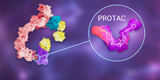
A PROTAC molecule consists of three components: a target protein binding ligand, an E3 ligase ligand, and a linker connecting these two moieties. Here, we will discuss the conventional approaches for the rational design of PROTAC molecules. -
 Scientific Reviews
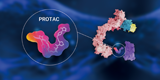
BacPROTACs is composed of a POI ligand, a chemical linker and a ClpCNTD anchor. BacPROTACs can induce in vitro and in vivo degradation of non-eukaryotic proteins in bacteria without the ubiquitin proteasome system.
Scientific Reviews
BacPROTACs is composed of a POI ligand, a chemical linker and a ClpCNTD anchor. BacPROTACs can induce in vitro and in vivo degradation of non-eukaryotic proteins in bacteria without the ubiquitin proteasome system. -
 Scientific Reviews
RNA therapeutics have changed the landscape of drug development, which possess broader spectrum of drug targets, simplicity and efficiency in development and manufacturing.In this article, we will discuss the underlying mechanisms of RNA-based drugs on the market or in clinical stages.
Scientific Reviews
RNA therapeutics have changed the landscape of drug development, which possess broader spectrum of drug targets, simplicity and efficiency in development and manufacturing.In this article, we will discuss the underlying mechanisms of RNA-based drugs on the market or in clinical stages. -
 Scientific Reviews
A comprehensive explanation of ferroptosis
Scientific Reviews
A comprehensive explanation of ferroptosis2022-09-15
Ferroptosis is a new type of RCD that depends on iron and characterized by the accumulation of lipid peroxides. In this article, we will pay our attention on ferroptosis and briefly discusses its mechanism. -
 Scientific Reviews
It's has been proved that p53, as a tumor suppressor gene and immune guardian, may become a destroyer through its own mutation. Moreover, the mechanism of p53 was found to be related to ferroptosis. This article mainly explores the mechanism between p53 and ferroptosis in detail.
Scientific Reviews
It's has been proved that p53, as a tumor suppressor gene and immune guardian, may become a destroyer through its own mutation. Moreover, the mechanism of p53 was found to be related to ferroptosis. This article mainly explores the mechanism between p53 and ferroptosis in detail. -
 Scientific Reviews
Autophagy, derived from the Greek meaning "eating of self", plays an indispensable role in maintaining homeostasis. p27 is an inhibitor of cyclin CDKs, but how p27 regulates autophagy remains unknown. This article will cover the mechanism of autophagy and p27-related cell cycle regulation.
Scientific Reviews
Autophagy, derived from the Greek meaning "eating of self", plays an indispensable role in maintaining homeostasis. p27 is an inhibitor of cyclin CDKs, but how p27 regulates autophagy remains unknown. This article will cover the mechanism of autophagy and p27-related cell cycle regulation. -
 Scientific Reviews
AlphaFold2 can predict disease-related protein structures at low cost, and then find potential drugs for these diseases through drug repositioning, virtual screening, and other methods. ZINC is a public database summarizing information about billions of compounds. AlphaFold2 + ZINC20 speeds up the virtual screening process and improves the computing speed.
Scientific Reviews
AlphaFold2 can predict disease-related protein structures at low cost, and then find potential drugs for these diseases through drug repositioning, virtual screening, and other methods. ZINC is a public database summarizing information about billions of compounds. AlphaFold2 + ZINC20 speeds up the virtual screening process and improves the computing speed. -
 Scientific Reviews
CMA (chaperone-mediated autophagy) plays an essential role in maintaining neuronal protein stability and preventing neurodegeneration. In this article, we will comprehensively clarify the role of CMA in the occurrence and development of neurodegenerative diseases.
Scientific Reviews
CMA (chaperone-mediated autophagy) plays an essential role in maintaining neuronal protein stability and preventing neurodegeneration. In this article, we will comprehensively clarify the role of CMA in the occurrence and development of neurodegenerative diseases. -
 Scientific Reviews
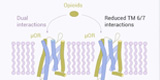
As powerful pain relievers, the opioids morphine and fentanyl have been "checked" by their side effects (listed as controlled substances). How to reduce its side effects? What is its mechanism? This research will explore its mechanism.
Scientific Reviews
As powerful pain relievers, the opioids morphine and fentanyl have been "checked" by their side effects (listed as controlled substances). How to reduce its side effects? What is its mechanism? This research will explore its mechanism. -
 Scientific Reviews
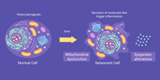
Understanding the mechanism of aging not only has guiding significance for prolonging human life but also has important clinical significance for the prevention and treatment of diseases in the elderly population , thus, improving their life quality and well-being.
Scientific Reviews
Understanding the mechanism of aging not only has guiding significance for prolonging human life but also has important clinical significance for the prevention and treatment of diseases in the elderly population , thus, improving their life quality and well-being. -
 Scientific Reviews
The latest study of Cell magazine "Neural mechanism underlying depressive-like state associated with social status loss" considers social factors as a breakthrough point. It has been found that the downward transition of social status induces depression-like behavior in mice whereas improves the depressive state by restoring their social environment.
Scientific Reviews
The latest study of Cell magazine "Neural mechanism underlying depressive-like state associated with social status loss" considers social factors as a breakthrough point. It has been found that the downward transition of social status induces depression-like behavior in mice whereas improves the depressive state by restoring their social environment. -
 Scientific Reviews
PROTAC - Design Strategy for Targeting
Scientific Reviews
PROTAC - Design Strategy for Targeting2023-04-23
Protein degradation targeting chimera (PROTAC) is a technology that uses the ubiquitin proteasome pathway to silent target protein. However, PROTAC still has problems such as solubility, membrane permeability, and selectivity. In this article, we have summarized three strategies for optimization: light-controlled linker, PAC molecule, and specific E3 ligase. -
 Scientific Reviews
Mitophagy:Mechanisms and Detection
Scientific Reviews
Mitophagy:Mechanisms and Detection2023-05-25
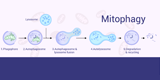
About 60 years ago, Christian de Duve first used the term "autophagy" to describe his observation of the degradation of mitochondria and other intracellular structures in lysosomes of rat liver. Over the years, autophagy has remained a beloved topic of research by the National Natural Science Foundation of China (NSFC).Today, let's talk about mitochondrial autophagy. -
 Scientific Reviews
How to Perform Western Blot?
Scientific Reviews
How to Perform Western Blot?2023-07-13
Western blot is one of the most frequently performed experiments in molecular biology, biochemistry and immunology. This article describes in detail how to do WB. -
 Scientific Reviews
WHO's Q2 drug list has been updated. Let's take you through the list of the most noteworthy small molecule drugs that we should pay attention to.
Scientific Reviews
WHO's Q2 drug list has been updated. Let's take you through the list of the most noteworthy small molecule drugs that we should pay attention to. -
 Scientific Reviews
FDA Approved Drug List!
Scientific Reviews
FDA Approved Drug List!2023-09-14
In the first half of 2023 (as of June 27), the FDA approved 26 new drugs, let's take you learn about it through the article. -
 Scientific Reviews
SPR, which stands for Surface Plasmon Resonance, essentially works by detecting the interaction between ligands and analytes on a biosensor chip. This in turn allows us to probe the properties and structure of substances. With this technology, we can analyze molecules, proteins, DNA, and various organic and inorganic substances in samples in real-time with precision.
Scientific Reviews
SPR, which stands for Surface Plasmon Resonance, essentially works by detecting the interaction between ligands and analytes on a biosensor chip. This in turn allows us to probe the properties and structure of substances. With this technology, we can analyze molecules, proteins, DNA, and various organic and inorganic substances in samples in real-time with precision. -
 Scientific Reviews
Science | A "new" mechanism for non-ubiquitinated Midnolin-proteasomal degradation pathway
Scientific Reviews
Science | A "new" mechanism for non-ubiquitinated Midnolin-proteasomal degradation pathway2024-04-26
“ubiquitin-mediated protein degradation” won the Nobel Prize in Chemistry in 2004! In fact, proteasomes degrade not only ubiquitinated proteins but also non-ubiquitinated ones. The mechanism remains shrouded in mystery. After reading this piece today, you might have a lightbulb moment! -
 Scientific Reviews
Common Questions and Solutions for WB
Scientific Reviews
Common Questions and Solutions for WB2024-05-09
Come to understand the common problems and solutions of WB, and better complete the experiment! -
 Scientific Reviews
Exosomes, which won the Nobel Prize in 2013, are still a research hotspot in the national natural sciences, and their popularity has only increased over the past decade (in 2022, they still rank 5th in the national natural sciences hotspots!). Why have exosomes become the darling of scientific research? Let's take a look together~
Scientific Reviews
Exosomes, which won the Nobel Prize in 2013, are still a research hotspot in the national natural sciences, and their popularity has only increased over the past decade (in 2022, they still rank 5th in the national natural sciences hotspots!). Why have exosomes become the darling of scientific research? Let's take a look together~ -
 Scientific Reviews
Degrade target proteins through the autophagy-lysosome pathway including LYTAC, AUTAC, and ATTEC have gained increasing attention in recent years due to their significant research potential!
Scientific Reviews
Degrade target proteins through the autophagy-lysosome pathway including LYTAC, AUTAC, and ATTEC have gained increasing attention in recent years due to their significant research potential! -
 Scientific Reviews
Streptavidin-Biotin System
Scientific Reviews
Streptavidin-Biotin System2024-08-03
Streptavidin strongly binding small molecule biotin is one of the most popular non-covalent coupling methods. Streptavidin can be coupled to various carriers such as magnetic beads and agarose matrix, and become a highly specific affinity medium to capture various biotin-labeled ligands. -
 Scientific Reviews
Recently, Mol Cell reported the discovery of the first ferroptosis marker, Hyperoxidized PRDX3! Let’s take a look together~
Scientific Reviews
Recently, Mol Cell reported the discovery of the first ferroptosis marker, Hyperoxidized PRDX3! Let’s take a look together~ -
 Scientific Reviews
2024 Nobel Prize Announcements! Curious about the details? Click to dive into the exciting developments!
Scientific Reviews
2024 Nobel Prize Announcements! Curious about the details? Click to dive into the exciting developments! -
Scientific Reviews
Delve into the intricate networks that govern mitochondrial quality control. By examining key mechanisms such as biogenesis, mitochondrial dynamics (fission and fusion), proteolysis, and mitophagy. -
 Scientific Reviews
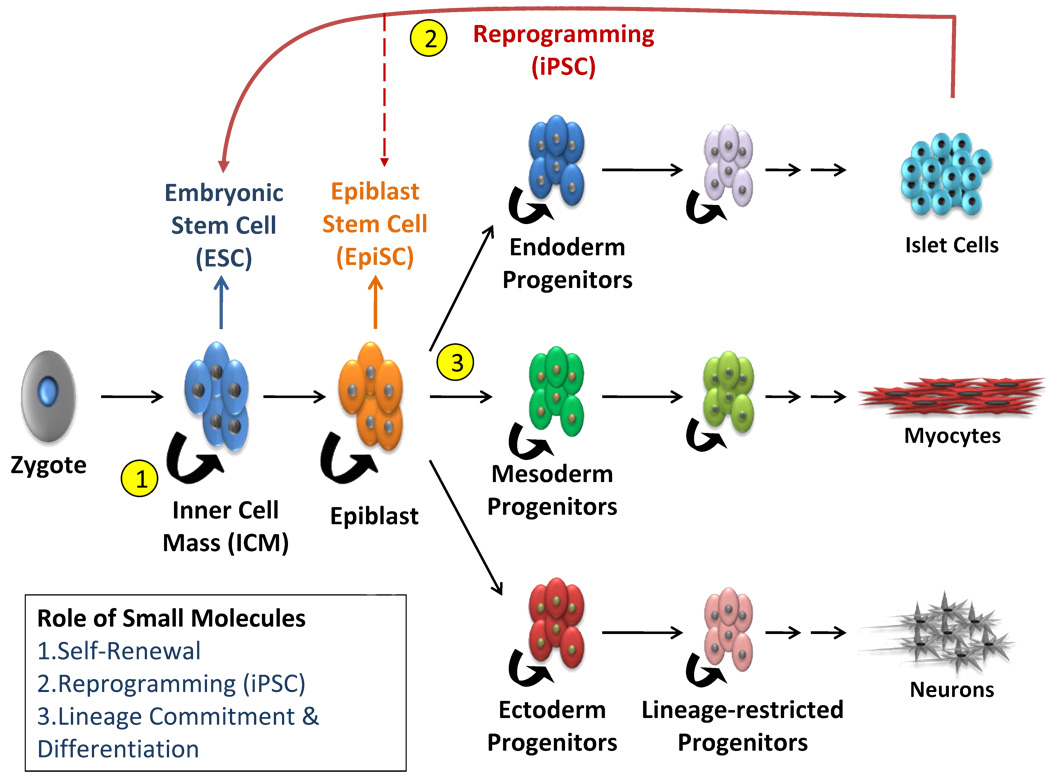
In early January 2025, MIT Tech Review unveiled its annual list of top 10 breakthrough technologies poised to redefine the future. Among these, stem cell therapy stood out for its potential to treat diverse diseases—including neurodegenerative disorders, diabetes, cancer, and heart failure. This groundbreaking approach uses stem cells to replace damaged cells, offering hope for millions worldwide.
Scientific Reviews
In early January 2025, MIT Tech Review unveiled its annual list of top 10 breakthrough technologies poised to redefine the future. Among these, stem cell therapy stood out for its potential to treat diverse diseases—including neurodegenerative disorders, diabetes, cancer, and heart failure. This groundbreaking approach uses stem cells to replace damaged cells, offering hope for millions worldwide. -
 Scientific Reviews
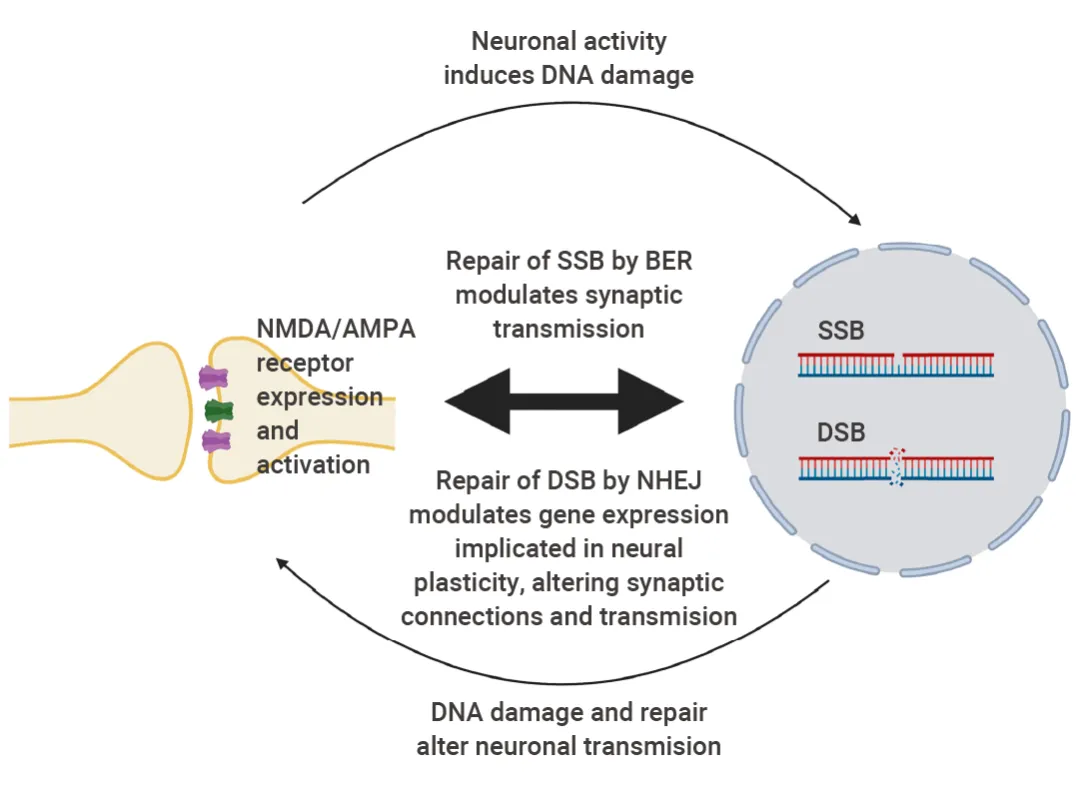
When you hear "inflammation" and "DNA damage," you might immediately think of disease or injury. However, in brains, these two processes are key steps in forming long-term memories, particularly related to specialized cells in our brain called hippocampal neurons.
Scientific Reviews
When you hear "inflammation" and "DNA damage," you might immediately think of disease or injury. However, in brains, these two processes are key steps in forming long-term memories, particularly related to specialized cells in our brain called hippocampal neurons. -
 Scientific Reviews
Autophagy is a fundamental process that degrades various components within the cell.
Scientific Reviews
Autophagy is a fundamental process that degrades various components within the cell. -
.jpg) Scientific Reviews
nside cells, the homeostasis and degradation of proteins is a precisely regulated process. If proteins cannot be degraded in time, it may lead to the occurrence of various diseases such as neurodegenerative diseases and cancer. This article will tell you the process of how proteins are recognized, labeled and then degraded!
Scientific Reviews
nside cells, the homeostasis and degradation of proteins is a precisely regulated process. If proteins cannot be degraded in time, it may lead to the occurrence of various diseases such as neurodegenerative diseases and cancer. This article will tell you the process of how proteins are recognized, labeled and then degraded! -
 Scientific Reviews
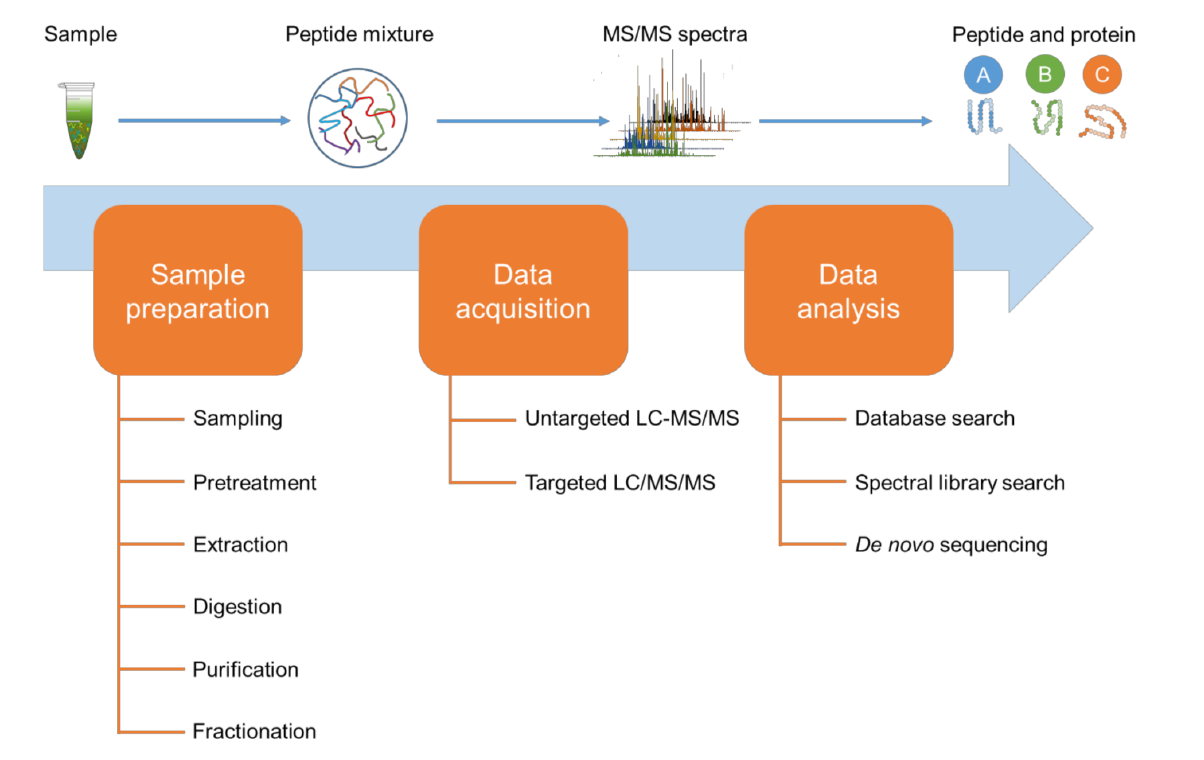
As a pivotal branch in the post - genomic era, proteomics is committed to comprehensively elucidating the types, abundances, structures, functions, and interactions of all proteins within living organisms. This article will tell you the key steps of proteomics sample preparation based on mass spectrometry. This article will tell you the key steps of proteomics sample preparation based on mass spectrometry.
Scientific Reviews
As a pivotal branch in the post - genomic era, proteomics is committed to comprehensively elucidating the types, abundances, structures, functions, and interactions of all proteins within living organisms. This article will tell you the key steps of proteomics sample preparation based on mass spectrometry. This article will tell you the key steps of proteomics sample preparation based on mass spectrometry. -
 Scientific Reviews
Western blotting is a crucial and fundamental technique in life science research. It plays a significant role in exploring protein expression and function. The following article will comprehensively and thoroughly elaborate on the specific procedures and detailed key points of this experiment.
Scientific Reviews
Western blotting is a crucial and fundamental technique in life science research. It plays a significant role in exploring protein expression and function. The following article will comprehensively and thoroughly elaborate on the specific procedures and detailed key points of this experiment. -
 Scientific Reviews
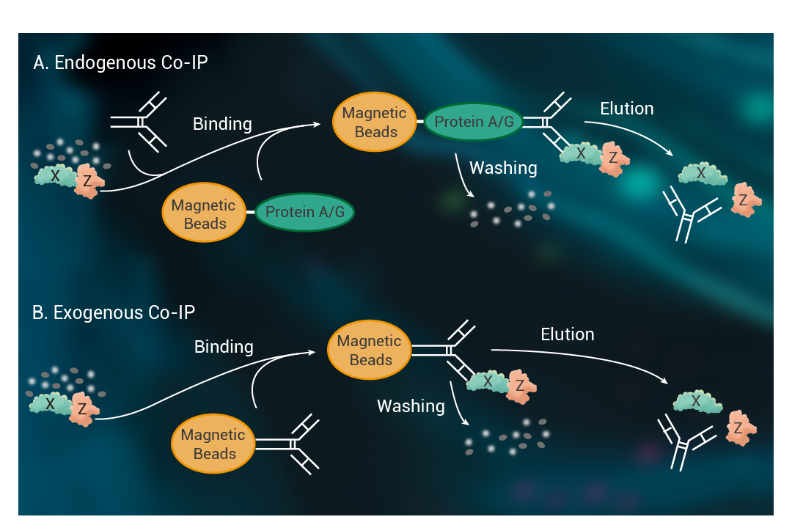
In protein biology, Co-IP is a powerful tool to uncover protein "social networks." But poorly performed, it easily becomes an awkward lab "meet-and-greet." Today, we discuss making Co-IP experiments elegant and efficient—so you pull down target proteins with confidence and precision.
Scientific Reviews
In protein biology, Co-IP is a powerful tool to uncover protein "social networks." But poorly performed, it easily becomes an awkward lab "meet-and-greet." Today, we discuss making Co-IP experiments elegant and efficient—so you pull down target proteins with confidence and precision. -
 Scientific Reviews
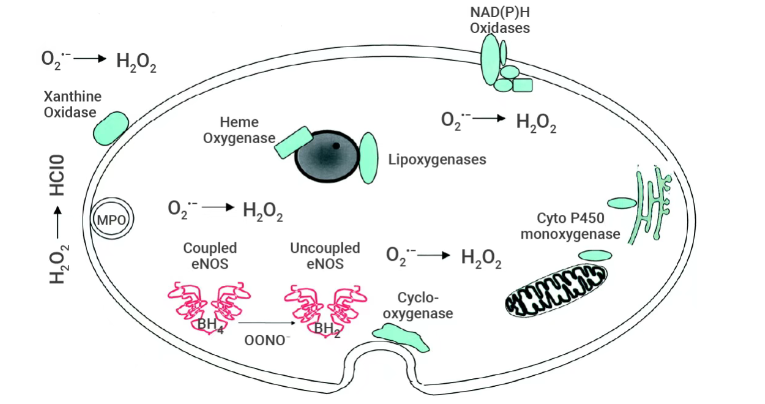
The article introduces the mechanisms of ROS generation and the methods for their detection.
Scientific Reviews
The article introduces the mechanisms of ROS generation and the methods for their detection. -
 Scientific Reviews
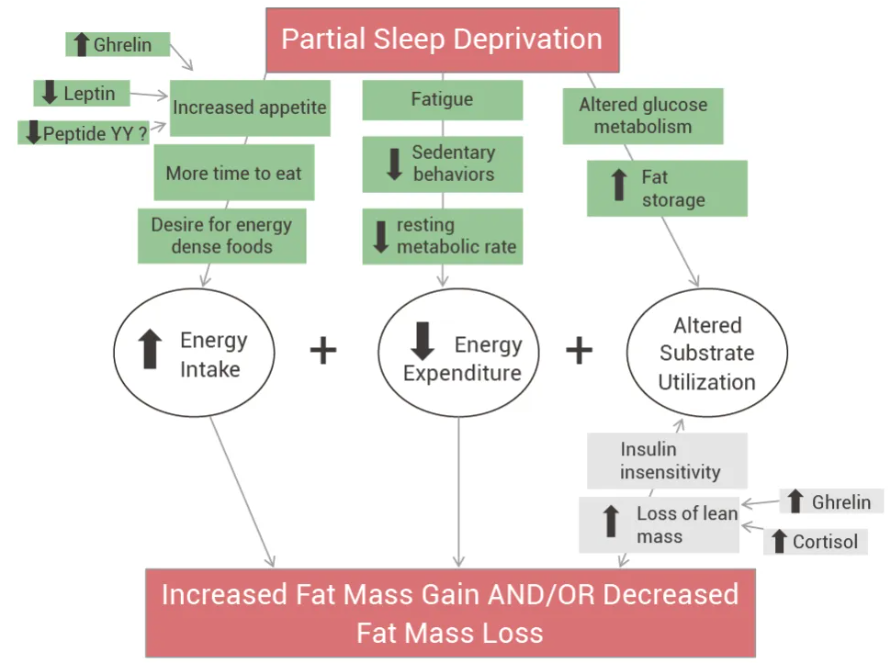
Have you ever noticed that after staying up late, your appetite—especially for high-calorie foods—gets out of control? If this sounds familiar, today’s article might offer some good news.
Scientific Reviews
Have you ever noticed that after staying up late, your appetite—especially for high-calorie foods—gets out of control? If this sounds familiar, today’s article might offer some good news. -
Scientific Reviews
For all the protein research folks out there, techniques like IP and Co-IP are no stranger, right? And of course, there's a faster and more convenient go-to tool—Protein A/G magnetic beads! In this article, let's chat about how these beads work their magic in classic experiments like IP and Co-IP. -
Scientific Reviews
Microglia– the only immune cells within the brain parenchyma. With advancements in imaging technologies, people’s understanding of microglia has shifted from being viewed as 'resting' cells to 'highly active' cells, particularly due to their dynamic processes that seem to be probing surrounding tissues and monitoring neuronal activity. This has made microglia a focal point of research in the field of neuroscience. -
 Scientific Reviews
Exosomes—natural nanoscale carriers—are revolutionizing targeted therapy. This article uncovers the science behind their precision in drug delivery.
Scientific Reviews
Exosomes—natural nanoscale carriers—are revolutionizing targeted therapy. This article uncovers the science behind their precision in drug delivery. -
Scientific Reviews
Cracking the PROTAC Permeability Barrier: CD36-Mediated Endocytosis as a Potential Breakthrough2025-12-03
This article provides an in-depth analysis of cutting-edge literature revealing CD36 as a key mediator of cellular uptake for PROTACs and bRO5 compounds. By structurally optimizing PROTAC molecules to enhance their affinity for CD36, membrane permeability can be markedly improved, leading to significantly enhanced antitumor efficacy. -
 Scientific Reviews
Molecular glue degraders have evolved from a serendipitous observation to one of the most dynamic and transformative fields in biomedical research.
Scientific Reviews
Molecular glue degraders have evolved from a serendipitous observation to one of the most dynamic and transformative fields in biomedical research. -
 EDM
Targeting the ‘Undruggable’ with PROTACs
EDM
Targeting the ‘Undruggable’ with PROTACs2025-06-18
This review introduces the fundamental principles and mechanisms of PROTACs, highlights recent advances in molecular design and clinical development, and discusses emerging opportunities and remaining challenges in targeted protein degradation. -
 EDM
Advances in Alzheimer's Disease Research
EDM
Advances in Alzheimer's Disease Research2025-07-16
This review summarizes current understanding of AD pathophysiology, including amyloid and tau pathology, neuroinflammation, synaptic dysfunction, and vascular abnormalities, and evaluates therapeutic strategies and experimental models. -
 EDM
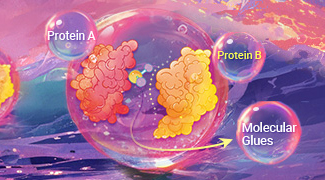
This review discusses recent progress in molecular glue technologies, illustrating how targeted protein degradation strategies enable the modulation of previously undruggable proteins.
EDM
This review discusses recent progress in molecular glue technologies, illustrating how targeted protein degradation strategies enable the modulation of previously undruggable proteins. -
 EDM
This review highlights the roles of microglia in AD pathology, focusing on metabolic reprogramming and microglia-targeted therapeutic strategies.
EDM
This review highlights the roles of microglia in AD pathology, focusing on metabolic reprogramming and microglia-targeted therapeutic strategies. -
 EDM
Review advances in target discovery, disease modeling, and biomarkers for Parkinson’s disease, highlighting their interplay and future directions for translational research.
EDM
Review advances in target discovery, disease modeling, and biomarkers for Parkinson’s disease, highlighting their interplay and future directions for translational research. -
 EDM
Review the evolution of molecular glues from serendipitous discovery to rational design, highlighting how emerging targets and advances in screening, proteomics, structural biology, and AI are expanding the druggable proteome.
EDM
Review the evolution of molecular glues from serendipitous discovery to rational design, highlighting how emerging targets and advances in screening, proteomics, structural biology, and AI are expanding the druggable proteome. -
 EDM
Explore how anti-Aβ therapy is reshaping the AD treatment landscape, the rationale for multi-pathology combination strategies, and advances in biomarker-guided precision treatment.
EDM
Explore how anti-Aβ therapy is reshaping the AD treatment landscape, the rationale for multi-pathology combination strategies, and advances in biomarker-guided precision treatment. -
 Blog
AZD5991, a macrocyclic molecule with high selectivity for Mcl-1, reduces Mcl-1 protein in AZD5991-sensitive but not in AZD5991-resistant MM cell lines.
Blog
AZD5991, a macrocyclic molecule with high selectivity for Mcl-1, reduces Mcl-1 protein in AZD5991-sensitive but not in AZD5991-resistant MM cell lines. -
 Blog
CF53 is a highly potent, selective and orally active inhibitor of BET protein, with anti-tumor activity in acute leukemia and breast cancer cell lines.
Blog
CF53 is a highly potent, selective and orally active inhibitor of BET protein, with anti-tumor activity in acute leukemia and breast cancer cell lines. -
 Blog
HJB97 is a BET PROTAC inhibitor with good anti-tumor activity, and effectively blocks the degradation of BRD2, BRD3, and BRD4 proteins induced by BETd-260.
Blog
HJB97 is a BET PROTAC inhibitor with good anti-tumor activity, and effectively blocks the degradation of BRD2, BRD3, and BRD4 proteins induced by BETd-260. -
 Blog
BR351 is a Brain Penetrant MMP Inhibitor
Blog
BR351 is a Brain Penetrant MMP Inhibitor2019-04-05
BR351 is a brain penetrant MMP inhibitor, and a potential tool for the molecular imaging of activated MMPs with PET, with an IC50 in the nanomolar range. -
 Blog
A Lead PROTAC BRD9 Chemical Degrader
Blog
A Lead PROTAC BRD9 Chemical Degrader2019-04-06
PROTAC BRD9 Degrader-1 is a lead PROTAC BRD9 chemical degrader and a selective probe useful for the study of BAF complex biology. -
 Blog
COH000 is an allosteric, covalent and irreversible inhibitor of SUMO-activating enzyme, with an IC50 of 0.2 μM for SUMOylation in vitro.
Blog
COH000 is an allosteric, covalent and irreversible inhibitor of SUMO-activating enzyme, with an IC50 of 0.2 μM for SUMOylation in vitro. -
 Blog
PhiKan 083 is a carbazole derivative, which binds to the surface cavity and stabilizes Y220C (a p53 mutant), with a Kd of 167 μM.
Blog
PhiKan 083 is a carbazole derivative, which binds to the surface cavity and stabilizes Y220C (a p53 mutant), with a Kd of 167 μM. -
 Blog
IITZ-01 is a potent lysosomotropic autophagy inhibitor with single-agent antitumor activity, with an IC50 of 2.62 μM for PI3Kγ.
Blog
IITZ-01 is a potent lysosomotropic autophagy inhibitor with single-agent antitumor activity, with an IC50 of 2.62 μM for PI3Kγ. -
 Blog
Y06036 is a potent and selective BET inhibitor for potential treatment of castration-resistant prostate cancer. With nanomolar inhibition.
Blog
Y06036 is a potent and selective BET inhibitor for potential treatment of castration-resistant prostate cancer. With nanomolar inhibition. -
 Blog
Y06137 is a potent and selective BET inhibitor, which binds to the BRD4(1) bromodomain with a Kd of 81 nM. Antitumor activity.
Blog
Y06137 is a potent and selective BET inhibitor, which binds to the BRD4(1) bromodomain with a Kd of 81 nM. Antitumor activity. -
 Blog
NRX-252262 is a β-catenin:β-TrCP interaction enhancer, and its cognate E3 ligase, SCFβ-TrCP, induces mutant β-catenin degradation, with an EC50 of 3.8 nM
Blog
NRX-252262 is a β-catenin:β-TrCP interaction enhancer, and its cognate E3 ligase, SCFβ-TrCP, induces mutant β-catenin degradation, with an EC50 of 3.8 nM -
 Blog
TAK-981 is a selective inhibitor of the SUMOylation enzymatic cascade, with potential immune-activating and antineoplastic activities
Blog
TAK-981 is a selective inhibitor of the SUMOylation enzymatic cascade, with potential immune-activating and antineoplastic activities -
 Blog
TD-428 is a Highly Specific BRD4 Degrader
Blog
TD-428 is a Highly Specific BRD4 Degrader2019-04-29
TD-428, a immunomodulatory drug analog, is a highly specific BRD4 degrader with a DC50 of 0.32 nM. TD-428 reduces c-Myc levels more efficiently than JQ1. -
 Blog
SLLN-15 is an oral activ enhancer of autophagy that activates cytostatic macroautophagy/autophagy in triple-negative breast cancer (TNBC).
Blog
SLLN-15 is an oral activ enhancer of autophagy that activates cytostatic macroautophagy/autophagy in triple-negative breast cancer (TNBC). -
 Blog
A1874 is a nutlin-based and BRD4-degrading PROTAC with a DC50 of 32 nM. Effective in inhibiting many cancer cell lines proliferation
Blog
A1874 is a nutlin-based and BRD4-degrading PROTAC with a DC50 of 32 nM. Effective in inhibiting many cancer cell lines proliferation -
 Blog
BSJ-03-123, a Degrader with Proteome-wide Selectivity for CDK6 (PROTAC). Induces a G1 cell-cycle arrest without a measurable increase in apoptosis.
Blog
BSJ-03-123, a Degrader with Proteome-wide Selectivity for CDK6 (PROTAC). Induces a G1 cell-cycle arrest without a measurable increase in apoptosis. -
 Blog
FT671 is a potent, non-covalent and selective USP7 inhibitor with an IC50 of 52 nM and binds to the USP7 catalytic domain with a Kd of 65 nM.
Blog
FT671 is a potent, non-covalent and selective USP7 inhibitor with an IC50 of 52 nM and binds to the USP7 catalytic domain with a Kd of 65 nM. -
 Blog
ZM223 is a non-sulfamide NEDD8 activating enzyme (NAE) inhibitor, with IC50 value of 100 nM in cells. ZM223 has potential to treat colon cancer.
Blog
ZM223 is a non-sulfamide NEDD8 activating enzyme (NAE) inhibitor, with IC50 value of 100 nM in cells. ZM223 has potential to treat colon cancer. -
 Blog
ACY-1083, a Highly Selective HDAC6 Inhibitor, Reverses Chemotherapy-induced Peripheral Neuropathy
Blog
ACY-1083, a Highly Selective HDAC6 Inhibitor, Reverses Chemotherapy-induced Peripheral Neuropathy2019-05-12
ACY-1083 is a selective and brain-penetrating HDAC6 inhibitor with an IC50 of 3 nM. ACY-1083 effectively reverses chemotherapy-induced peripheral neuropathy -
 Blog
MS4077 is an anaplastic lymphoma kinase (ALK) PROTAC (degrader) with a Kd of 37 nM for binding affinity to ALK. Efficacy for breast cancer and lung cancer.
Blog
MS4077 is an anaplastic lymphoma kinase (ALK) PROTAC (degrader) with a Kd of 37 nM for binding affinity to ALK. Efficacy for breast cancer and lung cancer. -
 Blog
VL285, is a Potent VHL Ligand
Blog
VL285, is a Potent VHL Ligand2019-05-24
VL285 is a Potent VHL Ligand. -
 Blog
SNIPER(TACC3)-1 targets the TACC3 protein for degradation via the ubiquitin-proteasome pathway. SNIPER(TACC3)-1 induces cancer cell death.
Blog
SNIPER(TACC3)-1 targets the TACC3 protein for degradation via the ubiquitin-proteasome pathway. SNIPER(TACC3)-1 induces cancer cell death. -
 Blog
IWP-O1, a Highly Potent Porcupine Inhibitor, Functions by Preventing the Secretion of Wnt Proteins
Blog
IWP-O1, a Highly Potent Porcupine Inhibitor, Functions by Preventing the Secretion of Wnt Proteins2019-06-03
IWP-O1 is a Porcupine (Porcn) inhibitor, with an EC50 of 80 pM in L-Wnt-STF cells. IWP-O1 functions by preventing the secretion of Wnt proteins[ -
 Blog
SJFδ, a 10-atom Linker PROTAC, Degrades p38δ
Blog
SJFδ, a 10-atom Linker PROTAC, Degrades p38δ2019-06-11
SJFδ, a 10-atom Linker PROTAC, Degrades p38δ, degrades p38δwith strong capacity. SJFδ degrades p38δ with a DC50 of 46.17±9.85 nM and a Dmax of 99.41±3.31%. -
 Blog
TAS4464 is a highly potent and selective inhibitor of NEDD8 activating enzyme (NAE), with an IC50 of 0.955 nM. TAS4464 shows antitumor activity.
Blog
TAS4464 is a highly potent and selective inhibitor of NEDD8 activating enzyme (NAE), with an IC50 of 0.955 nM. TAS4464 shows antitumor activity. -
 Blog
ERD-308 is a highly potent PROTAC degrader of ER for ER+ breast cancer treatment. ERD-308 induces >95% of ER degradation at concentrations as low as 5 nM.
Blog
ERD-308 is a highly potent PROTAC degrader of ER for ER+ breast cancer treatment. ERD-308 induces >95% of ER degradation at concentrations as low as 5 nM. -
 Blog
JG-98, an Hsp70 inhibitor, binds tightly to a conserved site on Hsp70 and disrupts the Hsp70-Bag3 interaction. JG-98 shows anti-cancer activities.
Blog
JG-98, an Hsp70 inhibitor, binds tightly to a conserved site on Hsp70 and disrupts the Hsp70-Bag3 interaction. JG-98 shows anti-cancer activities. -
 Blog
MZP-55 is a selective PROTAC degrader of BRD3/4, shows no obvious effect on BRD2. MZP-55 exhibits excellent activity in cancer research.
Blog
MZP-55 is a selective PROTAC degrader of BRD3/4, shows no obvious effect on BRD2. MZP-55 exhibits excellent activity in cancer research. -
 Blog
dBET6 is a potent PROTAC degrader of BET, shows high affinity to BRD4(1), and possess good efficacy in T cell acute lymphoblastic leukemia activity.
Blog
dBET6 is a potent PROTAC degrader of BET, shows high affinity to BRD4(1), and possess good efficacy in T cell acute lymphoblastic leukemia activity. -
 Blog
GSK2643943A is a Novel DUB Inhibitor
Blog
GSK2643943A is a Novel DUB Inhibitor2019-07-25
GSK2643943A is a novel deubiquitylating enzyme (DUB) inhibitor. GSK2643943A targets USP20/Ub-Rho and shows an IC50 of 160 nM. -
 Blog
MT-802 is a potent BTK degrader based on PROTAC technology, with a DC50 of 1 nM. MT-802 has potential to treat C481S mutant chronic lymphocytic leukemia.
Blog
MT-802 is a potent BTK degrader based on PROTAC technology, with a DC50 of 1 nM. MT-802 has potential to treat C481S mutant chronic lymphocytic leukemia. -
 Blog
ACBI1 is a PROTAC Degrader of BAF Complex
Blog
ACBI1 is a PROTAC Degrader of BAF Complex2019-08-07
ACBI1 is a potent PROTAC degrader of BAF ATPase subunits SMARCA2, SMARCA4 and PBRM1, with DC50s of 6 nM, 11 nM and 32 nM in MV-4-11 cells, respectively. -
 Blog
dMCL1-2 is a potent and selective degrader of myeloid cell leukemia 1 (MCL1) based on PROTAC, which binds to MCL1 with a KD of 30 nM.
Blog
dMCL1-2 is a potent and selective degrader of myeloid cell leukemia 1 (MCL1) based on PROTAC, which binds to MCL1 with a KD of 30 nM. -
 Blog
CP-10 is a Specific PROTAC Degrader of CDK6
Blog
CP-10 is a Specific PROTAC Degrader of CDK62019-08-25
CP-10 is a PROTAC with highly selective, specific, and remarkable CDK6 degradation (DC50=2.1 nM), which has anti-cancer activity. -
 Blog
ARV-825 is a PROTAC, and acts as a potent BRD4 degrader, with Kds of 90 and 28 nM for BRD4 BD1 and BRD4 BD2, respectively.
Blog
ARV-825 is a PROTAC, and acts as a potent BRD4 degrader, with Kds of 90 and 28 nM for BRD4 BD1 and BRD4 BD2, respectively. -
 Blog
GMB-475 is a PROTAC BCR-ABL1 degrader, overcomes BCR-ABL1-dependent drug resistance, targets BCR-ABL1 protein and recruits the E3 ligase Von Hippel Lindau.
Blog
GMB-475 is a PROTAC BCR-ABL1 degrader, overcomes BCR-ABL1-dependent drug resistance, targets BCR-ABL1 protein and recruits the E3 ligase Von Hippel Lindau. -
 Blog
dBET57 is a potent and selective degrader of BRD4BD1 based on the PROTAC technology and mediates recruitment to the CRL4CRBN E3 ubiquitin ligase.
Blog
dBET57 is a potent and selective degrader of BRD4BD1 based on the PROTAC technology and mediates recruitment to the CRL4CRBN E3 ubiquitin ligase. -
 Blog
MD-224 is a human MDM2 degrader based on the PROTAC concept. MD-224 induces rapid degradation of MDM2 at concentrations <1 nM in human leukemia cells.
Blog
MD-224 is a human MDM2 degrader based on the PROTAC concept. MD-224 induces rapid degradation of MDM2 at concentrations <1 nM in human leukemia cells. -
 Blog
DVD-445 is a potent peptidomimetic covalent TrxR1 inhibitor with an IC50 of 0.60 μM for rat TrxR1. DVD-445 has good anticancer application.
Blog
DVD-445 is a potent peptidomimetic covalent TrxR1 inhibitor with an IC50 of 0.60 μM for rat TrxR1. DVD-445 has good anticancer application. -
 Blog
CP5V is a Specific PROTAC Degrader of Cdc20
Blog
CP5V is a Specific PROTAC Degrader of Cdc202019-11-20
CP5V is a PROTAC, which specifically degrades Cdc20 by linking Cdc20 to the VHL/VBC complex for ubiquitination followed by proteasomal degradation. -
 Blog
PK11007 is a Mild Alkylating Agent with Anticancer Activity and induces mutant p53 cancer cell death by increasing reactive oxygen species (ROS) levels.
Blog
PK11007 is a Mild Alkylating Agent with Anticancer Activity and induces mutant p53 cancer cell death by increasing reactive oxygen species (ROS) levels. -
 Blog
SD-36 is a Selective PROTAC STAT3 Degrader
Blog
SD-36 is a Selective PROTAC STAT3 Degrader2019-12-06
SD-36 is a potent, efficacious and selective PROTAC STAT3 degrader (Kd=50 nM) and achieves complete tumor regression in vivo. -
 Blog
MG-277 works as a PROTAC molecular glue, inducing degradation of a translation termination factor, GSPT1 to achieve its potent anticancer activity.
Blog
MG-277 works as a PROTAC molecular glue, inducing degradation of a translation termination factor, GSPT1 to achieve its potent anticancer activity. -
 Blog
MS432 is a first-in-class and highly selective PD0325901-based VHL-recruiting PROTAC degrader for MEK1 and MEK2 with good anti-cancer activity.
Blog
MS432 is a first-in-class and highly selective PD0325901-based VHL-recruiting PROTAC degrader for MEK1 and MEK2 with good anti-cancer activity. -
 Blog
KB02-JQ1 is a highly potent and selective PROTAC BRD4 degrader that degrades nuclear proteins by engaging CUL4-DDB1 E3 ubiquitin ligases DCAF16.
Blog
KB02-JQ1 is a highly potent and selective PROTAC BRD4 degrader that degrades nuclear proteins by engaging CUL4-DDB1 E3 ubiquitin ligases DCAF16. -
 Blog
M8891 is an orally active, reversible and brain penetrant Methionine Aminopeptidase-2 (MetAP-2) inhibitor with antiangiogenic and antitumoral activity.
Blog
M8891 is an orally active, reversible and brain penetrant Methionine Aminopeptidase-2 (MetAP-2) inhibitor with antiangiogenic and antitumoral activity. -
 Blog
TCH-165 is a modulator of proteasome assembly, which increases 20S levels and facilitates 20S-mediated protein degradation, such as IDPs, α-syn, and tau.
Blog
TCH-165 is a modulator of proteasome assembly, which increases 20S levels and facilitates 20S-mediated protein degradation, such as IDPs, α-syn, and tau. -
 Blog
6RK73 is a covalent irreversible and specific UCHL1 inhibitor,which specifically inhibits UCHL1 activity in breast cancer.
Blog
6RK73 is a covalent irreversible and specific UCHL1 inhibitor,which specifically inhibits UCHL1 activity in breast cancer. -
 Blog
Ro 90-7501, an Aβ42 fibril assembly inhibitor, inhibits PP5 in a TPR-dependent manner and has radiosensitizing effects on cervical cancer cells.
Blog
Ro 90-7501, an Aβ42 fibril assembly inhibitor, inhibits PP5 in a TPR-dependent manner and has radiosensitizing effects on cervical cancer cells. -
 Blog
CCT367766, a PROTAC-based Pirin-targeting PDP, exhibits a moderate affinity for the CRBN-DDB1 complex and reveals a good affinity for Pirin and CRBN.
Blog
CCT367766, a PROTAC-based Pirin-targeting PDP, exhibits a moderate affinity for the CRBN-DDB1 complex and reveals a good affinity for Pirin and CRBN. -
 Blog
E64FC26 is a highly potent pan-style inhibitor of the protein disulfide isomerase (PDI) family with anti-myeloma activities.
Blog
E64FC26 is a highly potent pan-style inhibitor of the protein disulfide isomerase (PDI) family with anti-myeloma activities. -
 Blog
NU1025 is a potent PARP inhibitor and potentiates the cytotoxicity of ionizing radiation drug. NU1025 has anti-cancer and neuroprotective activity.
Blog
NU1025 is a potent PARP inhibitor and potentiates the cytotoxicity of ionizing radiation drug. NU1025 has anti-cancer and neuroprotective activity. -
 Blog
TL13-112 is a PROTAC Degrader of ALK
Blog
TL13-112 is a PROTAC Degrader of ALK2020-04-15
TL13-112 is a selective ALK-PROTAC degrader and inhibits ALK activity. TL13-112 is comprised of the conjugation of Ceritinib and the ligand pomalidomide . -
 Blog
TL13-12 is a Selective ALK-PROTAC Degrader
Blog
TL13-12 is a Selective ALK-PROTAC Degrader2020-04-21
TL13-12 can induce receptor tyrosine kinase anaplastic lymphoma kinase degradation in non small cell lung cancer cells. PROTAC ALK degrader. -
 Blog
ARCC-4 is a low-nanomolar AR degrader, and effectively degrades clinically relevant AR mutants associated with antiandrogen therapy.
Blog
ARCC-4 is a low-nanomolar AR degrader, and effectively degrades clinically relevant AR mutants associated with antiandrogen therapy. -
 Blog
iFSP1 is a potent, selective FSP1inhibitor that induces ferroptosis in GPX4-knockout cells which overexpressed FSP1.
Blog
iFSP1 is a potent, selective FSP1inhibitor that induces ferroptosis in GPX4-knockout cells which overexpressed FSP1. -
 Blog
UT-34 is a potent, selective and orally active second-generation pan-androgen receptor (AR) antagonist and degrader with anti-prostate cancer efficacy.
Blog
UT-34 is a potent, selective and orally active second-generation pan-androgen receptor (AR) antagonist and degrader with anti-prostate cancer efficacy. -
 Blog
HM03 is a potent and selective HSPA5 inhibitor with anticancer activity. HSPA5 plays a key role in monitoring protein transport through the cell.
Blog
HM03 is a potent and selective HSPA5 inhibitor with anticancer activity. HSPA5 plays a key role in monitoring protein transport through the cell. -
 Blog
XZ739 is a PROTAC BCL-XL Degrader
Blog
XZ739 is a PROTAC BCL-XL Degrader2020-06-18
XZ739 is a PROTAC BCL-XL Degrader. XZ739 is potent against various cancer cell lines. PROTAC is an emerging therapeutic modality. -
 Blog
JCN037 is a potent, non-covalent, and brain-penetrant EGFR tyrosine kinase inhibitor. JCN037 has potent anti-cancer activity.
Blog
JCN037 is a potent, non-covalent, and brain-penetrant EGFR tyrosine kinase inhibitor. JCN037 has potent anti-cancer activity. -
 Blog
RA-9 is a potent and selective proteasome-associated DUBs inhibitor with favorable toxicity profile and anticancer activity.
Blog
RA-9 is a potent and selective proteasome-associated DUBs inhibitor with favorable toxicity profile and anticancer activity. -
 Blog
HLI373 represents a potential drug-able lead for the development of therapeutically efficacious inhibitors of Hdm2. Hdm2 is an ubiquitin protein ligase.
Blog
HLI373 represents a potential drug-able lead for the development of therapeutically efficacious inhibitors of Hdm2. Hdm2 is an ubiquitin protein ligase. -
 Blog
RA375, a RPN13 inhibitor, inhibits proteasome function in muscle. RA375 is highly active against cell lines of multiple myeloma and diverse solid cancers.
Blog
RA375, a RPN13 inhibitor, inhibits proteasome function in muscle. RA375 is highly active against cell lines of multiple myeloma and diverse solid cancers. -
 Blog
KCC-07 prevents binding of MBD2 to methylated DNA and activates BAI1 inducing anti-proliferative BAI1/p53/p21 signaling. Anticancer activity.
Blog
KCC-07 prevents binding of MBD2 to methylated DNA and activates BAI1 inducing anti-proliferative BAI1/p53/p21 signaling. Anticancer activity. -
 Blog
MPT0G211, an orally active and selective HDAC6 inhibitor, ameliorates tau phosphorylation, and cognitive deficits in an Alzheimer’s disease model.
Blog
MPT0G211, an orally active and selective HDAC6 inhibitor, ameliorates tau phosphorylation, and cognitive deficits in an Alzheimer’s disease model. -
 Blog
RapaLink-1, a third-generation bivalent mTOR inhibitor, potently blocking cancer-derived, activating mutants of mTOR. It can cross the blood-brain barrier.
Blog
RapaLink-1, a third-generation bivalent mTOR inhibitor, potently blocking cancer-derived, activating mutants of mTOR. It can cross the blood-brain barrier. -
 Blog
SJF620 is a Potent PROTAC BTK Degrader
Blog
SJF620 is a Potent PROTAC BTK Degrader2020-09-26
SJF620 is a potent PROTAC BTK degrader with improved pharmacokinetic properties. Contains a Lenalidomide analog for recruiting CRBN. -
 Blog
BSJ-04-132 is a potent and selective Ribociclib-based CDK4 degrader (PROTAC) and does not induce CDK6 and IKZF1/3 degradation with anti-cancer activity.
Blog
BSJ-04-132 is a potent and selective Ribociclib-based CDK4 degrader (PROTAC) and does not induce CDK6 and IKZF1/3 degradation with anti-cancer activity. -
 Blog
BSJ-03-204 is a potent and selective Palbociclib-based CDK4/6 dual degrader (PROTAC) and does not induce IKZF1/3 degradation with anti-cancer activity.
Blog
BSJ-03-204 is a potent and selective Palbociclib-based CDK4/6 dual degrader (PROTAC) and does not induce IKZF1/3 degradation with anti-cancer activity. -
 Blog
KB02-SLF is a PROTAC-based nuclear FKBP12 degrader. KB02-SLF promotes nuclear FKBP12 degradation by covalently modifying DCAF16 (E3 ligase).
Blog
KB02-SLF is a PROTAC-based nuclear FKBP12 degrader. KB02-SLF promotes nuclear FKBP12 degradation by covalently modifying DCAF16 (E3 ligase). -
 Blog
DT2216 is a potent and selective BCL-XL degrader based on PROTAC technology. DT2216 inhibits leukemia and has potent anti-cancer activity.
Blog
DT2216 is a potent and selective BCL-XL degrader based on PROTAC technology. DT2216 inhibits leukemia and has potent anti-cancer activity. -
 Blog
dTRIM24 will be a useful tool to further probe the function of TRIM24 by rapid chemical depletion in hematopoietic cancers and other biological contexts.
Blog
dTRIM24 will be a useful tool to further probe the function of TRIM24 by rapid chemical depletion in hematopoietic cancers and other biological contexts. -
 Blog
ZXH-3-26 is a Selective PROTAC BRD4 Degrader
Blog
ZXH-3-26 is a Selective PROTAC BRD4 Degrader2020-11-17
ZXH-3-26 is a Selective PROTAC BRD4 Degrader and allows pharmacologic targeting of BRD4 without significant inhibition or degradation of BRD2/3. -
 Blog
BETd-260 is a Potent PROTAC BET Degrader
Blog
BETd-260 is a Potent PROTAC BET Degrader2020-11-18
BETd-260 is a highly potent, efficacious, and promising BET degrader. -
 Blog
SIAIS178 is a potent and selective BCR-ABL degrader based on PROTAC technology by recruiting VHL E3 ubiquitin ligase. SIAIS178 has anticancer activity.
Blog
SIAIS178 is a potent and selective BCR-ABL degrader based on PROTAC technology by recruiting VHL E3 ubiquitin ligase. SIAIS178 has anticancer activity. -
 Blog
GNE-987, a potent chimeric BET degrader, exhibits picomolar cell BRD4 degradation activity. GNE-987 can be used in PROTAC-Antibody Conjugate (PAC).
Blog
GNE-987, a potent chimeric BET degrader, exhibits picomolar cell BRD4 degradation activity. GNE-987 can be used in PROTAC-Antibody Conjugate (PAC). -
 Blog
BI-3663 is a highly selective PTK2/FAK PROTAC (DC50=30 nM), with cereblon ligands to hijack E3 ligases for PTK2 degradation.
Blog
BI-3663 is a highly selective PTK2/FAK PROTAC (DC50=30 nM), with cereblon ligands to hijack E3 ligases for PTK2 degradation. -
 Blog
dFKBP-1 induces potent and dose-dependent degradation of FKBP12 in 293FT-WT cells. A facile and general new strategy to control target protein stability.
Blog
dFKBP-1 induces potent and dose-dependent degradation of FKBP12 in 293FT-WT cells. A facile and general new strategy to control target protein stability. -
 Blog
UNC6852 is a chemical degrader that targets polycomb repressive complex 2 (PRC2). Anti-proliferative in diffuse large B cell lymphoma cell lines.
Blog
UNC6852 is a chemical degrader that targets polycomb repressive complex 2 (PRC2). Anti-proliferative in diffuse large B cell lymphoma cell lines. -
 Blog
VZ185 is a highly selective, potent, and rapid dual degrader with a slight preference for BRD9 over BRD7.
Blog
VZ185 is a highly selective, potent, and rapid dual degrader with a slight preference for BRD9 over BRD7. -
 Blog
PQR530 is a potent, ATP-competitive, orally bioavailable and brain-penetrant dual pan-PI3K/mTORC1/2 inhibitor. Antitumor activity.
Blog
PQR530 is a potent, ATP-competitive, orally bioavailable and brain-penetrant dual pan-PI3K/mTORC1/2 inhibitor. Antitumor activity. -
 Blog
MZP-54 is a Selective BRD3/4 PROTAC Degrader
Blog
MZP-54 is a Selective BRD3/4 PROTAC Degrader2020-12-02
MZP-54 is a PROTAC that would link together specific VHL ligand and BET bromodomain ligand. MZP-54 induces degradation of BRD3/4. -
 Blog
CHDI-390576, a potent and CNS penetrant class IIa HDAC inhibitor, show selectivity over class I HDACs, HDAC8 and the class IIb HDAC6 isoform.
Blog
CHDI-390576, a potent and CNS penetrant class IIa HDAC inhibitor, show selectivity over class I HDACs, HDAC8 and the class IIb HDAC6 isoform. -
 Blog
BI-3802, a BCL6 degrader, inhibits the BCL6 BTB domain. BI-3802 induces the polymerization of BCL6 and promotes BCL6 degration depended on E3 ligase SIAH1.
Blog
BI-3802, a BCL6 degrader, inhibits the BCL6 BTB domain. BI-3802 induces the polymerization of BCL6 and promotes BCL6 degration depended on E3 ligase SIAH1. -
 Blog
DMU-212 Possesses Antimitotic, Anti-Proliferative, Antioxidant and Apoptosis Promoting Activities
Blog
DMU-212 Possesses Antimitotic, Anti-Proliferative, Antioxidant and Apoptosis Promoting Activities2020-12-24
Activation of ERK1/2 is required for the antimitotic activity of the Resveratrol analogue DMU‐212 in human melanoma cells. -
 Blog
JH-XI-10-02, a highly Potent CDK8 Degrader, modulates the CDK8 protein levels. A viable therapeutic strategy in cancer.
Blog
JH-XI-10-02, a highly Potent CDK8 Degrader, modulates the CDK8 protein levels. A viable therapeutic strategy in cancer. -
 Blog
dCBP-1 is a potent and selective degrader of p300/CBP based on PROTAC. dCBP-1 is exceptionally potent at killing multiple myeloma cells.
Blog
dCBP-1 is a potent and selective degrader of p300/CBP based on PROTAC. dCBP-1 is exceptionally potent at killing multiple myeloma cells. -
 Blog
PR-619 is a Broad-Range DUB Inhibitor
Blog
PR-619 is a Broad-Range DUB Inhibitor2021-02-20
PR-619, a broad-spectrum deubiquitinating enzyme (DUB) inhibitor, induces ER stress and ER-stress related apoptosis. -
 Blog
NAZ2329 is an allosteric, noncompetitive and reversible inhibitor of R5 RPTP subfamily and PTPRZ/PTPRG with anti-cancer activity.
Blog
NAZ2329 is an allosteric, noncompetitive and reversible inhibitor of R5 RPTP subfamily and PTPRZ/PTPRG with anti-cancer activity. -
 Blog
BrBzGCp2 is a Glyoxalase 1 (GLO1) inhibitor for a variety of disorders. Possesses antitumor and neuroprotective activity.
Blog
BrBzGCp2 is a Glyoxalase 1 (GLO1) inhibitor for a variety of disorders. Possesses antitumor and neuroprotective activity. -
 Blog
Conglobatin inhibits proliferation and induces apoptosis by binding to N-terminus of Hsp90 and disrupting Hsp90-Cdc37 complex formation.
Blog
Conglobatin inhibits proliferation and induces apoptosis by binding to N-terminus of Hsp90 and disrupting Hsp90-Cdc37 complex formation. -
 Blog
YUM70 inhibits GRP78. Induces endoplasmic reticulum stress-mediated apoptosis. Pancreatic cancer. Acts as a novel anticancer agent.
Blog
YUM70 inhibits GRP78. Induces endoplasmic reticulum stress-mediated apoptosis. Pancreatic cancer. Acts as a novel anticancer agent. -
 Blog
LC-2 is a potent and first-in-class PROTAC capable of degrading endogenous KRAS G12C, with DC50s between 0.25 and 0.76 μM.
Blog
LC-2 is a potent and first-in-class PROTAC capable of degrading endogenous KRAS G12C, with DC50s between 0.25 and 0.76 μM. -
 Blog
ML-00253764 is a brain penetrant nonpeptidic melanocortin receptor 4 (MC4R) antagonist with a Ki/IC50 of 0.16 µM/0.103 µM, respectively.
Blog
ML-00253764 is a brain penetrant nonpeptidic melanocortin receptor 4 (MC4R) antagonist with a Ki/IC50 of 0.16 µM/0.103 µM, respectively. -
 Blog
PROTAC MDM2 degrader MD-222 is highly potent and effective in inducing degradation of MDM2 and in activating wild-type p53 in cells.
Blog
PROTAC MDM2 degrader MD-222 is highly potent and effective in inducing degradation of MDM2 and in activating wild-type p53 in cells. -
 Blog
Butaprost is a selective prostaglandin E receptor (EP2) agonist. Butaprost can effectively mitigate kidney fibrogenesis in various fibrosis models.
Blog
Butaprost is a selective prostaglandin E receptor (EP2) agonist. Butaprost can effectively mitigate kidney fibrogenesis in various fibrosis models. -
 Blog
Lenalidomide, a CRBN ligand, is an orally active immunomodulator that effective treatment for myelodysplastic syndrome and multiple myeloma.
Blog
Lenalidomide, a CRBN ligand, is an orally active immunomodulator that effective treatment for myelodysplastic syndrome and multiple myeloma. -
 Blog
AA92593 is a selective and competitive OPN4 (melanopsin) antagonist. AA92593 can potently decrease IOP in mice.
Blog
AA92593 is a selective and competitive OPN4 (melanopsin) antagonist. AA92593 can potently decrease IOP in mice. -
 Blog
AUTAC4 is a mitochondria-targeting autophagy-targeting chimera, which can be used for the study of mitochondrial dysfunction.
Blog
AUTAC4 is a mitochondria-targeting autophagy-targeting chimera, which can be used for the study of mitochondrial dysfunction. -
 Blog
ARV-110 is an orally active, specific androgen receptor (AR) PROTAC degrader. ARV-110 can be used for the research of prostate cancer.
Blog
ARV-110 is an orally active, specific androgen receptor (AR) PROTAC degrader. ARV-110 can be used for the research of prostate cancer. -
 Blog
Vorasidenib is an orally available, brain penetrant second-generation dual mutant isocitrate dehydrogenases 1 and 2 (mIDH1/2) inhibitor.
Blog
Vorasidenib is an orally available, brain penetrant second-generation dual mutant isocitrate dehydrogenases 1 and 2 (mIDH1/2) inhibitor. -
 Blog
BSJ-4-116 is a highly potent and selective CDK12 degrader (PROTAC). BSJ-4-116 exhibits potent antiproliferative effects.
Blog
BSJ-4-116 is a highly potent and selective CDK12 degrader (PROTAC). BSJ-4-116 exhibits potent antiproliferative effects. -
 Blog
EMD527040 is a highly selective αvβ6 antagonist with antifibrotic activities.
Blog
EMD527040 is a highly selective αvβ6 antagonist with antifibrotic activities. -
 Blog
SJ6986 is a selective and orally active GSPT1/GSPT2 degrader, displaying selectivity over classical IMiD neosubstrates, such as IKZF1/3
Blog
SJ6986 is a selective and orally active GSPT1/GSPT2 degrader, displaying selectivity over classical IMiD neosubstrates, such as IKZF1/3 -
 Blog
DP-C-4 is a CRBN-Based dual PROTAC for EGFR and PARP could provide an effective study for cancer diseases.
Blog
DP-C-4 is a CRBN-Based dual PROTAC for EGFR and PARP could provide an effective study for cancer diseases. -
 Blog
XY028-140 is a potent and selective PROTAC-based CDK4/6 degrader, which can inhibit RB-E2F signaling and reduce CDK4 and CDK6 protein levels.
Blog
XY028-140 is a potent and selective PROTAC-based CDK4/6 degrader, which can inhibit RB-E2F signaling and reduce CDK4 and CDK6 protein levels. -
 Blog
NRX-2663 is a potent enhancer of the interaction between β-catenin SCFβ-TrCP, potentiates the ubiquitylation of mutant β-Catenin by β-TrCP.
Blog
NRX-2663 is a potent enhancer of the interaction between β-catenin SCFβ-TrCP, potentiates the ubiquitylation of mutant β-Catenin by β-TrCP. -
 Blog
SIM1 is a PROTAC Based BET Family Degrader
Blog
SIM1 is a PROTAC Based BET Family Degrader2021-08-11
SIM1 is a potent von Hippel-Lindau (VHL)-based trivalent PROTAC capable of degradation for all BET family members. -
 Blog
Iberdomide (CC-220) is an orally active cereblon (CRBN) E3 ligase modulator (CELMoD) with antitumor and immunostimulatory activities。
Blog
Iberdomide (CC-220) is an orally active cereblon (CRBN) E3 ligase modulator (CELMoD) with antitumor and immunostimulatory activities。 -
 Blog
GSK2606414 is an orally available PERK inhibitor and is a potent compound of cancer and neurological diseases.
Blog
GSK2606414 is an orally available PERK inhibitor and is a potent compound of cancer and neurological diseases. -
 Blog
Elesclomol is an oxidative stress inducer that induces cancer cell apoptosis. Elesclomol is a reactive oxygen species (ROS) inducer.
Blog
Elesclomol is an oxidative stress inducer that induces cancer cell apoptosis. Elesclomol is a reactive oxygen species (ROS) inducer. -
 Blog
Ganetespib (STA-9090) is a HSP90 Inhibitor
Blog
Ganetespib (STA-9090) is a HSP90 Inhibitor2021-10-14
Ganetespib is a unique Hsp90 inhibitor that exhibits potent and sustained antitumor effects in a broad range of malignancies. -
 Blog
Brusatol (NSC 172924) is a Nrf2 Inhibitor
Blog
Brusatol (NSC 172924) is a Nrf2 Inhibitor2021-10-26
Brusatol inhibits the Nrf2 signaling pathway by reducing the protein level of Nrf2, with anticancer activities. -
 Blog
SB 258719 is a selective 5-HT7 receptor antagonist and can be used for the research of cancer and neurological disease.
Blog
SB 258719 is a selective 5-HT7 receptor antagonist and can be used for the research of cancer and neurological disease. -
 Blog
MB710 is a stabilizer of oncogenic p53 mutation Y220C. MB710 binds to the Y220C pocket and stabilizes p53-Y220C, with a Kd of 4.1 μM.
Blog
MB710 is a stabilizer of oncogenic p53 mutation Y220C. MB710 binds to the Y220C pocket and stabilizes p53-Y220C, with a Kd of 4.1 μM. -
 Blog
Oltipraz is a Nrf2 Inhibitor
Blog
Oltipraz is a Nrf2 Inhibitor2021-11-18
Oltipraz is a potent Nrf2 activator. Oltipraz has an inhibitory effect on HIF-1α activation in a time-dependent manner, the IC50 is 10 μM. -
 Blog
Trolox is an analogue of vitamin E with a powerful antioxidant effect. Trolox is also a powerful inhibitor of membrane damage.
Blog
Trolox is an analogue of vitamin E with a powerful antioxidant effect. Trolox is also a powerful inhibitor of membrane damage. -
 Blog
AZD1390 is a potent, highly selective, orally bioavailable, brain-penetrant ATM inhibitor with an IC50 of 0.78 nM.
Blog
AZD1390 is a potent, highly selective, orally bioavailable, brain-penetrant ATM inhibitor with an IC50 of 0.78 nM. -
 Blog
MS4322 is a first-in-class PRMT5 degrader and a valuable chemical tool for exploring the PRMT5 functions in vitro and in vivo.
Blog
MS4322 is a first-in-class PRMT5 degrader and a valuable chemical tool for exploring the PRMT5 functions in vitro and in vivo. -
 Blog
Alda-1 is a potent ALDH2 Agonist
Blog
Alda-1 is a potent ALDH2 Agonist2021-12-30
Alda-1 ameliorates H2O2-induced Achilles tendinopathy. Alda-1 could be used for preventing Achilles tendinopathy. -
 Blog
β-Lapachone, a topoisomerase I inhibitor, induces apoptosis by inhibiting cell cycle progression. β-Lapachone has anti-inflammatory effect.
Blog
β-Lapachone, a topoisomerase I inhibitor, induces apoptosis by inhibiting cell cycle progression. β-Lapachone has anti-inflammatory effect. -
 Blog
Zingerone is a natural orally active nontoxic methoxyphenol potent anti-inflammatory, antidiabetic, antioxidize, and anti-tumor properties.
Blog
Zingerone is a natural orally active nontoxic methoxyphenol potent anti-inflammatory, antidiabetic, antioxidize, and anti-tumor properties. -
 Blog
MS170 is a PROTAC AKT Degrader
Blog
MS170 is a PROTAC AKT Degrader2022-02-27
MS170 is a CRBN-recruiting degrader, the AKT proteolysis targeting chimera (PROTAC) degrader. -
 Blog
PX-12 is an irreversible inhibitor of Trx-1 and inhibits the growth, migration, and invasion of colorectal cancer cell lines.
Blog
PX-12 is an irreversible inhibitor of Trx-1 and inhibits the growth, migration, and invasion of colorectal cancer cell lines. -
 Blog
AUTAC2 is a FKBP12-targeting autophagy-mediated degrader (AUTAC). AUTAC2 contains an FBnG and an SLF moiety.
Blog
AUTAC2 is a FKBP12-targeting autophagy-mediated degrader (AUTAC). AUTAC2 contains an FBnG and an SLF moiety. -
 Blog
Oprozomib (PR-047) is an orally active peptide epoxyketone proteasome inhibitor.
Blog
Oprozomib (PR-047) is an orally active peptide epoxyketone proteasome inhibitor. -
 Blog
Epoxomicin is an epoxyketone-containing natural product and a selective and irreversible proteasome inhibitor. Cross the blood-brain barrier.
Blog
Epoxomicin is an epoxyketone-containing natural product and a selective and irreversible proteasome inhibitor. Cross the blood-brain barrier. -
 Blog
DD1, a proteasome inhibitor, targets Bax activation and P70S6K degradation during acute myeloid leukemia (AML) apoptosis.
Blog
DD1, a proteasome inhibitor, targets Bax activation and P70S6K degradation during acute myeloid leukemia (AML) apoptosis. -
 Blog
PU-H54 is a potent purine-based (PU) Grp94-selective inhibitor. PU-H54 has the potential for the research of breast cancer.
Blog
PU-H54 is a potent purine-based (PU) Grp94-selective inhibitor. PU-H54 has the potential for the research of breast cancer. -
 Blog
MS159 is a frist-In-class nuclear receptor binding SET NSD2 PROTAC degrader for multiple myeloma research.
Blog
MS159 is a frist-In-class nuclear receptor binding SET NSD2 PROTAC degrader for multiple myeloma research. -
 Blog
ARV-471 is an oral estrogen receptor PROTAC degrader for breast cancer. ARV-471 robustly degrades ER in ER-positive breast cancer cell lines.
Blog
ARV-471 is an oral estrogen receptor PROTAC degrader for breast cancer. ARV-471 robustly degrades ER in ER-positive breast cancer cell lines. -
 Blog
AZD-9574 is a potent and brain penetrant PARP1 inhibitor and shows >8000-fold selectivity for PARP1 compared to PARP2/3/5a/6.
Blog
AZD-9574 is a potent and brain penetrant PARP1 inhibitor and shows >8000-fold selectivity for PARP1 compared to PARP2/3/5a/6. -
 Blog
LCS3 is a potent and reversible inhibitor of GSR and TXNRD1 with anti-tumour activity by non-competitive inhibition of the enzyme activity.
Blog
LCS3 is a potent and reversible inhibitor of GSR and TXNRD1 with anti-tumour activity by non-competitive inhibition of the enzyme activity. -
 Blog
ARD-69 is a potent PROTAC androgen receptor degrader and induces degradation of AR protein in AR-positive prostate cancer cell lines.
Blog
ARD-69 is a potent PROTAC androgen receptor degrader and induces degradation of AR protein in AR-positive prostate cancer cell lines. -
 Blog
GR-46611 is a 5-HT1D Receptor Agonist
Blog
GR-46611 is a 5-HT1D Receptor Agonist2022-10-11
GR-46611 is a potent 5-HT1D receptor agonist and has the potential for the research of epilepsy and inhibits bladder activity. -
 Blog
Golcadomide is a potent and orally active CRBN E3 ligase modulator with immunomodulating and antineoplastic activities.
Blog
Golcadomide is a potent and orally active CRBN E3 ligase modulator with immunomodulating and antineoplastic activities. -
 Blog
U7D-1 is a selective USP7 PROTAC degrader. U7D-1 induces apoptosis in Jeko-1 cells and shows anticancer activity.
Blog
U7D-1 is a selective USP7 PROTAC degrader. U7D-1 induces apoptosis in Jeko-1 cells and shows anticancer activity. -
 Blog
Olutasidenib (FT-2102) is an orally active, brain penetrant inhibitor of mutant IDH1. Olutasidenib is used for AML or MDS Research.
Blog
Olutasidenib (FT-2102) is an orally active, brain penetrant inhibitor of mutant IDH1. Olutasidenib is used for AML or MDS Research. -
 Blog
A947 is a selective SMARCA2 (PROTAC). A947 also is a moderately selective SMARCA2 degrader. A947 can be used for the research of cancer.
Blog
A947 is a selective SMARCA2 (PROTAC). A947 also is a moderately selective SMARCA2 degrader. A947 can be used for the research of cancer. -
 Blog
SJ988497 is a cell permeable PROTAC JAK2 degrader that degrades JAK2 in vitro and in vivo, and shows anticancer activity against leukemia.
Blog
SJ988497 is a cell permeable PROTAC JAK2 degrader that degrades JAK2 in vitro and in vivo, and shows anticancer activity against leukemia. -
 Blog
MMRi62, a Ferroptosis inducer targeting MDM2-MDM4. MMRi62 shows a P53-independent pro-apoptotic activity against PDAC cells.
Blog
MMRi62, a Ferroptosis inducer targeting MDM2-MDM4. MMRi62 shows a P53-independent pro-apoptotic activity against PDAC cells. -
 Blog
TD1092 is a pan-IAP degrader, degrades cIAP1, cIAP2, and XIAP. TD1092 inhibits NF-κB pathway and epithelial-mesenchymal transition (EMT).
Blog
TD1092 is a pan-IAP degrader, degrades cIAP1, cIAP2, and XIAP. TD1092 inhibits NF-κB pathway and epithelial-mesenchymal transition (EMT). -
 Blog
FA16 is a specific and metabolically stable ferroptosis inducer. It inhibits system Xc-, results in tumor progression suppression.
Blog
FA16 is a specific and metabolically stable ferroptosis inducer. It inhibits system Xc-, results in tumor progression suppression. -
 Blog
SIAIS100 is a Potent BCR-ABL PROTAC Degrader
Blog
SIAIS100 is a Potent BCR-ABL PROTAC Degrader2023-01-10
SIAIS100 is a potent BCR-ABL PROTAC degrader with an DC50 value of 2.7 nM. SIAIS100 can be used to research chronic myeloid leukemia (CML). -
 Blog
YX-2-107 is a PROTAC that selectively degrades CDK6.
Blog
YX-2-107 is a PROTAC that selectively degrades CDK6. -
 Blog
YL-939 was a potent inhibitor of iron death and significantly improved liver injury in a model of iron death-related acute liver injury.
Blog
YL-939 was a potent inhibitor of iron death and significantly improved liver injury in a model of iron death-related acute liver injury. -
 Blog
SZUH280, a potent and selective PROTAC HDAC8 degrader, ,shows antitumor activity in an A549 nude mouse model.
Blog
SZUH280, a potent and selective PROTAC HDAC8 degrader, ,shows antitumor activity in an A549 nude mouse model. -
 Blog
MS8815 is a selective EZH2 PROTAC degrader. MS8815 can be used for the research of triple-negative breast cancer (TNBC),
Blog
MS8815 is a selective EZH2 PROTAC degrader. MS8815 can be used for the research of triple-negative breast cancer (TNBC), -
 Blog
J-113397 is a potent and selective nonpeptidyl ORL1 receptor antagonist without any agonistic effects on other opioid receptors.
Blog
J-113397 is a potent and selective nonpeptidyl ORL1 receptor antagonist without any agonistic effects on other opioid receptors. -
 Blog
dBRD9 is a PROTAC (proteolysis targeting chimera) and can be used as a selective valuable probe for degrading BRD9.
Blog
dBRD9 is a PROTAC (proteolysis targeting chimera) and can be used as a selective valuable probe for degrading BRD9.
Products
All
-
All
-
Inhibitors & Agonists
-
Isotope-Labeled Compounds
-
Fluorescent Dye
-
Peptides
-
Recombinant Proteins
-
Antibodies
-
Screening Libraries
-
Kits
-
Inhibitory Antibodies
-
Reference Standards
-
Induced Disease Models Products
-
GMP Small Molecules
-
Enzyme
-
Biochemical Assay Reagents
-
Natural Products
| Cat. No. | Product Name | Information | Application | Publication |
|---|---|---|---|---|
| HY-10071 | Y-27632 |
Y-27632 is a ROCK inhibitor with Ki values of 220 nM and 300 nM for ROCK1 and ROCK2, respectively. Y-27632 exerts anti-inflammatory and immunomodulatory effects in systemic lupus erythematosus models by inhibiting the ROCK/NF-κB pathway. Y-27632 enhances autophagy by inhibiting the AKT/mTOR pathway, thereby inducing apoptosis apoptosis in oral squamous cell carcinoma. Y-27632 induces the formation of tunneling nanotubes in ARPE-19 cells and significantly enhances mitochondrial transfer through these channels. Y-27632 promotes neurite outgrowth in PC12 cells by activating the Rac1/NOX1/ROS/AKT/PAK1 signaling cascade.
|
|
602
|
| HY-12028 | PD98059 |
PD98059 is a potent and selective MEK inhibitor with an IC50 of 5 µM. PD98059 binds to the inactive form of MEK, thereby preventing the activation of MEK1 (IC50 of 2-7 µM) and MEK2 (IC50 of 50 µM) by upstream kinases. PD98059 is a ERK1/2 signaling inhibitor. PD98059 is a ligand for the aryl hydrocarbon receptor (AHR), and suppresses TCDD binding (IC50 of 4 μM) and AHR transformation (IC50 of 1 μM). PD98059 also inhibits Mycobacterium bovis Bacillus CalmetteGuerin (BCG)-induced autophagy.
|
Colorectal Cancer
Prostate Cancer
Liver Cancer
Pancreatic Cancer
Pain
Obesity
Lung Fibrosis
Rheumatoid Arthritis
|
427
|
| HY-10201 | Sorafenib |
Sorafenib (Bay 43-9006) is a potent oral active multikinase inhibitor. Sorafenib blocks autophosphorylation and activity of receptor tyrosine kinases (VEGFR-2, VEGFR-3) and RAF family kinases, thereby suppressing the RAF/MEK/ERK and PI3K/Akt pathways, inhibiting STAT3 phosphorylation, and selectively inhibiting the MAPK pathway in cancer cells. Sorafenib induces cell cycle arrest, autophagy, apoptosis, and PARP cleavage, reduces Bcl-2, Bcl-XL, cyclin D1 levels, and activates Bak and Bax. Sorafenib inhibits tumor growth and metastasis in mouse and rat models. Sorafenib can be used for cancer research, such as colon, breast, non-small-cell lung cancer (NSCLC), ovarian, pancreatic, melanoma, colorectal and hepatocellular carcinoma.
|
Raf
VEGFR
FLT3
Autophagy
Apoptosis
STAT
Akt
MMP
Cadherin
p38 MAPK
ERK
MEK
PI3K
PARP
Bcl-2 Family
Ephrin Receptor
PDGFR
Gastric Cancer
Liver Cancer
Ovarian Cancer
Digestive System Inflammation
Small Cell Lung Cancer
Non-Small Cell Lung Cancer
Metastatic Breast Cancer
Metastatic Colorectal Cancer
Metastatic Prostate Cancer
Multiple Myeloma
Metastatic Pancreatic Cancer
SARS-CoV-2 Infection
Alzheimer's Disease
Parkinson's Disease
Obesity
Lung Fibrosis
|
316
|
| HY-15371 | Forskolin |
Forskolin (Coleonol) is a potent adenylate cyclase activator with an IC50 of 41 nM and an EC50 of 0.5 μM for type I adenylyl cyclase. Forskolin is also an inducer of intracellular cAMP formation. Forskolin induces differentiation of various cell types and activates pregnane X receptor (PXR) and FXR. Forskolin exerts a inotropic effect on the heart, and has platelet antiaggregatory and antihypertensive actions. Forskolin also induces autophagy.
|
|
233
|
| HY-50846 | SCH772984 |
|
202
|
|
| HY-50896 | Erlotinib |
Erlotinib (CP-358774) is a selective, orally active EGFR tyrosine kinase inhibitor. Erlotinib also acts as a substrate and inhibitor of OATP2B1, with an IC50 of approximately 0.079 μM for inhibiting OATP2B1-mediated uptake of estrone 3-sulfate. Erlotinib blocks EGFR phosphorylation, downstream signal transduction, as well as the growth and proliferation of cancer cells. Erlotinib inhibits MMP-10-mediated renal injury, fibrotic lesions, the ERK1/2, GSK-3β and β-catenin signaling pathways, fibronectin, α-SMA, collagen deposition, and renal injury markers. Erlotinib is metabolized via CYP3A to produce the active metabolite OSI-420. Erlotinib can be used in research related to non-small cell lung cancer, gastric cancer, papillary renal cell carcinoma, pancreatic cancer, renal fibrosis, and other conditions.
|
|
147
|
| HY-L001 | Bioactive Compound Library |
Bioactive compounds are a general term for a class of substances that can cause certain biological effects in the body, which are the main source of small molecule drugs. These compounds generally penetrate cell membranes, act on specific target proteins in cells, regulate intracellular signaling pathways, and cause some changes in cell phenotype.
MCE owns a unique collection of 27,212 compounds with confirmed biological activities and clear targets. These compounds include natural products, innovative compounds, approved compounds, and clinical compounds. These can also be used for signal pathway research, drug discovery and drug repurposing, etc.
|
|
131
|
| HY-L001P | Bioactive Compound Library Plus |
Bioactive compounds are a general term for a class of substances that can cause certain biological effects in the body, which are the main source of small molecule drugs. These compounds generally penetrate cell membranes, act on specific target proteins in cells, regulate intracellular signaling pathways, and cause some changes in cell phenotype.
MCE owns a unique collection of 32,925 compounds with confirmed biological activities and clear targets. These compounds include natural products, innovative compounds, approved compounds, and clinical compounds. This library is a useful tool for signal pathway research, drug discovery and drug repurposing, etc.
Bioactive Compound Library Plus, with more powerful screening capability, further complements Bioactive Compound Library (HY-L001) by adding some compounds with low solubility or solution stability (Part B) and some novel, rare or exclusive compounds (Part C) to this library. Overall, bioactive compound library plus (HY-L001P) includes tree parts: Part A, Part B and Part C. Compounds in Part A are equal to the products in HY-L001, which can be supplied in solution or solid form. Compounds in Part B and C are only supplied in solid form.
|
|
131
|
| HY-114277 | Sotorasib |
Sotorasib (AMG-510) is a first-in-class, orally bioavailable, and selective KRAS G12C covalent inhibitor. Sotorasib irreversibly inhibits KRAS G12C by locking it in an inactive GDP-bound state. Sotorasib leads to the regression of KRAS G12C‑mutated locally advanced or metastatic non‑small cell lung cancer (NSCLC).
|
|
125
|
| HY-18723 | Yoda 1 |
Yoda 1 is a potent and selective Piezo1 agonist. Yoda 1 activates purified Piezo1 channels. Yoda 1 potently inhibits macropinocytosis induced by epidermal growth factor (EGF). Yoda 1 enhances Ca2+ influx followed by activation of the calcium-activated potassium channel KCa3.1 and inhibition of Rac1 activation.
|
Pancreatic Cancer
Depression
Pain
Digestive System Inflammation
Cardiovascular Disease
Lung Fibrosis
|
120
|
| HY-19696 | Tauroursodeoxycholate |
Colorectal Cancer
Prostate Cancer
Liver Cancer
Viral Infection
Neurodegenerative Disease
Pain
Digestive System Inflammation
Glucose Metabolism
Obesity
|
111
|
|
| HY-P1061A | Colivelin TFA |
Colivelin TFA is a brain penetrant neuroprotective peptide and a potent activator of STAT3, suppresses neuronal death by activating STAT3 in vitro. Colivelin TFA exhibits long-term beneficial effects against neurotoxicity, Aβ deposition, neuronal apoptosis, and synaptic plasticity deficits in neurodegenerative disease. Colivelin TFA has the potential for the treatment of alzheimer's disease and ischemic brain injury.
|
|
102
|
| HY-P1061 | Colivelin |
Colivelin is a brain penetrant neuroprotective peptide and a potent activator of STAT3, suppresses neuronal death by activating STAT3 in vitro. Colivelin exhibits long-term beneficial effects against neurotoxicity, Aβ deposition, neuronal apoptosis, and synaptic plasticity deficits in neurodegenerative disease. Colivelin has the potential for the treatment of alzheimer's disease and ischemic brain injury
|
|
102
|
| HY-L068 | Flavonoids Library |
Flavonoids are an important class of natural products; particularly, they belong to a class of plant secondary metabolites having a polyphenolic structure, widely found in fruits, vegetables and certain beverages. Flavonoids can be subdivided into different subgroups depending on the carbon of the C ring on which the B ring is attached and the degree of unsaturation and oxidation of the C ring. These subgroups are: flavones, flavonols, flavanones, flavanonols, flavanols or catechins, anthocyanins and chalcones. Flavonoids are now considered as an indispensable component in a variety of nutraceutical, pharmaceutical, medicinal and cosmetic applications. This is attributed to their anti-oxidative, anti-inflammatory, anti-mutagenic and anti-carcinogenic properties coupled with their capacity to modulate key cellular enzyme function. Naturally occurring flavonoids are known to have biological activities for use as drugs, for example, in diseases like cancer, Alzheimer’s disease (AD), atherosclerosis, etc.
MCE offers a unique collection of 583 natural flavonoid compounds which is a useful tool for drug discovery as an important source of lead compounds.
|
|
98
|
| HY-L006 | GPCR/G Protein Compound Library |
GPCRs are a large family of cell surface receptors that respond to a variety of external signals. Binding of a signaling molecule to a GPCR results in G protein activation, which in turn triggers the production of any number of second messengers. GPCRs play an important role in the human body, and increased understanding of these receptors has greatly affected modern medicine. In fact, researchers estimate that between one-third to one-half of all approved drugs act by binding to GPCRs. GPCRs are a large group of drug targets in drug discovery.
MCE provides a unique collection of 3,519 small molecules targeting GPCRs that can be used in the screening for various GPCRs-related research and drug development projects.
|
|
93
|
| HY-L028 | CNS-Penetrant Compound Library |
The blood-brain barrier (BBB) is the complex network of brain microvessels. It protects the brain from the external bloodstream environment and supplies the brain with the required nutrients for normal function. However, blood-brain barrier is also the obstacle to deliver beneficial drugs to treat CNS (central nervous system) diseases or brain tumors, as it has the least permeable capillaries in the entire body due to physical barriers (tight junctions). Therefore, it is crucial to discover drugs which can cross this barrier for the treatment of brain-based diseases, such as Alzheimer’s disease (AD), Parkinson’s disease (PD) and epilepsy.
MCE offers a unique collection of 1,170 compounds with confirmed CNS-Penetrant property. It’s a useful tool for the discovery of drugs used for brain diseases, such as brain tumors, mental disorders, and neurodegenerative diseases.
|
|
91
|
| HY-L003 | Apoptosis Compound Library |
Apoptosis is an ordered and orchestrated cellular process that occurs in physiological and pathological conditions, which is also called programmed cell death (PCD). Apoptosis plays a crucial role in developing and maintaining the health of the body by eliminating old cells, unhealthy cells and unnecessary cells. Too little or too much apoptosis contribute to many diseases. When apoptosis does not work correctly, cells that should be eliminated may persist and become immortal, for example, in cancer and leukemia. When apoptosis works overly well, it kills too many cells and inflicts grave tissue damage. This is the case in strokes and neurodegenerative disorders such as Alzheimer's, Huntington's, and Parkinson's disease.
MCE designs a unique collection of 3,650 apoptosis-related compounds mainly focusing on the key targets in the apoptosis signaling pathway and can be used in the research of apoptosis signal pathway and related diseases.
|
|
90
|
| HY-L010 | MAPK Compound Library |
MAPK families play an important role in complex cellular programs like proliferation, differentiation, development, transformation, and apoptosis. In mammalian cells, four MAPK families have been clearly characterized: ERK1/2, C-Jun N-terminal kinse/stress-activated protein kinase (JNK/SAPK) , p38 kinase and ERK5. They respond to different signals. Each MAPK-related cascade consists of three enzymes that are activated in series: a MAPK kinase kinase (MAPKKK), a MAPK kinase (MAPKK) and a MAP kinase (MAPK). MAPK signaling pathways has been implicated in the development of many human diseases including Alzheimer's disease (AD), Parkinson's disease (PD), amyotrophic lateral sclerosis (ALS) and various types of cancers.
MCE designs a unique collection of 1,154 MAPK signaling pathway inhibitors that act as a useful tool for MAPK-related drug screening and disease research.
|
|
88
|
| HY-L008 | JAK/STAT Compound Library |
The Janus kinase (JAK)/signal transducer and activator of transcription (STAT) pathway is central to signaling by cytokine receptors, a superfamily of more than 30 transmembrane proteins that recognize specific cytokines, and is critical in blood formation and immune response. Canonical JAK/STAT signaling begins with the association of cytokines and their corresponding transmembrane receptors. Activated JAKs then phosphorylate latent STAT monomers, leading to dimerization, nuclear translocation, and DNA binding. In mammals, there are four JAKs (JAK1, JAK2, JAK3, TYK2) and seven STATs (STAT1, STAT2, STAT3, STAT4, STAT5a, STAT5b, STAT6). Since the JAK/STAT pathway plays a major role in many fundamental processes, such as apoptosis and inflammation, dysfunctional proteins in the pathway may lead to a number of diseases. For example, alterations in JAK/STAT signalling can result in cancer and diseases affecting the immune system, such as severe combined immunodeficiency disorder (SCID).
MCE provides 738 compounds that can be used in the study of the JAK/STAT signaling pathway and related diseases.
|
|
86
|
| HY-L017 | Stem Cell Signaling Compound Library |
Adult stem cells are important for tissue homeostasis and regeneration due to their ability to self-renew and generate multiple types of differentiated daughters. Self-renewal is reflected by their capacity to undergo multiple/limitless divisions. Several signaling pathways are involved in self-renewal of stem cells, that is, Notch, Wnt, and Hedgehog pathways or Polycomb family proteins. Recent studies mainly focus on cancer stem cell (CSCs), induced pluripotent stem cell (iPSCs), neural stem cell and maintenance of embryonic stem cell pluripotency. Among them, CSCs have been believed to be responsible for tumor initiation, growth, and recurrence that have implications for cancer therapy.
MCE owns a unique collection of 2,931 compounds that can be used for stem cell regulatory and signaling pathway research.
|
|
86
|
| HY-L014 | NF-κB Signaling Compound Library |
Nuclear factor-κB (NF-κB)/Rel proteins include NF-κB2 p52/p100, NF-κB1 p50/p105, c-Rel, RelA/p65, and RelB. These proteins function as dimeric transcription factors that regulate the expression of genes and influence a broad range of biological processes including innate and adaptive immunity, inflammation, stress responses, B-cell development, and lymphoid organogenesis. NF-κB plays a key role in regulating the immune response to infection. In addition, activation of the NF-κB pathway is involved in the pathogenesis of chronic inflammatory diseases, such as asthma, rheumatoid arthritis, and inflammatory bowel disease. Incorrect regulation of NF-κB has been linked to cancer, inflammatory and autoimmune diseases, septic shock, viral infection, and improper immune development.
MCE owns a unique collection of 1,801 small molecule compounds that can be used in the research of NF-κB signaling pathway or high throughput screening (HTS) related drug discovery.
|
|
85
|
| HY-L054 | Endoplasmic Reticulum Stress Compound Library |
Endoplasmic reticulum (ER) contributes to the production and folding of approximately one third of cellular proteins, and is thus inextricably linked to the maintenance of cellular homeostasis and the fine balance between health and disease. However, some adverse factors negatively impact ER functions and protein synthesis, resulting in the activation of Endoplasmic reticulum stress (ER stress, ERS) and unfolded protein response (UPR) signaling pathways. The UPR is triggered when ER protein folding capacity is overwhelmed by cellular demand and the UPR initially aims to restore ER homeostasis and normal cellular functions. However, if this fails, then the UPR triggers cell death. Chronic ER stress and defects in UPR signaling are emerging as key contributors to a growing list of human diseases, including diabetes, neurodegeneration and cancer.
MCE Endoplasmic Reticulum Stress Compound Library contains 379 ER stress-related compounds that mainly target PERK, IRE1, ATF6, etc. MCE ER stress library is a useful tool for researching ER stress and related diseases.
|
|
85
|
| HY-L086 | Neurodegenerative Disease-related Compound Library |
Neurodegenerative diseases are incurable and life-threatening conditions that result in progressive degeneration and/or death of nerve cells. Some common neurodegenerative diseases include Alzheimer’s Disease (AD), Parkinson’s Disease (PD), Motor Neuron Disease (MND), Huntington’s Disease (HD), Spino-Cerebellar Ataxia (SCA), Spinal Muscular Atrophy (SMA), and Amyotrophic Lateral Sclerosis (ALS). Because the pathophysiology of neurodegenerative disorders is generally poorly understood, it is difficult to identify promising molecular targets and validate them. At the same time, about 85% of the drugs fail in clinical trials. Therefore, validating new targets and discovering new drugs to mitigate neurodegenerative disorders is need of the hour.
MCE offers a unique collection of 3,759 compounds with anti-Neurodegenerative Diseases activities or targeting the unique targets of neurodegenerative diseases. MCE Neurodegenerative Disease-related Compound Library is a useful tool for exploring the mechanism of neurodegenerative diseases and discovering new drugs for neurodegenerative diseases.
|
|
85
|
| HY-L134 | Anti-Aging Natural Product Library |
Aging is an unavoidable process, leading to cell senescence due to physiochemical changes in an organism. Aging cells cease to divide and drive the progression of illness through various pathways, resulting in the death of an organism ultimately. Anti-aging activities are primarily involved in the therapies of age-related disorders such as Parkinson's Disease (PD), Alzheimer's Disease (AD), cardiovascular diseases, cancer, and chronic obstructive pulmonary diseases.
Natural products are known as effective molecules in anti-aging treatments, which delay the aging process through influencing several pathways and thus ensure an extended lifespan. MCE offers a unique collection of 193 natural products with validated anti-aging activity. MCE anti-aging natural product library is a useful tool for the study of aging-related diseases drugs and pharmacology.
|
|
85
|
| HY-L013 | Neuronal Signaling Compound Library |
Neuronal Signaling is involved in the regulation of the mechanisms of the central nervous system (CNS) such as its structure, function, genetics and physiology as well as how this can be applied to understand diseases of the nervous system. Every information processing system in the CNS is composed of neurons and glia, neurons have evolved unique capabilities for intracellular signaling (communication within the cell) and intercellular signaling (communication between cells). G protein-coupled receptors (GPCRs), including 5-HT receptor, histamine receptor, opioid receptor, etc. are the largest class of sensory proteins and are important therapeutic targets in Neuronal Signaling. Besides, Notch signaling, such as β- and γ-secretase, also plays multiple roles in the development of the CNS including regulating neural stem cell (NSC) proliferation, survival, self-renewal and differentiation. GPCR dysfunction caused by receptor mutations and environmental challenges contributes to many neurological diseases. Notch signaling in neurons, glia, and NSCs is also involved in pathological changes that occur in disorders such as stroke, Alzheimer's disease and CNS tumors. Thus, targeting Neuronal Signaling, such as notch signaling and GPCRs, can be used as therapeutic interventions for several different CNS disorders.
MCE designs a unique collection of 3,961 Neuronal Signaling-related compounds that act as a useful tool for the research of neuronal regulation and neuronal diseases.
|
|
84
|
| HY-L029 | Autophagy Compound Library |
Autophagy is a lysosomal degradation pathway that is essential for cell survival, differentiation, development, and homeostasis. The process of autophagy in mammalian cells is as follows: a portion of cytoplasm, including organelles, is enclosed by a phagophore or isolation membrane to form an autophagosome. The outer membrane of the autophagosome subsequently fuses with the endosome and then the lysosome, and the internal material is degraded. Autophagy plays a wide variety of physiological and pathophysiological roles. Defective autophagy contributes to various pathologies, including infections, cancer, neurodegeneration, aging, and heart disease.
MCE provides a unique collection of 2,080 autophagy pathway-related compounds that is a useful tool for the research of autophagy-related regulation and diseases.
|
|
84
|
| HY-L050 | Ubiquitination Compound Library |
Protein ubiquitination is an enzymatic post-translational modification in which an ubiquitin protein is attached to a substrate protein. Ubiquitination involves three main steps: activation, conjugation, and ligation, performed by ubiquitin-activating enzymes (E1s), ubiquitin-conjugating enzymes (E2s), and ubiquitin ligases (E3s), respectively. Ubiquitination affects cellular processes such as apoptosis, cell cycle, DNA damage repair, and membrane transportation, etc. by regulating the degradation of proteins (via the proteasome and lysosome), altering the cellular localization of proteins, affecting proteins activity, and promoting or preventing protein-protein interactions. Deregulation of ubiquitin pathway leads to many diseases such as neurodegeneration, cancer, infection and immunity, etc.
MCE offers a unique collection of 507 small molecule modulators with biological activity used for ubiquitination research. Compounds in this library target the key enzymes in ubiquitin pathway. MCE Ubiquitination Compound Library is a useful tool for the research of ubiquitination regulation and the corresponding diseases.
|
|
84
|
| HY-L060 | Cytoskeleton Compound Library |
The cytoskeleton is responsible for contraction, cell motility, movement of organelles and vesicles through the cytoplasm, cytokinesis, intracellular signal transduction, and many other functions that are essential for cellular homeostasis and survival. It accomplishes these tasks through three basic structures: F-actin, microtubules, and intermediate filaments (IFs). The cytoskeleton is a dynamic structure where the three major filaments and tubules are under the influence of proteins that regulate their length, state of polymerization, and level of cross-linking. Since cytoskeleton is involved in virtually all cellular processes, cytoskeletal protein aberrations are the underlying reason for many pathological phenotypes, including several cardiovascular disease syndromes, neurodegeneration, cancer, liver cirrhosis, pulmonary fibrosis, and blistering skin diseases.
MCE designs a unique collection of 2,313 cytoskeleton-related compounds mainly focusing on the key targets in the cytoskeleton signal pathway and can be used in the research of cytoskeleton signal pathway and related diseases.
|
|
84
|
| HY-L069 | Anti-Alzheimer's Disease Compound Library |
Alzheimer’s Disease (AD) is a progressive degenerative brain disease which causes mental and physical decline, gradually resulting in death. Despite the significant public health issue that it poses, only few medical treatments have been approved for Alzheimer’s Disease (AD) and these act to control symptoms rather than alter the course of the disease. Discovery of new therapeutic approaches depends on the study of pathology of AD. Recent research findings have led to greater understanding of disease neurobiology in Alzheimer's Disease (AD) and identification of unique targets for drug development. Several important mechanisms have been proposed to explain the underlying pathology of AD, such as Amyloid cascade hypothesis, Tau hypothesis and Cholinergic hypothesis, etc.
MCE offers a unique collection of 2,174 compounds with anti-Alzheimer’s Disease activities or targeting the unique targets of AD. MCE Anti-Alzheimer’s Disease Compound Library is a useful tool for exploring the mechanism of AD and discovering new drugs for AD.
|
|
84
|
| HY-L070 | Neuroprotective Compound Library |
Neurodegenerative diseases are characterised by progressive dysfunction and death of neurons, such as Alzheimer’s disease, Parkinson’s disease, and multiple sclerosis (MS). Neuroprotection is an approach to preserve neurons so that neurons cannot be hurt by different pathological factors in neurodegenerative diseases. Neuroprotectors are some agonists and antagonists targeting some key targets in neuroprotactive signal pathways, such as calcium and sodium channel blockers, GABA receptor agonists, NMDA receptor Antagonists, etc. Current neuroprotectors cannot reverse existing damage, but they may protect against further nerve damage and slow down any degeneration of the central nervous system (CNS) and still play important roles in the treatment of neurodegenerative diseases.
MCE offers a unique collection of 1,851 compounds with potential neuroprotective activities. These compounds mainly act on some key targets in neuroprotetive signal pathways, such as calcium channel, sodium channel, adenosine A1 receptor, etc. MCE Neuroprotective Compopund Library is a useful tool in neuroprotective drug discovery.
|
|
84
|
| HY-L121 | 5-HT Receptor Compound Library |
5-HT receptors, also called Serotonin receptors, are a group of G protein-coupled receptors (GPCRs) and ligand-gated ion channels (LGICs) found in the central and peripheral nervous systems. These receptors are now classified into seven families, 5-HT1–7, comprising a total of 14 structurally and pharmacologically distinct mammalian 5-HT receptor subtypes. The 5-HT receptors influence various biological and neurological processes such as aggression, anxiety, appetite, cognition, learning, memory, mood, nausea, sleep, andthermoregulation. The serotonin receptors are the target of a variety of pharmaceutical drugs, including many antidepressants, antipsychotics, anorectics, antiemetics, gastroprokinetic agents, antimigraine agents, hallucinogens, and entactogens.
MCE 5-HT Receptor Compound Library consists of 430 5-HT receptor inhibitors and activators, which can be used for neuropsychiatric disorders drugs discovery.
|
|
84
|
| HY-L151 | PROTAC Library |
PROTACs (Proteolysis-targeting chimeras) is a class of molecules that utilize ubiquitin-proteasome system (UPS) to ubiquitinate and degrade target proteins. The PROTACs molecule consists of two ligands joined by a linker. The one-to-one interaction between PROTACs and target proteins determines the high efficiency of PROTACs, making it a potential molecule for targeted protein degradation (TPD) therapy.
MCE supplies a unique collection of 544 PROTACs that effectively degrade target proteins with more powerful screening capability. MCE PROTAC Library is a useful tool for signal pathway research, protein degradation therapy research, drug discovery and drug repurposing, etc.
|
|
84
|
| HY-L034M | Anti-Aging Compound Library Mini |
Research has shown that drugs targeting aging pathways demonstrate promising potential in models of age-related diseases such as Alzheimer's disease, cardiovascular diseases, metabolic syndrome, osteoarthritis, and various malignancies. This suggests that intervening in the biological processes of aging may enable synergistic prevention and treatment of multiple chronic diseases. Against the backdrop of the gradual elucidation of core aging mechanisms-including cellular senescence, telomere attrition, epigenetic dysregulation, and chronic inflammation anti-aging research has shifted from traditional phenotypic interventions toward targeting key pathways that regulate biological age.
The MCE Anti-Aging Compound Library Mini is precisely built upon this cutting-edge concept. It focuses on aging-related targets validated through genetic or functional studies, comprising 381 compounds designed to provide systematic research tools for aging biology and intervention strategy development. The library covers core mechanisms such as mTOR, SIRT, energy metabolism, clearance of senescent cells, optimization of mitochondrial function, and telomere maintenance. For each target, 1-5 compounds with clear activity and strong representativeness have been carefully selected, spanning the entire translational spectrum from preclinical tool molecules to clinically investigational drugs.
|
|
83
|
| HY-L074 | Anti-Breast Cancer Compound Library |
Breast cancer is the most frequent cancer among women, impacting 2.1 million women each year, and also causes the greatest number of cancer-related deaths among women. Surgery is usually the first type of treatment for breast cancer, which is usually followed by chemotherapy or radiotherapy or, in some cases, hormone or targeted therapies, especially for metastatic breast cancer (MBC).
Breast cancer is a heterogeneous disease, which is categorized into 3 major subtypes based on the presence or absence of molecular markers for estrogen or progesterone receptors and human epidermal growth factor 2 (ERBB2; formerly HER2): hormone receptor positive/ERBB2 negative (70% of patients), ERBB2 positive (15%-20%), and triple-negative (tumors lacking all 3 standard molecular markers; 15%). Different intrinsic subtypes exhibit different tumor behavior with different prognoses, and may require specific targeted therapies to maximize treatment effectiveness. Otherwise, some signaling pathways also play important roles in the development of breast cancer, such as NF-κB Signaling Pathway, TGF-beta Signaling Pathway, PI3K/AKT/mTOR signaling pathway and Notch Signaling Pathway. These signaling pathways offer ideal targets for development of new targeted therapies for breast cancer.
MCE supplies a unique collection of 3,404 compounds with identified and potential anti-breast cancer activity. MCE Anti-Breast Cancer Compound Library is a useful tool for anti-breast cancer drugs screening.
|
|
83
|
| HY-L175 | Inflammasomes related Compound Library |
Inflammasomes are classic pattern recognition receptors for natural immune responses. Inflammasomes are polymeric protein complexes that regulate inflammatory responses and pyrolytic cell death, thereby exerting the host's defense against microorganisms. Inflammasomes sensors are associated with adapter proteins, activating inflammatory caspase-1, releasing inflammatory cytokines and inducing cell death, endowing the host with defense against pathogens. NLRP1, NLRP3, NLRC4, AIM2, and pyrin are considered typical inflammasomes because they convert cysteine asparaginase-1 into catalytically active capsaicin-1. In addition to infectious diseases, the importance of inflammasomes is also related to various clinical diseases, such as autoimmune diseases, neurodegeneration and metabolic disorders, and the development of cancer. Therefore, it is necessary to strictly regulate the activation and function of inflammasomes to avoid accidental host tissue damage while inducing pathogens to kill the inflammatory response.
MCE designs a unique collection of 178 inflammasomes related compounds. It is a good tool to be used for research on Inflammation, cancer and other diseases.
|
|
83
|
| HY-L193 | PBCRBS Traditional Chinese Medicine Compound Library |
Since ancient times, promoting blood circulation for removing blood stasis (PBCRBS) has been one of the most popular research contents in the area of traditional Chinese medicine (TCM) and integrated medicine. Rhizoma, Persicae Semen, Carthami Flos, Curcumae Longae Rhizoma and so on are common TCM with PBCRBS characteristic. Studies have shown that the mechanism of action of PBCRBS TCM is to promote blood circulation (improving cardiovascular and cerebrovascular functions, physical and chemical properties of blood, platelet and coagulation system and other physiological functions) and remove blood stasis (anti-myocardial ischemia, cerebral ischemia, inhibition of platelet aggregation, anti-coagulation, anti-thrombosis, etc.). Not only that, PBCRBS TCM has anti-infection, inhibit inflammation, regulate immune function, inhibit immune response, inhibit abnormal tissue proliferation and other functions. Therefore, PBCRBS TCM has high research value in all- field disease research fields.
MCE can supply 1,006 monomer component from more than a hundred sources of PBCRBS TCM, which can be used in TCM studies, drug development and mechanism-based studies.
|
|
83
|
| HY-L228 | Lipid Metabolite Compound Library |
Lipids are important energy storage substances in the human body. They are involved in the regulation of cell structure and function, as well as signaling pathways and gene expression. Abnormal lipid levels in tissues or their dysregulation can lead to various diseases. These include obesity, type 2 diabetes, non-alcoholic fatty liver disease, neurodegenerative diseases, infections, and cancer. Therefore, maintaining normal levels of lipid metabolism is critical to overall health.
One of the key features of cancer is aberrant lipid metabolism. This includes alterations in lipid uptake, lipid desaturation, neolipogenesis, lipid droplets, and fatty acid oxidation in cancer cells. These changes all contribute to cellular survival in an ever-changing microenvironment. They do this by modulating feed-forward oncogenic signals and key oncogenic functions. Additionally, they affect oxidative stress, other types of stress, immune responses, and intercellular communication. Alterations in lipid metabolism have a strong impact on the properties of cancer stem cells. This includes aspects such as self-renewal, differentiation, invasion, metastasis, drug sensitivity, and resistance. Furthermore, these alterations also modulate T cell responses.
MCE can offer 146 metabolites of lipid metabolism pathways, which can be used for drug screening in cancer, immune-based diseases, metabolic diseases, and other diseases.
|
|
83
|
| HY-L920 | CNS MPO Lead-like Library |
With the aging population and increasing competitive pressures, neurodegenerative diseases of the central nervous system (CNS) have become a serious medical challenge in modern society, including Parkinson's disease, Alzheimer's disease, brain tumors, and multiple sclerosis.
The CNS MPO (Multi-Parameter Optimization) score is a widely recognized algorithm in medicinal chemistry. Developed by Pfizer, this method is based on an analysis of approved CNS drugs and their interior CNS drug candidates, establishing the CNS MPO rules. It incorporates six key physicochemical properties (ClogP, ClogD, MW, TPSA, HBD, and pKa) to prospectively optimize CNS drug attributes—such as high blood-brain barrier (BBB) permeability, low P-gp efflux liability, low metabolic clearance, and high safety—thereby improving the clinical success rate of CNS drug candidates.
The CNS MPO compound library is a collection of compounds with CNS MPO scores greater than 5, specifically designed for CNS drug discovery.
|
|
83
|
| HY-L923 | Ion Channel Lead-like Compound Library |
Ion channels are key proteins on the cell membrane that regulate the flow of ions across membranes. They participate in nearly all physiological processes, including nerve conduction, muscle contraction, heart rhythm, and pain perception. Abnormalities in their function can lead to various serious diseases such as arrhythmia, epilepsy, hypertension, neuropathic pain, and cancer. Therefore, ion channels are highly valuable drug targets—over 15% of approved drugs target ion channels currently, demonstrating their irreplaceable therapeutic value in cardiovascular, neurological, and analgesic fields.
MCE has collected a library of over 5,000 reported ion channel-related bioactive compounds targeting major sites such as Na+ channels, K+ channels, Ca2+ channels, GABA receptors, iGluRs, and others. Using AI models, these compounds are characterized through both 2D representations (molecular fingerprints, pharmacophores) and 3D representations (3D conformation) to screen for a collection of lead-like compounds highly similar to known active molecules. Additionally, an hERG channel prediction algorithm integrating XGB and ISE mapping strategy is employed to assess and exclude potential cardiotoxicity in the library.. This step significantly reduces safety risks in subsequent screenings, particularly for ion channel drug development related to cardiovascular systems (e.g., Nav1.5, Cav1.2), effectively minimizing failures due to hERG inhibition and serving as a valuable tool for ion channel drug screening.
|
|
83
|
| HY-B1618 | Corticosterone |
Corticosterone (17-Deoxycortisol) is an orally active and adrenal cortex-produced glucocorticoid, which plays an important role in regulating neuronal functions of the limbic system (including hippocampus, prefrontal cortex, and amygdala). Corticosterone increases the Rab-mediated AMPAR membrane traffic via SGK-induced phosphorylation of GDI. Corticosterone also interferes with the maturation of dendritic cells and shows a good immunosuppressive effect.
|
Inflammation or Immune System Disease
Metabolic or Endocrine Disease
Pain
SARS-CoV-2 Infection
Osteoarthritis
|
71
|
| HY-18234A | Leupeptin hemisulfate |
Leupeptin hemisulfate is a broad-spectrum protease inhibitor. By inhibiting the activation of the PTEN/PI3K/Akt/NF-κB/ERK1/2/p38 signaling pathway, Leupeptin hemisulfate significantly reduces LPS-induced NO and ROS production, mitochondrial membrane potential hyperpolarization, phagocytic activity, pro-inflammatory cytokine release, and M1 polarization in mouse peritoneal macrophages, and reverses autophagic flux impairment. It also decreases Concanavalin A (HY-P2149)-induced proliferation index of mouse splenic lymphocytes and the Th1/IL-10 and Th2/IL-10 cytokine ratios, thereby modulating innate and adaptive immune responses. Leupeptin hemisulfate inhibits blood coagulation and tumorigenesis in mouse skin. Leupeptin hemisulfate can be used in research on chronic inflammatory diseases and skin tumorigenesis.
Source: Streptomyces roseus MB-26-AI |
Ser/Thr Protease
Cathepsin
Autophagy
SARS-CoV
Atg8/LC3
NO Synthase
COX
p62
Arginase
PTEN
NF-κB
PI3K
Akt
p38 MAPK
ERK
Reactive Oxygen Species (ROS)
|
68
|
| HY-50876 | Daporinad |
Daporinad (FK866) is a non-competitive inhibitor of nicotinamide phosphoribosyltransferase (Nampt), with a Ki value of 0.3 nM. Daporinad depletes NAD+ and ATP levels, inhibits mTORC1 and MAPK/ERK pathways, and activates TFEB to induce autophagy. Daporinad causes the depletion of the endoplasmic reticulum Ca²⁺ pool, ultimately weakening the mitogen-induced Ca²⁺ signal and the activation and function of T cells. Daporinad induces cell cycle arrest and apoptosis, and inhibits cell proliferation. Daporinad can be used for the study of myeloma, liver cancer, and immunosuppression.
|
|
67
|
| HY-130149 | Adagrasib |
Adagrasib (MRTX849) is a potent, orally-available, and mutation-selective covalent inhibitor of KRAS G12C with potential antineoplastic activity. Adagrasib covalently binds to KRAS G12C at the cysteine at residue 12, locks the protein in its inactive GDP-bound conformation, and inhibits KRAS-dependent signal transduction.
|
|
64
|
| HY-134813 | MRTX1133 |
MRTX1133 is a noncovalent, potent, and selective alkyne-based KRAS G12D inhibitor. MRTX1133 optimally fills the switch II pocket and extends three substituents to favorably interact with the protein, resulting in an estimated KD against KRAS G12D of 0.2 pM. MRTX1133 prevents SOS1-catalyzed nucleotide exchange and/or formation of the KRAS G12D/GTP/RAF1 complex, thereby inhibiting mutant KRAS-dependent signal transduction. MRTX1133 selectively inhibits KRAS G12D mutant, but not KRAS wild-type, tumor cells. MRTX1133 has single digit nanomolar activity in cellular assays and marked in vivo efficacy in tumor models harboring KRAS G12D mutations.
|
|
62
|
| HY-109590A | Arachidonic acid sodium salt |
Arachidonic acid (Immunocytophyt) sodium salt is a polyunsaturated omega-6 fatty acid and a major constituent of biomembranes. Arachidonic acid sodium salt also acts as the substrate for various lipid mediators, such as prostaglandins (PGs). Arachidonic acid sodium salt improves cognitive response and cardiovascular function.
Source: mammalian cell |
Neurological, Eye or Ear Disease
Inflammation or Immune System Disease
Blood or Cardio-cerebrovascular Disease
|
61
|
| HY-109590 | Arachidonic acid |
Arachidonic acid (Immunocytophyt) is a polyunsaturated omega-6 fatty acid and a major constituent of biomembranes. Arachidonic acid also acts as the substrate for various lipid mediators, such as prostaglandins (PGs). Arachidonic acid improves cognitive response and cardiovascular function.
Source: mammalian cell |
|
61
|
| HY-15723A | NSC 23766 trihydrochloride |
NSC 23766 trihydrochloride is an inhibitor of Rac1 activation.
|
Colorectal Cancer
Liver Cancer
Leukemia/Lymphoma/Myeloma
Pancreatic Cancer
Digestive System Inflammation
Glucose Metabolism
|
56
|
| HY-100396 | SQ22536 |
SQ22536 is an effective adenylate cyclase (AC) inhibitor.
|
|
43
|
| HY-N0431 | Astragaloside IV |
Lung Cancer
Breast Cancer
Colorectal Cancer
Prostate Cancer
Liver Cancer
Pancreatic Cancer
Depression
Pain
Parkinson's Disease
Obesity
Lung Fibrosis
Rheumatoid Arthritis
|
43
|
|
| HY-D0886 | β-Glycerophosphate disodium salt pentahydrate |
β-Glycerophosphate disodium salt pentahydrate is a bioactive endogenous metabolite and a phosphatase inhibitor. β-Glycerophosphate disodium salt pentahydrate plays an important role in inducing and maintaining osteoblast differentiation, mineral metabolism and signal transduction, and can be used as a drug carrier to form heat-sensitive hydrogels. β-Glycerophosphate disodium salt hydrate accelerates the calcification of vascular smooth muscle cells.
|
|
35
|
| HY-B0105 | Ketoconazole |
Ketoconazole (R-41400) is an imidazole anti-fungal agent, a CYP3A4 and CYP24A1 inhibitor.
|
Colorectal Cancer
Prostate Cancer
Liver Cancer
Leukemia/Lymphoma/Myeloma
Pancreatic Cancer
Viral Infection
Bacterial Infection
Fungal Infection
Metastatic Breast Cancer
|
32
|
| HY-B1511A | Cyclic AMP sodium |
|
30
|
|
| HY-14536 | Methylene Blue |
Methylene blue (Basic Blue 9) is a guanylyl cyclase (sGC), monoamine oxidase A (MAO-A) and NO synthase (NOS) inhibitor. Methylene blue is a vasopressor and is often used as a dye in several medical procedures. Methylene blue through the nitric oxide syntase/guanylate cyclase signalling pathway to reduce prepulse inhibition. Methylene blue is a REDOX cycling compound and able to cross the blood-brain barrier. Methylene blue is a Tau aggregation inhibitor. Methylene Blue is a photosensitizer and redox agent. Methylene blue reduces cerebral edema, attenuated microglial activation and reduced neuroinflammation.
|
|
30
|
| HY-B1511 | Cyclic AMP |
|
30
|
|
| HY-K1047 | AntiFade Mounting Medium (with DAPI) |
Anti-Fade Mounting Medium (with DAPI) is a mounting reagent designed to retard fluorescence photobleaching and preserve signal intensity during long-term imaging. For immediate observation of samples, please select HY-K1048, a non-solidifying anti-fade mounting medium with DAPI. The 5 mL is defined as the base specification. All larger sizes correspond to incremental volumes of this base. |
|
22
|
| HY-156498 | RMC-7977 |
RMC-7977 is an orally active triple-complex RAS inhibitor that can simultaneously bind to cyclophilin A (CYPA) (Kd = 195 nM) and KRAS (G12V) (Kd = 292 μM). It exhibits broad-spectrum inhibitory activity against KRAS, NRAS, and HRAS proteins and their various wild-type and mutant variants. RMC-7977 induces apoptosis by inhibiting the phosphorylation of ERK, CRAF, and RSK, as well as increasing PARP cleavage. This leads to tumor regression, reduces resistance in KRASG12C cancer models, and demonstrates good tolerability across various RAS cancer models.
|
|
18
|
| HY-148439 | Daraxonrasib |
Daraxonrasib (RMC-6236) is an orally active, non-covalent RAS (ON) inhibitor. Daraxonrasib disrupts the interaction of wild-type or mutant RAS proteins with the RAS binding domain of BRAF, with EC50 values ranging from 28-220 nM for wild-type KRAS, NRAS, HRAS, and multiple oncogenic RAS variants. Daraxonrasib inhibits pERK. Daraxonrasib has anti-tumor activity against KRAS mutant tumors.
|
Respiratory Disease
Colorectal Cancer
Liver Cancer
Leukemia/Lymphoma/Myeloma
Pancreatic Cancer
Non-Small Cell Lung Cancer
|
18
|
| HY-N0045 | Ginsenoside Rg1 |
Ginsenoside Rg1 is one of the major active components of Panax ginseng. Ginsenoside Rg1 ameliorates the impaired cognitive function, displays promising effects by reducing cerebral Aβ levels. Ginsenoside Rg1 also reduces NF-κB nuclear translocation.
|
Breast Cancer
Prostate Cancer
Liver Cancer
Leukemia/Lymphoma/Myeloma
Pancreatic Cancer
Ovarian Cancer
Depression
Pain
Digestive System Inflammation
Alzheimer's Disease
Obesity
|
17
|
| HY-N0013 | Vitexin |
Vitexin is a c-glycosylated flavone, and is found in various medicinal plants species such as Trigonella foenum-graecum Linn. Vitexin has a wide range of pharmacological effects, including anti-oxidant, anti-cancer, anti-inflammatory, anti-hyperalgesic, and neuroprotective effects.
|
|
14
|
| HY-106224A | Orexin A (human, rat, mouse) TFA |
Orexin A (human, rat, mouse) (Hypocretin-1 (human, rat, mouse)) TFA, a 33 amino acid excitatory neuropeptide, orchestrates diverse central and peripheral processes. Orexin A (human, rat, mouse) TFA binds and activates two types of G protein-coupled receptors, the orexin-1 receptor (OX1R) and the orexin-2 receptor (OX2R). Orexin A (human, rat, mouse) TFA has a role in the regulation of feeding behavior. Orexin A (human, rat, mouse) TFA is an effective anti-nociceptive and anti-hyperalgesic agent in mice and rats.
|
|
13
|
| HY-106224 | Orexin A (human, rat, mouse) |
Orexin A (human, rat, mouse) (Hypocretin-1 (human, rat, mouse)), a 33 amino acid excitatory neuropeptide, orchestrates diverse central and peripheral processes. Orexin A (human, rat, mouse) binds and activates two types of G protein-coupled receptors, the orexin-1 receptor (OX1R) and the orexin-2 receptor (OX2R). Orexin A (human, rat, mouse) has a role in the regulation of feeding behavior. Orexin A (human, rat, mouse) is an effective anti-nociceptive and anti-hyperalgesic agent in mice and rats.
|
|
13
|
| HY-W015229 | 3-Indolepropionic acid |
3-Indolepropionic acid is shown to be a powerful antioxidant and has potential in the treatment for Alzheimer’s disease.
|
|
13
|
| HY-153724 | BI-2865 |
BI-2865 is a none-covalent pan-KRAS Inhibitor. BI-2865 binds to WT, G12C, G12D, G12V and G13D mutant KRAS with KDs of 6.9, 4.5, 32, 26, 4.3 nM respectively. BI-2865 inhibits the proliferation of G12C, G12D or G12V mutant KRAS expressing BaF3 cells (mean IC50: roughly 140 nM).
|
|
12
|
| HY-113355 | NADH |
NADH is an orally active dehydrogenase coenzyme that acts as a crucial electron carrier in cellular respiration and participates in ATP production. NADH promotes metabolism, supports brain function, and counteracts oxidative stress by transferring electrons to the electron transport chain. As a signaling molecule, NADH regulates multiple biological processes, including anti-apoptosis, synaptic plasticity, gene expression, and calcium homeostasis. Redox imbalance of NADH/NAD⁺ is one of the key pathological mechanisms of various diseases, such as diabetic nephropathy, neurodegenerative diseases, and ischemia-reperfusion injury.
|
|
11
|
| HY-N0935 | Ligustrazine hydrochloride |
Ligustrazine hydrochloride (Chuanxiongzine hydrochloride) is an orally active, blood-brain barrier-permeable alkaloid. It can be isolated from Ligusticum striatum DC. Ligustrazine hydrochloride reduces ROS, upregulates the levels of p-Akt/Akt and p-eNOS/eNOS, and decreases ALT and AST. It inhibits glutamate excitotoxicity, calcium overload, oxidative stress, ischemia-reperfusion injury and atherosclerotic plaque progression, enhances synaptic plasticity, and improves neurological function, cerebral infarct volume and brain water content. Ligustrazine hydrochloride possesses anti-inflammatory, antioxidant, lipid-lowering, endothelial protective and hepatoprotective activities. It can be used in studies related to ischemic stroke, cerebral ischemia-reperfusion injury and atherosclerosis.
|
Cerebrovascular Disease
Lipid Metabolism
Ischemia-Reperfusion Injury
Atherosclerosis and Inflammation
|
11
|
| HY-N0264 | Ligustrazine |
Ligustrazine (Chuanxiongzine) is an orally active, blood-brain barrier-permeable alkaloid. It can be isolated from Ligusticum striatum DC. Ligustrazine reduces ROS, upregulates the levels of p-Akt/Akt and p-eNOS/eNOS, and decreases ALT and AST. It inhibits glutamate excitotoxicity, calcium overload, oxidative stress, ischemia-reperfusion injury and atherosclerotic plaque progression, enhances synaptic plasticity, and improves neurological function, cerebral infarct volume and brain water content. Ligustrazine possesses anti-inflammatory, antioxidant, lipid-lowering, endothelial protective and hepatoprotective activities. It can be used in studies related to ischemic stroke, cerebral ischemia-reperfusion injury and atherosclerosis.
|
Cerebrovascular Disease
Lipid Metabolism
Ischemia-Reperfusion Injury
Atherosclerosis and Inflammation
|
11
|
| HY-D1839 | Biotin TSA(200×) |
Biotin TSA (200×) (Biotin Tyramide) is a biotin derivative used for tyramide signal amplification (TSA), as a reagent to amplify both immunohistochemical signals and in situ hybridization protocols. Biotinyl tyramide can be used for the research of tyramide signal amplification.
|
|
8
|
| HY-B0030 | D-Cycloserine |
D-Cycloserine is an antibiotic which targets sequential bacterial cell wall peptidoglycan biosynthesis enzymes, with blood-brain barrier permeability. D-Cycloserine is a partial NMDA agonist that can improve cognitive functions. D-Cycloserine can be used for multidrug-resistant tuberculosis research.
Source: Streptomyces |
|
8
|
| HY-19948 | Leucomethylene blue mesylate |
Leucomethylene blue (TRx0237) mesylate, an orally active second-generation tau protein aggregation inhibitor (Ki of 0.12 μM), could be used for the study of Alzheimer's Disease. Leucomethylene blue mesylate is a common reduced form of Methylene Blue, Methylene Blue is a member of the thiazine class of dyes.
|
|
6
|
| HY-103192 | MDL12330A |
MDL12330A (RMI12330A) is an adenylyl cyclases inhibitor. MDL12330A can inhibit KV channels, increases insulin secretion and Ca2+ levels. MDL12330A accentuates contractions in uterine rings and inhibits cardiac functions. MDL12330A can be used for the research of endocrinology, metabolic and cardiovascular disease .
|
|
6
|
| HY-156819 | Zoldonrasib |
|
6
|
|
| HY-N2183 | Baimaside |
Baimaside (Quercetin 3-O-sophoroside) is a flavonoid cholinergic function modulator that binds to SARS-CoV-2-related targets. Baimaside regulates the expression of cholinergic system-related proteins and acetylcholine levels, improves scopolamine-induced learning and memory impairment, protects hippocampal neurons, inhibits pollen protein fluorescence, and protects pollen DNA. Its biosynthesis is regulated by multiple enzymes. Baimaside is completely absorbed in rats, undergoes phase Ⅱ metabolism and gut microbiota decomposition, and inhibits the invasion and proliferation of SARS-CoV-2 and its variants, making it suitable for research related to Alzheimer's disease and COVID-19.
|
|
5
|
| HY-135878 | 2',5'-Dideoxyadenosine |
2',5'-Dideoxyadenosine is a potent and non-competitive adenylyl cyclase inhibitor via binding the P-site with an IC50 of 3 µM . 2',5'-Dideoxyadenosine is a nucleoside analog and exerts a potent antiadrenergic action in heart.
|
|
5
|
| HY-N0047 | Polyphyllin I |
Lung Cancer
Breast Cancer
Colorectal Cancer
Prostate Cancer
Gastric Cancer
Liver Cancer
Leukemia/Lymphoma/Myeloma
Pancreatic Cancer
Ovarian Cancer
Pain
Digestive System Inflammation
Obesity
Lung Fibrosis
|
5
|
|
| HY-B1028 | Pantethine |
Pantethine is an orally active lipid-lowering agent. Pantethine has anti-tumor, anti-inflammatory and anti-SARS-COV virus activities. Pantethine is also a neuroprotective agent. Pantethine can be used in the study of Alzheimer's disease, Parkinson's disease, major depression, systemic sclerosis and pantothenate kinase-related neurodegeneration.
|
Inflammation or Immune System Disease
Metabolic or Endocrine Disease
Ovarian Cancer
Viral Infection
Cardiovascular Disease
SARS-CoV-2 Infection
Alzheimer's Disease
Parkinson's Disease
|
5
|
| HY-112173 | Prolylleucine |
Prolylleucine (Z-Pro-D-Leu) is a dipeptide containing branched-chain amino acids. Prolylleucine (Z-Pro-D-Leu) can affect the circadian rhythms and behaviour of animals.
|
|
4
|
| HY-B1071A | Lasalocid sodium |
Lasalocid sodium (Lasalocid sodium-A) is an antibacterial and anticoccidial agent that can be used as feed additives. Lasalocid sodium exhibits antitumor activity. Lasalocid sodium is orally active.
Source: Streptomyces lasaliensis |
Cancer
Digestive System Disease
Bacterial Infection
Parasitic Infection
Digestive System Inflammation
|
4
|
| HY-101279 | ST034307 |
ST034307 is a potent and selective adenylyl cyclase 1 (AC1) inhibitor, with IC50 of 2.3 μM.
|
|
4
|
| HY-B1071 | Lasalocid |
Lasalocid (Lasalocid-A) is an antibacterial and anticoccidial agent that can be used as feed additives. Lasalocid exhibits antitumor activity. Lasalocid is orally active.
Source: Streptomyces lasaliensis |
|
4
|
| HY-150012 | N-Lactoyl-phenylalanine |
N-Lactoyl-phenylalanine, a N-lactoyl-amino acid, is a blood-derived signaling metabolite that can be induced by exercise. N-Lactoyl-phenylalanine can reduce obesity and improve glucose tolerance.
|
|
4
|
| HY-44134 | Dimethyl 2-oxoglutarate |
Dimethyl 2-oxoglutarate (Dimethyl α-ketoglutarate) is a cell-permeable derivative of 2-oxoglutarate and tricarboxylic acid cycle metabolite with antioxidant properties. Dimethyl 2-oxoglutarate inhibits Autophagy. Dimethyl 2-oxoglutarate prevents mitochondrial damage and reduces ROS production. Dimethyl 2-oxoglutarate alleviates Carbon tetrachloride (HY-Y0298)-induced liver fibrosis. Dimethyl-2-oxoglutaric acid can be used in the research of diseases such as Alzheimer's disease, diabetes, and cardiomyopathy.
|
Endogenous Metabolite
Drug Derivative
Autophagy
Mitochondrial Metabolism
Reactive Oxygen Species (ROS)
|
4
|
| HY-P2264 | KYL peptide |
KYL peptide, an antagonistic peptide, selectively targets EphA4 receptor (IC50:4.22 μM, Kd:1.3 μM). KYL peptide binds to the ligand-binding domain of EphA4, effectively alleviates Aβ-induced synaptic dysfunction and synaptic plasticity defects in AD mice. KYL peptide can promote nerve regeneration after injury and modulating immune responses.
|
|
3
|
| HY-P1876 | NLS (PKKKRKV) |
NLS (PKKKRKV) is a nuclear localization signal (NLS) derived from the SV40 large T antigen, which mediates the binding of karyophilic proteins to importin α. NLS (PKKKRKV) serves as a method to enhance nuclear entry in the field of gene transfer research.
|
|
3
|
| HY-N4110 | Friedelin |
Friedelin is derived from the leaves of Maytenus ilicifolia (Mart). Friedelin is an orally active non-competitive inhibitor of CYP3A4, with IC50 and Ki values of 10.79 μM and 6.16 μM, respectively. Friedelin is also a competitive inhibitor of CYP2E1, with IC50 and Ki values of 22.54 μM and 18.02 μM, respectively. Friedelin can be used in research related to inflammation, neurological diseases, and metabolic disorders.
|
Neurological, Eye or Ear Disease
Inflammation or Immune System Disease
Metabolic or Endocrine Disease
|
3
|
| HY-I0626 | Cytosine |
|
3
|
|
| HY-100808 | D-Serine |
D-Serine ((R)-Serine), an endogenous amino acid involved in glia-synapse interactions that has unique neurotransmitter characteristics, is a potent co-agonist at the NMDA glutamate receptor. D-Serinee has a cardinal modulatory role in major NMDAR-dependent processes including NMDAR-mediated neurotransmission, neurotoxicity, synaptic plasticity, and cell migration.
|
|
3
|
| HY-N0658 | L-Threonine |
L-Threonine is a natural amino acid, can be produced by microbial fermentation, and is used in food, medicine, or feed.
|
|
3
|
| HY-D0837 | Imidazole |
Imidazole (Glyoxaline; 1,3-Diaza-2,4-cyclopentadiene) is a heterocyclic aromatic compound. Imidazole bearing molecules have been used as corrosion, acetylcholinesterase (AChEI) and xanthine oxidase (XO) inhibitors, performing biological activities such as antifungal, antituberculosis, anti-inflammatory, antioxidant, and analgesic, amongst many others. Imidazole inhibits the enzymatic conversion of the endoperoxides (PGG2 and PGH2) to thromboxane A2 by platelet microsomes. Imidazole derivatives exhibits inhibition on SARS-CoV-2 3CLPro enzyme, which is promising for research in the field of Alzheimer’s disease, gout, COVID-19 and thrombo-embolic disease.
|
|
3
|
| HY-K0353 | Human CD3/CD28 T Cell Activation Magnetic Beads |
MCE Human CD3/CD28 T Cell Activation Magnetic Beads are based on the two important co-stimulatory signals, without relying on feeder cells (antigen-presenting cells) or antigens, CD3 and CD28, without relying on feeder cells (antigen-presenting cells) or antigens, enabling simple and rapid T cell activation. |
|
3
|
| HY-P1387 | β-Amyloid (1-40) (rat) |
β-Amyloid (1-40) (rat) is a rat form of the amyloid β-peptide, which accumulates as an insoluble extracellular deposit around neurons, giving rise to the senile plaques associated with Alzheimer's disease (AD). β-Amyloid (1-40) (rat) increases 45Ca2+ influx, induces neurodegeneration in the rat hippocampal neurons of the CA1 subfield. β-Amyloid (1-40) (rat) induces apoptosis. β-Amyloid (1-40) (rat) can be used for the research of Alzheimer's disease.
|
|
2
|
| HY-N0325 | DL-Methionine |
DL-Methionine is an essential amino acid containing sulfur with oxidative stress defense effects. DL-Methionine can be used for animal natural feed. DL-Methionine also kills H. rostochiensis on potato plants.
|
|
2
|
| HY-100524 | LRE1 |
LRE1 is a specific and allosteric inhibitor of soluble adenylyl cyclase.
|
|
2
|
| HY-N0766 | Isorhynchophylline |
Isorhynchophylline is an alkaloid isolated from Crocus sativus with anticancer, antihypertensive, anti-inflammatory, and neuroprotective properties. Isorhynchophylline can be applied to cardiovascular and neurological disorders, and cancer studies.
|
Breast Cancer
Prostate Cancer
Liver Cancer
Leukemia/Lymphoma/Myeloma
Pancreatic Cancer
Ovarian Cancer
Depression
Pain
Digestive System Inflammation
Hypertension
Obesity
|
2
|
| HY-N0272 | Eleutheroside E |
Eleutheroside E is an important component of ginseng that can be taken orally. Eleutheroside E has anti-inflammatory and antioxidant properties, and it helps reduce apoptosis in heart cells caused by hypoxia-reoxygenation (H/R) damage. Eleutheroside E can improve type 2 diabetes, enhance cognitive function, and has neuroprotective effects.
|
Breast Cancer
Prostate Cancer
Liver Cancer
Leukemia/Lymphoma/Myeloma
Pancreatic Cancer
Ovarian Cancer
Depression
Pain
Digestive System Inflammation
Glucose Metabolism
Obesity
|
2
|
| HY-P99171 | Gevokizumab |
Gevokizumab is a potent anti-IL-1β antibody, negatively modulates IL-1β signaling through an allosteric mechanism. Gevokizumab selectively decreases the binding affinity of IL-1β for the IL-1 receptor type I (IL-1RI) signaling receptor instead of IL-1 counter-regulatory decoy receptor (IL-1 receptor type II).
Species: Human |
|
2
|
| HY-B0762 | Acetyl-L-carnitine hydrochloride |
Acetyl-L-carnitine (O-Acetyl-L-carnitine; ALCAR) hydrochloride is an orally active mitochondrial energy metabolism regulator and neuroprotectant that can penetrate the blood-brain barrier. Acetyl-L-carnitine hydrochloride selectively enters cells and the brain through the organic cation transporter OCTN2. Acetyl-L-carnitine hydrochloride can participate in fatty acid β-oxidation, promote acetylcholine synthesis, regulate mitochondrial function and inhibit oxidative stress as an acetyl donor. Acetyl-L-carnitine hydrochloride exerts its activity by enhancing energy metabolism, protecting neurons and improving synaptic plasticity. Acetyl-L-carnitine hydrochloride is mainly used in the study of neurodegenerative diseases and metabolic disorder-related diseases such as neonatal hypoxic-ischemic brain damage, Alzheimer's disease, and depression.
|
Digestive System Disease
Prostate Cancer
Viral Infection
Depression
Digestive System Inflammation
Alzheimer's Disease
Parkinson's Disease
|
2
|
| HY-113218 | Acetyl-L-carnitine |
Acetyl-L-carnitine (O-Acetyl-L-carnitine; ALCAR) is an orally active mitochondrial energy metabolism regulator and neuroprotectant that can penetrate the blood-brain barrier. Acetyl-L-carnitine selectively enters cells and the brain through the organic cation transporter OCTN2. Acetyl-L-carnitine can participate in fatty acid β-oxidation, promote acetylcholine synthesis, regulate mitochondrial function and inhibit oxidative stress as an acetyl donor. Acetyl-L-carnitine exerts its activity by enhancing energy metabolism, protecting neurons and improving synaptic plasticity. Acetyl-L-carnitine is mainly used in the study of neurodegenerative diseases and metabolic disorder-related diseases such as neonatal hypoxic-ischemic brain damage, Alzheimer's disease, and depression.
Source: Homo sapiens |
Digestive System Disease
Viral Infection
Digestive System Inflammation
Alzheimer's Disease
Parkinson's Disease
|
2
|
| HY-P99201 | Zilovertamab |
|
2
|
|
| HY-17552 | sn-Glycero-3-phosphocholine |
sn-Glycero-3-phosphocholine (Choline Alfoscerate) is a precursor in the biosynthesis of brain phospholipids and increases the bioavailability of choline in nervous tissue. sn-Glycero-3-phosphocholine (Choline Alfoscerate) has significant effects on cognitive function with a good safety profile and tolerability, and is effective in the treatment of Alzheimer's disease and dementia.
|
|
2
|
| HY-Y0669 | Pipecolic acid |
Pipecolic acid is an orally bioavailable, blood-brain barrier-permeable metabolite of lysine with antioxidant, inhibitor, and inducer activity. Pipecolic acid modulates the YAP-GPX4 signaling pathway, reduces retinal vascular tube formation, and mitigates ferroptosis. Pipecolic acid potentiates voltage-sensitive Ca2+ channel currents and induces neuronal apoptosis. Pipecolic acid can be used for the research of diabetic retinopathy.
|
Neurological, Eye or Ear Disease
Inflammation or Immune System Disease
Metabolic or Endocrine Disease
|
2
|
| HY-Y1092 | N,N-Dicyclohexylcarbodiimide(DCC) |
N,N-Dicyclohexylcarbodiimide(DCC) is a dehydrating and condensing agent. N,N-Dicyclohexylcarbodiimide(DCC) enhances adenylate cyclase activity. N,N-Dicyclohexylcarbodiimide(DCC) inhibits amine accumulation. N,N-Dicyclohexylcarbodiimide(DCC) is used to prepare 3-phenylcoumarin derivatives, sulfated derivatives of purslane polysaccharides.
|
|
2
|
| HY-D0914A | Fast green FCF free acid |
Fast green FCF free acid is a dye that is acid-resistant. Fast Green FCF free acid inhibits α-synuclein aggregation, as well as Aβ, P2X4 receptor and TLR4/Myd88/NF-κB. Fast Green FCF free acid is widely used as a staining agent like quantitative stain for histones at alkaline pH after acid extraction of DNA, and as a protein stain in electrophoresis. Fast Green FCF free acid improves cognitive impairment, depression, relieves pain allergies, and promotes reproductive function.
|
|
1
|
| HY-N2183R | Baimaside (Standard) |
Baimaside (Standard) is the analytical standard of Baimaside. This product is intended for research and analytical applications. Baimaside (Quercetin 3-O-sophoroside) is a flavonoid cholinergic function modulator that binds to SARS-CoV-2-related targets. Baimaside regulates the expression of cholinergic system-related proteins and acetylcholine levels, improves scopolamine-induced learning and memory impairment, protects hippocampal neurons, inhibits pollen protein fluorescence, and protects pollen DNA. Its biosynthesis is regulated by multiple enzymes. Baimaside is completely absorbed in rats, undergoes phase Ⅱ metabolism and gut microbiota decomposition, and inhibits the invasion and proliferation of SARS-CoV-2 and its variants, making it suitable for research related to Alzheimer's disease and COVID-19.
|
|
1
|
| HY-P1362A | β-Amyloid (42-1), human TFA |
β-Amyloid (42-1), human TFA is the inactive form of Amyloid β Peptide (1-42). β-Amyloid (42-1), human TFA is a 42-amino acid peptide which plays a key role in the pathogenesis of Alzheimer disease.
|
|
1
|
| HY-P1205 | MCH(human, mouse, rat) |
MCH (human, mouse, rat) is a cyclic neuropeptide mainly synthesized by neurons in the lateral hypothalamic area. MCH (human, mouse, rat) also serves as an endogenous ligand for the melanin-concentrating hormone receptor (MHC receptor), with a binding IC50 of 0.3 nM and 1.5 nM for human MCH-1R and MCH-2R, respectively; its functional EC50 values are 3.9 nM and 88.7 nM. MCH (human, mouse, rat) acts not only as an orexigenic signal but also as a key integrating and regulatory hormone for energy homeostasis and sleep-wake cycles. MCH (human, mouse, rat) can be used in studies related to obesity, sleep disorders, and other associated conditions.
|
|
1
|
| HY-N0459 | 3,5-O-Dicaffeoylquinic acid |
3,5-O-Dicaffeoylquinic acid reverses Trimethyltin-induced learning and memory deficits.
|
|
1
|
| HY-N9929 | Docosane |
Docosane is a plant resistance inducer found in Frullania probosciphora. Docosane induces activation of the salicylic acid signaling pathway. Docosane induces activation of the jasmonic acid signaling pathway. Docosane induces activation of the ethylene signaling pathway. Docosane can be used in research on tomato bacterial wilt and apple fire blight.
|
|
1
|
| HY-N3297 | Meranzin hydrate |
Meranzin hydrate is an orally active antidepressant and GHSR modulator. Meranzin hydrate significantly upregulates the expression levels of brain-derived neurotrophic factor and p-mTOR in the hippocampus via the ghrelin-growth hormone secretagogue receptor pathway. Meranzin hydrate regulates blood oxygen level-dependent signals in the hippocampus-thalamus-basal ganglia circuit, attenuates reward system activation, and promotes the normalization of related hormone levels. Meranzin hydrate effectively ameliorates depression-like behaviors and gastrointestinal hypomotility, and can be used in research related to depression and major depressive disorder.
|
|
1
|
| HY-P99216 | Ponezumab |
Ponezumab (PF-04360365; RN 1219) is a humanized anti-amyloid-β (Amyloid-β) IgG2 monoclonal antibody. Ponezumab reduces Aβ levels in the central nervous system and improves the performance of mice in various learning and memory models. Ponezumab is applicable to the research of Alzheimer's disease.
Species: Human |
|
1
|
| HY-B1340 | Carbadox |
Carbadox is a quinoxaline-di-N-oxide antibiotic compound which is widely fed to nursery-age pigs to control enteric diseases and improve feed efficiency.
|
|
1
|
| HY-113440 | 5-Methoxytryptophol |
5-Methoxytryptophol is a 5-methoxyindole alcohol structurally homologous to Melatonin (HY-B0075). It is secreted by the mammalian pineal gland and exhibits an inverse circadian rhythm. 5-Methoxytryptophol regulates bone metabolism by activating the ERK1/2 pathway. It reduces the levels of pro-inflammatory cytokines TNF-α and IL-1β, as well as proteolytic enzymes MMP-1 and MMP-2, in serum and dental pulp tissues, thereby ameliorating acute pulpitis. 5-Methoxytryptophol induces rapid sleep in mice, while high doses cause respiratory depression and death. 5-Methoxytryptophol. 5-Methoxytryptophol can be used in studies related to acute pulpitis, hypnosis, and bone metabolism.
|
|
1
|
| HY-122381 | Kyotorphin |
Kyotorphin is an endogenou neuroactive dipeptide with analgesic properties. Kyotorphin possesses anti-inflammatory and antimicrobial activity. Kyotorphin levels in cerebro-spinal fluid correlate negatively with the progression of neurodegeneration in Alzheimer's Disease patients.
|
|
1
|
| HY-106353 | Smilagenin |
Smilagenin (SMI) is a small-molecule steroidal sapogenin from Anemarrhena asphodeloides and Pelargonium hortorum widely used in traditional Chinese medicine for treating chronic neurodegeneration diseases.
Smilagenin (SMI) improves memory of aged rats by increasing the muscarinic receptor subtype 1 (M1)-receptor density.
Smilagenin (SMI) attenuates Aβ(25-35)-induced neurodegenerationvia stimulating the gene expression of brain-derived neurotrophic factor, may represents a novel therapeutic strategy for AD.
|
|
1
|
| HY-W017370 | Carveol |
Carveol is an orally active monoterpenoid alcohol with neuroprotective, antioxidant, anti-inflammatory, anticonvulsant, antidiabetic, hypolipidemic and hepatoprotective activities. Carveol upregulates the expression of Bcl2, downregulates the expression of caspase-3, TNF-α, IL1β and IL6, activates the Nrf2/HO-1 antioxidant signaling pathway, inhibits the RAGE/NF-κB signaling pathway, and suppresses neuroinflammation and neuronal apoptosis. Carveol inhibits α-synuclein aggregation, improves cognitive ability, and inhibits α-amylase activity. Carveol exerts neuroprotective effects in a rat model of Parkinson's disease. Carveol exhibits antidiabetic effects in alloxan-induced diabetic rats. Carveol alleviates PTZ-induced seizures in rats. Carveol can be used in research related to Parkinson's disease, epilepsy, diabetes and ischemic stroke.
|
Bcl-2 Family
Caspase
TNF Receptor
Interleukin Related
Keap1-Nrf2
Heme Oxygenase (HO)
NF-κB
Apoptosis
α-synuclein
Amylases
|
1
|
| HY-NP001 | Cationic BSA Protein |
Cationic BSA Protein (Cationic Bovine Serum Albumin) is a bovine serum albumin (BSA) modified with excess ethylenediamine, which has enhanced immunogenicity compared to native BSA. Positively charged primary amines block all negatively charged carboxyl groups, making Cationic BSA Protein a cationic protein. Cationic BSA Protein has remarkable neuroprotective effects on ischemic stroke when in combination with Tanshinone IIA (HY-N0135) .
|
|
1
|
| HY-P2543 | Neuropeptide Y (3-36) (human, rat) |
Neuropeptide Y (3-36) (human, rat) is a neuropeptide Y fragment derived from humans or rats. Neuropeptide Y is an extremely abundant neurotransmitter in central and peripheral neurons, and it participates in the regulation of psychomotor activity, circadian rhythm, feeding behavior and cardiovascular function. Neuropeptide Y (3-36) (human, rat) can serve as a substrate to be sequentially degraded from its N-terminus by AfuS28, and it requires binding to AfuS28 and SedB to be decomposed into amino acids, dipeptides and tripeptides[1].
|
|
1
|
| HY-126415 | Magnesium Lithospermate B |
Magnesium Lithospermate B, is a derivative of caffeic acid tetramer and an inhibitor of Na+/K+ ATPase, which can be extracted from Salviae miltiorrhizae. Magnesium Lithospermate B is widely used for the research of cardiovascular diseases, and it can protect against glucose-induced intracellular oxidative damage. Magnesium Lithospermate B also suppresses neuroin?ammation and attenuates neurodegeneration.
|
|
1
|
| HY-Y1117 | Melamine |
Melamine is an orally active inducer of Apoptosis. Melamine induces animal disease models. Melamine affects the activity of Sertoli cell and can be used for research on male reproductive function. Melamine also has neurotoxicity and nephrotoxicity. Melamine induces cognitive impairment and acute kidney injury models. Melamine can also be used to induce bladder cancer and urinary stone models.
|
|
1
|
| HY-W011370 | Pelargonidin chloride |
Pelargonidin chloride is an anthocyanidin and also is a scavenger of nitric oxide radical and has antioxidant activities. Pelargonidin inhibits cell viability and induces cell cycle arrest at sub-G1 phase. Pelargonidin chloride increases the mRNA and protein expression of HO-1, NQO1, Nrf2. Pelargonidin chloride improves Aβ-induced memory and learning impairment.
|
|
1
|
| HY-N0658S6 | L-Threonine-13C4 |
L-Threonine-13C4 is the 13C labeled L-Threonine. L-Threonine is a natural amino acid, can be produced by microbial fermentation, and is used in food, medicine, or feed.
|
|
1
|
| HY-W105750 | 6-Hydroxyhexanoic acid |
6-Hydroxyhexanoic acid (6-HHA) is a bacterial effector molecule with metabolic and immunomodulatory activities. 6-Hydroxyhexanoic acid activates the JAK1-STAT1 signaling pathway, promotes phenotypic conversion of M2 macrophages to M1 macrophages, and exerts anti-tumor effects by regulating macrophage polarization. 6-Hydroxyhexanoic acid inhibits lipolysis in adipocytes mediated by Gαi family GPCR, and reduces high-fat diet-induced weight gain and obesity. 6-Hydroxyhexanoic acid can be used in studies related to pancreatic ductal adenocarcinoma, obesity, and insulin resistance.
|
|
1
|
| HY-P1205A | MCH(human, mouse, rat) TFA |
MCH (human, mouse, rat) TFA is a cyclic neuropeptide mainly synthesized by neurons in the lateral hypothalamic area. MCH (human, mouse, rat) TFA also serves as an endogenous ligand for the melanin-concentrating hormone receptor (MHC receptor), with a binding IC50 of 0.3 nM and 1.5 nM for human MCH-1R and MCH-2R, respectively; its functional EC50 values are 3.9 nM and 88.7 nM. MCH (human, mouse, rat) TFA acts not only as an orexigenic signal but also as a key integrating and regulatory hormone for energy homeostasis and sleep-wake cycles. MCH (human, mouse, rat) TFA can be used in studies related to obesity, sleep disorders, and other associated conditions.
|
|
1
|
| HY-77490A | 1,3-Butanediol |
1,3-Butanediol, an orally active ethanol dimer providing a source of calories for human nutrition. 1,3-Butanediol administeration can stimulate the biosynthesis of the ketone body, β-hydroxybutyrate (βHB). 1,3-Butanediol has cerebral protective and hypoglycaemic effect.
|
|
1
|
| HY-Y0488A | Formic acid ammonium |
Formic acid ammonium is the ammonium salt form of formic acid, which is an endogenous metabolite. Formic acid ammonium activates the nitric oxide/cyclic guanosine monophosphate (NO/cGMP) signaling pathway in endothelial cells and inhibits calcium ion influx in vascular smooth muscle cells, resulting in vasomotor relaxation. Formic acid ammonium inhibits cytochrome C oxidase (CcO) and disrupts the electron transport chain, leading to ATP depletion. Formic acid ammonium can be used as a feed additive, which can lower the feed pH value, inhibit the growth of microorganisms (such as Escherichia coli, Salmonella), and extend the shelf life of the feed.
|
|
1
|
| HY-P5381 | gp91 ds-tat |
gp91 ds-tat, a biological active peptide, is a NADPH oxidase 2 (Nox2) inhibitor. gp91 ds-tat blocks NADPH oxidase-dependent superoxide production. gp91 ds-tat ameliorates high glucose-induced increase in total ROS, LPOs and iron levels. gp91 ds-tat inhibits homocysteine (Hcy)-induced activation of NLRP3 inflammasomes and restores Hcy-inhibited lysosomal TRPML1 channel activity. gp91 ds-tat improves cerebrovascular and cognitive function in APP/PS1 mice. gp91 ds-tat can be used for the study of Alzheimer’s disease (AD), glomerular inflammation and cardiovascular disease.
|
Neurological, Eye or Ear Disease
Inflammation or Immune System Disease
Blood or Cardio-cerebrovascular Disease
|
1
|
| HY-111263 | NIAD-4 |
NIAD-4 is a blood-brain barrier permeable fluorophore for optical imaging of amyloid-β (Aβ) in the central nervous system (CNS) for Alzheimer’s disease (AD). NIAD-4 binds to the same Aβ site with the binding affinity (Ki) of 10 nM.
|
|
1
|
| HY-D0914 | Fast Green FCF |
Fast Green FCF is a sea green triarylmethane food dye, with absorption maximum ranging from 622 to 626 nm. Fast Green FCF inhibits α-synuclein aggregation, as well as Aβ and P2X4 receptor, and TLR4/Myd88/NF-κB. Fast Green FCF is widely used as a staining agent like quantitative stain for histones at alkaline pH after acid extraction of DNA, and as a protein stain in electrophoresis. Fast Green FCF improves cognitive impairment, depression, relieves pain allergies, and promotes reproductive function.
|
|
1
|
| HY-P10368 | P110 heptapeptide |
P110 heptapeptide is a peptide inhibitor of the Drp1-Fis1 interaction. P110 heptapeptide has anti-inflammatory, immunomodulatory, mitochondrial protective, and neuroprotective activities. Without blocking the physiological functions of Drp1, P110 heptapeptide reduces pathological functions in many models of neurodegeneration, ischemia, and sepsis. P110 heptapeptide can be used for research on neurological and inflammatory diseases.
|
Infection
Neurological, Eye or Ear Disease
Inflammation or Immune System Disease
Blood or Cardio-cerebrovascular Disease
|
1
|
| HY-W042416 | N,N-Dimethylacetamide |
N,N-Dimethylacetamide (DMAc) is an organic solvent with blood-brain transmissibility and an FDA-approved drug excipient. N, N-dimethylacetamide exerts anti-inflammatory activity by inhibiting the NF-κB signaling pathway. N, N-dimethylacetamide can be used in studies of weight gain caused by a high-fat diet and neuroinflammation in Alzheimer's disease.
|
Neurological, Eye or Ear Disease
Inflammation or Immune System Disease
Metabolic or Endocrine Disease
|
1
|
| HY-D1840 | Tyramide Amplification Buffer |
Tyramide Amplification Buffer is a ready-to-use buffer primarily intended for immunostaining of cells and tissues by the technique of tyramide signal amplification (TSA). Tyramide Amplification Buffer enables the reaction between tyramide-labeled antibodies and fluorescently labeled tyramide substitutes (tyramide) using peroxidase, resulting in a highly amplified fluorescent signal. Tyramide Amplification Buffer can be used for signal enhancement in detection methods such as immunofluorescence (IF), immunohistochemistry (IHC), or in situ hybridization (FISH).
|
|
1
|
| HY-P7532 | Apolipoprotein E/APOE Protein, Mouse (HEK293, His) |
Apolipoprotein E/APOE is a key molecule linking lipid metabolism and neurological function. Apolipoprotein E/APOE gene polymorphisms are closely associated with diseases such as Alzheimer’s disease and atherosclerosis by influencing protein structure and function. Apolipoprotein E/APOE Protein, Mouse (HEK293, His) is a recombinant APOE protein expressed in HEK293 cells, with a C-6*His tag.
Species: Mouse; Source: HEK293 |
|
1
|
| HY-P701096 | Apolipoprotein E/APOE Protein, Rat (His) |
Apolipoprotein E/APOE is essential for lipid transport and is integral to the production, transformation and clearance of plasma lipoproteins.It interacts with various particles to favor HDL and binds to receptors such as LDLR and VLDLR to promote cellular uptake.Apolipoprotein E/APOE Protein, Rat (His) is the recombinant rat-derived Apolipoprotein E/APOE protein, expressed by E.coli , with N-6*His labeled tag.
Species: Rat; Source: E. coli |
|
1
|
| HY-P71190 | PDCD10 Protein, Human |
The PDCD10 protein is a multifunctional regulator that plays a key role in cell proliferation, apoptosis regulation, and enhanced kinase activity. It is essential for cell migration, Golgi complex assembly and KDR/VEGFR2 signaling stability, affecting embryonic development, cardiovascular development, vasculogenesis, vasculogenesis and hematopoiesis. PDCD10 Protein, Human is the recombinant human-derived PDCD10 protein, expressed by E. coli , with tag free.
Species: Human; Source: E. coli |
|
1
|
| HY-P80828 | Phospho-IRE1 (Ser724) Antibody (YA182) |
Phospho-IRE1 (Ser724) Antibody (YA182) is a Rabbit-derived and non-conjugated IgG monoclonal antibody, targeting to Phospho-IRE1 (Ser724).
Host: Rabbit; Reactivity: Human |
|
1
|
| HY-N0570S1 | Hydroxytyrosol-d5 |
Hydroxytyrosol-d5 (DOPET-d5) is the deuterium labeled Hydroxytyrosol (HY-N0570). Hydroxytyrosol is an orally active, blood-brain barrier-permeable multi-active compound with multiple effects including antibacterial, antioxidant, anti-platelet aggregation, and neuroprotective activities. Hydroxytyrosol not only inhibits the growth of Vibrio by increasing bacterial membrane permeability, but also interacts with DNA and mediates supercoiled DNA relaxation. Meanwhile, Hydroxytyrosol effectively reduces thrombosis and inhibits lipid oxidation by inhibiting COX activity and promoting vascular nitric oxide production. In terms of neuroprotection, Hydroxytyrosol significantly alleviates neuronal apoptosis and inflammatory responses by up-regulating the expression level of ERβ, thereby improving cognitive function in Alzheimer's disease models. Hydroxytyrosol has been widely used in scientific research related to Vibrio infection, arterial thrombosis, Alzheimer's disease and other related fields.
|
Isotope-Labeled Compounds
Apoptosis
Bacterial
Reactive Oxygen Species (ROS)
SARS-CoV
Estrogen Receptor/ERR
Cancer
Neurological, Eye or Ear Disease
Inflammation or Immune System Disease
Blood or Cardio-cerebrovascular Disease
Metabolic or Endocrine Disease
Bacterial Infection
|
/
|
| HY-184075S | Nomelcitinib |
Nomelcitinib is a TYK2 inhibitor that modulates the IL23 signaling pathway. Nomelcitinib is used for research on multiple sclerosis, rheumatoid arthritis, inflammatory bowel disease, systemic lupus erythematosus, psoriasis, psoriatic arthritis, Crohn's disease, Sjögren's syndrome, and scleroderma.
|
Digestive System Disease
Digestive System Inflammation
Systemic Lupus Erythematosus
Multiple Sclerosis
Crohn's Disease
Psoriasis
Rheumatoid Arthritis
|
/
|
| HY-P2471 | Neurogranin (48-76), mouse |
Neurogranin (48-76), mouse is a peptide corresponding to residues 48-76 of Neurogranin. Neurogranin, a calmodulin-binding protein, is exclusively expressed in the post-synapse, and mediates NMDAR driven synaptic plasticity by regulating the calcium-calmodulin (Ca2+-CaM) pathway.
|
|
/
|
| HY-118335S | Prazobind-d8 |
Prazobind-d8 (SZL 49-d8) is the deuterium labeled Prazobind (HY-118335). Prazobind, a prazosin analog, is an irreversible α1-adrenoceptor antagonist. Prazobind competes for alpha 1-adrenoceptor binding sites with a similar potency (IC50 of 1 nM) in tissues enriched in both the alpha 1A (hippocampus) and alpha 1B (liver) subtypes. Prazobind partially inhibits the contractions of circular muscles, longitudinal muscles and smooth muscles of the spleen. Prazobind can be used for the study of blood pressure.
|
|
/
|
| HY-N0486S11 | L-Leucine-d1 |
L-Leucine-d is the deuterium labeled L-Leucine. L-Leucine is an essential branched-chain amino acid (BCAA), which activates the mTOR signaling pathway.
|
|
/
|
| HY-P992057 | Armanezumab |
Armanezumab is a monoclonal antibody that targets and inhibits tau protein, and it specifically binds to the exposed N-terminal domain of pathological tau protein. Armanezumab can be used in relevant studies on Alzheimer's disease, frontotemporal dementia, and Pick's disease.
Species: Human |
|
/
|
| HY-B1014S1 | Acenocoumarol-d4 |
Acenocoumarol-d4 is deuterium labeled Acenocoumarol (HY-B1014). Acenocoumarol is an anticoagulant that functions as a Vitamin K antagonist. Acenocoumarol inhibits MAPK/ERK/JNK signaling pathway, reduces the nuclear translocation of NF-κB p65, activates Akt/GSK3β signaling pathway. Acenocoumarol induces apoptosis in cell A549, arrests cell cycle at S phase.
|
|
/
|
| HY-B1511G | Cyclic AMP (GMP) |
Cyclic AMP (GMP) (Cyclic adenosine monophosphate (GMP)) is Cyclic AMP (HY-B1511) produced by using GMP guidelines. GMP small molecules works appropriately as an auxiliary reagent for cell therapy manufacture. Cyclic AMP (Cyclic adenosine monophosphate), adenosine triphosphate derivative, is an intracellular signaling molecule responsible for directing cellular responses to extracellular signals. Cyclic AMP is an important second messenger in many biological processes.
|
|
/
|
| HY-B1340S | Carbadox-d3 |
Carbadox-d3 is the deuterium labeled Carbadox. Carbadox is a quinoxaline-di-N-oxide antibiotic compound which is widely fed to nursery-age pigs to control enteric diseases and improve feed efficiency.
|
|
/
|
| HY-P992422 | NG004 |
NG004 is a fully human monoclonal antibody targeting Nogo-A. NG004 reduces retinal Nogo-A levels, blocks the binding of the Nogo-A-receptor complex, and neutralizes the Nogo-A protein. NG004 can be used in studies related to diabetic retinopathy, stroke and acute spinal cord injury.
Species: Human |
|
/
|
| HY-12292G | IM-12 (GMP) |
IM-12 GMP is IM-12 (HY-12292) produced by using GMP guidelines. GMP small molecules works appropriately as an auxiliary reagent for cell therapy manufacture. IM-12 is an orally active anti-inflammatory agent that targets and inhibits the NF-κB and STAT3 signaling pathways. IM-12 activates the Wnt signaling pathway and promotes the nuclear translocation of β-catenin by inhibiting GSK3β, while also blocking the tyrosine kinase activity of p210BCR/ABL. IM-12 reduces the levels of IL-6, IL-17, NO, prostaglandin E2, iNOS and COX-2, and induces ER stress, Ca2+ release, autophagy and apoptosis. IM-12 is heat-sensitive and does not induce autophagy in IM-resistant p210BCR/ABLT315I mutant cells. IM-12 is also a component of the 5iLA medium used for naive pluripotent stem cell research. IM-12 has been applied in studies related to carrageenan (HY-125474)-induced hind paw edema, TNBS-induced colitis, and acute and chronic myeloid leukemia.
|
|
/
|
| HY-P11105 | Short neuropeptide F |
Short neuropeptide F is an insect neurohormone involved in regulating insect locomotor activity and circadian rhythm.
|
|
/
|
| HY-123320S | Fluvalinate-d5 |
Fluvalinate-d5 is the deuterated-labeled Fluvalinate (HY-123320). Fluvalinate is an orally active acaricide classified as a sodium channel inhibitor. Fluvalinate delays sodium channel closure, prolongs cell membrane depolarization, inhibits the excitability of honeybee brain neurons, and exerts a central nervous system inhibitory effect. Fluvalinate negatively affects the learning ability, memory ability, sucrose responsiveness, and survival of honeybees. Fluvalinate potentiates pentobarbital-induced hypnosis, reduces spontaneous activity in mice, and decreases the total white blood cell count and absolute lymphocyte count in mice. Fluvalinate induces acute toxic symptoms in rats, acts as a cholinergic stimulant, and induces the production of hepatic enzymes in rats. Fluvalinate causes the death of Varroa jacobsoni sensitive to τ-Fluvalinate (HY-B2021). Fluvalinate can be used in studies related to mite pest control.
|
|
/
|
| HY-113410S | 3-Methylglutaric acid-d4 |
3-Methylglutaric acid-d4 is the deuterium labeled 3-Methylglutaric acid (HY-113410). 3-Methylglutaric acid is a non-selective inhibitor of mitochondrial function and Na+, K+-ATPase, with an inhibition rate of 30% on rat cortical synaptosomal Na+, K+-ATPase. 3-Methylglutaric acid can induce reactive oxygen species (ROS) generation, thereby causing oxidative damage and inhibiting mitochondrial redox potential and ion pump function of cell membranes. 3-Methylglutaric acid can be used to study the neuropathological mechanisms of metabolic diseases and the role of oxidative stress-mediated neuronal damage in neurodegeneration.
|
|
/
|
| HY-12879G | IWP-4 (GMP) |
IWP-4 (GMP) is the GMP-grade form of IWP-4 (HY-12879). IWP-4 is a Wnt inhibitor with an IC50 of 25 nM. IWP-4 specifically inhibits casein kinase 1δ/ε (CK1δ/ε), with an IC50 of 1.06 μM against wild-type CK1δ, 1.02 μM against the CK1δ kinase domain, and 7.07 μM against CK1ε; it shows enhanced inhibitory activity against the M82F CK1δ mutant (IC50 = 0.14 μM). IWP-4 is applicable to research related to cancer, Alzheimer's disease (AD), and heart failure.
|
|
/
|
| HY-P5179 | Huwentoxin I |
Huwentoxin I (HWTX-I) is a peptide toxin that inhibits voltage-gated sodium channels and N-type calcium channels. Huwentoxin I inhibits sodium channels in rat hippocampus and cockroach dorsal unpaired median (DUM) neurons with IC50 values of 66.1 and 4.80 nM, respectively.
|
|
/
|
| HY-A0095S | Flibanserin-d4 |
Flibanserin-d4 (BIMT-17-d4; BIMT-17BS-d4) is the d4-labeled Flibanserin (HY-A0095). Flibanserin is an orally active serotonin 5-HT1A receptor agonist and 5-HT2A receptor antagonist with Ki values of 1 nM and 49 nM, respectively. Flibanserin binds to dopamine D4 receptors with an Ki value of 4-24 nM. Flibanserin shows anti-depression and anti-anxiety effect, can be used to hypoactive sexual desire disorder (HSDD) research-.
|
|
/
|
| HY-W145699 | D-myo-Inositol 4-monophosphate |
D-myo-Inositol 4-mono-phosphate, also known as IMP, is a phosphorylated form of inositol that is commonly found in various metabolic pathways, especially in the biosynthesis of phospholipids and cell signaling molecules. D-myo-Inositol 4-mono-phosphate has unique chemical properties that make it an important intermediate in the production of second messengers, such as inositol triphosphate (IP3) and diacylglycerol (DAG), which signal in cells plays a key role in. D-myo-Inositol 4-mono-phosphate is also used in dietary supplements and pharmaceuticals because of its potential health benefits, including improved insulin sensitivity and cognitive function.
|
|
/
|
| HY-B0910AR | Pyrithioxin dihydrochloride (Standard) |
Pyrithioxin (Pyritinol) dihydrochloride (Standard) is the analytical standard of Pyrithioxin dihydrochloride (HY-B0910A). Pyrithioxin (Pyritinol) is an orally active neurodynamic compound. Pyrithioxin can promote the metabolism of glucose and amino acids, increase carotid blood flow and improve cerebral blood flow. Pyrithioxin exhibits anti-inflammation, anti-tumor and neuroprotective effect. Pyrithioxin can be used for the researches of cancer, inflammation, immunology, metabolic and neurological disease such as cerebral infarct, epilepsy, fibrosarcomas and rheumatoid polyarthritis.
|
Cancer
Neurological, Eye or Ear Disease
Inflammation or Immune System Disease
Metabolic or Endocrine Disease
|
/
|
| HY-12355S | Siponimod-d11 |
Siponimod-d11 (BAF-312-d11) is deuterium labeled Siponimod (HY-12355). Siponimod is an orally active, blood-brain barrier penetrant dual agonist of S1P1/S1P5, with EC50 values of 0.39 nM and 0.98 nM, respectively. Siponimod induces S1P1 internalization, activates GIRK channels, inhibits lymphocyte egress, reduces peripheral lymphocyte counts, triggers transient bradycardia, prevents synaptic neurodegeneration, promotes remyelination, alleviates demyelination, and prevents the loss of GABAergic interneurons. Siponimod can be used in research related to multiple sclerosis.
|
|
/
|
| HY-178395S | Tricosanoic acid-d45 |
Tricosanoic acid-d45 is the deuterium labeled Tricosanoic acid (HY-W009081). Tricosanoic acid is an endogenous agonist of long-chain saturated fatty acids and free fatty acid receptor FFAR1, which can activate hair growth. Tricosanoic acid (C23:0) has the activity of improving cognitive function by regulating neuronal membrane fluidity, inhibiting neuroinflammatory response, participating in myelination and neuronal energy metabolism. Tricosanoic acid expression levels are low in the prefrontal cortex of Alzheimer's disease (AD) models; while better cognitive performance corresponds to higher serum concentration levels. Tricosanoic acid can be used as a biomarker for diseases related to cognitive decline.
|
|
/
|
| HY-N20637 | Polygalasaponin XXXII |
Polygalasaponin XXXII is an orally active cognitive enhancer. Polygalasaponin XXXII promotes the phosphorylation of ERK, CREB, Synapsin I and TrkB. Polygalasaponin XXXII enhances basal synaptic transmission. Polygalasaponin XXXII attenuates Scopolamine (HY-N0296)-induced cognitive impairment and improves hippocampus-dependent learning and memory abilities. Polygalasaponin XXXII can be used in research related to cognitive dysfunction.
|
|
/
|
| HY-N8414 | Dehydrogeijerin |
Dehydrogeijerin is an inhibitor of acetylcholinesterase with an IC50 of 9.7 μM. Dehydrogeijerin can be used in study Alzheimer’s disease.
|
|
/
|
| HY-P10392 | aStAx-35R |
|
/
|
|
| HY-P6441 | KP-6 |
KP-6, a polypeptide, is a Wnt/β-catenin signal inhibitor. KP-6 inhibits TGF-β and blocks rush fibrosis signal path crucial in vivo. KP-6 suppresses Renal tissues damage and renal fibrosis, and reverse the course of disease of chronic kidney disease (CKD).
|
|
/
|
| HY-P11780 | KAFDITYVRLKF |
KAFDITYVRLKF is a selective, competitive integrin αvβ3 binder. KAFDITYVRLKF induces the production of MMP-9. KAFDITYVRLKF blocks monocyte migration, promotes melanoma cell migration, protects neurons, and improves motor and cognitive functions. KAFDITYVRLKF can be used in research related to melanoma and Parkinson's disease.
|
|
/
|
| HY-P991536 | KHK6640 |
KHK6640 is a humanized anti-amyloid beta oligomer-specific antibody. KHK6640 demonstrates high potency and efficacy for cognitive improvement in several rodent Alzheimer’s models. KHK6640 can be studied in research for neurological diseases such as Alzheimer’s disease.
Species: Human |
|
/
|
| HY-W717950 | Pseudomonas quinolone signal-d4 |
Pseudomonas quinolone signal-d4 is a stable isotope internal standard.
|
|
/
|
| HY-P991633 | TQC2938 |
TQC2938 is a humanized IgG2 monoclonal antibody inhibitor targeting Stimulation-2 (ST2). TQC2938 inhibits the ST2/IL-33 signaling pathway, reduces the level of downstream Th2 cytokines (such as IL-4, IL-5, and IL-13) and eosinophils as well as other inflammatory cells. TQC2938 can be used for inflammatory diseases like asthma research.
Species: Human |
|
/
|
| HY-167843 | Alborixin |
Alborixin is a polycyclic polyether ionophore Antibiotic. Alborixin is isolated from cultures of Streptomyces albus. Alborixin induces Autophagy via PTEN-mediated inhibition of the AKT pathway, thereby clearing Amyloid-β. Alborixin exhibits activity against Gram-positive bacteria and fungi. Alborixin can be used in the research of Alzheimer's disease.
Source: streptomyces scabrisporus |
|
/
|
| HY-W746542 | Tricosanoic acid-d3 |
Tricosanoic acid-d3 is the deuterium labeled Tricosanoic acid (HY-W009081). Tricosanoic acid is an endogenous agonist of long-chain saturated fatty acids and free fatty acid receptor FFAR1, which can activate hair growth. Tricosanoic acid (C23:0) has the activity of improving cognitive function by regulating neuronal membrane fluidity, inhibiting neuroinflammatory response, participating in myelination and neuronal energy metabolism. Tricosanoic acid expression levels are low in the prefrontal cortex of Alzheimer's disease (AD) models; while better cognitive performance corresponds to higher serum concentration levels. Tricosanoic acid can be used as a biomarker for diseases related to cognitive decline.
|
|
/
|
| HY-15947G | Ravoxertinib (GMP) |
Ravoxertinib GMP is Ravoxertinib (HY-15947) produced by using GMP guidelines. GMP small molecules works appropriately as an auxiliary reagent for cell therapy manufacture. Ravoxertinib (GDC-0994) is an orally active ERK1/2 inhibitor. Ravoxertinib inhibits the ERK1/2 MAPK signaling pathway and reduces the expression levels of c-Myc, HK2 and LDHA. Ravoxertinib decreases mammosphere formation, and exerts additive and/or superadditive cytotoxicity when combined with Ipatasertib (HY-15186) in 3D tumor sphere models. Ravoxertinib can be used in research related to various cancers including breast cancer, melanoma, head and neck cancer, non-small cell lung cancer, ovarian cancer and Merkel cell carcinoma.
|
|
/
|
| HY-N13380 | 6′‐O‐Galloylsalidroside |
6’-O-Galloylsalidroside is an active component of Rhodiola. 6’-O-Galloylsalidroside is promising for research of Alzheimer’s disease, lung diseases, cerebrovascular disease, diabetes, cardiovascular disease and aging-related diseases.
|
Neurological, Eye or Ear Disease
Blood or Cardio-cerebrovascular Disease
Metabolic or Endocrine Disease
|
/
|
| HY-77490AR | 1,3-Butanediol (Standard) |
1,3-Butanediol (Standard) is the analytical standard of 1,3-Butanediol. This product is intended for research and analytical applications. 1,3-Butanediol, an ethanol dimer providing a source of calories for human nutrition. 1,3-Butanediol is converted in the body to β-hydroxybutyrate and has cerebral protective and hypoglycaemic effect.
|
|
/
|
| HY-W017540S | Cyclocreatine-13C3 |
Cyclocreatine-13C3 is the 13C-labeled Cyclocreatine (HY-W017540). Cyclocreatine, a creatine analogue, acts as a brain-penetrant and potent bioenergetic protective agent by providing high levels of ATP. Cyclocreatine can be phosphorylated and dephosphorylated by creatine kinases. Cyclocreatine suppresses creatine metabolism ameliorating the cognitive, autistic and epileptic phenotype in a mouse model of creatine transporter defciency. Cyclocreatine protects against ischemic injury and enhances cardiac recovery during early reperfusion in dogs and rats. Cyclocreatine decreases plaque-adjacent neuronal dystrophy in TREM2-deficient mice with amyloid-β pathology. Cyclocreatine is proming for research of ischemic heart disease, cardiovascular diseases, Alzheimer’s disease and other neurodegenerative diseases associated with microglial dysfunction, prostate cancer.
|
Cancer
Neurological, Eye or Ear Disease
Blood or Cardio-cerebrovascular Disease
Metabolic or Endocrine Disease
|
/
|
| HY-113632 | Debromohymenialdisine |
Debromohymenialdisine (10Z-Debromohymenialdisine) is a pyrrole alkaloid. Debromohymenialdisine has moderate inhibitory activity with an IC50 value of 881 nM in the initial Raf/MEK-1/MAPK signaling cascade assay. Debromohymenialdisine can be used for the research of proliferation and differentiation.
Source: Stylissa massa |
|
/
|
| HY-P991376 | BIIB076 |
BIIB076 is a human monoclonal antibody (mAb) targeting PHF-tau. BIIB076 can be used for passive immunity research in Alzheimer's disease (AD).
Species: Human |
|
/
|
| HY-B0702S | Nicergoline-13C,d3 |
Nicergoline-13C,d3 is the 13C- and deuterium labeled Nicergoline. Nicergoline, an ergoline derivative ester of bromonicotinic acid, is a potent, selective and orally active antagonist of α1A-adrenoceptor. Nicergoline has vasodilator effects. Nicergoline also has ameliorative effects on cognitive function in mouse models of Alzheimer's disease.
|
|
/
|
| HY-P11346 | N-Cadherin mimic peptide |
N-Cadherin mimic peptide is a N-cadherin agonist. N-Cadherin mimic peptide promotes N-cadherin homodimerization via enhancing β-catenin signaling, inducing early chondrogenesis and cartilage matrix production in mesenchymal stem cells (MSCs). N-Cadherin mimic peptide is promising for research of MSC-based cartilage regeneration.
|
|
/
|
| HY-P1060A | LPYFD-NH2 TFA |
LPYFD-NH2 TFA, a pentapeptide, exerts some inhibitory effect on the aggregation of Aβ(1-42). LPYFD-NH2 TFA can be used for the research of Alzheimer’s disease.
|
|
/
|
| HY-D2967 | Golgi-NO |
Golgi-NO is a Golgi-targeted fluorescent probe for nitric oxide (NO) (Ex/Em: 560 nm/589 nm). Golgi-NO exhibits excellent selectivity for various potential interfering substances. Golgi-NO can be used to study the function of NO within the Golgi apparatus in disease models such as Alzheimer's disease (AD).
|
|
/
|
| HY-D0195S | Acesulfame-d4 potassium |
Acesulfame-d4 potassium is the deuterium labeled Acesulfame (potassium) (HY-D0195). Acesulfame potassium is an artificial sweetener. Acesulfame potassium (long-term) affects cognitive functions, potentially via altering neuro-metabolic functions in mice.
|
|
/
|
| HY-N3297R | Meranzin hydrate (Standard) |
Meranzin hydrate (Standard) is the analytical standard of Meranzin hydrate (HY-N3297). This product is intended for research and analytical applications. Meranzin hydrate is an orally active antidepressant and GHSR modulator. Meranzin hydrate significantly upregulates the expression levels of brain-derived neurotrophic factor and p-mTOR in the hippocampus via the ghrelin-growth hormone secretagogue receptor pathway. Meranzin hydrate regulates blood oxygen level-dependent signals in the hippocampus-thalamus-basal ganglia circuit, attenuates reward system activation, and promotes the normalization of related hormone levels. Meranzin hydrate effectively ameliorates depression-like behaviors and gastrointestinal hypomotility, and can be used in research related to depression and major depressive disorder.
|
|
/
|
| HY-P11196 | Allatostatin C |
Allatostatin C (AstC) is a neuropeptide that suppresses gonadotropin production. Allatostatin C generates oogenesis rhythm by regulating juvenile hormone and vitellogenesis indirectly via insulin signaling. Allatostatin C can be used for neurological research.
|
|
/
|
| HY-P4893 | (Gln22,Asn23)-Amyloid β-Protein (1-40) |
(Gln22,Asn23)-Amyloid β-Protein (1-40) is a peptide. (Gln22,Asn23)-Amyloid β-Protein (1-40) can be used for the research of Cerebral Amyloid Angiopathy Mutations.
|
|
/
|
| HY-P1060 | LPYFD-NH2 |
LPYFD-NH2, a pentapeptide, exerts some inhibitory effect on the aggregation of Aβ(1-42). LPYFD-NH2 can be used for the research of Alzheimer’s disease.
|
|
/
|
| HY-P1325 | BWX 46 |
BWX 46 (((Cys31, Nva 34)-Neuropeptide Y (27-36))2) is a selective Y5 receptor agonist with an IC50 value of 0.85 nM. BWX 46 can inhibit the synthesis of cAMP in Y5 cells.
|
|
/
|
| HY-107614G | 1-Oleoyl lysophosphatidic acid sodium (GMP) |
1-Oleoyl lysophosphatidic acid sodium (GMP) is the GMP-grade form of 1-Oleoyl lysophosphatidic acid sodium (HY-107614). GMP-grade small molecules serve as auxiliary reagents in cell therapy. 1-Oleoyl lysophosphatidic acid sodium is a bioactive lipid signaling molecule. 1-Oleoyl lysophosphatidic acid sodium inhibits lysoPLD-catalyzed hydrolysis of lysophosphatidylcholine and FS-3. 1-Oleoyl lysophosphatidic acid sodium activates LPA1 and LPA2, thereby triggering calcium mobilization, NFATc1 translocation, Rho/ROCK activation, Smad2/3 phosphorylation and c-Fos expression. 1-Oleoyl lysophosphatidic acid sodium induces anxiety-like, depression-like and hypoactivity phenotypes, regulates osteoclast cytoskeleton and viability, reduces osteoclast bone resorptive activity, and drives mesenchymal stem cell differentiation into myofibroblast-like cells. 1-Oleoyl lysophosphatidic acid sodium stimulates the secretion of transforming growth factor-β1 and stromal cell-derived factor-1. 1-Oleoyl lysophosphatidic acid sodium is applicable to research related to anxiety, depression and ovarian cancer.
|
|
/
|
| HY-N2511S | Trimyristin--d15 |
Trimyristin--d15 is the d15-labeled Trimyristin (HY-N2511). Trimyristin is an orally active compound. Trimyristin can be isolated from the seeds of nutmeg (Myristica fragrans). Trimyristin inhibits the activities of acetylcholinesterase (AChE), ACP and ALP, with IC50 values of 0.11, 0.16 and 0.18 mM, respectively. Trimyristin exerts competitive-noncompetitive inhibition on acetylcholinesterase, uncompetitive inhibition on ACP, and competitive/noncompetitive inhibition on ALP. Trimyristin restores the downregulated acetylcholinesterase concentration in the cerebral cortex of rats exposed to sodium arsenite. Trimyristin can be used in studies related to fascioliasis and neurotoxicity.
|
|
/
|
| HY-P4806 | Perisulfakinin |
Perisulfakinin, a satiety signaling neuropeptide, inhibits the activity of central neurons promoting general activity.
|
|
/
|
| HY-187270S | [U-15N]-ApoE4 |
[U-15N]-ApoE4 is the 15N-labeled ApoE4. Apolipoprotein E4 (ApoE4) is a significant genetic risk factor for Alzheimer's disease and is closely linked to cardiovascular diseases-such as atherosclerosis-through its influence on lipid metabolism. This isotope can be used in NMR studies of disease mechanisms and in mass spectrometry analysis.
|
|
/
|
| HY-109590S4 | Arachidonic acid-13C5 |
Arachidonic acid-13C5 (Immunocytophyt-13C5) is the 13C-labeled Arachidonic acid (HY-109590). Arachidonic acid (Immunocytophyt) is a polyunsaturated omega-6 fatty acid and a major constituent of biomembranes. Arachidonic acid also acts as the substrate for various lipid mediators, such as prostaglandins (PGs). Arachidonic acid improves cognitive response and cardiovascular function.
|
|
/
|
| HY-B1812S3 | Veratrole-d6 |
Veratrole-d6 is the deuterium labeled Veratrole. Veratrole (1,2-Dimethoxybenzene) is a key compound that widely exists in plants and attracts pollinators. The release of Veratrole has a circadian rhythm and plays an important role in plant reproduction, species differentiation, and interactions with pollinators. In addition, Veratrole can be demethylated by cytochrome P-450 in Streptomyces setonii.
|
|
/
|
| HY-P3679 | Neuropeptide Y (1-24) (human) |
Neuropeptide Y (1-24) (human) is a neuropeptide with potencies in inhibiting the electricity stimulated twitch response of rat vas deferens. Neuropeptide Y (1-24) (human) stimulates N-methyl-D-aspartate (NMDA)-induced neuronal activation in the rat CA3 region of the dorsal hippocampus in vivo.
|
|
/
|
| HY-P1245A | Neuropeptide SF (human) acetate |
Neuropeptide SF (human) acetate augments paraventricular corticotrophin-releasing hormone (CRH) release and increases adrenocorticotropic hormone (ACTH) and corticosterone levels in the plasma. Neuropeptide SF (human) acetate play a physiologic role in the regulation of such circadian functions as the activity of motor centers and the HPA axis, through the release of CRH.
|
|
/
|
| HY-P992426 | NS101 |
NS101 is an anti-FAM19A5 antibody with an IC50 of 0.2 nM and a Kd of 111 pM, as well as blood-brain barrier permeability. NS101 binds to key amino acid residues of FAM19A5, thereby blocking the interaction of LRRC4B and disrupting the FAM19A5-LRRC4B complex. NS101 increases the dendritic spine density in hippocampal neurons and the prefrontal cortex, normalizes the dendritic spine elimination rate, elevates the frequencies of mEPSC and fEPSP, and promotes the transport of brain-derived FAM19A5 into the peripheral circulation. NS101 improves cognitive function in mouse models of Alzheimer's disease. NS101 can be used for research on Alzheimer's disease. The recommended isotype control is human IgG1 kappa (HY-P99001).
Species: Human |
|
/
|
| HY-P5065 | Galanin-Like Peptide (rat) |
Galanin-Like Peptide (rat) is a 60 amino acid neuropeptide. Galanin-Like Peptide (rat) plays an important role in the regulation of feeding, body weight and energy metabolism.
|
|
/
|
| HY-Y0399R | L-Norvaline (Standard) |
L-Norvaline (Standard) is the analytical standard of L-Norvaline (HY-Y0399). This product is intended for research and analytical applications. L-Norvaline is the inhibitor for arginase, that promotes the production of NO, reduces oxidative stress, improves insulin resistance, and exhibits antioxidant and anti-hyperglycemic effects. L-Norvaline can be used in research of Alzheimer’s disease.
|
|
/
|
| HY-N0047R | Polyphyllin I (Standard) |
Polyphyllin I (Standard) is the analytical standard of Polyphyllin I. This product is intended for research and analytical applications. Polyphyllin I is a bioactive constituent extracted from Paris polyphylla, has strong anti-tumor activity. Polyphyllin I is an activator of the JNK signaling pathway and is an inhibitor of PDK1/Akt/mTOR signaling. Polyphyllin I induces autophagy, G2/M phase arrest and apoptosis.
|
|
/
|
| HY-187251S | [U-13C,15N]-hTau-441 |
[U-13C,15N]-hTau-441 is the 13C- and 15N-labeled hTau-441. Abnormal levels and aggregation of hTau-441 in the brain are considered key factors in the pathogenesis of Alzheimer's disease (AD). This isotope can be used in NMR studies of disease mechanisms and in mass spectrometry analysis.
|
|
/
|
| HY-P1134 | Galanin (1-15) (porcine, rat) |
Galanin (1-15) (porcine, rat) is the N-terminal 15 amino acids peptide fragment of the neuropeptide galanin. Galanin (1-15) (porcine, rat) interacts with the 5-HT1A receptor in the dorsal hippocampus of the rat brain, reduces the affinity of 5-HT1A receptors, and regulates the serotonin neuronal networks.
|
|
/
|
| HY-W745872 | Rivanicline-d3 |
Rivanicline-d3 (RJR-2403-d3) is the deuterium labeled Rivanicline. Rivanicline (RJR-2403) is a neuronal nicotinic receptor agonist..
|
|
/
|
| HY-A0095AS | Flibanserin-d4 hydrochloride |
Flibanserin-d4 (BIMT-17-d4; BIMT-17BS-d4) hydrochloride is the d4-labeled Flibanserin hydrochloride (HY-A0095B). Flibanserin hydrochloride is an orally active serotonin 5-HT1A receptor agonist and 5-HT2A receptor antagonist with Ki values of 1 nM and 49 nM, respectively. Flibanserin hydrochloride binds to dopamine D4 receptors with an Ki value of 4-24 nM. Flibanserin hydrochloride shows anti-depression and anti-anxiety effect, can be used to hypoactive sexual desire disorder (HSDD) research-.
|
|
/
|
| HY-P992275 | Anti-Nicastrin Antibody (A5226A) |
Anti-Nicastrin Antibody (A5226A) is a monoclonal antibody against Nicastrin and an inhibitor of γ-secretase. Anti-Nicastrin Antibody (A5226A) recognizes the fully glycosylated mature presenilin enhancer in the active γ-secretase complex and inhibits its activity via competition for substrate binding. Anti-Nicastrin Antibody (A5226A) abrogates the growth of cancer cells dependent on γ-secretase activity. Anti-Nicastrin Antibody (A5226A) serves as an imaging tool to visualize the endocytic trafficking of active γ-secretase, and also acts as a detection reagent to evaluate the endocytic efficiency of γ-secretase. Anti-Nicastrin Antibody (A5226A) can be used in studies related to non-small cell lung cancer, T-cell acute lymphoblastic leukemia and Alzheimer's disease.
Species: Human |
|
/
|
| HY-D3180 | CDr20 |
CDr20 is a fluorescent chemical probe capable of crossing the blood-brain barrier. CDr20 undergoes glucuronidation catalyzed by the UDP-glucuronosyltransferase Ugt1a7c, which triggers a fluorescence turn-on response. CDr20 enables visualization of live microglial cells. CDr20 can be used for research on Alzheimer's disease, stroke, and autism.
|
|
/
|
| HY-P10290 | Neuropeptide Y (human) free acid |
Neuropeptide Y (human) free acid is the deamidated form of Neuropeptide Y (human, rat, mouse) (HY-P0198). The amidation of Neuropeptide Y C-terminal tyrosine is critical for its function. Non-amidated Neuropeptide Y fails to elicit G protein signaling.
|
|
/
|
| HY-P1300 | [(pF)Phe4]Nociceptin(1-13)NH2 |
[(pF)Phe4]Nociceptin(1-13)NH2 is a highly potent and selective NOP receptor (OP4) agonist, with a pKi of 10.68 and a pEC50 of 9.31. [(pF)Phe4]Nociceptin(1-13)NH2 displays high selectivity over δ, κ, and μ opioid receptors (>3000 fold).
|
|
/
|
| HY-10966G | SB-590885 (GMP) |
SB-590885 GMP is SB-590885 (HY-10966) produced by using GMP guidelines. GMP small molecules works appropriately as an auxiliary reagent for cell therapy manufacture. SB-590885 is a BRAF/c-Raf kinase inhibitor that selectively targets B-Raf, and it amplifies the ERK/MAPK signaling pathway in RAS-activated cells. SB-590885 effectively inhibits the malignant proliferation, transformation and tumorigenicity of oncogenic B-Raf cells; it also induces the proliferation of erythroid progenitor cells, delays their differentiation and promotes hemoglobin synthesis, thereby improving ineffective erythropoiesis and reducing apoptosis. SB-590885 exerts a synergistic effect with TGF-β inhibitors and glucocorticoids, significantly promoting the formation of erythroid colonies in cells from patients with Diamond-Blackfan anemia (DBA). SB-590885 is mainly used in relevant studies on DBA, cisplatin-induced myelosuppression-related anemia, and pan-cancers such as melanoma and colorectal cancer.
|
|
/
|
| HY-N15659 | Crystamidine |
Crystamidine is an alkaloid can be isolated from the flower and seed extracts of Erythrina caffra Thunb., Fabaceae. Crystamidine can be studied in research on Alzheimer’s disease.
|
|
/
|
| HY-N3298R | Meranzin (Standard) |
Meranzin (Standard) is the analytical standard of Meranzin (HY-N3298). This product is intended for research and analytical applications. Meranzin is an orally active antidepressant and GHSR modulator. Meranzin significantly upregulates the expression levels of brain-derived neurotrophic factor and p-mTOR in the hippocampus via the ghrelin-growth hormone secretagogue receptor pathway. Meranzin regulates blood oxygen level-dependent signals in the hippocampus-thalamus-basal ganglia circuit, attenuates reward system activation, and promotes the normalization of related hormone levels. Meranzin effectively ameliorates depression-like behaviors and gastrointestinal hypomotility, and can be used in research related to depression and major depressive disorder.
|
|
/
|
| HY-P2018 | FK 33-824 |
FK 33-824, a synthetic analogue of Met-enkephalin, is a selective agonist of the μ-opioid receptor (μ-OR).
|
|
/
|
| HY-B1812R | Veratrole (Standard) |
Veratrole (Standard) is the analytical standard of Veratrole. This product is intended for research and analytical applications. Veratrole (1,2-Dimethoxybenzene) is a key compound that widely exists in plants and attracts pollinators. The release of Veratrole has a circadian rhythm and plays an important role in plant reproduction, species differentiation, and interactions with pollinators. In addition, Veratrole can be demethylated by cytochrome P-450 in Streptomyces setonii.
|
|
/
|
| HY-B0250S1 | Lamivudine-13C,15N2,d2 |
Lamivudine-13C,15N2,d2 (BCH-189-13C,15N2,d2) is a 13C, 15N, and deuterium labeled Lamivudine (HY-B0250). Lamivudine is an orally active and blood-brain barrier permeable nucleoside reverse transcriptase inhibitor (NRTI). Lamivudine inhibits HIV reverse transcriptase 1 and 2 and hepatitis B virus (HBV) reverse transcriptase.
|
|
/
|
| HY-D2260 | hMSCs-Neu perchlorate |
hMSCs-Neu perchlorate (Compound 4) is a fluorescent probe that converts hMSCs into neurons in the presence of fibroblast growth factor (FGF). hMSCs-Neu perchlorate may have important applications in neuropathology and neurodegeneration research.
|
|
/
|
| HY-D3215 | Lyso-Cu(II) |
Lyso-Cu (II) is a lysosome-targeted divalent copper ion probe. Lyso-Cu (II) is applicable to the research of Wilson's disease, Menkes disease and Alzheimer's disease.
|
|
/
|
| HY-16900G | Rolipram (GMP) |
Rolipram GMP is Rolipram (HY-16900) produced by using GMP guidelines. GMP small molecules works appropriately as an auxiliary reagent for cell therapy manufacture. Rolipram is a PDE4 inhibitor, with blood-brain barrier permeability, that reverses β-amyloid-induced learning and memory impairment in rats. Rolipram elevates intracellular cAMP and clevels and regulates the cAMP/CREB signaling pathway, thereby alleviating neuroinflammation and apoptotic responses. Rolipram promotes neuronal differentiation of human bone marrow mesenchymal stem cells and inhibits Methamphetamine- and morphine-induced hyperlocomotion in mice. Rolipram also reduces the viability of glioblastoma stem-like cells and enhances Bevacizumab (HY-P9906)-induced cell death. Rolipram inhibits the expression of proinflammatory cytokines and enhances central noradrenergic transmission. Rolipram is mainly used in studies related to various central nervous system diseases including Alzheimer's disease, major depressive disorder, glioblastoma multiforme, and multiple sclerosis.
|
|
/
|
| HY-P5765 | Galanin (1-13)-spantide I |
Galanin (1-13)-spantide I is a chimeric peptide composed of the N-terminal fragment of galanin (amino acids 1-13) and spantide, a known substance P receptor antagonist. Galanin (1-13)-spantide I has a high affinity for spinal galanin receptor (Kd=1.16 nM). Galanin (1-13)-spantide I can be used to study the effects of galanin on feeding behavior.
|
|
/
|
| HY-P11226 | TI-16 |
TI-16 is a peptide that targets β-amyloid (Aβ) protein. TI-16 can cross the blood-brain barrier. TI-16 can increase the concentration of intracellular free CaM, thereby restoring calcium ion homeostasis and reducing Aβ toxicity. TI-16 can reduce the deposition of Aβ in the brain, improve neuronal pathology, inhibit cell apoptosis, and improve cognitive function in mice. TI-16 is commonly used in the study of Alzheimer's disease.
|
|
/
|
| HY-P3340 | Leptin (116-130) |
Leptin (116-130) is a bioactive leptin fragment. Leptin (116-130) promotes AMPA receptor trafficking to synapses and facilitate activity-dependent hippocampal synaptic plasticity. Leptin (116-130) prevents hippocampal synaptic disruption and neuronal cell death in models of amyloid toxicity. Leptin (116-130) has the potential for the research of Alzheimer's disease (AD).
|
|
/
|
| HY-I0626S | Cytosine-13C2,15N3 |
|
/
|
|
| HY-E70178 | Protein O-Glucosyltransferase 1 |
|
/
|
|
| HY-P1057 | Pep4c |
Pep4c is an inactive control peptide for Pep2m (HY-P1058). Pep4c lacks functional activity to disrupt Protein Interacting with C Kinase 1 (PICK1)-AMPA receptor (GluA2) or N-ethylmaleimide-sensitive factor (NSF)-GluA2 interactions. Pep4c is used as a negative control in experiments to validate the specificity of Pep2m's effects on AMPA receptor trafficking and synaptic plasticity[2][3][4][5][6].
|
|
/
|
| HY-128854S | Dimethyl biphenyl-4,4'-dicarboxylate-d8 |
Dimethyl biphenyl-4,4'-dicarboxylate-d8 is the d8-labeled Dimethyl biphenyl-4,4'-dicarboxylate (HY-128854). Dimethyl biphenyl-4,4'-dicarboxylate (Biphenyl dimethyl dicarboxylate) is a hepatoprotective agent. Dimethyl biphenyl-4,4'-dicarboxylate stimulates the Jak/Stat signaling pathway and induces the expression of IFN-α-stimulated genes, particularly 6-16 and ISG12. Dimethyl biphenyl-4,4'-dicarboxylate inhibits the replication of pregenomic RNA and HBeAg. Polymer micelles loaded with Dimethyl biphenyl-4,4'-dicarboxylate can serve as carriers for the compound. Dimethyl biphenyl-4,4'-dicarboxylate can be used as an auxiliary improving agent for chronic hepatitis. Dimethyl biphenyl-4,4'-dicarboxylate is applicable to research related to chronic hepatitis B.
|
|
/
|
| HY-N0486S13 | L-Leucine-15N,d10 |
L-Leucine-15N,d10 is an essential branched-chain amino acid (BCAA), which activates the mTOR signaling pathway.
|
|
/
|
| HY-B0250S | Lamivudine-15N,d2 |
Lamivudine-15N,d2 is 15N and deuterated labeled Lamivudine (HY-B0250). Lamivudine (BCH-189) is an orally active nucleoside reverse transcriptase inhibitor (NRTI). Lamivudine can inhibit HIV reverse transcriptase 1/2 and also the reverse transcriptase of hepatitis B virus. Lamivudine salicylate can penetrate the CNS.
|
|
/
|
| HY-P11414 | Cys-flag peptide |
Cys-flag peptide (CDYKDDDDK) is a FLAG tag peptide containing cysteine. Cys-flag peptide has a targeted interaction for protein purification and detection. Cys-flag peptide can be used for the research of neurological disease, such as Alzheimer’s disease.
|
|
/
|
| HY-P3684 | [DPro5] Corticotropin Releasing Factor, human, rat |
[DPro5] Corticotropin Releasing Factor, human, rat is a selective R2 agonist of corticotropin releasing factor/hormone. Corticotropin releasing factor (CRF) is a hypothalamic hormone, stimulates the release of adrenocorticotropic hormone (ACTH) and of β-endorphin. [DPro5] Corticotropin Releasing Factor, human, rat fails to cause the typical anxiogenic effect, but modulates learning and memory processes in rat.
|
|
/
|
| HY-135525 | Agroclavine |
Agroclavine acts as an agonist of the D1-dopamine receptor and α1-adrenergic receptor. Agroclavine enhances the sensitivity of the brain to magnetic fields; it impairs spatial memory without affecting hippocampal long-term potentiation (LTP). Agroclavine exerts bidirectional regulatory effects on immune activity: it enhances NK cell activity with low toxicity under normal conditions, while it inhibits NK cell activity and exhibits significant cardiac and hepatic toxicity under stress conditions. Agroclavine can be used for research on neuroelectrophysiology, learning and memory, and immunoregulation.
Source: Saccharomyces cerevisiae |
|
/
|
| HY-P11314 | ABri |
ABri, 34 amino acids long, is an Amyloid subunit with certain degree of N- and C-terminal heterogeneity and no sequence identity to any known amyloid protein. ABri is devoid of glycine, methionine, proline, aspartic acid, tryptophane, tyrosine and glutamine, featuring pyroglutamate at its N-terminus. ABri can be used for cerebral hemorrhages, ischemic infarction and Alzheimer disease research.
|
|
/
|
| HY-W743952 | Nicergoline-d3 |
Nicergoline-d3 is the deuterium labeled Nicergoline (HY-B0702). Nicergoline, an ergoline derivative ester of bromonicotinic acid, is a potent, selective and orally active antagonist of α1A-adrenoceptor. Nicergoline has vasodilator effects. Nicergoline also has ameliorative effects on cognitive function in mouse models of Alzheimer's disease.
|
|
/
|
| HY-P10630 | Pep63 |
Pep63 is a neuroprotective peptide (VFQVRARTVA). Pep63 has a neuroprotective effect on synaptic plasticity and memory. Pep63 can competitively bind with Aβ1-42 oligomers, and can block Aβ fiber formation. Pep63 can be used for Alzheimer’s disease (AD) research.
|
|
/
|
| HY-W765177 | Acetyl-L-carnitine hydrochloride-13C3 |
Acetyl-L-carnitine hydrochloride-13C3 (O-Acetyl-L-carnitine hydrochloride-13C3) is the 13C-labeled Acetyl-L-carnitine hydrochloride (HY-B0762). Acetyl-L-carnitine (O-Acetyl-L-carnitine; ALCAR) hydrochloride is an orally active mitochondrial energy metabolism regulator and neuroprotectant that can penetrate the blood-brain barrier. Acetyl-L-carnitine hydrochloride selectively enters cells and the brain through the organic cation transporter OCTN2. Acetyl-L-carnitine hydrochloride can participate in fatty acid β-oxidation, promote acetylcholine synthesis, regulate mitochondrial function and inhibit oxidative stress as an acetyl donor. Acetyl-L-carnitine hydrochloride exerts its activity by enhancing energy metabolism, protecting neurons and improving synaptic plasticity. Acetyl-L-carnitine hydrochloride is mainly used in the study of neurodegenerative diseases and metabolic disorder-related diseases such as neonatal hypoxic-ischemic brain damage, Alzheimer's disease, and depression.
|
|
/
|
| HY-P10039 | β Amyloid (1-16) rat |
β-Amyloid (1-16) rat is a β-amyloid peptide (Abeta), a metal-binding domain fragment of amyloid. Three amino acid substitutions in β-Amyloid (1-16) rat that differ from humans render rats and mice less susceptible to AD-like neurodegeneration.
|
|
/
|
| HY-N0459R | 3,5-O-Dicaffeoylquinic acid (Standard) |
3,5-O-Dicaffeoylquinic acid (Standard) is the analytical standard of 3,5-O-Dicaffeoylquinic acid. This product is intended for research and analytical applications. 3,5-O-Dicaffeoylquinic acid reverses Trimethyltin-induced learning and memory deficits.
|
|
/
|
| HY-N0658S4 | L-Threonine-15N,d5 |
L-Threonine-15N,d5 is the deuterium and 15N-labeled L-Threonine. L-Threonine is a natural amino acid, can be produced by microbial fermentation, and is used in food, medicine, or feed.
|
|
/
|
| HY-B1812S2 | Veratrole-d10 |
Veratrole-d10 is the deuterium labeled Veratrole. Veratrole (1,2-Dimethoxybenzene) is a key compound that widely exists in plants and attracts pollinators. The release of Veratrole has a circadian rhythm and plays an important role in plant reproduction, species differentiation, and interactions with pollinators. In addition, Veratrole can be demethylated by cytochrome P-450 in Streptomyces setonii.
|
|
/
|
| HY-D1426 | Di-12-ANEPPQ |
Di-12-ANEPPQ is a fast-responding membrane potential dye. Di-12-ANEPPQ, the lipophilic dye, shows cell-specific loading and Golgi-like staining patterns with minimal background fluorescence in the slices of neocortex and hippocampus.
|
|
/
|
| HY-D2343 | PB0822 |
PB0822 can be used for in vivo PET imaging when labeled with [18F]fluoride. [18F]PB0822 is a PET radioligand. [18F]PB0822 has a cLogP value of 1.54, which is a good predictive index for BBB penetration. [18F]PB0822 can be used for Alzheimer’s Disease research.
|
|
/
|
| HY-P11677 | CPO_Aβ17-21P |
CPO_Aβ17-21P is a apoE/Aβ interaction inhibitor with an IC50 of 1.02 nM. CPO_Aβ17-21P significantly inhibits ApoE4-mediated aggregation of Aβ40 and Aβ42. CPO_Aβ17-21P significantly improves cognitive function and comprehensively alleviates Alzheimer's disease (AD)-related pathologies in mouse models. CPO_Aβ17-21P is applicable to the research of AD.
|
|
/
|
| HY-B0531S | Triflusal-d3 |
Triflusal-d3 is deuterium labeled Triflusal (HY-B0531). Triflusal is an orally bioavailable, blood-brain barrier-permeable dual Cyclooxygenase-1 (COX-1)/cAMP phosphodiesterase inhibitor. Triflusal inhibits platelet aggregation, NF-κB activation, iNOS activity, and prostaglandin synthesis in ischaemic tissue. Triflusal stimulates neutrophil nitric oxide production, eNOS protein expression, and cNOS activity. Triflusal alleviates cerebral ischemic injury in rats and ameliorates pathological lesions and related gene expression in transgenic Alzheimer’s disease models. Triflusal can be used for the research of thromboembolic/ischemic cardiovascular and cerebrovascular diseases, and Alzheimer’s disease.
|
Colorectal Cancer
Prostate Cancer
Pancreatic Cancer
Depression
SARS-CoV-2 Infection
Rheumatoid Arthritis
|
/
|
| HY-187250S | [U-15N]-hTau-441 |
[U-15N]-hTau-441 is the 15N-labeled hTau-441. Abnormal levels and aggregation of hTau-441 in the brain are considered key factors in the pathogenesis of Alzheimer's disease (AD). This isotope can be used in NMR studies of disease mechanisms and in mass spectrometry analysis.
|
|
/
|
| HY-P1051 | β-Amyloid (12-28) |
β-Amyloid (12-28) (Amyloid β-Protein (12-28)) is a peptide fragment of β-amyloid protein (β1-42). β1-42, a 42 amino acid protein , is the major component of senile plaque cores. β-Amyloid (12-28) shows aggregation properties. β-Amyloid (12-28) has the potential for Alzheimer’s disease research.
|
|
/
|
| HY-D3207 | DHUCu-1 |
DHUCu-1 is a lysosome-targeted NIR divalent copper ion probe with high water solubility. DHUCu-1 serves as a tool for investigating the physiological functions of Cu2+ and related diseases, such as Menke syndrome, Wilson's disease, and Alzheimer's disease.
|
|
/
|
| HY-P3676 | Neuropeptide Y (3-36) (porcine) |
Neuropeptide Y (3-36) (porcine) is an agonist of neuropeptide Y (NPY) receptor subtype Y2, and stimulates feeding in rats. Neuropeptide Y (3-36) (porcine) is a highly Y2 selective ligand compared with nselective Y1/Y2 receptor ligand, Neuropeptide Y 1-36.
|
|
/
|
| HY-17387S1 | (-)-Huperzine A-d4 hydrochloride |
(-)-Huperzine A-d4 hydrochloride is deuterated labeled (-)-Huperzine A (HY-17387). (-)-Huperzine A (Huperzine A) is an alkaloid isolated from Huperzia serrata, with neuroprotective activity. (-)-Huperzine A is a potent, highly specific, reversible and blood-brain barrier penetrant inhibitor of acetylcholinesterase (AChE), with an IC50 of 82 nM. (-)-Huperzine A also is non-competitive antagonist of N-methyl-D-aspartate glutamate (NMDA) receptor. (-)-Huperzine A is developed for the research of neurodegenerative diseases, including Alzheimer’s disease.
|
|
/
|
| HY-N15649 | Ostruthol |
Ostruthol is a coumarin and a potent inhibitor of AChE. Ostruthol can be studied in research on Alzheimer’s disease.
|
|
/
|
| HY-P3853 | GR 87389 |
GR 87389 is a potent NK2 receptor antagonist. GR 87389 antagonized GA 64349-induced smooth muscle strips contractions in a competitive manner in the human detrusor, prostate and prostatic urethra.
|
|
/
|
| HY-P5154 | Tamapin |
Tamapin is a venom peptide, targeting to small conductance Ca(2+)-activated K(+) (SK) channels. Tamapin is a selctive blocker of SK2 (Potassium Channel). Tamapin inhibits SK channel-mediated currents in pyramidal neurons of the hippocampus. Tamapin can be isolated from the Indian red scorpion (Mesobuthus tamulus).
|
|
/
|
| HY-P5063 | Galanin-Like Peptide (human) |
Galanin-Like Peptide (human) is a 60 amino acid neuropeptide. Galanin-Like Peptide (human) plays an important role in the regulation of feeding, body weight and energy metabolism.
|
|
/
|
| HY-W009300S1 | 4-Hydroxyestrone-13C6 |
4-Hydroxyestrone (4-OHE1)-13C6 is a 13C-labeled 4-Hydroxyestrone (HY-W009300). 4-Hydroxyestrone is a brain-penetrant estrogen metabolite. 4-Hydroxyestrone shows neuroprotective effects involving increased cytoplasmic localization of p53 resulting from SIRT1-mediated p53 deacetylation. 4-Hydroxyestrone relies on PDI to mediate its protective effect against chemically induced ferroptosis in estrogen receptor-negative cancer cells. 4-Hydroxyestrone inhibits lipid peroxidation and lipid-ROS accumulation. 4-Hydroxyestrone blocks preovulatory luteinizing hormone surges in Rattus norvegicus. 4-Hydroxyestrone can be used for the researches of neurodegeneration, breast cancer and endocrine disease.
|
Isotope-Labeled Compounds
Endogenous Metabolite
Estrogen Receptor/ERR
Sirtuin
MDM-2/p53
PDI
Ferroptosis
Reactive Oxygen Species (ROS)
|
/
|
| HY-A0072S | Zilpaterol-d7 |
Zilpaterol-d7 is a deuterium Zilpaterol. Zilpaterol is a β-adrenergic agonist that have been widely used to feed cattle.
|
|
/
|
| HY-184832 | P021 |
P021 (Peptide 021) is an orally active, blood-brain barrier penetrant neurotrophic/neurogenic pentapeptide derived from the most active region of ciliary neurotrophic factor (CNTF). P021 competitively inhibits leukemia inhibitory factor (LIF) and promotes BDNF transcription. P021 targets neurogenesis and synaptic plasticity. P021 prevents neurodegeneration, Amyloid-β pathology, tau protein pathology and cognitive deficits, rescues episodic memory impairment and reduces mortality in 3xTg-AD mice. P021 is applicable to the research of Alzheimer's disease.
|
|
/
|
| HY-15244G | Alpelisib (GMP) |
Alpelisib GMP is Alpelisib (HY-15244) produced by using GMP guidelines. GMP small molecules works appropriately as an auxiliary reagent for cell therapy manufacture. Alpelisib (BYL-719) is an orally active PI3Kα-selective inhibitor that blocks the conversion of PIP2 to PIP3, thereby inhibiting pathways including PI3K/AKT/mTOR, MAPK/ERK, Notch and JAK-STAT. Alpelisib also induces apoptosis, G0/G1 phase arrest and senescence; it significantly inhibits the proliferation, self-renewal, stemness and epithelial-mesenchymal transition (EMT) of tumor cells, reduces cancer stem cell populations and decreases the expression of stem cell markers. Alpelisib not only enhances the sensitivity to Eribulin (HY-13442) and exerts a synergistic effect with Paclitaxel (HY-B0015), but may also induce drug resistance by upregulating the SGK3/GSK3β/β-catenin signaling pathway. Alpelisib can be applied to research related to breast cancer, gastric cancer and lipomas associated with PTEN hamartoma tumor syndrome.
|
|
/
|
| HY-P11629 | KBP-336 |
KBP-336 is a dual amylin and calcitonin receptor agonist (DACRA). KBP-336 exhibits antidiabetic and insulin-sensitizing properties, improves glucose levels, spatial learning, and memory in diabetic rats, and reduces blood glucose. KBP-336 also alleviates pain-like symptoms in osteoarthritis rats. KBP-336 also promotes weight and fat reduction. KBP-336 is useful for research on diabetes, obesity, and arthritis.
|
Neurological, Eye or Ear Disease
Inflammation or Immune System Disease
Metabolic or Endocrine Disease
|
/
|
| HY-P991435 | CEP-37248 |
CEP-37248 is a human monoclonal antibody (mAb) targeting IL-12. CEP-37248 can be used in Alzheimer's disease research.
Species: Human |
|
/
|
| HY-NP009A | α-Lactalbumin calcium depleted |
α-Lactalbumin (calcium depleted) is the calcium-depleted form of α-Lactalbumin (HY-NP009). α-Lactalbumin (calcium depleted) can be used for protein-membrane interaction research. α-Lactalbumin (calcium depleted) can be used for Alzheimer's disease research.
|
|
/
|
| HY-N9929R | Docosane (Standard) |
Docosane (Standard) is the analytical standard of Docosane (HY-N9929). This product is intended for research and analytical applications. Docosane is a plant resistance inducer found in Frullania probosciphora. Docosane induces activation of the salicylic acid signaling pathway. Docosane induces activation of the jasmonic acid signaling pathway. Docosane induces activation of the ethylene signaling pathway. Docosane can be used in research on tomato bacterial wilt and apple fire blight.
|
|
/
|
| HY-W015810R | 2-Phenyl-2-propanol (Standard) |
2-Phenyl-2-propanol (Standard) is the analytical standard of 2-Phenyl-2-propanol (HY-W015810). This product is intended for research and analytical applications. 2-Phenyl-2-propanol is a volatile signaling compound released by rhizosphere microorganisms, and also a key product of the selective oxidation of cumene. 2-Phenyl-2-propanol alters primary root structure, regulates the expression of auxin and (±)-Jasmonic acid (HY-122464) responsive genes, and affects cell division. 2-Phenyl-2-propanol reduces the primary root length, lateral root number, lateral root density, and aboveground fresh weight of *Arabidopsis thaliana*. 2-Phenyl-2-propanol is commonly used in research related to cosmetics, pesticides, pharmaceuticals and other fields.
|
|
/
|
| HY-W097625R | 6-Methoxyflavone (Standard) |
6-Methoxyflavone (Standard) is the analytical standard of 6-Methoxyflavone (HY-W097625). This product is intended for research and analytical applications. 6-Methoxyflavone is an orally active methoxyflavone. 6-Methoxyflavone suppresses neuroinflammation in microglia through the inhibition of TLR4/MyD88/p38 MAPK/NF-κB dependent pathways and the activation of HO-1/NQO-1 signaling. 6-Methoxyflavone induces S-phase arrest through the CCNA2/CDK2/p21CIP1 signaling pathway and activates the PERK/EIF2a/ATF4/CHOP pathway in HeLa cells. 6-Methoxyflavone acts as a Flumazenil (HY-B0009)-insensitive positive allosteric modulator at human recombinant α1β2γ2L and α2β2γ2L GABAα receptors. 6-Methoxyflavone inhibits NFAT Translocation into the nucleus and suppresses T cell activation. 6-Methoxyflavone partially restores chronic ethanol-induced behavioral deficits in mice. 6-Methoxyflavone antagonizes chronic constriction injury and diabetes associated neuropathic nociception expression. 6-Methoxyflavone can be used for the study of cancer, inflammation and neurological diseases.
|
|
/
|
| HY-W011425A | NTPO trisodium |
NTPO trisodium is a DNA damage inducer, causing genomic DNA damage and fragmentation, activating ATR-mediated cell cycle checkpoints. The DNA damaging effects of NTPO trisodium are abrogated by base excision repair (BER) but not nucleotide excision repair (NER).
|
|
/
|
| HY-P992331 | CEL383 |
CEL383 is a human monoclonal antibody targeting TREM1. CEL383 blocks the TREM1 signaling pathway, thereby alleviating inflammation and reducing the levels of inflammatory mediators. CEL383 can be used in research related to inflammatory bowel disease.
Species: Human |
|
/
|
| HY-N15450 | Undulatine |
Undulatine is a potent AChE inhibitor with an IC50 of 7.4 μM. Undulatine is able to cross the BBB by passive permeation and can be used in the study of Alzheimer’s disease.
|
|
/
|
| HY-B1953S | Thiacloprid-d4 |
Thiacloprid-d4 is the deuterium labeled Thiacloprid. Thiacloprid is an orally active neurotoxic insecticide and also a nAChR agonist. Thiacloprid reduces the viability of healthy cells, depletes reduced glutathione, and increases MDA levels, thereby inducing cytotoxicity and oxidative stress damage. In practical applications, Thiacloprid has lower acute toxicity to honeybees than other compounds of the same class such as Imidacloprid (HY-B0838), but it still significantly impairs the learning and memory function, immune capacity and survival status of honeybees. Thiacloprid induces intestinal microbial dysbiosis and reduces survival rate in middle-aged honeybees, increases the risk of premature collapse in bumblebee colonies, and significantly decreases the final colony weight and reproductive output. Thiacloprid is used in broad-spectrum agricultural pest control, often alone or in combination with Deltamethrin (HY-B1971), and meets the pest management needs of various crops including potatoes, cabbages, various fruits and vegetables, and nuts.
|
|
/
|
| HY-W015777R | 4-Methoxybenzyl alcohol (Standard) |
4-Methoxybenzyl alcohol (Standard) (P-Methoxy-benzyl alcoho (Standard); (4-Methoxyphenyl)methanol (Standard)) is the analytical standard of 4-Methoxybenzyl alcohol (HY-W015777). This product is intended for research and analytical applications. 4-Methoxybenzyl alcohol (P-Methoxy-benzyl alcoho; (4-Methoxyphenyl) methanol) is a naturally derived volatile aromatic compound. 4-Methoxybenzyl alcohol upregulates the phosphorylation level of PI3K/Akt pathway proteins, downregulates the expression of pro-inflammatory factors, increases the content of tight junction proteins occludin and claudin-5, and alleviates structural damage to the blood-brain barrier. 4-Methoxybenzyl alcohol improves the decrease in viability and NO level of cerebral microvascular endothelial cells induced by oxygen-glucose deprivation/reperfusion, and reduces the release of lactate dehydrogenase. 4-Methoxybenzyl alcohol serves as a substrate in the two-phase persulfate-mediated electro-oxidation system, where it is directionally oxidized to p-anisaldehyde. 4-Methoxybenzyl alcohol acts as a substrate for wild-type fungal aryl alcohol oxidase. 4-Methoxybenzyl alcohol can be used in studies related to ischemic stroke, as well as in research across various fields such as chemical synthesis, including the synthesis of fragrances and flavorings.
|
|
/
|
| HY-122381R | Kyotorphin (Standard) |
Kyotorphin (Standard) is the analytical standard of Kyotorphin. This product is intended for research and analytical applications. Kyotorphin is an endogenou neuroactive dipeptide with analgesic properties. Kyotorphin possesses anti-inflammatory and antimicrobial activity. Kyotorphin levels in cerebro-spinal fluid correlate negatively with the progression of neurodegeneration in Alzheimer's Disease patients.
|
|
/
|
| HY-14803S | Tasimelteon-d5 |
Tasimelteon-d5 is the deuterium labeled Tasimelteon. Tasimelteon (BMS-214778) is an orally active and selective dual melatonin receptor agonist (DMRA). Tasimelteon has 2.1-4.4 times greater affinity for the MT2 receptor than for the MT1 receptor. Tasimelteon is a circadian regulator and has the potential for Non-24-Hour Sleep-Wake Disorder (Non-24).
|
|
/
|
| HY-B1812S4 | Veratrole-d2-1 |
Veratrole-d2-1 is the deuterium labeled Veratrole (HY-B1812). Veratrole (1,2-Dimethoxybenzene) is a key compound that widely exists in plants and attracts pollinators. The release of Veratrole has a circadian rhythm and plays an important role in plant reproduction, species differentiation, and interactions with pollinators. In addition, Veratrole can be demethylated by cytochrome P-450 in Streptomyces setonii.
|
|
/
|
| HY-107203S | Propentofylline-d6 |
Propentofylline-d6 (HWA 285-d6) is the deuterium labeled Propentofylline. Propentofylline is an orally active and brain-penetrant phosphodiesterase inhibitor. Propentofylline blocks adenosine reuptake and prevents cyclic nucleotide degradation. Propentofylline can be used for the research of primary degenerative (Alzheimer's) dementia, vascular dementia, cerebral ischemia, acute stroke, and learning and memory disorders.
|
|
/
|
| HY-117160S1 | 4-trans-Hydroxy glibenclamide-d5 |
4-trans-Hydroxy glibenclamide-d5 is deuterated labeled 4-trans-Hydroxy glibenclamide.
|
|
/
|
| HY-N10782 | Balanophonin |
Balanophonin is an anti-inflammatory and anti-cancer agent. Balanophonin inhibits microglial activation and neurodegeneration via inhibiting activated microglia-induced apoptosis.
|
|
/
|
| HY-150012R | N-Lactoyl-phenylalanine (Standard) |
N-Lactoyl-phenylalanine (Standard) is the analytical standard of N-Lactoyl-phenylalanine. This product is intended for research and analytical applications. N-Lactoyl-phenylalanine, a N-lactoyl-amino acid, is a blood-derived signaling metabolite that can be induced by exercise. N-Lactoyl-phenylalanine can reduce obesity and improve glucose tolerance.
|
|
/
|
| HY-B1014S | Acenocoumarol-d5 |
Acenocoumarol-d5 is the deuterium labeled Acenocoumarol (HY-B1014). Acenocoumarol is an anticoagulant that functions as a Vitamin K antagonist. Acenocoumarol inhibits MAPK/ERK/JNK signaling pathway, reduces the nuclear translocation of NF-κB p65, activates Akt/GSK3β signaling pathway. Acenocoumarol induces apoptosis in cell A549, arrests cell cycle at S phase.
|
|
/
|
| HY-150159S | Cotinine-d3 N-β-D-Glucuronide |
Cotinine-d3 N-β-D-Glucuronide is the deuterium labeled Cotinine N-β-D-Glucuronide (HY-W588194). Cotinine N-β-D-Glucuronide is a glucuronide conjugate of the tobacco metabolite Cotinine (HY-B1178). Cotinine N-β-D-Glucuronide is promising for research of tobacco carcinogen metabolism and cognitive function.
|
|
/
|
| HY-113440R | 5-Methoxytryptophol (Standard) |
5-Methoxytryptophol (Standard) is the analytical standard of 5-Methoxytryptophol. This product is intended for research and analytical applications. 5-Methoxytryptophol is a 5-methoxyindole alcohol structurally homologous to Melatonin (HY-B0075). It is secreted by the mammalian pineal gland and exhibits an inverse circadian rhythm. 5-Methoxytryptophol regulates bone metabolism by activating the ERK1/2 pathway. It reduces the levels of pro-inflammatory cytokines TNF-α and IL-1β, as well as proteolytic enzymes MMP-1 and MMP-2, in serum and dental pulp tissues, thereby ameliorating acute pulpitis. 5-Methoxytryptophol induces rapid sleep in mice, while high doses cause respiratory depression and death. 5-Methoxytryptophol. 5-Methoxytryptophol can be used in studies related to acute pulpitis, hypnosis, and bone metabolism.
|
Reference Standards
Melatonin Receptor
MMP
Endogenous Metabolite
ERK
Interleukin Related
TNF Receptor
Neurological, Eye or Ear Disease
Inflammation or Immune System Disease
Metabolic or Endocrine Disease
|
/
|
| HY-125658S | Biotinyl tyramide-d4 |
Biotinyl tyramide-d4 is a deuterated labeled Biotinyl tyramide (HY-125658). Biotinyl tyramide is a biotin derivative used for tyramide signal amplification (TSA), as a reagent to amplify both immunohistochemical signals and in situ hybridization protocols. Biotinyl tyramide can be used for the research of tyramide signal amplification.
|
|
/
|
| HY-159846S | Luvometinib-d |
Luvometinib-d (FCN-159-d) is the deuterated-labeled Luvometinib (HY-159846). Luvometinib is an orally potent MEK1/2 inhibitor. Luvometinib selectively blocks the MAPK signaling pathway by forming a ternary complex with MEKase and ATP, thereby reducing the phosphorylation level of ERK. Luvometinib induces cell cycle arrest and apoptosis, and inhibits cancer cell proliferation. Luvometinib can be used in relevant research on various solid tumors including melanoma, non-small cell lung cancer, colon cancer, and acute myeloid leukemia.
|
|
/
|
| HY-P1474 | β-Amyloid (22-35) |
β-Amyloid 22-35 (Amyloid β-Protein 22-35), the residues 22-35 fragment ofβ-amyloid protein, has a cytotoxic effect on cultured neurons from the rat hippocampus in serum-free medium. β-Amyloid 22-35 forms aggregates and typical amyloid fibrils resembling those of the β-amyloid protein in neutral buffer solution).
|
|
/
|
| HY-P1025 | M40 |
|
/
|
|
| HY-W010202 | Dihydrolinalool |
Dihydrolinalool, Dihydrolinalool is commonly used as a flavor ingredient in various products, including food, beverages, and perfumes, and it can also be used as a base material for the synthesis of various organic compounds, including pharmaceuticals and agrochemicals. In addition, due to Dihydrolinalool's low toxicity and Biodegradability, which has been studied for its potential use as a bio-based solvent, has also been studied for its potential antioxidant and anti-inflammatory properties, which may make it useful in the study of various diseases, including cancer and Alzheimer's disease. Alzheimer's disease.
|
|
/
|
| HY-B1018AS | Phenelzine-d5 sulfate |
Phenelzine-d5 sulfate is the deuterium labeled Phenelzine sulfate (HY-B1018A). Phenelzine sulfate, an antidepressant agent, is an irreversible and orally active monoamine oxidase (MAO-A and MAO-B) inhibitor. Phenelzine sulfate inhibits GABA transaminase and primary amine oxidase (PrAO), and sequester reactive aldehydes. Phenelzine sulfate also inhibits LSD1 (Ki: 5.6 μM) and suppresses oxidative stress and lipogenesis. Phenelzine sulfate elevates neurotransmitters (serotonin, norepinephrine, dopamine). Phenelzine sulfate is studied in neurological, metabolic and cancer diseases for depression and anxiety disorders, stroke, spinal cord injury, traumatic brain injury, multiple sclerosis, Parkinson’s disease, Alzheimer’s disease, inflammatory pain, obesity and prostate cancer.
|
Cancer
Neurological, Eye or Ear Disease
Inflammation or Immune System Disease
Blood or Cardio-cerebrovascular Disease
Metabolic or Endocrine Disease
|
/
|
| HY-P99886 | Pexelizumab |
Pexelizumab (h5G1. 1-SC) is a humanized scFv monoclonal antibody directed against the C5 complement component. Pexelizumab inhibits apoptosis and leukocyte infiltration. Pexelizumab can be used for the research of cerebral IR injury and myocardial infarction.
Species: Human |
|
/
|
| HY-P3819 | Delta (Phospho) Sleep Inducing Peptide |
Delta (Phospho) Sleep Inducing Peptide (DSIP-P) is a long-lasting sleep-promoting peptide. Delta (Phospho) Sleep Inducing Peptide induces changes in the circadian locomotor behavior in rats.
|
|
/
|
| HY-D0404 | Direct red 254 |
Direct Red 254 is a bisazo dye for textile applications. Direct Red 254 can be used for amyloid tissue staining in basic research on neurodegenerative diseases (e.g., Alzheimer's disease).
|
|
/
|
| HY-N8049 | Urolithin M7 |
Urolithin M7 is an orally active metabolite, which is generated through gut microbiota metabolism. Urolithin M7 inhibits oxidative stress and modulates inflammatory signaling pathways. Urolithin M7 is promising for research of gut microbiota metabolism and cardiovascular diseases.
Source: Enterocloster bolteae |
|
/
|
| HY-B1812S | Veratrole-d4 |
Veratrole-d4 is the deuterium labeled Veratrole. Veratrole (1,2-Dimethoxybenzene) is a key compound that widely exists in plants and attracts pollinators. The release of Veratrole has a circadian rhythm and plays an important role in plant reproduction, species differentiation, and interactions with pollinators. In addition, Veratrole can be demethylated by cytochrome P-450 in Streptomyces setonii.
|
|
/
|
| HY-B1647 | Ferric phosphate |
Ferric phosphate is used as food and feed supplement, particularly in bread enrichment. Ferric phosphate is also used as a fertilizer and as a molluscicide for a variety of slugs and snails including Deroceras reticulatum, D.laeve, Arion subfuscus.
|
|
/
|
| HY-B1812S1 | Veratrole-d2 |
Veratrole-d2 is the deuterium labeled Veratrole. Veratrole (1,2-Dimethoxybenzene) is a key compound that widely exists in plants and attracts pollinators. The release of Veratrole has a circadian rhythm and plays an important role in plant reproduction, species differentiation, and interactions with pollinators. In addition, Veratrole can be demethylated by cytochrome P-450 in Streptomyces setonii.
|
|
/
|
| HY-N3298 | Meranzin |
Meranzin is an orally active antidepressant and GHSR modulator. Meranzin significantly upregulates the expression levels of brain-derived neurotrophic factor and p-mTOR in the hippocampus via the ghrelin-growth hormone secretagogue receptor pathway. Meranzin regulates blood oxygen level-dependent signals in the hippocampus-thalamus-basal ganglia circuit, attenuates reward system activation, and promotes the normalization of related hormone levels. Meranzin effectively ameliorates depression-like behaviors and gastrointestinal hypomotility, and can be used in research related to depression and major depressive disorder.
|
|
/
|
| HY-P4704 | α-Synuclein (61-95) (human) |
α-Synuclein (61-95) (human) is the hydrophobic core region of α-synuclein, and induces neuronal cell death. α-Synuclein (61-95) (human) can be used for research of neurodegenerative diseases, including Alzheimer’s disease (AD) and Parkinson’s disease (PD).
|
|
/
|
| HY-B1028S | Pantethine-15N2 |
Pantethine-15N2 is the 15N2 labeled Pantethine. Pantethine is an orally active lipid-lowering agent. Pantethine has anti-tumor, anti-inflammatory and anti-SARS-COV virus activities. Pantethine is also a neuroprotective agent. Pantethine can be used in the study of Alzheimer's disease, Parkinson's disease, major depression, systemic sclerosis and pantothenate kinase-related neurodegeneration.
|
Cancer
Neurological, Eye or Ear Disease
Inflammation or Immune System Disease
Metabolic or Endocrine Disease
|
/
|
| HY-N0264R | Ligustrazine (Standard) |
Ligustrazine (Standard) (Chuanxiongzine (Standard)) is the analytical standard of Ligustrazine (HY-N0264). This product is intended for research and analytical applications. Ligustrazine (Chuanxiongzine) is an orally active, blood-brain barrier-permeable alkaloid. It can be isolated from Ligusticum striatum DC. Ligustrazine reduces ROS, upregulates the levels of p-Akt/Akt and p-eNOS/eNOS, and decreases ALT and AST. It inhibits glutamate excitotoxicity, calcium overload, oxidative stress, ischemia-reperfusion injury and atherosclerotic plaque progression, enhances synaptic plasticity, and improves neurological function, cerebral infarct volume and brain water content. Ligustrazine possesses anti-inflammatory, antioxidant, lipid-lowering, endothelial protective and hepatoprotective activities. It can be used in studies related to ischemic stroke, cerebral ischemia-reperfusion injury and atherosclerosis.
|
Cerebrovascular Disease
Lipid Metabolism
Ischemia-Reperfusion Injury
Atherosclerosis and Inflammation
|
/
|
| HY-116753 | (-)Clausenamide |
(-)Clausenamide is an active alkaloid isolated from the leaves of Clausena lansium (Lour.) Skeels, and improves cognitive function in both normal physiological and pathological conditions. (-)Clausenamide inhibits β-amyloid (Aβ) toxicity, blocking neurofibrillary tangle formation by inhibiting the phosphorylation of tau protein. (-)Clausenamide exerts a significant neuroprotective activity against Aβ25-35. (-)Clausenamide can be used for researching Alzheimer's disease (AD).
|
|
/
|
| HY-P991720 | Tepilukimig |
Tepilukimig is a bivalent humanized IgG1κ monoclonal antibody inhibitor targeting TSLP-IL7Rα and TSLP-CRLF2. Tepilukimig inhibits the binding of TSLP to its receptors (IL7Rα and CRLF2) on the cell surface, thereby completely interrupting the inflammatory signaling pathway driven by TSLP. Tepilukimig can be used for allergic and inflammatory diseases like atopic dermatitis and asthma research.
Species: Human |
|
/
|
| HY-N7509 | 2,3-Dihydroxy-4-methoxyacetophenone |
2,3-Dihydroxy-4-methoxyacetophenone is a neuroprotective compound from Cynenchum paniculatum. 2,3-Dihydroxy-4-methoxyacetophenone improves cognitive function and may has the potential for the treatment of Alzheimer's disease research.
|
|
/
|
| HY-I0626S1 | Cytosine-13C,15N2 |
|
/
|
|
| HY-P1051A | β-Amyloid (12-28) TFA |
β-Amyloid (12-28) (TFA) (Amyloid β-Protein (12-28) (TFA)) is a peptide fragment of β-amyloid protein (β1-42). β1-42, a 42 amino acid protein , is the major component of senile plaque cores. β-Amyloid (12-28) (TFA) shows aggregation properties. β-Amyloid (12-28) (TFA) has the potential for Alzheimer’s disease research.
|
|
/
|
| HY-13010S | Laquinimod-d5 |
Laquinimod-d5 (ABR-215062-d5) is deuterium labeled Laquinimod. Laquinimod (ABR-215062), an orally available carboxamide derivative, is a potent immunomodulator that prevents neurodegeneration and inflammation in the central nervous system. Laquinimod reduces astrocytic NF-κB activation to protect from Cuprizone-induced demyelination. Laquinimod has the potential for relapsing-remitting (RR) and chronic progressive (CP) forms of multiple sclerosis (MS; RRMS or CPMS) as well as neurodegenerative diseases research.
|
|
/
|
| HY-169332 | Piezo1 agonist 1-d2 |
Piezo1 agonist 1-d2 is a Piezo1 agonist and osteogenesis promoter with an EC50 of 2.21 μM. Piezo1 agonist 1-d2 activates Piezo1 and induces calcium ion influx in mesenchymal stem cells. Piezo1 agonist 1-d2 activates the Erk signaling pathway and promotes osteogenesis of mesenchymal stem cells. Piezo1 agonist 1-d2 alleviates disuse osteoporosis in a hindlimb unloading rat model. Piezo1 agonist 1-d2 can be used for research on osteoporosis.
|
|
/
|
| HY-P1474A | β-Amyloid (22-35) TFA |
β-Amyloid 22-35 (Amyloid β-Protein 22-35) TFA, the residues 22-35 fragment ofβ-amyloid protein, has a cytotoxic effect on cultured neurons from the rat hippocampus in serum-free medium. β-Amyloid 22-35 TFA forms aggregates and typical amyloid fibrils resembling those of the β-amyloid protein in neutral buffer solution).
|
|
/
|
| HY-N1414 | (E)-3',6-Disinapoylsucrose |
(E)-3',6-Disinapoylsucrose is an orally active, blood-brain barrier permeable neuroprotective agent that inhibits Aβ protein aggregation. (E)-3',6-Disinapoylsucrose exerts anxiolytic, anti-inflammatory and cognitive-enhancing effects. (E)-3',6-Disinapoylsucrose regulates the TrkB/BDNF signaling pathway, inhibits the expression of NF-κB p65, reduces pro-inflammatory cytokine levels, and alleviates neuronal damage. (E)-3',6-Disinapoylsucrose also enhances the functions of central 5-HT and noradrenergic systems, thereby improving spatial learning and memory abilities and reducing anxiety-like behaviors. (E)-3',6-Disinapoylsucrose can be used for the research of related diseases such as Alzheimer's disease, depression, memory impairment and anxiety disorder.
|
|
/
|
| HY-Y0399S | L-Norvaline-d5 |
L-Norvaline-d5 is the deuterium labeled L-Norvaline. L-Norvaline is the inhibitor for arginase, that promotes the production of NO, reduces oxidative stress, improves insulin resistance, and exhibits antioxidant and anti-hyperglycemic effects. L-Norvaline can be used in research of Alzheimer’s disease.
|
|
/
|
| HY-W010892S | Scopolamine-d3 hydrobromide |
Scopolamine-d3 hydrobromide is the deuterium labeled Scopolamine hydrobromide (HY-B2065). Scopolamine (Hyoscine) hydrochloride is a high-affinity muscarinic antagonist that can cross the blood-brain barrier. Scopolamine hydrochloride competitively antagonizes 5-HT3 receptors with an IC50 of 2.09 μM. Scopolamine hydrochloride can induce cognitive and memory deficits in animals. Scopolamine hydrochloride can be used in the research of preventing postoperative nausea and vomiting, motion sickness, nervous system diseases, etc.
|
|
/
|
| HY-N0570S | Hydroxytyrosol-d4 |
Hydroxytyrosol-d4 (DOPET-d4) is the deuterium labeled Hydroxytyrosol (HY-N0570). Hydroxytyrosol is an orally active, blood-brain barrier-permeable multi-active compound with multiple effects including antibacterial, antioxidant, anti-platelet aggregation, and neuroprotective activities. Hydroxytyrosol not only inhibits the growth of Vibrio by increasing bacterial membrane permeability, but also interacts with DNA and mediates supercoiled DNA relaxation. Meanwhile, Hydroxytyrosol effectively reduces thrombosis and inhibits lipid oxidation by inhibiting COX activity and promoting vascular nitric oxide production. In terms of neuroprotection, Hydroxytyrosol significantly alleviates neuronal apoptosis and inflammatory responses by up-regulating the expression level of ERβ, thereby improving cognitive function in Alzheimer's disease models. Hydroxytyrosol has been widely used in scientific research related to Vibrio infection, arterial thrombosis, Alzheimer's disease and other related fields.
|
Isotope-Labeled Compounds
Apoptosis
Bacterial
Reactive Oxygen Species (ROS)
SARS-CoV
Estrogen Receptor/ERR
Cancer
Neurological, Eye or Ear Disease
Inflammation or Immune System Disease
Blood or Cardio-cerebrovascular Disease
Metabolic or Endocrine Disease
Bacterial Infection
|
/
|
| HY-N2439 | Methyl isoeugenol |
Methyl isoeugenol is an orally active, blood-brain barrier-permeable isoeugenol-type eugenol analog. Methyl isoeugenol promotes the nuclear translocation of Nrf2, upregulates the expressions of HO-1, NQO1 and SOD, and reduces the expression level of MDA. Methyl isoeugenol decreases the nuclear translocation of NF-κB. Methyl isoeugenol inhibits NLRP3 inflammasome-mediated pyroptosis. Methyl isoeugenol reduces cerebral infarction volume and regulates the M1/M2 phenotypic balance of microglia. Methyl isoeugenol can be used for the research of cerebral ischemia-reperfusion injury.
|
|
/
|
| HY-N7905 | Myricetin 3'-glucoside |
Myricetin 3'-glucoside is an orally active glycosylated flavonoid. Myricetin 3'-glucoside inhibits the cerebral ischemia-induced elevation of inflammatory cytokine levels, including TNF-α, IL-6 and IL-1β. Myricetin 3'-glucoside reverses the cerebral ischemia-mediated downregulation of Bcl-2 protein levels and reduces the cerebral ischemia-induced upregulation of Bax protein levels. Myricetin 3'-glucoside reduces cerebral infarct volume, increases the number of Nissl bodies, and improves neurological function scores in a rat model of middle cerebral artery occlusion (MCAO). Myricetin 3'-glucoside can be used in cerebral ischemia-related research.
|
|
/
|
| HY-50682S | Azeliragon-d9 |
Azeliragon-d9 (TTP488-d9) is the deuterium labeled Azeliragon (HY-50682). Azeliragon (TTP488) is an orally bioavailable inhibitor of the receptor for advanced glycation end products (RAGE) in development as a potential treatment to slow disease progression with mild Alzheimer’s disease (AD). Azeliragon also can cross the blood-brain barrier (BBB).
|
|
/
|
| HY-P3684A | [DPro5] Corticotropin Releasing Factor, human, rat TFA |
[DPro5] Corticotropin Releasing Factor, human, rat TFA is a selective corticotropin releasing factor/hormone R2 (CRH-R2)agonist. [DPro5] Corticotropin Releasing Factor, human, rat TFA fails to cause the typical anxiogenic effect, but modulates learning and memory processes in rat.
|
|
/
|
| HY-D1443 | BSB |
BSB is a Congo red-derived fluorescent probe. BSB binds not only to extracellular amyloid β protein, but also many intracellular lesions composed of abnormal tau and synuclein proteins. BSB acts as a prototype imaging agent for Alzheimer's disease.
|
|
/
|
| HY-D2361 | Adenosine 2'-PEG-Biotin |
Adenosine 2'-PEG-Biotin is a biochemical reagent derived from adenosine. Adenosine 2'-PEG-Biotin regulates cell signaling pathways by mimicking the effects of endogenous adenosine and binding to its receptors. Adenosine 2'-PEG-Biotin can be used in the research of bioprobes, biosensors and diagnostic reagents.
|
|
/
|
| HY-P1245 | Neuropeptide SF (human) |
Neuropeptide SF human augments paraventricular corticotrophin-releasing hormone (CRH) release and increases adrenocorticotropic hormone (ACTH) and corticosterone levels in the plasma. Neuropeptide SF human play a physiologic role in the regulation of such circadian functions as the activity of motor centers and the HPA axis, through the release of CRH.
|
|
/
|
| HY-P11315 | MG1 peptide |
MG1 peptide is an M1 microglia-targeting peptide with blood-brain barrier permeability. MG1 peptide can be used in studies related to ischemic stroke and cerebral ischemia-reperfusion injury.
|
|
/
|
| HY-P991023 | Safimestomig |
Safimestomig (6MW3211) is an CD47/PD-L1-targeting bispecific antibody. Safimestomig blocks CD47-mediated 'don't eat me' signaling and selectively binds to CD47 on tumor cells. Safimestomig blocks PD-L1-mediated immune checkpoint signaling. Safimestomig can be used for the research of cancer.
Species: Human |
|
/
|
| HY-D2481 | Asante potassium green-2 TMA |
Asante potassium green-2 TMA (APG-2 (TMA)) is a cell-impermeable K+ fluorescent indicator that produces a fluorescent response to changes in extracellular potassium ion concentration (Ex/Em = 525/545 nm).
|
|
/
|
| HY-17552S | sn-Glycero-3-phosphocholine-d9 |
sn-Glycero-3-phosphocholine-d9 is the deuterium labeled sn-Glycero-3-phosphocholine. sn-Glycero-3-phosphocholine (Choline Alfoscerate) is a precursor in the biosynthesis of brain phospholipids and increases the bioavailability of choline in nervous tissue. sn-Glycero-3-phosphocholine (Choline Alfoscerate) has significant effects on cognitive function with a good safety profile and tolerability, and is effective in the treatment of Alzheimer's disease and dementia.
|
|
/
|
| HY-W009300S | 4-Hydroxyestrone-d4 |
4-Hydroxyestrone (4-OHE1)-d4 is the deuterium labeled 4-Hydroxyestrone (HY-W009300). 4-Hydroxyestrone is a brain-penetrant estrogen metabolite. 4-Hydroxyestrone shows neuroprotective effects involving increased cytoplasmic localization of p53 resulting from SIRT1-mediated p53 deacetylation. 4-Hydroxyestrone relies on PDI to mediate its protective effect against chemically induced ferroptosis in estrogen receptor-negative cancer cells. 4-Hydroxyestrone inhibits lipid peroxidation and lipid-ROS accumulation. 4-Hydroxyestrone blocks preovulatory luteinizing hormone surges in Rattus norvegicus. 4-Hydroxyestrone can be used for the researches of neurodegeneration, breast cancer and endocrine disease.
|
Endogenous Metabolite
Isotope-Labeled Compounds
Estrogen Receptor/ERR
Sirtuin
MDM-2/p53
PDI
Ferroptosis
Reactive Oxygen Species (ROS)
|
/
|
| HY-P10887 | Pegevongitide |
Pegevongitide (AV-001) is a Tie2 agonist. Pegevongitide resists the increased endothelial cell permeability induced by SARS-CoV-2 infection. Pegevongitide activates the angiogenin (angiogenin)/Tie2 signaling pathway. Pegevongitide reduces perivascular space dilation and upregulates perivascular Aquaporin-4 expression. Pegevongitide decreases the expression of TNF-α, PAI-1, CXCL9 and P-selectin, improves white matter integrity, enhances cognitive function and exerts neuroprotective effects. Pegevongitide improves white matter integrity in middle-aged rats with vascular dementia induced by multiple microinfarctions. Pegevongitide can be used in related research on diseases such as COVID-19 and vascular dementia.
|
|
/
|
| HY-W203728 | L-β-Imidazolelactic acid |
L-β-Imidazolelactic acid is an inhibitor of Cholinesterase and Monoamine oxidase, and also the final metabolite of L-Histidine (HY-N0832). L-β-Imidazolelactic acid increases the activity of Superoxide dismutase. L-β-Imidazolelactic acid is applicable to research related to liver cirrhosis and histidinemia.
|
|
/
|
| HY-N7592 | Arjunetin |
Arjunetin, isolated from Terminalia arjuna, is an insect feeding-deterrent and growth inhibitor.
|
|
/
|
| HY-N0658S | L-Threonine-15N |
L-Threonine-15N is the 15N-labeled L-Threonine. L-Threonine is a natural amino acid, can be produced by microbial fermentation, and is used in food, medicine, or feed.
|
|
/
|
| HY-N0801 | Polygalacic acid |
Polygalacic acid, is a triterpene, isolated from the root of Polygala tenuifolia Willd. Polygalacic acid inhibits MMP expression. Polygalacic acid may have a therapeutic effect in Osteoarthritis (OA) treatment .
Polygalacic acid exerts a significant neuroprotective effect on cognitive impairment, PA improves cholinergic system reactivity by inhibiting acetylcholinesterase (AChE) activity, increasing choline acetyltransferase (ChAT) activity, and elevating levels of acetylcholine (Ach) in the hippocampus and frontal cortex.
|
|
/
|
| HY-W067445 | N-(4-Formylphenyl)acetamide |
N-(4-Formylphenyl) acetamide (4-Acetamidobenzaldehyde) is an organic ligand bearing aldehyde and acetamide functional groups. N-(4-Formylphenyl) acetamide can be used to functionalize Fe3O4@SiO2 nanoparticles for selective fluorescence quenching detection of Hg2+. N-(4-Formylphenyl) acetamide serves as a precursor for the synthesis of benzimidazole, benzothiazole and Schiff base derivatives, which exhibit antioxidant, AChE/BChE inhibitory and DNA-binding activities. N-(4-Formylphenyl) acetamide can be applied in studies related to Alzheimer's disease.
|
|
/
|
| HY-W097625 | 6-Methoxyflavone |
6-Methoxyflavone is an orally active methoxyflavone. 6-Methoxyflavone suppresses neuroinflammation in microglia through the inhibition of TLR4/MyD88/p38 MAPK/NF-κB dependent pathways and the activation of HO-1/NQO-1 signaling. 6-Methoxyflavone induces S-phase arrest through the CCNA2/CDK2/p21CIP1 signaling pathway in HeLa cells. 6-Methoxyflavone inhibits NFAT Translocation into the nucleus and suppresses T cell activation. 6-Methoxyflavone partially restores chronic ethanol-induced behavioral deficits in mice. 6-Methoxyflavone antagonizes chronic constriction injury and diabetes associated neuropathic nociception expression. 6-Methoxyflavone can be used for the study of cancer, inflammation and neurological diseases.
|
Lung Cancer
Breast Cancer
Prostate Cancer
Gastric Cancer
Liver Cancer
Leukemia/Lymphoma/Myeloma
Pancreatic Cancer
Ovarian Cancer
Neurodegenerative Disease
Depression
Pain
Digestive System Inflammation
Glucose Metabolism
Obesity
Lung Fibrosis
Rheumatoid Arthritis
|
/
|
| HY-W236261 | N-Acetyl-L-tyrosine ethyl ester |
N-Acetyl-L-tyrosine ethyl ester (ATEE) is a compound commonly used as a food flavoring and supplement. It is an ester of tyrosine, an amino acid found in many proteins. N-Acetyl-L-tyrosine ethyl ester is sweet, nutty and caramelized and is commonly used to enhance the flavor of baked goods, dairy products and beverages. Potential health benefits of N-Acetyl-L-tyrosine ethyl ester include its antioxidant properties and ability to improve cognitive function.
|
|
/
|
| HY-34408 | 6-Methoxy-1-tetralone |
6-Methoxy-1-tetralone is a tetralone derivative and core structure for synthesis of acetylcholinesterase and butyrylcholinesterase inhibitors. 6-Methoxy-1-tetralone can be used for the research of alzheimer’s disease.
|
|
/
|
| HY-P10363 | Tiger17 |
|
/
|
|
| HY-P1437 | Neuropeptide S (mouse) |
Neuropeptide S (mouse) is a bioactive peptide. Neuropeptide S (mouse), as a neurotransmitter/neuromodulator of 20 amino acids, can be used for the research of arousal, anxiety, locomotion, feeding behaviors, memory and agent addiction.
|
|
/
|
| HY-P1025A | M40 TFA |
|
/
|
|
| HY-N0658S5 | L-Threonine-d2 |
L-Threonine-d2 is the deuterium labeled L-Threonine. L-Threonine is a natural amino acid, can be produced by microbial fermentation, and is used in food, medicine, or feed.
|
|
/
|
| HY-76632 | 4-Hydroxyisophthalic acid |
4-Hydroxyisophthalic acid activates antioxidant enzymes (such as catalase CAT and superoxide dismutase SOD), scavenges free radicals, and exhibits antioxidant property. 4-Hydroxyisophthalic acid activates AChE and BChE, enhances neuronal function and improves Tau-induced neurobehavioral defects. 4-Hydroxyisophthalic acid improves the cognitive defects, and ameliorates circadian rhythm disorders of fruit flies.
|
|
/
|
| HY-P990009 | Nisevokitug |
Nisevokitug (NIS-793) is a humanized IgG2λ monoclonal antibody and an inhibitor of the TGF-β signaling pathway. Nisevokitug blocks the binding of TGF-β to the membrane-bound TGF-βR1/TGF-βR2 receptors, inhibits both Smad-dependent and Smad-independent downstream cascade signaling, downregulates fibrosis-related genes, and reverses the TGF-β-mediated immunosuppressive microenvironment. Nisevokitug can be used in the research of diseases such as pancreatic ductal adenocarcinoma, colorectal cancer, myelofibrosis, and myelodysplastic syndrome.
Species: Human |
|
/
|
| HY-N7364R | (E)-β-Farnesene (Standard) |
(E)-β-Farnesene (Standard) is the analytical standard of (E)-β-Farnesene. This product is intended for research and analytical applications. (E)-β-Farnesene (trans-β-Farnesene) is a volatile sesquiterpene hydrocarbon which can be found in Phlomis aurea Decne essential oil. (E)-β-Farnesene can be used as a feeding stimulant for the sand fly Lutzomyia longipalpis.
|
|
/
|
| HY-P10045 | Integrin signaling inhibitor, mP13 |
|
/
|
|
| HY-113270AS | Actinine-d9 chloride |
Actinine-d9 chloride is the deuterium labeled Actinine chloride. Actinine chloride is angiopathic substance produced as an intermediary metabolite by gut microbiota that feed on carnitine in dietary red meat.
|
|
/
|
| HY-P1765 | Galanin (1-19), human |
|
/
|
|
| HY-P991373 | APNmAb005 |
APNmAb005 is a human monoclonal antibody (mAb) targeting MAPT/Tau/PHF-tau. APNmAb005 blocks tau seeding in vitro and rescues neuronal loss in rTG4510 mice. APNmAb005 can be used in Alzheimer’s disease (AD) research.
Species: Human |
|
/
|
| HY-P5244 | Tripeptide-32 |
Tripeptide-32 is a bioactive peptide that targets the PER1 gene. Tripeptide-32 can regulate circadian rhythms and stimulate the synthesis of cellular repair proteins, with anti-aging activity.
|
|
/
|
| HY-W009411 | Dansyl hydrazine |
Dansyl hydrazine is a carbohydrate-specific fluorescent dye (Ex/Em = 340 nm/525 nm). Dansyl hydrazine undergoes a condensation reaction with aldehyde groups generated by periodate oxidation on carbohydrate-containing structures to form fluorescent hydrazone compounds. Dansyl hydrazine selectively stains polysaccharides in formalin-fixed, paraffin-embedded human post-mortem brain tissues, revealing detailed structural features. Dansyl hydrazine is applicable to research related to Alzheimer's disease, Lafora disease, and polyglucosan body disease.
|
|
/
|
| HY-B1812 | Veratrole |
Veratrole (1,2-Dimethoxybenzene) is a key compound that widely exists in plants and attracts pollinators. The release of Veratrole has a circadian rhythm and plays an important role in plant reproduction, species differentiation, and interactions with pollinators. In addition, Veratrole can be demethylated by cytochrome P-450 in Streptomyces setonii.
|
|
/
|
| HY-N0658S1 | L-Threonine-d5 |
L-Threonine-d5 is the deuterium labeled L-Threonine. L-Threonine is a natural amino acid, can be produced by microbial fermentation, and is used in food, medicine, or feed.
|
|
/
|
| HY-137840 | Hippuryl-L-phenylalanine |
Hippuryl-L-phenylalanine is a substrate of carboxypeptidase. Carboxypeptidase is a protease enzyme that related with obesity, epilepsy and neurodegeneration. Hippuryl-L-phenylalanine can be used for the determination of carboxypeptidase activity.
|
|
/
|
| HY-N0658S3 | L-Threonine-13C4,15N |
L-Threonine-13C4,15N is the 13C- and 15N-labeled L-Threonine. L-Threonine is a natural amino acid, can be produced by microbial fermentation, and is used in food, medicine, or feed.
|
|
/
|
| HY-I0626R | Cytosine (Standard) |
|
/
|
|
| HY-W015810 | 2-Phenyl-2-propanol |
2-Phenyl-2-propanol is a volatile signaling compound released by rhizosphere microorganisms, and also a key product of the selective oxidation of cumene. 2-Phenyl-2-propanol alters primary root structure, regulates the expression of auxin and (±)-Jasmonic acid (HY-122464) responsive genes, and affects cell division. 2-Phenyl-2-propanol reduces the primary root length, lateral root number, lateral root density, and aboveground fresh weight of *Arabidopsis thaliana*. 2-Phenyl-2-propanol is commonly used in research related to cosmetics, pesticides, pharmaceuticals and other fields.
|
|
/
|
| HY-N10889 | Sominone |
Sominone is the active metabolite of Withanoside IV (HY-N8693). Sominone enhances neuronal morphological plasticity by activating the RET pathway. Sominone can also induce axon/dendrite regeneration and synaptic reconstruction, thereby improving spatial memory. Sominone can be used in the research of neurodegenerative diseases such as Alzheimer's disease.
|
|
/
|
| HY-P2522 | Competence-Stimulating Peptide-2 (CSP-2) |
Competence-Stimulating Peptide-2 (CSP-2) is a 17-amino acid signal peptide produced by Streptococcus pneumoniae, with an EC50 of 50.7 nM for its compatible receptor ComD2. Competence-Stimulating Peptide-2 (CSP-2) can regulate bacterial phenotypes such as competence development, virulence, and biofilm formation through quorum sensing.
|
|
/
|
| HY-P1707A | Tau protein (592-597), human TFA |
Tau protein (592-597), human TFA is a peptide fragment of human Tau protein. The dysfunction of Tau protein is involved in neurodegeneration and dementia.
|
|
/
|
| HY-P991734 | VHB937 |
VHB937 is a potent and selective TREM2 agonist, a human monoclonal antibody, with sub-nanomolar affinity. VHB937 enhances TREM2 surface expression and downstream signaling, such as Syk phosphorylation and calcium mobilization. VHB937 exhibits robust neuroprotective effects in vivo, significantly reducing pathology and pro-inflammatory markers across a broad range of animal models of neuroinflammation and neurodegeneration. VHB937 can be used for neurodegenerative diseases research.
Species: Human |
|
/
|
| HY-P10506 | CMX-8933 |
CMX-8933 is an octapeptide fragment of the goldfish brain neurotrophic factor ependymin. CMX-8933 increases the enzymatic activity of c-Jun N-terminal kinase (JNK), increases the phosphorylation of JNK and c-Jun proteins, and increases the cellular levels of c-Jun and c-Fos mRNA. CMX-8933 can be used to study the role of ependymin in neuroplasticity, learning, memory formation, and neural regeneration.
|
|
/
|
| HY-I0626S2 | Cytosine-d2 |
|
/
|
|
| HY-100808S | D-Serine-d3 |
D-Serine-d3 ((R)-Serine-d3) is a deuterium labeled D-Serine (HY-100808). D-Serine ((R)-Serine), an endogenous amino acid involved in glia-synapse interactions that has unique neurotransmitter characteristics, is a potent co-agonist at the NMDA glutamate receptor. D-Serinee has a cardinal modulatory role in major NMDAR-dependent processes including NMDAR-mediated neurotransmission, neurotoxicity, synaptic plasticity, and cell migration.
|
|
/
|
| HY-P99959 | Unasnemab |
Unasnemab (MT-3921) is a humanised IgG1 monoclonal antibody that binds to repulsive guidance molecule A (RGMa). Unasnemab improves locomotor function and promotes neuroregeneration. Unasnemab exerts ameliorative effects on hippocampal neurogenesis impairment and cognitive decline in db/db mice, Streptozotocin (STZ) (HY-13753)-induced type 1 diabetic and bilateral common carotid artery stenosis (BCAS)-induced mice. Unasnemab can be used for the research of spinal cord injury, diabetes-induced neurological impairments.
Species: Human |
|
/
|
| HY-W009081 | Tricosanoic acid |
Tricosanoic acid is an endogenous agonist of long-chain saturated fatty acids and free fatty acid receptor FFAR1, which can activate hair growth. Tricosanoic acid (C23:0) has the activity of improving cognitive function by regulating neuronal membrane fluidity, inhibiting neuroinflammatory response, participating in myelination and neuronal energy metabolism. Tricosanoic acid expression levels are low in the prefrontal cortex of Alzheimer's disease (AD) models; while better cognitive performance corresponds to higher serum concentration levels. Tricosanoic acid can be used as a biomarker for diseases related to cognitive decline.
|
|
/
|
| HY-Y1220J | Potassium carbonate, 99% |
Potassium carbonate, with a purity of 99%, is an inorganic compound. At low concentrations, potassium carbonate can be used as an alkaline treatment agent and feed buffer in pork processing, as well as to inhibit the synthesis of milk fat in dairy cows.
|
|
/
|
| HY-P99648 | Gosuranemab |
Gosuranemab (BMS-986168; IPN007; BIIB092) is a humanised IgG4 anti-tau monoclonal antibody. Gosuranemab neutralizes the extracellular tau protein, inhibiting the spread and aggregation of pathological tau protein. Gosuranemab can be used for the research of progressive supranuclear palsy and early Alzheimer’s disease.
Species: Human |
|
/
|
| HY-P4704A | α-Synuclein (61-95) (human) TFA |
α-Synuclein (61-95) (human) TFA is the hydrophobic core region of α-synuclein, and induces neuronal cell death. α-Synuclein (61-95) (human) TFA can be used for research of neurodegenerative diseases, including Alzheimer’s disease (AD) and Parkinson’s disease (PD).
|
|
/
|
| HY-P10392B | aStAx-35R TFA |
|
/
|
|
| HY-W015777 | 4-Methoxybenzyl alcohol |
4-Methoxybenzyl alcohol (P-Methoxy-benzyl alcoho; (4-Methoxyphenyl) methanol) is a naturally derived volatile aromatic compound. 4-Methoxybenzyl alcohol upregulates the phosphorylation level of PI3K/Akt pathway proteins, downregulates the expression of pro-inflammatory factors, increases the content of tight junction proteins occludin and claudin-5, and alleviates structural damage to the blood-brain barrier. 4-Methoxybenzyl alcohol improves the decrease in viability and NO level of cerebral microvascular endothelial cells induced by oxygen-glucose deprivation/reperfusion, and reduces the release of lactate dehydrogenase. 4-Methoxybenzyl alcohol serves as a substrate in the two-phase persulfate-mediated electro-oxidation system, where it is directionally oxidized to p-anisaldehyde. 4-Methoxybenzyl alcohol acts as a substrate for wild-type fungal aryl alcohol oxidase. 4-Methoxybenzyl alcohol can be used in studies related to ischemic stroke, as well as in research across various fields such as chemical synthesis, including the synthesis of fragrances and flavorings.
|
|
/
|
| HY-139427 | 3-Methylglutaconic acid |
3-Methylglutaconic acid is the major metabolites accumulating in 3-Methylglutaconic aciduria (MGTA). 3-Methylglutaconic acid can induce lipid oxidative damage and protein oxidative. 3-Methylglutaconic acid decreases the non-enzymatic antioxidant defenses in cerebral cortex supernatants to elicit oxidative stress in the cerebral cortex. 3-Methylglutaconic acid can be used for brain damage disease research.
|
|
/
|
| HY-P1212 | Cortistatin 14 (mouse, rat) |
Cortistatin 14, mouse, rat (CST-14, human, rat), a neuropeptide with neuronal depressant and sleep modulating properties, can bind to all five cloned somatostatin receptors (SSTRs) and ghrelin receptor to exert its biological activities and co-exists with GABA within the cortex and hippocampus.
|
|
/
|
| HY-14536A | Methylene blue (purity≥70%) |
Methylene blue (purity≥70%) is a guanylyl cyclase (sGC), monoamine oxidase A (MAO-A) and NO synthase (NOS) inhibitor. Methylene blue (purity≥70%) is a vasopressor and is often used as a dye in several medical procedures. Methylene blue (purity≥70%) through the nitric oxide syntase/guanylate cyclase signalling pathway to reduce prepulse inhibition. Methylene blue (purity≥70%) is a REDOX cycling compound and able to cross the blood-brain barrier. Methylene blue (purity≥70%) is a Tau aggregation inhibitor. Methylene blue reduces cerebral edema, attenuated microglial activation and reduced neuroinflammation.
|
|
/
|
| HY-P99164 | Zagotenemab |
Zagotenemab (LY3303560) is a humanized anti-tau antibody that selectively binds and neutralises tau deposits in the brain. Zagotenemab can be used in Alzheimer's disease research.
Species: Human |
|
/
|
| HY-B0762S | Acetyl-L-carnitine-d3 hydrochloride |
Acetyl-L-carnitine-d3 (O-Acetyl-L-carnitine-d3) hydrochloride is the deuterium labeled Acetyl-L-carnitine hydrochloride (HY-B0762). Acetyl-L-carnitine (O-Acetyl-L-carnitine; ALCAR) hydrochloride is an orally active mitochondrial energy metabolism regulator and neuroprotectant that can penetrate the blood-brain barrier. Acetyl-L-carnitine hydrochloride selectively enters cells and the brain through the organic cation transporter OCTN2. Acetyl-L-carnitine hydrochloride can participate in fatty acid β-oxidation, promote acetylcholine synthesis, regulate mitochondrial function and inhibit oxidative stress as an acetyl donor. Acetyl-L-carnitine hydrochloride exerts its activity by enhancing energy metabolism, protecting neurons and improving synaptic plasticity. Acetyl-L-carnitine hydrochloride is mainly used in the study of neurodegenerative diseases and metabolic disorder-related diseases such as neonatal hypoxic-ischemic brain damage, Alzheimer's disease, and depression.
|
|
/
|
| HY-107202GL | Polyinosinic-polycytidylic acid (GMP Like) |
Polyinosinic-polycytidylic acid (Poly(I:C)) (GMP Like) is the GMP Like class Polyinosinic-polycytidylic acid (HY-107202), and can be used as pharmaceutical excipients. Polyinosinic-polycytidylic acid (Poly(I:C)) is a synthetic analog of double-stranded RNA and an agonist of toll-like receptor 3 (TLR3) and retinoic acid inducible gene I (RIG-I)-like receptors (RIG-I and MDA5). Polyinosinic-polycytidylic acid can be used as a vaccine adjuvant to enhance innate and adaptive immune responses, and to alter the tumor microenvironment. Polyinosinic-polycytidylic acid can directly trigger cancer cells to undergo apoptosis.
|
|
/
|
| HY-P99729 | Melrilimab |
Melrilimab (GSK 3772847; CNTO-7160) is a humanized IgG2σ monoclonal antibody that targets the IL-33 receptor ST2 and blocks the IL-33/ST2 signaling pathway by binding to the ST2 protein. Melrilimab is applicable to research related to asthma and atopic dermatitis.
Species: Human |
|
/
|
| HY-113285 | Ureidopropionic acid |
Ureidopropionic acid (3-Ureidopropionic acid) is a selective mitochondrial respiratory chain complex V inhibitor. Ureidopropionic acid induces the production of reactive oxygen species, delayed elevation of intracellular calcium concentration, secondary energy-dependent excitotoxicity and neurodegeneration in neurons. Ureidopropionic acid promotes neuropathological changes by impairing mitochondrial energy metabolism, oxidative stress and excitotoxicity pathways. Ureidopropionic acid can be used in studies related to 3-ureidopropionase deficiency and severe propionic aciduria.
|
|
/
|
| HY-B0762S1 | Acetyl-L-carnitine-d3-1 hydrochloride |
Acetyl-L-carnitine-d3-1 (O-Acetyl-L-carnitine-d3-1) hydrochloride is the deuterium labeled Acetyl-L-carnitine hydrochloride (HY-B0762). Acetyl-L-carnitine (O-Acetyl-L-carnitine; ALCAR) hydrochloride is an orally active mitochondrial energy metabolism regulator and neuroprotectant that can penetrate the blood-brain barrier. Acetyl-L-carnitine hydrochloride selectively enters cells and the brain through the organic cation transporter OCTN2. Acetyl-L-carnitine hydrochloride can participate in fatty acid β-oxidation, promote acetylcholine synthesis, regulate mitochondrial function and inhibit oxidative stress as an acetyl donor. Acetyl-L-carnitine hydrochloride exerts its activity by enhancing energy metabolism, protecting neurons and improving synaptic plasticity. Acetyl-L-carnitine hydrochloride is mainly used in the study of neurodegenerative diseases and metabolic disorder-related diseases such as neonatal hypoxic-ischemic brain damage, Alzheimer's disease, and depression.
|
|
/
|
| HY-12071G | LDN193189 (GMP) |
LDN193189 GMP is LDN193189 (HY-12071) produced by using GMP guidelines. GMP small molecules works appropriately as an auxiliary reagent for cell therapy manufacture. LDN193189 (DM-3189) is a potent selective BMP type I receptor (BMP I) inhibitor. LDN193189 efficiently inhibits transcriptional activity of the BMP type I receptors ALK2 and ALK3 with IC50 values of 5 nM and 30 nM, respectively. LDN193189 can be used for the research of bone morphogenetic protein signalling, such as fibrodysplasia ossificans progressiva.
|
|
/
|
| HY-P99317 | Solanezumab |
Species: Human |
|
/
|
| HY-B1618R | Corticosterone (Standard) |
Corticosterone (Standard) is the analytical standard of Corticosterone. This product is intended for research and analytical applications. Corticosterone (17-Deoxycortisol) is an orally active and adrenal cortex-produced glucocorticoid, which plays an important role in regulating neuronal functions of the limbic system (including hippocampus, prefrontal cortex, and amygdala). Corticosterone increases the Rab-mediated AMPAR membrane traffic via SGK-induced phosphorylation of GDI. Corticosterone also interferes with the maturation of dendritic cells and shows a good immunosuppressive effect.
|
Neurological, Eye or Ear Disease
Inflammation or Immune System Disease
Metabolic or Endocrine Disease
|
/
|
| HY-I1070 | D-Isoleucine |
D-Isoleucine is a selective competitive activator of the Asc-1 antiporter (Ki=0.98 mM). D-Isoleucine promotes the release of D-serine and glycine by binding to the Asc-1 protein on the neuronal cell membrane, and enhances NMDA receptor-dependent synaptic plasticity. D-Isoleucine can be used in the study of neurodegenerative diseases (such as Alzheimer's disease and schizophrenia). D-Isoleucine also acts as a non-classical D-amino acid, interferes with bacterial peptidoglycan synthesis, and inhibits the formation of Staphylococcus aureus biofilm, and has potential antibacterial application value[1][2].
|
|
/
|
| HY-B2167R | Docosahexaenoic acid (Standard) |
Docosahexaenoic acid (Standard) is the analytical standard of Docosahexaenoic acid. This product is intended for research and analytical applications. Docosahexaenoic Acid (DHA) is an omega-3 fatty acid abundantly present brain and retina. It can be obtained directly from fish oil and maternal milk.
In Vitro: Docosahexaenoic acid (DHA) is essential for the growth and functional development of the brain in infants. DHA is also required for maintenance of normal brain function in adults. The inclusion of plentiful DHA in the diet improves learning ability and memory. DHA is an essential requirement in every step of brain development like neural cell proliferation, migration, differentiation, synaptogenesis. The multiple double bonds and unique structure allow DHA to impart special membrane characteristics for effective cell signaling. Many development disorders like dyslexia, autism spectrum disorder, attention deficit hyperactivity disorder, schizophrenia etc. are causally related to decreased level of DHA. DHA is a potent RXR ligand inducing robust RXR activation already at low micro molar concentrations. The EC50 for RXRα activation by DHA is about 5-10 μM fatty acid.
In Vivo: Docosahexaenoic acid administration over 10 weeks significantly reduces the number of reference memory errors, without affecting the number of working memory errors, and significantly increases the docosahexaenoic acid content and the docosahexaenoic acid/arachidonic acid ratio in both the hippocampus and the cerebral cortex. DHA treatment exerts neuroprotective actions on an experimental mouse model of PD. There is a decrease tendency in brain lipid oxidation of MPTP mice but it does not significantly.
|
|
/
|
| HY-Y0399 | L-Norvaline |
L-Norvaline is the inhibitor for arginase, that promotes the production of NO, reduces oxidative stress, improves insulin resistance, and exhibits antioxidant and anti-hyperglycemic effects. L-Norvaline can be used in research of Alzheimer’s disease.
|
|
/
|
| HY-132298 | TDI-10229 |
TDI-10229 is a potent and orally bioavailable inhibitor of soluble adenylyl cyclase (sAC, ADCY10). TDI-10229 displays nanomolar inhibition of sAC in both biochemical and cellular assays (IC50 of 195 nM) and exhibits mouse pharmacokinetic properties sufficient to warrant its use as an in vivo tool compound.
|
|
/
|
| HY-151798 | TDI-11861 |
TDI-11861 is an orally active soluble sAC inhibitor optimized and designed based on TDI-10229 (HY-132298), with an IC50 of 3.3 nM and a KD of 1.4 nM. TDI-11861 has advantages such as high affinity, slow dissociation, and good pharmacokinetics. TDI-11861 can be used for research on male contraception and related sAC pharmacology.
|
|
/
|
| HY-P2280 | TAT-P110 |
TAT-P110, a peptide inhibitor of Drp1-Fis1 interaction, reduces pathology in numerous models of neurodegeneration, ischemia, and sepsis without blocking the physiological functions of Drp1.
|
|
/
|
| HY-P99643 | Ginisortamab |
Ginisortamab (UCB6114) is a fully human IgG4P anti Gremlin-1 monoclonal antibody, with mean IC50 values of 8.2 nM and 9 nM against human and mouse gremlin-1, respectivly. Ginisortamab inhibits gremlin-1 antagonism of BMP signaling pathways. Ginisortamab has the potential for the research of gastrointestinal (GI) tumors.
Species: Human |
|
/
|
| HY-N2922 | β-Amyrin |
β-Amyrin shows effectively counteract amyloid β (Aβ)-induced impairment of long-term potentiation (LTP). β-Amyrin is a promising candidate for Alzheimer's disease (AD) research. β-Amyrin exhibits anti-inflammatory effects, protective activity against pulmonary fibrosis, and notable antibacterial capabilities. β-Amyrin is an orally active natural triterpenoid compound.
|
|
/
|
| HY-NP0204 | MSA Protein |
MSA Protein (Mouse Serum Albumin) is most abundant protein in plasma, which leaks into the brain parenchyma when the blood-brain barrier (BBB) is impaired. Mouse Serum Albumin induces astrocytes to A1 phenotype to remarkably increase levels of Elovl1. Mouse Serum Albumin promotes VLSFAs secretion and causes neuronal lippoapoptosis through endoplasmic reticulum stress response pathway. MSA-activated microglia triggeres remarkable tau phosphorylation at multiple sites (Ser202/Thr205) through NLRP3 inflammasome pathway. Mouse Serum Albumin decreases the spatial learning and memory abilities in mice. Mouse Serum Albumin can be used for the study of neurodegenerative diseases like Alzheimer’s disease (AD) and frontotemporal dementia (FTD).
|
|
/
|
| HY-W015229S | 3-Indolepropionic acid-d2 |
3-Indolepropionic acid-d2 is the deuterium labeled 3-Indolepropionic acid. 3-Indolepropionic acid is shown to be a powerful antioxidant and has potential in the treatment for Alzheimer’s disease.
|
|
/
|
| HY-130750 | Phycocyanobilin |
Phycocyanobilin, an orally active antioxidative agent, is an effective scavenger for various reactive oxygen species. Phycocyanobilin can be used for the research of Alzheimer’s disease.
Source: Spirulina platensis |
|
/
|
| HY-113270A | Actinine chloride |
Actinine (γ-Butyrobetaine) chloride is angiopathic substance produced as an intermediary metabolite by gut microbiota that feed on carnitine in dietary red meat.
|
|
/
|
| HY-128850 | N-Acetyl-D-mannosamine |
N-Acetyl-D-mannosamine (ManNAc) is an oral active sialic acid precursor that can prevent hypertension by increasing sialylation of IgG, making it a promising candidate for cardiovascular disease research. Additionally, N-Acetyl-D-mannosamine can activate hypocretin (HCRT) gene expression in orexin neurons and improve neurodegeneration caused by aging, offering potential avenues for research in neurological disorders.
|
|
/
|
| HY-59291 | Levacetylleucine |
Levacetylleucine (N-acetyl-L-leucine), an orally bioavailable and brain-penetrant compound, is an acetylated derivative of amino acid Leucine. Levacetylleucine is the active form of N-acetyl-leucine (NAL). Levacetylleucine attenuates neuronal death and neuroinflammation in the cortical tissue of mice. Levacetylleucine also potentially improves ameliorates lysosomal and metabolic dysfunction. Levacetylleucine improves compensation of postural symptoms after unilateral chemical labyrinthectomy (UL) in rats. Levacetylleucine is promising for research of neurological manifestations of Niemann-Pick disease type C, traumatic brain injury and neurodegeneration prevention.
|
|
/
|
| HY-N7364 | (E)-β-Farnesene |
(E)-β-Farnesene (trans-β-Farnesene) is an aphid alarm pheromone, which can be found in Phlomis aurea Decne essential oil. (E)-β-Farnesene shows good binding score with a value of -30.64 kcal/mol to the CDK2 receptor. (E)-β-Farnesene also exhibits good affinity to odorant-binding protein 3 (OBP3). (E)-β-Farnesene can be used as a feeding stimulant for the sand fly Lutzomyia longipalpis.
|
|
/
|
| HY-W145519 | Hydroxyethyl starch (MW170-230 kDa) |
Hydroxyethyl starch (MW170-230 kDa) is a type of hydroxyethyl starch with a molecular weight of 170-230 kDa. A medium-molecular-weight hydroxyethyl starch (HES 200/0.62) exhibits minimal intravascular hydrolysis. The rapidly degradable medium-molecular-weight Hydroxyethyl starch 200/0.5 causes almost no coagulation disorders and improves hemorheological parameters.
|
|
/
|
| HY-103193 | NKH477 |
NKH477 (Colforsin dapropate hydrochloride) directly activates the catalytic unit of adenylate cyclase and increases intracellular cAMP. NKH477 is a forskolin derivative that improves cardiac failure mainly through its beneficial effects on diastolic cardiac function. NKH477 exerts an antiproliferative effect in vivo with an altered cytokine profile to inhibit the acute rejection of rat orthotopic lung allografts.
|
|
/
|
| HY-P3247 | [D-Ala2]-GIP (human) |
[D-Ala2]-GIP (human) is a GIP receptor agonist (EC50 = 630 pM). [D-Ala2]-GIP (human) improves glucose tolerance. [D-Ala2]-GIP (human) shows neuroprotective activity in MPTP (HY-W114750)-induced Parkinson's disease model. [D-Ala2]-GIP (human) also improves cognitive function and hippocampal synaptic plasticity in obese diabetic rats. [D-Ala2]-GIP (human) can be used for research of type 2 diabetes, Parkinson's disease, etc
|
|
/
|
| HY-P99162 | Nemolizumab |
Nemolizumab (CIM331) is a humanized monoclonal antibody that targets the human interleukin-31 receptor a, preventing interleukin-31 (IL-31) from binding to its receptor and the subsequent signaling. Nemolizumab can help reduce itching and sleep disturbances, and it is being studied for atopic dermatitis (AD).
Species: Human |
|
/
|
| HY-P99022 | Gantenerumab |
Gantenerumab is a fully humanized anti-Aβ IgG1 monoclonal antibody. Gantenerumab can specifically bind to Aβ fibrils and plaques and can be used in Alzheimer's disease research.
Species: Human |
|
/
|
| HY-P70245 | Ferritin light chain/FTL Protein, Human (His) |
Ferritin light chain/FTL protein is pivotal in iron homeostasis, storing iron in a soluble, non-toxic form and delivering it to cells. In kidney development, FTL mediates iron uptake in capsule cells, crucial for organogenesis. Structurally, FTL, an oligomer with light and heavy subunits forming a spherical shell, facilitates iron entry through pores. Mutations in the C-terminus disrupt pore formation, impacting iron accumulation. Ferritin light chain/FTL Protein, Human (His) is the recombinant human-derived Ferritin light chain/FTL protein, expressed by E. coli , with N-6*His labeled tag.
Species: Human; Source: E. coli |
|
/
|
| HY-P73256 | IRE1 Protein, Human (Active, sf9, His-GST) |
IRE1 is a key serine/threonine protein kinase and endoribonuclease essential for sensing the unfolded protein response (UPR) in the endoplasmic reticulum. In cellular homeostasis, it remains monomeric by binding to HSPA5/BiP. IRE1 Protein, Human (sf9, His-GST) is the recombinant human-derived IRE1 protein, expressed by Sf9 insect cells , with N-His, N-GST labeled tag.
Species: Human; Source: Sf9 insect cells |
|
/
|
| HY-P78239 | Apolipoprotein E/APOE Protein, Mouse (HEK293, Fc) |
Apolipoprotein E/APOE is crucial in lipid transport and participates in the production, transformation and clearance of plasma lipoproteins. It interacts with various particles, including chylomicrons and high-density lipoproteins, and binds to cellular receptors such as LDLR and VLDLR, promoting uptake. Apolipoprotein E/APOE Protein, Mouse (HEK293, Fc) is the recombinant mouse-derived Apolipoprotein E/APOE protein, expressed by HEK293 , with C-hFc labeled tag.
Species: Mouse; Source: HEK293 |
|
/
|
| HY-P73858 | IRE1 Protein, Human (sf9) |
IRE1 is a key serine/threonine protein kinase and endoribonuclease essential for sensing the unfolded protein response (UPR) in the endoplasmic reticulum. In cellular homeostasis, it remains monomeric by binding to HSPA5/BiP. IRE1 Protein, Human (sf9) is the recombinant human-derived IRE1 protein, expressed by Sf9 insect cells , with tag free.
Species: Human; Source: Sf9 insect cells |
|
/
|
| HY-P73417 | SHH Protein, Human (HEK293, His) |
Sonic Hedgehog (SHH) Protein is a secretory glycoprotein of the Hedgehog family that can self-cleave to form N-SHH. SHH Protein activates Smo by binding to Frizzled and LRP6, inhibits GSK-3β to stabilize β-catenin, and activates FOXM1. SHH Protein also promotes NO release and shortens myocardial APD by phosphorylating eNOS through PI3K/Akt. SHH Protein can promote the maturation of sweat gland cells in three-dimensional culture and play a cardioprotective role in the pig ischemia-reperfusion model. SHH Protein, Human (HEK293, His) is a recombinant human SHH protein expressed in HEK293 cells with C-terminal His-tag.
Species: Human; Source: HEK293 |
|
/
|
| HY-P702613 | ASIP/Agouti Protein, Human (His, Myc) |
ASIP/Agouti proteins tightly regulate melanogenesis by binding to the melanocortin-1 receptor (MC1R), disrupting alpha-melanocyte stimulating hormone (α-MSH) signaling, and inhibiting cyclic AMP (cAMP) production. This down-regulates eumelanin production, shifting pigmentation toward a yellow/red color. ASIP/Agouti Protein, Human (His, Myc) is the recombinant human-derived ASIP/Agouti, expressed by E. coli Cell-free, with C-Myc, N-10*His labeled tag. The total length of ASIP/Agouti Protein, Human (His, Myc) is 110 a.a..
Species: Human; Source: E. coli |
|
/
|
| HY-P703082 | MAVS Protein, Human (His-SUMO) |
MAVS Protein, Human (His-SUMO) is the recombinant human-derived MAVS, expressed by E. coli , with N-6*His, N-SUMO labeled tag. ,
Species: Human; Source: E. coli |
|
/
|
| HY-P74596 | RGS5 Protein, Human (His) |
RGS5, an adept signal transduction modulator, enhances G protein alpha subunit GTPase activity, promoting their transition to the inactive GDP-bound state. Interacting with G(i)-alpha and G(o)-alpha, it selectively excludes G(s)-alpha, highlighting its precise role in regulating specific G protein subunits and fine-tuning cellular signaling pathways. RGS5 Protein, Human (His) is the recombinant human-derived RGS5 protein, expressed by E. coli , with N-6*His labeled tag.
Species: Human; Source: E. coli |
|
/
|
| HY-P705520 | Ftl1 Protein, Mouse (His) |
Ferritin light chain 1 (FTL1) is an iron-associated protein that acts as a pro-aging neuronal factor, impairing cognitive function. Ftl1, Mouse (His) is a recombinant mouse Ftl1 protein expressed by E. coli and tagged with C-6*His.
Species: Mouse; Source: E. coli |
|
/
|
| HY-P70069 | CDNF Protein, Human (HEK293, His) |
CDNF (cerebral dopamine neurotrophic factor) functions as an important trophic factor, providing unique support to dopamine neurons. Its protective effect has a clear role in preventing 6-hydroxydopamine (6-OHDA)-induced degeneration of dopaminergic neurons. CDNF Protein, Human (HEK293, His) is the recombinant human-derived CDNF protein, expressed by HEK293 , with C-6*His labeled tag.
Species: Human; Source: HEK293 |
|
/
|
| HY-P700038AF | Animal-Free CDNF Protein, Human (His) |
CDNF (cerebral dopamine neurotrophic factor) functions as an important trophic factor, providing unique support to dopamine neurons. Its protective effect has a clear role in preventing 6-hydroxydopamine (6-OHDA)-induced degeneration of dopaminergic neurons. Animal-Free CDNF Protein, Human (His) is the recombinant human-derived animal-FreeCDNF protein, expressed by E. coli , with C-His labeled tag.This product is for cell culture use only.
Species: Human; Source: E. coli |
|
/
|
| HY-P700166AF | Animal-Free CDNF Protein, Mouse (His) |
CDNF (cerebral dopamine neurotrophic factor) emerges as a key trophic factor for dopamine neurons that counteracts 6-hydroxydopamine (6-OHDA)-induced degeneration. Notably, it can restore dopaminergic function and prevent nigral neuronal degeneration after 6-OHDA injury. Animal-Free CDNF Protein, Mouse (His) is the recombinant mouse-derived animal-FreeCDNF protein, expressed by E. coli , with C-His labeled tag. This product is for cell culture use only.
Species: Mouse; Source: E. coli |
|
/
|
| HY-P704412 | Apolipoprotein E/APOE2 Protein, Human (HEK293) |
Apolipoprotein E (APOE) plays a key role in lipoprotein-mediated lipid transport and is a core component in the production, transformation, and clearance of plasma lipoproteins. As an amphipathic molecule, APOE binds to various lipoprotein particles, including chylomicrons, chylomicron remnants, VLDL, and IDL, favoring HDL. Apolipoprotein E/APOE2 Protein, Human (HEK293) is the recombinant human-derived Apolipoprotein E/APOE2 protein, expressed by HEK293, with tag free.
Species: Human; Source: HEK293 |
|
/
|
| HY-P7S0151 | CRY1 Protein, Human (His, Myc) |
CRY1 Protein, Human (His, Myc) is the recombinant human-derived CRY1, expressed by E. coli , with N-10*His, C-Myc labeled tag. The total length of CRY1 Protein, Human (His, Myc) is 586 a.a.,
Species: Human; Source: E. coli |
|
/
|
| HY-P72864 | Carbonic Anhydrase 10 Protein, Human (HEK293) |
Carbonic anhydrase 10 (CA10) protein, contrary to its name, lacks catalytic activity. This property distinguishes CA10 from typical carbonic anhydrases, which are known for their ability to catalyze the reversible hydration of carbon dioxide. Carbonic Anhydrase 10 Protein, Human (HEK293 ) is the recombinant human-derived Carbonic Anhydrase 10 protein, expressed by HEK293 , with tag free.
Species: Human; Source: HEK293 |
|
/
|
| HY-P7724 | Carbonic Anhydrase 10 Protein, Human (HEK293, His) |
Carbonic Anhydrase 10 Protein, Human (HEK293, His) expresses in HEK293 cell with a His tag at the N-terminus. Carbonic anhydrase 10 is an inactive isoform of carbonic anhydrase (CAs).
Species: Human; Source: HEK293 |
|
/
|
| HY-P76248 | CDNF Protein, Human (HEK293, Fc) |
CDNF (cerebral dopamine neurotrophic factor) functions as an important trophic factor, providing unique support to dopamine neurons. Its protective effect has a clear role in preventing 6-hydroxydopamine (6-OHDA)-induced degeneration of dopaminergic neurons. CDNF Protein, Human (HEK293, Fc) is the recombinant human-derived CDNF protein, expressed by HEK293 , with C-hFc labeled tag.
Species: Human; Source: HEK293 |
|
/
|
| HY-P7725 | Carbonic Anhydrase 10 Protein, Human (His) |
Carbonic Anhydrase 10 Protein, Human (His) expresses in E. coli with a His tag at the N-terminus. Carbonic anhydrase 10 is an inactive isoform of carbonic anhydrase (CAs).
Species: Human; Source: E. coli |
|
/
|
| HY-P72083 | Apolipoprotein E/APOE Protein, Rabbit (His-SUMO) |
Apolipoprotein E/APOE is essential for lipid transport between organs and is a key component of lipoproteins such as chylomicrons and high-density lipoprotein. It binds to cell receptors such as LDLR and VLDLR to promote lipoprotein uptake, and has heparin-binding activity to interact with cell surface proteoglycans. Apolipoprotein E/APOE Protein, Rabbit (His-SUMO) is the recombinant Rabbit-derived Apolipoprotein E/APOE protein, expressed by E. coli , with N-10*His, N-SUMO labeled tag.
Species: Rabbit; Source: E. coli |
|
/
|
| HY-P75670 | CDNF Protein, Mouse (HEK293, His) |
CDNF (cerebral dopamine neurotrophic factor) emerges as a key trophic factor for dopamine neurons that counteracts 6-hydroxydopamine (6-OHDA)-induced degeneration. Notably, it can restore dopaminergic function and prevent nigral neuronal degeneration after 6-OHDA injury. CDNF Protein, Mouse (HEK293, His) is the recombinant mouse-derived CDNF protein, expressed by HEK293 , with C-His labeled tag.
Species: Mouse; Source: HEK293 |
|
/
|
| HY-P76311 | ECSIT Protein, Human (His) |
ECSIT protein is an adapter protein in Toll-like receptors, IL-1, and antiviral signaling that crucially activates NF-kappa-B by complexing with TRAF6 and TAK1/MAP3K7, leading to TAK1/MAP3K7 activation and subsequent IKK activation. Ubiquitinated ECSIT interacts with RELA and NFKB1 and translocates to induce NF-kappa-B-dependent gene expression. ECSIT Protein, Human (His) is the recombinant human-derived ECSIT protein, expressed by E. coli , with N-His labeled tag.
Species: Human; Source: E. coli |
|
/
|
| HY-P700384 | RGS17 Protein, Human (GST) |
RGS17 protein centrally regulates G protein-coupled receptor signaling and inhibits signal transduction by enhancing the activity of G protein α subunit GTPase.It selectively binds to GNAZ and GNAI2 subunits, accelerates GTPase activity and regulates signaling.RGS17 Protein, Human (GST) is the recombinant human-derived RGS17 protein, expressed by E.coli , with N-GST labeled tag.
Species: Human; Source: E. coli |
|
/
|
| HY-P701398 | RGS14 Protein, Human |
The RGS14 protein complexly regulates G protein-coupled receptor signaling by enhancing the GTPase activity of specific α subunits and acting as a GDP dissociation inhibitor (GDI). It exhibits GDI activity on GNAI1 and GNAI3 but not on GNAI2 and GNAO1. RGS14 Protein, Human is the recombinant human-derived RGS14 protein, expressed by E. coli , with tag free.
Species: Human; Source: E. coli |
|
/
|
| HY-P701399 | RGS14 Protein, Human (His) |
The RGS14 protein complexly regulates G protein-coupled receptor signaling by enhancing the GTPase activity of specific α subunits and acting as a GDP dissociation inhibitor (GDI). It exhibits GDI activity on GNAI1 and GNAI3 but not on GNAI2 and GNAO1. RGS14 Protein, Human (His) is the recombinant human-derived RGS14 protein, expressed by E. coli , with N-6*His labeled tag.
Species: Human; Source: E. coli |
|
/
|
| HY-P706233 | Amyloid Precursor/APP-770 Protein, Mouse (His) |
Amyloid Precursor/APP-770 Protein, Mouse (His) is the recombinant mouse-derived Amyloid Precursor/APP-770 protein, expressed by HEK293, with C-His labeled tag.
Species: Mouse; Source: E. coli |
|
/
|
| HY-P706262 | ¹⁵N-Labeled Amyloid Precursor/Beta-APP40 Protein, Human |
This protein is prone to aggregation after reconstitution, immediate use and smaller package sizes are recommended.
Species: Human; Source: E. coli |
|
/
|
| HY-P706263 | ¹³C, ¹⁵N-Labeled Amyloid Precursor/Beta-APP40 Protein, Human |
This protein is prone to aggregation after reconstitution, immediate use and smaller package sizes are recommended.
Species: Human; Source: E. coli |
|
/
|
| HY-P706264 | ¹⁵N-Labeled Amyloid Precursor/Beta-APP42 Protein, Human |
This protein is prone to aggregation after reconstitution, immediate use and smaller package sizes are recommended.
Species: Human; Source: E. coli |
|
/
|
| HY-P706265 | ¹³C, ¹⁵N-Labeled Amyloid Precursor/Beta-APP42 Protein, Human |
This protein is prone to aggregation after reconstitution, immediate use and smaller package sizes are recommended.
Species: Human; Source: E. coli |
|
/
|
| HY-P86330 | IRE1 alpha Antibody (YA6022) |
|
/
|
|
| HY-P83754 | beta Amyloid 1-42 Antibody (YA3555) |
beta Amyloid 1-42 Antibody (YA3555) is a Rabbit-derived and non-conjugated IgG monoclonal antibody, targeting to beta Amyloid 1-42.
Host: Rabbit; Reactivity: Human, Mouse |
|
/
|
| HY-P80897 | SOCS-1 Antibody |
SOCS-1 Antibody is a Rabbit-derived and non-conjugated IgG polyclonal antibody, targeting to SOCS-1.
Host: Rabbit; Reactivity: Human, Mouse, Rat |
|
/
|
| HY-P83753 | beta Amyloid 1-40 Antibody (YA3554) |
beta Amyloid 1-40 Antibody (YA3554) is a Rabbit-derived and non-conjugated IgG monoclonal antibody, targeting to beta Amyloid 1-40.
Host: Rabbit; Reactivity: Human, Mouse |
|
/
|
| HY-P86422 | beta-Amyloid Antibody (YA6114) |
beta-Amyloid Antibody (YA6114) is a Rabbit-derived and non-conjugated IgG monoclonal antibody, targeting to beta-Amyloid.
Host: Rabbit; Reactivity: Human, Mouse, Rat |
|
/
|
| HY-P82175 | CLOCK Antibody (YA1920) |
CLOCK Antibody (YA1920) is a Rabbit-derived and non-conjugated IgG monoclonal antibody, targeting to CLOCK.
Host: Rabbit; Reactivity: Human, Mouse, Rat |
|
/
|
| HY-P86747 | beta-Amyloid 1-42 Antibody (YA6439) |
beta-Amyloid(1-42) Antibody (YA6439) is a Mouse-derived and non-conjugated IgG2b monoclonal antibody, targeting to beta-Amyloid(1-42).
Host: Mouse; Reactivity: Human |
|
/
|
| HY-P83755 | beta Amyloid Antibody (YA3556) |
beta Amyloid Antibody (YA3556) is a Rabbit-derived and non-conjugated IgG monoclonal antibody, targeting to beta Amyloid.
Host: Rabbit; Reactivity: Human, Mouse |
|
/
|
| HY-P85715 | SOCS-1 Antibody (YA5407) |
SOCS-1 Antibody (YA5407) is a Mouse-derived and non-conjugated monoclonal antibody, targeting to SOCS-1.
Host: Mouse; Reactivity: Human, Mouse, Rat |
|
/
|
| HY-P811720 | RGS9 Antibody (YA10191) |
RGS9 Antibody (YA10191) is a Rabbit-derived and non-conjugated IgG recombinant monoclonal antibody, targeting to RGS9.
Host: Rabbit; Reactivity: Human, Mouse, Rat |
|
/
|
| HY-P811720A | RGS9 Antibody (YA10191) (PBS only) |
RGS9 Antibody (YA10191) is a Rabbit-derived and non-conjugated IgG recombinant monoclonal antibody, targeting to RGS9.
Host: Rabbit; Reactivity: Human, Mouse, Rat |
|
/
|
| HY-P81385 | Amyloid Precursor Protein Antibody (YA1130) |
Amyloid Precursor Protein Antibody (YA1130) is a Rabbit-derived and non-conjugated IgG monoclonal antibody, targeting to Amyloid Precursor Protein.
Host: Rabbit; Reactivity: Human |
|
/
|
| HY-P81385A | Amyloid Precursor Protein Antibody (YA1130)(PBS only) |
Amyloid Precursor Protein Antibody (YA1130) is a Rabbit-derived and non-conjugated IgG monoclonal antibody, targeting to Amyloid Precursor Protein.
Host: Rabbit; Reactivity: Human |
|
/
|
| HY-P82459 | TIMELESS Antibody (YA2204) |
TIMELESS Antibody (YA2204) is a Rabbit-derived and non-conjugated IgG monoclonal antibody, targeting to TIMELESS.
Host: Rabbit; Reactivity: Human |
|
/
|
| HY-P82459A | TIMELESS Antibody (YA2204)(PBS only) |
TIMELESS Antibody (YA2204) is a Rabbit-derived and non-conjugated IgG monoclonal antibody, targeting to TIMELESS.
Host: Rabbit; Reactivity: Human |
|
/
|
| HY-P82823A | Phospho-Amyloid Precursor Protein (Thr743) Antibody (YA2568)(PBS only) |
Phospho-Amyloid Precursor Protein (Thr743) Antibody (YA2568) is a Rabbit-derived and non-conjugated IgG monoclonal antibody, targeting to Phospho-Amyloid Precursor Protein (Thr743).
Host: Rabbit; Reactivity: Human, Rat |
|
/
|
| HY-P83466 | RGS6 Antibody (YA3211) |
RGS6 Antibody (YA3211) is a Rabbit-derived and non-conjugated IgG monoclonal antibody, targeting to RGS6.
Host: Rabbit; Reactivity: Human |
|
/
|
| HY-P83466A | RGS6 Antibody (YA3211)(PBS only) |
RGS6 Antibody (YA3211) is a Rabbit-derived and non-conjugated IgG monoclonal antibody, targeting to RGS6.
Host: Rabbit; Reactivity: Human |
|
/
|
| HY-P85104 | CLOCK Antibody (YA4796) |
CLOCK Antibody (YA4796) is a Mouse-derived and non-conjugated monoclonal antibody, targeting to CLOCK.
Host: Mouse; Reactivity: Human |
|
/
|
| HY-P85469 | SOCS-3 Antibody (YA5161) |
SOCS-3 Antibody (YA5161) is a Mouse-derived and non-conjugated monoclonal antibody, targeting to SOCS-3.
Host: Mouse; Reactivity: Human, Pig |
|
/
|
| HY-P86747A | beta-Amyloid 1-42 Antibody (YA6439)(PBS only) |
beta-Amyloid(1-42) Antibody (YA6439) is a Mouse-derived and non-conjugated IgG2b monoclonal antibody, targeting to beta-Amyloid(1-42).
Host: Mouse; Reactivity: Human |
|
/
|
| HY-P87329 | PER3 Antibody (YA7012) |
PER3 Antibody (YA7012) is a Mouse-derived and non-conjugated IgG2b monoclonal antibody, targeting to PER3.
Host: Mouse; Reactivity: Human |
|
/
|
| HY-P87329A | PER3 Antibody (YA7012)(PBS only) |
PER3 Antibody (YA7012) is a Mouse-derived and non-conjugated IgG2b monoclonal antibody, targeting to PER3.
Host: Mouse; Reactivity: Human |
|
/
|
| HY-P88488A | RGS10 Antibody (YA8172)(PBS only) |
RGS10 Antibody (YA8172) is a Mouse-derived and non-conjugated IgG2b monoclonal antibody, targeting to RGS10.
Host: Mouse; Reactivity: Human, Mouse, Rat |
|
/
|
| HY-P82823 | Phospho-Amyloid Precursor Protein (Thr743) Antibody (YA2568) |
Phospho-Amyloid Precursor Protein (Thr743) Antibody (YA2568) is a Rabbit-derived and non-conjugated IgG monoclonal antibody, targeting to Phospho-Amyloid Precursor Protein (Thr743).
Host: Rabbit; Reactivity: Human, Rat |
|
/
|
| HY-K0354 | Mouse CD3/CD28 T Cell Activation Magnetic Beads |
MCE Mouse CD3/CD28 T Cell Activation Magnetic Beads are based on the two important co-stimulatory signals, without relying on feeder cells (antigen-presenting cells) or antigens, CD3 and CD28, without relying on feeder cells (antigen-presenting cells) or antigens, enabling simple and rapid T cell activation. |
|
/
|
| HY-K1106 | DAB Peroxidase Substrate Kit (Brown) |
MCE DAB Peroxidase Substrate Kit (Brown) is a chromogenic reagent kit based on the HRP-catalyzed oxidation of DAB. It is suitable for staining and chromogenic detection in immunohistochemistry, immunocytochemistry, in situ hybridization, Western blotting, and other applications using cell or tissue samples. The resulting insoluble brown precipitate provides clear localization and stable visualization of target signals, facilitating direct observation and analysis. Following DAB development, counterstaining can be performed according to experimental requirements. For example, ethanol-soluble dyes can be used for subsequent counterstaining to facilitate the visualization and analysis of cellular or tissue morphology. |
|
/
|
| HY-K3114 | Exosome-Specific 293 Cell Medium Supplement |
MCE Exosome-Specific 293 Cell Medium Supplement is designed as a feed supplement for use with the Exosome-Specific 293 Cell Medium (Serum-Free) (MCE Cat. No.: HY-K3113). |
|
/
|
| HY-K6009 | Basement Membrane Matrix GFR&HC |
MCE Basement Membrane Matrix GFR&HC (Growth Factor Reduced, High Concentration) is primarily composed of natural basement membrane matrix extracted from mouse tumors, is suitable for cell cultures that need to reduce growth factor induction and studies related to growth factors, signaling pathways, etc. |
|
/
|
| HY-K6119P | Mouse Intestinal Organoid Plus Kit |
MCE Mouse Intestinal Organoid Plus Kit is an upgraded serum-free culture system developed based on the Mouse Small Intestinal Organoid Culture Kit (HY-K6119), designed for the establishment, expansion, and long-term maintenance of mouse small intestinal organoids. The kit contains basal culture medium and multiple essential supplements, and an optional Wnt ligand supplement is provided to enable modulation of Wnt signaling activity in the culture system. |
|
/
|
| HY-K6301 | Human iPSC/ESC Cortical Brain Organoid Induction Differentiation Kit |
MCE Human iPSC/ESC Cortical Brain Organoid Induction Differentiation Kit is a standardized culture system specifically designed to recapitulate the developmental processes and functional features of the human cerebral cortex through forebrain ventralization-based signaling regulation. By sequentially activating the Wnt/β-catenin pathway and gradually inhibiting BMP/Smad signaling, this system efficiently drives human pluripotent stem cells (PSC) to differentiate into high-purity glutamatergic neurons (VGLUT1/2+ > 85%), while simultaneously promoting the formation of Pax6+/BLBP+ radial glial cells that establish a biomimetic ventricular-zone–like structure. |
|
/
|
| HY-K6303 | Human iPSC/ESC Cardiomyocyte Induction Differentiation Kit |
MCE Human iPSC/ESC Cardiomyocyte Induction Differentiation Kit is based on the classical GiWi system. By precisely modulating the Wnt/β-catenin signaling pathway in a temporally controlled manner (sequential activation and inhibition), the kit enables highly efficient directed differentiation of human pluripotent stem cells into cardiomyocytes. It is suitable for cardiac disease modeling, drug cardiotoxicity assessment, and mechanistic studies. |
|
/
|
| HY-KD1004A | Vari Fluor 4-colour Multiple Fluorescent Staining Kit-1 (For all samples) |
Multiplex immunohistochemistry is also known as Tyramide Signal Amplification (TSA, Tyramide dignal amplification). It has been used for more than 20 years as an enzymatic assay for high-density in situ labelling of target proteins or nucleic acids by horseradish peroxidase (HRP). The method is based on multiple cis-immunostaining with tyramide signal amplification, which allows the detection of multiple target sites in cell or tissue samples in situ, and elucidation of their interaction mechanism through the study of the combination and positional relationship of these target sites.
|
|
/
|
Targets/Pathways
Brochures

