



 LinkedIn
 Researchgate
 Instagram
 X
X Facebook
 WhatsApp
 Reddit
 Mail
MailSARS-CoV-2 contains four main structural proteins: spike (S), membrane (M), envelope (E), and nucleocapsid (N) proteins. All the proteins and subcellular structures of CoVs are promising targets for SARS-CoV-2 research.
Articles
All
-
All
-
Scientific Reviews
-
EDM
-
Blog
Most Recent
-
Most Recent
-
Oldest
-
 Scientific Reviews
-
 Scientific Reviews
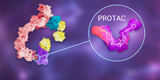
PROTAC, which exploit the ubiquitin-proteasome pathway to specifically degrade target proteins. PROTACs not only solve the problem of undruggability but they also have other advantages compared to traditional drug targeting strategies.
Scientific Reviews
PROTAC, which exploit the ubiquitin-proteasome pathway to specifically degrade target proteins. PROTACs not only solve the problem of undruggability but they also have other advantages compared to traditional drug targeting strategies. -
 Scientific Reviews
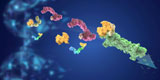
PROTAC — Target Selection and Design
Scientific Reviews
PROTAC — Target Selection and Design2022-07-08
A PROTAC molecule consists of three components: a target protein binding ligand, an E3 ligase ligand, and a linker connecting these two moieties. Here, we will discuss the conventional approaches for the rational design of PROTAC molecules. -
 Scientific Reviews
Organoids represent an important bridge between 2D cultures and in vivo mouse/human models. The organoid technology exerts enormous potential in evaluation of efficacy and toxicity of drugs, regenerative medicine, and precision medicine.In this article, we will briefly introduce organoid technology.
Scientific Reviews
Organoids represent an important bridge between 2D cultures and in vivo mouse/human models. The organoid technology exerts enormous potential in evaluation of efficacy and toxicity of drugs, regenerative medicine, and precision medicine.In this article, we will briefly introduce organoid technology. -
 Scientific Reviews
Development of Intestinal Organoid
Scientific Reviews
Development of Intestinal Organoid2022-07-28
3D organoid is one of the revolutionary developments in biomedical field during the past 10 years. The establishment of intestinal organoids is an important milestone in the development of organoid technology. -
 Scientific Reviews
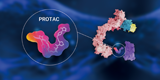
BacPROTACs is composed of a POI ligand, a chemical linker and a ClpCNTD anchor. BacPROTACs can induce in vitro and in vivo degradation of non-eukaryotic proteins in bacteria without the ubiquitin proteasome system.
Scientific Reviews
BacPROTACs is composed of a POI ligand, a chemical linker and a ClpCNTD anchor. BacPROTACs can induce in vitro and in vivo degradation of non-eukaryotic proteins in bacteria without the ubiquitin proteasome system. -
 Scientific Reviews
RNA therapeutics have changed the landscape of drug development, which possess broader spectrum of drug targets, simplicity and efficiency in development and manufacturing.In this article, we will discuss the underlying mechanisms of RNA-based drugs on the market or in clinical stages.
Scientific Reviews
RNA therapeutics have changed the landscape of drug development, which possess broader spectrum of drug targets, simplicity and efficiency in development and manufacturing.In this article, we will discuss the underlying mechanisms of RNA-based drugs on the market or in clinical stages. -
 Scientific Reviews
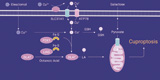
Tsvetkov et al. published in Science and demonstrated a copper-induced programmed cell death — Cuproptosis. As a novel programmed cell death, excess copper triggers abnormal aggregation of lipoylated proteins in TCA cycle and clearance of Fe-S cluster proteins, ultimately leading to cell death.
Scientific Reviews
Tsvetkov et al. published in Science and demonstrated a copper-induced programmed cell death — Cuproptosis. As a novel programmed cell death, excess copper triggers abnormal aggregation of lipoylated proteins in TCA cycle and clearance of Fe-S cluster proteins, ultimately leading to cell death. -
 Scientific Reviews
A comprehensive explanation of ferroptosis
Scientific Reviews
A comprehensive explanation of ferroptosis2022-09-15
Ferroptosis is a new type of RCD that depends on iron and characterized by the accumulation of lipid peroxides. In this article, we will pay our attention on ferroptosis and briefly discusses its mechanism. -
 Scientific Reviews
It's has been proved that p53, as a tumor suppressor gene and immune guardian, may become a destroyer through its own mutation. Moreover, the mechanism of p53 was found to be related to ferroptosis. This article mainly explores the mechanism between p53 and ferroptosis in detail.
Scientific Reviews
It's has been proved that p53, as a tumor suppressor gene and immune guardian, may become a destroyer through its own mutation. Moreover, the mechanism of p53 was found to be related to ferroptosis. This article mainly explores the mechanism between p53 and ferroptosis in detail. -
Scientific Reviews
Organoids have great potential in research of organ development, disease modeling, drug screening and, precision and regenerative medicin. In this article, we will expalin the origin of the organoids. Adult stem cells (ASCs) or pluripotent stem cells (PSCs) , which is the better choice.
-
 Scientific Reviews
Autophagy, derived from the Greek meaning "eating of self", plays an indispensable role in maintaining homeostasis. p27 is an inhibitor of cyclin CDKs, but how p27 regulates autophagy remains unknown. This article will cover the mechanism of autophagy and p27-related cell cycle regulation.
Scientific Reviews
Autophagy, derived from the Greek meaning "eating of self", plays an indispensable role in maintaining homeostasis. p27 is an inhibitor of cyclin CDKs, but how p27 regulates autophagy remains unknown. This article will cover the mechanism of autophagy and p27-related cell cycle regulation. -
 Scientific Reviews
CMA (chaperone-mediated autophagy) plays an essential role in maintaining neuronal protein stability and preventing neurodegeneration. In this article, we will comprehensively clarify the role of CMA in the occurrence and development of neurodegenerative diseases.
Scientific Reviews
CMA (chaperone-mediated autophagy) plays an essential role in maintaining neuronal protein stability and preventing neurodegeneration. In this article, we will comprehensively clarify the role of CMA in the occurrence and development of neurodegenerative diseases. -
 Scientific Reviews
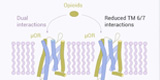
As powerful pain relievers, the opioids morphine and fentanyl have been "checked" by their side effects (listed as controlled substances). How to reduce its side effects? What is its mechanism? This research will explore its mechanism.
Scientific Reviews
As powerful pain relievers, the opioids morphine and fentanyl have been "checked" by their side effects (listed as controlled substances). How to reduce its side effects? What is its mechanism? This research will explore its mechanism. -
 Scientific Reviews
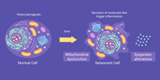
Efferocytosis is the process in which phagocytes remove programmed dead cells. It prevents secondary necrosis of dying cells from releasing harmful cell contents (such as oxides and proteases) that may cause inflammation. Here, we will introduce three stages of efferocytosis: Find, Eat, Digest.
Scientific Reviews
Efferocytosis is the process in which phagocytes remove programmed dead cells. It prevents secondary necrosis of dying cells from releasing harmful cell contents (such as oxides and proteases) that may cause inflammation. Here, we will introduce three stages of efferocytosis: Find, Eat, Digest. -
 Scientific Reviews
Understanding the mechanism of aging not only has guiding significance for prolonging human life but also has important clinical significance for the prevention and treatment of diseases in the elderly population , thus, improving their life quality and well-being.
Scientific Reviews
Understanding the mechanism of aging not only has guiding significance for prolonging human life but also has important clinical significance for the prevention and treatment of diseases in the elderly population , thus, improving their life quality and well-being. -
 Scientific Reviews
Mammalian cells can also photosynthesize like plants! Photosynthesis can improve cell anabolism and exhibit good clinical effect in degenerative diseases (osteoarthritis).
Scientific Reviews
Mammalian cells can also photosynthesize like plants! Photosynthesis can improve cell anabolism and exhibit good clinical effect in degenerative diseases (osteoarthritis). -
 Scientific Reviews
The latest study of Cell magazine "Neural mechanism underlying depressive-like state associated with social status loss" considers social factors as a breakthrough point. It has been found that the downward transition of social status induces depression-like behavior in mice whereas improves the depressive state by restoring their social environment.
Scientific Reviews
The latest study of Cell magazine "Neural mechanism underlying depressive-like state associated with social status loss" considers social factors as a breakthrough point. It has been found that the downward transition of social status induces depression-like behavior in mice whereas improves the depressive state by restoring their social environment. -
 Scientific Reviews
PROTAC - Design Strategy for Targeting
Scientific Reviews
PROTAC - Design Strategy for Targeting2023-04-23
Protein degradation targeting chimera (PROTAC) is a technology that uses the ubiquitin proteasome pathway to silent target protein. However, PROTAC still has problems such as solubility, membrane permeability, and selectivity. In this article, we have summarized three strategies for optimization: light-controlled linker, PAC molecule, and specific E3 ligase. -
 Scientific Reviews
Stem cell classification and its application
Scientific Reviews
Stem cell classification and its application2023-05-18
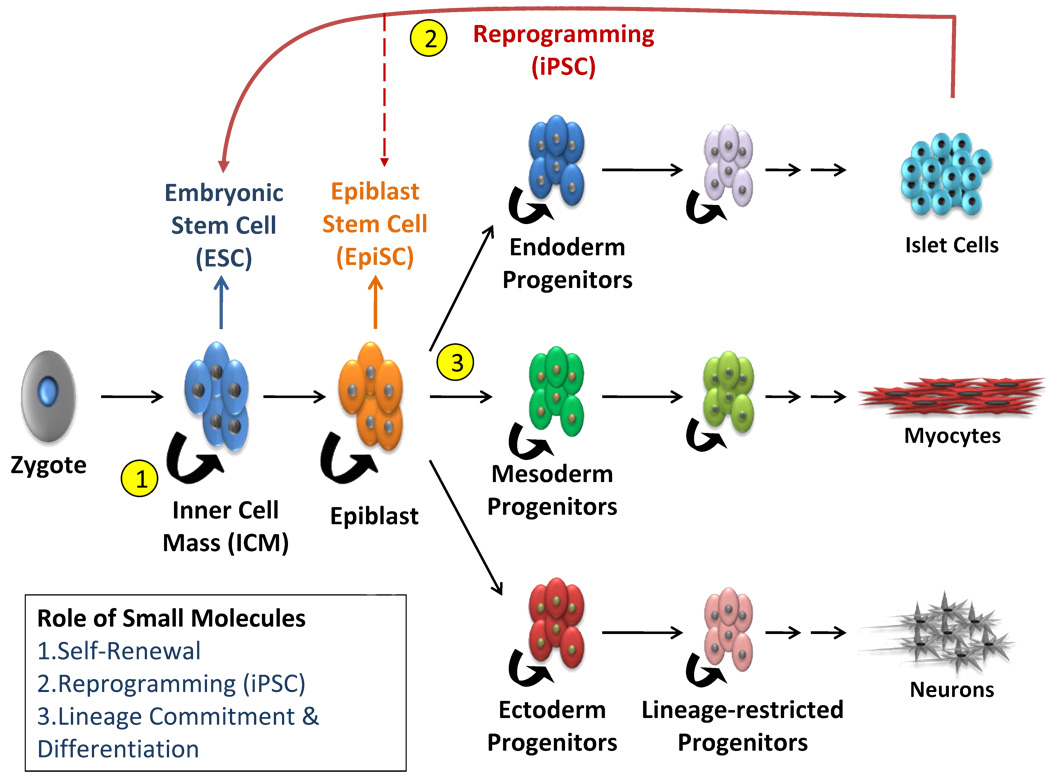
Stem cells (SCs) have the unique ability to self-renew and differentiate into different cell types. SCs can differentiate into various types of tissue cells under specific conditions. Additionally, they can be further cultured to form different tissues and organs in the human body. Stem cells have numerous applications in various fields, including cell therapy, organ transplantation, neurodegenerative disease modeling, and drug screening. -
 Scientific Reviews
Mitophagy:Mechanisms and Detection
Scientific Reviews
Mitophagy:Mechanisms and Detection2023-05-25
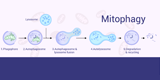
About 60 years ago, Christian de Duve first used the term "autophagy" to describe his observation of the degradation of mitochondria and other intracellular structures in lysosomes of rat liver. Over the years, autophagy has remained a beloved topic of research by the National Natural Science Foundation of China (NSFC).Today, let's talk about mitochondrial autophagy. -
 Scientific Reviews
Structure of Lipid Droplets
Scientific Reviews
Structure of Lipid Droplets2023-06-15
Huh? Lipid droplets? Organelles? In the past, biological data usually only show the traditional organelles, such as mitochondria, Golgi apparatus, endoplasmic reticulum, etc., lipid droplets are often not mentioned by people. Today, we will make a systematic explanation of lipid droplets, so that everyone has a clear understanding! -
 Scientific Reviews
Organoid Culture: Questions & Answers
Scientific Reviews
Organoid Culture: Questions & Answers2023-07-26
In the last issue, we conducted a live lecture on the theme of organoid culture. Today, we have a special topic to solve your doubts in the last live class! -
 Scientific Reviews
WHO's Q2 drug list has been updated. Let's take you through the list of the most noteworthy small molecule drugs that we should pay attention to.
Scientific Reviews
WHO's Q2 drug list has been updated. Let's take you through the list of the most noteworthy small molecule drugs that we should pay attention to. -
 Scientific Reviews
FDA Approved Drug List!
Scientific Reviews
FDA Approved Drug List!2023-09-14
In the first half of 2023 (as of June 27), the FDA approved 26 new drugs, let's take you learn about it through the article. -
 Scientific Reviews
Are frozen cells always damaged? Is the survival rate of revived cells low? When is it appropriate to freeze cells? What should be considered when reviving them? Today, we're sharing a guide to avoid pitfalls in cell freezing and revival!
Scientific Reviews
Are frozen cells always damaged? Is the survival rate of revived cells low? When is it appropriate to freeze cells? What should be considered when reviving them? Today, we're sharing a guide to avoid pitfalls in cell freezing and revival! -
 Scientific Reviews
Science | A "new" mechanism for non-ubiquitinated Midnolin-proteasomal degradation pathway
Scientific Reviews
Science | A "new" mechanism for non-ubiquitinated Midnolin-proteasomal degradation pathway2024-04-26
“ubiquitin-mediated protein degradation” won the Nobel Prize in Chemistry in 2004! In fact, proteasomes degrade not only ubiquitinated proteins but also non-ubiquitinated ones. The mechanism remains shrouded in mystery. After reading this piece today, you might have a lightbulb moment! -
 Scientific Reviews
Still struggling to find the preparation methods for various solutions? Save your time! Here comes a nanny-level tutorial!
Scientific Reviews
Still struggling to find the preparation methods for various solutions? Save your time! Here comes a nanny-level tutorial! -
 Scientific Reviews
STZ Induced Diabetes Models
Scientific Reviews
STZ Induced Diabetes Models2024-06-13
Spotlight: How can STZ Help Diabetes Research? -
 Scientific Reviews
Exosomes, which won the Nobel Prize in 2013, are still a research hotspot in the national natural sciences, and their popularity has only increased over the past decade (in 2022, they still rank 5th in the national natural sciences hotspots!). Why have exosomes become the darling of scientific research? Let's take a look together~
Scientific Reviews
Exosomes, which won the Nobel Prize in 2013, are still a research hotspot in the national natural sciences, and their popularity has only increased over the past decade (in 2022, they still rank 5th in the national natural sciences hotspots!). Why have exosomes become the darling of scientific research? Let's take a look together~ -
 Scientific Reviews
Degrade target proteins through the autophagy-lysosome pathway including LYTAC, AUTAC, and ATTEC have gained increasing attention in recent years due to their significant research potential!
Scientific Reviews
Degrade target proteins through the autophagy-lysosome pathway including LYTAC, AUTAC, and ATTEC have gained increasing attention in recent years due to their significant research potential! -
 Scientific Reviews
Science’s 2023 Breakthrough: GLP-1R Agonists
Scientific Reviews
Science’s 2023 Breakthrough: GLP-1R Agonists2024-08-13
GLP-1RAs, which achieved great success in 2023 and draws people’s attention back to obesity treatments and GLP-1 therapies worldwide, was chosen as the breakthrough of year 2023 by Science [2]. -
 Scientific Reviews
Cuproptosis, How much do you know?
Scientific Reviews
Cuproptosis, How much do you know?2024-08-22
Cells die in a variety of ways, including apoptosis, pyroptosis, necrosis, and ferroptosis......And, of course, cuproptosis. So, how much do you know about cuproptosis? -
 Scientific Reviews
Recently, Mol Cell reported the discovery of the first ferroptosis marker, Hyperoxidized PRDX3! Let’s take a look together~
Scientific Reviews
Recently, Mol Cell reported the discovery of the first ferroptosis marker, Hyperoxidized PRDX3! Let’s take a look together~ -
 Scientific Reviews
Cuproptosis's Knowledge Points!
Scientific Reviews
Cuproptosis's Knowledge Points!2024-09-25
With the establishment of the cuproptosis mechanism related research has attracted more and more attention from major journals. Expect to use the sharp sword of cuproptosis to stab the tumor cells. -
 Scientific Reviews
2024 Nobel Prize Announcements! Curious about the details? Click to dive into the exciting developments!
Scientific Reviews
2024 Nobel Prize Announcements! Curious about the details? Click to dive into the exciting developments! -
 Scientific Reviews
How they used PKH 26 for cellular studies?
Scientific Reviews
How they used PKH 26 for cellular studies?2024-10-21
We are thrilled to highlight our client study using PKH 26 (MedChemExpress) , a red fluorescent dye that has proven invaluable for in vitro cell labeling and tracing. This innovative research, published in the Journal of Nanobiotechnology. -
Scientific Reviews
Delve into the intricate networks that govern mitochondrial quality control. By examining key mechanisms such as biogenesis, mitochondrial dynamics (fission and fusion), proteolysis, and mitophagy. -
 Scientific Reviews
Unlocking the Power of Intermittent Fasting: The 16+8 Method
Scientific Reviews
Unlocking the Power of Intermittent Fasting: The 16+8 Method -
 Scientific Reviews
Advancing Chronic Kidney Disease Research with GJ103 and Lamin B1 Antibody!
Scientific Reviews
Advancing Chronic Kidney Disease Research with GJ103 and Lamin B1 Antibody! -
 Scientific Reviews
In early January 2025, MIT Tech Review unveiled its annual list of top 10 breakthrough technologies poised to redefine the future. Among these, stem cell therapy stood out for its potential to treat diverse diseases—including neurodegenerative disorders, diabetes, cancer, and heart failure. This groundbreaking approach uses stem cells to replace damaged cells, offering hope for millions worldwide.
Scientific Reviews
In early January 2025, MIT Tech Review unveiled its annual list of top 10 breakthrough technologies poised to redefine the future. Among these, stem cell therapy stood out for its potential to treat diverse diseases—including neurodegenerative disorders, diabetes, cancer, and heart failure. This groundbreaking approach uses stem cells to replace damaged cells, offering hope for millions worldwide. -
 Scientific Reviews
When you hear "inflammation" and "DNA damage," you might immediately think of disease or injury. However, in brains, these two processes are key steps in forming long-term memories, particularly related to specialized cells in our brain called hippocampal neurons.
Scientific Reviews
When you hear "inflammation" and "DNA damage," you might immediately think of disease or injury. However, in brains, these two processes are key steps in forming long-term memories, particularly related to specialized cells in our brain called hippocampal neurons. -
 Scientific Reviews
Autophagy is a fundamental process that degrades various components within the cell.
Scientific Reviews
Autophagy is a fundamental process that degrades various components within the cell. -
 Scientific Reviews
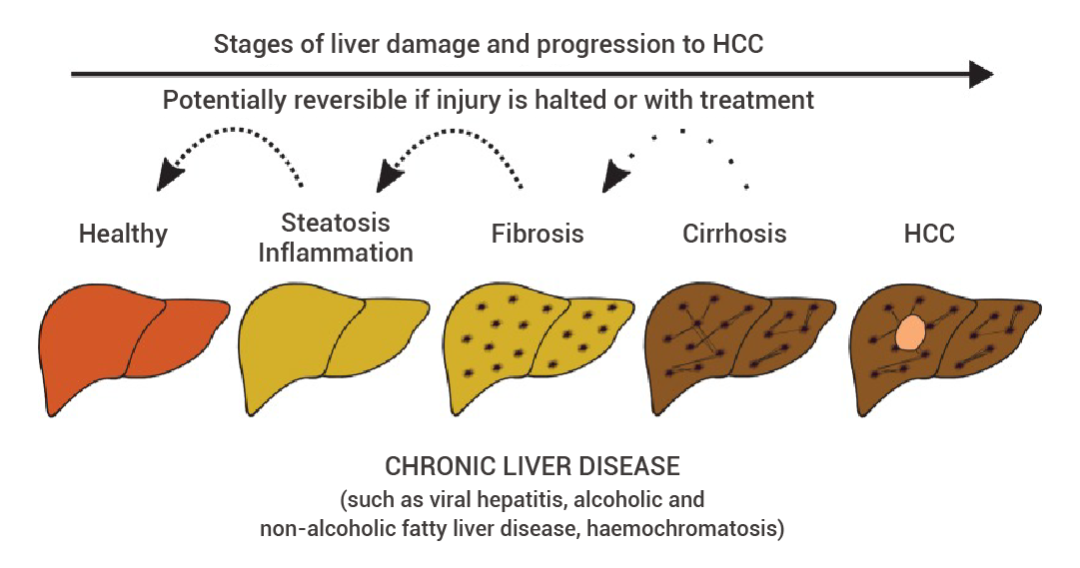
This article will tell you about the common methods of modeling liver disease in animal models.
Scientific Reviews
This article will tell you about the common methods of modeling liver disease in animal models. -
.jpg) Scientific Reviews
nside cells, the homeostasis and degradation of proteins is a precisely regulated process. If proteins cannot be degraded in time, it may lead to the occurrence of various diseases such as neurodegenerative diseases and cancer. This article will tell you the process of how proteins are recognized, labeled and then degraded!
Scientific Reviews
nside cells, the homeostasis and degradation of proteins is a precisely regulated process. If proteins cannot be degraded in time, it may lead to the occurrence of various diseases such as neurodegenerative diseases and cancer. This article will tell you the process of how proteins are recognized, labeled and then degraded! -
 Scientific Reviews
This article introduces some common cardiovascular disease models, inducers, modeling protocols and successful modeling cases in the research.
Scientific Reviews
This article introduces some common cardiovascular disease models, inducers, modeling protocols and successful modeling cases in the research. -
 Scientific Reviews
Do you feel confused when you start culturing cells? This article will show you the basic methods and steps of cell culture!
Scientific Reviews
Do you feel confused when you start culturing cells? This article will show you the basic methods and steps of cell culture! -
 Scientific Reviews
In this issue, we will conduct an in-depth interpretation from the dimensions of nanoparticle design, mechanism of action, in vivo and in vitro efficacy, and immune regulation, revealing how this research brings new hope for the treatment of invasive tumors through interdisciplinary innovation!
Scientific Reviews
In this issue, we will conduct an in-depth interpretation from the dimensions of nanoparticle design, mechanism of action, in vivo and in vitro efficacy, and immune regulation, revealing how this research brings new hope for the treatment of invasive tumors through interdisciplinary innovation! -
 Scientific Reviews
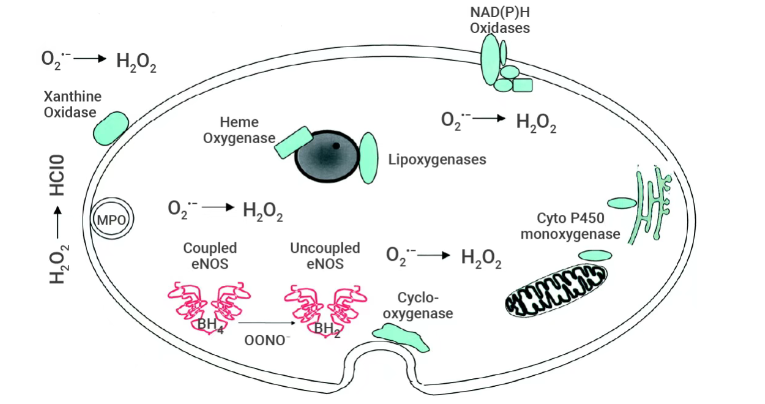
The article introduces the mechanisms of ROS generation and the methods for their detection.
Scientific Reviews
The article introduces the mechanisms of ROS generation and the methods for their detection. -
 Scientific Reviews
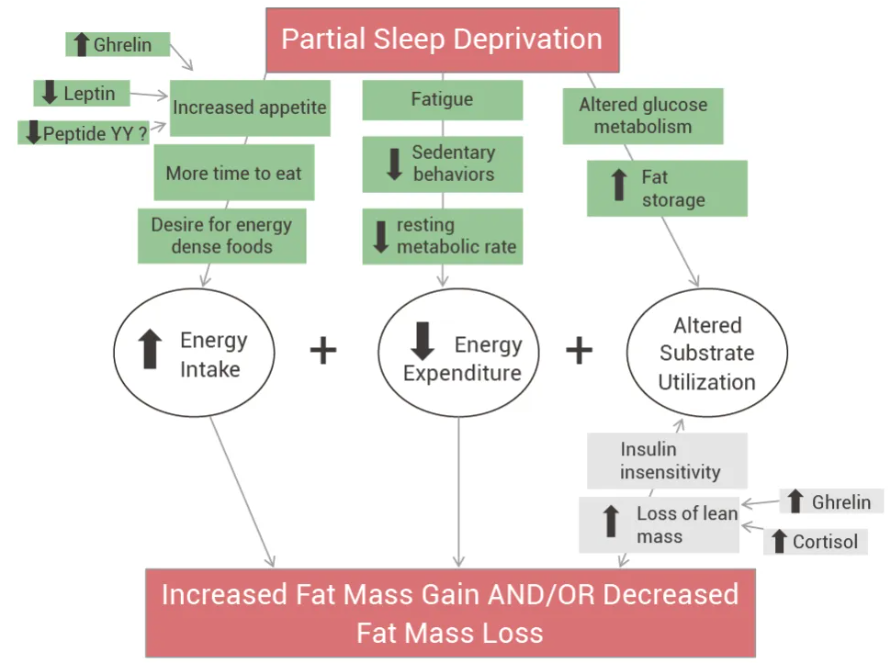
Have you ever noticed that after staying up late, your appetite—especially for high-calorie foods—gets out of control? If this sounds familiar, today’s article might offer some good news.
Scientific Reviews
Have you ever noticed that after staying up late, your appetite—especially for high-calorie foods—gets out of control? If this sounds familiar, today’s article might offer some good news. -
 Scientific Reviews
Generating Stable Cell Lines with Lentivirus
Scientific Reviews
Generating Stable Cell Lines with Lentivirus2025-09-16
A step-by-step protocol of establishing stable cell lines using lentivirus -
 Scientific Reviews
A groundbreaking study in Nature Communications reveals the key mechanism behind Idiopathic Pulmonary Fibrosis and identifies an existing drug with the potential to counter it.
Scientific Reviews
A groundbreaking study in Nature Communications reveals the key mechanism behind Idiopathic Pulmonary Fibrosis and identifies an existing drug with the potential to counter it. -
 Scientific Reviews
Finding adipogenic induction media too expensive and tricky to prepare? This comprehensive guide to 3T3-L1 adipogenic differentiation simplifies the process, helping you achieve great results!
Scientific Reviews
Finding adipogenic induction media too expensive and tricky to prepare? This comprehensive guide to 3T3-L1 adipogenic differentiation simplifies the process, helping you achieve great results! -
Scientific Reviews
Microglia– the only immune cells within the brain parenchyma. With advancements in imaging technologies, people’s understanding of microglia has shifted from being viewed as 'resting' cells to 'highly active' cells, particularly due to their dynamic processes that seem to be probing surrounding tissues and monitoring neuronal activity. This has made microglia a focal point of research in the field of neuroscience. -
 Scientific Reviews
Exosomes—natural nanoscale carriers—are revolutionizing targeted therapy. This article uncovers the science behind their precision in drug delivery.
Scientific Reviews
Exosomes—natural nanoscale carriers—are revolutionizing targeted therapy. This article uncovers the science behind their precision in drug delivery. -
Scientific Reviews
Cracking the PROTAC Permeability Barrier: CD36-Mediated Endocytosis as a Potential Breakthrough2025-12-03
This article provides an in-depth analysis of cutting-edge literature revealing CD36 as a key mediator of cellular uptake for PROTACs and bRO5 compounds. By structurally optimizing PROTAC molecules to enhance their affinity for CD36, membrane permeability can be markedly improved, leading to significantly enhanced antitumor efficacy. -
 Scientific Reviews
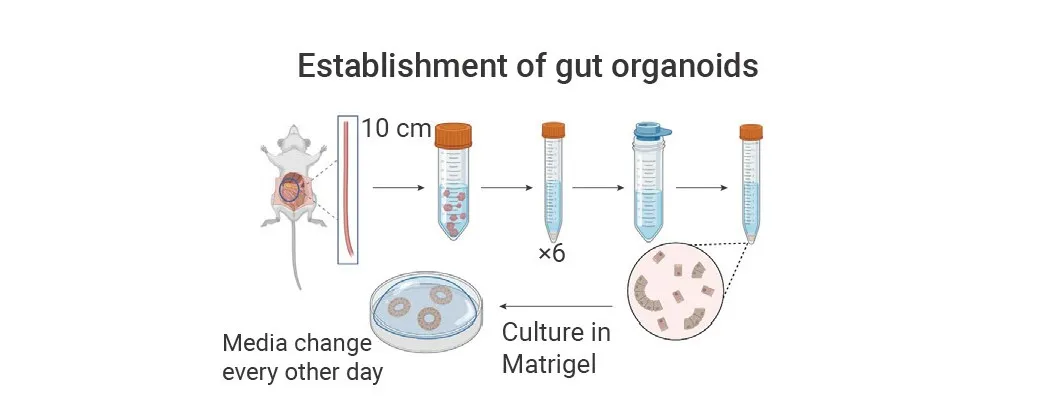
Efficient Generation of Mouse Small Intestinal Organoids: A Complete Experimental Protocol Guide
Scientific Reviews
Efficient Generation of Mouse Small Intestinal Organoids: A Complete Experimental Protocol Guide2025-12-10
How to successfully create mouse small intestine organoids? A detailed, hands-on guide to the entire process, all in one article! -
 Scientific Reviews
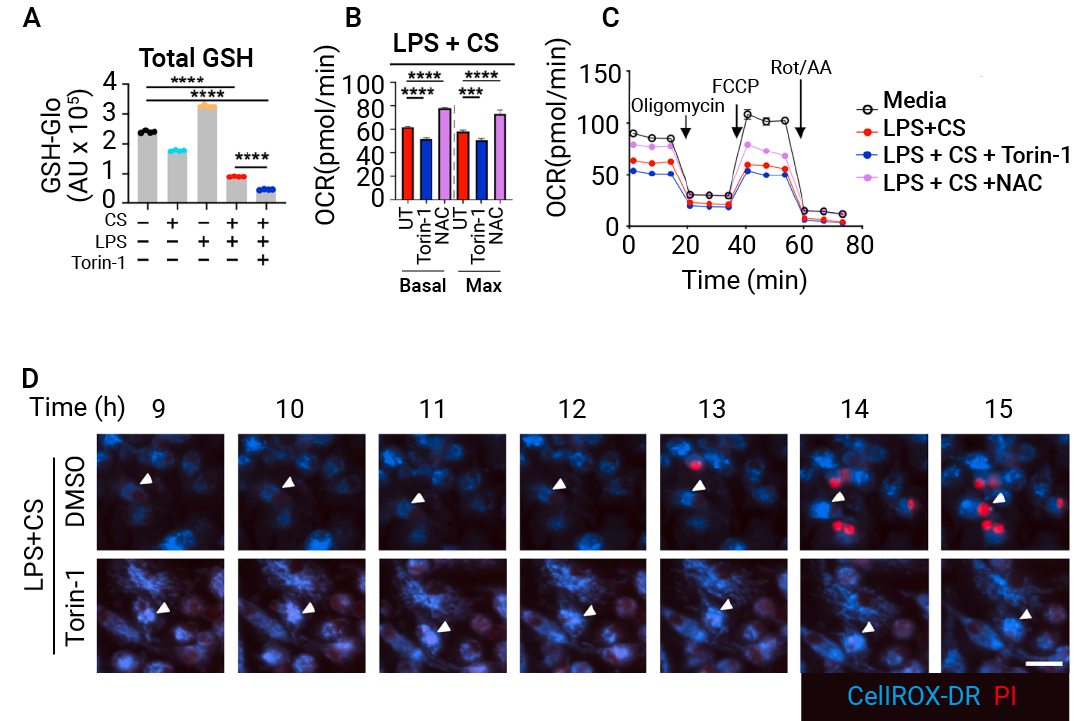
A November 2025 Cell study discovers Mitoxyperilysis, a new mTOR-regulated, caspase-independent cell death pathway driven by innate immune and metabolic dysregulation via mitochondrial-plasma membrane contact and oxidative damage, and verifies its potential to induce tumor necrosis for cancer therapy with key regulators including BAX, BAK1 and BID.
Scientific Reviews
A November 2025 Cell study discovers Mitoxyperilysis, a new mTOR-regulated, caspase-independent cell death pathway driven by innate immune and metabolic dysregulation via mitochondrial-plasma membrane contact and oxidative damage, and verifies its potential to induce tumor necrosis for cancer therapy with key regulators including BAX, BAK1 and BID. -
 Scientific Reviews
In the hunt for the next ‘GLP-1,’ amylin therapeutics, which have shown strong weight-loss results in clinical trials, have become a major focus for both multinational pharma and the scientific community.
Scientific Reviews
In the hunt for the next ‘GLP-1,’ amylin therapeutics, which have shown strong weight-loss results in clinical trials, have become a major focus for both multinational pharma and the scientific community. -
 Scientific Reviews
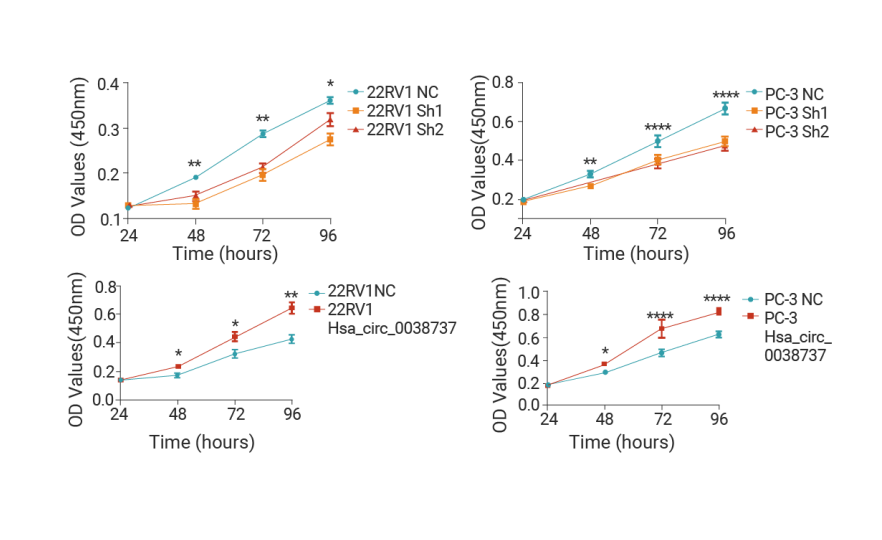
Essential for High-Impact Papers: Present Your CCK-8 Experimental Results in a More Outstanding Way!
Scientific Reviews
Essential for High-Impact Papers: Present Your CCK-8 Experimental Results in a More Outstanding Way!2026-03-18
CCK-8 is a widely used WST‑8‑based reagent for cell proliferation and cytotoxicity assays. It features high sensitivity, reliable results and easy operation, and is applicable to cell viability analysis, drug screening and growth inhibition testing. -
 Scientific Reviews
Molecular glue degraders have evolved from a serendipitous observation to one of the most dynamic and transformative fields in biomedical research.
Scientific Reviews
Molecular glue degraders have evolved from a serendipitous observation to one of the most dynamic and transformative fields in biomedical research. -
 Scientific Reviews
GLP-1 and Obesity Research
Scientific Reviews
GLP-1 and Obesity Research2026-08-14
Obesity substantially increases the risk of chronic diseases such as T2D and cardiovascular disease. The breakout success of GLP-1 therapies has spotlighted GLP-1R and a wave of emerging obesity targets. -
 EDM
Advances in Alzheimer's Disease Research
EDM
Advances in Alzheimer's Disease Research2025-07-16
This review summarizes current understanding of AD pathophysiology, including amyloid and tau pathology, neuroinflammation, synaptic dysfunction, and vascular abnormalities, and evaluates therapeutic strategies and experimental models. -
 EDM
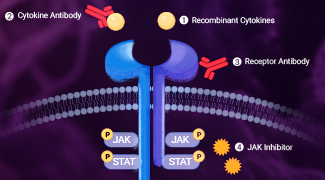
This review critically examines the role of the JAK-STAT pathway in immunity and autoimmune diseases, reviews current clinical applications of targeted therapies, and highlights emerging trends in autoimmune drug development.
EDM
This review critically examines the role of the JAK-STAT pathway in immunity and autoimmune diseases, reviews current clinical applications of targeted therapies, and highlights emerging trends in autoimmune drug development. -
 EDM
This review highlights the roles of microglia in AD pathology, focusing on metabolic reprogramming and microglia-targeted therapeutic strategies.
EDM
This review highlights the roles of microglia in AD pathology, focusing on metabolic reprogramming and microglia-targeted therapeutic strategies. -
 EDM
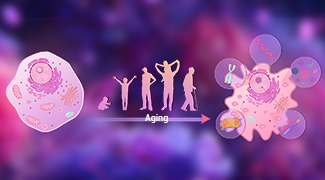
This review summarizes the hallmarks of aging and aging-related diseases, discusses mechanistic insights into aging processes, and highlights emerging anti-aging interventions.
EDM
This review summarizes the hallmarks of aging and aging-related diseases, discusses mechanistic insights into aging processes, and highlights emerging anti-aging interventions. -
 EDM
This review outlines macrophage functions and classification, and provides practical experimental guidelines for macrophage differentiation, polarization, and identification.
EDM
This review outlines macrophage functions and classification, and provides practical experimental guidelines for macrophage differentiation, polarization, and identification. -
 EDM
Review advances in target discovery, disease modeling, and biomarkers for Parkinson’s disease, highlighting their interplay and future directions for translational research.
EDM
Review advances in target discovery, disease modeling, and biomarkers for Parkinson’s disease, highlighting their interplay and future directions for translational research. -
 EDM
The Dual Role of Cellular Senescence in Cancer: Mechanisms, Microenvironment, and Therapeutics
EDM
The Dual Role of Cellular Senescence in Cancer: Mechanisms, Microenvironment, and Therapeutics2026-05-21
Explore the dual role of cellular senescence in cancer, including tumor suppression, SASP-driven tumor promotion, senescence heterogeneity and plasticity, and advances in senescence-targeted therapies. -
 EDM
Explore lysosomal nutrient sensing, quality control, cellular adaptation, disease mechanisms, and emerging therapeutic approaches.
EDM
Explore lysosomal nutrient sensing, quality control, cellular adaptation, disease mechanisms, and emerging therapeutic approaches. -
 EDM
Explore the mechanisms driving immune tolerance breakdown in autoimmune diseases and emerging tolerance-restoring strategies, with a focus on IL-2-based immune modulation.
EDM
Explore the mechanisms driving immune tolerance breakdown in autoimmune diseases and emerging tolerance-restoring strategies, with a focus on IL-2-based immune modulation. -
 EDM
Explore how anti-Aβ therapy is reshaping the AD treatment landscape, the rationale for multi-pathology combination strategies, and advances in biomarker-guided precision treatment.
EDM
Explore how anti-Aβ therapy is reshaping the AD treatment landscape, the rationale for multi-pathology combination strategies, and advances in biomarker-guided precision treatment. -
 EDM
Explore how mitochondrial quality control, inflammatory signaling, and metabolic–epigenetic reprogramming regulate cellular senescence and the SASP, along with strategies to restore mitochondrial homeostasis.
EDM
Explore how mitochondrial quality control, inflammatory signaling, and metabolic–epigenetic reprogramming regulate cellular senescence and the SASP, along with strategies to restore mitochondrial homeostasis. -
 Blog
BR351 is a Brain Penetrant MMP Inhibitor
Blog
BR351 is a Brain Penetrant MMP Inhibitor2019-04-05
BR351 is a brain penetrant MMP inhibitor, and a potential tool for the molecular imaging of activated MMPs with PET, with an IC50 in the nanomolar range. -
 Blog
IITZ-01 is a potent lysosomotropic autophagy inhibitor with single-agent antitumor activity, with an IC50 of 2.62 μM for PI3Kγ.
Blog
IITZ-01 is a potent lysosomotropic autophagy inhibitor with single-agent antitumor activity, with an IC50 of 2.62 μM for PI3Kγ. -
 Blog
BTR-1 potently inhibits cell growth. It induces S phase arrest, affects DNA replication. Dose-dependently induces cytotoxicity in leukemic cell lines.
Blog
BTR-1 potently inhibits cell growth. It induces S phase arrest, affects DNA replication. Dose-dependently induces cytotoxicity in leukemic cell lines. -
 Blog
SLLN-15 is an oral activ enhancer of autophagy that activates cytostatic macroautophagy/autophagy in triple-negative breast cancer (TNBC).
Blog
SLLN-15 is an oral activ enhancer of autophagy that activates cytostatic macroautophagy/autophagy in triple-negative breast cancer (TNBC). -
 Blog
ACY-1083, a Highly Selective HDAC6 Inhibitor, Reverses Chemotherapy-induced Peripheral Neuropathy
Blog
ACY-1083, a Highly Selective HDAC6 Inhibitor, Reverses Chemotherapy-induced Peripheral Neuropathy2019-05-12
ACY-1083 is a selective and brain-penetrating HDAC6 inhibitor with an IC50 of 3 nM. ACY-1083 effectively reverses chemotherapy-induced peripheral neuropathy -
 Blog
JMS-17-2 is a CX3CR1 Antagonist
Blog
JMS-17-2 is a CX3CR1 Antagonist2019-06-12
JMS-17-2 is a potent and selective CX3CR1 antagonist with an IC50 of 0.32 nM. Has potential to treat cancers such as breast cancer. -
 Blog
Ralimetinib (LY2228820) is a selective and ATP-competitive inhibitor of p38 MAPK α/β, with IC50s of 5.3 and 3.2 nM, respectively. Anti-tumor activity.
Blog
Ralimetinib (LY2228820) is a selective and ATP-competitive inhibitor of p38 MAPK α/β, with IC50s of 5.3 and 3.2 nM, respectively. Anti-tumor activity. -
 Blog
BAY-11-7082 inhibits the proliferation and induces the apoptosis of U266 cells through inhibiting NF-κB pathway. BAY 11-7082 ameliorates experimental diabetic neuropathy by modulating neuroinflammation and improving antioxidant defence.
Blog
BAY-11-7082 inhibits the proliferation and induces the apoptosis of U266 cells through inhibiting NF-κB pathway. BAY 11-7082 ameliorates experimental diabetic neuropathy by modulating neuroinflammation and improving antioxidant defence. -
 Blog
S130, Targeting ATG4B, Inhibits Autophagy and Activates Apoptosis in Colorectal Colon Cancer
Blog
S130, Targeting ATG4B, Inhibits Autophagy and Activates Apoptosis in Colorectal Colon Cancer2019-06-19
S130 is a high affinity, selective inhibitor of ATG4B (a major cysteine protease) with an IC50 of 3.24 µM. S130 suppresses autophagy flux. -
 Blog
MRT67307, a dual IKKε/TBK1 inhibitor, inhibits ULK1 and ULK2 with IC50s of 45 and 38 nM, respectively. MRT67307 blocks mTOR-dependent autophagy.
Blog
MRT67307, a dual IKKε/TBK1 inhibitor, inhibits ULK1 and ULK2 with IC50s of 45 and 38 nM, respectively. MRT67307 blocks mTOR-dependent autophagy. -
 Blog
CCT020312, the G1/S checkpoint activator, is a selective EIF2AK3/PERK activator. CCT020312 elicits EIF2A phosphorylation in cells.
Blog
CCT020312, the G1/S checkpoint activator, is a selective EIF2AK3/PERK activator. CCT020312 elicits EIF2A phosphorylation in cells. -
 Blog
SBI-0206965 is a selective and cell permeable autophagy kinase ULK1 inhibitor with IC50s of 108 nM for ULK1 and 711 nM for the highly related kinase ULK2 .
Blog
SBI-0206965 is a selective and cell permeable autophagy kinase ULK1 inhibitor with IC50s of 108 nM for ULK1 and 711 nM for the highly related kinase ULK2 . -
 Blog
CA-5f is a potent late-stage macroautophagy (autophagy) inhibitor via inhibiting autophagosome-lysosome fusion. CA-5f increases LC3B-II and SQSTM1 protein.
Blog
CA-5f is a potent late-stage macroautophagy (autophagy) inhibitor via inhibiting autophagosome-lysosome fusion. CA-5f increases LC3B-II and SQSTM1 protein. -
 Blog
GPP78 is a potent Nampt inhibitor. GPP78 is cytotoxic to neuroblastoma cell line SH-SY5Y cells. GPP78 has anti-cancer and anti-tumor activity.
Blog
GPP78 is a potent Nampt inhibitor. GPP78 is cytotoxic to neuroblastoma cell line SH-SY5Y cells. GPP78 has anti-cancer and anti-tumor activity. -
 Blog
M8891 is an orally active, reversible and brain penetrant Methionine Aminopeptidase-2 (MetAP-2) inhibitor with antiangiogenic and antitumoral activity.
Blog
M8891 is an orally active, reversible and brain penetrant Methionine Aminopeptidase-2 (MetAP-2) inhibitor with antiangiogenic and antitumoral activity. -
 Blog
TCH-165 is a modulator of proteasome assembly, which increases 20S levels and facilitates 20S-mediated protein degradation, such as IDPs, α-syn, and tau.
Blog
TCH-165 is a modulator of proteasome assembly, which increases 20S levels and facilitates 20S-mediated protein degradation, such as IDPs, α-syn, and tau. -
 Blog
Ro 90-7501, an Aβ42 fibril assembly inhibitor, inhibits PP5 in a TPR-dependent manner and has radiosensitizing effects on cervical cancer cells.
Blog
Ro 90-7501, an Aβ42 fibril assembly inhibitor, inhibits PP5 in a TPR-dependent manner and has radiosensitizing effects on cervical cancer cells. -
 Blog
NU1025 is a potent PARP inhibitor and potentiates the cytotoxicity of ionizing radiation drug. NU1025 has anti-cancer and neuroprotective activity.
Blog
NU1025 is a potent PARP inhibitor and potentiates the cytotoxicity of ionizing radiation drug. NU1025 has anti-cancer and neuroprotective activity. -
 Blog
HM03 is a potent and selective HSPA5 inhibitor with anticancer activity. HSPA5 plays a key role in monitoring protein transport through the cell.
Blog
HM03 is a potent and selective HSPA5 inhibitor with anticancer activity. HSPA5 plays a key role in monitoring protein transport through the cell. -
 Blog
JCN037 is a potent, non-covalent, and brain-penetrant EGFR tyrosine kinase inhibitor. JCN037 has potent anti-cancer activity.
Blog
JCN037 is a potent, non-covalent, and brain-penetrant EGFR tyrosine kinase inhibitor. JCN037 has potent anti-cancer activity. -
 Blog
GSK621 is a potent and specific AMPK activator and induces autophagy and apoptosis in acute myeloid leukemia (AML) cells.
Blog
GSK621 is a potent and specific AMPK activator and induces autophagy and apoptosis in acute myeloid leukemia (AML) cells. -
 Blog
KCC-07 prevents binding of MBD2 to methylated DNA and activates BAI1 inducing anti-proliferative BAI1/p53/p21 signaling. Anticancer activity.
Blog
KCC-07 prevents binding of MBD2 to methylated DNA and activates BAI1 inducing anti-proliferative BAI1/p53/p21 signaling. Anticancer activity. -
 Blog
MPT0G211, an orally active and selective HDAC6 inhibitor, ameliorates tau phosphorylation, and cognitive deficits in an Alzheimer’s disease model.
Blog
MPT0G211, an orally active and selective HDAC6 inhibitor, ameliorates tau phosphorylation, and cognitive deficits in an Alzheimer’s disease model. -
 Blog
RapaLink-1, a third-generation bivalent mTOR inhibitor, potently blocking cancer-derived, activating mutants of mTOR. It can cross the blood-brain barrier.
Blog
RapaLink-1, a third-generation bivalent mTOR inhibitor, potently blocking cancer-derived, activating mutants of mTOR. It can cross the blood-brain barrier. -
 Blog
PQR530 is a potent, ATP-competitive, orally bioavailable and brain-penetrant dual pan-PI3K/mTORC1/2 inhibitor. Antitumor activity.
Blog
PQR530 is a potent, ATP-competitive, orally bioavailable and brain-penetrant dual pan-PI3K/mTORC1/2 inhibitor. Antitumor activity. -
 Blog
CHDI-390576, a potent and CNS penetrant class IIa HDAC inhibitor, show selectivity over class I HDACs, HDAC8 and the class IIb HDAC6 isoform.
Blog
CHDI-390576, a potent and CNS penetrant class IIa HDAC inhibitor, show selectivity over class I HDACs, HDAC8 and the class IIb HDAC6 isoform. -
 Blog
NAZ2329 is an allosteric, noncompetitive and reversible inhibitor of R5 RPTP subfamily and PTPRZ/PTPRG with anti-cancer activity.
Blog
NAZ2329 is an allosteric, noncompetitive and reversible inhibitor of R5 RPTP subfamily and PTPRZ/PTPRG with anti-cancer activity. -
 Blog
CC-90001 is a potent, selective, and orally active inhibitor of JNK. CC-90001 can be used for the research of idiopathic pulmonary fibrosis (IPF).
Blog
CC-90001 is a potent, selective, and orally active inhibitor of JNK. CC-90001 can be used for the research of idiopathic pulmonary fibrosis (IPF). -
 Blog
BrBzGCp2 is a Glyoxalase 1 (GLO1) inhibitor for a variety of disorders. Possesses antitumor and neuroprotective activity.
Blog
BrBzGCp2 is a Glyoxalase 1 (GLO1) inhibitor for a variety of disorders. Possesses antitumor and neuroprotective activity. -
 Blog
YUM70 inhibits GRP78. Induces endoplasmic reticulum stress-mediated apoptosis. Pancreatic cancer. Acts as a novel anticancer agent.
Blog
YUM70 inhibits GRP78. Induces endoplasmic reticulum stress-mediated apoptosis. Pancreatic cancer. Acts as a novel anticancer agent. -
 Blog
LYN-1604 is a Potent ULK1 Activator
Blog
LYN-1604 is a Potent ULK1 Activator2021-04-24
LYN-1604, a potent ULK1 activator, induces cell death involved in ATF3, RAD21, and caspase3, accompanied by autophagy and apoptosis. -
 Blog
ML-00253764 is a brain penetrant nonpeptidic melanocortin receptor 4 (MC4R) antagonist with a Ki/IC50 of 0.16 µM/0.103 µM, respectively.
Blog
ML-00253764 is a brain penetrant nonpeptidic melanocortin receptor 4 (MC4R) antagonist with a Ki/IC50 of 0.16 µM/0.103 µM, respectively. -
 Blog
Butaprost is a selective prostaglandin E receptor (EP2) agonist. Butaprost can effectively mitigate kidney fibrogenesis in various fibrosis models.
Blog
Butaprost is a selective prostaglandin E receptor (EP2) agonist. Butaprost can effectively mitigate kidney fibrogenesis in various fibrosis models. -
 Blog
Vorasidenib is an orally available, brain penetrant second-generation dual mutant isocitrate dehydrogenases 1 and 2 (mIDH1/2) inhibitor.
Blog
Vorasidenib is an orally available, brain penetrant second-generation dual mutant isocitrate dehydrogenases 1 and 2 (mIDH1/2) inhibitor. -
 Blog
GSK2606414 is an orally available PERK inhibitor and is a potent compound of cancer and neurological diseases.
Blog
GSK2606414 is an orally available PERK inhibitor and is a potent compound of cancer and neurological diseases. -
 Blog
SB 258719 is a selective 5-HT7 receptor antagonist and can be used for the research of cancer and neurological disease.
Blog
SB 258719 is a selective 5-HT7 receptor antagonist and can be used for the research of cancer and neurological disease. -
 Blog
Spautin-1 is a specific and potent autophagy inhibitor which inhibits ubiquitin-specific peptidases, USP10 and USP13.
Blog
Spautin-1 is a specific and potent autophagy inhibitor which inhibits ubiquitin-specific peptidases, USP10 and USP13. -
 Blog
Trolox is an analogue of vitamin E with a powerful antioxidant effect. Trolox is also a powerful inhibitor of membrane damage.
Blog
Trolox is an analogue of vitamin E with a powerful antioxidant effect. Trolox is also a powerful inhibitor of membrane damage. -
 Blog
AZD1390 is a potent, highly selective, orally bioavailable, brain-penetrant ATM inhibitor with an IC50 of 0.78 nM.
Blog
AZD1390 is a potent, highly selective, orally bioavailable, brain-penetrant ATM inhibitor with an IC50 of 0.78 nM. -
 Blog
Alda-1 is a potent ALDH2 Agonist
Blog
Alda-1 is a potent ALDH2 Agonist2021-12-30
Alda-1 ameliorates H2O2-induced Achilles tendinopathy. Alda-1 could be used for preventing Achilles tendinopathy. -
 Blog
AUTAC2 is a FKBP12-targeting autophagy-mediated degrader (AUTAC). AUTAC2 contains an FBnG and an SLF moiety.
Blog
AUTAC2 is a FKBP12-targeting autophagy-mediated degrader (AUTAC). AUTAC2 contains an FBnG and an SLF moiety. -
 Blog
Epoxomicin is an epoxyketone-containing natural product and a selective and irreversible proteasome inhibitor. Cross the blood-brain barrier.
Blog
Epoxomicin is an epoxyketone-containing natural product and a selective and irreversible proteasome inhibitor. Cross the blood-brain barrier. -
 Blog
AZD-9574 is a potent and brain penetrant PARP1 inhibitor and shows >8000-fold selectivity for PARP1 compared to PARP2/3/5a/6.
Blog
AZD-9574 is a potent and brain penetrant PARP1 inhibitor and shows >8000-fold selectivity for PARP1 compared to PARP2/3/5a/6. -
 Blog
GR-46611 is a 5-HT1D Receptor Agonist
Blog
GR-46611 is a 5-HT1D Receptor Agonist2022-10-11
GR-46611 is a potent 5-HT1D receptor agonist and has the potential for the research of epilepsy and inhibits bladder activity. -
 Blog
Olutasidenib (FT-2102) is an orally active, brain penetrant inhibitor of mutant IDH1. Olutasidenib is used for AML or MDS Research.
Blog
Olutasidenib (FT-2102) is an orally active, brain penetrant inhibitor of mutant IDH1. Olutasidenib is used for AML or MDS Research. -
 Blog
Coibamide A is an N-methyl-stabilized cytotoxic depsipeptide with antiproliferative activity. Coibamide A induces autophagosome accumulation.
Blog
Coibamide A is an N-methyl-stabilized cytotoxic depsipeptide with antiproliferative activity. Coibamide A induces autophagosome accumulation. -
 Blog
J-113397 is a potent and selective nonpeptidyl ORL1 receptor antagonist without any agonistic effects on other opioid receptors.
Blog
J-113397 is a potent and selective nonpeptidyl ORL1 receptor antagonist without any agonistic effects on other opioid receptors.
Products
All
-
All
-
Inhibitors & Agonists
-
Isotope-Labeled Compounds
-
Fluorescent Dye
-
Peptides
-
Recombinant Proteins
-
Antibodies
-
Screening Libraries
-
Kits
-
Inhibitory Antibodies
-
Reference Standards
-
Induced Disease Models Products
-
GMP Small Molecules
-
Enzyme
-
Biochemical Assay Reagents
-
Natural Products
| Cat. No. | Product Name | Information | Application | Publication |
|---|---|---|---|---|
| HY-10219 | Rapamycin |
Rapamycin (Sirolimus; AY 22989) is a potent and specific blood-brain barrier-transmissible mTOR inhibitor with an IC50 of 0.1 nM in HEK293 cells. Rapamycin is a molecular glue that binds FKBP12 and mTOR proteins together, thereby inhibiting mTOR kinase activity. Rapamycin binds to FKBP12 and specifically acts as an allosteric inhibitor of mTORC1. Rapamycin is an autophagy activator, an immunosuppressant.
Source: Streptomyces hygroscopicus |
Breast Cancer
Colorectal Cancer
Prostate Cancer
Gastric Cancer
Liver Cancer
Leukemia/Lymphoma/Myeloma
Pancreatic Cancer
Ovarian Cancer
Viral Infection
Bacterial Infection
Fungal Infection
Pain
Non-Small Cell Lung Cancer
Lung Adenocarcinoma
SARS-CoV-2 Infection
Obesity
Lung Fibrosis
|
1470
|
| HY-19312 | 3-Methyladenine |
|
1349
|
|
| HY-10108 | LY294002 |
LY294002 is a broad-spectrum inhibitor of PI3K with IC50s of 0.5, 0.57, and 0.97 μM for PI3Kα, PI3Kδ and PI3Kβ, respectively. LY294002 also inhibits CK2 with an IC50 of 98 nM. LY294002 is a competitive DNA-PK inhibitor that binds reversibly to the kinase domain of DNA-PK with an IC50 of 1.4 μM. LY294002 is an apoptosis activator.
|
Infection
Lung Cancer
Breast Cancer
Colorectal Cancer
Prostate Cancer
Liver Cancer
Leukemia/Lymphoma/Myeloma
Pancreatic Cancer
Ovarian Cancer
Pain
Digestive System Inflammation
Obesity
Lung Fibrosis
Rheumatoid Arthritis
|
1221
|
| HY-100523 | ML385 |
ML385 is a potent and selective Nrf2 inhibitor with an IC50 of 1.9 μM. ML385 directly binds to the Neh1 domain of NRF2, interferes with the binding of the MAFG-NRF2 protein complex to the antioxidant response element (ARE) DNA sequence, thereby blocking the expression of downstream target genes of NRF2. ML385 can be used in studies related to adult T-cell leukemia, breast cancer, myocardial ischemia/reperfusion injury, non-small cell lung cancer, esophageal squamous cell carcinoma, head and neck squamous cell carcinoma, and lung squamous cell carcinoma.
|
Breast Cancer
Colorectal Cancer
Cardiovascular Disease
Non-Small Cell Lung Cancer
Lung Squamous Cell Carcinoma
Squamous Cell Carcinoma
Esophageal Cancer
|
644
|
| HY-10071 | Y-27632 |
Y-27632 is a ROCK inhibitor with Ki values of 220 nM and 300 nM for ROCK1 and ROCK2, respectively. Y-27632 exerts anti-inflammatory and immunomodulatory effects in systemic lupus erythematosus models by inhibiting the ROCK/NF-κB pathway. Y-27632 enhances autophagy by inhibiting the AKT/mTOR pathway, thereby inducing apoptosis apoptosis in oral squamous cell carcinoma. Y-27632 induces the formation of tunneling nanotubes in ARPE-19 cells and significantly enhances mitochondrial transfer through these channels. Y-27632 promotes neurite outgrowth in PC12 cells by activating the Rac1/NOX1/ROS/AKT/PAK1 signaling cascade.
|
|
603
|
| HY-10358 | MK-2206 dihydrochloride |
MK-2206 dihydrochloride (MK-2206 2HCl) is an orally active pan-AKT inhibitor, with IC50 values of 8 nM, 12 nM and 65 nM against AKT1, AKT2 and AKT3, respectively. MK-2206 dihydrochloride inhibits the Akt/mTOR signaling pathway and reduces the levels of downstream GSK3β and Mcl-1 via proteasomal degradation. MK-2206 dihydrochloride induces G1-phase cell cycle arrest, apoptosis, epithelial-mesenchymal transition, fibroblast activation and extracellular matrix deposition. MK-2206 dihydrochloride causes transient hyperglycemia and hyperinsulinemia in animals. MK-2206 dihydrochloride can be used in research related to solid tumors, renal fibrosis and hypercholesterolemia.
|
Colorectal Cancer
Prostate Cancer
Gastric Cancer
Liver Cancer
Leukemia/Lymphoma/Myeloma
Pancreatic Cancer
Ovarian Cancer
Large Cell Lung Carcinoma
Metastatic Breast Cancer
Lung Fibrosis
|
494
|
| HY-B0988 | Deferoxamine mesylate |
Deferoxamine mesylate (Deferoxamine B mesylate) is an iron chelator (binds to Fe(III) and many other metal cations), is widely used to reduce iron accumulation and deposition in tissues. Deferoxamine mesylate upregulates HIF-1α levels with good antioxidant activity. Deferoxamine mesylate also shows anti-proliferative activity, can induce apoptosis and autophagy in cancer cells. Deferoxamine mesylate can be used in studies of diabetes, neurodegenerative diseases as well as anti-cancer and anti-COVID-19.
|
Infection
Neurological, Eye or Ear Disease
Inflammation or Immune System Disease
Metabolic or Endocrine Disease
|
452
|
| HY-18749 | SC79 |
|
341
|
|
| HY-10201 | Sorafenib |
Sorafenib (Bay 43-9006) is a potent oral active multikinase inhibitor. Sorafenib blocks autophosphorylation and activity of receptor tyrosine kinases (VEGFR-2, VEGFR-3) and RAF family kinases, thereby suppressing the RAF/MEK/ERK and PI3K/Akt pathways, inhibiting STAT3 phosphorylation, and selectively inhibiting the MAPK pathway in cancer cells. Sorafenib induces cell cycle arrest, autophagy, apoptosis, and PARP cleavage, reduces Bcl-2, Bcl-XL, cyclin D1 levels, and activates Bak and Bax. Sorafenib inhibits tumor growth and metastasis in mouse and rat models. Sorafenib can be used for cancer research, such as colon, breast, non-small-cell lung cancer (NSCLC), ovarian, pancreatic, melanoma, colorectal and hepatocellular carcinoma.
|
Raf
VEGFR
FLT3
Autophagy
Apoptosis
STAT
Akt
MMP
Cadherin
p38 MAPK
ERK
MEK
PI3K
PARP
Bcl-2 Family
Ephrin Receptor
PDGFR
Gastric Cancer
Liver Cancer
Ovarian Cancer
Digestive System Inflammation
Small Cell Lung Cancer
Non-Small Cell Lung Cancer
Metastatic Breast Cancer
Metastatic Colorectal Cancer
Metastatic Prostate Cancer
Multiple Myeloma
Metastatic Pancreatic Cancer
SARS-CoV-2 Infection
Alzheimer's Disease
Parkinson's Disease
Obesity
Lung Fibrosis
|
316
|
| HY-P0175 | 740 Y-P |
740 Y-P (740YPDGFR; PDGFR 740Y-P) is a potent and cell-permeable PI3K activator. 740 Y-P readily binds GST fusion proteins containing both the N- and C- terminal SH2 domains of p85 but fails to bind GST alone.
|
|
268
|
| HY-18085 | Quercetin |
Lung Cancer
Breast Cancer
Colorectal Cancer
Prostate Cancer
Liver Cancer
Leukemia/Lymphoma/Myeloma
Pancreatic Cancer
Ovarian Cancer
Viral Infection
Pain
Digestive System Inflammation
SARS-CoV-2 Infection
Obesity
Lung Fibrosis
Rheumatoid Arthritis
|
230
|
|
| HY-B0795 | MHY1485 |
|
223
|
|
| HY-17471A | Metformin hydrochloride |
Metformin (1,1-Dimethylbiguanide) hydrochloride inhibits the mitochondrial respiratory chain in the liver, leading to AMPK activation and enhancing insulin sensitivity, and can be used in the study of type 2 diabetes. Metformin hydrochloride exerts central glucose-lowering effects by inhibiting Ras-related protein 1 (Rap1) in SF1 hypothalamic neurons. Metformin hydrochloride also inhibits liver oxidative stress, nitrosative stress, inflammation, and apoptosis caused by liver ischemia/reperfusion injury. In addition, Metformin hydrochloride regulates the expression of autophagy-related proteins by activating AMPK and inhibiting the mTOR signaling pathway, thereby inducing tumor cell autophagy and inhibiting the growth of renal cell carcinoma in vitro and in vivo.
|
Colorectal Cancer
Prostate Cancer
Gastric Cancer
Liver Cancer
Leukemia/Lymphoma/Myeloma
Pancreatic Cancer
Ovarian Cancer
Viral Infection
Digestive System Inflammation
Cardiovascular Disease
Glucose Metabolism
Non-Small Cell Lung Cancer
Lung Adenocarcinoma
Large Cell Lung Carcinoma
HER-2 Positive Breast Cancer
Triple-Negative Breast Cancer
Metastatic Breast Cancer
SARS-CoV-2 Infection
Parkinson's Disease
Chronic Pain
Obesity
|
212
|
| HY-B0627 | Metformin |
Metformin (1,1-Dimethylbiguanide) inhibits the mitochondrial respiratory chain in the liver, leading to AMPK activation and enhancing insulin sensitivity, and can be used in the study of type 2 diabetes. Metformin exerts central glucose-lowering effects by inhibiting Ras-related protein 1 (Rap1) in SF1 hypothalamic neurons. Metformin also inhibits liver oxidative stress, nitrosative stress, inflammation, and apoptosis caused by liver ischemia/reperfusion injury. In addition, Metformin regulates the expression of autophagy-related proteins by activating AMPK and inhibiting the mTOR signaling pathway, thereby inducing tumor cell autophagy and inhibiting the growth of renal cell carcinoma in vitro and in vivo.
|
Colorectal Cancer
Prostate Cancer
Gastric Cancer
Liver Cancer
Leukemia/Lymphoma/Myeloma
Pancreatic Cancer
Ovarian Cancer
Viral Infection
Pain
Digestive System Inflammation
Cardiovascular Disease
Glucose Metabolism
Non-Small Cell Lung Cancer
Lung Adenocarcinoma
Large Cell Lung Carcinoma
HER-2 Positive Breast Cancer
Triple-Negative Breast Cancer
Metastatic Breast Cancer
Parkinson's Disease
Obesity
Lung Fibrosis
|
212
|
| HY-10197 | Wortmannin |
Wortmannin (SL-2052; KY-12420) is a potent, selective and irreversible PI3K inhibitor with an IC50 of 3 nM. Wortmannin also blocks autophagy formation, and potently inhibits Polo-like kinase 1 (PlK1) and Plk3 with IC50s of 5.8 and 48 nM, respectively.
Source: Penicillium wortmanni |
Infection
Lung Cancer
Breast Cancer
Colorectal Cancer
Prostate Cancer
Liver Cancer
Leukemia/Lymphoma/Myeloma
Pancreatic Cancer
Ovarian Cancer
Pain
Obesity
Lung Fibrosis
Rheumatoid Arthritis
|
179
|
| HY-16561 | Resveratrol |
Resveratrol (trans-Resveratrol; SRT501) is a CNS-penetrant natural polyphenolic phytoalexin that possesses anti-oxidant, anti-inflammatory, cardioprotective, and anti-cancer properties. Resveratrol (SRT 501) has a wide spectrum of targets including mTOR, JAK, β-amyloid, Adenylyl cyclase, IKKβ, DNA polymerase. Resveratrol also is a specific SIRT1 activator. Resveratrol is a potent pregnane X receptor (PXR) inhibitor. Resveratrol is an Nrf2 activator, ameliorates aging-related progressive renal injury in mice model. Resveratrol increases production of NO in endothelial cells.
|
Neurological, Eye or Ear Disease
Prostate Cancer
Liver Cancer
Bacterial Infection
Fungal Infection
Digestive System Inflammation
Glucose Metabolism
SARS-CoV-2 Infection
Obesity
Lung Fibrosis
|
174
|
| HY-B0141C | Estradiol hemihydrate |
Estradiol (β-Estradiol) hemihydrate is a steroid hormone and the major female sex hormone. Estradiol (β-Estradiol) hemihydrate can up-regulate the expression of neural markers of human endometrial stem cells (hEnSCs) and promote their neural differentiation. Estradiol (β-Estradiol) hemihydrate can be used for the research of cancers, neurodegenerative diseases and neural tissue engineering.
|
|
141
|
| HY-B0141 | Estradiol |
Estradiol (β-Estradiol) is a steroid hormone and the major female sex hormone. Estradiol can up-regulate the expression of neural markers of human endometrial stem cells (hEnSCs) and promote their neural differentiation. Estradiol can be used for the research of cancers, neurodegenerative diseases and neural tissue engineering.
|
Metabolic or Endocrine Disease
Prostate Cancer
Viral Infection
Bacterial Infection
Neurodegenerative Disease
Cardiovascular Disease
Luminal Breast Cancer
Metastatic Breast Cancer
SARS-CoV-2 Infection
|
141
|
| HY-13003 | Torin 1 |
Lung Cancer
Breast Cancer
Colorectal Cancer
Prostate Cancer
Gastric Cancer
Liver Cancer
Leukemia/Lymphoma/Myeloma
Pancreatic Cancer
Ovarian Cancer
Pain
Obesity
Lung Fibrosis
|
140
|
|
| HY-W090090 | BODIPY 493/503 |
BODIPY493/503 is a BODIPY dye. BODIPY dye is a small molecule dye with strong ultraviolet absorption ability, its fluorescence peak is relatively sharp, and the quantum yield is high. They are relatively insensitive to the polarity and pH of the environment and are relatively stable under different physiological conditions. Due to its structural asymmetry, BODIPY derives a variety of structural products. BODIPY lipid droplet dyes can well pass through the cell membrane into the cell, and localize the neutral lipids in the cell to specifically stain the lipid droplets, which can be used for labeling of live cells and fixed cells. Maximum excitation/emission wavelength: 493/503 nm.
|
|
137
|
| HY-15244 | Alpelisib |
Alpelisib (BYL-719) is an orally active PI3Kα-selective inhibitor that blocks the conversion of PIP2 to PIP3, thereby inhibiting pathways including PI3K/AKT/mTOR, MAPK/ERK, Notch and JAK-STAT. Alpelisib also induces apoptosis, G0/G1 phase arrest and senescence; it significantly inhibits the proliferation, self-renewal, stemness and epithelial-mesenchymal transition (EMT) of tumor cells, reduces cancer stem cell populations and decreases the expression of stem cell markers. Alpelisib not only enhances the sensitivity to Eribulin (HY-13442) and exerts a synergistic effect with Paclitaxel (HY-B0015), but may also induce drug resistance by upregulating the SGK3/GSK3β/β-catenin signaling pathway. Alpelisib can be applied to research related to breast cancer, gastric cancer and lipomas associated with PTEN hamartoma tumor syndrome.
|
Colorectal Cancer
Liver Cancer
Leukemia/Lymphoma/Myeloma
Pancreatic Cancer
Ovarian Cancer
Viral Infection
Pain
Non-Small Cell Lung Cancer
Metastatic Breast Cancer
Obesity
|
135
|
| HY-10218 | Everolimus |
Everolimus (RAD001) is a Rapamycin (HY-10219) derivative and a potent, selective, orally active, blood-brain barrier-permeable mTOR1 inhibitor. Everolimus binds to FKBP-12 to generate an immunosuppressive complex. Everolimus inhibits tumor cells proliferation and induces cell apoptosis and autophagy. Everolimus has potent immunosuppressive and anticancer activities.
|
Colorectal Cancer
Prostate Cancer
Gastric Cancer
Liver Cancer
Leukemia/Lymphoma/Myeloma
Pancreatic Cancer
Ovarian Cancer
Bacterial Infection
Pain
Digestive System Inflammation
Non-Small Cell Lung Cancer
Luminal Breast Cancer
HER-2 Positive Breast Cancer
Triple-Negative Breast Cancer
Metastatic Breast Cancer
Cytomegalovirus Infection
SARS-CoV-2 Infection
Obesity
Lung Fibrosis
|
125
|
| HY-18723 | Yoda 1 |
Yoda 1 is a potent and selective Piezo1 agonist. Yoda 1 activates purified Piezo1 channels. Yoda 1 potently inhibits macropinocytosis induced by epidermal growth factor (EGF). Yoda 1 enhances Ca2+ influx followed by activation of the calcium-activated potassium channel KCa3.1 and inhibition of Rac1 activation.
|
Pancreatic Cancer
Depression
Pain
Digestive System Inflammation
Cardiovascular Disease
Lung Fibrosis
|
120
|
| HY-10261 | Afatinib |
Afatinib (BIBW 2992) is an orally active, potent and irreversible dual specificity inhibitor of ErbB family (EGFR and HER2), with IC50 values of 0.5 nM, 0.4 nM, 10 nM and 14 nM for EGFRwt, EGFRL858R, EGFRL858R/T790M and HER2, respectively. Afatinib can be used for the research of esophageal squamous cell carcinoma (ESCC), non-small cell lung cancer (NSCLC) and gastric cancer.
|
Lung Cancer
Breast Cancer
Colorectal Cancer
Prostate Cancer
Gastric Cancer
Liver Cancer
Leukemia/Lymphoma/Myeloma
Pancreatic Cancer
Ovarian Cancer
Neurodegenerative Disease
Depression
Pain
Digestive System Inflammation
Hepatitis C Virus Infection
Obesity
Lung Fibrosis
Rheumatoid Arthritis
|
113
|
| HY-13756 | Tacrolimus |
Tacrolimus (FK506), a molecular glue, a macrocyclic lactone, binds to FK506 binding protein (FKBP) to form a complex. Tacrolimus inhibits calcineurin phosphatase, which inhibits T-lymphocyte signal transduction and IL-2 transcription. Immunosuppressive properties.
Source: fungus Streptomyces tsukubaensis. |
|
107
|
| HY-P1061A | Colivelin TFA |
Colivelin TFA is a brain penetrant neuroprotective peptide and a potent activator of STAT3, suppresses neuronal death by activating STAT3 in vitro. Colivelin TFA exhibits long-term beneficial effects against neurotoxicity, Aβ deposition, neuronal apoptosis, and synaptic plasticity deficits in neurodegenerative disease. Colivelin TFA has the potential for the treatment of alzheimer's disease and ischemic brain injury.
|
|
102
|
| HY-P1061 | Colivelin |
Colivelin is a brain penetrant neuroprotective peptide and a potent activator of STAT3, suppresses neuronal death by activating STAT3 in vitro. Colivelin exhibits long-term beneficial effects against neurotoxicity, Aβ deposition, neuronal apoptosis, and synaptic plasticity deficits in neurodegenerative disease. Colivelin has the potential for the treatment of alzheimer's disease and ischemic brain injury
|
|
102
|
| HY-128868 | FITC-Dextran (MW 10000) |
FITC-Dextran (MW 10000) is a fluorescent probe for fluorescein isothiocyanate (FITC) dextran (Ex=495 nm; Em=525 nm). FITC-Dextran (MW 10000) can be used as a marker to reveal heat shock-induced cell damage and to study the early and late stages of apoptosis. FITC-Dextran (MW 10000) can also be used for cell permeability studies, such as blood-brain barrier permeability and determination of the extent of blood-brain barrier disruption.
|
|
99
|
| HY-128868A | FITC-Dextran (MW 4000) |
FITC-Dextran (MW 4000) is a fluorescent probe for fluorescein isothiocyanate (FITC) dextran (Ex=495 nm; Em=525 nm). FITC-Dextran (MW 4000) can be used as a marker to reveal heat shock-induced cell damage and to study the early and late stages of apoptosis. FITC-Dextran (MW 4000) can also be used for cell permeability studies, such as blood-brain barrier permeability and determination of the extent of blood-brain barrier disruption.
|
|
99
|
| HY-L004 | Cell Cycle/DNA Damage Compound Library |
DNA is prone to numerous forms of damage that can injure cells and impair fitness. Cells have developed an array of mechanisms to repair these injuries. Proliferating cells are especially vulnerable to DNA damage due to the added demands of cellular growth and division. Cell cycle checkpoints represent integral components of DNA repair that coordinate cooperation between the machinery of the cell cycle and several biochemical pathways that respond to damage and restore DNA structure. By delaying progression through the cell cycle, checkpoints provide more time for repair before the critical phases of DNA replication, when the genome is replicated, and of mitosis, when the genome is segregated. Loss or attenuation of checkpoint function may increase spontaneous and induced gene mutations and chromosomal aberrations by reducing the efficiency of DNA repair.
MCE owns a unique collection of 3,522 cell cycle/DNA damage-related compounds which can be used in the research of the same.
|
|
93
|
| HY-15431 | Capivasertib |
Lung Cancer
Breast Cancer
Colorectal Cancer
Prostate Cancer
Gastric Cancer
Liver Cancer
Leukemia/Lymphoma/Myeloma
Pancreatic Cancer
Ovarian Cancer
Pain
Digestive System Inflammation
Glucose Metabolism
SARS-CoV-2 Infection
Obesity
Lung Fibrosis
|
91
|
|
| HY-L028 | CNS-Penetrant Compound Library |
The blood-brain barrier (BBB) is the complex network of brain microvessels. It protects the brain from the external bloodstream environment and supplies the brain with the required nutrients for normal function. However, blood-brain barrier is also the obstacle to deliver beneficial drugs to treat CNS (central nervous system) diseases or brain tumors, as it has the least permeable capillaries in the entire body due to physical barriers (tight junctions). Therefore, it is crucial to discover drugs which can cross this barrier for the treatment of brain-based diseases, such as Alzheimer’s disease (AD), Parkinson’s disease (PD) and epilepsy.
MCE offers a unique collection of 1,170 compounds with confirmed CNS-Penetrant property. It’s a useful tool for the discovery of drugs used for brain diseases, such as brain tumors, mental disorders, and neurodegenerative diseases.
|
|
91
|
| HY-L057 | Phenols Library |
Phenolic compounds are usually referred to as a diverse group of naturally occurring compounds with multiple medical properties, such as antioxidants, antimicrobial properties. Those compounds are commonly found in food and plants. They have high synthetic, medicinal and industrial values. Polyphenols are compounds with multiple phenolic functionalities. Naturally occurring polyphenols are known to have biological activities for use as drugs, for example, in diseases like AIDS, heart ailments, ulcer formation, bacterial infection, mutagenesis and neural disorders.
MCE offers a unique collection of 1,299 natural phenol compounds which is a useful tool for drug discovery as an important source of lead compounds.
|
|
87
|
| HY-L017 | Stem Cell Signaling Compound Library |
Adult stem cells are important for tissue homeostasis and regeneration due to their ability to self-renew and generate multiple types of differentiated daughters. Self-renewal is reflected by their capacity to undergo multiple/limitless divisions. Several signaling pathways are involved in self-renewal of stem cells, that is, Notch, Wnt, and Hedgehog pathways or Polycomb family proteins. Recent studies mainly focus on cancer stem cell (CSCs), induced pluripotent stem cell (iPSCs), neural stem cell and maintenance of embryonic stem cell pluripotency. Among them, CSCs have been believed to be responsible for tumor initiation, growth, and recurrence that have implications for cancer therapy.
MCE owns a unique collection of 2,931 compounds that can be used for stem cell regulatory and signaling pathway research.
|
|
86
|
| HY-L067 | Antibiotics Library |
Antibiotics are types of antimicrobial products used for the treatment and prevention of bacterial infections. Antibiotics can kill or inhibit bacterial growth. Although the target of an antibiotic is bacteria, some antibiotics also attack fungi and protozoans. However, antibiotics rarely have an effect on viruses. The major mechanism underlying antibiotics is the inhibition or regulation of enzymes involved in cell wall biosynthesis, nucleic acid metabolism and repair, protein synthesis, or disruption of membrane structure. Many of these cellular functions targeted by antibiotics are most active in multiplying cells. Since there is often overlap in these functions between prokaryotic bacterial cells and eukaryotic mammalian cells, it is not surprising that some antibiotics have also been found to be useful as anticancer agents.
MCE supplies a unique collection of 748 antibiotics, including penicillins, cephalosporins, tetracyclines, macrolides, etc. MCE Antibiotics Library is a useful tool for anti-bacterial or anti-cancer drugs discovery.
|
|
85
|
| HY-L013 | Neuronal Signaling Compound Library |
Neuronal Signaling is involved in the regulation of the mechanisms of the central nervous system (CNS) such as its structure, function, genetics and physiology as well as how this can be applied to understand diseases of the nervous system. Every information processing system in the CNS is composed of neurons and glia, neurons have evolved unique capabilities for intracellular signaling (communication within the cell) and intercellular signaling (communication between cells). G protein-coupled receptors (GPCRs), including 5-HT receptor, histamine receptor, opioid receptor, etc. are the largest class of sensory proteins and are important therapeutic targets in Neuronal Signaling. Besides, Notch signaling, such as β- and γ-secretase, also plays multiple roles in the development of the CNS including regulating neural stem cell (NSC) proliferation, survival, self-renewal and differentiation. GPCR dysfunction caused by receptor mutations and environmental challenges contributes to many neurological diseases. Notch signaling in neurons, glia, and NSCs is also involved in pathological changes that occur in disorders such as stroke, Alzheimer's disease and CNS tumors. Thus, targeting Neuronal Signaling, such as notch signaling and GPCRs, can be used as therapeutic interventions for several different CNS disorders.
MCE designs a unique collection of 3,961 Neuronal Signaling-related compounds that act as a useful tool for the research of neuronal regulation and neuronal diseases.
|
|
84
|
| HY-L043 | Lipid Compound Library |
Lipids are a diverse and ubiquitous group of compounds which have many key biological functions, such as acting as structural components of cell membranes, serving as energy storage sources and participating in signaling pathways. Several studies suggest that bioactive lipids have effects on the treatment of some mental illnesses and metabolic syndrome. For example, DHA and EPA are important for monoaminergic neurotransmission, brain development and synaptic functioning, and are also correlated with a reduced risk of cancer and cardiovascular disease in clinical and animal studies.
MCE supplies a unique collection of 2,028 lipid and lipid derivative related compounds including triglycerides, phospholipids, sphingolipids, steroids and their structural analogues or derivatives. MCE lipid compound library can be used for research in bioactive lipids, and high throughput screening (HTS) and high content screening (HCS).
|
|
84
|
| HY-L188 | Anti-Brain Cancer Compound Library |
Although brain cancer only accounts for 2% of all tumors, it has a poor prognosis, high mortality and high recurrence rate. Brain cancer can be divided into primary brain cancer and secondary brain cancer. According to the location of the cancer, brain cancer can also be divided into: brain glioma, pituitary adenoma, schwannoma, craniopharyngioma, meningioma and so on. Glioma is the most common primary brain tumor, accounting for about 1/3 of all brain tumors. At present, brain cancer lacks precision targeted therapeutic drugs, and there is still a great clinical demand that has not been met. With the continuous development of high-throughput screening technology, it may be able to help develop effective anti-brain cancer drugs by screening compounds targeting PKC, PD-1, c-Met, PARP, etc targets.
MCE designs a unique collection of 2,134 small molecules with definite or potential anti-brain cancer activity, which is an important tool for studying the pathological mechanism of brain cancer and developing drugs for brain cancer.
|
|
84
|
| HY-L0120V | Asinex BioDesign Library |
“BioDesign” approach incorporates key structural features of known pharmacologically relevant natural products (e.g. alkaloids and other secondary metabolites) into synthetically feasible medicinal chemistry scaffolds. In order to identify the privileged pharmacophores, ring systems and linkers, we have carried out statistical analysis of structural features of natural products, marketed drugs, and drug candidates.
Saturated, fused ring, spiro, and bridged systems with a tendency towards multiple chiral centers are highly privileged among natural products and marketed drugs yet these structures are very poorly represented in commercial libraries. This library addressed this market need by incorporating these privileged elements into the design of novel synthetic molecules with high molecular framework diversity, multiple stereogenic centers (≥2), and degree of saturation (Fsp3 > 0.5).
|
|
83
|
| HY-L0124V | Chemspace CNS-Focused Library |
The basic requirements for the compounds that are supposed to penetrate the blood-brain barrier are somewhat different from those for the majority of drug discovery projects. Alongside the known problem with delivery of the large and non-polar compounds and their penetrability through the cell membrane, the other issue arises as well: small and polar compounds are not able to pass the Blood-Brain Barrier. Chemspace CNS-focused library comprises quite small, non-polar compounds that are also free from PAINS/toxic fragments and aggregators.
|
|
83
|
| HY-L105S | Peptide Compound Library |
Peptides, composed of amino acids, serve as crucial building blocks for proteins and have gained significant attention in drug development over the past decade. The advancements in production, modification, and analytical technologies have led to a surge in the potential applications of peptides in medicine. Peptides offer a number of advantages over small molecule drugs, including: greater target specificity and efficacy, more predictable metabolic profiles, easier delivery to where they are needed in the body, and fewer side effects. Peptides are increasingly appearing in all branches of medicine as components of innovative drugs, imaging agents, diagnostic agents, and other complex drugs such as peptide-drug conjugates. To date, more than 80 peptide drugs have been approved to treat a variety of diseases, including microbial infections, obesity, anti-diabetes, and cancer, as well as to develop cell targeting platforms and improve cell penetration properties.
MCE designs a unique collection of 867 peptide compounds. HY-L105S is a peptide compound library that can be provided with solution form based on HY-L105, and can be applied to peptides-based drug development.
|
|
83
|
| HY-L162M | Cell Death Inhibitor Library Mini |
Cell death is a core biological process that maintains homeostasis in multicellular organisms, playing a dual role in life activities. On one hand, cell death participates in physiological processes such as cell renewal and damage repair through precise regulation; on the other hand, it actively eliminates damaged, infected, or cancerous cells, thereby blocking pathological progression and preserving organism health. Cell death not only ensures the normal development and growth regulation of organisms but is also closely associated with the occurrence and development of various diseases. Numerous studies have shown that specific types of programmed cell death play critical roles in disease progression, providing an important theoretical basis for developing novel therapeutic strategies by regulating cell death pathways.
MCE offers 23 types of commonly used cell death inhibitors, such as apoptosis, ferroptosis, pyroptosis, and cuproptosis, suitable for use as positive controls in the study of novel cell death mechanisms.
|
|
83
|
| HY-L183 | Pesticide Compound Library |
Pesticide is a single substance or mixture that can be used to prevent, mitigate, iminate pests or as a plant conditioner, defoliant or desiccant. In recent years, scientists have proposed the concept of "Molecules to Ecosystems", bringing the concept of molecular biology to understand the impact of pesticides, degradation and relationship with the environment or organisms. MCE integrates effective compounds approved as pesticides by agencies such as the Environmental Protection Agency (EPA), China Pesticide Information Network and some insecticidal compounds with potential for agricultural applications.
MCE can provide a library of 531 pesticide compounds that are tool compounds for relevant research.
|
|
83
|
| HY-L185 | Anti-Fibrosis Compound Library |
Fibrosis is a kind of repair response to long-term tissue damage, which is mainly manifested by excessive deposition of extracellular matrix (ECM) and scar formation. Myofibroblasts are the main generating cells of extracellular matrix, and their activation process is related to various pathological mechanisms including Oxidative stress, chronic inflammation and cytokine secretion. Fibrosis can occur in many organs, such as kidneys, liver, heart, lungs, etc. Continuous fibrosis can lead to the destruction of the normal structure of tissues and organs, and if not controlled in time, may cause organ failure or even life-threatening.
MCE contains 2,568 compounds targeting ant-fibrosis targets such as TGF-β, PI3K, Wnt, MMP, etc. These compounds have clear or potential anti-fibrosis activity and can be used for mechanism research and drug screening of fibrosis diseases.
|
|
83
|
| HY-L207 | Mass Spectrometry Human Endogenous Metabolite Library |
Metabolomics is the large-scale study of cellular metabolic complement, with proven utility in both basic and applied studies of plants, microorganisms, and mammals. As an important tool for the study of complex biological systems, metabolomics monitors the complex molecular networks that exist in the natural flow of information from genes to mRNA and proteins to organisms. The metabolome is composed of biomolecules that most closely resemble the phenotype of an organism, and changes in its composition can easily lead to the production of diseases. Therefore, metabolomics has received much attention in drug target discovery, drug response and translational research of disease mechanisms. Mass spectrometry-based metabolomics methods can simultaneously detect and quantify thousands of metabolite signatures, thereby characterizing the pathophysiological mechanisms of various biomedical symptoms.
MCE can provide 661 mass spectrometry human endogenous metabolites that can be used for metabolite identification and quantification, functional cell detection and phenotypic screening of mass spectrometry.
|
|
83
|
| HY-L212 | Neuropeptide Library |
Neuropeptides are small proteins produced and released by neurons through the regulation of secretory pathways, expressed in neurons and have transmitter or co-transmitter functions, and are used as nerve substrates. Neuropeptides are by far the largest and most diverse signaling molecules in the brain and have been implicated in the development of diseases and drugs. Neuropeptides are involved in inflammatory and immune diseases and have an impact on epithelial, vascular, and connective tissue cells proliferation and tissue repair. Studies have shown that neuropeptides are particularly important when the nervous system is challenged, such as stress, injury, or substance abuse. Substance P is a neuropeptide that acts as a neurotransmitter and neuromodulator in the central nervous system and is currently in clinical research and has been shown to be involved in inflammatory processes and pain.
MCE can provide 128 neuropeptides that can be used for scientific research.
|
|
83
|
| HY-L215 | Mass Spectrometry Human Metabolite Library |
Metabolomics, positioned as the systemic characterization of small-molecule metabolites within biological systems, has emerged as an indispensable analytical platform in both fundamental research and translational applications across plant sciences, microbial biotechnology, and biomedical investigations. Functioning as a critical component in multi-omics integration, this discipline deciphers the intricate molecular networks operating downstream of genomic, transcriptomic, and proteomic regulation, thereby capturing the dynamic biochemical phenotype closest to organismal functionality. The metabolome, comprising endogenous compounds with molecular weights typically below 1500 Da, serves as the functional readout of cellular processes and environmental interactions, where perturbations in metabolic networks are frequently implicated in disease pathogenesis. Such unique attributes have propelled metabolomics into a pivotal role in pharmacological research, particularly in target deconvolution, pharmacodynamic assessment, and mechanistic elucidation of pathological processes.
MCE can provide 6,077 mass spectrometry human metabolites that can be used for metabolite identification and quantification, functional cell detection and phenotypic screening of mass spectrometry.
|
|
83
|
| HY-L227 | Amino Acid Metabolite Compound Library |
Amino acids are the fundamental components that sustain life activities, playing roles in ATP generation, promoting nucleotide synthesis, and maintaining cellular redox balance. Moreover, dysregulation of amino acid consumption is a significant potential regulatory mechanism leading to impaired anti-tumor immunity in immune cells. The normal functioning of immune cells relies on amino acid metabolic pathways to obtain energy and materials, and upon activation, they reprogram their metabolism to support growth, proliferation, and effector functions. Additionally, metabolic disorders of specific amino acids (such as branched-chain amino acids, glutamine, and arginine) can exacerbate mitochondrial dysfunction and oxidative stress, thereby promoting myocardial fibrosis and cardiac cell damage. Therefore, conducting research related to amino acid metabolism holds promise for discovering potential drugs for diseases related to cancer, immunity, and metabolism.
MCE can provide 195 kinds of metabolites of amino acid metabolic pathways, which can be used for drug screening in various diseases such as cancer, immune disorders, metabolic diseases, mitochondrial-targeted diseases
|
|
83
|
| HY-L244 | High-Efficiency Gene Editing Compound Library |
In this era of rapid advancement in gene-editing technology, the CRISPR-Cas system, with its powerful programmability, is leading a transformation in life sciences research. It enables efficient and precise targeted modification of an organism's genome, providing a robust tool for studying gene function, treating genetic diseases, and improving crop varieties. However, bottlenecks such as insufficient editing efficiency, low homologous directed repair efficiency, and potential off-target risks remain major challenges in achieving precise genetic modifications and developing gene therapies.
To overcome these limitations, the MCE High-Efficiency Gene Editing Compound Library systematically includes 761 small molecules that are known or have the potential to enhance gene-editing efficiency. These compounds work by targeting and modulating the DNA damage repair network, mechanistically inhibiting non-homologous end joining, promoting homologous directed repair, or regulating chromatin states and cellular responses, thereby significantly optimizing editing outcomes. This library is suitable for developing "CRISPR-small molecule" combination therapy strategies, improving gene-editing efficiency, and providing a powerful tool for in-depth research into the mechanisms of DNA damage repair in gene editing.
|
|
83
|
| HY-L248 | RNA Binding Bioactive Compound Library |
The RNA-targeted bioactive compound library is a high-quality collection of small molecules specifically designed and curated to target RNA structures and functions. It is widely applied in cutting-edge drug discovery and life science research. Unlike traditional strategies that focus on protein targets, RNA-targeted compounds can directly modulate various functional RNA molecules by influencing their splicing, translation, stability, or structural conformation, thereby enabling precise intervention in key biological processes. In the field of drug development, these compounds provide a novel approach to addressing previously “undruggable” targets and have demonstrated significant potential in areas such as oncology, antiviral therapies, and neurodegenerative diseases. For example, by targeting disease-associated RNA structural domains or regulating the aberrant expression of non-coding RNAs, these compounds can effectively inhibit disease progression or restore normal cellular function. In mechanistic studies, RNA-targeted compounds serve as valuable chemical biology tools to elucidate the roles of RNA in gene expression regulation, cellular signaling pathways, and disease development.
The MCE RNA-targeted bioactive compound library contains 858 compounds, sourced from databases such as TargetRX Atlas and R-BIND. The library features excellent structural diversity and biological activity, making it suitable for high-throughput screening (HTS), target validation, phenotypic screening, and lead compound discovery. It represents a valuable resource for RNA-related research and innovative drug development.
|
|
83
|
| HY-L252 | Carbohydrate Metabolite Compound Library |
Carbohydrate metabolism serves as a central hub for energy supply and biosynthesis in living organisms and plays a critical role in the onset and progression of various diseases. In recent years, studies have shown that tumor cells reprogram their energy metabolism through aerobic glycolysis (the Warburg effect) to support rapid proliferation. Immune cells also rely on specific carbohydrate metabolic pathways to regulate their activation and differentiation states, while disorders such as diabetes and metabolic syndrome arise directly from dysregulation of carbohydrate metabolism. In addition, enzymes and key metabolic nodes involved in carbohydrate metabolism have become important targets for drug discovery, and therapeutic strategies targeting glycolysis, the pentose phosphate pathway, and energy metabolism are continuously advancing the treatment of cancer and metabolic diseases. Therefore, systematic analysis of carbohydrate metabolic networks and their associated metabolites is of great significance for elucidating disease mechanisms and developing novel therapeutic approaches.
The MCE Carbohydrate Metabolism Metabolite Library is constructed based on classical carbohydrate metabolic pathways and contains 76 metabolites. It systematically integrates key metabolic networks, including glycolysis, the pentose phosphate pathway, the tricarboxylic acid (TCA) cycle, monosaccharide metabolism, and sugar acid interconversions. The library comprehensively covers core metabolic nodes from glucose uptake and utilization to energy production and biosynthesis, while also incorporating important upstream and downstream intermediates. It enables accurate representation of intracellular metabolic flux dynamics and is well suited for applications such as metabolic flux analysis, target validation, and mechanistic studies. Furthermore, it provides robust support for multi-omics integration and the development of precision intervention strategies.
|
|
83
|
| HY-L253 | Fungal-Sourced Compound Library |
For thousands of years, natural products have always been an important source for drug discovery. Fungi, due to their unique and diverse secondary metabolic capabilities, have become a valuable resource for natural active molecules. Since the discovery of penicillin, natural products derived from fungi have demonstrated significant application value in areas such as anti-infection, anti-tumor, immune regulation, and metabolic disease research. A large number of clinical drugs, such as antibiotics, immunosuppressants, and lipid-lowering drugs, are derived from fungal metabolites or their structurally optimized derivatives.
MCE fungal-derived compound library contains 91 structurally diverse and bioactive fungal natural products and their derivatives. It can be widely applied in various research fields such as antibacterial, anti-tumor, anti-inflammatory, immune regulation, epigenetics, and cell signaling pathways, providing high-quality tools for natural product drug development and high-throughput screening.
|
|
83
|
| HY-L255 | Dipeptide Compound Library |
Dipeptide compounds have attracted extensive attention in drug discovery and life science research due to their simple structures, ease of modification, and favorable biocompatibility. As small peptides composed of two amino acids, dipeptides exhibit diverse biological activities, including anti-inflammatory, antioxidant, antimicrobial, anticancer, and immunomodulatory effects, showing significant application potential in metabolic disorders, neurological diseases, and cancer research. Compared with traditional small molecules, dipeptide compounds possess favorable target-binding properties and high structural plasticity, making them valuable tools for drug screening and mechanism studies.
The MCE Dipeptide Compound Library contains 72 dipeptide compounds and can be applied to peptide drug discovery and development.
|
|
83
|
| HY-L257 | Azide PROTAC Linker Library |
Linkers, as key structural units in PROTAC molecules that connect the two functional ends, not only determine the overall molecular conformation and spatial compatibility but also directly influence the stability of the ternary complex, as well as cellular permeability and degradation efficiency. In recent years, with the widespread application of click chemistry in medicinal chemistry, the incorporation of bioorthogonal reactive groups such as azides (-N3) into PROTAC linker design has become an emerging research focus, providing an important tool for modular assembly and rapid structural optimization.
The MCE Azide PROTAC Linker Library contains 0 linkers specifically designed for targeted protein degradation molecule design and optimization. These linkers serve as efficient “click handles,” enabling rapid and highly selective covalent coupling with alkyne reaction partners, thereby facilitating modular assembly and structural diversification of PROTAC molecules. In drug development, this design not only improves the efficiency of molecular construction but also significantly accelerates the screening and optimization of lead compounds. Meanwhile, by tuning linker properties such as length, flexibility, and polarity, the ability to form ternary complexes and degradation activity can be optimized.
|
|
83
|
| HY-L264 | DNA Damage Repair Inhibitor Library |
DNA damage response (DDR) is a fundamental mechanism for maintaining genomic stability. When DNA damage occurs, such as single- or double-strand breaks or replication fork stalling, cells rely on key proteins including ATM, ATR, PARP, and DNA-PK to sense the damage and transmit signals, thereby regulating DNA repair, cell-cycle arrest, and cell death. Inhibition of specific DNA repair or checkpoint pathways can prevent tumor cells from effectively repairing accumulated DNA damage, ultimately leading to tumor cell death.
MCE DNA Damage Repair Inhibitor Library contains 1,544 compounds, focusing on key nodes involved in DNA damage response and DNA repair. The library covers multiple DNA repair and cell-cycle checkpoint pathways, providing a systematic compound screening tool for research on precision oncology, synthetic lethality, drug resistance mechanisms, and chemo- or radiosensitization.
|
|
83
|
| HY-L906 | Norepinephrine Transporter (NET) Compound Library |
On May 15, 2024, "Dimerization and antidepressant recognition at noradrenaline transporter" was published online by Nature. The research findings were an effort from Shanghai Institute of Materia Medica, Chinese Academy of Sciences. This study unraveled the important neural system target - the noradrenaline transporter (NET), obtaining the binding modes of human NET homodimers with the natural substrate norepinephrine (NE) and six selective antidepressants. It laid an important theoretical foundation for understanding the physiological regulation mechanisms of NET and other monoamine transporters.
The Norepinephrine Transporter (NET) Compound Library is obtained by computer-aided virtual screening based on the HY-L901 compound library . The specific screening process includes molecular docking screening, key pharmacophore screening, and CNS-MPO screening, which can be used for new drug discovery targeting the noradrenaline transporter.
|
|
83
|
| HY-L909 | Covalent Fragment Library |
Covalent inhibitors are small molecules that can bind specifically to target proteins through covalent bonds and inhibit their biological functions. Although for a long time, covalent targeting has been playing a subordinate role in drug discovery, with an increasing number of reports on successful clinical applications of such drugs, the potential of these agents is now being acknowledged.
Covalent ligands rely on reactive groups (“warheads”), and new warheads are key to expanding the scope of covalent modalities. Through careful selection, we constructed a structural filter containing over 110 electrophilic groups. By analyzing the electrophilic fragments selected by the structural filter, we removed any molecules with trivial or undesirable structural features. Ultimately, we obtained 8,900 fragment molecules with covalent modification potential, which can target various reactive amino acid residues and can be used for fragment-based covalent drug discovery.
|
|
83
|
| HY-L914 | Serine/Threonine Focused Covalent Fragment Library |
In the research of covalent inhibitors targeting serine and threonine, scientists have found that the nucleophilicity of these hydroxyl groups is significantly enhanced due to the influence of their surrounding environment. This results in higher activity during catalytic reactions. Aspirin, which targets the non-catalytic domain serine (Ser529 in human COX1) of cyclooxygenase, exerts its anti-inflammatory effect through covalent binding. β-lactam antibiotics, which targets the catalytic domain serine of penicillin-binding proteins, interferes with bacterial cell wall synthesis.
Through careful selection, we constructed a structural filter containing over 110 electrophilic groups. By analyzing the electrophilic fragments selected by the structural filter, we removed any molecules with trivial or undesirable structural features. Ultimately, we obtained 3,300 fragment molecules which can target serine and threonine residues and can be used for fragment-based covalent drug discovery.
|
|
83
|
| HY-L915 | Lysine Focused Covalent Fragment Library |
Lysine is the second most common target residue used in the design of TCIs and related covalent ligands. Its appeal lies in its abundance in human proteins, which is approximately three times higher than that of cysteine (5.8% vs. 1.9%). This significantly increases the number of proteins suitable for covalent targeting, especially given that many human proteins lack ligandable cysteine residues. Moreover, it has been suggested that functional lysines have a lower probability of being replaced by mutation, as they often play a crucial role in catalysis by acting as bases or nucleophiles. Additionally, lysines are essential for maintaining the structural integrity of proteins and for regulating post-translational modifications (PTMs). Consequently, targeting lysine has garnered significant interest in recent years.
Through careful selection, we constructed a structural filter containing over 110 electrophilic groups. By analyzing the electrophilic fragments selected by the structural filter, we removed any molecules with trivial or undesirable structural features. Ultimately, we obtained 445 fragment molecules which can target lysine residue and can be used for fragment-based covalent drug discovery.
|
|
83
|
| HY-L916 | Multifunctional Covalent Fragment Library |
Different functional groups confer unique chemical properties and reactivity characteristics to compounds. The presence of these functional groups not only affects the physical properties of the compounds, such as solubility and boiling point, but also determines their chemical reactivity and potential applications in chemical synthesis.
Covalent ligands rely on reactive groups (“warheads”), and new warheads are key to expanding the scope of covalent modalities. Through careful selection, we constructed a structural filter containing over 110 electrophilic groups. By analyzing the electrophilic fragments selected by the structural filter, we removed any molecules with trivial or undesirable structural features. Ultimately, we obtained 4,900 multifunctional covalent fragments.
|
|
83
|
| HY-L919 | MCE CNS BBB Lead-like Library |
With the aging population and increasing competitive pressures, neurodegenerative diseases of the central nervous system (CNS) have become a serious medical challenge in modern society, including Parkinson's disease, Alzheimer's disease, brain tumors, and multiple sclerosis. However, the success rate of CNS drug development remains remarkably low, primarily due to the blood-brain barrier (BBB).
The blood-brain barrier (BBB) is a semipermeable barrier structure that surrounds the microvasculature of the CNS. In capillaries, the wedged endothelial cells are tightly packed and wedge-shaped, lining the interior of the vessels to form extensive tight junctions. Along with a range of receptors, transporters, efflux pumps, and other cellular components, this barrier regulates the entry and exit of molecules between the bloodstream and the brain. The intact BBB blocks the passage of most blood-borne substances into the brain, preventing nearly 100% of large-molecule drugs and over 98% of small-molecule drugs from entering.
Compared to non-CNS drugs, physicochemical properties such as hydrogen bonds, lipophilicity, and molecular weight significantly influence a compound's ability to cross the BBB. Using artificial intelligence (AI) algorithms to predict BBB permeability, a predicted value greater than 0.75 indicates that the compound has strong potential to cross the BBB, providing a promising starting point for CNS drug discovery.
|
|
83
|
| HY-L920 | CNS MPO Lead-like Library |
With the aging population and increasing competitive pressures, neurodegenerative diseases of the central nervous system (CNS) have become a serious medical challenge in modern society, including Parkinson's disease, Alzheimer's disease, brain tumors, and multiple sclerosis.
The CNS MPO (Multi-Parameter Optimization) score is a widely recognized algorithm in medicinal chemistry. Developed by Pfizer, this method is based on an analysis of approved CNS drugs and their interior CNS drug candidates, establishing the CNS MPO rules. It incorporates six key physicochemical properties (ClogP, ClogD, MW, TPSA, HBD, and pKa) to prospectively optimize CNS drug attributes—such as high blood-brain barrier (BBB) permeability, low P-gp efflux liability, low metabolic clearance, and high safety—thereby improving the clinical success rate of CNS drug candidates.
The CNS MPO compound library is a collection of compounds with CNS MPO scores greater than 5, specifically designed for CNS drug discovery.
|
|
83
|
| HY-L926 | Cysteine Protease Focused Covalent Library |
Cysteine proteases (CPs), a key enzyme family regulating physiological metabolism and mediating pathological processes (e.g., abnormal bone resorption, tumour invasion, and pathogen infection), represent a core therapeutic target for disease intervention via the development of specific inhibitors. Currently reported CP covalent inhibitors encompass diverse structural types, including epoxides, aziridine, and activated double bonds (vinyl sulphones, α,β-unsaturated ketones), providing clear structural references for the development of novel CP covalent inhibitors.
This compound library contains multiple warheads that specifically target cysteine proteases, serving as a powerful tool for the efficient discovery of novel covalent inhibitors against this enzyme family.
|
|
83
|
| HY-18234A | Leupeptin hemisulfate |
Leupeptin hemisulfate is a broad-spectrum protease inhibitor. By inhibiting the activation of the PTEN/PI3K/Akt/NF-κB/ERK1/2/p38 signaling pathway, Leupeptin hemisulfate significantly reduces LPS-induced NO and ROS production, mitochondrial membrane potential hyperpolarization, phagocytic activity, pro-inflammatory cytokine release, and M1 polarization in mouse peritoneal macrophages, and reverses autophagic flux impairment. It also decreases Concanavalin A (HY-P2149)-induced proliferation index of mouse splenic lymphocytes and the Th1/IL-10 and Th2/IL-10 cytokine ratios, thereby modulating innate and adaptive immune responses. Leupeptin hemisulfate inhibits blood coagulation and tumorigenesis in mouse skin. Leupeptin hemisulfate can be used in research on chronic inflammatory diseases and skin tumorigenesis.
Source: Streptomyces roseus MB-26-AI |
Ser/Thr Protease
Cathepsin
Autophagy
SARS-CoV
Atg8/LC3
NO Synthase
COX
p62
Arginase
PTEN
NF-κB
PI3K
Akt
p38 MAPK
ERK
Reactive Oxygen Species (ROS)
|
68
|
| HY-50876 | Daporinad |
Daporinad (FK866) is a non-competitive inhibitor of nicotinamide phosphoribosyltransferase (Nampt), with a Ki value of 0.3 nM. Daporinad depletes NAD+ and ATP levels, inhibits mTORC1 and MAPK/ERK pathways, and activates TFEB to induce autophagy. Daporinad causes the depletion of the endoplasmic reticulum Ca²⁺ pool, ultimately weakening the mitogen-induced Ca²⁺ signal and the activation and function of T cells. Daporinad induces cell cycle arrest and apoptosis, and inhibits cell proliferation. Daporinad can be used for the study of myeloma, liver cancer, and immunosuppression.
|
|
67
|
| HY-111783 | AZD-7648 |
Lung Cancer
Breast Cancer
Colorectal Cancer
Prostate Cancer
Liver Cancer
Leukemia/Lymphoma/Myeloma
Pancreatic Cancer
Ovarian Cancer
Pain
Digestive System Inflammation
SARS-CoV-2 Infection
Obesity
Lung Fibrosis
Rheumatoid Arthritis
|
57
|
|
| HY-15486 | Salubrinal |
Salubrinal is a cell-permeable and selective inhibitor of eIF2α dephosphorylation. Salubrinal acts as a dual-specificity phosphatase 2 (Dusp2) inhibitor and suppresses inflammation in anti-collagen antibody-induced arthritis. Salubrinal has antiviral activity against HSV-1 and inhibits dephosphorylation of eIF2α mediated by the HSV-1 protein ICP34.5.
|
|
44
|
| HY-12497 | ANA-12 |
ANA-12 is a brain-penetrant, selective TrkB antagonist with IC50 values of 45.6 nM and 41.1 μM, and Kd values of 10 nM and 12 μM, for high- and low-affinity sites, respectively. ANA-12 specifically inhibits BDNF-induced TrkB receptor activation and its downstream signaling cascades by directly and non-competitively binding to the TrkB receptor, without affecting the functions of TrkA and TrkC. ANA-12 is used in research concerning neuropsychiatric disorders (such as depression and anxiety), acute and chronic pain, neuroimmune inflammation, and the mechanisms of learning and memory.
|
|
41
|
| HY-13074 | VO-Ohpic trihydrate |
VO-Ohpic trihydrate is a highly potent inhibitor of PTEN with an IC50 of 46±10 nM.
|
|
40
|
| HY-126304 | β-Glycerophosphate disodium salt hydrate |
β-Glycerophosphate disodium salt pentahydrate is a bioactive endogenous metabolite and a phosphatase inhibitor. β-Glycerophosphate disodium salt pentahydrate plays an important role in inducing and maintaining osteoblast differentiation, mineral metabolism and signal transduction, and can be used as a drug carrier to form heat-sensitive hydrogels. β-Glycerophosphate disodium salt hydrate accelerates the calcification of vascular smooth muscle cells.
|
|
35
|
| HY-D0886 | β-Glycerophosphate disodium salt pentahydrate |
β-Glycerophosphate disodium salt pentahydrate is a bioactive endogenous metabolite and a phosphatase inhibitor. β-Glycerophosphate disodium salt pentahydrate plays an important role in inducing and maintaining osteoblast differentiation, mineral metabolism and signal transduction, and can be used as a drug carrier to form heat-sensitive hydrogels. β-Glycerophosphate disodium salt hydrate accelerates the calcification of vascular smooth muscle cells.
|
|
35
|
| HY-18007 | ALW-II-41-27 |
ALW-II-41-27 is a Eph family tyrosine kinase inhibitor with an IC50 of 11 nM for Eph2.
|
|
32
|
| HY-12678 | Entrectinib |
Entrectinib (NMS-E628) is an orally active, BBB-penetrated and centrally active inhibitor of TrkA/B/C, ROS1 and ALK, with IC50 values of 1, 3, 5, 12 and 7 nM, respectively. Entrectinib induces apoptosis and cycle arrest in cancer cells, has antitumor activity, and attenuates bleomycin-induced lung fibrosis in mice.
|
|
32
|
| HY-16637A | Folic acid sodium |
Folic acid (Vitamin B9) sodium is a orally active essential nutrient from the B complex group of vitamins. Folic acid sodium shows antidepressant-like effect. Folic acid sodium reduces the risk of neonatal neural tube defects. Folic acid sodium can be used to the research of megaloblastic and macrocytic anemias due to folic deficiency.
|
|
29
|
| HY-W105700 | Ethylenediaminetetraacetic acid sodium hydrate |
Ethylenediaminetetraacetic acid (EDTA) sodium hydrate is a kind of metal chelating agent (binds to bivalent and trivalent metal cations, including calcium). Ethylenediaminetetraacetic acid sodium hydrate has antibacterial, anti-inflammatory, antioxidant, anti-hypercalcemia and anticoagulant activities. Ethylenediaminetetraacetic acid sodium hydrate decreases the metal ion-catalyzed oxidative damage to proteins, and allows maintenance of reducing environment during protein purification. Ethylenediaminetetraacetic acid sodium hydrate can alleviate the liver fibrosis. Ethylenediaminetetraacetic acid sodium hydrate can be used for coronary artery disease and neural system disease research.
|
|
29
|
| HY-W127774 | EDTA hydrate sodium |
EDTA (Ethylenediaminetetraacetic acid) hydrate sodium is a kind of metal chelating agent (binds to bivalent and trivalent metal cations, including calcium). EDTA hydrate sodium has antibacterial, anti-inflammatory, antioxidant, anti-hypercalcemia and anticoagulant activities. EDTA hydrate sodium decreases the metal ion-catalyzed oxidative damage to proteins, and allows maintenance of reducing environment during protein purification. EDTA hydrate sodium can alleviate the liver fibrosis. Ethylenediaminetetraacetic acid can be used for coronary artery disease and neural system disease research.
|
|
29
|
| HY-16637 | Folic acid |
Folic acid (Vitamin B9) is a orally active essential nutrient from the B complex group of vitamins. Folic acid shows antidepressant-like effect. Folic acid sodium reduces the risk of neonatal neural tube defects. Folic acid can be used to the research of megaloblastic and macrocytic anemias due to folic deficiency.
|
|
29
|
| HY-13750 | Ebselen |
Ebselen (SPI-1005), a glutathione peroxidase mimetic, is a potent voltage-dependent calcium channel (VDCC) blocker. Ebselen potently inhibits Mpro (IC50=0.67 μM) and COVID-19 virus (EC50=4.67 μM).Ebselen is an inhibitor of HIV-1 capsid CTD dimerization. Ebselen, an organoselenium compound, can permeate the blood-brain barrier and has anti-inflammatory, antioxidant and anticancer activity.
|
Cancer
Neurological, Eye or Ear Disease
Inflammation or Immune System Disease
Viral Infection
SARS-CoV-2 Infection
Hypertension
|
28
|
| HY-N6732 | K-252a |
K-252a, a staurosporine analog, inhibits protein kinase, with IC50 values of 470 nM, 140 nM, 270 nM, and 1.7 nM for PKC, PKA, Ca2+/calmodulin-dependent kinase type II, and phosphorylase kinase, respectively. K-252a is a potent inhibitor (IC50 of 3 nM) of the tyrosine protein kinase (TRK) activity of the NGF receptor gp140trk, the product of the trk protooncogene.
Source: Nocardiopsis sp. |
|
27
|
| HY-N6785 | Okadaic acid |
Okadaic acid, a marine toxin, is an inhibitor of protein phosphatases (PP). Okadaic acid has a significantly higher affinity for PP2A (IC50=0.1-0.3 nM), and inhibits PP1 (IC50=15-50 nM), PP3 (IC50=3.7-4 nM), PP4 (IC50=0.1 nM), PP5 (IC50=3.5 nM), but does not inhibit PP2C. Okadaic acid increases of phosphorylation of a number of proteins by inhibiting PP, and acts a tumor promoter. Okadaic acid induces tau phosphorylation.
Source: bivalve mollusks |
|
24
|
| HY-B0879A | Suramin sodium salt |
Suramin sodium salt (Suramin hexasodium salt) is a reversible and competitive protein-tyrosine phosphatases (PTPases) inhibitor. Suramin sodium salt is a potent inhibitor of sirtuins: SirT1 (IC50=297 nM), SirT2 (IC50=1.15 μM), and SirT5 (IC50=22 μM). Suramin sodium salt is a competitive inhibitor of reverse transcriptase (DNA topoisomerase II: IC50=5 μM). Suramin sodium salt is a potent SARS-CoV-2 RNA-dependent RNA polymerase (RdRp) inhibitor. Suramin sodium salt efficiently inhibits IP5K and is an antiparasitic, anti-neoplastic and anti-angiogenic agent.
|
Digestive System Disease
Lung Cancer
Prostate Cancer
Viral Infection
Parasitic Infection
Digestive System Inflammation
Cardiovascular Disease
|
23
|
| HY-15842 | SF1670 |
SF1670 is a potent and specific phosphatase and tensin homolog deleted on chromosome 10 (PTEN) inhibitor.
|
|
22
|
| HY-B1204 | Histamine |
Histamine is the agonist for histamine receptor and a vasodilator. Histamine is an organic nitrogen compound that participates in local immune responses, regulates intestinal physiological functions, and acts as a neurotransmitter. Histamine affects p38 MAPK/Akt signaling pathway, exhibits antitumor, antioxidant and anti-inflammatory activities. Histamine can be used in the research of acute myeloid leukemia, malignant melanoma, and renal cell carcinoma.
|
Metabolic or Endocrine Disease
Lung Cancer
Leukemia/Lymphoma/Myeloma
Pancreatic Cancer
Neurodegenerative Disease
Depression
Pain
Digestive System Inflammation
SARS-CoV-2 Infection
Hypertension
|
22
|
| HY-W013372 | 7,8-Dihydroxyflavone |
7,8-Dihydroxyflavone is a potent and selective TrkB agonist that mimics the physiological actions of Brain-derived neurotrophic factor (BDNF). Displays therapeutic efficacy toward various neurological diseases.
|
|
21
|
| HY-N0486 | L-Leucine |
L-Leucine is an essential branched-chain amino acid (BCAA), which activates the mTOR signaling pathway.
|
|
19
|
| HY-12866 | Larotrectinib |
Prostate Cancer
Leukemia/Lymphoma/Myeloma
Pancreatic Cancer
Pain
Digestive System Inflammation
SARS-CoV-2 Infection
|
17
|
|
| HY-128868D | FITC-Dextran (MW 40000) |
FITC-Dextran (MW 40000) is a fluorescent probe for fluorescein isothiocyanate (FITC) dextran (Ex=495 nm; Em=525 nm). FITC-Dextran (MW 40000) can be used as a marker to reveal heat shock-induced cell damage and to study the early and late stages of apoptosis. FITC-Dextran (MW 40000) can also be used for cell permeability studies, such as blood-brain barrier permeability and determination of the extent of blood-brain barrier disruption.
|
|
17
|
| HY-P7116A | BDNF Protein, Human/Mouse/Rat |
Brain Derived Neurotrophic Factor (BDNF) is a neurotrophin that belongs to NGF-beta family. BDNF can bind to its high affinity receptor TrkB and activates signal transduction cascades (IRS1/2, PI3K, Akt). BDNF can also bind to the p75NTR, but the affinity for the p75NTR receptor is lower than for TrkB. BDNF is a neurotransmitter modulator, and is vital in maturation, survival and differentiation of neuronal populations during development. BDNF also participates in neuronal plasticity, which is essential for learning and memory. BDNF is widely expressed in the CNS. BDNF Protein, Human is a recombinant human BDNF (H129-R247) without tag, which is produced in E.coli.
Species: Mouse; Rat; Human; Source: E. coli |
|
15
|
| HY-D0852 | Sodium orthovanadate |
Sodium orthovanadate is an inhibitor of protein tyrosine phosphatases, alkaline phosphatases and a number of ATPases, most likely acting as a phosphate analogue.
|
|
14
|
| HY-N0103 | Sophocarpine |
Sophocarpine is a PTEN activator and an inhibitor of PI3K/Akt, MEK/ERK, and NF-κB signaling pathways. Sophocarpine upregulates PTEN expression and inhibits PI3K/Akt phosphorylation, arrests tumor cell cycle and induces apoptosis. Sophocarpine inhibits MEK/ERK phosphorylation and VEGF secretion, reducing tumor cell migration. Sophocarpine can also inhibit NF-κB activation and p38 and JNK phosphorylation, reduce the expression of inflammatory factors such as iNOS and COX-2, and activate the Nrf2/HO-1 pathway to reduce oxidative stress. Sophocarpine has anti-tumor, anti-inflammatory, antioxidant and anti-apoptotic effects, and can be used in the research of cancers such as glioblastoma and colorectal cancer, inflammation-related diseases, and Doxorubicin (HY-15142A)-induced cardiac damage.
|
Lung Cancer
Breast Cancer
Colorectal Cancer
Prostate Cancer
Gastric Cancer
Liver Cancer
Leukemia/Lymphoma/Myeloma
Pancreatic Cancer
Ovarian Cancer
Depression
Pain
Digestive System Inflammation
Cardiovascular Disease
Parkinson's Disease
Obesity
Lung Fibrosis
Rheumatoid Arthritis
|
12
|
| HY-107837 | L-Ascorbic acid 2-phosphate trisodium |
L-Ascorbic acid 2-phosphate trisodium (2-Phospho-L-ascorbic acid trisodium) is a long-acting vitamin C derivative that can stimulate collagen formation and expression. L-Ascorbic acid 2-phosphate trisodium (2-Phospho-L-ascorbic acid trisodium) can be used as a culture medium supplement for the osteogenic differentiation of human adipose stem cells (hASCs). L-Ascorbic acid 2-phosphate trisodium (2-Phospho-L-ascorbic acid trisodium) increases alkaline phosphatase (ALP) activity and expression of runx2A in hASCs during the osteogenic differentiation.
|
|
12
|
| HY-103701 | L-Ascorbic acid 2-phosphate |
L-ascorbic acid 2-phosphate (2-Phospho-L-ascorbic acid) is a long-acting vitamin C derivative that can stimulate collagen formation and expression. L-ascorbic acid 2-phosphate (2-Phospho-L-ascorbic acid) can be used as a culture medium supplement for the osteogenic differentiation of human adipose stem cells (hASCs). L-ascorbic acid 2-phosphate increases alkaline phosphatase (ALP) activity and expression of runx2A in hASCs during the osteogenic differentiation.
|
|
12
|
| HY-N0728 | α-Linolenic acid |
α-Linolenic acid (ALA (free base); C18:3 (9Z,12Z,15Z) (free base); C18:3 n-3 (free base)) is an essential fatty acid that cannot be synthesized by humans. α-Linolenic acid can affect the process of thrombotic through the modulation of PI3K/Akt signaling. α-Linolenic acid possess the anti-arrhythmic properties and is related to cardiovascular disease and cancer.
|
|
12
|
| HY-113355 | NADH |
NADH is an orally active dehydrogenase coenzyme that acts as a crucial electron carrier in cellular respiration and participates in ATP production. NADH promotes metabolism, supports brain function, and counteracts oxidative stress by transferring electrons to the electron transport chain. As a signaling molecule, NADH regulates multiple biological processes, including anti-apoptosis, synaptic plasticity, gene expression, and calcium homeostasis. Redox imbalance of NADH/NAD⁺ is one of the key pathological mechanisms of various diseases, such as diabetic nephropathy, neurodegenerative diseases, and ischemia-reperfusion injury.
|
|
11
|
| HY-N0935 | Ligustrazine hydrochloride |
Ligustrazine hydrochloride (Chuanxiongzine hydrochloride) is an orally active, blood-brain barrier-permeable alkaloid. It can be isolated from Ligusticum striatum DC. Ligustrazine hydrochloride reduces ROS, upregulates the levels of p-Akt/Akt and p-eNOS/eNOS, and decreases ALT and AST. It inhibits glutamate excitotoxicity, calcium overload, oxidative stress, ischemia-reperfusion injury and atherosclerotic plaque progression, enhances synaptic plasticity, and improves neurological function, cerebral infarct volume and brain water content. Ligustrazine hydrochloride possesses anti-inflammatory, antioxidant, lipid-lowering, endothelial protective and hepatoprotective activities. It can be used in studies related to ischemic stroke, cerebral ischemia-reperfusion injury and atherosclerosis.
|
Cerebrovascular Disease
Lipid Metabolism
Ischemia-Reperfusion Injury
Atherosclerosis and Inflammation
|
11
|
| HY-18314 | GW 441756 |
|
11
|
|
| HY-N0264 | Ligustrazine |
Ligustrazine (Chuanxiongzine) is an orally active, blood-brain barrier-permeable alkaloid. It can be isolated from Ligusticum striatum DC. Ligustrazine reduces ROS, upregulates the levels of p-Akt/Akt and p-eNOS/eNOS, and decreases ALT and AST. It inhibits glutamate excitotoxicity, calcium overload, oxidative stress, ischemia-reperfusion injury and atherosclerotic plaque progression, enhances synaptic plasticity, and improves neurological function, cerebral infarct volume and brain water content. Ligustrazine possesses anti-inflammatory, antioxidant, lipid-lowering, endothelial protective and hepatoprotective activities. It can be used in studies related to ischemic stroke, cerebral ischemia-reperfusion injury and atherosclerosis.
|
Cerebrovascular Disease
Lipid Metabolism
Ischemia-Reperfusion Injury
Atherosclerosis and Inflammation
|
11
|
| HY-D0799A | Sulfo-NHS-LC-Biotin |
Sulfo-NHS-LC-Biotin is an amine-reactive ester derivative of biotin and cannot pass the intact blood-retinal barrier. It can be used to assess vascular permeability of the brain and retinal vasculature.
|
|
9
|
| HY-B0527 | Amitriptyline |
Amitriptyline is an orally active tricyclic antidepressant (TCA). Amitriptyline mainly exerts its antidepressant effect by blocking SERT (Ki = 3.45 nM) and NET (Ki = 13.3 nM), thereby increasing the concentrations of 5-hydroxytryptamine (5-HT) and norepinephrine (NE) in the synaptic cleft. Amitriptyline is also an agonist at α2A and TrkA/TrkB receptors, thereby exerting analgesic and neurotrophic activities (inhibiting cell apoptosis). Amitriptyline can reduce inflammation, angiogenesis and fibrosis. Amitriptyline binds to DAT (with Ki = 2.58 μM). Amitriptyline has high affinity for a series of receptors and can antagonize muscarinic cholinergic receptors (M1/M2/M3/M4/M5 receptors) (Ki = 11-24 nM), H1 receptors (Ki = 0.5-1.1 nM), adrenergic α1 receptors (Ki = 4.4 nM), etc., resulting in a series of side effects. Amitriptyline can block sodium channels and hERG potassium channel (IC50 = 4.78 μM) and it has cardiotoxicity.
|
Serotonin Transporter
5-HT Receptor
mAChR
Sodium Channel
Adrenergic Receptor
Trk Receptor
Histamine Receptor
Potassium Channel
Dopamine Transporter
Apoptosis
Digestive System Disease
Depression
Pain
Digestive System Inflammation
SARS-CoV-2 Infection
Pseudomonas Aeruginosa Infection
Alzheimer's Disease
Parkinson's Disease
Hypertension
Obesity
|
9
|
| HY-13258A | NVP-BHG712 |
|
9
|
|
| HY-N1441 | Afzelin |
Afzelin (Kaempferol-3-O-rhamnoside)It is a flavonol glycoside that has anti-inflammatory, anti-oxidative stress response, anti-apoptotic, and anti-cardiac cytotoxic effects. AfzelinIt can reduce mitochondrial damage, enhance mitochondrial biosynthesis, and reduce mitochondria-related proteins. Parkinand PTENinduced putative kinase 1 (putative kinase 1)s level. AfzelinCan be improved D-galactosamine(GalN)/LPSSurvival rate of mice treated with doxorubicin prophylaxis (HY-15142A)Induced cardiotoxicity and scopolamine (HY-N0296)-induced neurological injury. AfzelinAlso inhibits asthma and allergies caused by ovalbumin.
|
Pancreatic Cancer
Bacterial Infection
Pain
Digestive System Inflammation
Cardiovascular Disease
Parkinson's Disease
|
8
|
| HY-103022 | Repotrectinib |
|
8
|
|
| HY-N1435 | Oroxin B |
Oroxin B (OB) is a BBB-permeable flavonoid isolated from traditional Chinese herbal medicine Oroxylum indicum (L.) Vent.
Oroxin B (OB) possesses obvious inhibitory effect and induces early apoptosis rather than late apoptosis on liver cancer cells through upregulation of PTEN, down regulation of COX-2, VEGF, PI3K, and p-AKT. Oroxin B (OB) selectively induces tumor-suppressive ER stress in malignant lymphoma cells.
|
Lung Cancer
Breast Cancer
Colorectal Cancer
Prostate Cancer
Liver Cancer
Leukemia/Lymphoma/Myeloma
Pancreatic Cancer
Ovarian Cancer
Pain
Digestive System Inflammation
Obesity
Lung Fibrosis
Rheumatoid Arthritis
|
7
|
| HY-W127715 | Lucifer Yellow CH dipotassium salt |
Lucifer Yellow CH dipotassium is a high-intensity fluorescent probe containing free hydrazyl groups. Lucifer Yellow CH can react with fatty aldehydes at room temperature. Lucifer Yellow CH serves as a biological tracer to monitor neuronal branching, regeneration, gap junction detection and characterization, and selective ablation of cells after aldehyde fixation. Lucifer yellow CH displays the maximum excitation/emission of 430 nm/540 nm, respectively.
|
|
7
|
| HY-128693 | BpV(HOpic) |
BpV(HOpic) is a potent and selective inhibitor of PTEN with an IC50 of 14 nM. Nanocarrier-BpV(HOpic) has neuroprotective activity.
|
|
7
|
| HY-128692 | Luc Yellow CH dilithium |
Luc Yellow CH dilithium is a high-intensity fluorescent probe containing free hydrazyl groups. Luc Yellow CH can react with fatty aldehydes at room temperature. Luc Yellow CH serves as a biological tracer to monitor neuronal branching, regeneration, gap junction detection and characterization, and selective ablation of cells after aldehyde fixation. Luc Yellow CH displays the maximum excitation/emission of 430 nm/540 nm, respectively.
|
|
7
|
| HY-138226 | BODIPY 558/568 C12 |
BODIPY 558/568 C12 is a BODIPY dye. BODIPY dye is a small molecule dye with strong ultraviolet absorption ability, its fluorescence peak is relatively sharp, and the quantum yield is high. They are relatively insensitive to the polarity and pH of the environment and are relatively stable under different physiological conditions. Due to its structural asymmetry, BODIPY derives a variety of structural products. BODIPY lipid droplet dyes can well pass through the cell membrane into the cell, and localize the neutral lipids in the cell to specifically stain the lipid droplets, which can be used for labeling of live cells and fixed cells. Maximum excitation/emission wavelength: 558/568 nm.
|
|
6
|
| HY-103240 | Methoxy-X04 |
Methoxy-X04 is a fluorescent dye that crosses the blood-brain barrier and selectively binds to beta-pleated sheets found in dense core amyloid Aβ plaques. Methoxy-X04 retains in vitro binding affinity for amyloid b (Ab) fibrils (Ki= 26.8 nM). Methoxy-X04 is fluorescent and stains plaques, tangles, and cerebrovascular amyloid in postmortem sections of AD brain with good specificity.
|
|
6
|
| HY-N6953 | Garcinone D |
Garcinone D is an activator of the STAT3/Cyclin D1 and Nrf2/HO-1 pathways, and an inhibitor of CDK2/CyclinE1 (IC50 for CDK2/CyclinE1 is 28.23 μM). Garcinone D promotes neural stem cell proliferation by activating STAT3 phosphorylation and Cyclin D1 expression and enhancing the Nrf2/HO-1 signaling pathway. In addition, Garcinone D blocks the tumor cell cycle by inhibiting CDK2/CyclinE1. Garcinone D can promote the proliferation of C17.2 neural stem cells and inhibit prostate and breast cancer.
|
Neurological, Eye or Ear Disease
Inflammation or Immune System Disease
Lung Cancer
Breast Cancer
Pancreatic Cancer
Obesity
Lung Fibrosis
|
5
|
| HY-N0486S9 | L-Leucine-d3 |
L-Leucine-d3 is the deuterium labeled L-Leucine. L-Leucine is an essential branched-chain amino acid (BCAA), which activates the mTOR signaling pathway.
|
|
5
|
| HY-112173 | Prolylleucine |
Prolylleucine (Z-Pro-D-Leu) is a dipeptide containing branched-chain amino acids. Prolylleucine (Z-Pro-D-Leu) can affect the circadian rhythms and behaviour of animals.
|
|
4
|
| HY-W009371A | D-Ribose 5-phosphate |
D-Ribose 5-phosphate is an intermediate of the oxidative branch of the pentose phosphate pathway (PPP) and an end product of the nonoxidative branch of the PPP. D-Ribose 5-phosphate is used in the synthesis of nucleotides and nucleic acids.
|
|
3
|
| HY-136065 | bpV(phen) |
bpV(phen), a insulin-mimetic agent, is a potent protein tyrosine phosphatase (PTP) and PTEN inhibitor with IC50s of 38 nM, 343 nM and 920 nM for PTEN, PTP-β and PTP-1B, respectively. bpV(phen) inhibits proliferation of the protozoan parasite Leishmania in vitro. bpV(phen) strongly induces the secretion of a large number of chemokines and pro-inflammatory cytokines, and it activates a Th1-type pathway (IL-12, IFNγ). bpV(phen) can also induce cell apoptosis, and has anti-angiogenic and anti-tumor activity.
|
Metabolic or Endocrine Disease
Pancreatic Cancer
Parasitic Infection
Depression
Pain
Digestive System Inflammation
|
3
|
| HY-W009371C | D-Ribose 5-phosphate disodium dihydrate |
D-Ribose 5-phosphate disodium dihydrate is an intermediate of the oxidative branch of the pentose phosphate pathway (PPP) and an end product of the nonoxidative branch of the PPP. D-Ribose 5-phosphate is used in the synthesis of nucleotides and nucleic acids.
|
|
3
|
| HY-100808 | D-Serine |
D-Serine ((R)-Serine), an endogenous amino acid involved in glia-synapse interactions that has unique neurotransmitter characteristics, is a potent co-agonist at the NMDA glutamate receptor. D-Serinee has a cardinal modulatory role in major NMDAR-dependent processes including NMDAR-mediated neurotransmission, neurotoxicity, synaptic plasticity, and cell migration.
|
|
3
|
| HY-107854 | N-Acetyl-5-hydroxytryptamine |
N-Acetyl-5-hydroxytryptamine is a Melatonin precursor, and that it can potently activate TrkB receptor.
|
|
3
|
| HY-D1237 | BODIPY 505/515 |
BODIPY505/515 is a BODIPY dye. BODIPY dye is a small molecule dye with strong ultraviolet absorption ability, its fluorescence peak is relatively sharp, and the quantum yield is high. They are relatively insensitive to the polarity and pH of the environment and are relatively stable under different physiological conditions. Due to its structural asymmetry, BODIPY derives a variety of structural products. BODIPY lipid droplet dyes can well pass through the cell membrane into the cell, and localize the neutral lipids in the cell to specifically stain the lipid droplets, which can be used for labeling of live cells and fixed cells. Maximum excitation/emission wavelength: 505/515 nm.
|
|
3
|
| HY-W009371 | D-Ribose 5-phosphate disodium |
D-Ribose 5-phosphate disodium is an intermediate of the oxidative branch of the pentose phosphate pathway (PPP) and an end product of the nonoxidative branch of the PPP. D-Ribose 5-phosphate disodium is used in the synthesis of nucleotides and nucleic acids.
|
|
3
|
| HY-111334 | Brassinin |
Brassinin is an indole derivative found in cruciferous plants. Brassinin acts as an IDO inhibitor (Ki = 97.7 μM). Brassinin inhibits angiogenesis and induces apoptosis, autophagy, paraptosis, ROS production, and ER stress. Brassinin selectively stimulates lysosomal degradation of Tie2 and promotes lysosomal and proteasomal degradation of FGFR1 in endothelial cells, downregulating AKT and ERK phosphorylation. Brassinin inhibits endothelial cell proliferation, migration, tube formation, spheroid sprouting, and angiogenesis. Brassinin inhibits PI3K/Akt/mTOR/S6K1 signaling, upregulates p21 and p27, and induces G1 phase cell cycle arrest through RB hypophosphorylation. Brassinin inhibits tyrosinase catalytic activity, reduces tyrosinase mRNA, and inhibits MITF nuclear translocation. Brassinin is used for research on triple-negative breast cancer, chronic myeloid leukemia, colon cancer, glioma, atherosclerosis, and skin cancer.
|
Endogenous Metabolite
Indoleamine 2,3-Dioxygenase (IDO)
Apoptosis
Autophagy
Paraptosis
Reactive Oxygen Species (ROS)
Tie
Akt
PERK
PI3K
mTOR
Ribosomal S6 Kinase (RSK)
Colorectal Cancer
Glioma
Skin Disease
Triple-Negative Breast Cancer
Chronic Myelogenous Leukemia
Atherosclerosis
|
2
|
| HY-Y1213S | Carbon-13C |
Carbon-13C is the 13C labeled Carbon (HY-Y1213). Carbon possesses unique physicochemical properties such as electrical and structural characteristics, making it a core material in the field of fuel cells. Carbon also serves as a pharmaceutical excipient and can be used in the synthesis of other compounds.
|
|
2
|
| HY-13258 | NVP-BHG712 isomer |
|
2
|
|
| HY-P990131 | Anti-Mouse CD47/IAP Antibody (MIAP301) |
Anti-Mouse CD47/IAP Antibody (MIAP301) is an anti-mouse CD47/IAP IgG2a monoclonal antibody. Anti-Mouse CD47/IAP Antibody (MIAP301) can effectively block CD47 signaling and enhance macrophage phagocytic function. Anti-Mouse CD47/IAP Antibody (MIAP301) can increase the infiltration of immune cells. Anti-Mouse CD47/IAP Antibody (MIAP301) restores the phagocytic function of myeloid cells and alleviate B cell inhibition. Anti-Mouse CD47/IAP Antibody (MIAP301) may interfere with wound healing. Anti-Mouse CD47/IAP Antibody (MIAP301) can be used for researches on cancer, inflammation and infection conditions such as melanoma, intestinal mucosal repair and sepsis.
Species: Mouse |
|
2
|
| HY-B0762 | Acetyl-L-carnitine hydrochloride |
Acetyl-L-carnitine (O-Acetyl-L-carnitine; ALCAR) hydrochloride is an orally active mitochondrial energy metabolism regulator and neuroprotectant that can penetrate the blood-brain barrier. Acetyl-L-carnitine hydrochloride selectively enters cells and the brain through the organic cation transporter OCTN2. Acetyl-L-carnitine hydrochloride can participate in fatty acid β-oxidation, promote acetylcholine synthesis, regulate mitochondrial function and inhibit oxidative stress as an acetyl donor. Acetyl-L-carnitine hydrochloride exerts its activity by enhancing energy metabolism, protecting neurons and improving synaptic plasticity. Acetyl-L-carnitine hydrochloride is mainly used in the study of neurodegenerative diseases and metabolic disorder-related diseases such as neonatal hypoxic-ischemic brain damage, Alzheimer's disease, and depression.
|
Digestive System Disease
Prostate Cancer
Viral Infection
Depression
Digestive System Inflammation
Alzheimer's Disease
Parkinson's Disease
|
2
|
| HY-P99221 | Tanezumab |
Tanezumab (RN-624) is a humanized anti-NGF mAb with high affinity and specificity. Tanezumab blocks NGF binding to its receptors, p75 and TrkA, in the peripheral nervous system. Tanezumab can be used in studies of acute and chronic pain such as osteoarthritis, knee and neuralgia, as well as post-herpetic neuralgia.
Species: Human |
|
2
|
| HY-113218 | Acetyl-L-carnitine |
Acetyl-L-carnitine (O-Acetyl-L-carnitine; ALCAR) is an orally active mitochondrial energy metabolism regulator and neuroprotectant that can penetrate the blood-brain barrier. Acetyl-L-carnitine selectively enters cells and the brain through the organic cation transporter OCTN2. Acetyl-L-carnitine can participate in fatty acid β-oxidation, promote acetylcholine synthesis, regulate mitochondrial function and inhibit oxidative stress as an acetyl donor. Acetyl-L-carnitine exerts its activity by enhancing energy metabolism, protecting neurons and improving synaptic plasticity. Acetyl-L-carnitine is mainly used in the study of neurodegenerative diseases and metabolic disorder-related diseases such as neonatal hypoxic-ischemic brain damage, Alzheimer's disease, and depression.
Source: Homo sapiens |
Digestive System Disease
Viral Infection
Digestive System Inflammation
Alzheimer's Disease
Parkinson's Disease
|
2
|
| HY-B0141R | Estradiol (Standard) |
Estradiol (Standard) is the analytical standard of Estradiol. This product is intended for research and analytical applications. Estradiol (β-Estradiol) is a steroid hormone and the major female sex hormone. Estradiol can up-regulate the expression of neural markers of human endometrial stem cells (hEnSCs) and promote their neural differentiation. Estradiol can be used for the research of cancers, neurodegenerative diseases and neural tissue engineering.
|
|
2
|
| HY-P80761 | N Cadherin Antibody (YA276) |
|
2
|
|
| HY-P3532 | [Glp1]-FGL peptide acetate |
[Glp1]-FGL peptide acetate is a neural cell adhesion molecule (NCAM) derived motif and can be used for the research of neurogenesis.
|
|
1
|
| HY-Y1373S1 | Cyclohexanecarboxylic acid-d11 |
Cyclohexanecarboxylic acid-d11 is the deuterium labeled Cyclohexanecarboxylic acid. Cyclohexanecarboxylic acid is a Valproate structural analogue with anticonvulsant action.
|
|
1
|
| HY-113845 | (+)-Intermedine |
(+)-Intermedine, a pyrrolizidine alkaloid (PA), exhibits significant cytotoxicity in neural progenitor cells (NPCs).
|
|
1
|
| HY-N0368S | Linalool-d3 |
Linalool-d3 is the deuterium labeled Linalool. Linalool is natural monoterpene in essential olis of coriander, acts as a competitive antagonist of Nmethyl d-aspartate (NMDA) receptor, with anti-tumor, anti-cardiotoxicity activity.Linalool is a PPARα ligand that reduces plasma TG levels and rewires the hepatic transcriptome and plasma metabolome.
|
|
1
|
| HY-N0304S2 | L-DOPA-13C |
L-DOPA-13C is the 13C labeled L-DOPA. L-DOPA (Levodopa) is an orally active metabolic precursor of neurotransmitters dopamine. L-DOPA can cross the blood-brain barrier and is converted into dopamine in the brain. L-DOPA has anti-allodynic effects and the potential for Parkinson's disease.
|
|
1
|
| HY-P5982 | PTPσ Inhibitor, ISP |
PTPσ Inhibitor, ISP is a PTPσ intracellular wedge domain mimetic peptide containing a TAT cell-penetrating domain, which acts as a PTPσ inhibitor. PTPσ Inhibitor, ISP binds to and inhibits PTPσ, thereby relieving CSPG-mediated axonal growth inhibition. PTPσ Inhibitor, ISP enhances CSPG degradation by promoting the secretion of Cathepsin B or MMP-2, and promotes DRG axonal growth, OPC migration and remyelination. PTPσ Inhibitor, ISP promotes nerve regeneration and improves sensory, motor and urinary functions in animal models of spinal cord injury, dorsal root injury and multiple sclerosis. PTPσ Inhibitor, ISP also increases the phosphorylation of ERK and AKT in colorectal cancer cells. PTPσ Inhibitor, ISP can be used in studies related to PTPσ/CSPG signaling, nerve regeneration, demyelinating diseases and RAS/ERK signaling.
|
|
1
|
| HY-P0204 | Endothelin-3, human, mouse, rabbit, rat |
Endothelin-3, human, mouse, rabbit, rat (Endothelin 3 (Rat,Human)) is an adhesion stimulant. Endothelin-3, human, mouse, rabbit, rat stimulates the adhesion of enteric neural crest cells to various ECM components. Endothelin-3, human, mouse, rabbit, rat plays an important role in the maintenance and self-renewal of intestinal progenitor cells, participates in the migration of enteric neural crest cells, and helps maintain a suitable environment for the colonization of enteric neural crest cells. Endothelin-3, human, mouse, rabbit, rat acts synergistically with the β1-integrin signaling pathway during enteric nervous system development. Endothelin-3, human, mouse, rabbit, rat can be used in studies related to distal aganglionosis.
|
|
1
|
| HY-P99283 | Concizumab |
|
1
|
|
| HY-P0177 | 123C4 |
123C4 is a potent, selective and competitive agonist of the receptor tyrosine kinase EPHA4, with a Ki value of 0.65 μM.
|
|
1
|
| HY-N0486S | L-Leucine-d10 |
L-Leucine-d10 is the deuterium labeled L-Leucine. L-Leucine is an essential branched-chain amino acid (BCAA), which activates the mTOR signaling pathway.
|
|
1
|
| HY-N2116 | Ginkgolic acid C17:1 |
Ginkgolic acid C17:1 is a fatty acid synthase (FAS) inhibitor with an IC50 of 10.5 µM. Ginkgolic acid C17:1 shows anti-tumor activity by inhibiting the phosphorylation of STAT3 and inducing apoptosis. Ginkgolic acid C17:1 can block the interaction between S-RBD and ACE2, and has anti-SARS-CoV-2-S pseudovirus activity. Ginkgolic acid C17:1 inhibits the biofilm formation of enterohemorrhagic Escherichia coli and Staphylococcus aureus.
|
Lung Cancer
Breast Cancer
Prostate Cancer
Liver Cancer
Leukemia/Lymphoma/Myeloma
Pancreatic Cancer
Viral Infection
Depression
Pain
Digestive System Inflammation
Obesity
|
1
|
| HY-157355 | Brain Heart Infusion Broth |
Brain Heart Infusion Broth (BHI) is a bacterial culture medium that can be used for microbial culture.
|
|
1
|
| HY-112624I | Dextran T3 (MW 3,000) |
Dextran T3 (Dextran 3; Dextran T3(MW 2400-3600)) is a neural tracer and intestinal permeability probe that can move anterogradely and retrogradely in neuronal axons by passive diffusion. Dextran T3 (MW 3,000) is able to permeate across the intestinal epithelial cell membrane in the presence of cholera toxin-induced cytoskeletal disturbance. Dextran T3 (MW 3,000) is used as a fluorescent marker to rapidly label developing neurons (such as Xenopus retinal ganglion cells) and to assess intestinal barrier function. It can be used to study axonal transport in neuroanatomy and permeability changes in intestinal pathophysiology. The Dextran series of compounds are also natural polysaccharide drug carriers that can be connected to drugs through covalent bonding methods such as ester bonds, amide bonds or click chemistry, or self-assembled to form carriers such as nanoparticles and hydrogels. Dextran is biodegradable and biocompatible, and can achieve targeted delivery and controlled release of drugs. Dextran derivatives can prolong the half-life of drugs, increase local concentrations, and reduce the activity of immune clearance.
|
|
1
|
| HY-128700 | Nicotinic acid mononucleotide |
Nicotinic acid mononucleotide acts as a SARM1 inhibitor and a NAD+ biosynthesis intermediate, with an IC50 value of 93.3 μM against SARM1. Nicotinic acid mononucleotide exerts axon-protective effects, delays axonal degeneration, elevates NAD+ levels, enhances Sirt1 activity, improves myocardial capillary density and alleviates myocardial fibrosis. Nicotinic acid mononucleotide reverses diabetic cardiomyopathy in diabetic mice by increasing myocardial NAD+ levels. Nicotinic acid mononucleotide is applicable to research related to cancer, multiple sclerosis, diabetic cardiomyopathy, neurodegenerative diseases and Huntington's disease.
|
|
1
|
| HY-107460 | LDN-211904 oxalate |
LDN-211904 oxalate is a potent and reversible EphB3 inhibitor with an IC50 of 79 nM. LDN-211904 oxalate shows good metabolic stability in mouse liver microsomes. LDN-211904 oxalate with Cetuximab (HY-P9905) could be effective in inhibiting STAT3-activated colorectal cancer (CRC) stemness and Cetuximab resistance in CRC.
|
|
1
|
| HY-N0486S1 | L-Leucine-13C |
L-Leucine-13C is the 13C-labeled L-Leucine. L-Leucine is an essential branched-chain amino acid (BCAA), which activates the mTOR signaling pathway.
|
|
1
|
| HY-18833 | ALW-II-49-7 |
ALW-II-49-7 is a selective EphB2 kinase inhibitor with an EC50 value of 40 nM in cell.
|
|
1
|
| HY-P0204A | Endothelin-3, human, mouse, rabbit, rat TFA |
Endothelin-3, human, mouse, rabbit, rat TFA (Endothelin 3 (Rat,Human) TFA) is an adhesion stimulant. Endothelin-3, human, mouse, rabbit, rat TFA stimulates the adhesion of enteric neural crest cells to various ECM components. Endothelin-3, human, mouse, rabbit, rat TFA plays an important role in the maintenance and self-renewal of intestinal progenitor cells, participates in the migration of enteric neural crest cells, and helps maintain a suitable environment for the colonization of enteric neural crest cells. Endothelin-3, human, mouse, rabbit, rat TFA acts synergistically with the β1-integrin signaling pathway during enteric nervous system development. Endothelin-3, human, mouse, rabbit, rat TFA can be used in studies related to distal aganglionosis.
|
|
1
|
| HY-P99205 | Glembatumumab |
Glembatumumab is a fully human IgG2 monoclonal antibody directed against the extracellular structural domain of GPNMB expressed in human breast cancer and melanoma. Glembatumumab can be coupled to the microtubule inhibitor monomethyl auristatin E to form glembatumumab vedotin. Glembatumumab vedotin is an antibody-agent coupling (ADC) with antitumor activity.
Species: Human |
|
1
|
| HY-W041892 | Dimethyl itaconate |
Dimethyl itaconate induces innate immune memory (trained immunity), and exhibits immunomodulatory property. Dimethyl itaconate inhibits the activation of microglia, reduces the neuroinflammation and synaptic structural damage. Dimethyl itaconate regulates the composition of intestinal flora.
|
|
1
|
| HY-113498 | Sphingomyelin |
Sphingomyelin is a eukaryotic sphingolipid and one of the major constituents of cell membranes and particularly abundant in the myelin sheath that surrounds neuronal axons. Sphingomyelin plays an important role in cell processes, the regulation of inflammatory responses, and signal transduction. Sphingomyelin metabolism is associated with various central nervous system diseases and Niemann–Pick disease.
|
Neurological, Eye or Ear Disease
Inflammation or Immune System Disease
Metabolic or Endocrine Disease
|
1
|
| HY-P700158AF | Animal-Free BDNF Protein, Human/Mouse/Rat (His) |
Brain Derived Neurotrophic Factor (BDNF) is a neurotrophin that belongs to NGF-beta family. BDNF can bind to its high affinity receptor TrkB and activates signal transduction cascades (IRS1/2, PI3K, Akt). BDNF can also bind to the p75NTR, but the affinity for the p75NTR receptor is lower than for TrkB. BDNF is a neurotransmitter modulator, and is vital in maturation, survival and differentiation of neuronal populations during development. BDNF also participates in neuronal plasticity, which is essential for learning and memory. BDNF is widely expressed in the CNS. Animal-Free BDNF Protein, Human/Mouse (His) is an animal-free recombinant human/muose BDNF (H129-R247) with C-terminal His tag, which is produced in E.coli.This product is for cell culture use only.
Species: Rat; Mouse; Human; Source: E. coli |
|
1
|
| HY-P72805 | NPPB Protein, Human |
NPPB proteins are members of the natriuretic peptide family and are key regulators of cardiovascular homeostasis. As a hormone, NPPB is produced and released primarily by ventricular myocytes in response to increases in pressure and volume. NPPB Protein, Human is the recombinant human-derived BNP protein, expressed by E. coli , with tag free.
Species: Human; Source: E. coli |
|
1
|
| HY-P73749 | NCAM-1/CD56 Protein, Rat (HEK293, His) |
The NCAM-1/CD56 protein is a key cell adhesion molecule that plays a key role in neuron-neuron adhesion, neurite fasciculation, and neurite outgrowth.Its interaction with MDK contributes to complex cellular interactions in neural development.NCAM-1/CD56 Protein, Rat (HEK293, His) is the recombinant rat-derived NCAM-1/CD56 protein, expressed by HEK293 , with C-His labeled tag.
Species: Rat; Source: HEK293 |
|
1
|
| HY-P83146 | GAP43 Antibody (YA2891) |
GAP43 Antibody (YA2891) is a Rabbit-derived and non-conjugated IgG monoclonal antibody, targeting to GAP43.
Host: Rabbit; Reactivity: Human, Mouse, Rat |
|
1
|
| HY-P84648 | BNP Antibody (YA4345) |
BNP Antibody (YA4345) is a Rabbit-derived and non-conjugated IgG monoclonal antibody, targeting to BNP.
Host: Rabbit; Reactivity: Human, Mouse, Rat |
|
1
|
| HY-K0350 | Mouse Neutrophil Negative Selection Kit |
MCE Mouse Neutrophil Negative Selection Kit can isolate neutrophils from single-cell suspensions of mouse bone marrow or other tissue samples. |
|
1
|
| HY-151615 | DCI-Br-3 |
DCI-Br-3 is a rapid, highly sensitive, and selective probe to monitor thiols in the epileptic brain. (λex=537 nm, λem=675 nm).DCI-Br-3 can effectively cross the blood-brain barrier (BBB).
|
|
/
|
| HY-13927S | Acetildenafil-d8 |
Acetildenafil-d8 is the deuterium labeled Acetildenafil. Acetildenafil is a structural analog of Sildenafil (HY-15025). Sildenafil is a phosphodiesterase-5 (PDE-5) inhibitor.
|
|
/
|
| HY-N0486S11 | L-Leucine-d1 |
L-Leucine-d is the deuterium labeled L-Leucine. L-Leucine is an essential branched-chain amino acid (BCAA), which activates the mTOR signaling pathway.
|
|
/
|
| HY-P991310 | Lpathomab |
Lpathomab (LT3015; LT-3000) is a human IgG1 monoclonal antibody (mAb) targeting LPA. Lpathomab reduces the release of IL-8 and IL-6 cytokines in SKOV3 cells and blocks LPA-triggered tumor cell migration. Lpathomab reduces neovascularization in Matrigel plug and CNV models. Lpathomab inhibits brain injury in the CCI mouse model. Lpathomab can be used in the study of brain injury, ovarian cancer, diabetic neuropathy, and spinal cord injury. Recommended isotype control: Human IgG1 kappa, Isotype Control (HY-P99001).
Species: Human |
|
/
|
| HY-W009353S | Tetrabutylammonium-d36 chloride |
Tetrabutylammonium-d36 chloride (IPC-TBA-Cl-d36 chloride) is the deuterium labeled Tetrabutylammonium (chloride). Tetrabutylammonium chloride (IPC-TBA-Cl) is an organic compound commonly used as a catalyst and as an ionic liquid. It can be used to catalyze or promote reactions in certain organic reactions, and is widely used in batteries, solar cells and pigments. In addition, the compound is also used for metallization, silver plating and electroplating of circuit boards.
|
|
/
|
| HY-P11753A | IKVAVC acetate |
IKVAVC acetate is a derivative peptide of IKVAV with an artificially added cysteine (Cys) at its C-terminus. IKVAVC acetate retains all the biological activities of the original IKVAV, mainly acting as a neural adhesion/differentiation signaling peptide, and is equipped with an engineered linker arm that enables covalent conjugation to molecular materials. IKVAV inhibits the migration and activation of fibroblasts, downregulates the TGF-β1 signaling pathway and endoplasmic reticulum stress, and promotes nerve repair. IKVAV regulates the phenotype of macrophages, shifting them from the pro-inflammatory M1 type to the pro-reparative M2 type.
|
|
/
|
| HY-P11753 | IKVAVC |
IKVAVC is a derivative peptide of IKVAV with an artificially added cysteine (Cys) at its C-terminus. IKVAVC retains all the biological activities of the original IKVAV, mainly acting as a neural adhesion/differentiation signaling peptide, and is equipped with an engineered linker arm that enables covalent conjugation to molecular materials. IKVAV inhibits the migration and activation of fibroblasts, downregulates the TGF-β1 signaling pathway and endoplasmic reticulum stress, and promotes nerve repair. IKVAV regulates the phenotype of macrophages, shifting them from the pro-inflammatory M1 type to the pro-reparative M2 type.
|
|
/
|
| HY-P10516 | BRC4 peptide |
|
/
|
|
| HY-DY1090 | BODIPY 493/503 methyl bromide (solution) |
BODIPY 493/503 methyl bromide (solution) is a BODIPY dye. BODIPY dye is a small molecule dye with strong ultraviolet absorption ability, its fluorescence peak is relatively sharp, and the quantum yield is high. They are relatively insensitive to the polarity and pH of the environment and are relatively stable under different physiological conditions. Due to its structural asymmetry, BODIPY derives a variety of structural products. BODIPY lipid droplet dyes can well pass through the cell membrane into the cell, and localize the neutral lipids in the cell to specifically stain the lipid droplets, which can be used for labeling of live cells and fixed cells. Maximum excitation/emission wavelength: 493/503 nm.
Solvent and concentration: DMSO: 5 mM |
|
/
|
| HY-182731 | Brain CPE |
Brain CPE is a sphingolipid found in mammalian cells, bacteria, and invertebrates. Brain CPE is the main sphingolipid found in the cell membranes of fruit flies and houseflies.
|
|
/
|
| HY-179068A | FITC-CM-Polysucrose 400 |
FITC-CM-Polysucrose 400 is FITC-labeled CM-Polysucrose 400. Polysucrose 70 is a high molecular weight branched polysaccharide polymer. FITC-CM-Polysucrose 400 is mainly used for permeability and microcirculation studies (Ex/Em = 488/525 nm).
|
|
/
|
| HY-P5754A | TAT-NEP1-40 TFA |
TAT-NEP1-40 TFA is a BBB-penatrable peptide. TAT-NEP1-40 TFA protects PC12 cells against oxygen and glucose deprivation (OGD), and promotes neurite outgrowth. TAT-NEP1-40 TFA also improves ischemia-induced neurologic outcomes by inhibiting cell apoptosis in ischemic brains. TAT-NEP1-40 TFA can be used for research of CNS injuries, such as axonal regeneration and functional recovery after stroke.
|
|
/
|
| HY-P1176 | NTR 368 |
NTR 368 is a peptide derived from p75 neurotrophin receptor (p75NTR) corresponding to residues 368-381 of the human receptor. NTR 368 has helix forming propensity in the presence of micellar lipid. NTR 368 is a potent inducer of neural apoptosis.
|
|
/
|
| HY-15794G | Nemorubicin (GMP) |
Nemorubicin (Methoxymorpholinyl doxorubicin) GMP is a GMP-class Nemorubicin (HY-15794). Nemorubicin is a Doxorubicin derivative with potent antitumor activity. Nemorubicin is highly cytotoxic to a variety of tumor cell lines presenting a multidrug-resistant phenotype. Nemorubicin not only intercalate into the duplex DNA, but also result in significant ligands for G-quadruplex DNA segments, stabilizing their structure. Nemorubicin requirs an intact nucleotide excision repair (NER) system to exert its activity.
|
|
/
|
| HY-D3225 | MD-B |
MD-B is a •OH Fluorescent probe with blood-brain barrier permeability. MD-B undergoes single-electron oxidation by hydroxyl radicals (•OH), which triggers fluorescence enhancement and enables in-situ imaging of •OH. MD-B allows imaging analysis of hydroxyl radicals (•OH) in the mouse brain, revealing a positive correlation between elevated •OH levels and the severity of depressive phenotypes. MD-B can be used in depression-related research.
|
|
/
|
| HY-172166B | TRITC-lysine-dextran (MW 70kDa) |
TRITC-lysine-dextran (MW 70kDa) is a fluorescent label prepared by the conjugation of TRITC (HY-D0791), lysine and dextran. TRITC-lysine-dextran (MW 70kDa) serves multiple functions as an axonal tracer, non-viral nanocarrier and fixable fluorescent clonal marker. TRITC-lysine-dextran (MW 70kDa) undergoes anterograde and retrograde transport within axons of sensory neurons, and acts as a non-viral delivery system to precisely deliver biomolecules to neurons. TRITC-lysine-dextran (MW 70kDa) remains stably retained during histological preparation, thereby supporting continuous observation in live or fixed samples.
|
|
/
|
| HY-15037S | Diclofenac-13C6 sodium heminonahydrate |
Diclofenac-13C6 (sodium heminonahydrate) is the 13C-labeled Diclofenac Sodium. Diclofenac Sodium (GP 45840) is a potent and nonselective anti-inflammatory agent, acts as a COX inhibitor, with IC50s of 4 and 1.3 nM for human COX-1 and COX-2 in CHO cells, and 5.1 and 0.84 μM for ovine COX-1 and COX-2, respectively. Diclofenac Sodium induces apoptosis of neural stem cells (NSCs) via the activation of the caspase cascade.
|
|
/
|
| HY-175483S | TrkB activator-1 |
TrkB activator-1 is a specific, orally active and brain-penetrant tropomyosin receptor kinase B (TrkB) activator. TrkB activator-1 shows potent antidepressant effects through activation of the activates the BDNF (brainderived neurotrophic factor)-Tropomyosin-related kinase B (TrkB)-CREB (cAMP response element binding protein) signaling aixs. TrkB activator-1 increaes neuroplasticity. TrkB activator-1 can be used for the research of neurological disease, such as depression.
|
|
/
|
| HY-N7842 | 17-Methylstearic acid |
17-Methylstearic acid is a methyl-branched fatty acid that has been found in mouse meibomian glands, C. cornucopioides mushrooms, and Phytobacter species. It is also found in the aerial parts of C. ladanifer, where its concentration varies seasonally.
|
|
/
|
| HY-N12814 | Tenuifoliose C |
Tenuifoliose C is an oligosaccharide that can be isolated from Polygala tenuifolia, used in neural-related research.
|
|
/
|
| HY-P3712 | Cardioexcitatory peptide 1 |
Cardioexcitatory peptide 1 is a cardioexcitatory neuropeptide, can be isolated from Achatina atria. Cardioexcitatory peptide 1 has potent cardio-excitatory action on the hearts and also modifies the motility of muscular tissues and neural activities.
|
|
/
|
| HY-183217C | Dextran-Biotin (MW 100 kDa) |
Dextran-Biotin (MW 100 kDa) is a functional material formed by covalently linking biotin to dextran molecules. Dextran-Biotin combines the biocompatibility of dextran with the high affinity of biotin for streptavidin, and is widely used in research fields such as biolabeling, detection, drug delivery, and neural tracking.
|
|
/
|
| HY-D3185 | AlDeSense AM |
AlDeSense AM is a cell-permeable ALDH1A1-selective fluorescent reporter. AlDeSense AM is oxidized by ALDH1A1, which eliminates photoinduced electron transfer quenching and enhances the fluorescent signal. AlDeSense AM can be used to detect cells with cancer stem cell properties, as well as to monitor the plasticity of cancer stem cells in cell culture systems and animal models. AlDeSense AM is applicable to the study of cancers associated with cancer stem cells, including chronic myeloid leukemia, melanoma, and breast cancer.
|
|
/
|
| HY-183217E | Dextran-Biotin (MW 500 kDa) |
Dextran-Biotin (MW 500 kDa) is a functional material formed by covalently linking biotin to dextran molecules. Dextran-Biotin combines the biocompatibility of dextran with the high affinity of biotin for streptavidin, and is widely used in research fields such as biolabeling, detection, drug delivery, and neural tracking.
|
|
/
|
| HY-E70140 | α-1,4-N-Acetylglucosaminyltransferase 4 |
α-1,4-N-Acetylglucosaminyltransferase 4 (EC 2.4.1, A4GNT) catalyzes the transfer of N-acetylglucosamine (GlcNAc) to core 2 branched O-glycans and suppresses H. pylori growth.
|
|
/
|
| HY-183217D | Dextran-Biotin (MW 250 kDa) |
Dextran-Biotin (MW 250 kDa) is a functional material formed by covalently linking biotin to dextran molecules. Dextran-Biotin combines the biocompatibility of dextran with the high affinity of biotin for streptavidin, and is widely used in research fields such as biolabeling, detection, drug delivery, and neural tracking.
|
|
/
|
| HY-W110980 | 2-Aminoanthracene |
2-Aminoanthracene (Anthracen-2-amine) is a nitrogen substituted polycyclic aromatic hydrocarbon. 2-Aminoanthracene is mutagenic and carcinogenic. 2-Aminoanthracene acts by intercalating into DNA, causing structural distortion and interfering with DNA replication and transcription.
|
|
/
|
| HY-N0949 | (-)-Variabilin |
(-)-Variabilin (compound 13) is an Neurogenin2 (Ngn2) promoter activator isolated from Butea superba. (-)-Variabilin promotes differentiation of neural stem cells into neurons.
|
|
/
|
| HY-E70190 | Tyrosylprotein Sulfotransferase 2 |
Tyrosylprotein Sulfotransferase 2 (TPST-2) is a subtype of TPST. Tyrosylprotein Sulfotransferase is a 54- to 50-kDa integral membrane glycoprotein of the trans-Golgi network found in essentially all tissues investigated, catalyzing the tyrosine O-sulfation of soluble and membrane proteins passing through this compartment.
|
|
/
|
| HY-D3220 | PTO-41 |
PTO-41 is a blood-brain barrier-permeable near-infrared fluorescent probe that targets β-amyloid oligomers (Aβ Oligomers, AβOs) with a Kd of 349 nM. PTO-41 exhibits low cytotoxicity, high sensitivity to β-amyloid oligomers in in vitro phantom imaging, and can be rapidly cleared from the brain. PTO-41 is applicable to the research of Alzheimer's disease (Ex/Em = 538 nM/680 nM).
|
|
/
|
| HY-183217 | Dextran-Biotin (MW 10 kDa) |
Dextran-Biotin (MW 10 kDa) is a functional material formed by covalently linking biotin to dextran molecules. Dextran-Biotin combines the biocompatibility of dextran with the high affinity of biotin for streptavidin, and is widely used in research fields such as biolabeling, detection, drug delivery, and neural tracking.
|
|
/
|
| HY-P11457 | cCBD-LL37 |
cCBD-LL37 is a chimeric antimicrobial peptide modified with a collagen-binding domain (cCBD) (TKKTLRT). cCBD-LL37 has improved retention on collagen after PBS washing and varying electrostatic conditions. cCBD-LL37 binds to collagen involves both specific and non-specific interactions, initiated by long-range electrostatic forces that transitions to close range or hydrophobic interactions. cCBD-LL37 has potent antimicrobial activity with improved structural stability under different ionic strengths and pH conditions (pH 5.5-8). cCBD-LL37 can be used for biomaterials like collagen-based wound dressings research.
|
|
/
|
| HY-179884S | (E/Z)-12-OAHSA-d17 |
(E/Z)-12-OAHSA-d17 is a deuterated endogenous lipid that belongs to branched fatty acid esters of hydroxy fatty acids (FAHFAs)
|
|
/
|
| HY-P4161 | KWWCRW |
KWWCRW is a Holliday linker inhibitory peptide with anticancer activity. KWWCRW inhibits homologous recombination repair (HDR) during DNA repair by binding to the reactive Holliday linker intermediate and preventing its degradation, and inhibits site-specific recombination by bacteriophage in vitro.
|
|
/
|
| HY-W016433S1 | 2-Aminofluorene-d11 |
2-Aminofluorene-d11 is the deuterium labeled 2-Aminofluorene. 2-Aminofluorene is a synthetic chemical insecticide. 2-Aminofluorene is a genotoxin. 2-Aminofluorene can be used in the research of DNA adduct structure, DNA repair, carcinogenesis, and mutagenesis.
|
|
/
|
| HY-P10586 | Macrophage-activating lipopeptide 2 |
Macrophage-activating lipopeptide 2 (MALP-2) is an agonist of Toll like receptors TLR-2/TLR-6. Macrophage-activating lipopeptide-2 can enhance endothelial nitric oxide synthase (eNOS) phosphorylation and endothelial cell release of NO, thereby improving vasodilation. Macrophage-activating lipopeptide-2 can enhance endothelial adhesion of white blood cells and improve perfusion recovery and collateral growth in the hind limbs of hypercholesterolemic Apoe deficient mice undergoing experimental femoral artery ligation (FAL).
|
|
/
|
| HY-B0521S | Altrenogest-d5 |
Altrenogest-d5 is the deuterium labeled Altrenogest. Altrenogest (Allyltrenbolone) is a progestogen structurally related to veterinary steroid trenbolone.
|
|
/
|
| HY-13613S | Dutasteride-13C6 |
Dutasteride-13C6 is the 13C labeled Dutasteride. Dutasteride (GG745) is a potent inhibitor of both 5α-reductase isozymes. Dutasteride may possess off-target effects on the androgen receptor (AR) due to its structural similarity to DHT.
|
|
/
|
| HY-P991380 | TXB4 |
TXB4 is a brain-permeable human monoclonal antibody (mAb) targeting CD71. TXB4 prevents 6-OHDA-induced death of TH-positive neurons in the SNc in a 6-OHDA mouse model of Parkinson's disease (PD). TXB4 can be used in neurodegenerative diseases, acute brain and spinal cord injury, and depression research.
Species: Human |
|
/
|
| HY-P2655 | Antho-RFamide |
Antho-RFamide is a neuropeptide isolated from the sea anemone (Anthopleura elegantissima). Antho-RFamide contains a specific carboxyl-terminal sequence, Arg-Phe-NH2, that plays an important role in neural signaling. Antho-RFamide can be used to study the function of neuropeptides in the nervous system of the simplest animals.
|
|
/
|
| HY-W016433S | 2-Aminofluorene-13C |
2-Aminofluorene-13C is the 13C labeled 2-Aminofluorene. 2-Aminofluorene is a synthetic chemical insecticide. 2-Aminofluorene is a genotoxin. 2-Aminofluorene can be used in the research of DNA adduct structure, DNA repair, carcinogenesis, and mutagenesis.
|
|
/
|
| HY-W142140 | N-Methyl-DL-valine |
N-Methyl-DL-valine is a valine derivant, is metabolized to cysteine, alanine, tyrosine, tryptophan, citric acid, and succinic acid in the sprout. N-Methyl-DL-valine involves in the modification of monomethyl auristatin F (MMAF), an anti-tubulin agent, makes it hydrophobic functionalization and increases cell permeability.
|
|
/
|
| HY-P4309 | H-Gly-Tyr-Gly-OH |
H-Gly-Tyr-Gly-OH, a tyrosine tripeptide, can be found in structural and transport proteins such as collagen and ion channels.
|
|
/
|
| HY-179905S | (E/Z)-5-POHSA-d14 |
(E/Z)-5-POHSA-d14 is a deuterated endogenous lipid that belongs to branched fatty acid esters of hydroxy fatty acids (FAHFAs)
|
|
/
|
| HY-P11322 | NHIP peptide |
NHIP peptide is a peptide segment containing 20 amino acids located in the nucleus of the cell. NHIP is highly expressed in neuronal derived cells such as LUHMES cells. NHIP peptide can promote the proliferation of 293T cells. NHIP peptide regulates gene networks related to neural development and autism spectrum disorder (ASD).
|
|
/
|
| HY-134422 | Isobutyryl coenzyme A lithium |
Isobutyryl coenzyme A (Isobutyryl CoA) lithium is A coenzyme A involved in the metabolic pathway of fatty acids. Isobutyryl coenzyme A lithium is made by combining isobutyric acid (short chain branched fatty acid) with coenzyme A.
|
|
/
|
| HY-150177 | Mannose 6 phosphate |
Mannose 6 phosphate is an essential precursor for mannosyl glycoconjugates, including lipid-linked oligosaccharides (LLO; glucose3mannose9GlcNAc2-P-P-dolichol) used for protein N-glycosylation. Mannose 6 phosphate causes specific LLO cleavage. Mannose 6 phosphate causes specific degradation of G3M9Gn2-P-P-Dol. Complexes containing Mannose 6 phosphate can remodel the dermal collagen network, improve skin biomechanical properties, and reverse visible signs of aging. Mannose 6 phosphate can be used in research related to skin aging.
|
|
/
|
| HY-P1176A | NTR 368 TFA |
NTR 368 TFA is a peptide derived from p75 neurotrophin receptor (p75NTR) corresponding to residues 368-381 of the human receptor. NTR 368 TFA has helix forming propensity in the presence of micellar lipid. NTR 368 TFA is a potent inducer of neural apoptosis.
|
|
/
|
| HY-172380 | PCL-PEG-PCL diacrylate (PCL Average Mn 200, PEG Average Mn 1000) |
PCL-PEG-PCL diacrylate (MW 800) is an amphiphilic triblock copolymer composed of PEG and two polycaprolactones (PCL). PCL-PEG-PCL diacrylate (MW 800) can be cross-linked by free radical polymerization and/or photopolymerization to form a cross-linked hydrogel network.
|
|
/
|
| HY-N20598 | Bean sprout extract |
Bean sprout extract is an extract from bean sprouts (sprouted broad beans) that can help relieve anxiety and depression.
|
|
/
|
| HY-N1838 | Dehydromaackiain |
Dehydromaackiain is a potent Neurogenin2 (Ngn2) promoter activator. Dehydromaackiain promotes differentiation of neural stem cells into neurons.
|
|
/
|
| HY-P1519 | Brain Natriuretic Peptide (1-32), rat |
Brain Natriuretic Peptide (1-32), rat (BNP (1-32), rat) is a 32 amino acid polypeptide secreted by the ventricles of the heart in response to excessive stretching of heart muscle cells (cardiomyocytes).
|
|
/
|
| HY-D2941 | BGAF |
BGAF (SNAP-AF) is a fluorescent diacetyl fluorescein-labeled SNAP tag fluorescent probe, specifically designed for the covalent labeling of SNAP-tag fusion proteins in living cells. BGAF utilizes the specific reaction of the human DNA repair protein hAGT to achieve specific fluorescent labeling of the target protein in the living cell environment.
|
|
/
|
| HY-Y1373S | Cyclohexanecarboxylic acid-d1 |
Cyclohexanecarboxylic acid-d1 is the deuterium labeled Cyclohexanecarboxylic acid. Cyclohexanecarboxylic acid is a Valproate structural analogue with anticonvulsant action.
|
|
/
|
| HY-183217B | Dextran-Biotin (MW 70 kDa) |
Dextran-Biotin (MW 70 kDa) is a functional material formed by covalently linking biotin to dextran molecules. Dextran-Biotin combines the biocompatibility of dextran with the high affinity of biotin for streptavidin, and is widely used in research fields such as biolabeling, detection, drug delivery, and neural tracking.
|
|
/
|
| HY-N0486S13 | L-Leucine-15N,d10 |
L-Leucine-15N,d10 is an essential branched-chain amino acid (BCAA), which activates the mTOR signaling pathway.
|
|
/
|
| HY-P1243A | C3bot(154-182) TFA |
C3bot(154-182) TFA is a C3 peptide enhances recovery from spinal cord injury by improving regenerative growth of descending fiber tracts. C3bot(154-182) TFA represents a promising tool to foster axonal protection and/or repair, as well as functional recovery after traumatic CNS injury.
|
|
/
|
| HY-107413G | SR11237 (GMP) |
SR11237 GMP is SR11237 (HY-107413) produced by using GMP guidelines. GMP small molecules works appropriately as an auxiliary reagent for cell therapy manufacture. SR11237 is a RXR activator and lipid metabolism regulator that promotes the differentiation of induced neural stem cells into dopaminergic (TH-positive) neurons. SR11237 induces transcriptional regulation of lipogenic genes and cholesterol transporters, increases glycosaminoglycan release, and elevates total cellular triglyceride levels. SR11237 promotes heterodimerization of RXR with Nurr1, thereby enhancing tyrosine hydroxylase expression and facilitating dopamine release. SR11237 produces a synergistic effect when used in combination with bFGF/EGF. SR11237 is mainly used in studies related to osteoarthritis and Parkinson's disease.
|
|
/
|
| HY-P990873 | Anti-BRCA1 Antibody (BR64) |
Anti-BRCA1 Antibody (BR64) is a kind of mouse IgG1 κ chimeric antibody, targeting to human BRCA1. Anti-BRCA1 Antibody (BR64) reacts with BRCA1 (Breast cancer susceptibility gene 1) involved in tumor suppression, transcription, genomic stability, DNA repair and recombination. Anti-BRCA1 Antibody (BR64) can be used for the detections of immunofluorescence, western blot, and immunoprecipitation in cancer, such as breast and ovarian cancer.
Species: Human |
|
/
|
| HY-P3604 | LH-RH II (chicken) |
LH-RH II (chicken) is one of the two forms of luteinizing hormone-releasing hormone (LHRH) the hypothalamus of the domestic hen, which are structural variants of mammalian LHRH. LH-RH II (chicken) enhances gonadotrophin release in the domestic chicken.
|
|
/
|
| HY-P3655 | Agelenin |
Agelenin is a polypeptide composed of 35 amino acids. Agelenin could be isolated from the Agelenidae spider Agelena opulenta. Agelenin has structural similarity to insect-specific calcium channel inhibitor.
|
|
/
|
| HY-P1573 | Brain Natriuretic Peptide-45, rat |
Brain Natriuretic Peptide-45, rat (BNP-45, rat) is a circulating form of rat brain natriuretic peptide isolated from rat heart with potent hypotensive and natriuretic potency.
|
|
/
|
| HY-W142437 | 1,4-Dimethylnaphthalene |
1,4-Dimethylnaphthalene acts as a sprout inhibitor, Antifungal agent and sporulation inhibitor. 1,4-Dimethylnaphthalene can be isolated from dormant potatoes. 1,4-Dimethylnaphthalene induces the expression of cell cycle regulators associated with G1-to-S phase transition arrest, reduces oxidative stress levels, downregulates specific transcripts including germin-like proteins and MYB transcription factors, and modulates transcripts regulated by ABI1/ABI2/ABI3 without altering endogenous ABA levels. 1,4-Dimethylnaphthalene inhibits postharvest sprouting of potato tubers. 1,4-Dimethylnaphthalene can be used in studies related to fungal infections.
|
|
/
|
| HY-W283166 | n-Undecyl β-D-maltopyranoside |
n-Undecyl β-D-maltopyranoside is an n-alkyl β-D-maltopyranoside detergent that can be used for solubilization and structural determination of membrane proteins. n-Undecyl β-D-maltopyranoside effectively solubilizes CST from Golgi-enriched fractions of Pichia pastoris, but fails to maintain the functional activity of CST during subsequent partial purification and reconstitution into proteoliposomes. n-Undecyl β-D-maltopyranoside is more suitable for structural analysis studies of membrane proteins rather than functional reconstitution experiments.
|
|
/
|
| HY-15893G | DMOG (GMP) |
DMOG (GMP) is the GMP level of DMOG (HY-15893). GMP small molecules works appropriately as an auxiliary reagent for cell therapy manufacture. DMOG (GMP) is a HIF-1α stabilizer. DMOG (GMP) promotes the osteogenic, angiogenic, and chondrogenic differentiation of stem cells by stabilizing the expression of HIF-1α. DMOG (GMP) can enhance the osteogenic and angiogenic differentiation potential of stem cells, thereby improving bone regeneration in bone defects. DMOG (GMP) can be used in the research of bone defect repair, vascularized bone regeneration, and the treatment of bone-related diseases (such as osteoporosis and femoral head necrosis) .
|
|
/
|
| HY-P5353B | PA22-2 TFA |
PA22-2 (IKVAV sequence; Laminin A-chain fragment) TFA is a laminin receptor ligand. PA22-2 TFA competes with laminin for receptor binding sites, thereby mediating biological responses such as cell adhesion, migration, morphology regulation and angiogenesis. PA22-2 TFA promotes adhesion, spreading, directional migration and axon growth of specific cells, and supports endothelial cell mobilization and vascular formation. PA22-2 TFA inhibits laminin-mediated adhesion and migration in melanoma cells, and its antiserum reacts with the laminin A chain and native laminin, effectively blocking cell adhesion and axon growth.
|
|
/
|
| HY-N3938 | Gelsemiol |
Gelsemiol is the main active ingredient in Verbena littoralis H. B. K.. Gelsemiol enhanced nerve growth factor (NGF) -induced axonal elongation in PC12D cells.
|
|
/
|
| HY-W765177 | Acetyl-L-carnitine hydrochloride-13C3 |
Acetyl-L-carnitine hydrochloride-13C3 (O-Acetyl-L-carnitine hydrochloride-13C3) is the 13C-labeled Acetyl-L-carnitine hydrochloride (HY-B0762). Acetyl-L-carnitine (O-Acetyl-L-carnitine; ALCAR) hydrochloride is an orally active mitochondrial energy metabolism regulator and neuroprotectant that can penetrate the blood-brain barrier. Acetyl-L-carnitine hydrochloride selectively enters cells and the brain through the organic cation transporter OCTN2. Acetyl-L-carnitine hydrochloride can participate in fatty acid β-oxidation, promote acetylcholine synthesis, regulate mitochondrial function and inhibit oxidative stress as an acetyl donor. Acetyl-L-carnitine hydrochloride exerts its activity by enhancing energy metabolism, protecting neurons and improving synaptic plasticity. Acetyl-L-carnitine hydrochloride is mainly used in the study of neurodegenerative diseases and metabolic disorder-related diseases such as neonatal hypoxic-ischemic brain damage, Alzheimer's disease, and depression.
|
|
/
|
| HY-D3431 | CFSE-Tz |
CFSE-Tz is a fluorescent bioorthogonal probe constructed based on the IEDDA reaction, which is mainly used for visual tracing of amino acid uptake in living cells. The tetrazine group within the CFSE-Tz molecule quenches CFSE fluorescence via photoinduced electron transfer; after the probe specifically undergoes a bioorthogonal reaction with trans-cyclooctene-modified amino acids, the quenching effect is eliminated, and a green fluorescent signal is released, thereby dynamically monitoring the intracellular amino acid uptake process. CFSE-Tz can be applied to in vitro single-cell fluorescence imaging and studies related to amino acid metabolism in tumor cells (Ex = 495 nm, Em = 519 nm)[1][2]. |
|
/
|
| HY-D3179 | CDg13 |
CDg13 is a fluorescent probe that specifically detects living neural stem/progenitor cells. CDg13 localizes to the endoplasmic reticulum via its dihexyl moiety, with no interaction with endoplasmic reticulum biomolecules. CDg13 undergoes selective efflux by active ABCG2 transporters, with increased intracellular accumulation following ABCG2 inhibition or knockdown. CDg13 isolates and enriches self-renewable neural stem/progenitor cells from embryonic mouse brain tissue, stains neural stem/progenitor cells brightly, and sorts ABCG2low cell populations from heterogeneous populations. (Ex/Em = 520/553 nm)
|
|
/
|
| HY-157375 | Brain Heart Infusion Agar |
Brain Heart Infusion Agar is growth medium for the cultivation of a wide variety of microorganisms.
|
|
/
|
| HY-P991133 | Efranarelaxin alfa |
Efranarelaxin alfa is a relaxin receptor agonist. Efranarelaxin alfa is promising for research of cardiovascular diseases and tissue repair.
|
|
/
|
| HY-P1243 | C3bot(154-182) |
C3bot(154-182) is a C3 peptide enhances recovery from spinal cord injury by improving regenerative growth of descending fiber tracts. C3bot(154-182) represents a promising tool to foster axonal protection and/or repair, as well as functional recovery after traumatic CNS injury.
|
|
/
|
| HY-P991774 | Anti-West Nile virus NS1 Antibody (10NS1) |
Anti-West Nile virus NS1 Antibody (10NS1) reacts with non-structural protein 1 (NS1) of West Nile virus (WNV). Anti-West Nile virus NS1 Antibody (10NS1) offers significant protection against flaviviral infections in vivo. Recommend Isotype Controls: Mouse IgG2a kappa, Isotype Control (HY-P99978).
Species: Virus |
|
/
|
| HY-P5754 | TAT-NEP1-40 |
TAT-NEP1-40 is a BBB-penatrable peptide. TAT-NEP1-40 protects PC12 cells against oxygen and glucose deprivation (OGD), and promotes neurite outgrowth. TAT-NEP1-40 also improves ischemia-induced neurologic outcomes by inhibiting cell apoptosis in ischemic brains. TAT-NEP1-40 can be used for research of CNS injuries, such as axonal regeneration and functional recovery after stroke.
|
|
/
|
| HY-183217A | Dextran-Biotin (MW 40 kDa) |
Dextran-Biotin (MW 40 kDa) is a functional material formed by covalently linking biotin to dextran molecules. Dextran-Biotin combines the biocompatibility of dextran with the high affinity of biotin for streptavidin, and is widely used in research fields such as biolabeling, detection, drug delivery, and neural tracking.
|
|
/
|
| HY-Y1373R | Cyclohexanecarboxylic acid (Standard) |
Cyclohexanecarboxylic acid (Standard) is the analytical standard of Cyclohexanecarboxylic acid. This product is intended for research and analytical applications. Cyclohexanecarboxylic acid is a Valproate structural analogue with anticonvulsant action.
|
|
/
|
| HY-D3153 | PbQ |
PbQ is a tubulin inhibitor (with an IC50 of 5 μM against goat tubulin) and a fluorescent probe for cuprous ions Cu (I). PbQ can penetrate the membrane of peripheral blood mononuclear cells, form a stable 1:1 complex with Cu+ ions, and exhibits low toxicity and good biocompatibility toward macrophage cell lines. In addition, PbQ promotes tubulin degradation and disrupts the microtubule network in lung epithelial cells without affecting actin. PbQ also possesses genotoxicity by forming DNA base adducts, and it can activate caspase-3 and apoptosis-related genes, induce loss of mitochondrial membrane potential, and trigger cell apoptosis. PbQ can be used in studies related to chronic obstructive pulmonary disease.
|
|
/
|
| HY-P99658A | Imaprelimab (powder) |
Imaprelimab (powder) is a humanized IgG1κ anti-CD146 antibody. Imaprelimab (powder) exerts anti-angiogenic effects on brain metastasis of lung cancer in animal models. Imaprelimab (powder) can be used in studies related to brain metastasis of non-small cell lung cancer.
Species: Human |
|
/
|
| HY-P11285 | LAGIPRA peptide |
LAGIPRA peptide is a long-acting GIP1R agonist. LAGIPRA peptide enhances insulin sensitivity by augmenting glucose disposal and reduces branched-chain amino acids (BCAAs) and ketoacids. LAGIPRA peptide has the potential for the research of type 2 diabetes.
|
|
/
|
| HY-W777340 | Gimeracil-13C3 |
Gimeracil-13C3 (Gimestat-13C3) is the 13C-labeled Gimeracil (HY-17469). Gimeracil, a component of an oral fluoropyrimidine derivative S-1, inhibits DNA DSB repair and is a potent inhibitor of DPYD (dihydropyrimidine dehydrogenase, DPD).
|
|
/
|
| HY-W724404 | N-Oleoyl serinol-d5 |
N-Oleoyl serinol-d5 (Oleoyl serinol-d5) is the deuterium labeled N-Oleoyl serinol (HY-122788). N-Oleoyl serinol is a ceramide analog that can be used in stem cell therapy to prevent stem cells from developing into teratomas. N-Oleoyl serinol induces apoptosis in residual pluripotent embryoid body-derived cells (EBCs), prevents teratoma formation, and enriches EBC cells that undergo neural differentiation after transplantation.
|
|
/
|
| HY-N10512 | Gangliotetraose |
Gangliotetraose (Gg4) is a tetrasccharide, exhibits major components including GM1 and its sialylated derivatives. GM1 facilitates efflux of nuclear Ca2+ and reduces the level of nuclear Ca2+ that characterizes the differentiated neuron. GM1 affects neuronal plasticity and repair mechanisms, as well as neurotrophin release in the brain.
|
|
/
|
| HY-B1620O | Polyvinylpyrrolidone, average Mw~1300000 |
Polyvinylpyrrolidone, average Mw~1300000 is a multifunctional synthetic polymer with an average molecular weight of 1300000 Da. Polyvinylpyrrolidone, average Mw~1300000 shows the higher viscosity to form the fine polymer network as the molecular sieve.
|
|
/
|
| HY-W010443 | 3-Ethyl-2-hydroxy-2-cyclopenten-1-one |
3-Ethyl-2-hydroxy-2-cyclopenten-1-one, a fragrance ingredient, is a member of the fragrance structural group.
|
|
/
|
| HY-P992281 | Anti-Nucleocapsid Antibody (N-18) |
Anti-Nucleocapsid Antibody (N-18) is an antibody targeting Nucleocapsid, a structural protein of coronaviruses. Anti-Nucleocapsid Antibody (N-18) is applicable to studies on SARS-CoV-2 infection.
Species: SARS-CoV-2 |
|
/
|
| HY-P3529 | G-{d-Arg}-GDSPASSK |
G-{d-Arg}-GDSPASSK is a polypeptide that prevents cell adhesion, is used for wound healing, and allows tissue repair.
|
|
/
|
| HY-N0565AG | Doxycycline (hydrochloride) (GMP) |
Doxycycline hydrochloride GMP is Doxycycline (hydrochloride) (HY-N0565A) produced by using GMP guidelines. GMP small molecules works appropriately as an auxiliary reagent for cell therapy manufacture. Doxycycline hydrochloride is an orally active highly lipophilic, tissue-permeable MMP inhibitor with broad-spectrum antibacterial activity. Doxycycline hydrochloride is also a semi-synthetic antibiotic with chelating properties, which blocks bacterial protein synthesis and inhibits extracellular matrix degradation through interactions with zinc and calcium atoms. Doxycycline hydrochloride also inhibits mitochondrial biogenesis, translation, and the expression of respiratory chain proteins. Doxycycline hydrochloride induces apoptosis, inhibits autophagy and EMT, downregulates stem cell markers, and activates the PI3K-AKT pathway, thereby effectively inhibiting the viability and proliferation of cancer cells such as breast cancer cells. Doxycycline hydrochloride also promotes the survival and self-renewal of embryonic stem cells and neural stem cells, and reduces the frequency of medium changes in culture. Doxycycline hydrochloride has been applied in studies related to breast cancer, prostate cancer, bladder cancer, and other cancers.
|
Infection
Neurological, Eye or Ear Disease
Inflammation or Immune System Disease
Breast Cancer
Prostate Cancer
Bladder Cancer
|
/
|
| HY-P0289 | CEF3 |
CEF3 (SIIPSGPLK) corresponds to aa 13-21 of the influenza A virus M1 protein. The matrix (M1) protein of influenza A virus is a multifunctional protein that plays essential structural and functional roles in the virus life cycle.
Source: yeast Saccharomyces cerevisiae |
|
/
|
| HY-17469S | Gimeracil-13C3,15N |
Gimeracil-13C3,15N (Gimestat-13C3,15N) is 13C and 15N labeled Gimeracil. Gimeracil, a component of an oral fluoropyrimidine derivative S-1, inhibits DNA DSB repair and is a potent inhibitor of DPYD (dihydropyrimidine dehydrogenase, DPD).
|
|
/
|
| HY-W011517R | 2-Fluoroadenosine (Standard) |
2-Fluoroadenosine (2FA) is a nucleoside analogue. 2-Fluoroadenosine has antiparasite activity with EC50 value of 0.842 mM for Cryptosporidium parvum. 2-Fluoroadenosine has a highly specific structural basis for MtADK. 2-Fluoroadenosine is commonly used in the study of parasitic conditions.
|
|
/
|
| HY-12273G | DMH-1 (GMP) |
DMH-1 (GMP) is GMP grade DMH-1 (HY-12273). DMH-1 (GMP) is a selective BMP inhibitor. DMH-1 (GMP) upregulates the expression of SOX1. DMH-1 (GMP) increases cardiomyocyte progenitor cells and promotes the differentiation of mouse embryonic stem cells into cardiomyocytes. DMH-1 (GMP) induces the differentiation of hiPSC-derived neural progenitor cells into β3-tubulin-positive neurons.
|
|
/
|
| HY-N12519 | 1,2-Didehydrocryptotanshinone |
1,2-Didehydrocryptotanshinone is a structural analogue of cryptotanshinone (CT) (HY-N0174).
|
|
/
|
| HY-W011425A | NTPO trisodium |
NTPO trisodium is a DNA damage inducer, causing genomic DNA damage and fragmentation, activating ATR-mediated cell cycle checkpoints. The DNA damaging effects of NTPO trisodium are abrogated by base excision repair (BER) but not nucleotide excision repair (NER).
|
|
/
|
| HY-N12571 | 3-Hydroxylicochalcone A |
3-Hydroxylicochalcone A is a flavonoid compound that can be isolated from soybean seeds and sprouts.
|
|
/
|
| HY-N7242 | Plicacetin |
Plicacetin is a crystalline antibiotic isolated from the fermentation broth of Streptomyces actinomycetes and is structurally similar to Amicetin (HY-120383) and Bamicetin..
Source: Streptomyces plicatus |
|
/
|
| HY-N15448 | Dihydrosamidin |
Dihydrosamidin is a coumarin component isolated from the fruits of ammi visnaga. Dihydrosamidin promotes neuroplasticity, modulates glycolysis and oxidative phosphorylation and enhances antioxidant defences. Dihydrosamidin inhibits triacylglycerol accumulation in 3T3-L1 preadipocytes. Dihydrosamidin can be used for neuroprotective, anti-obesity study.
|
|
/
|
| HY-N13984 | Arylomycin B5 |
|
|
/
|
| HY-N16494 | Govadine |
Govadine is a synthetical tetrahydroprotoberberine (isoquinoline alkaloid). Govadine can be used as a structural reference substance.
|
|
/
|
| HY-124013 | NBDA |
NBDA (4-(α-N-L-alanine)-NBD) is a structural and functional analogue of the 2,4-dinitrophenyl group (DNP). NBDA can be used to detect and characterize antinitroaromatic antibodies, even in crude preparations, and possibly on cell surfaces.
|
|
/
|
| HY-N0614GL | Sucralose (GMP Like) |
Sucralose (GMP Like) (E955 (GMP Like)) is the GMP Like class Sucralose (HY-N0614) that can be used as pharmaceutical excipients. Sucralose (E955; Trichlorosucrose) is a non-nutritive artificial sweetener and sugar substitute. Sucralose can activate a conserved neural fasting response and thereby exerts an appetite-stimulating effect in rodents.
|
|
/
|
| HY-16637S5 | Folic acid-13C6 |
Folic acid-13C6 is a deuterated labeled Folic acid. Folic acid (Vitamin B9) is a orally active essential nutrient from the B complex group of vitamins. Folic acid shows antidepressant-like effect. Folic acid sodium reduces the risk of neonatal neural tube defects. Folic acid can be used to the research of megaloblastic and macrocytic anemias due to folic deficiency.
|
|
/
|
| HY-N13925 | Arisugacin E |
Arisugacin E, a microbial metabolite, is a structural analog of Arisugacin A (HY-N13901). Arisugacin E shows no activity against AChE.
|
|
/
|
| HY-N13982 | Arylomycin B3 |
|
|
/
|
| HY-W653975 | Bisphenol B-d8 |
Bisphenol B-d8 is the deuterium labeled Bisphenol B (HY-W013935). Bisphenol B is a very close structural analog of Bisphenol A (HY-18260), an endocrine disrupting chemical (EDC). Bisphenol B shows endocrine disruptive properties or other adverse effects on animal models.
|
|
/
|
| HY-P991029 | Sutacimig |
Sutacimig (HMB-001) is a humanized antibody of the (H-γ4_L-κ)_(H-γ4_L-κ) format that targets FⅦa/TREML1. One arm of Sutacimig binds to endogenous FVIIa, thereby prolonging the half-life of FVIIa and increasing its accumulation in the bloodstream, while the other arm binds to TLT-1, which is exclusively expressed on the surface of activated platelets. This localizes endogenous FVIIa to activated platelets, further enhancing the activity of FVIIa. Sutacimig enhances Thrombin generation, fibrin formation, and the formation of stable fibrin-platelet networks at sites of vascular injury. Sutacimig can be used in studies related to Glanzmann thrombasthenia.
Species: Human |
|
/
|
| HY-12323G | ISX-9 (GMP) |
ISX-9 (Isoxazole 9) is a potent inducer of adult neural stem cell differentiation.
|
|
/
|
| HY-P992073 | OpSCF |
OpSCF (INS1148) is an antibody that specifically binds and inactivates inflammatory stem cell factor (SCF), blocks the positive feedback cycle of chronic inflammation, and aids tissue repair. OpSCF can be used for research related to asthma, pulmonary fibrosis, and interstitial lung disease.
Species: Human |
|
/
|
| HY-P10904 | Vezocolmitide |
Vezocolmitide (ST-100) is a collagen mimetic peptide. Vezocolmitide can rapidly repair damaged collagen triple helix structures, thereby quickly reversing damage to the ocular surface and extracellular matrix, and restoring corneal nerve function while repairing the epithelium. Vezocolmitide can be used for research of dry eye disease (DED).
|
|
/
|
| HY-15037S2 | Diclofenac-13C6 sodium |
Diclofenac-13C6 (Sodium) is the 13C6 labeled Diclofenac (Sodium). Diclofenac Sodium (GP 45840) is a potent and nonselective anti-inflammatory agent, acts as a COX inhibitor, with IC50s of 4 and 1.3 nM for human COX-1 and COX-2 in CHO cells, and 5.1 and 0.84 μM for ovine COX-1 and COX-2, respectively. Diclofenac Sodium induces apoptosis of neural stem cells (NSCs) via the activation of the caspase cascade.
|
|
/
|
| HY-135113 | DL/meso-Lanthionine |
DL/meso-Lanthionine is a mixture of the racemic mixture (DL-) and meso- isomers of Lanthionine. Lanthionine is a non-protein amino acid composed of two alanine residues cross-linked by a thioether bond and is a structural component of the bacterial cell wall.
|
|
/
|
| HY-N0614S | Sucralose-d6 |
Sucralose-d6 is deuterium labeled Sucralose. Sucralose?(E955; Trichlorosucrose) is a?non-nutritive?artificial?sweetener and sugar substitute. Sucralose can activate a conserved neural fasting response and thereby exerts an appetite-stimulating effect in rodents.
|
|
/
|
| HY-P1495 | Small Cardioactive Peptide B (SCPB) |
Small Cardioactive Peptide B (SCPB), a neurally active peptide, stimulates adenylate cyclase activity in particulate fractions of both heart and gill tissues with EC50s of 0.1 and 1.0 μM, respectively.
|
|
/
|
| HY-W540972 | Primulin |
Primulin is a versatile fluorescent dye and bioactive compound widely used in analytical, biological, botanical and virological studies. Primulin acts as a versatile stain that labels plant cell walls and differentiates live and dead spermatozoa via distinct fluorescence patterns. Primulin exhibits strong albumin‑binding capacity. Primulin acts as a retrograde axonal tracer in neurobiological investigations. Primulin and its derivatives inhibit HCV NS3, block dengue virus NS3-mediated ATP hydrolysis, and disrupt HCV replicase assembly.
|
|
/
|
| HY-P5754B | TAT-NEP1-40 acetate |
TAT-NEP1-40 acetate is a therapeutic candidate for axonal regeneration and functional recovery after stroke. TAT-NEP1-40 acetate can protect PC12 cells against oxygen and glucose deprivation (OGD) and promote neurite outgrowth. TAT-NEP1-40 acetate protects the brain against ischemia/reperfusion injury through inhibition of neuronal apoptosis. TAT-NEP1-40 acetate can be efficiently delivered into the rat brains.
|
|
/
|
| HY-W013781 | Boc-Glu(OBzl)-OH |
Boc-Glu(OBzl)-OH (Compound 9) is a glutamic acid derivative commonly used in Boc SPPS. Glutamic acid residues increase the hydrophilicity of the polypeptide and play an important structural and receptor binding role.
|
|
/
|
| HY-N0264R | Ligustrazine (Standard) |
Ligustrazine (Standard) (Chuanxiongzine (Standard)) is the analytical standard of Ligustrazine (HY-N0264). This product is intended for research and analytical applications. Ligustrazine (Chuanxiongzine) is an orally active, blood-brain barrier-permeable alkaloid. It can be isolated from Ligusticum striatum DC. Ligustrazine reduces ROS, upregulates the levels of p-Akt/Akt and p-eNOS/eNOS, and decreases ALT and AST. It inhibits glutamate excitotoxicity, calcium overload, oxidative stress, ischemia-reperfusion injury and atherosclerotic plaque progression, enhances synaptic plasticity, and improves neurological function, cerebral infarct volume and brain water content. Ligustrazine possesses anti-inflammatory, antioxidant, lipid-lowering, endothelial protective and hepatoprotective activities. It can be used in studies related to ischemic stroke, cerebral ischemia-reperfusion injury and atherosclerosis.
|
Cerebrovascular Disease
Lipid Metabolism
Ischemia-Reperfusion Injury
Atherosclerosis and Inflammation
|
/
|
| HY-N16475 | Spinosyn L |
Spinosyn L is a selective nicotinic acetylcholine receptors (nAChR) agonist. Spinosyn L causes sustained neural excitation and paralysis in insects. Spinosyn L is promising for research of pesticides for controlling Lepidoptera, Diptera, and other agricultural pests.
Source: Saccharopolyspora spinosa |
|
/
|
| HY-W040263 | TAPS sodium |
|
/
|
|
| HY-W012788S | Maltol-d3 |
Maltol-d3 is a deuterium labeled Maltol (HY-W012788). Maltol, a type of aromatic compound, is an antioxidant agent. Maltol enhances neural function by mitigating oxidative stress and cell apoptosis. Maltol is an inhibitor of oxidative damage in nerve cells and is effective in preventing diabetic peripheral neuropathy (DPN). Maltol is used extensively as a safe flavoring agent and food preservative. Maltol is a metal ion chelator that can be used in the field of catalysis, cosmetics, and medicine.
|
|
/
|
| HY-P0258 | Mas7 |
Mas7 (Mastoparan 7), a structural analogue of mastoparan, is an activator of heterotrimeric Gi proteins and its downstream effectors.
|
|
/
|
| HY-P5119 | Tat-peptide control 168-189 |
Tat-peptide 168-189 is a cell-permeable and Tat-labeled fusion peptide, corresponding to residues 168-189 of rat G3BP1. Tat sequence from HIV, is placed at the least conserved end of the sequence, for cell permeability. Tat-peptide 168-189 is the negtive control of Tat-peptide 190-208 (HY-P5118), as Tat-peptide 190-208 increases axon growth and increases the number of neurites per neuron.
|
|
/
|
| HY-P5119A | Tat-peptide control 168-189 TFA |
Tat-peptide 168-189 is a cell-permeable and Tat-labeled fusion peptide, corresponding to residues 168-189 of rat G3BP1. Tat sequence from HIV, is placed at the least conserved end of the sequence, for cell permeability. Tat-peptide 168-189 is the negtive control of Tat-peptide 168-189 TFA (HY-P5118A), as Tat-peptide 168-189 TFA increases axon growth and increases the number of neurites per neuron.
|
|
/
|
| HY-N12762 | DGTS |
DGTS, as described, is a structural isomer of DGTA and one of the most common betaine lipids found in microalgae, particularly abundant in Chlorophyceae. DGTS is a helper lipid that is structurally similar to DSPE or DOPE.
Source: Amphora sp |
|
/
|
| HY-P5118 | Tat-peptide 190-208 |
Tat-peptide 190-208 is a cell-permeable and Tat-labeled fusion peptide, corresponding to residues 190-208 of rat G3BP1. Tat sequence from HIV, is placed at the least conserved end of the sequence, for cell permeability. Tat-peptide 190-208 increases axon growth and increases the number of neurites per neuron. Tat-peptide 190-208 likely exhibits an axon intrinsic mechanism. Tat-peptide 190-208 can be used for ischemic protection during endovascular repair for intracranial aneurysms.
|
|
/
|
| HY-N3337 | Macrocarpal L |
Macrocarpal L is a Sesquiterpenoids product that can be isolated from the branches of Eucalyptus globulus.
|
|
/
|
| HY-134571 | Brain Extract Total |
Brain Extract Total is a natural brain total lipid extract that can be used to prepare neuronal membranes. Brain Extract Total can be used for the study of Alzheimer's disease.
|
|
/
|
| HY-P5118A | Tat-peptide 190-208 TFA |
Tat-peptide 190-208 TFA is a cell-permeable and Tat-labeled fusion peptide, corresponding to residues 190-208 of rat G3BP1. Tat sequence from HIV, is placed at the least conserved end of the sequence, for cell permeability. Tat-peptide 190-208 TFA increases axon growth and increases the number of neurites per neuron. Tat-peptide 190-208 TFA likely exhibits an axon intrinsic mechanism. Tat-peptide 190-208 TFA can be used for ischemic protection during endovascular repair for intracranial aneurysms.
|
|
/
|
| HY-N0789 | Delsoline |
Delsoline, a major alkaloid of Delphinium anthriscifolium Hance, has both a curare-like effect and a ganglion-blocking effect and is used to relieve muscle tension or hyperkinesia. D. anthriscifolium Hance has effects of dispelling wind and dampness, activating collaterals, and relieving pains and is used to treat rheumatism, hemiplegia, indigestion, and cough.
|
|
/
|
| HY-15036S1 | Diclofenac-13C6 |
Diclofenac-13C6 is the 13C6 labeled Diclofenac. Diclofenac is a potent and nonselective anti-inflammatory agent, acts as a COX inhibitor, with IC50s of 4 and 1.3 nM for human COX-1 and COX-2 in CHO cells, and 5.1 and 0.84 μM for ovine COX-1 and COX-2, respectively. Diclofenac induces apoptosis of neural stem cells (NSCs) via the activation of the caspase cascade.
|
|
/
|
| HY-N0486S12 | L-Leucine-d2 |
L-Leucine-d2 is the deuterium labeled L-Leucine. L-Leucine is an essential branched-chain amino acid (BCAA), which activates the mTOR signaling pathway.
|
|
/
|
| HY-129630S | Tetrahydrocortisol-d5 |
Tetrahydrocortisol-d5 is the deuterium labeled Tetrahydrocortisol. Tetrahydrocortisol is a metabolite of Hydrocortisone (HY-N0583) that fails to activate glucocorticoid receptor. Tetrahydrocortisol inhibits Dexamethasone (HY-14648)-induced formation of cross-linked actin networks. Tetrahydrocortisol acts as a synergist to enhance the activity of anticancer agents. Tetrahydrocortisol can be used in the research of primary open-angle glaucoma, ocular hypertension, lung cancer and breast cancer.
|
|
/
|
| HY-W392100A | Polycaprolactone diol (MW 530) |
Polycaprolactone diol (MW 530) (PCL-diol (MW 530)) is a poly (ε-caprolactone) diol with an average molecular weight of 530 g·mol−1, which serves as a monomer for biodegradable network elastic polyesters. Network polyester films undergo enzymatic hydrolysis by Rhizopus delemar lipase.
|
|
/
|
| HY-N8693 | Withanoside IV |
Withanoside IV is an orally active, blood-brain barrier-permeable withanolide derivative. Withanoside IV specifically binds to the Sudlow I site of HSA, induces secondary structural changes in HSA, and forms stable HSA complexes. Withanoside IV inhibits the enzymatic activity of COX-2. Withanoside IV induces axonal regeneration, peripheral nervous system myelination and increased axonal density in spinal cord tissue, reduces reactive gliosis-related changes, and improves hindlimb motor function. Withanoside IV binds to amyloid-β 1-42 to inhibit its aggregation, induces neurite outgrowth and synapse reconstruction, repairs damaged axons and dendrites, enhances mitochondrial biogenesis, exerts neuroprotective effects via the BDNF and SIRT1 signaling pathways, reduces ROS production and neuronal apoptosis, and ameliorates memory deficits. Withanoside IV inhibits the activity of the SARS-CoV-2 main protease. Withanoside IV can be used in research related to spinal cord injury, Alzheimer's disease, and coronavirus disease 2019 (COVID-19).
|
|
/
|
| HY-101183 | THK5351 |
THK5351 can be radiolabeled and used as a radiotracer for in vivo imaging of tau pathology in the brain.
|
|
/
|
| HY-P3318 | Boc-Phe-Leu-Phe-Leu-Phe |
Boc-Phe-Leu-Phe-Leu-Phe (Boc-FLFLF) is a N-formyl peptide receptors (FPR) inhibitor. Boc-Phe-Leu-Phe-Leu-Phe abolishes the FMLP-induced release of peptide leukotrienes. Boc-Phe-Leu-Phe-Leu-Phe inhibits the sprouting of human umbilical vein endothelial cell (HUVEC) spheroids mediated by proliferative diabetic retinopathy (PDR) vitreous and vascular endothelial growth factor (VEGF) respectively in a three-dimensional fibrin gel. Boc-Phe-Leu-Phe-Leu-Phe inhibits the anti-inflammatory and antifibrotic effects of Ac2-26 (HY-P1098). Boc-Phe-Leu-Phe-Leu-Phe can be used for the study of immunology.
|
|
/
|
| HY-N0486S4 | L-Leucine-d7 |
L-Leucine-d7 is the deuterium labeled L-Leucine. L-Leucine is an essential branched-chain amino acid (BCAA), which activates the mTOR signaling pathway.
|
|
/
|
| HY-P3221 | [Leu3]-Oxytocin |
[Leu3]-Oxytocin, an oxytocin analogue, is derived by structural variation in sequence position 3 replaced by leucine (Leu).
|
|
/
|
| HY-P3601 | Brain Derived Basic Fibroblast Growth Factor (1-24) |
Brain Derived Basic Fibroblast Growth Factor (1-24) (FGF basic 1-24) is a synthetic peptide, shows anti-bacterial and anti-HBV activities. Brain Derived Basic Fibroblast Growth Factor (1-24) can be used in infection disease and immune disease research.
|
|
/
|
| HY-W012732S | Isoquinoline-d7 |
Isoquinoline-d7 is the deuterium labeled Isoquinoline. Isoquinoline is an analog of pyridine. Isoquinoline structural-based alkaloids, such as tropoloisoquinoline, phthalideisoquinoline, and naphthylisoquinoline has anti-cancer activities.
|
|
/
|
| HY-N2740 | Agalloside |
Agalloside is a neural stem cell differentiation activator that binds to Hes1, and it is found in Aquilaria agallocha. Agalloside promotes the differentiation of neural stem cells and increases the number of neurons. Agalloside can be used in studies related to neural stem cell differentiation.
|
|
/
|
| HY-134104 | C20-Sphingosine |
C20-Sphingosine is a long-chain base (LCB) that can be used in the study of neural development.
|
|
/
|
| HY-W127484 | Isopalmitic acid |
14-Methylpentadecanoic acid is a branched-chain fatty acid that has been found in soil bacteria. 1,2
|
|
/
|
| HY-N16499 | Hericene A |
Hericene A is an orally active aromatic hericene derivative. Hericene A exhibits anti-inflammatory and neurotrophic activities, and can found in the fruiting bodies of Hericium erinaceus. Hericene A inhibits the secretion of pro-inflammatory mediators. Hericene A promotes axonal growth, neurite branching, neurotrophic factor expression and downstream signal transduction. Hericene A can be used for the research of inflammatory and neurological diseases.
|
|
/
|
| HY-Y0315S | 2,5-Hexanedione-d10 |
2,5-Hexanedione-d10 (2,5-HD-d10) is the deuterium labeled 2,5-Hexanedione. Hexane-2,5-dione (2,5-HD) is an orally active, CNS-penetrant cytotoxic agent. Hexane-2,5-dione reduces BCL-2 and β-catenin/TCF transcriptional activity, increases BAX and active caspase-3 expression, and promotes apoptosis. Hexane-2,5-dione causes an accumulation of neurofilaments within axons in rats. Hexane-2,5-dione can be used for the research of neurodegenerative diseases.
|
|
/
|
| HY-17026S | Gemcitabine-13C,15N2 |
antimetabolite and an antineoplastic agent. Gemcitabine inhibits DNA synthesis and repair, resulting in autophagyand apoptosis.
|
|
/
|
| HY-W763546A | Poly(ethylene glycol) diglycidyl ether (MW 500) |
Poly (ethylene glycol) diglycidyl ether (MW 500) is a crosslinker with epoxy functional groups at both ends. Poly (ethylene glycol) diglycidyl ether (MW 500) undergoes epoxy ring-opening reactions with the amino groups of ε-polylysine and the hydroxyl groups of hyaluronic acid to form a crosslinked network. Poly (ethylene glycol) diglycidyl ether (MW 500) helps endow materials with procoagulant, antibacterial and wound-healing properties.
|
|
/
|
| HY-D2335 | SERTlight |
SERTlight is a fluorescent agent that can specifically label serotonergic neuronal cell bodies, dendrites, and axonal projections as fluorescent substrates of the serotonin transporter (SERT). SERTlight is orthogonal to various genetically encoded sensors in terms of optics, pharmacology, and operation, enabling multiple imaging. SERTlight allows the use of GRAB5HT sensors to label distal 5HT axonal projections and simultaneously image the release of endogenous 5HT, providing a new multifunctional molecular tool for studying serotonergic systems.
|
|
/
|
| HY-W141932 | N-Stearoylglycine |
N-stearoylglycine is a lipid and has a small ionizable polar headgroup whose charge is pH dependent and whose amide moiety can form H-bonded network between adjacent molecules in ordered films.
|
|
/
|
| HY-137896 | 4-Acetamido-4'-isothiocyanatostilbene-2,2'-disulfonic acid disodium |
4-Acetamido-4'-isothiocyanatostilbene-2,2'-disulfonic acid disodium is a fluorescent dye. 4-Acetamido-4'-isothiocyanatostilbene-2,2'-disulfonic acid disodium can be used to demonstrate retrograde axonal transport to label secondary antibodies and as a fluorescent whole cell stain.
|
|
/
|
| HY-151537 | Gol-NTR |
Gol-NTR is a Golgi-targetable probe with high selectivity and sensitivity. Gol-NTR is Nitroreductase (NTR)-activated and has visualization acute lung injury (ALI) and repair function. Gol-NTR has a low detection limit of 54.8 ng/mL. Gol-NTR can be used for the research for monitoring and assessing research response of sepsis-induced ALI.
|
|
/
|
| HY-P5225 | Acetyl hexapeptide-38 |
Acetyl hexapeptide-38 is a tissue repair promoter that targets fibroblasts in the dermis of the skin. It works by promoting collagen synthesis in the dermis and thickening of subcutaneous fat. Acetyl hexapeptide-38 can activate the skin repair mechanism, increase the collagen content in the dermis, improve the skin tissue structure, and has the activity of promoting local tissue repair. Acetyl hexapeptide-38 can be used in the field of cosmetic medicine to repair congenital soft tissue defects, reduce tear grooves and nasolabial folds, eliminate postoperative scars, and conduct micro-plastic surgery of skin tissue.
|
|
/
|
| HY-W002039 | 3-Amino-3-phenylpropionic acid |
3-Amino-3-phenylpropionic acid (DL-β-Phenylalanine) is a structural GABA analogue. 3-Amino-3-phenylpropionic acid inhibits baclofen (HY-B0007) induced gastric acid secretion.
|
|
/
|
| HY-P991571 | GC1118 |
GC1118 (GC-1118A) is a fully human anti-EGFR monoclonal antibody with binding affinity of 0.16 nM (KD) to EGFR. GC1118 displays potent inhibitory effects on high- and low-affinity EGFR ligand-induced signaling. GC1118 shows potent anti proliferative activity in KRAS wild-type and KRAS mutant cells. GC1118 can reach the tumor by crossing both BBB (blood-brain barrier) and BTB (brain-tumor barrier) and shows superior anti-tumor effects in various mice xenograft models. GC1118 can be used for the researches of cancer, such as colorectal cancer.
Species: Human |
|
/
|
| HY-79504S | Ferrocene-d10 |
|
/
|
|
| HY-P4637 | Ile-Phe |
Ile-Phe is a dipeptide that self-associates in aqueous solution to form a transparent thermoreversible gel formed by a network of fibrillar nanostructures. It may be involved in triggering self-assembly processes such as amyloid formation.
|
|
/
|
| HY-W009371R | D-Ribose 5-phosphate disodium (Standard) |
D-Ribose 5-phosphate disodium (Standard) is the analytical standard of D-Ribose 5-phosphate disodium (HY-W009371) . This product is intended for research and analytical applications. D-Ribose 5-phosphate disodium is an intermediate of the oxidative branch of the pentose phosphate pathway (PPP) and an end product of the nonoxidative branch of the PPP. D-Ribose 5-phosphate disodium is used in the synthesis of nucleotides and nucleic acids.
|
|
/
|
| HY-P990735 | Donzakimig |
Donzakimig is a trispecific anti-IL-13/IL-22/HSA antibody. Donzakimig adopts a Fab-scFv-scFv structural format (without an Fc region), in which the Fab domain is linked to the scFv domains via a S (G4S)2 linker. Donzakimig binds to and inhibits the activities of IL-13 and IL-22, thereby blocking the signal transduction of these two cytokines. Donzakimig can extend its serum half-life by binding to human serum albumin, enhancing its in vivo stability and achieving long-acting efficacy. Donzakimig can be used in research on moderate-to-severe atopic dermatitis, moderate-to-severe asthma (especially eosinophilic type), psoriasis, inflammatory bowel disease, and other conditions.
Species: Human |
|
/
|
| HY-W009235 | Tetraethylammonium p-toluenesulfonate |
Tetraethylammonium p-toluenesulfonate p-toluenesulfonate is an organic compound commonly used as a catalyst and surfactant. It can be used to catalyze or promote reactions in certain organic synthesis reactions, and is widely used in the fields of surfactants, lubricants and antistatic agents. In addition, the compound is also used for metallization, silver plating and electroplating of circuit boards.
|
|
/
|
| HY-P1519B | Brain Natriuretic Peptide (1-32), rat acetate |
Brain Natriuretic Peptide (1-32), rat acetate (BNP (1-32), rat acetate) is a 32 amino acid polypeptide secreted by the ventricles of the heart in response to excessive stretching of heart muscle cells (cardiomyocytes).
|
|
/
|
| HY-131960A | Polysucrose 70 |
Polysucrose 70 is a branched polysaccharide polymer with a high molecular weight. Polysucrose 70 is formed by the copolymerization of sucrose and epichlorohydrin, which can be used for cell separation.
|
|
/
|
| HY-N0304S1 | L-DOPA-13C6 |
L-DOPA-13C6 is the 13C-labled L-DOPA. L-DOPA (Levodopa) is an orally active metabolic precursor of neurotransmitters dopamine. L-DOPA can cross the blood-brain barrier and is converted into dopamine in the brain. L-DOPA has anti-allodynic effects and the potential for Parkinson's disease.
|
|
/
|
| HY-15036S | Diclofenac-d4 |
Diclofenac-d4 is the deuterium labeled Diclofenac. Diclofenac is a potent and nonselective anti-inflammatory agent, acts as a COX inhibitor, with IC50s of 4 and 1.3 nM for human COX-1 and COX-2 in CHO cells, and 5.1 and 0.84 μM for ovine COX-1 and COX-2, respectively. Diclofenac induces apoptosis of neural stem cells (NSCs) via the activation of the caspase cascade.
|
|
/
|
| HY-P99403 | Refanezumab |
Refanezumab (GSK249320) is a brain-penetrant IgG1-type humanized monoclonal antibody directed against myelin-associated glycoprotein (MAG). Refanezumab binds to MAG and blocks MAG-mediated inhibition of axonal regeneration. Refanezumab has the potential for the enhancement of recovery of function poststroke.
Species: Human |
|
/
|
| HY-N0304S | L-DOPA-d6 |
L-DOPA-d6 is the deuterium labeled L-DOPA. L-DOPA (Levodopa) is an orally active metabolic precursor of neurotransmitters dopamine. L-DOPA can cross the blood-brain barrier and is converted into dopamine in the brain. L-DOPA has anti-allodynic effects and the potential for Parkinson's disease.
|
|
/
|
| HY-15037S1 | Diclofenac-d4 sodium |
Diclofenac-d4 (sodium) is the deuterium labeled Diclofenac sodium. Diclofenac Sodium (GP 45840) is a potent and nonselective anti-inflammatory agent, acts as a COX inhibitor, with IC50s of 4 and 1.3 nM for human COX-1 and COX-2 in CHO cells, and 5.1 and 0.84 μM for ovine COX-1 and COX-2, respectively. Diclofenac Sodium induces apoptosis of neural stem cells (NSCs) via the activation of the caspase cascade.
|
|
/
|
| HY-W145520 | Amylopectin |
Amylopectin is a branched glucan polymer and one of the two principal components of starch, found in botanical sources including corn, amaranth, and potato.
|
|
/
|
| HY-W015800 | L-Homoserine lactone hydrochloride |
L-Homoserine lactone hydrochloride is the core structural unit of the bacterial quorum-sensing signal molecule N-acyl-L-homoserine lactone (AHLs). As an important intermediate, L-Homoserine lactone hydrochloride acylated derivatives have potent immunosuppressive activity.
|
|
/
|
| HY-N0368R | Linalool (Standard) |
Linalool (Standard) is the analytical standard of Linalool. This product is intended for research and analytical applications. Linalool is natural monoterpene in essential olis of coriander, acts as a competitive antagonist of Nmethyl d-aspartate (NMDA) receptor, with anti-tumor, anti-cardiotoxicity activity.Linalool is a PPARα ligand that reduces plasma TG levels and rewires the hepatic transcriptome and plasma metabolome.
|
|
/
|
| HY-W016187 | 2-(Naphthalen-2-yl)acetic acid |
2-(Naphthalen-2-yl)acetic acid (2-Naphthylacetic acid) is a plant growth regulator that can improve the quality and yield of crops such as bean sprouts. In addition, 2-(Naphthalen-2-yl)acetic acid can be used as a probe to study the distribution of amino acid conjugation mechanisms in different species.
|
|
/
|
| HY-Y0958S | Methoxyamine-d3 Hydrochloride |
Methoxyamine-d3 (O-Methylhydroxylamine-d3) hydrochloride is the deuterium labeled Methoxyamine hydrochloride. Methoxyamine hydrochloride is an orally active and potent base excision repair (BER) inhibitor.
|
|
/
|
| HY-N10889 | Sominone |
Sominone is the active metabolite of Withanoside IV (HY-N8693). Sominone enhances neuronal morphological plasticity by activating the RET pathway. Sominone can also induce axon/dendrite regeneration and synaptic reconstruction, thereby improving spatial memory. Sominone can be used in the research of neurodegenerative diseases such as Alzheimer's disease.
|
|
/
|
| HY-N1959 | Cannabisin A |
Cannabisin A is a natural product in seeds in sprouts.
|
|
/
|
| HY-W011517 | 2-Fluoroadenosine |
2-Fluoroadenosine (2FA) is a nucleoside analogue. 2-Fluoroadenosine has antiparasite activity with EC50 value of 0.842 mM for Cryptosporidium parvum. 2-Fluoroadenosine has a highly specific structural basis for MtADK. 2-Fluoroadenosine is commonly used in the study of parasitic conditions.
|
|
/
|
| HY-P10506 | CMX-8933 |
CMX-8933 is an octapeptide fragment of the goldfish brain neurotrophic factor ependymin. CMX-8933 increases the enzymatic activity of c-Jun N-terminal kinase (JNK), increases the phosphorylation of JNK and c-Jun proteins, and increases the cellular levels of c-Jun and c-Fos mRNA. CMX-8933 can be used to study the role of ependymin in neuroplasticity, learning, memory formation, and neural regeneration.
|
|
/
|
| HY-100808S | D-Serine-d3 |
D-Serine-d3 ((R)-Serine-d3) is a deuterium labeled D-Serine (HY-100808). D-Serine ((R)-Serine), an endogenous amino acid involved in glia-synapse interactions that has unique neurotransmitter characteristics, is a potent co-agonist at the NMDA glutamate receptor. D-Serinee has a cardinal modulatory role in major NMDAR-dependent processes including NMDAR-mediated neurotransmission, neurotoxicity, synaptic plasticity, and cell migration.
|
|
/
|
| HY-P99917 | Eflepedocokin alfa |
Eflepedocokin alfa is a recombinant fusion protein. Eflepedocokin alfa consists of human IL-22 fused to human IgG2-Fc domain. Eflepedocokin alfa leads to the activation of IL-22/IL-22R-mediated signal transduction pathways as well as STAT3. Eflepedocokin alfa plays a role in immune response and bacterial infection, enhancing intestinal barrier function, intestinal immunity, and tissue repair.
Species: Human |
|
/
|
| HY-N9941 | 2,8-Dihydroxyadenine |
2,8-Dihydroxyadenine is an endogenous metabolite that forms crystals in urine, leading to kidney stone formation and crystal deposition in the kidney. 2,8-Dihydroxyadenine induces crystal-induced tubular injury, inflammation, and fibrosis through crystal deposition in renal tubules, where crystals are excreted in urine, internalized by tubular epithelial cells, and transported to the interstitium. 2,8-Dihydroxyadenine upregulates CD44 expression near crystals, TNF-α signaling through NF-κB, and mTORC1 signaling, while inducing actin stress fiber formation and cytoskeletal remodeling. 2,8-Dihydroxyadenine downregulates epithelial-mesenchymal transition pathways and oxidative phosphorylation, and induces changes affecting inflammation, metabolism, and cell cycle regulation. 2,8-Dihydroxyadenine can be used in research on kidney disease, adenine phosphoribosyltransferase deficiency, and kidney stone disease.
|
|
/
|
| HY-W015641 | 2,2-Dimethylsuccinic acid |
2,2-Dimethylsuccinic acid belongs to the class of organic compounds known as methyl-branched fatty acids.
|
|
/
|
| HY-P99213 | Ozanezumab |
Ozanezumab (GSK1223249) is a humanized, Fc-inactivated monoclonal antibody that targets the nervous system protein Nogo-A. Ozanezumab promotes neurite outgrowth and axonal regeneration by neutralizing Nogo-A signaling. Ozanezumab is used for research on neurodegenerative diseases such as amyotrophic lateral sclerosis and multiple sclerosis[1].
Species: Human |
|
/
|
| HY-132392S | L-DOPA-2,5,6-d3 |
L-DOPA-2,5,6-d3 is the deuterium labeled L-DOPA. L-DOPA (Levodopa) is an orally active metabolic precursor of neurotransmitters dopamine. L-DOPA can cross the blood-brain barrier and is converted into dopamine in the brain.
|
|
/
|
| HY-NP175 | Collagen (bovine skin) |
Collagen (bovine skin) is a three-dimensional cell culture matrix and morphoregulator extracted from bovine skin, which binds to integrins (such as α1β1, α2β1, α11β1) and discoidin domain receptors (DDR1 and DDR2). Collagen (bovine skin) can be reconstituted into a three-dimensional fibrous network to mimic the in vivo tissue environment. It can not only be modified through cross-linking or concentration adjustment, but also interact with fibronectin to enhance matrix-associated cellular activities. Collagen (bovine skin) mediates the proliferation, aggregation, durotactic migration and differentiation of fibroblasts, regulates the synthesis, remodeling and contraction of extracellular matrix, and modulates the expression, activation of MMP as well as cell apoptosis, etc. Collagen (bovine skin) can be used in studies related to the mechanisms of cancer occurrence and development.
|
|
/
|
| HY-P2469 | Brain Natriuretic Peptide-45, mouse |
Brain Natriuretic Peptide-45, mouse (BNP-45, mouse) is a 45-amino-acid peptide derived from the mouse BNP prohormone, which exhibits natriuretic, diuretic, and vasoactive effects. Brain Natriuretic Peptide-45, mouse contains all amino acid residues deemed critical for the biological activity of natriuretic peptides. Brain Natriuretic Peptide-45, mouse possesses hypotensive and diuretic activities.
|
|
/
|
| HY-113511C | Glycogen, from bovine liver, ≥85% |
Glycogen, from bovine liver, ≥85% is a branched polymer of glucose synthesized by animal cells for energy storage and release that can be isolated from bovine liver. Glycogen, from bovine liver, ≥85% is a biochemical reagent that can be used for life science related research.
|
|
/
|
| HY-NP077 | Phaseolus vulgaris leucoagglutinin |
Phaseolus vulgaris leucoagglutinin (PHA-L) is a lectin, that can be extracted from red kidney beans (Phaseolus vulgaris). Phaseolus vulgaris leucoagglutinin can be used as an anterograde axonal tracer in neuroanatomical research to study the morphology of neurons, axons, and terminal structures in the nervous system.
|
|
/
|
| HY-B0003S | Gemcitabine-13C,15N2 hydrochloride |
Gemcitabine-13C,15N2 (hydrochloride) is the 13C and 15N labeled Gemcitabine hydrochloride. Gemcitabine Hydrochloride (LY 188011 Hydrochloride) is a pyrimidine nucleoside analog antimetabolite and an antineoplastic agent. Gemcitabine Hydrochloride inhibits DNA synthesis and repair, resulting in autophagyand apoptosis.
|
|
/
|
| HY-D1570 | BODIPY FL C12 |
BODIPYFL C12 is a BODIPY dye. BODIPY dye is a small molecule dye with strong ultraviolet absorption ability, its fluorescence peak is relatively sharp, and the quantum yield is high. They are relatively insensitive to the polarity and pH of the environment and are relatively stable under different physiological conditions. Due to its structural asymmetry, BODIPY derives a variety of structural products. BODIPY lipid droplet dyes can well pass through the cell membrane into the cell, and localize the neutral lipids in the cell to specifically stain the lipid droplets, which can be used for labeling of live cells and fixed cells. Maximum excitation/emission wavelength: 480/508 nm.
|
|
/
|
| HY-172380A | PCL-PEG-PCL diacrylate (PCL average Mn800, PEG average Mn4000) |
PCL-PEG-PCL diacrylate (MW 800) is an amphiphilic triblock copolymer composed of PEG and two polycaprolactones (PCL). PCL-PEG-PCL diacrylate (MW 800) can be cross-linked by free radical polymerization and/or photopolymerization to form a cross-linked hydrogel network.
|
|
/
|
| HY-P99759 | Nogapendekin alfa (his tag) |
Nogapendekin alfa his tag is an immunostimulant that binds to the IL-2RβγC complex on immune cells. Nogapendekin alfa his tag stimulates the proliferation and activation of natural killer cells and CD8+ T cells, upregulates the expression of granzyme B and perforin, and activates the innate and adaptive immune branches. Nogapendekin alfa his tag forms ALT-803 with IL-15RαSuFc; this complex has an extended biological half-life, improved biodistribution and retention in lymphoid tissues, enhances natural killer cell-mediated rituximab-dependent cellular cytotoxicity, and reduces tumor burden and improves survival when combined with anti-CD20 monoclonal antibody therapy. Nogapendekin alfa his tag can be used in the research of non-Hodgkin's lymphoma.
Species: Human |
|
/
|
| HY-P99164 | Zagotenemab |
Zagotenemab (LY3303560) is a humanized anti-tau antibody that selectively binds and neutralises tau deposits in the brain. Zagotenemab can be used in Alzheimer's disease research.
Species: Human |
|
/
|
| HY-B0762S | Acetyl-L-carnitine-d3 hydrochloride |
Acetyl-L-carnitine-d3 (O-Acetyl-L-carnitine-d3) hydrochloride is the deuterium labeled Acetyl-L-carnitine hydrochloride (HY-B0762). Acetyl-L-carnitine (O-Acetyl-L-carnitine; ALCAR) hydrochloride is an orally active mitochondrial energy metabolism regulator and neuroprotectant that can penetrate the blood-brain barrier. Acetyl-L-carnitine hydrochloride selectively enters cells and the brain through the organic cation transporter OCTN2. Acetyl-L-carnitine hydrochloride can participate in fatty acid β-oxidation, promote acetylcholine synthesis, regulate mitochondrial function and inhibit oxidative stress as an acetyl donor. Acetyl-L-carnitine hydrochloride exerts its activity by enhancing energy metabolism, protecting neurons and improving synaptic plasticity. Acetyl-L-carnitine hydrochloride is mainly used in the study of neurodegenerative diseases and metabolic disorder-related diseases such as neonatal hypoxic-ischemic brain damage, Alzheimer's disease, and depression.
|
|
/
|
| HY-P990627 | Anti-EphA2 Antibody (1C1) |
Anti-EphA2 Antibody (1C1) (MEDI-547 antibody) is an anti-EphA2 monoclonal antibody. Anti-EphA2 Antibody (1C1) can induce degradation of EphA2 protein. Anti-EphA2 Antibody (1C1) conjugated with McMMAF (HY-15578) can form an antibody-conjugated drugs, which has potent antitumor activity. Anti-EphA2 Antibody (1C1) can be used for the research of cancer, such as prostate cancer and glioma.
Species: Human |
|
/
|
| HY-P10108 | Hexokinase II VDAC binding domain peptide, cell-permeable |
Hexokinase II VDAC binding domain peptide (Hxk2VBD peptide) is a cell-permeable hexokinase II VDAC binding domain. Hexokinase II VDAC binding domain peptide inhibits mitochondrial localization of hexokinase 2 (HXK2). Hexokinase II VDAC binding domain peptide inhibits neurotrophic factor-directed axon outgrowth.
|
|
/
|
| HY-P10586A | Macrophage-activating lipopeptide 2 TFA |
Macrophage-activating lipopeptide 2 TFA is an agonist of Toll like receptors TLR-2/TLR-6. Macrophage-activating lipopeptide-2 enhances endothelial nitric oxide synthase (eNOS) phosphorylation and endothelial cell release of NO, thereby improving vasodilation. Macrophage-activating lipopeptide-2 enhances endothelial adhesion of white blood cells and improve perfusion recovery and collateral growth in the hind limbs of hypercholesterolemic Apoe deficient mice undergoing experimental femoral artery ligation (FAL).
|
|
/
|
| HY-B0451AS7 | Dopamine-d5 hydrochloride |
Dopamine-d5 (hydrochloride) is the deuterium labeled Dopamine (hydrochloride). Dopamine hydrochloride (ASL279) is a catecholamine neurotransmitter that is produced in the substantia nigra, ventral tegmental area, and hypothalamus of the brain. Dopamine hydrochloride (ASL279) plays several important roles in the brain and body. Dopamine hydrochloride (ASL279) acts through D2 dopamine receptors to induce endocytosis of VEGFR2, which is critical for promoting angiogenesis.
|
|
/
|
| HY-B0762S1 | Acetyl-L-carnitine-d3-1 hydrochloride |
Acetyl-L-carnitine-d3-1 (O-Acetyl-L-carnitine-d3-1) hydrochloride is the deuterium labeled Acetyl-L-carnitine hydrochloride (HY-B0762). Acetyl-L-carnitine (O-Acetyl-L-carnitine; ALCAR) hydrochloride is an orally active mitochondrial energy metabolism regulator and neuroprotectant that can penetrate the blood-brain barrier. Acetyl-L-carnitine hydrochloride selectively enters cells and the brain through the organic cation transporter OCTN2. Acetyl-L-carnitine hydrochloride can participate in fatty acid β-oxidation, promote acetylcholine synthesis, regulate mitochondrial function and inhibit oxidative stress as an acetyl donor. Acetyl-L-carnitine hydrochloride exerts its activity by enhancing energy metabolism, protecting neurons and improving synaptic plasticity. Acetyl-L-carnitine hydrochloride is mainly used in the study of neurodegenerative diseases and metabolic disorder-related diseases such as neonatal hypoxic-ischemic brain damage, Alzheimer's disease, and depression.
|
|
/
|
| HY-P10227 | Xelafaslatide |
Xelafaslatide (ONL-1204) is a Fas receptor antagonist. Xelafaslatide blocks the Fas receptor signaling pathway and inhibits downstream apoptosis and inflammatory pathways. Xelafaslatide suppresses neuroinflammation and microglial activation in glaucoma models, protects retinal ganglion cells and prevents axonal degeneration. Xelafaslatide is applicable to relevant research on glaucoma.
|
Fatty Acid Synthase (FASN)
Apoptosis
Interleukin Related
Toll-like Receptor (TLR)
NOD-like Receptor (NLR)
Caspase
|
/
|
| HY-DY1061 | BODIPY 558/568 C12 (solution) |
BODIPY 558/568 C12 (solution) is a BODIPY dye. BODIPY dye is a small molecule dye with strong ultraviolet absorption ability, its fluorescence peak is relatively sharp, and the quantum yield is high. They are relatively insensitive to the polarity and pH of the environment and are relatively stable under different physiological conditions. Due to its structural asymmetry, BODIPY derives a variety of structural products. BODIPY lipid droplet dyes can well pass through the cell membrane into the cell, and localize the neutral lipids in the cell to specifically stain the lipid droplets, which can be used for labeling of live cells and fixed cells. Maximum excitation/emission wavelength: 558/568 nm.
Solvent and concentration: DMSO: 2 mM |
|
/
|
| HY-W005627 | Linoleyl alcohol |
Linoleyl alcohol, a structural analog of Linoleic acid with no a-carboxyl group, is a fatty alcohol.
|
|
/
|
| HY-P990724 | Tividenofusp alfa |
Tividenofusp alfa (DNL‑310) is a modified iduronate‑2‑sulfatase fusion protein capable of crossing the blood-brain barrier. Tividenofusp alfa can be used in research on mucopolysaccharidosis type II.
|
|
/
|
| HY-P99780 | Opicinumab |
Opicinumab (BIIB033) is a human IgG1 monoclonal antibody targeting LINGO-1. Opicinumab binds LINGO-1 to block its negative regulatory signaling, suppress axonal degeneration, enhance axonal regeneration, promote remyelination, and exert neuroprotective effects. Opicinumab maintains axonal protective effects during co-administration with methylprednisolone. Opicinumab can be used for the research of multiple sclerosis, acute optic neuritis, and optic neuritis..
Species: Human |
Experimental Autoimmune Encephalomyelitis
Multiple Sclerosis
Experimental Autoimmune Encephalomyelitis
|
/
|
| HY-B2167R | Docosahexaenoic acid (Standard) |
Docosahexaenoic acid (Standard) is the analytical standard of Docosahexaenoic acid. This product is intended for research and analytical applications. Docosahexaenoic Acid (DHA) is an omega-3 fatty acid abundantly present brain and retina. It can be obtained directly from fish oil and maternal milk.
In Vitro: Docosahexaenoic acid (DHA) is essential for the growth and functional development of the brain in infants. DHA is also required for maintenance of normal brain function in adults. The inclusion of plentiful DHA in the diet improves learning ability and memory. DHA is an essential requirement in every step of brain development like neural cell proliferation, migration, differentiation, synaptogenesis. The multiple double bonds and unique structure allow DHA to impart special membrane characteristics for effective cell signaling. Many development disorders like dyslexia, autism spectrum disorder, attention deficit hyperactivity disorder, schizophrenia etc. are causally related to decreased level of DHA. DHA is a potent RXR ligand inducing robust RXR activation already at low micro molar concentrations. The EC50 for RXRα activation by DHA is about 5-10 μM fatty acid.
In Vivo: Docosahexaenoic acid administration over 10 weeks significantly reduces the number of reference memory errors, without affecting the number of working memory errors, and significantly increases the docosahexaenoic acid content and the docosahexaenoic acid/arachidonic acid ratio in both the hippocampus and the cerebral cortex. DHA treatment exerts neuroprotective actions on an experimental mouse model of PD. There is a decrease tendency in brain lipid oxidation of MPTP mice but it does not significantly.
|
|
/
|
| HY-W250110I | Polyethylenimine (branched) (MW 10000) |
Polyethylenimine (branched) (MW 10000) is a organic macromolecule with high cationic-charge-density potential. Polyethylenimine (branched) (MW 10000) can ensnare DNA as well as attach to cell membrane.
|
|
/
|
| HY-DY1004 | BODIPY 493/503 (solution) |
BODIPY 493/503 (solution) is a BODIPY dye. BODIPY dye is a small molecule dye with strong ultraviolet absorption ability, its fluorescence peak is relatively sharp, and the quantum yield is high. They are relatively insensitive to the polarity and pH of the environment and are relatively stable under different physiological conditions. Due to its structural asymmetry, BODIPY derives a variety of structural products. BODIPY lipid droplet dyes can well pass through the cell membrane into the cell, and localize the neutral lipids in the cell to specifically stain the lipid droplets, which can be used for labeling of live cells and fixed cells. Maximum excitation/emission wavelength: 493/503 nm.
Solvent and concentration: DMSO: 5 mM. |
|
/
|
| HY-W008145 | Sodium tetrachloropalladate(II) |
Sodium tetrachloropalladate(II) is an organic compound commonly used as a catalyst and as a raw material for dye production. It can be used to catalyze or promote reactions in certain chemical reactions, and is widely used in the fields of organic synthesis and dye preparation. In addition, the compound is also used for metallization, silver plating and electroplating of circuit boards.
|
|
/
|
| HY-133178 | Urolithin D |
Urolithin D (3,4,8,9-Tetrahydroxy urolithin) is a colonic metabolite of Ellagitannins and a competitive, reversible, and selective antagonist of the EphA receptor. Urolithin D inhibits EphA2-ephrin-A1 binding with an IC50 of 0.9 μM. Urolithin D is also a potent antioxidant that scavenges free radicals and repairs oxidized DNA damage. Additionally, Urolithin D suppresses triglyceride accumulation and promotes fatty acid oxidation by activating the AMPK signaling pathway. Urolithin D can be used for research on tumors, metabolic, and inflammatory diseases.
Source: Human gut Enterocloster species |
|
/
|
| HY-N0486S2 | L-Leucine-13C6 |
Leucine-13C6 is the 13C-labeled L-Leucine. L-Leucine is an essential branched-chain amino acid (BCAA), which activates the mTOR signaling pathway.
|
|
/
|
| HY-D1106 | Py-BODIPY-NHS ester |
BODIPY dye is a small molecule dye with strong ultraviolet absorption ability, its fluorescence peak is relatively sharp, and the quantum yield is high. They are relatively insensitive to the polarity and pH of the environment and are relatively stable under different physiological conditions. Due to its structural asymmetry, BODIPY derives a variety of structural products. BODIPY lipid droplet dyes can well pass through the cell membrane into the cell, and localize the neutral lipids in the cell to specifically stain the lipid droplets, which can be used for labeling of live cells and fixed cells.
|
|
/
|
| HY-160093 | SQLE-IN-1 |
SQLE-IN-1 (compound 19) is a squalene epoxidase (SQLE) inhibitor. SQLE-IN-1 inhibits the proliferation and migration of Huh7 cells. SQLE-IN-1 inhibits the cell cholesterol generation. SQLE-IN-1 increases the expression of PTEN and inhibits PI3K and AKT.
|
Lung Cancer
Breast Cancer
Colorectal Cancer
Prostate Cancer
Gastric Cancer
Liver Cancer
Leukemia/Lymphoma/Myeloma
Pancreatic Cancer
Ovarian Cancer
Pain
Digestive System Inflammation
Obesity
Lung Fibrosis
Rheumatoid Arthritis
|
/
|
| HY-W133898 | Tryptone |
Tryptone is a peptide-rich bacterial culture medium component that can regulate bacterial cell surface proteins and biofilm-related genes. Tryptone promotes the expression and assembly of bacterial adhesion proteins (such as LapA and LapF) by providing peptide substances as structural factors, enhancing cell surface hydrophobicity and intercellular adhesion, thereby stabilizing the biofilm matrix and supporting the maturation and maintenance of bacterial biofilms. The peptide mixture contained in Tryptone can specifically regulate the transcription of bacterial adhesion-related genes (such as activating LapA and inhibiting LapF), affecting the synthesis and localization of biofilm structural proteins.
|
|
/
|
| HY-D0987 | Stains-All |
Stains-All, a cationic carbocyanine dye, is a convenient probe to study the structural features of the individual calcium-binding sites of calmodulin (CaM) and related calcium-binding proteins (CaBP).
|
|
/
|
| HY-P0003 | Nesiritide |
Nesiritide (Brain Natriuretic Peptide-32 human) is a recombinant human B-type natriuretic peptide. Nesiritide is a NPRs agonist, with Kd values of 7.3 and 13 pM for NPR-A and NPR-C, respectively. Nesiritide regulates V1/2 activation/inactivation of the L-type calcium channel. Nesiritide shows vasodilatory, diuretic, and natriuretic activities. Nesiritide is used in cardiovascular diseases such as heart failure and vascular remodeling after arterial injury.
|
|
/
|
| HY-18832 | AWL-II-38.3 |
|
/
|
|
| HY-P99849 | Depatuxizumab |
|
/
|
|
| HY-P990132 | Anti-Mouse/Rat/Human CD47/IAP Antibody (MIAP410) |
Anti-Mouse/Rat/Human CD47/IAP Antibody (MIAP410) is an anti-mouse/rat/human CD47/IAP IgG1 monoclonal antibody. Anti-Mouse/Rat/Human CD47/IAP Antibody (MIAP410) can effectively block CD47 signaling and enhance macrophage phagocytic function. Anti-Mouse/Rat/Human CD47/IAP Antibody (MIAP410) can increase the infiltration of immune cells. Anti-Mouse/Rat/Human CD47/IAP Antibody (MIAP410) may interfere with wound healing. Anti-Mouse/Rat/Human CD47/IAP Antibody (MIAP410) can be used for researches on cancer and inflammation conditions such as breast cancer and intestinal mucosal repair.
Species: Human/Mouse/Rat |
|
/
|
| HY-W040201 | CHAPSO |
CHAPSO is a bile derivative. CHAPSO reduces protein adsorption, improves the cryo-EM imaging quality. CHAPSO can be used as a detergent, or as the membrane protein solubilization and reconstruction reagent in membrane protein structural studies.
|
|
/
|
| HY-P99415 | Abelacimab |
Abelacimab (MAA868) is a fully human IgG1 monoclonal antibody that binds with high affinity to the catalytic structural domain of FXI and locks it in the zymogen conformation, thereby preventing its activation by FXIIa or thrombin. Abelacimab can be used in thromboembolic disease studies.
Species: Human |
|
/
|
| HY-P9967 | Aducanumab |
Aducanumab (BIIB037) is a human monoclonal antibody that selectively targets aggregated amyloid-beta (Aβ). Aducanumab shows blood-brain-barrier penetration, and can be used for Alzheimer's disease (AD) research.
Species: Human |
|
/
|
| HY-P9999 | Trontinemab |
Trontinemab (RG6102) is a brain-penetrant, anti-amyloid, bispecific and humanizedized IgG1-κ antibody, targeting to Aβ plaques and transferrin receptor 1 (TFR1). Trontinemab binds to fibrillar Aβ as well as Aβ plaques triggering plaque clearance by engaging immune cells on Alzheimer disease (AD) brain sections. Trontinemab also shows specific affinity to cynomolgus and human TFR1.
Species: Human |
|
/
|
| HY-P7116 | BDNF Protein, Human/Mouse/Rat (CHO) |
BDNF Protein, Human (CHO) is a neurotrophin binding to the high-affinity tropomyosin-related receptor kinase B (TrkB) receptor to regulate neurodevelopmental processes, including neuronal survival, neuronal differentiation, and synaptic plasticity.
Species: Mouse; Human; Rat; Source: CHO |
|
/
|
| HY-P73846 | Ku70-Ku80 Heterodimer Protein, Human (sf9, His) |
Ku70 is a single-stranded DNA-dependent ATP-dependent helicase that plays a key role in DNA nonhomologous end joining (NHEJ) and is central to double-strand break repair and V(D)J recombination. As a DNA helicase II complex, it has a cell cycle-dependent preference for double-stranded DNA fork ends in the 3'-5' direction, recognizing and binding to broken DNA ends during NHEJ, protecting them from resection. Ku70-Ku80 Heterodimer Protein, Human (sf9, His) is a recombinant protein dimer complex containing human-derived Ku70-Ku80 Heterodimer protein, expressed by Sf9 insect cells , with N-His labeled tag. Ku70-Ku80 Heterodimer Protein, Human (sf9, His), has molecular weight of ~70 & 85 kDa, respectively.
Species: Human; Source: Sf9 insect cells |
|
/
|
| HY-P72489 | BDNF Protein, Human (R125A, R127A, R128A) |
Brain Derived Neurotrophic Factor (BDNF) is a neurotrophin that belongs to NGF-beta family. BDNF can bind to its high affinity receptor TrkB and activates signal transduction cascades (IRS1/2, PI3K, Akt). BDNF can also bind to the p75NTR, but the affinity for the p75NTR receptor is lower than for TrkB. BDNF is a neurotransmitter modulator, and is vital in maturation, survival and differentiation of neuronal populations during development. BDNF also participates in neuronal plasticity, which is essential for learning and memory. BDNF is widely expressed in the CNS. BDNF Protein, Human (R125A, R127A, R128A) is a recombinant human BDNF (A19-R247) with R125A, R127A, R128A mutations, and without tag, which is produced in E.coli.
Species: Human; Source: E. coli |
|
/
|
| HY-P70687 | NCAM-1/CD56 Protein, Human (HEK293, His) |
Neural cell adhesion molecule 1 (NCAM1) is a cell adhesion molecule which enables LRR domain binding activity and phosphatase binding activity. NCAM1 plays a role in the cell development and differentiation as well as immune surveillance. NCAM1 plays a role in signal transduction by interacting with fibroblast growth factor receptors, N-cadherin and activating FAK, MAPK and PI3K. NCAM-1/CD56 Protein, Human (HEK293, His) is the recombinant human-derived NCAM-1/CD56 protein, expressed by HEK293 , with C-6*His labeled tag.
Species: Human; Source: HEK293 |
|
/
|
| HY-P71479 | AlkB Protein, E.coli (Myc, His-SUMO) |
AlkB Protein, E.coli (Myc, His-SUMO) is a protein found in E. coli, plays a major role in oxidative dealkylation processes.
Species: E.coli; Source: E. coli |
|
/
|
| HY-P78764 | NCAM-1/CD56 Protein, Mouse (HEK293, His) |
NCAM-1/CD56 protein is an important cell adhesion molecule involved in neuron-neuron adhesion, neurite fasciculation, and neurite outgrowth. It interacts with MDK and forms a complex with SLC39A6 and SLC39A10, complexly regulating NCAM-1 phosphorylation. NCAM-1/CD56 Protein, Mouse (HEK293, His) is the recombinant mouse-derived NCAM-1/CD56 protein, expressed by HEK293 , with C-His, C-10*His labeled tag.
Species: Mouse; Source: HEK293 |
|
/
|
| HY-P74223 | Contactin-2/CNTN2 Protein, Mouse (HEK293, His) |
Contactin-2/CNTN2 Protein collaborates with transmembrane protein CNTNAP2, crucially organizing axonal domains at nodes of Ranvier.This partnership maintains voltage-gated potassium channels at the juxtaparanodal region, emphasizing Contactin-2's pivotal role in the intricate molecular architecture essential for efficient nerve impulse propagation along myelinated axons.Contactin-2/CNTN2 Protein, Mouse (HEK293, His) is the recombinant mouse-derived Contactin-2/CNTN2 protein, expressed by HEK293 , with C-His labeled tag.
Species: Mouse; Source: HEK293 |
|
/
|
| HY-P70843 | NEDD8 Protein, Human |
NEDD8 is an important ubiquitin-like protein that plays a key role in cell cycle regulation and embryogenesis by binding to specific proteins such as cullin and p53/TP53. Its binding to cullin is critical for recruiting E2 enzymes to the cullin-RING-based E3 ubiquitin-protein ligase complex, thereby enabling degradation of regulatory proteins. NEDD8 Protein, Human is the recombinant human-derived NEDD8 protein, expressed by E. coli , with tag free.
Species: Human; Source: E. coli |
|
/
|
| HY-P76573 | RGMB Protein, Human (HEK293, His) |
The RGMB protein is a member of the repulsion guidance molecule (RGM) family and plays a critical role in the developing nervous system by enhancing bone morphogenetic protein (BMP) signaling. As a BMP coreceptor, RGMB promotes neuronal adhesion and may inhibit neurite outgrowth. RGMB Protein, Human (HEK293, His) is the recombinant human-derived RGMB protein, expressed by HEK293 , with C-His labeled tag.
Species: Human; Source: HEK293 |
|
/
|
| HY-P71168 | NPDC-1 Protein, Human (HEK293, His) |
NPDC-1 protein critically hinders oncogenic transformation in neural and non-neural cells, suppressing neural cell proliferation. Its multifaceted impact extends to transcriptional regulation, emphasizing its role as a regulator with implications for mitigating oncogenic processes and modulating cellular proliferation in diverse cell systems. NPDC-1 Protein, Human (HEK293, His) is the recombinant human-derived NPDC-1 protein, expressed by HEK293 , with C-6*His labeled tag.
Species: Human; Source: HEK293 |
|
/
|
| HY-P71260 | RHEB Protein, Human (GST) |
RHEB is an important small GTPase that acts as an allosteric activator of the mTORC1 complex, a key nutrient sensor that controls cell growth and biomass production. In response to signals such as nutrients and growth factors, RHEB activates the MTOR kinase within mTORC1 by inducing conformational changes. RHEB Protein, Human (GST) is the recombinant human-derived RHEB protein, expressed by E. coli , with N-GST labeled tag.
Species: Human; Source: E. coli |
|
/
|
| HY-P75932 | NCAM-1/CD56 Protein, Human (HEK293, His-Avi) |
Neural cell adhesion molecule 1 (NCAM1) is a cell adhesion molecule which enables LRR domain binding activity and phosphatase binding activity. NCAM1 plays a role in the cell development and differentiation as well as immune surveillance. NCAM1 plays a role in signal transduction by interacting with fibroblast growth factor receptors, N-cadherin and activating FAK, MAPK and PI3K. NCAM-1/CD56 Protein, Human (HEK293, His-Avi) is the recombinant human-derived NCAM-1/CD56 protein, expressed by HEK293 , with C-Avi, C-His labeled tag.
Species: Human; Source: HEK293 |
|
/
|
| HY-P702544 | ROBO1 Protein, Rat (HEK293, His) |
The ROBO1 protein is a receptor for SLIT1 and SLIT2 and critically mediates cellular responses during migration and axonal navigation. Interaction with FLRT3 promotes axonal attraction to NTN1-expressing cells. ROBO1 Protein, Rat (HEK293, His) is the recombinant rat-derived ROBO1 protein, expressed by HEK293 , with C-10*His labeled tag.
Species: Rat; Source: HEK293 |
|
/
|
| HY-P702002 | MRE11A Protein, Human (His, GST) |
The MRE11A protein is an important component of the DNA double-strand break repair mechanism and participates in the homologous recombination (HR) pathway. It interacts with RAD50 and NBS1 to form the MRN complex, which is essential for sensing and repairing DNA damage. MRE11A Protein, Human (His, GST) is the recombinant human-derived MRE11A protein, expressed by E. coli , with N-6*His, N-GST labeled tag.
Species: Human; Source: E. coli |
|
/
|
| HY-P76878 | Draxin Protein, Human (HEK293, His) |
The Draxin protein is critical in commissural development in the spinal cord and forebrain, serving as a chemical pulse guidance protein for commissural axons. It inhibits dorsal spinal cord neurite outgrowth and acts as a Wnt signaling antagonist by interacting with LRP6, inhibiting cytosolic β-catenin stabilization. Draxin Protein, Human (HEK293, His) is the recombinant human-derived Draxin protein, expressed by HEK293 , with C-His labeled tag.
Species: Human; Source: HEK293 |
|
/
|
| HY-P703129 | XRCC6 Protein, Human (Flag) |
XRCC6 Protein, Human (Flag) is the recombinant human-derived XRCC6, expressed by E. coli , with Flag labeled tag. ,
Species: Human; Source: E. coli |
|
/
|
| HY-P71119A | NPPB Protein, Human (His) |
NPPB proteins are members of the natriuretic peptide family and are key regulators of cardiovascular homeostasis. As a hormone, NPPB is produced and released primarily by ventricular myocytes in response to increases in pressure and volume. NPPB Protein, Human (His) is the recombinant human-derived NPPB protein, expressed by E. coli , with N-6*His labeled tag.
Species: Human; Source: E. coli |
|
/
|
| HY-P71176 | NTNG1 Protein, Human (HEK293, His) |
NTNG1, a master conductor in neural circuit development, intricately guides patterning across laminar, cellular, subcellular, and synaptic dimensions.Its influential role extends to fostering neurite outgrowth for axons and dendrites.In the symphony of neurodevelopment, NTNG1 interacts with NGL1, adding specificity to its involvement in shaping the intricate landscape of neuronal connectivity.NTNG1 Protein, Human (HEK293, His) is the recombinant human-derived NTNG1 protein, expressed by HEK293 , with C-6*His labeled tag.
Species: Human; Source: HEK293 |
|
/
|
| HY-P72307 | Major capsid protein VP1 Protein, Murine polyomavirus (sf9, His) |
The major capsid protein, the VP1 protein, is a 40 nm diameter icosahedral capsid composed of 72 pentamers linked by disulfide bonds. During infection, VP1 participates in nucleosome rearrangement and encapsulates replicated genomic DNA. Major capsid protein VP1 Protein, Murine polyomavirus (sf9, His) is the recombinant Virus-derived Major capsid protein VP1 protein, expressed by sf9 insect cells , with C-His labeled tag.
Species: Virus; Source: Sf9 insect cells |
|
/
|
| HY-P71262 | ROBO4 Protein, Human (HEK293, Fc) |
ROBO4 protein is a receptor for Slit proteins (especially SLIT2) and plays a crucial regulatory role in angiogenesis and blood vessel patterning. It mediates the inhibition of primary endothelial cell migration by Slit protein and helps regulate the angiogenic process. ROBO4 Protein, Human (HEK293, Fc) is the recombinant human-derived ROBO4 protein, expressed by HEK293 , with C-hFc labeled tag.
Species: Human; Source: HEK293 |
|
/
|
| HY-P75175 | GAP43 Protein, Human (HEK293, His) |
The GAP43 protein plays a central role in nerve growth and is found primarily in the active "growth cones" at the tips of axons. It induces axonal and dendritic filopodia, which are critical for neurodevelopmental dynamics. GAP43 Protein, Human (HEK293, His) is the recombinant human-derived GAP43 protein, expressed by HEK293 , with C-His labeled tag.
Species: Human; Source: HEK293 |
|
/
|
| HY-P701026 | NCAM-1/CD56 Protein, Cynomolgus (HEK293, His) |
NCAM-1/CD56 protein is an important cell adhesion molecule involved in neuron-neuron adhesion, neurite fasciculation, and neurite outgrowth. It interacts with MDK and forms a complex with SLC39A6 and SLC39A10, complexly regulating NCAM-1 phosphorylation. NCAM-1/CD56 Protein, Cynomolgus (HEK293, His) is the recombinant cynomolgus-derived NCAM-1/CD56 protein, expressed by HEK293 , with C-His labeled tag.
Species: Cynomolgus; Source: HEK293 |
|
/
|
| HY-P71175 | NTNG1 Protein, Human (Biotinylated, HEK293, Avi-His) |
NTNG1, a master conductor in neural circuit development, intricately guides patterning across laminar, cellular, subcellular, and synaptic dimensions.Its influential role extends to fostering neurite outgrowth for axons and dendrites.In the symphony of neurodevelopment, NTNG1 interacts with NGL1, adding specificity to its involvement in shaping the intricate landscape of neuronal connectivity.NTNG1 Protein, Human (Biotinylated, HEK293, Avi-His) is the recombinant human-derived NTNG1 protein, expressed by HEK293 , with C-Avi, C-6*His labeled tag.
Species: Human; Source: HEK293 |
|
/
|
| HY-P75681 | CNTN4/Contactin-4 Protein, Mouse (sf9, His) |
CNTN4/Contactin-4 protein mediates cell surface interactions in nervous system development and promotes neurite outgrowth. Its involvement in synaptogenesis highlights its significance in shaping neural connectivity. CNTN4 also interacts with PTPRG, potentially regulating neuronal functions and synaptic development. CNTN4/Contactin-4 Protein, Mouse (sf9, His) is the recombinant mouse-derived CNTN4/Contactin-4 protein, expressed by Sf9 insect cells , with C-His labeled tag.
Species: Mouse; Source: Sf9 insect cells |
|
/
|
| HY-P76277 | CNTN4/Contactin-4 Protein, Human (sf9, His) |
The CNTN4/Contactin-4 protein is a member of the contactin family and plays a key role in promoting cell surface interactions critical for nervous system development. It has proven neurite growth-promoting activity, assisting in the complex processes involved in neuronal growth. CNTN4/Contactin-4 Protein, Human (sf9, His) is the recombinant human-derived CNTN4/Contactin-4 protein, expressed by Sf9 insect cells , with C-His labeled tag.
Species: Human; Source: Sf9 insect cells |
|
/
|
| HY-P76278 | CNTN6/Contactin-6 Protein, Human (HEK293, Fc) |
The Contactin-6 (CNTN6) protein is a key player in nervous system development, promoting critical cell surface interactions. It actively participates in oligodendrocyte generation by acting as a ligand for NOTCH1. CNTN6/Contactin-6 Protein, Human (HEK293, Fc) is the recombinant human-derived CNTN6/Contactin-6 protein, expressed by HEK293 , with C-hFc labeled tag.
Species: Human; Source: HEK293 |
|
/
|
| HY-P77178 | RGMB Protein, Mouse (HEK293, His) |
RGMB, a member of the RGM family, shapes the developing nervous system as a BMP coreceptor. It enhances BMP signaling and modulates neuronal adhesion. RGMB forms homooligomers and interacts with DRGX, BMP2, BMP4, ACVR1, BMPR1A, BMPR1B, and ACVR2B. It also forms a functional complex with NEO1/neogenin, activating downstream signaling via RhoA. RGMB Protein, Mouse (HEK293, His) is the recombinant mouse-derived RGMB protein, expressed by HEK293 , with C-10*His labeled tag.
Species: Mouse; Source: HEK293 |
|
/
|
| HY-P76842 | CNTN5/Contactin-5 Protein, Mouse (HEK293, His) |
The CNTN5/Contactin-5 protein is a member of the contactin family and plays a crucial role in mediating cell surface interactions during nervous system development. Although it exhibits neurite growth-promoting activity in cerebral cortical neurons, it does not exhibit the same effect in hippocampal neurons, highlighting its cell type-specific function in neuronal growth. CNTN5/Contactin-5 Protein, Mouse (HEK293, His) is the recombinant mouse-derived CNTN5/Contactin-5 protein, expressed by HEK293 , with C-His labeled tag.
Species: Mouse; Source: HEK293 |
|
/
|
| HY-P76841 | CNTN5/Contactin-5 Protein, Human (HEK293, His) |
CNTN5/Contactin-5 protein mediates cell surface interactions in nervous system development, promoting neurite outgrowth in cerebral cortical neurons but not in hippocampal neurons. It is involved in auditory system neuronal activity and interacts with PTPRG, potentially regulating neuronal functions and connectivity. CNTN5/Contactin-5 Protein, Human (HEK293, His) is the recombinant human-derived CNTN5/Contactin-5 protein, expressed by HEK293 , with C-His labeled tag.
Species: Human; Source: HEK293 |
|
/
|
| HY-P71030 | TGOLN2 Protein, Human (HEK293, His) |
The TGOLN2 protein plays a critical role in regulating membrane trafficking into and out of the trans-Golgi network (TGN), suggesting its critical function in coordinating vesicle trafficking within TGN-associated cellular compartments. Studying the mechanism of TGOLN2 can provide insights into its role in intracellular trafficking and membrane tissue maintenance. TGOLN2 Protein, Human (HEK293, His) is the recombinant human-derived TGOLN2 protein, expressed by HEK293 , with C-6*His labeled tag.
Species: Human; Source: HEK293 |
|
/
|
| HY-P76009 | ROBO4 Protein, Human (HEK293, His) |
ROBO4 protein is a receptor for Slit proteins (especially SLIT2) and plays a crucial regulatory role in angiogenesis and blood vessel patterning. It mediates the inhibition of primary endothelial cell migration by Slit protein and helps regulate the angiogenic process. ROBO4 Protein, Human (HEK293, His) is the recombinant human-derived ROBO4 protein, expressed by HEK293 , with C-His labeled tag.
Species: Human; Source: HEK293 |
|
/
|
| HY-P70054 | Contactin-2/CNTN2 Protein, Human (HEK293, His) |
The Contactin-2/CNTN2 protein, together with CNTNAP2, organizes axonal domains at the nodes of Ranvier and maintains voltage-gated potassium channels in the proximal paranodal region. This partnership ensures axonal signaling integrity and function. Contactin-2/CNTN2 Protein, Human (HEK293, His) is the recombinant human-derived Contactin-2/CNTN2 protein, expressed by HEK293 , with C-6*His labeled tag.
Species: Human; Source: HEK293 |
|
/
|
| HY-P74595 | ROBO2 Protein, Human (HEK293, His) |
ROBO2 Protein, a receptor for SLIT2 and likely SLIT1, acts as a molecular guidance cue in cellular migration, especially in axonal navigation and axonal projection during neuronal development. Its interaction with SLIT2 underscores its crucial role in mediating responses to these molecular cues, indicating its essential involvement in guiding cellular movements and axonal patterning. ROBO2 Protein, Human (HEK293, His) is the recombinant human-derived ROBO2 protein, expressed by HEK293 , with C-His labeled tag.
Species: Human; Source: HEK293 |
|
/
|
| HY-P76005 | RVFV-L Protein (His) |
RVFV-L Protein (His) is the recombinant Virus-derived RVFV-L protein, expressed by E. coli, with C-His labeled tag.
Species: Virus; Source: E. coli |
|
/
|
| HY-P76448 | Non-structural protein 2/NS2 Protein, H1N1 (His) |
Nonstructural protein 2/NS2 protein plays a crucial role in the influenza virus life cycle by mediating the nuclear export of capsid genomic RNA and is the link between the viral ribonucleoprotein complex (RNP) and the host cell nuclear export machinery. Important ties. Non-structural protein 2/NS2 Protein, H1N1 (His) is the recombinant Virus-derived Non-structural protein 2/NS2 protein, expressed by E. coli , with N-His labeled tag.
Species: Virus; Source: E. coli |
|
/
|
| HY-P76592 | SARS-CoV-2 NSP9 Protein (His-Avi) |
SARS-CoV-2 NSP9 Protein (His-Avi) is the recombinant Virus-derived SARS-CoV-2 NSP9 protein, expressed by E. coli, with C-Avi, N-His labeled tag.
Species: Virus; Source: E. coli |
|
/
|
| HY-P77831 | SARS Plpro/papain-like protease Protein (His-Avi) |
The multifunctional SARS Plpro/papain-like protease protein utilizes essential proteases for multi-protein cleavage to strategically coordinate viral RNA transcription and replication. It blocks host translation by interacting with the 40S ribosomal subunit, causing endonucleolytic cleavage near the 5'UTR of host mRNAs, thereby targeting them for degradation. SARS Plpro/papain-like protease Protein (His-Avi) is the recombinant Virus-derived SARS Plpro/papain-like protease protein, expressed by E. coli , with N-His, N-Avi labeled tag.
Species: Virus; Source: E. coli |
|
/
|
| HY-P78031 | ROBO4 Protein, Mouse (HEK293, His) |
ROBO4 protein, as a receptor for Slit proteins (especially SLIT2), plays a key role in angiogenesis and blood vessel pattern formation. It mediates the inhibition of primary endothelial cell migration by Slit protein and actively maintains endothelial barrier organization and function. ROBO4 Protein, Mouse (HEK293, His) is the recombinant mouse-derived ROBO4 protein, expressed by HEK293 , with C-His labeled tag.
Species: Mouse; Source: HEK293 |
|
/
|
| HY-P78945 | ENDO VIII Protein, E. coli (His) |
ENDO VIII Protein, crucial in genetic recombination, DNA repair, and replication, performs essential activities like pairing and strand-transfer. It contributes to maintaining genomic integrity and forms intricate molecular networks by interacting with dda and gene 32 proteins. As a member of the RecA family, ENDO VIII Protein underscores its significance in broader cellular mechanisms related to DNA dynamics and genome stability. ENDO VIII Protein, E. coli (His) is the recombinant E. coli-derived ENDO VIII protein, expressed by E. coli , with N-6*His labeled tag. ENDO VIII Protein, E. coli (His), has molecular weight of ~44 kDa.
Species: E.coli; Source: E. coli |
|
/
|
| HY-P701307 | FITC-Labeled ROBO1 Protein, Human (HEK293, His) |
The ROBO1 protein is a receptor for SLIT1 and SLIT2 and plays a key role in cellular responses during migration, including axonal navigation and projection. Interaction with FLRT3 promotes axonal attraction to NTN1-expressing cells. FITC-Labeled ROBO1 Protein, Human (HEK293, His) is the recombinant human-derived FITC-Labeled ROBO1 protein, expressed by HEK293 , with His labeled tag.
Species: Human; Source: HEK293 |
|
/
|
| HY-P700268 | RHEB Protein, Human (sf9, N-His) |
RHEB is an important small GTPase that acts as an allosteric activator of the mTORC1 complex, a key nutrient sensor that controls cell growth and biomass production. In response to signals such as nutrients and growth factors, RHEB activates the MTOR kinase within mTORC1 by inducing conformational changes. RHEB Protein, Human (sf9, N-His) is the recombinant human-derived RHEB protein, expressed by Sf9 insect cells , with N-His labeled tag.
Species: Human; Source: Sf9 insect cells |
|
/
|
| HY-P7116G | GMP BDNF Protein, Human/Mouse/Rat |
Brain Derived Neurotrophic Factor (BDNF) is a neurotrophin that belongs to NGF-beta family. BDNF can bind to its high affinity receptor TrkB and activates signal transduction cascades (IRS1/2, PI3K, Akt). BDNF can also bind to the p75NTR, but the affinity for the p75NTR receptor is lower than for TrkB. BDNF is a neurotransmitter modulator, and is vital in maturation, survival and differentiation of neuronal populations during development. BDNF also participates in neuronal plasticity, which is essential for learning and memory. BDNF is widely expressed in the CNS. GMP BDNF Protein, Human is a recombinant human BDNF (H129-R247) without tag, which is produced in E.coli.
Species: Human; Source: E. coli |
|
/
|
| HY-P702190 | SARS-CoV-2 PL-PRO Protein (His) |
The multifunctional PL-PRO protein plays a critical role in viral RNA transcription and replication, providing the necessary proteases for multiprotein cleavage. It strategically blocks host translation by binding to the open head conformation of the 40S subunit, impeding ribosomal mRNA entry into the tunnel. SARS-CoV-2 PL-PRO Protein (His) is the recombinant Virus-derived PL-PRO protein, expressed by E. coli , with N-6*His labeled tag.
Species: Virus; Source: E. coli |
|
/
|
| HY-P703440 | RAD51 Protein, Pyrococcus furiosus |
|
/
|
|
| HY-P703532 | SARS-CoV-2 NSP16-NSP10 Protein |
The multifunctional SARS-CoV-2 PP1ab protein is essential for viral RNA transcription and replication, utilizing proteases for multi-protein cleavage. It inhibits host translation by binding to the 40S subunit and blocks ribosomal mRNA entry channels, thereby hindering the antiviral response. NSP16/NSP10 Protein, SARS-CoV-2 is the recombinant virus-derived NSP16/NSP10, expressed by E. coli, with tag-free.
Species: Virus; Source: E. coli |
|
/
|
| HY-P703533 | SARS-CoV-2 NSP16-NSP10 Protein (His) |
The multifunctional SARS-CoV-2 PP1ab protein is essential for viral RNA transcription and replication, utilizing proteases for multi-protein cleavage. It inhibits host translation by binding to the 40S subunit and blocks ribosomal mRNA entry channels, thereby hindering the antiviral response. NSP16/NSP10 Protein, Severe acute respiratory syndrome coronavirus 2 (2019-nCoV) (SARS-CoV-2) (His) is the recombinant virus-derived NSP16/NSP10, expressed by E. coli, with His labeled tag.
Species: Virus; Source: E. coli |
|
/
|
| HY-P703548 | pp1a Protein, AIBV (His) |
pp1a Protein, AIBV (His) is the recombinant virus-derived pp1a protein, expressed by E. coli, with His tag.
Species: Virus; Source: E. coli |
|
/
|
| HY-P704150 | ROBO1 Protein, Human (HEK293, His) |
The ROBO1 protein is a receptor for SLIT1 and SLIT2 and plays a key role in cellular responses during migration, including axonal navigation and projection. Interaction with FLRT3 promotes axonal attraction to NTN1-expressing cells. ROBO1 Protein, Human (HEK293, His) is the recombinant human-derived ROBO1 protein, expressed by HEK293, with C-His labeled tag.
Species: Human; Source: HEK293 |
|
/
|
| HY-P705408 | Zika virus NS1 Protein, (Biotinylated, HEK293, His-Avi) |
Species: Virus; Source: HEK293 |
|
/
|
| HY-P86522 | N Cadherin Antibody (YA6214) |
|
/
|
|
| HY-P83477 | CD56 Antibody (YA3222) |
CD56 Antibody (YA3222) is a Rabbit-derived and non-conjugated IgG monoclonal antibody, targeting to CD56.
Host: Rabbit; Reactivity: Human |
|
/
|
| HY-P81314A | XRCC1 Antibody (YA1059) |
XRCC1 Antibody (YA1059) is a Rabbit-derived and non-conjugated IgG monoclonal antibody, targeting to XRCC1.
Host: Rabbit; Reactivity: Human, Mouse, Rat |
|
/
|
| HY-P86086 | BDNF Antibody (YA5778) |
BDNF Antibody (YA5778) is a Rabbit-derived and non-conjugated IgG monoclonal antibody, targeting to BDNF.
Host: Rabbit; Reactivity: Human, Mouse, Rat |
|
/
|
| HY-P87101 | TBR2 Antibody (YA6794) |
TBR2 Antibody (YA6794) is a Rabbit-derived and non-conjugated IgG monoclonal antibody, targeting to TBR2.
Host: Rabbit; Reactivity: Human, Mouse |
|
/
|
| HY-P81337A | XRCC4 Antibody (YA1082)(PBS only) |
XRCC4 Antibody (YA1082) is a Mouse-derived and non-conjugated IgG1 monoclonal antibody, targeting to XRCC4.
Host: Mouse; Reactivity: Human, Mouse, Rat |
|
/
|
| HY-P810940 | XRCC2 Antibody |
XRCC2 Antibody is a Rabbit-derived and non-conjugated IgG Polyclonal antibody, targeting to XRCC2.
Host: Rabbit; Reactivity: Human, Monkey |
|
/
|
| HY-P811639 | BLBP Antibody (YA10115) |
BLBP Antibody (YA10115) is a Mouse-derived and non-conjugated IgG monoclonal antibody, targeting to BLBP.
Host: Mouse; Reactivity: Human, Mouse, Rat |
|
/
|
| HY-P811801 | XRCC2 Antibody (YA10272) |
XRCC2 Antibody (YA10272) is a Rabbit-derived and non-conjugated IgG recombinant monoclonal antibody, targeting to XRCC2.
Host: Rabbit; Reactivity: Human |
|
/
|
| HY-P811801A | XRCC2 Antibody (YA10272) (PBS only) |
XRCC2 Antibody (YA10272) is a Rabbit-derived and non-conjugated IgG recombinant monoclonal antibody, targeting to XRCC2.
Host: Rabbit; Reactivity: Human |
|
/
|
| HY-P81314 | XRCC1 Antibody (YA1058) |
XRCC1 Antibody (YA1058) is a Mouse-derived and non-conjugated IgG1 monoclonal antibody, targeting to XRCC1.
Host: Mouse; Reactivity: Human |
|
/
|
| HY-P83472 | TBR1 Antibody (YA3217) |
TBR1 Antibody (YA3217) is a Rabbit-derived and non-conjugated IgG monoclonal antibody, targeting to TBR1.
Host: Rabbit; Reactivity: Human, Mouse, Rat |
|
/
|
| HY-P80894 | SMC1A Antibody (YA673) |
SMC1A Antibody (YA673) is a Mouse-derived and non-conjugated IgG1 monoclonal antibody, targeting to SMC1A.
Host: Mouse; Reactivity: Human |
|
/
|
| HY-P80894A | SMC1A Antibody (YA673)(PBS only) |
SMC1A Antibody (YA673) is a Mouse-derived and non-conjugated IgG1 monoclonal antibody, targeting to SMC1A.
Host: Mouse; Reactivity: Human |
|
/
|
| HY-P810462 | ERCC8 Antibody (YA9761) |
ERCC8 Antibody (YA9761) is a Rabbit-derived and non-conjugated IgG Monoclonal, Recombinant antibody, targeting to ERCC8.
Host: Rabbit; Reactivity: Human |
|
/
|
| HY-P810757 | Phospho-SMC1A (Ser957) Antibody (YA10000) |
Phospho-SMC1A (Ser957) Antibody (YA10000) is a Rabbit-derived and non-conjugated IgG Monoclonal, Recombinant antibody, targeting to Phospho-SMC1A (Ser957).
Host: Rabbit; Reactivity: Human |
|
/
|
| HY-P810759 | ENT2 Antibody (YA10002) |
ENT2 Antibody (YA10002) is a Rabbit-derived and non-conjugated IgG Monoclonal, Recombinant antibody, targeting to ENT2.
Host: Rabbit; Reactivity: Human |
|
/
|
| HY-P811665 | NCAM2 Antibody (YA10136) |
NCAM2 Antibody (YA10136) is a Rabbit-derived and non-conjugated IgG recombinant monoclonal antibody, targeting to NCAM2.
Host: Rabbit; Reactivity: Human |
|
/
|
| HY-P811864 | NSMCE1 Antibody(YA10335) |
NSMCE1 Antibody(YA10335) is a Mouse-derived and non-conjugated IgG1 monoclonal antibody, targeting to NSMCE1.
Host: Mouse; Reactivity: Human, Mouse, Rat |
|
/
|
| HY-P811928 | GCNT1 Antibody(YA10399) |
GCNT1 Antibody(YA10399) is a Mouse-derived and non-conjugated IgG2a monoclonal antibody, targeting to GCNT1.
Host: Mouse; Reactivity: Human |
|
/
|
| HY-P811928A | GCNT1 Antibody(YA10399) (PBS only) |
GCNT1 Antibody(YA10399) is a Mouse-derived and non-conjugated IgG2a monoclonal antibody, targeting to GCNT1.
Host: Mouse; Reactivity: Human |
|
/
|
| HY-P81288 | BNP Antibody (YA999) |
BNP Antibody (YA999) is a Mouse-derived and non-conjugated IgG2b monoclonal antibody, targeting to BNP.
Host: Mouse; Reactivity: Human |
|
/
|
| HY-P81337 | XRCC4 Antibody (YA1082) |
XRCC4 Antibody (YA1082) is a Mouse-derived and non-conjugated IgG1 monoclonal antibody, targeting to XRCC4.
Host: Mouse; Reactivity: Human, Mouse, Rat |
|
/
|
| HY-P83146A | GAP43 Antibody (YA2891)(PBS only) |
GAP43 Antibody (YA2891) is a Rabbit-derived and non-conjugated IgG monoclonal antibody, targeting to GAP43.
Host: Rabbit; Reactivity: Human, Mouse, Rat |
|
/
|
| HY-P84998 | CD56 Antibody (YA4690) |
CD56 Antibody (YA4690) is a Mouse-derived and non-conjugated monoclonal antibody, targeting to CD56.
Host: Mouse; Reactivity: Human |
|
/
|
| HY-P85195 | HAND1 Antibody (YA4887) |
HAND1 Antibody (YA4887) is a Mouse-derived and non-conjugated monoclonal antibody, targeting to HAND1.
Host: Mouse; Reactivity: Human |
|
/
|
| HY-P85195A | HAND1 Antibody (YA4887)(PBS only) |
HAND1 Antibody (YA4887) is a Mouse-derived and non-conjugated monoclonal antibody, targeting to HAND1.
Host: Mouse; Reactivity: Human |
|
/
|
| HY-P85466 | SMC1A Antibody (YA5158) |
SMC1A Antibody (YA5158) is a Mouse-derived and non-conjugated monoclonal antibody, targeting to SMC1A.
Host: Mouse; Reactivity: Human, Mouse, Rat, Pig |
|
/
|
| HY-P85502 | SMC1A(N-term) Antibody (YA5194) |
SMC1A(N-term) Antibody (YA5194) is a Mouse-derived and non-conjugated monoclonal antibody, targeting to SMC1A(N-term).
Host: Mouse; Reactivity: Human |
|
/
|
| HY-P85503 | SMC1A(C-term) Antibody (YA5195) |
SMC1A(C-term) Antibody (YA5195) is a Mouse-derived and non-conjugated monoclonal antibody, targeting to SMC1A(C-term).
Host: Mouse; Reactivity: Human |
|
/
|
| HY-P85605 | XRCC1 Antibody (YA5297) |
XRCC1 Antibody (YA5297) is a Mouse-derived and non-conjugated monoclonal antibody, targeting to XRCC1.
Host: Mouse; Reactivity: Human |
|
/
|
| HY-P85669 | XRCC4 Antibody (YA5361) |
XRCC4 Antibody (YA5361) is a Mouse-derived and non-conjugated monoclonal antibody, targeting to XRCC4.
Host: Mouse; Reactivity: Human |
|
/
|
| HY-P85729 | GAP43 Antibody (YA5421) |
GAP43 Antibody (YA5421) is a Mouse-derived and non-conjugated monoclonal antibody, targeting to GAP43.
Host: Mouse; Reactivity: Human, Mouse, Rat |
|
/
|
| HY-P86359 | SLUG Antibody (YA6051) |
SLUG Antibody (YA6051) is a Rabbit-derived and non-conjugated IgG monoclonal antibody, targeting to SLUG.
Host: Rabbit; Reactivity: Human, Mouse |
|
/
|
| HY-P86401 | GAP43 Antibody (YA6093) |
GAP43 Antibody (YA6093) is a Rabbit-derived and non-conjugated IgG monoclonal antibody, targeting to GAP43.
Host: Rabbit; Reactivity: Human, Mouse, Rat |
|
/
|
| HY-P86680 | PGP9.5 Antibody (YA6372) |
PGP9.5 Antibody (YA6372) is a Rabbit-derived and non-conjugated IgG monoclonal antibody, targeting to PGP9.5.
Host: Rabbit; Reactivity: Human, Mouse, Rat |
|
/
|
| HY-P86728 | GAP43 Antibody (YA6420) |
GAP43 Antibody (YA6420) is a Mouse-derived and non-conjugated IgG monoclonal antibody, targeting to GAP43.
Host: Mouse; Reactivity: Human, Mouse, Rat |
|
/
|
| HY-P86728A | GAP43 Antibody (YA6420)(PBS only) |
GAP43 Antibody (YA6420) is a Mouse-derived and non-conjugated IgG monoclonal antibody, targeting to GAP43.
Host: Mouse; Reactivity: Human, Mouse, Rat |
|
/
|
| HY-P86787 | BLBP Antibody (YA6480) |
BLBP Antibody (YA6480) is a Rat -derived and non-conjugated monoclonal antibody, targeting to BLBP.
Host: Rat ; Reactivity: Mouse, Rat |
|
/
|
| HY-P86788 | BLBP Antibody (YA6481) |
BLBP Antibody (YA6481) is a Rabbit-derived and non-conjugated IgG monoclonal antibody, targeting to BLBP.
Host: Rabbit; Reactivity: Human |
|
/
|
| HY-P86850 | Delta-catenin Antibody (YA6543) |
Delta-catenin Antibody (YA6543) is a Rabbit-derived and non-conjugated IgG monoclonal antibody, targeting to Delta-catenin.
Host: Rabbit; Reactivity: Human, Mouse, Rat |
|
/
|
| HY-P86922 | TBR1 Antibody(YA6615) |
TBR1 Antibody(YA6615) is a Rabbit-derived and non-conjugated IgG monoclonal antibody, targeting to TBR1.
Host: Rabbit; Reactivity: Human, Mouse, Rat |
|
/
|
| HY-P87031 | Phospho-SMC1 (S957) Antibody (YA6724) |
Phospho-SMC1 (S957) Antibody (YA6724) is a Rabbit-derived and non-conjugated IgG monoclonal antibody, targeting to Phospho-SMC1 (S957).
Host: Rabbit; Reactivity: Human |
|
/
|
| HY-P87076 | SMC2 Antibody (YA6769) |
SMC2 Antibody (YA6769) is a Rabbit-derived and non-conjugated IgG monoclonal antibody, targeting to SMC2.
Host: Rabbit; Reactivity: Human, Monkey |
|
/
|
| HY-P87100 | TBR1 Antibody (YA6793) |
TBR1 Antibody (YA6793) is a Rat -derived and non-conjugated IgG monoclonal antibody, targeting to TBR1.
Host: Rat ; Reactivity: Mouse, Rat |
|
/
|
| HY-P85951 | CD56 Antibody (YA5643) |
CD56 Antibody (YA5643) is a Mouse-derived and non-conjugated IgG1 monoclonal antibody, targeting to CD56.
Host: Mouse; Reactivity: Human, Mouse, Rat |
|
/
|
| HY-K0355 | Mouse CD3 Cell Depletion Magnetic Beads (Positive Selection) |
MCE Mouse CD3 Cell Depletion Magnetic Beads (Positive Selection) are magnetic beads covalently coupled with anti-mouse CD3 antibodies, enabling the specific binding and magnetic removal of CD3+ cells from single-cell suspensions derived from mouse spleen and other tissues. This allows efficient enrichment of the non-CD3+ cell population. |
|
/
|
| HY-K0356 | Human CD3 Cell Depletion Magnetic Beads (Positive Selection) |
MCE Human CD3 Cell Depletion Magnetic Beads (Positive Selection) are magnetic beads covalently coupled with anti-human CD3 antibodies, enabling the specific binding and magnetic removal of CD3+ cells from single-cell suspensions derived from human peripheral blood mononuclear cells (PBMCs) or human peripheral blood leukocytes (WBCs). This allows efficient enrichment of the non-CD3+ cell population. |
|
/
|
| HY-K0357 | Mouse Mature B Cell Negative Selection Kit |
MCE Mouse Mature B Cell Negative Selection Kit enables the efficient isolation of mature B cells from single-cell suspensions prepared from mouse spleen, lymph nodes, or bone marrow. The principle involves using biotin-labeled monoclonal antibodies to label non-target cells (non-B cells), followed by the removal of these non-target cells through streptavidin-labeled magnetic beads, achieving the selective isolation of mouse mature B cells. |
|
/
|
| HY-K0358 | Human CD66b+ Cell Positive Selection Kit |
MCE Human CD66b+ Cell Positive Selection Kit is designed for the efficient isolation of CD66b+ cells from human peripheral blood single-cell suspensions. CD66b+ cells are first specifically labeled with the CD66b Capture Antibody and subsequently captured using Releasable Magnetic Beads. Following magnetic separation, the beads are detached from the cell surface using Magnetic Beads Release Buffer, resulting in highly purified CD66b+ cells free of residual magnetic bead labeling. |
|
/
|
| HY-K0360 | Mouse CD4+ CD25+ Regulatory T Cell Positive Selection Kit |
MCE Mouse CD4+ CD25+ Regulatory T Cell Positive Selection Kit is designed for the isolation of CD4+ CD25+ regulatory T cells (Tregs) from mouse splenic single-cell suspensions. The kit utilizes a two-step isolation strategy. First, CD4 Enrichment Beads are used to deplete non-target cells and enrich CD4+ T cells. Subsequently, CD25 Capture Antibody specifically binds to CD25+ cells, which are then captured by Releasable Magnetic Beads. Following isolation, the magnetic beads are gently detached from the cell surface using Magnetic Beads Release Buffer, yielding label-free CD4+ CD25+ regulatory T cells with no residual magnetic beads. |
|
/
|
| HY-K0611 | Modified Van Gieson Staining Kit |
MCE Modified Van Gieson Staining Kit employs Celestine Blue and Mayer’s hematoxylin for nuclear staining, providing clearer and more stable nuclear visualization while facilitating longer preservation of stained sections. Ponceau S is used for collagen fiber staining, offering stable coloration and strong resistance to fading. This method enables effective differentiation between collagen fibers and muscle fibers, and can assist in distinguishing collagen fiber–derived tumors from myogenic tumors to a certain extent. It is also suitable for observing tissue or organ injury, repair processes, and the degree of fibrosis. |
|
/
|
| HY-K1043A | Polyamine Supplement (1000×) |
MCE Polyamine Supplement (1000×) can be used as a component of the CEPT Cocktail in combination with Emricasan, Chroman 1, and trans-ISRIB to enhance the survival of pluripotent stem cells (PSCs) and promote single-cell clonal expansion. In addition, this supplement improves the viability of PSCs and their differentiated derivatives during cryopreservation, organoid culture, single-cell cloning, and genome editing, thereby enhancing the robustness and reproducibility of downstream applications. |
|
/
|
| HY-K1067 | Exosome Isolation and Purification Kit (From Tissue) |
MCE Exosome Isolation and Purification Kit (From Tissue) provides a simple and effective method to isolate and purify intact exosomes from a variety of tissues (such as brain, heart, lung, liver, muscle, lymph nodes, thymus, embryo, tumor, etc.). |
|
/
|
| HY-K3030 | Ham's F-12K (Kaighn's) |
Ham’s F-12K Medium was originally designed for the culture of primary human hepatocytes and differentiated rat and chicken cells. It is particularly suitable for single-cell cloning of Chinese hamster ovary (CHO) cells under serum-free conditions. When supplemented with serum, it can also be used for the culture of various other mammalian cell types, including chondrocytes and rat prostate epithelial cells. |
|
/
|
| HY-K3035 | G-5 Supplement (100×) |
MCE G-5 Supplement (100×) is a serum-free, chemically defined cell culture supplement developed based on the classic Bottenstein G-5 formulation. It is suitable for the culture of primary glial cells and neural cells with myelination properties. This supplement contains growth factors, hormones, insulin, transferrin, and other components related to cell growth and maintenance. |
|
/
|
| HY-K3042 | Ham's F-12 Medium (with Phenol Red and L-Alanyl-L-Glutamine) |
Ham's F-12 Medium was developed by Ham in 1969 from Ham's F-10 Medium. It was originally designed for serum-free, single-cell plating of Chinese hamster ovary (CHO) cells. |
|
/
|
| HY-K3121 | Bacterial Membrane Vesicle Isolation and Purification Kit |
MCE Bacterial Membrane Vesicle Isolation and Purification Kit has been optimized specifically for the isolation and purification of bacterial membrane vesicles. The optimized formulation and purification workflow enable the isolation and purification of bacterial membrane vesicles from bacterial culture supernatants. In combination with an exosome purification column, the kit enables rapid and efficient enrichment of bacterial membrane vesicles, yielding vesicle particles with high purity and preserved structural integrity. |
|
/
|
| HY-K6022 | ECM Gentle Dissociation Solution |
MCE ECM Gentle Dissociation Solution is a gentle ECM-degrading enzyme mixture derived from marine bacteria and Bacillus species, specifically formulated for efficient and low-damage digestion of in-vitro cell systems. It selectively degrades extracellular matrix components while minimizing disruption to the cell membrane and intercellular junctions, thereby significantly reducing mechanical stress during dissociation. This product is compatible with a wide range of cell types, including stem cell colonies, primary cells, neural cells, and organoids, and is particularly well suited for gentle yet effective dissociation of brain organoids and other complex 3D structures. |
|
/
|
| HY-K6023 | Cardiomyocyte Dissociation Solution |
MCE Cardiomyocyte Dissociation Solution is specifically designed for the dissociation of cardiomyocytes following PSC differentiation and selection. It contains highly active collagenase, dispase, and neutral protease, which work synergistically with a low concentration of recombinant serine protease to efficiently and gently dissociate densely adherent cardiomyocytes into a single-cell suspension. |
|
/
|
| HY-K6137 | Brain Glioma Organoid Kit |
MCE Brain Glioma Organoid Kit contains brain glioma organoid basal medium and culture supplement. This product can be used to efficiently construct brain glioma organoid. |
|
/
|
| HY-K6141 | Human Brain Organoid (Expansion) Kit |
MCE Human Brain Organoid (Expansion) Kit contains Human Brain Organoid Expansion Basal Medium and Human Brain Organoid Expansion Culture Supplements. This kit enables the efficient in vitro generation of human forebrain organoids (hFBs). Within this culture system, human brain tissue can spontaneously form organoid structures that faithfully recapitulate key features of in vivo cellular heterogeneity and complex tissue organization. |
|
/
|
| HY-K6142 | Human Brain (Differentiation) Organoid Kit |
MCE Human Brain (Differentiation) Organoid Kit includes a basic culture medium and differentiation supplements, designed for the induction and culture of human brain organoids (hFBs). |
|
/
|
| HY-K6143 | Mouse Fetal Brain Organoid (Expansion) Kit |
MCE Mouse Fetal Brain Organoid (Expansion) Kit contains Mouse Fetal Brain Organoid Expansion Basal Medium and Mouse Fetal Brain Organoid Expansion Culture Supplement . This kit enables the efficient in vitro generation of mouse fetal brain organoids (mFBs). Within this culture system, mouse fetal brain tissue can spontaneously form organoid structures that faithfully recapitulate key features of in vivo cellular heterogeneity and complex tissue organization. |
|
/
|
| HY-K6144 | Mouse Fetal Brain (Differentiation) Organoid Kit |
MCE Mouse Fetal Brain (Differentiation) Organoid Kit includes a basic culture medium and differentiation supplements, designed for the induction and culture of mouse fetal brain organoids (mFBs). |
|
/
|
| HY-K6302 | Human iPSC/ESC Whole-Brain Organoid Induction Differentiation Kit |
MCE Human iPSC/ESC Whole-Brain Organoid Induction Differentiation Kit is a non-region-specific brain organoid induction kit designed based on the neuroectoderm self-differentiation system. After 38 d of culture using this kit, the resulting whole-brain organoids stably express core neuronal markers such as TUJ1, SOX2, Nestin, and NeuN, as well as forebrain/cortical markers including FOXG1 and CTIP2. |
|
/
|
| HY-K6305 | Human PSC Islet Organoid Differentiation Kit |
MCE Human PSC Islet Organoid Differentiation Kit enables the efficient directed differentiation of human pluripotent stem cells (PSCs) into structurally intact and functionally mature islet organoids within 26 d. |
|
/
|
| HY-K6502 | Human iPSC-Derived Brain Organoid Long-term Culture Medium |
MCE Human iPSC-Derived Brain Organoid Long-term Culture Medium is a specialized culture system developed through systematic reformulation and concentration optimization based on neuronal cell culture platforms. It significantly enhances the adaptability and stability of long-term culture for brain organoids derived from human induced pluripotent stem cells (iPSCs). |
|
/
|
| HY-K6504 | Human iPSC/ESC Cortical Brain Organoid Maturation Medium |
MCE Human iPSC/ESC Cortical Brain Organoid Maturation Medium is a ready-to-use culture system specifically formulated for the long-term maintenance and maturation of cortical brain organoids. It serves as a seamless transition from the induction phase and supports the continued growth and functional development of the organoids. Upon switching PSC-derived cortical brain organoids to this medium, organoid viability and structural stability are markedly enhanced, enabling a robust and extended culture period of up to 180 d. |
|
/
|
Targets/Pathways
Brochures

