




 LinkedIn
 Researchgate
 Instagram
 X
X Facebook
 WhatsApp
 Reddit
 Mail
MailSARS-CoV-2 contains four main structural proteins: spike (S), membrane (M), envelope (E), and nucleocapsid (N) proteins. All the proteins and subcellular structures of CoVs are promising targets for SARS-CoV-2 research.
Articles
All
-
All
-
Scientific Reviews
-
EDM
-
Blog
Most Recent
-
Most Recent
-
Oldest
-
 Scientific Reviews
-
 Scientific Reviews
The concept of ADC can be traced back to the early 1900s, It is a visionary magic bullet that could deliver a toxic drug to certain malignant cells without affecting other normal tissues. Now, it seems that a golden age of ADC drug development is coming.
Scientific Reviews
The concept of ADC can be traced back to the early 1900s, It is a visionary magic bullet that could deliver a toxic drug to certain malignant cells without affecting other normal tissues. Now, it seems that a golden age of ADC drug development is coming. -
 Scientific Reviews
Organoids represent an important bridge between 2D cultures and in vivo mouse/human models. The organoid technology exerts enormous potential in evaluation of efficacy and toxicity of drugs, regenerative medicine, and precision medicine.In this article, we will briefly introduce organoid technology.
Scientific Reviews
Organoids represent an important bridge between 2D cultures and in vivo mouse/human models. The organoid technology exerts enormous potential in evaluation of efficacy and toxicity of drugs, regenerative medicine, and precision medicine.In this article, we will briefly introduce organoid technology. -
 Scientific Reviews
Development of Intestinal Organoid
Scientific Reviews
Development of Intestinal Organoid2022-07-28
3D organoid is one of the revolutionary developments in biomedical field during the past 10 years. The establishment of intestinal organoids is an important milestone in the development of organoid technology. -
 Scientific Reviews
It's has been proved that p53, as a tumor suppressor gene and immune guardian, may become a destroyer through its own mutation. Moreover, the mechanism of p53 was found to be related to ferroptosis. This article mainly explores the mechanism between p53 and ferroptosis in detail.
Scientific Reviews
It's has been proved that p53, as a tumor suppressor gene and immune guardian, may become a destroyer through its own mutation. Moreover, the mechanism of p53 was found to be related to ferroptosis. This article mainly explores the mechanism between p53 and ferroptosis in detail. -
Scientific Reviews
Organoids have great potential in research of organ development, disease modeling, drug screening and, precision and regenerative medicin. In this article, we will expalin the origin of the organoids. Adult stem cells (ASCs) or pluripotent stem cells (PSCs) , which is the better choice.
-
 Scientific Reviews
TME (Tumor microenvironment) is considered as a complex integrated system, composed of cellular components such as tumor cells and immune cells, as well as non-cellular components such as ECM and cytokines. According to the spatial distribution of immune cells in TME, "hot" and "cold" TME will be explained in this article.
Scientific Reviews
TME (Tumor microenvironment) is considered as a complex integrated system, composed of cellular components such as tumor cells and immune cells, as well as non-cellular components such as ECM and cytokines. According to the spatial distribution of immune cells in TME, "hot" and "cold" TME will be explained in this article. -
 Scientific Reviews
The latest study of Cell magazine "Neural mechanism underlying depressive-like state associated with social status loss" considers social factors as a breakthrough point. It has been found that the downward transition of social status induces depression-like behavior in mice whereas improves the depressive state by restoring their social environment.
Scientific Reviews
The latest study of Cell magazine "Neural mechanism underlying depressive-like state associated with social status loss" considers social factors as a breakthrough point. It has been found that the downward transition of social status induces depression-like behavior in mice whereas improves the depressive state by restoring their social environment. -
 Scientific Reviews
Necroptosis, also known as necroptosis, is a form of regulated necrotizing cell death mediated by RIP1 and RIP3 kinases. Necroptosis is a process that prevents the self-destruction of activated cells that are blocked by apoptosis. Necroptosis plays a tumor suppressor role in most cases. It may provide benefits in the researches of a variety of human diseases involving immune inflammation and cell death.
Scientific Reviews
Necroptosis, also known as necroptosis, is a form of regulated necrotizing cell death mediated by RIP1 and RIP3 kinases. Necroptosis is a process that prevents the self-destruction of activated cells that are blocked by apoptosis. Necroptosis plays a tumor suppressor role in most cases. It may provide benefits in the researches of a variety of human diseases involving immune inflammation and cell death. -
 Scientific Reviews
Stem cell classification and its application
Scientific Reviews
Stem cell classification and its application2023-05-18
Stem cells (SCs) have the unique ability to self-renew and differentiate into different cell types. SCs can differentiate into various types of tissue cells under specific conditions. Additionally, they can be further cultured to form different tissues and organs in the human body. Stem cells have numerous applications in various fields, including cell therapy, organ transplantation, neurodegenerative disease modeling, and drug screening. -
 Scientific Reviews
HLA-E, A Novel Immune Checkpoint
Scientific Reviews
HLA-E, A Novel Immune Checkpoint2023-06-29
Immune checkpoints have immunosuppressive functions. It can be used in the research of tumor immunotherapy. In this article, we introduce a new paper entitled "Immune checkpoint HLA-E: CD94 - NKG2Amediates evasion of circulating tumor cells from NK cell surveillance "research paper. -
 Scientific Reviews
Organoid Culture: Questions & Answers
Scientific Reviews
Organoid Culture: Questions & Answers2023-07-26
In the last issue, we conducted a live lecture on the theme of organoid culture. Today, we have a special topic to solve your doubts in the last live class! -
 Scientific Reviews
WHO's Q2 drug list has been updated. Let's take you through the list of the most noteworthy small molecule drugs that we should pay attention to.
Scientific Reviews
WHO's Q2 drug list has been updated. Let's take you through the list of the most noteworthy small molecule drugs that we should pay attention to. -
 Scientific Reviews
FDA Approved Drug List!
Scientific Reviews
FDA Approved Drug List!2023-09-14
In the first half of 2023 (as of June 27), the FDA approved 26 new drugs, let's take you learn about it through the article. -
 Scientific Reviews
IHC is an indispensable technique for studying tissue morphology and in situ antigen expression, but usually only one or two antigens in tissues can be stained for analysis. It cannot judge the results more intuitively. Today, Little M will introduce you to the upgraded version mlHC.
Scientific Reviews
IHC is an indispensable technique for studying tissue morphology and in situ antigen expression, but usually only one or two antigens in tissues can be stained for analysis. It cannot judge the results more intuitively. Today, Little M will introduce you to the upgraded version mlHC. -
 Scientific Reviews
A suitable model is crucial in drug screening experiments. Organs can mimic the three-dimensional functional structure of internal organs, have similar spatial organization to corresponding organs, maintain some key characteristics, and reproduce some physiological functions. They are widely used for modeling and personalized drug screening of diseases such as cancer, infectious diseases, and rare diseases.
Scientific Reviews
A suitable model is crucial in drug screening experiments. Organs can mimic the three-dimensional functional structure of internal organs, have similar spatial organization to corresponding organs, maintain some key characteristics, and reproduce some physiological functions. They are widely used for modeling and personalized drug screening of diseases such as cancer, infectious diseases, and rare diseases. -
 Scientific Reviews
FDA Annual Review | Record-breaking number of new drug approvals in 2023!
Scientific Reviews
FDA Annual Review | Record-breaking number of new drug approvals in 2023! -
 Scientific Reviews
KRAS, a gene we've heard so much about, has quickly risen to fame after shedding its "undruggable" label. After reading numerous articles, it's easy to feel overwhelmed and wonder: What exactly should we know about this often-discussed but previously "undruggable" target KRAS?
Scientific Reviews
KRAS, a gene we've heard so much about, has quickly risen to fame after shedding its "undruggable" label. After reading numerous articles, it's easy to feel overwhelmed and wonder: What exactly should we know about this often-discussed but previously "undruggable" target KRAS? -
 Scientific Reviews
Compound Screening Guide!
Scientific Reviews
Compound Screening Guide!2024-03-15
How to use compound library? How to design an experiment if you buy a compound library? Want a specific experimental protocol? This article will introduce popular experimental techniques and provide new ideas for publishing high level literature. -
 Scientific Reviews
Wnt/β-catenin and tumor EMT
Scientific Reviews
Wnt/β-catenin and tumor EMT2024-03-18
Epithelial-Mesenchymal Transition (EMT) is closely related to the plasticity of tumor cells and is a necessary process for tumor metastasis. Wnt/β-catenin is one of the main actors involved in the EMT process. Today, we’re here to popularize the tumor EMT and Wnt/β-catenin pathway~ -
 Scientific Reviews
The 2024 AACR meeting concluded successfully in California, USA. Which antitumor drugs stole the show at this conference?
Scientific Reviews
The 2024 AACR meeting concluded successfully in California, USA. Which antitumor drugs stole the show at this conference? -
 Scientific Reviews
Katalin Karikó and Drew Weissman were awarded the Nobel Prize in Physiology or Medicine in 2023 for their groundbreaking work in nucleoside modification, which paved the way for the creation of successful mRNA vaccines to fight against COVID-19. Let's now delve into the complete process of mRNA vaccine development.
Scientific Reviews
Katalin Karikó and Drew Weissman were awarded the Nobel Prize in Physiology or Medicine in 2023 for their groundbreaking work in nucleoside modification, which paved the way for the creation of successful mRNA vaccines to fight against COVID-19. Let's now delve into the complete process of mRNA vaccine development. -
 Scientific Reviews
Exosomes, which won the Nobel Prize in 2013, are still a research hotspot in the national natural sciences, and their popularity has only increased over the past decade (in 2022, they still rank 5th in the national natural sciences hotspots!). Why have exosomes become the darling of scientific research? Let's take a look together~
Scientific Reviews
Exosomes, which won the Nobel Prize in 2013, are still a research hotspot in the national natural sciences, and their popularity has only increased over the past decade (in 2022, they still rank 5th in the national natural sciences hotspots!). Why have exosomes become the darling of scientific research? Let's take a look together~ -
 Scientific Reviews
How important is the compound library? It connects to drug screening on one end and leads to lead compound modifications on the other, serving as one of the sources of new drug development.
Scientific Reviews
How important is the compound library? It connects to drug screening on one end and leads to lead compound modifications on the other, serving as one of the sources of new drug development. -
 Scientific Reviews
Antibodies!
Scientific Reviews
Antibodies!2024-07-26
Today, We introduce antibodies for everyone! -
 Scientific Reviews
What Are Popular Anti-tumor Drug Targets?
Scientific Reviews
What Are Popular Anti-tumor Drug Targets?2024-08-20
The rapid development of targeted anti-cancer drugs has spurred diverse research across various modalities. These include small molecules, monoclonal antibodies (mAbs), cell immunotherapies, antibody-drug conjugates (ADCs), and PROTACs (proteolysis targeting chimeras). -
 Scientific Reviews
Virtual Screening and New Uses for Old Drugs
Scientific Reviews
Virtual Screening and New Uses for Old Drugs2024-09-17
With the advancement of medical science, drug screening against various disease targets has become the fundamental strategy for drug development. Currently, computer-based virtual screening techniques are emerging in the field of new drug research due to their efficiency and low cost. Let's explore it today! -
 Scientific Reviews
2024 Nobel Prize Announcements! Curious about the details? Click to dive into the exciting developments!
Scientific Reviews
2024 Nobel Prize Announcements! Curious about the details? Click to dive into the exciting developments! -
 Scientific Reviews
A New Form of Cell Death: PANoptosis!
Scientific Reviews
A New Form of Cell Death: PANoptosis! -
 Scientific Reviews
We are thrilled to share the latest advancements in AI technology as highlighted in this insightful article. From groundbreaking innovations to transformative applications, the future of AI is brighter than ever!
Scientific Reviews
We are thrilled to share the latest advancements in AI technology as highlighted in this insightful article. From groundbreaking innovations to transformative applications, the future of AI is brighter than ever! -
 Scientific Reviews
Advancing Chronic Kidney Disease Research with GJ103 and Lamin B1 Antibody!
Scientific Reviews
Advancing Chronic Kidney Disease Research with GJ103 and Lamin B1 Antibody! -
 Scientific Reviews
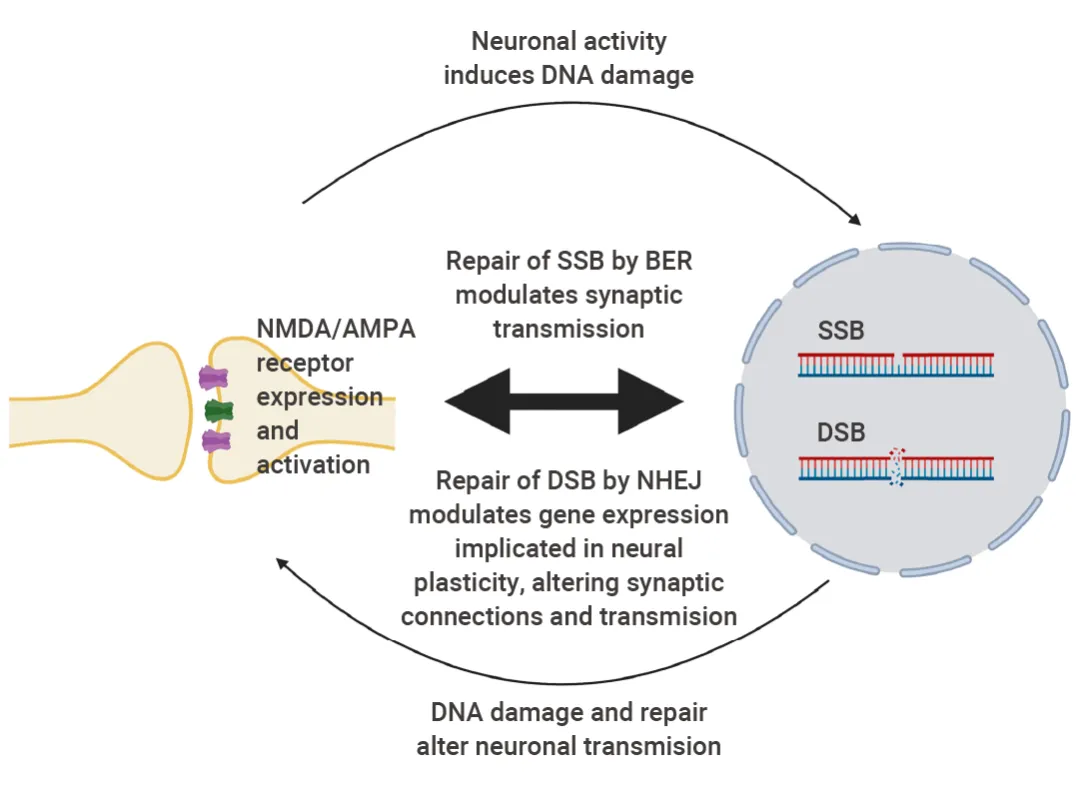
When you hear "inflammation" and "DNA damage," you might immediately think of disease or injury. However, in brains, these two processes are key steps in forming long-term memories, particularly related to specialized cells in our brain called hippocampal neurons.
Scientific Reviews
When you hear "inflammation" and "DNA damage," you might immediately think of disease or injury. However, in brains, these two processes are key steps in forming long-term memories, particularly related to specialized cells in our brain called hippocampal neurons. -
 Scientific Reviews
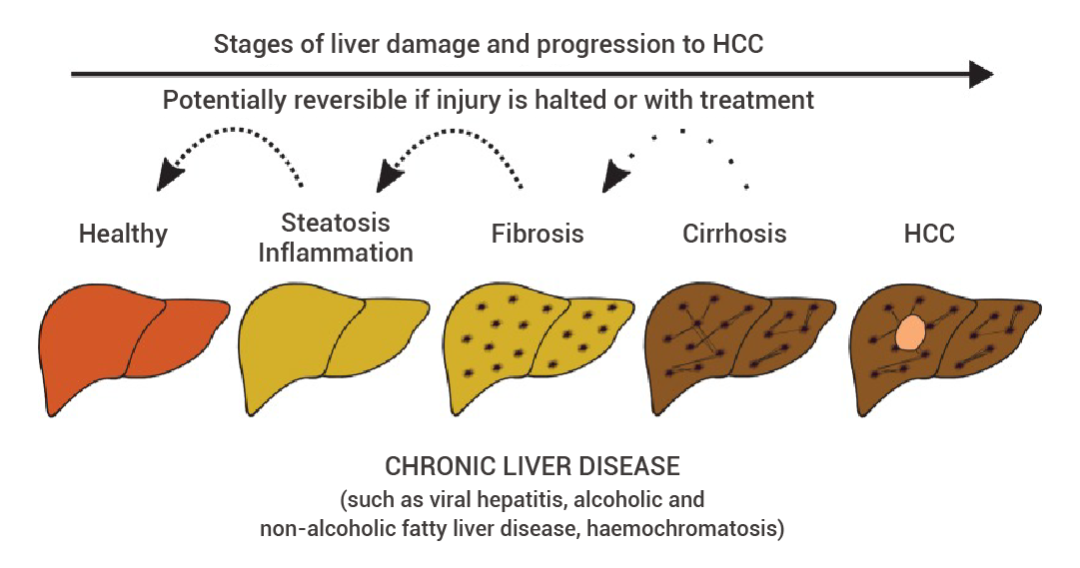
This article will tell you about the common methods of modeling liver disease in animal models.
Scientific Reviews
This article will tell you about the common methods of modeling liver disease in animal models. -
 Scientific Reviews
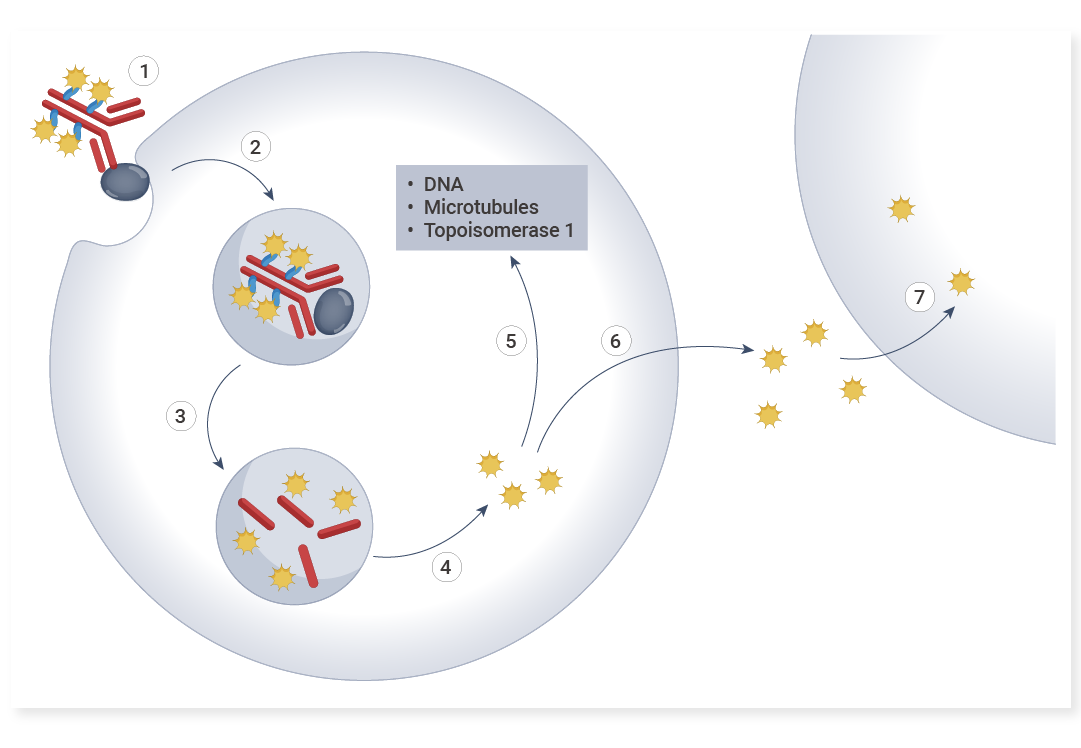
This article will walk you through the remarkable impacts of anti-payload antibodies, delving into how these molecules are revolutionizing drug development and biological research!
Scientific Reviews
This article will walk you through the remarkable impacts of anti-payload antibodies, delving into how these molecules are revolutionizing drug development and biological research! -
 Scientific Reviews
This article introduces some common cardiovascular disease models, inducers, modeling protocols and successful modeling cases in the research.
Scientific Reviews
This article introduces some common cardiovascular disease models, inducers, modeling protocols and successful modeling cases in the research. -
 Scientific Reviews
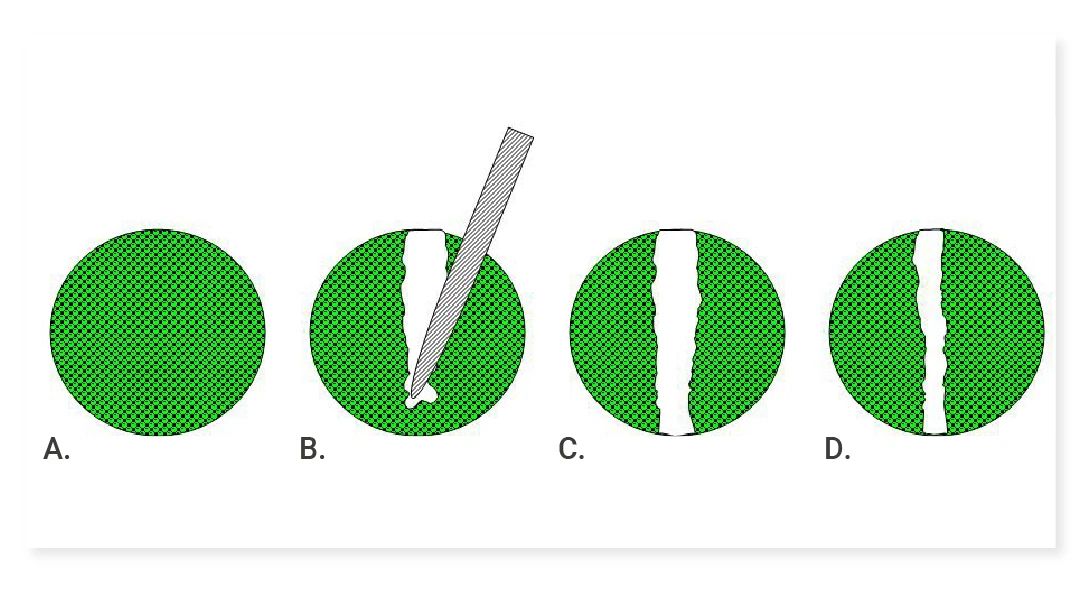
Cell Migration vs. Invasion: Differences Revealed by Scratch Assays and Transwell Experiments
Scientific Reviews
Cell Migration vs. Invasion: Differences Revealed by Scratch Assays and Transwell Experiments2025-05-30
In scientific research, cell migration and invasion are crucial for understanding many important biological processes. This article delves into commonly used detection methods: the scratch assay and Transwell migration/invasion assay. -
 Scientific Reviews
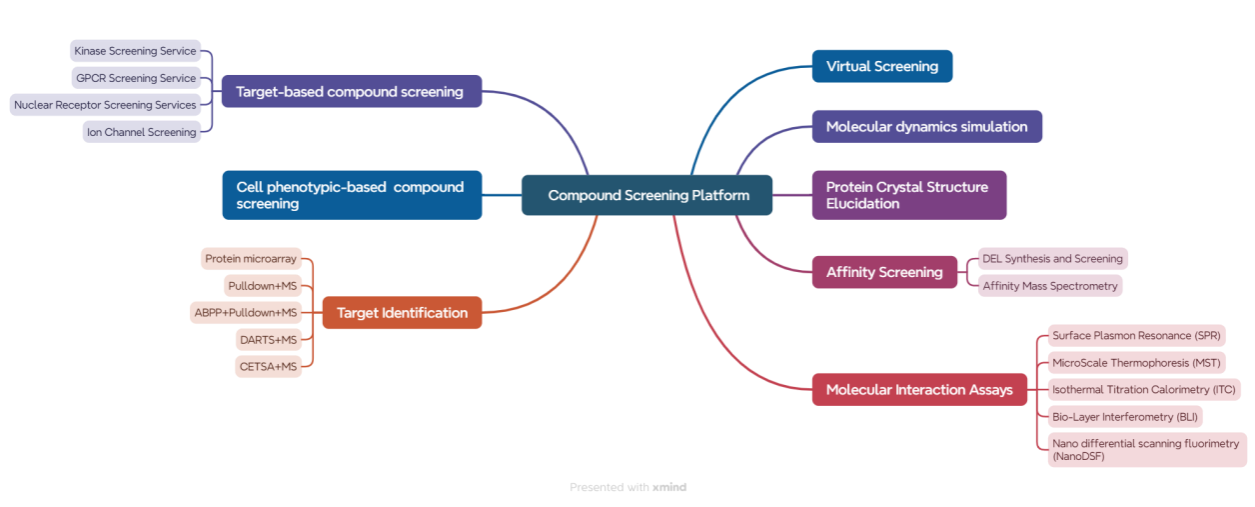
How should drug screening experiments be conducted? How can we ensure the accuracy of the lead compounds identified? This article will take you through how MCE's clients conduct drug screening experiments.
Scientific Reviews
How should drug screening experiments be conducted? How can we ensure the accuracy of the lead compounds identified? This article will take you through how MCE's clients conduct drug screening experiments. -
 Scientific Reviews
In this issue, we will conduct an in-depth interpretation from the dimensions of nanoparticle design, mechanism of action, in vivo and in vitro efficacy, and immune regulation, revealing how this research brings new hope for the treatment of invasive tumors through interdisciplinary innovation!
Scientific Reviews
In this issue, we will conduct an in-depth interpretation from the dimensions of nanoparticle design, mechanism of action, in vivo and in vitro efficacy, and immune regulation, revealing how this research brings new hope for the treatment of invasive tumors through interdisciplinary innovation! -
 Scientific Reviews
IHC, ICC, IF Techniques: A Practical Guide
Scientific Reviews
IHC, ICC, IF Techniques: A Practical Guide2025-07-25
Confused About IHC/ICC/IF? Why Does Immunostaining Seem So Complicated? Read This Now! Master Immunostaining with Confidence! -
 Scientific Reviews
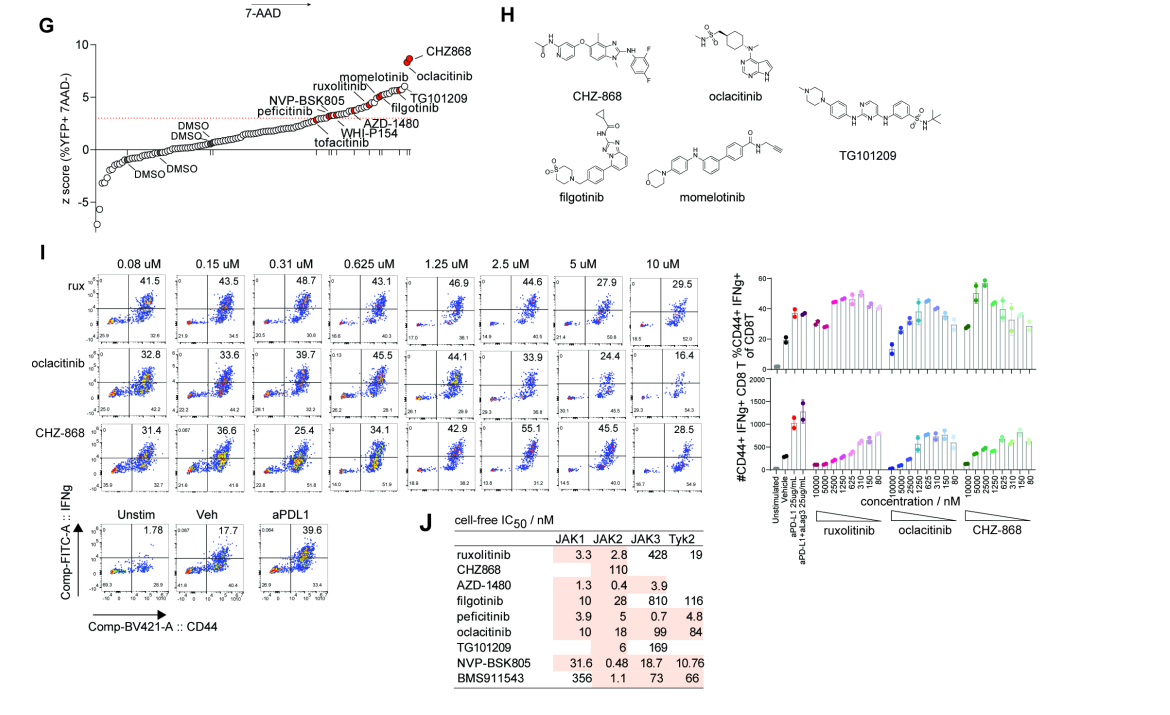
HTS Breakthroughs Powered by MCE Libraries
Scientific Reviews
HTS Breakthroughs Powered by MCE Libraries2025-08-13
Key High-Throughput Screening Breakthroughs of 2024 Featuring MCE -
 Scientific Reviews
Encountering challenges with the high costs and long timelines of drug screening? Have a defined target but remain uncertain how to efficiently identify active molecules? Unsure how to validate hits generated from virtual screening? The ‘Winning Combination’ of drug screening offers a powerful solution to address these critical obstacles.
Scientific Reviews
Encountering challenges with the high costs and long timelines of drug screening? Have a defined target but remain uncertain how to efficiently identify active molecules? Unsure how to validate hits generated from virtual screening? The ‘Winning Combination’ of drug screening offers a powerful solution to address these critical obstacles. -
 Scientific Reviews
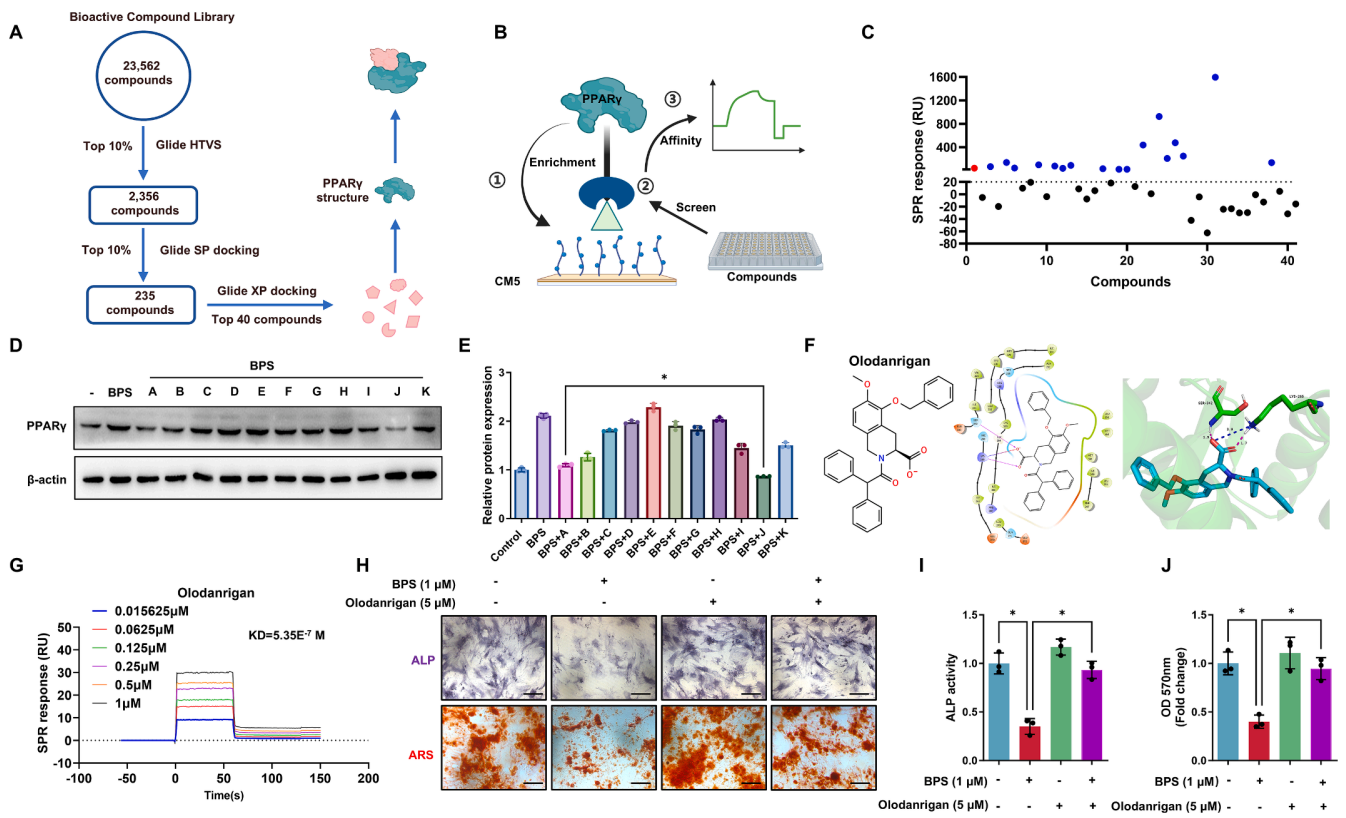
A groundbreaking study in Nature Communications reveals the key mechanism behind Idiopathic Pulmonary Fibrosis and identifies an existing drug with the potential to counter it.
Scientific Reviews
A groundbreaking study in Nature Communications reveals the key mechanism behind Idiopathic Pulmonary Fibrosis and identifies an existing drug with the potential to counter it. -
 Scientific Reviews
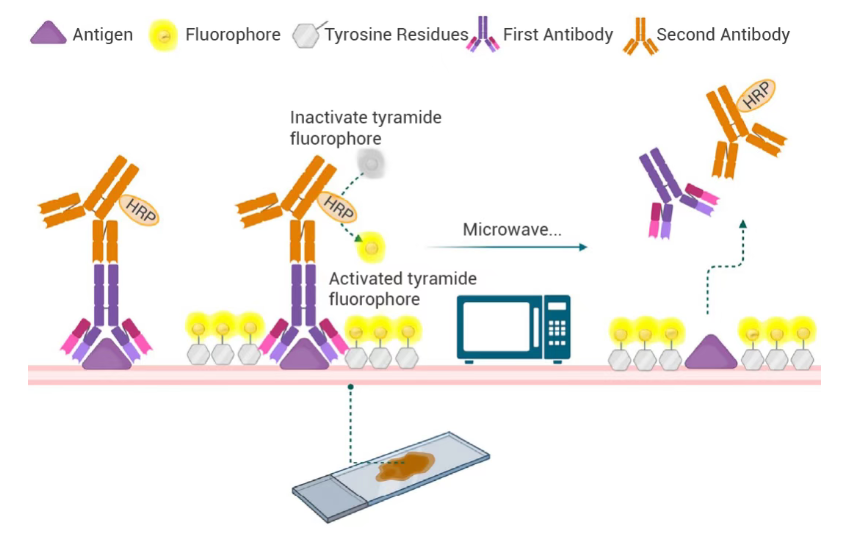
This detailed guide outlines the standardized experimental protocols for multiplex immunohistochemistry (mIHC), systematically summarizes common technical issues encountered during sample preparation, staining and imaging processes, and provides practical troubleshooting solutions to ensure reliable and reproducible results in biomedical research and clinical sample analysis.
Scientific Reviews
This detailed guide outlines the standardized experimental protocols for multiplex immunohistochemistry (mIHC), systematically summarizes common technical issues encountered during sample preparation, staining and imaging processes, and provides practical troubleshooting solutions to ensure reliable and reproducible results in biomedical research and clinical sample analysis. -
Scientific Reviews
Microglia– the only immune cells within the brain parenchyma. With advancements in imaging technologies, people’s understanding of microglia has shifted from being viewed as 'resting' cells to 'highly active' cells, particularly due to their dynamic processes that seem to be probing surrounding tissues and monitoring neuronal activity. This has made microglia a focal point of research in the field of neuroscience. -
 Scientific Reviews
Exosomes—natural nanoscale carriers—are revolutionizing targeted therapy. This article uncovers the science behind their precision in drug delivery.
Scientific Reviews
Exosomes—natural nanoscale carriers—are revolutionizing targeted therapy. This article uncovers the science behind their precision in drug delivery. -
Scientific Reviews
Cracking the PROTAC Permeability Barrier: CD36-Mediated Endocytosis as a Potential Breakthrough2025-12-03
This article provides an in-depth analysis of cutting-edge literature revealing CD36 as a key mediator of cellular uptake for PROTACs and bRO5 compounds. By structurally optimizing PROTAC molecules to enhance their affinity for CD36, membrane permeability can be markedly improved, leading to significantly enhanced antitumor efficacy. -
 Scientific Reviews
Efficient Generation of Mouse Small Intestinal Organoids: A Complete Experimental Protocol Guide
Scientific Reviews
Efficient Generation of Mouse Small Intestinal Organoids: A Complete Experimental Protocol Guide2025-12-10
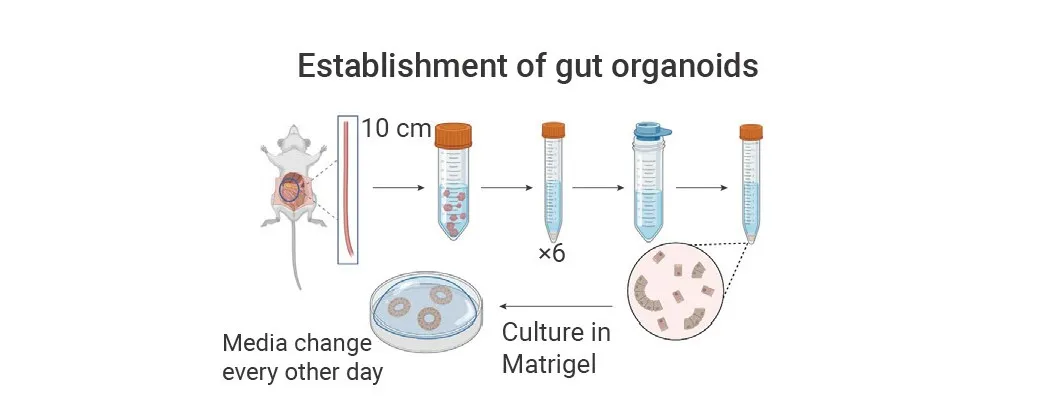
How to successfully create mouse small intestine organoids? A detailed, hands-on guide to the entire process, all in one article! -
 Scientific Reviews
This paper elaborates on cytokines for culturing major immune cells, their regulatory roles, recombinant cytokines' merits and MCE’s related high-quality products.
Scientific Reviews
This paper elaborates on cytokines for culturing major immune cells, their regulatory roles, recombinant cytokines' merits and MCE’s related high-quality products. -
 Scientific Reviews
This article walks you through the experimental design and workflow of flow cytometry, delivering a clear, dynamic, and professional overview to elevate your research.
Scientific Reviews
This article walks you through the experimental design and workflow of flow cytometry, delivering a clear, dynamic, and professional overview to elevate your research. -
 Scientific Reviews
Molecular glue degraders have evolved from a serendipitous observation to one of the most dynamic and transformative fields in biomedical research.
Scientific Reviews
Molecular glue degraders have evolved from a serendipitous observation to one of the most dynamic and transformative fields in biomedical research. -
 EDM
Research Solution for Breast Cancer TME
EDM
Research Solution for Breast Cancer TME2025-05-21
This review examines the complex interactions within the breast cancer tumor microenvironment, emphasizing how understanding these dynamics is essential for developing effective therapies and overcoming immune resistance. -
 EDM
This review discusses the fundamentals of lipid biology and lipid metabolism, examines dysregulated lipid metabolism in cancer, and summarizes therapeutic strategies targeting lipid metabolic pathways.
EDM
This review discusses the fundamentals of lipid biology and lipid metabolism, examines dysregulated lipid metabolism in cancer, and summarizes therapeutic strategies targeting lipid metabolic pathways. -
 EDM
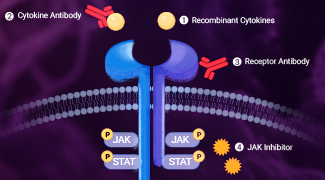
This review critically examines the role of the JAK-STAT pathway in immunity and autoimmune diseases, reviews current clinical applications of targeted therapies, and highlights emerging trends in autoimmune drug development.
EDM
This review critically examines the role of the JAK-STAT pathway in immunity and autoimmune diseases, reviews current clinical applications of targeted therapies, and highlights emerging trends in autoimmune drug development. -
 EDM
This review presents an overview of antibody–drug conjugates from design principles and antitumor mechanisms to structural innovations, clinical progress, and future development prospects.
EDM
This review presents an overview of antibody–drug conjugates from design principles and antitumor mechanisms to structural innovations, clinical progress, and future development prospects. -
 EDM
This review summarizes the mechanisms of DSS-induced colitis, commonly used modeling approaches, and key considerations related to DSS molecular weight.
EDM
This review summarizes the mechanisms of DSS-induced colitis, commonly used modeling approaches, and key considerations related to DSS molecular weight. -
 EDM
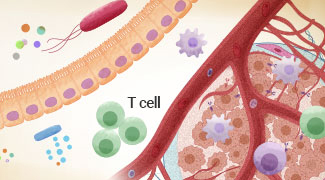
This review explores mechanisms and strategies for modulating the gut microbiota to enhance cancer immunotherapy, providing insights to improve therapeutic efficacy.
EDM
This review explores mechanisms and strategies for modulating the gut microbiota to enhance cancer immunotherapy, providing insights to improve therapeutic efficacy. -
 EDM
Combating Immune Evasion in Cancer
EDM
Combating Immune Evasion in Cancer2025-10-15
This review summarizes the mechanisms by which tumors evade immune surveillance and discusses therapeutic strategies to restore antitumor immunity. -
 EDM
This review summarizes the mechanisms of drug resistance in triple-negative breast cancer and highlights emerging therapeutic strategies.
EDM
This review summarizes the mechanisms of drug resistance in triple-negative breast cancer and highlights emerging therapeutic strategies. -
 EDM
Bispecific Antibodies in Cancer Therapy
EDM
Bispecific Antibodies in Cancer Therapy2025-10-29
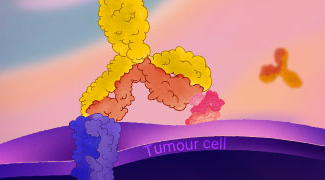
This review highlights the mechanisms, technology platforms, and clinical progress of bispecific antibodies, and discusses emerging strategies to guide future development. -
 EDM
This review provides insights into the pancreatic ductal adenocarcinoma tumor microenvironment, highlighting its cellular composition, stromal heterogeneity, and immune-targeting strategies.
EDM
This review provides insights into the pancreatic ductal adenocarcinoma tumor microenvironment, highlighting its cellular composition, stromal heterogeneity, and immune-targeting strategies. -
 EDM
This review outlines macrophage functions and classification, and provides practical experimental guidelines for macrophage differentiation, polarization, and identification.
EDM
This review outlines macrophage functions and classification, and provides practical experimental guidelines for macrophage differentiation, polarization, and identification. -
 EDM
Understanding In Vivo CAR-T Cell Therapy
EDM
Understanding In Vivo CAR-T Cell Therapy2026-01-22
This review provides a comprehensive overview of in vivo CAR-T therapy, covering technical platforms, clinical translation, and key challenges such as gene delivery and immunogenicity. -
 EDM
Highlight single-cell metabolomics and stable isotope tracing (SIT) in uncovering metabolic heterogeneity and nutrient flux dynamics in tumors.
EDM
Highlight single-cell metabolomics and stable isotope tracing (SIT) in uncovering metabolic heterogeneity and nutrient flux dynamics in tumors. -
 EDM
Explore ADC evolution, immune combination strategies, and clinical advances at the intersection of targeted therapy and immunotherapy.
EDM
Explore ADC evolution, immune combination strategies, and clinical advances at the intersection of targeted therapy and immunotherapy. -
 EDM
Tumor Organoid-Immune Cell Co-Culture Models: Advances, Applications, and Future Directions
EDM
Tumor Organoid-Immune Cell Co-Culture Models: Advances, Applications, and Future Directions2026-05-07
Summarize technical strategies, application advances, and future directions of tumor organoid–immune co-culture systems. -
 EDM
Review mechanisms, major challenges, and efficacy-enhancing strategies of TCR-T therapy in solid tumors, with implications for future research and clinical translation.
EDM
Review mechanisms, major challenges, and efficacy-enhancing strategies of TCR-T therapy in solid tumors, with implications for future research and clinical translation. -
 EDM
The Dual Role of Cellular Senescence in Cancer: Mechanisms, Microenvironment, and Therapeutics
EDM
The Dual Role of Cellular Senescence in Cancer: Mechanisms, Microenvironment, and Therapeutics2026-05-21
Explore the dual role of cellular senescence in cancer, including tumor suppression, SASP-driven tumor promotion, senescence heterogeneity and plasticity, and advances in senescence-targeted therapies. -
 EDM
Review the mechanisms, mitochondrial regulation, disease relevance, and translational opportunities of the NLRP3–STING axis in neuroinflammation.
EDM
Review the mechanisms, mitochondrial regulation, disease relevance, and translational opportunities of the NLRP3–STING axis in neuroinflammation. -
 EDM
Breaking Immune Resistance in Colorectal Cancer: From Molecular Mechanisms to Precision Therapy
EDM
Breaking Immune Resistance in Colorectal Cancer: From Molecular Mechanisms to Precision Therapy2026-06-25
Explore CRC molecular subtypes, immune landscapes, resistance mechanisms, and emerging precision strategies for improving outcomes across distinct subtypes. -
 EDM
Explore the mechanisms driving immune tolerance breakdown in autoimmune diseases and emerging tolerance-restoring strategies, with a focus on IL-2-based immune modulation.
EDM
Explore the mechanisms driving immune tolerance breakdown in autoimmune diseases and emerging tolerance-restoring strategies, with a focus on IL-2-based immune modulation. -
 EDM
Explore the mechanisms of tumor immune evasion, dynamic checkpoint regulation, and the evolution of mechanism-driven combinations and patient stratification.
EDM
Explore the mechanisms of tumor immune evasion, dynamic checkpoint regulation, and the evolution of mechanism-driven combinations and patient stratification. -
 EDM
Explore how mitochondrial quality control, inflammatory signaling, and metabolic–epigenetic reprogramming regulate cellular senescence and the SASP, along with strategies to restore mitochondrial homeostasis.
EDM
Explore how mitochondrial quality control, inflammatory signaling, and metabolic–epigenetic reprogramming regulate cellular senescence and the SASP, along with strategies to restore mitochondrial homeostasis. -
 Blog
EC0489, a SMDC for Cancer Therapy
Blog
EC0489, a SMDC for Cancer Therapy2019-03-25
EC0489, a conjugate of folic acid and desacetyl vinblastine hydrazide, is a SMDC under development for the treatment of solid tumours. -
 Blog
R916562, a dual Axl/VEGF-R2 inhibitor, could be a potential anti-angiogenic and anti-metastatic drug for cancer chemotherapy.
Blog
R916562, a dual Axl/VEGF-R2 inhibitor, could be a potential anti-angiogenic and anti-metastatic drug for cancer chemotherapy. -
 Blog
Role of PRMT7 Probe SGC3027 in Cancer
Blog
Role of PRMT7 Probe SGC3027 in Cancer2019-03-27
SGC3027 is the first potent, selective and cell active chemical probe for PRMT7. SGC3027 is also a pro-drug, which converts to the active compound SGC8158 -
 Blog
Alofanib, An Allosteric Inhibitor of FGFR2
Blog
Alofanib, An Allosteric Inhibitor of FGFR22019-03-28
Alofanib is an allosteric inhibitor of FGFR2 and inhibits FGF-mediated proliferation with GI50s of 16-370 nM, showing pronounced antitumor activity. -
 Blog
A Novel and Efficacious RAF Inhibitor RAF709
Blog
A Novel and Efficacious RAF Inhibitor RAF7092019-03-30
RAF709, a novel and efficacious RAF inhibitor, activates the MAPK pathway and shows antitumor activity in tumor cells harboring BRAF or RAS mutations. -
 Blog
CF53 is a highly potent, selective and orally active inhibitor of BET protein, with anti-tumor activity in acute leukemia and breast cancer cell lines.
Blog
CF53 is a highly potent, selective and orally active inhibitor of BET protein, with anti-tumor activity in acute leukemia and breast cancer cell lines. -
 Blog
AZD3229 is a Potent Pan-KIT Mutant Inhibitor
Blog
AZD3229 is a Potent Pan-KIT Mutant Inhibitor2019-04-04
AZD3229 is a potent, pan-KIT mutant inhibitor with potent single digit nM growth inhibition against a diverse panel of mutant KIT driven Ba/F3 cell lines. -
 Blog
BR351 is a Brain Penetrant MMP Inhibitor
Blog
BR351 is a Brain Penetrant MMP Inhibitor2019-04-05
BR351 is a brain penetrant MMP inhibitor, and a potential tool for the molecular imaging of activated MMPs with PET, with an IC50 in the nanomolar range. -
 Blog
A Lead PROTAC BRD9 Chemical Degrader
Blog
A Lead PROTAC BRD9 Chemical Degrader2019-04-06
PROTAC BRD9 Degrader-1 is a lead PROTAC BRD9 chemical degrader and a selective probe useful for the study of BAF complex biology. -
 Blog
SGC-GAK-1 is a potent, selective, and cell-active GAK inhibitor and shows potent anti-proliferative activity in LNCaP and 22Rv1 cells.
Blog
SGC-GAK-1 is a potent, selective, and cell-active GAK inhibitor and shows potent anti-proliferative activity in LNCaP and 22Rv1 cells. -
 Blog
COH000 is an allosteric, covalent and irreversible inhibitor of SUMO-activating enzyme, with an IC50 of 0.2 μM for SUMOylation in vitro.
Blog
COH000 is an allosteric, covalent and irreversible inhibitor of SUMO-activating enzyme, with an IC50 of 0.2 μM for SUMOylation in vitro. -
 Blog
HS-1371 is a Small Molecule RIP3 Inhibitor
Blog
HS-1371 is a Small Molecule RIP3 Inhibitor2019-04-09
HS-1371 is a novel kinase inhibitor of RIP3-mediated necroptosis, showing an inhibitory effect on S227 auto-phosphorylation of RIP3 at the basal level. -
 Blog
MK-0429 is An Oral Integrin (αvβ3) Inhibitor
Blog
MK-0429 is An Oral Integrin (αvβ3) Inhibitor2019-04-11
MK-0429, an orally active αvβ3 inhibitor, is a potential therapeutic agent for the prevention of kidney fibrosis, melanoma and osteoporosis. -
 Blog
AZ304, a Dual BRAF Inhibitor Against Cancer
Blog
AZ304, a Dual BRAF Inhibitor Against Cancer2019-04-12
AZ304 is a potent BRAF inhibitor, blocks both wild type BRAF and V600E mutant BRAF activity, with IC50s in the nanomolar range. -
 Blog
Erteberel is a Selective ERβ Agonist
Blog
Erteberel is a Selective ERβ Agonist2019-04-16
Erteberel (LY500307) is a synthetic, nonsteroidal estrogen which acts as a selective ERβ agonist and under development for the treatment of schizophrenia. -
 Blog
MBQ-167 is a dual Rac/Cdc42 inhibitor in in metastatic cancer, with IC50s of 103 nM for Rac 1/2/3 and 78 nM for Cdc42 in MDA-MB-231 cells, respectively.
Blog
MBQ-167 is a dual Rac/Cdc42 inhibitor in in metastatic cancer, with IC50s of 103 nM for Rac 1/2/3 and 78 nM for Cdc42 in MDA-MB-231 cells, respectively. -
 Blog
PRN1008 is a Reversible Covalent and Oral Active Inhibitor of Bruton’s Tyrosine Kinase (BTK)
Blog
PRN1008 is a Reversible Covalent and Oral Active Inhibitor of Bruton’s Tyrosine Kinase (BTK)2019-04-18
PRN1008 is a selective, reversible covalent and oral active inhibitor of Bruton’s Tyrosine Kinase (BTK), with an IC50 of 1.3 nM. -
 Blog
Multiple Tyrosine Kinases Inhibitor TAS-115
Blog
Multiple Tyrosine Kinases Inhibitor TAS-1152019-04-19
TAS-115 is a potent VEGFR and c-Met/HGFR-targeted kinase inhibitor with IC50s of 30 and 32 nM for rVEGFR2 and rMET, respectively. -
 Blog
Y06036 is a potent and selective BET inhibitor for potential treatment of castration-resistant prostate cancer. With nanomolar inhibition.
Blog
Y06036 is a potent and selective BET inhibitor for potential treatment of castration-resistant prostate cancer. With nanomolar inhibition. -
 Blog
JNJ-64619178 is a selective and pseudo-irreversible PRMT5 inhibitor with an IC50 of 0.14 nM. Has potent Activity In Lung Cancer.
Blog
JNJ-64619178 is a selective and pseudo-irreversible PRMT5 inhibitor with an IC50 of 0.14 nM. Has potent Activity In Lung Cancer. -
 Blog
(E)-AG 99 is an EGFR inhibitor and shows a growth-inhibition on not only serum-starved cells but also normally grown cells. Treatment for Bladder cancer.
Blog
(E)-AG 99 is an EGFR inhibitor and shows a growth-inhibition on not only serum-starved cells but also normally grown cells. Treatment for Bladder cancer. -
 Blog
TAK-828F is a potent, selective and orally active retinoic acid receptor-related orphan receptor γt (RORγt) inverse agonist. TAK-828F inhibits IL-17A cytokine expression and reduces symptoms of autoimmune encephalomyelitis mice.
Blog
TAK-828F is a potent, selective and orally active retinoic acid receptor-related orphan receptor γt (RORγt) inverse agonist. TAK-828F inhibits IL-17A cytokine expression and reduces symptoms of autoimmune encephalomyelitis mice. -
 Blog
Y06137 is a potent and selective BET inhibitor, which binds to the BRD4(1) bromodomain with a Kd of 81 nM. Antitumor activity.
Blog
Y06137 is a potent and selective BET inhibitor, which binds to the BRD4(1) bromodomain with a Kd of 81 nM. Antitumor activity. -
 Blog
Borussertib is a covalent-allosteric and first-in-class inhibitor of protein kinase Akt, with an IC50 of 0.8 nM and a Ki of 2.2 nM for Akt-wt.
Blog
Borussertib is a covalent-allosteric and first-in-class inhibitor of protein kinase Akt, with an IC50 of 0.8 nM and a Ki of 2.2 nM for Akt-wt. -
 Blog
NRX-252262 is a β-catenin:β-TrCP interaction enhancer, and its cognate E3 ligase, SCFβ-TrCP, induces mutant β-catenin degradation, with an EC50 of 3.8 nM
Blog
NRX-252262 is a β-catenin:β-TrCP interaction enhancer, and its cognate E3 ligase, SCFβ-TrCP, induces mutant β-catenin degradation, with an EC50 of 3.8 nM -
 Blog
TAK-981 is a selective inhibitor of the SUMOylation enzymatic cascade, with potential immune-activating and antineoplastic activities
Blog
TAK-981 is a selective inhibitor of the SUMOylation enzymatic cascade, with potential immune-activating and antineoplastic activities -
 Blog
TD-428 is a Highly Specific BRD4 Degrader
Blog
TD-428 is a Highly Specific BRD4 Degrader2019-04-29
TD-428, a immunomodulatory drug analog, is a highly specific BRD4 degrader with a DC50 of 0.32 nM. TD-428 reduces c-Myc levels more efficiently than JQ1. -
 Blog
SLLN-15 is an oral activ enhancer of autophagy that activates cytostatic macroautophagy/autophagy in triple-negative breast cancer (TNBC).
Blog
SLLN-15 is an oral activ enhancer of autophagy that activates cytostatic macroautophagy/autophagy in triple-negative breast cancer (TNBC). -
 Blog
A1874 is a nutlin-based and BRD4-degrading PROTAC with a DC50 of 32 nM. Effective in inhibiting many cancer cell lines proliferation
Blog
A1874 is a nutlin-based and BRD4-degrading PROTAC with a DC50 of 32 nM. Effective in inhibiting many cancer cell lines proliferation -
 Blog
BAY-8002 is a selective and orally active inhibitor of monocarboxylate transporter 1 (MCT1), with an IC50 of 85 nM. Has potential to treat lymphoma.
Blog
BAY-8002 is a selective and orally active inhibitor of monocarboxylate transporter 1 (MCT1), with an IC50 of 85 nM. Has potential to treat lymphoma. -
 Blog
MRTX-1257 is a selective, irreversible, covalent and oral active KRAS G12C inhibitor, with an IC50 of 900 pM for KRAS dependent ERK phosphorylation.
Blog
MRTX-1257 is a selective, irreversible, covalent and oral active KRAS G12C inhibitor, with an IC50 of 900 pM for KRAS dependent ERK phosphorylation. -
 Blog
USL311 is a selective CXCR4 antagonist, which prevents the binding of stromal-cell derived factor-1 (SDF-1 or CXCL12) to CXCR4. Anti-tumor activity.
Blog
USL311 is a selective CXCR4 antagonist, which prevents the binding of stromal-cell derived factor-1 (SDF-1 or CXCL12) to CXCR4. Anti-tumor activity. -
 Blog
TX1-85-1, a ATP-competitive ligand of Her3, covalent modification of Her3 to inhibit Her3 signaling
Blog
TX1-85-1, a ATP-competitive ligand of Her3, covalent modification of Her3 to inhibit Her3 signaling2019-06-01
TX1-85-1 is a Her3 (ErbB3) inhibitor with an IC50 of 23 nM. TX1-85-1 induces partial degradation of Her3 protein and attenuates Her3-dependent signaling. -
 Blog
IWP-O1, a Highly Potent Porcupine Inhibitor, Functions by Preventing the Secretion of Wnt Proteins
Blog
IWP-O1, a Highly Potent Porcupine Inhibitor, Functions by Preventing the Secretion of Wnt Proteins2019-06-03
IWP-O1 is a Porcupine (Porcn) inhibitor, with an EC50 of 80 pM in L-Wnt-STF cells. IWP-O1 functions by preventing the secretion of Wnt proteins[ -
 Blog
GSK3145095 is a RIP1 kinase inhibitor with an IC50 of 6.3 nM. Potently blocks the TNF response and RIP1-dependent inflammatory cytokine MIP-1β production.
Blog
GSK3145095 is a RIP1 kinase inhibitor with an IC50 of 6.3 nM. Potently blocks the TNF response and RIP1-dependent inflammatory cytokine MIP-1β production. -
 Blog
PF-06465469 is a Covalent Inhibitor of ITK
Blog
PF-06465469 is a Covalent Inhibitor of ITK2019-06-08
PF-06465469 is a potent and covalent inhibitor of ITK with an IC50 of 2 nM. PF-06465469 inhibits MEK1/2 or AKT phosphorylation. -
 Blog
JMS-17-2 is a CX3CR1 Antagonist
Blog
JMS-17-2 is a CX3CR1 Antagonist2019-06-12
JMS-17-2 is a potent and selective CX3CR1 antagonist with an IC50 of 0.32 nM. Has potential to treat cancers such as breast cancer. -
 Blog
BAY-11-7082 inhibits the proliferation and induces the apoptosis of U266 cells through inhibiting NF-κB pathway. BAY 11-7082 ameliorates experimental diabetic neuropathy by modulating neuroinflammation and improving antioxidant defence.
Blog
BAY-11-7082 inhibits the proliferation and induces the apoptosis of U266 cells through inhibiting NF-κB pathway. BAY 11-7082 ameliorates experimental diabetic neuropathy by modulating neuroinflammation and improving antioxidant defence. -
 Blog
S18-000003 is a potent, selective and orally active inhibitor of retinoic acid receptor-related orphan receptor-gamma-t (RORγt). S18-000003 ameliorates psoriasis-like lesions in vivo. S18-000003 can be used for the research of skin inflammatory diseases.
Blog
S18-000003 is a potent, selective and orally active inhibitor of retinoic acid receptor-related orphan receptor-gamma-t (RORγt). S18-000003 ameliorates psoriasis-like lesions in vivo. S18-000003 can be used for the research of skin inflammatory diseases. -
 Blog
PTC299 is a dual and orally active DHODH and VEGF inhibitor, has broad and potent activity against hematological cancer cells.
Blog
PTC299 is a dual and orally active DHODH and VEGF inhibitor, has broad and potent activity against hematological cancer cells. -
 Blog
AMG 487 is an orally active and selective antagonist of CXC chemokine receptor 3 (CXCR3). AMG 487 has potential to treat metastatic cancer.
Blog
AMG 487 is an orally active and selective antagonist of CXC chemokine receptor 3 (CXCR3). AMG 487 has potential to treat metastatic cancer. -
 Blog
TPCA-1, a Direct Dual Inhibitor of STAT3 and NF-κB, Regresses Mutant EGFR-Associated NSCLC
Blog
TPCA-1, a Direct Dual Inhibitor of STAT3 and NF-κB, Regresses Mutant EGFR-Associated NSCLC2019-07-15
TPCA-1 is a potent and selective inhibitor of IKK-2 with IC50 of 17.9 nM. TPCA-1 is an effective inhibitor of STAT3 phosphorylation, DNA binding. -
 Blog
FGTI-2734 is a dual farnesyl and geranylgeranyl transferase-1 inhibitor. FGTI-2734 prevents membrane localization of KRAS and mutant KRAS pancreatic tumors.
Blog
FGTI-2734 is a dual farnesyl and geranylgeranyl transferase-1 inhibitor. FGTI-2734 prevents membrane localization of KRAS and mutant KRAS pancreatic tumors. -
 Blog
BI-882370 is a potent RAF kinase inhibitor with IC50s of 0.4, 0.8, and 0.6 nM for oncogenic BRAFV600E-mutant, the WT BRAF and CRAF kinases , respectively.
Blog
BI-882370 is a potent RAF kinase inhibitor with IC50s of 0.4, 0.8, and 0.6 nM for oncogenic BRAFV600E-mutant, the WT BRAF and CRAF kinases , respectively. -
 Blog
MSX-122 is an orally active partial antagonist of CXCR4, inhibiting CXCR4/CXCL12 actions. MSX-122 has both anti-tumor and anti-metastasis activities.
Blog
MSX-122 is an orally active partial antagonist of CXCR4, inhibiting CXCR4/CXCL12 actions. MSX-122 has both anti-tumor and anti-metastasis activities. -
 Blog
ZT-12-037-01 is a ATP-competitive and specific STK19 inhibitor and inhibits oncogenic NRAS-driven melanocyte malignant transformation.
Blog
ZT-12-037-01 is a ATP-competitive and specific STK19 inhibitor and inhibits oncogenic NRAS-driven melanocyte malignant transformation. -
 Blog
PT2977 is an orally active and selective HIF-2α inhibitor with an IC50 of 9 nM. PT2977 is a potential treatment for ccRCC and VHL disease.
Blog
PT2977 is an orally active and selective HIF-2α inhibitor with an IC50 of 9 nM. PT2977 is a potential treatment for ccRCC and VHL disease. -
 Blog
BI-2852 is a potent KRAS inhibitor with nanomolar affinity and reduces pERK and pAKT levels in a dose-dependent manner in a KRAS mutant cell line NCI-H358.
Blog
BI-2852 is a potent KRAS inhibitor with nanomolar affinity and reduces pERK and pAKT levels in a dose-dependent manner in a KRAS mutant cell line NCI-H358. -
 Blog
BAY-293 is a potent inhibitor of Son of Sevenless 1 (SOS1) and blocks RAS activation via disruption of the KRAS-SOS1 interaction with an IC50 of 21 nM.
Blog
BAY-293 is a potent inhibitor of Son of Sevenless 1 (SOS1) and blocks RAS activation via disruption of the KRAS-SOS1 interaction with an IC50 of 21 nM. -
 Blog
WZ811 is an Orally Active CXCR4 Antagonist
Blog
WZ811 is an Orally Active CXCR4 Antagonist2019-09-07
WZ811 is an orally active, highly potent competitive antagonist of CXCR4, which inhibits chronic lymphocytic leukemia progression and tumorigenesis. -
 Blog
RU-302 is a pan-TAM inhibitor that blocks the TAM Ig1 ectodomain and the Gas6 Lg domain interaction. RU-302 blocks Gas6-inducible Axl receptor activation.
Blog
RU-302 is a pan-TAM inhibitor that blocks the TAM Ig1 ectodomain and the Gas6 Lg domain interaction. RU-302 blocks Gas6-inducible Axl receptor activation. -
 Blog
BAY 61-3606 is an orally available, ATP-competitive, reversible and highly selective Syk inhibitor and sensitizes apoptosis by in breast cancer.
Blog
BAY 61-3606 is an orally available, ATP-competitive, reversible and highly selective Syk inhibitor and sensitizes apoptosis by in breast cancer. -
 Blog
BI-167107 is a high affinity, full agonist that binds to the β2 adrenergic receptor (β2AR) with a dissociation constant Kd of 84 pM.
Blog
BI-167107 is a high affinity, full agonist that binds to the β2 adrenergic receptor (β2AR) with a dissociation constant Kd of 84 pM. -
 Blog
IPR-803 is a potent inhibitor of the uPAR•uPA protein-protein interaction, and binds directly to uPAR with sub-micromolar affinity.
Blog
IPR-803 is a potent inhibitor of the uPAR•uPA protein-protein interaction, and binds directly to uPAR with sub-micromolar affinity. -
 Blog
Vorolanib is an orally active, multikinase VEGF/PDGF receptor inhibitor with antitumor activity and is expected to disrupt tumor angiogenesis.
Blog
Vorolanib is an orally active, multikinase VEGF/PDGF receptor inhibitor with antitumor activity and is expected to disrupt tumor angiogenesis. -
 Blog
CCG-222740 is a potent and selective MRTF pathway inhibitor. It effectively reduces fibrosis in the skin and blocks melanoma metastasis.
Blog
CCG-222740 is a potent and selective MRTF pathway inhibitor. It effectively reduces fibrosis in the skin and blocks melanoma metastasis. -
 Blog
IACS-8803 is a highly potent cyclic dinucleotide stimulator of interferon genes (STING) agonist with robust systemic antitumor efficacy.
Blog
IACS-8803 is a highly potent cyclic dinucleotide stimulator of interferon genes (STING) agonist with robust systemic antitumor efficacy. -
 Blog
AC-73 is a first specific, orally active the cluster of differentiation 147 (CD147) inhibitor and specifically disrupts CD147 dimerization.
Blog
AC-73 is a first specific, orally active the cluster of differentiation 147 (CD147) inhibitor and specifically disrupts CD147 dimerization. -
 Blog
UK 356618 is a Selective MMP-3 Inhibitor
Blog
UK 356618 is a Selective MMP-3 Inhibitor2019-12-25
UK 356618 is a selective and potent inhibitor of MMP-3. UK 356618 exhibits potent anti-inflammatory and anti-cancer activity. -
 Blog
CH6953755 is a potent, orally active and selective YES1 kinase inhibitor leading to antitumor activity against YES1 Gene -amplified cancers.
Blog
CH6953755 is a potent, orally active and selective YES1 kinase inhibitor leading to antitumor activity against YES1 Gene -amplified cancers. -
 Blog
CA-4948 is a Selective and Orally Bioavailable IRAK4 Kinase Inhibitor for Lymphoma Treatment
Blog
CA-4948 is a Selective and Orally Bioavailable IRAK4 Kinase Inhibitor for Lymphoma Treatment2020-01-05
CA-4948 is a potent, selective and orally bioavailable IRAK4 kinase inhibitor. CA-4948 can be used for the treatment of lymphoma. -
 Blog
BAY-985 is an orally active and selective ATP-competitive dual inhibitor of TBK1 and IKKε with IC50s of 2/30 and 2 nM for TBK1 and IKKε, respectively.
Blog
BAY-985 is an orally active and selective ATP-competitive dual inhibitor of TBK1 and IKKε with IC50s of 2/30 and 2 nM for TBK1 and IKKε, respectively. -
 Blog
ADH-503 is an orally active and allosteric CD11b agonist and leads to the repolarization of tumor-associated macrophages.
Blog
ADH-503 is an orally active and allosteric CD11b agonist and leads to the repolarization of tumor-associated macrophages. -
 Blog
Balixafortide is a potent, selective peptidic CXCR4 antagonist with anti-cancer effects, and blocks β-arrestin recruitment and calcium flux.
Blog
Balixafortide is a potent, selective peptidic CXCR4 antagonist with anti-cancer effects, and blocks β-arrestin recruitment and calcium flux. -
 Blog
CCT365623, an Orally Active LOX Inhibitor, Supresses EGFR (pY1068) and AKT Phosphorylation
Blog
CCT365623, an Orally Active LOX Inhibitor, Supresses EGFR (pY1068) and AKT Phosphorylation2020-04-16
CCT365623 is an orally active LOX inhibitor, suppresses EGFR (pY1068) and AKT phosphorylation driven by EGF. CCT365623 has good pharmacokinetic properties. -
 Blog
RBN-2397 is an orally active accross species NAD+ competitive inhibitor of PARP7. RBN-2397 binds to PARP7 and restores interferon (Type I) signaling.
Blog
RBN-2397 is an orally active accross species NAD+ competitive inhibitor of PARP7. RBN-2397 binds to PARP7 and restores interferon (Type I) signaling. -
 Blog
GSK143 is an orally active and highly selective spleen tyrosine kinase (SYK) inhibitor. GSK143 reduces inflammation in the intestinal muscularis in mice.
Blog
GSK143 is an orally active and highly selective spleen tyrosine kinase (SYK) inhibitor. GSK143 reduces inflammation in the intestinal muscularis in mice. -
 Blog
EW-7195 is a potent and selective ALK5 inhibitor, and efficiently inhibits TGF-β1-induced Smad signaling, EMT and breast tumour metastasis to the lung.
Blog
EW-7195 is a potent and selective ALK5 inhibitor, and efficiently inhibits TGF-β1-induced Smad signaling, EMT and breast tumour metastasis to the lung. -
 Blog
CAY10404 is a potent and highly selective COX-2 inhibitor. CAY10404 is a potent inhibitor of PKB/Akt and MAPK signalling pathways.
Blog
CAY10404 is a potent and highly selective COX-2 inhibitor. CAY10404 is a potent inhibitor of PKB/Akt and MAPK signalling pathways. -
 Blog
MSA-2 is an orally available non-nucleotide STING agonist. MSA-2 shows antitumor activity and stimulates interferon-β secretion in tumors.
Blog
MSA-2 is an orally available non-nucleotide STING agonist. MSA-2 shows antitumor activity and stimulates interferon-β secretion in tumors. -
 Blog
SP-8356, an orally active CD147inhibitor, exerts anti-breast cancer effects by inhibiting NF-κB signaling. Anti-atherosclerotic effects.
Blog
SP-8356, an orally active CD147inhibitor, exerts anti-breast cancer effects by inhibiting NF-κB signaling. Anti-atherosclerotic effects. -
 Blog
CB-1158, a potent and orally bioavailable inhibitor of arginase, blocks myeloid cell-mediated immune suppression in the tumor microenvironment.
Blog
CB-1158, a potent and orally bioavailable inhibitor of arginase, blocks myeloid cell-mediated immune suppression in the tumor microenvironment. -
 Blog
SRX3207 is an orally active and first-in-class dual Syk/PI3K inhibitor. SRX3207 possesses effective anti-tumor activity in vitro and in vivo.
Blog
SRX3207 is an orally active and first-in-class dual Syk/PI3K inhibitor. SRX3207 possesses effective anti-tumor activity in vitro and in vivo. -
 Blog
Verucopeptin inhibits v-ATPase activity by directly targeting the v-ATPase ATP6V1G subunit but not ATP1V1B2 or ATP6V1D. Also a potent HIF-1 inhibitor.
Blog
Verucopeptin inhibits v-ATPase activity by directly targeting the v-ATPase ATP6V1G subunit but not ATP1V1B2 or ATP6V1D. Also a potent HIF-1 inhibitor. -
 Blog
E7820, sulfonamide derivative, is a unique angiogenesis inhibitor suppressing an expression of integrin alpha2 subunit on endothelium.
Blog
E7820, sulfonamide derivative, is a unique angiogenesis inhibitor suppressing an expression of integrin alpha2 subunit on endothelium. -
 Blog
Cyclo(-RGDfK) is a selective inhibitor of the αvβ3 integrin. Cyclo(-RGDfK) potently targets cancer cells through binding to the cell surface αvβ3 integrin.
Blog
Cyclo(-RGDfK) is a selective inhibitor of the αvβ3 integrin. Cyclo(-RGDfK) potently targets cancer cells through binding to the cell surface αvβ3 integrin. -
 Blog
Cilengitide is a compound targeting angiogenesis, the cornerstone of tumor growth and metastasis. ανβ3 and ανβ5 are the target of Cilengitide.
Blog
Cilengitide is a compound targeting angiogenesis, the cornerstone of tumor growth and metastasis. ανβ3 and ανβ5 are the target of Cilengitide. -
 Blog
Tetrac inhibits the cellular actions of thyroid hormone initiated at the hormone receptor on plasma membrane integrin alphavbeta3.
Blog
Tetrac inhibits the cellular actions of thyroid hormone initiated at the hormone receptor on plasma membrane integrin alphavbeta3. -
 Blog
BMS-P5 is an Orally Active PAD4 Inhibitor
Blog
BMS-P5 is an Orally Active PAD4 Inhibitor2020-12-12
BMS-P5 is an orally active PAD4 inhibitor. BMS-P5 blocks MM-induced NET formation and delays progression of MM in a syngeneic mouse model -
 Blog
ML132, a potent and selective caspase 1 inhibitor with a unique selectivity pattern, is responsible for the proteolytic activation of IL-1β and IL-18.
Blog
ML132, a potent and selective caspase 1 inhibitor with a unique selectivity pattern, is responsible for the proteolytic activation of IL-1β and IL-18. -
 Blog
ENMD-1198 is an orally active microtubule-targeting agent with antiproliferative and antiangiogenic activity.
Blog
ENMD-1198 is an orally active microtubule-targeting agent with antiproliferative and antiangiogenic activity. -
 Blog
CC-90001 is a potent, selective, and orally active inhibitor of JNK. CC-90001 can be used for the research of idiopathic pulmonary fibrosis (IPF).
Blog
CC-90001 is a potent, selective, and orally active inhibitor of JNK. CC-90001 can be used for the research of idiopathic pulmonary fibrosis (IPF). -
 Blog
TPP-1 is a potent inhibitor of the PD-1/PD-L1 interaction. TPP-1 binds specifically to PD-L1 with a high affinity (KD=95 nM).
Blog
TPP-1 is a potent inhibitor of the PD-1/PD-L1 interaction. TPP-1 binds specifically to PD-L1 with a high affinity (KD=95 nM). -
 Blog
FAPI-46 is a quinoline-based FAP-targeted radiotracer. FAPI-46 has higher tumor uptake and prolonged tumor accumulation.
Blog
FAPI-46 is a quinoline-based FAP-targeted radiotracer. FAPI-46 has higher tumor uptake and prolonged tumor accumulation. -
 Blog
SB-332235 is a potent, orally active nonpeptide CXCR2 antagonist. SB-332235 inhibits acute and chronic models of arthritis in the rabbit.
Blog
SB-332235 is a potent, orally active nonpeptide CXCR2 antagonist. SB-332235 inhibits acute and chronic models of arthritis in the rabbit. -
 Blog
BMSpep-57 is a potent and competitive macrocyclic peptide inhibitor of PD-1/PD-L1 interaction. It induces high levels of IL-2.
Blog
BMSpep-57 is a potent and competitive macrocyclic peptide inhibitor of PD-1/PD-L1 interaction. It induces high levels of IL-2. -
 Blog
ML339 is a Selective CXCR6 Antagonist
Blog
ML339 is a Selective CXCR6 Antagonist2021-05-12
ML339 is a small molecule antagonist would block Prostate cancer cell trafficking; hence mediate a metastatic event and disease progression. -
 Blog
Sitravatinib (MGCD516) is an Orally Bioavailable RTK Inhibitor with PD-1 Blockade Activity
Blog
Sitravatinib (MGCD516) is an Orally Bioavailable RTK Inhibitor with PD-1 Blockade Activity2021-06-03
Sitravatinib, a small molecule RTK inhibitor, shows potent anti-tumor activity in preclinical models of sarcoma. -
 Blog
Motesanib (AMG 706) is an orally active VEGFR inhibitor. Potently inhibits angiogenesis and induces regression in tumor xenografts.
Blog
Motesanib (AMG 706) is an orally active VEGFR inhibitor. Potently inhibits angiogenesis and induces regression in tumor xenografts. -
 Blog
EMD527040 is a highly selective αvβ6 antagonist with antifibrotic activities.
Blog
EMD527040 is a highly selective αvβ6 antagonist with antifibrotic activities. -
 Blog
Lumiracoxib is a COX-2 inhibitor. Lumiracoxib acts as nonselective NSAID with anti-inflammatory, analgesic and antipyretic activities.
Blog
Lumiracoxib is a COX-2 inhibitor. Lumiracoxib acts as nonselective NSAID with anti-inflammatory, analgesic and antipyretic activities. -
 Blog
Inupadenant is an orally active, highly selective A2A receptor antagonist with potent anti-tumor activity.
Blog
Inupadenant is an orally active, highly selective A2A receptor antagonist with potent anti-tumor activity. -
 Blog
UK122 is a potent and selective urokinase-type plasminogen activator (uPA) inhibitor with anti-cancer activity.
Blog
UK122 is a potent and selective urokinase-type plasminogen activator (uPA) inhibitor with anti-cancer activity. -
 Blog
Ruxolitinib is a potent and selective JAK1/2 inhibitor and has 130-fold selectivity for JAK1/2 over JAK3. Ruxolitinib induces autophagy.
Blog
Ruxolitinib is a potent and selective JAK1/2 inhibitor and has 130-fold selectivity for JAK1/2 over JAK3. Ruxolitinib induces autophagy. -
 Blog
AZD4635 is a potent, selective and orally active antagonist of A2AR that reverses adenosine-mediated immune suppression.
Blog
AZD4635 is a potent, selective and orally active antagonist of A2AR that reverses adenosine-mediated immune suppression. -
 Blog
Nintedanib a potent and orally active triple vascular kinase inhibitor for VEGFR1/2/3, FGFR1/2/3 and PDGFRα/β.
Blog
Nintedanib a potent and orally active triple vascular kinase inhibitor for VEGFR1/2/3, FGFR1/2/3 and PDGFRα/β. -
 Blog
IMD-0354 is a Selective IKKβ Inhibitor
Blog
IMD-0354 is a Selective IKKβ Inhibitor2021-11-09
IMD-0354 is a selective IKKβ inhibitor and potently inhibits NF-κB activity. IMD0354 has antitumor activity. -
 Blog
Axitinib is a multi-targeted tyrosine kinase inhibitor and potently inhibitor VEGFR1, VEGFR2, VEGFR3 and PDGFRβ.
Blog
Axitinib is a multi-targeted tyrosine kinase inhibitor and potently inhibitor VEGFR1, VEGFR2, VEGFR3 and PDGFRβ. -
 Blog
CL097 is a TLR7/8 agonist. CL097 induces pro-nflammatory cytokines. CL097 induces NADPH oxidase priming and efficient diabetogenic cytotoxic T lymphocyte (CTL) function in NOD mice.
Blog
CL097 is a TLR7/8 agonist. CL097 induces pro-nflammatory cytokines. CL097 induces NADPH oxidase priming and efficient diabetogenic cytotoxic T lymphocyte (CTL) function in NOD mice. -
 Blog
Zingerone is a natural orally active nontoxic methoxyphenol potent anti-inflammatory, antidiabetic, antioxidize, and anti-tumor properties.
Blog
Zingerone is a natural orally active nontoxic methoxyphenol potent anti-inflammatory, antidiabetic, antioxidize, and anti-tumor properties. -
 Blog
Indoximod, an immunometabolic adjuvant, is an orally active IDO pathway inhibitor. Indoximod acts as a Trp mimetic in regulating mTOR.
Blog
Indoximod, an immunometabolic adjuvant, is an orally active IDO pathway inhibitor. Indoximod acts as a Trp mimetic in regulating mTOR. -
 Blog
Tanomastat is an orally active, non-peptidic biphenyl MMPs inhibitor, with antiangiogenic, anti-invasive and antimetastatic activities.
Blog
Tanomastat is an orally active, non-peptidic biphenyl MMPs inhibitor, with antiangiogenic, anti-invasive and antimetastatic activities. -
 Blog
BM213 is a selective C5aR1 agonist. It’s a useful research tool to study C5aR1 function
Blog
BM213 is a selective C5aR1 agonist. It’s a useful research tool to study C5aR1 function -
 Blog
Telatinib is an orally active inhibitor of VEGFR2, VEGFR3, PDGFα, and c-Kit.
Blog
Telatinib is an orally active inhibitor of VEGFR2, VEGFR3, PDGFα, and c-Kit. -
 Blog
Marimastat (BB2516) is a broad spectrum and orally bioavailable inhibitor of MMPs (Matrix metalloproteinases).
Blog
Marimastat (BB2516) is a broad spectrum and orally bioavailable inhibitor of MMPs (Matrix metalloproteinases). -
 Blog
Gardiquimod is a TLR7/8 agonist and can inhibit HIV-1 infection.
Blog
Gardiquimod is a TLR7/8 agonist and can inhibit HIV-1 infection. -
 Blog
Vatalanib is an inhibitor of VEGFR2/KDR. Vatalanib induces inhibition of the angiogenic response to VEGF and PDGF.
Blog
Vatalanib is an inhibitor of VEGFR2/KDR. Vatalanib induces inhibition of the angiogenic response to VEGF and PDGF. -
 Blog
Toceranib is a selective and orally active inhibitor of RTK and has the potential for the research of canine mast cell tumors.
Blog
Toceranib is a selective and orally active inhibitor of RTK and has the potential for the research of canine mast cell tumors. -
 Blog
Tiragolumab is an immune checkpoint inhibitor binding to TIGIT. Tiragolumab is effective against multiple solid malignancies.
Blog
Tiragolumab is an immune checkpoint inhibitor binding to TIGIT. Tiragolumab is effective against multiple solid malignancies. -
 Blog
Henatinib is an orally active small-molecule multikinase inhibitor that has demonstrated broad and potent antitumor activities.
Blog
Henatinib is an orally active small-molecule multikinase inhibitor that has demonstrated broad and potent antitumor activities. -
 Blog
KGP94 is a selective inhibitor of cathepsin L. KGP94 has antitumor activity and improves survival of bone metastases bearing mice.
Blog
KGP94 is a selective inhibitor of cathepsin L. KGP94 has antitumor activity and improves survival of bone metastases bearing mice. -
 Blog
Pelecopan is a potent, selective, and orally active complement factor D inhibitor, possessing the potential to study paroxysmal nocturnal hemoglobinuria (PNH).
Blog
Pelecopan is a potent, selective, and orally active complement factor D inhibitor, possessing the potential to study paroxysmal nocturnal hemoglobinuria (PNH). -
 Blog
Certepetide is a Tumor-penetrating Enhancer via RGD Motif Interaction with Alphav-integrins
Blog
Certepetide is a Tumor-penetrating Enhancer via RGD Motif Interaction with Alphav-integrins2022-09-01
Certepetide is a tumor-penetrating enhancer and has the potential for the research of metastatic pancreatic ductal adenocarcinoma. -
 Blog
BSP16 is a potent, orally active stimulator of interferon genes (STING) agonist. BSP16 has potent anti-cancer activity.
Blog
BSP16 is a potent, orally active stimulator of interferon genes (STING) agonist. BSP16 has potent anti-cancer activity. -
 Blog
Parsatuzumab (RG 7414) is a humanized monoclonal antibody, that acts as an immunomodulator, and binds to EGFL7.
Blog
Parsatuzumab (RG 7414) is a humanized monoclonal antibody, that acts as an immunomodulator, and binds to EGFL7. -
 Blog
Etrolizumab is a Gut-selective, Anti-β7 Integrin McAb for Inflammatory Bowel Disease (IBD) Research
Blog
Etrolizumab is a Gut-selective, Anti-β7 Integrin McAb for Inflammatory Bowel Disease (IBD) Research2022-11-05
Etrolizumab is a gut-selective, anti-β7 integrin monoclonal antibody and has the potential for the research of inflammatory bowel disease. -
 Blog
Serplulimab is a humanized monoclonal anti-PD-1 antibody and has the potential for the research of small cell lung cancer.
Blog
Serplulimab is a humanized monoclonal anti-PD-1 antibody and has the potential for the research of small cell lung cancer. -
 Blog
ABT-510, a peptide analog of thrombospondin-1 (TSP-1), can block angiogenesis in vitro and in vivo, and slow tumor growth.
Blog
ABT-510, a peptide analog of thrombospondin-1 (TSP-1), can block angiogenesis in vitro and in vivo, and slow tumor growth. -
 Blog
Mogamulizumab is an Anti-CCR4 monoclonal antibody. It enhances antibody-dependent cellular cytotoxicity and is effective against leukemia.
Blog
Mogamulizumab is an Anti-CCR4 monoclonal antibody. It enhances antibody-dependent cellular cytotoxicity and is effective against leukemia. -
 Blog
Bapotulimab (BAY-1905254) is an ILDR2 IgG antibody that blocks the immunosuppressive effects of ILDR2 on T-cell activation.
Blog
Bapotulimab (BAY-1905254) is an ILDR2 IgG antibody that blocks the immunosuppressive effects of ILDR2 on T-cell activation. -
 Blog
Nanrilkefusp alfa is a selective and strong IL-15 agonist. It inhibits tumor metastasis and viability by activating natural killer (NK) cells.
Blog
Nanrilkefusp alfa is a selective and strong IL-15 agonist. It inhibits tumor metastasis and viability by activating natural killer (NK) cells. -
 Blog
Urabrelimab (SRF231) is an anti-CD47 monoclonal antibody, blocking the CD47-SIRPα interaction. It has the potential to research anticancer.
Blog
Urabrelimab (SRF231) is an anti-CD47 monoclonal antibody, blocking the CD47-SIRPα interaction. It has the potential to research anticancer. -
 Blog
Efineptakin alfa (NT-17) is a Long-Acting Recombinant Human IL-7 for Glioblastoma Research
Blog
Efineptakin alfa (NT-17) is a Long-Acting Recombinant Human IL-7 for Glioblastoma Research2023-02-07
Efineptakin alfa (NT-17) is a long-acting recombinant human IL-7. Efineptakin alfa can be used for glioblastoma research. -
 Blog
Pegdinetanib (BMS-844203) is a selective VEGFR-2 inhibitor with antitumor activity.
Blog
Pegdinetanib (BMS-844203) is a selective VEGFR-2 inhibitor with antitumor activity. -
 Blog
Tifcemalimab, a Humanized anti-BTLA monoclonal antibody, blocks the interaction of HVEM-BTLA by binding to BTLA and activates lymphocytes.
Blog
Tifcemalimab, a Humanized anti-BTLA monoclonal antibody, blocks the interaction of HVEM-BTLA by binding to BTLA and activates lymphocytes. -
 Blog
Geptanolimab (CBT-501) is a programmed death-1 (PD-1) monoclonal antibody. Geptanolimab can be used in research forsolid tumor research.
Blog
Geptanolimab (CBT-501) is a programmed death-1 (PD-1) monoclonal antibody. Geptanolimab can be used in research forsolid tumor research. -
 Blog
Dazostinag is a STING Agonist and Can be used for Antibody-Drug Conjugates (ADCs) Synthesis
Blog
Dazostinag is a STING Agonist and Can be used for Antibody-Drug Conjugates (ADCs) Synthesis2023-03-13
Dazostinag is a STING agonist and a playload, to synthesis antibody-drug conjugates (ADCs). It has antitumor activity in vivo. -
 Blog
Ruxolitinib is an orally-active JAK1/2 inhibitor. Ruxolitinib has the potential for the research of myeloproliferative neoplasm (MPN).
Blog
Ruxolitinib is an orally-active JAK1/2 inhibitor. Ruxolitinib has the potential for the research of myeloproliferative neoplasm (MPN). -
 Blog
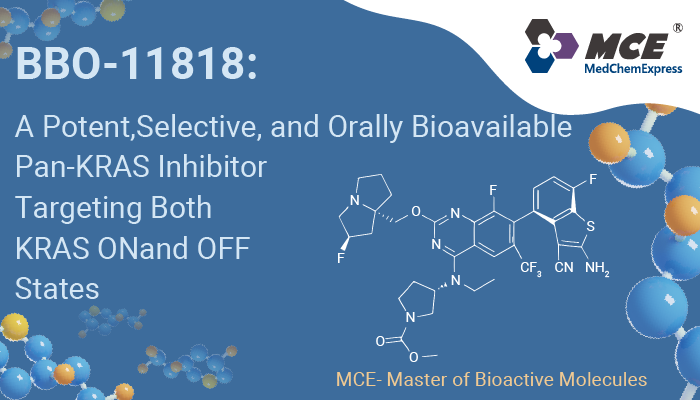
BBO-11818 is a potent, selective, orally bioavailable, and noncovalent pan-KRAS inhibitor targeting multiple clinically relevant KRAS mutants in both ON and OFF states.
Blog
BBO-11818 is a potent, selective, orally bioavailable, and noncovalent pan-KRAS inhibitor targeting multiple clinically relevant KRAS mutants in both ON and OFF states.
Products
All
-
All
-
Inhibitors & Agonists
-
Isotope-Labeled Compounds
-
Fluorescent Dye
-
Peptides
-
Recombinant Proteins
-
Antibodies
-
Screening Libraries
-
Kits
-
Inhibitory Antibodies
-
Reference Standards
-
GMP Small Molecules
-
Enzyme
-
Biochemical Assay Reagents
-
Natural Products
| Cat. No. | Product Name | Information | Application | Publication |
|---|---|---|---|---|
| HY-12031 | U0126-EtOH |
Colorectal Cancer
Liver Cancer
Pancreatic Cancer
Viral Infection
Pain
Digestive System Inflammation
Obesity
Rheumatoid Arthritis
|
491
|
|
| HY-12031A | U0126 |
Colorectal Cancer
Liver Cancer
Pancreatic Cancer
Viral Infection
Pain
Digestive System Inflammation
Obesity
Rheumatoid Arthritis
|
491
|
|
| HY-12028 | PD98059 |
PD98059 is a potent and selective MEK inhibitor with an IC50 of 5 µM. PD98059 binds to the inactive form of MEK, thereby preventing the activation of MEK1 (IC50 of 2-7 µM) and MEK2 (IC50 of 50 µM) by upstream kinases. PD98059 is a ERK1/2 signaling inhibitor. PD98059 is a ligand for the aryl hydrocarbon receptor (AHR), and suppresses TCDD binding (IC50 of 4 μM) and AHR transformation (IC50 of 1 μM). PD98059 also inhibits Mycobacterium bovis Bacillus CalmetteGuerin (BCG)-induced autophagy.
|
Colorectal Cancer
Prostate Cancer
Liver Cancer
Pancreatic Cancer
Pain
Obesity
Lung Fibrosis
Rheumatoid Arthritis
|
427
|
| HY-10201 | Sorafenib |
Sorafenib (Bay 43-9006) is a potent oral active multikinase inhibitor. Sorafenib blocks autophosphorylation and activity of receptor tyrosine kinases (VEGFR-2, VEGFR-3) and RAF family kinases, thereby suppressing the RAF/MEK/ERK and PI3K/Akt pathways, inhibiting STAT3 phosphorylation, and selectively inhibiting the MAPK pathway in cancer cells. Sorafenib induces cell cycle arrest, autophagy, apoptosis, and PARP cleavage, reduces Bcl-2, Bcl-XL, cyclin D1 levels, and activates Bak and Bax. Sorafenib inhibits tumor growth and metastasis in mouse and rat models. Sorafenib can be used for cancer research, such as colon, breast, non-small-cell lung cancer (NSCLC), ovarian, pancreatic, melanoma, colorectal and hepatocellular carcinoma.
|
Raf
VEGFR
FLT3
Autophagy
Apoptosis
STAT
Akt
MMP
Cadherin
p38 MAPK
ERK
MEK
PI3K
PARP
Bcl-2 Family
Ephrin Receptor
PDGFR
Gastric Cancer
Liver Cancer
Ovarian Cancer
Digestive System Inflammation
Small Cell Lung Cancer
Non-Small Cell Lung Cancer
Metastatic Breast Cancer
Metastatic Colorectal Cancer
Metastatic Prostate Cancer
Multiple Myeloma
Metastatic Pancreatic Cancer
SARS-CoV-2 Infection
Alzheimer's Disease
Parkinson's Disease
Obesity
Lung Fibrosis
|
316
|
| HY-10999 | Trametinib |
Breast Cancer
Colorectal Cancer
Prostate Cancer
Liver Cancer
Pancreatic Cancer
Pain
Digestive System Inflammation
Non-Small Cell Lung Cancer
Lung Adenocarcinoma
SARS-CoV-2 Infection
Obesity
Rheumatoid Arthritis
|
307
|
|
| HY-15371 | Forskolin |
Forskolin (Coleonol) is a potent adenylate cyclase activator with an IC50 of 41 nM and an EC50 of 0.5 μM for type I adenylyl cyclase. Forskolin is also an inducer of intracellular cAMP formation. Forskolin induces differentiation of various cell types and activates pregnane X receptor (PXR) and FXR. Forskolin exerts a inotropic effect on the heart, and has platelet antiaggregatory and antihypertensive actions. Forskolin also induces autophagy.
|
|
233
|
| HY-50846 | SCH772984 |
|
202
|
|
| HY-A0098 | Tunicamycin |
Tunicamycin is a mixture of homologous nucleoside antibiotic that inhibits N-linked glycosylation and blocks GlcNAc phosphotransferase (GPT). Tunicamycin causes accumulation of unfolded proteins in cell endoplasmic reticulum (ER) and induces ER stress, and causes blocking of DNA synthesis and cell cycle arrest in G1 phase. Tunicamycin inhibits gram-positive bacteria, yeasts, fungi, and viruses and has anti-cancer activity.Tunicamycin increases exosome release in cervical cancer cells.
Source: Streptomyces lysosuperficus |
|
180
|
| HY-10254 | Mirdametinib |
Mirdametinib (PD0325901) is an orally active, selective and non-ATP-competitive MEK inhibitor with an IC50 of 0.33 nM. Mirdametinib exhibits a Kiapp of 1 nM against activated MEK1 and MEK2. Mirdametinib suppresses the expression of p-ERK1/2 and induces apoptosis. Mirdametinib has anti-cancer activity for a broad spectrum of human tumor xenografts.
|
Colorectal Cancer
Liver Cancer
Pancreatic Cancer
Pain
Digestive System Inflammation
Obesity
Rheumatoid Arthritis
|
161
|
| HY-50896 | Erlotinib |
Erlotinib (CP-358774) is a selective, orally active EGFR tyrosine kinase inhibitor. Erlotinib also acts as a substrate and inhibitor of OATP2B1, with an IC50 of approximately 0.079 μM for inhibiting OATP2B1-mediated uptake of estrone 3-sulfate. Erlotinib blocks EGFR phosphorylation, downstream signal transduction, as well as the growth and proliferation of cancer cells. Erlotinib inhibits MMP-10-mediated renal injury, fibrotic lesions, the ERK1/2, GSK-3β and β-catenin signaling pathways, fibronectin, α-SMA, collagen deposition, and renal injury markers. Erlotinib is metabolized via CYP3A to produce the active metabolite OSI-420. Erlotinib can be used in research related to non-small cell lung cancer, gastric cancer, papillary renal cell carcinoma, pancreatic cancer, renal fibrosis, and other conditions.
|
|
147
|
| HY-13434A | Ionomycin calcium |
Ionomycin calcium (SQ23377 calcium) is a potent, selective calcium ionophore and an antibiotic produced by Streptomyces conglobatus. Ionomycin calcium (SQ23377 calcium) is highly specific for divalent cations (Ca>Mg>Sr=Ba). Ionomycin (SQ23377) promotes apoptosis. Ionomycin calcium (SQ23377 calcium) also induces the activation of protein kinase C (PKC).
Source: Streptomyces conglobatus |
|
138
|
| HY-13434 | Ionomycin |
Ionomycin (SQ23377) is a potent, selective calcium ionophore and an antibiotic produced by Streptomyces conglobatus. Ionomycin (SQ23377) is highly specific for divalent cations (Ca>Mg>Sr=Ba). Ionomycin (SQ23377) promotes apoptosis. Ionomycin also induces the activation of protein kinase C (PKC).
Source: Streptomyces conglobatus |
|
138
|
| HY-18723 | Yoda 1 |
Yoda 1 is a potent and selective Piezo1 agonist. Yoda 1 activates purified Piezo1 channels. Yoda 1 potently inhibits macropinocytosis induced by epidermal growth factor (EGF). Yoda 1 enhances Ca2+ influx followed by activation of the calcium-activated potassium channel KCa3.1 and inhibition of Rac1 activation.
|
Pancreatic Cancer
Depression
Pain
Digestive System Inflammation
Cardiovascular Disease
Lung Fibrosis
|
120
|
| HY-19696 | Tauroursodeoxycholate |
Colorectal Cancer
Prostate Cancer
Liver Cancer
Viral Infection
Neurodegenerative Disease
Pain
Digestive System Inflammation
Glucose Metabolism
Obesity
|
111
|
|
| HY-50706 | Selumetinib |
Selumetinib (AZD6244) is selective, non-ATP-competitive oral MEK1/2 inhibitor, with an IC50 of 14 nM for MEK1. Selumetinib (AZD6244) inhibits ERK1/2 phosphorylation. Selumetinib can penetrate the blood brain barrier (BBB).
|
Colorectal Cancer
Liver Cancer
Pancreatic Cancer
Pain
Digestive System Inflammation
Non-Small Cell Lung Cancer
Triple-Negative Breast Cancer
Metastatic Breast Cancer
Obesity
Rheumatoid Arthritis
|
101
|
| HY-L025 | Anti-Cancer Compound Library |
Cancer is the second leading cause of death globally and seriously threatens human health. A neoplasm and malignant tumor are other common names for cancer. Disruption of the normal regulation of cell-cycle progression and division lies at the heart of the events leading to cancer. Target therapy, which targets proteins that control how cancer cells grow, divide and spread, plays an important role in cancer treatment. Recent studies mainly focus on targeting the key proteins for cancer surviving, cancer stem cells, the tumor microenvironment, tumor immunology, etc.
MCE designs a unique collection of 11,237 anti-cancer compounds that target kinases, cell cycle key components, tumorigenesis related signaling pathways, etc. MCE Anti-cancer compound library is a useful tool for anti-cancer drug screening.
|
|
100
|
| HY-L007 | Immunology/Inflammation Compound Library |
The immune system is a host defense system comprising many biological structures and processes within an organism that protects against disease. To function properly, an immune system must detect a wide variety of agents, known as pathogens, from viruses to parasitic worms, and distinguish them from the organism's own healthy tissue. Inflammation is also the body's attempt at self-protection to remove harmful stimuli and begin the healing process. It’s part of the body's immune response. The immune system recognizes damaged cells, irritants, and pathogens, and inflammation begins the healing process. Inflammatory abnormalities are a large group of disorders that underlie a vast variety of human diseases. The immune system is often involved with inflammatory disorders, demonstrated in both allergic reactions and some myopathies, with many immune system disorders resulting in abnormal inflammation.
MCE designs a unique collection of 8,643 compounds that are useful tool for Immunology/Inflammation research or autoimmune inflammatory diseases drug discovery.
|
|
89
|
| HY-L031 | Small Molecule Immuno-Oncology Compound Library |
Immuno-Oncology is a type of immunotherapy that has the specific purpose of treating cancer. It works by stimulating our immune system to fight back. Normally, our immune system is able to destroy cancer cells in our body, however sometimes cancer cells can adapt and mutate, effectively hiding from our immune system. This is when tumors can develop and become a threat to our health. Immuno-oncology involves mobilizing lymphocytes to recognize and eliminate cancer cells using the body’s immune system. There are several immuno-oncology treatments available, including Immune cell therapy (CAR-T), monoclonal antibodies (mABs) and checkpoint inhibitors, cytokines and cancer vaccines.
MCE Small Molecule Immuno-Oncology Compound Library offers 831 bioactive tumor immunology compounds that target some important checkpoints such as PD1/PD-L1, CXCR, Sting, IDO, TLR, etc. This library is a useful tool for Immuno-oncology research.
|
|
88
|
| HY-L017 | Stem Cell Signaling Compound Library |
Adult stem cells are important for tissue homeostasis and regeneration due to their ability to self-renew and generate multiple types of differentiated daughters. Self-renewal is reflected by their capacity to undergo multiple/limitless divisions. Several signaling pathways are involved in self-renewal of stem cells, that is, Notch, Wnt, and Hedgehog pathways or Polycomb family proteins. Recent studies mainly focus on cancer stem cell (CSCs), induced pluripotent stem cell (iPSCs), neural stem cell and maintenance of embryonic stem cell pluripotency. Among them, CSCs have been believed to be responsible for tumor initiation, growth, and recurrence that have implications for cancer therapy.
MCE owns a unique collection of 2,931 compounds that can be used for stem cell regulatory and signaling pathway research.
|
|
86
|
| HY-L109 | Protein-protein Interaction Inhibitor Library |
Protein protein interactions (PPI) have pivotal roles in life processes. The studies showed that aberrant PPI are associated with various diseases, including cancer, infectious diseases, and neurodegenerative diseases. The classic drug targets are usually enzymes, ion channels, or receptors, the PPI indicate new potential therapeutic targets. Therefore, targeting PPI is a new direction in treating diseases and an essential strategy for the development of new drugs.
However, the design of modulators targeting PPI still faces tremendous challenges, such the difficult PPI interfaces for the drug design, lack of ligands reference, lack of guidance rules for the PPI modulators development and high-resolution PPI proteins structures.
With the development of high-throughput technology, high-throughput screening is also gradually used for the identification of PPI inhibitors, but the compound library used for conventional target screening is not very effective in screening PPI inhibitors. To improve screening efficiency, MCE carefully selected 826 PPI inhibitors and mainly targeting MDM2-p53, Keap1-Nrf2, PD-1/PD-L1, Myc-Max, etc. MCE Protein-protein Interaction Inhibitor Library is a useful tool for PPI drug discovery and related research.
|
|
86
|
| HY-L123 | Human Metabolite Library |
Human metabolism is an integral part of cellular function that reflects individual differences in health, disease, diet, and lifestyle. Many health conditions such as obesity, diabetes, hypertension, heart disease, and cancer are associated with abnormal metabolic states. In the pathological state of the human body, metabolic pathways are significantly altered, resulting in aberrant levels of intermediates or end-products that can be viewed as potential diagnostic biomarkers or even therapeutic targets. Therefore, detection, identification and quantification of human metabolites are very important for drug metabolism research in drug development.
MCE offers a unique collection of 6,767 human metabolites, including endogenous metabolites and exogenous metabolites, covering multiple structure types, such as lipids, amino acids, nucleic acids, carbohydrates, organic acids, biogenic amines, vitamins,. MCE Human Metabolites Library is a helpful tool for studying the relationship between diseases and metabolism.
|
|
85
|
| HY-L013 | Neuronal Signaling Compound Library |
Neuronal Signaling is involved in the regulation of the mechanisms of the central nervous system (CNS) such as its structure, function, genetics and physiology as well as how this can be applied to understand diseases of the nervous system. Every information processing system in the CNS is composed of neurons and glia, neurons have evolved unique capabilities for intracellular signaling (communication within the cell) and intercellular signaling (communication between cells). G protein-coupled receptors (GPCRs), including 5-HT receptor, histamine receptor, opioid receptor, etc. are the largest class of sensory proteins and are important therapeutic targets in Neuronal Signaling. Besides, Notch signaling, such as β- and γ-secretase, also plays multiple roles in the development of the CNS including regulating neural stem cell (NSC) proliferation, survival, self-renewal and differentiation. GPCR dysfunction caused by receptor mutations and environmental challenges contributes to many neurological diseases. Notch signaling in neurons, glia, and NSCs is also involved in pathological changes that occur in disorders such as stroke, Alzheimer's disease and CNS tumors. Thus, targeting Neuronal Signaling, such as notch signaling and GPCRs, can be used as therapeutic interventions for several different CNS disorders.
MCE designs a unique collection of 3,961 Neuronal Signaling-related compounds that act as a useful tool for the research of neuronal regulation and neuronal diseases.
|
|
84
|
| HY-L034 | Anti-Aging Compound Library |
Aging is a complex biological process characterized by functional decline of tissues and organs, structural degeneration, and reduced adaptability and resistance, all of which contribute to an increase in morbidity and mortality caused by multiple chronic diseases, such as Alzheimer's disease, cancer, and diabetes. Many theories, which fall into two main categories: programmed and error theories, have been proposed to explain the process of aging, but neither of them appears to be fully satisfactory. The programmed theories imply that aging relies on specific gene regulation, and the error theories emphasize the internal and environmental damages accumulated to living organisms. The damage theories proposed the nine hallmarks that were generally considered to contribute to the aging process: genomic instability, telomere attrition, epigenetic alterations, loss of proteostasis, deregulated nutrient-sensing, mitochondrial dysfunction, cellular senescence, stem cell exhaustion, and altered intercellular communication.
MCE Anti-Aging Compound Library contains 7,771 compounds, mainly targeting Sirtuin, mTOR, IGF-1R, AMPK, p53, Telomerase, Mitophagy, Mitochondrial Metabolism, COX, Cytochrome P450, Oxidase, etc. This library is a useful tool for anti-aging research.
|
|
84
|
| HY-L075 | Anti-Lung Cancer Compound Library |
Lung cancer is a major global health problem, as it is the leading cause of cancer-related deaths worldwide. Lung cancer is divided into two categories: small cell lung cancer and non-small cell lung cancer (NSCLC). Non-small cell lung cancer accounts for about 85 percent of lung cancers.
As with all cancers, lung cancer may be treated with surgery, chemotherapy, radiation therapy, targeted therapy, immunotherapy or a combination thereof. Targeted therapy is one of the most exciting developments in lung cancer medicine, especially for NSCLC. Extensive genomic characterization of NSCLC has led to the identification of molecular subtypes of NSCLC that are oncogene addicted and exquisitely sensitive to targeted therapies. These include activating mutations in epidermal growth factor receptor (EGFR) and BRAF or echinoderm microtubule-associated protein-like 4 (EML4)-anaplastic lymphoma kinase (ALK) fusions and ROS1 receptor tyrosine kinase fusions. These are important targets for target therapy.
MCE offers a unique collection of 3,061 compounds with identified and potential anti-lung cancer activity. These compounds target lung cancer’s major targets and signaling pathways. MCE anti-lung cancer compound library is a useful tool for anti-lung cancer drugs screening and other related research.
|
|
84
|
| HY-L076 | Drug-Induced Liver Injury (DILI) Compound Library |
Drug-induced liver injury (DILI; also known as drug-induced hepatotoxicity) is caused by medications (prescription or OTC), herbal and dietary supplements (HDS), or other xenobiotics that result in abnormalities in liver tests or in hepatic dysfunction that cannot be explained by other causes. Drugs are an important cause of liver injury. Drug-induced hepatic injury is the most common reason cited for withdrawal of an approved drug.
DILI is thought to occur via several different mechanisms. Among these are direct impairment of the structural (e.g., mitochondrial dysfunction) and functional integrity of the liver; production of a metabolite that alters hepatocellular structure and function; production of a reactive drug metabolite that binds to hepatic proteins to produce new antigenic drug-protein adducts, which are targeted by hosts’ defenses (the hapten hypothesis); and initiation of a systemic hypersensitivity response (i.e., drug allergy) that damages the liver.
MCE Drug-induced Liver Injury (DILI) Compound Library contains a unique collection of 641 hepatotoxicity causing compounds and is a powerful tool to research DILI and other drug toxicities. This library can be used to understand the mechanisms of DILI, identify biomarkers for early DILI prediction, and allow timely recognition during drug development, thus finally achieving successful DILI prevention and assessment in the pre-marketing phase.
|
|
84
|
| HY-L080 | Targeted Therapy Drug Library |
Targeted cancer therapies are drugs or other substances that block the growth and spread of cancer by interfering with specific molecular targets that are involved in the growth, progression, and spread of cancer.
There are several different types of targeted therapy. The most common types are small-molecule drugs and monoclonal antibodies. Small-molecule drugs are small enough to enter cells easily, so they are used for targets that are inside cells, while monoclonal antibodies are usually used for targets that are located outside the cells. Because of high specificity, low side effect and potent anticancer activity, targeted therapy has become the mainstream of new anti-tumor drugs. Various targeted therapies have been approved by FDA and used in the treatment of diseases.
MCE carefully collects a unique of 106 targeted therapy drugs used in cancer treatment. MCE Targeted therapy drug library is a useful tool for the research of targeted therapy.
|
|
84
|
| HY-L149 | Membrane Protein-targeted Compound Library |
A membrane protein is a protein molecule that is attached to or associated with the membrane of a cell or an organelle. Membrane proteins can be classified into two groups based on how the protein is associated with the membrane: integral membrane proteins and peripheral membrane proteins. In humans, about 30% genome encodes membrane proteins. Membrane proteins perform a variety of functions vital to the survival of organisms, for example, signal transduction, molecules or ion transportation, enzymatic catalysis, and intercellular communication. Membrane proteins also play important roles in drug discovery. As reported, more than 60% of current drug targets are membrane proteins.
MCE supplies a unique collection of 7,999 compounds targeting a variety of membrane proteins. MCE Membrane Protein-targeted Compound Library can be used for membrane protein-focused screening and drug discovery.
|
|
84
|
| HY-L151 | PROTAC Library |
PROTACs (Proteolysis-targeting chimeras) is a class of molecules that utilize ubiquitin-proteasome system (UPS) to ubiquitinate and degrade target proteins. The PROTACs molecule consists of two ligands joined by a linker. The one-to-one interaction between PROTACs and target proteins determines the high efficiency of PROTACs, making it a potential molecule for targeted protein degradation (TPD) therapy.
MCE supplies a unique collection of 544 PROTACs that effectively degrade target proteins with more powerful screening capability. MCE PROTAC Library is a useful tool for signal pathway research, protein degradation therapy research, drug discovery and drug repurposing, etc.
|
|
84
|
| HY-L188 | Anti-Brain Cancer Compound Library |
Although brain cancer only accounts for 2% of all tumors, it has a poor prognosis, high mortality and high recurrence rate. Brain cancer can be divided into primary brain cancer and secondary brain cancer. According to the location of the cancer, brain cancer can also be divided into: brain glioma, pituitary adenoma, schwannoma, craniopharyngioma, meningioma and so on. Glioma is the most common primary brain tumor, accounting for about 1/3 of all brain tumors. At present, brain cancer lacks precision targeted therapeutic drugs, and there is still a great clinical demand that has not been met. With the continuous development of high-throughput screening technology, it may be able to help develop effective anti-brain cancer drugs by screening compounds targeting PKC, PD-1, c-Met, PARP, etc targets.
MCE designs a unique collection of 2,134 small molecules with definite or potential anti-brain cancer activity, which is an important tool for studying the pathological mechanism of brain cancer and developing drugs for brain cancer.
|
|
84
|
| HY-E0156 | 8-Channel Handheld Screw Cap Decapper |
MCE 8-Channel Handheld Screw Cap Decapper is a necessary tool for handling thousands of screw cap tubes. It can cap and open various types of screw cap tubes, making it convenient and fast to operate. This improves experimental efficiency and meets different needs. |
|
83
|
| HY-E0285 | Echo 384-Well Polypropylene Microplate |
The Echo 384-well polypropylene microplate exhibits excellent resistance to DMSO, various buffers, and a wide range of organic solvents, making it suitable for compound and sample storage and ensuring precise and accurate liquid transfer when used with the Echo Liquid Handler.
|
|
83
|
| HY-L0124V | Chemspace CNS-Focused Library |
The basic requirements for the compounds that are supposed to penetrate the blood-brain barrier are somewhat different from those for the majority of drug discovery projects. Alongside the known problem with delivery of the large and non-polar compounds and their penetrability through the cell membrane, the other issue arises as well: small and polar compounds are not able to pass the Blood-Brain Barrier. Chemspace CNS-focused library comprises quite small, non-polar compounds that are also free from PAINS/toxic fragments and aggregators.
|
|
83
|
| HY-L038 | Differentiation Inducing Compound Library |
Stem cells, which are found in all multi-cellular organisms, can divide and differentiate into diverse special cell types and can self-renew to produce more stem cells. To be useful in therapy, stem cells must be converted into desired cell types as necessary which is called induced differentiation or directed differentiation. Understanding and using signaling pathways for differentiation is an important method in successful regenerative medicine. Small molecules or growth factors induce the conversion of stem cells into appropriate progenitor cells, which will later give rise to the desired cell type. There is a variety of signal molecules and molecular families that may affect the establishment of germ layers in vivo, such as fibroblast growth factors (FGFs); the wnt family or superfamily of transforming growth factors β (TGFβ) and bone morphogenetic proteins (BMP). Unfortunately, for now, a high cost of recombinant factors is likely to limit their use on a larger scale in medicine. The more promising technique focuses on the use of small molecules. These small molecules can be used for either activating or deactivating specific signaling pathways. They enhance reprogramming efficiency by creating cells that are compatible with the desired type of tissue. It is a cheaper and non-immunogenic method.
MCE Differentiation Inducing Compound Library contains a unique collection of 2,574 compounds that act on signaling pathways for differentiation. These compounds are potential stimulators for induced differentiation. This library is a useful tool for researching directed differentiation and regenerative medicine.
|
|
83
|
| HY-L039 | Reprogramming Compound Library |
Techniques for reprogramming somatic cells create new opportunities for drug screening, disease modeling, artificial organ development, and cell therapy. The development of reprogramming techniques has grown exponentially since Yamanaka reprogrammed somatic cells to become induced pluripotent stem cells (iPSCs) using four transcription factors, OCT4, SOX2, KLF4, and c-MYC in 2006. Despite the development of efficient reprogramming methods, most methods are inappropriate for clinical applications because they carry the risk of integrating exogenous genetic factors or use oncogenes. Alternative approaches, such as those based on miRNA, non-viral genes, non-integrative vectors, and small molecules, have been studied as possible solutions to the problems. Among these alternatives, small molecules are attractive options for clinical applications. Reprogramming using small molecules is inexpensive and easy to control in a concentration- and time-dependent manner. It offers a high level of cell permeability, ease of synthesis and standardization, and it is appropriate for mass-producing cells.
MCE Reprogramming Compound Library contains a unique collection of 3,231 compounds that act on reprogramming signaling pathways. These compounds are potential stimulators for reprogramming. This library is a useful tool for researching reprogramming and regenerative medicine.
|
|
83
|
| HY-L072 | Exosomes Compound Library |
Exosomes are small membrane vesicles of endocytic origin that are secreted by most cells in culture. Exosomes contain nucleic acids, proteins, lipids, amino acids, and metabolites, etc. Their diverse constituents can reflect their cell of origin. Exosomes are associated with immune responses, viral pathogenicity, pregnancy, cardiovascular diseases, central nervous system-related diseases, and cancer progression. Proteins, metabolites, and nucleic acids delivered by exosomes into recipient cells effectively alter their biological response. Such exosome-mediated responses can be disease promoting or restraining.
The biology of exosomes in disease is still emerging, and the number of studies addressing their utility in the diagnosis and treatment of various pathologies has increased substantially. MCE supplies a unique collection of 58 compounds with the activity of inhibiting or stimulating exsomes secretion/biosynthesis. MCE Exosomes Compound Library is a useful tool for exsomes research.
|
|
83
|
| HY-L074 | Anti-Breast Cancer Compound Library |
Breast cancer is the most frequent cancer among women, impacting 2.1 million women each year, and also causes the greatest number of cancer-related deaths among women. Surgery is usually the first type of treatment for breast cancer, which is usually followed by chemotherapy or radiotherapy or, in some cases, hormone or targeted therapies, especially for metastatic breast cancer (MBC).
Breast cancer is a heterogeneous disease, which is categorized into 3 major subtypes based on the presence or absence of molecular markers for estrogen or progesterone receptors and human epidermal growth factor 2 (ERBB2; formerly HER2): hormone receptor positive/ERBB2 negative (70% of patients), ERBB2 positive (15%-20%), and triple-negative (tumors lacking all 3 standard molecular markers; 15%). Different intrinsic subtypes exhibit different tumor behavior with different prognoses, and may require specific targeted therapies to maximize treatment effectiveness. Otherwise, some signaling pathways also play important roles in the development of breast cancer, such as NF-κB Signaling Pathway, TGF-beta Signaling Pathway, PI3K/AKT/mTOR signaling pathway and Notch Signaling Pathway. These signaling pathways offer ideal targets for development of new targeted therapies for breast cancer.
MCE supplies a unique collection of 3,404 compounds with identified and potential anti-breast cancer activity. MCE Anti-Breast Cancer Compound Library is a useful tool for anti-breast cancer drugs screening.
|
|
83
|
| HY-L079 | Anti-Blood Cancer Compound Library |
Blood cancers, also called hematologic cancers, occur when abnormal blood cells start growing out of control, interrupting the function of normal blood cells, which fight off infection and produce new blood cells. Most blood cancers start in the bone marrow, which is where blood is produced. There are three main types of blood cancers: leukemia, lymphoma and myeloma, which afflict millions of children and adults every year, and are often deadly.
Some common blood cancer treatments include stem cell transplantation, chemotherapy, radiation therapy, targeted therapy, immunotherapy or a combination thereof. As we begin to understand the key signaling pathways and molecular drivers of malignant transformation in haematological disorders, new treatment strategies will continue to be developed.
MCE offers a unique collection of 4,333 compounds with identified and potential anti-blood cancer activity. These compounds target blood cancer’s major targets and signaling pathways. MCE anti-blood cancer compound library is a useful tool for anti-blood cancer drugs screening and other related research.
|
|
83
|
| HY-L105S | Peptide Compound Library |
Peptides, composed of amino acids, serve as crucial building blocks for proteins and have gained significant attention in drug development over the past decade. The advancements in production, modification, and analytical technologies have led to a surge in the potential applications of peptides in medicine. Peptides offer a number of advantages over small molecule drugs, including: greater target specificity and efficacy, more predictable metabolic profiles, easier delivery to where they are needed in the body, and fewer side effects. Peptides are increasingly appearing in all branches of medicine as components of innovative drugs, imaging agents, diagnostic agents, and other complex drugs such as peptide-drug conjugates. To date, more than 80 peptide drugs have been approved to treat a variety of diseases, including microbial infections, obesity, anti-diabetes, and cancer, as well as to develop cell targeting platforms and improve cell penetration properties.
MCE designs a unique collection of 867 peptide compounds. HY-L105S is a peptide compound library that can be provided with solution form based on HY-L105, and can be applied to peptides-based drug development.
|
|
83
|
| HY-L112 | Chemotherapy Drug Library |
Chemotherapy is one of the most common treatments for cancer. It can be used alone for some types of cancer or in combination with other treatments such as radiation or surgery. Chemotherapy drugs usually target cells at different phases of the cell cycle and inhibit tumor proliferation and avoid cancer cell invasion and metastasis. It is a cancer treatment method that kills cancer cells with drugs.
Chemotherapeutic agents can be classified into alkylating agents, antimetabolites, antimicrotubular agents, antibiotics, etc. according to the mechanism of action. MCE offers a unique collection of 156 chemotherapy drugs, which is a useful tool for cancer treatment research.
|
|
83
|
| HY-L132 | Chemokine Compound Library |
Chemokines, or chemotactic cytokines, are small cytokines or signaling proteins secreted by cells. They are a component of intercellular communication, controlling the directional movement of immune cells especially leukocytes, as well as other cell types, for instance, endothelial and epithelial cells, which are essential to maintain human health and the function of the immune system.
The biological effects of chemokines are achieved by binding to chemokine receptors, which are G protein-coupled receptors found on the surface of leukocytes. Some chemokine receptors are involved in directing tumor metastasis and over-expression by certain tumors. So inhibiting the interaction between chemokine and chemokine receptors on the surface of tumor cells may be a new possible therapeutic approach. Some chemokine receptors are coreceptors for HIV entry, and related inhibitors have been approved by the FDA to treat patients with HIV. Obviously, chemokines and chemokine receptors have become new targets for studying cancer, HIV, inflammation, and other diseases.
MCE supplies a unique collection of 257 chemokine or chemokine receptor inhibitors and activators, all of which have the identified inhibitory or activated effect on chemokine or chemokine receptors. MCE Chemokine Library is a useful tool for drug research related to cancer, AIDS, and wound therapy.
|
|
83
|
| HY-L135 | Cancer Stem Cells Compound Library |
With the progress of modern cancer therapy, the life of cancer patients has been extended. However, after initial treatment and recovery, the development of secondary tumors often leads to cancer recurrence. Cancer stem cells are a small number of cells that tumor growth and reproduction depend on.
Cancer stem cells have strong self-renewal ability, which is the direct cause of tumor occurrence. In addition, cancer stem cells also have the ability to differentiate into different cell types, playing a crucial role in tumor metastasis and development. Chemotherapy and radiotherapy induced DNA damage and apoptosis are common cancer treatments. However, cancer stem cells can effectively protect cancer cells from apoptosis by activating DNA repair ability. Cancer stem cells are regarded as the key "seed" of tumor occurrence, development, metastasis and recurrence. Since its first discovery in leukemia in 1994, cancer stem cells have been considered a promising therapeutic target for cancer treatment.
MCE supplies a unique collection of 3,540 compounds targeting key proteins in cancer stem cells. MCE Cancer Stem Cells Compound Library is a useful tool for cancer stem cells related research and anti-cancer drug development.
|
|
83
|
| HY-L150 | Membrane Receptor-targeted Compound Library |
Membrane receptors, also known cell surface receptors or transmembrane receptors, are transmembrane proteins embedded into the plasma membrane which play an essential role in maintaining communication between the internal processes within the cell and various types of extracellular signals. They act in cell signaling by receiving (binding to) extracellular molecules, which are also called ligands. These extracellular molecules include hormones, cytokines, growth factors, neurotransmitters, lipophilic signaling molecules such as prostaglandins, and cell recognition molecules.
There are three kinds of membrane receptors: ion channel-linked receptors, enzyme-linked receptors and G-protein-linked receptors. They play important roles in keeping human normal physiologic processes. GPCRs and ion channels are important drug targets in drug discovery.
MCE provides a unique collection of 7,133 compounds targeting a variety of membrane receptors. MCE Membrane reeptor-targeted Compound Library can be used for membrane receptor-focused screening and drug discovery.
|
|
83
|
| HY-L164 | Serine/Threonine Kinase Inhibitor Library |
Protein serine/threonine kinases (PSKs) are protein kinases that use ATP as a high-energy donor molecule to transfer phosphate groups to serine/threonine residues of target protein. As an important signal transduction regulator, serine/threonine kinases can affect the function of target proteins by disrupting enzyme activity or binding of target proteins to other proteins. Serine/threonine kinases are involved in the regulation of immune response, cell proliferation, differentiation, apoptosis and other physiological processes. Serine/threonine kinase inhibitors are an important class of compounds that have been widely studied in cancer, chronic inflammation, autoimmune diseases, aging and other diseases.
MCE designs a unique collection of 2,276 serine/threonine kinase inhibitors, mainly targeting the receptor PKA, Akt, PKC, MAPK/ERK, etc, which is an effective tool for development and research of anti-cancer, anti-chronic inflammatory diseases, anti-autoimmune diseases and anti-aging compounds.
|
|
83
|
| HY-L168 | Extracellular Vesicles (EVs) Compound Library |
Extracellular vesicles (EVs) are small membrane binding structures that are released from cells into the surrounding environment and play a crucial role in mediating and regulating intercellular communication related to physiological and pathological processes. EVs are lipid membrane vesicles composed of proteins, lipids, and nucleic acids. EVs can be divided into several types based on their source, such as extracellular vesicles, microcapsules, and apoptotic vesicles. The size range of exosomes is 30-150nm, which are endocrine in multi vesicular endosomes (MVEs); microvesicles (50-1000nm) are secreted directly through extracellular interactions, thereby releasing plasma membrane vesicles. In contrast, apoptotic bodies are usually larger, ranging in size from 1 to 5 μ m. This is generated during programmed cell death. EV plays a crucial role in transmitting information between cells and influencing the behavior and function of receptor cells.
MCE designs a unique collection of 707 small molecules related to extracellular vesicles (EVs). It is a good tool to be used for research on metabolize, cancer and other diseases.
|
|
83
|
| HY-L171 | Anti-Hematopathy Compound Library |
Hematopathy, also known as hematopoietic system diseases, are a class of diseases that hematopoietic system has abnormal changes. Common hematopathy include: aplastic anemia, myeloproliferative diseases, thalassemia, leukemia, lymphoma, myeloma and hemophilia, etc. In recent years, treatments for hematopathy have been developed. In particular, the treatment of malignant hematopathy developed from chemotherapy, radiotherapy, bone marrow development to immunotherapy, induced differentiation therapy, cell therapy, gene therapy and hematopoietic stem cell transplantation. Although these therapies have greatly improved the survival rate of patients, there are still problems such as low cure rate and easy recurrence in the treatment of hematopathy. Therefore, it is of great significance to actively search for new hematopathy therapeutic drugs.
MCE designs a unique collection of 4,388 anti-hematopathy small molecules, which is an effective tool for development and research of anti-hematopathy compounds.
|
|
83
|
| HY-L178 | Radioprotector Library |
Radiation sickness is a general term for various types and degrees of damage (or disease) occurring in the human body after exposure to ionizing radiation. Although small amounts of ionizing radiation can also cause the body to produce free radicals and ROS, causing oxidative stress, resulting in DNA damage and chromosomal aberration. Radioprotector are compounds with radiation protection that can be used to prevent/protect non-tumor cells from the harmful effects of radiation. Radioprotective compounds can prevent the damage of radioactive substances to the human body and reduce the clinical symptoms of various radioactive diseases. In addition, radioprotectors can protect normal cells from damage during radiation therapy. The ideal anti-radiation drug should not affect the sensitivity of tumor cells to radiation therapy while protecting normal cells.
MCE designs a unique collection of 3,066 radioprotectors. Radioprotector Library is an effective tool for acute Radiation Syndrome, drug combination research with radiation drugs.
|
|
83
|
| HY-L184 | Anti-Gastric Cancer Compound Library |
Gastric Cancer (GC) is one of the most common malignant tumors in the world, ranking fourth in mortality rate globally. Because the early symptoms of stomach neoplasm are usually not obvious, are diagnosed with gastric cancer at terminal stage, and the relative survival rate within 5 years is very low. With the further understanding of the molecular characteristics of stomach neoplasm, many therapeutic targets for gastric cancer have been identified, and molecular targeted therapies such as CTLA-4, HER2 and immune checkpoint inhibitors have made rapid progress. Although survival rates for patients with gastric neoplasm have improved over the past few decades, the prognosis is still worrying. Therefore, there is an urgent need for new drugs to treat gastric cancer.
MCE designs a unique collection of 1,203 small molecules with definite or potential anti-gastric cancer activity, which is an important tool for studying the pathological mechanism of stomach neoplasm and developing drugs for stomach neoplasm.
|
|
83
|
| HY-L185 | Anti-Fibrosis Compound Library |
Fibrosis is a kind of repair response to long-term tissue damage, which is mainly manifested by excessive deposition of extracellular matrix (ECM) and scar formation. Myofibroblasts are the main generating cells of extracellular matrix, and their activation process is related to various pathological mechanisms including Oxidative stress, chronic inflammation and cytokine secretion. Fibrosis can occur in many organs, such as kidneys, liver, heart, lungs, etc. Continuous fibrosis can lead to the destruction of the normal structure of tissues and organs, and if not controlled in time, may cause organ failure or even life-threatening.
MCE contains 2,568 compounds targeting ant-fibrosis targets such as TGF-β, PI3K, Wnt, MMP, etc. These compounds have clear or potential anti-fibrosis activity and can be used for mechanism research and drug screening of fibrosis diseases.
|
|
83
|
| HY-L197 | Vitamin Compound Library |
Vitamins are a category of trace organic compounds essential for maintaining normal physiological functions in living organisms. They are classified into fat-soluble and water-soluble vitamins. Fat-soluble vitamins play a role in maintaining vision, bone health, reproductive functions, and blood coagulation. Water-soluble vitamins are involved in energy metabolism, nervous system function, and cellular repair processes. Most vitamins cannot be synthesized by the organism and must be obtained through diet. In recent years, vitamins and their derivatives have become increasingly important in the field of drug development due to their extensive physiological activities. Additionally, vitamins and their derivatives can be used to construct research platforms for vitamin metabolism, which helps to delve into the metabolic pathways and dynamic changes of vitamins within the body and aids in identifying new biomarkers for certain diseases.
MCE included 136 vitamins and their derivatives, including Vitamin A, Vitamin B, Vitamin D, etc., which is a good tool for studying vitamin metabolism.
|
|
83
|
| HY-L204 | Lactic Acid Metabolic Compound Library |
Lactic acid metabolism is one of the key metabolic pathways within living organisms. It plays a crucial role not only in cellular energy conversion but is also closely related to a variety of physiological and pathological processes. The production and clearance of lactic acid are important indicators of cellular metabolic balance, and its abnormal regulation may lead to conditions such as lactic acidosis, muscle fatigue, and hereditary metabolic diseases. Moreover, lactic acid is closely related to the malignancy of tumors and is considered a biomarker for malignant tumors and poor prognosis. Lactic acid can serve as a metabolic substrate to support the metabolic needs of tumor cells under hypoxic conditions, and it can also cause acidification of the tumor microenvironment, suppress immune cell function to promote immune evasion, and induce drug resistance in tumor cells. Currently, targeting lactic acid-lactylation and its related metabolic pathways has become a new research avenue for cancer treatment. In-depth exploration of the molecular mechanisms of lactic acid metabolism can help in screening lead compounds that regulate the lactic acid metabolism.
MCE contains 582 small molecule compounds targeting enzymes involved in lactic acid metabolism. This library is of significant value for researching the role of lactate metabolism in the mechanisms of diseases.
|
|
83
|
| HY-L208 | Bile Acids Library |
Bile acids are a class of amphiphilic molecules derived from the metabolic breakdown of cholesterol, primarily synthesized in the liver, and play a crucial role in the intestines. Based on their structural characteristics, bile acids are mainly divided into two categories: free bile acids (including Cholic acid, Deoxycholic acid, Chenodeoxycholic acid) and conjugated bile acids (including Glycocholic acid, Glycochenodeoxycholic acid, Taurocholic acid, etc.). Bile acids play a significant role in the pathophysiological research of liver and gastrointestinal diseases and are closely associated with the occurrence of metabolic diseases such as obesity, type II diabetes, non-alcoholic fatty liver disease, and atherosclerosis. Bile acids maintain metabolic balance within the body by regulating sugar metabolism, lipid metabolism, and amino acid metabolism, and they influence the activity of metabolism-related enzymes and transporters. In addition, Bile acids can also be used to construct a bile acid metabolism research platform, which helps to delve into the metabolic pathways and dynamic changes of bile acids in living organisms and aids in identifying new biomarkers for certain diseases.
MCE included 62 bile acids, including Cholic acid, Deoxycholic acid, Glycocholic acid, etc., which are effective tools for the study of liver and gallbladder diseases.
|
|
83
|
| HY-L213 | Anti-Cancer Approved Drug Library |
The anti-cancer drug library meticulously collects all drugs approved by FDA and other major national drug regulatory authorities for cancer treatment. These drugs cover a variety of cancer types, including but not limited to lung cancer, breast cancer, colorectal cancer, leukemia, and other common cancers. The library includes a wide range of drugs, from classic chemotherapeutic agents to cutting-edge targeted therapies and immunotherapies. It contains various types of drug compounds with different mechanisms of action. There are cytotoxic drugs that directly kill cancer cells, as well as drugs that work by modulating the tumor microenvironment, inhibiting tumor angiogenesis, and activating the immune system. This diversity provides researchers with a broad range of perspectives and options for intervention strategies.
This library can be used for basic research on cancer treatment, exploring new targets and new mechanisms of drug action; Conducting drug reuse research to look for potential therapeutic effects of existing drugs on other cancer types or diseases; Or conducting research into combination drugs to optimize cancer treatment.
MCE has collected 265 small-molecule compounds with cancer indications, which are good tools for drug repurposing.
|
|
83
|
| HY-L214 | Liposome Library |
Liposomes are spherical or multilayered spherical vesicles formed by the self-assembly of diacyl chain phospholipids (lipid bilayers) in aqueous solutions, which can be made from natural or synthetic phospholipids and exhibit good biocompatibility and low toxicity. They can serve as delivery carriers for various bioactive substances (such as drugs, proteins, nucleic acids, etc.) and are widely used in biomedical and chemical research. The main advantages of liposomes include 1) Protective effect: Their bilayer structure can protect encapsulated molecules from enzymatic degradation, oxidation, and other influences, extending stability and activity; 2) Active targeting: Surface modifications enable active targeting, enhancing the concentration of drugs or molecules in specific tissues or cells; 3) Customizability: The composition and structure of liposomes can be adjusted according to needs, such as altering phospholipid types or adding targeting ligands. These properties make liposomes highly valuable in developing novel drug delivery systems, serving as nucleic acid carriers for gene transfection, studying cellular uptake mechanisms and drug release kinetics, as well as developing functional food additives to improve the bioavailability of nutritional components.
MCE contains 227 liposome compounds, which is a good tool for drug delivery-related studies.
|
|
83
|
| HY-L216 | Polysaccharides Compound Library |
Polysaccharides are long chains of carbohydrate molecules, consisting of multiple smaller monosaccharides. Polysaccharides are found mainly in natural sources such as plants, microorganisms, algae and animals. Polysaccharides have a large number of active functional groups, different chemical compositions and different molecular weight ranges, which determines their diversity in nature and structure. Also in the field of medical research, polysaccharides act as a class of functional compounds and thus play a role. For example, nanocarrier construction, immunomodulation and vaccine development, new strategies for antitumor therapy, tissue regeneration engineering applications and disease diagnosis. With the advancement of glycomics and synthetic biotechnology, human beings are moving from “knowing polysaccharides” to “designing polysaccharides”, which will provide innovative solutions for materials science, precision medicine and sustainable development.
MCE offers 70 polysaccharides that can be used in biomedical studies.
|
|
83
|
| HY-L225 | Cardiotoxic Compound Library |
Drug development is both expensive and time-consuming, with approximately one-third of drug discontinuations caused by severe adverse drug reactions (ADRs). Among these, drug-induced cardiotoxicity (DICT) is one of the primary reasons for late-stage clinical drug failures and market withdrawals. To date, cardiotoxicity has been observed in multiple drug classes, such as anticancer drugs, antipsychotics, antidepressants, antibiotics, and neurodegenerative disease medications. To reduce cardiac ADRs, it is crucial to determine the clinical relevance of DICT to treatment, elucidate the underlying molecular mechanisms, identify reliable biomarkers, and develop new diagnostic and therapeutic approaches.
MCE offers 260 cardiotoxicity compounds, including some FDA-approved drugs as well as inhibitors/blockers of the hERG potassium channel.
|
|
83
|
| HY-L228 | Lipid Metabolite Compound Library |
Lipids are important energy storage substances in the human body. They are involved in the regulation of cell structure and function, as well as signaling pathways and gene expression. Abnormal lipid levels in tissues or their dysregulation can lead to various diseases. These include obesity, type 2 diabetes, non-alcoholic fatty liver disease, neurodegenerative diseases, infections, and cancer. Therefore, maintaining normal levels of lipid metabolism is critical to overall health.
One of the key features of cancer is aberrant lipid metabolism. This includes alterations in lipid uptake, lipid desaturation, neolipogenesis, lipid droplets, and fatty acid oxidation in cancer cells. These changes all contribute to cellular survival in an ever-changing microenvironment. They do this by modulating feed-forward oncogenic signals and key oncogenic functions. Additionally, they affect oxidative stress, other types of stress, immune responses, and intercellular communication. Alterations in lipid metabolism have a strong impact on the properties of cancer stem cells. This includes aspects such as self-renewal, differentiation, invasion, metastasis, drug sensitivity, and resistance. Furthermore, these alterations also modulate T cell responses.
MCE can offer 146 metabolites of lipid metabolism pathways, which can be used for drug screening in cancer, immune-based diseases, metabolic diseases, and other diseases.
|
|
83
|
| HY-L229 | Nephrotoxicity Compound Library |
Kidneys are one of the vital organs in the human body. Due to their exposure to higher concentrations of circulating drugs or metabolites, they are highly susceptible to drug-induced renal injury (DIRI). According to statistics, drug-induced kidney injury accounts for approximately 20% of nephrotoxicity reports and can lead to acute kidney injury (AKI), chronic kidney disease (CKD), or even end-stage renal disease (ESRD). Early detection of drug nephrotoxicity is crucial for preventing irreversible kidney damage. Research into its mechanisms can help optimize clinical medication by adjusting dosages or avoiding combinations of nephrotoxic drugs. Additionally, predicting drug-induced nephrotoxicity in early drug development can reduce the risk of late-stage R&D failure.
MCE offers 160 nephrotoxicity compounds that have been clearly reported by the FDA to be associated with kidney injury. This library can be used for studying molecular mechanisms of nephrotoxicity or developing novel biomarkers.
|
|
83
|
| HY-L234 | Nucleotide Metabolite Compound Library |
Nucleotide metabolism is central to cancer aggressiveness, underpinning uncontrolled proliferation, chemotherapy resistance, immune evasion, and metastasis. It is transcriptionally regulated by oncogenes (e.g., MYC) and tumor suppressors (e.g., pRb). Nucleotide imbalance and nucleoside degradation further regulate cell state transitions, especially following replication stress. Additionally, secretion of nucleotides/nucleosides into the tumor microenvironment modulates immune responses and influences treatment efficacy. Therefore, nucleotide metabolites have roles in disease response and indication in cancer research, and can be utilized to develop cancer-related mechanisms and drugs.
MCE can provide 83 metabolites produced by nucleotide metabolic pathways, which can be used for disease mechanism research and drug research.
|
|
83
|
| HY-L250 | Lactic Acid Metabolite Compound Library |
In the progression of various diseases, metabolic reprogramming has emerged as a key hallmark. Lactate, as an important metabolic signaling molecule, is widely involved in tumorigenesis, immune regulation, and inflammatory responses. Particularly within the tumor microenvironment, the abnormal accumulation of lactate not only affects cellular energy metabolism but also promotes disease progression by modulating immune cell functions and mediating protein lactylation, thereby participating in epigenetic regulation and signaling networks. Therefore, systematic investigation of lactate metabolic pathways and their associated metabolites is of great significance for understanding disease mechanisms and developing novel therapeutic strategies.
The MCE lactic acid metabolite compound library contains 61 compounds and is constructed around key metabolic pathways involving lactate production, transport, and utilization. This library systematically includes core intermediates from glycolysis, the tricarboxylic acid (TCA) cycle, and the lactate cycle. Focusing on disease-associated metabolic reprogramming, it is suitable for research in oncology, inflammation, and metabolic disorders. The library can be used to elucidate the roles of lactate in tumor microenvironment regulation, immune evasion, and epigenetic modifications (such as protein lactylation). In addition, it provides high-quality small-molecule resources for drug screening, facilitating the discovery of potential modulators targeting key enzymes (such as LDH) or transporters (such as MCTs) involved in lactate metabolism.
|
|
83
|
| HY-L251 | Ionizable Lipid Compound Library |
Ionizable lipids are a class of specialized, functional lipid molecules with pH-sensitive charge characteristics. They are primarily divided into two major categories: ionizable cationic lipids and ionizable anionic lipids, though the term typically specifies ionizable cationic lipids within the biomedical field. Structurally, these lipids consist of an ionizable hydrophilic headgroup, a biodegradable linker, and hydrophobic tails. Their primary application is serving as the key delivery vehicle in lipid nanoparticles (LNPs) to encapsulate negatively charged nucleic acid macromolecules, such as mRNA vaccines, siRNA therapeutics, and CRISPR gene-editing components. In a physiological, neutral environment, they remain electrically neutral to minimize systemic toxicity and prolong circulation time. Upon entering the acidic microenvironment of cellular endosomes, however, they undergo protonation to become positively charged, thereby inducing membrane fusion and enabling the highly efficient intracellular release of the nucleic acid cargo. Consequently, they serve as the technological cornerstone for bringing nucleic acid therapies into clinical application.
To accelerate the translational process of cutting-edge nucleic acid drugs, MCE has meticulously constructed an ionizable lipid compound library containing 93 high-performance molecules, aiming to provide researchers and pharmaceutical professionals with a high-throughput, multi-dimensional lipid screening platform.
|
|
83
|
| HY-L256 | Azide Compound Library |
In modern drug discovery and chemical biology research, the azide group (-N3) is an important functional moiety that is widely used in click chemistry, biomolecular labeling, drug delivery systems, and prodrug design due to its unique reactivity and bioorthogonality.
The MCE Azide Structural Compound Library contains 100 compounds featuring -N3 functional groups. It is designed for the construction of click chemistry reaction systems and the subsequent development of functional molecules. This library enables the rapid assembly of targeting ligands, linkers, and functional molecular modules, thereby accelerating PROTAC assembly, optimization of antibody-drug conjugate (ADC) linkers, and the development of biological labeling probes. In addition, the high reaction selectivity and excellent biocompatibility of the azide group allow it to maintain stable reactivity even in complex biological environments, improving controllability and efficiency in drug design. It serves as an indispensable molecular tool in modern medicinal chemistry and chemical biology research.
|
|
83
|
| HY-L263 | Energy Metabolites Library |
Energy metabolism is the most fundamental biochemical process in living organisms, encompassing glycolysis, the TCA cycle, oxidative phosphorylation, the pentose phosphate pathway, and fatty acid oxidation. These core pathways directly regulate cell survival, proliferation, differentiation, and apoptosis. Dysregulation of energy metabolism is closely linked to major diseases including cancer, diabetes, obesity, cardiovascular diseases, neurodegenerative disorders, and ischemia‑reperfusion injury. Targeting these metabolic pathways has become a frontier in drug discovery and mechanistic research.
The MCE Energy Metabolite Compound Library features 89 structurally defined small‑molecule compounds. It covers energy substrates, pathway intermediates, coenzymes and redox carriers, nucleotide derivatives, and microenvironmental modulators. This library is applicable to research areas including tumor metabolism, insulin resistance, mitochondrial dysfunction, oxidative stress, neuroprotection, and cardiometabolic diseases, providing a high‑quality tool for mechanistic studies, biomarker discovery, and high‑throughput drug screening.
|
|
83
|
| HY-L907 | MCE Kinase Hinge Binder Fragment Library |
The most prominent mechanism of action of kinase inhibitors is their competition with ATP by binding to the hinge region of the kinase protein. Once the kinase is blocked by an inhibitor, it loses the ability to transfer phosphate groups from ATP to other molecules, resulting in the loss of kinase activity.
The hinge-binding region of kinase inhibitors mimics the interaction pattern between the ATP nucleobase and the kinase. MCE extracted thousands of kinase inhibitors from the ChEMBL database and isolated their molecular fragments. In certain cases, the amino and amide groups on the molecular fragments are crucial for binding in the hinge region. Therefore, we enhanced the diversity of the collected results by adding these two groups to unoccupied positions on the ring system. Subsequently, the fragments were assessed for their hinge region binding ability via docking at distinct kinases, we also applied pharmacophore constraints to ensure interactions with key amino acids in the kinase hinge region, ultimately obtaining kinase-related molecular fragments.
MCE provides over 12,373 kinase fragment molecules that meet the above requirements and are available off the shelf, serving as an effective tool for screening and developing drugs targeting kinases.
|
|
83
|
| HY-L948 | PD-1/PD-L1 Lead-like Library |
PD-1/PD-L1 are key immune checkpoint targets that suppress T-cell-mediated anti-tumor immunity, representing a major focus in cancer immunotherapy. While antibody drugs dominate the clinic, they are limited by administration challenges and immune-related side effects. Small-molecule PD-1/PD-L1 inhibitors, with oral availability, good tissue penetration and low cost, have emerged as a promising next-generation strategy.
A PD-1/PD-L1 lead-like library was built via a five-step virtual screening process. After collecting 8,947 inhibitors from BindingDB and PubChem and filtering by activity and duplicates, AI similarity screening was performed using GeminiMol. Key pharmacophores were extracted from the PPI interface of co-crystal structures, and molecular was screened via a pharmacophore model, effectively enhancing target activity.
Containing 10,000 structurally diverse and drug-like molecules well-matched to the PD-L1 pocket, the library supports virtual docking, high-throughput screening and hit discovery, enabling efficient and rapid development of small-molecule immunotherapies.
|
|
83
|
| HY-K1057 | Puromycin, Sterile |
Puromycin is an aminonucleoside antibiotic produced by Streptomyces alboniger. It inhibits protein synthesis by disrupting peptide transfer on ribosomes, causing premature chain termination during translation. It can kill most gram-positive bacteria and various animal or insect cells. |
|
78
|
| HY-16141 | Cilengitide |
Cilengitide (EMD 121974) is an integrin (integrin) inhibitor with blood-brain barrier permeability, with IC50 values against human targets as follows: 0.61 nM for αvβ3, 8.4 nM for αvβ5, 14.9 nM for α5β1, 5400 nM for αIIbβ3, 2050 nM for αvβ6, 2350 nM for αvβ8. Cilengitide inhibits the binding of integrins to vitronectin, fibronectin, fibrinogen and LAP (TGF-β), and serves as an internal standard for solid-phase integrin binding assays. Cilengitide inhibits tumor cell viability, induces apoptosis, reduces the phosphorylation levels of STAT3, AKT and mTOR, downregulates the expression of PD-L1, inhibits cell viability and angiogenesis, regulates anti-tumor immune responses and slows tumor growth. Cilengitide can be used in research related to glioblastoma, melanoma, advanced solid tumors and refractory brain tumors.
|
|
75
|
| HY-N0822 | Shikonin |
Shikonin is a major component of a Chinese herbal medicine named zicao. Shikonin is a potent TMEM16A chloride channel inhibitor with an IC50 of 6.5 μM. Shikonin is a specific pyruvate kinase M2 (PKM2) inhibitor and can also inhibit TNF-α and NF-κB pathway. Shikonin decreases exosome secretion through the inhibition of glycolysis. Shikonin inhibits AIM2 inflammasome activation.
|
Breast Cancer
Prostate Cancer
Liver Cancer
Leukemia/Lymphoma/Myeloma
Pancreatic Cancer
Ovarian Cancer
Viral Infection
Depression
Pain
Digestive System Inflammation
Obesity
Lung Fibrosis
Rheumatoid Arthritis
|
74
|
| HY-18234A | Leupeptin hemisulfate |
Leupeptin hemisulfate is a broad-spectrum protease inhibitor. By inhibiting the activation of the PTEN/PI3K/Akt/NF-κB/ERK1/2/p38 signaling pathway, Leupeptin hemisulfate significantly reduces LPS-induced NO and ROS production, mitochondrial membrane potential hyperpolarization, phagocytic activity, pro-inflammatory cytokine release, and M1 polarization in mouse peritoneal macrophages, and reverses autophagic flux impairment. It also decreases Concanavalin A (HY-P2149)-induced proliferation index of mouse splenic lymphocytes and the Th1/IL-10 and Th2/IL-10 cytokine ratios, thereby modulating innate and adaptive immune responses. Leupeptin hemisulfate inhibits blood coagulation and tumorigenesis in mouse skin. Leupeptin hemisulfate can be used in research on chronic inflammatory diseases and skin tumorigenesis.
Source: Streptomyces roseus MB-26-AI |
Ser/Thr Protease
Cathepsin
Autophagy
SARS-CoV
Atg8/LC3
NO Synthase
COX
p62
Arginase
PTEN
NF-κB
PI3K
Akt
p38 MAPK
ERK
Reactive Oxygen Species (ROS)
|
68
|
| HY-50876 | Daporinad |
Daporinad (FK866) is a non-competitive inhibitor of nicotinamide phosphoribosyltransferase (Nampt), with a Ki value of 0.3 nM. Daporinad depletes NAD+ and ATP levels, inhibits mTORC1 and MAPK/ERK pathways, and activates TFEB to induce autophagy. Daporinad causes the depletion of the endoplasmic reticulum Ca²⁺ pool, ultimately weakening the mitogen-induced Ca²⁺ signal and the activation and function of T cells. Daporinad induces cell cycle arrest and apoptosis, and inhibits cell proliferation. Daporinad can be used for the study of myeloma, liver cancer, and immunosuppression.
|
|
67
|
| HY-13064 | Cobimetinib |
Lung Cancer
Colorectal Cancer
Prostate Cancer
Liver Cancer
Pancreatic Cancer
Pain
Digestive System Inflammation
Obesity
Rheumatoid Arthritis
|
63
|
|
| HY-15202 | 5-((4-Bromo-2-fluorophenyl)amino)-4-fluoro-N-(2-hydroxyethoxy)-1-methyl-1H-benzo[d]imidazole-6-carboxamide |
Binimetinib (MEK162) is an oral and selective MEK1/2 inhibitor. Binimetinib (MEK162) inhibits MEK with an IC50 of 12 nM.
|
Colorectal Cancer
Prostate Cancer
Pancreatic Cancer
Non-Small Cell Lung Cancer
Lung Adenocarcinoma
Triple-Negative Breast Cancer
Rheumatoid Arthritis
|
53
|
| HY-N4302 | Monensin |
Monensin (Monensin A), an orally active antibiotic, is an ionophore that mediates Na+/H+ exchange. Monensin is a potent Wnt signaling inhibitor. Monensin causes a marked enlargement of the multivesicular bodies (MVBs) and regulates exosome secretion. Monensin can be used for bacterial, fungal, and parasitic infections research, and shows anticancer effects.
Source: Streptomyces spp. |
|
44
|
| HY-N0150 | Monensin sodium |
Monensin (Monensin A) sodium, an orally active antibiotic, is an ionophore that mediates Na+/H+ exchange. Monensin sodium is a potent Wnt signaling inhibitor. Monensin sodium causes a marked enlargement of the multivesicular bodies (MVBs) and regulates exosome secretion. Monensin sodium can be used for bacterial, fungal, and parasitic infections research, and shows anticancer effects.
Source: Streptomyces spp |
Neurological, Eye or Ear Disease
Breast Cancer
Colorectal Cancer
Prostate Cancer
Gastric Cancer
Liver Cancer
Bacterial Infection
Fungal Infection
Parasitic Infection
Digestive System Inflammation
Hypertension
Lung Fibrosis
Rheumatoid Arthritis
|
44
|
| HY-108635 | C16-PAF |
C16-PAF (PAF (C16)), a phospholipid mediator, is a platelet-activating factor and ligand for PAF G-protein-coupled receptor (PAFR). C16-PAF exhibits anti-apoptotic effect and inhibits caspase-dependent death by activating the PAFR. C16-PAF is a potent MAPK and MEK/ERK activator. C16-PAF induces increased vascular permeability.
|
Inflammation or Immune System Disease
Lung Cancer
Neurodegenerative Disease
Depression
Pain
Cardiovascular Disease
|
43
|
| HY-N0431 | Astragaloside IV |
Lung Cancer
Breast Cancer
Colorectal Cancer
Prostate Cancer
Liver Cancer
Pancreatic Cancer
Depression
Pain
Parkinson's Disease
Obesity
Lung Fibrosis
Rheumatoid Arthritis
|
43
|
|
| HY-P9904 | Atezolizumab |
Colorectal Cancer
Liver Cancer
Non-Small Cell Lung Cancer
Triple-Negative Breast Cancer
Metastatic Breast Cancer
|
42
|
|
| HY-P9902 | Pembrolizumab |
Pembrolizumab (MK-3475) is a humanized IgG4 antibody inhibiting the programmed cell death 1 (PD-1) receptor, used in cancer immunotherapy.
Species: Human |
Non-Small Cell Lung Cancer
Lung Adenocarcinoma
HER-2 Positive Breast Cancer
Triple-Negative Breast Cancer
Metastatic Breast Cancer
|
37
|
| HY-D0886 | β-Glycerophosphate disodium salt pentahydrate |
β-Glycerophosphate disodium salt pentahydrate is a bioactive endogenous metabolite and a phosphatase inhibitor. β-Glycerophosphate disodium salt pentahydrate plays an important role in inducing and maintaining osteoblast differentiation, mineral metabolism and signal transduction, and can be used as a drug carrier to form heat-sensitive hydrogels. β-Glycerophosphate disodium salt hydrate accelerates the calcification of vascular smooth muscle cells.
|
|
35
|
| HY-19991 | BMS-1 |
BMS-1 is an inhibitor of the PD-1/PD-L1 protein/protein interaction (IC50 between 6 and 100 nM).
|
Lung Cancer
Breast Cancer
Colorectal Cancer
Gastric Cancer
Liver Cancer
Leukemia/Lymphoma/Myeloma
Ovarian Cancer
Digestive System Inflammation
|
34
|
| HY-19745 | BMS-202 |
BMS-202 is a potent and nonpeptidic PD-1/PD-L1 complex inhibitor with an IC50 of 18 nM and a KD of 8 μM. BMS-202 binds to PD-L1 and blocks human PD-1/PD-L1 interaction. BMS-202 has antitumor activity.
|
Neurological, Eye or Ear Disease
Lung Cancer
Breast Cancer
Colorectal Cancer
Gastric Cancer
Liver Cancer
Leukemia/Lymphoma/Myeloma
Ovarian Cancer
Digestive System Inflammation
|
27
|
| HY-P99144 | Anti-Mouse PD-1 Antibody (RMP1-14) |
|
27
|
|
| HY-N7131 | Coumarin 6 |
Coumarin 6, a fluorescent dye, is used as a fluorescent probe in a microparticle drug delivery system to conduct in vivo tracking, cell uptake, and transport mechanism studies of drug delivery systems (λexc=450 nm, λem=505 nm).
|
|
24
|
| HY-P9903 | Nivolumab |
Nivolumab is a programmed death receptor-1 (PD-1) blocking human IgG4 antibody to treat advanced (metastatic) non-small cell lung cancer.
Species: Human |
Non-Small Cell Lung Cancer
Lung Adenocarcinoma
Triple-Negative Breast Cancer
Metastatic Breast Cancer
SARS-CoV-2 Infection
|
23
|
| HY-P99145 | Anti-Mouse PD-L1/B7-H1 Antibody (10F.9G2) |
Anti-Mouse PD-L1/B7-H1 Antibody (10F.9G2) is an anti-mouse PD-L1/B7-H1 IgG2b antibody inhibitor derived from host rat. Anti-Mouse PD-L1/B7-H1 Antibody (10F.9G2) blocks PD-1 signaling. Anti-Mouse PD-L1/B7-H1 Antibody (10F.9G2) can be used for the research of cancer, such as colon cancer.
Species: Mouse |
|
20
|
| HY-113466 | 4-Hydroxynonenal |
4-Hydroxynonenal (4-HNE) is an α,β unsaturated hydroxyalkenal and an oxidative/nitrosative stress biomarker. 4-Hydroxynonenal is a substrate and an inhibitor of acetaldehyde dehydrogenase 2 (ALDH2). 4-Hydroxynonenal can modulate a number of signaling processes mainly through forming covalent adducts with nucleophilic functional groups in proteins, nucleic acids, and membrane lipids. 4-Hydroxynonenal plays an important role in cancer through mitochondria.
|
|
18
|
| HY-P1860A | TNF-α (31-45), human TFA |
|
13
|
|
| HY-P1860 | TNF-α (31-45), human |
|
13
|
|
| HY-108730A | Avelumab (anti-PD-L1) |
Avelumab (anti-PD-L1) a fully human IgG1 anti-PD-L1 monoclonal antibody (mAb) with potential antibody-dependent cell-mediated cytotoxicity (ADCC). Avelumab (anti-PD-L1) enhances ADCC on several cancer cell lines expressing PD-L1. Avelumab (anti-PD-L1) can be used for the study of chordoma.
Species: Human |
Inflammation or Immune System Disease
Non-Small Cell Lung Cancer
Luminal Breast Cancer
Triple-Negative Breast Cancer
Metastatic Breast Cancer
|
11
|
| HY-108535 | HEPES sodium |
HEPES sodium, a nonvolatile zwitterionic chemical buffering agent, is broadly applied in cell culture. HEPES sodium is effective at pH 6.8 to 8.2. HEPES sodium is also a potent inducer of lysosome biogenesis.
|
|
11
|
| HY-108730 | Avelumab |
|
11
|
|
| HY-W074143 | Tris(4,7-diphenyl-1,10-phenanthroline)ruthenium(II) dichloride |
Tris(4,7-diphenyl-1,10-phenanthroline)ruthenium(II) dichloride ([Ru(dpp)3]2+) is an electrochemiluminescent (ECL) probe and oxygen-sensitive sensor. Tris(4,7-diphenyl-1,10-phenanthroline)ruthenium(II) dichloride can be used to modify electrode surfaces for the detection of sulfates (S2O82-) and oxalates, based on electrochemical reactions that generate excited-state species, releasing photons through irreversible redox reactions. Tris(4,7-diphenyl-1,10-phenanthroline)ruthenium(II) dichloride utilizes the oxygen quenching of fluorescence mechanism, where fluorescence intensity reflects the metabolic rate of living microorganisms or oxygen levels within cells/tumors, allowing for real-time detection. Tris(4,7-diphenyl-1,10-phenanthroline)ruthenium(II) dichloride's main applications include microbial detection, antibacterial activity studies, and tumor microenvironment research.
|
|
11
|
| HY-17567 | Heparin |
Heparin is a highly sulfated glycosaminoglycan,that is widely used as an injectable anticoagulant, and has the highest negative charge density of any known biological molecule. Heparin significantly inhibits exosome-cell interactions.
|
|
11
|
| HY-B1142 | Lipoamide |
Lipoamide ((±)-α-Lipoamide) is a monocarboxylic acid derivative of a neutral amide, formed by the condensation of the carboxyl group of lipoic acid and ammonia. Lipoamide protects against oxidative stress-mediated neuronal cell damage and also acts as a coenzyme to transfer acetyl groups and hydrogen during pyruvate deacylation. Lipoamide also stimulates mitochondrial biogenesis in adipocytes through the endothelial NO synthase-cGMP-protein kinase G signaling pathway.
|
|
10
|
| HY-16938 | 5'-Methylthioadenosine |
5'-Methylthioadenosine (5'-(Methylthio)-5'-deoxyadenosine) is a nucleoside generated from S-adenosylmethionine (SAM) during polyamine synthesis. 5'-Methylthioadenosine suppresses tumors by inhibiting tumor cell proliferation, invasion, and the induction of apoptosis while controlling the inflammatory micro-environments of tumor tissue. 5'-Methylthioadenosine and its associated materials have striking regulatory effects on tumorigenesis.
|
Cancer
Metabolic or Endocrine Disease
Digestive System Disease
Parasitic Infection
Digestive System Inflammation
|
10
|
| HY-P73361 | PD-L1 Protein, Human (HEK293) |
The PD-L1 protein critically regulates immune tolerance by acting as a ligand for PDCD1/PD-1, regulating T cell activation threshold, and limiting effector responses. It may act as a costimulatory molecule for IL10-producing T cell subsets. PD-L1 Protein, Human (HEK293) is the recombinant human-derived PD-L1 protein, expressed by HEK293 , with tag free.
Species: Human; Source: HEK293 |
|
10
|
| HY-12695B | Guanosine triphosphate trisodium salt hydrate |
Guanosine triphosphate (GTP) trisodium salt hydrate is a critical nucleotide and regulator of cellular metabolism. Guanosine triphosphate trisodium salt hydrate promotes ribosomal DNA localization, pre-rRNA transcription and ribosome biogenesis by binding to RNA polymerase I and GPN proteins (GPN1/3). Guanosine triphosphate trisodium salt hydrate links MYC-dependent ribosome biogenesis to nucleotide sufficiency, acts as a metabolic gatekeeper supporting protein synthesis, DNA/RNA synthesis and cellular signal transduction, while also participating in the physiological activities of pancreatic β-cells and serving as an oxidative substrate for reactive oxygen species. In small cell lung cancer with high MYC expression, Guanosine triphosphate trisodium salt hydrate accumulates through the IMPDH-driven synthetic pathway, thereby affecting apoptosis and mitotic processes. Guanosine triphosphate trisodium salt hydrate is used in the research of small cell lung cancer, hepatoblastoma and cellular metabolism.
|
|
9
|
| HY-W010737 | Guanosine triphosphate disodium |
Guanosine triphosphate (GTP) disodium is a critical nucleotide and regulator of cellular metabolism. Guanosine triphosphate disodium promotes ribosomal DNA localization, pre-rRNA transcription and ribosome biogenesis by binding to RNA polymerase I and GPN proteins (GPN1/3). Guanosine triphosphate disodium links MYC-dependent ribosome biogenesis to nucleotide sufficiency, acts as a metabolic gatekeeper supporting protein synthesis, DNA/RNA synthesis and cellular signal transduction, while also participating in the physiological activities of pancreatic β-cells and serving as an oxidative substrate for reactive oxygen species. In small cell lung cancer with high MYC expression, Guanosine triphosphate disodium accumulates through the IMPDH-driven synthetic pathway, thereby affecting apoptosis and mitotic processes. Guanosine triphosphate disodium is used in the research of small cell lung cancer, hepatoblastoma and cellular metabolism.
|
|
9
|
| HY-113325A | NADP sodium hydrate |
NADP sodium hydrate is the sodium salt hydrate form of NADP (HY-113325). NADP is a coenzyme involved in cellular electron transfer reactions in biological metabolism, which is alternately oxidized (NADP+) and reduced (NADPH), and can maintain cellular redox homeostasis and regulate many biological events, including cellular metabolism. NADPH is a universal electron donor that provides reducing ability for synthetic metabolic reactions and redox balance. NADPH plays a multifunctional role in regulating inflammation, redox homeostasis, and synthetic metabolism processes.
|
|
7
|
| HY-P9919A | Durvalumab (anti-PD-L1) |
Colorectal Cancer
Liver Cancer
Bladder Cancer
Small Cell Lung Cancer
Lung Adenocarcinoma
Luminal Breast Cancer
HER-2 Positive Breast Cancer
Triple-Negative Breast Cancer
Metastatic Breast Cancer
Multiple Myeloma
Pancreatic Ductal Adenocarcinoma
Metastatic Pancreatic Cancer
|
7
|
|
| HY-W011540 | 8-Hydroxy-2'-deoxyguanosine |
8-Hydroxy-2'-deoxyguanosine is a critical biomarker of oxidative stress and carcinogenesis.
|
|
7
|
| HY-F0002A | NADP disodium salt |
NADP disodium salt is the disodium salt form of NADP (HY-113325). NADP is a coenzyme involved in cellular electron transfer reactions in biological metabolism, which is alternately oxidized (NADP+) and reduced (NADPH), and can maintain cellular redox homeostasis and regulate many biological events, including cellular metabolism. NADPH is a universal electron donor that provides reducing ability for synthetic metabolic reactions and redox balance. NADPH plays a multifunctional role in regulating inflammation, redox homeostasis, and synthetic metabolism processes.
Source: Widespread |
|
7
|
| HY-113325 | NADP |
NADP is a coenzyme involved in cellular electron transfer reactions in biological metabolism, which is alternately oxidized (NADP+) and reduced (NADPH), and can maintain cellular redox homeostasis and regulate many biological events, including cellular metabolism. NADPH is a universal electron donor that provides reducing ability for synthetic metabolic reactions and redox balance. NADPH plays a multifunctional role in regulating inflammation, redox homeostasis, and synthetic metabolism processes.
|
|
7
|
| HY-P9919 | Durvalumab |
Gastric Cancer
Liver Cancer
Leukemia/Lymphoma/Myeloma
Non-Small Cell Lung Cancer
Lung Adenocarcinoma
Triple-Negative Breast Cancer
Metastatic Breast Cancer
|
7
|
|
| HY-113225 | Guanosine triphosphate |
Guanosine triphosphate (GTP) is a critical nucleotide and regulator of cellular metabolism. Guanosine triphosphate promotes ribosomal DNA localization, pre-rRNA transcription and ribosome biogenesis by binding to RNA polymerase I and GPN proteins (GPN1/3). Guanosine triphosphate links MYC-dependent ribosome biogenesis to nucleotide sufficiency, acts as a metabolic gatekeeper supporting protein synthesis, DNA/RNA synthesis and cellular signal transduction, while also participating in the physiological activities of pancreatic β-cells and serving as an oxidative substrate for reactive oxygen species. In small cell lung cancer with high MYC expression, Guanosine triphosphate accumulates through the IMPDH-driven synthetic pathway, thereby affecting apoptosis and mitotic processes. Guanosine triphosphate is used in the research of small cell lung cancer, hepatoblastoma and cellular metabolism.
|
|
6
|
| HY-N0746 | Oxysophocarpine |
Oxysophocarpine is an alkaloid extracted from Sophora alopecuroides.?Oxysophocarpine has neuroprotective and anti-nociceptive effects on the central and peripheral nervous systems. Oxysophocarpine inhibits the?growth?and?metastasis?of ?oral?squamous?cell?carcinoma?(OSCC).
|
|
6
|
| HY-12695 | Guanosine triphosphate trisodium |
Guanosine triphosphate (GTP) trisodium is a critical nucleotide and regulator of cellular metabolism. Guanosine triphosphate trisodium promotes ribosomal DNA localization, pre-rRNA transcription and ribosome biogenesis by binding to RNA polymerase I and GPN proteins (GPN1/3). Guanosine triphosphate trisodium links MYC-dependent ribosome biogenesis to nucleotide sufficiency, acts as a metabolic gatekeeper supporting protein synthesis, DNA/RNA synthesis and cellular signal transduction, while also participating in the physiological activities of pancreatic β-cells and serving as an oxidative substrate for reactive oxygen species. In small cell lung cancer with high MYC expression, Guanosine triphosphate trisodium accumulates through the IMPDH-driven synthetic pathway, thereby affecting apoptosis and mitotic processes. Guanosine triphosphate trisodium is used in the research of small cell lung cancer, hepatoblastoma and cellular metabolism.
|
|
6
|
| HY-P5321 | bFGF (119-126) |
bFGF (119-126) is a ligand of bFGF. The complex formed by bFGF (119-126) and bFGF can bind to FGFR1, while inhibiting the bFGF-FGFR1 interaction, FGFR1 phosphorylation and downstream signaling pathways. Therefore, bFGF (119-126) induces cell apoptosis and inhibits cell proliferation, migration, angiogenesis and metastasis. When conjugated with a carrier, bFGF (119-126) enhances cellular uptake via FGFR-mediated endocytosis and serves as an effective FGFR-targeted ligand. When used in combination with ultrasound and Doxorubicin (HY-15142A), bFGF (119-126) significantly enhances the inhibitory effect on tumors. bFGF (119-126) is applicable to research related to lung cancer, breast cancer, glioblastoma and ovarian cancer.
|
|
6
|
| HY-N0866 | 20-Deoxyingenol |
20-Deoxyingenol, a diterpene, is isolated from the roots of Euphorbia kansui. 20-Deoxyingenol can promote autophagy and lysosomal biogenesis by promoting the nuclear translocation of transcription factor EB (TFEB) in vitro. 20-Deoxyingenol can be used for the research of osteoarthritis (OA).
|
|
5
|
| HY-101410A | SDMA (p-hydroxyazobenzene-p′-sulfonate) |
SDMA p-hydroxyazobenzene-p′-sulfonate is the p-hydroxyazobenzene-p′-sulfonate salt form of SDMA (HY-101410). SDMA p-hydroxyazobenzene-p′-sulfonate is an endogenous inhibitor of nitric oxide synthase (NO synthase) activity. SDMA p-hydroxyazobenzene-p′-sulfonate is an activator for NF-κB, and promotes the expression of IL-6 and TNF-α. SDMA p-hydroxyazobenzene-p′-sulfonate is stable in serum and plasma, and can be used as a kidney biomarker of hepatic and renal dysfunction.
|
|
4
|
| HY-15435A | CHAPS hydrate |
CHAPS hydrate is a cholic acid-derived, sulfobetaine-type zwitterionic detergent and micelle-forming agent. CHAPS hydrate exhibits properties of weak cationic or nonionic surfactants in different solution systems, undergoes micellization, and forms small, loose hydrophilic aggregates that are temperature-dependent. CHAPS hydrate stabilizes mononucleosomes under different ionic strengths, reduces nucleosome sequence specificity, promotes sliding of histone cores along DNA, solubilizes Tamm‑Horsfall protein to reduce its interference with urinary exosome isolation, and maintains vesicle structure and the activity of related proteins at the same time. CHAPS hydrate is used to recover native folded fusion proteins, enhance the binding capacity of GST fusion proteins, and restore GST enzyme activity. However, CHAPS hydrate cannot refold proteins denatured by urea, guanidine hydrochloride or heat, nor can it construct the structure of intrinsically disordered proteins. CHAPS hydrate is commonly used in research on the separation and purification of membrane proteins.
|
|
4
|
| HY-N2098 | Obtusifolin |
Obtusifolin, isolated from the seeds of Cassia obtusifolia, regulates the gene expression and production of MUC5AC mucin in airway epithelial cells via inhibiting NF-kB pathway. Obtusifolin suppresses phthalate esters-induced breast cancer bone metastasis by targeting parathyroid hormone-related protein.
|
Breast Cancer
Prostate Cancer
Liver Cancer
Leukemia/Lymphoma/Myeloma
Pancreatic Cancer
Ovarian Cancer
Depression
Pain
Digestive System Inflammation
Obesity
|
4
|
| HY-N0596 | Panaxadiol |
Panaxadiol (20(R)-Panaxadiol) is an orally active HIF-1α/STAT3 inhibitor. Panaxadiol can suppress HIF-1α and STAT3 then lead to downregulation of programmed cell death-ligand 1 (PD-L1) expression. Panaxadiol shows anticancer, cardioprotective, anti-arrhythmic, and antioxidative activities.
|
Inflammation or Immune System Disease
Lung Cancer
Breast Cancer
Colorectal Cancer
Prostate Cancer
Gastric Cancer
Liver Cancer
Leukemia/Lymphoma/Myeloma
Pancreatic Cancer
Ovarian Cancer
Obesity
|
4
|
| HY-N0242 | Fraxinellone |
Fraxinellone is isolated from the root bark of the Rutaceae plant, Dictamnus dasycarpus. Fraxinellone is a PD-L1 inhibitor and inhibits HIF-1α protein synthesis without affecting HIF-1α protein degradation. Fraxinellone has the potential to be a valuable candidate for cancer treatment by targeting PD-L1.
|
Inflammation or Immune System Disease
Lung Cancer
Breast Cancer
Colorectal Cancer
Prostate Cancer
Gastric Cancer
Liver Cancer
Leukemia/Lymphoma/Myeloma
Pancreatic Cancer
Ovarian Cancer
Obesity
|
4
|
| HY-W008253 | 5-Hydroxyindole-3-acetic acid |
5-Hydroxyindole-3-acetic acid is the main metabolite of serotonin or metanephrines, which can be used as a biomarker of neuroendocrine tumors.
|
|
4
|
| HY-K1011A | 3-Color Prestained Protein Marker (10-180 kDa) |
MCE 3-Color Prestained Protein Marker (10-180 kDa) consists of 10 prestained recombinant proteins with an apparent molecular weight range of 10–180 kDa. This marker enables real-time monitoring of protein migration during SDS-PAGE and facilitates evaluation of protein transfer efficiency. The 250 μL is defined as the base specification. All larger sizes correspond to incremental volumes of this base. |
|
4
|
| HY-P1876A | NLS (PKKKRKV) TFA |
NLS (PKKKRKV) TFA is the TFA form of NLS (PKKKRKV) (HY-P1876). NLS (PKKKRKV) is a nuclear localization signal (NLS) derived from the simian virus 40 large tumor antigen (SV40 large T antigen), that mediates binding of the karyophilic protein to importin α. NLS (PKKKRKV) can function as a method to enhance nuclear entry in the field of gene transfer research.
|
|
3
|
| HY-76082A | L-Pyroglutamic acid sodium |
L-Pyroglutamic acid sodium is the levo-isomer of Pyroglutamic acid. L-Pyroglutamic acid sodium is the biologically active enantiomer in humans. Pyroglutamic acid is an intermediate in glutathione metabolism. L-Pyroglutamic acid sodium can be used as a biomarker for systemic lupus erythematosus (SLE).
|
|
3
|
| HY-P1022A | Kisspeptin-54(human) TFA |
Kisspeptin-54(human) TFA (Metastin(human) TFA) is an endogenous ligand for kisspeptin receptor (KISS1, GPR54). Kisspeptin-54(human) TFA binds to rat and human GPR54 receptors with Ki values of 1.81 nM and 1.45 nM, respectively. Kisspeptin-54(human) TFA hinders tumor metastasis and stimulates gonadotropin secretion.
|
|
3
|
| HY-N7056 | 4'-Hydroxychalcone |
4'-Hydroxychalcone is a chalcone isolated from licorice root, with hepatoprotective activity. 4'-Hydroxychalcone inhibits TNFα-induced NF-κB activation via proteasome inhibition. 4'-Hydroxychalcone induces a rapid potassium release from mitochondrial vesicles and causes deterioration of respiratory control and oxidative phosphorylation of isolated rat liver mitochondria.
|
|
3
|
| HY-N0914 | Ajugol |
Ajugol is an orally active iridoid glycoside found in the traditional Chinese medicine Leonurus japonicus. Ajugol is an autophagy activator. Ajugol activates TFEB-mediated autophagy and lysosomal biogenesis. Ajugol also has anti-inflammatory effects. Ajugol has great potential in the research of asthma, non-alcoholic fatty liver disease (NAFLD), and osteoarthritis.
|
Lung Cancer
Breast Cancer
Colorectal Cancer
Prostate Cancer
Gastric Cancer
Liver Cancer
Leukemia/Lymphoma/Myeloma
Pancreatic Cancer
Ovarian Cancer
Parasitic Infection
Pain
Digestive System Inflammation
Cardiovascular Disease
Obesity
Lung Fibrosis
|
3
|
| HY-D1080 | EDANS |
EDANS (1,5-EDANS) is a novel and quenched fluorogenic substrate for assaying retroviral protease by resonance energy transfer (RET).
|
|
3
|
| HY-B1180 | Vinburnine |
Vinburnine ((-)-Eburnamonine; (-)-Vincamone) is an orally active, blood-brain barrier permeable immunomodulator and apoptosis inducer. Vinburnine drives the secretion of IL-24 by activating the P38/MAPK/ATF3 signaling axis. Vinburnine induces reactive oxygen species production and DNA damage in cancer cells, thereby inhibiting cancer cell proliferation, activating the apoptotic cascade, and enhancing CD8+ T cell function to remodel the tumor immune microenvironment. Vinburnine can be used in the research of diseases such as melanoma.
|
|
3
|
| HY-P1022 | Kisspeptin-54(human) |
Kisspeptin-54(human) (Metastin(human)) is an endogenous ligand for kisspeptin receptor (KISS1, GPR54). Kisspeptin-54(human) binds to rat and human GPR54 receptors with Ki values of 1.81 nM and 1.45 nM, respectively. Kisspeptin-54(human) inhibits tumor metastasis and stimulates the secretion of gonadotropin (LH) and testosterone.
|
|
3
|
| HY-112175 | N-Acetylhistamine |
N-Acetylhistamine is a histamine metabolite. N-acetylhistamine can be used as a potential biomarker of histidine metabolism for anaphylactoid reactions.
|
|
3
|
| HY-P1876B | NLS (PKKKRKV) (hydrochloride) |
NLS (PKKKRKV) hydrochloride is the hydrochloride form of NLS (PKKKRKV) (HY-P1876). NLS (PKKKRKV) is a nuclear localization signal (NLS) derived from the simian virus 40 large tumor antigen (SV40 large T antigen), that mediates binding of the karyophilic protein to importin α. NLS (PKKKRKV) can function as a method to enhance nuclear entry in the field of gene transfer research.
|
|
3
|
| HY-W017386 | 3-Methyl-2-oxovaleric acid sodium |
3-Methyl-2-oxovaleric acid sodium is a degradation product from Isoleucine. 3-Methyl-2-oxovaleric acid sodium is a biomarker of mustard airway diseases (MADs) and uric acid stone.
|
|
3
|
| HY-P99037 | Nipocalimab |
Nipocalimab (M281) is a fully humanized, recombinant, and non-glycosylated IgG1 monoclonal antibody. Nipocalimab can bind to the IgG-binding site of FcRn with high affinity and inhibit the transplacental transfer of IgG. Nipocalimab can be used in the research of fetal and neonatal hemolytic disease, myasthenia gravis, and various IgG-mediated autoimmune diseases.
Species: Human |
|
3
|
| HY-108910 | Chymotrypsin |
Chymotrypsin (EC 3.4.21.1; Chymotrypsin A) is an orally effective inhibitor targeting molecules such as TLR4, NF-κB, MMP-1, TNF-α, IL-1β, and IL-6. Chymotrypsin downregulates the TLR4/NF-κB signaling pathway, inhibiting the release of inflammatory factors, reducing cell infiltration and tissue damage. It also reduces the expression of tumor cell adhesion molecules (such as CD44 and CD54) and can be specifically detected by fluorescent probes (such as NBD-3). Chymotrypsin has anti-inflammatory, hepatoprotective, joint damage-reducing, liver protection against lipotoxicity, and anti-tumor metastasis functions. It can be used in research on diseases such as rheumatoid arthritis, non-alcoholic fatty liver disease, and melanoma metastasis. Chymotrypsin can be used in studies of inflammation, edema, and expectoration.
|
Breast Cancer
Digestive System Inflammation
Gastric Disease
Metastatic Melanoma
Pharyngitis
Rheumatoid Arthritis
|
3
|
| HY-P99575 | Tarlatamab |
Tarlatamab (AMG-757) is a bispecific T-cell engager (BiTE) antibody targeting delta-like ligand 3 (DLL3). DLL3 is a target that is selectively expressed in small-cell lung cancer (SCLC) tumors, but with minimal normal tissue expression. Tarlatamab has the KDs of 0.64 nM and 0.50 nM for human and nonhuman primate (NHP) DLL3, respectively. Tarlatamab has the KDs of 14.9 nM and 12 nM for human and NHP CD3, respectively. Tarlatamab is a first-in-class HLE BiTE immuno-oncology therapy targeting DLL3 and has the potential for SCLC research.
Species: Human |
|
3
|
| HY-P6306A | CS-6253 TFA |
CS-6253 TFA is an agonist of ABCA1. CS-6253 TFA can regulate lipoprotein metabolism, promote high-density lipoprotein biogenesis, and cellular cholesterol efflux. CS-6253 TFA also has certain neuroprotective effects and can clear Aβ from the brain. CS-6253 TFA can be used for research on cholesterol metabolism and diseases such as Alzheimer’s disease.
|
|
2
|
| HY-P990173 | Anti-Mouse/Rat/Human PD-L1 Antibody (368A.4H1) |
Anti-Mouse/Rat/Human PD-L1 Antibody (368A.4H1) is a mouse-derived PD-L1 IgG1 κ type antibody inhibitor. Anti-Mouse/Rat/Human PD-L1 Antibody (368A.4H1) increases IFN-γ levels in organoid-primed T cells. Anti-Mouse/Rat/Human PD-L1 Antibody (368A.4H1) can be used for the researches of cancer, such as oral squamous cell carcinoma and mammary cancer.
Species: Human/Mouse/Rat |
|
2
|
| HY-N6985 | Baccatin III |
Baccatin III is an orally available, selective inhibitor of the TGF-β1 signaling pathway and myeloid-derived suppressor cell (MDSC) activation. Baccatin III targets the AKT/STAT6 and Smad2/3 pathways, blocking TGF-β1-induced fibroblast differentiation and MDSC-mediated immunosuppression. Baccatin III exerts anti-inflammatory and anti-fibrotic effects by inhibiting macrophage activation and extracellular matrix deposition, and shows potential in the treatment of pulmonary fibrosis and cancer in terms of regulating the tumor immune microenvironment.
|
|
2
|
| HY-113011 | Maltotriose |
Maltotriose is a maltooligosaccharide and a specific inducer of the Escherichia coli maltose operon. The oligosaccharide structure of Maltotriose acts as a highly efficient drug delivery carrier, which significantly enhances the targeting ability and water solubility of photosensitizers in photodynamic therapy for pancreatic cancer.
|
|
2
|
| HY-P2230 | Angstrom6 |
Angstrom6 (A6 Peptide) is an 8 amino-acid peptide derived from single-chain urokinase plasminogen activator (scuPA) and interferes with the uPA/uPAR cascade and abrogates downstream effects. Angstrom6 binds to CD44 resulting in the inhibition of migration, invasion, and metastasis of tumor cells, and the modulation of CD44-mediated cell signaling.
|
|
2
|
| HY-P6306 | CS-6253 |
CS-6253 is an agonist of ABCA1. CS-6253 can regulate lipoprotein metabolism, promote high-density lipoprotein biogenesis, and cellular cholesterol efflux. CS-6253 also has certain neuroprotective effects and can clear Aβ from the brain. CS-6253 can be used for research on cholesterol metabolism and diseases such as Alzheimer’s disease.
|
|
2
|
| HY-N6796 | Manumycin A |
Manumycin A is a polyketide antibiotic and an inhibitor of thioredoxin reductase 1 (TrxR-1). Manumycin A can inhibit the growth of breast cancer cells and exert its anti-tumor activity through LC3. Manumycin A can downregulate the release of pro-inflammatory cytokines in human monocytes stimulated by TNF α, and has potential anti-inflammatory activity. Manumycin A can inhibit the Ras/Raf/ERK1/2 signaling and hnRNP H1 in castration resistant prostate cancer cells to suppress exosome biogenesis and secretion.
Source: new Streptomyces strain |
|
2
|
| HY-P4094 | CTP |
CTP (cardiac targeting peptide) can transduce cardiomyocytes in vitro. CTP leads to efficient and specific transduction of heart tissue in mice model. CTP can be reversibly linked (e.g. via enolases, thiol groups) to cargo (e.g. miRNAs) for delivery specifically to cardiomyocytes over all other organs.
|
|
2
|
| HY-P99507 | Zenocutuzumab |
Zenocutuzumab (MCLA-128) is a bispecific humanized IgG1 antibody containing two different Fab arms, targeting extracellular domains of HER2 and HER3.
Species: Human |
|
2
|
| HY-K0001 | Exosome Protein Lysis Buffer |
MCE Exosome Protein Lysis Buffer is a lysis buffer specifically designed for exosome samples, capable of efficiently lysing exosome proteins. |
|
2
|
| HY-K6008 | Basement Membrane Matrix HC |
MCE High-Concentration Basement Membrane Matrix (Phenol Red-Free) is primarily composed of natural basement membrane matrix extracted from mouse tumors. It is rich in extracellular matrix components and various naturally occurring growth factors, and is mainly used for the establishment of animal models and 3D tumor models. |
|
2
|
| HY-P3722 | Mca-PLAQAV-Dpa-RSSSR-NH2 |
Mca-PLAQAV-Dpa-RSSSR-NH2 is a fluorescent substrate peptide that can be used to detect ADAM9, ADAM10, and tumor necrosis factor-α converting enzyme (TACE/ADAM17). Mca-PLAQAV-Dpa-RSSSR-NH2 is a fluorescence resonance energy transfer-based substrate, and its activity can be determined by changes in fluorescence intensity upon cleavage (Ex = 320 nm
; Em = 405 nm).
|
|
1
|
| HY-Y0395 | 3-Carboxyphenylboronic acid |
3-Carboxyphenylboronic acid is a biochemical reagent with multiple functions including nanoparticle enhancement, perovskite passivation, fluorescence quenching, and adhesion. 3-Carboxyphenylboronic acid improves tumor penetration and pulmonary retention of nanoparticles, and serves as a tumor-targeting ligand for carboxymethyl chitosan nanoparticles. 3-Carboxyphenylboronic acid optimizes film crystallization via coordinate chelation of free lead/iodide ions in perovskites. 3-Carboxyphenylboronic acid acts as an additive for n-i-p perovskite solar cells. Conjugation of 3-Carboxyphenylboronic acid with PPEG8 quenches the near-infrared fluorescence of single-walled carbon nanotubes, enabling aqueous dispersion of carbon nanotubes through binding to the diol structure of saccharides.
|
|
1
|
| HY-N2456 | Mogroside IV-E |
Mogroside IV-E is a PUS1 inhibitor that reduces PUS1 expression and inhibits bone metastasis of prostate cancer. Mogroside IV-E can be used in prostate cancer-related research.
|
|
1
|
| HY-A0070AG | Liothyronine (GMP) |
Liothyronine (Triiodothyronine) (GMP) is the Liothyronine (HY-A0070A) produced by using GMP guidelines. GMP small molecules work appropriately as an auxiliary reagent for cell therapy manufacture. Liothyronine is a potent thyroid hormone receptors TRα and TRβ agonist with Kis of 2.33 nM for hTRα and hTRβ, respectively.
|
|
1
|
| HY-15108G | Purmorphamine (GMP) |
Purmorphamine (GMP) is Purmorphamine (HY-15108) produced by using GMP guidelines. GMP small molecules work appropriately as an auxiliary reagent for cell therapy manufacture. Purmorphamine is a smoothened/Smo receptor agonist with an EC50 of 1 μM.
|
|
1
|
| HY-D0857S | HEPES-d18 |
HEPES-d18 is the deuterium labeled HEPES. HEPES, a nonvolatile zwitterionic chemical buffering agent, is broadly applied in cell culture. HEPES is effective at pH 6.8 to 8.2. HEPES is also a potent inducer of lysosome biogenesis.
|
|
1
|
| HY-P3448 | Certepetide |
Certepetide (CEND-1) is a bifunctional cyclic peptide (a.k.a. iRGD). Certepetide is a tumor-penetrating enhancer via RGD motif interaction with alphav-integrins and via activating NRP-1, and transforms the solid tumor microenvironment into a temporary agent conduit. Certepetide accumulates in tumors, and is used in the research of pancreatic cancer and other solid tumors.
|
|
1
|
| HY-16938S1 | 5'-Methylthioadenosine-d3 |
5'-Methylthioadenosine-d3 is the deuterium labeled 5'-Methylthioadenosine. 5'-Methylthioadenosine (5'-(Methylthio)-5'-deoxyadenosine) is a nucleoside generated from S-adenosylmethionine (SAM) during polyamine synthesis. 5'-Methylthioadenosine suppresses tumors by inhibiting tumor cell proliferation, invasion, and the induction of apoptosis while controlling the inflammatory micro-environments of tumor tissue. 5'-Methylthioadenosine and its associated materials have striking regulatory effects on tumorigenesis.
|
|
1
|
| HY-W329357 | 15:0 Lyso PC |
15:0 Lyso PC is a lysophosphatidylcholine (Lyso PC), a product of phospholipase A2 (PLA2) hydrolysis of phosphatidylcholine (PC) and is involved in cell membrane remodeling and inflammatory signaling. 15:0 Lyso PC demonstrates significant lipid metabolism disturbances in the serum with ischemic heart disease (IHD) and ischemic cardiomyopathy (ICM). 15:0 Lyso PC can be used as a lipid biomarker for cardiovascular disease.
|
|
1
|
| HY-D2452 | Cy3-Cisplatin |
Cy3-Cisplatin is a Cyanine 3 fluorescent dye CY3 (HY-D0822) labled Cisplatin (HY-17394). Cy3-Cisplatin can be used for drug delivery, fluorescent labeling, cell imaging and tracking.
|
|
1
|
| HY-15943 | 6-TAMRA |
6-TAMRA (6-Carboxytetramethylrhodamine) is a fluorescent dye. 6-TAMRA is often used in combination with 6-FAM (HY-66021) as an acceptor or fluorescence quencher for fluorescence resonance energy transfer (FRET) in biochemical studies such as potassium ion detection and ribonuclease activity assays.
|
|
1
|
| HY-128754 | Monoolein |
Monoolein is a biocompatible lipid molecule that can be used as a carrier for bone repair. Monoolein exhibits anti-inflammatory activity by inhibiting the immune response induced by LPS (HY-D1056). It exerts its anti-inflammatory effects by reducing the production of immune response factors such as IL-12 p40, IL-6, and TNF-α, and inhibiting the generation of NO. Monoolein can be used in drug delivery and research in the field of inflammatory diseases .
|
|
1
|
| HY-P99039 | Oleclumab |
Oleclumab (MEDI9447) is a human IgG1λ monoclonal antibody targeting CD73 and inhibits the exonuclease activity of the extracellular enzyme CD73. Oleclumab can adjust the composition of bone marrow and lymphoid infiltrating leukocyte populations in the tumor microenvironment and has anti-tumor activity.
Species: Human |
|
1
|
| HY-W018499 | (S)-2-Hydroxybutanoic acid |
(S)-2-Hydroxybutanoic acid is the S-enantiomer of 2-Hydroxybutanoic acid. 2-Hydroxybutanoic acid, a coproduct of protein metabolism, is an insulin resistance (IR) biomarker.
|
|
1
|
| HY-P99742 | Mitazalimab |
Mitazalimab (ADC-1013; JNJ-64457107) is FcγR-dependent CD40 agonist with tumor-directed activity. Mitazalimab activates antigen-presenting cells, e.g. dendritic cells (DC), to initiate tumor-reactive T cells. Therefore, Mitazalimab induces tumor-specific T cells to infiltrate and kill tumors. Mitazalimab remodels the tumor-infiltrating myeloid microenvironment.
Species: Human |
|
1
|
| HY-W591424 | m-PEG2000-NHS ester |
m-PEG2000-NHS ester (mPEG2000-SC) is a reagent with both cell adhesion inhibition and peptide conjugation functions. The NHS ester group of m-PEG2000-NHS ester forms stable amide bonds with primary amine-containing molecules (e.g., the N-terminus of MMP-2-cleavable octapeptide) to generate mPEG-peptide intermediates for liposome surface modification. When m-PEG2000-NHS ester is immobilized on a cystamine-modified gold surface, it can construct an in vitro model for cell adhesion kinetic studies, and higher PEG density and thicker layers correlate with lower cell adhesion rates. m-PEG2000-NHS ester can synthesize MMP-2-responsive PEGylated lipid conjugates to achieve MMP-triggered dePEGylation in the tumor microenvironment. m-PEG2000-NHS ester can be used in studies related to colon cancer and other conditions.
|
|
1
|
| HY-P10128 | GE11 |
GE11 is a active peptide and combines with colloidal drug delivery systems as smart carriers for antitumor drugs and can be used for cancer study.
|
|
1
|
| HY-W127832 | Ru(dpp)3(PF6)2 |
Ru(dpp)3(PF6)2 is a ruthenium (II) polypyridine complex and oxygen-sensing luminophore with excellent photostability and bright orange emission properties based on metal-to-ligand charge transfer (MLCT). Ru(dpp)3(PF6)2 undergoes oxygen-induced collisional luminescence quenching following the Stern-Volmer relationship, and can also engage in Förster-type resonance energy transfer with closed-form BTF6. Featuring excellent photophysical and electrochemical properties, Ru(dpp)3(PF6)2 is applied in studies on quenching-type oxygen sensors based on fluorinated ORMOSIL/xerogels and solid-state light-emitting devices.
|
|
1
|
| HY-N0819 | Raddeanin A |
Raddeanin A is an oleanane-type triterpenoid saponin with oral activity. Raddeanin A inhibits SRC, mTOR, JNK, VEGFR2, NLRP3 inflammasome, Wnt/β-catenin, Wee1, PI3K/AKT signaling pathway, MAPK/ERK signaling pathway, AR-FL, AR-Vs, and downregulates the expression of p-PI3K and p-AKT. Raddeanin A inhibits osteoclast formation, bone resorption, osteolysis, cancer cell invasion, migration, proliferation, angiogenesis and epithelial-mesenchymal transition, while induces apoptosis, cell cycle arrest, ROS production, immunogenic cell death and dendritic cell maturation. Raddeanin A improves blood-retinal barrier function, alleviates inflammation, regulates the tumor microenvironment, and enhances the activity of anti-PD-1 antibody. Raddeanin A is applicable to the research of breast cancer-associated osteolysis, human osteosarcoma, colorectal cancer, glioblastoma, Alzheimer's disease, cholangiocarcinoma, melanoma, non-small cell lung cancer, castration-resistant prostate cancer and multiple myeloma.
|
Colorectal Cancer
Leukemia/Lymphoma/Myeloma
Cancer Immunology
Digestive System Inflammation
Non-Small Cell Lung Cancer
Immunotherapy for Melanoma
Alzheimer's Disease
|
1
|
| HY-P2529 | Penetratin |
Penetratin is a cell-penetrating peptides derived from a nonviral protein. Penetratin can powerfully enhance drug absorption. Penetratin can be used for drug delivery research in the treatment of various diseases.
|
|
1
|
| HY-108750 | Soybean oil |
Soybean oil (VT 18 (oil); Vegetoil; Wesson) is an edible vegetable oil. Soybean oil reduces circulating blood cholesterol levels when it replaces dietary saturated fats. Soybean oil does not affect inflammatory biomarkers or increase oxidative stress. Soybean oil contains γ-tocopherol and δ-tocopherol, which possess antioxidant properties. Soybean oil can be used in research related to coronary heart disease.
|
|
1
|
| HY-N2124 | Parishin B |
Parishin B is a multi-target biological agent with anti-epileptic, anti-fascioliasis and anti-breast cancer lung metastasis activities. Parishin B regulates the gene/protein activities of ACLY, unc13c, γ-aminobutynergic system, pro-inflammatory system, antioxidant system, monoaminergic system, ferroptosis-related pathways, as well as GST, CatL, Trx and TRIB3. Parishin B modulates energy-lipid metabolism, synaptic function, neurotransmitter balance, neuroinflammation, oxidative stress, parasite detoxification/invasion processes, as well as apoptosis, cell cycle, proliferation and metastasis of cancer cells. Parishin B can be used for related research of epilepsy, fascioliasis and breast cancer lung metastasis
|
|
1
|
| HY-113202 | Stearoylcarnitine |
Stearoylcarnitine, a fatty ester lipid molecule, is an endogenous metabolite. Stearoylcarnitine can be used as PKC inhibitor. Stearoylcarnitine accumulates in β cells, leading to arrest of insulin synthesis and energy deficiency in type 2 diabetes mouse. Stearoylcarnitine inhibits lecithin cholesterol acyltransferase (LCAT) in rat and rabbits plasma. Stearoylcarnitine acts as a metabolomics biomarker for Parkinson’s disease. Stearoylcarnitine is a less potent inhibitor of GlyT2.
|
|
1
|
| HY-113227 | Oxoadipic acid |
Oxoadipic acid is a key intermediate metabolite in the lysine degradation pathway. The level of Oxoadipic acid is significantly negatively correlated with the abundance of Staphylococcus. That is, the higher the abundance of Staphylococcus-a potential pathogenic bacterium that usually increases in ulcerative colitis-the lower the level of Oxoadipic acid. Oxoadipic acid can be used in the research of ulcerative colitis.
|
|
1
|
| HY-N3005 | Britannin |
Britannin is an NLRP3 inhibitor with an IC50 of 3.630 μM, exhibiting anti-inflammatory activity. Britannin inhibits the activation and assembly of the NLRP3 inflammasome by blocking the interaction between NLRP3 and NEK7. Additionally, Britannin demonstrates antitumor activity by inhibiting the proliferation of tumor cells through blocking the interaction between HIF-1α and Myc, thereby suppressing PD-L1 expression and enhancing cytotoxic T lymphocyte activity. Britannin can also induce apoptosis and autophagy in liver cancer cells by activating ROS-regulated AMPK. Britannin holds promise for research in the fields of anti-inflammatory and antitumor therapeutics.
|
|
1
|
| HY-D1056B3 | Lipopolysaccharides, from Klebsiella pneumoniae |
Lipopolysaccharides, from Klebsiella pneumoniae (LPS, from bacterial (Klebsiella pneumoniae)) are lipopolysaccharide endotoxins and TLR4 activators derived from Klebsiella pneumoniae, and are classified as S-type LPS. Lipopolysaccharides, from Klebsiella pneumoniae exhibit a typical three-part structure: O-antigen, core oligosaccharide, and lipid A. Lipopolysaccharides, from Klebsiella pneumoniae may participate in bacterial immune evasion by inhibiting complement-mediated killing and suppressing the host's secretion of antimicrobial peptides, thereby allowing the bacteria to escape immune defenses. Lipopolysaccharides, from Klebsiella pneumoniae possess high viscosity and resistance to serum-mediated killing, which may lead to sepsis. Lipopolysaccharides, from Klebsiella pneumoniae can be used to construct Acute Lung Injury Model.
It is recommended to prepare a solution with concentration ≥2 mg/mL. Vortex thoroughly for more than 10 minutes. Due to the adsorption characteristics of LPS, silanized container or low adsorption centrifuge tubes should be used for aliquoting and storage, and mix thoroughly before use. |
|
1
|
| HY-P2738 | Collagen, Type I, from bovine achilles tendon |
|
1
|
|
| HY-P990006 | Duvakitug |
Duvakitug (TEV-48574) is a humanized IgG1-λ2 monoclonal antibody targeting to TNFSF15/TL1A. Duvakitug' main expression system is CHOK1SV cells endogenously expressing glutamine synthetase (GS). Duvakitug can be used in the study of Crohn's Disease (CD).
Species: Human |
|
1
|
| HY-P99675 | Ivonescimab |
Ivonescimab (AK112) is a PD-1/VEGF bispecific antibody. Ivonescimab competitively inhibiting PD-1/PD-L1 interaction, reversing the immunosuppression mediated by it, and blocks the binding of VEGF-A to VEGFR2, inhibiting tumour angiogenesis in the tumour microenvironment. Ivonescimab also has significantly anticancer activity against EGFR-mutated locally advanced or metastatic non-squamous non-small cell lung cancer (NSCL).
Species: Human |
|
1
|
| HY-P700879 | PLVAP Protein, Human (HEK293, His) |
The PLVAP protein is an endothelial cell-specific membrane protein that plays a key role in the complex structure of endothelial fenestrae by participating in the formation of septa that bridge these fenestrae. Furthermore, it plays a crucial role in the development of stomata within caveolae and transendothelial channels. PLVAP Protein, Human (HEK293, His) is the recombinant human-derived PLVAP protein, expressed by HEK293 , with N-His labeled tag.
Species: Human; Source: HEK293 |
|
1
|
| HY-P84982 | PD-L1 Antibody (YA4674) |
|
1
|
|
| HY-K1103 | Coomassie Blue Fast Staining Solution (No Heating, 10×) |
MCE Coomassie Blue Fast Staining Solution (No Heating, 10×) uses Coomassie Brilliant Blue G250 as the dye. It can be used for rapid, sensitive staining of protein gels in SDS-PAGE or Native-PAGE without contamination, or for detecting residual proteins on PAGE gels after Western Blot transfer. The 25 mL is defined as the base specification. All larger sizes correspond to incremental volumes of this base. |
|
1
|
| HY-K6005 | Basement Membrane Matrix HC (Phenol Red) |
MCE Basement Membrane Matrix HC (High Concentration, Phenol Red) is primarily composed of natural basement membrane matrix extracted from mouse tumorsand contains abundant extracellular matrix components and a variety of naturally occurring growth factors. This product is mainly used for angiogenesis experiments, construction of animal models and 3D tumor models. |
|
1
|
| HY-103048 | PD-1/PD-L1-IN 3 |
PD-1/PD-L1-IN 3, a macrocyclic peptide, is a potent and selective inhibitor of the PD-1/PD-L1 and CD80/PD-L1 interactions extracted from patent WO2014151634A1, compound No.1. PD-1/PD-L1-IN 3 interferes with PD-L1 binding to PD-1 and CD80 by binding to PD-L1, with IC50s of 5.60 nM and 7.04 nM, respectively. PD-1/PD-L1-IN 3 can be used for the research of various diseases, including cancer and infectious diseases.
|
|
/
|
| HY-N0565AS | Doxycycline-d3 (hydrochloride) |
Doxycycline-d3 hydrochloride is deuterium labeled Doxycycline hydrochloride (HY-N0565A). Doxycycline hydrochloride is an orally active highly lipophilic, tissue-permeable MMP inhibitor with broad-spectrum antibacterial activity. Doxycycline hydrochloride is also a semi-synthetic antibiotic with chelating properties, which blocks bacterial protein synthesis and inhibits extracellular matrix degradation through interactions with zinc and calcium atoms. Doxycycline hydrochloride also inhibits mitochondrial biogenesis, translation, and the expression of respiratory chain proteins. Doxycycline hydrochloride induces apoptosis, inhibits autophagy and EMT, downregulates stem cell markers, and activates the PI3K-AKT pathway, thereby effectively inhibiting the viability and proliferation of cancer cells such as breast cancer cells. Doxycycline hydrochloride also promotes the survival and self-renewal of embryonic stem cells and neural stem cells, and reduces the frequency of medium changes in culture. Doxycycline hydrochloride has been applied in studies related to breast cancer, prostate cancer, bladder cancer, and other cancers.
|
|
/
|
| HY-N0565S3 | Doxycycline-13C,d3 |
Doxycycline-13C,d3 is 13C and deuterium labeled Doxycycline (HY-N0565). Doxycycline is an orally active highly lipophilic, tissue-permeable MMP inhibitor with broad-spectrum antibacterial activity. Doxycycline is also a semi-synthetic antibiotic with chelating properties, which blocks bacterial protein synthesis and inhibits extracellular matrix degradation through interactions with zinc and calcium atoms. Doxycycline also inhibits mitochondrial biogenesis, translation, and the expression of respiratory chain proteins. Doxycycline induces apoptosis, inhibits autophagy and EMT, downregulates stem cell markers, and activates the PI3K-AKT pathway, thereby effectively inhibiting the viability and proliferation of cancer cells such as breast cancer cells. Doxycycline also promotes the survival and self-renewal of embryonic stem cells and neural stem cells, and reduces the frequency of medium changes in culture. Doxycycline has been applied in studies related to breast cancer, prostate cancer, bladder cancer, and other cancers.
|
|
/
|
| HY-14648S2 | Dexamethasone-d4 |
Dexamethasone-d4 is deuterium labeled Dexamethasone. Dexamethasone (Hexadecadrol) is a glucocorticoid receptor agonist. Dexamethasone also significantly decreases CD11b, CD18, and CD62L expression on neutrophils, and CD11b and CD18 expression on monocytes. Dexamethasone is highly effective in the control of COVID-19 infection. Dexamethasone inhibits production of exosomes containing inflammatory microRNA-155 in lipopolysaccharide-induced macrophage inflammatory responses.
|
Exosomes
Isotope-Labeled Compounds
Glucocorticoid Receptor
SARS-CoV
Autophagy
Complement System
Mitophagy
Bacterial
Antibiotic
|
/
|
| HY-13526G | YO-01027 (GMP) |
YO-01027 (Dibenzazepine) (GMP) is YO-01027 (HY-13526) produced by using GMP guidelines. GMP small molecules work appropriately as an auxiliary reagent for cell therapy manufacture. YO-01027 is a potent γ-secretase inhibitor.
|
|
/
|
| HY-P2473 | Neurogranin (48-76), human |
Neurogranin (48-76), human is a dominant endogenous peptide in Alzheimer's disease (AD) brain tissue. Neurogranin (48-76) is a potential biomarker for synaptic function in AD.
|
|
/
|
| HY-166975 | Polysarcosine 100 |
Polysarcosine 100 (pSar 100) is a hydrophilic alternative to PEG that has good targeted drug delivery properties and can remain in the bloodstream longer. Polysarcosine 100 can be used in drug delivery research.
|
|
/
|
| HY-P992066 | Anti-Mouse DDR2 Antibody (DAB0065) |
Anti-Mouse DDR2 Antibody (DAB0065) is a mAb that specifically targets mouse discoidin domain receptor DDR2 without cross-reacting with DDR1. Anti-Mouse DDR2 Antibody (DAB0065) binds to the extracellular domain of native mouse DDR2, induces endocytosis and lysosomal degradation of DDR2, and this process is independent of collagen binding. Anti-Mouse DDR2 Antibody (DAB0065) exhibits significant therapeutic effects in both the unilateral ureteral obstruction (UUO) mouse model of renal fibrosis and the bleomycin (HY-108345)-induced mouse model of pulmonary fibrosis, effectively downregulating the mRNA expression of type I collagen Col1a1 and fibronectin Fn1. Anti-Mouse DDR2 Antibody (DAB0065) can be humanized and has the potential to be developed as a targeted agent for diseases such as idiopathic pulmonary fibrosis and renal fibrosis.
Species: Mouse |
|
/
|
| HY-D1317A | Cyanine7.5 carboxylic |
Cyanine7.5 carboxylic is a dye derivative of Cyanine 7.5 (Cy7.5) (HY-D0926) with carboxylic acid functional groups. Cy7.5 is a near-infrared fluorescent dye commonly used in biomedical research areas such as biomarkers and cell imaging. Cyanine7.5 carboxylic can be covalently bound to some biological molecules (especially antibodies, proteins, etc.) to track their location and dynamic changes in biological samples.
|
|
/
|
| HY-N15786 | DSPE-RGD Lipid sodium |
DSPE-RGD Lipid sodium is a lipid containing DSPE and RGD peptides that can be used to prepare lipid nanoparticles for drug delivery.
|
|
/
|
| HY-126967AS | 1-Palmitoyl-sn-glycerol 3-phosphate-d9 |
1-Palmitoyl-sn-glycerol 3-phosphate-d9 (1-P-GPA-d9) is the d9 labeled 1-Palmitoyl-sn-glycerol 3-phosphate (HY-126967A). 1-Palmitoyl-sn-glycerol 3-phosphate (1-P-GPA) is a phospholipid and lipid membrane precursor. 1-Palmitoyl-sn-glycerol 3-phosphate integrates into POPC liposomes, causing significant changes in membrane curvature. 1-Palmitoyl-sn-glycerol 3-phosphate induces platelet aggregation, but its activity is 30-fold lower than that of 1-hexadecyl-sn-glyceryl-3-phosphate.
|
|
/
|
| HY-N18209 | 4-Hydroxy-3-butylphthalide |
4-Hydroxy-3-butylphthalide is a Phthalide (HY-W015820) derivative found in the rhizome of Ligusticum ChuanXiong Hort. 4-Hydroxy-3-butylphthalide binds core targets linked to lung cancer brain metastasis, such as BDNF, FOS, and MAPK14. 4-Hydroxy-3-butylphthalide can be used for the research of lung cancer brain metastasis.
|
|
/
|
| HY-DP99144F1 | Anti-Mouse PD-1 Antibody (RMP1-14), CY7 labeled |
|
/
|
|
| HY-N0596R | Panaxadiol (Standard) |
Panaxadiol (Standard) is the analytical standard of Panaxadiol. This product is intended for research and analytical applications. Panaxadiol (20(R)-Panaxadiol) is an orally active HIF-1α/STAT3 inhibitor. Panaxadiol can suppress HIF-1α and STAT3 then lead to downregulation of programmed cell death-ligand 1 (PD-L1) expression. Panaxadiol shows anticancer, cardioprotective, anti-arrhythmic, and antioxidative activities.
|
|
/
|
| HY-P5007 | Copeptin (human) |
Copeptin (human) is a peptide biochemical reagent corresponding to the 39 amino acid sequence at the C-terminus of human pre-provasopressin, which serves as a stable surrogate biomarker reflecting the secretion of arginine vasopressin (AVP). Copeptin (human) can be used in studies related to AVP secretion, fluid and osmotic homeostasis, stress responses, and cardiovascular biomarkers.
|
|
/
|
| HY-P990292 | Anti-Mouse CD132 (common γ chain) Antibody (3E12) |
Anti-Mouse CD132 (common γ chain) Antibody (3E12) is a rat-derived IgG2b type antibody inhibitor, targeting to mouse CD132. Anti-Mouse CD132 (common γ chain) Antibody (3E12) can block IL-2, IL-4 and IL-7. Anti-Mouse CD132 (common γ chain) Antibody (3E12) can inhibit T cells and B cells. Anti-Mouse CD132 (common γ chain) Antibody (3E12) can be used for the researches of cancer, immunology, inflammation and metabolic disease, such as tumor, skin transfer and diabetes.
Species: Mouse |
|
/
|
| HY-D1259 | NEP |
NEP (VDP-green (NEP)) is a turn-on fluorescent probe based on the intramolecular charge transfer (ICT) mechanism for sensing vicinal dithiol-containing proteins (VDPs). NEP exhibits high selectivity toward VDPs in live cells and in vivo and displays a strong green fluorescence signal (λex/λem=430/535 nm). NEP has the potential for parkinsonism.
|
|
/
|
| HY-112005G | DOPE (GMP) |
DOPE GMP is DOPE (HY-112005) produced by using GMP guidelines. GMP small molecules works appropriately as an auxiliary reagent for cell therapy manufacture. DOPE (Dioleoylphosphatidylethanolamine; 1,2-Dioleoyl-sn-glycero-3-phosphoethanolamine) is an orally active inhibitor of ferroptosis with anti-inflammatory and intestinal barrier maintenance activities. DOPE regulates the expression of ACSL4, SLC7A11 and GPX4 to restore the redox system balance, thereby reducing the levels of lipid peroxides, iron ions and intestinal inflammatory factors (IL-1β and IL-6). DOPE promotes the migration and proliferation of intestinal epithelial cells and increases the level of tight junction proteins; it also destabilizes endosomal membranes, mediates the conjugation of RVG peptides with mesenchymal stem cell-derived exosomes to enhance brain targeting. DOPE can be applied to research related to neonatal necrotizing enterocolitis and Alzheimer's disease.
|
|
/
|
| HY-143202S1 | DPhPC-d78 |
DPhPC-d78 is the deuterium labeled DPhPC (HY-143202). DPhPC is a phospholipid compound characterized by high mechanical and chemical stability, broad temperature phase stability, and high electrical resistance. DPhPC readily forms unilamellar vesicles and solid-supported bilayers. DPhPC is commonly used as a component of nanoliposomal drug carriers or as a model membrane material for studies on membrane proteins/ion channels.
|
|
/
|
| HY-P11552 | (Asp-Ser-Ser)6 |
(Asp-Ser-Ser)6 ((DSS)6) is an artificially designed bone-targeting peptide. (Asp-Ser-Ser)6 is used as a ligand to modify apoptotic extracellular vesicles (ApoEVs) in order to enhance the bone targeting and efficacy of ApoEVs in the treatment of osteoporosis. (Asp-Ser-Ser)6 can be used for research on osteoporosis.
|
|
/
|
| HY-Y0791S | Tetrabutylammonium-d36 iodide |
Tetrabutylammonium-d36 iodide (Tetra-n-butylammonium-d36 iodide) is the deuterium labeled Tetrabutylammonium iodide (HY-Y0791). Tetrabutylammonium iodide is a quaternary ammonium salt commonly used as a phase transfer catalyst, surfactant, and stabilizer in various chemical reactions, especially in organic synthesis. Tetrabutylammonium iodide has unique chemical properties that facilitate the transfer of ions or molecules from one phase to another, making it an important ingredient in a variety of industrial processes.
|
|
/
|
| HY-158220D | Hyaluronic acid methacryloyl (MW 300000) |
Hyaluronic acid methacryloyl (MW 300000) (HAMA (MW 300000)), a natural extracellular matrix (ECM) with anti-inflammatory effects, promoting cell adhesion and proliferation. Hyaluronic acid methacryloyl (MW 300000) can be widely used in tissue engineering and regenerative medicine. Hyaluronic acid methacryloyl (MW 300000) can rapidly form a hydrogel after exposure to UV light.
|
|
/
|
| HY-P10932 | pGk13a |
pGk13a is an amphipathic membrane-labeling probe containing an azide group, which can bind to fluorophores. pGk13a enables high-resolution imaging of cell membranes in the ultrastructure expansion microscopy (umExM) technique, facilitating the observation of membrane-associated structures and proteins. pGk13a is applicable to neuronal structure research.
|
|
/
|
| HY-D3002 | ONOO-/O2- tracker probe |
ONOO-/O2- tracker probe is a dual-responsive near-infrared fluorescent probe. ONOO-/O2- tracker probe will only emit a strong fluorescence signal when both peroxynitrite (ONOO⁻) and superoxide anion (O₂•⁻), the two key reactive oxygen/nitrogen species, are present simultaneously. ONOO-/O2- tracker probe can be used as a biomarker detection tool for drug-induced liver injury (DILI).
|
|
/
|
| HY-137474 | Purpurin 18 methyl ester |
Purpurin 18 methyl ester, a chlorophyll-a derivative, is a photosensitizer that can be used in photodynamic therapy (PDT). Purpurin 18 methyl ester has photodynamic activity to induce cancer cell death.
Source: sponge Stelletta clavosa |
|
/
|
| HY-P99723 | Manelimab |
|
/
|
|
| HY-N0131S1 | Stigmasterol-d5-1 |
Stigmasterol-d5-1 is deuterium labeled Stigmasterol. Stigmasterol is a plant sterol which has been focused on the cholesterol-lowering activity and is valued as an anti-stiffness factor in the therapy of rheumatic diseases.
|
|
/
|
| HY-D3000 | NIR-RED ROS-H2O2 Probe |
NIR-RED ROS-H2O2 Probe is a near-infrared fluorescent probe used for detecting hydrogen peroxide (H₂O₂) and featuring dual-modal fluorescence/photoacoustic imaging capabilities. NIR-RED ROS-H2O2 Probe successfully detects the upregulated fluorescence signal of H₂O₂ in HepG2 cells and a mouse liver injury model. NIR-RED ROS-H2O2 Probe can be used as a biomarker detection tool for drug-induced liver injury (DILI).
|
|
/
|
| HY-16938R | 5'-Methylthioadenosine (Standard) |
5'-Methylthioadenosine (Standard) is the analytical standard of 5'-Methylthioadenosine. This product is intended for research and analytical applications. 5'-Methylthioadenosine (5'-(Methylthio)-5'-deoxyadenosine) is a nucleoside generated from S-adenosylmethionine (SAM) during polyamine synthesis[1]. 5'-Methylthioadenosine suppresses tumors by inhibiting tumor cell proliferation, invasion, and the induction of apoptosis while controlling the inflammatory micro-environments of tumor tissue. 5'-Methylthioadenosine and its associated materials have striking regulatory effects on tumorigenesis[2].
|
|
/
|
| HY-W004260S | Arachidic acid-d2 |
Arachidic acid-d2 is the deuterium labeled Arachidic acid (HY-W004260). Arachidic acid (Eicosanoic acid) is a long-chain saturated fatty acid. Arachidic acid can be found in the human organism from the plasma phospholipid, fish, cannabis and other plant oils. Arachidic acid conjugated with Chitosan oligosaccharide (HY-112108) can be used for anti-cancer drug delivery research.
|
|
/
|
| HY-158498 | FA2 glycan (G0F) |
FA2 glycan (G0F) (FA2 N-linked oligosaccharide; F(6)A2 glycan) is a core-fucosylated biantennary N-linked oligosaccharide that serves as a prostate cancer biomarker. The level of FA2 glycan (G0F) is higher in prostate cancer than in benign prostatic hyperplasia, and it is further elevated in advanced prostate cancer with a Gleason score ≥8 compared with both benign prostatic hyperplasia and low-/intermediate-risk prostate cancer. FA2 glycan (G0F) can be used in prostate cancer research.
|
|
/
|
| HY-P5044 | α-Synuclein (45-54) (human) |
α-Synuclein (45-54) (human) is the 45-54 fragment of α-Synuclein. α-Synuclein is an abundant neuronal protein that is highly abundant in presynaptic nerve terminals. α-Synuclein is a biomarker for Parkinson's disease (PD).
|
|
/
|
| HY-B0106S | Levetiracetam-d6 |
Levetiracetam-d6 is the deuterium labeled Levetiracetam. Levetiracetam, an antiepileptic agent, binds the synaptic vesicle protein SV2A. Levetiracetam enhances Temozolomide effect on glioblastoma stem cell proliferation and apoptosis. Levetiracetam modulates HDAC levels ultimately silencing MGMT, thus increasing Temozolomide effectiveness. A chemosensitizer agent.
|
|
/
|
| HY-P5263 | YYRADDA |
YYRADDA is a polypeptide. YYRADDA stimulates the growth of collagen in the extracellular matrix of the skin. YYRADDA improves the appearance of the skin and promotes the healing of damaged skin.
|
|
/
|
| HY-N16236 | 16:0 mPEG2000 |
16:0 mPEG2000 is a functionalized PEG for drug delivery.
|
|
/
|
| HY-P992446 | PUR001 |
PUR001 is a monoclonal antibody targeting NTPDase 1 (CD39). PUR001 blocks the hydrolysis of extracellular ATP and ADP into AMP by inhibiting CD39, reduces the production of immunosuppressive adenosine, and increases extracellular ATP concentration to activate anti-tumor immune responses. PUR001 can be used in studies related to solid tumors.
Species: Human |
|
/
|
| HY-N3955 | Alnusenone |
Alnusenone (Glutinone) is a stabilised intermediate int he biogenesis of friedelin (XV) from squalene. Alnusenone is the major natural compound in fractions.
|
|
/
|
| HY-W590537 | LC10 |
LC10 is a cholesterol derivative that can be used in drug delivery studies.
|
|
/
|
| HY-12519G | Oltipraz (GMP) |
|
/
|
|
| HY-P11739 | ZD2 peptide |
ZD2 peptide is an EDB-FN-binding peptide with a Kd value of 11 μM. ZD2 peptide binds specifically to the EDB protein fragment of extradomain B fibronectin, a tumor microenvironment biomarker. ZD2 peptide can be conjugated to imaging agents. ZD2 peptide can be used for the research of cancer.
|
|
/
|
| HY-D3027 | Human Serum Albumin-Rhodamine |
Human Serum Albumin-Rhodamine (HSA-Rhodamine) is a Rhodamine B (HY-Y0016) labeled serum albumin. Human Serum Albumin-Rhodamine plays an important role in fluorescent labeling, drug delivery research, and other fields (Ex/Em = 546/610 nm).
|
|
/
|
| HY-N10516 | Bacteriopheophytin |
Bacteriopheophytin, a photosynthetic pigment, is a bacterial demagnetised chlorophyll composed of bacterial chlorophyll in which two hydrogen atoms replace the magnesium center. Bacteriopheophytin acts as an electron acceptor in the purple bacterial reaction center (RC) and is involved in electron transfer.
Source: Rhodobacter thermarum sp |
|
/
|
| HY-D2132 | Sulfo-Cy5.5-ALN |
Sulfo-Cy5.5-ALN is a fluorescent labeled alendronate, which targets bone. Sulfo-Cy5.5-ALN binds to hydroxyapatite and differentiated osteoblasts in vitro. Sulfo-Cy5.5-ALN selectively binds to the mineralized areas of the tumor. Sulfo-Cy5.5-ALN can be used to detect bone overgrowth in prostate bone metastasis.
|
|
/
|
| HY-P5046 | α-Synuclein (71-82) (human) |
α-Synuclein (71-82) (human) is the 71-82 fragment of α-Synuclein. α-Synuclein is an abundant neuronal protein that is highly abundant in presynaptic nerve terminals. α-Synuclein is a biomarker for Parkinson's disease (PD).
|
|
/
|
| HY-P10950 | PD-L1 inhibitory peptide |
PD-L1 inhibitory peptide is an inhibitor peptide targeting programmed cell death ligand 1 (PD-L1). PD-L1 inhibitory peptide binds to PD-L1, relieving immunosuppression and restoring the antitumor activity of T cells. PD-L1 inhibitory peptide is promising for research of cancers.
|
|
/
|
| HY-W004260S5 | Arachidic acid-d4-1 |
Arachidic acid-d4-1 is the deuterium labeled Arachidic acid (HY-W004260). Arachidic acid (Eicosanoic acid) is a long-chain saturated fatty acid. Arachidic acid can be found in the human organism from the plasma phospholipid, fish, cannabis and other plant oils. Arachidic acid conjugated with Chitosan oligosaccharide (HY-112108) can be used for anti-cancer drug delivery research.
|
|
/
|
| HY-P10560 | M918 |
M918 is a cell-penetrating peptide. M918 is internalized by cells through endocytosis and can effectively penetrate a variety of cells in a non-toxic manner. M918 can be used in gene therapy and drug delivery system research.
|
|
/
|
| HY-P992349 | DXL625 |
DXL625 is an autophilic CD20-targeting agent. DXL625 triggers downstream apoptosis signaling pathways dependent on intact lipid rafts and extracellular Ca2+. DXL625 induces caspase-mediated apoptosis in cancer cells and selectively targets cells in the actively proliferative S phase. DXL625 mediates complement-dependent cytotoxicity in cancer cells and primary B lymphocytes. DXL625 can be used in research related to Burkitt's lymphoma and B-cell lymphoma.
Species: Human |
|
/
|
| HY-P10565 | (RFR)4XB |
(RFR)4XB is a cationic membrane-penetrating peptide. (RFR)4XB carries its cargo (the antisense oligomer) across the outer membrane of gram-negative bacteria.
|
|
/
|
| HY-109541S3 | Colfosceril miristate-d13 |
Colfosceril miristate-d13 (DMPC-d13) is deuterium labeled Colfosceril miristate. Colfosceril miristate a synthetic phospholipid used in liposomes. Colfosceril miristate is used to study lipid monolayers, bilayers and drug delivery.
|
|
/
|
| HY-B2156S1 | Menaquinone-4-13C6 |
Menaquinone-4-13C6 is the 13C-labeled Menaquinone-4. Menaquinone-4 is a vitamin K, used as a hemostatic agent, and also a adjunctive therapy for the pain of osteoporosis.
|
|
/
|
| HY-187267S | [U-15N]-TNF-α |
[U-15N]-TNF-α is the 15N-labeled TNF-α. Overexpression of TNF-α triggers chronic inflammation (linked to autoimmune diseases) and contributes to tumor invasion and metastasis, acting as a key molecule connecting inflammation and cancer. This isotope can be used in NMR studies of disease mechanisms and in mass spectrometry analysis.
|
|
/
|
| HY-109541S | Colfosceril miristate-d58 |
Colfosceril miristate-d58 (DMPC-d58) is deuterium labeled Colfosceril miristate. Colfosceril miristate a synthetic phospholipid used in liposomes. Colfosceril miristate is used to study lipid monolayers, bilayers and drug delivery.
|
|
/
|
| HY-B1436S | Nifuroxazide-d4 |
Nifuroxazide-d4 is the deuterium labeled Nifuroxazide. Nifuroxazide is an effective inhibitor of STAT3, also exerts potent anti-tumor and anti-metastasis activity.
|
|
/
|
| HY-P992362 | HBM1007 |
HBM1007 is a fully human monoclonal antibody targeting CD73. HBM1007 is an extracellular enzyme expressed on the surface of stromal cells and tumor cells, capable of converting extracellular adenosine monophosphate (AMP) into adenosine, and recognizing CD73 via a unique antigenic epitope. HBM1007 inhibits both CD73-dependent and CD73-independent enzyme activities.
Species: Human |
|
/
|
| HY-W127487 | N-Octadecanoyl-L-homoserine lactone |
Quorum sensing is a regulatory system used by bacteria to control gene expression in response to increased cell density. This regulatory process manifests itself in a variety of phenotypes, including biofilm formation and virulence factor production. Coordinated gene expression is achieved through the production, release and detection of small diffusible signaling molecules called autoinducers. N-acylated homoserine lactones (AHLs) comprise a class of such autoinducers, each of which generally consists of a fatty acid coupled to a homoserine lactone (HSL). Modulation of bacterial quorum-sensing signaling systems to suppress pathogenesis represents a new approach to antimicrobial research for infectious diseases. AHLs differ in acyl length (C4-C18), C3 substitution (hydrogen, hydroxyl, or oxo group), and the presence or absence of one or more carbon-carbon double bonds in the fatty acid chain. These differences confer signaling specificity through the affinity of the LuxR family of transcriptional regulators. C18-HSL, one of four lipophilic long acyl side chain AHLs produced by the LuxI AHL synthase homolog SinI, is involved in quorum-sensing signaling in strains of Rhizobium meliloti (a nitrogen-fixing bacterial symbiont of the legume M. sativa) . C18-HSL and other hydrophobic AHLs tend to localize in the relatively lipophilic environment of bacterial cells and cannot diffuse freely across the cell membrane. Long-chain N-acyl homoserine lactones can be exported from cells by efflux pumps, or can be transported between communicating cells by extracellular outer membrane vesicles.
|
|
/
|
| HY-166996 | Bis(N-2-ethoxyethyl 2-hexyldecanoate)amine |
Bis(N-2-ethoxyethyl 2-hexyldecanoate)amine is a PEG lipid that can improve the delivery efficiency and tissue specificity of poorly soluble drugs. Bis(N-2-ethoxyethyl 2-hexyldecanoate)amine can be used in drug delivery research.
|
|
/
|
| HY-D1864 | Sulfo-Cy7.5 dicarboxylic acid |
Sulfo-Cy7.5 dicarboxylic acid is a dye derivative of Cyanine 7.5 (Cy7.5) (HY-D0926) with carboxylic acid and sulfonate functional groups. The sulfonate ion increases the water solubility of the compound, making it suitable for use in aqueous solutions. Cy7.5 is a near-infrared fluorescent dye commonly used in biomedical research areas such as biomarkers and cell imaging. Sulfo-Cy7.5 dicarboxylic acid can be covalently bound to some biomolecules (especially antibodies, proteins, etc.) to track their location and dynamic changes in biological samples.
|
|
/
|
| HY-142985 | Oleyl Mesylate |
Oleyl Mesylate is a derivative of Oleyl Alcohol. Oleyl Alcohol has been incorporated into various formulations for drug delivery.
|
|
/
|
| HY-N7764 | Tellimagrandin I |
Tellimagrandin I is a gap junction protein 43 (Cx43) activator, which is a hydrolyzable ellagitannin (ellagitannin) secondary metabolite extractable from various plants. Tellimagrandin I mainly restores gap junction intercellular communication (GJIC) and induces S-phase arrest in tumor cells by upregulating Cx43; activates inflammatory cells to release TNF-α and VEGF to promote angiogenesis in vivo; and protects DNA from damage via antioxidant and metal chelating effects. Tellimagrandin I can be used in research related to human cervical cancer.
|
|
/
|
| HY-P992516 | DNL-919 (ATV) |
DNL-919 ATV is a brain-penetrant TREM2 agonist. DNL-919 ATV induces responsive microglial cell state changes and modulates microglial biomarkers. DNL-919 ATV can be used for the research of Alzheimer's disease.
|
|
/
|
| HY-D1866 | Sulfo-Cy7.5 carboxylic acid |
Sulfo-Cy7.5 carboxylic acid is a dye derivative of Cyanine 7.5 (Cy7.5) (HY-D0926) with carboxylic acid and sulfonate ion (sulfonate) functional groups. The sulfonate ion increases the water solubility of the compound, making it suitable for use in aqueous solutions. Cy7.5 is a near-infrared fluorescent dye commonly used in biomedical research areas such as biomarkers and cell imaging. Sulfo-Cy7.5 carboxylic acid can be covalently bound to some biomolecules (especially antibodies, proteins, etc.) to track their location and dynamic changes in biological samples.
|
|
/
|
| HY-P11197 | ACT1 |
ACT1 is a peptide that targets endogenous Cx43 by stabilizing its activity at gap junctions. ACT1 stabilizes gap junction intercellular communication in breast cancer cells. ACT1 enhances the activity of Tamoxifen (HY-13757A) and Lapatinib (HY-50898) in breast cancer. ACT1 can be used for breast cancer research.
|
|
/
|
| HY-N12537A | (2R,3S)-PD-1/PD-L1-IN-38 |
(2R,3S)-PD-1/PD-L1-IN-38 (Compound (±)-13e) is an orally active Ah receptor (AhR) antagonist with in vivo and in vitro anticancer activity. (2R,3S)-PD-1/PD-L1-IN-38 promotes the secretion of INF-γ by CD8+T cells and inhibits the signal transduction of PD-1/PD-L1.
|
|
/
|
| HY-N0242R | Fraxinellone (Standard) |
Fraxinellone (Standard) is the analytical standard of Fraxinellone. This product is intended for research and analytical applications. Fraxinellone is isolated from the root bark of the Rutaceae plant, Dictamnus dasycarpus. Fraxinellone is a PD-L1 inhibitor and inhibits HIF-1α protein synthesis without affecting HIF-1α protein degradation. Fraxinellone has the potential to be a valuable candidate for cancer treatment by targeting PD-L1.
|
|
/
|
| HY-W251598I | Sodium bicarbonate, meets analytical specification of Ph. Eur., BP, USP, FCC, E500 |
Sodium bicarbonate, meets analytical specification of Ph. Eur., BP, USP, FCC, E500 is an inorganic salt that is neutral to slightly alkaline and easily decomposes when exposed to moisture in the air. Sodium bicarbonate can maintain the pH of the culture medium, thereby affecting the expression of inducible nitric oxide synthase (iNOS) and nitric oxide (NO) production in macrophages and reversing the acidosis of the tumor microenvironment. Sodium bicarbonate is widely used in the fields of food, medicine, cosmetics, etc. Its main uses include buffers, flavoring agents, disinfectants, pharmaceuticals, and proton gradient regulators. Sodium bicarbonate is also commonly used as an antacid to inhibit gastrointestinal diseases, neutralize gastric acid, and reduce gastric discomfort.
|
|
/
|
| HY-W040073S | Nifurtimox-d4 |
Nifurtimox-d4 is deuterium labeled Nifurtimox. Nifurtimox, an antiprotozoal agent, which is generally used for the treatment of infections with Trypanosoma cruzi, has been used in the therapy of neuroblastoma. Nifurtimox affects enzyme activity of lactate dehydrogenase (LDH).
|
|
/
|
| HY-W040790R | 2,6-Dimethylpyrazine (Standard) |
2,6-Dimethylpyrazine (Standard) is an analytical standard of 2,6-Dimethylpyrazine (HY-W040790). This product is intended for research and analytical applications. 2,6-Dimethylpyrazine is a key aroma compound. 2,6-Dimethylpyrazine can be isolated from Boletus edulis. 2,6-Dimethylpyrazine reduces seminal vesicle weight in rats. 2,6-Dimethylpyrazine can be used in food flavor and reproductive system research.
|
|
/
|
| HY-P5763A | Phoenixin-20 TFA |
Phoenixin-20 (TFA) (PNX-20 (TFA)) is a bioactive peptide with hormone-like actions in vertebrates, and can stimulates hypothalamo-pituitary-gonadal hormones and regulate reproductive processes in mammals. Phoenixin-20 (TFA) promotes neuronal mitochondrial biogenesis via CREB-PGC-1α pathway. Phoenixin-20 (TFA) has anxiolytic effect.
|
|
/
|
| HY-16938S2 | 5'-Methylthioadenosine-13C5 |
5'-Methylthioadenosine-13C5 (5'-(Methylthio)-5'-deoxyadenosine-13C5) is the 13C--labeled 5'-Methylthioadenosine (HY-16938). 5'-Methylthioadenosine (5'-(Methylthio)-5'-deoxyadenosine) is a nucleoside generated from S-adenosylmethionine (SAM) during polyamine synthesis. 5'-Methylthioadenosine suppresses tumors by inhibiting tumor cell proliferation, invasion, and the induction of apoptosis while controlling the inflammatory micro-environments of tumor tissue. 5'-Methylthioadenosine and its associated materials have striking regulatory effects on tumorigenesis.
|
|
/
|
| HY-W414069 | Thiocholesterol |
Thiocholesterol is a member of the class of cholesteric liquid crystals (CLCs) that can be used to synthesis cationic lipid. Thiocholesterol is a stronger stabilizer of silver nanoparticles (SNPs). Thiocholesterol can be used for plasma membrane research and drug delivery.
|
|
/
|
| HY-P11798 | P-Selectin binding peptide |
P‑Selectin binding peptide is a short peptide that specifically targets P‑selectin. P‑Selectin binding peptide binds with high affinity to P‑selectin, which is highly expressed on activated platelets, inflamed endothelium, and in the tumor microenvironment. P‑Selectin binding peptide is used for precise targeted delivery and intervention in inflammation, thrombosis, and tumors.
|
|
/
|
| HY-176346S | PDL1, Arg-13C6,15N4, Lys-13C6,15N2 |
PDL1, Arg-13C36, 15N4, Lys-13C6, 15N2 is the 13C- and 15N-labeled PDL1.
|
|
/
|
| HY-P991609 | ABX-MA1 |
ABX-MA1 is a humanized IgG2 monoclonal antibody inhibitor targeting MCAM/MUC18. ABX-MA1 significantly decreases homotypic aggregation and heterotypic adhesion to HUVECs, and the formation of experimental lung metastasis. ABX-MA1 potently inhibits tumor growth, angiogenesis, and MMP-2 expression in A375SM/WM2664 xenograft mice model, promising for melanoma research.
Species: Human |
|
/
|
| HY-152014S | Stearoylcarnitine-d3-1 hydrochloride |
Stearoylcarnitine-d3-1 (hydrochloride) is deuterium labeled Stearoylcarnitine. Stearoylcarnitine, a fatty ester lipid molecule, is a human endogenous metabolite. Stearoylcarnitine acts as a metabolomics biomarker for early-onset-preeclampsia and late-onset-preeclampsia.
|
|
/
|
| HY-P11741 | BV2 |
BV2 is a delivery peptide that binds to BVES, with a Ka of 2.03 μM for the BVES target. BV2 specifically binds to the extracellular domain of BVES, achieving muscle homing and cellular internalization via caveolae-mediated endocytosis. When BV2 is modified on the surface of exosomes by PMO, it enhances dystrophin restoration in the peripheral muscles and myocardium of dystrophin-deficient mice. BV2 is applicable to research related to Duchenne muscular dystrophy and muscle atrophy.
|
|
/
|
| HY-166973 | Polysarcosine 20 |
Polysarcosine 20 (pSar 20) is a hydrophilic alternative to PEG that has good targeted drug delivery properties and can remain in the bloodstream longer. Polysarcosine 20 can be used in drug delivery research.
|
|
/
|
| HY-P4376 | Gamma-Glu-Abu |
Gamma-Glu-Abu is a CaSR activator with an EC50 of 0.21 μM (in HEK-293 cells). Gamma-Glu-Abu interacts with the extracellular venus flytrap domain of hCaSR via its N-terminal γ-L-glutamyl residue, the neutral aliphatic side chain of the Abu residue, and the C-terminal carboxylic acid group.
|
|
/
|
| HY-W724370 | Tetraethylammonium bromide-d20 |
Tetraethylammonium bromide-d20 (TEA bromide-d20) is the deuterium labeled Tetraethylammonium bromide (HY-W014408). Tetraethylammonium bromide is a quaternary ammonium salt consisting of a positively charged tetraethylammonium cation and a negatively charged bromide anion. This compound is commonly used as a phase transfer catalyst in organic chemical reactions, facilitating the transfer of reactants between immiscible phases. It can also be used as a reagent for the synthesis of various organic compounds, an electrolyte in electrochemical experiments, and a source of tetraethylammonium ions in biochemical and pharmacological research.
|
|
/
|
| HY-P3627 | Nagrestipen |
|
/
|
|
| HY-109541S1 | Colfosceril miristate-d4 |
Colfosceril miristate-d4 (DMPC-d4) is deuterium labeled Colfosceril miristate. Colfosceril miristate is a synthetic phospholipid used in liposomes. Colfosceril miristate is used to study lipid monolayers, bilayers and drug delivery.
|
|
/
|
| HY-N20707 | Castalagin |
Castalagin is an orally active natural product with multiple biological activities including antibacterial activity against bacteria and anti-leishmanial activity against Leishmania aethiopica. Castalagin exhibits inhibitory activity against PARP1 and DNA topoisomerase II, with an IC50 of 0.86 μM for bovine PARP1. Castalagin reduces poly (ADP-ribosyl) ation modification in cells. Castalagin binds to the cell envelope of Ruminococcus bromii, increases the ratio of CD8+/FOXP3+CD4+ T cells in the tumor microenvironment, and acts as a prebiotic to enhance the activity of anti-PD-1 therapy. Castalagin induces morphological changes in Leishmania aethiopica promastigotes and inhibits their proliferation. Castalagin inhibits PBP2a-mediated peptidoglycan layer stabilization, disrupts bacterial peptidoglycan assembly, and inhibits and disintegrates bacterial biofilms. Castalagin can be used in research related to diseases such as cancer, leishmaniasis, and bacterial infections.
|
|
/
|
| HY-Y0607S1 | 4-Nitrobenzoic acid-d2 |
4-Nitrobenzoic acid-d2 is the deuterium labeled 4-Nitrobenzoic acid (HY-Y0607). 4-Nitrobenzoic acid acts as a redox mediator and electron transfer promoter. 4-Nitrobenzoic acid accepts electrons from reduced glucose oxidase and transfers them to the electrode to facilitate the glucose oxidation reaction, while minimizing the formation of protonated amino groups.
|
|
/
|
| HY-W127630 | AMPSO |
AMPSO is an alkaline transfer buffer that can be used to transfer strongly basic proteins from gels into nitrocellulose without reducing the transfer efficiency of other proteins. AMPSO can be used for Western Blot analysis, PCR amplification and many other applications.
|
|
/
|
| HY-P11232 | NAB815 |
NAB815 is a specific inhibitor of the Stx2a (Kd = 0.01 μM)/TLR4 interaction. NAB815 inhibits the neutrophil/Stx2a interaction (IC50 = 0.057 μg/mL). NAB815 inhibits the formation of Stx2-containing extracellular vesicles (EVs) produced by leukocytes and platelets and reduces their toxic effects in cellular (Vero cells) and animal models (CD-1 mice). NAB815 reduces bacterial loads in the kidneys, urine, and bladders of Escherichia coli-infected mice. NAB815 is useful in the study of hemolytic uremic syndrome (HUS).
|
|
/
|
| HY-P3436A | WLSEAGPVVTVRALRGTGSW TFA |
WLSEAGPVVTVRALRGTGSW TFA is a cardiomyocyte-targeting peptide that specifically recognizes tenascin X on the surface of cardiomyocytes. WLSEAGPVVTVRALRGTGSW TFA can serve as a targeting ligand to conjugate with various therapeutic carriers (drugs, genes, exosomes, nanoparticles, etc.) for research on cardiovascular diseases (such as myocardial infarction, heart failure).
|
|
/
|
| HY-N15803 | DOPE-RGD Lipid sodium |
DOPE-RGD Lipid sodium is a lipid containing DOPE and RGD peptides that can be used to prepare lipid nanoparticles for drug delivery.
|
|
/
|
| HY-W753201 | 5'-Methylthioadenosine-13C |
5'-Methylthioadenosine-13C (5'-(Methylthio)-5'-deoxyadenosine-13C) is the 13C-labeled 5'-Methylthioadenosine (HY-16938). 5'-Methylthioadenosine (5'-(Methylthio)-5'-deoxyadenosine) is a nucleoside generated from S-adenosylmethionine (SAM) during polyamine synthesis. 5'-Methylthioadenosine suppresses tumors by inhibiting tumor cell proliferation, invasion, and the induction of apoptosis while controlling the inflammatory micro-environments of tumor tissue. 5'-Methylthioadenosine and its associated materials have striking regulatory effects on tumorigenesis.
|
|
/
|
| HY-P992414 | MS17-38 |
MS17-38 is a monoclonal antibody targeting PODXL-v2. MS17-38 binds to a specific conformational epitope of PODXL-v2 on gastric cancer cells, modulates target function, inhibits gastric cancer cell growth and migration, and blocks tumor growth and lung metastasis. MS17-38 can be used for the research of gastric cancer.
Species: Human |
|
/
|
| HY-187305S | [U-15N]-PD-L1 |
[U-15N]-PD-L1 is the 15N-labeled PD-L1. PD-L1 is expressed on immune cells or aberrantly overexpressed on the surface of various tumor cells; it maintains immune tolerance and acts as a key molecule in tumor immune escape. This isotope can be used in NMR studies to investigate disease mechanisms and in mass spectrometry analysis.
|
|
/
|
| HY-NP002I | SSA Protein |
SSA Protein (Sheep Serum Albumin) is a plasma protein derived from sheep. Sheep serum albumin is a 583 amino acid residues long multidomain monomeric protein which is rich in cysteine and low in tryptophan content. SSA Protein can be used as a potential biomarker of age-related decline.
|
|
/
|
| HY-Y1309S | 1-Naphthol-d8 |
1-Naphthol-d8 is the deuterium labeled 1-Naphthol. 1-naphthol is an excited state proton transfer (ESPT) fluorescent molecular probe.
|
|
/
|
| HY-N16394 | 4-Hydroxyscytalone |
4-Hydroxyscytalone (Compound 3) is a microbial secondary metabolite. 4-Hydroxyscytalone can be isolated from the oak fungus Diplodia corticola. 4-Hydroxyscytalone has toxicity against Artemia salina with a LC50 of 90.6 μ/mL, but no significant antifungal activity. 4-Hydroxyscytalone can be used for cancer therapy research.
Source: Xylaria polymorpha |
|
/
|
| HY-109541S4 | Colfosceril miristate-d63 |
Colfosceril miristate-d63 (DMPC-d63) is deuterium labeled Colfosceril miristate. Colfosceril miristate a synthetic phospholipid used in liposomes. Colfosceril miristate is used to study lipid monolayers, bilayers and drug delivery.
|
|
/
|
| HY-D3243 | Mn1 |
Mn1 (M1) is a BODIPY-based Mn2+-selective "turn-on" Fluorescent sensor and fluorescence modulator. In the absence of Mn2+, Mn1 undergoes fluorescence quenching via photoinduced electron transfer; binding to Mn2+ inhibits this mechanism, thereby generating a fluorescence "turn-on" response. Mn1 exhibits Mn2+-specific cellular fluorescence response.
|
|
/
|
| HY-136490S1 | Psychosine-d7 |
Psychosine-d7 is deuterium labeled Psychosine. Psychosine, a substrate of the galactocerebrosidase (GALC) enzyme, is a potential biomarker for Krabbe disease. Psychosine is a highly cytotoxic lipid, capable of inducing cell death in a wide variety of cell
|
|
/
|
| HY-143211 | Murapalmitine |
Murapalmitine is the component of liposomes for drug delivery.
|
|
/
|
| HY-W251598J | Sodium bicarbonate, United States Pharmacopeia (USP) Reference Standard |
Sodium bicarbonate, United States Pharmacopeia (USP) Reference Standard is an inorganic salt. Sodium bicarbonate, United States Pharmacopeia (USP) Reference Standard can maintain the pH of the culture medium, thereby affecting the expression of inducible nitric oxide synthase (iNOS) and nitric oxide (NO) production in macrophages and reversing the acidosis of the tumor microenvironment. Sodium bicarbonate, United States Pharmacopeia (USP) Reference Standard is widely used in the fields of food, cosmetics, etc. Its main uses include buffers, flavoring agents, disinfectants, pharmaceuticals, and proton gradient regulators. Sodium bicarbonate, United States Pharmacopeia (USP) Reference Standard is also commonly used as an antacid to inhibit gastrointestinal diseases, neutralize gastric acid, and reduce gastric discomfort.
|
|
/
|
| HY-143202S | DPhPC-d87 |
DPhPC-d87 is the deuterium labeled DPhPC (HY-143202). DPhPC is a phospholipid compound characterized by high mechanical and chemical stability, broad temperature phase stability, and high electrical resistance. DPhPC readily forms unilamellar vesicles and solid-supported bilayers. DPhPC is commonly used as a component of nanoliposomal drug carriers or as a model membrane material for studies on membrane proteins/ion channels.
|
|
/
|
| HY-W018772S6 | D-Ribose-d |
D-Ribose-d is the deuterium labeled D-Ribose. D-Ribose is an energy enhancer, and acts as a sugar moiety of ATP, and widely used as a metabolic therapy supplement for chronic fatigue syndrome or cardiac energy metabolism. D-Ribose is active in protein gly
|
|
/
|
| HY-D3480 | BeRST voltage sensitive dye |
BeRST voltage sensitive dye is a silicon-rhodamine-based voltage-sensitive dye that serves as a membrane potential indicator, featuring fast response kinetics, high sensitivity, photostability, and excellent signal-to-noise ratio. BeRST voltage sensitive dye relies on the photoinduced electron transfer (PeT) mechanism to report changes in neuronal membrane potential via fluorescent signals. BeRST voltage sensitive dye localizes to the extracellular surface of neuronal plasma membranes, including cell bodies and neurites. BeRST voltage sensitive dye can be used in studies related to Alzheimer's disease (Ex/Em = 658/683 nm).
|
|
/
|
| HY-N15990 | 4ME 16:0 Diether PE |
4ME 16:0 Diether PE is a phospholipid that can be used to prepare lipid nanoparticles for drug delivery.
Source: Methanosarcina barkeri |
|
/
|
| HY-D2999 | NIR-RED ATP Probe |
NIR-RED ATP Probe is a NIR-II fluorescent probe. NIR-RED ATP Probe exhibits high affinity and selectivity for ATP and can non-invasively and with high contrast detect changes in ATP concentration at the cellular level, with minimal interference to the abundant biomolecules within the cells. NIR-RED ATP Probe can be used as a biomarker detection tool for drug-induced liver injury (DILI).
|
|
/
|
| HY-100838 | cis-α-(Carboxycyclopropyl)glycine |
cis-α-(Carboxycyclopropyl)glycine (L-CCG III) is a potent, competitive glutamate uptake inhibitor. cis-α-(Carboxycyclopropyl)glycine is a substrate of glutamate transporters (GluT) (EC50: 13 μM, 2 μM for EAAT 1 and EAAT 2, respectively). cis-α-(Carboxycyclopropyl)glycine inhibits a Na+-dependent high-affinity L-glutamate uptake in glial plasmalemmal vesicles (GPV) and synaptosomes.
|
|
/
|
| HY-P3778 | γ-Bag cell peptide |
γ-bag cell peptide is a peptide. γ-bag cell peptide is located near the N-terminus of the egg laying prohormone, the vesicle is released upon insulin stimulation. γ-bag cell peptide can be used for the research of the central and peripheral nervous systems.
|
|
/
|
| HY-14667S | Lomitapide-d8 |
Lomitapide-d8 is deuterium labeled Lomitapide. Lomitapide (AEGR-733; BMS-201038) is a potent inhibitor of microsomal triglyceride-transfer protein (MTP) with an IC50 of 8 nM in vitro.
|
|
/
|
| HY-N2098R | Obtusifolin (Standard) |
Obtusifolin (Standard) is the analytical standard of Obtusifolin. This product is intended for research and analytical applications. Obtusifolin, isolated from the seeds of Cassia obtusifolia, regulates the gene expression and production of MUC5AC mucin in airway epithelial cells via inhibiting NF-kB pathway. Obtusifolin suppresses phthalate esters-induced breast cancer bone metastasis by targeting parathyroid hormone-related protein.
|
|
/
|
| HY-P11186 | CALNN |
CALNN is a pentapeptide that can be used as a ligand to stabilise and functionalise gold nanoparticles in drug delivery systems.
|
|
/
|
| HY-P99648A | Gosuranemab (powder) |
Gosuranemab (BMS-986168; IPN007; BIIB092) (powder) is a humanised IgG4 anti-tau monoclonal antibody. Gosuranemab (powder) neutralizes the extracellular tau protein, inhibiting the spread and aggregation of pathological tau protein. Gosuranemab (powder) can be used for the research of progressive supranuclear palsy and early Alzheimer’s disease.
|
|
/
|
| HY-P991647 | ALX-0651 |
ALX-0651 is a biparatopic humanized monoclonal antibody inhibitor targeting CXCR4. ALX-0651 inhibits hematopoietic stem cell trafficking, tumor progression and metastasis. ALX-0651 can be used for non-Hodgkin’s lymphoma and multiple myeloma research.
Species: Human |
|
/
|
| HY-166994 | Heptyl 7-bromoheptanoate |
Heptyl 7-bromoheptanoate is a lipid that can be used in drug delivery studies.
|
|
/
|
| HY-N12537 | PD-1/PD-L1-IN-38 |
PD-1/ PD-L1-in-38 is a PD-1/PD-L1 inhibitor, which can inhibit the proliferation of tumor cells, promote the secretion of INF-γ by CD8+ T cells, and inhibit the ability of PD-1/PD-L1 signal transduction. PD-1/PD-L1-IN-38 has antitumor activity.
|
|
/
|
| HY-P5423D | Ahx-GALA-Cys |
Ahx-GALA-Cys is a GALA peptide (HY-P5423) derivative with an N-terminal 6-aminohexanoic acid (Ahx) linker and a C-terminal cysteine residue. Ahx-GALA-Cys possesses strong covalent coupling capacity, which can be used to conjugate fluorophores and targeting ligands for investigating the surface functionalization of small extracellular vesicles (sEV) and lysosomal escape.
|
|
/
|
| HY-P10535 | AAV-8 NSL epitope |
The AAV-8 NSL epitope is a specific CD8+ T cell epitope identified from the capsid of an adeno-associated virus (AAV) serotype 8. The AAV-8 NSL epitope has a high affinity for MHC I molecules and is able to bind to MHC I molecules, thereby activating CD8+ T cells. The AAV-8 NSL epitope can be used to study the impact of T cell-mediated immune responses on AAV-mediated gene transfer.
|
|
/
|
| HY-Y0607S | 4-Nitrobenzoic acid-d4 |
4-Nitrobenzoic acid-d4 is the deuterium labeled 4-Nitrobenzoic acid (HY-Y0607). 4-Nitrobenzoic acid is an oxidoreduction mediator and an electron transfer promoter. 4-Nitrobenzoic acid accepts electrons from the reduced glucose oxidase and transfers them to the electrode to promote the glucose oxidation reaction, while minimizing the formation of protonated amine groups.
|
|
/
|
| HY-N2692 | 6,8-Diprenylgenistein |
6,8-Diprenylgenistein is an isoflavone compound isolated from Cudrania tricuspidata. 6,8-Diprenylgenistein has antimicrobial and anti-obesity activity. 6,8-Diprenylgenistein inhibits the proliferation, migration and tubular formation of HLMEC induced by recombinant human vascular endothelial growth factor-A. 6,8-Diprenylgenistein can be used to study new therapeutic drugs for the prevention and treatment of oral cancer metastasis .
|
|
/
|
| HY-D2734 | Heparin-Cy3 |
Heparin-Cy3 is a fluorescent dye composed of Cy3 (HY-D0822) and Heparin. Heparin-Cy3 can be used for cell tracing and drug delivery.
|
|
/
|
| HY-P99658A | Imaprelimab (powder) |
Imaprelimab (powder) is a humanized IgG1κ anti-CD146 antibody. Imaprelimab (powder) exerts anti-angiogenic effects on brain metastasis of lung cancer in animal models. Imaprelimab (powder) can be used in studies related to brain metastasis of non-small cell lung cancer.
Species: Human |
|
/
|
| HY-P11907 | Pac-525 |
Pac-525 is a tryptophan-rich cationic antibacterial peptide and membrane-disrupting agent. Pac-525 exhibits antimicrobial activity against Gram-positive bacteria, Gram-negative bacteria, anaerobic bacteria, *Candida albicans* and *Fusarium solani*. Pac-525 interacts strongly with negatively charged phospholipid vesicles, induces vesicle dye release and disrupts microbial membranes. Pac-525 shows cytotoxicity against macrophages. Pac-525 can be used in studies related to bacterial and fungal infections.
|
|
/
|
| HY-W012670 | 2-Deoxy-L-ribose |
2-Deoxy-L-ribose is a stereoisomer of 2-Deoxy-d-ribose that inhibits 2-Deoxy-d-ribose anti-apoptotic effects. 2-Deoxy-L-ribose suppresses metastasis of tumor cells overexpressing thymidine phosphorylase.
|
|
/
|
| HY-165394 | Melafolone |
Melafolone is a potent dual COX-2/EGFR inhibitor with IC50s of 13.2 μM (COX-2) and 17.4 μM (EGFR). Melafolone enhances the effect of anti-PD-1 through vascular normalization and PD-L1 downregulation via the PI3K/Akt pathway in Lewis lung carcinoma (LLC) and CMT167 models. Melafolone can be used for lung cancer research.
|
|
/
|
| HY-13238S1 | Dolutegravir-d3 |
Dolutegravir-d3 is the deuterium labeled Dolutegravir. Dolutegravir (S/GSK1349572) is a highly potent and orally bioavailable HIV integrase strand transfer inhibitor with an IC50 of 2.7 nM for HIV-1 integrase-catalyzed strand transfer. Dolutegravir (S/GSK1349572) inhibits HIV-1 viral replication with an IC50 of 0.51 nM in peripheral blood mononuclear cells. Dolutegravir retains a high potency against the HIV-1 Y143R, N155H, and G140S/Q148H mutants (EC50=3.6-5.8 nM).
|
|
/
|
| HY-P5043 | α-Synuclein (67-78) (human) |
α-Synuclein (67-78) (human) is the 67-78 fragment of α-Synuclein. α-Synuclein (67-78) (human) promotes network activity drive and blocks KCl-induced syt1L-ab uptake.
|
|
/
|
| HY-P10466A | KZR-8445 TFA |
KZR-8445 TFA, a cyclic depsipeptide, is a client-selective Sec61 inhibitor. KZR-8445 TFA binds to the fully opened Sec61 lateral gate, blocks lumenal plug domain access, stabilizes lateral gate helices, traps select signal peptides, and disrupts secretory and membrane protein biogenesis. KZR-8445 TFA inhibits pro-inflammatory cytokine secretion in primary immune cells. KZR-8445 TFA inhibits SARS-CoV-2 replication, virus-induced cytotoxicity, and spike protein biogenesis. KZR-8445 TFA blocks disease progression in a mouse model of rheumatoid arthritis. KZR-8445 TFA can be used for the researches of rheumatoid arthritis and SARS-CoV-2 infection.
|
|
/
|
| HY-P992465 | SIWA318H |
SIWA318H is an adbanvced glycation end product (AGE) specific antibody. SIWA318H selectively binds to advanced glycation end product biomarkers, human FcγRIIIa, and pancreatic cancer cells, and cancer-associated fibroblasts. SIWA318H suppresses tumor growth in mouse PSN1 xenografts. SIWA318H can be used for the research of pancreatic cancer.
Species: Human |
|
/
|
| HY-P10466 | KZR-8445 |
KZR-8445, a cyclic depsipeptide, is a client-selective Sec61 inhibitor. KZR-8445 binds to the fully opened Sec61 lateral gate, blocks lumenal plug domain access, stabilizes lateral gate helices, traps select signal peptides, and disrupts secretory and membrane protein biogenesis. KZR-8445 inhibits pro-inflammatory cytokine secretion in primary immune cells. KZR-8445 inhibits SARS-CoV-2 replication, virus-induced cytotoxicity, and spike protein biogenesis. KZR-8445 blocks disease progression in a mouse model of rheumatoid arthritis. KZR-8445 can be used for the researches of rheumatoid arthritis and SARS-CoV-2 infection.
|
|
/
|
| HY-P10794 | LH2 peptide |
LH2 peptide is a pH-responsive cell-penetrating peptide dimer with the amino acid sequence LHHLCHLLHHLCHLAG. It can increase its uptake in tumor cells under weakly acidic conditions (such as the tumor microenvironment) through the protonation of histidine residues (pKa approximately 6). When conjugated with the anticancer drug Paclitaxel (HY-B0015), the PTX-LH2 conjugate showed superior tumor suppression effects compared to paclitaxel alone in a subcutaneous breast tumor model. The LH2 peptide holds potential as a drug delivery vehicle in cancer research.
|
|
/
|
| HY-184830 | Isosilychristin |
Isosilychristin is a P-glycoprotein inhibitor with an IC50 of 25.9 μM. Isosilychristin downregulates the expression of transmembrane efflux pumps, exerts intracellular antioxidant effects, and inhibits NO production in macrophages. Isosilychristin regulates cell cycle progression, and exerts weak antiproliferative and colony formation inhibitory effects in prostate cancer cells. Isosilychristin reduces bacterial intercellular communication and reverses the drug resistance of Staphylococcus aureus. Isosilychristin can be used in studies related to prostate cancer, inflammation and bacterial infections.
|
|
/
|
| HY-E70188 | N-Acetylgalactosamine-6-Sulfatase |
N-Acetylgalactosamine-6-Sulfatase (GALNS) is a potential general biomarker for multiple malignancies (such as lung cancer, breast cancer, head and neck cancer, etc.). N-Acetylgalactosamine-6-Sulfatase deficiency causes mucopolysaccharidosis type IVA (MPS IVA), also known as Morquio A syndrome. N-Acetylgalactosamine-6-Sulfatase can be used in MPS IVA as well as cancer research.
|
|
/
|
| HY-P992448 | RC98 |
RC98 is a monoclonal antibody targeting programmed cell death ligand 1 (PD-L1) and acts as a selective PD-L1 inhibitor. RC98 binds specifically to human and cynomolgus monkey PD-L1. RC98 blocks the interaction between PD-L1 and its receptor PD-1 to reverse T-cell inactivation mediated by PD-1/PD-L1 signaling. RC98 enhances the cytotoxic T-lymphocyte-mediated anti-tumor immune response against PD-L1-expressing tumor cells. RC98 can be used for the research of tumor immunity and solid tumors.
Species: Human |
|
/
|
| HY-166974 | Polysarcosine 150 |
Polysarcosine 150 (pSar 150) is a hydrophilic alternative to PEG that has good targeted drug delivery properties and can remain in the bloodstream longer. Polysarcosine 150 can be used in drug delivery research.
|
|
/
|
| HY-B0094S | Artemisinin-d3 |
Artemisinin-d3 is the deuterium labeled Artemisinin. Artemisinin (Qinghaosu), a sesquiterpene lactone, is an anti-malarial agent isolated from the aerial parts of Artemisia annua L. plants. Artemisinin inhibits AKT signaling pathway by decreasing pAKT in a dose-dependent manner. Artemisinin reduces cancer cell proliferation, migration, invasion, tumorigenesis and metastasis and has neuroprotective effects.
|
|
/
|
| HY-B1436S1 | Nifuroxazide-13C6 |
Nifuroxazide-13C6 is the 13C6 labeled Nifuroxazide. Nifuroxazide is an effective inhibitor of STAT3, also exerts potent anti-tumor and anti-metastasis activity.
|
|
/
|
| HY-P4654 | H-Tyr-Lys-OH |
H-Tyr-Lys-OH is a dipeptide that can be used as a biomarker for AJH-1. H-Tyr-Lys-OH has a good binding affinity to angiotensin converting enzyme (ACE).
|
|
/
|
| HY-B0448S1 | Phenytoin-15N2,13C |
Phenytoin-15N2,13C is the 13C and 15N labeled Phenytoin. Phenytoin (5,5-Diphenylhydantoin) is a potent Voltage-gated Na+ channels (VGSCs) blocker. Phenytoin has antiepileptic activity and reduces breast tumour growth and metastasis in mice.
|
|
/
|
| HY-P5755A | SWELYYPLRANL-NH2 TFA |
SWELYYPLRANL-NH2 TFA is an E-cadherin and N-cadherin antagonist. SWELYYPLRANL-NH2 TFA inhibits phage clone binding to E- or N-cad/Fc chimeric protein (IC50: 0.7 and 0.09 μM respectively). SWELYYPLRANL-NH2 TFA inhibits cell aggregation. SWELYYPLRANL-NH2 can be used to promote drug delivery through epithelial and endothelial permeability barriers.
|
|
/
|
| HY-14648S1 | Dexamethasone-d5-1 |
Dexamethasone-d5-1 is deuterium labeled Dexamethasone. Dexamethasone (Hexadecadrol) is a glucocorticoid receptor agonist. Dexamethasone also significantly decreases CD11b, CD18, and CD62L expression on neutrophils, and CD11b and CD18 expression on monocytes. Dexamethasone is highly effective in the control of COVID-19 infection. Dexamethasone inhibits production of exosomes containing inflammatory microRNA-155 in lipopolysaccharide-induced macrophage inflammatory responses.
|
Exosomes
Isotope-Labeled Compounds
Glucocorticoid Receptor
SARS-CoV
Autophagy
Complement System
Mitophagy
Bacterial
Antibiotic
|
/
|
| HY-N0565AG | Doxycycline (hydrochloride) (GMP) |
Doxycycline hydrochloride GMP is Doxycycline (hydrochloride) (HY-N0565A) produced by using GMP guidelines. GMP small molecules works appropriately as an auxiliary reagent for cell therapy manufacture. Doxycycline hydrochloride is an orally active highly lipophilic, tissue-permeable MMP inhibitor with broad-spectrum antibacterial activity. Doxycycline hydrochloride is also a semi-synthetic antibiotic with chelating properties, which blocks bacterial protein synthesis and inhibits extracellular matrix degradation through interactions with zinc and calcium atoms. Doxycycline hydrochloride also inhibits mitochondrial biogenesis, translation, and the expression of respiratory chain proteins. Doxycycline hydrochloride induces apoptosis, inhibits autophagy and EMT, downregulates stem cell markers, and activates the PI3K-AKT pathway, thereby effectively inhibiting the viability and proliferation of cancer cells such as breast cancer cells. Doxycycline hydrochloride also promotes the survival and self-renewal of embryonic stem cells and neural stem cells, and reduces the frequency of medium changes in culture. Doxycycline hydrochloride has been applied in studies related to breast cancer, prostate cancer, bladder cancer, and other cancers.
|
Infection
Neurological, Eye or Ear Disease
Inflammation or Immune System Disease
Breast Cancer
Prostate Cancer
Bladder Cancer
|
/
|
| HY-D2630 | Cy3 HA MA (MW 3000) |
Cy3 HA MA (MW 3000) is a hyaluronic acid methacrylate labeled with CY3 (HY-D0822). Cy3 HA MA (MW 3000) is widely used in the fields of biolabeling and imaging, drug delivery and tissue engineering and regenerative medicine (Ex/Em = 550/570 nm).
|
|
/
|
| HY-13238S2 | Dolutegravir-d5 |
Dolutegravir-d5 is deuterium labeled Dolutegravir. Dolutegravir (S/GSK1349572) is a highly potent and orally bioavailable HIV integrase strand transfer inhibitor with an IC50 of 2.7 nM for HIV-1 integrase-catalyzed strand transfer. Dolutegravir (S/GSK1349572) inhibits HIV-1 viral replication with an IC50 of 0.51 nM in peripheral blood mononuclear cells. Dolutegravir retains a high potency against the HIV-1 Y143R, N155H, and G140S/Q148H mutants (EC50=3.6-5.8 nM).
|
|
/
|
| HY-W738852 | Hydroxylysylpyridinoline-d6 |
Hydroxylysylpyridinoline-d6 is deuterium labeled Pyridinoline. Pyridinoline, a fluorescent material, is a bone resorption biomarker. Pyridinoline also is a type crosslink of collagen.
|
|
/
|
| HY-P991309 | ZM-008 |
ZM-008 is an anti-LLT1 monoclonal antibody. ZM-008 blocks the interaction between LLT1 and CD161 on the surface of NK cells and T cells. ZM-008 restores anti-tumor immune activity, shifts the tumor microenvironment to an immune-responsive state, and recovers NK cell-mediated cytotoxicity against tumor cells, thereby reversing immunosuppression in immune-resistant "cold" tumors. ZM-008 is applicable to the research of immune-resistant solid tumors.
Species: Human |
|
/
|
| HY-145782 | Witepsol |
Witepsol is a selective lipid-based vehicle for use in drug delivery systems.
|
|
/
|
| HY-B0106S1 | Levetiracetam-d3 |
Levetiracetam-d3 is the deuterium labeled Levetiracetam. Levetiracetam, an antiepileptic agent, binds the synaptic vesicle protein SV2A. Levetiracetam enhances Temozolomide effect on glioblastoma stem cell proliferation and apoptosis. Levetiracetam modulates HDAC levels ultimately silencing MGMT, thus increasing Temozolomide effectiveness. A chemosensitizer agent.
|
|
/
|
| HY-N7056R | 4'-Hydroxychalcone (Standard) |
4'-Hydroxychalcone (Standard) is the analytical standard of 4'-Hydroxychalcone (HY-N7056). This product is intended for research and analytical applications. 4'-Hydroxychalcone is a chalcone isolated from licorice root, with hepatoprotective activity. 4'-Hydroxychalcone inhibits TNFα-induced NF-κB activation via proteasome inhibition. 4'-Hydroxychalcone induces a rapid potassium release from mitochondrial vesicles and causes deterioration of respiratory control and oxidative phosphorylation of isolated rat liver mitochondria.
|
|
/
|
| HY-148851 | Bacteriochlorophyll a, from Rhodopseudomonas sphaeroides (under argon) |
Bacteriochlorophyll a, from Rhodopseudomonas sphaeroides (under argon) (BChl a, from Rhodopseudomonas sphaeroides (under argon)) is a chlorophyll analog found in some bacteria that participates in the light absorption and energy transfer processes of photosynthesis.
Source: Chlorobium tepidum |
|
/
|
| HY-D2651 | Cy5 HA MA (MW 50000) |
Cy5 HA MA (MW 50000) is a hyaluronic acid methacrylate labeled with CY5 (HY-D0821). Cy5 HA MA (MW 50000) is widely used in the fields of biolabeling and imaging, drug delivery and tissue engineering and regenerative medicine (Ex/Em = 633/670 nm).
|
|
/
|
| HY-P991677 | Efmirenpase alfa |
Efmirenpase alfa is an Fc-ENPP1 fusion protein (human IgG1 Fc domain linked to a modified human ENPP1). Efmirenpase alfa has prolonged half-life and enhanced receptor affinity compared with native human ENPP1. Efmirenpase alfa can be used as an enzyme replacement therapy for ENPP1 deficiency such as arterial calcification and hypophosphatemic rickets research.
Species: Human |
|
/
|
| HY-D2649 | Cy5 HA MA (MW 5000) |
Cy5 HA MA (MW 5000) is a hyaluronic acid methacrylate labeled with CY5 (HY-D0821). Cy5 HA MA (MW 5000) is widely used in the fields of biolabeling and imaging, drug delivery and tissue engineering and regenerative medicine (Ex/Em = 633/670 nm).
|
|
/
|
| HY-14667S1 | Lomitapide-d4 |
Lomitapide-d4 (AEGR-733-d4) is deuterium labeled Lomitapide. Lomitapide (AEGR-733; BMS-201038) is a potent inhibitor of microsomal triglyceride-transfer protein (MTP) with an IC50 of 8 nM in vitro.
|
|
/
|
| HY-N2427R | Adamantane (Standard) |
Adamantane (Standard) is the analytical standard of Adamantane. This product is intended for research and analytical applications. Adamantane, a polycyclic cage molecule with high symmetry and remarkable properties. Adamantane can be incorporated into a lipophilic part of the lipid bilayer that constitutes membranes and as an anchor in the lipid bilayer of liposomes. Adamantane can be used in research of surface recognition and drug delivery.
|
|
/
|
| HY-D2681 | Cy7 HA MA (MW 3000) |
Cy7 HA MA (MW 3000) is a hyaluronic acid methacrylate labeled with CY7 (HY-D0825). Cy7 HA MA (MW 3000) is widely used in the fields of biolabeling and imaging, drug delivery and tissue engineering and regenerative medicine (Ex/Em = 740/770 nm).
|
|
/
|
| HY-P99694 | Lepunafusp alfa |
Lepunafusp alfa (JR-171) is a BBB-penetrable fusion protein consisting of J-Brain Cargo and IDUA (a lysosomal enzyme, α-L-iduronidase). Lepunafusp alfa can reduce concentration of heparan sulfate (HS) and dermatan sulfate (DS). Lepunafusp alfa can be used for research of mucopolysaccharidosis type I.
|
|
/
|
| HY-116486 | Aureusimine B |
Aureusimine B (Phevalin) is a cyclic dipeptide. Aureusimine B can be produced by Staphylococcus aureus biofilms. Aureusimine B may be exploited as potential biomarker for chronic, S. aureus biofilm-based infections.
Source: Streptomyces coelicolor M1146 |
|
/
|
| HY-N7131R | Coumarin 6 (Standard) |
Coumarin 6 (Standard) is the analytical standard of Coumarin 6 (HY-N7131). This product is intended for research and analytical applications. Coumarin 6, a fluorescent dye, is used as a fluorescent probe in a microparticle drug delivery system to conduct in vivo tracking, cell uptake, and transport mechanism studies of drug delivery systems (λexc=450 nm, λem=505 nm).
|
|
/
|
| HY-F0002AR | NADP disodium salt (Standard) |
NADP (disodium salt) (Standard) is the analytical standard of NADP (disodium salt). This product is intended for research and analytical applications. NADP disodium salt is the disodium salt form of NADP (HY-113325). NADP is a coenzyme involved in cellular electron transfer reactions in biological metabolism, which is alternately oxidized (NADP+) and reduced (NADPH), and can maintain cellular redox homeostasis and regulate many biological events, including cellular metabolism. NADPH is a universal electron donor that provides reducing ability for synthetic metabolic reactions and redox balance. NADPH plays a multifunctional role in regulating inflammation, redox homeostasis, and synthetic metabolism processes.
|
|
/
|
| HY-P3448S | Certepetide-13C6,15N2 |
Certepetide-13C6,15N2 (CEND-1-13C6,15N2) is the 13C- and 15N-labeled Certepetide (HY-P3448). Certepetide (CEND-1) is a bifunctional cyclic peptide (a.k.a. iRGD). Certepetide is a tumor-penetrating enhancer via RGD motif interaction with alphav-integrins and via activating NRP-1, and transforms the solid tumor microenvironment into a temporary agent conduit. Certepetide accumulates in tumors, and is used in the research of pancreatic cancer and other solid tumors.
|
|
/
|
| HY-B0448S2 | Phenytoin-d5 |
Phenytoin-d5 (5,5-Diphenylhydantoin-d5) is deuterium labeled Phenytoin. Phenytoin (5,5-Diphenylhydantoin) is a potent Voltage-gated Na+ channels (VGSCs) blocker. Phenytoin has antiepileptic activity and reduces breast tumour growth and metastasis in mice.
|
|
/
|
| HY-D2632 | Cy3 HA MA (MW 10000) |
Cy3 HA MA (MW 10000) is a hyaluronic acid methacrylate labeled with CY3 (HY-D0822). Cy3 HA MA (MW 10000) is widely used in the fields of biolabeling and imaging, drug delivery and tissue engineering and regenerative medicine (Ex/Em = 550/570 nm).
|
|
/
|
| HY-113202S | Stearoyl-L-carnitine-d3 |
Stearoyl-L-carnitine-d3 is the deuterium labeled Stearoylcarnitine. Stearoylcarnitine, a fatty ester lipid molecule, is an endogenous metabolite. Stearoylcarnitine can be used as PKC inhibitor. Stearoylcarnitine accumulates in β cells, leading to arrest of insulin synthesis and energy deficiency in type 2 diabetes mouse. Stearoylcarnitine inhibits lecithin cholesterol acyltransferase (LCAT) in rat and rabbits plasma. Stearoylcarnitine acts as a metabolomics biomarker for Parkinson’s disease. Stearoylcarnitine is a less potent inhibitor of GlyT2.
|
|
/
|
| HY-D2633 | Cy3 HA MA (MW 50000) |
Cy3 HA MA (MW 50000) is a hyaluronic acid methacrylate labeled with CY3 (HY-D0822). Cy3 HA MA (MW 50000) is widely used in the fields of biolabeling and imaging, drug delivery and tissue engineering and regenerative medicine (Ex/Em = 550/570 nm).
|
|
/
|
| HY-W021040S | Fludioxonil-13C3 |
Fludioxonil-13C3 (CGA-173506-13C3) is 13C labeled Fludioxonil. Fludioxonil (CGA-173506) is a phenylpyrrole-type fungicide with oral activity that can inhibit the growth of S. sclerotiorum. Fludioxonil promotes tumor growth and metastasis, and induces cardiac toxicity. Fludioxonil causes cytoskeletal disruption, DNA damage, and apoptosis in mouse glioma cells.
|
|
/
|
| HY-D2443 | AF594 DBCO |
AF594 DBCO is an AlexaFluor 594-conjugated DBCO click chemistry probe for fluorescent labeling of azido-modified cholesterol probes. DBCO is a commonly used chemical biomarker group. AF594 DBCO (Excitation wavelength about 590 nm, emission wavelength about 617 nm) can be used to label proteins, cells and other biomolecules for fluorescence imaging and flow cytometry detection.
|
|
/
|
| HY-B0268S2 | Enoxacin-d8 hydrate |
Enoxacin-d8 (hydrate) is deuterium labeled Enoxacin. Enoxacin (AT 2266), a fluoroquinolone, interferes with DNA replication and inhibits bacterial DNA gyrase (IC50=126 μg/ml) and topoisomerase IV (IC50=26.5 μg/ml). Enoxacin is a miRNA processing activator and enhances siRNA-mediated mRNA degradation and promotes the biogenesis of endogenous miRNAs. Enoxacin has potent activities against gram-positive and -negative bacteria. Enoxacin is a cancer-specific growth inhibitor that acts by enhancing TAR RNA-binding protein 2 (TRBP)-mediated microRNA processing.
|
|
/
|
| HY-D2650 | Cy5 HA MA (MW 10000) |
Cy5 HA MA (MW 10000) is a hyaluronic acid methacrylate labeled with CY5 (HY-D0821). Cy5 HA MA (MW 10000) is widely used in the fields of biolabeling and imaging, drug delivery and tissue engineering and regenerative medicine (Ex/Em = 633/670 nm).
|
|
/
|
| HY-B1180R | Vinburnine (Standard) |
Vinburnine ((-)-Eburnamonine; (-)-Vincamone) (Standard) is the analytical standard of Vinburnine (HY-B1180). This product is intended for research and analytical applications. Vinburnine ((-)-Eburnamonine; (-)-Vincamone) phosphate is an orally active, blood-brain barrier permeable immunomodulator and apoptosis inducer. Vinburnine drives the secretion of IL-24 by activating the P38/MAPK/ATF3 signaling axis. Vinburnine induces reactive oxygen species production and DNA damage in cancer cells, thereby inhibiting cancer cell proliferation, activating the apoptotic cascade, and enhancing CD8+ T cell function to remodel the tumor immune microenvironment. Vinburnine can be used in the research of diseases such as melanoma.
|
|
/
|
| HY-D2634 | Cy3 HA MA (MW 100000) |
Cy3 HA MA (MW 100000) is a hyaluronic acid methacrylate labeled with CY3 (HY-D0822). Cy3 HA MA (MW 100000) is widely used in the fields of biolabeling and imaging, drug delivery and tissue engineering and regenerative medicine (Ex/Em = 550/570 nm).
|
|
/
|
| HY-D2431 | Galactose-PEG-Cy3 |
Galactose-PEG-Cy3 is a Cy3 (HY-D0822) labeled Galactose-PEG conjugate. The Cy3 fluorophore is commonly used in applications such as immunolabeling, nucleic acid labeling, fluorescence microscopy, and flow cytometry. Cy3 has an emission maximum around 562-570 nm. Galactose-PEG improves drug cellular uptake and reduces endosomal degradation, and can be used in drug delivery.
|
|
/
|
| HY-D2648 | Cy5 HA MA (MW 3000) |
Cy5 HA MA (MW 3000) is a hyaluronic acid methacrylate labeled with CY5 (HY-D0821). Cy5 HA MA (MW 3000) is widely used in the fields of biolabeling and imaging, drug delivery and tissue engineering and regenerative medicine (Ex/Em = 633/670 nm).
|
|
/
|
| HY-P9S0124 | Anti-CD33 Antibody (OR000283) |
Anti-CD33 Antibody (OR000283) (ORM-6151 Antibody; BMS-986497 Antibody) is an antibody targeting CD33. It is generated by grafting the FAb (H&L) sequence of Gemtuzumab (HY-P99971) onto an IgG1 Fc carrying the N297A mutation, which inhibits Fc-γR binding. Anti-CD33 Antibody (OR000283) can be used to construct degrader-antibody conjugates (DACs), such as ORM-6151 (HY-171792).
Species: Human |
|
/
|
| HY-108535R | HEPES sodium (Standard) |
HEPES sodium (Standard) is the analytical standard of HEPES (sodium) (HY-108535). This product is intended for research and analytical applications. HEPES sodium, a nonvolatile zwitterionic chemical buffering agent, is broadly applied in cell culture. HEPES sodium is effective at pH 6.8 to 8.2. HEPES sodium is also a potent inducer of lysosome biogenesis.
|
|
/
|
| HY-P3448S1 | Certepetide-13C2,15N |
Certepetide-13C2,15N (CEND-1-13C2,15N) is the 13C- and 15N-labeled Certepetide (HY-P3448). Certepetide (CEND-1) is a bifunctional cyclic peptide (a.k.a. iRGD). Certepetide is a tumor-penetrating enhancer via RGD motif interaction with alphav-integrins and via activating NRP-1, and transforms the solid tumor microenvironment into a temporary agent conduit. Certepetide accumulates in tumors, and is used in the research of pancreatic cancer and other solid tumors.
|
|
/
|
| HY-132559S | PD-166285-d4 |
PD-166285-d4 is the deuterium labeled PD-166285.
|
|
/
|
| HY-P990823 | Anti-Mouse PD-L1/B7-H1 Antibody (10F.2H11) |
Anti-Mouse PD-L1/B7-H1 Antibody (10F.2H11) is rat-derived IgG2b κ type antibody inhibitor, targeting to PD-L1/B7-H1. Anti-Mouse PD-L1/B7-H1 Antibody (10F.2H11) can block PD-L1/ B7-1 interactions and does not block PD-L1/PD-1 interactions. Anti-Mouse PD-L1/B7-H1 Antibody (10F.2H11) can be used for the researches of cancer, infection, immunology and metabolic disease, such as MB49 tumor, heart graft and diabetes.
Species: Mouse |
|
/
|
| HY-D2631 | CY3 HA MA (MW 5000) |
Cy3 HA MA (MW 5000) is a hyaluronic acid methacrylate labeled with CY3 (HY-D0822). Cy3 HA MA (MW 5000) is widely used in the fields of biolabeling and imaging, drug delivery and tissue engineering and regenerative medicine (Ex/Em = 550/570 nm).
|
|
/
|
| HY-P2474 | Human PD-L1 inhibitor I |
|
/
|
|
| HY-P2478A | Human PD-L1 inhibitor V TFA |
|
/
|
|
| HY-W010708S | Cholesteryl palmitate-d9 |
Cholesteryl palmitate-d9 is the deuterium labeled Cholesteryl palmitate. Cholesteryl palmitate is a useful prognostic biomarker for chronic interstitial pneumonia (CIP).
|
|
/
|
| HY-P10641 | Heart-homing peptide |
Heart-homing peptide is a heart-targeting peptide with the sequence CRPPR that mediates cardiac endothelial targeting and accumulates in cardiac tissues. Heart-homing peptide mediates the translocation of liposomal and exosomal cargos across cardiac endothelium into interstitial tissues, enhances the accumulation of exosomes in the heart, and inhibits the GP130-STAT3/ERK1/2/AKT pathway. Heart-homing peptide accumulates at sites of ischemia/reperfusion, myocardial infarction and hypertrophy in mice. Heart-homing peptide can be used for the research of cardiovascular diseases.
|
|
/
|
| HY-D2401F1 | Cy5-Polystyrene microsphere (20um) |
Cy5-Polystyrene microsphere (20um) is a Cy5 (HY-D0821)-labeled microsphere that can be used for bioimaging and drug delivery.
|
|
/
|
| HY-P11094 | Tet1-Cys peptide |
Tet1-Cys peptide is a peptide with the sequence HLNILSTLWKYRC. Tet1 (HLNILSTLWKYR) (HY-P10998) can specifically bind to the neuronal ganglioside receptor GT1b, possessing neuronal targeting capabilities. The Tet1-Cys peptide sequence has an added Cys, which can be used for drug conjugation for research on drug delivery.
|
|
/
|
| HY-W088100 | Boc-N-gamma-trityl-D-asparagin |
Boc-N-gamma-trityl-D-asparagin (N-Boc-N'-trityl-D-asparagine) is an amino acid derivative with a Boc protecting group, which can be used to synthesize metastasis-inhibiting or tumor growth-inhibiting metastasis-inhibiting MS derivatives.
|
|
/
|
| HY-13662BS | (R)-Lansoprazole-d4 |
(R)-Lansoprazole-d4 is deuterium labeled (R)-Lansoprazole. (R)-Lansoprazole is the R enantiomer of Lansoprazole, Lansoprazole (AG 1749) is an orally active proton pump inhibitor which prevents the stomach from producing acid. Lansoprazole (AG 1749) is a potent brain penetrant neutral sphingomyelinase (N-SMase) inhibitor (exosome inhibitor).
|
|
/
|
| HY-P3402 | HBpep-K |
HBpep-K is a peptide that can form co aggregated droplets. HBpep-K can efficiently load and deliver small peptides, proteins, and mRNA. HBpep-K can protect mRNA from RNase degradation. HBpep-K is commonly used for drug delivery.
|
|
/
|
| HY-N7486 | Chamaejasmenin B |
Chamaejasmenin B can be extracted from Stellera chamaejasme L. Chamaejasmenin B suppresses cancer cells migration and invasion. Chamaejasmenin B inhibits tumor metastasis. Chamaejasmenin B can be used in the research of cancers, such as breast cancers.
|
|
/
|
| HY-149203 | MQA-P |
MQA-P is a multifunctional near-infrared (NIR) fluorescent probe for simultaneously detecting ONOO-, viscosity, and polarity within mitochondria. MQA-P exhibits a remarkable turn-on response to ONOO- (λem=645 nm) and is highly sensitive to viscosity/polarity in the NIR channel with λem>704 nm. MQA-P exhibits excited-state intramolecular charge transfer (ESICT) feature that is highly polarity-sensitive by engineering N,N-dimethylamino as the electron donor and a quinoline cationic unit as the electron acceptor. MQA-P is used for ferroptosis or cancer diagnosis in vitro and in vivo via dual-channel images.
|
|
/
|
| HY-P2022 | Pentetreotide |
Pentetreotide is a diethylenetriaminopentaacetic (DTPA) conjugate of Octreotide (HY-P0036). Pentetreotide is a somatostatin analog that, when labeled with 111In, can be used for nuclear medicine imaging. Somatostatin receptor scintigraphy with Pentetreotide is effective in visualizing neuroendocrine tumors, and its metastasis.
|
|
/
|
| HY-P10068A | LAH5 TFA |
LAH5 TFA is an amphipathic cell-penetrating peptide. LAH5 THA forms nanocomplexes with both RNP and RNP/HDR cargo.
|
|
/
|
| HY-P2145 | Extracellular death factor |
Extracellular death factor (EDF) is the only single signaling molecule involved in Escherichia coli quorum sensing, and can initiate MAZEF-mediated cell death. Extracellular death factor significantly amplifies the endoribonucleolytic activities of both MazF and ChpBK.
|
|
/
|
| HY-P4116A | pH-Low Insertion Peptide TFA |
pH-Low Insertion Peptide TFA (pHLIP TFA) is a short, pH-responsive peptide capable of inserting across a cell membrane to form a transmembrane helix at acidic pH. pH-Low Insertion Peptide TFA targets the acidic tumor microenvironment for tumors at early and metastatic stages with high specificity, used as a specific ligand. pH-Low Insertion Peptide TFA successfully modifys polylysine polymers to have the pH-responsive capability. pH-Low Insertion Peptide TFA -based targeting of cancer presents an opportunity to monitor metabolic changes and to selectively deliver imaging and therapeutic agents to tumors.
|
|
/
|
| HY-P11800A | GPLGVRGC |
GPLGVRGC is a cysteine-tagged variant of GPLGVRG (HY-P11800). GPLGVRGC is hydrolyzable by MMP13. GPLGVRGC mediates the disassembly of micelle-exosome systems, enhances chondrocyte endocytosis, and promotes responsive system uptake. GPLGVRGC confers targeted delivery and responsive release properties to micelle-exosome systems. GPLGVRGC is applicable to the research of osteoarthritis.
|
|
/
|
| HY-136433S | N,N'-Dinitrosopiperazine-d8 |
N,N'-Dinitrosopiperazine-d8 is the deuterium labeled N,N'-Dinitrosopiperazine. N,N'-Dinitrosopiperazine (1,4-Dinitrosopiperazine;DNP) is a carcinogen with specificity for nasopharyngeal epithelium and facilitates NPC metastasis. N,N'-Dinitrosopiperazine regulates multiple signaling pathways through protein phosphorylation, including LYRIC at serine 568.
|
|
/
|
| HY-P3402A | HBpep-K acetate |
HBpep-K acetate is a peptide that can form co aggregated droplets. HBpep-K acetate can efficiently load and deliver small peptides, proteins, and mRNA. HBpep-K acetate can protect mRNA from RNase degradation. HBpep-K acetate is commonly used for drug delivery.
|
|
/
|
| HY-D1682 | NFQ1 |
NFQ1 is a non-fluorescent quencher (absorption wavelength: 474 nm), and is used for a new type of One Sample Fluorescence Resonance Energy Transfer (OS-FRET) method. OS-FRET enable measurement of unquenched donor emission in the same sample. NFQ1 shows broad absorption spectrum ensuring its utility as a dark acceptor for many donors.
|
|
/
|
| HY-B0268S1 | Enoxacin-d8 hydrochloride |
Enoxacin-d8 (hydrochloride) is deuterium labeled Enoxacin. Enoxacin (AT 2266), a fluoroquinolone, interferes with DNA replication and inhibits bacterial DNA gyrase (IC50=126 μg/ml) and topoisomerase IV (IC50=26.5 μg/ml). Enoxacin is a miRNA processing activator and enhances siRNA-mediated mRNA degradation and promotes the biogenesis of endogenous miRNAs. Enoxacin has potent activities against gram-positive and -negative bacteria. Enoxacin is a cancer-specific growth inhibitor that acts by enhancing TAR RNA-binding protein 2 (TRBP)-mediated microRNA processing.
|
|
/
|
| HY-78131S3 | Ibuprofen-13C6 |
Ibuprofen-13C6 ((±)-Ibuprofen-13C6) is a 13C labeled Ibuprofen (HY-78131). Ibuprofen ((±)-Ibuprofen) is a potent, orally active, selective COX-1 inhibitor with an IC50 value of 13 μM. Ibuprofen inhibits cell proliferation, angiogenesis, and induces cell apoptosis. Ibuprofen is a nonsteroidal anti-inflammatory agent and a nitric oxide (NO) donor. Ibuprofen ((±)-Ibuprofen) can be used in the research of pain, swelling, inflammation, infection, immunology, cancers.
|
|
/
|
| HY-15682G | TTNPB (GMP) |
|
/
|
|
| HY-W250148 | Solvent black 5 |
Solvent black 5 (Spirit nigrosine) is a synthetic dye belonging to the family of azo dyes. Also known as oil black or naphthol black, it is dark blue-black and has excellent solubility in organic solvents. Solvent black 5 is commonly used as a colorant in various industrial applications such as printing inks, coatings and plastics. It can also be used as an indicator dye to detect the presence of metals in solution. Furthermore, due to its high absorption and emission properties in the near-infrared region, it has been used in scientific research as a fluorescent biomarker for tissues and cells. However, Solvent black 5 has been reported to have potentially toxic effects on human health and the environment and its use is therefore regulated in some countries.
|
|
/
|
| HY-109541S2 | Colfosceril miristate-d9 |
Colfosceril miristate-d9 (DMPC-d9) is deuterium labeled Colfosceril miristate. Colfosceril miristate a synthetic phospholipid used in liposomes. Colfosceril miristate is used to study lipid monolayers, bilayers and drug delivery.
|
|
/
|
| HY-P991660 | ARGX-111 |
ARGX-111 is an anti-MET antibody. ARGX-111 blocks HGF-dependent and -independent signaling, downregulating MET expression on the tumor cell surface. ARGX-111 depletes MET-expressing circulating tumor cells through enhanced antibody-dependent cell-mediated cytotoxicity (ADCC), thereby inhibiting tumor metastasis. ARGX-111 depletes circulating tumor cells and inhibits bone and lung metastasis in an orthotopic mouse model of metastatic breast cancer. ARGX-111 is promising for research in breast cancer and other cancers.
Species: Human |
|
/
|
| HY-P1447 | Exendin-3/4 (64-86) |
Exendin-3/4 (64-86) is a polypeptide from patent CN 106029087 A. The incretin receptor ligands are derived from multiple skin toxicity Shan exosomes -3 skin of SDGTFTSDLSKQM Di EAVRLFIEWLKNGGPSSGAPPPS.
|
|
/
|
| HY-D2401F | Cy5-Polystyrene microsphere (100nm) |
Cy5-Polystyrene microsphere (100 nm) is a Cy5 (HY-D0821)-labeled microsphere that can be used for bioimaging and drug delivery.
|
|
/
|
| HY-128736 | L-2-Phosphoglyceric acid |
L-2-Phosphoglyceric acid is an endogenous metabolite. L-2-Phosphoglyceric acid serves as a substrate for phosphatases and releases inorganic phosphate upon catalytic dephosphorylation. L-2-phosphoglyceric acid is upregulated in human oral fibroblasts treated with Porphyromonas gingivalis bacterial extracellular vesicles. L-2-Phosphoglyceric acid is useful for research related to prostate cancer and periodontitis.
|
|
/
|
| HY-A0108S | Trimethyl phosphate-d9 |
Trimethyl phosphate-d9 is the deuterium labeled Trimethyl phosphate (HY-A0108A). Trimethyl phosphate is a methylating agent. Trimethyl phosphate transfers methyl groups to aliphatic alcohols, phenols, and amines.
|
|
/
|
| HY-W654139 | 5'-Deoxy-5'-(methylthio)adenosine-d3 |
5'-Deoxy-5'-(methylthio)adenosine-d3 is deuterium labeled 5'-Methylthioadenosine. 5'-Methylthioadenosine (5'-(Methylthio)-5'-deoxyadenosine) is a nucleoside generated from S-adenosylmethionine (SAM) during polyamine synthesis. 5'-Methylthioadenosine suppresses tumors by inhibiting tumor cell proliferation, invasion, and the induction of apoptosis while controlling the inflammatory micro-environments of tumor tissue. 5'-Methylthioadenosine and its associated materials have striking regulatory effects on tumorigenesis.
|
|
/
|
| HY-P10600 | BIMAX2 |
BIMAX2 is a high affinity nuclear localization signal (NLS) peptide. BIMAX2 can mimic the activity of the classical nuclear localization signal (cNLS) and competitively bind to importin α, thereby inhibiting the binding of cNLS-cargo proteins to importin α. BIMAX2 can be used to study the role of RBBP4 in regulating nuclear import efficiency and cell senescence.
|
|
/
|
| HY-P10217 | PD-1/PD-L1-IN-42 |
PD-1/PD-L1-IN-42 (Compound B8.4) is an inhibitor of the interaction between PD-1 and PD-L1, with an EC50 of 0.1 μM. PD-1/PD-L1-IN-42 can be used for the research of cancer immunotherapy.
|
Lung Cancer
Breast Cancer
Colorectal Cancer
Gastric Cancer
Liver Cancer
Leukemia/Lymphoma/Myeloma
Ovarian Cancer
|
/
|
| HY-P99633 | Garivulimab |
|
/
|
|
| HY-P2478 | Human PD-L1 inhibitor V |
Inflammation or Immune System Disease
Lung Cancer
Breast Cancer
Colorectal Cancer
Gastric Cancer
Liver Cancer
Leukemia/Lymphoma/Myeloma
Ovarian Cancer
|
/
|
|
| HY-P2477 | Human PD-L1 inhibitor IV |
|
/
|
|
| HY-P11174 | CP05 |
|
/
|
|
| HY-P3987A | Cotransin TFA |
Cotransin TFA is a cyclic ester peptide and a Sec61 translocator binder with signal sequence-selective activity to inhibit co-translational protein translocation. Cotransin TFA inhibits the biogenesis of a subset of secretory and membrane proteins in a signal peptide-dependent manner. Cotransin TFA is applicable for cancer-related research.
|
|
/
|
| HY-P2470 | Human PD-L1 inhibitor II |
|
/
|
|
| HY-P990082 | Suvemcitug |
Suvemcitug (APX-003) is a selective humanized rabbit monoclonal IgG1 (κ) anti-VEGF antibody. Suvemcitug inhibits the binding of VEGF to purified VEGFR1 (IC50 = 21.0 ng/mL) and VEGFR2 (IC50 = 275.4 ng/mL). Suvemcitug suppresses tumor angiogenesis, tumor growth and metastasis. Suvemcitug is applicable to research related to epithelial ovarian cancer, fallopian tube cancer and primary peritoneal cancer.
Species: Human |
|
/
|
| HY-N10535 | Lewis y tetrasaccharide |
Lewis Y tetrasaccharide (Lewis Y, LeY) is a tetrasaccharide derivative form of Lewis X trisaccharide (HY-N10534). Lewis Y tetrasaccharide is an antigen associated with malignant ovarian carcinomas metastasis and poor prognosis.
|
|
/
|
| HY-W110542H | Poly(ethylene glycol) diacrylate (MW 10000) |
Poly(ethylene glycol) diacrylate (PEGDA) (MW 10000) is a versatile polymer material that is widely used as a building material for hydrogel scaffolds, especially in the fields of tissue engineering and regenerative medicine. Poly(ethylene glycol) diacrylate (MW 10000) can be used to create a three-dimensional (3D) breast cancer cell culture model.
|
|
/
|
| HY-14648S5 | Dexamethasone-d3-1 |
Dexamethasone-d3-1 (Hexadecadrol-d3-1; Prednisolone F-d3-1) is a deuterium labeled Dexamethasone (HY-14648). Dexamethasone (Hexadecadrol) is a glucocorticoid receptor agonist. Dexamethasone also significantly decreases CD11b, CD18, and CD62L expression on neutrophils, and CD11b and CD18 expression on monocytes. Dexamethasone is highly effective in the control of COVID-19 infection. Dexamethasone inhibits production of exosomes containing inflammatory microRNA-155 in lipopolysaccharide-induced macrophage inflammatory responses.
|
Isotope-Labeled Compounds
Glucocorticoid Receptor
Mitophagy
Exosomes
Autophagy
ADC Payloads
Bacterial
Antibiotic
SARS-CoV
Complement System
|
/
|
| HY-16938S | 5'-Methylthioadenosine-13C6 |
5'-Methylthioadenosine-13C6 is the 13C-labeled 5'-Methylthioadenosine. 5'-Methylthioadenosine (5'-(Methylthio)-5'-deoxyadenosine) is a nucleoside generated from S-adenosylmethionine (SAM) during polyamine synthesis. 5'-Methylthioadenosine suppresses tumors by inhibiting tumor cell proliferation, invasion, and the induction of apoptosis while controlling the inflammatory micro-environments of tumor tissue. 5'-Methylthioadenosine and its associated materials have striking regulatory effects on tumorigenesis.
|
|
/
|
| HY-W011052 | Tetrapentylammonium bromide |
Tetrapentylammonium bromide is a quaternary ammonium salt consisting of a positively charged tetrapentylammonium cation and a negatively charged bromide anion. This compound is commonly used as a phase transfer catalyst in organic synthesis reactions to facilitate the transfer of reactants between immiscible phases. It is also used in the production of surfactants, detergents and the synthesis of pharmaceuticals.
|
|
/
|
| HY-136490S | Psychosine-d5 |
Psychosine-d5 is deuterium labeled Psychosine. Psychosine, a substrate of the galactocerebrosidase (GALC) enzyme, is a potential biomarker for Krabbe disease. Psychosine is a highly cytotoxic lipid, capable of inducing cell death in a wide variety of cell.
|
|
/
|
| HY-17447AG | Tranylcypromine hydrochloride (GMP) |
Tranylcypromine (SKF 385) hydrochloride (GMP) is Tranylcypromine hydrochloride (HY-17447A) produced by using GMP guidelines. GMP small molecules work appropriately as an auxiliary reagent for cell therapy manufacture. Tranylcypromine hydrochloride is a potent monoamine oxidase (MAO) inhibitor.
|
|
/
|
| HY-N0565S1 | Doxycycline-d3 (hyclate) (major) |
Doxycycline-d3 hyclate (major) is the deuterium labeled Doxycycline hyclate (HY-N0565B). Doxycycline hyclate is an orally active highly lipophilic, tissue-permeable MMP inhibitor with broad-spectrum antibacterial activity. Doxycycline hyclate is also a semi-synthetic antibiotic with chelating properties, which blocks bacterial protein synthesis and inhibits extracellular matrix degradation through interactions with zinc and calcium atoms. Doxycycline hyclate also inhibits mitochondrial biogenesis, translation, and the expression of respiratory chain proteins. Doxycycline hyclate induces apoptosis, inhibits autophagy and EMT, downregulates stem cell markers, and activates the PI3K-AKT pathway, thereby effectively inhibiting the viability and proliferation of cancer cells such as breast cancer cells. Doxycycline hyclate also promotes the survival and self-renewal of embryonic stem cells and neural stem cells, and reduces the frequency of medium changes in culture. Doxycycline hyclate has been applied in studies related to breast cancer, prostate cancer, bladder cancer, and other cancers.
|
|
/
|
| HY-D2433 | Glucose-PEG2000-Cy3 |
Glucose-PEG2000-Cy3 is a Cy3 (HY-D0822) labeled Glucose-PEG conjugate. The Cy3 fluorophore is commonly used in applications such as immunolabeling, nucleic acid labeling, fluorescence microscopy, and flow cytometry. Cy3 has an emission maximum around 562-570 nm. Glucose-PEG improves drug cellular uptake and reduces endosomal degradation, and can be used in drug delivery.
|
|
/
|
| HY-W040790 | 2,6-Dimethylpyrazine |
2,6-Dimethylpyrazine is a key aroma compound. 2,6-Dimethylpyrazine can be isolated from Boletus edulis. 2,6-Dimethylpyrazine reduces seminal vesicle weight in rats. 2,6-Dimethylpyrazine can be used in food flavor and reproductive system research.
Source: Rhodococcus erythropolis |
|
/
|
| HY-N8389 | Globulol |
Globulol is a terpenoid metabolite and Antimicrobial agent. Globulol can be isolated from Alpinia oxyphylla Miq. Globulol binds to PAK4, reduces the expression level of PAK4 in cancer cells, decreases the phosphorylation of AKT, and downregulates the expressions of STAT3, phosphorylated STAT3, and PD-L1. Globulol promotes the secretion of CCL4 by cancer cells. Globulol reduces the viability and proliferation ability of cancer cells, induces G0/G1 cell cycle arrest and Apoptosis in cancer cells, and inhibits cancer cell migration and the integrity of 3D tumor spheres. Globulol enhances the relevant effects of anti-PD-1 agents in the cancer cell microenvironment. Globulol exhibits anticancer activity against liver cancer. Globulol inhibits the mycelial growth of phytopathogenic fungi and the growth of phytopathogenic bacteria. Globulol can be used in studies related to hepatocellular carcinoma.
|
|
/
|
| HY-176785S | MCB-294 |
MCB-294 is a dual-state pan-KRAS inhibitor that selectively inhibits KRAS over NRAS and HRAS. MCB-294 capable of binding both the active (GTP-bound) and inactive (GDP-bound) forms of KRAS with Kds of approximately 1 pM and 10 nM, respectively. MCB-294 broadly impairs the growth of hTERT-HPNE cells expressing G12D, G12C, G12V, G12S, G13D, and wild-type KRAS, with IC50s of approximately 700 nM. MCB-294 induces irreversible apoptosis in KRAS-mutated tumors. MCB-294 effectively suppress KRASG12C inhibitor-resistant cancer cells and remodel the tumor immune microenvironment. MCB-294 can be used for the study of pancreatic cancer, colorectal cancer and lung cancer.
|
|
/
|
| HY-14648S | Dexamethasone-d5 |
Dexamethasone-d5 is the deuterium labeled Dexamethasone. Dexamethasone (Hexadecadrol) is a glucocorticoid receptor agonist. Dexamethasone also significantly decreases CD11b, CD18, and CD62L expression on neutrophils, and CD11b and CD18 expression on monocytes. Dexamethasone is highly effective in the control of COVID-19 infection. Dexamethasone inhibits production of exosomes containing inflammatory microRNA-155 in lipopolysaccharide-induced macrophage inflammatory responses.
|
Exosomes
Glucocorticoid Receptor
SARS-CoV
Autophagy
Complement System
Mitophagy
Bacterial
Antibiotic
|
/
|
| HY-P10862A | AH-D peptide TFA |
AH-D peptide TFA is an antiviral peptide that selectively disrupts membrane structures within the size range of exosomes, inducing T-EXO depletion and enhancing cancer immunotherapy.
|
|
/
|
| HY-D0948 | Celestine Blue |
Celestine Blue is a electroactive indicator in DNA biosensors. Celestine Blue is strongly adsorbed on the spinel phases and CNT (carbon nanotubes), facilitates dispersion, acts as a capping agent and allows for the fabrication of spinel decorated CNT. Celestine Blue is an efficient charge transfer mediator, which allows for significant improvement of capacitive behavior. TiO2 nanoparticles doped with Celestine Blue can be used as a label in a sandwich immunoassay for the hepatitis C virus (HCV) core antigen.
|
|
/
|
| HY-N9680 | Coenzyme Q8 |
Coenzyme Q8 (Ubiquinone 8) is an isoprenoid quinone that mediates electron transfer within the aerobic respiratory chain and reduces oxidative stress. Coenzyme Q8 maintains bacterial respiratory function and enhances host resistance to bacterial infection. Coenzyme Q8 stimulates macrophage phagocytosis and increases antibody-producing cells. Coenzyme Q8 can be used in infectious disease research.
|
|
/
|
| HY-P991736 | Anti-IL11 Antibody (X203, Mouse IgG) |
Anti-IL11 Antibody (X203, Mouse IgG) is an antibody targeting IL-11. Anti-IL11 Antibody (X203, Mouse IgG) inhibits IL-11-mediated activation of the ERK-mTORC1 axis, inactivation of LKB1-AMPK, and pro-senescence pathways. Anti-IL11 Antibody (X203, Mouse IgG) alleviates age-related metabolic decline, improves muscle function, reduces tissue fibrosis, decreases the expression of senescence markers, and maintains telomere length and mtDNA copy number. Anti-IL11 Antibody (X203, Mouse IgG) restores browning of white adipose tissue, upregulates thermogenic and mitochondrial biogenesis gene programs, reduces lipid droplet size, and decreases immune cell infiltration in visceral white adipose tissue. Anti-IL11 Antibody (X203, Mouse IgG) extends the median lifespan of mice and reduces the incidence of age-related tumors. Anti-IL11 Antibody (X203, Mouse IgG) can be used in the research of age-related metabolic decline, sarcopenia and age-related cancers.
Species: Human |
|
/
|
| HY-N14001 | Naamidine J |
Naamidine J is an imidazole-type alkaloids discovered in a sponge. Naamidine J inhibits inflammation by binding to the protein CSE1L (KD = 5.41 μM). Namidine J significantly inhibits the expression of pro-inflammatory factors such as TNF-α, IL-1β, and IL-6, and upregulates anti-inflammatory factors such as CD206 and Arg-1. Namidine J inhibits PD-L1 and shows antitumor activity. Namidine J significantly reduces pulmonary tissue edema, inflammatory cell infiltration and cytokine storm in mice. Namidine J can be used for the research on the immune microenvironment of acute lung injury and tumors.
Source: Pericharax heteroraphis |
|
/
|
| HY-P990704 | Rilvegostomig |
Rilvegostomig (AZD-2936) is a bispecific humanized IgG1 antibody targeting PD-1 and TIGIT. Rilvegostomig induces tumor growth inhibition and modulates the tumor immune microenvironment. Rilvegostomig exhibits anti-tumor activity in metastatic non-small cell lung cancer (without prior immune checkpoint inhibitor treatment). Rilvegostomig can be used in research related to metastatic non-small cell lung cancer and endometrial cancer.
Species: Human |
|
/
|
| HY-P10862 | AH-D peptide |
AH-D peptide is a brain-penetrant antiviral agent disrupting highly curved lipid membranes. AH-D peptide exhibits broad-spectrum antiviral activity against ZIKV, Dengue virus, Chikungunya virus, yellow fever virus and Japanese encephalitis virus, with
IC50 values of 11.9, 12.5, 35.7, 206 and 136 nM, respectively. AH-D peptide reduces the viral load in the brain, suppresses inflammation, protects neurons, and does not damage the blood brain barrier. AH-D peptide restores antitumor immunity by decreasing circulating PD-L1+ exosomes, reducing intratumoral immunosuppressive cells (regulatory T cells, myeloid-derived suppressor cells), and enhancing T cell function. AH-D peptide inhibits membrane-enveloped viruses and cancer cell metastasis in vivo. AH-D peptide exhibits no immunogenicity and has negligible effects on normal tissues. AH-D peptide can be used for research in Zika virus and other mosquito-borne viruses, cancer immunotherapy and metastasis. |
|
/
|
| HY-W014075S | 1-Hydroxypyrene-d9 |
1-Hydroxypyrene-d9 is the deuterium labeled 1-Hydroxypyrene (HY-W014075). 1-Hydroxypyrene, a biomarker of exposure to polycyclic aromatic hydrocarbons (PAHs), is analyzed in urine samples. 1-Hydroxypyrene is the major biomarker of exposure to pyrenes. 1-Hydroxypyrene is the orally active agonist for aryl hydrocarbon receptor (AhR) and can lead to renal fibrosis.
|
|
/
|
| HY-D2841 | FITC-Heparin |
FITC-Heparin is a fluorescent dye composed of FITC (HY-66019) and Heparin. FITC-Heparin can be used for cell tracing and drug delivery.
|
|
/
|
| HY-N3387 | Licoricidin |
Licoricidin (LCD) is isolated from Glycyrrhiza uralensis Fisch, possesses anti-cancer activities. Licoricidin (LCD) inhibit SW480 cells (IC50=7.2 μM) by inducing cycle arrest, apoptosis and autophagy, and is a potential chemopreventive or chemotherapeutic agent against colorectal cancer. Licoricidin (LCD) inhibits Lung Metastasis by inhibition of tumor angiogenesis and lymphangiogenesis as well as changes in the local microenvironment of tumor tissues the anticarcinogenic effect. Licoricidin enhanced gemcitabine-induced cytotoxicity in Osteosarcoma (OS) cells by inactivation of the Akt and NF-κB pathways in vitro and in vivo. Licoricidin blocks UVA-induced photoaging via ROS scavenging, limits the activity of MMP-1, it can be considered as an active ingredient in new topically applied anti-ageing formulations.
|
|
/
|
| HY-W134005 | Mg(Ⅱ)-EDTA disodium tetrahydrate |
Mg(Ⅱ)-EDTA (Ethylenediaminetetraacetic acid magnesium) disodium tetrahydrate is a divalent metal chelator and ferroptosis inducer. Mg (Ⅱ)-EDTA disodium tetrahydrate reduces E-cadherin expression by chelating Ca2+ on the surface of tumor cells, thereby triggering cell dissociation and inducing epithelial-mesenchymal transition (EMT). Mg (Ⅱ)-EDTA disodium tetrahydrate further chelates lysosomal iron to form EDTA-Fe, induces ferroptosis through the Fenton reaction, and synergistically enhances immune responses to inhibit tumor metastasis. Mg (Ⅱ)-EDTA (disodium tetrahydrate) can be used in tumor-related research.
|
|
/
|
| HY-P991646 | ING-1 |
ING-1 (heMab) is a high-affinity humanized monoclonal antibody against epithelial cell adhesion molecule (Ep-CAM). ING-1 is a transmembrane glycoprotein mediating Ca2+. ING-1 binds to Ep-CAM on tumor cells and exhibits potent in vitro activity, targeting and inhibiting tumor growth and metastasis in mouse cancer models. ING-1 is useful in the research of breast, colorectal, and lung cancers, among other cancers.
Species: Human |
|
/
|
| HY-103048A | PD-1/PD-L1-IN 3 TFA |
PD-1/PD-L1-IN 3 TFA, a macrocyclic peptide, is a potent and selective inhibitor of the PD-1/PD-L1 and CD80/PD-L1 interactions extracted from patent WO2014151634A1, compound No.1. PD-1/PD-L1-IN 3 TFA interferes with PD-L1 binding to PD-1 and CD80 by binding to PD-L1, with IC50s of 5.60 nM and 7.04 nM, respectively. PD-1/PD-L1-IN 3 TFA can be used for the research of various diseases, including cancer and infectious diseases.
|
|
/
|
| HY-P10449 | M2 Peptide |
M2 Peptide is a peptide targeting M2-like tumor-associated macrophages (TAMs). M2 Peptide is used to carry drugs or small interfering RNA (siRNA) to promote the repolarization of M2-like macrophages to M1-like macrophages, thereby altering the immunosuppressive state in the tumor microenvironment and enhancing the anti-tumor immune response. M2 Peptide can be used to study the effect of macrophage polarization and how this polarization change affects tumor growth and metastasis.
|
|
/
|
| HY-135119 | Salmeterol-d3 |
Salmeterol-d3 is a deuterium labeled Salmeterol. Salmeterol is a potent and selective human β2 adrenoceptor agonist. Salmeterol shows potent stimulation of cAMP accumulation in CHO cells expressing human β2, β1 and β3 adrenoceptors with pEC50s of 9.6, 6.1, and 5.9, respectively.
|
|
/
|
| HY-P99948 | Etevritamab |
Etevritamab (AMG-596) is a bispecific T-cell engager that targets EGFRvIII and CD3. Etevritamab simultaneously binds CD3 on T cells and EGFRvIII on glioblastoma multiforme cells, thereby forming a bridge structure. Etevritamab triggers T-cell activation, proliferation, secretion of cytotoxic substances, and tumor cell lysis. Etevritamab extends overall survival and induces tumor regression in mouse models of glioblastoma multiforme. Etevritamab can be used for research related to glioblastoma.
Species: Human |
|
/
|
| HY-D1299 | meso-CF3-BODIPY 2 |
meso-CF3-BODIPY 2 (CF3-substituted Tetramethyl BODIPY) is a fluorescent dye with the absorption wavelength (λabs) of 553 nm and emission wavelength (λem) of 622 nm. meso-CF3-BODIPY 2 can be used in labeling reagents and photodynamic therapy.
|
|
/
|
| HY-W010708S1 | Cholesteryl palmitate-d7 |
Cholesteryl palmitate-d7 is deuterium labeled Cholesteryl palmitate. Cholesteryl palmitate is a useful prognostic biomarker for chronic interstitial pneumonia (CIP).
|
|
/
|
| HY-W843885 | H-Glu-Thr-OH |
H-Glu-Thr-OH (L-α-Glutamyl-L-threonine) is a dipeptide made up of two amino acids—glutamic acid (Glu) and threonine (Thr)—connected by a peptide bond, and it acts as an agonist for the extracellular calcium-sensing receptor (CaSR).
|
|
/
|
| HY-P3586 | HKPao |
HKPao (Hunter-killer peptide ao) is a biologically active peptide. HKPao (Hunter-killer peptide ao) has anti-obesity and anti-tumor pro-apoptotic activity to cause release of cytochrome c from vesicles.
|
|
/
|
| HY-W110542O | Poly(ethylene glycol) diacrylate (MW 575),MEHQ as inhibitor |
Poly(ethylene glycol) diacrylate (PEGDA) (MW 575), MEHQ as inhibitor is a versatile polymer material that is widely used as a building material for hydrogel scaffolds, especially in the fields of tissue engineering and regenerative medicine. Poly(ethylene glycol) diacrylate (MW 575), MEHQ as inhibitor can be used for the synthesis of a class of biodegradable polymers.
|
|
/
|
| HY-W004260R | Arachidic acid (Standard) |
Arachidic acid (Standard) is the analytical standard of Arachidic acid (HY-W004260). This product is intended for research and analytical applications. Arachidic acid (Eicosanoic acid) is a long-chain saturated fatty acid. Arachidic acid can be found in the human organism from the plasma phospholipid, fish, cannabis and other plant oils. Arachidic acid conjugated with Chitosan oligosaccharide (HY-112108) can be used for anti-cancer drug delivery research.
|
|
/
|
| HY-113247S | trans-trans-Muconic acid-d4 |
trans-trans-Muconic acid-d4 is the deuterium labeled trans-trans-Muconic acid. trans-trans-Muconic acid is a urinary metabolite of benzene and has been used as a biomarker of exposure to benzene in human.
|
|
/
|
| HY-P991723 | Varsetatug |
Varsetatug (CX-2051 antibody) is a humanized IgG1κ monoclonal antibody inhibitor targeting EpCAM/TROP1/CD326. Varsetatug serves as the antibody component of the ADC compound CX-2051. It can be used in research on cancers including breast cancer, prostate cancer and ovarian cancer.
Species: Human |
|
/
|
| HY-W004260S4 | Arachidic acid-d4 |
Arachidic acid-d4 is the deuterium labeled Arachidic acid (HY-W004260). Arachidic acid (Eicosanoic acid) is a long-chain saturated fatty acid. Arachidic acid can be found in the human organism from the plasma phospholipid, fish, cannabis and other plant oils. Arachidic acid conjugated with Chitosan oligosaccharide (HY-112108) can be used for anti-cancer drug delivery research.
|
|
/
|
| HY-130189R | S-Phenylmercapturic acid (Standard) |
S-Phenylmercapturic acid (Standard) is the analytical standard of S-Phenylmercapturic acid. This product is intended for research and analytical applications. S-Phenylmercapturic acid, a metabolite of benzene, can be used as a biomarker, identified by GC, HPLC (UV or fluorescence detection), GC-MS, LC-MS/MS or immunoassay.
|
|
/
|
| HY-P3436 | WLSEAGPVVTVRALRGTGSW |
WLSEAGPVVTVRALRGTGSW is a cardiomyocyte-targeting peptide that specifically recognizes tenascin X on the surface of cardiomyocytes. WLSEAGPVVTVRALRGTGSW can serve as a targeting ligand to conjugate with various therapeutic carriers (drugs, genes, exosomes, nanoparticles, etc.) for research on cardiovascular diseases (such as myocardial infarction, heart failure).
|
|
/
|
| HY-P5533 | CRT |
CRT, an iron peptide mimic, can bind to apo-transferrin (apo-Tf). CRT can be used to modify nanoparticles, and enhances drug delivery efficiency.
|
|
/
|
| HY-W008915R | Cytidine 5'-diphosphate trisodium salt (Standard) |
Cytidine 5'-diphosphate (trisodium salt) (Standard) is the analytical standard of Cytidine 5'-diphosphate (trisodium salt). This product is intended for research and analytical applications. Cytidine 5'-diphosphate trisodium salt (CDP) is produced by the transfer of phosphoryl group from ATP to cytidine monophosphate (CMP) catalyzed by uridine monophosphate kinase (UMPK). Cytidine 5′-diphosphate can be used to produce Cytidine triphosphate (CTP) for synthesis of DNA and RNA[1][2].
|
|
/
|
| HY-P990828 | Anti-PD-L1/B7-H1 Antibody (29E.2A3) |
Anti-PD-L1/B7-H1 Antibody (29E.2A3) is a kind of mouse IgG2b κ chimeric antibody inhibitor, targeting to human PD-L1/B7-H1. Anti-PD-L1/B7-H1 Antibody (29E.2A3) can block the binding of PD-1 to PD-L1. Anti-PD-L1/B7-H1 Antibody (29E.2A3) can be used for the research of infection, such as hepatitis C virus (HCV).
Species: Human |
|
/
|
| HY-P10336 | Serpinin |
Serpinin is an agonist of the protease inhibitor Nexin-1 (PN-1). Serpinin upregulates the expression of PN-1 through the cAMP-PKA-Sp1 signaling pathway, promoting granule biogenesis in endocrine cells. Serpinin is used in research related to the regulation of secretory function. Serpinin is a selective agonist for β-adrenergic receptors. Serpinin interacts with β1-adrenergic receptors to activate the AC-cAMP-PKA pathway, which regulates myocardial systolic and diastolic function. pGlu-serpinin upregulates Bcl2 mRNA transcription and exerts neuroprotective effects.
|
|
/
|
| HY-P991222 | AMG-529 |
AMG-529 is a humanized monoclonal antibody against ASGR1 that binds to ASGR1, blocks ligand binding, and causes a dose-dependent increase in ALP (a biomarker of ASGR1 inhibition). AMG-529 can be used for the research of cardiovascular diseases.
Species: Human |
|
/
|
| HY-W110542D | Poly(ethylene glycol) diacrylate (MW 1000) |
Poly(ethylene glycol) diacrylate (PEGDA) (MW 1000) is a versatile polymer material that is widely used as a building material for hydrogel scaffolds, especially in the fields of tissue engineering and regenerative medicine.
|
|
/
|
| HY-Y0667 | Benzyltriethylammonium chloride |
Benzyltriethylammonium chloride is a quaternary ammonium salt commonly used as a phase transfer catalyst, surfactant and stabilizer in various chemical reactions, especially in organic synthesis. Benzyltriethylammonium chloride has unique chemical properties that facilitate the transfer of ions or molecules from one phase to another, making it an important ingredient in a variety of industrial processes.
|
|
/
|
| HY-D1090 | JOE |
JOE is a xanthene fluorophore (i.e., 4′,5′-dichloro-2′,7′-dimethoxy-5 (6)-carboxyfluorescein; 2',7'-dimethoxy-4',5'-dichloro-6-carboxyfluorescein) with an absorption wavelength of approximately 525 nm and an emission wavelength of approximately 550 nm. The fluorescence quantum yield of JOE correlates with the rigidity of the linker arm and the distance to dG nucleoside. JOE is commonly used as a fluorescent label for oligonucleotides and molecular beacon probes, and also serves as the acceptor fluorophore in fluorescence energy transfer primers for DNA sequencing.
|
|
/
|
| HY-DY1102 | BODIPY FL-C16 (solution) |
BODIPY FL-C16 (solution) is a BODIPY-labeled analog of Palmitic acid (HY-N0830), which serves as a fluorescent lipid tracer. BODIPY FL-C16 (solution) also acts as a ligand for liver fatty acid-binding protein (L-FABP)
Solvent and concentration: DMSO: 5 mM |
|
/
|
| HY-W127678 | Tetraethylammonium trifluoromethanesulfonate |
Tetraethylammonium trifluoromethanesulfonate is a quaternary ammonium salt commonly used as a phase transfer catalyst in various chemical reactions, especially in organic synthesis. Tetraethylammonium trifluoromethanesulfonate has unique chemical properties that allow it to facilitate the transfer of ions or molecules from one phase to another, making it an important ingredient in a variety of industrial processes.
|
|
/
|
| HY-143368S | L-Phenylmercapturic acid-d5 |
L-Phenylmercapturic acid-d5 is the deuterium labeled L-Phenylmercapturic acid (HY-143368). L-Phenylmercapturic acid is often used as a biomarker for exposure to aniline compounds such as aniline and xylene.
|
|
/
|
| HY-P4511 | Serylleucine |
Serylleucine (H-Ser-Leu-OH) is a dipeptide. Serylleucine's core 1 o-glycosylated peptide (SLC1G) can be detected in urine as a metabolite and is a biomarker in TB studies.
|
|
/
|
| HY-P99900 | Sevirumab |
|
/
|
|
| HY-W004260S2 | Arachidic acid-d3 |
Arachidic acid-d3 is the deuterium labeled Arachidic acid (HY-W004260). Arachidic acid (Eicosanoic acid) is a long-chain saturated fatty acid. Arachidic acid can be found in the human organism from the plasma phospholipid, fish, cannabis and other plant oils. Arachidic acid conjugated with Chitosan oligosaccharide (HY-112108) can be used for anti-cancer drug delivery research.
|
|
/
|
| HY-P2500 | (Arg)9, FAM-labeled |
(Arg)9, FAM-labeled, a cell-penetrating peptide (CPP), is a nona-arginine (ARG) with FAM label. CPPs have emerged as powerful tools for delivering bioactive cargoes into the cytosol of intact cells.
|
|
/
|
| HY-166979 | Stearic acid-mPEG2000 |
Stearic acid-mPEG2000 is a PEG lipid that can improve the delivery efficiency and tissue specificity of poorly soluble drugs. Stearic acid-mPEG2000 can be used in drug delivery research.
|
|
/
|
| HY-113151 | 18-Oxocortisol |
18-Oxocortisol is a derivative of cortisol that is produced by aldosterone synthase (CYP11B2). 18-Oxocortisol is a naturally occurring mineralocorticoid agonist. 18-Oxocortisol is a biomarker in adrenal vein sampling.
|
|
/
|
| HY-D0830 | Calcein (tetraethyl ester) |
Calcein tetraethyl ester is a tetraethylated derivative of calcein, with its core function serving as a live cell-specific fluorescent tracer. Calcein tetraethyl ester can diffuse between human periodontal ligament cells via gap junctions, thus enabling the evaluation of gap junction intercellular communication function, and its diffusion is enhanced under hydrogen peroxide induction. Calcein tetraethyl ester can be applied in the fields of cell biology and fluorescent labeling.
|
|
/
|
| HY-B0448S | Phenytoin-d10 |
Phenytoin-d10 is the deuterium labeled Phenytoin. Phenytoin (5,5-Diphenylhydantoin) is a potent Voltage-gated Na+ channels (VGSCs) blocker. Phenytoin has antiepileptic activity and reduces breast tumour growth and metastasis in mice.
|
|
/
|
| HY-N8139 | 2-Amino-3-carboxy-1,4-naphthoquinone |
2-Amino-3-carboxy-1,4-naphthoquinone is the electron transfer mediator. 2-Amino-3-carboxy-1,4-naphthoquinone changes glucose metabolism of the homofermentative lactic acid bacteria.
|
|
/
|
| HY-D0805 | Eosin 5-isothiocyanate |
Eosin 5-isothiocyanate is an orange-red fluorescent and phosphorescent probe that reacts with amino groups. Eosin 5-isothiocyanate also acts as a photocatalyst. Eosin 5-isothiocyanate can be used for protein labeling, investigation of molecular rotational diffusion, and serves as a fluorescence resonance energy transfer (FRET) acceptor.
|
|
/
|
| HY-W001069 | RuCl(p-cymene)[(R,R)-Ts-DPEN] |
RuCl (p-cymene)[(R,R)-Ts-DPEN] (RuCl[(R,R)-Tsdpen](p-cymene)) is a Noyori-type chiral ruthenium asymmetric transfer hydrogenation catalyst. RuCl (p-cymene)[(R,R)-Ts-DPEN] is widely used in the asymmetric transfer hydrogenation and enantioselective reduction of ketones, imines and quinolines to construct specific stereoisomers with high optical purity.
|
|
/
|
| HY-N4168B | Methyl chlorogenate |
Methyl chlorogenate is an antioxidant, and has radical scavenging activity. Methyl chlorogenate is an anti-inflammatory agent. Methyl chlorogenate also inhibits hepatocellular carcinoma (HCC) cell proliferation and metastasis.
|
|
/
|
| HY-P991363 | AX-202 |
AX-202 is a humanized IgG4 monoclonal antibody targeting S100A4. AX-202 neutralizes the activity of S100A4. AX-202 effectively reverses established fibrosis and reduces inflammation and fibrosis-related biomarkers in a mouse model of skin fibrosis. AX-202 is applicable for the research of fibrotic and inflammatory diseases.
Species: Human |
|
/
|
| HY-P990130 | Anti-Mouse/Rat CD71/TfR1 Antibody (OX-26) |
Anti-Mouse/Rat CD71/TfR1 Antibody (OX-26) is a mouse-derived IgG2a κ type antibody, targeting to mouse/rat CD71/TfR1. Anti-Mouse/Rat CD71/TfR1 Antibody (OX-26) targets the transferrin receptor and binds to an extracellular domain for the transferrin receptor. Anti-Mouse/Rat CD71/TfR1 Antibody (OX-26) can be used for the research in drug delivery, especially for drug delivery to the brain.
Species: Mouse/Rat |
|
/
|
| HY-P99169 | Uliledlimab |
|
/
|
|
| HY-14648S3 | Dexamethasone-4,6α,21,21-d4 |
Dexamethasone-4,6α,21,21-d4 is the deuterium labeled Dexamethasone-4,6α,21,21. Dexamethasone (Hexadecadrol) is a glucocorticoid receptor agonist. Dexamethasone also significantly decreases CD11b, CD18, and CD62L expression on neutrophils, and CD11b and CD18 expression on monocytes. Dexamethasone is highly effective in the control of COVID-19 infection. Dexamethasone inhibits production of exosomes containing inflammatory microRNA-155 in lipopolysaccharide-induced macrophage inflammatory responses.
|
Isotope-Labeled Compounds
Glucocorticoid Receptor
SARS-CoV
Autophagy
Complement System
Mitophagy
Bacterial
Antibiotic
|
/
|
| HY-W110542N | Poly(ethylene glycol) diacrylate (MW 250),MEHQ as inhibitor |
Poly(ethylene glycol) diacrylate (PEGDA) (MW 250), MEHQ as inhibitor is a versatile polymer material that is widely used as a building material for hydrogel scaffolds, especially in the fields of tissue engineering and regenerative medicine. Poly(ethylene glycol) diacrylate (MW 250), MEHQ as inhibitor can be used to construct optical cross-linked hydrogel implants.
|
|
/
|
| HY-W110542J | Poly(ethylene glycol) diacrylate (MW 700) |
Poly(ethylene glycol) diacrylate (PEGDA) (MW 700) is a versatile polymer material that is widely used as a building material for hydrogel scaffolds, especially in the fields of tissue engineering and regenerative medicine. Poly(ethylene glycol) diacrylate (MW 700) mimics the extracellular matrix (ECM), providing support and growth space for cells.
|
|
/
|
| HY-159067 | DEAE-dextran, MW 500000 hydrochloride |
DEAE-dextran, MW 500000 hydrochloride (DEAE-dextran, MW 500000 hydrochloride, from bacterial (Leuconostoc mesenteroides)) is a high-molecular-weight positively charged polymer that significantly enhances the uptake of viral RNA by tissue culture cells. When employed in the delivery system for "tumor immunity" RNA-splenocyte transfer, DEAE-dextran can markedly extend the lifespan of tumor-bearing animals, comparable to that of actively immunized animals. Furthermore, DEAE-dextran serves as a complexing agent for nucleic acids, forming composite particles with DNA/RNA for extensive applications in gene delivery. Additionally, DEAE-dextran can be utilized as a coating for liposomes.
|
|
/
|
| HY-W923198 | Fluorescein O-methacrylate |
Fluorescein O-methacrylate (Methacryloyloxy fluorescein) is a pH-responsive fluorescent monomeric dye. Fluorescein O-methacrylate exhibits pH-responsive fluorescence properties: its fluorescence is activated under alkaline conditions and quenched under neutral or acidic conditions; reversible switching of fluorescence is achievable by adjusting the pH of the solution. Fluorescein O-methacrylate can be used as a monomer for the synthesis of amphiphilic fluorescein polymers. These polymers can self-assemble into stable polymer nanoparticles with enhanced aqueous-phase fluorescence, and also enable the conjugation of nanoparticles with amine-containing biomolecules to support sensitive optical detection of biomarkers (Ex/Em = 490/520 nm).
|
|
/
|
| HY-W251598S | Bicarbonate-13C sodium |
Bicarbonate-13C sodium is the 13C-labeled Sodium bicarbonate (HY-Y0756). Sodium bicarbonate is an inorganic salt that is neutral to slightly alkaline and easily decomposes when exposed to moisture in the air. Sodium bicarbonate can maintain the pH of the culture medium, thereby affecting the expression of inducible nitric oxide synthase (iNOS) and nitric oxide (NO) production in macrophages and reversing the acidosis of the tumor microenvironment. Sodium bicarbonate is widely used in the fields of food, medicine, cosmetics, etc. Its main uses include buffers, flavoring agents, disinfectants, pharmaceuticals, and proton gradient regulators. Sodium bicarbonate is also commonly used as an antacid to inhibit gastrointestinal diseases, neutralize gastric acid, and reduce gastric discomfort.
|
|
/
|
| HY-W004260S1 | Arachidic acid-d39 |
Arachidic acid-d39 is the deuterium labeled Arachidic acid (HY-W004260). Arachidic acid (Eicosanoic acid) is a long-chain saturated fatty acid. Arachidic acid can be found in the human organism from the plasma phospholipid, fish, cannabis and other plant oils. Arachidic acid conjugated with Chitosan oligosaccharide (HY-112108) can be used for anti-cancer drug delivery research.
|
|
/
|
| HY-P990651 | PY314 |
PY314 is a humanized antibody targeting TREM2. PY314 binds TREM2 on tumor-associated macrophages, depletes TREM2-high tumor-associated macrophages, reduces pro-tumorigenic M2 macrophage infiltration, increases CD8+ T cell, NK cell, and M1 macrophage infiltration, creates a proinflammatory tumor microenvironment, and promotes antitumor immune responseS. PY314 can be used for the research of platinum-resistant ovarian cancer, advanced solid tumors, breast cancer, and advanced refractory solid tumors.
Species: Human |
|
/
|
| HY-P5763 | Phoenixin-20 |
Phoenixin-20 (PNX-20) is a bioactive peptide with hormone-like actions in vertebrates, and can stimulates hypothalamo-pituitary-gonadal hormones and regulate reproductive processes in mammals. Phoenixin-20 promotes neuronal mitochondrial biogenesis via CREB-PGC-1α pathway. Phoenixin-20 has anxiolytic effect.
|
|
/
|
| HY-W110542P | Poly(ethylene glycol) diacrylate (MW 4000), MEHQ as inhibitor |
Poly(ethylene glycol) diacrylate (PEGDA) (MW 4000), MEHQ as inhibitor is a versatile polymer material that is widely used as a building material for hydrogel scaffolds, especially in the fields of tissue engineering and regenerative medicine. Poly(ethylene glycol) diacrylate (MW 4000), MEHQ as inhibitor can be used to construct enzyme-responsive hydrogel drug delivery system.
|
|
/
|
| HY-121447 | Heneicosanoic acid |
Heneicosanoic acid is an odd-chain saturated fatty acid widely present in human milk, fish, seeds, and cerebrosides in the cell membranes of the nervous system. Heneicosanoic acid can form Langmuir monolayers and is often used as a model to study lipid self-assembly and disassembly processes in biological membranes and drug delivery systems. In the low-temperature L'2 and CS crystalline phases, Heneicosanoic acid undergoes local oscillations, which in turn drive the spontaneous formation and expulsion of micelles and vesicles.
|
|
/
|
| HY-P10950A | PD-L1 inhibitory peptide TFA |
PD-L1 inhibitory peptide TFA is an inhibitor targeting the PD-1/PD-L1 interaction. PD-L1 inhibitory peptide TFA inhibits the PD-1-mediated apoptosis signaling pathway, maintains the survival and activity of T cells, activates the anti-tumor effect of cytotoxic T lymphocytes, and significantly improves the survival rate of mice in fungal sepsis models. PD-L1 inhibitory peptide TFA can be used for research on sepsis, breast cancer and other related diseases, as well as immunotherapy.
|
|
/
|
| HY-P991558 | RO-5429083 |
RO-5429083 (RG-7356) is a humanized monoclonal antibody targeting CD44. RO-5429083 binds to the extracellular domain of CD44 and inhibits constitutive EGFR phosphorylation. RO-5429083 suppresses tumor growth in xenograft models and can be used in research related to head and neck squamous cell carcinoma and acute myeloid leukemia.
Species: Human |
|
/
|
| HY-P990042 | Gotistobart |
Gotistobart (ONC-392; BNT 316) is a humanized anti-CTLA-4 antibody with selective regulatory T cell depletion activity in the tumor microenvironment. Gotistobart can be used for the research of cancer, such as non-small cell lung cancer.
Species: Human |
|
/
|
| HY-P5755 | SWELYYPLRANL-NH2 |
SWELYYPLRANL-NH2 is an E-cadherin and N-cadherin antagonist. SWELYYPLRANL-NH2 inhibits phage clone binding to E- or N-cad/Fc chimeric protein (IC50: 0.7 and 0.09 μM respectively). SWELYYPLRANL-NH2 inhibits cell aggregation. SWELYYPLRANL-NH2 can be used to promote drug delivery through epithelial and endothelial permeability barriers.
|
|
/
|
| HY-W018597 | 2-Chloro-N-methylethanamine hydrochloride |
2-Chloro-N-methylethanamine hydrochloride is a nitro compound that can be used to synthesize PD-1 inhibitors.
|
|
/
|
| HY-15371R | Forskolin (Standard) |
Forskolin (Standard) is the analytical standard of Forskolin. This product is intended for research and analytical applications. Forskolin (Coleonol) is a potent adenylate cyclase activator with an IC50 of 41 nM and an EC50 of 0.5 μM for type I adenylyl cyclase. Forskolin is also an inducer of intracellular cAMP formation. Forskolin induces differentiation of various cell types and activates pregnane X receptor (PXR) and FXR. Forskolin exerts a inotropic effect on the heart, and has platelet antiaggregatory and antihypertensive actions. Forskolin also induces autophagy.
|
|
/
|
| HY-N0150R | Monensin sodium (Standard) |
Monensin (sodium) (Standard) is the analytical standard of Monensin (sodium). This product is intended for research and analytical applications. Monensin (Monensin A) sodium, an orally active antibiotic, is an ionophore that mediates Na+/H+ exchange. Monensin sodium is a potent Wnt signaling inhibitor. Monensin sodium causes a marked enlargement of the multivesicular bodies (MVBs) and regulates exosome secretion. Monensin sodium can be used for bacterial, fungal, and parasitic infections research, and shows anticancer effects.
|
Exosomes
Reference Standards
Bacterial
Antibiotic
Na+/H+ Exchanger (NHE)
Parasite
Apoptosis
Fungal
Wnt
|
/
|
| HY-108398B | 11(Z),14(Z),17(Z)-Eicosatrienoic acid |
11 (Z),14 (Z),17 (Z)-Eicosatrienoic acid is an unsaturated fatty acid that affects mitochondrial genome maintenance. 11 (Z),14 (Z),17 (Z)-Eicosatrienoic acid fully incorporates into cell membrane phospholipids and supports the initial induction of cellular respiration, but fails to sustain the continuous replication and retention of mitochondrial genomes. 11 (Z),14 (Z),17 (Z)-Eicosatrienoic acid is applicable to research related to fatty acid acyl chain structure-dependent mitochondrial genome maintenance and mitochondrial biogenesis.
Source: Saccharomyces cerevisiae |
|
/
|
| HY-P99697 | Leronlimab |
|
/
|
|
| HY-NP002E | PSA Protein (Porcine) |
PSA Protein (Porcine) (Porcine Serum Albumin) is a serum albumin protein that contains a flexible C-terminal region. PSA Protein (Porcine) can serve both as a pork allergen and as a biomarker for detecting pork.
|
|
/
|
| HY-P10131 | 3BP-3940 |
3BP-3940 is a highly potent and selective peptide inhibitor of FAP that targets cancer-associated fibroblasts (CAFs) in the tumor microenvironment. 3BP-3940 can be labeled with radionuclides (such as Ga-68) for precise tumor imaging or Lu-177 for the development of targeted anticancer technologies. 3BP-3940 accumulates in tumor lesions and can be used to diagnose and inhibit various solid cancers and CAFs-related diseases.
|
|
/
|
| HY-14596S | Genistein-d4 |
|
/
|
|
| HY-P4116 | pH-Low Insertion Peptide |
pH-Low Insertion Peptide (pHLIP) is a short, pH-responsive peptide capable of inserting across a cell membrane to form a transmembrane helix at acidic pH. pH-Low Insertion Peptide targets the acidic tumor microenvironment for tumors at early and metastatic stages with high specificity, used as a specific ligand. pH-Low Insertion Peptide successfully modify polylysine polymers to have the pH-responsive capability. pH-Low Insertion Peptide-based targeting of cancer presents an opportunity to monitor metabolic changes, and to selectively deliver imaging and therapeutic agents to tumors.
|
|
/
|
| HY-P990049 | Becotatug |
Becotatug (JMT-101) is a humanized IgG1 monoclonal antibody targeting epidermal growth factor receptor (EGFR), and serves as the antibody component of the antibody-drug conjugate Becotatug vedotin (HY-171265). Becotatug specifically binds to the extracellular domain of EGFR, induces receptor internalization and degradation, blocks the EGFR signaling pathway, and mediates antibody-dependent cellular cytotoxicity. When conjugated to monomethyl auristatin E (MMAE) (HY-15162) via a valine-citrulline cleavable linker, Becotatug enables targeted delivery of cytotoxic drugs to EGFR-positive tumor cells. Becotatug can be used for research related to non-small cell lung cancer, nasopharyngeal carcinoma, and head and neck squamous cell carcinoma..
Species: Human |
|
/
|
| HY-P99781 | Plozalizumab |
Plozalizumab (MLN-1202) is a humanized anti-CCR2 IgG1 monoclonal antibody. Plozalizumab blocks the recruitment of myeloid cells to the tumor microenvironment by inhibiting the CCL2/CCR2 axis. In addition, Plozalizumab also ameliorates synovial inflammation in rheumatoid arthritis. Plozalizumab can be used in the research of malignant melanoma and bone metastasis-related cancers. Recommended isotype control: Human IgG1 kappa, Isotype Control (HY-P99001).
Species: Human |
|
/
|
| HY-W251598B | Sodium bicarbonate, for molecular biology |
Sodium bicarbonate, for molecular biology (Sodium hydrogen carbonate for molecular biolog; Soda bicarbonate for molecular biolog) is an inorganic salt. Sodium bicarbonate can maintain the pH of the culture medium, thereby affecting the expression of inducible nitric oxide synthase (iNOS) and nitric oxide (NO) production in macrophages and reversing the acidosis of the tumor microenvironment. Sodium bicarbonate is widely used in the fields of food, cosmetics, etc. Its main uses include buffers, flavoring agents, disinfectants, pharmaceuticals, and proton gradient regulators. Sodium bicarbonate is also commonly used as an antacid to inhibit gastrointestinal diseases, neutralize gastric acid, and reduce gastric discomfort.
|
|
/
|
| HY-P10409 | SHLP2 |
SHLP2 (Small humanin-like peptide 2) is a small molecule peptide encoded by mitochondrial DNA, belonging to mitochondria derived peptide. SHLP2 has the activity of regulating apoptosis and inhibits cell death. SHLP2 binds to mitochondrial complex 1. SHLP2 improves mitochondrial metabolism by increasing respiration and biogenesis, reducing ROS, and decreasing mtDNA oxidation. SHLP2 also regulated energy homeostasis through the activation of hypothalamic neurons. SHLP2 can be used in the study of diseases related to mitochondrial dysfunction and anti-aging diseases, such as age-related macular degeneration and Parkinson’s disease.
|
|
/
|
| HY-13257G | Thiazovivin (GMP) |
Thiazovivin (GMP) is Thiazovivin (HY-13257) produced by using GMP guidelines. GMP small molecules work appropriately as an auxiliary reagent for cell therapy manufacture. Thiazovivin is a potent ROCK inhibitor.
|
|
/
|
| HY-10432G | A 83-01 (GMP) |
|
/
|
|
| HY-107202GL | Polyinosinic-polycytidylic acid (GMP Like) |
Polyinosinic-polycytidylic acid (Poly(I:C)) (GMP Like) is the GMP Like class Polyinosinic-polycytidylic acid (HY-107202), and can be used as pharmaceutical excipients. Polyinosinic-polycytidylic acid (Poly(I:C)) is a synthetic analog of double-stranded RNA and an agonist of toll-like receptor 3 (TLR3) and retinoic acid inducible gene I (RIG-I)-like receptors (RIG-I and MDA5). Polyinosinic-polycytidylic acid can be used as a vaccine adjuvant to enhance innate and adaptive immune responses, and to alter the tumor microenvironment. Polyinosinic-polycytidylic acid can directly trigger cancer cells to undergo apoptosis.
|
|
/
|
| HY-160971 | Ribonucleic Acid, Transfer from Brewing yeast |
Ribonucleic Acid, Transfer from Brewing yeast is tRNA, which is isolated from brewer yeast. Ribonucleic Acid, Transfer from Brewing yeast is arranged in a cloverleaf model in total sequence. Ribonucleic Acid, Transfer from Brewing yeast is utilized as a substrate in reactions with participant of tRNAs.
|
|
/
|
| HY-13027G | DAPT (GMP) |
DAPT (GSI-IX) (GMP) is DAPT (HY-13027) produced by using GMP guidelines. GMP small molecules works appropriately as an auxiliary reagent for cell therapy manufacture. DAPT is a potent and orally active γ-secretase inhibitor.
|
|
/
|
| HY-W073080 | Coproporphyrin I dihydrochloride |
Coproporphyrin I dihydrochlorideIt is an organic compound belonging to the class of porphyrins. It is a derivative of heme, an iron-containing molecule found in hemoglobin and other proteins. Coproporphyrin I dihydrochlorideOften used as a biomarker in the assessment of certain liver and metabolic diseases, especially those related to bile synthesis and transport. It can also be used as a reference standard for analytical chemistry and pharmacological research.
|
|
/
|
| HY-P99118 | Serplulimab |
Serplulimab (HLX 10) is a humanized anti-PD-1 monoclonal antibody. Serplulimab can inhibit tumor growth, regulate the tumor microenvironment, and has anti-tumor activity. Serplulimab can be used in the research of cancer such as lung cancer and colon cancer.
Species: Human |
|
/
|
| HY-40146 | tert-Butyl 3-oxoazetidine-1-carboxylate |
tert-Butyl 3-oxoazetidine-1-carboxylate is a synthetic intermediate. tert-Butyl 3-oxoazetidine-1-carboxylate can be used in compound research and development targeting cancer and tuberculosis.
|
|
/
|
| HY-145746 | Sulfo-Cy5 azide |
Sulfo-Cy5 azide is a near-infrared fluorescent probe with favorable click chemistry reactivity. Sulfo-Cy5 azide enables fluorescence imaging, tissue and cellular visualization of PD-L1 in tumors, and site-specific modification of anti-PD-L1 antibodies. Sulfo-Cy5 azide has been employed for RNA labeling and imaging. Sulfo-Cy5 azide can be conjugated to targeting agents for fluorescence imaging in atherosclerosis and breast cancer models (Ex/Em = 645/670 nm).
|
|
/
|
| HY-P10932A | pGk13a TFA |
pGk13a TFA is an azide (azide group can be combined with fluorophore)-containing amphiphilic membrane labeling probe. pGk13a TFA enables high-resolution imaging of cell membranes in the ultrastructural membrane expansion microscopy (umExM) technique, facilitating the observation of membrane-associated structures and proteins. pGk13a TFA can be used for neuronal structural studies.
|
|
/
|
| HY-W014075 | 1-Hydroxypyrene |
1-Hydroxypyrene, a biomarker of exposure to polycyclic aromatic hydrocarbons (PAHs), is analyzed in urine samples. 1-Hydroxypyrene is the major biomarker of exposure to pyrenes. 1-Hydroxypyrene is the orally active agonist for aryl hydrocarbon receptor (AhR) and can lead to renal fibrosis.
|
|
/
|
| HY-159069 | Zymosan (ZM), 95% |
Zymosan (ZM), 95% is a yeast cell wall-derived carbohydrate-rich preparation and immunomodulator. Zymosan (ZM), 95% binds to and activates TLR-2, TLR-4, and Dectin-1 receptor to trigger downstream signaling pathways. Zymosan (ZM), 95% upregulates TLR-2, TLR-4, and TNF-α mRNA expression, increases serum TNF-α levels, and stimulates splenocyte number and viability in mice. Zymosan (ZM), 95% attenuates melanoma growth progression, modulates macrophage marker gene expression, and mediates phagocytosis, ROS generation, and cytokine production. Zymosan (ZM), 95% reduces Connexin 43 protein and mRNA levels, inhibits gap junctional intercellular communication, and induces proinflammatory factor production in human corneal cells. Zymosan (ZM), 95% induces peritoneal inflammation in mice, functions as a drug carrier, and supports fibroblast cell attachment in hydrogel formulations. Zymosan (ZM), 95% can be used for the research of melanoma, tumors, fungal keratitis, ocular surface inflammatory disorders, and peritoneal inflammation.
|
|
/
|
| HY-P10068 | LAH5 |
LAH5 is an amphipathic cell-penetrating peptide. LAH5 forms nanocomplexes with both RNP and RNP/HDR cargo.
|
|
/
|
| HY-113092 | Propionylcarnitine |
Propionylcarnitine is metabolized by carnitine acetyltransferase from propionyl-CoA. Increased propionylcarnitine is regarded as a biomarker of vitamin B12 deficiency.
|
|
/
|
| HY-D1435 | Oxonol VI |
Oxonol VI is an optical indicator of membrane potential in lipid vesicles (excitation/emission wavelengths: 614/646 nm). Oxonol VI can be used to detect changes in membrane potential associated with (Na+ + K+)-ATPase activity in reconstituted vesicles.
|
|
/
|
| HY-P10739 | WYRGRL |
WYRGRL is a selective, high-affinity collagen type II-binding peptide with a IC50 of 140 nM. Collagen type II is the most abundant and specific structural protein in the extracellular matrix of articular cartilage. WYRGRL can precisely target small-molecule compounds such as Dexamethasone (HY-14648) and nanocarrier-engineered exosomes to cartilage, significantly enhancing their therapeutic effects on osteoarthritis.
|
|
/
|
| HY-P99505 | Ziltivekimab |
Ziltivekimab (COR-001) is a fully human monoclonal antibody and also an IL-6 inhibitor. Ziltivekimab significantly reduces inflammatory biomarkers and Lipoprotein (a) in chronic kidney disease patients with systemic inflammation. Ziltivekimab does not increase pro-atherosclerotic lipid levels. Ziltivekimab is used in studies related to atherosclerotic thrombotic diseases and chronic kidney disease.
Species: Human |
|
/
|
| HY-W008915 | Cytidine 5'-diphosphate trisodium salt |
|
/
|
|
| HY-P5423 | GALA |
GALA is a pH-responsive amphipathic peptide consisting of 30 amino acids, which acts as a lung endothelium-targeting ligand. GALA undergoes a conformational transition from random coil to α-helix in an acidic environment at pH 5.0, thereby inducing endosomal membrane destabilization and fusion. GALA-modified liposomes traverse lung endothelial cells via clathrin-dependent endocytosis and transcytosis, and specifically accumulate in the lungs after intravenous injection. GALA significantly promotes the cytosolic release of cargos carried by exosomes, plasmids and liposomes, effectively enhances gene transfection efficiency, and drives gene knockdown of functional macromolecules (such as siRNA) in alveolar epithelial cells (with no significant cytotoxicity at effective concentrations). GALA serves as a critical tool for studies on lung cancer metastasis (e.g., melanoma lung metastasis) and lung-targeted drug delivery systems.
|
|
/
|
| HY-128736C | L-2-Phosphoglyceric acid sodium hydrate |
L-2-Phosphoglyceric acid sodium hydrate is an endogenous metabolite. L-2-Phosphoglyceric acid sodium hydrate serves as a substrate for phosphatases and releases inorganic phosphate upon catalytic dephosphorylation. L-2-Phosphoglyceric acid sodium hydrate is upregulated in human oral fibroblasts treated with Porphyromonas gingivalis bacterial extracellular vesicles. L-2-Phosphoglyceric acid sodium hydrate is useful for research related to prostate cancer and periodontitis.
|
|
/
|
| HY-W110542G | Poly(ethylene glycol) diacrylate (MW 6000) |
Poly(ethylene glycol) diacrylate (PEGDA) (MW 6000) is a versatile polymer material that is widely used as a building material for hydrogel scaffolds, especially in the fields of tissue engineering and regenerative medicine. Poly(ethylene glycol) diacrylate (MW 6000) can be used as a building material for wound dressing hydrogels.
|
|
/
|
| HY-19204 | Zinc phthalocyanine |
Zinc phthalocyanine (ZnPc) is commonly applied in industry (catalysts, photoconductors) and biomedical (photodynamic therapy, PDT). Zinc phthalocyanine can be used to photooxidise cyclohexane and is promising for research of solar-cell applications.
|
|
/
|
| HY-171821 | PF-08046054 |
PF-08046054 (SGN-PDL1V) is a PD-L1-directed Antibody-drug conjugate (ADC), which is comprised of an anti-PD-L1 antibody conjugated to VcMMAE (HY-15575). PF-08046054 is direct cytotoxicity to PD-L1-expressing tumor cells via the intracellular delivery of MMAE. PF-08046054 can be used for the study of solid tumors
|
|
/
|
| HY-P6292A | KS-133 TFA |
KS-133 TFA is a highly selective and potent antagonist of the vascular active enteropeptide receptor 2 (VIPR2) with IC50 values for Ca influx measurement and cAMP measurement of 24.8 nM and 500 nM, respectively. KS-133 TFA reverses the tumor-promoting M2 phenotype of tumor-associated macrophages to the anti-tumor M1 phenotype, alters the tumor immune microenvironment, and inhibits tumor growth. KS-133 TFA can be used for research on schizophrenia and cancer immune regulation.
|
|
/
|
| HY-D1736 | BODIPY FL-C16 |
BODIPY FL-C16 is a BODIPY-labeled analog of Palmitic acid (HY-N0830), which serves as a fluorescent lipid tracer. BODIPY FL-C16 also acts as a ligand for liver fatty acid-binding protein (L-FABP)
|
|
/
|
| HY-P99046 | Selicrelumab |
Selicrelumab is an agonist CD40 antibody, induces changes in the tumor microenvironment. Selicrelumab can be used for the research of pancreatic cance and neoadjuvant study.
Species: Human |
Colorectal Cancer
Metastatic Breast Cancer
Chronic Lymphocytic Leukemia
Non-Hodgkin Lymphoma
Pancreatic Ductal Adenocarcinoma
|
/
|
| HY-W007432 | RuPhos |
RuPhos is a Buchwald ligand. In aqueous Suzuki-Miyaura catalytic transfer polymerization, RuPhos forms inactive Pd (RuPhos)2 with palladium and inhibits diffusion to improve polymerization controllability. RuPhos additional addition in anhydrous Kumada polymerization exacerbates catalyst deactivation and chain transfer, significantly impairing polymerization control.
|
|
/
|
| HY-W251598C | Sodium bicarbonate, for cell culture |
Sodium bicarbonate, for cell culture (Sodium hydrogen carbonate for cell culture; Soda bicarbonate for cell culture) is an inorganic salt that is neutral to slightly alkaline and easily decomposes when exposed to moisture in the air. Sodium bicarbonate, for cell culture can maintain the pH of the culture medium, thereby affecting the expression of inducible nitric oxide synthase (iNOS) and nitric oxide (NO) production in macrophages and reversing the acidosis of the tumor microenvironment. Sodium bicarbonate is widely used in the fields of food, medicine, cosmetics, etc. Its main uses include buffers, flavoring agents, disinfectants, pharmaceuticals, and proton gradient regulators. Sodium bicarbonate is also commonly used as an antacid to inhibit gastrointestinal diseases, neutralize gastric acid, and reduce gastric discomfort.
|
|
/
|
| HY-P99396 | Spesolimab |
Spesolimab (BI 655130) is a mouse-derived humanized IgG1k antibody against IL-36R. IL-36 plays an important role in the immune system and Spesolimab is being investigated in palmoplantar pustulosis (PPP). Spesolimab was associated with a reduction in biomarkers associated with the innate, Th1/Th17 and neutrophil pathways.
Species: Human |
|
/
|
| HY-P991097 | Pumitamig |
Pumitamig (PM-8002, BNT-327) is a bispecific antibody targeting PD-L1 and VEGF-A, with immune activation and anti-angiogenic activities. By binding to PD-L1, Pumitamig restores the function of effector T cells, while neutralizing VEGF-A in the tumor microenvironment to reverse its inhibition on the infiltration and activation of immune cells and normalize tumor blood vessels. Pumitamig can also be combined with various ADCs targeting TROP2, B7H3, HER2, HER3 for the research of advanced/metastatic solid tumors, including non-small cell lung cancer, ovarian cancer, triple-negative breast cancer, cervical cancer, etc. Pumitamig also exhibits potential efficacy in "cold" tumors with low PD-L1 expression that are insensitive to immunotherapy.
Species: Human |
|
/
|
| HY-131498 | Mca-PLGL-Dpa-AR-NH2 |
MOCAc-PLGL (Dpa) AR (Mca-Pro-Leu-Gly-Leu-Dpa-Ala-Arg-NH2) is a synthetic fluorescent substrate mainly used for in vitro enzymatic activity assays of MMP-7 (detection at 393 nm after excitation at 328 nm). MOCAc-PLGL (Dpa) AR is specifically cleaved and hydrolyzed by MMP-7 at the Gly-Leu peptide bond, allowing enzymatic activity to be monitored via fluorometry or HPLC (DMSO is usually added to ensure sufficient dissolution when determining kinetic parameters). MOCAc-PLGL (Dpa) AR is used to accurately evaluate the catalytic activity and pH dependence of recombinant mature human MMP-7 in vitro. MOCAc-PLGL (Dpa) AR is suitable for research on the mechanisms of tumor metastasis and invasion, particularly in fields such as prostate cancer, colon cancer, lung cancer and breast cancer.\n
|
|
/
|
| HY-N9410 | Lysophosphatidylcholine 18:2 |
Lysophosphatidylcholine 18:2 (1-Linoleoyl-2-Hydroxy-sn-glycero-3-PC), a lysophospholipid, is a potential biomarker identified from insulin resistance (IR) polycystic ovary syndrome (PCOS). Low plasma Lysophosphatidylcholine 18:2 also has been shown to predict impaired glucose tolerance, insulin resistance, type 2 diabetes, coronary artery disease, and memory impairment.
|
|
/
|
| HY-P7851 | Cystatin F/CST7 Protein, Human (HEK293, His) |
Cystatin F/CST7 is a protein that acts as an inhibitor of papain and cathepsin L, but with lower affinity than other cystatins. It plays a potential role in immunomodulation by targeting specific components within the hematopoietic system. Cystatin F/CST7 Protein, Human (HEK293, His) is the recombinant human-derived Cystatin F/CST7 protein, expressed by HEK293 , with C-6*His labeled tag.
Species: Human; Source: HEK293 |
|
/
|
| HY-P73717 | PD-L1 Protein, Canine (HEK293, Fc) |
PD-L1 Protein, Canine (HEK293, Fc) is a trans-membrane protein that is considered to be a co-inhibitory factor of the immune response. The amino acid sequence of PD-L1 is encoded by 7 exons, which form a protein of ~40 kDa. PD-L1 is a type I transmembrane protein, is part of the immunoglobulin (Ig) superfamily and is composed of IgV-like and IgC-like extracellular domains, a hydrophobic transmembrane domain and a short cytoplasmic tail composed of 30 amino acids. PD-L1 can combine with PD-1 to reduce the proliferation of PD-1 positive cells, inhibit their cytokine secretion and induce apoptosis. PD-L1 also plays an important role in various malignancies where it can attenuate the host immune response to tumor cells. PD-L1 Protein, Canine (HEK293, Fc) is the recombinant canine-derived PD-L1 protein, expressed by HEK293 , with C-hFc labeled tag.
Species: Canine; Source: HEK293 |
|
/
|
| HY-P73364 | PD-L1 Protein, Rat (HEK293, Fc) |
PD-L1 (Programmed death-ligand 1) critically regulates T cell proliferation and migration, acting as a biomarker for periodontitis and pre-eclampsia. CD274 is its human ortholog. Biased expression in the thymus (RPKM 102.9), spleen (RPKM 58.3), and other tissues emphasizes PD-L1's centrality in immune regulation across diverse physiological and pathological conditions. PD-L1 Protein, Rat (HEK293, Fc) is the recombinant rat-derived PD-L1 protein, expressed by HEK293 , with C-hFc labeled tag.
Species: Rat; Source: HEK293 |
|
/
|
| HY-P73365 | PD-L1 Protein, Rat (HEK293, His) |
PD-L1 (Programmed death-ligand 1) critically regulates T cell proliferation and migration, acting as a biomarker for periodontitis and pre-eclampsia. CD274 is its human ortholog. Biased expression in the thymus (RPKM 102.9), spleen (RPKM 58.3), and other tissues emphasizes PD-L1's centrality in immune regulation across diverse physiological and pathological conditions. PD-L1 Protein, Rat (HEK293, His) is the recombinant rat-derived PD-L1 protein, expressed by HEK293 , with C-10*His labeled tag.
Species: Rat; Source: HEK293 |
|
/
|
| HY-P70663 | PD-L1 Protein, Human (HEK293, Flag) |
The PD-L1 protein critically regulates immune tolerance by acting as a ligand for PDCD1/PD-1, regulating T cell activation threshold, and limiting effector responses. It may act as a costimulatory molecule for IL10-producing T cell subsets. PD-L1 Protein, Human (HEK293, Flag) is the recombinant human-derived PD-L1 protein, expressed by HEK293 , with C-Flag labeled tag.
Species: Human; Source: HEK293 |
|
/
|
| HY-P70564 | PD-L1 Protein, Cynomolgus (HEK293, His) |
CD274 molecule, also known as programmed death ligand 1 (PD-L1), binds to the checkpoint suppressor molecule PD-1 to inhibit TCR-mediated IL-2 production and T cell proliferation signaling. PD-L1 is involved in the PI3K/JAK/STAT signaling pathway to promote tumor occurrence. PD-L1 Protein, Cynomolgus (HEK293, His) is the recombinant cynomolgus-derived PD-L1 protein, expressed by HEK293 , with C-6*His labeled tag.
Species: Cynomolgus; Source: HEK293 |
|
/
|
| HY-P70657 | PD-L1 Protein, Human (HEK293, mFc) |
The PD-L1 protein critically regulates immune tolerance by acting as a ligand for PDCD1/PD-1, regulating T cell activation threshold, and limiting effector responses. It may act as a costimulatory molecule for IL10-producing T cell subsets. PD-L1 Protein, Human (HEK293, mFc) is the recombinant human-derived PD-L1 protein, expressed by HEK293 , with C-mFc labeled tag.
Species: Human; Source: HEK293 |
|
/
|
| HY-P78192 | PD-L1 Protein, Human (Biotinylated, HEK293, His-Avi) |
The PD-L1 protein critically regulates immune tolerance by acting as a ligand for PDCD1/PD-1, regulating T cell activation threshold, and limiting effector responses. It may act as a costimulatory molecule for IL10-producing T cell subsets. PD-L1 Protein, Human (Biotinylated, HEK293, His-Avi) is the recombinant human-derived PD-L1 protein, expressed by HEK293 , with C-Avi, C-His labeled tag.
Species: Human; Source: HEK293 |
|
/
|
| HY-P74625 | PLTP Protein, Human (HEK293, His) |
PLTP proteins are centrally involved in lipid metabolism, mediating the transfer of phospholipids and free cholesterol between lipoproteins and HDL. This includes the exchange of various molecules such as diacylglycerol, sphingomyelin, and phosphatidylcholine. PLTP Protein, Human (HEK293, His) is the recombinant human-derived PLTP protein, expressed by HEK293 , with C-10*His labeled tag.
Species: Human; Source: HEK293 |
|
/
|
| HY-P73716 | PD-L1 Protein, Mouse (HEK293, His-Fc) |
PD-L1 protein serves as a ligand for the inhibitory receptor PDCD1/PD-1 and is critical for maintaining immune tolerance. This interaction modulates T cell activation, limits effector responses and may stimulate IL10-producing T cell subsets. PD-L1 Protein, Mouse (HEK293, His-Fc) is the recombinant mouse-derived PD-L1 protein, expressed by HEK293 , with C-hFc, C-His labeled tag.
Species: Mouse; Source: HEK293 |
|
/
|
| HY-P77819 | PD-L1 Protein, Mouse (Biotinylated, HEK293, His) |
PD-L1 protein serves as a ligand for the inhibitory receptor PDCD1/PD-1 and is critical for maintaining immune tolerance. This interaction modulates T cell activation, limits effector responses and may stimulate IL10-producing T cell subsets. PD-L1 Protein, Mouse (Biotinylated, HEK293, His) is the recombinant mouse-derived PD-L1 protein, expressed by HEK293 , with C-His labeled tag.
Species: Mouse; Source: HEK293 |
|
/
|
| HY-P7853 | Cystatin F/CST7 Protein, Mouse (HEK293, His) |
Cystatin F/CST7 Protein inhibits papain and cathepsin L, showing lower affinities compared to other cystatins. Notably, its distinct feature is its potential role in immune regulation, inhibiting a unique target within the hematopoietic system. This specialization implies Cystatin F/CST7's involvement in modulating immune responses within the complex regulatory network of hematopoiesis. Cystatin F/CST7 Protein, Mouse (HEK293, His) is the recombinant mouse-derived Cystatin F/CST7 protein, expressed by HEK293 , with C-6*His labeled tag.
Species: Mouse; Source: HEK293 |
|
/
|
| HY-P76121 | VAMP3 Protein, Human (His) |
VAMP3 protein is an important SNARE protein that promotes vesicle transport from late endosomes to the trans-Golgi network. Its interaction with BVES, mediated by its C-terminal cytoplasmic tail, is crucial in this process. VAMP3 Protein, Human (His) is the recombinant human-derived VAMP3 protein, expressed by E. coli , with N-His labeled tag.
Species: Human; Source: E. coli |
|
/
|
| HY-P71044 | VAPB Protein, Human (His) |
VAPB protein interacts with STARD3 through a phosphorylation-dependent mechanism to form a contact site between the endoplasmic reticulum (ER) and late endosomes. VAPB Protein, Human (His) is the recombinant human-derived VAPB protein, expressed by E. coli , with C-6*His labeled tag.
Species: Human; Source: E. coli |
|
/
|
| HY-P76171 | BLOC1S2 Protein, Human |
BLOC1S2 is an essential component of the BLOC-1 complex and is critical for the biogenesis of lysosome-related organelles (LROs), including platelet dense granules and melanosomes. BLOC-1 cooperates with the AP-3 complex to direct membrane protein cargo into vesicles for delivery to neurites and nerve terminals, suggesting that it is involved in neurite extension. BLOC1S2 Protein, Human (GST) is the recombinant human-derived BLOC1S2 protein, expressed by E. coli , with no tagged.
Species: Human; Source: E. coli |
|
/
|
| HY-P76171A | BLOC1S2 Protein, Human (N-GST) |
BLOC1S2 is an essential component of the BLOC-1 complex and is critical for the biogenesis of lysosome-related organelles (LROs), including platelet dense granules and melanosomes. BLOC-1 cooperates with the AP-3 complex to direct membrane protein cargo into vesicles for delivery to neurites and nerve terminals, suggesting that it is involved in neurite extension. BLOC1S2 Protein, Human (N-GST) is the recombinant human-derived BLOC1S2 protein, expressed by E. coli , with N-GST labeled tag.
Species: Human; Source: E. coli |
|
/
|
| HY-P704102 | VAT1L Protein, Human (His) |
VAT1L Protein, Human (His) is the recombinant human-derived VAT1L protein, expressed by E. coli, with C-6*His tag.
Species: Human; Source: E. coli |
|
/
|
| HY-P76483 | LYPD3/C4.4A Protein, Mouse (HEK293, His) |
The LYPD3/C4.4A protein is a multifunctional cell surface molecule that is critical for cell migration and has been implicated in potential tumor progression. It binds laminin 1 and laminin 5, emphasizing its role in extracellular matrix interactions. LYPD3/C4.4A Protein, Mouse (HEK293, His) is the recombinant mouse-derived LYPD3/C4.4A protein, expressed by HEK293 , with C-His labeled tag.
Species: Mouse; Source: HEK293 |
|
/
|
| HY-P73024 | Ephrin-A1/EFNA1 Protein, Mouse (HEK293, His) |
The Ephrin-A1/EFNA1 protein is a GPI-binding ligand critical for migration, repulsion, and adhesion in developing neurons, blood vessels, and epithelia. It binds to nearby Eph receptors, initiating bidirectional signaling. Ephrin-A1/EFNA1 Protein, Mouse (HEK293, His) is the recombinant mouse-derived Ephrin-A1/EFNA1 protein, expressed by HEK293 , with C-His labeled tag.
Species: Mouse; Source: HEK293 |
|
/
|
| HY-P70219 | LYPD3/C4.4A Protein, Human (HEK293, His) |
LYPD3/C4.4A protein facilitates cell migration and potentially influences urothelial cell-matrix interactions.It plays a role in tumor progression, binding to laminin-1 and laminin-5.Interactions with LGALS3, AGR2, and AGR3 emphasize its functional associations and impact in diverse biological processes.LYPD3/C4.4A Protein, Human (HEK293, His) is the recombinant human-derived LYPD3/C4.4A protein, expressed by HEK293 , with C-6*His labeled tag.
Species: Human; Source: HEK293 |
|
/
|
| HY-P70911 | Lacritin Protein, Human (His) |
Lacritin protein plays a pivotal role in modulating lacrimal acinar cell secretion. Lacritin Protein, Human (His) is the recombinant human-derived Lacritin protein, expressed by E. coli , with N-6*His labeled tag.
Species: Human; Source: E. coli |
|
/
|
| HY-P71162 | NIP7 Protein, Human (His) |
NIP7 is essential for precise processing of 34S pre-rRNA and assembly of 60S ribosomal subunits. As a monomer, NIP7 interacts with preribosomal complexes, may bind to RNA, and binds to key protein partners, including NOL8, SBDS, and FTSJ3. NIP7 Protein, Human (His) is the recombinant human-derived NIP7 protein, expressed by E. coli , with N-6*His labeled tag.
Species: Human; Source: E. coli |
|
/
|
| HY-P71207 | PITPNA Protein, Human (His) |
PITPNA Protein catalyzes phosphatidylinositol (PI) and phosphatidylcholine (PC) transfer between membranes, displaying a preference for shorter saturated or monosaturated acyl chains at sn-1 and sn-2 positions. For PC, the preference order is C16:1 > C16:0 > C18:1 > C18:0 > C20:4, and for PI, it is C16:1 > C16:0 > C18:1 > C18:0 > C20:4 > C20:3. PITPNA Protein, Human (His) is the recombinant human-derived PITPNA protein, expressed by E. coli , with N-6*His labeled tag.
Species: Human; Source: E. coli |
|
/
|
| HY-P76700 | VTI1A Protein, Human (HEK293, His) |
VTI1A protein is a V-SNARE that mediates vesicle trafficking and promotes lipid bilayer fusion by interacting with t-SNARE on target membranes. It plays a role in vesicle trafficking from late endosomes to the trans-Golgi network. VTI1A Protein, Human (HEK293, His) is the recombinant human-derived VTI1A protein, expressed by HEK293 , with N-His labeled tag.
Species: Human; Source: HEK293 |
|
/
|
| HY-P76701 | VTI1A Protein, Human (HEK293, Fc) |
VTI1A protein is a V-SNARE that mediates vesicle trafficking and promotes lipid bilayer fusion by interacting with t-SNARE on target membranes. It plays a role in vesicle trafficking from late endosomes to the trans-Golgi network. VTI1A Protein, Human (HEK293, Fc) is the recombinant human-derived VTI1A protein, expressed by HEK293 , with N-mFc labeled tag.
Species: Human; Source: HEK293 |
|
/
|
| HY-P76844 | COL4A3BP Protein, Human (sf9, His-GST) |
COL4A3BP, a lipid-binding molecule, crucially facilitates intracellular trafficking of ceramides and diacylglycerol lipids via its START domain using a non-vesicular mechanism. COL4A3BP Protein, Human (sf9, His-GST) is the recombinant human-derived COL4A3BP protein, expressed by Sf9 insect cells , with N-His, N-GST labeled tag.
Species: Human; Source: Sf9 insect cells |
|
/
|
| HY-P77133 | PEX11A Protein, Human (HEK293, Fc) |
The PEX11A protein may regulate peroxisome dynamics, affecting peroxisome proliferation and division by promoting the association of coating proteins with the peroxisomal membrane. PEX11A is associated with structural organization and promotes membrane protrusion and elongation at the peroxisomal surface. PEX11A Protein, Human (HEK293, Fc) is the recombinant human-derived PEX11A protein, expressed by HEK293 , with N-mFc labeled tag.
Species: Human; Source: HEK293 |
|
/
|
| HY-P77996 | MEPE/OF45 Protein, Mouse (HEK293, His) |
MEPE/OF45 Protein, pivotal in regulating renal phosphate and uric acid excretion, influences bone mineralization in osteoblasts and chondrocytes, with notable effects on craniofacial structures. Its role in dental pulp stem cell proliferation is significant. MEPE/OF45's interaction with PHEX, mediated by its ASARM motif, is zinc-dependent, adding complexity to its regulatory functions. MEPE/OF45 Protein, Mouse (HEK293, His) is the recombinant mouse-derived MEPE/OF45 protein, expressed by HEK293 , with C-His labeled tag.
Species: Mouse; Source: HEK293 |
|
/
|
| HY-P75930 | MTSS1 Protein, Human (His) |
MTSS1 Protein is a protein down-regulated in MTSS1 in metastatic bladder carcinoma cell lines. MTSS1 is widely expressed but most abundant in spleen, thymus, testis, prostate and peripheral blood, with low levels also detected in uterus and colon. MTSS1 is proposed to function as a metastatic suppressor protein in both bladder and prostate cancers. MTSS1 Protein, Human (His) is the recombinant human-derived MTSS1 protein, expressed by E. coli , with N-His labeled tag.
Species: Human; Source: E. coli |
|
/
|
| HY-P700383 | PEX19 Protein, Human (GST) |
The PEX19 protein is critical in early peroxisome biogenesis, serving as a cytosolic chaperone and import receptor for peroxisomal membrane proteins (PMPs). It binds and stabilizes newly synthesized PMP in the cytoplasm, specifically its hydrophobic domain. PEX19 Protein, Human (GST) is the recombinant human-derived PEX19 protein, expressed by E. coli , with N-GST labeled tag.
Species: Human; Source: E. coli |
|
/
|
| HY-P702934 | MAPK15 Protein, Human (Active, sf9, His-GST) |
MAPK15 Protein, Human (Active, sf9, His-GST) is the recombinant human-derived MAPK15, expressed by Sf9 insect cells , with N-6*His and N-GST labeled tag.
Species: Human; Source: Sf9 insect cells |
|
/
|
| HY-P704001 | SCP2 Protein, Human (GST) |
SCP2 Protein, Human (GST) is the recombinant human-derived SCP2 protein, expressed by E. coli, with N-GST tag.
Species: Human; Source: E. coli |
|
/
|
| HY-P705752 | CAMKV Protein, Human (sf9, His-GST) |
Although the CAMKV protein is classified as a kinase, it does not exhibit detectable kinase activity. This feature distinguishes CAMKV from classical kinases, which typically phosphorylate substrates as an essential aspect of their enzymatic function. CAMKV, Human (sf9, His-GST) is the recombinant human-derived CAMKV protein, expressed by sf9 insect cells, with N-Avi labeled tag.
Species: Human; Source: sf9 insect cells |
|
/
|
| HY-P705969 | LYPD3/C4.4A Protein, Cynomolgus (HEK293, His) |
Species: Cynomolgus; Source: HEK293 |
|
/
|
| HY-P705975 | LYPD3/C4.4A Protein, Rat (HEK293, His) |
Species: Rat; Source: HEK293 |
|
/
|
| HY-P80273 | PD-L1 Antibody (YA235) |
|
/
|
|
| HY-P87006 | PD-L1 Antibody (YA6699) |
|
/
|
|
| HY-P80354 | Synaptophysin Antibody (YA043) |
Synaptophysin Antibody (YA043) is a Rabbit-derived and non-conjugated IgG monoclonal antibody, targeting to Synaptophysin.
Host: Rabbit; Reactivity: Human, Mouse, Rat |
|
/
|
| HY-P80907 | Synaptophysin Antibody (YA664) |
Synaptophysin Antibody (YA664) is a Mouse-derived and non-conjugated IgG1 monoclonal antibody, targeting to Synaptophysin.
Host: Mouse; Reactivity: Human, Mouse, Rat |
|
/
|
| HY-P81192 | StAR Antibody (YA3542) |
StAR Antibody (YA3542) is a Rabbit-derived and non-conjugated IgG monoclonal antibody, targeting to StAR.
Host: Rabbit; Reactivity: Human, Mouse |
|
/
|
| HY-P82675 | Superoxide Dismutase 3 Antibody (YA2420) |
Superoxide Dismutase 3 Antibody (YA2420) is a Rabbit-derived and non-conjugated IgG monoclonal antibody, targeting to Superoxide Dismutase 3.
Host: Rabbit; Reactivity: Human, Mouse |
|
/
|
| HY-P87090 | SV2A Antibody (YA6783) |
SV2A Antibody (YA6783) is a Rabbit-derived and non-conjugated IgG monoclonal antibody, targeting to SV2A.
Host: Rabbit; Reactivity: Human, Mouse, Rat |
|
/
|
| HY-P86684 | PD-L1 Antibody (YA6376) |
|
/
|
|
| HY-P87647 | PEX11B Antibody (YA7331) |
PEX11B Antibody (YA7331) is a Rabbit-derived and non-conjugated IgG monoclonal antibody, targeting to PEX11B.
Host: Rabbit; Reactivity: Human |
|
/
|
| HY-P811225 | Dysbindin 1 Antibody |
Dysbindin 1 Antibody is a Rabbit-derived and non-conjugated IgG Polyclonal antibody, targeting to Dysbindin 1.
Host: Rabbit; Reactivity: Human, Mouse, Rat |
|
/
|
| HY-P83042 | Extracellular Matrix Protein 1 Antibody (YA2787) |
Extracellular Matrix Protein 1 Antibody (YA2787) is a Rabbit-derived and non-conjugated IgG monoclonal antibody, targeting to Extracellular Matrix Protein 1.
Host: Rabbit; Reactivity: Human, Rat |
|
/
|
| HY-P811806 | Dysbindin 1 Antibody (YA10277) |
Dysbindin 1 Antibody (YA10277) is a Rabbit-derived and non-conjugated IgG recombinant monoclonal antibody, targeting to Dysbindin 1.
Host: Rabbit; Reactivity: Human |
|
/
|
| HY-P811806A | Dysbindin 1 Antibody (YA10277) (PBS only) |
Dysbindin 1 Antibody (YA10277) is a Rabbit-derived and non-conjugated IgG recombinant monoclonal antibody, targeting to Dysbindin 1.
Host: Rabbit; Reactivity: Human |
|
/
|
| HY-P81286 | LYRIC Antibody (YA995) |
LYRIC Antibody (YA995) is a Mouse-derived and non-conjugated IgG1 monoclonal antibody, targeting to LYRIC.
Host: Mouse; Reactivity: Human |
|
/
|
| HY-P83599 | MTA2 Antibody (YA3344) |
MTA2 Antibody (YA3344) is a Rabbit-derived and non-conjugated IgG monoclonal antibody, targeting to MTA2.
Host: Rabbit; Reactivity: Human |
|
/
|
| HY-P89655 | MTA3 Antibody (YA8999) |
MTA3 Antibody (YA8999) is a Mouse-derived and non-conjugated IgG1 monoclonal antibody, targeting to MTA3.
Host: Mouse; Reactivity: human |
|
/
|
| HY-P811901 | LAS1L Antibody(YA10372) |
LAS1L Antibody(YA10372) is a Mouse-derived and non-conjugated IgG multiclonal antibody, targeting to LAS1L.
Host: Mouse; Reactivity: Human |
|
/
|
| HY-P811901A | LAS1L Antibody(YA10372) (PBS only) |
LAS1L Antibody(YA10372) is a Mouse-derived and non-conjugated IgG multiclonal antibody, targeting to LAS1L.
Host: Mouse; Reactivity: Human |
|
/
|
| HY-P81192A | StAR Antibody (YA3542)(PBS only) |
StAR Antibody (YA3542) is a Rabbit-derived and non-conjugated IgG monoclonal antibody, targeting to StAR.
Host: Rabbit; Reactivity: Human, Mouse |
|
/
|
| HY-P81286A | LYRIC Antibody (YA996) |
LYRIC Antibody (YA996) is a Rabbit-derived and non-conjugated IgG monoclonal antibody, targeting to LYRIC.
Host: Rabbit; Reactivity: Human |
|
/
|
| HY-P81286AA | LYRIC Antibody (YA996)(PBS only) |
LYRIC Antibody (YA996) is a Rabbit-derived and non-conjugated IgG monoclonal antibody, targeting to LYRIC.
Host: Rabbit; Reactivity: Human |
|
/
|
| HY-P83236 | CETP Antibody (YA2981) |
|
/
|
|
| HY-P84536A | MTA1 Antibody (YA4233)(PBS only) |
MTA1 Antibody (YA4233) is a Mouse-derived and non-conjugated IgG2b monoclonal antibody, targeting to MTA1.
Host: Mouse; Reactivity: Human |
|
/
|
| HY-P84842A | PD-L1 Antibody (YA4539)(PBS only) |
|
/
|
|
| HY-P85286 | LYRIC/AEG1 Antibody (YA4978) |
LYRIC/AEG1 Antibody (YA4978) is a Rabbit-derived and non-conjugated monoclonal antibody, targeting to LYRIC/AEG1.
Host: Rabbit; Reactivity: Human, Mouse, Rat |
|
/
|
| HY-P86295 | STARD4 Antibody (YA5987) |
STARD4 Antibody (YA5987) is a Rabbit-derived and non-conjugated IgG monoclonal antibody, targeting to STARD4.
Host: Rabbit; Reactivity: Human |
|
/
|
| HY-P86751A | PD-L1 Antibody (YA6443)(PBS only) |
|
/
|
|
| HY-P86843 | Cystatin F Antibody (YA6536) |
Cystatin F Antibody (YA6536) is a Rabbit-derived and non-conjugated IgG monoclonal antibody, targeting to Cystatin F.
Host: Rabbit; Reactivity: Human, Mouse |
|
/
|
| HY-P87068 | SEC14L2 Antibody (YA6761) |
SEC14L2 Antibody (YA6761) is a Rabbit-derived and non-conjugated IgG monoclonal antibody, targeting to SEC14L2.
Host: Rabbit; Reactivity: Human, Mouse, Rat |
|
/
|
| HY-P87089 | SV2A Antibody (YA6782) |
SV2A Antibody (YA6782) is a Rat -derived and non-conjugated IgG monoclonal antibody, targeting to SV2A.
Host: Rat ; Reactivity: Mouse, Rat |
|
/
|
| HY-P87146 | VTI1B Antibody (YA6839) |
VTI1B Antibody (YA6839) is a Rabbit-derived and non-conjugated IgG monoclonal antibody, targeting to VTI1B.
Host: Rabbit; Reactivity: Human, Mouse, Rat |
|
/
|
| HY-P87282 | BRMS1 Antibody (YA6965) |
BRMS1 Antibody (YA6965) is a Rabbit-derived and non-conjugated IgG monoclonal antibody, targeting to BRMS1.
Host: Rabbit; Reactivity: Human, Mouse, Rat |
|
/
|
| HY-P87538 | PLIN3 Antibody (YA7222) |
PLIN3 Antibody (YA7222) is a Mouse-derived and non-conjugated IgG2a, monoclonal antibody, targeting to PLIN3.
Host: Mouse; Reactivity: Human |
|
/
|
| HY-P88381 | VAMP5 Antibody (YA8065) |
VAMP5 Antibody (YA8065) is a Mouse-derived and non-conjugated IgG1 monoclonal antibody, targeting to VAMP5.
Host: Mouse; Reactivity: Human |
|
/
|
| HY-P88381A | VAMP5 Antibody (YA8065)(PBS only) |
VAMP5 Antibody (YA8065) is a Mouse-derived and non-conjugated IgG1 monoclonal antibody, targeting to VAMP5.
Host: Mouse; Reactivity: Human |
|
/
|
| HY-P8F048A | FITC-conjugated CD274 (PD-L1) Antibody (29E.2A3) |
|
/
|
|
| HY-P8F048C | PE-conjugated CD274 (PD-L1) Antibody (29E.2A3) |
|
/
|
|
| HY-P810357 | CETP Antibody (YA9679) |
|
/
|
|
| HY-P811124 | RRS1 Antibody |
RRS1 Antibody is a Rabbit-derived and non-conjugated IgG Polyclonal antibody, targeting to RRS1.
Host: Rabbit; Reactivity: Human, Mouse, Rat |
|
/
|
| HY-P811195 | DLC1 Antibody |
DLC1 Antibody is a Rabbit-derived and non-conjugated IgG Polyclonal antibody, targeting to DLC1.
Host: Rabbit; Reactivity: Human, Mouse, Rat |
|
/
|
| HY-P811218 | SEC22B Antibody |
SEC22B Antibody is a Rabbit-derived and non-conjugated IgG Polyclonal antibody, targeting to SEC22B.
Host: Rabbit; Reactivity: Human, Mouse, Rat |
|
/
|
| HY-P84842 | PD-L1 Antibody (YA4539) |
|
/
|
|
| HY-P86751 | PD-L1 Antibody (YA6443) |
|
/
|
|
| HY-P87874 | TIAM2 Antibody (YA7559) |
TIAM2 Antibody (YA7559) is a Rabbit-derived and non-conjugated IgG, Kappa monoclonal antibody, targeting to TIAM2.
Host: Rabbit; Reactivity: Human, Mouse, Rat |
|
/
|
| HY-K0272 | ConA Agarose |
MCE ConA agarose is prepared by covalently coupling ConA to agarose and is widely used for the separation and purification of glycoproteins, membrane proteins, glycolipids, polysaccharides, membrane vesicles containing mannose or glucose residues, IgM, and lipoprotein hormones. |
|
/
|
| HY-K1028 | Transfer Buffer (Semi Dry) Powder (1 L of 1×) |
MCE Transfer Buffer (Semi Dry) Powder (1 L of 1×) consists of Tris, Glycine and SDS, and is suitable for Western Blot semi-dry electrophoresis. The 20 pouches are defined as the base specification. All larger sizes correspond to incremental volumes of this base. |
|
/
|
| HY-K1063A | Exosome Isolation and Purification Plus Kit (From Plasma and Serum) |
MCE Exosome Isolation and Purification Plus Kit (From Plasma and Serum) provides a simple and effective method to isolate and purify intact exosomes from plasma and serum |
|
/
|
| HY-K1064 | Exosome Protein Detection Kit (CD63 & TSG101) |
MCE Exosome Protein Detection Kit (CD63&TSG101) can specifically detect exosome proteins CD63 and TSG101. This product is suitable for the detection of human, rat and mouse exosomes. |
|
/
|
| HY-K1066 | Exosome Purification Filter |
MCE Exosome Purification Filter is designed for use with the corresponding exosome extraction/purification kit and is suitable for the further purification of crude exosome preparations. It helps remove residual impurities and facilitates the preparation of exosome samples with improved purity. |
|
/
|
| HY-K1068 | Exosome Protein Detection Kit (CD81) |
MCE Exosome Protein Detection Kit (CD81) can specifically detect the exosome marker protein CD81. |
|
/
|
| HY-K1098 | Exosome Isolation and Purification Kit (From Milk) |
MCE Exosome Isolation and Purification Kit (From Milk) provides a simple and effective method to isolate and purify intact exosomes from milk. |
|
/
|
| HY-K1200 | Rapid Protein Transfer Buffer, No Ice Bath Required (10×) |
MCE Rapid Protein Transfer Buffer, No Ice Bath Required (10×) is formulated with an optimized rapid protein transfer system for both wet transfer and semi-dry transfer applications. It enables the rapid and efficient transfer of proteins from PAGE gels onto PVDF or nitrocellulose (NC) membranes for Western blot analysis. |
|
/
|
| HY-K3111 | Exosome-Specific Culture Medium (Serum-Free, Phenol Red-Free) |
MCE Exosome-Specific Culture Medium (Serum-Free, Phenol Red-Free) is specifically formulated for optimized exosome collection. |
|
/
|
| HY-K3113 | Exosome-Specific 293 Cell Medium (Serum-Free) |
MCE Exosome-Specific 293 Cell Medium (Serum-Free) is specifically optimized for exosome production from HEK293 cells. |
|
/
|
| HY-K3119 | Exosome Preservation Solution (Chemically Defined) |
MCE Exosome Preservation Solution (Chemically Defined) is a buffer specifically formulated for the storage of exosome samples, designed to maintain their morphological integrity and biological activity. |
|
/
|
| HY-K3120 | Serum/Plasma Exosome Isolation and Purification Kit (Magnetic Beads) |
MCE Serum/Plasma Exosome Isolation and Purification Kit (Magnetic Beads) utilizes a magnetic bead-based method for the isolation and purification of exosomes. The underlying principle is based on the charge-dependent interaction between exosomes and functional polymers on the surface of the magnetic beads under an optimized buffer system, enabling selective adsorption of exosomes. Subsequent adjustment of the ionic strength and pH of the buffer promotes the gentle dissociation of exosomes from the magnetic beads, thereby enabling efficient exosome isolation and purification while maintaining high vesicle integrity and low impurity carryover. |
|
/
|
| HY-K3121 | Bacterial Membrane Vesicle Isolation and Purification Kit |
MCE Bacterial Membrane Vesicle Isolation and Purification Kit has been optimized specifically for the isolation and purification of bacterial membrane vesicles. The optimized formulation and purification workflow enable the isolation and purification of bacterial membrane vesicles from bacterial culture supernatants. In combination with an exosome purification column, the kit enables rapid and efficient enrichment of bacterial membrane vesicles, yielding vesicle particles with high purity and preserved structural integrity. |
|
/
|
| HY-K3122 | Dry Plant-Derived Extracellular Vesicle Isolation and Purification Kit |
MCE Dry Plant-Derived Extracellular Vesicle Isolation and Purification Kit is specifically optimized for dried plant samples. It facilitates the efficient release of vesicles from plant tissues and employs an optimized extraction and purification system to remove non-vesicular components such as polysaccharides and phenolic compounds, thereby enabling the efficient extraction and purification of plant-derived vesicles. The isolated plant-derived vesicles can be used for downstream applications including transmission electron microscopy (TEM), nanoparticle tracking analysis (NTA), Western blotting, qPCR, cell-based studies, and animal experiments. |
|
/
|
| HY-K3123 | Succulent Plant-Derived Extracellular Vesicle Isolation and Purification Kit |
MCE Succulent Plant -Derived Extracellular Vesicle Isolation and Purification Kit is specifically optimized for succulent plant samples. It facilitates the efficient release of vesicles from plant tissues and employs an optimized extraction and purification system to remove non-vesicular components such as polysaccharides and phenolic compounds, thereby enabling the efficient extraction and purification of plant-derived vesicles. The isolated plant-derived vesicles can be used for downstream applications including transmission electron microscopy (TEM), nanoparticle tracking analysis (NTA), Western blotting, qPCR, cell-based studies, and animal experiments. |
|
/
|
| HY-K3124 | Macrofungal-Derived Extracellular Vesicle Isolation and Purification Kit |
MCE Macrofungal-Derived Extracellular Vesicle Isolation and Purification Kit is specifically optimized for fungal fruiting body samples. The optimized extraction system facilitates the release of EVs from fungal tissues, while the purification system effectively removes polysaccharides, proteins, phenolic compounds, terpenoids, and other non-vesicular components, enabling efficient isolation and purification of fungal EVs. The isolated macrofungal-derived vesicles can be used for downstream applications including transmission electron microscopy (TEM), nanoparticle tracking analysis (NTA), Western blotting, qPCR, cell-based studies, and animal experiments. |
|
/
|
| HY-K3125 | Extracellular Vesicle (EV) Ultrafiltration Concentrator (500 μL, 100 kDa) |
MCE Extracellular Vesicle (EV) Ultrafiltration Concentrator (500 μL, 100 kDa) features a polyethersulfone (PES) ultrafiltration membrane with a molecular weight cutoff (MWCO) of 100 kDa. It provides rapid filtration, high concentration efficiency, and high exosome recovery. Its specialized anti-dry-spin design effectively minimizes sample loss caused by excessive centrifugation and membrane drying, thereby helping maintain high exosome recovery. |
|
/
|
| HY-K6003 | Basement Membrane Matrix GFR (Phenol Red) |
MCE Growth Factor Reduced Basement Membrane Matrix (with Phenol Red) is primarily composed of natural basement membrane matrix extracted from mouse tumors and contains abundant extracellular matrix components and a variety of naturally occurring growth factors. This product is primarily designed for 3D organoid culture and other research applications requiring high-quality basement membrane matrix. |
|
/
|
Targets/Pathways
