




 LinkedIn
 Researchgate
 Instagram
 X
X Facebook
 WhatsApp
 Reddit
 Mail
MailSARS-CoV-2 contains four main structural proteins: spike (S), membrane (M), envelope (E), and nucleocapsid (N) proteins. All the proteins and subcellular structures of CoVs are promising targets for SARS-CoV-2 research.
Articles
All
-
All
-
Scientific Reviews
-
EDM
-
Blog
Most Recent
-
Most Recent
-
Oldest
-
 Scientific Reviews
-
 Scientific Reviews
A comprehensive explanation of ferroptosis
Scientific Reviews
A comprehensive explanation of ferroptosis2022-09-15
Ferroptosis is a new type of RCD that depends on iron and characterized by the accumulation of lipid peroxides. In this article, we will pay our attention on ferroptosis and briefly discusses its mechanism. -
 Scientific Reviews
It's has been proved that p53, as a tumor suppressor gene and immune guardian, may become a destroyer through its own mutation. Moreover, the mechanism of p53 was found to be related to ferroptosis. This article mainly explores the mechanism between p53 and ferroptosis in detail.
Scientific Reviews
It's has been proved that p53, as a tumor suppressor gene and immune guardian, may become a destroyer through its own mutation. Moreover, the mechanism of p53 was found to be related to ferroptosis. This article mainly explores the mechanism between p53 and ferroptosis in detail. -
 Scientific Reviews
TME (Tumor microenvironment) is considered as a complex integrated system, composed of cellular components such as tumor cells and immune cells, as well as non-cellular components such as ECM and cytokines. According to the spatial distribution of immune cells in TME, "hot" and "cold" TME will be explained in this article.
Scientific Reviews
TME (Tumor microenvironment) is considered as a complex integrated system, composed of cellular components such as tumor cells and immune cells, as well as non-cellular components such as ECM and cytokines. According to the spatial distribution of immune cells in TME, "hot" and "cold" TME will be explained in this article. -
 Scientific Reviews
Efferocytosis is the process in which phagocytes remove programmed dead cells. It prevents secondary necrosis of dying cells from releasing harmful cell contents (such as oxides and proteases) that may cause inflammation. Here, we will introduce three stages of efferocytosis: Find, Eat, Digest.
Scientific Reviews
Efferocytosis is the process in which phagocytes remove programmed dead cells. It prevents secondary necrosis of dying cells from releasing harmful cell contents (such as oxides and proteases) that may cause inflammation. Here, we will introduce three stages of efferocytosis: Find, Eat, Digest. -
 Scientific Reviews
The latest study of Cell magazine "Neural mechanism underlying depressive-like state associated with social status loss" considers social factors as a breakthrough point. It has been found that the downward transition of social status induces depression-like behavior in mice whereas improves the depressive state by restoring their social environment.
Scientific Reviews
The latest study of Cell magazine "Neural mechanism underlying depressive-like state associated with social status loss" considers social factors as a breakthrough point. It has been found that the downward transition of social status induces depression-like behavior in mice whereas improves the depressive state by restoring their social environment. -
 Scientific Reviews
Necroptosis, also known as necroptosis, is a form of regulated necrotizing cell death mediated by RIP1 and RIP3 kinases. Necroptosis is a process that prevents the self-destruction of activated cells that are blocked by apoptosis. Necroptosis plays a tumor suppressor role in most cases. It may provide benefits in the researches of a variety of human diseases involving immune inflammation and cell death.
Scientific Reviews
Necroptosis, also known as necroptosis, is a form of regulated necrotizing cell death mediated by RIP1 and RIP3 kinases. Necroptosis is a process that prevents the self-destruction of activated cells that are blocked by apoptosis. Necroptosis plays a tumor suppressor role in most cases. It may provide benefits in the researches of a variety of human diseases involving immune inflammation and cell death. -
 Scientific Reviews
HLA-E, A Novel Immune Checkpoint
Scientific Reviews
HLA-E, A Novel Immune Checkpoint2023-06-29
Immune checkpoints have immunosuppressive functions. It can be used in the research of tumor immunotherapy. In this article, we introduce a new paper entitled "Immune checkpoint HLA-E: CD94 - NKG2Amediates evasion of circulating tumor cells from NK cell surveillance "research paper. -
 Scientific Reviews
WHO's Q2 drug list has been updated. Let's take you through the list of the most noteworthy small molecule drugs that we should pay attention to.
Scientific Reviews
WHO's Q2 drug list has been updated. Let's take you through the list of the most noteworthy small molecule drugs that we should pay attention to. -
 Scientific Reviews
FDA Approved Drug List!
Scientific Reviews
FDA Approved Drug List!2023-09-14
In the first half of 2023 (as of June 27), the FDA approved 26 new drugs, let's take you learn about it through the article. -
 Scientific Reviews
IHC is an indispensable technique for studying tissue morphology and in situ antigen expression, but usually only one or two antigens in tissues can be stained for analysis. It cannot judge the results more intuitively. Today, Little M will introduce you to the upgraded version mlHC.
Scientific Reviews
IHC is an indispensable technique for studying tissue morphology and in situ antigen expression, but usually only one or two antigens in tissues can be stained for analysis. It cannot judge the results more intuitively. Today, Little M will introduce you to the upgraded version mlHC. -
 Scientific Reviews
FDA Annual Review | Record-breaking number of new drug approvals in 2023!
Scientific Reviews
FDA Annual Review | Record-breaking number of new drug approvals in 2023! -
 Scientific Reviews
Katalin Karikó and Drew Weissman were awarded the Nobel Prize in Physiology or Medicine in 2023 for their groundbreaking work in nucleoside modification, which paved the way for the creation of successful mRNA vaccines to fight against COVID-19. Let's now delve into the complete process of mRNA vaccine development.
Scientific Reviews
Katalin Karikó and Drew Weissman were awarded the Nobel Prize in Physiology or Medicine in 2023 for their groundbreaking work in nucleoside modification, which paved the way for the creation of successful mRNA vaccines to fight against COVID-19. Let's now delve into the complete process of mRNA vaccine development. -
 Scientific Reviews
Antibodies!
Scientific Reviews
Antibodies!2024-07-26
Today, We introduce antibodies for everyone! -
 Scientific Reviews
Recently, Mol Cell reported the discovery of the first ferroptosis marker, Hyperoxidized PRDX3! Let’s take a look together~
Scientific Reviews
Recently, Mol Cell reported the discovery of the first ferroptosis marker, Hyperoxidized PRDX3! Let’s take a look together~ -
 Scientific Reviews
A New Form of Cell Death: PANoptosis!
Scientific Reviews
A New Form of Cell Death: PANoptosis! -
 Scientific Reviews
Advancing Chronic Kidney Disease Research with GJ103 and Lamin B1 Antibody!
Scientific Reviews
Advancing Chronic Kidney Disease Research with GJ103 and Lamin B1 Antibody! -
 Scientific Reviews
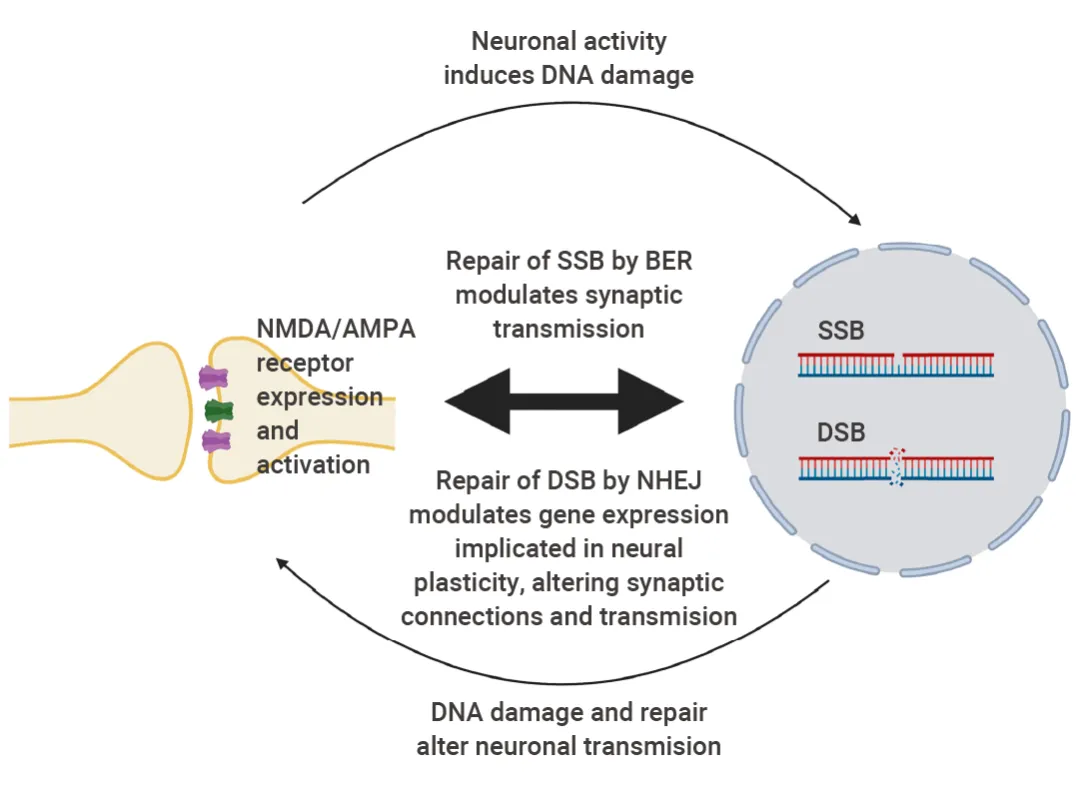
When you hear "inflammation" and "DNA damage," you might immediately think of disease or injury. However, in brains, these two processes are key steps in forming long-term memories, particularly related to specialized cells in our brain called hippocampal neurons.
Scientific Reviews
When you hear "inflammation" and "DNA damage," you might immediately think of disease or injury. However, in brains, these two processes are key steps in forming long-term memories, particularly related to specialized cells in our brain called hippocampal neurons. -
 Scientific Reviews
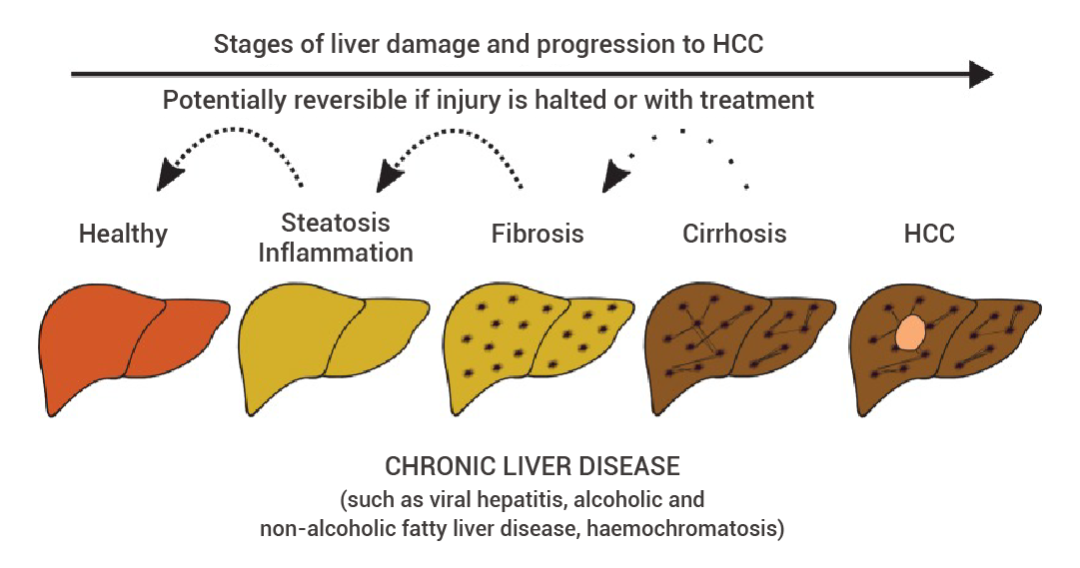
This article will tell you about the common methods of modeling liver disease in animal models.
Scientific Reviews
This article will tell you about the common methods of modeling liver disease in animal models. -
 Scientific Reviews
This article introduces some common cardiovascular disease models, inducers, modeling protocols and successful modeling cases in the research.
Scientific Reviews
This article introduces some common cardiovascular disease models, inducers, modeling protocols and successful modeling cases in the research. -
 Scientific Reviews
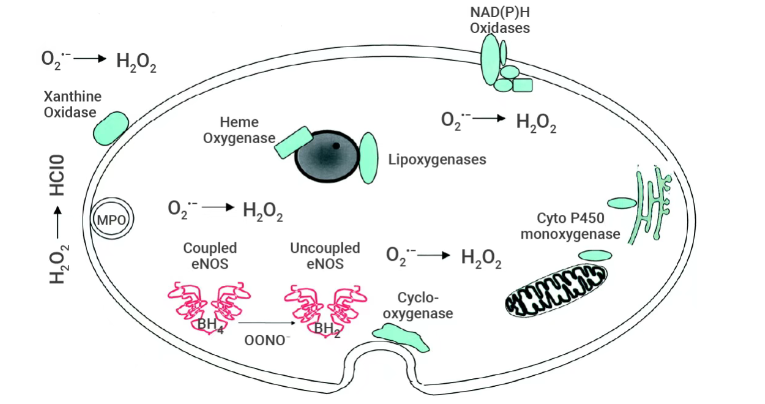
The article introduces the mechanisms of ROS generation and the methods for their detection.
Scientific Reviews
The article introduces the mechanisms of ROS generation and the methods for their detection. -
 Scientific Reviews
A groundbreaking study in Nature Communications reveals the key mechanism behind Idiopathic Pulmonary Fibrosis and identifies an existing drug with the potential to counter it.
Scientific Reviews
A groundbreaking study in Nature Communications reveals the key mechanism behind Idiopathic Pulmonary Fibrosis and identifies an existing drug with the potential to counter it. -
 Scientific Reviews
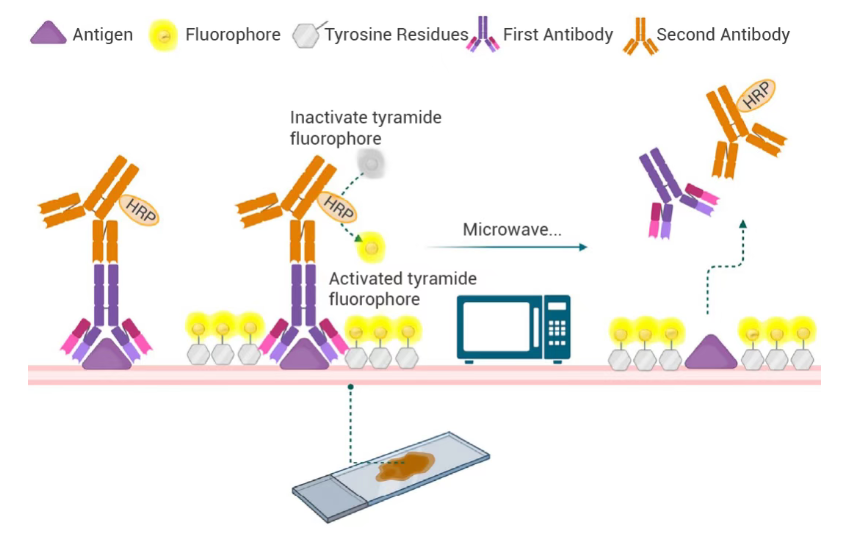
This detailed guide outlines the standardized experimental protocols for multiplex immunohistochemistry (mIHC), systematically summarizes common technical issues encountered during sample preparation, staining and imaging processes, and provides practical troubleshooting solutions to ensure reliable and reproducible results in biomedical research and clinical sample analysis.
Scientific Reviews
This detailed guide outlines the standardized experimental protocols for multiplex immunohistochemistry (mIHC), systematically summarizes common technical issues encountered during sample preparation, staining and imaging processes, and provides practical troubleshooting solutions to ensure reliable and reproducible results in biomedical research and clinical sample analysis. -
Scientific Reviews
Microglia– the only immune cells within the brain parenchyma. With advancements in imaging technologies, people’s understanding of microglia has shifted from being viewed as 'resting' cells to 'highly active' cells, particularly due to their dynamic processes that seem to be probing surrounding tissues and monitoring neuronal activity. This has made microglia a focal point of research in the field of neuroscience. -
 Scientific Reviews
This paper elaborates on cytokines for culturing major immune cells, their regulatory roles, recombinant cytokines' merits and MCE’s related high-quality products.
Scientific Reviews
This paper elaborates on cytokines for culturing major immune cells, their regulatory roles, recombinant cytokines' merits and MCE’s related high-quality products. -
 EDM
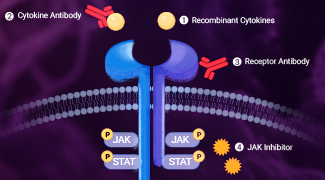
This review critically examines the role of the JAK-STAT pathway in immunity and autoimmune diseases, reviews current clinical applications of targeted therapies, and highlights emerging trends in autoimmune drug development.
EDM
This review critically examines the role of the JAK-STAT pathway in immunity and autoimmune diseases, reviews current clinical applications of targeted therapies, and highlights emerging trends in autoimmune drug development. -
 EDM
This review summarizes the mechanisms of DSS-induced colitis, commonly used modeling approaches, and key considerations related to DSS molecular weight.
EDM
This review summarizes the mechanisms of DSS-induced colitis, commonly used modeling approaches, and key considerations related to DSS molecular weight. -
 EDM
Review the mechanisms, mitochondrial regulation, disease relevance, and translational opportunities of the NLRP3–STING axis in neuroinflammation.
EDM
Review the mechanisms, mitochondrial regulation, disease relevance, and translational opportunities of the NLRP3–STING axis in neuroinflammation. -
 EDM
Explore the mechanisms driving immune tolerance breakdown in autoimmune diseases and emerging tolerance-restoring strategies, with a focus on IL-2-based immune modulation.
EDM
Explore the mechanisms driving immune tolerance breakdown in autoimmune diseases and emerging tolerance-restoring strategies, with a focus on IL-2-based immune modulation. -
 EDM
Explore how mitochondrial quality control, inflammatory signaling, and metabolic–epigenetic reprogramming regulate cellular senescence and the SASP, along with strategies to restore mitochondrial homeostasis.
EDM
Explore how mitochondrial quality control, inflammatory signaling, and metabolic–epigenetic reprogramming regulate cellular senescence and the SASP, along with strategies to restore mitochondrial homeostasis. -
 Blog
HS-1371 is a Small Molecule RIP3 Inhibitor
Blog
HS-1371 is a Small Molecule RIP3 Inhibitor2019-04-09
HS-1371 is a novel kinase inhibitor of RIP3-mediated necroptosis, showing an inhibitory effect on S227 auto-phosphorylation of RIP3 at the basal level. -
 Blog
PRN1008 is a Reversible Covalent and Oral Active Inhibitor of Bruton’s Tyrosine Kinase (BTK)
Blog
PRN1008 is a Reversible Covalent and Oral Active Inhibitor of Bruton’s Tyrosine Kinase (BTK)2019-04-18
PRN1008 is a selective, reversible covalent and oral active inhibitor of Bruton’s Tyrosine Kinase (BTK), with an IC50 of 1.3 nM. -
 Blog
Multiple Tyrosine Kinases Inhibitor TAS-115
Blog
Multiple Tyrosine Kinases Inhibitor TAS-1152019-04-19
TAS-115 is a potent VEGFR and c-Met/HGFR-targeted kinase inhibitor with IC50s of 30 and 32 nM for rVEGFR2 and rMET, respectively. -
 Blog
TAK-828F is a potent, selective and orally active retinoic acid receptor-related orphan receptor γt (RORγt) inverse agonist. TAK-828F inhibits IL-17A cytokine expression and reduces symptoms of autoimmune encephalomyelitis mice.
Blog
TAK-828F is a potent, selective and orally active retinoic acid receptor-related orphan receptor γt (RORγt) inverse agonist. TAK-828F inhibits IL-17A cytokine expression and reduces symptoms of autoimmune encephalomyelitis mice. -
 Blog
GSK3145095 is a RIP1 kinase inhibitor with an IC50 of 6.3 nM. Potently blocks the TNF response and RIP1-dependent inflammatory cytokine MIP-1β production.
Blog
GSK3145095 is a RIP1 kinase inhibitor with an IC50 of 6.3 nM. Potently blocks the TNF response and RIP1-dependent inflammatory cytokine MIP-1β production. -
 Blog
BAY-11-7082 inhibits the proliferation and induces the apoptosis of U266 cells through inhibiting NF-κB pathway. BAY 11-7082 ameliorates experimental diabetic neuropathy by modulating neuroinflammation and improving antioxidant defence.
Blog
BAY-11-7082 inhibits the proliferation and induces the apoptosis of U266 cells through inhibiting NF-κB pathway. BAY 11-7082 ameliorates experimental diabetic neuropathy by modulating neuroinflammation and improving antioxidant defence. -
 Blog
S18-000003 is a potent, selective and orally active inhibitor of retinoic acid receptor-related orphan receptor-gamma-t (RORγt). S18-000003 ameliorates psoriasis-like lesions in vivo. S18-000003 can be used for the research of skin inflammatory diseases.
Blog
S18-000003 is a potent, selective and orally active inhibitor of retinoic acid receptor-related orphan receptor-gamma-t (RORγt). S18-000003 ameliorates psoriasis-like lesions in vivo. S18-000003 can be used for the research of skin inflammatory diseases. -
 Blog
TPCA-1, a Direct Dual Inhibitor of STAT3 and NF-κB, Regresses Mutant EGFR-Associated NSCLC
Blog
TPCA-1, a Direct Dual Inhibitor of STAT3 and NF-κB, Regresses Mutant EGFR-Associated NSCLC2019-07-15
TPCA-1 is a potent and selective inhibitor of IKK-2 with IC50 of 17.9 nM. TPCA-1 is an effective inhibitor of STAT3 phosphorylation, DNA binding. -
 Blog
DVD-445 is a potent peptidomimetic covalent TrxR1 inhibitor with an IC50 of 0.60 μM for rat TrxR1. DVD-445 has good anticancer application.
Blog
DVD-445 is a potent peptidomimetic covalent TrxR1 inhibitor with an IC50 of 0.60 μM for rat TrxR1. DVD-445 has good anticancer application. -
 Blog
BI-167107 is a high affinity, full agonist that binds to the β2 adrenergic receptor (β2AR) with a dissociation constant Kd of 84 pM.
Blog
BI-167107 is a high affinity, full agonist that binds to the β2 adrenergic receptor (β2AR) with a dissociation constant Kd of 84 pM. -
 Blog
UK 356618 is a Selective MMP-3 Inhibitor
Blog
UK 356618 is a Selective MMP-3 Inhibitor2019-12-25
UK 356618 is a selective and potent inhibitor of MMP-3. UK 356618 exhibits potent anti-inflammatory and anti-cancer activity. -
 Blog
CH6953755 is a potent, orally active and selective YES1 kinase inhibitor leading to antitumor activity against YES1 Gene -amplified cancers.
Blog
CH6953755 is a potent, orally active and selective YES1 kinase inhibitor leading to antitumor activity against YES1 Gene -amplified cancers. -
 Blog
CA-4948 is a Selective and Orally Bioavailable IRAK4 Kinase Inhibitor for Lymphoma Treatment
Blog
CA-4948 is a Selective and Orally Bioavailable IRAK4 Kinase Inhibitor for Lymphoma Treatment2020-01-05
CA-4948 is a potent, selective and orally bioavailable IRAK4 kinase inhibitor. CA-4948 can be used for the treatment of lymphoma. -
 Blog
BAY-985 is an orally active and selective ATP-competitive dual inhibitor of TBK1 and IKKε with IC50s of 2/30 and 2 nM for TBK1 and IKKε, respectively.
Blog
BAY-985 is an orally active and selective ATP-competitive dual inhibitor of TBK1 and IKKε with IC50s of 2/30 and 2 nM for TBK1 and IKKε, respectively. -
 Blog
ADH-503 is an orally active and allosteric CD11b agonist and leads to the repolarization of tumor-associated macrophages.
Blog
ADH-503 is an orally active and allosteric CD11b agonist and leads to the repolarization of tumor-associated macrophages. -
 Blog
iFSP1 is a potent, selective FSP1inhibitor that induces ferroptosis in GPX4-knockout cells which overexpressed FSP1.
Blog
iFSP1 is a potent, selective FSP1inhibitor that induces ferroptosis in GPX4-knockout cells which overexpressed FSP1. -
 Blog
GSK143 is an orally active and highly selective spleen tyrosine kinase (SYK) inhibitor. GSK143 reduces inflammation in the intestinal muscularis in mice.
Blog
GSK143 is an orally active and highly selective spleen tyrosine kinase (SYK) inhibitor. GSK143 reduces inflammation in the intestinal muscularis in mice. -
 Blog
RA375, a RPN13 inhibitor, inhibits proteasome function in muscle. RA375 is highly active against cell lines of multiple myeloma and diverse solid cancers.
Blog
RA375, a RPN13 inhibitor, inhibits proteasome function in muscle. RA375 is highly active against cell lines of multiple myeloma and diverse solid cancers. -
 Blog
CAY10404 is a potent and highly selective COX-2 inhibitor. CAY10404 is a potent inhibitor of PKB/Akt and MAPK signalling pathways.
Blog
CAY10404 is a potent and highly selective COX-2 inhibitor. CAY10404 is a potent inhibitor of PKB/Akt and MAPK signalling pathways. -
 Blog
BMS-P5 is an Orally Active PAD4 Inhibitor
Blog
BMS-P5 is an Orally Active PAD4 Inhibitor2020-12-12
BMS-P5 is an orally active PAD4 inhibitor. BMS-P5 blocks MM-induced NET formation and delays progression of MM in a syngeneic mouse model -
 Blog
ML132, a potent and selective caspase 1 inhibitor with a unique selectivity pattern, is responsible for the proteolytic activation of IL-1β and IL-18.
Blog
ML132, a potent and selective caspase 1 inhibitor with a unique selectivity pattern, is responsible for the proteolytic activation of IL-1β and IL-18. -
 Blog
DMU-212 Possesses Antimitotic, Anti-Proliferative, Antioxidant and Apoptosis Promoting Activities
Blog
DMU-212 Possesses Antimitotic, Anti-Proliferative, Antioxidant and Apoptosis Promoting Activities2020-12-24
Activation of ERK1/2 is required for the antimitotic activity of the Resveratrol analogue DMU‐212 in human melanoma cells. -
 Blog
CC-90001 is a potent, selective, and orally active inhibitor of JNK. CC-90001 can be used for the research of idiopathic pulmonary fibrosis (IPF).
Blog
CC-90001 is a potent, selective, and orally active inhibitor of JNK. CC-90001 can be used for the research of idiopathic pulmonary fibrosis (IPF). -
 Blog
SB-332235 is a potent, orally active nonpeptide CXCR2 antagonist. SB-332235 inhibits acute and chronic models of arthritis in the rabbit.
Blog
SB-332235 is a potent, orally active nonpeptide CXCR2 antagonist. SB-332235 inhibits acute and chronic models of arthritis in the rabbit. -
 Blog
Lumiracoxib is a COX-2 inhibitor. Lumiracoxib acts as nonselective NSAID with anti-inflammatory, analgesic and antipyretic activities.
Blog
Lumiracoxib is a COX-2 inhibitor. Lumiracoxib acts as nonselective NSAID with anti-inflammatory, analgesic and antipyretic activities. -
 Blog
Ruxolitinib is a potent and selective JAK1/2 inhibitor and has 130-fold selectivity for JAK1/2 over JAK3. Ruxolitinib induces autophagy.
Blog
Ruxolitinib is a potent and selective JAK1/2 inhibitor and has 130-fold selectivity for JAK1/2 over JAK3. Ruxolitinib induces autophagy. -
 Blog
Elesclomol is an oxidative stress inducer that induces cancer cell apoptosis. Elesclomol is a reactive oxygen species (ROS) inducer.
Blog
Elesclomol is an oxidative stress inducer that induces cancer cell apoptosis. Elesclomol is a reactive oxygen species (ROS) inducer. -
 Blog
Brusatol (NSC 172924) is a Nrf2 Inhibitor
Blog
Brusatol (NSC 172924) is a Nrf2 Inhibitor2021-10-26
Brusatol inhibits the Nrf2 signaling pathway by reducing the protein level of Nrf2, with anticancer activities. -
 Blog
IMD-0354 is a Selective IKKβ Inhibitor
Blog
IMD-0354 is a Selective IKKβ Inhibitor2021-11-09
IMD-0354 is a selective IKKβ inhibitor and potently inhibits NF-κB activity. IMD0354 has antitumor activity. -
 Blog
Oltipraz is a Nrf2 Inhibitor
Blog
Oltipraz is a Nrf2 Inhibitor2021-11-18
Oltipraz is a potent Nrf2 activator. Oltipraz has an inhibitory effect on HIF-1α activation in a time-dependent manner, the IC50 is 10 μM. -
 Blog
Trolox is an analogue of vitamin E with a powerful antioxidant effect. Trolox is also a powerful inhibitor of membrane damage.
Blog
Trolox is an analogue of vitamin E with a powerful antioxidant effect. Trolox is also a powerful inhibitor of membrane damage. -
 Blog
Alda-1 is a potent ALDH2 Agonist
Blog
Alda-1 is a potent ALDH2 Agonist2021-12-30
Alda-1 ameliorates H2O2-induced Achilles tendinopathy. Alda-1 could be used for preventing Achilles tendinopathy. -
 Blog
β-Lapachone, a topoisomerase I inhibitor, induces apoptosis by inhibiting cell cycle progression. β-Lapachone has anti-inflammatory effect.
Blog
β-Lapachone, a topoisomerase I inhibitor, induces apoptosis by inhibiting cell cycle progression. β-Lapachone has anti-inflammatory effect. -
 Blog
CL097 is a TLR7/8 agonist. CL097 induces pro-nflammatory cytokines. CL097 induces NADPH oxidase priming and efficient diabetogenic cytotoxic T lymphocyte (CTL) function in NOD mice.
Blog
CL097 is a TLR7/8 agonist. CL097 induces pro-nflammatory cytokines. CL097 induces NADPH oxidase priming and efficient diabetogenic cytotoxic T lymphocyte (CTL) function in NOD mice. -
 Blog
Zingerone is a natural orally active nontoxic methoxyphenol potent anti-inflammatory, antidiabetic, antioxidize, and anti-tumor properties.
Blog
Zingerone is a natural orally active nontoxic methoxyphenol potent anti-inflammatory, antidiabetic, antioxidize, and anti-tumor properties. -
 Blog
PX-12 is an irreversible inhibitor of Trx-1 and inhibits the growth, migration, and invasion of colorectal cancer cell lines.
Blog
PX-12 is an irreversible inhibitor of Trx-1 and inhibits the growth, migration, and invasion of colorectal cancer cell lines. -
 Blog
BM213 is a selective C5aR1 agonist. It’s a useful research tool to study C5aR1 function
Blog
BM213 is a selective C5aR1 agonist. It’s a useful research tool to study C5aR1 function -
 Blog
Pelecopan is a potent, selective, and orally active complement factor D inhibitor, possessing the potential to study paroxysmal nocturnal hemoglobinuria (PNH).
Blog
Pelecopan is a potent, selective, and orally active complement factor D inhibitor, possessing the potential to study paroxysmal nocturnal hemoglobinuria (PNH). -
 Blog
LCS3 is a potent and reversible inhibitor of GSR and TXNRD1 with anti-tumour activity by non-competitive inhibition of the enzyme activity.
Blog
LCS3 is a potent and reversible inhibitor of GSR and TXNRD1 with anti-tumour activity by non-competitive inhibition of the enzyme activity. -
 Blog
Etrolizumab is a Gut-selective, Anti-β7 Integrin McAb for Inflammatory Bowel Disease (IBD) Research
Blog
Etrolizumab is a Gut-selective, Anti-β7 Integrin McAb for Inflammatory Bowel Disease (IBD) Research2022-11-05
Etrolizumab is a gut-selective, anti-β7 integrin monoclonal antibody and has the potential for the research of inflammatory bowel disease. -
 Blog
MMRi62, a Ferroptosis inducer targeting MDM2-MDM4. MMRi62 shows a P53-independent pro-apoptotic activity against PDAC cells.
Blog
MMRi62, a Ferroptosis inducer targeting MDM2-MDM4. MMRi62 shows a P53-independent pro-apoptotic activity against PDAC cells. -
 Blog
FA16 is a specific and metabolically stable ferroptosis inducer. It inhibits system Xc-, results in tumor progression suppression.
Blog
FA16 is a specific and metabolically stable ferroptosis inducer. It inhibits system Xc-, results in tumor progression suppression. -
 Blog
YL-939 was a potent inhibitor of iron death and significantly improved liver injury in a model of iron death-related acute liver injury.
Blog
YL-939 was a potent inhibitor of iron death and significantly improved liver injury in a model of iron death-related acute liver injury. -
 Blog
Ruxolitinib is an orally-active JAK1/2 inhibitor. Ruxolitinib has the potential for the research of myeloproliferative neoplasm (MPN).
Blog
Ruxolitinib is an orally-active JAK1/2 inhibitor. Ruxolitinib has the potential for the research of myeloproliferative neoplasm (MPN).
Products
All
-
All
-
Inhibitors & Agonists
-
Isotope-Labeled Compounds
-
Fluorescent Dye
-
Peptides
-
Recombinant Proteins
-
Antibodies
-
Screening Libraries
-
Kits
-
Inhibitory Antibodies
-
Reference Standards
-
Induced Disease Models Products
-
GMP Small Molecules
-
Enzyme
-
Biochemical Assay Reagents
-
Natural Products
| Cat. No. | Product Name | Information | Application | Publication |
|---|---|---|---|---|
| HY-17589 | Chloroquine phosphate |
Chloroquine phosphate is an antimalarial and anti-inflammatory agent widely used to treat malaria and rheumatoid arthritis. Chloroquine phosphate is an autophagy and toll-like receptors (TLRs) inhibitor. Chloroquine phosphate is highly effective in the control of SARS-CoV-2 (COVID-19) infection in vitro (EC50=1.13 μM).
|
Pancreatic Cancer
Viral Infection
Parasitic Infection
Pain
SARS-CoV-2 Infection
Rheumatoid Arthritis
|
1344
|
| HY-17589A | Chloroquine |
Chloroquine is an antimalarial and anti-inflammatory agent widely used to treat malaria and rheumatoid arthritis. Chloroquine is an autophagy and toll-like receptors (TLRs) inhibitor. Chloroquine is highly effective in the control of SARS-CoV-2 (COVID-19) infection in vitro (EC50=1.13 μM).
|
Breast Cancer
Pancreatic Cancer
Viral Infection
Parasitic Infection
Pain
SARS-CoV-2 Infection
Rheumatoid Arthritis
|
1344
|
| HY-16658B | Z-VAD-FMK |
Z-VAD-FMK is a pan-caspase inhibitor and also an ICE-like protease inhibitor, which inhibits apoptosis by preventing the processing of CPP32 to its active form. Z-VAD-FMK sensitivity varies primarily due to differential expression of receptor-interacting protein 1 (RIP1). Z-VAD-FMK limits the cryopreservation-induced apoptosis by reducing caspase-3 activity of in vitro produced bovine embryos. Z-VAD-FMK is immunosuppressive in vitro and inhibits T cell proliferation without blocking the processing of caspase-8 and caspase-3. Z-VAD-FMK leads to a decrease in intracellular glutathione (GSH) with a concomitant increase in reactive oxygen species (ROS) levels in activated T cells. Z-VAD-FMK is due to oxidative stress via the depletion of GSH. Z-VAD-FMK can be used for the study of acute pancreatitis.
|
|
850
|
| HY-D0940 | H2DCFDA |
H2DCFDA (DCFH-DA) is a cell-permeable probe used to detect intracellular reactive oxygen species (ROS) (Ex/Em=488/525 nm).
|
|
838
|
| HY-B0215 | Acetylcysteine |
Acetylcysteine (N-Acetylcysteine) is a mucolytic agent that can cross the blood-brain barrier, which reduces the thickness of the mucus. Acetylcysteine is a ROS inhibitor. Acetylcysteine is a cysteine precursor, prevents hemin-induced ferroptosis by neutralizing toxic lipids generated by arachidonate-dependent activity of 5-lipoxygenases. Acetylcysteine induces cell apoptosis. Acetylcysteine also has anti-influenza virus activities. In addition, Acetylcysteine is the most stable form of cysteine during drug delivery and can be used in disulfidptosis studies.
|
Reactive Oxygen Species (ROS)
Endogenous Metabolite
Apoptosis
Ferroptosis
Influenza Virus
Disulfidptosis
Neurological, Eye or Ear Disease
Digestive System Disease
Breast Cancer
Viral Infection
Digestive System Inflammation
SARS-CoV-2 Infection
Lung Fibrosis
|
757
|
| HY-D1056 | Lipopolysaccharides, from E. coli O55:B5 |
Lipopolysaccharides, from E. coli O55:B5 (LPS, from Escherichia coli (O55:B5)) are endotoxins and TLR4 activators extracted from Escherichia coli (E. coli O55:B5) and are classified as S (smooth) type LPS. Lipopolysaccharides, from E. coli O55:B5 possess the typical three-part structure: O-antigen, core oligosaccharide, and lipid A. Lipopolysaccharides, from E. coli O55:B5 activate TLR-4 in immune cells, exhibit high pyrogenicity, and demonstrate dose and serotype specificity. Lipopolysaccharides, from E. coli O55:B5 can be widely used to induce cellular inflammation and establish animal models related to inflammation.
It is recommended to prepare a solution with concentration ≥2 mg/mL. Vortex thoroughly for more than 10 minutes. Due to the adsorption characteristics of LPS, silanized container or low adsorption centrifuge tubes should be used for aliquoting and storage, and mix thoroughly before use. Source: surface of Gram-negative bacteria |
|
616
|
| HY-10071 | Y-27632 |
Y-27632 is a ROCK inhibitor with Ki values of 220 nM and 300 nM for ROCK1 and ROCK2, respectively. Y-27632 exerts anti-inflammatory and immunomodulatory effects in systemic lupus erythematosus models by inhibiting the ROCK/NF-κB pathway. Y-27632 enhances autophagy by inhibiting the AKT/mTOR pathway, thereby inducing apoptosis apoptosis in oral squamous cell carcinoma. Y-27632 induces the formation of tunneling nanotubes in ARPE-19 cells and significantly enhances mitochondrial transfer through these channels. Y-27632 promotes neurite outgrowth in PC12 cells by activating the Rac1/NOX1/ROS/AKT/PAK1 signaling cascade.
|
|
603
|
| HY-100218A | RSL3 |
RSL3 ((1S,3R)-RSL3) is an inhibitor of glutathione peroxidase 4 (GPX4) (ferroptosis activator), reduces the expression of GPX4 protein, and induces ferroptotic death of head and neck cancer cell. RSL3 increases the expression of p62 and Nrf2 and inactivates Keap1 in HN3-rslR cells.
|
|
573
|
| HY-11109 | Resatorvid |
Resatorvid (TAK-242) is a selective Toll-like receptor 4 (TLR4) inhibitor. Resatorvid inhibits NO, TNF-α and IL-6 production with IC50s of 1.8 nM, 1.9 nM and 1.3 nM, respectively. Resatorvid downregulates expression of TLR4 downstream signaling molecules MyD88 and TRIF. Resatorvid inhibits autophagy and plays pivotal role in various inflammatory diseases.
|
|
536
|
| HY-B0988 | Deferoxamine mesylate |
Deferoxamine mesylate (Deferoxamine B mesylate) is an iron chelator (binds to Fe(III) and many other metal cations), is widely used to reduce iron accumulation and deposition in tissues. Deferoxamine mesylate upregulates HIF-1α levels with good antioxidant activity. Deferoxamine mesylate also shows anti-proliferative activity, can induce apoptosis and autophagy in cancer cells. Deferoxamine mesylate can be used in studies of diabetes, neurodegenerative diseases as well as anti-cancer and anti-COVID-19.
|
Infection
Neurological, Eye or Ear Disease
Inflammation or Immune System Disease
Metabolic or Endocrine Disease
|
452
|
| HY-D1055 | MitoSOX Red |
MitoSOX Red is a live cell fluorescent probe that specifically targets mitochondria and is cell membrane permeable. MitoSOX Red enters mitochondria and is oxidized by superoxide but not by other ROS or RNS generating systems. The oxidized MitoSOX Red then binds to nucleic acids in mitochondria/nucleus, producing strong red fluorescence. MitoSOX Red can be used as a fluorescent indicator to specifically detect superoxide. In addition, superoxide dismutase (SOD) can prevent the oxidation of MitoSOX Red.
Excitation/emission wavelength: 510/580 nm. |
|
328
|
| HY-18085 | Quercetin |
Lung Cancer
Breast Cancer
Colorectal Cancer
Prostate Cancer
Liver Cancer
Leukemia/Lymphoma/Myeloma
Pancreatic Cancer
Ovarian Cancer
Viral Infection
Pain
Digestive System Inflammation
SARS-CoV-2 Infection
Obesity
Lung Fibrosis
Rheumatoid Arthritis
|
230
|
|
| HY-B1756 | Rotenone |
Rotenone is a mitochondrial electron transport chain complex I inhibitor. Rotenone induces apoptosis through enhancing mitochondrial reactive oxygen species production.
|
|
206
|
| HY-13740 | Resiquimod |
Resiquimod is a Toll-like receptor 7 and 8 (TLR7/TLR8) agonist that induces the upregulation of cytokines such as TNF-α, IL-6 and IFN-α.
|
Prostate Cancer
Viral Infection
Depression
Pain
Autoimmune Disease
SARS-CoV-2 Infection
Hepatitis C Virus Infection
|
120
|
| HY-50912 | Plerixafor octahydrochloride |
Plerixafor octahydrochloride (AMD3100 octahydrochloride) is a selective CXCR4 antagonist with an IC50 of 44 nM.
|
Pancreatic Cancer
Viral Infection
Digestive System Inflammation
Glucose Metabolism
SARS-CoV-2 Infection
Lung Fibrosis
Rheumatoid Arthritis
|
112
|
| HY-10046 | Plerixafor |
Pancreatic Cancer
Viral Infection
Digestive System Inflammation
Glucose Metabolism
SARS-CoV-2 Infection
Lung Fibrosis
Rheumatoid Arthritis
|
112
|
|
| HY-W031727 | Hydroxychloroquine |
Hydroxychloroquine (HCQ) is a synthetic oral antimalarial drug that can be used in the study of malaria and autoimmune diseases such as systemic lupus erythematosus and rheumatoid arthritis. Hydroxychloroquine is a potent autophagic flux inhibitor with antiviral activity (such as SARS-CoV-2 virus) that inhibits Toll-like receptor 7/9 (TLR7/9) signaling.
|
|
95
|
| HY-B0166 | L-Ascorbic acid |
L-Ascorbic acid (L-Ascorbate), an electron donor, is an endogenous antioxidant agent. L-Ascorbic acid inhibits selectively Cav3.2 channels with an IC50 of 6.5 μM. L-Ascorbic acid is also a collagen deposition enhancer and an elastogenesis inhibitor. L-Ascorbic acid exhibits anti-cancer effects through the generation of reactive oxygen species (ROS) and selective damage to cancer cells.
|
Neurological, Eye or Ear Disease
Pancreatic Cancer
Digestive System Inflammation
Glucose Metabolism
SARS-CoV-2 Infection
Hypertension
|
91
|
| HY-L007 | Immunology/Inflammation Compound Library |
The immune system is a host defense system comprising many biological structures and processes within an organism that protects against disease. To function properly, an immune system must detect a wide variety of agents, known as pathogens, from viruses to parasitic worms, and distinguish them from the organism's own healthy tissue. Inflammation is also the body's attempt at self-protection to remove harmful stimuli and begin the healing process. It’s part of the body's immune response. The immune system recognizes damaged cells, irritants, and pathogens, and inflammation begins the healing process. Inflammatory abnormalities are a large group of disorders that underlie a vast variety of human diseases. The immune system is often involved with inflammatory disorders, demonstrated in both allergic reactions and some myopathies, with many immune system disorders resulting in abnormal inflammation.
MCE designs a unique collection of 8,643 compounds that are useful tool for Immunology/Inflammation research or autoimmune inflammatory diseases drug discovery.
|
|
89
|
| HY-L089 | Mitochondria-Targeted Compound Library |
Mitochondria plays an important role in many vital processes in cells, including energy production, fatty-acid oxidation and the Tricarboxylic Acid (TCA) cycle, calcium signaling, permeability transition, apoptosis and heat production. At present, it is recognized that many diseases are associated with impaired mitochondrial function, such as increased accumulation of ROS and decreased OXPHOS and ATP production. Mitochondria are recognized as one of the most important targets for new drug design in cancer, cardiovascular, and neurological diseases, etc. Some small molecule drugs or biologics can act on mitochondria through various pathways, including ETC inhibition, OXPHOS uncoupling, mitochondrial Ca2+ modulation, and control of oxidative stress via decrease or increase of mitochondrial ROS accumulation.
MCE supplies a unique collection of 1,182 mitochondria-targeted compound that mainly targeting Mitochondrial Metabolism, ATP Synthase, Mitophagy, Reactive Oxygen Species, etc. MCE Mitochondria-Targeted Compound Library is a useful tool for mitochondria-targeted drug discovery and related research.
|
|
89
|
| HY-L017 | Stem Cell Signaling Compound Library |
Adult stem cells are important for tissue homeostasis and regeneration due to their ability to self-renew and generate multiple types of differentiated daughters. Self-renewal is reflected by their capacity to undergo multiple/limitless divisions. Several signaling pathways are involved in self-renewal of stem cells, that is, Notch, Wnt, and Hedgehog pathways or Polycomb family proteins. Recent studies mainly focus on cancer stem cell (CSCs), induced pluripotent stem cell (iPSCs), neural stem cell and maintenance of embryonic stem cell pluripotency. Among them, CSCs have been believed to be responsible for tumor initiation, growth, and recurrence that have implications for cancer therapy.
MCE owns a unique collection of 2,931 compounds that can be used for stem cell regulatory and signaling pathway research.
|
|
86
|
| HY-L014 | NF-κB Signaling Compound Library |
Nuclear factor-κB (NF-κB)/Rel proteins include NF-κB2 p52/p100, NF-κB1 p50/p105, c-Rel, RelA/p65, and RelB. These proteins function as dimeric transcription factors that regulate the expression of genes and influence a broad range of biological processes including innate and adaptive immunity, inflammation, stress responses, B-cell development, and lymphoid organogenesis. NF-κB plays a key role in regulating the immune response to infection. In addition, activation of the NF-κB pathway is involved in the pathogenesis of chronic inflammatory diseases, such as asthma, rheumatoid arthritis, and inflammatory bowel disease. Incorrect regulation of NF-κB has been linked to cancer, inflammatory and autoimmune diseases, septic shock, viral infection, and improper immune development.
MCE owns a unique collection of 1,801 small molecule compounds that can be used in the research of NF-κB signaling pathway or high throughput screening (HTS) related drug discovery.
|
|
85
|
| HY-L024 | Histone Modification Research Compound Library |
A histone modification, a covalent post-translational modification (PTM) to histone proteins, includes methylation, phosphorylation, acetylation, ubiquitylation, and sumoylation, etc. In general, histone modifications are catalyzed by specific enzymes that act predominantly at the histone N-terminal tails involving amino acids such as lysine or arginine, as well as serine, threonine, tyrosine, etc. The PTMs made to histones can impact gene expression by altering chromatin structure or recruiting histone modifiers. Histone modifications act in diverse biological processes such as transcriptional activation/inactivation, chromosome packaging, and DNA damage/repair. Deregulation of histone modification contributes to many diseases, including cancer and autoimmune diseases.
MCE owns a unique collection of 931 bioactive compounds targeting Epigenetic Reader Domain, HDAC, Histone Acetyltransferase, Histone Demethylase, Histone Methyltransferase, Sirtuin, etc. Histone Modification Research Compound Library is a useful tool for histone modification research and drug screening.
|
|
85
|
| HY-L077 | Anti-Pancreatic Cancer Compound Library |
Pancreatic cancer is a devastating disease with a low overall survival rate. Chemotherapy is the most common treatment for patients presenting with advanced pancreatic cancer. More recently, the era of targeted therapies has generated a lot of interest in discovering better approaches for patients with pancreatic cancer. Commonly mutated genes in pancreatic cancer include K-ras (in 74-100% of cases), p16INK4a (up to 98%), p53 (43 to 76%), DPC4 (about 50%), HER-2/neu (in about 65%) and FHIT (found in 70% of cases). Other genes involved are notch1, Akt-2, BRCA2 and COX-2. These proteins are important targets of target therapies for pancreatic cancer.
MCE offers a unique collection of 4,336 compounds with identified and potential anti- pancreatic cancer activity. These compounds target K-Ras, p53, HER2, Notch, AKT, etc. MCE anti-pancreatic cancer compound library is a useful tool for anti-pancreatic cancer drugs screening and other related research.
|
|
85
|
| HY-L136 | Coagulation and Anti-coagulation Compound Library |
Coagulation, also known as clotting, is the process in which blood changes from a liquid to a solid gel to form a blood clot. Thrombin, which is accurately and evenly generated in the injured part of blood vessels, is a key effector enzyme of the blood coagulation system and participates in many important biological processes, such as platelet activation, fibrinogen conversion to fibrin network, coagulation feedback amplification, etc. At the same time, to avoid the accidental formation of thrombus in the body, there is also an anticoagulant mechanism that inhibits blood coagulation.
Normal coagulation mechanism represents a balance between the pro-coagulant pathway in the injured site and anti-coagulant pathway beyond it. The blood coagulation system may be out of balance during the perioperative period or critical illness, which may lead to thrombosis or excessive bleeding. Therefore, the physiological study of coagulation balance is an important basis for clinical diagnosis and treatment of the abnormal coagulation process.
MCE supplies a unique collection of 1,525 compounds targeting key proteins in coagulation and anti-coagulation system. MCE Coagulation and Anti-coagulation Compound Library is a useful tool for study the mechanism of coagulation and anticoagulation.
|
|
85
|
| HY-L046 | Anti-Cardiovascular Disease Compound Library |
Cardiovascular diseases (CVDs) are a group of disorders of the heart and blood vessels which include coronary heart disease, cerebrovascular disease, peripheral arterial disease, rheumatic heart disease, etc. CVDs are the number 1 cause of death globally. Smoking, unhealthy nutrition, aging population, lack of physical activity, arterial hypertension, or diabetes can promote cardiovascular disease like myocardial infarction or stroke. It is multifactorial and encompasses a multitude of mechanisms, such as eNOS uncoupling, reactive oxygen species formation, chronic inflammatory disorders and abnormal calcium homeostasis. Antioxidant, anti-inflammatory and anti-diabetes agents may reduce the cardiovascular disease risk.
MCE supplies a unique collection of 2,468 compounds with confirmed anti-cardiovascular activity. These compounds mainly target metabolic enzyme, membrane transporter, ion channel, inflammation related signaling pathways. MCE Anti-Cardiovascular Disease Compound Library can be used for cardiovascular diseases related research and high throughput and high content screening for new drugs.
|
|
84
|
| HY-L051 | Ferroptosis Compound Library |
Ferroptosis is a novel type of cell death program that is distinct from apoptosis, necroptosis and autophagy. It is dependent on iron and reactive oxygen species (ROS) and is characterized by lipid peroxidation. As a novel type of cell death, ferroptosis has distinct properties and recognizing functions involved in physical conditions or various diseases including cancers, neurodegenerative diseases, acute renal failure, etc.
MCE carefully collected a unique collection of 1,255 ferroptosis signaling pathway related compounds with ferroptosis-inducing or -inhibitory activity. MCE Ferroptosis Compound Library is a useful tool to study ferroptosis mechanism as well as related diseases.
|
|
84
|
| HY-L059 | Pyroptosis Compound Library |
Programmed cell death pathways, including apoptosis, pyroptosis and necroptosis, are regulated by unique sets of host proteins that coordinate a variety of biological outcomes. Pyroptosis is a highly inflammatory form of programmed cell death that occurs most frequently upon infection with intracellular pathogens and is likely to form part of the antimicrobial response. This process promotes the rapid clearance of various bacterial, viral, fungal and protozoan infections by removing intracellular replication niches and enhancing the host's defensive responses. Pyroptosis has been widely studied in inflammatory and infection disease models. Recently, there are growing evidences that pyroptosis also plays an important role in the development of cancer, cardiovascular diseases and Metabolic disorder, etc.
MCE designs a unique collection of 2,034 pyroptosis-related compounds mainly focusing on the key targets in the pyroptosis signaling pathway and can be used in the research of pyroptosis signal pathway and related diseases.
|
|
84
|
| HY-L075 | Anti-Lung Cancer Compound Library |
Lung cancer is a major global health problem, as it is the leading cause of cancer-related deaths worldwide. Lung cancer is divided into two categories: small cell lung cancer and non-small cell lung cancer (NSCLC). Non-small cell lung cancer accounts for about 85 percent of lung cancers.
As with all cancers, lung cancer may be treated with surgery, chemotherapy, radiation therapy, targeted therapy, immunotherapy or a combination thereof. Targeted therapy is one of the most exciting developments in lung cancer medicine, especially for NSCLC. Extensive genomic characterization of NSCLC has led to the identification of molecular subtypes of NSCLC that are oncogene addicted and exquisitely sensitive to targeted therapies. These include activating mutations in epidermal growth factor receptor (EGFR) and BRAF or echinoderm microtubule-associated protein-like 4 (EML4)-anaplastic lymphoma kinase (ALK) fusions and ROS1 receptor tyrosine kinase fusions. These are important targets for target therapy.
MCE offers a unique collection of 3,061 compounds with identified and potential anti-lung cancer activity. These compounds target lung cancer’s major targets and signaling pathways. MCE anti-lung cancer compound library is a useful tool for anti-lung cancer drugs screening and other related research.
|
|
84
|
| HY-L080 | Targeted Therapy Drug Library |
Targeted cancer therapies are drugs or other substances that block the growth and spread of cancer by interfering with specific molecular targets that are involved in the growth, progression, and spread of cancer.
There are several different types of targeted therapy. The most common types are small-molecule drugs and monoclonal antibodies. Small-molecule drugs are small enough to enter cells easily, so they are used for targets that are inside cells, while monoclonal antibodies are usually used for targets that are located outside the cells. Because of high specificity, low side effect and potent anticancer activity, targeted therapy has become the mainstream of new anti-tumor drugs. Various targeted therapies have been approved by FDA and used in the treatment of diseases.
MCE carefully collects a unique of 106 targeted therapy drugs used in cancer treatment. MCE Targeted therapy drug library is a useful tool for the research of targeted therapy.
|
|
84
|
| HY-L114 | Anti-inflammatory Traditional Chinese Medicine Active Compound Library |
Inflammation promotes physiological and pathological processes by the activation of the immune system, local vascular system, and various cells within the damaged tissue. Accumulating epidemiological and clinical evidence shows that chronic inflammation is causally linked to various human diseases, including cerebrovascular, cardiovascular, joint, cutaneous, pulmonary, blood, liver, and intestinal diseases as well as diabetes.
Various natural products from Traditional Chinese Medicine (TCM) have been shown to safely suppress proinflammatory pathways and control inflammation-associated disease. MCE designs a unique collection of 1,665 Traditional Chinese Medicine active compounds with anti-inflammatory activity, which are derived from Coptis chinensis, Radix isatidis, Flos Lonicerae, Forsythia suspensa, etc. MCE Anti-inflammatory Traditional Chinese Medicine Active Compound Library is a useful tool for discovery anti-inflammatory drugs from TCM.
|
|
84
|
| HY-L151 | PROTAC Library |
PROTACs (Proteolysis-targeting chimeras) is a class of molecules that utilize ubiquitin-proteasome system (UPS) to ubiquitinate and degrade target proteins. The PROTACs molecule consists of two ligands joined by a linker. The one-to-one interaction between PROTACs and target proteins determines the high efficiency of PROTACs, making it a potential molecule for targeted protein degradation (TPD) therapy.
MCE supplies a unique collection of 544 PROTACs that effectively degrade target proteins with more powerful screening capability. MCE PROTAC Library is a useful tool for signal pathway research, protein degradation therapy research, drug discovery and drug repurposing, etc.
|
|
84
|
| HY-18258 | Berberine chloride |
Berberine chloride is an alkaloid that acts as an antibiotic. Berberine chloride induces reactive oxygen species (ROS) generation and inhibits DNA topoisomerase. Antineoplastic properties.
|
Topoisomerase
Autophagy
Bacterial
Reactive Oxygen Species (ROS)
Antibiotic
Endogenous Metabolite
Parasite
Inflammation or Immune System Disease
Lung Cancer
Viral Infection
Bacterial Infection
Parasitic Infection
SARS-CoV-2 Infection
|
83
|
| HY-L034M | Anti-Aging Compound Library Mini |
Research has shown that drugs targeting aging pathways demonstrate promising potential in models of age-related diseases such as Alzheimer's disease, cardiovascular diseases, metabolic syndrome, osteoarthritis, and various malignancies. This suggests that intervening in the biological processes of aging may enable synergistic prevention and treatment of multiple chronic diseases. Against the backdrop of the gradual elucidation of core aging mechanisms-including cellular senescence, telomere attrition, epigenetic dysregulation, and chronic inflammation anti-aging research has shifted from traditional phenotypic interventions toward targeting key pathways that regulate biological age.
The MCE Anti-Aging Compound Library Mini is precisely built upon this cutting-edge concept. It focuses on aging-related targets validated through genetic or functional studies, comprising 381 compounds designed to provide systematic research tools for aging biology and intervention strategy development. The library covers core mechanisms such as mTOR, SIRT, energy metabolism, clearance of senescent cells, optimization of mitochondrial function, and telomere maintenance. For each target, 1-5 compounds with clear activity and strong representativeness have been carefully selected, spanning the entire translational spectrum from preclinical tool molecules to clinically investigational drugs.
|
|
83
|
| HY-L074 | Anti-Breast Cancer Compound Library |
Breast cancer is the most frequent cancer among women, impacting 2.1 million women each year, and also causes the greatest number of cancer-related deaths among women. Surgery is usually the first type of treatment for breast cancer, which is usually followed by chemotherapy or radiotherapy or, in some cases, hormone or targeted therapies, especially for metastatic breast cancer (MBC).
Breast cancer is a heterogeneous disease, which is categorized into 3 major subtypes based on the presence or absence of molecular markers for estrogen or progesterone receptors and human epidermal growth factor 2 (ERBB2; formerly HER2): hormone receptor positive/ERBB2 negative (70% of patients), ERBB2 positive (15%-20%), and triple-negative (tumors lacking all 3 standard molecular markers; 15%). Different intrinsic subtypes exhibit different tumor behavior with different prognoses, and may require specific targeted therapies to maximize treatment effectiveness. Otherwise, some signaling pathways also play important roles in the development of breast cancer, such as NF-κB Signaling Pathway, TGF-beta Signaling Pathway, PI3K/AKT/mTOR signaling pathway and Notch Signaling Pathway. These signaling pathways offer ideal targets for development of new targeted therapies for breast cancer.
MCE supplies a unique collection of 3,404 compounds with identified and potential anti-breast cancer activity. MCE Anti-Breast Cancer Compound Library is a useful tool for anti-breast cancer drugs screening.
|
|
83
|
| HY-L079 | Anti-Blood Cancer Compound Library |
Blood cancers, also called hematologic cancers, occur when abnormal blood cells start growing out of control, interrupting the function of normal blood cells, which fight off infection and produce new blood cells. Most blood cancers start in the bone marrow, which is where blood is produced. There are three main types of blood cancers: leukemia, lymphoma and myeloma, which afflict millions of children and adults every year, and are often deadly.
Some common blood cancer treatments include stem cell transplantation, chemotherapy, radiation therapy, targeted therapy, immunotherapy or a combination thereof. As we begin to understand the key signaling pathways and molecular drivers of malignant transformation in haematological disorders, new treatment strategies will continue to be developed.
MCE offers a unique collection of 4,333 compounds with identified and potential anti-blood cancer activity. These compounds target blood cancer’s major targets and signaling pathways. MCE anti-blood cancer compound library is a useful tool for anti-blood cancer drugs screening and other related research.
|
|
83
|
| HY-L097 | Animal Disease Model Inducer Library |
Animal disease models are used in a variety of settings in basic research, such as studies on mechanisms of disease progression and evaluation new drugs. Animal models can be broadly classified into five categories: 1) experimental, 2) spontaneous, 3) negative, 4) orphan, 5) genetically engineered. Experimental models, which are induced artificially in the laboratory, are most common. Some small molecular compounds are usually used as inducers for animal models, such as Ceruletide for inflammatory model, Azoxymethane for tumor model. These inducers are useful tool in building animal models.
MCE offers a unique collection of 52 animal model inducers, involving inflammatory model, tumor model, nervous disease model, etc. MCE Animal Disease Model library is a powerful tool for the establishment of animal disease models.
|
|
83
|
| HY-L156 | Autoimmune Disease Compound Library |
Autoimmune disease is a pathological disease characterized by inflammatory disorders targeting autoantigens. The routine treatment of autoimmune diseases suppresses general immune function to regulate uncontrolled inflammation. The current targeted immunotherapy suppresses the main pro-inflammatory signaling pathways by blocking inflammatory cytokines, cell surface molecules, and intracellular kinases. As key participants in innate immunity, macrophages and dendritic cells (DCs) are crucial for Ag presentation and pro-inflammatory cytokine production, such as TNF and IL-1 β、 IL-6, IL-23, B cell activating factor (BAFF), and the proliferation-inducing ligand (APRIL, also known as TNFSF13A).
MCE designs a unique collection of 1,040 autoimmune disease-related compounds, covering multiple targets and subtypes, such as TNF Receptor, IFNAR, JAK, Btk, TLR, IL-6, IL-17, IL-23, etc. It is a useful tool for screening autoimmune disease drugs.
|
|
83
|
| HY-L161 | Cytokine Inhibitors Library |
Cytokines are a kind of low molecular soluble proteins synthesized and secreted by immunogen, mitogen or other factors. They have functions of regulating innate and adaptive immune responses, promoting hematopoiesis, stimulating cell activation, proliferation and differentiation. The process of releasing a large number of cytokines is also called “Cytokine storm”, which can cause damage to many tissues and organs in the body. Cytokine is involved in the pathogenesis of many human diseases, including cancer, diabetes, chronic inflammatory diseases and so on. Cytokine inhibitors are a class of essential compounds that act by directly inhibiting the synthesis and release of cytokine or blocking the binding of cytokine to their receptors. Cytokine inhibitors are important compounds for the study of tumor and autoimmune diseases.
MCE designs a unique collection of 1,416 cytokine inhibitors, mainly targeting the receptor interleukin (IL), colony-stimulating factor (CSF), interferon (IFN), tumor necrosis factor (TNF), growth factor (GF) and chemokine, which is an effective tool for development and research of anti-cancer, anti-chronic inflammatory diseases and anti-autoimmune diseases compounds.
|
|
83
|
| HY-L164 | Serine/Threonine Kinase Inhibitor Library |
Protein serine/threonine kinases (PSKs) are protein kinases that use ATP as a high-energy donor molecule to transfer phosphate groups to serine/threonine residues of target protein. As an important signal transduction regulator, serine/threonine kinases can affect the function of target proteins by disrupting enzyme activity or binding of target proteins to other proteins. Serine/threonine kinases are involved in the regulation of immune response, cell proliferation, differentiation, apoptosis and other physiological processes. Serine/threonine kinase inhibitors are an important class of compounds that have been widely studied in cancer, chronic inflammation, autoimmune diseases, aging and other diseases.
MCE designs a unique collection of 2,276 serine/threonine kinase inhibitors, mainly targeting the receptor PKA, Akt, PKC, MAPK/ERK, etc, which is an effective tool for development and research of anti-cancer, anti-chronic inflammatory diseases, anti-autoimmune diseases and anti-aging compounds.
|
|
83
|
| HY-L171 | Anti-Hematopathy Compound Library |
Hematopathy, also known as hematopoietic system diseases, are a class of diseases that hematopoietic system has abnormal changes. Common hematopathy include: aplastic anemia, myeloproliferative diseases, thalassemia, leukemia, lymphoma, myeloma and hemophilia, etc. In recent years, treatments for hematopathy have been developed. In particular, the treatment of malignant hematopathy developed from chemotherapy, radiotherapy, bone marrow development to immunotherapy, induced differentiation therapy, cell therapy, gene therapy and hematopoietic stem cell transplantation. Although these therapies have greatly improved the survival rate of patients, there are still problems such as low cure rate and easy recurrence in the treatment of hematopathy. Therefore, it is of great significance to actively search for new hematopathy therapeutic drugs.
MCE designs a unique collection of 4,388 anti-hematopathy small molecules, which is an effective tool for development and research of anti-hematopathy compounds.
|
|
83
|
| HY-L174 | Macrophage Related Compound Library |
Macrophages are effector cells of the innate immune system, engulfing bacteria and secreting pro-inflammatory and antibacterial mediators. They are an important component of the first line defense against pathogens and tumor cells. In addition, macrophages play an important role in eliminating damaged cells through programmed cell death. Like all immune cells, macrophages originate from pluripotent hematopoietic stem cells in the bone marrow. Macrophages play key functions in many physiological processes beyond homeostasis and innate immunity, including metabolic function, cell debris clearance, tissue repair, and remodeling. In order to fulfill their different functional roles, macrophages can polarize into a series of phenotypes, including classic (pro inflammatory, M1) and alternative (anti-inflammatory, healing promoting, M2) activation states, as well as a wide range of regulatory phenotypes and subtypes. Macrophages exist in all vertebrate tissues and have a dual function in host protection and tissue damage, maintaining a good balance.
MCE designs a unique collection of 276 macrophage related compounds. It is a good tool to be used for research on Inflammation, cancer and other diseases.
|
|
83
|
| HY-L175 | Inflammasomes related Compound Library |
Inflammasomes are classic pattern recognition receptors for natural immune responses. Inflammasomes are polymeric protein complexes that regulate inflammatory responses and pyrolytic cell death, thereby exerting the host's defense against microorganisms. Inflammasomes sensors are associated with adapter proteins, activating inflammatory caspase-1, releasing inflammatory cytokines and inducing cell death, endowing the host with defense against pathogens. NLRP1, NLRP3, NLRC4, AIM2, and pyrin are considered typical inflammasomes because they convert cysteine asparaginase-1 into catalytically active capsaicin-1. In addition to infectious diseases, the importance of inflammasomes is also related to various clinical diseases, such as autoimmune diseases, neurodegeneration and metabolic disorders, and the development of cancer. Therefore, it is necessary to strictly regulate the activation and function of inflammasomes to avoid accidental host tissue damage while inducing pathogens to kill the inflammatory response.
MCE designs a unique collection of 178 inflammasomes related compounds. It is a good tool to be used for research on Inflammation, cancer and other diseases.
|
|
83
|
| HY-L178 | Radioprotector Library |
Radiation sickness is a general term for various types and degrees of damage (or disease) occurring in the human body after exposure to ionizing radiation. Although small amounts of ionizing radiation can also cause the body to produce free radicals and ROS, causing oxidative stress, resulting in DNA damage and chromosomal aberration. Radioprotector are compounds with radiation protection that can be used to prevent/protect non-tumor cells from the harmful effects of radiation. Radioprotective compounds can prevent the damage of radioactive substances to the human body and reduce the clinical symptoms of various radioactive diseases. In addition, radioprotectors can protect normal cells from damage during radiation therapy. The ideal anti-radiation drug should not affect the sensitivity of tumor cells to radiation therapy while protecting normal cells.
MCE designs a unique collection of 3,066 radioprotectors. Radioprotector Library is an effective tool for acute Radiation Syndrome, drug combination research with radiation drugs.
|
|
83
|
| HY-L185 | Anti-Fibrosis Compound Library |
Fibrosis is a kind of repair response to long-term tissue damage, which is mainly manifested by excessive deposition of extracellular matrix (ECM) and scar formation. Myofibroblasts are the main generating cells of extracellular matrix, and their activation process is related to various pathological mechanisms including Oxidative stress, chronic inflammation and cytokine secretion. Fibrosis can occur in many organs, such as kidneys, liver, heart, lungs, etc. Continuous fibrosis can lead to the destruction of the normal structure of tissues and organs, and if not controlled in time, may cause organ failure or even life-threatening.
MCE contains 2,568 compounds targeting ant-fibrosis targets such as TGF-β, PI3K, Wnt, MMP, etc. These compounds have clear or potential anti-fibrosis activity and can be used for mechanism research and drug screening of fibrosis diseases.
|
|
83
|
| HY-L193 | PBCRBS Traditional Chinese Medicine Compound Library |
Since ancient times, promoting blood circulation for removing blood stasis (PBCRBS) has been one of the most popular research contents in the area of traditional Chinese medicine (TCM) and integrated medicine. Rhizoma, Persicae Semen, Carthami Flos, Curcumae Longae Rhizoma and so on are common TCM with PBCRBS characteristic. Studies have shown that the mechanism of action of PBCRBS TCM is to promote blood circulation (improving cardiovascular and cerebrovascular functions, physical and chemical properties of blood, platelet and coagulation system and other physiological functions) and remove blood stasis (anti-myocardial ischemia, cerebral ischemia, inhibition of platelet aggregation, anti-coagulation, anti-thrombosis, etc.). Not only that, PBCRBS TCM has anti-infection, inhibit inflammation, regulate immune function, inhibit immune response, inhibit abnormal tissue proliferation and other functions. Therefore, PBCRBS TCM has high research value in all- field disease research fields.
MCE can supply 1,006 monomer component from more than a hundred sources of PBCRBS TCM, which can be used in TCM studies, drug development and mechanism-based studies.
|
|
83
|
| HY-L210 | Anti-Rheumatic Arthritis Compound Library |
Rheumatoid Arthritis (RA) is a autoimmune disease characterized by persistent joint inflammation. The pathology of RA includes immune cell infiltration, synovial lining proliferation, pannus formation, and the destruction of joint cartilage and bone, which is highly disabling. Due to long-term chronic inflammation, RA not only severely affects the quality of life of patients but can also damage multiple organs, leading to lung diseases, cardiovascular diseases, and malignant tumors. The pathogenesis of RA is complex, involving genetic, environmental, and immune factors. With the advancement of high-throughput screening technology, screening for compounds targeting JAK, CCR, MEK, MMP targets may contribute to the development of more effective drugs against Rheumatoid Arthritis (RA).
MCE has collected 2,023 small molecule compounds with definite or potential anti-rheumatoid arthritis activity. This library is of significant value for researching the anti-RA drugs.
|
|
83
|
| HY-L217 | Mouse Metabolite Compound Library |
Metabolic abnormalities lead to dysfunction of metabolic pathways and the accumulation or lack of metabolites, which are recognized hallmarks of the disease. The metabolite signature is closely related to the disease phenotype and is very useful for predicting the diagnosis and prognosis of the disease as well as monitoring treatment. Metabolites can be used as disease markers for diagnostic therapy. As the classic model of disease experiment in vivo, mice metabolites also play a role in disease diagnosis and mechanism research.
MCE provides 330 mouse metabolites that can be used in disease research.
|
|
83
|
| HY-L219 | Antimicrobial Peptides Library |
Antimicrobial Peptides (AMPs), also known as antimicrobial peptides or antibiotic peptides, are a class of polypeptides encoded by specific genes in various biological cells and induced by external stimuli. They exhibit broad-spectrum bioactivity against bacteria, fungi, viruses, protozoa, and even tumor cells. AMPs serve as crucial effector molecules in the host's innate immune system.Due to their wide antimicrobial spectrum, low toxicity to normal cells of higher animals, high safety profile, low tendency to induce resistance, and additional benefits such as immune enhancement and antioxidant effects, antimicrobial peptides hold significant promise in new drug development.
MCE offers 58 types of antimicrobial peptides, which can be applied in high-throughput screening for research in anti-infection therapies, immunotherapy, anticancer drug development, and agricultural disease control.
|
|
83
|
| HY-L237 | Pattern Recognition Receptors Library |
Pattern Recognition Receptors (PRRs) are a crucial class of protein molecules expressed in cells of the innate immune system. The core function of Pattern Recognition Receptors is to recognize Pathogen-Associated Molecular Patterns (PAMPs) and Damage-Associated Molecular Patterns (DAMPs). Upon recognizing and binding to PAMPs or DAMPs, PRRs rapidly initiate intracellular signaling pathways (such as the NF-κB, IRF, and inflammasome pathways). This triggers the production of inflammatory factors, chemokines, and type I interferons, thereby initiating inflammatory responses to eliminate pathogens or repair damage. PRRs represent the body's first line of defense against infection, and the rapidity and broad specificity of their response are crucial for host survival. However, aberrant activation of PRR signaling is also a cause of many chronic inflammatory diseases, autoimmune disorders, and neurodegenerative diseases. Therefore, precisely regulating PRR activity has become a key therapeutic strategy for these conditions.
MCE has cataloged 338 inhibitors targeting key PRRs, such as NLRs, TLRs, C-type Lectin Receptors (CLRs), and cGAS, to support drug discovery efforts for chronic inflammatory diseases.
|
|
83
|
| HY-L924 | Boronic acid/boronic ester fragment library |
Boronic acid and boronic ester represent a relatively novel and promising chemical structure in drug design. Boronic acid exists in an sp²-hybridized state, possessing an empty p-orbital that can act as a Lewis acid to accept lone pairs from heteroatoms (O, N, or S). This Lewis acidity enables it to form reversible covalent bonds with amino acid residues such as lysine, serine, threonine, and histidine. Currently, five FDA-approved drugs containing boronic acid or boronic ester predominantly involve such covalent binding mechanisms in their interactions with target proteins. Furthermore, boronic acid can serve as a bioisostere for carboxylic acids, phosphates, and phenolic groups, utilized to improve pharmacokinetic properties and enhance drug efficacy.
To date, five boron-containing drugs have been approved by the FDA. The unique properties of boronic acids and boronic esters confer significant potential in drug design, with applications spanning cancer therapy (e.g., multiple myeloma), anti-infectives (e.g., fungal infections, tuberculosis), anti-inflammatory treatments (e.g., atopic dermatitis), antibacterial agents (e.g., carbapenem-resistant bacterial infections), and Reactive Oxygen Species (ROS)-responsive prodrugs, among others. The MCE Boronic Acid/Boronic Ester Fragment Library, which contains 1,488 compounds, serves as a valuable tool for the development of boron-containing drugs.
|
|
83
|
| HY-L934 | CRBN Ligand Library |
CRBN, namely cereblon, is the substrate recognition subunit of the E3 ubiquitin ligase complex in the ubiquitin-proteasome system. A CRBN ligand library refers to a collection of numerous fragments that can specifically bind to the CRBN protein.
These ligands are mostly designed based on validated CRBN-binding warheads and modified through AI-driven molecular generation optimization systems. They not only include classic lenalidomide-derived structures but also cover novel non-lenalidomide scaffolds. After drug-likeness filtering, these ligands exhibit structural diversity and favorable druggable properties. They can be further optimized and modified to facilitate the development of novel molecular glue degraders, accelerate the discovery of molecular glues that induce interactions between CRBN and new substrate proteins, and enable the exploration of novel CRBN substrates for identifying previously unknown CRBN-binding proteins.
MCE compiles 122 fragments that can specifically bind to the CRBN protein, with molecular weights ranging from 200 to 500. Compounds developed based on the library ligands target multiple disease targets such as cancer and autoimmune diseases, further advancing the development of Molecular Glues and PROTACs therapeutic agents.
|
|
83
|
| HY-18950 | GSK2795039 |
GSK2795039 is a NADPH oxidase 2 (NOX2) inhibitor with a mean pIC50 of 6 in different cell-free assays. GSK2795039 inhibits reactive oxygen species (ROS) production and NADPH consumption.
GSK2795039 reduces apoptosis.
|
|
80
|
| HY-17577 | Berberine chloride hydrate |
Berberine chloride hydrate (Natural Yellow 18 chloride hydrate) is an alkaloid that acts as an antibiotic. Berberine chloride hydrate induces reactive oxygen species (ROS) generation and inhibits DNA topoisomerase. Antineoplastic properties.
|
Topoisomerase
Autophagy
Bacterial
Reactive Oxygen Species (ROS)
Antibiotic
Endogenous Metabolite
Parasite
Inflammation or Immune System Disease
Lung Cancer
Viral Infection
Bacterial Infection
Parasitic Infection
SARS-CoV-2 Infection
|
77
|
| HY-135748 | Polyinosinic-polycytidylic acid sodium |
Polyinosinic-polycytidylic acid (Poly(I:C)) sodium is a synthetic analog of double-stranded RNA and an agonist of toll-like receptor 3 (TLR3) and retinoic acid inducible gene I (RIG-I)-like receptors (RIG-I and MDA5). Polyinosinic-polycytidylic acid sodium can be used as a vaccine adjuvant to enhance innate and adaptive immune responses, and to alter the tumor microenvironment. Polyinosinic-polycytidylic acid sodium can directly trigger cancer cells to undergo apoptosis.
|
|
75
|
| HY-107202 | Polyinosinic-polycytidylic acid |
Polyinosinic-polycytidylic acid (Poly(I:C)) is a synthetic analog of double-stranded RNA and an agonist of toll-like receptor 3 (TLR3) and retinoic acid inducible gene I (RIG-I)-like receptors (RIG-I and MDA5). Polyinosinic-polycytidylic acid can be used as a vaccine adjuvant to enhance innate and adaptive immune responses, and to alter the tumor microenvironment. Polyinosinic-polycytidylic acid can directly trigger cancer cells to undergo apoptosis.
|
RIG-I-like receptor (RLR)
Toll-like Receptor (TLR)
PKD
HSP
Bcl-2 Family
Interleukin Related
Apoptosis
Infection
Digestive System Disease
Prostate Cancer
Pain
Digestive System Inflammation
Lung Fibrosis
Rheumatoid Arthritis
|
73
|
| HY-100965 | Diphenyleneiodonium chloride |
Diphenyleneiodonium chloride is a NADPH oxidase (NOX) inhibitor and also functions as a TRPA1 activator with an EC50 of 1 to 3 μM. Diphenyleneiodonium chloride selectively inhibits intracellular reactive oxygen species.
|
|
66
|
| HY-16711 | SB225002 |
|
66
|
|
| HY-15251 | Reparixin |
Metabolic or Endocrine Disease
Gastric Cancer
Pancreatic Cancer
Digestive System Inflammation
Rheumatoid Arthritis
|
65
|
|
| HY-B0180 | Imiquimod |
|
62
|
|
| HY-123606 | GSK484 |
GSK484 is a PAD4 inhibitor that effectively inhibits protein citrullination and the formation of neutrophil extracellular traps (NETs) by blocking the catalytic activity of PAD4. GSK484 suppresses the production of histone H3, MHC-I expression, CD8+ T cell activation, proliferation and inflammatory cytokine release. GSK484 reduces inflammation and bone destruction in collagen-induced rheumatoid arthritis, alleviates pain and mast cell activation in sickle cell disease, and improves myocardial ischemia-reperfusion injury and experimental colitis. In addition, GSK484 restores intestinal microbial homeostasis by reversing ferroptosis-induced dysbiosis. GSK484 can be used to study the disease mechanisms of rheumatoid arthritis, sickle cell disease, thrombosis, myocardial injury, colitis and other conditions.
|
|
57
|
| HY-100111 | GLX351322 |
GLX351322 is an inhibitor of NADPH oxidase 4 (Nox4), and inhibits hydrogen peroxide production from NOX4-overexpressing cells with an IC50 of 5 μM.
|
|
57
|
| HY-100514 | GSK484 hydrochloride |
GSK484 hydrochloride is a selective and reversible peptidylarginine deiminase 4 (PAD4) inhibitor. GSK484 hydrochloride demonstrates high affinity binding to PAD4 with IC50s of 50 nM in the absence of Calcium. In the presence of 2 mM Calcium, notably lower potency (250 nM) is observed.
|
|
57
|
| HY-B0764 | Bucladesine sodium |
Bucladesine (Dibutyryl cAMP; DBcAMP) sodium is a membrane-permeable 3′, 5′-cyclic adenosine monophosphate (cAMP) analog. Bucladesine selectively activates cAMP dependent protein kinase (PKA) by increasing the intracellular level of cAMP. Bucladesine significantly attenuates MDMA-induced increases in hippocampal mitochondrial ROS formation, mitochondrial outer membrane damage, cytochrome c release, and hippocampal ADP/ATP ratio, thereby improving spatial learning and memory impairments. Bucladesine exhibit anti-nociceptive and anti-inflammation effect. Bucladesine can inhibit cancer cells proliferation, induce apoptosis. Bucladesine can be used for the researches of neurological disease, cancer, inflammation.
|
|
52
|
| HY-15319 | AMG 487 |
AMG 487 is an orally active and selective antagonist of CXC chemokine receptor 3 (CXCR3) which inhibits the binding of CXCL10 and CXCL11 to CXCR3 with IC50s of 8.0 and 8.2 nM, respectively.
|
Cancer
Metabolic or Endocrine Disease
Digestive System Disease
Digestive System Inflammation
Rheumatoid Arthritis
|
40
|
| HY-N0088 | Apocynin |
Apocynin is a selective NADPH-oxidase inhibitor with an IC50 of 10 μM. Apocynin improves acute lung inflammation in Carrageenan (HY-125474)-induced pleurisy mice model. Apocynin can also be used for cancer research. Apocynin reverses the aging process in mesenchymal stem cells to promote osteogenesis and increases bone mass.
|
|
34
|
| HY-10198 | Navarixin |
Metabolic or Endocrine Disease
Prostate Cancer
Gastric Cancer
Digestive System Inflammation
SARS-CoV-2 Infection
Rheumatoid Arthritis
|
32
|
|
| HY-12298 | Setanaxib |
Setanaxib (GKT137831) is a selective NADPH oxidase (NOX1/4) inhibitor with Kis of 140 and 110 nM, respectively.
|
|
31
|
| HY-W011664 | 1,3-Diphenylisobenzofuran |
1,3-Diphenylisobenzofuran (DPBF) has been developed as a selective probe for the detection and quantitative determination of hydrogen peroxide in samples containing different reactive nitrogen and oxygen species (RNOS). DPBF is a fluorescent probe which, for almost 20 years, was believed to react in a highly specific manner toward some reactive oxygen species such as singlet oxygen and hydroxy, alkyloxy or alkylperoxy radicals.
|
|
30
|
| HY-W105700 | Ethylenediaminetetraacetic acid sodium hydrate |
Ethylenediaminetetraacetic acid (EDTA) sodium hydrate is a kind of metal chelating agent (binds to bivalent and trivalent metal cations, including calcium). Ethylenediaminetetraacetic acid sodium hydrate has antibacterial, anti-inflammatory, antioxidant, anti-hypercalcemia and anticoagulant activities. Ethylenediaminetetraacetic acid sodium hydrate decreases the metal ion-catalyzed oxidative damage to proteins, and allows maintenance of reducing environment during protein purification. Ethylenediaminetetraacetic acid sodium hydrate can alleviate the liver fibrosis. Ethylenediaminetetraacetic acid sodium hydrate can be used for coronary artery disease and neural system disease research.
|
|
29
|
| HY-13848 | Rugocrixan |
|
26
|
|
| HY-100574A | Cl-amidine hydrochloride |
Cl-amidine hydrochloride is an orally active peptidylarginine deminase (PAD) inhibitor, with IC50 values of 0.8 μM, 6.2 μM and 5.9 μM for PAD1, PAD3, and PAD4, respectively. Cl-amidine hydrochloride induces apoptosis in cancer cells. Cl-amidine hydrochloride induces microRNA (miR)-16 (miRNA-16, microRNA-16) expression and causes cell cycle arrest. Cl-Amidine hydrochloride prevents histone 3 citrullination and neutrophil extracellular trap formation, and improves survival in a murine sepsis model.
|
|
26
|
| HY-153808 | Complete Freund's adjuvant (CFA) |
Complete Freund's adjuvant (CFA) is an immunoadjuvant emulsified with antigen by its discoverer Jules T. Freund to enhance an animal's immune response to an antigen. Complete Freund's adjuvant (CFA) is also an inducer of the Th1 immune response and a ligand of TLRs. Complete Freund's adjuvant (CFA) contains heat-killed inactive tuberculosis bacilli and consists of a paraffin oil-in-water emulsion. Complete Freund's adjuvant (CFA) stimulates a strong and durable immune response and can be used to induce persistent inflammatory pain models in mice, experimental autoimmune myocarditis (EAM) models, and more. Incomplete Freund's adjuvant (IFA) (HY-153808A) is another type of Freund's Adjuvant that stimulates a weaker immune response.
|
|
25
|
| HY-W010342 | 6-Aminonicotinamide |
6-Aminonicotinamide, a potent antimetabolite of nicotinamide, is competitive NADP+-dependent enzyme glucose-6-phosphate dehydrogenase (G6PD) inhibitor (Ki=0.46 μM). 6-Aminonicotinamide resultis ATP depletion and synergizes with DNA-crosslinking chemotherapy agents, such as Cisplatin (HY-17394), in killing cancer cells.
|
|
22
|
| HY-12804 | VAS2870 |
VAS2870 is a NADPH oxidase (NOX) inhibitor.
|
|
21
|
| HY-N0140 | Ursolic acid |
Ursolic acid (Prunol) is a natural pentacyclic triterpenoid carboxylic acid, exerts anti-tumor effects and is an effective compound for cancer prevention and therapy.
|
|
21
|
| HY-N0052A | Sanguinarine chloride |
Sanguinarine (Sanguinarin) chloride, a benzophenanthridine alkaloid derived from the root of Sanguinaria Canadensis, can stimulate apoptosis via activating the production of reactive oxygen species (ROS). Sanguinarine-induced apoptosis is associated with the activation of JNK and NF-κB.
|
|
16
|
| HY-P9913A | Rituximab (anti-CD20) |
Rituximab (anti-CD20) is an anti-CD20 chimeric monoclonal antibody used to treat certain autoimmune diseases and types of cancer.
Species: Human |
Triple-Negative Breast Cancer
Acute Myeloid Leukemia
Non-Hodgkin Lymphoma
Diffuse Large B-cell Lymphoma
Multiple Myeloma
Multiple Sclerosis
Sickle Cell Disease
Rheumatoid Arthritis
|
16
|
| HY-K0320 | ROS Assay Kit |
MCE ROS Assay Kit utilizes the fluorescent probe DCFH-DA to detect ROS. |
|
14
|
| HY-13406 | TAK-779 |
Cancer
Metabolic or Endocrine Disease
Digestive System Disease
Viral Infection
Digestive System Inflammation
Lung Fibrosis
Rheumatoid Arthritis
|
13
|
|
| HY-111347 | BB-Cl-Amidine |
BB-Cl-Amidine is a peptidylarginine deminase (PAD) inhibitor.
|
|
11
|
| HY-111347A | BB-Cl-Amidine hydrochloride |
BB-Cl-Amidine hydrochloride is a peptidylarginine deminase (PAD) inhibitor.
|
|
11
|
| HY-19855 | AZD-5069 |
AZD-5069 is a potent CXCR2 chemokine receptor antagonist, used for caner treatment.
|
Metabolic or Endocrine Disease
Prostate Cancer
Gastric Cancer
Pancreatic Cancer
Digestive System Inflammation
Rheumatoid Arthritis
|
11
|
| HY-100806 | Kynurenic acid |
Kynurenic acid, an endogenous tryptophan metabolite, is a broad-spectrum antagonist targeting NMDA, glutamate, α7 nicotinic acetylcholine receptor. Kynurenic acid is also an agonist of GPR35/CXCR8.
|
Metabolic or Endocrine Disease
Colorectal Cancer
Depression
Digestive System Inflammation
Non-Small Cell Lung Cancer
Alzheimer's Disease
Parkinson's Disease
|
11
|
| HY-D0199 | Adenosine 5'-diphosphate disodium |
|
10
|
|
| HY-123962 | G6PD activator AG1 |
G6PD activator AG1 is a potent and selective glucose-6-phosphate dehydrogenase (G6PD) agonist with an EC50 of 3 μM. G6PD is an oxidoreductase that catalyzes the oxidation of glucose-6-phosphate to 6-phosphogluconolactone and the simultaneous reduction of NAD phosphate (NADP) to reduced NADP (NADPH). G6PD activator AG1 can reduce hemolysis of human erythrocytes.
|
|
10
|
| HY-D0844 | Glutathione oxidized |
Glutathione oxidized (L-Glutathione oxidized) is produced by the oxidation of glutathione. Detoxification of reactive oxygen species is accompanied by production of glutathione oxidized. Glutathione oxidized can be used for the research of sickle cells and erythrocytes.
|
|
10
|
| HY-N0738 | Stachydrine hydrochloride |
Stachydrine hydrochloride is the major active constituent of Leonurus artemisia, which is a potential therapy for cardiovascular diseases. Stachydrine can inhibit the NF-κB signal pathway. Anti-hypertrophic activities.
|
Breast Cancer
Prostate Cancer
Liver Cancer
Leukemia/Lymphoma/Myeloma
Pancreatic Cancer
Ovarian Cancer
Depression
Pain
Digestive System Inflammation
Cardiovascular Disease
Obesity
|
9
|
| HY-15930B | TMB dihydrochloride x.hydrate |
TMB (dihydrochloride x.hydrate) is the dihydrochloride x hydrate form of TMB (HY-15930). TMB (dihydrochloride x.hydrate) is a non-toxic, non-mutagenic, colorless dye that is also used as a chromogenic agent in enzyme detection systems based on horseradish peroxidase (HRP). TMB (dihydrochloride x.hydrate) can function as a photoacoustic probe for reactive oxygen and nitrogen species (ROS/RNS), reacting with hypochlorite, hydrogen peroxide, singlet oxygen, and nitrogen dioxide to produce blue oxidation products. TMB (dihydrochloride x.hydrate) can detect the singlet oxygen produced by the outer membrane of Escherichia coli ATCC 25922.
|
|
8
|
| HY-N0578 | Apigenin 7-glucoside |
Apigenin-7-glucoside (Apigenin-7-O-β-D-glucopyranoside) exhibits significant anti-proliferative and antioxidant activity and scavenges reactive oxygen species (ROS).
|
|
8
|
| HY-15930 | TMB |
TMB is a non-toxic, non-mutagenic, colorless dye that is also used as a chromogenic agent in enzyme detection systems based on horseradish peroxidase (HRP). TMB can function as a photoacoustic probe for reactive oxygen and nitrogen species (ROS/RNS), reacting with hypochlorite, hydrogen peroxide, singlet oxygen, and nitrogen dioxide to produce blue oxidation products. TMB can detect the singlet oxygen produced by the outer membrane of Escherichia coli ATCC 25922.
|
|
8
|
| HY-B2156 | Menaquinone-4 |
Menaquinone-4 is a vitamin K, used as a hemostatic agent, and also a adjunctive therapy for the pain of osteoporosis.
|
|
8
|
| HY-139414 | Lysophosphatidylcholines |
|
7
|
|
| HY-108749 | Olive oil |
Olive oil (Cropure OL) is an oleaginous compound found in the fruit of the Olea europaea tree. Olive oil contains many phenolic components and exerts antioxidant activity. Olive oil exhibits hydroxyl radical scavenging, platelet aggregation inhibition and xanthine oxidase inhibitory activity. Olive oil can promote wound healing and relieve inflammation. Olive oil can be used for the research of inflammation, cancer, metabolic and cardiovascular disease, such as diabetic foot ulcers and inflammatory bowel disease.
|
Cancer
Blood or Cardio-cerebrovascular Disease
Metabolic or Endocrine Disease
Inflammatory Bowel Disease
|
7
|
| HY-N2335 | Coumestrol |
Coumestrol, a phytoestrogen present in soybean products, exhibits activities against cancers, neurological disorders, and autoimmune diseases. It suppresses proliferation of ES2 cells with an IC50 of 50 μM.
|
|
6
|
| HY-W018772 | D-Ribose(mixture of isomers) |
D-Ribose(mixture of isomers) is an energy enhancer, and acts as a sugar moiety of ATP, and widely used as a metabolic therapy supplement for chronic fatigue syndrome or cardiac energy metabolism. D-Ribose(mixture of isomers) is active in protein glycation, induces NF-κB inflammation in a RAGE-dependent manner.
|
|
5
|
| HY-N0573 | Umbelliferone |
Umbelliferone (7-Hydroxycoumarin), a natural orally active product of the coumarin family, is a fluorescing compound which can be used as a sunscreen agent. Umbelliferone induces cell cycle arrest, apoptosis and DNA fragmentation in HepG2 cells. Umbelliferone exhibits significant anticancer effects. Umbelliferone attenuates the alteration characteristics of allergic airway inflammation. Umbelliferone displays the neuroprotective effects and cross the blood-brain barrier. Umbelliferone exhibits anti-inflammatory and antioxidant effects in
chronic alcohol-fed rats.
|
|
5
|
| HY-B0739 | Citicoline |
Citicoline is an endogenous intermediate in the synthesis of phosphatidylcholine which is a component of cell membranes. Citicoline inhibits reactive oxygen species (ROS) and apoptosis. Citicoline can be used for neurological disease and hearing loss study.
Source: Widespread |
Digestive System Disease
Neurodegenerative Disease
Digestive System Inflammation
SARS-CoV-2 Infection
|
5
|
| HY-N0890 | Tubeimoside I |
Tubeimoside I is an orally active HSPD1 inhibitor. Tubeimoside I inhibits NF-κB, MAPK, as well as regulates eNOS-VEGF. Tubeimoside I induces cytoprotective Autophagy via an Akt-mediated pathway. Tubeimoside I inhibits proinflammatory cytokine (IL-6 and IL-1β) production. Tubeimoside I exhibits anti-inflammatory activities. Tubeimoside I promotes angiogenesis and improves sepsis symptoms. Tubeimoside I is used in the research of inflammatory diseases, various cancers, sepsis and ischemic diseases.
|
Lung Cancer
Breast Cancer
Prostate Cancer
Gastric Cancer
Liver Cancer
Leukemia/Lymphoma/Myeloma
Pancreatic Cancer
Ovarian Cancer
Neurodegenerative Disease
Depression
Pain
Digestive System Inflammation
Cardiovascular Disease
Obesity
Lung Fibrosis
Rheumatoid Arthritis
|
5
|
| HY-N1942 | 5-O-Demethylnobiletin |
5-O-Demethylnobiletin (5-Demethylnobiletin), a polymethoxyflavone isolated from Citrus jambhiri Lush., is a direct inhibition of 5-LOX (IC50=0.1 μM), without affecting the expression of COX-2. 5-O-Demethylnobiletin (5-Demethylnobiletin) has anti-inflammatory activity, inhibits leukotriene B (4)(LTB4) formation in rat neutrophils and elastase release in human neutrophils with an IC50 of 0.35 μM.
|
|
4
|
| HY-P0119A | Lixisenatide acetate |
Lixisenatide acetate is a glucagon-like peptide-1 (GLP-1) receptor agonist. Lixisenatide acetate inhibits the inflammatory response through down regulation of pro-inflammatory cytokines, and suppresses of the Akt-MEK1/2 signaling pathway. Lixisenatide acetate can inhibit oxidative stress, mitochondrial dysfunction and apoptosis. Lixisenatide acetate can be used for the researches of inflammation, metabolic disease, neurological disease and cardiovascular disease, such as rheumatoid arthritis, diabetes, Alzheimer's disease and atherosclerosis.
|
Neurological, Eye or Ear Disease
Inflammation or Immune System Disease
Blood or Cardio-cerebrovascular Disease
Metabolic or Endocrine Disease
|
4
|
| HY-W011641 | (±)-Naringenin |
(±)-Naringenin is an orally available anti-inflammatory agent that can regulate both acute and chronic inflammation responses, while also showing antioxidant, neuroprotective, liver-protective, and anti-cancer effects. (±)-Naringenin promotes vasodilation in endothelial cells by activating BKCa channels in muscle cells. It also exerts protective effects against experimental colitis by inhibiting Toll-like receptor 4/NF-κB signaling, making it useful in studies related to sepsis, fulminant hepatitis, fibrosis, and cancer research.
|
Breast Cancer
Prostate Cancer
Liver Cancer
Leukemia/Lymphoma/Myeloma
Pancreatic Cancer
Ovarian Cancer
Depression
Pain
Digestive System Inflammation
Cardiovascular Disease
Obesity
Rheumatoid Arthritis
|
4
|
| HY-B2123 | Lactose |
Lactose is a β-galactoside consisting of galactose and glucose residues, the main carbohydrate in mammalian breast milk. Lactose, a macronutrient and an inducer of host innate immune responses, possesses immune modulatory functions.
|
Lung Cancer
Breast Cancer
Colorectal Cancer
Prostate Cancer
Liver Cancer
Leukemia/Lymphoma/Myeloma
Pancreatic Cancer
Ovarian Cancer
Depression
Pain
Digestive System Inflammation
SARS-CoV-2 Infection
Obesity
|
4
|
| HY-Y0344H | Sodium chloride, United States Pharmacopeia (USP) Reference Standard |
Sodium chloride, United States Pharmacopeia (USP) Reference Standard is an orally active salt. Sodium chloride, United States Pharmacopeia (USP) Reference Standard induces the expression of ATP1A1. Sodium chloride, for cell culture induces the pro-inflammatory cytokines IL-2, TNFα, IL-9 and several chemokines. Sodium chloride, United States Pharmacopeia (USP) Reference Standard enhances the anti-tumor activities of Digoxin (HY-B1049) against small cell lung cancer. Sodium chloride, United States Pharmacopeia (USP) Reference Standard drives autoimmune disease by the induction of pathogenic Th17 cells.
|
|
3
|
| HY-P10350 | PapRIV |
PapRIV is an agonist of BV-2 microglial cells, capable of activating microglial cells through an NF-κB-dependent pathway. PapRIV induces the expression of pro-inflammatory cytokines such as IL-6 and TNFα and increases the production of reactive oxygen species (ROS). PapRIV can cross the blood-brain barrier.
|
|
3
|
| HY-N8253 | Spiraeoside |
Spiraeoside, an orally active natural compound, exerts antioxidant activity, inhibits reactive oxygen species (ROS) and malondialdehyde production. Spiraeoside possesses antiallergic, anti-inflammatory and antitumor activities.
|
|
3
|
| HY-N2303 | Eriocalyxin B |
Eriocalyxin B is a diterpenoid compound that can be isolated from Chinese herb Isodon eriocalyx. Eriocalyxin B exhibits multiple activities, such as anti-cancer, anti-inflammatory, and inhibition of adipogenesis. Eriocalyxin B is capable of inducing apoptosis and autophagy in tumor cells. Eriocalyxin B can be used in the research of cancers, autoimmune diseases, and other conditions.
|
|
3
|
| HY-N4288 | 4-Methylesculetin |
4-Methylesculetin is an orally active coumarin derivative, with potent anti-oxidant and anti-inflammatory activities. 4-Methylesculetin inhibits myeloperoxidase activity. 4-Methylesculetin protects bone resorption by reducing the elevated levels of bone-joint exoglycosidases, cathepsin-D and tartrate resistant acid phosphatases. 4-Methylesculetin ameliorats the upregulated non-enzymatic inflammatory markers like TNF-α, IL-1β, IL-6, COX-2 and PGE2, which is promising for research of inflammatory diseases.
|
|
3
|
| HY-Y0344I | Sodium chloride, meets analytical specification of Ph. Eur. BP USP, ≤0.00002% Al |
Sodium chloride, meets analytical specification of Ph. Eur. BP USP, ≤0.00002% Al, an inorganic salt is an orally active salt. Sodium chloride, meets analytical specification of Ph. Eur. BP USP, ≤0.00002% Al, an inorganic salt induces the expression of ATP1A1. Sodium chloride, meets analytical specification of Ph. Eur. BP USP, ≤0.00002% Al, an inorganic salt induces the pro-inflammatory cytokines IL-2, TNFα, IL-9 and several chemokines. Sodium chloride, meets analytical specification of Ph. Eur. BP USP, ≤0.00002% Al, an inorganic salt enhances the anti-tumor activities of Digoxin (HY-B1049) against small cell lung cancer. Sodium chloride, meets analytical specification of Ph. Eur. BP USP, ≤0.00002% Al, an inorganic salt drives autoimmune disease by the induction of pathogenic Th17 cells.
|
|
3
|
| HY-Y0344J | Sodium chloride, for molecular biology |
Sodium chloride is an orally active salt. Sodium chloride induces the expression of ATP1A1. Sodium chloride induces the pro-inflammatory cytokines IL-2, TNFα, IL-9 and several chemokines. Sodium chloride enhances the anti-tumor activities of Digoxin (HY-B1049) against small cell lung cancer. Sodium chloride drives autoimmune disease by the induction of pathogenic Th17 cells.
|
|
3
|
| HY-145237 | BM213 |
BM213 is a selective C5aR agonist, with an EC50 of 59 nM. BM213 specifically activates the C5a-C5aR1 axis, which in turn promotes neutrophil extracellular trap (NET) formation and exacerbates inflammatory responses. BM213 significantly induces ventricular dilationin, promotes myocardial ROS production, and induces cardiomyocyte apoptosis in rats. BM213 can be used for the study of myocardial ischemia/reperfusion (I/R) injury.
|
|
3
|
| HY-32350 | Ercalcitriol |
Ercalcitriol (1α,25-Dihydroxy Vitamin D2) is a vitamin D receptor (VDR) agonist with high binding affinity. After binding to VDR, Ercalcitriol forms a complex with retinoid X receptor (RXR) to regulate target gene transcription. For example, Ercalcitriol induces human gingival/oral epithelial cells to produce human cat antimicrobial peptide (hCAP-18/LL-37), which has antimicrobial activity against periodontal pathogens such as Porphyromonas gingivalis. Ercalcitriol enhances the innate immune defense of the oral mucosa by promoting the expression of antimicrobial peptides, and is mainly used in the study of periodontal diseases and immune-related oral diseases.
|
|
3
|
| HY-103469 | Peroxy Orange 1 |
Peroxy Orange 1 (PO1) is a new H2O2 specific probe that can bind to green fluorescent highly reactive oxygen species (hROS) probe APF. Peroxy Orange 1 is also a living cell dye.
|
|
3
|
| HY-N0139 | Troxerutin |
Troxerutin, also known as vitamin P4, is a tri-hydroxyethylated derivative of natural bioflavonoid rutins which can inhibit the production of reactive oxygen species (ROS) and depress ER stress-mediated NOD activation.
|
|
3
|
| HY-Y0344D | Sodium chloride, for cell culture |
Sodium chloride, for cell culture is an orally active salt. Sodium chloride, for cell culture induces the expression of ATP1A1. Sodium chloride, for cell culture induces the pro-inflammatory cytokines IL-2, TNFα, IL-9 and several chemokines. Sodium chloride, for cell culture enhances the anti-tumor activities of Digoxin (HY-B1049) against small cell lung cancer. Sodium chloride, for cell culture drives autoimmune disease by the induction of pathogenic Th17 cells.
|
Small Cell Lung Cancer
Experimental Autoimmune Encephalomyelitis
Experimental Autoimmune Encephalomyelitis
|
3
|
| HY-P99444 | Astegolimab |
Astegolimab (MSTT 1041A; RG 6149) is a human IgG2 monoclonal antibody. Astegolimab blocks IL-33 signaling by targeting the IL-33 receptor ST2. Astegolimab reduces p53 expression, mitigates IL33-upregulated SASP factors such as IL1α, IL6 and MCP1. Astegolimab mitigates IL33-increased p-p65/p65 ratio. Astegolimab blocks CM-induced neutrophil extracellular trap (NET) formation. Astegolimab is used in chronic obstructive pulmonary disease (COPD) and myocardial research.
Species: Human |
|
3
|
| HY-108537 | L 012 sodium salt |
L 012 sodium salt is a luminal-based chemiluminescent probe. L 012 sodium salt can detect NADPH oxidase (Nox)-derived superoxide and nitrogen species (reactive oxygen species (ROS) and reactive nitrogen species (RNS)).
|
|
3
|
| HY-P99241 | Ponsegromab |
Ponsegromab is a Growth differentiation factor 15 (GDF15) inhibitor with human, cynomolgus monkey, and mouse target IC50 values of 0.123 nM, 0.053 nM, and 0.102 nM, respectively. Ponsegromab acts as a chemosensitizer, increases intracellular reactive oxygen species, reduces glutathione levels. Ponsegromab can be used for the research of oxaliplatin-resistant colorectal cancer.
Species: Human |
|
3
|
| HY-P99575 | Tarlatamab |
Tarlatamab (AMG-757) is a bispecific T-cell engager (BiTE) antibody targeting delta-like ligand 3 (DLL3). DLL3 is a target that is selectively expressed in small-cell lung cancer (SCLC) tumors, but with minimal normal tissue expression. Tarlatamab has the KDs of 0.64 nM and 0.50 nM for human and nonhuman primate (NHP) DLL3, respectively. Tarlatamab has the KDs of 14.9 nM and 12 nM for human and NHP CD3, respectively. Tarlatamab is a first-in-class HLE BiTE immuno-oncology therapy targeting DLL3 and has the potential for SCLC research.
Species: Human |
|
3
|
| HY-N3029 | Noreugenin |
Noreugenin is a phenolic compound found in Calea uniflora Less. Noreugenin inhibits myeloperoxidase activity and reduces levels of proinflammatory cytokines IL-1β and IL-17A levels in LPS (HY-D1056)-induced murine pleurisy model. Noreugenin reduces apoptosis and necrosis. Noreugenin reduces lipid peroxidation, and antioxidant enzyme (CAT, SOD, GST) activity. Noreugenin exhibits anti-inflammatory and antioxidant effects. Noreugenin can be used for the research of inflammatory conditions, such as pleurisy.
|
|
2
|
| HY-D0844S | Glutathione oxidized-13C4,15N2 |
Glutathione oxidized-13C4,15N2 is the 13C and 15N labeled Glutathione oxidized (HY-D0844). Glutathione oxidized is produced by the oxidation of glutathione. Detoxification of reactive oxygen species is accompanied by production of glutathione oxidized. Glutathione oxidized can be used for the research of sickle cells and erythrocytes.
|
|
2
|
| HY-14925 | Lapaquistat |
Lapaquistat (T-91485), a cholesterol biosynthesis inhibitor, is the active metabolite of Lapaquistat acetate (HY-16274). Lapaquistat can decrease statin-induced myotoxicity in lipid-lowering therapy.
|
|
2
|
| HY-P4846 | Ac-Pro-Gly-Pro-OH |
Ac-Pro-Gly-Pro-OH is an endogenous degradation product of extracellular collagen and acts as a CXCR2 agonist. Ac-Pro-Gly-Pro-OH exerts bactericidal activity by generating hydrogen peroxide, inhibits pulmonary inflammation, and reduces immune cell apoptosis (apoptosis). Ac-Pro-Gly-Pro-OH promotes the production of IFN-γ and inhibits the production of TNF-α and IL-6 in leukocytes. Ac-Pro-Gly-Pro-OH increases the survival rate of mice in sepsis models, enhances the bactericidal activity of neutrophils, acts as a neutrophil chemoattractant, induces neutrophil polarization, and regulates inflammatory and repair processes. Ac-Pro-Gly-Pro-OH induces chronic inflammation and tissue remodeling through sustained action. Ac-Pro-Gly-Pro-OH is released via alkaline hydrolysis of corneal proteins in alkali-injured eyes, thereby driving the early infiltration of neutrophils into the cornea. Ac-Pro-Gly-Pro-OH is applicable to research related to sepsis, chronic obstructive pulmonary disease, cystic fibrosis, bronchiolitis obliterans syndrome, severe asthma, idiopathic pulmonary fibrosis, and corneal ulcer.
|
|
2
|
| HY-N1990 | Gypenoside XLIX |
Gypenoside XLIX is a multifunctional bioactive compound that can be isolated from Gynostemma pentaphyllum, with a Ka value of 1.58 μM for its binding to SIRT1. Gypenoside XLIX acts as a PPAR-α agonist. It inhibits the activation of TLR4-mediated NF-κB signaling pathway by activating the Sirt1/Nrf2 signaling pathway, reduces ROS accumulation, and alleviates hepatic inflammatory injury in mice with sepsis-induced liver disease. Gypenoside XLIX targets SIRT1 to block YAP-NLRP3 activation and improve sepsis-induced cardiomyopathy. Gypenoside XLIX inhibits apoptosis (Apoptosis), pyroptosis (Pyroptosis), autophagy (Autophagy), lipid peroxidation, pro-inflammatory cytokines and anti-inflammatory cytokines. Gypenoside XLIX alleviates sepsis-induced splenic injury by inhibiting inflammation and oxidative stress, and mitigates sepsis-associated encephalopathy by targeting PPAR-α. Gypenoside XLIX prevents acute kidney injury by inhibiting IGFBP7/IGF1R-mediated programmed cell death and inflammation. Gypenoside XLIX inhibits the expression and activity of vascular cell adhesion molecule-1 in cytokine-induced human endothelial cells. Gypenoside XLIX is applicable to research related to acute liver injury, lung injury, cardiomyopathy, acute splenic injury, sepsis-associated encephalopathy, acute kidney injury, atherosclerosis and chronic inflammation.
|
PPAR
Sirtuin
Keap1-Nrf2
Toll-like Receptor (TLR)
NF-κB
Reactive Oxygen Species (ROS)
NOD-like Receptor (NLR)
Apoptosis
Pyroptosis
Autophagy
Neurological, Eye or Ear Disease
Atherosclerosis and Inflammation
Acute Lung Injury
Cardiomyopathy
Liver Injury
|
2
|
| HY-N6647 | Luteolin-7-rutinoside |
Luteolin-7-rutinoside has both anti-arthritic and antifungal activities, can result in a combination therapy for the treatment of fungal arthritis due to C. albicans infection.
|
|
2
|
| HY-P990131 | Anti-Mouse CD47/IAP Antibody (MIAP301) |
Anti-Mouse CD47/IAP Antibody (MIAP301) is an anti-mouse CD47/IAP IgG2a monoclonal antibody. Anti-Mouse CD47/IAP Antibody (MIAP301) can effectively block CD47 signaling and enhance macrophage phagocytic function. Anti-Mouse CD47/IAP Antibody (MIAP301) can increase the infiltration of immune cells. Anti-Mouse CD47/IAP Antibody (MIAP301) restores the phagocytic function of myeloid cells and alleviate B cell inhibition. Anti-Mouse CD47/IAP Antibody (MIAP301) may interfere with wound healing. Anti-Mouse CD47/IAP Antibody (MIAP301) can be used for researches on cancer, inflammation and infection conditions such as melanoma, intestinal mucosal repair and sepsis.
Species: Mouse |
|
2
|
| HY-124586 | Streptonigrin |
Streptonigrin (Bruneomycin) is an orally active antibiotic and pan-PAD inhibitor, inhibiting PAD1, PAD2, PAD3 and PAD4 with IC50 of 48.3 μM, 26.1 μM, 0.43 μM and 2.5 μM, respectively. Streptonigrin inhibits SENP1 (IC50 of 0.518 μM) and reduces HIF1α. Streptonigrin increases p53 and Apoptosis. Streptonigrin shows antiviral activity against Rauscher murine leukemia virus. Streptonigrin has immunosuppressive effects. Streptonigrin has antitumor activity against osteosarcoma.
Source: Streptomyces flocculus |
Antibiotic
Protein Arginine Deiminase
E1/E2/E3 Enzyme
HIF/HIF Prolyl-Hydroxylase
MDM-2/p53
Apoptosis
|
2
|
| HY-106033 | Edotreotide |
Edotreotide is a ligand that selectively targets SSTR2 and can competitively bind to the receptor. Edotreotide mediates the targeted delivery, while modificated with radionuclides (such as 90Y, 177Lu, and 68Ga) to SSTR-positive tumors and induces tumor cell apoptosis by releasing β rays. Edotreotide has strong tumor targeting and precise killing activity. Edotreotide is used in the synthesis of radionuclide-drug conjugates (RDCs) and is widely used in the field of neuroendocrine tumors (such as metastatic carcinoids, lung and thymus NETs).
|
|
2
|
| HY-P99008 | Atibuclimab |
Atibuclimab (IC14), is a chimeric monoclonal antibody directed against CD14 and is composed of murine variable and human IgG4 Fc regions. Atibuclimab attenuates Lipopolysaccharides (HY-D1056) (LPS)-induced symptoms and strongly inhibits LPS-induced proinflammatory cytokine release, while only delaying the release of the anti-inflammatory cytokines soluble TNF receptor type I and IL-1 receptor antagonist. Atibuclimab can be used for the research of amyotrophic lateral sclerosis, sepsis, community-acquired pneumonia, or acute lung injury.
Species: Human |
Inflammation or Immune System Disease
Pulmonary Disease
SARS-CoV-2 Infection
Amyotrophic Lateral Sclerosis
|
2
|
| HY-114360A | Taurohyodeoxycholic acid sodium |
Digestive System Disease
Prostate Cancer
Neurodegenerative Disease
Depression
Pain
Digestive System Inflammation
Lung Fibrosis
Rheumatoid Arthritis
|
2
|
|
| HY-N0656 | Usnic acid |
Usnic acid is a secondary metabolite of lichens with a unique dibenzofuran skeleton. Usnic acid inhibits DNA/RNA synthesis and has antibacterial activity. Usnic acid induces cell cycle arrest and apoptosis and has anticancer activity. Usnic acid inhibits RANKL-mediated osteoclast formation and function by reducing the transcriptional and translational expression of NFATc1. Usnic acid has antioxidant and anti-inflammatory activities by inhibiting lipid peroxidation and myeloperoxidase.
|
|
2
|
| HY-113011 | Maltotriose |
Maltotriose is a maltooligosaccharide and a specific inducer of the Escherichia coli maltose operon. The oligosaccharide structure of Maltotriose acts as a highly efficient drug delivery carrier, which significantly enhances the targeting ability and water solubility of photosensitizers in photodynamic therapy for pancreatic cancer.
|
|
2
|
| HY-N0353 | Curdione |
Curdione ((+)-Curdione) is an orally active sesquiterpenoid. Curdione inhibits platelet aggregation. Curdione induces ferroptosis in colorectal cancer via m6A methylation mediated by METTL14 and YTHDF2. Curdione inhibits ferroptosis in Isoproterenol (HY-B0468)-induced myocardial infarction by regulating the Keap1/Trx1/GPX4 signaling pathway, suppressing oxidative stress (ROS) and apoptosis. Curdione ameliorates Doxorubicin (HY-15142)-induced cardiotoxicity by inhibiting oxidative stress (ROS) and activating the Nrf2/HO-1 pathway. Curdione ameliorates sepsis-induced lung injury by inhibiting platelet-mediated neutrophil extracellular trap formation. Curdione ameliorates Bleomycin (HY-17565A)-induced pulmonary fibrosis by inhibiting TGF-β-induced fibroblast-to-myofibroblast differentiation. Curdione exhibits neuroprotective effects against focal cerebral ischemia-reperfusion injury in rats. Curdione exerts antiproliferative effects against human uterine leiomyosarcoma by targeting IDO1. Curdione protects vascular endothelial cells and atherosclerosis by regulating DNMT1-mediated ERBB4 promoter methylation. Curdione inhibits inducible prostaglandin E2 production (IC50 = 1.1 μM) and cyclooxygenase 2 expression.
|
Ferroptosis
Apoptosis
Reactive Oxygen Species (ROS)
Autophagy
Glutathione Peroxidase
Keap1-Nrf2
Heme Oxygenase (HO)
TGF-β Receptor
Indoleamine 2,3-Dioxygenase (IDO)
Colorectal Cancer
Pancreatic Cancer
Digestive System Inflammation
Cardiovascular Disease
Parkinson's Disease
Lung Fibrosis
|
2
|
| HY-103058 | GSK199 |
GSK199 is an orally active, reversible, and selective PAD4 inhibitor with an IC50 of 200 nM in the absence of calcium. GSK199 can be used for the research of rheumatoid arthritis.
|
|
2
|
| HY-P99019 | Fremanezumab |
Fremanezumab (TEV-48125) is a humanized lgG2 monoclonal antibody that selectively and potently binds to calcitonin gene related peptide (CGRp) (IC50 values = 7.943 nM). Fremanezumab binds to mouse CGRP with an IC50 value of 19.6 nM. Fremanezumab counteracts anti-inflammatory effects of CGRP in vitro, including CGRP-mediated inhibition of LPS (HY-D1056)-induced microglial activation. Fremanezumab selectively inhibits the activation of Aδ meningeal nociceptors by cortical spreading depression (CSD) in rats. Fremanezumab can be used for the study of inflammation and chronic migraine.
Species: Human |
|
2
|
| HY-136557A | AFM32a hydrochloride |
AFM32a (PAD2-IN-1) hydrochloride, a benzimidazole-based derivative, is a potent and selective protein arginine deiminase 2 (PAD2) inhibitor. AFM32a hydrochloride shows superior selectivity for PAD2 over PAD4 (95-fold) and PAD3 (79-fold).
|
|
2
|
| HY-124124 | N-Methylnicotinamide |
N-Methylnicotinamide is an endogenous metabolite with antithrombotic effect. N-Methylnicotinamide via production/release of prostacyclin inhibits arterial thrombosis development. N-Methylnicotinamide is also the N-methylation product from nicotinamide catalyzed by N-methyltransferase within nicotinate and nicotinamide metabolism pathway.
|
|
2
|
| HY-P99550 | Tozorakimab |
Tozorakimab (MEDI-3506) is a human immunoglobulin G1 monoclonal antibody targeting interleukin-33. Tozorakimab reduces inflammation and epithelial dysfunction. Tozorakimab can be used to research chronic obstructive pulmonary disease.
Species: Human |
|
2
|
| HY-125859 | Peroxidase, Horseradish |
Peroxidase, Horseradish actively involves in oxidizing reactive oxygen species, innate immunity, hormone biosynthesis and pathogenesis of several diseases.
|
|
2
|
| HY-125864 | Fibrinogen (Bovine) |
Fibrinogen (Bovine) is a selective proteolytic molecule that can be activated by thrombin to assemble fibrin clots. Fibrinogen can regulate the activation of NF-KB in endothelial cells and upregulate the expression of inflammatory chemokines MCP-1 and MCP-1. Fibrinogen plays a key role in blood clotting, thrombosis, atherosclerosis and the pathological development of venous grafts, and can be used in the study of blood clotting and vascular diseases.
|
|
2
|
| HY-P10935 | Amilo-5MER |
Amilo-5MER (5-MP) is an orally active and selective Serum Amyloid A (SAA) inhibitor. Amilo-5MER specifically inhibits the release of pro-inflammatory cytokines IL-6 and IL-1β from SAA-activated cells. Amilo-5MER reduces chronic inflammation and relieves symptoms of diseases such as rheumatoid arthritis (RA), inflammatory bowel disease (IBD), and multiple sclerosis (MS). Amilo-5MER is promising for research of autoimmune diseases and chronic inflammatory diseases.
|
|
1
|
| HY-P5522 | TriDAP |
TriDAP (L-Ala-γ-D-Glu-meso-diaminopimelic acid) is a NOD1 agonist with a Kd value of 34.5 μM. TriDAP enhances the binding of NOD1-RICK, promotes RICK phosphorylation, and activates the NF-κB, TAK1, MEK/ERK, p38 and interferon response pathways. TriDAP downregulates Runx2 via increasing ubiquitination and reduces trabecular bone parameters. TriDAP decreases IκBα levels and increases p65 levels. TriDAP induces the secretion of proinflammatory mediators IL-8 and prostaglandins, triggers tissue inflammation and innate immune activation, and inhibits SARS-CoV-2 replication in lung epithelial cells. TriDAP increases the RANKL/OPG ratio in mice, reduces bone mass and enhances osteoclast activity, and inhibits new bone formation by decreasing the mineralization deposition rate in mice. TriDAP can be used in research related to pulpitis, chronic ulcerative colitis, Crohn's disease and SARS-CoV-2 infection.
|
|
1
|
| HY-P10208 | RKH |
PKH is a TLR4 antagonist. PKH is a novel tripeptide and can be isolated from Akkermansia muciniphila. RKH reduces sepsis-induced inflammatory cell activation and proinflammatory factor overproduction.
|
|
1
|
| HY-P99753 | Nerelimomab |
Nerelimomab (BAYX1351) is an anti-TNF-α antibody. Nerelimomab can be used for research of sepsis.
Species: Human |
|
1
|
| HY-P1409 | ADWX 1 |
ADWX 1 is a new peptide inhibitor that is potent and selective for Kv1.3 with an IC50 value of 1.89 pM. ADWX 1 inhibits Kv1.3 channel activity specifically to inhibit both the initial calcium signaling and NF-κB activation. ADWX 1 ameliorates the disease in rats of experimental autoimmune encephalomyelitis (EAE) models. ADWX 1 can be used to study T cell-mediated autoimmune diseases.
|
|
1
|
| HY-141567 | Pseudouridine 5'-triphosphate |
Pseudouridine 5'-triphosphate (Pseudo-UTP) is a modified ribonucleoside triphosphate and uracil base-modified UTP derivative. Pseudouridine 5'-triphosphate enhances translational properties and stability of mRNA, reduces innate immune responses in mammalian cells, and inhibits signal-dependent transcription termination of vaccinia virus early gene transcription while supporting transcription elongation. Pseudouridine 5'-triphosphate can be used for the research of vaccinia virus infection.
|
|
1
|
| HY-N2192 | Swertianolin |
Swertianolin is a xanthone glycoside. Swertianolin can be isolated from plants of the Gentianaceae family (e.g., Gentiana campestris and Swertia punicea). Swertianolin inhibits p38 phosphorylation and NF-κB activation, and reduces NO and ROS production. Swertianolin exhibits anti-Helicobacter pylori activity with an IC50 of 6.1 μM and a minimum bactericidal concentration of 91.7 μM. Swertianolin modulates immune function in sepsis. Swertianolin is useful in the research of diseases such as Alzheimer's disease, hepatitis B, Helicobacter pylori infection, and sepsis.
|
Lung Cancer
Breast Cancer
Prostate Cancer
Gastric Cancer
Liver Cancer
Leukemia/Lymphoma/Myeloma
Pancreatic Cancer
Ovarian Cancer
Depression
Pain
Digestive System Inflammation
Legionella Infection
Alzheimer's Disease
Obesity
Lung Fibrosis
Rheumatoid Arthritis
|
1
|
| HY-13545 | ABT-510 |
ABT-510 is an anti-angiogenic TSP peptide (Thrombospondin-1 analogue) that induces apoptosis and inhibits ovarian tumour growth in an orthotopic, syngeneic model of epithelial ovarian cancer. ABT-510 also reduces angiogenesis and inflammatory responses in a murine model of inflammatory bowel disease. ABT-510 can be used in studies of cancer (particularly epithelial ovarian cancer) and inflammatory bowel disease (IBD).
|
|
1
|
| HY-Y0262A | Oxalic acid diammonium monohydrate |
Oxalic acid (Ethanedioic acid) diammonium monohydrate is a dicarboxylic acid found in a wide variety of plants.
Oxalic acid diammonium monohydrate shows antioxidant acyivity and suppresses lipid peroxidation. Oxalic acid diammonium monohydrate is a pathogenicity factor for sclerotinia sclerotiorum, and suppresses the oxidative burst of the host plant. Oxalic acid diammonium monohydrate exerts acaricidal activity. Oxalic acid can be used for the researches of sclerotinia disease varroatosis and inflammatory diseases. |
|
1
|
| HY-P1409A | ADWX 1 TFA |
ADWX 1 TFA is a new peptide inhibitor that is potent and selective for Kv1.3 with an IC50 value of 1.89 pM. ADWX 1 inhibits Kv1.3 channel activity specifically to inhibit both the initial calcium signaling and NF-κB activation. ADWX 1 TFA ameliorates the disease in rats of experimental autoimmune encephalomyelitis (EAE) models. ADWX 1 TFA can be used to study T cell-mediated autoimmune diseases.
|
|
1
|
| HY-N6689 | Destruxin A |
Destruxin A is a fungal cyclopeptide with insecticidal and antiviral activities. Destruxin A has a certain inhibitory effect on leukemia cells in vitro. Destruxin A can also specifically inhibit the innate immune response of Drosophila melanogaster, making the flies more susceptible to bacterial infections.
Source: Metarhizium anisopliae |
|
1
|
| HY-W250307 | Diphenyliodonium iodide |
Diphenyliodonium iodide is an inhibitor of reactive oxygen species (ROS). Diphenyliodonium iodide can inhibit the accumulation of bisdemethoxycurcumin in fresh-cut yam by inhibiting the phenylpropanoid pathway and the biosynthesis of bisdemethoxycurcumin, thereby preventing the yellowing of fresh-cut yam. Diphenyliodonium iodide can be used in medicine and fruit preservation.
|
|
1
|
| HY-P10935A | Amilo-5MER TFA |
Amilo-5MER (5-MP) TFA is an orally active and selective Serum Amyloid A (SAA) inhibitor. Amilo-5MER TFA specifically inhibits the release of pro-inflammatory cytokines IL-6 and IL-1β from SAA-activated cells. Amilo-5MER TFA reduces chronic inflammation and relieves symptoms of diseases such as rheumatoid arthritis (RA), inflammatory bowel disease (IBD), and multiple sclerosis (MS). Amilo-5MER TFA is promising for research of autoimmune diseases and chronic inflammatory diseases.
|
|
1
|
| HY-P990181 | Anti-Mouse myeloperoxidase/MPO Antibody (6G4) |
Anti-Mouse myeloperoxidase/MPO Antibody (6G4) is an anti-mouse myeloperoxidase/MPO IgG2c monoclonal antibody. Anti-Mouse myeloperoxidase/MPO Antibody (6G4) can activate the cGAS/STING pathway. Anti-Mouse myeloperoxidase/MPO Antibody (6G4) induces acute and chronic kidney injury in mice. Anti-Mouse myeloperoxidase/MPO Antibody (6G4) is often used in the construction of inflammation conditions models such as anti-neutrophil cytoplasmic antibody (ANCA)-associated vasculitides (AAV).
Species: Mouse |
|
1
|
| HY-N1453 | Hypocrellin B |
Hypocrellin B, a pigment isolated from the fungi Hypocrella bambusae and Shiraia bambusicola, is an apoptosis inducer. Hypocrellin B can be used as a photosensitizer for photodynamic therapy of cancer. Hypocrellin B also has antimicrobial and antileishmanial activities.
Source: Hypocrella bambusae, Shiraia bambusicola |
|
1
|
| HY-13545B | ABT-510 acetate |
ABT-510 acetate is an anti-angiogenic TSP peptide (Thrombospondin-1 analogue) that induces apoptosis and inhibits ovarian tumour growth in an orthotopic, syngeneic model of epithelial ovarian cancer. ABT-510 acetate also reduces angiogenesis and inflammatory responses in a murine model of inflammatory bowel disease. ABT-510 acetate can be used in studies of cancer (particularly epithelial ovarian cancer) and inflammatory bowel disease (IBD).
|
|
1
|
| HY-W041171 | 3-Chloro-L-tyrosine |
3-Chloro-L-tyrosine is a specific biomarker in myeloperoxidase-catalyzed oxidation. 3-Chloro-L-tyrosine can be used as a molecular marker for oxidative stress and inflammation to determine whether myeloperoxidase-mediated tyrosine chlorination occurs. 3-Chloro-L-tyrosine is therefore used in the diagnosis of chlorine poisoning in forensic toxicology and in the auxiliary diagnosis of inflammation such as colorectal cancer.
|
|
1
|
| HY-15108G | Purmorphamine (GMP) |
Purmorphamine (GMP) is Purmorphamine (HY-15108) produced by using GMP guidelines. GMP small molecules work appropriately as an auxiliary reagent for cell therapy manufacture. Purmorphamine is a smoothened/Smo receptor agonist with an EC50 of 1 μM.
|
|
1
|
| HY-P10208A | RKH acetate |
RKH acetate exerts protective effects against sepsis-induced death and organ damage. RKH acetate can directly bind to Toll-like receptor 4 (TLR4) and block TLR4 signal transduction in immune cells.
|
|
1
|
| HY-D1056H | Lipopolysaccharides, from S. marcescens |
Lipopolysaccharides, from S. marcescens (Serratia marcescens) are lipopolysaccharide endotoxins and TLR-4 activators derived from Serratia marcescens, classified as S-type LPS, which can activate pathogen-associated molecular patterns (PAMP) of the immune system and induce cellular secretion of migrasomes. Lipopolysaccharides, from S. marcescens exhibit a typical three-part structure: O-antigen (O-antigen), core oligosaccharide (core oligosaccharide), and lipid A (Lipid A). Lipopolysaccharides, from S. marcescens induce NF-κB activation in mouse cells via Toll-like receptor (TLR4)/MD-2. The lipopolysaccharides of S. marcescens can induce apoptosis in host immune cells, thereby suppressing the host's innate immunity.
It is recommended to prepare a solution with concentration ≥2 mg/mL. Vortex thoroughly for more than 10 minutes. Due to the adsorption characteristics of LPS, silanized container or low adsorption centrifuge tubes should be used for aliquoting and storage, and mix thoroughly before use. |
|
1
|
| HY-W329357 | 15:0 Lyso PC |
15:0 Lyso PC is a lysophosphatidylcholine (Lyso PC), a product of phospholipase A2 (PLA2) hydrolysis of phosphatidylcholine (PC) and is involved in cell membrane remodeling and inflammatory signaling. 15:0 Lyso PC demonstrates significant lipid metabolism disturbances in the serum with ischemic heart disease (IHD) and ischemic cardiomyopathy (ICM). 15:0 Lyso PC can be used as a lipid biomarker for cardiovascular disease.
|
|
1
|
| HY-P4245 | D-Pro-Phe-Arg-Chloromethylketone |
D-Pro-Phe-Arg-Chloromethylketone, a inhibitor of coagulation factor XII and plasma kallikrein, plays an important role in thrombosis and inflammation.
|
|
1
|
| HY-D0169A | Phenol Red sodium salt |
Phenol red (Phenolsulfonephthalein) sodium salt is a pH indicator dye. Phenol Red sodium salt is also an antagonist of rat P2X1R. Phenol Red sodium salt enhances the halogenating activity of myeloperoxidase. Phenol Red sodium salt shows a distinct color change from pink to yellow in a positive pH reaction.
|
|
1
|
| HY-N2071 | Cedrol |
Cedrol is a potent competitive inhibitor of cytochrome P-450(CYP) enzyme. Cedrol plays an anticancer role by inducing cell cycle arrest and Caspase-dependent apoptosis. Cedrol acts as a neutrophil agonist that can desensitize cells to subsequent stimulation of N-formyl peptides. Cedrol prevents neuropathic pain caused by chronic contractile injury by inhibiting oxidative stress and inflammation. In addition, Cedrol has antibacterial, hair loss prevention and anti-anxiety properties.
|
Environmental Pollutants
Fungal
Apoptosis
Platelet-activating Factor Receptor (PAFR)
Cytochrome P450
Caspase
Cancer
Digestive System Disease
Bacterial Infection
Fungal Infection
Digestive System Inflammation
Parkinson's Disease
|
1
|
| HY-141567A | Pseudouridine 5'-triphosphate trisodium solution (100 mM) |
Pseudouridine 5'-triphosphate (Pseudo-UTP) trisodium solution (100 mM) is a modified ribonucleoside triphosphate and uracil base-modified UTP derivative. Pseudouridine 5'-triphosphate trisodium solution (100 mM) enhances translational properties and stability of mRNA, reduces innate immune responses in mammalian cells, and inhibits signal-dependent transcription termination of vaccinia virus early gene transcription while supporting transcription elongation. Pseudouridine 5'-triphosphate trisodium solution (100 mM) can be used for the research of vaccinia virus infection.
|
|
1
|
| HY-P5128 | DOTA-JR11 |
DOTA-JR11 is a somatostatin receptor 2 (SSTR2)antagonist. DOTA-JR11 can be labeled by 68Ga, used for paired imaging in neuroendocrine tumors (NETs) research. DOTA-JR11 can be used for the synthesis/research of Radionuclide-Drug Conjugates (RDCs).
|
|
1
|
| HY-N2393 | Kukoamine B |
Kukoamine B, a spermine alkaloid, is a potent dual LPS and CpG DNA inhibitor with Kd values of 1.23 µM and 0.66 µM, respectively. Kukoamine B exerts anti-inflammatory, anti-diabetic, anti-oxidant, anti-osteoporotic and neuroprotective effects. Kukoamine B has the potential for the study of sepsis.
|
Lung Cancer
Breast Cancer
Colorectal Cancer
Prostate Cancer
Gastric Cancer
Liver Cancer
Leukemia/Lymphoma/Myeloma
Pancreatic Cancer
Ovarian Cancer
Neurodegenerative Disease
Depression
Pain
Digestive System Inflammation
Glucose Metabolism
Obesity
Lung Fibrosis
Rheumatoid Arthritis
|
1
|
| HY-P99044 | Sabatolimab |
Sabatolimab (MBG453) is a high-affinity, humanized, IgG4 (S228P) antibody targeting TIM-3, an inhibitory receptor that regulates adaptive and innate immune responses. Sabatolimab is a potential immunosuppression agent that can target TIM-3 on immune and myeloid cells.
Species: Human |
|
1
|
| HY-125099A | AFM-30a hydrochloride |
AFM-30a hydrochloride is a potent protein arginine deiminase 2 (PAD2) inhibitor and has excellent PAD2-selectivity. AFM-30a hydrochloride binds to PAD2 with an EC50 value of 9.5 μM. AFM-30a hydrochloride also inhibits H3 citrullination with an EC50 value of 0.4 μM. AFM-30a hydrochloride can be used for the research of certain cancers and a variety of autoimmune diseases including rheumatoid arthritis (RA), multiple sclerosis, lupus, and ulcerative colitis.
|
|
1
|
| HY-P99144A | Anti-Mouse PD-1 Antibody (S-5001) |
Anti-Mouse PD-1 Antibody (S-5001) is a selective inhibitor targeting PD-1, blocking the PD-1/PD-L1 immune checkpoint axis through competitive binding to PD-1. Anti-Mouse PD-1 Antibody (S-5001) works by reversing the tumor immunosuppressive microenvironment and reactivating the anti-tumor activity of cytotoxic T lymphocytes. It can be used in research on tumors such as melanoma and HPV-positive oropharyngeal squamous cell carcinoma. Anti-Mouse PD-1 Antibody (S-5001) is often combined with photothermal therapy, chemotherapy, etc., to enhance efficacy.
Species: Mouse |
|
1
|
| HY-113037C | Farnesyl pyrophosphate ammonium |
Farnesyl pyrophosphate (Farnesyl diphosphate) ammonium is a metabolic intermediate in the mevalonate (MVA) pathway. It is a TRP channel (TRPM2) agonist that triggers Ca2+ influx and cell death. Farnesyl pyrophosphate ammonium is a key branch substrate for cholesterol synthesis, ubiquinone synthesis, protein farnesylation, and geranylgeranyl pyrophosphate (GGPP) synthesis. Farnesyl pyrophosphate ammonium is used in research on cerebral ischemia, neurodegenerative diseases, pancreatic cancer, inflammation, and autoimmune diseases.
|
|
1
|
| HY-W041892 | Dimethyl itaconate |
Dimethyl itaconate induces innate immune memory (trained immunity), and exhibits immunomodulatory property. Dimethyl itaconate inhibits the activation of microglia, reduces the neuroinflammation and synaptic structural damage. Dimethyl itaconate regulates the composition of intestinal flora.
|
|
1
|
| HY-P2818 | Alkaline phosphatase, Bovine intestine |
Alkaline phosphatase, Bovine intestine (Apase) is an orally active membrane-bound glycoprotein that catalyzes the hydrolysis of phosphate monoesters at alkaline pH. Alkaline phosphatase, Bovine intestine reduces myeloperoxidase activity and bacterial translocation. Alkaline phosphatase, Bovine intestine improves survival rate of mice infected with E. coli. Alkaline phosphatase, Bovine intestine improves TNBS-induced colon inflammation.
Source: all tissues throughout the human body |
|
1
|
| HY-D1056B3 | Lipopolysaccharides, from Klebsiella pneumoniae |
Lipopolysaccharides, from Klebsiella pneumoniae (LPS, from bacterial (Klebsiella pneumoniae)) are lipopolysaccharide endotoxins and TLR4 activators derived from Klebsiella pneumoniae, and are classified as S-type LPS. Lipopolysaccharides, from Klebsiella pneumoniae exhibit a typical three-part structure: O-antigen, core oligosaccharide, and lipid A. Lipopolysaccharides, from Klebsiella pneumoniae may participate in bacterial immune evasion by inhibiting complement-mediated killing and suppressing the host's secretion of antimicrobial peptides, thereby allowing the bacteria to escape immune defenses. Lipopolysaccharides, from Klebsiella pneumoniae possess high viscosity and resistance to serum-mediated killing, which may lead to sepsis. Lipopolysaccharides, from Klebsiella pneumoniae can be used to construct Acute Lung Injury Model.
It is recommended to prepare a solution with concentration ≥2 mg/mL. Vortex thoroughly for more than 10 minutes. Due to the adsorption characteristics of LPS, silanized container or low adsorption centrifuge tubes should be used for aliquoting and storage, and mix thoroughly before use. |
|
1
|
| HY-P99673 | Itepekimab |
Itepekimab (REGN-3500) is an IgG4 monoclonal antibody against IL-33. Itepekimab reduced airway inflammation and related tissue damage in preliminary clinical studies. Itepekimab has potential effects in asthma, chronic obstructive pulmonary disease (COPD), and atopic dermatitis (AD).
Species: Human |
|
1
|
| HY-W251428 | Phosphatidylglycerols (egg) sodium salt |
Phosphatidylglycerols (PG) is a selective inhibitor targeting the TLR4 accessory protein CD14/MD-2 complex, inhibiting LPS or virus (such as RSV)-mediated inflammatory signaling pathways through competitive binding. Phosphatidylglycerols directly bind to viral particles to block infection, inhibit COX-2 expression to reduce the release of inflammatory factors (IL-6, IL-8), and improve oxidative stress by regulating mitochondrial membrane phospholipid remodeling. Phosphatidylglycerols can be taken orally or by inhalation and can be used in the study of chronic inflammatory diseases (such as atherosclerosis) and respiratory viral infections (such as RSV).
|
|
1
|
| HY-P70282 | Myeloperoxidase/MPO Protein, Mouse (HEK293, His) |
Myeloperoxidase (MPO) protein, integral to polymorphonuclear leukocytes' host defense system, catalyzes the production of hypohalous acids, notably hypochlorous acid, enhancing microbicidal activity.Beyond antimicrobial functions, MPO mediates the proteolytic cleavage of alpha-1-microglobulin, yielding t-alpha-1-microglobulin.This processed form inhibits low-density lipoprotein particle oxidation, contributing to vascular damage limitation.Myeloperoxidase/MPO Protein, Mouse (HEK293, His) is the recombinant mouse-derived Myeloperoxidase/MPO protein, expressed by HEK293 , with C-10*His labeled tag.
Species: Mouse; Source: HEK293 |
|
1
|
| HY-P70990 | PADI4 Protein, Human (His) |
PADI4 is a hydrolase that converts arginine residues in histones to citrulline. PADI4 promotes tumor progression by up-regulating the cytokine receptor CXCR2. PADI4 can also cause inflammation and immune responses. PADI4 Protein, Human (His) is the recombinant human-derived PADI4 protein, expressed by E. coli , with N-6*His labeled tag.
Species: Human; Source: E. coli |
|
1
|
| HY-P86073 | Neutrophil Elastase Antibody (YA5765) |
|
1
|
|
| HY-N1393R | 2-Methoxybenzoic acid (Standard) |
2-Methoxybenzoic acid (NSC 3778; O-Methylsalicylic acid; Salicylic acid methyl ether) (Standard) is the analytical standard of 2-Methoxybenzoic acid (HY-N1393). 2-Methoxybenzoic acid is a natural compound with potential salicylate-like effect. 2-Methoxybenzoic acid inhibits carbonic anhydrase activity, elevates intraplatelet cyclic guanosine monophosphate level, and suppresses cytosolic phospholipase A2 phosphorylation. 2-Methoxybenzoic acid suppresses platelet reactivity, including decreased spreading, retraction, and aggregation in platelets. 2-Methoxybenzoic acid ameliorates arterial thrombosis in a dose-dependent manner without affecting normal hemostasis in mice. 2-Methoxybenzoic acid can be used for the research of arterial thrombosis.
|
|
/
|
| HY-N0570S1 | Hydroxytyrosol-d5 |
Hydroxytyrosol-d5 (DOPET-d5) is the deuterium labeled Hydroxytyrosol (HY-N0570). Hydroxytyrosol is an orally active, blood-brain barrier-permeable multi-active compound with multiple effects including antibacterial, antioxidant, anti-platelet aggregation, and neuroprotective activities. Hydroxytyrosol not only inhibits the growth of Vibrio by increasing bacterial membrane permeability, but also interacts with DNA and mediates supercoiled DNA relaxation. Meanwhile, Hydroxytyrosol effectively reduces thrombosis and inhibits lipid oxidation by inhibiting COX activity and promoting vascular nitric oxide production. In terms of neuroprotection, Hydroxytyrosol significantly alleviates neuronal apoptosis and inflammatory responses by up-regulating the expression level of ERβ, thereby improving cognitive function in Alzheimer's disease models. Hydroxytyrosol has been widely used in scientific research related to Vibrio infection, arterial thrombosis, Alzheimer's disease and other related fields.
|
Isotope-Labeled Compounds
Apoptosis
Bacterial
Reactive Oxygen Species (ROS)
SARS-CoV
Estrogen Receptor/ERR
Cancer
Neurological, Eye or Ear Disease
Inflammation or Immune System Disease
Blood or Cardio-cerebrovascular Disease
Metabolic or Endocrine Disease
Bacterial Infection
|
/
|
| HY-P11791 | nNIF peptide |
nNIF peptide is an endogenous polypeptide detectable in human umbilical cords and neonatal blood. nNIF peptide specifically inhibits neutrophil extracellular trap (NETs) formation by neutrophils without interfering with other key immune functions of neutrophils. nNIF peptide can be used in studies related to COVID-19 acute respiratory distress syndrome, polymicrobial sepsis, and neonatal infectious peritonitis.
|
|
/
|
| HY-P1417 | TDFA |
TDFA is an irreversible inhibitor of protein arginine deiminase 4 (PAD4).
|
|
/
|
| HY-W018772S | D-Ribose-18O |
D-Ribose-18O is the 18O labeled D-Ribose. D-Ribose is an energy enhancer, and acts as a sugar moiety of ATP, and widely used as a metabolic therapy supplement for chronic fatigue syndrome or cardiac energy metabolism. D-Ribose is active in protein glycati
|
|
/
|
| HY-P0038 | MK-852 |
MK-852 (L-367073) is an effective GPIIb/IIIa receptor antagonist. MK-852 can significantly inhibit the binding of fibrinogen to platelets in vitro. MK-852can be used for the study of thrombosis.
|
|
/
|
| HY-B0485S | Fluocinonide-d6 |
Fluocinonide-d6 is deuterated labeled Fluocinonide (HY-B0485). Fluocinonide is a glucocorticoid with anti-inflammatory and vasoconstrictor properties. Fluocinonide can be used for the research of oral vesiculoerosive diseases and inflammatory dermatoses.
|
|
/
|
| HY-W018772S9 | D-Ribose-d-3 |
D-Ribose-d-3 is the deuterium labeled D-Ribose. D-Ribose is an energy enhancer, and acts as a sugar moiety of ATP, and widely used as a metabolic therapy supplement for chronic fatigue syndrome or cardiac energy metabolism. D-Ribose is active in protein g
|
|
/
|
| HY-W127851 | CLA |
CLA, or conjugated linoleic acid, is a polyunsaturated fatty acid that occurs naturally in a variety of animal products, such as meat and dairy. It has several potential benefits for human health, including the ability to reduce body fat mass, improve insulin sensitivity, and reduce inflammation. CLA has been extensively studied for its effects on weight loss and muscle growth, as well as its potential role in preventing chronic diseases such as heart disease and cancer. Additionally, it can be taken as a dietary supplement in capsule form.
|
|
/
|
| HY-P991552 | AFM15 |
AFM15 is a humanized monoclonal antibody inhibitor targeting CD3E. AFM15 can be used to study metabolic and immune system diseases, such as type 1 diabetes and inflammatory bowel disease (IBD).
Species: Human |
|
/
|
| HY-P991268 | DLX2323 |
DLX2323 is an interleukin-1β (IL-1β) modulator. DLX2323 is promising for research of inflammatory diseases.
Species: Human |
|
/
|
| HY-P5374 | MeOSuc-AAPV-AFC |
MeOSuc-AAPV-AFC is a biological active peptide. (A highly specific neutrophil elastase substrate, Abs/Em=380/500 nm.)
|
|
/
|
| HY-112005G | DOPE (GMP) |
DOPE GMP is DOPE (HY-112005) produced by using GMP guidelines. GMP small molecules works appropriately as an auxiliary reagent for cell therapy manufacture. DOPE (Dioleoylphosphatidylethanolamine; 1,2-Dioleoyl-sn-glycero-3-phosphoethanolamine) is an orally active inhibitor of ferroptosis with anti-inflammatory and intestinal barrier maintenance activities. DOPE regulates the expression of ACSL4, SLC7A11 and GPX4 to restore the redox system balance, thereby reducing the levels of lipid peroxides, iron ions and intestinal inflammatory factors (IL-1β and IL-6). DOPE promotes the migration and proliferation of intestinal epithelial cells and increases the level of tight junction proteins; it also destabilizes endosomal membranes, mediates the conjugation of RVG peptides with mesenchymal stem cell-derived exosomes to enhance brain targeting. DOPE can be applied to research related to neonatal necrotizing enterocolitis and Alzheimer's disease.
|
|
/
|
| HY-W712539 | Homodihydrocapsaicin II |
Homodihydrocapsaicin II is a capsaicinoid with analgesic and anti-inflammatory effects, which is found in capsicum fruits. Homodihydrocapsaicin II is promising for research of inflammatory diseases and neuropathic pain.
|
|
/
|
| HY-N0353R | Curdione (Standard) |
Curdione (Standard) is the analytical standard of Curdione. This product is intended for research and analytical applications. Curdione ((+)-Curdione) is an orally active sesquiterpenoid. Curdione inhibits platelet aggregation. Curdione induces ferroptosis in colorectal cancer via m6A methylation mediated by METTL14 and YTHDF2. Curdione inhibits ferroptosis in Isoproterenol (HY-B0468)-induced myocardial infarction by regulating the Keap1/Trx1/GPX4 signaling pathway, suppressing oxidative stress (ROS) and apoptosis. Curdione ameliorates Doxorubicin (HY-15142)-induced cardiotoxicity by inhibiting oxidative stress (ROS) and activating the Nrf2/HO-1 pathway. Curdione ameliorates sepsis-induced lung injury by inhibiting platelet-mediated neutrophil extracellular trap formation. Curdione ameliorates Bleomycin (HY-17565A)-induced pulmonary fibrosis by inhibiting TGF-β-induced fibroblast-to-myofibroblast differentiation. Curdione exhibits neuroprotective effects against focal cerebral ischemia-reperfusion injury in rats. Curdione exerts antiproliferative effects against human uterine leiomyosarcoma by targeting IDO1. Curdione protects vascular endothelial cells and atherosclerosis by regulating DNMT1-mediated ERBB4 promoter methylation. Curdione inhibits inducible prostaglandin E2 production (IC50 = 1.1 μM) and cyclooxygenase 2 expression.
|
Reference Standards
Ferroptosis
Apoptosis
Reactive Oxygen Species (ROS)
Autophagy
Glutathione Peroxidase
Keap1-Nrf2
Heme Oxygenase (HO)
TGF-β Receptor
Indoleamine 2,3-Dioxygenase (IDO)
|
/
|
| HY-N12381 | Spinasaponin E |
Spinasaponin E is a compound and can be used for inflammatory disease research.
|
|
/
|
| HY-W707656 | Aspirin-d7 |
Aspirin-d7 is the deuterium labeled Aspirin (HY-14654). Aspirin (Acetylsalicylic acid) is an orally active, potent and irreversible inhibitor of cyclooxygenase COX-1 and COX-2, with IC50 values of 5 and 210 μg/mL, respectively. Aspirin induces apoptosis. Aspirin inhibits the activation of NF-κB. Aspirin also inhibits platelet prostaglandin synthetase, and can prevent coronary artery and cerebrovascular thrombosis.
|
Cancer
Infection
Inflammation or Immune System Disease
Blood or Cardio-cerebrovascular Disease
Metabolic or Endocrine Disease
|
/
|
| HY-N0559A | (6-Rac)-Kirenol |
(6-Rac)-Kirenol is an ent-pimarane-type diterpenoid. (6-Rac)-Kirenol inhibits the production of superoxide anions in activated human neutrophils. (6-Rac)-Kirenol inhibits the release of elastase from activated human neutrophils.
|
|
/
|
| HY-P11116 | Periplanetasin-2 |
Periplanetasin-2 is an antifungal peptide that induces oxidative stress through the production of reactive oxygen species (ROS) and lipid peroxidation. Periplanetasin-2 can also induce apoptosis.
|
|
/
|
| HY-137474 | Purpurin 18 methyl ester |
Purpurin 18 methyl ester, a chlorophyll-a derivative, is a photosensitizer that can be used in photodynamic therapy (PDT). Purpurin 18 methyl ester has photodynamic activity to induce cancer cell death.
Source: sponge Stelletta clavosa |
|
/
|
| HY-N16735 | Isofouquierol |
Isofouquierol is a selective inhibitor targeting nitric oxide (NO) production with anti-inflammatory activity. Isofouquierol blocks NO overproduction by inhibiting the inducible nitric oxide synthase (iNOS)-related pathway. Isofouquierol can be used in the study of inflammation-related diseases (such as chronic inflammation, immune disorders).
|
|
/
|
| HY-P5459 | Elafin(human) |
Elafin(human) is a serine protease inhibitory peptide that potently inhibits human neutrophil elastase (HLE) and human proteinase 3 (PR3). Elafin(human) forms a substrate-like, competitive and fully reversible complex with HLE at a 1:1 stoichiometric ratio, with a Ki of 0.17 nM. Elafin(human) inhibits PR3-mediated degradation of elastin-FITC, with an IC50 of 9.5 nM. Elafin(human) can be used in studies of neutrophil serine proteases, elastin degradation and inflammation-related tissue damage |
|
/
|
| HY-P11354 | THR-123 |
THR-123 is an orally active ALK3 peptide agonist. THR-123 has a relatively weak binding to ALK2, but does not bind to ALK6. THR-123 suppresses inflammation, apoptosis and the epithelial-to-mesenchymal transition program and reverses established fibrosis in five mouse models of acute and chronic renal injury. THR-123 can be used for the study of kidney fibrosis.
|
|
/
|
| HY-P11014 | SjDX5-53 control peptide |
SjDX5-53 control peptide is a control peptide of the TLR2 activator SjDX5-53 (HY-P10982) that does not target a specific receptor and does not modulate regulatory T cells (Tregs) or dendritic cells. SjDX5-53 control peptide can be used to exclude nonspecific effects and help verify the specific role of SjDX5-53 in inducing Tregs and alleviating autoimmune diseases. SjDX5-53 control peptide is used in the study of autoimmune diseases such as colitis and psoriasis.
|
|
/
|
| HY-N0131S1 | Stigmasterol-d5-1 |
Stigmasterol-d5-1 is deuterium labeled Stigmasterol. Stigmasterol is a plant sterol which has been focused on the cholesterol-lowering activity and is valued as an anti-stiffness factor in the therapy of rheumatic diseases.
|
|
/
|
| HY-117985BS | Evogliptin-d9 tartrate |
Evogliptin-d9 tartrate (DA-1229-d9 tartrate) is the deuterium labeled Evogliptin tartrate (HY-117985B). Evogliptin (DA-1229) tartrate is an orally active DPP4 inhibitor with significant and sustained hypoglycaemic effects in mouse models. Evogliptin tartrate also inhibits the production of inflammatory and fibrotic signals in hepatocytes by inducing autophagy. Evogliptin tartrate can be used in studies of type 2 diabetes, osteoporosis, renal impairment and chronic liver inflammation.
|
|
/
|
| HY-B0174AS3 | Olsalazine-d6 |
Olsalazine-d6 is the deuterium labeled Olsalazine (HY-B0174A). Olsalazine is an orally active prodrug of 5-ASA (HY-15027). Olsalazine can inhibit cells proliferation and induce apoptosis. Olsalazine can reduce DAI and MPO activity and inhibit inflammatory cytokines levels. Olsalazine can be used for the researches of cancer, inflammation and metabolic disease, such as colorectal cancer, inflammatory bowel disease (IBD) and hyperuricemic.
|
|
/
|
| HY-P3648 | Ala-Ala-Pro-Val-chloromethylketone |
Ala-Ala-Pro-Val-chloromethylketone is an irreversible human neutrophil elastase (NE) inhibitor for use in the study of chronic inflammatory airway diseases.
|
|
/
|
| HY-DY1053 | 1,3-Diphenylisobenzofuran (solution) |
1,3-Diphenylisobenzofuran (DPBF) (solution) has been developed as a selective probe for the detection and quantitative determination of hydrogen peroxide in samples containing different reactive nitrogen and oxygen species (RNOS). DPBF is a fluorescent probe which, for almost 20 years, was believed to react in a highly specific manner toward some reactive oxygen species such as singlet oxygen and hydroxy, alkyloxy or alkylperoxy radicals.
Solvent and concentration: DMSO: 10 mM The 1 mL volume is defined as the base specification. All larger sizes correspond to incremental volumes of this base. |
|
/
|
| HY-B0966S | Dioxybenzone-d3 |
Dioxybenzone-d3 is deuterium labeled Dioxybenzone. Dioxybenzone (Benzophenone-8; UV-24) is an organic compound used to block UVB and short-wave UVA (ultraviolet) radiation. Dioxybenzone has orally activity. Dioxybenzone exhibits estrogenic disrupting effect. Dioxybenzone up-regulates inflammatory cytokines. Dioxybenzone can be used for cancer, reproductive system disease and inflammatory disease study.
|
|
/
|
| HY-P10868A | Pegtarazimod TFA |
Pegtarazimod TFA (RLS-0071 TFA) is a dual-target anti-inflammatory peptide that exerts its effects by simultaneously regulating the complement system and neutrophil-associated inflammatory pathways. Pegtarazimod TFA reduces ROS production both in vitro and in vivo, and decreases the level of neutrophil elastase, a marker of neutrophil extracellular traps (NETs), in vivo, thereby alleviating inflammatory responses. Pegtarazimod TFA significantly improves the survival rate of mice in multiple in vivo models of acute graft-versus-host disease (aGVHD). Pegtarazimod TFA inhibits the activation of the C1 complex, reduces the herpes zoster-like spread of herpes simplex virus type 1 skin infection, and improves the survival rate of infected mice. Pegtarazimod TFA can be used in research related to acute graft-versus-host disease, acute pulmonary diseases, and skin herpes simplex virus type 1 infection.
|
|
/
|
| HY-P991270 | MT204 |
MT204 is a humanized IgG1 antibody inhibitor targeting IL-2 of human and rhesus monkey origin. MT204 prevents soluble IL-2 from binding to intermediate-affinity IL-2 receptors and blocks CD25-bound IL-2 on high-affinity IL-2 receptors. MT204 has potently anti-proliferative activity with NKL cells and primary NK cells. MT204 has good tolerability and potent immunosuppressive activity in allogeneic skin graft model of rhesus monkey, promising for immunosuppressive and anti-proliferative therapy.
Species: Human |
|
/
|
| HY-W766920 | Olsalazine Disodium-13C12 |
Olsalazine disodium-13C12 is the 13C-labeled Olsalazine disodium (HY-B0174). Olsalazine Disodium is an anti-inflammatory compound that works in inflammatory bowel disease and ulcerative colitis.
|
|
/
|
| HY-NP216 | PA-IIL |
PA-IIL (LecB) is a lectin produced by Pseudomonas aeruginosa. PA-IIL binds to glycosylated β1-integrin, fucose-containing glycosphingolipids, fucosylated/mannosylated neutrophil glycoconjugates, and pre-formed neutrophil extracellular traps. PA-IIL disrupts host defenses: it creates favorable conditions for Pseudomonas aeruginosa infection and dissemination by modulating the bactericidal activity of neutrophils, impairing the trafficking and recruitment of immune cells, and compromising the repair capacity of epithelial barriers. PA-IIL can be used in studies related to Pseudomonas aeruginosa infection.
|
|
/
|
| HY-N18720 | Boswellia carterii extract |
|
/
|
|
| HY-P2458 | CAP18 (rabbit) |
CAP18 (rabbit) is a 37 amino acids antimicrobial peptide originally isolated from rabbit granulocytes. CAP18 (rabbit) has broad antimicrobial activity against both Gram-positive (IC50, 130-200 nM) and Gram-negative (IC50, 20-100 nM) bacteria. CAP18 (rabbit) has the potential for bacterial sepsis research.
|
|
/
|
| HY-P991725 | Velvakiment |
Velvakiment is a humanized VHH nanobody that targets IL-17A. Velvakiment can be used for autoimmune diseases such as multiple sclerosis and rheumatoid arthritis research.
Species: Human |
|
/
|
| HY-P991949 | EV1007 |
EV1007 is a fully human antibody with a neutralizing effect on GM-CSF activity. EV1007 can be used for the research of autoimmune diseases.
Species: Human |
|
/
|
| HY-145581S | Mitiperstat-d3 |
Mitiperstat-d3 (AZD4831-d3) is the deuterated
-labeled Mitiperstat (HY-145581).Mitiperstat (AZD4831) is an effective oral inhibitor of myeloperoxidase (MPO). Mitiperstat inhibits MPO and thyroid peroxidase (TPO) with IC50s of 1.5 nM and 0.69 μM. Mitiperstat exhibits a weak inhibitory activity against CYP3A4 with an IC50 of 6 μM. Mitiperstat can reduce inflammation and improve microvascular function, and it can be used in studies related to heart failure, preserved or mildly reduced ejection fraction, non-alcoholic fatty liver disease, and chronic obstructive pulmonary disease.
|
Digestive System Disease
Digestive System Inflammation
Cardiovascular Disease
Chronic Obstructive Pulmonary Disease
|
/
|
| HY-153951S | BTK-IN-26 |
|
/
|
|
| HY-B0849S | Azoxystrobin-d4 |
Azoxystrobin-d4 is deuterium labeled Azoxystrobin. Azoxystrobin is a broad-spectrum β-methoxyacrylate fungicide. Azoxystrobin inhibits mitochondrial respiration by binding to the Qo site of the cytochrome bc1 complex and inhibiting electron transfer. Azoxystrobin induces the production of reactive oxygen species (ROS) and induces cell apoptosis.
|
|
/
|
| HY-P991593 | ABT-147 |
ABT-147 is a humanized IgG1 monoclonal antibody inhibitor targeting IL-12. ABT-147 can be used to study autoimmune diseases like rheumatoid arthritis (RA), inflammatory diseases like inflammatory bowel disease (IBD) and other diseases like Asthma.
Species: Human |
|
/
|
| HY-12362G | Val-cit-PAB-OH (GMP) |
Val-cit-PAB-OH GMP is a GMP grade Val-cit-PAB-OH (HY-12362). GMP small molecules works appropriately as an auxiliary reagent for cell therapy manufacture. Val-cit-PAB-OH is a degradable ADC linker.
|
|
/
|
| HY-P10821 | Myr-Tat-PKCβII |
Myr-Tat-PKCβII is a cell permeable protein kinase C β II peptide inhibitor. Myr-Tat-PKCβII mitigates the generation of reactive oxygen species in rat ex-vivo and porcine in-vivo ischemia-reperfusion injury.
|
|
/
|
| HY-P10577 | RAG8 peptide |
RAG8 peptide is an antagonist for protease-activated receptor 4 (PAR 4), which inhibits late-stage platelet activation, and reduces thrombosis without altering hemostasis or increasing bleeding risk. RAG8 peptide can be used for atherosclerosis research.
|
|
/
|
| HY-P991596 | ANB004 |
ANB004 is a humanized monoclonal antibody inhibitor, targeting IL-17. ANB004 can be used for autoimmune and inflammatory diseases like multiple sclerosis and rheumatoid arthritis (RA) research.
Species: Human |
|
/
|
| HY-N19297 | Endosidin1 |
Endosidin1 (Prieurianin) is a Prieurianin with cleaved A and B rings. Endosidin1 is isolated from the roots of Aphanamixis polystachya. Endosidin1 inhibits superoxide anion production and Elastase release in neutrophils, with an IC50 >10 μg/mL. Endosidin1 exhibits mild cytotoxic activity against laryngeal cancer cells in vitro. Endosidin1 shows anti-inflammatory activity. Endosidin1 can be used in studies related to laryngeal cancer.\n
|
|
/
|
| HY-N20249 | Radix tinosporae extract |
|
/
|
|
| HY-100607S | Landiolol-d8 |
Landiolol-d8 (ONO1101-d8) is the deuterium labeled Landiolol (HY-100607). Landiolol (ONO1101) is a highly selective, ultra-short-acting competitive inhibitor of β1 adrenergic receptors. Landiolol specifically blocks cardiac β1 receptors, reducing heart rate and myocardial oxygen consumption. Landiolol inhibits TNF-α-induced excessive mitochondrial oxygen consumption and reactive oxygen species production in a sepsis model, alleviating renal injury. Landiolol has little effect on cardiac ion channels (such as L-type calcium current and inward rectifier potassium current) and has a weak negative inotropic effect. Landiolol can be used for perioperative tachycardia control and protection studies of sepsis-related acute kidney injury.
|
Isotope-Labeled Compounds
Potassium Channel
Adrenergic Receptor
Calcium Channel
Reactive Oxygen Species (ROS)
Inflammation or Immune System Disease
Blood or Cardio-cerebrovascular Disease
Metabolic or Endocrine Disease
|
/
|
| HY-P991701 | Mebarase alfa |
Mebarase alfa is a human monoclonal antibody targeting ENTPD1/CD39 for the study of sepsis-associated renal injury.
Species: Human |
|
/
|
| HY-N20503 | Paeoniae radix rubra extract |
|
/
|
|
| HY-W744578 | Taurolidine-d6 |
Taurolidine-d6 is the deuterium labeled Taurolidine (HY-W011522). Taurolidine is a potent antimicrobial and anticancer agent. Taurolidine inhibits cell proliferation. Taurolidine induces apoptosis and autophagy. Taurolidine rescues mice from sepsis-associated lethality.
|
|
/
|
| HY-P11868 | PADI4_3 |
PADI4_3 is a substrate-competitive and selective PADI4 inhibitor with an IC50 of 56 nM. PADI4_3 blocks citrullination of histone H3 and reduces the formation of neutrophil extracellular traps. PADI4_3 can be used in research related to autoimmune diseases and cancers.
|
|
/
|
| HY-P10560 | M918 |
M918 is a cell-penetrating peptide. M918 is internalized by cells through endocytosis and can effectively penetrate a variety of cells in a non-toxic manner. M918 can be used in gene therapy and drug delivery system research.
|
|
/
|
| HY-P10514 | Transportan 10 |
Transportan 10 is a derivative of Transportan (HY-P1732) and is an amphiphilic cell penetrating peptide (CPP). Transportan 10 helps molecules penetrate cell membrane barriers by directly interacting with the lipid bilayer. Transportan 10 can be used in gene therapy or siRNA delivery vector research.
|
|
/
|
| HY-B0350AG | Sodium butyrate (GMP) |
Sodium butyrate (GMP) refers to Sodium butyrate (HY-B0350A) of GMP grade. Small molecules of GMP grade can be used as adjuvants in cell therapy. Sodium Butyrate (sodium butanoate) is an inhibitor of HDAC, possessing anti-tumor activity.
|
|
/
|
| HY-163312S | Tyk2-IN-18-d5 |
Tyk2-IN-18-d5 (Compound 13) is the deuterated TYK2 inhibitor, targeting to JH2 domain. Tyk2-IN-18-d5 can be used for the research of inflammatory and autoimmune diseases.
|
|
/
|
| HY-P1711 | L 366763 |
L 366763 is a potent peptide that acts as a fibrinogen receptor antagonist, preventing collagen-induced platelet aggregation and adhesion. L 366763 inhibits platelet deposition and maintains blood flow in a baboon thrombosis model, significantly prolonging bleeding time. L 366763 has antithrombotic efficacy, whereas recombinant LAPP does not have the same effect.
|
|
/
|
| HY-B2156S1 | Menaquinone-4-13C6 |
Menaquinone-4-13C6 is the 13C-labeled Menaquinone-4. Menaquinone-4 is a vitamin K, used as a hemostatic agent, and also a adjunctive therapy for the pain of osteoporosis.
|
|
/
|
| HY-N20147 | Gieditsia sinensis lam fruit extract |
|
/
|
|
| HY-13764A | dl-Tetrandrine |
dl-Tetrandrine is an orally active and brain-penetrant calcium channel blocker that inhibits voltage-dependent calcium channels. dl-Tetrandrine selectively blocks Ca2+ influx with an IC50 value of approximately 1-10 μM. dl-Tetrandrine exerts anti-inflammatory, immunosuppressive, and anti-arrhythmic activities by inhibiting intracellular calcium overload, and can reverse multidrug resistance in tumor cells. dl-Tetrandrine is promising for research of autoimmune diseases (such as rheumatoid arthritis), cardiovascular diseases, and tumor drug resistance reversal.
|
|
/
|
| HY-B0166E | L-Ascorbic acid magnesium |
L-Ascorbic acid (L-Ascorbate) magnesium, an electron donor, is an endogenous antioxidant. L-Ascorbic acid selectively inhibits Cav3.2 channels with an IC50 of 6.5 μM. L-Ascorbic acid is also a collagen deposition promoter and elastin production inhibitor. L-Ascorbic acid exhibits anticancer effects by generating reactive oxygen species (ROS) and selectively damaging cancer cells.
|
|
/
|
| HY-P991305 | AGEN-1571 |
|
/
|
|
| HY-N1942R | 5-O-Demethylnobiletin (Standard) |
5-O-Demethylnobiletin (Standard) is the analytical standard of 5-O-Demethylnobiletin. This product is intended for research and analytical applications. 5-O-Demethylnobiletin (5-Demethylnobiletin), a polymethoxyflavone isolated from Citrus jambhiri Lush., is a direct inhibition of 5-LOX (IC50=0.1 μM), without affecting the expression of COX-2. 5-O-Demethylnobiletin (5-Demethylnobiletin) has anti-inflammatory activity, inhibits leukotriene B (4)(LTB4) formation in rat neutrophils and elastase release in human neutrophils with an IC50 of 0.35 μM.
|
|
/
|
| HY-120794 | SC-67655 |
SC 67655 is a potent and stable pentapeptide MHC class II haplotype DR4 (DR4 Dw4 or DRB 1"0401) ligand with an IC50 of 50 nM. SC 67655 can be used for the study of autoimmune diseases.
|
|
/
|
| HY-N17881 | Phochinenin K |
Phochinenin K is a 9,10-dihydrophenanthrene derivative present in the rhizomes of Bletilla formosana. Phochinenin K exhibits anti-inflammatory activity and can be used in the study of inflammatory diseases.
|
|
/
|
| HY-B1756S | Rotenone-d3 |
|
/
|
|
| HY-D1056C4 | Lipopolysaccharides, from S. enterica serotype abortus equi |
Lipopolysaccharides, from S. enterica (Salmonella enterica) serotype Abortusequi are lipopolysaccharide endotoxins and TLR-4 activators derived from the Abortusequi serotype of S. enterica, classified as a mutated R-type LPS, which can activate pathogen-associated molecular patterns (PAMP) of the immune system and induce cellular secretion of migrasomes. Lipopolysaccharides, from S. enterica serotype abortus equi consist of core oligosaccharide (core oligosaccharide) and lipid A (Lipid A). S. enterica serotype Abortusequi is a major pathogen causing abortion in mares and is also associated with neonatal sepsis, multiple abscesses, orchitis, and polyarthritis in equids. It is primarily grouped based on lipopolysaccharides (O-antigen) and flagellin (H-antigen).
It is recommended to prepare a solution with concentration ≥2 mg/mL. Vortex thoroughly for more than 10 minutes. Due to the adsorption characteristics of LPS, silanized container or low adsorption centrifuge tubes should be used for aliquoting and storage, and mix thoroughly before use. |
|
/
|
| HY-P992313 | AS3288802 |
|
/
|
|
| HY-P2291 | Beta-defensin 103 isoform X1, pig |
Beta-defensin 103 isoform X1, pig is an antimicrobial peptide found in different living organisms, involved in the first line of defense in their innate immune response against pathogens.
|
|
/
|
| HY-P5995 | MeOSuc-AAPA-CMK |
MeOSuc-AAPA-CMK is a potent inhibitor of human neutrophil elastase.
|
|
/
|
| HY-N3566 | Cepharadione A |
Cepharadione A can be isolated from the roots of Piper betle Linn. Cepharadione A inhibits FMLP/CB induced elastase release by human neutrophils.
|
|
/
|
| HY-P991210 | Efzimfotase alfa |
Efzimfotase alfa (ALXN-1850) is enzyme replacement therapy agent targeting the deficiency of tissue-nonspecific alkaline phosphatase (TNSALP). Efzimfotase alfa functions by hydrolyzing the substrates of TNSALP, reducing the concentrations of substrates such as inorganic pyrophosphate (PPi) and pyridoxal 5′-phosphate (PLP). Efzimfotase alfa is promising for research of hypophosphatasia (HPP).
|
|
/
|
| HY-135810S | Cletoquine-d4 |
Cletoquine-d4 is deuterium labeled Cletoquine. Cletoquine (Desethylhydroxychloroquine) is a major active metabolite of Hydroxychloroquine. Cletoquine is produced in the liver by CYP2D6, CYP3A4, CYP3A5, and CYP2C8 isoenzymes. Cletoquine is also a Chloroquine derivative and has the ability to against the chikungunya virus (CHIKV). Cletoquine has antimalarial effects and has the potential for autoimmune diseases treatment.
|
|
/
|
| HY-P11161 | Fowlicidin-2 |
Fowlicidin-2 is an alpha helical antibacterial peptide. Fowlicidin-2 can significantly inhibit the production of TNF-α and NO. Fowlicidin-2 can be used in the study of infectious conditions and sepsis.
|
|
/
|
| HY-W040073S | Nifurtimox-d4 |
Nifurtimox-d4 is deuterium labeled Nifurtimox. Nifurtimox, an antiprotozoal agent, which is generally used for the treatment of infections with Trypanosoma cruzi, has been used in the therapy of neuroblastoma. Nifurtimox affects enzyme activity of lactate dehydrogenase (LDH).
|
|
/
|
| HY-P3151A | Gliadin p31-43 TFA |
Gliadin p31-43 TFA is an undigested gliadin peptide. Gliadin p31-43 TFA induces an innate immune response in the intestine and interferes with endocytic trafficking. Gliadin p31-43 TFA can be used for celiac disease research.
|
|
/
|
| HY-N9239 | Turmeronol A |
Turmeronol A is a sesquiterpenoid compound.
Turmeronol A has anti-inflammatory activity. Turmeronol A prevents macrophage
activation and the production of inflammatory mediators by inhibiting the
activation of NFκB. Turmeronol A can be used to prevent chronic inflammatory
diseases .
|
|
/
|
| HY-P11798 | P-Selectin binding peptide |
P‑Selectin binding peptide is a short peptide that specifically targets P‑selectin. P‑Selectin binding peptide binds with high affinity to P‑selectin, which is highly expressed on activated platelets, inflamed endothelium, and in the tumor microenvironment. P‑Selectin binding peptide is used for precise targeted delivery and intervention in inflammation, thrombosis, and tumors.
|
|
/
|
| HY-P4091A | LSD acetate |
LSD acetate is a peptide. LSD acetate can specifically recognize the lymphatics of C8161 melanoma, but it does not bind to the lymphatics of normal tissues or tumor blood vessels. When conjugated with a proapoptotic peptide, LSD acetate can reduce the number of tumor lymphatics. LSD acetate can be used in the research of targeted therapy and diagnosis of tumor lymphatics.
|
|
/
|
| HY-10564S | Sarpogrelate-d3 hydrochloride |
Sarpogrelate-d3 (hydrochloride) is the deuterium labeled Sarpogrelate hydrochloride. Sarpogrelate hydrochloride (MCI-9042) is a selective 5-HT2R antagonist, with pKis of 8.52, 6.57, and 7.43 for 5-HT2A, 5-HT2B, and 5-HT2C receptors, respectively. Sarpogrelate hydrochloride displays selectivity over 5-HT1, 5-HT3, 5-HT4, α1-, α2- and β-adrenoreceptor, histamine H1, H2 and muscarinic M3 receptors. Sarpogrelate hydrochloride can be used for the research of vascular disease associated with thrombosis.
|
|
/
|
| HY-N2393S | Kukoamine B-d5 dihydrochloride |
Kukoamine B, a spermine alkaloid, is a potent dual LPS and CpG DNA inhibitor with Kd values of 1.23 µM and 0.66 µM, respectively. Kukoamine B exerts anti-inflammatory, anti-diabetic, anti-oxidant, anti-osteoporotic and neuroprotective effects. Kukoamine B has the potential for the study of sepsis. .
|
Neurological, Eye or Ear Disease
Inflammation or Immune System Disease
Metabolic or Endocrine Disease
|
/
|
| HY-D3197 | CDg16 |
CDg16 is a selective fluorescent dye targeting SLC18B1 (λabs/λem=458/544 nm) that is actively transported into lysosomal vesicles of activated macrophages independent of the endocytic pathway. CDg16 enables highly specific vesicle localization in live cells. CDg16 exhibits no cytotoxicity and accurately distinguishes activated M1 and M2 subsets from different origins. CDg16 shows low background staining in non-activated cells and normal organs, making it suitable for time-lapse imaging. In preclinical animal models of inflammatory sites, atherosclerotic plaques and liver inflammation, CDg16 allows visualization of activated macrophages. CDg16 can be used to study inflammation-related diseases and atherosclerosis.
|
|
/
|
| HY-P2682 | MMP-8/MMP-26 Fluorogenic substrate |
MMP-8/MMP-26 Fluorogenic substrate (DNP-Pro-Leu-Ala-Tyr-Trp-Ala-Arg) is a matrix metalloproteinase-8 (MMP-8) fluorogenic substrate. MMP-8/MMP-26 Fluorogenic substrate can be used for the research of atherosclerosis, pulmonary fibrosis, and sepsis.
|
|
/
|
| HY-P2021 | BMS 180742 |
BMS 180742 is a thrombin exosite inhibitor. BMS 180742 does not inhibit arterial thrombosis.
|
|
/
|
| HY-W018772S7 | D-Ribose-d-1 |
D-Ribose-d-1 is the deuterium labeled D-Ribose. D-Ribose is an energy enhancer, and acts as a sugar moiety of ATP, and widely used as a metabolic therapy supplement for chronic fatigue syndrome or cardiac energy metabolism. D-Ribose is active in protein g
|
|
/
|
| HY-175310S | Voderdeucitinib |
Voderdeucitinib (Compoudn I) is a TYK2 inhibitor with an anti-inflammatory activity. Voderdeucitinib can be used for inflammatory and autoimmune disease research, such as rheumatoid arthritis (RA), multiple sclerosis and intestinal bowel disease (IBD).
|
|
/
|
| HY-P11100 | PepW |
PepW is a potent antimicrobial peptide targeting the capsule of multidrug-resistant Klebsiella pneumoniae (MIC=2-8 μM). PepW achieves bactericidal activity via capsule polysaccharide aggregation and structural disruption. PepW is promising for research of infectious diseases caused by Gram-negative bacteria (e.g., pneumonia, sepsis).
|
|
/
|
| HY-P10924 | Roseltide rT1 |
|
/
|
|
| HY-171561G | DOTAM-Maleimide triTFA (GMP) |
DOTAM-Maleimide triTFA (GMP) is DOTAM-Maleimide triTFA (HY-171561) produced by using GMP guidelines. GMP small molecules works appropriately as an auxiliary reagent for cell therapy manufacture. DOTAM-Maleimide triTFA is a bifunctional chelator.
|
|
/
|
| HY-114341 | Kaempferol 5-glucoside |
Kaempferol 5-glucoside (Kaempferol 5-O-β-D-glucopyranoside) is an orally active flavonol glycoside and immunomodulator. Kaempferol 5-glucoside is isolated from the aerial parts of Indigofera aspalathoides Vahl ex DC. Kaempferol 5-glucoside enhances delayed-type hypersensitivity in rats. Kaempferol 5-glucoside increases humoral antibody titers. Kaempferol 5-glucoside is used for the research of autoimmune diseases.
|
|
/
|
| HY-135810S1 | Cletoquine-d4-1 |
Cletoquine-d4-1 is the deuterium labeled Cletoquine. Cletoquine (Desethylhydroxychloroquine) is a major active metabolite of Hydroxychloroquine. Cletoquine is produced in the liver by CYP2D6, CYP3A4, CYP3A5, and CYP2C8 isoenzymes. Cletoquine is also a Chloroquine derivative and has the ability to against the chikungunya virus (CHIKV). Cletoquine has antimalarial effects and has the potential for autoimmune diseases treatment.
|
|
/
|
| HY-P1160A | Bay 55-9837 TFA |
Bay 55-9837 TFA is a potent and highly selective agonist of VPAC2, with a Kd of 0.65 nM. Bay 55-9837 TFA may be a useful therapy for the research of type 2 diabetes.
|
|
/
|
| HY-167814 | Trimethylsilyl-D-(+)-mannitol |
Trimethylsilyl-D-(+)-mannitol is a compound with osmoprotective activity that can effectively scavenge reactive oxygen species (ROS) and provide protection for plants and microorganisms.
|
|
/
|
| HY-P2102 | BCH-2763 |
|
/
|
|
| HY-P10014 | Bibapcitide |
Bibapcitide, a 26 amino acid, inhibits thrombosis.
|
|
/
|
| HY-P11416 | Ac-RGDS-NH2 |
Ac-RGDS-NH2, a tetrapeptide, is an integrin antagonist. Ac-RGDS-NH2 competitively binds to the GPIIb/IIIa receptor (Ki = 4.2 μM), inhibiting the binding of fibrinogen to platelets and thereby effectively suppressing platelet aggregation. Ac-RGDS-NH2 can be used for research on thrombosis.
|
|
/
|
| HY-P991659 | SCH708980 |
SCH708980 is a humanized monoclonal antibody inhibitor targeting IL-10. SCH708980 has anti-immunosuppressive activity. SCH708980 can be used for visceral leishmaniasis, sepsis-associated kidney injury (SAKI) and osteoporosis research.
Species: Human |
|
/
|
| HY-17361S | Etofenamate-d4 |
Etofenamate-d4 is the deuterium labeled Etofenamate. Etofenamate, a non-steroid anti-inflammatory agent (NSAID) and a non-selective COX inhibitor, possesses analgesic, anti-rheumatic, antipyretic and anti-inflammatory properties. Etofenamate is used in the research for osteoarthritis, arthritis and other inflammatory diseases.
|
|
/
|
| HY-P5949 | AMPR-22 |
|
/
|
|
| HY-W653989 | Desonide-13C3 |
Desonide-13C3 is the 13C labeled isotope of Desonide (HY-B0248). Desonide is a non-fluorinated corticosteroid anti-inflammatory agent that acts on the glucocorticoid receptor. Desonide can also specifically bind to the mutant huntingtin protein (mHTT), reducing the level and toxicity of mHTT. Desonide can be used in the research of Huntington's disease and inflammatory diseases such as atopic dermatitis.
|
|
/
|
| HY-P10868 | Pegtarazimod |
Pegtarazimod (RLS-0071) is a dual-target anti-inflammatory peptide that exerts its effects by simultaneously regulating the complement system and neutrophil-associated inflammatory pathways. Pegtarazimod reduces ROS production both in vitro and in vivo, and decreases the level of neutrophil elastase, a marker of neutrophil extracellular traps (NETs), in vivo, thereby alleviating inflammatory responses. Pegtarazimod significantly improves the survival rate of mice in multiple in vivo models of acute graft-versus-host disease (aGVHD). Pegtarazimod inhibits the activation of the C1 complex, reduces the herpes zoster-like spread of herpes simplex virus type 1 skin infection, and improves the survival rate of infected mice. Pegtarazimod can be used in research related to acute graft-versus-host disease, acute pulmonary diseases, and skin herpes simplex virus type 1 infection.
|
|
/
|
| HY-P11882 | SYN1436 |
SYN1436 is a selective human neonatal Fc receptor (hFcRn) antagonist with an IC50 of 2.4 nM. SYN1436 binds to hFcRn and inhibits hFcRn-hIgG interaction. SYN1436 can be used for the research of autoimmune diseases.
|
|
/
|
| HY-N18713 | Strawberry, fragaria vesca extract |
|
/
|
|
| HY-D3224 | HCP |
HCP is a two-photon fluorescent probe capable of crossing the blood-brain barrier, which is specifically designed for real-time detection of hypochlorous acid (HClO/ClO-) produced by myeloperoxidase (MPO). Chlorination of the quinoline skeleton of HCP generates HCP-Cl, which eliminates intramolecular charge transfer (ICT) quenching and thereby produces fluorescence. HCP is suitable for in vivo dynamic imaging of HClO in the brains of epileptic mice and high-throughput screening of antiepileptic drugs (HCP-Cl: Ex/Em = 800 nm/495 nm).
|
|
/
|
| HY-P991050 | Procizumab |
Procizumab (AK-1967) is a humanized IgG1 antibody that targets dipeptidyl peptidase 3 (DPP3). Procizumab has the potential for the study of sepsis. The isotype control for Procizumab can refer to Human IgG1 kappa, Isotype Control (HY-P99001).
Species: Human |
|
/
|
| HY-16910G | WIKI4 (GMP) |
|
/
|
|
| HY-P11140 | KSL-W |
KSL-W is a multifunctional antibacterial peptide with immune regulatory function. KSL-W has a chemotactic effect on neutrophils. KSL-W can induce neutrophil F-actin polymerization dependent on the Gαi protein signaling pathway. KSL-W can inhibit the production of reactive oxygen species (ROS) in neutrophils. KSL-W can be used for research on infection control and inflammation regulation.
|
|
/
|
| HY-B0849S1 | Azoxystrobin-d3 |
Azoxystrobin-d3 is deuterium labeled Azoxystrobin. Azoxystrobin is a broad-spectrum β-methoxyacrylate fungicide. Azoxystrobin inhibits mitochondrial respiration by binding to the Qo site of the cytochrome bc1 complex and inhibiting electron transfer. Azoxystrobin induces the production of reactive oxygen species (ROS) and induces cell apoptosis.
|
|
/
|
| HY-N17409 | Eupatobenzofuran |
Eupatobenzofuran is a dihydrobenzofuran derivative that can be found in the aerial part of Eupatorium cannabinum subsp. asiaticum. Eupatobenzofuran inhibits fMLP/CB-induced elastase release by human neutrophils with an IC50 value of 11.3 μM.
|
|
/
|
| HY-N10664 | Piperlactam S |
Piperlactam S is an active compound. Piperlactam S can be isolated from Piper kadsura. Piperlactam S can be used for the research of chronic inflammation.
|
|
/
|
| HY-P10562 | BMV Gag-(7−25) |
BMV Gag-(7 25) is an arginine-rich peptide with cell-penetrating ability. BMV Gag-(7 25) can be used in drug delivery and gene therapy research.
|
|
/
|
| HY-W018772S6 | D-Ribose-d |
D-Ribose-d is the deuterium labeled D-Ribose. D-Ribose is an energy enhancer, and acts as a sugar moiety of ATP, and widely used as a metabolic therapy supplement for chronic fatigue syndrome or cardiac energy metabolism. D-Ribose is active in protein gly
|
|
/
|
| HY-P991156 | Rapaprutug |
Rapaprutug is a monoclonal antibody targeting human KARS1 (lysyl-tRNA synthetase 1). Rapaprutug blocks the relevant inflammatory signaling pathways in which KARS1 is involved, reducing the production and release of inflammatory factors. Rapaprutug is promising for research of inflammatory diseases.
Species: Human |
|
/
|
| HY-116705G | 2-Deoxy-2-fluoro-L-fucose (GMP) |
2-Deoxy-2-fluoro-L-fucose (2-Fluorofucose) GMP is a fucosyltransferase inhibitor that inhibits core fucosylation modification in cells. 2-Deoxy-2-fluoro-L-fucose GMP promotes the production of defucosylated IgG1 antibodies in IgG1-expressing cell culture systems; it regulates the levels of inflammatory cytokines such as IL-1β, IL-6 and TGF-β in human induced pluripotent stem cell-derived microglia. 2-Deoxy-2-fluoro-L-fucose GMP can be used in the research of related diseases including dengue fever and Alzheimer's disease.
|
|
/
|
| HY-P3397 | JV-1-36 |
JV-1-36 is a growth hormone-releasing hormone (GHRH) antagonist. JV-1-36 inhibits the production of reactive oxygen species in A549 lung cancer cells. JV-1-36 can be used to study the effect of GHRH antagonists in vitro .
|
|
/
|
| HY-D2310 | CXCR2 Probe 1 |
|
/
|
|
| HY-P992287 | Anti-PAD4 Antibody |
|
/
|
|
| HY-P991994 | REGN9533 |
REGN9533 is a human-derived monoclonal antibody against FXII/FXIIa with high affinity for FXII, FXIIa and β-FXIIa. REGN9533 selectively inhibits the intrinsic coagulation pathway and FXIIa-driven plasma kallikrein activity. REGN9533 is applicable to FXIIa-related diseases such as thrombosis and hereditary angioedema.
Species: Human |
|
/
|
| HY-P991993 | AB054 |
AB054 is a humanized monoclonal antibody targeting factor XII (FXII). AB054 inhibits FXII activation and FXIIa activity through specific binding to the catalytic domain of FXII, and exerts antithrombotic effects in a concentration-dependent manner. AB054 can be used in studies related to thrombosis.
Species: Human |
|
/
|
| HY-P991591 | MOR101 |
MOR101 is a humanized monoclonal antibody inhibitor targeting ICAM-1/CD54. MOR101 can be used to study acute and chronic inflammation, such as burns.
Species: Human |
|
/
|
| HY-N6937S1 | (R,R)-Secoisolariciresinol diglucoside-d6 |
(R,R)-Secoisolariciresinol diglucoside-d6 is deuterated labeled (R,R)-Secoisolariciresinol diglucoside (HY-N6937). (R,R)-Secoisolariciresinol diglucoside ((R,R)-SDG) is the minor isomer of Secoisolariciresinol diglucoside in flaxseed. (R,R)-Secoisolariciresinol diglucoside ((R,R)-SDG) possesses antioxidant and free radical scavenging activities and DNA-radioprotective properties. (R,R)-Secoisolariciresinol diglucoside ((R,R)-SDG) inhibits myeloperoxidase (MPO) activity by suppressing both the peroxidase and chlorination cyclesin inflammatory cells.
|
|
/
|
| HY-P992351 | ELB021 |
ELB021 is an antibody inhibitor targeting the CD160 checkpoint. ELB021 specifically binds to CD160 on the cell surface and blocks its immune checkpoint pathway, thereby stimulating innate and adaptive anti-tumor immune responses. ELB021 effectively eliminates CD160-expressing cancer cells by enhancing T cell proliferation and CD8+ T cell-mediated cytotoxicity. Independent of PD-1 regulation, ELB021 is applicable to research related to B-cell leukemia and HIV-1 infection.
Species: Human |
|
/
|
| HY-P11724 | Histone H4 peptide substrate (1-21) |
Histone H4 peptide substrate (1-21) is a PAD4 peptide substrate. Histone H4 peptide substrate (1-21) serves as a substrate for the PAD4-catalyzed hydrolytic deimination of arginine residues, producing citrulline and ammonia.
|
|
/
|
| HY-N20349 | Viscum coloratum extract |
|
/
|
|
| HY-P4040 | Ac-D-DGla-LI-Cha-C |
Ac-D-DGla-LI-Cha-C is a potent HCV protease inhibitor peptide. Ac-D-DGla-LI-Cha-C can be used for the research of cancer, autoimmune diseases, fibrotic diseases, inflammatory diseases, neurodegenerative diseases, infectious diseases, lung diseases, heart and vascular diseases and metabolic diseases.
|
Cancer
Infection
Neurological, Eye or Ear Disease
Inflammation or Immune System Disease
Metabolic or Endocrine Disease
|
/
|
| HY-122292 | Celastramycin A |
Celastramycin A is an antibiotic isolated from Streptomyces MaB-QuH-8, which exhibits antimicrobial activity against series of gram-negative bacteria and mycobacteria, with MICs between 0.05-3.1 μg/ml. Celastramycin A exhibits immunosuppressing efficacy in ex vivo Drosophila through immune deficiency pathway (IC50 of 0.008 μg/ml), inhibits the immunoresponse in human innate immunity through TNF-α signaling, inhibits IL-8 production in HUEVCs with IC50 of 0.06 μg/ml.
Source: Drosophila |
|
/
|
| HY-N19660 | (1'S,2'S)-1'-O-Methylvaginol |
(1'S,2'S)-1'-O-Methylvaginol, a coumarin found in the fruits of Cnidium monnieri, is an elastase inhibitor. (1'S,2'S)-1'-O-Methylvaginol exhibits 11.99% inhibition of superoxide anion generation and 6.42% inhibition of elastase release by human neutrophils at 10 µg/mL. (1'S,2'S)-1'-O-Methylvaginol can be used for research on inflammatory diseases.
|
|
/
|
| HY-N18260 | Desmodilactone |
Desmodilactone is a P2Y1R allosteric antagonist. Desmodilactone can be used for the research of thrombosis.
|
|
/
|
| HY-W777442 | Cletoquine-d4 Oxalate |
Cletoquine-d4 Oxalate is the deuterium labeled Cletoquine (oxalate) (HY-135810A). Cletoquine oxalate (Desethylhydroxychloroquine oxalate) is a major active metabolite of Hydroxychloroquine. Cletoquine oxalate is produced in the liver by CYP2D6, CYP3A4, CYP3A5, and CYP2C8 isoenzymes. Cletoquine oxalate is also a Chloroquine derivative and has the ability to against the chikungunya virus (CHIKV). Cletoquine oxalate has antimalarial effects and has the potential for autoimmune diseases treatment.
|
|
/
|
| HY-P11208 | mNLS-CPP-WSTF |
mNLS-CPP-WSTF is a nuclear localization signal (NLS)-cell-penetrating peptide based on the mouse WSTF sequence. mNLS-CPP-WSTF significantly inhibits the GABARAP-WSTF interaction, WSTF degradation and inflammatory gene expression. mNLS-CPP-WSTF effectively attenuates chronic inflammation, liver fibrosis and cartilage damage in metabolic-dysfunction-associated steatohepatitis (MASH) and osteoarthritis (OA) mice model. mNLS-CPP-WSTF is promising for research of chronic inflammatory diseases such as MASH and OA.
|
|
/
|
| HY-P2291A | Beta-defensin 103 isoform X1, pig TFA |
Beta-defensin 103 isoform X1, pig TFA is an antimicrobial peptide found in different living organisms, involved in the first line of defense in their innate immune response against pathogens.
|
|
/
|
| HY-177130S | Socrodeucitinib |
Socrodeucitinib (Compound Example 58) is an orally active and selective tyrosine kinase 2 (TYK2) inhibitor with an IC50 value of 1.41 nM. Socrodeucitinib exerts anti-inflammatory activity by inhibiting TYK2-mediated cytokine signaling pathways and reducing the secretion of inflammatory factors. Socrodeucitinib is promising for research of autoimmune diseases such as psoriasis and inflammatory diseases.
|
|
/
|
| HY-N6714R | Alternariol (Standard) |
Alternariol (Standard) is the analytical standard of Alternariol. This product is intended for research and analytical applications. Alternariol is an orally ingested mycotoxin produced by Alternaria, capable of inhibiting the activity of topoisomerase I and II (topoisomerase I, topoisomerase II). Alternariol has weak estrogenic (Estrogen Receptor/ERR) and androgen/antiandrogen (Androgen Receptor) effects. Alternariol can induce apoptosis, trigger cell cycle arrest, suppress innate immune responses, and exhibit anti-tumor activity. Alternariol has genotoxic, mutagenic, and endocrine-disrupting effects.
|
|
/
|
| HY-P2457 | rCRAMP (rat) |
rCRAMP (rat) is the rat cathelin-related antimicrobial peptide. rCRAMP (rat) contributes to the antibacterial activity in rat brain peptide/protein extracts. rCRAMP (rat) is a potential key player in the innate immune system of rat CNS.
|
|
/
|
| HY-W744235 | Levofloxacin-d3 sodium |
Levofloxacin-d3 sodium is the deuterium labeled Levofloxacin sodium (HY-B0330C). Levofloxacin ((-)-Ofloxacin) sodium is an orally active antibiotic and is active against both Gram-positive and Gram-negative bacteria. Levofloxacin sodium inhibits the DNA gyrase and topoisomerase IV. Levofloxacin sodium can be used for chronic periodontitis, airway inflammation and BK Viremia research. Levofloxacin sodium shows anti-orthopoxvirus activity.
|
|
/
|
| HY-P2548 | pp60 (v-SRC) Autophosphorylation Site, Phosphorylated |
pp60 (v-SRC) Autophosphorylation Site, Phosphorylated is the phosphorylated peptide of an EGFR substrate. pp60 (v-SRC) Autophosphorylation Site, Phosphorylated can be used for the screening of EGFR Kinase inhibitors via phosphorylated-substrate quantification.
|
|
/
|
| HY-178762S | RIPK1-IN-35 |
RIPK1-IN-35 is a selective and orally active RIPK1 inhibitor with an IC50 of 5.33 nM. RIPK1-IN-35 has a potent protective effect against necroptosis in both human and murine cells. RIPK1-IN-35 shows good therapeutic effects in both TNF-α-induced systemic inflammatory response syndrome and DSS (HY-116282C)-induced inflammatory bowel disease models. RIPK1-IN-35 can be used to the study of inflammatory diseases related to necroptosis.
|
|
/
|
| HY-P991275 | CNTO4088 |
CNTO4088 is a monoclonal antibody inhibitor targeting interleukin-23 (IL-23). CNTO4088 is promising for research of autoimmune diseases such as psoriasis and rheumatoid arthritis.
Species: Human |
|
/
|
| HY-W770183 | Uric acid-13C3 |
Uric acid-13C3 is 13C-labeled Uric acid (HY-B2130). Uric acid is the end product of purine metabolism in the human body. Uric acid can scavenge reactive oxygen species (ROS), such as singlet oxygen and peroxynitrite, and inhibit lipid peroxidation.
|
|
/
|
| HY-N12905 | Celastramycin A (isomer) |
Celastramycin A isomer is an isomer of Celastramycin A (HY-122292), an antibiotic against Gram-negative bacteria and Mycobacterium tuberculosis with an MIC of 0.05-3.1 μg/mL. Celastramycin A exerts immunosuppressive effects in Drosophila ex vivo via the immunodeficiency pathway (IC50 of 8 ng/mL), inhibits human innate immune responses via the TNF-α pathway, and inhibits IL-8 production in HUEVC with an IC50 of 60 ng/mL.
Source: Streptomyces strains |
|
/
|
| HY-163314S | Tyk2-IN-18-d3 |
|
/
|
|
| HY-P991657 | MEDI7814 |
MEDI7814 is a humanized monoclonal antibody inhibitor targeting C5a and C5adesArg. MEDI7814 binds to recombinant human C5a and serum purified human C5a with affinities of 14 pM and 8 pM, respectively. MEDI7814 is acute inflammatory diseases such as sepsis and renal ischemia-reperfusion injury.
Species: Human |
|
/
|
| HY-114360AS1 | Taurohyodeoxycholic acid-d4 sodium |
Taurohyodeoxycholic acid-d4 (sodium) is a deuterated labeled Taurohyodeoxycholic acid (sodium). Taurohyodeoxycholic acid (THDCA) sodium is the taurine-conjugated form of the secondary bile acid hyodeoxycholic acid. Taurohyodeoxycholic acid can also reduce the activity and expression of myeloperoxidase TNF-α and IL-6, as well as colonic damage in TNBS-induced ulcerative colitis mouse model.
|
|
/
|
| HY-N0444R | Rubiadin (Standard) |
Rubiadin (Standard) is the analytical standard of Rubiadin (HY-N0444). This product is intended for research and analytical applications. Rubiadin is an orally active free radical scavenger that inhibits the activation of the NF-κB pathway. Rubiadin inhibits osteoclast formation, bone resorption, lipid peroxidation, HBV DNA replication and cancer cell proliferation; reduces pro-inflammatory cytokine levels; induces cancer cell apoptosis; and possesses antifungal, antimalarial, antibacterial and anticonvulsant activities. Rubiadin can be used in the research of osteoporosis, acute inflammation, chronic inflammation, carbon tetrachloride-induced liver injury, Alzheimer's disease, breast cancer, iron overload disorders, hepatitis B virus infection, colon cancer, liver cancer, T-lymphocytic leukemia, cervical cancer, diabetic nephropathy, epileptic seizures, fungal infections, malaria and bacterial infections.
|
Cancer
Infection
Neurological, Eye or Ear Disease
Inflammation or Immune System Disease
Metabolic or Endocrine Disease
|
/
|
| HY-P992331 | CEL383 |
CEL383 is a human monoclonal antibody targeting TREM1. CEL383 blocks the TREM1 signaling pathway, thereby alleviating inflammation and reducing the levels of inflammatory mediators. CEL383 can be used in research related to inflammatory bowel disease.
Species: Human |
|
/
|
| HY-P0119S | Lixisenatide (Leu-13C6,15N) TFA |
Lixisenatide (Leu-13C6,15N) TFA is the 13C- and 15N-labeled Lixisenatide (HY-P0119). Lixisenatide is a glucagon-like peptide-1 (GLP-1) receptor agonist. Lixisenatide inhibits the inflammatory response through down regulation of pro-inflammatory cytokines, and suppresses of the Akt-MEK1/2 signaling pathway. Lixisenatide can inhibit oxidative stress, mitochondrial dysfunction and apoptosis. Lixisenatide can be used for the researches of inflammation, metabolic disease, neurological disease and cardiovascular disease, such as rheumatoid arthritis, diabetes, Alzheimer's disease and atherosclerosis.
|
Neurological, Eye or Ear Disease
Inflammation or Immune System Disease
Blood or Cardio-cerebrovascular Disease
Metabolic or Endocrine Disease
|
/
|
| HY-N9484S | Menthofuran-13C2 |
Menthofuran-13C2 is the 13C-labeled Menthofuran, 84% (HY-N9484). Menthofuran, 84% is an orally active modulator of pulegone reductase with gastroprotective activity, and it is the metabolite of (R)-(+)-Pulegone. Menthofuran, 84% reduces the transcriptional level of pulegone reductase in immature peppermint leaves, increases the content of pulegone in peppermint essential oil, and regulates the biosynthesis of peppermint essential oil through a feedforward-like inhibition mechanism. Menthofuran, 84% decreases total gastric acidity, restores non-protein thiol levels, inhibits lipid peroxidation, and reduces myeloperoxidase activity, with its mechanism of action related to the NOS pathway and endogenous prostaglandins. Menthofuran, 84% can be used in studies related to gastric ulcers.
|
|
/
|
| HY-121246S | Fluorofenidone-d3 |
Fluorofenidone-d3 (AKF-PD-d3) is deuterium labeled Fluorofenidone (AKF-PD) (HY-121246). Fluorofenidone is an orally active compound with anti-fibrotic, antioxidant, and anti-inflammatory pharmacological effects. Fluorofenidone downregulates the expression of ACSL4, upregulates GPX4 expression and inhibits the NF-κB signaling pathway to alleviate inflammation and fibrosis. Fluorofenidone ameliorates cholestasis and fibrosis by inhibiting hepatic Erk/-Egr-1 signaling and Tgfβ1/Smad pathway in mice. Fluorofenidone demonstrates protective effects against chronic lung injury in mice. Fluorofenidone can be used for the study of chronic obstructive pulmonary disease (COPD), pulmonary interstitial fibrosis (PIF) and non-small cell lung cancer (NSCLC).
|
|
/
|
| HY-15651S | Alvelestat-13C,d3 |
Alvelestat-13C,d3 (AZD9668-13C,d3) is the deuterated, 13C-labeled Alvelestat (HY-15651). Alvelestat (AZD9668) is an orally active, selective inhibitor of neutrophil elastase. Alvelestat reduces elastase activity, myeloperoxidase release, neutrophil recruitment and activation, and calcium phosphate precipitation; promotes smooth muscle cell colonization and collagen deposition; and inhibits the formation of neutrophil extracellular traps (NETs) as well as NET-derived neutrophil elastase activity. Alvelestat restores endothelial dysfunction, regulates antioxidant factors, improves the expression of endothelial tight junctions, reduces vascular leakage, and accelerates wound healing. Alvelestat prevents pulmonary hemorrhage, matrix protein degradation, airspace enlargement, and small airway wall remodeling; and alleviates cigarette-induced inflammatory responses. Alvelestat inhibits the growth of abdominal aortic aneurysms exacerbated by Porphyromonas gingivalis. Alvelestat can be used in research related to chronic obstructive pulmonary disease, abdominal aortic aneurysm, radiation-induced skin injury, and bronchiectasis.
|
|
/
|
| HY-N0656R | Usnic acid (Standard) |
Usnic acid is a secondary metabolite of lichens with a unique dibenzofuran skeleton. Usnic acid inhibits DNA/RNA synthesis and has antibacterial activity. Usnic acid induces cell cycle arrest and apoptosis and has anticancer activity. Usnic acid inhibits RANKL-mediated osteoclast formation and function by reducing the transcriptional and translational expression of NFATc1. Usnic acid has antioxidant and anti-inflammatory activities by inhibiting lipid peroxidation and myeloperoxidase.
|
Reference Standards
Bacterial
DNA/RNA Synthesis
Nuclear Factor of activated T Cells (NFAT)
Apoptosis
|
/
|
| HY-10405S | Pamapimod-d4 |
Pamapimod-d4 (Ro4402257-d4) is the deuterium labeled Pamapimod. Pamapimod (Ro4402257) is a potent, selective and orally active p38 MAPK inhibitor with IC50s of 14 nM and 480 nM and Kis of 1.3 nM and 120 nM for p38α and p38β, respectively. Pamapimod has no activity against p38δ or p38γ isoforms. Pamapimod has the potential for rheumatoid arthritis and other autoimmune diseases treatment.
|
|
/
|
| HY-B0330BS1 | Levofloxacin-d3 hydrochloride |
Levofloxacin-d3 ((-)-Ofloxacin-d3) hydrochlorideis deuterium labeled Levofloxacin (hydrochloride). Levofloxacin ((-)-Ofloxacin) hydrochloride is an orally active antibiotic and is active against both Gram-positive and Gram-negative bacteria. Levofloxacin hydrochloride inhibits the DNA gyrase and topoisomerase IV. Levofloxacin hydrochloride can be used for chronic periodontitis, airway inflammation and BK Viremia research. Levofloxacin hydrochloride shows anti-orthopoxvirus activity.
|
|
/
|
| HY-W927359 | Fluorescein hydrazide (3,6-Dihydroxyxanthane) |
Fluorescein hydrazide (3,6-Dihydroxyxanthane) is a fluorescein dye that can be used for the fluorophotometric determination of hydrogen peroxide (H2O2) and other reactive oxygen species (ROS).
|
|
/
|
| HY-W012480R | DL-Tryptophan (Standard) |
DL-Tryptophan (Standard) is an analytical standard of DL-Tryptophan. This product is intended for research and analytical applications. DL-Tryptophan ((±)-Tryptophan) is an orally effective aryl hydrocarbon receptor (AhR) agonist. DL-Tryptophan reduces the expression of pro-inflammatory cytokines IL-6, TNF-α, IL-1β, as well as liver injury markers aspartate aminotransferase and alanine aminotransferase, and alleviates hepatocyte apoptosis (apoptosis) in sepsis induced by cecal ligation and puncture. DL-Tryptophan can be used in the research of sepsis-related acute liver injury.
|
Reference Standards
Endogenous Metabolite
Aryl Hydrocarbon Receptor
Interleukin Related
TNF Receptor
Apoptosis
|
/
|
| HY-P5407 | HD5 |
HD5 is an innate immune effector peptide and SARS-CoV Inhibitor. HD5 binds to the ligand-binding domain of angiotensin-converting enzyme-2 (ACE2) via multiple hydrogen bonds to competitively block the receptor, shielding it from viral recognition. HD5 can be used for the research of COVID-19, HPV16 infection, epithelial ovarian cancer, small-cell lung cancer, and colon cancer.
|
Colorectal Cancer
Small Cell Lung Cancer
Epithelial Ovarian Cancer
SARS-CoV-2 Infection
HPV Infection
|
/
|
| HY-N14737 | Dunaimycin A1 |
Dunaimycin A1 is a 24-membered macrolide compound with immunosuppressive activity and antifungal activity against Aspergillus niger. Dunaimycin A1 is promising for research of autoimmune diseases.
Source: Streptomyces diastatochromogenes AB 1691Q-321 and AB 1711J-452. |
|
/
|
| HY-108537R | L 012 sodium salt (Standard) |
L 012 sodium salt (Standard) is the analytical standard of L 012 (sodium salt) (HY-108537). This product is intended for research and analytical applications. L 012 sodium salt is a luminal-based chemiluminescent probe. L 012 sodium salt can detect NADPH oxidase (Nox)-derived superoxide and nitrogen species (reactive oxygen species (ROS) and reactive nitrogen species (RNS)).
|
|
/
|
| HY-N16463 | QS-S2 |
|
|
/
|
| HY-P991677 | Efmirenpase alfa |
Efmirenpase alfa is an Fc-ENPP1 fusion protein (human IgG1 Fc domain linked to a modified human ENPP1). Efmirenpase alfa has prolonged half-life and enhanced receptor affinity compared with native human ENPP1. Efmirenpase alfa can be used as an enzyme replacement therapy for ENPP1 deficiency such as arterial calcification and hypophosphatemic rickets research.
Species: Human |
|
/
|
| HY-111582G | BBIQ (GMP) |
BBIQ (GMP) is BBIQ (HY-111582) produced by using GMP guidelines. GMP small molecules works appropriately as an auxiliary reagent for cell therapy manufacture. BBIQ is a potent and selectively toll-like receptor 7 (TLR7) agonist with an EC50 of 59.1 nM. BBIQ is a powerful vaccine adjuvant that enhances innate immune responses.
|
|
/
|
| HY-N8253S | Quercetin 4'-Glucoside-d3 |
Quercetin 4'-Glucoside-d3 (Spiraeoside-d3) is deuterium labeled Spiraeoside. Spiraeoside, an orally active natural compound, exerts antioxidant activity, inhibits reactive oxygen species (ROS) and malondialdehyde production. Spiraeoside possesses antiallergic, anti-inflammatory and antitumor activities.
|
|
/
|
| HY-14771S | Imeglimin-d3 |
Imeglimin-d3 (EMD 387008-d3) is deuterium labeled Imeglimin. Imeglimin (EMD 387008) is an oral glucose-lowering agent. Imeglimin improves insulin sensitivity. Imeglimin also reduces reactive oxygen species (ROS) production, increases mitochondrial DNA and improves mitochondrial function.
|
|
/
|
| HY-N7314 | Asebogenin |
Asebogenin has antimalarial activity in vitro. Asebogenin can inhibit the phosphorylation of Syk, thereby effectively suppressing platelet activation and the formation of neutrophil extracellular traps.
|
|
/
|
| HY-10234S | Saracatinib-d3 |
Saracatinib-d3 (AZD0530-d3) (ZG5129) is the deuterium-labeled analog of Saracatinib (HY-10234). Saracatinib-d3 is an inhibitor of the Src kinase, which can inhibit severe sepsis caused by bacterial or various microbial infections.
|
|
/
|
| HY-10280S | YM-60828-d3 |
YM-60828-d3 is the deuterium labeled YM-60828 (HY-10280). YM-60828 is an orally active, selective and competitive factor Xa inhibitor with a Ki of 1.3 nM and an IC50 of 2.3 nM. YM-60828 inhibits thrombus formation and platelet aggregation. YM-60828 can be used for the research of venous thrombosis, arterial thrombosis, and thromboembolic disorders.
|
|
/
|
| HY-N2351 | Paeonoside |
Paeonoside is a bioactive compound identified in P. suffruticosa that promotes wound healing and migration in osteoblast differentiation. Paeonoside has also been reported to have some antidiabetic activity and may prevent sepsis-induced lethality.
|
|
/
|
| HY-B0679S | Lubiprostone-d7 |
Lubiprostone-d7 (RU-0211-d7) is the deuterium labeled Lubiprostone. Lubiprostone (SPI-0211) increases intestinal fluid secretion through generation of CIC-2/CFTR and activation of cAMP signaling pathway. Lubiprostone inhibits myeloperoxidase (MPO) activity, downregulates Indomethacin (HY-14397)-induced iNOS and TNFα expression. Lubiprostone can be used for chronic constipation research.
|
|
/
|
| HY-N1393S | 2-Methoxybenzoic acid-13C6 |
2-Methoxybenzoic acid (NSC 3778; O-Methylsalicylic acid; Salicylic acid methyl ether)-13C6 is the 13C-labeled 2-Methoxybenzoic acid (HY-N1393). 2-Methoxybenzoic acid is a natural compound with potential salicylate-like effect. 2-Methoxybenzoic acid inhibits carbonic anhydrase activity, elevates intraplatelet cyclic guanosine monophosphate level, and suppresses cytosolic phospholipase A2 phosphorylation. 2-Methoxybenzoic acid suppresses platelet reactivity, including decreased spreading, retraction, and aggregation in platelets. 2-Methoxybenzoic acid ameliorates arterial thrombosis in a dose-dependent manner without affecting normal hemostasis in mice. 2-Methoxybenzoic acid can be used for the research of arterial thrombosis.
|
|
/
|
| HY-126042S4 | (±)-Lisofylline-d4 |
(±)-Lisofylline-d4 ((±)-Lisophylline-d4) is deuterium labeled (±)-Lisofylline. (±)-Lisofylline ((±)-Lisophylline) is the racemate of Lisofylline. Lisofylline inhibits the generation of phosphatidic acid and free fatty acids. Lisofylline also blocks the release of pro-inflammatory cytokines in oxidative tissue injury, in response to cancer chemotherapy and in experimental sepsis. Lisofylline can be used for Type 1 diabetes research.
|
|
/
|
| HY-129283 | Goralatide |
Goralatide is a compound that regulates the thermal sensitivity of hematopoietic progenitor cells. It can reduce the thermal sensitivity of normal hematopoietic progenitor cells and increase the difference in thermal sensitivity between leukemia progenitor cells and normal progenitor cells, thereby increasing the inhibition window of hyperthermia therapy.
|
|
/
|
| HY-32350S1 | Ercalcitriol-d3 |
Ercalcitriol-d3 (1α,25-Dihydroxy Vitamin D2-d3) is the deuterium labeled Ercalcitriol (HY-32350). Ercalcitriol (1α,25-Dihydroxy Vitamin D2) is a vitamin D receptor (VDR) agonist with high binding affinity. After binding to VDR, Ercalcitriol forms a complex with retinoid X receptor (RXR) to regulate target gene transcription. For example, Ercalcitriol induces human gingival/oral epithelial cells to produce human cat antimicrobial peptide (hCAP-18/LL-37), which has antimicrobial activity against periodontal pathogens such as Porphyromonas gingivalis. Ercalcitriol enhances the innate immune defense of the oral mucosa by promoting the expression of antimicrobial peptides, and is mainly used in the study of periodontal diseases and immune-related oral diseases.
|
|
/
|
| HY-N16435 | Plumericin |
Plumericin is an anti-inflammatory, antioxidant, and antibacterial agent. Plumericin reduces Apoptosis, promotes Nrf-2 and inhibits NF-κB and AhR activation, blocks STAT3 signaling. Plumericin inhibits Mycobacterium tuberculosis growth. Plumericin can be used for the research of chronic kidney disease, vascular diseases, inflammatory bowel diseases, peritonitis, and tuberculosis.
|
Digestive System Disease
Cardiovascular Disease
Renal Disease
Mycobacterium Tuberculosis Infection
Colitis
|
/
|
| HY-W653896 | Alternariol-d2 |
Alternariol-d2 is deuterium labeled Alternariol. Alternariol is an orally ingested mycotoxin produced by Alternaria, capable of inhibiting the activity of topoisomerase I and II (topoisomerase I, topoisomerase II). Alternariol has weak estrogenic (Estrogen Receptor/ERR) and androgen/antiandrogen (Androgen Receptor) effects. Alternariol can induce apoptosis, trigger cell cycle arrest, suppress innate immune responses, and exhibit anti-tumor activity. Alternariol has genotoxic, mutagenic, and endocrine-disrupting effects.
|
|
/
|
| HY-P991517 | BI-836858 |
BI-836858 is a fully human anti-CD33 monoclonal antibody. BI-836858 reduces CD33+ cells via antibody-dependent cellular cytotoxicity (ADCC), blocks downstream signaling of S100A9/CD33, decreases the secretion of immunosuppressive cytokines and reactive oxygen species-induced genomic instability, and restores bone marrow hematopoietic function. BI-836858 is applicable to the research of myelodysplastic syndrome (MDS) and AML.
Species: Human |
|
/
|
| HY-14854S | Tecarfarin-13C,d3 |
Tecarfarin-13C,d3 (ATI-5923-13C,d3) is 13C labeled Tecarfarin. Tecarfarin is an orally active VKOR inhibitor with an IC50 of 0.67 μM against VKORC1. Tecarfarin blocks the post-translational modification of vitamin K-dependent coagulation factors II, VII, IX and X, reducing their levels and activities. Tecarfarin prolongs prothrombin time, attenuates venous and arterial thrombosis, increases ear incision bleeding volume, and exerts reversible anticoagulant effects. Tecarfarin is applicable to research related to arterial and venous thrombosis as well as other diseases requiring anticoagulation.
|
|
/
|
| HY-117985S | Evogliptin-d9 |
Evogliptin-d9 (DA-1229-d9) is deuterium labeled Evogliptin. Evogliptin (DA-1229) is an orally active DPP4 inhibitor with significant and sustained hypoglycaemic effects in mouse models. Evogliptin also inhibits the production of inflammatory and fibrotic signals in hepatocytes by inducing autophagy. Evogliptin can be used in studies of type 2 diabetes, osteoporosis, renal impairment and chronic liver inflammation.
|
|
/
|
| HY-106033R | Edotreotide (Standard) |
Edotreotide (Standard) is the analytical standard of Edotreotide (HY-106033). This product is intended for research and analytical applications. Edotreotide is a ligand that selectively targets SSTR2 and can competitively bind to the receptor. Edotreotide mediates the targeted delivery, while modificated with radionuclides (such as 90Y, 177Lu, and 68Ga) to SSTR-positive tumors and induces tumor cell apoptosis by releasing β rays. Edotreotide has strong tumor targeting and precise killing activity. Edotreotide is used in the synthesis of radionuclide-drug conjugates (RDCs) and is widely used in the field of neuroendocrine tumors (such as metastatic carcinoids, lung and thymus NETs).
|
|
/
|
| HY-P2076A | Dusquetide TFA |
Dusquetide (SGX942) TFA is a first-in-class innate defense regulator (IDR). Dusquetide TFA modulates the innate immune response to both PAMPs and DAMPs by binding to p62. Dusquetide TFA shows activity in both reducing inflammation and increasing clearance of bacterial infection. DAMPs: damage-associated molecular patterns; PAMPs: pathogen-associated molecular patterns
|
|
/
|
| HY-18258S | Berberine-d6 chloride |
Berberine-d6 (chloride) is the deuterium labeled Berberine chloride. Berberine chloride is an alkaloid that acts as an antibiotic. Berberine chloride induces reactive oxygen species (ROS) generation and inhibits DNA topoisomerase. Antineoplastic properties.
|
Isotope-Labeled Compounds
Topoisomerase
Autophagy
Bacterial
Reactive Oxygen Species (ROS)
Antibiotic
Endogenous Metabolite
|
/
|
| HY-P99515 | Xeligekimab |
Xeligekimab (GR 1501) is an anti-human interleukin 17A (IL-17A) humanized monoclonal antibody. Xeligekimab inhibits the pro-inflammatory cascade. Xeligekimab can be used for the research of inflammatory disease, such as radiographic axial spondyloarthritis.
Species: Human |
|
/
|
| HY-P4669 | LM-030 |
LM-030 (BPR277), cyclic depsipeptide, is a potent kallikrein-related peptidase 7 (KLK7) and human neutrophil elastase inhibitor with IC50 values of 1 and 10 nM. LM-030 can be used for the study of Netherton syndrome.
|
|
/
|
| HY-B0166GL | L-Ascorbic acid (GMP Like) |
L-Ascorbic acid (GMP Like) is the GMP Like class L-Ascorbic acid (HY-B0166). L-Ascorbic acid (L-Ascorbate, Vitamin C), an electron donor, is an endogenous antioxidant agent. L-Ascorbic acid inhibits selectively Cav3.2 channels with an IC50 of 6.5 μM. L-Ascorbic acid is also a collagen deposition enhancer and an elastogenesis inhibitor. L-Ascorbic acid exhibits anti-cancer effects through the generation of reactive oxygen species (ROS) and selective damage to cancer cells.
|
|
/
|
| HY-P3293 | Lonodelestat |
Lonodelestat (POL6014) is a potent, orally active and selective peptide inhibitor of human neutrophil elastase (hNE). Lonodelestat (POL6014) has the potential for the research of cystic fibrosis (CF).
|
|
/
|
| HY-P99310 | Perakizumab |
Perakizumab (RG4934) is a humanized IgG1κ monoclonal antibody against IL-17A (Interleukin Related). Perakizumab can be uesd for the research of autoimmune diseases, such as psoriatic arthritis.
Species: Human |
|
/
|
| HY-W041171S | 3-Chloro-L-tyrosine-13C6 |
3-Chloro-L-tyrosine-13C6 is the 13C labeled 3-Chloro-L-tyrosine. 3-Chloro-L-tyrosine is a specific marker of myeloperoxidase-catalyzed oxidation, and is markedly elevated in low density lipoprotein isolated from human atherosclerotic intima.
|
|
/
|
| HY-P5834 | Boc-AEVD-CHO |
|
/
|
|
| HY-144002 | RIBI-529 |
RIBI-529 (RC-529) is a fully synthetic, low-toxicity TLR4 agonist vaccine adjuvant. RIBI-529 upregulates cell surface co-stimulatory molecules, receptors, cytokines and chemokines, and activates the innate immune system. RIBI-529 enhances short-term CD4+ T cell clonal expansion, division, and ex vivo survival under growth factor withdrawal conditions. RIBI-529 enhances humoral and cell-mediated adaptive immune responses, induces non-specific resistance against viral and bacterial pathogens, and skews responses toward a Th1 type, accompanied by Th2 responses.
|
|
/
|
| HY-13506G | M344 (GMP) |
|
/
|
|
| HY-40421 | (R)-3-Fluoropyrrolidine hydrochloride |
(R)-3-Fluoropyrrolidine hydrochloride is an intermediate. (R)-3-Fluoropyrrolidine hydrochloride can be used in the synthesis of hVanin-1 inhibitor (Compound X20). (R)-3-Fluoropyrrolidine hydrochloride can be used in the research of inflammatory bowel disease.
|
|
/
|
| HY-P992073 | OpSCF |
OpSCF (INS1148) is an antibody that specifically binds and inactivates inflammatory stem cell factor (SCF), blocks the positive feedback cycle of chronic inflammation, and aids tissue repair. OpSCF can be used for research related to asthma, pulmonary fibrosis, and interstitial lung disease.
Species: Human |
|
/
|
| HY-P992122 | Olevaprubart |
Olevaprubart is a humanized IgG1-κ monoclonal antibody targeting TNFSF4, which can be used for the research of autoimmune diseases such as atopic dermatitis and alopecia areata.
Species: Human |
|
/
|
| HY-P99529 | Valziflocept |
Valziflocept (BAX1810) is a recombinant soluble human FcγRIIb receptor that targets Fc and FcγR. FcγRs bind to and neutralize pathogenic IgG, thereby acting as a "decoy" or "scavenger" receptor that reduces the severity of autoimmune diseases. Valziflocept is used in research on autoimmune diseases such as systemic lupus erythematosus (SLE).
|
|
/
|
| HY-W010202 | Dihydrolinalool |
Dihydrolinalool, Dihydrolinalool is commonly used as a flavor ingredient in various products, including food, beverages, and perfumes, and it can also be used as a base material for the synthesis of various organic compounds, including pharmaceuticals and agrochemicals. In addition, due to Dihydrolinalool's low toxicity and Biodegradability, which has been studied for its potential use as a bio-based solvent, has also been studied for its potential antioxidant and anti-inflammatory properties, which may make it useful in the study of various diseases, including cancer and Alzheimer's disease. Alzheimer's disease.
|
|
/
|
| HY-N10520 | Pectic acid |
Pectic acid (Methyl protopectin), a polygalacturonic acid, induces cell apoptosis and necrosis in pituitary tumor cells. Pectic acid can be used in the research of cancers and autoimmune disease.
|
|
/
|
| HY-N2299 | Morusinol |
Morusinol is a flavonoid isolated from Morus alba root bark. Morusinol has an antiplatelet activity and significantly inhibits arterial thrombosis in vivo.
|
|
/
|
| HY-W018772S14 | D-Ribose-d5 |
D-Ribose-d5 is the deuterium labeled D-Ribose. D-Ribose is an energy enhancer, and acts as a sugar moiety of ATP, and widely used as a metabolic therapy supplement for chronic fatigue syndrome or cardiac energy metabolism. D-Ribose is active in protein gl
|
|
/
|
| HY-D0015 | Cresol red, 97% |
Cresol red, 97% is an acidic phenolsulfonphthalein triphenylmethane dye. Cresol red, 97% generates reactive oxygen species and singlet oxygen under ultrasonic irradiation, interacts with bovine serum albumin, alters the structure of bovine serum albumin, and oxidizes the fluorescent amino acid residues of bovine serum albumin. Cresol red, 97% can be decolorized and biodegraded by *Absidia spinosa* M15, producing phenylacetic acid and benzoic acid metabolites. Cresol red, 97% serves as a pH indicator (orange at pH 1.8-yellow at pH 2.0, yellow at pH 7.0-purple at pH 8.8). Cresol red, 97% can be used to indicate pH, temperature and salinity.
|
|
/
|
| HY-P5352 | Hyaluronan-IN-1 |
Hyaluronan-IN-1 (Pep-1) is a Hyaluronan inhibitor with a Kd value of 1.65 μM. Hyaluronan-IN-1 blocks CD44-dependent cell adhesion. Hyaluronan-IN-1 inhibits cell adhesion to hyaluronan substrates. Hyaluronan-IN-1 suppresses the development of contact hypersensitivity in mice by blocking the homing process of inflammatory cells to the skin. Hyaluronan-IN-1 also inhibits responses during the sensitization phase. Hyaluronan-IN-1 reduces lung metastasis of melanoma and prolongs the survival of mice. Hyaluronan-IN-1 can be used in research related to contact hypersensitivity, chronic skin inflammation, and melanoma.
|
|
/
|
| HY-W012480S1 | DL-Tryptophan-d8 |
DL-Tryptophan-d8 is the deuterium labeled DL-Tryptophan. DL-Tryptophan ((±)-Tryptophan) is an orally effective aryl hydrocarbon receptor (AhR) agonist. DL-Tryptophan reduces the expression of pro-inflammatory cytokines IL-6, TNF-α, IL-1β, as well as liver injury markers aspartate aminotransferase and alanine aminotransferase, and alleviates hepatocyte apoptosis (apoptosis) in sepsis induced by cecal ligation and puncture. DL-Tryptophan can be used in the research of sepsis-related acute liver injury.
|
Isotope-Labeled Compounds
Endogenous Metabolite
Aryl Hydrocarbon Receptor
Interleukin Related
TNF Receptor
Apoptosis
|
/
|
| HY-N2335R | Coumestrol (Standard) |
Coumestrol (Standard) is the analytical standard of Coumestrol. This product is intended for research and analytical applications. Coumestrol, a phytoestrogen present in soybean products, exhibits activities against cancers, neurological disorders, and autoimmune diseases. It suppresses proliferation of ES2 cells with an IC50 of 50 μM.
|
|
/
|
| HY-P10817 | Corza6 |
Corza6 is a potent and selective human voltage-gated proton channel (hHv1) peptide inhibitor. Corza6 binds to the external voltage sensor domain (VSD) loop in hHv1 with a Kd of ~1 nM at the natural, hyperpolarized resting membrane potential (RMP) of mammalian cells. Corza6 allows capacitation in sperm and permits sustained reactive oxygen species (ROS) production in white blood cells (WBCs).
|
|
/
|
| HY-N18810 | Mustard oil |
Mustard oil has antibacterial and anti-inflammatory properties and can be used in research on skin diseases, lung diseases, arthritis, and cardiovascular complications.
|
|
/
|
| HY-P99709 | Lodapolimab |
Lodapolimab (LY3300054) is a fully human IgG1λ anti-PD-L1 monoclonal antibody, with an EC50 of 0.075 nM against hPD-L1 and an EC50 of 0.085 nM against cynomolgus monkey PD-L1. Lodapolimab induces naive T cell activation, enhances the T cell activation effect of anti-CTLA4 antibodies, promotes anti-tumor alloreactivity, regulates innate immune pathways, and induces characteristics of adaptive immune activation. Lodapolimab can be used in research related to high-grade serous ovarian cancer and other solid tumors.
Species: Human |
|
/
|
| HY-P991689 | Girancitug |
Girancitug is a humanized IgG1κ monoclonal antibody inhibitor targeting VEGFR2/KDR/CD309. Girancitug effectively inhibits angiogenesis. Girancitug can be used for anti-angiogenic therapy in cancers like colorectal and ovarian cancer research.
Species: Human |
|
/
|
| HY-P4091 | LSD |
LSD is a peptide. LSD can specifically recognize the lymphatics of C8161 melanoma, but it does not bind to the lymphatics of normal tissues or tumor blood vessels. When conjugated with a proapoptotic peptide, LSD can reduce the number of tumor lymphatics. LSD can be used in the research of targeted therapy and diagnosis of tumor lymphatics.
|
|
/
|
| HY-P991294 | MGTA-117 Antibody |
MGTA-117 is a humanized monoclonal antibody targeting CD117. MGTA-117 can be used for synthesis of antibody-drug conjugate (ADC), utilizing an amanitin payload. MGTA-117 has potent anti-tumor activity and increases survival in three acute myeloid leukemia (AML) xenograft hNSG mice models (Kasumi-1, AML PDX 1 and AML PDX 2). MGTA-117 enables hematopoietic stem cell transplantation (HSCT) preprocessing in AML, myelodysplasia with excess blasts (MDS-EB) and gene therapy.
Species: Human |
|
/
|
| HY-N3228 | Myrianthic acid |
Myrianthic acid is a pentacyclic triterpenoid compound. Myrianthic acid can exist in the root wood of Myrianthus arboreus and the leaves of Campsis grandiflora. Myrianthic acid inhibits adrenaline-induced platelet aggregation, with a IC50 of 46.2 μM for this activity. Myrianthic acid can be used in studies related to thrombosis.
|
|
/
|
| HY-17479BS | Amfenac-d5 sodium |
Amfenac-d5 sodium is deuterated-labeled Amfenac sodium. Amfenac Sodium is an orally active and potent anti-inflammatory compound possessing antipyretic and analgesic properties. Amfenac Sodium can be used for the research of acute and chronic inflammation.
|
|
/
|
| HY-NP070 | Lotus tetragonolobus lectin |
Lotus tetragonolobus lectin (LTL) is a plant lectin that specifically recognizes and binds to α-L-fucopyranosyl residues, a sugar structure serving as the key terminal glycosyl group of human blood type O antigen (H antigen). Lotus tetragonolobus lectin exerts macrophage migration inhibitory activity in monomeric form. Lotus tetragonolobus lectin labels and identifies renal proximal tubular epithelial cells to evaluate histopathological changes of sepsis-induced acute kidney injury. Lotus tetragonolobus lectin is applicable to studies in glycobiology, immunology and renal pathology.
|
|
/
|
| HY-13010S | Laquinimod-d5 |
Laquinimod-d5 (ABR-215062-d5) is deuterium labeled Laquinimod. Laquinimod (ABR-215062), an orally available carboxamide derivative, is a potent immunomodulator that prevents neurodegeneration and inflammation in the central nervous system. Laquinimod reduces astrocytic NF-κB activation to protect from Cuprizone-induced demyelination. Laquinimod has the potential for relapsing-remitting (RR) and chronic progressive (CP) forms of multiple sclerosis (MS; RRMS or CPMS) as well as neurodegenerative diseases research.
|
|
/
|
| HY-17479S | Amfenac-d5 |
Amfenac-d5 is the deuterium labeled Amfenac. Amfenac is an orally active and potent anti-inflammatory compound possessing antipyretic and analgesic properties. Amfenac can be used for the research of acute and chronic inflammation.
|
|
/
|
| HY-W018772S1 | D-Ribose-13C |
D-Ribose-13C is the 13C labeled D-Ribose. D-Ribose is an energy enhancer, and acts as a sugar moiety of ATP, and widely used as a metabolic therapy supplement for chronic fatigue syndrome or cardiac energy metabolism. D-Ribose is active in protein glycati
|
|
/
|
| HY-P11208C | mNLS-CPP-WSTF TFA |
mNLS-CPP-WSTF TFA is the trifluoroacetate salt of mNLS-CPP-WSTF (HY-P11208). mNLS-CPP-WSTF is a nuclear localization signal (NLS)-cell-penetrating peptide based on the mouse WSTF sequence. mNLS-CPP-WSTF significantly inhibits the GABARAP-WSTF interaction, WSTF degradation and inflammatory gene expression. mNLS-CPP-WSTF effectively attenuates chronic inflammation, liver fibrosis and cartilage damage in metabolic-dysfunction-associated steatohepatitis (MASH) and osteoarthritis (OA) mice model. mNLS-CPP-WSTF is promising for research of chronic inflammatory diseases such as MASH and OA.
|
|
/
|
| HY-P1358 | Alisporivir intermediate-1 |
Alisporivir intermediate-1 is an intermediate in the synthesis of Alisporivir. Alisporivir is used for the treatment of inflammatory and viral diseases.
|
|
/
|
| HY-106279 | EA-230 |
EA-230 is a synthetic oligopeptide originally derived from beta-human chorionic gonadotropin (beta-hCG) lysates. EA-230 has anti-inflammatory effects and can be used for the research of sepsis.
|
|
/
|
| HY-121636S | Resolvin D2-d5 |
Resolvin D2-d5 is the deuterium labeled Resolvin D2. Resolvin D2 is a metabolite of docosahexaenoic acid (DHA), with anti-inflammatory, anti-infective activities. Resolvin D2 is a potent regulator of leukocytes and controls microbial sepsis. Resolvin D2 is a remarkably potent inhibitor of TRPV1 (IC50 = 0.1 nM) and TRPA1 (IC50 = 2 nM) in primary sensory neurons.
|
|
/
|
| HY-W145481A | D-Galacto-D-mannan |
D-Galacto-D-mannan (Carob galactomannan) is an orally active Dectin-2 agonist. D-Galacto-D-mannan exerts antioxidant activity against hydroxyl radical generation. D-Galacto-D-mannan activates Dectin-2 to trigger downstream signaling pathways, promote the expression of immunoregulatory molecules, coordinate innate and adaptive immune responses, and inhibit excessive inflammatory responses by upregulating the expression of Sirtuin 1. When used as a vaccine adjuvant, D-Galacto-D-mannan induces cellular and humoral immune responses, promotes IFNγ secretion, increases antibody levels and virus neutralization titers, and elevates the levels of immunoglobulin G and A. D-Galacto-D-mannan can serve as an adjuvant for foot-and-mouth disease vaccines, enhance the vaccine-mediated ability of hosts to defend against viral infection in mice, and reduce local side effects at the inoculation site in pigs. D-Galacto-D-mannan can be used in the research of inflammatory and immune diseases, such as foot-and-mouth disease.
|
|
/
|
| HY-P99382A | Vopratelimab (Mouse IgG2a) |
Vopratelimab (Mouse IgG2a) is a agonist monoclonal antibody that selectively targets Inducible CO-Stimulator of T cells (ICOS). The variable region of Vopratelimab (Mouse IgG2a) is consistent with that of Vopratelimab (HY-P99382), while the constant region is of Mouse IgG2a sequence. Vopratelimab (Mouse IgG2a) has antitumor immune response and enhances combinatorial efficacy with anti-PD-1 (HY-P9902A) therapy.
Species: Human |
|
/
|
| HY-P2320 | IDR-1 |
IDR-1 is an antimicrobial peptide that is active against Gram-positive and Gram-negative bacteria. IDR-1 counters infection by selective modulation of innate immunity without obvious toxicities. IDR-1 has anti-inflammatory and anti-infective properties, enhances the levels of monocyte chemokines, and attenuates pro-inflammatory cytokine release.
|
|
/
|
| HY-P3446A | Big Gastrin I (human) TFA |
Big Gastrin I, human (TFA) is a gastrointestinal hormone consisting of 34 amino acids. Big Gastrin I, human (TFA) can be used as a potential substance for the study of cancer, autoimmune diseases, fibrotic diseases, inflammatory diseases, neurological diseases or cardiovascular diseases.
|
Cancer
Infection
Neurological, Eye or Ear Disease
Inflammation or Immune System Disease
Blood or Cardio-cerebrovascular Disease
|
/
|
| HY-P99425 | Afelimomab |
Afelimomab (MAK 195F) is an anti-tumor necrosis factor monoclonal antibody. Afelimomab can be used for the research of sepsis.
Species: Human |
|
/
|
| HY-P991401 | GSK2862277 |
GSK2862277 is a human monoclonal antibody (mAb) targeting TNFRSF1A. GSK2862277 increases neutrophil extracellular trap formation and alveolar macrophage phagocytosis. GSK2862277 can be used in Acute lung injury and Acute Respiratory Distress Syndrome (ARDS) research. Recommended isotype control: VHH-hFc.
Species: Human |
|
/
|
| HY-P99551 | Tosatoxumab |
Tosatoxumab (AR-301; KBSA301) is a human immunoglobulin G1 monoclonal antibody that specifically neutralizes alpha-toxin (alpha-hemolysin; Hla) of S. aureus. Tosatoxumab binds to an N-terminal epitope of alpha-toxin, thereby preventing functional toxin pore oligomerisation. Tosatoxumab has the potential for passive immunotherapy in the S. aureus pneumonia as an adjunctive therapy to standard antibiotic agent. Recommend Isotope Control: Human IgG1 lambda1, Isotype Control (HY-P99992).
Species: Human |
|
/
|
| HY-P991146 | Lecankitug |
Lecankitug (LZM-012) is a humanized IgG1κ monoclonal antibody targeting IL-17A/F. Lecankitug exerts immunosuppressive and anti-inflammatory activities. Lecankitug can be used in the research of autoimmune and inflammatory diseases, such as psoriasis, ankylosing spondylitis, and rheumatoid arthritis.
Species: Human |
|
/
|
| HY-17447AG | Tranylcypromine hydrochloride (GMP) |
Tranylcypromine (SKF 385) hydrochloride (GMP) is Tranylcypromine hydrochloride (HY-17447A) produced by using GMP guidelines. GMP small molecules work appropriately as an auxiliary reagent for cell therapy manufacture. Tranylcypromine hydrochloride is a potent monoamine oxidase (MAO) inhibitor.
|
|
/
|
| HY-N11286 | Tridocosahexaenoylglycerol |
Tridocosahexaenoylglycerol (TG-DHA) is an orally active dietary supplement that improves autoimmune encephalomyelitis in mice. Tridocosahexaenoylglycerol shows beneficial effects on neurodegenerative diseases and also improves macular function in diabetic retinopathy. Tridocosahexaenoylglycerol can be used for research on neurological diseases, inflammatory immune diseases, and metabolic diseases.
Source: Fish Oil |
Neurological, Eye or Ear Disease
Inflammation or Immune System Disease
Metabolic or Endocrine Disease
|
/
|
| HY-P990812 | Anti-Mouse myeloperoxidase/MPO Antibody (6D1) |
Anti-Mouse myeloperoxidase/MPO Antibody (6D1) is a mouse-derived IgG2b κ type antibody inhibitor, targeting to mouse Mouse myeloperoxidase/MPO. Anti-Mouse myeloperoxidase/MPO Antibody (6D1) can induce anti-neutrophil associated antibody (ANCA) mediated vasculitis in mice.
Species: Mouse |
|
/
|
| HY-N13250 | Hawthorn Extract |
Hawthorn Extract is an orally active hawthorn extract. Hawthorn Extract decreases Bax expression and increases Bcl-2 expression in the aorta. Hawthorn Extract regulates the AMPK signaling pathway, induces apoptosis, enhances the hepatic antioxidant system, and ameliorates symptoms of liver injury, inflammation and cancer. Hawthorn Extract reduces plasma levels of pro-inflammatory factors, increases plasma levels of anti-inflammatory adiponectin, and alleviates atherosclerotic plaque lesions in the aorta. Hawthorn Extract improves symptoms associated with chronic heart failure. Hawthorn Extract inhibits FMLP-induced superoxide anion production, Elastase release, ILB4 generation and calcium signaling in neutrophils, and also reduces LPS-induced cytokine production in neutrophils. Hawthorn Extract induces autophagy and inhibits the proliferation of intestinal stem cells. Hawthorn Extract can be used in research related to atherosclerosis, hepatitis, alcoholic liver disease, non-alcoholic fatty liver disease, hepatocellular carcinoma, chronic heart failure and hypotension.
|
|
/
|
| HY-N0570S | Hydroxytyrosol-d4 |
Hydroxytyrosol-d4 (DOPET-d4) is the deuterium labeled Hydroxytyrosol (HY-N0570). Hydroxytyrosol is an orally active, blood-brain barrier-permeable multi-active compound with multiple effects including antibacterial, antioxidant, anti-platelet aggregation, and neuroprotective activities. Hydroxytyrosol not only inhibits the growth of Vibrio by increasing bacterial membrane permeability, but also interacts with DNA and mediates supercoiled DNA relaxation. Meanwhile, Hydroxytyrosol effectively reduces thrombosis and inhibits lipid oxidation by inhibiting COX activity and promoting vascular nitric oxide production. In terms of neuroprotection, Hydroxytyrosol significantly alleviates neuronal apoptosis and inflammatory responses by up-regulating the expression level of ERβ, thereby improving cognitive function in Alzheimer's disease models. Hydroxytyrosol has been widely used in scientific research related to Vibrio infection, arterial thrombosis, Alzheimer's disease and other related fields.
|
Isotope-Labeled Compounds
Apoptosis
Bacterial
Reactive Oxygen Species (ROS)
SARS-CoV
Estrogen Receptor/ERR
Cancer
Neurological, Eye or Ear Disease
Inflammation or Immune System Disease
Blood or Cardio-cerebrovascular Disease
Metabolic or Endocrine Disease
Bacterial Infection
|
/
|
| HY-113248S | 3-Nitro-L-tyrosine-d3 |
3-Nitro-L-tyrosine-d3 is the deuterium labeled 3-Nitro-L-tyrosine (HY-113248). 3-Nitro-L-tyrosine serves as a biomarker of oxidative stress. 3-Nitro-L-tyrosine attenuates the pressor and vasoconstrictive effects of angiotensin II by inhibiting the α1-adrenergic receptor-mediated signaling pathway, and participates in hemodynamic regulation under pathological conditions such as inflammation and ischemia. 3-Nitro-L-tyrosine can be used in studies related to atherosclerosis, ischemia-reperfusion and sepsis.
|
|
/
|
| HY-P99775 | Placulumab |
Placulumab (ART621) is an anti-TNF α monoclonal antibody. Placulumab has anti-inflammatory activity and has potential applications in inflammatory diseases such as arthritis.
Species: Human |
|
/
|
| HY-P990782 | Efzofitimod |
Efzofitimod is a splice variant of the aminoacyl-tRNA synthetase HARS1, which is fused with the Fc segment of a human antibody. Efzofitimod targets the neuronal phospholipid NRP2 (neuropilin-2) and has anti-inflammatory and immunomodulatory activities. Efzofitimod can downregulate the innate and adaptive immune responses in inflammatory disease states, suppressing indirect lung disease (ILD).
Species: Human |
|
/
|
| HY-B2123R | Lactose (Standard) |
Lactose (Standard) is the analytical standard of Lactose. This product is intended for research and analytical applications. Lactose is a β-galactoside consisting of galactose and glucose residues, the main carbohydrate in mammalian breast milk. Lactose, a macronutrient and an inducer of host innate immune responses, possesses immune modulatory functions.
|
|
/
|
| HY-113248S1 | 3-Nitro-L-tyrosine-13C6 |
3-Nitro-L-tyrosine-13C6 is the 13C labeled 3-Nitro-L-tyrosine (HY-113248). 3-Nitro-L-tyrosine serves as a biomarker of oxidative stress. 3-Nitro-L-tyrosine attenuates the pressor and vasoconstrictive effects of angiotensin II by inhibiting the α1-adrenergic receptor-mediated signaling pathway, and participates in hemodynamic regulation under pathological conditions such as inflammation and ischemia. 3-Nitro-L-tyrosine can be used in studies related to atherosclerosis, ischemia-reperfusion and sepsis.
|
|
/
|
| HY-P99928 | Efprezimod alfa |
Efprezimod alfa (MK 7110; CD24 Fc) is a humanized CD24-Fc fusion protein. Efprezimod alfa enhances the interaction between CD24 and Siglec-10, thereby regulating the response of innate immune cells to damage-associated molecular patterns, inhibiting the activation of antigen-presenting cells and subsequent inflammatory responses. Efprezimod alfa is applicable to the research of acute graft-versus-host disease and acquired immunodeficiency syndrome.
|
|
/
|
| HY-P3012 | Cathepsin G |
Cathepsin G is a pH-dependent serine protease. Cathepsin G hydrolyzes diverse synthetic and protein substrates and remodels extracellular matrix. Cathepsin G exerts immunomodulatory effects via recruiting phagocytes, enhancing T cell motility, activating ERK1/2 and p38 MAPK signaling, and mediating PKCζ membrane translocation. Cathepsin G regulates inflammatory responses by cleaving inflammatory mediators. Cathepsin G participates in vascular regulation by converting angiotensin I to angiotensin II. Cathepsin G induces PAR4-dependent platelet activation, facilitates platelet-neutrophil aggregation, and mediates VITT-related NETosis, thrombus formation. Cathepsin G can be used for the research of immune thrombotic thrombocytopenia, cardiovascular disease, and select autoimmune and inflammatory diseases.
|
|
/
|
| HY-N11552 | Sorbifolin |
Sorbifolin, a flavone glucoside, can be isolated from the Pterogyne nitens. Sorbifolin has myeloperoxidase inhibitory and radical scavenging activities. Sorbifolin is also a MPO inhibitor with an IC50 value of 19.2 nM.
|
|
/
|
| HY-151537 | Gol-NTR |
Gol-NTR is a Golgi-targetable probe with high selectivity and sensitivity. Gol-NTR is Nitroreductase (NTR)-activated and has visualization acute lung injury (ALI) and repair function. Gol-NTR has a low detection limit of 54.8 ng/mL. Gol-NTR can be used for the research for monitoring and assessing research response of sepsis-induced ALI.
|
|
/
|
| HY-N6043 | Hydroxytyrosol acetate |
Hydroxytyrosol acetate is an orally active, blood-brain barrier-permeable multi-active compound with multiple effects including antibacterial, antioxidant, anti-platelet aggregation, and neuroprotective activities. Hydroxytyrosol acetate not only inhibits the growth of Vibrio by increasing bacterial membrane permeability, but also interacts with DNA and mediates supercoiled DNA relaxation. Meanwhile, Hydroxytyrosol acetate effectively reduces thrombosis and inhibits lipid oxidation by inhibiting COX activity and promoting vascular nitric oxide production. In terms of neuroprotection, Hydroxytyrosol acetate significantly alleviates neuronal apoptosis and inflammatory responses by up-regulating the expression level of ERβ, thereby improving cognitive function in Alzheimer's disease models. Hydroxytyrosol acetate has been widely used in scientific research related to Vibrio infection, arterial thrombosis, Alzheimer's disease and other related fields.
|
Free Radical Scavengers
Apoptosis
Reactive Oxygen Species (ROS)
Bacterial
SARS-CoV
Estrogen Receptor/ERR
|
/
|
| HY-P11354A | THR-123 TFA |
THR-123 TFA is an orally active ALK3 peptide agonist. THR-123 TFA has a relatively weak binding to ALK2, but does not bind to ALK6. THR-123 TFA suppresses inflammation, Apoptosis and the epithelial-to-mesenchymal transition program and reverses established fibrosis in five mouse models of acute and chronic renal injury. THR-123 TFA can be used for the study of kidney fibrosis.
|
|
/
|
| HY-B0739AS | Citicoline-d9 sodium |
Citicoline-d9 (Cytidine diphosphate-choline-d9) sodium is the deuterium labeled Citicoline sodium (HY-B0739A). Citicoline sodium is an endogenous intermediate in the synthesis of phosphatidylcholine which is a component of cell membranes. Citicoline sodium inhibits reactive oxygen species (ROS) and apoptosis. Citicoline sodium can be used for neurological disease and hearing loss study.
|
|
/
|
| HY-W011927R | 4,4'-Sulfonyldiphenol (Standard) |
4,4'-Sulfonyldiphenol (Bisphenol S; Bis(4-hydroxyphenyl) sulfone) (Standard) is the analytical standard of 4,4'-Sulfonyldiphenol (HY-W011927). This product is intended for research and analytical applications. 4,4'-Sulfonyldiphenol, a substitute for Bisphenol A (HY-18260), is widely used in industrial and consumer products. 4,4'-Sulfonyldiphenol is an estrogen receptor (ER) agonist and can competitively bind to thyroid hormone receptors (TR) with IC50 values for TRα and TRβ are 2650 μM and 2294 μM respectively, thereby affecting breast development and reducing the expression of androgen receptor (AR) in fetal testes. 4,4'-Sulfonyldiphenol promotes the progression of glioblastoma by upregulating the EZH2 mediated PI3K/AKT/mTOR pathway. Under chronic exposure, 4,4'-Sulfonyldiphenol can cause significant lipid deposition and dyslipidemia in the mouse liver by upregulating JunB and Atf3, and has a role in causing obesity at low doses. 4,4'-Sulfonyldiphenol induces intestinal inflammation by altering the intestinal microbiome. 4,4'-Sulfonyldiphenol accelerates the progression of atherosclerosis in zebrafish embryo larvae.
|
Reference Standards
Estrogen Receptor/ERR
Histone Methyltransferase
Thyroid Hormone Receptor
PI3K
Akt
mTOR
Androgen Receptor
Drug Derivative
Cancer
Inflammation or Immune System Disease
Blood or Cardio-cerebrovascular Disease
Metabolic or Endocrine Disease
|
/
|
| HY-D0199R | Adenosine 5'-diphosphate disodium (Standard) |
Adenosine 5'-diphosphate (disodium) (Standard) is the analytical standard of Adenosine 5'-diphosphate (disodium). This product is intended for research and analytical applications. Adenosine 5'-diphosphate disodium is a nucleoside diphosphate. Adenosine 5'-diphosphate disodium is the product of ATP dephosphorylation by ATPases. Adenosine 5'-diphosphate disodium is a platelet aggregation agent for hemostasis and the development and extension of arterial thrombosis.
|
|
/
|
| HY-W013973 | p-Terphenyl |
p-Terphenyl is a specialty material, and may be used in ionized radiation detectors, nonpolar laser dye, and single molecule optical probe of scanning near-field microscopy. p-Terphenyl can be used to synthesis p-Terphenyl derivatives, for the research of cancer and inflammatory diseases.
|
|
/
|
| HY-N9484 | Menthofuran, 84% |
Menthofuran, 84% is an orally active modulator of pulegone reductase with gastroprotective activity, and it is the metabolite of (R)-(+)-Pulegone. Menthofuran, 84% reduces the transcriptional level of pulegone reductase in immature peppermint leaves, increases the content of pulegone in peppermint essential oil, and regulates the biosynthesis of peppermint essential oil through a feedforward-like inhibition mechanism. Menthofuran, 84% decreases total gastric acidity, restores non-protein thiol levels, inhibits lipid peroxidation, and reduces myeloperoxidase activity, with its mechanism of action related to the NOS pathway and endogenous prostaglandins. Menthofuran, 84% can be used in studies related to gastric ulcers.
|
|
/
|
| HY-W012480S | DL-Tryptophan-d3 |
DL-Tryptophan-d3 is the deuterium labeled DL-Tryptophan. DL-Tryptophan ((±)-Tryptophan) is an orally effective aryl hydrocarbon receptor (AhR) agonist. DL-Tryptophan reduces the expression of pro-inflammatory cytokines IL-6, TNF-α, IL-1β, as well as liver injury markers aspartate aminotransferase and alanine aminotransferase, and alleviates hepatocyte apoptosis (apoptosis) in sepsis induced by cecal ligation and puncture. DL-Tryptophan can be used in the research of sepsis-related acute liver injury.
|
Isotope-Labeled Compounds
Endogenous Metabolite
Aryl Hydrocarbon Receptor
Interleukin Related
TNF Receptor
Apoptosis
|
/
|
| HY-N0573S | Umbelliferone-d5 |
Umbelliferone-d5 (7-Hydroxycoumarin-d5) is the deuterium labeled Umbelliferone (HY-N0573 ). Umbelliferone (7-Hydroxycoumarin), a natural orally active product of the coumarin family, is a fluorescing compound which can be used as a sunscreen agent. Umbelliferone induces cell cycle arrest, apoptosis and DNA fragmentation in HepG2 cells. Umbelliferone exhibits significant anticancer effects. Umbelliferone attenuates the alteration characteristics of allergic airway inflammation. Umbelliferone displays the neuroprotective effects and cross the blood-brain barrier. Umbelliferone exhibits anti-inflammatory and antioxidant effects in chronic alcohol-fed rats.
|
|
/
|
| HY-B0315A | Biotin-Vitamin B12 |
Biotin-Vitamin B12 (Biotin-Cyanocobalamin B12) is the biotinylated Vitamin B12 (HY-B0315). Vitamin B12 is a vitamin that can pass through the blood-brain barrier. Vitamin B12 plays a key role in the normal functioning of the brain and nervous system, and for the formation of blood. Vitamin B12 is beneficial for many inflammatory diseases and also provides protection in oxidative-stress-associated pathologies. Biotin-Vitamin B12 can be used in researches on vitamin B12 transport, cellular uptake, targeted delivery, analytical detection, and other areas.
|
|
/
|
| HY-D0957 | Ethyl Violet |
Ethyl Violet is a triphenylmethane cationic dye with antibacterial activity. Ethyl Violet is applicable to research related to antibacterial therapy and histological staining.
|
|
/
|
| HY-P990189 | Anti-Monkey/Human MHC class II (HLA-DR) Antibody (L243) |
Anti-Monkey/Human MHC class II (HLA-DR) Antibody (L243) is a mouse-derived IgG2a κ type antibody inhibitor, targeting to monkey/human MHC class II. Anti-Monkey/Human MHC class II (HLA-DR) Antibody (L243) can inhibits tumor cells proliferation and induce apoptosis. Anti-Monkey/Human MHC class II (HLA-DR) Antibody (L243) increases cellular reactive oxygen species (ROS) and loss of mitochondrial membrane potential in human endothelial cells. Anti-Monkey/Human MHC class II (HLA-DR) Antibody (L243) can be used for the researches of cancer and infection, such as lymphoma.
Species: Human/Monkey |
|
/
|
| HY-N1393 | 2-Methoxybenzoic acid |
2-Methoxybenzoic acid (NSC 3778; O-Methylsalicylic acid; Salicylic acid methyl ether) is a natural compound with potential salicylate-like effect. 2-Methoxybenzoic acid inhibits carbonic anhydrase activity, elevates intraplatelet cyclic guanosine monophosphate level, and suppresses cytosolic phospholipase A2 phosphorylation. 2-Methoxybenzoic acid suppresses platelet reactivity, including decreased spreading, retraction, and aggregation in platelets. 2-Methoxybenzoic acid ameliorates arterial thrombosis in a dose-dependent manner without affecting normal hemostasis in mice. 2-Methoxybenzoic acid can be used for the research of arterial thrombosis.
|
|
/
|
| HY-P3499 | Dolcanatide |
Dolcanatide is an orally active GC-C (guanylate cyclase-C) agonist. Dolcanatide shows laxative, anti-nociceptive and anti-inflammatory activity. Dolcanatide can be used in inflammatory bowel disease research.
|
|
/
|
| HY-DY1037 | Dihydrorhodamine 123 (solution) |
Dihydrorhodamine 123 (DHR 123) (solution) is a non-fluorescent reactive oxygen species (ROS) indicator. Dihydrorhodamine 123 is oxidized to fluorescent Rhodamine 123 (HY-D0816) within cells in the presence of reactive oxygen species and it localizes in mitochondria (Ex/Em = 515/536 nm).
Solvent and concentration: DMSO: 10 mM |
|
/
|
| HY-P99309 | Pagibaximab |
|
/
|
|
| HY-B1946S | Dimethoate-d6 |
Dimethoate-d6 is the deuterium labeled Dimethoate. Dimethoate is an organophosphate insecticide and acaricide. Dimethoate is an orally active acetylcholinesterase inhibitor. Dimethoate induces reactive oxygen species (ROS). Dimethoate induces DNA damage and cell apoptosis in vivo. Dimethoate affect immune system in mice.
|
|
/
|
| HY-W018772R | D-Ribose(mixture of isomers) (Standard) |
D-Ribose(mixture of isomers) (Standard) is the analytical standard of D-Ribose(mixture of isomers). This product is intended for research and analytical applications. D-Ribose(mixture of isomers) is an energy enhancer, and acts as a sugar moiety of ATP, and widely used as a metabolic therapy supplement for chronic fatigue syndrome or cardiac energy metabolism. D-Ribose(mixture of isomers) is active in protein glycation, induces NF-κB inflammation in a RAGE-dependent manner.
|
|
/
|
| HY-P3293A | Lonodelestat TFA |
Lonodelestat TFA (POL6014 TFA) is a potent, orally active and selective peptide inhibitor of human neutrophil elastase (hNE). Lonodelestat TFA has the potential for the research of cystic fibrosis (CF).
|
|
/
|
| HY-W355779 | Gliadins |
Gliadins (Tyrosylprolylglutaminylprolylglutamine) comprise a family of glutamine- and proline-rich monomeric proteins that plays an role in autoimmune disease, such as celiac disease.
|
|
/
|
| HY-W018772S12 | D-Ribose-d6 |
D-Ribose-d6 is the deuterium labeled D-Ribose. D-Ribose is an energy enhancer, and acts as a sugar moiety of ATP, and widely used as a metabolic therapy supplement for chronic fatigue syndrome or cardiac energy metabolism. D-Ribose is active in protein gl
|
|
/
|
| HY-P991123 | Bocunebart |
Bocunebart is a humanized monoclonal antibody targeting human adenylate cyclase-activating polypeptide (ADCYAP1). Bocunebart exerts anti-inflammatory activity by specifically binding to ADCYAP1 and inhibiting related inflammatory signaling pathways. Bocunebart is promising for research of inflammation-related diseases.
Species: Human |
|
/
|
| HY-15147G | XAV-939 (GMP) |
XAV-939 (GMP) is XAV-939 (HY-15347) produced by using GMP guidelines. GMP small molecules works appropriately as an auxiliary reagent for cell therapy manufacture. XAV-939 is a tankyrase inhibitor.
|
|
/
|
| HY-W018772S15 | D-Ribose(mixture of isomers)-13C5 |
D-Ribose(mixture of isomers)-13C5 isomers)-13C5 is the 13C labeled D-Ribose(mixture of isomers). D-Ribose(mixture of isomers) is an energy enhancer, and acts as a sugar moiety of ATP, and widely used as a metabolic therapy supplement for chronic fatigue syndrome or cardiac energy metabolism. D-Ribose(mixture of isomers) is active in protein glycation, induces NF-κB inflammation in a RAGE-dependent manner.
|
|
/
|
| HY-P3397A | JV-1-36 acetate |
JV-1-36 acetate is a growth hormone-releasing hormone (GHRH) antagonist. JV-1-36 acetate inhibits the production of reactive oxygen species in A549 lung cancer cells. JV-1-36 can be used to study the effect of GHRH antagonists in vitro .
|
|
/
|
| HY-14654S1 | Aspirin-d4 |
Aspirin-d4 is the deuterium labeled Aspirin (HY-14654). Aspirin (Acetylsalicylic acid) is an orally active, potent and irreversible inhibitor of cyclooxygenase COX-1 and COX-2, with IC50 values of 5 and 210 μg/mL, respectively. Aspirin induces apoptosis. Aspirin inhibits the activation of NF-κB. Aspirin also inhibits platelet prostaglandin synthetase, and can prevent coronary artery and cerebrovascular thrombosis.
|
Cancer
Infection
Inflammation or Immune System Disease
Blood or Cardio-cerebrovascular Disease
Metabolic or Endocrine Disease
|
/
|
| HY-N1746 | (2S)-2'-Methoxykurarinone |
(2S)-2'-Methoxykurarinone (2'-O-Methylkurarinone) is a flavanone natural product found in the roots of Sophora flavescens, possessing anti-sepsis, inhibitory effects on osteoclast differentiation and bone resorption, anti-inflammatory, and anti-Plasmodium activities. (2S)-2'-Methoxykurarinone exhibits an EC50 = 2.4 μM against the FCR-3 strain of Plasmodium falciparum. In sepsis models, (2S)-2'-Methoxykurarinone modulates immune cell function and inhibits inflammation and oxidative stress. In bone-related models, (2S)-2'-Methoxykurarinone blocks osteoclast differentiation and bone resorption, and inhibits RANKL-mediated Akt, p38, and JNK signaling pathways. In skin inflammation models, (2S)-2'-Methoxykurarinone inhibits NF-κB pathway activation, upregulates HO-1 expression, and suppresses CCL27 chemokine production in HaCaT cells. (2S)-2'-Methoxykurarinone is useful for research on osteoporosis, sepsis, inflammatory skin diseases (such as atopic dermatitis and allergic contact dermatitis), and malaria.
|
|
/
|
| HY-113037CS | Farnesyl pyrophosphate-d2 triammonium |
Farnesyl pyrophosphate-d2 (Farnesyl diphosphate-d2) triammonium is a deuterium labeled Farnesyl pyrophosphate triammonium (HY-113037C). Farnesyl pyrophosphate ammonium is a metabolic intermediate in the mevalonate (MVA) pathway. It is a TRP channel (TRPM2) agonist that triggers Ca2+ influx and cell death. Farnesyl pyrophosphate ammonium is a key branch substrate for cholesterol synthesis, ubiquinone synthesis, protein farnesylation, and geranylgeranyl pyrophosphate (GGPP) synthesis. Farnesyl pyrophosphate ammonium is used in research on cerebral ischemia, neurodegenerative diseases, pancreatic cancer, inflammation, and autoimmune diseases.
|
|
/
|
| HY-P99484 | Botensilimab |
|
/
|
|
| HY-N0444 | Rubiadin |
Rubiadin is an orally active free radical scavenger that inhibits the activation of the NF-κB pathway. Rubiadin inhibits osteoclast formation, bone resorption, lipid peroxidation, HBV DNA replication and cancer cell proliferation; reduces pro-inflammatory cytokine levels; induces cancer cell apoptosis; and possesses antifungal, antimalarial, antibacterial and anticonvulsant activities. Rubiadin can be used in the research of osteoporosis, acute inflammation, chronic inflammation, carbon tetrachloride-induced liver injury, Alzheimer's disease, breast cancer, iron overload disorders, hepatitis B virus infection, colon cancer, liver cancer, T-lymphocytic leukemia, cervical cancer, diabetic nephropathy, epileptic seizures, fungal infections, malaria and bacterial infections.
|
Inflammation or Immune System Disease
Breast Cancer
Colorectal Cancer
Liver Cancer
Cervical Cancer
Viral Infection
Bacterial Infection
Fungal Infection
Parasitic Infection
Epilepsy
Glucose Metabolism
Alzheimer's Disease
Liver Injury
|
/
|
| HY-N5025 | Bullatine A |
Bullatine A, a diterpenoid alkaloid, is a potent P2X7 antagonist. Bullatine A possesses anti-rheumatic, anti-inflammatory and anti-nociceptive effects. Bullatine A inhibits ATP-induced BV-2 cell death/apoptosis and P2X receptor-mediated inflammatory responses. Bullatine A suppresses glioma cell growth by targeting SIRT6. Bullatine A specifically attenuates pain hypersensitivity in rats. Bullatine A attenuates LPS (HY-D1056)-induced systemic inflammatory response by inhibiting the ROS/JNK/NF-κB pathway in mice. Bullatine A improves despair behavior in Chronic chronic social defeat stress (CSDS) mice. Bullatine A can be used for the study of inflammation, glioblastoma (GBM) and depression.
|
Lung Cancer
Breast Cancer
Colorectal Cancer
Prostate Cancer
Gastric Cancer
Liver Cancer
Leukemia/Lymphoma/Myeloma
Pancreatic Cancer
Ovarian Cancer
Neurodegenerative Disease
Depression
Pain
Digestive System Inflammation
Obesity
Lung Fibrosis
Rheumatoid Arthritis
|
/
|
| HY-101092A | QS-21 |
|
/
|
|
| HY-B2156R | Menaquinone-4 (Standard) |
Menaquinone-4 (Standard) is the analytical standard of Menaquinone-4. This product is intended for research and analytical applications. Menaquinone-4 is a vitamin K, used as a hemostatic agent, and also a adjunctive therapy for the pain of osteoporosis.
|
|
/
|
| HY-W023331 | (R)-b-Aminoisobutyric acid |
(R)-β-Aminoisobutyric acid is a β-amino acid. (R)-β-Aminoisobutyric acid boosts myeloperoxidase microbicidal activity against susceptible microorganisms. (R)-β-Aminoisobutyric acid can be used for the research of bacterial infections.
|
|
/
|
| HY-159114 | Whole Glucan Particles |
Whole Glucan Particles is a Dectin-1a agonist. Whole Glucan Particles activates the innate immune system to improve the function of macrophages, monocytes and other immune cells.
|
|
/
|
| HY-N0902 | Dihydrosanguinarine |
Dihydrosanguinarine (13,14-Dihydrosanguinarine) is an alkaloid with antibacterial and anti-inflammatory activities, and also an important precursor of Sanguinarine (HY-N0052). Dihydrosanguinarine targets and regulates the TNF/IL-17/PI3K signaling pathway, downregulates the levels of pro-inflammatory factors such as IL-17A, TNF-α and IL-6, upregulates the expression of TGF-β, inhibits myeloperoxidase activity, and regulates the transcription of multiple inflammation-related genes. Dihydrosanguinarine exhibits antibacterial activity against a variety of oral microorganisms. Dihydrosanguinarine can be used in research related to liver inflammation and oral flora dysbiosis.
|
|
/
|
| HY-114354 | BODIPY FL alkyne |
BODIPY (BOD) FL alkyne is an alkyne-containing BODIPY fluorophore derivative. BODIPY FL alkyne is a bioorthogonal labeling reagent with low toxicity and extremely low non-specific reactivity, and it is widely used in fluorescent bioimaging. BODIPY FL alkyne specifically labels azide groups on intracellular glycoconjugates mainly via strain-promoted azide-alkyne cycloaddition (SPAAC), or mediates site-specific conjugation with proteins such as IL-33, and supports positive cross-linking with other probes (e.g., DBCO-SCy5) for dual labeling. With the advantages of high specificity and low background interference, BODIPY FL alkyne can be used in the research of related diseases such as asthma, atopic dermatitis and inflammatory bowel disease.
|
|
/
|
| HY-P5542 | Vicatertide |
Vicatertide (SB-01, Peniel 2000) is a polypeptide with both competitive inhibitory activity against TGF-β1 and selective inhibitory activity against human factor XIa (hFXIa, with a Ka of 80 nM for hFXIa). Vicatertide binds allosterically to the two binding sites of dimeric hFXI/hFXIa, while directly binding to activated TGF-β1, selectively blocking the Smad1/5/8 pathway and maintaining low-level activation of the Smad2 pathway to enhance the synthesis of type Ⅱ collagen and aggrecan. Vicatertide inhibits thrombus formation in arteriovenous thrombosis models, and also reduces thrombus weight and thrombus incidence in mouse lung cancer models. Vicatertide can be used for research on degenerative disc disease and thrombosis-related diseases.
|
|
/
|
| HY-P99325 | Toralizumab |
Toralizumab (IDEC-131) is a humanized monoclonal antibody (mAb) against CD40L (CD154) comprised of human gamma 1 heavy chains and human kappa light chains. Toralizumab binds specifically to human CD40L on T cells, thereby preventing CD40 signaling. Toralizumab is an immunosuppressive agent. Toralizumab can lead to increased thrombosis. Toralizumab can be studied in research for diseases such as multiple sclerosis, systemic lupus erythematosus (SLE), and Crohn’s disease.
Species: Human |
|
/
|
| HY-P990294 | Anti-Mouse CD106/VCAM-1 Antibody (M/K-2.7) |
Anti-Mouse CD106/VCAM-1 Antibody (M/K-2.7) is an anti-mouse CD106/VCAM-1 IgG1 monoclonal antibody. Anti-Mouse CD106/VCAM-1 Antibody (M/K-2.7) reduces inflammatory response and oxidative stress by lowering p-STAT3 and reactive oxygen species (ROS) levels. Anti-Mouse CD106/VCAM-1 Antibody (M/K-2.7) can alleviate cardiac inflammation and fibrosis by reducing the expression of collagen I and collagen III. Anti-Mouse CD106/VCAM-1 Antibody (M/K-2.7) can be used for research on cardiovascular conditions such as hypertensive heart condition and subretinal fibrosis.
Species: Mouse |
|
/
|
| HY-NP0196 | Mouse immunoglobulin G |
Mouse Immunoglobulin G (Mouse IgG) is the most abundant glycoprotein in mouse serum, which bridges innate and adaptive immune responses. A conserved asparagine-297 residue on each heavy chain contains an N-linked glycosylation site. Mouse Immunoglobulin G shares many glycosylation features with human IgG, but contains N-Glycolylneuraminic acid (HY-128965) instead of N-acetylneuraminic acid (HY-I0400). Mouse Immunoglobulin G is widely used as a negative isotype control, immunoassay coating protein and research standard in the life sciences.
|
|
/
|
| HY-124124S | N-Methylnicotinamide-d4 |
N-Methylnicotinamide-d4 is the deuterium labeled N-Methylnicotinamide (HY-124124). N-Methylnicotinamide is an endogenous metabolite with antithrombotic effect. N-Methylnicotinamide via production/release of prostacyclin inhibits arterial thrombosis development. N-Methylnicotinamide is also the N-methylation product from nicotinamide catalyzed by N-methyltransferase within nicotinate and nicotinamide metabolism pathway.
|
|
/
|
| HY-N6714 | Alternariol |
Alternariol is an orally ingested mycotoxin produced by Alternaria, capable of inhibiting the activity of topoisomerase I and II (topoisomerase I, topoisomerase II). Alternariol has weak estrogenic (Estrogen Receptor/ERR) and androgen/antiandrogen (Androgen Receptor) effects. Alternariol can induce apoptosis, trigger cell cycle arrest, suppress innate immune responses, and exhibit anti-tumor activity. Alternariol has genotoxic, mutagenic, and endocrine-disrupting effects.
Source: fungi of the genus Alternaria |
|
/
|
| HY-14654S | Aspirin-d3 |
Aspirin-d3 is the deuterium labeled Aspirin (HY-14654). Aspirin (Acetylsalicylic acid) is an orally active, potent and irreversible inhibitor of cyclooxygenase COX-1 and COX-2, with IC50 values of 5 and 210 μg/mL, respectively. Aspirin induces apoptosis. Aspirin inhibits the activation of NF-κB. Aspirin also inhibits platelet prostaglandin synthetase, and can prevent coronary artery and cerebrovascular thrombosis.
|
Cancer
Infection
Inflammation or Immune System Disease
Blood or Cardio-cerebrovascular Disease
Metabolic or Endocrine Disease
|
/
|
| HY-P990569 | CM-24 |
CM-24 (MK-6018) is a highly selective humanized monoclonal antibody targeting CEACAM1/CD66a. CM-24 binds to the N-terminal domain of CEACAM1, blocks the CEACAM1-CEACAM1 interaction, relieves the co-inhibitory effect on CEACAM1-positive lymphocytes, and enhances the cytotoxic activity of TIL, LAK and NK cells against CEACAM1-positive tumor cells. CM-24 can be used in studies related to tumor immunology, tumor metastasis and thrombosis. For the isotype control of CM-24, refer to Human IgG1 kappa, Isotype Control (HY-P99001).
Species: Human |
|
/
|
| HY-P3151 | Gliadin p31-43 |
Gliadin p31-43 is an undigested gliadin peptide. Gliadin p31-43 induces an innate immune response in the intestine and interferes with endocytic trafficking. Gliadin p31-43 can be used for celiac disease research.
|
|
/
|
| HY-P99791 | Orilanolimab |
Orilanolimab (SYNT001) is a humanized, de-immunized and FcRn-blocking monoclonal antibody. Orilanolimab blocks the interaction between FcRn and the Fc portion of IgG molecules. Orilanolimab impedes IgG IC activation of the FcRn-mediated adaptive immune function. And Orilanolimab disrupts the associated pathways related to IgG homeostasis and innate and adaptive immunity.
Species: Human |
|
/
|
| HY-P99759 | Nogapendekin alfa (his tag) |
Nogapendekin alfa his tag is an immunostimulant that binds to the IL-2RβγC complex on immune cells. Nogapendekin alfa his tag stimulates the proliferation and activation of natural killer cells and CD8+ T cells, upregulates the expression of granzyme B and perforin, and activates the innate and adaptive immune branches. Nogapendekin alfa his tag forms ALT-803 with IL-15RαSuFc; this complex has an extended biological half-life, improved biodistribution and retention in lymphoid tissues, enhances natural killer cell-mediated rituximab-dependent cellular cytotoxicity, and reduces tumor burden and improves survival when combined with anti-CD20 monoclonal antibody therapy. Nogapendekin alfa his tag can be used in the research of non-Hodgkin's lymphoma.
Species: Human |
|
/
|
| HY-P2076 | Dusquetide |
Dusquetide (SGX942) is a first-in-class innate defense regulator (IDR). Dusquetide modulates the innate immune response to both PAMPs and DAMPs by binding to p62. Dusquetide shows activity in both reducing inflammation and increasing clearance of bacterial infection. DAMPs: damage-associated molecular patterns; PAMPs: pathogen-associated molecular patterns
|
|
/
|
| HY-119575 | Tetramethyluric acid |
Tetramethyluric acid (1,3,7,9-Tetramethyluric acid) is an orally active purine alkaloid in Coffea species and Camellia kucha. Tetramethyluric acid exhibits antiviral, and anti-inflammatory activity. Tetramethyluric acid can be used for the research of inflammation disease, and influenza virus infection.
|
|
/
|
| HY-P99794 | Osocimab |
Osocimab (BAY 1213790), an anti-FXIa antibody (Ki=2.4 nM; EC50=0.2 nM). FXI inhibition may reduce the risk of thrombosis. Osocimab inhibits thrombin generation, and prolongs activated partial thromboplastin time. Osocimab exhibits anticoagulant effects.
Species: Human |
|
/
|
| HY-13257G | Thiazovivin (GMP) |
Thiazovivin (GMP) is Thiazovivin (HY-13257) produced by using GMP guidelines. GMP small molecules work appropriately as an auxiliary reagent for cell therapy manufacture. Thiazovivin is a potent ROCK inhibitor.
|
|
/
|
| HY-40020 | 1-Boc-3-piperidone |
1-Boc-3-piperidone is a Boc-protected piperidone derivative. 1-Boc-3-piperidone is an important intermediate in organic synthesis. 1-Boc-3-piperidone can be used to study compounds related to inflammatory skin diseases (such as atopic dermatitis), lymphoma, and other diseases.
|
|
/
|
| HY-153450 | JBI-589 |
|
/
|
|
| HY-107202GL | Polyinosinic-polycytidylic acid (GMP Like) |
Polyinosinic-polycytidylic acid (Poly(I:C)) (GMP Like) is the GMP Like class Polyinosinic-polycytidylic acid (HY-107202), and can be used as pharmaceutical excipients. Polyinosinic-polycytidylic acid (Poly(I:C)) is a synthetic analog of double-stranded RNA and an agonist of toll-like receptor 3 (TLR3) and retinoic acid inducible gene I (RIG-I)-like receptors (RIG-I and MDA5). Polyinosinic-polycytidylic acid can be used as a vaccine adjuvant to enhance innate and adaptive immune responses, and to alter the tumor microenvironment. Polyinosinic-polycytidylic acid can directly trigger cancer cells to undergo apoptosis.
|
|
/
|
| HY-N0140R | Ursolic acid (Standard) |
Ursolic acid (Standard) is the analytical standard of Ursolic acid. This product is intended for research and analytical applications. Ursolic acid (Prunol) is a natural pentacyclic triterpenoid carboxylic acid, exerts anti-tumor effects and is an effective compound for cancer prevention and therapy.
|
|
/
|
| HY-W012480 | DL-Tryptophan |
DL-Tryptophan ((±)-Tryptophan) is an orally effective aryl hydrocarbon receptor (AhR) agonist. DL-Tryptophan reduces the expression of pro-inflammatory cytokines IL-6, TNF-α, IL-1β, as well as liver injury markers aspartate aminotransferase and alanine aminotransferase, and alleviates hepatocyte apoptosis (apoptosis) in sepsis induced by cecal ligation and puncture. DL-Tryptophan can be used in the research of sepsis-related acute liver injury.
|
|
/
|
| HY-P990059 | Puxitatug |
Puxitatug (INT-016; AZD8205 Antibody) is a monoclonal antibody targeting VTCN1/B7-H4. Puxitatug can be used to synthesize antibody-drug conjugates (ADCs), such as Puxitatug samrotecan (HY-171689), which can be applied to various solid tumors. Puxitatug can also be used for researching adjuvant therapies for gastric cancer.
Species: Human |
|
/
|
| HY-P4052 | Pinealon |
Pinealon is a 3-amino acid peptide and shows neuroprotective properties. Pinealon prevents reactive oxygen species (ROS) accumulation and suppresses the activation of ERK 1/2. Pinealon stimulates the functional activity of the main cellular elements of brain tissue, reduces the level of spontaneous cell death. Pinealon protects the rat offspring from prenatal hyperhomocysteinemia.
|
|
/
|
| HY-D0844R | Glutathione oxidized (Standard) |
Glutathione oxidized (Standard) is the analytical standard of Glutathione oxidized. This product is intended for research and analytical applications. Glutathione oxidized (L-Glutathione oxidized) is produced by the oxidation of glutathione. Detoxification of reactive oxygen species is accompanied by production of glutathione oxidized. Glutathione oxidized can be used for the research of sickle cells and erythrocytes.
|
|
/
|
| HY-13027G | DAPT (GMP) |
DAPT (GSI-IX) (GMP) is DAPT (HY-13027) produced by using GMP guidelines. GMP small molecules works appropriately as an auxiliary reagent for cell therapy manufacture. DAPT is a potent and orally active γ-secretase inhibitor.
|
|
/
|
| HY-P99520 | Vilobelimab |
Vilobelimab (CaCP-29, IFX-1) is a monoclonal anti-C5a antibody to the allergen C5a, a pro-inflammatory complement division product that plays a central role in mediating organ dysfunction. Vilobelimab acts as a C5a inhibitor, inhibiting neutrophil activation, chemotaxis, and reducing inflammatory signalling, and may be used in studies related to sepsis, COVID-19, etc.
Species: Human |
|
/
|
| HY-D1078 | 5(6)-Carboxy-2',7'-dichlorofluorescein diacetate |
5 (6)-Carboxy-2',7'-dichlorofluorescein diacetate is a fluorescein-based reactive oxygen species (ROS) probe and also a MRP2 substrate. 5 (6)-Carboxy-2',7'-dichlorofluorescein diacetate serves as a substrate for intracellular esterases, which cleave its acetate groups to generate a fluorescent product capable of detecting intracellular ROS. 5 (6)-Carboxy-2',7'-dichlorofluorescein diacetate is ATP-dependent and is transported via a single MRP2 binding site; it competes with LTC4 for MRP2 binding sites and inhibits MRP2-mediated LTC4 transport (Ex/Em = 496/525 nm).
|
|
/
|
| HY-P3612 | CTCE-0214 |
|
/
|
|
| HY-141616 | 1-Heptadecanoyl-2-hydroxy-sn-glycero-3-phosphocholine |
1-Heptadecanoyl-2-hydroxy-sn-glycero-3-phosphocholine is an endogenous metabolite present in Blood that can be used for the research of Pregnancy and Sepsis.
|
|
/
|
| HY-P3507 | Dalazatide |
Dalazatide (ShK-186) is a specific Kv1.3 potassium channel peptide inhibitor. Dalazatide can be used in the study of autoimmune diseases such as multiple sclerosis (MS), lupus erythematosus, psoriasis, rheumatoid arthritis, type 1 diabetes and inflammatory bowel disease.
|
|
/
|
| HY-P990094 | Trabikibart |
Trabikibart (CSL311) is a specific inhibitor targeting the βc receptor (CSF2RB) that inhibits signal transduction mediated by GM-CSF, IL-5, and IL-3. Trabikibart exhibits significant anti-inflammatory and anti-edema effects, reduces myeloid cell infiltration, and inhibits inflammatory cell survival. Trabikibart also possesses antiviral immune functions, which alleviate pulmonary inflammation, reverse airway dysfunction and fibrosis, and thereby restore impaired pulmonary function. Trabikibart can be used in research on related diseases such as acute respiratory distress syndrome, viral pneumonia, asthma, and chronic rhinosinusitis with nasal polyps.
Species: Human |
|
/
|
| HY-P3507A | Dalazatide TFA |
Dalazatide (ShK-186) TFA is a specific Kv1.3 potassium channel peptide inhibitor. Dalazatide TFA can be used in the study of autoimmune diseases such as multiple sclerosis (MS), lupus erythematosus, psoriasis, rheumatoid arthritis, type 1 diabetes and inflammatory bowel disease.
|
|
/
|
| HY-P1160 | Bay 55-9837 |
Bay 55-9837 is a potent and highly selective agonist of VPAC2, with a Kd of 0.65 nM. Bay 55-9837 may be a useful therapy for the research of type 2 diabetes.
|
|
/
|
| HY-W002879 | 4-Hydroxyphenylboronic acid pinacol ester |
4-Hydroxyphenylboronic acid pinacol ester is a ROS-responsive component. 4-Hydroxyphenylboronic acid pinacol ester can structurally modify hyaluronic acid to prepare ROS-responsive intelligent nanocarriers and compound delivery systems. 4-Hydroxyphenylboronic acid pinacol ester endows hyaluronic acid-based nanocarriers with ROS responsiveness, enabling them to rapidly release the encapsulated Curcumin (HY-N0005) in the presence of reactive oxygen species. 4-Hydroxyphenylboronic acid pinacol ester is applicable to research related to periodontitis. 4-Hydroxyphenylboronic acid pinacol ester can also be used for the synthesis of boronic acid-modified resins.
|
|
/
|
| HY-12557 | γ-Glutamylvaline |
γ‑Glutamylvaline (γ-Glu-Val) is a calcium‑sensing receptor (CaSR) agonist. γ‑Glutamylvaline activates CaSR and facilitates its binding to β‑arrestin 2 to modulate inflammatory and metabolic homeostasis signaling. γ‑Glutamylvaline inhibits TNF‑α‑induced IL‑6/MCP‑1 and enhances adiponectin/PPARγ in adipocytes. γ‑Glutamylvaline upregulates Wnt5a, restores β‑catenin phosphorylation, and reduces serine‑phosphorylated IRS‑1 in adipocytes. γ-Glutamylvaline can be used for the research of low-grade chronic inflammation.
|
|
/
|
| HY-P99505 | Ziltivekimab |
Ziltivekimab (COR-001) is a fully human monoclonal antibody and also an IL-6 inhibitor. Ziltivekimab significantly reduces inflammatory biomarkers and Lipoprotein (a) in chronic kidney disease patients with systemic inflammation. Ziltivekimab does not increase pro-atherosclerotic lipid levels. Ziltivekimab is used in studies related to atherosclerotic thrombotic diseases and chronic kidney disease.
Species: Human |
|
/
|
| HY-P5911 | GluN1(359-378) |
GluN1 (359-378) is an anti-N-methyl-D-aspartate
receptor (NMDAR) peptide. GluN1 (359-378) can cross the blood-brain barrier.
GluN1 (359-378) can be used to study anti-NMDAR encephalitis therapy targeting
the immune system.
|
|
/
|
| HY-N0852 | Benzoylpaeoniflorin |
Benzoylpaeoniflorin is an orally active monoterpene glycoside compound. Benzoylpaeoniflorin exerts anti-inflammatory, anti-allergic, psoriasis-improving and sepsis-improving effects by inhibiting signaling pathways such as TNF/NF-κB and MAPK, as well as regulating immune homeostasis. Benzoylpaeoniflorin can be used in research related to immune, allergic and inflammatory diseases.
|
|
/
|
| HY-P99570 | Telazorlimab |
Telazorlimab (GBR-830) is a humanized monoclonal antibody against OX40 costimulatory receptor on activated T cells. Telazorlimab can be used for the research of autoimmune diseases.
Species: Human |
|
/
|
| HY-Y0481A | Tin(II) chloride dihydrate |
Tin(II) chloride dihydrate (Stannous chloride dihydrate) is a biochemical reagent with genotoxicity, mutagenicity, mitotic recombinogenicity, and reactive oxygen species-inducing activity.
|
|
/
|
| HY-19204 | Zinc phthalocyanine |
Zinc phthalocyanine (ZnPc) is commonly applied in industry (catalysts, photoconductors) and biomedical (photodynamic therapy, PDT). Zinc phthalocyanine can be used to photooxidise cyclohexane and is promising for research of solar-cell applications.
|
|
/
|
| HY-W040143 | 2',7'-Dichlorofluorescein |
2',7'-Dichlorofluorescein is an important fluorescent product in the detection of oxidative stress and can be used to measure reactive oxygen species (ROS) (Ex=503 nm and Em=523 nm).
|
|
/
|
| HY-P2280 | TAT-P110 |
TAT-P110, a peptide inhibitor of Drp1-Fis1 interaction, reduces pathology in numerous models of neurodegeneration, ischemia, and sepsis without blocking the physiological functions of Drp1.
|
|
/
|
| HY-P99139 | Anti-Mouse IL-1b Antibody (B122) |
Anti-Mouse IL-1b Antibody (B122) is an anti-mouse IL-1b IgG monoclonal antibody. Anti-Mouse IL-1b Antibody (B122) enhances ferroptosis and increases levels of reactive oxygen species (ROS) combined with Sulfasalazine (SAS) (HY-14655). Anti-Mouse IL-1b Antibody (B122) can reduce monocyte infiltration and alleviate T cell exhaustion by blocking IL-1β signaling. Anti-Mouse IL-1b Antibody (B122) can be used for researches on cancer and cardiovascular conditions such as oral squamous cell carcinoma (OSCC), glioblastoma (GBM) and heart failure.
Species: Mouse |
|
/
|
| HY-D1056A3 | Lipopolysaccharides, from E. coli O26:B6 |
Lipopolysaccharides, from E. coli (Escherichia coli) O26:B6 are lipopolysaccharide endotoxins and TLR-4 activators derived from E. coli, classified as S-type LPS, which can activate pathogen-associated molecular patterns (PAMP) of the immune system and induce cellular secretion of migrasomes. Lipopolysaccharides, from E. coli O26:B6 exhibit a typical three-part structure: O-antigen, core oligosaccharide, and lipid A, and can be recognized by the core-specific monoclonal antibody MAb J8-4C10. Lipopolysaccharides, from E. coli O26:B6 can promote an increase in pro-inflammatory cytokines in plasma, thereby triggering hypothalamic-pituitary-adrenal (HPA) activation and leading to adrenal oxidative damage. The pathogenic effects of Lipopolysaccharides, from E. coli O26:B6 can be used to construct various models, such as cellular inflammation models, sepsis, acute lung injury models, adrenal dysfunction models, and bladder infection models, etc.
It is recommended to prepare a solution with concentration ≥2 mg/mL. Vortex thoroughly for more than 10 minutes. Due to the adsorption characteristics of LPS, silanized container or low adsorption centrifuge tubes should be used for aliquoting and storage, and mix thoroughly before use. |
|
/
|
| HY-P991049 | Atrosimab |
Atrosimab is an Fv-Fc1K fusion protein with an EC50 value of 0.37 nM against humans. Atrosimab inhibits TNF-induced TNFR1 activation, release of IL-6 and IL-8, and cell death, and alleviates neuroinflammation. Atrosimab is applicable to research related to inflammatory diseases, neurodegenerative diseases, acute and chronic inflammation, experimental arthritis, non-alcoholic steatohepatitis, and experimental autoimmune encephalomyelitis.
Species: Human |
Experimental Autoimmune Encephalomyelitis
Experimental Autoimmune Encephalomyelitis
Fatty Liver Disease
|
/
|
| HY-150097 | Recombinant Human Serum Albumin(rHSA) |
Recombinant Human Serum Albumin (rHSA) is a non-glycosylated monomeric plasma protein that acts as a core factor for maintaining plasma colloid osmotic pressure. Recombinant Human Serum Albumin (rHSA) possesses multiple physiological functions including carrier, metabolic regulation, detoxification, antioxidation and enzyme mimicking. Recombinant Human Serum Albumin (rHSA) not only scavenges reactive oxygen and nitrogen species via specific residues and binds a variety of endogenous and exogenous compounds to maintain redox homeostasis, but also serves as a biomarker for multiple diseases such as cancer and inflammation. Recombinant Human Serum Albumin (rHSA) broadly supports the development of implantable materials, surgical adhesives and ligand capture, and can be used for research on critical illnesses including hypovolemia, liver failure, severe sepsis and various types of trauma resuscitation.
|
|
/
|
| HY-P1680 | Astin C |
Astin C (Asterin) is a cyclopeptide that can be extracted from Aster tataricus. Astin C has anti-inflammatory and anti-cancer activities. Astin C can specifically inhibit the cGAS-STING signaling pathway, block the recruitment of IRF3 to the STING signalosome, and thus inhibit the innate inflammatory response. Astin C can be used in the research of autoimmune diseases and cancers.
|
|
/
|
| HY-130750 | Phycocyanobilin |
Phycocyanobilin, an orally active antioxidative agent, is an effective scavenger for various reactive oxygen species. Phycocyanobilin can be used for the research of Alzheimer’s disease.
Source: Spirulina platensis |
|
/
|
| HY-P5766 | AChRα(97-116) |
AChRα(97-116) is a synthetic peptide corresponding to the 97-116 region of the rat acetylcholine receptor α-subunit, and also an inducer of autoimmune diseases. AChRα(97-116) can be used in studies related to experimental autoimmune myasthenia gravis.
|
|
/
|
| HY-W011927 | 4,4'-Sulfonyldiphenol |
4,4'-Sulfonyldiphenol (Bisphenol S; Bis(4-hydroxyphenyl) sulfone), a substitute for Bisphenol A (HY-18260), is widely used in industrial and consumer products. 4,4'-Sulfonyldiphenol is an oally ative estrogen receptor (ER) agonist and can competitively bind to thyroid hormone receptors (TR) with IC50 values for TRα and TRβ are 2650 μM and 2294 μM respectively, thereby affecting breast development and reducing the expression of androgen receptor (AR) in fetal testes. 4,4'-Sulfonyldiphenol promotes the progression of glioblastoma by upregulating the EZH2 mediated PI3K/AKT/mTOR pathway. Under chronic exposure, 4,4'-Sulfonyldiphenol can cause significant lipid deposition and dyslipidemia in the mouse liver by upregulating JunB and Atf3, and has a role in causing obesity at low doses. 4,4'-Sulfonyldiphenol induces intestinal inflammation by altering the intestinal microbiome. 4,4'-Sulfonyldiphenol accelerates the progression of atherosclerosis in zebrafish embryo larvae.
|
Estrogen Receptor/ERR
Histone Methyltransferase
Thyroid Hormone Receptor
PI3K
Akt
mTOR
Androgen Receptor
Drug Derivative
Metabolic or Endocrine Disease
Breast Cancer
Prostate Cancer
Leukemia/Lymphoma/Myeloma
Pancreatic Cancer
Ovarian Cancer
Depression
Pain
Digestive System Inflammation
Cardiovascular Disease
|
/
|
| HY-NP004 | Cobra Venom Factor |
Cobra Venom Factor (CVF) is a selective activator targeting complement components C3, C5, and factor B in the complement system. After binding to factor B, Cobra Venom Factor is cleaved by factor D, forming a stable C3/C5 convertase resistant to regulatory proteins H and I. This continuously hydrolyzes C3 and C5, depleting serum complement while inducing neutrophil migration, vascular leakage, and increased TNF-α levels. Cobra Venom Factor can be used to deplete complement and mimic complement activation-related pathological states, and is applied in animal models of complement-mediated diseases such as acute respiratory distress syndrome (ARDS), sepsis, and shock. Cobra Venom Factor can be isolated from the venom of cobras (e.g., Naja atra, Naja melanoleuca, Naja kaouthia, etc.).
|
|
/
|
| HY-P99396 | Spesolimab |
Spesolimab (BI 655130) is a mouse-derived humanized IgG1k antibody against IL-36R. IL-36 plays an important role in the immune system and Spesolimab is being investigated in palmoplantar pustulosis (PPP). Spesolimab was associated with a reduction in biomarkers associated with the innate, Th1/Th17 and neutrophil pathways.
Species: Human |
|
/
|
| HY-P990798 | Anti-Mouse IFN gamma Antibody (XMG1.2) |
Anti-Mouse IFN gamma Antibody (XMG1.2) is a kind of rat-derived IgG1 antibody inhibitor, targeting to IFN-γ. Anti-Mouse IFN gamma Antibody (XMG1.2) can neutralize IFN-γ. Anti-Mouse IFN gamma Antibody (XMG1.2) can be used for the researches of cancer, inflammation and immunology, such as multiple myeloma and chronic inflammation.
Species: Mouse |
|
/
|
| HY-113449 | Ubiquinone-1 |
Ubiquinone-1 is an intermediate in the synthesis of Coenzyme Q. Ubiquinone-1 can be reduced by NADPH oxidase, hepatoma cells, Ascorbic acid (HY-B0166).
|
|
/
|
| HY-P72179 | ELANE Protein, Human (GST) |
ELANE is a serine protease that critically regulates natural killer cells, monocytes, and granulocytes by inhibiting C5a-dependent neutrophil enzyme release and chemotaxis, thereby shaping immune responses. It also inhibits pyroptosis by cleaving GSDMB, affecting the regulation of programmed cell death. ELANE Protein, Human (GST) is the recombinant human-derived ELANE protein, expressed by E. coli , with N-GST labeled tag.
Species: Human; Source: E. coli |
|
/
|
| HY-P701030 | PADI4 Protein, Human (Biotinylated, His) |
The PADI4 protein catalyzes the citrullination of arginine residues in proteins such as histones, contributing to the histone code and stem cell regulation. PADI4 Protein, Human (Biotinylated, His) is the recombinant human-derived PADI4 protein, expressed by E. coli , with N-His labeled tag.
Species: Human; Source: E. coli |
|
/
|
| HY-P72063 | NRROS Protein, Human (sf9, His-Myc) |
The NRROS protein is a key TGFB1 regulator with crucial effects on microglial function in the nervous system. It activates latent TGFB1 in macrophages and microglia by forming disulfide bonds with LAP, coordinating integrin-dependent TGFB1 activation. NRROS Protein, Human (sf9, His-Myc) is the recombinant human-derived NRROS protein, expressed by sf9 insect cells , with N-10*His, C-Myc labeled tag.
Species: Human; Source: Sf9 insect cells |
|
/
|
| HY-P703812 | PADI4 Protein, Cynomolgus (His) |
PADI4 Protein, Cynomolgus (His) is the recombinant cynomolgus-derived PADI4 protein, expressed by E. coli, with N-His tag.
Species: Cynomolgus; Source: E. coli |
|
/
|
| HY-P706298 | ¹⁵N-Labeled TNF-alpha/TNFSF2 Protein, Human (His) |
Species: Human; Source: E. coli |
|
/
|
| HY-P81219A | MPO Antibody(YA3392) |
MPO Antibody(YA3392) is a Mouse-derived and non-conjugated IgG monoclonal antibody, targeting to MPO.
Host: Mouse; Reactivity: Human, Mouse, Rat |
|
/
|
| HY-P81219 | MPO Antibody |
MPO Antibody is a Rabbit-derived and non-conjugated IgG polyclonal antibody, targeting to MPO.
Host: Rabbit; Reactivity: Human, Mouse |
|
/
|
| HY-P81215 | Neutrophil Elastase Antibody (YA3528) |
|
/
|
|
| HY-P83736 | MPO Antibody (YA3466) |
MPO Antibody (YA3466) is a Mouse-derived and non-conjugated IgG1 monoclonal antibody, targeting to MPO.
Host: Mouse; Reactivity: Human, Mouse, Rat |
|
/
|
| HY-P84004 | Neutrophil Elastase Antibody (YA3701) |
|
/
|
|
| HY-P82301 | SPINK5 Antibody (YA2046) |
SPINK5 Antibody (YA2046) is a Rabbit-derived and non-conjugated IgG monoclonal antibody, targeting to SPINK5.
Host: Rabbit; Reactivity: Human |
|
/
|
| HY-P82301A | SPINK5 Antibody (YA2046)(PBS only) |
SPINK5 Antibody (YA2046) is a Rabbit-derived and non-conjugated IgG monoclonal antibody, targeting to SPINK5.
Host: Rabbit; Reactivity: Human |
|
/
|
| HY-P84004A | Neutrophil Elastase Antibody (YA3701)(PBS only) |
|
/
|
|
| HY-P85882 | MPO Antibody (YA5574) |
MPO Antibody (YA5574) is a Mouse-derived and non-conjugated IgG monoclonal antibody, targeting to MPO.
Host: Mouse; Reactivity: Human, Mouse, Rat |
|
/
|
| HY-P87804 | Myeloperoxidase Antibody (YA7489) |
Myeloperoxidase Antibody (YA7489) is a Rabbit-derived and non-conjugated IgG, Kappa monoclonal antibody, targeting to Myeloperoxidase.
Host: Rabbit; Reactivity: Human, Mouse, Rat |
|
/
|
| HY-K0606 | Methenamine Silver Stain Kit For Basement Membrane (PASM) |
MCE Methenamine Silver Stain Kit For Basement Membrane (PASM) is developed based on the classical staining principle. Through an optimized staining system and standardized reagent combination, it enables clear visualization of basement membranes and related reticular structures in tissue sections. This method is particularly widely used in renal pathology research, where it is commonly applied to examine morphological alterations of the glomerular capillary basement membrane, such as thickening, rupture, folding, double-contour (tram-track) appearance, or abnormal proliferation caused by inflammatory injury. In addition, this method can also be applied to the histological investigation and morphological observation of glomerular diseases, diabetic nephropathy, and other basement membrane–associated pathological changes. |
|
/
|
| HY-K3014D | Bi-27 Serum-free Supplement (50×), Antioxidant-Free |
MCE Bi-27 Serum-free Supplement (50×), Antioxidant-Free is a customized neuronal culture supplement developed by removing antioxidants components (such as vitamins, superoxide dismutase, catalase, etc.) from the standard Bi-27 formulation. It is specifically designed for investigating the roles of reactive oxygen species (ROS) in aging, cytotoxicity, apoptosis, and chronic neurological diseases. This formulation provides a stable culture environment for mechanistic studies without the interference of exogenous antioxidants. |
|
/
|
Targets/Pathways
