




 LinkedIn
 Researchgate
 Instagram
 X
X Facebook
 WhatsApp
 Reddit
 Mail
MailPROTAC, which exploit the ubiquitin-proteasome pathway to specifically degrade target proteins. PROTACs not only solve the problem of undruggability but they also have other advantages compared to traditional drug targeting strategies.
Articles
All
-
All
-
Scientific Reviews
-
EDM
-
Blog
Most Recent
-
Most Recent
-
Oldest
-
 Scientific Reviews
-
 Scientific Reviews
PROTAC — Target Selection and Design
Scientific Reviews
PROTAC — Target Selection and Design2022-07-08
A PROTAC molecule consists of three components: a target protein binding ligand, an E3 ligase ligand, and a linker connecting these two moieties. Here, we will discuss the conventional approaches for the rational design of PROTAC molecules. -
 Scientific Reviews
BacPROTACs is composed of a POI ligand, a chemical linker and a ClpCNTD anchor. BacPROTACs can induce in vitro and in vivo degradation of non-eukaryotic proteins in bacteria without the ubiquitin proteasome system.
Scientific Reviews
BacPROTACs is composed of a POI ligand, a chemical linker and a ClpCNTD anchor. BacPROTACs can induce in vitro and in vivo degradation of non-eukaryotic proteins in bacteria without the ubiquitin proteasome system. -
 Scientific Reviews
Autophagy, derived from the Greek meaning "eating of self", plays an indispensable role in maintaining homeostasis. p27 is an inhibitor of cyclin CDKs, but how p27 regulates autophagy remains unknown. This article will cover the mechanism of autophagy and p27-related cell cycle regulation.
Scientific Reviews
Autophagy, derived from the Greek meaning "eating of self", plays an indispensable role in maintaining homeostasis. p27 is an inhibitor of cyclin CDKs, but how p27 regulates autophagy remains unknown. This article will cover the mechanism of autophagy and p27-related cell cycle regulation. -
 Scientific Reviews
AlphaFold2 can predict disease-related protein structures at low cost, and then find potential drugs for these diseases through drug repositioning, virtual screening, and other methods. ZINC is a public database summarizing information about billions of compounds. AlphaFold2 + ZINC20 speeds up the virtual screening process and improves the computing speed.
Scientific Reviews
AlphaFold2 can predict disease-related protein structures at low cost, and then find potential drugs for these diseases through drug repositioning, virtual screening, and other methods. ZINC is a public database summarizing information about billions of compounds. AlphaFold2 + ZINC20 speeds up the virtual screening process and improves the computing speed. -
 Scientific Reviews
CMA (chaperone-mediated autophagy) plays an essential role in maintaining neuronal protein stability and preventing neurodegeneration. In this article, we will comprehensively clarify the role of CMA in the occurrence and development of neurodegenerative diseases.
Scientific Reviews
CMA (chaperone-mediated autophagy) plays an essential role in maintaining neuronal protein stability and preventing neurodegeneration. In this article, we will comprehensively clarify the role of CMA in the occurrence and development of neurodegenerative diseases. -
 Scientific Reviews
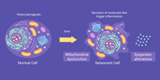
Understanding the mechanism of aging not only has guiding significance for prolonging human life but also has important clinical significance for the prevention and treatment of diseases in the elderly population , thus, improving their life quality and well-being.
Scientific Reviews
Understanding the mechanism of aging not only has guiding significance for prolonging human life but also has important clinical significance for the prevention and treatment of diseases in the elderly population , thus, improving their life quality and well-being. -
 Scientific Reviews
PROTAC - Design Strategy for Targeting
Scientific Reviews
PROTAC - Design Strategy for Targeting2023-04-23
Protein degradation targeting chimera (PROTAC) is a technology that uses the ubiquitin proteasome pathway to silent target protein. However, PROTAC still has problems such as solubility, membrane permeability, and selectivity. In this article, we have summarized three strategies for optimization: light-controlled linker, PAC molecule, and specific E3 ligase. -
 Scientific Reviews
How to Perform Western Blot?
Scientific Reviews
How to Perform Western Blot?2023-07-13
Western blot is one of the most frequently performed experiments in molecular biology, biochemistry and immunology. This article describes in detail how to do WB. -
 Scientific Reviews
SPR, which stands for Surface Plasmon Resonance, essentially works by detecting the interaction between ligands and analytes on a biosensor chip. This in turn allows us to probe the properties and structure of substances. With this technology, we can analyze molecules, proteins, DNA, and various organic and inorganic substances in samples in real-time with precision.
Scientific Reviews
SPR, which stands for Surface Plasmon Resonance, essentially works by detecting the interaction between ligands and analytes on a biosensor chip. This in turn allows us to probe the properties and structure of substances. With this technology, we can analyze molecules, proteins, DNA, and various organic and inorganic substances in samples in real-time with precision. -
 Scientific Reviews
Science | A "new" mechanism for non-ubiquitinated Midnolin-proteasomal degradation pathway
Scientific Reviews
Science | A "new" mechanism for non-ubiquitinated Midnolin-proteasomal degradation pathway2024-04-26
“ubiquitin-mediated protein degradation” won the Nobel Prize in Chemistry in 2004! In fact, proteasomes degrade not only ubiquitinated proteins but also non-ubiquitinated ones. The mechanism remains shrouded in mystery. After reading this piece today, you might have a lightbulb moment! -
 Scientific Reviews
Common Questions and Solutions for WB
Scientific Reviews
Common Questions and Solutions for WB2024-05-09
Come to understand the common problems and solutions of WB, and better complete the experiment! -
 Scientific Reviews
Degrade target proteins through the autophagy-lysosome pathway including LYTAC, AUTAC, and ATTEC have gained increasing attention in recent years due to their significant research potential!
Scientific Reviews
Degrade target proteins through the autophagy-lysosome pathway including LYTAC, AUTAC, and ATTEC have gained increasing attention in recent years due to their significant research potential! -
 Scientific Reviews
Streptavidin-Biotin System
Scientific Reviews
Streptavidin-Biotin System2024-08-03
Streptavidin strongly binding small molecule biotin is one of the most popular non-covalent coupling methods. Streptavidin can be coupled to various carriers such as magnetic beads and agarose matrix, and become a highly specific affinity medium to capture various biotin-labeled ligands. -
 Scientific Reviews
Autophagy is a fundamental process that degrades various components within the cell.
Scientific Reviews
Autophagy is a fundamental process that degrades various components within the cell. -
.jpg) Scientific Reviews
nside cells, the homeostasis and degradation of proteins is a precisely regulated process. If proteins cannot be degraded in time, it may lead to the occurrence of various diseases such as neurodegenerative diseases and cancer. This article will tell you the process of how proteins are recognized, labeled and then degraded!
Scientific Reviews
nside cells, the homeostasis and degradation of proteins is a precisely regulated process. If proteins cannot be degraded in time, it may lead to the occurrence of various diseases such as neurodegenerative diseases and cancer. This article will tell you the process of how proteins are recognized, labeled and then degraded! -
 Scientific Reviews
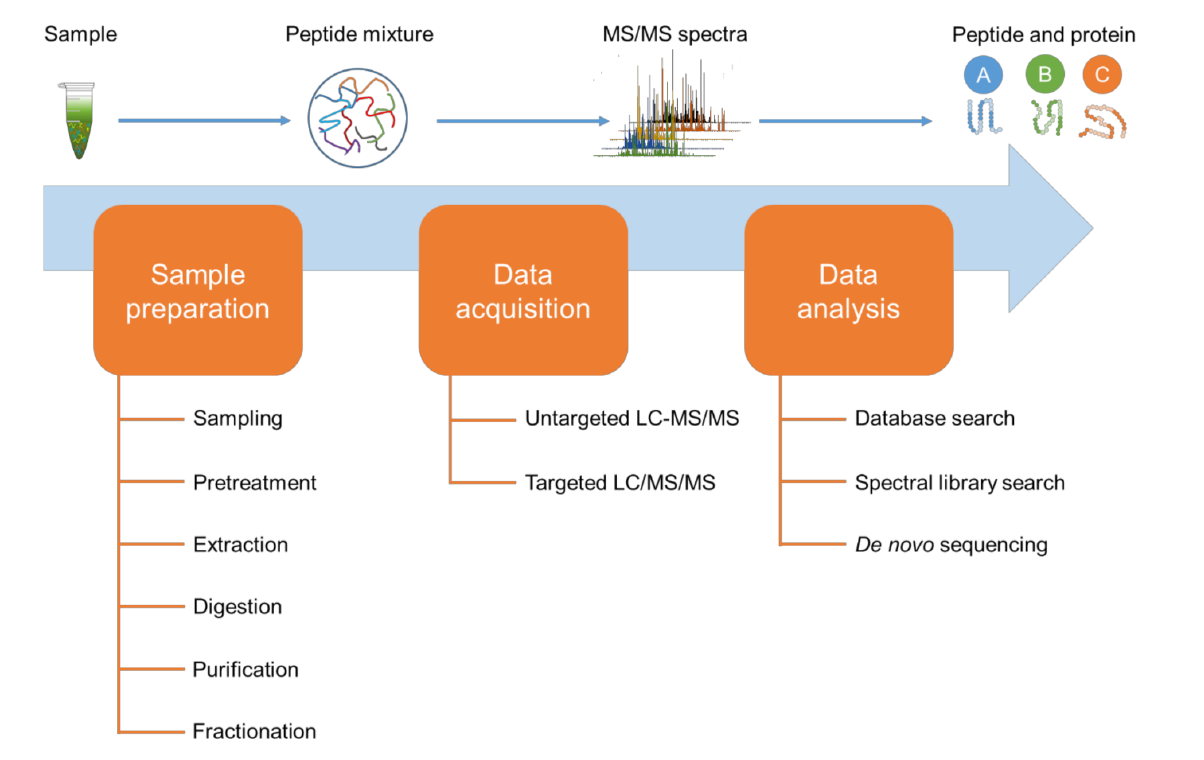
As a pivotal branch in the post - genomic era, proteomics is committed to comprehensively elucidating the types, abundances, structures, functions, and interactions of all proteins within living organisms. This article will tell you the key steps of proteomics sample preparation based on mass spectrometry. This article will tell you the key steps of proteomics sample preparation based on mass spectrometry.
Scientific Reviews
As a pivotal branch in the post - genomic era, proteomics is committed to comprehensively elucidating the types, abundances, structures, functions, and interactions of all proteins within living organisms. This article will tell you the key steps of proteomics sample preparation based on mass spectrometry. This article will tell you the key steps of proteomics sample preparation based on mass spectrometry. -
 Scientific Reviews
Western blotting is a crucial and fundamental technique in life science research. It plays a significant role in exploring protein expression and function. The following article will comprehensively and thoroughly elaborate on the specific procedures and detailed key points of this experiment.
Scientific Reviews
Western blotting is a crucial and fundamental technique in life science research. It plays a significant role in exploring protein expression and function. The following article will comprehensively and thoroughly elaborate on the specific procedures and detailed key points of this experiment. -
 Scientific Reviews
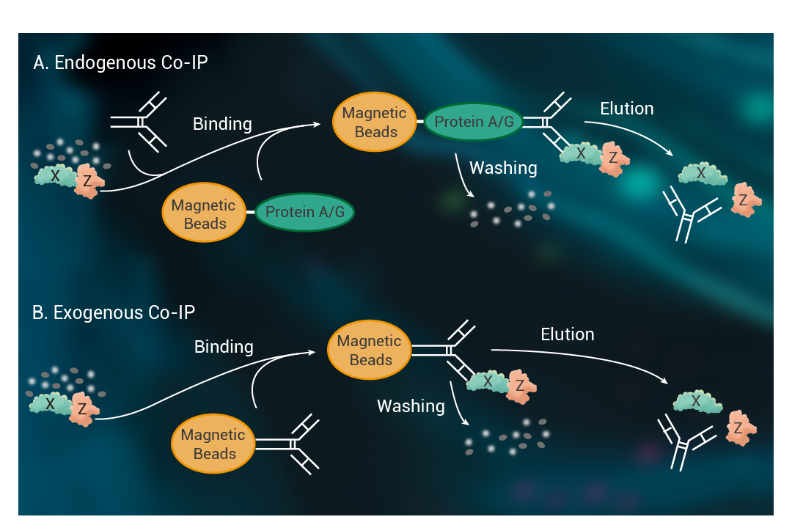
In protein biology, Co-IP is a powerful tool to uncover protein "social networks." But poorly performed, it easily becomes an awkward lab "meet-and-greet." Today, we discuss making Co-IP experiments elegant and efficient—so you pull down target proteins with confidence and precision.
Scientific Reviews
In protein biology, Co-IP is a powerful tool to uncover protein "social networks." But poorly performed, it easily becomes an awkward lab "meet-and-greet." Today, we discuss making Co-IP experiments elegant and efficient—so you pull down target proteins with confidence and precision. -
Scientific Reviews
For all the protein research folks out there, techniques like IP and Co-IP are no stranger, right? And of course, there's a faster and more convenient go-to tool—Protein A/G magnetic beads! In this article, let's chat about how these beads work their magic in classic experiments like IP and Co-IP. -
Scientific Reviews
Cracking the PROTAC Permeability Barrier: CD36-Mediated Endocytosis as a Potential Breakthrough2025-12-03
This article provides an in-depth analysis of cutting-edge literature revealing CD36 as a key mediator of cellular uptake for PROTACs and bRO5 compounds. By structurally optimizing PROTAC molecules to enhance their affinity for CD36, membrane permeability can be markedly improved, leading to significantly enhanced antitumor efficacy. -
 Scientific Reviews
Molecular glue degraders have evolved from a serendipitous observation to one of the most dynamic and transformative fields in biomedical research.
Scientific Reviews
Molecular glue degraders have evolved from a serendipitous observation to one of the most dynamic and transformative fields in biomedical research. -
 EDM
Targeting the ‘Undruggable’ with PROTACs
EDM
Targeting the ‘Undruggable’ with PROTACs2025-06-18
This review introduces the fundamental principles and mechanisms of PROTACs, highlights recent advances in molecular design and clinical development, and discusses emerging opportunities and remaining challenges in targeted protein degradation. -
 EDM
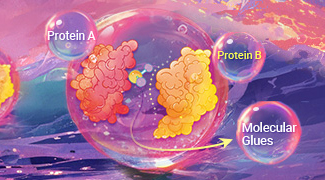
This review discusses recent progress in molecular glue technologies, illustrating how targeted protein degradation strategies enable the modulation of previously undruggable proteins.
EDM
This review discusses recent progress in molecular glue technologies, illustrating how targeted protein degradation strategies enable the modulation of previously undruggable proteins. -
 EDM
Summarize LLPS principles, regulatory mechanisms, experimental strategies, and pathological roles to inspire mechanism-driven research and translational applications.
EDM
Summarize LLPS principles, regulatory mechanisms, experimental strategies, and pathological roles to inspire mechanism-driven research and translational applications. -
 EDM
Review the evolution of molecular glues from serendipitous discovery to rational design, highlighting how emerging targets and advances in screening, proteomics, structural biology, and AI are expanding the druggable proteome.
EDM
Review the evolution of molecular glues from serendipitous discovery to rational design, highlighting how emerging targets and advances in screening, proteomics, structural biology, and AI are expanding the druggable proteome. -
 Blog
AZD5991, a macrocyclic molecule with high selectivity for Mcl-1, reduces Mcl-1 protein in AZD5991-sensitive but not in AZD5991-resistant MM cell lines.
Blog
AZD5991, a macrocyclic molecule with high selectivity for Mcl-1, reduces Mcl-1 protein in AZD5991-sensitive but not in AZD5991-resistant MM cell lines. -
 Blog
CF53 is a highly potent, selective and orally active inhibitor of BET protein, with anti-tumor activity in acute leukemia and breast cancer cell lines.
Blog
CF53 is a highly potent, selective and orally active inhibitor of BET protein, with anti-tumor activity in acute leukemia and breast cancer cell lines. -
 Blog
HJB97 is a BET PROTAC inhibitor with good anti-tumor activity, and effectively blocks the degradation of BRD2, BRD3, and BRD4 proteins induced by BETd-260.
Blog
HJB97 is a BET PROTAC inhibitor with good anti-tumor activity, and effectively blocks the degradation of BRD2, BRD3, and BRD4 proteins induced by BETd-260. -
 Blog
A Lead PROTAC BRD9 Chemical Degrader
Blog
A Lead PROTAC BRD9 Chemical Degrader2019-04-06
PROTAC BRD9 Degrader-1 is a lead PROTAC BRD9 chemical degrader and a selective probe useful for the study of BAF complex biology. -
 Blog
COH000 is an allosteric, covalent and irreversible inhibitor of SUMO-activating enzyme, with an IC50 of 0.2 μM for SUMOylation in vitro.
Blog
COH000 is an allosteric, covalent and irreversible inhibitor of SUMO-activating enzyme, with an IC50 of 0.2 μM for SUMOylation in vitro. -
 Blog
MK-0429 is An Oral Integrin (αvβ3) Inhibitor
Blog
MK-0429 is An Oral Integrin (αvβ3) Inhibitor2019-04-11
MK-0429, an orally active αvβ3 inhibitor, is a potential therapeutic agent for the prevention of kidney fibrosis, melanoma and osteoporosis. -
 Blog
PhiKan 083 is a carbazole derivative, which binds to the surface cavity and stabilizes Y220C (a p53 mutant), with a Kd of 167 μM.
Blog
PhiKan 083 is a carbazole derivative, which binds to the surface cavity and stabilizes Y220C (a p53 mutant), with a Kd of 167 μM. -
 Blog
IITZ-01 is a potent lysosomotropic autophagy inhibitor with single-agent antitumor activity, with an IC50 of 2.62 μM for PI3Kγ.
Blog
IITZ-01 is a potent lysosomotropic autophagy inhibitor with single-agent antitumor activity, with an IC50 of 2.62 μM for PI3Kγ. -
 Blog
Y06036 is a potent and selective BET inhibitor for potential treatment of castration-resistant prostate cancer. With nanomolar inhibition.
Blog
Y06036 is a potent and selective BET inhibitor for potential treatment of castration-resistant prostate cancer. With nanomolar inhibition. -
 Blog
Y06137 is a potent and selective BET inhibitor, which binds to the BRD4(1) bromodomain with a Kd of 81 nM. Antitumor activity.
Blog
Y06137 is a potent and selective BET inhibitor, which binds to the BRD4(1) bromodomain with a Kd of 81 nM. Antitumor activity. -
 Blog
NRX-252262 is a β-catenin:β-TrCP interaction enhancer, and its cognate E3 ligase, SCFβ-TrCP, induces mutant β-catenin degradation, with an EC50 of 3.8 nM
Blog
NRX-252262 is a β-catenin:β-TrCP interaction enhancer, and its cognate E3 ligase, SCFβ-TrCP, induces mutant β-catenin degradation, with an EC50 of 3.8 nM -
 Blog
TAK-981 is a selective inhibitor of the SUMOylation enzymatic cascade, with potential immune-activating and antineoplastic activities
Blog
TAK-981 is a selective inhibitor of the SUMOylation enzymatic cascade, with potential immune-activating and antineoplastic activities -
 Blog
TD-428 is a Highly Specific BRD4 Degrader
Blog
TD-428 is a Highly Specific BRD4 Degrader2019-04-29
TD-428, a immunomodulatory drug analog, is a highly specific BRD4 degrader with a DC50 of 0.32 nM. TD-428 reduces c-Myc levels more efficiently than JQ1. -
 Blog
SLLN-15 is an oral activ enhancer of autophagy that activates cytostatic macroautophagy/autophagy in triple-negative breast cancer (TNBC).
Blog
SLLN-15 is an oral activ enhancer of autophagy that activates cytostatic macroautophagy/autophagy in triple-negative breast cancer (TNBC). -
 Blog
CB-6644 is a selective non-ATP-competitive inhibitor of the RUVBL1/2 complex. CB-6644 significantly reduces tumor growth without obvious toxicity.
Blog
CB-6644 is a selective non-ATP-competitive inhibitor of the RUVBL1/2 complex. CB-6644 significantly reduces tumor growth without obvious toxicity. -
 Blog
A1874 is a nutlin-based and BRD4-degrading PROTAC with a DC50 of 32 nM. Effective in inhibiting many cancer cell lines proliferation
Blog
A1874 is a nutlin-based and BRD4-degrading PROTAC with a DC50 of 32 nM. Effective in inhibiting many cancer cell lines proliferation -
 Blog
NSC 228155 is a activator of EGFR and a potent inhibitor of KIX-KID interaction. NSC 228155 shows excellent anti-tumor activity.
Blog
NSC 228155 is a activator of EGFR and a potent inhibitor of KIX-KID interaction. NSC 228155 shows excellent anti-tumor activity. -
 Blog
BSJ-03-123, a Degrader with Proteome-wide Selectivity for CDK6 (PROTAC). Induces a G1 cell-cycle arrest without a measurable increase in apoptosis.
Blog
BSJ-03-123, a Degrader with Proteome-wide Selectivity for CDK6 (PROTAC). Induces a G1 cell-cycle arrest without a measurable increase in apoptosis. -
 Blog
FT671 is a potent, non-covalent and selective USP7 inhibitor with an IC50 of 52 nM and binds to the USP7 catalytic domain with a Kd of 65 nM.
Blog
FT671 is a potent, non-covalent and selective USP7 inhibitor with an IC50 of 52 nM and binds to the USP7 catalytic domain with a Kd of 65 nM. -
 Blog
ZM223 is a non-sulfamide NEDD8 activating enzyme (NAE) inhibitor, with IC50 value of 100 nM in cells. ZM223 has potential to treat colon cancer.
Blog
ZM223 is a non-sulfamide NEDD8 activating enzyme (NAE) inhibitor, with IC50 value of 100 nM in cells. ZM223 has potential to treat colon cancer. -
 Blog
MM-589 is an inhibitor of WDR5 and MLL protein-protein interaction. Binds to WDR5 (IC50=0.90 nM) and inhibits the MLL H3K4 methyltransferase activity.
Blog
MM-589 is an inhibitor of WDR5 and MLL protein-protein interaction. Binds to WDR5 (IC50=0.90 nM) and inhibits the MLL H3K4 methyltransferase activity. -
 Blog
MS4077 is an anaplastic lymphoma kinase (ALK) PROTAC (degrader) with a Kd of 37 nM for binding affinity to ALK. Efficacy for breast cancer and lung cancer.
Blog
MS4077 is an anaplastic lymphoma kinase (ALK) PROTAC (degrader) with a Kd of 37 nM for binding affinity to ALK. Efficacy for breast cancer and lung cancer. -
 Blog
JI051 is a stabilizer for the Hes1-PHB2 interaction, induces cell-cycle arrest by inhibiting the Notch downstream effector gene Hes1.
Blog
JI051 is a stabilizer for the Hes1-PHB2 interaction, induces cell-cycle arrest by inhibiting the Notch downstream effector gene Hes1. -
 Blog
VL285, is a Potent VHL Ligand
Blog
VL285, is a Potent VHL Ligand2019-05-24
VL285 is a Potent VHL Ligand. -
 Blog
SNIPER(TACC3)-1 targets the TACC3 protein for degradation via the ubiquitin-proteasome pathway. SNIPER(TACC3)-1 induces cancer cell death.
Blog
SNIPER(TACC3)-1 targets the TACC3 protein for degradation via the ubiquitin-proteasome pathway. SNIPER(TACC3)-1 induces cancer cell death. -
 Blog
IWP-O1, a Highly Potent Porcupine Inhibitor, Functions by Preventing the Secretion of Wnt Proteins
Blog
IWP-O1, a Highly Potent Porcupine Inhibitor, Functions by Preventing the Secretion of Wnt Proteins2019-06-03
IWP-O1 is a Porcupine (Porcn) inhibitor, with an EC50 of 80 pM in L-Wnt-STF cells. IWP-O1 functions by preventing the secretion of Wnt proteins[ -
 Blog
SJFδ, a 10-atom Linker PROTAC, Degrades p38δ
Blog
SJFδ, a 10-atom Linker PROTAC, Degrades p38δ2019-06-11
SJFδ, a 10-atom Linker PROTAC, Degrades p38δ, degrades p38δwith strong capacity. SJFδ degrades p38δ with a DC50 of 46.17±9.85 nM and a Dmax of 99.41±3.31%. -
 Blog
TAS4464 is a highly potent and selective inhibitor of NEDD8 activating enzyme (NAE), with an IC50 of 0.955 nM. TAS4464 shows antitumor activity.
Blog
TAS4464 is a highly potent and selective inhibitor of NEDD8 activating enzyme (NAE), with an IC50 of 0.955 nM. TAS4464 shows antitumor activity. -
 Blog
ERD-308 is a highly potent PROTAC degrader of ER for ER+ breast cancer treatment. ERD-308 induces >95% of ER degradation at concentrations as low as 5 nM.
Blog
ERD-308 is a highly potent PROTAC degrader of ER for ER+ breast cancer treatment. ERD-308 induces >95% of ER degradation at concentrations as low as 5 nM. -
 Blog
JG-98, an Hsp70 inhibitor, binds tightly to a conserved site on Hsp70 and disrupts the Hsp70-Bag3 interaction. JG-98 shows anti-cancer activities.
Blog
JG-98, an Hsp70 inhibitor, binds tightly to a conserved site on Hsp70 and disrupts the Hsp70-Bag3 interaction. JG-98 shows anti-cancer activities. -
 Blog
MZP-55 is a selective PROTAC degrader of BRD3/4, shows no obvious effect on BRD2. MZP-55 exhibits excellent activity in cancer research.
Blog
MZP-55 is a selective PROTAC degrader of BRD3/4, shows no obvious effect on BRD2. MZP-55 exhibits excellent activity in cancer research. -
 Blog
dBET6 is a potent PROTAC degrader of BET, shows high affinity to BRD4(1), and possess good efficacy in T cell acute lymphoblastic leukemia activity.
Blog
dBET6 is a potent PROTAC degrader of BET, shows high affinity to BRD4(1), and possess good efficacy in T cell acute lymphoblastic leukemia activity. -
 Blog
GSK2643943A is a Novel DUB Inhibitor
Blog
GSK2643943A is a Novel DUB Inhibitor2019-07-25
GSK2643943A is a novel deubiquitylating enzyme (DUB) inhibitor. GSK2643943A targets USP20/Ub-Rho and shows an IC50 of 160 nM. -
 Blog
M-89 is a specific menin inhibitor, with a Kd of 1.4 nM. M-89 inhibits the Menin-MLL protein-protein interaction and has potential to treat MLL leukemia.
Blog
M-89 is a specific menin inhibitor, with a Kd of 1.4 nM. M-89 inhibits the Menin-MLL protein-protein interaction and has potential to treat MLL leukemia. -
 Blog
MT-802 is a potent BTK degrader based on PROTAC technology, with a DC50 of 1 nM. MT-802 has potential to treat C481S mutant chronic lymphocytic leukemia.
Blog
MT-802 is a potent BTK degrader based on PROTAC technology, with a DC50 of 1 nM. MT-802 has potential to treat C481S mutant chronic lymphocytic leukemia. -
 Blog
ACBI1 is a PROTAC Degrader of BAF Complex
Blog
ACBI1 is a PROTAC Degrader of BAF Complex2019-08-07
ACBI1 is a potent PROTAC degrader of BAF ATPase subunits SMARCA2, SMARCA4 and PBRM1, with DC50s of 6 nM, 11 nM and 32 nM in MV-4-11 cells, respectively. -
 Blog
dMCL1-2 is a potent and selective degrader of myeloid cell leukemia 1 (MCL1) based on PROTAC, which binds to MCL1 with a KD of 30 nM.
Blog
dMCL1-2 is a potent and selective degrader of myeloid cell leukemia 1 (MCL1) based on PROTAC, which binds to MCL1 with a KD of 30 nM. -
 Blog
MS31 is a highly selective spindlin 1 inhibitor, which inhibits the interactions between SPIN1 and H3K4me3. MS31 is not toxic to nontumorigenic cells.
Blog
MS31 is a highly selective spindlin 1 inhibitor, which inhibits the interactions between SPIN1 and H3K4me3. MS31 is not toxic to nontumorigenic cells. -
 Blog
CP-10 is a Specific PROTAC Degrader of CDK6
Blog
CP-10 is a Specific PROTAC Degrader of CDK62019-08-25
CP-10 is a PROTAC with highly selective, specific, and remarkable CDK6 degradation (DC50=2.1 nM), which has anti-cancer activity. -
 Blog
ARV-825 is a PROTAC, and acts as a potent BRD4 degrader, with Kds of 90 and 28 nM for BRD4 BD1 and BRD4 BD2, respectively.
Blog
ARV-825 is a PROTAC, and acts as a potent BRD4 degrader, with Kds of 90 and 28 nM for BRD4 BD1 and BRD4 BD2, respectively. -
 Blog
GMB-475 is a PROTAC BCR-ABL1 degrader, overcomes BCR-ABL1-dependent drug resistance, targets BCR-ABL1 protein and recruits the E3 ligase Von Hippel Lindau.
Blog
GMB-475 is a PROTAC BCR-ABL1 degrader, overcomes BCR-ABL1-dependent drug resistance, targets BCR-ABL1 protein and recruits the E3 ligase Von Hippel Lindau. -
 Blog
dBET57 is a potent and selective degrader of BRD4BD1 based on the PROTAC technology and mediates recruitment to the CRL4CRBN E3 ubiquitin ligase.
Blog
dBET57 is a potent and selective degrader of BRD4BD1 based on the PROTAC technology and mediates recruitment to the CRL4CRBN E3 ubiquitin ligase. -
 Blog
SGC-iMLLT is a potent, selective MLLT1/3-histone interactions inhibitor and shows high binding activity towards MLLT1 YEATS domain and MLLT3 YD.
Blog
SGC-iMLLT is a potent, selective MLLT1/3-histone interactions inhibitor and shows high binding activity towards MLLT1 YEATS domain and MLLT3 YD. -
 Blog
MD-224 is a human MDM2 degrader based on the PROTAC concept. MD-224 induces rapid degradation of MDM2 at concentrations <1 nM in human leukemia cells.
Blog
MD-224 is a human MDM2 degrader based on the PROTAC concept. MD-224 induces rapid degradation of MDM2 at concentrations <1 nM in human leukemia cells. -
 Blog
BPK-29 disrupts the NR0B1 protein-protein interactions and impairs the anchorage-independent growth of KEAP1-mutant cancer cells.
Blog
BPK-29 disrupts the NR0B1 protein-protein interactions and impairs the anchorage-independent growth of KEAP1-mutant cancer cells. -
 Blog
NV03 is a potent and selective antagonist of UHRF1-H3K9me3 interaction by binding to UHRF1 TTD with a Kd of 2.4 μM and has anticancer activity.
Blog
NV03 is a potent and selective antagonist of UHRF1-H3K9me3 interaction by binding to UHRF1 TTD with a Kd of 2.4 μM and has anticancer activity. -
 Blog
sAJM589 is a Myc inhibitor which potently disrupts the Myc-Max heterodimer in a dose dependent manner with an IC50 of 1.8 μM.
Blog
sAJM589 is a Myc inhibitor which potently disrupts the Myc-Max heterodimer in a dose dependent manner with an IC50 of 1.8 μM. -
 Blog
CP5V is a Specific PROTAC Degrader of Cdc20
Blog
CP5V is a Specific PROTAC Degrader of Cdc202019-11-20
CP5V is a PROTAC, which specifically degrades Cdc20 by linking Cdc20 to the VHL/VBC complex for ubiquitination followed by proteasomal degradation. -
 Blog
PK11007 is a Mild Alkylating Agent with Anticancer Activity and induces mutant p53 cancer cell death by increasing reactive oxygen species (ROS) levels.
Blog
PK11007 is a Mild Alkylating Agent with Anticancer Activity and induces mutant p53 cancer cell death by increasing reactive oxygen species (ROS) levels. -
 Blog
SD-36 is a Selective PROTAC STAT3 Degrader
Blog
SD-36 is a Selective PROTAC STAT3 Degrader2019-12-06
SD-36 is a potent, efficacious and selective PROTAC STAT3 degrader (Kd=50 nM) and achieves complete tumor regression in vivo. -
 Blog
MG-277 works as a PROTAC molecular glue, inducing degradation of a translation termination factor, GSPT1 to achieve its potent anticancer activity.
Blog
MG-277 works as a PROTAC molecular glue, inducing degradation of a translation termination factor, GSPT1 to achieve its potent anticancer activity. -
 Blog
MS432 is a first-in-class and highly selective PD0325901-based VHL-recruiting PROTAC degrader for MEK1 and MEK2 with good anti-cancer activity.
Blog
MS432 is a first-in-class and highly selective PD0325901-based VHL-recruiting PROTAC degrader for MEK1 and MEK2 with good anti-cancer activity. -
 Blog
KB02-JQ1 is a highly potent and selective PROTAC BRD4 degrader that degrades nuclear proteins by engaging CUL4-DDB1 E3 ubiquitin ligases DCAF16.
Blog
KB02-JQ1 is a highly potent and selective PROTAC BRD4 degrader that degrades nuclear proteins by engaging CUL4-DDB1 E3 ubiquitin ligases DCAF16. -
 Blog
TCH-165 is a modulator of proteasome assembly, which increases 20S levels and facilitates 20S-mediated protein degradation, such as IDPs, α-syn, and tau.
Blog
TCH-165 is a modulator of proteasome assembly, which increases 20S levels and facilitates 20S-mediated protein degradation, such as IDPs, α-syn, and tau. -
 Blog
6RK73 is a covalent irreversible and specific UCHL1 inhibitor,which specifically inhibits UCHL1 activity in breast cancer.
Blog
6RK73 is a covalent irreversible and specific UCHL1 inhibitor,which specifically inhibits UCHL1 activity in breast cancer. -
 Blog
BI-9321 is a potent, selective and cellular active NSD3-PWWP1 domain antagonist, and specifically disrupts histone interactions of the NSD3-PWWP1 domain.
Blog
BI-9321 is a potent, selective and cellular active NSD3-PWWP1 domain antagonist, and specifically disrupts histone interactions of the NSD3-PWWP1 domain. -
 Blog
CCT367766, a PROTAC-based Pirin-targeting PDP, exhibits a moderate affinity for the CRBN-DDB1 complex and reveals a good affinity for Pirin and CRBN.
Blog
CCT367766, a PROTAC-based Pirin-targeting PDP, exhibits a moderate affinity for the CRBN-DDB1 complex and reveals a good affinity for Pirin and CRBN. -
 Blog
E64FC26 is a highly potent pan-style inhibitor of the protein disulfide isomerase (PDI) family with anti-myeloma activities.
Blog
E64FC26 is a highly potent pan-style inhibitor of the protein disulfide isomerase (PDI) family with anti-myeloma activities. -
 Blog
TL13-112 is a PROTAC Degrader of ALK
Blog
TL13-112 is a PROTAC Degrader of ALK2020-04-15
TL13-112 is a selective ALK-PROTAC degrader and inhibits ALK activity. TL13-112 is comprised of the conjugation of Ceritinib and the ligand pomalidomide . -
 Blog
TL13-12 is a Selective ALK-PROTAC Degrader
Blog
TL13-12 is a Selective ALK-PROTAC Degrader2020-04-21
TL13-12 can induce receptor tyrosine kinase anaplastic lymphoma kinase degradation in non small cell lung cancer cells. PROTAC ALK degrader. -
 Blog
ARCC-4 is a low-nanomolar AR degrader, and effectively degrades clinically relevant AR mutants associated with antiandrogen therapy.
Blog
ARCC-4 is a low-nanomolar AR degrader, and effectively degrades clinically relevant AR mutants associated with antiandrogen therapy. -
 Blog
SNDX-5613 is a potent, selective, small molecule inhibitor of the Menin-MLL binding interaction for targeted therapy in MLL-rearranged leukemias.
Blog
SNDX-5613 is a potent, selective, small molecule inhibitor of the Menin-MLL binding interaction for targeted therapy in MLL-rearranged leukemias. -
 Blog
UT-34 is a potent, selective and orally active second-generation pan-androgen receptor (AR) antagonist and degrader with anti-prostate cancer efficacy.
Blog
UT-34 is a potent, selective and orally active second-generation pan-androgen receptor (AR) antagonist and degrader with anti-prostate cancer efficacy. -
 Blog
MYCMI-6 is a selective MYC:MAX protein interactions inhibitor, which blocks MYC-driven transcription and binds selectively to the MYC bHLHZip domain.
Blog
MYCMI-6 is a selective MYC:MAX protein interactions inhibitor, which blocks MYC-driven transcription and binds selectively to the MYC bHLHZip domain. -
 Blog
TED-347 is a potent, irreversible, covalent and allosteric inhibitor at YAP-TEAD protein-protein interaction with antitumor activity.
Blog
TED-347 is a potent, irreversible, covalent and allosteric inhibitor at YAP-TEAD protein-protein interaction with antitumor activity. -
 Blog
HM03 is a potent and selective HSPA5 inhibitor with anticancer activity. HSPA5 plays a key role in monitoring protein transport through the cell.
Blog
HM03 is a potent and selective HSPA5 inhibitor with anticancer activity. HSPA5 plays a key role in monitoring protein transport through the cell. -
 Blog
XZ739 is a PROTAC BCL-XL Degrader
Blog
XZ739 is a PROTAC BCL-XL Degrader2020-06-18
XZ739 is a PROTAC BCL-XL Degrader. XZ739 is potent against various cancer cell lines. PROTAC is an emerging therapeutic modality. -
 Blog
RA-9 is a potent and selective proteasome-associated DUBs inhibitor with favorable toxicity profile and anticancer activity.
Blog
RA-9 is a potent and selective proteasome-associated DUBs inhibitor with favorable toxicity profile and anticancer activity. -
 Blog
HLI373 represents a potential drug-able lead for the development of therapeutically efficacious inhibitors of Hdm2. Hdm2 is an ubiquitin protein ligase.
Blog
HLI373 represents a potential drug-able lead for the development of therapeutically efficacious inhibitors of Hdm2. Hdm2 is an ubiquitin protein ligase. -
 Blog
M-808 is a highly potent and efficacious covalent Menin-MLL interaction inhibitor. M-808 has a binding IC50 value of 2.6 nM.
Blog
M-808 is a highly potent and efficacious covalent Menin-MLL interaction inhibitor. M-808 has a binding IC50 value of 2.6 nM. -
 Blog
RA375, a RPN13 inhibitor, inhibits proteasome function in muscle. RA375 is highly active against cell lines of multiple myeloma and diverse solid cancers.
Blog
RA375, a RPN13 inhibitor, inhibits proteasome function in muscle. RA375 is highly active against cell lines of multiple myeloma and diverse solid cancers. -
 Blog
MCP110 is an inhibitor of Ras/Raf-1 interaction in human cancer cells. The Ras family GTPases play a central role in the growth factor signaling.
Blog
MCP110 is an inhibitor of Ras/Raf-1 interaction in human cancer cells. The Ras family GTPases play a central role in the growth factor signaling. -
 Blog
SJF620 is a Potent PROTAC BTK Degrader
Blog
SJF620 is a Potent PROTAC BTK Degrader2020-09-26
SJF620 is a potent PROTAC BTK degrader with improved pharmacokinetic properties. Contains a Lenalidomide analog for recruiting CRBN. -
 Blog
BSJ-04-132 is a potent and selective Ribociclib-based CDK4 degrader (PROTAC) and does not induce CDK6 and IKZF1/3 degradation with anti-cancer activity.
Blog
BSJ-04-132 is a potent and selective Ribociclib-based CDK4 degrader (PROTAC) and does not induce CDK6 and IKZF1/3 degradation with anti-cancer activity. -
 Blog
BC-LI-0186 is a selective inhibitor of LeuRS and RagD interaction (IC50=46.11 nM). BC-LI-0186 suppresses the activity of cancer-associated MTOR mutants.
Blog
BC-LI-0186 is a selective inhibitor of LeuRS and RagD interaction (IC50=46.11 nM). BC-LI-0186 suppresses the activity of cancer-associated MTOR mutants. -
 Blog
BSJ-03-204 is a potent and selective Palbociclib-based CDK4/6 dual degrader (PROTAC) and does not induce IKZF1/3 degradation with anti-cancer activity.
Blog
BSJ-03-204 is a potent and selective Palbociclib-based CDK4/6 dual degrader (PROTAC) and does not induce IKZF1/3 degradation with anti-cancer activity. -
 Blog
KB02-SLF is a PROTAC-based nuclear FKBP12 degrader. KB02-SLF promotes nuclear FKBP12 degradation by covalently modifying DCAF16 (E3 ligase).
Blog
KB02-SLF is a PROTAC-based nuclear FKBP12 degrader. KB02-SLF promotes nuclear FKBP12 degradation by covalently modifying DCAF16 (E3 ligase). -
 Blog
DT2216 is a potent and selective BCL-XL degrader based on PROTAC technology. DT2216 inhibits leukemia and has potent anti-cancer activity.
Blog
DT2216 is a potent and selective BCL-XL degrader based on PROTAC technology. DT2216 inhibits leukemia and has potent anti-cancer activity. -
 Blog
dTRIM24 will be a useful tool to further probe the function of TRIM24 by rapid chemical depletion in hematopoietic cancers and other biological contexts.
Blog
dTRIM24 will be a useful tool to further probe the function of TRIM24 by rapid chemical depletion in hematopoietic cancers and other biological contexts. -
 Blog
ZXH-3-26 is a Selective PROTAC BRD4 Degrader
Blog
ZXH-3-26 is a Selective PROTAC BRD4 Degrader2020-11-17
ZXH-3-26 is a Selective PROTAC BRD4 Degrader and allows pharmacologic targeting of BRD4 without significant inhibition or degradation of BRD2/3. -
 Blog
BETd-260 is a Potent PROTAC BET Degrader
Blog
BETd-260 is a Potent PROTAC BET Degrader2020-11-18
BETd-260 is a highly potent, efficacious, and promising BET degrader. -
 Blog
SIAIS178 is a potent and selective BCR-ABL degrader based on PROTAC technology by recruiting VHL E3 ubiquitin ligase. SIAIS178 has anticancer activity.
Blog
SIAIS178 is a potent and selective BCR-ABL degrader based on PROTAC technology by recruiting VHL E3 ubiquitin ligase. SIAIS178 has anticancer activity. -
 Blog
GNE-987, a potent chimeric BET degrader, exhibits picomolar cell BRD4 degradation activity. GNE-987 can be used in PROTAC-Antibody Conjugate (PAC).
Blog
GNE-987, a potent chimeric BET degrader, exhibits picomolar cell BRD4 degradation activity. GNE-987 can be used in PROTAC-Antibody Conjugate (PAC). -
 Blog
BI-3663 is a highly selective PTK2/FAK PROTAC (DC50=30 nM), with cereblon ligands to hijack E3 ligases for PTK2 degradation.
Blog
BI-3663 is a highly selective PTK2/FAK PROTAC (DC50=30 nM), with cereblon ligands to hijack E3 ligases for PTK2 degradation. -
 Blog
dFKBP-1 induces potent and dose-dependent degradation of FKBP12 in 293FT-WT cells. A facile and general new strategy to control target protein stability.
Blog
dFKBP-1 induces potent and dose-dependent degradation of FKBP12 in 293FT-WT cells. A facile and general new strategy to control target protein stability. -
 Blog
UNC6852 is a chemical degrader that targets polycomb repressive complex 2 (PRC2). Anti-proliferative in diffuse large B cell lymphoma cell lines.
Blog
UNC6852 is a chemical degrader that targets polycomb repressive complex 2 (PRC2). Anti-proliferative in diffuse large B cell lymphoma cell lines. -
 Blog
VZ185 is a highly selective, potent, and rapid dual degrader with a slight preference for BRD9 over BRD7.
Blog
VZ185 is a highly selective, potent, and rapid dual degrader with a slight preference for BRD9 over BRD7. -
 Blog
MZP-54 is a Selective BRD3/4 PROTAC Degrader
Blog
MZP-54 is a Selective BRD3/4 PROTAC Degrader2020-12-02
MZP-54 is a PROTAC that would link together specific VHL ligand and BET bromodomain ligand. MZP-54 induces degradation of BRD3/4. -
 Blog
GNE-371, a Chemical Probe for the Second Bromodomains of TFIID Subunit 1 and TFIID Subunit 1-Like
Blog
GNE-371, a Chemical Probe for the Second Bromodomains of TFIID Subunit 1 and TFIID Subunit 1-Like2020-12-09
GNE-371 is a selective chemical probe for the second bromodomains of human transcription-initiation-factor TFIID subunit 1 and TFIID subunit 1-like. -
 Blog
BI-3802, a BCL6 degrader, inhibits the BCL6 BTB domain. BI-3802 induces the polymerization of BCL6 and promotes BCL6 degration depended on E3 ligase SIAH1.
Blog
BI-3802, a BCL6 degrader, inhibits the BCL6 BTB domain. BI-3802 induces the polymerization of BCL6 and promotes BCL6 degration depended on E3 ligase SIAH1. -
 Blog
WL47, a high-affinity cavolin-1 (CAV1) ligand (Kd=23 nM), act as a potent and selective disrupter of CAV1 oligomers.
Blog
WL47, a high-affinity cavolin-1 (CAV1) ligand (Kd=23 nM), act as a potent and selective disrupter of CAV1 oligomers. -
 Blog
JH-XI-10-02, a highly Potent CDK8 Degrader, modulates the CDK8 protein levels. A viable therapeutic strategy in cancer.
Blog
JH-XI-10-02, a highly Potent CDK8 Degrader, modulates the CDK8 protein levels. A viable therapeutic strategy in cancer. -
 Blog
dCBP-1 is a potent and selective degrader of p300/CBP based on PROTAC. dCBP-1 is exceptionally potent at killing multiple myeloma cells.
Blog
dCBP-1 is a potent and selective degrader of p300/CBP based on PROTAC. dCBP-1 is exceptionally potent at killing multiple myeloma cells. -
 Blog
PR-619 is a Broad-Range DUB Inhibitor
Blog
PR-619 is a Broad-Range DUB Inhibitor2021-02-20
PR-619, a broad-spectrum deubiquitinating enzyme (DUB) inhibitor, induces ER stress and ER-stress related apoptosis. -
 Blog
Conglobatin inhibits proliferation and induces apoptosis by binding to N-terminus of Hsp90 and disrupting Hsp90-Cdc37 complex formation.
Blog
Conglobatin inhibits proliferation and induces apoptosis by binding to N-terminus of Hsp90 and disrupting Hsp90-Cdc37 complex formation. -
 Blog
YUM70 inhibits GRP78. Induces endoplasmic reticulum stress-mediated apoptosis. Pancreatic cancer. Acts as a novel anticancer agent.
Blog
YUM70 inhibits GRP78. Induces endoplasmic reticulum stress-mediated apoptosis. Pancreatic cancer. Acts as a novel anticancer agent. -
 Blog
LC-2 is a potent and first-in-class PROTAC capable of degrading endogenous KRAS G12C, with DC50s between 0.25 and 0.76 μM.
Blog
LC-2 is a potent and first-in-class PROTAC capable of degrading endogenous KRAS G12C, with DC50s between 0.25 and 0.76 μM. -
 Blog
L-Moses is the first potent, selective, and cell-active PCAF Brd inhibitor. L-Moses disrupts PCAF-Brd histone H3.3 interaction.
Blog
L-Moses is the first potent, selective, and cell-active PCAF Brd inhibitor. L-Moses disrupts PCAF-Brd histone H3.3 interaction. -
 Blog
MR837 is an Inhibitor of NSD2-PWWP1
Blog
MR837 is an Inhibitor of NSD2-PWWP12021-05-11
MR837 is a potent inhibitor of NSD2 (WHSC1)-PWWP1 protein-protein interaction. MR837 can bind with human NSD2. -
 Blog
PROTAC MDM2 degrader MD-222 is highly potent and effective in inducing degradation of MDM2 and in activating wild-type p53 in cells.
Blog
PROTAC MDM2 degrader MD-222 is highly potent and effective in inducing degradation of MDM2 and in activating wild-type p53 in cells. -
 Blog
BI-3406 is a selective, orally bioavailable SOS1 inhibitor that binds to the catalytic domain of SOS1, preventing the interaction with KRAS.
Blog
BI-3406 is a selective, orally bioavailable SOS1 inhibitor that binds to the catalytic domain of SOS1, preventing the interaction with KRAS. -
 Blog
Butaprost is a selective prostaglandin E receptor (EP2) agonist. Butaprost can effectively mitigate kidney fibrogenesis in various fibrosis models.
Blog
Butaprost is a selective prostaglandin E receptor (EP2) agonist. Butaprost can effectively mitigate kidney fibrogenesis in various fibrosis models. -
 Blog
PHT-7.3 is a Selective Inhibitor of Connector Enhancer of Kinase Suppressor of Ras 1 (Cnk1)
Blog
PHT-7.3 is a Selective Inhibitor of Connector Enhancer of Kinase Suppressor of Ras 1 (Cnk1)2021-05-27
PHT-7.3 is a selective inhibitor of Cnk1 pleckstrin homology (PH) domain. PHT 7.3 blocks the growth of mutant KRAS cells and tumors. -
 Blog
Lenalidomide, a CRBN ligand, is an orally active immunomodulator that effective treatment for myelodysplastic syndrome and multiple myeloma.
Blog
Lenalidomide, a CRBN ligand, is an orally active immunomodulator that effective treatment for myelodysplastic syndrome and multiple myeloma. -
 Blog
AUTAC4 is a mitochondria-targeting autophagy-targeting chimera, which can be used for the study of mitochondrial dysfunction.
Blog
AUTAC4 is a mitochondria-targeting autophagy-targeting chimera, which can be used for the study of mitochondrial dysfunction. -
 Blog
ARV-110 is an orally active, specific androgen receptor (AR) PROTAC degrader. ARV-110 can be used for the research of prostate cancer.
Blog
ARV-110 is an orally active, specific androgen receptor (AR) PROTAC degrader. ARV-110 can be used for the research of prostate cancer. -
 Blog
NCGC00378430 is a potent SIX1/EYA2 interaction inhibitor and inhibits SIX1-mediated breast cancer metastasis.
Blog
NCGC00378430 is a potent SIX1/EYA2 interaction inhibitor and inhibits SIX1-mediated breast cancer metastasis. -
 Blog
BSJ-4-116 is a highly potent and selective CDK12 degrader (PROTAC). BSJ-4-116 exhibits potent antiproliferative effects.
Blog
BSJ-4-116 is a highly potent and selective CDK12 degrader (PROTAC). BSJ-4-116 exhibits potent antiproliferative effects. -
 Blog
EMD527040 is a highly selective αvβ6 antagonist with antifibrotic activities.
Blog
EMD527040 is a highly selective αvβ6 antagonist with antifibrotic activities. -
 Blog
SJ6986 is a selective and orally active GSPT1/GSPT2 degrader, displaying selectivity over classical IMiD neosubstrates, such as IKZF1/3
Blog
SJ6986 is a selective and orally active GSPT1/GSPT2 degrader, displaying selectivity over classical IMiD neosubstrates, such as IKZF1/3 -
 Blog
DP-C-4 is a CRBN-Based dual PROTAC for EGFR and PARP could provide an effective study for cancer diseases.
Blog
DP-C-4 is a CRBN-Based dual PROTAC for EGFR and PARP could provide an effective study for cancer diseases. -
 Blog
XY028-140 is a potent and selective PROTAC-based CDK4/6 degrader, which can inhibit RB-E2F signaling and reduce CDK4 and CDK6 protein levels.
Blog
XY028-140 is a potent and selective PROTAC-based CDK4/6 degrader, which can inhibit RB-E2F signaling and reduce CDK4 and CDK6 protein levels. -
 Blog
NRX-2663 is a potent enhancer of the interaction between β-catenin SCFβ-TrCP, potentiates the ubiquitylation of mutant β-Catenin by β-TrCP.
Blog
NRX-2663 is a potent enhancer of the interaction between β-catenin SCFβ-TrCP, potentiates the ubiquitylation of mutant β-Catenin by β-TrCP. -
 Blog
SIM1 is a PROTAC Based BET Family Degrader
Blog
SIM1 is a PROTAC Based BET Family Degrader2021-08-11
SIM1 is a potent von Hippel-Lindau (VHL)-based trivalent PROTAC capable of degradation for all BET family members. -
 Blog
Iberdomide (CC-220) is an orally active cereblon (CRBN) E3 ligase modulator (CELMoD) with antitumor and immunostimulatory activities。
Blog
Iberdomide (CC-220) is an orally active cereblon (CRBN) E3 ligase modulator (CELMoD) with antitumor and immunostimulatory activities。 -
 Blog
Ganetespib (STA-9090) is a HSP90 Inhibitor
Blog
Ganetespib (STA-9090) is a HSP90 Inhibitor2021-10-14
Ganetespib is a unique Hsp90 inhibitor that exhibits potent and sustained antitumor effects in a broad range of malignancies. -
 Blog
MB710 is a stabilizer of oncogenic p53 mutation Y220C. MB710 binds to the Y220C pocket and stabilizes p53-Y220C, with a Kd of 4.1 μM.
Blog
MB710 is a stabilizer of oncogenic p53 mutation Y220C. MB710 binds to the Y220C pocket and stabilizes p53-Y220C, with a Kd of 4.1 μM. -
 Blog
MS4322 is a first-in-class PRMT5 degrader and a valuable chemical tool for exploring the PRMT5 functions in vitro and in vivo.
Blog
MS4322 is a first-in-class PRMT5 degrader and a valuable chemical tool for exploring the PRMT5 functions in vitro and in vivo. -
 Blog
MS170 is a PROTAC AKT Degrader
Blog
MS170 is a PROTAC AKT Degrader2022-02-27
MS170 is a CRBN-recruiting degrader, the AKT proteolysis targeting chimera (PROTAC) degrader. -
 Blog
AUTAC2 is a FKBP12-targeting autophagy-mediated degrader (AUTAC). AUTAC2 contains an FBnG and an SLF moiety.
Blog
AUTAC2 is a FKBP12-targeting autophagy-mediated degrader (AUTAC). AUTAC2 contains an FBnG and an SLF moiety. -
 Blog
Mirin is a potent MRN complex inhibitor. Mirin prevents MRN-dependent activation of ATM without affecting ATM protein kinase activity.
Blog
Mirin is a potent MRN complex inhibitor. Mirin prevents MRN-dependent activation of ATM without affecting ATM protein kinase activity. -
 Blog
Oprozomib (PR-047) is an orally active peptide epoxyketone proteasome inhibitor.
Blog
Oprozomib (PR-047) is an orally active peptide epoxyketone proteasome inhibitor. -
 Blog
Epoxomicin is an epoxyketone-containing natural product and a selective and irreversible proteasome inhibitor. Cross the blood-brain barrier.
Blog
Epoxomicin is an epoxyketone-containing natural product and a selective and irreversible proteasome inhibitor. Cross the blood-brain barrier. -
 Blog
DD1, a proteasome inhibitor, targets Bax activation and P70S6K degradation during acute myeloid leukemia (AML) apoptosis.
Blog
DD1, a proteasome inhibitor, targets Bax activation and P70S6K degradation during acute myeloid leukemia (AML) apoptosis. -
 Blog
PU-H54 is a potent purine-based (PU) Grp94-selective inhibitor. PU-H54 has the potential for the research of breast cancer.
Blog
PU-H54 is a potent purine-based (PU) Grp94-selective inhibitor. PU-H54 has the potential for the research of breast cancer. -
 Blog
MS159 is a frist-In-class nuclear receptor binding SET NSD2 PROTAC degrader for multiple myeloma research.
Blog
MS159 is a frist-In-class nuclear receptor binding SET NSD2 PROTAC degrader for multiple myeloma research. -
 Blog
ARV-471 is an oral estrogen receptor PROTAC degrader for breast cancer. ARV-471 robustly degrades ER in ER-positive breast cancer cell lines.
Blog
ARV-471 is an oral estrogen receptor PROTAC degrader for breast cancer. ARV-471 robustly degrades ER in ER-positive breast cancer cell lines. -
 Blog
ARD-69 is a potent PROTAC androgen receptor degrader and induces degradation of AR protein in AR-positive prostate cancer cell lines.
Blog
ARD-69 is a potent PROTAC androgen receptor degrader and induces degradation of AR protein in AR-positive prostate cancer cell lines. -
 Blog
Golcadomide is a potent and orally active CRBN E3 ligase modulator with immunomodulating and antineoplastic activities.
Blog
Golcadomide is a potent and orally active CRBN E3 ligase modulator with immunomodulating and antineoplastic activities. -
 Blog
CAM 833, a potent and selective inhibitor of the BRCA2-RAD51 interaction, and has the potential for the cancer research.
Blog
CAM 833, a potent and selective inhibitor of the BRCA2-RAD51 interaction, and has the potential for the cancer research. -
 Blog
GN25 is a specific inhibitor of p53-Snail binding and shows anti-tumor effect against K-Ras-mutated cancer.
Blog
GN25 is a specific inhibitor of p53-Snail binding and shows anti-tumor effect against K-Ras-mutated cancer. -
 Blog
U7D-1 is a selective USP7 PROTAC degrader. U7D-1 induces apoptosis in Jeko-1 cells and shows anticancer activity.
Blog
U7D-1 is a selective USP7 PROTAC degrader. U7D-1 induces apoptosis in Jeko-1 cells and shows anticancer activity. -
 Blog
A947 is a selective SMARCA2 (PROTAC). A947 also is a moderately selective SMARCA2 degrader. A947 can be used for the research of cancer.
Blog
A947 is a selective SMARCA2 (PROTAC). A947 also is a moderately selective SMARCA2 degrader. A947 can be used for the research of cancer. -
 Blog
SJ988497 is a cell permeable PROTAC JAK2 degrader that degrades JAK2 in vitro and in vivo, and shows anticancer activity against leukemia.
Blog
SJ988497 is a cell permeable PROTAC JAK2 degrader that degrades JAK2 in vitro and in vivo, and shows anticancer activity against leukemia. -
 Blog
MMRi62, a Ferroptosis inducer targeting MDM2-MDM4. MMRi62 shows a P53-independent pro-apoptotic activity against PDAC cells.
Blog
MMRi62, a Ferroptosis inducer targeting MDM2-MDM4. MMRi62 shows a P53-independent pro-apoptotic activity against PDAC cells. -
 Blog
TD1092 is a pan-IAP degrader, degrades cIAP1, cIAP2, and XIAP. TD1092 inhibits NF-κB pathway and epithelial-mesenchymal transition (EMT).
Blog
TD1092 is a pan-IAP degrader, degrades cIAP1, cIAP2, and XIAP. TD1092 inhibits NF-κB pathway and epithelial-mesenchymal transition (EMT). -
 Blog
SIAIS100 is a Potent BCR-ABL PROTAC Degrader
Blog
SIAIS100 is a Potent BCR-ABL PROTAC Degrader2023-01-10
SIAIS100 is a potent BCR-ABL PROTAC degrader with an DC50 value of 2.7 nM. SIAIS100 can be used to research chronic myeloid leukemia (CML). -
 Blog
YX-2-107 is a PROTAC that selectively degrades CDK6.
Blog
YX-2-107 is a PROTAC that selectively degrades CDK6. -
 Blog
SZUH280, a potent and selective PROTAC HDAC8 degrader, ,shows antitumor activity in an A549 nude mouse model.
Blog
SZUH280, a potent and selective PROTAC HDAC8 degrader, ,shows antitumor activity in an A549 nude mouse model. -
 Blog
MS8815 is a selective EZH2 PROTAC degrader. MS8815 can be used for the research of triple-negative breast cancer (TNBC),
Blog
MS8815 is a selective EZH2 PROTAC degrader. MS8815 can be used for the research of triple-negative breast cancer (TNBC), -
 Blog
dBRD9 is a PROTAC (proteolysis targeting chimera) and can be used as a selective valuable probe for degrading BRD9.
Blog
dBRD9 is a PROTAC (proteolysis targeting chimera) and can be used as a selective valuable probe for degrading BRD9.
Products
All
-
All
-
Inhibitors & Agonists
-
Isotope-Labeled Compounds
-
Fluorescent Dye
-
Peptides
-
Recombinant Proteins
-
Screening Libraries
-
Kits
-
Inhibitory Antibodies
-
Reference Standards
-
Induced Disease Models Products
-
GMP Small Molecules
-
Biochemical Assay Reagents
-
Natural Products
| Cat. No. | Product Name | Information | Application | Publication |
|---|---|---|---|---|
| HY-10219 | Rapamycin |
Rapamycin (Sirolimus; AY 22989) is a potent and specific blood-brain barrier-transmissible mTOR inhibitor with an IC50 of 0.1 nM in HEK293 cells. Rapamycin is a molecular glue that binds FKBP12 and mTOR proteins together, thereby inhibiting mTOR kinase activity. Rapamycin binds to FKBP12 and specifically acts as an allosteric inhibitor of mTORC1. Rapamycin is an autophagy activator, an immunosuppressant.
Source: Streptomyces hygroscopicus |
Breast Cancer
Colorectal Cancer
Prostate Cancer
Gastric Cancer
Liver Cancer
Leukemia/Lymphoma/Myeloma
Pancreatic Cancer
Ovarian Cancer
Viral Infection
Bacterial Infection
Fungal Infection
Pain
Non-Small Cell Lung Cancer
Lung Adenocarcinoma
SARS-CoV-2 Infection
Obesity
Lung Fibrosis
|
1475
|
| HY-18739 | Phorbol 12-myristate 13-acetate |
Phorbol 12-myristate 13-acetate (PMA; TPA; Phorbol myristate acetate), a phorbol ester, is a dual SphK and protein kinase C (PKC) activator. Phorbol 12-myristate 13-acetate is a NF-κB activator. Phorbol 12-myristate 13-acetate induces differentiation in THP-1 cells (Validated by MedChemExpress).
|
|
863
|
| HY-10071 | Y-27632 |
Y-27632 is a ROCK inhibitor with Ki values of 220 nM and 300 nM for ROCK1 and ROCK2, respectively. Y-27632 exerts anti-inflammatory and immunomodulatory effects in systemic lupus erythematosus models by inhibiting the ROCK/NF-κB pathway. Y-27632 enhances autophagy by inhibiting the AKT/mTOR pathway, thereby inducing apoptosis apoptosis in oral squamous cell carcinoma. Y-27632 induces the formation of tunneling nanotubes in ARPE-19 cells and significantly enhances mitochondrial transfer through these channels. Y-27632 promotes neurite outgrowth in PC12 cells by activating the Rac1/NOX1/ROS/AKT/PAK1 signaling cascade.
|
|
607
|
| HY-13453 | BAY 11-7082 |
BAY 11-7082 is an IκBα phosphorylation and NF-κB inhibitor. BAY 11-7082 selectively and irreversibly inhibits the TNF-α-induced phosphorylation of IκB-α, and decreases NF-κB and expression of adhesion molecules. BAY 11-7082 inhibits ubiquitin-specific protease USP7 and USP21 (IC50=0.19, 0.96 μM, respectively). BAY 11-7082 inhibits gasdermin D (GSDMD) pore formation in liposomes and inflammasome-mediated pyroptosis and IL-1β secretion in human and mouse cells.
|
Breast Cancer
Prostate Cancer
Liver Cancer
Leukemia/Lymphoma/Myeloma
Pancreatic Cancer
Ovarian Cancer
Depression
Pain
Digestive System Inflammation
Obesity
|
510
|
| HY-13818 | Stattic |
Lung Cancer
Breast Cancer
Prostate Cancer
Liver Cancer
Leukemia/Lymphoma/Myeloma
Pancreatic Cancer
Digestive System Inflammation
Obesity
|
324
|
|
| HY-10182 | Laduviglusib |
Laduviglusib (CHIR-99021) is a potent, selective and orally active GSK-3α/β inhibitor with IC50s of 10 nM and 6.7 nM. Laduviglusib shows >500-fold selectivity for GSK-3 over CDC2, ERK2 and other protein kinases. Laduviglusib is also a potent Wnt/β-catenin signaling pathway activator. Laduviglusib enhances mouse and human embryonic stem cells self-renewal. Laduviglusib induces autophagy.
|
Breast Cancer
Pancreatic Cancer
Depression
Glucose Metabolism
Alzheimer's Disease
Obesity
Lung Fibrosis
|
322
|
| HY-10201 | Sorafenib |
Sorafenib (Bay 43-9006) is a potent oral active multikinase inhibitor. Sorafenib blocks autophosphorylation and activity of receptor tyrosine kinases (VEGFR-2, VEGFR-3) and RAF family kinases, thereby suppressing the RAF/MEK/ERK and PI3K/Akt pathways, inhibiting STAT3 phosphorylation, and selectively inhibiting the MAPK pathway in cancer cells. Sorafenib induces cell cycle arrest, autophagy, apoptosis, and PARP cleavage, reduces Bcl-2, Bcl-XL, cyclin D1 levels, and activates Bak and Bax. Sorafenib inhibits tumor growth and metastasis in mouse and rat models. Sorafenib can be used for cancer research, such as colon, breast, non-small-cell lung cancer (NSCLC), ovarian, pancreatic, melanoma, colorectal and hepatocellular carcinoma.
|
Raf
VEGFR
FLT3
Autophagy
Apoptosis
STAT
Akt
MMP
Cadherin
p38 MAPK
ERK
MEK
PI3K
PARP
Bcl-2 Family
Ephrin Receptor
PDGFR
Gastric Cancer
Liver Cancer
Ovarian Cancer
Digestive System Inflammation
Small Cell Lung Cancer
Non-Small Cell Lung Cancer
Metastatic Breast Cancer
Metastatic Colorectal Cancer
Metastatic Prostate Cancer
Multiple Myeloma
Metastatic Pancreatic Cancer
SARS-CoV-2 Infection
Alzheimer's Disease
Parkinson's Disease
Obesity
Lung Fibrosis
|
317
|
| HY-10227 | Bortezomib |
Bortezomib (PS-341) is a reversible and selective proteasome inhibitor, and potently inhibits 20S proteasome (Ki=0.6 nM) by targeting a threonine residue. Bortezomib disrupts the cell cycle, induces apoptosis, and inhibits NF-κB. Bortezomib is the first proteasome inhibitor anticancer agent. Bortezomib can be used for the study of multiple myeloma (MM). Bortezomib effectively inhibits TREM2 expression in tumor-associated macrophages (TAMs).
|
Prostate Cancer
Liver Cancer
Leukemia/Lymphoma/Myeloma
Pancreatic Cancer
Ovarian Cancer
Viral Infection
Depression
Pain
Non-Small Cell Lung Cancer
Metastatic Breast Cancer
SARS-CoV-2 Infection
Obesity
|
280
|
| HY-100381 | Nigericin sodium salt |
Nigericin sodium salt is an antibiotic derived from Streptomyces hygroscopicus that act as a K+/H+ ionophore, promoting K+/H+ exchange across mitochondrial membranes. Nigericin sodium salt is a NLRP3 activator. Nigericin sodium salt shows promising anti-cancer activities through decreasing intracellular pH (pHi), and inactivation of Wnt/β-catenin signals. Nigericin sodium salt induces pyroptosis through caspase 1/GSDMD in TNBC.
Source: Streptomyces hygroscopicus |
Breast Cancer
Colorectal Cancer
Prostate Cancer
Gastric Cancer
Liver Cancer
Ovarian Cancer
Bacterial Infection
Depression
Hypertension
Lung Fibrosis
Rheumatoid Arthritis
|
258
|
| HY-127019 | Nigericin |
Nigericin is an antibiotic derived from Streptomyces hygroscopicus that act as a K+/H+ ionophore, promoting K+/H+ exchange across mitochondrial membranes. Nigericin is a NLRP3 activator. Nigericin shows promising anti-cancer activities through decreasing intracellular pH (pHi), and inactivation of Wnt/β-catenin signals. Nigericin induces pyroptosis through caspase 1/GSDMD in TNBC.
|
Breast Cancer
Colorectal Cancer
Prostate Cancer
Gastric Cancer
Liver Cancer
Ovarian Cancer
Bacterial Infection
Depression
Hypertension
Lung Fibrosis
Rheumatoid Arthritis
|
258
|
| HY-B0579 | Cyclosporin A |
Cyclosporin A (Cyclosporine A) is an immunosuppressant which binds to the cyclophilin and inhibits phosphatase activity of protein phosphatase 2B (PP2B/calcineurin) with an IC50 of 5 nM. Cyclosporin A is a molecular glue, binds to cyclophilin and calcineurin, leading to inactivation of nuclear Factor of activated T Cells (NFAT) and a subsequent decrease in the immune response. Cyclosporin A also inhibits CD11a/CD18 adhesion.
Source: the fungus Beauveria nivea. |
Neurological, Eye or Ear Disease
Breast Cancer
Prostate Cancer
Viral Infection
Autoimmune Disease
SARS-CoV-2 Infection
Lung Fibrosis
|
217
|
| HY-15147 | XAV-939 |
XAV-939 is a Tankyrase inhibitor. XAV-939 has inhibitory activity for TNKS1 and TNKS2 with IC50 values of 5 nM and 2 nM, respectively. XAV-939 also is an enhancer of osteoblastic differentiation of hMSCs. XAV-939 can be used for the research of conditions associated with activated Wnt signaling, such as cancer, fibrotic diseases and conditions associated with low bone formation.
|
Neurological, Eye or Ear Disease
Breast Cancer
Colorectal Cancer
Prostate Cancer
Gastric Cancer
Liver Cancer
Pancreatic Cancer
Ovarian Cancer
Hypertension
Lung Fibrosis
|
210
|
| HY-13982 | JSH-23 |
JSH-23 is an NF-κB inhibitor which inhibits NF-κB transcriptional activity with an IC50 of 7.1 μM in lipopolysaccharide (LPS)-stimulated macrophages RAW 264.7. JSH-23 inhibits nuclear translocation of NF-κB p65 without affecting IκBα degradation.
|
Breast Cancer
Prostate Cancer
Liver Cancer
Leukemia/Lymphoma/Myeloma
Pancreatic Cancer
Ovarian Cancer
Depression
Pain
Digestive System Inflammation
Glucose Metabolism
Obesity
|
162
|
| HY-50896 | Erlotinib |
Erlotinib (CP-358774) is a selective, orally active EGFR tyrosine kinase inhibitor. Erlotinib also acts as a substrate and inhibitor of OATP2B1, with an IC50 of approximately 0.079 μM for inhibiting OATP2B1-mediated uptake of estrone 3-sulfate. Erlotinib blocks EGFR phosphorylation, downstream signal transduction, as well as the growth and proliferation of cancer cells. Erlotinib inhibits MMP-10-mediated renal injury, fibrotic lesions, the ERK1/2, GSK-3β and β-catenin signaling pathways, fibronectin, α-SMA, collagen deposition, and renal injury markers. Erlotinib is metabolized via CYP3A to produce the active metabolite OSI-420. Erlotinib can be used in research related to non-small cell lung cancer, gastric cancer, papillary renal cell carcinoma, pancreatic cancer, renal fibrosis, and other conditions.
|
|
148
|
| HY-B0069 | Fludarabine |
Fludarabine (NSC 118218) is a DNA synthesis inhibitor and a fluorinated purine analogue with antineoplastic activity in lymphoproliferative malignancies. Fludarabine inhibits the cytokine-induced activation of STAT1 and STAT1-dependent gene transcription in normal resting or activated lymphocytes.
|
Lung Cancer
Breast Cancer
Prostate Cancer
Leukemia/Lymphoma/Myeloma
Pancreatic Cancer
Viral Infection
Digestive System Inflammation
SARS-CoV-2 Infection
Obesity
Lung Fibrosis
|
120
|
| HY-13756A | Tacrolimus monohydrate |
Tacrolimus (FK506) monohydrate, a molecular glue, a macrocyclic lactone, binds to FK506 binding protein (FKBP) to form a complex. Tacrolimus monohydrate inhibits calcineurin phosphatase, which inhibits T-lymphocyte signal transduction and IL-2 transcription. Immunosuppressive properties.
Source: Streptomyces tsukubaensis |
|
108
|
| HY-13756 | Tacrolimus |
Tacrolimus (FK506), a molecular glue, a macrocyclic lactone, binds to FK506 binding protein (FKBP) to form a complex. Tacrolimus inhibits calcineurin phosphatase, which inhibits T-lymphocyte signal transduction and IL-2 transcription. Immunosuppressive properties.
Source: fungus Streptomyces tsukubaensis. |
|
108
|
| HY-15484 | Pifithrin-α hydrobromide |
Pifithrin-α hydrobromide is a p53 inhibitor which blocks its transcriptional activity and prevents cells from apoptosis. Pifithrin-α hydrobromide is also an aryl hydrocarbon receptor (AhR) agonist.
|
|
105
|
| HY-40354 | Tofacitinib |
Tofacitinib (Tasocitinib) is an orally active, blood-brain barrier permeable selective inhibitor of JAK1/JAK3. Tofacitinib blocks the JAK-STAT/NF-κB signaling pathway, inhibits cytokine signal transduction, phosphorylation of STAT1/STAT5, and suppresses innate and adaptive immune responses. Tofacitinib can be used in research related to major depressive disorder, rheumatoid arthritis, pulmonary diseases, systemic lupus erythematosus, and immune-mediated liver injury.
|
|
103
|
| HY-P1061 | Colivelin |
Colivelin is a brain penetrant neuroprotective peptide and a potent activator of STAT3, suppresses neuronal death by activating STAT3 in vitro. Colivelin exhibits long-term beneficial effects against neurotoxicity, Aβ deposition, neuronal apoptosis, and synaptic plasticity deficits in neurodegenerative disease. Colivelin has the potential for the treatment of alzheimer's disease and ischemic brain injury
|
|
102
|
| HY-100487 | TAK-243 |
TAK-243 (MLN7243) is a first-in-class, selective ubiquitin activating enzyme, UAE (UBA1) inhibitor (IC50=1 nM), which blocks ubiquitin conjugation, disrupting monoubiquitin signaling as well as global protein ubiquitination. TAK-243 (MLN7243) induces endoplasmic reticulum (ER) stress, abrogates NF-κB pathway activation and promotes apoptosis.
|
Breast Cancer
Prostate Cancer
Liver Cancer
Leukemia/Lymphoma/Myeloma
Pancreatic Cancer
Ovarian Cancer
Depression
Pain
Digestive System Inflammation
Obesity
|
97
|
| HY-L028 | CNS-Penetrant Compound Library |
The blood-brain barrier (BBB) is the complex network of brain microvessels. It protects the brain from the external bloodstream environment and supplies the brain with the required nutrients for normal function. However, blood-brain barrier is also the obstacle to deliver beneficial drugs to treat CNS (central nervous system) diseases or brain tumors, as it has the least permeable capillaries in the entire body due to physical barriers (tight junctions). Therefore, it is crucial to discover drugs which can cross this barrier for the treatment of brain-based diseases, such as Alzheimer’s disease (AD), Parkinson’s disease (PD) and epilepsy.
MCE offers a unique collection of 1,170 compounds with confirmed CNS-Penetrant property. It’s a useful tool for the discovery of drugs used for brain diseases, such as brain tumors, mental disorders, and neurodegenerative diseases.
|
|
91
|
| HY-L003 | Apoptosis Compound Library |
Apoptosis is an ordered and orchestrated cellular process that occurs in physiological and pathological conditions, which is also called programmed cell death (PCD). Apoptosis plays a crucial role in developing and maintaining the health of the body by eliminating old cells, unhealthy cells and unnecessary cells. Too little or too much apoptosis contribute to many diseases. When apoptosis does not work correctly, cells that should be eliminated may persist and become immortal, for example, in cancer and leukemia. When apoptosis works overly well, it kills too many cells and inflicts grave tissue damage. This is the case in strokes and neurodegenerative disorders such as Alzheimer's, Huntington's, and Parkinson's disease.
MCE designs a unique collection of 3,650 apoptosis-related compounds mainly focusing on the key targets in the apoptosis signaling pathway and can be used in the research of apoptosis signal pathway and related diseases.
|
|
90
|
| HY-L007 | Immunology/Inflammation Compound Library |
The immune system is a host defense system comprising many biological structures and processes within an organism that protects against disease. To function properly, an immune system must detect a wide variety of agents, known as pathogens, from viruses to parasitic worms, and distinguish them from the organism's own healthy tissue. Inflammation is also the body's attempt at self-protection to remove harmful stimuli and begin the healing process. It’s part of the body's immune response. The immune system recognizes damaged cells, irritants, and pathogens, and inflammation begins the healing process. Inflammatory abnormalities are a large group of disorders that underlie a vast variety of human diseases. The immune system is often involved with inflammatory disorders, demonstrated in both allergic reactions and some myopathies, with many immune system disorders resulting in abnormal inflammation.
MCE designs a unique collection of 8,643 compounds that are useful tool for Immunology/Inflammation research or autoimmune inflammatory diseases drug discovery.
|
|
89
|
| HY-L010 | MAPK Compound Library |
MAPK families play an important role in complex cellular programs like proliferation, differentiation, development, transformation, and apoptosis. In mammalian cells, four MAPK families have been clearly characterized: ERK1/2, C-Jun N-terminal kinse/stress-activated protein kinase (JNK/SAPK) , p38 kinase and ERK5. They respond to different signals. Each MAPK-related cascade consists of three enzymes that are activated in series: a MAPK kinase kinase (MAPKKK), a MAPK kinase (MAPKK) and a MAP kinase (MAPK). MAPK signaling pathways has been implicated in the development of many human diseases including Alzheimer's disease (AD), Parkinson's disease (PD), amyotrophic lateral sclerosis (ALS) and various types of cancers.
MCE designs a unique collection of 1,154 MAPK signaling pathway inhibitors that act as a useful tool for MAPK-related drug screening and disease research.
|
|
88
|
| HY-L084 | Microbial Metabolite Library |
Nature has been a source of medicinal products for millennia, with many useful active substances developed from plant sources. In the 20th century, the discovery of the penicillin was the starting point for drug discovery from microbial sources. Microorganisms, which have been considered to be a rich source of unique bioactive compounds, play an important role in the development of the chemistry of natural products and medical therapy. Microbial metabolites have proved to be affective antimicrobial agents, anti-tumor agents, enzyme inhibitors, anti-inflammatory agents, etc. Today, many microbial-originated antibiotics are available in the mark, and a large number of bioactive metabolites are used in medicine.
MCE provides a unique collection of 939 microbial metabolites, which is an important source of lead compounds and can be used for drug discovery.
|
|
87
|
| HY-L109 | Protein-protein Interaction Inhibitor Library |
Protein protein interactions (PPI) have pivotal roles in life processes. The studies showed that aberrant PPI are associated with various diseases, including cancer, infectious diseases, and neurodegenerative diseases. The classic drug targets are usually enzymes, ion channels, or receptors, the PPI indicate new potential therapeutic targets. Therefore, targeting PPI is a new direction in treating diseases and an essential strategy for the development of new drugs.
However, the design of modulators targeting PPI still faces tremendous challenges, such the difficult PPI interfaces for the drug design, lack of ligands reference, lack of guidance rules for the PPI modulators development and high-resolution PPI proteins structures.
With the development of high-throughput technology, high-throughput screening is also gradually used for the identification of PPI inhibitors, but the compound library used for conventional target screening is not very effective in screening PPI inhibitors. To improve screening efficiency, MCE carefully selected 826 PPI inhibitors and mainly targeting MDM2-p53, Keap1-Nrf2, PD-1/PD-L1, Myc-Max, etc. MCE Protein-protein Interaction Inhibitor Library is a useful tool for PPI drug discovery and related research.
|
|
86
|
| HY-L147 | Protease Inhibitor Library |
A protease (also called a peptidase, proteinase, or proteolytic enzyme) is an enzyme that catalyzes proteolysis, breaking down proteins into smaller polypeptides or single amino acids, and spurring the formation of new protein products. Proteases play important roles in regulating multiple biological processes in all living organisms, such as regulating the fate, localization, and activity of many proteins, modulating protein-protein interactions, creating new bioactive molecules, contributing to the processing of cellular information, and generating, transducing, and amplifying molecular signals.
Proteases are important targets in drug discovery. Some protease inhibitors are often used as anti-virus drugs and anti-cancer drugs. MCE offers a unique collection of 956 protease inhibitors. MCE Protease Inhibitor Library is critical for drug discovery and development.
|
|
86
|
| HY-L086 | Neurodegenerative Disease-related Compound Library |
Neurodegenerative diseases are incurable and life-threatening conditions that result in progressive degeneration and/or death of nerve cells. Some common neurodegenerative diseases include Alzheimer’s Disease (AD), Parkinson’s Disease (PD), Motor Neuron Disease (MND), Huntington’s Disease (HD), Spino-Cerebellar Ataxia (SCA), Spinal Muscular Atrophy (SMA), and Amyotrophic Lateral Sclerosis (ALS). Because the pathophysiology of neurodegenerative disorders is generally poorly understood, it is difficult to identify promising molecular targets and validate them. At the same time, about 85% of the drugs fail in clinical trials. Therefore, validating new targets and discovering new drugs to mitigate neurodegenerative disorders is need of the hour.
MCE offers a unique collection of 3,759 compounds with anti-Neurodegenerative Diseases activities or targeting the unique targets of neurodegenerative diseases. MCE Neurodegenerative Disease-related Compound Library is a useful tool for exploring the mechanism of neurodegenerative diseases and discovering new drugs for neurodegenerative diseases.
|
|
85
|
| HY-L092 | Glucose Metabolism Compound Library |
Glucose homeostasis is tightly regulated to meet the energy requirements of the vital organs and maintain an individual’s health. Glucose metabolism includes glycolysis, tricarboxylic acid cycle, pentose phosphate pathway, oxidative phosphorylation and other metabolic pathways. Glucose is the major carbon source that provides the main energy for life. Glucose metabolism dysregulation is also implicated in many diseases such as diabetes, heart disease, neurodegenerative diseases and even cancer.
MCE offers a unique collection of 1,777 compounds related to glucose metabolism, which target glucose metabolism related targets, such as GLUT, Hexokinase, Pyruvate Kinase, IDH, etc. MCE glucose metabolism library is a powerful tool for studying glucose metabolism and drug discovery of diseases related to glucose metabolism.
|
|
85
|
| HY-L033 | Peptidomimetic Library |
Peptidomimetics are compounds whose essential elements (pharmacophore) mimic a natural peptide or protein in 3D space and which retain the ability to interact with the biological target and produce the same biological effect. Peptidomimetics are designed to circumvent some of the problems associated with a natural peptide: e.g. stability against proteolysis (duration of activity) and poor bioavailability. Certain other properties, such as receptor selectivity or potency, often can be substantially improved. The design and synthesis of peptidomimetics are most important because of the dominant position peptide and protein-protein interactions play in molecular recognition and signaling, especially in living systems. Hence mimics have great potential in drug discovery.
MCE Peptidomimetic Library contains 370 compounds including peptoid, α-helix mimetics, β-turn/sheets mimetics, etc. This library is an indispensable tool of structure-activity relationships in drug discovery.
|
|
84
|
| HY-L046 | Anti-Cardiovascular Disease Compound Library |
Cardiovascular diseases (CVDs) are a group of disorders of the heart and blood vessels which include coronary heart disease, cerebrovascular disease, peripheral arterial disease, rheumatic heart disease, etc. CVDs are the number 1 cause of death globally. Smoking, unhealthy nutrition, aging population, lack of physical activity, arterial hypertension, or diabetes can promote cardiovascular disease like myocardial infarction or stroke. It is multifactorial and encompasses a multitude of mechanisms, such as eNOS uncoupling, reactive oxygen species formation, chronic inflammatory disorders and abnormal calcium homeostasis. Antioxidant, anti-inflammatory and anti-diabetes agents may reduce the cardiovascular disease risk.
MCE supplies a unique collection of 2,468 compounds with confirmed anti-cardiovascular activity. These compounds mainly target metabolic enzyme, membrane transporter, ion channel, inflammation related signaling pathways. MCE Anti-Cardiovascular Disease Compound Library can be used for cardiovascular diseases related research and high throughput and high content screening for new drugs.
|
|
84
|
| HY-L050 | Ubiquitination Compound Library |
Protein ubiquitination is an enzymatic post-translational modification in which an ubiquitin protein is attached to a substrate protein. Ubiquitination involves three main steps: activation, conjugation, and ligation, performed by ubiquitin-activating enzymes (E1s), ubiquitin-conjugating enzymes (E2s), and ubiquitin ligases (E3s), respectively. Ubiquitination affects cellular processes such as apoptosis, cell cycle, DNA damage repair, and membrane transportation, etc. by regulating the degradation of proteins (via the proteasome and lysosome), altering the cellular localization of proteins, affecting proteins activity, and promoting or preventing protein-protein interactions. Deregulation of ubiquitin pathway leads to many diseases such as neurodegeneration, cancer, infection and immunity, etc.
MCE offers a unique collection of 507 small molecule modulators with biological activity used for ubiquitination research. Compounds in this library target the key enzymes in ubiquitin pathway. MCE Ubiquitination Compound Library is a useful tool for the research of ubiquitination regulation and the corresponding diseases.
|
|
84
|
| HY-L051 | Ferroptosis Compound Library |
Ferroptosis is a novel type of cell death program that is distinct from apoptosis, necroptosis and autophagy. It is dependent on iron and reactive oxygen species (ROS) and is characterized by lipid peroxidation. As a novel type of cell death, ferroptosis has distinct properties and recognizing functions involved in physical conditions or various diseases including cancers, neurodegenerative diseases, acute renal failure, etc.
MCE carefully collected a unique collection of 1,255 ferroptosis signaling pathway related compounds with ferroptosis-inducing or -inhibitory activity. MCE Ferroptosis Compound Library is a useful tool to study ferroptosis mechanism as well as related diseases.
|
|
84
|
| HY-L053 | NMPA-Approved Drug Library |
From target identification to clinical research, traditional drug discovery and development is a time-consuming and costly process, which also bears high risk. Compared with traditional drug discovery, drug repositioning or repurposing, also known as old drugs for new uses can greatly shorten the development cycle and reduce development cost, which has become a new trend of drug development. After undergoing clinical trials, approved drugs have identified bioactivities, good pharmacokinetic characteristics and safety, which can greatly improve the success rate of drug discovery. A number of successes have been achieved, such as metformin for type 2 diabetes and thalidomide for leprosy and multiple myeloma, etc.
MCE provides a unique collection of 1,534 China NMPA (National Medical Products Administration) approved compounds, which have undergone extensive preclinical and clinical studies and have well-characterized bioactivities, safety and bioavailability properties. MCE NMPA-Approved Drug Library is a good tool for drug repurposing which could dramatically accelerate drug development.
|
|
84
|
| HY-L059 | Pyroptosis Compound Library |
Programmed cell death pathways, including apoptosis, pyroptosis and necroptosis, are regulated by unique sets of host proteins that coordinate a variety of biological outcomes. Pyroptosis is a highly inflammatory form of programmed cell death that occurs most frequently upon infection with intracellular pathogens and is likely to form part of the antimicrobial response. This process promotes the rapid clearance of various bacterial, viral, fungal and protozoan infections by removing intracellular replication niches and enhancing the host's defensive responses. Pyroptosis has been widely studied in inflammatory and infection disease models. Recently, there are growing evidences that pyroptosis also plays an important role in the development of cancer, cardiovascular diseases and Metabolic disorder, etc.
MCE designs a unique collection of 2,034 pyroptosis-related compounds mainly focusing on the key targets in the pyroptosis signaling pathway and can be used in the research of pyroptosis signal pathway and related diseases.
|
|
84
|
| HY-L060 | Cytoskeleton Compound Library |
The cytoskeleton is responsible for contraction, cell motility, movement of organelles and vesicles through the cytoplasm, cytokinesis, intracellular signal transduction, and many other functions that are essential for cellular homeostasis and survival. It accomplishes these tasks through three basic structures: F-actin, microtubules, and intermediate filaments (IFs). The cytoskeleton is a dynamic structure where the three major filaments and tubules are under the influence of proteins that regulate their length, state of polymerization, and level of cross-linking. Since cytoskeleton is involved in virtually all cellular processes, cytoskeletal protein aberrations are the underlying reason for many pathological phenotypes, including several cardiovascular disease syndromes, neurodegeneration, cancer, liver cirrhosis, pulmonary fibrosis, and blistering skin diseases.
MCE designs a unique collection of 2,313 cytoskeleton-related compounds mainly focusing on the key targets in the cytoskeleton signal pathway and can be used in the research of cytoskeleton signal pathway and related diseases.
|
|
84
|
| HY-L070 | Neuroprotective Compound Library |
Neurodegenerative diseases are characterised by progressive dysfunction and death of neurons, such as Alzheimer’s disease, Parkinson’s disease, and multiple sclerosis (MS). Neuroprotection is an approach to preserve neurons so that neurons cannot be hurt by different pathological factors in neurodegenerative diseases. Neuroprotectors are some agonists and antagonists targeting some key targets in neuroprotactive signal pathways, such as calcium and sodium channel blockers, GABA receptor agonists, NMDA receptor Antagonists, etc. Current neuroprotectors cannot reverse existing damage, but they may protect against further nerve damage and slow down any degeneration of the central nervous system (CNS) and still play important roles in the treatment of neurodegenerative diseases.
MCE offers a unique collection of 1,851 compounds with potential neuroprotective activities. These compounds mainly act on some key targets in neuroprotetive signal pathways, such as calcium channel, sodium channel, adenosine A1 receptor, etc. MCE Neuroprotective Compopund Library is a useful tool in neuroprotective drug discovery.
|
|
84
|
| HY-L114 | Anti-inflammatory Traditional Chinese Medicine Active Compound Library |
Inflammation promotes physiological and pathological processes by the activation of the immune system, local vascular system, and various cells within the damaged tissue. Accumulating epidemiological and clinical evidence shows that chronic inflammation is causally linked to various human diseases, including cerebrovascular, cardiovascular, joint, cutaneous, pulmonary, blood, liver, and intestinal diseases as well as diabetes.
Various natural products from Traditional Chinese Medicine (TCM) have been shown to safely suppress proinflammatory pathways and control inflammation-associated disease. MCE designs a unique collection of 1,665 Traditional Chinese Medicine active compounds with anti-inflammatory activity, which are derived from Coptis chinensis, Radix isatidis, Flos Lonicerae, Forsythia suspensa, etc. MCE Anti-inflammatory Traditional Chinese Medicine Active Compound Library is a useful tool for discovery anti-inflammatory drugs from TCM.
|
|
84
|
| HY-L151 | PROTAC Library |
PROTACs (Proteolysis-targeting chimeras) is a class of molecules that utilize ubiquitin-proteasome system (UPS) to ubiquitinate and degrade target proteins. The PROTACs molecule consists of two ligands joined by a linker. The one-to-one interaction between PROTACs and target proteins determines the high efficiency of PROTACs, making it a potential molecule for targeted protein degradation (TPD) therapy.
MCE supplies a unique collection of 544 PROTACs that effectively degrade target proteins with more powerful screening capability. MCE PROTAC Library is a useful tool for signal pathway research, protein degradation therapy research, drug discovery and drug repurposing, etc.
|
|
84
|
| HY-L180 | Mitophagy Compound Library |
Mitochondrial autophagy refers to the selective encapsulation and degradation of damaged mitochondria by cells through the autophagy mechanism, thereby maintaining mitochondrial and cellular homeostasis. The concept of mitochondrial autophagy has received extensive attention since it was proposed. Current studies have shown that the mechanisms of mitochondrial autophagy can generally be divided into two categories: Ubiquitin-dependent pathways and Ub-independent pathways. In addition, mitochondrial autophagy is a research hotspot related to the pathogenesis of neurodegenerative diseases, cardiovascular diseases, cancer, metabolic diseases and other clinical diseases. Therefore, high-throughput screening based on mitochondrial autophagy can effectively screen out compounds that are closely related to the occurrence of diseases and analyze their mechanisms.
MCE can provide a library of 655 mitophagy compounds, which can be used for drug development and mechanism research in cancer, immunity, infection and other hot research fields.
|
|
84
|
| HY-L0086V | Specs HTS Compounds Library |
A unique collection contains 200,382 diverse chemical compounds to pharmaceutical and biotechnology scientists for drug discovery.
|
|
83
|
| HY-L0113V | 1M Drug Fragment-Based Diversity Library |
A diversity compound library contains 1,000,000 compounds with drug fragments. Each compound has at least one drug fragment. These selected molecules have 702,902 Bemis-Murcko Scaffolds (BMS) with drug-like chemical space. This library is highly recommended for AI-based lead discovery, ultra-large virtual screening and novel lead discovery.
|
|
83
|
| HY-L0119V | Asinex PPI Pre-Plated Library |
Protein protein interactions (PPI) have pivotal roles in life processes. The studies showed that aberrant PPI are associated with various diseases. However, the design of modulators targeting PPI still faces tremendous challenges, such the difficult PPI interfaces for the drug design, lack of ligands reference, lack of guidance rules for the PPI modulators development and high-resolution PPI proteins structures.
The PPI Library comprises molecules of various sizes, frameworks, and shapes ranging from fragment-like entities to macrocyclic derivatives designed as secondary structure mimetics or as epitope mimetics. The designs cover β-turn / loop mimetics and α-helix mimetics. Since helices present at the interface in 62% of all protein-protein interactions. This library focused on designs including mimics with the substitution geometry of an a-helices, as well as designs that mimic the location of “hot-spot” side chains in helix-mediated PPIs.
|
|
83
|
| HY-L021M | Natural Product and Natural Product-Like Compound Library |
From the discovery of traditional Chinese medicine to modern antibiotics, natural products have played an important role in the drug development process. A review of all FDA-approved drugs shows that natural products and natural product-like compounds account for more than one-third of all approved drugs. Nearly half of that came from mammals, a quarter from microbes, and a quarter from plants. Over time, the proportion of microbial natural products and natural product derivatives in approved drugs has increased. Natural products have natural advantages in drug development and can be used as lead compounds in drug discovery for drug identification and mechanism research.
MCE provides a unique collection of 20,566 natural compounds and natural product-like compounds that contain saccharides and glycosides, phenylpropanoids, quinones, flavonoids, terpenoids and glycosides, steroids, alkaloid, phenols, acids and aldehydes. Natural product and natural product-like compounds library is a useful tool for drug discovery that can be used for high-throughput screening (HTS) and high-content screening (HCS).
|
|
83
|
| HY-L041 | Macrocyclic Compound Library |
Macrocycles, molecules containing 12-membered or larger rings, are receiving increased attention in small-molecule drug discovery. The reasons are several, including providing access to novel chemical space, challenging new protein targets, showing favorable ADME- and PK-properties. Macrocycles have demonstrated repeated success when addressing targets that have proved to be highly challenging for standard small-molecule drug discovery, especially in modulating macromolecular processes such as protein–protein interactions (PPI). Otherwise, the size and complexity of macrocyclic compounds make possible to ensure numerous and spatially distributed binding interactions, thereby increasing both binding affinity and selectivity.
MCE offers a unique collection of 468 macrocyclic compounds which can be used for drug discovery for high throughput screening (HTS) and high content screening (HCS). MCE Macrocyclic Compound Library is a useful tool for discovering new drugs, especially for “undruggable” targets and protein–protein interactions.
|
|
83
|
| HY-L072 | Exosomes Compound Library |
Exosomes are small membrane vesicles of endocytic origin that are secreted by most cells in culture. Exosomes contain nucleic acids, proteins, lipids, amino acids, and metabolites, etc. Their diverse constituents can reflect their cell of origin. Exosomes are associated with immune responses, viral pathogenicity, pregnancy, cardiovascular diseases, central nervous system-related diseases, and cancer progression. Proteins, metabolites, and nucleic acids delivered by exosomes into recipient cells effectively alter their biological response. Such exosome-mediated responses can be disease promoting or restraining.
The biology of exosomes in disease is still emerging, and the number of studies addressing their utility in the diagnosis and treatment of various pathologies has increased substantially. MCE supplies a unique collection of 58 compounds with the activity of inhibiting or stimulating exsomes secretion/biosynthesis. MCE Exosomes Compound Library is a useful tool for exsomes research.
|
|
83
|
| HY-L097 | Animal Disease Model Inducer Library |
Animal disease models are used in a variety of settings in basic research, such as studies on mechanisms of disease progression and evaluation new drugs. Animal models can be broadly classified into five categories: 1) experimental, 2) spontaneous, 3) negative, 4) orphan, 5) genetically engineered. Experimental models, which are induced artificially in the laboratory, are most common. Some small molecular compounds are usually used as inducers for animal models, such as Ceruletide for inflammatory model, Azoxymethane for tumor model. These inducers are useful tool in building animal models.
MCE offers a unique collection of 52 animal model inducers, involving inflammatory model, tumor model, nervous disease model, etc. MCE Animal Disease Model library is a powerful tool for the establishment of animal disease models.
|
|
83
|
| HY-L110 | Cyclic Peptide Library |
Cyclic peptides are polypeptide chains taking cyclic ring structure, which exhibit diverse biological activities, such as antibacterial activity, immunosuppressive activity and anti-tumor activity. Cyclic peptides, with the features of good binding affinity, target selectivity and low toxicity, show great success as therapeutics. Multiple cyclic peptides are currently in clinical use, for examples, gramicidin and tyrocidine with bactericidal activity, cyclosporin A with immunosuppressive activity, and vancomycin with antibacterial activity. Furthermore, cyclic peptides usually have the sufficient size and a balanced conformational flexibility/rigidity for binding to flat protein-protein interaction (PPI) interfaces, which have potential to develop PPI drugs.
MCE offers a unique collection of 100 cyclic peptides, all of which have good bioactivities. MCE Cyclic Peptide Library is a powerful tool for drug discovery and PPI inhibitor screening.
|
|
83
|
| HY-L128 | E3 Ligase Ligand Library |
Proteolysis-targeting chimera (PROTAC) has been developed to be a useful technology for targeted protein degradation. PROTACs consist of a ligand for E3 ligase (E3 ligase binder), a linker and a ligand (mostly small-molecule inhibitor) for protein of interest(target binder). Upon binding to the target protein, the PROTACs can recruit E3 for target protein ubiquitination, which is subjected to proteasome-mediated degradation.
Although there are more than 600 E3 ubiquitin ligases, only several with small molecule ligands have been used for designing PROTACs, including Skp1-Cullin-F box complex containing Hrt1 (SCF), Von Hippel-Lindau tumor suppressor (VHL), Cereblon (CRBN), inhibitor of apoptosis proteins (IAPs), and mouse double minute 2 homolog (MDM2).
MCE carefully prepared a unique collection of 187 ligands for E3 ligase, which have been reported to be used in PROTAC design. MCE E3 ligase ligand library is a useful tool for PROTAC development.
|
|
83
|
| HY-L129 | Target Protein Ligand Library |
Proteolysis-targeting chimera (PROTAC) has been developed to be a useful technology for targeted protein degradation. PROTACs consist of a ligand for E3 ligase (E3 ligase binder), a linker and a ligand (mostly small-molecule inhibitor) for protein of interest(target binder). Upon binding to the target protein, the PROTACs can recruit E3 for target protein ubiquitination, which is subjected to proteasome-mediated degradation. Therefore, PROTACs execute their functions by degrading the target proteins rather than inhibiting them, which has a great superiority in overcoming resistance caused by target mutation or overexpression. To date, PROTAC technology has been applied to a variety of targets, including AR, ER, BTK, BET, and BCR-ABL to overcome resistance.
MCE carefully prepared a unique collection of 128 ligands for target proteins, which have been reported to be used in PROTAC design. MCE Target Protein Ligand Library is a useful tool for PROTAC development.
|
|
83
|
| HY-L137 | Molecular Glue Compound Library |
Targeted protein degradation(TPD) is a novel and promising approach to new drug discovery and development. It shows great potential for treating diseases with “undruggable” pathogenic protein targets and for overcoming drug resistance. Molecular glues and PROTACs are both targeted protein degraders that have attracted the most attention.
Molecular glues are small molecular degraders that mainly induce novel interaction between an E3 ligase and a target protein to form a ternary complex, leading to protein ubiquitination and subsequent proteasome degradation. Compared with PROTACs, molecular glues generally possess more favorable drug-like properties, such as lower MW, higher cell permeability, and better oral absorption. Molecular glues are emerging as a promising new therapeutic strategy.
MCE supplies a unique collection of 124 molecular glues which target various proteins. MCE Molecular Glue Compound Library is a useful tool to conduct scientific research and disease mechanism study.
|
|
83
|
| HY-L138 | Heterocyclic Compound Library |
Heterocyclic compounds are cyclic organic compounds which contain at least one hetero atom, the most common heteroatoms are nitrogen, oxygen ,and sulfur. Heterocycles are common in biology, featuring a wide range of structures from enzyme co-factors to amino acids and proteins. On the one hand, heterocycles are common structural units in approved drugs and in medicinal chemistry targets in the drug discovery process. In addition, heterocycles have been found as a key structure in medical chemistry and also they are frequently found in large percent of biomolecules such as vitamins, natural products ,and biologically active compounds including antifungal, anti-inflammatory, antibacterial, antioxidant, antiallergic, anti-HIV, antidiabetic, anticancer activity.
MCE offers a unique collection of 6,553 heterocyclic compounds which can be used for drug discovery for high throughput screening (HTS) and high content screening (HCS). MCE heterocyclic compound library is critical for drug discovery and development.
|
|
83
|
| HY-L155 | Mitochondrial Toxicity Compound Library |
Mitochondria, as the main place of energy supply in life, is essential to maintain normal life activities. Mitochondrial dysfunction is associated with common diseases, such as cardiovascular diseases, neurodegenerative diseases, diabetes and cancer. The heart, brain and liver rely heavily on mitochondrial function as the main organs for drug metabolism. In addition, mitochondria is also a target of many drugs, some of which induce organotoxicity by inducing mitochondrial toxicity.
MCE contains 545 mitochondrial toxic compounds, which can be used as tool compounds for drug development and disease mechanism research.
|
|
83
|
| HY-L156 | Autoimmune Disease Compound Library |
Autoimmune disease is a pathological disease characterized by inflammatory disorders targeting autoantigens. The routine treatment of autoimmune diseases suppresses general immune function to regulate uncontrolled inflammation. The current targeted immunotherapy suppresses the main pro-inflammatory signaling pathways by blocking inflammatory cytokines, cell surface molecules, and intracellular kinases. As key participants in innate immunity, macrophages and dendritic cells (DCs) are crucial for Ag presentation and pro-inflammatory cytokine production, such as TNF and IL-1 β、 IL-6, IL-23, B cell activating factor (BAFF), and the proliferation-inducing ligand (APRIL, also known as TNFSF13A).
MCE designs a unique collection of 1,040 autoimmune disease-related compounds, covering multiple targets and subtypes, such as TNF Receptor, IFNAR, JAK, Btk, TLR, IL-6, IL-17, IL-23, etc. It is a useful tool for screening autoimmune disease drugs.
|
|
83
|
| HY-L161 | Cytokine Inhibitors Library |
Cytokines are a kind of low molecular soluble proteins synthesized and secreted by immunogen, mitogen or other factors. They have functions of regulating innate and adaptive immune responses, promoting hematopoiesis, stimulating cell activation, proliferation and differentiation. The process of releasing a large number of cytokines is also called “Cytokine storm”, which can cause damage to many tissues and organs in the body. Cytokine is involved in the pathogenesis of many human diseases, including cancer, diabetes, chronic inflammatory diseases and so on. Cytokine inhibitors are a class of essential compounds that act by directly inhibiting the synthesis and release of cytokine or blocking the binding of cytokine to their receptors. Cytokine inhibitors are important compounds for the study of tumor and autoimmune diseases.
MCE designs a unique collection of 1,416 cytokine inhibitors, mainly targeting the receptor interleukin (IL), colony-stimulating factor (CSF), interferon (IFN), tumor necrosis factor (TNF), growth factor (GF) and chemokine, which is an effective tool for development and research of anti-cancer, anti-chronic inflammatory diseases and anti-autoimmune diseases compounds.
|
|
83
|
| HY-L164 | Serine/Threonine Kinase Inhibitor Library |
Protein serine/threonine kinases (PSKs) are protein kinases that use ATP as a high-energy donor molecule to transfer phosphate groups to serine/threonine residues of target protein. As an important signal transduction regulator, serine/threonine kinases can affect the function of target proteins by disrupting enzyme activity or binding of target proteins to other proteins. Serine/threonine kinases are involved in the regulation of immune response, cell proliferation, differentiation, apoptosis and other physiological processes. Serine/threonine kinase inhibitors are an important class of compounds that have been widely studied in cancer, chronic inflammation, autoimmune diseases, aging and other diseases.
MCE designs a unique collection of 2,276 serine/threonine kinase inhibitors, mainly targeting the receptor PKA, Akt, PKC, MAPK/ERK, etc, which is an effective tool for development and research of anti-cancer, anti-chronic inflammatory diseases, anti-autoimmune diseases and anti-aging compounds.
|
|
83
|
| HY-L175 | Inflammasomes related Compound Library |
Inflammasomes are classic pattern recognition receptors for natural immune responses. Inflammasomes are polymeric protein complexes that regulate inflammatory responses and pyrolytic cell death, thereby exerting the host's defense against microorganisms. Inflammasomes sensors are associated with adapter proteins, activating inflammatory caspase-1, releasing inflammatory cytokines and inducing cell death, endowing the host with defense against pathogens. NLRP1, NLRP3, NLRC4, AIM2, and pyrin are considered typical inflammasomes because they convert cysteine asparaginase-1 into catalytically active capsaicin-1. In addition to infectious diseases, the importance of inflammasomes is also related to various clinical diseases, such as autoimmune diseases, neurodegeneration and metabolic disorders, and the development of cancer. Therefore, it is necessary to strictly regulate the activation and function of inflammasomes to avoid accidental host tissue damage while inducing pathogens to kill the inflammatory response.
MCE designs a unique collection of 178 inflammasomes related compounds. It is a good tool to be used for research on Inflammation, cancer and other diseases.
|
|
83
|
| HY-L198 | Non-natural Amino Acid Compound Library |
Unlike the 20 natural amino acids commonly found within living organisms, non-natural amino acids are synthesized through chemical or biosynthetic methods, thereby being endowed with unique chemical properties or biological activities. In drug development, these amino acids can be utilized to design novel pharmaceutical molecules that may exhibit superior pharmacological characteristics, such as increased selectivity, improved pharmacokinetic profiles, or reduced toxicity. In biomedical research, uon-natural amino acids can act as biological markers or probes for investigating biological processes like cell signaling, protein conformation, and protein-protein interactions. In addition, non-natural amino acids can also be used in the field of agriculture to develop new pesticides, plant growth regulators and so on.
|
|
83
|
| HY-L207 | Mass Spectrometry Human Endogenous Metabolite Library |
Metabolomics is the large-scale study of cellular metabolic complement, with proven utility in both basic and applied studies of plants, microorganisms, and mammals. As an important tool for the study of complex biological systems, metabolomics monitors the complex molecular networks that exist in the natural flow of information from genes to mRNA and proteins to organisms. The metabolome is composed of biomolecules that most closely resemble the phenotype of an organism, and changes in its composition can easily lead to the production of diseases. Therefore, metabolomics has received much attention in drug target discovery, drug response and translational research of disease mechanisms. Mass spectrometry-based metabolomics methods can simultaneously detect and quantify thousands of metabolite signatures, thereby characterizing the pathophysiological mechanisms of various biomedical symptoms.
MCE can provide 661 mass spectrometry human endogenous metabolites that can be used for metabolite identification and quantification, functional cell detection and phenotypic screening of mass spectrometry.
|
|
83
|
| HY-L216 | Polysaccharides Compound Library |
Polysaccharides are long chains of carbohydrate molecules, consisting of multiple smaller monosaccharides. Polysaccharides are found mainly in natural sources such as plants, microorganisms, algae and animals. Polysaccharides have a large number of active functional groups, different chemical compositions and different molecular weight ranges, which determines their diversity in nature and structure. Also in the field of medical research, polysaccharides act as a class of functional compounds and thus play a role. For example, nanocarrier construction, immunomodulation and vaccine development, new strategies for antitumor therapy, tissue regeneration engineering applications and disease diagnosis. With the advancement of glycomics and synthetic biotechnology, human beings are moving from “knowing polysaccharides” to “designing polysaccharides”, which will provide innovative solutions for materials science, precision medicine and sustainable development.
MCE offers 70 polysaccharides that can be used in biomedical studies.
|
|
83
|
| HY-L220 | Biotoxin Library |
Biotoxins, also referred to as natural toxins, are chemical substances produced by plants, animals, or microorganisms that exert toxic effects on other living organisms. Due to unique biological activities, biotoxins have been widely applied in molecular biology, physiology, pharmacology, and the clinical diagnosis and treatment of various human diseases, becoming an important source of natural drug development. Biotoxins can specifically bind to and interfere with intracellular signaling molecules or receptors, thereby altering cellular signaling processes. Leveraging this characteristic, biotoxins can be used to study the regulatory mechanisms of cellular signaling pathways. For example, neurotoxins such as snake venom peptides can be used to investigate the functional regulation of neurotransmitter receptors and ion channels. Additionally, biotoxins have demonstrated significant potential in drug development across various fields, including neurological diseases, cardiovascular diseases, anticoagulation, and anti-cancer therapies. With advancements in high throughput screening, structural optimization, and antibody-toxin conjugation technologies, numerous biotoxins or their structural analogs have been successfully brought to market, such as Ziconotide, Captopril, Bivalirudin, and Eptifibatide.
MCE offers 91 types of biotoxins, including neurotoxins, cardiotoxins, mycotoxins, and more.
|
|
83
|
| HY-L222 | PROTAC Linkers Library |
Linkers play a necessary role in the physicochemical properties and biological activity of the bifunctional molecule. These linkers are not a simply connection of two functional modules together, but its design and nature directly affect the stability, activity, selectivity, pharmacokinetics, and ultimately the therapeutic efficacy of the entire molecule. The length of the linker determines the extent of interaction between the two ligands and thus the maximum activity of the PROTAC molecule.
MCE has collected 1,213 PROTAC Linkers can be used for the design and synthesis of bifunctional molecules.
|
|
83
|
| HY-L236 | Amine Fragment Library |
Fragment-based drug discovery (FBDD) offers a strategic advantage by categorizing fragment hits according to their functional groups. This approach facilitates both the further optimization of these hits and the rational design of larger compounds through fragment combination. The amine functional group plays a vital role in drug development, as evidenced by its presence in many marketed drugs like Galantamine, Tacrine, and Rivastigmine. It is instrumental in enhancing solubility, improving bioavailability, and ensuring shelf-life stability—all critical factors for drug efficacy.
MCE offers a collection of 20,065 amine fragments for drug discovery. All of these compounds adhere to the Rule of Three (RO3) criteria for drug-likeness, which MCE offers a collection of 20,065 amine fragments for drug discovery, all of which stipulates a molecular weight ≤ 300 Da, ≤ 3 hydrogen bond donors, ≤ 3 hydrogen bond acceptors, and a cLogP ≤ 3.
|
|
83
|
| HY-L237 | Pattern Recognition Receptors Library |
Pattern Recognition Receptors (PRRs) are a crucial class of protein molecules expressed in cells of the innate immune system. The core function of Pattern Recognition Receptors is to recognize Pathogen-Associated Molecular Patterns (PAMPs) and Damage-Associated Molecular Patterns (DAMPs). Upon recognizing and binding to PAMPs or DAMPs, PRRs rapidly initiate intracellular signaling pathways (such as the NF-κB, IRF, and inflammasome pathways). This triggers the production of inflammatory factors, chemokines, and type I interferons, thereby initiating inflammatory responses to eliminate pathogens or repair damage. PRRs represent the body's first line of defense against infection, and the rapidity and broad specificity of their response are crucial for host survival. However, aberrant activation of PRR signaling is also a cause of many chronic inflammatory diseases, autoimmune disorders, and neurodegenerative diseases. Therefore, precisely regulating PRR activity has become a key therapeutic strategy for these conditions.
MCE has cataloged 338 inhibitors targeting key PRRs, such as NLRs, TLRs, C-type Lectin Receptors (CLRs), and cGAS, to support drug discovery efforts for chronic inflammatory diseases.
|
|
83
|
| HY-L248 | RNA Binding Bioactive Compound Library |
The RNA-targeted bioactive compound library is a high-quality collection of small molecules specifically designed and curated to target RNA structures and functions. It is widely applied in cutting-edge drug discovery and life science research. Unlike traditional strategies that focus on protein targets, RNA-targeted compounds can directly modulate various functional RNA molecules by influencing their splicing, translation, stability, or structural conformation, thereby enabling precise intervention in key biological processes. In the field of drug development, these compounds provide a novel approach to addressing previously “undruggable” targets and have demonstrated significant potential in areas such as oncology, antiviral therapies, and neurodegenerative diseases. For example, by targeting disease-associated RNA structural domains or regulating the aberrant expression of non-coding RNAs, these compounds can effectively inhibit disease progression or restore normal cellular function. In mechanistic studies, RNA-targeted compounds serve as valuable chemical biology tools to elucidate the roles of RNA in gene expression regulation, cellular signaling pathways, and disease development.
The MCE RNA-targeted bioactive compound library contains 858 compounds, sourced from databases such as TargetRX Atlas and R-BIND. The library features excellent structural diversity and biological activity, making it suitable for high-throughput screening (HTS), target validation, phenotypic screening, and lead compound discovery. It represents a valuable resource for RNA-related research and innovative drug development.
|
|
83
|
| HY-L256 | Azide Compound Library |
In modern drug discovery and chemical biology research, the azide group (-N3) is an important functional moiety that is widely used in click chemistry, biomolecular labeling, drug delivery systems, and prodrug design due to its unique reactivity and bioorthogonality.
The MCE Azide Structural Compound Library contains 100 compounds featuring -N3 functional groups. It is designed for the construction of click chemistry reaction systems and the subsequent development of functional molecules. This library enables the rapid assembly of targeting ligands, linkers, and functional molecular modules, thereby accelerating PROTAC assembly, optimization of antibody-drug conjugate (ADC) linkers, and the development of biological labeling probes. In addition, the high reaction selectivity and excellent biocompatibility of the azide group allow it to maintain stable reactivity even in complex biological environments, improving controllability and efficiency in drug design. It serves as an indispensable molecular tool in modern medicinal chemistry and chemical biology research.
|
|
83
|
| HY-L257 | Azide PROTAC Linker Library |
Linkers, as key structural units in PROTAC molecules that connect the two functional ends, not only determine the overall molecular conformation and spatial compatibility but also directly influence the stability of the ternary complex, as well as cellular permeability and degradation efficiency. In recent years, with the widespread application of click chemistry in medicinal chemistry, the incorporation of bioorthogonal reactive groups such as azides (-N3) into PROTAC linker design has become an emerging research focus, providing an important tool for modular assembly and rapid structural optimization.
The MCE Azide PROTAC Linker Library contains 0 linkers specifically designed for targeted protein degradation molecule design and optimization. These linkers serve as efficient “click handles,” enabling rapid and highly selective covalent coupling with alkyne reaction partners, thereby facilitating modular assembly and structural diversification of PROTAC molecules. In drug development, this design not only improves the efficiency of molecular construction but also significantly accelerates the screening and optimization of lead compounds. Meanwhile, by tuning linker properties such as length, flexibility, and polarity, the ability to form ternary complexes and degradation activity can be optimized.
|
|
83
|
| HY-L258 | Alkyne Compound Library |
In modern medicinal chemistry and chemical biology research, alkyne (-C≡C-) structures play an important role in click chemistry, bioorthogonal labeling, and the construction of functional molecules due to their unique linear geometry and high reactivity. In particular, driven by the development of copper-catalyzed azide-alkyne cycloaddition (CuAAC) and copper-free click reactions (SPAAC), terminal alkyne groups have become important “chemical handles” for building complex biomolecular systems.
The MCE Alkyne Compound Library contains 437 compounds designed for the construction of click chemistry reaction systems and the development of diverse functional molecules. In drug discovery, these structures serve as key reactive sites that can efficiently undergo click reactions with azide groups, enabling modular assembly of PROTAC molecules, construction of ADC linkers, and rapid synthesis of bioorthogonal labeling probes. In addition, alkyne groups exhibit high stability, mild reaction conditions, and excellent biocompatibility, allowing them to maintain reactivity in complex biological environments. This contributes to improved efficiency and controllability in drug development, making them indispensable chemical building blocks in modern drug design and functional molecular engineering.
|
|
83
|
| HY-L259 | Alkyne PROTAC Linker Library |
In PROTAC drug development, linkers are often one of the key variables determining drug-likeness and degradation efficiency. Since PROTAC systems must simultaneously satisfy target protein binding, E3 ligase recruitment, and intracellular spatial conformational matching, their structural design is essentially a multi-parameter optimization problem. Differences in linker rigidity, flexibility, and spatial extension can significantly influence the formation pathway and stability of the ternary complex, leading to substantial variations in degradation activity. Therefore, the development of linker systems with modular tunability and high structural expandability has become an important direction in PROTAC optimization.
The MCE Alkyne PROTAC Linker Library contains 0 linkers based on terminal and internal alkyne scaffolds, forming a highly derivatizable linker module system. These linkers serve as standardized building blocks for rapid assembly and iterative optimization of PROTAC molecules, and support efficient conjugation with azide-containing functional groups via click chemistry. In practical drug development, this type of structure not only facilitates the construction of diverse linker space libraries, accelerating lead compound screening, but also enables systematic tuning of molecular geometry and physicochemical properties, thereby improving ternary complex stability and targeted protein degradation efficiency.
|
|
83
|
| HY-L918 | Molecular Glue-like Compound Library |
Targeted Protein Degradation (TPD) is a novel and promising approach to drug development. It shows great potential for targeting proteins traditionally considered "undruggable" due to the lack of enzymatic function and absence of binding sites by tagging them for degradation or recruiting natural degradation mechanisms.
Molecular glues are a type of small-molecule degraders that primarily induce novel interactions between E3 ubiquitin ligases and target proteins, forming ternary complexes that lead to protein ubiquitination and subsequent proteasomal degradation. Compared with PROTACs, molecular glues generally have lower molecular weights, higher cell permeability, and better drug-like properties. Additionally, the design of molecular glues is relatively simple, without the requirements for complex linkers and ligand optimization. As a result, molecular glues have gradually emerged as a promising therapeutic approach for various diseases.
Multiple types of molecular glues have been reported previously. Analysis of co-crystal complex structures reveals that CRBN-related molecular glues are more versatile. Therefore, MCE researchers select active molecules related to these targets as probes for artificial intelligence (AI) screening.Subsequently, molecular docking technology was used to verify whether the screened molecules retained the key pharmacophore features. Ultimately, we obtained 317 molecular glue analogs, and these compounds serve as powerful tools for the research of molecular glues.
|
|
83
|
| HY-L919 | MCE CNS BBB Lead-like Library |
With the aging population and increasing competitive pressures, neurodegenerative diseases of the central nervous system (CNS) have become a serious medical challenge in modern society, including Parkinson's disease, Alzheimer's disease, brain tumors, and multiple sclerosis. However, the success rate of CNS drug development remains remarkably low, primarily due to the blood-brain barrier (BBB).
The blood-brain barrier (BBB) is a semipermeable barrier structure that surrounds the microvasculature of the CNS. In capillaries, the wedged endothelial cells are tightly packed and wedge-shaped, lining the interior of the vessels to form extensive tight junctions. Along with a range of receptors, transporters, efflux pumps, and other cellular components, this barrier regulates the entry and exit of molecules between the bloodstream and the brain. The intact BBB blocks the passage of most blood-borne substances into the brain, preventing nearly 100% of large-molecule drugs and over 98% of small-molecule drugs from entering.
Compared to non-CNS drugs, physicochemical properties such as hydrogen bonds, lipophilicity, and molecular weight significantly influence a compound's ability to cross the BBB. Using artificial intelligence (AI) algorithms to predict BBB permeability, a predicted value greater than 0.75 indicates that the compound has strong potential to cross the BBB, providing a promising starting point for CNS drug discovery.
|
|
83
|
| HY-L920 | CNS MPO Lead-like Library |
With the aging population and increasing competitive pressures, neurodegenerative diseases of the central nervous system (CNS) have become a serious medical challenge in modern society, including Parkinson's disease, Alzheimer's disease, brain tumors, and multiple sclerosis.
The CNS MPO (Multi-Parameter Optimization) score is a widely recognized algorithm in medicinal chemistry. Developed by Pfizer, this method is based on an analysis of approved CNS drugs and their interior CNS drug candidates, establishing the CNS MPO rules. It incorporates six key physicochemical properties (ClogP, ClogD, MW, TPSA, HBD, and pKa) to prospectively optimize CNS drug attributes—such as high blood-brain barrier (BBB) permeability, low P-gp efflux liability, low metabolic clearance, and high safety—thereby improving the clinical success rate of CNS drug candidates.
The CNS MPO compound library is a collection of compounds with CNS MPO scores greater than 5, specifically designed for CNS drug discovery.
|
|
83
|
| HY-L927 | 10K Golden Scaffold Library |
Designed to maximize efficiency in hit discovery and optimization, this compound library is built on a foundation of diverse Bemis-Murcko scaffolds, with each scaffold is represented by two specifically derived molecules. This strategy ensures broad chemical space through scaffold diversity while enabling preliminary functional group exploration. This approach provides early structure-activity relationship (SAR) insights for every scaffold, making it a valuable tool for accelerating drug discovery.
|
|
83
|
| HY-L934 | CRBN Ligand Library |
CRBN, namely cereblon, is the substrate recognition subunit of the E3 ubiquitin ligase complex in the ubiquitin-proteasome system. A CRBN ligand library refers to a collection of numerous fragments that can specifically bind to the CRBN protein.
These ligands are mostly designed based on validated CRBN-binding warheads and modified through AI-driven molecular generation optimization systems. They not only include classic lenalidomide-derived structures but also cover novel non-lenalidomide scaffolds. After drug-likeness filtering, these ligands exhibit structural diversity and favorable druggable properties. They can be further optimized and modified to facilitate the development of novel molecular glue degraders, accelerate the discovery of molecular glues that induce interactions between CRBN and new substrate proteins, and enable the exploration of novel CRBN substrates for identifying previously unknown CRBN-binding proteins.
MCE compiles 122 fragments that can specifically bind to the CRBN protein, with molecular weights ranging from 200 to 500. Compounds developed based on the library ligands target multiple disease targets such as cancer and autoimmune diseases, further advancing the development of Molecular Glues and PROTACs therapeutic agents.
|
|
83
|
| HY-L935 | Molecular Glue POI binding Fragment library |
POI (Protein of Interest) refers to the target protein, namely the disease-causing protein or key functional protein that undergoes degradation or functional modulation in molecular glue-mediated processes. The Molecular Glue POI Library consists of a series of fragments that can specifically bind to different types of POIs. As key components of molecular glues, these ligands form stable interactions with target proteins, laying the foundation for molecular glues to induce the interaction between POIs and E3 ubiquitin ligases. The covered POIs include various types such as cancer-associated GSPT1, androgen receptors, and abnormally aggregated proteins linked to neurodegenerative diseases.
This fragment library can be applied to the screening and optimization of targeted protein degraders. By screening ligands with high affinity and strong selectivity for specific POIs from the library, core structures can be identified to develop novel molecular glues. For instance, optimization of ligands targeting GSPT1 has yielded molecular glue degraders with enhanced degradation activity. Since many POIs are difficult to drug due to the lack of traditional small-molecule binding pockets, some ligands in the POI Ligand Library can modulate such POIs by inducing protein-protein interactions, thereby further expanding the scope of drug discovery for undruggable targets.
MCE has compiled a POI Fragment Library comprising thousands of POI fragments with molecular weights ranging from 150 to 400. This compound library can be widely applied in Molecular Glue research and development.
|
|
83
|
| HY-L936V0 | Molecular Glue Virtual Library |
Molecular Glue Virtual Library is constructed using generative AI technology, integrating the structural features, activity data of known molecular glues, and interaction information of ternary complexes (target protein-E3-molecular glue). Endowed with structural novelty, drug-likeness, diversity and synthesizability, it is applicable to molecular glue-based AI drug screening and large-scale virtual screening.
MCE builds this library based on high-quality molecular building blocks by virtue of robust computing power, coupled with rigorous reaction rules and optimized compound generation strategies. To ensure library quality, molecules with high synthetic difficulty, poor drug-likeness, PAINS and other undesirable molecules are excluded first. Subsequently, scaffold-based compound analysis is performed to screen drug-like diverse molecules for synthesizability evaluation; those with excessively high synthetic difficulty are removed, ultimately forming a large-scale molecular glue virtual library with structural diversity, synthesizability and drug-likeness.
Compounds in the library can be synthesized in only 1-2 chemical reaction steps. With MCE’s experienced chemical synthesis team, custom synthesis of different scales from milligram to kilogram can be easily achieved to meet diverse customer needs.
|
|
83
|
| HY-L937 | Unnatural Amino Acids Fragment library |
Unnatural amino acids (UAAs), also referred to as non-canonical amino acids (ncAAs) or non-proteinogenic amino acids, are a class of amino acids that are distinct from the 20 standard natural amino acids. They can be obtained through chemical synthesis, biosynthesis, and other approaches, with structural diversity far exceeding that of natural amino acids. UAAs are mainly including naturally occurring non-canonical amino acids, chemically synthesized amino acids, and biosynthetic amino acids, which provide a molecular basis for protein function design.
UAAs exhibit significant value in multiple fields. They can optimize the pharmacokinetic properties of peptide drugs and peptidomimetics, modify enzyme functions and endow them with new biological activities, thereby overcoming the limitations of traditional peptide drugs and expanding the chemical space . Meanwhile, UAAs can serve as molecular probes to analyze protein-protein interactions and investigate the regulatory mechanisms of protein functions.
MCE has compiled a UAAs Fragment Library comprising nearly a thousand unnatural amino acid fragments with extensive coverage of chemical space and enhanced structural diversity. This compound library can be widely applied in peptide synthesis, drug design, and protein engineering.
|
|
83
|
| HY-L945 | Sulfonyl Fluoride Fragment Library |
Sulfonyl fluoride (-SO₂F) overcomes the poor target selectivity of traditional covalent warheads that rely heavily on cysteine. With high stability and tunable electrophilicity under physiological conditions, it targets multiple nucleophilic residues including Lys, Tyr, Ser and His, offering expanded druggable space, lower off-target risks and prolonged efficacy. It is widely used in covalent inhibitors, molecular glues, PROTACs and chemical probes.
MCE has built a highly diverse sulfonyl fluoride fragment library with 1,162 structurally diverse, drug-like fragments. Designed for balanced reactivity, stability and compatibility, these molecules feature tunable electrophilicity, simple scaffolds and high derivatization potential. Combined with SuFEx click chemistry, the library enables efficient modular modification and rapid structure optimization.
Ideal for targeting non-cysteine residues, this library improves covalent screening and probe development efficiency, serving as a precise tool for early-stage covalent drug discovery and chemical biology research.
|
|
83
|
| HY-10029 | Nutlin-3a |
Nutlin-3a (Rebemadlin), an active enantiomer of Nutlin-3, is a potent murine double minute (MDM2) inhibitor (IC50=90 nM). Nutlin-3a inhibits MDM2-p53 interactions and stabilizes the p53 protein, and induces cell autophagy and apoptosis. Nutlin-3a has the potential for the study of TP53 wild-type ovarian carcinomas.
|
Colorectal Cancer
Liver Cancer
Leukemia/Lymphoma/Myeloma
Pancreatic Cancer
Ovarian Cancer
Digestive System Inflammation
|
78
|
| HY-32735 | Triptolide |
Triptolide is a diterpenoid triepoxide extracted from the root of Tripterygium wilfordii with immunosuppressive, anti-inflammatory, antiproliferative and antitumour effects. Triptolide is a NF-κB activation inhibitor.
|
Breast Cancer
Prostate Cancer
Liver Cancer
Leukemia/Lymphoma/Myeloma
Pancreatic Cancer
Ovarian Cancer
Viral Infection
Depression
Pain
Digestive System Inflammation
Obesity
|
76
|
| HY-17412 | Minocycline hydrochloride |
Minocycline hydrochloride is an orally active, potent and BBB-penetrated semi-synthetic tetracycline antibiotic. Minocycline hydrochloride is a hypoxia-inducible factor (HIF)-1α inhibitor. Minocycline hydrochloride shows anti-cancer, anti-inflammatory, and glutamate antagonist effects. Minocycline hydrochloride reduces glutamate neurotransmission and shows neuroprotective properties and antidepressant effects. Minocycline hydrochloride inhibits bacterial protein synthesis through binding with the 30S subunit of the bacterial ribosome, resulting in a bacteriostatic effect.
|
Bacterial
Antibiotic
HIF/HIF Prolyl-Hydroxylase
Apoptosis
MDM-2/p53
Potassium Channel
Calcium Channel
Metabolic or Endocrine Disease
Breast Cancer
Colorectal Cancer
Prostate Cancer
Leukemia/Lymphoma/Myeloma
Pancreatic Cancer
Ovarian Cancer
Viral Infection
Bacterial Infection
Depression
Digestive System Inflammation
Cardiovascular Disease
SARS-CoV-2 Infection
Lung Fibrosis
|
76
|
| HY-16141 | Cilengitide |
Cilengitide (EMD 121974) is an integrin (integrin) inhibitor with blood-brain barrier permeability, with IC50 values against human targets as follows: 0.61 nM for αvβ3, 8.4 nM for αvβ5, 14.9 nM for α5β1, 5400 nM for αIIbβ3, 2050 nM for αvβ6, 2350 nM for αvβ8. Cilengitide inhibits the binding of integrins to vitronectin, fibronectin, fibrinogen and LAP (TGF-β), and serves as an internal standard for solid-phase integrin binding assays. Cilengitide inhibits tumor cell viability, induces apoptosis, reduces the phosphorylation levels of STAT3, AKT and mTOR, downregulates the expression of PD-L1, inhibits cell viability and angiogenesis, regulates anti-tumor immune responses and slows tumor growth. Cilengitide can be used in research related to glioblastoma, melanoma, advanced solid tumors and refractory brain tumors.
|
|
75
|
| HY-13323 | CX-5461 |
CX-5461 is a selective, orally active RNA polymerase I inhibitor. CX-5461 disrupts the formation of the SL1-rDNA complex, thereby blocking the transcription initiation of ribosomal RNA without altering the activity of RNA polymerase II, DNA replication, or protein translation processes. CX-5461 upregulates the expression of p21, MDM2, Sestrin1/2, and phosphorylated AMPKα, and reduces the level of phosphorylated Akt. CX-5461 induces G2/G2/M cell cycle arrest, Autophagy, Apoptosis, and cellular senescence, and activates CHK1, CHK2, and RPA. CX-5461 can be used in research related to osteosarcoma, cervical cancer, hematologic malignancies, high-grade serous ovarian cancer, and solid tumors.
|
|
72
|
| HY-18234A | Leupeptin hemisulfate |
Leupeptin hemisulfate is a broad-spectrum protease inhibitor. By inhibiting the activation of the PTEN/PI3K/Akt/NF-κB/ERK1/2/p38 signaling pathway, Leupeptin hemisulfate significantly reduces LPS-induced NO and ROS production, mitochondrial membrane potential hyperpolarization, phagocytic activity, pro-inflammatory cytokine release, and M1 polarization in mouse peritoneal macrophages, and reverses autophagic flux impairment. It also decreases Concanavalin A (HY-P2149)-induced proliferation index of mouse splenic lymphocytes and the Th1/IL-10 and Th2/IL-10 cytokine ratios, thereby modulating innate and adaptive immune responses. Leupeptin hemisulfate inhibits blood coagulation and tumorigenesis in mouse skin. Leupeptin hemisulfate can be used in research on chronic inflammatory diseases and skin tumorigenesis.
Source: Streptomyces roseus MB-26-AI |
Ser/Thr Protease
Cathepsin
Autophagy
SARS-CoV
Atg8/LC3
NO Synthase
COX
p62
Arginase
PTEN
NF-κB
PI3K
Akt
p38 MAPK
ERK
Reactive Oxygen Species (ROS)
|
69
|
| HY-14428 | ICG-001 |
ICG-001 is an inhibitor of β-catenin/TCF mediated transcription. ICG-001 works by specifically binding to cyclic AMP response element-binding protein with an IC50 of 3 μM. ICG-001 selectively blocks the β-catenin/CBP interaction without interfering with the β-catenin/p300 interaction.
|
Neurological, Eye or Ear Disease
Breast Cancer
Colorectal Cancer
Prostate Cancer
Gastric Cancer
Liver Cancer
Ovarian Cancer
Digestive System Inflammation
Hypertension
Lung Fibrosis
|
68
|
| HY-101085 | SKL2001 |
SKL2001 is an agonist of the Wnt/β-catenin pathway, with anti-cancer activity. SKL2001 stabilizes intracellular β-catenin via disruption of the Axin/β-catenin interaction.
|
|
67
|
| HY-A0003 | Lenalidomide |
Lenalidomide (CC-5013) is an orally active immunomodulatory agent that binds CRBN as a molecular glue to alter substrate specificity, inducing ubiquitination and proteasome-dependent degradation of IKZF1, IKZF3 and CK1α. Lenalidomide induces apoptosis by degrading IKZF1/3, and activates p53 by degrading CK1α. Lenalidomide promotes IL-2 release and effector functions of CD8+ T/NK cells, while inhibiting TNF-α secretion and M1-type pyroptosis. Lenalidomide can be used in research related to hematological malignancies, acute liver failure and acute kidney injury.
|
Molecular Glues
Ligands for E3 Ligase
IKZF Family
Casein Kinase
Apoptosis
Pyroptosis
MDM-2/p53
TNF Receptor
Inflammation or Immune System Disease
Renal Disease
Chronic Lymphocytic Leukemia
Diffuse Large B-cell Lymphoma
Multiple Myeloma
Myelodysplastic Syndrome
Liver Failure
|
64
|
| HY-Y1269D | Ammonium chloride, for molecular biology |
Ammonium chloride (Salmiac), for molecular biology is an inhibitor of Slc26a4 and SMAD2. Ammonium chloride, for molecular biology reduces the protein expression level of Slc26a4 in lung tissue, and attenuates ozone-induced increases in proinflammatory cytokines, inflammatory cells, pulmonary resistance, goblet cell hyperplasia, peribronchial inflammation and thiocyanate levels in mouse tissues and bronchoalveolar lavage fluid. Ammonium chloride, for molecular biology decreases the level of phosphorylated SMAD2, inhibits autophagy by reducing autophagy-related proteins, and enhances Cisplatin (HY-17394)-induced cancer cell apoptosis and DNA double-strand breaks. Ammonium chloride, for molecular biology also inhibits the TCA cycle, reduces ATP production, increases glucose utilization, regulates the levels of lactic acid, glutamic acid and ATP, and induces morphological degeneration of neuroblastoma cells. Ammonium chloride, for molecular biology can be used in studies related to ozone-induced airway injury, hepatocellular carcinoma, human cervical cancer, hepatic encephalopathy, Reye syndrome, epilepsy and neurodegenerative diseases.
|
|
62
|
| HY-120697 | MSAB |
Neurological, Eye or Ear Disease
Breast Cancer
Colorectal Cancer
Prostate Cancer
Gastric Cancer
Liver Cancer
Ovarian Cancer
Hypertension
Lung Fibrosis
Rheumatoid Arthritis
|
60
|
|
| HY-15676 | Idasanutlin |
Idasanutlin (RG7388) is an orally bioavailable MDM2 inhibitor with an IC50 of 6 nM. Idasanutlin disrupts MDM2-p53 binding, stabilizes and activates p53, triggering cell cycle arrest, apoptosis, and reduced cancer cell viability. Idasanutlin reduces EGFR protein expression and phosphorylation, suppresses downstream SHP2, MEK1/2, ERK1/2, AKT, mTOR, p70(S6K1), and S6 signaling. Idasanutlin induces mitochondrial ROS production, drives p38 MAPK phosphorylation, upregulates NOXA, and mediates caspase-3-dependent apoptosis and gasdermin E-mediated pyroptosis. Idasanutlin can be used for the research of TP53-mutant non-small cell lung cancer, T-cell acute lymphoblastic leukemia, colorectal carcinoma, melanoma, diffuse large B-cell lymphoma, mantle cell lymphoma, non-Hodgkin lymphoma, severe fever with thrombocytopenia syndrome, neuroblastoma, acute lymphoblastic leukemia, relapsed or refractory acute myeloid leukemia, osteosarcoma, solid tumors, and hematological tumors.
|
Musculoskeletal and Skin Disease
Colorectal Cancer
Melanoma
Neuroblastoma
Osteosarcoma
Non-Small Cell Lung Cancer
Acute Myeloid Leukemia
Non-Hodgkin Lymphoma
|
52
|
| HY-15027 | 5-Aminosalicylic Acid |
5-Aminosalicylic acid (Mesalamine) acts as a specific PPARγ agonist and also inhibits p21-activated kinase 1 (PAK1) and NF-κB. 5-Aminosalicylic acid can inhibit the activity of osteopontin (OPN).
|
|
44
|
| HY-50696 | Nutlin-3 |
Nutlin-3 is a commercial available p53-MDM2 inhibitor, with Ki of 90 nM.
|
|
43
|
| HY-N0193 | Artesunate |
Artesunate is an inhibitor of both STAT-3 and exported protein 1 (EXP1).
|
Inflammation or Immune System Disease
Lung Cancer
Prostate Cancer
Liver Cancer
Leukemia/Lymphoma/Myeloma
Pancreatic Cancer
Viral Infection
Parasitic Infection
Metastatic Breast Cancer
Obesity
|
43
|
| HY-16954 | ARV-825 |
ARV-825 is a BET protein PROTAC degrader that recruits cereblon, and it targets BRD2, BRD3, and BRD4 for degradation via the ubiquitin-proteasome pathway. ARV-825 downregulates c-MYC, PLK1, MYCN, CDK4/6, JAK2, pSTAT3/5, PIM1, and Bcl-xL, upregulates p21 and p27, and modulates H3K27Ac-mediated transcription, the G2/M checkpoint, the Wnt/β-catenin pathway, and amino acid transport pathways. ARV-825 induces G1 phase cell cycle arrest, caspase 3/PARP-mediated apoptosis, DNA damage, and reactive oxygen species (ROS) production, reduces mitochondrial respiration, and simultaneously inhibits cell proliferation, clonogenic growth, and cell migration. ARV-825 is used in research on gastric cancer, leukemia, neuroblastoma, and cholangiocarcinoma.
|
PROTACs
Epigenetic Reader Domain
c-Myc
Polo-like Kinase (PLK)
CDK
JAK
STAT
Pim
Bcl-2 Family
PAK
Wnt
β-catenin
Caspase
PARP
Apoptosis
Reactive Oxygen Species (ROS)
|
37
|
| HY-14944 | Homoharringtonine |
Homoharringtonine (Omacetaxine mepesuccinate;HHT) is a cytotoxic alkaloid with antitumor properties which acts by inhibiting translation elongation.
|
Inflammation or Immune System Disease
Lung Cancer
Breast Cancer
Prostate Cancer
Liver Cancer
Leukemia/Lymphoma/Myeloma
Pancreatic Cancer
Obesity
|
37
|
| HY-117287 | Deucravacitinib |
Deucravacitinib (BMS-986165) is an orally active allosteric inhibitor of tyrosine kinase 2 (TYK2), with an IC50 of 0.2 nM and a Ki of 0.02 nM against the JH2 domain of TYK2, and it exhibits selectivity over other JAK subtypes and most of the kinome. Deucravacitinib blocks IL-23, IL-12, p-STAT1/3 and Type I IFN signaling, and inhibits Th17/Th1-mediated psoriasis inflammation. Deucravacitinib can be used in research related to moderate-to-severe plaque psoriasis, inflammatory bowel disease and systemic lupus erythematosus.
|
|
36
|
| HY-101563 | Pemrametostat |
GSK3326595 is a protein arginine methyltransferase 5 (PRMT5) inhibitor. GSK3326595 decreases SARS-CoV-2 infection, inhibits cancer cell proliferation and induces pro-inflammatory macrophage polarization and increases hepatic triglyceride levels without affecting atherosclerosis. GSK3326595 can be used for research of relapsed/refractory mantle cell lymphoma.
|
Leukemia/Lymphoma/Myeloma
Pancreatic Cancer
Viral Infection
HER-2 Positive Breast Cancer
SARS-CoV-2 Infection
|
34
|
| HY-W105700 | Ethylenediaminetetraacetic acid sodium hydrate |
Ethylenediaminetetraacetic acid (EDTA) sodium hydrate is a kind of metal chelating agent (binds to bivalent and trivalent metal cations, including calcium). Ethylenediaminetetraacetic acid sodium hydrate has antibacterial, anti-inflammatory, antioxidant, anti-hypercalcemia and anticoagulant activities. Ethylenediaminetetraacetic acid sodium hydrate decreases the metal ion-catalyzed oxidative damage to proteins, and allows maintenance of reducing environment during protein purification. Ethylenediaminetetraacetic acid sodium hydrate can alleviate the liver fibrosis. Ethylenediaminetetraacetic acid sodium hydrate can be used for coronary artery disease and neural system disease research.
|
|
29
|
| HY-N0171A | Beta-Sitosterol (purity>98%) |
Beta-Sitosterol (purity>98%) is orally active. Beta-Sitosterol exhibits multiple activities, including anti-inflammatory, anticancer, antioxidant, antimicrobial, antidiabetic, antioxidant enzyme, and analgesic. Beta-Sitosterol inhibits inflammation and impaired adipogenesis in bovine mammary epithelial cells by reducing levels of ROS, TNF-α, IL-1β, and NF-κB p65 and restoring the activity of the HIF-1α/mTOR signaling pathway. Beta-Sitosterol induces apoptosis in cancer cells through ROS-mediated mitochondrial dysregulation and p53 activation. Beta-Sitosterol exerts its anticancer effects in cancer cells by activating caspase-3, caspase-8, and caspase-9, mediating PARP inactivation, MMP loss, altered Bcl-2-Bax ratio, and cytochrome c release. Beta-Sitosterol modulates macrophage polarization and reduces rheumatoid inflammation in mice. Beta-Sitosterol inhibits tumor growth in multiple mouse cancer models. Beta-Sitosterol can be used in the research of arthritis, lung cancer, breast cancer and other cancers, diabetes, etc.
|
Bacterial
Apoptosis
Reactive Oxygen Species (ROS)
MDM-2/p53
Caspase
PARP
MMP
Bcl-2 Family
HIF/HIF Prolyl-Hydroxylase
TNF Receptor
Interleukin Related
NF-κB
mTOR
Lactate Dehydrogenase
CDK
Glutathione Peroxidase
SOD
Lung Cancer
Breast Cancer
Prostate Cancer
Liver Cancer
Leukemia/Lymphoma/Myeloma
Pancreatic Cancer
Ovarian Cancer
Bacterial Infection
Depression
Pain
Digestive System Inflammation
Cardiovascular Disease
Glucose Metabolism
Obesity
Lung Fibrosis
Rheumatoid Arthritis
|
25
|
| HY-111964A | Lenacapavir sodium |
Lenacapavir (GS-6207) sodium is an HIV-1 capsid inhibitor. Lenacapavir sodium binds to the interface between capsid hexamers and CA monomers, disrupts capsid assembly and viral maturation, inhibits nuclear translocation of HIV-1 DNA, interferes with CA-mediated protein-protein interactions, reduces the formation of 2-LTR circles and pre-integration proviruses, induces aberrant capsids, and decreases the production of mature HIV-1. Lenacapavir sodium exhibits activity against a variety of HIV-1 subtypes and clinical isolates. Lenacapavir sodium is applicable to research related to human immunodeficiency virus type 1 (HIV-1) infection.
|
|
22
|
| HY-111964 | Lenacapavir |
Lenacapavir (GS-6207) is an HIV-1 capsid inhibitor. Lenacapavir binds to the interface between capsid hexamers and CA monomers, disrupts capsid assembly and viral maturation, inhibits nuclear translocation of HIV-1 DNA, interferes with CA-mediated protein-protein interactions, reduces the formation of 2-LTR circles and pre-integration proviruses, induces aberrant capsids, and decreases the production of mature HIV-1. Lenacapavir exhibits activity against a variety of HIV-1 subtypes and clinical isolates. Lenacapavir is applicable to research related to human immunodeficiency virus type 1 (HIV-1) infection.
|
|
22
|
| HY-A0031A | Bazedoxifene hydrochloride |
Bazedoxifene hydrochloride (TSE-424 hydrochloride) is an oral active, BBB-penetrant nonsteroidal selective estrogen receptor modulator (SERM), with IC50s of 23 nM and 99 nM for ERα and ERβ, respectively. Bazedoxifene hydrochloride can be used for the research of osteoporosis. Bazedoxifene hydrochloride acts as an inhibitor of IL-6/GP130 protein-protein interactions. Bazedoxifene hydrochloride can be used for the research of pancreatic cancer.
|
|
19
|
| HY-A0031 | Bazedoxifene |
Bazedoxifene (TSE-424) is an oral, BBB-penetrant nonsteroidal selective estrogen receptor modulator (SERM), with IC50s of 23 nM and 99 nM for ERα and ERβ, respectively. Bazedoxifene can be used for the research of osteoporosis. Bazedoxifene also acts as an inhibitor of IL-6/GP130 protein-protein interactions and can be used for the research of pancreatic cancer.
|
|
19
|
| HY-A0036 | Bazedoxifene acetate |
Bazedoxifene acetate (TSE-424 acetate) is an oral, nonsteroidal selective estrogen receptor modulator (SERM), with IC50s of 23 nM and 99 nM for ERα and ERβ, respectively. Bazedoxifene acetate can be used for the research of osteoporosis. Bazedoxifene acetate also acts as an inhibitor of IL-6/GP130 protein-protein interactions and can be used for the research of pancreatic cancer.
|
|
19
|
| HY-N0527 | Pentagalloylglucose |
Pentagalloylglucose (Penta-O-galloyl-β-D-glucose) is an orally active gallic tannin compound and an inducer of apoptosis and autophagy. Pentagalloglucose induces cell apoptosis and autophagy through the GSK3β/β-catenin pathway. Pentagalloylglucose inhibits UBE2T-mediated p53 ubiquitination, upregulates p53, downregulates RRM1/RRM2 in pancreatic cancer organoids. Pentagalloglucose has antioxidant, anti mutagenic, anti-inflammatory, anticonvulsant, cardioprotective, anti allergic, cholesterol lowering, and anti-tumor activities.
|
Neurological, Eye or Ear Disease
Lung Cancer
Breast Cancer
Prostate Cancer
Liver Cancer
Leukemia/Lymphoma/Myeloma
Pancreatic Cancer
Digestive System Inflammation
Obesity
Lung Fibrosis
Rheumatoid Arthritis
|
16
|
| HY-12688 | Succinyl phosphonate |
Succinyl phosphonate is a α-Ketoglutarate Dehydrogenase Complex (KGDHC) modulator with neuroprotective activity. Succinyl phosphonate protects this complex, reduces cellular succinyl-CoA concentration, downregulates protein succinylation levels, and inhibits the activity of the α-ketoglutarate dehydrogenase complex. Succinyl phosphonate corrects hypoxic or ethanol-induced behavioral impairments, modulates exploratory behavior and emotional stress responses, and improves hypoxia tolerance. Succinyl phosphonate reduces glutamate excitotoxicity, restores the activity of the α-ketoglutarate dehydrogenase complex, reverses the changes in glutamate dehydrogenase and glutamine synthetase activities induced by β-amyloid (Amyloid-β), modulates cognitive function, and prevents β-amyloid-induced neuronal damage. Succinyl phosphonate improves microglial senescence, alleviates neuroinflammation, reactive oxygen species (ROS) production, lipid peroxidation, and the expression of proinflammatory cytokines. Succinyl phosphonate can be used in the research of Alzheimer's disease, aging-related neuroinflammation, and Parkinson's disease.
|
|
14
|
| HY-N0390S1 | L-Glutamine-13C5 |
L-Glutamine-13C5 is the 13C-labeled L-Glutamine (HY-N0390). L-Glutamine is an orally active nutritional agent and cellular metabolism regulator. L-Glutamine is taken up in a Na+-dependent manner and targets multiple key molecules including glutaminase, mTORC1, NF-κB, STAT-3 and HIF-1α. L-Glutamine enhances glutaminolytic catabolism, drives the conversion of glutamate to α-ketoglutarate, thereby regulating gene expression, integrating metabolic signals, mediating glutamine flux and maintaining redox homeostasis. L-Glutamine also promotes cell proliferation, osteogenic differentiation and fracture healing, exerts neuroprotective and cardioprotective effects, and inhibits osteoarthritis. L-Glutamine can be applied to research related to osteoporosis, osteoarthritis, ischemic stroke and acute cantharidin-induced cardiotoxicity.
|
Isotope-Labeled Compounds
mGluR
Ferroptosis
Environmental Pollutants
Endogenous Metabolite
HIF/HIF Prolyl-Hydroxylase
mTOR
STAT
NF-κB
Neurological, Eye or Ear Disease
Inflammation or Immune System Disease
Blood or Cardio-cerebrovascular Disease
Metabolic or Endocrine Disease
|
13
|
| HY-135145 | Limantrafin |
Limantrafin (CB-103) is a first-in-class, orally active protein-protein interaction (PPI) inhibitor of the NOTCH transcriptional activation complex. Limantrafin has anti-tumor activity.
|
Breast Cancer
Colorectal Cancer
Liver Cancer
Leukemia/Lymphoma/Myeloma
Pancreatic Cancer
Rheumatoid Arthritis
|
12
|
| HY-B0275B | Oxytetracycline dihydrate |
Oxytetracycline dihydrate is an antibiotic belonging to the tetracycline class. Oxytetracycline dihydrate potent inhibits Gram-negative and Gram-positive bacteria. Oxytetracycline dihydrate is a protein synthesis inhibitor and prevents the binding from aminoacil-tRNA to the complex m-ribosomal RNA. Oxytetracycline dihydrate also possesses anti-HSV-1 activity.
Source: Streptomyces rimosus |
|
10
|
| HY-B0275A | Oxytetracycline hydrochloride |
Oxytetracycline hydrochloride is an antibiotic belonging to the tetracycline class. Oxytetracycline hydrochloride potent inhibits Gram-negative and Gram-positive bacteria. Oxytetracycline hydrochloride is a protein synthesis inhibitor and prevents the binding from aminoacil-tRNA to the complex m-ribosomal RNA. Oxytetracycline hydrochloride also possesses anti-HSV-1 activity.
Source: Streptomyces rimosus |
|
10
|
| HY-B0275 | Oxytetracycline |
Oxytetracycline is an antibiotic belonging to the tetracycline class. Oxytetracycline potent inhibits Gram-negative and Gram-positive bacteria. Oxytetracycline is a protein synthesis inhibitor and prevents the binding from aminoacil-tRNA to the complex m-ribosomal RNA. Oxytetracycline also possesses anti-HSV-1 activity.
Source: streptomycetes |
|
10
|
| HY-107608 | Leukotriene B4 |
|
9
|
|
| HY-107632 | GYY4137 |
GY4137 is a sustained-release H2S donor possessing vasodilatory, antihypertensive, and anti-inflammatory activities. GY4137 can inhibit cell growth, induce apoptosis, and cause cell cycle arrest by blocking the STAT3 pathway, demonstrating potent anticancer activity.
|
Neurological, Eye or Ear Disease
Inflammation or Immune System Disease
Blood or Cardio-cerebrovascular Disease
|
8
|
| HY-110250 | DFHBI |
DFHBI is a small molecule that resembles the chromophore of green fluorescent protein (GFP). DFHBI can be used for imaging RNA in living cells. . Spinach and DFHBI are essentially nonfluorescent when unbound, whereas the Spinach-DFHBI complex is brightly fluorescent both in vitro and in living cells (Ex/Em = 469/501 nm).
|
|
7
|
| HY-108749 | Olive oil |
Olive oil (Cropure OL) is an oleaginous compound found in the fruit of the Olea europaea tree. Olive oil contains many phenolic components and exerts antioxidant activity. Olive oil exhibits hydroxyl radical scavenging, platelet aggregation inhibition and xanthine oxidase inhibitory activity. Olive oil can promote wound healing and relieve inflammation. Olive oil can be used for the research of inflammation, cancer, metabolic and cardiovascular disease, such as diabetic foot ulcers and inflammatory bowel disease.
|
Cancer
Blood or Cardio-cerebrovascular Disease
Metabolic or Endocrine Disease
Inflammatory Bowel Disease
|
7
|
| HY-125623 | MitoPerOx |
MitoPerOx is a mitochondrial-targeted, lipid peroxidation-indicating fluorescent probe with BODIPY581/591 fluorophores. The triphenylphosphine cation (TPP+) of MitoPerOx can be selectively enriched in mitochondria (depending on membrane potential) and can be used to detect lipid peroxidation in the inner mitochondrial membrane. Under the action of lipid peroxides, the BODIPY581/591 fluorophores of MitoPerOx shift their emission wavelength from 590 nm (reduced state) to 520 nm (oxidized state), and ratiometric detection can be performed at an excitation wavelength of 488 nm. MitoPerOx can specifically monitor the peroxidation of mitochondrial phospholipids (especially cardiolipin) and is used in the study of oxidative stress-related diseases (such as aging, neurodegenerative diseases, and mitochondrial dysfunction)[1][2].
|
|
6
|
| HY-142114 | SRI-37330 |
SRI-37330 is an orally bioavailable thioredoxin-interacting protein (TXNIP) inhibitor. SRI-37330 inhibits glucagon secretion and function, reduces hepatic glucose production and reverses hepatic steatosis. SRI-37330 can be used for type 2 diabetes research.
|
|
6
|
| HY-141623 | SRI-37330 hydrochloride |
SRI-37330 hydrochloride is an orally bioavailable thioredoxin-interacting protein (TXNIP) inhibitor. SRI-37330 hydrochloride inhibits glucagon secretion and function, reduces hepatic glucose production and reverses hepatic steatosis. SRI-37330 hydrochloride can be used for type 2 diabetes research.
|
|
6
|
| HY-18743 | Coelenterazine |
Coelenterazine is a luminescent enzyme substrate for apoaequorin and Renilla luciferase. Renilla luciferase and substrate coelenterazine has been used as the bioluminescence donor in bioluminescence resonance energy transfer (BRET) to detect protein-protein interactions. Coelenterazine is a superoxide anion-sensitive chemiluminescent probe and it can also be used in chemiluminescent detection of peroxynitrite (Ex/Em = 429/466 nm).
Source: marine bioluminescent organisms |
|
6
|
| HY-19541 | I-CBP112 |
I-CBP112, a chemical probe, is a specific and potent acetyl-lysine competitive protein-protein interaction inhibitor, that inhibits the CBP/p300 bromodomains, enhances acetylation by p300.
|
|
5
|
| HY-K0202K | IP/Co-IP Kit (Protein A/G Magnetic Beads) |
MCE IP/Co-IP Kit (Protein A/G Magnetic Beads) can be used for protein purification, IP, Co-IP of target proteins or their protein complexes. |
|
5
|
| HY-111505A | NAcM-OPT hydrochloride |
NAcM-OPT (hydrochloride) is a protein interaction inhibitor. NAcM-OPT (hydrochloride) can disrupt the interaction between DCN1 and UBC12, with an IC50 value of 80 nM. NAcM-OPT (hydrochloride) can protect keratinocytes from H2O2-induced cell damage by promoting autophagy.
|
|
4
|
| HY-10522 | LEDGIN6 |
LEDGIN6 (CX05168) is a quinoline-based protein-protein interaction inhibitor of LEDGF/p75 and HIV integrase.
|
|
4
|
| HY-P0119A | Lixisenatide acetate |
Lixisenatide acetate is a glucagon-like peptide-1 (GLP-1) receptor agonist. Lixisenatide acetate inhibits the inflammatory response through down regulation of pro-inflammatory cytokines, and suppresses of the Akt-MEK1/2 signaling pathway. Lixisenatide acetate can inhibit oxidative stress, mitochondrial dysfunction and apoptosis. Lixisenatide acetate can be used for the researches of inflammation, metabolic disease, neurological disease and cardiovascular disease, such as rheumatoid arthritis, diabetes, Alzheimer's disease and atherosclerosis.
|
Neurological, Eye or Ear Disease
Inflammation or Immune System Disease
Blood or Cardio-cerebrovascular Disease
Metabolic or Endocrine Disease
|
4
|
| HY-19810 | MI-538 |
MI-538 is an inhibitor of the interaction between menin and MLL fusion proteins with an IC50 of 21 nM.
|
|
4
|
| HY-115688 | TXNIP-IN-1 |
TXNIP-IN-1 is TXNIP-TRX (thioredoxin-interacting protein- thioredoxin) complex inhibitor extracted from patent US20200085800A1, Compound 1. TXNIP-IN-1 can be used in the research of TXNIP-TRX complex associated metabolic disorder (diabetes), cardiovascular disease, or inflammatory disease.
|
|
4
|
| HY-115497 | BRD5529 |
BRD5529 is an effective dose-dependent CARD9-TRIM62 protein–protein interaction (PPI) inhibitor with an IC50 value of 8.6 μM. BRD5529 has potency and complete inhibition of CARD9 ubiquitinylation in vitro, also has favorable solubility. BRD5529 can be used for the research of inflammatory bowel disease (IBD) such as Crohn’s disease (CD) and ulcerative colitis (UC).
|
|
4
|
| HY-N0774 | Isofraxidin |
Isofraxidin, a coumarin component from Acanthopanax senticosus, inhibits MMP-7 expression and cell invasion of human hepatoma cells. Isofraxidin inhibits the phosphorylation of ERK1/2 in hepatoma cells. Isofraxidin attenuates the expression of iNOS and COX-2, Isofraxidinalso inhibits TLR4/myeloid differentiation protein-2 (MD-2) complex formation.
|
Colorectal Cancer
Prostate Cancer
Liver Cancer
Pancreatic Cancer
Depression
Pain
Obesity
Lung Fibrosis
Rheumatoid Arthritis
|
4
|
| HY-D0971 | Pyronin Y |
Pyronin Y (Pyronine G) is a cationic dye that intercalates RNA and has been used to target cell structures including RNA, DNA and organelles. Pyronin Y forms fluorescent complexes with double-stranded nucleic acids (especially RNA) enabling semi-quantitative analysis of cellular RNA. Pyronin Y can be used to identify specific RNA subspecies of ribonuclear proteins complexes in live cells.
|
|
4
|
| HY-N1423 | Glycocholic acid |
Glycocholic acid is a bile acid derivative. Glycocholic acid downregulates MDR1, Bcl-2, MRP1, MRP2 and FXR, upregulates Bax, p53, caspase-9, caspase-3, TGR5 and S1PR2. Glycocholic acid inhibits multidrug resistance and efflux pumps, induces mitochondrial apoptosis, and enhances chemosensitivity. Glycocholic acid modulates related bile acid receptor signaling. Glycocholic acid suppresses growth and conjugation of Enterobacteriaceae and increases their antibiotic susceptibility. Glycocholic acid can be used for the research of colon adenocarcinoma and cholangiocarcinoma (CCA).
|
P-glycoprotein
Endogenous Metabolite
FXR
LPL Receptor
G protein-coupled Bile Acid Receptor 1
Apoptosis
MDM-2/p53
Bcl-2 Family
Bacterial
Caspase
Metabolic or Endocrine Disease
Lung Cancer
Experimental Autoimmune Encephalomyelitis
Experimental Autoimmune Encephalomyelitis
|
4
|
| HY-100862 | BRCA1-IN-2 |
BRCA1-IN-2 (compound 15) is a cell-permeable protein-protein interaction (PPI) inhibitor for BRCA1 with an IC50 of 0.31 μM and a Kd of 0.3 μM, which shows antitumor activities via the disruption of BRCA1 (BRCT)2/protein interactions.
|
|
3
|
| HY-116144 | Picaridin |
Picaridin (Lcaridin) is a broad spectrum arthropod repellent. Picaridin interacts with mosquito and tick olfactory receptor proteins. Picaridin repels Aedes aegypti. Picaridin exhibits considerable antibacterial, anticandidal and antifungal properties.
|
|
3
|
| HY-122862 | RAS inhibitor Abd-7 |
RAS inhibitor Abd-7, a potent RAS-binding compound (Kd=51 nM), is a RAS-effector protein-protein interaction (PPI) inhibitor. RAS inhibitor Abd-7 interacts with RAS inside the cells, prevents RAS-effector interactions and inhibits endogenous RAS-dependent signaling. RAS inhibitor Abd-7 impairs the PPI of various mutant KRAS proteins with PI3K, CRAF and RALGDS as well as NRAS Q61H and HRAS G12V.
|
|
3
|
| HY-P99407 | Pepinemab |
Pepinemab (VX 15/2503) is a human monoclonal antibody against SEMA4D, a signalling protein 4D (SEMA4D), also known as CD100, which is a regulator of neuronal development and plays a role in a variety of cellular processes. Pepinemab can be used in the study of various neurodegenerative diseases such as Alzheimer's disease by blocking the activity of SEMA4D.
Species: Human |
|
3
|
| HY-111192 | IPR-803 |
IPR-803 is a potent inhibitor of the uPAR·uPA protein-protein interaction (PPI). IPR-803 binds directly to uPAR with sub-micromolar affinity. IPR-803 displays anti-tumor activity.
|
|
3
|
| HY-P1420A | TAT-cyclo-CLLFVY TFA |
TAT-cyclo-CLLFVY TFA is a cyclic peptide inhibitor of HIF-1 heterodimerization that inhibits hypoxia signaling in cancer cells. TAT-cyclo-CLLFVY TFA disrupts HIF-1α/HIF-1β protein-protein interaction with an IC50 of 1.3 μM.
|
|
2
|
| HY-136733 | Ac-DNLD-CHO |
|
2
|
|
| HY-113303 | FAPy-adenine |
FAPy-adenine is an oxidized DNA base. Fapy-adenine shows an increased trend levels in the Alzheimer's disease brain. Oxidized nucleosides are biochemical markers for tumors, aging, and neurodegenerative diseases.
|
|
2
|
| HY-P1420 | TAT-cyclo-CLLFVY |
TAT-cyclo-CLLFVY is a cyclic peptide inhibitor of HIF-1 heterodimerization that inhibits hypoxia signaling in cancer cells. TAT-cyclo-CLLFVY disrupts HIF-1α/HIF-1β protein-protein interaction with an IC50 of 1.3 μM.
|
|
2
|
| HY-107597 | Halicin |
Inflammation or Immune System Disease
Depression
Pain
Glucose Metabolism
Parkinson's Disease
Obesity
Lung Fibrosis
|
2
|
|
| HY-145926 | MRTX0902 |
MRTX0902 is a potent, selective, brain-penetrant, and orally active SOS1 inhibitor with a Ki of 1.9 nM. MRTX0902 disrupts the SOS1:KRASG12C protein-protein interaction (PPI). MRTX0902 can be used in research on pancreatic ductal adenocarcinoma.
|
Neurological, Eye or Ear Disease
Lung Cancer
Colorectal Cancer
Liver Cancer
Leukemia/Lymphoma/Myeloma
Pancreatic Cancer
|
2
|
| HY-P4210 | Sulanemadlin |
Sulanemadlin (ALRN-6924) is a potent and cell-permeating p53-based peptidomimetic macrocycles. Sulanemadlin is a inhibitor of the p53-MDM2, p53-MDMX, or both p53 and MDM2 and MDMX protein-protein interactions. Sulanemadlin can be used for cancers research.
|
|
2
|
| HY-124675 | MYCMI-6 |
MYCMI-6 (NSC354961) is a potent and selective endogenous MYC:MAX protein interactions inhibitor. MYCMI-6 blocks MYC-driven transcription and binds selectively to the MYC bHLHZip domain with a Kd of 1.6 μM. MYCMI-6 inhibits tumor cell growth in a MYC-dependent manner (IC50<0.5 μM). MYCMI-6 is not cytotoxic to normal human cells. MYCMI-6 induces apoptosis.
|
Digestive System Disease
Prostate Cancer
Leukemia/Lymphoma/Myeloma
Ovarian Cancer
Digestive System Inflammation
|
2
|
| HY-W004563 | Neocuproine |
Neocuproine is an organic compound commonly used as a complexing reagent and copper ion detector. It can form stable complexes with copper ions, and can play a catalytic role in certain chemical reactions and analytical methods. In addition, this compound is also widely used in some biomedical fields, such as in the study of copper metabolism disorders and neurodegenerative diseases
|
|
2
|
| HY-P10935 | Amilo-5MER |
Amilo-5MER (5-MP) is an orally active and selective Serum Amyloid A (SAA) inhibitor. Amilo-5MER specifically inhibits the release of pro-inflammatory cytokines IL-6 and IL-1β from SAA-activated cells. Amilo-5MER reduces chronic inflammation and relieves symptoms of diseases such as rheumatoid arthritis (RA), inflammatory bowel disease (IBD), and multiple sclerosis (MS). Amilo-5MER is promising for research of autoimmune diseases and chronic inflammatory diseases.
|
|
1
|
| HY-P2203A | SAHM1 TFA |
|
1
|
|
| HY-P10072 | MK2-IN-5 |
MK2-IN-5 is a Mk2 pseudosubstrate (Ki= 8 μM). MK2-IN-5 targets the protein interaction domain in the MAPK pathway. MK2-IN-5 inhibits HSP25 and HSP27 phosphorylation.
|
|
1
|
| HY-156424 | NOX2-IN-1 |
|
1
|
|
| HY-W040074 | Glycylglycine hydrochloride hydrate |
Glycylglycine hydrochloride hydrate is a non-selective Glycylglycine hydrochloride hydrate dipeptidase substrate and iNOS inhibitor. Glycylglycine hydrochloride hydrate can cross the cell membrane by passive diffusion and is hydrolyzed to glycine in the cell, participating in energy metabolism and antioxidant processes. Glycylglycine hydrochloride hydrate promotes spermatogonial stem cells (SSCs) proliferation, inhibits astrocyte overactivation and reduces nitric oxide (NO) release, while upregulating the expression of neurotrophic factors (such as PDGFA, FGF2, CNTF) to support nerve myelin repair. Glycylglycine hydrochloride hydrate can be used to study male reproductive biology (such as SSCs proliferation regulation) and neurodegenerative diseases (such as neuroprotective mechanisms in multiple sclerosis).
|
|
1
|
| HY-D0214E | Acid Red 94 sodium (80%) |
Acid Red 94 sodium (80%), a synthetic fluorescein derivative, is a deep red dye primarily composed of 4,5,6,7-tetrachloro-2,4,5,7-tetraiodo fluorescein. Acid Red 94 sodium (80%) is widely used as an ophthalmic diagnostic agent to detect dry or damaged cells on the ocular surface. Acid Red 94 sodium (80%) exhibits antitumor activity and can inhibit Friend Leukemia Virus (FLV) infection through photodynamic action. Additionally, Acid Red 94 sodium (80%) can inhibit Aβ aggregation through light irradiation. Acid Red 94 sodium (80%) holds potential for use in cancer, viral infections, and neurodegenerative disease research.
|
|
1
|
| HY-13545 | ABT-510 |
ABT-510 is an anti-angiogenic TSP peptide (Thrombospondin-1 analogue) that induces apoptosis and inhibits ovarian tumour growth in an orthotopic, syngeneic model of epithelial ovarian cancer. ABT-510 also reduces angiogenesis and inflammatory responses in a murine model of inflammatory bowel disease. ABT-510 can be used in studies of cancer (particularly epithelial ovarian cancer) and inflammatory bowel disease (IBD).
|
|
1
|
| HY-Y0262A | Oxalic acid diammonium monohydrate |
Oxalic acid (Ethanedioic acid) diammonium monohydrate is a dicarboxylic acid found in a wide variety of plants.
Oxalic acid diammonium monohydrate shows antioxidant acyivity and suppresses lipid peroxidation. Oxalic acid diammonium monohydrate is a pathogenicity factor for sclerotinia sclerotiorum, and suppresses the oxidative burst of the host plant. Oxalic acid diammonium monohydrate exerts acaricidal activity. Oxalic acid can be used for the researches of sclerotinia disease varroatosis and inflammatory diseases. |
|
1
|
| HY-122815 | Fusicoccin |
Fusicoccin (Fusicoccin A), a fungal pytotoxin, is a stabilizer of specific 14-3-3 protein-protein interactions. Fusicoccin sabilizes H+-ATPase/14-3-3 cmplex in pants, maintaining the enzyme in activated state. Fusicoccin also stabilizes 14-3-3 protein interactions with binding partners containing a C-terminal 14-3-3 recognition motif (a mode 3 motif), such as ERα, GPIbα, TASK3, CTFR, and p53. Fusicoccin induces apoptosis in cancer cells and has anticancer activity.
Source: Fusicoccum amygdali |
|
1
|
| HY-W854445 | Lewis-b tetrasaccharide |
Lewis-b tetrasaccharide is a class of biochemical reagents used in glycobiology research. Glycobiology studies the structure, synthesis, biology, and evolution of sugars. It involves carbohydrate chemistry, enzymology of glycan formation and degradation, protein-glycan recognition, and the role of glycans in biological systems. This field is closely related to basic research, biomedicine, and biotechnology.
|
|
1
|
| HY-P10072A | MK2-IN-5 acetate |
MK2-IN-5 (Hsp25 kinase inhibitor) acetate is a Mk2 pseudosubstrate (Ki= 8 μM). MK2-IN-5 acetate targets the protein interaction domain in the MAPK pathway. MK2-IN-5 acetate inhibits HSP25 and HSP27 phosphorylation.
|
|
1
|
| HY-P10935A | Amilo-5MER TFA |
Amilo-5MER (5-MP) TFA is an orally active and selective Serum Amyloid A (SAA) inhibitor. Amilo-5MER TFA specifically inhibits the release of pro-inflammatory cytokines IL-6 and IL-1β from SAA-activated cells. Amilo-5MER TFA reduces chronic inflammation and relieves symptoms of diseases such as rheumatoid arthritis (RA), inflammatory bowel disease (IBD), and multiple sclerosis (MS). Amilo-5MER TFA is promising for research of autoimmune diseases and chronic inflammatory diseases.
|
|
1
|
| HY-D2186 | BTD probe-1 |
BTD probe-1 is a benzothiazine-based chemoproteomic probe and selective protein S-sulfenic acid (Cys-SOH) labeling agent. BTD probe-1 labels protein S-sulfenic acids in vitro in cell and tissue samples, and in situ in intact cells, enabling detection or enrichment of modified proteins/peptides. BTD probe-1 exhibits no cytotoxicity in cells at concentrations ≤1 mM. BTD probe-1 enables global, site-specific mapping and quantification of cysteine S-sulfenylation in complex proteomes with lower input material.
|
|
1
|
| HY-137441A | Icapamespib hydrochloride |
Icapamespib (PU-HZ151; PU-AD) hydrochloride is a selective, orally active inhibitor of Epichaperomes assembled by HSP90 with slow dissociation kinetics. Icapamespib hydrochloride can cross the blood-brain barrier (BBB) ??and induce epichaperome disassembly by non-covalently binding to HSP90, restoring the normal protein-protein interaction network. Icapamespib hydrochloride can specifically disrupt disease-related abnormal protein interaction networks, reduce neurotoxic protein aggregation and tumor cell survival signals. Icapamespib hydrochloride can be used in the research of neurodegenerative diseases such as Alzheimer's disease, as well as cancers such as glioblastoma and metastatic breast cancer.
|
|
1
|
| HY-124418 | SBI-477 |
SBI-477 is a chemical probe that stimulates insulin signaling by deactivating the transcription factor MondoA. SBI-477 can lead to reduced expression of the insulin pathway suppressors thioredoxin-interacting protein (TXNIP) and arrestin domain-containing 4 (ARRDC4). SBI-477 coordinately inhibits triacylglyceride (TAG) synthesis and enhances basal glucose uptake in human skeletal myocytes.
|
|
1
|
| HY-D0853 | DiAzKs |
DiAzKs (H-L-Photo-lysine) is a diazirine-containing lysine amino acid and is a photo-cross-linker. DiAzKs can site-selective incorporated into proteins and is used to crosslink protein-protein interactions in vitro and in living cells. DiAzKs acts as a UV light-activated photo-crosslinking probe.
|
|
1
|
| HY-D0853A | DiAzKs hydrochloride |
DiAzKs (H-L-Photo-lysine) hydrochloride is a diazirine-containing lysine amino acid and is a photo-cross-linker. DiAzKs hydrochloride can site-selective incorporated into proteins and is used to crosslink protein-protein interactions in vitro and in living cells. DiAzKs hydrochloride acts as a UV light-activated photo-crosslinking probe.
|
|
1
|
| HY-10219G | Rapamycin (GMP) |
Rapamycin (Sirolimus) (GMP) is Rapamycin (HY-10219) produced by using GMP guidelines. GMP small molecules works appropriately as an auxiliary reagent for cell therapy manufacture. Rapamycin (Sirolimus; AY 22989) is a potent and specific blood-brain barrier-transmissible mTOR inhibitor with an IC50 of 0.1 nM in HEK293 cells. Rapamycin is a molecular glue that binds FKBP12 and mTOR proteins together, thereby inhibiting mTOR kinase activity. Rapamycin binds to FKBP12 and specifically acts as an allosteric inhibitor of mTORC1. Rapamycin is an autophagy activator, an immunosuppressant.
|
Breast Cancer
Colorectal Cancer
Prostate Cancer
Gastric Cancer
Liver Cancer
Leukemia/Lymphoma/Myeloma
Pancreatic Cancer
Ovarian Cancer
Viral Infection
Bacterial Infection
Fungal Infection
Pain
Non-Small Cell Lung Cancer
Lung Adenocarcinoma
SARS-CoV-2 Infection
Obesity
Lung Fibrosis
|
1
|
| HY-137441 | Icapamespib |
Icapamespib (PU-HZ151; PU-AD) is a selective, orally active inhibitor of Epichaperomes assembled by HSP90 with slow dissociation kinetics. Icapamespib can cross the blood-brain barrier (BBB) ??and induce epichaperome disassembly by non-covalently binding to HSP90, restoring the normal protein-protein interaction network. Icapamespib can specifically disrupt disease-related abnormal protein interaction networks, reduce neurotoxic protein aggregation and tumor cell survival signals. Icapamespib can be used in the research of neurodegenerative diseases such as Alzheimer's disease, as well as cancers such as glioblastoma and metastatic breast cancer.
|
|
1
|
| HY-B1847 | Terbuthylazine |
Terbuthylazine is an inhibitor of acetolactate syntase (ALS), is a selective herbicide. Terbuthylazine blocks electron transport in photosystem II via interaction with the D1-protein.
|
|
1
|
| HY-13545B | ABT-510 acetate |
ABT-510 acetate is an anti-angiogenic TSP peptide (Thrombospondin-1 analogue) that induces apoptosis and inhibits ovarian tumour growth in an orthotopic, syngeneic model of epithelial ovarian cancer. ABT-510 acetate also reduces angiogenesis and inflammatory responses in a murine model of inflammatory bowel disease. ABT-510 acetate can be used in studies of cancer (particularly epithelial ovarian cancer) and inflammatory bowel disease (IBD).
|
|
1
|
| HY-N6715 | Tenuazonic acid |
Tenuazonic acid is a nonhost-selective mycotoxin belonging to the tetramic acids family. Tenuazonic acid inhibits protein biosynthesis on ribosomes by suppressing the release of new protein. Tenuazonic acid is acutely toxic, and oral LD50 is set between 81-186 mg/kg in rats and mice. Tenuazonic acid blocks electron transport beyond the primary quinone receptor (QA) by interacting with the D1 protein and is a photosystem II (PSII) inhibitor. In addition, Tenuazonic acid has antiviral effects on measles virus, enterovirus, respiratory virus and so on. Tenuazonic acid has an inhibitory effect on skin cancer.
Source: Alternaria alternata |
|
1
|
| HY-100341 | M2I-1 |
M2I-1 is a Mad2 inhibitor targeting the binding of Mad2 to Cdc20, an essential protein-protein interaction (PPI) within the spindle assembly checkpoint (SAC).
|
|
1
|
| HY-13756S | Tacrolimus-13C,d2 |
Tacrolimus-13C,d2 (FK506-13C,d2) is the 13C, deuterated-labeled Tacrolimus (HY-13756). Tacrolimus (FK506), a molecular glue, a macrocyclic lactone, binds to FK506 binding protein (FKBP) to form a complex. Tacrolimus inhibits calcineurin phosphatase, which inhibits T-lymphocyte signal transduction and IL-2 transcription. Immunosuppressive properties.
|
|
1
|
| HY-18707 | K-Ras(G12C) inhibitor 12 |
K-Ras(G12C) inhibitor 12 is an irreversible inhibitor of K-Ras(G12C). K-Ras(G12C) inhibitor 12 can alter the nucleotide-binding preference of K-Ras and block its interaction with effector proteins. K-Ras(G12C) inhibitor 12 can reduce cell viability and induce apoptosis in lung cancer cell lines with G12C mutations. K-Ras(G12C) inhibitor 12 has anti-tumor activity.
|
Lung Cancer
Colorectal Cancer
Liver Cancer
Leukemia/Lymphoma/Myeloma
Pancreatic Cancer
Digestive System Inflammation
|
1
|
| HY-130259 | LC3-mHTT-IN-AN2 |
LC3-mHTT-IN-AN2 (Compound AN2) is a mHTT-LC3 linker compound, which interacts with both mutant huntingtin protein (mHTT) and LC3B but not with wtHTT or irrelevant control proteins. LC3-mHTT-IN-AN2 reduces the levels of mHTT in an allele-selective manner in cultured Huntington disease (HD) mouse neurons.
|
|
1
|
| HY-B0579S | Cyclosporin A-d4 |
Cyclosporin A-d4 (Cyclosporine A-d4) is the deuterated-labeled Cyclosporin A (HY-B0579). Cyclosporin A (Cyclosporine A) is an immunosuppressant which binds to the cyclophilin and inhibits phosphatase activity of protein phosphatase 2B (PP2B/calcineurin) with an IC50 of 5 nM. Cyclosporin A is a molecular glue, binds to cyclophilin and calcineurin, leading to inactivation of nuclear Factor of activated T Cells (NFAT) and a subsequent decrease in the immune response. Cyclosporin A also inhibits CD11a/CD18 adhesion.
|
Neurological, Eye or Ear Disease
Breast Cancer
Prostate Cancer
Viral Infection
Autoimmune Disease
SARS-CoV-2 Infection
Lung Fibrosis
|
1
|
| HY-131592 | Tricetin |
Tricetin is a potent competitive inhibitor of the Keap1-Nrf2 Protein Protein Interaction (PPI). Tricetin protects against 6-OHDA-induced neurotoxicity in Parkinson's disease model by activating Nrf2/HO-1 signaling pathway and preventing mitochondria-dependent apoptosis pathway.
|
|
1
|
| HY-168022 | CAM2602 |
CAM2602 is an orally active Aurora A-TPX2 protein−protein interaction inhibitor with a human Kd of 19 nM for Aurora A. CAM2602 increases the proportion of PH3 positive cells while reducing P-T288 Aurora A levels. CAM2602 arrests tumor xenograft growth in mice. CAM2602 can be used for the research of cancer, such as acute T cell leukemia.
|
|
1
|
| HY-116940 | Sm4 |
Sm4 is a selective and orally active SOX18 inhibitor. Sm4 inhibits SOX18-DNA binding (IC50 = 97.5 μM); Sm4 disrupts the SOX18-RBPJ protein-protein interaction (IC50 = 42.3 μM). Sm4 blocks SOX18 DNA binding, disrupts multiple SOX18 protein-protein interactions with RBPJ, DDX1, DDX17, ILF3, SOX7 and STAT1, modulates SOX18 chromatin binding dynamics. Sm4 exerts anti‑angiogenic and anti‑lymphangiogenic effects, reduces tumor vascular density, triggers vascular defects in zebrafish, prolongs survival in mouse metastatic cancer models. Sm4 can be used for the research of breast cancer.
|
|
1
|
| HY-W329357 | 15:0 Lyso PC |
15:0 Lyso PC is a lysophosphatidylcholine (Lyso PC), a product of phospholipase A2 (PLA2) hydrolysis of phosphatidylcholine (PC) and is involved in cell membrane remodeling and inflammatory signaling. 15:0 Lyso PC demonstrates significant lipid metabolism disturbances in the serum with ischemic heart disease (IHD) and ischemic cardiomyopathy (ICM). 15:0 Lyso PC can be used as a lipid biomarker for cardiovascular disease.
|
|
1
|
| HY-105066 | Davunetide |
Davunetide is an eight amino acid snippet derived from activity-dependent neuroprotective protein (ADNP), a neurotrophic factor that exists in the mammalian CNS. Davunetide possesses neuroprotective, neurotrophic and cognitive protective roperties. Davunetide, a microtubule-stabilizing peptide, interacts with and stabilises neuron-specific βIII-tubulin in vitro. Davunetide penetrates the blood-brain barrier and is non-toxic. Davunetide inhibits Aβ aggregation and Aβ-induced neurotoxicity.
|
|
1
|
| HY-120371 | CPUY192018 |
CPUY192018 is a potent inhibitor of the Keap1-Nrf2 protein-protein interaction, with an IC50 of 0.63 µM. CPUY192018 exhibits anti-inflammatory and antioxidant activities. CPUY192018 can activate the Nrf2-dependent antioxidant pathway and inhibit the NF-κB-related inflammatory response. CPUY192018 can be used in the research of inflammation-related diseases.
|
Breast Cancer
Colorectal Cancer
Prostate Cancer
Liver Cancer
Leukemia/Lymphoma/Myeloma
Pancreatic Cancer
Ovarian Cancer
Depression
Pain
Digestive System Inflammation
Obesity
|
1
|
| HY-NP006 | Protein A |
Protein A (SPA) is an immunoglobulin (Ig)-binding protein that exists on the bacterial surface and can be freely secreted into the extracellular environment. Protein A blocks opsonophagocytosis and induces B cell apoptosis in vitro by binding to the Fc region of antibodies and the Fab region of B cell receptors. Protein A can form toxic immune complexes with IgG, thereby inducing leukocyte necrosis. Protein A contributes to the virulence expression of Staphylococcus aureus. Protein A triggers allergic reactions in IgG-pretreated mouse models. Protein A can be used in studies related to immune system diseases.
|
|
1
|
| HY-W250727 | TNS sodium |
TNS (6-(p-Tolylamino) naphthalene-2-sulfonate) sodium is a fluorescent probe used to detect the conformational state of proteins. TNS sodium binds to the central hydrophobic calyx of β-lactoglobulin (β-LG) to form a 1:1 complex, which stabilizes the folded conformation of β-LG. TNS sodium shows weak fluorescent signals in aqueous solution, but its fluorescence intensity increases significantly upon binding to the hydrophobic domains of proteins, with the maximum excitation wavelength and maximum emission wavelength located at 321 nm and 446 nm, respectively.
|
|
1
|
| HY-109521A | Manganese chloride tetrahydrate, molecular biology grade,≥99.0% (KT) |
Manganese chloride (tetrahydrate), molecular biology grade,≥99.0% (KT) is an orally active and a blood-brain barrier penetrant compound. It affects the activities of multiple enzymes in cells, such as regulating the activities of histone acetyltransferase (HAT) and histone deacetylase (HDAC), thereby affecting gene expression. It has multiple activities such as neurotoxicity, embryotoxicity, and reproductive toxicity. It is currently mainly used in neurodegenerative diseases and toxicology research.
|
|
1
|
| HY-130777A | AMP-PNP lithium hydrate |
AMP-PNP (Adenylyl imidodiphosphate) lithium hydrate is a non-hydrolyzable ATP analog. AMP-PNP lithium hydrate binds to ATP binding sites competely but is not hydrolyzed by enzymes, providing stable experimental conditions for studying ATP-dependent processes. AMP-PNP lithium hydrate can also be used to study enzyme activity, kinase regulation, DNA/RNA metabolism, ion channel function, and protein complex assembly.
|
|
1
|
| HY-D0214 | Acid Red 94 sodium |
Acid Red 94 sodium, a synthetic fluorescein derivative, is a deep red dye primarily composed of 4,5,6,7-tetrachloro-2,4,5,7-tetraiodo fluorescein. It is widely used as an ophthalmic diagnostic agent to detect dry or damaged cells on the ocular surface. Acid Red 94 sodium exhibits antitumor activity and can inhibit Friend Leukemia Virus (FLV) infection through photodynamic action. Additionally, Acid Red 94 sodium can inhibit Aβ aggregation through light irradiation. Acid Red 94 sodium holds potential for use in cancer, viral infections, and neurodegenerative disease research.
|
|
1
|
| HY-W251428 | Phosphatidylglycerols (egg) sodium salt |
Phosphatidylglycerols (PG) is a selective inhibitor targeting the TLR4 accessory protein CD14/MD-2 complex, inhibiting LPS or virus (such as RSV)-mediated inflammatory signaling pathways through competitive binding. Phosphatidylglycerols directly bind to viral particles to block infection, inhibit COX-2 expression to reduce the release of inflammatory factors (IL-6, IL-8), and improve oxidative stress by regulating mitochondrial membrane phospholipid remodeling. Phosphatidylglycerols can be taken orally or by inhalation and can be used in the study of chronic inflammatory diseases (such as atherosclerosis) and respiratory viral infections (such as RSV).
|
|
1
|
| HY-K2016 | Protein Transfection Reagent |
MCE Protein Transfection Reagent is a cationic lipid mixture for complexation with proteins, peptides, antibodies and other biologically active molecules to allow their direct intracellular delivery. |
|
1
|
| HY-13756S2 | Tacrolimus-d3 |
Tacrolimus-d3 (FK506-d3) is the deuterated-labeled Tacrolimus (HY-13756). Tacrolimus (FK506), a molecular glue, a macrocyclic lactone, binds to FK506 binding protein (FKBP) to form a complex. Tacrolimus inhibits calcineurin phosphatase, which inhibits T-lymphocyte signal transduction and IL-2 transcription. Immunosuppressive properties.
|
|
/
|
| HY-139846 | MK-4688 |
MK-4688 is an efficient inhibitor of the HDM2-p53 protein-protein interaction.
|
|
/
|
| HY-129172A | PD-1/PD-L1-IN 5 |
PD-1/PD-L1-IN 5 is a PD-1/PD-L1 protein/protein interaction inhibitor extracted from patent WO2017222976A1, compound Example 1, has an IC50 of ≤100 nM.
|
|
/
|
| HY-124069 | M-525 |
M-525 is a first-in-class, highly potent, irreversible and covalent menin-MLL protein-protein interaction inhibitor. M-525 binds to menin with an IC50 of 3 nM and achieves low nanomolar potencies in cell growth inhibition and in suppression of MLL regulated gene expression in MLL leukemia cells. Anti-leukemia activity.
|
|
/
|
| HY-129172 | PD-1/PD-L1-IN 5 TFA |
PD-1/PD-L1-IN 5 TFA is a PD-1/PD-L1 protein/protein interaction inhibitor extracted from patent WO2017222976A1, compound Example 1, has an IC50 of ≤100 nM.
|
|
/
|
| HY-19874 | RFI-641 |
RFI-641 is a selective inhibitor of the respiratory syncytial virus (RSV), with an IC50 of 50 nM. RFI-641 inhibit binding and fusion of enveloped virus via interaction with the viral fusion protein.
|
|
/
|
| HY-183985 | Hsp110/HDAC6-IN-1 |
Hsp110/HDAC6-IN-1 is an orally active Hsp110/HDAC6 dual inhibitor. Hsp110/HDAC6-IN-1 disrupts Hsp110-STAT3 protein-protein interaction, suppresses HDAC6 enzymatic activity, and suppresses STAT3 signaling pathway. Hsp110/HDAC6-IN-1 inhibits abnormal proliferation and migration of human pulmonary arterial endothelial cells, and suppresses pulmonary vascular remodeling in rats. Hsp110/HDAC6-IN-1 can be used for the research of pulmonary arterial hypertension.
|
|
/
|
| HY-121663 | ST-148 |
ST-148 is a novel small molecule compound that has potent inhibitory effects against all four dengue virus serotypes. In the nonlethal AG129 mouse dengue virus infection model, ST-148 significantly reduced viremia and viral load in vital organs and tended to reduce plasma cytokine levels. Compound resistance was associated with the dengue virus capsid (C) gene, and the direct interaction of ST-148 with the C protein was presumed to be achieved through the protein's built-in fluorescence change in the presence of the compound. Therefore, ST-148 appears to interact with the dengue virus C protein and inhibit one or more unique steps of the viral replication cycle.
|
|
/
|
| HY-D3392 | Thalidomide-cyanine 5 |
Thalidomide-cyanine 5 is a fluorescent probe prepared by conjugating the CRBN binder Thalidomide (HY-14658) with the near-infrared fluorescent dye Cy5. Thalidomide-cyanine 5 binds to DDB1-CRBN protein complex with a Kd of 121.6 nM. Thalidomide-cyanine 5 binds to CRBN to form a binary complex, and is mainly used for the visual tracking research of degradants such as PROTAC (Ex/Em = 650/665 nm). |
|
/
|
| HY-184152 | IMP-2552 |
IMP-2552 is a RAB27A/B inhibitor. IMP-2552 acts on the RAB27A/B effector protein-protein interaction, selectively modifying RAB27A/B-Cys123, but has no activity against RAB27A-Cys188. IMP-2552 can be used for the research of cancer.
|
|
/
|
| HY-153889 | BTA-EG4 |
BTA-EG4 is a catalase-amyloid interaction inhibitor, which can significantly enhance the neurotoxicity of amyloid peptides in catalase-overexpressing neuronal cells, and can be used in the study of neurodegenerative diseases.
|
|
/
|
| HY-111964S1 | Lenacapavir-d5 |
Lenacapavir-d5 (GS-6207-d5) is the deuterium labeled Lenacapavir (HY-111964). Lenacapavir (GS-6207) is an HIV-1 capsid inhibitor. Lenacapavir binds to the interface between capsid hexamers and CA monomers, disrupts capsid assembly and viral maturation, inhibits nuclear translocation of HIV-1 DNA, interferes with CA-mediated protein-protein interactions, reduces the formation of 2-LTR circles and pre-integration proviruses, induces aberrant capsids, and decreases the production of mature HIV-1. Lenacapavir exhibits activity against a variety of HIV-1 subtypes and clinical isolates. Lenacapavir is applicable to research related to human immunodeficiency virus type 1 (HIV-1) infection.
|
|
/
|
| HY-158104 | LPPM-8 |
LPPM-8 is a ligand of Med25 and an inhibitor of Med25 protein-protein interactions (PPIs). LPPM-8 engages Med25 through interaction with the H2 face of its Activator Interaction Domain and stabilizes full-length protein in the cellular proteome. LPPM-8 is an orthosteric inhibitor of H2-binding transcriptional activators (such as ATF6a). LPPM-8 can be used for studying Med25 and Mediator complex biology.
|
|
/
|
| HY-W237439 | SEN205A |
SEN205A is a fragment compound that binds to the hydrophobic pocket of human S100B (Kd=0.5-1.0 mM), which is the key region for the interaction of S100B with TRTK-12 and p53, and SEN205A can be displaced from this site by TRTK-12. SEN205A exhibits excellent in vitro ADME properties, including high metabolic stability, chemical stability, and good solubility under physiological pH conditions. SEN205A can serve as a starting fragment for structure-based optimization to develop inhibitors targeting the S100B-p53 protein-protein interaction and investigate the pathogenesis of malignant melanoma.
|
|
/
|
| HY-114208 | BI-9321 |
BI-9321, a chemical probe, is a potent, selective and cellular active nuclear receptor-binding SET domain 3 (NSD3)-PWWP1 domain antagonist with a Kd value of 166 nM. BI-9321 is inactive against NSD2-PWWP1 and NSD3-PWWP2. BI-9321 specifically disrupts histone interactions of the NSD3-PWWP1 domain with an IC50 of 1.2 μM in U2OS cells.
|
|
/
|
| HY-P992422 | NG004 |
NG004 is a fully human monoclonal antibody targeting Nogo-A. NG004 reduces retinal Nogo-A levels, blocks the binding of the Nogo-A-receptor complex, and neutralizes the Nogo-A protein. NG004 can be used in studies related to diabetic retinopathy, stroke and acute spinal cord injury.
Species: Human |
|
/
|
| HY-B0485S | Fluocinonide-d6 |
Fluocinonide-d6 is deuterated labeled Fluocinonide (HY-B0485). Fluocinonide is a glucocorticoid with anti-inflammatory and vasoconstrictor properties. Fluocinonide can be used for the research of oral vesiculoerosive diseases and inflammatory dermatoses.
|
|
/
|
| HY-P991552 | AFM15 |
AFM15 is a humanized monoclonal antibody inhibitor targeting CD3E. AFM15 can be used to study metabolic and immune system diseases, such as type 1 diabetes and inflammatory bowel disease (IBD).
Species: Human |
|
/
|
| HY-P991268 | DLX2323 |
DLX2323 is an interleukin-1β (IL-1β) modulator. DLX2323 is promising for research of inflammatory diseases.
Species: Human |
|
/
|
| HY-112005G | DOPE (GMP) |
DOPE GMP is DOPE (HY-112005) produced by using GMP guidelines. GMP small molecules works appropriately as an auxiliary reagent for cell therapy manufacture. DOPE (Dioleoylphosphatidylethanolamine; 1,2-Dioleoyl-sn-glycero-3-phosphoethanolamine) is an orally active inhibitor of ferroptosis with anti-inflammatory and intestinal barrier maintenance activities. DOPE regulates the expression of ACSL4, SLC7A11 and GPX4 to restore the redox system balance, thereby reducing the levels of lipid peroxides, iron ions and intestinal inflammatory factors (IL-1β and IL-6). DOPE promotes the migration and proliferation of intestinal epithelial cells and increases the level of tight junction proteins; it also destabilizes endosomal membranes, mediates the conjugation of RVG peptides with mesenchymal stem cell-derived exosomes to enhance brain targeting. DOPE can be applied to research related to neonatal necrotizing enterocolitis and Alzheimer's disease.
|
|
/
|
| HY-W712539 | Homodihydrocapsaicin II |
Homodihydrocapsaicin II is a capsaicinoid with analgesic and anti-inflammatory effects, which is found in capsicum fruits. Homodihydrocapsaicin II is promising for research of inflammatory diseases and neuropathic pain.
|
|
/
|
| HY-176975 | DRP1 Allosteric-IN-3 |
DRP1 Allosteric-IN-3 (Compound 2b) is an allosteric inhibitor of DRP1. Its IC50 value for the DRP1:MiD49 protein-protein interaction is 11 μM. DRP1 Allosteric-IN-3 can be used to study various diseases related to mitochondrial division disorders.
|
|
/
|
| HY-N12381 | Spinasaponin E |
Spinasaponin E is a compound and can be used for inflammatory disease research.
|
|
/
|
| HY-134921 | MI-nc dihydrochloride |
MI-nc dihydrochloride is a weak inhibitor of the Menin-MLL fusion protein interaction with an IC50 of 193 μM. MI-nc dihydrochloride can be used as a negative control compound of MI-2.
|
|
/
|
| HY-N13798 | ADHPE |
ADHPE is a stabilizer of 14-3-3σ and p65 protein complex. ADHPE inhibits NF-κB (p65) signaling pathway and reduces the inflammatory response. ADHPE can be used for pediatric pneumonia-related acute lung injury and acute respiratory distress syndrome study.
|
|
/
|
| HY-183827 | ATG5 PPI-IN-5 |
ATG5 PPI-IN-5 is a Autophagy-Related ATG5 protein-protein interaction inhibitor and autophagy inhibitor. The IC50 values of ATG5 PPI-IN-5 for the interactions of ATG5-ATG16L1 and ATG5-TECAIR are >33 μM.
|
|
/
|
| HY-181000 | PROTAC PLK1 Degrader-3 |
PROTAC PLK1 Degrader-3 (Compound DD-1) is a PLK1 PROTAC degrader based on the N-deglycosylation pathway, with a Kd value of 2.2 μM. The cell penetration ability of PROTAC PLK1 Degrader-3 is limited and a higher concentration is required to achieve significant degradation effects. PROTAC PLK1 Degrader-3 can be used for research on non-small cell lung cancer.
|
|
/
|
| HY-N13361 | Elodeoidileon A |
Elodeoidileon A is an agonist for RXRα, that interacts with RXRα-LBD protein with a dissociation constant Kd of 5.85 μM. Elodeoidileon A promotes the expression of ATP-binding cassette transporter A1 (ABCA1). Elodeoidileon A reveals the potential in Alzheimer's disease research.
|
|
/
|
| HY-W250181 | Octyl thiomaltoside |
Octyl thiomaltoside (OTM) is a nonionic detergent commonly used in the purification and crystallization of membrane proteins. It belongs to the family of maltoside detergents and has a hydrophilic head group and a lipophilic tail group, enabling it to interact with water-soluble and membrane-bound proteins. OTMs are known for their ability to solubilize integral membrane proteins without disrupting their structure or function, making them an invaluable tool in biochemical and biophysical research. In addition to protein research, OTMs are used in a variety of other applications, including drug delivery systems, nanotechnology, and diagnostic analysis.
|
|
/
|
| HY-B0174AS3 | Olsalazine-d6 |
Olsalazine-d6 is the deuterium labeled Olsalazine (HY-B0174A). Olsalazine is an orally active prodrug of 5-ASA (HY-15027). Olsalazine can inhibit cells proliferation and induce apoptosis. Olsalazine can reduce DAI and MPO activity and inhibit inflammatory cytokines levels. Olsalazine can be used for the researches of cancer, inflammation and metabolic disease, such as colorectal cancer, inflammatory bowel disease (IBD) and hyperuricemic.
|
|
/
|
| HY-40171S | NH2-C2-NH-Boc-d4 |
|
/
|
|
| HY-B0966S | Dioxybenzone-d3 |
Dioxybenzone-d3 is deuterium labeled Dioxybenzone. Dioxybenzone (Benzophenone-8; UV-24) is an organic compound used to block UVB and short-wave UVA (ultraviolet) radiation. Dioxybenzone has orally activity. Dioxybenzone exhibits estrogenic disrupting effect. Dioxybenzone up-regulates inflammatory cytokines. Dioxybenzone can be used for cancer, reproductive system disease and inflammatory disease study.
|
|
/
|
| HY-W009450S | 1,7-Dibromoheptane-d14 |
1,7-Dibromoheptane-d14 (Heptamethylene dibromide-d14) is the deuterium labeled 1,7-Dibromoheptane (HY-W009450). 1,7-Dibromoheptane is a PROTAC linker that can be used in the synthesis of PROTACs.
|
|
/
|
| HY-D1124 | Mordant brown 1 |
Mordant brown 1, a naphthalenesulphonic acid derivative, is an azo dye. Mordant brown 1 is also an effective and specific inhibitor of CD40-CD154 costimulatory protein-protein interaction.
|
|
/
|
| HY-124070 | ISA 27 |
|
/
|
|
| HY-W005059S | 2-(4-Aminophenyl)ethanol-d6 |
2-(4-Aminophenyl)ethanol-d6 (p-aminophenylethanol-d6) is the deuterium labeled 2-(4-Aminophenyl)ethanol (HY-W005059). 2-(4-Aminophenyl)ethanol is a PROTAC linker that can be used in the synthesis of PROTACs.
|
|
/
|
| HY-176974 | DRP1 Allosteric-IN-2 |
DRP1 Allosteric-IN-2 (Compound 2a) is an allosteric inhibitor of DRP1. Its IC50 value for the DRP1:MiD49 protein-protein interaction is 4.3 μM. DRP1 Allosteric-IN-2 can be used to study various diseases related to mitochondrial division disorders.
|
|
/
|
| HY-W766920 | Olsalazine Disodium-13C12 |
Olsalazine disodium-13C12 is the 13C-labeled Olsalazine disodium (HY-B0174). Olsalazine Disodium is an anti-inflammatory compound that works in inflammatory bowel disease and ulcerative colitis.
|
|
/
|
| HY-N9826 | Icterogenin |
Icterogenin is a selective inhibitor targeting the Bcl-XL/Bak BH3 domain peptide interaction and exhibits anti-leukemic activity. Icterogenin regulates protein interactions and affects tumor cell survival. Icterogenin is an oleanane-type triterpenoid compound that can be isolated from Lantana camara and is useful in the field of anti-tumor drug development.
|
|
/
|
| HY-139862 | Keap1-Nrf2-IN-3 |
Keap1-Nrf2-IN-3 is a KEAP1:NRF2 protein−protein interaction inhibitor, and with a Kd value of 2.5 nM for KEAP1 protein.
|
|
/
|
| HY-183835 | Autophagy-IN-10 |
Autophagy-IN-10 is an Autophagy inhibitor and an inhibitor of ATG5 interaction with other proteins, with an IC50 value of 2.29 μM against ATG5-ATG16L1 and an IC50 value of 3.68 μM against ATG5-TECAIR.
|
|
/
|
| HY-149310 | Dim16 |
Dim16 is a dual PCSK9 inhibitor and HMG-CoAR inhibitor, with an IC50 of 0.8 nM against human PCSK9 and an IC50 of 146.8 μM against HMG-CoAR. Dim16 disrupts the PCSK9-LDLR protein-protein interaction, inhibits the catalytic activity of HMG-CoAR, enhances cellular uptake of extracellular LDL, and suppresses PCSK9-induced platelet aggregation. Dim16 can be used in research related to hypercholesterolemia.
|
|
/
|
| HY-B1847S1 | Terbuthylazine-d5 |
Terbuthylazine-d5 is the deuterium labeled Terbuthylazine (HY-B1847). Terbuthylazine is an inhibitor of acetolactate syntase (ALS), is a selective herbicide. Terbuthylazine blocks electron transport in photosystem II via interaction with the D1-protein.
|
|
/
|
| HY-W007559S | 6-Bromohexanoic acid-d6 |
6-Bromohexanoic acid-d6 (6-bromohexanoate-d6) is the deuterium labeled 6-Bromohexanoic acid (HY-W007559). 6-Bromohexanoic acid (6-bromohexanoate) is a PROTAC linker that can be used in the synthesis of PROTACs.
|
|
/
|
| HY-N18720 | Boswellia carterii extract |
|
/
|
|
| HY-P11631 | Arg12 |
|
/
|
|
| HY-Z8105S | Beclomethasone 21-propionate-d3-1 |
Beclomethasone 21-propionate-d3-1 is the deuterium labeled Beclomethasone 21-propionate (HY-167804). Beclomethasone 21-propionate is a class of biochemical reagents for the study of glycobiology. Glycobiology studies the structure, synthesis, biology, and evolution of sugars. It deals with carbohydrate chemistry, glycan formation and degradation enzymology, protein-glycan recognition, and the role of glycans in biological systems. The field is closely related to basic research, biomedicine and biotechnology.
|
|
/
|
| HY-133376 | DBCO-NHCO-PEG12-biotin |
|
/
|
|
| HY-183300 | PD-L1-IN-10 |
|
/
|
|
| HY-P10613 | RERMS |
|
/
|
|
| HY-B0364AS | Dyclonine-d9 hydrochloride |
Dyclonine-d9 hydrochloride (Dyclocaine-d9 hydrochloride) is the deuterated-labeled Dyclonine hydrochloride (HY-B0364A). Dyclonine hydrochloride (Dyclocaine hydrochloride) is an orally active, blood-brain barrier-permeable piperidine phenylacetone small molecule commonly used as a local anesthetic. Dyclonine hydrochloride acts as a highly selective allosteric antagonist of TRPV3; it also reversibly inhibits G9a, ALDH2 and ALDH3A1, non-competitively blocks AChE. Dyclonine hydrochloride activates the Nrf2/ARE pathway, relieves the epigenetic silencing of FXN, blocks Aβ42 aggregation, and promotes remyelination and reparative polarization of microglia. Dyclonine hydrochloride alleviates pruritus via TRPV3 inhibition; it is used in studies of neurodegenerative disease models based on its AChE inhibitory, antioxidant and remyelinating effects; it sensitizes drug-resistant tumors through ALDH inhibition, and combined use with protease inhibitors induces more tumor cell apoptosis; it inhibits Candida albicans in vitro. Dyclonine hydrochloride can be used for research on multiple diseases including neurodegenerative diseases, cancer and pruritic dermatitis.
|
Isotope-Labeled Compounds
TRP Channel
Aldehyde Dehydrogenase (ALDH)
Cholinesterase (ChE)
Keap1-Nrf2
Amyloid-β
Fungal
Apoptosis
|
/
|
| HY-145771 | PD-1/PD-L1-IN-20 |
PD-1/PD-L1-IN-20 (Example 21) is a small-molecule inhibitor of the PD-1/PD-L1 protein-protein interaction. PD-1/PD-L1-IN-20 blocks PD-1/PD-L1 with the IC50 of 5.29 nM. PD-1/PD-L1-IN-20 can be used for the research of cancers, infectious diseases and autoimmune diseases.
|
|
/
|
| HY-P991593 | ABT-147 |
ABT-147 is a humanized IgG1 monoclonal antibody inhibitor targeting IL-12. ABT-147 can be used to study autoimmune diseases like rheumatoid arthritis (RA), inflammatory diseases like inflammatory bowel disease (IBD) and other diseases like Asthma.
Species: Human |
|
/
|
| HY-181812 | JNK2/MKK7 PPI-IN-1 |
JNK2/MKK7 PPI-IN-1 is an orally active JNK2 inhibitor with an IC50 of 0.99 μM and a Kd of 81.6 μM. JNK2/MKK7 PPI-IN-1 inhibits JNK2 kinase activity, disrupts JNK2-MKK7 protein-protein interaction, and reduces c-Jun phosphorylation. JNK2/MKK7 PPI-IN-1 inhibits LPS-induced overexpression of inflammatory cytokines IL-6 and TNF-α. JNK2/MKK7 PPI-IN-1 can be used for the research of acute lung injury.
|
|
/
|
| HY-B0275S | Oxytetracycline-d6 |
Oxytetracycline-d6 is deuterium labeled Oxytetracycline. Oxytetracycline is an antibiotic belonging to the tetracycline class. Oxytetracycline potent inhibits Gram-negative and Gram-positive bacteria. Oxytetracycline is a protein synthesis inhibitor and prevents the binding from aminoacil-tRNA to the complex m-ribosomal RNA. Oxytetracycline also possesses anti-HSV-1 activity.
|
|
/
|
| HY-181807 | SOS1/KRAS-IN-2 |
SOS1/KRAS-IN-2 (Compound 20) is a SOS1::KRASG12C protein-protein interaction inhibitor with a IC50 of 4.11 nM. SOS1/KRAS-IN-2 blocks the interaction between SOS1 and KRASG12C. SOS1/KRAS-IN-2 induces cell Apoptosis. SOS1/KRAS-IN-2 exhibits anticancer activity against colorectal cancer and tongue squamous cell carcinoma.
|
|
/
|
| HY-158130 | FKBP51-Hsp90-IN-1 |
FKBP51-Hsp90-IN-1 (Compound D10) is a selective inhibitor of the FKBP51-Hsp90 protein-protein interaction, with an IC50 value of 0.1 μM against FKBP51. FKBP51-Hsp90-IN-1 can be used in the research of stress-related diseases, Alzheimer's disease, and metabolic disorders.
|
|
/
|
| HY-141613S | (2S,8R,19Z)1,2-Dioleoyl-sn-glycero-3-phospho-L-serine-d3 ammonium |
(2S,8R,19Z)1,2-Dioleoyl-sn-glycero-3-phospho-L-serine-d3 ammonium ((2S,8R,19Z)DOPS-d3 ammonium) is the deuterium labeled (2S,8R,19Z)1,2-Dioleoyl-sn-glycero-3-phospho-L-serine ammonium (HY-141613). 1,2-Dioleoyl-sn-glycero-3-phospho-L-serine sodium (DOPS-NA) is a ubstitute for Phosphoserine/phosphatidylserine. 1,2-Dioleoyl-sn-glycero-3-phospho-L-serine sodium can be used together with DOPC and DOPE in lipid mixtures for the synthesis of liposomes. 1,2-Dioleoyl-sn-glycero-3-phospho-L-serine sodium can self-assemble into single-layer or double-layer membrane structures, similar to cell membranes, and possesses high membrane fluidity and flexibility. 1,2-Dioleoyl-sn-glycero-3-phospho-L-serine is widely applied in membrane biology, cell membrane research, lipid preparation, and drug delivery systems.
|
|
/
|
| HY-N20249 | Radix tinosporae extract |
|
/
|
|
| HY-130768 | N-(Azido-PEG3)-N-Fluorescein-PEG3-acid |
N-(Azido-PEG3)-N-Fluorescein-PEG3-acid is a PEG-based PROTAC linker which contains azide, fluorescein and carboxylic acid moieties. N-(Azido-PEG3)-N-Fluorescein-PEG3-acid is a click chemistry reagent, it contains an Azide group and can undergo copper-catalyzed azide-alkyne cycloaddition reaction (CuAAc) with molecules containing Alkyne groups. It can also undergo strain-promoted alkyne-azide cycloaddition (SPAAC) reactions with molecules containing DBCO or BCN groups.
|
|
/
|
| HY-180346 | Hepta-histidine |
Hepta-histidine is an inhibitor of Ku70-Huntingtin protein interaction. Hepta-histidine can reverse the morphological abnormalities of primary neurons differentiatied from hiPSCs. Hepta-histidine prolongs the lifespan in severe Huntington’s disease R6/2 mouse model. Hepta-histidine ameliorates DNA damage in vitro. Hepta-histidine can be used to study anti-aggregation agent against Tau-associated neurodegenerative diseases such as Alzheimer’s disease and Huntington’s disease.
|
|
/
|
| HY-P1200A | Ac-Tyr(PO3H2)-Glu-Glu-Ile-Glu-OH TFA |
|
/
|
|
| HY-W795464 | 3-Phosphono pyruvic acid |
3-Phosphono pyruvic acid is a class of biochemical reagents used in glycobiology research. Glycobiology studies the structure, synthesis, biology, and evolution of sugars. It deals with carbohydrate chemistry, glycan formation and degradation enzymology, protein-glycan recognition, and the role of glycans in biological systems. The field is closely related to basic research, biomedicine and biotechnology.
|
|
/
|
| HY-B0275S1 | Oxytetracycline-d3 |
Oxytetracycline-d3 is the deuterium labeled Oxytetracycline (HY-B0275). Oxytetracycline is an antibiotic belonging to the tetracycline class. Oxytetracycline potent inhibits Gram-negative and Gram-positive bacteria. Oxytetracycline is a protein synthesis inhibitor and prevents the binding from aminoacil-tRNA to the complex m-ribosomal RNA. Oxytetracycline also possesses anti-HSV-1 activity.
|
|
/
|
| HY-118244 | Clathrin-IN-3 |
|
/
|
|
| HY-185266 | Rev1-CT/RIR PPI-IN-2 |
Rev1-CT/RIR PPI-IN-2 (compound 10) is a Rev1-CT/RIR protein-protein interaction inhibitor.Rev1-CT/RIR PPI-IN-2 enhances cisplatin-mediated cell killing.
|
|
/
|
| HY-N15556 | Thaigranatumin C |
Thaigranatumin C is a protolimonoid compound found in the seeds of the Thai mangrove (Xylocarpus granatum). Thaigranatumin C is promising for research of neurodegenerative diseases such as Parkinson's diseases.
|
|
/
|
| HY-P10981 | ErbB2 peptide |
|
/
|
|
| HY-P992223 | Anti-DAG1/Dystroglycan Antibody (DAG-6F4) |
Anti-DAG1/Dystroglycan Antibody (DAG-6F4) is a human monoclonal antibody against DAG1/Dystroglycan. Anti-DAG1/Dystroglycan Antibody (DAG-6F4) can bind specifically to the α and β subunits of the dystroglycan protein complex. Anti-DAG1/Dystroglycan Antibody (DAG-6F4) is applicable to research related to muscular dystrophy.
Species: Human |
|
/
|
| HY-W009708R | Bis(2-methyl-3-furyl)disulfide (Standard) |
Bis(2-methyl-3-furyl)disulfide (Standard) is the analytical standard of Bis(2-methyl-3-furyl)disulfide. This product is used for research and analytical applications. Bis(2-methyl-3-furyl)disulfide is a meat flavor characteristic aroma compound that can bind to oral mucin. Bis(2-methyl-3-furyl)disulfide can interact with oral mucin through hydrogen bonds, hydrophobic interactions, and van der Waals forces to form a stable spontaneous 1:1 complex, and the interaction intensity varies with pH. Bis(2-methyl-3-furyl)disulfide helps to produce unique meat aroma and flavor, and its binding to oral mucin will change the perception of aroma.
|
|
/
|
| HY-145770 | PD-1/PD-L1-IN-19 |
PD-1/PD-L1-IN-19 (Example 22) is a small-molecule inhibitor of the PD-1/PD-L1 protein-protein interaction. PD-1/PD-L1-IN-19 blocks PD-1/PD-L1 with the IC50 of 62.3 nM. PD-1/PD-L1-IN-19 can be used for the research of cancers, infectious diseases and autoimmune diseases.
|
|
/
|
| HY-182271 | GPR61 Inverse agonist 3 |
GPR61 Inverse agonist 3 is a selective and brain-penetrant GPR61 inverse agonist with human IC50 of 4.0 nM, mouse IC50 of 8.8 nM, human Ki of 0.34 nM, mouse Ki of 1.1 nM. GPR61 Inverse agonist 3 disrupts GPR61-Gαs protein interactions to abolish GPR61 constitutive activity. GPR61 Inverse agonist 3 moderately inhibits GABAA chloride channel and PDE3A1 with IC50 values of 4.6 and 8.9 μM. GPR61 Inverse agonist 3 shows no functional effect on food intake in adult mice co-administered with a pan-CYP inhibitor. GPR61 Inverse agonist 3 can be used for the research of cachexia/sarcopenia.
|
|
/
|
| HY-162004 | NF-κB-IN-14 |
NF-κB-IN-14 (compound 5e) significantly inhibits nitric oxide production in LPS-induced macrophages (IC50: 6.4 μM). NF-κB-IN-14 disrupts the TLR4-MyD88 protein interaction, leading to the suppression of the NF-κB signaling pathway suppression. NF-κB-IN-14 reduces ear edema and inflammation in an atopic dermatitis mouse model.
|
|
/
|
| HY-178045 | MYC-IN-4 |
MYC-IN-4 is a MYC inhibitor. MYC-IN-4 impairs MYC/MAX protein-protein interaction (IC50 = 3.06 μM). MYC-IN-4 inhibits MYC-aberrant PC-3 prostate cancer cells with an IC50 of 0.440 μM. MYC-IN-4 demonstrates potent antitumor efficacy in FVB mice bearing Myc-CaP prostate tumor allografts. MYC-IN-4 can be used for the study of prostate cancer.
|
|
/
|
| HY-P1799 | [pTyr5] EGFR (988-993) |
|
/
|
|
| HY-P4308 | Z-Pro-Pro-aldehyde-dimethyl acetal |
Z-Pro-Pro-aldehyde-dimethyl acetal is a potent inhibitor of prolyl endopeptidase (PREP), a cytoplasmic serine endoprotease (IC50= 12 nM). Z-Pro-Pro-aldehyde-dimethyl acetal plays an important role in cognitive dysfunction in aging and neurodegenerative diseases including Alzheimer's disease.
|
|
/
|
| HY-N15559 | Thaigranatumin F |
Thaigranatumin F is a protolimonoid compound found in the seeds of the Thai mangrove (Xylocarpus granatum). Thaigranatumin F is promising for research of neurodegenerative diseases such as Parkinson's diseases.
|
|
/
|
| HY-145907 | p53-HDM2-IN-1 |
p53-HDM2-IN-1 is a potent inhibitor of p53-HDM2 protein-protein interaction, with an IC50 of 0.103 μM. p53-HDM2-IN-1 can be used for the research of cancer.
|
|
/
|
| HY-N17881 | Phochinenin K |
Phochinenin K is a 9,10-dihydrophenanthrene derivative present in the rhizomes of Bletilla formosana. Phochinenin K exhibits anti-inflammatory activity and can be used in the study of inflammatory diseases.
|
|
/
|
| HY-W707158 | Norfenfluramine hydrochloride |
Norfenfluramine hydrochloride ((±)-Norfenfluramine hydrochloride) is a major and brain-penetrant metabolite of Fenfluramine. Norfenfluramine hydrochloride can interact with 5-HT transporters to release 5-HT from neurons. Norfenfluramine hydrochloride displays antiepileptic effects in vivo.
|
|
/
|
| HY-162932 | ATG12-IN-1 |
|
/
|
|
| HY-174347 | Hsp90-Cdc37-IN-4 |
Hsp90-Cdc37-IN-4, a Celastrol (HY-13067) derivative, inhibits the Hsp90-Cdc37 protein-protein interaction (PPI). Hsp90-Cdc37-IN-4 selectively inhibits casein kinase 2 (CK2), reducing phosphorylation of its substrate Cdc37 at Serine 13. Hsp90-Cdc37-IN-4 induces G0/G1 cell cycle arrest and triggers apoptosis via the mitochondrial pathway. Hsp90-Cdc37-IN-4 demonstrates potent anti-breast cancer activity.
|
|
/
|
| HY-180991 | Arg12-AHX |
|
/
|
|
| HY-176973 | DRP1 Allosteric-IN-1 |
DRP1 Allosteric-IN-1 (Compound 1) is an allosteric inhibitor of DRP1 with an IC50 value for the DRP1:MiD49 protein-protein interaction of 3.6 μM. DRP1 Allosteric-IN-1 can be used to study various diseases related to mitochondrial division disorders.
|
|
/
|
| HY-153830S | LacCer (d18:1/16:0)-d3 |
LacCer (d18:1/16:0) (C16 Lactosylceramide (d18:1/16:0))-d3 is the deuterium labeled LacCer (d18:1/16:0) (HY-153830). LacCer (d18:1/16:0) is an endogenous bioactive sphingolipid that can form membrane microdomains with Lyn kinase and the αi subunits of inhibitory G protein-coupled receptors (GPCRs). LacCer (d18:1/16:0) are elevated in the plasma of insulin-resistant cattle. LacCer (d18:1/16:0) is also upregulated in a mouse model of Niemann-Pick type C1 disease (a neurodegenerative cholesterol-sphingolipid lysosomal storage disorder). LacCer (d18:1/16:0) can be used in research on metabolic diseases and neurodegenerative diseases.
|
|
/
|
| HY-P992382 | IC 100 |
IC 100 is a humanized IgG4κ monoclonal antibody targeting apoptosis-associated speck-like protein (ASC) with blood-brain barrier permeability. IC 100 specifically inhibits ASC after being endocytosed via its Fc segment, blocks ASC polymerization and inflammasome activation, suppresses IL-1β release, forms complexes with ASC and TRIM21, and evades TRIM21-mediated proteasomal degradation. IC 100 alleviates symptoms associated with autoimmune encephalomyelitis, reduces immune cell infiltration and microglial activation in the mouse EAE model. IC 100 is suitable for research on neuroinflammatory and inflammasome-related diseases such as multiple sclerosis. Isotype comparison: HY-P99003.
Species: Human |
|
/
|
| HY-P991380 | TXB4 |
TXB4 is a brain-permeable human monoclonal antibody (mAb) targeting CD71. TXB4 prevents 6-OHDA-induced death of TH-positive neurons in the SNc in a 6-OHDA mouse model of Parkinson's disease (PD). TXB4 can be used in neurodegenerative diseases, acute brain and spinal cord injury, and depression research.
Species: Human |
|
/
|
| HY-183959 | DC_M5_2 |
|
/
|
|
| HY-112096S | eCF506-d5 |
eCF506-d5 (NXP900-d5) is deuterated labeled eCF506 (HY-112096). eCF506 is a highly potent and orally active YES1/SRC kinase inhibitor with an IC50 of 0.47 nM. eCF506 locks its target into its native “closed” conformation, thereby inhibiting both kinase activity and complex formation with protein partners. eCF506 can be used for the study of esophageal squamous cancer and breast cancer.
|
|
/
|
| HY-N0690R | Schisandrin C (Standard) |
Schisandrin C (Standard) (Schizandrin-C (Standard)) is the analytical standard of Schisandrin C (HY-N0690). This product is intended for research and analytical applications. Schisandrin C (Schizandrin-C) is a phytochemical lignan isolated from Schizandra chinensis. Schisandrin C has diverse biological activities, including anticancer, anti-inflammatory and antioxidant effects. Schisandrin C is a molecular glue. Schisandrin C can be used for cancer, alzheimer’s disease, and liver diseases research. Schisandrin C induces cell apoptosis.
|
|
/
|
| HY-P992411 | MEDI-8490 |
|
/
|
|
| HY-183371 | ZINC13407541 |
ZINC13407541 is a fibroblast growth factor 23 (FGF23) antagonist with an IC50 of 0.45 μM. ZINC13407541 preferentially binds to the FGF23:FGFR interface to disrupt their protein-protein interactions. ZINC13407541 can be used for the research of hypophosphatemia.
|
|
/
|
| HY-180990 | POI ligand-3 |
|
/
|
|
| HY-P4108C | Cys-TAT-HA2 |
Cys-TAT-HA2 is a conjugate of Cys and TAT-HA2 (HY-P4108). Cys-TAT-HA2 is a transduction complex that can be introduced protein (such as Cardiac troponin C) into the cytoplasm of living cells. Cys-TAT-HA2 can be used for live tracking of exogenous proteins research.
|
|
/
|
| HY-N9239 | Turmeronol A |
Turmeronol A is a sesquiterpenoid compound.
Turmeronol A has anti-inflammatory activity. Turmeronol A prevents macrophage
activation and the production of inflammatory mediators by inhibiting the
activation of NFκB. Turmeronol A can be used to prevent chronic inflammatory
diseases .
|
|
/
|
| HY-174395 | CD-10 |
CD-10 is an orally active and BBB-penatrable Keap1-Nrf2 protein-protein interaction (PPI) inhibitor. CD-10 binds to Keap1 with a KD value of 193 nM. CD-10 exhibits potent anti-oxidative and anti-inflammatory effects through Keap1-Nrf2 pathway activation, evidenced by reduced levels of MDA, IL-4, IL-10 and increased expression of HO-1. CD-10 effectively alleviated anxiety and depressive behaviors and restored serum neurotransmitter levels by promoting Nrf2 nuclear translocation in the chronic unpredictable mild stress (CUMS) mouse model. CD-10 can be used for the study of depression.
|
|
/
|
| HY-P10948 | CS-VIP 8 |
CS-VIP 8 is a selective allosteric WDR5 protein inhibitor (Ki= 0.008 μM). CS-VIP 8 induces conformational changes in the MLL1 complex, leading to the dissociation of MLL1 from the complex, inhibiting MLL1 histone methyltransferase activity and regulating HOX gene expression. CS-VIP 8 is promising for research of hematological diseases such as leukemia.
|
|
/
|
| HY-170126S | 9-Amino-1,2,3,4-tetrahydroacridin-1-ol-d3 Maleate |
9-Amino-1,2,3,4-tetrahydroacridin-1-ol-d3 Maleate is the deuterium labeled CRBN ligand-74 (HY-170126). CRBN ligand-74 is a CRBN-type E3 ubiquitin ligase ligand that can be used to prepare PROTAC.
|
|
/
|
| HY-P10077 | GL189 |
GL189 is a β-secretase inhibitor. GL189 has neuroprotective effect, and can be used for research of neurodegenerative diseases.
|
|
/
|
| HY-130509S | MTSSL-15N |
MTSSL-15N (Otmpmms-15N) is the 15N-labeled MTSSL (HY-130509). MTSSL (Otmpmms) is a highly reactive thiol-specific spin label that can be used to label thiol residues in proteins for the determination of protein structure and dynamics, as well as studies on protein-protein interactions. MTSSL serves as a nitroxide labeling reagent for cysteine residues in recombinant mouse prion protein (moPrPC) mutants. MTSSL can be applied in studies of transmissible spongiform encephalopathies (prion diseases).
|
|
/
|
| HY-145775 | hIgG-hFc receptor-IN-1 |
hIgG-hFc receptor-IN-1 is a quinoxaline-based human immunoglobulin G-human neonatal Fc receptor (hIgG-hFcRn) protein-protein interaction inhibitor with an IC50 of 2 μM. hIgG-hFc receptor-IN-1 blocks the binding of hIgG to human FcRn. hIgG-hFc receptor-IN-1 can be used for immune-related research.
|
|
/
|
| HY-145772 | PD-1/PD-L1-IN-21 |
PD-1/PD-L1-IN-21 (Example 22) is a small-molecule inhibitor of the PD-1/PD-L1 protein-protein interaction. PD-1/PD-L1-IN-21 blocks PD-1/PD-L1 with the IC50 of 4.99 μM. PD-1/PD-L1-IN-21 can be used for the research of cancers, infectious diseases and autoimmune diseases.
|
|
/
|
| HY-174925 | Thalidomide-O-PEG3-COOH |
Thalidomide-O-PEG3-COOH is a synthesized E3 ligase ligand-linker conjugate that incorporates the Thalidomide based cereblon ligand and a linker used in PROTAC technology.
|
|
/
|
| HY-N15545 | Thaigranatumin I |
Thaigranatumin I is a limonoid compound found in the seeds of the Thai mangrove (Xylocarpus granatum). Thaigranatumin I is promising for research of neurodegenerative diseases such as Parkinson's diseases.
|
|
/
|
| HY-N21828 | Annonin VI |
Annonin VI is an inhibitor of NADH:ubiquinone oxidoreductase (complex I; complex I) and glucose:ubiquinone oxidoreductase discovered in the seeds of Annona squamosa. Annonin VI exhibits an IC50 of 0.02 nmol/mg protein against bovine heart complex I, and an IC50 of 12.4 nmol/mg protein against glucose dehydrogenase (GDH) derived from Gluconobacter oxydans. Annonin VI acts in a partially competitive manner on the region associated with the ubiquinone catalytic site of complex I, blocking electron transfer from high-potential iron-sulfur clusters to ubiquinone. Annonin VI binds competitively with ubiquinone at the homologous ubiquinone site on GDH. Annonin VI can be used in the research of bacterial infections, insecticides, and cancer.
|
|
/
|
| HY-D3197 | CDg16 |
CDg16 is a selective fluorescent dye targeting SLC18B1 (λabs/λem=458/544 nm) that is actively transported into lysosomal vesicles of activated macrophages independent of the endocytic pathway. CDg16 enables highly specific vesicle localization in live cells. CDg16 exhibits no cytotoxicity and accurately distinguishes activated M1 and M2 subsets from different origins. CDg16 shows low background staining in non-activated cells and normal organs, making it suitable for time-lapse imaging. In preclinical animal models of inflammatory sites, atherosclerotic plaques and liver inflammation, CDg16 allows visualization of activated macrophages. CDg16 can be used to study inflammation-related diseases and atherosclerosis.
|
|
/
|
| HY-W141926 | N-Glutarylglycine |
|
/
|
|
| HY-N15557 | Thaigranatumin D |
Thaigranatumin D is a protolimonoid compound found in the seeds of the Thai mangrove (Xylocarpus granatum). Thaigranatumin D is promising for research of neurodegenerative diseases such as Parkinson's diseases.
|
|
/
|
| HY-D2935 | CoDi2 |
CoDi3 is a covalent dimerization inducer. CoDi3 can specifically, covalently and irreversibly induce the dimerization of two proteins that have been fused with O6-alkylguanine-DNA alkyltransferase (AGT, also known as SNAP-tag) in living cells. CoDi3 can act as a "sensor" for protein-protein interactions.
|
|
/
|
| HY-115465 | Rev1-CT/RIR PPI-IN-1 |
Rev1-CT/RIR PPI-IN-1 (Compound 1) is a thiophene-based compound. Rev1-CT/RIR PPI-IN-1 can specifically disrupt the protein-protein interaction between Rev1-CT and RIR, with an IC50 value of 2.5 µM. Rev1-CT/RIR PPI-IN-1 can enhance chemosensitivity and reduce the mutation rate in Cisplatin (HY-17394)-sensitive HT-1080 cells. Rev1-CT/RIR PPI-IN-1 can be used for tumor research.
|
|
/
|
| HY-175310S | Voderdeucitinib |
Voderdeucitinib (Compoudn I) is a TYK2 inhibitor with an anti-inflammatory activity. Voderdeucitinib can be used for inflammatory and autoimmune disease research, such as rheumatoid arthritis (RA), multiple sclerosis and intestinal bowel disease (IBD).
|
|
/
|
| HY-P991307 | BND-35 |
BND-35 is a human monoclonal antibody (mAb) targeting LILRB4/ILT3/CD85k. BND-35 blocks the interaction of ILT3 with APOE and fibronectin, enhances the pro-inflammatory activity of various myeloid cells, and reverses ILT3-mediated immunosuppression of T cells by various suppressive myeloid cells. BND-35 has anti-tumor activity in the hILT3 transgenic mouse tumor model.
Species: Human |
|
/
|
| HY-A0031S | Bazedoxifene-d4 |
Bazedoxifene-d4 is deuterium labeled Bazedoxifene. Bazedoxifene (TSE-424) is an oral, BBB-penetrant nonsteroidal selective estrogen receptor modulator (SERM), with IC50s of 23 nM and 99 nM for ERα and ERβ, respectively. Bazedoxifene can be used for the research of osteoporosis. Bazedoxifene also acts as an inhibitor of IL-6/GP130 protein-protein interactions and can be used for the research of pancreatic cancer[1][2].
|
|
/
|
| HY-P992056 | Anti-Human/Mouse LY6E Antibody (9B12) |
Anti-Human/Mouse LY6E Antibody (9B12) is a high-affinity, multi-target antibody that binds specifically to LY6E. Anti-Human/Mouse LY6E Antibody (9B12) binds specifically to cell-surface LY6E and enters lysosomes via lipid raft-dependent endocytosis, thereby effectively inhibiting the growth of various LY6E-expressing solid tumors (such as breast cancer and lung cancer) in both in vitro and in vivo models. Anti-Human/Mouse LY6E Antibody (9B12) exerts a dual mechanism of action: on one hand, it blocks the interaction between PILRα and CD8α, specifically reduces the survival rate of peripheral CD8+ T cells and induces their activation, breaking the state of cellular quiescence; on the other hand, it recognizes and immunoprecipitates IDE under both non-denaturing and denaturing conditions, which is applicable to studies on the subcellular localization and protein interactions of IDE. The regulatory effect of Anti-Human/Mouse LY6E Antibody (9B12) on CD8+ T cells strictly depends on the presence of PILRα, and it does not affect CD4+ T cells or T cell development in the thymus, exhibiting high specificity.
Species: Human/Mouse |
|
/
|
| HY-145501A | Sucrose hexasulfate potassium |
Sucrose hexasulfate (potassium) is a class of biochemical reagents used in glycobiology research. Glycobiology studies the structure, synthesis, biology, and evolution of sugars. It involves carbohydrate chemistry, enzymology of glycan formation and degradation, protein-glycan recognition, and the role of glycans in biological systems. This field is closely related to basic research, biomedicine, and biotechnology.
|
|
/
|
| HY-149245 | Keap1-Nrf2-IN-15 |
Keap1-Nrf2-IN-15 (Compound 24a) is a potent Keap1-Nrf2 protein-protein interaction inhibitor with IC50s of 77 nM and 2.5 nM in FP assay and TR-FRET assay, respectively.
|
|
/
|
| HY-17361S | Etofenamate-d4 |
Etofenamate-d4 is the deuterium labeled Etofenamate. Etofenamate, a non-steroid anti-inflammatory agent (NSAID) and a non-selective COX inhibitor, possesses analgesic, anti-rheumatic, antipyretic and anti-inflammatory properties. Etofenamate is used in the research for osteoarthritis, arthritis and other inflammatory diseases.
|
|
/
|
| HY-183867 | ATG5 PPI-IN-6 |
ATG5 PPI-IN-6 is an inhibitor of ATG5 interactions with other proteins, with an IC50 value of 26.92 μM against ATG5-ATG16L1 and 16.34 μM against ATG5-TECAIR. ATG5 PPI-IN-6 inhibits Autophagy in cells.
|
|
/
|
| HY-N6715S | Tenuazonic acid-13C10 |
Tenuazonic acid-13C10 is 13C labeled Tenuazonic acid (HY-N6715). Tenuazonic acid is a nonhost-selective mycotoxin belonging to the tetramic acids family. Tenuazonic acid inhibits protein biosynthesis on ribosomes by suppressing the release of new protein. Tenuazonic acid is acutely toxic, and oral LD50 is set between 81-186 mg/kg in rats and mice. Tenuazonic acid blocks electron transport beyond the primary quinone receptor (QA) by interacting with the D1 protein and is a photosystem II (PSII) inhibitor. In addition, Tenuazonic acid has antiviral effects on measles virus, enterovirus, respiratory virus and so on. Tenuazonic acid has an inhibitory effect on skin cancer.
|
|
/
|
| HY-W653989 | Desonide-13C3 |
Desonide-13C3 is the 13C labeled isotope of Desonide (HY-B0248). Desonide is a non-fluorinated corticosteroid anti-inflammatory agent that acts on the glucocorticoid receptor. Desonide can also specifically bind to the mutant huntingtin protein (mHTT), reducing the level and toxicity of mHTT. Desonide can be used in the research of Huntington's disease and inflammatory diseases such as atopic dermatitis.
|
|
/
|
| HY-W017440S | Triethylene glycol-d12 |
Triethylene glycol-d12 (PROTAC Linker 25-d12) is the deuterium labeled Triethylene glycol (HY-W017440). Triethylene glycol (PROTAC Linker 25) is a PEG-based PROTAC linker can be used in the synthesis of PROTACs.
|
|
/
|
| HY-W743931 | 2-Azidoethanol-d4 |
2-Azidoethanol-d4 is the deuterium labeled Azido-PEG1 (HY-138461). Azido-PEG1 is a PEG-based PROTAC linker that can be used in the synthesis of PROTACs. Azido-PEG1 is a click chemistry reagent, it contains an Azide group and can undergo copper-catalyzed azide-alkyne cycloaddition reaction (CuAAc) with molecules containing Alkyne groups. It can also undergo strain-promoted alkyne-azide cycloaddition (SPAAC) reactions with molecules containing DBCO or BCN groups.
|
|
/
|
| HY-164645 | pan-KRAS-IN-16 |
pan-KRAS-IN-16 (Compound 3344) is an anti-RAS small molecule derived from an intracellular antibody fragment with pan-RAS-effector protein-protein interaction inhibitor properties. pan-KRAS-IN-16 binds to a hydrophobic pocket near to the effector-binding switch regions of RAS. pan-KRAS-IN-16 prevents endogenous RAS-dependent signaling in tumor cell lines.
|
|
/
|
| HY-N18713 | Strawberry, fragaria vesca extract |
|
/
|
|
| HY-P1730 | Nuclear pore complex protein Nup98 (315-360) |
Nuclear pore complex protein Nup98 (315-360) is the 315-360 fragment part of the nuclear pore complex (NPC) protein.
|
|
/
|
| HY-B1378S2 | Ethosuximide-13C, d3 |
Ethosuximide-13C, d3 is the 13C- and deuterium labeled Ethosuximide (HY-B1378). Ethosuximide, a widely prescribed anti-epileptic agent, improves the phenotypes of multiple neurodegenerative disease models and blocks the low voltage activated T-type calcium channel.
|
|
/
|
| HY-W754400 | Mannosan,95%-13C6 |
Mannosan,95%-13C6 (1,6-Anhydro-β-D-mannopyranose-13C6) is the 13C-labeled Mannosan,95% (HY-124095). Mannosan,95% (1,6-Anhydro-β-D-mannopyranose,95%) is a class of biochemical reagents used in glycobiology research. Glycobiology studies the structure, synthesis, biology, and evolution of sugars. It involves carbohydrate chemistry, enzymology of glycan formation and degradation, protein-glycan recognition, and the role of glycans in biological systems. This field is closely related to basic research, biomedicine, and biotechnology.
|
|
/
|
| HY-P1200 | Ac-Tyr(PO3H2)-Glu-Glu-Ile-Glu-OH |
|
/
|
|
| HY-W024365R | 3-tert-Butyl-4-methoxyphenol (Standard) |
3-tert-Butyl-4-methoxyphenol (Standard) is the analytical standard of 3-tert-Butyl-4-methoxyphenol. This product is intended for research and analytical applications. 3-tert-Butyl-4-methoxyphenol is a PROTAC linker, belongs to alkyl/ether class, with insecticidal activity. 3-tert-Butyl-4-methoxyphenol also induced increased activities of glutathione (GSH) S-transferase and epoxide hydrolase in the liver and forestomach tissues of A/HeJ mice, regulating the carcinogen metabolism system.
|
|
/
|
| HY-P992461 | SHR-1802 |
SHR-1802 is a humanized anti-LAG-3 monoclonal antibody.SHR-1802 specifically binds to LAG-3 and inhibits its binding to major histocompatibility complex class II (MHC-II), fibrinogen-like protein 1 (FGL1), galectin-3, and liver sinusoidal endothelial cell lectin.SHR-1802 can be used for the research of advanced solid tumors.
Species: Human |
|
/
|
| HY-40178S | NH2-C4-NH-Boc-d8 |
NH2-C4-NH-Boc-d8 is the deuterium labeled NH2-C4-NH-Boc (HY-40178). NH2-C4-NH-Boc (compound 15) is a PROTAC linker, which refers to the Alkyl/ether composition. NH2-C4-NH-Boc can be used in the synthesis of a series of PROTACs. PROTACs contain two different ligands connected by a linker; one is a ligand for an E3 ubiquitin ligase and the other is for the target protein. PROTACs exploit the intracellular ubiquitin-proteasome system to selectively degrade target proteins.
|
|
/
|
| HY-D3260 | PerCP-Cy5.5 |
PerCP-Cy5.5 is a tandem fluorescent dye composed of a polydinoflavin-chlorophyll protein complex (PerCP) coupled with the anthocyanin dye Cy5.5. PerCP-Cy5.5 is widely used in multicolor flow cytometry analysis (Ex/Em = 482/677-695 nm).
|
|
/
|
| HY-152469 | Eleven-Nineteen-Leukemia Protein IN-1 |
Eleven-Nineteen-Leukemia Protein IN-1 is an inhibitor of ENL YEATS domain with an IC50 value of 14.5 nM. Eleven-Nineteen-Leukemia Protein IN-1 interacts with ENL protein and enhances the thermal stability of ENL protein in vitro.
|
|
/
|
| HY-N15554 | Thaigranatumin A |
Thaigranatumin A is a protolimonoid compound found in the seeds of the Thai mangrove (Xylocarpus granatum). Thaigranatumin A is promising for research of neurodegenerative diseases such as Parkinson's diseases.
|
|
/
|
| HY-122038 | NU-8165 |
NU-8165 is an inhibitor of the MDM2-p53 protein-protein interaction with anti-tumor activity. Optimization of NU-8165 was guided by MDM2 NMR titrations, which indicated key binding interaction regions. NU-8165 activated MDM2 and p21 transcription in cell-based assays and showed modest selectivity for wild-type p53 cell lines.
|
|
/
|
| HY-156296 | CDK9-Cyclin T1 PPI-IN-1 |
CDK9-Cyclin T1 PPI-IN-1 (Compound B19) is a selective CDK9-Cyclin T1 protein-protein interaction (PPI) inhibitor. CDK9-Cyclin T1 PPI-IN-1 inhibits cell proliferation in TNBC MDA-MB-231 cells (IC50: 0.044 μM), and induces apoptosis. CDK9-Cyclin T1 PPI-IN-1 inhibits CDK9 transcription activity, reduces the phosphorylation of RNA Pol II CTD ser2. CDK9-Cyclin T1 PPI-IN-1 inhibits tumor growth in a TNBC 4T1 mouse model.
|
|
/
|
| HY-145385 | Coelenteramide |
Coelenteramide is a oxidative product of Coelenterazine (HY-18743). Coelenteramide can form a complex with apoAequorin/Ca2+, which is known as blue fluorescent protein (BFP) and shows continuous weak luminescence with Coelenterazine like a luciferase. Coelenteramide can be used as an imaging agent.
|
|
/
|
| HY-182884 | TNF-α-IN-29 |
TNF-α-IN-29 is an orally active and selective TNF-α inhibitor, with IC50 values of 123.0 nM against human targets, and a human Kd of 45.9 nM. TNF-α-IN-29 blocks TNF-α-TNFR1 protein-protein interactions and inhibits TNF-α-mediated inflammatory signaling pathways. TNF-α-IN-29 exhibits anti-inflammatory effects in a mouse model of collagen-induced arthritis and promotes articular cartilage repair. TNF-α-IN-29 can be used for the research of rheumatoid arthritis.
|
|
/
|
| HY-W740363 | 5-Aminofluorescein hydrochloride |
5-Aminofluorescein hydrochloride (5-AF hydrochloride) is a protein fluorescent labeling reagent with excellent fluorescence activity. It is widely used in cell imaging and molecular probes in biomedical research. 5-Aminofluorescein hydrochloride can be used to observe the location of proteins and their dynamic changes, providing in-depth biological understanding. 5-Aminofluorescein hydrochloride is also used to detect interactions between biomolecules and help analyze complex biological processes.
|
|
/
|
| HY-10984S | Pomalidomide-d5 |
Pomalidomide-d5 is deuterium labeled Pomalidomide. Pomalidomide, the third-generation immunomodulatory agent, acts as molecular glue. Pomalidomide interacts with the E3 ligase cereblon and induces degradation of essential Ikaros transcription factors.
|
|
/
|
| HY-15728S | Radotinib-d6 |
Radotinib-d6 is deuterium labeled Radotinib (HY-15728). Radotinib (IY-5511) is an orally active and BBB-permeable selective tyrosine kinase Bcr-Abl1 inhibitor with an IC50 of 34 nM. Radotinib has anti-prion and anti-tumor activities. Radotinib can inhibit the proliferation, induce cell cycle arrest and apoptosis of tumor cells . Radotinib can be used in the research of cancer such as chronic myeloid leukemia and multiple myeloma, as well as neurodegenerative diseases such as prion diseases.
|
|
/
|
| HY-P11358 | IRW |
IRW is an orally active tripeptide produced from egg white with angiotensin converting enzyme (ACE) inhibitory properties. IRW can prevent high-fat diet (HFD)-induced Non-alcoholic fatty liver disease (NAFLD) by modulating hepatic lipid metabolism and increasing mitochondrial content. IRW decreases hepatic triglyceride content and lipid droplet size. IRW increases the hepatic mitochondrial complexes and citrate synthase activity, phosphorylation of 5’-AMP-activated protein kinase and microsomal triglyceride transfer protein abundance. IRW increases phosphorylated acetyl CoA carboxylase and mitochondrial complexes, IRW can be used for the research of inflammation.
|
|
/
|
| HY-P991156 | Rapaprutug |
Rapaprutug is a monoclonal antibody targeting human KARS1 (lysyl-tRNA synthetase 1). Rapaprutug blocks the relevant inflammatory signaling pathways in which KARS1 is involved, reducing the production and release of inflammatory factors. Rapaprutug is promising for research of inflammatory diseases.
Species: Human |
|
/
|
| HY-116705G | 2-Deoxy-2-fluoro-L-fucose (GMP) |
2-Deoxy-2-fluoro-L-fucose (2-Fluorofucose) GMP is a fucosyltransferase inhibitor that inhibits core fucosylation modification in cells. 2-Deoxy-2-fluoro-L-fucose GMP promotes the production of defucosylated IgG1 antibodies in IgG1-expressing cell culture systems; it regulates the levels of inflammatory cytokines such as IL-1β, IL-6 and TGF-β in human induced pluripotent stem cell-derived microglia. 2-Deoxy-2-fluoro-L-fucose GMP can be used in the research of related diseases including dengue fever and Alzheimer's disease.
|
|
/
|
| HY-183731 | ATG5 PPI-IN-1 |
ATG5 PPI-IN-1 is a ATG5 protein-protein interaction inhibitor, with an IC50 of 27.43 μM for the ATG5-ATG16L1 interaction and an IC50 of 14.88 μM for the ATG5-TECAIR interaction.
|
|
/
|
| HY-P10220 | NOTA-COG1410 |
NOTA-COG1410 forms triggering receptor expressed on myeloid cells 2 (TREM2) targeting ligand. NOTA-COG1410 is capable of being labelled with 68Gallium (68Ga) for discovery and diagnosis of digestive system tumors through positron emission tomography/computed tomography (PET/CT). NOTA-COG1410 can be used for the synthesis/research of Radionuclide-Drug Conjugates (RDCs).
|
|
/
|
| HY-D2310 | CXCR2 Probe 1 |
|
/
|
|
| HY-N19296 | Blapsin B |
Blapsin B is a potent 14-3-3 inhibitor and a naturally occurring compound from Blaps japanensis. Blapsin B potently inhibits 14-3-3 protein-protein interactions (PPIs) with an IC50 value of 10.0 μM in the ELISA assay and 2.5 μM in the FP assay, respectively. Blapsin B modulates signaling pathways involved in cell proliferation and transformation. Blapsin B can be used for cancer research.
Source: from the insect Blaps japanensis |
|
/
|
| HY-D2995 | CoDi3 |
CoDi3 is a covalent dimerization inducer. CoDi3 can specifically, covalently and irreversibly induce the dimerization of two proteins that have been fused with O6-alkylguanine-DNA alkyltransferase (AGT, also known as SNAP-tag) in living cells. CoDi3 can act as a "sensor" for protein-protein interactions.
|
|
/
|
| HY-17387S1 | (-)-Huperzine A-d4 hydrochloride |
(-)-Huperzine A-d4 hydrochloride is deuterated labeled (-)-Huperzine A (HY-17387). (-)-Huperzine A (Huperzine A) is an alkaloid isolated from Huperzia serrata, with neuroprotective activity. (-)-Huperzine A is a potent, highly specific, reversible and blood-brain barrier penetrant inhibitor of acetylcholinesterase (AChE), with an IC50 of 82 nM. (-)-Huperzine A also is non-competitive antagonist of N-methyl-D-aspartate glutamate (NMDA) receptor. (-)-Huperzine A is developed for the research of neurodegenerative diseases, including Alzheimer’s disease.
|
|
/
|
| HY-P2265 | SAH-SOS1A |
SAH-SOS1A is a peptide-based SOS1/KRAS protein interaction inhibitor. SAH-SOS1A binds to wild-type and mutant KRAS (G12D, G12V, G12C, G12S, and Q61H) with nanomolar affinity (EC50=106-175 nM), directly and independently blocks nucleotide association, impairs KRAS-driven cancer cell viability, and exerts its effects by on-mechanism blockade of the ERK-MAPK phosphosignaling cascade downstream of KRAS.
|
|
/
|
| HY-A0031S2 | Bazedoxifene-d4 acetate |
Bazedoxifene-d4 (acetate) is the deuterium labeled Bazedoxifene[1]. Bazedoxifene (TSE-424) is an oral, BBB-penetrant nonsteroidal selective estrogen receptor modulator (SERM), with IC50s of 23 nM and 99 nM for ERα and ERβ, respectively. Bazedoxifene can be used for the research of osteoporosis. Bazedoxifene also acts as an inhibitor of IL-6/GP130 protein-protein interactions and can be used for the research of pancreatic cancer[2][3].
|
|
/
|
| HY-P11841 | tP4-CPP12 |
tP4-CPP12 is a RMI1/2 heterodimer inhibitor with an IC50 of 110 nM. tP4-CPP12 binds competitively at the FANCM-RMI interaction site and disrupts endogenous FANCM-RMI protein-protein interactions. tP4-CPP12 induces antiproliferative effects in ALT-positive osteosarcoma cells. tP4-CPP12 is applicable for the research of ALT-positive osteosarcoma.
|
|
/
|
| HY-B1378S1 | Ethosuximide-d5 |
Ethosuximide-d5 is deuterium labeled Ethosuximide. Ethosuximide, a widely prescribed anti-epileptic agent, improves the phenotypes of multiple neurodegenerative disease models and blocks the low voltage activated T-type calcium channel.
|
|
/
|
| HY-145773 | PD-1/PD-L1-IN-22 |
PD-1/PD-L1-IN-22 (Example 2) is a small-molecule inhibitor of the PD-1/PD-L1 protein-protein interaction. PD-1/PD-L1-IN-22 blocks PD-1/PD-L1 with the IC50 of 0.732 μM. PD-1/PD-L1-IN-22 can be used for the research of cancers, infectious diseases and autoimmune diseases.
|
|
/
|
| HY-N20349 | Viscum coloratum extract |
|
/
|
|
| HY-P4040 | Ac-D-DGla-LI-Cha-C |
Ac-D-DGla-LI-Cha-C is a potent HCV protease inhibitor peptide. Ac-D-DGla-LI-Cha-C can be used for the research of cancer, autoimmune diseases, fibrotic diseases, inflammatory diseases, neurodegenerative diseases, infectious diseases, lung diseases, heart and vascular diseases and metabolic diseases.
|
Cancer
Infection
Neurological, Eye or Ear Disease
Inflammation or Immune System Disease
Metabolic or Endocrine Disease
|
/
|
| HY-145768 | PD-1/PD-L1-IN-18 |
PD-1/PD-L1-IN-18 (Compound L31) is a small-molecule inhibitor of the PD-1/PD-L1 protein-protein interaction. PD-1/PD-L1-IN-18 blocks PD-1/PD-L1 with the IC50 of 1.054 μM. Antitumor Activity.
|
|
/
|
| HY-B1126S | Orphenadrine-d3 hydrochloride |
Orphenadrine-d3 (hydrochloride) is the deuterium labeled Orphenadrine hydrochloride. Orphenadrine hydrochloride is an orally active and non-competitive NMDA receptor antagonist (crosses the blood-brain barrier) with a Ki of 6.0 μM. Orphenadrine hydrochloride relieves stiffness, pain and discomfort due to muscle strains, sprains or other injuries. Orphenadrine hydrochloride is also used to relieve tremors associated with parkinson's disease. Orphenadrine citrate has good neuroprotective properties, can be used in studies of neurodegenerative diseases.
|
|
/
|
| HY-P10829 | MLH40 |
MLH40 is a peptide inhibitor with activity against Dengue virus (DENV) infection, which is found in the conserved ectodomain region of DENV membrane protein. MLH40 inhibits DENV through its N-terminal loop interaction with DENV envelope protein and altering the dimer conformation.
|
|
/
|
| HY-169235 | DHHC3 ligand 1 |
DHHC3 degrader 1 is a PROTAC target protein ligand that is used to synthesize PCC16 chloride (HY-169232).
|
|
/
|
| HY-166976 | Trifucosyllacto-N-hexaose |
Trifucosyllacto-N-hexaose is a class of biochemical reagents used in glycobiology research. Glycobiology studies the structure, synthesis, biology, and evolution of sugars. It involves carbohydrate chemistry, enzymology of glycan formation and degradation, protein-glycan recognition, and the role of glycans in biological systems. This field is closely related to basic research, biomedicine, and biotechnology.
|
|
/
|
| HY-NP022 | Mycobacterium bovis bacterial protein |
Mycobacterium bovis bacterial protein is a member of the Mycobacterium tuberculosis complex. Mycobacterium bovis bacterial protein causes tuberculosis in bovines.
|
|
/
|
| HY-141085 | Carboxyfluorescein-PEG12-NHS |
|
/
|
|
| HY-177130S | Socrodeucitinib |
Socrodeucitinib (Compound Example 58) is an orally active and selective tyrosine kinase 2 (TYK2) inhibitor with an IC50 value of 1.41 nM. Socrodeucitinib exerts anti-inflammatory activity by inhibiting TYK2-mediated cytokine signaling pathways and reducing the secretion of inflammatory factors. Socrodeucitinib is promising for research of autoimmune diseases such as psoriasis and inflammatory diseases.
|
|
/
|
| HY-P10543 | SMRT peptide |
|
/
|
|
| HY-148261 | KRAS G12C inhibitor 56 |
|
/
|
|
| HY-158131 | FKBP51-Hsp90-IN-2 |
FKBP51-Hsp90-IN-2 (Compound E08) is a selective FKBP51-Hsp90 protein-protein interaction inhibitor with IC50 values of 0.4 µM and 5 µM for FKBP51 and FKBP52, respectively. FKBP51-Hsp90-IN-2 also effectively stimulates cellular energy metabolism and neurite growth. FKBP51-Hsp90-IN-2 can be used in research on neurodegenerative diseases and cancer.
|
|
/
|
| HY-178762S | RIPK1-IN-35 |
RIPK1-IN-35 is a selective and orally active RIPK1 inhibitor with an IC50 of 5.33 nM. RIPK1-IN-35 has a potent protective effect against necroptosis in both human and murine cells. RIPK1-IN-35 shows good therapeutic effects in both TNF-α-induced systemic inflammatory response syndrome and DSS (HY-116282C)-induced inflammatory bowel disease models. RIPK1-IN-35 can be used to the study of inflammatory diseases related to necroptosis.
|
|
/
|
| HY-181335 | SKL1223 |
SKL1223 is an orally effective thioredoxin-interacting protein (TXNIP) inhibitor with an IC50 of 0.64 µM. SKL1223 interacts with the E-box region of the TXNIP promoter to inhibit TXNIP transcription and related signaling pathways. SKL1223 reduces hepatic glucose output. SKL1223 exerts hypoglycemic effects by regulating the action of glucagon, and modulates blood glucose levels in Streptozotocin (HY-13753)-induced and obesity-induced diabetic mice. SKL1223 can be used in the research of type 1 diabetes and type 2 diabetes.
|
|
/
|
| HY-N15558 | Thaigranatumin E |
Thaigranatumin E is a protolimonoid compound found in the seeds of the Thai mangrove (Xylocarpus granatum). Thaigranatumin E is promising for research of neurodegenerative diseases such as Parkinson's diseases.
|
|
/
|
| HY-181933 | Clathrin-IN-5 |
Clathrin-IN-5 (Compound 9) is a Clathrin N-terminal domain-Amphiphysin protein-protein interaction inhibitor with an IC50 of 2.77 μM. Clathrin-IN-5 inhibits the protein-protein interaction between the clathrin N-terminal domain and amphiphysin. Clathrin-IN-5 inhibits clathrin-mediated endocytosis with an IC50 of 4.6 μM. Clathrin-IN-5 inhibits the GTPase activity of Dynamin I with an IC50 of 29.7 μM.
|
|
/
|
| HY-Z8025 | Deprodone |
Deprodone is an active compound. Deprodone inhibits key processes such as bacterial cell wall synthesis by interacting with the hydrolase and transferase proteins of methicillin-resistant Staphylococcus aureus (MRSA). Deprodone is used in research on anti-MRSA infection, inflammatory skin disorders, bowel disease, and fatty acid metabolism disorders.
|
|
/
|
| HY-175517 | PEX5-PEX14 PPI-IN-3 |
PEX5-PEX14 PPI-IN-3 (Compound 7) is an inhibitor of the PEX5-PEX14 protein-protein interaction (PPI) with an EC50 of 95 μM. PEX5-PEX14 PPI-IN-3 has an EC50 of 7.2 μM against Trypanosoma brucei (T. brucei). PEX5-PEX14 PPI-IN-3 exhibits low cytotoxicity towards HepG2 cells and possesses antiparasitic activity.
|
|
/
|
| HY-117844 | VHL Ligand 35 |
VHL Ligand 35 (Compound 14) is a von Hippel-Lindau protein (pVHL) E3 ubiquitin ligase ligand with a Kd of 0.291 μM. VHL Ligand 35 disrupts protein-protein interaction between pVHL and hypoxia inducible factor 1α (HIF-1α).
|
|
/
|
| HY-105066R | Davunetide (Standard) |
Davunetide (Standard) is the analytical standard of Davunetide (HY-105066). This product is intended for research and analytical applications. Davunetide is an eight amino acid snippet derived from activity-dependent neuroprotective protein (ADNP), a neurotrophic factor that exists in the mammalian CNS. Davunetide possesses neuroprotective, neurotrophic and cognitive protective roperties. Davunetide, a microtubule-stabilizing peptide, interacts with and stabilises neuron-specific βIII-tubulin in vitro. Davunetide penetrates the blood-brain barrier and is non-toxic. Davunetide inhibits Aβ aggregation and Aβ-induced neurotoxicity.
|
|
/
|
| HY-P992331 | CEL383 |
CEL383 is a human monoclonal antibody targeting TREM1. CEL383 blocks the TREM1 signaling pathway, thereby alleviating inflammation and reducing the levels of inflammatory mediators. CEL383 can be used in research related to inflammatory bowel disease.
Species: Human |
|
/
|
| HY-P0119S | Lixisenatide (Leu-13C6,15N) TFA |
Lixisenatide (Leu-13C6,15N) TFA is the 13C- and 15N-labeled Lixisenatide (HY-P0119). Lixisenatide is a glucagon-like peptide-1 (GLP-1) receptor agonist. Lixisenatide inhibits the inflammatory response through down regulation of pro-inflammatory cytokines, and suppresses of the Akt-MEK1/2 signaling pathway. Lixisenatide can inhibit oxidative stress, mitochondrial dysfunction and apoptosis. Lixisenatide can be used for the researches of inflammation, metabolic disease, neurological disease and cardiovascular disease, such as rheumatoid arthritis, diabetes, Alzheimer's disease and atherosclerosis.
|
Neurological, Eye or Ear Disease
Inflammation or Immune System Disease
Blood or Cardio-cerebrovascular Disease
Metabolic or Endocrine Disease
|
/
|
| HY-A0031R | Bazedoxifene (Standard) |
Bazedoxifene (Standard) is the analytical standard of Bazedoxifene. This product is intended for research and analytical applications. Bazedoxifene (TSE-424) is an oral, BBB-penetrant nonsteroidal selective estrogen receptor modulator (SERM), with IC50s of 23 nM and 99 nM for ERα and ERβ, respectively. Bazedoxifene can be used for the research of osteoporosis. Bazedoxifene also acts as an inhibitor of IL-6/GP130 protein-protein interactions and can be used for the research of pancreatic cancer.
|
|
/
|
| HY-W746544 | Nervonic acid-d18 |
Nervonic acid-d18 (Selacholeic acid-d18) is the deuterium labeled Nervonic acid (HY-N2526). Nervonic acid is a monounsaturated fatty acid with oral activity. Nervonic acid exerts anti-inflammatory activity by inhibiting NF-κB signaling. Nervonic acid can be used in the study of neurodegenerative diseases.
|
|
/
|
| HY-100341R | M2I-1 (Standard) |
|
/
|
|
| HY-124483 | W2476 |
|
/
|
|
| HY-174678 | Human FOXA3 mRNA |
Human FOXA3 mRNA encodes the human forkhead box A3 (FOXA3) protein which is thought to act as a ''pioneer'' factor opening the compacted chromatin for other proteins through interactions with nucleosomal core histones and thereby replacing linker histones at target enhancer and/or promoter sites.
|
|
/
|
| HY-107608S1 | Leukotriene B4-d5 |
Leukotriene B4-d5 (LTB4-d5) is deuterium labeled Leukotriene B4. Leukotriene B4 (LTB4) is known as one of the most potent chemoattractants and activators of leukocytes and is involved in inflammatory diseases. Leukotriene B4 is also an alkyl chain-based PROTAC linker that can be used in the synthesis of PROTACs.
|
|
/
|
| HY-124329AS | BS3 Crosslinker-d4 disodium |
BS3 Crosslinker-d4 disodium is the deuterated-labeled BS3 Crosslinker disodium (HY-124329A). BS3 Crosslinker disodium is a cell-impermeable NHS ester crosslinker. BS3 Crosslinker disodium "covalently locks" two spatially adjacent proteins on the surface of living cells into a covalent complex, and the dimerization/oligomerization status is determined by observing molecular weight shifts via Western blot. BS3 Crosslinker disodium can crosslink EGFR and c-MET to assist in detecting and evaluating their dimerization status. It can be used in research related to oral cancer and glioblastoma.
|
|
/
|
| HY-113041F | Prostaglandin A2-biotin |
Prostaglandin A2-biotin (PGA2-biotin) is a biotin-labeled Prostaglandin A2 (HY-113041). Prostaglandin A2-biotin retains the activity of inhibiting cellular proliferation. Prostaglandin A2-biotin is an effective tool for studying the interaction between Prostaglandin A2 and cellular proteins and exploring the mechanism of its inhibition of cellular proliferation.
|
|
/
|
| HY-186043 | Menin-MLL-IN-35 |
Menin-MLL-IN-35 (compound 286) is an inhibitor of menin/MLL protein/protein interaction with an IC50 value of 0.096 μM in MEIS1 mRNA expression. Menin-MLL-IN-35 can be used in the research of cancer, myelodysplastic syndrome (MDS), myeloproliferative neoplasms (MPN), and diabetes.
|
|
/
|
| HY-109116A | Hydromethylthionine dihydrobromide |
Hydromethylthionine dihydrobromide (Leukomethylene blue dihydrobromide) is a potent inhibitor of TAU protein aggregation. Hydromethylthionine dihydrobromide reduces neurodegeneration by interacting with TAU proteins and preventing them from forming neurotoxic aggregates. Hydromethylthionine dihydrobromide can be used in the study of Alzheimer's disease and other TAU related disorders.
|
|
/
|
| HY-118987 | AT-127 |
AT-127 is a NOP receptor partial agonist, stimulating NOP/G-protein interaction in a concentration dependent manner.
|
|
/
|
| HY-W001958R | Suberic acid monomethyl ester (Standard) |
Suberic acid monomethyl ester (Standard) is the analytical standard of Suberic acid monomethyl ester (HY-W001958). This product is intended for research and analytical applications. Suberic acid monomethyl ester is an ester product. Suberic acid monomethyl ester is a PROTAC linker that can be used in the synthesis of PROTACs, DDD2 (HY-176261).
|
|
/
|
| HY-NP144 | Nerve Growth Factor 7S,murine submaxillary gland |
Nerve Growth Factor 7S,murine submaxillary gland is a high-molecular-weight α2β2γ2 neurotrophic factor complex isolated from murine submaxillary glands. Nerve Growth Factor 7S,murine submaxillary gland prevents the binding of active β-NGF dimers to neuronal receptors by sequestering the receptor-interacting region of β-NGF within the complex. Nerve Growth Factor 7S,murine submaxillary gland lacks neurotrophic activity due to the sequestration of β-NGF dimers and the occlusion of receptor-binding sites. Nerve Growth Factor 7S,murine submaxillary gland can be used in research related to neurodegenerative diseases.
|
|
/
|
| HY-140938A | (Rac)-Biotin-PEG3-oxyamine hydrochloride |
|
/
|
|
| HY-10984S4 | Pomalidomide-13C5 |
Pomalidomide-13C5 (CC-4047-13C5) is 13C labeled Pomalidomide. Pomalidomide, the third-generation immunomodulatory agent, acts as molecular glue. Pomalidomide interacts with the E3 ligase cereblon and induces degradation of essential Ikaros transcription factors.
|
|
/
|
| HY-186044 | Menin-MLL-IN-36 |
Menin-MLL-IN-36 (compound 398) is an inhibitor of menin/MLL protein/protein interaction with an IC50 value of 0.043 μM in MEIS1 mRNA expression. Menin-MLL-IN-36 can be used in the research of cancer, myelodysplastic syndrome (MDS), myeloproliferative neoplasms (MPN), and diabetes.
|
|
/
|
| HY-10522R | LEDGIN6 (Standard) |
LEDGIN6 (Standard) is the analytical standard of LEDGIN6 (HY-10522). This product is intended for research and analytical applications. LEDGIN6 (CX05168) is a quinoline-based protein-protein interaction inhibitor of LEDGF/p75 and HIV integrase.
|
|
/
|
| HY-122351AR | Advantame (Standard) |
Advantame (Standard) is the analytical standard of Advantame. This product is intended for research and analytical applications. Advantame is an N-substituted derivative of aspartame. Advantame is a high-intensity, low calorie sweetener. Advantame can interact with plasma protein. Advantame has the potential to produce hypotension and inhibit hERG K+ channel to produce carditoxicity. Advantame binds to T1R2/T1R3 taste GPCR to form an oligomeric functional selectivity of biased heteromers with NMBR to induce a significant sialidase activity in vitro. Advantame has maternal toxicity (gastrointestinal disturbances) in the prenatal developmental toxicity study in rabbits.
|
|
/
|
| HY-W002438R | 6-Hydroxyindole (Standard) |
6-Hydroxyindole (Standard) is the analytical standard of 6-Hydroxyindole (HY-W002438). This product is intended for research and analytical applications. 6-Hydroxyindole is an orally active, endogenous long-acting OATP1B1 inhibitor. 6-Hydroxyindole does not alter the cell surface expression or subcellular localization of OATP1B1. 6-Hydroxyindole protects cells against Ferroptosis. 6-Hydroxyindole possesses intrinsic radical-trapping antioxidant activity. 6-Hydroxyindole serves as a component of oxidative hair dyes. 6-Hydroxyindole can be used in research related to renal failure and neurodegenerative diseases.
|
|
/
|
| HY-100862R | BRCA1-IN-2 (Standard) |
BRCA1-IN-2 (Standard) is the analytical standard of BRCA1-IN-2 (HY-100862). This product is intended for research and analytical applications. BRCA1-IN-2 (compound 15) is a cell-permeable protein-protein interaction (PPI) inhibitor for BRCA1 with an IC50 of 0.31 μM and a Kd of 0.3 μM, which shows antitumor activities via the disruption of BRCA1 (BRCT)2/protein interactions.
|
|
/
|
| HY-N6715R | Tenuazonic acid (Standard) |
Tenuazonic acid (Standard) is the analytical standard of Tenuazonic acid. This product is intended for research and analytical applications. Tenuazonic acid is a nonhost-selective mycotoxin belonging to the tetramic acids family. Tenuazonic acid inhibits protein biosynthesis on ribosomes by suppressing the release of new protein. Tenuazonic acid is acutely toxic, and oral LD50 is set between 81-186 mg/kg in rats and mice. Tenuazonic acid blocks electron transport beyond the primary quinone receptor (QA) by interacting with the D1 protein and is a photosystem II (PSII) inhibitor. In addition, Tenuazonic acid has antiviral effects on measles virus, enterovirus, respiratory virus and so on. Tenuazonic acid has an inhibitory effect on skin cancer.
|
|
/
|
| HY-W034918R | Docosanedioic acid (Standard) |
Docosanedioic acid (Standard) is the analytical standard of Docosanedioic acid (HY-W034918). This product is intended for research and analytical applications. Docosanedioic acid is a non-cleavable ADC linker used in the synthesis of antibody-drug conjugates (ADCs). Docosanedioic acid is also a alkyl chain-based PROTAC linker that can be used in the synthesis of PROTACs.
|
|
/
|
| HY-132223 | LH1306 |
LH1306 is a C2-symmetric inhibitor of PD-1/PD-L1 protein-protein interaction (PPI), with an IC50 value of 25 nM. LH1306 can be used in anti-tumor research.
|
|
/
|
| HY-123722 | NusB-NusE interaction IN-1 |
NusB-NusE interaction IN-1 is a NusB-NusE protein-protein interaction inhibitor and growth inhibitor with a Bacillus subtilis IC50 of 6.1 μM.NusB-NusE interaction IN-1 inhibits growth of Gram-positive Bacillus subtilis.NusB-NusE interaction IN-1 inhibits growth of Gram-negative Escherichia coli.
|
|
/
|
| HY-B0579S1 | Cyclosporin A-d3 |
Cyclosporin A-d3 (Cyclosporine A-d3) is the deuterated-labeled Cyclosporin A (HY-B0579). Cyclosporin A (Cyclosporine A) is an immunosuppressant which binds to the cyclophilin and inhibits phosphatase activity of protein phosphatase 2B (PP2B/calcineurin) with an IC50 of 5 nM. Cyclosporin A is a molecular glue, binds to cyclophilin and calcineurin, leading to inactivation of nuclear Factor of activated T Cells (NFAT) and a subsequent decrease in the immune response. Cyclosporin A also inhibits CD11a/CD18 adhesion.
|
Neurological, Eye or Ear Disease
Breast Cancer
Prostate Cancer
Viral Infection
Autoimmune Disease
SARS-CoV-2 Infection
Lung Fibrosis
|
/
|
| HY-N16435 | Plumericin |
Plumericin is an anti-inflammatory, antioxidant, and antibacterial agent. Plumericin reduces Apoptosis, promotes Nrf-2 and inhibits NF-κB and AhR activation, blocks STAT3 signaling. Plumericin inhibits Mycobacterium tuberculosis growth. Plumericin can be used for the research of chronic kidney disease, vascular diseases, inflammatory bowel diseases, peritonitis, and tuberculosis.
|
Digestive System Disease
Cardiovascular Disease
Renal Disease
Mycobacterium Tuberculosis Infection
Colitis
|
/
|
| HY-W011577S1 | Dibenzo[a,c]anthracene-13C6 |
Dibenzo[a,c]anthracene-13C6 (2,3-Benzotriphenylene-13C6) is 13C labeled Benzo[f]tetraphene. Benzo[f]tetraphene (Dibenz[a,c]anthracene) is a polycyclic aromatic hydrocarbon with significant antitumor activity. Benzo[f]tetraphene is used as a luminescent probe in cell biology research and can effectively detect reactive oxygen species in biological systems. Benzo[f]tetraphene can also be used as a potential photosensitizer and shows good application prospects in photodynamic inhibition.
|
|
/
|
| HY-D2420 | Biotin-PEG5-Mal |
|
/
|
|
| HY-107597R | Halicin (Standard) |
Halicin (Standard) is the analytical standard of Halicin (HY-107597). This product is intended for research and analytical applications. Halicin (SU3327) is a potent, selective and substrate-competitive JNK inhibitor with an IC50 of 0.7 μM. Halicin also inhibits protein-protein interactions between JNK and JNK Interacting Protein (JIP) with an IC50 of 239 nM. Halicin shows less active against p38α and Akt Kinase.
|
|
/
|
| HY-130303 | Nutlin-2 |
|
/
|
|
| HY-149310A | Dim16 hydrochloride |
Dim16 hydrochloride is a dual PCSK9 inhibitor and HMG-CoAR inhibitor, with an IC50 of 0.8 nM against human PCSK9 and an IC50 of 146.8 μM against HMG-CoAR. Dim16 hydrochloride disrupts the PCSK9-LDLR protein-protein interaction, inhibits the catalytic activity of HMG-CoAR, enhances cellular uptake of extracellular LDL, and suppresses PCSK9-induced platelet aggregation. Dim16 hydrochloride can be used in research related to hypercholesterolemia.
|
|
/
|
| HY-24486 | 3-Oxopropanoic acid |
|
/
|
|
| HY-W755036 | Oxytetracycline-13C,d3 hydrochloride |
Oxytetracycline-13C,d3 hydrochloride is the 13C- and deuterium labeled Oxytetracycline hydrochloride (HY-B0275A). Oxytetracycline hydrochloride is an antibiotic that exhibits board-spectrum antibacterial activity. Oxytetracycline hydrochloride is a protein synthesis inhibitor and prevents the binding from aminoacil-tRNA to the complex m-ribosomal RNA. Oxytetracycline hydrochloride also possesses anti-HSV-1 activity.
|
|
/
|
| HY-183732 | ATG5 PPI-IN-2 |
ATG5 PPI-IN-2 is a selective inhibitor of ATG5-TECAIR protein-protein interaction, with a IC50 of 19.16 μM. ATG5 PPI-IN-2 also acts as an Autophagy inhibitor.
|
|
/
|
| HY-183736 | Autophagy-IN-12 |
Autophagy-IN-12 is a Autophagy inhibitor. Autophagy-IN-12 exhibits an IC50 value of >33 μM against the protein-protein interactions of ATG5-ATG16L1 and ATG5-TECAIR.
|
|
/
|
| HY-140346AS | L-Azidohomoalanine-1,2,3,4-13C4 hydrochloride |
L-Azidohomoalanine-1,2,3,4-13C4 (hydrochloride) is the 13C- and 15N-labeled L-Azidohomoalanine hydrochloride. L-Azidohomoalanine hydrochloride is an alkyl chain-based PROTAC linker that can be used in the synthesis of PROTACs. L-Azidohomoalanine-1,2,3,4-13C4 (hydrochloride) is a click chemistry reagent, it contains an Azide group and can undergo copper-catalyzed azide-alkyne cycloaddition reaction (CuAAc) with molecules containing Alkyne groups. It can also undergo strain-promoted alkyne-azide cycloaddition (SPAAC) reactions with molecules containing DBCO or BCN groups.
|
|
/
|
| HY-182443 | PEX5-PEX14 PPI-IN-4 |
PEX5-PEX14 PPI-IN-4 is a potent PEX14-PEX5 PPI inhibitor, with EC50 values of 7.78 μM, 27.5 μM and 9.31 μM against the protein-protein interactions of TbPEX14-PEX5, TcPEX14-PEX5 and HsPEX14-PEX5, respectively. PEX5-PEX14 PPI-IN-4 exhibits trypanocidal activity against Trypanosoma brucei rhodesiense and Trypanosoma cruzi. PEX5-PEX14 PPI-IN-4 shows cytotoxic activity against mammalian cells. PEX5-PEX14 PPI-IN-4 can be used in the research of human African trypanosomiasis and Chagas disease.
|
|
/
|
| HY-151994S | 1,3-Diolein-d66 |
1,3-Diolein-d66 is deuterium labeled 1,3-Diolein. 1,3-Diolein is a phospholipid compound that has the activity of regulating cell membrane fluidity and signal transduction. 1,3-Diolein is widely used in cell biology research to study lipid-mediated signal transduction pathways and membrane protein interactions. 1,3-Diolein can also serve as a functional carrier in compound delivery systems to help improve the bioavailability of compounds.
|
|
/
|
| HY-P10425 | T2857W |
T2857W is a mutant peptide that has inhibitory effect on KIX-MLL interaction (IC50=5.67 μM). T2857W can be used for protein-protein interaction (PPI) and for the study of diseases related to KIX-MLL interaction, such as leukemia, cancer, etc.
|
|
/
|
| HY-10984S2 | Pomalidomide-d4 |
Pomalidomide-d4 is the deuterium labeled Pomalidomide. Pomalidomide, the third-generation immunomodulatory agent, acts as molecular glue. Pomalidomide interacts with the E3 ligase cereblon and induces degradation of essential Ikaros transcription factors<
|
|
/
|
| HY-100869 | MM-589 |
|
/
|
|
| HY-132233 | DDO-2093 |
DDO-2093 is a potent MLL1-WDR5 protein-protein interaction inhibitor (IC50=8.6 nM; Kd=11.6 nM) with antitumor activity. DDO-2093 selectively inhibits the catalytic activity of MLL complex.
|
|
/
|
| HY-P99515 | Xeligekimab |
Xeligekimab (GR 1501) is an anti-human interleukin 17A (IL-17A) humanized monoclonal antibody. Xeligekimab inhibits the pro-inflammatory cascade. Xeligekimab can be used for the research of inflammatory disease, such as radiographic axial spondyloarthritis.
Species: Human |
|
/
|
| HY-P5834 | Boc-AEVD-CHO |
|
/
|
|
| HY-W088238 | Methyl α-D-galactopyranoside |
Methyl α-D-galactopyranoside is a class of biochemical reagents used in glycobiology research. Glycobiology studies the structure, synthesis, biology, and evolution of sugars. It involves carbohydrate chemistry, enzymology of glycan formation and degradation, protein-glycan recognition, and the role of glycans in biological systems. This field is closely related to basic research, biomedicine, and biotechnology.
|
|
/
|
| HY-40421 | (R)-3-Fluoropyrrolidine hydrochloride |
(R)-3-Fluoropyrrolidine hydrochloride is an intermediate. (R)-3-Fluoropyrrolidine hydrochloride can be used in the synthesis of hVanin-1 inhibitor (Compound X20). (R)-3-Fluoropyrrolidine hydrochloride can be used in the research of inflammatory bowel disease.
|
|
/
|
| HY-142991 | 1-Palmitoyl-2-oleoyl-sn-glycero-3-phosphatidylglycerol |
1-Palmitoyl-2-oleoyl-sn-glycero-3-phosphatidylglycerol (POPG) is an anionic phosphatidylglycerol that often serves as a key component to co-construct model phospholipid bilayers with phosphatidylcholine (e.g., at a 3:1 POPC:POPG ratio) for investigating the structure and dynamics of transmembrane proteins. 1-Palmitoyl-2-oleoyl-sn-glycero-3-phosphatidylglycerol acts as a fundamental material for mimicking the physicochemical properties of biological membranes and enables the elucidation of membrane protein interaction mechanisms.
|
|
/
|
| HY-141658 | Pomalidomide-PEG6-C2-COOH |
Pomalidomide-PEG6-C2-COOH is a synthesized E3 ligase ligand-linker conjugate that incorporates the Pomalidomide (HY-10984) based cereblon ligand and 6-unit PEG linker used in PROTAC technology.
|
|
/
|
| HY-148278 | BI-0474 |
BI-0474 is a potent KRASG12C inhibitor with an IC50 value of 7.0 nM for the GDP-KRAS::SOS1 protein-protein interaction. BI-0474 exhibits good anti-proliferative activity against NCI-H358 cells carrying the G12C mutation. BI-0474 also shows good anti-tumour activity in non-small cell lung cancer xenograft models.
|
|
/
|
| HY-170593 | ChREBPα/14-3-3 regulator-1 |
ChREBPα/14-3-3 regulator-1 is a molecular glue that selectively stabilizes ChREBPα/14-3-3 PPI, with an EC50 of 3.8 μM. ChREBPα/14-3-3 regulator-1 sequesters ChREBPα in the cytoplasm, inhibits ChREBPβ and TXNIP responses, reduces glucolipotoxicity-induced β-cell death, and maintains β-cell identity and function. ChREBPα/14-3-3 regulator-1 can be used in studies related to type 2 diabetes.
|
|
/
|
| HY-W010202 | Dihydrolinalool |
Dihydrolinalool, Dihydrolinalool is commonly used as a flavor ingredient in various products, including food, beverages, and perfumes, and it can also be used as a base material for the synthesis of various organic compounds, including pharmaceuticals and agrochemicals. In addition, due to Dihydrolinalool's low toxicity and Biodegradability, which has been studied for its potential use as a bio-based solvent, has also been studied for its potential antioxidant and anti-inflammatory properties, which may make it useful in the study of various diseases, including cancer and Alzheimer's disease. Alzheimer's disease.
|
|
/
|
| HY-167291 | D-Arabinose 5-phosphate sodium |
D-Arabinose 5-phosphate (sodium) is a class of biochemical reagents used in glycobiology research. Glycobiology studies the structure, synthesis, biology, and evolution of sugars. It involves carbohydrate chemistry, enzymology of glycan formation and degradation, protein-glycan recognition, and the role of glycans in biological systems. This field is closely related to basic research, biomedicine, and biotechnology.
|
|
/
|
| HY-116903 | Pfn1-IN-2 |
Pfn1-IN-2 is an inhibitor of Profilin1 (Pfn1) and has the activity to interfere with the interaction between Pfn1 and actin. Pfn1-IN-2 can significantly reduce the overall level of intracellular filamentous (F) actin. Pfn1-IN-2 also slows down the migration and proliferation of endothelial cells (EC). Pfn1-IN-2 can inhibit the angiogenic ability of endothelial cells both in vivo and in vitro.
|
|
/
|
| HY-148348 | AB-836 |
|
/
|
|
| HY-138193S | Lauryl maltose neopentyl glycol-d42 |
Lauryl maltose neopentyl glycol-d42 (LMNG-d42) is the deuterium labeled Lauryl maltose neopentyl glycol (HY-138193). Lauryl maltose neopentyl glycol (LMNG) is a detergent that can solubilize and stabilize membrane proteins. Lauryl maltose neopentyl glycol extracts integral membrane proteins from membranes, and improves substantially the stability of various membrane proteins, including G protein-coupled receptors and respiratory complexes.
|
|
/
|
| HY-B0579S2 | Cyclosporin A acetate-d4 |
Cyclosporin A acetate-d4 (Cyclosporine A acetate-d4) is the deuterated-labeled Cyclosporin A (HY-B0579). Cyclosporin A (Cyclosporine A) is an immunosuppressant which binds to the cyclophilin and inhibits phosphatase activity of protein phosphatase 2B (PP2B/calcineurin) with an IC50 of 5 nM. Cyclosporin A is a molecular glue, binds to cyclophilin and calcineurin, leading to inactivation of nuclear Factor of activated T Cells (NFAT) and a subsequent decrease in the immune response. Cyclosporin A also inhibits CD11a/CD18 adhesion.
|
Neurological, Eye or Ear Disease
Breast Cancer
Prostate Cancer
Viral Infection
Autoimmune Disease
SARS-CoV-2 Infection
Lung Fibrosis
|
/
|
| HY-161470 | WS-384 |
WS-384 is a dual LSD1 and DCN1-UBC12 protein-protein interaction inhibitor with oral activity, with IC50 values of 338.79 nM and 14.81 nM, respectively. WS-384 possesses anticancer activity and can cause cell cycle arrest, DNA damage, and induce apoptosis. WS-384 can be used in the research of non-small cell lung cancer (NSCLC).
|
|
/
|
| HY-D0015 | Cresol red, 97% |
Cresol red, 97% is an acidic phenolsulfonphthalein triphenylmethane dye. Cresol red, 97% generates reactive oxygen species and singlet oxygen under ultrasonic irradiation, interacts with bovine serum albumin, alters the structure of bovine serum albumin, and oxidizes the fluorescent amino acid residues of bovine serum albumin. Cresol red, 97% can be decolorized and biodegraded by *Absidia spinosa* M15, producing phenylacetic acid and benzoic acid metabolites. Cresol red, 97% serves as a pH indicator (orange at pH 1.8-yellow at pH 2.0, yellow at pH 7.0-purple at pH 8.8). Cresol red, 97% can be used to indicate pH, temperature and salinity.
|
|
/
|
| HY-140696D | m-PEG10000-OH |
m-PEG10000-OH (mPEG10000-Hydroxy; Polyethylene glycol monomethyl ether 10000) is a hydroxyl-terminated methoxylated polyethylene glycol (PEG-based) compound that serves as a linker for PROTACs. m-PEG10000-OH is applicable to research on healthcare-associated infections.
|
|
/
|
| HY-D0404 | Direct red 254 |
Direct Red 254 is a bisazo dye for textile applications. Direct Red 254 can be used for amyloid tissue staining in basic research on neurodegenerative diseases (e.g., Alzheimer's disease).
|
|
/
|
| HY-W009708 | Bis(2-methyl-3-furyl)disulfide |
Bis (2-methyl-3-furyl) disulfide is a meat-characteristic aroma compound that binds to oral mucins. Bis (2-methyl-3-furyl) disulfide interacts with oral mucins via hydrogen bonding, hydrophobic interactions and van der Waals forces to form stable spontaneous 1:1 complexes, and the interaction strength varies with pH. Bis (2-methyl-3-furyl) disulfide contributes to the production of unique meat aroma and flavor, and its binding to oral mucins alters aroma perception.
Source: human leukemia Jurkat cells |
|
/
|
| HY-N18810 | Mustard oil |
Mustard oil has antibacterial and anti-inflammatory properties and can be used in research on skin diseases, lung diseases, arthritis, and cardiovascular complications.
|
|
/
|
| HY-P4704 | α-Synuclein (61-95) (human) |
α-Synuclein (61-95) (human) is the hydrophobic core region of α-synuclein, and induces neuronal cell death. α-Synuclein (61-95) (human) can be used for research of neurodegenerative diseases, including Alzheimer’s disease (AD) and Parkinson’s disease (PD).
|
|
/
|
| HY-122351 | Advantame free acid |
Advantame is an N-substituted derivative of aspartame. Advantame is a high-intensity, low calorie sweetener. Advantame can interact with plasma protein. Advantame has the potential to produce hypotension and inhibit hERG K+ channel to produce carditoxicity. Advantame binds to T1R2/T1R3 taste GPCR to form an oligomeric functional selectivity of biased heteromers with NMBR to induce a significant sialidase activity in vitro. Advantame has maternal toxicity (gastrointestinal disturbances) in the prenatal developmental toxicity study in rabbits.
|
|
/
|
| HY-W025830 | 2-(1-(2-Amino-2-oxoethyl)cyclohexyl)acetic acid |
2-(1-(2-Amino-2-oxoethyl)cyclohexyl)acetic acid has neurological properties and can be used to study the structure and function of proteins and enzymes, as well as protein-protein interactions. 2-(1-(2-Amino-2-oxoethyl)cyclohexyl)acetic acid can also be used to study the structure and function of compounds.
|
|
/
|
| HY-W127628 | Decyl β-D-glucopyranoside |
Decyl β-D-glucopyranoside is a nonionic surfactant commonly used in biochemical and molecular biology research. It can be used for the extraction, purification and structural analysis of cell membranes, and is widely used in the fields of proteomics and genetic engineering. In addition, this compound is also used as an auxiliary reagent and dehydrating agent in some biochemical experiments.
|
|
/
|
| HY-157797 | SN-38-CM2 |
SN-38-CM2 is a split esterase, and shows >95% conversion to SN-38 within 5 min in vitro. SN-38-CM2 induces protein-protein interactions (PPI)-dependent esterase to mediate cell death in MDA-MB-231 cells.
|
|
/
|
| HY-P11480 | TrkA/NGF-IN-1 |
|
/
|
|
| HY-10984S3 | Pomalidomide-15N,13C5 |
Pomalidomide-15N,13C5 is 15N and 13C labeled Pomalidomide (HY-10984). Pomalidomide, the third-generation immunomodulatory agent, acts as molecular glue. Pomalidomide interacts with the E3 ligase cereblon and induces degradation of essential Ikaros transcription factors.
|
|
/
|
| HY-P4096 | HAP-1 |
HAP-1 is a synovial-targeted transduction peptide. HAP-1 facilitates specific internalization of protein complexes into human and rabbit synovial cells. HAP-1 fused to an antimicrobial peptide, (KLAK)2, to generate a proapoptotic peptide DP2.
|
|
/
|
| HY-W017087 | 1,2,4-Trimethoxybenzene |
1,2,4-Trimethoxybenzene is an orally active NLRP3 selective inhibitor. 1,2,4-Trimethoxybenzene can markedly suppress Nigericin (HY-127019) or ATP (HY-B2176)-induced NLRP3 inflammasome activation, thus decreasing caspase-1 activation and IL-1β secretion. 1,2,4-Trimethoxybenzene specifically inhibits the activation of NLRP3 inflammasome without affecting absent in melanoma 2 (AIM2) inflammasome activation. 1,2,4-Trimethoxybenzene inhibits oligomerization of the apoptosis-associated speck-like protein containing a CARD (ASC) and protein-protein interaction between NLRP3 and ASC, thus blocking NLRP3 inflammasome assembly. 1,2,4-Trimethoxybenzene can be used for the study of experimental autoimmune encephalomyelitis (EAE), multiple sclerosis, and type 2 diabetes.
|
|
/
|
| HY-B1847R | Terbuthylazine (Standard) |
Terbuthylazine (Standard) is the analytical standard of Terbuthylazine (HY-B1847). This product is intended for research and analytical applications. Terbuthylazine is an inhibitor of acetolactate syntase (ALS), is a selective herbicide. Terbuthylazine blocks electron transport in photosystem II via interaction with the D1-protein.
|
|
/
|
| HY-15935 | X-Gluc Dicyclohexylamine |
X-Gluc Dicyclohexylamine is a dye reagent for the detection of β-glucuronidase, an enzyme produced by Escherichia coli. X-Gluc sodium can be used to detect E. coli contamination in food, water and the urinary tract. X-Gluc sodium is also widely used in molecular biology experiments to label and detect the expression of target genes (GUS reporter system).
|
|
/
|
| HY-78985S | Benzene-1,3,5-tricarboxylic acid-d3 |
Benzene-1,3,5-tricarboxylic acid-d3 (Trimesic acid-d3) is the deuterium labeled Benzene-1,3,5-tricarboxylic acid (HY-78985). Benzene-1,3,5-tricarboxylic acid (Trimesic acid) is a rigid planar small-molecule scaffold and crosslinker. Benzene-1,3,5-tricarboxylic acid induces bicyclic peptides to adopt a planar conformation, so as to maximize surface area and bind to the flat protein surfaces involved in protein-protein interactions. Benzene-1,3,5-tricarboxylic acid forms ionic crosslinks, hydrogen bonds and π-π bonds with chitosan, thereby constructing a hydrogel network. Benzene-1,3,5-tricarboxylic acid endows chitosan hydrogel systems with specific mechanical properties, enabling sustained release of cancer therapeutic drugs including 5-Fluorouracil (HY-90006).
|
|
/
|
| HY-B1378S | Ethosuximide-d3 |
Ethosuximide-d3 is the deuterium labeled Ethosuximide. Ethosuximide, a widely prescribed anti-epileptic agent, improves the phenotypes of multiple neurodegenerative disease models and blocks the low voltage activated T-type calcium channel.
|
|
/
|
| HY-P992201 | Anti-CD160 Antibody (MAT 302) |
Anti-CD160 Antibody (MAT 302) (CL1-R2) is a human monoclonal antibody targeting CD160. Anti-CD160 Antibody (MAT 302) blocks the CD160-HVEM protein interaction, inhibits FGF2-mediated renal tubular vascular growth, and induces endothelial cell apoptosis. Anti-CD160 Antibody (MAT 302) targets CD160 on neovascularization to exert anti-angiogenic and vascular normalization effects, trigger the production of IFN-γ, TNF and IL-6 by NK cells, and enhance glucose metabolism of NK cells through the AKT/mTOR/s6k signaling pathway. Anti-CD160 Antibody (MAT 302) reduces vascular density, normalizes remaining tumor blood vessels, and inhibits tumor growth in melanoma-bearing mice. Anti-CD160 Antibody (MAT 302) can be used in research related to neovascularization, proliferative diabetic retinopathy, and melanoma.
Species: Human |
|
/
|
| HY-W776833 | MTSSL-15N,d15-1 |
MTSSL-15N,d15-1 (Otmpmms-15N,d15) is the deuterium and 15N-labeled MTSSL (HY-130509). MTSSL (Otmpmms) is a highly reactive thiol-specific spin label that can be used to label thiol residues in proteins for the determination of protein structure and dynamics, as well as studies on protein-protein interactions. MTSSL serves as a nitroxide labeling reagent for cysteine residues in recombinant mouse prion protein (moPrPC) mutants. MTSSL can be applied in studies of transmissible spongiform encephalopathies (prion diseases).
|
|
/
|
| HY-P992142 | Vonaprument |
Vonaprument (ANX-007) is an intravitreally injected C1q antibody fragment (with a molecular weight of approximately 48 kDa) and a human monoclonal antibody. Vonaprument inhibits the activation of the classical complement cascade by specifically recognizing the globular head of C1q and blocking substrate binding. After intravitreal injection, Vonaprument distributes to the retina, choroid and optic nerve, and achieves complete C1q target binding in the aqueous humor and retinal tissues. Vonaprument can be used in research related to neurodegenerative eye diseases such as age-related macular degeneration and glaucoma.
Species: Human |
|
/
|
| HY-100869A | MM-589 TFA |
|
/
|
|
| HY-175802 | HBI-2375 |
HBI-2375 (HYBI-084) is a brain-penetrant WDR5 inhibitor with an IC50 of 4.48 nM. HBI-2375 binds to the WINR5 and disrupts MLL1-WDR5 protein-protein interactions. HBI-2375 inhibits cancer cells proliferation and shows anti-tumor activity in AML mouse models, and increases tumor CD8+ cytotoxic T lymphocyte infiltration. HBI-2375 inhibits hERG with an IC50 of 17 µM.
|
|
/
|
| HY-132233A | DDO-2093 dihydrochloride |
DDO-2093 dihydrochloride is a potent MLL1-WDR5 protein-protein interaction inhibitor (IC50=8.6 nM; Kd=11.6 nM) with antitumor activity. DDO-2093 dihydrochloride selectively inhibits the catalytic activity of MLL complex.
|
|
/
|
| HY-173374 | DOTAGA-FAP-2286-ALB |
DOTAGA-FAP-2286-ALB is a derivative of Rofapitide tetraxetan (HY-147057). DOTAGA-FAP-2286-ALB is a selective fibroblast activation protein (FAP) inhibitor with an IC50 value of 67.5 nM. DOTAGA-FAP-2286-ALB enhances tumor retention via albumin interaction, prolonging blood circulation and improving radiometal complex stability (e.g., with 111In and 225Ac). DOTAGA-FAP-2286-ALB is promising for research of radionuclide therapy (TRT) of FAP-positive solid tumors.
|
|
/
|
| HY-W1124386 | BG-DBCO |
BG-DBCO (SNAP-DBCO) is a key bifunctional reagent that acts as a "bridge" in the ClickRNA-PROTAC system. BG-DBCO possesses a SNAPTag covalent anchoring handle and a copper-free click chemistry handle: one end covalently locks SNAPTag fusion proteins via BG, while the other end captures azide-modified target protein ligands through copper-free click chemistry (SPAAC), thereby assembling the "exogenous E3 fusion protein" and "POI ligand" into a complete PROTAC ternary complex in living cells.
|
|
/
|
| HY-P1358 | Alisporivir intermediate-1 |
Alisporivir intermediate-1 is an intermediate in the synthesis of Alisporivir. Alisporivir is used for the treatment of inflammatory and viral diseases.
|
|
/
|
| HY-D2282 | DFHBI-BI |
DFHBI-BI is a mimic of the green fluorescence protein chromophore. DFHBI-BI can be bound and activated by Broccoli ( a fluorogenic RNA aptamer) with higher affinity. DFHBI-BI prevents thermal unfolding of Broccoli at 37°C in mammalian cells, subsequently forming more fluorescent Broccoli-BI complexes. The fluorescence wavelength is 559/635 nm.
|
|
/
|
| HY-147314 | HIV-IN-6 |
|
/
|
|
| HY-P11112 | PTD-DBM |
PTD-DBM is a CXXC5-Dvl protein-protein interaction inhibitor and also a Wnt/β-catenin pathway activator. PTD-DBM interferes with the Dvl-binding function of CXXC5, disrupts the negative feedback regulation of the Wnt/β-catenin pathway, induces β-catenin expression and nuclear translocation, and increases the production of type I collagen, α-smooth muscle actin and endothelin-1. PTD-DBM is applicable to studies related to androgenetic alopecia and skin wound healing.
|
|
/
|
| HY-P10948A | CS-VIP 8 hydrochloride |
CS-VIP 8 hydrochloride is a selective allosteric WDR5 protein inhibitor (Ki= 0.008 μM). CS-VIP 8 hydrochloride induces conformational changes in the MLL1 complex, leading to the dissociation of MLL1 from the complex, inhibiting MLL1 histone methyltransferase activity and regulating HOX gene expression. CS-VIP 8 hydrochloride is promising for research of hematological diseases such as leukemia.
|
|
/
|
| HY-P10446 | TAT-PiET-PROTAC |
TAT-PiET-PROTAC is a proteolysis-targeting chimera (PROTAC)-modified TAT-PiET (HY-P10445), which is a cell-penetrating peptide targeting the extra-terminal (ET) domain of BRD4. TAT-PiET-PROTAC can reduce BRD4 and JMJD6 levels and inhibit cell proliferation. TAT-PiET-PROTAC also resists the endocrine resistance of ERα-positive breast cancer cells. TAT-PiET-PROTAC can be used for the research of cancer, such as breast cancer.
|
|
/
|
| HY-W653921 | Tenuazonic acid-d13 |
Tenuazonic acid-d13 is deuterium labeled Tenuazonic acid. Tenuazonic acid is a nonhost-selective mycotoxin belonging to the tetramic acids family. Tenuazonic acid inhibits protein biosynthesis on ribosomes by suppressing the release of new protein. Tenuazonic acid is acutely toxic, and oral LD50 is set between 81-186 mg/kg in rats and mice. Tenuazonic acid blocks electron transport beyond the primary quinone receptor (QA) by interacting with the D1 protein and is a photosystem II (PSII) inhibitor. In addition, Tenuazonic acid has antiviral effects on measles virus, enterovirus, respiratory virus and so on. Tenuazonic acid has an inhibitory effect on skin cancer.
|
|
/
|
| HY-10984S1 | Pomalidomide-d3 |
Pomalidomide-d3 is the deuterium labeled Pomalidomide. Pomalidomide, the third-generation immunomodulatory agent, acts as molecular glue. Pomalidomide interacts with the E3 ligase cereblon and induces degradation of essential Ikaros transcription factors.
|
|
/
|
| HY-W340839 | p53-MDM2-IN-1 |
p53-MDM2-IN-1 (Example 30) is an inhibitor of p53-MDM2/X protein interaction with an Ki value of 23.35 µM. p53-MDM2-IN-1 can be used for anti-tumor research.
|
|
/
|
| HY-P3446A | Big Gastrin I (human) TFA |
Big Gastrin I, human (TFA) is a gastrointestinal hormone consisting of 34 amino acids. Big Gastrin I, human (TFA) can be used as a potential substance for the study of cancer, autoimmune diseases, fibrotic diseases, inflammatory diseases, neurological diseases or cardiovascular diseases.
|
Cancer
Infection
Neurological, Eye or Ear Disease
Inflammation or Immune System Disease
Blood or Cardio-cerebrovascular Disease
|
/
|
| HY-D1270 | Direct Violet 1 |
Direct Violet 1, an azo dye, is a textile dye. Direct Violet 1 is also the protein-protein interaction (PPI) between the SARS-CoV-2 spike protein and ACE2 inhibitor with IC50s of 1.47-2.63 μM.
|
|
/
|
| HY-W034918 | Docosanedioic acid |
Docosanedioic acid is a non-cleavable ADC linker used in the synthesis of antibody-drug conjugates (ADCs). Docosanedioic acid is also a alkyl chain-based PROTAC linker that can be used in the synthesis of PROTACs.
|
|
/
|
| HY-P991146 | Lecankitug |
Lecankitug (LZM-012) is a humanized IgG1κ monoclonal antibody targeting IL-17A/F. Lecankitug exerts immunosuppressive and anti-inflammatory activities. Lecankitug can be used in the research of autoimmune and inflammatory diseases, such as psoriasis, ankylosing spondylitis, and rheumatoid arthritis.
Species: Human |
|
/
|
| HY-132212 | LH1307 |
LH1307 is a C2-symmetric inhibitor of PD-1/PD-L1 protein-protein interactions with a IC50 value of 3.0 μM and can be used in cancer studies.
|
Inflammation or Immune System Disease
Lung Cancer
Breast Cancer
Colorectal Cancer
Gastric Cancer
Liver Cancer
Leukemia/Lymphoma/Myeloma
Ovarian Cancer
|
/
|
| HY-A0036R | Bazedoxifene acetate (Standard) |
Bazedoxifene (acetate) (Standard) is the analytical standard of Bazedoxifene (acetate). This product is intended for research and analytical applications. Bazedoxifene acetate (TSE-424 acetate) is an oral, nonsteroidal selective estrogen receptor modulator (SERM), with IC50s of 23 nM and 99 nM for ERα and ERβ, respectively. Bazedoxifene acetate can be used for the research of osteoporosis. Bazedoxifene acetate also acts as an inhibitor of IL-6/GP130 protein-protein interactions and can be used for the research of pancreatic cancer.
|
|
/
|
| HY-N11286 | Tridocosahexaenoylglycerol |
Tridocosahexaenoylglycerol (TG-DHA) is an orally active dietary supplement that improves autoimmune encephalomyelitis in mice. Tridocosahexaenoylglycerol shows beneficial effects on neurodegenerative diseases and also improves macular function in diabetic retinopathy. Tridocosahexaenoylglycerol can be used for research on neurological diseases, inflammatory immune diseases, and metabolic diseases.
Source: Fish Oil |
Neurological, Eye or Ear Disease
Inflammation or Immune System Disease
Metabolic or Endocrine Disease
|
/
|
| HY-W024365 | 3-tert-Butyl-4-methoxyphenol |
3-tert-Butyl-4-methoxyphenol is a PROTAC linker, belongs to alkyl/ether class, with insecticidal activity. 3-tert-Butyl-4-methoxyphenol also induced increased activities of glutathione (GSH) S-transferase and epoxide hydrolase in the liver and forestomach tissues of A/HeJ mice, regulating the carcinogen metabolism system.
|
|
/
|
| HY-B1847S | Terbuthylazine-d9 |
Terbuthylazine-d9 is the deuterium labeled Terbuthylazine (HY-B1847). Terbuthylazine is an inhibitor of acetolactate syntase (ALS), is a selective herbicide. Terbuthylazine blocks electron transport in photosystem II via interaction with the D1-protein.
|
|
/
|
| HY-Y0700 | Calconcarboxylic acid |
Calconcarboxylic acid, an azo dye, acts as a silver-ion sensitizer to stain protein in SDS-PAGE gels. Calconcarboxylic acid increases silver binding on protein bands or spots by the formation of a silver-dye complex and also increases the reducing power o
|
|
/
|
| HY-W013664 | Glycyl-l-serine |
|
/
|
|
| HY-P99775 | Placulumab |
Placulumab (ART621) is an anti-TNF α monoclonal antibody. Placulumab has anti-inflammatory activity and has potential applications in inflammatory diseases such as arthritis.
Species: Human |
|
/
|
| HY-P10221A | Cyclo(CKLIIF) TFA |
Cyclo(CKLIIF) TFA is an inhibitor of HIF-1α and HIF-2α. The KD values of Cyclo(CKLIIF) TFA for the PAS-B domains of HIF1-α and HIF2-α are 2.6 μM and 2.2 μM, respectively. Cyclo(CKLIIF) TFA disrupts the protein-protein interaction between HIF-1α and HIF-1β. Cyclo(CKLIIF) TFA can be used in cancer research.
|
|
/
|
| HY-124512 | Quercetin pentaacetate |
Quercetin pentaacetate could interact with F-protein with lower binding energy and better stability to block viral adhesion. Quercetin pentaacetate interacts with RSV and inhibit the viral adhesion on cell surface.
|
|
/
|
| HY-N13742 | Dihydrohonokiol B |
Dihydrohonokiol B (Dihydrohonokiol) is an anxiolytic agent. Dihydrohonokiol B can reduce the neurotoxicity induced by amyloid β protein by stimulating the GABAC receptor. Dihydrohonokiol B can be used in the research of neurodegenerative diseases such as Alzheimer's disease.
|
|
/
|
| HY-P990782 | Efzofitimod |
Efzofitimod is a splice variant of the aminoacyl-tRNA synthetase HARS1, which is fused with the Fc segment of a human antibody. Efzofitimod targets the neuronal phospholipid NRP2 (neuropilin-2) and has anti-inflammatory and immunomodulatory activities. Efzofitimod can downregulate the innate and adaptive immune responses in inflammatory disease states, suppressing indirect lung disease (ILD).
Species: Human |
|
/
|
| HY-128974S | N-Dodecyl-β-D-maltoside-d25 |
N-Dodecyl-β-D-maltoside-d25 (Lauryl Maltoside-d25) is deuterium labeled N-Dodecyl-β-D-maltoside (HY-128974). N-Dodecyl-β-D-maltoside is a non-ionic detergent. N-Dodecyl-β-D-maltoside has strong adsorption on alumina, titanium dioxide and hematite. N-Dodecyl-β-D-maltoside can promote the reactivation of various proteins. N-Dodecyl-β-D-maltoside can effectively stabilize photoactive reaction center complexes (RCs) and inhibit the degradation of Rhodopseudomonas spheroides R-26 reaction center in solution. N-Dodecyl-β-D-maltoside can be used for purification and stabilization of RNA polymerase and for detection of protein-lipid interactions.
|
|
/
|
| HY-10219GL | Rapamycin (GMP Like) |
Rapamycin (Sirolimus) GMP Like is Rapamycin (HY-10219) produced by using GMP like guidelines. GMP Like small molecules works appropriately as an auxiliary reagent for cell therapy manufacture. Rapamycin (Sirolimus; AY 22989) is a potent and specific blood-brain barrier-transmissible mTOR inhibitor with an IC50 of 0.1 nM in HEK293 cells. Rapamycin is a molecular glue that binds FKBP12 and mTOR proteins together, thereby inhibiting mTOR kinase activity. Rapamycin binds to FKBP12 and specifically acts as an allosteric inhibitor of mTORC1. Rapamycin is an autophagy activator, an immunosuppressant.
|
Breast Cancer
Colorectal Cancer
Prostate Cancer
Gastric Cancer
Liver Cancer
Leukemia/Lymphoma/Myeloma
Pancreatic Cancer
Ovarian Cancer
Viral Infection
Bacterial Infection
Fungal Infection
Pain
Non-Small Cell Lung Cancer
Lung Adenocarcinoma
SARS-CoV-2 Infection
Obesity
Lung Fibrosis
|
/
|
| HY-175469 | VNT-101 |
VNT-101 is an orally active influenza A (IAV) inhibitor. VNT-101 disrupts NP-NP PPI to block NP oligomerization and destabilize the viral ribonucleoprotein (RNP) complex, with potent antiviral activity across multiple influenza A subtypes. VNT-101 exhibits EC50 values of 4-5 nM in cellular cytopathic effect (CPE) assay, 4-8 nM in neuraminidase (NA) assay, and 21-45 nM in RNP assay. VNT-101 demonstrates robust in vivo antiviral efficacy in mice infected with lethal H1N1 virus. VNT-101 can be used for the study of influenza A infection.
|
|
/
|
| HY-D2277 | Fluorescein-CM2 |
Fluorescein-CM2 is a fluorogenic molecule that can be used to rapidly screen esterase cut sites for protein-protein interaction-dependent (PPI-dependent) esterase activity in E. coli.
|
|
/
|
| HY-P10530 | Nrf2 (69-84) |
Nrf2 (69-84) is a peptide fragment of Nrf2 protein that contains the key ETGE motif, which is an important region for binding to the Kelch domain of Keap1 protein. Nrf2 (69-84) can be used to study the role of Nrf2 in the development and progression of diseases, especially in cancer, neurodegenerative diseases and inflammatory diseases.
|
|
/
|
| HY-12718A | (±)-WB 4101 hydrochloride |
(±)-WB 4101 is a potent antagonist of noradrenaline. (±)-WB 4101 interacts with protein in smooth muscle. (±)-WB 4101 makes drug and receptor bind tightly.
|
|
/
|
| HY-147517 | Keap1-Nrf2-IN-9 |
Keap1-Nrf2-IN-9 (Compound 11) is a potent Keap1-Nrf2 PPI (Keap1-Nrf2 protein-protein interaction) inhibitor with an IC50 of 0.575 μM. Keap1-Nrf2-IN-9 increases the expression of Nrf2 target genes including heme oxygenase 1 (Hmox1), glutathione S-transferase P (GstP), and glutamate-cysteine ligase catalytic (Gclc) and modulatory (Gclm) subunits. Keap1-Nrf2-IN-9 shows no cytotoxic activity in ARPE19 cells.
|
Neurological, Eye or Ear Disease
Inflammation or Immune System Disease
Colorectal Cancer
Ovarian Cancer
Obesity
|
/
|
| HY-D2415 | BODIPY-FL staurosporine |
BODIPY-FL staurosporine (Compound 8a) is a fluorescence probe based on staurosporine, exhibiting high specificity towards tyrosine kinases (TK) and tyrosine kinase-like (TKL) family kinases. BODIPY-FL staurosporine has the potential to develop binding assays for kinases that are not recommended for use with Kinase Tracer 236, such as PIM3, CDC42BPG, MAP2K7, TXK, and SIK3. BODIPY-FL staurosporine can be a powerful tool for analyzing kinase selectivity in kinase drug discovery.
|
|
/
|
| HY-N10568 | Gibberellin A9 |
Gibberellin A9 is a plant hormone that targets gibberellin receptor GID1. Gibberellin A9 binds to GID1 to form a GA-GID1-DELLA protein complex, which promotes the degradation of DELLA proteins. This relieves the inhibitory effect of DELLA proteins on plant growth, thereby promoting plant cell elongation and division, and increasing seed germination rate. Gibberellin A9 is promising for use in studies on plant growth and development, such as stem elongation and flowering induction.
|
|
/
|
| HY-W013973 | p-Terphenyl |
p-Terphenyl is a specialty material, and may be used in ionized radiation detectors, nonpolar laser dye, and single molecule optical probe of scanning near-field microscopy. p-Terphenyl can be used to synthesis p-Terphenyl derivatives, for the research of cancer and inflammatory diseases.
|
|
/
|
| HY-W340313 | p53-MDM2-IN-4 |
p53-MDM2-IN-4 (Example 4) is an inhibitor of p53-MDM2/X protein interaction, with a Ki value of 3.079 μM. p53-MDM2-IN-4 can be used in anti-tumor research.
|
|
/
|
| HY-N1100 | Vasicinone |
Vasicinone is a quinazoline alkaloid isolated from the Adhatoda vasica. Vasicinone is a potential agent for Parkinson's disease and possibly other oxidative stress-related neurodegenerative disorders.
|
|
/
|
| HY-B0315A | Biotin-Vitamin B12 |
Biotin-Vitamin B12 (Biotin-Cyanocobalamin B12) is the biotinylated Vitamin B12 (HY-B0315). Vitamin B12 is a vitamin that can pass through the blood-brain barrier. Vitamin B12 plays a key role in the normal functioning of the brain and nervous system, and for the formation of blood. Vitamin B12 is beneficial for many inflammatory diseases and also provides protection in oxidative-stress-associated pathologies. Biotin-Vitamin B12 can be used in researches on vitamin B12 transport, cellular uptake, targeted delivery, analytical detection, and other areas.
|
|
/
|
| HY-P3499 | Dolcanatide |
Dolcanatide is an orally active GC-C (guanylate cyclase-C) agonist. Dolcanatide shows laxative, anti-nociceptive and anti-inflammatory activity. Dolcanatide can be used in inflammatory bowel disease research.
|
|
/
|
| HY-151576 | PRMT5:MEP50 PPI |
PRMT5:MEP50 PPI is a novel PRMT5:MEP50 protein-protein interaction (PRMT5:MEP50 PPI) inhibitor, shows anti-tumor activity and anti-proliferative activity of lung and prostate cancer cells.
|
|
/
|
| HY-P10633 | SmBiT Tag |
SmBiT Tag is an 11-amino-acid short peptide with extremely low natural affinity for LgBiT, with a Kd value of approximately 190 μM. It serves as a core component of the NanoLuc Binary Technology (NanoBiT) system. NanoBiT is a bioluminescent reporter system based on protein fragment complementation technology, which is used to monitor dynamic protein-protein interactions in live cells and in vitro.
|
|
/
|
| HY-W556338 | α-D-Glucose 1-phosphate dipotassium |
α-D-Glucose 1-phosphate (dipotassium) is a biochemical reagent used in the study of glycobiology. Glycobiology studies the structure, synthesis, biology, and evolution of sugars. It deals with carbohydrate chemistry, glycan formation and degradation enzymology, protein-glycan recognition, and the role of glycans in biological systems. The field is closely related to basic research, biomedicine and biotechnology.
|
|
/
|
| HY-W105740 | 12-Aminododecanoic acid |
12-Aminododecanoic acid is a PROTAC linker.
|
|
/
|
| HY-136158A | 6-Maleimidocaproic acid sulfo-NHS sodium |
|
/
|
|
| HY-P2265A | SAH-SOS1A TFA |
SAH-SOS1A TFA is a peptide-based SOS1/KRAS protein interaction inhibitor. SAH-SOS1A TFA binds to wild-type and mutant KRAS (G12D, G12V, G12C, G12S, and Q61H) with nanomolar affinity (EC50=106-175 nM). SAH-SOS1A TFA directly and independently blocks nucleotide association. SAH-SOS1A TFA impairs KRAS-driven cancer cell viability and exerts its effects by on-mechanism blockade of the ERK-MAPK phosphosignaling cascade downstream of KRAS.
|
|
/
|
| HY-207120 | TSLP-IN-1 |
TSLP-IN-1 is a potent thymic stromal lymphopoietin (TSLP) inhibitor. TSLP-IN-1 disrupts TSLP-TSLPR protein-protein interaction, and downregulates IL-4 and IL-13. TSLP-IN-1 can be used for the research of inflammation diseases, such as skin disease, asthma, and allergies.
|
|
/
|
| HY-P991123 | Bocunebart |
Bocunebart is a humanized monoclonal antibody targeting human adenylate cyclase-activating polypeptide (ADCYAP1). Bocunebart exerts anti-inflammatory activity by specifically binding to ADCYAP1 and inhibiting related inflammatory signaling pathways. Bocunebart is promising for research of inflammation-related diseases.
Species: Human |
|
/
|
| HY-P991200 | OM-7D3-B3 |
OM-7D3-B3 is an antibody-based antiviral agent targeting the tight junction protein CLDN1 (Kd=4 nM). By binding to the first extracellular domain of CLDN1, OM-7D3-B3 disrupts the formation of the CLDN1-CD81 co-receptor complex, thereby effectively inhibiting the entry of hepatitis C virus (HCV). OM-7D3-B3 not only prevents de novo and chronic HCV infections in humanized liver chimeric mice and uPA-SCID mice transplanted with human livers, but also exhibits favorable safety with no toxic effects observed. OM-7D3-B3 serves as a critical tool for research on HCV infection mechanisms and antiviral drug development.
Species: Human |
|
/
|
| HY-122872 | MKK7-COV-9 |
MKK7-COV-9 is a potent and selective covalent inhibitor of MKK7 and targets a specific protein-protein interaction of MKK7. MKK7-COV-9 blocks primary B cell activation in response to LPS with an EC50 of 4.98 μM.
|
Lung Cancer
Prostate Cancer
Gastric Cancer
Ovarian Cancer
Neurodegenerative Disease
Depression
Pain
Obesity
Lung Fibrosis
Rheumatoid Arthritis
|
/
|
| HY-155311 | NKG2D-IN-1 |
NKG2D-IN-1 (compound 21) is a natural killer group 2D receptor (NKG2D) inhibitor. NKG2D-IN-1 inhibits the protein-protein interaction between NKG2D and its ligands MICA and ULBP6, with IC50 values of 0.3 μM and 0.7 μM. NKG2D-IN-1 can be used in the research of autoimmune diseases.
|
|
/
|
| HY-122649 | UU-T01 |
|
/
|
|
| HY-115501 | (E)-FOBISIN101 |
(E)-FOBISIN101 is a 14-3-3 protein-protein interaction (14-3-3 protein-protein interaction) inhibitor, with IC50 values of 9.3 and 16.4 μM for disrupting the binding of 14-3-3ζ or 14-3-3γ to PRAS40, respectively. (E)-FOBISIN101 inhibits the binding of 14-3-3 to Raf-1 and proline-rich AKT substrate, and neutralizes the ability of 14-3-3 to activate exotoxin S ADP-ribosyltransferase. (E)-FOBISIN101 is applicable to 14-3-3-mediated cancer research.
|
|
/
|
| HY-129531 | MuRF1-IN-1 |
MuRF1-IN-1 is an orally active MuRF1 inhibitor. MuRF1-IN-1 can inhibit the interaction between MuRF1 and titin as well as E3 ligase activity. MuRF1-IN-1 can alleviate skeletal muscle atrophy and dysfunction in cardiac cachexia.
|
|
/
|
| HY-W034566 | Hexacyclen |
Hexacyclen is an organic compound with a unique macrocyclic structure composed of six nitrogen-containing rings. It is commonly used as a chelating agent in chemistry and biochemistry due to its ability to bind metal ions. Inhibitors of certain diseases such as cancer. In biochemistry, Hexacyclen is often used to selectively bind metal ions in proteins or enzymes to study their structure and function. Due to its large size and complex structure, Hexacyclen is not widely used in daily products or applications.
|
|
/
|
| HY-W088475 | Undec-10-yn-1-ol |
|
/
|
|
| HY-W130965 | 1-Formyl-beta-carboline |
1-Formyl-beta-carboline is an alkaloid with inhibitory activity against Newcastle disease virus (NDV). 1-Formyl-beta-carboline can effectively inhibit different genotypes of NDV with IC50 values within 10 μM, and its inhibition rate is more than 90% at a concentration of 20 μM. 1-Formyl-beta-carboline mainly exerts its effects by inhibiting the adsorption and entry processes in the NDV life cycle. 1-Formyl-beta-carboline has been identified as a novel HN inhibitor that can directly interact with the NDV HN protein and affect the adsorption of NDV. 1-Formyl-beta-carboline also inhibits the entry of NDV by inhibiting the PI3K/Akt signaling pathway rather than the ERK pathway.
|
Lung Cancer
Breast Cancer
Colorectal Cancer
Prostate Cancer
Gastric Cancer
Liver Cancer
Leukemia/Lymphoma/Myeloma
Pancreatic Cancer
Ovarian Cancer
Viral Infection
Pain
Digestive System Inflammation
Obesity
Lung Fibrosis
|
/
|
| HY-116144R | Picaridin (Standard) |
Picaridin (Standard) is the analytical standard of Picaridin. This product is intended for research and analytical applications. Picaridin (Lcaridin) is a broad spectrum arthropod repellent. The repellent and deterrent activities of Picaridin involve olfactory sensing in mosquitoes, and ticks, via their interactions with odorant receptor proteins.
|
|
/
|
| HY-128481 | SB24011 |
SB24011 is a STING modulator and a TRIM29-STING protein-protein interaction inhibitor. SB24011 blocks TRIM29-induced K48-linked specific ubiquitination by binding to STING, thereby upregulating intracellular STING protein levels. SB24011 enhances inflammatory cytokine expression and STING-mediated immune responses, and exhibits abscopal antitumor activity that promotes tumor regression and activates T cell infiltration. When combined with STING agonists or anti-PD1 antibodies, SB24011 synergistically enhances antitumor responses. SB24011 is suitable for research related to colon cancer and melanoma.
|
|
/
|
| HY-W013123 | Fmoc-D-Phe(4-CF3)-OH |
Fmoc-D-Phe (4-CF3)-OH is a D-phenylalanine derivative bearing an Fmoc protecting group. Fmoc-D-Phe (4-CF3)-OH serves primarily as a key structural building block in solid-phase peptide synthesis (SPPS). Fmoc-D-Phe (4-CF3)-OH can be used in the study of peptide inhibitors of protein-protein interactions.
|
|
/
|
| HY-W002438 | 6-Hydroxyindole |
6-Hydroxyindole is an orally active, endogenous long-acting OATP1B1 inhibitor. 6-Hydroxyindole does not alter the cell surface expression or subcellular localization of OATP1B1. 6-Hydroxyindole protects cells against Ferroptosis. 6-Hydroxyindole possesses intrinsic radical-trapping antioxidant activity. 6-Hydroxyindole serves as a component of oxidative hair dyes. 6-Hydroxyindole can be used in research related to renal failure and neurodegenerative diseases.
|
|
/
|
| HY-P991734 | VHB937 |
VHB937 is a potent and selective TREM2 agonist, a human monoclonal antibody, with sub-nanomolar affinity. VHB937 enhances TREM2 surface expression and downstream signaling, such as Syk phosphorylation and calcium mobilization. VHB937 exhibits robust neuroprotective effects in vivo, significantly reducing pathology and pro-inflammatory markers across a broad range of animal models of neuroinflammation and neurodegeneration. VHB937 can be used for neurodegenerative diseases research.
Species: Human |
|
/
|
| HY-148183 | Homologous recombination-IN-1 |
Homologous recombination-IN-1 is a novel RAD51-BRCA2 protein-protein interaction inhibitor (EC50=19 μM). Homologous recombination-IN-1 can interfere with homologous recombination.
|
|
/
|
| HY-W854355 | D-Mannose-6-phosphate disodium |
D-Mannose-6-phosphate (disodium) is a class of biochemical reagents used in glycobiology research. Glycobiology studies the structure, synthesis, biology, and evolution of sugars. It involves carbohydrate chemistry, enzymology of glycan formation and degradation, protein-glycan recognition, and the role of glycans in biological systems. This field is closely related to basic research, biomedicine, and biotechnology.
|
|
/
|
| HY-DY1073 | MitoPerOx (solution) |
MitoPerOx (solution) is a mitochondrial-targeted, lipid peroxidation-indicating fluorescent probe with BODIPY581/591 fluorophores. The triphenylphosphine cation (TPP+) of MitoPerOx can be selectively enriched in mitochondria (depending on membrane potential) and can be used to detect lipid peroxidation in the inner mitochondrial membrane. Under the action of lipid peroxides, the BODIPY581/591 fluorophores of MitoPerOx shift their emission wavelength from 590 nm (reduced state) to 520 nm (oxidized state) , and ratiometric detection can be performed at an excitation wavelength of 488 nm. MitoPerOx can specifically monitor the peroxidation of mitochondrial phospholipids (especially cardiolipin) and is used in the study of oxidative stress-related diseases (such as aging, neurodegenerative diseases, and mitochondrial dysfunction) .
Solvent and concentration: DMSO: 2 mM |
|
/
|
| HY-132300A | ZW4864 free base |
ZW4864 (free base) is an orally active and selective β catenin/B-Cell lymphoma 9 protein protein interaction (β catenin/BCL9 PPI) inhibitor. ZW4864 (free base) inhibits β catenin/BCL9 PPI with a Ki value of 0.76 μM and an IC50 value of 0.87 μM.
|
|
/
|
| HY-W698390 | 3′-Sialyl-N-acetyllactosamine |
3′-Sialyl-N-acetyllactosamine is a class of biochemical reagents used in glycobiology research. Glycobiology studies the structure, synthesis, biology, and evolution of sugars. It involves carbohydrate chemistry, enzymology of glycan formation and degradation, protein-glycan recognition, and the role of glycans in biological systems. This field is closely related to basic research, biomedicine, and biotechnology.
|
|
/
|
| HY-P1732 | Transportan |
Transportan is an amphipathic cell-penetrating peptide containing 12 functional amino acids from the amino terminus of the neuropeptide galanin and mastoparan in the carboxyl terminus, connected via a lysine. Transportan interacts with galanin receptors and G-proteins, modulates GTPase activity, enters cells via direct translocation and endocytic pathways, accumulates in cytoplasmic, nuclear, and membranous structures, and delivers cargo including peptides, PNAs, proteins, siRNA, and liposomes.
|
|
/
|
| HY-W718145 | D-Mannose,6-dihydrogen phosphate sodium |
D-Mannose,6-(dihydrogen phosphate) (sodium) is a class of biochemical reagents used in glycobiology research. Glycobiology studies the structure, synthesis, biology, and evolution of sugars. It involves carbohydrate chemistry, enzymology of glycan formation and degradation, protein-glycan recognition, and the role of glycans in biological systems. This field is closely related to basic research, biomedicine, and biotechnology.
|
|
/
|
| HY-114354 | BODIPY FL alkyne |
BODIPY (BOD) FL alkyne is an alkyne-containing BODIPY fluorophore derivative. BODIPY FL alkyne is a bioorthogonal labeling reagent with low toxicity and extremely low non-specific reactivity, and it is widely used in fluorescent bioimaging. BODIPY FL alkyne specifically labels azide groups on intracellular glycoconjugates mainly via strain-promoted azide-alkyne cycloaddition (SPAAC), or mediates site-specific conjugation with proteins such as IL-33, and supports positive cross-linking with other probes (e.g., DBCO-SCy5) for dual labeling. With the advantages of high specificity and low background interference, BODIPY FL alkyne can be used in the research of related diseases such as asthma, atopic dermatitis and inflammatory bowel disease.
|
|
/
|
| HY-W013021 | Norbornene |
|
/
|
|
| HY-139410 | Sodium caseinates |
Sodium caseinates is a kind of sodium salts of major milk proteins, which act as protein-based biopolymers and innate immune system activators. Sodium caseinates induce granulopoiesis, activation and differentiation, promote the production of M-CSF, and increase serum levels of G-CSF and GM-CSF. Sodium caseinates inhibit the proliferation and reduce the viability of leukemia macrophage-like cells, thereby significantly improving the survival rate of mice inoculated with leukemia cells. Sodium caseinates can serve as carriers for probiotics in edible films and exhibit anti-Listeria activity. Sodium caseinates effectively protect vitamin A from degradation, enhance its stability, bioaccessibility and bioavailability, and regulate protein digestibility when complexed with vitamin A. Sodium caseinates can be applied to research related to acute monocytic leukemia and vitamin A deficiency.
|
|
/
|
| HY-176244 | KI-TOX-A3 |
KI-TOX-A3 is a TOX protein-protein interaction inhibitor that blocks the TOX-KAT7 protein-protein interaction with an IC50 of 0.51 μM. KI-TOX-A3 induces proteasomal degradation of TOX, restores KAT7-mediated H3K14 acetylation, reverses exhaustion of CD8+ T cells, and inhibits the proliferation of T cell acute lymphoblastic leukemia (T-ALL) cells. KI-TOX-A3 shows promise for use in studies of hematological malignancies such as T-ALL.
|
|
/
|
| HY-P99213 | Ozanezumab |
Ozanezumab (GSK1223249) is a humanized, Fc-inactivated monoclonal antibody that targets the nervous system protein Nogo-A. Ozanezumab promotes neurite outgrowth and axonal regeneration by neutralizing Nogo-A signaling. Ozanezumab is used for research on neurodegenerative diseases such as amyotrophic lateral sclerosis and multiple sclerosis[1].
Species: Human |
|
/
|
| HY-153193 | LSN3160440 |
LSN3160440 is an allosteric modulator of GLP-1R, which acts as a protein–protein interaction (PPI) stabilizer or molecular glue to assist in the adhesion of inactive GLP-1 (9-36) NH2 on GLP-1R.
|
|
/
|
| HY-153937 | Skp2 inhibitor 2 |
Skp2 inhibitor 2 is a Skp2-Cks1 protein-protein interaction inhibitor with a human IC50 of 0.57 μM. Skp2 inhibitor 2 binds to Skp2 at the interaction interface to block Skp2-Cks1 complex formation. Skp2 inhibitor 2 can be used for the research of gastric cancer, non-small cell lung cancer, breast cancer, prostate cancer.
|
|
/
|
| HY-NP175 | Collagen (bovine skin) |
Collagen (bovine skin) is a three-dimensional cell culture matrix and morphoregulator extracted from bovine skin, which binds to integrins (such as α1β1, α2β1, α11β1) and discoidin domain receptors (DDR1 and DDR2). Collagen (bovine skin) can be reconstituted into a three-dimensional fibrous network to mimic the in vivo tissue environment. It can not only be modified through cross-linking or concentration adjustment, but also interact with fibronectin to enhance matrix-associated cellular activities. Collagen (bovine skin) mediates the proliferation, aggregation, durotactic migration and differentiation of fibroblasts, regulates the synthesis, remodeling and contraction of extracellular matrix, and modulates the expression, activation of MMP as well as cell apoptosis, etc. Collagen (bovine skin) can be used in studies related to the mechanisms of cancer occurrence and development.
|
|
/
|
| HY-U00431 | CCG 203769 |
CCG 203769 is a selective G protein signaling (RGS4) inhibitor, which blocks the RGS4-Gαo protein-protein interaction in vitro with an IC50 of 17 nM.
|
|
/
|
| HY-138407 | Evixapodlin |
Evixapodlin (GS-4224) is a human PD-1/PD-L1 protein/protein interaction inhibitor with an IC50 of 0.213 nM. Evixapodlin has anticancer and antiviral functions.
|
Lung Cancer
Breast Cancer
Colorectal Cancer
Gastric Cancer
Liver Cancer
Leukemia/Lymphoma/Myeloma
Ovarian Cancer
Viral Infection
|
/
|
| HY-13756R | Tacrolimus (Standard) |
Tacrolimus (Standard) (FK506 (Standard); Fujimycin (Standard); FR900506 (Standard)) is the analytical standard of Tacrolimus (HY-13756). This product is intended for research and analytical applications. Tacrolimus (FK506), a molecular glue, a macrocyclic lactone, binds to FK506 binding protein (FKBP) to form a complex. Tacrolimus inhibits calcineurin phosphatase, which inhibits T-lymphocyte signal transduction and IL-2 transcription. Immunosuppressive properties.
|
|
/
|
| HY-122351A | Advantame |
Advantame is an N-substituted derivative of aspartame. Advantame is a high-intensity, low calorie sweetener. Advantame can interact with plasma protein. Advantame has the potential to produce hypotension and inhibit hERG K+ channel to produce carditoxicity. Advantame binds to T1R2/T1R3 taste GPCR to form an oligomeric functional selectivity of biased heteromers with NMBR to induce a significant sialidase activity in vitro. Advantame has maternal toxicity (gastrointestinal disturbances) in the prenatal developmental toxicity study in rabbits.
|
|
/
|
| HY-130258 | LC3-mHTT-IN-AN1 |
LC3-mHTT-IN-AN1 (Compound AN1) is a mHTT-LC3 linker compound, which interacts with both mutant huntingtin protein (mHTT) and LC3B but not with wtHTT or irrelevant control proteins. LC3-mHTT-IN-AN1 reduces the levels of mHTT in an allele-selective manner in cultured Huntington disease (HD) mouse neurons.
|
|
/
|
| HY-P99638 | Gefurulimab |
Gefurulimab (ALXN-1720) is a high-affinity antibody inhibitor targeting complement protein C5, which can specifically bind to C5 and inhibit its cleavage into C5a and C5b. Gefurulimab can block the activation of the terminal complement pathway and reduce inflammatory damage. Gefurulimab can effectively reduce the formation of membrane attack complex (MAC) and has good pharmacokinetic properties. Gefurulimab can be used to study kidney and autoimmune diseases related to abnormal activation of the complement system, such as IgA nephropathy, lupus nephritis, and myasthenia gravis.
Species: Human |
|
/
|
| HY-150785 | TAS1553 |
|
/
|
|
| HY-P4704A | α-Synuclein (61-95) (human) TFA |
α-Synuclein (61-95) (human) TFA is the hydrophobic core region of α-synuclein, and induces neuronal cell death. α-Synuclein (61-95) (human) TFA can be used for research of neurodegenerative diseases, including Alzheimer’s disease (AD) and Parkinson’s disease (PD).
|
|
/
|
| HY-124081 | N-Oleoyl-L-serine |
N-Oleoyl-L-Serine is an endogenous amide of long-chain fatty acids with ethanolamine (N-acyl amides). N-Oleoyl-L-Serine is a lipid regulator of bone remodeling and stimulates osteoclast apoptosis. N-Oleoyl-L-Serine can be used for antiosteoporotic drug discovery development.
|
|
/
|
| HY-W013726 | Fmoc-Phe(4-Br)-OH |
Fmoc-Phe(4-Br)-OH is a widely used amino acid derivative. Fmoc-Phe(4-Br)-OH can be used in the synthesis of compounds and for the study of protein-protein interactions and the development of biomaterials. Fmoc-Phe(4-Br)-OH can be used in peptide synthesis to incorporate phenylalanine bromide into the peptide chain.
|
|
/
|
| HY-113524S | N-Acetyl-L-aspartic acid-d3 |
N-Acetyl-L-aspartic acid-d3 is the deuterium labeled N-Acetyl-L-aspartic acid (HY-113524). N-Acetyl-L-aspartic acid is a derivative of Aspartic acid (HY-N0666) and endogenous compound. N-Acetyl-L-aspartic acid acts as an acetyl donor. N-Acetyl-L-aspartic acid is involved in brain metabolism. N-Acetyl-L-aspartic acid is used in the research of neurodegenerative diseases (such as Canavan disease).
|
|
/
|
| HY-119575 | Tetramethyluric acid |
Tetramethyluric acid (1,3,7,9-Tetramethyluric acid) is an orally active purine alkaloid in Coffea species and Camellia kucha. Tetramethyluric acid exhibits antiviral, and anti-inflammatory activity. Tetramethyluric acid can be used for the research of inflammation disease, and influenza virus infection.
|
|
/
|
| HY-124339 | JNJ525 |
JNJ525 is a TNFα inhibitor with IC50 values of 1.2 μM and 1.1 μM against TNFR1 and TNFR2, respectively. JNJ525 forms ordered aggregates and induces quaternary structural transition of TNFα, thereby blocking the protein-protein interaction between TNFα and its receptors. The inhibitory activity of JNJ525 is completely lost in the presence of 0.1% Triton X-100.
|
|
/
|
| HY-107130 | Alirinetide |
Alirinetide (GM604) is an oligopeptide containing 6 amino acids. Alirinetide can cross the blood-brain barrier and can be used for the research of multiple neurodegenerative diseases.
|
|
/
|
| HY-40020 | 1-Boc-3-piperidone |
1-Boc-3-piperidone is a Boc-protected piperidone derivative. 1-Boc-3-piperidone is an important intermediate in organic synthesis. 1-Boc-3-piperidone can be used to study compounds related to inflammatory skin diseases (such as atopic dermatitis), lymphoma, and other diseases.
|
|
/
|
| HY-132300 | ZW4864 |
ZW4864 is an orally active and selective β catenin/B-Cell lymphoma 9 protein protein interaction (β catenin/BCL9 PPI) inhibitor. ZW4864 inhibits β catenin/BCL9 PPI with a Ki value of 0.76 μM and an IC50 value of 0.87 μM.
|
Neurological, Eye or Ear Disease
Breast Cancer
Colorectal Cancer
Prostate Cancer
Gastric Cancer
Liver Cancer
Leukemia/Lymphoma/Myeloma
Ovarian Cancer
Hypertension
Lung Fibrosis
|
/
|
| HY-78985 | Benzene-1,3,5-tricarboxylic acid |
Benzene-1,3,5-tricarboxylic acid (Trimesic acid) is a rigid planar small-molecule scaffold and crosslinker. Benzene-1,3,5-tricarboxylic acid induces bicyclic peptides to adopt a planar conformation, so as to maximize surface area and bind to the flat protein surfaces involved in protein-protein interactions. Benzene-1,3,5-tricarboxylic acid forms ionic crosslinks, hydrogen bonds and π-π bonds with chitosan, thereby constructing a hydrogel network. Benzene-1,3,5-tricarboxylic acid endows chitosan hydrogel systems with specific mechanical properties, enabling sustained release of cancer therapeutic drugs including 5-Fluorouracil (HY-90006).
|
|
/
|
| HY-114208A | BI-9321 trihydrochloride |
BI-9321 trihydrochloride is a potent, selective and cellular active nuclear receptor-binding SET domain 3 (NSD3)-PWWP1 domain antagonist with a Kd value of 166 nM. BI-9321 trihydrochloride is inactive against NSD2-PWWP1 and NSD3-PWWP2. BI-9321 trihydrochloride specifically disrupts histone interactions of the NSD3-PWWP1 domain with an IC50 of 1.2 μM in U2OS cells.
|
|
/
|
| HY-B0579R | Cyclosporin A (Standard) |
Cyclosporin A (Standard) (Cyclosporine A (Standard)) is the analytical standard of Cyclosporin A (HY-B0579). This product is intended for research and analytical applications. Cyclosporin A (Cyclosporine A) is an immunosuppressant which binds to the cyclophilin and inhibits phosphatase activity of protein phosphatase 2B (PP2B/calcineurin) with an IC50 of 5 nM. Cyclosporin A is a molecular glue, binds to cyclophilin and calcineurin, leading to inactivation of nuclear Factor of activated T Cells (NFAT) and a subsequent decrease in the immune response. Cyclosporin A also inhibits CD11a/CD18 adhesion.
|
Neurological, Eye or Ear Disease
Breast Cancer
Prostate Cancer
Viral Infection
Autoimmune Disease
SARS-CoV-2 Infection
Lung Fibrosis
|
/
|
| HY-W015236 | H-Gly-Gly-Gly-OH |
H-Gly-Gly-Gly-OH, also known as Triglycine, is a tripeptide composed of glycine, glycine and glycine, which are linked by peptide bonds. Often used as a model compound in the study of protein structure and function. Glycylglycylglycine also acts as a neurotransmitter in the central nervous system and has been shown to have antioxidant properties. Furthermore, it may have potential research roles in various diseases such as cancer, diabetes and neurodegenerative diseases.
|
|
/
|
| HY-NP137 | NP-PE (Phycoerythrin) |
NP-PE (Phycoerythrin) is a complex formed by 4-Hydroxy-3-nitrophenylacetyl (NP, a hapten) with Phycoerythrin (PE, a carrier protein). NP-PE (Phycoerythrin) can induce the formation of specific immune complexes and mediate the targeted encounter and activation of B cells with antigens. NP-PE (Phycoerythrin) can be used to study the mechanisms by which B cells capture and transport immune complexes in lymph nodes.
|
|
/
|
| HY-D0006 | Bathophenanthroline |
Bathophenanthroline is a nitrogen-containing organic ligand that can form stable complexes with transition metal ions such as Ru2+. In proteomics, Bathophenanthroline is often used for in-gel protein staining. The negatively charged sulfonic acid groups of Bathophenanthroline interact electrostatically with the positively charged amino acid residues of proteins, thereby achieving specific binding to proteins and enhancing the fluorescent signal of detection. Bathophenanthroline can be used for protein separation and detection in SDS-PAGE gels in the field of proteomics, as well as other fluorescence studies[1]. Ex/Em=532 nm/610 nm[1].
|
|
/
|
| HY-NP0204 | MSA Protein |
MSA Protein (Mouse Serum Albumin) is most abundant protein in plasma, which leaks into the brain parenchyma when the blood-brain barrier (BBB) is impaired. Mouse Serum Albumin induces astrocytes to A1 phenotype to remarkably increase levels of Elovl1. Mouse Serum Albumin promotes VLSFAs secretion and causes neuronal lippoapoptosis through endoplasmic reticulum stress response pathway. MSA-activated microglia triggeres remarkable tau phosphorylation at multiple sites (Ser202/Thr205) through NLRP3 inflammasome pathway. Mouse Serum Albumin decreases the spatial learning and memory abilities in mice. Mouse Serum Albumin can be used for the study of neurodegenerative diseases like Alzheimer’s disease (AD) and frontotemporal dementia (FTD).
|
|
/
|
| HY-P991049 | Atrosimab |
Atrosimab is an Fv-Fc1K fusion protein with an EC50 value of 0.37 nM against humans. Atrosimab inhibits TNF-induced TNFR1 activation, release of IL-6 and IL-8, and cell death, and alleviates neuroinflammation. Atrosimab is applicable to research related to inflammatory diseases, neurodegenerative diseases, acute and chronic inflammation, experimental arthritis, non-alcoholic steatohepatitis, and experimental autoimmune encephalomyelitis.
Species: Human |
Experimental Autoimmune Encephalomyelitis
Experimental Autoimmune Encephalomyelitis
Fatty Liver Disease
|
/
|
| HY-10219R | Rapamycin (Standard) |
Rapamycin (Standard) (Sirolimus (Standard)) is the analytical standard of Rapamycin (HY-10219). This product is intended for research and analytical applications. Rapamycin (Sirolimus; AY 22989) is a potent and specific blood-brain barrier-transmissible mTOR inhibitor with an IC50 of 0.1 nM in HEK293 cells. Rapamycin is a molecular glue that binds FKBP12 and mTOR proteins together, thereby inhibiting mTOR kinase activity. Rapamycin binds to FKBP12 and specifically acts as an allosteric inhibitor of mTORC1. Rapamycin is an autophagy activator, an immunosuppressant.
|
Reference Standards
mTOR
FKBP
Molecular Glues
Fungal
Autophagy
Endogenous Metabolite
Antibiotic
Bacterial
Breast Cancer
Colorectal Cancer
Prostate Cancer
Gastric Cancer
Liver Cancer
Leukemia/Lymphoma/Myeloma
Pancreatic Cancer
Ovarian Cancer
Viral Infection
Bacterial Infection
Fungal Infection
Pain
Non-Small Cell Lung Cancer
Lung Adenocarcinoma
SARS-CoV-2 Infection
Obesity
Lung Fibrosis
|
/
|
| HY-P10152 | INF7 |
INF7 is a derivative of the N-terminal domain of the HA2 protein and is sensitive to pH. INF7 disrupts the stability of endosomal membranes through a mechanism independent of membrane fusion. INF7 can be used to enhance the endosome escape of complex or liposome-encapsulated proteins. Co-encapsulation of INF7 and molecular imaging probes in liposomes can enhance intracellular signaling and probe retention.
|
|
/
|
| HY-NP138 | NP-OVAL (Ovalbumin) |
NP-OVAL (Ovalbumin) is a complex formed by 4-Hydroxy-3-nitrophenylacetyl (NP, a hapten) with Ovalbumin (OVAL, a carrier protein). NP-OVAL (Ovalbumin) can induce specific immune responses and NP-specific antibodies production. NP-OVAL (Ovalbumin) can accelerate the construction of multiple myeloma models.
|
|
/
|
| HY-NP133A | NP-KLH,Type II |
NP-KLH,Type II is a complex formed by 4-Hydroxy-3-nitrophenylacetyl (NP, a hapten) with Keyhole Limpet Hemocyanin (KLH, a carrier protein). NP-KLH,Type II can induce specific humoral immune responses and NP-specific antibodies production. NP-KLH,Type II can act as a specific antigen tool used for immunological experiments.
|
|
/
|
| HY-P703357 | NOD2 Protein, Human (sf9, Strep, Flag) |
NOD2 Protein, Human (sf9, Strep, Flag) is the recombinant human-derived NOD2, expressed by sf9 insect cells , with Strep, Flag labeled tag. ,
Species: Human; Source: Sf9 insect cells |
|
/
|
| HY-K0606 | Methenamine Silver Stain Kit For Basement Membrane (PASM) |
MCE Methenamine Silver Stain Kit For Basement Membrane (PASM) is developed based on the classical staining principle. Through an optimized staining system and standardized reagent combination, it enables clear visualization of basement membranes and related reticular structures in tissue sections. This method is particularly widely used in renal pathology research, where it is commonly applied to examine morphological alterations of the glomerular capillary basement membrane, such as thickening, rupture, folding, double-contour (tram-track) appearance, or abnormal proliferation caused by inflammatory injury. In addition, this method can also be applied to the histological investigation and morphological observation of glomerular diseases, diabetic nephropathy, and other basement membrane–associated pathological changes. |
|
/
|
| HY-KE8014 | Protein Deglycosylation Kit (for N-linked & Complex O-linked Glycans) |
Protein Deglycosylation Kit (for N-linked & Complex O-linked Glycans) includes the enzymes and reagents re uired for the removal of all N-linked and some complex O-linked glycans. The enzyme reagent in this kit is a mixture of five glycosidases, namely PNGase F, O-Glycosidase, α2-3,6,8,9 Neuraminidase, β1-4 Galactosidase, and β-N-Acetylhexosaminidase. All enzymes in this kit are recombinant enzymes expressed in Escherichia coli BL21 and subseq uently purified. The molecular weights of these enzymes are as follows: PNGase F is 36 kDa, O-Glycosidase is 14 kDa,α2-3,6,8,9 Neuraminidase is 66 kDa, β1-4 Galactosidase is 94 kDa, and β-N-Acetylhexosaminidase is 55 kDa. |
|
/
|
Targets/Pathways
