




 LinkedIn
 Researchgate
 Instagram
 X
X Facebook
 WhatsApp
 Reddit
 Mail
MailSARS-CoV-2 contains four main structural proteins: spike (S), membrane (M), envelope (E), and nucleocapsid (N) proteins. All the proteins and subcellular structures of CoVs are promising targets for SARS-CoV-2 research.
Articles
All
-
All
-
Scientific Reviews
-
EDM
-
Blog
Most Recent
-
Most Recent
-
Oldest
-
 Scientific Reviews
-
 Scientific Reviews
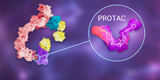
PROTAC, which exploit the ubiquitin-proteasome pathway to specifically degrade target proteins. PROTACs not only solve the problem of undruggability but they also have other advantages compared to traditional drug targeting strategies.
Scientific Reviews
PROTAC, which exploit the ubiquitin-proteasome pathway to specifically degrade target proteins. PROTACs not only solve the problem of undruggability but they also have other advantages compared to traditional drug targeting strategies. -
 Scientific Reviews
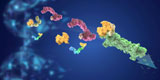
PROTAC — Target Selection and Design
Scientific Reviews
PROTAC — Target Selection and Design2022-07-08
A PROTAC molecule consists of three components: a target protein binding ligand, an E3 ligase ligand, and a linker connecting these two moieties. Here, we will discuss the conventional approaches for the rational design of PROTAC molecules. -
 Scientific Reviews
Organoids represent an important bridge between 2D cultures and in vivo mouse/human models. The organoid technology exerts enormous potential in evaluation of efficacy and toxicity of drugs, regenerative medicine, and precision medicine.In this article, we will briefly introduce organoid technology.
Scientific Reviews
Organoids represent an important bridge between 2D cultures and in vivo mouse/human models. The organoid technology exerts enormous potential in evaluation of efficacy and toxicity of drugs, regenerative medicine, and precision medicine.In this article, we will briefly introduce organoid technology. -
 Scientific Reviews
Development of Intestinal Organoid
Scientific Reviews
Development of Intestinal Organoid2022-07-28
3D organoid is one of the revolutionary developments in biomedical field during the past 10 years. The establishment of intestinal organoids is an important milestone in the development of organoid technology. -
 Scientific Reviews
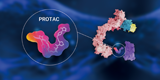
BacPROTACs is composed of a POI ligand, a chemical linker and a ClpCNTD anchor. BacPROTACs can induce in vitro and in vivo degradation of non-eukaryotic proteins in bacteria without the ubiquitin proteasome system.
Scientific Reviews
BacPROTACs is composed of a POI ligand, a chemical linker and a ClpCNTD anchor. BacPROTACs can induce in vitro and in vivo degradation of non-eukaryotic proteins in bacteria without the ubiquitin proteasome system. -
 Scientific Reviews
RNA therapeutics have changed the landscape of drug development, which possess broader spectrum of drug targets, simplicity and efficiency in development and manufacturing.In this article, we will discuss the underlying mechanisms of RNA-based drugs on the market or in clinical stages.
Scientific Reviews
RNA therapeutics have changed the landscape of drug development, which possess broader spectrum of drug targets, simplicity and efficiency in development and manufacturing.In this article, we will discuss the underlying mechanisms of RNA-based drugs on the market or in clinical stages. -
 Scientific Reviews
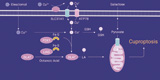
Tsvetkov et al. published in Science and demonstrated a copper-induced programmed cell death — Cuproptosis. As a novel programmed cell death, excess copper triggers abnormal aggregation of lipoylated proteins in TCA cycle and clearance of Fe-S cluster proteins, ultimately leading to cell death.
Scientific Reviews
Tsvetkov et al. published in Science and demonstrated a copper-induced programmed cell death — Cuproptosis. As a novel programmed cell death, excess copper triggers abnormal aggregation of lipoylated proteins in TCA cycle and clearance of Fe-S cluster proteins, ultimately leading to cell death. -
 Scientific Reviews
A comprehensive explanation of ferroptosis
Scientific Reviews
A comprehensive explanation of ferroptosis2022-09-15
Ferroptosis is a new type of RCD that depends on iron and characterized by the accumulation of lipid peroxides. In this article, we will pay our attention on ferroptosis and briefly discusses its mechanism. -
 Scientific Reviews
It's has been proved that p53, as a tumor suppressor gene and immune guardian, may become a destroyer through its own mutation. Moreover, the mechanism of p53 was found to be related to ferroptosis. This article mainly explores the mechanism between p53 and ferroptosis in detail.
Scientific Reviews
It's has been proved that p53, as a tumor suppressor gene and immune guardian, may become a destroyer through its own mutation. Moreover, the mechanism of p53 was found to be related to ferroptosis. This article mainly explores the mechanism between p53 and ferroptosis in detail. -
Scientific Reviews
Organoids have great potential in research of organ development, disease modeling, drug screening and, precision and regenerative medicin. In this article, we will expalin the origin of the organoids. Adult stem cells (ASCs) or pluripotent stem cells (PSCs) , which is the better choice.
-
 Scientific Reviews
Autophagy, derived from the Greek meaning "eating of self", plays an indispensable role in maintaining homeostasis. p27 is an inhibitor of cyclin CDKs, but how p27 regulates autophagy remains unknown. This article will cover the mechanism of autophagy and p27-related cell cycle regulation.
Scientific Reviews
Autophagy, derived from the Greek meaning "eating of self", plays an indispensable role in maintaining homeostasis. p27 is an inhibitor of cyclin CDKs, but how p27 regulates autophagy remains unknown. This article will cover the mechanism of autophagy and p27-related cell cycle regulation. -
 Scientific Reviews
CMA (chaperone-mediated autophagy) plays an essential role in maintaining neuronal protein stability and preventing neurodegeneration. In this article, we will comprehensively clarify the role of CMA in the occurrence and development of neurodegenerative diseases.
Scientific Reviews
CMA (chaperone-mediated autophagy) plays an essential role in maintaining neuronal protein stability and preventing neurodegeneration. In this article, we will comprehensively clarify the role of CMA in the occurrence and development of neurodegenerative diseases. -
 Scientific Reviews
TME (Tumor microenvironment) is considered as a complex integrated system, composed of cellular components such as tumor cells and immune cells, as well as non-cellular components such as ECM and cytokines. According to the spatial distribution of immune cells in TME, "hot" and "cold" TME will be explained in this article.
Scientific Reviews
TME (Tumor microenvironment) is considered as a complex integrated system, composed of cellular components such as tumor cells and immune cells, as well as non-cellular components such as ECM and cytokines. According to the spatial distribution of immune cells in TME, "hot" and "cold" TME will be explained in this article. -
 Scientific Reviews
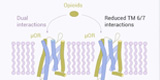
As powerful pain relievers, the opioids morphine and fentanyl have been "checked" by their side effects (listed as controlled substances). How to reduce its side effects? What is its mechanism? This research will explore its mechanism.
Scientific Reviews
As powerful pain relievers, the opioids morphine and fentanyl have been "checked" by their side effects (listed as controlled substances). How to reduce its side effects? What is its mechanism? This research will explore its mechanism. -
 Scientific Reviews
Efferocytosis is the process in which phagocytes remove programmed dead cells. It prevents secondary necrosis of dying cells from releasing harmful cell contents (such as oxides and proteases) that may cause inflammation. Here, we will introduce three stages of efferocytosis: Find, Eat, Digest.
Scientific Reviews
Efferocytosis is the process in which phagocytes remove programmed dead cells. It prevents secondary necrosis of dying cells from releasing harmful cell contents (such as oxides and proteases) that may cause inflammation. Here, we will introduce three stages of efferocytosis: Find, Eat, Digest. -
 Scientific Reviews
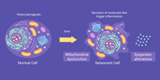
Understanding the mechanism of aging not only has guiding significance for prolonging human life but also has important clinical significance for the prevention and treatment of diseases in the elderly population , thus, improving their life quality and well-being.
Scientific Reviews
Understanding the mechanism of aging not only has guiding significance for prolonging human life but also has important clinical significance for the prevention and treatment of diseases in the elderly population , thus, improving their life quality and well-being. -
 Scientific Reviews
Mammalian cells can also photosynthesize like plants! Photosynthesis can improve cell anabolism and exhibit good clinical effect in degenerative diseases (osteoarthritis).
Scientific Reviews
Mammalian cells can also photosynthesize like plants! Photosynthesis can improve cell anabolism and exhibit good clinical effect in degenerative diseases (osteoarthritis). -
 Scientific Reviews
The latest study of Cell magazine "Neural mechanism underlying depressive-like state associated with social status loss" considers social factors as a breakthrough point. It has been found that the downward transition of social status induces depression-like behavior in mice whereas improves the depressive state by restoring their social environment.
Scientific Reviews
The latest study of Cell magazine "Neural mechanism underlying depressive-like state associated with social status loss" considers social factors as a breakthrough point. It has been found that the downward transition of social status induces depression-like behavior in mice whereas improves the depressive state by restoring their social environment. -
 Scientific Reviews
PROTAC - Design Strategy for Targeting
Scientific Reviews
PROTAC - Design Strategy for Targeting2023-04-23
Protein degradation targeting chimera (PROTAC) is a technology that uses the ubiquitin proteasome pathway to silent target protein. However, PROTAC still has problems such as solubility, membrane permeability, and selectivity. In this article, we have summarized three strategies for optimization: light-controlled linker, PAC molecule, and specific E3 ligase. -
 Scientific Reviews
Necroptosis, also known as necroptosis, is a form of regulated necrotizing cell death mediated by RIP1 and RIP3 kinases. Necroptosis is a process that prevents the self-destruction of activated cells that are blocked by apoptosis. Necroptosis plays a tumor suppressor role in most cases. It may provide benefits in the researches of a variety of human diseases involving immune inflammation and cell death.
Scientific Reviews
Necroptosis, also known as necroptosis, is a form of regulated necrotizing cell death mediated by RIP1 and RIP3 kinases. Necroptosis is a process that prevents the self-destruction of activated cells that are blocked by apoptosis. Necroptosis plays a tumor suppressor role in most cases. It may provide benefits in the researches of a variety of human diseases involving immune inflammation and cell death. -
 Scientific Reviews
Stem cell classification and its application
Scientific Reviews
Stem cell classification and its application2023-05-18
Stem cells (SCs) have the unique ability to self-renew and differentiate into different cell types. SCs can differentiate into various types of tissue cells under specific conditions. Additionally, they can be further cultured to form different tissues and organs in the human body. Stem cells have numerous applications in various fields, including cell therapy, organ transplantation, neurodegenerative disease modeling, and drug screening. -
 Scientific Reviews
Mitophagy:Mechanisms and Detection
Scientific Reviews
Mitophagy:Mechanisms and Detection2023-05-25
About 60 years ago, Christian de Duve first used the term "autophagy" to describe his observation of the degradation of mitochondria and other intracellular structures in lysosomes of rat liver. Over the years, autophagy has remained a beloved topic of research by the National Natural Science Foundation of China (NSFC).Today, let's talk about mitochondrial autophagy. -
 Scientific Reviews
Structure of Lipid Droplets
Scientific Reviews
Structure of Lipid Droplets2023-06-15
Huh? Lipid droplets? Organelles? In the past, biological data usually only show the traditional organelles, such as mitochondria, Golgi apparatus, endoplasmic reticulum, etc., lipid droplets are often not mentioned by people. Today, we will make a systematic explanation of lipid droplets, so that everyone has a clear understanding! -
 Scientific Reviews
HLA-E, A Novel Immune Checkpoint
Scientific Reviews
HLA-E, A Novel Immune Checkpoint2023-06-29
Immune checkpoints have immunosuppressive functions. It can be used in the research of tumor immunotherapy. In this article, we introduce a new paper entitled "Immune checkpoint HLA-E: CD94 - NKG2Amediates evasion of circulating tumor cells from NK cell surveillance "research paper. -
 Scientific Reviews
Organoid Culture: Questions & Answers
Scientific Reviews
Organoid Culture: Questions & Answers2023-07-26
In the last issue, we conducted a live lecture on the theme of organoid culture. Today, we have a special topic to solve your doubts in the last live class! -
 Scientific Reviews
WHO's Q2 drug list has been updated. Let's take you through the list of the most noteworthy small molecule drugs that we should pay attention to.
Scientific Reviews
WHO's Q2 drug list has been updated. Let's take you through the list of the most noteworthy small molecule drugs that we should pay attention to. -
 Scientific Reviews
FDA Approved Drug List!
Scientific Reviews
FDA Approved Drug List!2023-09-14
In the first half of 2023 (as of June 27), the FDA approved 26 new drugs, let's take you learn about it through the article. -
 Scientific Reviews
IHC is an indispensable technique for studying tissue morphology and in situ antigen expression, but usually only one or two antigens in tissues can be stained for analysis. It cannot judge the results more intuitively. Today, Little M will introduce you to the upgraded version mlHC.
Scientific Reviews
IHC is an indispensable technique for studying tissue morphology and in situ antigen expression, but usually only one or two antigens in tissues can be stained for analysis. It cannot judge the results more intuitively. Today, Little M will introduce you to the upgraded version mlHC. -
 Scientific Reviews
FDA Annual Review | Record-breaking number of new drug approvals in 2023!
Scientific Reviews
FDA Annual Review | Record-breaking number of new drug approvals in 2023! -
 Scientific Reviews
Are frozen cells always damaged? Is the survival rate of revived cells low? When is it appropriate to freeze cells? What should be considered when reviving them? Today, we're sharing a guide to avoid pitfalls in cell freezing and revival!
Scientific Reviews
Are frozen cells always damaged? Is the survival rate of revived cells low? When is it appropriate to freeze cells? What should be considered when reviving them? Today, we're sharing a guide to avoid pitfalls in cell freezing and revival! -
 Scientific Reviews
Katalin Karikó and Drew Weissman were awarded the Nobel Prize in Physiology or Medicine in 2023 for their groundbreaking work in nucleoside modification, which paved the way for the creation of successful mRNA vaccines to fight against COVID-19. Let's now delve into the complete process of mRNA vaccine development.
Scientific Reviews
Katalin Karikó and Drew Weissman were awarded the Nobel Prize in Physiology or Medicine in 2023 for their groundbreaking work in nucleoside modification, which paved the way for the creation of successful mRNA vaccines to fight against COVID-19. Let's now delve into the complete process of mRNA vaccine development. -
 Scientific Reviews
Science | A "new" mechanism for non-ubiquitinated Midnolin-proteasomal degradation pathway
Scientific Reviews
Science | A "new" mechanism for non-ubiquitinated Midnolin-proteasomal degradation pathway2024-04-26
“ubiquitin-mediated protein degradation” won the Nobel Prize in Chemistry in 2004! In fact, proteasomes degrade not only ubiquitinated proteins but also non-ubiquitinated ones. The mechanism remains shrouded in mystery. After reading this piece today, you might have a lightbulb moment! -
 Scientific Reviews
Still struggling to find the preparation methods for various solutions? Save your time! Here comes a nanny-level tutorial!
Scientific Reviews
Still struggling to find the preparation methods for various solutions? Save your time! Here comes a nanny-level tutorial! -
 Scientific Reviews
STZ Induced Diabetes Models
Scientific Reviews
STZ Induced Diabetes Models2024-06-13
Spotlight: How can STZ Help Diabetes Research? -
 Scientific Reviews
Exosomes, which won the Nobel Prize in 2013, are still a research hotspot in the national natural sciences, and their popularity has only increased over the past decade (in 2022, they still rank 5th in the national natural sciences hotspots!). Why have exosomes become the darling of scientific research? Let's take a look together~
Scientific Reviews
Exosomes, which won the Nobel Prize in 2013, are still a research hotspot in the national natural sciences, and their popularity has only increased over the past decade (in 2022, they still rank 5th in the national natural sciences hotspots!). Why have exosomes become the darling of scientific research? Let's take a look together~ -
 Scientific Reviews
Degrade target proteins through the autophagy-lysosome pathway including LYTAC, AUTAC, and ATTEC have gained increasing attention in recent years due to their significant research potential!
Scientific Reviews
Degrade target proteins through the autophagy-lysosome pathway including LYTAC, AUTAC, and ATTEC have gained increasing attention in recent years due to their significant research potential! -
 Scientific Reviews
Antibodies!
Scientific Reviews
Antibodies!2024-07-26
Today, We introduce antibodies for everyone! -
 Scientific Reviews
Science’s 2023 Breakthrough: GLP-1R Agonists
Scientific Reviews
Science’s 2023 Breakthrough: GLP-1R Agonists2024-08-13
GLP-1RAs, which achieved great success in 2023 and draws people’s attention back to obesity treatments and GLP-1 therapies worldwide, was chosen as the breakthrough of year 2023 by Science [2]. -
 Scientific Reviews
Cuproptosis, How much do you know?
Scientific Reviews
Cuproptosis, How much do you know?2024-08-22
Cells die in a variety of ways, including apoptosis, pyroptosis, necrosis, and ferroptosis......And, of course, cuproptosis. So, how much do you know about cuproptosis? -
 Scientific Reviews
Recently, Mol Cell reported the discovery of the first ferroptosis marker, Hyperoxidized PRDX3! Let’s take a look together~
Scientific Reviews
Recently, Mol Cell reported the discovery of the first ferroptosis marker, Hyperoxidized PRDX3! Let’s take a look together~ -
 Scientific Reviews
Cuproptosis's Knowledge Points!
Scientific Reviews
Cuproptosis's Knowledge Points!2024-09-25
With the establishment of the cuproptosis mechanism related research has attracted more and more attention from major journals. Expect to use the sharp sword of cuproptosis to stab the tumor cells. -
 Scientific Reviews
How they used PKH 26 for cellular studies?
Scientific Reviews
How they used PKH 26 for cellular studies?2024-10-21
We are thrilled to highlight our client study using PKH 26 (MedChemExpress) , a red fluorescent dye that has proven invaluable for in vitro cell labeling and tracing. This innovative research, published in the Journal of Nanobiotechnology. -
Scientific Reviews
Delve into the intricate networks that govern mitochondrial quality control. By examining key mechanisms such as biogenesis, mitochondrial dynamics (fission and fusion), proteolysis, and mitophagy. -
 Scientific Reviews
A New Form of Cell Death: PANoptosis!
Scientific Reviews
A New Form of Cell Death: PANoptosis! -
 Scientific Reviews
Unlocking the Power of Intermittent Fasting: The 16+8 Method
Scientific Reviews
Unlocking the Power of Intermittent Fasting: The 16+8 Method -
 Scientific Reviews
Advancing Chronic Kidney Disease Research with GJ103 and Lamin B1 Antibody!
Scientific Reviews
Advancing Chronic Kidney Disease Research with GJ103 and Lamin B1 Antibody! -
 Scientific Reviews
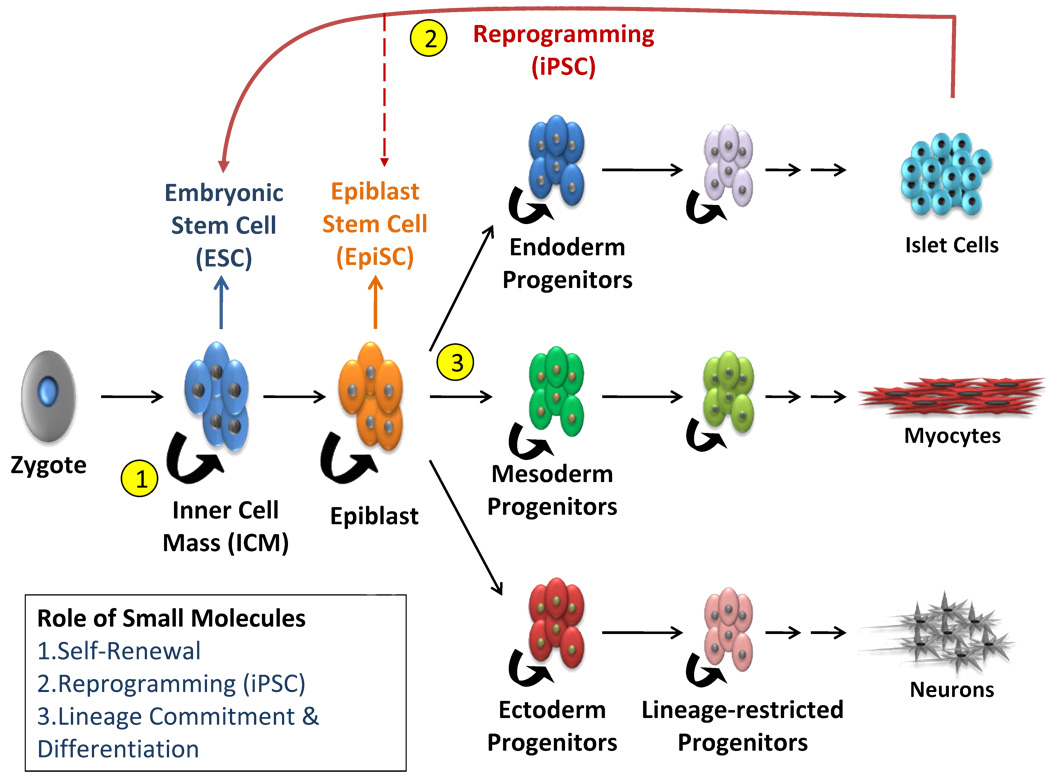
In early January 2025, MIT Tech Review unveiled its annual list of top 10 breakthrough technologies poised to redefine the future. Among these, stem cell therapy stood out for its potential to treat diverse diseases—including neurodegenerative disorders, diabetes, cancer, and heart failure. This groundbreaking approach uses stem cells to replace damaged cells, offering hope for millions worldwide.
Scientific Reviews
In early January 2025, MIT Tech Review unveiled its annual list of top 10 breakthrough technologies poised to redefine the future. Among these, stem cell therapy stood out for its potential to treat diverse diseases—including neurodegenerative disorders, diabetes, cancer, and heart failure. This groundbreaking approach uses stem cells to replace damaged cells, offering hope for millions worldwide. -
 Scientific Reviews
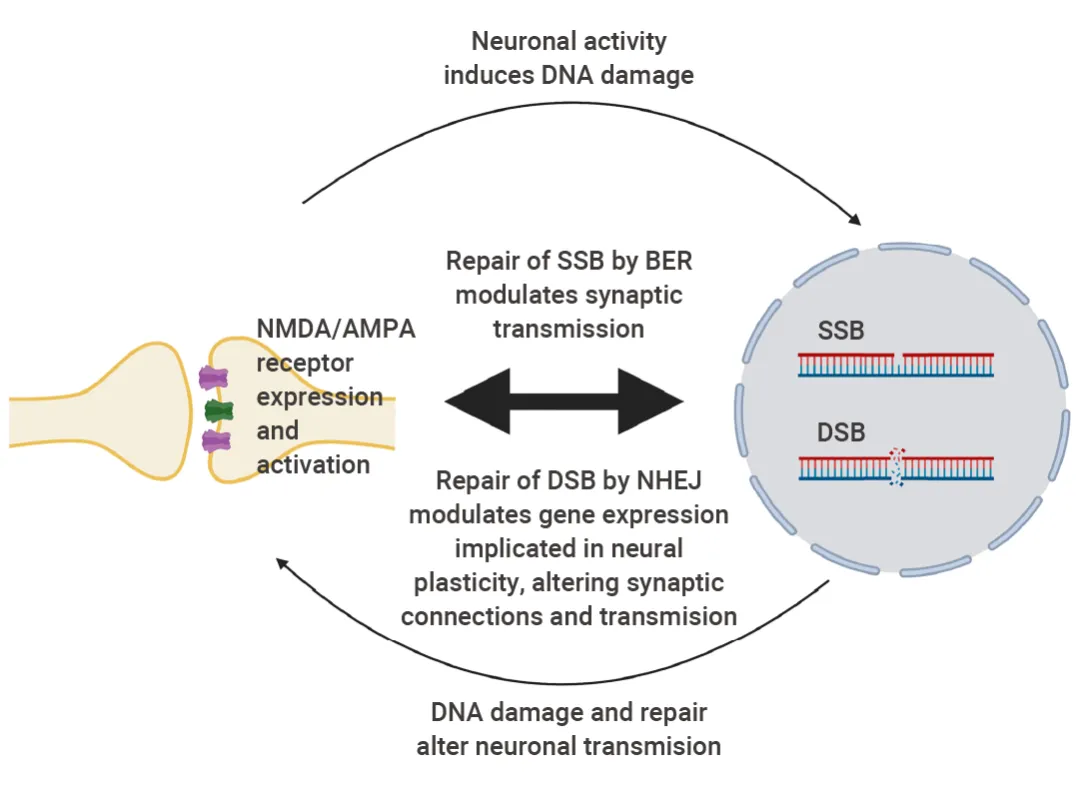
When you hear "inflammation" and "DNA damage," you might immediately think of disease or injury. However, in brains, these two processes are key steps in forming long-term memories, particularly related to specialized cells in our brain called hippocampal neurons.
Scientific Reviews
When you hear "inflammation" and "DNA damage," you might immediately think of disease or injury. However, in brains, these two processes are key steps in forming long-term memories, particularly related to specialized cells in our brain called hippocampal neurons. -
 Scientific Reviews
Autophagy is a fundamental process that degrades various components within the cell.
Scientific Reviews
Autophagy is a fundamental process that degrades various components within the cell. -
 Scientific Reviews
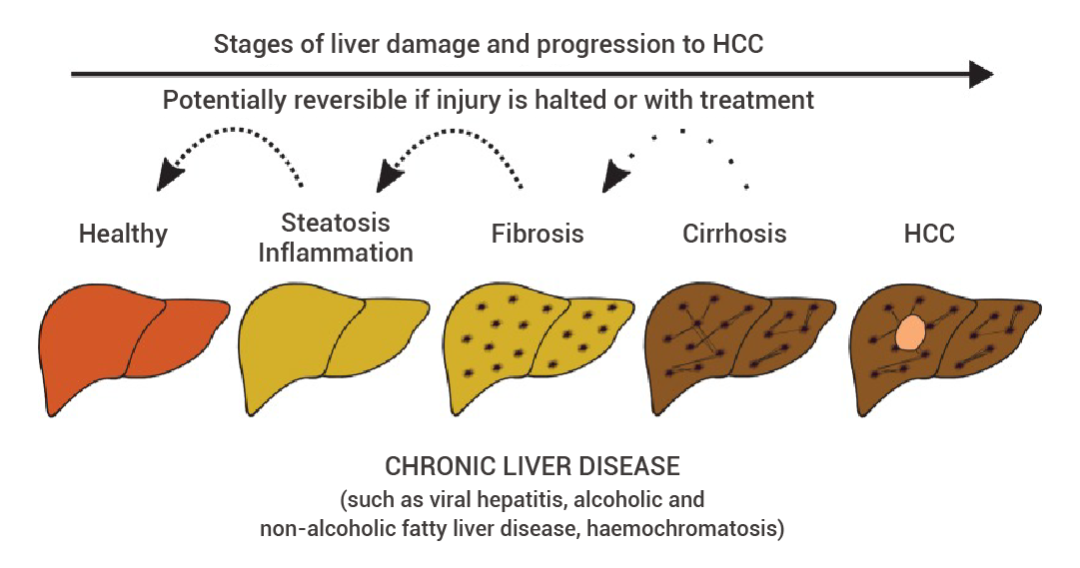
This article will tell you about the common methods of modeling liver disease in animal models.
Scientific Reviews
This article will tell you about the common methods of modeling liver disease in animal models. -
.jpg) Scientific Reviews
nside cells, the homeostasis and degradation of proteins is a precisely regulated process. If proteins cannot be degraded in time, it may lead to the occurrence of various diseases such as neurodegenerative diseases and cancer. This article will tell you the process of how proteins are recognized, labeled and then degraded!
Scientific Reviews
nside cells, the homeostasis and degradation of proteins is a precisely regulated process. If proteins cannot be degraded in time, it may lead to the occurrence of various diseases such as neurodegenerative diseases and cancer. This article will tell you the process of how proteins are recognized, labeled and then degraded! -
 Scientific Reviews
This article introduces some common cardiovascular disease models, inducers, modeling protocols and successful modeling cases in the research.
Scientific Reviews
This article introduces some common cardiovascular disease models, inducers, modeling protocols and successful modeling cases in the research. -
 Scientific Reviews
Do you feel confused when you start culturing cells? This article will show you the basic methods and steps of cell culture!
Scientific Reviews
Do you feel confused when you start culturing cells? This article will show you the basic methods and steps of cell culture! -
 Scientific Reviews
In this issue, we will conduct an in-depth interpretation from the dimensions of nanoparticle design, mechanism of action, in vivo and in vitro efficacy, and immune regulation, revealing how this research brings new hope for the treatment of invasive tumors through interdisciplinary innovation!
Scientific Reviews
In this issue, we will conduct an in-depth interpretation from the dimensions of nanoparticle design, mechanism of action, in vivo and in vitro efficacy, and immune regulation, revealing how this research brings new hope for the treatment of invasive tumors through interdisciplinary innovation! -
 Scientific Reviews
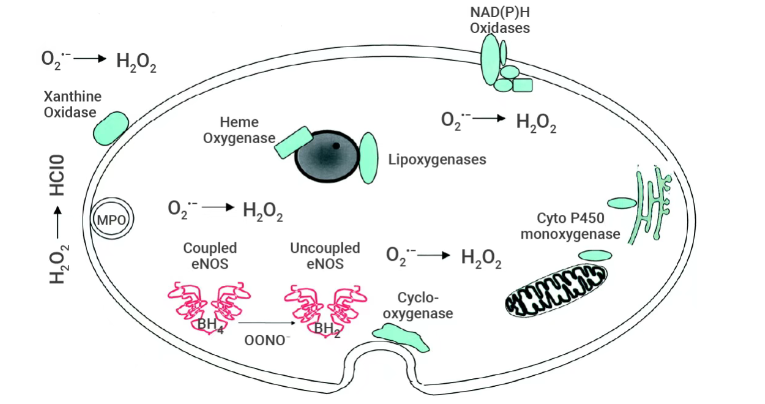
The article introduces the mechanisms of ROS generation and the methods for their detection.
Scientific Reviews
The article introduces the mechanisms of ROS generation and the methods for their detection. -
 Scientific Reviews
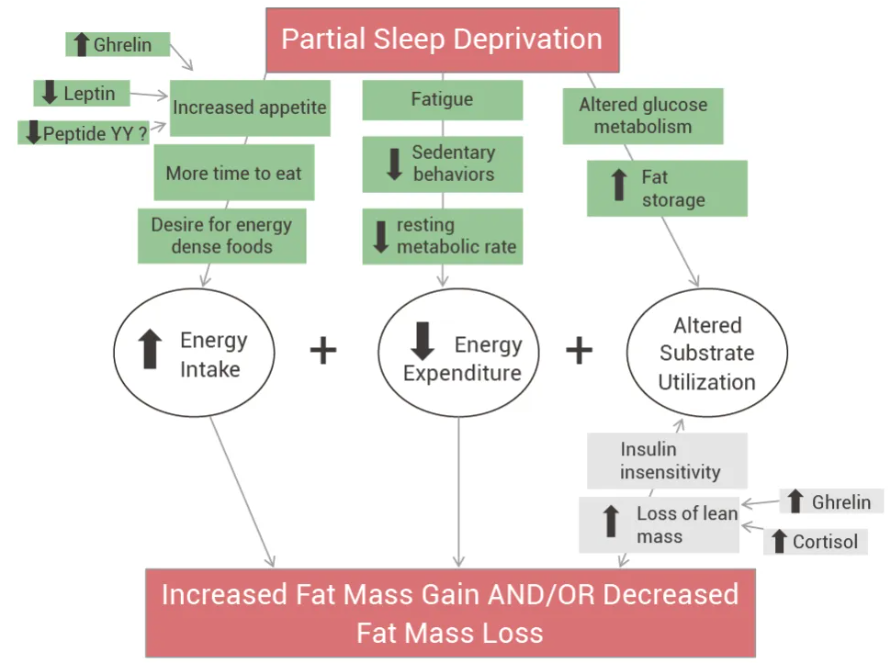
Have you ever noticed that after staying up late, your appetite—especially for high-calorie foods—gets out of control? If this sounds familiar, today’s article might offer some good news.
Scientific Reviews
Have you ever noticed that after staying up late, your appetite—especially for high-calorie foods—gets out of control? If this sounds familiar, today’s article might offer some good news. -
 Scientific Reviews
Generating Stable Cell Lines with Lentivirus
Scientific Reviews
Generating Stable Cell Lines with Lentivirus2025-09-16
A step-by-step protocol of establishing stable cell lines using lentivirus -
 Scientific Reviews
A groundbreaking study in Nature Communications reveals the key mechanism behind Idiopathic Pulmonary Fibrosis and identifies an existing drug with the potential to counter it.
Scientific Reviews
A groundbreaking study in Nature Communications reveals the key mechanism behind Idiopathic Pulmonary Fibrosis and identifies an existing drug with the potential to counter it. -
 Scientific Reviews
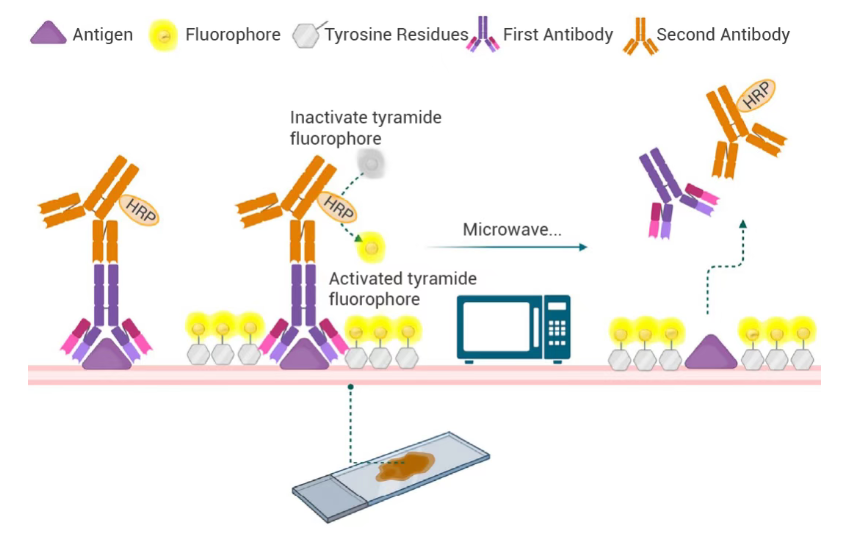
This detailed guide outlines the standardized experimental protocols for multiplex immunohistochemistry (mIHC), systematically summarizes common technical issues encountered during sample preparation, staining and imaging processes, and provides practical troubleshooting solutions to ensure reliable and reproducible results in biomedical research and clinical sample analysis.
Scientific Reviews
This detailed guide outlines the standardized experimental protocols for multiplex immunohistochemistry (mIHC), systematically summarizes common technical issues encountered during sample preparation, staining and imaging processes, and provides practical troubleshooting solutions to ensure reliable and reproducible results in biomedical research and clinical sample analysis. -
 Scientific Reviews
Finding adipogenic induction media too expensive and tricky to prepare? This comprehensive guide to 3T3-L1 adipogenic differentiation simplifies the process, helping you achieve great results!
Scientific Reviews
Finding adipogenic induction media too expensive and tricky to prepare? This comprehensive guide to 3T3-L1 adipogenic differentiation simplifies the process, helping you achieve great results! -
Scientific Reviews
Microglia– the only immune cells within the brain parenchyma. With advancements in imaging technologies, people’s understanding of microglia has shifted from being viewed as 'resting' cells to 'highly active' cells, particularly due to their dynamic processes that seem to be probing surrounding tissues and monitoring neuronal activity. This has made microglia a focal point of research in the field of neuroscience. -
 Scientific Reviews
Exosomes—natural nanoscale carriers—are revolutionizing targeted therapy. This article uncovers the science behind their precision in drug delivery.
Scientific Reviews
Exosomes—natural nanoscale carriers—are revolutionizing targeted therapy. This article uncovers the science behind their precision in drug delivery. -
Scientific Reviews
Cracking the PROTAC Permeability Barrier: CD36-Mediated Endocytosis as a Potential Breakthrough2025-12-03
This article provides an in-depth analysis of cutting-edge literature revealing CD36 as a key mediator of cellular uptake for PROTACs and bRO5 compounds. By structurally optimizing PROTAC molecules to enhance their affinity for CD36, membrane permeability can be markedly improved, leading to significantly enhanced antitumor efficacy. -
 Scientific Reviews
Efficient Generation of Mouse Small Intestinal Organoids: A Complete Experimental Protocol Guide
Scientific Reviews
Efficient Generation of Mouse Small Intestinal Organoids: A Complete Experimental Protocol Guide2025-12-10
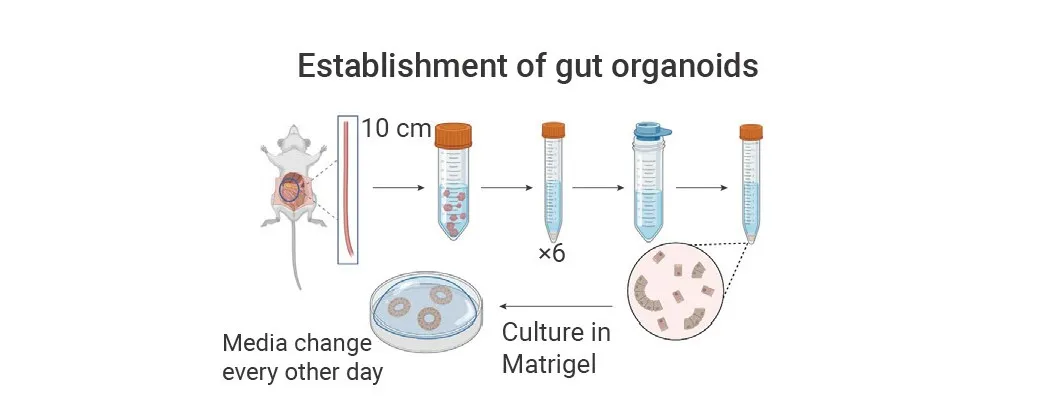
How to successfully create mouse small intestine organoids? A detailed, hands-on guide to the entire process, all in one article! -
 Scientific Reviews
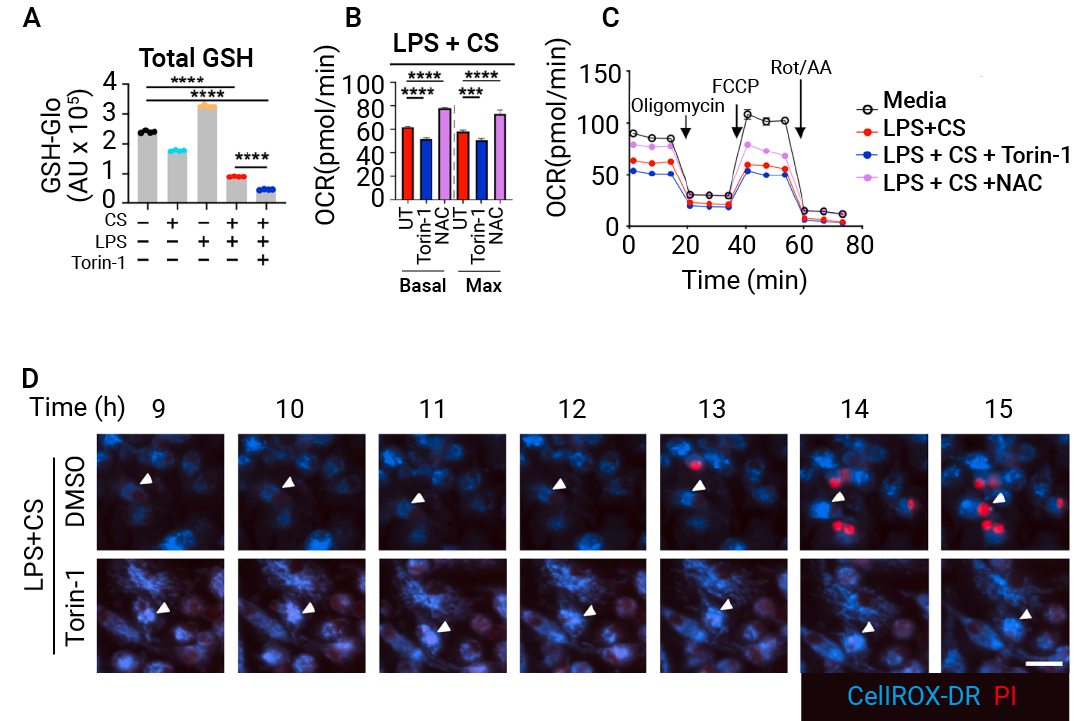
A November 2025 Cell study discovers Mitoxyperilysis, a new mTOR-regulated, caspase-independent cell death pathway driven by innate immune and metabolic dysregulation via mitochondrial-plasma membrane contact and oxidative damage, and verifies its potential to induce tumor necrosis for cancer therapy with key regulators including BAX, BAK1 and BID.
Scientific Reviews
A November 2025 Cell study discovers Mitoxyperilysis, a new mTOR-regulated, caspase-independent cell death pathway driven by innate immune and metabolic dysregulation via mitochondrial-plasma membrane contact and oxidative damage, and verifies its potential to induce tumor necrosis for cancer therapy with key regulators including BAX, BAK1 and BID. -
 Scientific Reviews
This paper elaborates on cytokines for culturing major immune cells, their regulatory roles, recombinant cytokines' merits and MCE’s related high-quality products.
Scientific Reviews
This paper elaborates on cytokines for culturing major immune cells, their regulatory roles, recombinant cytokines' merits and MCE’s related high-quality products. -
 Scientific Reviews
In the hunt for the next ‘GLP-1,’ amylin therapeutics, which have shown strong weight-loss results in clinical trials, have become a major focus for both multinational pharma and the scientific community.
Scientific Reviews
In the hunt for the next ‘GLP-1,’ amylin therapeutics, which have shown strong weight-loss results in clinical trials, have become a major focus for both multinational pharma and the scientific community. -
 Scientific Reviews
Essential for High-Impact Papers: Present Your CCK-8 Experimental Results in a More Outstanding Way!
Scientific Reviews
Essential for High-Impact Papers: Present Your CCK-8 Experimental Results in a More Outstanding Way!2026-03-18
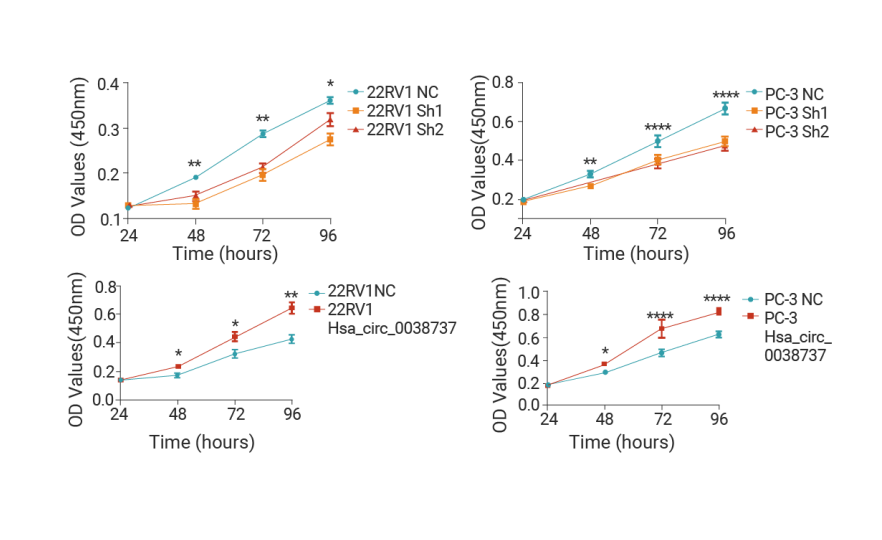
CCK-8 is a widely used WST‑8‑based reagent for cell proliferation and cytotoxicity assays. It features high sensitivity, reliable results and easy operation, and is applicable to cell viability analysis, drug screening and growth inhibition testing. -
 Scientific Reviews
Molecular glue degraders have evolved from a serendipitous observation to one of the most dynamic and transformative fields in biomedical research.
Scientific Reviews
Molecular glue degraders have evolved from a serendipitous observation to one of the most dynamic and transformative fields in biomedical research. -
 Scientific Reviews
GLP-1 and Obesity Research
Scientific Reviews
GLP-1 and Obesity Research2026-08-14
Obesity substantially increases the risk of chronic diseases such as T2D and cardiovascular disease. The breakout success of GLP-1 therapies has spotlighted GLP-1R and a wave of emerging obesity targets. -
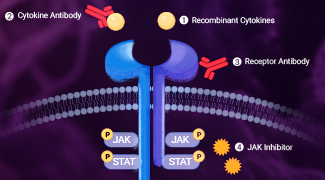 EDM
This review critically examines the role of the JAK-STAT pathway in immunity and autoimmune diseases, reviews current clinical applications of targeted therapies, and highlights emerging trends in autoimmune drug development.
EDM
This review critically examines the role of the JAK-STAT pathway in immunity and autoimmune diseases, reviews current clinical applications of targeted therapies, and highlights emerging trends in autoimmune drug development. -
 EDM
This review summarizes the mechanisms of DSS-induced colitis, commonly used modeling approaches, and key considerations related to DSS molecular weight.
EDM
This review summarizes the mechanisms of DSS-induced colitis, commonly used modeling approaches, and key considerations related to DSS molecular weight. -
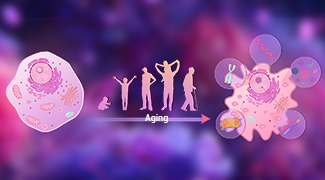 EDM
This review summarizes the hallmarks of aging and aging-related diseases, discusses mechanistic insights into aging processes, and highlights emerging anti-aging interventions.
EDM
This review summarizes the hallmarks of aging and aging-related diseases, discusses mechanistic insights into aging processes, and highlights emerging anti-aging interventions. -
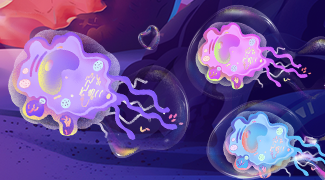 EDM
This review outlines macrophage functions and classification, and provides practical experimental guidelines for macrophage differentiation, polarization, and identification.
EDM
This review outlines macrophage functions and classification, and provides practical experimental guidelines for macrophage differentiation, polarization, and identification. -
 EDM
The Dual Role of Cellular Senescence in Cancer: Mechanisms, Microenvironment, and Therapeutics
EDM
The Dual Role of Cellular Senescence in Cancer: Mechanisms, Microenvironment, and Therapeutics2026-05-21
Explore the dual role of cellular senescence in cancer, including tumor suppression, SASP-driven tumor promotion, senescence heterogeneity and plasticity, and advances in senescence-targeted therapies. -
 EDM
Explore lysosomal nutrient sensing, quality control, cellular adaptation, disease mechanisms, and emerging therapeutic approaches.
EDM
Explore lysosomal nutrient sensing, quality control, cellular adaptation, disease mechanisms, and emerging therapeutic approaches. -
 EDM
Review the mechanisms, mitochondrial regulation, disease relevance, and translational opportunities of the NLRP3–STING axis in neuroinflammation.
EDM
Review the mechanisms, mitochondrial regulation, disease relevance, and translational opportunities of the NLRP3–STING axis in neuroinflammation. -
 EDM
Explore the mechanisms driving immune tolerance breakdown in autoimmune diseases and emerging tolerance-restoring strategies, with a focus on IL-2-based immune modulation.
EDM
Explore the mechanisms driving immune tolerance breakdown in autoimmune diseases and emerging tolerance-restoring strategies, with a focus on IL-2-based immune modulation. -
 EDM
Explore how mitochondrial quality control, inflammatory signaling, and metabolic–epigenetic reprogramming regulate cellular senescence and the SASP, along with strategies to restore mitochondrial homeostasis.
EDM
Explore how mitochondrial quality control, inflammatory signaling, and metabolic–epigenetic reprogramming regulate cellular senescence and the SASP, along with strategies to restore mitochondrial homeostasis. -
 Blog
HS-1371 is a Small Molecule RIP3 Inhibitor
Blog
HS-1371 is a Small Molecule RIP3 Inhibitor2019-04-09
HS-1371 is a novel kinase inhibitor of RIP3-mediated necroptosis, showing an inhibitory effect on S227 auto-phosphorylation of RIP3 at the basal level. -
 Blog
IITZ-01 is a potent lysosomotropic autophagy inhibitor with single-agent antitumor activity, with an IC50 of 2.62 μM for PI3Kγ.
Blog
IITZ-01 is a potent lysosomotropic autophagy inhibitor with single-agent antitumor activity, with an IC50 of 2.62 μM for PI3Kγ. -
 Blog
PRN1008 is a Reversible Covalent and Oral Active Inhibitor of Bruton’s Tyrosine Kinase (BTK)
Blog
PRN1008 is a Reversible Covalent and Oral Active Inhibitor of Bruton’s Tyrosine Kinase (BTK)2019-04-18
PRN1008 is a selective, reversible covalent and oral active inhibitor of Bruton’s Tyrosine Kinase (BTK), with an IC50 of 1.3 nM. -
 Blog
Multiple Tyrosine Kinases Inhibitor TAS-115
Blog
Multiple Tyrosine Kinases Inhibitor TAS-1152019-04-19
TAS-115 is a potent VEGFR and c-Met/HGFR-targeted kinase inhibitor with IC50s of 30 and 32 nM for rVEGFR2 and rMET, respectively. -
 Blog
BTR-1 potently inhibits cell growth. It induces S phase arrest, affects DNA replication. Dose-dependently induces cytotoxicity in leukemic cell lines.
Blog
BTR-1 potently inhibits cell growth. It induces S phase arrest, affects DNA replication. Dose-dependently induces cytotoxicity in leukemic cell lines. -
 Blog
TAK-828F is a potent, selective and orally active retinoic acid receptor-related orphan receptor γt (RORγt) inverse agonist. TAK-828F inhibits IL-17A cytokine expression and reduces symptoms of autoimmune encephalomyelitis mice.
Blog
TAK-828F is a potent, selective and orally active retinoic acid receptor-related orphan receptor γt (RORγt) inverse agonist. TAK-828F inhibits IL-17A cytokine expression and reduces symptoms of autoimmune encephalomyelitis mice. -
 Blog
SLLN-15 is an oral activ enhancer of autophagy that activates cytostatic macroautophagy/autophagy in triple-negative breast cancer (TNBC).
Blog
SLLN-15 is an oral activ enhancer of autophagy that activates cytostatic macroautophagy/autophagy in triple-negative breast cancer (TNBC). -
 Blog
GSK3145095 is a RIP1 kinase inhibitor with an IC50 of 6.3 nM. Potently blocks the TNF response and RIP1-dependent inflammatory cytokine MIP-1β production.
Blog
GSK3145095 is a RIP1 kinase inhibitor with an IC50 of 6.3 nM. Potently blocks the TNF response and RIP1-dependent inflammatory cytokine MIP-1β production. -
 Blog
JMS-17-2 is a CX3CR1 Antagonist
Blog
JMS-17-2 is a CX3CR1 Antagonist2019-06-12
JMS-17-2 is a potent and selective CX3CR1 antagonist with an IC50 of 0.32 nM. Has potential to treat cancers such as breast cancer. -
 Blog
Ralimetinib (LY2228820) is a selective and ATP-competitive inhibitor of p38 MAPK α/β, with IC50s of 5.3 and 3.2 nM, respectively. Anti-tumor activity.
Blog
Ralimetinib (LY2228820) is a selective and ATP-competitive inhibitor of p38 MAPK α/β, with IC50s of 5.3 and 3.2 nM, respectively. Anti-tumor activity. -
 Blog
BAY-11-7082 inhibits the proliferation and induces the apoptosis of U266 cells through inhibiting NF-κB pathway. BAY 11-7082 ameliorates experimental diabetic neuropathy by modulating neuroinflammation and improving antioxidant defence.
Blog
BAY-11-7082 inhibits the proliferation and induces the apoptosis of U266 cells through inhibiting NF-κB pathway. BAY 11-7082 ameliorates experimental diabetic neuropathy by modulating neuroinflammation and improving antioxidant defence. -
 Blog
S130, Targeting ATG4B, Inhibits Autophagy and Activates Apoptosis in Colorectal Colon Cancer
Blog
S130, Targeting ATG4B, Inhibits Autophagy and Activates Apoptosis in Colorectal Colon Cancer2019-06-19
S130 is a high affinity, selective inhibitor of ATG4B (a major cysteine protease) with an IC50 of 3.24 µM. S130 suppresses autophagy flux. -
 Blog
S18-000003 is a potent, selective and orally active inhibitor of retinoic acid receptor-related orphan receptor-gamma-t (RORγt). S18-000003 ameliorates psoriasis-like lesions in vivo. S18-000003 can be used for the research of skin inflammatory diseases.
Blog
S18-000003 is a potent, selective and orally active inhibitor of retinoic acid receptor-related orphan receptor-gamma-t (RORγt). S18-000003 ameliorates psoriasis-like lesions in vivo. S18-000003 can be used for the research of skin inflammatory diseases. -
 Blog
MRT67307, a dual IKKε/TBK1 inhibitor, inhibits ULK1 and ULK2 with IC50s of 45 and 38 nM, respectively. MRT67307 blocks mTOR-dependent autophagy.
Blog
MRT67307, a dual IKKε/TBK1 inhibitor, inhibits ULK1 and ULK2 with IC50s of 45 and 38 nM, respectively. MRT67307 blocks mTOR-dependent autophagy. -
 Blog
CCT020312, the G1/S checkpoint activator, is a selective EIF2AK3/PERK activator. CCT020312 elicits EIF2A phosphorylation in cells.
Blog
CCT020312, the G1/S checkpoint activator, is a selective EIF2AK3/PERK activator. CCT020312 elicits EIF2A phosphorylation in cells. -
 Blog
SBI-0206965 is a selective and cell permeable autophagy kinase ULK1 inhibitor with IC50s of 108 nM for ULK1 and 711 nM for the highly related kinase ULK2 .
Blog
SBI-0206965 is a selective and cell permeable autophagy kinase ULK1 inhibitor with IC50s of 108 nM for ULK1 and 711 nM for the highly related kinase ULK2 . -
 Blog
TPCA-1, a Direct Dual Inhibitor of STAT3 and NF-κB, Regresses Mutant EGFR-Associated NSCLC
Blog
TPCA-1, a Direct Dual Inhibitor of STAT3 and NF-κB, Regresses Mutant EGFR-Associated NSCLC2019-07-15
TPCA-1 is a potent and selective inhibitor of IKK-2 with IC50 of 17.9 nM. TPCA-1 is an effective inhibitor of STAT3 phosphorylation, DNA binding. -
 Blog
CA-5f is a potent late-stage macroautophagy (autophagy) inhibitor via inhibiting autophagosome-lysosome fusion. CA-5f increases LC3B-II and SQSTM1 protein.
Blog
CA-5f is a potent late-stage macroautophagy (autophagy) inhibitor via inhibiting autophagosome-lysosome fusion. CA-5f increases LC3B-II and SQSTM1 protein. -
 Blog
BI-167107 is a high affinity, full agonist that binds to the β2 adrenergic receptor (β2AR) with a dissociation constant Kd of 84 pM.
Blog
BI-167107 is a high affinity, full agonist that binds to the β2 adrenergic receptor (β2AR) with a dissociation constant Kd of 84 pM. -
 Blog
UK 356618 is a Selective MMP-3 Inhibitor
Blog
UK 356618 is a Selective MMP-3 Inhibitor2019-12-25
UK 356618 is a selective and potent inhibitor of MMP-3. UK 356618 exhibits potent anti-inflammatory and anti-cancer activity. -
 Blog
CH6953755 is a potent, orally active and selective YES1 kinase inhibitor leading to antitumor activity against YES1 Gene -amplified cancers.
Blog
CH6953755 is a potent, orally active and selective YES1 kinase inhibitor leading to antitumor activity against YES1 Gene -amplified cancers. -
 Blog
CA-4948 is a Selective and Orally Bioavailable IRAK4 Kinase Inhibitor for Lymphoma Treatment
Blog
CA-4948 is a Selective and Orally Bioavailable IRAK4 Kinase Inhibitor for Lymphoma Treatment2020-01-05
CA-4948 is a potent, selective and orally bioavailable IRAK4 kinase inhibitor. CA-4948 can be used for the treatment of lymphoma. -
 Blog
GPP78 is a potent Nampt inhibitor. GPP78 is cytotoxic to neuroblastoma cell line SH-SY5Y cells. GPP78 has anti-cancer and anti-tumor activity.
Blog
GPP78 is a potent Nampt inhibitor. GPP78 is cytotoxic to neuroblastoma cell line SH-SY5Y cells. GPP78 has anti-cancer and anti-tumor activity. -
 Blog
BAY-985 is an orally active and selective ATP-competitive dual inhibitor of TBK1 and IKKε with IC50s of 2/30 and 2 nM for TBK1 and IKKε, respectively.
Blog
BAY-985 is an orally active and selective ATP-competitive dual inhibitor of TBK1 and IKKε with IC50s of 2/30 and 2 nM for TBK1 and IKKε, respectively. -
 Blog
ADH-503 is an orally active and allosteric CD11b agonist and leads to the repolarization of tumor-associated macrophages.
Blog
ADH-503 is an orally active and allosteric CD11b agonist and leads to the repolarization of tumor-associated macrophages. -
 Blog
HM03 is a potent and selective HSPA5 inhibitor with anticancer activity. HSPA5 plays a key role in monitoring protein transport through the cell.
Blog
HM03 is a potent and selective HSPA5 inhibitor with anticancer activity. HSPA5 plays a key role in monitoring protein transport through the cell. -
 Blog
GSK143 is an orally active and highly selective spleen tyrosine kinase (SYK) inhibitor. GSK143 reduces inflammation in the intestinal muscularis in mice.
Blog
GSK143 is an orally active and highly selective spleen tyrosine kinase (SYK) inhibitor. GSK143 reduces inflammation in the intestinal muscularis in mice. -
 Blog
GSK621 is a potent and specific AMPK activator and induces autophagy and apoptosis in acute myeloid leukemia (AML) cells.
Blog
GSK621 is a potent and specific AMPK activator and induces autophagy and apoptosis in acute myeloid leukemia (AML) cells. -
 Blog
CAY10404 is a potent and highly selective COX-2 inhibitor. CAY10404 is a potent inhibitor of PKB/Akt and MAPK signalling pathways.
Blog
CAY10404 is a potent and highly selective COX-2 inhibitor. CAY10404 is a potent inhibitor of PKB/Akt and MAPK signalling pathways. -
 Blog
BMS-P5 is an Orally Active PAD4 Inhibitor
Blog
BMS-P5 is an Orally Active PAD4 Inhibitor2020-12-12
BMS-P5 is an orally active PAD4 inhibitor. BMS-P5 blocks MM-induced NET formation and delays progression of MM in a syngeneic mouse model -
 Blog
ML132, a potent and selective caspase 1 inhibitor with a unique selectivity pattern, is responsible for the proteolytic activation of IL-1β and IL-18.
Blog
ML132, a potent and selective caspase 1 inhibitor with a unique selectivity pattern, is responsible for the proteolytic activation of IL-1β and IL-18. -
 Blog
CC-90001 is a potent, selective, and orally active inhibitor of JNK. CC-90001 can be used for the research of idiopathic pulmonary fibrosis (IPF).
Blog
CC-90001 is a potent, selective, and orally active inhibitor of JNK. CC-90001 can be used for the research of idiopathic pulmonary fibrosis (IPF). -
 Blog
YUM70 inhibits GRP78. Induces endoplasmic reticulum stress-mediated apoptosis. Pancreatic cancer. Acts as a novel anticancer agent.
Blog
YUM70 inhibits GRP78. Induces endoplasmic reticulum stress-mediated apoptosis. Pancreatic cancer. Acts as a novel anticancer agent. -
 Blog
LYN-1604 is a Potent ULK1 Activator
Blog
LYN-1604 is a Potent ULK1 Activator2021-04-24
LYN-1604, a potent ULK1 activator, induces cell death involved in ATF3, RAD21, and caspase3, accompanied by autophagy and apoptosis. -
 Blog
SB-332235 is a potent, orally active nonpeptide CXCR2 antagonist. SB-332235 inhibits acute and chronic models of arthritis in the rabbit.
Blog
SB-332235 is a potent, orally active nonpeptide CXCR2 antagonist. SB-332235 inhibits acute and chronic models of arthritis in the rabbit. -
 Blog
Butaprost is a selective prostaglandin E receptor (EP2) agonist. Butaprost can effectively mitigate kidney fibrogenesis in various fibrosis models.
Blog
Butaprost is a selective prostaglandin E receptor (EP2) agonist. Butaprost can effectively mitigate kidney fibrogenesis in various fibrosis models. -
 Blog
Lumiracoxib is a COX-2 inhibitor. Lumiracoxib acts as nonselective NSAID with anti-inflammatory, analgesic and antipyretic activities.
Blog
Lumiracoxib is a COX-2 inhibitor. Lumiracoxib acts as nonselective NSAID with anti-inflammatory, analgesic and antipyretic activities. -
 Blog
Ruxolitinib is a potent and selective JAK1/2 inhibitor and has 130-fold selectivity for JAK1/2 over JAK3. Ruxolitinib induces autophagy.
Blog
Ruxolitinib is a potent and selective JAK1/2 inhibitor and has 130-fold selectivity for JAK1/2 over JAK3. Ruxolitinib induces autophagy. -
 Blog
IMD-0354 is a Selective IKKβ Inhibitor
Blog
IMD-0354 is a Selective IKKβ Inhibitor2021-11-09
IMD-0354 is a selective IKKβ inhibitor and potently inhibits NF-κB activity. IMD0354 has antitumor activity. -
 Blog
Spautin-1 is a specific and potent autophagy inhibitor which inhibits ubiquitin-specific peptidases, USP10 and USP13.
Blog
Spautin-1 is a specific and potent autophagy inhibitor which inhibits ubiquitin-specific peptidases, USP10 and USP13. -
 Blog
Alda-1 is a potent ALDH2 Agonist
Blog
Alda-1 is a potent ALDH2 Agonist2021-12-30
Alda-1 ameliorates H2O2-induced Achilles tendinopathy. Alda-1 could be used for preventing Achilles tendinopathy. -
 Blog
CL097 is a TLR7/8 agonist. CL097 induces pro-nflammatory cytokines. CL097 induces NADPH oxidase priming and efficient diabetogenic cytotoxic T lymphocyte (CTL) function in NOD mice.
Blog
CL097 is a TLR7/8 agonist. CL097 induces pro-nflammatory cytokines. CL097 induces NADPH oxidase priming and efficient diabetogenic cytotoxic T lymphocyte (CTL) function in NOD mice. -
 Blog
Zingerone is a natural orally active nontoxic methoxyphenol potent anti-inflammatory, antidiabetic, antioxidize, and anti-tumor properties.
Blog
Zingerone is a natural orally active nontoxic methoxyphenol potent anti-inflammatory, antidiabetic, antioxidize, and anti-tumor properties. -
 Blog
AUTAC2 is a FKBP12-targeting autophagy-mediated degrader (AUTAC). AUTAC2 contains an FBnG and an SLF moiety.
Blog
AUTAC2 is a FKBP12-targeting autophagy-mediated degrader (AUTAC). AUTAC2 contains an FBnG and an SLF moiety. -
 Blog
BM213 is a selective C5aR1 agonist. It’s a useful research tool to study C5aR1 function
Blog
BM213 is a selective C5aR1 agonist. It’s a useful research tool to study C5aR1 function -
 Blog
Pelecopan is a potent, selective, and orally active complement factor D inhibitor, possessing the potential to study paroxysmal nocturnal hemoglobinuria (PNH).
Blog
Pelecopan is a potent, selective, and orally active complement factor D inhibitor, possessing the potential to study paroxysmal nocturnal hemoglobinuria (PNH). -
 Blog
Etrolizumab is a Gut-selective, Anti-β7 Integrin McAb for Inflammatory Bowel Disease (IBD) Research
Blog
Etrolizumab is a Gut-selective, Anti-β7 Integrin McAb for Inflammatory Bowel Disease (IBD) Research2022-11-05
Etrolizumab is a gut-selective, anti-β7 integrin monoclonal antibody and has the potential for the research of inflammatory bowel disease. -
 Blog
Coibamide A is an N-methyl-stabilized cytotoxic depsipeptide with antiproliferative activity. Coibamide A induces autophagosome accumulation.
Blog
Coibamide A is an N-methyl-stabilized cytotoxic depsipeptide with antiproliferative activity. Coibamide A induces autophagosome accumulation. -
 Blog
Ruxolitinib is an orally-active JAK1/2 inhibitor. Ruxolitinib has the potential for the research of myeloproliferative neoplasm (MPN).
Blog
Ruxolitinib is an orally-active JAK1/2 inhibitor. Ruxolitinib has the potential for the research of myeloproliferative neoplasm (MPN).
Products
All
-
All
-
Inhibitors & Agonists
-
Isotope-Labeled Compounds
-
Fluorescent Dye
-
Peptides
-
Recombinant Proteins
-
Antibodies
-
Screening Libraries
-
Kits
-
Inhibitory Antibodies
-
Reference Standards
-
Induced Disease Models Products
-
GMP Small Molecules
-
Biochemical Assay Reagents
-
Natural Products
| Cat. No. | Product Name | Information | Application | Publication |
|---|---|---|---|---|
| HY-11109 | Resatorvid |
Resatorvid (TAK-242) is a selective Toll-like receptor 4 (TLR4) inhibitor. Resatorvid inhibits NO, TNF-α and IL-6 production with IC50s of 1.8 nM, 1.9 nM and 1.3 nM, respectively. Resatorvid downregulates expression of TLR4 downstream signaling molecules MyD88 and TRIF. Resatorvid inhibits autophagy and plays pivotal role in various inflammatory diseases.
|
|
536
|
| HY-50858 | Ruxolitinib phosphate |
Ruxolitinib phosphate (INCB018424 phosphate) is a potent JAK1/2 inhibitor with IC50s of 3.3 nM/2.8 nM, respectively, showing more than 130-fold selectivity over JAK3.
|
Lung Cancer
Breast Cancer
Prostate Cancer
Liver Cancer
Leukemia/Lymphoma/Myeloma
Pancreatic Cancer
Viral Infection
Pain
Digestive System Inflammation
Obesity
Rheumatoid Arthritis
|
280
|
| HY-50856 | Ruxolitinib |
Lung Cancer
Breast Cancer
Prostate Cancer
Liver Cancer
Leukemia/Lymphoma/Myeloma
Pancreatic Cancer
Viral Infection
Pain
Digestive System Inflammation
SARS-CoV-2 Infection
Obesity
Rheumatoid Arthritis
|
280
|
|
| HY-B2176 | ATP |
ATP (Adenosine 5'-triphosphate) is a central component of energy storage and metabolism in vivo. ATP provides the metabolic energy to drive metabolic pumps and serves as a coenzyme in cells. ATP is an important endogenous signaling molecule in immunity and inflammation. ATP can activate the NLRP3 inflammasome and induce IL-1β and chemokines secretion. ATP has anti-bacterial infection effects and can protect mice against bacterial infection in mice.
Source: widespread |
|
178
|
| HY-12000 | AG490 |
AG490 (Tyrphostin AG490) is a tyrosine kinase inhibitor that inhibits EGFR, Stat-3 and JAK2/3.
|
Lung Cancer
Breast Cancer
Colorectal Cancer
Prostate Cancer
Liver Cancer
Leukemia/Lymphoma/Myeloma
Pancreatic Cancer
Ovarian Cancer
Glucose Metabolism
Hepatitis C Virus Infection
Obesity
Rheumatoid Arthritis
|
173
|
| HY-B0240 | Disulfiram |
Disulfiram (Tetraethylthiuram disulfide) is a specific inhibitor of aldehyde-dehydrogenase (ALDH1), used for the treatment of chronic alcoholism by producing an acute sensitivity to alcohol. Disulfiram inhibits gasdermin D (GSDMD) pore formation in liposomes and inflammasome-mediated pyroptosis and IL-1β secretion in human and mouse cells. Disulfiram, a copper ion carrier, with Cu2+ increases intracellular ROS levels and induces cuproptosis.
|
Metabolic or Endocrine Disease
Breast Cancer
Prostate Cancer
Pancreatic Cancer
Ovarian Cancer
Viral Infection
Depression
Pain
Autoimmune Disease
Digestive System Inflammation
SARS-CoV-2 Infection
|
161
|
| HY-100573 | Necrosulfonamide |
Necrosulfonamide is a MLKL and Gasdermin D (GSDMD) inhibitor, capable of separately inhibiting necroptosis and pyroptosis of cells. Necrosulfonamide does not affect the activation of upstream signals, but specifically inhibits the downstream executor oligomerization step. Necrosulfonamide reduces the expression of the key kinases NLRP3 and caspase-1 involved in necroptosis and pyroptosis, activate the Nrf2 pathway and the downstream antioxidant enzymes, and also downregulates a variety of inflammatory factors. Necrosulfonamide plays significant roles in various diseases such as neurodegenerative diseases (such as Parkinson’s disease), tissue damage and ischemia-reperfusion injury, inflammatory bowel disease, osteoarthritis and fracture repair, and hair loss by regulating two important programmed necrosis pathways.
|
Mixed Lineage Kinase
Necroptosis
Pyroptosis
Caspase
NOD-like Receptor (NLR)
Keap1-Nrf2
TNF Receptor
Interleukin Related
NO Synthase
Heme Oxygenase (HO)
Digestive System Disease
Prostate Cancer
Leukemia/Lymphoma/Myeloma
Depression
Digestive System Inflammation
Cardiovascular Disease
Parkinson's Disease
Obesity
Lung Fibrosis
Rheumatoid Arthritis
|
147
|
| HY-15484 | Pifithrin-α hydrobromide |
Pifithrin-α hydrobromide is a p53 inhibitor which blocks its transcriptional activity and prevents cells from apoptosis. Pifithrin-α hydrobromide is also an aryl hydrocarbon receptor (AhR) agonist.
|
|
105
|
| HY-40354 | Tofacitinib |
Tofacitinib (Tasocitinib) is an orally active, blood-brain barrier permeable selective inhibitor of JAK1/JAK3. Tofacitinib blocks the JAK-STAT/NF-κB signaling pathway, inhibits cytokine signal transduction, phosphorylation of STAT1/STAT5, and suppresses innate and adaptive immune responses. Tofacitinib can be used in research related to major depressive disorder, rheumatoid arthritis, pulmonary diseases, systemic lupus erythematosus, and immune-mediated liver injury.
|
|
103
|
| HY-L003 | Apoptosis Compound Library |
Apoptosis is an ordered and orchestrated cellular process that occurs in physiological and pathological conditions, which is also called programmed cell death (PCD). Apoptosis plays a crucial role in developing and maintaining the health of the body by eliminating old cells, unhealthy cells and unnecessary cells. Too little or too much apoptosis contribute to many diseases. When apoptosis does not work correctly, cells that should be eliminated may persist and become immortal, for example, in cancer and leukemia. When apoptosis works overly well, it kills too many cells and inflicts grave tissue damage. This is the case in strokes and neurodegenerative disorders such as Alzheimer's, Huntington's, and Parkinson's disease.
MCE designs a unique collection of 3,650 apoptosis-related compounds mainly focusing on the key targets in the apoptosis signaling pathway and can be used in the research of apoptosis signal pathway and related diseases.
|
|
90
|
| HY-14519 | Methotrexate |
Methotrexate (Amethopterin; CL14377; WR19039) is an orally active antifolate (Antifolate). Methotrexate inhibits dihydrofolate reductase (DHFR), blocks tetrahydrofolate production, suppresses purine/pyrimidine synthesis and transmethylation, and causes intracellular accumulation of AICAR. Methotrexate promotes extracellular adenosine release, regulates the cytokine network, and inhibits the alarmin function of HMGB1. Methotrexate induces apoptosis and cytotoxicity, upregulates the expression of iNOS and COX-2, suppresses hippocampal neurogenesis, and induces pulmonary fibrosis. Methotrexate is used in the research of various immune and inflammation-related diseases such as arthritis, psoriasis, systemic lupus erythematosus, as well as pulmonary fibrosis and breast cancer.
|
|
87
|
| HY-L008 | JAK/STAT Compound Library |
The Janus kinase (JAK)/signal transducer and activator of transcription (STAT) pathway is central to signaling by cytokine receptors, a superfamily of more than 30 transmembrane proteins that recognize specific cytokines, and is critical in blood formation and immune response. Canonical JAK/STAT signaling begins with the association of cytokines and their corresponding transmembrane receptors. Activated JAKs then phosphorylate latent STAT monomers, leading to dimerization, nuclear translocation, and DNA binding. In mammals, there are four JAKs (JAK1, JAK2, JAK3, TYK2) and seven STATs (STAT1, STAT2, STAT3, STAT4, STAT5a, STAT5b, STAT6). Since the JAK/STAT pathway plays a major role in many fundamental processes, such as apoptosis and inflammation, dysfunctional proteins in the pathway may lead to a number of diseases. For example, alterations in JAK/STAT signalling can result in cancer and diseases affecting the immune system, such as severe combined immunodeficiency disorder (SCID).
MCE provides 738 compounds that can be used in the study of the JAK/STAT signaling pathway and related diseases.
|
|
86
|
| HY-L017 | Stem Cell Signaling Compound Library |
Adult stem cells are important for tissue homeostasis and regeneration due to their ability to self-renew and generate multiple types of differentiated daughters. Self-renewal is reflected by their capacity to undergo multiple/limitless divisions. Several signaling pathways are involved in self-renewal of stem cells, that is, Notch, Wnt, and Hedgehog pathways or Polycomb family proteins. Recent studies mainly focus on cancer stem cell (CSCs), induced pluripotent stem cell (iPSCs), neural stem cell and maintenance of embryonic stem cell pluripotency. Among them, CSCs have been believed to be responsible for tumor initiation, growth, and recurrence that have implications for cancer therapy.
MCE owns a unique collection of 2,931 compounds that can be used for stem cell regulatory and signaling pathway research.
|
|
86
|
| HY-L109 | Protein-protein Interaction Inhibitor Library |
Protein protein interactions (PPI) have pivotal roles in life processes. The studies showed that aberrant PPI are associated with various diseases, including cancer, infectious diseases, and neurodegenerative diseases. The classic drug targets are usually enzymes, ion channels, or receptors, the PPI indicate new potential therapeutic targets. Therefore, targeting PPI is a new direction in treating diseases and an essential strategy for the development of new drugs.
However, the design of modulators targeting PPI still faces tremendous challenges, such the difficult PPI interfaces for the drug design, lack of ligands reference, lack of guidance rules for the PPI modulators development and high-resolution PPI proteins structures.
With the development of high-throughput technology, high-throughput screening is also gradually used for the identification of PPI inhibitors, but the compound library used for conventional target screening is not very effective in screening PPI inhibitors. To improve screening efficiency, MCE carefully selected 826 PPI inhibitors and mainly targeting MDM2-p53, Keap1-Nrf2, PD-1/PD-L1, Myc-Max, etc. MCE Protein-protein Interaction Inhibitor Library is a useful tool for PPI drug discovery and related research.
|
|
86
|
| HY-L077 | Anti-Pancreatic Cancer Compound Library |
Pancreatic cancer is a devastating disease with a low overall survival rate. Chemotherapy is the most common treatment for patients presenting with advanced pancreatic cancer. More recently, the era of targeted therapies has generated a lot of interest in discovering better approaches for patients with pancreatic cancer. Commonly mutated genes in pancreatic cancer include K-ras (in 74-100% of cases), p16INK4a (up to 98%), p53 (43 to 76%), DPC4 (about 50%), HER-2/neu (in about 65%) and FHIT (found in 70% of cases). Other genes involved are notch1, Akt-2, BRCA2 and COX-2. These proteins are important targets of target therapies for pancreatic cancer.
MCE offers a unique collection of 4,336 compounds with identified and potential anti- pancreatic cancer activity. These compounds target K-Ras, p53, HER2, Notch, AKT, etc. MCE anti-pancreatic cancer compound library is a useful tool for anti-pancreatic cancer drugs screening and other related research.
|
|
85
|
| HY-L034 | Anti-Aging Compound Library |
Aging is a complex biological process characterized by functional decline of tissues and organs, structural degeneration, and reduced adaptability and resistance, all of which contribute to an increase in morbidity and mortality caused by multiple chronic diseases, such as Alzheimer's disease, cancer, and diabetes. Many theories, which fall into two main categories: programmed and error theories, have been proposed to explain the process of aging, but neither of them appears to be fully satisfactory. The programmed theories imply that aging relies on specific gene regulation, and the error theories emphasize the internal and environmental damages accumulated to living organisms. The damage theories proposed the nine hallmarks that were generally considered to contribute to the aging process: genomic instability, telomere attrition, epigenetic alterations, loss of proteostasis, deregulated nutrient-sensing, mitochondrial dysfunction, cellular senescence, stem cell exhaustion, and altered intercellular communication.
MCE Anti-Aging Compound Library contains 7,771 compounds, mainly targeting Sirtuin, mTOR, IGF-1R, AMPK, p53, Telomerase, Mitophagy, Mitochondrial Metabolism, COX, Cytochrome P450, Oxidase, etc. This library is a useful tool for anti-aging research.
|
|
84
|
| HY-L051 | Ferroptosis Compound Library |
Ferroptosis is a novel type of cell death program that is distinct from apoptosis, necroptosis and autophagy. It is dependent on iron and reactive oxygen species (ROS) and is characterized by lipid peroxidation. As a novel type of cell death, ferroptosis has distinct properties and recognizing functions involved in physical conditions or various diseases including cancers, neurodegenerative diseases, acute renal failure, etc.
MCE carefully collected a unique collection of 1,255 ferroptosis signaling pathway related compounds with ferroptosis-inducing or -inhibitory activity. MCE Ferroptosis Compound Library is a useful tool to study ferroptosis mechanism as well as related diseases.
|
|
84
|
| HY-L034M | Anti-Aging Compound Library Mini |
Research has shown that drugs targeting aging pathways demonstrate promising potential in models of age-related diseases such as Alzheimer's disease, cardiovascular diseases, metabolic syndrome, osteoarthritis, and various malignancies. This suggests that intervening in the biological processes of aging may enable synergistic prevention and treatment of multiple chronic diseases. Against the backdrop of the gradual elucidation of core aging mechanisms-including cellular senescence, telomere attrition, epigenetic dysregulation, and chronic inflammation anti-aging research has shifted from traditional phenotypic interventions toward targeting key pathways that regulate biological age.
The MCE Anti-Aging Compound Library Mini is precisely built upon this cutting-edge concept. It focuses on aging-related targets validated through genetic or functional studies, comprising 381 compounds designed to provide systematic research tools for aging biology and intervention strategy development. The library covers core mechanisms such as mTOR, SIRT, energy metabolism, clearance of senescent cells, optimization of mitochondrial function, and telomere maintenance. For each target, 1-5 compounds with clear activity and strong representativeness have been carefully selected, spanning the entire translational spectrum from preclinical tool molecules to clinically investigational drugs.
|
|
83
|
| HY-L038 | Differentiation Inducing Compound Library |
Stem cells, which are found in all multi-cellular organisms, can divide and differentiate into diverse special cell types and can self-renew to produce more stem cells. To be useful in therapy, stem cells must be converted into desired cell types as necessary which is called induced differentiation or directed differentiation. Understanding and using signaling pathways for differentiation is an important method in successful regenerative medicine. Small molecules or growth factors induce the conversion of stem cells into appropriate progenitor cells, which will later give rise to the desired cell type. There is a variety of signal molecules and molecular families that may affect the establishment of germ layers in vivo, such as fibroblast growth factors (FGFs); the wnt family or superfamily of transforming growth factors β (TGFβ) and bone morphogenetic proteins (BMP). Unfortunately, for now, a high cost of recombinant factors is likely to limit their use on a larger scale in medicine. The more promising technique focuses on the use of small molecules. These small molecules can be used for either activating or deactivating specific signaling pathways. They enhance reprogramming efficiency by creating cells that are compatible with the desired type of tissue. It is a cheaper and non-immunogenic method.
MCE Differentiation Inducing Compound Library contains a unique collection of 2,574 compounds that act on signaling pathways for differentiation. These compounds are potential stimulators for induced differentiation. This library is a useful tool for researching directed differentiation and regenerative medicine.
|
|
83
|
| HY-L087 | Anti-Obesity Compound Library |
Obesity is widely recognized as the largest and fastest growing public health problem and is associated with numerous chronic disorders including osteoarthritis, obstructive sleep apnea, gallstones, fatty liver disease, reproductive and gastrointestinal cancers, dyslipidemia, hypertension, type 2 diabetes, heart failure, coronary artery disease, stroke, etc. Although obesity has long been associated with serious health issues, it has only recently been regarded as a disease in the sense of being a specific target for medical therapy. Obesity may be viewed as the dysregulation of two physiological functions, appetite regulation and energy metabolism, which combine to create disordered energy balance. Consequently, developing obesity treatments that target novel pathways is a growing focus for both biopharmaceutical industries.
MCE Anti-Obesity Compound Library owns a unique collection of 3,741 compounds, which mainly target signaling pathway of controlling appetite, fatty acid metabolism and energy expenditure, etc. This library is a useful tool for discovery anti-obesity drugs.
|
|
83
|
| HY-L103 | Anti-Colorectal Cancer Compound Library |
Colorectal cancer (CRC), also known as bowel cancer, colon cancer, or rectal cancer, arises as adenocarcinoma from glandular epithelial cells of the large intestine comprised of the colon and rectum. The majority of cases of CRC are sporadic and result from risk factors, such as a sedentary lifestyle, obesity, processed diets, alcohol consumption and smoking. CRC is also a common preventable cancer.
Studies showed several cellular signaling pathways dysregulated in CRC, leading to the onset of malignant phenotypes. Therefore, it is necessary to analyze the signaling pathways involved in the occurrence and development of colorectal cancer to study the progression and drug treatment of colorectal cancer. Among them, Wnt/β-catenin, p53, TGF-β/SMAD, NF-κB, Notch, VEGF and other target genes and signaling pathways are the focus of research.
MCE offers a unique collection of 2,653 compounds with identified and potential anti-colorectal cancer activity. MCE anti-colorectal cancer compound library is a useful tool for anti-colorectal cancer drugs screening and other related research.
|
|
83
|
| HY-L105 | Peptide Library |
Peptides are a group of biologically active substances that are involved in various cellular functions of organisms. Peptides are often used in functional analysis, vaccine research and especially in the field of drug research and development. At present, more than 80 peptide drugs have reached the market for a wide range of diseases, including diabetes, cancer, osteoporosis, multiple sclerosis, HIV infection and chronic pain.
MedChemExpress (MCE) offers a comprehensive collection of 2,647 peptides, including bioactive peptides, amino acid derivatives, and blocking peptides. MCE Peptide Library can be used for peptide library screening, peptide drug discovery, vaccine development, target verification, structural activity research, etc.
|
|
83
|
| HY-L131 | Osteogenesis Compound Library |
Ossification is a tightly regulated process, performed by specialized cells called osteoblasts. Dysregulation of this process may cause inadequate or excessive mineralization of bones or ectopic calcification, all of which have grave consequences for human health.
Osteoblasts play important roles in the process of osteogenesis and prevention of osteonecrosis. Osteoblast formation and bone formation are regulated by hormones, growth factors, cytokines, etc.
MCE offers a unique collection of 984 bone formation compounds with identified and potential inducing osteogenesis activity. MCE bone formation compound library is a useful tool for the study of bone disease drugs and pharmacology.
|
|
83
|
| HY-L156 | Autoimmune Disease Compound Library |
Autoimmune disease is a pathological disease characterized by inflammatory disorders targeting autoantigens. The routine treatment of autoimmune diseases suppresses general immune function to regulate uncontrolled inflammation. The current targeted immunotherapy suppresses the main pro-inflammatory signaling pathways by blocking inflammatory cytokines, cell surface molecules, and intracellular kinases. As key participants in innate immunity, macrophages and dendritic cells (DCs) are crucial for Ag presentation and pro-inflammatory cytokine production, such as TNF and IL-1 β、 IL-6, IL-23, B cell activating factor (BAFF), and the proliferation-inducing ligand (APRIL, also known as TNFSF13A).
MCE designs a unique collection of 1,040 autoimmune disease-related compounds, covering multiple targets and subtypes, such as TNF Receptor, IFNAR, JAK, Btk, TLR, IL-6, IL-17, IL-23, etc. It is a useful tool for screening autoimmune disease drugs.
|
|
83
|
| HY-L249 | Lactylation Compound Library |
Protein lactylation, an emerging post-translational modification identified in recent years, plays a critical role in linking cellular metabolic reprogramming, epigenetic regulation, and signaling networks. Based on a systematic framework encompassing lactate metabolism, lactylation, and downstream signaling pathways, this compound library comprehensively targets multiple regulatory layers, including histone modification enzymes (such as p300 and HDACs), key glycolytic enzymes (such as PKM2, LDHA, and GAPDH), transcriptional regulators (such as STAT3, HMGB1, and p53), as well as central signaling pathway nodes including HIF-1α, NF-κB, and PI3K-AKT-mTOR. This integrated design enables a comprehensive representation of the regulatory roles of lactylation across the “metabolism–epigenetics–signaling” axis.
MCE has assembled a collection of 6,182 known bioactive compounds and potential functional molecules, making this library suitable for a wide range of applications, including high-throughput drug screening, inhibitor identification, and mechanistic studies. It can be used to systematically evaluate the functional roles of lactylation in biological processes such as tumor metabolism, immune regulation, and inflammatory responses, and to efficiently identify small-molecule candidates with regulatory potential, thereby facilitating the development of innovative therapeutics targeting the interplay between metabolism and epigenetic regulation.
|
|
83
|
| HY-L949 | Spirocyclic Privileged Scaffold Lead-like Library |
Spirocyclic compounds, with rigid 3D structures, high Fsp³ and strong conformational restriction, are highly privileged scaffolds in small-molecule drug screening. They overcome drawbacks of planar aromatic compounds such as poor solubility, high off-target risks and weak druggability. Their orthogonal bicyclic geometry fits well into protein pockets, improving target affinity, subtype selectivity, metabolic stability and membrane permeability, making them ideal for hit identification against kinases, GPCRs, PPIs and other targets.
Spirocyclic scaffolds have been widely applied in oncology, antivirals, hypertension and CNS diseases, leading to many approved drugs and clinical candidates. SAR studies show that spiro-atom chirality, ring size and heteroatom substitution dominate bioactivity and selectivity, with the scaffold mainly serving as a conformational anchor. Azaspirocycles, spirooxindoles and spirosteranes target GPCRs, kinases, MDM2-p53 and PPIs. Approved drugs including irbesartan, spironolactone and rolapitant confirm their druggability, while revumenib and SAR405838 show promise against undruggable targets.
The MCE Spirocyclic Druglike Library contains over 1,000 diverse, stereospecific molecules selected by Lipinski’s rules. It covers privileged cores such as azaspirocycles, oxaspirocycles and spirooxindoles. These molecules bear rich chiral centers and distinct 3D orientations, reducing non-specific binding and enhancing screening efficiency. Featuring novel scaffolds, the library offers a highly innovative starting point for drug discovery.
|
|
83
|
| HY-15315 | Baricitinib |
Lung Cancer
Breast Cancer
Prostate Cancer
Liver Cancer
Leukemia/Lymphoma/Myeloma
Pancreatic Cancer
Viral Infection
Pain
Obesity
Rheumatoid Arthritis
|
82
|
|
| HY-10029 | Nutlin-3a |
Nutlin-3a (Rebemadlin), an active enantiomer of Nutlin-3, is a potent murine double minute (MDM2) inhibitor (IC50=90 nM). Nutlin-3a inhibits MDM2-p53 interactions and stabilizes the p53 protein, and induces cell autophagy and apoptosis. Nutlin-3a has the potential for the study of TP53 wild-type ovarian carcinomas.
|
Colorectal Cancer
Liver Cancer
Leukemia/Lymphoma/Myeloma
Pancreatic Cancer
Ovarian Cancer
Digestive System Inflammation
|
77
|
| HY-17412 | Minocycline hydrochloride |
Minocycline hydrochloride is an orally active, potent and BBB-penetrated semi-synthetic tetracycline antibiotic. Minocycline hydrochloride is a hypoxia-inducible factor (HIF)-1α inhibitor. Minocycline hydrochloride shows anti-cancer, anti-inflammatory, and glutamate antagonist effects. Minocycline hydrochloride reduces glutamate neurotransmission and shows neuroprotective properties and antidepressant effects. Minocycline hydrochloride inhibits bacterial protein synthesis through binding with the 30S subunit of the bacterial ribosome, resulting in a bacteriostatic effect.
|
Bacterial
Antibiotic
HIF/HIF Prolyl-Hydroxylase
Apoptosis
MDM-2/p53
Potassium Channel
Calcium Channel
Metabolic or Endocrine Disease
Breast Cancer
Colorectal Cancer
Prostate Cancer
Leukemia/Lymphoma/Myeloma
Pancreatic Cancer
Ovarian Cancer
Viral Infection
Bacterial Infection
Depression
Digestive System Inflammation
Cardiovascular Disease
SARS-CoV-2 Infection
Lung Fibrosis
|
76
|
| HY-107202 | Polyinosinic-polycytidylic acid |
Polyinosinic-polycytidylic acid (Poly(I:C)) is a synthetic analog of double-stranded RNA and an agonist of toll-like receptor 3 (TLR3) and retinoic acid inducible gene I (RIG-I)-like receptors (RIG-I and MDA5). Polyinosinic-polycytidylic acid can be used as a vaccine adjuvant to enhance innate and adaptive immune responses, and to alter the tumor microenvironment. Polyinosinic-polycytidylic acid can directly trigger cancer cells to undergo apoptosis.
|
RIG-I-like receptor (RLR)
Toll-like Receptor (TLR)
PKD
HSP
Bcl-2 Family
Interleukin Related
Apoptosis
Infection
Digestive System Disease
Prostate Cancer
Pain
Digestive System Inflammation
Lung Fibrosis
Rheumatoid Arthritis
|
73
|
| HY-13323 | CX-5461 |
CX-5461 is a selective, orally active RNA polymerase I inhibitor. CX-5461 disrupts the formation of the SL1-rDNA complex, thereby blocking the transcription initiation of ribosomal RNA without altering the activity of RNA polymerase II, DNA replication, or protein translation processes. CX-5461 upregulates the expression of p21, MDM2, Sestrin1/2, and phosphorylated AMPKα, and reduces the level of phosphorylated Akt. CX-5461 induces G2/G2/M cell cycle arrest, Autophagy, Apoptosis, and cellular senescence, and activates CHK1, CHK2, and RPA. CX-5461 can be used in research related to osteosarcoma, cervical cancer, hematologic malignancies, high-grade serous ovarian cancer, and solid tumors.
|
|
72
|
| HY-A0003 | Lenalidomide |
Lenalidomide (CC-5013) is an orally active immunomodulatory agent that binds CRBN as a molecular glue to alter substrate specificity, inducing ubiquitination and proteasome-dependent degradation of IKZF1, IKZF3 and CK1α. Lenalidomide induces apoptosis by degrading IKZF1/3, and activates p53 by degrading CK1α. Lenalidomide promotes IL-2 release and effector functions of CD8+ T/NK cells, while inhibiting TNF-α secretion and M1-type pyroptosis. Lenalidomide can be used in research related to hematological malignancies, acute liver failure and acute kidney injury.
|
Molecular Glues
Ligands for E3 Ligase
IKZF Family
Casein Kinase
Apoptosis
Pyroptosis
MDM-2/p53
TNF Receptor
Inflammation or Immune System Disease
Renal Disease
Chronic Lymphocytic Leukemia
Diffuse Large B-cell Lymphoma
Multiple Myeloma
Myelodysplastic Syndrome
Liver Failure
|
63
|
| HY-108841 | Raleukin |
Raleukin (Kineret) is a recombinant, nonglycosylated human interleukin-1 receptor (IL-1R) antagonist. Raleukin significantly reduces neutrophil accumulation in blood vessels and brain infarct volume as well as improves motor coordination performance in ischemic stroke mice model. Anakinra can be used to study chronic inflammatory disorders like rheumatoid arthritis and cardiovascular recurrence post-myocardial infarction.
Species: Human |
|
57
|
| HY-10409 | Fedratinib |
Fedratinib (TG-101348) is a potent, selective, ATP-competitive and orally active JAK2 inhibitor with IC50s of 3 nM for both JAK2 and JAK2V617F kinase. Fedratinib shows 35- and 334-fold selectivity over JAK1 and JAK3, respectively. Fedratinib induces cancer cell apoptosis and has the potential for myeloproliferative disorders research.
|
Lung Cancer
Breast Cancer
Prostate Cancer
Liver Cancer
Leukemia/Lymphoma/Myeloma
Pancreatic Cancer
Pain
Digestive System Inflammation
Obesity
Rheumatoid Arthritis
|
55
|
| HY-15676 | Idasanutlin |
Idasanutlin (RG7388) is an orally bioavailable MDM2 inhibitor with an IC50 of 6 nM. Idasanutlin disrupts MDM2-p53 binding, stabilizes and activates p53, triggering cell cycle arrest, apoptosis, and reduced cancer cell viability. Idasanutlin reduces EGFR protein expression and phosphorylation, suppresses downstream SHP2, MEK1/2, ERK1/2, AKT, mTOR, p70(S6K1), and S6 signaling. Idasanutlin induces mitochondrial ROS production, drives p38 MAPK phosphorylation, upregulates NOXA, and mediates caspase-3-dependent apoptosis and gasdermin E-mediated pyroptosis. Idasanutlin can be used for the research of TP53-mutant non-small cell lung cancer, T-cell acute lymphoblastic leukemia, colorectal carcinoma, melanoma, diffuse large B-cell lymphoma, mantle cell lymphoma, non-Hodgkin lymphoma, severe fever with thrombocytopenia syndrome, neuroblastoma, acute lymphoblastic leukemia, relapsed or refractory acute myeloid leukemia, osteosarcoma, solid tumors, and hematological tumors.
|
Musculoskeletal and Skin Disease
Colorectal Cancer
Melanoma
Neuroblastoma
Osteosarcoma
Non-Small Cell Lung Cancer
Acute Myeloid Leukemia
Non-Hodgkin Lymphoma
|
52
|
| HY-B1081A | Oxidopamine hydrobromide |
Oxidopamine (6-OHDA) hydrobromide is an antagonist of the neurotransmitter dopamine. Oxidopamine hydrobromide is a widely used neurotoxin and selectively destroys dopaminergic neurons. Oxidopamine hydrobromide promotes COX-2 activation, leading to PGE2 synthesis and pro-inflammatory cytokine IL-1β secretion. Oxidopamine hydrobromide can be used for the research of Parkinson’s disease (PD), attention-deficit hyperactivity disorder (ADHD), and Lesch-Nyhan syndrome.
|
Dopamine Receptor
Autophagy
Mitophagy
COX
PGE synthase
Interleukin Related
p38 MAPK
Apoptosis
Caspase
|
50
|
| HY-50696 | Nutlin-3 |
Nutlin-3 is a commercial available p53-MDM2 inhibitor, with Ki of 90 nM.
|
|
43
|
| HY-15027 | 5-Aminosalicylic Acid |
5-Aminosalicylic acid (Mesalamine) acts as a specific PPARγ agonist and also inhibits p21-activated kinase 1 (PAK1) and NF-κB. 5-Aminosalicylic acid can inhibit the activity of osteopontin (OPN).
|
|
43
|
| HY-16954 | ARV-825 |
ARV-825 is a BET protein PROTAC degrader that recruits cereblon, and it targets BRD2, BRD3, and BRD4 for degradation via the ubiquitin-proteasome pathway. ARV-825 downregulates c-MYC, PLK1, MYCN, CDK4/6, JAK2, pSTAT3/5, PIM1, and Bcl-xL, upregulates p21 and p27, and modulates H3K27Ac-mediated transcription, the G2/M checkpoint, the Wnt/β-catenin pathway, and amino acid transport pathways. ARV-825 induces G1 phase cell cycle arrest, caspase 3/PARP-mediated apoptosis, DNA damage, and reactive oxygen species (ROS) production, reduces mitochondrial respiration, and simultaneously inhibits cell proliferation, clonogenic growth, and cell migration. ARV-825 is used in research on gastric cancer, leukemia, neuroblastoma, and cholangiocarcinoma.
|
PROTACs
Epigenetic Reader Domain
c-Myc
Polo-like Kinase (PLK)
CDK
JAK
STAT
Pim
Bcl-2 Family
PAK
Wnt
β-catenin
Caspase
PARP
Apoptosis
Reactive Oxygen Species (ROS)
|
37
|
| HY-117287 | Deucravacitinib |
Deucravacitinib (BMS-986165) is an orally active allosteric inhibitor of tyrosine kinase 2 (TYK2), with an IC50 of 0.2 nM and a Ki of 0.02 nM against the JH2 domain of TYK2, and it exhibits selectivity over other JAK subtypes and most of the kinome. Deucravacitinib blocks IL-23, IL-12, p-STAT1/3 and Type I IFN signaling, and inhibits Th17/Th1-mediated psoriasis inflammation. Deucravacitinib can be used in research related to moderate-to-severe plaque psoriasis, inflammatory bowel disease and systemic lupus erythematosus.
|
|
36
|
| HY-101563 | Pemrametostat |
GSK3326595 is a protein arginine methyltransferase 5 (PRMT5) inhibitor. GSK3326595 decreases SARS-CoV-2 infection, inhibits cancer cell proliferation and induces pro-inflammatory macrophage polarization and increases hepatic triglyceride levels without affecting atherosclerosis. GSK3326595 can be used for research of relapsed/refractory mantle cell lymphoma.
|
Leukemia/Lymphoma/Myeloma
Pancreatic Cancer
Viral Infection
HER-2 Positive Breast Cancer
SARS-CoV-2 Infection
|
33
|
| HY-N7452 | Coumermycin A1 |
Coumermycin A1 is a JAK2 signal activator. Coumermycin A1 inhibits DNA Gyrase which thereby inhibits cell division in bacteria. Coumermycin A1 shows anti-orthopoxvirus activity.
Source: Streptomyces rishiriensis. |
|
29
|
| HY-19569 | Upadacitinib |
Upadacitinib (ABT-494) is a potent, orally active and selective Janus kinase 1 (JAK1) inhibitor (IC50=43 nM). Upadacitinib (ABT-494) displays approximately 74 fold selective for JAK1 over JAK2 (200 nM) in cellular assays dependent on specific, relevant cytokines. Upadacitinib (ABT-494) can be used for several autoimmune disorders research.
|
|
29
|
| HY-N0171A | Beta-Sitosterol (purity>98%) |
Beta-Sitosterol (purity>98%) is orally active. Beta-Sitosterol exhibits multiple activities, including anti-inflammatory, anticancer, antioxidant, antimicrobial, antidiabetic, antioxidant enzyme, and analgesic. Beta-Sitosterol inhibits inflammation and impaired adipogenesis in bovine mammary epithelial cells by reducing levels of ROS, TNF-α, IL-1β, and NF-κB p65 and restoring the activity of the HIF-1α/mTOR signaling pathway. Beta-Sitosterol induces apoptosis in cancer cells through ROS-mediated mitochondrial dysregulation and p53 activation. Beta-Sitosterol exerts its anticancer effects in cancer cells by activating caspase-3, caspase-8, and caspase-9, mediating PARP inactivation, MMP loss, altered Bcl-2-Bax ratio, and cytochrome c release. Beta-Sitosterol modulates macrophage polarization and reduces rheumatoid inflammation in mice. Beta-Sitosterol inhibits tumor growth in multiple mouse cancer models. Beta-Sitosterol can be used in the research of arthritis, lung cancer, breast cancer and other cancers, diabetes, etc.
|
Bacterial
Apoptosis
Reactive Oxygen Species (ROS)
MDM-2/p53
Caspase
PARP
MMP
Bcl-2 Family
HIF/HIF Prolyl-Hydroxylase
TNF Receptor
Interleukin Related
NF-κB
mTOR
Lactate Dehydrogenase
CDK
Glutathione Peroxidase
SOD
Lung Cancer
Breast Cancer
Prostate Cancer
Liver Cancer
Leukemia/Lymphoma/Myeloma
Pancreatic Cancer
Ovarian Cancer
Bacterial Infection
Depression
Pain
Digestive System Inflammation
Cardiovascular Disease
Glucose Metabolism
Obesity
Lung Fibrosis
Rheumatoid Arthritis
|
24
|
| HY-B0617 | S-Adenosyl-L-methionine |
S-Adenosyl-L-methionine (S-Adenosyl methionine) is an orally active methyl group donor. S-Adenosyl-L-methionine is a dietary supplement with potent antidepressant effects. S-Adenosyl-L-methionine also has anti‑proliferative, pro‑apoptotic and anti‑metastatic roles in cancers. S-Adenosyl-L-methionine has the potential for, cancer, liver disease and osteoarthritis research.
Source: Escherichia coli |
|
23
|
| HY-N1584A | Halofuginone hydrobromide |
Halofuginone hydrobromide (RU-19110 hydrobromide), a Febrifugine derivative, is a competitive prolyl-tRNA synthetase inhibitor with a Ki of 18.3 nM. Halofuginone hydrobromide is a specific inhibitor of type-I collagen synthesis and attenuates osteoarthritis (OA) by inhibition of TGF-β activity. Halofuginone hydrobromide is also a potent pulmonary vasodilator by activating Kv channels and blocking voltage-gated, receptor-operated and store-operated Ca2+ channels. Halofuginone hydrobromide has anti-malaria, anti-inflammatory, anti-cancer, anti-fibrosis effects.
|
|
22
|
| HY-N0484 | Liensinine |
Liensinine is a bisbenzylisoquinoline alkaloid. By inhibiting the PI3K/AKT and JNK/p38-MAPK signaling pathways, Liensinine suppresses autophagy and apoptosis, clears Aβ, and exerts anti-inflammatory, antioxidant and neuroprotective effects. Liensinine activates AMPK and inhibits the expression of HIF-1α and VEGF, thereby suppressing angiogenesis. Liensinine exerts anti-tumor effects through ROS-mediated inhibition of the JAK2/STAT3 signaling pathway. Liensinine can be used for the research of diseases such as Alzheimer's disease, hepatocellular carcinoma, osteosarcoma, sepsis-induced organ injury and stroke.
|
JNK
Reactive Oxygen Species (ROS)
VEGFR
p38 MAPK
PI3K
Apoptosis
Amyloid-β
STAT
Akt
Autophagy
JAK
HIF/HIF Prolyl-Hydroxylase
Cancer
Neurological, Eye or Ear Disease
Digestive System Disease
Digestive System Inflammation
Cardiovascular Disease
Lung Fibrosis
|
22
|
| HY-N1584 | Halofuginone |
Halofuginone (RU-19110), a Febrifugine derivative, is a competitive prolyl-tRNA synthetase inhibitor with a Ki of 18.3 nM. Halofuginone is a specific inhibitor of type-I collagen synthesis and attenuates osteoarthritis (OA) by inhibition of TGF-β activity. Halofuginone is also a potent pulmonary vasodilator by activating Kv channels and blocking voltage-gated, receptor-operated and store-operated Ca2+ channels. Halofuginone has anti-malaria, anti-inflammatory, anti-cancer, anti-fibrosis effects.
|
|
22
|
| HY-N0527 | Pentagalloylglucose |
Pentagalloylglucose (Penta-O-galloyl-β-D-glucose) is an orally active gallic tannin compound and an inducer of apoptosis and autophagy. Pentagalloglucose induces cell apoptosis and autophagy through the GSK3β/β-catenin pathway. Pentagalloylglucose inhibits UBE2T-mediated p53 ubiquitination, upregulates p53, downregulates RRM1/RRM2 in pancreatic cancer organoids. Pentagalloglucose has antioxidant, anti mutagenic, anti-inflammatory, anticonvulsant, cardioprotective, anti allergic, cholesterol lowering, and anti-tumor activities.
|
Neurological, Eye or Ear Disease
Lung Cancer
Breast Cancer
Prostate Cancer
Liver Cancer
Leukemia/Lymphoma/Myeloma
Pancreatic Cancer
Digestive System Inflammation
Obesity
Lung Fibrosis
Rheumatoid Arthritis
|
16
|
| HY-12688 | Succinyl phosphonate |
Succinyl phosphonate is a α-Ketoglutarate Dehydrogenase Complex (KGDHC) modulator with neuroprotective activity. Succinyl phosphonate protects this complex, reduces cellular succinyl-CoA concentration, downregulates protein succinylation levels, and inhibits the activity of the α-ketoglutarate dehydrogenase complex. Succinyl phosphonate corrects hypoxic or ethanol-induced behavioral impairments, modulates exploratory behavior and emotional stress responses, and improves hypoxia tolerance. Succinyl phosphonate reduces glutamate excitotoxicity, restores the activity of the α-ketoglutarate dehydrogenase complex, reverses the changes in glutamate dehydrogenase and glutamine synthetase activities induced by β-amyloid (Amyloid-β), modulates cognitive function, and prevents β-amyloid-induced neuronal damage. Succinyl phosphonate improves microglial senescence, alleviates neuroinflammation, reactive oxygen species (ROS) production, lipid peroxidation, and the expression of proinflammatory cytokines. Succinyl phosphonate can be used in the research of Alzheimer's disease, aging-related neuroinflammation, and Parkinson's disease.
|
|
14
|
| HY-12688A | Succinyl phosphonate trisodium salt |
Succinyl phosphonate trisodium salt is a α-Ketoglutarate Dehydrogenase Complex (KGDHC) modulator with neuroprotective activity. Succinyl phosphonate trisodium salt protects this complex, reduces cellular succinyl-CoA concentration, downregulates protein succinylation levels, and inhibits the activity of the α-ketoglutarate dehydrogenase complex. Succinyl phosphonate trisodium salt corrects hypoxic or ethanol-induced behavioral impairments, modulates exploratory behavior and emotional stress responses, and improves hypoxia tolerance. Succinyl phosphonate trisodium salt reduces glutamate excitotoxicity, restores the activity of the α-ketoglutarate dehydrogenase complex, reverses the changes in glutamate dehydrogenase and glutamine synthetase activities induced by β-amyloid (Amyloid-β), modulates cognitive function, and prevents β-amyloid-induced neuronal damage. Succinyl phosphonate trisodium salt improves microglial senescence, alleviates neuroinflammation, reactive oxygen species (ROS) production, lipid peroxidation, and the expression of proinflammatory cytokines. Succinyl phosphonate trisodium salt can be used in the research of Alzheimer's disease, aging-related neuroinflammation, and Parkinson's disease.
|
|
14
|
| HY-N0390S1 | L-Glutamine-13C5 |
L-Glutamine-13C5 is the 13C-labeled L-Glutamine (HY-N0390). L-Glutamine is an orally active nutritional agent and cellular metabolism regulator. L-Glutamine is taken up in a Na+-dependent manner and targets multiple key molecules including glutaminase, mTORC1, NF-κB, STAT-3 and HIF-1α. L-Glutamine enhances glutaminolytic catabolism, drives the conversion of glutamate to α-ketoglutarate, thereby regulating gene expression, integrating metabolic signals, mediating glutamine flux and maintaining redox homeostasis. L-Glutamine also promotes cell proliferation, osteogenic differentiation and fracture healing, exerts neuroprotective and cardioprotective effects, and inhibits osteoarthritis. L-Glutamine can be applied to research related to osteoporosis, osteoarthritis, ischemic stroke and acute cantharidin-induced cardiotoxicity.
|
Isotope-Labeled Compounds
mGluR
Ferroptosis
Environmental Pollutants
Endogenous Metabolite
HIF/HIF Prolyl-Hydroxylase
mTOR
STAT
NF-κB
Neurological, Eye or Ear Disease
Inflammation or Immune System Disease
Blood or Cardio-cerebrovascular Disease
Metabolic or Endocrine Disease
|
13
|
| HY-K1089 | Cell Senescence β-Galactosidase Staining Kit |
MCE Cell Senescence β-Galactosidase Staining Kit can be used to evaluate the senescence of cells or tissues. |
|
13
|
| HY-P0059 | Teriparatide |
Teriparatide (Human parathyroid hormone-(1-34)) is a PTH1 receptor agonist. Teriparatide (Human parathyroid hormone-(1-34)) can be used for osteoporosis research.
|
|
12
|
| HY-N2342 | Procyanidin C1 |
Procyanidin C1 (PCC1), a natural polyphenol with oral activity, causes DNA damage, cell cycle arrest and induces apoptosis. Procyanidin C1 decreases the level of Bcl-2, but enhances BAX, caspase 3 and 9 expression in cancer cells. Procyanidin C1 shows senotherapeutic activity and increases lifespan in mice.
|
|
11
|
| HY-N0678 | Icaritin |
Icaritin (Anhydroicaritin) is a prenylflavonoid derivative from Epimedium brevicornuMaxim. and potently inhibits proliferation of K562 cells (IC50 of 8 µM) and primary CML cells (IC50 of 13.4 µM for CML-CP and 18 µM for CML-BC). Icaritin can regulate MAPK/ERK/JNK and JAK2/STAT3 /AKT signalings, also enhances osteogenesis.
|
Lung Cancer
Leukemia/Lymphoma/Myeloma
Pancreatic Cancer
Autoimmune Disease
Digestive System Inflammation
SARS-CoV-2 Infection
|
11
|
| HY-N1447 | Ganoderic acid A |
Ganoderic acid A can inhibit of the JAK-STAT3 signaling pathway, also inhibit proliferation, viability, ROS.
|
|
10
|
| HY-N1485 | Cycloastragenol |
Cycloastragenol (Astramembrangenin), the active form of astragaloside IV, has anti-oxidant, anti-inflammatory, anti-aging, anti-apoptotic, and cardiovascular protective effects. Cycloastragenol is a potent telomerase activator and can lengthen telomeres. Cycloastragenol alleviates age-related bone loss and improves bone microstructure and biomechanical properties.
|
|
10
|
| HY-N0705 | Curculigoside |
Curculigoside is the main saponin in C. orchioide, exerts significant antioxidant, anti-osteoporosis, antidepressant and neuroprotection effects. Curculigoside possesses significant anti-arthritic effects in vivo and in vitro via regulation of the JAK/STAT/NF-κB signaling pathway.
|
Lung Cancer
Breast Cancer
Prostate Cancer
Liver Cancer
Leukemia/Lymphoma/Myeloma
Pancreatic Cancer
Ovarian Cancer
Depression
Pain
Digestive System Inflammation
Obesity
Rheumatoid Arthritis
|
9
|
| HY-N0123 | Aloin-A |
Aloin (Aloin-A; Barbaloin-A) is a natural anti-tumor anthraquinone glycoside with iron chelating activity. Aloin induces the differentiation of MC3T3-E1 cells into osteoblasts through MAPK-mediated Wnt and Bmp signaling pathways. Alkaline phosphatase (ALP) is an early marker of osteoblast differentiation, and the activity of ALP is also enhanced by Aloin. Aloin also reduces brain edema, reduces blood-brain barrier disruption and improves cortical impact injuries. Aloin is used in research into osteoporosis and traumatic brain injury (TBI).
|
|
9
|
| HY-P9926 | Dupilumab |
Dupilumab (REGN-668) is a fully human mAb to IL-4 receptor α (IL-4Rα) that inhibits both IL-4 and IL-13 signaling, markedly improved moderate-to-severe atopic dermatitis.
Species: Human |
Inflammation or Immune System Disease
Breast Cancer
Non-Small Cell Lung Cancer
Staphylococcus Aureus Infection
|
9
|
| HY-N0012 | Glycitin |
Glycitin (Glycitein 7-O-β-glucoside) is a natural isoflavone with antibacterial, antiviral, anticancer, anti-inflammation, anti-aging and estrogenic effects. Glycitin may regulate osteoblasts through TGF-β or AKT signaling pathways in bone marrow stem cells (BMSCs).
|
|
8
|
| HY-P3211A | Nangibotide TFA |
Nangibotide TFA (LR12 TFA) is a synthetic peptide and TREM-1 receptor inhibitor. Nangibotide TFA inhibits NF-κB and NLRP3 inflammasome activation and reduces the release of pro-inflammatory factors (such as IL-1β, IL-8). Nangibotide TFA inhibits Apoptosis. Nangibotide TFA reduces excessive inflammatory responses and protects tissues (liver, lung) from damage. Nangibotide TFA can be used in the researches for myocardial ischemia-reperfusion injury, septic shock, acute lung injury, osteoarthritis, and acute liver failure.
|
|
8
|
| HY-N0283 | Diacerein |
Diacerein (Diacerhein), an orally active anthraquinone, reduces production of IL-1 converting enzyme then inhibits the activation of IL-1β by related downstream signaling. Diacerein is an anti-inflammatory and anti-rheumatic drug. Diacerein can relieve bronchospasm and control airway inflammation in asthmatic mice. Diacerein has the potential for slow acting drug in osteoarthritis (SYSADOA) research.
|
Digestive System Disease
Depression
Pain
Autoimmune Disease
Digestive System Inflammation
SARS-CoV-2 Infection
|
7
|
| HY-N0681 | D-Pantothenic acid hemicalcium salt |
D-Pantothenic acid hemicalcium salt is an orally active vitamin that reduces patulin in apple juice. D-Pantothenic acid hemicalcium salt removes ROS. D-Pantothenic acid hemicalcium salt has antibacterial and immunomodulatory activities. D-Pantothenic acid hemicalcium salt also has the effect of improving osteoporosis and obesity.
|
Metabolic or Endocrine Disease
Mycobacterium Tuberculosis Infection
Experimental Autoimmune Encephalomyelitis
Experimental Autoimmune Encephalomyelitis
|
7
|
| HY-N0036 | Costunolide |
Costunolide ((+)-Costunolide) is a naturally occurring sesquiterpene lactone, with antioxidative, anti-inflammatory, antiallergic, bone remodeling, neuroprotective, hair growth promoting, anticancer, and antidiabetic properties. Costunolide can induce cell cycle arrest and apoptosis on breast cancer cells.
|
Neurological, Eye or Ear Disease
Digestive System Disease
Breast Cancer
Digestive System Inflammation
Glucose Metabolism
|
7
|
| HY-P80316 | RUNX2 Antibody (YA085) |
|
7
|
|
| HY-N0762 | Isobavachin |
Isobavachin is an orally active, blood-brain barrier-penetrating prenylated flavonoid present in Psoralea corylifolia. Isobavachin inhibits human CYP2B6, CYP2C9, CYP2C19, UGT1A1, UGT1A9, and UGT2B7. Isobavachin suppresses MAPK activation, NF-κB nuclear translocation, overexpression of iNOS/COX-2, FcεRI-mediated signaling pathways, and RANKL-induced osteoclastogenesis. Isobavachin induces autophagy, cytotoxicity, neuronal differentiation, and NRF2 activation; it alleviates oxidative damage, inflammatory responses, apoptosis, iron accumulation, mitochondrial biogenesis, and mast cell degranulation. Isobavachin is applicable to research related to liver injury, inflammatory diseases, osteoporosis, liver cancer, prostate cancer, glioma, periodontitis-induced bone loss, and Alzheimer's disease.
|
Cytochrome P450
UGT
p38 MAPK
NF-κB
NO Synthase
COX
Fc Receptor (FcR)
RANKL/RANK
Keap1-Nrf2
Reactive Oxygen Species (ROS)
Apoptosis
Autophagy
Prostate Cancer
Liver Cancer
Glioma
Allergy
Acute Myeloid Leukemia
Alzheimer's Disease
Antioxidant Agent
Osteoporosis
Liver Injury
Osteoarthritis
Rheumatoid Arthritis
|
6
|
| HY-B0413S | Fenbendazole-d3 |
Fenbendazole-d3 is a deuterium labeled Fenbendazole. Fenbendazole-d3 is a HIF-1α agonist and activates the HIF-1α-related GLUT1 pathway. Fenbendazole is an orally active benzimidazole anthelmintic agent, with a broad antiparasitic range. Fenbendazole is a microtubule destabilizing agent. Fenbendazole causes cell-cycle arrest and mitotic cell death, and has antitumor activity in mice xenografted with wild-type p53.
|
|
6
|
| HY-W250978 | Ovalbumins |
Ovalbumins are the major proteins in egg white. Ovalbumins act as an allergen and inducer, and can be applied to mouse models of allergic diseases. Ovalbumins can induce allergic rhinitis in mice via sensitization and nasal challenge. Ovalbumins can be used to establish asthma models.
Ovalbumin, low endotoxin (HY-W250978A) is recommended for model establishment. |
|
6
|
| HY-N0866 | 20-Deoxyingenol |
20-Deoxyingenol, a diterpene, is isolated from the roots of Euphorbia kansui. 20-Deoxyingenol can promote autophagy and lysosomal biogenesis by promoting the nuclear translocation of transcription factor EB (TFEB) in vitro. 20-Deoxyingenol can be used for the research of osteoarthritis (OA).
|
|
5
|
| HY-N0259 | Epimedin B |
Epimedin B (Epmedin B) is a flavonoid active component found in Epimedium, with oral activity, and exhibits anti-osteoporotic and neuroprotective effects. Epimedin B inhibits RANKL-induced osteoclast differentiation, F-actin ring formation, and mature osteoclast bone resorption, inhibits the phosphorylation of JNK, p38 MAPK, PI3K, and AKT, activates the AMPK-Nrf2 antioxidant pathway, and reduces cellular and mitochondrial ROS. Epimedin B acts on ESR1 and exerts its effects via GPER. Epimedin B alleviates bone loss and improves bone microstructure in vivo, and in Parkinson's models protects dopaminergic neurons and maintains striatal dopamine levels through anti-apoptotic and anti-endoplasmic reticulum stress effects. Epimedin B can be used for research related to osteoporosis, diabetic osteoporosis, and Parkinson's disease.
|
JNK
Estrogen Receptor/ERR
p38 MAPK
PI3K
Akt
AMPK
Keap1-Nrf2
Reactive Oxygen Species (ROS)
Apoptosis
Bcl-2 Family
|
5
|
| HY-N2292 | Kinsenoside |
Kinsenoside is the main active ingredient of the genus plant, and has various biological activities. Kinsenoside and Nrf2 depend on the protection of nuclear cells (NPCs), which significantly reduces their ability to survive. Kinsenoside Active NPC Medium AKT-ERK1/2-Nrf2 Signal passage, Prevent physical decline, aging, harmonious physical function impairment. Kinsenoside can improve the puncture guide model for intermediate vertebral wall discharge (IDD).
|
|
5
|
| HY-N0635 | Prim-O-glucosylcimifugin |
|
5
|
|
| HY-N2259 | Curcumenol |
Curcumenol ((+)-Curcumenol) is a natural compound with oral efficacy, exhibiting an IC50 of 12.6 μM and a Ki of 10.8 μM against human CYP3A4. Curcumenol inhibits TNFα-induced phosphorylation/degradation of IκBα, phosphorylation/nuclear translocation of NF-κB p65, as well as the upregulation of MMP3, MMP9, MMP13, TRAF3, IL1RL1, TNFα and IL-1β. Curcumenol suppresses LPS-induced phosphorylation of Akt and p38 MAPK, as well as the production of pro-inflammatory mediators/proteins, and downregulates the SLC7A11/NF-κB/TGF-β pathway. Curcumenol binds to and inhibits the activation of Fyn and Lyn, blocks the function of downstream FcεRI signaling components, and reduces the release of allergic mediators/cytokines. Curcumenol upregulates the expression of KDM6B, and promotes chondrocyte proliferation and cartilage repair. Curcumenol induces ferroptosis and apoptosis, regulates the EMT process, and inhibits tumor growth and metastasis of triple-negative breast cancer. Curcumenol possesses anti-inflammatory, neuroprotective, antioxidant, antitumor, antiviral and hepatoprotective activities. Curcumenol can be used in research related to intervertebral disc degeneration, cancer, inflammation, central nervous system neurodegenerative diseases, allergic reactions and knee osteoarthritis.
|
Cytochrome P450
NF-κB
MMP
Interleukin Related
TNF Receptor
Akt
p38 MAPK
Ferroptosis
Apoptosis
CXCR
COX
Caspase
Bcl-2 Family
TGF-β Receptor
Neurological, Eye or Ear Disease
Inflammation or Immune System Disease
Lung Cancer
Triple-Negative Breast Cancer
Osteoarthritis
|
5
|
| HY-12316 | 20(S)-Hydroxycholesterol |
20(S)-Hydroxycholesterol (20α-Hydroxycholesterol) is an allosteric activator that selectively targets the Smoothened (Smo) of the Hedgehog pathway with an EC50 of ~30 μM (Hedgehog). 20(S)-Hydroxycholesterol binds to the extracellular cysteine-rich domain (CRD) of Smo in a stereoselective manner, activating downstream Gli transcription factors (without inducing transcription of receptor genes in the Wnt pathway). 20(S)-Hydroxycholesterol enhances osteogenic differentiation of bone marrow stromal cells and synergistically activates the Raf/MEK/ERK pathway with Simvastatin (HY-17502) to promote bone regeneration. 20(S)-Hydroxycholesterol can be used to study the mechanisms of developmental biology, oncology, bone, and angiogenesis.
|
|
5
|
| HY-113354 | Anserine |
Anserine, a methylated form of Carnosine, is an orally active, natural Histidine-containing dipeptide found in skeletal muscle of vertebrates. Anserine is not cleaved by serum carnosinase and act as biochemical buffers, chelators, antioxidants, and anti-glycation agents. Anserine has blood-brain barrier permeability, and improves memory functions in Alzheimer's disease (AD)-model mice.
|
|
5
|
| HY-NP003 | Collagen, Type II, from bovine snout membrane |
Collagen, Type II, from bovine snout membrane is a type II collagen that can be used for cell culture. This product is enzymatically hydrolyzed collagen peptides.
|
|
5
|
| HY-N0772 | Isomangiferin |
Isomangiferin is an orally active xanthone C-glucoside, and its chemical structure is similar to Mangiferin (HY-N0290). Isomangiferin is an effective VEGFR-2 kinase inhibitor, which can induces cell apoptosis, inhibit the growth, metastasis and angiogenesis of breast cancer. Isomangiferin exerts anti-inflammatory effects by inhibiting the HMGB1/NLRP3/NF-κB signaling pathway, thereby improving the renal function indicators of diabetic mice. Isomangiferin exhibits inhibitory effects on various bacteria and herpes simplex virus type 1 (HSV-1). Isomangiferin promotes the migration and osteogenic differentiation of bone marrow mesenchymal stem cells (BMSCs) and reduces cell apoptosis and the production of ROS by activating the AMPK/ACC pathway, thereby facilitating fracture healing.
|
VEGFR
NOD-like Receptor (NLR)
NF-κB
Bacterial
AMPK
Acetyl-CoA Carboxylase
Apoptosis
Reactive Oxygen Species (ROS)
HSV
Drug Derivative
Lung Cancer
Breast Cancer
Colorectal Cancer
Prostate Cancer
Liver Cancer
Leukemia/Lymphoma/Myeloma
Pancreatic Cancer
Ovarian Cancer
Viral Infection
Bacterial Infection
Depression
Pain
Autoimmune Disease
Digestive System Inflammation
Glucose Metabolism
Obesity
Lung Fibrosis
|
4
|
| HY-N0778 | Isorhamnetin-3-O-neohespeidoside |
Isorhamnetin-3-O-neohespeidoside is a flavonoid. Isorhamnetin-3-O-neohespeidoside can be isolated from Typha angustifolia. Isorhamnetin-3-O-neohespeidoside inhibits xanthine oxidase activity with an IC50 of 48.75 μg mL. Isorhamnetin-3-O-neohespeidoside has antioxidant and osteoclastogenic activities. Isorhamnetin-3-O-neohespeidoside can be used in research of bone.
|
|
4
|
| HY-113402A | Gamma-glutamylcysteine TFA |
Gamma-glutamylcysteine TFA (γ-Glu-Cys TFA) is an orally active, blood-brain barrier permeable dipeptide. Gamma-glutamylcysteine TFA activates AMPK, SIRT1, IL-4/STAT6, AC/cAMP/PI3K, IGF-1R/IRS1/PI3K, and Nrf2 signaling pathways; it inhibits NF-κB, JAK1/STAT1/3, MAPKs, cadmium-induced p38 MAPK, JNK, and PI3K/Akt signaling pathways. Gamma-glutamylcysteine TFA regulates macrophage polarization, modulates the trafficking of CD36 and GLUT4, induces glutathione synthesis, improves metabolic dysfunction, reduces lipid deposition, ameliorates glucose homeostasis, inhibits apoptosis (Apoptosis), stabilizes mitochondria, suppresses lipid peroxidation, iron accumulation and ferroptosis (Ferroptosis), reduces ds-HMGB1 levels, reverses mechanical hyperalgesia, and alleviates hepatic lipid droplet formation. Gamma-glutamylcysteine TFA is applicable to research related to inflammatory bowel disease, type 2 diabetes, cadmium-induced neurotoxicity, Alzheimer's disease, cerebral ischemia/reperfusion injury, neuropathy, and alcoholic liver disease.
|
Interleukin Related
TNF Receptor
Endogenous Metabolite
AMPK
Sirtuin
STAT
PI3K
NF-κB
JAK
p38 MAPK
JNK
Akt
Apoptosis
Ferroptosis
Blood or Cardio-cerebrovascular Disease
Digestive System Disease
Digestive System Inflammation
Alzheimer's Disease
Inflammatory Bowel Disease
|
4
|
| HY-N0257 | Epimedin A |
Epimedin A, one of the main flavonoid active components in Herba Epimedii, is orally active. Epimedin A can inhibit osteoclastogenesis, differentiation, and bone resorption. Epimedin A also possesses anti-inflammatory activity. Epimedin A can be used in the research of osteoporosis and inflammatory diseases.
|
PI3K
Akt
NF-κB
NOD-like Receptor (NLR)
Keap1-Nrf2
Heme Oxygenase (HO)
SOD
Caspase
Interleukin Related
Lung Cancer
Breast Cancer
Colorectal Cancer
Prostate Cancer
Gastric Cancer
Liver Cancer
Leukemia/Lymphoma/Myeloma
Pancreatic Cancer
Ovarian Cancer
Depression
Pain
Digestive System Inflammation
Obesity
Lung Fibrosis
Rheumatoid Arthritis
|
4
|
| HY-N2119 | Sciadopitysin |
Breast Cancer
Prostate Cancer
Liver Cancer
Leukemia/Lymphoma/Myeloma
Pancreatic Cancer
Ovarian Cancer
Depression
Pain
Autoimmune Disease
Digestive System Inflammation
Obesity
|
4
|
|
| HY-N0743 | Senkyunolide A |
Senkyunolide A is a phthalide, anti-tumor cell proliferation agent with anticancer activity. Senkyunolide A protects neurons from corticosterone (HY-B1618)-induced apoptosis by decreasing protein phosphatase PP2A and α-synuclein phosphorylation and protein level. Senkyunolide A also inhibits osteoarthritis through the NLRP3 signaling pathway and suppresses the expression of CD137, a diagnostic biomarker for atherosclerosis.
|
|
4
|
| HY-N0390S | L-Glutamine-15N |
L-Glutamine-15N is the 15N-labeled L-Glutamine (HY-N0390). L-Glutamine is an orally active nutritional agent and cellular metabolism regulator. L-Glutamine is taken up in a Na+-dependent manner and targets multiple key molecules including glutaminase, mTORC1, NF-κB, STAT-3 and HIF-1α. L-Glutamine enhances glutaminolytic catabolism, drives the conversion of glutamate to α-ketoglutarate, thereby regulating gene expression, integrating metabolic signals, mediating glutamine flux and maintaining redox homeostasis. L-Glutamine also promotes cell proliferation, osteogenic differentiation and fracture healing, exerts neuroprotective and cardioprotective effects, and inhibits osteoarthritis. L-Glutamine can be applied to research related to osteoporosis, osteoarthritis, ischemic stroke and acute cantharidin-induced cardiotoxicity.
|
Isotope-Labeled Compounds
mGluR
Ferroptosis
Environmental Pollutants
Endogenous Metabolite
HIF/HIF Prolyl-Hydroxylase
mTOR
STAT
NF-κB
Neurological, Eye or Ear Disease
Inflammation or Immune System Disease
Blood or Cardio-cerebrovascular Disease
Metabolic or Endocrine Disease
|
4
|
| HY-N1423 | Glycocholic acid |
Glycocholic acid is a bile acid derivative. Glycocholic acid downregulates MDR1, Bcl-2, MRP1, MRP2 and FXR, upregulates Bax, p53, caspase-9, caspase-3, TGR5 and S1PR2. Glycocholic acid inhibits multidrug resistance and efflux pumps, induces mitochondrial apoptosis, and enhances chemosensitivity. Glycocholic acid modulates related bile acid receptor signaling. Glycocholic acid suppresses growth and conjugation of Enterobacteriaceae and increases their antibiotic susceptibility. Glycocholic acid can be used for the research of colon adenocarcinoma and cholangiocarcinoma (CCA).
|
P-glycoprotein
Endogenous Metabolite
FXR
LPL Receptor
G protein-coupled Bile Acid Receptor 1
Apoptosis
MDM-2/p53
Bcl-2 Family
Bacterial
Caspase
Metabolic or Endocrine Disease
Lung Cancer
Experimental Autoimmune Encephalomyelitis
Experimental Autoimmune Encephalomyelitis
|
4
|
| HY-P1252A | Parathyroid Hormone (1-34), bovine TFA |
Parathyroid Hormone (1-34), bovine TFA is a potent parathyroid hormone (PTH) receptor agonist. Parathyroid Hormone (1-34), bovine increases calcium and inorganic phosphate levels in vivo. Parathyroid Hormone (1-34), bovine can be used for th reseach of osteoporosis.
|
|
3
|
| HY-P1252 | Parathyroid Hormone (1-34), bovine |
Parathyroid Hormone (1-34), bovine is a potent parathyroid hormone (PTH) receptor agonist. Parathyroid Hormone (1-34), bovine increases calcium and inorganic phosphate levels in vivo. Parathyroid Hormone (1-34), bovine can be used for th reseach of osteoporosis.
|
|
3
|
| HY-N1993 | 5-Methyl-7-methoxyisoflavone |
5-Methyl-7-methoxyisoflavone is an orally active anti-oxidant with remyelinating activity. 5-Methyl-7-methoxyisoflavone inhibits the enzyme aromatase, interfering with the normal metabolic pathways of testosterone. 5-Methyl-7-methoxyisoflavone is a non-steroidal anabolic isoflavone, used as a anabolic agent. 5-Methyl-7-methoxyisoflavone shows better potency increasing muscle mass and endurance than Ipriflavone (HY-N0094). 5-Methyl-7-methoxyisoflavone can be used for fat loss besides the maintenance of low cholesterol level and strengthen bones. 5-Methyl-7-methoxyisoflavone is the inhibitor for NF-κB.
|
Breast Cancer
Prostate Cancer
Liver Cancer
Leukemia/Lymphoma/Myeloma
Pancreatic Cancer
Ovarian Cancer
Depression
Pain
Digestive System Inflammation
Obesity
|
3
|
| HY-N0914 | Ajugol |
Ajugol is an orally active iridoid glycoside found in the traditional Chinese medicine Leonurus japonicus. Ajugol is an autophagy activator. Ajugol activates TFEB-mediated autophagy and lysosomal biogenesis. Ajugol also has anti-inflammatory effects. Ajugol has great potential in the research of asthma, non-alcoholic fatty liver disease (NAFLD), and osteoarthritis.
|
Lung Cancer
Breast Cancer
Colorectal Cancer
Prostate Cancer
Gastric Cancer
Liver Cancer
Leukemia/Lymphoma/Myeloma
Pancreatic Cancer
Ovarian Cancer
Parasitic Infection
Pain
Digestive System Inflammation
Cardiovascular Disease
Obesity
Lung Fibrosis
|
3
|
| HY-N4087 | Platycodin D2 |
Platycodin D2 is an orally active triterpenoid saponin found in Platycodon grandiflorum. Platycodin D2 induces mitophagy in cancer cells through NIX, thereby activating the P21/CyclinA2 pathway and promoting cell senescence. Platycodin D2 induces mitochondrial dysfunction, enhances autophagy, inhibits hepatocellular carcinoma cell proliferation, and exhibits anti-tumor activity against multiple cancer cell types. Platycodin D2 promotes mRNA expression of T-bet, GATA-3, Th1 cytokines IL-2 and IFN-γ, and Th2 cytokines IL-4 and IL-10, enhances splenocyte proliferation, and acts as a vaccine adjuvant with low rabbit red blood cell hemolytic activity. Platycodin D2 induces mitochondrial ROS production, incomplete autophagy, and ferroptosis to inhibit breast cancer cell proliferation. Platycodin D2 can be used for the research of cancer, inflammation and immunology.
|
|
3
|
| HY-N2963 | Broussonin E |
Broussonin E is a phenolic compound and shows anti-inflammatory activity. Broussonin E can suppress inflammation by modulating macrophages activation statevia inhibiting the ERK and p38 MAPK and enhancing JAK2-STAT3 signaling pathway. Broussonin E can be used for the research of inflammation-related diseases such as atherosclerosis.
|
Lung Cancer
Colorectal Cancer
Prostate Cancer
Gastric Cancer
Liver Cancer
Pancreatic Cancer
Ovarian Cancer
Neurodegenerative Disease
Depression
Pain
Digestive System Inflammation
Obesity
Lung Fibrosis
Rheumatoid Arthritis
|
3
|
| HY-N2532 | Diphyllin |
Diphyllin is an orally active V-ATPase inhibitor (IC50=17 nM) and HIV-1 inhibitor (IC50=0.38 μM). Diphyllin blocks the acidification of osteoclast lysosomes and bone resorption lacunas (IC50=0.6 nM for acid influx inhibition), thereby inhibiting bone resorption. Diphyllin can effectively inhibit osteoclast-mediated bone resorption and has no effect on osteoblastic bone formation. Diphyllin can be used in the research of bone metabolism-related diseases and has the potential to inhibit diseases related to excessive bone resorption.
|
|
3
|
| HY-N0265 | Asperosaponin VI |
Asperosaponin VI is a saponin component from Dipsacus asper. Asperosaponin VI induces osteoblast differentiation through the BMP-2/p38 and ERK1/2 signaling pathways. Asperosaponin VI protects against hypoxia-induced cardiomyocyte apoptosis by activating the PI3K/Akt and CREB pathways. Additionally, Asperosaponin VI also has antidepressant and wound-healing-promoting activities.
|
Lung Cancer
Breast Cancer
Prostate Cancer
Pancreatic Cancer
Neurodegenerative Disease
Depression
Pain
Digestive System Inflammation
Cardiovascular Disease
Obesity
Lung Fibrosis
|
3
|
| HY-D0939 | Direct Blue 1 |
Direct Blue 1 (Chicago Sky Blue 6B) is a complex dye for background autofluorescence in immunofluorescence histochemistry. Direct Blue 1 is a potent and competitive VGLUT inhibitor. Direct Blue 1 can inhibit the Aβ-binding small molecule PrP ligand. Direct Blue 1 has anti-inflammatory activity.
|
|
3
|
| HY-N2409 | Delphinidin chloride |
Delphinidin chloride is an anthocyanin isolated from berries and red wine. Delphinidin chloride exhibits endothelium-dependent vasodilation and anticancer activity. Delphinidin chloride also modulates JAK/STAT3 and MAPK signaling, thereby inducing apoptosis in HCT116 cells. Delphinidin chloride is also a potent inhibitor of EGFR (IC50: 1.3 μM), shutting down downstream signaling cascades.
|
|
3
|
| HY-P99444 | Astegolimab |
Astegolimab (MSTT 1041A; RG 6149) is a human IgG2 monoclonal antibody. Astegolimab blocks IL-33 signaling by targeting the IL-33 receptor ST2. Astegolimab reduces p53 expression, mitigates IL33-upregulated SASP factors such as IL1α, IL6 and MCP1. Astegolimab mitigates IL33-increased p-p65/p65 ratio. Astegolimab blocks CM-induced neutrophil extracellular trap (NET) formation. Astegolimab is used in chronic obstructive pulmonary disease (COPD) and myocardial research.
Species: Human |
|
3
|
| HY-P9958 | Denosumab |
Denosumab is a human monoclonal antibody that targets the protein RANKL. Denosumab binds to the receptor activator of nuclear factor kappa-B ligand (RANKL) and prevents its binding to the RANK receptor (KD of 0.003 nM for human RANKL). Denosumab promotes proliferation and spermatogenesis. Denosumab prevents bone resorption through inhibition of the NF-κB pathway. Denosumab can be used in bone-related studies.
Species: Human |
Metabolic or Endocrine Disease
Non-Small Cell Lung Cancer
HER-2 Positive Breast Cancer
Metastatic Breast Cancer
|
3
|
| HY-P80774A | p21 Antibody (YA3460) |
p21 Antibody (YA3460) is a Rabbit-derived and non-conjugated IgG monoclonal antibody, targeting to p21.
Host: Rabbit; Reactivity: Human, Mouse, Rat |
|
3
|
| HY-N0687 | Vindoline |
Vindoline is an orally active vinca alkaloid. Vindoline can be extracted from the leaves of Catharanthus roseus. Vindoline has a weak inhibitory effect on the self-assembly of tubulin. Vindoline alleviates Apoptosis, inhibits p-p65 and p-ERK. Vindoline improves diabetes, bone loss, osteoarthritis, and kidney damage.
|
Lung Cancer
Breast Cancer
Prostate Cancer
Liver Cancer
Leukemia/Lymphoma/Myeloma
Pancreatic Cancer
Ovarian Cancer
Depression
Pain
Digestive System Inflammation
Glucose Metabolism
Obesity
|
2
|
| HY-107245 | Segetalin B |
Segetalin B, an orally active cyclopentapeptide found in Vaccaria segetalis, possesses estrogen-like activity. Segetalin B promotes mineralization of ovariectomized rat-derived bone marrow mesenchymal stem cells (BMSCs) in vitro and increases the level of osteocalcin, BMP-2, ALP, and SIRT1 activity. Segetalin B is promising for research of post-menopausal osteoporosis (PMOP).
|
|
2
|
| HY-N6624 | Skullcapflavone II |
Skullcapflavone II, a flavonoid derived from Scutellaria baicalensis, has anti-inflammatory, anti-microbial activities. Skullcapflavone II regulates osteoclast differentiation, survival, and function. Skullcapflavone II exerts potent antimicrobial activity against M. aurum and M. bovis BCG.
|
|
2
|
| HY-N0912 | Rehmannioside D |
Rehmannioside D is an orally active Sirt7 modulator. Rehmannioside D upregulates Sirt7 expression, inhibits the level of acetylated p53, and blocks the activation of the p53 signaling pathway. Rehmannioside D alleviates liver injury, inflammatory response, collagen deposition and hepatocyte apoptosis. Rehmannioside D is applicable to research related to liver fibrosis.
|
|
2
|
| HY-N0433 | Astragaloside II |
Astragaloside II is an orally active Cycloartane-type triterpene glycoside. Astragaloside II can be extracted from Astragalus membranaceus. Astragaloside II inhibits Autophagy, decreases pro-inflammatory cytokines (IL-6, IL-1β), HIF-α, p-p65, p-IκB and increases SOD. Astragaloside II regulates immunity and reduces inflammatory responses. Astragaloside II can be used in the research of diseases such as liver cancer, osteoporosis, immunosuppressive diseases, and ulcerative colitis.
|
|
2
|
| HY-D0848 | N,N'-Methylenebisacrylamide |
N,N'-Methylenebisacrylamide (Bisacrylamide) is an orally active acrylamide dimer and crosslinker. N,N'-Methylenebisacrylamide increases CYP2E1, P53, cleaved caspase-3. N,N'-Methylenebisacrylamide promotes hepatic cancer. N,N'-Methylenebisacrylamide changes sperm abnormality rate and sperm count. N,N'-Methylenebisacrylamide decreases the number of various cells in the blood as well as induces liver and testicular damage. N,N'-Methylenebisacrylamide is used to prepare polyacrylamide gel.
|
|
2
|
| HY-P4373A | Hepcidin-1 (mouse) TFA |
Hepcidin-1 (mouse) TFA is an endogenous peptide hormone involved in the regulation of iron homeostasis. Hepcidin-1 (mouse) TFA upregulates mRNA levels of TRAP, cathepsin K, and MMP-9 and increases TRAP-5b protein secretion. Hepcidin-1 (mouse) TFA downregulates the level of FPN1 protein and increases intracellular iron. Hepcidin-1 (mouse) TFA facilitates osteoclast differentiation.
|
|
2
|
| HY-115385 | Lumichrome |
Lumichrome, a photodegradation product of Riboflavin, is an endogenous compound in humans. Lumichrome inhibits human lung cancer cell growth and induces apoptosis via a p53-dependent mechanism. Lumichrom is the inhibitor for AKT/β-catenin signaling pathway.
|
Lung Cancer
Breast Cancer
Colorectal Cancer
Prostate Cancer
Gastric Cancer
Liver Cancer
Leukemia/Lymphoma/Myeloma
Pancreatic Cancer
Ovarian Cancer
Neurodegenerative Disease
Depression
Pain
Digestive System Inflammation
Hypertension
Obesity
Lung Fibrosis
Rheumatoid Arthritis
|
2
|
| HY-P99221 | Tanezumab |
Tanezumab (RN-624) is a humanized anti-NGF mAb with high affinity and specificity. Tanezumab blocks NGF binding to its receptors, p75 and TrkA, in the peripheral nervous system. Tanezumab can be used in studies of acute and chronic pain such as osteoarthritis, knee and neuralgia, as well as post-herpetic neuralgia.
Species: Human |
|
2
|
| HY-P99590 | Sotatercept |
Sotatercept (ACE-011) is a soluble activin receptor 2A (ACVR2A) type IgG Fc fusion protein. Sotatercept combines activin and growth differentiation factor to try to restore the balance between growth promotion and growth inhibition signal pathways. Sotatercept has potential application in pulmonary arterial hypertension, anemia, bone loss, erythropoiesis, multiple myeloma (MM) osteolytic lesions.
|
|
2
|
| HY-P71196 | Periostin Protein, Human (758a.a, HEK293, His) |
Periostin protein, a multifaceted regulator, induces cell attachment and spreading, participates in cell adhesion, and enhances BMP1 incorporation into the fibronectin matrix. It forms a structural homodimer and interacts with BMP1 and fibronectin. This interplay positions Periostin as a key player in regulating cellular and tissue functions, including cell adhesion, tissue architecture, and extracellular matrix modulation. Periostin Protein, Human (758a.a, HEK293, His) is the recombinant human-derived Periostin protein, expressed by HEK293 , with C-6*His labeled tag.
Species: Human; Source: HEK293 |
|
2
|
| HY-P80938 | p53 Antibody |
p53 Antibody is a Rabbit-derived and non-conjugated IgG polyclonal antibody, targeting to p53.
Host: Rabbit; Reactivity: Human, Mouse, Rat, Monkey |
|
2
|
| HY-P4157A | FOXO4-DRI acetate |
FOXO4-DRI acetate is a cell-permeable peptide antagonist that blocks the interaction of FOXO4 and p53. FOXO4-DRI acetate is a senolytic peptide that induces apoptosis of senescent cells.
|
|
1
|
| HY-16271S | Kevetrin-13C2,15N3 hydrochloride |
Kevetrin (hydrochloride)-13C2,15N3 is the 13C-labeled and 15N-labeled Kevetrin (hydrochloride). Kevetrin hydrochloride is a small molecule and activator of the tumor suppressor protein p53, with potential antineoplastic activity.
|
|
1
|
| HY-B2171 | Carubicin |
Carubicin (Carminomycin) is a microbially-derived compound. Carubicin is an effective inhibitor of VHL-defective (VHL−/−) CCRCC cell proliferation. Carubicin also induces apoptosis by a mechanism independent of p53 or hypoxia-inducible factor HIF2. Carubicin has the potential for the research of cancer diseases.
Source: bacterium Actinomadura carminata |
|
1
|
| HY-133865 | Diacetoxy-6-gingerdiol |
Diacetoxy-6-gingerdiol is a gingerol isolated with anti-inflammatory and antioxidant effects, which is found in the dichloromethane extract of rhizomes of ginger (Zingiber officinale Roscoe). Diacetoxy-6-gingerdiol protects the extracellular matrix of nucleus pulposus cells and ameliorates intervertebral disc degeneration by inhibiting the IL-1β-mediated NLRP3 pathway.
|
|
1
|
| HY-B2171A | Carubicin hydrochloride |
Carubicin hydrochloride is a microbially-derived compound. Carubicin hydrochloride is an effective inhibitor of VHL-defective (VHL−/−) CCRCC cell proliferation. Carubicin hydrochloride also induces apoptosis by a mechanism independent of p53 or hypoxia-inducible factor HIF2. Carubicin hydrochloride has the potential for the research of cancer diseases.
Source: bacterium Actinomadura carminata |
|
1
|
| HY-N8698 | Picein |
Picein is an antioxidant and anti-inflammatory agent. Picein can be isolated from the leaves of Picrorhiza kurroa. Picein reduces MDA levels and increases the levels of SOD, GPX and TAC. Picein alleviates oxidative stress and promotes bone regeneration in osteoporotic bone defects by inhibiting Ferroptosis (via activation of the Nrf2/HO-1/GPX4 pathway). Picein prevents scopolamine (HY-N0296)-induced passive avoidance memory impairment in rats. Picein can be used in research related to osteoporotic bone defects and Alzheimer's disease.
|
|
1
|
| HY-125927 | 8-Aminoadenosine |
8-Aminoadenosine (8-NH2-Ado), a RNA-directed nucleoside analogue, reduces cellular ATP levels and inhibits mRNA synthesis. 8-Aminoadenosine blocks Akt/mTOR signaling and induces autophagy and apoptosis in a p53-independent manner. 8-Aminoadenosine has antitumor activity.
Source: Penicillium expansum |
Lung Cancer
Breast Cancer
Colorectal Cancer
Prostate Cancer
Gastric Cancer
Liver Cancer
Leukemia/Lymphoma/Myeloma
Pancreatic Cancer
Ovarian Cancer
Pain
Digestive System Inflammation
Obesity
Lung Fibrosis
|
1
|
| HY-N0857 | Deoxyandrographolide |
Deoxyandrographolide is an orally active lactone found in the Andrographis paniculata Nees. Deoxyandrographolide shows a KD of 38.4 μM of HDAC1. Deoxyandrographolide enhances GLUT4 plasma membrane translocation, activates PI3K and AMPK-dependent signaling pathways, suppresses fasting blood glucose, serum insulin, triglycerides, and LDL-cholesterol levels. Deoxyandrographolide enhances HDAC1 expression via inhibited ubiquitination degradation, represses H3K4me3, improves chromosome stability, and restrains aging biomarkers p16, p21, γH2A.X, p53 and ROS production. Deoxyandrographolide interacts with Foot-and-Mouth Disease Virus 3Cpro active site, inhibits protease and IFN-antagonist activity, derepresses ISG expression, and inhibits viral replication. Deoxyandrographolide can be used for the researches of type 2 diabetes mellitus, vascular senescence and virus infection.
|
GLUT
HDAC
Virus Protease
PI3K
AMPK
Akt
Histone Demethylase
MDM-2/p53
IFNAR
Reactive Oxygen Species (ROS)
|
1
|
| HY-N0608 | Myrislignan |
Myrislignan is a PI3K/AKT/NF-κB inhibitor that can cross the blood-brain barrier. Myrislignan exerts anticancer activity by inducing apoptosis and ferroptosis. Myrislignan inhibits the replication and invasion of Toxoplasma gondii; it induces reactive oxygen species (ROS) imbalance, autophagy, and the death of Toxoplasma gondii tachyzoites. Myrislignan inhibits mitochondrial function and ERK1/2 phosphorylation to improve ovariectomy-induced osteoporosis. Myrislignan can be used in studies related to gastric cancer, glioblastoma, osteoporosis, and toxoplasmosis.
|
|
1
|
| HY-N7501 | Isoformononetin |
|
1
|
|
| HY-17490 | Oxaceprol |
Oxaceprol (N-Acetyl-L-hydroxyproline), an orally active derivative of L-proline, possesses distinct anti-inflammatory activity. Oxaceprol is usually used for the research of osteoarthritis and rheumatoid arthritis.
|
|
1
|
| HY-N0008 | Orcinol glucoside |
Orcinol glucoside is an orally active, blood-brain barrier permeable osteoblast proliferation promoter that targets the Nrf2/Keap1, mTOR and p38 signaling pathways. Orcinol glucoside promotes Nrf2 nuclear translocation, upregulates antioxidant enzyme levels, enhances the phosphorylation of mTOR and p70S6K, and inhibits the enzymatic activity of HAS2 as well as the nuclear translocation of GR. Orcinol glucoside also alleviates oxidative stress, inhibits autophagic flux, osteoclastogenesis and TGF-β1-induced M2 polarization, while reducing collagen deposition and effectively promoting the proliferation, differentiation and mineralization of osteoblasts. Orcinol glucoside also exhibits anti-pulmonary fibrosis, anxiolytic and antidepressant activities. Orcinol glucoside can be used in the research of senile and glucocorticoid-induced osteoporosis, idiopathic pulmonary fibrosis (IPF), anxiety and other related diseases.
|
|
1
|
| HY-N1356 | Reticuline |
Lung Cancer
Breast Cancer
Prostate Cancer
Liver Cancer
Leukemia/Lymphoma/Myeloma
Pancreatic Cancer
Ovarian Cancer
Depression
Pain
Digestive System Inflammation
Cardiovascular Disease
Obesity
Rheumatoid Arthritis
|
1
|
|
| HY-N0805A | Alisol B |
Alisol B is a triterpene with diverse biological activities. Alisol B binds human soluble epoxide hydrolase (sEH) with a Ki of 5.97 μM and reduces sEH activity. Alisol B inhibits RANKL-induced JNK phosphorylation, NFATc1 and c-Fos expression, osteoclast formation, mature osteoclast pit-forming and actin ring activity, and SERCA pump activity. Alisol B induces calcium mobilization, CaMKK-AMPK-mTOR pathway activation, autophagic flux, autophagosome formation, G1 phase cell cycle arrest, endoplasmic reticulum stress, unfolded protein responses, and cancer cell apoptosis. Alisol B can be used for the research of hypercalcemia, osteoporosis, rheumatoid arthritis, periodontitis, acute kidney injury, and breast cancer.
|
|
1
|
| HY-N0390S5 | L-Glutamine-1-13C |
L-Glutamine-1-13C is the 13C-labeled L-Glutamine (HY-N0390). L-Glutamine is an orally active nutritional agent and cellular metabolism regulator. L-Glutamine is taken up in a Na+-dependent manner and targets multiple key molecules including glutaminase, mTORC1, NF-κB, STAT-3 and HIF-1α. L-Glutamine enhances glutaminolytic catabolism, drives the conversion of glutamate to α-ketoglutarate, thereby regulating gene expression, integrating metabolic signals, mediating glutamine flux and maintaining redox homeostasis. L-Glutamine also promotes cell proliferation, osteogenic differentiation and fracture healing, exerts neuroprotective and cardioprotective effects, and inhibits osteoarthritis. L-Glutamine can be applied to research related to osteoporosis, osteoarthritis, ischemic stroke and acute cantharidin-induced cardiotoxicity.
|
Isotope-Labeled Compounds
mGluR
Ferroptosis
Environmental Pollutants
Endogenous Metabolite
HIF/HIF Prolyl-Hydroxylase
mTOR
STAT
NF-κB
Neurological, Eye or Ear Disease
Inflammation or Immune System Disease
Blood or Cardio-cerebrovascular Disease
Metabolic or Endocrine Disease
|
1
|
| HY-129139 | Cyanidin-3-O-arabinoside |
Cyanidin-3-O-arabinoside is a p38 MAPK phosphorylation inhibitor. Cyanidin-3-O-arabinoside reduces the expression of VDAC1, inhibits mtROS accumulation, reverses cellular senescence, blocks excessive mitochondrial calcium influx, reduces the formation of mitochondria-associated endoplasmic reticulum membranes, and suppresses the VDAC1-IP3R1 interaction. Cyanidin-3-O-arabinoside activates hair follicle stem cell proliferation and improves the condition of slowed hair growth. Cyanidin-3-O-arabinoside is applicable to research related to colon cancer and androgenetic alopecia.
|
|
1
|
| HY-P99259 | Cabiralizumab |
Cabiralizumab (FPA 008) is an anti-CSF1R monoclonal antibody (MAb). Cabiralizumab enhances T cell infiltration and antitumor T cell immune responses. Cabiralizumab inhibits the activation of osteoclasts and blocks bone destruction, and can be used in the research of rheumatoid arthritis (RA). Cabiralizumab can combine with Nivolumab (HY-P9903) for lung cancer research.
Species: Human |
|
1
|
| HY-126437 | Poly-L-lysine hydrobromide (MW 30000-70000) |
Poly-L-lysine hydrobromide (MW 30000-70000) is a water-soluble synthetic polypeptide. Poly-L-lysine hydrobromide (MW 30000-70000) downregulates Bcl-2 and upregulates Bax and p53 proteins. Poly-L-lysine hydrobromide (MW 30000-70000) promotes Apoptosis and reduces VEGF expression. Poly-L-lysine hydrobromide (MW 30000-70000) shows anticancer activity against a variety of tumors. Poly-L-lysine hydrobromide (MW 30000-70000) can also be used as a coating material.
|
|
1
|
| HY-N2345 | Procyanidin B3 |
Procyanidin B3 is a natural product with antioxidant activity and oral bioavailability, possessing good blood-brain barrier penetration. Procyanidin B3 is a selective inhibitor of histone acetyltransferase (HAT). By inhibiting p300 HAT-mediated acetylation of the androgen receptor (androgen receptor). Procyanidin B3 alleviates intervertebral disc degeneration (IVDD) by inhibiting the formation of the TLR4/MD-2 complex. Procyanidin B3 can be used in research on prostate cancer and arthritis.
|
|
1
|
| HY-B1092 | Gluconate Calcium |
Gluconate (D-Gluconic acid) Calcium is an orally active glucose derivative. Gluconate Calcium reduces nitric oxide and inflammatory cytokines (IL-1β and IL-6). Gluconate Calcium inhibits ERK phosphorylation. Gluconate Calcium has antioxidant and antiplatelet activation activities. Gluconate Calcium has antitumor activity against colorectal cancer. Gluconate Calcium improves osteoarthritis, intestinal damage and acute lung injury.
|
Breast Cancer
Colorectal Cancer
Prostate Cancer
Liver Cancer
Depression
Pain
Autoimmune Disease
Digestive System Inflammation
Cardiovascular Disease
SARS-CoV-2 Infection
Staphylococcus Aureus Infection
Clostridium Difficile Infection
Obesity
|
1
|
| HY-W105750 | 6-Hydroxyhexanoic acid |
6-Hydroxyhexanoic acid (6-HHA) is a bacterial effector molecule with metabolic and immunomodulatory activities. 6-Hydroxyhexanoic acid activates the JAK1-STAT1 signaling pathway, promotes phenotypic conversion of M2 macrophages to M1 macrophages, and exerts anti-tumor effects by regulating macrophage polarization. 6-Hydroxyhexanoic acid inhibits lipolysis in adipocytes mediated by Gαi family GPCR, and reduces high-fat diet-induced weight gain and obesity. 6-Hydroxyhexanoic acid can be used in studies related to pancreatic ductal adenocarcinoma, obesity, and insulin resistance.
|
|
1
|
| HY-N0559 | Kirenol |
Kirenol is a diterpenoid compound, an orally active apoptosis inducer and signaling pathway regulator, with a Kd value of 5.47 μM against the target CK2. Kirenol promotes the cleavage of Bid into tBid, regulates the protein levels/phosphorylation of Bax, Bcl-2, p53 and p21, and induces caspase-independent apoptosis, S-phase cell cycle arrest, ROS accumulation and cytotoxicity in cancer cells. Kirenol activates the CK2/AKT and AMPK-mTOR-ULK1 pathways, inhibits the signaling of NF-κB, TGF-β/Smads and NLRP3 inflammasome, and regulates the GSK3β, BMP and Wnt/β-catenin pathways. Kirenol induces autophagy, mitophagy and osteoblast differentiation, promotes mitochondrial fusion, and exerts antioxidant, anti-inflammatory, antifibrotic, renoprotective, cardioprotective, neuroprotective and analgesic effects. Kirenol is applicable to research related to chronic myeloid leukemia, ischemic stroke, diabetic nephropathy, heart failure, acute lung injury and osteoporosis.
|
Neurological, Eye or Ear Disease
Acute Myeloid Leukemia
Acute Lung Injury
Heart Failure
Osteoporosis
|
1
|
| HY-P99291 | Etaracizumab |
Etaracizumab (LM 609) is an αvβ3 integrin IgG mAb. Etaracizumab is developed to target αvβ3+ cancer cells via NK cell-mediated cytotoxicity. Etaracizumab sterically hinders access of large ligands to the RGD-binding pocket, without obstructing it. Etaracizumab decreases p-Akt in vitro. Etaracizumab can decrease cancer proliferation and invasion. Etaracizumab induces tumor cell apoptosis, and inhibition ofαvβ3-mediated cell adhesion, endothelial cell migration and osteoclast-mediated bone resorption. Etaracizumab can be studied in anti-tumor research against cancers such as ovarian cancer, metastatic melanoma as well as advanced solid tumors. Recommend Isotype Control: Human IgG1 kappa, Isotype Control (HY-P99001).
Species: Human |
|
1
|
| HY-N0390S2 | L-Glutamine-d5 |
L-Glutamine-d5 is the deuterium labeled L-Glutamine (HY-N0390). L-Glutamine is an orally active nutritional agent and cellular metabolism regulator. L-Glutamine is taken up in a Na+-dependent manner and targets multiple key molecules including glutaminase, mTORC1, NF-κB, STAT-3 and HIF-1α. L-Glutamine enhances glutaminolytic catabolism, drives the conversion of glutamate to α-ketoglutarate, thereby regulating gene expression, integrating metabolic signals, mediating glutamine flux and maintaining redox homeostasis. L-Glutamine also promotes cell proliferation, osteogenic differentiation and fracture healing, exerts neuroprotective and cardioprotective effects, and inhibits osteoarthritis. L-Glutamine can be applied to research related to osteoporosis, osteoarthritis, ischemic stroke and acute cantharidin-induced cardiotoxicity.
|
Isotope-Labeled Compounds
mGluR
Ferroptosis
Environmental Pollutants
Endogenous Metabolite
HIF/HIF Prolyl-Hydroxylase
mTOR
STAT
NF-κB
Neurological, Eye or Ear Disease
Inflammation or Immune System Disease
Blood or Cardio-cerebrovascular Disease
Metabolic or Endocrine Disease
|
1
|
| HY-15927 | 4-Nitrophenyl β-D-glucopyranoside |
4-Nitrophenyl β-D-glucopyranoside is a chromogenic substrate for β-glucosidase. 4-Nitrophenyl β-D-glucopyranoside is converted to a colored product, p-nitrophenol that is easily detected spectrophotometrically at 405 nm when used in a β-glycosidase assay. 4-Nitrophenyl β-D-glucopyranoside is hydrolysed through intramolecular nucleophilic catalysis by the phosphate group in the 2-position. 4-Nitrophenyl β-D-glucopyranoside is promising for research of postmenopausal osteoporosis.
|
|
1
|
| HY-P4157 | FOXO4-DRI |
FOXO4-DRI is a cell-permeable peptide antagonist that blocks the interaction of FOXO4 and p53. FOXO4-DRI is a senolytic peptide that induces apoptosis of senescent cells.
|
|
1
|
| HY-18252 | Avanafil |
Avanafil (TA-1790) is a potent and selective phosphodiesterase-5 (PDE-5) inhibitor with IC50 values of 5.2 nM, 630 nM, 5700 nM, 6200 nM, 12000 nM, 27000 nM, 51000 nM and 53000 nM for PDE-5, PDE-6, PDE-4, PDE-10, PDE-8, PDE-7, PDE-2 and PDE-1, respectively. Avanafil activates NO/cGMP/PKG signaling-pathway to decrease loss in BMD, bone atrophy, and oxidative stress. Avanafil inhibits cyclic guanosine monophosphate (cGMP) hydrolysis and thus increases cGMP levels. Avanafil can be used for the research of erectile dysfunction and osteoporosis.
|
|
1
|
| HY-W012980 | Isovaleric acid |
Isovaleric acid is an oral active short-chain fatty acid that inhibits osteoclast differentiation by stimulating AMPK phosphorylation and promotes colonic smooth muscle relaxation by activating the cAMP/PKA pathway. Isovaleric acid can be used in research on skeletal diseases (such as osteoporosis) and intestinal disorders.
|
|
1
|
| HY-P9982 | Romosozumab |
Romosozumab is a humanized monoclonal anti-sclerostin antibody, it promotes bone formation and inhibits bone resorption by inhibiting sclerostin. Romosozumab can be used for the research of osteoporosis.
Species: Human |
|
1
|
| HY-W012722 | 4-Methyl-2-oxopentanoic acid |
4-Methyl-2-oxopentanoic acid (α-Ketoisocaproic acid) is a metabolite of L-leucine and is involved in energy metabolism. 4-Methyl-2-oxopentanoic acid increases endoplasmic reticulum stress, promotes lipid accumulation in preadipocytes and insulin resistance by impairing mTOR and autophagy signaling pathways. 4-Methyl-2-oxopentanoic acid also causes oxidative damage, leading to cognitive deficits, inhibits α-ketoglutarate dehydrogenase activity, acts as an oxidative phosphorylation uncoupler and metabolic inhibitor. 4-Methyl-2-oxopentanoic acid acts as a nutrient signal and stimulates skeletal muscle protein synthesis. 4-Methyl-2-oxopentanoic acid can be used in the study of maple syrup urine disease.
|
|
1
|
| HY-P73431A | Thioredoxin/TXN Protein, Human |
Thioredoxin/TXN protein participates in multiple redox reactions, utilizing its active center dithiol for reversible oxidation and disulfide bond formation. It catalyzes important dithiol-disulfide exchange and plays a key role in S-nitrosylation of cysteine residues in response to intracellular nitric oxide. Thioredoxin/TXN Protein, Human is the recombinant human-derived Thioredoxin/TXN protein, expressed by E. coli , with tag free.
Species: Human; Source: E. coli |
|
1
|
| HY-P72257 | Cellular tumor antigen P53/TP53, Human (His-SUMO) |
The cellular tumor antigen P53/TP53 is a tumor suppressor that can induce growth arrest or apoptosis in a variety of tumor types. It regulates the cell cycle by negatively controlling genes critical for division. Cellular tumor antigen P53/TP53, Human (His-SUMO) is the recombinant human-derived Cellular tumor antigen P53/TP53, expressed by E. coli , with N-SUMO, N-6*His labeled tag.
Species: Human; Source: E. coli |
|
1
|
| HY-P7422 | Thioredoxin/TXN Protein, Human (His) |
Thioredoxin/TXN Protein, Human (His) is a thiol-oxidoreductase enzyme which control cellular redox homeostasis.
Species: Human; Source: E. coli |
|
1
|
| HY-P72785 | CDKN2A Protein, Human |
CDKN2A Protein, a potent negative regulator of cell proliferation, forms strong interactions with CDK4 and CDK6, hindering their association with cyclins D and retinoblastoma protein phosphorylation. Acting in a heterodimeric manner, predominantly with CDK6, CDKN2A inhibits cyclin D-CDK4 kinase activity and interacts with ISCO2, contributing to its cell cycle regulatory role. CDKN2A Protein, Human is the recombinant human-derived CDKN2A protein, expressed by E. coli , with tag free.
Species: Human; Source: E. coli |
|
1
|
| HY-P73919 | HRAS Protein, Human (sf9, His) |
HRAS Protein, a key player in initiating Ras protein signal transduction, facilitates the activation of Ras signaling cascades at the molecular level. Under HRAS influence, Ras proteins exhibit GDP/GTP binding and intrinsic GTPase activity, as confirmed by studies. These interactions underscore HRAS's integral role in orchestrating signal transduction dynamics, emphasizing its significance in cellular communication and regulation. HRAS Protein, Human (sf9, His) is the recombinant human-derived HRAS protein, expressed by Sf9 insect cells , with C-His labeled tag.
Species: Human; Source: Sf9 insect cells |
|
1
|
| HY-P7698 | Cadherin-11 Protein, Human (HEK293, His) |
Cadherin-11 Protein, Human (HEK293, His) is a recombinant human Cadherin-11 produced in HEK293 cells, with His tag. Cadherin-11 is a classical cadherin adhesion molecule that mediates homophilic cell-to-cell adhesion.
Species: Human; Source: HEK293 |
|
1
|
| HY-P704204 | CDKN1A Protein, Mouse (His) |
CDKN1A Protein, Mouse (His) is the recombinant mouse-derived CDKN1A protein, expressed by E. coli, with C-6*His tag.
Species: Mouse; Source: E. coli |
|
1
|
| HY-P73432 | Thioredoxin/TRX Protein, Mouse |
Thioredoxin/TRX proteins participate in multiple redox reactions, utilizing their reactive dithiol centers for reversible oxidation and disulfide bond formation.It catalyzes important dithiol-disulfide exchange and plays a key role in S-nitrosylation of cysteine residues in response to intracellular nitric oxide.Thioredoxin/TRX Protein, Mouse is the recombinant mouse-derived Thioredoxin/TRX protein, expressed by E.coli , with tag free.
Species: Mouse; Source: E. coli |
|
1
|
| HY-P80615 | CDKN2A/p16INK4a Antibody (YA508) |
CDKN2A/p16INK4a Antibody (YA508) is a Rabbit-derived and non-conjugated IgG monoclonal antibody, targeting to CDKN2A/p16INK4a.
Host: Rabbit; Reactivity: Human, Mouse |
|
1
|
| HY-P81047 | Collagen II Antibody |
|
1
|
|
| HY-P86438 | CDKN2A/p16INK4a Antibody (YA6130) |
CDKN2A/p16INK4a Antibody (YA6130) is a Rabbit-derived and non-conjugated IgG monoclonal antibody, targeting to CDKN2A/p16INK4a.
Host: Rabbit; Reactivity: Human, Mouse, Rat |
|
1
|
| HY-P80257 | p53 Antibody (YA250) |
p53 Antibody (YA250) is a Rabbit-derived and non-conjugated IgG monoclonal antibody, targeting to p53.
Host: Rabbit; Reactivity: Human |
|
1
|
| HY-P81047A | Collagen II Antibody(YA3550) |
|
1
|
|
| HY-P86368 | p21 Antibody (YA6060) |
p21 Antibody (YA6060) is a Rabbit-derived and non-conjugated IgG monoclonal antibody, targeting to p21.
Host: Rabbit; Reactivity: Mouse, Rat |
|
1
|
| HY-P81124 | RANKL Antibody |
RANKL Antibody is a Rabbit-derived and non-conjugated IgG polyclonal antibody, targeting to RANKL.
Host: Rabbit; Reactivity: Human, Mouse, Rat |
|
1
|
| HY-P80843 | Phospho-p53 (Ser37) Antibody |
Phospho-p53 (Ser37) Antibody is a Rabbit-derived and non-conjugated IgG polyclonal antibody, targeting to Phospho-p53 (Ser37).
Host: Rabbit; Reactivity: Human, Mouse, Rat |
|
1
|
| HY-P80472 | Phospho-p53 (Ser392) Antibody (YA167) |
Phospho-p53 (Ser392) Antibody (YA167) is a Rabbit-derived and non-conjugated IgG monoclonal antibody, targeting to Phospho-p53 (Ser392).
Host: Rabbit; Reactivity: Human, Mouse |
|
1
|
| HY-P86169 | p53 Antibody (YA5861) |
p53 Antibody (YA5861) is a Rabbit-derived and non-conjugated IgG monoclonal antibody, targeting to p53.
Host: Rabbit; Reactivity: Human |
|
1
|
| HY-P80260 | Acetyl-p53 (Lys370)Antibody (YA248) |
Acetyl-p53 (Lys370)Antibody (YA248) is a Rabbit-derived and non-conjugated IgG monoclonal antibody, targeting to Acetyl-p53 (Lys370).
Host: Rabbit; Reactivity: Human |
|
1
|
| HY-K1092 | YO-PRO-1/PI Apoptosis and Necrosis Detection Kit |
MCE YO-PRO-1/PI Apoptosis and Necrosis Detection Kit is a dual-fluorescence method based on the green fluorescent dye YO-PRO-1 (YP1) and the red fluorescent dye Propidium Iodide (PI) for detecting cell apoptosis and necrosis. |
|
1
|
| HY-K1093 | VF 647A-Annexin V/PI Apoptosis Detection Kit |
MCE VF 647A-Annexin V/PI Apoptosis Detection Kit can be utilized to detect the level of cell apoptosis. |
|
1
|
| HY-K1096 | Annexin V-FITC/7-AAD Apoptosis Detection Kit |
MCE Annexin V-FITC/7-AAD Apoptosis Detection Kit can be utilized to detect the occurrence of early apoptosis. |
|
1
|
| HY-B0634S | Aceclofenac-d4 |
Aceclofenac-d4 is the deuterium labeled Aceclofenac. Aceclofenac is an orally active nonsteroidal anti-inflammatory agent (NSAID), with analgesic and anti-inflammatory properties. Aceclofenac is used for the research of osteoarthritis, ankylosing spondylitis, rheumatoid arthritis.
|
|
/
|
| HY-B0515AS1 | Ibandronic acid-d3 |
Ibandronic acid-d3 is the deuterium labeled Ibandronic acid. Ibandronic acid is a highly potent nitrogen-containing bisphosphonate used for the treatment of osteoporosis.
|
|
/
|
| HY-P3637 | AVSEHQLLHDKGKSIQDLRRRFFLHHLI-{Aib}-EIHTAYRFGG |
AVSEHQLLHDKGKSIQDLRRRFFLHHLI-{Aib}-EIHTAYRFGG promotes bone-ossification. AVSEHQLLHDKGKSIQDLRRRFFLHHLI-{Aib}-EIHTAYRFGG can be used in the research of diseases or disorders related to osteogenic defects or bone mineral density (BMD) decreasing, such as osteoporosis.
|
|
/
|
| HY-P11648 | SVVYGLR |
SVVYGLR is an osteopontin-derived peptide. SVVYGLR can promote the differentiation of fibroblasts into myofibroblast-like cells and promote the production of type III collagen by cardiac fibroblasts. SVVYGLR can activate the adhesion, migration and tubule formation of endothelial cells in vitro. SVVYGLR promotes angiogenesis and wound healing and promotes the migration of dermal fibroblasts and keratinocytes. SVVYGLR can be used for research related to angiogenesis, dermal wounds and bone regeneration.
|
|
/
|
| HY-N7501S | Isoformononetin-d3 |
Isoformononetin-d3 is the deuterium labeled Isoformononetin (HY-N7501). Isoformononetin is an analog of Daidzein (HY-N0019) and has immunoprotective effects. Isoformononetin inhibits the differentiation of Th17 and B-cells lymphopoesis to promote osteogenesis in estrogen-deficient bone loss conditions.
|
|
/
|
| HY-N11605 | PC 16:0/18:1 |
Source: cattle |
|
/
|
| HY-P11753A | IKVAVC acetate |
IKVAVC acetate is a derivative peptide of IKVAV with an artificially added cysteine (Cys) at its C-terminus. IKVAVC acetate retains all the biological activities of the original IKVAV, mainly acting as a neural adhesion/differentiation signaling peptide, and is equipped with an engineered linker arm that enables covalent conjugation to molecular materials. IKVAV inhibits the migration and activation of fibroblasts, downregulates the TGF-β1 signaling pathway and endoplasmic reticulum stress, and promotes nerve repair. IKVAV regulates the phenotype of macrophages, shifting them from the pro-inflammatory M1 type to the pro-reparative M2 type.
|
|
/
|
| HY-W777154 | Zoledronic acid-15N2,13C2 |
Zoledronic acid-15N2,13C2 (CGP 42446-15N2,13C2) is the 13C- and 15N-labeled Zoledronic Acid (HY-13777). Zoledronic Acid (Zoledronate) is a third-generation bisphosphonate (BP), with potent anti-resorptive activity. Zoledronic Acid inhibits the differentiation and apoptosis of osteoclasts. Zoledronic Acid also has anti-cancer effects.
|
|
/
|
| HY-N11604 | 1-(1(Z)-Hexadecenyl)-2-palmitoleoyl-sn-glycero-3-phosphocholine |
1-(1(Z)-Hexadecenyl)-2-palmitoleoyl-sn-glycero-3-phosphocholine [PC (P-16:0/16:1 (9Z))] is a phosphatidylcholine that can be utilized for liposome preparation and serves as a marker in metabolomics research.
Source: cattle |
|
/
|
| HY-P11753 | IKVAVC |
IKVAVC is a derivative peptide of IKVAV with an artificially added cysteine (Cys) at its C-terminus. IKVAVC retains all the biological activities of the original IKVAV, mainly acting as a neural adhesion/differentiation signaling peptide, and is equipped with an engineered linker arm that enables covalent conjugation to molecular materials. IKVAV inhibits the migration and activation of fibroblasts, downregulates the TGF-β1 signaling pathway and endoplasmic reticulum stress, and promotes nerve repair. IKVAV regulates the phenotype of macrophages, shifting them from the pro-inflammatory M1 type to the pro-reparative M2 type.
|
|
/
|
| HY-17490S | Oxaceprol-d3 |
Oxaceprol-d3 (N-Acetyl-L-hydroxyproline-d3) is deuterium labeled Oxaceprol. Oxaceprol (N-Acetyl-L-hydroxyproline), an orally active derivative of L-proline, possesses distinct anti-inflammatory activity. Oxaceprol is usually used for the research of osteoarthritis and rheumatoid arthritis.
|
|
/
|
| HY-P991362 | GB-223 |
GB-223 is a human monoclonal antibody (mAb) targeting TNFSF11/RANKL/CD254. GB-223 can be used in Giant cell tumour of bone and Postmenopausal osteoporosis research.
Species: Human |
|
/
|
| HY-P10825 | p21PBP |
p21PBP, a 20 amino-acid peptide, is an inhibitor of DNA replication. p21PBP specifically binds to purified proliferating cell nuclear antigen (PCNA) in tumour cell extracts. p21PBP is promising for research of cancers.
|
|
/
|
| HY-N0608S | Myrislignan-13C,d2 |
Myrislignan-13C,d2 is the 13C, d2 deuterated-labeled Myrislignan (HY-N0608). Myrislignan is a PI3K/AKT/NF-κB inhibitor that can cross the blood-brain barrier. Myrislignan exerts anticancer activity by inducing apoptosis and ferroptosis. Myrislignan inhibits the replication and invasion of Toxoplasma gondii; it induces reactive oxygen species (ROS) imbalance, autophagy, and the death of Toxoplasma gondii tachyzoites. Myrislignan inhibits mitochondrial function and ERK1/2 phosphorylation to improve ovariectomy-induced osteoporosis. Myrislignan can be used in studies related to gastric cancer, glioblastoma, osteoporosis, and toxoplasmosis.
|
Isotope-Labeled Compounds
NF-κB
PI3K
Akt
Apoptosis
Ferroptosis
Reactive Oxygen Species (ROS)
Autophagy
ERK
|
/
|
| HY-P991324 | MEDI-7352 |
MEDI-7352 is a human bispecific antibody (bsAb) targeting NGF/bNGF & TNF. MEDI-7352 can be used in osteoarthritis (OA) pain research.
Species: Human |
|
/
|
| HY-12296S | Navtemadlin-d7 |
Navtemadlin-d7 is the deuterium labeled Navtemadlin. Navtemadlin (AMG 232) is a potent, selective and orally available inhibitor of p53-MDM2 interaction, with an IC50 of 0.6 nM. Navtemadlin binds to MDM2 with a Kd of 0.045 nM.
|
|
/
|
| HY-P11114 | Periplanetasin-4 |
Periplanetasin-4 is an antimicrobial peptide that can be derived from the American cockroach (Periplaneta americana). Periplanetasin-4 reduces cell rounding and apoptosis. Periplanetasin-4 blocks Clostridium difficile toxin A-induced ROS production and the activation of downstream p38 MAPK and p21. Periplanetasin-4 significantly increases mitochondrial calcium level, reduces DPH fluorescence intensity and vacuolar dysfunction in Candida albicans ATCC 90028 cells. Periplanetasin-4 significantly ameliorates toxin A-induced mucosal damage in the mouse gut. Periplanetasin-4 can be used for the study of colitis.
|
|
/
|
| HY-W740983S | Dexamethasone dipropionate-d5 |
Dexamethasone dipropionate-d5 is the deuterium labeled Dexamethasone dipropionate. Dexamethasone dipropionate is a Dexamethasone (HY-14648) ester. Dexamethasone dipropionate can be used in the research of osteoarthritis.
|
|
/
|
| HY-15027S2 | 5-Aminosalicylic acid-13C6 |
5-Aminosalicylic acid-13C6 is the 13C labeled 5-Aminosalicylic Acid. 5-Aminosalicylic acid (Mesalamine) acts as a specific PPARγ agonist and also inhibits p21-activated kinase 1 (PAK1) and NF-κB.
|
|
/
|
| HY-P992336 | CRB0017 |
CRB0017 is a recombinant monoclonal antibody targeting ADAMTS5, with high affinity for the spacer domain of ADAMTS5 and strong antigen specificity. CRB0017 binds to the spacer domain of ADAMTS5 and reduces the proteolytic activity of this enzyme. CRB0017 delays articular cartilage degradation, alleviates the pathological severity of osteoarthritis, and decreases the osteoarthritis histopathological score. CRB0017 is applicable to the research of osteoarthritis.
Species: Human |
|
/
|
| HY-P10237 | Calcitonin (chicken) |
Calcitonin chicken is a hormone, that regulates calcium metabolism. Calcitonin chicken suppresses the cell motility and bone resorption in neonatal rat osteoclasts.
|
|
/
|
| HY-P3530 | G-{d-Arg}-GDSP |
G-{d-Arg}-GDSP is an RGD peptide analogue that binds to the adhesion receptor of integrins and inhibits cellular fibronectin attachment as well as osteoclast resorption.
|
|
/
|
| HY-N2217R | Rotundic acid (Standard) |
Rotundic acid (Standard) is the analytical standard of Rotundic acid (HY-N2217). This product is intended for research and analytical applications. Rotundic acid is an orally effective triterpenoid with a Kd value of 51.3 µM for PTP1B. Rotundic acid downregulates the AKT/mTOR pro-survival pathway and modulates the MAPK pathway. Rotundic acid induces cell cycle S-phase arrest, DNA damage and apoptosis; it inhibits migration, invasion, angiogenesis and proliferation of cancer cells. Rotundic acid improves leptin sensitivity, regulates gut microbiota and reduces cellular senescence. Rotundic acid can be used in research related to hepatocellular carcinoma, obesity, aging, acute lung injury and type 2 diabetes.
|
|
/
|
| HY-103303 | CRSP-1 |
CRSP-1 is short for calcitonin receptor-stimulating peptide-1. CRSP-1 inhibits osteoclast formation by inhibiting the formation and activity of multinucleated osteoclast.
|
|
/
|
| HY-N2345R | Procyanidin B3 (Standard) |
Procyanidin B3 (Standard) is the analytical standard of Procyanidin B3. This product is intended for research and analytical applications. Procyanidin B3 is a natural product with antioxidant activity and oral bioavailability, possessing good blood-brain barrier penetration. Procyanidin B3 is a selective inhibitor of histone acetyltransferase (HAT). By inhibiting p300 HAT-mediated acetylation of the androgen receptor (androgen receptor). Procyanidin B3 alleviates intervertebral disc degeneration (IVDD) by inhibiting the formation of the TLR4/MD-2 complex. Procyanidin B3 can be used in research on prostate cancer and arthritis.
|
|
/
|
| HY-P11947 | p53 Bipartite NLS |
p53 Bipartite NLS is a bipartite nuclear localization signal derived from p53. When p53 Bipartite NLS is fused to the N-terminus of p65 and the single-component nuclear localization signal of p65 itself is mutated, it alters the nuclear import pathway of p65. p53 Bipartite NLS renders p65 resistant to TTP (HY-P60128)-mediated inhibition of NF-κB transcriptional activity and nuclear import.
|
|
/
|
| HY-D2132 | Sulfo-Cy5.5-ALN |
Sulfo-Cy5.5-ALN is a fluorescent labeled alendronate, which targets bone. Sulfo-Cy5.5-ALN binds to hydroxyapatite and differentiated osteoblasts in vitro. Sulfo-Cy5.5-ALN selectively binds to the mineralized areas of the tumor. Sulfo-Cy5.5-ALN can be used to detect bone overgrowth in prostate bone metastasis.
|
|
/
|
| HY-P992024 | SK48-E26 |
SK48-E26 is a human interleukin-1β (IL-1β) inhibitor, with a IC50 of 400 pM against human IL-1β, a IC50 of 185 pM against cynomolgus monkey IL-1β, and a Ka value ranging from 0.048 nM to 3 nM for human IL-1β. SK48-E26 binds to the conformational epitope of human IL-1β spanning amino acid residues 95-101, and blocks the biological activity of IL-1β. SK48-E26 can be used in research related to IL-1β-mediated inflammatory diseases and osteoarthritis.
Species: Human |
|
/
|
| HY-N0390G | L-Glutamine (GMP) |
L-Glutamine GMP is L-Glutamine (HY-N0390) produced by using GMP guidelines. GMP small molecules works appropriately as an auxiliary reagent for cell therapy manufacture. L-Glutamine is an orally active nutritional agent and cellular metabolism regulator. L-Glutamine is taken up in a Na+-dependent manner and targets multiple key molecules including glutaminase, mTORC1, NF-κB, STAT-3 and HIF-1α. L-Glutamine enhances glutaminolytic catabolism, drives the conversion of glutamate to α-ketoglutarate, thereby regulating gene expression, integrating metabolic signals, mediating glutamine flux and maintaining redox homeostasis. L-Glutamine also promotes cell proliferation, osteogenic differentiation and fracture healing, exerts neuroprotective and cardioprotective effects, and inhibits osteoarthritis. L-Glutamine can be applied to research related to osteoporosis, osteoarthritis, ischemic stroke and acute cantharidin-induced cardiotoxicity.
|
|
/
|
| HY-165424 | NIR-BG2 |
NIR-BG2 is a fluorescent indicator targeting senescence-associated β-galactosidase (SA-β-Gal). NIR-BG2 contains a hemicyanine fluorophore caged by SA-β-Gal; cleavage of its β-galactosyl group by SA-β-Gal generates an electrophilic quinone methide, which can form covalent bonds with adjacent proteins to achieve long-term signal retention. NIR-BG2 activates a near-infrared fluorescent signal upon recognition of SA-β-Gal. NIR-BG2 can be used for non-invasive in vivo imaging of cellular senescence in mouse xenograft models. The excitation/emission wavelengths are 675/708 nm.
|
|
/
|
| HY-P4813 | Preptin (rat) |
Preptin, an osteogenic peptide product of the pancreatic beta-cell, corresponds to Asp69-Leu102 of pro-IGF-II.
|
|
/
|
| HY-107614G | 1-Oleoyl lysophosphatidic acid sodium (GMP) |
1-Oleoyl lysophosphatidic acid sodium (GMP) is the GMP-grade form of 1-Oleoyl lysophosphatidic acid sodium (HY-107614). GMP-grade small molecules serve as auxiliary reagents in cell therapy. 1-Oleoyl lysophosphatidic acid sodium is a bioactive lipid signaling molecule. 1-Oleoyl lysophosphatidic acid sodium inhibits lysoPLD-catalyzed hydrolysis of lysophosphatidylcholine and FS-3. 1-Oleoyl lysophosphatidic acid sodium activates LPA1 and LPA2, thereby triggering calcium mobilization, NFATc1 translocation, Rho/ROCK activation, Smad2/3 phosphorylation and c-Fos expression. 1-Oleoyl lysophosphatidic acid sodium induces anxiety-like, depression-like and hypoactivity phenotypes, regulates osteoclast cytoskeleton and viability, reduces osteoclast bone resorptive activity, and drives mesenchymal stem cell differentiation into myofibroblast-like cells. 1-Oleoyl lysophosphatidic acid sodium stimulates the secretion of transforming growth factor-β1 and stromal cell-derived factor-1. 1-Oleoyl lysophosphatidic acid sodium is applicable to research related to anxiety, depression and ovarian cancer.
|
|
/
|
| HY-B2156S1 | Menaquinone-4-13C6 |
Menaquinone-4-13C6 is the 13C-labeled Menaquinone-4. Menaquinone-4 is a vitamin K, used as a hemostatic agent, and also a adjunctive therapy for the pain of osteoporosis.
|
|
/
|
| HY-W778057 | Ethyl 3,4-Dihydroxybenzoate-13C3 |
Ethyl 3,4-Dihydroxybenzoate-13C3 (Protocatechuic acid ethyl ester-13C3) is the 13C-labeled Ethyl 3,4-dihydroxybenzoate (HY-W016409). Ethyl 3,4-dihydroxybenzoate (Protocatechuic acid ethyl ester) is an orally effective, blood-brain barrier-permeable, competitive prolyl hydroxylase (PHD) inhibitor that inhibits the hydroxylation modification of hypoxia-inducible factor (HIF) by PHD. Ethyl 3,4-dihydroxybenzoate stabilizes HIF-1α by inhibiting PHD, activates downstream pathways to induce autophagy and apoptosis of tumor cells, and regulates inflammatory responses, inhibits the NF-κB pathway, improves vascular permeability, and promotes osteoblast differentiation. Ethyl 3,4-dihydroxybenzoate has anti-tumor, anti-hypoxic injury, and bone metabolism regulation effects. It can also be used in the research of cardiovascular protection (such as reducing myocardial ischemic damage), bone tissue engineering (promoting osteogenesis/inhibiting osteoclast differentiation), and prevention and treatment of high-altitude cerebral edema.
|
|
/
|
| HY-W751350 | Cyclobenzaprine-d6 |
Cyclobenzaprine-d6 is the deuterium labeled Cyclobenzaprine. Cyclobenzaprine (MK130) hydrochloride is an orally active 5-HT2 receptor antagonist. Cyclobenzaprine hydrochloride acts centrally, providing skeletal muscle relaxation, alleviating muscle spasms, and reducing pain. Cyclobenzaprine hydrochloride also possesses antiparasitic activity. Cyclobenzaprine hydrochloride holds promise for research in the fields of acute, painful skeletal muscle disorders and infectious diseases.
|
|
/
|
| HY-W708917 | Lumichrome-d8 |
Lumichrome-d8 is the deuterium labeled Lumichrome (HY-115385). Lumichrome, a photodegradation product of Riboflavin, is an endogenous compound in humans. Lumichrome inhibits human lung cancer cell growth and induces apoptosis via a p53-dependent mechanism. Lumichrom is the inhibitor for AKT/β-catenin signaling pathway.
|
Isotope-Labeled Compounds
ERK
NF-κB
Apoptosis
MDM-2/p53
p38 MAPK
Akt
Nuclear Factor of activated T Cells (NFAT)
|
/
|
| HY-B1343AS | Pridinol-d5 |
Pridinol-d5 is deuterium labeled Pridinol (HY-B1343A). Pridinol is an orally active, blood-brain permeable, muscarinic acetylcholine receptor (mAChR)-directed muscle relaxant. Pridinol reduces the conduction of impulses to spinal motor neurons and exerts muscle relaxant activity. Pridinol inhibits skeletal muscle contractures in diseases of both central and peripheral origin and can be used in research in the field of musculoskeletal diseases.
|
|
/
|
| HY-P5343 | p53 CBS |
p53 CBS (p53 Consensus binding sequence) is a biological active peptide. (p53 consensus DNA binding site)
|
|
/
|
| HY-P2633 | Dentonin |
Dentonin (AC-100) is a synthetic fragment derived from MEPE. Dentonin enhances osteogenesis by promoting osteoprogenitor adhesion and facilitates immature adherent cells survival. Dentonin has no significant effect to mature osteoblasts. Dentonin can be used for the research of phosphate homeostasis and bone metabolism.
|
|
/
|
| HY-W067056S1 | Methyl(E)-cinnamate-d7 |
Methyl(E)-cinnamate-d7 is the deuterium labeled Methyl (E)-cinnamate. Methyl (E)-cinnamate (Methyl (E)-3-phenylpropenoate) is a natural flavor compound with anti-inflammatory properties found in Alpinia katsumadai Hayata. Methyl (E)-cinnamate induces apoptosis via reduced anti-apoptotic protein expression, increased TUNEL-positive cells, and apoptotic morphological changes. Methyl (E)-cinnamate can be used for the research of abnormalities of osteoblast function in bone diseases.
|
|
/
|
| HY-107835S | Flumethrin-d5 |
Flumethrin-d5 (FCR 2769-d5) is the deuterium labeled Flumethrin (HY-107835). Flumethrin (FCR 2769) is a pyrethroid insecticide and acaricide. Flumethrin targets voltage-gated sodium channels and estrogen receptor α (ERα). Flumethrin induces cytotoxicity, apoptosis, genotoxicity and DNA damage in breast cancer cells by regulating the expression of BCL2, BAX, TP53 and P21 genes. Flumethrin is applicable to relevant studies on ectoparasite infections (tick and flea burdens) in dogs and cats, as well as breast cancer.
|
|
/
|
| HY-N21597 | 8-Acetonyldihydronitidine |
8‑Acetonyldihydronitidine is a naturally occurring benzophenanthridine alkaloid with antibacterial, antifungal, and anti-proliferative activities against colorectal cancer cells. 8‑Acetonyldihydronitidine inhibits Staphylococcus aureus and exerts a potent antifungal effect against Cladosporium cladosporioides. 8‑Acetonyldihydronitidine activates the p53 signaling pathway, upregulates the expression of target genes including p21, BAX, and FAS, downregulates cyclin A and cyclin B, and induces cell cycle arrest and apoptosis, thereby suppressing the proliferation of colorectal cancer cells. 8‑Acetonyldihydronitidine is used in research related to colorectal cancer, fungal infections, and bacterial infections.
|
|
/
|
| HY-N7241 | Saudin |
Saudin, derived from Clutia lanceolata, is a hypoglycemic compound that significantly enhances glucose-triggered insulin release from murine pancreatic islets. It belongs to a group of new diterpenoids with a distinct tetracyclic core, suggesting potential as a therapeutic agent for diabetes treatment. Proposed biosynthetic pathways outline alternative cyclization routes from a common precursor, with Lanceolide P (16) identified as a promising lead compound for further development in managing diabetes.
|
|
/
|
| HY-P11800 | GPLGVRG |
GPLGVRG is an MMP13-responsive linker peptide. GPLGVRG can be hydrolyzed by MMP13, which in turn triggers micellar disintegration, loss of amphipathicity, and increases the chondrocyte uptake rate of the related delivery system. GPLGVRG can be used in the research of osteoarthritis.
|
|
/
|
| HY-18252S1 | Avanafil-13C5,15N,d2 |
Avanafil-13C5,15N,d2 is 15N and deuterated labeled Avanafil (HY-18252). Avanafil (TA-1790) is a potent and selective phosphodiesterase-5 (PDE-5) inhibitor with IC50 values of 5.2 nM, 630 nM, 5700 nM, 6200 nM, 12000 nM, 27000 nM, 51000 nM and 53000 nM for PDE-5, PDE-6, PDE-4, PDE-10, PDE-8, PDE-7, PDE-2 and PDE-1, respectively. Avanafil activates NO/cGMP/PKG signaling-pathway to decrease loss in BMD, bone atrophy, and oxidative stress. Avanafil inhibits cyclic guanosine monophosphate (cGMP) hydrolysis and thus increases cGMP levels. Avanafil can be used for the research of erectile dysfunction and osteoporosis.
|
|
/
|
| HY-P10326 | Z-ATAD-FMK |
Z-ATAD-FMK is an inhibitor of caspase-12. Z-ATAD-FMK is an inhibitor of caspase-12. Z-ATAD-FMK prevents endoplasmic reticulum stress-mediated apoptosis by inhibiting the activity of caspase-12 and reducing the activity of caspase-9.
|
|
/
|
| HY-N9858 | Herpetin |
Herpetin is an active lignan. Herpetin acts as a bone marrow mesenchymal stem cell inducer that activates the SDF-1/CXCR4 axis and the Wnt/β-catenin pathway. Herpetin is applicable to research related to acute liver injury.
|
|
/
|
| HY-P11036 | p53-hDM2 cyclic peptide inhibitor 16e |
p53-hDM2 cyclic peptide inhibitor 16e is a p53-hDM2 cell-permeable peptide inhibitor with an IC50 of 9.24 nM for hDM2. p53-hDM2 cyclic peptide inhibitor 16e can be used for cancers like breast, colorectal and cervical cancers research.
|
|
/
|
| HY-P2414 | MMP-13 Substrate |
MMP-13 Substrate is a substrate of MMP-13. MMP-13 Substrate can be used for the research of osteoarthritis (OA).
|
|
/
|
| HY-P10914 | D-CopA3 |
D-CopA3 is the inhibitor for MDM2 and the activator for p53 signaling pathway. D-CopA3 exhibits cytotoxicity in colorectal cancer cells HCT-116, LoVo, and RKO (IC50=15-18 μM), induces JNK/Beclin-1 mediated autophagy. D-CopA3 downregulates the expression of cell cycle inhibitory protein p21Cip1/Waf1, enhances the mucosal barrier function and reduces penetration of inflammatory mediators. D-CopA3 exhibits anti-inflammtory activity in mouse C. difficile toxin A-induced acute enteritis models and DSS (HY-116282)-induced chronic colitis models. D-CopA3 exhibits antitumor efficacy in mouse HCT-116 xenograft models.
|
|
/
|
| HY-B2162H | Chondroitin sulfate (from fish) |
Chondroitin sulfate (from fish), one of five classes of glycosaminoglycans, has been widely used in the treatment of osteoarthritis. Chondroitin sulfate (from fish) reduces inflammation mediators and the apoptotic process and is able to reduce protein production of inflammatory cytokines, iNOS and MMPs.
|
|
/
|
| HY-P10324 | TAT-p16 |
TAT-p16 (p16INK4a peptide) is a peptide mimic of p16INK4a that can induce an early G phase cell cycle arrest in the absence of active cyclin E:Cdk2 complex.
|
|
/
|
| HY-131923 | DAPM |
DAPM is a Notch pathway inhibitor with anticancer activity and antiproliferative effects. DAPM effectively inhibits tubular adenoma development by inhibiting cell proliferation and inducing the expression of Krüppel-like factor 4 (KLF4) and p21 in human colon cancer cells.
|
|
/
|
| HY-175318S | p53 Activator 15 |
p53 Activator 15 is an orally active p53 Y220C activator. p53 Activator 15 enhances the DNA binding of p53 Y220C (SC50 = 0.58 nM) and significantly inhibits NUGC-3 cell proliferation. p53 Activator 15 effectively inhibits tumor growth in NUGC-3 xenograft mouse and rat models. p53 Activator 15 can be used to study gastric cancer.
|
|
/
|
| HY-B0740S3 | Cyclobenzaprine-d3-1 hydrochloride |
Cyclobenzaprine-d3-1 hydrochloride (MK130-d3-1 hydrochloride) is the deuterium labeled Cyclobenzaprine hydrochloride (HY-B0740). Cyclobenzaprine (MK130) hydrochloride is an orally active 5-HT2 receptor antagonist. Cyclobenzaprine hydrochloride acts centrally, providing skeletal muscle relaxation, alleviating muscle spasms, and reducing pain. Additionally, Cyclobenzaprine hydrochloride has antiprotozoal activity. Additionally, Cyclobenzaprine hydrochloride also possesses antiparasitic activity. Cyclobenzaprine hydrochloride holds promise for research in the fields of acute, painful skeletal muscle disorders and infectious diseases
|
|
/
|
| HY-P1755 | p53 (17-26) |
p53 (17-26) is a peptide derived from the P53 MDM2 binding domain, with a Kd of 50 nM for MDM2. p53 (17-26) causes cell lysis by damaging cancer cells and nuclear membranes, and induces cancer cell necrosis. p53 (17-26) exhibits antitumor activity and is applicable to research related to pancreatic cancer.
|
|
/
|
| HY-16900G | Rolipram (GMP) |
Rolipram GMP is Rolipram (HY-16900) produced by using GMP guidelines. GMP small molecules works appropriately as an auxiliary reagent for cell therapy manufacture. Rolipram is a PDE4 inhibitor, with blood-brain barrier permeability, that reverses β-amyloid-induced learning and memory impairment in rats. Rolipram elevates intracellular cAMP and clevels and regulates the cAMP/CREB signaling pathway, thereby alleviating neuroinflammation and apoptotic responses. Rolipram promotes neuronal differentiation of human bone marrow mesenchymal stem cells and inhibits Methamphetamine- and morphine-induced hyperlocomotion in mice. Rolipram also reduces the viability of glioblastoma stem-like cells and enhances Bevacizumab (HY-P9906)-induced cell death. Rolipram inhibits the expression of proinflammatory cytokines and enhances central noradrenergic transmission. Rolipram is mainly used in studies related to various central nervous system diseases including Alzheimer's disease, major depressive disorder, glioblastoma multiforme, and multiple sclerosis.
|
|
/
|
| HY-18102BS | GLPG0492-13C,d3 racemate |
GLPG0492-13C,d3 racemate is 13C-labeled GLPG0492 (racemate) (HY-18102B). GLPG0492 racemate is an orally active, non-steroidal selective androgen receptor modulator. GLPG0492 racemate exerts functional transactivation by binding to the ligand-binding domain of the receptor, exhibiting preferential partial agonist activity in muscle and bone tissues with low activity in reproductive tissues. GLPG0492 racemate effectively counteracts muscle atrophy-related pathways, significantly enhances muscle strength, maintains motor ability, reduces fibrosis and improves electrophysiological parameters. GLPG0492 racemate prevents immobilization-induced muscle atrophy and regulates muscle mass homeostasis, serving as a valuable tool compound for studies on Duchenne muscular dystrophy, muscle loss and various types of disuse musculoskeletal atrophy.
|
|
/
|
| HY-N2342R | Procyanidin C1 (Standard) |
Procyanidin C1 (Standard) is the analytical standard of Procyanidin C1. This product is intended for research and analytical applications. Procyanidin C1 (PCC1), a natural polyphenol with oral activity, causes DNA damage, cell cycle arrest and induces apoptosis. Procyanidin C1 decreases the level of Bcl-2, but enhances BAX, caspase 3 and 9 expression in cancer cells. Procyanidin C1 shows senotherapeutic activity and increases lifespan in mice.
|
|
/
|
| HY-P2414A | MMP-13 Substrate TFA |
MMP-13 Substrate TFA is a substrate of MMP-13. MMP-13 Substrate TFA can be used for the research of osteoarthritis (OA).
|
|
/
|
| HY-124896 | Bonannione A |
Bonannione A (6-Geranylnaringenin; Mimulone), a prenylflavonoid, is an orally active and potent protein tyrosine phosphatase 1B (PTP1B) inhibitor with an IC50 of 14 µM. Bonannione A triggers caspase-dependent apoptosis. Bonannione A induces autophagy through p53-mediated AMPK/mTOR pathway. Bonannione A shows anti-inflammatory, antiradical and anti-cancer activity.
|
|
/
|
| HY-115385R | Lumichrome (Standard) |
Lumichrome (Standard) is the analytical standard of Lumichrome. This product is intended for research and analytical applications. Lumichrome, a photodegradation product of Riboflavin, is an endogenous compound in humans. Lumichrome inhibits human lung cancer cell growth and induces apoptosis via a p53-dependent mechanism. Lumichrom is the inhibitor for AKT/β-catenin signaling pathway. Lumichrom is the inhibitor for AKT/β-catenin signaling pathway.
|
Reference Standards
Apoptosis
MDM-2/p53
Akt
β-catenin
Nuclear Factor of activated T Cells (NFAT)
NF-κB
ERK
p38 MAPK
|
/
|
| HY-19980G | Eprenetapopt (GMP) |
Eprenetapopt (GMP) (APR-246(GMP)) is Eprenetapopt (HY-19980) in GMP grade. GMP small molecules works appropriately as an auxiliary reagent for cell therapy manufacture. Eprenetapopt (APR-246) is a first-in-class, small molecule that restores wild-type p53 functions in TP53-mutant cells. Eprenetapopt triggers apoptosis in tumor cells. Eprenetapopt also targets the selenoprotein thioredoxin reductase 1 (TrxR1), a key regulator of cellular redox balance.
|
|
/
|
| HY-N0992 | 1,6,7-Trihydroxyxanthone |
1,6,7-Trihydroxyxanthone is a potent anticancer agent. 1,6,7-Trihydroxyxanthone inhibits cell proliferation and induces cell Apoptosis. 1,6,7-Trihydroxyxanthone decreases Bmi-1 expressio and increases the protein levels expression of P14, P16.
|
|
/
|
| HY-N12836 | Peniditerpenoid A |
Peniditerpenoid A is a di-seco-indole diterpenoid. Peniditerpenoid A decreases the expression of p-IkBαby RANKL induced. Peniditerpenoid A inhibits RANKL induced osteoclast differentiation. Peniditerpenoid A has the potential for the research of osteoporosis.
Source: Mangrove Sediment-Derived Penicillium sp. |
|
/
|
| HY-P991659 | SCH708980 |
SCH708980 is a humanized monoclonal antibody inhibitor targeting IL-10. SCH708980 has anti-immunosuppressive activity. SCH708980 can be used for visceral leishmaniasis, sepsis-associated kidney injury (SAKI) and osteoporosis research.
Species: Human |
|
/
|
| HY-P10414 | Klotho-derived peptide 1 |
Klotho-derived peptide 1 (KP1 (human)) is a polypeptide with multiple activities including senescence inhibition and renal protection. Klotho-derived peptide 1 binds to TβR2 and ATAD3A, with a Kd value of 1.41 μM for binding to human TβR2 and a Kd value of 0.319 μM for binding to ATAD3A. By binding to TβR2, Klotho-derived peptide 1 blocks the TGF-β/Smad3 and downstream TGF-β signaling pathways, inhibits the expression of miR-223-3p, induces the expression of lncRNA-TUG1, restores endogenous Klotho at the post-transcriptional level, inhibits cellular senescence markers, fibroblast activation and renal tubular epithelial cell apoptosis, blocks cytochrome c release and caspase activation, maintains the integrity of mitochondrial ultrastructure, and restores mitochondrial protein levels. Klotho-derived peptide 1 enters renal tubular epithelial cells via endocytosis, protects against nephrotoxic and hypoxic injuries, and recapitulates the renal protective and anti-fibrotic effects of full-length Klotho. Klotho-derived peptide 1 can be used in research related to kidney diseases such as chronic kidney disease and SARS-CoV-2-associated acute kidney injury.
|
|
/
|
| HY-17361S | Etofenamate-d4 |
Etofenamate-d4 is the deuterium labeled Etofenamate. Etofenamate, a non-steroid anti-inflammatory agent (NSAID) and a non-selective COX inhibitor, possesses analgesic, anti-rheumatic, antipyretic and anti-inflammatory properties. Etofenamate is used in the research for osteoarthritis, arthritis and other inflammatory diseases.
|
|
/
|
| HY-128854S | Dimethyl biphenyl-4,4'-dicarboxylate-d8 |
Dimethyl biphenyl-4,4'-dicarboxylate-d8 is the d8-labeled Dimethyl biphenyl-4,4'-dicarboxylate (HY-128854). Dimethyl biphenyl-4,4'-dicarboxylate (Biphenyl dimethyl dicarboxylate) is a hepatoprotective agent. Dimethyl biphenyl-4,4'-dicarboxylate stimulates the Jak/Stat signaling pathway and induces the expression of IFN-α-stimulated genes, particularly 6-16 and ISG12. Dimethyl biphenyl-4,4'-dicarboxylate inhibits the replication of pregenomic RNA and HBeAg. Polymer micelles loaded with Dimethyl biphenyl-4,4'-dicarboxylate can serve as carriers for the compound. Dimethyl biphenyl-4,4'-dicarboxylate can be used as an auxiliary improving agent for chronic hepatitis. Dimethyl biphenyl-4,4'-dicarboxylate is applicable to research related to chronic hepatitis B.
|
|
/
|
| HY-P10295 | p53 (232-240) |
p53 (232-240) is a peptide segment of the 232-240 amino acid sequence of the human tumor suppressor protein p53. p53 (232-240) enhances its binding affinity to the Major histocompatibility complex (MHC), thereby enhancing the immunogenicity of this peptide to enhance the immune system's response to tumor antigens. p53 (232-240) can be used in the development of cancer vaccines and in the study of tumor cell recognition and clearance by the immune system.
|
|
/
|
| HY-10003S | Alfacalcidol-d7 |
Alfacalcidol-d7 is the deuterium labeled Alfacalcidol. Alfacalcidol (1-hydroxycholecalciferol) is a vitamin D active metabolites, acts as a non-selective VDR activator medication, and widely be used in the management of osteoporosis.
|
|
/
|
| HY-113354S1 | Anserine-d4 hydrochloride |
Anserine-d4 hydrochloride is the deuterium labeled Anserine (HY-113354). Anserine, a methylated form of Carnosine, is an orally active, natural Histidine-containing dipeptide found in skeletal muscle of vertebrates. Anserine is not cleaved by serum carnosinase and act as biochemical buffers, chelators, antioxidants, and anti-glycation agents. Anserine improves memory functions in Alzheimer's disease (AD)-model mice.
|
|
/
|
| HY-107413G | SR11237 (GMP) |
SR11237 GMP is SR11237 (HY-107413) produced by using GMP guidelines. GMP small molecules works appropriately as an auxiliary reagent for cell therapy manufacture. SR11237 is a RXR activator and lipid metabolism regulator that promotes the differentiation of induced neural stem cells into dopaminergic (TH-positive) neurons. SR11237 induces transcriptional regulation of lipogenic genes and cholesterol transporters, increases glycosaminoglycan release, and elevates total cellular triglyceride levels. SR11237 promotes heterodimerization of RXR with Nurr1, thereby enhancing tyrosine hydroxylase expression and facilitating dopamine release. SR11237 produces a synergistic effect when used in combination with bFGF/EGF. SR11237 is mainly used in studies related to osteoarthritis and Parkinson's disease.
|
|
/
|
| HY-P3602 | C3 Peptide P16 |
C3 Peptide P16, is a 16 amino acid synthetic peptide derived from human C3d, a fragment generated in trypsin-cleaved C3. C3 Peptide P16 enhances in vitro phosphorylation of pp105 and pp100, a cellular component presenting in the human B lymphoma cells.
|
|
/
|
| HY-A0213AS | Tiludronate-d5 sodium |
Tiludronate-d5 (sodium)mis the deuterium labeled Tiludronate disodium. Tiludronate (Tiludronic Acid) disodium, an orally active bisphosphonate, can act an osteoregulator. Tiludronate is used for the research of the metabolic bone disorders. Tiludronate is a potent inhibitor of the osteoclast vacuolar H(+)-ATPase. Antiresorptive and anti-inflammatory properties.
|
|
/
|
| HY-P991569 | PF-04840082 |
PF-04840082 is a humanized IgG2 monoclonal antibody inhibitor targeting Dkk-1. PF-04840082 binds the physiological antagonist (Dkk-1) of the Wnt/LRP5 signal pathway and increases bone mass and bone mass density by activating osteoblasts. PF-04840082 can be used for osteoporosis research.
Species: Human |
|
/
|
| HY-15893G | DMOG (GMP) |
DMOG (GMP) is the GMP level of DMOG (HY-15893). GMP small molecules works appropriately as an auxiliary reagent for cell therapy manufacture. DMOG (GMP) is a HIF-1α stabilizer. DMOG (GMP) promotes the osteogenic, angiogenic, and chondrogenic differentiation of stem cells by stabilizing the expression of HIF-1α. DMOG (GMP) can enhance the osteogenic and angiogenic differentiation potential of stem cells, thereby improving bone regeneration in bone defects. DMOG (GMP) can be used in the research of bone defect repair, vascularized bone regeneration, and the treatment of bone-related diseases (such as osteoporosis and femoral head necrosis) .
|
|
/
|
| HY-P992409 | MEDI-5304 |
MEDI-5304 is a hedgehog antibody inhibitor with human sonic hedgehog (SHH) KD of 5.13 pmol/L, and human Indian hedgehog (IHH) KD of 34.7 pmol/L. MEDI-5304 binds and neutralizes SHH and IHH, blocks downstream target gene transcription, inhibits osteoblast differentiation. MEDI-5304 can be used for the research of colon cancer.
Species: Human |
|
/
|
| HY-W067056S | Methyl (E)-cinnamate-d5 |
Methyl (E)-cinnamate-d5 is the deuterium labeled Methyl (E)-cinnamate. Methyl (E)-cinnamate (Methyl (E)-3-phenylpropenoate) is a natural flavor compound with anti-inflammatory properties found in Alpinia katsumadai Hayata. Methyl (E)-cinnamate induces apoptosis via reduced anti-apoptotic protein expression, increased TUNEL-positive cells, and apoptotic morphological changes. Methyl (E)-cinnamate can be used for the research of abnormalities of osteoblast function in bone diseases.
|
|
/
|
| HY-W704348 | Diphenyltin Dichloride-d10 |
|
/
|
|
| HY-P10610 | Peptide 234CM |
Peptide 234CM is a peptide containing isoleucine at position 3, corresponding to the sequence of a point mutation in p53 codon 234. Peptide 234CM induces potent cytotoxic T cell (CTL) and antitumor immune responses against mutant p53.
|
|
/
|
| HY-125570 | Ginsenoside Rs3 |
Ginsenoside Rs3 is a natural diol-type ginseng saponin with anticancer effects. Ginsenoside Rs3 selectively elevates protein levels of p53 and p21WAF1 leading to induction of apoptosis in SK-HEP-1 cells.
|
|
/
|
| HY-P1288 | Protein Kinase C (530-558) |
|
/
|
|
| HY-P10299 | Calcitonin, porcine |
Calcitonin, porcine inhibits 1,25 (OH)2D3-stimulated porcine osteoclast differentiation. Calcitonin is a polypeptide hormone that can lower serum calcium by decreasing calcium reabsorption in the kidney and inhibiting osteoclastic bone resorption. Calcitonin, porcine can be used for research of hypercalcemia.
|
|
/
|
| HY-N6725R | Sterigmatocystine (Standard) |
Sterigmatocystine (Standard) is the analytical standard of Sterigmatocystine. This product is intended for research and analytical applications. Sterigmatocystine is a precursor of aflatoxins and a mycotoxin produced by common mold strains from Aspergillus versicolor. Sterigmatocystine, a inhibitor of G1 Phase and DNA synthesis, is used to inhibit p21 activity. Sterigmatocystine has teratogenic, and carcinogenic effects in animals.
|
|
/
|
| HY-P0284B | C-telopeptide acetate |
C-telopeptide acetate is a cross-linked peptide of type I collagen that is released during bone resorption and correlates with bone mineral density (BMD). C-telopeptide acetate can be used in studies related to postmenopausal osteoporosis.
|
|
/
|
| HY-P991365 | DS-1501 |
DS-1501 is a human monoclonal antibody (mAb) targeting Siglec-15/CD33L3. DS-1501 inhibits osteoclastogenesis. DS-1501 suppresses the decrease of lumbar spine bone mineral density (BMD) in ovariectomized (OVX) rats. DS-1501 can be used in Osteoporosis research. Recommended isotype control: Human IgG1 kappa, Isotype Control (HY-P99001).
Species: Human |
|
/
|
| HY-P4794 | Osteoblast-Adhesive Peptide |
Osteoblast-Adhesive Peptide (Lys-Arg-Ser-Arg) is an adhesion peptide that can be used as a dental/orthopedic biomaterial to support and enhance osteoblast (anchorage-dependent cell) adhesion. Osteoblasts adhere via both integrin-mediated and proteoglycan-mediated mechanisms. Osteoblast-Adhesive Peptide may be osteoblast- or osteocyte-specific and participate in proteoglycan-mediated osteoblast adhesion.
|
|
/
|
| HY-W037817 | Dimethyl L-glutamate |
Dimethyl L-glutamate (Dimethyl glutamate) is a NMDA receptor ligand and a cell membrane-permeable glutamate precursor. Dimethyl L-glutamate binds to NMDA receptors to regulate osteoblast maturation, and promotes osteoblast proliferation, adhesion, extracellular calcium deposition, and alkaline phosphatase activity. Dimethyl L-glutamate replenishes the glutamate pool in insulin-secreting β cells. Dimethyl L-glutamate can be used in research related to bone defects and non-insulin-dependent diabetes mellitus.
|
|
/
|
| HY-D3153 | PbQ |
PbQ is a tubulin inhibitor (with an IC50 of 5 μM against goat tubulin) and a fluorescent probe for cuprous ions Cu (I). PbQ can penetrate the membrane of peripheral blood mononuclear cells, form a stable 1:1 complex with Cu+ ions, and exhibits low toxicity and good biocompatibility toward macrophage cell lines. In addition, PbQ promotes tubulin degradation and disrupts the microtubule network in lung epithelial cells without affecting actin. PbQ also possesses genotoxicity by forming DNA base adducts, and it can activate caspase-3 and apoptosis-related genes, induce loss of mitochondrial membrane potential, and trigger cell apoptosis. PbQ can be used in studies related to chronic obstructive pulmonary disease.
|
|
/
|
| HY-W014612R | Eugenol acetate (Standard) |
Eugenol acetate (Standard) is the analytical standard of Eugenol acetate. This product is intended for research and analytical applications. Eugenol acetate (Eugenyl acetate) is an antibacterial, anticancer, anti-inflammatory and antioxidant. Eugenol acetate inhibits NF-κB and enhances the expression of p53 and p21 (WAF1). Eugenol acetate can prevent chemically induced skin cancer, inhibit cancer cell proliferation and induce apoptosis.
|
|
/
|
| HY-P11641 | GCRRGPLGLSLGKRRCG |
GCRRGPLGLSLGKRRCG is an MMP13-specific substrate peptide cleaved by MMP13. GCRRGPLGLSLGKRRCG contributes to an MMP13-responsive hydrogel microsphere system that achieves intelligent and controllable drug release in osteoarthritis (OA), decelerates disease progression, and promotes articular cartilage repair. GCRRGPLGLSLGKRRCG can be used for the research of osteoarthritis.
|
|
/
|
| HY-B0194AS | Tizanidine-d4 hydrochloride |
Tizanidine-d4 hydrochloride is deuterium labeled Tizanidine hydrochloride (HY-B0194A). Tizanidine hydrochloride, a skeletal muscle relaxant, is an orally effective central α2-adrenoceptor agonist (IC50 = 6.9 nmol). Tizanidine hydrochloride primarily exerts muscle relaxation effects by inhibiting the release of excitatory amino acids (glutamate and aspartate) from the presynaptic terminals of spinal cord interneurons. Tizanidine hydrochloride has anti-injury activity and can inhibit gastrointestinal (GI) transport. Tizanidine hydrochloride can inhibit the proliferation, migration, and invasion of lung cancer cells and induce cell apoptosis by upregulating Nischarin and inhibiting the AKT and Wnt3a/β-catenin signaling pathways. Tizanidine hydrochloride can be used to treat spasticity caused by diseases such as multiple sclerosis (MS), stroke, and spinal cord injury (SCI).
|
|
/
|
| HY-P10840 | Tkip |
Tkip is a JAK2 specific inhibitor. Tkip can bind the JAK2 autophosphorylation site, inhibit the JAK2 autophosphorylation and the phosphorylation of the IFN-γ receptor subunit IFNGR-1. Tkip inhibits the antiviral activity of IFN-γ and the expression of MHC Class I molecules. Tkip can be used to study the IFN-γ signaling pathway.
|
|
/
|
| HY-15244G | Alpelisib (GMP) |
Alpelisib GMP is Alpelisib (HY-15244) produced by using GMP guidelines. GMP small molecules works appropriately as an auxiliary reagent for cell therapy manufacture. Alpelisib (BYL-719) is an orally active PI3Kα-selective inhibitor that blocks the conversion of PIP2 to PIP3, thereby inhibiting pathways including PI3K/AKT/mTOR, MAPK/ERK, Notch and JAK-STAT. Alpelisib also induces apoptosis, G0/G1 phase arrest and senescence; it significantly inhibits the proliferation, self-renewal, stemness and epithelial-mesenchymal transition (EMT) of tumor cells, reduces cancer stem cell populations and decreases the expression of stem cell markers. Alpelisib not only enhances the sensitivity to Eribulin (HY-13442) and exerts a synergistic effect with Paclitaxel (HY-B0015), but may also induce drug resistance by upregulating the SGK3/GSK3β/β-catenin signaling pathway. Alpelisib can be applied to research related to breast cancer, gastric cancer and lipomas associated with PTEN hamartoma tumor syndrome.
|
|
/
|
| HY-N2902 | Artocarpin |
Artocarpin is an orally active apoptosis inducer. Artocarpin targets NF-κB, Erk1/2, p38 MAPK, AktS473, p53, Akt 1 kinase and Akt 2 kinase. Artocarpin induces reactive oxygen species (ROS) production, mediates p53-dependent and p53-independent apoptotic signaling pathways, induces G1-phase cell cycle arrest, and triggers autophagic cell death. Artocarpin exerts cytotoxic and bactericidal effects on cancer cells, reduces bacterial load, and exhibits anti-inflammatory, analgesic and anti-angiogenic activities.
|
|
/
|
| HY-15027S | 5-Aminosalicylic Acid-d3 hydrochloride |
5-Aminosalicylic Acid-d3 (hydrochloride) is the deuterium labeled 5-Aminosalicylic Acid. 5-Aminosalicylic acid (Mesalamine) hydrochloride acts as a specific PPARγ agonist and also inhibits p21-activated kinase 1 (PAK1) and NF-κB.
|
|
/
|
| HY-10582S3 | Flurbiprofen-d4 |
Flurbiprofen-d4 is deuterated labeled Flurbiprofen (HY-10582). Flurbiprofen (dl-Flurbiprofen) is a potent, orally active nonsteroidal anti-inflammatory agent (NSAIA/NSAID), with antipyretic and analgesic activities. Flurbiprofen is commonly used for the research of inflammatory diseases, including osteoarthritis and rheumatoid arthritis. Flurbiprofen is a non-selective cyclooxygenase (COX) inhibitor that can be used for the research of colorectal cancer.
|
|
/
|
| HY-P0284 | C-telopeptide |
C-telopeptide is a cross-linked peptide of type I collagen that is released during bone resorption and correlates with bone mineral density (BMD). C-telopeptide can be used in studies related to postmenopausal osteoporosis.
|
|
/
|
| HY-18252S3 | Avanafil-13C5 |
Avanafil-13C5 (TA1790-13C5) is 13C labeled Avanafil. Avanafil (TA-1790) is a potent and selective phosphodiesterase-5 (PDE-5) inhibitor with IC50 values of 5.2 nM, 630 nM, 5700 nM, 6200 nM, 12000 nM, 27000 nM, 51000 nM and 53000 nM for PDE-5, PDE-6, PDE-4, PDE-10, PDE-8, PDE-7, PDE-2 and PDE-1, respectively. Avanafil activates NO/cGMP/PKG signaling-pathway to decrease loss in BMD, bone atrophy, and oxidative stress. Avanafil inhibits cyclic guanosine monophosphate (cGMP) hydrolysis and thus increases cGMP levels. Avanafil can be used for the research of erectile dysfunction and osteoporosis.
|
|
/
|
| HY-123047S | Tibolone-d5 |
Tibolone-d5 is deuterium labeled Tibolone. Tibolone is a broad spectrum gonadal steroid agonist with progestagenic, androgenic, and estrogenic activities. Tibolone can be used for postmenopausal osteoporosis research.
|
|
/
|
| HY-B0515AS | Ibandronic Acid-d3 sodium salt |
Ibandronic Acid-d3 (sodium) is the deuterium labeled Ibandronic acid. Ibandronic acid is a highly potent nitrogen-containing bisphosphonate used for the treatment of osteoporosis[1][2].
|
|
/
|
| HY-N12281 | Sennoside |
Sennoside is an orally active apoptosis inducer and stimulant laxative, found in Senna (Cassia angustifolia). Sennoside induces overexpression of wild-type p53 and p21/WAF as part of pathways mediating colonic epithelial cell apoptosis. Sennoside stimulates colonic peristalsis, reverses net water, sodium, chloride absorption to secretion and enhances potassium and calcium secretion. Sennoside increases paracellular permeability to small molecules, accelerates colon transit and softens fecal pellets. Sennoside can be used for the research of constipation, melanosis coli, and colorectal cancer.
|
|
/
|
| HY-W050154S | Kojic acid-13C6 |
Kojic acid-13C6 is 13C labeled Kojic acid (HY-W050154). Kojic acid is a substance produced by Aspergillus oryzae that is orally effective and can also be absorbed transdermally. Kojic acid exhibits various biological activities, including anti-aging, anti-nematode, antimicrobial, antioxidant, and anti-inflammatory effects. Kojic acid is a Tyrosinase inhibitor with an Mushroom Tyrosinase IC50 of 182.7 μM. Kojic acid prevents melanin production by capturing copper ions that bind to the tyrosinase active site, thus inhibiting its activation. Kojic acid also suppresses the NF-κB and p21 signaling pathways in human keratinocytes. Kojic acid derivatives have anticancer activity.
|
|
/
|
| HY-P991617 | AMG-167 |
AMG-167 is an anti-cancer monoclonal antibody targeting sclerostin. AMG-167 can be studied in research for osteoporosis.
Species: Human |
|
/
|
| HY-N15841 | C25 Ceramide (d18:1/25:0) |
C25 Ceramide (d18:1/25:0) is an endogenous ultra-long-chain ceramide that antagonizes the detrimental effects of long-chain ceramides on insulin sensitivity. C25 Ceramide (d18:1/25:0) is specifically enriched in oxidative skeletal muscle fibers, where it serves dual roles in providing structural support to cell membranes and regulating cellular signaling. By participating in the regulation of lipid homeostasis within muscle fibers, C25 Ceramide (d18:1/25:0) helps maintain normal insulin signaling. C25 Ceramide (d18:1/25:0) is primarily utilized in research concerning metabolic diseases—particularly in mechanistic studies investigating the muscle fiber type-specific aspects of insulin resistance.
Source: Tan sheep |
|
/
|
| HY-127090S | Muramyl dipeptide-d3 |
Muramyl dipeptide-d3 (MDP-d3) is the deuterium labeled Muramyl dipeptide. Muramyl dipeptide (MDP) is a synthetic immunoreactive peptide, consisting of N-acetyl muramic acid attached to a short amino acid chain of L-Ala-D-isoGln. Muramyl dipeptide is an inducer of bone formation through induction of Runx2. Muramyl dipeptide directly enhances osteoblast differentiation by up-regulating Runx2 gene expression through MAPK pathways. Muramyl dipeptide is a NLRP1 agonist .
|
|
/
|
| HY-15027S3 | 5-Aminosalicylic acid-d3 disodium |
5-Aminosalicylic acid-d3 disodium is deuterated labeled 5-Aminosalicylic Acid (HY-15027). 5-Aminosalicylic acid (Mesalamine) acts as a specific PPARγ agonist and also inhibits p21-activated kinase 1 (PAK1) and NF-κB.5-Aminosalicylic acid can inhibit the activity of osteopontin (OPN).
|
|
/
|
| HY-N4299 | Caesappanin C |
Caesappanin C, a biphenyl dimer from the ethanolic extract of the heartwood of Indonesian Caesalpinia sappan L., shows strong proliferation stimulating activity against the primary osteoblastic cells in vitro. Caesappanin C has the potential to stimulate bone formation and regeneration. Caesappanin C can effectively deactivate HSV particles and bind HSV surface glycoprotein B (gB) to inhibit membrane fusion.
|
|
/
|
| HY-W014839S | Cyclamic acid-d11 sodium |
Cyclamic acid-d11 (Sodium cyclamate-d11) sodiumis deuterium labeled Cyclamic acid (sodium). Cyclamic acid sodium (Sodium cyclamate) is a commonly used sweetener. Cyclamic acid sodium is toxic to osteoblasts and can inhibit cell proliferation, induce apoptosis and reduce cell mineralization. Cyclamic acid sodium causes focal necrosis of bladder organs in rats in vitro, which can promote bladder cancer, but some studies have shown that low doses of Cyclamic acid sodium have no carcinogenic effect. In addition, Cyclamic acid sodium has no effect on insulin and glucagon secretion induced by arginine.
|
|
/
|
| HY-N0772R | Isomangiferin (Standard) |
Isomangiferin (Standard) is the analytical standard of Isomangiferin (HY-N0772). This product is intended for research and analytical applications. Isomangiferin is an orally active xanthone C-glucoside, and its chemical structure is similar to Mangiferin (HY-N0290). Isomangiferin is an effective VEGFR-2 kinase inhibitor, which can induces cell apoptosis, inhibit the growth, metastasis and angiogenesis of breast cancer. Isomangiferin exerts anti-inflammatory effects by inhibiting the HMGB1/NLRP3/NF-κB signaling pathway, thereby improving the renal function indicators of diabetic mice. Isomangiferin exhibits inhibitory effects on various bacteria and herpes simplex virus type 1 (HSV-1). Isomangiferin promotes the migration and osteogenic differentiation of bone marrow mesenchymal stem cells (BMSCs) and reduces cell apoptosis and the production of ROS by activating the AMPK/ACC pathway, thereby facilitating fracture healing.
|
Reference Standards
VEGFR
NF-κB
NOD-like Receptor (NLR)
AMPK
Acetyl-CoA Carboxylase
Apoptosis
Reactive Oxygen Species (ROS)
HSV
Drug Derivative
|
/
|
| HY-W014612S | Eugenol acetate-d3 |
Eugenol acetate-d3 is the deuterated labeled Eugenol acetate (HY-W014612). Eugenol acetate (Eugenyl acetate) is an antibacterial, anticancer, anti-inflammatory and antioxidant. Eugenol acetate inhibits NF-κB and enhances the expression of p53 and p21 (WAF1). Eugenol acetate can prevent chemically induced skin cancer, inhibit cancer cell proliferation and induce apoptosis.
|
|
/
|
| HY-13777S | Zoledronic acid-d5 |
Zoledronic acid-d5 is deuterated labeled Zoledronic Acid (HY-13777). Zoledronic Acid (Zoledronate) is a third-generation bisphosphonate (BP), with potent anti-resorptive activity. Zoledronic Acid inhibits the differentiation and apoptosis of osteoclasts. Zoledronic Acid also has anti-cancer effects.
|
|
/
|
| HY-15027S4 | 5-Aminosalicylic acid-d7 |
5-Aminosalicylic acid-d7 (5-ASA-d7; Mesalamie-d7; Mesalazie-d7) is deuterium labeled 5-Aminosalicylic Acid. 5-Aminosalicylic acid (Mesalamine) acts as a specific PPARγ agonist and also inhibits p21-activated kinase 1 (PAK1) and NF-κB. 5-Aminosalicylic acid can inhibit the activity of osteopontin (OPN).
|
|
/
|
| HY-100355R | C18-Ceramide (Standard) |
C18-Ceramide (Standard) is the analytical standard of C18-Ceramide. This product is intended for research and analytical applications. C18-Ceramide can promote exocytosis of glutamate from damaged neurons. C18-Ceramide promotes cell death in glioma cells. Ceramides is involved in diverse cellular functions, such as differentiation, cell cycle progression, cell-cell adhesion, senescence, and apoptosis.
|
|
/
|
| HY-13777S1 | Zoledronic acid-d3 |
Zoledronic acid-d3 (Zoledronate-d3) is the deuterium labeled Zoledronic acid (HY-13777). Zoledronic Acid (Zoledronate) is a third-generation bisphosphonate (BP), with potent anti-resorptive activity. Zoledronic Acid inhibits the differentiation and apoptosis of osteoclasts. Zoledronic Acid also has anti-cancer effects.
|
|
/
|
| HY-N2259R | Curcumenol (Standard) |
Curcumenol (Standard) ((+)-Curcumenol (Standard)) is the analytical standard of Curcumenol (HY-N2259). This product is intended for research and analytical applications. Curcumenol ((+)-Curcumenol) is a natural compound with oral efficacy, exhibiting an IC50 of 12.6 μM and a Ki of 10.8 μM against human CYP3A4. Curcumenol inhibits TNFα-induced phosphorylation/degradation of IκBα, phosphorylation/nuclear translocation of NF-κB p65, as well as the upregulation of MMP3, MMP9, MMP13, TRAF3, IL1RL1, TNFα and IL-1β. Curcumenol suppresses LPS-induced phosphorylation of Akt and p38 MAPK, as well as the production of pro-inflammatory mediators/proteins, and downregulates the SLC7A11/NF-κB/TGF-β pathway. Curcumenol binds to and inhibits the activation of Fyn and Lyn, blocks the function of downstream FcεRI signaling components, and reduces the release of allergic mediators/cytokines. Curcumenol upregulates the expression of KDM6B, and promotes chondrocyte proliferation and cartilage repair. Curcumenol induces ferroptosis and apoptosis, regulates the EMT process, and inhibits tumor growth and metastasis of triple-negative breast cancer. Curcumenol possesses anti-inflammatory, neuroprotective, antioxidant, antitumor, antiviral and hepatoprotective activities. Curcumenol can be used in research related to intervertebral disc degeneration, cancer, inflammation, central nervous system neurodegenerative diseases, allergic reactions and knee osteoarthritis.
|
Reference Standards
Cytochrome P450
NF-κB
MMP
Interleukin Related
TNF Receptor
Akt
p38 MAPK
Ferroptosis
Apoptosis
CXCR
COX
Caspase
Bcl-2 Family
TGF-β Receptor
Neurological, Eye or Ear Disease
Inflammation or Immune System Disease
Lung Cancer
Triple-Negative Breast Cancer
Osteoarthritis
|
/
|
| HY-17490R | Oxaceprol (Standard) |
Oxaceprol (Standard) is the analytical standard of Oxaceprol. This product is intended for research and analytical applications. Oxaceprol (N-Acetyl-L-hydroxyproline), an orally active derivative of L-proline, possesses distinct anti-inflammatory activity. Oxaceprol is usually used for the research of osteoarthritis and rheumatoid arthritis.
|
|
/
|
| HY-W014839S1 | Cyclamic acid-d4 sodium |
Cyclamic acid-d4 (Sodium cyclamate-d4) sodium is the deuterium labeled Cyclamic acid sodium (HY-W014839). Cyclamic acid sodium (Sodium cyclamate) is a commonly used sweetener. Cyclamic acid sodium is toxic to osteoblasts and can inhibit cell proliferation, induce apoptosis and reduce cell mineralization. Cyclamic acid sodium causes focal necrosis of bladder organs in rats in vitro, which can promote bladder cancer, but some studies have shown that low doses of Cyclamic acid sodium have no carcinogenic effect. In addition, Cyclamic acid sodium has no effect on insulin and glucagon secretion induced by arginine.
|
|
/
|
| HY-N0036R | Costunolide (Standard) |
Costunolide (Standard) is the analytical standard of Costunolide. This product is intended for research and analytical applications. Costunolide ((+)-Costunolide) is a naturally occurring sesquiterpene lactone, with antioxidative, anti-inflammatory, antiallergic, bone remodeling, neuroprotective, hair growth promoting, anticancer, and antidiabetic properties. Costunolide can induce cell cycle arrest and apoptosis on breast cancer cells.
|
|
/
|
| HY-P1109 | [Ala92]-p16 (84-103) |
|
/
|
|
| HY-Y1322S | Triphenyl phosphate-d15 |
Triphenyl phosphate-d15 is the deuterium labeled Triphenyl phosphate. Triphenyl phosphate is an orally active, blood-brain barrier-permeable aryl organophosphate flame retardant and endocrine disruptor. Triphenyl phosphate disrupts mitochondrial dynamic balance through oxidative stress, induces excessive mitophagy and apoptosis, and ultimately leads to myocardial fibrosis. In the brain, Triphenyl phosphate activates the NF-κB inflammatory pathway by disrupting the gut microbiota, alters tryptophan metabolism and elevates neurotoxins, thereby inducing anxiety- and depression-like behaviors. In the skeletal and reproductive systems, Triphenyl phosphate inhibits osteoblast differentiation and induces germ cell apoptosis by suppressing the MAPK/ERK pathway and activating the JNK signal, respectively. In adipose and placental tissues, Triphenyl phosphate promotes lipid accumulation by activating the PI3K/AKT-PPARγ axis, and disrupts placental metabolism via the MAOA/ROS/NF-κB cascade, impairing neurodevelopment of offspring.
|
JNK
Apoptosis
Isotope-Labeled Compounds
Indoleamine 2,3-Dioxygenase (IDO)
Akt
Reactive Oxygen Species (ROS)
PPAR
ERK
NF-κB
Mitophagy
PI3K
Environmental Pollutants
p38 MAPK
Monoamine Oxidase
Neurological, Eye or Ear Disease
Inflammation or Immune System Disease
Blood or Cardio-cerebrovascular Disease
Metabolic or Endocrine Disease
Urogenital Disease
|
/
|
| HY-P1755A | p53 (17-26) acetate |
p53 (17-26) acetate is a peptide derived from the P53 MDM2 binding domain, with a Kd of 50 nM for MDM2. p53 (17-26) acetate causes cell lysis by damaging cancer cells and nuclear membranes, and induces cancer cell necrosis. p53 (17-26) acetate exhibits antitumor activity and is applicable to research related to pancreatic cancer.
|
|
/
|
| HY-P10598A | BIMAX1 acetate |
BIMAX1 acetate is a tool peptide used in experiments to examine the interaction of RBBP4 with importin β1 and the effects on the nuclear import pathway. BIMAX1 acetate can be used to study the role of RBBP4 in regulating nuclear import efficiency and cellular senescence.
|
|
/
|
| HY-B0294S | Flubendazole-d3 |
Flubendazole-d3 is the deuterium labeled Flubendazole. Flubendazole is a safe and efficacious anthelmintic agent, which is widely used for anthelmintic to human, rodents and ruminants. Flubendazole exerts anticancer activities by mechanisms including inhibition of microtubule function. Flubendazole induces p53-mediated apoptosis and arrests G2/M cell cycle.
|
|
/
|
| HY-P11800A | GPLGVRGC |
GPLGVRGC is a cysteine-tagged variant of GPLGVRG (HY-P11800). GPLGVRGC is hydrolyzable by MMP13. GPLGVRGC mediates the disassembly of micelle-exosome systems, enhances chondrocyte endocytosis, and promotes responsive system uptake. GPLGVRGC confers targeted delivery and responsive release properties to micelle-exosome systems. GPLGVRGC is applicable to the research of osteoarthritis.
|
|
/
|
| HY-P10610A | Peptide 234CM TFA |
Peptide 234CM TFA is a peptide containing isoleucine at position 3, corresponding to the sequence of a point mutation in p53 codon 234. Peptide 234CM TFA induces potent cytotoxic T cell (CTL) and antitumor immune responses against mutant p53.
|
|
/
|
| HY-122961 | Dehydromiltirone |
Dehydromiltirone (1,2-Didehydromiltirone) is a diterpenoid quinone with an anti-inflammatory effect. Dehydromiltirone prevents liver injury by modifying the MAPK and NF-κB signaling pathways, reducing neuroinflammatory responses, and inhibiting platelet aggregation. Dehydromiltirone can be used for osteoporosis research.
|
|
/
|
| HY-N4019 | Maohuoside A |
Maohuoside A, a single compound isolated from the E. koreanum that potently promotes osteogenesis. Maohuoside A enhances the osteogenesis of bone marrow-derived mesenchymal stem cells via bone morphogenetic protein (BMP) and MAPK signaling pathways.
|
|
/
|
| HY-P99748 | Nadecnemab |
Nadecnemab is an IgG4κ antibody targeting to GFRA3, glial cell derived neurotrophic factor family receptor alpha 3. Nadecnemab can be used for research of osteoarthritis of the knee/pain.
Species: Human |
|
/
|
| HY-P4794A | Osteoblast-Adhesive Peptide acetate |
Osteoblast-Adhesive Peptide (Lys-Arg-Ser-Arg) acetate is an adhesion peptide that can be used as a dental/orthopedic biomaterial to support and enhance osteoblast (anchorage-dependent cell) adhesion. Osteoblasts adhere via both integrin-mediated and proteoglycan-mediated mechanisms. Osteoblast-Adhesive Peptide acetate may be osteoblast- or osteocyte-specific and participate in proteoglycan-mediated osteoblast adhesion.
|
|
/
|
| HY-N7526R | Naphthazarin (Standard) |
Naphthazarin (DHNQ) is a naturally occurring compound. Naphthazarin is effective by various cellular mechanisms including oxidative stress, activation of mitochondrial apoptosis-inducing factor (AIF), depolymerization of microtubules, interference with lysosomal function and p53-dependent p21 activation. Naphthazarin triggers apoptosis and has anti-tumor effects.
|
|
/
|
| HY-B0148S | Risedronic acid-d4 |
Risedronic acid-d4 (Risedronate-d4) is the deuterium labeled Risedronic acid (HY-B0148). Risedronic acid (Risedronate) is a bisphosphonate and potent antiresorptive agent. Risedronic acid induces Apoptosis. Risedronic acid inhibits the transfer of farnesyl pyrophosphate groups to parasite proteins. Risedronic acid inhibits osteoclast-mediated bone resorption and alters bone metabolism. Risedronic acid inhibits blood-stage Plasmodium falciparum (IC50 of 20.3 μM).
|
|
/
|
| HY-N3741 | Didrovaltrate |
Didrovaltrate (Didrovaltratum) is an L-type calcium channel blocker, ROS scavenger, autophagy enhancer, and lipid accumulation inhibitor. Didrovaltrate blocks L-type calcium currents in a concentration-dependent manner, shifts the current-voltage curve upward, modulates steady-state inactivation kinetics, and inhibits the nuclear translocation of glucocorticoid receptors. Didrovaltrate reduces ROS levels, downregulates the expression of muscle atrophy-related genes, enhances autophagy via lipophagy, and decreases Oleic acid-induced lipid accumulation. Didrovaltrate exhibits cytotoxic activity against cancer cells. Didrovaltrate can be used in research related to skeletal muscle atrophy, non-alcoholic fatty liver disease, breast cancer, lung cancer, gastric cancer, and prostate cancer.
|
|
/
|
| HY-B1070 | DL-Xylose |
DL-Xylose ((±)-Xylos) is a carbohydrate metabolite found in the leaves of Murraya plants. DL-Xylose is a metabolic intermediate in the interconversion pathway between pentoses and glucuronic acid, and it can be interconverted with related pentoses through enzymatic reactions. D-Xylose can be used as a low-calorie sweetener and serves as a precursor for xylitol production. DL-Xylose can serve as a candidate warning biomarker for severe progression in diabetic patients co-infected with SARS-CoV-2. DL-Xylose can be used in research related to severe COVID-19 in diabetes.
|
|
/
|
| HY-143704S | 5-Aminosalicylic acid-13C6 hydrochloride |
5-Aminosalicylic acid-13C6 hydrochloride?(Mesalamine-13C6 hydrochloride; 5-ASA-13C6 hydrochloride; Mesalazine-13C6 hydrochloride) is the 13C labeled 5-Aminosalicylic Acidhydrochloride. 5-Aminosalicylic acid-13C6 hydrochloride?acts as a PPARγ agonist, and also inhibits p21-activated kinase 1 (PAK1) and NF-κB.
|
|
/
|
| HY-169332 | Piezo1 agonist 1-d2 |
Piezo1 agonist 1-d2 is a Piezo1 agonist and osteogenesis promoter with an EC50 of 2.21 μM. Piezo1 agonist 1-d2 activates Piezo1 and induces calcium ion influx in mesenchymal stem cells. Piezo1 agonist 1-d2 activates the Erk signaling pathway and promotes osteogenesis of mesenchymal stem cells. Piezo1 agonist 1-d2 alleviates disuse osteoporosis in a hindlimb unloading rat model. Piezo1 agonist 1-d2 can be used for research on osteoporosis.
|
|
/
|
| HY-P10598 | BIMAX1 |
BIMAX1 is a tool peptide used in experiments to examine the interaction of RBBP4 with importin β1 and the effects on the nuclear import pathway. BIMAX1 can be used to study the role of RBBP4 in regulating nuclear import efficiency and cellular senescence.
|
|
/
|
| HY-B1901S | Eperisone-d10 hydrochloride |
Eperisone-d10 (hydrochloride) is the deuterium labeled Eperisone hydrochloride. Eperisone Hydrochloride ((±)-Eperisone hydrochloride) is an antispastic agent used for treatment of diseases characterized by muscle stiffness and pain. It works by relaxing both skeletal muscles and vascularsmooth muscles, thus demonstrating avariety of effects such as reduction ofmyotonia, improvement of circulationand suppression of the pain reflex. Eperisone Hydrochloride ((±)-Eperisone hydrochloride) is a centrally acting muscle relaxant inhibiting the pain reflex pathway, having a vasodilator effect[2 .
|
|
/
|
| HY-141584 | ATSP-7041 |
ATSP-7041, a selective dual peptide inhibitor of MDM2 and MDMX, effectively reactivates the p53 tumor suppressor pathway in a mechanism-dependent manner in p53-positive cancers.
|
|
/
|
| HY-P0284A | C-telopeptide TFA |
C-telopeptide TFA is a cross-linked peptide of type I collagen that is released during bone resorption and correlates with bone mineral density (BMD). C-telopeptide TFA can be used in studies related to postmenopausal osteoporosis.
|
|
/
|
| HY-P11208C | mNLS-CPP-WSTF TFA |
mNLS-CPP-WSTF TFA is the trifluoroacetate salt of mNLS-CPP-WSTF (HY-P11208). mNLS-CPP-WSTF is a nuclear localization signal (NLS)-cell-penetrating peptide based on the mouse WSTF sequence. mNLS-CPP-WSTF significantly inhibits the GABARAP-WSTF interaction, WSTF degradation and inflammatory gene expression. mNLS-CPP-WSTF effectively attenuates chronic inflammation, liver fibrosis and cartilage damage in metabolic-dysfunction-associated steatohepatitis (MASH) and osteoarthritis (OA) mice model. mNLS-CPP-WSTF is promising for research of chronic inflammatory diseases such as MASH and OA.
|
|
/
|
| HY-B0633E | Hyaluronic acid, low endotoxin |
Hyaluronic acid, low endotoxin (Hyaluronan, low endotoxin) is a biopolymer composed of repeating disaccharide units containing low levels of endotoxin. Hyaluronic acid is a major component of the extracellular matrix (ECM). It is synthesized on the plasma membrane. Hyaluronic acid exerts its effects by binding to receptors CD44 and RHAMM. Hyaluronic acid activates PI3K-Akt signaling. Hyaluronic acid also enhances cell invasion and angiogenesis by promoting or stimulating the binding of proteolytic MMP-9 to the cell surface. Elevated hyaluronic acid levels are associated with tumor cell growth, adhesion, migration, invasion, and angiogenesis in digestive system cancers. Hyaluronic acid is involved in tissue remodeling and rapid cell proliferation in several physiological processes, including embryonic morphogenesis and wound healing. Hyaluronic acid can be used as a regulator of cancer-associated lymphangiogenesis. Hyaluronic acid can be used as a drug delivery carrier for sodium butyrate, enhancing its anti-proliferative activity against breast cancer cell lines. Hyaluronic acid can lubricate the corneal endothelium. Hyaluronic acid can improve tissue hydration and enhance the resistance of cells to mechanical damage. Hyaluronic acid has been conjugated with antibodies to ensure that the active compound continues to exert its effects at the site of inflammation. Hyaluronic acid can be used in research in the fields of osteoarthritis, ophthalmology, cosmetic dermatology, oncology, and liver diseases.
|
|
/
|
| HY-P10954 | Link N peptide |
Link N peptide is a proteoglycan aggregates activator in the extracellular matrix. Link N peptide can selectively activate the p38 mitogen-activated protein kinase (MAPK) pathway to promote the expression of type I and II collagens in human intervertebral disc cells. Link N peptide is promising for research of intervertebral disc degeneration-related diseases.
|
|
/
|
| HY-P11178 | Corisin |
Corisin is a pro-apoptotic small peptide produced by Staphylococcus species. Corisin binds to serum albumin to target organs such as the lungs and kidneys, induces cellular senescence, apoptosis and epithelial-mesenchymal transition, and accelerates the progression of organ fibrosis including pulmonary fibrosis and diabetic renal fibrosis. Corisin levels are closely associated with coronavirus disease 2019 (COVID-19), diabetic chronic kidney disease (CKD), non-diabetic CKD, and idiopathic pulmonary fibrosis (IPF).
|
|
/
|
| HY-N12233 | Condurango glycoside A |
Condurango glycoside A is an activator of p53. Condurango glycoside A initiates ROS generation and up-regulates p53 expression. Condurango glycoside A induces apoptosis and pre-mature senescence associated with DNA damage in HeLa cells.
|
|
/
|
| HY-N10117 | 2,3-Bis(3-indolylmethyl)indole |
2,3-Bis(3-indolylmethyl)indole significantly suppresses RANKL-induced osteoclast formation, actin ring formation, and bone resorption in a concentration-dependent manner.
|
|
/
|
| HY-B0631S | Alendronic acid-d6 |
Alendronic acid-d6 is the deuterium labeled Alendronic acid. Alendronic acid, a bisphosphonate, is a farnesyl diphosphate synthase (FDPS) inhibitor. Alendronic acid inhibits osteoclast-mediated bone resorption. Alendronic acid shows efficacy in postmenopausal osteoporosis, malignant hypercalcemia and Paget’s disease.
|
|
/
|
| HY-P4866 | Q-Peptide |
Q-Peptide is an angiopoietin-1 derived peptide (QHREDGS). Q-Peptide interacts with β1-integrin, binds to integrins on the surface of osteoblasts, and serves as an acyl donor substrate for Streptomyces mobaraensis transglutaminase. Q-Peptide activates Akt, MAPKp42/44, ILK, ERK1/2, and downregulates caspase-3/7. Q-Peptide inhibits cell apoptosis, enhances cell adhesion and migration, and promotes osteoblast differentiation, bone matrix deposition and mineralization. Q-Peptide can be used in studies related to myocardial infarction, bone regeneration, diabetic wound repair and human induced pluripotent stem cells.
|
|
/
|
| HY-P4587 | (Glu13,17,20)-Osteocalcin (1-46) (mouse) |
(Glu13,17,20)-Osteocalcin (1-46) (mouse) is an analogue of Osteocalcin (1-46). Osteocalcin (1-46) is a osteoblast specific peptide involved in the regulation of energy metabolism.
|
|
/
|
| HY-121811 | Pongamol |
Pongamol (Lanceolatin C) is an orally active flavonoid with an IC50 of 75 μM and a Ki of 58 μM against PTPase-1B, and an IC50 of 103.5 μM against intestinal α-Glycosidase. Pongamol reduces the release of IL‑1β, TNF‑α, COX‑2 and iNOS in cells, reverses the nuclear translocation of NF‑κB, and upregulates the levels of Beclin 1 and LC3 Ⅱ/LC3 Ⅰ. Pongamol promotes glucose uptake by increasing the level of GLUT4 on the surface of skeletal muscle cells. Pongamol inhibits epithelial-mesenchymal transition by suppressing the FAK/Akt-mTOR signaling pathway. Pongamol inhibits neuronal cytotoxicity, suppresses cell apoptosis and extends the lifespan of Caenorhabditis elegans by activating the MAPKs/Nrf2 signaling pathway. Pongamol exerts hypoglycemic effects in diabetic mouse models. Pongamol exhibits antibacterial activity. Pongamol alleviates oxidative stress, neuroinflammation, Aβ deposition and excessive phosphorylation of Tau Protein, and restores autophagy function in Alzheimer's disease mouse models by inhibiting the Akt/mTOR signaling pathway. Pongamol is applicable to research related to Alzheimer's disease, type 2 diabetes, non-small cell lung cancer and postprandial hyperglycemia.
|
Glycosidase
Phosphatase
Interleukin Related
TNF Receptor
COX
Beclin1
GLUT
FAK
Akt
mTOR
p38 MAPK
Keap1-Nrf2
Apoptosis
Amyloid-β
Tau Protein
Autophagy
|
/
|
| HY-W011654 | 4-Aminophenyl-β-D-galactopyranoside, 98% |
4-Aminophenyl-β-D-galactopyranoside, 98% is a highly efficient substrate for β-galactosidase. It is specifically hydrolyzed by this enzyme to release galactose and electroactive p-aminophenol. 4-Aminophenyl-β-D-galactopyranoside, 98% is widely used in colorimetric and electrochemical assays for detecting β-galactosidase activity and determining enzyme kinetics, such as in biosensing fields including cellular senescence, pathogen and contaminant detection. In addition, since β-galactosidase is often overexpressed in primary ovarian cancer, 4-Aminophenyl-β-D-galactopyranoside, 98% can also be applied to related research on primary ovarian cancer.
|
|
/
|
| HY-165607S | MCB-22-174 |
MCB-22-174 is a deuterated Piezo1 agonist, with an EC50 value of 6.28 μM. MCB-22-174 remarkably activates the CaMKII/ERK signaling pathway and initiates Ca2+ influx in rMSCs. MCB-22-174 significantly decreases the expression of chondrogenesis markers (Comp, Acan) and adipogenesis markers (Lpl, Fabp4) in MSCs. MCB-22-174 can effectively improve bone quality in hind-limb unloading (HU) model rats. MCB-22-174 can be used for the study of disuse osteoporosis (OP).
|
|
/
|
| HY-W009300S | 4-Hydroxyestrone-d4 |
4-Hydroxyestrone (4-OHE1)-d4 is the deuterium labeled 4-Hydroxyestrone (HY-W009300). 4-Hydroxyestrone is a brain-penetrant estrogen metabolite. 4-Hydroxyestrone shows neuroprotective effects involving increased cytoplasmic localization of p53 resulting from SIRT1-mediated p53 deacetylation. 4-Hydroxyestrone relies on PDI to mediate its protective effect against chemically induced ferroptosis in estrogen receptor-negative cancer cells. 4-Hydroxyestrone inhibits lipid peroxidation and lipid-ROS accumulation. 4-Hydroxyestrone blocks preovulatory luteinizing hormone surges in Rattus norvegicus. 4-Hydroxyestrone can be used for the researches of neurodegeneration, breast cancer and endocrine disease.
|
Endogenous Metabolite
Isotope-Labeled Compounds
Estrogen Receptor/ERR
Sirtuin
MDM-2/p53
PDI
Ferroptosis
Reactive Oxygen Species (ROS)
|
/
|
| HY-P1755F | p53 (17-26), FITC labeled |
p53 (17-26), FITC labeled is a biological active peptide. p53 (17-26) is a peptide derived from the P53 MDM2 binding domain, with a Kd of 50 nM for MDM2. p53 (17-26) causes cell lysis by damaging cancer cells and nuclear membranes, and induces cancer cell necrosis. p53 (17-26) exhibits antitumor activity and is applicable to research related to pancreatic cancer.
|
|
/
|
| HY-126109 | (±)-8-Prenylnaringenin |
(±)-8-Prenylnaringenin, a natural prenylated flavonoid, is a potent phytoestrogen. (±)-8-Prenylnaringenin is an orally active selective estrogen receptor modulator (SERM) (Estrogen Receptor/ERR) that inhibits ERα and ERβ with IC50s of 57 nM and 68 nM, respectively. (±)-8-Prenylnaringenin has anticancer effects, and can be used for osteoporosis research.
|
|
/
|
| HY-P991400 | GSK1995057 |
GSK1995057 is a human monoclonal antibody (mAb) targeting TNFRSF1A. GSK1995057 selectively binds to TNFR1, blocks the binding of TNF-α and LT-α, and does not interfere with TNFR2 signaling. GSK1995057 inhibits the activation of NF-κB, JNK and MAPK pathways, alleviates apoptosis (apoptosis) and inflammatory responses (inhibiting IL-1β, IL-6, IL-10, TNF-α), and prevents viability loss of human nucleus pulposus cells. GSK1995057 inhibits the expression of cytokines and neutrophil adhesion molecules in human pulmonary microvascular endothelial cell monolayers, and reduces inflammatory responses and lung injury symptoms in non-human primates. GSK1995057 forms complexes with HAVH autoantibodies, thereby activating TNFR1 and triggering the release of cytokines and IL-8 in human cells. GSK1995057 can be used in research related to intervertebral disc degeneration and acute lung injury.
Species: Human |
|
/
|
| HY-N0390S4 | L-Glutamine-5-13C |
L-Glutamine-5-13C is the 13C-labeled L-Glutamine (HY-N0390). L-Glutamine is an orally active nutritional agent and cellular metabolism regulator. L-Glutamine is taken up in a Na+-dependent manner and targets multiple key molecules including glutaminase, mTORC1, NF-κB, STAT-3 and HIF-1α. L-Glutamine enhances glutaminolytic catabolism, drives the conversion of glutamate to α-ketoglutarate, thereby regulating gene expression, integrating metabolic signals, mediating glutamine flux and maintaining redox homeostasis. L-Glutamine also promotes cell proliferation, osteogenic differentiation and fracture healing, exerts neuroprotective and cardioprotective effects, and inhibits osteoarthritis. L-Glutamine can be applied to research related to osteoporosis, osteoarthritis, ischemic stroke and acute cantharidin-induced cardiotoxicity.
|
Isotope-Labeled Compounds
mGluR
Ferroptosis
Environmental Pollutants
Endogenous Metabolite
HIF/HIF Prolyl-Hydroxylase
mTOR
STAT
NF-κB
Neurological, Eye or Ear Disease
Inflammation or Immune System Disease
Blood or Cardio-cerebrovascular Disease
Metabolic or Endocrine Disease
|
/
|
| HY-P11070 | SDSSD |
SDSSD is an osteoblast-targeting peptide. SDSSD selectively binds to periostin on osteoblasts and mediates targeted delivery to these cells. SDSSD can endow calcium phosphate nanocomposites with bone-targeting properties, and these materials exhibit osteointegrative capacity in both in vitro and in vivo models. When conjugated with polyurethane nanomicelles, SDSSD enables targeted delivery of siRNA/microRNA to osteoblasts.
|
|
/
|
| HY-N6812 | Karacoline |
Karacoline is an orally active PPARγ activator and ERK/JNK MAPK inhibitor. Karacoline restricts ROS production, maintains mitochondrial membrane potential, and inhibits pulmonary cell apoptosis. Karacoline inhibits NF-κB pathway activation, reduces acetylation levels of p65 and the expression of MMP14 and MMP9, enhances the expression of type II collagen (collagen II) and aggrecan (aggrecan), and suppresses extracellular matrix degradation. In a mouse model of sepsis-induced acute lung injury, Karacoline alleviates lung injury, inhibits the release of IL-1β, IL-6 and TNF-α, increases the Bcl-2/BAX ratio, and reduces caspase 3 expression. Karacoline can be used in research related to acute lung injury and intervertebral disc degeneration.
|
NF-κB
PPAR
ERK
JNK
p38 MAPK
Reactive Oxygen Species (ROS)
Apoptosis
MMP
Collagen
Interleukin Related
Bcl-2 Family
Caspase
TNF Receptor
|
/
|
| HY-15027R | 5-Aminosalicylic Acid (Standard) |
5-Aminosalicylic Acid (Standard) is the analytical standard of 5-Aminosalicylic Acid. This product is intended for research and analytical applications. 5-Aminosalicylic acid (Mesalamine) acts as a specific PPARγ agonist and also inhibits p21-activated kinase 1 (PAK1) and NF-κB. 5-Aminosalicylic acid can inhibit the activity of osteopontin (OPN).
|
|
/
|
| HY-A0020S | Eldecalcitol-d6 |
Eldecalcitol-d6 is the deuterium labeled Eldecalcitol. Eldecalcitol is an orally active analogue of active vitamin D used in the treatment of osteoporosis.
|
|
/
|
| HY-15027S1 | 5-Aminosalicylic acid-d3 |
5-Aminosalicylic acid-d3 is the deuterium labeled 5-Aminosalicylic Acid. 5-Aminosalicylic acid (Mesalamine) acts as a specific PPARγ agonist and also inhibits p21-activated kinase 1 (PAK1) and NF-κB.
|
|
/
|
| HY-P99627 | Frunevetmab |
Frunevetmab (NV-02) is a felinized anti-nerve growth factor (NGF) monoclonal antibody with a Kd of 20 pM. Frunevetmab can effectively decrease osteoarthritis (OA) pain in cats.
Species: Felcat |
|
/
|
| HY-P3436 | WLSEAGPVVTVRALRGTGSW |
WLSEAGPVVTVRALRGTGSW is a cardiomyocyte-targeting peptide that specifically recognizes tenascin X on the surface of cardiomyocytes. WLSEAGPVVTVRALRGTGSW can serve as a targeting ligand to conjugate with various therapeutic carriers (drugs, genes, exosomes, nanoparticles, etc.) for research on cardiovascular diseases (such as myocardial infarction, heart failure).
|
|
/
|
| HY-W019901B | Anhydrous calcium sulfate (97%) |
Anhydrous calcium sulfate (97%) serves as an oil-based drilling fluid additive and an osteogenic material. Anhydrous calcium sulfate (97%) increases the plastic viscosity, yield point, apparent viscosity and gel strength of oil-based drilling fluids. Anhydrous calcium sulfate (97%) upregulates the expression of bone-related genes FOSL1, RUNX2 and SPP1. Anhydrous calcium sulfate (97%) significantly affects the behavior of dental pulp stem cells, enhancing their proliferation, differentiation and matrix deposition.
|
|
/
|
| HY-P10078 | pTH (39-84) (human) |
pTH (39-84) (human) is the C-terminal fragment of parathyroid hormone (PTH). pTH (39-84) (human) increases Apoptosis. pTH (39-84) (human) can stimulate osteoclast formation.
|
|
/
|
| HY-113354S | Anserine-d4 |
Anserine-d4 is the deuterium labeled Anserine. Anserine, a methylated form of Carnosine, is an orally active, natural Histidine-containing dipeptide found in skeletal muscle of vertebrates. Anserine is not cleaved by serum carnosinase and act as biochemical buffers, chelators, antioxidants, and anti-glycation agents. Anserine improves memory functions in Alzheimer's disease (AD)-model mice.
|
|
/
|
| HY-126242S | Tyk2-IN-7 |
Tyk2-IN-7 is an orally active TYK2 JH2 inhibitor, binds to TYK2 JH2 domain with IC50 and Ki.app of 0.00053 μM and 0.00007 μM, respectively. Tyk2-IN-7 provides a highly selective alternative to conventional TYK2 orthosteric inhibitors, inhibits TYK2/JAK1/JAK2 kinase domain. Tyk2-IN-7 can inhibit the IL-23 and IFN-α signaling pathways. Tyk2-IN-7 is commonly used in the study of inflammatory conditions such as colitis.
|
|
/
|
| HY-B0194S | Tizanidine-d4 |
Tizanidine-d4 is the deuterium labeled Tizanidine (HY-B0194). Tizanidine, a skeletal muscle relaxant, is an orally effective central α2-adrenoceptor agonist (IC50 = 6.9 nmol). Tizanidine primarily exerts muscle relaxation effects by inhibiting the release of excitatory amino acids (glutamate and aspartate) from the presynaptic terminals of spinal cord interneurons. Tizanidine has anti-injury activity and can inhibit gastrointestinal (GI) transport. Tizanidine can inhibit the proliferation, migration, and invasion of lung cancer cells and induce cell apoptosis by upregulating Nischarin and inhibiting the AKT and Wnt3a/β-catenin signaling pathways. Tizanidine can be used to treat spasticity caused by diseases such as multiple sclerosis (MS), stroke, and spinal cord injury (SCI).
|
|
/
|
| HY-N2983 | Cajanin |
Cajanin is a potent and orally active anti-melanogenic agent. Cajanin shows antiproliferative activity in MNT1 Cells. Cajanin efficiently decreases the melanin content. Cajanin down-regulates the mRNA and protein expression levels of MITF, tyrosinase, TRP-1 and Dct (TRP-2). Cajanin induces cell cycle arrest at G2/M and S phase. Cajanin stimulates osteoblast proliferation. Cajanin has the potential for the research of human hyperpigmented disorders and menopausal osteoporosis.
|
|
/
|
| HY-P1189A | Echistatin TFA |
Echistatin TFA is a naturally derived RGD-containing snake venom peptide. Echistatin TFA exhibits an IC50 of 0.6 nM against mouse αvβ3 integrin, and acts as an antagonist against αvβ3, αIIbβ3, α5β1 integrins, pp125FAK and paxillin. Echistatin TFA reduces the phosphorylation of pp125FAK and paxillin, inhibits the autophosphorylation and kinase activity of pp125FAK, and weakens its binding to pp60src and paxillin. Echistatin TFA disrupts the actin cytoskeleton and focal adhesions, induces melanoma cell detachment from fibronectin, and regulates cell adhesion and motility. Echistatin TFA inhibits osteoclast maturation and migration, bone resorption, platelet aggregation, bone loss, as well as adhesion and metastasis of Lewis lung cancer cells; it also increases the number of osteoclasts and bone coverage area in mice with secondary hyperparathyroidism. Echistatin TFA can be used in research related to melanoma, lung cancer and secondary hyperparathyroidism.
Source: snake venoms |
|
/
|
| HY-N9331 | Cimicifugoside H-1 |
Cimicifugoside H-1, a cyclolanostanol xyloside, is a major constituent of C. foetida L. extract. Cimicifugoside H-1 inhibits bone resorption and ovariectomy-induced bone loss.
|
|
/
|
| HY-N8920 | Syringetin |
Syringetin, a flavonoid derivative, is associated with increased BMP-2 production. Syringetin stimulates osteoblast differentiation at various stages, from maturation to terminally differentiated osteoblasts.
|
|
/
|
| HY-15130 | DL-O-Phosphoserine |
DL-O-Phosphoserine is a normal metabolite in human biofluids and is a mixture of phosphoserine with two stereochemical structures (D-type and L-type O-phospho-serine). O-phospho-L-serine is a competitive inhibitor of serine racemase and phagocytosis. O-phospho-L-serine inhibits the enzymatic reaction by competing with the active site of serine racemase, thereby affecting the production of D-serine. O-phospho-L-serine also mimics the phosphatidylserine head group, binds to the phosphatidylserine receptor, interferes with phagocytic signal transduction, and partially blocks the phagocytosis of apoptotic cells by cells. O-phospho-L-serin can be used in the research of retinal regeneration, bone repair, and insect growth and development.
|
|
/
|
| HY-W250121 | Tragacanth gum |
Tragacanth gum is an orally active anionic composite polysaccharide and multifunctional biomaterial. Tragacanth gum exhibits biocompatibility, mucoadhesion and renoprotective effects, and effectively promotes wound closure and tissue healing. Tragacanth gum can be isolated from Astragalus gummifer. Tragacanth gum acts as an emulsifier and drug delivery carrier, and is also widely used in fields such as 3D scaffolds, tissue engineering and green nanoparticle preparation. High doses of Tragacanth gum may induce reversible forestomach squamous epithelial hyperplasia in mice, but show no mutagenic or carcinogenic activity. Tragacanth gum is commonly used in studies related to diseases including systemic candidiasis, rheumatoid arthritis and osteosarcoma.
|
|
/
|
| HY-153701S | Envudeucitinibum |
Envudeucitinibum (Envudeucitinib) is a highly selective, allosteric and orally active TYK2 inhibitor binding to the JH2 domain of TYK2. Envudeucitinibum has no off-target effects on other kinases (JAK1-3). Envudeucitinibum reduces signaling and production of proinflammatory cytokines including IL-12, IL-23, IL-17, and type I interferons (IFNs). Envudeucitinibum can be used for the research of plaque psoriasis, systemic lupus erythematosus (SLE), and other immune-mediated diseases.
|
|
/
|
| HY-W013105 | Sodium glycocholate hydrate, 98% |
Sodium glycocholate hydrate, 98% is a bile acid derivative. Sodium glycocholate hydrate, 98% downregulates MDR1, Bcl-2, MRP1, MRP2 and FXR, upregulates Bax, p53, caspase-9, caspase-3, TGR5 and S1PR2. Sodium glycocholate hydrate, 98% inhibits multidrug resistance and efflux pumps, induces mitochondrial apoptosis, and enhances chemosensitivity. Sodium glycocholate hydrate, 98% modulates related bile acid receptor signaling. Sodium glycocholate hydrate, 98% suppresses growth and conjugation of Enterobacteriaceae and increases their antibiotic susceptibility. Sodium glycocholate hydrate, 98% can be used for the research of colon adenocarcinoma and cholangiocarcinoma (CCA).
|
Bcl-2 Family
Bacterial
LPL Receptor
Apoptosis
Endogenous Metabolite
P-glycoprotein
G protein-coupled Bile Acid Receptor 1
Caspase
MDM-2/p53
FXR
|
/
|
| HY-N1098 | Velutin |
Velutin is a flavonoid. Velutin can be extracted from mistletoe. Velutin inhibits mushroom Tyrosinase activity with an IC50 of 910.1 μM. Velutin inhibits p38 phosphorylation, the NF-κB pathway and the MAPK pathway. Velutin prevents articular cartilage degeneration and subchondral bone loss. Velutin slows down the progression of intervertebral disc degeneration. Velutin exhibits inhibitory effects on melanogenesis, skin whitening, anti-inflammatory, anti-allergic, anti-oxidant and antibacterial activities. Velutin can be used in studies related to pigmented diseases, osteoarthritis and intervertebral disc degeneration.
Source: Flammulina velutipes |
|
/
|
| HY-P1189 | Echistatin |
Echistatin is a naturally derived RGD-containing snake venom peptide. Echistatin exhibits an IC50 of 0.6 nM against mouse αvβ3 integrin, and acts as an antagonist against αvβ3, αIIbβ3, α5β1 integrins, pp125FAK and paxillin. Echistatin reduces the phosphorylation of pp125FAK and paxillin, inhibits the autophosphorylation and kinase activity of pp125FAK, and weakens its binding to pp60src and paxillin. Echistatin disrupts the actin cytoskeleton and focal adhesions, induces melanoma cell detachment from fibronectin, and regulates cell adhesion and motility. Echistatin inhibits osteoclast maturation and migration, bone resorption, platelet aggregation, bone loss, as well as adhesion and metastasis of Lewis lung cancer cells; it also increases the number of osteoclasts and bone coverage area in mice with secondary hyperparathyroidism. Echistatin can be used in research related to melanoma, lung cancer and secondary hyperparathyroidism.
Source: snake Echis carinatus |
|
/
|
| HY-P2612 | WP9QY |
WP9QY is an inhibitor targeting TNFα and RANKL, which blocks the TNFα-TNFR1 interaction and inhibits TNFα-mediated apoptosis, cytotoxicity and bone destruction. WP9QY inhibits osteoclastogenesis and promotes osteoblast differentiation, induces chondrocyte proliferation and glycosaminoglycan production, and synergizes with TGF-β3 to promote chondrogenesis. WP9QY effectively repairs full-thickness articular cartilage defects in rabbits via intra-articular injection, and inhibits methylmercury-induced reduction of NeuN-positive cells in mouse brain slices. WP9QY can be applied to the research of diseases related to methylmercury-induced neuronal death, cartilage injury, osteoarthritis and bone loss.
|
|
/
|
| HY-N1746 | (2S)-2'-Methoxykurarinone |
(2S)-2'-Methoxykurarinone (2'-O-Methylkurarinone) is a flavanone natural product found in the roots of Sophora flavescens, possessing anti-sepsis, inhibitory effects on osteoclast differentiation and bone resorption, anti-inflammatory, and anti-Plasmodium activities. (2S)-2'-Methoxykurarinone exhibits an EC50 = 2.4 μM against the FCR-3 strain of Plasmodium falciparum. In sepsis models, (2S)-2'-Methoxykurarinone modulates immune cell function and inhibits inflammation and oxidative stress. In bone-related models, (2S)-2'-Methoxykurarinone blocks osteoclast differentiation and bone resorption, and inhibits RANKL-mediated Akt, p38, and JNK signaling pathways. In skin inflammation models, (2S)-2'-Methoxykurarinone inhibits NF-κB pathway activation, upregulates HO-1 expression, and suppresses CCL27 chemokine production in HaCaT cells. (2S)-2'-Methoxykurarinone is useful for research on osteoporosis, sepsis, inflammatory skin diseases (such as atopic dermatitis and allergic contact dermatitis), and malaria.
|
|
/
|
| HY-P10643 | Skeletal muscle-targeted peptide MSP |
Skeletal muscle-targeted peptide MSP is a 7-amino-acid (ASSLNIA) muscle-targeting peptide (MTP). Skeletal muscle-targeted peptide MSP can target the virus through a different binding ligand to the muscle. Skeletal muscle-targeted peptide MSP can be used for the research of diseases of the heart and skeletal muscles.
|
|
/
|
| HY-126436D | Poly-L-ornithine hydrochloride (MW 15000-30000) |
Poly-L-ornithine hydrochloride (MW 15000-30000) is a polycationic homopolymer composed of L-ornithine. Poly-L-ornithine hydrochloride (MW 15000-30000) adsorbs negatively charged species through electrostatic interactions. Poly-L-ornithine hydrochloride (MW 15000-30000) can be used as a key component of polyelectrolyte complexes to construct core-shell structure carriers to achieve controlled delivery of growth factors (such as rhBMP-2, FGF-1). Poly-L-ornithine hydrochloride (MW 15000-30000) is used in the study of diabetes and bone regeneration related diseases.
|
|
/
|
| HY-W012980R | Isovaleric acid (Standard) |
Isovaleric acid (Standard) is the analytical standard of Isovaleric acid. This product is intended for research and analytical applications. Isovaleric acid is an oral active short-chain fatty acid that inhibits osteoclast differentiation by stimulating AMPK phosphorylation and promotes colonic smooth muscle relaxation by activating the cAMP/PKA pathway. Isovaleric acid can be used in research on skeletal diseases (such as osteoporosis) and intestinal disorders.
|
|
/
|
| HY-W094517 | Sodium phosphate dibasic heptahydrate |
Sodium phosphate dibasic heptahydrate is an orally active and osmotic laxative, often used as a component of over-the-counter gastrointestinal lavage drugs. Sodium phosphate dibasic heptahydrate draws water into the intestinal lumen, maintains electrical neutrality by retaining cations in the intestinal lumen, and thereby alters fecal volume, consistency and phosphate levels. Sodium phosphate dibasic heptahydrate can be used to generate self-assembled calcium phosphate tubular scaffolds, which support the adhesion, survival and elongation of mesenchymal stem cells. Sodium phosphate dibasic heptahydrate can be applied to research on factitious disorders and related fields.
|
|
/
|
| HY-P99195 | Fasinumab |
Fasinumab (Anti-Human NGF) is a human IgG4 monoclonal antibody to nerve growth factor (NGF). Fasinumab can be used in acute sciatica and knee osteoarthritis (OA) studies.
Species: Human |
|
/
|
| HY-N1931 | Epifriedelanol |
Epifriedelanol is a triterpenoid found in the root bark of Ulmus davidiana. Epifriedelanol induces apoptosis in DU145 cells. Epifriedelanol has antitumor and anti-inflammatory activities. Epifriedelanol inhibits cellular senescence in human primary cells.
|
|
/
|
| HY-W110927 | Alizarin Red S Indicator (4.3-6.3), IND |
Alizarin red S indicator (C.I. 58005) is a reductively active (quinone-based) anthraquinone dye that forms complexes with metal ions (such as zirconium, calcium) or boric acid to label calcium deposition and perform electrochemical sensing functions. Alizarin Red S undergoes reversible redox reactions (for electrochemical detection) and irreversible chelation (for bone staining). Alizarin Red S is mainly used in bone metabolism research (labeling mineralized tissue), sugar detection (boric acid-sugar competition system) and metal ion sensing (such as zirconium ion detection), and can be used in osteoporosis and metabolic disease research.
|
|
/
|
| HY-Y1123 | 2-Aminoacetamide hydrochloride |
2-Aminoacetamide hydrochloride (Glycinamide hydrochloride) is a derivative of Glycine (HY-Y0966). 2-Aminoacetamide hydrochloride forms cell-absorbable nanocomplexes with proteins (such as bovine serum albumin) through strong electrostatic interactions, promoting cellular uptake of related proteins. 2-Aminoacetamide hydrochloride synergizes with BMP2 to upregulate the expression of osteogenic marker genes (such as Col1a1, Alp, Runx2) and proteins (such as COL1, BSP), enhancing collagen synthesis. 2-Aminoacetamide hydrochloride synergizes with BMP2 to promote osteoblast differentiation in vitro and bone regeneration in vivo.
|
|
/
|
| HY-W014410 | Mucic acid |
Mucic acid is an aldonic acid that can be prepared from pectin. Mucic acid increases the expression level of Runx2, promotes osteoblast differentiation, and upregulates osteogenic differentiation marker genes. Mucic acid can be used to prepare platform compounds, polymers, polymer materials and metal-organic frameworks. Mucic acid is applicable to the research of bone-related defects.
Source: Trichoderma reesei |
|
/
|
| HY-P99677 | Izenivetmab |
Izenivetmab (ZTS-00075623) is an anti-NGFB IgG2κ monoclonal antibody. Izenivetmab shows anti-inflammatory and analgesic effects by targeting anti-nerve growth factor (NGF). Izenivetmab can be used for the research of osteoarthritis.
Species: Canlupfam |
|
/
|
| HY-P2612A | WP9QY TFA |
WP9QY, TNF-a Antagonist, TNF-a Antagonist is a biological active peptide. (This cyclic peptide is designed to mimic the most critical tumor necrosis factor (TNF) recognition loop on TNF receptor I. It prevents interactions of TNF with its receptor. This TNF antagonist is a useful template for the development of small molecular inhibitors to prevent both inflammatory bone destruction and systemic bone loss in rheumatoid arthritis.)
|
|
/
|
| HY-P10414A | Klotho-derived peptide 1 hydrochloride |
Klotho-derived peptide 1 hydrochloride (KP1 (human) hydrochloride) is a polypeptide with multiple activities including senescence inhibition and renal protection. Klotho-derived peptide 1 hydrochloride binds to TβR2 and ATAD3A, with a Kd value of 1.41 μM for binding to human TβR2 and a Kd value of 0.319 μM for binding to ATAD3A. By binding to TβR2, Klotho-derived peptide 1 hydrochloride blocks the TGF-β/Smad3 and downstream TGF-β signaling pathways, inhibits the expression of miR-223-3p, induces the expression of lncRNA-TUG1, restores endogenous Klotho at the post-transcriptional level, inhibits cellular senescence markers, fibroblast activation and renal tubular epithelial cell apoptosis, blocks cytochrome c release and caspase activation, maintains the integrity of mitochondrial ultrastructure, and restores mitochondrial protein levels. Klotho-derived peptide 1 hydrochloride enters renal tubular epithelial cells via endocytosis, protects against nephrotoxic and hypoxic injuries, and recapitulates the renal protective and anti-fibrotic effects of full-length Klotho. Klotho-derived peptide 1 hydrochloride can be used in research related to kidney diseases such as chronic kidney disease and SARS-CoV-2-associated acute kidney injury.
|
|
/
|
| HY-106263B | Tyroserleutide hydrochloride |
Tyroserleutide hydrochloride is a tripeptide isolated from the degradation products of porcine spleen with antitumor activity. Tyroserleutide hydrochloride can upregulate the expression of the tumor suppressor gene PTEN and inhibit the activity of AKT and PDK1. Tyroserleutide hydrochloride inhibits tumor cell proliferation and MDM2 phosphorylation by inhibiting the PI3K/AKT pathway, and also upregulates P21, P27, P53, and induces mitochondrial damage and cell apoptosis.
|
|
/
|
| HY-N2217 | Rotundic acid |
Rotundic acid is an orally effective triterpenoid with a Kd value of 51.3 µM for PTP1B. Rotundic acid downregulates the AKT/mTOR pro-survival pathway and modulates the MAPK pathway. Rotundic acid induces cell cycle S-phase arrest, DNA damage and apoptosis; it inhibits migration, invasion, angiogenesis and proliferation of cancer cells. Rotundic acid improves leptin sensitivity, regulates gut microbiota and reduces cellular senescence. Rotundic acid can be used in research related to hepatocellular carcinoma, obesity, aging, acute lung injury and type 2 diabetes.
Source: I. rotunda |
Akt
mTOR
p38 MAPK
Apoptosis
Phosphatase
Interleukin Related
NF-κB
PI3K
Keap1-Nrf2
Heme Oxygenase (HO)
Toll-like Receptor (TLR)
Reactive Oxygen Species (ROS)
|
/
|
| HY-N1941 | Isosinensetin |
Isosinensetin is a flavonoid compound and an inhibitor of HIV-1 protease and PTP1B (IC50: 2.61 µM; Ki: 0.92 µM). Isosinensetin inhibits P-glycoprotein (P-gp) in MDR1-MDCKII cells. Isosinensetin has multiple activities such as anti-tumor, anti-viral, anti-inflammatory, and antioxidant effects. Isosinensetin can be used in the research of various diseases including cancer, inflammation, osteoporosis, diabetes, etc.
|
P-glycoprotein
Bacterial
HIV Protease
Phosphatase
Reactive Oxygen Species (ROS)
NF-κB
p38 MAPK
ERK
JNK
Calcium Channel
Lung Cancer
Breast Cancer
Colorectal Cancer
Prostate Cancer
Gastric Cancer
Liver Cancer
Leukemia/Lymphoma/Myeloma
Pancreatic Cancer
Ovarian Cancer
Bacterial Infection
Depression
Pain
Digestive System Inflammation
Glucose Metabolism
Parkinson's Disease
Obesity
Lung Fibrosis
Rheumatoid Arthritis
|
/
|
| HY-N0918 | Desmethoxyyangonin |
Desmethoxyyangonin is one of the six major kavalactones found in the Piper methysticum (kava) plant. Desmethoxyyangonin is a selective inhibitor of monoamine oxidase-B (MAO-B) (IC50: 0.123 µM). Desmethoxyyangonin exerts anti-inflammatory effects by inhibiting Jak2/STAT3 and IKK signaling pathways. Desmethoxyyangonin induces CYP3A23 expression and leads to skeletal muscle relaxation.
|
Lung Cancer
Breast Cancer
Prostate Cancer
Liver Cancer
Leukemia/Lymphoma/Myeloma
Pancreatic Cancer
Depression
Pain
Parkinson's Disease
Obesity
Rheumatoid Arthritis
|
/
|
| HY-B2162D | Chondroitin sulfate (from chicken) |
Chondroitin sulfate (from chicken) (Chondroitin polysulfate (from chicken)) is an orally active, sulfated linear polysaccharide extracted from chickens, which belongs to glycosaminoglycans. Chondroitin sulfate (from chicken) reduces the phosphorylation levels of ERK1/2 and p38MAPK, inhibits the expression of inflammatory cytokines and MMP, and downregulates the levels of IL-1β, IL-6, TNF-α and PGE2. Chondroitin sulfate (from chicken) improves motor function, protects cartilage tissue, reverses chondrocyte aggregation, and regulates the structure of intestinal flora. Chondroitin sulfate (from chicken) can be used in research related to osteoarthritis.
|
|
/
|
| HY-130237 | Cinnamtannin B-1 |
Cinnamtannin B-1 is a anthocyanidin. Cinnamtannin B-1 inhibits the osteoclast formation by inhibiting NF-kB signaling pathway and ROS generation. Cinnamtannin B-1 exhibits antioxidant, anti-inflammatory, antitumor and anti-platelet aggregation activities. Cinnamtannin B-1 is orally active.
|
Breast Cancer
Prostate Cancer
Liver Cancer
Leukemia/Lymphoma/Myeloma
Pancreatic Cancer
Ovarian Cancer
Depression
Pain
Digestive System Inflammation
Obesity
|
/
|
| HY-15001G | Stemregenin 1 (GMP) |
Stemregenin 1 (SR1) (GMP) is a GMP-grade Stemregenin 1 (HY-15001). GMP-grade small molecules can be used as adjuvants in cell therapy. Stemregenin 1 is a potent aryl hydrocarbon receptor (AhR) antagonist with an IC50 of 127 nM. Stemregenin 1 (GMP) can competitively bind to AhR and inhibit its nuclear translocation, inhibiting osteoclastogenesis and promoting hematopoietic progenitor cell expansion by blocking the AhR-c-src-NF-κB/p-ERK MAPK-NFATc1 signaling pathway. Stemregenin 1 (GMP) can be used for the study of osteoporosis, in vitro expansion of hematopoietic stem cells, and the study of the mechanism of bone metabolic diseases.
|
|
/
|
| HY-156193 | PF-07208254 |
PF-07208254 is a selective, orally active allosteric inhibitor of branched-chain ketoacid dehydrogenase kinase (BDK) (IC50=110 nM, Ki=54 nM, KD=84 nM). PF-07208254 inhibits BDK-mediated BCKDH phosphorylation and enhances the catabolism of branched-chain amino acids (BCAAs) and branched-chain keto acids (BCKAs) by binding to the allosteric pocket of BDK, reducing BDK binding to BCKDH-E2 and promoting BDK degradation. PF-07208254 inhibits BDK activity in human skeletal muscle cells (IC50=540 nM) and has activity to improve cardiac function and metabolism. PF-07208254 can be used in the study of cardiometabolic diseases (e.g., heart failure, type 2 diabetes).
|
|
/
|
| HY-N6005 | Methyl caffeate |
Methyl caffeate is a phenylpropanoid, antibacterial agent, and Apoptosis-inducing agent. Methyl caffeate can be isolated from the flowers of peach Prunus persica (L.). Methyl caffeate upregulates the expression of pro-apoptotic proteins Bid, Bax and p53, and downregulates the expression of anti-apoptotic protein BCL-2. Methyl caffeate downregulates SASP factors. Methyl caffeate enhances glucose-stimulated insulin secretion. Methyl caffeate inhibits the growth of Gram-positive bacteria, Gram-negative bacteria, fungi, and Mycobacterium tuberculosis strains. Methyl caffeate can be used in studies related to breast cancer, type 2 diabetes, and tuberculosis.
|
|
/
|
| HY-B2162C | Chondroitin sulfate (from pig) |
Chondroitin sulfate (from pig) (Chondroitin polysulfate (from pig)) is a sulfated linear polysaccharide extracted from pigs, which belongs to glycosaminoglycans. Chondroitin sulfate (from pig) exerts inconsistent inhibitory effects on the resorptive activity of human osteoclasts. Chondroitin sulfate (from pig) can be used in studies related to osteoarthritis.
|
|
/
|
| HY-Y0749 | Dimethyl L-glutamate hydrochloride |
Dimethyl L-glutamate hydrochloride (Dimethyl glutamate hydrochloride) is a NMDA receptor ligand and a cell membrane-permeable glutamate precursor. Dimethyl L-glutamate hydrochloride binds to NMDA receptors to regulate osteoblast maturation, and promotes osteoblast proliferation, adhesion, extracellular calcium deposition, and alkaline phosphatase activity. Dimethyl L-glutamate hydrochloride replenishes the glutamate pool in insulin-secreting β cells. Dimethyl L-glutamate hydrochloride can be used in research related to bone defects and non-insulin-dependent diabetes mellitus.
|
|
/
|
| HY-P990552A | huATN-658 |
huATN-658 is an inhibitor that specifically targets the DIII domain of human urokinase plasminogen activator receptor (uPAR). huATN-658 neutralizes uPAR function by blocking the interaction between uPAR and integrins, without interfering with the binding of uPA or vitronectin to uPAR. huATN-658 inhibits the proliferation and invasion of breast cancer cells, slows the growth of primary breast tumors, reduces breast cancer-induced bone lesions and decreases osteoclast activity. huATN-658 also alters the gene expression of the TGF-β receptor complex signaling pathway. huATN-658 exerts synergistic anticancer effects when combined with Zoledronic Acid (HY-13777), and does not cause physiological or behavioral abnormalities in immunodeficient mice. huATN-658 can be used in research related to breast cancer, metastatic breast cancer and breast cancer-induced bone disease.
Species: Human |
|
/
|
| HY-W423191 | Maltobionic acid |
Maltobionic acid (4-O-α-D-Glucopyranosyl-D-gluconic acid) is an orally active oligosaccharide and iron chelator with antibacterial activity. Maltobionic acid inhibits the expression of NFATc1, suppresses osteoclast differentiation, inhibits bone resorption, and increases serum calcitonin levels. Maltobionic acid protects mammalian cells from hydrogen peroxide (H2O2)-induced oxidative damage; resists fermentation by the gut microbiota; and exhibits anti-digestive and anti-fermentative properties. Maltobionic acid can be used in research related to osteoporosis, bacterial infections, and constipation.
|
|
/
|
| HY-P4823 | pTH (1-37) (human) |
PTH (1-37) human is an adenylate cyclase stimulator and a normocalcemic regulator. PTH (1-37) human participates in cAMP-dependent signal transduction to affect the proliferation of skeletal tissue cells and bone metabolism. PTH (1-37) human induces cyclic adenosine monophosphate responses in human primary osteoblast-like cells and is also widely used in osteoporosis-related research.
|
|
/
|
| HY-W014612 | Eugenol acetate |
Eugenol acetate (Eugenyl acetate) is an antibacterial, anticancer, anti-inflammatory and antioxidant. Eugenol acetate inhibits NF-κB and enhances the expression of p53 and p21 (WAF1). Eugenol acetate can prevent chemically induced skin cancer, inhibit cancer cell proliferation and induce apoptosis.
|
|
/
|
| HY-N2156 | Paeonolide |
Paeonolide, found in Paeonia suffruticosa, is an ERK1/2 activator. Paeonolide promotes early and late osteoblast differentiation, stimulates pre-osteoblast transmigration, and activates the BMP-Smad1/5/8, Wnt-β-catenin, JNK and p38 pathways. Paeonolide can be used for the research of osteoporosis, periodontitis.
|
|
/
|
| HY-N6725 | Sterigmatocystine |
Sterigmatocystine is a precursor of aflatoxins and a mycotoxin produced by common mold strains from Aspergillus versicolor. Sterigmatocystine, a inhibitor of G1 Phase and DNA synthesis, is used to inhibit p21 activity. Sterigmatocystine has teratogenic, and carcinogenic effects in animals.
Source: Aspergillus versicolor |
|
/
|
| HY-W145486 | Calcium gluconate |
Calcium gluconate is an orally effective calcium salt supplement. Calcium gluconate reduces elevated serum potassium, decreased serum calcium, and postoperative myalgia associated with succinylcholine administration. Calcium gluconate restores calcium homeostasis, skeletal integrity, bone mineralization and bone density, and maintains levels of parathyroid hormone, bone resorption markers and osteoclasts. Calcium gluconate reverses LPS (HY-D1056)-induced ERK phosphorylation, inflammatory cytokine release and acute lung injury, alleviates airway inflammatory damage and suppresses immune responses. Calcium gluconate can be used in research related to postoperative myalgia, osteoporosis/osteomalacia and acute lung injury.
|
|
/
|
| HY-P5832 | BMP2-derived peptide |
BMP2-derived peptide is an osteogenic inducer and BMP receptor ligand. BMP2-derived peptide binds to BMP receptors on the cell surface to form a complex, activates the downstream Smad signaling pathway, and regulates the expression of osteogenic transcription factors. BMP2-derived peptide effectively promotes the adhesion, proliferation, osteogenic differentiation and mineralization of bone marrow mesenchymal stem cells, significantly up-regulates the mRNA levels of OCN, Runx2 and type I collagen, and increases alkaline phosphatase activity and calcium deposition. BMP2-derived peptide induces osteoblast differentiation and ectopic bone regeneration, and improves cranial bone defect repair. Meanwhile, BMP2-derived peptide enhances the cytocompatibility of mesoporous silica nanoparticles, synergistically increases osteogenic activity with Dexamethasone (HY-14648), serving as an important tool for bone defect repair research.
|
|
/
|
| HY-124081 | N-Oleoyl-L-serine |
N-Oleoyl-L-Serine is an endogenous amide of long-chain fatty acids with ethanolamine (N-acyl amides). N-Oleoyl-L-Serine is a lipid regulator of bone remodeling and stimulates osteoclast apoptosis. N-Oleoyl-L-Serine can be used for antiosteoporotic drug discovery development.
|
|
/
|
| HY-W763582B | GelMA, 90% methacrylation |
GelMA (Gelatin Methacryloyl), 90% methacrylation, is a derivative obtained by the reaction of Methacrylic anhydride (MA) (HY-W017330) and gelatin. GelMA exhibits excellent biocompatibility, biodegradability, and moldability. GelMA can be photocrosslinked into hydrogels and can be used for research in regeneration of tissues, such as skin, tendon, bone, cartilage, blood vessel, and cardiovascular system. GelMA hydrogel also can be used for research on drug delivery, organ-on-a-chip, and biosensing.
|
|
/
|
| HY-B0282S1 | Acetylcholine-d9 chloride |
Acetylcholine-d9 (chloride) is the deuterium labeled Acetylcholine chloride. Acetylcholine chloride (ACh chloride), a neurotransmitter, is a potent and BBB-permeable cholinergic agonist. Acetylcholine chloride is a modulator of the activity of dopaminergic (DAergic) neurons through the stimulation of nicotinic acetylcholine receptors (nAChRs). Acetylcholine chloride inhibits p53 mutant peptide aggregation in vitro.
|
|
/
|
| HY-W250313 | Polylactic acid |
Polylactic acid (PLA) is a biodegradable and biocompatible polymer widely used as a carrier for drug delivery systems and a structural material for tissue engineering and medical implants. Polylactic acid acts as a controlled release matrix through the hydrolysis mechanism of ester bonds, gradually releasing the encapsulated drug and metabolizing to non-toxic lactic acid. Polylactic acid has adjustable degradation rate, mechanical properties and the ability to composite with other polymers, and can be used in local or systemic drug delivery, orthopedic fixation devices and 3D printed bone regeneration scaffolds.
|
|
/
|
| HY-D0835 | Hydroxylapatite (25-45 μm) |
Hydroxylapatite (Hydroxyapatite) (25-45 μm) is a natural form of calcium phosphate and is the main mineral component of bones and teeth. Hydroxylapatite (25-45 μm) can stimulate the expression and secretion of collagen in primary human dermal fibroblasts. Hydroxylapatite (25-45 μm) has good biocompatibility, bioactivity, and bone conductivity, making it suitable for targeted drug or nucleic acid delivery. Hydroxylapatite (25-45 μm) can be used in research on osteoarthritis, gout, and atherosclerosis.
Source: bones |
|
/
|
| HY-P10646 | Muscle homing peptide M12 |
Muscle homing peptide M12 is a muscle-homing peptide with high affinity for skeletal muscle and cardiac muscle. Muscle homing peptide M12 can mediate the targeted delivery of loaded drugs to skeletal muscle and cardiac muscle tissues.
|
|
/
|
| HY-141578 | C18:1-Ceramide |
C18:1-Ceramide is a ceramide subspecies belonging to bioactive lipids. C18:1-Ceramide exhibits activities of inducing skeletal muscle insulin resistance and affecting metabolism. C18:1-Ceramide can be used in the research of obesity, type 2 diabetes (T2D), insulin resistance and other related metabolic diseases.
|
|
/
|
| HY-N0432 | Astragaloside I |
Astragaloside I, one of the main active ingredients in Astragalus membranaceus, has osteogenic properties. Astragaloside I stimulates osteoblast differentiation through activating the Wnt/β-catenin signaling pathway.
|
|
/
|
| HY-B2162B | Chondroitin sulfate sodium (from bovine) |
Chondroitin sulfate (Chondroitin polysulfate) sodium (from bovine)) is a sulfated linear polysaccharide extracted from bovine sources, belonging to glycosaminoglycans. Chondroitin sulfate sodium (from bovine) inhibits osteoclast-mediated bone resorption and exhibits antioxidant activity, which is negatively correlated with molecular weight. Chondroitin sulfate sodium (from bovine) can be used in studies related to osteoarthritis.
|
|
/
|
| HY-158231 | Polyether F127 Diacrylate |
Polyether F127 Diacrylate (F127DA) is an acrylated polyethylene glycol-polypropylene glycol-polyethylene glycol triblock copolymer. Polyether F127 Diacrylate rapidly crosslinks and cures into a gel under ultraviolet or visible light with the action of a photoinitiator. Polyether F127 Diacrylate exhibits excellent thermogelation properties and favorable biosafety. Polyether F127 Diacrylate can upregulate the Integrin-FAK pathway, enhance collagen production, increase the protein and gene expression levels of COL-1/SCX, and promote fibroblastic differentiation of periodontal ligament stem cells. Polyether F127 Diacrylate promotes periodontal ligament regeneration and reduces abnormal healing in a rat model of delayed replanted teeth. Polyether F127 Diacrylate promotes functional osteochondral regeneration in a rat model of osteoarthritis. Polyether F127 Diacrylate supports adipose tissue survival, rendering it suitable for breast reconstruction applications. Polyether F127 Diacrylate can be used in studies related to periodontal ligament injury, breast defect and osteoarthritis.
|
|
/
|
| HY-P3075 | pTH-Related Protein (1-34) (human,mouse,rat) |
pTH-Related Protein (1-34) (human, mouse, rat), a fragment of parathyroid hormone-related protein, is an anabolic agent. pTH-Related Protein (1-34) (human, mouse, rat) can be used for postmenopausal osteoporosis study.
|
|
/
|
| HY-N1677 | 2,6-Dimethoxy-1,4-benzoquinone |
2,6-Dimethoxy-1,4-benzoquinone is a 1,4-benzoquinone derivative. 2,6-Dimethoxy-1,4-benzoquinone promotes phosphorylation of AKT, S6K, mTOR, 4E-BP1, and AMPK, and attenuates mTORC1 activity as part of the AKT/mTOR pathway. 2,6-Dimethoxy-1,4-benzoquinone stimulates myoblast differentiation, increases myotube size, elevates MHC protein expression, enhances mitochondrial biogenesis, respiration, and DNA content, and increases skeletal muscle weights, fiber size, grip strength, and treadmill performance. 2,6-Dimethoxy-1,4-benzoquinone exerts anti-cancer, anti-inflammatory, anti-adipogenic, antibacterial, and antimutagenic effects, inhibits adipogenic transcription factors, nitric oxide production, skin tumor development, Magnaporthe oryzae growth, spore germination, appressorium formation, and growth of select bacterial species, induces H2O2 generation and rice defense gene expression, and reduces rice blast lesion formation. 2,6-Dimethoxy-1,4-benzoquinone can be used for the research of obesity, skin tumorigenesis, rice blast disease, and food-borne illness.
|
|
/
|
| HY-W763582A | GelMA, 60% methacrylation |
GelMA (Gelatin Methacryloyl), 60% methacrylation, is a derivative obtained by the reaction of Methacrylic anhydride (MA) (HY-W017330) and gelatin. GelMA exhibits excellent biocompatibility, biodegradability, and moldability. GelMA can be photocrosslinked into hydrogels and can be used for research in regeneration of tissues, such as skin, tendon, bone, cartilage, blood vessel, and cardiovascular system. GelMA hydrogel also can be used for research on drug delivery, organ-on-a-chip, and biosensing.
|
|
/
|
| HY-P10739 | WYRGRL |
WYRGRL is a selective, high-affinity collagen type II-binding peptide with a IC50 of 140 nM. Collagen type II is the most abundant and specific structural protein in the extracellular matrix of articular cartilage. WYRGRL can precisely target small-molecule compounds such as Dexamethasone (HY-14648) and nanocarrier-engineered exosomes to cartilage, significantly enhancing their therapeutic effects on osteoarthritis.
|
|
/
|
| HY-W002879 | 4-Hydroxyphenylboronic acid pinacol ester |
4-Hydroxyphenylboronic acid pinacol ester is a ROS-responsive component. 4-Hydroxyphenylboronic acid pinacol ester can structurally modify hyaluronic acid to prepare ROS-responsive intelligent nanocarriers and compound delivery systems. 4-Hydroxyphenylboronic acid pinacol ester endows hyaluronic acid-based nanocarriers with ROS responsiveness, enabling them to rapidly release the encapsulated Curcumin (HY-N0005) in the presence of reactive oxygen species. 4-Hydroxyphenylboronic acid pinacol ester is applicable to research related to periodontitis. 4-Hydroxyphenylboronic acid pinacol ester can also be used for the synthesis of boronic acid-modified resins.
|
|
/
|
| HY-W763582 | GelMA, 30% methacrylation |
GelMA (Gelatin Methacryloyl), 30% methacrylation, is a derivative obtained by the reaction of Methacrylic anhydride (MA) (HY-W017330) and gelatin. GelMA exhibits excellent biocompatibility, biodegradability, and moldability. GelMA can be photocrosslinked into hydrogels and can be used for research in regeneration of tissues, such as skin, tendon, bone, cartilage, blood vessel, and cardiovascular system. GelMA hydrogel also can be used for research on drug delivery, organ-on-a-chip, and biosensing.
|
|
/
|
| HY-B1092A | Gluconate sodium |
Gluconate sodium (D-Gluconic acid sodium salt) is an orally active glucose derivative. Gluconate sodium reduces nitric oxide and inflammatory cytokines (IL-1β and IL-6). Gluconate sodium inhibits ERK phosphorylation. Gluconate sodium has antioxidant and antiplatelet activation activities. Gluconate sodium has antitumor activity against colorectal cancer. Gluconate sodium improves osteoarthritis, intestinal damage and acute lung injury.
|
Breast Cancer
Colorectal Cancer
Prostate Cancer
Liver Cancer
Depression
Pain
Autoimmune Disease
Digestive System Inflammation
Cardiovascular Disease
SARS-CoV-2 Infection
Staphylococcus Aureus Infection
Clostridium Difficile Infection
Obesity
|
/
|
| HY-P99297 | Bedinvetmab |
Bedinvetmab (ZTS-00508841) is a canine monoclonal antibody (mAb) targeting nerve growth factor (NGF). Bedinvetmab inhibits NGF interaction with tropomyosin receptor kinase A (trkA) and p75 neurotrophin receptor (p75NTR) receptors. Bedinvetmab can be used for the research of osteoarthritis pain in dogs.
Species: Canine |
|
/
|
| HY-P990165 | Anti-Mouse RANKL/CD254 Antibody (IK22/5) |
Anti-Mouse RANKL/CD254 Antibody (IK22/5) is an anti-mouse RANKL/CD254 IgG2a monoclonal antibody. Anti-Mouse RANKL/CD254 Antibody (IK22/5) inhibits osteoclast formation and activity by specifically blocking the binding of RANKL and RANK. Anti-Mouse RANKL/CD254 Antibody (IK22/5) can inhibit the expression of MuRF1/Trogin-1 and activation of NF-κB. Anti-Mouse RANKL/CD254 Antibody (IK22/5) can be used for research on cancer such as melanoma or colon cancer and osteoporosis.
Species: Mouse |
|
/
|
| HY-P99186 | Blosozumab |
Blosozumab (LY2541546) is an anti-Human sclerostin (SOST) antibody inhibitor. Blosozumab stimulates bone formation and reduces bone resorption. Blosozumab can be used in the research of Osteoporosis.
Species: Human |
|
/
|
| HY-107863 | Fructooligosaccharides |
Fructooligosaccharides (Oligolevulose) are a class of orally active dietary fibers and prebiotics. Fructooligosaccharides exist in foods such as breast milk, wheat, honey, onions, garlic and bananas. Fructooligosaccharides resist hydrolysis by the body's digestive enzymes and stimulate the growth of beneficial intestinal bacteria through colonic fermentation. Fructooligosaccharides significantly prevent bone loss in the femur and lumbar spine.
|
|
/
|
| HY-B0282S | Acetylcholine-d4 chloride |
Acetylcholine-d4 (chloride) is the deuterium labeled Acetylcholine chloride. Acetylcholine chloride (ACh chloride), a neurotransmitter, is a potent and BBB-permeable cholinergic agonist. Acetylcholine chloride is a modulator of the activity of dopaminergic (DAergic) neurons through the stimulation of nicotinic acetylcholine receptors (nAChRs). Acetylcholine chloride inhibits p53 mutant peptide aggregation in vitro.
|
|
/
|
| HY-P99721 | Lutikizumab |
Lutikizumab (ABT-981) is an anti-IL-1α and IL-1β dual variable domain immunoglobulin. Lutikizumab binds and inhibits IL-1α and IL-1β. Lutikizumab can be used for the research of osteoarthritis.
Species: Human |
|
/
|
| HY-P5558 | KLTWQELYQLKYKGI |
KLTWQELYQLKYKGI is a VEGF mimetic peptide designed based on the VEGF helix sequence 17-25, with the ability to activate VEGF receptors and exert pro-angiogenic biological activity. KLTWQELYQLKYKGI effectively promotes the attachment, spreading and proliferation of human umbilical vein endothelial cells. KLTWQELYQLKYKGI enhances the proliferation, migration and osteogenic differentiation of bone marrow stromal cells (BMSCs). KLTWQELYQLKYKGI synergistically accelerates angiogenesis and bone regeneration in rat cranial defect models. KLTWQELYQLKYKGI can be used for the research of brain tissue engineering and traumatic brain injury repair and biomaterials for bone tissue engineering and bone repair.
|
|
/
|
| HY-B2221C | CM Cellulose CM-32 |
CM Cellulose CM-32 (Carboxymethyl cellulose) is a cellulose derivative. CM Cellulose CM-32 has a wide range of applications in the biomedical field, including tissue engineering, wound dressing, absorbent nonwovens, fabrication of 3D-scaffolds for biocompatible implants, artificial organs or mimics of extracellular polymeric matrix and diagnosis of various diseases. CM Cellulose CM-32 can decrease osteoclasts formation. CM Cellulose CM-32 can be used as a biological material or organic compound for life science related research.
|
|
/
|
| HY-P991488 | BI-765423 |
BI-765423 is a selective monoclonal antibody inhibitor targeting IL-11. BI-765423 blocks IL-11-mediated signaling, inhibits fibroblast activation, and can extend the healthy lifespan of mammals, counteract cellular senescence in human cells, and alleviate inflammatory aging-related pathological processes. BI-765423 is primarily used in research on fibrotic diseases such as idiopathic pulmonary fibrosis (IPF).
Species: Human |
|
/
|
| HY-P99244 | Fezakinumab |
Fezakinumab (ILV 094) is an anti-IL-22 monoclonal antibody. Fezakinumab inhibits IL-22 signal transduction, and regulates the JAK1/STAT3 pathway as well as apoptotic proteins. Fezakinumab alleviates airway remodeling, alveolar enlargement and inflammatory cell infiltration in lung tissues. Fezakinumab reduces the levels of neutrophils, lymphocytes, eosinophils and macrophages in lung tissues. Fezakinumab can be used in the research of chronic obstructive pulmonary disease and skin diseases.
Species: Human |
|
/
|
| HY-P99143 | Anti-Mouse NK1.1 Antibody (PK136) |
Anti-Mouse NK1.1 Antibody (PK136) is an anti-mouse NK1.1 IgG2a monoclonal antibody. Anti-Mouse NK1.1 Antibody (PK136) can deplete natural killer (NK) cells. Anti-Mouse NK1.1 Antibody (PK136) inhibits the JAK-STAT and NF-κB signaling pathways. Anti-Mouse NK1.1 Antibody (PK136) can be used for research on inflammation conditions such as non-alcoholic steatohepatitis (NASH).
Species: Mouse |
|
/
|
| HY-W004761 | Tetrahydroxydiboron |
Tetrahydroxydiboron (Hypodiboric acid) acts as a hydrogel initiator and bioadhesion promoter, with broad-spectrum antibacterial activity, ROS scavenging capacity, and osteogenic induction properties. Tetrahydroxydiboron initiates rapid gelation by generating free radicals through reactions with vinyl monomers and dissolved oxygen, overcoming oxygen inhibition without deoxygenation or external triggers. Tetrahydroxydiboron achieves strong bioadhesion via interaction with carboxymethyl chitosan. Tetrahydroxydiboron can be used in the research of periodontitis and related inflammatory diseases.
|
|
/
|
| HY-NP165 | Advanced glycation end products |
Advanced glycation end products (AGEs) are a series of stable compounds generated through non-enzymatic reactions between reducing sugars and proteins, lipids, or nucleic acids. Advanced glycation end products are often used as targets to evaluate the inhibitory effects of anti-glycation compounds. Advanced glycation end products can be applied to research on diabetes, cardiovascular and cerebrovascular diseases, inflammation, aging, and other conditions.
|
Inflammation or Immune System Disease
Blood or Cardio-cerebrovascular Disease
Metabolic or Endocrine Disease
|
/
|
| HY-P2273 | Calcitonin (human) |
Calcitonin (human) is a hypocalcemic hormone. Calcitonin can lower blood calcium levels and inhibit bone resorption. Calcitonin can be used in hypercalcemia or osteoporosis research.
|
|
/
|
| HY-P74638 | Periostin Protein, Human (760a.a, HEK293, His, solution) |
Periostin (POSTN) is a secreted extracellular matrix protein that functions in tissue development and regeneration, including wound healing, and ventricular remodeling following myocardial infarction. POSTN binds to integrins and BMP1 to support cell adhesion, cell migration and the structural integrity of connective tissues. Periostin Protein, Human (760a.a, HEK293, His) is the recombinant human-derived Periostin protein, expressed by HEK293 , with C-His labeled tag.
Species: Human; Source: HEK293 |
|
/
|
| HY-P73373 | Periostin Protein, Mouse (HEK293, His) |
Periostin protein is a multifunctional molecule that plays a key role in cellular processes by inducing cell attachment and spreading, emphasizing its importance in cell adhesion dynamics. Furthermore, Periostin contributes to the structural integrity of connective tissue by enhancing the binding of BMP1 to the fibronectin matrix and promoting subsequent proteolytic activation of lysyl oxidase LOX. Periostin Protein, Mouse (HEK293, His) is the recombinant mouse-derived Periostin protein, expressed by HEK293 , with C-His labeled tag.
Species: Mouse; Source: HEK293 |
|
/
|
| HY-P79348 | Periostin/OSF-2 Protein, Rat (HEK293, His) |
Periostin/OSF-2 Protein, a multifaceted regulator, induces cell attachment and spreading, participates in cell adhesion, and enhances BMP1 incorporation into the fibronectin matrix. It forms a structural homodimer and interacts with BMP1 and fibronectin. This interplay positions Periostin as a key player in regulating cellular and tissue functions, including cell adhesion, tissue architecture, and extracellular matrix modulation. Periostin/OSF-2 Protein, Rat (HEK293, His) is the recombinant rat-derived Periostin/OSF-2 protein, expressed by HEK293 , with C-6*His labeled tag.
Species: Rat; Source: HEK293 |
|
/
|
| HY-P77818 | Periostin Protein, Human (815a.a, HEK293, His) |
Periostin protein, a multifaceted regulator, induces cell attachment and spreading, participates in cell adhesion, and enhances BMP1 incorporation into the fibronectin matrix. It forms a structural homodimer and interacts with BMP1 and fibronectin. This interplay positions Periostin as a key player in regulating cellular and tissue functions, including cell adhesion, tissue architecture, and extracellular matrix modulation. Periostin Protein, Human (815a.a, HEK293, His) is the recombinant human-derived Periostin protein, expressed by HEK293 , with C-His labeled tag.
Species: Human; Source: HEK293 |
|
/
|
| HY-P77989 | LRP-5 Protein, Human (HEK293, mFc) |
The LRP-5 protein functions as a coreceptor, cooperating with Frizzled receptors to initiate the canonical Wnt signaling pathway. It is critical for cell fate determination and self-renewal and plays an important role in posterior ectoderm patterning during gastrulation and bone development by affecting osteoblast proliferation and differentiation. LRP-5 Protein, Human (HEK293, mFc) is the recombinant human-derived LRP-5 protein, expressed by HEK293 , with C-mFc labeled tag.
Species: Human; Source: HEK293 |
|
/
|
| HY-P73431 | Thioredoxin/TXN Protein, Human (Solution) |
Thioredoxin/TXN protein participates in multiple redox reactions, utilizing its active center dithiol for reversible oxidation and disulfide bond formation. It catalyzes important dithiol-disulfide exchange and plays a key role in S-nitrosylation of cysteine residues in response to intracellular nitric oxide. Thioredoxin/TXN Protein, Human (Solution) is the recombinant human-derived Thioredoxin/TXN protein, expressed by E. coli , with tag free.
Species: Human; Source: E. coli |
|
/
|
| HY-P71703 | p53 Protein, Rat (His) |
The p53 protein acts as a tumor suppressor, regulates the cell cycle and induces growth arrest or apoptosis.It activates genes that inhibit cell division and trigger apoptosis by controlling the expression of various proteins.p53 Protein, Rat (His) is the recombinant rat-derived p53 protein, expressed by E.coli , with N-6*His labeled tag.
Species: Rat; Source: E. coli |
|
/
|
| HY-P71530 | PAK1 Protein, Human (His-SUMO) |
PAK1 is a dynamic protein kinase that plays an important role in multiple intracellular signaling pathways, affecting cytoskeletal dynamics, adhesion, migration, proliferation, apoptosis, mitosis, and vesicle trafficking. Multifunctional PAK1 directly phosphorylates BAD to provide antiapoptotic cell protection. PAK1 Protein, Human (His-SUMO) is the recombinant human-derived PAK1 protein, expressed by E. coli , with N-SUMO, N-6*His labeled tag.
Species: Human; Source: E. coli |
|
/
|
| HY-P73432A | Thioredoxin/TRX Protein, Mouse (N-His) |
Thioredoxin/TRX proteins participate in multiple redox reactions, utilizing their reactive dithiol centers for reversible oxidation and disulfide bond formation.It catalyzes important dithiol-disulfide exchange and plays a key role in S-nitrosylation of cysteine residues in response to intracellular nitric oxide.Thioredoxin/TRX Protein, Mouse (N-His) is the recombinant mouse-derived Thioredoxin/TRX protein, expressed by E.coli , with N-6*His labeled tag.
Species: Mouse; Source: E. coli |
|
/
|
| HY-P72483 | RANK/TNFRSF11A Protein, Mouse (HEK293, His) |
RANK (TNFRSF11A) is a receptor activator of nuclear factor κB (NF-κB), which is involved in bone metabolism and immune system function. RANK is mainly expressed by osteoblasts/stromal cells, and is associated with the formation of giant cell tumor of bone (GCTBs) . RANK combined with RANKL ligand activated the RANKL/RANK/ OPG system to regulate bone resorption . RANKL/RANK is also a regulator of dendritic cell (DC)-T cell interaction, which is associated with mammary epithelial formation and central nervous system thermoregulation in lactating female . RANK/TNFRSF11A Protein, Mouse (HEK293, His) has 184 amino acids (V31-S214), produced by HEK293 cells with C-terminal 6*His-tag.
Species: Mouse; Source: HEK293 |
|
/
|
| HY-P7802 | Thioredoxin/TXN Protein, E.coli (His) |
Thioredoxin/TXN Protein, E.coli (His) is a hydrogen carrier protein and exists widely in organism. Thioredoxin suppression disbalances insulin responsiveness in chicken cardiomyocytes through PI3K/Akt pathway inhibition.
Species: E.coli; Source: E. coli |
|
/
|
| HY-P71912 | RANK/TNFRSF11A Protein, Human |
RANK/TNFRSF11A protein is the receptor of TNFSF11/RANKL and is critical for RANKL-induced osteoclastogenesis. It interacts with EEIG1 to promote osteoclast formation by promoting NFATC1 transcription and activating PLCG2. RANK/TNFRSF11A Protein, Human is the recombinant human-derived RANK/TNFRSF11A protein, expressed by E. coli , with tag free.
Species: Human; Source: E. coli |
|
/
|
| HY-P74756 | MDM4/MDMX Protein, Human (His) |
MDM4/MDMX proteins cooperate with MDM2 to regulate TP53 (p53) and inhibit the transcriptional activation domains of p53 and p73. This hinders their ability to induce cell cycle arrest and apoptosis. MDM4/MDMX Protein, Human (His) is the recombinant human-derived MDM4/MDMX protein, expressed by E. coli , with N-His labeled tag.
Species: Human; Source: E. coli |
|
/
|
| HY-P76563 | RANK/TNFRSF11A Protein, Rat (HEK293, His) |
RANK (TNFRSF11A) is a receptor activator of nuclear factor κB (NF-κB), which is involved in bone metabolism and immune system function. RANK is mainly expressed by osteoblasts/stromal cells, and is associated with the formation of giant cell tumor of bone (GCTBs) . RANK combined with RANKL ligand activated the RANKL/RANK/ OPG system to regulate bone resorption . RANKL/RANK is also a regulator of dendritic cell (DC)-T cell interaction, which is associated with mammary epithelial formation and central nervous system thermoregulation in lactating female . RANK/TNFRSF11A Protein, Rat (HEK293, His) produced by HEK293 cells with C-terminal His-tag.
Species: Rat; Source: HEK293 |
|
/
|
| HY-P76534 | p53R2 Protein, Human (His) |
The p53R2 protein is essential for cell survival and operates in a p53/TP53-dependent manner to support DNA repair. It provides essential deoxyribonucleotides for DNA repair, particularly in G1 or G2 arrested cells, and contains an iron-tyrosyl radical center critical for catalysis. p53R2 Protein, Human (His) is the recombinant human-derived p53R2 protein, expressed by E. coli , with N-His labeled tag.
Species: Human; Source: E. coli |
|
/
|
| HY-P704155 | TMEM119 Protein, Human (P. pastoris, His) |
The TMEM119 protein is critical in bone formation and helps myoblasts differentiate into osteoblasts. It induces commitment and differentiation by enhancing BMP2 production and interacting with the BMP-RUNX2 pathway. TMEM119 Protein, Human (P. pastoris, His) is the recombinant human-derived TMEM119 protein, expressed by P. pastoris, with N-6*His labeled tag.
Species: Human; Source: P. pastoris |
|
/
|
| HY-P705518 | Cellular tumor antigen P53/TP53 Protein, Human (His) |
The cellular tumor antigen P53/TP53 is a tumor suppressor that can induce growth arrest or apoptosis in a variety of tumor types. It regulates the cell cycle by negatively controlling genes critical for division. Cellular tumor antigen P53/TP53, Human (His) is the recombinant human-derived Cellular tumor antigen P53/TP53 protein, expressed by E. coli, with N-6*His labeled tag.
Species: Human; Source: E. coli |
|
/
|
| HY-P701732 | PAK6 Protein, Human |
PAK6, a dynamic serine/threonine kinase, regulates gene transcription activated by AR or MAP2K6/MAPKK6. It phosphorylates and inhibits AR-mediated transcription, hindering ESR1-mediated transcription. PAK6 interacts with IQGAP1, suggesting a role in cytoskeleton regulation. Moreover, it protects cells from apoptosis by phosphorylating BAD, showcasing its multifaceted impact on transcriptional control and cytoskeletal dynamics. PAK6 Protein, Human is the recombinant human-derived PAK6 protein, expressed by E. coli , with tag free.
Species: Human; Source: E. coli |
|
/
|
| HY-P71687 | RANK/TNFRSF11A Protein, Human (His) |
RANK (TNFRSF11A) is a receptor activator of nuclear factor κB (NF-κB), which is involved in bone metabolism and immune system function. RANK is mainly expressed by osteoblasts/stromal cells, and is associated with the formation of giant cell tumor of bone (GCTBs) . RANK combined with RANKL ligand activated the RANKL/RANK/ OPG system to regulate bone resorption . RANKL/RANK is also a regulator of dendritic cell (DC)-T cell interaction, which is associated with mammary epithelial formation and central nervous system thermoregulation in lactating female . RANK/TNFRSF11A Protein, Human (His) produced by HEK293 cells with N-terminal His-tag.
Species: Human; Source: E. coli |
|
/
|
| HY-P71785 | SOCS1 Protein, Human (P.pastoris, His) |
The SOCS1 protein is an important negative regulator that inhibits type I and type II interferon signaling as well as cytokines such as IL2, IL4, IL6, and LIF. It downregulates the signaling of the JAK/STAT pathway by inhibiting JAK proteins and IFNGR1. SOCS1 Protein, Human (P.pastoris, His) is the recombinant human-derived SOCS1 protein, expressed by P. pastoris , with N-His labeled tag.
Species: Human; Source: P. pastoris |
|
/
|
| HY-P72484 | RANK/TNFRSF11A Protein, Human (HEK293, His) |
RANK (TNFRSF11A) is a receptor activator of nuclear factor κB (NF-κB), which is involved in bone metabolism and immune system function. RANK is mainly expressed by osteoblasts/stromal cells, and is associated with the formation of giant cell tumor of bone (GCTBs) . RANK combined with RANKL ligand activated the RANKL/RANK/ OPG system to regulate bone resorption . RANKL/RANK is also a regulator of dendritic cell (DC)-T cell interaction, which is associated with mammary epithelial formation and central nervous system thermoregulation in lactating female . RANK/TNFRSF11A Protein, Human (HEK293, His) has 183 amino acids (I30-P212), produced by HEK293 cells with C-terminal 6*His-tag.
Species: Human; Source: HEK293 |
|
/
|
| HY-P76353 | GABARAPL2/GATE-16 Protein, Human (His) |
GABARAPL2/GATE-16 is an important ubiquitin-like modifier that complexly regulates intra-Golgi flux by coupling NSF activity with SNARE activation. It stimulates the ATPase activity of NSF and promotes binding to GOSR1. GABARAPL2/GATE-16 Protein, Human (His) is the recombinant human-derived GABARAPL2/GATE-16 protein, expressed by E. coli , with N-6*His labeled tag.
Species: Human; Source: E. coli |
|
/
|
| HY-P78012 | OSCAR Protein, Mouse (HEK293, Fc) |
OSCAR Protein is a crucial regulator of osteoclastogenesis, playing a significant role in osteoclast differentiation within the bone. OSCAR Protein, Mouse (HEK293, Fc) is the recombinant mouse-derived OSCAR protein, expressed by HEK293 , with C-hFc labeled tag.
Species: Mouse; Source: HEK293 |
|
/
|
| HY-P78332 | Periostin Protein, Mouse (Q62009-2, HEK293, His) |
Periostin protein is a multifunctional molecule that plays a key role in cellular processes by inducing cell attachment and spreading, emphasizing its importance in cell adhesion dynamics. Furthermore, Periostin contributes to the structural integrity of connective tissue by enhancing the binding of BMP1 to the fibronectin matrix and promoting subsequent proteolytic activation of lysyl oxidase LOX. Periostin Protein, Mouse (Q62009-2, HEK293, His) is the recombinant mouse-derived Periostin protein, expressed by HEK293 , with C-His labeled tag.
Species: Mouse; Source: HEK293 |
|
/
|
| HY-P71912U | RANK/TNFRSF11A Protein, Human (HEK293, mFc, MALS verified) |
RANK/TNFRSF11A protein is the receptor of TNFSF11/RANKL and is critical for RANKL-induced osteoclastogenesis. It interacts with EEIG1 to promote osteoclast formation by promoting NFATC1 transcription and activating PLCG2. RANK/TNFRSF11A, Human (HEK293, mFc, MALS verified) is the recombinant human-derived RANK/TNFRSF11A protein, expressed by HEK293, with Tag Free labeled tag.
Species: Human; Source: HEK293 |
|
/
|
| HY-P77778 | HLA-A*02:01&B2M&P53 WT(HMTEVVRRC) Monomer Protein, Human (HEK293, His-Avi) |
Species: Human; Source: HEK293 |
|
/
|
| HY-P78011 | OSCAR Protein, Human (HEK293, Fc) |
OSCAR Protein, a key orchestrator in bone biology, crucially regulates osteoclastogenesis, influencing osteoclast differentiation, formation, and maturation. Focused on bones, OSCAR plays a pivotal role in maintaining skeletal homeostasis and structural integrity, contributing to the dynamic equilibrium of bone remodeling. OSCAR Protein, Human (HEK293, Fc) is the recombinant human-derived OSCAR protein, expressed by HEK293 , with C-hFc labeled tag.
Species: Human; Source: HEK293 |
|
/
|
| HY-P74654 | PAK3 Protein, Human (Active, sf9, His) |
PAK3 is a serine/threonine kinase that plays a key role in multiple signaling pathways, affecting cytoskeletal dynamics, cell migration, and cell cycle. Its involvement in dendritic spine morphogenesis and synapse formation emphasizes its importance in neuronal processes. PAK3 Protein, Human (sf9, His) is the recombinant human-derived PAK3 protein, expressed by Sf9 insect cells , with C-His labeled tag.
Species: Human; Source: Sf9 insect cells |
|
/
|
| HY-P77628 | Cadherin-11 Protein, Human (564a.a, HEK293, His) |
Cadherin-11, a calcium-dependent cell adhesion protein, belongs to the cadherin family. Cadherin-11 Protein, Human (564a.a, HEK293, His) is the recombinant human-derived Cadherin-11 protein, expressed by HEK293 , with C-His labeled tag.
Species: Human; Source: HEK293 |
|
/
|
| HY-P77996 | MEPE/OF45 Protein, Mouse (HEK293, His) |
MEPE/OF45 Protein, pivotal in regulating renal phosphate and uric acid excretion, influences bone mineralization in osteoblasts and chondrocytes, with notable effects on craniofacial structures. Its role in dental pulp stem cell proliferation is significant. MEPE/OF45's interaction with PHEX, mediated by its ASARM motif, is zinc-dependent, adding complexity to its regulatory functions. MEPE/OF45 Protein, Mouse (HEK293, His) is the recombinant mouse-derived MEPE/OF45 protein, expressed by HEK293 , with C-His labeled tag.
Species: Mouse; Source: HEK293 |
|
/
|
| HY-P74657 | p53 Protein, Rhesus Macaque |
p53 protein, a tumor suppressor, induces growth arrest or apoptosis in various tumors, regulating cell division through gene control, including cyclin-dependent kinase inhibitors. It stimulates BAX and FAS antigen expression or represses Bcl-2 to induce apoptosis. p53's multifaceted role underscores its importance in orchestrating cellular responses, maintaining genomic integrity, and countering aberrant cell proliferation. p53 Protein, Rhesus Macaque is the recombinant Rhesus Macaque-derived p53 protein, expressed by E. coli , with tag free.
Species: Rhesus Macaque; Source: E. coli |
|
/
|
| HY-P76562 | RANK/TNFRSF11A Protein, Rat (HEK293, Fc) |
RANK (TNFRSF11A) is a receptor activator of nuclear factor κB (NF-κB), which is involved in bone metabolism and immune system function. RANK is mainly expressed by osteoblasts/stromal cells, and is associated with the formation of giant cell tumor of bone (GCTBs) . RANK combined with RANKL ligand activated the RANKL/RANK/ OPG system to regulate bone resorption . RANKL/RANK is also a regulator of dendritic cell (DC)-T cell interaction, which is associated with mammary epithelial formation and central nervous system thermoregulation in lactating female . RANK/TNFRSF11A Protein, Rat (HEK293, Fc) produced by HEK293 cells with C-terminal hFc-tag.
Species: Rat; Source: HEK293 |
|
/
|
| HY-P77780 | HLA-A*02:01-B2M&P53 WT(HMTEVVRRC) Tetramer Protein, Human (HEK293, His-Avi) |
Species: Human; Source: HEK293 |
|
/
|
| HY-P700575 | PAK4 Protein, Human (His-SUMO) |
PAK4 is an important serine/threonine kinase that affects cytoskeletal regulation, cell migration, growth, and survival through multiple pathways. Activation triggered by various effectors induces autophosphorylation, targeting proteins such as SSH1 and LIMK1 to regulate cofilin activity and stabilize actin filaments. PAK4 Protein, Human (His-SUMO) is the recombinant human-derived PAK4 protein, expressed by E. coli , with N-SUMO, N-6*His labeled tag.
Species: Human; Source: E. coli |
|
/
|
| HY-P701733 | PAK6 Protein, Human (Active, His) |
PAK6, a dynamic serine/threonine kinase, regulates gene transcription activated by AR or MAP2K6/MAPKK6. It phosphorylates and inhibits AR-mediated transcription, hindering ESR1-mediated transcription. PAK6 interacts with IQGAP1, suggesting a role in cytoskeleton regulation. Moreover, it protects cells from apoptosis by phosphorylating BAD, showcasing its multifaceted impact on transcriptional control and cytoskeletal dynamics. PAK6 Protein, Human (His) is the recombinant human-derived PAK6 protein, expressed by E. coli , with N-6*His labeled tag.
Species: Human; Source: E. coli |
|
/
|
| HY-P702745 | PAK2 Protein, Human (sf9, GST) |
PAK2 Protein, Human (sf9, GST) is the recombinant human-derived PAK2, expressed by Sf9 insect cells , with GST labeled tag. ,
Species: Human; Source: Sf9 insect cells |
|
/
|
| HY-P705560 | PAK4 Protein, Human (GST) |
PAK4 is an important serine/threonine kinase that affects cytoskeletal regulation, cell migration, growth, and survival through multiple pathways. Activation triggered by various effectors induces autophosphorylation, targeting proteins such as SSH1 and LIMK1 to regulate cofilin activity and stabilize actin filaments. PAK4, Human (GST) is the recombinant human-derived PAK4 protein, expressed by E. coli, with labeled tag.
Species: Human; Source: E. coli |
|
/
|
| HY-P706187 | Cellular tumor antigen P53/TP53 Protein, Human (sf9, His) |
The cellular tumor antigen P53/TP53 is a tumor suppressor that can induce growth arrest or apoptosis in a variety of tumor types. It regulates the cell cycle by negatively controlling genes critical for division. Cellular tumor antigen P53/TP53 Protein, Human (sf9, His) is the recombinant human-derived Cellular tumor antigen P53/TP53, expressed by Sf9 insect cells , with C-6*His labeled tag.
Species: Human; Source: Sf9 insect cells |
|
/
|
| HY-P706188 | Cellular tumor antigen P53/TP53 Protein, Human (R175H, sf9, His) |
The cellular tumor antigen P53/TP53 is a tumor suppressor that can induce growth arrest or apoptosis in a variety of tumor types. It regulates the cell cycle by negatively controlling genes critical for division. Cellular tumor antigen P53/TP53 Protein, Human (R175H, sf9, His) is the recombinant human-derived Cellular tumor antigen P53/TP53, expressed by Sf9 insect cells , with C-6*His labeled tag.
Species: Human; Source: Sf9 insect cells |
|
/
|
| HY-P704830 | OSCAR Protein, Human (HEK293, His) |
OSCAR Protein, a key orchestrator in bone biology, crucially regulates osteoclastogenesis, influencing osteoclast differentiation, formation, and maturation. Focused on bones, OSCAR plays a pivotal role in maintaining skeletal homeostasis and structural integrity, contributing to the dynamic equilibrium of bone remodeling. OSCAR Protein, Human (HEK293, His) is the recombinant human-derived OSCAR protein, expressed by HEK293, with C-His labeled tag.
Species: Human; Source: HEK293 |
|
/
|
| HY-P706080 | PAK5 Protein, Human (Active, sf9, His-GST) |
Species: Human; Source: Sf9 insect cells |
|
/
|
| HY-P80897 | SOCS-1 Antibody |
SOCS-1 Antibody is a Rabbit-derived and non-conjugated IgG polyclonal antibody, targeting to SOCS-1.
Host: Rabbit; Reactivity: Human, Mouse, Rat |
|
/
|
| HY-P80992 | CDKN2A/p16INK4a Antibody (YA3494) |
CDKN2A/p16INK4a Antibody (YA3494) is a Rabbit-derived and non-conjugated IgG monoclonal antibody, targeting to CDKN2A/p16INK4a.
Host: Rabbit; Reactivity: Human |
|
/
|
| HY-P80532 | Acetyl-p53 (Lys370) Antibody (YA640) |
Acetyl-p53 (Lys370) Antibody (YA640) is a Rabbit-derived and non-conjugated IgG monoclonal antibody, targeting to Acetyl-p53 (Lys370).
Host: Rabbit; Reactivity: Human, Mouse, Rat |
|
/
|
| HY-P86399 | RUNX2 Antibody (YA6091) |
|
/
|
|
| HY-P81535 | Periostin Antibody (YA1280) |
Periostin Antibody (YA1280) is a Rabbit-derived and non-conjugated IgG monoclonal antibody, targeting to Periostin.
Host: Rabbit; Reactivity: Human |
|
/
|
| HY-P80258 | Acetyl-p53 (Lys382) Antibody (YA251) |
Acetyl-p53 (Lys382) Antibody (YA251) is a Rabbit-derived and non-conjugated IgG monoclonal antibody, targeting to Acetyl-p53 (Lys382).
Host: Rabbit; Reactivity: Human |
|
/
|
| HY-P86562 | P21 Antibody (YA6254) |
P21 Antibody (YA6254) is a Rabbit-derived and non-conjugated IgG monoclonal antibody, targeting to P21.
Host: Rabbit; Reactivity: Human, Rat |
|
/
|
| HY-P82028 | PTN Antibody (YA1773) |
PTN Antibody (YA1773) is a Rabbit-derived and non-conjugated IgG monoclonal antibody, targeting to PTN.
Host: Rabbit; Reactivity: Human, Rat |
|
/
|
| HY-P82109 | p16 ARC Antibody (YA1854) |
p16 ARC Antibody (YA1854) is a Rabbit-derived and non-conjugated IgG monoclonal antibody, targeting to p16 ARC.
Host: Rabbit; Reactivity: Human, Mouse, Rat |
|
/
|
| HY-P85782 | P21 Antibody (YA5474) |
P21 Antibody (YA5474) is a Mouse-derived and non-conjugated IgG1 monoclonal antibody, targeting to P21.
Host: Mouse; Reactivity: Human, Mouse |
|
/
|
| HY-P80912 | Thioredoxin Antibody (YA035) |
Thioredoxin Antibody (YA035) is a Rabbit-derived and non-conjugated IgG monoclonal antibody, targeting to Thioredoxin.
Host: Rabbit; Reactivity: Human |
|
/
|
| HY-P84321 | CDKN2A/p16INK4a Antibody (YA4018) |
CDKN2A/p16INK4a Antibody (YA4018) is a Mouse-derived and non-conjugated IgG1 monoclonal antibody, targeting to CDKN2A/p16INK4a.
Host: Mouse; Reactivity: Human |
|
/
|
| HY-P80615A | CDKN2A/p16INK4a Antibody (YA508)(PBS only) |
CDKN2A/p16INK4a Antibody (YA508)(PBS only) is a Rabbit-derived and non-conjugated IgG monoclonal antibody, targeting to CDKN2A/p16INK4a.
Host: Rabbit; Reactivity: Human, Mouse |
|
/
|
| HY-P85830 | CDKN2A/p16INK4a Antibody (YA5522) |
CDKN2A/p16INK4a Antibody (YA5522) is a Mouse-derived and non-conjugated IgG2b monoclonal antibody, targeting to CDKN2A/p16INK4a.
Host: Mouse; Reactivity: Human |
|
/
|
| HY-P89672 | RSL1D1 Antibody (YA9016) |
RSL1D1 Antibody (YA9016) is a Mouse-derived and non-conjugated IgG1 monoclonal antibody, targeting to RSL1D1.
Host: Mouse; Reactivity: human |
|
/
|
| HY-P811713 | IL 1 beta Antibody (YA10184) |
IL 1 beta Antibody (YA10184) is a Rabbit-derived and non-conjugated IgG recombinant monoclonal antibody, targeting to IL 1 beta.
Host: Rabbit; Reactivity: Mouse |
|
/
|
| HY-P811713A | IL 1 beta Antibody (YA10184) (PBS only) |
IL 1 beta Antibody (YA10184) is a Rabbit-derived and non-conjugated IgG recombinant monoclonal antibody, targeting to IL 1 beta.
Host: Rabbit; Reactivity: Mouse |
|
/
|
| HY-P84291 | p21 Antibody (YA3988) |
p21 Antibody (YA3988) is a Mouse-derived and non-conjugated IgG1 monoclonal antibody, targeting to p21.
Host: Mouse; Reactivity: Human |
|
/
|
| HY-P84292 | p21 Antibody (YA3989) |
p21 Antibody (YA3989) is a Mouse-derived and non-conjugated IgG1 monoclonal antibody, targeting to p21.
Host: Mouse; Reactivity: Human |
|
/
|
| HY-P85715 | SOCS-1 Antibody (YA5407) |
SOCS-1 Antibody (YA5407) is a Mouse-derived and non-conjugated monoclonal antibody, targeting to SOCS-1.
Host: Mouse; Reactivity: Human, Mouse, Rat |
|
/
|
| HY-P811680 | TMEM119 Antibody (YA10151) |
TMEM119 Antibody (YA10151) is a Rabbit-derived and non-conjugated IgG recombinant monoclonal antibody, targeting to TMEM119.
Host: Rabbit; Reactivity: Human, Mouse, Rat |
|
/
|
| HY-P81535A | Periostin Antibody (YA1280)(PBS only) |
Periostin Antibody (YA1280) is a Rabbit-derived and non-conjugated IgG monoclonal antibody, targeting to Periostin.
Host: Rabbit; Reactivity: Human |
|
/
|
| HY-P82028A | PTN Antibody (YA1773)(PBS only) |
PTN Antibody (YA1773) is a Rabbit-derived and non-conjugated IgG monoclonal antibody, targeting to PTN.
Host: Rabbit; Reactivity: Human, Rat |
|
/
|
| HY-P82109A | p16 ARC Antibody (YA1854)(PBS only) |
p16 ARC Antibody (YA1854) is a Rabbit-derived and non-conjugated IgG monoclonal antibody, targeting to p16 ARC.
Host: Rabbit; Reactivity: Human, Mouse, Rat |
|
/
|
| HY-P84291A | p21 Antibody (YA3988)(PBS only) |
p21 Antibody (YA3988) is a Mouse-derived and non-conjugated IgG1 monoclonal antibody, targeting to p21.
Host: Mouse; Reactivity: Human |
|
/
|
| HY-P84292A | p21 Antibody (YA3989)(PBS only) |
p21 Antibody (YA3989) is a Mouse-derived and non-conjugated IgG1 monoclonal antibody, targeting to p21.
Host: Mouse; Reactivity: Human |
|
/
|
| HY-P84321A | CDKN2A/p16INK4a Antibody (YA4018)(PBS only) |
CDKN2A/p16INK4a Antibody (YA4018) is a Mouse-derived and non-conjugated IgG1 monoclonal antibody, targeting to CDKN2A/p16INK4a.
Host: Mouse; Reactivity: Human |
|
/
|
| HY-P85388 | Thioredoxin Antibody (YA5080) |
Thioredoxin Antibody (YA5080) is a Mouse-derived and non-conjugated monoclonal antibody, targeting to Thioredoxin.
Host: Mouse; Reactivity: Species independent |
|
/
|
| HY-P85388A | Thioredoxin Antibody (YA5080)(PBS only) |
Thioredoxin Antibody (YA5080) is a Mouse-derived and non-conjugated monoclonal antibody, targeting to Thioredoxin.
Host: Mouse; Reactivity: Species independent |
|
/
|
| HY-P88881 | CDKN2A/p14ARF Antibody (YA8565) |
CDKN2A/p14ARF Antibody (YA8565) is a Mouse-derived and non-conjugated IgG1 monoclonal antibody, targeting to CDKN2A/p14ARF.
Host: Mouse; Reactivity: Human |
|
/
|
| HY-P89041 | TCEAL1 Antibody (YA8725) |
TCEAL1 Antibody (YA8725) is a Mouse-derived and non-conjugated IgG1 monoclonal antibody, targeting to TCEAL1.
Host: Mouse; Reactivity: Human |
|
/
|
| HY-P89041A | TCEAL1 Antibody (YA8725)(PBS only) |
TCEAL1 Antibody (YA8725) is a Mouse-derived and non-conjugated IgG1 monoclonal antibody, targeting to TCEAL1.
Host: Mouse; Reactivity: Human |
|
/
|
| HY-P80912A | Thioredoxin Antibody (YA035)(PBS only) |
Thioredoxin Antibody (YA035) is a Rabbit-derived and non-conjugated IgG monoclonal antibody, targeting to Thioredoxin.
Host: Rabbit; Reactivity: Human |
|
/
|
| HY-P83948 | p53 Antibody (YA3645) |
p53 Antibody (YA3645) is a Mouse-derived and non-conjugated IgG1 monoclonal antibody, targeting to p53.
Host: Mouse; Reactivity: Human |
|
/
|
| HY-P83948A | p53 Antibody (YA3645)(PBS only) |
p53 Antibody (YA3645) is a Mouse-derived and non-conjugated IgG1 monoclonal antibody, targeting to p53.
Host: Mouse; Reactivity: Human |
|
/
|
| HY-K1091A | Biotin Apoptosis Detection Kit (TUNEL) |
MCE Biotin Apoptosis Detection Kit (TUNEL) can be used to detect apoptosis in cultured cells, as well as in frozen or paraffin sections. |
|
/
|
Targets/Pathways
