



 LinkedIn
 Researchgate
 Instagram
 X
X Facebook
 WhatsApp
 Reddit
 Mail
MailRNA therapeutics have changed the landscape of drug development, which possess broader spectrum of drug targets, simplicity and efficiency in development and manufacturing.In this article, we will discuss the underlying mechanisms of RNA-based drugs on the market or in clinical stages.
Articles
All
-
All
-
Scientific Reviews
-
EDM
-
Product Guides
-
Blog
Most Recent
-
Most Recent
-
Oldest
-
 Scientific Reviews
-
 Scientific Reviews
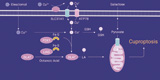
Tsvetkov et al. published in Science and demonstrated a copper-induced programmed cell death — Cuproptosis. As a novel programmed cell death, excess copper triggers abnormal aggregation of lipoylated proteins in TCA cycle and clearance of Fe-S cluster proteins, ultimately leading to cell death.
Scientific Reviews
Tsvetkov et al. published in Science and demonstrated a copper-induced programmed cell death — Cuproptosis. As a novel programmed cell death, excess copper triggers abnormal aggregation of lipoylated proteins in TCA cycle and clearance of Fe-S cluster proteins, ultimately leading to cell death. -
 Scientific Reviews
A comprehensive explanation of ferroptosis
Scientific Reviews
A comprehensive explanation of ferroptosis2022-09-15
Ferroptosis is a new type of RCD that depends on iron and characterized by the accumulation of lipid peroxides. In this article, we will pay our attention on ferroptosis and briefly discusses its mechanism. -
 Scientific Reviews
It's has been proved that p53, as a tumor suppressor gene and immune guardian, may become a destroyer through its own mutation. Moreover, the mechanism of p53 was found to be related to ferroptosis. This article mainly explores the mechanism between p53 and ferroptosis in detail.
Scientific Reviews
It's has been proved that p53, as a tumor suppressor gene and immune guardian, may become a destroyer through its own mutation. Moreover, the mechanism of p53 was found to be related to ferroptosis. This article mainly explores the mechanism between p53 and ferroptosis in detail. -
 Scientific Reviews
Autophagy, derived from the Greek meaning "eating of self", plays an indispensable role in maintaining homeostasis. p27 is an inhibitor of cyclin CDKs, but how p27 regulates autophagy remains unknown. This article will cover the mechanism of autophagy and p27-related cell cycle regulation.
Scientific Reviews
Autophagy, derived from the Greek meaning "eating of self", plays an indispensable role in maintaining homeostasis. p27 is an inhibitor of cyclin CDKs, but how p27 regulates autophagy remains unknown. This article will cover the mechanism of autophagy and p27-related cell cycle regulation. -
 Scientific Reviews
CMA (chaperone-mediated autophagy) plays an essential role in maintaining neuronal protein stability and preventing neurodegeneration. In this article, we will comprehensively clarify the role of CMA in the occurrence and development of neurodegenerative diseases.
Scientific Reviews
CMA (chaperone-mediated autophagy) plays an essential role in maintaining neuronal protein stability and preventing neurodegeneration. In this article, we will comprehensively clarify the role of CMA in the occurrence and development of neurodegenerative diseases. -
 Scientific Reviews
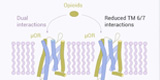
As powerful pain relievers, the opioids morphine and fentanyl have been "checked" by their side effects (listed as controlled substances). How to reduce its side effects? What is its mechanism? This research will explore its mechanism.
Scientific Reviews
As powerful pain relievers, the opioids morphine and fentanyl have been "checked" by their side effects (listed as controlled substances). How to reduce its side effects? What is its mechanism? This research will explore its mechanism. -
 Scientific Reviews
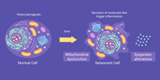
Understanding the mechanism of aging not only has guiding significance for prolonging human life but also has important clinical significance for the prevention and treatment of diseases in the elderly population , thus, improving their life quality and well-being.
Scientific Reviews
Understanding the mechanism of aging not only has guiding significance for prolonging human life but also has important clinical significance for the prevention and treatment of diseases in the elderly population , thus, improving their life quality and well-being. -
 Scientific Reviews
Mammalian cells can also photosynthesize like plants! Photosynthesis can improve cell anabolism and exhibit good clinical effect in degenerative diseases (osteoarthritis).
Scientific Reviews
Mammalian cells can also photosynthesize like plants! Photosynthesis can improve cell anabolism and exhibit good clinical effect in degenerative diseases (osteoarthritis). -
 Scientific Reviews
The latest study of Cell magazine "Neural mechanism underlying depressive-like state associated with social status loss" considers social factors as a breakthrough point. It has been found that the downward transition of social status induces depression-like behavior in mice whereas improves the depressive state by restoring their social environment.
Scientific Reviews
The latest study of Cell magazine "Neural mechanism underlying depressive-like state associated with social status loss" considers social factors as a breakthrough point. It has been found that the downward transition of social status induces depression-like behavior in mice whereas improves the depressive state by restoring their social environment. -
 Scientific Reviews
Mitophagy:Mechanisms and Detection
Scientific Reviews
Mitophagy:Mechanisms and Detection2023-05-25
About 60 years ago, Christian de Duve first used the term "autophagy" to describe his observation of the degradation of mitochondria and other intracellular structures in lysosomes of rat liver. Over the years, autophagy has remained a beloved topic of research by the National Natural Science Foundation of China (NSFC).Today, let's talk about mitochondrial autophagy. -
 Scientific Reviews
Structure of Lipid Droplets
Scientific Reviews
Structure of Lipid Droplets2023-06-15
Huh? Lipid droplets? Organelles? In the past, biological data usually only show the traditional organelles, such as mitochondria, Golgi apparatus, endoplasmic reticulum, etc., lipid droplets are often not mentioned by people. Today, we will make a systematic explanation of lipid droplets, so that everyone has a clear understanding! -
 Scientific Reviews
WHO's Q2 drug list has been updated. Let's take you through the list of the most noteworthy small molecule drugs that we should pay attention to.
Scientific Reviews
WHO's Q2 drug list has been updated. Let's take you through the list of the most noteworthy small molecule drugs that we should pay attention to. -
 Scientific Reviews
FDA Approved Drug List!
Scientific Reviews
FDA Approved Drug List!2023-09-14
In the first half of 2023 (as of June 27), the FDA approved 26 new drugs, let's take you learn about it through the article. -
 Scientific Reviews
Science | A "new" mechanism for non-ubiquitinated Midnolin-proteasomal degradation pathway
Scientific Reviews
Science | A "new" mechanism for non-ubiquitinated Midnolin-proteasomal degradation pathway2024-04-26
“ubiquitin-mediated protein degradation” won the Nobel Prize in Chemistry in 2004! In fact, proteasomes degrade not only ubiquitinated proteins but also non-ubiquitinated ones. The mechanism remains shrouded in mystery. After reading this piece today, you might have a lightbulb moment! -
 Scientific Reviews
STZ Induced Diabetes Models
Scientific Reviews
STZ Induced Diabetes Models2024-06-13
Spotlight: How can STZ Help Diabetes Research? -
 Scientific Reviews
Exosomes, which won the Nobel Prize in 2013, are still a research hotspot in the national natural sciences, and their popularity has only increased over the past decade (in 2022, they still rank 5th in the national natural sciences hotspots!). Why have exosomes become the darling of scientific research? Let's take a look together~
Scientific Reviews
Exosomes, which won the Nobel Prize in 2013, are still a research hotspot in the national natural sciences, and their popularity has only increased over the past decade (in 2022, they still rank 5th in the national natural sciences hotspots!). Why have exosomes become the darling of scientific research? Let's take a look together~ -
 Scientific Reviews
Degrade target proteins through the autophagy-lysosome pathway including LYTAC, AUTAC, and ATTEC have gained increasing attention in recent years due to their significant research potential!
Scientific Reviews
Degrade target proteins through the autophagy-lysosome pathway including LYTAC, AUTAC, and ATTEC have gained increasing attention in recent years due to their significant research potential! -
 Scientific Reviews
Science’s 2023 Breakthrough: GLP-1R Agonists
Scientific Reviews
Science’s 2023 Breakthrough: GLP-1R Agonists2024-08-13
GLP-1RAs, which achieved great success in 2023 and draws people’s attention back to obesity treatments and GLP-1 therapies worldwide, was chosen as the breakthrough of year 2023 by Science [2]. -
 Scientific Reviews
Cuproptosis, How much do you know?
Scientific Reviews
Cuproptosis, How much do you know?2024-08-22
Cells die in a variety of ways, including apoptosis, pyroptosis, necrosis, and ferroptosis......And, of course, cuproptosis. So, how much do you know about cuproptosis? -
 Scientific Reviews
Recently, Mol Cell reported the discovery of the first ferroptosis marker, Hyperoxidized PRDX3! Let’s take a look together~
Scientific Reviews
Recently, Mol Cell reported the discovery of the first ferroptosis marker, Hyperoxidized PRDX3! Let’s take a look together~ -
 Scientific Reviews
Cuproptosis's Knowledge Points!
Scientific Reviews
Cuproptosis's Knowledge Points!2024-09-25
With the establishment of the cuproptosis mechanism related research has attracted more and more attention from major journals. Expect to use the sharp sword of cuproptosis to stab the tumor cells. -
 Scientific Reviews
2024 Nobel Prize Announcements! Curious about the details? Click to dive into the exciting developments!
Scientific Reviews
2024 Nobel Prize Announcements! Curious about the details? Click to dive into the exciting developments! -
Scientific Reviews
Delve into the intricate networks that govern mitochondrial quality control. By examining key mechanisms such as biogenesis, mitochondrial dynamics (fission and fusion), proteolysis, and mitophagy. -
 Scientific Reviews
Unlocking the Power of Intermittent Fasting: The 16+8 Method
Scientific Reviews
Unlocking the Power of Intermittent Fasting: The 16+8 Method -
 Scientific Reviews
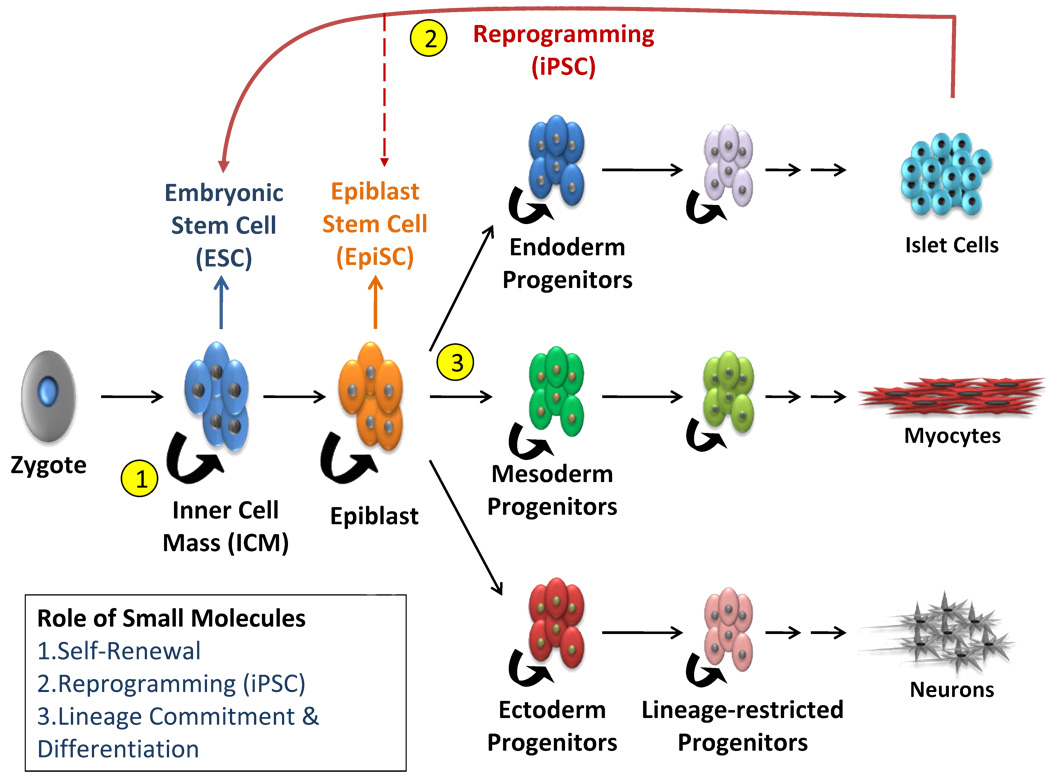
In early January 2025, MIT Tech Review unveiled its annual list of top 10 breakthrough technologies poised to redefine the future. Among these, stem cell therapy stood out for its potential to treat diverse diseases—including neurodegenerative disorders, diabetes, cancer, and heart failure. This groundbreaking approach uses stem cells to replace damaged cells, offering hope for millions worldwide.
Scientific Reviews
In early January 2025, MIT Tech Review unveiled its annual list of top 10 breakthrough technologies poised to redefine the future. Among these, stem cell therapy stood out for its potential to treat diverse diseases—including neurodegenerative disorders, diabetes, cancer, and heart failure. This groundbreaking approach uses stem cells to replace damaged cells, offering hope for millions worldwide. -
 Scientific Reviews
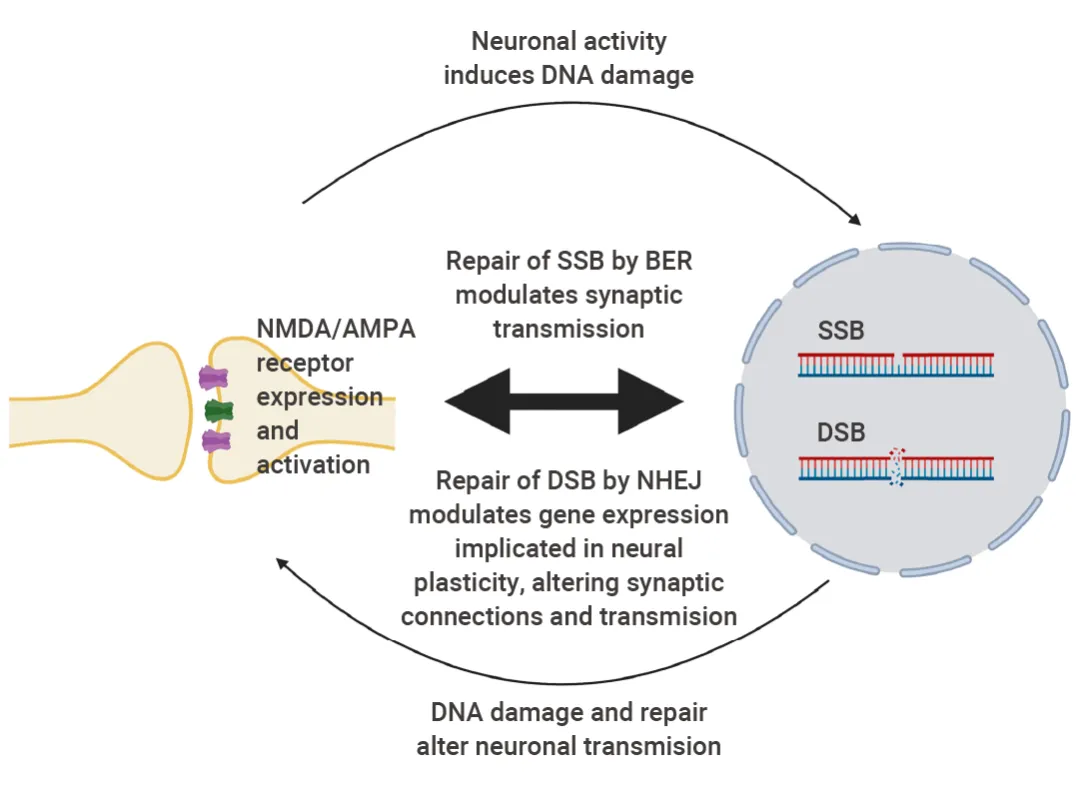
When you hear "inflammation" and "DNA damage," you might immediately think of disease or injury. However, in brains, these two processes are key steps in forming long-term memories, particularly related to specialized cells in our brain called hippocampal neurons.
Scientific Reviews
When you hear "inflammation" and "DNA damage," you might immediately think of disease or injury. However, in brains, these two processes are key steps in forming long-term memories, particularly related to specialized cells in our brain called hippocampal neurons. -
 Scientific Reviews
Autophagy is a fundamental process that degrades various components within the cell.
Scientific Reviews
Autophagy is a fundamental process that degrades various components within the cell. -
 Scientific Reviews
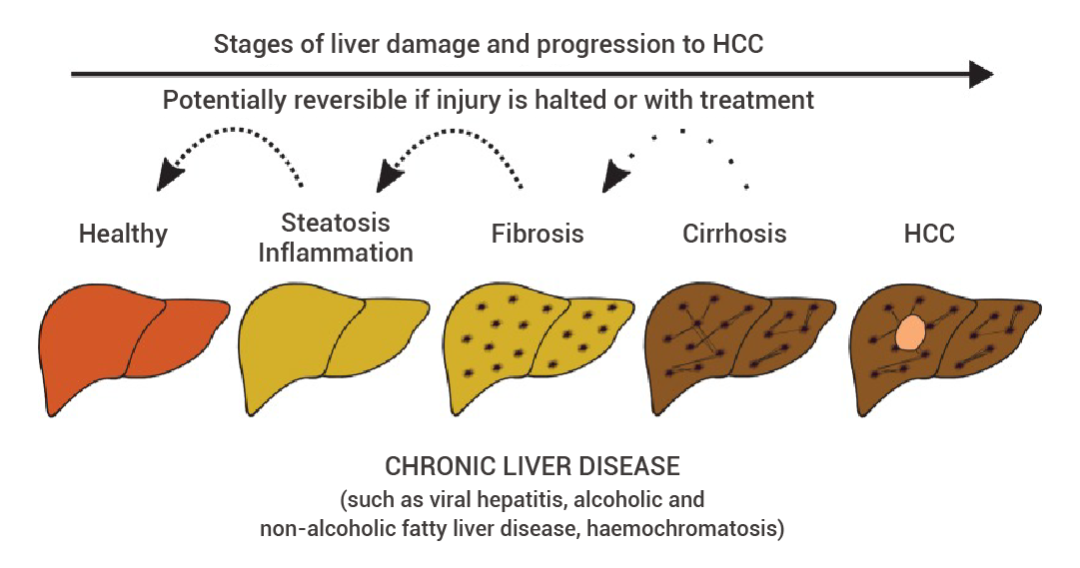
This article will tell you about the common methods of modeling liver disease in animal models.
Scientific Reviews
This article will tell you about the common methods of modeling liver disease in animal models. -
.jpg) Scientific Reviews
nside cells, the homeostasis and degradation of proteins is a precisely regulated process. If proteins cannot be degraded in time, it may lead to the occurrence of various diseases such as neurodegenerative diseases and cancer. This article will tell you the process of how proteins are recognized, labeled and then degraded!
Scientific Reviews
nside cells, the homeostasis and degradation of proteins is a precisely regulated process. If proteins cannot be degraded in time, it may lead to the occurrence of various diseases such as neurodegenerative diseases and cancer. This article will tell you the process of how proteins are recognized, labeled and then degraded! -
 Scientific Reviews
This article introduces some common cardiovascular disease models, inducers, modeling protocols and successful modeling cases in the research.
Scientific Reviews
This article introduces some common cardiovascular disease models, inducers, modeling protocols and successful modeling cases in the research. -
 Scientific Reviews
In this issue, we will conduct an in-depth interpretation from the dimensions of nanoparticle design, mechanism of action, in vivo and in vitro efficacy, and immune regulation, revealing how this research brings new hope for the treatment of invasive tumors through interdisciplinary innovation!
Scientific Reviews
In this issue, we will conduct an in-depth interpretation from the dimensions of nanoparticle design, mechanism of action, in vivo and in vitro efficacy, and immune regulation, revealing how this research brings new hope for the treatment of invasive tumors through interdisciplinary innovation! -
 Scientific Reviews
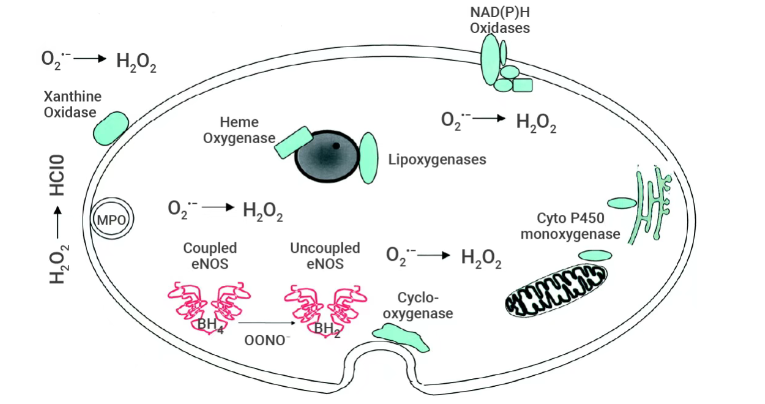
The article introduces the mechanisms of ROS generation and the methods for their detection.
Scientific Reviews
The article introduces the mechanisms of ROS generation and the methods for their detection. -
 Scientific Reviews
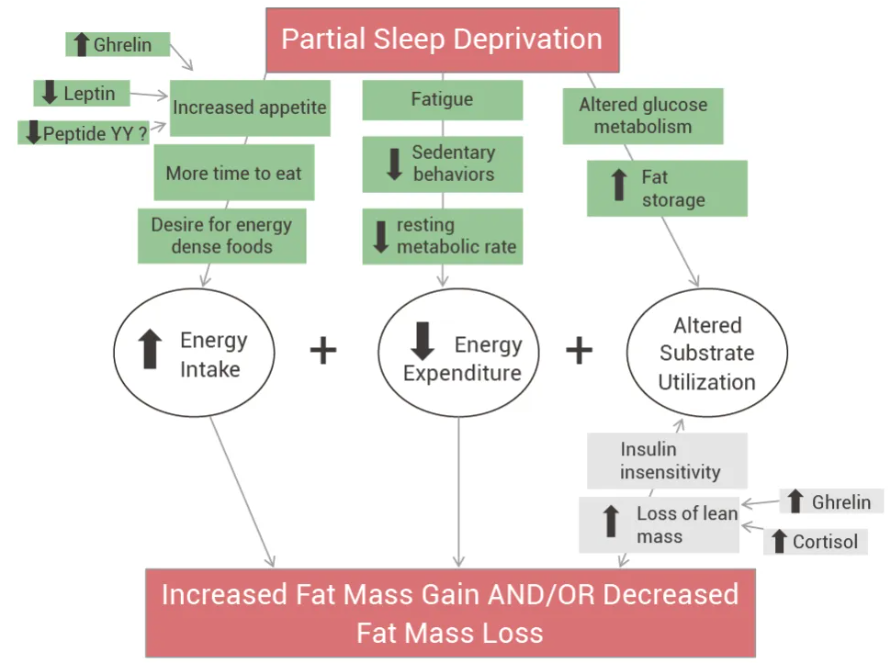
Have you ever noticed that after staying up late, your appetite—especially for high-calorie foods—gets out of control? If this sounds familiar, today’s article might offer some good news.
Scientific Reviews
Have you ever noticed that after staying up late, your appetite—especially for high-calorie foods—gets out of control? If this sounds familiar, today’s article might offer some good news. -
 Scientific Reviews
Finding adipogenic induction media too expensive and tricky to prepare? This comprehensive guide to 3T3-L1 adipogenic differentiation simplifies the process, helping you achieve great results!
Scientific Reviews
Finding adipogenic induction media too expensive and tricky to prepare? This comprehensive guide to 3T3-L1 adipogenic differentiation simplifies the process, helping you achieve great results! -
Scientific Reviews
Microglia– the only immune cells within the brain parenchyma. With advancements in imaging technologies, people’s understanding of microglia has shifted from being viewed as 'resting' cells to 'highly active' cells, particularly due to their dynamic processes that seem to be probing surrounding tissues and monitoring neuronal activity. This has made microglia a focal point of research in the field of neuroscience. -
 Scientific Reviews
Exosomes—natural nanoscale carriers—are revolutionizing targeted therapy. This article uncovers the science behind their precision in drug delivery.
Scientific Reviews
Exosomes—natural nanoscale carriers—are revolutionizing targeted therapy. This article uncovers the science behind their precision in drug delivery. -
 Scientific Reviews
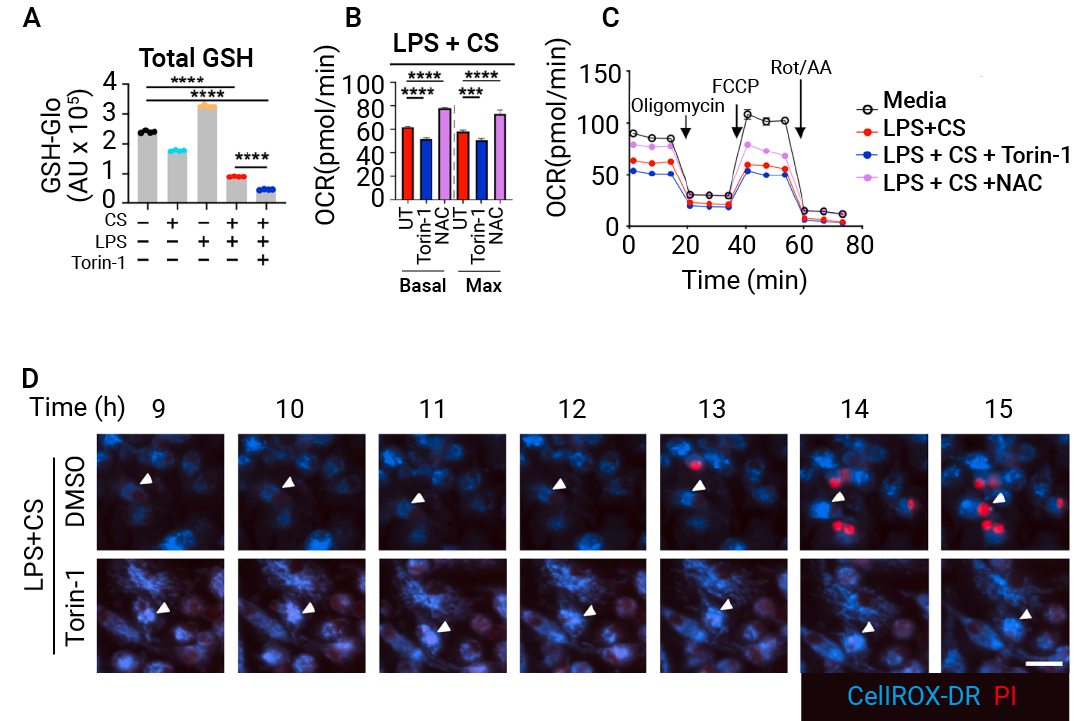
A November 2025 Cell study discovers Mitoxyperilysis, a new mTOR-regulated, caspase-independent cell death pathway driven by innate immune and metabolic dysregulation via mitochondrial-plasma membrane contact and oxidative damage, and verifies its potential to induce tumor necrosis for cancer therapy with key regulators including BAX, BAK1 and BID.
Scientific Reviews
A November 2025 Cell study discovers Mitoxyperilysis, a new mTOR-regulated, caspase-independent cell death pathway driven by innate immune and metabolic dysregulation via mitochondrial-plasma membrane contact and oxidative damage, and verifies its potential to induce tumor necrosis for cancer therapy with key regulators including BAX, BAK1 and BID. -
 Scientific Reviews
In the hunt for the next ‘GLP-1,’ amylin therapeutics, which have shown strong weight-loss results in clinical trials, have become a major focus for both multinational pharma and the scientific community.
Scientific Reviews
In the hunt for the next ‘GLP-1,’ amylin therapeutics, which have shown strong weight-loss results in clinical trials, have become a major focus for both multinational pharma and the scientific community. -
 Scientific Reviews
GLP-1 and Obesity Research
Scientific Reviews
GLP-1 and Obesity Research2026-08-14
Obesity substantially increases the risk of chronic diseases such as T2D and cardiovascular disease. The breakout success of GLP-1 therapies has spotlighted GLP-1R and a wave of emerging obesity targets. -
 EDM
Research Progress of Type-2-Diabetes
EDM
Research Progress of Type-2-Diabetes2025-07-09
This review comprehensively analyzes the pathophysiological mechanisms underlying T2D, surveys current therapeutic strategies, and introduces commonly used disease modeling approaches to support translational research. -
 EDM
Advances in Alzheimer's Disease Research
EDM
Advances in Alzheimer's Disease Research2025-07-16
This review summarizes current understanding of AD pathophysiology, including amyloid and tau pathology, neuroinflammation, synaptic dysfunction, and vascular abnormalities, and evaluates therapeutic strategies and experimental models. -
 EDM
This review provides an overview of GLP-1 biology and physiological functions, summarizes the development and clinical applications of GLP-1 receptor agonists, and discusses next-generation GLP-1–based therapeutic strategies.
EDM
This review provides an overview of GLP-1 biology and physiological functions, summarizes the development and clinical applications of GLP-1 receptor agonists, and discusses next-generation GLP-1–based therapeutic strategies. -
 EDM
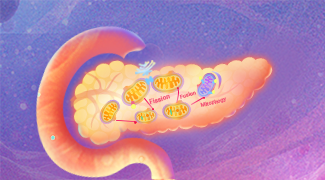
This review discusses β-cell dysfunction driven by mitochondrial impairment, outlines mitochondrial quality control networks, and summarizes strategies to restore mitochondrial function.
EDM
This review discusses β-cell dysfunction driven by mitochondrial impairment, outlines mitochondrial quality control networks, and summarizes strategies to restore mitochondrial function. -
 EDM
This review highlights the roles of microglia in AD pathology, focusing on metabolic reprogramming and microglia-targeted therapeutic strategies.
EDM
This review highlights the roles of microglia in AD pathology, focusing on metabolic reprogramming and microglia-targeted therapeutic strategies. -
 EDM
Explore next-generation obesity therapies from three perspectives: GLP-1-based multi-receptor agonists, oral GLP-1 strategies, and novel obesity targets.
EDM
Explore next-generation obesity therapies from three perspectives: GLP-1-based multi-receptor agonists, oral GLP-1 strategies, and novel obesity targets. -
 EDM
Review advances in target discovery, disease modeling, and biomarkers for Parkinson’s disease, highlighting their interplay and future directions for translational research.
EDM
Review advances in target discovery, disease modeling, and biomarkers for Parkinson’s disease, highlighting their interplay and future directions for translational research. -
 EDM
Review mitophagy regulation, disease mechanisms, and therapeutic advances to guide future research and drug development.
EDM
Review mitophagy regulation, disease mechanisms, and therapeutic advances to guide future research and drug development. -
 EDM
Explore the evolution from GLP-1 mono-agonists to multi-receptor therapeutics and the expanding role of incretin-based therapies in precision metabolic medicine.
EDM
Explore the evolution from GLP-1 mono-agonists to multi-receptor therapeutics and the expanding role of incretin-based therapies in precision metabolic medicine. -
 EDM
Explore how anti-Aβ therapy is reshaping the AD treatment landscape, the rationale for multi-pathology combination strategies, and advances in biomarker-guided precision treatment.
EDM
Explore how anti-Aβ therapy is reshaping the AD treatment landscape, the rationale for multi-pathology combination strategies, and advances in biomarker-guided precision treatment. -
 EDM
Evolution of PCSK9 Inhibitors Modalities: From Monoclonal Antibodies to Oral Macrocyclic Peptides
EDM
Evolution of PCSK9 Inhibitors Modalities: From Monoclonal Antibodies to Oral Macrocyclic Peptides2026-08-27
Review the biological basis of PCSK9, key therapeutic modalities, cardiovascular evidence, and future directions, including insights from the CORALreef clinical program. -
 EDM
Explore how mitochondrial quality control, inflammatory signaling, and metabolic–epigenetic reprogramming regulate cellular senescence and the SASP, along with strategies to restore mitochondrial homeostasis.
EDM
Explore how mitochondrial quality control, inflammatory signaling, and metabolic–epigenetic reprogramming regulate cellular senescence and the SASP, along with strategies to restore mitochondrial homeostasis. -
 Product Guides
Exosomes are nano-sized biovesicles released into surrounding body fluids after the fusion of multivesicular bodies with the plasma membrane. In this article, we will briefly introduce isolation, labeling and identification of exosomes. And the specific application of exosomes will also be mentioned.
Product Guides
Exosomes are nano-sized biovesicles released into surrounding body fluids after the fusion of multivesicular bodies with the plasma membrane. In this article, we will briefly introduce isolation, labeling and identification of exosomes. And the specific application of exosomes will also be mentioned. -
 Blog
BR351 is a Brain Penetrant MMP Inhibitor
Blog
BR351 is a Brain Penetrant MMP Inhibitor2019-04-05
BR351 is a brain penetrant MMP inhibitor, and a potential tool for the molecular imaging of activated MMPs with PET, with an IC50 in the nanomolar range. -
 Blog
Nevanimibe is a selective and potent ACAT1 inhibitor. An excellent drug candidate in the treatment of adrenocortical cancer.
Blog
Nevanimibe is a selective and potent ACAT1 inhibitor. An excellent drug candidate in the treatment of adrenocortical cancer. -
 Blog
BAY-8002 is a selective and orally active inhibitor of monocarboxylate transporter 1 (MCT1), with an IC50 of 85 nM. Has potential to treat lymphoma.
Blog
BAY-8002 is a selective and orally active inhibitor of monocarboxylate transporter 1 (MCT1), with an IC50 of 85 nM. Has potential to treat lymphoma. -
 Blog
ACY-1083, a Highly Selective HDAC6 Inhibitor, Reverses Chemotherapy-induced Peripheral Neuropathy
Blog
ACY-1083, a Highly Selective HDAC6 Inhibitor, Reverses Chemotherapy-induced Peripheral Neuropathy2019-05-12
ACY-1083 is a selective and brain-penetrating HDAC6 inhibitor with an IC50 of 3 nM. ACY-1083 effectively reverses chemotherapy-induced peripheral neuropathy -
 Blog
Olutasidenib is a highly potent, selective inhibitor of mutant IDH1 that could be used in the treatment of AML or myelodysplastic syndrome (MDS).
Blog
Olutasidenib is a highly potent, selective inhibitor of mutant IDH1 that could be used in the treatment of AML or myelodysplastic syndrome (MDS). -
 Blog
Gboxin is an oxidative phosphorylation inhibitor that targets glioblastoma. Gboxin inhibits the activity of F0F1 ATP synthase and shows antitumour activity.
Blog
Gboxin is an oxidative phosphorylation inhibitor that targets glioblastoma. Gboxin inhibits the activity of F0F1 ATP synthase and shows antitumour activity. -
 Blog
PTC299 is a dual and orally active DHODH and VEGF inhibitor, has broad and potent activity against hematological cancer cells.
Blog
PTC299 is a dual and orally active DHODH and VEGF inhibitor, has broad and potent activity against hematological cancer cells. -
 Blog
LSN 3213128 is a selective, nonclassical, orally bioavailable antifolate with anti-cancer activity. LSN 3213128 potently and specifically inhibits AICARFT.
Blog
LSN 3213128 is a selective, nonclassical, orally bioavailable antifolate with anti-cancer activity. LSN 3213128 potently and specifically inhibits AICARFT. -
 Blog
NXT629 is a potent, selective, and competitive PPAR-α antagonist and shows high selectivity over other nuclear hormone receptor.
Blog
NXT629 is a potent, selective, and competitive PPAR-α antagonist and shows high selectivity over other nuclear hormone receptor. -
 Blog
BI-4924 is a Selective PHGDH Inhibitor
Blog
BI-4924 is a Selective PHGDH Inhibitor2019-08-23
BI-4924 is a lipophilic and highly plasma protein bound selective phosphoglycerate dehydrogenase (PHGDH) inhibitor (IC50=3 nM) with excellent microsomal. -
 Blog
FT113 is a potent and orally active fatty acid synthase inhibitor, with an IC50 of 213 nM for full-length recombinant human FAS, with anti-tumor activity.
Blog
FT113 is a potent and orally active fatty acid synthase inhibitor, with an IC50 of 213 nM for full-length recombinant human FAS, with anti-tumor activity. -
 Blog
UPGL00004 is a allosteric glutaminase C inhibitor which strongly inhibits the proliferation of highly aggressive triple-negative breast cancer cell lines.
Blog
UPGL00004 is a allosteric glutaminase C inhibitor which strongly inhibits the proliferation of highly aggressive triple-negative breast cancer cell lines. -
 Blog
IDH889 is an orally available, brain penetrant, allosteric and mutant specific inhibitor of isocitrate dehydrogenase 1 (IDH1) R132 mutations.
Blog
IDH889 is an orally available, brain penetrant, allosteric and mutant specific inhibitor of isocitrate dehydrogenase 1 (IDH1) R132 mutations. -
 Blog
DVD-445 is a potent peptidomimetic covalent TrxR1 inhibitor with an IC50 of 0.60 μM for rat TrxR1. DVD-445 has good anticancer application.
Blog
DVD-445 is a potent peptidomimetic covalent TrxR1 inhibitor with an IC50 of 0.60 μM for rat TrxR1. DVD-445 has good anticancer application. -
 Blog
TVB-3166 is an orally-available, reversible, and selective FASN inhibitor and it induces apoptosis, and inhibits in-vivo xenograft tumor growth.
Blog
TVB-3166 is an orally-available, reversible, and selective FASN inhibitor and it induces apoptosis, and inhibits in-vivo xenograft tumor growth. -
 Blog
ASLAN003 is an orally active and potent inhibitor of hDHODH with antitumor activity, and it has the potential to be a first-in-class drug candidate in AML.
Blog
ASLAN003 is an orally active and potent inhibitor of hDHODH with antitumor activity, and it has the potential to be a first-in-class drug candidate in AML. -
 Blog
DS18561882 is a highly potent, sozyme-selective methylenetetrahydrofolate dehydrogenase 2 (MTHFD2) inhibitor with a good oral pharmacokinetic profile.
Blog
DS18561882 is a highly potent, sozyme-selective methylenetetrahydrofolate dehydrogenase 2 (MTHFD2) inhibitor with a good oral pharmacokinetic profile. -
 Blog
GNE-618 is a Orally Active NAMPT Inhibitor
Blog
GNE-618 is a Orally Active NAMPT Inhibitor2019-11-28
GNE-618 is an orally active NAMPT inhibitor and reduces tumor growth. GNE-618 depletes NAD levels and induces tumor cell death. -
 Blog
Telaglenastat is a first-in-class, reversible, orally bioavailable glutaminase 1 splice variants (KGA and GAC) inhibitor. It shows antitumor activity.
Blog
Telaglenastat is a first-in-class, reversible, orally bioavailable glutaminase 1 splice variants (KGA and GAC) inhibitor. It shows antitumor activity. -
 Blog
GPP78 is a potent Nampt inhibitor. GPP78 is cytotoxic to neuroblastoma cell line SH-SY5Y cells. GPP78 has anti-cancer and anti-tumor activity.
Blog
GPP78 is a potent Nampt inhibitor. GPP78 is cytotoxic to neuroblastoma cell line SH-SY5Y cells. GPP78 has anti-cancer and anti-tumor activity. -
 Blog
M8891 is an orally active, reversible and brain penetrant Methionine Aminopeptidase-2 (MetAP-2) inhibitor with antiangiogenic and antitumoral activity.
Blog
M8891 is an orally active, reversible and brain penetrant Methionine Aminopeptidase-2 (MetAP-2) inhibitor with antiangiogenic and antitumoral activity. -
 Blog
AKOS-22, a VDAC1 Oligomerization and Apoptosis Inhibitor, Protects Against Mitochondrial Dysfunction
Blog
AKOS-22, a VDAC1 Oligomerization and Apoptosis Inhibitor, Protects Against Mitochondrial Dysfunction2020-02-15
AKOS-22 is a potent mitochondrial protein VDAC1 and apoptosis inhibitor. AKOS-22 protects against Mitochondrial Dysfunction. -
 Blog
TCH-165 is a modulator of proteasome assembly, which increases 20S levels and facilitates 20S-mediated protein degradation, such as IDPs, α-syn, and tau.
Blog
TCH-165 is a modulator of proteasome assembly, which increases 20S levels and facilitates 20S-mediated protein degradation, such as IDPs, α-syn, and tau. -
 Blog
Ro 90-7501, an Aβ42 fibril assembly inhibitor, inhibits PP5 in a TPR-dependent manner and has radiosensitizing effects on cervical cancer cells.
Blog
Ro 90-7501, an Aβ42 fibril assembly inhibitor, inhibits PP5 in a TPR-dependent manner and has radiosensitizing effects on cervical cancer cells. -
 Blog
CM10 is a potent and selective aldehyde dehydrogenase 1A family inhibitor and regulates metabolism and has anti-cancer activity.
Blog
CM10 is a potent and selective aldehyde dehydrogenase 1A family inhibitor and regulates metabolism and has anti-cancer activity. -
 Blog
NU1025 is a potent PARP inhibitor and potentiates the cytotoxicity of ionizing radiation drug. NU1025 has anti-cancer and neuroprotective activity.
Blog
NU1025 is a potent PARP inhibitor and potentiates the cytotoxicity of ionizing radiation drug. NU1025 has anti-cancer and neuroprotective activity. -
 Blog
DC-5163 is a potent GAPDH inhibitor, can inhibit glycolysis pathway partially. DC-5163 selectively inhibits cancer cell proliferation and induces apoptosis.
Blog
DC-5163 is a potent GAPDH inhibitor, can inhibit glycolysis pathway partially. DC-5163 selectively inhibits cancer cell proliferation and induces apoptosis. -
 Blog
iFSP1 is a potent, selective FSP1inhibitor that induces ferroptosis in GPX4-knockout cells which overexpressed FSP1.
Blog
iFSP1 is a potent, selective FSP1inhibitor that induces ferroptosis in GPX4-knockout cells which overexpressed FSP1. -
 Blog
OT-82 is a selective inhibitor of NAMPT. Selectively toxic to cells of hematopoietic origin. OT-82 is a promising antineoplastic agent.
Blog
OT-82 is a selective inhibitor of NAMPT. Selectively toxic to cells of hematopoietic origin. OT-82 is a promising antineoplastic agent. -
 Blog
TNP-351, an Antifolate, is a Dihydrofolate Reductase (DHFR) Inhibitor. Antifolates serve medical science well in neoplastic and non-neoplastic diseases.
Blog
TNP-351, an Antifolate, is a Dihydrofolate Reductase (DHFR) Inhibitor. Antifolates serve medical science well in neoplastic and non-neoplastic diseases. -
 Blog
JCN037 is a potent, non-covalent, and brain-penetrant EGFR tyrosine kinase inhibitor. JCN037 has potent anti-cancer activity.
Blog
JCN037 is a potent, non-covalent, and brain-penetrant EGFR tyrosine kinase inhibitor. JCN037 has potent anti-cancer activity. -
 Blog
MYLS22 is a first-in-class and selective optic atrophy 1 (OPA1) inhibitor with anti-angiogenesis and anti-cancer activity.
Blog
MYLS22 is a first-in-class and selective optic atrophy 1 (OPA1) inhibitor with anti-angiogenesis and anti-cancer activity. -
 Blog
RA375, a RPN13 inhibitor, inhibits proteasome function in muscle. RA375 is highly active against cell lines of multiple myeloma and diverse solid cancers.
Blog
RA375, a RPN13 inhibitor, inhibits proteasome function in muscle. RA375 is highly active against cell lines of multiple myeloma and diverse solid cancers. -
 Blog
JX06 is a potent, selective and covalent inhibitor of PDK via covalently binding to a cysteine residue in an irreversible manner.
Blog
JX06 is a potent, selective and covalent inhibitor of PDK via covalently binding to a cysteine residue in an irreversible manner. -
 Blog
KCC-07 prevents binding of MBD2 to methylated DNA and activates BAI1 inducing anti-proliferative BAI1/p53/p21 signaling. Anticancer activity.
Blog
KCC-07 prevents binding of MBD2 to methylated DNA and activates BAI1 inducing anti-proliferative BAI1/p53/p21 signaling. Anticancer activity. -
 Blog
IPI-9119 is an orally active, selective and irreversible FASN inhibitor with potent anti-cancer activity. IPI-9119 induces cell cycle arrest, apoptosis.
Blog
IPI-9119 is an orally active, selective and irreversible FASN inhibitor with potent anti-cancer activity. IPI-9119 induces cell cycle arrest, apoptosis. -
 Blog
MPT0G211, an orally active and selective HDAC6 inhibitor, ameliorates tau phosphorylation, and cognitive deficits in an Alzheimer’s disease model.
Blog
MPT0G211, an orally active and selective HDAC6 inhibitor, ameliorates tau phosphorylation, and cognitive deficits in an Alzheimer’s disease model. -
 Blog
RapaLink-1, a third-generation bivalent mTOR inhibitor, potently blocking cancer-derived, activating mutants of mTOR. It can cross the blood-brain barrier.
Blog
RapaLink-1, a third-generation bivalent mTOR inhibitor, potently blocking cancer-derived, activating mutants of mTOR. It can cross the blood-brain barrier. -
 Blog
PQR530 is a potent, ATP-competitive, orally bioavailable and brain-penetrant dual pan-PI3K/mTORC1/2 inhibitor. Antitumor activity.
Blog
PQR530 is a potent, ATP-competitive, orally bioavailable and brain-penetrant dual pan-PI3K/mTORC1/2 inhibitor. Antitumor activity. -
 Blog
CHDI-390576, a potent and CNS penetrant class IIa HDAC inhibitor, show selectivity over class I HDACs, HDAC8 and the class IIb HDAC6 isoform.
Blog
CHDI-390576, a potent and CNS penetrant class IIa HDAC inhibitor, show selectivity over class I HDACs, HDAC8 and the class IIb HDAC6 isoform. -
 Blog
CTPI-2 is a SLC25A1 inhibitor. CTPI-2 inhibits glycolysis, PPARγ, and its downstream target the glucose transporter GLUT4. Antitumor activity.
Blog
CTPI-2 is a SLC25A1 inhibitor. CTPI-2 inhibits glycolysis, PPARγ, and its downstream target the glucose transporter GLUT4. Antitumor activity. -
 Blog
DMU-212 Possesses Antimitotic, Anti-Proliferative, Antioxidant and Apoptosis Promoting Activities
Blog
DMU-212 Possesses Antimitotic, Anti-Proliferative, Antioxidant and Apoptosis Promoting Activities2020-12-24
Activation of ERK1/2 is required for the antimitotic activity of the Resveratrol analogue DMU‐212 in human melanoma cells. -
 Blog
BI99179 is a Selective Type I FASN Inhibitor
Blog
BI99179 is a Selective Type I FASN Inhibitor2021-01-28
FASN is a key enzyme for lipogenesis and highly expressed in lipogenic tissues. BI99179 is a Selective Type I FASN Inhibitor. -
 Blog
Fasentin inhibits GLUT-1 and GLUT-4 transporters. Fasentin blocks glucose uptake in cancer cell lines and has anti-angiogenic activity.
Blog
Fasentin inhibits GLUT-1 and GLUT-4 transporters. Fasentin blocks glucose uptake in cancer cell lines and has anti-angiogenic activity. -
 Blog
ML390 is a Potent DHODH Inhibitor
Blog
ML390 is a Potent DHODH Inhibitor2021-02-24
ML390 is a potent dihydroorotate dehydrogenase (DHODH) inhibitor and is an inducer of myeloid differentiation. -
 Blog
NAZ2329 is an allosteric, noncompetitive and reversible inhibitor of R5 RPTP subfamily and PTPRZ/PTPRG with anti-cancer activity.
Blog
NAZ2329 is an allosteric, noncompetitive and reversible inhibitor of R5 RPTP subfamily and PTPRZ/PTPRG with anti-cancer activity. -
 Blog
BrBzGCp2 is a Glyoxalase 1 (GLO1) inhibitor for a variety of disorders. Possesses antitumor and neuroprotective activity.
Blog
BrBzGCp2 is a Glyoxalase 1 (GLO1) inhibitor for a variety of disorders. Possesses antitumor and neuroprotective activity. -
 Blog
IMT1 is a first-in-class specific and noncompetitive human POLRMT inhibitor for mitochondrial transcription disorders related diseases.
Blog
IMT1 is a first-in-class specific and noncompetitive human POLRMT inhibitor for mitochondrial transcription disorders related diseases. -
 Blog
ML-00253764 is a brain penetrant nonpeptidic melanocortin receptor 4 (MC4R) antagonist with a Ki/IC50 of 0.16 µM/0.103 µM, respectively.
Blog
ML-00253764 is a brain penetrant nonpeptidic melanocortin receptor 4 (MC4R) antagonist with a Ki/IC50 of 0.16 µM/0.103 µM, respectively. -
 Blog
AUTAC4 is a mitochondria-targeting autophagy-targeting chimera, which can be used for the study of mitochondrial dysfunction.
Blog
AUTAC4 is a mitochondria-targeting autophagy-targeting chimera, which can be used for the study of mitochondrial dysfunction. -
 Blog
Vorasidenib is an orally available, brain penetrant second-generation dual mutant isocitrate dehydrogenases 1 and 2 (mIDH1/2) inhibitor.
Blog
Vorasidenib is an orally available, brain penetrant second-generation dual mutant isocitrate dehydrogenases 1 and 2 (mIDH1/2) inhibitor. -
 Blog
GSK2606414 is an orally available PERK inhibitor and is a potent compound of cancer and neurological diseases.
Blog
GSK2606414 is an orally available PERK inhibitor and is a potent compound of cancer and neurological diseases. -
 Blog
IACS-010759 is an orally active, potent mitochondrial complex I of oxidative phosphorylation (OXPHOS) inhibitor with antitumor activity.
Blog
IACS-010759 is an orally active, potent mitochondrial complex I of oxidative phosphorylation (OXPHOS) inhibitor with antitumor activity. -
 Blog
Elesclomol is an oxidative stress inducer that induces cancer cell apoptosis. Elesclomol is a reactive oxygen species (ROS) inducer.
Blog
Elesclomol is an oxidative stress inducer that induces cancer cell apoptosis. Elesclomol is a reactive oxygen species (ROS) inducer. -
 Blog
Brusatol (NSC 172924) is a Nrf2 Inhibitor
Blog
Brusatol (NSC 172924) is a Nrf2 Inhibitor2021-10-26
Brusatol inhibits the Nrf2 signaling pathway by reducing the protein level of Nrf2, with anticancer activities. -
 Blog
SB 258719 is a selective 5-HT7 receptor antagonist and can be used for the research of cancer and neurological disease.
Blog
SB 258719 is a selective 5-HT7 receptor antagonist and can be used for the research of cancer and neurological disease. -
 Blog
Oltipraz is a Nrf2 Inhibitor
Blog
Oltipraz is a Nrf2 Inhibitor2021-11-18
Oltipraz is a potent Nrf2 activator. Oltipraz has an inhibitory effect on HIF-1α activation in a time-dependent manner, the IC50 is 10 μM. -
 Blog
Lonidamine, an antitumor agent and an indazole derivative, interferes with energy-yielding processes in cancer cells.
Blog
Lonidamine, an antitumor agent and an indazole derivative, interferes with energy-yielding processes in cancer cells. -
 Blog
Trolox is an analogue of vitamin E with a powerful antioxidant effect. Trolox is also a powerful inhibitor of membrane damage.
Blog
Trolox is an analogue of vitamin E with a powerful antioxidant effect. Trolox is also a powerful inhibitor of membrane damage. -
 Blog
AZD1390 is a potent, highly selective, orally bioavailable, brain-penetrant ATM inhibitor with an IC50 of 0.78 nM.
Blog
AZD1390 is a potent, highly selective, orally bioavailable, brain-penetrant ATM inhibitor with an IC50 of 0.78 nM. -
 Blog
Alda-1 is a potent ALDH2 Agonist
Blog
Alda-1 is a potent ALDH2 Agonist2021-12-30
Alda-1 ameliorates H2O2-induced Achilles tendinopathy. Alda-1 could be used for preventing Achilles tendinopathy. -
 Blog
β-Lapachone, a topoisomerase I inhibitor, induces apoptosis by inhibiting cell cycle progression. β-Lapachone has anti-inflammatory effect.
Blog
β-Lapachone, a topoisomerase I inhibitor, induces apoptosis by inhibiting cell cycle progression. β-Lapachone has anti-inflammatory effect. -
 Blog
Zingerone is a natural orally active nontoxic methoxyphenol potent anti-inflammatory, antidiabetic, antioxidize, and anti-tumor properties.
Blog
Zingerone is a natural orally active nontoxic methoxyphenol potent anti-inflammatory, antidiabetic, antioxidize, and anti-tumor properties. -
 Blog
PX-12 is an irreversible inhibitor of Trx-1 and inhibits the growth, migration, and invasion of colorectal cancer cell lines.
Blog
PX-12 is an irreversible inhibitor of Trx-1 and inhibits the growth, migration, and invasion of colorectal cancer cell lines. -
 Blog
Epoxomicin is an epoxyketone-containing natural product and a selective and irreversible proteasome inhibitor. Cross the blood-brain barrier.
Blog
Epoxomicin is an epoxyketone-containing natural product and a selective and irreversible proteasome inhibitor. Cross the blood-brain barrier. -
 Blog
AZD-9574 is a potent and brain penetrant PARP1 inhibitor and shows >8000-fold selectivity for PARP1 compared to PARP2/3/5a/6.
Blog
AZD-9574 is a potent and brain penetrant PARP1 inhibitor and shows >8000-fold selectivity for PARP1 compared to PARP2/3/5a/6. -
 Blog
LCS3 is a potent and reversible inhibitor of GSR and TXNRD1 with anti-tumour activity by non-competitive inhibition of the enzyme activity.
Blog
LCS3 is a potent and reversible inhibitor of GSR and TXNRD1 with anti-tumour activity by non-competitive inhibition of the enzyme activity. -
 Blog
GR-46611 is a 5-HT1D Receptor Agonist
Blog
GR-46611 is a 5-HT1D Receptor Agonist2022-10-11
GR-46611 is a potent 5-HT1D receptor agonist and has the potential for the research of epilepsy and inhibits bladder activity. -
 Blog
STF-31 is a potent ans selective inhibitor of GLUT1 that inhibit glucose uptake in renal cell carcinoma (RCC) 4 cells.
Blog
STF-31 is a potent ans selective inhibitor of GLUT1 that inhibit glucose uptake in renal cell carcinoma (RCC) 4 cells. -
 Blog
Olutasidenib (FT-2102) is an orally active, brain penetrant inhibitor of mutant IDH1. Olutasidenib is used for AML or MDS Research.
Blog
Olutasidenib (FT-2102) is an orally active, brain penetrant inhibitor of mutant IDH1. Olutasidenib is used for AML or MDS Research. -
 Blog
MMRi62, a Ferroptosis inducer targeting MDM2-MDM4. MMRi62 shows a P53-independent pro-apoptotic activity against PDAC cells.
Blog
MMRi62, a Ferroptosis inducer targeting MDM2-MDM4. MMRi62 shows a P53-independent pro-apoptotic activity against PDAC cells. -
 Blog
FA16 is a specific and metabolically stable ferroptosis inducer. It inhibits system Xc-, results in tumor progression suppression.
Blog
FA16 is a specific and metabolically stable ferroptosis inducer. It inhibits system Xc-, results in tumor progression suppression. -
 Blog
YL-939 was a potent inhibitor of iron death and significantly improved liver injury in a model of iron death-related acute liver injury.
Blog
YL-939 was a potent inhibitor of iron death and significantly improved liver injury in a model of iron death-related acute liver injury. -
 Blog
J-113397 is a potent and selective nonpeptidyl ORL1 receptor antagonist without any agonistic effects on other opioid receptors.
Blog
J-113397 is a potent and selective nonpeptidyl ORL1 receptor antagonist without any agonistic effects on other opioid receptors. -
 Blog
Talotrexin (PT523), a classic antifolate, is an RFC (reduced folate carrier) specific inhibitor and selectively inhibits RFC transport.
Blog
Talotrexin (PT523), a classic antifolate, is an RFC (reduced folate carrier) specific inhibitor and selectively inhibits RFC transport.
Products
All
-
All
-
Inhibitors & Agonists
-
Isotope-Labeled Compounds
-
Fluorescent Dye
-
Peptides
-
Recombinant Proteins
-
Antibodies
-
Screening Libraries
-
Kits
-
Inhibitory Antibodies
-
Reference Standards
-
Induced Disease Models Products
-
GMP Small Molecules
-
Enzyme
-
Biochemical Assay Reagents
-
Natural Products
| Cat. No. | Product Name | Information | Application | Publication |
|---|---|---|---|---|
| HY-10256 | Adezmapimod |
Adezmapimod (SB 203580) is a selective and ATP-competitive p38 MAPK inhibitor with IC50s of 50 nM and 500 nM for SAPK2a/p38 and SAPK2b/p38β2, respectively. Adezmapimod inhibits LCK, GSK3β and PKBα with IC50s of 100-500-fold higher than that for SAPK2a/p38. Adezmapimod can inhibit p38 MAPK and lead to the inhibition of downstream HSP27 phosphorylation. Adezmapimod does not disrupt JNK activity and is an autophagy and mitophagy activator.
|
Lung Cancer
Prostate Cancer
Gastric Cancer
Ovarian Cancer
Neurodegenerative Disease
Depression
Pain
Digestive System Inflammation
Obesity
Lung Fibrosis
Rheumatoid Arthritis
|
639
|
| HY-13966 | 2-Deoxy-D-glucose |
2-Deoxy-D-glucose is a glucose analog that acts as a competitive inhibitor of glucose metabolism, inhibiting glycolysis via its actions on hexokinase.
|
|
390
|
| HY-13757 | Tamoxifen Citrate |
Tamoxifen Citrate (ICI 46474) is an orally active, selective estrogen receptor modulator (SERM) which blocks estrogen action in breast cells and can activate estrogen activity in other cells, such as bone, liver, and uterine cells.Tamoxifen Citrate is a potent Hsp90 activator and enhances the Hsp90 molecular chaperone ATPase activity. Tamoxifen Citrate also potent inhibits infectious EBOV Zaire and Marburg (MARV) with IC50 of 0.1 μM and 1.8 μM, respectively. Tamoxifen Citrate activates autophagy and induces apoptosis. Tamoxifen Citrate can also be used to induce gene knockout in CreER transgenic mice.
|
Neurological, Eye or Ear Disease
Digestive System Disease
Prostate Cancer
Viral Infection
Digestive System Inflammation
Luminal Breast Cancer
Metastatic Breast Cancer
SARS-CoV-2 Infection
Lung Fibrosis
|
270
|
| HY-13757A | Tamoxifen |
Tamoxifen (ICI 47699) is an orally active, selective estrogen receptor modulator (SERM) which blocks estrogen action in breast cells and can activate estrogen activity in other cells, such as bone, liver, and uterine cells. Tamoxifen is a potent Hsp90 activator and enhances the Hsp90 molecular chaperone ATPase activity. Tamoxifen also potent inhibits infectious EBOV Zaire and Marburg (MARV) with IC50 of 0.1 μM and 1.8 μM, respectively. Tamoxifen activates autophagy and induces apoptosis. Tamoxifen can also be dissolved in corn oil (HY-Y1888) for use in inducing gene knockout in CreER transgenic mice. Tamoxifen has better solubility in corn oil compared to Tamoxifen Citrate (HY-13757).
|
Neurological, Eye or Ear Disease
Metabolic or Endocrine Disease
Digestive System Disease
Prostate Cancer
Viral Infection
Digestive System Inflammation
Luminal Breast Cancer
Metastatic Breast Cancer
SARS-CoV-2 Infection
Lung Fibrosis
|
270
|
| HY-B1756 | Rotenone |
Rotenone is a mitochondrial electron transport chain complex I inhibitor. Rotenone induces apoptosis through enhancing mitochondrial reactive oxygen species production.
|
|
206
|
| HY-K0601 | JC-1 Mitochondrial Membrane Potential Assay Kit |
MCE JC-1 Mitochondrial Membrane Potential Assay Kit uses JC-1 to detect the mitochondrial membrane potential in variety of cell types, as well as intact tissues and isolated mitochondria. |
|
169
|
| HY-N0830B | Palmitic acid sodium |
Palmitic acid sodium is a long-chain saturated fatty acid commonly found in both animals and plants. Palmitic acid sodium can induce the expression of glucose-regulated protein 78 (GRP78) and CCAAT/enhancer binding protein homologous protein (CHOP) in in mouse granulosa cells. Palmitic acid sodium is used to establish a cell steatosis model .
Source: Widespread |
|
122
|
| HY-N0830 | Palmitic acid |
Palmitic acid is a long-chain saturated fatty acid commonly found in both animals and plants. PA can induce the expression of glucose-regulated protein 78 (GRP78) and CCAAT/enhancer binding protein homologous protein (CHOP) in in mouse granulosa cells. Palmitic acid is used to establish a cell steatosis model.
Source: Widespread |
Cancer
Neurological, Eye or Ear Disease
Blood or Cardio-cerebrovascular Disease
Metabolic or Endocrine Disease
|
122
|
| HY-L068 | Flavonoids Library |
Flavonoids are an important class of natural products; particularly, they belong to a class of plant secondary metabolites having a polyphenolic structure, widely found in fruits, vegetables and certain beverages. Flavonoids can be subdivided into different subgroups depending on the carbon of the C ring on which the B ring is attached and the degree of unsaturation and oxidation of the C ring. These subgroups are: flavones, flavonols, flavanones, flavanonols, flavanols or catechins, anthocyanins and chalcones. Flavonoids are now considered as an indispensable component in a variety of nutraceutical, pharmaceutical, medicinal and cosmetic applications. This is attributed to their anti-oxidative, anti-inflammatory, anti-mutagenic and anti-carcinogenic properties coupled with their capacity to modulate key cellular enzyme function. Naturally occurring flavonoids are known to have biological activities for use as drugs, for example, in diseases like cancer, Alzheimer’s disease (AD), atherosclerosis, etc.
MCE offers a unique collection of 583 natural flavonoid compounds which is a useful tool for drug discovery as an important source of lead compounds.
|
|
98
|
| HY-L011 | Membrane Transporter/Ion Channel Compound Library |
Most of molecules enter or leave cells mainly via membrane transport proteins, which play important roles in several cellular functions, including cell metabolism, ion homeostasis, signal transduction, the recognition process in the immune system, energy transduction, etc. There are three major types of transport proteins, ATP-powered pumps, channel proteins and transporters. Transport proteins such as channels and transporters play important roles in the maintenance of intracellular homeostasis, and mutations in these transport protein genes have been identified in the pathogenesis of a number of hereditary diseases. In the central nervous system, ion channels have been linked to, but not limited to, many diseases such asataxias, paralyses, epilepsies, and deafness. This indicates the roles of ion channels in the initiation and coordination of movement, sensory perception, and encoding and processing of information. Ion channels are a major class of drug targets in drug development.
MCE designs a unique collection of 2,278 smal-molecule modulators that can be used for the research of Ion Channel and Membrane Transporter or high throughput screening (HTS) related drug discovery.
|
|
90
|
| HY-L015 | PI3K/Akt/mTOR Compound Library |
The PI3K/Akt/mTOR pathway controls many cellular processes that are important for the formation and progression of cancer, including apoptosis, transcription, translation, metabolism, angiogenesis, and cell cycle progression. Every major node of this signaling network is activated in a wide range of human tumors. Mechanisms for the pathway activation include activation of receptor tyrosine kinases (RTKs) upstream of PI3K, mutation or amplification of PIK3CA encoding p110α catalytic subunit of PI3K, mutation or loss of PTEN tumor suppressor gene, and mutation or amplification of Akt1. Once the pathway is activated, signaling through Akt can stimulate a series of substrates including mTOR which is involved in protein synthesis. Thus, inhibition of this pathway is an attractive concept for cancer prevention and/or therapy. Currently some mTOR inhibitors are approved for several indications, and there are several novel PI3K/Akt/mTOR inhibitors in clinical trials.
MCE owns a unique collection of 1,149 compounds that can be used for PI3K/Akt/mTOR pathway research. PI3K/Akt/mTOR Compound Library also acts as a useful tool for anti-cancer drug discovery.
|
|
90
|
| HY-L012 | Metabolism/Protease Compound Library |
Metabolism is the set of life-sustaining chemical reactions in organisms. Metabolic pathways are enzyme-mediated biochemical reactions that lead to biosynthesis (anabolism) or breakdown (catabolism) of natural product small molecules within a cell or tissue. Acting as catalysts, enzymes are crucial to metabolism - they allow a reaction to proceed more rapidly - and they also allow the regulation of the rate of a metabolic reaction. Proteases are used throughout an organism for various metabolic processes. Proteases control a great variety of physiological processes that are critical for life, including the immune response, cell cycle, cell death, wound healing, food digestion, and protein and organelle recycling. Imbalances in metabolic activities have been found to be critical in a number of pathologies, such as cardiovascular diseases, inflammation, cancer, and neurodegenerative diseases.
MCE designs a unique collection of 7,360 Metabolism/Protease-related small molecules that act as a useful tool for drug discovery of metabolism-related diseases.
|
|
89
|
| HY-L089 | Mitochondria-Targeted Compound Library |
Mitochondria plays an important role in many vital processes in cells, including energy production, fatty-acid oxidation and the Tricarboxylic Acid (TCA) cycle, calcium signaling, permeability transition, apoptosis and heat production. At present, it is recognized that many diseases are associated with impaired mitochondrial function, such as increased accumulation of ROS and decreased OXPHOS and ATP production. Mitochondria are recognized as one of the most important targets for new drug design in cancer, cardiovascular, and neurological diseases, etc. Some small molecule drugs or biologics can act on mitochondria through various pathways, including ETC inhibition, OXPHOS uncoupling, mitochondrial Ca2+ modulation, and control of oxidative stress via decrease or increase of mitochondrial ROS accumulation.
MCE supplies a unique collection of 1,182 mitochondria-targeted compound that mainly targeting Mitochondrial Metabolism, ATP Synthase, Mitophagy, Reactive Oxygen Species, etc. MCE Mitochondria-Targeted Compound Library is a useful tool for mitochondria-targeted drug discovery and related research.
|
|
89
|
| HY-L902 | 5K Scaffold Library |
MCE 5K Scaffold Library consists of 5,000 lead-like compounds. Each compound represents one unique scaffold. All compounds are compatible with Lipinski’s rule (Rule of 5) with multiple characteristics such as calculated good solubility (-3.2 < logP < 5), oral bioavailability (RotB <= 10), drug transportability (PSA < 120). Compounds contained within the library have been screened to remove any inappropriate chemical structures, avoiding “false hits”. The sufficient diverse of compound structure makes this library a powerful tool for drug screening.
|
|
87
|
| HY-L008 | JAK/STAT Compound Library |
The Janus kinase (JAK)/signal transducer and activator of transcription (STAT) pathway is central to signaling by cytokine receptors, a superfamily of more than 30 transmembrane proteins that recognize specific cytokines, and is critical in blood formation and immune response. Canonical JAK/STAT signaling begins with the association of cytokines and their corresponding transmembrane receptors. Activated JAKs then phosphorylate latent STAT monomers, leading to dimerization, nuclear translocation, and DNA binding. In mammals, there are four JAKs (JAK1, JAK2, JAK3, TYK2) and seven STATs (STAT1, STAT2, STAT3, STAT4, STAT5a, STAT5b, STAT6). Since the JAK/STAT pathway plays a major role in many fundamental processes, such as apoptosis and inflammation, dysfunctional proteins in the pathway may lead to a number of diseases. For example, alterations in JAK/STAT signalling can result in cancer and diseases affecting the immune system, such as severe combined immunodeficiency disorder (SCID).
MCE provides 738 compounds that can be used in the study of the JAK/STAT signaling pathway and related diseases.
|
|
86
|
| HY-L017 | Stem Cell Signaling Compound Library |
Adult stem cells are important for tissue homeostasis and regeneration due to their ability to self-renew and generate multiple types of differentiated daughters. Self-renewal is reflected by their capacity to undergo multiple/limitless divisions. Several signaling pathways are involved in self-renewal of stem cells, that is, Notch, Wnt, and Hedgehog pathways or Polycomb family proteins. Recent studies mainly focus on cancer stem cell (CSCs), induced pluripotent stem cell (iPSCs), neural stem cell and maintenance of embryonic stem cell pluripotency. Among them, CSCs have been believed to be responsible for tumor initiation, growth, and recurrence that have implications for cancer therapy.
MCE owns a unique collection of 2,931 compounds that can be used for stem cell regulatory and signaling pathway research.
|
|
86
|
| HY-L058 | Glycolysis Compound Library |
Glycolysis is a series of metabolic processes by which one molecule of glucose is catabolized to two molecules of pyruvate with a net gain of two ATP. Glycolysis takes place in 10 steps and catalyzed by a series of enzyme, such as hexokinase, Glucose-6-phosphate isomerase, Phosphofructokinase, etc. Glycolysis is used by all cells in the body for energy generation.
Most cancer cells exhibit increased glycolysis and use this metabolic pathway for generation of ATP as a main source of their energy supply. This phenomenon is known as the Warburg effect and is considered as one of the most fundamental metabolic alterations during malignant transformation. Because increased aerobic glycolysis is commonly seen in a wide spectrum of human cancers, development of novel glycolytic inhibitors as a new class of anticancer agents is likely to have broad therapeutic applications.
MCE provides a unique collection of 1,379 glycolysis compounds that mainly target hexokinase, glucokinase, enolase, pyruvate kinase, PDHK, etc. MCE Glycolysis Compound Library is a useful tool for glucose metabolism research and anti-cancer drug discovery.
|
|
86
|
| HY-L014 | NF-κB Signaling Compound Library |
Nuclear factor-κB (NF-κB)/Rel proteins include NF-κB2 p52/p100, NF-κB1 p50/p105, c-Rel, RelA/p65, and RelB. These proteins function as dimeric transcription factors that regulate the expression of genes and influence a broad range of biological processes including innate and adaptive immunity, inflammation, stress responses, B-cell development, and lymphoid organogenesis. NF-κB plays a key role in regulating the immune response to infection. In addition, activation of the NF-κB pathway is involved in the pathogenesis of chronic inflammatory diseases, such as asthma, rheumatoid arthritis, and inflammatory bowel disease. Incorrect regulation of NF-κB has been linked to cancer, inflammatory and autoimmune diseases, septic shock, viral infection, and improper immune development.
MCE owns a unique collection of 1,801 small molecule compounds that can be used in the research of NF-κB signaling pathway or high throughput screening (HTS) related drug discovery.
|
|
85
|
| HY-L037 | Antioxidant Compound Library |
Oxidative stress is an imbalance of free radicals and antioxidants in the body, which can lead to cell and tissue damage. Oxidative stress can be responsible for the induction of several diseases, both chronic and degenerative, as well as speeding up body aging process and cause acute pathologies. Antioxidants are a class of compounds able to counteract oxidative stress and mitigate its effects on individuals’ health, gained enormous attention from the biomedical research community. Antioxidants have long been substantial and amenable therapeutic arsenals for multifarious diseases such as AD and cancer.
MCE Antioxidant Compound Library contains 2,489 compounds that act as antioxidants for high throughput screening (HTS) and high content screening (HCS). This library is a useful tool for discovery new antioxidants and oxidative stress research.
|
|
85
|
| HY-L092 | Glucose Metabolism Compound Library |
Glucose homeostasis is tightly regulated to meet the energy requirements of the vital organs and maintain an individual’s health. Glucose metabolism includes glycolysis, tricarboxylic acid cycle, pentose phosphate pathway, oxidative phosphorylation and other metabolic pathways. Glucose is the major carbon source that provides the main energy for life. Glucose metabolism dysregulation is also implicated in many diseases such as diabetes, heart disease, neurodegenerative diseases and even cancer.
MCE offers a unique collection of 1,777 compounds related to glucose metabolism, which target glucose metabolism related targets, such as GLUT, Hexokinase, Pyruvate Kinase, IDH, etc. MCE glucose metabolism library is a powerful tool for studying glucose metabolism and drug discovery of diseases related to glucose metabolism.
|
|
85
|
| HY-L136 | Coagulation and Anti-coagulation Compound Library |
Coagulation, also known as clotting, is the process in which blood changes from a liquid to a solid gel to form a blood clot. Thrombin, which is accurately and evenly generated in the injured part of blood vessels, is a key effector enzyme of the blood coagulation system and participates in many important biological processes, such as platelet activation, fibrinogen conversion to fibrin network, coagulation feedback amplification, etc. At the same time, to avoid the accidental formation of thrombus in the body, there is also an anticoagulant mechanism that inhibits blood coagulation.
Normal coagulation mechanism represents a balance between the pro-coagulant pathway in the injured site and anti-coagulant pathway beyond it. The blood coagulation system may be out of balance during the perioperative period or critical illness, which may lead to thrombosis or excessive bleeding. Therefore, the physiological study of coagulation balance is an important basis for clinical diagnosis and treatment of the abnormal coagulation process.
MCE supplies a unique collection of 1,525 compounds targeting key proteins in coagulation and anti-coagulation system. MCE Coagulation and Anti-coagulation Compound Library is a useful tool for study the mechanism of coagulation and anticoagulation.
|
|
85
|
| HY-L013 | Neuronal Signaling Compound Library |
Neuronal Signaling is involved in the regulation of the mechanisms of the central nervous system (CNS) such as its structure, function, genetics and physiology as well as how this can be applied to understand diseases of the nervous system. Every information processing system in the CNS is composed of neurons and glia, neurons have evolved unique capabilities for intracellular signaling (communication within the cell) and intercellular signaling (communication between cells). G protein-coupled receptors (GPCRs), including 5-HT receptor, histamine receptor, opioid receptor, etc. are the largest class of sensory proteins and are important therapeutic targets in Neuronal Signaling. Besides, Notch signaling, such as β- and γ-secretase, also plays multiple roles in the development of the CNS including regulating neural stem cell (NSC) proliferation, survival, self-renewal and differentiation. GPCR dysfunction caused by receptor mutations and environmental challenges contributes to many neurological diseases. Notch signaling in neurons, glia, and NSCs is also involved in pathological changes that occur in disorders such as stroke, Alzheimer's disease and CNS tumors. Thus, targeting Neuronal Signaling, such as notch signaling and GPCRs, can be used as therapeutic interventions for several different CNS disorders.
MCE designs a unique collection of 3,961 Neuronal Signaling-related compounds that act as a useful tool for the research of neuronal regulation and neuronal diseases.
|
|
84
|
| HY-L034 | Anti-Aging Compound Library |
Aging is a complex biological process characterized by functional decline of tissues and organs, structural degeneration, and reduced adaptability and resistance, all of which contribute to an increase in morbidity and mortality caused by multiple chronic diseases, such as Alzheimer's disease, cancer, and diabetes. Many theories, which fall into two main categories: programmed and error theories, have been proposed to explain the process of aging, but neither of them appears to be fully satisfactory. The programmed theories imply that aging relies on specific gene regulation, and the error theories emphasize the internal and environmental damages accumulated to living organisms. The damage theories proposed the nine hallmarks that were generally considered to contribute to the aging process: genomic instability, telomere attrition, epigenetic alterations, loss of proteostasis, deregulated nutrient-sensing, mitochondrial dysfunction, cellular senescence, stem cell exhaustion, and altered intercellular communication.
MCE Anti-Aging Compound Library contains 7,771 compounds, mainly targeting Sirtuin, mTOR, IGF-1R, AMPK, p53, Telomerase, Mitophagy, Mitochondrial Metabolism, COX, Cytochrome P450, Oxidase, etc. This library is a useful tool for anti-aging research.
|
|
84
|
| HY-L046 | Anti-Cardiovascular Disease Compound Library |
Cardiovascular diseases (CVDs) are a group of disorders of the heart and blood vessels which include coronary heart disease, cerebrovascular disease, peripheral arterial disease, rheumatic heart disease, etc. CVDs are the number 1 cause of death globally. Smoking, unhealthy nutrition, aging population, lack of physical activity, arterial hypertension, or diabetes can promote cardiovascular disease like myocardial infarction or stroke. It is multifactorial and encompasses a multitude of mechanisms, such as eNOS uncoupling, reactive oxygen species formation, chronic inflammatory disorders and abnormal calcium homeostasis. Antioxidant, anti-inflammatory and anti-diabetes agents may reduce the cardiovascular disease risk.
MCE supplies a unique collection of 2,468 compounds with confirmed anti-cardiovascular activity. These compounds mainly target metabolic enzyme, membrane transporter, ion channel, inflammation related signaling pathways. MCE Anti-Cardiovascular Disease Compound Library can be used for cardiovascular diseases related research and high throughput and high content screening for new drugs.
|
|
84
|
| HY-L059 | Pyroptosis Compound Library |
Programmed cell death pathways, including apoptosis, pyroptosis and necroptosis, are regulated by unique sets of host proteins that coordinate a variety of biological outcomes. Pyroptosis is a highly inflammatory form of programmed cell death that occurs most frequently upon infection with intracellular pathogens and is likely to form part of the antimicrobial response. This process promotes the rapid clearance of various bacterial, viral, fungal and protozoan infections by removing intracellular replication niches and enhancing the host's defensive responses. Pyroptosis has been widely studied in inflammatory and infection disease models. Recently, there are growing evidences that pyroptosis also plays an important role in the development of cancer, cardiovascular diseases and Metabolic disorder, etc.
MCE designs a unique collection of 2,034 pyroptosis-related compounds mainly focusing on the key targets in the pyroptosis signaling pathway and can be used in the research of pyroptosis signal pathway and related diseases.
|
|
84
|
| HY-L083 | Anti-Cancer Metabolism Compound Library |
Mutations in oncogenes and tumor suppressor genes can modify multiple signaling pathways and in turn cell metabolism, which facilitates tumorigenesis. The paramount hallmark of tumor metabolism is “aerobic glycolysis” or the Warburg effect, coined by Otto Warburg in 1926, in which cancer cells produce most of energy from glycolysis pathway regardless of whether in aerobic or anaerobic condition. Usually, cancer cells are highly glycolytic (glucose addiction) and take up more glucose than do normal cells from outside. The increased uptake of glucose is facilitated by the overexpression of several isoforms of membrane glucose transporters (GLUTs). Likewise, the metabolic pathways of glutamine, amino acid and fat metabolism are also altered. Recent trends in anti-cancer drug discovery suggests that targeting the altered metabolic pathways of cancer cells result in energy crisis inside the cancer cells and can selectively inhibit cancer cell proliferation by delaying or suppressing tumor growth.
MCE provides a unique collection of 3,806 compounds which cover various tumor metabolism-related signaling pathways. These compounds can be used for anti-cancer metabolism targets identification, validation as well anti-cancer drug discovery.
|
|
84
|
| HY-L146 | Metabolic Enzyme Compound Library |
Metabolism is the set of life-sustaining chemical reactions in organisms that maintain cell homeostasis. Metabolic pathways are enzyme-mediated biochemical reactions that lead to biosynthesis (anabolism) or breakdown (catabolism) of molecules including glucose metabolism, lipid metabolism and amino acid or protein metabolism within a cell or tissue. As catalysts, enzymes are crucial to metabolism as they allow a reaction to proceed more rapidly and tregulate the rate of a metabolic reaction. Due to the importance of metabolic balance in the organism, the abnormal function of metabolic enzymes often leads to the occurrence of a variety of metabolic diseases, such as diabetes, obesity, cardiovascular disease, etc.
MCE designs a unique collection of 4,407 metabolic enzymes related small molecules, which is an important tool for studying the metabolic activities of organisms and developing drugs for metabolic diseases.
|
|
84
|
| HY-L180 | Mitophagy Compound Library |
Mitochondrial autophagy refers to the selective encapsulation and degradation of damaged mitochondria by cells through the autophagy mechanism, thereby maintaining mitochondrial and cellular homeostasis. The concept of mitochondrial autophagy has received extensive attention since it was proposed. Current studies have shown that the mechanisms of mitochondrial autophagy can generally be divided into two categories: Ubiquitin-dependent pathways and Ub-independent pathways. In addition, mitochondrial autophagy is a research hotspot related to the pathogenesis of neurodegenerative diseases, cardiovascular diseases, cancer, metabolic diseases and other clinical diseases. Therefore, high-throughput screening based on mitochondrial autophagy can effectively screen out compounds that are closely related to the occurrence of diseases and analyze their mechanisms.
MCE can provide a library of 655 mitophagy compounds, which can be used for drug development and mechanism research in cancer, immunity, infection and other hot research fields.
|
|
84
|
| HY-L0119V | Asinex PPI Pre-Plated Library |
Protein protein interactions (PPI) have pivotal roles in life processes. The studies showed that aberrant PPI are associated with various diseases. However, the design of modulators targeting PPI still faces tremendous challenges, such the difficult PPI interfaces for the drug design, lack of ligands reference, lack of guidance rules for the PPI modulators development and high-resolution PPI proteins structures.
The PPI Library comprises molecules of various sizes, frameworks, and shapes ranging from fragment-like entities to macrocyclic derivatives designed as secondary structure mimetics or as epitope mimetics. The designs cover β-turn / loop mimetics and α-helix mimetics. Since helices present at the interface in 62% of all protein-protein interactions. This library focused on designs including mimics with the substitution geometry of an a-helices, as well as designs that mimic the location of “hot-spot” side chains in helix-mediated PPIs.
|
|
83
|
| HY-L0121V | MCE 10K Natural Product-like Compound Library |
Natural products are an attractive source with varied structures that exhibit potent biological activities, and desirable pharmacological profiles. The core scaffold of a natural product can also provide a biologically validated framework upon which to display diverse functional groups. Inspired by bioactive natural products, natural product-like compounds, occupying the same chemical space, are ideally suited to explore and to facilitate understanding of biological pathways.
MCE 10K Natural Product-like Compound Library consists of 10,000 natural product-like compounds. Each compound has scaffold of natural products or Tanimoto coefficient >0.6 with natural products. The natural-likeness scoring of these compounds is >-2. What’s more, compounds in the library are drug-like and readily available for re-supply, making it a powerful tool for new drug research and development. It can be widely applied in high-throughput screening (HTS) and high-content screening (HCS).
|
|
83
|
| HY-L045 | Oxygen Sensing Compound Library |
Oxygen homeostasis regulation is the most fundamental cellular process for adjusting physiological oxygen variations, and its irregularity leads to various human diseases, including cancer. Hypoxia is closely associated with cancer development, and hypoxia/oxygen-sensing signaling plays critical roles in the modulation of cancer progression.
Hypoxia-inducible factor 1 (HIF-1) is a transcription factor that functions as a master regulator of oxygen homeostasis. A variety of HF-1 target genes have been identified thus far which encode proteins that play key roles in critical developmental and physiological processes including angiogenesis/vascular remodeling, erythropoiesis, glucose transport, glycolysis, iron transport, and cell proliferation/survival.
HIF-1 is a heterodimeric transcription factor consisting of a constitutively expressed β-subunit and an oxygen-regulated α-subunit. The unique feature of HIF-1 is the regulation of HIF-1α expression and activity based upon the cellular O2 concentration. Under normoxic conditions, hydroxylation of HIF-1α on these different proline residues is essential for HIF proteolytic degradation by promoting interaction with the von Hippel-Lindau tumor-suppressor protein (pVHL) through hydrogen bonding to the hydroxyproline-binding pocket in the pVHL β-domain. As oxygen levels decrease, hydroxylation of HIF decreases; HIF-1α then no longer binds pVHL, and becomes stabilized, allowing more of the protein to translocate to the cell’s nucleus, where it acts as a transcription factor, upregulating (often within minutes) the production of proteins that stimulate blood perfusion in tissues and thus tissue oxygenation.
MCE offers a unique collection of 4,317 oxygen sensing related compounds targeting HIF/HIF Prolyl-Hydroxylase, MAPK/ERK, PI3K/AKT signaling pathways, etc. MCE Oxygen Sensing Compound Library is a useful tool to study hypoxia, oxidative stress and discover new anti-cancer drugs.
|
|
83
|
| HY-L047 | Endocrinology Compound Library |
The endocrine system is a chemical messenger system comprising feedback loops of the hormones released by internal glands of an organism directly into the circulatory system, regulating distant target organs. Hormones are chemicals that serve to communicate between organs and tissues for physiological regulation and behavioral activities. Hormones affect distant cells by binding to specific receptor proteins in the target cell, resulting in a change in cell function.
The endocrine system is concerned with the integration of developmental events proliferation, growth, and differentiation, and the psychological or behavioral activities of metabolism, growth and development, tissue function, sleep, digestion, respiration, excretion, mood, stress, lactation, movement, reproduction, and sensory perception caused by hormones. Irregulated hormone release, inappropriate response to signaling or lack of a gland can lead to endocrine disease.
MCE offers a unique collection of 908 endocrinology related compounds targeting varieties of hormone receptors such as thyroid hormone receptor, TSH receptor, GNRH receptor, adrenergic receptor, etc. MCE Endocrinology Compound Library is a useful tool for the discovery of endocrinology drugs.
|
|
83
|
| HY-L064 | Glutamine Metabolism Compound Library |
Glutamine is an important metabolic fuel that helps rapidly proliferating cells meet the increased demand for ATP, biosynthetic precursors, and reducing agents. Glutamine Metabolism pathway involves the initial deamination of glutamine by glutaminase(GLS), yielding glutamate and ammonia. Glutamate is converted to the TCA cycle intermediate α-ketoglutarate (α-KG) by either glutamate dehydrogenase (GDH) or by the alanine or aspartate transaminases (TAs), to produce both ATP and anabolic carbons for the synthesis of amino acids, nucleotides and lipids. During periods of hypoxia or mitochondrial dysfunction, α-KG can be converted to citrate in a reductive carboxylation reaction catalyzed by IDH2. The newly formed citrate exits the mitochondria where it is used to synthesize fatty acids and amino acids and produce the reducing agent, NADPH.
Cancer cells display an altered metabolic circuitry that is directly regulated by oncogenic mutations and loss of tumor suppressors. Mounting evidence indicates that altered glutamine metabolism in cancer cells has critical roles in supporting macromolecule biosynthesis, regulating signaling pathways, and maintaining redox homeostasis, all of which contribute to cancer cell proliferation and survival. Thus, intervention in glutamine metabolic processes could provide novel approaches to improve cancer treatment.
MCE owns a unique collection of 1,827 compounds targeting the mainly proteins and enzymes involved in glutamine metabolism pathway. Glutamine Metabolism compound library is a useful tool for intervention in glutamine metabolic processes.
|
|
83
|
| HY-L074 | Anti-Breast Cancer Compound Library |
Breast cancer is the most frequent cancer among women, impacting 2.1 million women each year, and also causes the greatest number of cancer-related deaths among women. Surgery is usually the first type of treatment for breast cancer, which is usually followed by chemotherapy or radiotherapy or, in some cases, hormone or targeted therapies, especially for metastatic breast cancer (MBC).
Breast cancer is a heterogeneous disease, which is categorized into 3 major subtypes based on the presence or absence of molecular markers for estrogen or progesterone receptors and human epidermal growth factor 2 (ERBB2; formerly HER2): hormone receptor positive/ERBB2 negative (70% of patients), ERBB2 positive (15%-20%), and triple-negative (tumors lacking all 3 standard molecular markers; 15%). Different intrinsic subtypes exhibit different tumor behavior with different prognoses, and may require specific targeted therapies to maximize treatment effectiveness. Otherwise, some signaling pathways also play important roles in the development of breast cancer, such as NF-κB Signaling Pathway, TGF-beta Signaling Pathway, PI3K/AKT/mTOR signaling pathway and Notch Signaling Pathway. These signaling pathways offer ideal targets for development of new targeted therapies for breast cancer.
MCE supplies a unique collection of 3,404 compounds with identified and potential anti-breast cancer activity. MCE Anti-Breast Cancer Compound Library is a useful tool for anti-breast cancer drugs screening.
|
|
83
|
| HY-L085 | Anti-Parkinson's Disease Compound Library |
Parkinson’s disease (PD), the second most common age-associated neurodegenerative disorder, is characterized by the loss of dopaminergic (DA) neurons and the presence of α-synuclein-containing aggregates in the substantia nigra pars compacta (SNpc). Motor features such as tremor, rigidity, bradykinesia and postural instability are common traits of PD. To date, there is no treatment to stop or at least slow down the progression of the disease. The etiology and pathogenesis of PD is still elusive, however, a large body of evidence suggests a prominent role of oxidative stress, inflammation, apoptosis, mitochondrial dysfunction and proteasome dysfunction in the pathogenesis of PD.
MCE offers a unique collection of 2,199 compounds with anti- Parkinson’s Disease activities or targeting the unique targets of PD. MCE Anti- Parkinson's Disease Compound Library is a useful tool for exploring the mechanism of PD and discovering new drugs for PD.
|
|
83
|
| HY-L098 | Drug Metabolite Library |
A drug metabolite is a byproduct of the body breaking down, or “metabolizing” a drug into a different substance. Most drugs undergo chemical alteration by various bodily systems as a way to create compounds that are more easily excreted from the body. Drugs can be metabolized by oxidation, reduction, hydrolysis, hydration, conjugation, condensation, or isomerization. Drug metabolism can produce metabolites with physicochemical and pharmacological properties that differ substantially from those of the parent drug, and consequently have important implications for both drug safety and efficacy.
MCE offers a unique collection of 440 drug metabolites which is a useful tool for drug safety and efficacy study and drug repurposing.
|
|
83
|
| HY-L144 | Mitochondrial Protection Compound Library |
Normal mitochondrial function is critical for maintaining cellular homeostasis because mitochondria produce ATP and are the major intracellular source of free radicals. Cellular dysfunctions induced by intracellular or extracellular insults converge on mitochondria and induce a sudden increase in permeability on the inner mitochondrial membrane, the so-called mitochondrial membrane permeability transition (MMPT). MMPT is caused by the opening of pores in the inner mitochondrial membrane, matrix swelling, and outer membrane rupture. The MMPT is an endpoint to initiate cell death because the pore opening together with the release of mitochondrial cytochrome c activates the apoptotic pathway of caspases.
The normal operation of mitochondrial function is important for maintaining normal cell death and treatment of mitochondrial diseases. MCE offers a unique collection of 1,112 compounds with identified and potential mitochondrial protective activity. MCE Mitochondrial Protection Compound Library is critical for drug discovery and development.
|
|
83
|
| HY-L148 | TCA Cycle Compound Library |
The TCA cycle (tricarboxylic acid cycle)—is also known as the Krebs cycle or the citric acid cycle (CAC). The TCA cycle is a series of chemical reactions that release stored energy through the oxidation of acetyl-CoA in carbohydrates, fats, and proteins.
For decades, the TCA cycle has been considered as the central pathway for cell oxidative phosphorylation to produce energy and biosynthesis. Research shows that TCA cycle is associated with many diseases, especially cancer. In colon carcinoma, liver cancer and other cancers, there are mutations that lead to the imbalance of TCA cycle metabolites, indicating that TCA cycle may be related to the occurrence of cancer. Understanding the role and molecular mechanism of TCA cycle in inhibiting or promoting cancer progression will promote the development of new metabolite-based cancer treatment methods in the future.
MCE supplies a unique collection of 72 compounds related to the TCA cycle. MCE TCA Cycle Compound Library is a useful tool for the TCA cycle related research and anti-cancer drug development.
|
|
83
|
| HY-L155 | Mitochondrial Toxicity Compound Library |
Mitochondria, as the main place of energy supply in life, is essential to maintain normal life activities. Mitochondrial dysfunction is associated with common diseases, such as cardiovascular diseases, neurodegenerative diseases, diabetes and cancer. The heart, brain and liver rely heavily on mitochondrial function as the main organs for drug metabolism. In addition, mitochondria is also a target of many drugs, some of which induce organotoxicity by inducing mitochondrial toxicity.
MCE contains 545 mitochondrial toxic compounds, which can be used as tool compounds for drug development and disease mechanism research.
|
|
83
|
| HY-L178 | Radioprotector Library |
Radiation sickness is a general term for various types and degrees of damage (or disease) occurring in the human body after exposure to ionizing radiation. Although small amounts of ionizing radiation can also cause the body to produce free radicals and ROS, causing oxidative stress, resulting in DNA damage and chromosomal aberration. Radioprotector are compounds with radiation protection that can be used to prevent/protect non-tumor cells from the harmful effects of radiation. Radioprotective compounds can prevent the damage of radioactive substances to the human body and reduce the clinical symptoms of various radioactive diseases. In addition, radioprotectors can protect normal cells from damage during radiation therapy. The ideal anti-radiation drug should not affect the sensitivity of tumor cells to radiation therapy while protecting normal cells.
MCE designs a unique collection of 3,066 radioprotectors. Radioprotector Library is an effective tool for acute Radiation Syndrome, drug combination research with radiation drugs.
|
|
83
|
| HY-L185 | Anti-Fibrosis Compound Library |
Fibrosis is a kind of repair response to long-term tissue damage, which is mainly manifested by excessive deposition of extracellular matrix (ECM) and scar formation. Myofibroblasts are the main generating cells of extracellular matrix, and their activation process is related to various pathological mechanisms including Oxidative stress, chronic inflammation and cytokine secretion. Fibrosis can occur in many organs, such as kidneys, liver, heart, lungs, etc. Continuous fibrosis can lead to the destruction of the normal structure of tissues and organs, and if not controlled in time, may cause organ failure or even life-threatening.
MCE contains 2,568 compounds targeting ant-fibrosis targets such as TGF-β, PI3K, Wnt, MMP, etc. These compounds have clear or potential anti-fibrosis activity and can be used for mechanism research and drug screening of fibrosis diseases.
|
|
83
|
| HY-L186 | Neurotransmitter Compound Library |
Neurotransmitters are chemical messengers that allows a neuron's electrical signal to pass to a postsynaptic neuron or effect target. Neurotransmitters include amino acids, monoamines, and peptides, while other neurotransmitters are composed of metabolites such as nitric oxide and carbon monoxide. The function of neurotransmitters is closely related to the disease of life, helping to regulate the body's heartbeat, blood pressure, breathing, sleep, aging and muscle activity. Therefore, research based on neurotransmitters can help to increase human understanding of diseases.
MCE collects and organizes 54 neurotransmitters and is a tool library for drug screening and mechanism research.
|
|
83
|
| HY-L189 | Amino Acid Metabolism Compound Library |
Amino acids, as one of the most fundamental organic compounds in living organisms, serve not only as the basic building blocks of proteins but also but also undertake the functions of energy supply, neurotransmitter synthesis, and maintenance of internal environment stability.Amino acid metabolic enzymes are a class of enzymes involved in the metabolic processes of amino acids, catalyzing their synthesis, breakdown, transformation, and interactions with other metabolic pathways. Abnormalities in amino acid metabolic enzymes can lead to various metabolic diseases, such as phenylketonuria and hyperammonemia, etc. Therefore, actively exploring and regulating the processes of amino acid metabolism is crucial for the development of drugs related to these diseases.
MCE designs a unique collection of 352 small molecules target amino acid metabolizing enzymes, which is an important tool for studying studying amino acid metabolism processes or metabolism-related drug development.
|
|
83
|
| HY-L204 | Lactic Acid Metabolic Compound Library |
Lactic acid metabolism is one of the key metabolic pathways within living organisms. It plays a crucial role not only in cellular energy conversion but is also closely related to a variety of physiological and pathological processes. The production and clearance of lactic acid are important indicators of cellular metabolic balance, and its abnormal regulation may lead to conditions such as lactic acidosis, muscle fatigue, and hereditary metabolic diseases. Moreover, lactic acid is closely related to the malignancy of tumors and is considered a biomarker for malignant tumors and poor prognosis. Lactic acid can serve as a metabolic substrate to support the metabolic needs of tumor cells under hypoxic conditions, and it can also cause acidification of the tumor microenvironment, suppress immune cell function to promote immune evasion, and induce drug resistance in tumor cells. Currently, targeting lactic acid-lactylation and its related metabolic pathways has become a new research avenue for cancer treatment. In-depth exploration of the molecular mechanisms of lactic acid metabolism can help in screening lead compounds that regulate the lactic acid metabolism.
MCE contains 582 small molecule compounds targeting enzymes involved in lactic acid metabolism. This library is of significant value for researching the role of lactate metabolism in the mechanisms of diseases.
|
|
83
|
| HY-L211 | Human Hormone Compound Library |
Hormones are a class of biologically active substances secreted by endocrine gland cells, which are transported through the circulatory system to various parts of the body, and precisely act on specific target organs or cells, playing a crucial role in regulating the growth, development, metabolism, and reproduction of organisms. The mechanisms of hormone action are diverse and complex. Some hormones (such as corticosteroids, vitamin D, and thyroid hormones) can enter the cell interior and interact with receptors in the nucleus, thereby regulating gene expression and affecting cell function. Other hormones (such as growth hormone and thyrotropin-releasing hormone) bind directly to receptors on the cell surface, exerting their effects by regulating enzyme activity or influencing the state of ion channels. Additionally, hormones play a key role in the study of endocrine and metabolic diseases, and are closely related to the development of diseases such as diabetes and thyroid diseases.
MCE has included 86 human hormone compounds, which is of great significance for the study of human metabolic pathways, and can also be used to build a metabonomics database.
|
|
83
|
| HY-L227 | Amino Acid Metabolite Compound Library |
Amino acids are the fundamental components that sustain life activities, playing roles in ATP generation, promoting nucleotide synthesis, and maintaining cellular redox balance. Moreover, dysregulation of amino acid consumption is a significant potential regulatory mechanism leading to impaired anti-tumor immunity in immune cells. The normal functioning of immune cells relies on amino acid metabolic pathways to obtain energy and materials, and upon activation, they reprogram their metabolism to support growth, proliferation, and effector functions. Additionally, metabolic disorders of specific amino acids (such as branched-chain amino acids, glutamine, and arginine) can exacerbate mitochondrial dysfunction and oxidative stress, thereby promoting myocardial fibrosis and cardiac cell damage. Therefore, conducting research related to amino acid metabolism holds promise for discovering potential drugs for diseases related to cancer, immunity, and metabolism.
MCE can provide 195 kinds of metabolites of amino acid metabolic pathways, which can be used for drug screening in various diseases such as cancer, immune disorders, metabolic diseases, mitochondrial-targeted diseases
|
|
83
|
| HY-L228 | Lipid Metabolite Compound Library |
Lipids are important energy storage substances in the human body. They are involved in the regulation of cell structure and function, as well as signaling pathways and gene expression. Abnormal lipid levels in tissues or their dysregulation can lead to various diseases. These include obesity, type 2 diabetes, non-alcoholic fatty liver disease, neurodegenerative diseases, infections, and cancer. Therefore, maintaining normal levels of lipid metabolism is critical to overall health.
One of the key features of cancer is aberrant lipid metabolism. This includes alterations in lipid uptake, lipid desaturation, neolipogenesis, lipid droplets, and fatty acid oxidation in cancer cells. These changes all contribute to cellular survival in an ever-changing microenvironment. They do this by modulating feed-forward oncogenic signals and key oncogenic functions. Additionally, they affect oxidative stress, other types of stress, immune responses, and intercellular communication. Alterations in lipid metabolism have a strong impact on the properties of cancer stem cells. This includes aspects such as self-renewal, differentiation, invasion, metastasis, drug sensitivity, and resistance. Furthermore, these alterations also modulate T cell responses.
MCE can offer 146 metabolites of lipid metabolism pathways, which can be used for drug screening in cancer, immune-based diseases, metabolic diseases, and other diseases.
|
|
83
|
| HY-L231 | TCA Cycle Metabolite Compound Library |
The TCA cycle (tricarboxylic acid cycle)—is also known as the Krebs cycle or the citric acid cycle (CAC). The TCA cycle is a series of chemical reactions that release stored energy through the oxidation of acetyl-CoA in carbohydrates, fats, and proteins.
For decades, the TCA cycle has been considered as the central pathway for cell oxidative phosphorylation to produce energy and biosynthesis. Research shows that TCA cycle is associated with many diseases, especially cancer. In colon carcinoma, liver cancer and other cancers, there are mutations that lead to the imbalance of TCA cycle metabolites, indicating that TCA cycle may be related to the occurrence of cancer. Understanding the role and molecular mechanism of TCA cycle in inhibiting or promoting cancer progression will promote the development of new metabolite-based cancer treatment methods in the future.
MCE supplies a unique collection of 25 key intermediates of the TCA cycle, which can be utilized for TCA-related research and metabolomics identification studies.
|
|
83
|
| HY-L235 | 20 Amino Acids Library |
Amino acids are indispensable building blocks for life activities and are widely involved in key biological processes such as cell signal transduction, energy metabolism, gene expression regulation, and neurotransmitter synthesis. As components of proteins, 20 kinds of amino acids make up over one million kinds of proteins in the human body. These amino acids can be classified into nine types of "essential amino acids" that the human body cannot synthesize on its own and must obtain from food, as well as eleven types of "non-essential amino acids" that the human body can synthesize on its own.
MCE offers 18 kinds of amino acids provided which can be applied in research fields such as the study of amino acid metabolic processes, metabolite identification, food/cosmetic ingredient research, and the development of nutritional supplements.
|
|
83
|
| HY-L250 | Lactic Acid Metabolite Compound Library |
In the progression of various diseases, metabolic reprogramming has emerged as a key hallmark. Lactate, as an important metabolic signaling molecule, is widely involved in tumorigenesis, immune regulation, and inflammatory responses. Particularly within the tumor microenvironment, the abnormal accumulation of lactate not only affects cellular energy metabolism but also promotes disease progression by modulating immune cell functions and mediating protein lactylation, thereby participating in epigenetic regulation and signaling networks. Therefore, systematic investigation of lactate metabolic pathways and their associated metabolites is of great significance for understanding disease mechanisms and developing novel therapeutic strategies.
The MCE lactic acid metabolite compound library contains 61 compounds and is constructed around key metabolic pathways involving lactate production, transport, and utilization. This library systematically includes core intermediates from glycolysis, the tricarboxylic acid (TCA) cycle, and the lactate cycle. Focusing on disease-associated metabolic reprogramming, it is suitable for research in oncology, inflammation, and metabolic disorders. The library can be used to elucidate the roles of lactate in tumor microenvironment regulation, immune evasion, and epigenetic modifications (such as protein lactylation). In addition, it provides high-quality small-molecule resources for drug screening, facilitating the discovery of potential modulators targeting key enzymes (such as LDH) or transporters (such as MCTs) involved in lactate metabolism.
|
|
83
|
| HY-L252 | Carbohydrate Metabolite Compound Library |
Carbohydrate metabolism serves as a central hub for energy supply and biosynthesis in living organisms and plays a critical role in the onset and progression of various diseases. In recent years, studies have shown that tumor cells reprogram their energy metabolism through aerobic glycolysis (the Warburg effect) to support rapid proliferation. Immune cells also rely on specific carbohydrate metabolic pathways to regulate their activation and differentiation states, while disorders such as diabetes and metabolic syndrome arise directly from dysregulation of carbohydrate metabolism. In addition, enzymes and key metabolic nodes involved in carbohydrate metabolism have become important targets for drug discovery, and therapeutic strategies targeting glycolysis, the pentose phosphate pathway, and energy metabolism are continuously advancing the treatment of cancer and metabolic diseases. Therefore, systematic analysis of carbohydrate metabolic networks and their associated metabolites is of great significance for elucidating disease mechanisms and developing novel therapeutic approaches.
The MCE Carbohydrate Metabolism Metabolite Library is constructed based on classical carbohydrate metabolic pathways and contains 76 metabolites. It systematically integrates key metabolic networks, including glycolysis, the pentose phosphate pathway, the tricarboxylic acid (TCA) cycle, monosaccharide metabolism, and sugar acid interconversions. The library comprehensively covers core metabolic nodes from glucose uptake and utilization to energy production and biosynthesis, while also incorporating important upstream and downstream intermediates. It enables accurate representation of intracellular metabolic flux dynamics and is well suited for applications such as metabolic flux analysis, target validation, and mechanistic studies. Furthermore, it provides robust support for multi-omics integration and the development of precision intervention strategies.
|
|
83
|
| HY-L263 | Energy Metabolites Library |
Energy metabolism is the most fundamental biochemical process in living organisms, encompassing glycolysis, the TCA cycle, oxidative phosphorylation, the pentose phosphate pathway, and fatty acid oxidation. These core pathways directly regulate cell survival, proliferation, differentiation, and apoptosis. Dysregulation of energy metabolism is closely linked to major diseases including cancer, diabetes, obesity, cardiovascular diseases, neurodegenerative disorders, and ischemia‑reperfusion injury. Targeting these metabolic pathways has become a frontier in drug discovery and mechanistic research.
The MCE Energy Metabolite Compound Library features 89 structurally defined small‑molecule compounds. It covers energy substrates, pathway intermediates, coenzymes and redox carriers, nucleotide derivatives, and microenvironmental modulators. This library is applicable to research areas including tumor metabolism, insulin resistance, mitochondrial dysfunction, oxidative stress, neuroprotection, and cardiometabolic diseases, providing a high‑quality tool for mechanistic studies, biomarker discovery, and high‑throughput drug screening.
|
|
83
|
| HY-L265 | Cholesterol Metabolism Compound Library |
Cholesterol is a crucial lipid that maintains cell membrane structure, serves as a precursor for the synthesis of steroid hormones and bile acids, and plays an important role in cell signal transduction and membrane function regulation. Intracellular cholesterol levels are precisely controlled by multiple processes, including synthesis, uptake, transport, esterification, storage, and efflux. Dysregulation of cholesterol metabolism is closely associated with diseases such as atherosclerosis, fatty liver disease, metabolic syndrome, and various cancers.
The Cholesterol Metabolism Compound Library contains 558 compounds and focuses on cholesterol metabolism and homeostatic regulation. It provides an efficient tool for mechanistic studies of cholesterol metabolism and for drug discovery in metabolism‑related diseases.
|
|
83
|
| HY-L901 | 50K Diversity Library |
MCE 50K Diversity Library consists of 50,000 lead-like compounds with multiple characteristics such as calculated good solubility (-3.2 < logP < 5), oral bioavailability (RotB <= 10), drug transportability (PSA < 120). These compounds were selected by dissimilarity search with an average Tanimoto Coefficient of 0.52. There are 36,857 unique scaffolds and each scaffold 1 to 7 compounds. What’s more, compounds with the same scaffold have as many functional groups as possible, which make abundant chemical spaces. This exceptionally diverse library is highly recommended for random screening against new as well as popular targets based its novel, diverse scaffolds, abundant chemical spaces and the convenience for subsequent modification.
|
|
83
|
| HY-L901P | Lead-like Diversity Library Plus |
A Lead-like, diverse library is the foundation for achieving biological activity diversity. The MCE Lead-like Diverse Library Plus is a further supplement to the 50K Lead-like Compound Library (HY-L901), consisting of over 80,000 lead-like compounds, with an additional 30,000 structurally novel lead-like molecules. These compounds occupy a broader "chemical space", making it a powerful tool for new drug discovery.
|
|
83
|
| HY-L906 | Norepinephrine Transporter (NET) Compound Library |
On May 15, 2024, "Dimerization and antidepressant recognition at noradrenaline transporter" was published online by Nature. The research findings were an effort from Shanghai Institute of Materia Medica, Chinese Academy of Sciences. This study unraveled the important neural system target - the noradrenaline transporter (NET), obtaining the binding modes of human NET homodimers with the natural substrate norepinephrine (NE) and six selective antidepressants. It laid an important theoretical foundation for understanding the physiological regulation mechanisms of NET and other monoamine transporters.
The Norepinephrine Transporter (NET) Compound Library is obtained by computer-aided virtual screening based on the HY-L901 compound library . The specific screening process includes molecular docking screening, key pharmacophore screening, and CNS-MPO screening, which can be used for new drug discovery targeting the noradrenaline transporter.
|
|
83
|
| HY-L908 | Lead-like Covalent Screening Library |
Small molecule covalent inhibitors, or irreversible inhibitors, are a type of inhibitors that exert their biological functions by irreversibly binding to target through covalent bonds. Compared with non-covalent inhibitors, covalent inhibitors have obvious advantages in bioactivity, such that covalent warheads can target rare residues of a particular target protein, thus leading to the development of highly selective inhibitors and achieving a more complete and continued target occupancy in living systems. In recent years, the distinct strengths of covalent inhibitors in overcoming drug resistance had been recognized. However, toxicity can be a real challenge related to this class of therapeutics due to their potential for off-target reactivity and has led to these drugs being disfavored as a drug class. The drug design and optimization of covalent inhibitors has become a hot spot in drug discovery.
MCE Lead-like Covalent Screening Library offers a valuable resource of 1,049 lead-like compounds with commonly used covalent warheads. These warheads, such as acrylamide, activated terminal alkyne, acyloxymethyl ketone, and boronic acid, are capable of reacting with specific amino acid residues, including cysteine, lysine, serine, and histidine. The inclusion of these reactive warheads in the library allows researchers to explore the potential of covalent inhibition, a powerful approach in drug discovery.
|
|
83
|
| HY-107202 | Polyinosinic-polycytidylic acid |
Polyinosinic-polycytidylic acid (Poly(I:C)) is a synthetic analog of double-stranded RNA and an agonist of toll-like receptor 3 (TLR3) and retinoic acid inducible gene I (RIG-I)-like receptors (RIG-I and MDA5). Polyinosinic-polycytidylic acid can be used as a vaccine adjuvant to enhance innate and adaptive immune responses, and to alter the tumor microenvironment. Polyinosinic-polycytidylic acid can directly trigger cancer cells to undergo apoptosis.
|
RIG-I-like receptor (RLR)
Toll-like Receptor (TLR)
PKD
HSP
Bcl-2 Family
Interleukin Related
Apoptosis
Infection
Digestive System Disease
Prostate Cancer
Pain
Digestive System Inflammation
Lung Fibrosis
Rheumatoid Arthritis
|
73
|
| HY-10211 | Tanespimycin |
Tanespimycin (17-AAG) is a potent HSP90 inhibitor with an IC50 of 5 nM, having a 100-fold higher binding affinity for tumour cell derived HSP90 than normal cell derived HSP90. Tanespimycin depletes cellular STK38/NDR1 and reduces STK38 kinase activity. Tanespimycin also downregulates the stk38 gene expression.
|
|
71
|
| HY-B2227 | Lactic acid |
Lactic acid (DL-Lactic acid) is a hydroxycarboxylic acid receptor 1 (HCAR1) activator and an epigenetic modulator inducing lysine residues lactylation. Lactic acid is a glycolysis end-product, bridging the gap between glycolysis and oxidative phosphorylation. Lactic acid is an oncometabolite and has immune protective role of lactate in anti-tumor immunity. Lactic acid also has antimicrobial activity, which can be used as a food preservative.
|
|
67
|
| HY-B0389 | D-Glucose |
D-Glucose is the naturally occurring form of glucose and the most abundant monosaccharide. D-Glucose is a critical components of the general metabolism, and serve as critical signaling molecules in relation to both cellular metabolic status and biotic or abiotic stress response.
|
Bacterial Infection
Cardiovascular Disease
Triple-Negative Breast Cancer
Metastatic Breast Cancer
Type 1 Diabetes
Type 2 Diabetes
|
63
|
| HY-W250163 | NAD+ lithium |
NAD+ lithium (β-DPN lithium) is a lithium salt of nicotinamide adenine dinucleotide. NAD+ is a coenzyme in the REDOX reaction. NAD+ can directly or indirectly affect several key cellular functions, including metabolic pathways, DNA repair, chromatin remodeling, cell aging, and immune cell function.
|
|
52
|
| HY-10941 | VER-155008 |
|
52
|
|
| HY-15230 | Geldanamycin |
Geldanamycin is a Hsp90 inhibitor with antimicrobial activity against many Gram-positive and some Gram-negative bacteria. Geldanamycin has anti-influenza virus H5N1 activities.
Source: Streptomyces hygroscopicus |
|
44
|
| HY-N0293 | Paeoniflorin |
Paeoniflorin is a heat shock protein-inducing compound and commonly exists in the plants of Paeoniaceae family, with various biological activities, including anticancer activity, anti-inflammatory activity, enhancing cognition and attenuating learning impairment, anti-oxidative stress, antiplatelet aggregation, expansion of blood vessels, and reducing blood viscosity.
|
|
43
|
| HY-101086 | Acetylcholine iodide |
Acetylcholine iodide is a muscarinic receptor modulator. Acetylcholine iodide specifically binds to muscarinic receptors, inhibits sodium absorption, and induces chloride secretion. Acetylcholine iodide changes intestinal ion transport, enhances intestinal secretory function, induces or maintains mammary gland development and lactation. Acetylcholine iodide can be used for intestinal ion transport regulation and mammary gland physiological function research.
Source: A transmitter substance of nerve impulses within the central and peripheral nervous systems |
|
33
|
| HY-B1511A | Cyclic AMP sodium |
|
30
|
|
| HY-W250119 | Calcium disodium edetate hydrate |
Calcium disodium edetate hydrate (EDTA disodium calcium salt hydrate) is a metal chelator and antifungal agent. Calcium disodium edetate hydrate chelates Mn2+, damages mitochondria, and interferes with carbohydrate metabolic pathways, particularly the synthesis of pyruvate in glycolysis. Calcium disodium edetate hydrate inhibits Penicillium digitatum and delays conidial germination. Calcium disodium edetate (hydrate) enhances the host defense system of citrus fruits. Calcium disodium edetate hydrate is applicable to research related to citrus green mold.
|
|
29
|
| HY-135056 | MitoTracker Green FM |
Mito-Tracker Green is a green fluorescent dye that selectively accumulates in the mitochondrial matrix. MitoTracker Green FM covalently binds mitochondrial proteins by reacting with free mercaptan of cysteine residues, allowing staining of mitochondrial membrane potential independent of membrane potential. Excitation/emission wavelength 490/523 nm.
|
|
27
|
| HY-126793 | 2′,7′-Dichlorofluorescein diacetate |
2′,7′-Dichlorofluorescein diacetate (DCFH2-DA) is a cell-permeable fluorescent probe. 2′,7′-Dichlorofluorescein diacetate can be used to detect the generation of reactive oxygen intermediates and for assessing the overall oxidative stress in toxicological phenomenon.
|
|
25
|
| HY-N7131 | Coumarin 6 |
Coumarin 6, a fluorescent dye, is used as a fluorescent probe in a microparticle drug delivery system to conduct in vivo tracking, cell uptake, and transport mechanism studies of drug delivery systems (λexc=450 nm, λem=505 nm).
|
|
24
|
| HY-B2130A | Uric acid sodium |
Uric acid sodium is an orally active oxygen free radical scavenger that helps maintain stable blood pressure and combat oxidative stress. Uric acid sodium can scavenge ROS, such as singlet oxygen and peroxynitrite, and inhibit lipid peroxidation. Uric acid sodium can be used as a modeling agent in research on hyperuricemia-induced hypertension models.
|
|
23
|
| HY-B2130 | Uric acid |
Uric acid is an orally active oxygen free radical scavenger that helps maintain stable blood pressure and combat oxidative stress. Uric acid can scavenge ROS, such as singlet oxygen and peroxynitrite, and inhibit lipid peroxidation. Uric acid can be used as a modeling agent in research on hyperuricemia-induced hypertension models.
|
|
23
|
| HY-W011012 | Adenosine 5'-monophosphate disodium |
Adenosine 5'-monophosphate disodium is an orally active purine nucleotide, and participates in ATP metabolism. Adenosine 5'-monophosphate disodium is also a ligand for adenosine 2B receptor. Adenosine 5'-monophosphate disodium can activate AMPK in skeletal muscle, and ameliorates insulin resistance and impaired glucose metabolism. Adenosine 5'-monophosphate disodium can be used for research of diabetes.
|
|
22
|
| HY-113324 | NADPH |
NADPH is a coenzyme of glutathione reductase (GR), thioredoxin reductase (TrxR) and NADPH oxidase (NOX), and participates in redox reactions as a hydrogen donor. NADPH has the characteristic of selectively participating in the regulation of cellular redox homeostasis. NADPH exerts antioxidant activity and resists reactive oxygen species (ROS) damage by providing reducing equivalents for the regeneration of glutathione (GSH) and thioredoxin (Trx); at the same time, it acts as a substrate of NOX to generate superoxide anions, mediating oxidative stress and immune response. NADPH participates in maintaining the intracellular reducing environment, biosynthesis and regulating gene expression (such as the Nrf2 pathway), and is mainly used in the study of oxidative stress-related diseases (such as cardiovascular diseases, neurodegenerative diseases, cancer) and immune regulation mechanisms.
|
|
22
|
| HY-K1047 | AntiFade Mounting Medium (with DAPI) |
Anti-Fade Mounting Medium (with DAPI) is a mounting reagent designed to retard fluorescence photobleaching and preserve signal intensity during long-term imaging. For immediate observation of samples, please select HY-K1048, a non-solidifying anti-fade mounting medium with DAPI. The 5 mL is defined as the base specification. All larger sizes correspond to incremental volumes of this base. |
|
22
|
| HY-B2227D | Calcium 2-hydroxypropanoate pentahydrate |
Calcium 2-hydroxypropanoate (pentahydrate) is a hydroxycarboxylic acid receptor 1 (HCAR1) activator and an epigenetic modulator inducing lysine residues lactylation. Calcium 2-hydroxypropanoate (pentahydrate) is a glycolysis end-product, bridging the gap between glycolysis and oxidative phosphorylation. Calcium 2-hydroxypropanoate (pentahydrate) is an oncometabolite and has immune protective role of lactate in anti-tumor immunity.
|
|
20
|
| HY-W015913 | Pyruvic acid sodium |
Sodium 2-oxopropanoate (Sodium pyruvate), a three-carbon metabolite of Glucose, is a compound produced in the glycolytic pathway. Sodium 2-oxopropanoate is a free radical scavenger that can scavenge ROS.
|
|
18
|
| HY-113466 | 4-Hydroxynonenal |
4-Hydroxynonenal (4-HNE) is an α,β unsaturated hydroxyalkenal and an oxidative/nitrosative stress biomarker. 4-Hydroxynonenal is a substrate and an inhibitor of acetaldehyde dehydrogenase 2 (ALDH2). 4-Hydroxynonenal can modulate a number of signaling processes mainly through forming covalent adducts with nucleophilic functional groups in proteins, nucleic acids, and membrane lipids. 4-Hydroxynonenal plays an important role in cancer through mitochondria.
|
|
18
|
| HY-N0111 | Coenzyme Q10 |
Coenzyme Q10 is an essential cofactor of the electron transport chain and a potent antioxidant agent.
|
Neurological, Eye or Ear Disease
Inflammation or Immune System Disease
Metabolic or Endocrine Disease
|
17
|
| HY-K0320 | ROS Assay Kit |
MCE ROS Assay Kit utilizes the fluorescent probe DCFH-DA to detect ROS. |
|
14
|
| HY-B1295 | Lithium citrate tetrahydrate |
Lithium citrate (Litarex) tetrahydrate is a natural preservative and food tartness enhancer. Lithium citrate tetrahydrate induces apoptosis and cell cycle arrest at G2/M phase and S phase in HaCaT cells. Lithium citrate tetrahydrate cause oxidative damage of the liver by means of the decrease of antioxidative enzyme activities. Lithium citrate tetrahydrate is also an acidulant, emulsifier, sequestrant and buffering agent widely used across many industries.
Source: Aspergillus niger |
Cancer
Metabolic or Endocrine Disease
Digestive System Disease
Bacterial Infection
Digestive System Inflammation
Cardiovascular Disease
SARS-CoV-2 Infection
|
13
|
| HY-B2201 | Citric acid trisodium |
Citric acid trisodium (Sodium citrate) is a natural preservative and food tartness enhancer. Citric acid trisodium induces apoptosis and cell cycle arrest at G2/M phase and S phase in HaCaT cells. Citric acid trisodium cause oxidative damage of the liver by means of the decrease of antioxidative enzyme activities. Citric acid trisodium is also an acidulant, emulsifier, sequestrant and buffering agent widely used across many industries.
|
Cancer
Infection
Inflammation or Immune System Disease
Blood or Cardio-cerebrovascular Disease
Metabolic or Endocrine Disease
|
13
|
| HY-N0390S1 | L-Glutamine-13C5 |
L-Glutamine-13C5 is the 13C-labeled L-Glutamine (HY-N0390). L-Glutamine is an orally active nutritional agent and cellular metabolism regulator. L-Glutamine is taken up in a Na+-dependent manner and targets multiple key molecules including glutaminase, mTORC1, NF-κB, STAT-3 and HIF-1α. L-Glutamine enhances glutaminolytic catabolism, drives the conversion of glutamate to α-ketoglutarate, thereby regulating gene expression, integrating metabolic signals, mediating glutamine flux and maintaining redox homeostasis. L-Glutamine also promotes cell proliferation, osteogenic differentiation and fracture healing, exerts neuroprotective and cardioprotective effects, and inhibits osteoarthritis. L-Glutamine can be applied to research related to osteoporosis, osteoarthritis, ischemic stroke and acute cantharidin-induced cardiotoxicity.
|
Isotope-Labeled Compounds
mGluR
Ferroptosis
Environmental Pollutants
Endogenous Metabolite
HIF/HIF Prolyl-Hydroxylase
mTOR
STAT
NF-κB
Neurological, Eye or Ear Disease
Inflammation or Immune System Disease
Blood or Cardio-cerebrovascular Disease
Metabolic or Endocrine Disease
|
13
|
| HY-D1168 | Oil Red O |
Oil Red O is a fat-soluble diazol dye, with a maximum absorption at 518 nm. Oil Red O stains neutral lipids and cholesteryl esters but not biological membranes. Oil Red O can be used for detecting and quantifying hepatic steatosis in mouse liver biopsies. Oil Red O staining efficiently helps to visualize the radical changes that occur in tissues as metabolic disease occurs and progresses.
|
|
12
|
| HY-113355 | NADH |
NADH is an orally active dehydrogenase coenzyme that acts as a crucial electron carrier in cellular respiration and participates in ATP production. NADH promotes metabolism, supports brain function, and counteracts oxidative stress by transferring electrons to the electron transport chain. As a signaling molecule, NADH regulates multiple biological processes, including anti-apoptosis, synaptic plasticity, gene expression, and calcium homeostasis. Redox imbalance of NADH/NAD⁺ is one of the key pathological mechanisms of various diseases, such as diabetic nephropathy, neurodegenerative diseases, and ischemia-reperfusion injury.
|
|
11
|
| HY-N1428A | Citric acid monohydrate |
Citric acid monohydrate is a natural preservative and food tartness enhancer. Citric acid monohydrate induces apoptosis and cell cycle arrest at G2/M phase and S phase in HaCaT cells. Citric acid monohydrate cause oxidative damage of the liver by means of the decrease of antioxidative enzyme activities. Citric acid monohydrate is also an acidulant, emulsifier, sequestrant and buffering agent widely used across many industries.
Source: Aspergillus niger |
Cancer
Metabolic or Endocrine Disease
Digestive System Disease
Bacterial Infection
Digestive System Inflammation
Cardiovascular Disease
|
10
|
| HY-K0319 | Lipid Peroxidation (MDA) Assay Kit |
MCE Lipid Peroxidation (MDA) Assay Kit is suitable for measuring MDA levels in a variety of samples including plasma, serum, urine, tissues or cell lysates. |
|
10
|
| HY-P1082A | Gap 26 TFA |
|
9
|
|
| HY-P1082 | Gap 26 |
|
9
|
|
| HY-113325A | NADP sodium hydrate |
NADP sodium hydrate is the sodium salt hydrate form of NADP (HY-113325). NADP is a coenzyme involved in cellular electron transfer reactions in biological metabolism, which is alternately oxidized (NADP+) and reduced (NADPH), and can maintain cellular redox homeostasis and regulate many biological events, including cellular metabolism. NADPH is a universal electron donor that provides reducing ability for synthetic metabolic reactions and redox balance. NADPH plays a multifunctional role in regulating inflammation, redox homeostasis, and synthetic metabolism processes.
|
|
7
|
| HY-D0217 | Sulfobromophthalein disodium salt |
Sulfobromophthalein (Bromosulfophthalein) disodium salt is an organic anion dye used in the study of a variety of membrane carriers expressed in animal tissues and involved in transport of agents and metabolites.
|
|
7
|
| HY-N0010 | Geniposidic acid |
Geniposidic acid is an orally active FXR modulator and SIRT6 activator. Geniposidic acid binds to the Ser332 and His447 sites on the FXR ligand-binding domain, thereby driving nuclear translocation, coactivator recruitment, and transcription of downstream bile acid and cholesterol metabolism-related genes. Geniposidic acid improves metabolic dysfunction-related fatty liver disease by activating the SIRT6 signaling pathway. Geniposidic acid inhibits inflammation and modulates gut microbiota to alleviate colitis. Geniposidic acid can be used in research on drug-induced liver injury, inflammatory bowel disease, metabolic dysfunction-related fatty liver disease, and metabolic dysfunction-related steatohepatitis.
|
|
7
|
| HY-F0002A | NADP disodium salt |
NADP disodium salt is the disodium salt form of NADP (HY-113325). NADP is a coenzyme involved in cellular electron transfer reactions in biological metabolism, which is alternately oxidized (NADP+) and reduced (NADPH), and can maintain cellular redox homeostasis and regulate many biological events, including cellular metabolism. NADPH is a universal electron donor that provides reducing ability for synthetic metabolic reactions and redox balance. NADPH plays a multifunctional role in regulating inflammation, redox homeostasis, and synthetic metabolism processes.
Source: Widespread |
|
7
|
| HY-B0489 | Arecoline hydrobromide |
Arecoline hydrobromide, a naturally brain-penetrant and orally active occurring psychoactive alkaloid, is a partial agonist of nicotinic and muscarinic acetylcholine receptor. Arecoline hydrobromide exhibits stimulation, alertness, anxiolysis and anti-parasitic effects. Arecoline hydrobromide also can induce oxidative stress.
|
Neurological, Eye or Ear Disease
Inflammation or Immune System Disease
Metabolic or Endocrine Disease
Parasitic Infection
|
7
|
| HY-N2364 | Arecoline |
Arecoline, a naturally brain-penetrant and orally active occurring psychoactive alkaloid, is a partial agonist of nicotinic and muscarinic acetylcholine receptor. Arecoline exhibits stimulation, alertness, anxiolysis and anti-parasitic effects. Arecoline also can induce oxidative stress.
|
Cancer
Infection
Neurological, Eye or Ear Disease
Inflammation or Immune System Disease
Metabolic or Endocrine Disease
|
7
|
| HY-P0139 | Gap 27 |
Gap 27, a synthetic connexin43 mimetic peptide, is a gap junction inhibitor. Gap 27 possesses conserved sequence homology to a portion of the second extracellular loop leading into the fourth transmembrane connexin segment.
|
|
7
|
| HY-113325 | NADP |
NADP is a coenzyme involved in cellular electron transfer reactions in biological metabolism, which is alternately oxidized (NADP+) and reduced (NADPH), and can maintain cellular redox homeostasis and regulate many biological events, including cellular metabolism. NADPH is a universal electron donor that provides reducing ability for synthetic metabolic reactions and redox balance. NADPH plays a multifunctional role in regulating inflammation, redox homeostasis, and synthetic metabolism processes.
|
|
7
|
| HY-N9933 | Tauro-β-muricholic acid |
Tauro-β-muricholic acid (TβMCA) is an orally active trihydroxylated bile acid and a competitive, reversible FXR antagonist (IC50=40 μM). Tauro-β-muricholic acid inhibits bile acid-induced hepatocyte apoptosis by maintaining mitochondrial membrane potential, while simultaneously inhibiting intestinal FXR signaling, affecting bile acid synthesis, hepatic lipid metabolism, and insulin sensitivity. Accumulation of tauro-β-muricholic acid disrupts metabolic homeostasis, promoting cancer stem cell proliferation and tumor progression. The mechanisms of tauro-β-muricholic acid involve two aspects: first, inhibiting the translocation of the pro-apoptotic protein Bax to mitochondria and maintaining mitochondrial membrane potential (MMP); and second, blocking the FXR signaling pathway to regulate bile acid metabolism, reduce serum ceramide production, and downregulate the hepatic SREBP1C/CIDEA pathway. Tauro-β-muricholic acid possesses anti-hepatocyte apoptosis, bile acid homeostasis regulation, and liver fat accumulation reduction properties, and also functions as a biomarker, making it useful in the study of diseases such as bile acid metabolism disorders, non-alcoholic fatty liver disease, colorectal cancer, and liver fibrosis.
Source: rat |
|
6
|
| HY-W009356A | L-Cystine monohydrochloride |
L-Cystine monohydrochloride is an amino acid. L-Cystine is converted to L-Cysteine in the body. Moreover, L-Cystine/L-Cysteine conversion system is a channel on the cell membrane, which can maintain the internal REDOX homeostasis of E. coli.
|
|
5
|
| HY-P1136A | Gap19 TFA |
Gap19 TFA, a peptide derived from nine amino acids of the Cx43 cytoplasmic loop (CL), is a potent and selective connexin 43 (Cx43) hemichannel blocker. Gap19 TFA inhibits hemichannels caused by preventing intramolecular interactions of the C-terminus (CT) with the CL. Gap19 TFA is not blocking GJ channels or Cx40/pannexin-1 hemichannels. Gap19 TFA has protective effects against myocardial.
|
|
5
|
| HY-P1136 | Gap19 |
Gap19, a peptide derived from nine amino acids of the Cx43 cytoplasmic loop (CL), is a potent and selective connexin 43 (Cx43) hemichannel blocker. Gap19 inhibits hemichannels caused by preventing intramolecular interactions of the C-terminus (CT) with the CL. Gap19 is not blocking GJ channels or Cx40/pannexin-1 hemichannels. Gap19 has protective effects against myocardial.
|
|
5
|
| HY-P1844 | Chemerin-9 (149-157) |
Chemerin-9 (149-157) is a potent agonist of chemokine-like receptor 1 (CMKLR1) . Chemerin-9 (149-157) has anti-inflammatory activity. Chemerin-9 (149-157) stimulates phosphorylation of Akt and ERK as well as ROS production. Chemerin-9 (149-157) ameliorates Aβ1-42-induced memory impairmen. Chemerin-9 (149-157) regulates immune responses, adipocyte differentiation, and glucose metabolism.
|
|
4
|
| HY-N0833 | L-Hisidine (monohydrocholoride) |
L-Hisidine is an essential amino acid for infants. L-Hisidine is an inhibitor of mitochondrial glutamine transport.
|
Cancer
Neurological, Eye or Ear Disease
Inflammation or Immune System Disease
Cardiovascular Disease
|
4
|
| HY-112173 | Prolylleucine |
Prolylleucine (Z-Pro-D-Leu) is a dipeptide containing branched-chain amino acids. Prolylleucine (Z-Pro-D-Leu) can affect the circadian rhythms and behaviour of animals.
|
|
4
|
| HY-P1844A | Chemerin-9 (149-157) TFA |
Chemerin-9 (149-157) TFA is a potent agonist of chemokine-like receptor 1 (CMKLR1) . Chemerin-9 (149-157) TFA has anti-inflammatory activity. Chemerin-9 (149-157) TFA stimulates phosphorylation of Akt and ERK as well as ROS production. Chemerin-9 (149-157) TFA ameliorates Aβ1-42-induced memory impairmen. Chemerin-9 (149-157) TFA regulates immune responses, adipocyte differentiation, and glucose metabolism.
|
|
4
|
| HY-N0390S9 | L-Glutamine-15N-1 |
L-Glutamine-15N-1 is the 15N-labeled L-Glutamine (HY-N0390). L-Glutamine is an orally active nutritional agent and cellular metabolism regulator. L-Glutamine is taken up in a Na+-dependent manner and targets multiple key molecules including glutaminase, mTORC1, NF-κB, STAT-3 and HIF-1α. L-Glutamine enhances glutaminolytic catabolism, drives the conversion of glutamate to α-ketoglutarate, thereby regulating gene expression, integrating metabolic signals, mediating glutamine flux and maintaining redox homeostasis. L-Glutamine also promotes cell proliferation, osteogenic differentiation and fracture healing, exerts neuroprotective and cardioprotective effects, and inhibits osteoarthritis. L-Glutamine can be applied to research related to osteoporosis, osteoarthritis, ischemic stroke and acute cantharidin-induced cardiotoxicity.
|
Isotope-Labeled Compounds
mGluR
Ferroptosis
Environmental Pollutants
Endogenous Metabolite
HIF/HIF Prolyl-Hydroxylase
mTOR
STAT
NF-κB
Neurological, Eye or Ear Disease
Inflammation or Immune System Disease
Blood or Cardio-cerebrovascular Disease
Metabolic or Endocrine Disease
|
4
|
| HY-B0923 | Danthron |
Danthron is a natural product extracted from the traditional Chinese medicine Salvia miltiorrhiza Bunge. Danthron functions in regulating glucose and lipid metabolism by activating AMPK.
|
Pancreatic Cancer
Viral Infection
Bacterial Infection
Pain
Digestive System Inflammation
Glucose Metabolism
SARS-CoV-2 Infection
Obesity
|
4
|
| HY-N0390S | L-Glutamine-15N |
L-Glutamine-15N is the 15N-labeled L-Glutamine (HY-N0390). L-Glutamine is an orally active nutritional agent and cellular metabolism regulator. L-Glutamine is taken up in a Na+-dependent manner and targets multiple key molecules including glutaminase, mTORC1, NF-κB, STAT-3 and HIF-1α. L-Glutamine enhances glutaminolytic catabolism, drives the conversion of glutamate to α-ketoglutarate, thereby regulating gene expression, integrating metabolic signals, mediating glutamine flux and maintaining redox homeostasis. L-Glutamine also promotes cell proliferation, osteogenic differentiation and fracture healing, exerts neuroprotective and cardioprotective effects, and inhibits osteoarthritis. L-Glutamine can be applied to research related to osteoporosis, osteoarthritis, ischemic stroke and acute cantharidin-induced cardiotoxicity.
|
Isotope-Labeled Compounds
mGluR
Ferroptosis
Environmental Pollutants
Endogenous Metabolite
HIF/HIF Prolyl-Hydroxylase
mTOR
STAT
NF-κB
Neurological, Eye or Ear Disease
Inflammation or Immune System Disease
Blood or Cardio-cerebrovascular Disease
Metabolic or Endocrine Disease
|
4
|
| HY-P3267 | Holo-Bovine Transferrin |
Holo-Bovine Transferrin, a blood-plasma glycoprotein, is a target ligand for transferrin receptor. Holo-Bovine Transferrin can bind to and mediate the transport of iron.
|
|
4
|
| HY-112537 | D-Glucose 6-phosphate |
D-Glucose 6-phosphate is a key central node metabolite in glucose metabolism. It serves as the initiating metabolite for glycolysis and the pentose phosphate pathway, as well as a substrate for glycogen synthesis. D-Glucose 6-phosphate acts as a metabolic stress signal, which activates the mTOR pathway to promote protein synthesis, especially when phosphoglucose isomerase (PGI) is inhibited, thereby participating in cardiac remodeling processes. D-Glucose 6-phosphate can be used in research related to non-insulin-dependent diabetes mellitus and heart failure.
|
|
4
|
| HY-N0832 | L-Histidine |
L-Histidine is an essential amino acid for infants. L-Histidine is an inhibitor of mitochondrial glutamine transport.
|
|
4
|
| HY-P74888 | HIF-1 alpha Protein, Human (His) |
HIF-1 alpha is a key protein that responds to low oxygen levels. HIF-1 alpha Protein, Human (His) is the recombinant human-derived HIF-1 alpha protein, expressed by E. coli , with N-His labeled tag.
Species: Human; Source: E. coli |
|
4
|
| HY-112537A | D-Glucose 6-phosphate dipotassium |
D-Glucose 6-phosphate dipotassium is a key central node metabolite in glucose metabolism. It serves as the initiating metabolite for glycolysis and the pentose phosphate pathway, as well as a substrate for glycogen synthesis. D-Glucose 6-phosphate dipotassium acts as a metabolic stress signal, which activates the mTOR pathway to promote protein synthesis, especially when phosphoglucose isomerase (PGI) is inhibited, thereby participating in cardiac remodeling processes. D-Glucose 6-phosphate dipotassium can be used in research related to non-insulin-dependent diabetes mellitus and heart failure.
|
|
3
|
| HY-N0237 | Atractyloside A |
Atractyloside A is an orally active inhibitor of the TLR4/MyD88/NF-κB signaling pathway and also an opener of the mitochondrial permeability transition pore (MPTP). Atractyloside A interferes with the activation of the TLR4/MyD88/NF-κB pathway, thereby inhibiting intestinal inflammatory responses. Atractyloside A reverses mucin synthesis impairment, improves intestinal barrier integrity, and restores homeostasis by altering the composition of the gut microbiota. Atractyloside A can be used in studies related to spleen deficiency diarrhea and myocardial injury.
|
|
3
|
| HY-100582 | Ribitol |
Ribitol is a crystalline pentose alcohol formed by the reduction of ribose. Enhancing the flux of D-glucose to the pentose phosphate pathway in Saccharomyces cerevisiae for the production of D-ribose and ribitol.
Source: mammals |
|
3
|
| HY-112537B | D-Glucose 6-phosphate sodium |
D-Glucose 6-phosphate sodium is a key central node metabolite in glucose metabolism. It serves as the initiating metabolite for glycolysis and the pentose phosphate pathway, as well as a substrate for glycogen synthesis. D-Glucose 6-phosphate sodium acts as a metabolic stress signal, which activates the mTOR pathway to promote protein synthesis, especially when phosphoglucose isomerase (PGI) is inhibited, thereby participating in cardiac remodeling processes. D-Glucose 6-phosphate sodium can be used in research related to non-insulin-dependent diabetes mellitus and heart failure.
|
|
3
|
| HY-W009371C | D-Ribose 5-phosphate disodium dihydrate |
D-Ribose 5-phosphate disodium dihydrate is an intermediate of the oxidative branch of the pentose phosphate pathway (PPP) and an end product of the nonoxidative branch of the PPP. D-Ribose 5-phosphate is used in the synthesis of nucleotides and nucleic acids.
|
|
3
|
| HY-I0626 | Cytosine |
|
3
|
|
| HY-W009371 | D-Ribose 5-phosphate disodium |
D-Ribose 5-phosphate disodium is an intermediate of the oxidative branch of the pentose phosphate pathway (PPP) and an end product of the nonoxidative branch of the PPP. D-Ribose 5-phosphate disodium is used in the synthesis of nucleotides and nucleic acids.
|
|
3
|
| HY-P71231 | PRDX1/Peroxiredoxin-1 Protein, Human (His) |
Peroxiredoxin-1 (PRDX1) is a thiol-specific peroxidase that catalyzes the reduction of hydrogen peroxide and organic hydroperoxides and plays a crucial role in cellular protection against oxidative stress. It detoxifies peroxide and senses hydrogen peroxide-mediated signaling events. PRDX1/Peroxiredoxin-1 Protein, Human (His) is the recombinant human-derived PRDX1 protein, expressed by E. coli , with C-6*His, N-6*His labeled tag.
Species: Human; Source: E. coli |
|
3
|
| HY-P71147 | PRDX3 Protein, Human |
The PRDX3 protein is a thiol-specific peroxidase that plays a key role in cellular defense by reducing hydrogen peroxide and organic hydroperoxides to water and alcohols. It detoxifies peroxides and cooperates with MAP3K13 to regulate NF-kappa-B activation. PRDX3 Protein, Human is the recombinant human-derived PRDX3 protein, expressed by E. coli , with tag free.
Species: Human; Source: E. coli |
|
3
|
| HY-K0353 | Human CD3/CD28 T Cell Activation Magnetic Beads |
MCE Human CD3/CD28 T Cell Activation Magnetic Beads are based on the two important co-stimulatory signals, without relying on feeder cells (antigen-presenting cells) or antigens, CD3 and CD28, without relying on feeder cells (antigen-presenting cells) or antigens, enabling simple and rapid T cell activation. |
|
3
|
| HY-113049A | Phosphoenolpyruvic acid trisodium |
Phosphoenolpyruvic acid (Phosphoenolpyruvate) trisodium is a glycolysis metabolite with a high-energy phosphate group. Phosphoenolpyruvic acid trisodium is involved in glycolysis and gluconeogenesis, and used as energy source to produce ATP, under the energy-limited conditions. Phosphoenolpyruvic acid trisodium also exhibits cytoprotective and anti-oxidative properties.
|
|
2
|
| HY-133890 | Tauro-α-muricholic acid |
Tauro-α-muricholic acid (T-α-MCA) is a Taurine (HY-B0351)-conjugated primary Bile acid. Tauro-α-muricholic acid is a FXR antagonist with an IC50 of 28 µM. Tauro-α-muricholic acid attenuates other bile acid-activated FXR signaling. Tauro-α-muricholic acid can be used in the research of Alzheimer's disease, glucose metabolism, and lipid metabolism.
|
|
2
|
| HY-W011704 | Phosphoenolpyruvic acid cyclohexylammonium salt |
Phosphoenolpyruvic acid (Phosphoenolpyruvate) cyclohexylammonium salt is a glycolysis metabolite with a high-energy phosphate group. Phosphoenolpyruvic acid cyclohexylammonium salt is involved in glycolysis and gluconeogenesis, and used as energy source to produce ATP, under the energy-limited conditions. Phosphoenolpyruvic acid cyclohexylammonium salt also exhibits cytoprotective and anti-oxidative properties.
|
|
2
|
| HY-D0016 | 5-Cyano-2,3-di-(p-tolyl)tetrazolium chloride |
5-Cyano-2,3-di-(p-tolyl)tetrazolium chloride (CTC) is a redox-sensitive red fluorescent dye. 5-Cyano-2,3-di-(p-tolyl)tetrazolium chloride can be used for detecting metabolic activity in microorganisms. The emission maximum of 5-Cyano-2,3-di-(p-tolyl)tetrazolium chloride is 602 nm.
|
|
2
|
| HY-D1250 | Mito-TRFS |
Mito-TRFS, the first off-on probe, is used to image the mitochondrial thioredoxin reductase (TrxR2) in live cells.
|
|
2
|
| HY-N0325 | DL-Methionine |
DL-Methionine is an essential amino acid containing sulfur with oxidative stress defense effects. DL-Methionine can be used for animal natural feed. DL-Methionine also kills H. rostochiensis on potato plants.
|
|
2
|
| HY-113047 | 5,6-Dihydrouridine |
5,6-Dihydrouridine is a modified base found in conserved positions in the D-loop of tRNA in Bacteria, Eukaryota, and some Archaea.
|
|
2
|
| HY-P99463 | Batiraxcept |
Batiraxcept (AVB-500; AVB-S6-500) is a selective, soluble AXL receptor and GAS6 inhibitor that targets the GAS6-AXL signaling axis. Batiraxcept is orally inactive and does not cross the blood-brain barrier. Batiraxcept competitively binds to GAS6 ((KD <1 nM), preventing its interaction with the AXL receptor tyrosine kinase, thereby inhibiting downstream PI3K/AKT and MAPK signaling pathways, reducing tumor cell glycolysis, angiogenesis, and metastatic potential. Batiraxcept has demonstrated antitumor activity in preclinical models of endometrial, cholangiocarcinoma, and ovarian cancer by inhibiting tumor growth, invasion, and metastasis.
|
|
2
|
| HY-W012788 | Maltol |
Maltol, a type of aromatic compound, is an antioxidant agent. Maltol enhances neural function by mitigating oxidative stress and cell apoptosis. Maltol is an inhibitor of oxidative damage in nerve cells and is effective in preventing diabetic peripheral neuropathy (DPN). Maltol is used extensively as a safe flavoring agent and food preservative. Maltol is a metal ion chelator that can be used in the field of catalysis, cosmetics, and medicine.
|
Infection
Digestive System Disease
Digestive System Inflammation
Glucose Metabolism
Parkinson's Disease
|
2
|
| HY-N0244 | Theaflavin-3'-gallate |
Theaflavin-3'-gallate is a monomer of theaflavins found in black tea, which has anti-UVB damage activity and inhibits cell apoptosis and necroptosis. Theaflavin-3'-gallate acts as a pro-oxidant and induces oxidative stress in cancer cells, inhibiting xanthine oxidase (OX), with an IC50 of 7.6 μM.
|
|
2
|
| HY-30267 | 4-Hydroxyphenyl acetate |
4-Hydroxyphenyl acetate (4-HPA) is a natural antioxidant and protects cells from oxidative stress-induced necrosis. 4-Hydroxyphenyl acetate blocks the increase of cellular ROS induced by oxidative stress, and up-regulates NQO1 and HO-1 genes by stabilizing and inducing the nuclear translocation of NRF2 transcription factor.
|
|
2
|
| HY-P99171 | Gevokizumab |
Gevokizumab is a potent anti-IL-1β antibody, negatively modulates IL-1β signaling through an allosteric mechanism. Gevokizumab selectively decreases the binding affinity of IL-1β for the IL-1 receptor type I (IL-1RI) signaling receptor instead of IL-1 counter-regulatory decoy receptor (IL-1 receptor type II).
Species: Human |
|
2
|
| HY-P1925A | GO-203 TFA |
GO-203 TFA is a potent MUC1-C oncoprotein inhibitor. GO-203 TFA is an all D-amino acid peptide that consists of a poly-R transduction domain linked to a CQCRRKN motif that binds to the MUC1-C cytoplasmic tail and blocks MUC1-C homodimerization. GO-203 TFA downregulates TIGAR (TP53-induced glycolysis and apoptosis regulator) protein synthesis by inhibiting the PI3K-AKT-S6K1 pathway. GO-203 TFA induces the production of ROS and loss of mitochondrial transmembrane potential. GO-203 TFA inhibits the growth of colon cancer cells in vitro and as xenografts in nude mice.
|
|
2
|
| HY-P99201 | Zilovertamab |
|
2
|
|
| HY-W008807 | Phosphoenolpyruvic acid potassium |
Phosphoenolpyruvic acid (Phosphoenolpyruvate) potassium is a glycolysis metabolite with a high-energy phosphate group. Phosphoenolpyruvic acid potassium is involved in glycolysis and gluconeogenesis, and used as energy source to produce ATP, under the energy-limited conditions. Phosphoenolpyruvic acid potassium also exhibits cytoprotective and anti-oxidative properties.
|
|
2
|
| HY-Y0808 | Dimethyl succinate |
Dimethyl succinate is an orally active cell permeable succinate analogue. Dimethyl succinate can disrupt the TCA cycle by elevating intracellular succinate levels, leading to reduced protein synthesis and impairs myogenic differentiation. Dimethyl succinate can induce apoptosis. Dimethyl succinate can decrease maximal cellular respiration and reserve capacity. Dimethyl succinate can rescue synapse loss in AD. Dimethyl succinate can be used for the researches of metabolic and neurological disease.
|
|
2
|
| HY-125857 | Cytochrome C |
Cytochrome C is a multi-functional enzyme involving in life and death decisions of the cell. Cytochrome C is essential in mitochondrial electron transport and intrinsic type II apoptosis.
|
|
2
|
| HY-P71232 | PRDX4 Protein, Human (His) |
PRDX4, a thiol-specific peroxidase, enzymatically reduces hydrogen peroxide and organic hydroperoxides, crucial for cellular protection. It detoxifies peroxides, acts as a sensor for hydrogen peroxide-mediated signaling, and contributes to NF-kappa-B activation regulation. PRDX4's multifaceted activity underscores its significance in cellular redox homeostasis and potential impact on intracellular signaling. PRDX4 Protein, Human (His) is the recombinant human-derived PRDX4 protein, expressed by E. coli , with N-6*His labeled tag.
Species: Human; Source: E. coli |
|
2
|
| HY-113149 | Argininosuccinic acid |
Argininosuccinic acid is an intermediate metabolite in the urea cycle, and its level is associated with argininosuccinic aciduria. Argininosuccinic acid can induce oxidative stress, leading to lipid and protein oxidation, reduction of glutathione, and decrease in antioxidant enzyme activity. Argininosuccinic acid can be converted into guanidinosuccinic acid, a nitric oxide mimic, under the action of nitric oxide-derived free radicals. Argininosuccinic acid can be used in the research of metabolic diseases, renal failure, nervous system diseases, etc.
|
Neurological, Eye or Ear Disease
Inflammation or Immune System Disease
Metabolic or Endocrine Disease
|
1
|
| HY-136406S | Bongkrekic acid-13C28 |
Bongkrekic acid-13C28 is the 13C labeled Bongkrekic acid (HY-136406). Bongkrekic acid is a mitochondrial toxin secreted by the bacteria Pseudomonas cocovenenans. Bongkrekic acid specific ligand for mitochondrial adenine nucleotide translocase (ANT) rather than the electron transport chain. Bongkrekic acid has to cross the mitochondrial inner membrane to produce its inhibitory effect on ADP/ATP transport.
|
|
1
|
| HY-112253 | D-Fructose 1-phosphate |
D-Fructose 1-phosphate is a key intermediate metabolite in the fructose metabolic pathway. As a key signaling molecule linking fructose metabolism and glucose metabolic regulation, D-Fructose 1-phosphate acts as an allosteric modulator to counteract the inhibitory effect of the glucokinase-regulatory protein complex, thereby finely regulating the direction of hepatic glucose metabolism at the substrate level.
Source: Escherichia coli |
|
1
|
| HY-D1359 | Mito Red |
Mito Red is a vital dye and mitochondrial stain that can be used to detect and evaluate mitochondrial function and status. Mito Red accumulates in mitochondria, and its fluorescence intensity is positively correlated with mitochondrial membrane potential. When the mitochondrial membrane potential increases, the fluorescence signal of Mito Red increases.
|
|
1
|
| HY-N0309 | Soyasaponin Ba |
Soyasaponin Ba is a soyasaponin that can be isolated from Phaseolus vulgaris, acts as an aldose reductase inhibitor (ARI). Soyasaponin Ba activates Akt/GSK3β/β-catenin signaling pathway, reduces lipid accumulation, lowers ROS generation, improves mitochondrial membrane potential, ATP levels, and morphology, and inhibits apoptosis. Soyasaponin Ba can be used for the research of lipid accumulation and secondary diabetic complications.
|
Aldose Reductase
Akt
GSK-3
β-catenin
Reactive Oxygen Species (ROS)
Mitochondrial Metabolism
Apoptosis
c-Myc
|
1
|
| HY-B0389S15 | D-Glucose-13C2-4 |
D-Glucose-13C2-4 is the 13C labeled D-Glucose. D-Glucose (Glucose), a monosaccharide, is an important carbohydrate in biology. D-Glucose is a carbohydrate sweetener and critical components of the general metabolism, and serve as critical signaling molecules in relation to both cellular metabolic status and biotic and abiotic stress response.
|
|
1
|
| HY-13966S | 2-Deoxy-D-glucose-d1 |
2-Deoxy-D-glucose-d is the deuterium labeled 2-Deoxy-D-glucose. 2-Deoxy-D-glucose is a glucose analog that acts as a competitive inhibitor of glucose metabolism, inhibiting glycolysis via its actions on hexokinase.
|
|
1
|
| HY-W129633 | 2,6-Dichlorophenolindophenol sodium hydrate |
2,6-Dichlorophenolindophenol (DCIP; DPIP) sodium hydrate is a redox chromogenic indicator with a redox potential of +217 mV relative to SHE, and it acts as a substrate for reduction reactions. During the metabolic process of nutrient consumption by Saccharomyces cerevisiae, 2,6-Dichlorophenolindophenol sodium hydrate is reduced from dark blue to colorless, resulting in a decrease in absorbance. 2,6-Dichlorophenolindophenol sodium hydrate is widely used in spectrophotometric biochemical oxygen demand determination and preclinical colorimetric toxicity analysis for heavy metal ion detection based on Saccharomyces cerevisiae.
|
|
1
|
| HY-113440 | 5-Methoxytryptophol |
5-Methoxytryptophol is a 5-methoxyindole alcohol structurally homologous to Melatonin (HY-B0075). It is secreted by the mammalian pineal gland and exhibits an inverse circadian rhythm. 5-Methoxytryptophol regulates bone metabolism by activating the ERK1/2 pathway. It reduces the levels of pro-inflammatory cytokines TNF-α and IL-1β, as well as proteolytic enzymes MMP-1 and MMP-2, in serum and dental pulp tissues, thereby ameliorating acute pulpitis. 5-Methoxytryptophol induces rapid sleep in mice, while high doses cause respiratory depression and death. 5-Methoxytryptophol. 5-Methoxytryptophol can be used in studies related to acute pulpitis, hypnosis, and bone metabolism.
|
|
1
|
| HY-N0390S5 | L-Glutamine-1-13C |
L-Glutamine-1-13C is the 13C-labeled L-Glutamine (HY-N0390). L-Glutamine is an orally active nutritional agent and cellular metabolism regulator. L-Glutamine is taken up in a Na+-dependent manner and targets multiple key molecules including glutaminase, mTORC1, NF-κB, STAT-3 and HIF-1α. L-Glutamine enhances glutaminolytic catabolism, drives the conversion of glutamate to α-ketoglutarate, thereby regulating gene expression, integrating metabolic signals, mediating glutamine flux and maintaining redox homeostasis. L-Glutamine also promotes cell proliferation, osteogenic differentiation and fracture healing, exerts neuroprotective and cardioprotective effects, and inhibits osteoarthritis. L-Glutamine can be applied to research related to osteoporosis, osteoarthritis, ischemic stroke and acute cantharidin-induced cardiotoxicity.
|
Isotope-Labeled Compounds
mGluR
Ferroptosis
Environmental Pollutants
Endogenous Metabolite
HIF/HIF Prolyl-Hydroxylase
mTOR
STAT
NF-κB
Neurological, Eye or Ear Disease
Inflammation or Immune System Disease
Blood or Cardio-cerebrovascular Disease
Metabolic or Endocrine Disease
|
1
|
| HY-P2543 | Neuropeptide Y (3-36) (human, rat) |
Neuropeptide Y (3-36) (human, rat) is a neuropeptide Y fragment derived from humans or rats. Neuropeptide Y is an extremely abundant neurotransmitter in central and peripheral neurons, and it participates in the regulation of psychomotor activity, circadian rhythm, feeding behavior and cardiovascular function. Neuropeptide Y (3-36) (human, rat) can serve as a substrate to be sequentially degraded from its N-terminus by AfuS28, and it requires binding to AfuS28 and SedB to be decomposed into amino acids, dipeptides and tripeptides[1].
|
|
1
|
| HY-119976 | Boscalid |
Boscalid is a succinate dehydrogenase (SDHI) inhibitor with antifungal activity. Boscalid binds to the ubiquinone-binding site of fungal mitochondrial complex II, blocks ATP production and aerobic respiration, exhibits good control efficacy against a variety of plant fungal diseases including gray mold, sclerotinia rot and powdery mildew, and is widely used for disease control in agriculture. Boscalid induces apoptosis, altered lipid metabolism, mitochondrial dysfunction, respiratory impairment, oxidative stress, ROS accumulation and neurodevelopmental disorders in zebrafish. Boscalid reduces foraging ability, shortens median death time and causes chronic toxicity in exposed honeybees. Boscalid also possesses genotoxicity, cytotoxicity, elevated mitochondrial superoxide levels and early-stage apoptosis.
|
|
1
|
| HY-20558 | D-(+)-Malic acid |
D-(+)-Malic acid (D-Malic acid), an active enantiomer of Malic acid, is a competitive inhibitor of L(--)malic acid transport.
|
|
1
|
| HY-W009444 | 5-Methyluridine |
5-Methyluridine (m5U) is an RNA modified nucleotide generated by RNA methyltransferases (such as TrmA and RumA), which mainly targets specific uracil sites in RNA molecules such as the T arm of tRNA and rRNA. 5-Methyluridine relies on enzyme recognition of RNA secondary/tertiary structures (such as the T loop of tRNA or the specific stem-loop structure of rRNA) and participates in physiological processes such as translation accuracy and ribosome function by stabilizing RNA folding or regulating base pairing.
|
|
1
|
| HY-P990806 | Anti-Mouse CD20 Antibody (MB20-11) |
Anti-Mouse CD20 Antibody (MB20-11) is a kind of mouse IgG2c antibody inhibitor, targeting to CD20. Anti-Mouse CD20 Antibody (MB20-11) can deplete mature B cells in lymphoid tissues. Anti-Mouse CD20 Antibody (MB20-11) can be used for the researches of cancer, immunology and metabolic Disease, such as lymphoma and diabetes.
Species: Mouse |
|
1
|
| HY-113149A | Argininosuccinic acid disodium |
Argininosuccinic acid disodium is an intermediate metabolite in the urea cycle, and its level is associated with argininosuccinic aciduria. Argininosuccinic acid disodium can induce oxidative stress, leading to lipid and protein oxidation, reduction of glutathione, and decrease in antioxidant enzyme activity. Argininosuccinic acid disodium can be converted into guanidinosuccinic acid, a nitric oxide mimic, under the action of nitric oxide-derived free radicals. Argininosuccinic acid disodium can be used in the research of metabolic diseases, renal failure, nervous system diseases, etc.
|
Inflammation or Immune System Disease
Metabolic or Endocrine Disease
Parkinson's Disease
Lung Fibrosis
|
1
|
| HY-108750 | Soybean oil |
Soybean oil (VT 18 (oil); Vegetoil; Wesson) is an edible vegetable oil. Soybean oil reduces circulating blood cholesterol levels when it replaces dietary saturated fats. Soybean oil does not affect inflammatory biomarkers or increase oxidative stress. Soybean oil contains γ-tocopherol and δ-tocopherol, which possess antioxidant properties. Soybean oil can be used in research related to coronary heart disease.
|
|
1
|
| HY-B0389S10 | D-Glucose-13C |
D-Glucose-13C is the 13C labeled D-Glucose. D-Glucose (Glucose), a monosaccharide, is an important carbohydrate in biology. D-Glucose is a carbohydrate sweetener and critical components of the general metabolism, and serve as critical signaling molecules in relation to both cellular metabolic status and biotic and abiotic stress response.
|
|
1
|
| HY-N0390S2 | L-Glutamine-d5 |
L-Glutamine-d5 is the deuterium labeled L-Glutamine (HY-N0390). L-Glutamine is an orally active nutritional agent and cellular metabolism regulator. L-Glutamine is taken up in a Na+-dependent manner and targets multiple key molecules including glutaminase, mTORC1, NF-κB, STAT-3 and HIF-1α. L-Glutamine enhances glutaminolytic catabolism, drives the conversion of glutamate to α-ketoglutarate, thereby regulating gene expression, integrating metabolic signals, mediating glutamine flux and maintaining redox homeostasis. L-Glutamine also promotes cell proliferation, osteogenic differentiation and fracture healing, exerts neuroprotective and cardioprotective effects, and inhibits osteoarthritis. L-Glutamine can be applied to research related to osteoporosis, osteoarthritis, ischemic stroke and acute cantharidin-induced cardiotoxicity.
|
Isotope-Labeled Compounds
mGluR
Ferroptosis
Environmental Pollutants
Endogenous Metabolite
HIF/HIF Prolyl-Hydroxylase
mTOR
STAT
NF-κB
Neurological, Eye or Ear Disease
Inflammation or Immune System Disease
Blood or Cardio-cerebrovascular Disease
Metabolic or Endocrine Disease
|
1
|
| HY-Y1147 | Diethyl maleate |
Diethyl maleate (DEM) is an orally available, effective glutathione (GSH) depletor that crosses the blood-brain barrier. Diethyl maleate covalently binds irreversibly to GSH via glutathione S-transferase with an in vitro IC50 of 0.1-0.5 mM. Diethyl maleate selectively depletes GSH in liver, lung, and brain tissues, exacerbating oxidative stress and enhancing hyperbaric oxygen toxicity. Diethyl maleate promotes precursor amino acid uptake and in turn promotes GSH synthesis by upregulating the activity of the cystine-glutamate transporter XO-. Diethyl maleate can be used to study redox homeostasis and GSH protection mechanisms in oxidative stress-related diseases such as hyperbaric oxygen injury and metabolic diseases[1][2][3].
|
|
1
|
| HY-B0150S | Nicotinamide-d4 |
Nicotinamide-d4 is the deuterium labeled Nicotinamide. Nicotinamide is a form of vitamin B3 that plays essential roles in cell physiology through facilitating NAD+ redox homeostasis and providing NAD+ as a substrate to a class of enzymes that catalyze non-redox reactions. Nicotinamide is an inhibitor of SIRT1.
|
|
1
|
| HY-151223 | D-Glyceraldehyde 3-phosphate |
D-Glyceraldehyde 3-phosphate (Triose phosphate) is a key intermediate in glycolysis and gluconeogenesis, as well as a carbohydrate product of the Calvin cycle. D-Glyceraldehyde 3-phosphate participates in the biosynthesis of tryptophan and thiamine. D-Glyceraldehyde 3-phosphate is released as an aldehyde under the action of aldolase or triosephosphate isomerase. D-Glyceraldehyde 3-phosphate forms adducts with thiols.
|
|
1
|
| HY-N0390S8 | L-Glutamine-15N2 |
L-Glutamine-15N2 is the 15N-labeled L-Glutamine (HY-N0390). L-Glutamine is an orally active nutritional agent and cellular metabolism regulator. L-Glutamine is taken up in a Na+-dependent manner and targets multiple key molecules including glutaminase, mTORC1, NF-κB, STAT-3 and HIF-1α. L-Glutamine enhances glutaminolytic catabolism, drives the conversion of glutamate to α-ketoglutarate, thereby regulating gene expression, integrating metabolic signals, mediating glutamine flux and maintaining redox homeostasis. L-Glutamine also promotes cell proliferation, osteogenic differentiation and fracture healing, exerts neuroprotective and cardioprotective effects, and inhibits osteoarthritis. L-Glutamine can be applied to research related to osteoporosis, osteoarthritis, ischemic stroke and acute cantharidin-induced cardiotoxicity.
|
Isotope-Labeled Compounds
mGluR
Ferroptosis
Environmental Pollutants
Endogenous Metabolite
HIF/HIF Prolyl-Hydroxylase
mTOR
STAT
NF-κB
Neurological, Eye or Ear Disease
Inflammation or Immune System Disease
Blood or Cardio-cerebrovascular Disease
Metabolic or Endocrine Disease
|
1
|
| HY-113076 | Thiamine pyrophosphate |
Thiamine pyrophosphate is the coenzyme form of Vitamin B1, and is a required intermediate in the pyruvate dehydrogenase complex and the ketoglutarate dehydrogenase complex. Thiamine pyrophosphate is necessary for oxidative phosphorylation and the pentose phosphate pathway by acting as a cofactor for α-ketoacid dehydrogenases.
|
|
1
|
| HY-P701228 | TFEB protein, Human (N-His) |
TFEB protein is a transcription factor that subtly regulates lysosomal function, autophagy, lipid catabolism, energy metabolism, and immune responses. It recognizes E-box and CLEAR-box sequences and controls gene expression based on nutrient availability. TFEB protein, Human (N-His) is the recombinant human-derived TFEB protein, expressed by E. coli , with N-10*His labeled tag.
Species: Human; Source: E. coli |
|
1
|
| HY-P704066 | MYC Protein, Human (C-His) |
MYC Protein, Human (C-His) is the recombinant human-derived MYC protein, expressed by E. coli, with C-6*His tag.
Species: Human; Source: E. coli |
|
1
|
| HY-P73375 | PRDX5/Peroxiredoxin-5 Protein, Mouse (His) |
The PRDX5/Peroxiredoxin-5 protein is a thiol-specific peroxidase that reduces hydrogen peroxide and organic hydroperoxides to water and alcohols. It plays a vital role in cellular protection from oxidative stress and detoxifying peroxides to maintain redox balance. PRDX5/Peroxiredoxin-5 Protein, Mouse (His) is the recombinant mouse-derived PRDX5/Peroxiredoxin-5 protein, expressed by E. coli , with N-His labeled tag.
Species: Mouse; Source: E. coli |
|
1
|
| HY-P71145 | PRDX6 Protein, Human (His) |
The PRDX6 protein is a thiol-specific peroxidase that plays a crucial role in cellular defense against oxidative stress. It catalyzes the reduction of hydrogen peroxide and various organic hydroperoxides to water and alcohols. PRDX6 Protein, Human (His) is the recombinant human-derived PRDX6 protein, expressed by E. coli , with N-6*His labeled tag.
Species: Human; Source: E. coli |
|
1
|
| HY-P72011 | SLC31A1 Protein, Human (Cell-Free, His-SUMO) |
The SLC31A1 protein is an important uniporter that can transport copper(1+) from the extracellular space into the cytoplasm with remarkable specificity and deliver it directly to molecular chaperones such as ATOX1. This process tightly regulates intracellular copper(1+) levels and may be involved in intestinal copper absorption. SLC31A1 Protein, Human (Cell-Free, His-SUMO) is the recombinant human-derived SLC31A1 protein, expressed by E. coli Cell-free , with N-SUMO, N-6*His labeled tag.
Species: Human; Source: E. coli Cell-free |
|
1
|
| HY-P86575 | TOMM20 Antibody (YA6267) |
TOMM20 Antibody (YA6267) is a Rabbit-derived and non-conjugated IgG monoclonal antibody, targeting to TOMM20.
Host: Rabbit; Reactivity: Human, Mouse, Rat |
|
1
|
| HY-K0513 | RT Master Mix for qPCR III |
MCE MCE Reverse Transcription Kit III is suitable for the conventional synthesis of cDNA from RNA and the stem-loop method for the synthesis of cDNA from microRNA (miRNA). |
|
1
|
| HY-K6010 | Tissue Storage Solution |
MCE Tissue Storage Solution is designed for the short-term storage or transportation of primary tissue samples. It effectively prevents cell apoptosis, necrosis, and other detrimental processes during storage or transport, thereby preserving the functionality and vitality of stem cells. |
|
1
|
| HY-13966S4 | 2-Deoxy-D-glucose-13C-1 |
2-Deoxy-D-glucose-13C-1 is the 13C labeled 2-Deoxy-D-glucose. 2-Deoxy-D-glucose is a glucose analog that acts as a competitive inhibitor of glucose metabolism, inhibiting glycolysis via its actions on hexokinase.
|
|
/
|
| HY-184075S | Nomelcitinib |
Nomelcitinib is a TYK2 inhibitor that modulates the IL23 signaling pathway. Nomelcitinib is used for research on multiple sclerosis, rheumatoid arthritis, inflammatory bowel disease, systemic lupus erythematosus, psoriasis, psoriatic arthritis, Crohn's disease, Sjögren's syndrome, and scleroderma.
|
Digestive System Disease
Digestive System Inflammation
Systemic Lupus Erythematosus
Multiple Sclerosis
Crohn's Disease
Psoriasis
Rheumatoid Arthritis
|
/
|
| HY-P2472 | Orphan GPCR SP9155 agonist P550 (mouse, rat) |
Orphan GPCR SP9155 agonist P550 (mouse, rat) (26RFa (mouse, rat)), a member of the RFamide peptide family with orexigenic effect, is the cognate ligand of the mouse orphan receptor GPR103, also designated SP9155 or AQ27.
|
|
/
|
| HY-P11674 | Zantrutide |
Zantrutide is a glucagon, gastric inhibitory polypeptide (GIP) and glucagon-like peptide 1 (GLP-1) receptor agonist. Zantrutide can be used for the study of metabolic diseases.
|
|
/
|
| HY-149151 | Variegatic acid |
Variegatic acid is a secondary metabolite derived from basidiomycete fungi. Variegatic acid is a PKCβ1 inhibitor with an IC₅₀ of 36.2 μM. Variegatic acid inhibits antigen- or calcium ionophore-induced β-hexosaminidase release (IC₅₀ values of 10.4 μM and 22.2 μM, respectively) and TNF-α secretion (IC₅₀ values of 16.8 μM and 20.1 μM, respectively). Variegatic acid suppresses the enzymatic activity of calcium-activated PKCβ1 and reduces Fe(III) to Fe(II) in a pH-dependent manner, enabling the generation of hydroxyl radicals (·OH) through reaction with H₂O₂, which facilitates the degradation of lignocellulose. Variegatic acid is useful for studying biological degradation and allergic responses.
Source: Tylopilus ballouii |
|
/
|
| HY-N19749 | Decumbensine |
Decumbensine ((+)-Egenine) is a phthalideisoquinoline hemiacetal alkaloid present in Corydalis decumbens. Decumbensine significantly inhibits spontaneous calcium oscillations in primary cultured neocortical neurons, reducing oscillation frequency and amplitude. Decumbensine can be used in studies related to central nervous system diseases, epilepsy and pain.
|
|
/
|
| HY-P11423 | CSK peptide |
|
/
|
|
| HY-B1617AS1 | Zuclomiphene-d5 citrate |
Zuclomiphene-d5 citrate is the deuterium labeled Zuclomiphene citrate (HY-B1617A). Zuclomiphene citrate is a cis isomer of Clomiphene citrate (HY-B0463). Zuclomiphene citrate is orally active and has an antiestrogenic effect. Zuclomiphene can reduce cholesterol levels. Zuclomiphene citrate can be for the researches of endocrinology and metabolic disease.
|
|
/
|
| HY-B1511G | Cyclic AMP (GMP) |
Cyclic AMP (GMP) (Cyclic adenosine monophosphate (GMP)) is Cyclic AMP (HY-B1511) produced by using GMP guidelines. GMP small molecules works appropriately as an auxiliary reagent for cell therapy manufacture. Cyclic AMP (Cyclic adenosine monophosphate), adenosine triphosphate derivative, is an intracellular signaling molecule responsible for directing cellular responses to extracellular signals. Cyclic AMP is an important second messenger in many biological processes.
|
|
/
|
| HY-P5277 | TAT-GluN2BCTM |
TAT-GluN2BCTM is a membrane-permeable DAPK1-targeting peptide. TAT-GluN2BCTM targets active DAPK1 to lysosomes for degradation. TAT-GluN2BCTM protects neurons from oxidative stress and NMDAR-mediated excitotoxicity by knocking down DAPK1. TAT-GluN2BCTM can be used in the study of neuroprotection.
|
|
/
|
| HY-P992345 | DS002 |
DS002 is a human monoclonal antibody targeting NGF/bNGF, with an IC50 of 6.60 nM against human NGF, 1.98 nM against rat NGF, and 8.46 nM against mouse NGF. DS002 blocks NGF-TrkA binding, interrupts pain signal transduction, inhibits TrkA-mediated downstream signaling pathways, and alters aromatic amino acid metabolic pathways. DS002 inhibits cancer cell proliferation. DS002 exerts a preventive effect on Paclitaxel-, Cisplatin- and Vincristine-induced peripheral neuropathy in rats. DS002 can be used in studies related to chronic pain and chemotherapy-induced peripheral neuropathy.
Species: Human |
|
/
|
| HY-D1619 | Cyanine3 hydrazide dichloride |
Cyanine3 hydrazide dichloride is a carbonyl reactive dye. Cyanine3 hydrazide dichloride allows the labelling of various carbonyl-containing molecules such as antibodies and other glycoproteins after oxidation by periodate, proteins or reducing sugars after oxidative stress or deamination.
|
|
/
|
| HY-P991552 | AFM15 |
AFM15 is a humanized monoclonal antibody inhibitor targeting CD3E. AFM15 can be used to study metabolic and immune system diseases, such as type 1 diabetes and inflammatory bowel disease (IBD).
Species: Human |
|
/
|
| HY-P99543 | Tulinercept |
Tulinercept (OPRX-106) is a recombinant TNF receptor fusion protein fused to an IgG1 Fc domain.
|
|
/
|
| HY-P1614 | ZEP-3 |
ZEP-3 is a tetrapeptide derivative with anti-aging activity for the skin. ZEP-3 can inhibit ROS production and alleviate oxidative stress.
|
|
/
|
| HY-P4523 | FA-Ala-Arg |
FA-Ala-Arg is a dipeptide with furylacryloyl group. FA-Ala-Arg breaks down to produce arginine. While cell-surface Carboxypeptidase-D (CPD) also increases intracellular Arg, which is converted to nitric oxide (NO). FA-Ala-Arg enhances NO production in MCF-7 cells. FA-Ala-Arg also increases the cell survival of prolactin (PRL)-treated cells, PRL regulates CPD mRNA levels in cells.
|
|
/
|
| HY-E70187 | Arylsulfatase G |
Arylsulfatase G is a lysosomal sulfatase. Arylsulfatase G has a high degree of sequence similarity with all sulphatases and in particular with arylsulphatases. Arylsulfatase G can be used for the research of metabolic.
|
|
/
|
| HY-P11116 | Periplanetasin-2 |
Periplanetasin-2 is an antifungal peptide that induces oxidative stress through the production of reactive oxygen species (ROS) and lipid peroxidation. Periplanetasin-2 can also induce apoptosis.
|
|
/
|
| HY-W724326 | Tebuconazole-d4 |
Tebuconazole-d4 is the deuterium labeled Tebuconazole (HY-B0852). Tebuconazole is an orally active agricultural azole fungicide which can also inhibit CYP51 with IC50s of 0.9 and 1.3 μM for Candida albicans CYP51 (CaCYP51) and truncated Homo sapiens CYP51 (Δ60HsCYP51), respectively. Tebuconazole induces lipid accumulation and oxidative stress in HepG2 Cells. Tebuconazole decreases MAC-T cells viability and proliferation, induces ER-stress-mediated apoptosis and increases oxidative stress levels in MAC-T cells.
|
|
/
|
| HY-113212S | Ursocholic acid-d4 |
Ursocholic acid-d4 is deuterium labeled Ursocholic acid. Ursocholic acid, a bile acid present in mammalian bile, is converted to deoxycholic acid (UDC) by the mouse intestinal flora. Ursocholic acid acts as a gallstone dissolving agent in the liver through anti-apoptosis, anti-inflammatory, immunomodulatory, bile regulation, and coordinated changes in mitochondrial integrity and cell signaling, Ursocholic acid also has favorable effects on bones in patients with chronic cholestasis.
|
|
/
|
| HY-D3000 | NIR-RED ROS-H2O2 Probe |
NIR-RED ROS-H2O2 Probe is a near-infrared fluorescent probe used for detecting hydrogen peroxide (H₂O₂) and featuring dual-modal fluorescence/photoacoustic imaging capabilities. NIR-RED ROS-H2O2 Probe successfully detects the upregulated fluorescence signal of H₂O₂ in HepG2 cells and a mouse liver injury model. NIR-RED ROS-H2O2 Probe can be used as a biomarker detection tool for drug-induced liver injury (DILI).
|
|
/
|
| HY-P10992 | YVPGP |
YVPGP is an oligopeptide exacted from Anthopleura anjunae. YVPGP has a significant antitumor activity by mediating PI3K/AKT/mTOR signaling pathway. YVPGP arrests DU-145 cells in the S phase and induces apoptosis via mitochondrial and death receptor pathways (caspase3, 7, 8, 9). YVPGP effectively inhibits tumor growth in DU-145 xenografts mice model, promising for prostate cancer research.
|
|
/
|
| HY-N16525 | Muramine |
Muramine is an alkaloid. Muramine can be isolated from the bulbs of Corydalis decumbens. Muramine inhibits spontaneous Ca2+ oscillations. Muramine inhibits neuronal excitability with an IC50 value of 13.5 μM.
|
|
/
|
| HY-P991633 | TQC2938 |
TQC2938 is a humanized IgG2 monoclonal antibody inhibitor targeting Stimulation-2 (ST2). TQC2938 inhibits the ST2/IL-33 signaling pathway, reduces the level of downstream Th2 cytokines (such as IL-4, IL-5, and IL-13) and eosinophils as well as other inflammatory cells. TQC2938 can be used for inflammatory diseases like asthma research.
Species: Human |
|
/
|
| HY-P10378 | GPR10 agonist 1 |
GPR10 agonist 1 (compound 18-S4) is a potent GPR10 agonist with EC50 values of 80, 7.8 nM in the presence (10%) or absence (0%) of FBS, respectively. GPR10 agonist 1 has the potential for the research of chronic obesity.
|
|
/
|
| HY-D3376 | 6-Carboxy-H2DCFDA |
6-Carboxy-H2DCFDA (6-Carboxy-2',7'-dichlorodihydrofluorescein) is a non-fluorescent, cell-permeable intracellular ROS indicator. 6-Carboxy-H2DCFDA undergoes oxidation to highly fluorescent carboxy-dichlorofluorescein (Ex/Em = 488/520 nm).
|
|
/
|
| HY-P992406 | MEDI-3622 |
MEDI-3622 is a human monoclonal antibody against ADAM17. MEDI-3622 blocks the ADAM17-mediated shedding of CD16A and CD62L on NK cells, and binds with high specificity to a surface loop unique to the metalloprotease catalytic domain of ADAM17. MEDI-3622 enhances IFNγ production by NK cells when they bind to antibody-coated tumor cells. MEDI-3622 can be used in the research of ovarian cancer, Burkitt lymphoma, head and neck cancer, and colorectal cancer.
Species: Human |
|
/
|
| HY-W725647 | Chlorimuron-ethyl-d5 |
Chlorimuron-ethyl-d5 is the deuterium labeled Chlorimuron-ethyl (HY-W040262). Chlorimuron-ethyl induces oxidative stress. Chlorimuron-ethyl is an important herbicide that has been widely used in soybean production.
|
|
/
|
| HY-P991949 | EV1007 |
EV1007 is a fully human antibody with a neutralizing effect on GM-CSF activity. EV1007 can be used for the research of autoimmune diseases.
Species: Human |
|
/
|
| HY-N0832S | L-Histidine-15N3 |
L-Histidine-15N3 is the 15N-labeled L-Histidine. L-Histidine is an essential amino acid for infants. L-Histidine is an inhibitor of mitochondrial glutamine transport.
|
Neurological, Eye or Ear Disease
Inflammation or Immune System Disease
Metabolic or Endocrine Disease
|
/
|
| HY-W754708 | Ouabagenin |
|
/
|
|
| HY-P1184 | HNGF6A |
HNGF6A is a humanin analogue. HNGF6A increases glucose-stimulated insulin secretion and glucose metabolism, and has the potential for diabetes research. HNGF6A inhibits of ROS production during oxidative stress. HNGF6A can prevent endothelial dysfunction and atherosclerosis in vivo.
|
Neurological, Eye or Ear Disease
Blood or Cardio-cerebrovascular Disease
Metabolic or Endocrine Disease
|
/
|
| HY-D2967 | Golgi-NO |
Golgi-NO is a Golgi-targeted fluorescent probe for nitric oxide (NO) (Ex/Em: 560 nm/589 nm). Golgi-NO exhibits excellent selectivity for various potential interfering substances. Golgi-NO can be used to study the function of NO within the Golgi apparatus in disease models such as Alzheimer's disease (AD).
|
|
/
|
| HY-P10277 | Palopegteriparatide |
Palopegteriparatide (Transcon PTH) is a prodrug of parathyroid hormone PTH 1-34, which can maintain normal and stable calcium concentrations without the need for calcium and active vitamin D replacement. Palopegteriparatide can be used in research on hypoparathyroidism.
|
|
/
|
| HY-P991541 | HGS101 |
HGS101 is a fully human CCR5 monoclonal antibody with high affinity to CCR5. HGS101 binds to the 2nd extracellular loop (ECL-2) and acts as a signal antagonist. HGS101 restores Maraviroc (HY-13004) inhibition of Maraviroc-resistant HIV-1 infection of PBMCs. HGS101 shows anti-HIV activity by inhibiting CCR5 signaling in simian immunodeficiency virus-uninfected RMs models.
Species: Human |
|
/
|
| HY-N0390G | L-Glutamine (GMP) |
L-Glutamine GMP is L-Glutamine (HY-N0390) produced by using GMP guidelines. GMP small molecules works appropriately as an auxiliary reagent for cell therapy manufacture. L-Glutamine is an orally active nutritional agent and cellular metabolism regulator. L-Glutamine is taken up in a Na+-dependent manner and targets multiple key molecules including glutaminase, mTORC1, NF-κB, STAT-3 and HIF-1α. L-Glutamine enhances glutaminolytic catabolism, drives the conversion of glutamate to α-ketoglutarate, thereby regulating gene expression, integrating metabolic signals, mediating glutamine flux and maintaining redox homeostasis. L-Glutamine also promotes cell proliferation, osteogenic differentiation and fracture healing, exerts neuroprotective and cardioprotective effects, and inhibits osteoarthritis. L-Glutamine can be applied to research related to osteoporosis, osteoarthritis, ischemic stroke and acute cantharidin-induced cardiotoxicity.
|
|
/
|
| HY-134658 | Hentriacontanoic acid |
Hentriacontanoic acid is a long-chain saturated fatty acid commonly found in various plant and animal tissues, especially in certain waxes and oils, such as beeswax and lanolin. Hentriacontanoic acid has unique chemical properties that make it an important ingredient in many industrial products, including cosmetics, candles and lubricants. It also has potential physiological roles in regulating lipid metabolism and protecting against oxidative stress, although its biological function is not fully understood.
|
|
/
|
| HY-N15821 | 30:0 Coenzyme A ammonium |
30:0 Coenzyme A ammonium is a vital cofactor in various metabolic processes, particularly in the citric acid cycle and fatty acid metabolism.
Source: housefly |
|
/
|
| HY-W127725 | Thymolphthalexon tetrasodium |
Thymolphthalexon (tetrasodium) is an organic compound commonly used as a reagent in biochemical assays. It belongs to the family of thioxanthone derivatives and has strong antioxidant properties. Thymolphthalexon has several applications in the study of free radical response, oxidative stress, and aging. In addition, it can be used as a photosensitizer in photodynamic therapy for the improvement of cancer and other diseases.
|
|
/
|
| HY-P11662 | NLS peptide |
NLS peptide is a nuclear localization signal peptide, a short amino acid sequence that can be recognized by nuclear transport machinery (such as the Importin protein complex). NLS peptide can directionally transport the molecules or nanoparticles linked to it into the nucleus, and the N-terminal Cys terminus can be used for subsequent coupling. NLS peptide can be used to construct nucleus-specific imaging probes and nucleus-targeted nanoparticles
|
|
/
|
| HY-D1595 | BODIPY FL Cholesterol |
BODIPY FL Cholesterol is a green fluorescent, lipophilic probe. BODIPY FL Cholesterol can be used for the research of lipid transport processes and lipid-protein interactions.
|
|
/
|
| HY-NP0221 | Rabbit Transferrin |
Rabbit Transferrin is the major iron-containing protein in plasma, responsible for transporting iron absorbed from the digestive tract and iron released by erythrocyte degradation.
|
|
/
|
| HY-W743198 | Adenosine N1-oxide-15N |
|
/
|
|
| HY-100582S1 | Ribitol-2-13C |
Ribitol-2-13C is the 13C labeled Ribitol. Ribitol is a crystalline pentose alcohol formed by the reduction of ribose. Enhancing the flux of D-glucose to the pentose phosphate pathway in Saccharomyces cerevisiae for the production of D-ribose and ribitol
|
|
/
|
| HY-138142 | Euphol acetate |
Euphol acetate is a triterpene that can be isolated from Euphorbia broteri. Euphol acetate is an inhibitor of hepatic transport proteins organic anion-transporting polypeptide 1/3 (OATP1B1/3).
|
|
/
|
| HY-112537S2 | D-Glucose 6-phosphate-13C |
D-Glucose 6-phosphate-13C is 13C labeled D-Glucose 6-phosphate (HY-112537). D-Glucose 6-phosphate is a key central node metabolite in glucose metabolism. It serves as the initiating metabolite for glycolysis and the pentose phosphate pathway, as well as a substrate for glycogen synthesis. D-Glucose 6-phosphate acts as a metabolic stress signal, which activates the mTOR pathway to promote protein synthesis, especially when phosphoglucose isomerase (PGI) is inhibited, thereby participating in cardiac remodeling processes. D-Glucose 6-phosphate can be used in research related to non-insulin-dependent diabetes mellitus and heart failure.
|
|
/
|
| HY-P992072 | Anti-Human/Mouse CD95 Antibody (HFE7A) |
Anti-Human/Mouse CD95 Antibody (HFE7A) is an antibody targeting human/mouse Fas (CD95), with a Kd of 1.6 nM in mice. Anti-Human/Mouse CD95 Antibody (HFE7A) modulates the Fas-mediated apoptotic signaling pathway without blocking the binding of Jo2 to Fas. Anti-Human/Mouse CD95 Antibody (HFE7A) inhibits Jo2-induced caspase activation, mitochondrial depolarization, hepatocyte death and apoptosis. Anti-Human/Mouse CD95 Antibody (HFE7A) protects BALB/c mice against Jo2-induced acute liver injury and reduces Jo2-associated elevation of serum transaminase levels. Anti-Human/Mouse CD95 Antibody (HFE7A) can be used in studies related to liver injury. For isotype control, refer to Mouse IgG1 kappa, Isotype Control (HY-P99977).
Species: Human/Mouse |
|
/
|
| HY-B1812S3 | Veratrole-d6 |
Veratrole-d6 is the deuterium labeled Veratrole. Veratrole (1,2-Dimethoxybenzene) is a key compound that widely exists in plants and attracts pollinators. The release of Veratrole has a circadian rhythm and plays an important role in plant reproduction, species differentiation, and interactions with pollinators. In addition, Veratrole can be demethylated by cytochrome P-450 in Streptomyces setonii.
|
|
/
|
| HY-N13079 | 3-Epicinobufagin |
|
/
|
|
| HY-B1756S | Rotenone-d3 |
|
/
|
|
| HY-P1245A | Neuropeptide SF (human) acetate |
Neuropeptide SF (human) acetate augments paraventricular corticotrophin-releasing hormone (CRH) release and increases adrenocorticotropic hormone (ACTH) and corticosterone levels in the plasma. Neuropeptide SF (human) acetate play a physiologic role in the regulation of such circadian functions as the activity of motor centers and the HPA axis, through the release of CRH.
|
|
/
|
| HY-P992426 | NS101 |
NS101 is an anti-FAM19A5 antibody with an IC50 of 0.2 nM and a Kd of 111 pM, as well as blood-brain barrier permeability. NS101 binds to key amino acid residues of FAM19A5, thereby blocking the interaction of LRRC4B and disrupting the FAM19A5-LRRC4B complex. NS101 increases the dendritic spine density in hippocampal neurons and the prefrontal cortex, normalizes the dendritic spine elimination rate, elevates the frequencies of mEPSC and fEPSP, and promotes the transport of brain-derived FAM19A5 into the peripheral circulation. NS101 improves cognitive function in mouse models of Alzheimer's disease. NS101 can be used for research on Alzheimer's disease. The recommended isotype control is human IgG1 kappa (HY-P99001).
Species: Human |
|
/
|
| HY-P1754 | Tetanus toxin (830-843) |
Tetanus toxin (830-843) is a powerful neurotoxin that reaches by retroaxonal transport and transcytosis the cytoplasm ofspinal inhibitory intemeurons and blocks their ability to release neurotransmitters.
|
|
/
|
| HY-10585AG | Valproic acid sodium (GMP) |
Valproic acid (Sodium Valproate) sodium is an orally active HDAC inhibitor, with IC50 in the range of 0.5 and 2 mM, also inhibits HDAC1 (IC50, 400 μM), and induces proteasomal degradation of HDAC2. Valproic acid sodium activates Notch1 signaling and inhibits proliferation in small cell lung cancer (SCLC) cells. Valproic acid sodium is used in the treatment of epilepsy, bipolar disorder, metabolic disease, HIV infection and prevention of migraine headaches.
|
|
/
|
| HY-NP0205 | Sheep transferrin |
Sheep transferrin is a sheep-derived protein that transports iron from the absorption site to cells, where it is stored or utilized.
|
|
/
|
| HY-W795740 | (R)-Mono-ethyl 3-acetoxyglutarate |
(R)-Mono-ethyl 3-acetoxyglutarate is an important metabolic intermediate that promotes the activity of tricarboxylic acid (TCA) cycle enzymes. (R)-Mono-ethyl 3-acetoxyglutarate can help study key processes in metabolic pathways. (R)-Mono-ethyl 3-acetoxyglutarate has important application value in cell metabolism research.
|
|
/
|
| HY-P3952 | (D-Trp8,D-Cys14)-Somatostatin-14 |
(D-Trp8,D-Cys14)-Somatostatin-14 is a Somatostatin synthetic analogue. (D-Trp8,D-Cys14)-Somatostatin-14 can be used for the research of metabolic related diseases.
|
|
/
|
| HY-160266 | THR-β agonist 7 |
THR-β agonist-1 (Example 2) is a THR-β agonist, with EC50 values of 52 nM and 1017 nM for THR-β and THR-α, respectively.
|
|
/
|
| HY-P11638 | Mitochondrial-targeted peptide BP29 |
Mitochondrial-targeted peptide BP29 is a mitochondria-targeted iron chelator linked to a mitochondria-homing SS-peptide. Mitochondrial-targeted peptide BP29 protects human primary skin fibroblasts against ultraviolet A-induced oxidative damage to mitochondrial membranes, ATP depletion, and necrotic cell death. Mitochondrial-targeted peptide BP29 prevents hydrogen peroxide-induced oxidative stress and cytotoxicity in both healthy and Friedreich's ataxia skin fibroblasts. Mitochondrial-targeted peptide BP29 can be used for the research of Friedreich's ataxia.
|
|
/
|
| HY-P1508 | Bactenecin |
Bactenecin (Bactenecin, bovine) is a potent 12-aa looped antimicrobial peptide isolated from bovine neutrophils. Bactenecin inhibits the growth of bacteria and yeast, and kills the fungus Trichophyton rubrum. Bactenecin increass membrane permeability, inhibits the growth and biofilm formation of B. pseudomallei.
Source: bovine neutrophils |
|
/
|
| HY-W671129 | Frenolicin B |
Frenolicin B is a covalent enzyme inhibitor and an orally active antiparasitic agent, with an IC50 of 0.2 μM against human Prx1. Frenolicin B selectively inhibits Glutaredoxin 3 via covalent modification of the active-site cysteines Cys159/Cys261. Frenolicin B selectively inhibits Peroxiredoxin 1 via covalent modification of the active-site cysteines Cys83/Cys173. Frenolicin B can be used in research related to colon cancer, breast cancer, lung cancer and malaria.
Source: S. roseofulvus. |
|
/
|
| HY-W725496 | D-Fructose 6-phosphate dipotassium |
D-Fructose 6-phosphate dipotassium is an endogenous metabolite in saliva that affects cell growth and autophagy; it can be hydrolyzed by Fructose-1,6-bisphosphatase (FBPase). D-Fructose 6-phosphate dipotassium can be converted into D-glucose 6-phosphate (HY-112537) by the action of phosphoglucose isomerase. D-Fructose 6-phosphate dipotassium is a sugar intermediate in the glycolysis pathway and the pentose phosphate pathway. D-Fructose 6-phosphate dipotassium can be used to study Lewy body dementia.
|
|
/
|
| HY-113286R | 4-Guanidinobutanoic acid (Standard) |
4-Guanidinobutanoic acid (Standard) is the analytical standard of 4-Guanidinobutanoic acid (HY-113286). This product is intended for research and analytical applications. 4-Guanidinobutanoic acid is a metabolite of arginine and an orally active SLC36A1/Hedgehog signaling pathway activator. 4-Guanidinobutanoic acid drives epithelial reprogramming, enhances intestinal stem cell function and goblet cell differentiation. 4-Guanidinobutanoic acid promotes the enrichment of Akkermansia muciniphila via mucus-dependent niche expansion, regulates intestinal homeostasis, and establishes a microbiota-host feedback loop. 4-Guanidinobutanoic acid exhibits anti-aging and healthspan-regulating properties. 4-Guanidinobutanoic acid can be used in research related to ulcerative colitis, amyotrophic lateral sclerosis, and Duchenne muscular dystrophy.
|
|
/
|
| HY-D1493 | FIM-1 |
|
/
|
|
| HY-P4309 | H-Gly-Tyr-Gly-OH |
H-Gly-Tyr-Gly-OH, a tyrosine tripeptide, can be found in structural and transport proteins such as collagen and ion channels.
|
|
/
|
| HY-NP0237 | Cynomolgus Monkey transferrin |
Cynomolgus Monkey transferrin is a cynomolgus monkey-derived protein. Transferrin is the transport of iron in the bloodstream. Transferrin can also act as a growth factor.
|
|
/
|
| HY-N15726 | Obtusichromoneside C |
Obtusichromoneside C is a chromone C-glycoside found in the seeds of Cassia obtusifolia. Obtusichromoneside C regulates substance transport by inhibiting substrate uptake of specific transporters (e.g., OAT3, OATP1B3). Obtusichromoneside C is promising for research of drug transport.
|
|
/
|
| HY-P991236 | MHES0488A |
MHES0488A is a selective humanized antibody that targets HER2 with a KD value of 0.8 nM. MHES0488A is an antibody part of DHES0815A. MHES0488A is internalized by cells and transported to lysosomes, and then releases PBD-monoamide that enters the nucleus, alkylates DNA and induces DNA damage and apoptosis. MHES0488A is promising for research of cancers, such as HER2-positive breast cancer and gastric cancer.
Species: Human |
|
/
|
| HY-D2966 | TMR-NO-BG |
TMR-NO-BG is a hybrid probe (Ex/Em: 557 nm/571 nm). TMR-NO-BG covalently connects the tetramethylrhodamine (TMR) lactone NO sensing unit with the SNAP-tag reactive benzyl guanine (BG) for achieving subcellular-specific nitric oxide (NO) detection.
|
|
/
|
| HY-P10290 | Neuropeptide Y (human) free acid |
Neuropeptide Y (human) free acid is the deamidated form of Neuropeptide Y (human, rat, mouse) (HY-P0198). The amidation of Neuropeptide Y C-terminal tyrosine is critical for its function. Non-amidated Neuropeptide Y fails to elicit G protein signaling.
|
|
/
|
| HY-W142432S | Perfluoroundecanoic acid-13C7 |
Perfluoroundecanoic acid-13C7 is the 13C-labeled Perfluoroundecanoic acid (HY-W142432). Perfluoroundecanoic acid is a perfluoroalkyl substance (PFAS). Perfluoroundecanoic acid is an orally active oxidative stress inducer. Perfluoroundecanoic acid promotes macrophage M2 polarization, activates Wnt/β-catenin signaling and enhances β-catenin nuclear accumulation. Perfluoroundecanoic acid -induced M2 phenotype macrophage accelerates tumor progression in vitro and in vivo. Perfluoroundecanoic acid induces DNA damage, reproductive and pathophysiological dysfunctions via oxidative stress in male Swiss mice. Perfluoroundecanoic acid inhibits Leydig cell development in pubertal male rats via inducing oxidative stress and autophagy. Perfluoroundecanoic acid accelerates insulitis development in a mouse model of type 1 diabetes. Perfluoroundecanoic acid can be used for the study of ovarian cancer, type 1 diabetes and inflammation.
|
|
/
|
| HY-DY1058 | 2′,7′-Dichlorofluorescein diacetate (solution) |
2′,7′-Dichlorofluorescein diacetate (DCFH2-DA) (solution) is a cell-permeable fluorescent probe. 2′,7′-Dichlorofluorescein diacetate can be used to detect the generation of reactive oxygen intermediates and for assessing the overall oxidative stress in toxicological phenomenon.
Solvent and concentration: DMSO: 10 mM The 1 mL volume is defined as the base specification. All larger sizes correspond to incremental volumes of this base. |
|
/
|
| HY-B1812R | Veratrole (Standard) |
Veratrole (Standard) is the analytical standard of Veratrole. This product is intended for research and analytical applications. Veratrole (1,2-Dimethoxybenzene) is a key compound that widely exists in plants and attracts pollinators. The release of Veratrole has a circadian rhythm and plays an important role in plant reproduction, species differentiation, and interactions with pollinators. In addition, Veratrole can be demethylated by cytochrome P-450 in Streptomyces setonii.
|
|
/
|
| HY-W008566S | Norharmane-13C |
Norharmane-13C (Norharman-13C) is the 13C-labeled Norharmane (HY-W008566). Norharmane (Norharman), a β-carboline alkaloid, is a potent and reversible monoamine oxidase inhibitor, with IC50 values of 6.5 and 4.7 μM for MAO-A and MAO-B, respectively. Norharmane causes antidepressant responses. Norharmane is also a prospective anti-cancer photosensitizer. Norharmane alters polar auxin transport (PAT) by inhibiting PIN2, PIN3 and PIN7 transport proteins, thus causing a significant inhibitory effect on the growth of Arabidopsis thaliana seedlings.
|
|
/
|
| HY-133004S | Fenbutatin oxide-d30 |
Fenbutatin oxide-d30 is the deuterium labeled Fenbutatin oxide. Fenbutatin oxide is an organotin acaricide.
|
|
/
|
| HY-P11637 | Mitochondrial-targeted peptide BP19 |
Mitochondrial-targeted peptide BP19 is a fluorescent probe for the selective measurement of labile iron in the mitochondriairon. Mitochondrial-targeted peptide BP19 exhibits iron-selective sensing activity with mitochondrial accumulation, reduced fluorescence in iron-loaded cells, and fluorescence reinstatement upon iron chelation. Mitochondrial-targeted peptide BP19 evaluates mitochondrial labile iron levels in cultured fibroblasts with Friedreich's ataxia.
|
|
/
|
| HY-14664DS | (3S,5R)-Fluvastatin-d6 |
(3S,5R)-Fluvastatin-d6 is the deuterium labeled (3S,5R)-Fluvastatin sodium. Fluvastatin is a first fully synthetic, competitive?HMG-CoA reductase?inhibitor with an IC50?of 8 nM. Fluvastatin protects vascular smooth muscle cells against oxidative stress through the Nrf2-dependent antioxidant pathway.
|
|
/
|
| HY-NP0210 | Rat Transferrin |
Rat Transferrin is a rat-derived protein. Transferrin is the transport of iron in the bloodstream. Transferrin can also act as a growth factor.
|
|
/
|
| HY-I0626S | Cytosine-13C2,15N3 |
|
/
|
|
| HY-E70178 | Protein O-Glucosyltransferase 1 |
|
/
|
|
| HY-P3829 | Beacon (47-73) |
Beacon (47-73) is a C-terminal peptide fragment 47-73 of Beacon, and Beacon is a protein of 73 amino acid. Beacon (47-73) can be used for metabolic syndrome research.
|
|
/
|
| HY-W011012R | Adenosine 5'-monophosphate disodium (Standard) |
Adenosine 5'-monophosphate (disodium) (Standard) is the analytical standard of Adenosine 5'-monophosphate (disodium). This product is intended for research and analytical applications. Adenosine 5'-monophosphate disodium is an orally active purine nucleotide, and participates in ATP metabolism. Adenosine 5'-monophosphate disodium is also a ligand for adenosine 2B receptor. Adenosine 5'-monophosphate disodium can activate AMPK in skeletal muscle, and ameliorates insulin resistance and impaired glucose metabolism. Adenosine 5'-monophosphate disodium can be used for research of diabetes.
|
|
/
|
| HY-P10550 | VGB4 |
VGB4 is a VEGF-A and VEGF-B antagonist peptide that duplicates two binding domains of VEGF-B (loop 1 and loop3) and are linked together by the receptor-binding domain of VEGF-A (loop3). VGB4 has significant anti-angiogenic and anti-tumor activities and can regulate tumor growth and metastasis through multiple mechanisms. VGB4 could be used in anti-tumor research.
|
|
/
|
| HY-P11149 | Human Defensin-5 (1-9) |
Human Defensin-5 (1-9) is an orally active antimicrobial peptide. Human Defensin-5 (1-9) can inhibit metabolic disorders induced by Western-style diet (WSD) or Western-style diet with fructose (WSDF). Human Defensin-5 (1-9) enhances intestinal barrier function by upregulating the gene expression of ileal tight junction protein and mucins. Human Defensin-5 (1-9) can be used for the study of obesity and related metabolic diseases.
|
|
/
|
| HY-P1594 | Dynorphin A (1-10) |
Dynorphin A (1-10) an endogenous opioid neuropeptide, binds to extracellular loop 2 of the κ-opioid receptor. Dynorphin A (1-10) also blocks NMDA-activated current with an IC50 of 42.0 μM.
|
|
/
|
| HY-D3420 | Neuro-DiI |
Neuro-DiI is a red retrograde Fluorescent tracer. Neuro-DiI is transported retrogradely to the cell bodies in the ventral tegmental area and labels ventral tegmental area neurons with red fluorescence.
|
|
/
|
| HY-B1617AS2 | Zuclomiphene d10 Citrate salt |
Zuclomiphene d10 Citrate salt is deuterium labeled Zuclomiphene citrate (HY-B1617A). Zuclomiphene citrate is a cis isomer of Clomiphene citrate (HY-B0463). Zuclomiphene citrate is orally active and has an antiestrogenic effect. Zuclomiphene can reduce cholesterol levels. Zuclomiphene citrate can be for the researches of endocrinology and metabolic disease.
|
|
/
|
| HY-W769991 | Lactate sodium-13C2 |
Lactic acid-13C2 (DL-Lactic acid-13C2) sodium is the 13C-labeled Lactic acid sodium . Lactic acid (DL-Lactic acid) sodium is a hydroxycarboxylic acid receptor 1 (HCAR1) activator and an epigenetic modulator inducing lysine residues lactylation. Lactic acid sodium is a glycolysis end-product, bridging the gap between glycolysis and oxidative phosphorylation. Lactic acid sodium is an oncometabolite and has immune protective role of lactate in anti-tumor immunity. Lactic acid sodium also has antimicrobial activity, which can be used as a food preservative.
|
|
/
|
| HY-P10707A | Tpp-CAQK TFA |
Tpp-CAQK TAF can bind to mitochondria, enabling the construction of an engineered mitochondrial compound, Mito-Tpp-CAQK TFA, with excellent bioactivity. Mito-Tpp-CAQK TFA can be internalized by macrophages, thereby enhancing the phagocytosis of myelin debris, alleviating mitochondrial dysfunction, and reducing proinflammatory profiles, ultimately facilitating tissue repair and functional recovery in mice after spinal cord injury.
|
|
/
|
| HY-125714 | Isoapoptolidin |
Isoapoptolidin is a mitochondrial F0F1-ATPase inhibitor (Ki>100 μM, selective for mitochondrial complex V). Isoapoptolidin is promising for research of mitochondrial energy metabolism-related diseases (e.g., cancer, neurodegeneration).
Source: Nocardiopsis sp. |
|
/
|
| HY-138905 | S-15176 difumarate |
S-15176 difumarate is a compound with the activity of regulating mitochondrial membrane potential. S-15176 difumarate can act on the inner mitochondrial membrane to change the mitochondrial membrane potential.
|
|
/
|
| HY-B1812S2 | Veratrole-d10 |
Veratrole-d10 is the deuterium labeled Veratrole. Veratrole (1,2-Dimethoxybenzene) is a key compound that widely exists in plants and attracts pollinators. The release of Veratrole has a circadian rhythm and plays an important role in plant reproduction, species differentiation, and interactions with pollinators. In addition, Veratrole can be demethylated by cytochrome P-450 in Streptomyces setonii.
|
|
/
|
| HY-172836S | GLP-1 receptor agonist 17-d3 |
GLP-1 receptor agonist 17-d3 (Compound 701) is the deuterium labeled GLP-1R agonist 17 (HY-148212). GLP-1R agonist 17 is a GLP-1 receptor agonist that can be used for the research of cardiovascular metabolic diseases.
|
|
/
|
| HY-P991432 | VTX-0811 |
VTX-0811 is a human IgG4 monoclonal antibody (mAb) targeting PSGL1/CD162. VTX-0811 up-regulates TNF-α/NF-κB and chemokine-mediated signaling and down-regulates oxidative phosphorylation, fatty acid metabolism, and Myc signaling pathways. VTX-0811 increases the proportion of CD8+ T cells among infiltrating T cells. VTX-0811 has antitumor activity in a humanized mouse PDX model of melanoma.
Species: Human |
|
/
|
| HY-B0835S | Fenobucarb-d3 |
Fenobucarb-d3 is the deuterium labeled Fenobucarb. Fenobucarb is a carbamate insecticide. Fenobucarb induces zebrafish developmental neurotoxicity through pathways involved in inflammation, oxidative stress, degeneration and apoptosis. Fenobucarb is a possible risk factor to cardiovascular and cerebrovascular systems in animals.
|
Neurological, Eye or Ear Disease
Inflammation or Immune System Disease
Blood or Cardio-cerebrovascular Disease
|
/
|
| HY-P991804 | Anti-Mouse CD79b Antibody (HM79b) |
Anti-Mouse CD79b Antibody (HM79b) reacts with the mouse CD79b. CD79b participates in the signal transduction cascade activated by the B cell antigen receptor complex (BCR), ultimately leading to complex internalization, transport to late endosomes, and antigen presentation. Recommend Isotype Controls: Mouse IgG2a kappa, Isotype Control (HY-P99978).
Species: Mouse |
|
/
|
| HY-P1184A | HNGF6A TFA |
HNGF6A TFA is a humanin analogue. HNGF6A TFA increases glucose-stimulated insulin secretion and glucose metabolism, and has the potential for diabetes research. HNGF6A TFA inhibits of ROS production during oxidative stress. HNGF6A TFA can prevent endothelial dysfunction and atherosclerosis in vivo.
|
Neurological, Eye or Ear Disease
Blood or Cardio-cerebrovascular Disease
Metabolic or Endocrine Disease
|
/
|
| HY-P2135 | Neuropeptide AF1 |
Neuropeptide AF1 is a FMRFamide-like neuropeptide. Neuropeptide AF1 can be isolated from head extracts of the nematode Ascaris suum. Neuropeptide AF1 rapidly and reversibly abolishs slow membrane potential oscillations of identified ventral and dorsal inhibitory motoneurons and selectively reduces their input resistances. Neuropeptide AF1 inhibits locomotory movements in intact Ascaris.
|
|
/
|
| HY-P992254 | Anti-LAG-3 Antibody (BAP050) |
Anti-LAG-3 Antibody (BAP050) is an anti-LAG3 antibody with Kd values of 9.0 nM (Equilibrium) and 0.80 nM (Kinetic) against hLAG3. Anti-LAG-3 Antibody (BAP050) binds to an epitope outside the 30-amino-acid residue loop in the first immunoglobulin-like domain (D1) of hLAG3. Anti-LAG-3 Antibody (BAP050) is applicable for cancer-related research. The isotype control is Mouse IgG1 kappa, Isotype Control (HY-P99977).
Species: Human |
|
/
|
| HY-N2024B | Maltose solution, 20% in H2O |
Maltose solution, 20% in H2O is a 20% aqueous maltose solution. Maltose is a disaccharide composed of two glucose molecules linked together. Maltose is an endogenous metabolic product in plants, yeast, or bacteria, and it participates in carbon source storage and metabolism. Maltose is a key core metabolite and main transport form in the temporary starch degradation, carbon output, and subsequent sucrose synthesis metabolism of the night chloroplast. In X. dendrorhous, maltose can act as a sugar donor and is converted into isomaltulose by α-glucosidase. Maltose can act as a osmotic agent, supporting continuous capillary ultrafiltration and preventing severe metabolic disorders.
|
|
/
|
| HY-138616S | dGTP-15N5 dilithium |
dGTP-15N5 (2'-Deoxyguanosine-5'-triphosphate-15N5) dilithium is 15N labeled dGTP (HY-138616). dGTP (2'-Deoxyguanosine-5'-triphosphate), a guanosine nucleotide, can be used in deoxyribonucleic acid synthesis. Guanosine nucleotides (GDP, GTP, dGDP, and dGTP) are highly susceptible to oxidative damage to 8-oxo-GDP (8-O-GDP), 8-O-dGTP, 8-O-GTP, and 8-O-dGTP.
|
|
/
|
| HY-113217F | BODIPY 480/508-cholesteryl oleate |
BODIPY 480/508-cholesteryl oleate is a fluorescently tagged derivative of Cholesteryl oleate (HY-113217). BODIPY 480/508-cholesteryl oleate can be used to monitor lipid transport mechanisms in mammalian cells (Ex/Em = 480/508 nm).
|
|
/
|
| HY-124557 | Mahanimbine |
Mahanimbine is an orally active alkaloid from Murraya koenigii. Mahanimbine inhibits progression of high-fat diet (HFD)-induced metabolic complications in mice.
|
|
/
|
| HY-P11884 | DTLMISR |
DTLMISR is a tryptic peptide widely present in the Fc regions of all four human IgG subclasses. DTLMISR contains a methionine residue susceptible to both post-translational modification oxidation and artificial oxidation, and its oxidized form requires specific detection via LC-MRM before SILuMAb aliquoting and storage.
|
|
/
|
| HY-N7594 | Senecionine acetate |
Senecionine acetate (O-Acetylsenecionine) is a pyrrolizidine alkaloid. Senecionine acetate inhibits the sequestration of Ca2+ in extramitochondrial and mitochondrial compartments possibly by inactivating free sulfhydryl groups.
|
|
/
|
| HY-P11743 | Mitochondrial penetrating peptide |
Mitochondrial penetrating peptide is a peptide sequence (FrFKFrFK-CONH2) that selectively transports cargo into mitochondria. Mitochondrial penetrating peptide possesses special physicochemical properties, enabling it to selectively translocate dinuclear Ru (II) polypyridine complexes into mitochondria of living mammalian cells without the aid of solvents or membrane permeabilization treatments, thus achieving precise mitochondrial localization and enrichment of the complexes while excluding their distribution in the nucleus. Mitochondrial penetrating peptide enables dynamic monitoring of mitochondrial oxygen concentration and ROS production in living mammalian cells via changes in the luminescence lifetime of the coupled Ru (II) complex.
|
|
/
|
| HY-100582S3 | Ribitol-5-13C |
Ribitol-5-13C is the 13C labeled Ribitol. Ribitol is a crystalline pentose alcohol formed by the reduction of ribose. Enhancing the flux of D-glucose to the pentose phosphate pathway in Saccharomyces cerevisiae for the production of D-ribose and ribitol
|
|
/
|
| HY-NP0208 | Chicken Transferrin |
Chicken Transferrin (Chicken Serum Transferrin) is a major serum protein in chicken serum. Chicken Transferrin is primarily responsible for transporting iron.
|
|
/
|
| HY-P2540 | Leptin (93-105), human |
Leptin (93-105), human, is the amino acids 93 to 105 fragment of human leptin. Leptin is a 167-residue peptide hormone mainly produced by adipocytes and acts in the central nervous system to primarily coordinate the metabolic adaptations to fasting.
|
|
/
|
| HY-100582S2 | Ribitol-3-13C |
Ribitol-3-13C is the 13C labeled Ribitol. Ribitol is a crystalline pentose alcohol formed by the reduction of ribose. Enhancing the flux of D-glucose to the pentose phosphate pathway in Saccharomyces cerevisiae for the production of D-ribose and ribitol
|
|
/
|
| HY-P10707 | Tpp-CAQK |
Tpp-CAQK can bind to mitochondria, enabling the construction of an engineered mitochondrial compound, Mito-Tpp-CAQK, with excellent bioactivity. Mito-Tpp-CAQK can be internalized by macrophages, thereby enhancing the phagocytosis of myelin debris, alleviating mitochondrial dysfunction, and reducing proinflammatory profiles, ultimately facilitating tissue repair and functional recovery in mice after spinal cord injury.
|
|
/
|
| HY-N7059A | Lactobionic acid calcium dihydrate |
Lactobionic acid calcium dihydrate is a biomimetic acid found in Caspian yogurt, chemically composed of gluconic acid bonded to galactose. Lactobionic acid calcium dihydrate has antioxidant, antimicrobial, chelating, stabilizer, acidulant and humectant properties. Lactobionic acid calcium dihydrate can be obtained by electrolytic methods, microbial fermentation or biocatalytic approaches. Lactobionic acid calcium dihydrate can be used in foodstuffs, to produce new functional products and against food-borne pathogens. Lactobionic acid calcium dihydrate inhibits DNA repair and protein synthesis, induction of oxidative stress and inhibition of metabolic pathways against MRSA.
|
|
/
|
| HY-P11131 | hLF (28-34) |
hLF (28-34) (Human lactoferrin (28-34)) is a loop region of human lactoferrin (hLF) that is essential for the high-affinity binding of LPS. hLF (28-34) is a key site responsible for its high-affinity binding to E. coli 055B5 lipopolysaccharide. hLF (28-34) can be used for antibacterial research.
|
|
/
|
| HY-NP0232 | Rat hemopexin |
Rat hemopexin binds heme and transports it to the liver for breakdown and iron recovery, after which the free hemopexin returns to the circulation.
|
|
/
|
| HY-P1930 | Risuteganib |
Risuteganib is a synthetic RGD (arginyl-glycyl-aspartic acid)-class peptide. Risuteganib is an anti-integrin that downregulates oxidative stress and restores homeostasis, and targets three integrin receptors that are implicated in dry age-related macular degeneration (AMD) in order to restore homeostasis in the retina.
|
|
/
|
| HY-W271064 | 1-Methylpyrene |
|
/
|
|
| HY-138616S2 | dGTP-15N5,d14 dilithium |
dGTP-15N5,d14 (2'-Deoxyguanosine-5'-triphosphate-15N5,d14) dilithium is deuterium and 15N labeled dGTP (HY-138616). dGTP (2'-Deoxyguanosine-5'-triphosphate), a guanosine nucleotide, can be used in deoxyribonucleic acid synthesis. Guanosine nucleotides (GDP, GTP, dGDP, and dGTP) are highly susceptible to oxidative damage to 8-oxo-GDP (8-O-GDP), 8-O-dGTP, 8-O-GTP, and 8-O-dGTP.
|
|
/
|
| HY-15244G | Alpelisib (GMP) |
Alpelisib GMP is Alpelisib (HY-15244) produced by using GMP guidelines. GMP small molecules works appropriately as an auxiliary reagent for cell therapy manufacture. Alpelisib (BYL-719) is an orally active PI3Kα-selective inhibitor that blocks the conversion of PIP2 to PIP3, thereby inhibiting pathways including PI3K/AKT/mTOR, MAPK/ERK, Notch and JAK-STAT. Alpelisib also induces apoptosis, G0/G1 phase arrest and senescence; it significantly inhibits the proliferation, self-renewal, stemness and epithelial-mesenchymal transition (EMT) of tumor cells, reduces cancer stem cell populations and decreases the expression of stem cell markers. Alpelisib not only enhances the sensitivity to Eribulin (HY-13442) and exerts a synergistic effect with Paclitaxel (HY-B0015), but may also induce drug resistance by upregulating the SGK3/GSK3β/β-catenin signaling pathway. Alpelisib can be applied to research related to breast cancer, gastric cancer and lipomas associated with PTEN hamartoma tumor syndrome.
|
|
/
|
| HY-N2587R | Irigenin (Standard) |
Irigenin (Standard) is the analytical standard of Irigenin. This product is intended for research and analytical applications. Irigenin is a is a lead compound, and mediates its anti-metastatic effect by specifically and selectively blocking α9β1 and α4β1 integrins binding sites on C-C loop of Extra Domain A (EDA). Irigenin shows anti-cancer properties. It sensitizes TRAIL-induced apoptosis via enhancing pro-apoptotic molecules in gastric cancer cells.
|
|
/
|
| HY-W750708 | Idoxanthin |
Idoxanthin is a metabolite of Astaxanthin (HY-B2163). Idoxanthin is involved in the metabolic pathway of Carotenoids, and its formation and accumulation reflect the metabolic capacity and metabolic pathways of different fish species.
Source: Gadus morhua L. |
|
/
|
| HY-P5891 | TAT-SAMβA |
TAT-SAMβA is the peptide consist of RNAENFDRF (SAMβA; HY-P3429) conjugated to the cell penetrating TAT protein-derived peptide TAT47–57. TAT-SAMβA is a selective antagonist of Mfn1-βIIPKC association. TAT-SAMβA protects mouse embryonic fibroblast cells (MEFs) against oxidative stress-induced cytotoxicity.
|
|
/
|
| HY-N14935 | Agrobactin |
Agrobactin is a catechol-type siderophore (microbial iron transport compound).
Source: Agrobacterium tumefaciens |
|
/
|
| HY-W015810R | 2-Phenyl-2-propanol (Standard) |
2-Phenyl-2-propanol (Standard) is the analytical standard of 2-Phenyl-2-propanol (HY-W015810). This product is intended for research and analytical applications. 2-Phenyl-2-propanol is a volatile signaling compound released by rhizosphere microorganisms, and also a key product of the selective oxidation of cumene. 2-Phenyl-2-propanol alters primary root structure, regulates the expression of auxin and (±)-Jasmonic acid (HY-122464) responsive genes, and affects cell division. 2-Phenyl-2-propanol reduces the primary root length, lateral root number, lateral root density, and aboveground fresh weight of *Arabidopsis thaliana*. 2-Phenyl-2-propanol is commonly used in research related to cosmetics, pesticides, pharmaceuticals and other fields.
|
|
/
|
| HY-119987 | Sudan orange G |
Sudan orange G is an azo dye. Sudan orange G, after enzymatic oxidation, generates oligomers and even polymers through free radical coupling reactions.
|
|
/
|
| HY-113047R | 5,6-Dihydrouridine (Standard) |
5,6-Dihydrouridine (Standard) is the analytical standard of 5,6-Dihydrouridine. This product is intended for research and analytical applications. 5,6-Dihydrouridine is a modified base found in conserved positions in the D-loop of tRNA in Bacteria, Eukaryota, and some Archaea.
|
|
/
|
| HY-W011425A | NTPO trisodium |
NTPO trisodium is a DNA damage inducer, causing genomic DNA damage and fragmentation, activating ATR-mediated cell cycle checkpoints. The DNA damaging effects of NTPO trisodium are abrogated by base excision repair (BER) but not nucleotide excision repair (NER).
|
|
/
|
| HY-P2620 | Ac-LETD-AFC |
|
/
|
|
| HY-P992331 | CEL383 |
CEL383 is a human monoclonal antibody targeting TREM1. CEL383 blocks the TREM1 signaling pathway, thereby alleviating inflammation and reducing the levels of inflammatory mediators. CEL383 can be used in research related to inflammatory bowel disease.
Species: Human |
|
/
|
| HY-W754911 | Avapritinib-d3 |
Avapritinib-d3 (BLU-285-d3) is deuterium labeled Avapritinib. Avapritinib (BLU-285) is a highly potent, selective, and orally active KIT and PDGFRA activation loop mutant kinases inhibitor with IC50s of 0.27 and 0.24 nM for KIT D816V and PDGFRA D842V, respectively. Avapritinib (BLU-285) binds the active conformation of the kinase and shows antitumor activity. Avapritinib (BLU-285) attenuates the transport function of both ABCB1 and ABCG2.
|
|
/
|
| HY-13966S3 | 2-Deoxy-D-glucose-13C6 |
2-Deoxy-D-glucose-13C6 (2-DG-13C6) is 13C labeled 2-Deoxy-D-glucose. 2-Deoxy-D-glucose is a glucose analog that acts as a competitive inhibitor of glucose metabolism, inhibiting glycolysis via its actions on hexokinase.
|
|
/
|
| HY-B0852S2 | Tebuconazole-d6 |
Tebuconazole-d6 is a deuterium labeled Tebuconazole (HY-B0852). Tebuconazole is an orally active agricultural azole fungicide which can also inhibit CYP51 with IC50s of 0.9 and 1.3 μM for Candida albicans CYP51 (CaCYP51) and truncated Homo sapiens CYP51 (Δ60HsCYP51), respectively. Tebuconazole induces lipid accumulation and oxidative stress in HepG2 Cells. Tebuconazole decreases MAC-T cells viability and proliferation, induces ER-stress-mediated apoptosis and increases oxidative stress levels in MAC-T cells.
|
|
/
|
| HY-134136 | Octanoyl Coenzyme A |
Octanoyl coenzyme A is an enoyl-CoA hydratase binder. Octanoyl coenzyme A binds to the active site of enoyl-CoA hydratase, occupies the binding pocket for the fatty acid tail of the enzyme's substrate, and induces a conformational shift in a flexible protein loop via its longer octanoyl chain, forming an open channel leading to the inter-trimer gap.
|
|
/
|
| HY-14803S | Tasimelteon-d5 |
Tasimelteon-d5 is the deuterium labeled Tasimelteon. Tasimelteon (BMS-214778) is an orally active and selective dual melatonin receptor agonist (DMRA). Tasimelteon has 2.1-4.4 times greater affinity for the MT2 receptor than for the MT1 receptor. Tasimelteon is a circadian regulator and has the potential for Non-24-Hour Sleep-Wake Disorder (Non-24).
|
|
/
|
| HY-B1812S4 | Veratrole-d2-1 |
Veratrole-d2-1 is the deuterium labeled Veratrole (HY-B1812). Veratrole (1,2-Dimethoxybenzene) is a key compound that widely exists in plants and attracts pollinators. The release of Veratrole has a circadian rhythm and plays an important role in plant reproduction, species differentiation, and interactions with pollinators. In addition, Veratrole can be demethylated by cytochrome P-450 in Streptomyces setonii.
|
|
/
|
| HY-B1474S1 | Alexidine-d10 |
Alexidine-d10 is the deuterium labeled Alexidine (HY-B1474). Alexidine, a bis-biguanide, exhibits antifungal and antibiofilm activity against a diverse range of fungal pathogens. Alexidine is an anticancer agent that targets a mitochondrial tyrosine phosphatase, PTPMT1, in mammalian cells and causes mitochondrial apoptosis.
|
|
/
|
| HY-N11785 | Glyceollin I |
Glyceollin I is a selective estrogen receptor (ER) modulator with anticancer, antioxidant, and anti-inflammatory activities. Glyceollin I is promising for research of estrogen-related cancers (e.g., breast, ovarian) and metabolic disorders (e.g., hypercholesterolemia).
|
|
/
|
| HY-14771S | Imeglimin-d3 |
Imeglimin-d3 (EMD 387008-d3) is deuterium labeled Imeglimin. Imeglimin (EMD 387008) is an oral glucose-lowering agent. Imeglimin improves insulin sensitivity. Imeglimin also reduces reactive oxygen species (ROS) production, increases mitochondrial DNA and improves mitochondrial function.
|
|
/
|
| HY-F0002AR | NADP disodium salt (Standard) |
NADP (disodium salt) (Standard) is the analytical standard of NADP (disodium salt). This product is intended for research and analytical applications. NADP disodium salt is the disodium salt form of NADP (HY-113325). NADP is a coenzyme involved in cellular electron transfer reactions in biological metabolism, which is alternately oxidized (NADP+) and reduced (NADPH), and can maintain cellular redox homeostasis and regulate many biological events, including cellular metabolism. NADPH is a universal electron donor that provides reducing ability for synthetic metabolic reactions and redox balance. NADPH plays a multifunctional role in regulating inflammation, redox homeostasis, and synthetic metabolism processes.
|
|
/
|
| HY-128417AR | alpha-D-glucose hydrate (Standard) |
alpha-D-glucose (hydrate) (Standard) is the analytical standard of alpha-D-glucose (hydrate). This product is intended for research and analytical applications. alpha-D-glucose hydrate is a monosaccharide and the most common form of glucose. It is a monosaccharide, which means it cannot be broken down into simpler sugars. alpha-D-glucose plays a vital role in energy metabolism and is the primary source of energy for many cells in the body. It is also a building block of larger carbohydrates such as starch and glycogen. The "α" prefix refers to the orientation of the hydroxyl group attached to the first carbon atom. Alpha-D-glucose exists in solution as a hydrate, which means it is bound to water molecules.
|
|
/
|
| HY-W010201S | Citronellol-d6 |
Citronellol-d6 is deuterated labeled Citronellol (HY-W010201). Citronellol ((±)-Citronellol) is an orally active inducer of apoptosis. Citronellol can prevent oxidative stress, mitochondrial dysfunction, and apoptosis in the SH-SY5Y cell Parkinson's disease model induced by 6-OHDA by regulating the ROS-NO, MAPK/ERK, and PI3K/Akt signaling pathways. Citronellol can induce necroptosis in human lung cancer cells through the TNF-α pathway and accumulation of ROS. Citronellol can reduce the levels of LC-3 and p62 to regulate the autophagy pathway, inhibit oxidative stress and neuroinflammation, and thus have neuroprotective effects on Parkinson's rats. Citronellol exhibits anti-fungal activity against Trichophyton rubrum by inhibiting ergosterol synthesis.
|
|
/
|
| HY-105047 | Cholyl-Lys-fluorescein |
Cholyl-Lys-fluorescein is a fluorescent-labelled bile salt and a marker of hepatic biliary transporter function. Cholyl-Lys-fluorescein can be used for metabolic research.
|
|
/
|
| HY-P990846 | Anti-Fy3 Antibody (MIMA-29) |
Anti-Fy3 Antibody (MIMA-29) is a kind of mouse IgG2a κ chimeric antibody inhibitor, targeting to human Fy3. Anti-Fy3 Antibody (MIMA-29) binds to erythrocytes and induces RBC (red blood cells) clearance. Anti-Fy3 Antibody (MIMA-29) can be used for the research of metabolic disease .
Species: Human |
|
/
|
| HY-W700241 | Norharman-d7 |
Norharman-d7 is deuterium labeled Norharmane. Norharmane (Norharman), a β-carboline alkaloid, is a potent and reversible monoamine oxidase inhibitor, with IC50 values of 6.5 and 4.7 μM for MAO-A and MAO-B, respectively. Norharmane causes antidepressant responses. Norharmane is also a prospective anti-cancer photosensitizer. Norharmane alters polar auxin transport (PAT) by inhibiting PIN2, PIN3 and PIN7 transport proteins, thus causing a significant inhibitory effect on the growth of Arabidopsis thaliana seedlings.
|
|
/
|
| HY-N18435 | Komaroidine |
Komaroidine is a bactericidal agent. Komaroidine induces reactive oxygen species (ROS) bursts in bacterial cells, disrupts antioxidant enzyme function and redox homeostasis, increases membrane permeability, and triggers bacterial apoptosis. Komaroidine suppresses bacterial burden within infected plant tissues.Komaroidine exhibits broad-spectrum antibacterial activity against phytopathogenic bacteria including Xanthomonas oryzae pv. oryzae, Xanthomonas axonopodis pv. citri, and Pseudomonas syringae pv. actinidiae. Komaroidine can be used for the research of rice bacterial leaf blight.
|
|
/
|
| HY-N9512S | Lycopsamine N-oxide-d3 |
Lycopsamine N-oxide-d3 is the deuterium labeled Lycopsamine N-oxide. Lycopsamine N-oxide, an N-oxide of Lycopsamine which is a pyrrolizidine alkaloid, can be found in honey and bee pollen.
|
|
/
|
| HY-101893R | Dihydrofluorescein diacetate (Standard) |
Dihydrofluorescein diacetate (Standard) is the analytical standard of Dihydrofluorescein diacetate (HY-101893). This product is intended for research and analytical applications. Dihydrofluorescein diacetate is a fluorimetric probe mainly used for oxidative stress measurements, in both cell-free systems and cellular models.
|
|
/
|
| HY-P5265 | Tetrapeptide |
Tetrapeptide, an analogue of α-MSH, induces melanin synthesis. Tetrapeptide diminishes DNA damage by reducing the production of reactive oxidative species and enhancing repair of DNA photoproducts.
|
|
/
|
| HY-148205 | Trypanothione |
Trypanothione is a bis-glutathionyl derivative, found in trypanosomatids. Trypanothione shows the protection against oxidative stress.
|
|
/
|
| HY-120649 | SKM 4-45-1 |
SKM 4-45-1 is an analog of Anandamide (AEA)(HY-10863). SKM 4-45-1 is a fluorescent substrate, that can be used to study the transmembrane carrier-mediated transport of AEA across cell membranes.
|
|
/
|
| HY-19698R | 4-Chlorophenoxyacetic acid (4-CPA) (Standard) |
4-Chlorophenoxyacetic acid (4-CPA) (Standard) is the analytical standard of 4-Chlorophenoxyacetic acid (4-CPA). This product is intended for research and analytical applications. 4-Chlorophenoxyacetic acid (4-CPA) is a widely used herbicide for weed control in agriculture. 4-Chlorophenoxyacetic acid can be degraded in aqueous media through an electrochemical oxidation process. The end products of 4-Chlorophenoxyacetic acid degradation are harmless, such as carbon dioxide, water, and chloride ions.
|
|
/
|
| HY-119987R | Sudan orange G (Standard) |
Sudan orange G (Standard) is the analytical standard of Sudan orange G. This product is intended for research and analytical applications. Sudan orange G is an azo dye. Sudan orange G, after enzymatic oxidation, generates oligomers and even polymers through free radical coupling reactions.
|
|
/
|
| HY-N12560 | Fusaramin |
Fusaramin is a mitochondrial inhibitor, has antiplant pathogenic fungal activity.
Source: Saccharomyces cerevisiae |
|
/
|
| HY-P990138 | Anti-Monkey/Human CD20 Antibody (2H7) |
Anti-Monkey/Human CD20 Antibody (2H7) is a mouse-derived IgG2b κ type antibody inhibitor, targeting to monkey/human CD20. Anti-Monkey/Human CD20 Antibody (2H7) specifically depletes B cells. Anti-Monkey/Human CD20 Antibody (2H7) can be used for the researches of inflammation and metabolic disease, such as diabetes and experimental autoimmune encephalomyelitis.
Species: Monkey/Human |
Metabolic or Endocrine Disease
Experimental Autoimmune Encephalomyelitis
Experimental Autoimmune Encephalomyelitis
|
/
|
| HY-D2911 | Pantetheine probe PP-3 |
Pantetheine probe PP-3 (Compound PP-3) is an alkynyl group connector probe. Pantetheine probe PP-3 selectively enriches and maps modification sites (e.g., Ser231 on DHRS2). Pantetheine probe PP-3 is promising for research of metabolic disorders (e.g., fatty acid synthesis dysregulation).
|
|
/
|
| HY-W768324 | Ribitol-13C5 |
|
/
|
|
| HY-W654004 | 8-Hydroxy guanosine-13C,15N2 |
8-Hydroxy guanosine-13C,15N2 is 13C and 15N labeled 8-Hydroxyguanosine. 8-Hydroxyguanosine, an oxidized nucleoside, is a marker of RNA oxidative damage and oxidative stress. 8-Hydroxyguanosine stimulates proliferation and differentiation of B cells.
|
|
/
|
| HY-P992073 | OpSCF |
OpSCF (INS1148) is an antibody that specifically binds and inactivates inflammatory stem cell factor (SCF), blocks the positive feedback cycle of chronic inflammation, and aids tissue repair. OpSCF can be used for research related to asthma, pulmonary fibrosis, and interstitial lung disease.
Species: Human |
|
/
|
| HY-W012597 | Monoethyl succinate |
Monoethyl succinate is a small molecule ester compound. Monoethyl succinate can be used as a model substrate for polyethylene terephthalate (PET) and poly-(butylene succinate-co-adipate) (PBSA), to simulate the interaction between the PET-degrading enzyme Cut190 and its natural substrates.
|
|
/
|
| HY-W017018B | L-Ornithine monohydrochloride,suitable for cell culture |
L-Ornithine monohydrochloride,suitable for cell culture is a CaSR activator and p38 activator suitable for cell culture. L-Ornithine monohydrochloride,suitable for cell culture inhibits ROS and supports urea cycle function. L-Ornithine monohydrochloride,suitable for cell culture can be used to study kidney diseases involving proximal tubular cell damage caused by oxidative stress or crystallopathy, as well as research related to anxiety disorders.
|
|
/
|
| HY-P5229A | IHRIC TFA |
IHRIC TFA is a penta-peptide, correlated positively with hairpin DNA with tetramer loops. Therefore, IHRIC TFA joins hands with hairpin DNA (hpDNA) with improved selectivity as sensing materials in the detection system, used for surface plasmon resonance imaging (SPRi).
|
|
/
|
| HY-D1478 | Fluorescent polyamine probe-1 |
Fluorescent polyamine probe-1 (compound 15) is a linear polyamine probe with high uptake efficiency. Fluorescent polyamine probe-1 can be used for the research of transport system into cancer cells.
|
|
/
|
| HY-D1236 | Fluorescent brightener 71 |
Fluorescent brightener 71 (FB71) is an inhibitor targeting deubiquitinases UCHL5 and USP14, as well as a CD40 ligand. Fluorescent brightener 71 blocks enzymatic activity, induces apoptosis, inhibits cell growth and triggers reactive oxygen species production. Meanwhile, Fluorescent brightener 71 upregulates the expression of oxidative stress-related genes gpx-4 and sod-4, and reversibly increases the protein levels of UCHL5 and USP14 through a feedback response. Fluorescent brightener 71 inhibits the growth, movement and reproductive capacity of Caenorhabditis elegans, and also exhibits concentration-dependent toxic effects. Fluorescent brightener 71 can be applied to scientific research in related fields such as breast cancer.
|
|
/
|
| HY-P3819 | Delta (Phospho) Sleep Inducing Peptide |
Delta (Phospho) Sleep Inducing Peptide (DSIP-P) is a long-lasting sleep-promoting peptide. Delta (Phospho) Sleep Inducing Peptide induces changes in the circadian locomotor behavior in rats.
|
|
/
|
| HY-138616S1 | dGTP-d14 dilithium |
dGTP-d14 (2'-Deoxyguanosine-5'-triphosphate-d14) dilithium is deuterium labeled dGTP (HY-138616). dGTP (2'-Deoxyguanosine-5'-triphosphate), a guanosine nucleotide, can be used in deoxyribonucleic acid synthesis. Guanosine nucleotides (GDP, GTP, dGDP, and dGTP) are highly susceptible to oxidative damage to 8-oxo-GDP (8-O-GDP), 8-O-dGTP, 8-O-GTP, and 8-O-dGTP.
|
|
/
|
| HY-167255 | JC-10 |
JC-10 is a lipophilic mitochondrial membrane potential indicator and is a fluorescent dye. JC-10 accumulates and aggregates in healthy mitochondria to emit red fluorescence; exists as a monomer emitting green fluorescence in the cytosol or apoptotic cells with collapsed mitochondrial membrane potential, enabling measurement of mitochondrial depolarization via the green/red fluorescence ratio.
|
|
/
|
| HY-P10302 | GLP-1R/GIPR agonist-1 |
GLP-1R/GIPR AgonIST-1 is a double-receptor agonist for GLP-1 (glucagon-like peptide-1) and GIP (glucose-dependent insulin releasing peptide). GLP-1R/GIPR agonist-1 lowers blood sugar by mimicking the action of endogenous hormones GLP-1 and GIP, enhancing insulin secretion while inhibiting glucagon secretion. GLP-1R/GIPR agonist-1 can be used in the study of metabolic diseases such as diabetes, obesity, and non-alcoholic steatohepatitis (NASH).
|
|
/
|
| HY-P11638A | Mitochondrial-targeted peptide BP29 acetate |
Mitochondrial-targeted peptide BP29 acetate is a mitochondria-targeted iron chelator linked to a mitochondria-homing SS-peptide. Mitochondrial-targeted peptide BP29 acetate protects human primary skin fibroblasts against ultraviolet A-induced oxidative damage to mitochondrial membranes, ATP depletion, and necrotic cell death. Mitochondrial-targeted peptide BP29 acetate prevents hydrogen peroxide-induced oxidative stress and cytotoxicity in both healthy and Friedreich's ataxia skin fibroblasts. Mitochondrial-targeted peptide BP29 acetate can be used for the research of Friedreich's ataxia.
|
|
/
|
| HY-W015913R | Pyruvic acid sodium (Standard) |
Sodium 2-oxopropanoate (Standard) is the analytical standard of Sodium 2-oxopropanoate. This product is intended for research and analytical applications. Sodium 2-oxopropanoate (Sodium pyruvate), a three-carbon metabolite of Glucose, is a compound produced in the glycolytic pathway. Sodium 2-oxopropanoate is a free radical scavenger that can scavenge ROS.
|
|
/
|
| HY-B1812S | Veratrole-d4 |
Veratrole-d4 is the deuterium labeled Veratrole. Veratrole (1,2-Dimethoxybenzene) is a key compound that widely exists in plants and attracts pollinators. The release of Veratrole has a circadian rhythm and plays an important role in plant reproduction, species differentiation, and interactions with pollinators. In addition, Veratrole can be demethylated by cytochrome P-450 in Streptomyces setonii.
|
|
/
|
| HY-B1812S1 | Veratrole-d2 |
Veratrole-d2 is the deuterium labeled Veratrole. Veratrole (1,2-Dimethoxybenzene) is a key compound that widely exists in plants and attracts pollinators. The release of Veratrole has a circadian rhythm and plays an important role in plant reproduction, species differentiation, and interactions with pollinators. In addition, Veratrole can be demethylated by cytochrome P-450 in Streptomyces setonii.
|
|
/
|
| HY-121324S | Prometryn-d14 |
Prometryn-d14 is the deuterium labeled Prometryn. Prometryn is a triazine herbicide. Prometryn induces apoptosis and cell cycle arrest. Prometryn induces oxidative stress, DNA damage and autophagy-related gene expression, and non-specific immunity gene expression. Prometryn can be used for the research of herbicide, hepatopancreas injury, and intestinal stress and intestinal barrier dysfunction.
|
Isotope-Labeled Compounds
Herbicide
Environmental Pollutants
Apoptosis
Reactive Oxygen Species (ROS)
Autophagy
|
/
|
| HY-P991720 | Tepilukimig |
Tepilukimig is a bivalent humanized IgG1κ monoclonal antibody inhibitor targeting TSLP-IL7Rα and TSLP-CRLF2. Tepilukimig inhibits the binding of TSLP to its receptors (IL7Rα and CRLF2) on the cell surface, thereby completely interrupting the inflammatory signaling pathway driven by TSLP. Tepilukimig can be used for allergic and inflammatory diseases like atopic dermatitis and asthma research.
Species: Human |
|
/
|
| HY-I0626S1 | Cytosine-13C,15N2 |
|
/
|
|
| HY-N0832S1 | L-Histidine-13C6,15N3 |
L-Histidine-13C6,15N3 is 13C and 15N-labeled L-Histidine (HY-N0832). L-Histidine is an essential amino acid for infants. L-Histidine is an inhibitor of mitochondrial glutamine transport.
|
Neurological, Eye or Ear Disease
Inflammation or Immune System Disease
Metabolic or Endocrine Disease
|
/
|
| HY-D3381 | MitoCLox |
MitoCLox is a mitochondria-targeted ratiometric fluorescent probe for measuring mitochondrial inner membrane lipid peroxidation.
|
|
/
|
| HY-P11884A | DTLMISR acetate |
DTLMISR acetate is a tryptic peptide widely present in the Fc regions of all four human IgG subclasses. DTLMISR acetate contains a methionine residue susceptible to both post-translational modification oxidation and artificial oxidation, and its oxidized form requires specific detection via LC-MRM before SILuMAb aliquoting and storage.
|
|
/
|
| HY-N0832S1A | L-Histidine-13C6,15N3 hydrochloride |
L-Histidine-13C6,15N3 hydrochloride is the 13C and 15N labled L-Histidine (HY-N0832). L-Histidine is an essential amino acid for infants. L-Histidine is an inhibitor of mitochondrial glutamine transport.
|
|
/
|
| HY-W111168 | Acid chrome blue K |
Acid chrome blue K is a metal indicator. The solution color of the LAMP (Loop-mediated isothermal amplification) reaction with ACBK (Acid chrome blue K) changes from red to blue based on a decrease in the Mg2+ concentration in the reaction solution.
|
|
/
|
| HY-P991145 | Laventatug |
Laventatug is a humanized monoclonal antibody targeting human SLC39A6. Laventatug specifically binds to SLC39A6, interfering with the intracellular zinc ion transport process and thus exerting antitumor activity. Laventatug is promising for research of cancers.
Species: Human |
|
/
|
| HY-P990990 | Efsubaglutide alfa |
Efsubaglutide alfa is a long-acting humanised GLP-1 receptor agonist. Efsubaglutide alfa binds specifically to the GLP-1 receptor, enhancing glucose-dependent insulin secretion, suppressing glucagon release, and promoting β-cell proliferation and increased β-cell mass. Efsubaglutide alfa improves glucose tolerance, increases pancreatic insulin content, and enhances β-cell secretory responses in isolated human islets. Efsubaglutide alfa reduces liver steatosis, lowers NAFLD Activity Scores, improves perisinusoidal collagen features, reduces serum ALT and AST levels, improves fasting glucose and triglyceride levels, and reduces body weight, liver weight and liver-to-body weight ratio. Efsubaglutide alfa can be used for the research of type 2 diabetes. Efsubaglutide alfa can be used for the research of metabolic dysfunction-associated steatohepatitis.
Species: Human |
|
/
|
| HY-N7092A | L-(+)-Fructose, 95% |
L-(+)-Fructose, 95% (L-arabino-2-Hexulose, 95%) is the L-isomer of D-Fructose (HY-N7092). L-(+)-Fructose, 95% participates in glycolysis and gluconeogenesis, and can be used to study photosynthesis and carbohydrate storage in plant biology. L-(+)-Fructose, 95% is applicable for investigating the activity of fructokinase and other fructose-metabolizing enzymes.
|
|
/
|
| HY-P992201 | Anti-CD160 Antibody (MAT 302) |
Anti-CD160 Antibody (MAT 302) (CL1-R2) is a human monoclonal antibody targeting CD160. Anti-CD160 Antibody (MAT 302) blocks the CD160-HVEM protein interaction, inhibits FGF2-mediated renal tubular vascular growth, and induces endothelial cell apoptosis. Anti-CD160 Antibody (MAT 302) targets CD160 on neovascularization to exert anti-angiogenic and vascular normalization effects, trigger the production of IFN-γ, TNF and IL-6 by NK cells, and enhance glucose metabolism of NK cells through the AKT/mTOR/s6k signaling pathway. Anti-CD160 Antibody (MAT 302) reduces vascular density, normalizes remaining tumor blood vessels, and inhibits tumor growth in melanoma-bearing mice. Anti-CD160 Antibody (MAT 302) can be used in research related to neovascularization, proliferative diabetic retinopathy, and melanoma.
Species: Human |
|
/
|
| HY-P990805 | Anti-Human/Mouse GRP78 Antibody (C38) |
Anti-Human/Mouse GRP78 Antibody (C38) is a kind of mouse IgG2b antibody inhibitor, targeting to GRP78. Anti-Human/Mouse GRP78 Antibody (C38) inhibits RhoA, ROCK and AKT activation. Anti-Human/Mouse GRP78 Antibody (C38) can be used for the researches of cancer and metabolic disease, such as melanoma and diabetes.
Species: Human/Mouse |
|
/
|
| HY-W094511 | Tetrachloroaurate(III) sodium dihydrate |
Tetrachloroaurate(III) sodium dihydrate (Gold chloride sodium dihydrate) is a gold catalyst with both Lewis acid and oxidation functions. Tetrachloroaurate(III) sodium dihydrate serves as a catalyst for reactions such as nucleophilic addition to multiple bonds, nucleophilic substitution of propargyl alcohols, and asymmetric etherification.
|
|
/
|
| HY-13966S2 | 2-Deoxy-D-glucose-13C |
2-Deoxy-D-glucose-13C is the 13C labeled 2-Deoxy-D-glucose. 2-Deoxy-D-glucose is a glucose analog that acts as a competitive inhibitor of glucose metabolism, inhibiting glycolysis via its actions on hexokinase.
|
|
/
|
| HY-N0111S2 | Coenzyme Q10-d9 |
Coenzyme Q10-d9 is the deuterium labeled Coenzyme Q10. Coenzyme Q10 is an essential cofactor of the electron transport chain and a potent antioxidant agent.
|
Cancer
Neurological, Eye or Ear Disease
Inflammation or Immune System Disease
Metabolic or Endocrine Disease
|
/
|
| HY-N2558 | Murrayone |
Murrayone is a coumarin compound with antifungal and antiplatelet activities. Murrayone disrupts fungal redox homeostasis, impairs cell membrane integrity, inhibits sporulation, spore germination and hyphal growth, and causes morphological damage to fungal cells. Murrayone reduces the disease severity of blueberry fruits infected with Botrytis cinerea. Murrayone can be used in studies related to fungal infections and vascular diseases.
|
|
/
|
| HY-167805 | D-Glucose 6-phosphate potassium |
D-Glucose 6-phosphate potassium is a biologically active compound that has the activity of being a substrate for glucose-6-phosphate isomerase. D-Glucose 6-phosphate potassium can participate in the sugar metabolism process and promote the production and utilization of energy in cells.
|
|
/
|
| HY-P990295 | Anti-Mouse CD103 Antibody (M290) |
Anti-Mouse CD103 Antibody (M290) is a rat-derived IgG2a κ type antibody inhibitor, targeting to mouse CD103. Anti-Mouse CD103 Antibody (M290) can neutralize CD103. Anti-Mouse CD103 Antibody (M290) can be used for the researches of cancer, inflammation, immunology and metabolic disease, such as B16.gp33 tumor, colitis and diabetes.
Species: Mouse |
|
/
|
| HY-B0389S29 | D-Glucose-18O |
D-Glucose-18O is the 18O labeled D-Glucose. D-Glucose (Glucose), a monosaccharide, is an important carbohydrate in biology. D-Glucose is a carbohydrate sweetener and critical components of the general metabolism, and serve as critical signaling molecules
|
|
/
|
| HY-W142117 | H-Asp(AMC)-OH |
H-Asp(AMC)-OH, a amino acid derivative, is a fluorescent dye. H-Asp(AMC)-OH dose not inhibit glycine transport at a concentration of 0.25 mM.
|
|
/
|
| HY-P10229 | RALF1 peptide |
RALF1 peptide, a polypeptide found in plant kingdom (as well as in fungi and bacteria), is a FERONIA (FER) modulator. RALF1 peptide mediates rapid net H+ influx across the plasma membrane, apoplast alkalinization, rapid reversible root growth inhibition, and non-transcriptional regulation.RALF1 peptide up-regulates auxin biosynthesis genes, activates canonical TIR1/AFB auxin signaling, and mediates sustained root growth inhibition. RALF1 peptide can be used for research on the regulation of plant growth and development.
|
|
/
|
| HY-W787537 | Leucoberbelin blue I |
Leucoberbelin blue I (LBB) is a leuco base that is oxidized by manganese through a hydrogen atom transfer reaction forming a colored complex. Leucoberbelin blue I can be used to quantify or confirm the Mn (II) oxides formation.
|
|
/
|
| HY-100801A | DL-threo-3-Hydroxyaspartic acid |
DL-threo-3-Hydroxyaspartic acid is a glutamate uptake inhibitor that can block glutamate transport in cannulated sprague dawley rat.
|
|
/
|
| HY-D2968 | DCM–ONOO |
DCM-ONOO is a near-infrared two-photon fluorescence probe specifically designed for real-time monitoring of the dynamic fluctuations of peroxynitrite (ONOO⁻) in epilepsy models. DCM-ONOO exhibits excellent optical properties, with a single photon excitation (Ex) of 520 nm; a single photon emission (Em) of 685 nm; a two-photon excitation of 820 nm; and a Stokes shift of 165 nm. When DCM-ONOO is combined with ONOO⁻, it shifts from 460 nm to 512 nm, and only generates a significant fluorescence response to ONOO⁻. DCM-ONOO has been successfully applied to rat epilepsy models.
|
|
/
|
| HY-P990708 | Bizaxofusp |
Bizaxofusp (MDNA55) is a fusion protein formed by the linkage of IL-4 and a truncated Pseudomonas exotoxin. Bizaxofusp can bind to IL-4 receptors on the surface of tumor cells and be internalized, and its exotoxin moiety can inhibit protein synthesis and induce tumor cell apoptosis. Bizaxofusp can be used in the study of cancer.
|
|
/
|
| HY-138616S3 | dGTP-13C10 dilithium |
dGTP-13C10 (2'-Deoxyguanosine-5'-triphosphate-13C10) dilithium is 13C-labeled dGTP (HY-138616). dGTP (2'-Deoxyguanosine-5'-triphosphate), a guanosine nucleotide, can be used in deoxyribonucleic acid synthesis. Guanosine nucleotides (GDP, GTP, dGDP, and dGTP) are highly susceptible to oxidative damage to 8-oxo-GDP (8-O-GDP), 8-O-dGTP, 8-O-GTP, and 8-O-dGTP.
|
|
/
|
| HY-B0389F1 | FITC-D-Glucose |
FITC-D-Glucose is a fluorescently labeled glucose derivative and an orally effective bacterial metabolic activity detection probe. FITC-D-Glucose is applicable to the research of cholera.
|
|
/
|
| HY-N0111S | Coenzyme Q10-d6 |
Coenzyme Q10-d6 is deuterium labeled Coenzyme Q10. Coenzyme Q10 is an essential cofactor of the electron transport chain and a potent antioxidant agent.
|
Cancer
Neurological, Eye or Ear Disease
Inflammation or Immune System Disease
Metabolic or Endocrine Disease
|
/
|
| HY-P991704 | Moponetug |
Moponetug (PRX-005), an anti-microtubule binding region (MTBR) tau monoclonal antibody, is a humanized monoclonal tri-epitopic antibody. Moponetug binds with high affinity to the R1, R2, and R3 repeats in the MTBR region of tau, and targets both 3R and 4R tau isoforms. Moponetug can be used for the study of Alzheimer’s disease.
Species: Human |
|
/
|
| HY-P991342 | CQY684 |
CQY684 (PCA062 antibody) is a monoclonal antibody targeting CDH3/P-cadherin, which locks P-cadherin in an X-dimer conformation and enhances the stability of this adhesion structure. CQY684 induces P-cadherin phosphorylation and promotes its dissociation from the cytoplasmic region of P-cadherin. As an endocytosis inducer and lysosome-targeting agent, CQY684 facilitates the internalization of the P-cadherin-CQY684 complex and improves the turnover efficiency of P-cadherin. CQY684 serves as a platform for the delivery of intracellular anticancer compounds, which is achieved through the targeted lysosomal transport of the antibody-P-cadherin complex. CQY684 is applicable to the research of breast cancer, esophageal cancer, and head and neck cancer.
Species: Human |
|
/
|
| HY-P990812 | Anti-Mouse myeloperoxidase/MPO Antibody (6D1) |
Anti-Mouse myeloperoxidase/MPO Antibody (6D1) is a mouse-derived IgG2b κ type antibody inhibitor, targeting to mouse Mouse myeloperoxidase/MPO. Anti-Mouse myeloperoxidase/MPO Antibody (6D1) can induce anti-neutrophil associated antibody (ANCA) mediated vasculitis in mice.
Species: Mouse |
|
/
|
| HY-W740027 | 5-Methyl-2'-deoxycytidine-d3 |
5-Methyl-2'-deoxycytidine-d3 (5-Methyldeoxycytidine-d3) is the deuterium labeled Methyl-2'-deoxycytidine (HY-W012078). 5-Methyl-2'-deoxycytidine (5mdC) is an endogenous substrate of DNA methyltransferases (such as mammalian 5-C-MTase) and binds to DNA dependent on the formation of DNA stem-loop structures. 5-Methyl-2'-deoxycytidine guides de novo DNA methylation by acting as a methylation mark and activates the methylation of adjacent CpG sites in single-stranded DNA through cis action. 5-Methyl-2'-deoxycytidine regulates DNA methylation patterns by recruiting methyltransferases to specific chromatin regions, affecting chromatin condensation and gene expression. Its distribution in plant cells is related to cell proliferation and differentiation stages. The methylation level of 5-Methyl-2'-deoxycytidine is low in proliferating cells and high in differentiated cells.
|
|
/
|
| HY-B1847S | Terbuthylazine-d9 |
Terbuthylazine-d9 is the deuterium labeled Terbuthylazine (HY-B1847). Terbuthylazine is an inhibitor of acetolactate syntase (ALS), is a selective herbicide. Terbuthylazine blocks electron transport in photosystem II via interaction with the D1-protein.
|
|
/
|
| HY-W612338 | 9-Oxononanoic acid |
9-Oxononanoic acid (9-ONA) is an orally active acetyl-CoA carboxylase inhibitor. 9-Oxononanoic acid inhibits acetyl-CoA carboxylase via accumulation of long-chain acyl-CoA. 9-Oxononanoic acid increases carnitine palmitoyltransferase, isocitrate dehydrogenase and glucose 6-phosphate dehydrogenase activity to elevate β-oxidation and support NADPH (HY-113324) supplyactivity. 9-Oxononanoic acid stimulates phospholipase A2 activity via post-translational, non-transcriptional mechanisms. 9-Oxononanoic acid can be used for the research of atherothrombosis.
|
|
/
|
| HY-W760733 | 2,4-Decadienal |
2,4-Decadienal is a toxic aldehyde produced by the oxidation of linoleic acid-rich oils. 2,4-decadienal can be used as an alternative oxidation indicator for linoleic acid-rich oils.
|
|
/
|
| HY-B0389S1 | D-Glucose-d1 |
D-Glucose-d is the deuterium labeled D-Glucose. D-Glucose (Glucose), a monosaccharide, is an important carbohydrate in biology. D-Glucose is a carbohydrate sweetener and critical components of the general metabolism, and serve as critical signaling molec
|
|
/
|
| HY-D0876 | POPSO |
POPSO is a zwitterionic buffer, increases osmolality and shows marked inhibition of anion uniport. POPSO inhibits chloride uniport with an IC50 value of 24 mM. POPSO enhances copper uptake and toxicity in alga, impairs mitochondrial inner membrane. The working pH range of POPSO sesquisodium salt is 7.2-8.5.
|
|
/
|
| HY-101013 | D-SNAP |
D-SNAP (S-Nitroso-N-acetylpenicillamine) can Generate nitric oxide and form superoxides spontaneously under physiological conditions and is often used to probe the cell stress response and stimulate calcium-independent synaptic vesicle release.
|
|
/
|
| HY-107855S | DL-Mevalonolactone-d7 |
DL-Mevalonolactone-d7 is the deuterium labeled DL-Mevalonolactone. DL-Mevalonolactone ((±)-Mevalonolactone) is the δ-lactone form of mevalonic acid, a precursor in the mevalonate pathway. DL-Mevalonolactone (Mevalonolactone) decreases mitochondrial membrane potential (?Ψm), NAD(P)H content and the capacity to retain Ca2+ in the brain, besides inducing mitochondrial swelling.
|
|
/
|
| HY-P1245 | Neuropeptide SF (human) |
Neuropeptide SF human augments paraventricular corticotrophin-releasing hormone (CRH) release and increases adrenocorticotropic hormone (ACTH) and corticosterone levels in the plasma. Neuropeptide SF human play a physiologic role in the regulation of such circadian functions as the activity of motor centers and the HPA axis, through the release of CRH.
|
|
/
|
| HY-128417A | alpha-D-glucose hydrate |
alpha-D-glucose hydrate is a monosaccharide and the most common form of glucose. It is a monosaccharide, which means it cannot be broken down into simpler sugars. alpha-D-glucose plays a vital role in energy metabolism and is the primary source of energy for many cells in the body. It is also a building block of larger carbohydrates such as starch and glycogen. The "α" prefix refers to the orientation of the hydroxyl group attached to the first carbon atom. Alpha-D-glucose exists in solution as a hydrate, which means it is bound to water molecules.
|
|
/
|
| HY-D2575 | WYneN |
WYneN (compound 10) is a functionalized Wittig-alkyne probe. WYneN exhibits strong reactivity with sulfinic acid dipeptide models, similar to the parent Wittig reagent. WYneN can be used to reveal the function of oxidative modifications on a proteome-wide scale.
|
|
/
|
| HY-P991023 | Safimestomig |
Safimestomig (6MW3211) is an CD47/PD-L1-targeting bispecific antibody. Safimestomig blocks CD47-mediated 'don't eat me' signaling and selectively binds to CD47 on tumor cells. Safimestomig blocks PD-L1-mediated immune checkpoint signaling. Safimestomig can be used for the research of cancer.
Species: Human |
|
/
|
| HY-100582S | Ribitol-1-13C |
Ribitol-1-13C is the 13C labeled Ribitol. Ribitol is a crystalline pentose alcohol formed by the reduction of ribose. Enhancing the flux of D-glucose to the pentose phosphate pathway in Saccharomyces cerevisiae for the production of D-ribose and ribitol.
|
|
/
|
| HY-113325AR | NADP sodium hydrate (Standard) |
NADP sodium hydrate (Standard) is the analytical standard of NADP sodium hydrate (HY-113325A). This product is intended for research and analytical applications. NADP sodium hydrate is the sodium salt hydrate form of NADP (HY-113325). NADP is a coenzyme involved in cellular electron transfer reactions in biological metabolism, which is alternately oxidized (NADP+) and reduced (NADPH), and can maintain cellular redox homeostasis and regulate many biological events, including cellular metabolism. NADPH is a universal electron donor that provides reducing ability for synthetic metabolic reactions and redox balance. NADPH plays a multifunctional role in regulating inflammation, redox homeostasis, and synthetic metabolism processes.
|
|
/
|
| HY-111095S1 | D-(-)-Lactic acid-13C |
D-(-)-Lactic acid-13C ((R)-2-Hydroxypropionic acid-13C) is a 13C-labeled D-Lactic acid. D-(-)-Lactic acid-13C can be used as an internal standard and can also be used in studies such as metabolic tracing.
|
|
/
|
| HY-W127739 | Zineb |
Zineb is an agricultural fungicide of the dithiocarbamate class. Its toxicity is relatively low, and there is little evidence of human harm from exposure. Oxidative stress is one of the main factors contributing to diseases caused by Zineb. Zineb does not alter the activity of any superoxide dismutase enzymes. Catalase (CAT) activity was reduced only by Zineb.
|
|
/
|
| HY-B0389S16 | D-Glucose-1-13C |
D-Glucose-1-13C is the 13C labeled D-Glucose. D-Glucose (Glucose), a monosaccharide, is an important carbohydrate in biology. D-Glucose is a carbohydrate sweetener and critical components of the general metabolism, and serve as critical signaling molecules in relation to both cellular metabolic status and biotic and abiotic stress response.
|
|
/
|
| HY-W012382S | N-Acetyl-L-tyrosine-d3 |
N-Acetyl-L-tyrosine-d3 is the deuterated form of N-Acetyl-L-tyrosine (HY-W012382). N-Acetyl-L-tyrosine is an orally active endogenous mitochondrial stress response regulator that can permeate the cell membrane by passive diffusion. N-Acetyl-L-tyrosine induces low-level reactive oxygen species (ROS) generation by transiently perturbing mitochondrial membrane potential, triggering reverse signaling to activate FoxO and Keap1 pathways. As a result, N-Acetyl-L-tyrosine enhances the expression of antioxidant enzyme genes, exerting anti-stress and cytoprotective effects. N-Acetyl-L-tyrosine can improve heat stress tolerance, inhibit tumor growth, and regulate energy metabolism. N-Acetyl-L-tyrosine can be used in the research of aging, metabolic diseases (such as diabetes), and cancer.
|
|
/
|
| HY-59320 | 4-Thiazolecarboxylic acid |
|
/
|
|
| HY-N9429 | 6-Deoxy-D-glucose |
6-Deoxy-D-glucose is an inhibitor of glucose oxidation. 6-Deoxy-D-glucose is a structural homomorph of D-glucose, and can be used for study of D-glucose transport.
|
|
/
|
| HY-D2871 | DAyne |
DAyne is a Dopamine (DA)-mimetic probe. DAyne covalently binds to proteins modified by dopamine oxidation products (e.g., dopaquinone, DQ) to form adducts. DAyne is promising for research of Parkinson’s disease (PD), particularly neurotoxicity, protein modification, and related pathways (e.g., endoplasmic reticulum stress, cytoskeletal instability) caused by dopamine dysregulation.
|
|
/
|
| HY-B0150S2 | Nicotinamide-13C6 |
Nicotinamide-13C6 is the 13C-labeled Nicotinamide. Nicotinamide is a form of vitamin B3 that plays essential roles in cell physiology through facilitating NAD+ redox homeostasis and providing NAD+ as a substrate to a class of enzymes that catalyze non-redox reactions. Nicotinamide is an inhibitor of SIRT1.
|
|
/
|
| HY-N0390S4 | L-Glutamine-5-13C |
L-Glutamine-5-13C is the 13C-labeled L-Glutamine (HY-N0390). L-Glutamine is an orally active nutritional agent and cellular metabolism regulator. L-Glutamine is taken up in a Na+-dependent manner and targets multiple key molecules including glutaminase, mTORC1, NF-κB, STAT-3 and HIF-1α. L-Glutamine enhances glutaminolytic catabolism, drives the conversion of glutamate to α-ketoglutarate, thereby regulating gene expression, integrating metabolic signals, mediating glutamine flux and maintaining redox homeostasis. L-Glutamine also promotes cell proliferation, osteogenic differentiation and fracture healing, exerts neuroprotective and cardioprotective effects, and inhibits osteoarthritis. L-Glutamine can be applied to research related to osteoporosis, osteoarthritis, ischemic stroke and acute cantharidin-induced cardiotoxicity.
|
Isotope-Labeled Compounds
mGluR
Ferroptosis
Environmental Pollutants
Endogenous Metabolite
HIF/HIF Prolyl-Hydroxylase
mTOR
STAT
NF-κB
Neurological, Eye or Ear Disease
Inflammation or Immune System Disease
Blood or Cardio-cerebrovascular Disease
Metabolic or Endocrine Disease
|
/
|
| HY-W127709 | Chlorophyll b |
Chlorophyll b is an orally active tetrapyrrole derivative and pigment. Chlorophyll b can be obtained from photosynthetic organisms such as plants and algae. Chlorophyll b acts as a hydrogen donor and increases Glutathione levels. Chlorophyll b has antioxidant activity and functionally replaces chlorophyll a in photosystem II to participate in photosynthesis. Chlorophyll b reduces Cisplatin (HY-17394)-induced DNA damage, chromosome instability, and oxidative stress. Chlorophyll b is mainly used in the study of plant photosynthesis mechanism.
|
|
/
|
| HY-N7363 | Isolongifolene |
Isolongifolene ((-)-Isolongifolene) is a tricyclic sesquiterpene isolated from Murraya koenigii. Isolongifolene attenuates Rotenone-induced oxidative stress, mitochondrial dysfunction and apoptosis through the regulation of PI3K/AKT/GSK-3β signaling pathways. Isolongifolene has antioxidant, anti-inflammatory, anticancer and neuroprotective properties.
|
|
/
|
| HY-P3003S | Cereulide-13C6 |
Cereulide-13C6 is a deuterated form of Cereulide. Cereulide is an orally active, blood-brain barrier-permeable emetic toxin. Cereulide acts as a potassium ionophore that inserts into membranes, forms complexes with K+, and transports K+ from the cytoplasm into the mitochondrial matrix. Cereulide disrupts the electrochemical gradient of the inner mitochondrial membrane, leading to mitochondrial swelling and dysfunction, uncoupling of oxidative phosphorylation, inhibition of ATP synthesis, ROS accumulation, and ultimately triggering apoptosis and autophagy. Cereulide exhibits multi-organ toxicity and can be used for research on emetic food poisoning.
|
Isotope-Labeled Compounds
Mitochondrial Metabolism
Potassium Channel
Reactive Oxygen Species (ROS)
Apoptosis
Autophagy
Infection
Neurological, Eye or Ear Disease
Inflammation or Immune System Disease
Metabolic or Endocrine Disease
|
/
|
| HY-W768340 | Sucrose-13C6-1 |
Sucrose-13C6-1 is 13C labeled Sucrose. Sucrose (D-(+)-Saccharose) is a disaccharide which is composed of two monosaccharides, glucose and fructose. Sucrose can be applied in some animal models, including metabolic disease, obesity, diet on preference, and diabetes, et al.
|
|
/
|
| HY-W052051 | N-Benzylacetamide |
N-Benzylacetamide (N-Acetylbenzylamine), as an endogenous metabolite, is the major component of the plasma metabolic profile of Benznidazole (HY-B1548).
|
|
/
|
| HY-N2018 | α-D-Xylose |
α-D-Xylose (α-D-Xylopyranose) is a basic component of the five-carbon fraction of biomass and a precursor of hemicellulose. α-D-Xylose participates in a variety of enzyme-catalyzed reactions, which in turn participate in a variety of metabolic pathways. In addition, α-D-Xylose is also used in tanning, dyeing and as a diabetic food.
|
|
/
|
| HY-P1930A | Risuteganib hydrochloride |
Risuteganib hydrochloride is a synthetic RGD (arginyl-glycyl-aspartic acid)-class peptide. Risuteganib hydrochloride is an anti-integrin that downregulates oxidative stress and restores homeostasis, and targets three integrin receptors that are implicated in dry age-related macular degeneration (AMD) in order to restore homeostasis in the retina.
|
|
/
|
| HY-B0247S | Torsemide-d7 |
Torsemide-d7 is the deuterium labeled Torsemide. Torsemide (Torasemide) is an orally active loop diuretic. Torsemide has anti-aldosterone and vasodilatory effects. Torsemide also can be used for the research of heart failure, renal disease and hepatic cirrhosis.
|
|
/
|
| HY-W116336D | Zinc oxide, <100 nm particle size |
Zinc oxide, <100 nm particle size is a nitrate reductase modulator and growth promoter with plant stress resistance activity and oral toxicity. Zinc oxide, <100 nm particle size acts as a nutrient source for maize plants. By enhancing nitrate reductase activity and reducing free proline levels, it significantly improves plant height, root length and dry matter weight of maize, and its growth-promoting effect is comparable to that of traditional zinc sulfate fertilizer. Zinc oxide, <100 nm particle size induces anemia-related and persistent tissue inflammatory damage, leading to obvious histopathological adverse reactions in the stomach, pancreas, eyes and prostate of rats. Zinc oxide, <100 nm particle size acts as a non-toxic antibacterial agent and selective cytotoxin against multiple bacteria, fungi and spores.
|
|
/
|
| HY-131303 | Heptadecanoyl Coenzyme A |
Heptadecanoyl Coenzyme A (Heptadecanoyl-CoA), long-chain acyl-coenzymes A (acyl-CoAs) (LCACoA), is an intermediate in lipid metabolism. Heptadecanoyl Coenzyme A can be used for the research of glucose metabolism.
|
|
/
|
| HY-113353S | Nicotinuric acid-d4 |
Nicotinuric acid-d4 is the 4-labeled Nicotinuric acid (HY-113353). Nicotinuric acid is an acylglycine and the major catabolite of nicotinic acid (HY-B0143). Its urinary levels correlate with body mass index, blood pressure, blood lipid parameters, and high-sensitivity C-reactive protein. Nicotinuric acid participates in coenzyme-related activities including glycolysis, gluconeogenesis, the citric acid cycle, oxidation, and long-chain fatty acid synthesis in various tissues. Nicotinuric acid is associated with the progression of metabolic syndrome to diabetes and atherosclerotic cardiovascular disease[1]
|
|
/
|
| HY-P99102 | Zinlirvimab |
Zinlirvimab is a human IgG1-λ2, HIV neutralising antibody targeting to HIV-1 gp120 envelope glycoprotein (IIIB gp120 V3 loop).
Species: Human |
|
/
|
| HY-W008606 | Sodium citrate monobasic |
Sodium citrate monobasic (Citric acid monosodium salt) is a natural preservative and food tartness enhancer. Sodium citrate monobasic induces apoptosis and cell cycle arrest at G2/M phase and S phase in HaCaT cells. Sodium citrate monobasic cause oxidative damage of the liver by means of the decrease of antioxidative enzyme activities. Sodium citrate monobasic is also an acidulant, emulsifier, sequestrant and buffering agent widely used across many industries.
|
Cancer
Metabolic or Endocrine Disease
Digestive System Disease
Bacterial Infection
Digestive System Inflammation
Cardiovascular Disease
|
/
|
| HY-D1174 | Rhodamine 700 |
Rhodamine 700, a Lambdachrome laser dye, is one of the few rhodamine dyes with near infrared fluorescence. Rhodamine 700 can be used for mitochondrial staining.
|
|
/
|
| HY-113131 | Dihydroxyacetone phosphate |
Dihydroxyacetone phosphate (DHPA), a derivative of Dihydroxyacetone (DHA), is an important intermediate that participates in key pathways including glycolysis, lipid biosynthesis, and the plant Calvin cycle. Dihydroxyacetone phosphate can be used as a substrate and metabolic marker in biochemical research.
|
|
/
|
| HY-76632 | 4-Hydroxyisophthalic acid |
4-Hydroxyisophthalic acid activates antioxidant enzymes (such as catalase CAT and superoxide dismutase SOD), scavenges free radicals, and exhibits antioxidant property. 4-Hydroxyisophthalic acid activates AChE and BChE, enhances neuronal function and improves Tau-induced neurobehavioral defects. 4-Hydroxyisophthalic acid improves the cognitive defects, and ameliorates circadian rhythm disorders of fruit flies.
|
|
/
|
| HY-P990009 | Nisevokitug |
Nisevokitug (NIS-793) is a humanized IgG2λ monoclonal antibody and an inhibitor of the TGF-β signaling pathway. Nisevokitug blocks the binding of TGF-β to the membrane-bound TGF-βR1/TGF-βR2 receptors, inhibits both Smad-dependent and Smad-independent downstream cascade signaling, downregulates fibrosis-related genes, and reverses the TGF-β-mediated immunosuppressive microenvironment. Nisevokitug can be used in the research of diseases such as pancreatic ductal adenocarcinoma, colorectal cancer, myelofibrosis, and myelodysplastic syndrome.
Species: Human |
|
/
|
| HY-126912A | Lauroyl coenzyme A lithium |
Lauroyl coenzyme A lithium salt is an intermediary in fatty acid synthesis or metabolism, formed by combining long-chain fatty acids (or lauric acid) with coenzyme A. Lauroyl coenzyme A lithium salt is involved in lipid biosynthesis and fatty acid transport, in which coenzyme A acts as a transport molecule to help move and target specific compounds.
|
|
/
|
| HY-P3102 | GLP-1(32-36)amide |
GLP-1(32-36)amide, a pentapeptide, derived from the C terminus of the glucoregulatory hormone GLP-1. GLP-1(32-36)amide could inhibit weight gain and modulate whole body glucose metabolism in diabetic mice.
|
|
/
|
| HY-P99925 | Enoticumab |
Enoticumab (REGN421, SAR153192) is an IgG1κ antibody targeting human Dll4. DLL4 is a ligand of the Notch signaling pathway and regulates fatty acid uptake through non-transcriptional regulation of macropinocytosis-dependent long-chain fatty acid uptake. Specific in vivo activity of Enoticumab in an ovarian xenograft model. EGN421 (2.5 mg/kg once weekly) resulted in 86% and 83% tumor growth inhibition in mouse subcutaneous TOV-112D or intraperitoneal A2780 human tumor xenograft models, respectively.
Species: Human |
|
/
|
| HY-P10045 | Integrin signaling inhibitor, mP13 |
|
/
|
|
| HY-B2227BS | Lactic acid-d4 sodium (60% w/w in water) |
Lactic acid-d4 (DL-Lactic acid-d4) sodium (60% in water) is the deuterium labeled Lactic acid sodium (60% in water) (HY-B2227B) . Lactic acid (DL-Lactic acid) sodium (60% w/w in water) is a hydroxycarboxylic acid receptor 1 (HCAR1) activator and an epigenetic modulator inducing lysine residues lactylation. Lactic acid sodium (60% w/w in water) is a glycolysis end-product, bridging the gap between glycolysis and oxidative phosphorylation. Lactic acid sodium (60% w/w in water) is an oncometabolite and has immune protective role of lactate in anti-tumor immunity. Lactic acid sodium (60% w/w in water) also has antimicrobial activity, which can be used as a food preservative.
|
|
/
|
| HY-135484 | NDSB-195 |
NDSB-195 is protein stabilizer that enhances the dynamics of the β4-α2 loop of ubiquitin. NDSB-195 stabilizes Saccharomyces cerevisiae ubiquitin against guanidium chloride denaturation, increasing the onset temperature of heat denaturation in the presence of the denaturant.
|
|
/
|
| HY-P4588 | (Glu17,21,24)-Osteocalcin (1-49) (human) |
(Glu17,21,24)-Osteocalcin (1-49) (human) is a bone-specific protein involved in bone formation and glucose metabolism.
|
|
/
|
| HY-W017189 | 3-Phenylbutyric acid |
3-Phenylbutyric acid is metabolized by initial oxidation of the benzene ring and by initial oxidation of the side chain. 3-Phenylbutyric acid can be used to isolate Rhodococcus rhodochrous PB1 from compost soil.
|
|
/
|
| HY-P5244 | Tripeptide-32 |
Tripeptide-32 is a bioactive peptide that targets the PER1 gene. Tripeptide-32 can regulate circadian rhythms and stimulate the synthesis of cellular repair proteins, with anti-aging activity.
|
|
/
|
| HY-W013105 | Sodium glycocholate hydrate, 98% |
Sodium glycocholate hydrate, 98% is a bile acid derivative. Sodium glycocholate hydrate, 98% downregulates MDR1, Bcl-2, MRP1, MRP2 and FXR, upregulates Bax, p53, caspase-9, caspase-3, TGR5 and S1PR2. Sodium glycocholate hydrate, 98% inhibits multidrug resistance and efflux pumps, induces mitochondrial apoptosis, and enhances chemosensitivity. Sodium glycocholate hydrate, 98% modulates related bile acid receptor signaling. Sodium glycocholate hydrate, 98% suppresses growth and conjugation of Enterobacteriaceae and increases their antibiotic susceptibility. Sodium glycocholate hydrate, 98% can be used for the research of colon adenocarcinoma and cholangiocarcinoma (CCA).
|
Bcl-2 Family
Bacterial
LPL Receptor
Apoptosis
Endogenous Metabolite
P-glycoprotein
G protein-coupled Bile Acid Receptor 1
Caspase
MDM-2/p53
FXR
|
/
|
| HY-P10856 | CPI1 |
CPI1 is a multidrug resistance protein 1 (MRP1) inhibitor with a Ki value of 100 nM. CPI1 binds to the same substrate-binding site as leukotriene C4, stabilizes MRP1 in an apo-like inward-facing conformation, blocks the conformational changes required for ATP hydrolysis and substrate transport, and inhibits the ATPase activity of human and bovine MRP1. CPI1 serves as a tool for investigating the substrate transport mechanism of MRP1. CPI1 is applicable to research related to cancer multidrug resistance.
|
|
/
|
| HY-B0389S5 | D-Glucose-d2 |
D-Glucose-d2 is the deuterium labeled D-Glucose. D-Glucose (Glucose), a monosaccharide, is an important carbohydrate in biology. D-Glucose is a carbohydrate sweetener and critical components of the general metabolism, and serve as critical signaling molecules in relation to both cellular metabolic status and biotic and abiotic stress response.
|
|
/
|
| HY-P11005 | P259 |
P259 is a Drp1-Mff inhibitor. P259 distinguishes physiological from pathological fission by specifically inhibiting Drp1-Mff interaction. P259 elongates cell mitochondria and disrupts mitochondrial function and motility. P259 reduces ATP levels and alters mitochondrial structure in the brain, resulting in behavioral deficits in wild-type mice and a short lifespan in Huntington's disease (HD) mice model.
|
|
/
|
| HY-W008807S | Phosphoenolpyruvic acid potassium-13C2 |
Phosphoenolpyruvic acid (potassium)-13C2 is the 13C labeled Phosphoenolpyruvic acid potassium (HY-W008807). Phosphoenolpyruvic acid (Phosphoenolpyruvate) potassium is a glycolysis metabolite with a high-energy phosphate group. Phosphoenolpyruvic acid potassium is involved in glycolysis and gluconeogenesis, and used as energy source to produce ATP, under the energy-limited conditions. Phosphoenolpyruvic acid potassium also exhibits cytoprotective and anti-oxidative properties.
|
|
/
|
| HY-138616S4 | dGTP-13C10,15N5 dilithium |
dGTP-13C10,15N5 (2'-Deoxyguanosine-5'-triphosphate-13C10,15N5) dilithium is 13C and 15N-labeled dGTP (HY-138616). dGTP (2'-Deoxyguanosine-5'-triphosphate), a guanosine nucleotide, can be used in deoxyribonucleic acid synthesis. Guanosine nucleotides (GDP, GTP, dGDP, and dGTP) are highly susceptible to oxidative damage to 8-oxo-GDP (8-O-GDP), 8-O-dGTP, 8-O-GTP, and 8-O-dGTP.
|
|
/
|
| HY-P2096 | Hexapeptide-11 |
Hexapeptide-11 is an anti-aging peptide that can protect fibroblasts from premature cell senescence mediated by oxidative stress. Hexapeptide-11 is also a potential stimulator of hyaluronic acid in keratinocytes, and can enhance skin barrier function by upregulating the expression of HAS2 and EGR3, and downregulating the expression of HYAL2. Hexapeptide-11 can also improve skin elasticity.
|
Inflammation or Immune System Disease
Leukemia/Lymphoma/Myeloma
Pancreatic Cancer
Ovarian Cancer
Pain
Parkinson's Disease
Obesity
Lung Fibrosis
|
/
|
| HY-B1812 | Veratrole |
Veratrole (1,2-Dimethoxybenzene) is a key compound that widely exists in plants and attracts pollinators. The release of Veratrole has a circadian rhythm and plays an important role in plant reproduction, species differentiation, and interactions with pollinators. In addition, Veratrole can be demethylated by cytochrome P-450 in Streptomyces setonii.
|
|
/
|
| HY-P1754A | Tetanus toxin (830-843) TFA |
Tetanus toxin (830-843) TFA is a powerful neurotoxin that reaches by retroaxonal transport and transcytosis the cytoplasm ofspinal inhibitory intemeurons and blocks their ability to release neurotransmitters.
|
|
/
|
| HY-I0626R | Cytosine (Standard) |
|
/
|
|
| HY-B1713A | DL-Ornithine hydrochloride |
DL-Ornithine (DL-(±)-Ornithine) hydrochloride is an amino acid and also a urea cycle promoter. DL-Ornithine hydrochloride has the characteristics of low metabolic rate and rapid excretion, and only the L-enantiomer undergoes decarboxylation. In mice inoculated with L-1210 leukemia cells, DL-Ornithine hydrochloride is excreted in urine in its original form, and its conversion to carbon dioxide within 24 h is negligible. DL-Ornithine hydrochloride is mainly used in the urea cycle to eliminate excess nitrogen in the body and protect the kidneys.
|
|
/
|
| HY-W015810 | 2-Phenyl-2-propanol |
2-Phenyl-2-propanol is a volatile signaling compound released by rhizosphere microorganisms, and also a key product of the selective oxidation of cumene. 2-Phenyl-2-propanol alters primary root structure, regulates the expression of auxin and (±)-Jasmonic acid (HY-122464) responsive genes, and affects cell division. 2-Phenyl-2-propanol reduces the primary root length, lateral root number, lateral root density, and aboveground fresh weight of *Arabidopsis thaliana*. 2-Phenyl-2-propanol is commonly used in research related to cosmetics, pesticides, pharmaceuticals and other fields.
|
|
/
|
| HY-P10018 | Bamadutide |
Bamadutide (SAR425899) is a potent dual glucagon-like peptide-1 receptor/glucagon receptor (GLP-1R/GCGR) agonist. Bamadutide improves post-meal blood glucose control by significantly enhancing β-cell function and slowing down the rate of glucose absorption in the body. Bamadutide can be used for the research of metabolic diseases such as type 2 diabetes.
|
|
/
|
| HY-B1727S | Phenanthrene-d10 |
Phenanthrene-d10 is the deuterium labeled Phenanthrene. Phenanthrene is a polycyclic aromatic hydrocarbon (PAH) and has been frequently used as an indicator for monitoring PAH contaminated matrices. Phenanthrene induces oxidative stress and inflammation.
|
|
/
|
| HY-W251393 | S-(2-Carboxypropyl)-L-cysteine |
S-(2-Carboxypropyl)-L-cysteine (β-Isobuteine) is a urine metabolite, a metabolic marker of leigh-like syndrome.
|
|
/
|
| HY-101893 | Dihydrofluorescein diacetate |
Dihydrofluorescein diacetate is a fluorimetric probe mainly used for oxidative stress measurements, in both cell-free systems and cellular models.
|
|
/
|
| HY-P1427A | Guangxitoxin 1E TFA |
Guangxitoxin 1E TFA is the TFA salt form of Guangxitoxin 1E (HY-P1427). Guangxitoxin 1E TFA is a peptide toxin and a selective inhibitor for voltage-gated potassium channel KV2.1 and KV2.2 with IC50 of 1-3 nM. Guangxitoxin 1E TFA enhances glucose-stimulated intracellular calcium ion oscillations and increases insulin secretion in a glucose-dependent manner.
|
|
/
|
| HY-126411 | Peonidin-3-O-galactoside chloride |
Peonidin-3-O-galactoside chloride is an anthocyanin with antioxidant properties and blood-brain barrier permeability. Peonidin-3-O-galactoside chloride inhibits pancreatic lipase, with an IC50 value of 23.2 μg/mL against porcine pancreatic lipase. Peonidin-3-O-galactoside chloride mediates neuroprotection, regulates glucose metabolism, protects cells from high glucose-induced damage, promotes glucose uptake and increases ATP production. Peonidin-3-O-galactoside (chloride) can be used in the research of obesity and neurodegenerative diseases.
|
|
/
|
| HY-B2227BS1 | Lactic acid-d3 sodium (60% w/w in water) |
Lactic acid-d3 (DL-Lactic acid-d3) sodium (60% in water) is the deuterium labeled Lactic acid sodium (60% in water) (HY-B2227B) . Lactic acid (DL-Lactic acid) sodium (60% w/w in water) is a hydroxycarboxylic acid receptor 1 (HCAR1) activator and an epigenetic modulator inducing lysine residues lactylation. Lactic acid sodium (60% w/w in water) is a glycolysis end-product, bridging the gap between glycolysis and oxidative phosphorylation. Lactic acid sodium (60% w/w in water) is an oncometabolite and has immune protective role of lactate in anti-tumor immunity. Lactic acid sodium (60% w/w in water) also has antimicrobial activity, which can be used as a food preservative.
|
|
/
|
| HY-W768338 | Sucrose-13C |
Sucrose-13C is 13C labeled Sucrose. Sucrose (D-(+)-Saccharose) is a disaccharide which is composed of two monosaccharides, glucose and fructose. Sucrose can be applied in some animal models, including metabolic disease, obesity, diet on preference, and diabetes, et al.
|
|
/
|
| HY-I0626S2 | Cytosine-d2 |
|
/
|
|
| HY-P991316 | KD014 |
KD014 (DX-2400) is a human monoclonal antibody that selectively targets MMP‑14. KD014 inhibits collagen degradation and regulates the polarization of macrophages toward an anti-inflammatory/anti-tumor phenotype. KD014 alleviates joint damage in rheumatoid arthritis and suppresses tumor growth and invasion. KD014 can be used in studies related to breast cancer and rheumatoid arthritis.
Species: Human |
|
/
|
| HY-D0936 | SPQ |
SPQ is a fluorescent dye. SPQ can be used to measure chloride ion concentration transients and transport rates in vesicles, cells, and even intact epithelium.
|
|
/
|
| HY-P10733 | LAH4-L1 |
LAH4-L1 Is a histidine-rich cell penetrating peptide. LAH4-L1 can form complexes with DNA or siRNA and help their transport.
|
|
/
|
| HY-P11666 | Brenipatide |
|
/
|
|
| HY-121447 | Heneicosanoic acid |
Heneicosanoic acid is an odd-chain saturated fatty acid widely present in human milk, fish, seeds, and cerebrosides in the cell membranes of the nervous system. Heneicosanoic acid can form Langmuir monolayers and is often used as a model to study lipid self-assembly and disassembly processes in biological membranes and drug delivery systems. In the low-temperature L'2 and CS crystalline phases, Heneicosanoic acid undergoes local oscillations, which in turn drive the spontaneous formation and expulsion of micelles and vesicles.
|
|
/
|
| HY-W110910 | Eriochrome black T, Indicator |
Eriochrome black T, Indicator is a complexing agent for metal ions (e.g., Ca2+, Mg2+) and is used as an indicator in complexometric titrations. Eriochrome black T, Indicator forms colored complexes with metal ions through covalent coordination bonds, and indicates the endpoint of the titration by color change. Eriochrome black T, Indicator can be used as an anionic azo dye in photocatalytic degradation studies to evaluate the performance of photocatalysts. The reaction solution of Eriochrome black T, Indicator combined with Mg2+ is initially purple. During loop-mediated isothermal amplification (LAMP), the color changes from purple to sky blue due to the consumption of Mg2+ by the formation of magnesium pyrophosphate, indicating a positive reaction. The optimal concentration of Eriochrome black T, Indicator in LAMP is 60 μM, and the detection limit for Mycobacterium tuberculosis is 1 pg DNA/reaction.
|
|
/
|
| HY-P991669 | IGN523 |
IGN523 is an anti-CD98 antibody (hCD98, KD = 0.55 nM). IGN523 induces antibody-dependent cell-mediated cytotoxicity (ADCC) activity, lysosomal membrane permeabilization, and inhibition of essential amino acid transport, ultimately leading to caspase-3 and caspase-7-mediated apoptosis of tumor cells. IGN523 inhibits tumor growth in multiple tumor xenograft models. IGN523 is useful in the research of non-small cell lung cancer (NSCLC), acute myeloid leukemia (AML), and other cancers..
Species: Human |
|
/
|
| HY-D2919 | DMN-Tre |
DMN-Tre is a conjugate of a solvatochromic fluorescent dye and trehalose. DMN-Tre takes advantage of the substrate promiscuity of the endogenous antigen 85 protein complex in mycobacteria to be metabolically integrated into the hydrophobic mycobacterial membrane. Once entering this hydrophobic environment, the linked DMN dye fluorescence is "turned on", enabling specific labeling. DMN-Tre can be used to reflect bacterial metabolic activity and support physiological studies of Mycobacterium tuberculosis.
|
|
/
|
| HY-34740 | Ethylmalonic acid |
Ethylmalonic acid is a short-chain organic dicarboxylic acid. Ethylmalonic acid synergistically induces mitochondrial permeability transition (MP) with Ca2+, inhibits Mi-CK, and disrupts mitochondrial energy metabolism. Ethylmalonic acid can be used in the research of SCADD, EE and other genetic metabolic diseases characterized by EMA accumulation.
|
Cancer
Metabolic or Endocrine Disease
Digestive System Disease
Digestive System Inflammation
Parkinson's Disease
|
/
|
| HY-W013435 | 1,2-Diaminoanthraquinone |
1,2-Diaminoanthraquinone is a sensitivity, specificity and nontoxic nitric oxide (NO) fluorescent probe. 1,2-Diaminoanthraquinone can be used to detect NO productions in live cell and animals with a maximum of absorption at about 540 nm and a detection limit of 5 μM for NO.
|
|
/
|
| HY-113511C | Glycogen, from bovine liver, ≥85% |
Glycogen, from bovine liver, ≥85% is a branched polymer of glucose synthesized by animal cells for energy storage and release that can be isolated from bovine liver. Glycogen, from bovine liver, ≥85% is a biochemical reagent that can be used for life science related research.
|
|
/
|
| HY-D0060 | 4-Di-2-ASP |
4-Di-2-ASP, a styryl pyridinium fluorescent dye, is a vital mitochondrial marker. 4-Di-2-ASP shows reliable and specific labelling of pulmonary NEBs (neuroepithelial bodies).
|
|
/
|
| HY-P990294 | Anti-Mouse CD106/VCAM-1 Antibody (M/K-2.7) |
Anti-Mouse CD106/VCAM-1 Antibody (M/K-2.7) is an anti-mouse CD106/VCAM-1 IgG1 monoclonal antibody. Anti-Mouse CD106/VCAM-1 Antibody (M/K-2.7) reduces inflammatory response and oxidative stress by lowering p-STAT3 and reactive oxygen species (ROS) levels. Anti-Mouse CD106/VCAM-1 Antibody (M/K-2.7) can alleviate cardiac inflammation and fibrosis by reducing the expression of collagen I and collagen III. Anti-Mouse CD106/VCAM-1 Antibody (M/K-2.7) can be used for research on cardiovascular conditions such as hypertensive heart condition and subretinal fibrosis.
Species: Mouse |
|
/
|
| HY-D2869 | Ac-H-FluNox |
Ac-H-FluNox is an acetylated cell-compatible prodrug of H-FluNox (HY-D2339). Ac-H-FluNox undergoes intracellular hydrolysis of its acetyl group by esterases to generate H-FluNox, which then undergoes a deoxygenation reaction with labile heme to form a fluorescent product. Ac-H-FluNox detects fluctuations of labile heme in living cells, acute labile heme release upon nitric oxide stimulation, and accumulation of labile heme following inhibition of heme export proteins.
|
|
/
|
| HY-W040203 | Decyl β-D-maltopyranoside |
Decyl β-D-maltopyranoside is an epithelial permeability enhancer. Decyl β-D-maltopyranoside regulates the paracellular transport pathway and increases the permeability of molecules and proteins transported via the paracellular route. Decyl β-D-maltopyranoside enhances the transepithelial paracellular permeability of EPO across cell monolayers.
|
|
/
|
| HY-P1594A | Dynorphin A (1-10) TFA |
Dynorphin A (1-10) (TFA), an endogenous opioid neuropeptide, binds to extracellular loop 2 of the κ-opioid receptor. Dynorphin A (1-10) (TFA) also blocks NMDA-activated current with an IC50 of 42.0 μM.
|
|
/
|
| HY-W145496 | Laminaribiose |
Laminaribiose is a disaccharide consisting of two glucose molecules linked by a β-1,3-glycosidic bond. It is ubiquitous in the cell walls of various plants and is a hydrolyzate of the polysaccharide laminarin. Laminaribiose has various applications in biochemical research, especially as a substrate for enzymes involved in carbohydrate metabolism. In addition, it can be used as a carbon source and dietary supplement for certain microorganisms.
|
|
/
|
| HY-113884B | (S)-Coriolic acid |
(S)-Coriolic acid (13(S)-HODE), the product of 15-lipoxygenase (15-LOX) metabolism of linoleic acid, functions as the endogenous ligand to activate PPARγ. (S)-Coriolic acid is an important intracellular signal agent and is involved in cell proliferation and differentiation in various biological systems. (S)-Coriolic acid induces mitochondrial dysfunction and airway epithelial injury.
|
|
/
|
| HY-P990993 | Emugrobart |
Emugrobart (GYM-329, RG6237, RG-70240) is a humanized IgG1κ antibody targeting myostatin (Myostatin; GDF8). Emugrobart binds to pro-myostatin and latent myostatin, blocking their cleavage into mature myostatin; it also has a clearance function, which transports bound myostatin for degradation and allows for cyclic reuse. Emugrobart enhances muscle strength in mouse models of muscle atrophy and increases muscle mass in cynomolgus monkeys. Emugrobart can be used in research on spinal muscular atrophy and facioscapulohumeral muscular dystrophy.
Species: Human |
|
/
|
| HY-137874 | L-Glutamic γ-monohydroxamate |
L-Glutamic γ-monohydroxamate is an antitumor agent, inhibits cell proliferation. L-Glutamic γ-monohydroxamate selectively inhibits the uptake of L-histidine into microvascular endothelial cell. L-Glutamic γ-monohydroxamate, as a vanadium ligand, activates glucose uptake and metabolism, thus decreases the blood glucose levels in vivo.
|
|
/
|
| HY-139427 | 3-Methylglutaconic acid |
3-Methylglutaconic acid is the major metabolites accumulating in 3-Methylglutaconic aciduria (MGTA). 3-Methylglutaconic acid can induce lipid oxidative damage and protein oxidative. 3-Methylglutaconic acid decreases the non-enzymatic antioxidant defenses in cerebral cortex supernatants to elicit oxidative stress in the cerebral cortex. 3-Methylglutaconic acid can be used for brain damage disease research.
|
|
/
|
| HY-134136A | Octanoyl coenzyme A lithium |
Octanoyl coenzyme A lithium is an enoyl-CoA hydratase binder. Octanoyl coenzyme A lithium binds to the active site of enoyl-CoA hydratase, occupies the binding pocket for the fatty acid tail of the enzyme's substrate, and induces a conformational shift in a flexible protein loop via its longer octanoyl chain, forming an open channel leading to the inter-trimer gap.
|
|
/
|
| HY-113262 | 8-Hydroxyguanosine |
8-Hydroxyguanosine, an oxidized nucleoside, is a marker of RNA oxidative damage and oxidative stress. 8-Hydroxyguanosine stimulates proliferation and differentiation of murine B cells with immunostimulatory activity. 8-Hydroxyguanosine is promising for research of Alzheimer’s disease and Down’s syndrome.
|
Metabolic or Endocrine Disease
Digestive System Disease
Digestive System Inflammation
Alzheimer's Disease
Parkinson's Disease
|
/
|
| HY-113870 | 6-NBDG |
6-NBDG is a fluorescent glucose analogue, it can be used for fluorescence imaging and monitoring glucose transport and uptake. 6-NBDG can be used as a fluorescent probe for detecting macrophage-rich atherosclerotic plaques.
|
|
/
|
| HY-P10409 | SHLP2 |
SHLP2 (Small humanin-like peptide 2) is a small molecule peptide encoded by mitochondrial DNA, belonging to mitochondria derived peptide. SHLP2 has the activity of regulating apoptosis and inhibits cell death. SHLP2 binds to mitochondrial complex 1. SHLP2 improves mitochondrial metabolism by increasing respiration and biogenesis, reducing ROS, and decreasing mtDNA oxidation. SHLP2 also regulated energy homeostasis through the activation of hypothalamic neurons. SHLP2 can be used in the study of diseases related to mitochondrial dysfunction and anti-aging diseases, such as age-related macular degeneration and Parkinson’s disease.
|
|
/
|
| HY-B0389S6 | D-Glucose-d7 |
D-Glucose-d77 is the deuterium labeled D-Glucose. D-Glucose (Glucose), a monosaccharide, is an important carbohydrate in biology. D-Glucose is a carbohydrate sweetener and critical components of the general metabolism, and serve as critical signaling molecules in relation to both cellular metabolic status and biotic and abiotic stress response.
|
|
/
|
| HY-Y0624 | 4-Pentenoic acid |
4-Pentenoic acid is a medium-chain unsaturated fatty acid. 4-Pentenoic acid has hypoglycemic and fatty acid oxidation inhibitory activities. 4-Pentenoic acid can affect blood glucose metabolism and energy metabolism through mechanisms such as inhibiting long-chain fatty acid oxidation, reducing gluconeogenesis, and promoting glucose utilization.
|
|
/
|
| HY-113128S | sn-Glycerol 3-phosphate-13C3 disodium |
sn-Glycerol 3-phosphate-13C3 disodium is the 13C-labeled sn-Glycerol 3-phosphate disodium. sn-Glycerol 3-phosphate disodium is produced by cytosolic glycerol 3-phosphate dehydrogenase pathway through the reduction of dihydroxyacetone phosphate using NADH formed during glycolysis.
|
|
/
|
| HY-P990964 | Efimosfermin alfa |
Efimosfermin alfa is a genetically engineered FGF21 variant. Efimosfermin alfa exerts its function by activating the FGFR1c/β-Klotho complex. Efimosfermin alfa is applicable to researches on metabolic dysfunction-associated steatohepatitis, obesity and mild hypertriglyceridemia.
Species: Human |
|
/
|
| HY-134424 | Propionyl coenzyme A lithium |
Propionyl coenzyme A lithium, a coenzyme A derivative of propionic acid, is an important metabolic intermediate formed by the thioester bond between coenzyme A and propionic acid. The breakdown and production of Propionyl coenzyme A lithim is important for the metabolism of organisms.
|
|
/
|
| HY-N2587 | Irigenin |
Irigenin is a is a lead compound, and mediates its anti-metastatic effect by specifically and selectively blocking α9β1 and α4β1 integrins binding sites on C-C loop of Extra Domain A (EDA). Irigenin shows anti-cancer properties. It sensitizes TRAIL-induced apoptosis via enhancing pro-apoptotic molecules in gastric cancer cells.
|
|
/
|
| HY-W010104A | Methionine sulfoxide |
Methionine sulfoxide is an oxidation product of methionine and also a biomarker of oxidative stress in vivo.
|
|
/
|
| HY-P2314 | HAIYPRH hydrochloride |
HAIYPRH hydrochloride, a targeting ligand, can specially bind to transferrin receptor (TfR). HAIYPRH hydrochloride can mediate the transport of nanocarriers across the blood-brain barrier.
|
|
/
|
| HY-110228 | Metformin-d6 hydrochloride |
Metformin-d6 hydrochloride is a deuterium labeled Metformin hydrochloride. Metformin hydrochloride inhibits the mitochondrial respiratory chain in the liver, leading to AMPK activation and enhancing insulin sensitivity, and can be used in the study of type 2 diabetes. Metformin hydrochloride also inhibits liver oxidative stress, nitrosative stress, inflammation, and apoptosis caused by liver ischemia/reperfusion injury. In addition, metformin hydrochloride regulates the expression of autophagy-related proteins by activating AMPK and inhibiting the mTOR signaling pathway, thereby inducing tumor cell autophagy and inhibiting the growth of renal cell carcinoma in vitro and in vivo.
|
|
/
|
| HY-N0390S6 | L-Glutamine-13C5,15N2 |
L-Glutamine-13C5,15N2 is the 13C- and 15N-labeled L-Glutamine (HY-N0390). L-Glutamine is an orally active nutritional agent and cellular metabolism regulator. L-Glutamine is taken up in a Na+-dependent manner and targets multiple key molecules including glutaminase, mTORC1, NF-κB, STAT-3 and HIF-1α. L-Glutamine enhances glutaminolytic catabolism, drives the conversion of glutamate to α-ketoglutarate, thereby regulating gene expression, integrating metabolic signals, mediating glutamine flux and maintaining redox homeostasis. L-Glutamine also promotes cell proliferation, osteogenic differentiation and fracture healing, exerts neuroprotective and cardioprotective effects, and inhibits osteoarthritis. L-Glutamine can be applied to research related to osteoporosis, osteoarthritis, ischemic stroke and acute cantharidin-induced cardiotoxicity.
|
Isotope-Labeled Compounds
mGluR
Ferroptosis
Environmental Pollutants
Endogenous Metabolite
HIF/HIF Prolyl-Hydroxylase
mTOR
STAT
NF-κB
Neurological, Eye or Ear Disease
Inflammation or Immune System Disease
Blood or Cardio-cerebrovascular Disease
Metabolic or Endocrine Disease
|
/
|
| HY-D0168 | Orcinol |
Orcinol (3,5-Dihydroxytoluene) is an organic compound used in biological dyeing and proteomics research. Orcinol inhibits melanogenesis in B16F10 cells by upregulating the MAPK/ERK signaling pathway, and suppresses the expression of MITF, tyrosinase (TYR), TRP1, and DCT. Orcinol exhibits certain DPPH radical scavenging activity. In addition, Orcinol can alter nitrogen balance in animals. Orcinol holds promise for research in cancer and metabolic diseases.
Source: Aspergillus niger |
|
/
|
| HY-113286 | 4-Guanidinobutanoic acid |
4-Guanidinobutanoic acid is a metabolite of arginine and an orally active SLC36A1/Hedgehog signaling pathway activator. 4-Guanidinobutanoic acid drives epithelial reprogramming, enhances intestinal stem cell function and goblet cell differentiation. 4-Guanidinobutanoic acid promotes the enrichment of Akkermansia muciniphila via mucus-dependent niche expansion, regulates intestinal homeostasis, and establishes a microbiota-host feedback loop. 4-Guanidinobutanoic acid exhibits anti-aging and healthspan-regulating properties. 4-Guanidinobutanoic acid can be used in research related to ulcerative colitis, amyotrophic lateral sclerosis, and Duchenne muscular dystrophy.
|
|
/
|
| HY-W002004 | 4-Amino-TEMPO |
4-Amino-TEMPO (4-Amino-2,2,6,6-tetramethylpiperidine-1-oxyl) is a stable nitroxide radical and N-nucleophile based on TEMPO. 4-Amino-TEMPO has superoxide dismutase-mimetic activity, can protect cells from oxidative damage, and has radioprotective effects. 4-Amino-TEMPO is widely used in fields such as biomedicine, materials science, and industrial production. 4-Amino-TEMPO can be used as a spin label to detect free radicals, an oxidation catalyst in industrial production, and an antioxidant stabilizer for polymers, among others.
|
|
/
|
| HY-P991504 | LAE-102 |
|
/
|
|
| HY-N6940 | Prosapogenin A |
Prosapogenin A, a natural product from Veratrum, induces apoptosis in human cancer cells in vitro via inhibition of the STAT3 signaling pathway and glycolysis.
|
Lung Cancer
Breast Cancer
Colorectal Cancer
Liver Cancer
Thyroid Cancer
Digestive System Inflammation
|
/
|
| HY-NP007 | Myoglobin |
Myoglobin is an oxygen-binding heme protein. Myoglobin scavenges ROS via its peroxidase activity, and binds to and inactivates NO in the heart and oxidative skeletal muscle. Myoglobin stores, buffers and facilitates intracellular oxygen diffusion, maintains aerobic metabolism under hypoxic/anoxic conditions, and provides oxygen supply support for mitochondria. Myoglobin alleviates oxidative stress, protects cardiac function and affects cardiac redox pathways. Myoglobin can be used in studies related to ischemia-reperfusion injury, oxidative stress-induced cardiac dysfunction and acute myocardial infarction.
|
|
/
|
| HY-112537S1 | D-Glucose 6-Phosphate-13C6 (disodium xhydrate) |
D-Glucose 6-Phosphate-13C6 disodium xhydrate is a 13C-labeled D-Glucose 6-phosphate disodium xhydrate. D-Glucose 6-phosphate disodium xhydrate is a key central node metabolite in sugar metabolism, serving as the initial metabolite of glycolysis and pentose phosphate pathway, and also a substrate for glycogen synthesis. D-Glucose 6-phosphate disodium xhydrate can act as a metabolic stress signal, especially when phosphoglucomutase (PGI) is inhibited, activating the mTOR pathway, promoting protein synthesis, and thereby participating in the remodeling process of the heart. D-Glucose 6-phosphate disodium xhydrate can be used in research related to non-insulin-dependent diabetes and heart failure.
|
|
/
|
| HY-N2410 | N-trans-Feruloyltyramine |
N-trans-Feruloyltyramine (N-feruloyltyramine), an alkaloid, is a potent antioxidant. N-trans-Feruloyltyramine improves H2O2-induced intracellular ROS generation and decreases apoptosis. N-trans-Feruloyltyramine has the potential for oxidative stress-related neurodegenerative conditions and cancer research.
|
|
/
|
| HY-DY1032 | MitoTracker Green FM (solution) |
Mito-Tracker Green (solution) is a green fluorescent dye that selectively accumulates in the mitochondrial matrix. MitoTracker Green FM covalently binds mitochondrial proteins by reacting with free mercaptan of cysteine residues, allowing staining of mitochondrial membrane potential independent of membrane potential. Excitation/emission wavelength 490/523 nm.
Solvent and concentration: DMSO: 1 mM |
|
/
|
| HY-W040143 | 2',7'-Dichlorofluorescein |
2',7'-Dichlorofluorescein is an important fluorescent product in the detection of oxidative stress and can be used to measure reactive oxygen species (ROS) (Ex=503 nm and Em=523 nm).
|
|
/
|
| HY-P99643 | Ginisortamab |
Ginisortamab (UCB6114) is a fully human IgG4P anti Gremlin-1 monoclonal antibody, with mean IC50 values of 8.2 nM and 9 nM against human and mouse gremlin-1, respectivly. Ginisortamab inhibits gremlin-1 antagonism of BMP signaling pathways. Ginisortamab has the potential for the research of gastrointestinal (GI) tumors.
Species: Human |
|
/
|
| HY-P99405 | Prasinezumab |
Prasinezumab (PRX 002) is a humanized IgG1 monoclonal antibody directed against aggregated α-synuclein. Prasinezumab has the potential for Parkinson's disease research.
Species: Human |
|
/
|
| HY-116956 | D-Erythrose (50%w/w in water) |
D-Erythrose is a four-carbon sugar classified as an aldose. D-Erythrose has unique chemical properties that make it an important intermediate in various metabolic pathways, especially in the biosynthesis of amino acids and nucleotides. It also plays a role in the pentose phosphate pathway, which generates reducing equivalents for biosynthetic reactions and cellular defense against oxidative damage.
|
|
/
|
| HY-150097 | Recombinant Human Serum Albumin(rHSA) |
Recombinant Human Serum Albumin (rHSA) is a non-glycosylated monomeric plasma protein that acts as a core factor for maintaining plasma colloid osmotic pressure. Recombinant Human Serum Albumin (rHSA) possesses multiple physiological functions including carrier, metabolic regulation, detoxification, antioxidation and enzyme mimicking. Recombinant Human Serum Albumin (rHSA) not only scavenges reactive oxygen and nitrogen species via specific residues and binds a variety of endogenous and exogenous compounds to maintain redox homeostasis, but also serves as a biomarker for multiple diseases such as cancer and inflammation. Recombinant Human Serum Albumin (rHSA) broadly supports the development of implantable materials, surgical adhesives and ligand capture, and can be used for research on critical illnesses including hypovolemia, liver failure, severe sepsis and various types of trauma resuscitation.
|
|
/
|
| HY-125863 | Glucose-6-phosphate dehydrogenase, Microorganism |
Glucose-6-phosphate dehydrogenase, Microorganism (G6PD) is the rate-limiting enzyme of the pentose phosphate pathway. Glucose-6-phosphate dehydrogenase, Microorganism is a primary source of NADPH in antioxidant pathways, nitric oxide synthase, NADPH oxidase, cytochrome p450 systems, and others. Glucose-6-phosphate dehydrogenase, Microorganism is applicable in research related to diabetes, endothelial dysfunction, cancer, and cardiomyopathy.
|
|
/
|
| HY-P0203B | β-CGRP (mouse) |
β-CGRP (mouse) is a calcitonin gene-related peptide that induces vasodilation. β-CGRP (mouse) can be utilized in cardiovascular, pro-inflammatory, migraine and metabolic research.
|
Neurological, Eye or Ear Disease
Inflammation or Immune System Disease
Blood or Cardio-cerebrovascular Disease
Metabolic or Endocrine Disease
|
/
|
| HY-113054 | DL-Glyceraldehyde 3-phosphate |
DL-Glyceraldehyde 3-phosphate is an intermediate in several metabolic pathways, including glycolysis and gluconeogenesis. DL-Glyceraldehyde 3-phosphate is a potent inhibitor of the growth of E. coli. DL-Glyceraldehyde 3-phosphate is a competitive inhibitor of the acyltransferase.
|
|
/
|
| HY-N0390R | L-Glutamine (Standard) |
L-Glutamine (Standard) is the analytical standard of L-Glutamine (HY-N0390). This product is intended for research and analytical applications. L-Glutamine is an orally active nutritional agent and cellular metabolism regulator. L-Glutamine is taken up in a Na+-dependent manner and targets multiple key molecules including glutaminase, mTORC1, NF-κB, STAT-3 and HIF-1α. L-Glutamine enhances glutaminolytic catabolism, drives the conversion of glutamate to α-ketoglutarate, thereby regulating gene expression, integrating metabolic signals, mediating glutamine flux and maintaining redox homeostasis. L-Glutamine also promotes cell proliferation, osteogenic differentiation and fracture healing, exerts neuroprotective and cardioprotective effects, and inhibits osteoarthritis. L-Glutamine can be applied to research related to osteoporosis, osteoarthritis, ischemic stroke and acute cantharidin-induced cardiotoxicity.
Source: Human Blood, Breast Milk, Cerebrospinal Fluid (CSF), Feces, Saliva, Sweat, Urine |
Reference Standards
mGluR
Ferroptosis
Environmental Pollutants
Endogenous Metabolite
HIF/HIF Prolyl-Hydroxylase
mTOR
STAT
NF-κB
Neurological, Eye or Ear Disease
Inflammation or Immune System Disease
Blood or Cardio-cerebrovascular Disease
Metabolic or Endocrine Disease
|
/
|
| HY-13012G | RepSox (GMP) |
|
/
|
|
| HY-128748 | DL-Glyceraldehyde |
DL-Glyceraldehyde is a bioactive substance involved in cellular energy metabolism and a key intermediate in sugar metabolism pathways (such as glycolysis and gluconeogenesis). During glycolysis, DL-Glyceraldehyde is converted by enzymes into other metabolites to provide energy for cells; during gluconeogenesis, DL-Glyceraldehyde participates in the synthesis of glucose as a precursor. In the field of medical research, DL-Glyceraldehyde can be used to study diseases related to sugar metabolism, such as diabetes, tumors, etc
|
|
/
|
| HY-P1070A | Amylin, amide, human TFA |
Amylin, amide, human TFA, a 37-amino acid polypeptide, is a pancreatic hormone cosecreted with insulin that exerts unique roles in metabolism and glucose homeostasis. Amylin, amide, human TFA inhibits glucagon secretion, delays gastric emptying, and acts as a satiety agent.
|
|
/
|
| HY-NP008 | β-Lactoglobulin |
β-Lactoglobulin, a major whey protein, is a small globular protein from the lipocalin family. β-Lactoglobulin is an important source of the essential and branched-chain amino acids (leucine, isoleucine, and valine). β-Lactoglobulin shows antioxidant properties, because it contains two disulfide bonds and one free thiol group. β-Lactoglobulin is a ligand transport agent. β-Lactoglobulin is one of the major allergens in milk and can be utilized in the research for developing safe hypoallergenic dairy products.
|
|
/
|
| HY-113131A | Dihydroxyacetone phosphate hemimagnesium hydrate |
Dihydroxyacetone phosphate (DHPA) hemimagnesium hydrate, a derivative of Dihydroxyacetone (DHA), is an important intermediate that participates in key pathways including glycolysis, lipid biosynthesis, and the plant Calvin cycle. Dihydroxyacetone phosphate hemimagnesium hydrate can be used as a substrate and metabolic marker in biochemical research.
|
|
/
|
| HY-107754 | Cesium chloride |
Cesium chloride is a blocker of potassium channel. Cesium chloride prevents the decrease of Na+ transport produced by Alloxan. Cesium chloride has induced cardiac arrhythmias, including torsade de pointes in animal models.
|
|
/
|
| HY-W012530 | Phenylpyruvic acid |
Phenylpyruvic acid is a precursor of the antifungal compound phenyllactic acid. Phenylpyruvic acid can improve the antifungal activity of eight lactic acid bacterial strains through the addition into a dedined growth medium. Phenylpyruvic acid demonstrates improved inhibitory activity against fungal bread contaminants Aspergillus niger and Penicillium roqueforti. Phenylpyruvic acid affects enzyme activity of the pentose phosphate pathway involved in the oxidative phase in rat brain homogenates. Phenylpyruvic acid can reduce glucose-6-phosphate dehydrogenase activity.
|
|
/
|
| HY-113491 | 3-Phosphoglyceric acid |
3-Phosphoglyceric acid is a metabolic intermediate in both glycolysis and the Calvin cycle. 3-Phosphoglyceric acid is involved in alveolar macrophage epigenetic regulation.
|
|
/
|
| HY-134816 | D-Glucan |
D-Glucan is an orally effective Dectin-1 receptor immune activator with antioxidant properties (reducing TNF-α). D-Glucan activates macrophages and neutrophils to scavenge free radicals, inhibit oxidative stress and inflammatory responses, and improve insulin sensitivity. D-Glucan promotes glycolysis by enhancing the activity of the antioxidant enzyme glutathione, inhibiting gluconeogenesis and activating GK. D-Glucan can be used in the research of liver damage protection (antagonizing Acetaminophen (HY-66005) toxicity), radiation protection (synergistic with vitamin E) and diabetes (improving glucose metabolism).
|
|
/
|
| HY-P99162 | Nemolizumab |
Nemolizumab (CIM331) is a humanized monoclonal antibody that targets the human interleukin-31 receptor a, preventing interleukin-31 (IL-31) from binding to its receptor and the subsequent signaling. Nemolizumab can help reduce itching and sleep disturbances, and it is being studied for atopic dermatitis (AD).
Species: Human |
|
/
|
| HY-P1070 | Amylin, amide, human |
Amylin, amide, human, a 37-amino acid polypeptide, is a pancreatic hormone cosecreted with insulin that exerts unique roles in metabolism and glucose homeostasis. Amylin, amide, human inhibits glucagon secretion, delays gastric emptying, and acts as a satiety agent.
|
|
/
|
| HY-113407A | D-Fructose-6-phosphate disodium |
D-Fructose 6-phosphate disodium is an endogenous metabolite. D-Fructose 6-phosphate disodium can be obtained by hydrolysis of Fructose-1,6-bisphosphatase (FBPase). D-Fructose-6-phosphate disodium is a sugar intermediate in the glycolysis pathway and the pentose phosphate pathway. D-Fructose-6-phosphate disodium can be used to detect glucosamine-6-phosphate synthase and TAL activities. D-Fructose 6-phosphate disodium can be used to study Lewy body dementia.
|
|
/
|
| HY-P704187 | AHR Protein, Human (His) |
AHR Protein, Human (His) is the recombinant human-derived AHR protein, expressed by E. coli, with N-10*His tag.
Species: Human; Source: E. coli |
|
/
|
| HY-P73713 | PRDX1 Protein, Mouse (His) |
The PRDX1 protein is a thiol-specific peroxidase that catalyzes the reduction of hydrogen peroxide and organic hydroperoxides to water and alcohols.Its key role in cellular protection against oxidative stress includes detoxifying superoxide and acting as a sensor of hydrogen peroxide-mediated signaling events.PRDX1 Protein, Mouse (His) is the recombinant mouse-derived PRDX1 protein, expressed by E.coli , with C-His labeled tag.
Species: Mouse; Source: E. coli |
|
/
|
| HY-P790010 | PRDX1/Peroxiredoxin-1 Protein, Human (P. pastoris, His) |
Peroxiredoxin-1 (PRDX1) is a thiol-specific peroxidase that catalyzes the reduction of hydrogen peroxide and organic hydroperoxides and plays a crucial role in cellular protection against oxidative stress. It detoxifies peroxide and senses hydrogen peroxide-mediated signaling events. PRDX1/Peroxiredoxin-1 Protein, Human (P. pastoris, His) is the recombinant human-derived Peroxiredoxin-1 protein, expressed by P. pastoris , with C-6*His labeled tag.
Species: Human; Source: P. pastoris |
|
/
|
| HY-P704046 | Bmal1 Protein, Mouse (Flag) |
Bmal1 Protein, Mouse (Flag) is the recombinant mouse-derived Bmal1 protein, expressed by E. coli, with C-Flag tag.
Species: Mouse; Source: E. coli |
|
/
|
| HY-P70388 | MAX Protein, Human (His) |
MAX protein is a transcriptional regulator that forms a complex with MYC to promote activation, or a complex with MAD to cause inhibition, binding to the core sequence 5'-CAC[GA]TG-3'. MAX acts as a repressor protein that recruits chromatin remodeling complexes with H3 "Lys-9" histone methyltransferase activity. MAX Protein, Human (His) is the recombinant human-derived MAX protein, expressed by E. coli , with C-6*His labeled tag.
Species: Human; Source: E. coli |
|
/
|
| HY-P790076 | PRDX6 Protein, Mouse (His) |
PRDX6 Protein, Mouse (His) is the recombinant mouse-derived PRDX6, expressed by E. coli , with C-6*His labeled tag. ,
Species: Mouse; Source: E. coli |
|
/
|
| HY-P702613 | ASIP/Agouti Protein, Human (His, Myc) |
ASIP/Agouti proteins tightly regulate melanogenesis by binding to the melanocortin-1 receptor (MC1R), disrupting alpha-melanocyte stimulating hormone (α-MSH) signaling, and inhibiting cyclic AMP (cAMP) production. This down-regulates eumelanin production, shifting pigmentation toward a yellow/red color. ASIP/Agouti Protein, Human (His, Myc) is the recombinant human-derived ASIP/Agouti, expressed by E. coli Cell-free, with C-Myc, N-10*His labeled tag. The total length of ASIP/Agouti Protein, Human (His, Myc) is 110 a.a..
Species: Human; Source: E. coli |
|
/
|
| HY-P703082 | MAVS Protein, Human (His-SUMO) |
MAVS Protein, Human (His-SUMO) is the recombinant human-derived MAVS, expressed by E. coli , with N-6*His, N-SUMO labeled tag. ,
Species: Human; Source: E. coli |
|
/
|
| HY-P71146 | PRDX5/Peroxiredoxin-5 Protein, Human (HEK293, His) |
The PRDX5 protein (or Peroxiredoxin-5) plays a critical role as a thiol-specific peroxidase that reduces hydrogen peroxide and organic hydroperoxides. This enzyme activity is essential for cells to defend against oxidative stress and detoxify peroxides. PRDX5/Peroxiredoxin-5 Protein, Human (HEK293, His) is the recombinant human-derived PRDX5/Peroxiredoxin-5 protein, expressed by HEK293 , with N-6*His labeled tag.
Species: Human; Source: HEK293 |
|
/
|
| HY-P701945 | CHAC1 Protein, Human (StrepⅡ) |
The CHAC1 protein cleaves glutathione, inducing apoptosis via the ATF4-ATF3-DDIT3/CHOP cascade. It acts as a negative regulator of the Notch signaling pathway, promoting neurogenesis by inhibiting Notch cleavage. CHAC1 Protein, Human is the recombinant human-derived CHAC1 protein, expressed by E. coli , with C-Strep.
Species: Human; Source: E. coli |
|
/
|
| HY-P74596 | RGS5 Protein, Human (His) |
RGS5, an adept signal transduction modulator, enhances G protein alpha subunit GTPase activity, promoting their transition to the inactive GDP-bound state. Interacting with G(i)-alpha and G(o)-alpha, it selectively excludes G(s)-alpha, highlighting its precise role in regulating specific G protein subunits and fine-tuning cellular signaling pathways. RGS5 Protein, Human (His) is the recombinant human-derived RGS5 protein, expressed by E. coli , with N-6*His labeled tag.
Species: Human; Source: E. coli |
|
/
|
| HY-P75585 | ATOX1 Protein, Human (His) |
ATOX1 Protein plays a crucial role in cellular copper transport, binding to and delivering cytosolic copper to copper ATPase proteins. This process is integral to cellular antioxidant defense mechanisms. ATOX1 functions as a homodimer, supported by research findings. It interacts with ATP7B and ATP7A. In its dimer form, ATOX1 interacts with SLC31A1, contributing to its stability and controlling intracellular Cu(I) levels. ATOX1 Protein, Human (His) is the recombinant human-derived ATOX1 protein, expressed by E. coli , with N-His labeled tag.
Species: Human; Source: E. coli |
|
/
|
| HY-P77255 | TPST1 Protein, Human (HEK293, His) |
TPST1 (tyrosyl protein sulfotransferase 1) catalyzes the O-sulfation of tyrosine residues located within the acidic motifs of polypeptides, utilizing 3'-phosphoadenylate sulfate (PAPS) as a co-substrate. This enzymatic activity plays a crucial role in post-translational modification processes, especially sulfation, which contributes to the structural and functional diversity of proteins. TPST1 Protein, Human (HEK293, His) is the recombinant human-derived TPST1, expressed by HEK293, with N-His labeled tag.
Species: Human; Source: HEK293 |
|
/
|
| HY-P71919 | TIGAR Protein, Human (TAT) |
TIGAR is a protein that helps cells survive stress by regulating glycolysis and promoting cell survival. It reduces reactive oxygen species (ROS) levels and protects against oxidative damage. TIGAR also plays a role in promoting tissue regeneration and has neuroprotective effects. In cancer cells, TIGAR promotes DNA repair and is involved in tumor progression. TIGAR Protein, Human (TAT) is the recombinant human-derived TIGAR protein, expressed by E. coli , with C-TAT labeled tag.
Species: Human; Source: E. coli |
|
/
|
| HY-P702776 | MYCN Protein, Human (sf9, His) |
The MYCN protein is critical in neuroblastoma cells and can positively regulate MYCNOS transcription through DNA binding, requiring heterodimerization with MAX. Interactions with KDM5A, KDM5B, and HUWE1 indicate involvement in multiple cellular processes. MYCN Protein, Human (Sf9, His) is the recombinant human-derived MYCN, expressed by Sf9 insect cells, with C-6*His labeled tag.
Species: Human; Source: Sf9 insect cells |
|
/
|
| HY-P73832 | MAX Protein, Human (sf9, His-GST) |
MAX protein is a transcriptional regulator that forms a complex with MYC to promote activation, or a complex with MAD to cause inhibition, binding to the core sequence 5'-CAC[GA]TG-3'. MAX acts as a repressor protein that recruits chromatin remodeling complexes with H3 "Lys-9" histone methyltransferase activity. MAX Protein, Human (sf9, His-GST) is the recombinant human-derived MAX protein, expressed by Sf9 insect cells , with N-His, N-GST labeled tag.
Species: Human; Source: Sf9 insect cells |
|
/
|
| HY-P73711 | PRDX5/Peroxiredoxin-5 Protein, Human (His) |
The PRDX5 protein (or Peroxiredoxin-5) plays a critical role as a thiol-specific peroxidase that reduces hydrogen peroxide and organic hydroperoxides. This enzyme activity is essential for cells to defend against oxidative stress and detoxify peroxides. PRDX5/Peroxiredoxin-5 Protein, Human (His) is the recombinant human-derived PRDX5/Peroxiredoxin-5 protein, expressed by E. coli , with N-His labeled tag.
Species: Human; Source: E. coli |
|
/
|
| HY-P704102 | VAT1L Protein, Human (His) |
VAT1L Protein, Human (His) is the recombinant human-derived VAT1L protein, expressed by E. coli, with C-6*His tag.
Species: Human; Source: E. coli |
|
/
|
| HY-P7S0151 | CRY1 Protein, Human (His, Myc) |
CRY1 Protein, Human (His, Myc) is the recombinant human-derived CRY1, expressed by E. coli , with N-10*His, C-Myc labeled tag. The total length of CRY1 Protein, Human (His, Myc) is 586 a.a.,
Species: Human; Source: E. coli |
|
/
|
| HY-P70945 | HSPB11 Protein, Human (His) |
The HSPB11 protein is an important component of IFT complex B and is indispensable for sonic eager/SHH signaling. It promotes intraflagellar transport in ciliated tissues such as kidney and testis, mediating the transport of SHH components. HSPB11 Protein, Human (His) is the recombinant human-derived HSPB11 protein, expressed by E. coli , with N-6*His labeled tag.
Species: Human; Source: E. coli |
|
/
|
| HY-P71577 | EIF3M Protein, Human (His-SUMO) |
The EIF3M protein is a component of the eIF-3 complex and promotes protein synthesis initiation (eg, mRNA recruitment, scanning, and ribosomal subunit attachment) (PubMed:17403899, PubMed:25849773). EIF3M Protein, Human (His-SUMO) is the recombinant human-derived EIF3M protein, expressed by E. coli , with N-His, N-SUMO labeled tag.
Species: Human; Source: E. coli |
|
/
|
| HY-P76311 | ECSIT Protein, Human (His) |
ECSIT protein is an adapter protein in Toll-like receptors, IL-1, and antiviral signaling that crucially activates NF-kappa-B by complexing with TRAF6 and TAK1/MAP3K7, leading to TAK1/MAP3K7 activation and subsequent IKK activation. Ubiquitinated ECSIT interacts with RELA and NFKB1 and translocates to induce NF-kappa-B-dependent gene expression. ECSIT Protein, Human (His) is the recombinant human-derived ECSIT protein, expressed by E. coli , with N-His labeled tag.
Species: Human; Source: E. coli |
|
/
|
| HY-P76700 | VTI1A Protein, Human (HEK293, His) |
VTI1A protein is a V-SNARE that mediates vesicle trafficking and promotes lipid bilayer fusion by interacting with t-SNARE on target membranes. It plays a role in vesicle trafficking from late endosomes to the trans-Golgi network. VTI1A Protein, Human (HEK293, His) is the recombinant human-derived VTI1A protein, expressed by HEK293 , with N-His labeled tag.
Species: Human; Source: HEK293 |
|
/
|
| HY-P76701 | VTI1A Protein, Human (HEK293, Fc) |
VTI1A protein is a V-SNARE that mediates vesicle trafficking and promotes lipid bilayer fusion by interacting with t-SNARE on target membranes. It plays a role in vesicle trafficking from late endosomes to the trans-Golgi network. VTI1A Protein, Human (HEK293, Fc) is the recombinant human-derived VTI1A protein, expressed by HEK293 , with N-mFc labeled tag.
Species: Human; Source: HEK293 |
|
/
|
| HY-P76827 | CKMT2 Protein, Rat (His) |
CKMT2 Protein is a member of the ATP:guanido phosphotransferase family. CKMT2 Protein, Rat (His) is the recombinant rat-derived CKMT2 protein, expressed by E. coli , with N-His labeled tag.
Species: Rat; Source: E. coli |
|
/
|
| HY-P77119 | OXSR1 Protein, Human (sf9, GST) |
The OXSR1 protein is a key serine/threonine protein kinase in the WNK-SPAK/OSR1 cascade, regulating ion transport, hyperosmotic stress response, and blood pressure. Downstream of WNK kinase, OXSR1 phosphorylates ion cotransporters such as SLC12A1/NKCC2, SLC12A2/NKCC1, and SLC12A3/NCC, regulating their activity. OXSR1 Protein, Human (sf9, GST) is the recombinant human-derived OXSR1 protein, expressed by Sf9 insect cells , with N-GST labeled tag.
Species: Human; Source: Sf9 insect cells |
|
/
|
| HY-P700384 | RGS17 Protein, Human (GST) |
RGS17 protein centrally regulates G protein-coupled receptor signaling and inhibits signal transduction by enhancing the activity of G protein α subunit GTPase.It selectively binds to GNAZ and GNAI2 subunits, accelerates GTPase activity and regulates signaling.RGS17 Protein, Human (GST) is the recombinant human-derived RGS17 protein, expressed by E.coli , with N-GST labeled tag.
Species: Human; Source: E. coli |
|
/
|
| HY-P700514 | USF1 Protein, Human (His) |
The USF1 protein is a transcription factor that binds symmetric E-box DNA (5'-CACGTG-3') in viral and cellular promoters. Efficient DNA binding requires dimerization, typically using bHLH proteins. USF1 Protein, Human (His) is the recombinant human-derived USF1 protein, expressed by E. coli , with N-6*His labeled tag.
Species: Human; Source: E. coli |
|
/
|
| HY-P701398 | RGS14 Protein, Human |
The RGS14 protein complexly regulates G protein-coupled receptor signaling by enhancing the GTPase activity of specific α subunits and acting as a GDP dissociation inhibitor (GDI). It exhibits GDI activity on GNAI1 and GNAI3 but not on GNAI2 and GNAO1. RGS14 Protein, Human is the recombinant human-derived RGS14 protein, expressed by E. coli , with tag free.
Species: Human; Source: E. coli |
|
/
|
| HY-P701399 | RGS14 Protein, Human (His) |
The RGS14 protein complexly regulates G protein-coupled receptor signaling by enhancing the GTPase activity of specific α subunits and acting as a GDP dissociation inhibitor (GDI). It exhibits GDI activity on GNAI1 and GNAI3 but not on GNAI2 and GNAO1. RGS14 Protein, Human (His) is the recombinant human-derived RGS14 protein, expressed by E. coli , with N-6*His labeled tag.
Species: Human; Source: E. coli |
|
/
|
| HY-P701946 | CHAC1 Protein, Human (His, Strep) |
The CHAC1 protein cleaves glutathione, inducing apoptosis via the ATF4-ATF3-DDIT3/CHOP cascade. It acts as a negative regulator of the Notch signaling pathway, promoting neurogenesis by inhibiting Notch cleavage. CHAC1 Protein, Human (His, Strep) is the recombinant human-derived CHAC1 protein, expressed by E. coli , with C-Strep, N-6*His labeled tag.
Species: Human; Source: E. coli |
|
/
|
| HY-P702782 | MTFP1 Protein, Human (GST) |
MTFP1 Protein, Human (GST) is the recombinant human-derived MTFP1, expressed by E. coli , with N-GST labeled tag. ,
Species: Human; Source: E. coli |
|
/
|
| HY-P704538 | SRXN1 Protein, Human (His, Myc) |
SRXN1 Protein, Human (His, Myc) is the recombinant human-derived SRXN1 protein, expressed by E. coli, with N-10*His & C-Myc tag.
Species: Human; Source: E. coli |
|
/
|
| HY-P705852 | OXSR1 Protein, Human (sf9, His-GST) |
The OXSR1 protein is a key serine/threonine protein kinase in the WNK-SPAK/OSR1 cascade, regulating ion transport, hyperosmotic stress response, and blood pressure. Downstream of WNK kinase, OXSR1 phosphorylates ion cotransporters such as SLC12A1/NKCC2, SLC12A2/NKCC1, and SLC12A3/NCC, regulating their activity. OXSR1, Human (sf9, His-GST) is the recombinant human-derived OXSR1 protein, expressed by sf9 insect cells, with N-Avi labeled tag.
Species: Human; Source: sf9 insect cells |
|
/
|
| HY-P76827A | CKMT2 Protein, Rat (His, Solution) |
The CKMT2 protein is predicted to have ubiquitin protein transferase activity and participate in the regulation of the epidermal growth factor receptor signaling pathway. It is involved in autoubiquitination and ubiquitin-dependent protein catabolic processes through the multivesicular body sorting pathway. CKMT2 Protein, Rat (His, Solution) is the recombinant rat-derived CKMT2 protein, expressed by E. coli , with N-His labeled tag.
Species: Rat; Source: E. coli |
|
/
|
| HY-P81635 | TOMM20 Antibody (YA1380) |
TOMM20 Antibody (YA1380) is a Rabbit-derived and non-conjugated IgG monoclonal antibody, targeting to TOMM20.
Host: Rabbit; Reactivity: Human, Hamster |
|
/
|
| HY-P80782 | Peroxiredoxin 1 Antibody (YA692) |
Peroxiredoxin 1 Antibody (YA692) is a Mouse-derived and non-conjugated IgG1 monoclonal antibody, targeting to Peroxiredoxin 1.
Host: Mouse; Reactivity: Human, Mouse, Rat |
|
/
|
| HY-P81066 | PRDX3 Antibody (YA909) |
PRDX3 Antibody (YA909) is a Rabbit-derived and non-conjugated IgG monoclonal antibody, targeting to PRDX3.
Host: Rabbit; Reactivity: Human |
|
/
|
| HY-P82243 | SLC27A4 Antibody (YA1988) |
SLC27A4 Antibody (YA1988) is a Rabbit-derived and non-conjugated IgG monoclonal antibody, targeting to SLC27A4.
Host: Rabbit; Reactivity: Human |
|
/
|
| HY-P83608 | Mitochondrial Ferritin Antibody (YA3353) |
Mitochondrial Ferritin Antibody (YA3353) is a Rabbit-derived and non-conjugated IgG monoclonal antibody, targeting to Mitochondrial Ferritin.
Host: Rabbit; Reactivity: Human |
|
/
|
| HY-P82300 | MYF5 Antibody (YA2045) |
MYF5 Antibody (YA2045) is a Rabbit-derived and non-conjugated IgG monoclonal antibody, targeting to MYF5.
Host: Rabbit; Reactivity: Human, Mouse, Rat |
|
/
|
| HY-P85587 | Olig2 Antibody (YA5279) |
|
/
|
|
| HY-P86920 | Olig2 Antibody(YA6613) |
|
/
|
|
| HY-P81846 | Peroxiredoxin 5 Antibody (YA1591) |
Peroxiredoxin 5 Antibody (YA1591) is a Rabbit-derived and non-conjugated IgG monoclonal antibody, targeting to Peroxiredoxin 5.
Host: Rabbit; Reactivity: Human, Mouse, Rat |
|
/
|
| HY-P82175 | CLOCK Antibody (YA1920) |
CLOCK Antibody (YA1920) is a Rabbit-derived and non-conjugated IgG monoclonal antibody, targeting to CLOCK.
Host: Rabbit; Reactivity: Human, Mouse, Rat |
|
/
|
| HY-P83409 | Peroxiredoxin 6 Antibody (YA3154) |
Peroxiredoxin 6 Antibody (YA3154) is a Rabbit-derived and non-conjugated IgG monoclonal antibody, targeting to Peroxiredoxin 6.
Host: Rabbit; Reactivity: Human |
|
/
|
| HY-P81840 | Peroxiredoxin 2 Antibody (YA1585) |
Peroxiredoxin 2 Antibody (YA1585) is a Rabbit-derived and non-conjugated IgG monoclonal antibody, targeting to Peroxiredoxin 2.
Host: Rabbit; Reactivity: Human, Mouse, Rat |
|
/
|
| HY-P87071 | SHARP2 Antibody (YA6764) |
SHARP2 Antibody (YA6764) is a Rabbit-derived and non-conjugated IgG monoclonal antibody, targeting to SHARP2.
Host: Rabbit; Reactivity: Human |
|
/
|
| HY-P85468 | CKMT2 Antibody (YA5160) |
CKMT2 Antibody (YA5160) is a Mouse-derived and non-conjugated monoclonal antibody, targeting to CKMT2.
Host: Mouse; Reactivity: Human, Mouse, Rat |
|
/
|
| HY-P86777 | ATOX1 Antibody (YA6470) |
ATOX1 Antibody (YA6470) is a Rabbit-derived and non-conjugated IgG monoclonal antibody, targeting to ATOX1.
Host: Rabbit; Reactivity: Human |
|
/
|
| HY-P87391 | SCXA Antibody (YA7074) |
SCXA Antibody (YA7074) is a Rabbit-derived and non-conjugated IgG monoclonal antibody, targeting to SCXA.
Host: Rabbit; Reactivity: Human |
|
/
|
| HY-P81293A | Olig2 Antibody (YA1013) |
|
/
|
|
| HY-P81698 | Peroxiredoxin 4 Antibody (YA1443) |
Peroxiredoxin 4 Antibody (YA1443) is a Rabbit-derived and non-conjugated IgG monoclonal antibody, targeting to Peroxiredoxin 4.
Host: Rabbit; Reactivity: Human, Mouse, Rat |
|
/
|
| HY-P81293 | Olig2 Antibody (YA1012) |
|
/
|
|
| HY-P810837 | FAM120A Antibody (YA10080) |
FAM120A Antibody (YA10080) is a Mouse-derived and non-conjugated IgG1 Monoclonal antibody, targeting to FAM120A.
Host: Mouse; Reactivity: Human |
|
/
|
| HY-P811120 | PP15 Antibody |
PP15 Antibody is a Rabbit-derived and non-conjugated IgG Polyclonal antibody, targeting to PP15.
Host: Rabbit; Reactivity: Human, Mouse, Rat |
|
/
|
| HY-P811158 | RAB3GAP2 Antibody |
RAB3GAP2 Antibody is a Rabbit-derived and non-conjugated IgG Polyclonal antibody, targeting to RAB3GAP2.
Host: Rabbit; Reactivity: Human, Mouse, Rat |
|
/
|
| HY-P81437 | SLC34A2 Antibody (YA1182) |
SLC34A2 Antibody (YA1182) is a Rabbit-derived and non-conjugated IgG monoclonal antibody, targeting to SLC34A2.
Host: Rabbit; Reactivity: Human |
|
/
|
| HY-P81437A | SLC34A2 Antibody (YA1182)(PBS only) |
SLC34A2 Antibody (YA1182) is a Rabbit-derived and non-conjugated IgG monoclonal antibody, targeting to SLC34A2.
Host: Rabbit; Reactivity: Human |
|
/
|
| HY-P81635A | TOMM20 Antibody (YA1380)(PBS only) |
TOMM20 Antibody (YA1380) is a Rabbit-derived and non-conjugated IgG monoclonal antibody, targeting to TOMM20.
Host: Rabbit; Reactivity: Human, Hamster |
|
/
|
| HY-P81846A | Peroxiredoxin 5 Antibody (YA1591)(PBS only) |
Peroxiredoxin 5 Antibody (YA1591) is a Rabbit-derived and non-conjugated IgG monoclonal antibody, targeting to Peroxiredoxin 5.
Host: Rabbit; Reactivity: Human, Mouse, Rat |
|
/
|
| HY-P82243A | SLC27A4 Antibody (YA1988)(PBS only) |
SLC27A4 Antibody (YA1988) is a Rabbit-derived and non-conjugated IgG monoclonal antibody, targeting to SLC27A4.
Host: Rabbit; Reactivity: Human |
|
/
|
| HY-P82459 | TIMELESS Antibody (YA2204) |
TIMELESS Antibody (YA2204) is a Rabbit-derived and non-conjugated IgG monoclonal antibody, targeting to TIMELESS.
Host: Rabbit; Reactivity: Human |
|
/
|
| HY-P82459A | TIMELESS Antibody (YA2204)(PBS only) |
TIMELESS Antibody (YA2204) is a Rabbit-derived and non-conjugated IgG monoclonal antibody, targeting to TIMELESS.
Host: Rabbit; Reactivity: Human |
|
/
|
| HY-P83409A | Peroxiredoxin 6 Antibody (YA3154)(PBS only) |
Peroxiredoxin 6 Antibody (YA3154) is a Rabbit-derived and non-conjugated IgG monoclonal antibody, targeting to Peroxiredoxin 6.
Host: Rabbit; Reactivity: Human |
|
/
|
| HY-P83466 | RGS6 Antibody (YA3211) |
RGS6 Antibody (YA3211) is a Rabbit-derived and non-conjugated IgG monoclonal antibody, targeting to RGS6.
Host: Rabbit; Reactivity: Human |
|
/
|
| HY-P83466A | RGS6 Antibody (YA3211)(PBS only) |
RGS6 Antibody (YA3211) is a Rabbit-derived and non-conjugated IgG monoclonal antibody, targeting to RGS6.
Host: Rabbit; Reactivity: Human |
|
/
|
| HY-P85104 | CLOCK Antibody (YA4796) |
CLOCK Antibody (YA4796) is a Mouse-derived and non-conjugated monoclonal antibody, targeting to CLOCK.
Host: Mouse; Reactivity: Human |
|
/
|
| HY-P85302 | NPT1 Antibody (YA4994) |
NPT1 Antibody (YA4994) is a Mouse-derived and non-conjugated monoclonal antibody, targeting to NPT1.
Host: Mouse; Reactivity: Human |
|
/
|
| HY-P85560 | CKMT2 Antibody (YA5252) |
CKMT2 Antibody (YA5252) is a Mouse-derived and non-conjugated monoclonal antibody, targeting to CKMT2.
Host: Mouse; Reactivity: Rat |
|
/
|
| HY-P85678 | Peroxiredoxin 1 Antibody (YA5370) |
Peroxiredoxin 1 Antibody (YA5370) is a Mouse-derived and non-conjugated monoclonal antibody, targeting to Peroxiredoxin 1.
Host: Mouse; Reactivity: Human, Mouse, Rat |
|
/
|
| HY-P86506 | Peroxiredoxin 1 Antibody (YA6198) |
Peroxiredoxin 1 Antibody (YA6198) is a Rabbit-derived and non-conjugated IgG monoclonal antibody, targeting to Peroxiredoxin 1.
Host: Rabbit; Reactivity: Human, Mouse, Rat |
|
/
|
| HY-P86956 | MAVS Antibody (YA6649) |
MAVS Antibody (YA6649) is a Rabbit-derived and non-conjugated IgG monoclonal antibody, targeting to MAVS.
Host: Rabbit; Reactivity: Human |
|
/
|
| HY-P86999 | Olig3 Antibody (YA6692) |
Olig3 Antibody (YA6692) is a Rabbit-derived and non-conjugated IgG monoclonal antibody, targeting to Olig3.
Host: Rabbit; Reactivity: Human, Mouse |
|
/
|
| HY-P87069 | SEC61A Antibody (YA6762) |
SEC61A Antibody (YA6762) is a Rabbit-derived and non-conjugated IgG monoclonal antibody, targeting to SEC61A.
Host: Rabbit; Reactivity: Human, Mouse, Rat |
|
/
|
| HY-P87146 | VTI1B Antibody (YA6839) |
VTI1B Antibody (YA6839) is a Rabbit-derived and non-conjugated IgG monoclonal antibody, targeting to VTI1B.
Host: Rabbit; Reactivity: Human, Mouse, Rat |
|
/
|
| HY-P87329 | PER3 Antibody (YA7012) |
PER3 Antibody (YA7012) is a Mouse-derived and non-conjugated IgG2b monoclonal antibody, targeting to PER3.
Host: Mouse; Reactivity: Human |
|
/
|
| HY-P87329A | PER3 Antibody (YA7012)(PBS only) |
PER3 Antibody (YA7012) is a Mouse-derived and non-conjugated IgG2b monoclonal antibody, targeting to PER3.
Host: Mouse; Reactivity: Human |
|
/
|
| HY-P88003 | USO1 Antibody (YA7688) |
USO1 Antibody (YA7688) is a Rabbit-derived and non-conjugated IgG monoclonal antibody, targeting to USO1.
Host: Rabbit; Reactivity: Human |
|
/
|
| HY-P88014 | Peroxiredoxin 6 Antibody (YA7699) |
Peroxiredoxin 6 Antibody (YA7699) is a Rabbit-derived and non-conjugated IgG monoclonal antibody, targeting to Peroxiredoxin 6.
Host: Rabbit; Reactivity: Human |
|
/
|
| HY-P88055 | SRXN1 Antibody |
SRXN1 Antibody is a Rabbit-derived and non-conjugated IgG Polyclonal antibody, targeting to SRXN1.
Host: Rabbit |
|
/
|
| HY-P88108A | PRRX1 Antibody (YA7792)(PBS only) |
PRRX1 Antibody (YA7792) is a Mouse-derived and non-conjugated IgG2b monoclonal antibody, targeting to PRRX1.
Host: Mouse; Reactivity: Human, Mouse, Rat |
|
/
|
| HY-P810424 | NeuroD2 Antibody (YA9737) |
NeuroD2 Antibody (YA9737) is a Rabbit-derived and non-conjugated IgG Recombinant,Monoclonal antibody, targeting to NeuroD2.
Host: Rabbit; Reactivity: Human, Rat, Mouse |
|
/
|
| HY-P811156 | OXR1 Antibody |
OXR1 Antibody is a Rabbit-derived and non-conjugated IgG Polyclonal antibody, targeting to OXR1.
Host: Rabbit; Reactivity: Human, Mouse, Rat |
|
/
|
| HY-P811308 | MIMP Antibody |
MIMP Antibody is a Rabbit-derived and non-conjugated IgG Polyclonal antibody, targeting to MIMP.
Host: Rabbit; Reactivity: Human, Mouse |
|
/
|
| HY-P82417 | Aryl Hydrocarbon Receptor Antibody (YA2162) |
Aryl Hydrocarbon Receptor Antibody (YA2162) is a Rabbit-derived and non-conjugated IgG monoclonal antibody, targeting to Aryl Hydrocarbon Receptor.
Host: Rabbit; Reactivity: Human |
|
/
|
| HY-P88108 | PRRX1 Antibody (YA7792) |
PRRX1 Antibody (YA7792) is a Mouse-derived and non-conjugated IgG2b monoclonal antibody, targeting to PRRX1.
Host: Mouse; Reactivity: Human, Mouse, Rat |
|
/
|
| HY-E0001 | Cooling Rack |
MCE® Cooling Rack can be used to prevent enzymes from becoming inactive as well as for PCR sample preparation, sample transport, and to slow thawing of frozen samples throughout your entire lab workflow. |
|
/
|
| HY-K0318 | Nitric Oxide Detection Kit |
MCE Nitric Oxide Detection Kit employs a modified Griess method to detect the content of Nitric Oxide in various samples. |
|
/
|
| HY-K0354 | Mouse CD3/CD28 T Cell Activation Magnetic Beads |
MCE Mouse CD3/CD28 T Cell Activation Magnetic Beads are based on the two important co-stimulatory signals, without relying on feeder cells (antigen-presenting cells) or antigens, CD3 and CD28, without relying on feeder cells (antigen-presenting cells) or antigens, enabling simple and rapid T cell activation. |
|
/
|
| HY-K1106 | DAB Peroxidase Substrate Kit (Brown) |
MCE DAB Peroxidase Substrate Kit (Brown) is a chromogenic reagent kit based on the HRP-catalyzed oxidation of DAB. It is suitable for staining and chromogenic detection in immunohistochemistry, immunocytochemistry, in situ hybridization, Western blotting, and other applications using cell or tissue samples. The resulting insoluble brown precipitate provides clear localization and stable visualization of target signals, facilitating direct observation and analysis. Following DAB development, counterstaining can be performed according to experimental requirements. For example, ethanol-soluble dyes can be used for subsequent counterstaining to facilitate the visualization and analysis of cellular or tissue morphology. |
|
/
|
| HY-K3031 | HBSS, Phenol Red, no Calcium, no Magnesium |
Hanks’ Balanced Salt Solution (HBSS) is widely used in various cell culture applications, including washing cells prior to dissociation, transporting cells or tissue samples, diluting cells for cell counting, and preparing a variety of reagent solutions. Formulations without calcium and magnesium are suitable for washing chelating agents prior to cell dissociation procedures. The 500 mL is defined as the base specification. All larger sizes correspond to incremental volumes of this base. |
|
/
|
| HY-K3032 | HBSS, Phenol Red, Calcium, Magnesium |
Hanks’ Balanced Salt Solution (HBSS) is widely used in various cell culture applications, including washing cells prior to dissociation, transporting cells or tissue samples, diluting cells for cell counting, and preparing a variety of reagent solutions. Formulations without calcium and magnesium are suitable for washing chelating agents prior to cell dissociation procedures. The 500 mL is defined as the base specification. All larger sizes correspond to incremental volumes of this base. |
|
/
|
| HY-K3033 | HBSS, Calcium, Magnesium, no Phenol Red |
Hanks’ Balanced Salt Solution (HBSS) is widely used in various cell culture applications, including washing cells prior to dissociation, transporting cells or tissue samples, diluting cells for cell counting, and preparing a variety of reagent solutions. Formulations without calcium and magnesium are suitable for washing chelating agents prior to cell dissociation procedures. The 500 mL is defined as the base specification. All larger sizes correspond to incremental volumes of this base. |
|
/
|
| HY-K3034 | HBSS, no Calcium, no Magnesium, no Phenol Red |
Hanks’ Balanced Salt Solution (HBSS) is widely used in various cell culture applications, including washing cells prior to dissociation, transporting cells or tissue samples, diluting cells for cell counting, and preparing a variety of reagent solutions. Formulations without calcium and magnesium are suitable for washing chelating agents prior to cell dissociation procedures. The 500 mL is defined as the base specification. All larger sizes correspond to incremental volumes of this base. |
|
/
|
| HY-K3038 | Sodium Bicarbonate Solution (7.5%) |
MCE Sodium Bicarbonate Solution (7.5%) is designed to adjust the bicarbonate buffering system of cell culture media. Under appropriate CO2 culture conditions, sodium bicarbonate helps maintain physiological pH, neutralizes acidic metabolites produced by cellular metabolism, and provides a stable environment for cell growth. It also supplies bicarbonate ions required for certain cellular metabolic processes. |
|
/
|
| HY-K6009 | Basement Membrane Matrix GFR&HC |
MCE Basement Membrane Matrix GFR&HC (Growth Factor Reduced, High Concentration) is primarily composed of natural basement membrane matrix extracted from mouse tumors, is suitable for cell cultures that need to reduce growth factor induction and studies related to growth factors, signaling pathways, etc. |
|
/
|
| HY-K6021 | CEPT Cocktail Plus (1000×) |
MCE CEPT Cocktail Plus (1000×) is a composite supplement specifically formulated for pluripotent stem cell culture. Through synergistic effects, it inhibits oxidative damage, blocks apoptotic pathways, and regulates protein translation, significantly reducing cellular stress levels through multiple targets. This dramatically improves the survival rate and cloning efficiency of pluripotent stem cells. |
|
/
|
| HY-K6119P | Mouse Intestinal Organoid Plus Kit |
MCE Mouse Intestinal Organoid Plus Kit is an upgraded serum-free culture system developed based on the Mouse Small Intestinal Organoid Culture Kit (HY-K6119), designed for the establishment, expansion, and long-term maintenance of mouse small intestinal organoids. The kit contains basal culture medium and multiple essential supplements, and an optional Wnt ligand supplement is provided to enable modulation of Wnt signaling activity in the culture system. |
|
/
|
| HY-K6301 | Human iPSC/ESC Cortical Brain Organoid Induction Differentiation Kit |
MCE Human iPSC/ESC Cortical Brain Organoid Induction Differentiation Kit is a standardized culture system specifically designed to recapitulate the developmental processes and functional features of the human cerebral cortex through forebrain ventralization-based signaling regulation. By sequentially activating the Wnt/β-catenin pathway and gradually inhibiting BMP/Smad signaling, this system efficiently drives human pluripotent stem cells (PSC) to differentiate into high-purity glutamatergic neurons (VGLUT1/2+ > 85%), while simultaneously promoting the formation of Pax6+/BLBP+ radial glial cells that establish a biomimetic ventricular-zone–like structure. |
|
/
|
| HY-K6303 | Human iPSC/ESC Cardiomyocyte Induction Differentiation Kit |
MCE Human iPSC/ESC Cardiomyocyte Induction Differentiation Kit is based on the classical GiWi system. By precisely modulating the Wnt/β-catenin signaling pathway in a temporally controlled manner (sequential activation and inhibition), the kit enables highly efficient directed differentiation of human pluripotent stem cells into cardiomyocytes. It is suitable for cardiac disease modeling, drug cardiotoxicity assessment, and mechanistic studies. |
|
/
|
| HY-K6503 | Human PSC Embryoid Body (EB) Induction Medium |
MCE Human PSC Embryoid Body (EB) Induction Medium is specifically designed to support the efficient and reproducible formation of uniform embryoid bodies from pluripotent stem cells under suspension culture conditions. This optimized culture system integrates microenvironmental regulation with metabolic adaptation strategies, significantly improving the stability and reproducibility of EB formation. |
|
/
|
| HY-KD1004A | Vari Fluor 4-colour Multiple Fluorescent Staining Kit-1 (For all samples) |
Multiplex immunohistochemistry is also known as Tyramide Signal Amplification (TSA, Tyramide dignal amplification). It has been used for more than 20 years as an enzymatic assay for high-density in situ labelling of target proteins or nucleic acids by horseradish peroxidase (HRP). The method is based on multiple cis-immunostaining with tyramide signal amplification, which allows the detection of multiple target sites in cell or tissue samples in situ, and elucidation of their interaction mechanism through the study of the combination and positional relationship of these target sites.
|
|
/
|
Targets/Pathways
Brochures

